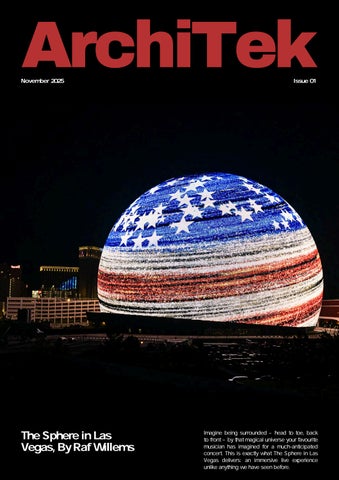
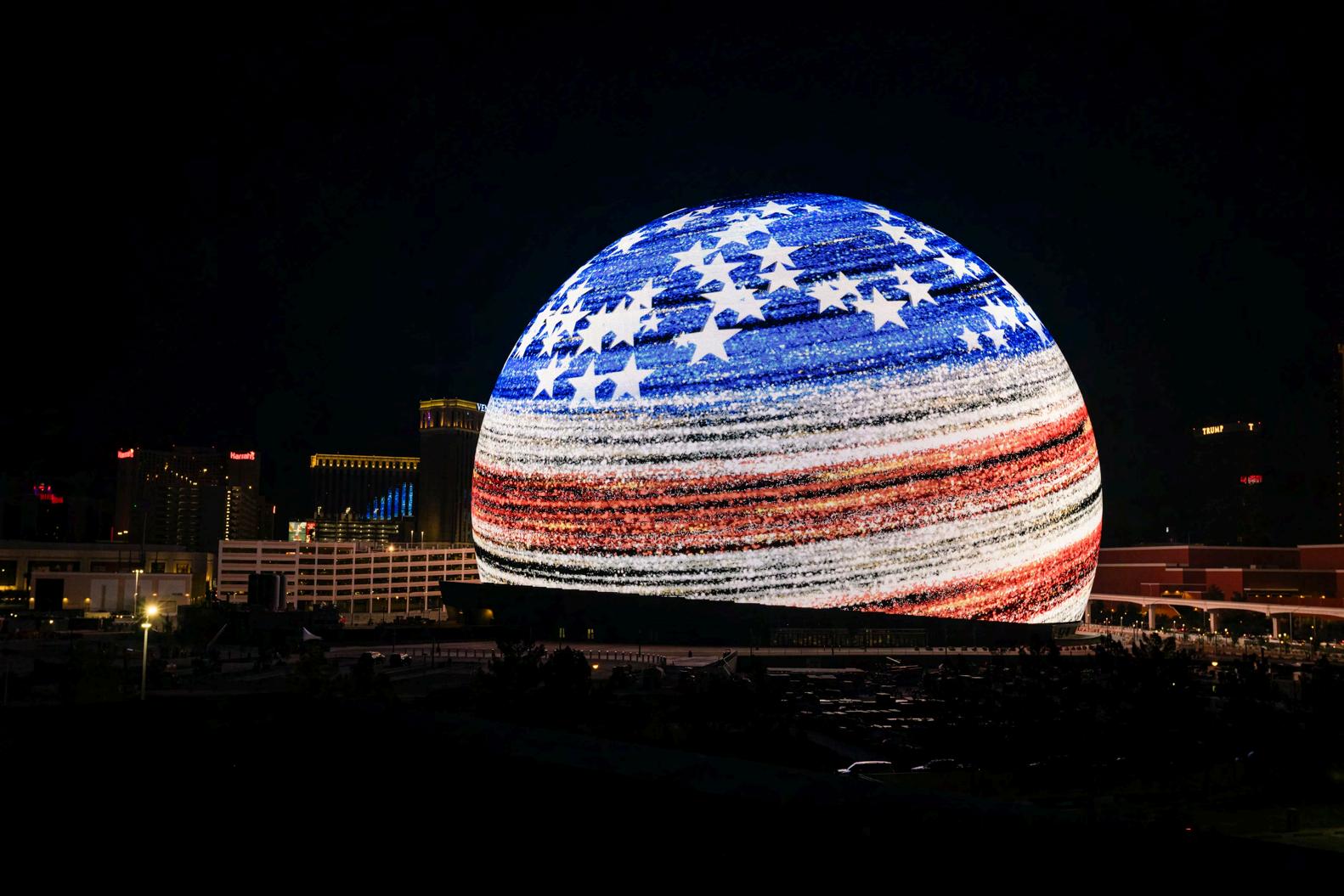
Imagine being surrounded – head to toe, back to front – by that magical universe your favourite musician has imagined for a much-anticipated concert. This is exactly what The Sphere in Las Vegas delivers: an immersive live experience unlike anything we have seen before.
EDITOR-IN-CHIEF
Sunakshi Bhutani
MANAGING EDITOR
Jinisha Jain
CONTENT DIRECTOR
Jinisha Jain
Our Writer
SUNAKSHI BHUTANI
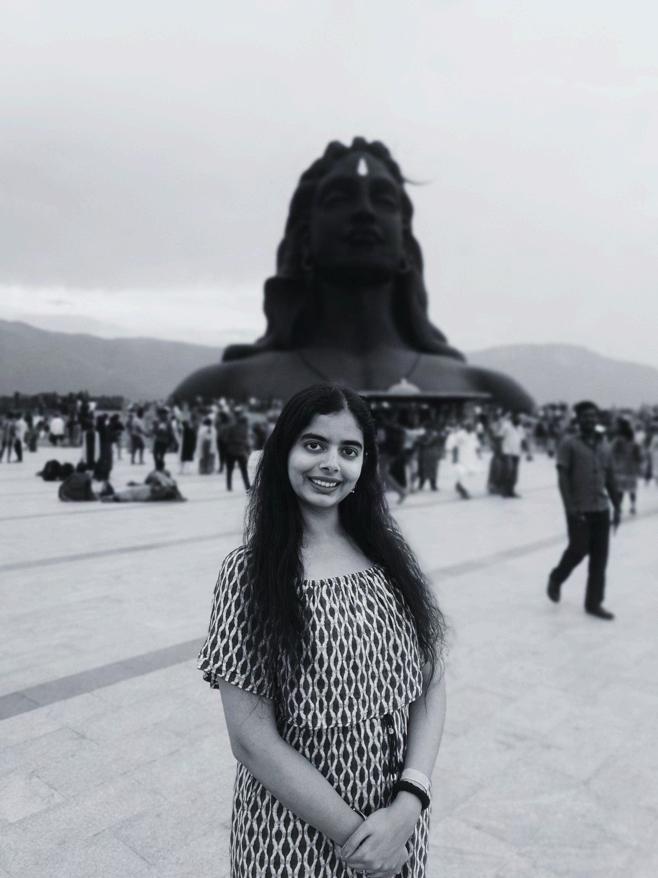
Sunakshi Bhutani, a fifth-year architecture student at Amity University, brings her passion for design and storytelling into architectural journalism. Her focus lies in exploring the impact of architecture on human experience.
LARGER THAN LIFE
“THROUGH
ARCHITEK, WE DON’T JUST DOCUMENT ARCHITECTURE; WE IGNITE CONVERSATIONS THAT BRINGDESIGNTOLIFE.”
Welcome to this edition of our magazine, where we celebrate the boundless world of design and creativity. Design is not just about aesthetics; it’s a language that tells stories, stirs emotions, and transforms the way we experience the world around us. With every issue, we strive to bring you fresh perspectives, inspiring projects, and voices that push the boundaries of imagination.
In this issue, we’re excited to feature contributors who embody the spirit of innovation and artistic expression. Each article and feature has been thoughtfully crafted to spark curiosity, inspire ideas, and challenge conventional thinking. Whether you’re a design enthusiast or a professional looking to expand your horizons, we hope this edition fuels your passion and creativity.
We hope that, through the pages of this magazine, you’ll find yourself transported—whether to a quiet, reflective space, or a vibrant, bustling city street— where design breathes life into the environment and evokes a sense of wonder. Whether you are a passionate professional in the field, a curious observer, or someone who simply enjoys the beauty of well-thought-out spaces, we aim to offer something for everyone.
We are thrilled to have you on this creative journey with us, and we hope the ideas and stories in this issue will spark your own imagination, fueling your passion for design in the world around you.
SunakshiBhutani EDITOR-IN-CHIEF
THE SKYBOUND CITY
Intheyear2150,thecityofVegasfloatshighabovetheEarth,heldupbypowerfulanti-gravityengines.Theskylineisfull ofsleek,shinytowersthatstretchintotheclouds,theirtopshiddenbymist.Thesebuildingscanchangeshapedependingon the weather, powered by the sun and the movements of the people living there. Flying cars zip through the air, moving in perfectharmony,controlledbyanadvancedAIsystemcalled"Nexus."Nexusmanageseverything—fromtheflowoftraffic tothelightingandevenpersonalclimatebubblesthatkeeppedestrianscomfortableastheywalk.
Roads no longer exist, and traffic jams are a thing of the past. People travel in hover pods that glide between floating platforms, taking them to skyscrapers, parks, and homes effortlessly.In Vegas, technology is woven into everyday life. People communicate through neural implants, allowing them to send thoughts instead of words. AI assistants take care of daily tasks before people even think of them. Food is created instantly based on what you need to stay healthy, and entertainment is immersive, blending virtual reality with the real world, transforming ordinary spaces into digital playgrounds.Vegasisacitywherehumansandtechnologylivetogetherinperfectbalance.Itisaplacewhereinnovationhas nolimits,andthefuturefeelsbothexcitingandpeaceful.
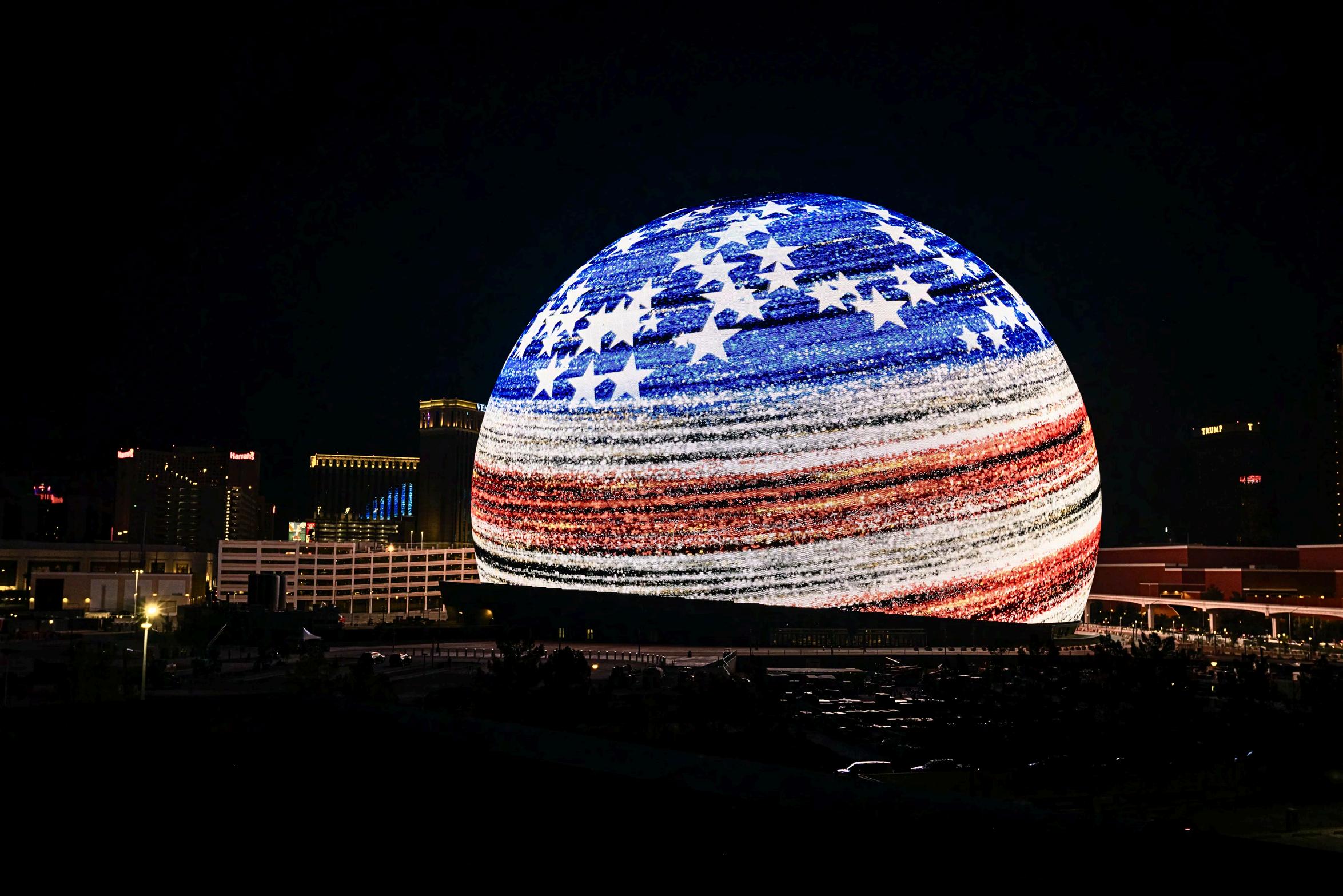
Las Vegas Dome, By USA Today
THE POWER OF WALKABLE CITIES: HOW URBAN DESIGN SHAPES OUR LIVES
Walkabilityisaconceptinurbandesignthatmeasures howeasyandsafeitisforpeopletowalkwithinacity or neighborhood. It focuses on creating pedestrianfriendly environments that encourage walking rather than relying on cars. This concept is key to building healthier, more sustainable cities by making walking a practicalmodeoftransportation.
A walkable city prioritizes pedestrians by providing accessible pathways and minimizing obstacles. Essential elements include wide, well-maintained sidewalks, safe and frequent crosswalks, and streets designed for slower traffic speeds. Mixed-use developments, where housing, shopping, and workplaces are located close together, are crucial in promoting walkability. Public spaces such as parks, green belts, and open areas also contribute to making walking a more pleasant experience. Additionally, amenities like benches, proper lighting, and landscaping further enhance walkability, making the environment more attractive and safer for pedestrians ofallages.
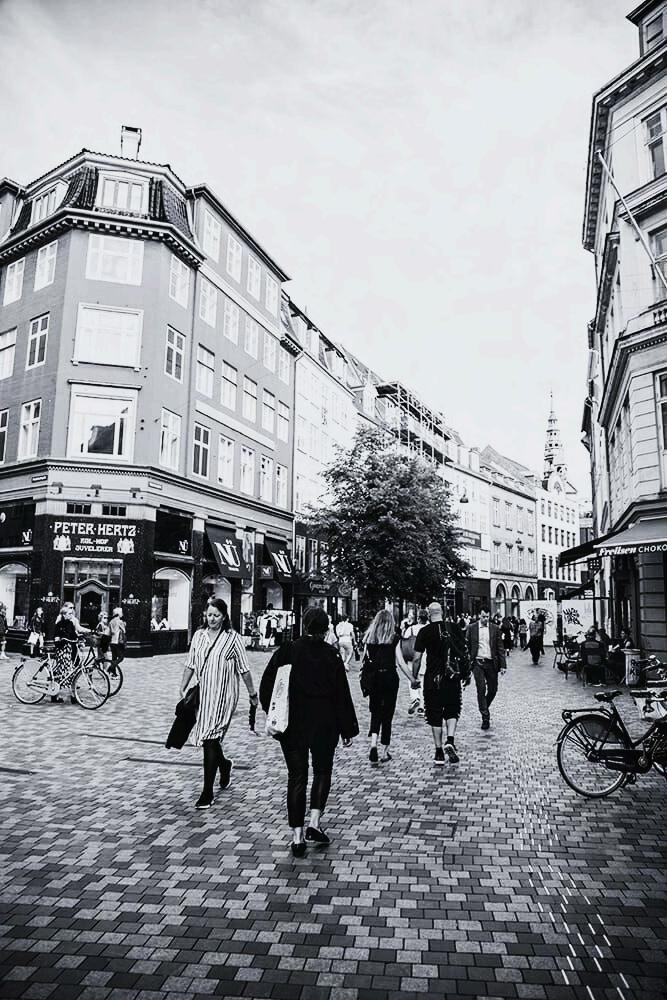
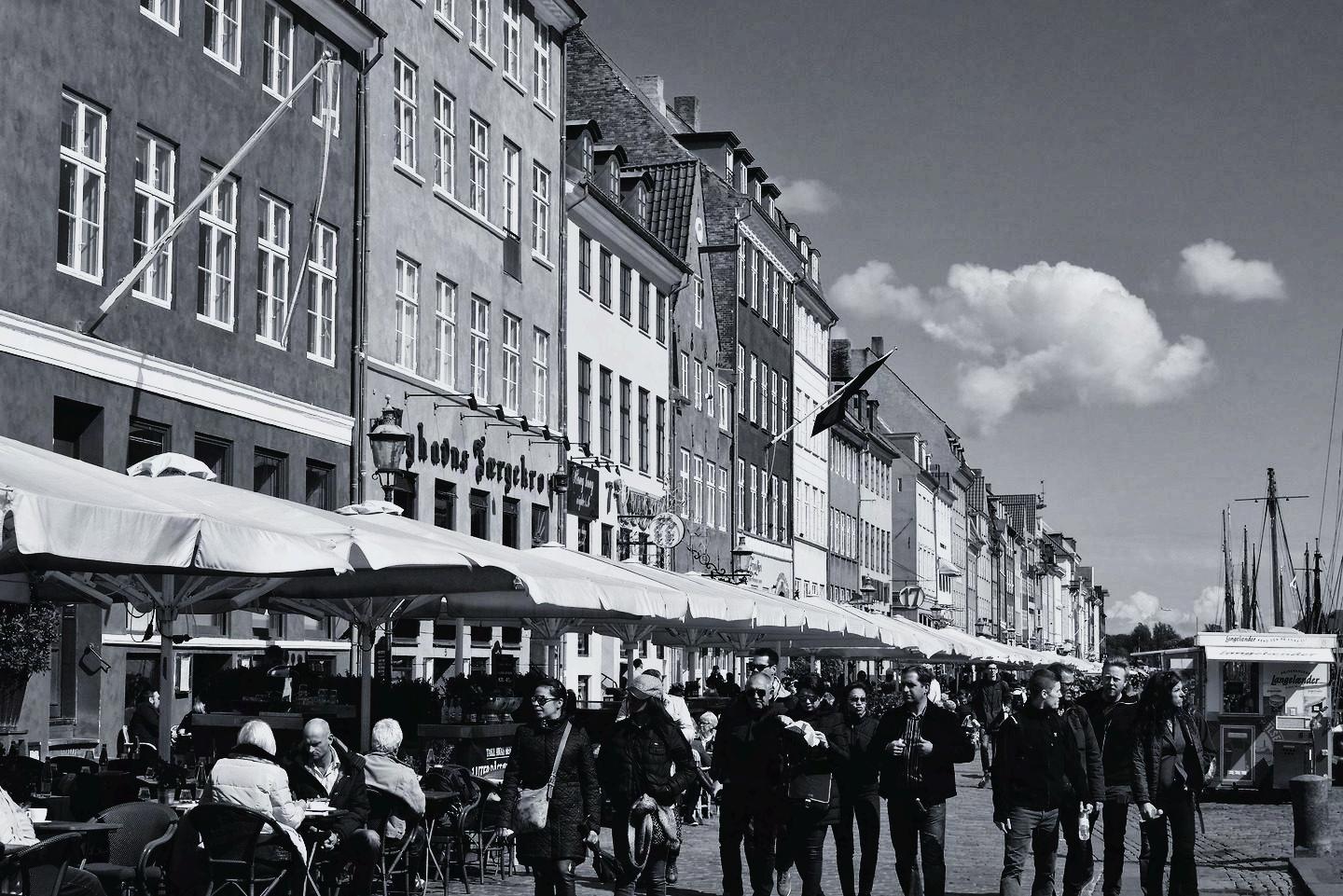
Copenhagen, Denmark, is a prime example of a walkable city. Over the years, Copenhagen has undergone a transformation to reduce car traffic and prioritize pedestrians and cyclists. One of its key successes is the famousStrøgetstreet,oneoftheworld’slongestpedestrian zones. The removal of cars has created a vibrant, peoplefocusedenvironmentthatthrivesonwalkability.
The benefits of walkable cities are extensive. They promote healthier lifestyles by encouraging physical activity, such as walking for daily errands or commuting. Reduced car dependence also leads to lower pollution levels,improvingairquality.Walkabilityfostersasenseof community by bringing people together in public spaces, and economically, it boosts local businesses and property values as people are drawn to live in walkable, accessible areas.
Copenhagen , By Julia
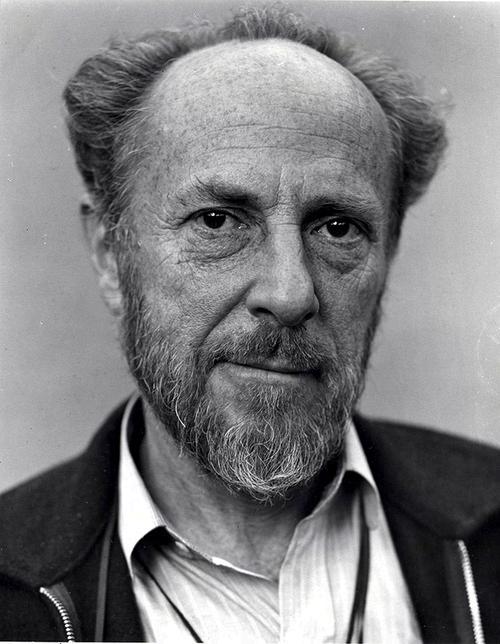
EDWARDHENRYWESTON: The Master of Form and Light in Photography
Edward Henry Westson, By Only old photography (Blog)
EdwardHenryWestonwasbornMarch 24,1886,inHighlandPark,Illinois.He spent the majority of his childhood in Chicago where he attended Oakland Grammar School. He began photographingattheageofsixteenafter receiving a Bull’s Eye #2 camera from hisfather.
Weston’sfirstphotographscapturedthe parksofChicagoandhisaunt’sfarm.In 1906, following the publication of his first photograph in Camera and Darkroom,WestonmovedtoCalifornia. After working briefly as a surveyor for San Pedro, Los Angeles and Salt Lake Railroad, he began working as an itinerant photographer. He peddled his wares door to door photographing children,petsandfunerals.Realizingthe need for formal training, in 1908 Weston returned east and attended the Illinois College of Photography in Effingham,Illinois.
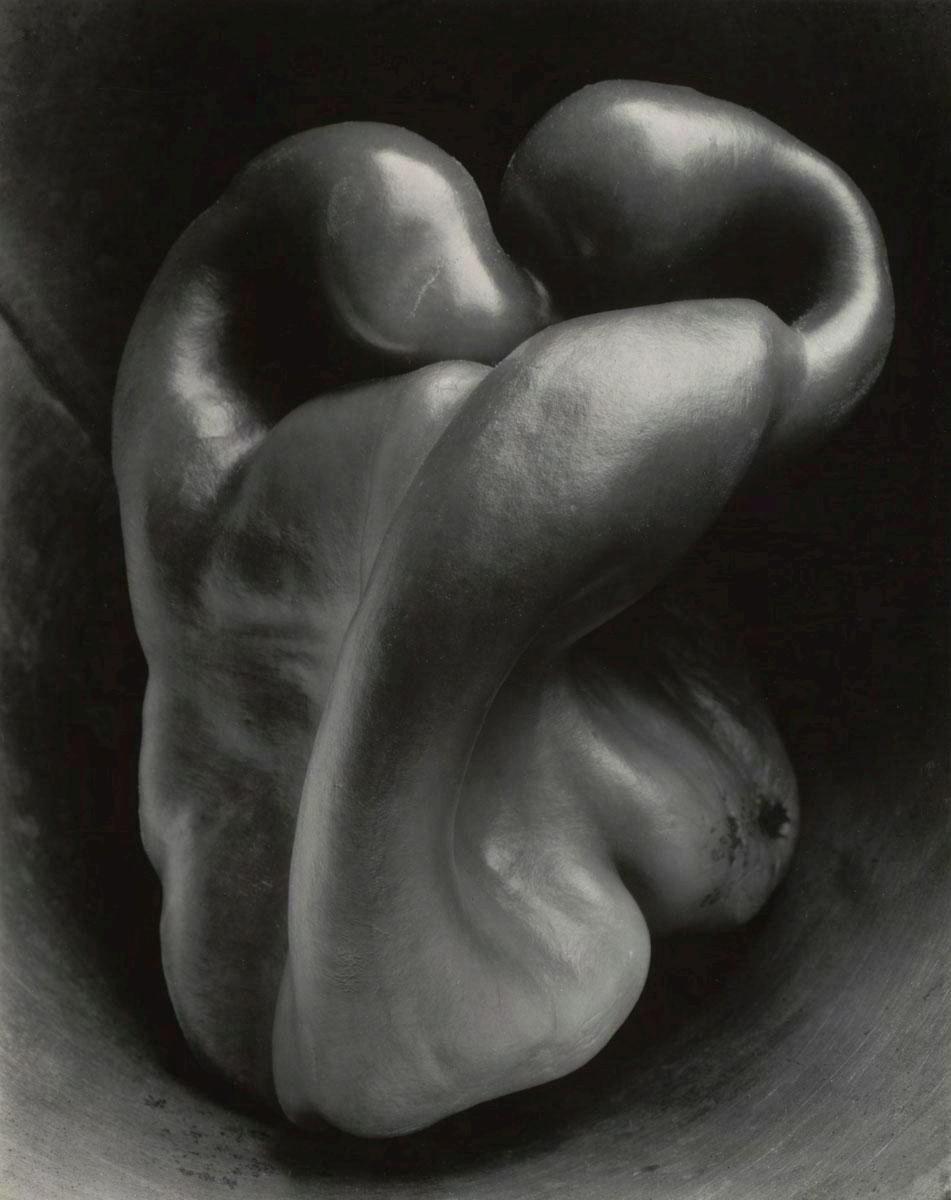
Pepper No.30, By
Edward Westson
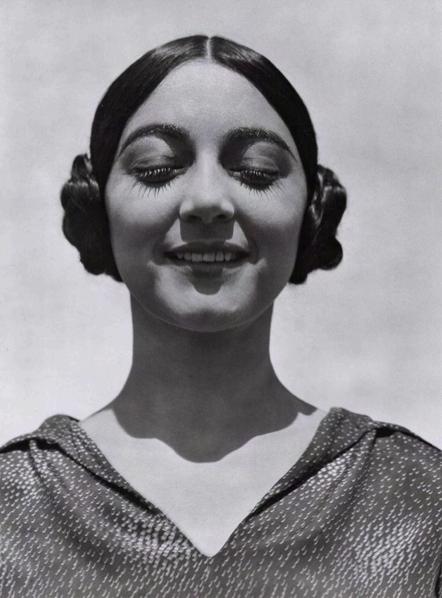
WESTON BECAME SUCCESSFUL WORKING IN SOFTFOCUS, PICTORIAL STYLE; WINNING MANY SALONS AND PROFESSIONAL AWARDS. WESTON GAINED AN INTERNATIONAL REPUTATION FOR HIS HIGH KEY PORTRAITSANDMODERNDANCESTUDIES.
OneofWeston’ssignaturetechniqueswashisexpertuseof lightandshadow.Hereliedonnaturallighttohighlightthe textures and contours of his subjects, giving them a sculptural quality. His famous photograph, “Pepper No. 30,”exemplifiesthisapproach,turningasimplepepperinto an abstract form. Weston’s focus on form rather than the object itself allowed viewers to see everyday items in unexpectedandintriguingways.
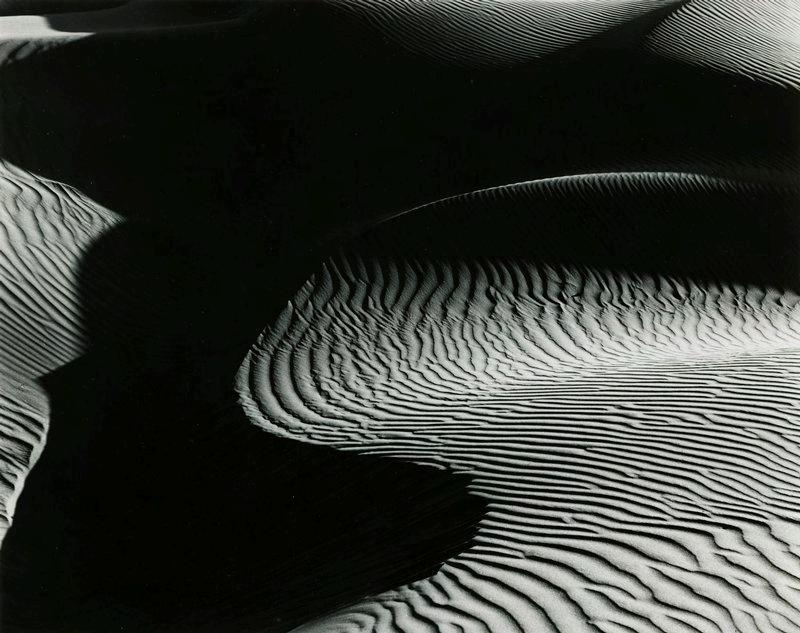
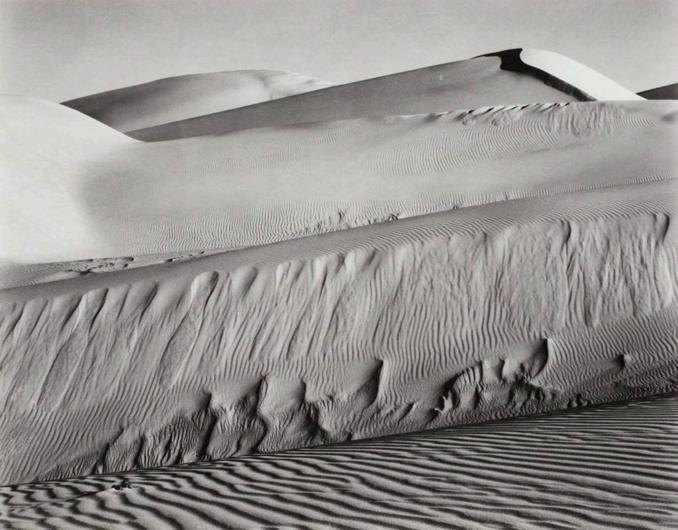
Weston also had a deep appreciation for organic beauty, often exploring the human body, landscapes, and natural objects. His nude portraits, such as those featuring Charis Wilson, captured the human figure in its raw, unembellished form, emphasizing the body’s natural lines. His landscapes, like the Oceano sand dunes, portrayed nature with similar simplicity, focusing on the curves and patternsintheland.
A key element of Weston’s legacy is his ability to find beauty in the mundane. By isolating common objects, he revealedtheirinherentartisticvalue.Throughhisemphasis on precision and form, Weston pushed the boundaries of photography, showing that it could be more than documentation—it could be art. His work continues to inspirephotographerstothisday,highlightingthepowerof simplicityandforminthecreativeprocess.Westondiedin Carmel,California,onJanuary1,1958.
1936 MARKED THE START OF WESTON’S SERIES OF NUDES AND SAND DUNES IN OCEANO,CALIFORNIA,WHICHAREOFTENCONSIDEREDSOMEOFHISFINESTWORK.
Dunes, Oceano
Dunes, Oceano
Rose, Mexico
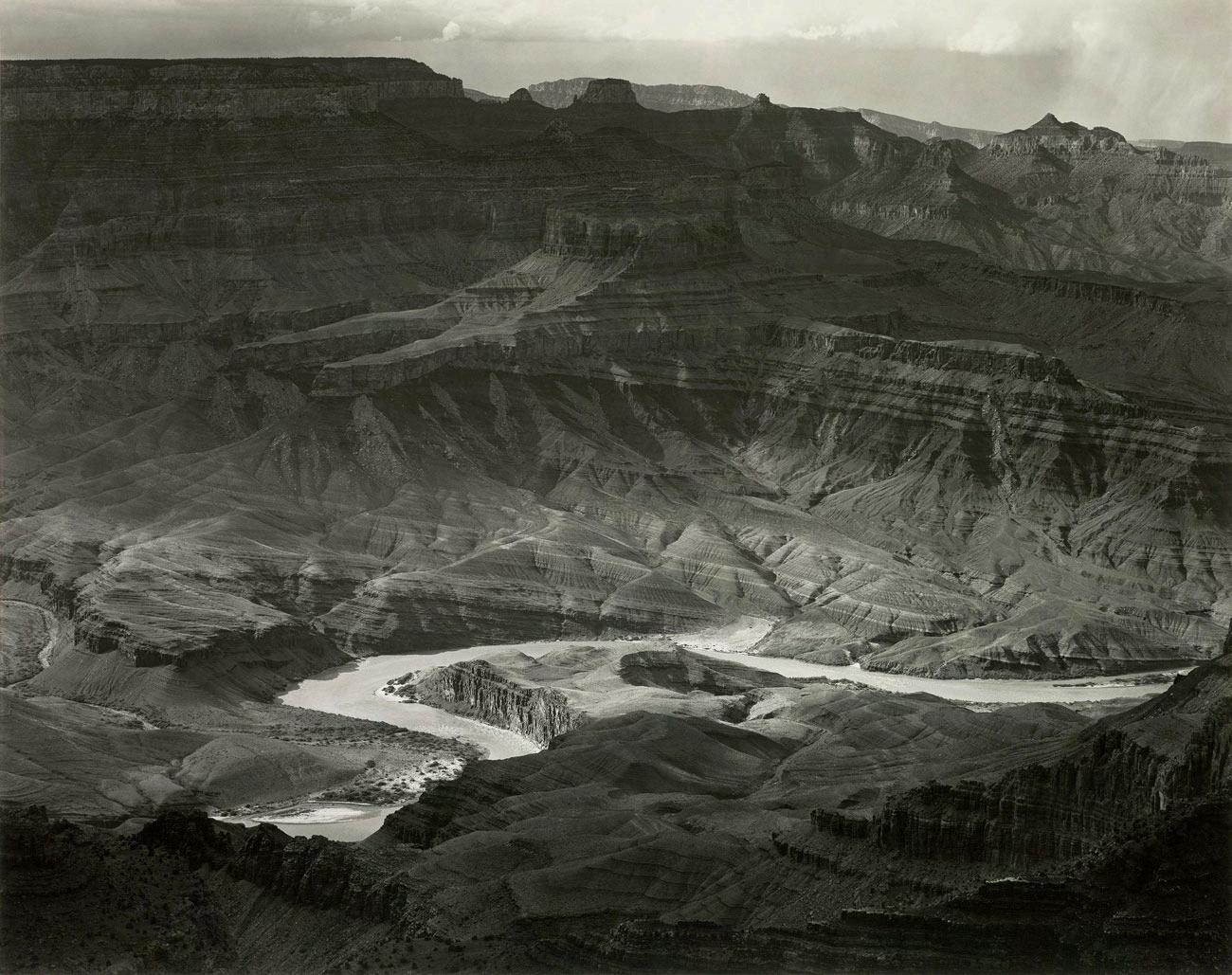
Grand Canyon, Arizona
All photographs by Edward Westson
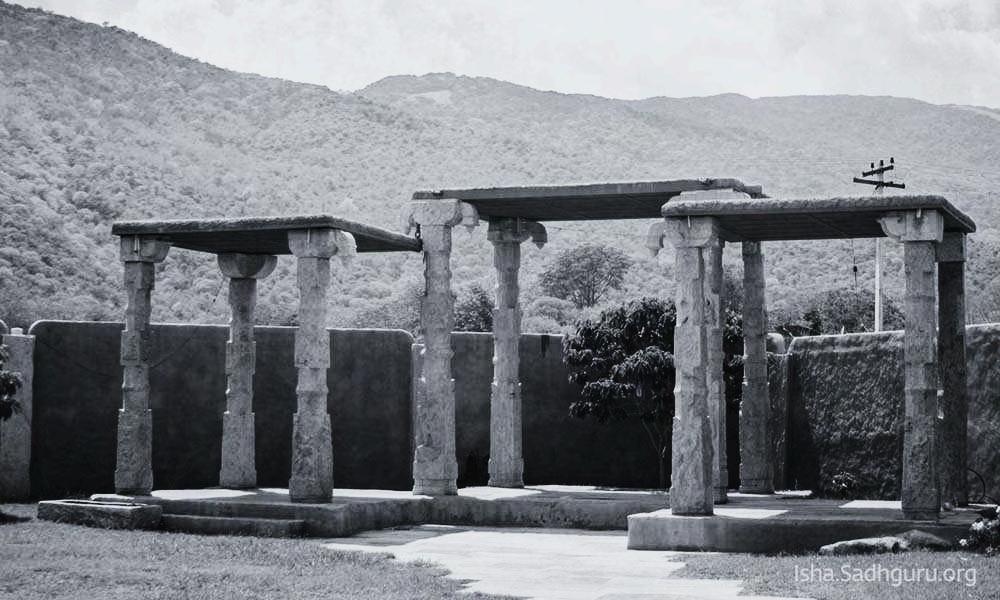
ISHA YOGA CENTER
A sanctuary of eco-conscious design and spiritual depth, the Isha Yoga Center stands as a testament to the union of ancient wisdom and modern architectural innovation. The project, founded under the aegis of the Isha Foundation, is set at the foothills of the Velliangiri Mountains in southern India. Created as a powerful sthana (a centre for inner growth), this destination attracts people from all parts of the world .
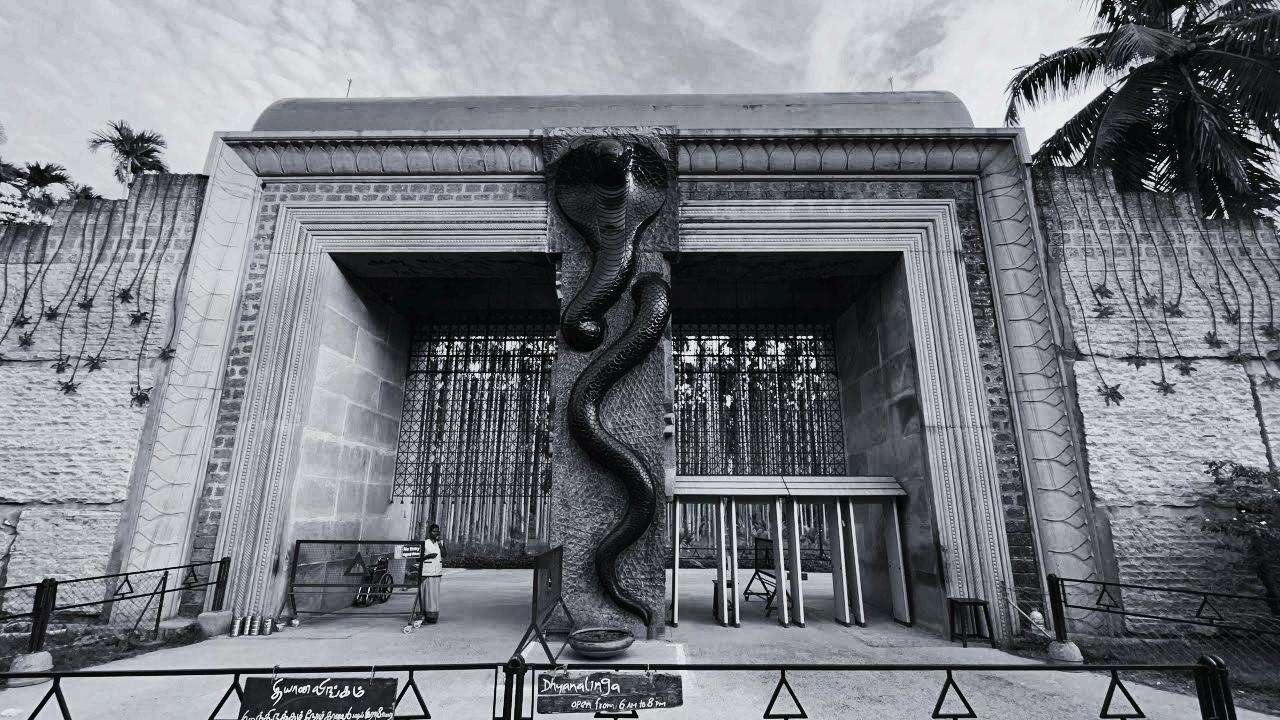
Sarpavasal, By Planned Miles
AHARMONIOUSBLENDOF SPIRITUALITYAND ARCHITECTURE
“ARCHITECTURE IS JUST A PLAYOFGEOMETRY.IFYOU LOOKATALLTHEBUILDINGS ATTHEISHAYOGACENTER RIGHTNOW,THEYDONOT STAND BECAUSE OF THE STRENGTH OF THE MATERIAL. THEY STAND ONLY BECAUSE OF PERFECTNESS OF THE GEOMETRY. THAT IS THE BEAUTYOFWHATWEARE DOINGHERE.”
Sadhguru
Nestled at the foothills of the Velliangiri Mountains in Tamil Nadu, the Isha Yoga Center is more than just a spiritual retreat; it is a testament to architectural ingenuity and spiritual transformation. Founded by Sadhguru Jaggi Vasudev, the center has become a globally recognized destination, merging ancient wisdom, modern architecture, and eco-conscious practices.
Spanning over 20,463 square meters, the Isha Yoga Center is a haven for spiritual seekers and architecture enthusiasts alike. The center's design reflects a perfect synergy between spiritualityandfunctionality,creating an atmosphere conducive to inner transformation.
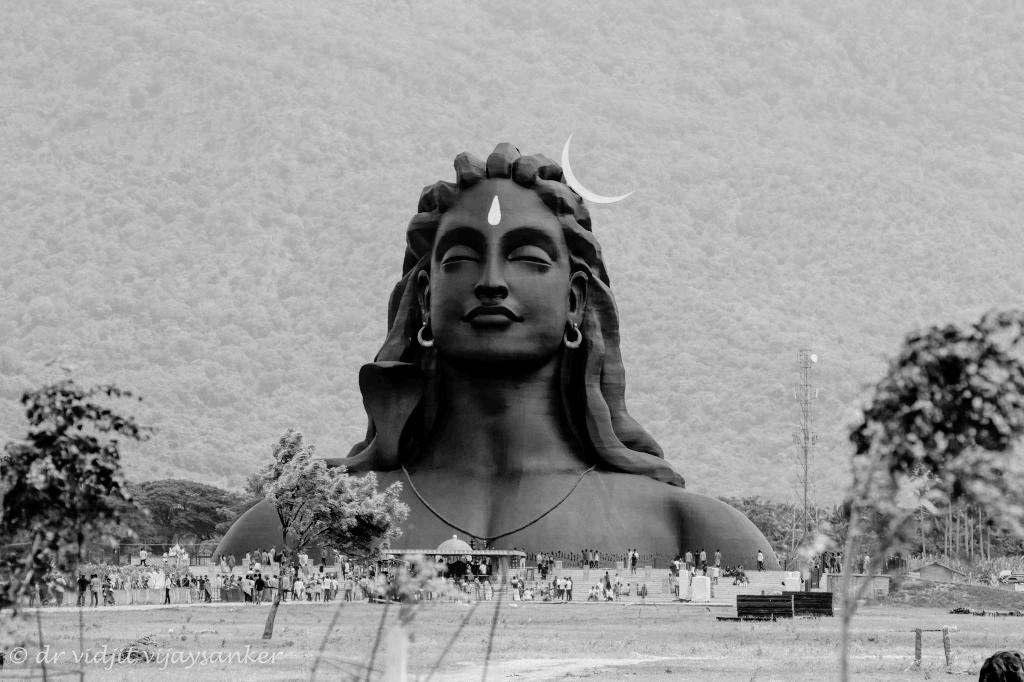
Another architectural marvel is the 112-foot-tall Adiyogi Statue, a contemporary design that symbolizes Shiva as the first yogi. The monumental scale of the statue, set against the natural landscape, was designedtocreatealastingvisualand spiritual impact. Beyond its size, the modern design techniques used in constructingtheAdiyogiStatuebring this ancient symbol into the 21st century.
Adiyogi , By Isha Foundation
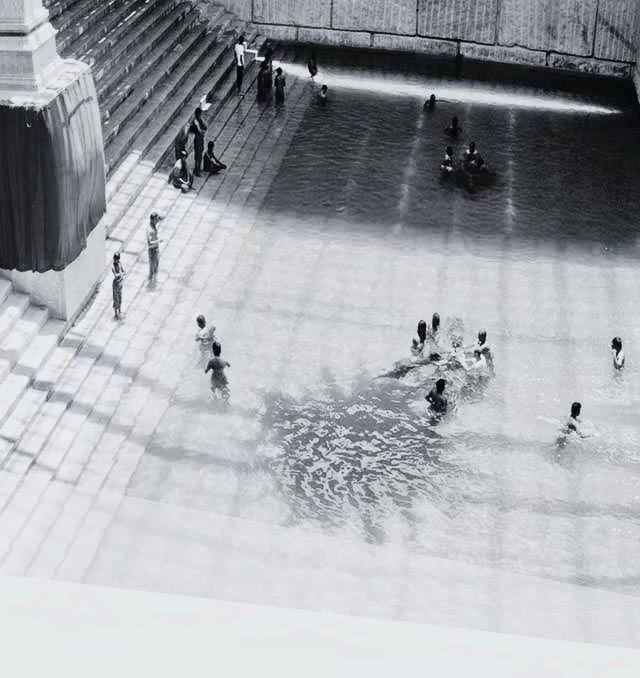
Thestatue’smagnificenceisfurtherenhancedbytheeveninglaser light show, which transforms the structure into a living embodiment of cosmic energy. The interplay of lights and shadows highlights the intricate details, adding depth and vibrancytotheserenemeditativefigure.Thisfusionoftechnology and art elevates the spiritual experience, inviting visitors to connect deeply with the divine while marveling at the scale and precision of the design.The Teerthakund, a subterranean pool designed for sacred water immersion. Architecturally, this space reflects the philosophy of elemental purification, with cascading waterfallsoverrough-hewngraniteblocks.
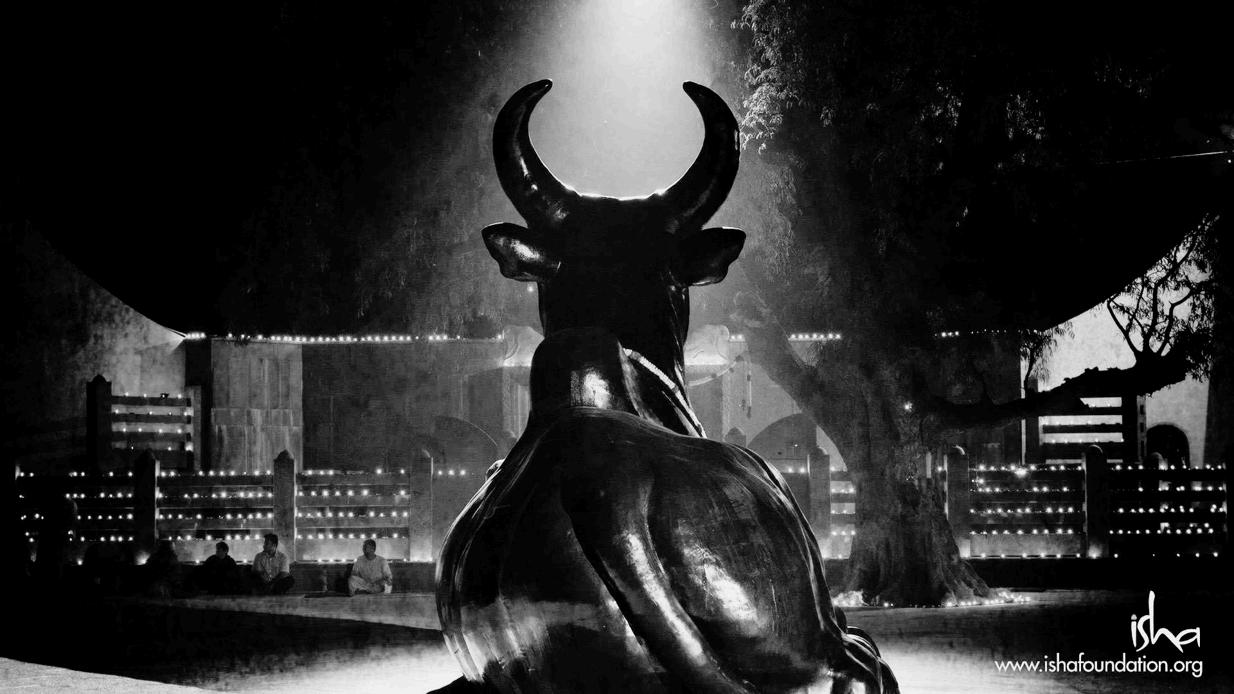
The raw stone walls and the pristine water are meticulously craftedtoalignwiththeancientIndianphilosophyofrejuvenation through elemental forces.The open pavilion above allows natural light to flood the area, blending the indoor environment seamlessly with nature. Inside the Dhyanalinga temple, the minimal yet grand design invites silence and reflection. The 15foottallNandisittingattheentranceofDhyanalingaisthelargest of its kind in the world. Sculpted from metal and filled with a unique blend of sacred ash, herbs, and other ingredients, it radiatesaspecialkindofenergy.TheNandiisasymbolofeternal waiting,theessentialqualityforreceptivity.
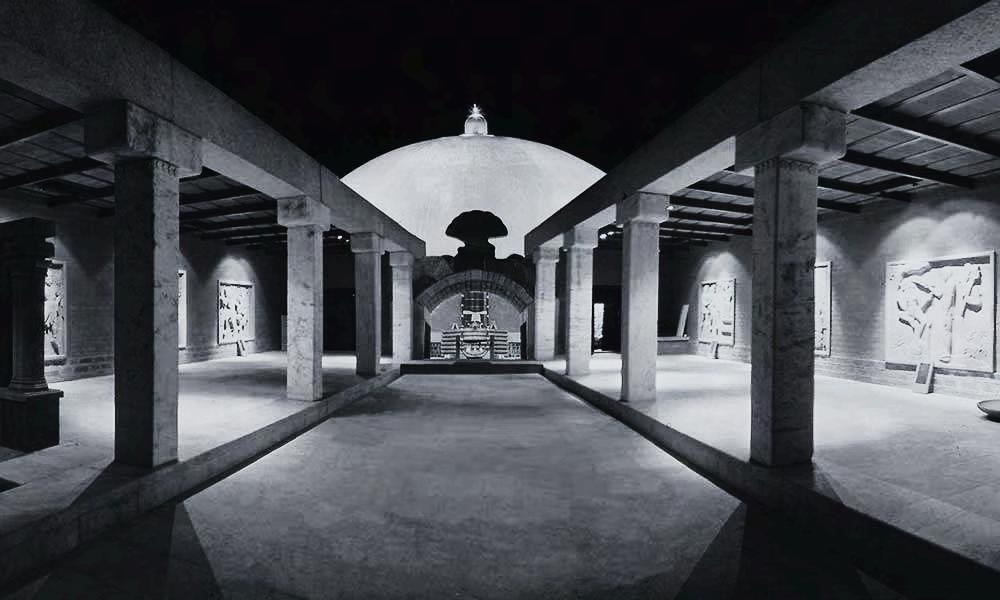
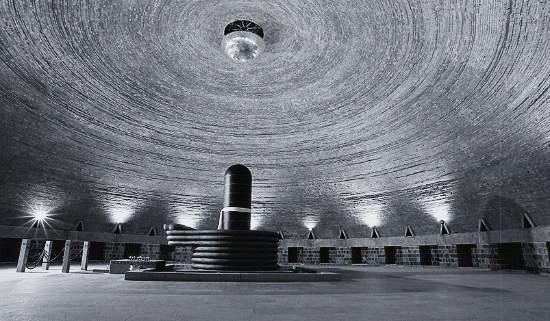
The Dhyanalinga Dome, constructed without steel or concrete, showcases the mastery of ancient Indian construction techniques. Its sacred geometry amplifies the spiritual energy within, making it a sought-after destination for meditators seeking profound experiences. Visitors often speak of a palpable energy inside the dome, attributing their deep meditation experiences to both the spiritualambianceandthearchitecturaldesign.
The entire center is a study in sustainability and eco-conscious design.Thearchitectshaveutilizednaturalmaterialssuchasstone and mud extensively, which allows the buildings to blend seamlessly with the surrounding landscape. This approach not only reduces the environmental impact but also reflects the spiritual philosophy of being in harmony with nature. The structures are designed to be energy-efficient, utilizing natural ventilation systems that reduce the need for artificial climate control in most spaces. The stunning corridor towards Dhyanalinga beautifully showcases the harmonious blend of traditionalIndianarchitectureandmodernspiritualdesign.Litby rows of soft, glowing lamps, the space invites tranquility and introspection,guidingvisitorstowardstheinnersanctum.
Light show at Adiyogi
Dhyanalinga Dome
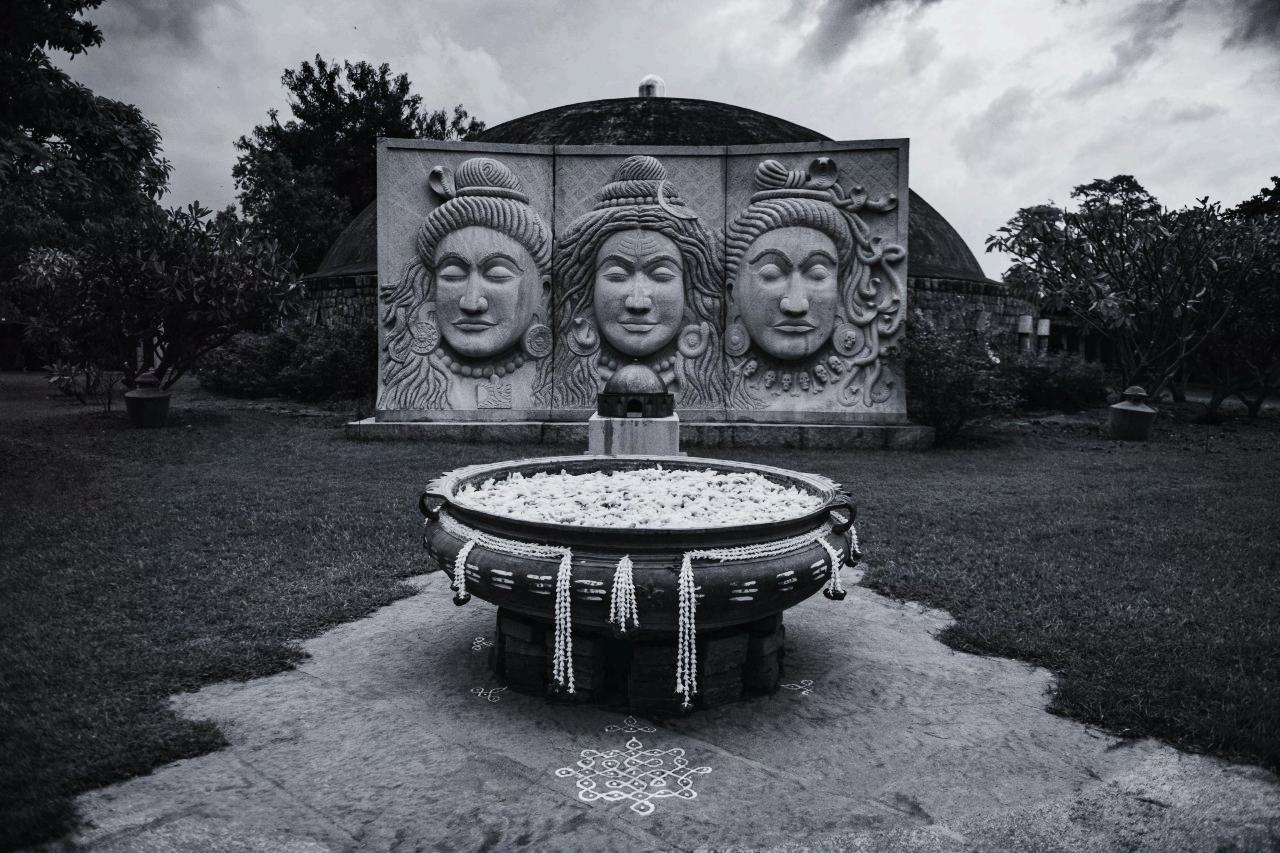
The Trimurti Panel, symbolizing the three faces of Shiva, embodies creation, preservation, and destruction, setting a powerful presence at the Isha Yoga Center.
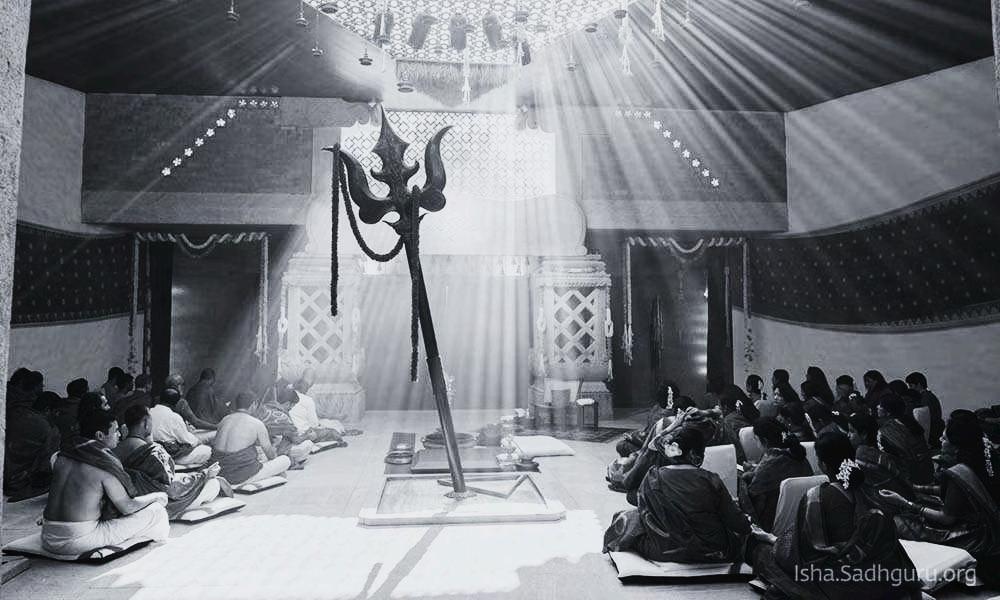
The sacred Dhyanalinga shrine, an epitome of meditative silence and energy, draws visitors into a deep state of inner stillness and peace
The Teerthakund, a sacred water body, offers a space for purification and rejuvenation before entering the meditative spaces of the Dhyanalinga.
The imposing statue of Nandi, symbolizing patience and unwavering devotion, stands guard as the silent sentinel of the sacred grounds.
The Spanda Hall, an architectural marvel designed for meditative practices and dynamic forms of yoga, is nestled amidst the lush Velliangiri foothills.
All photographs By Isha Foundation
Aligned at 11 o'clock, Devi's Trishul marks the 11th day in a woman's cycle—a key phase in sadhana and spiritual growth, symbolizing transformation and inner strength.
PARISINPERIL: SUNAKSHIBHUTANI’S DESIGNDISASTER
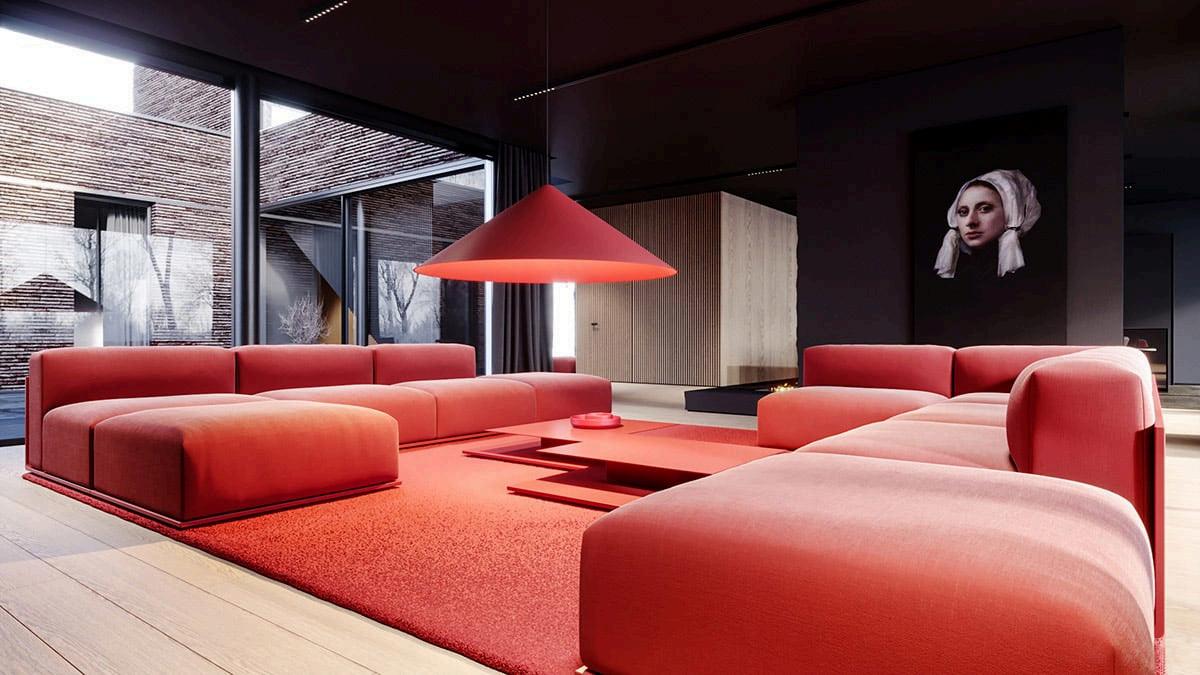
Living Room,
By
Home Stratosphere
SUNAKSHI’S HEART RACED. THE MARBLE FLOOR WAS THE CENTERPIECE OF THE ENTIRE DESIGN—AN INTRICATE MOSAIC, FLOWN IN FROM ITALY, THAT TIED THE ENTIRE LIVING SPACE TOGETHER. AND NOW, IT WAS RUINED.
Sunakshi Bhutani, renowned interior designer, stood in her Parisian penthouse with a satisfied smile. She had flown to Paris to work on a special project—designing the luxurious interiors of a close friend’s new Parisian villa. This was no ordinary client; it was her best friend from college, Shubh, who had entrusted Sunakshi with the task of transforming his dream home into an architecturalmasterpiece.
The project had been months in the making. Every fabric, every piece of furniture, and every art piece was carefully handpicked by Sunakshi to reflect Shubh’s personality. She had blended classic Parisian elegance with modern luxury, and it was nearly complete. Today, Sunakshi was supposed to meet Shubh for a final walk-through before the reveal. Just as Sunakshi sipped her espresso, soaking in the Parisian skyline, her phone buzzed. It was her project manager, Laurent, calling from the villa.
“Madame Bhutani, we have a problem,”hesaidinhisthickFrench accent, clearly flustered. “The custom-made Italian marble floor in thelivingroom—it’scracked!Alarge section of it collapsed during installation, and there is water damage from the leaking pipes underneath.”
Sunakshi’s heart raced. The marble floorwasthecenterpieceoftheentire design-an intricate mosaic, flown in from Italy, that tied the living space together.Andnow,itwasruined.To make matters worse, Shubh had no idea. He trusted Sunakshi completely, and the reveal was supposedtobeasurpriseforhim.To make matters worse, Shubh had no idea. He trusted Sunakshi completely, and the reveal was supposed to be a surprise for him.Without the floor, the entire design vision was in jeopardy. Sunakshiwastednotime.
By Houzz
She called her sister, Shivika, who was still back in Mumbai. “We’ve got a major issue here,” she said, explaining the situation. “I can’t believe this happened just days before the reveal.” Shivika, always supportive, tried to lighten the mood. “Don’t worry, Sunakshi. If there’s anyone who can fix this, it’s you. Besides, Paris wouldn’t dare disappoint you,” she teased.
Determined to resolve the issue, Sunakshi drove to the villa with her cousin, Nimit, in tow. “You’re coming with me today,” she said as she grabbed her keys. “You’re about to see me pull off a miracle.” At the site, chaos awaited her. The damaged marble floor was worse than she had imagined, and the leak had caused a section of the custom rugs to be soaked. Shubh's stunning villa, which had once felt like a vision of beauty, now resembled a disaster zone.
THE WORKERS REINSTALLED THE FLOOR, AND BY THE END OF THE THIRD DAY, THE VILLA WAS BACK TO ITS STUNNING, LUXURIOUSSELF.
Sunakshi wasted no time. “We need to remove the damaged sections immediately,” she instructed Laurent. “Find out if we can get replacements sent from Italy in the next 48 hours. If not, we’ll source something locally that can complement the rest of the design.”As her team scrambled to fix the mess, Shubh arrived unexpectedly. Sunakshi’s heart skipped a beat, but she composed herself. Shubh’s eyes widened as he saw the damage, but Sunakshi quickly stepped in, her voice calm. “Shubh, I know this looks bad, but trust me, we’re on it. I’ll have this fixed before the weekend. You won’t even recognize this by the time we’re done.” Shubh, trusting his best friend, smiled. “If anyone can handle it, Sunakshi, it’s you. I’m not worried.”
For the next 48 hours, Sunakshi worked tirelessly. Shivika called in to check on her, while her cousins, Nimit and Kashvi, offered ideas for alternative materials. “Maybe you could use that French marble you saw earlier,” Shivika suggested over the phone. “It might save time, and it’ll look just as elegant.”With her family’s support and her team’s dedication, Sunakshi found a solution. She sourced a rare, locally available marble that perfectly matched the rest of the décor. The workers reinstalled the floor, and by the end of the third day, the villa was back to its stunning, luxurious self.
On the day of the grand reveal, Sunakshi stood next to Shubh as they admired the completed space. The villa was breathtaking, and no one could tell there had ever been a disaster. The crisis had been averted, and her friend’s dream home was everything she had promised. As the guests marveled at the design, Sunakshi knew one thing for sure: no matter the challenges, she would always find a way to make things right.
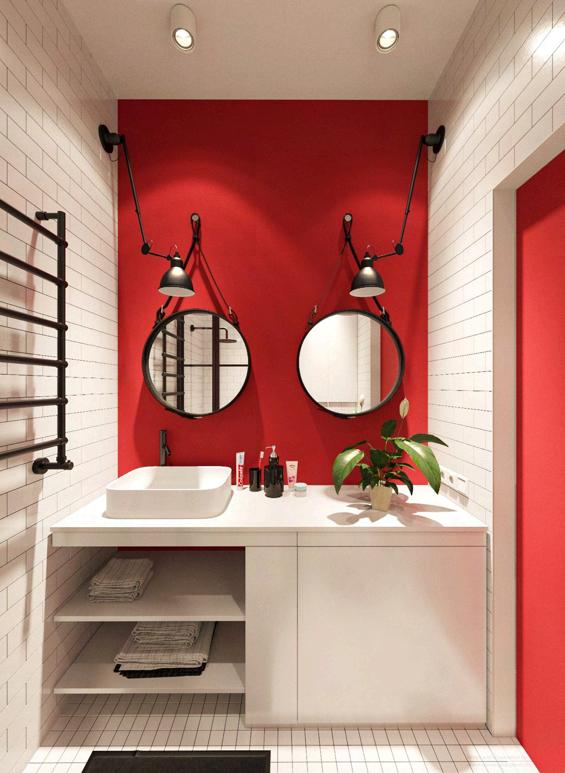
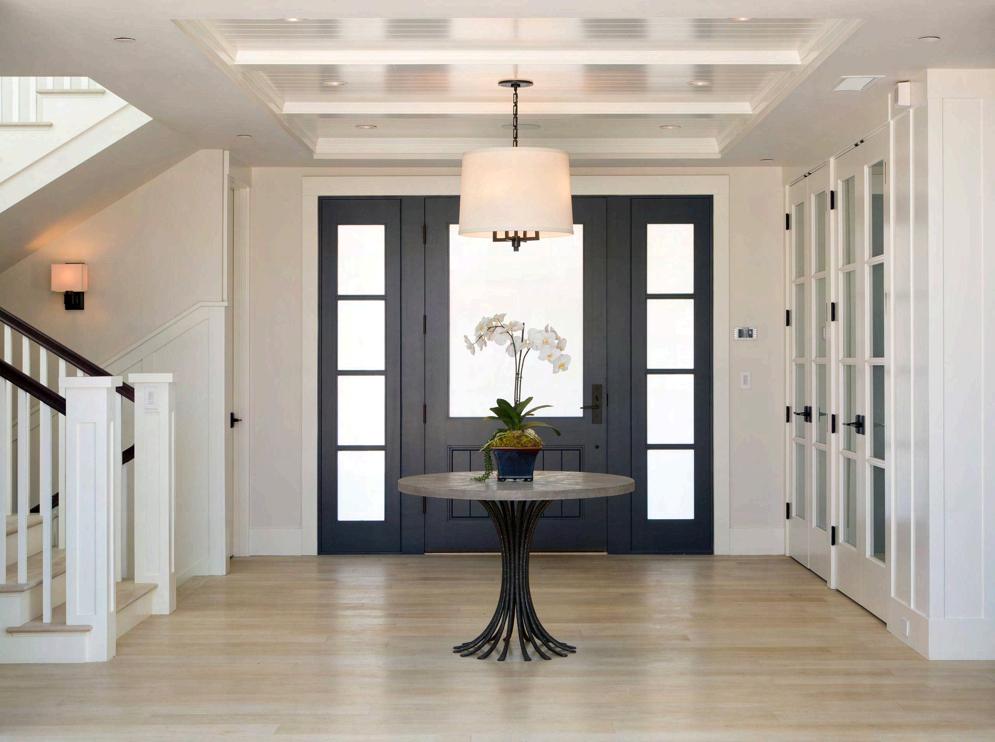
Bathroom design, By Home Designing Foyer with Black Front Door,
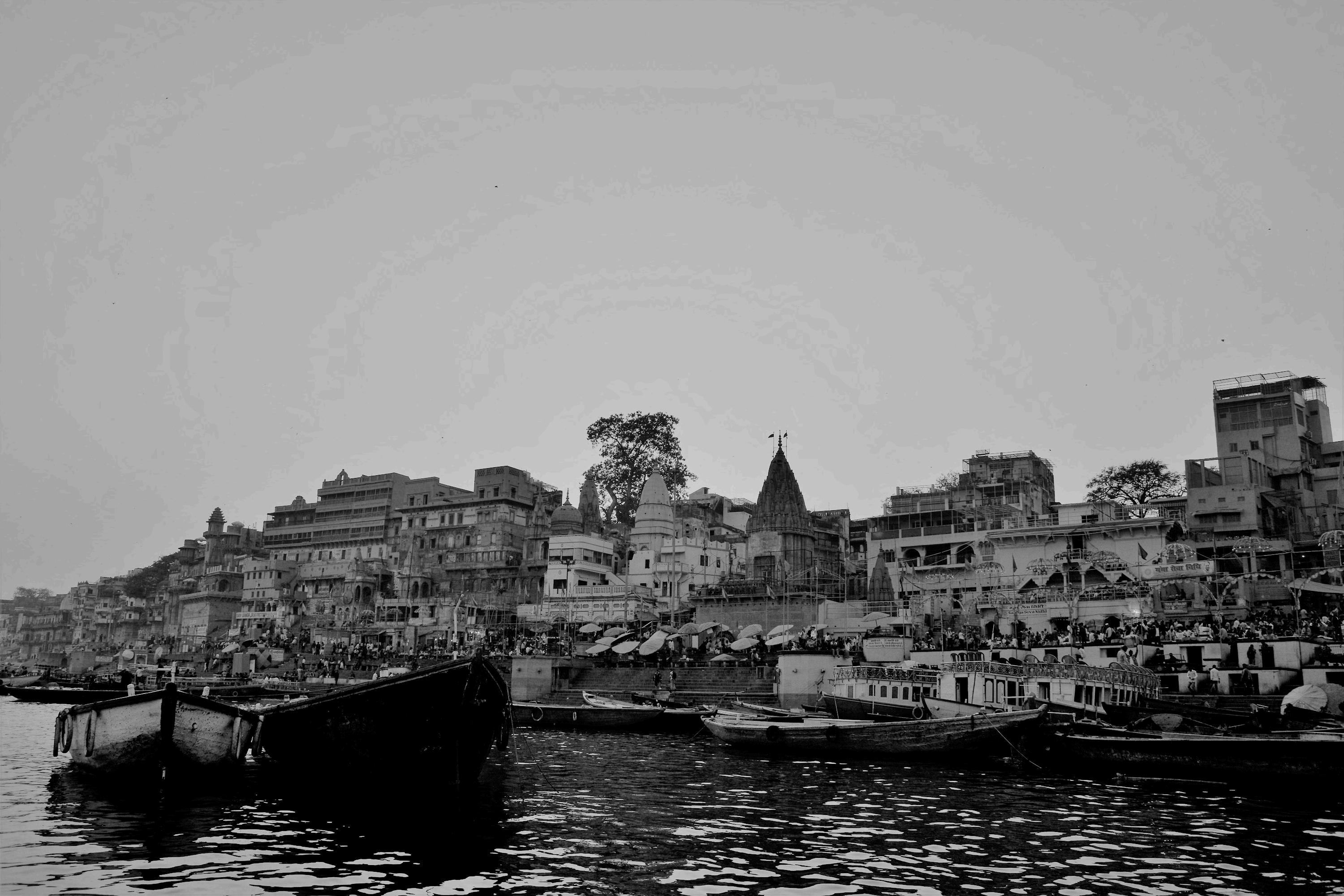
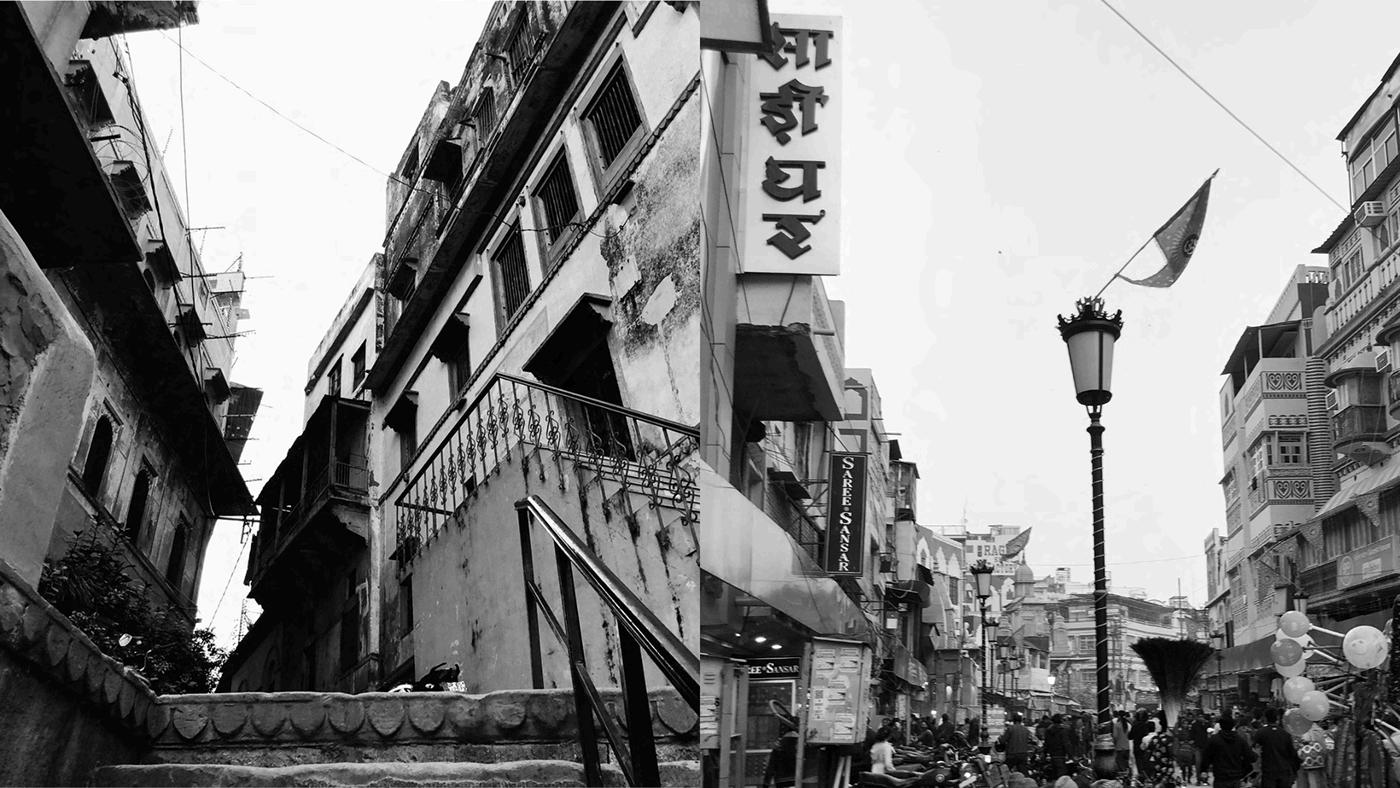
KASHI
A City of Light and Shiva’s Luminous City
Nobody can ever decipher the date of this place. When Athens was not even thought of, Kashi was. When Rome did not even exist in people’s minds, Kashi was. When Egypt did not exist, Kashi was.
By the editor
You do not want to leave the place because when you get connected to the cosmic nature, why would you want to go anywhere else?
By the editor
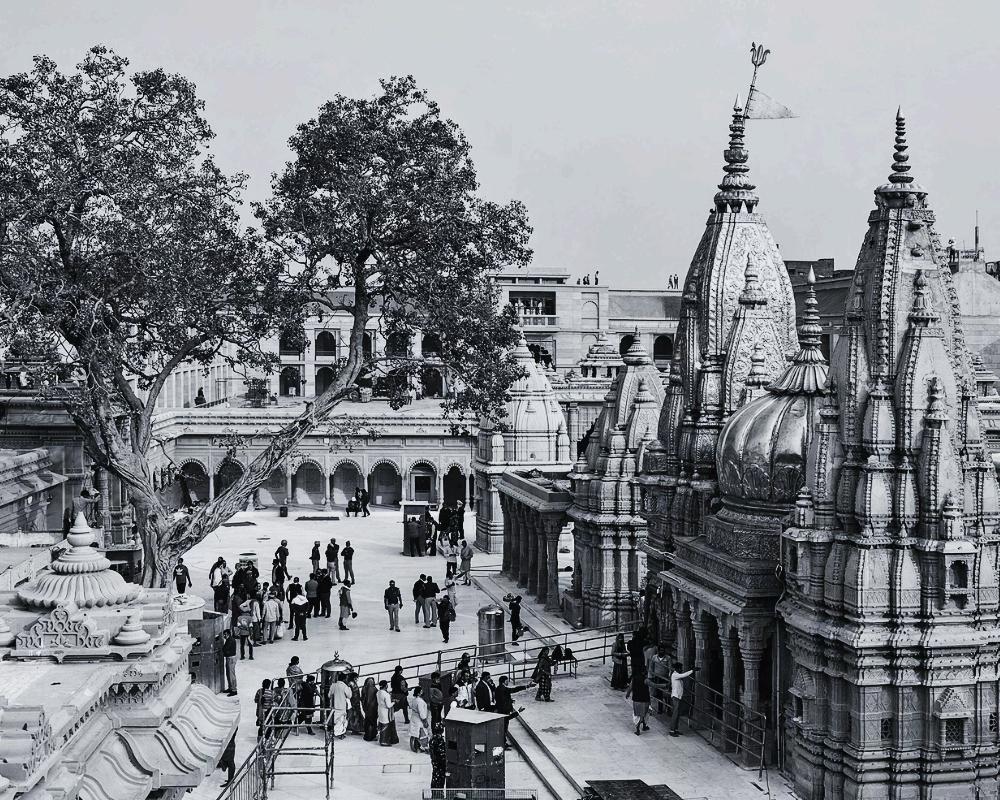
Kashi Vishwanath temple, which is the core of Kashi must have been the most phenomenal place for it to draw people from across the world. It is a misfortune that we were not alive when it was in full glory
By the editor
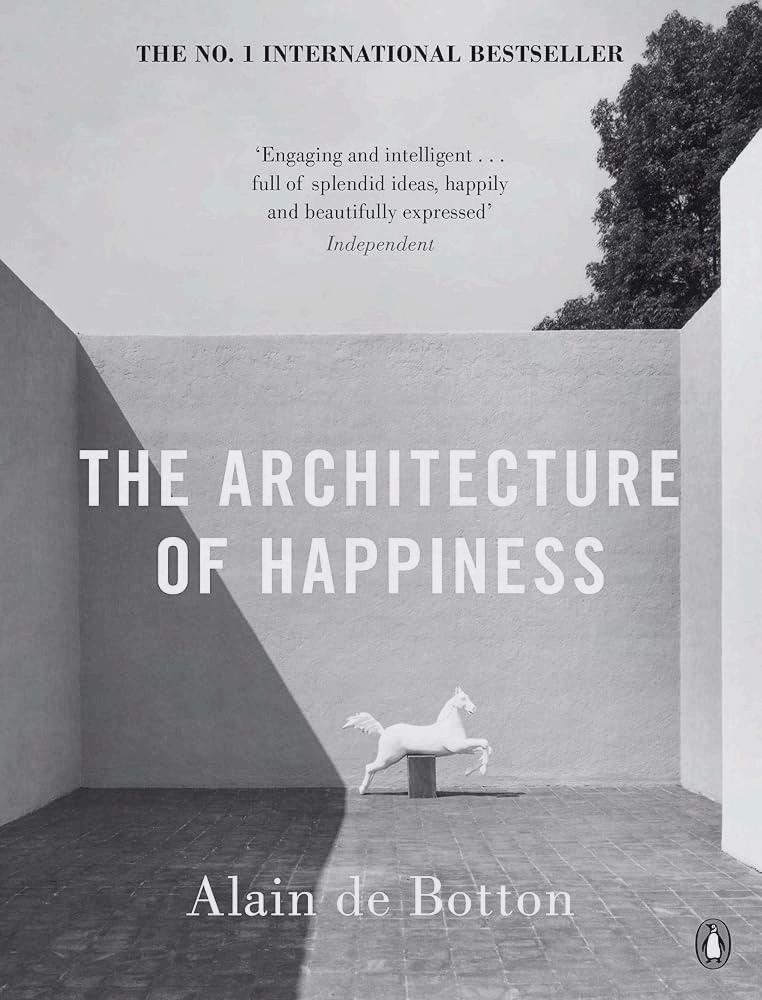
THEARCHITECTUREOF HAPPINESS
BYALAINDEBOTTON
The Architecture of Happiness by Alain de Botton is a thought-provoking exploration of how the spaces we inhabit affect our emotions and overall happiness. De Botton approaches architecture not just as an art form but as an integral part of our emotional landscape, shaping how we feel, think, and experience the world. This book goes beyond discussing famous buildings or architectural movements; it delves into the relationship between design and human psychology,makingacompellingcasefortheimportanceofthe builtenvironmentinoureverydaylives.
OneofthekeystrengthsofthisbookishowDe Botton addresses the subjectivity of beauty in architecture. Through a rich analysis of various architectural styles, such as the works of Laurie BakerorPalladio,DeBottondemonstratesthat beauty is far from objective. For example, he highlights how modernist designs, though celebratedfortheirinnovation,sometimesfailed to resonate with people whose preferences were shaped by tradition and familiarity. This emphasizes a core theme of the book: that architecture is deeply personal, and our backgrounds, experiences, and emotions shape howweinteractwithspaces.
De Botton’s writing invites us to look at our surroundingswithanewperspective,fosteringa deeper appreciation for the subtle, often overlooked, ways in which architecture influencesourmoodandbehavior.Byanalyzing cities like Paris, Rome, and San Francisco, he offersreadersalensthroughwhichtoseebeauty not merely in grandeur but in the harmony betweenabuildinganditsenvironment.
His exploration of how simplicity, balance, and rationality evoke emotional responses was both relatable and engaging. The Architecture of Happiness is a must-read for anyone interested in the ways architecture shapes our lives, whether you're a professional in the field or simply someone curious about how design influences happiness.It leaves readers with a heightened awareness of their surroundings and an understanding that the places we inhabit haveaprofoundeffectonourwell-being.
ForthosefamiliarwithDeBotton'sotherworks like The Art of Travel or Status Anxiety, this book offers a similarly introspective look at human experience through a new lens—this time, through the buildings that frame our world.
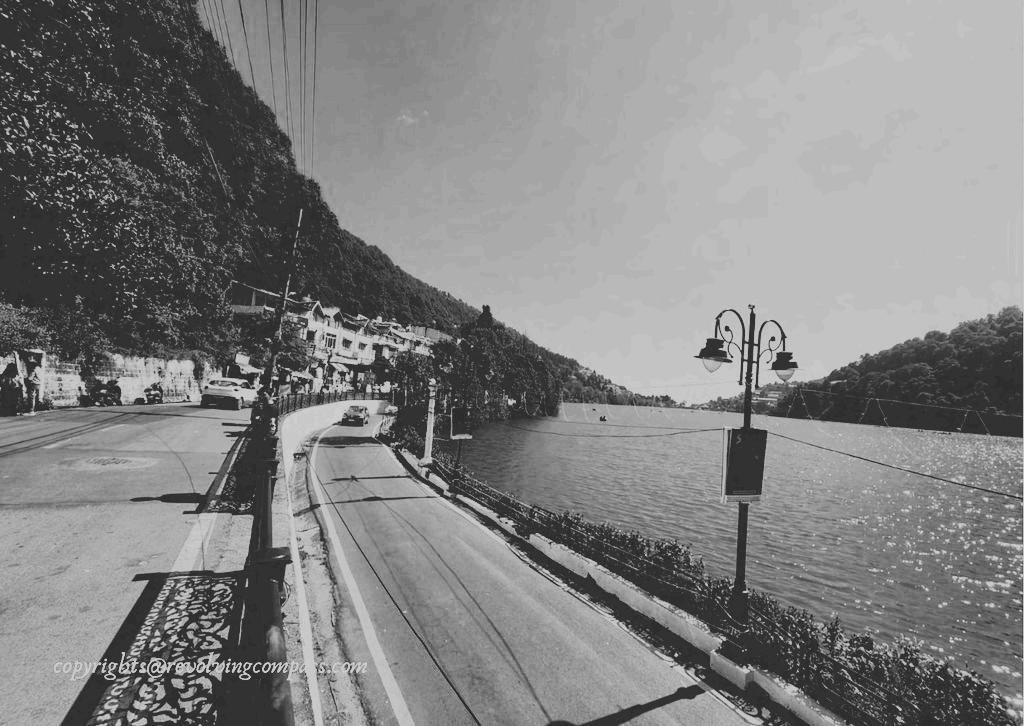
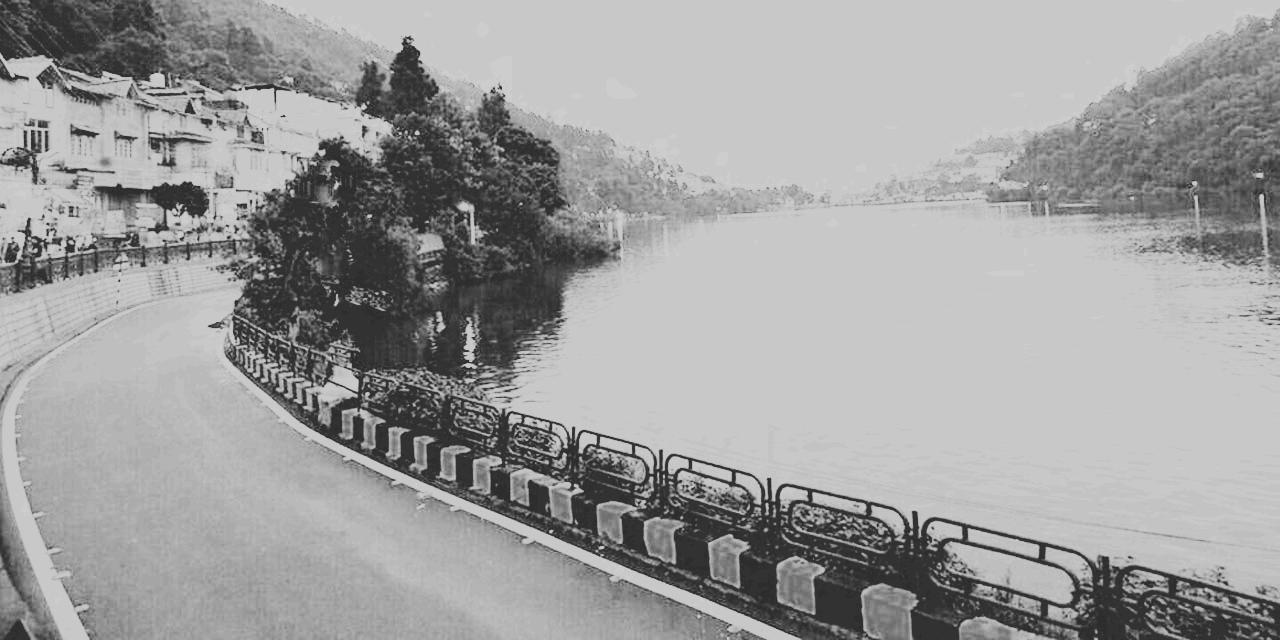
THENEED FORANEW PUBLIC TRANSPORT SYSTEMIN NAINITAL
Nainital, with its breathtaking views andcharminglandscapes,isabeloved tourist destination. However, the growing influx of visitors and the increasing number of private vehicles are taking a toll on the town's infrastructure.Topreservethebeauty of Nainital while ensuring smoother commutesforbothlocalsandtourists, implementing a new public transportationsystemiscrucial.
First, Nainital’s narrow roads and steepterrainmaketrafficcongestiona constantproblem.Duringpeaktourist seasons, it’s common to experience hours of delays, especially near Mall Road and the lakeside areas. A wellplanned public transportation system, such as electric shuttle buses or a cablecarnetwork,wouldsignificantly reduce the number of vehicles on the road,alleviatingcongestion.
Nainital’s fragile environment is under threat. The region is already seeingtheharmfuleffectsofvehicular pollution, which disrupts the local ecosystem and contributes to poor air quality.
Electric or eco-friendly public transport options would drastically reduceemissions,helpingpreservethe town'snaturalbeautyandimproveair quality for residents and visitors. A new transport system would boost tourism by making it easier and more convenient for people to explore the town.
Tourists often face parking shortages and expensive taxis; a reliable public option would provide an affordable, stress-freealternative.Implementinga modern, eco-friendly public transportation system in Nainital is essential.Itwouldeasetraffic,protect the environment, and enhance the experience for both locals and tourists.
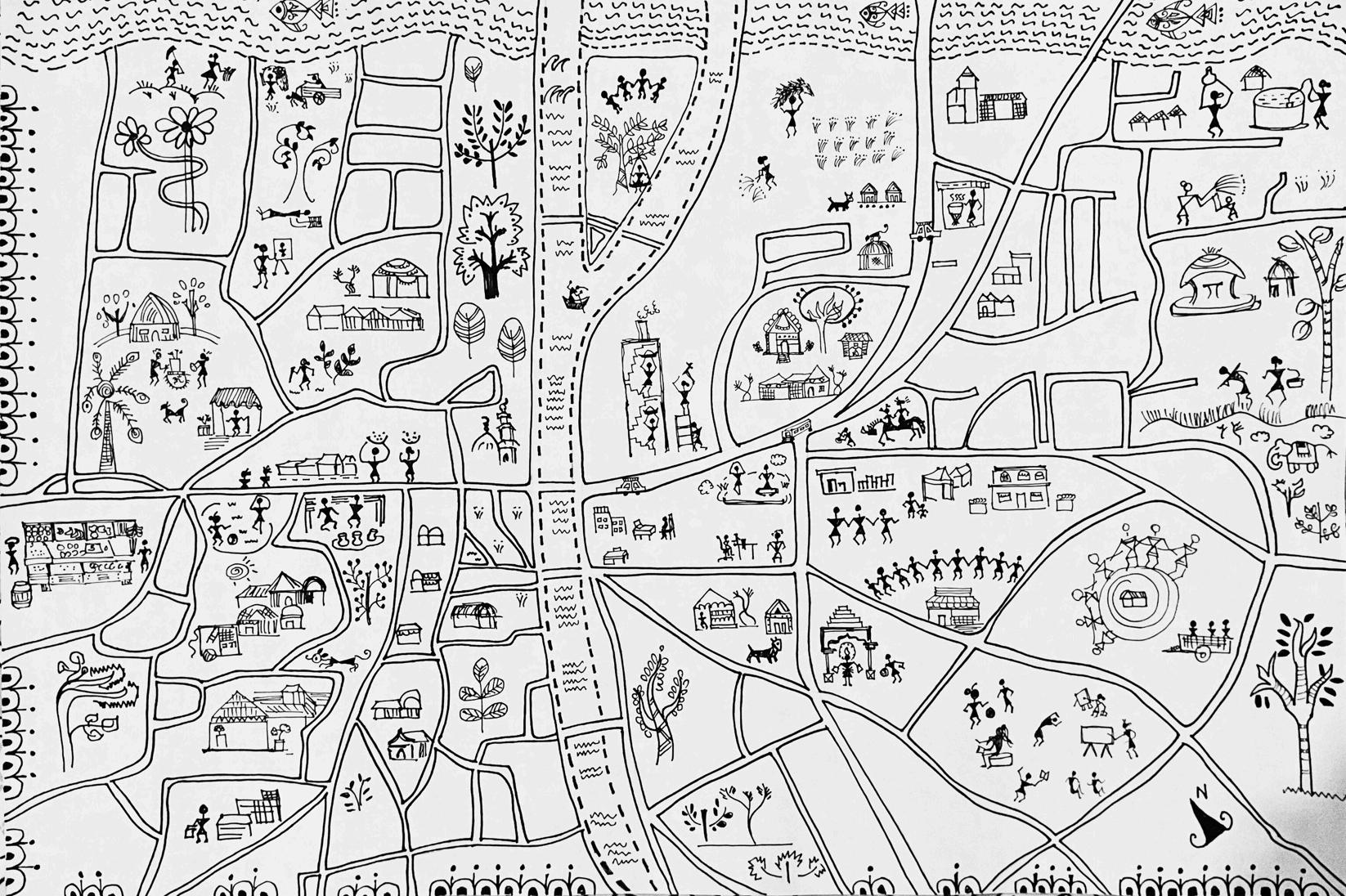
ROORKEETHROUGH WARLIART
By Editor
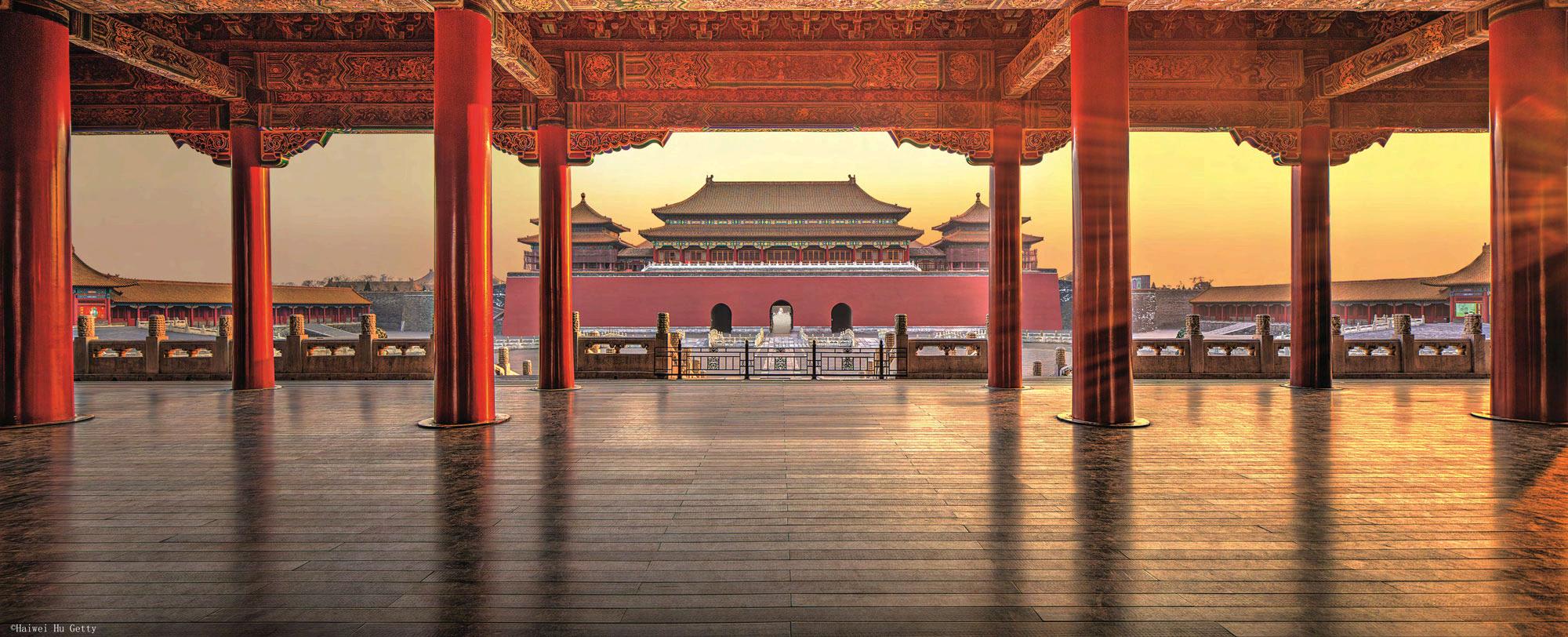
Forbidden City, By Magnifissance
FORBIDDEN CITY
The photograph of the Forbidden City masterfully captures its architectural grandeur through a balanced composition, skillful use of symmetry, and thoughtful perspective. In the foreground, towering red columns dominate, drawing the viewer’seyeupwardtotheintricatelycarvedroof.Thesecolumnsnotonlyframetheviewbutalsoguidethegazetoward the background, where the sprawling palace structures sit under the soft, golden glow of the setting sun. The polished woodenfloorreflectsthelight,addingtextureanddepth,whilethenegativespacebetweenthecolumnsallowsthescene tobreathe.
The background showcases the iconic golden-glazed roofs with their curved eaves, emblematic of traditional Chinese architecture. The symmetry in the design, with evenly spaced columns and mirrored structures, reinforces the Confucian ideals of order and balance.The one-point perspective, where lines from the floor and columns lead toward the central palace,createsasenseofdepthandgrandeur.
Intermsofphotography,thecompositionadherestotheruleofthirds,withtheforegroundoccupyingroughlyathirdof the image, anchoring the viewer in the present space while the background stretches across the upper portion, offering a sweepingviewofthedistantpavilions.Thewarmsunlightbathesthescene,enhancingtherichredsandgolds,whilesubtle shadowshighlightthetextureanddetailsofthewoodenandstonesurfaces.Thisuseoflightcreatesasereneatmosphere, capturingthetimelessbeautyandimperialsignificanceoftheForbiddenCityinasingle,harmoniousframe.
THE ARCHITECTURE OF THE FORBIDDEN CITY IS NOT MERELY FUNCTIONAL BUT ALSO DEEPLY SYMBOLIC. IT REFLECTS THE POWER OF THE EMPERORS, AND THE PHILOSOPHICAL PRINCIPLES OF ORDER AND HARMONY THAT GOVERNED CHINESE SOCIETY.
ROWAN MOORE: ARCHITECT AND CRITIC
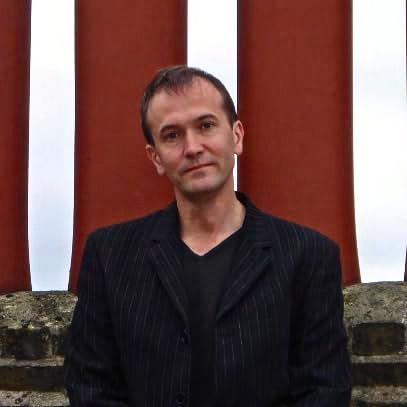
Rowan Moore, a prominent British architecture critic, is known for his insightful critiques and thought-provoking writings on urbanism and architecture. Born in London, Moore initially studied architecture at the University of Cambridge before pivoting towards journalism. His deep understanding of architecture and his ability to translate complex architectural ideas into accessible narratives have made him one of the most influential voices in architecturaljournalismtoday.
Moore’s contributions to architecture go beyond critique; they shape public discourse on how cities evolve and the impactofurbanplanningoncommunities.Hehasreceived numerous awards, including the Critic of the Year award, recognizinghisinfluenceinthefield.
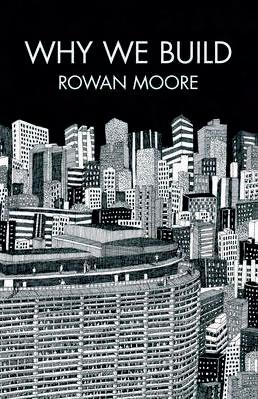
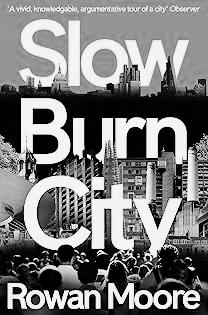
Throughout his career, Moore has written extensively for leading publications, including The Guardian, where he serves as the architecture critic. His career spans decades, during which he has authored several acclaimed books. Noteworthy among his works are Why We Build (2012), an exploration of the motivations behind architectural endeavors, and Slow Burn City: London in the TwentyFirst Century (2016), which provides a critical analysis of London’s urban development in the context of global challenges.
RowanMoore,ByTheGuardian
Exploring the passion, ambition, and madness that drives us to create the cities we live in. A journey into the heart of architectural intent
“THE BEST BUILDINGS ARE THOSE THAT STIR SOMETHING INYOU,THATAFFECTHOWYOU FEEL ABOUT YOURSELF, THE CITY,ANDTHEWORLD.” -ROWAN
Uncovering the myths behind property and ownership. A critical look at how the built environment shapes society.
A deep dive into the gradual transformation of urban landscapes. How cities grow, adapt, and redefine themselves over time
His earlier works include Panoramas of London (1993), which documents architectural landmarks and cultural transformations. Moore'sstyleisoftendescribedasdirectyetpoetic.Heisunafraidto challenge big-name architects or prestigious institutions, but always with a well-reasoned argument. His reviews are not just about aesthetics or form but delve into how buildings impact their users, neighborhoods,andevenlargersocialconstructs.Heoftenadvocates for a human-centered approach to architecture, focusing on the lived experiencesofthosewhointeractwithspaces.
On Zaha Hadid’s Aquatics Centre in London, he praised the design whilepointingoutthecontradictioninitsexecution: "Itisafineand fluid piece of engineering, trapped by political and budgetary constraints. In an ideal world, it would have flowed with greater freedom." Moore brings the discipline into public conversation, highlighting the ways in which architecture shapes our collective experience.
Inatweetregardingurbanregeneration,hesaid:"Londonhasahabit of regenerating its soul out of existence."This succinctly captures his critical stance on the gentrification of urban areas, where economic developmentoftencomesatthecostofcommunityandauthenticity.
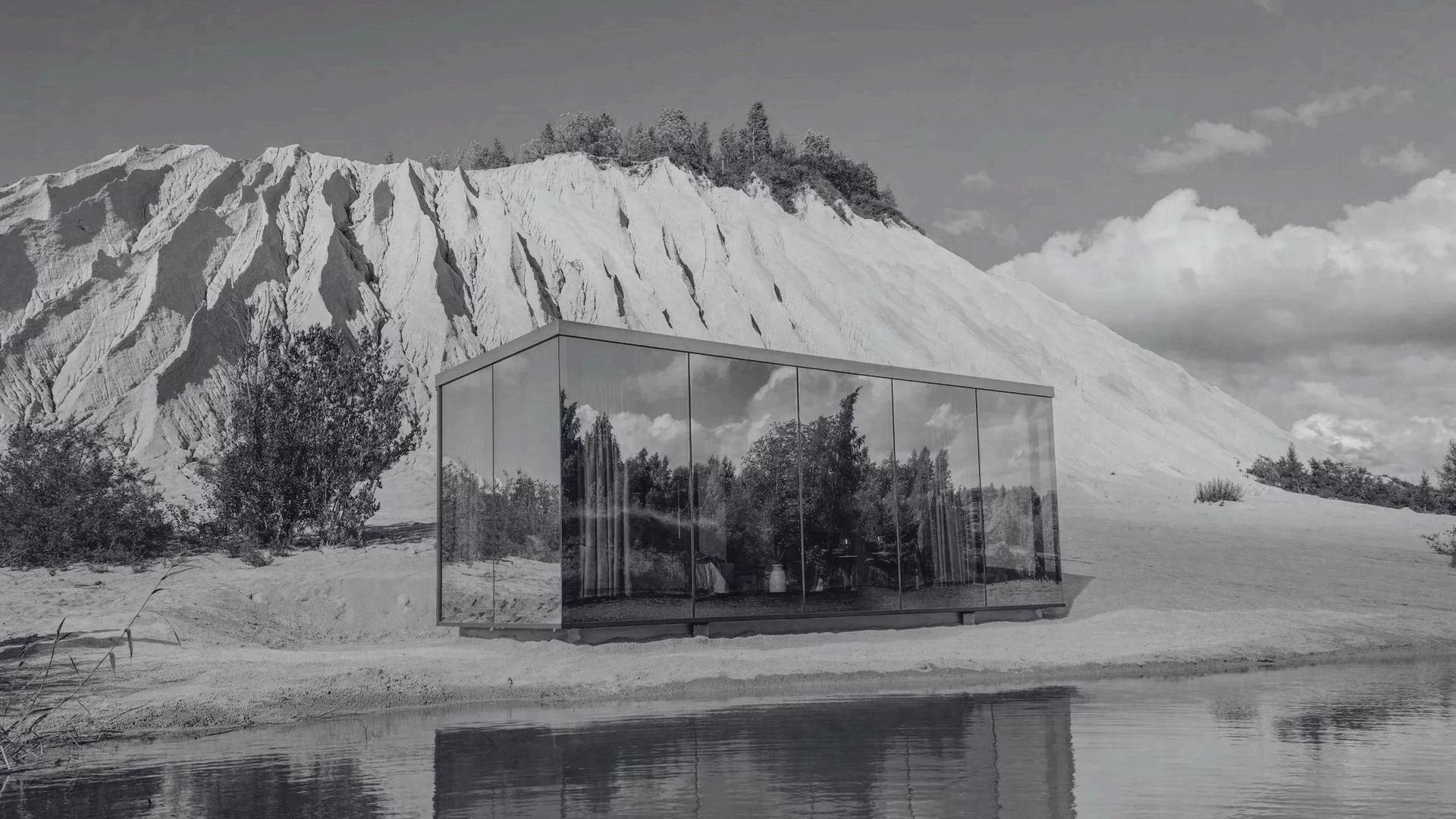
Crafted in Estonia, the golden ÖÖD House nearly disappears into nature by mirroring its environs
THIS IS THE WORLD’S MOST GLAMOROUSTINYHOME
(AND ONLY 79 WERE MADE)
As the trend of tiny homes continues to grow, one company is unveiling what they deem to be among the most exclusive, luxurious tiny homes on the market. The small but distinct ÖÖD Golden House is covered in reflective gold, while the interiors have tasteful golden accents throughout. The gleaming gold house is by ÖÖD House, a brand known for designing mirrored cabins, which themselves are having a moment. The Estonian company was started in 2016 by brothers Jaak and Andreas Tiik as an ode to nature by causing as little disruption as possible (they will soon begin craftingcabinsinHoustontoo).
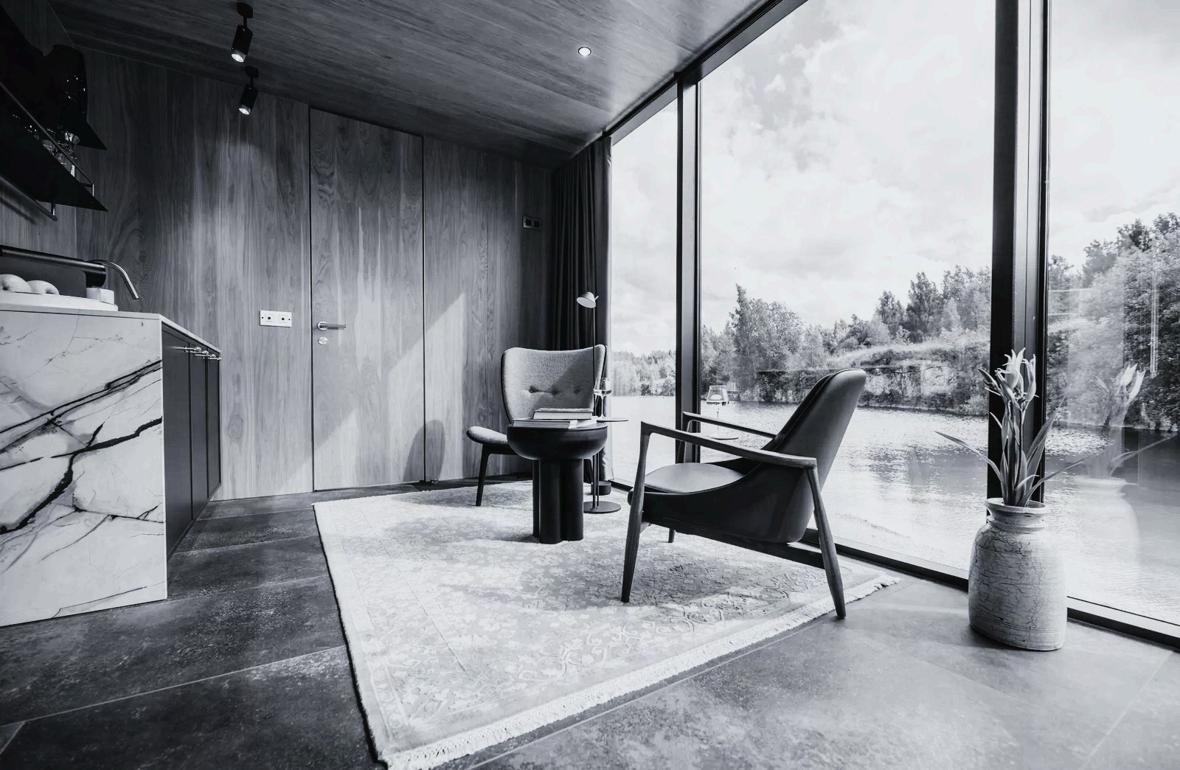
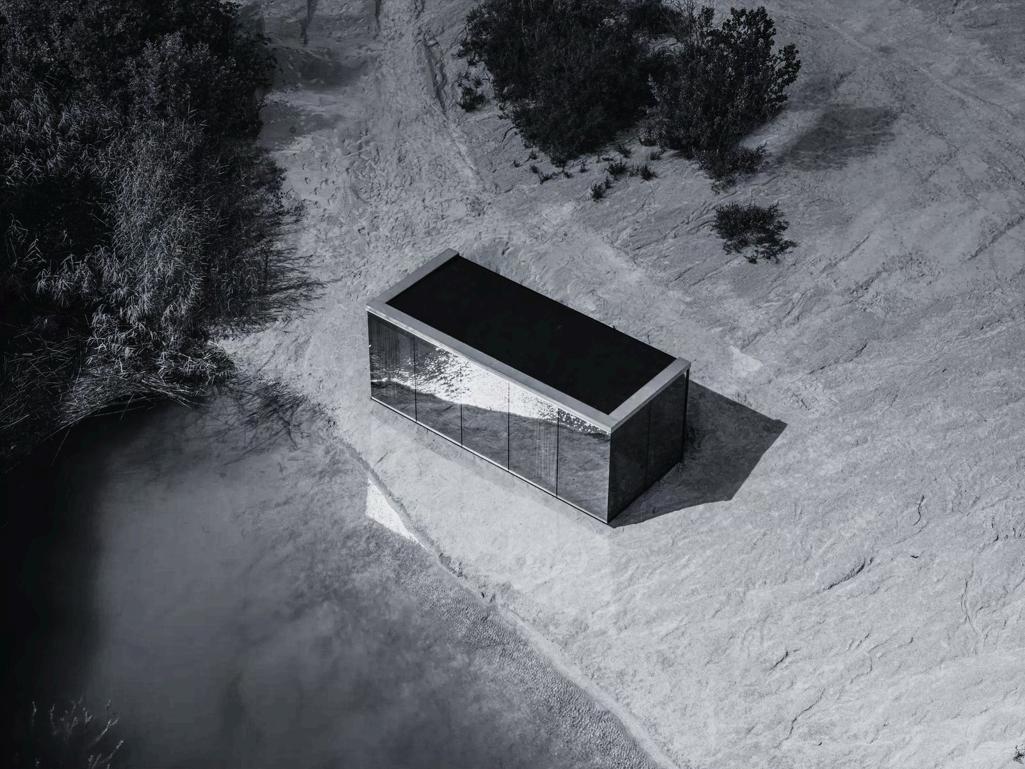
When the cabin is placed in nature, it manages to nearly disappear by mirroring its environs, whether it’s a forest, desert, or mountains. From the inside, the glass is transparent, providing uninterrupted views. Today, the brand’s mirror-wrapped reflective tiny homes, cabins, and saunas are found in 25 countries and counting, with nearly 600 of them around the world. They are typically sold as holiday homes, vacation rentals, and as part of hotels. This fall, the brand is debuting the limited-edition luxe Golden Houseafterayearlongdevelopmentprocess.
“We decided to make the most expensive and most luxurious tiny home,” explains Jaak. “In the tiny home category, there are no luxury products, and we’ve always liked to think a little bit outside of the box,” adds Andreas. The house, which is larger than ÖÖD’s other mirrored cabins at 283 square feet (including outdoor deck space), is meticulously designed as a luxury experience, with a limited supply of 79 units worldwide. Why 79? Because 79 is the atomic number of the chemical element of gold. Each unit is also7.9meterslong.
The outside of the cabin is wrapped in a reflective golden glass,givingthehouseadistinctlookthatplaysandchanges with the sunlight’s brightness during the day-sunrise and sunset providing the most stunning effects. But no matter the light, it’s a subtle, softer gold that seems to radiate unto itself.“The glass is not that intense as a gold-it’s not like Mandalay Bay,” says Jaak in reference to Las Vegas’s iconic hotel. “When you do something with gold, you can easily overdoit.Itcanbetooshiny.”
By Devorah Lev-Tov
The private space, fitted with a small seating area, feels as if it opens to the splendorsofnature.
THEMOSTLUXURIOUSTINY HOMEINTHEWORLD (WITH ONLY 79 UNITS AVAILABLE)
As the popularity of tiny homes continues to rise, one companyisintroducingwhattheybelievetobeamongthe most exclusive and high-end tiny homes on the market. The compact yet eye-catching ÖÖD Golden House is encased in reflective gold, with tasteful gold accents throughout its interior. Created by ÖÖD House, a brand famous for its mirrored cabins, this innovative structure represents the latest trend in small-space living. The Estonian company, founded in 2016 by brothers Jaak and Andreas Tiik, focuses on minimizing the disruption to nature with its designs (they will soon begin building in Houstonaswell).
When placed in natural environments, the cabin nearly vanishes by mirroring its surroundings—be it forests, deserts, or mountains. From within, the glass offers transparent views of the outside world. Currently, ÖÖD’s reflective cabins, tiny homes, and saunas are found in 25 countries, with nearly 600 units globally, typically marketed as vacation homes, rental properties, or part of hotelexperiences.
Thisautumn,thecompanyislaunchingthelimited-edition GoldenHouseafterayearofdevelopment.“Ourgoalwas to create the most expensive and luxurious tiny home,” explains Jaak. Andreas adds, “There aren’t many luxury options in the tiny home space, and we like to think differently.” Larger than the brand’s previous mirrored cabins, the 283-square-foot Golden House (including outdoor deck space) has been meticulously designed for a high-end experience, with only 79 units being made available.
Thechoiceof79unitsreflectstheatomicnumberofgold, with each cabin measuring 7.9 meters in length. The exterior is covered in reflective gold glass, which shifts with the light throughout the day, creating particularly beautiful effects at sunrise and sunset. Yet, despite its shimmering facade, the gold remains understated. "The glass isn’t overwhelmingly golden—it’s not like the flashy Mandalay Bay in Las Vegas,” says Jaak. "When using gold,it’seasytogotoofarandmakeitoverlyshiny."