SELECTED WORKS 2020-2022
RAJI
SUMAYYAH
Option Studio: Quo Vadis Addis
Team Mate: Pa Ramyarupa
Studio Critic: Marc Angelil
Location: Sebeta, Ethiopia
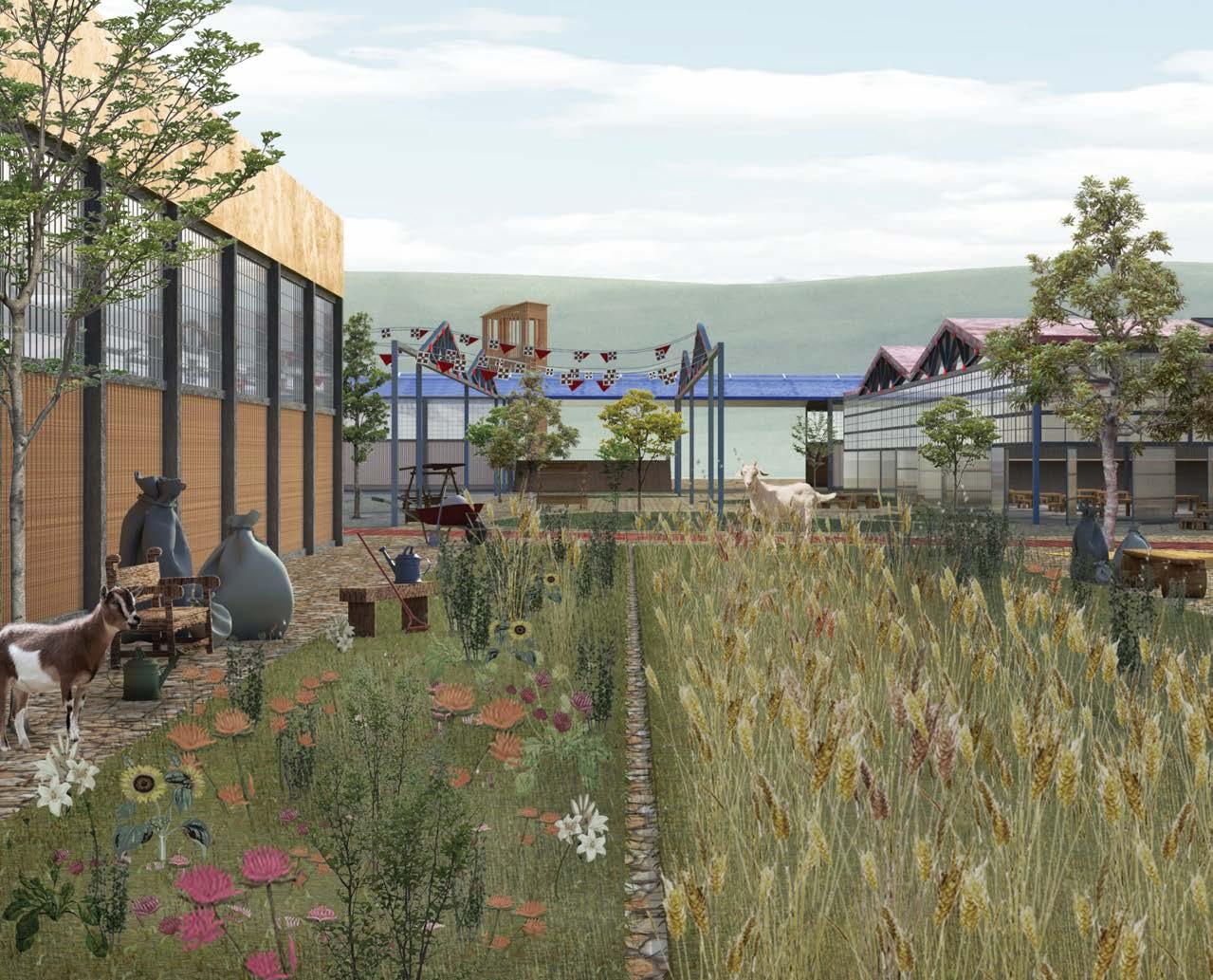
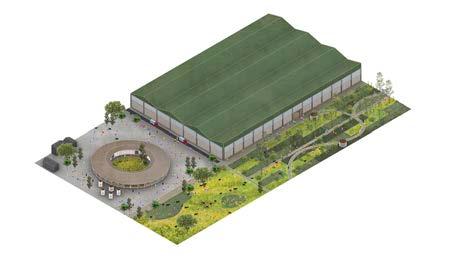
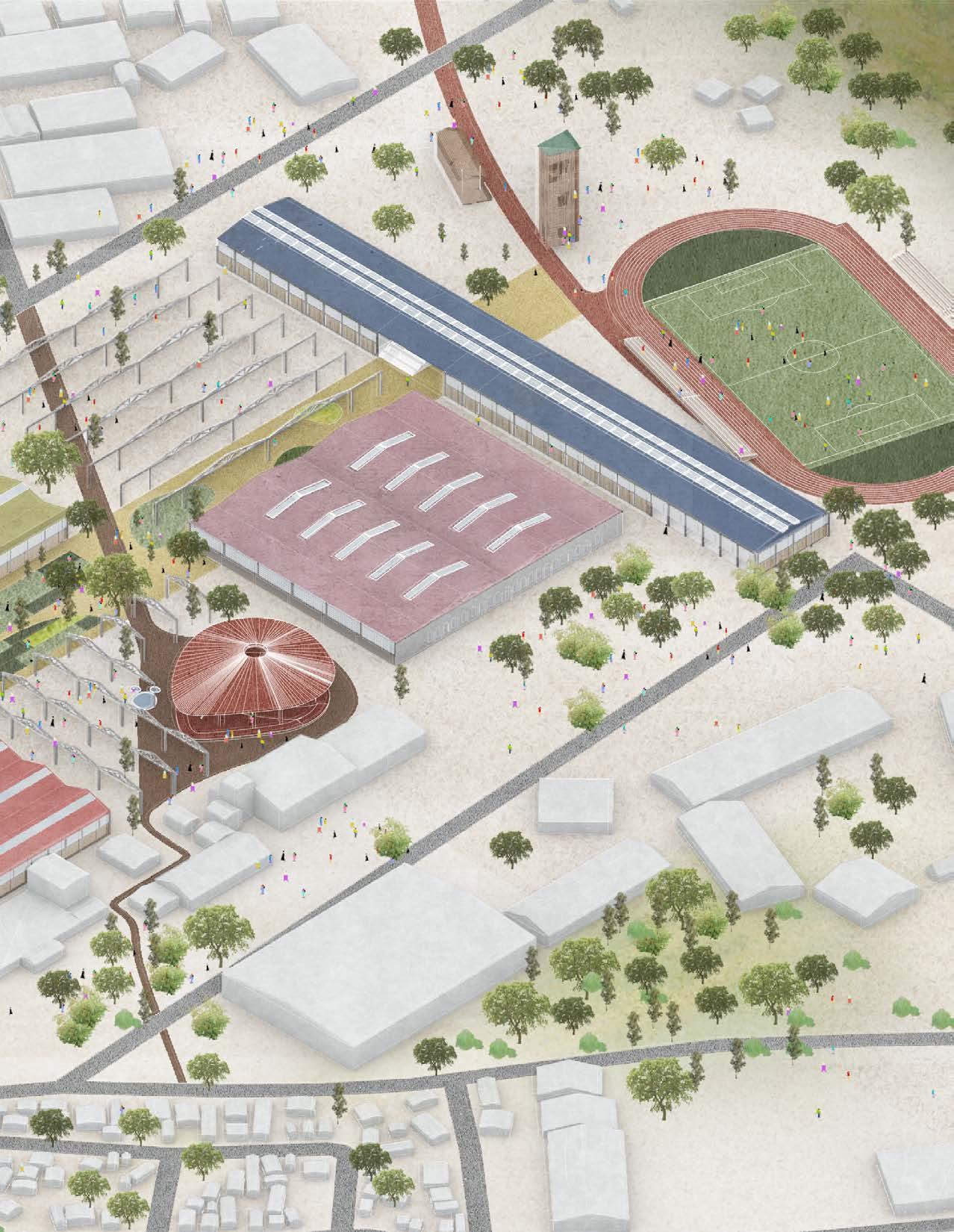
‘Quilted Ecology- a new sebeta for interspecies care’ is a way to preserve and uplift local culture, the environment and enhance the symbiotic ecosystem of people, flora, and fauna in Sebeta.
Ayka Addis Textile Factory a once active 140,000sqm garment facility unable to recover after defaulting, left the workers unemployed and the local communities divided by rapid industrialization.
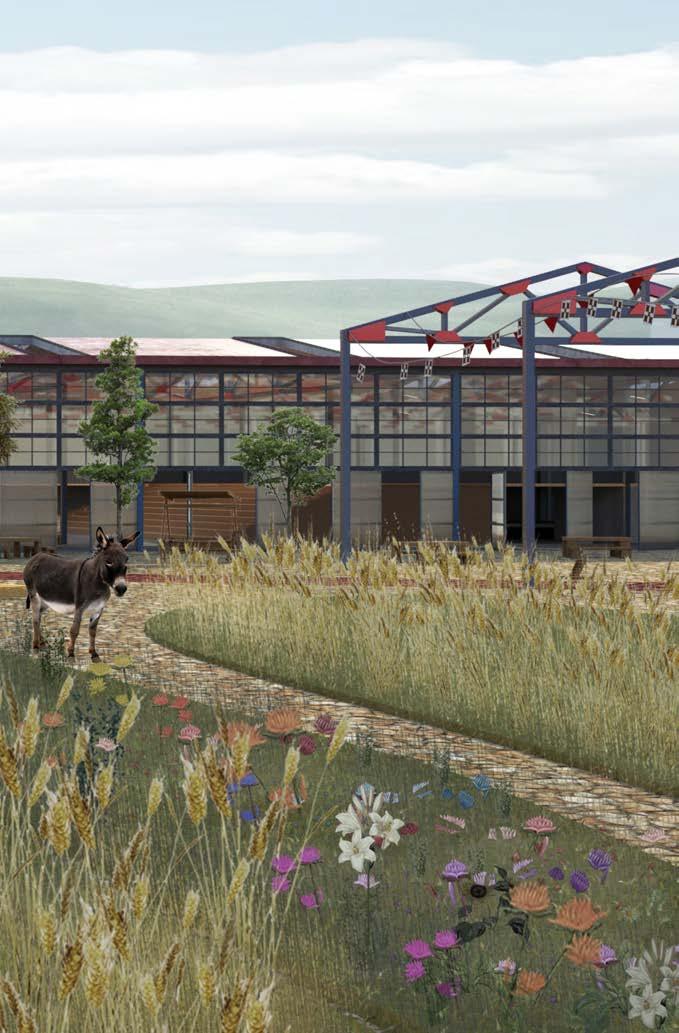 Threads connecting community nodes
Co-farming Plots on the Central Thread
Threads connecting community nodes
Co-farming Plots on the Central Thread
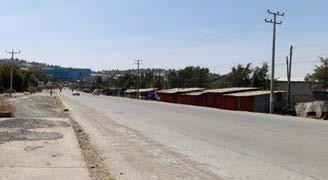
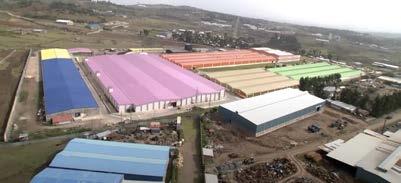
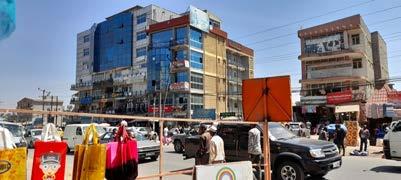
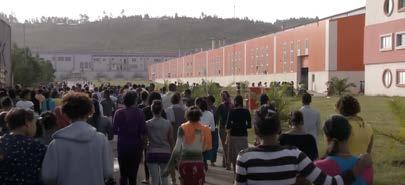
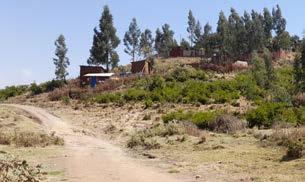
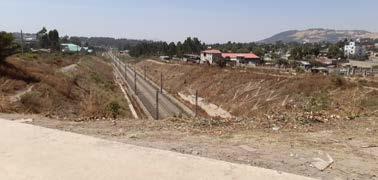
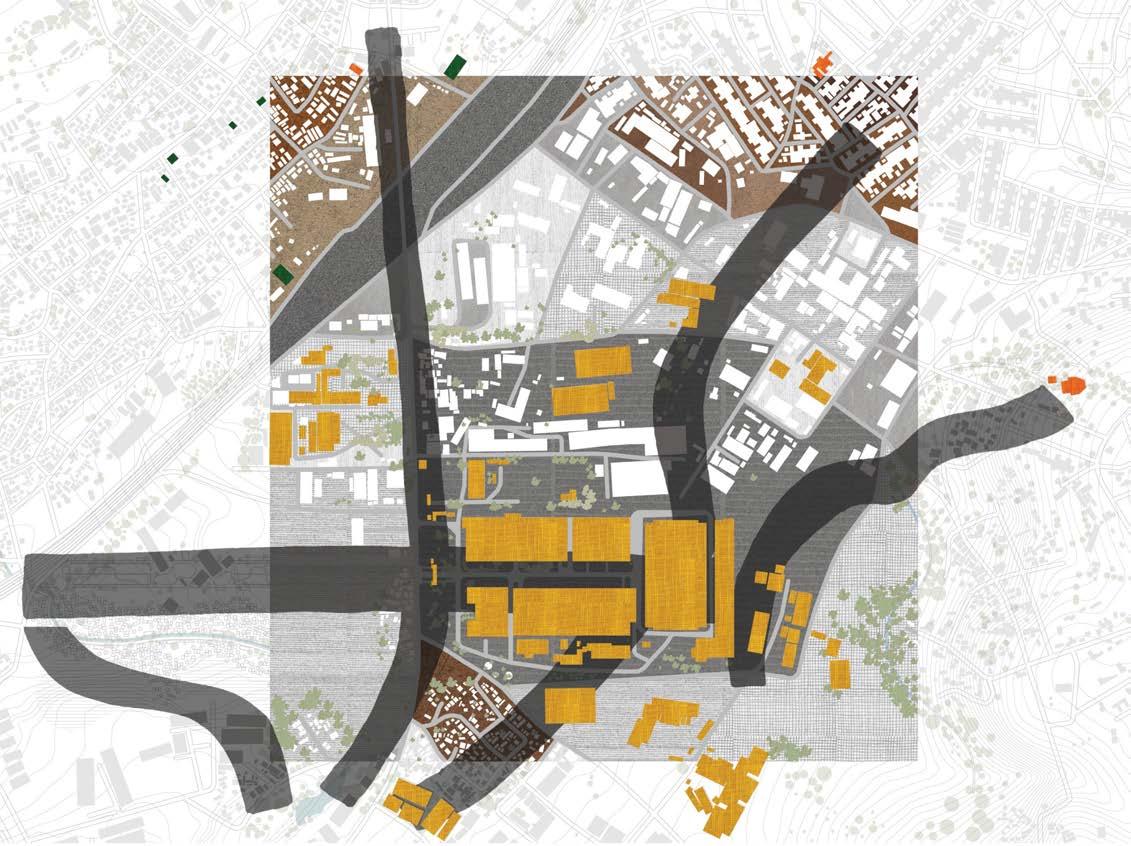
Existing site + Factory fence
STAGES OF SITE INTERVENTION
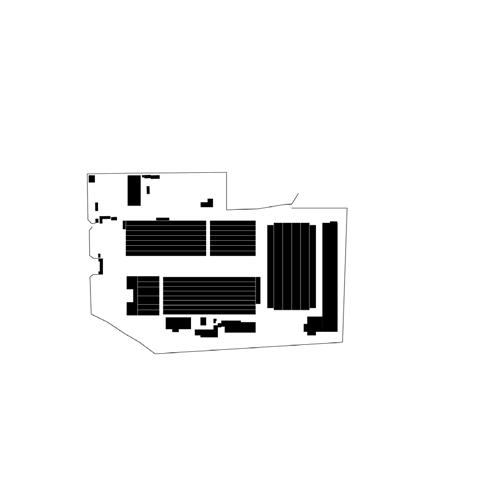
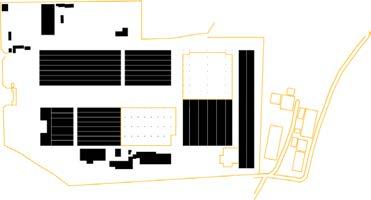
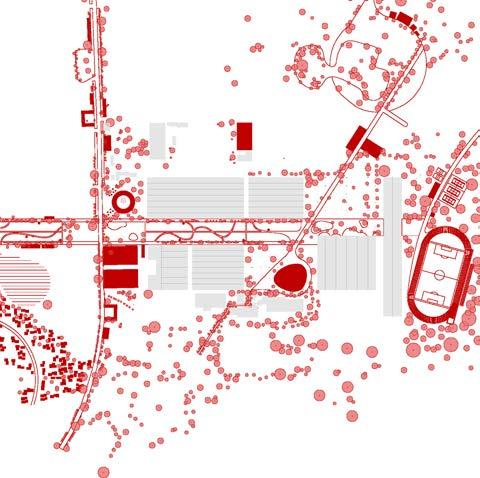
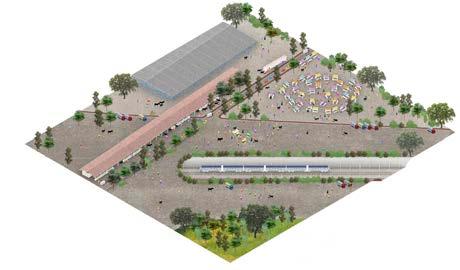
Addition of new roads and deconstruction of factory buildings and fence
New community threads transform site and community
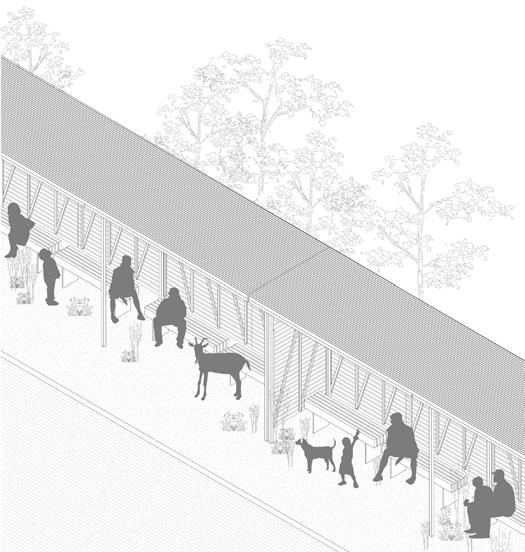
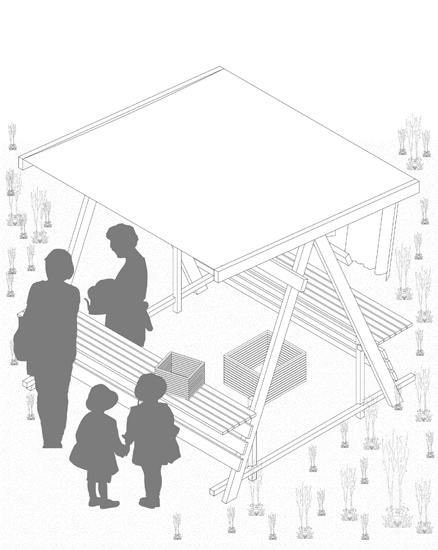
 Bus Stop Market Stall
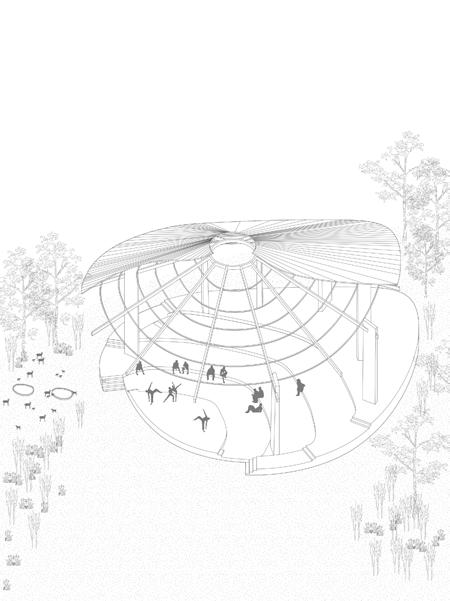
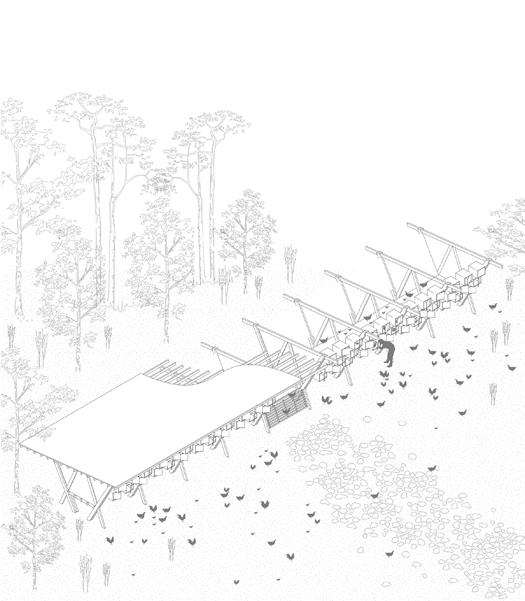
Chicken Coop Amphitheater +Animal Drinking Pool
Bus Stop Market Stall
Chicken Coop Amphitheater +Animal Drinking Pool
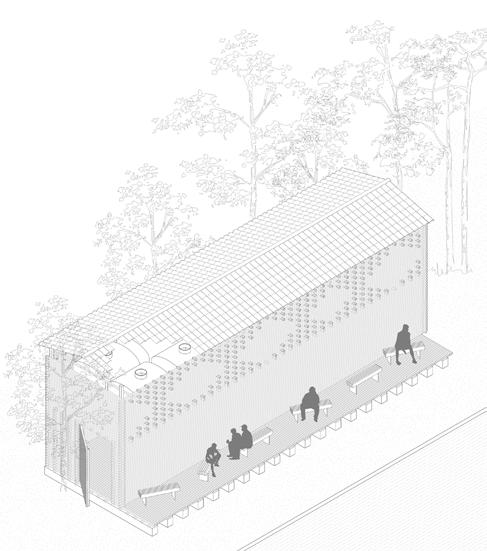
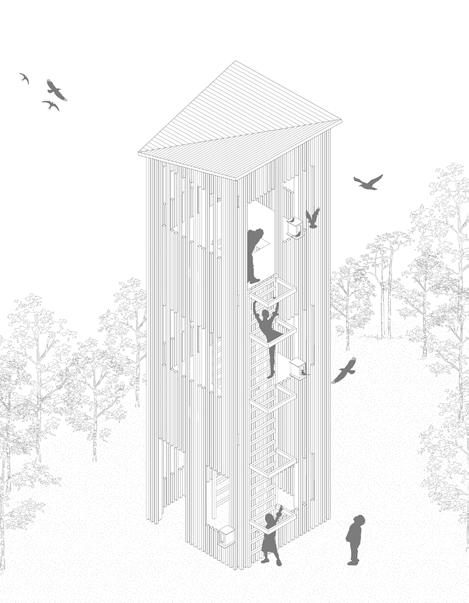
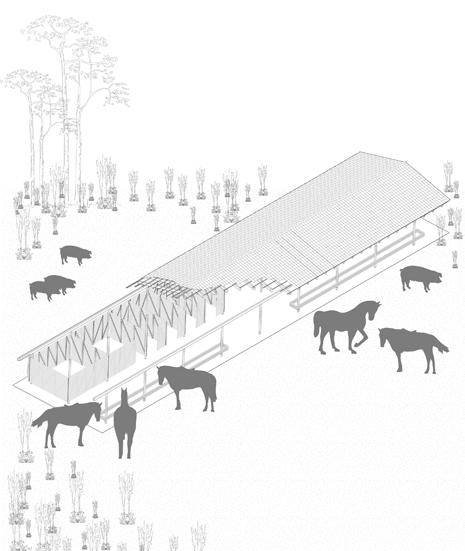
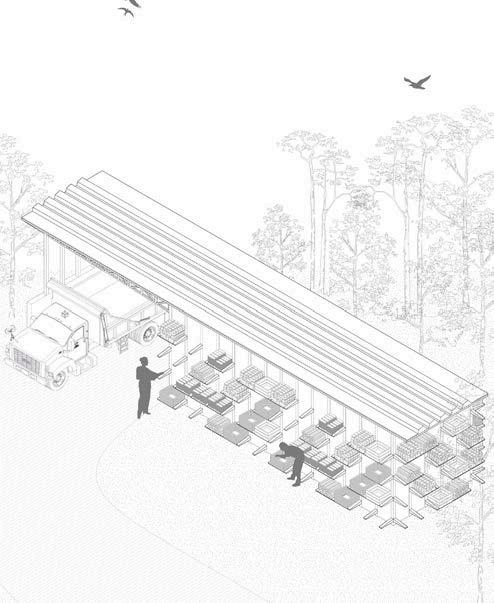
 Water Storage Shed
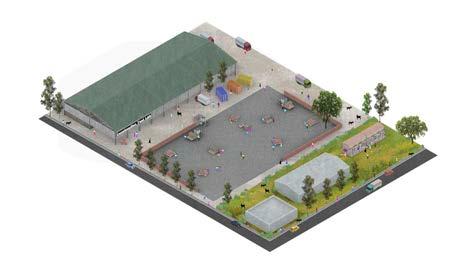
 Market + Animal Pen
Experimental Construction Lab
Honey Extraction Center + Farming Plots
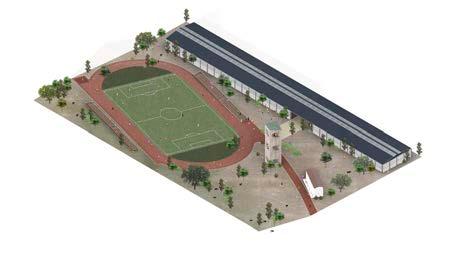
Soccer Field + Running Track
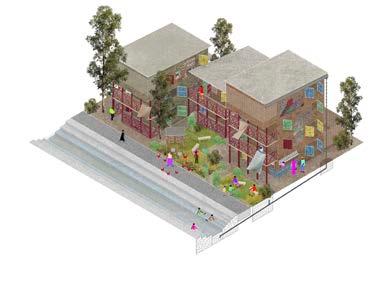
Incremental Housing
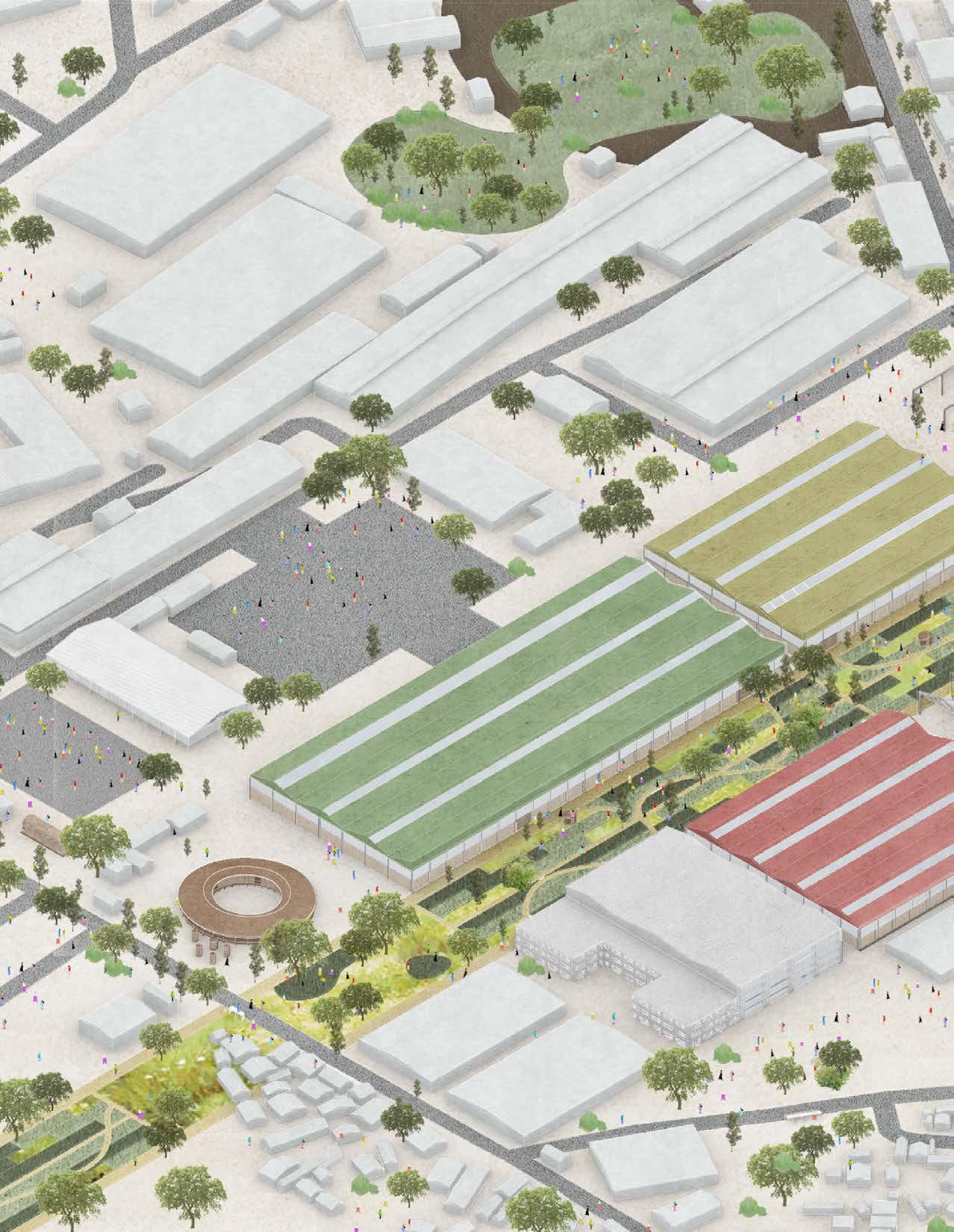
Site Plan showing community threads with small and large scale interventions
Market + Animal Pen
Experimental Construction Lab
Honey Extraction Center + Farming Plots
Soccer Field + Running Track
Incremental Housing
Site Plan showing community threads with small and large scale interventions
Honey Extraction Center
Animal Grazing Area
Cotton Preparation and Spinning (existing)
Co-farming Pilot Area for Surround ing Community
Cutting, Sewing, Finishing and Packaging (existing)
Dyeing (existing)
Experimental
Knitting (existing)
Outdoor Weaving Collective
Sports Hall (renovated)
Multi-purpose Plaza
Experimental Seed Garden for Visiting Entrepreneurs and Factory Workers
Playground Plaza
Open-air Amphitheater
Community Center (renovated)
Events Hall (renovated)
Soccer Field and Running Track
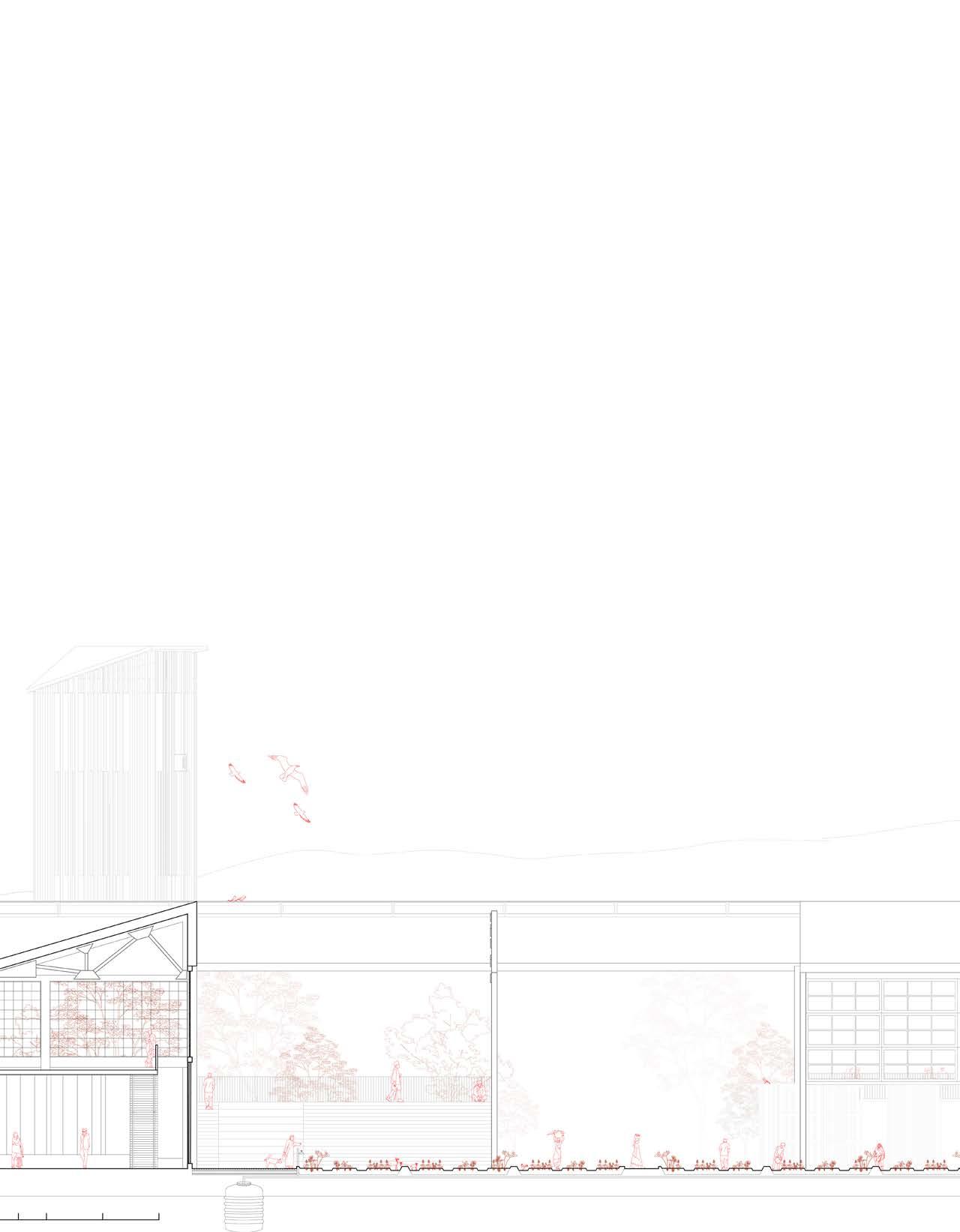
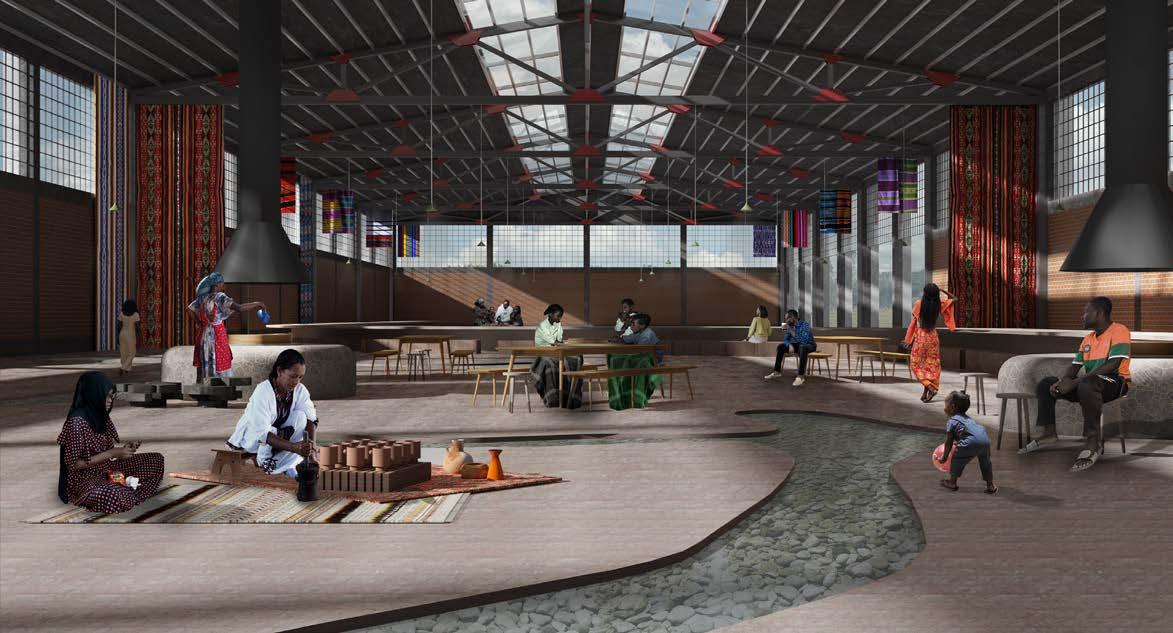 Events Hall during the day for coffee ceremonies
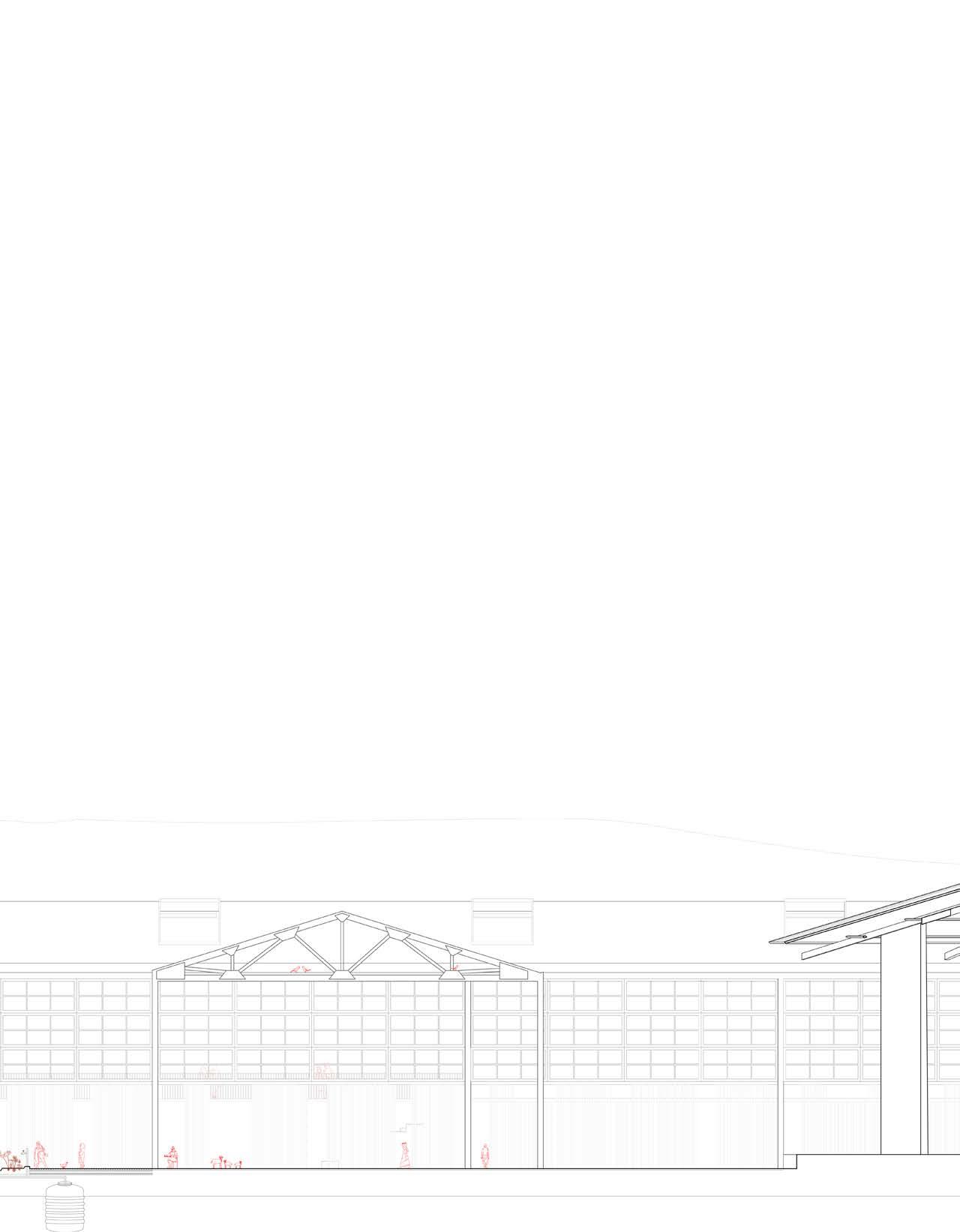
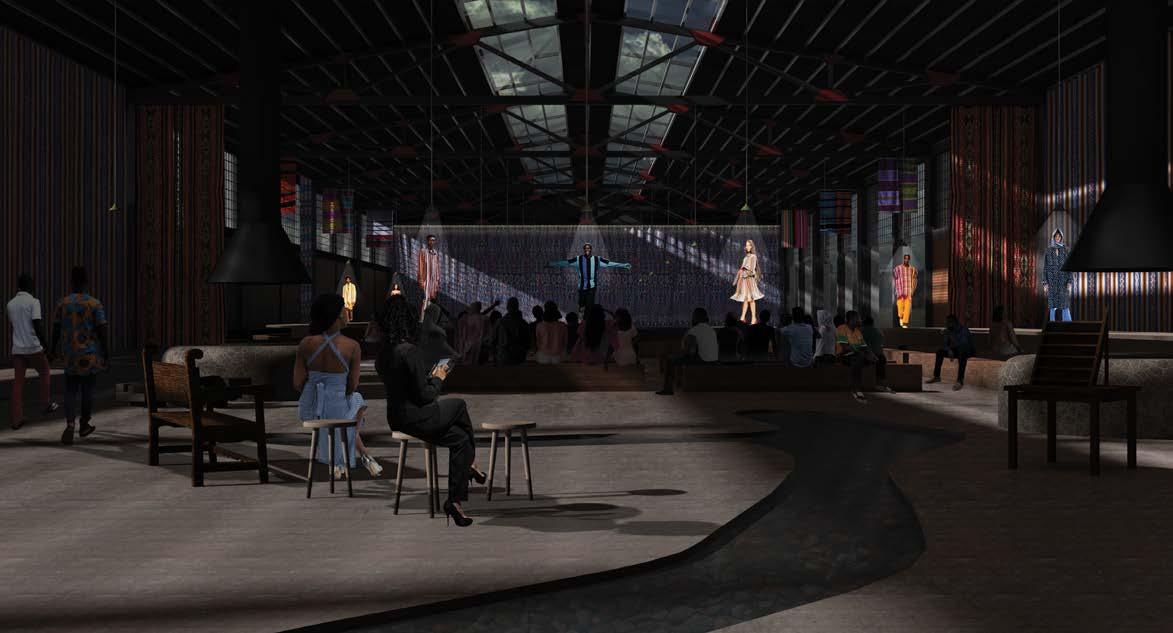 Events Hall at night for art/cultural shows Section Showing Co-farming Plots and Storm-water
Core 4 Housing Studio: The Kids are Alright
Team Mate: Leonard Palmer
Studio Critic: Jenny French
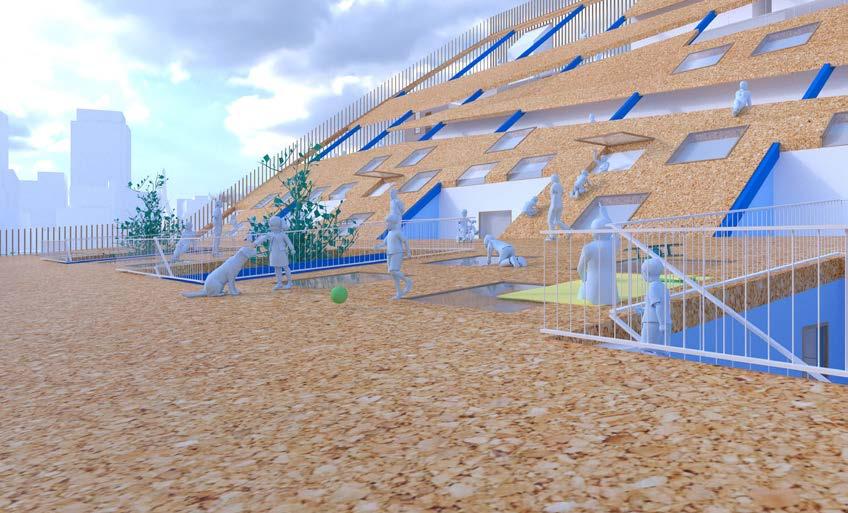
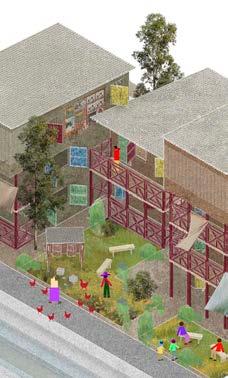
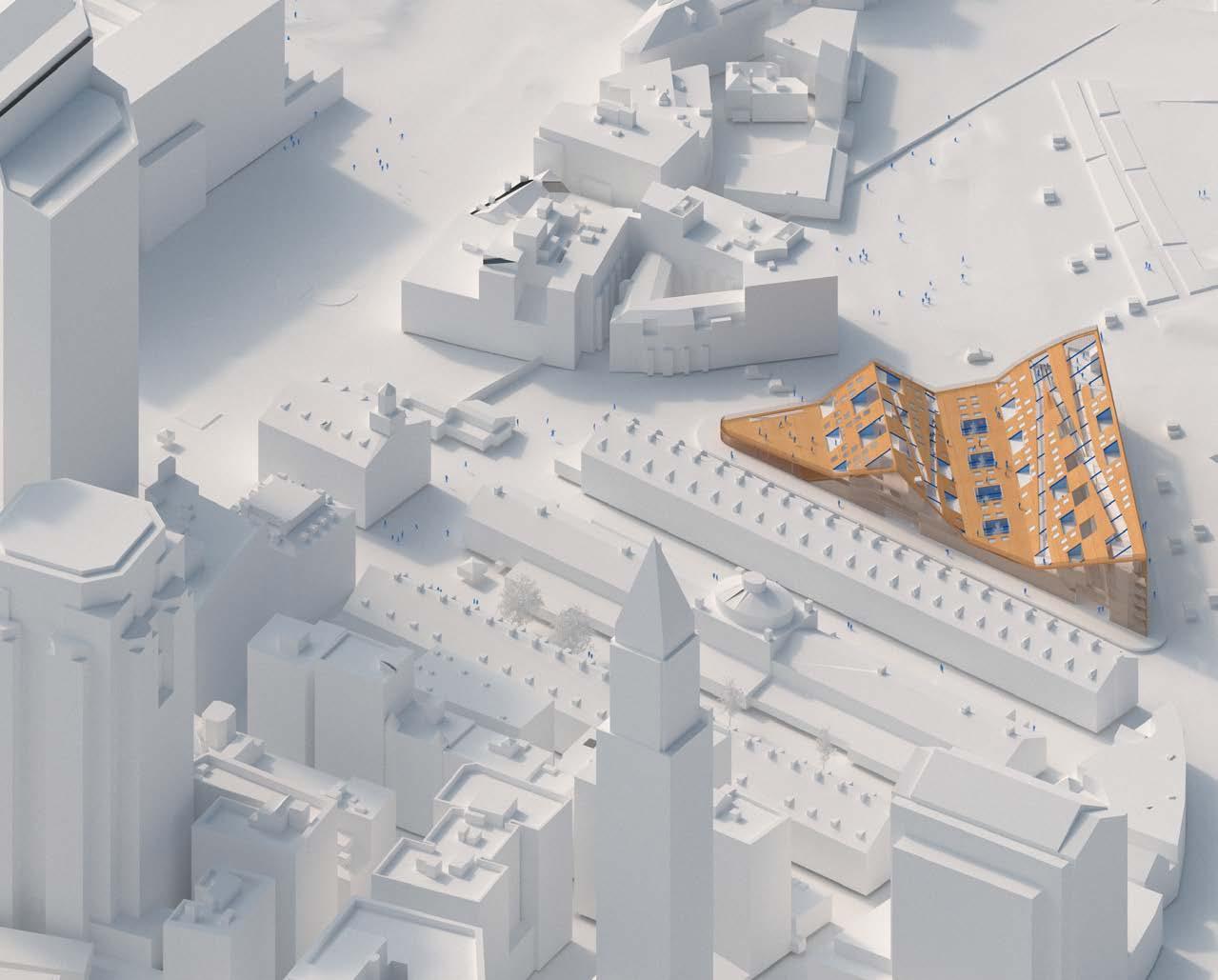
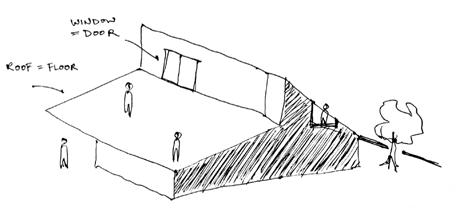
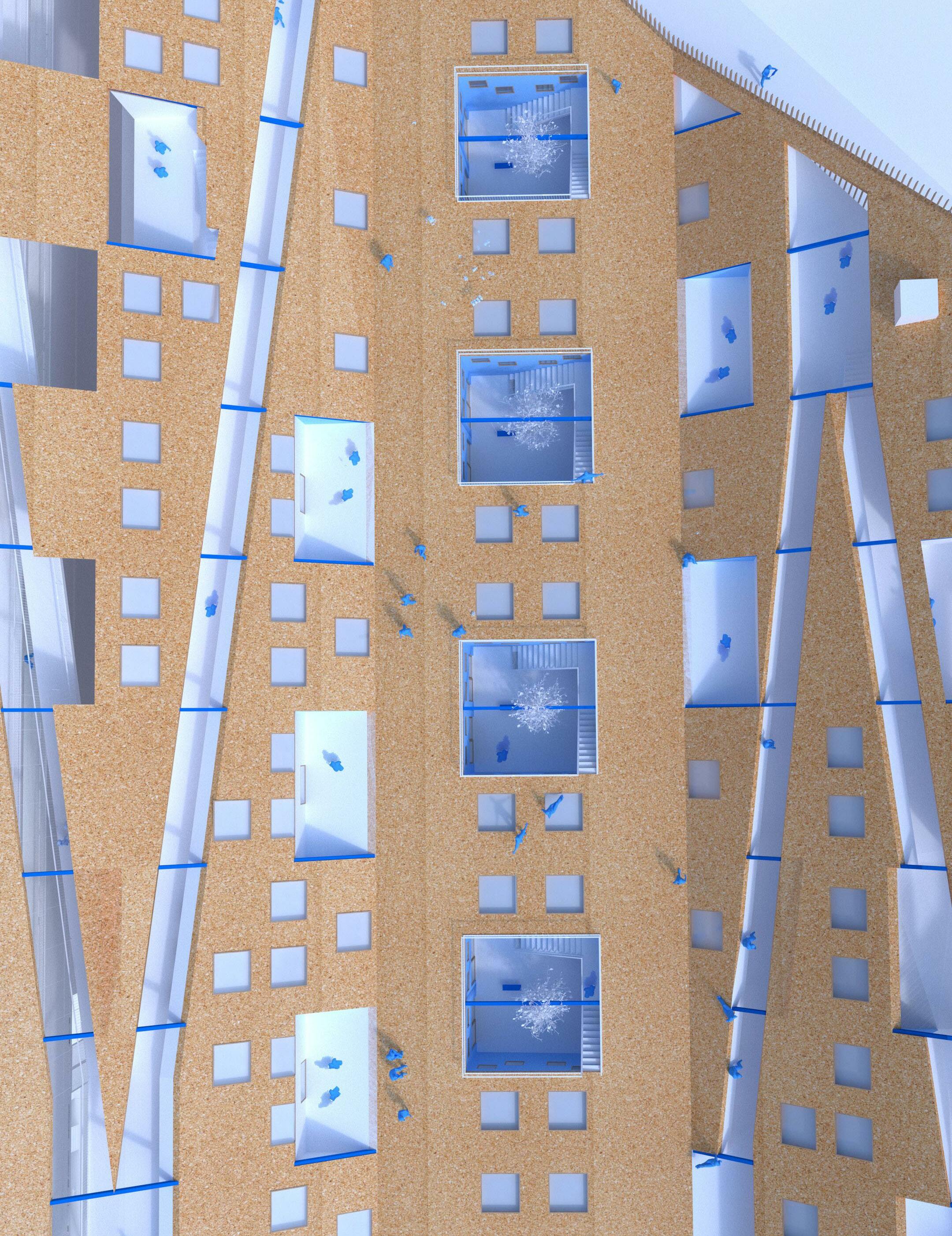
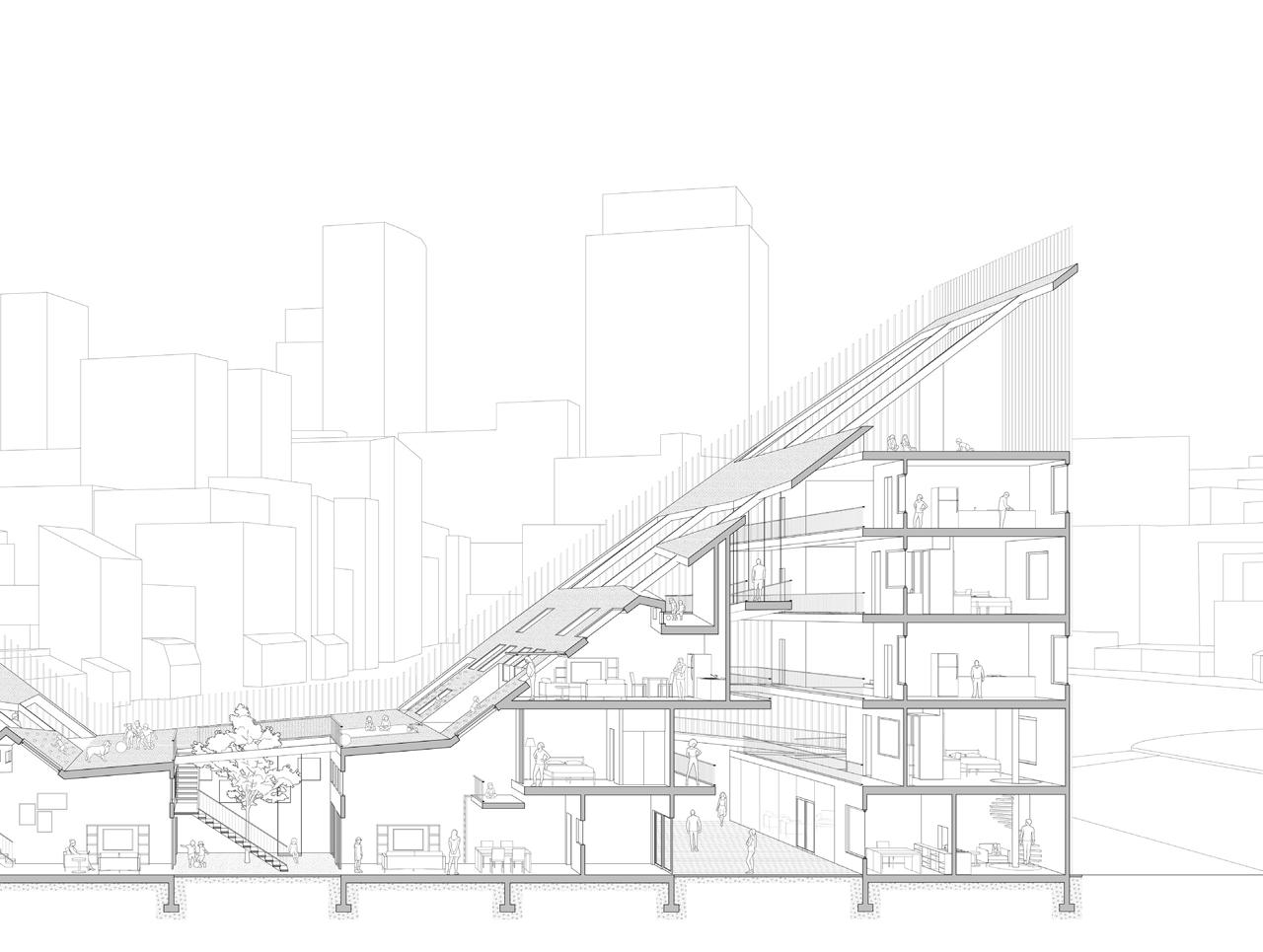
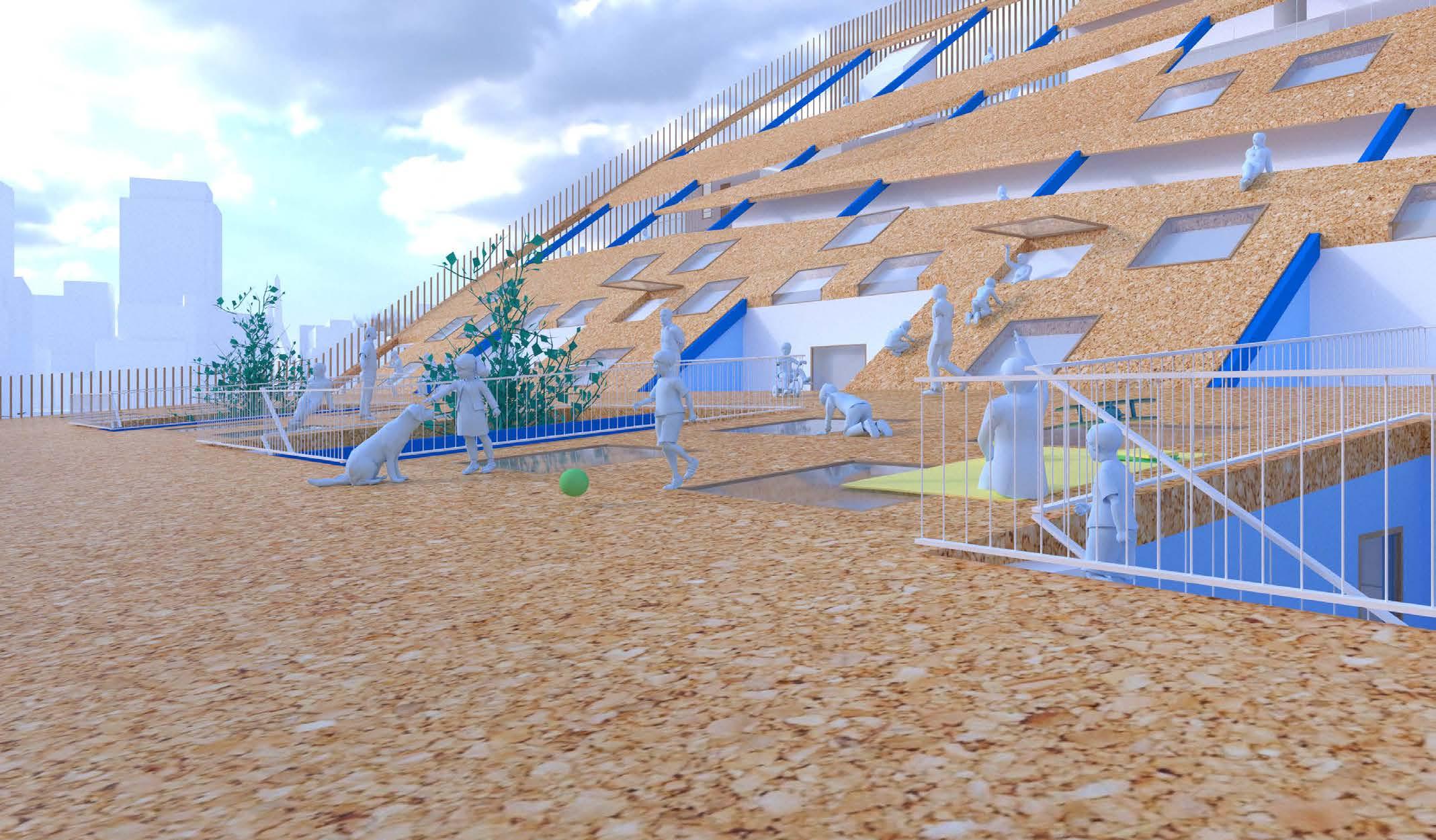
Slope House takes on child-centered housing and childcare by investigating how play can be integrated into everyday life with a dynamic roof as a place for free play. By sharing a roof, the residents share childcare as a collective responsibility, evoking Jane Jacobs’ “Eyes on the Street.”
The “Eyes on the Roof” renegotiate childcare and play into families’ everyday lives, creating a safe haven in the city for kids to explore freely and discover play within the context of domestic living.
Cities are increasingly less safe for kids to wander around, often requiring individualized adult supervision. Hence, children’s time and place of play is becoming more prescribed. However, studies have shown that autonomous play instead of prescribed play leads to more advanced cognitive development.
A micro-community eye is formed for families with younger kids who need more attention. Sloped surfaces and shared collective spaces create unintentional glances onto children’s activities. This integrates play and childcare into the fabric of communal housing and living rather than being an individual responsibility.
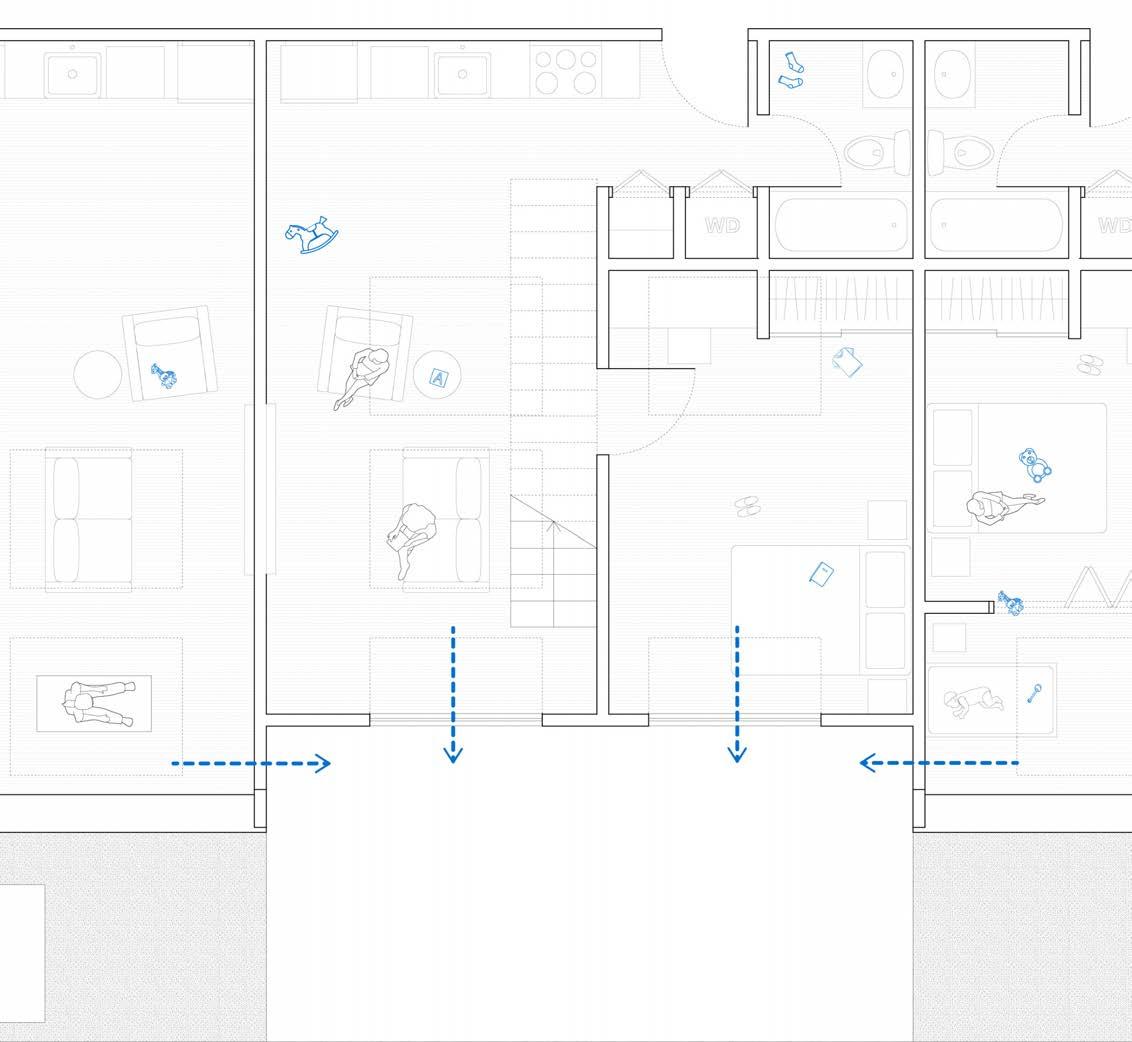
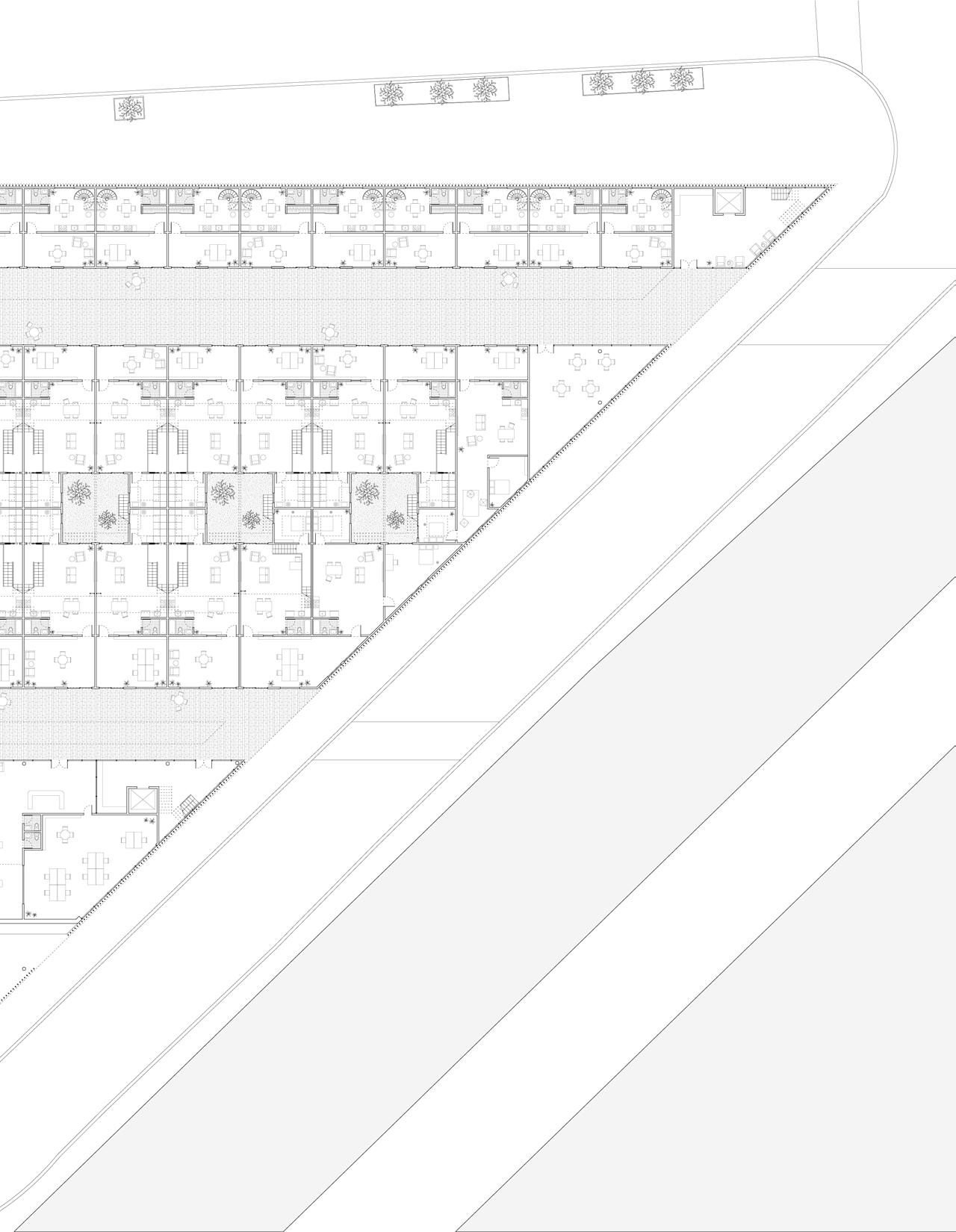
Occupied by retired couples or young profession als who don’t have kids of their own but still are a part of the community eye.
1
A smaller one-bedroom unit designed for growing families and children in mind.
1 Bedroom
The play space another
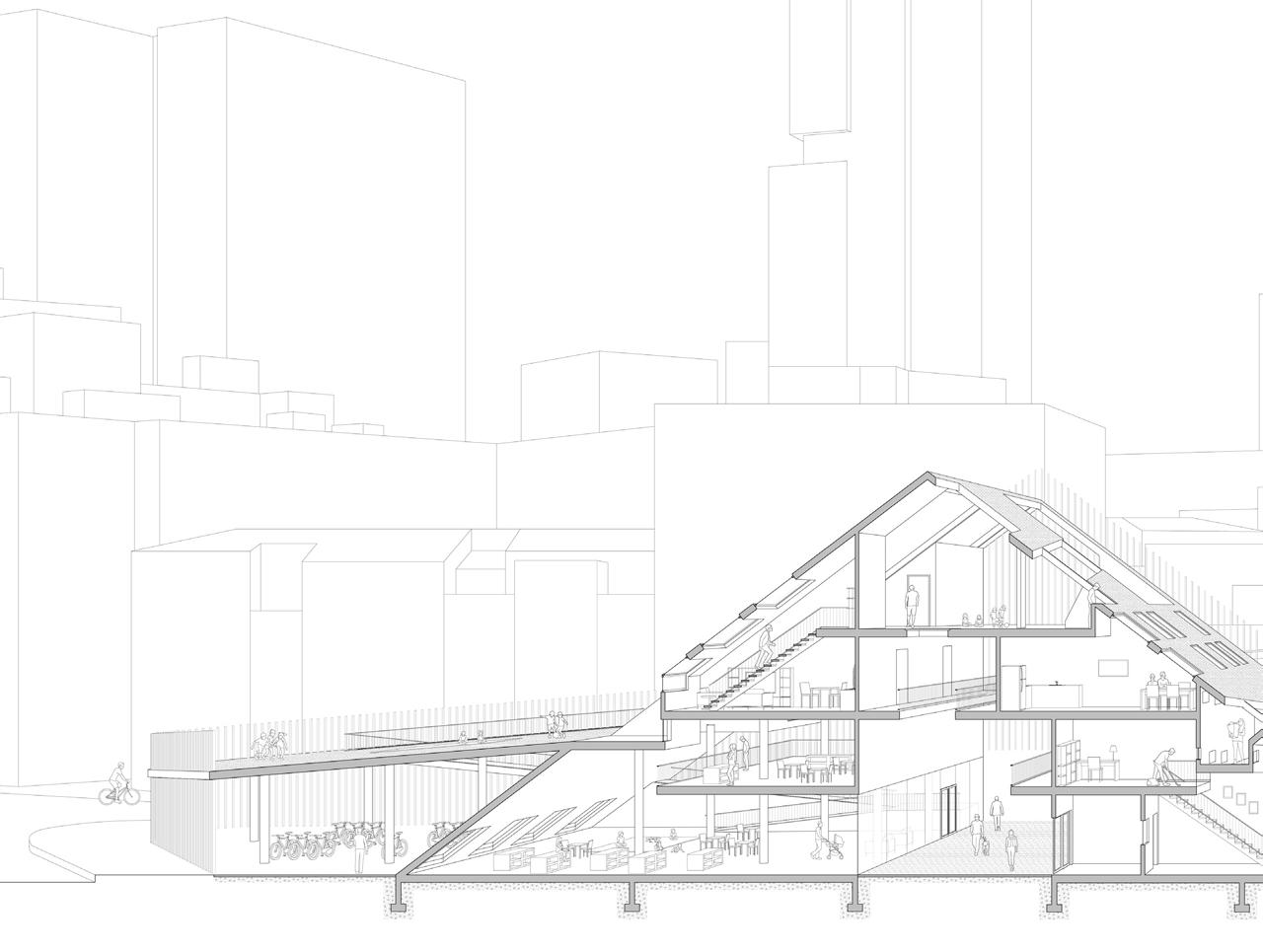
play circuit continues as the kids’ mezzanine space connects to a communal play area on top of another unit.
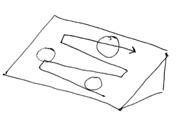
Circulation within the unit creates a mini play circuit, with storage boxes becoming adventurous play opportunities extended by a ladder connecting to the lofted space. It has access to a shared courtyard which connects to the larger roofscape.
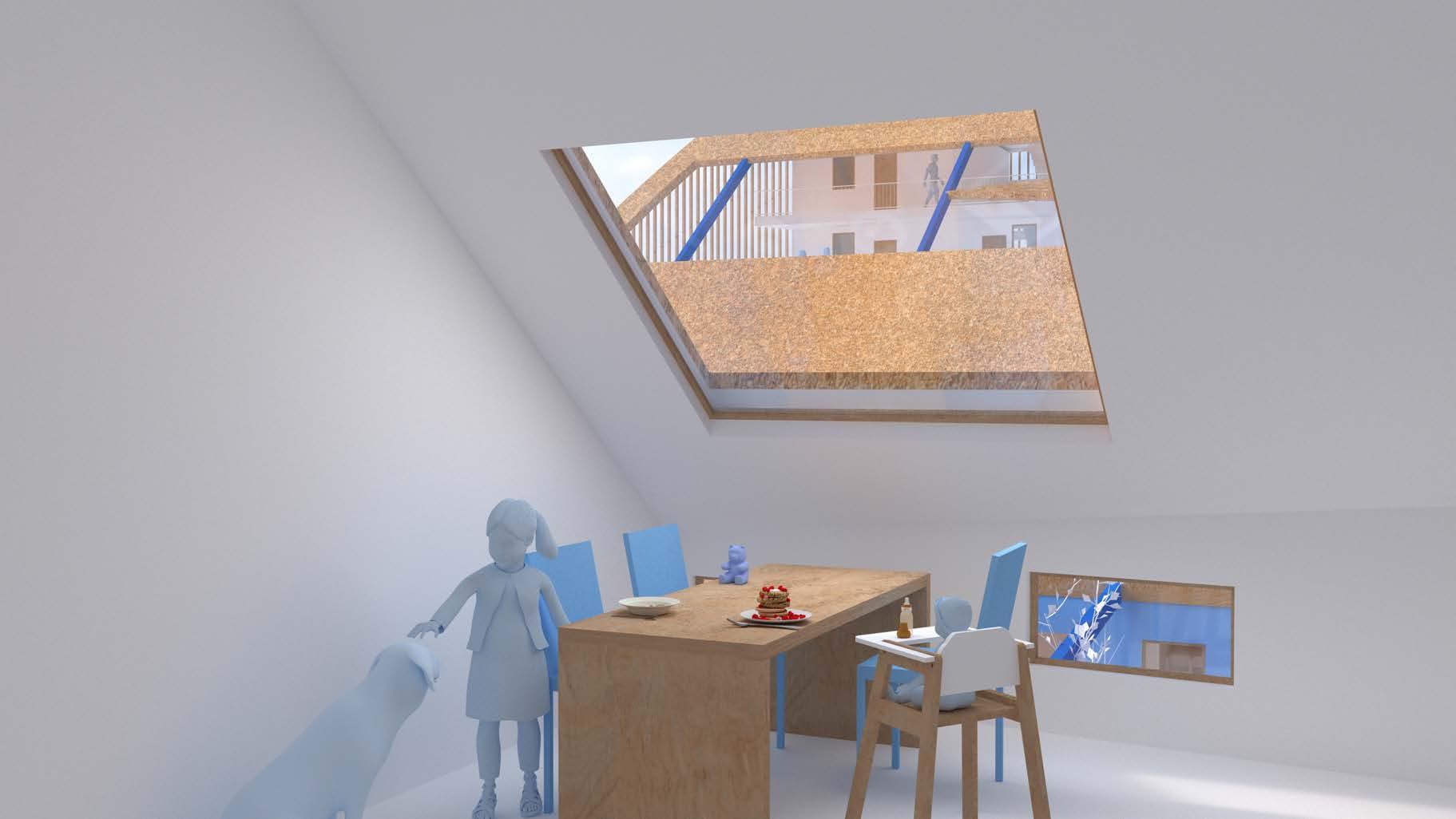 Family Dining Room
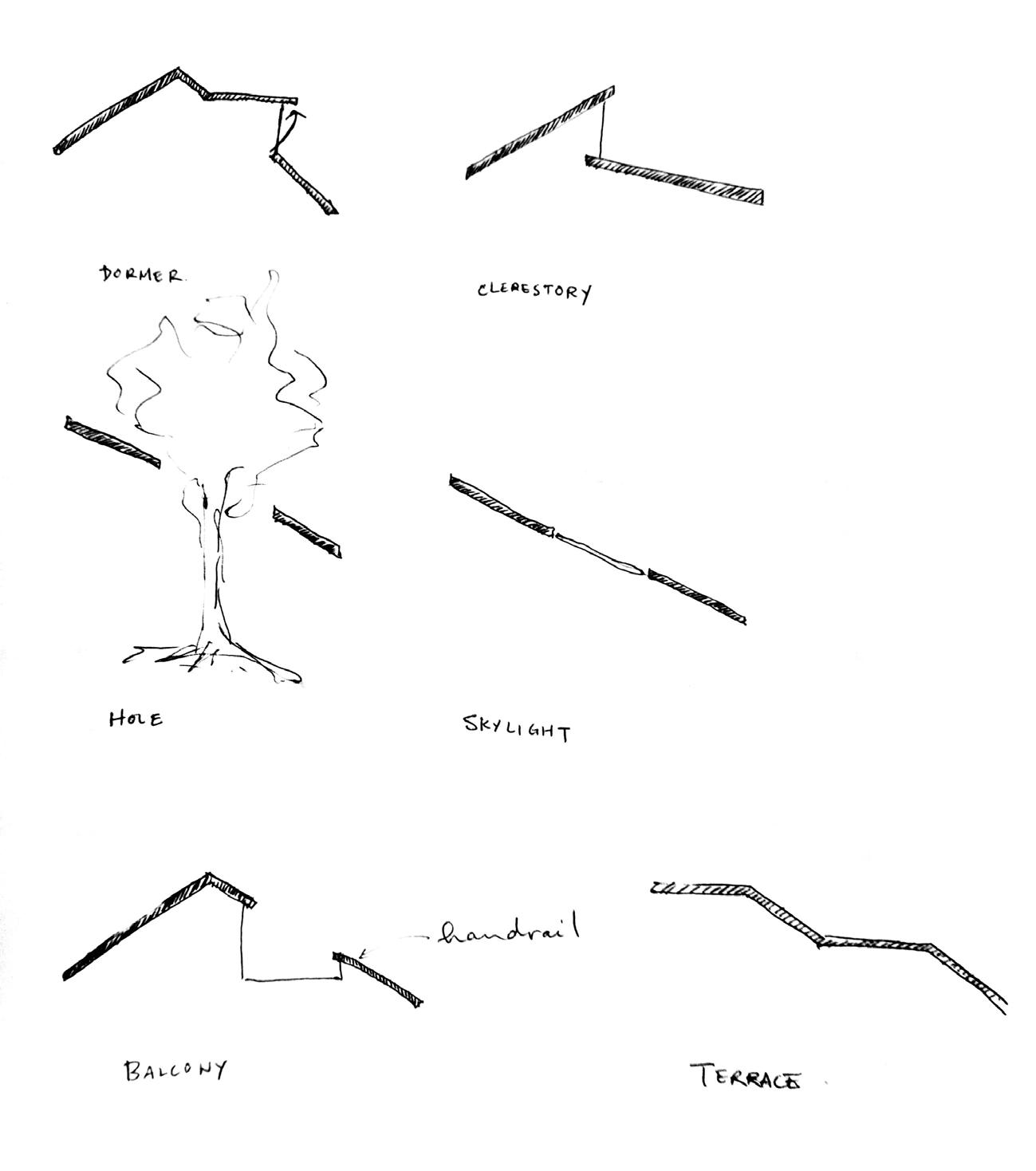
Catalogue of roof openings, creating playful spaces
Family Dining Room
Catalogue of roof openings, creating playful spaces
Option Studio: Seeking Abundance: Designing Engagement and Experience for All Studio Critics: Sierra Bainbridge + Jeffrey Mansfield
Partner Organization: Illuminate Theatre Location: Lagos, Nigeria
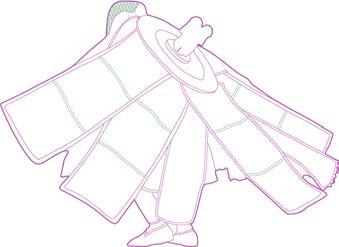
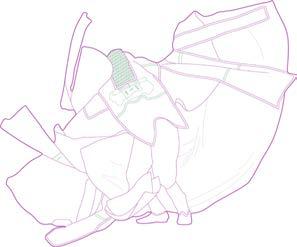
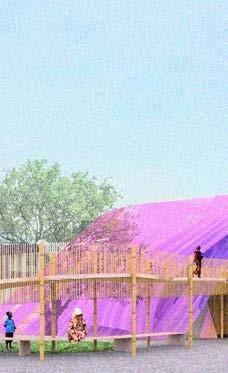
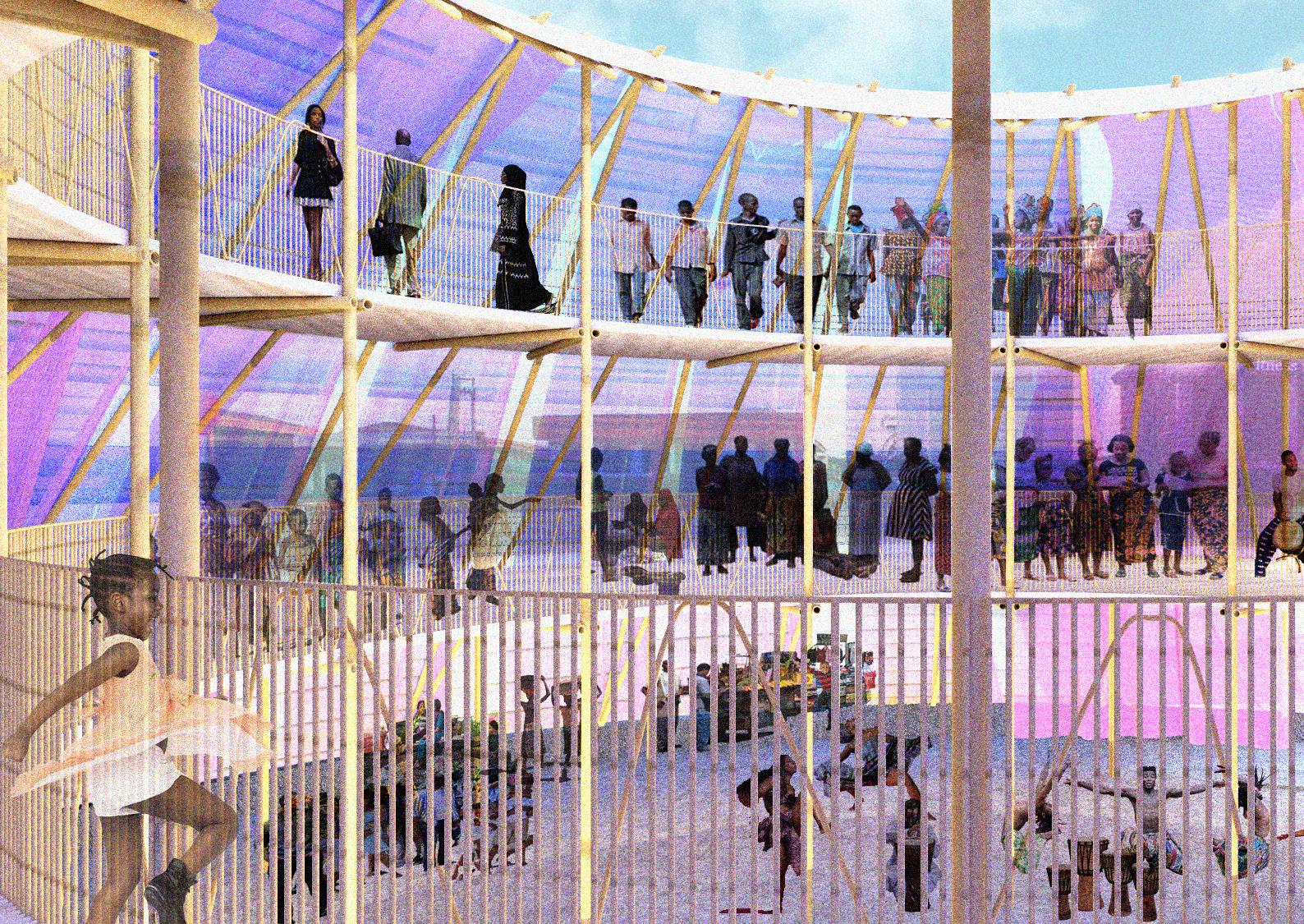
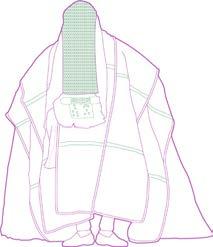
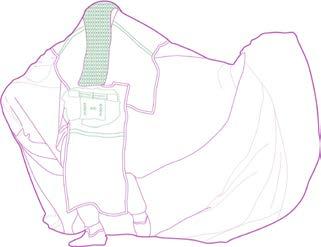
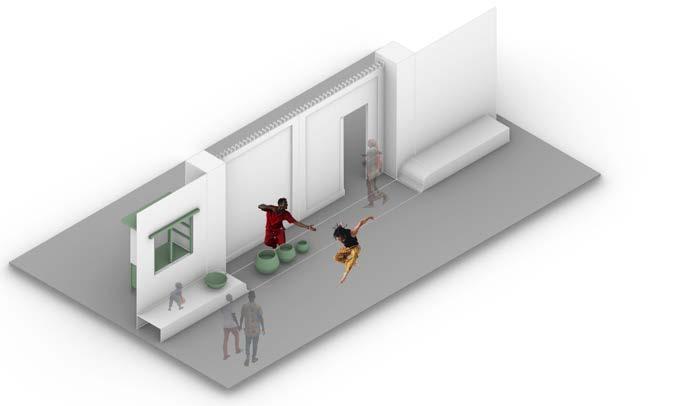
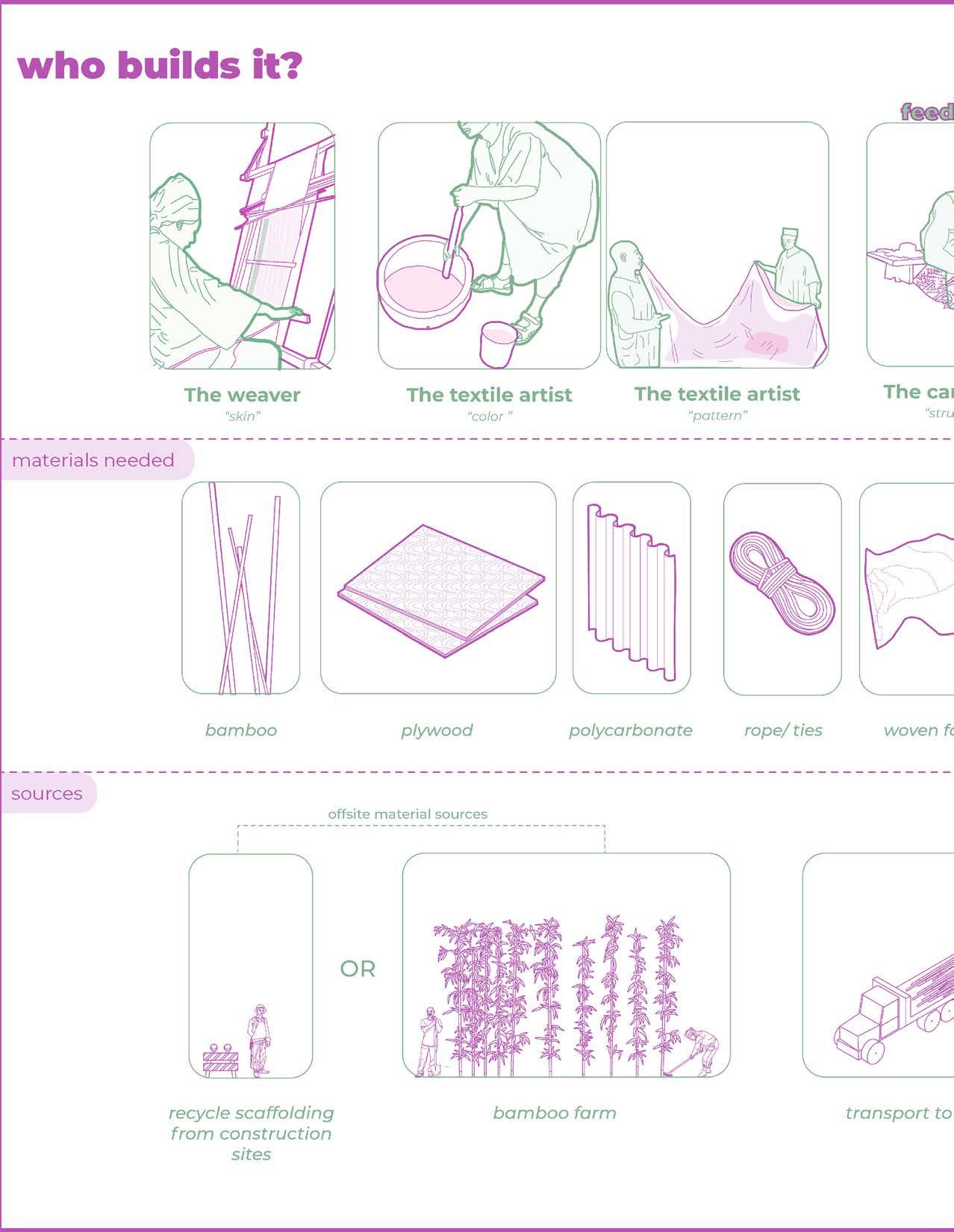
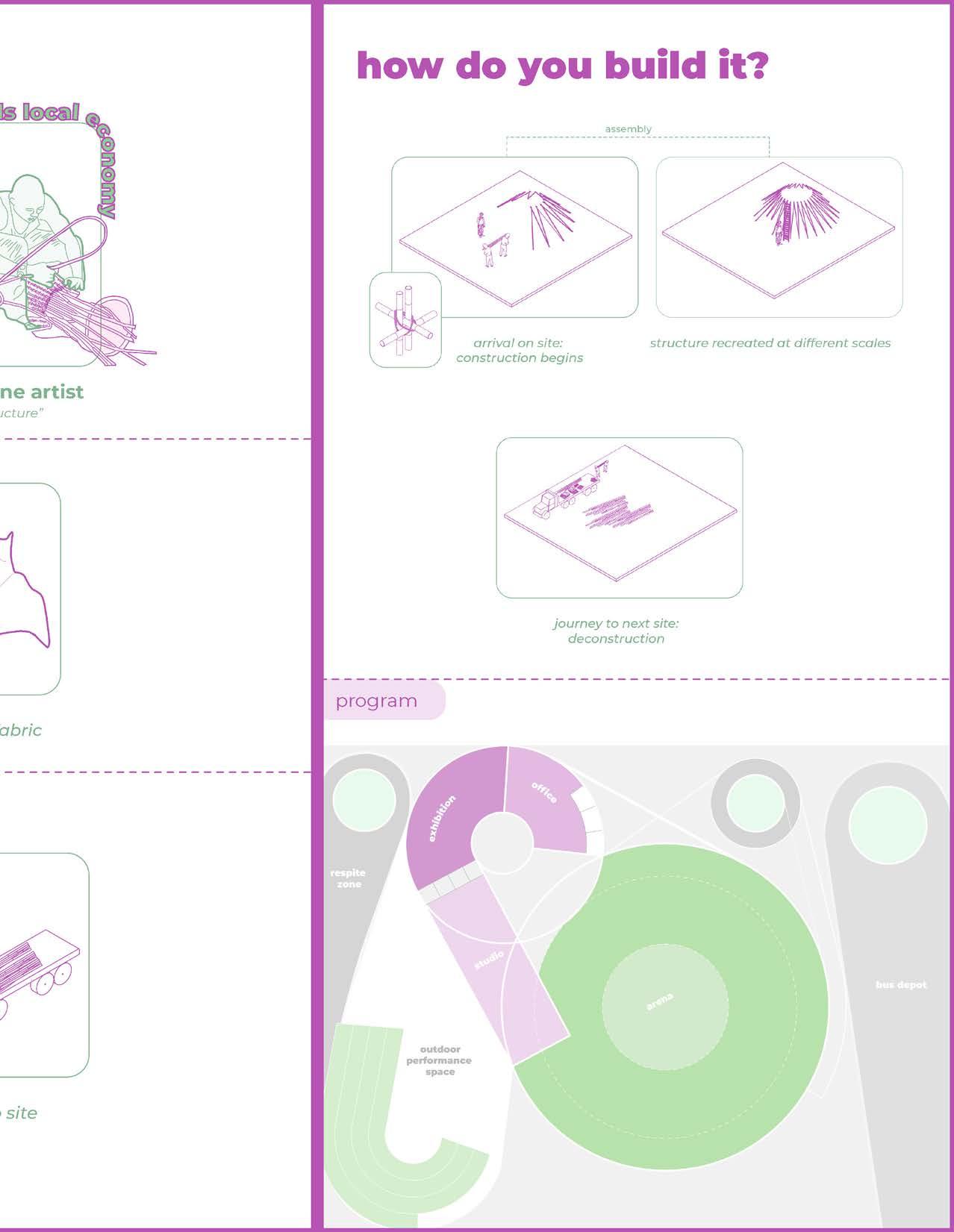
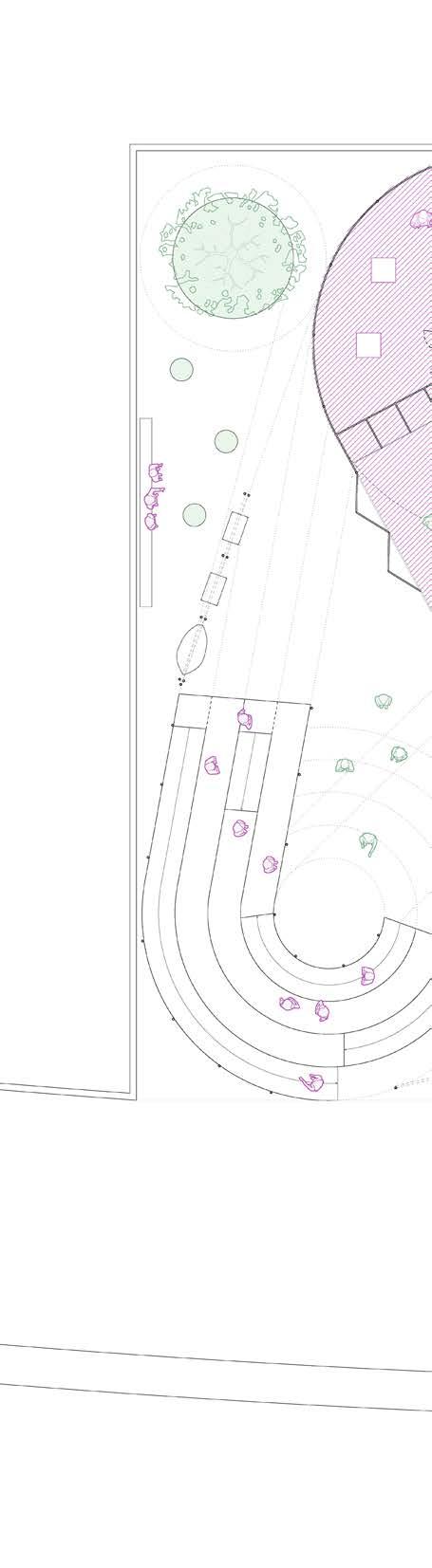
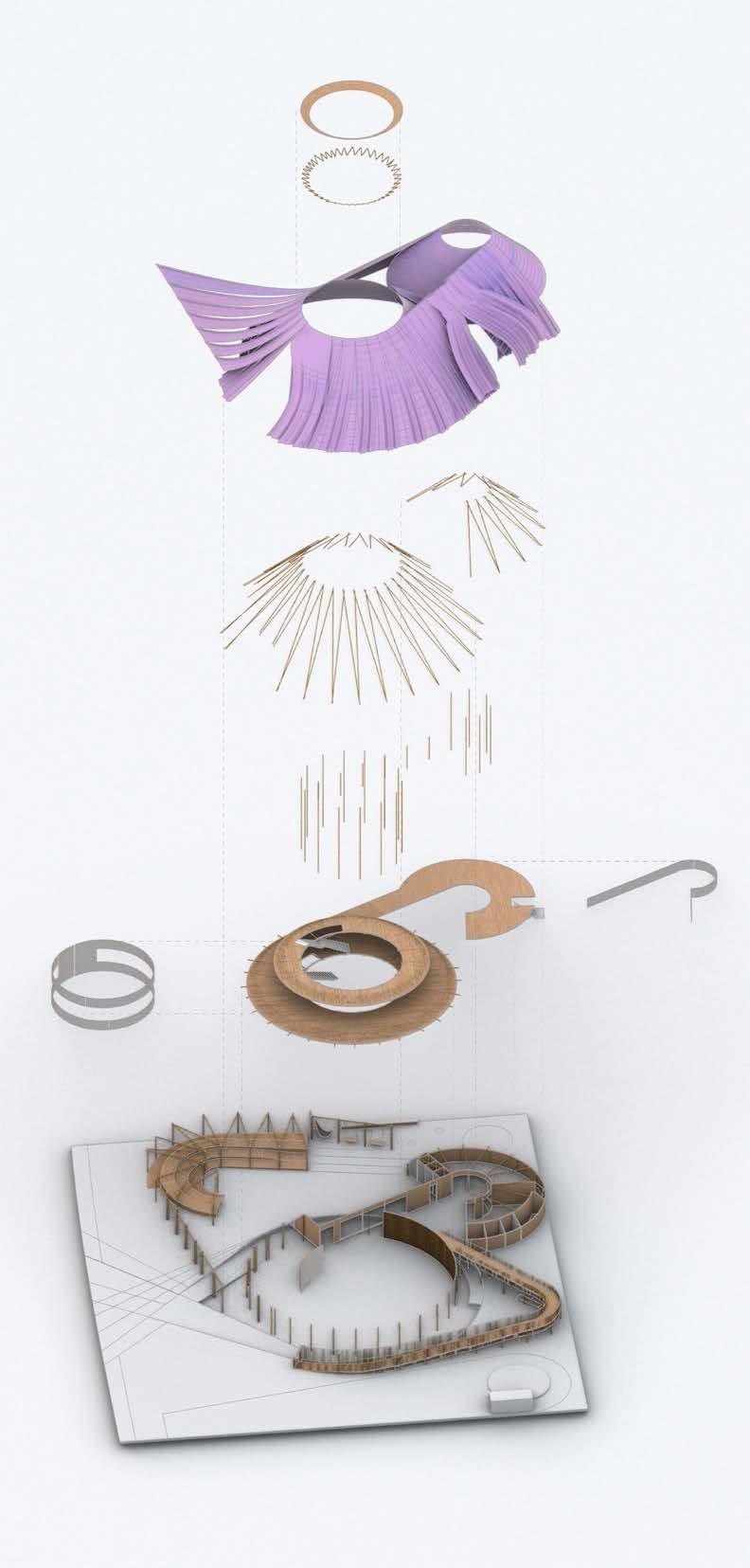
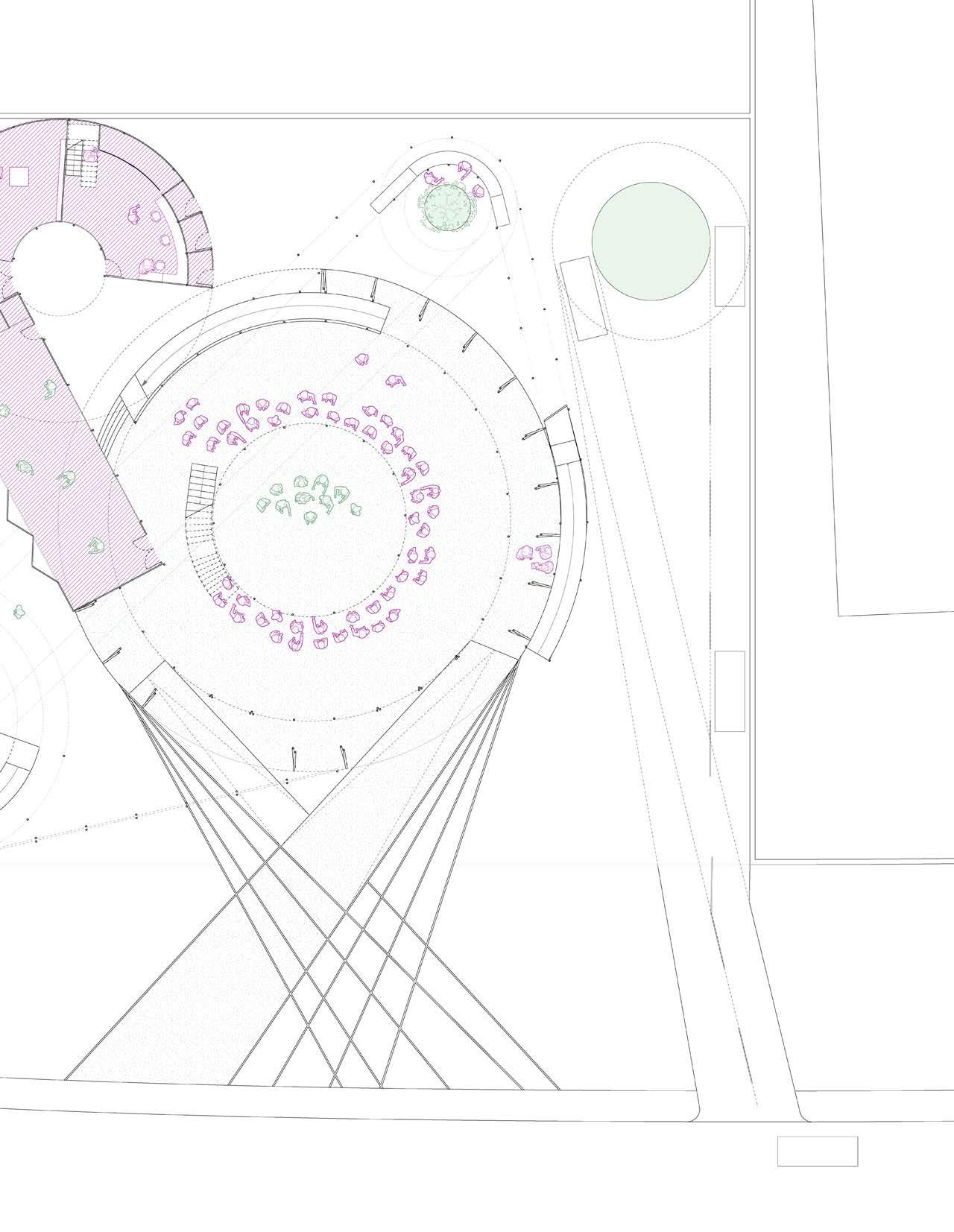
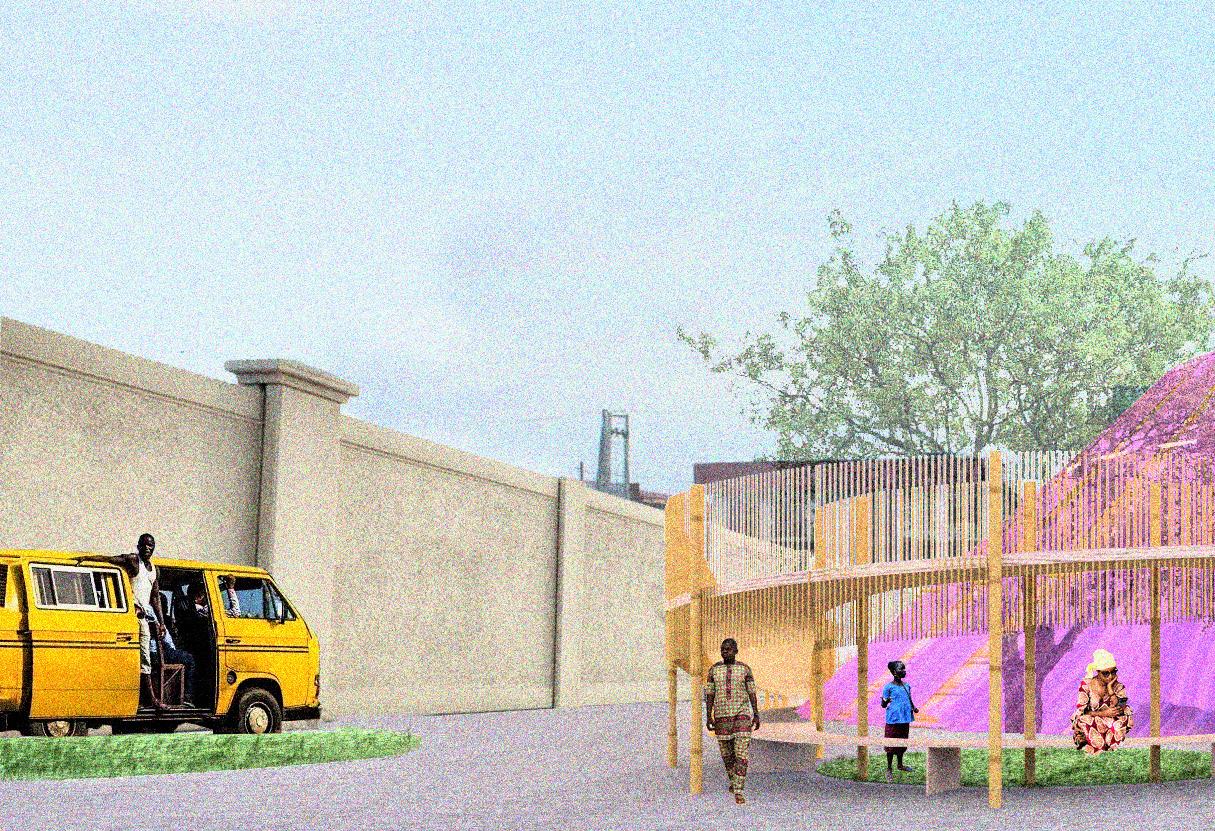
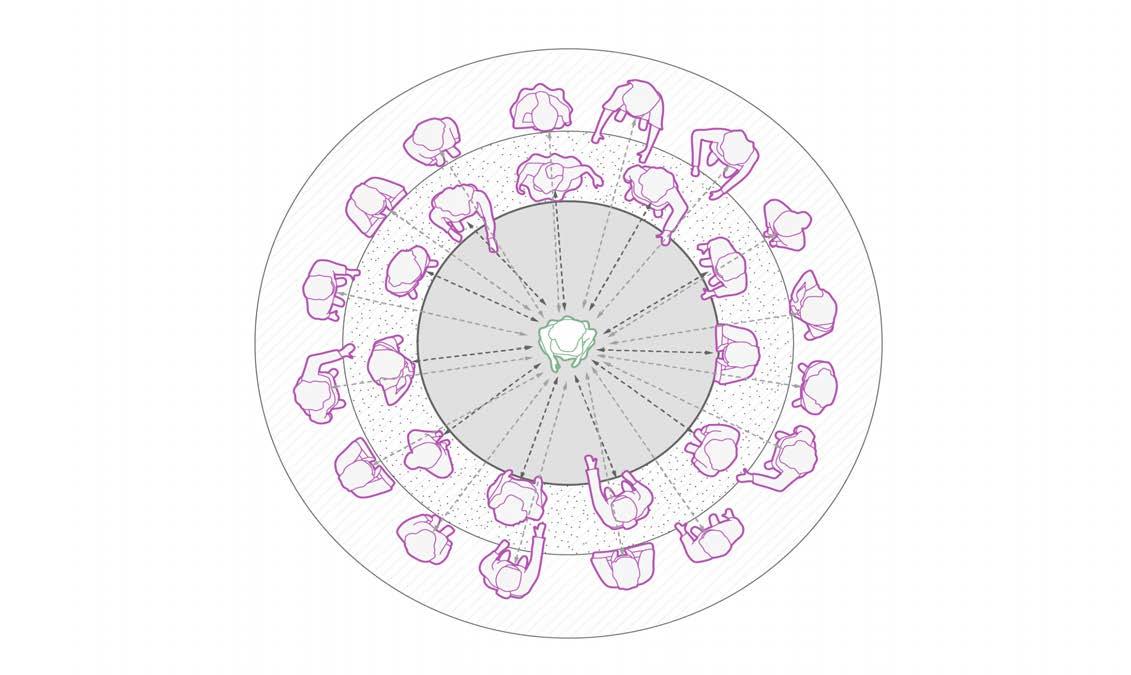
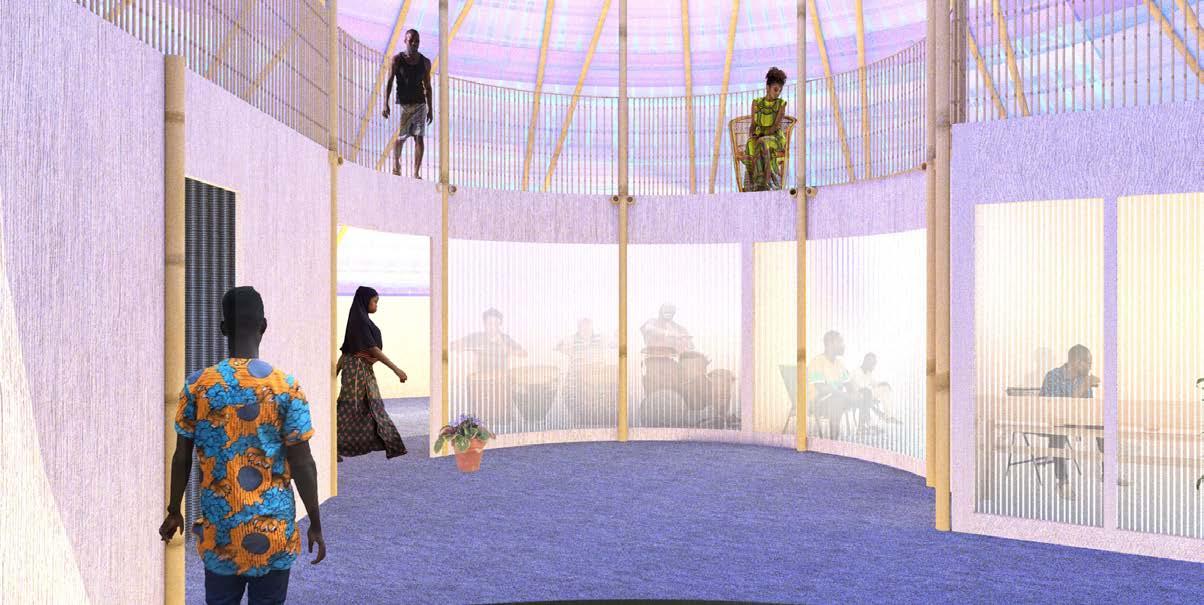
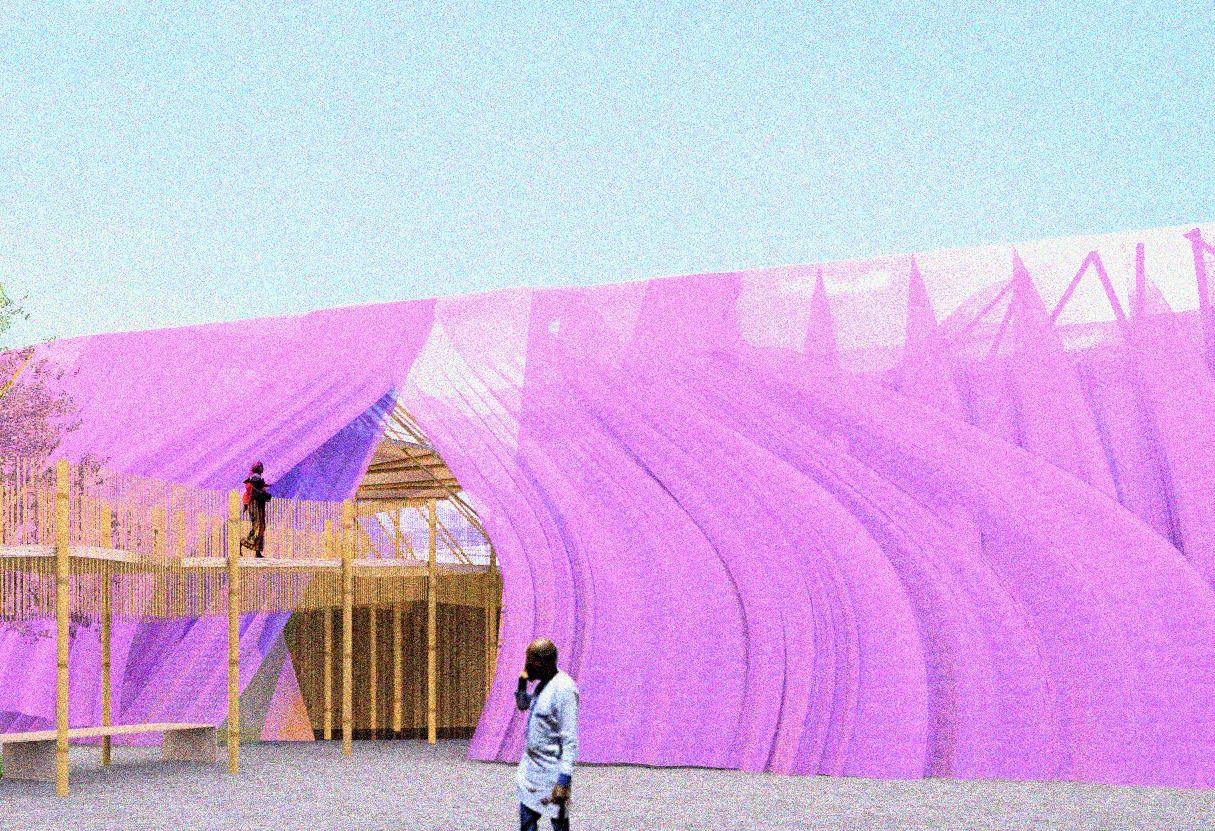
Pulling inspiration from traditional Yoruba masquerade festivals and the works of Hubert Ogunde (one of the fathers of Nigerian theatre), a space for performance is reimagined to make theatre accessible to common people. It is a mobile structure that can be moved and reconfigured, with a stage that is non-prescribed as the spectators are also part-spectacle and local craft and materials become the generator of form, structure, and skin.
Performance in this composition is not just about the destination but also about the journey.
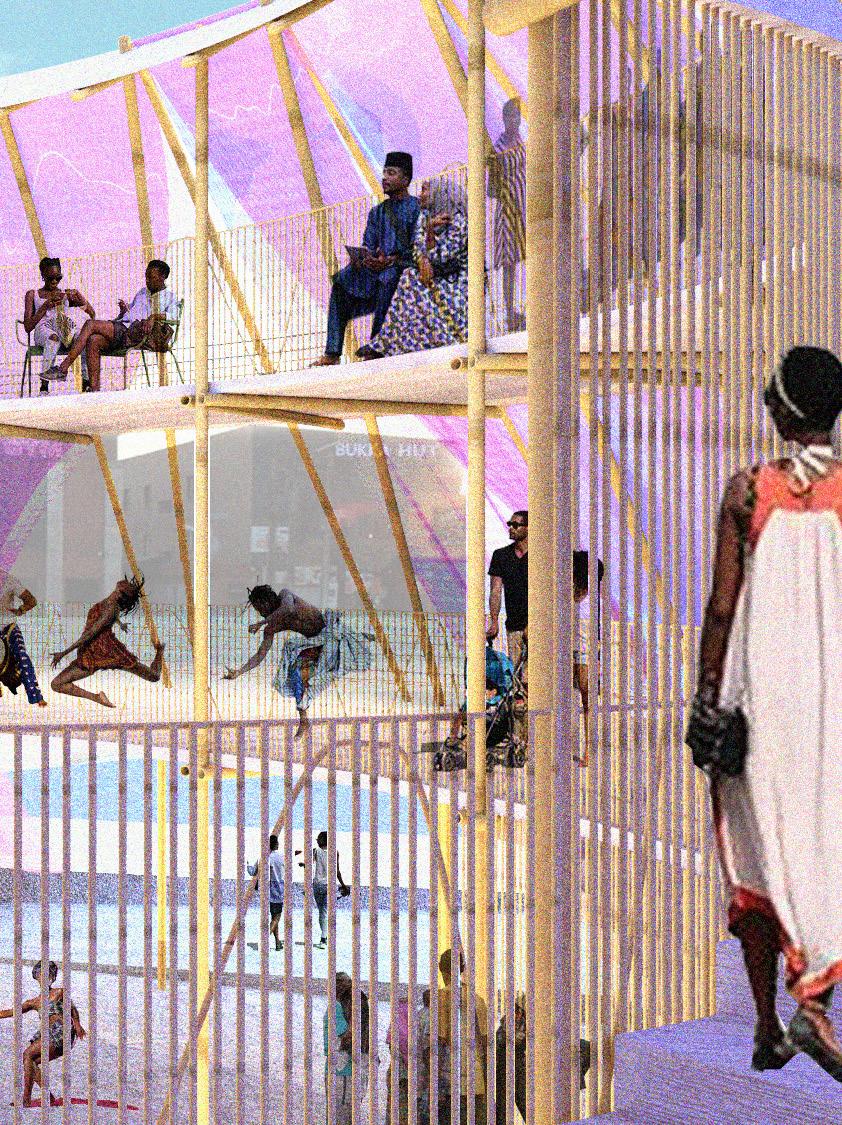 Performance Arena
Dancing Yoruba Egungun Masquerade
Performance Arena
Dancing Yoruba Egungun Masquerade
[ah-looh]
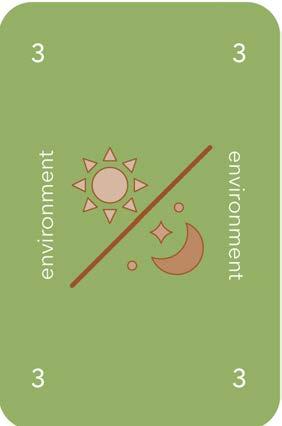
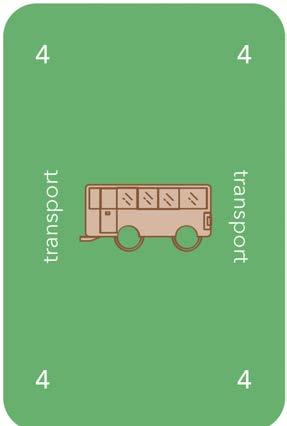
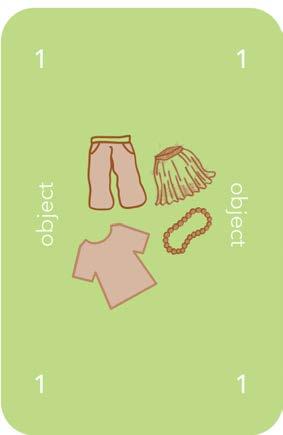
Alo, a Yoruba word meaning riddle Which is a spin on traditional folktale methods of storytelling. Using 4 cards types with different themes, the group members took turns rolling the dice and picking cards. With each card linked to a prompt.
From the object cards I discovered they were inspired by people and community.
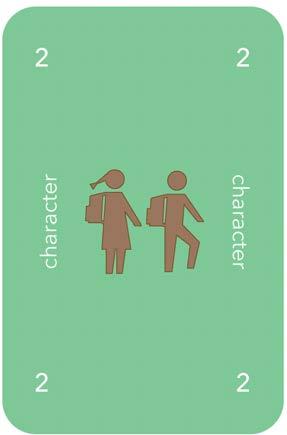
Character highlighted challenges faced by community members
Environment touched on scale, audience and concerns about security
Transport exposed issues with movement and commute
Partner Info: Illuminate Theatre (performance arts non-profit)
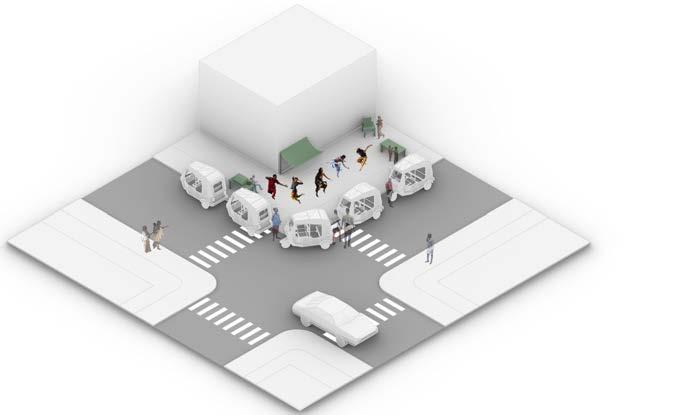
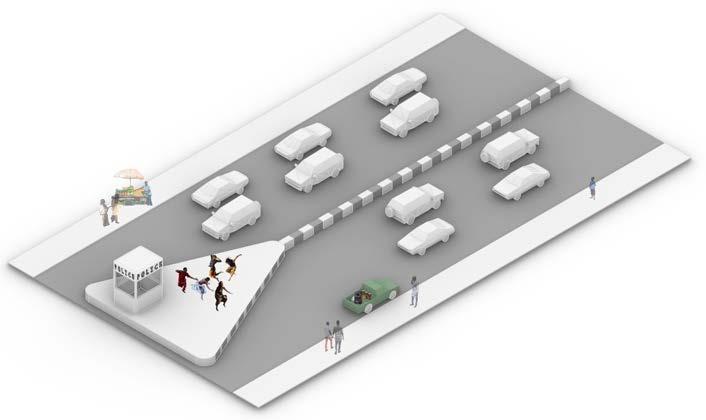
“Theatre is Taboo,” it is inaccessible to the common people.
Core 3 Studio: Community Center
Studio Critic: Grace La Site: Washington Square Park, NYC
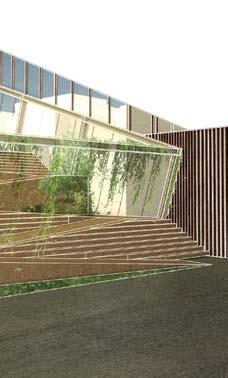
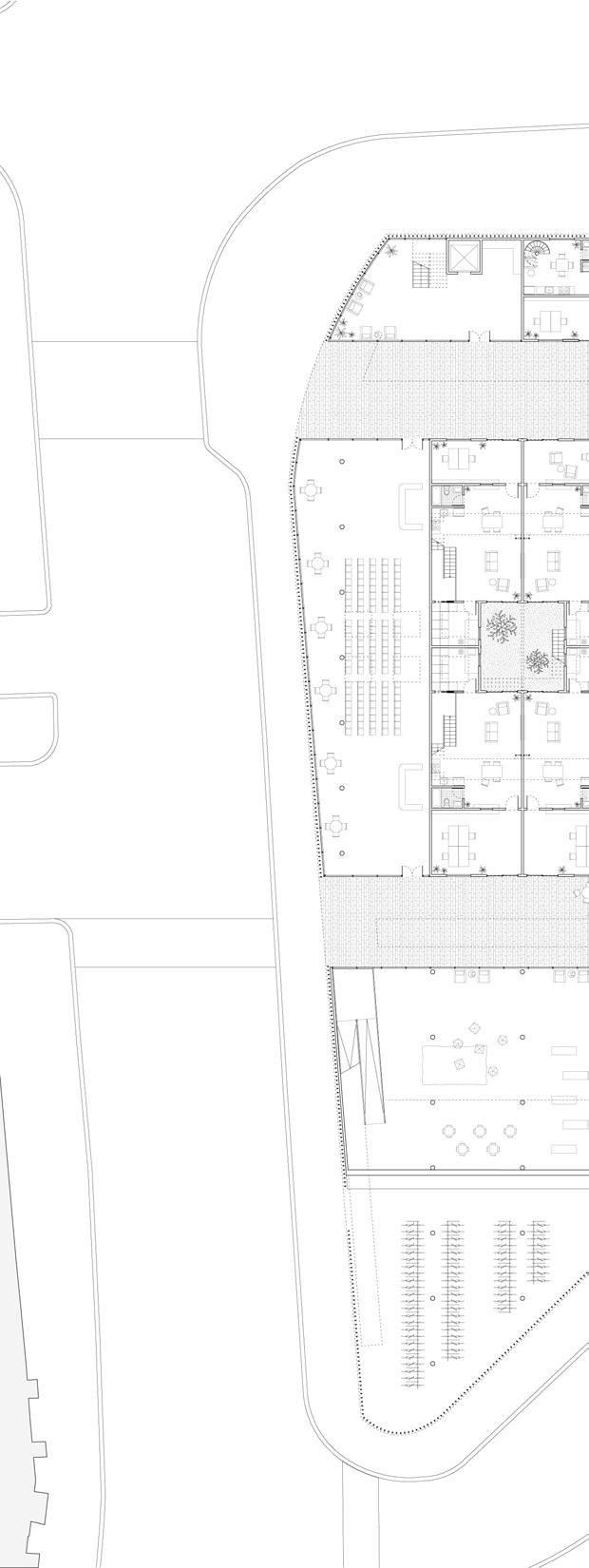
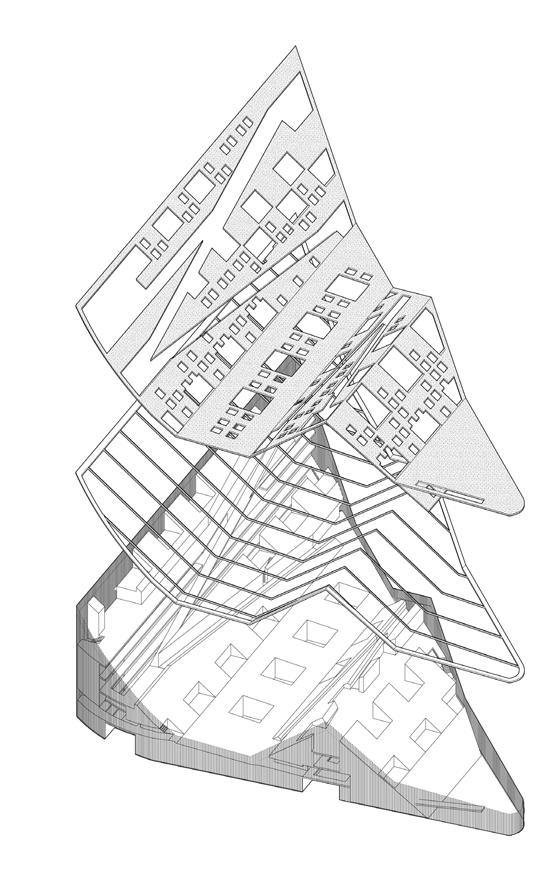
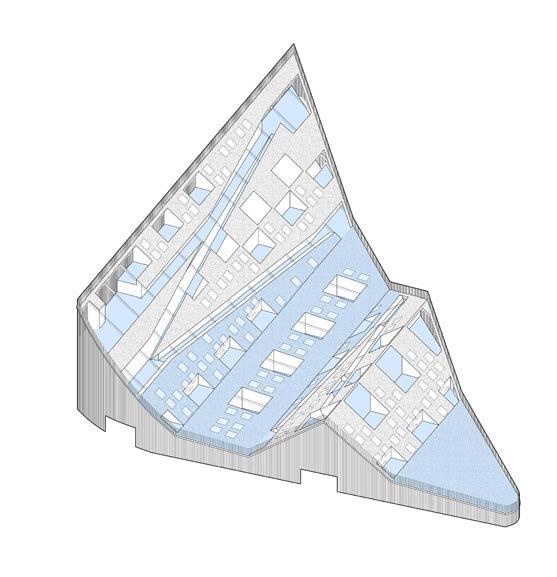
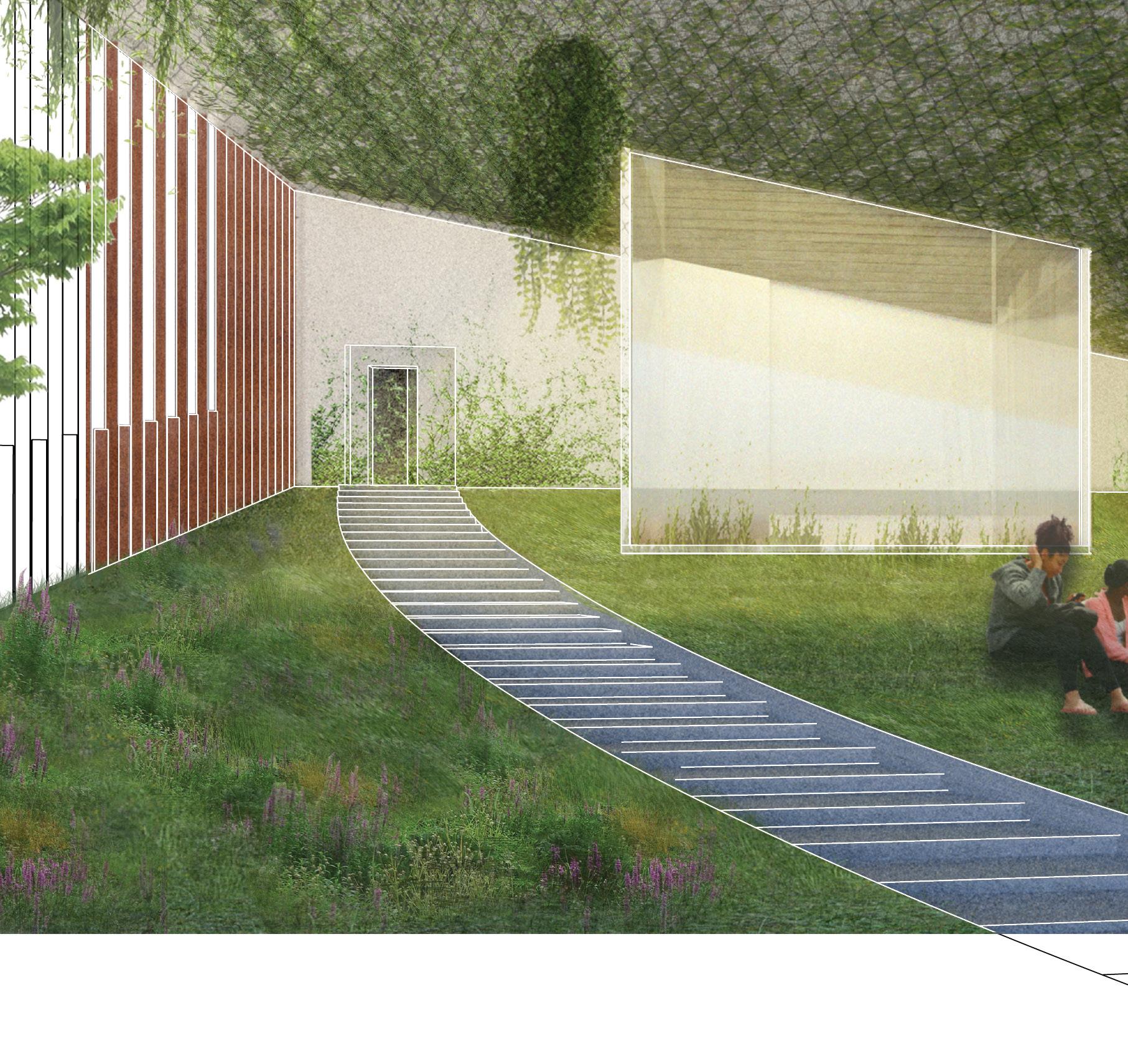
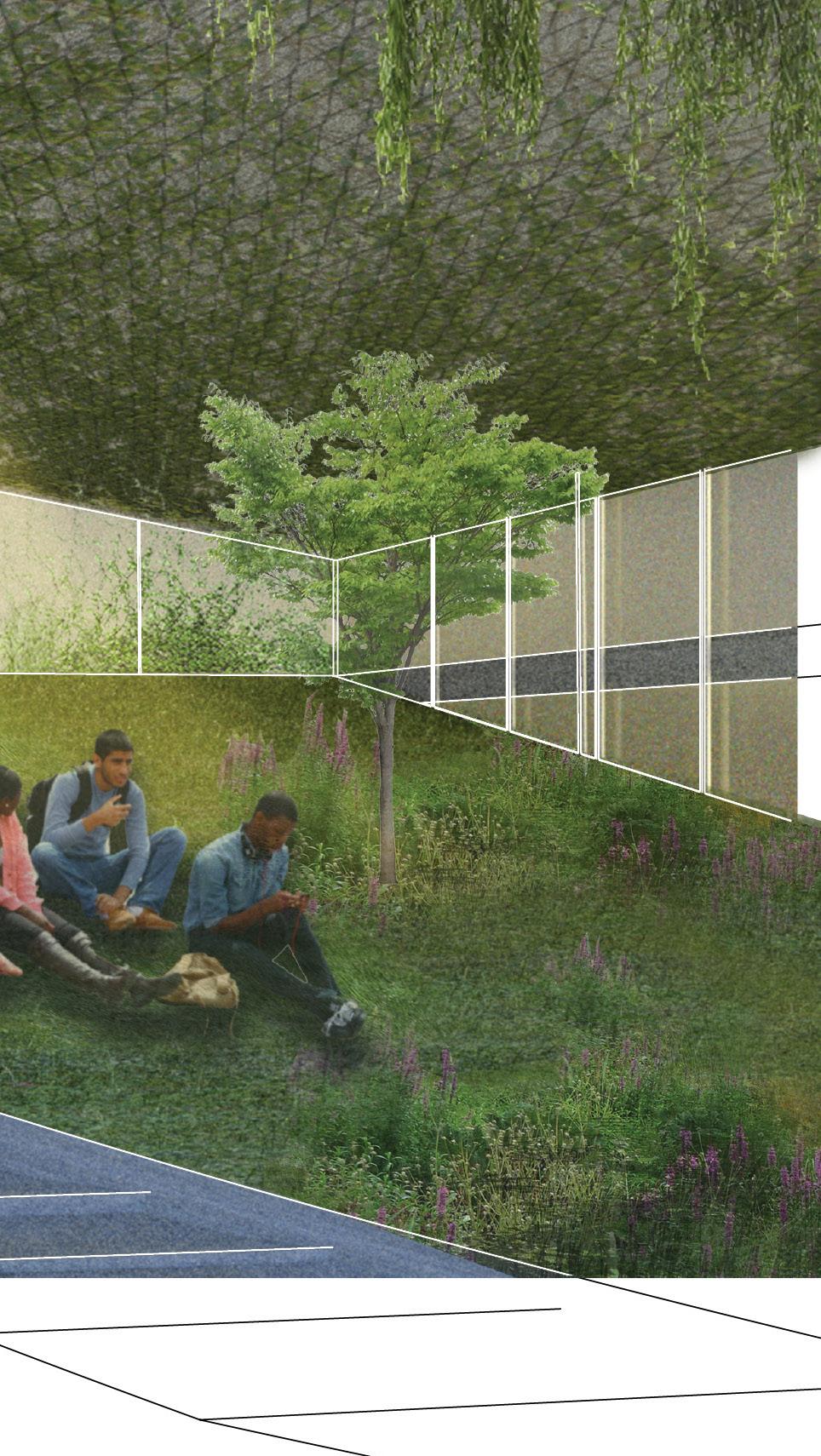
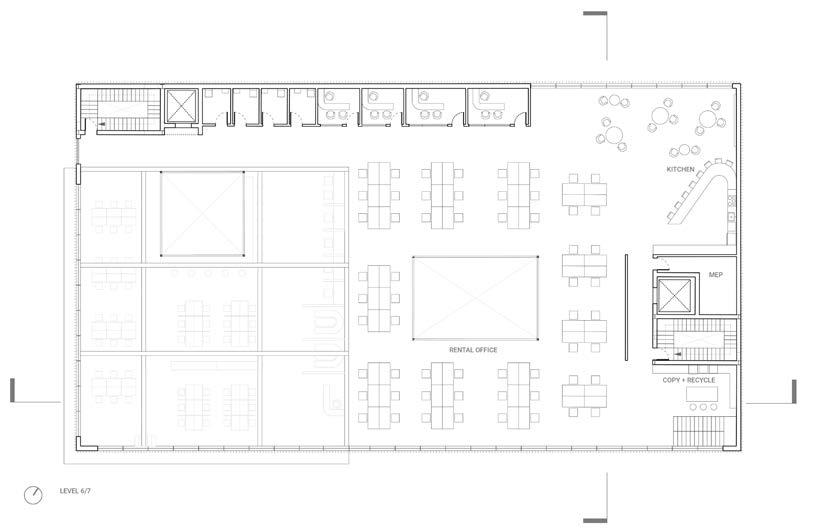
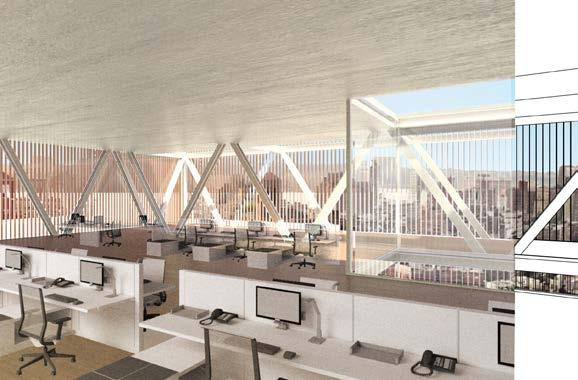
Our “new normal” has challenged how we think about working today and the future of workplaces. The concept of the traditional office prototype is confronted in this project by weaving private office space and urban public space to create a new living workscape.
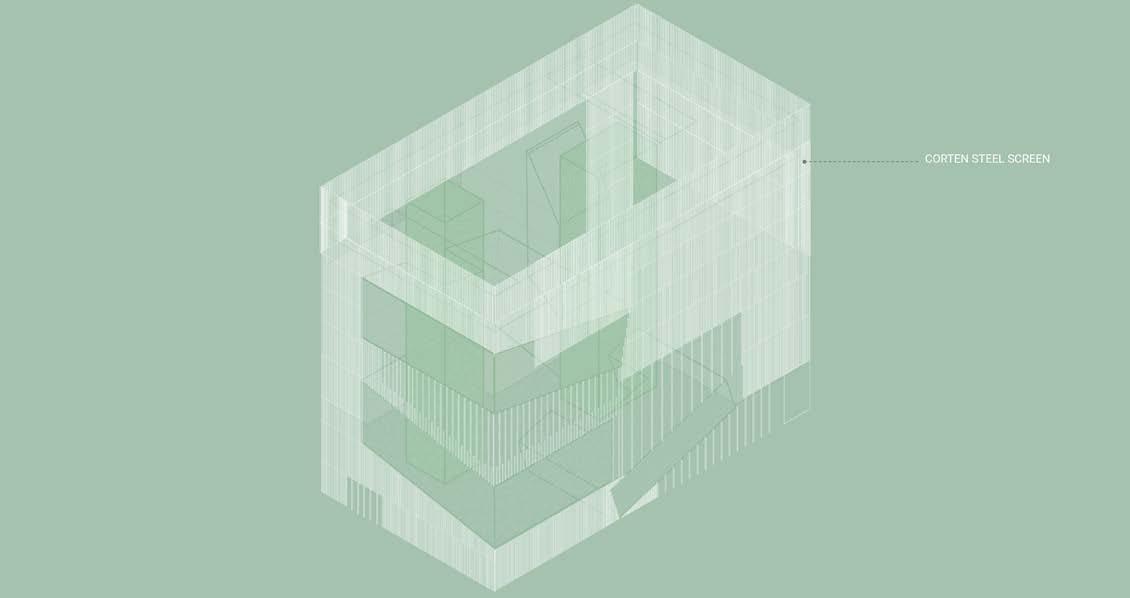
Corten Steel Fin (facade) Studies Elevated Lawn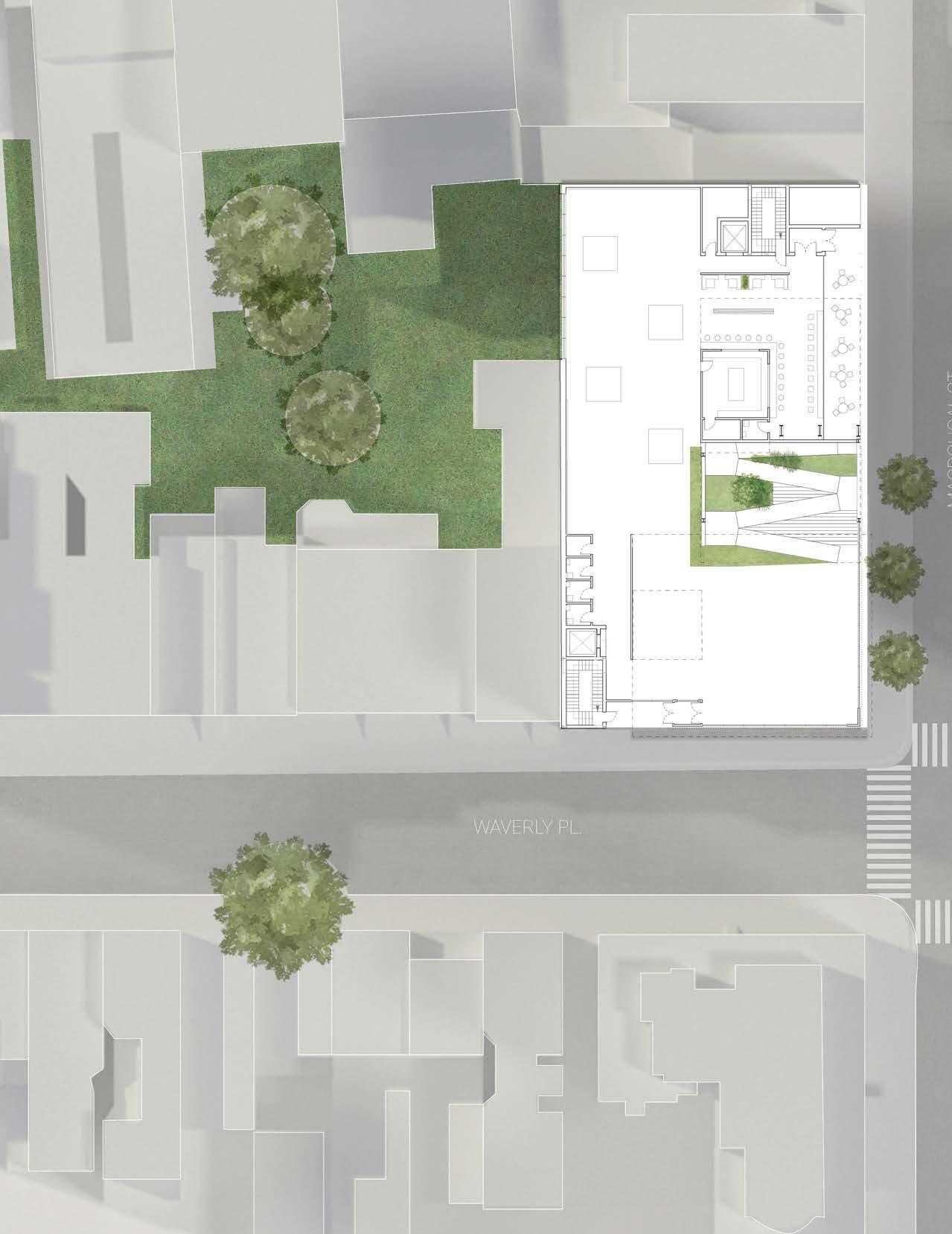
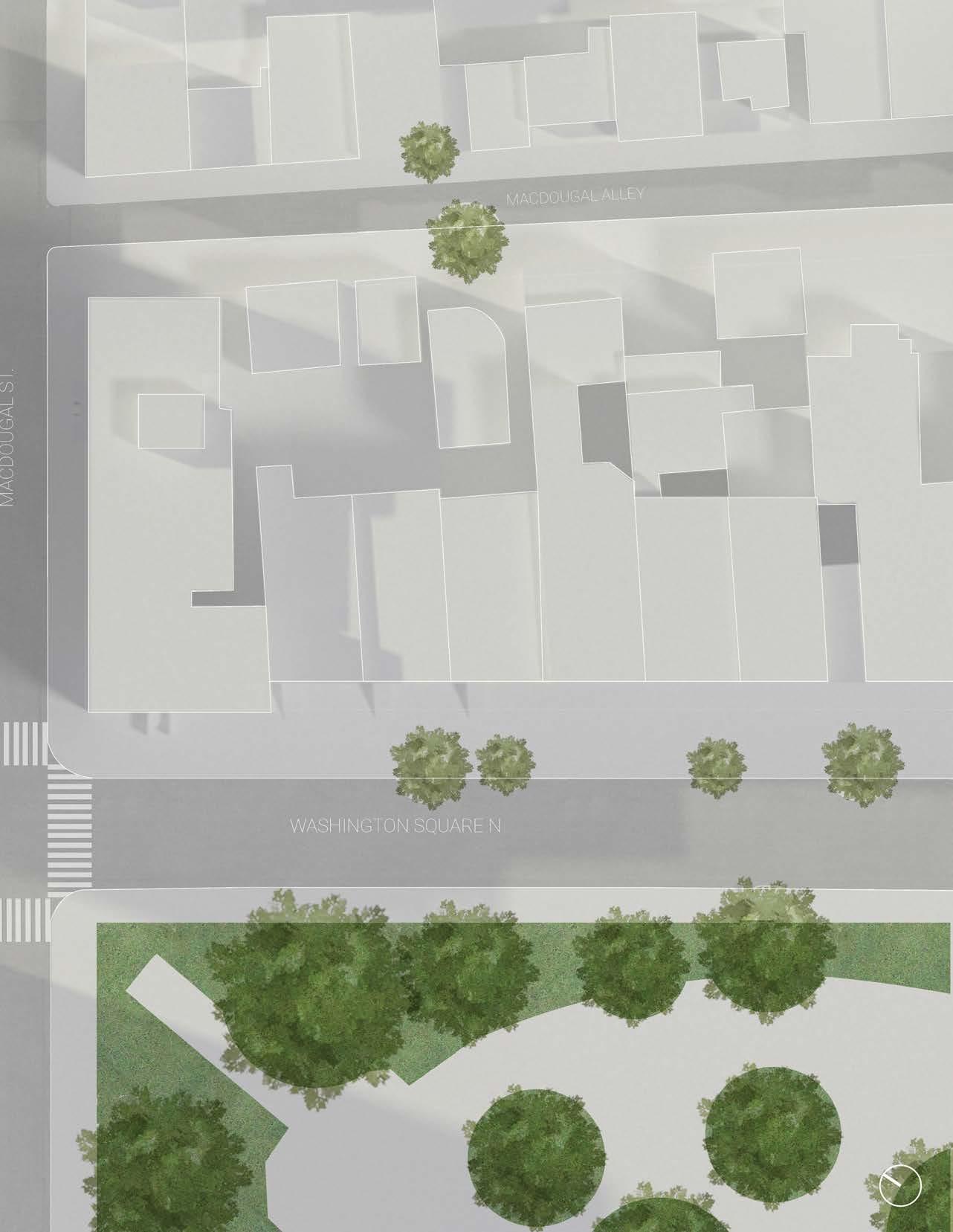
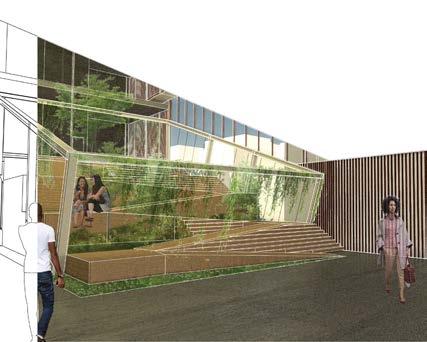
In line with the Municipal Art Society’s (MAS) drive for public agency, Privately Owned Public Spaces (POPS) are reimagined as catalysts for productivity, transparency and community engagement. The proposed office building for MAS is located in the Greenwich Village neighbourhood, across from the historic Washington Square Park and close to the New York University campus. This desire to activate public-private space reflects in the building’s character, programmatic organization and design.
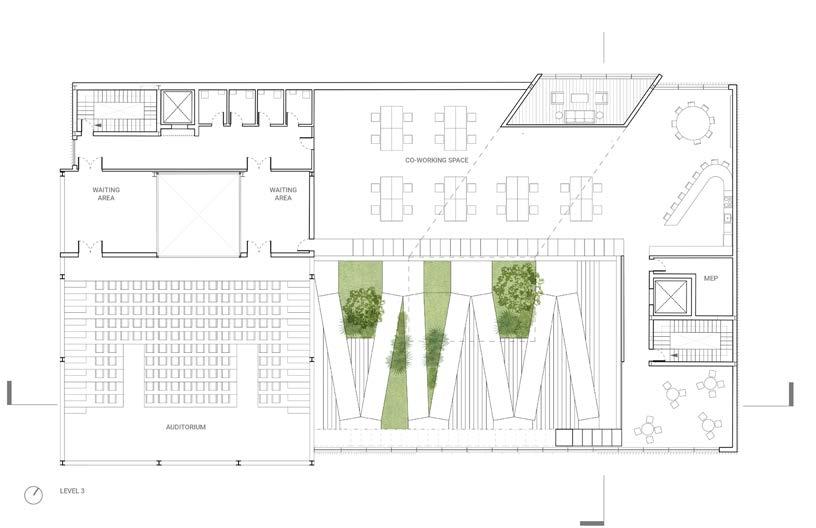
Level 3 Level 4
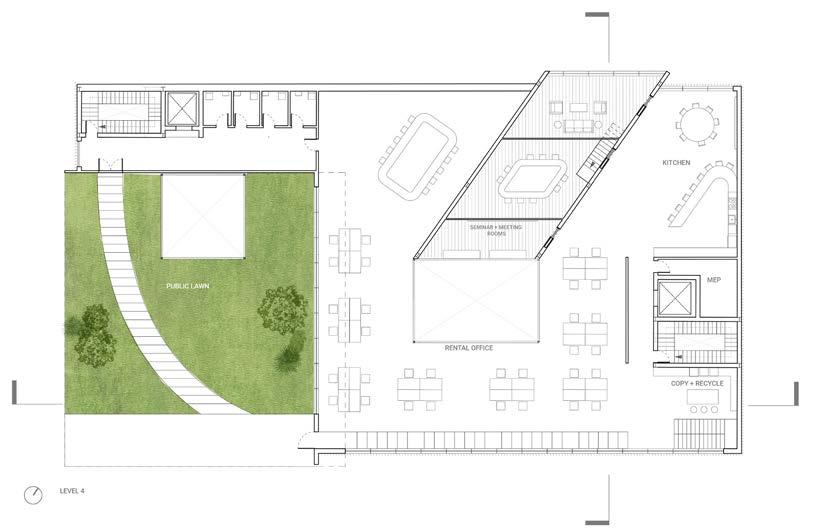
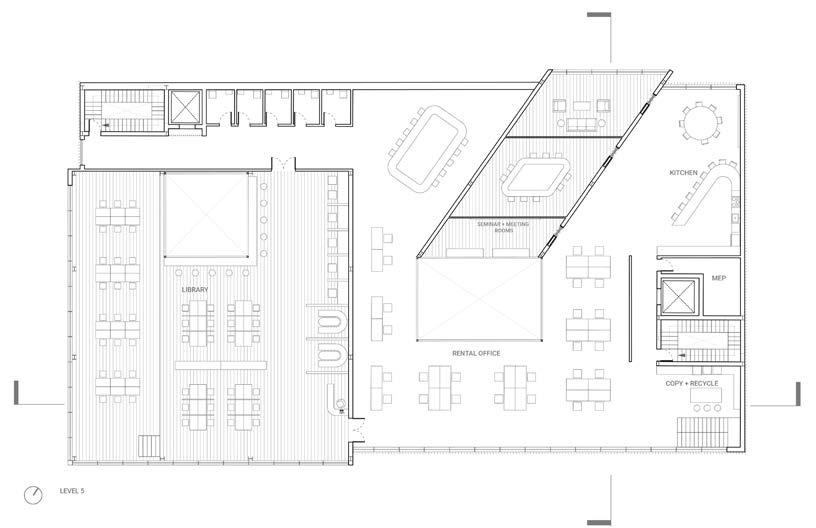
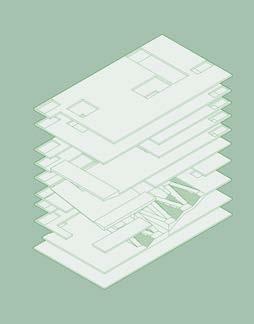
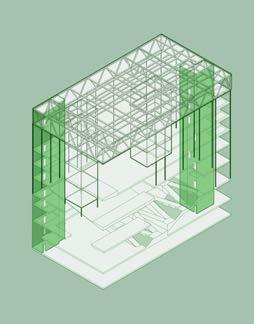
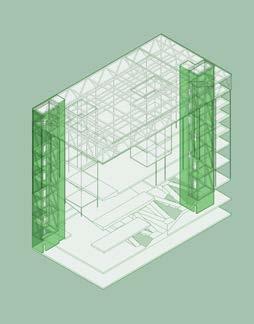
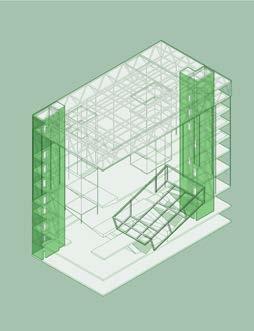
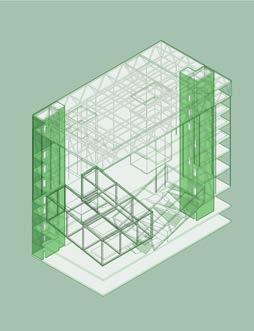
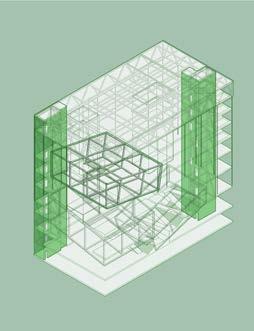
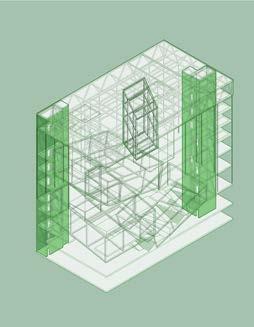
What if the office functioned as a living ecosystem and not a container for only work and no play?
Level 6/7 Level 8
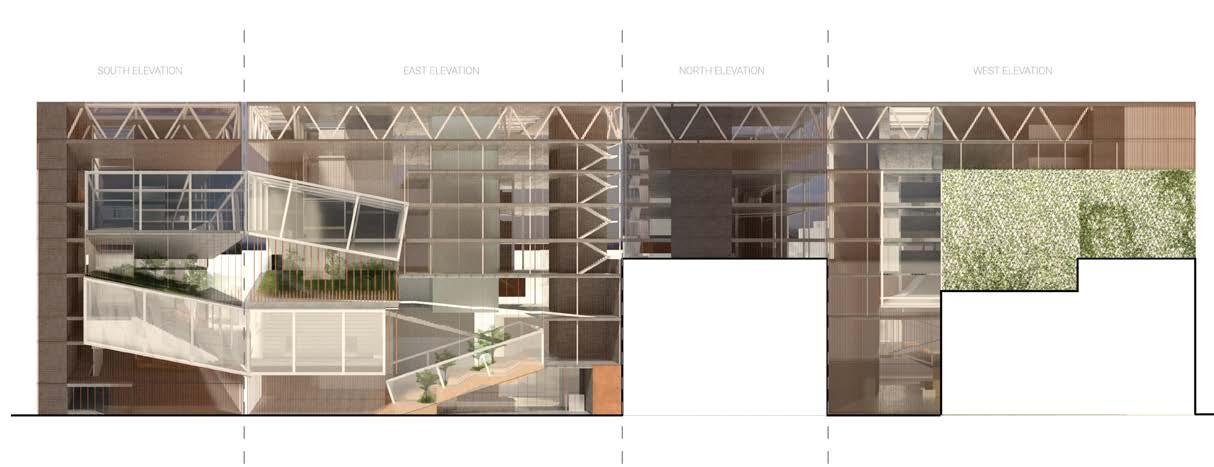
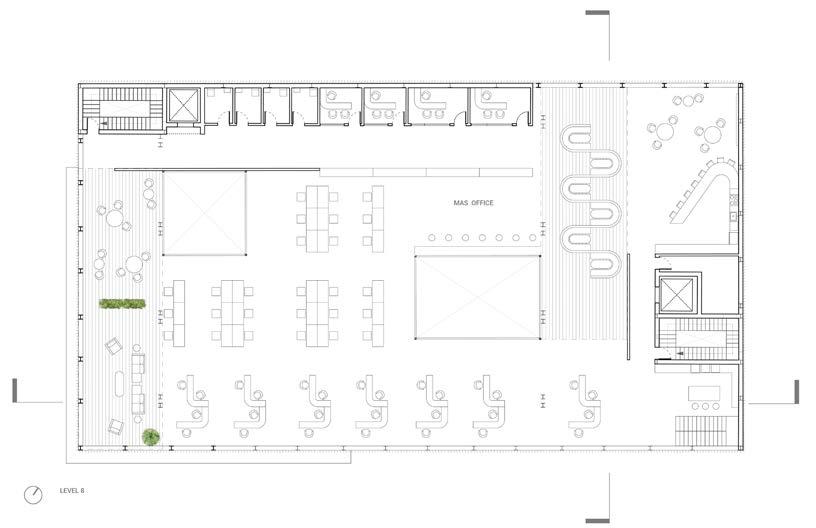
A ramped plant animated path extends the public realm further into the building by creating relief zones for individual and collective reflection, therefore providing alternative co-working conditions.
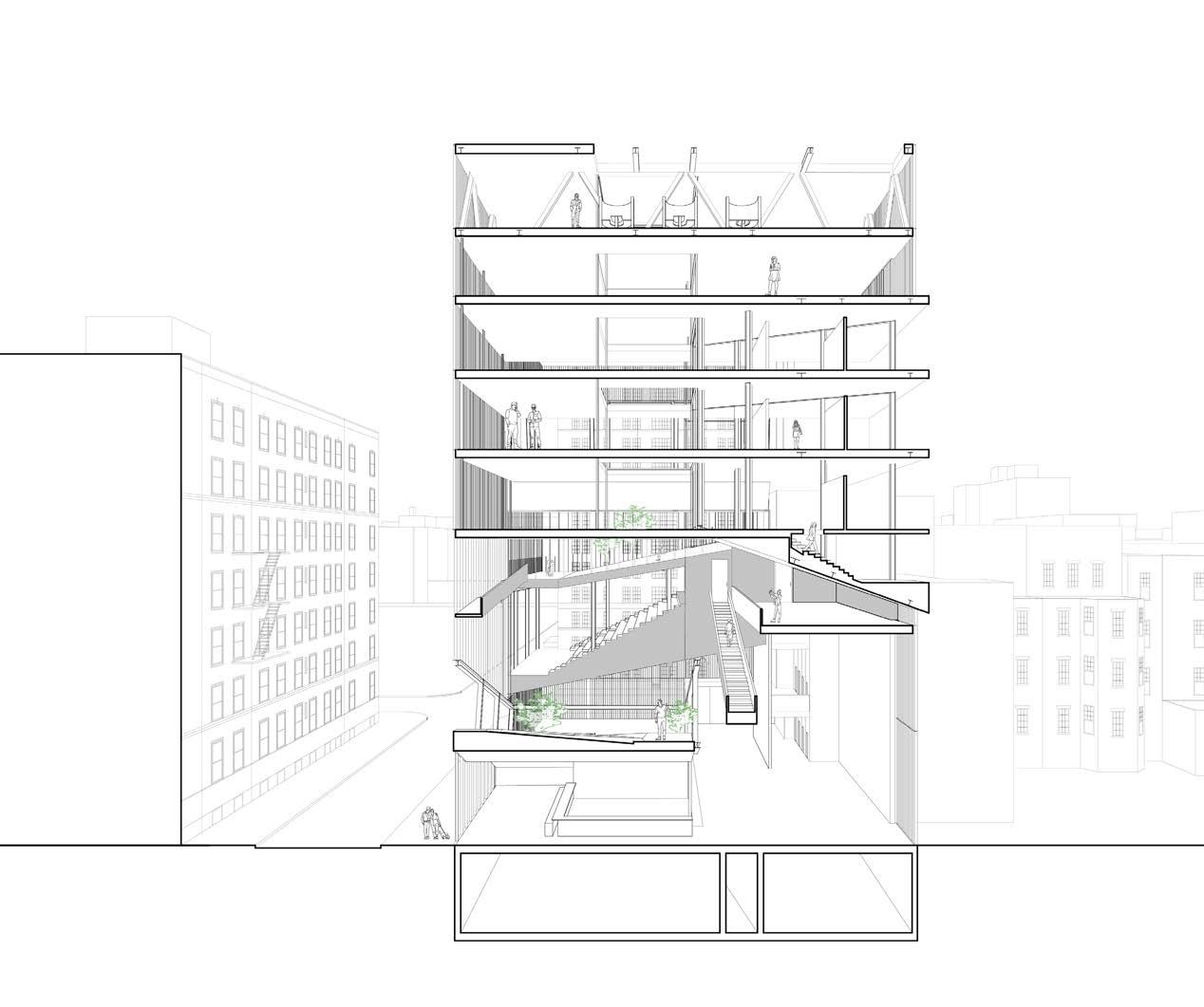
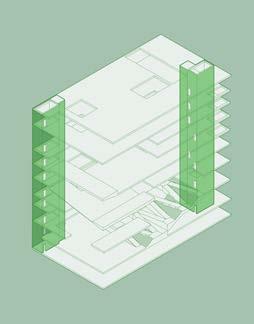
This serves as the primary structure which the floors hang from columns at the building perimeter. With light wells driving light into the office floor, skylights also define breakout areas that interact with the rest of the office configuration.
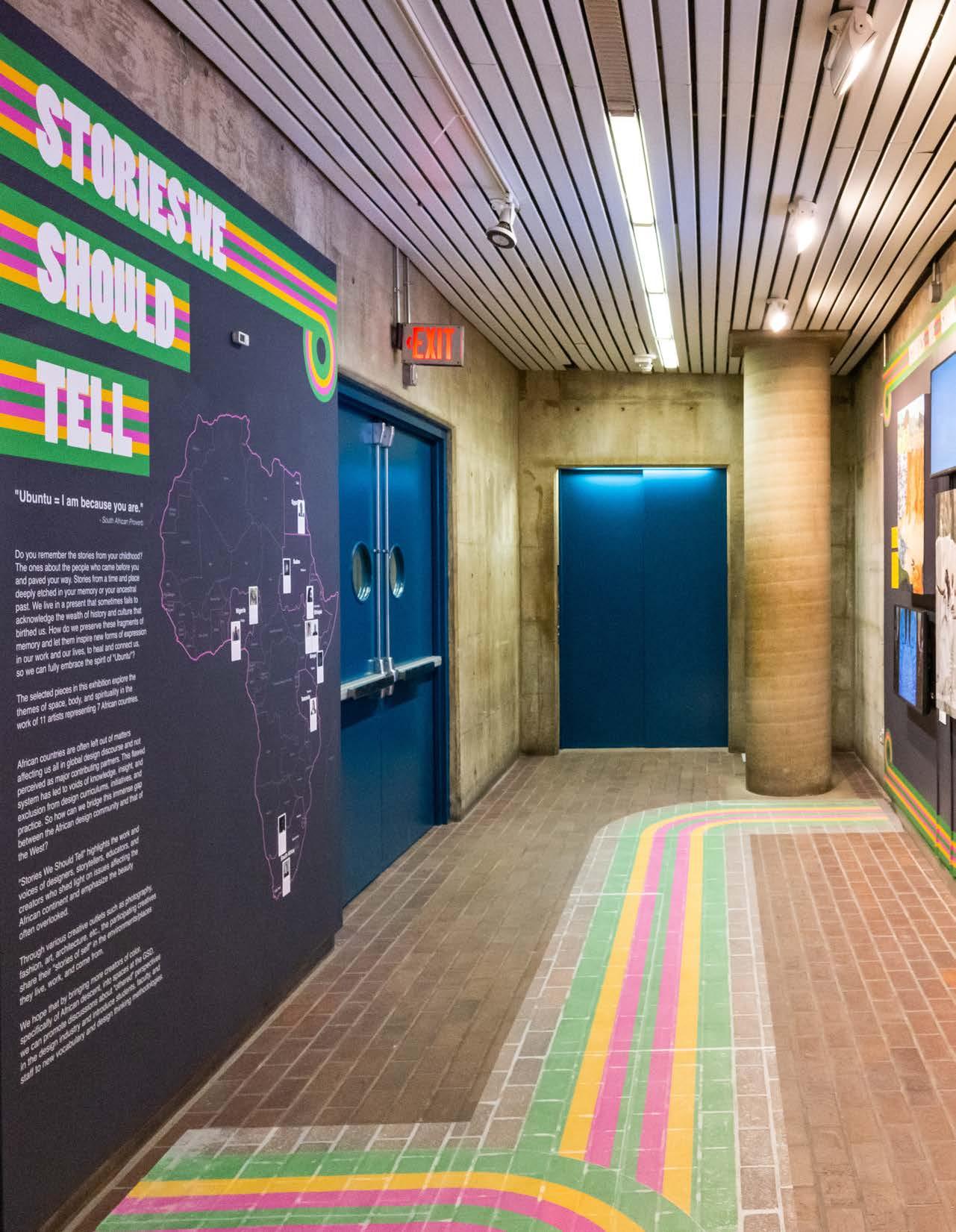
Type: Event and Exhibition Design Site: Gund Hall, HarvardGSD Team: Lead Curator/ Creative Direction: Sumayyah Raji Co-curator: Dora Mugerwa Design Contributor: Tobi Fagbule AfricaGSD Planning Team: Rania Karamallah, Miguel Lantigua Inoa, Olufemi Olamijulo
Year: April 2022
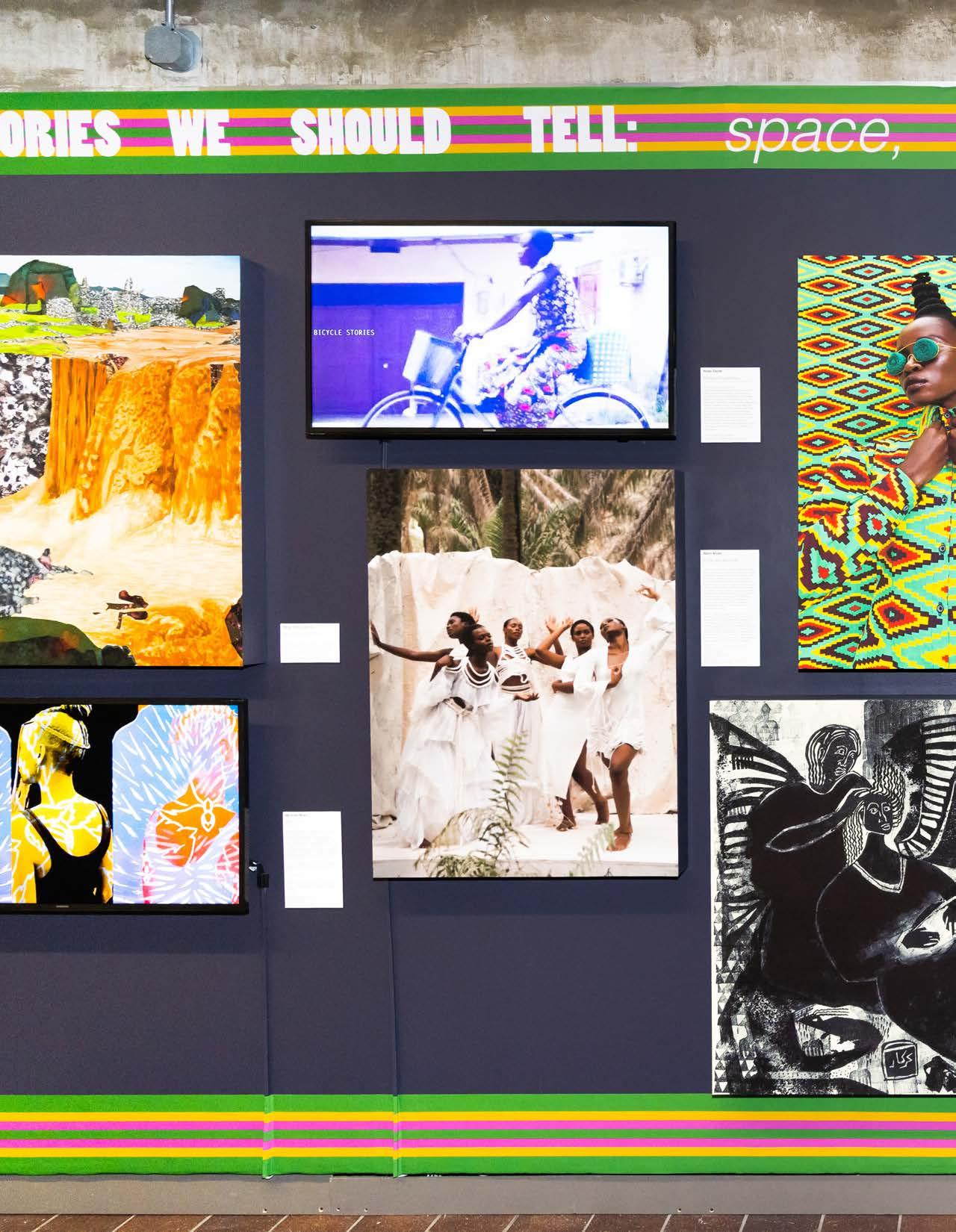
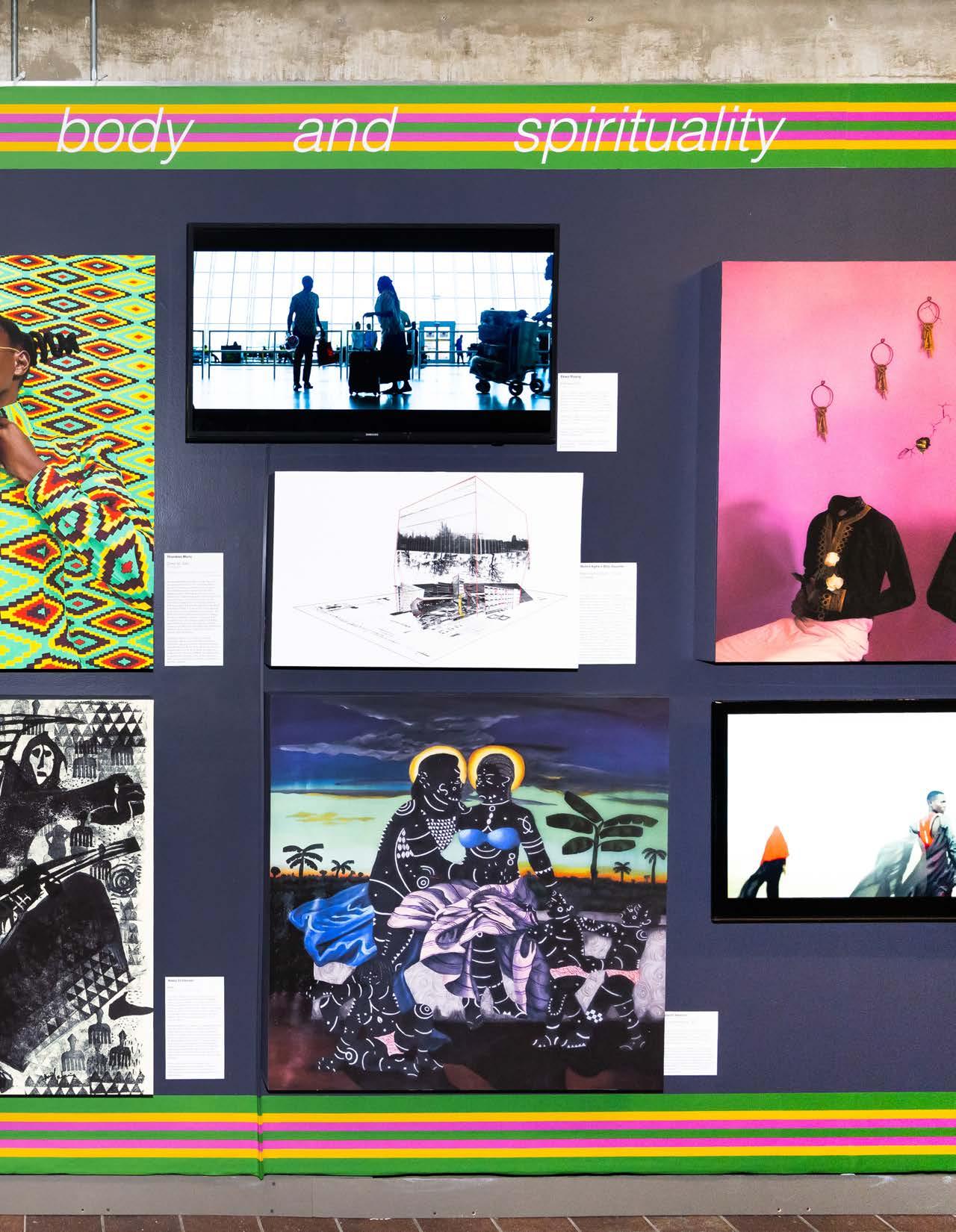
“Stories We Should Tell” highlights the work and voices of designers, storytellers, educators, and creators who shed light on issues affecting the African continent and emphasize the beauty often overlooked.
The selected pieces in this exhibition explore the themes of space, body, and spirituality across mediums in the work of 11 artists representing 7 African countries.
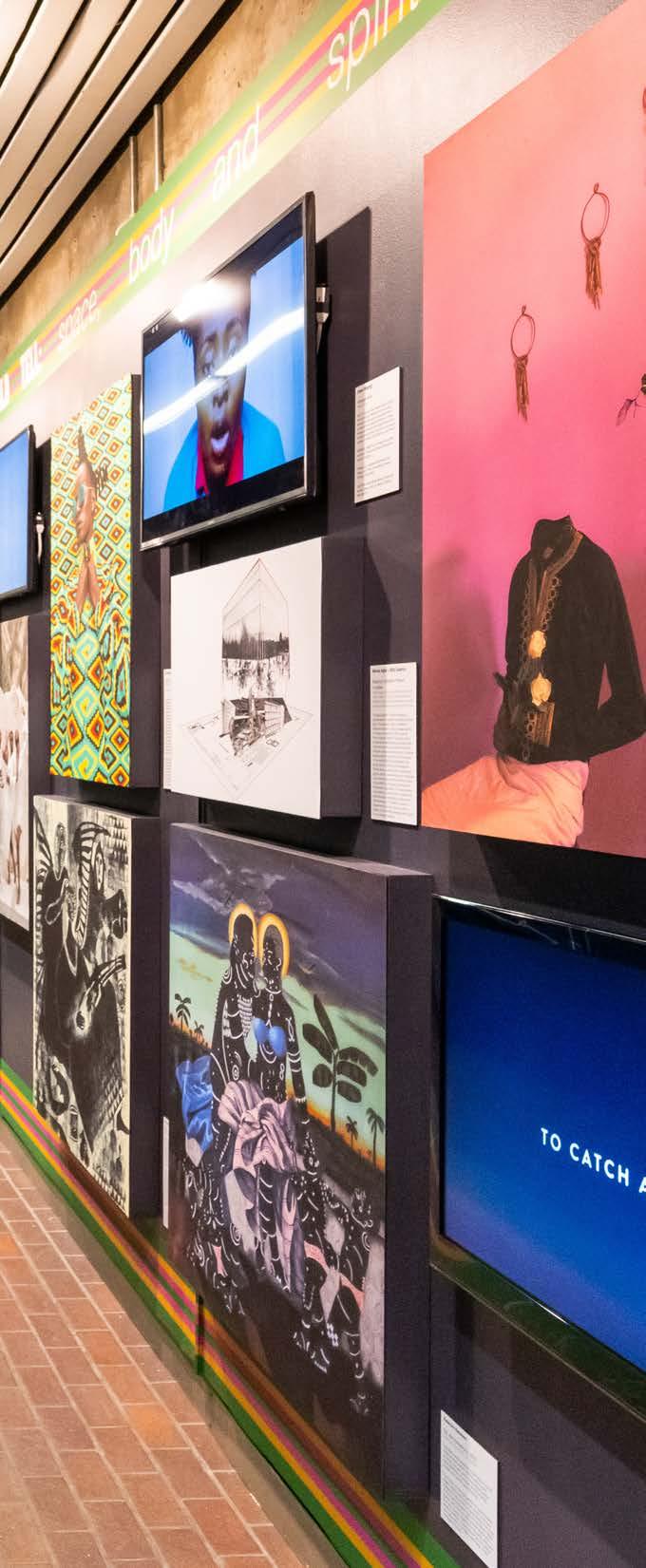
*This exhibition and related events were inspired by the lack of African representation in the student body, design discourse in my classes and pedagogy at the GSD.
https://www.gsd.harvard.edu/exhibition/ stories-we-should-tell/
All Concept and Graphic Design by Sumayyah Raji