Undergraduate Design
Sultan Jarbouh
Selected Work 2022-2025
O L I O
Undergraduate Design
Sultan Jarbouh
Selected Work 2022-2025
O L I O
Location: Innsbruck, Austria
Instructure: Jenewein Oswald
Team: Keila Hrabal, Joosten Thienemann, Alberto Cesaro
Role: Designer, Floor plan, Community outreach
Focus: Cocreating the Alpine superblock
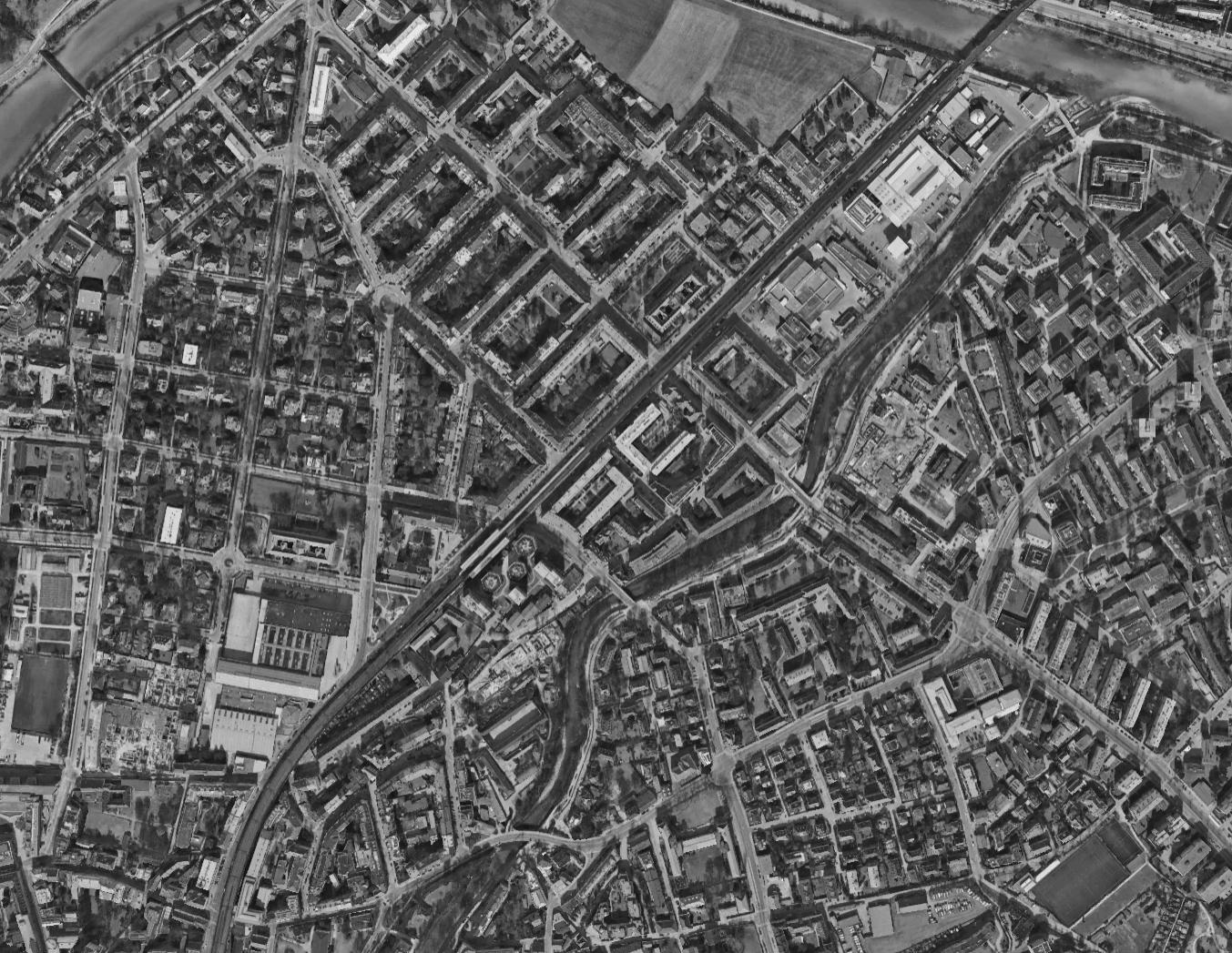
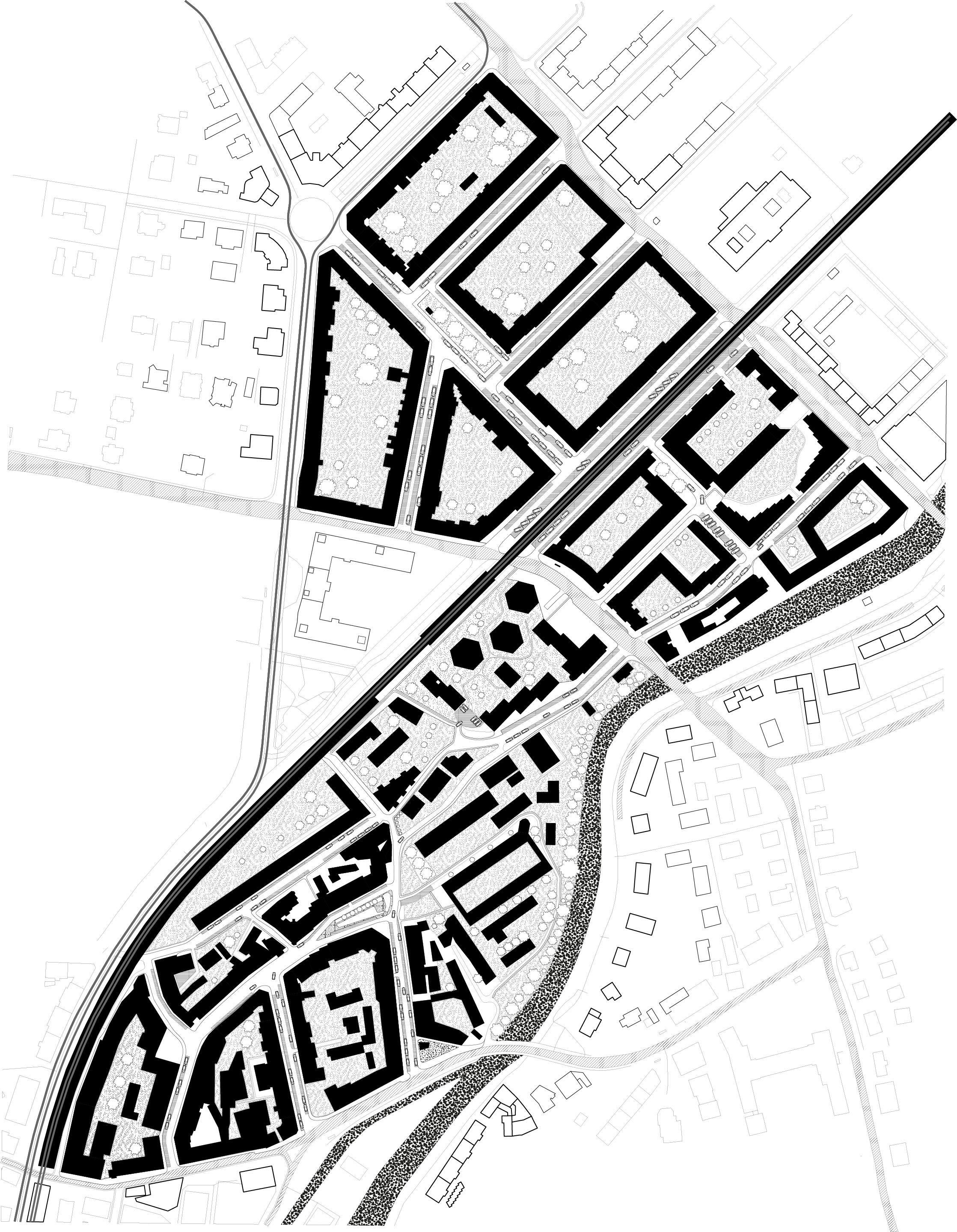
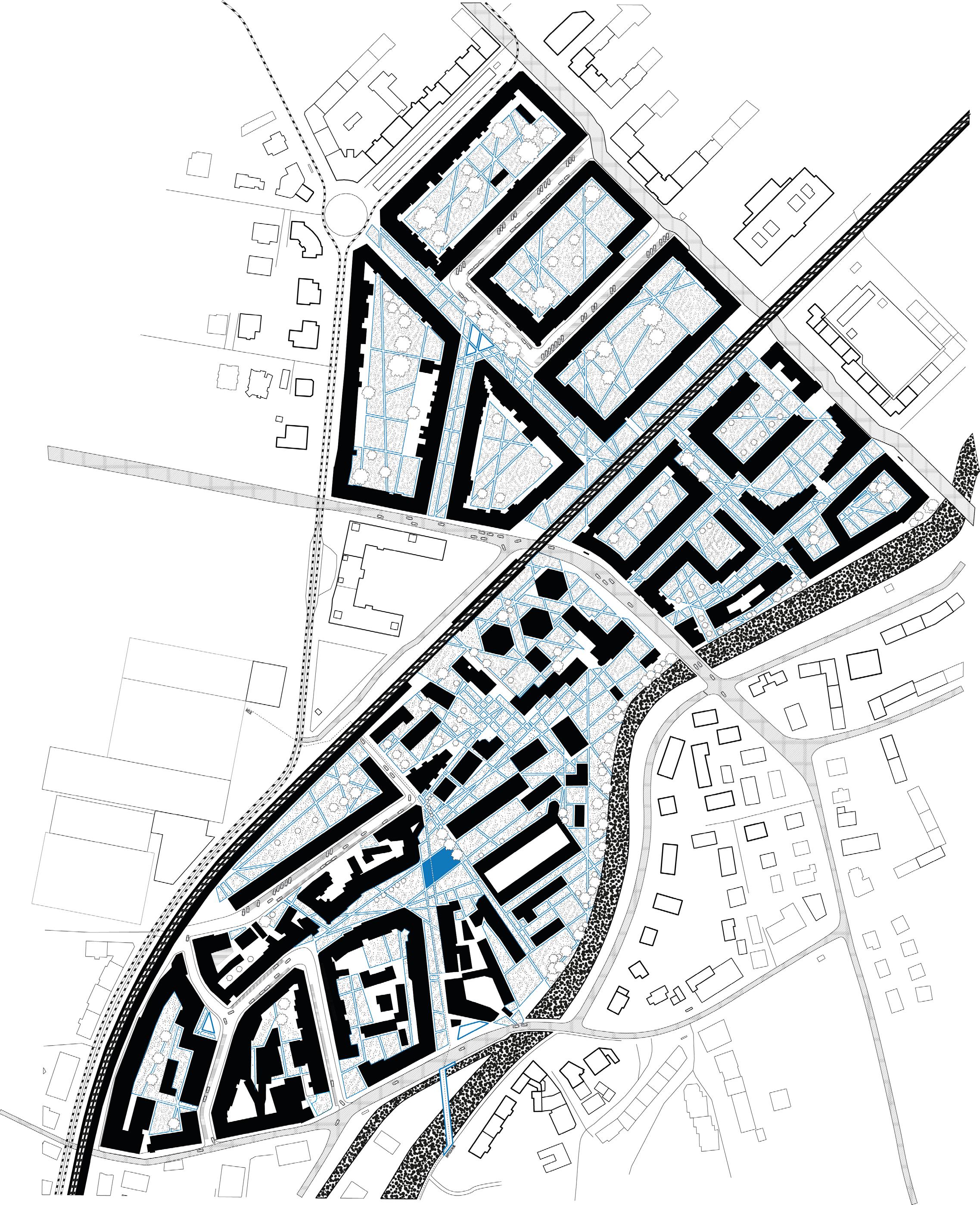
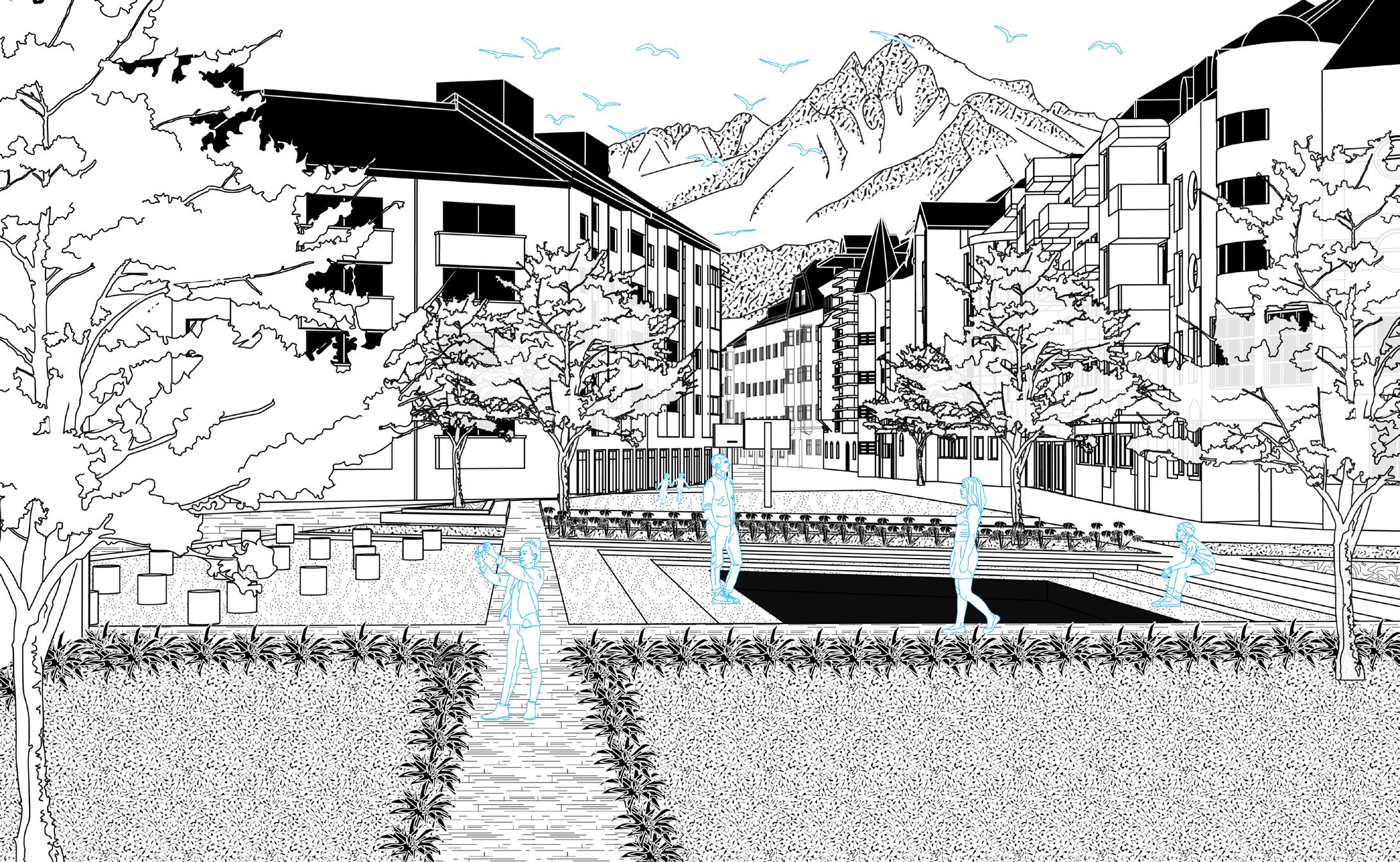
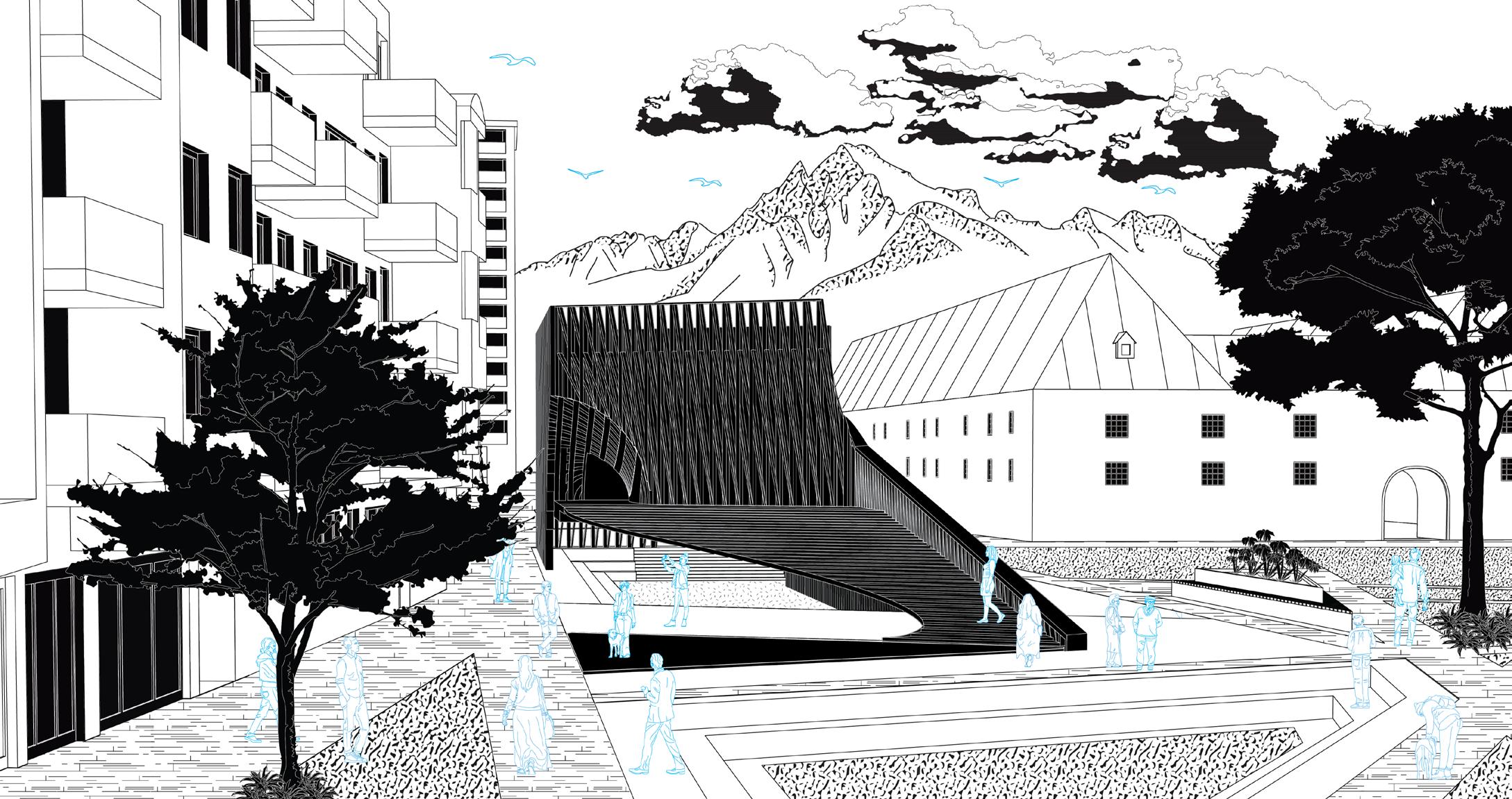
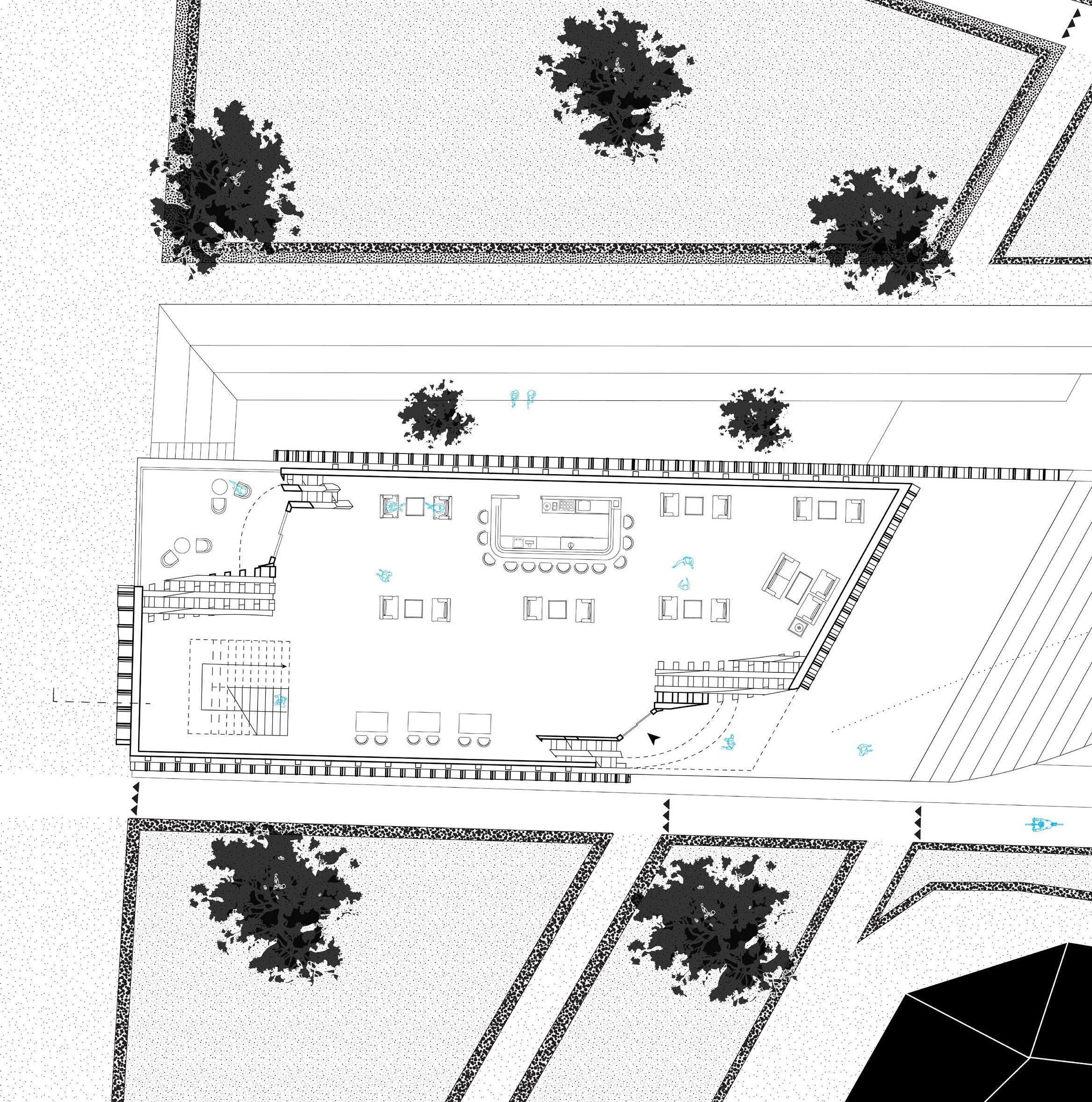
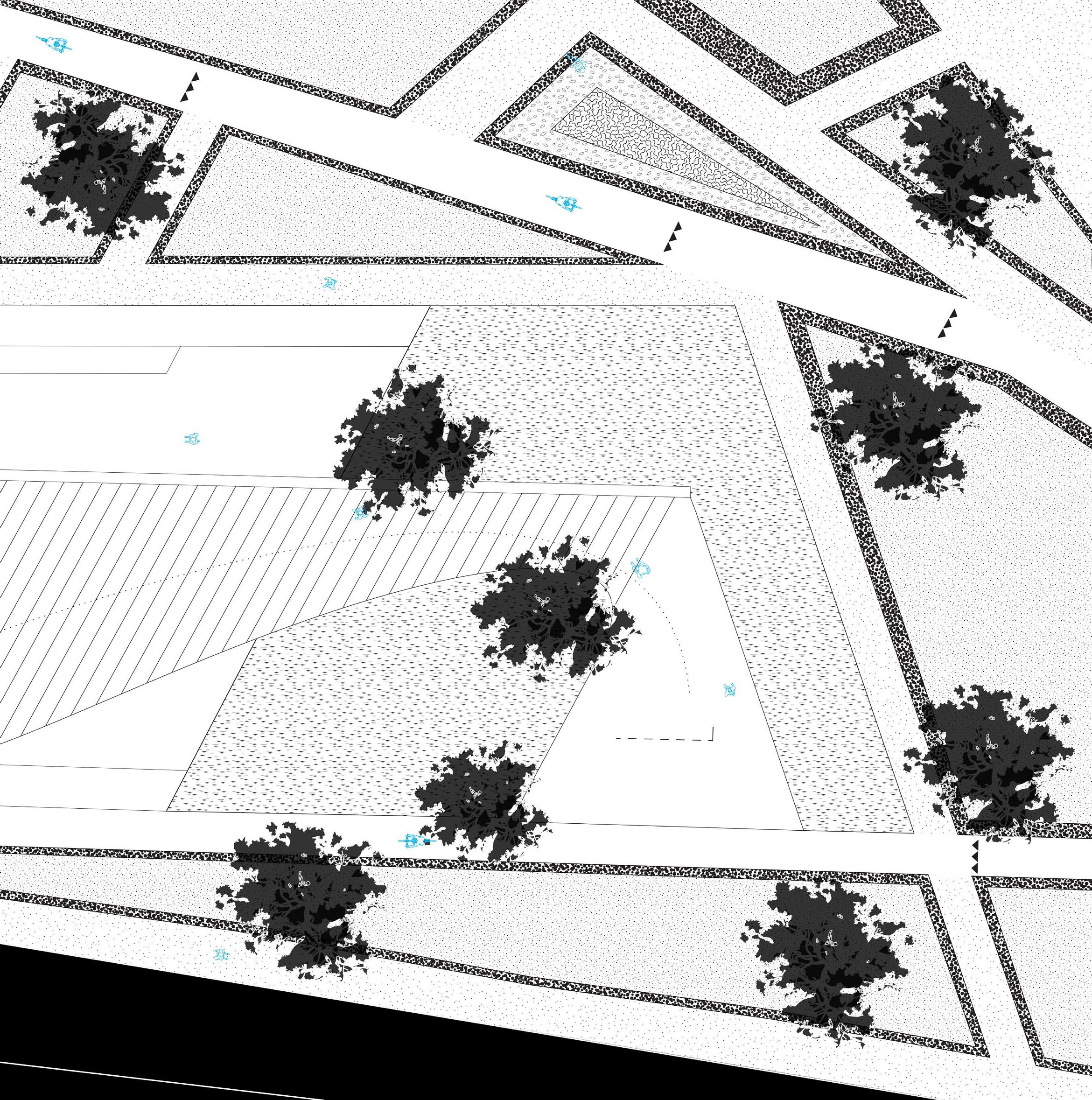
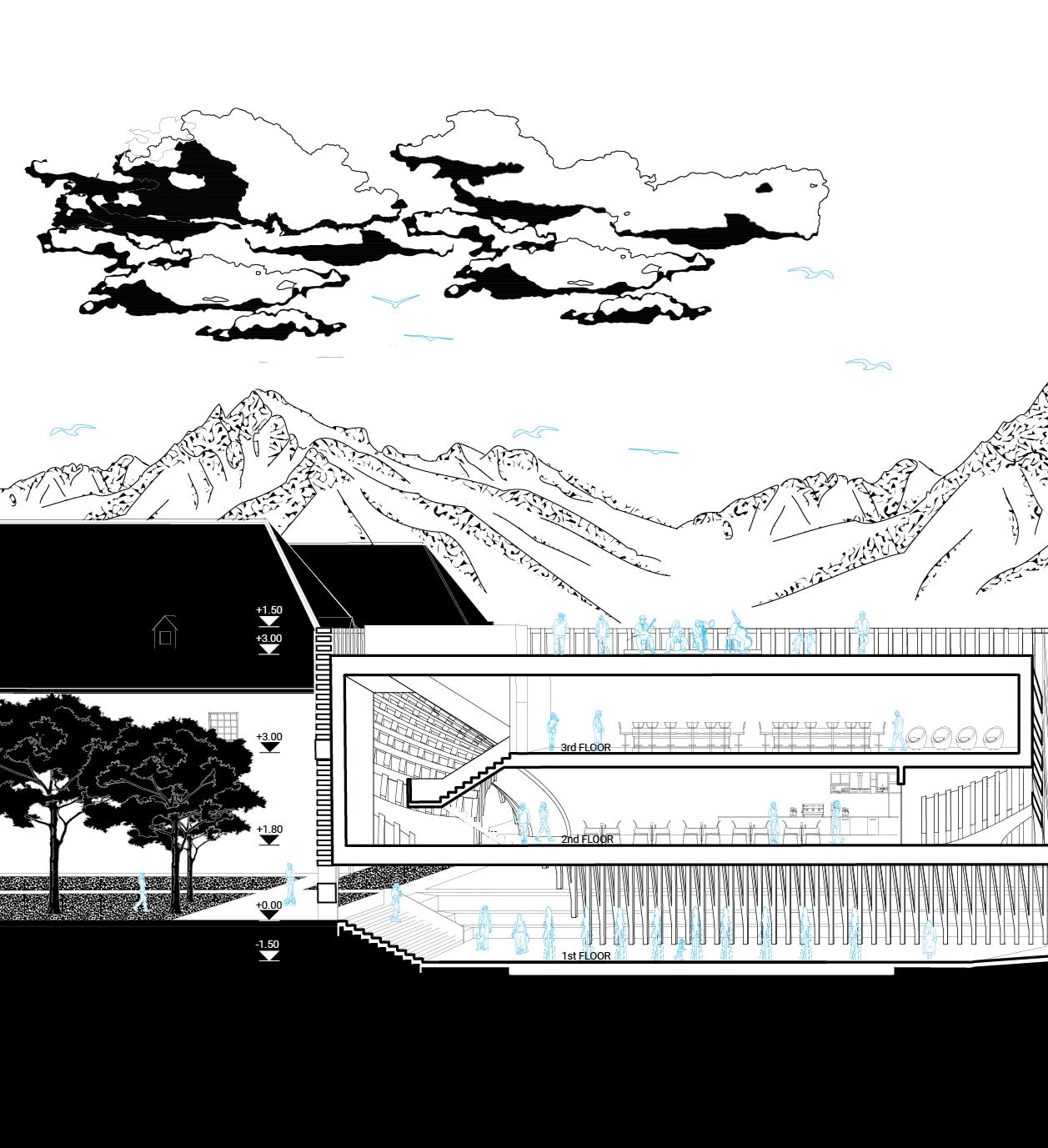
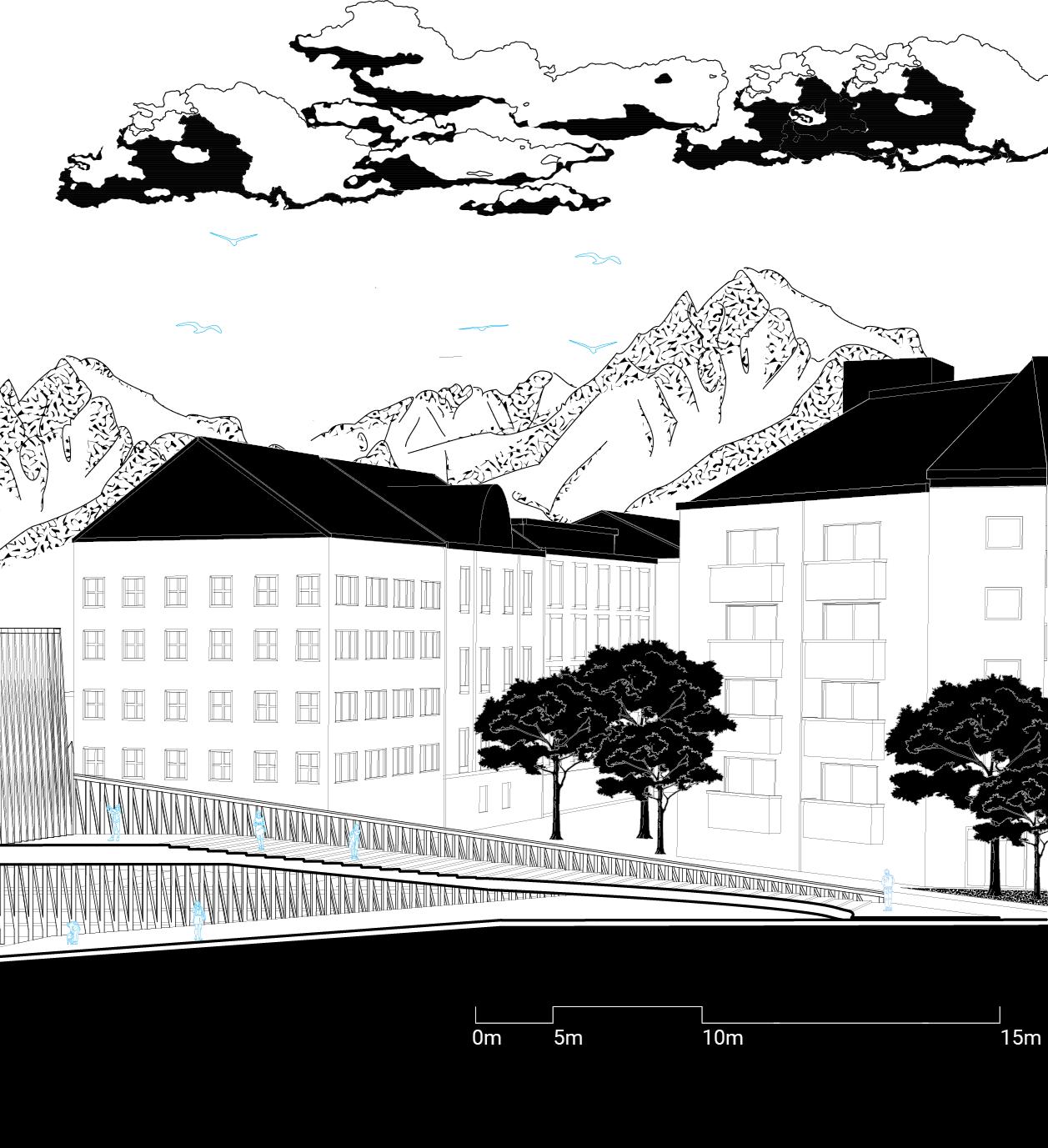
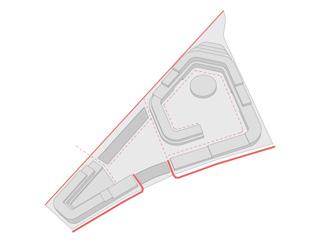
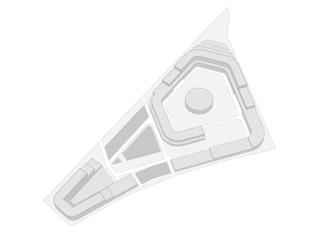
The city of Innsbruck in Austria wants to create Superblocks around the city. The Megablock proposal envisions a unified, inclusive, and ecologically responsible urban fabric that brings together the diverse elements of the site into one coherent system. By introducing continuous pedestrian pathways, shared green spaces, and multifunctional structures, the project seeks to dissolve physical and social boundaries across the site. The plan prioritizes human-scale design and neighborhood connectivity linking residential areas, commercial zones, and public institutions into a cohesive whole. Public amenities are distributed strategically to ensure accessibility and promote equity across different user groups. Cultural programming and temporary installations further activate the public realm, fostering a sense of dynamism and local expression. The Megablock becomes more than a collection of plots.
Existing Map
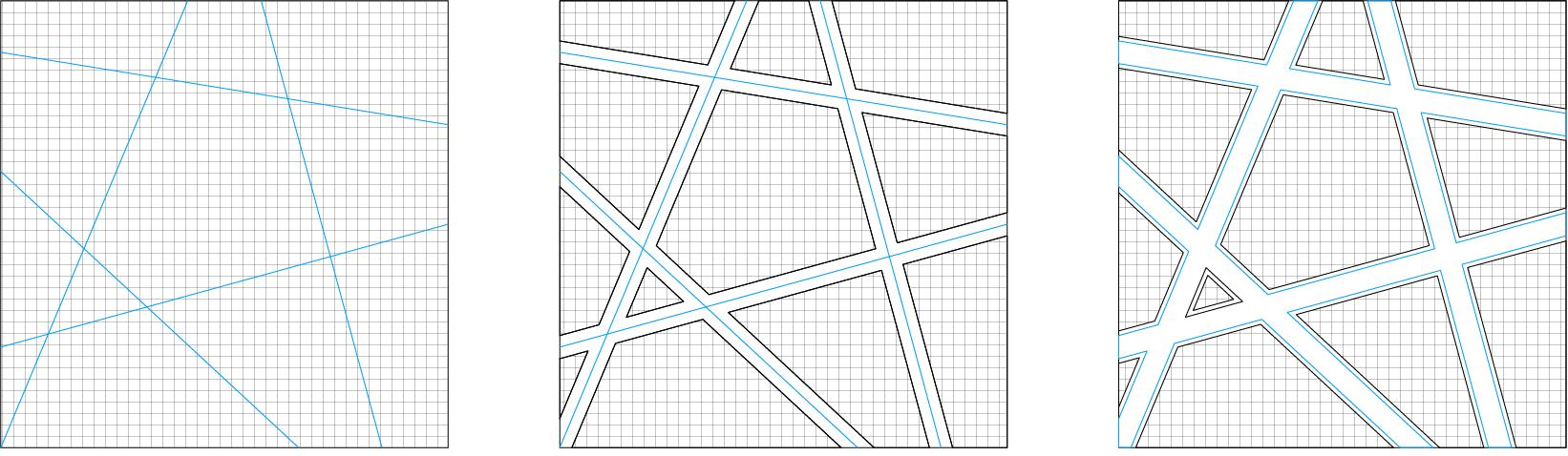

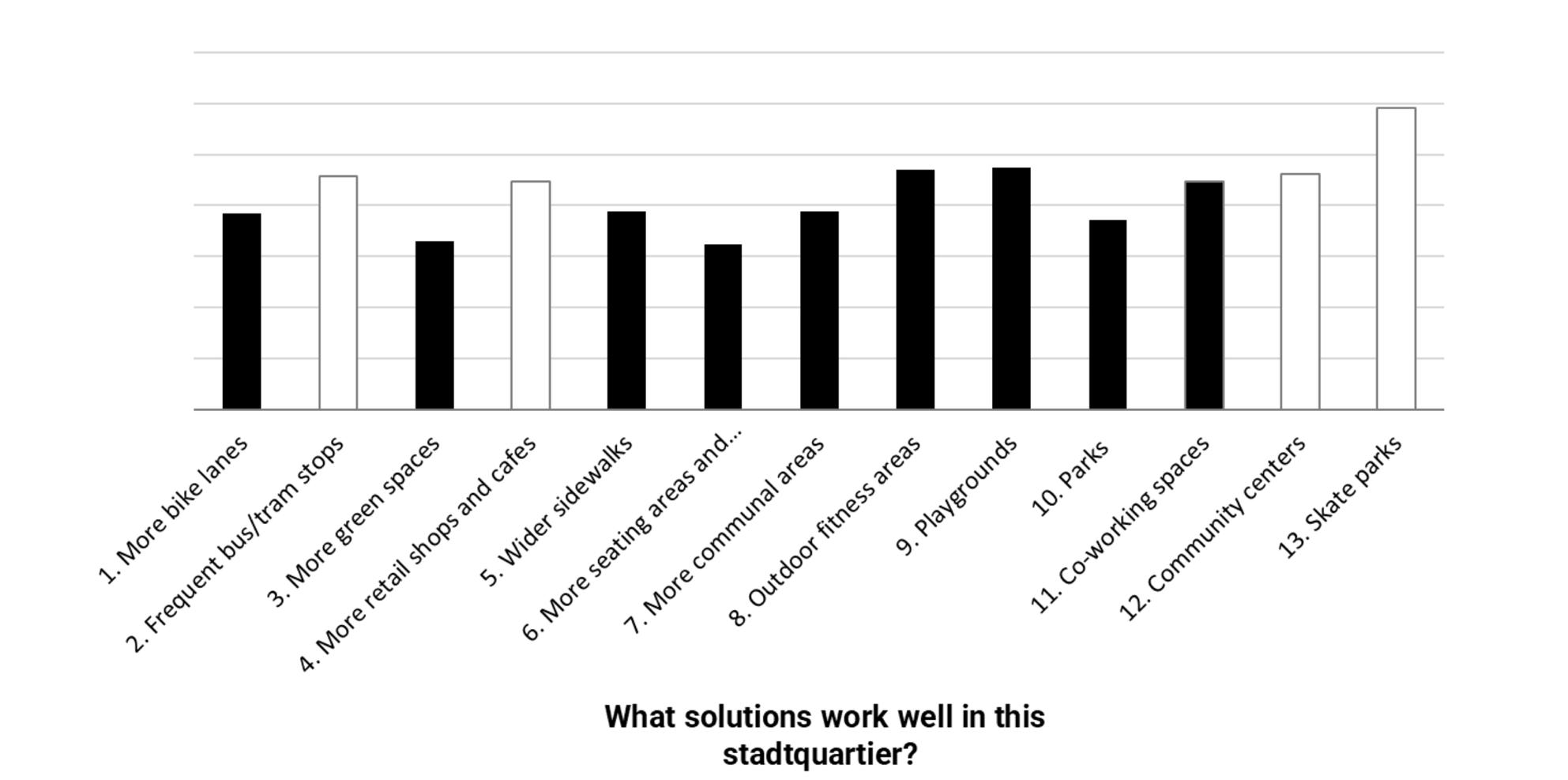
Design Strategy Community Survey
Drinking Fountain:
• Promotes sustainable behavior and environmental awareness
• Support social equity by ensuring universal water acess
• Enhance the quality of public spaces
Water Splash:
• Runoff is collected for plant irrigation
• Can reduce air temperature by 5 degrees celsius Offers play areas for children
• Commonly used to enhance public spaces
Permeable Surfaces:
• Retain water and allow it to infiltrate the ground Help manage stormwater
• Can lower air temperature
• Reduce surface temperature Trees:
Sunken Seating:
• Aids rainwater management by directing runoff to the sewer system
• Reduces pressure on urban draiange infrastructure
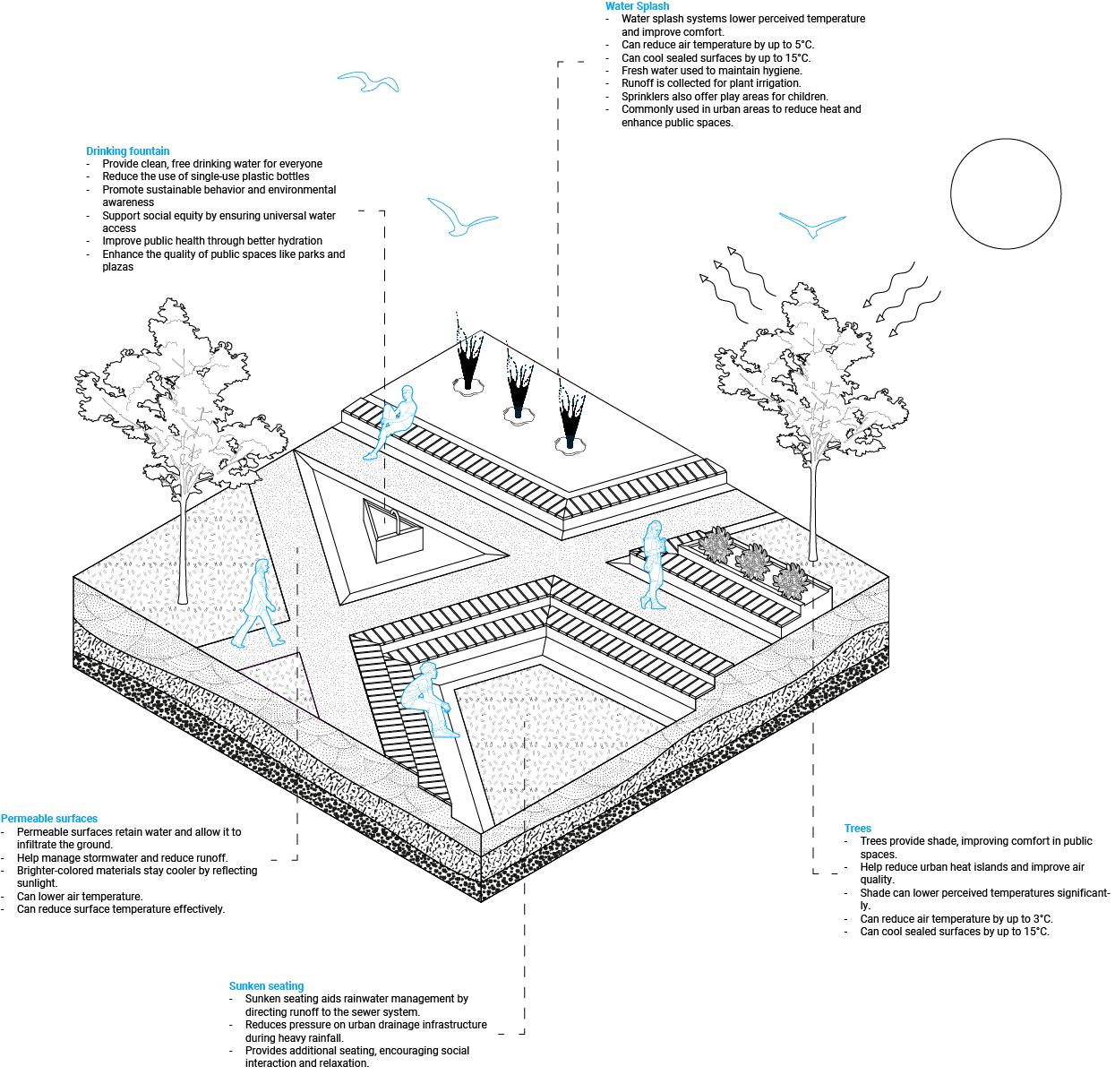
• Encourage social interaction
• Reduce urban heat islands and improve air quality Can reduce air temperature by up to 3 degrees celsius
• Can cool sealed surfaces by up to 15 degrees celsius.
Building Component: Coworking/Community Space
Location: Dallas, Texas
Instructure: Yung-Jen Tai
Team: Natalia Rodriguez, Francisco Macias
Role: Conceptual Lead, Designer, Lecture hall
Focus: Create a pedestrian connection between Mockingbird Station and the SMU campus.
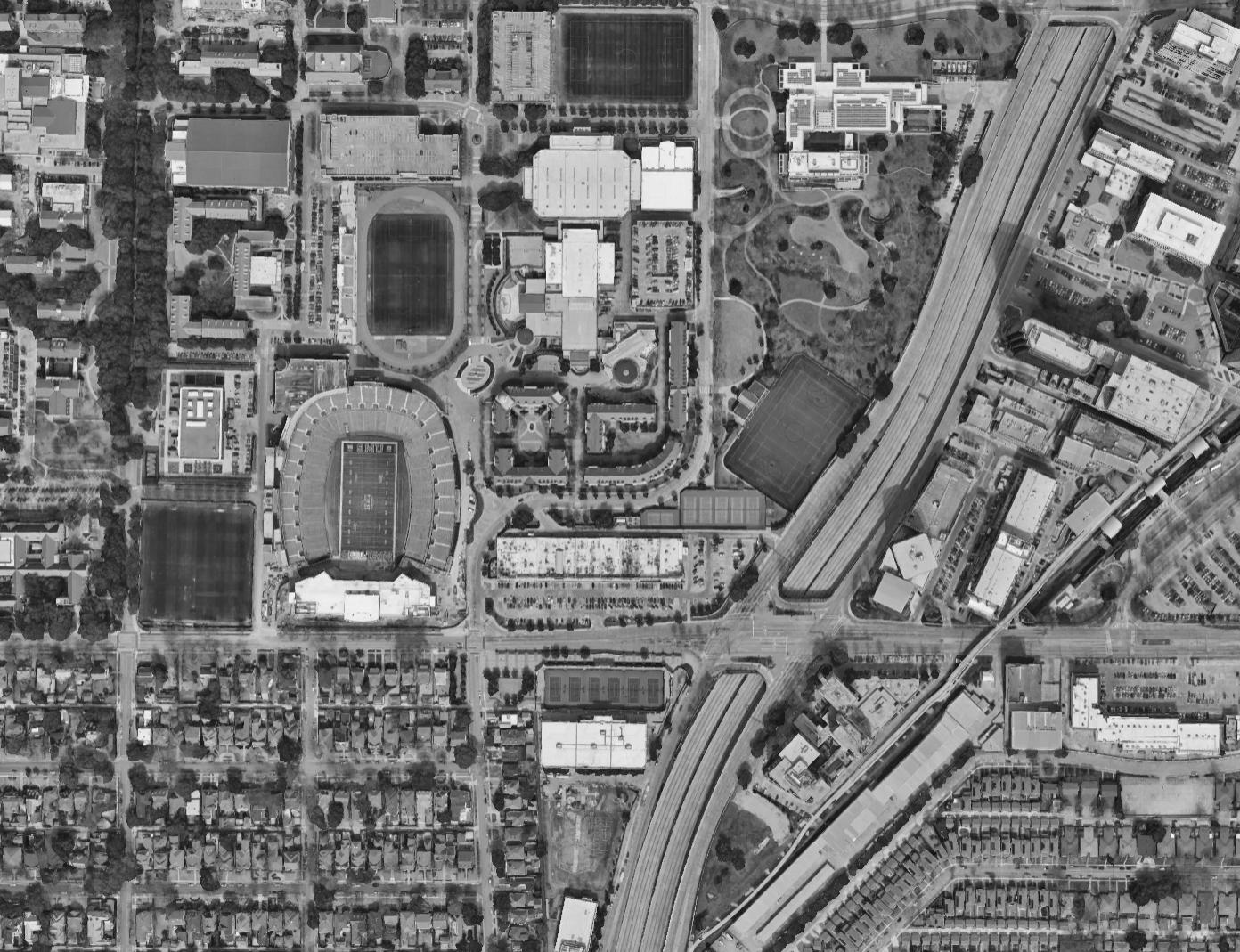
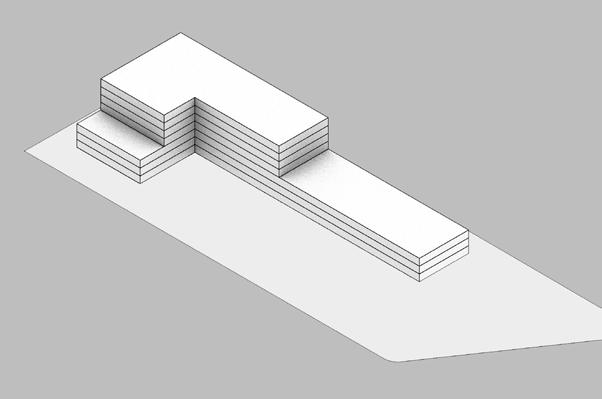
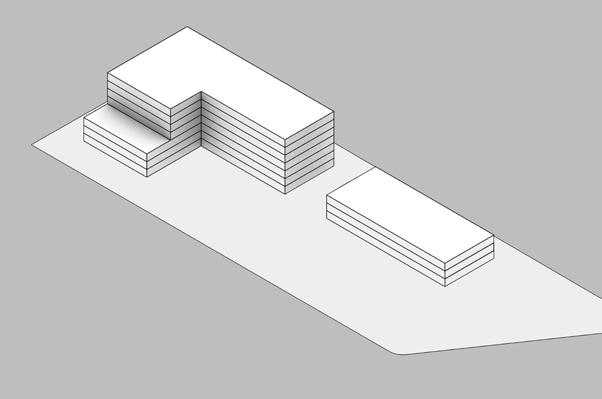
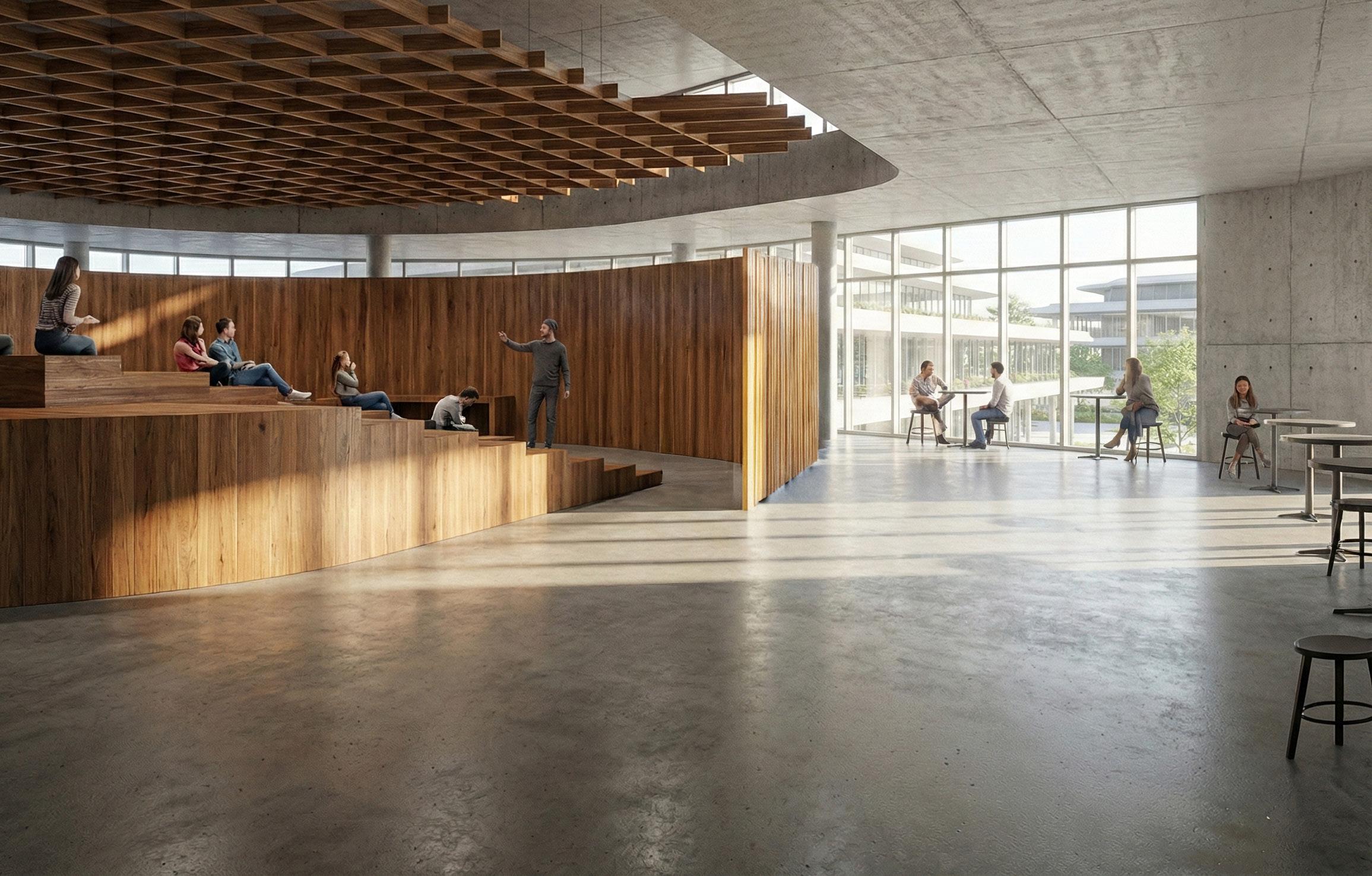
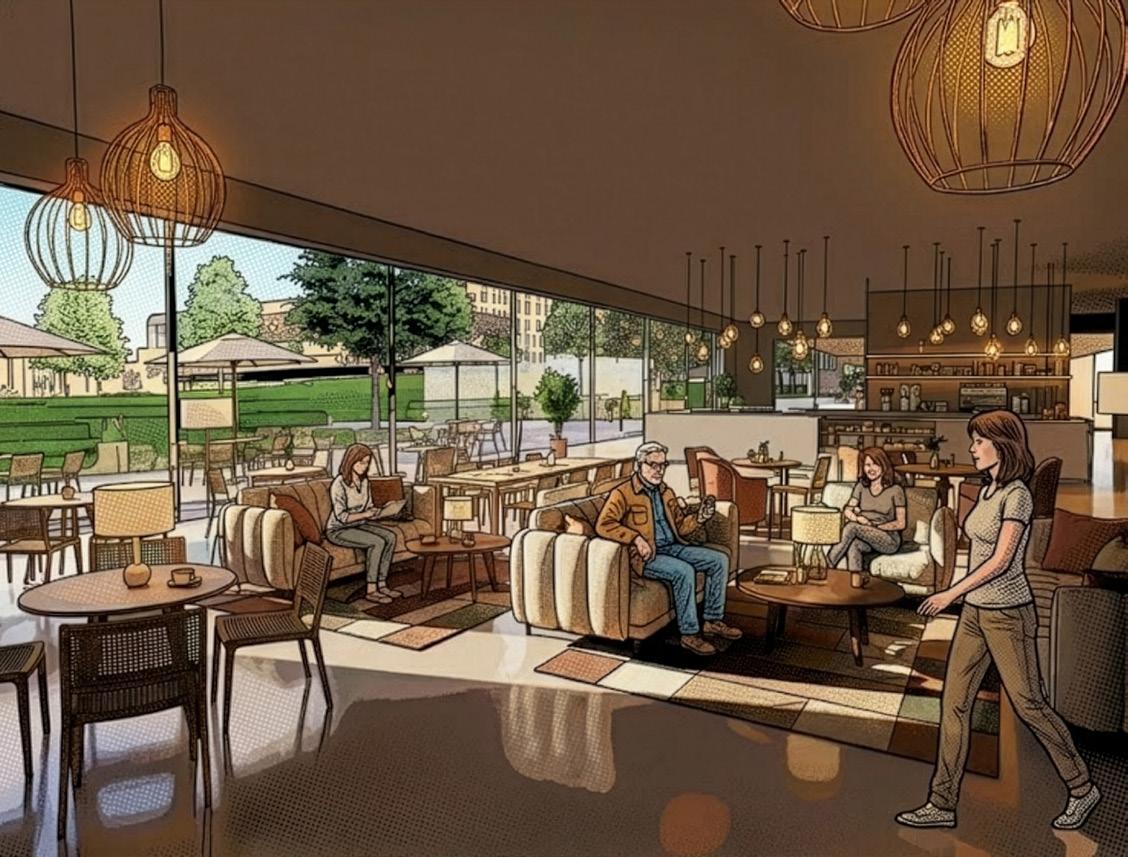
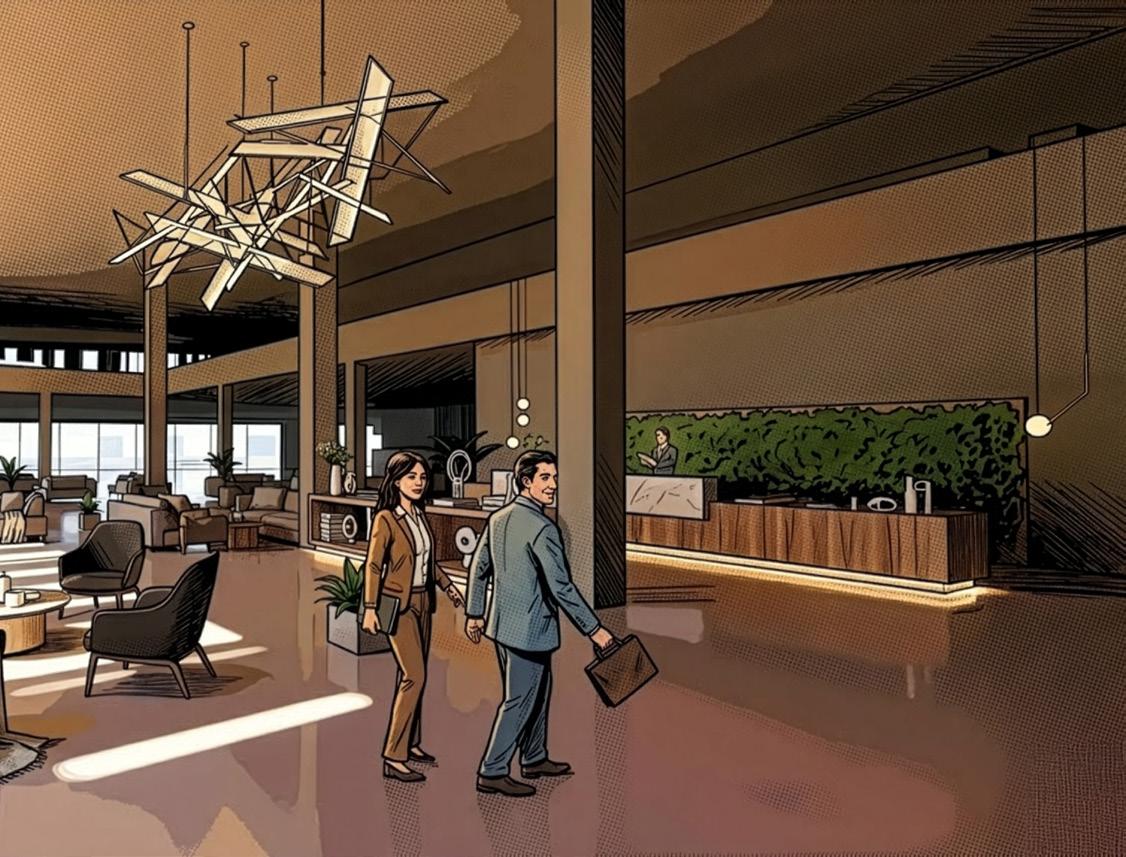
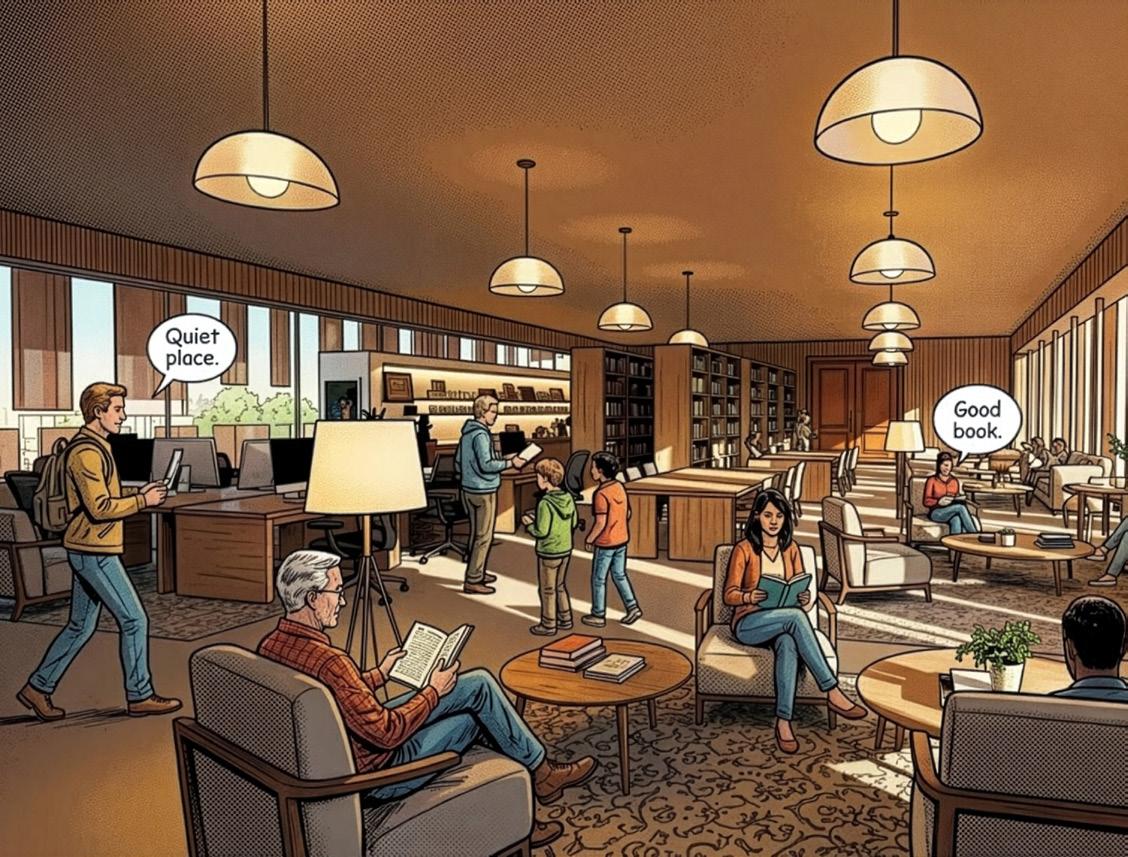
The SMU campus wants to connect the west side of campus and Mockingbird Station, developing the area to become more pedestrian friendly. Our solution is a multi-use building. Housing retail areas to support the current stores, gallery/workstation spaces as well as a lecture hall that SMU students could use and finally a boutique hotel. With a public park and an amphitheater to keep the outdoor life eventful, and an outside gallery wall. Exib would offer an amazing addition to SMU and the public as well.
THE UNIVERSITY OF TEXAS AT ARLINGTON
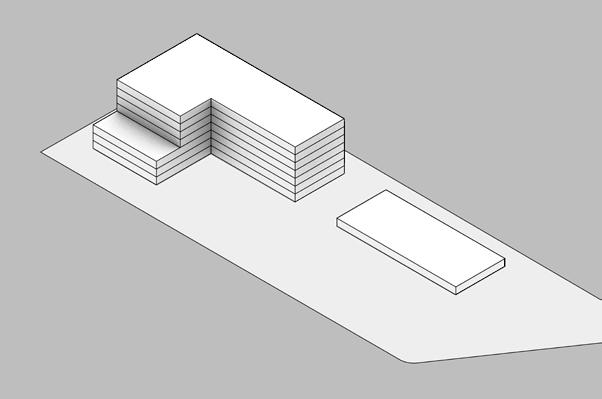
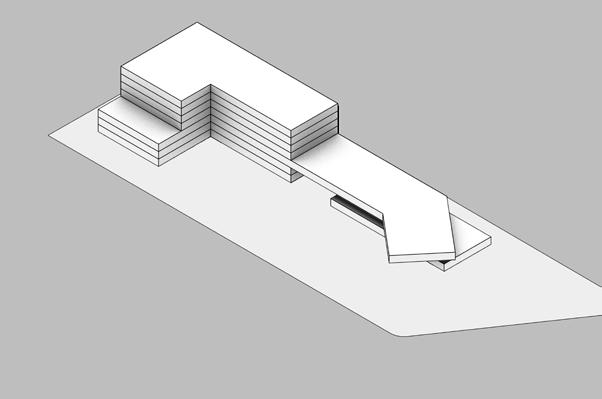
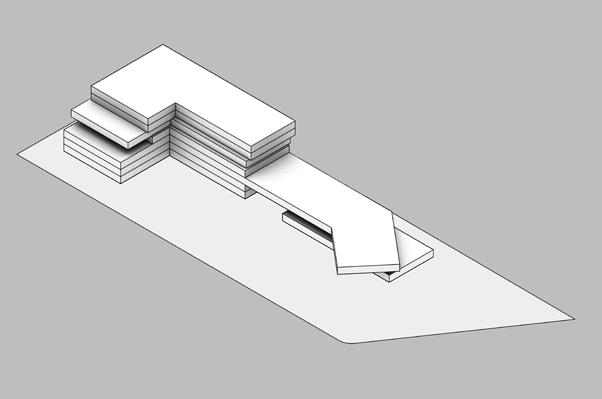
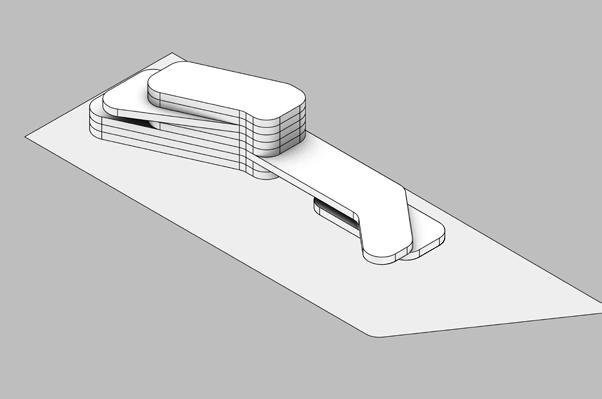
Gallery + Lecture Hall Floor
Location: Hearne, Texas
Instructure: Chad Porter
Team: Marcelo Rawlinson, Elizabeth Velazquez, Nicolas Shirley
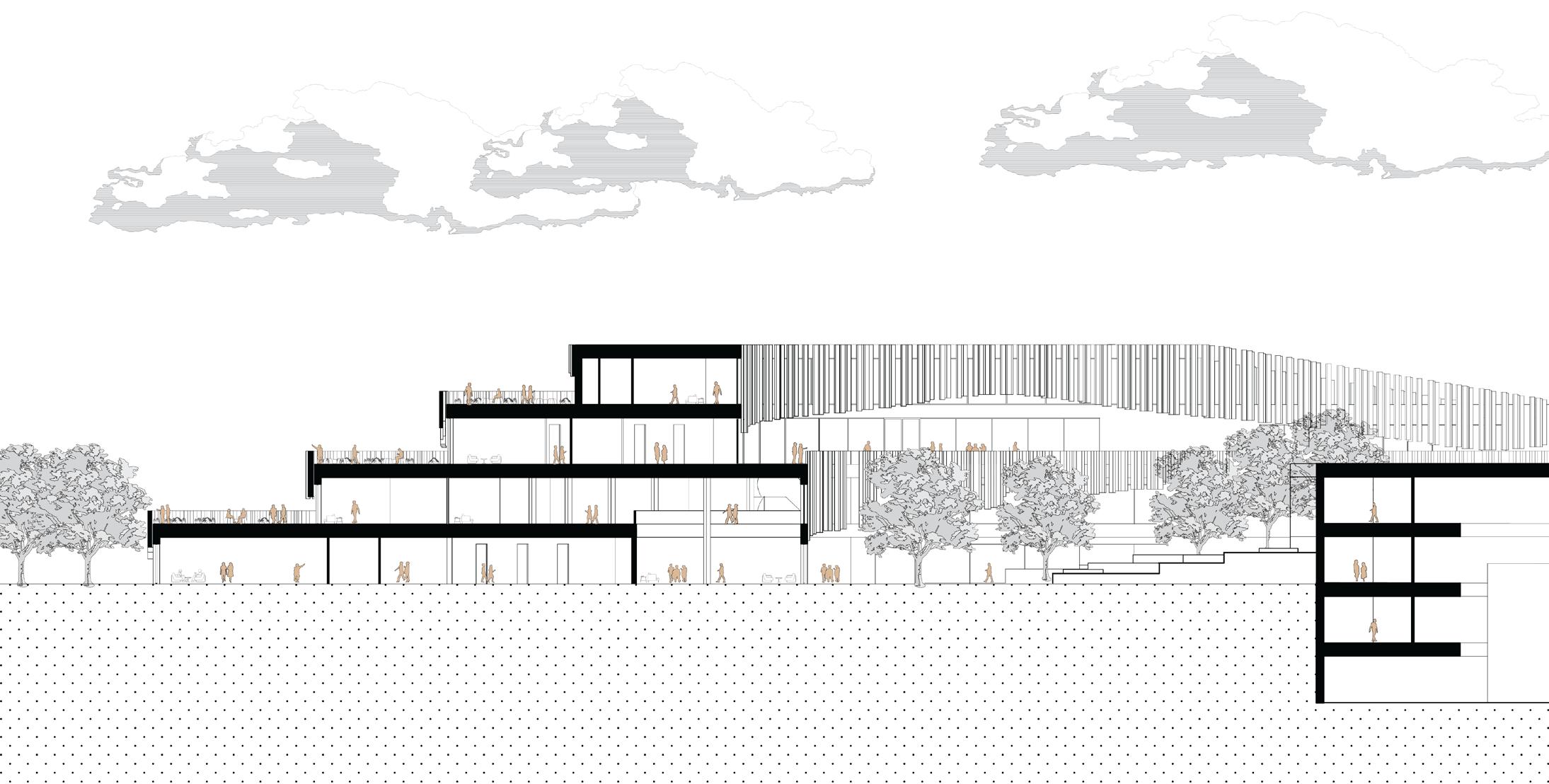
Role: Design Lead, Conceptual Lead, Renders, Section
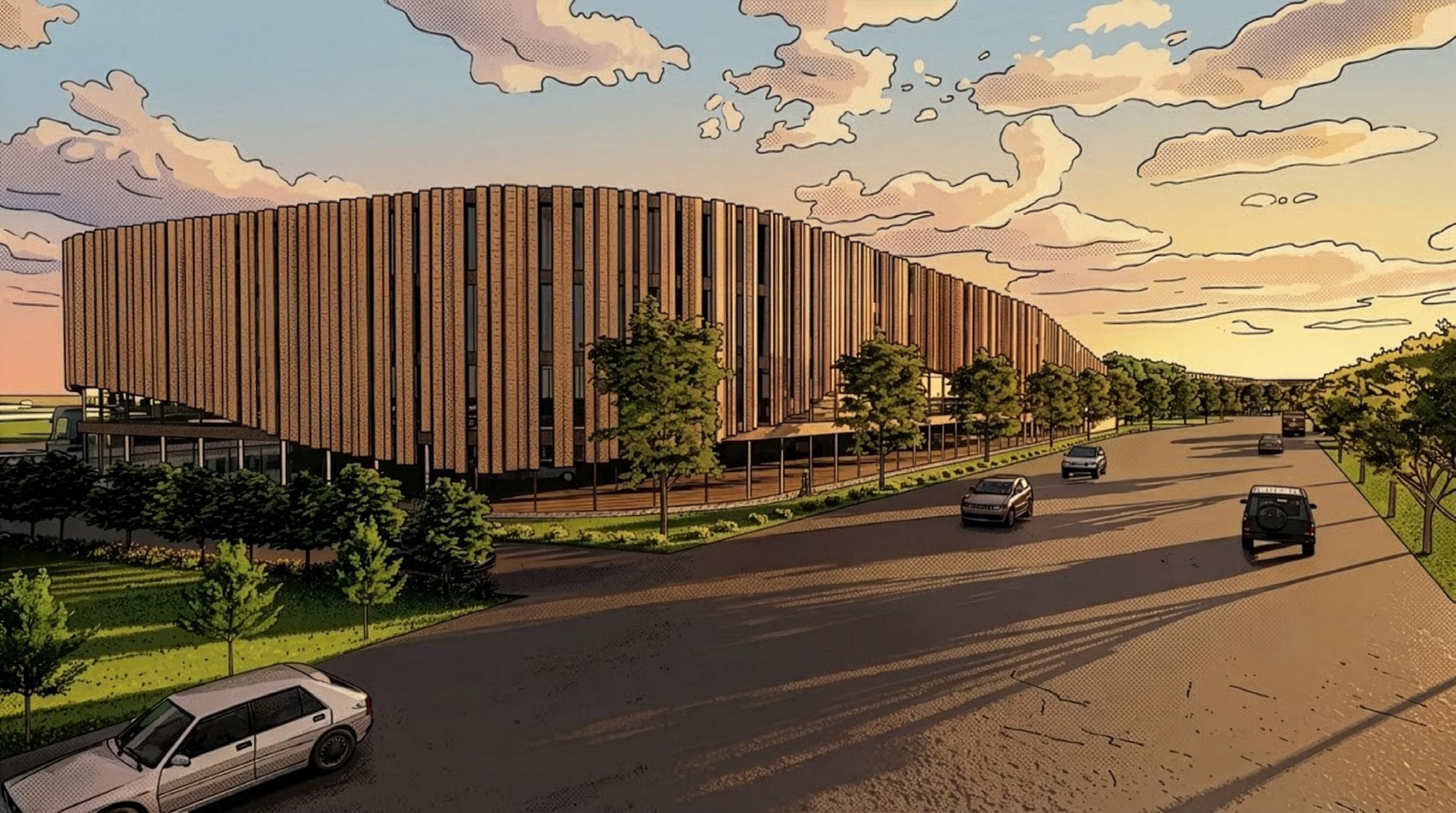
Focus: What if a small Texas town can become the forefront of energy innovation?
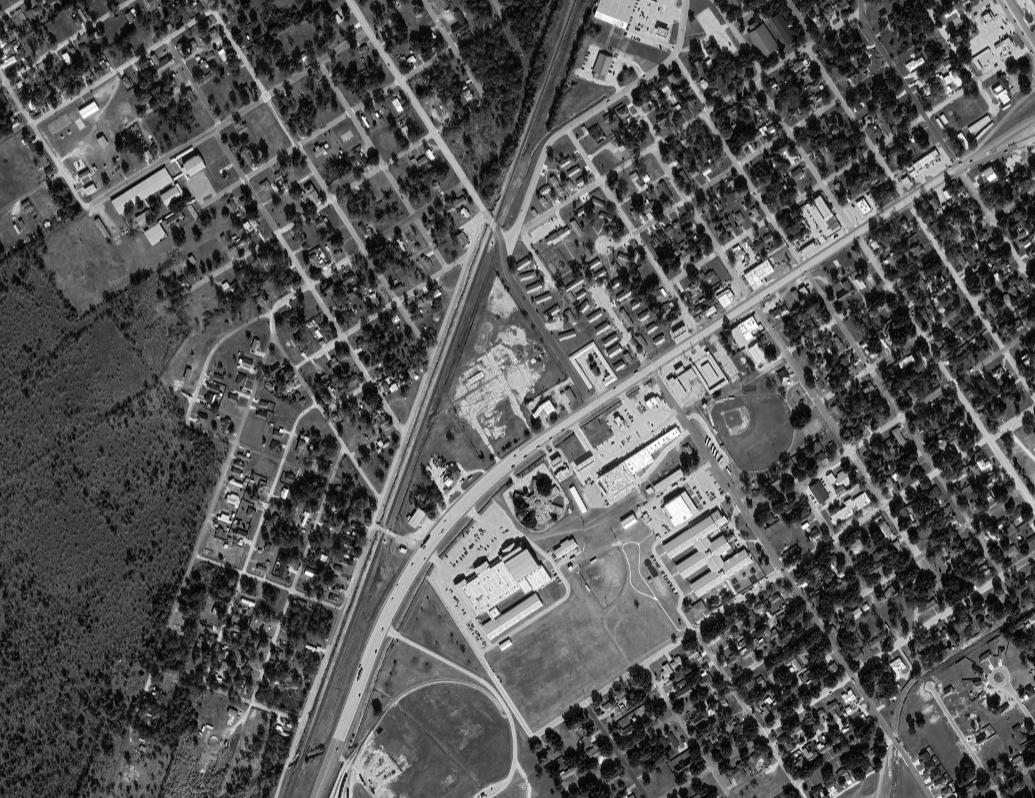
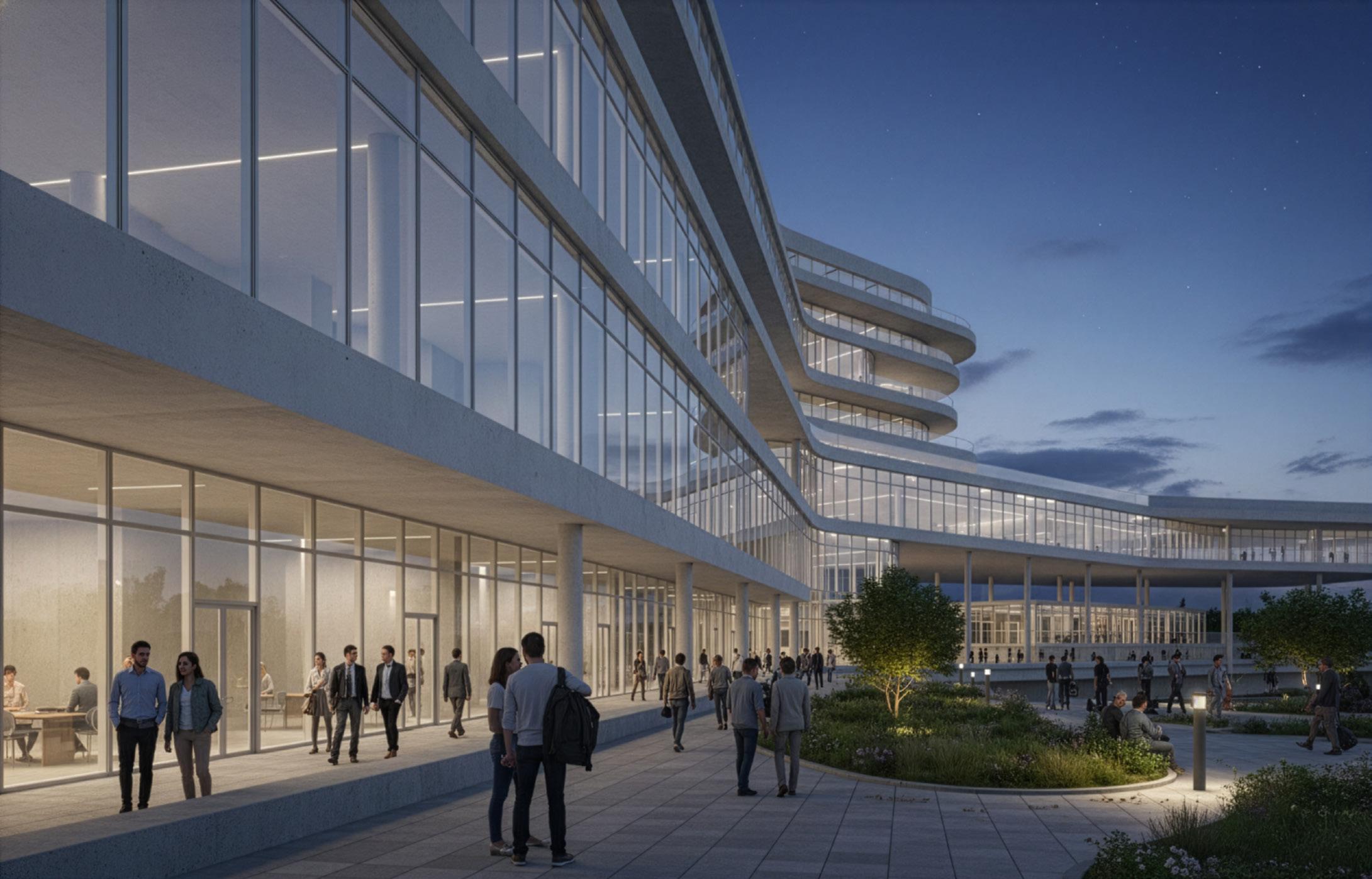
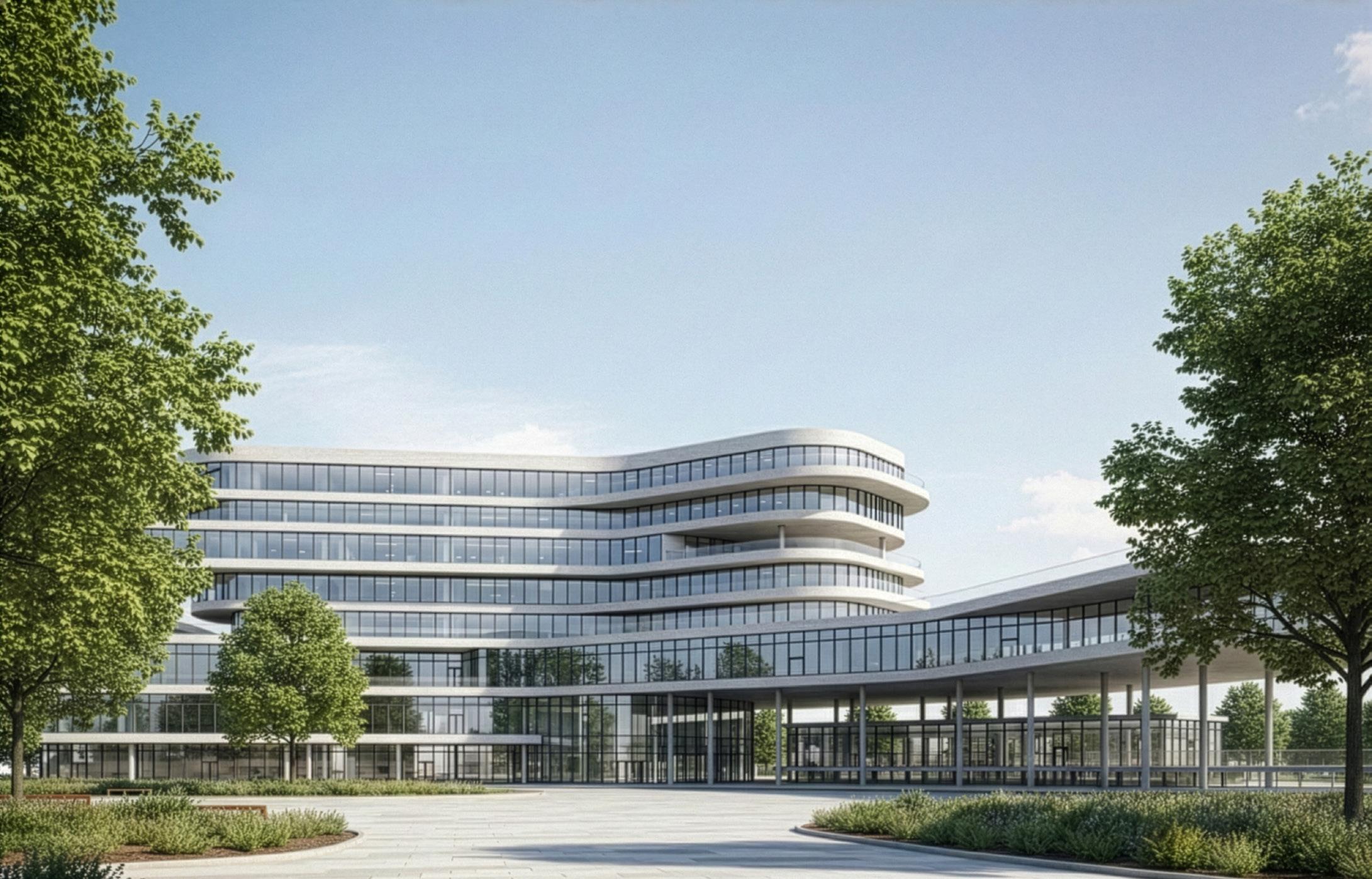
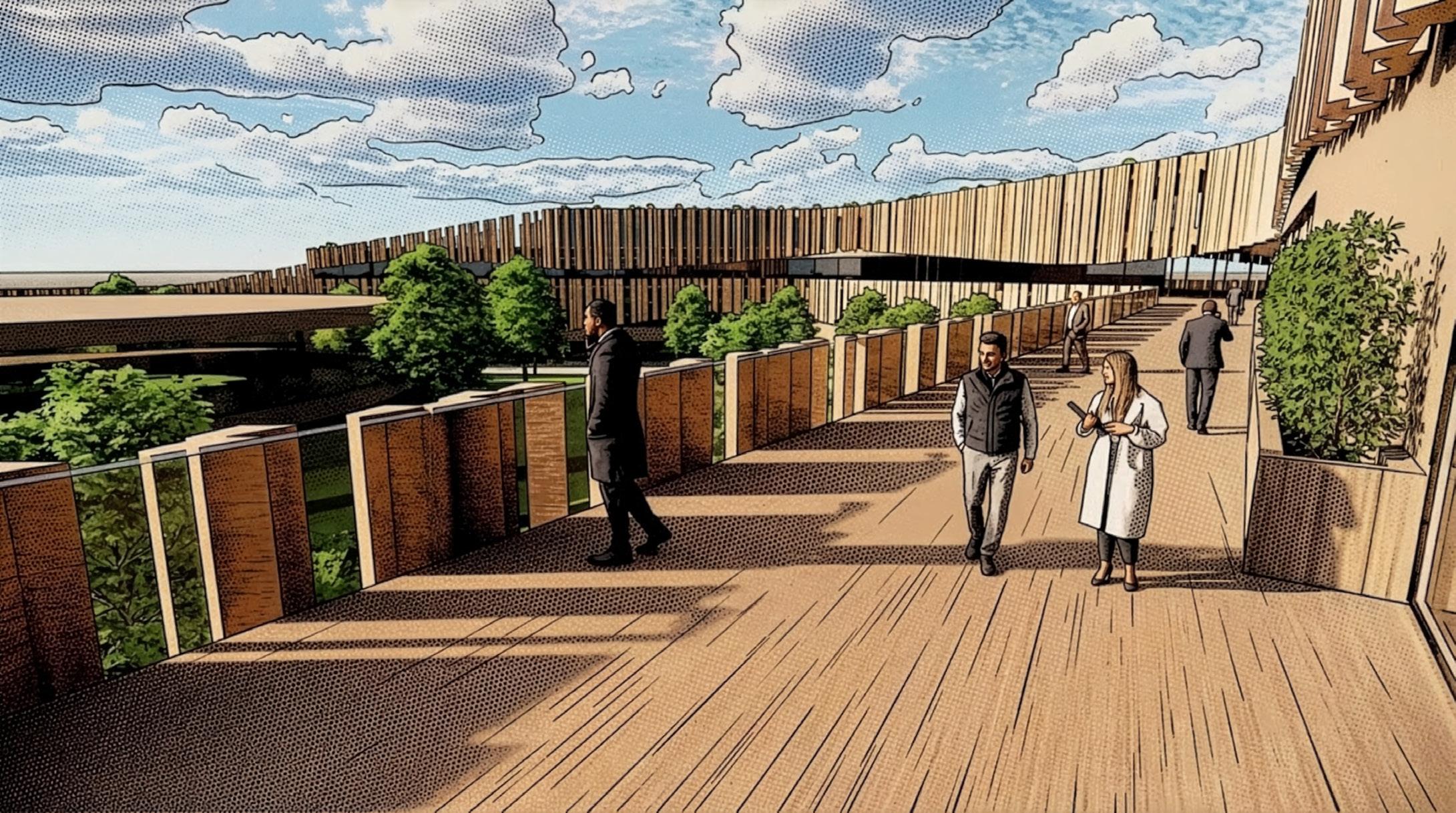
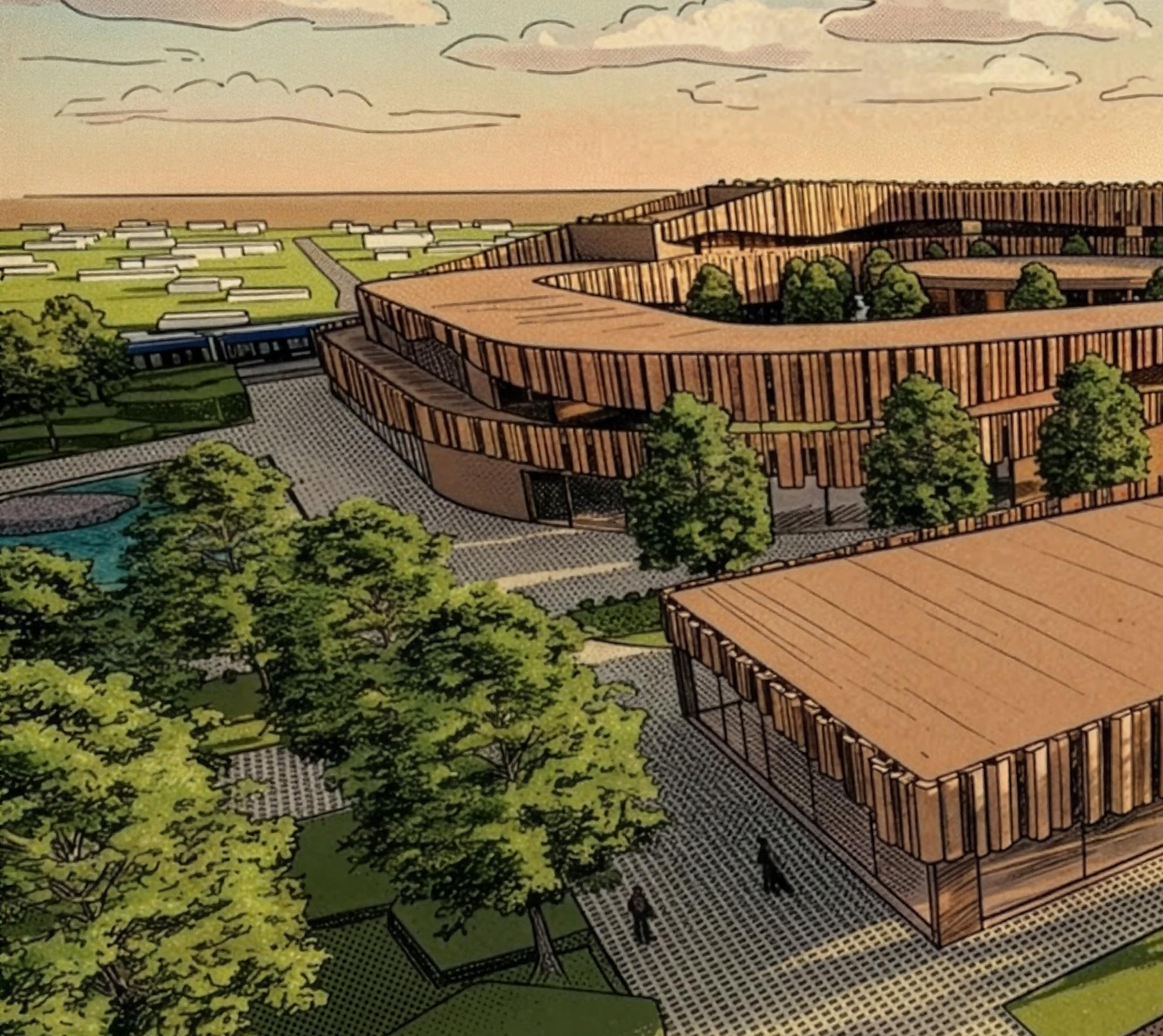
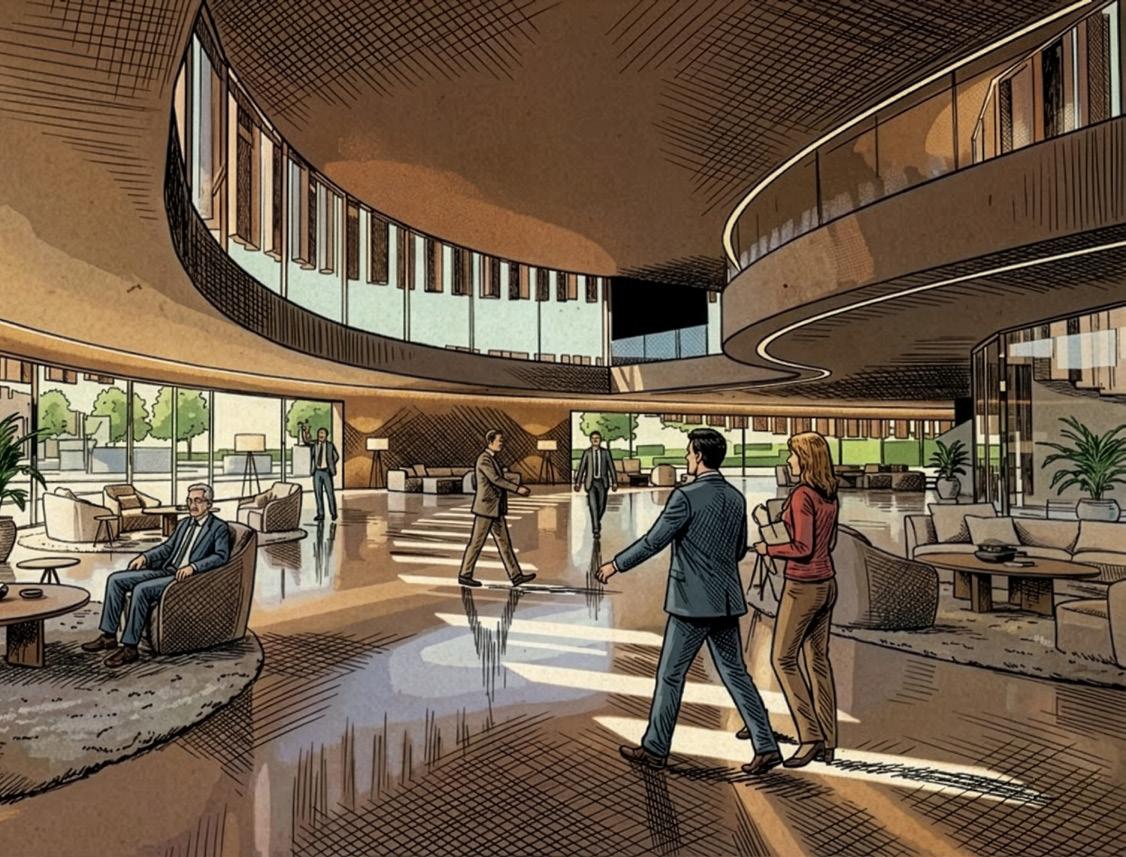
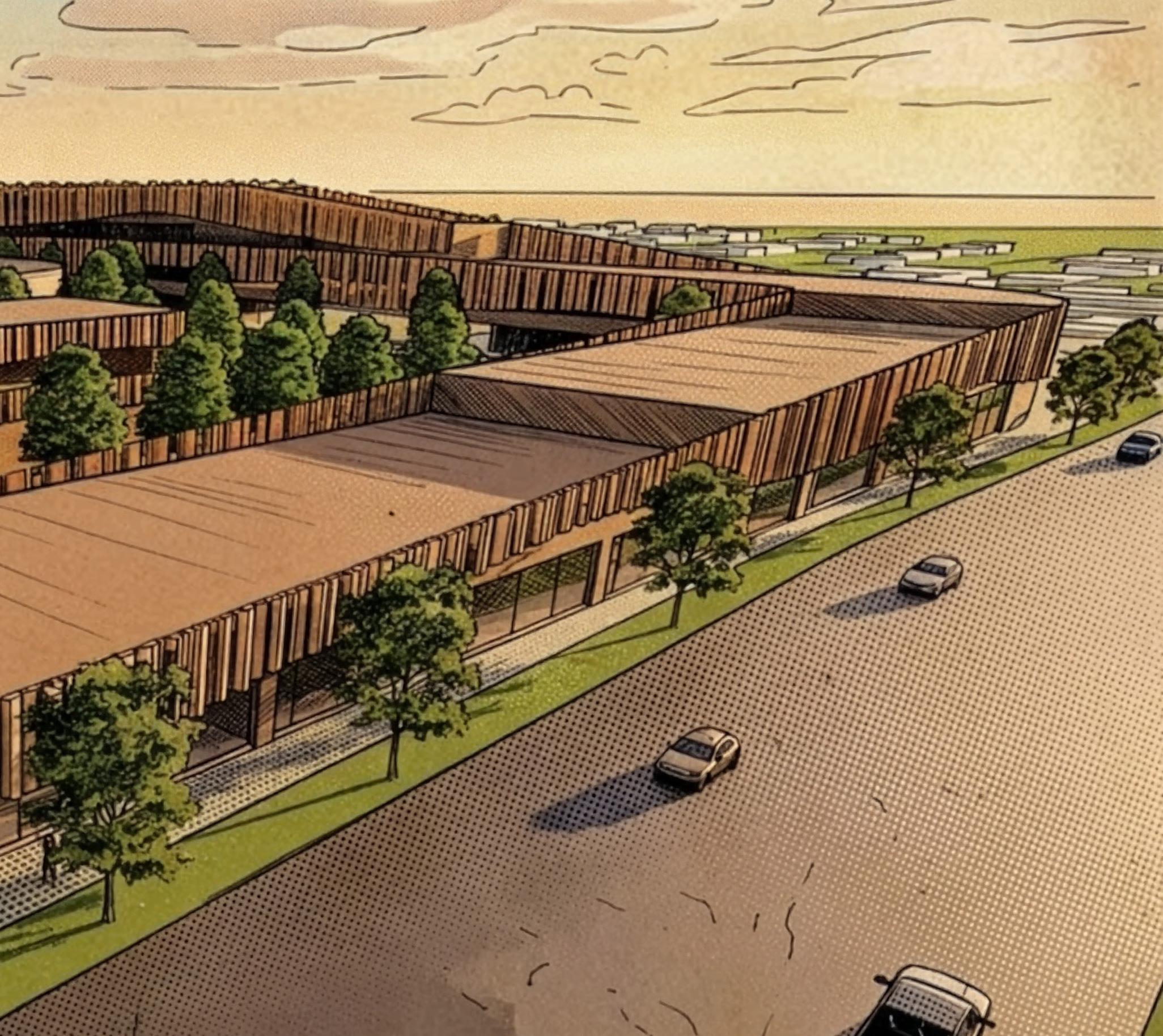
Nestled along Brown Street, one of the principal gateways into Hearne, this project re-imagines a small Texas rail-town at the cusp of a new era. Founded on the legacy of the railroad, Hearne now stands at the threshold of a transformative moment: the proposed Texas Central Partners, LLC high-speed rail corridor between Dallas and Houston. Against this backdrop, our campus proposes three integrated components: a residential apartment building, an innovation hub, and a state-oftheart small modular reactor (SMR) energy facility.
THE UNIVERSITY OF TEXAS AT ARLINGTON
Understanding the Texas Triangle
Location: N/A
Instructure: Tom Rusher
Individual
Focus: Understanding + studying space

This project’s focus is to select a mechanical object and define the architctural space in it. Using plans and sections to understand the object and divide the spaces into major categories is the second step. After identifying the materials needed, cuts and insertions are activated to animate the final drawing and explore the spaces from different angles.
THE UNIVERSITY OF TEXAS AT ARLINGTON
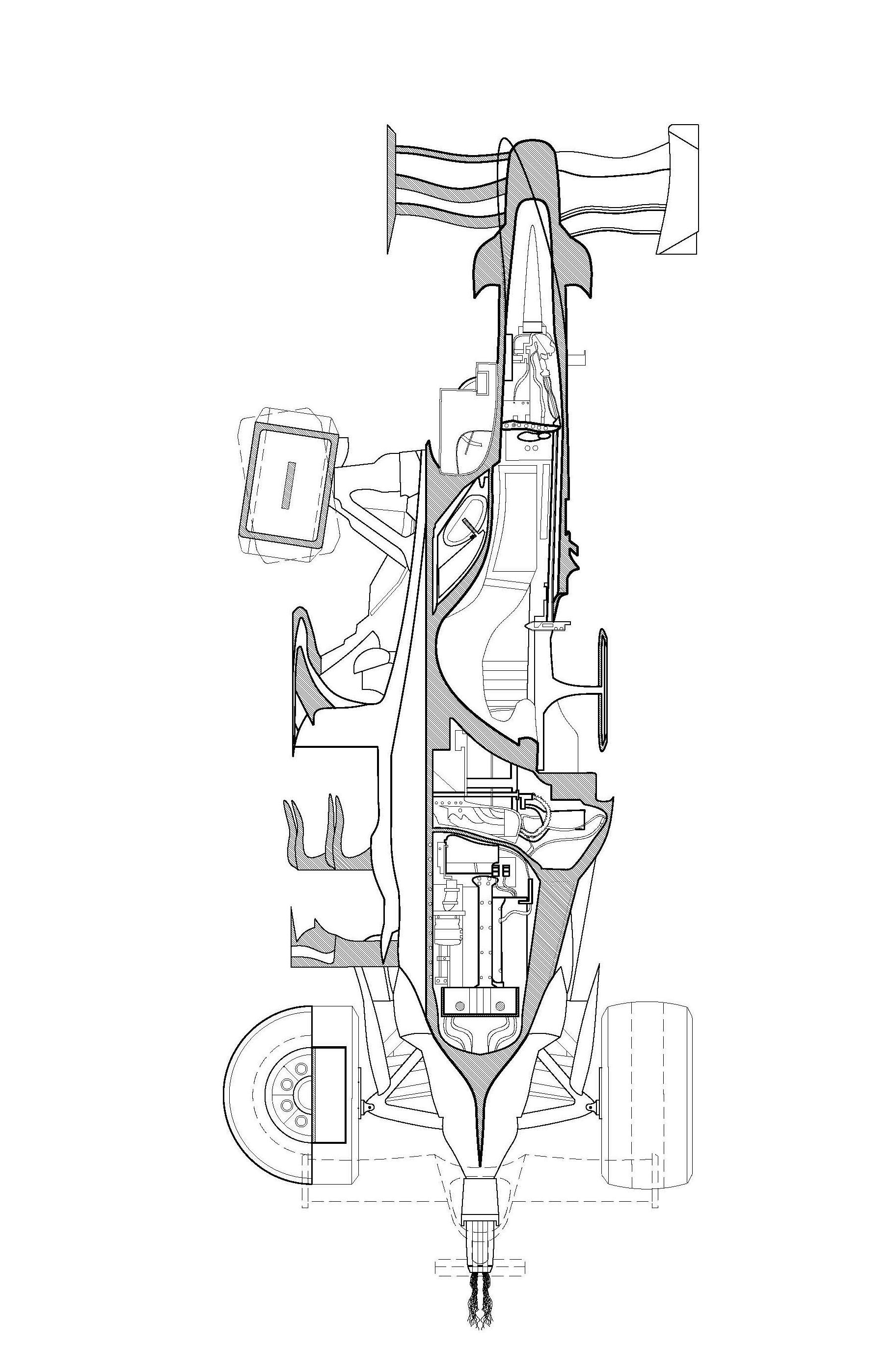
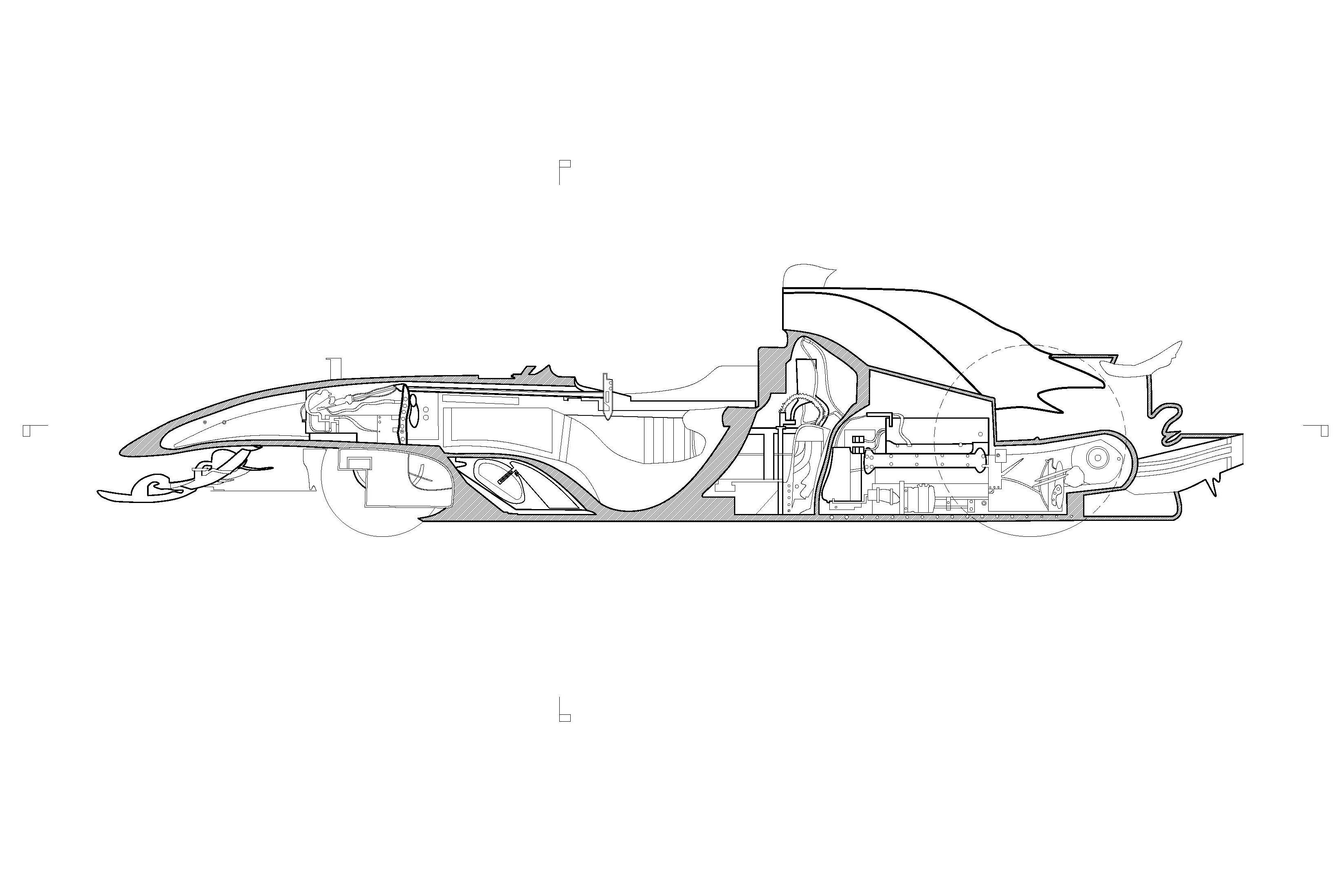
A main section is produced through reference pictures and imagination. Then a second section and a plan are created to analyze the main space.
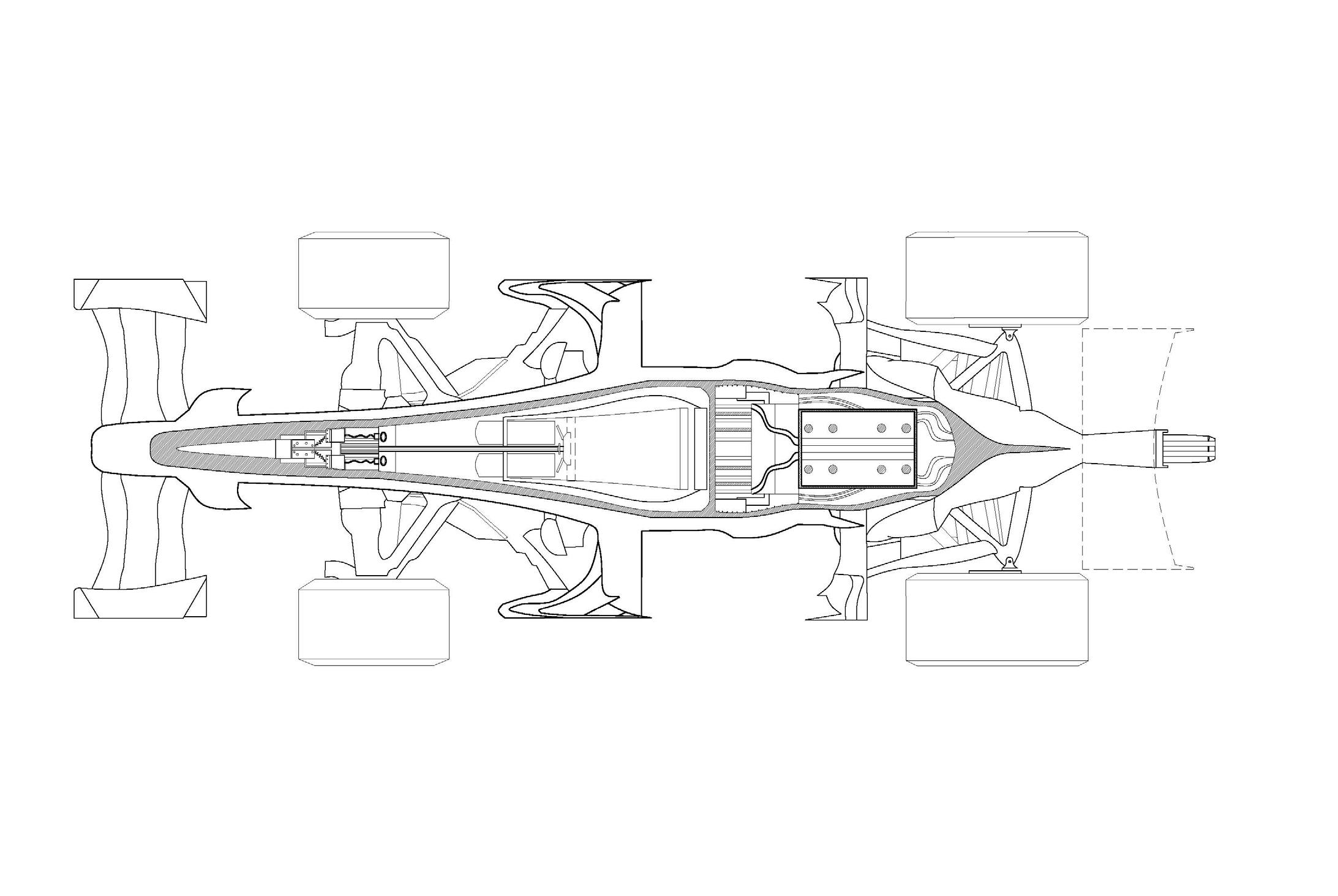
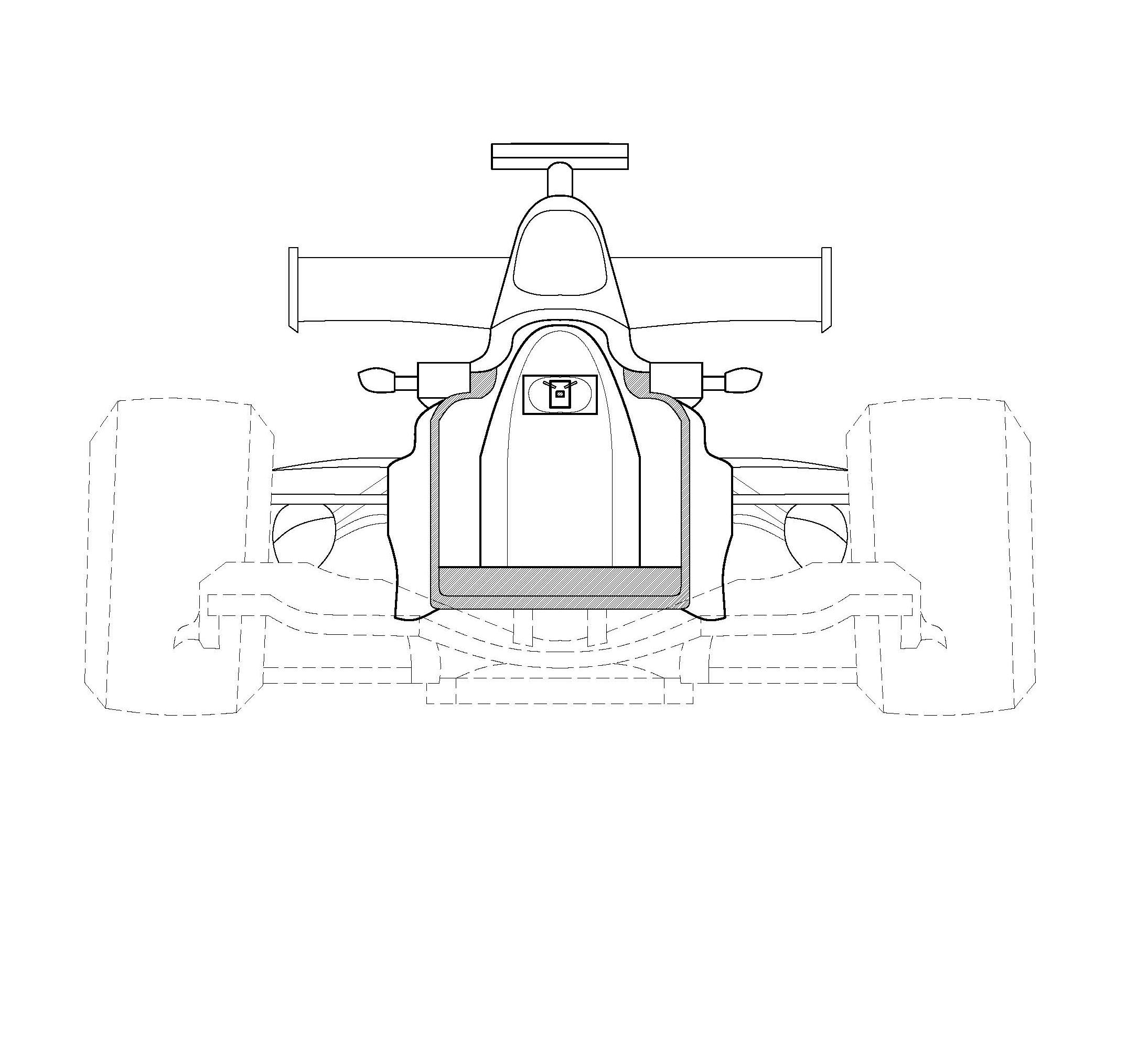
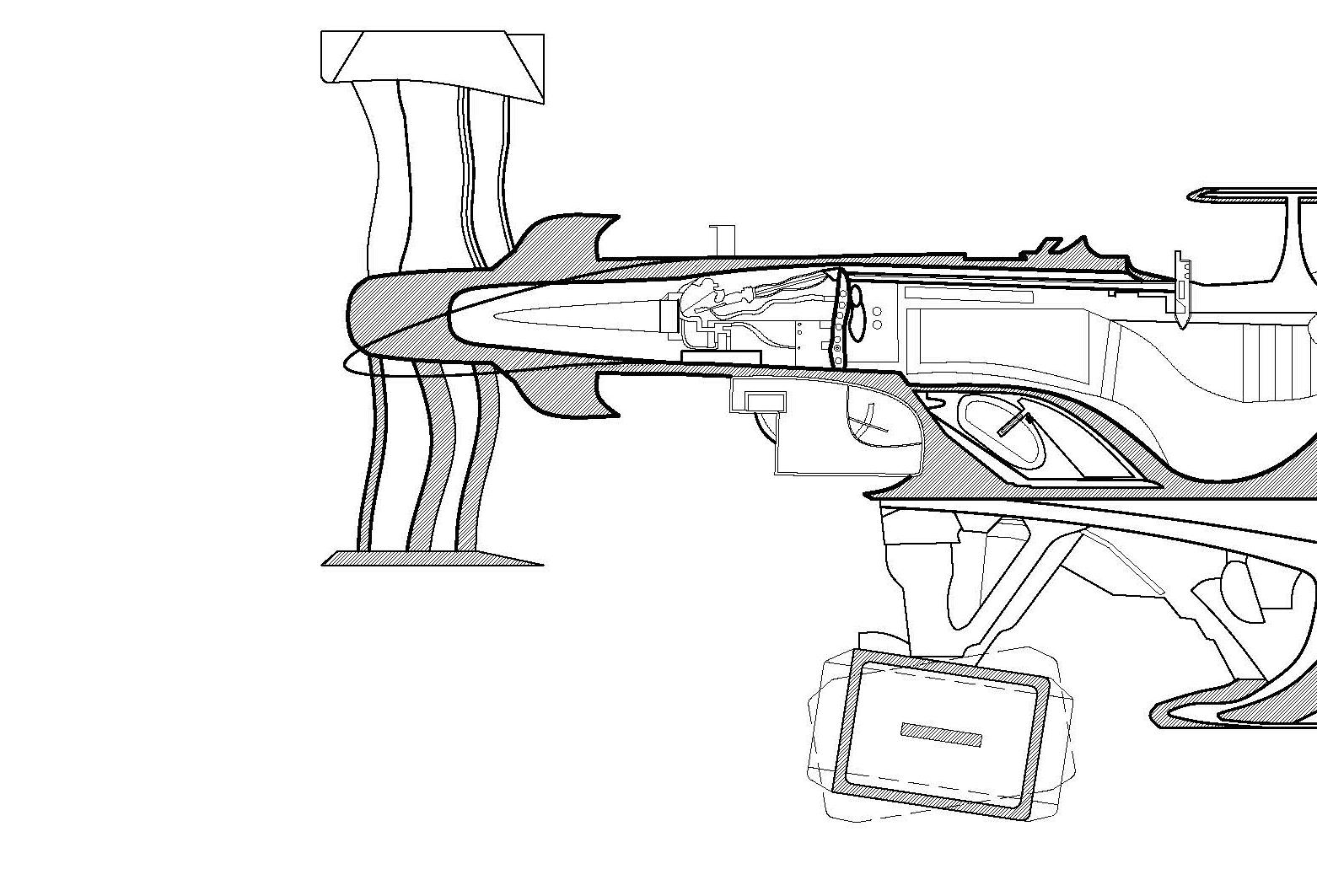
Cuts and insertions then take place to create
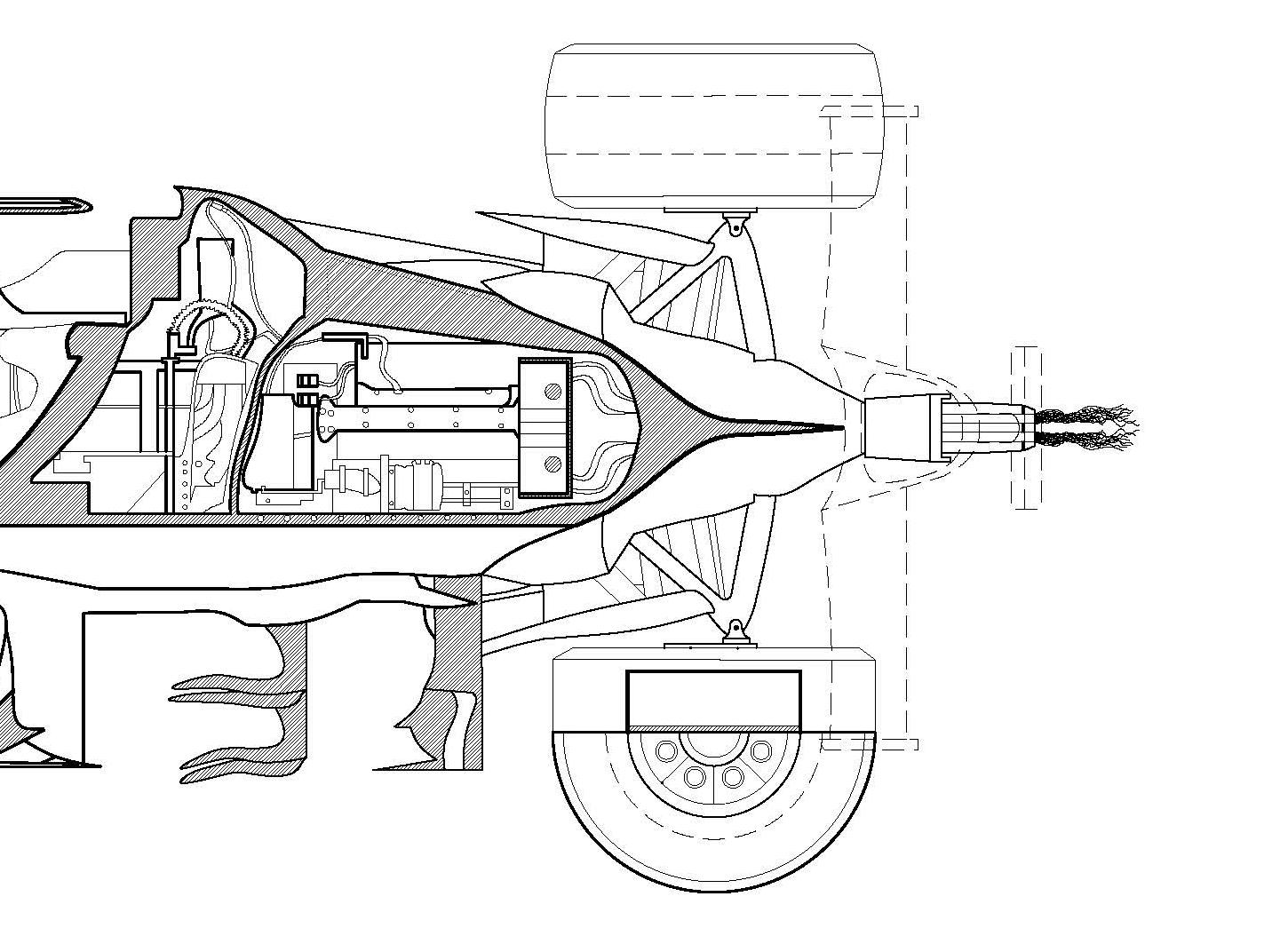
create the final blend that defines the spaces.