SUKANYA MUKHERJEE
DESIGN PORTFOLIO SELECTED WORKS
GRADUATE ARCHITECTURE WORK
SCI-ARC 2021-2024
COYOTE URBANISM ongoing thesis
Advisor: Jennifer Chen, John Cooper 08-15
ABOVE US fall 2023
3GA vertical studio
Instructor: Jennifer Chen 16-23
CONTAINERS OF BIGNESS spring 2023
2GB design studio
Instructor: John Enright 24-31
UNDERGRADUATE WORK
UNIVERSITY OF FLORIDA 2017-2021
LINCOLN SQUARE URBAN FARM fall 2020
Design 7 studio
Instructor: Martin Gold
33-45
TAMPA INSTITUTE OF THE CINEMATIC ARTS spring 2021
Design 8 studio
Instructor: Vernelle Noel 46-53
ALACHUA COUNTY FUNERARY CHAPEL fall 2019
Design 5 studio
Instructor: Martin Gold
54-59
GRADUATE WORK SAMPLES
SCI-Arc 2021-2024
COYOTE URBANISM
Course: Graduate Thesis
Advisors: Jennifer Chen, John Cooper Semester: Ongoing
Done in collaboration with Arnar Skarphedinsson.
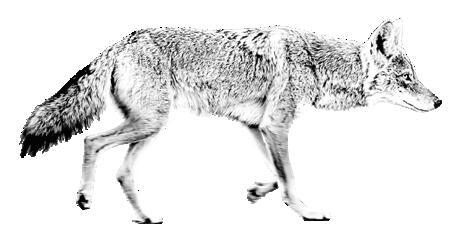
Coyote Urbanism is an ongoing Thesis project done as the capstone to a three-and-a-half year Master’s degree in architecture. This thesis seeks to combine my skills and interests in film, architecture, and animation. As this project is currently in progress, the following pages are select storyboarding stills and early aesthetic experiments. Thesis will conclude in September with the presentation of the film in front of a jury. This event is open to the public, therefore, if you are interested in attending, please reach out to me and I will pass on further details.
Film Synopsis:
Situated in a not-so-distant Los Angeles, this psueoddocumentary style film follows one coyotes search for respite after being violently displaced from his home. As a massive, cancerous development tears through and dominants the urban fabric, the residents on the outside find avenues to sustain their cultures and ways of life against the ever encroaching threat of expropriation. Disparity and spectacle shape the urban landscape, competing for dominance, leaving little room for our coyote.


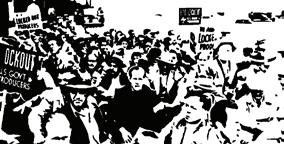
MANUFACTURED CONSENT
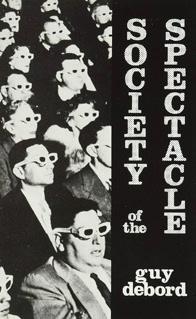
“The alienation of the spectator to the profit of the contemplated object is expressed in the following way: The more [the spectator] contemplates the less he lives; the more he accepts recognizing himself in the dominant images of need, the less he understands his own existence and desires. – Thesis 30 The more his life is now his product, the more he is separated from his life. – Thesis 33” SOCIETY OF THE SPECTACLE _GUY DEBORD
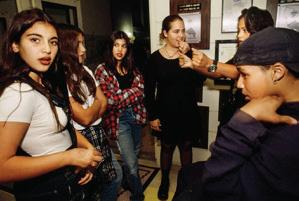
LA _Rick Meyer(1988)

HYPERREALITY
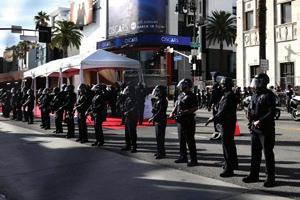
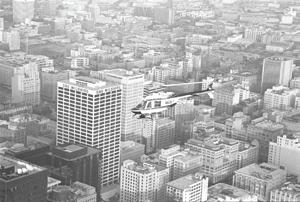
an image or simulation, or an aggregate of images and simulations, that either distorts the reality it purports to depict or does not in fact depict anything with a real existence at all, but which nonetheless comes to constitute reality LAPD Helicopter flies
Los Angeles “is stuck in this mid-nineteen- fifties technological optimism, where social problems are gonna be solved through technologies of war.” He called it a “conceptual hangover” and suggested that the helicopters are more about the appearance of policing than about actually effective policing. “Something that’s been documented since the very beginning of federal funding for police helicopters,” he went on, “is the idea of being hyper-visible in the sky and their presence being known.” He called it “the performance of safety.”
WHY THE NOISE OF LA HELICOPTERS NEVER STOPS _EMILY WITT
“Lewis Mumford, in the city in history, points out that with the advent of longdistance mass communications, the isolation of the population has become a much more effective means of control. But the general trend toward isolation, which is the essential reality of urbanism, must also embody a controlled reintegration of the workers based on the planned needs of production and consumption. Such an integration into the system must recapture isolated individuals as individuals isolated together. Factories and cultural centers, holiday camps and housing developments- all are expressly oriented to the goals of a pseudo-community of this kind... -Thesis 172”(122)
SOCIETY OF THE SPECTACLE _GUY DEBORD of, by, for, or directed to the public;
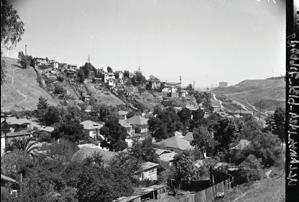
Ravine prior to Dodger’s Stadium
“At any given moment there is an orthodoxy, a body of ideas which it is assumed that all right-thinking people will accept without question. It is not exactly forbidden to say this, that or the other, but it is ‘not done’ to say it, just as in mid-Victorian times it was ‘not done’ to mention trousers in the presence of a lady. Anyone who challenges the prevailing orthodoxy finds himself silenced with surprising effectiveness. A genuinely unfashionable opinion is almost never given a fair hearing, either in the popular press or in the highbrow periodicals.”
UNPRINTED INTRODUCTION TO ANIMAL FARM _GEORGE ORWELL
EXPROPRIATION
property from its owner
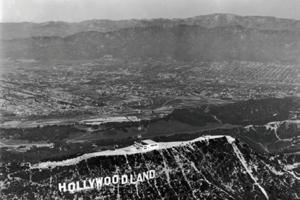
“LA was on the hunt for a major sports team to house and they were looking at the Brooklyn Dodgers. The Dodgers owner, Walter O’Malley agreed on the contingency that a new stadium would be built and they struck a deal where they purchased the area of Chavez Ravine, for a fraction of what the public housing authority had spent for the Elysian Park Heights. On May 8th, 1958, the city approved the referendum that would officially give Walter O’Malley ownership of the land and the next day, police arrived to evict the remaining families. The families were dragged out of their homes, cuffed and some were arrested.”
HISTORIAS UNKNOWN _CRISTINA + CRISTINA
+
is
and
ZINE | Thesis began with a robust research period in the Spring. This process resulted in a Zine focused on synthesizing our readings and collected images to draw specificity to a curated lexicon we had developed to situate our thesis. The film will follow the vignette style organization of the zine to create a non-linear, loose narrative.
“Although Los Angeles is a city with no history, nostalgia has always been the dominant note in the city’s image of itself. At any time in its history, Los Angeles was always a better place „a long time ago“ than in the present.”
PLAYS ITSELF _THOM ANDERSEN
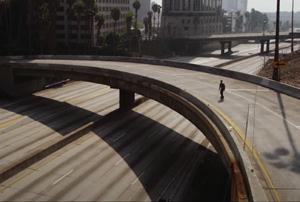
“Urban Isolation” Still _Russell Houghton(2014)
MUKHERJEE SKARPHÉÐINSSON
NOSTALGIA
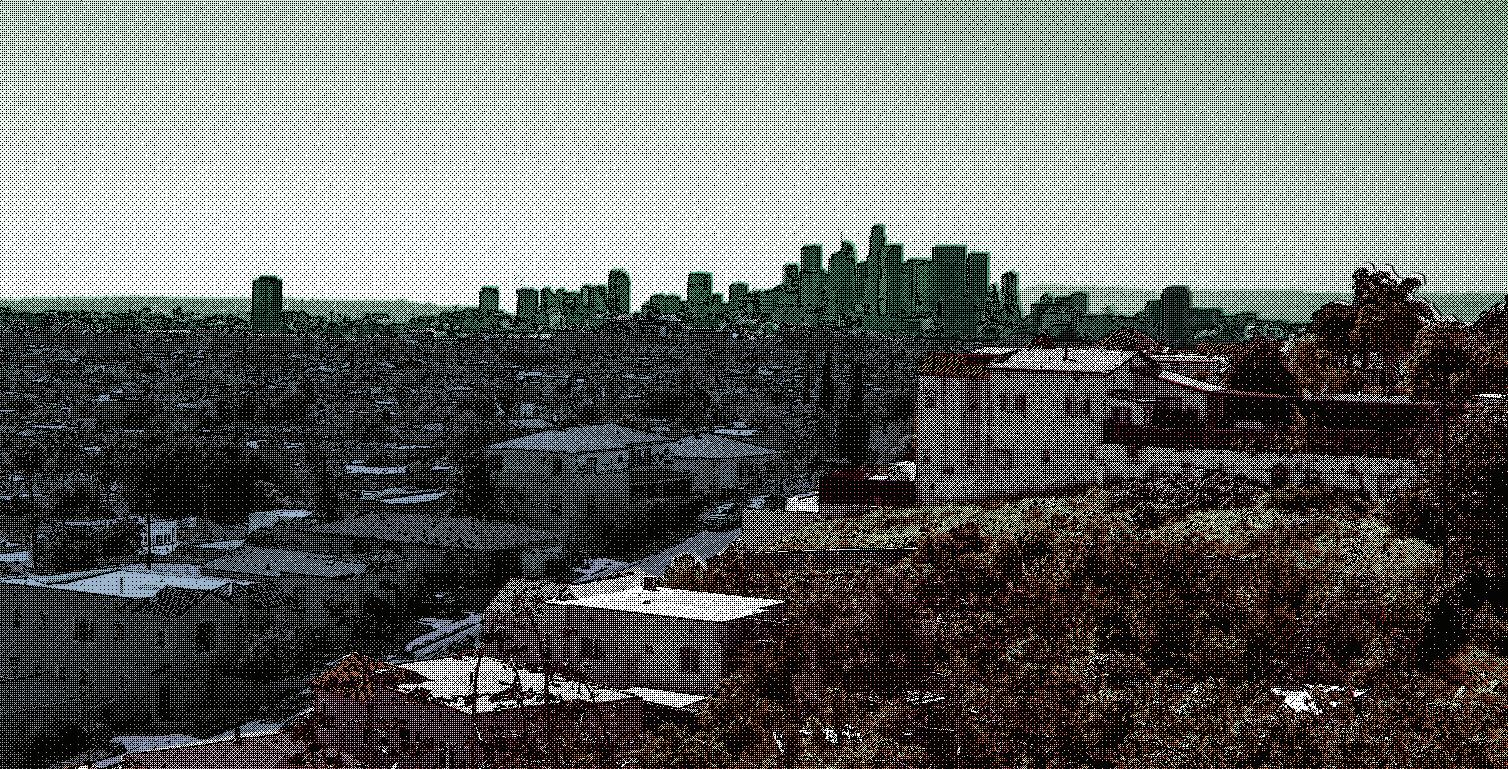
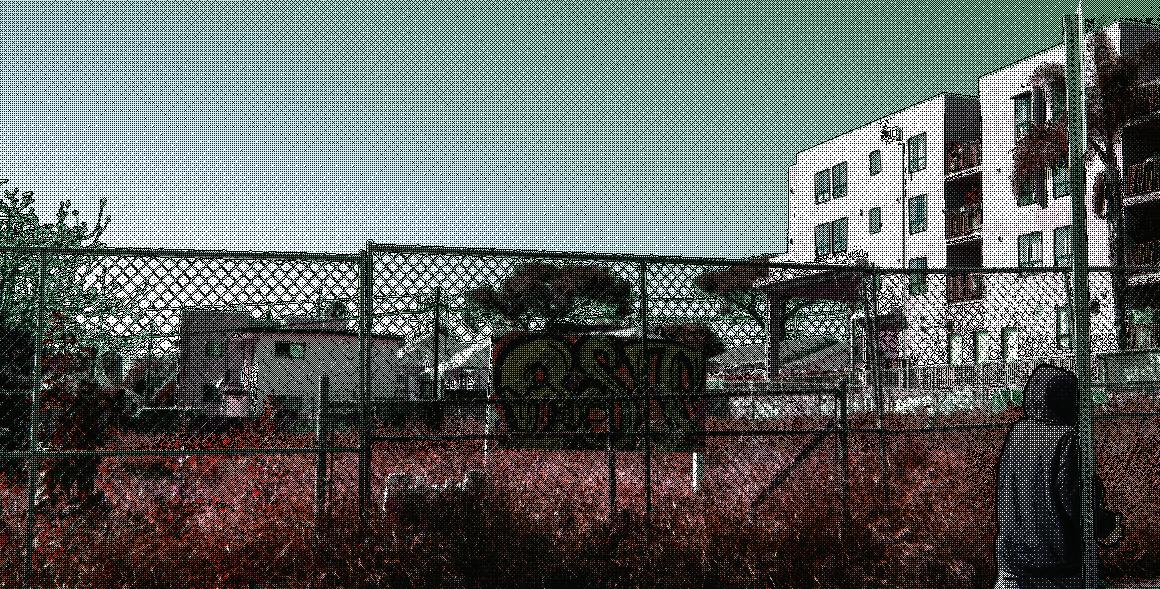

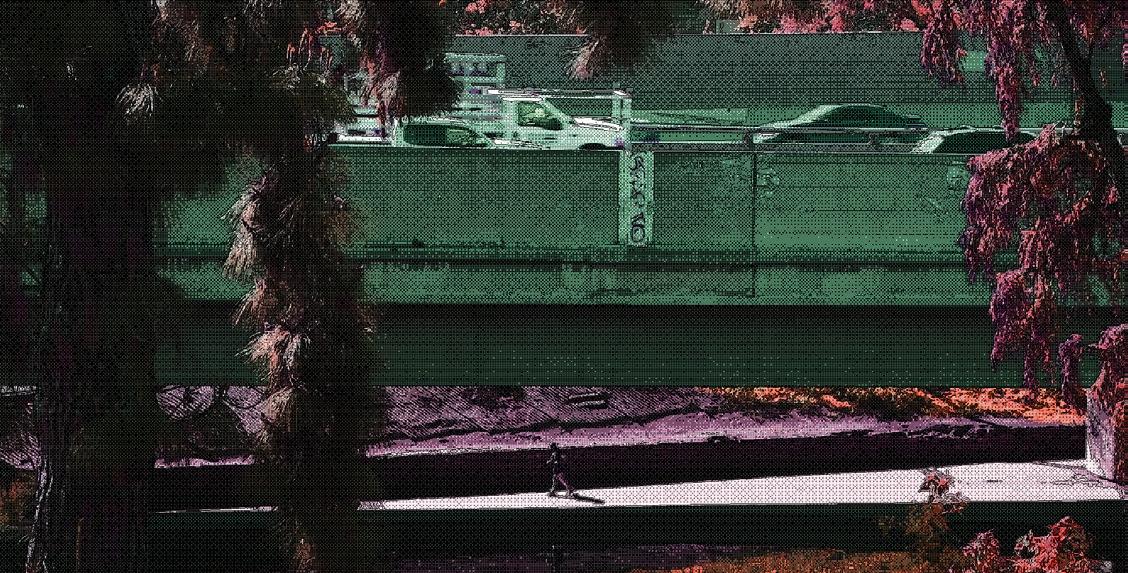
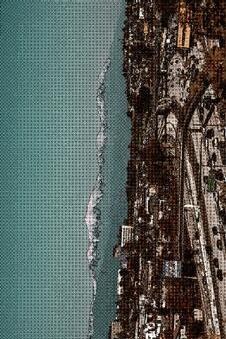
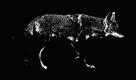
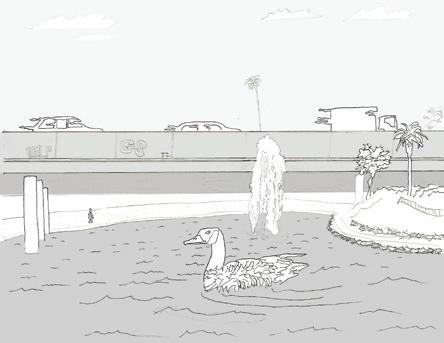
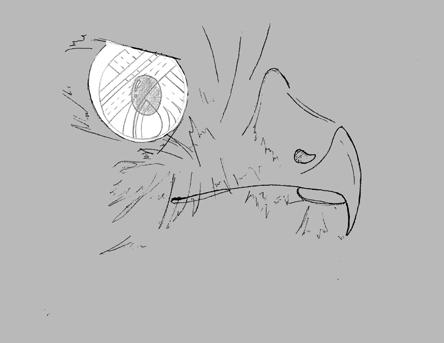
STYLE | These four frames show experiments in the possible aesthetic style of the film. Using dithering and exaggerated, artificial colors heighten the chaos of the city and serve to artificialize the environment.
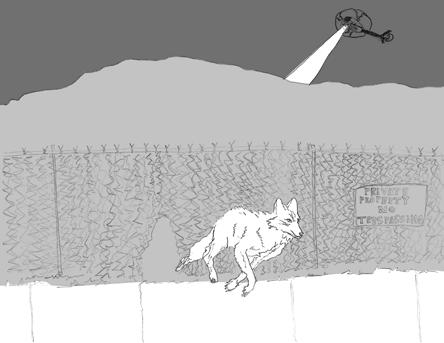
Coyote squeezes through a hole in the fence and escapes the mayhem
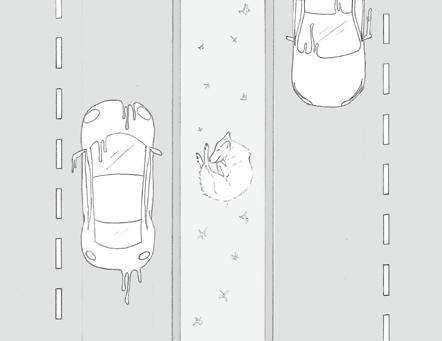
Aerial view of coyote curled up between lanes of traffic
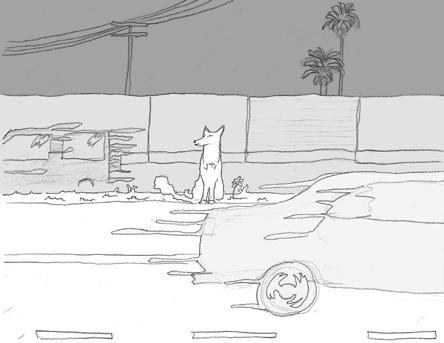
Middle of a bi-directional highway, coyote falls asleep
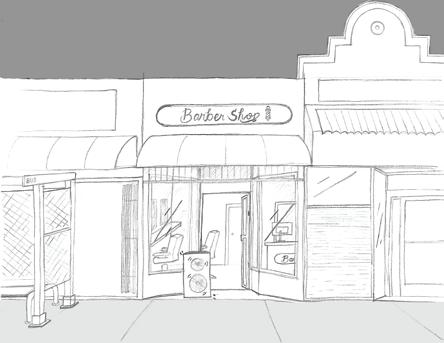
Doors open to a Barber shop full of people and music
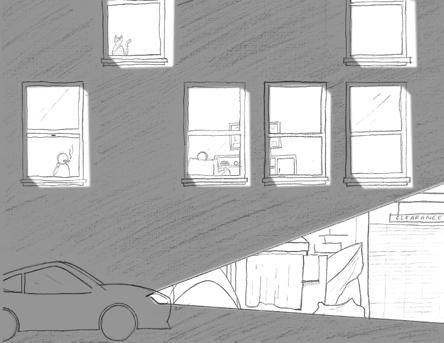
Elevation of an apartment building, a
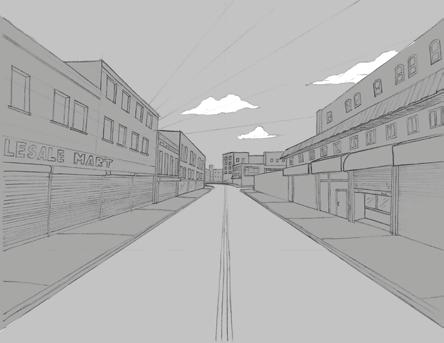
Stores being shuttered as it turns to night, transition from lively daytime streets and shops to barren nighttime streetscape
Hollenbeck Park, Geese swim in the pond in the foreground while cars speed by on the freeway that cuts through the park
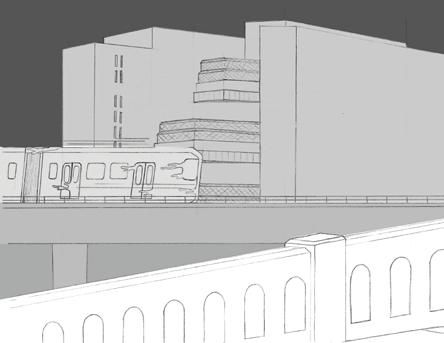
The warm light of downtown jail beckons the coyote. Before he can be enticed the Metro zips by jolting him from his daze
Close-up shot of hawk’s eye, freeways reflected in his eye
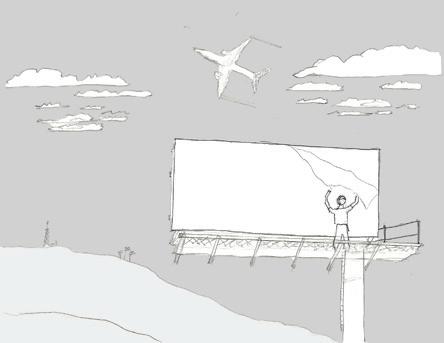
Coyote runs past billboard in foreground, original lot from beginning in the background
STORYBOARD | These early sketches lay the blueprint for shot creation for the rest of the summer. These stills are presented in no particular order with small explanatory captions which the drawings were based upon. The film will be brought to life using Unreal Engine and Blender.
helicopter illuminates the street below to reveal encampments
ABOVE US
Course: DS4000 Blue Skies Vertical Studio | 3GA
Instructor: Jennifer Chen AT: Luis Garcia-Grech Semester: Fall 2023
Done in collaboration with Arnar Skarphedinsson.
Blue Skies takes aim at Planetary scale Solar Geoengineering through the lens of speculative fiction. As climate change worsens in a world run by apathetic leaders, some scientists propose a radical approach to lowering our global temperature. Through the medium of a short film, we will embark on a narrative investigation into these systems and their consequences on humanity.
Film Synopsis:
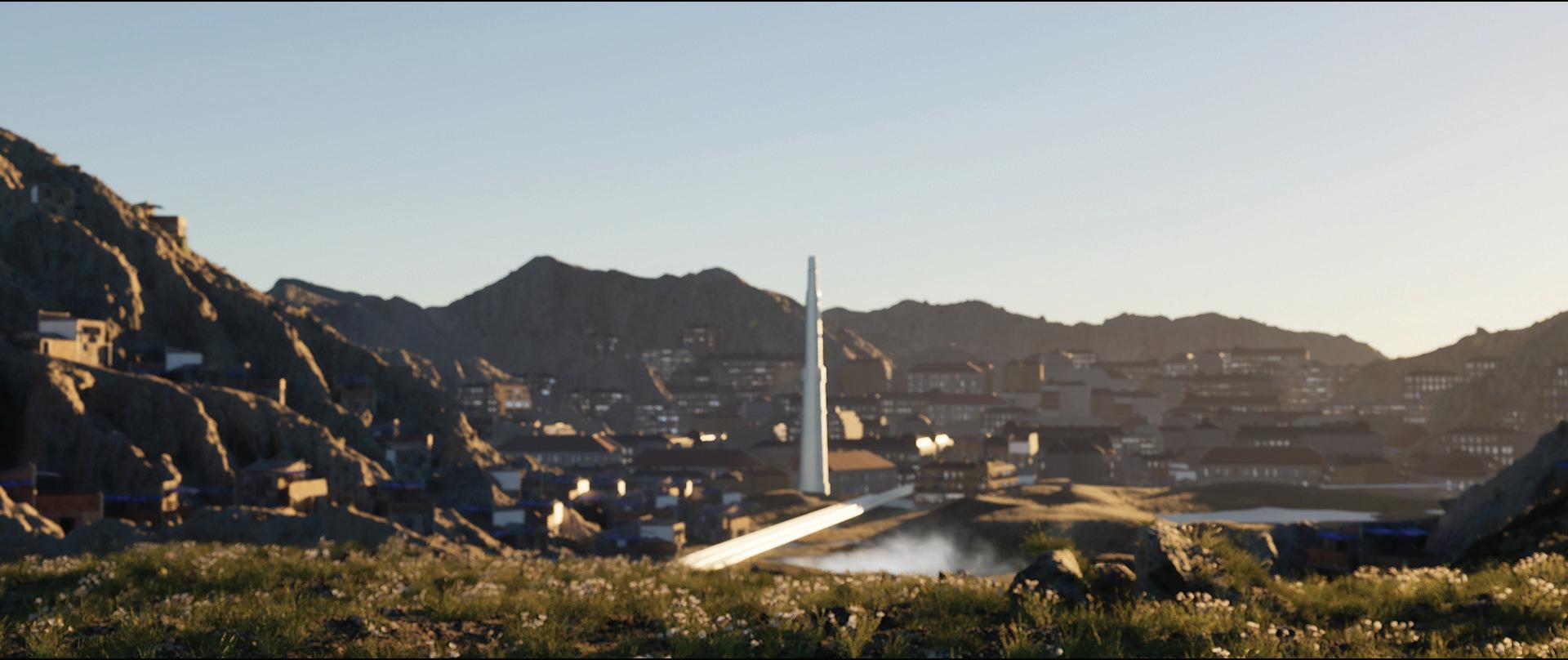
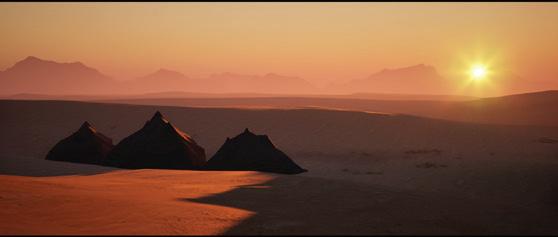
In the time where the climate has collapsed when the world before failed to act, we are told the story of a climate refugee and his quest to survive through the reminiscence/remembrance of his future grandchild. We relive the journey of her beloved grandfather through the desert in search of a new home in the backdrop of alien skies and unfamiliar landscapes, caused by the distant deployment of aerosols injected into the stratospheres above their heads.
In the present, she takes us through the new world shaped by its embrace of a reawakened environment and renewable energies. We see a growing and thriving world where technologies and mythologies collide and humans are given a second chance.
NOTE: This film is a Work-In-Progress that will be cleaned up for festival submission

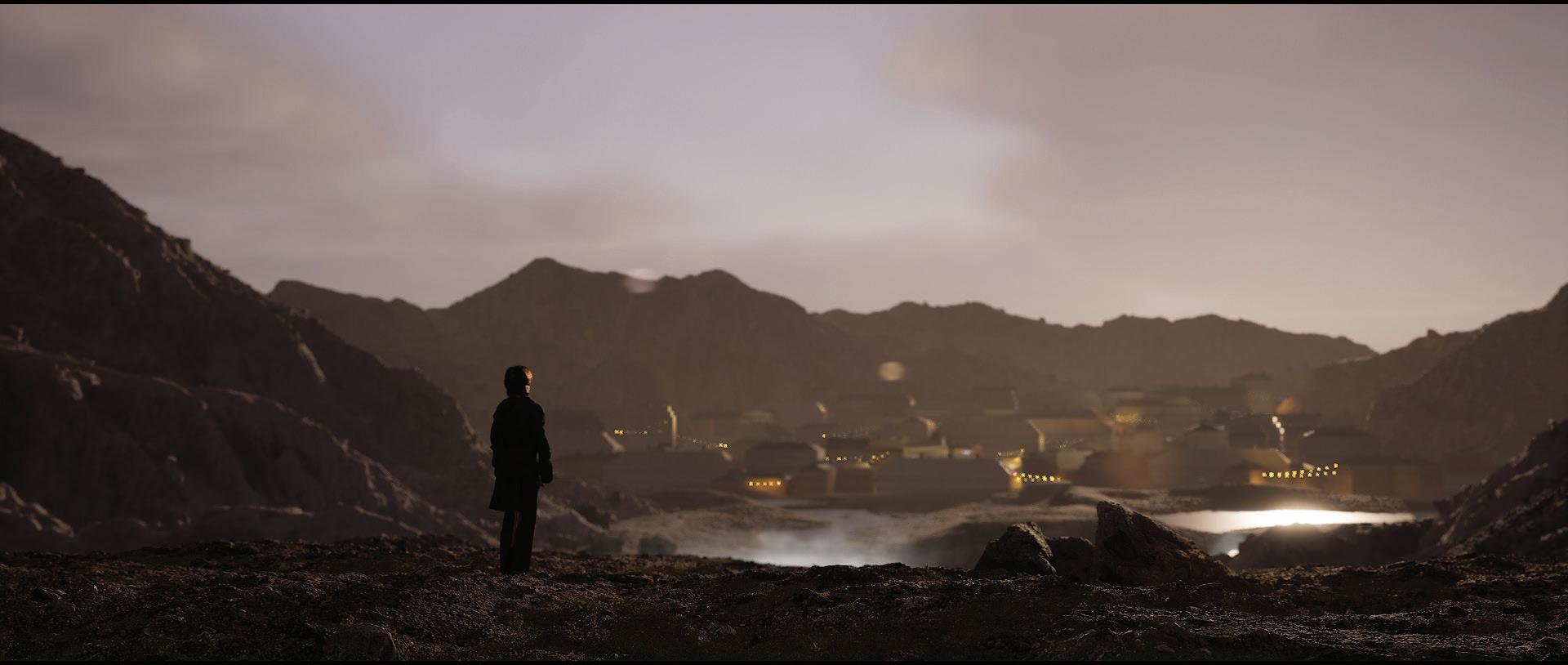
LINK TO WATCH FILM
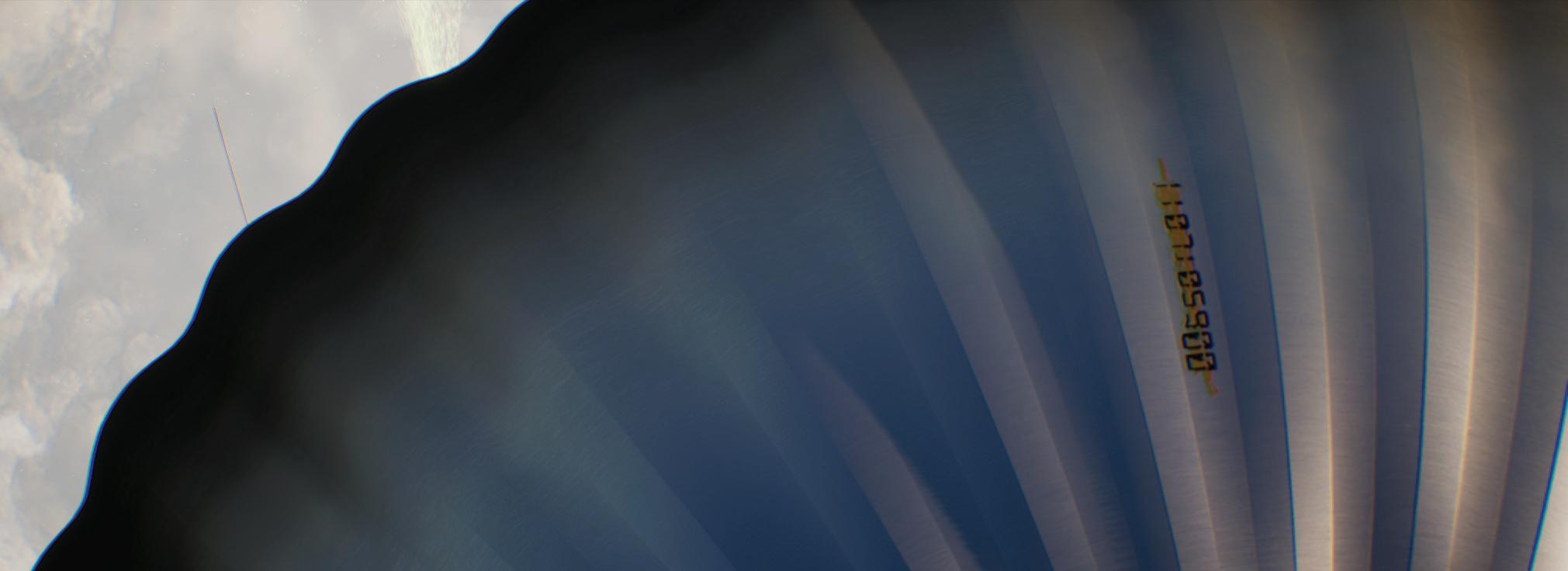
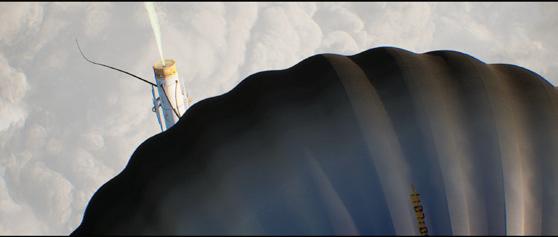
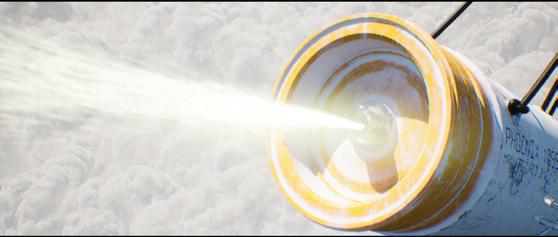
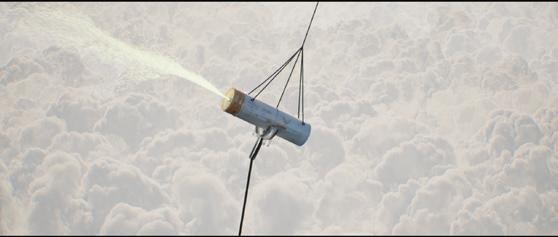
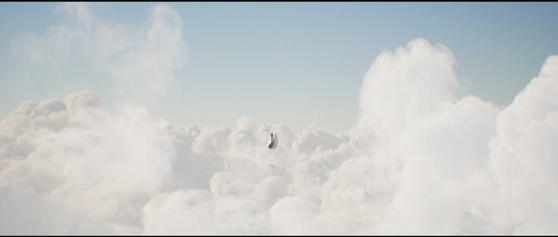
STRATOSPHERE | The story begins above the clouds where a solitary balloon gently floats. Gusts of wind and a rhythmic squeaking fill the air. At the end of a long rope, a cannister is revealed to be spraying aerosols into the stratosphere as a young woman’s voice begins to narrate. A close-up of the cannister shows the name “PHOENIX” inscribed on its side accompanied by a serial number. We watch the as the cannister stops spraying and the balloon gently deflates to sink beneath the clouds as it returns back to the Earth..
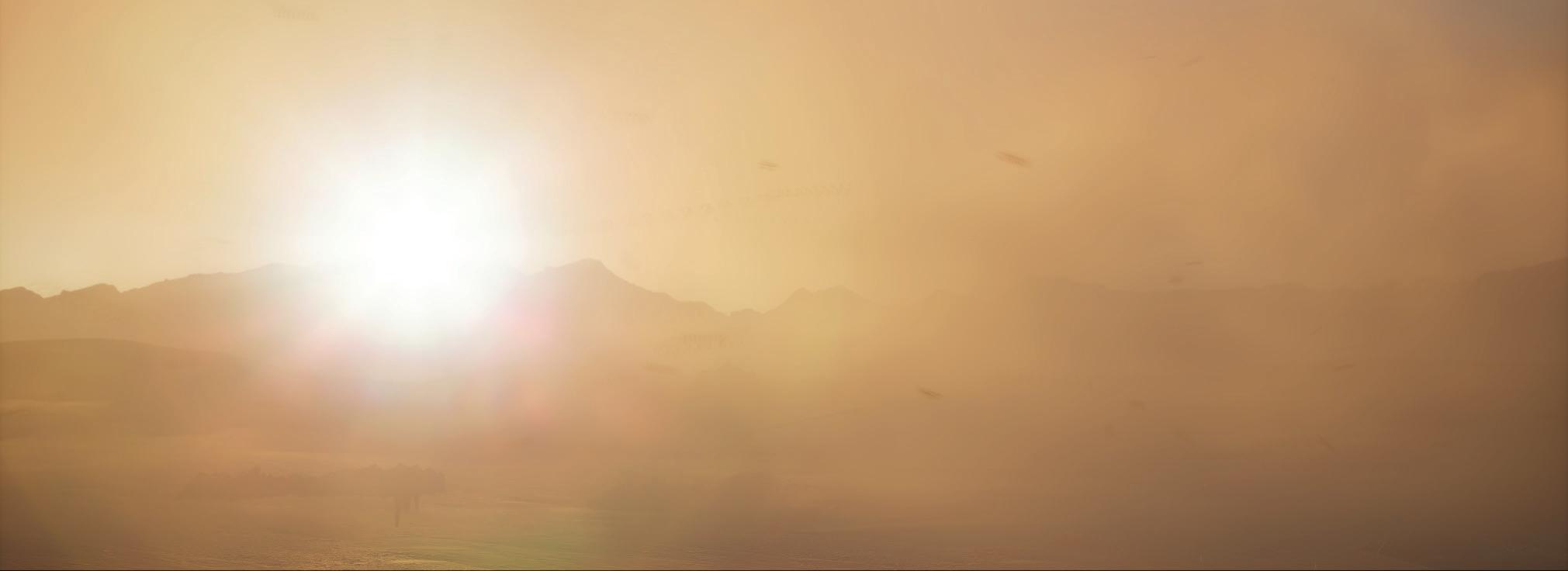
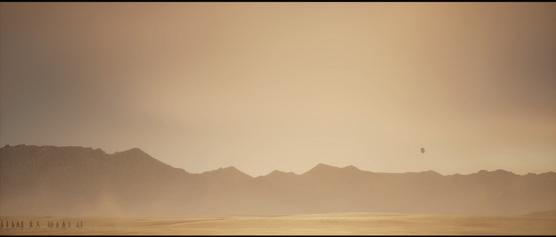
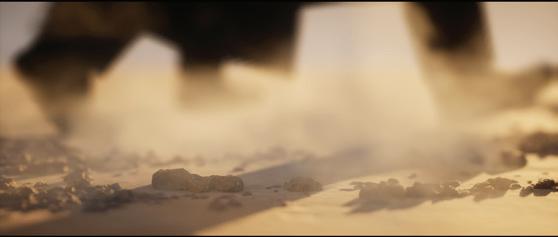
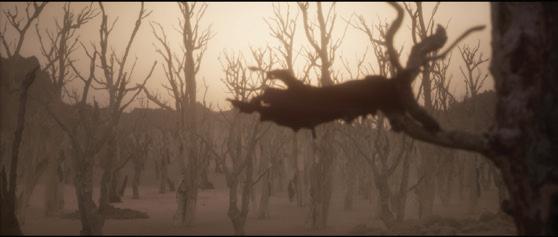
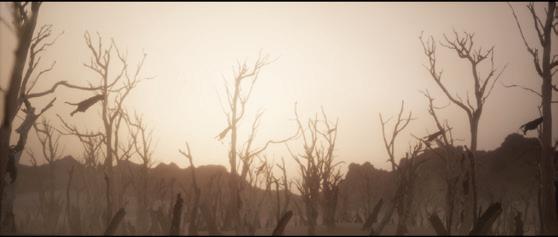
DEADFOREST | As the balloon drifts down to the ground, we move beneath the blanket of clouds above. An expansive desert, framed by distant mountains comes into view before we see small figures enter the frame. A tabla plays, a harmonium hums as we enter the human realm and our narrator tells us about the distant firebirds. We abruptly shift scales to watch their feet walk past on the dry, sandy ground. They enter a gnarled deadforest shaped by acid rain. As they pass the blackened, dead trees small pieces of cloth flap gently in the wind. Suddenly, we find ourselves in the midst of a sandstorm obscuring our view into shadow and light.
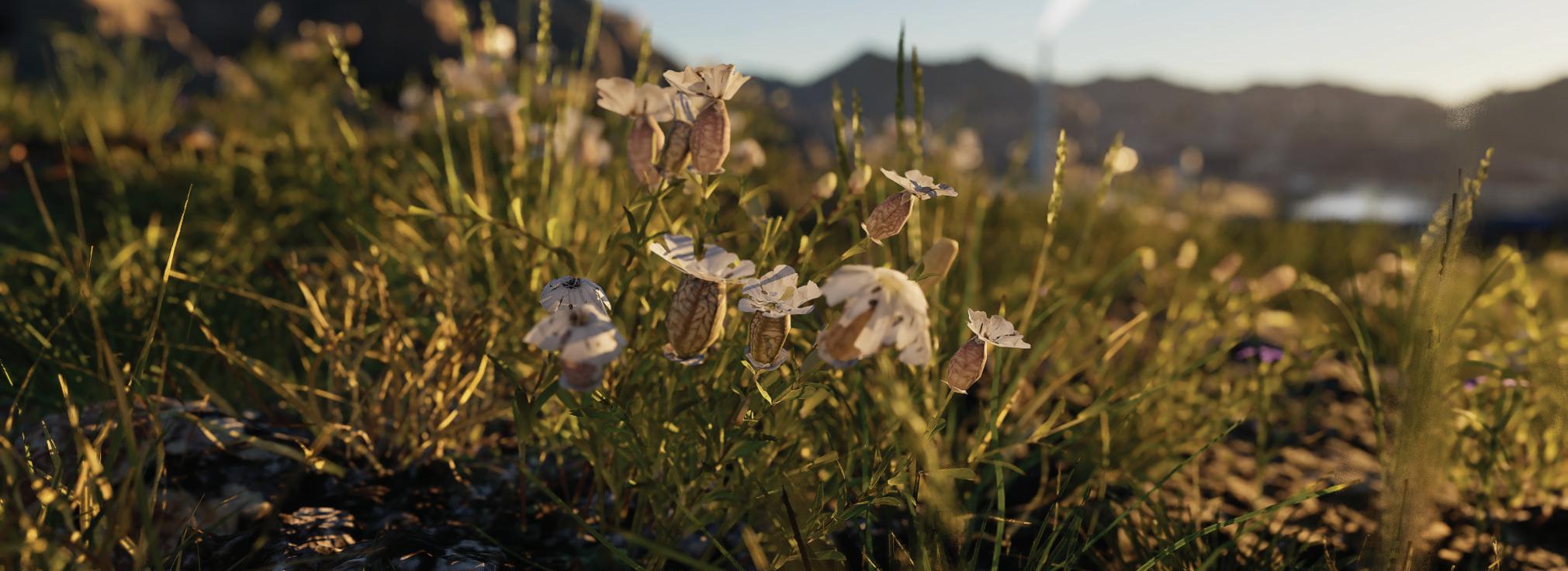
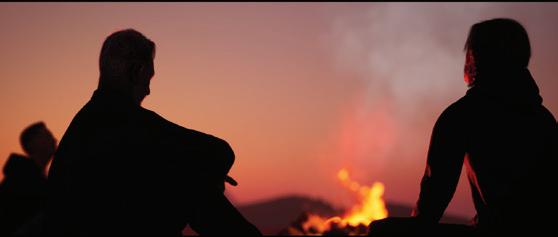
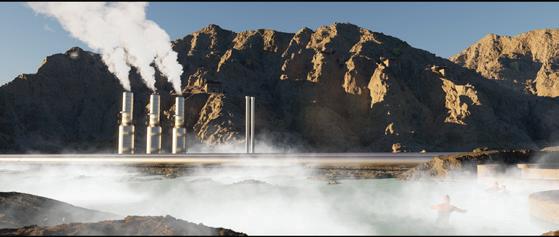
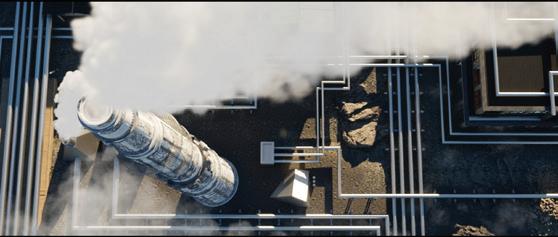
MISC | As the film progress, we encounter the beauty and the horror of a world changed by the Phoenixes. As we jump to the present, we see an Earth healed from its past and humanity given a second chance at survival. The urban landscape is shaped by geothermal engineering which breathes new life into a thriving city made possible by the sacrifices made by our narrators grandfather and his peers. Even though they no longer remain to see the fruits of their effort, their descendants are given a chance to live harmoniously with the planet once again.
CONTAINERS OF BIGNESS
Course: DS1121 Architecture as Urban Design | 2GB
Instructor: John Enright AT: Leila Khodadad
Semester: Spring 2023
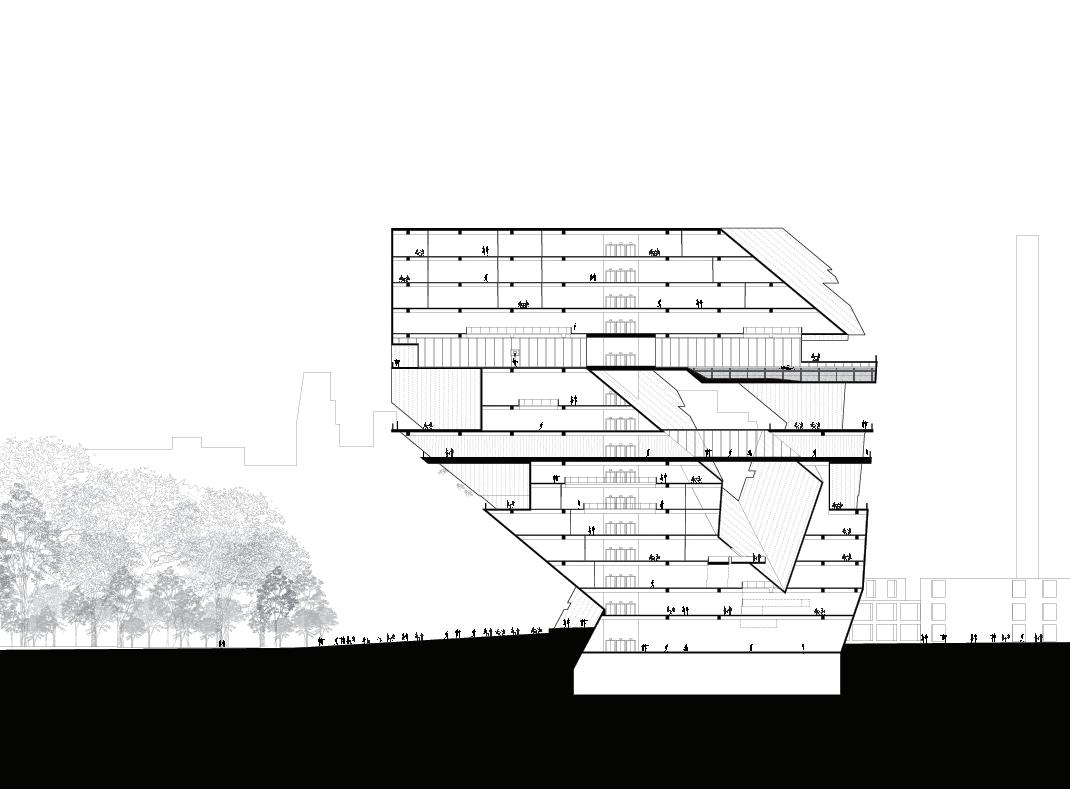
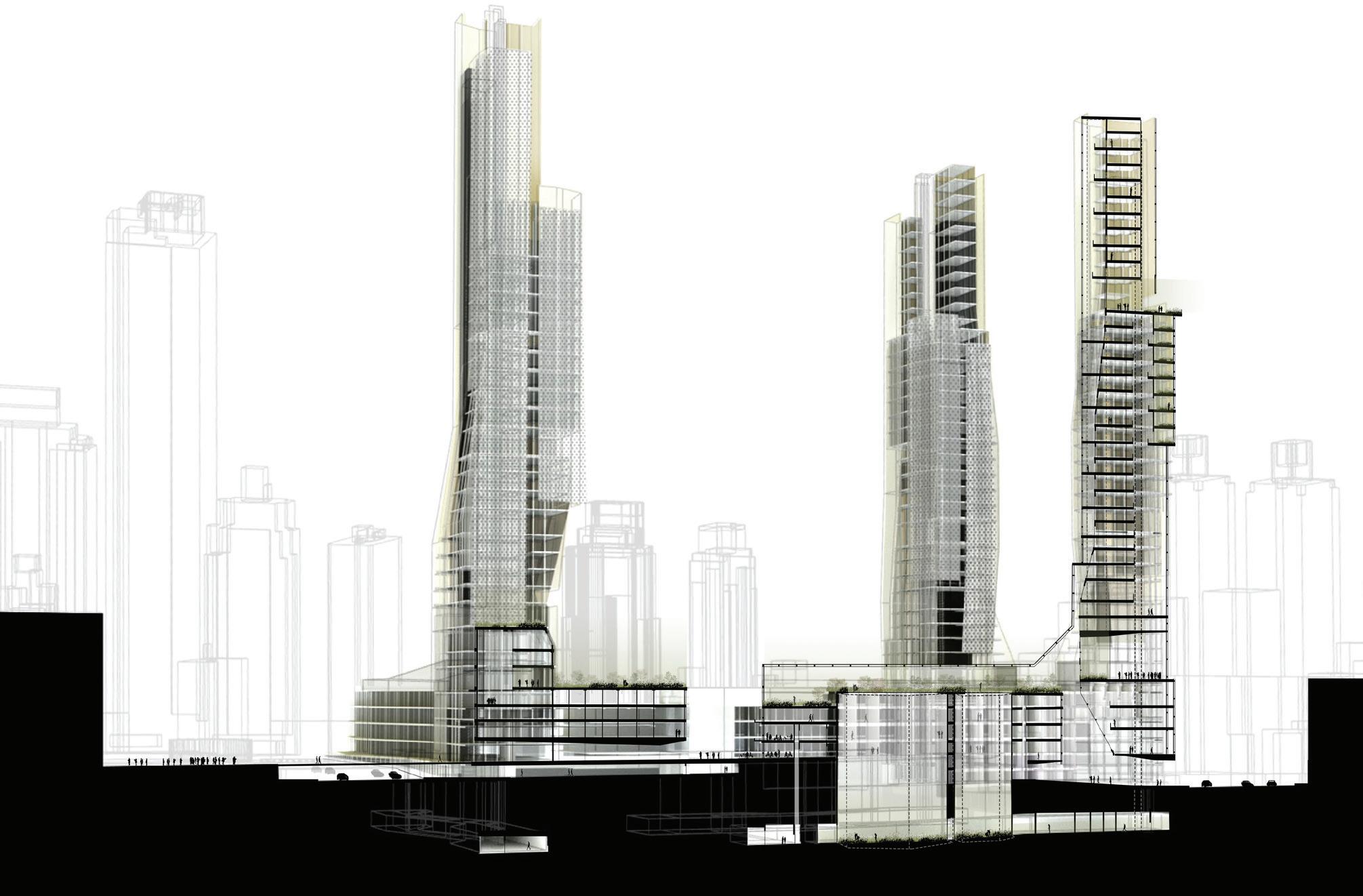
The intersection between the building and the city comes into focus in Containers of Bigness. As an urban campus, this project takes on the form of an institution embedded within the fabric of an existing neighborhood both influenced by and influencing the historical, economic, social, and physical infrastructure of its surrounding. As a campus designed for both students and the general public, the programmatic premise works to address both types of occupants by folding in logics of traditional campus layouts to create pockets of interstitial spaces as it rockets into the sky.
The complexity of this project in terms of contextual approach, building organization, occupants, and circulation are essential issues defining formal logics and positioning on the site. As the largest building in the immediate neighborhood, the project intimately imbeds itself within its local community while beckoning to Mexico City through scale and public oriented design.
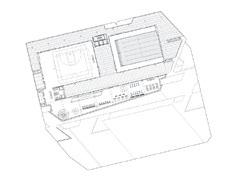
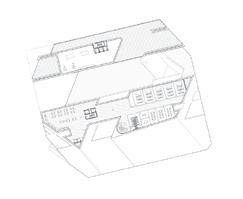

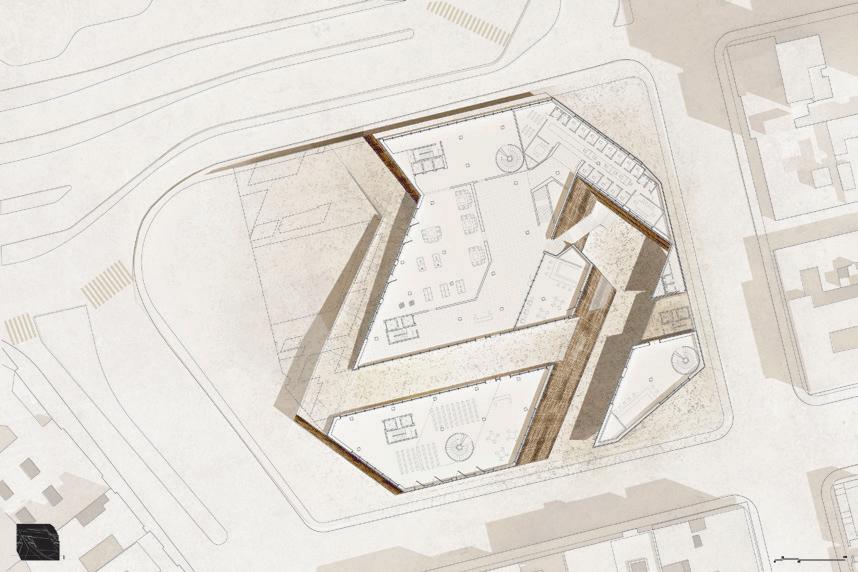
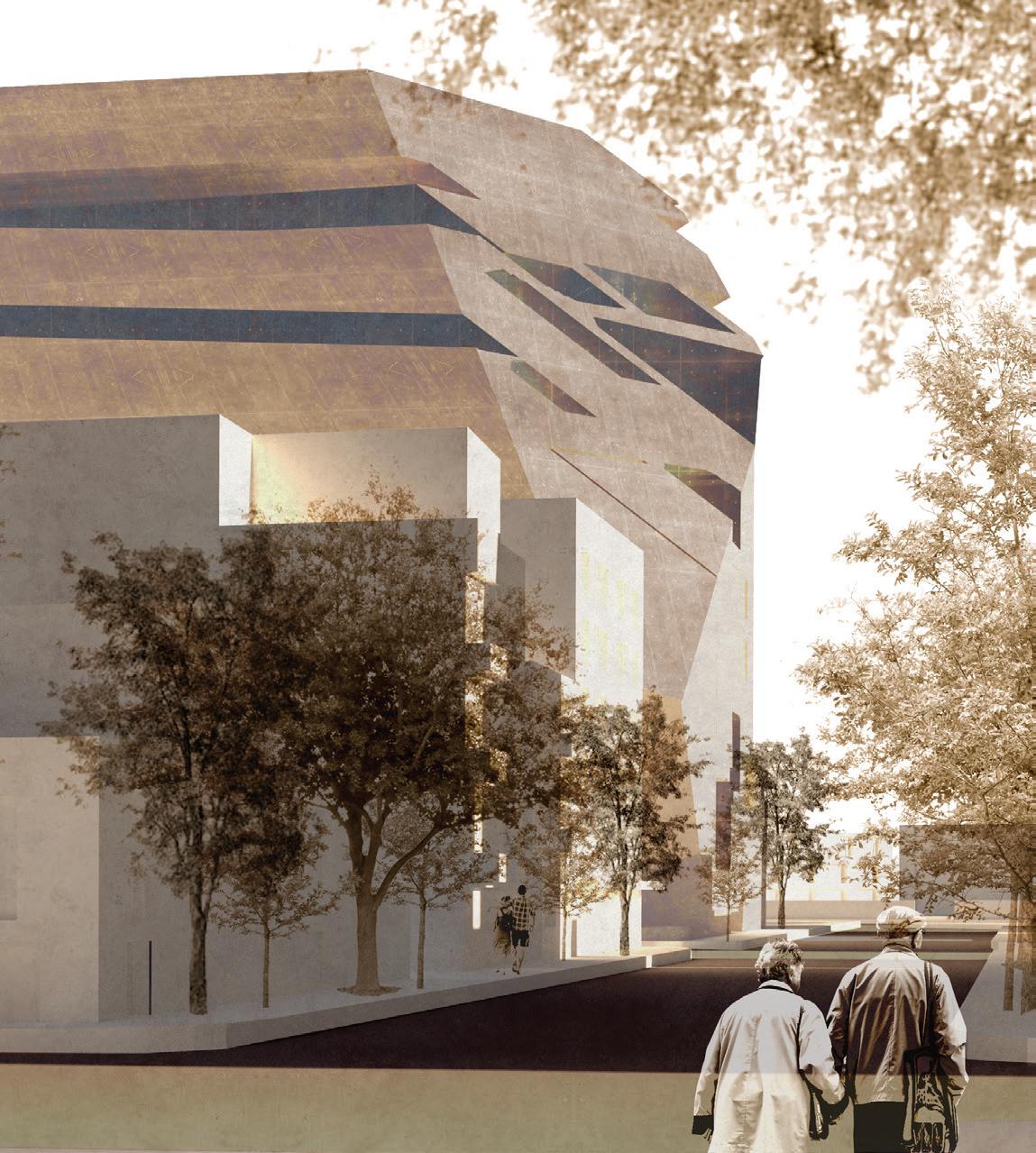
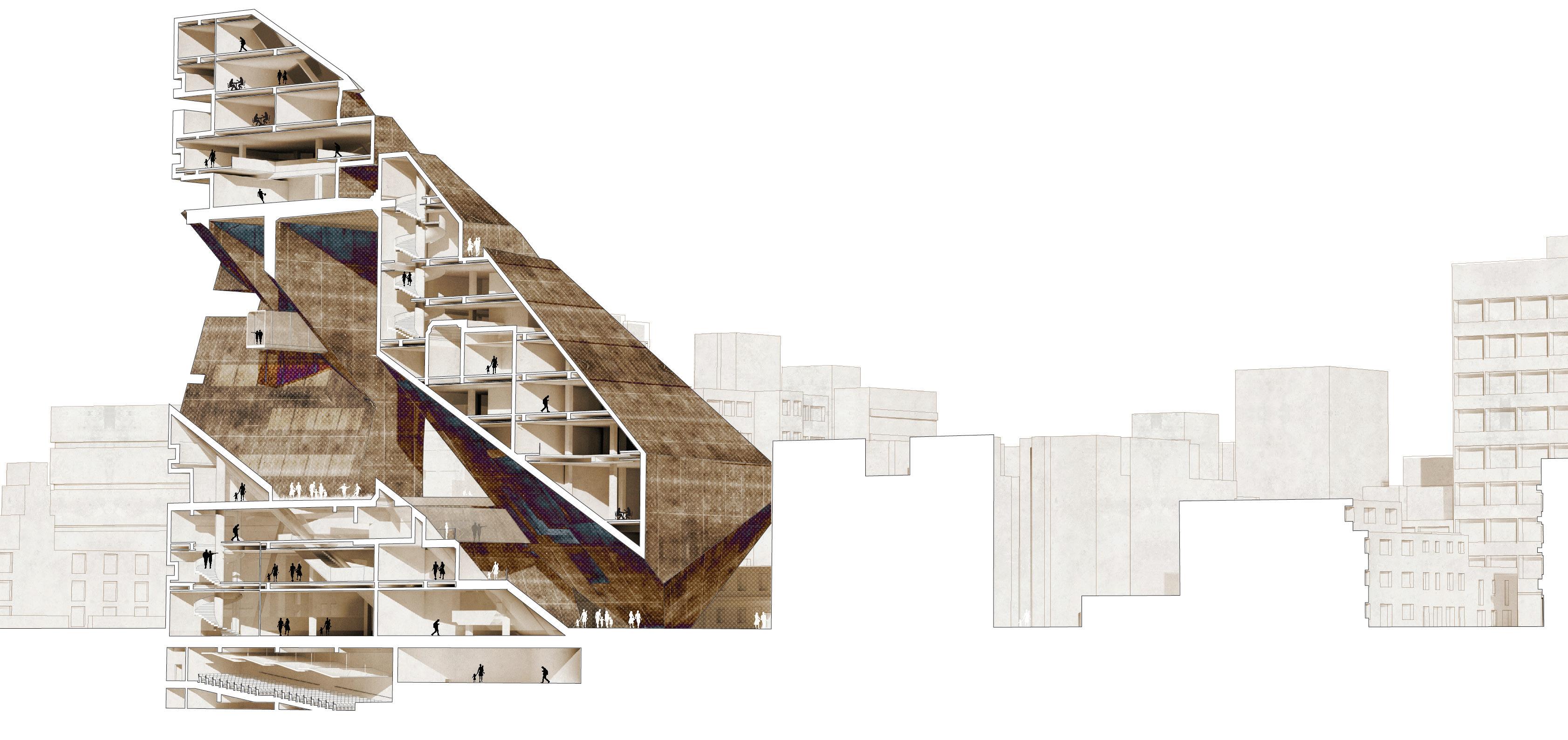
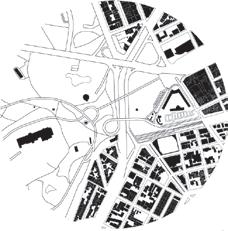
CONTEXT | Negotiating between a myriad of urban conditions that define Mexico City, the site fosters a dialogue between the extreme verticality of the Reforma towers, the sprawling green space of Chapultapec Park, and the residential scale of the immediate context. The positioning of the project on site is relative to its geometry, allowing it to reconcile between conditions by presenting itself as a distinct face on each of its sides.
The four faces of the project individually respond to the unique qualities that define its corresponding condition. This logic extends into the interior of the building by splitting the complex geometry across its various axes to address the diversity and complexity of both the program and the occupants who inhabit it.
1. Sectional Perspective
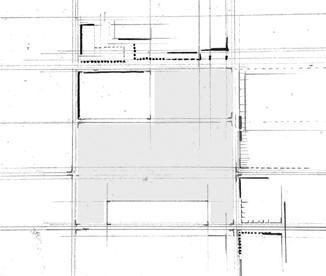
2. Urban Context Site Map
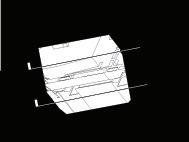
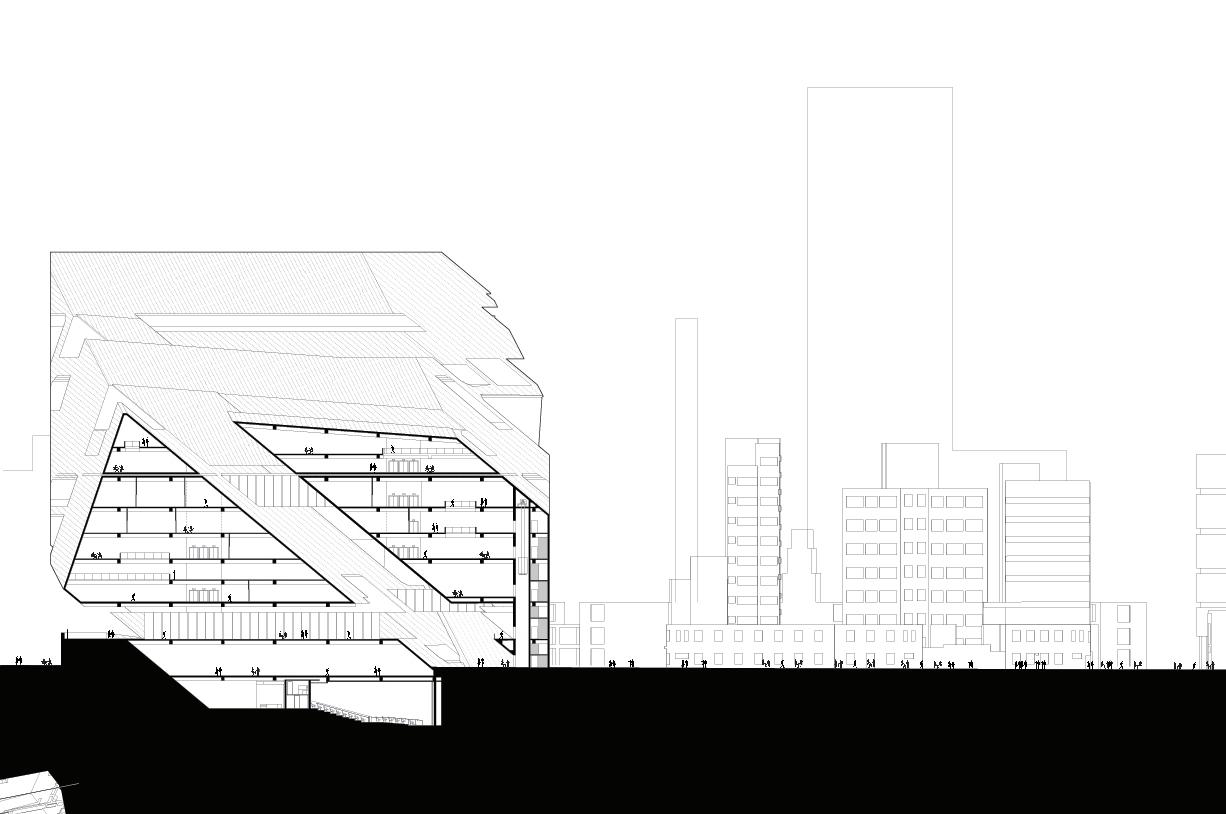
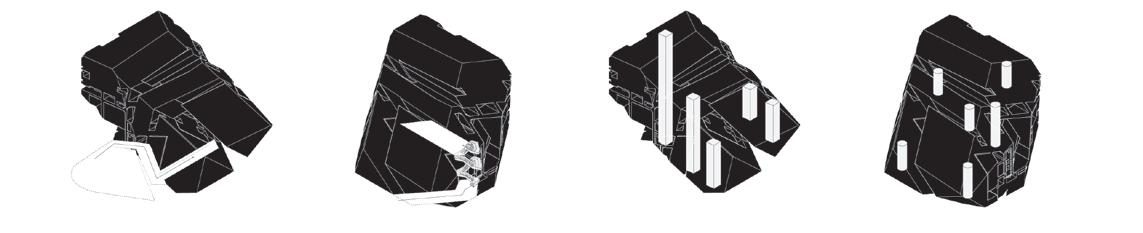
MOVEMENT | Catering to two types of occupants (students + the general public) factored heavily into the primary methods of vertical circulation in the campus. The methods of circulation, as outlined in the diagram to the left, serve as a diagram of movement types.
The plaza entrance primarily caters to students as it directly enters the interior academic spaces of the project. The street entrance, on the other hand, invites the public in from the street level guiding them directly to a massive park in the center of the project via a scuptural staircase that weaves in and out of the building. The cores function solely for egress and the spirals facilitate circulation within programmatic volumes at a smaller scale.
1. Building Sections
2. Circulation Diagrams
PLAZA academic STREET public CORES egress
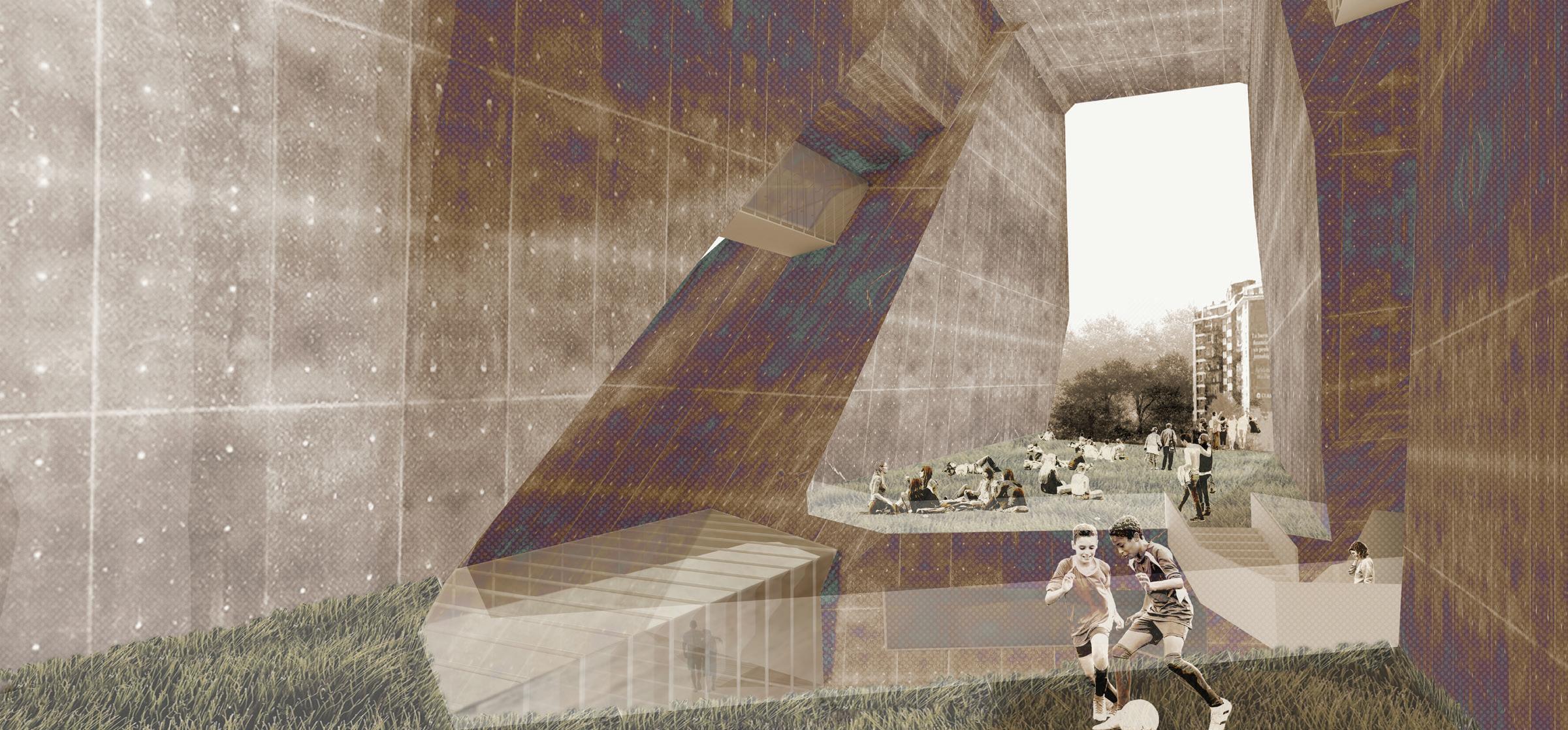
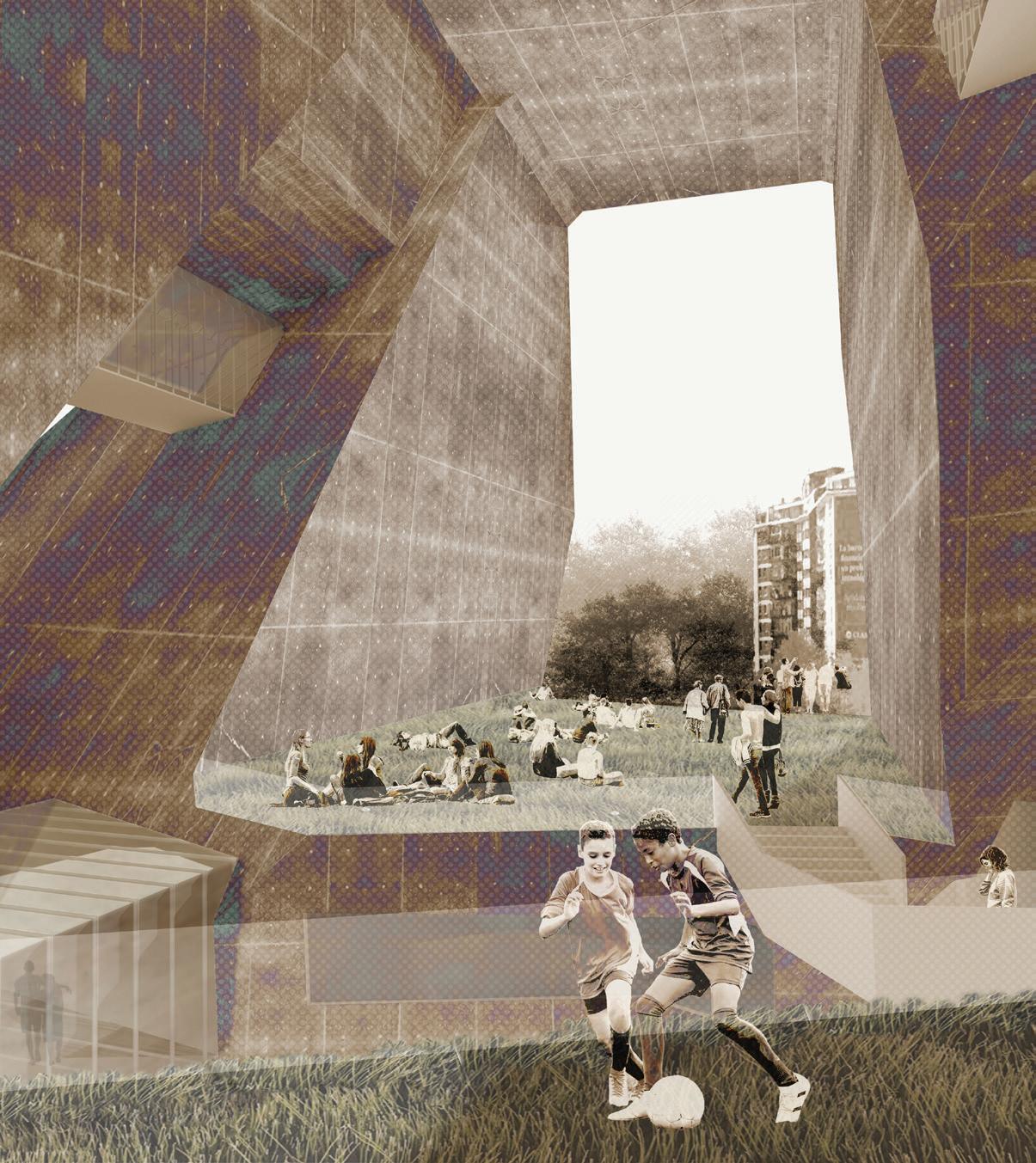
VOID | Represented as a rock that has been split in two, the school simultaneously alienates itself from the city through the articulation of its object-ness while also implicating itself directly in the fabric of the city by blurring the boundaries of interiority and bringing the city directly into its heart.
1. Central Void Interior Perspective
UNDERGRADUATE WORK SAMPLES
University of Florida 2017-2021
urban farm MANHATTAN, NY
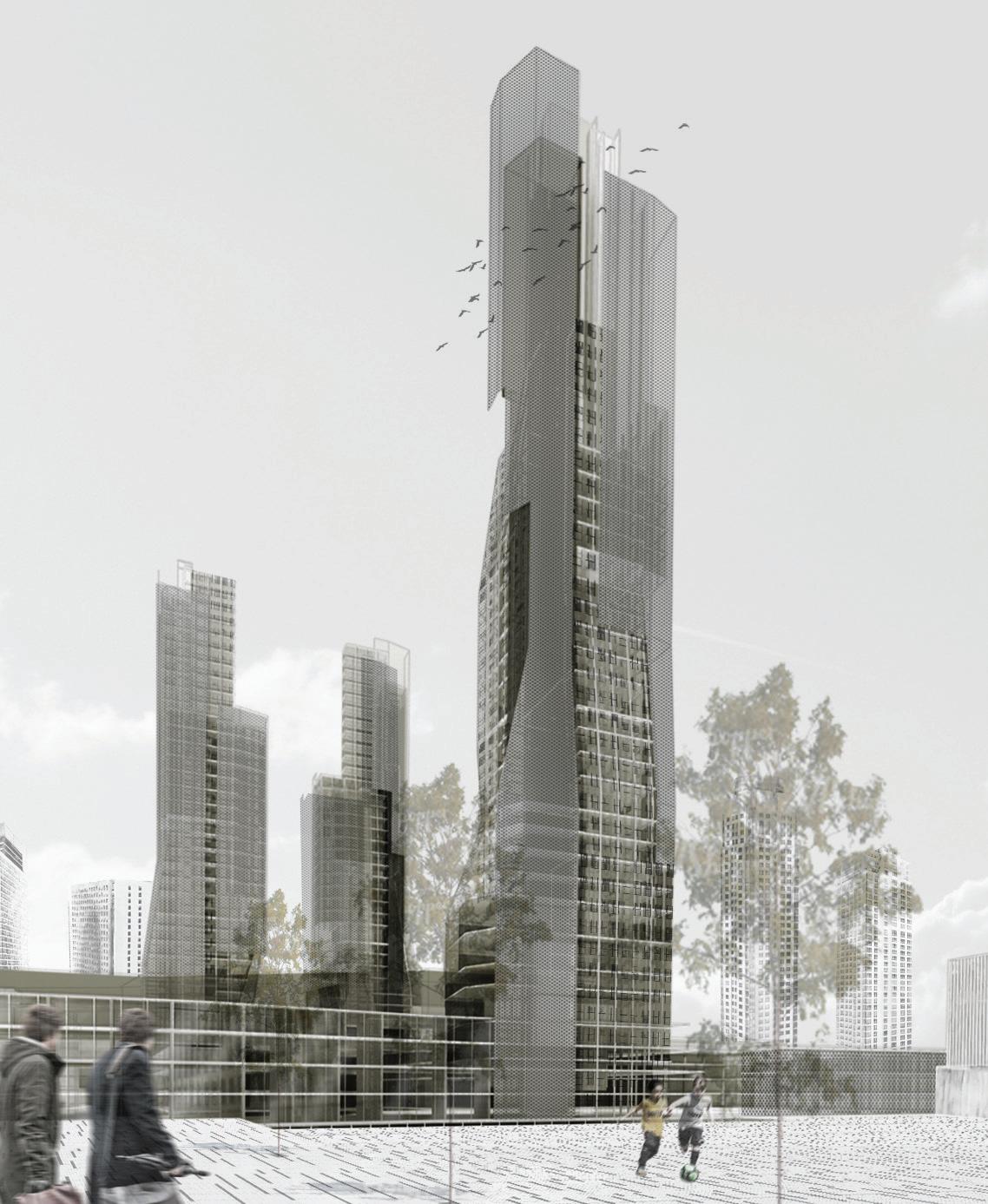
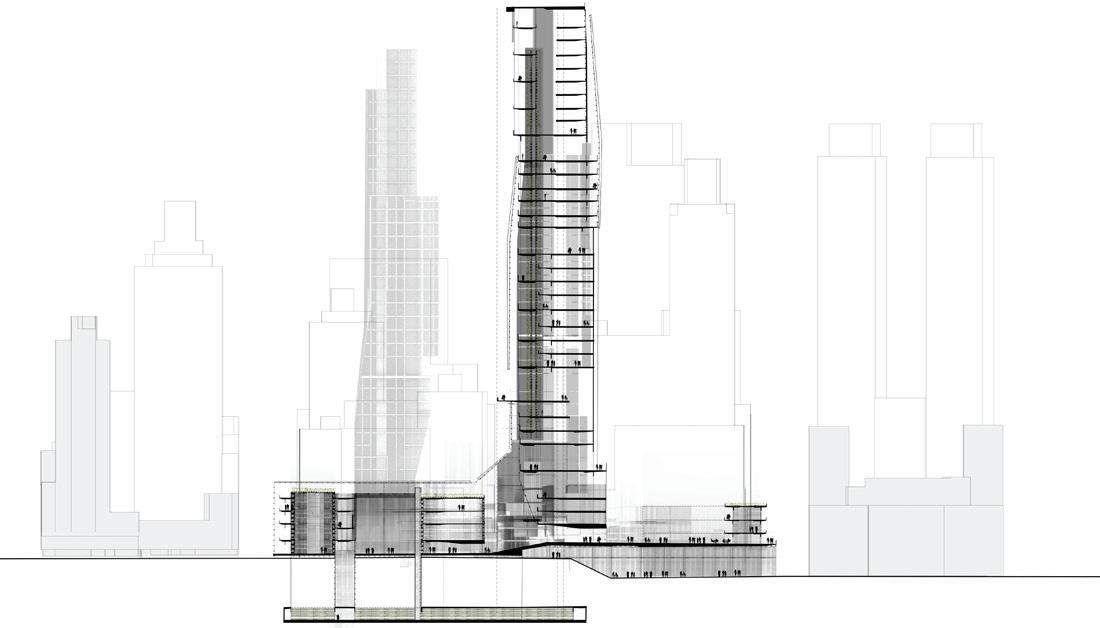
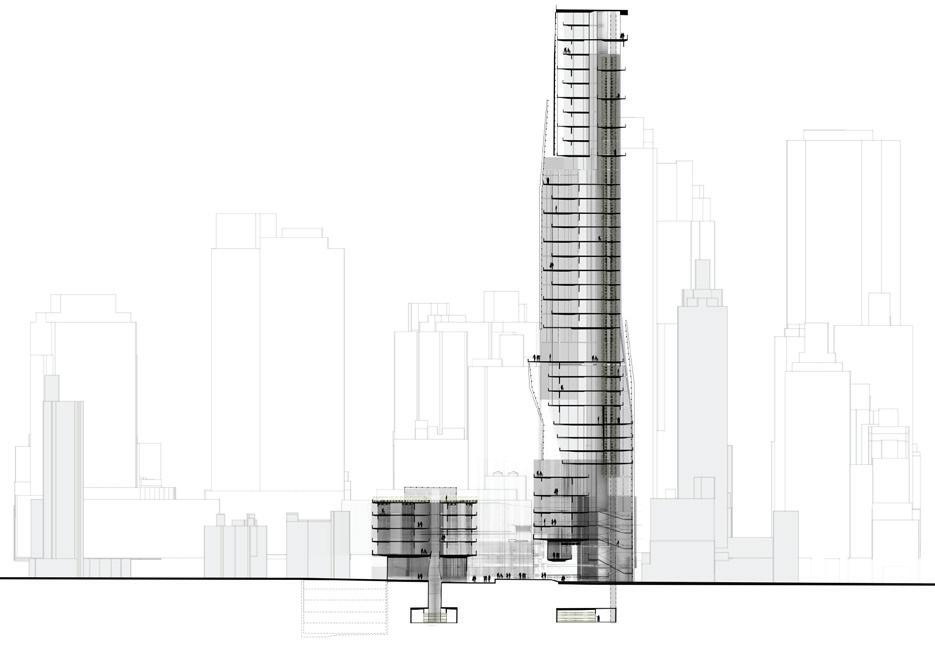
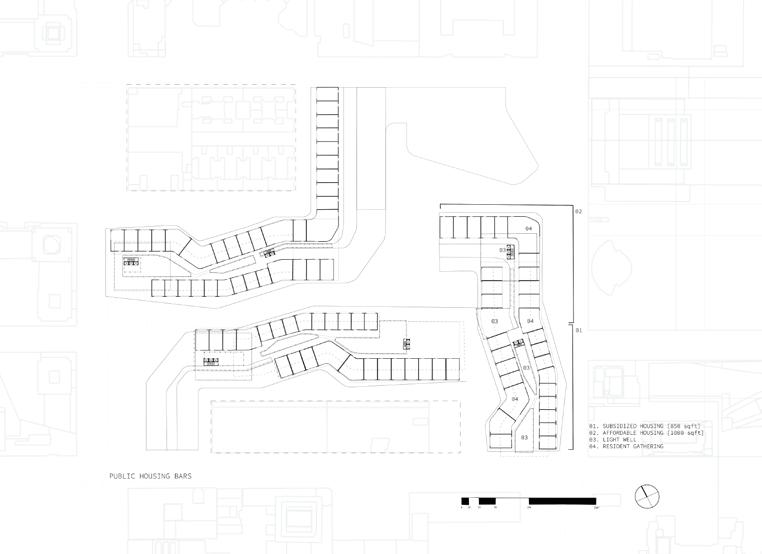
As a microcosm of manhattan. This project employs farming as a vessel of dialogue between class lines. Three types of housing are hosted onsite (subsidized, affordable, and market-rate) and agriculture functions as intermediary spaces and systems. Housing types are integrated both in the tower and bars creating smaller communities of a diverse class make-up at each level.
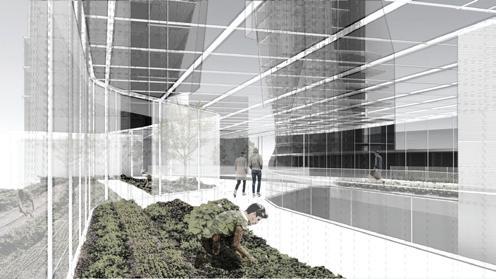
Agriculture dually functions to create occupiable spaces in the form of rooftop greenhouses and also via a farm-to-table layout that synthesizes food production on-site and sustainably promotes social dining experiences.
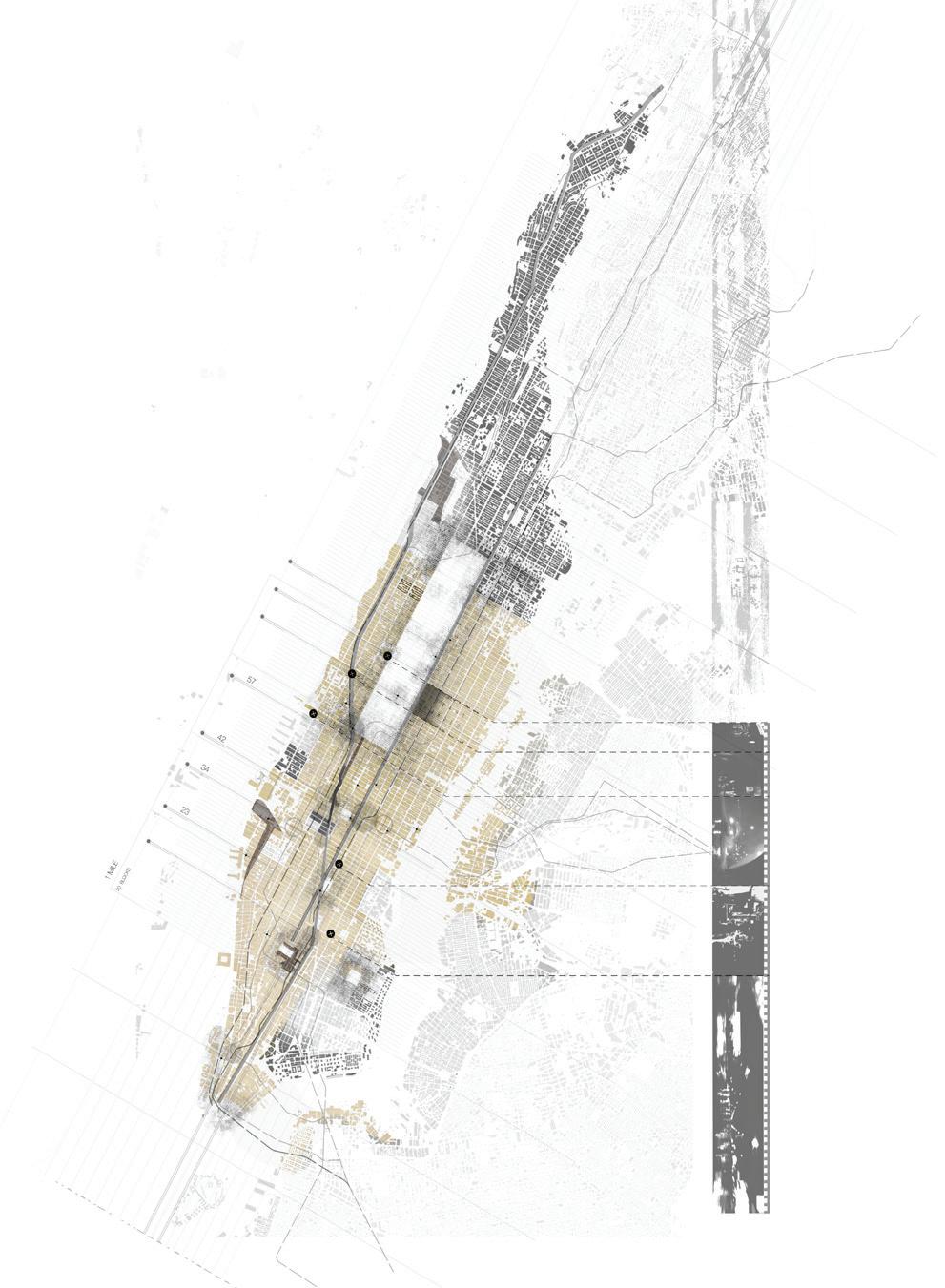
contextualizing manhattan
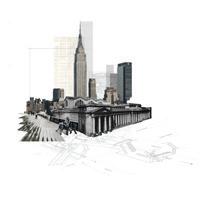
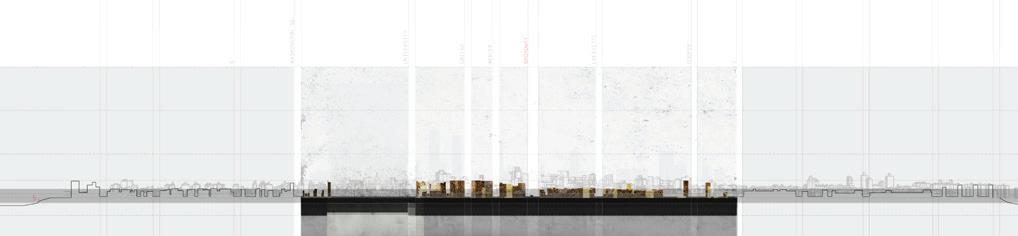
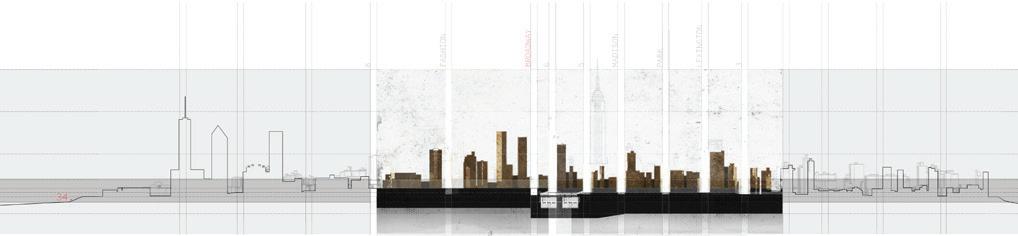
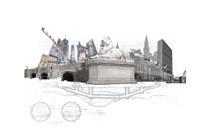
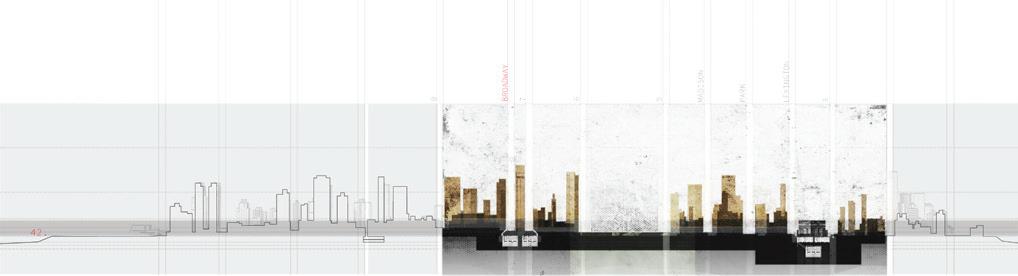
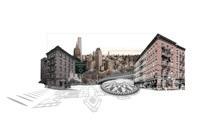
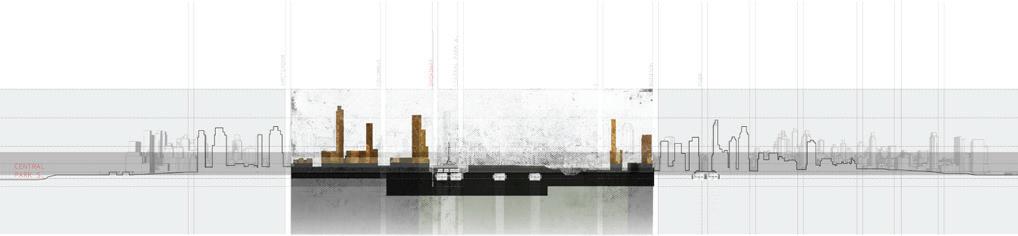
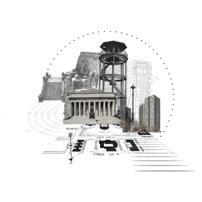
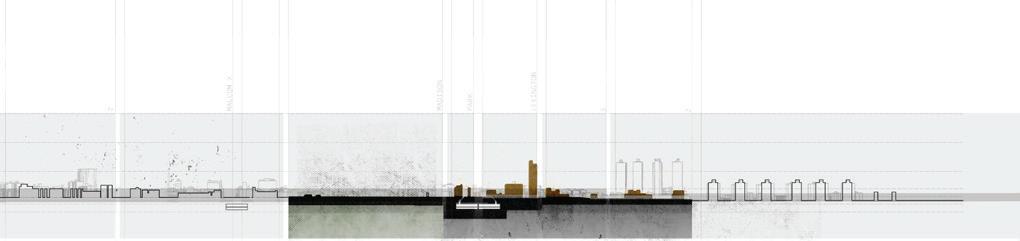
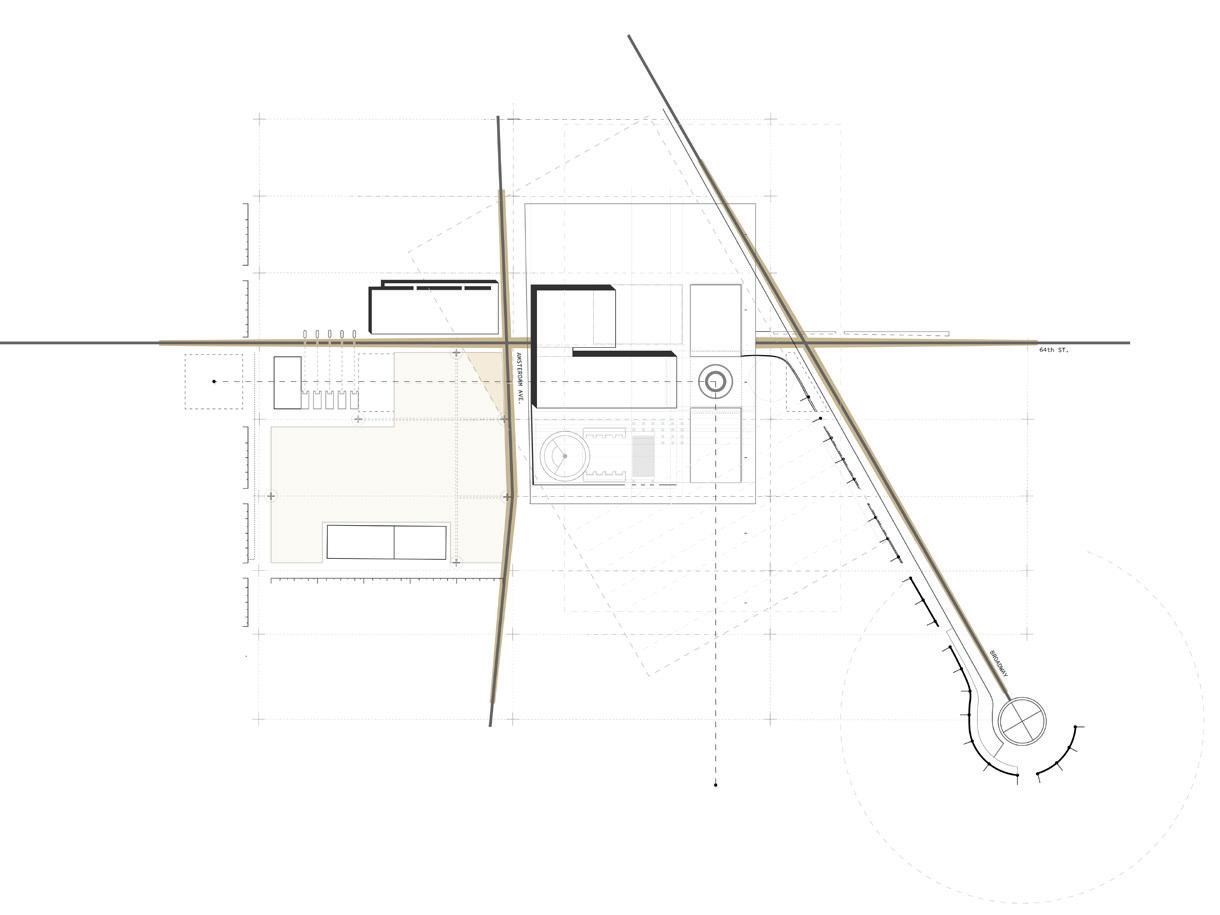
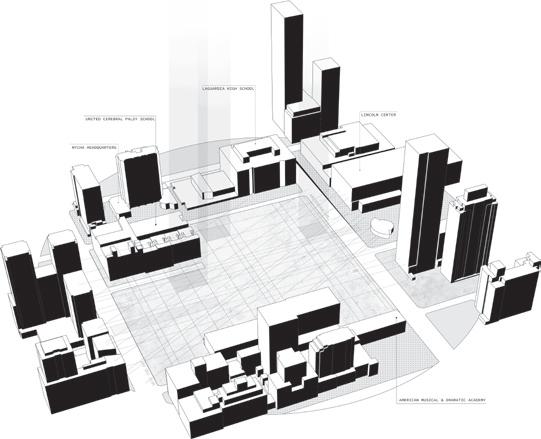
In order to understand the city, a codependent series of collages, sections, and a mapping allowed us to interpret manhattan at a variety of scales.
While the mapping was a holistic analysis of the general makeup of the urban fabric, the sections zoom in and begin to understand the city as a series of individual neighborhoods. The collages then bring these pockets of community to life with the infusion of elements essential to the character of the area.

FALL 2020
*In collaboration with Mackenzie Shinnick
lincoln square
Lincoln S quare was historically a working class neighborhood with a rich artistic backbone. With the development of lincoln center, real estate prices rose in the area, pushing working class individuals out. This project seeks to intergrate and welcome both the working class and more wealthy members of the neighborhood in one single project.
farm-to-table
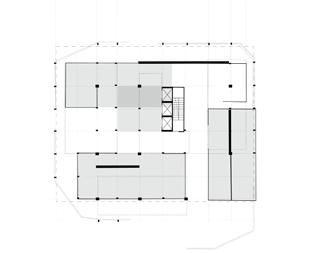
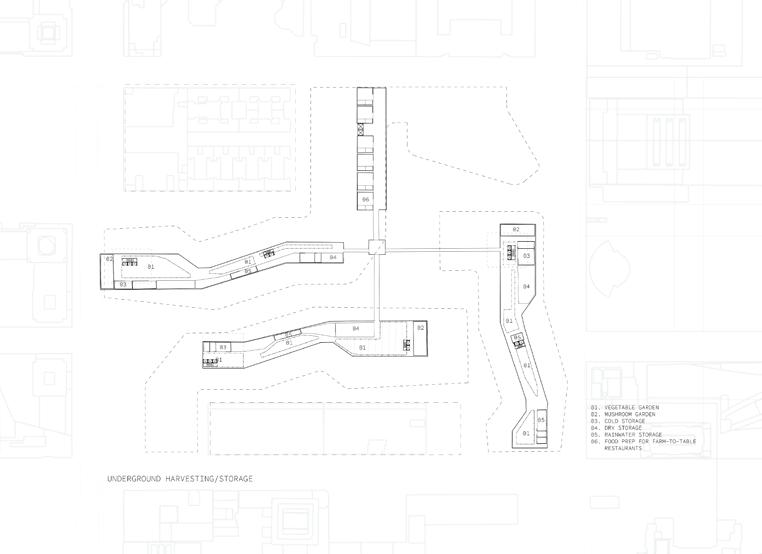
Farm-to-table is foundational to this project. Agriculture is employed in 3 ways: hydroponics in the tower, greenhouses on the residential bars, and an embedded fungal farm under the ground.
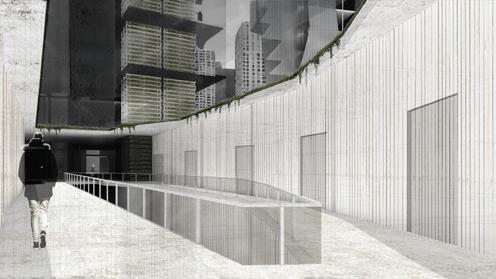
Once harvested from the hydroponic system or greenhouses, produce is sent down the tower under the ground where the fungal farm dually functions as a food
and readied for
and residences.
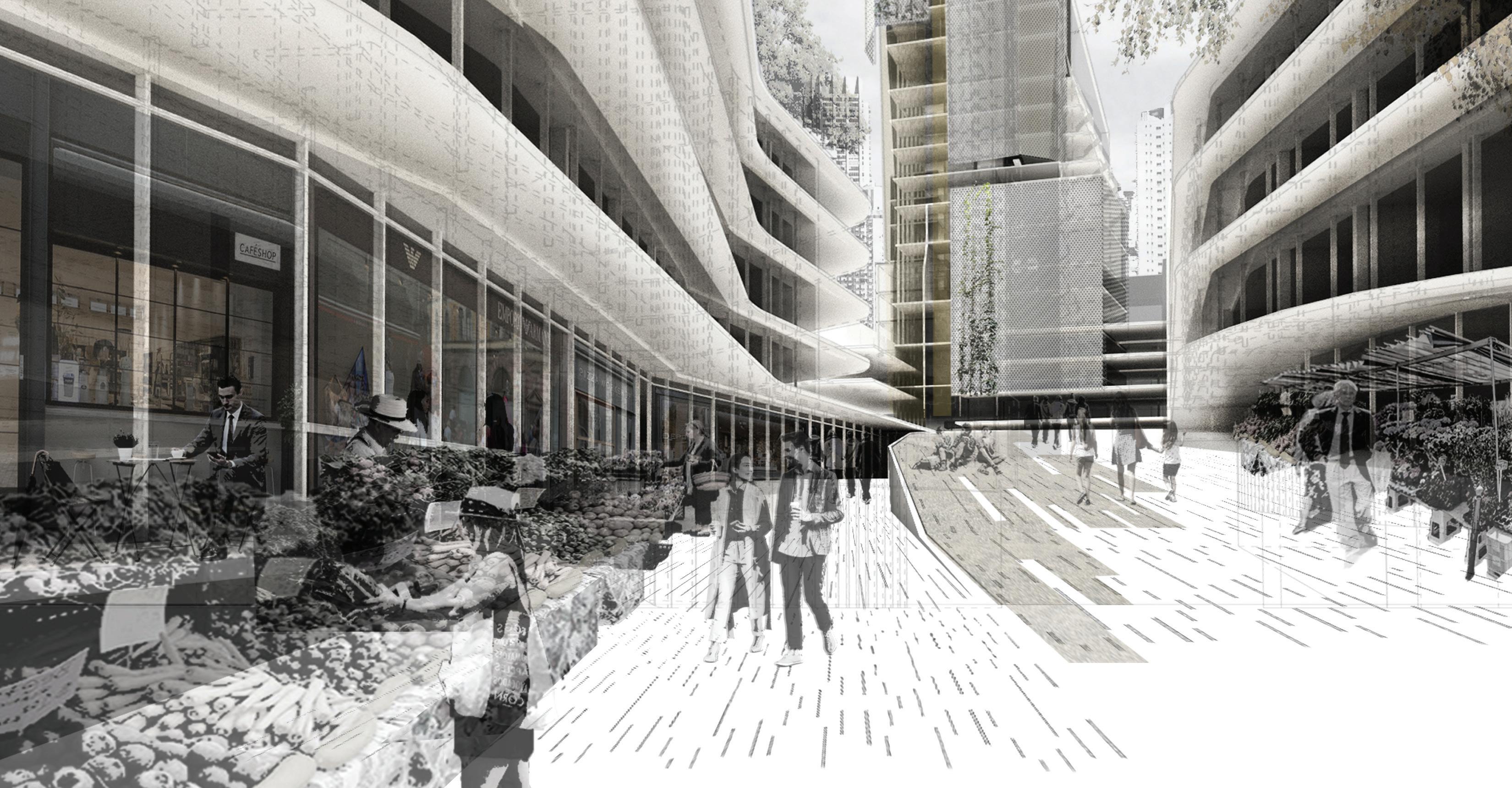
from the hudson to lincoln center
The open plaza functions as a gateway connecting lincoln center and the hudson river. The plaza houses both indoor and outdoor markets and areas of commerce inviting those passing though to participate in the ecosystem. For those coming from the hudson, a slit in the
HORIZONTAL OCCUPATION
The interiors of the bars revolve around the integration of reisdences and agriculture. the greenhouses sit on the roofs creating larger areas of occupation, while terraces on the exterior of the bars create more private gardens at a smaller scale of occupation.
AMSTERDAM AND 34TH ST. STREET VIEW
The dramatic natural topography of the site allows for a multi-level entry on the site, as well as a ground level commerical program that tapers of as one moves to the left of the site or deeper into the heart of the project. The pedestrain bridge allows city dwellers to access the second level and plaza area directly from lincoln center.
TAMPA INSTITUTE OF THE CINEMATIC ARTS
DOWNTOWN TAMPA, FL SPRING 2021
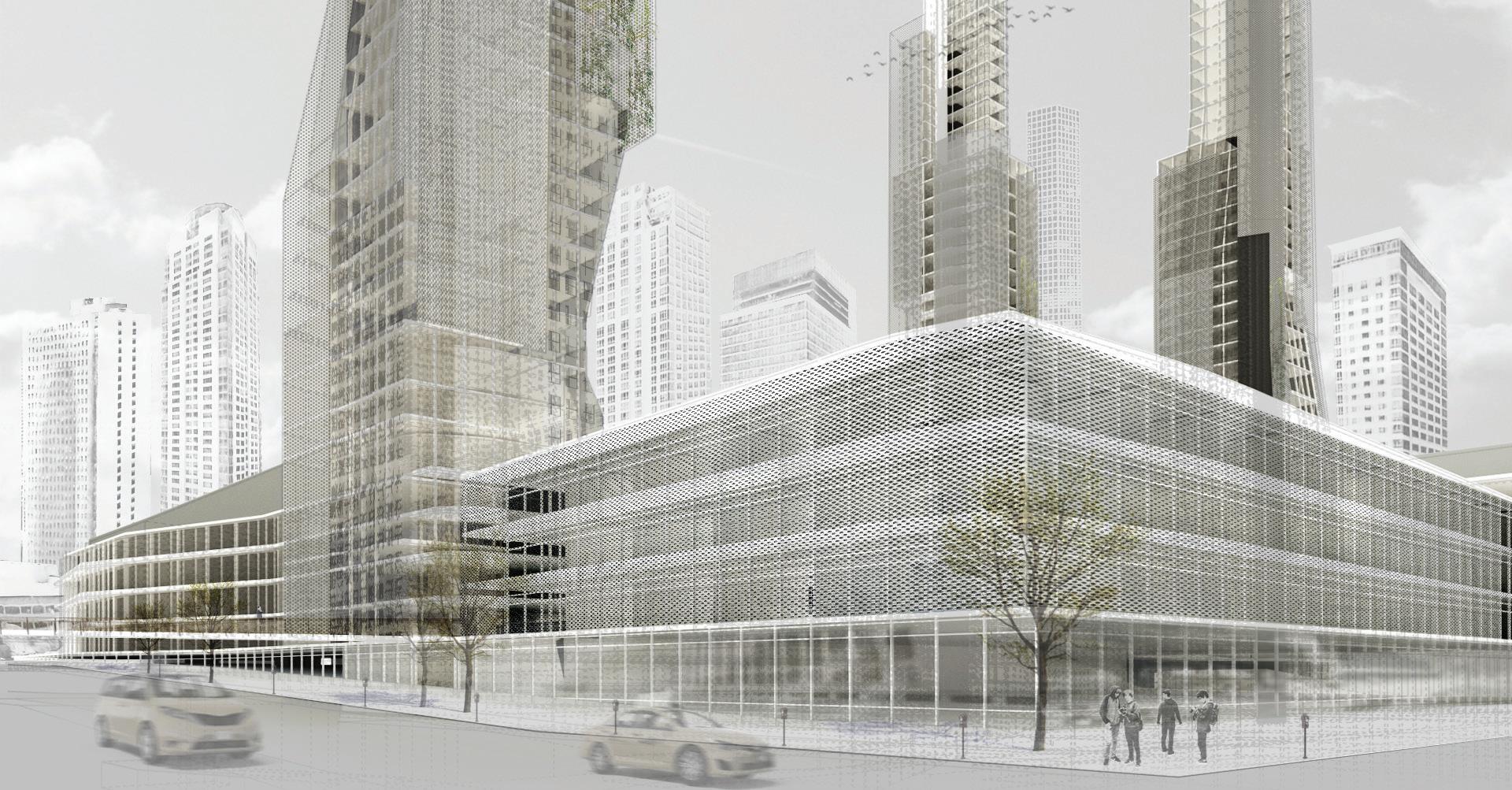
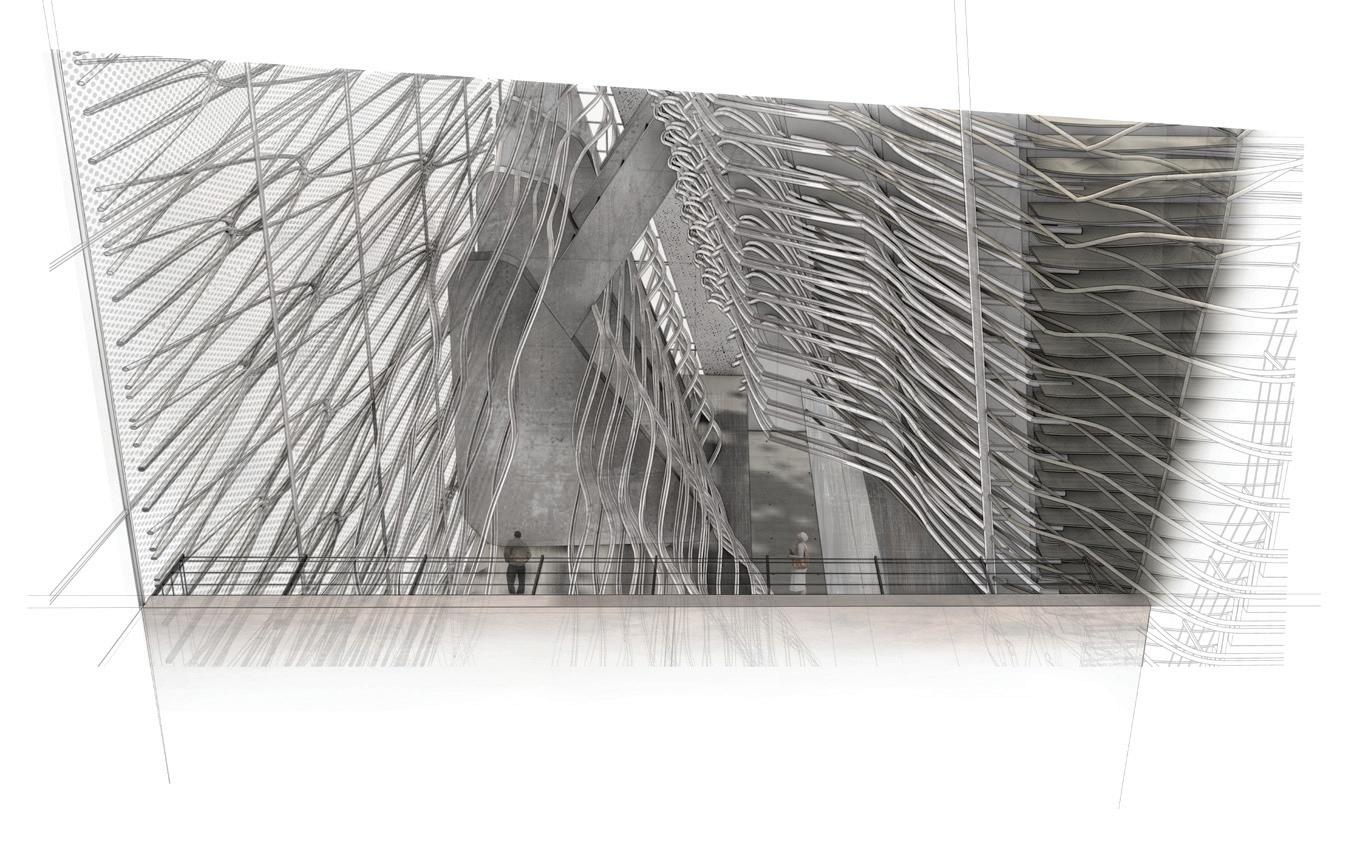
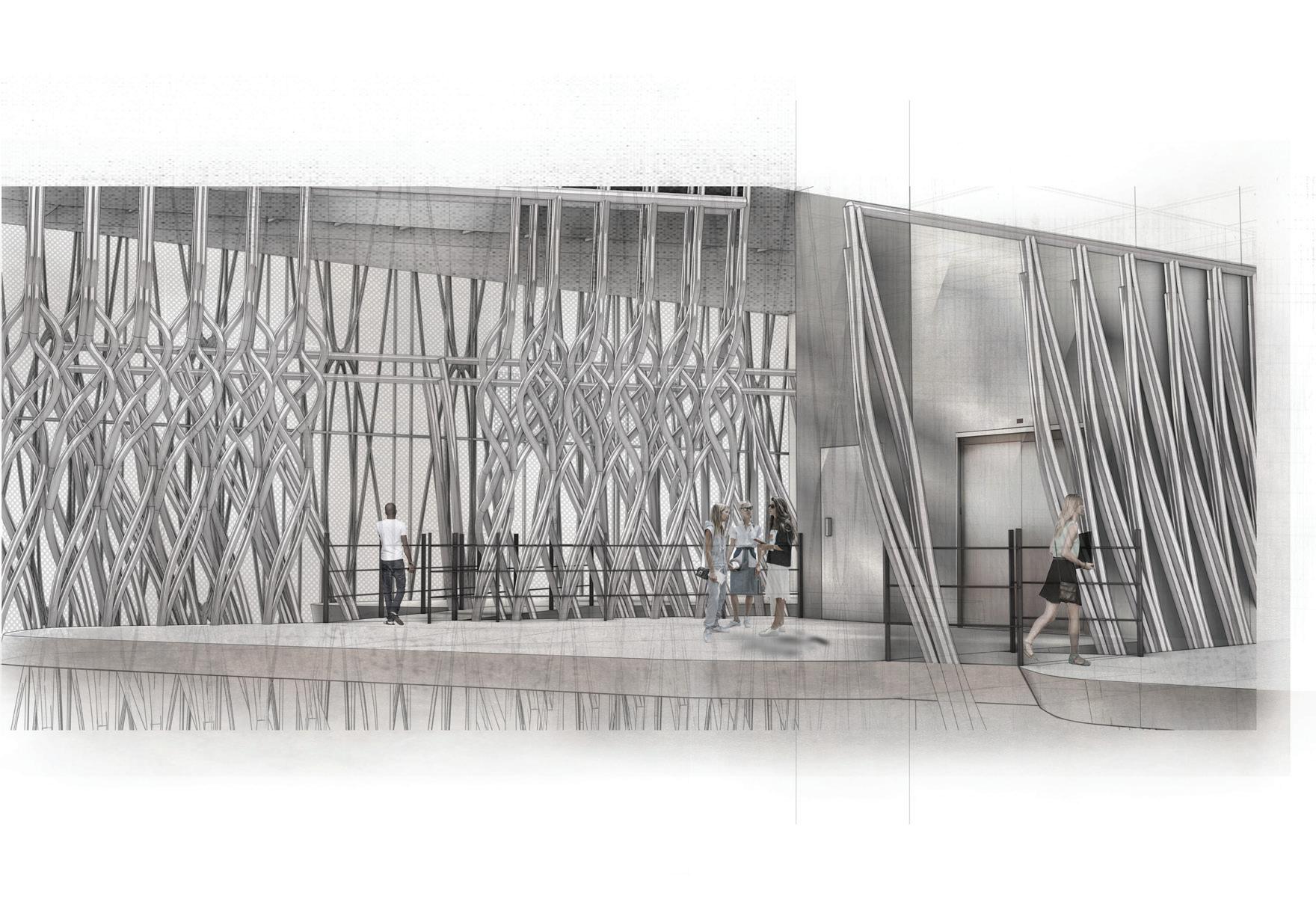
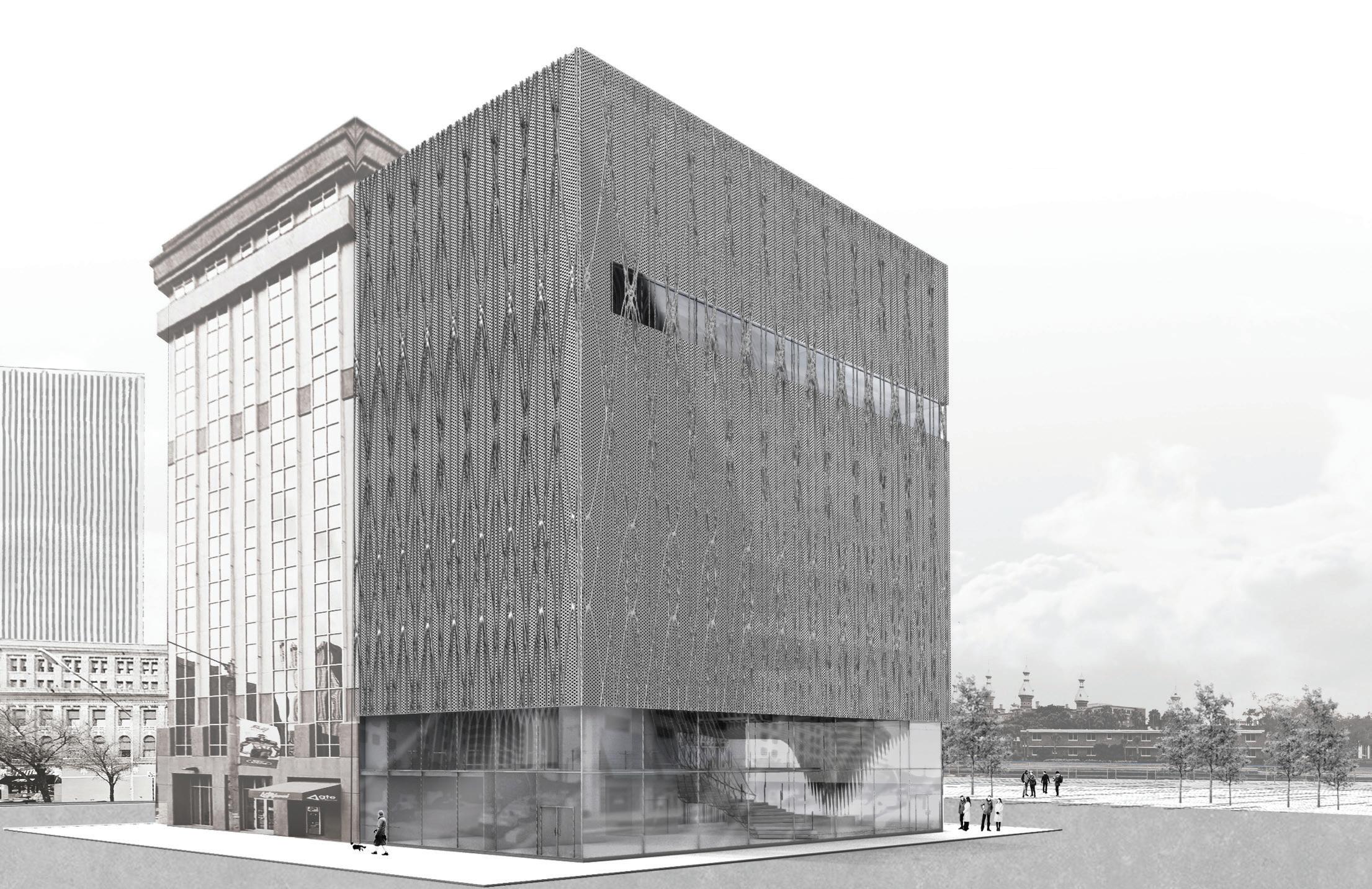
The logic of macrame as a craft served as a lens through which to approach the spatial and aesthetic design of this project. By embracing the knot as the fundamental unit of macrame and reinterpreting its nature in the context of a building, this project seeks to unite structure and ornamentation. By adding a third-dimension to macrame, complex spatial possibilities become apparent.
The flexible, porous nature of surfaces created by macrame allow for a large range in variation. The primary parameters are density and tension, while actions included hanging, wrapping, pulling, and crossing. By employing macrame in the service of a large-scale project intended for the public, the beauty of the joint (or in this case, the knot) is celebrated and spotlighted.


VIEW FROM N ASHLEY DR.
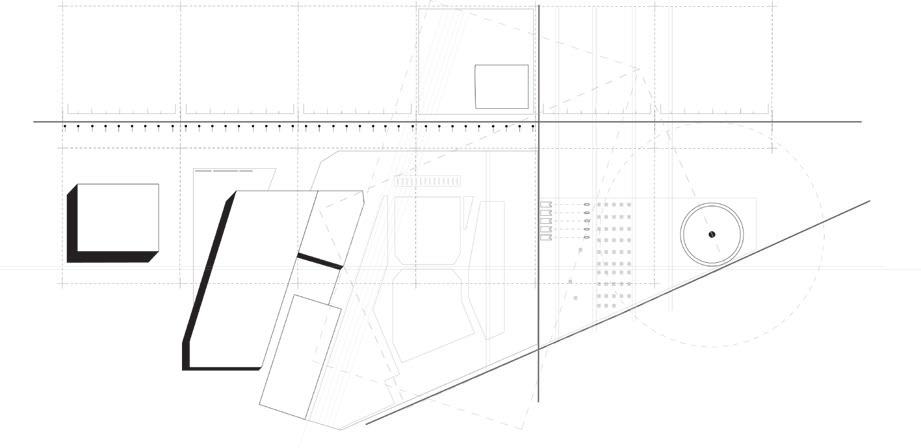
Situated across on of the busiest plazas in tampa, the site is able to take advantage of a rich artistic and community-based culture hub.
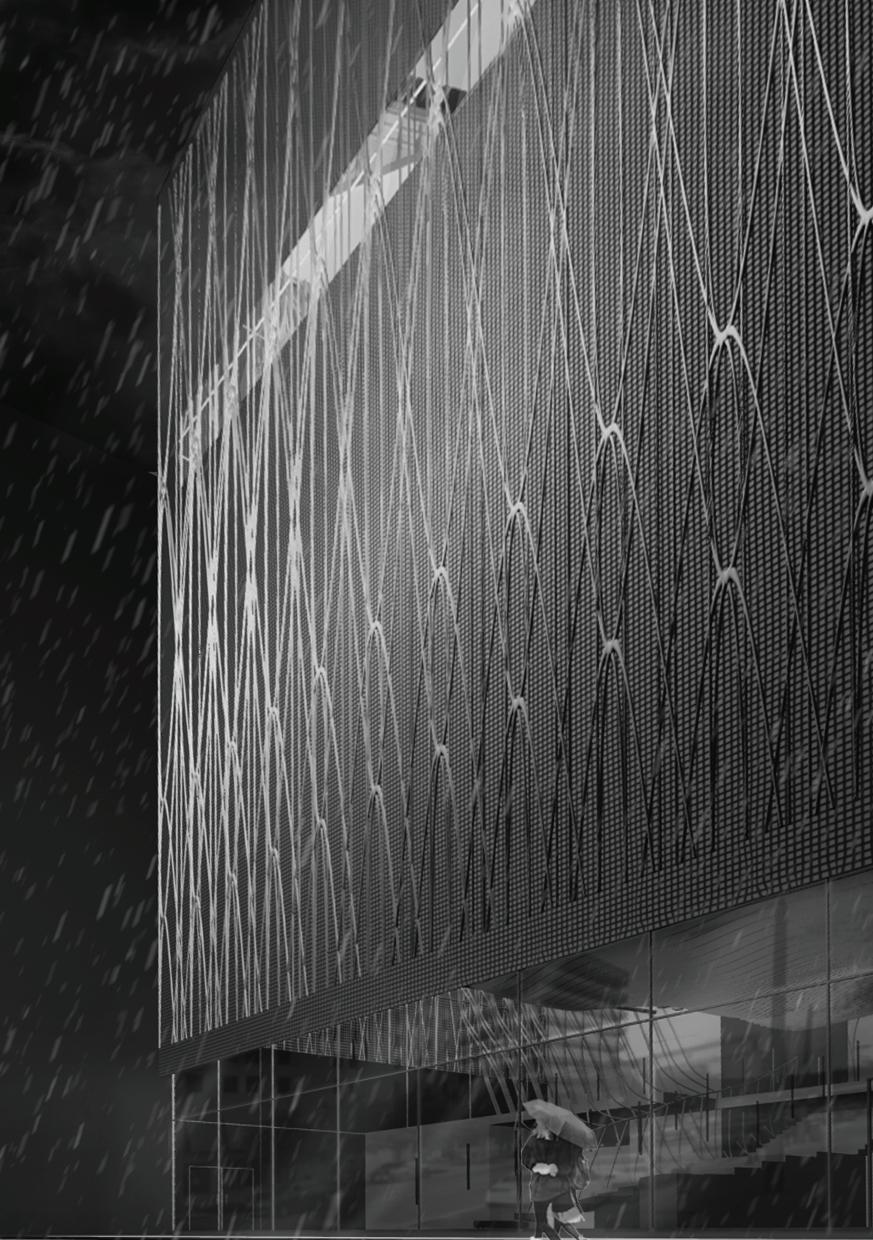
*In collaboration with Neha Manikal
Interior Perspective from Ground Floor
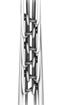
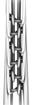
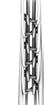
Diagrammatic Analysis of the Mechanics of the Clovehitch Knot
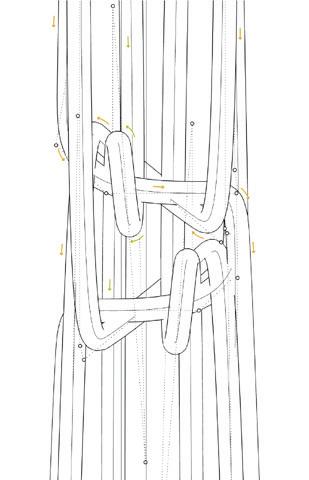
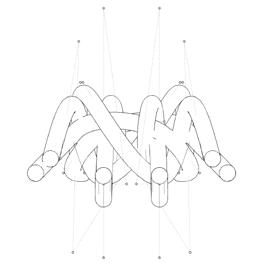
THE CLOVEHITCH KNOT
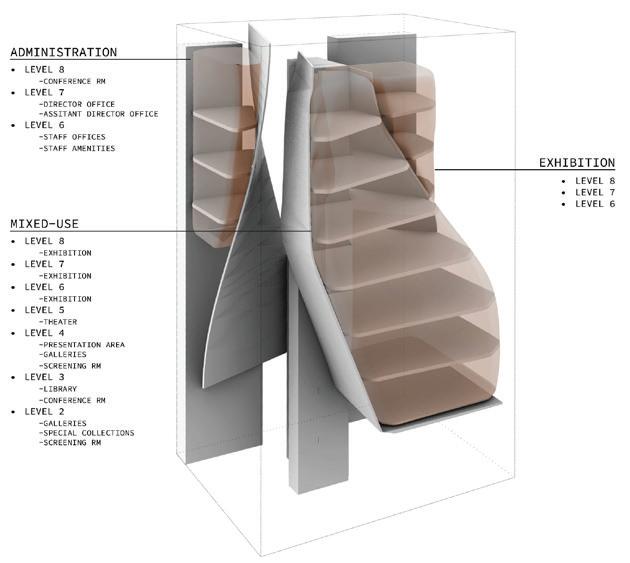
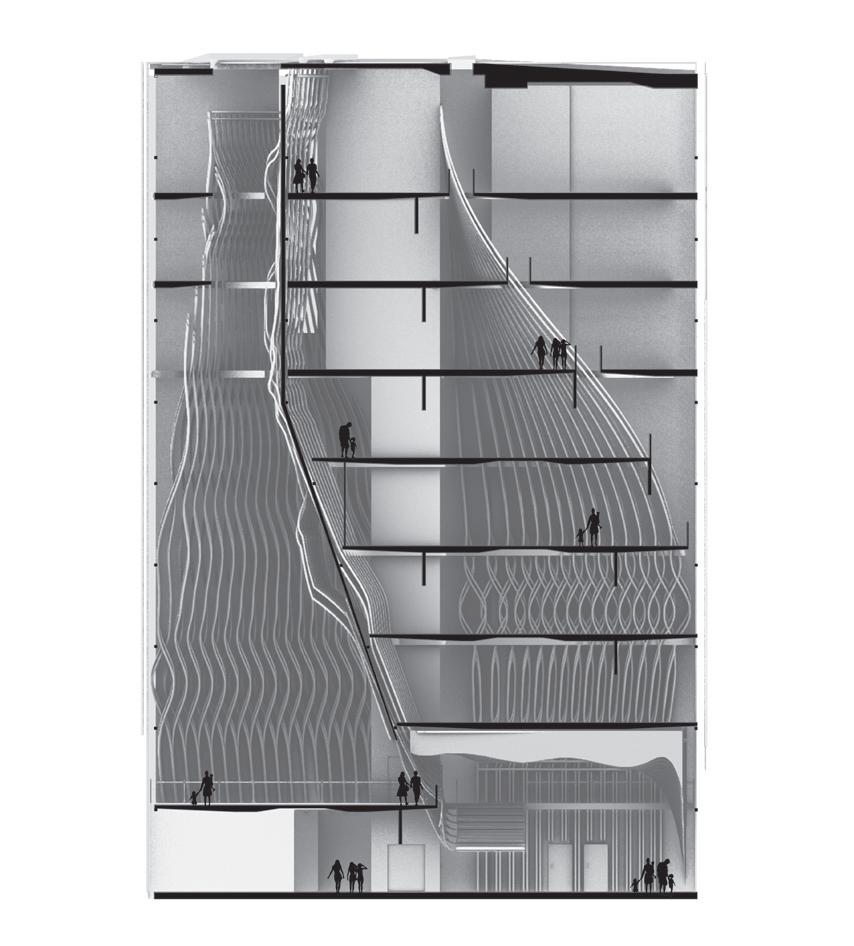
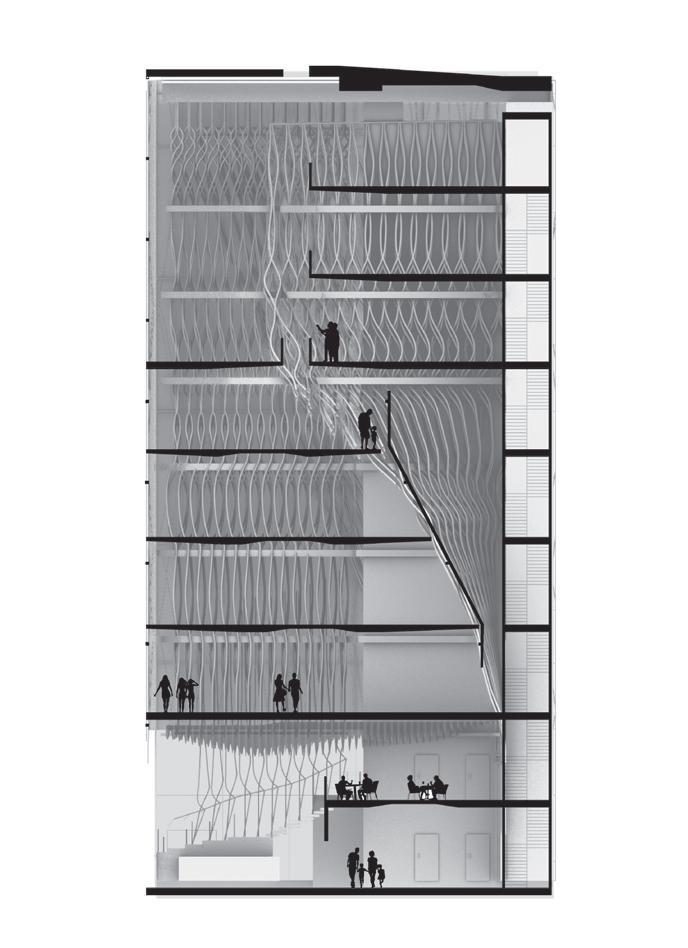
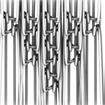
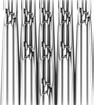
The clovehitch knot became the modular unit of the porject. By understanding the mechanisms and logics of this specific knot allowed for specificity in application and interpretation. The macrame surfaces employed the knot both on the exterior and interior of the building to create a dynamic and visually interesting division of spaces. The nature of macrame meant the inherent ability to play with variations in porosity and aperture throughout the building.
Interior Perspective of Upper Floors
CLOVES + plans
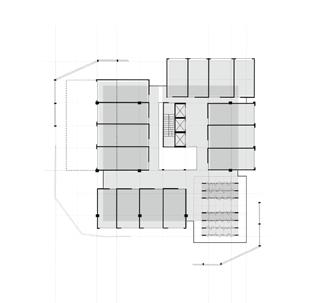
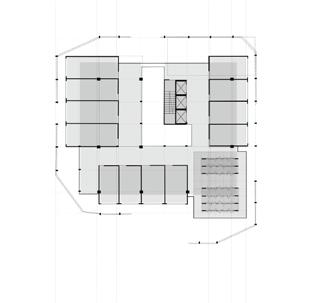
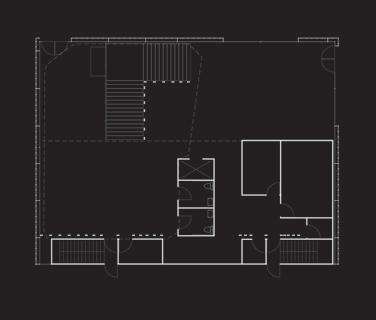
The macrame fins created three major “cloves” holding the occupiable spaces within the building. The dynamic nature of the fins led to a unique plan at each layer that follows the ebbs and flows of the curvature of the fins. The range of sizes in spaces gave inherent programmtic function s to each floor plan.

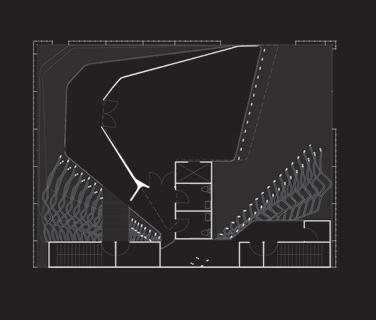

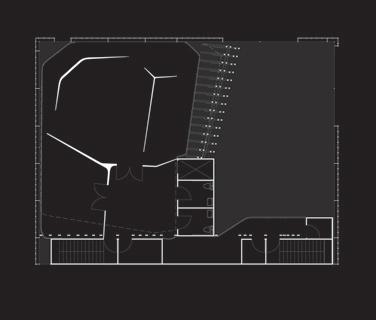
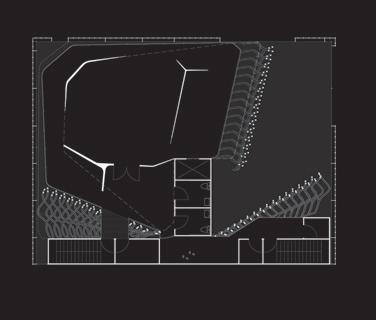
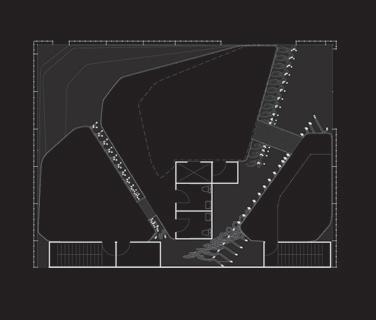
VIEW TOWARDS CURTIS HIXON PLAZA
Situated across on of the busiest plazas in tampa, the site is able to take advantage of a rich artistic and community-based culture hub. The open plaza creates a natural connection point between the institute and three other major museums in the area.
FUNERARY CHAPEL
ALACHUA COUNTY, FL
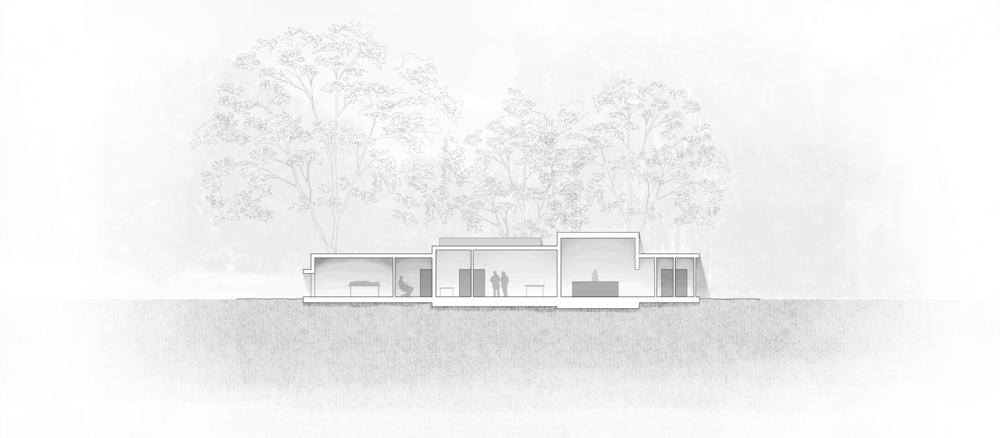
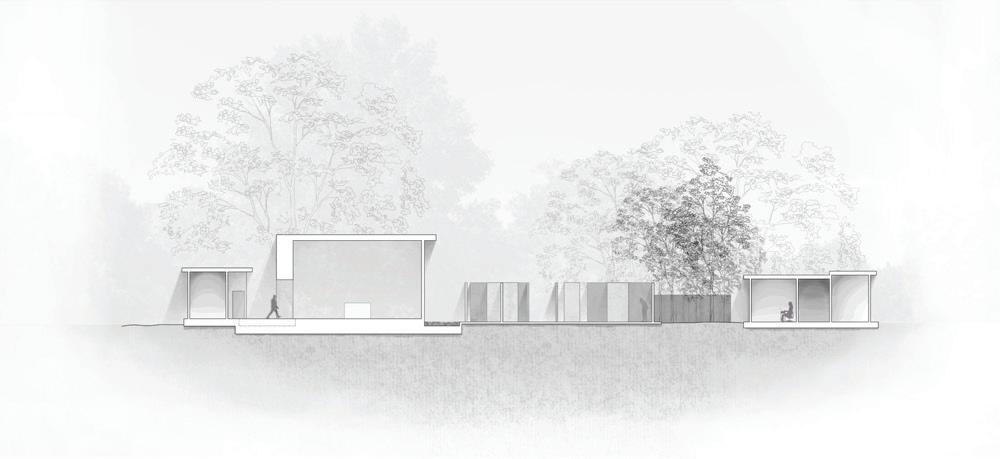
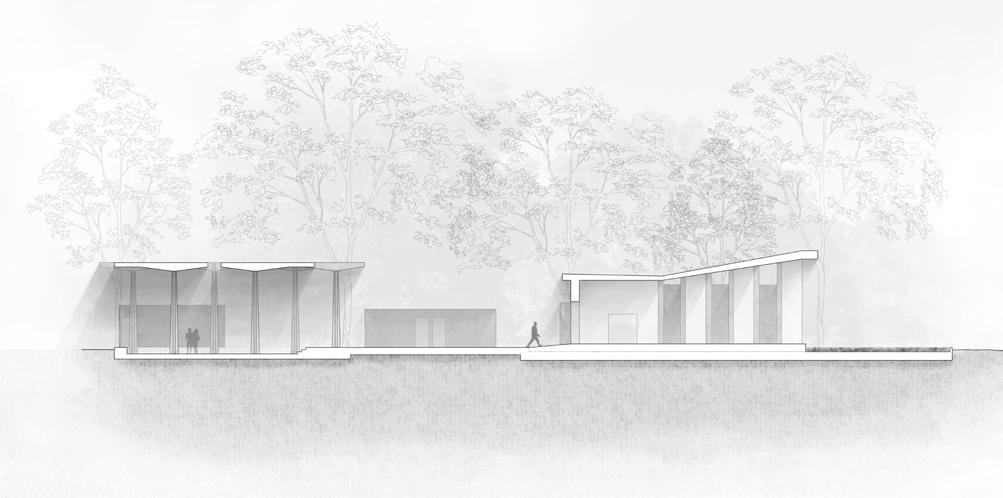
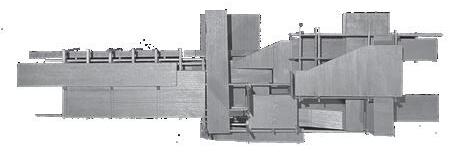
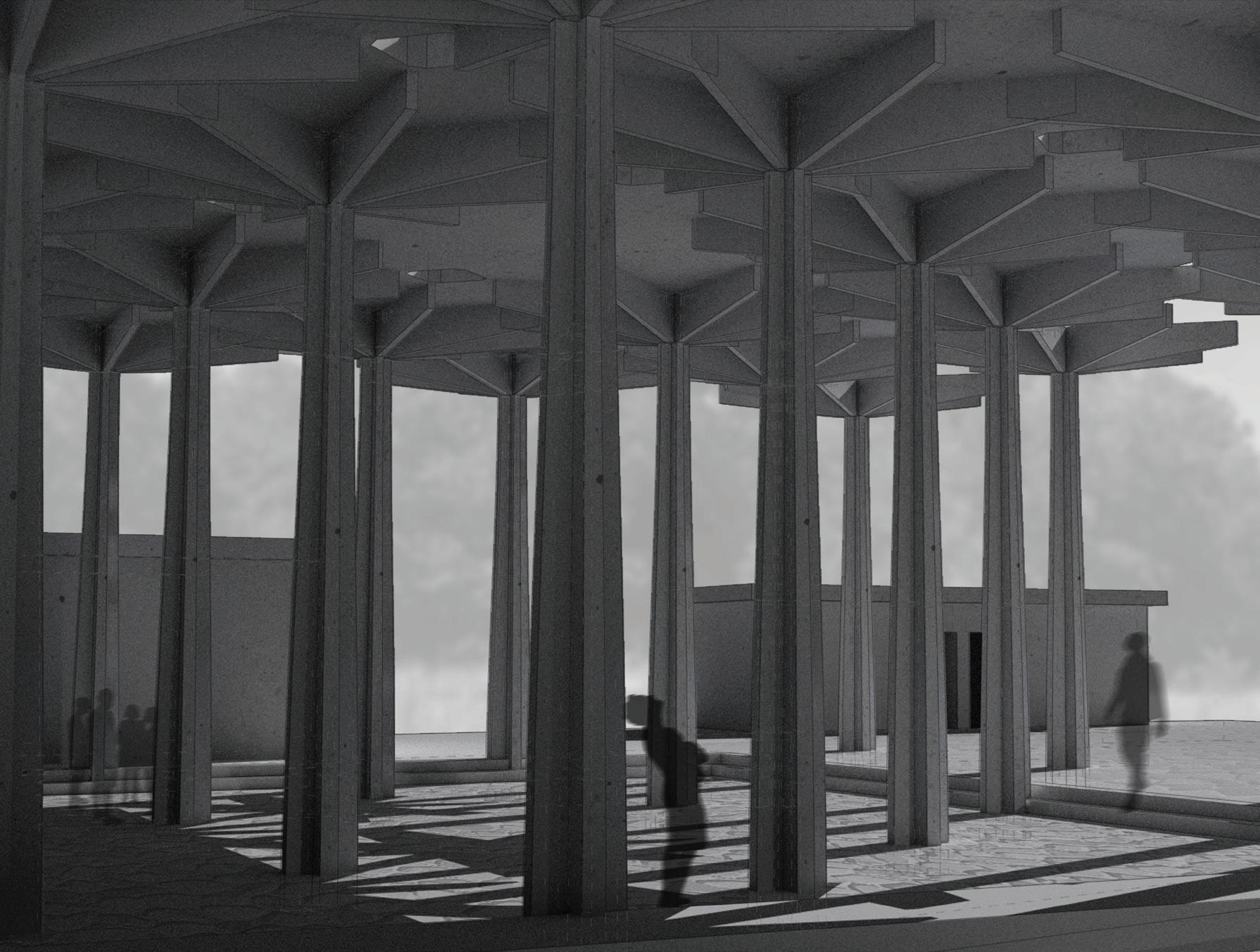
Designed to coexist with a conservation burial site in alachua county, fl this chapel is founded under the principles of sustainability and the four elements. Ambiguous boundaries refuse to resolve inside-outside conditions, encouraging reflection through nature
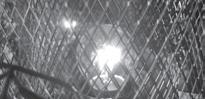
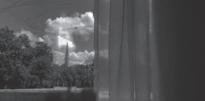
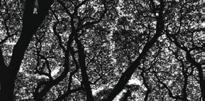
Earth, wind, fire, and water define both form and function in each of the spaces. The symbolic gravity of each of the elements provide the theoretical framework for the chapel, while the journey from life to death to beyond-from a perspective shaped by the lens of hinduism-creates the narrative of reflection and a celebration of life. Inital explorations, in the form of a short film, created the foundations of project’s driving ideas.
RENDER

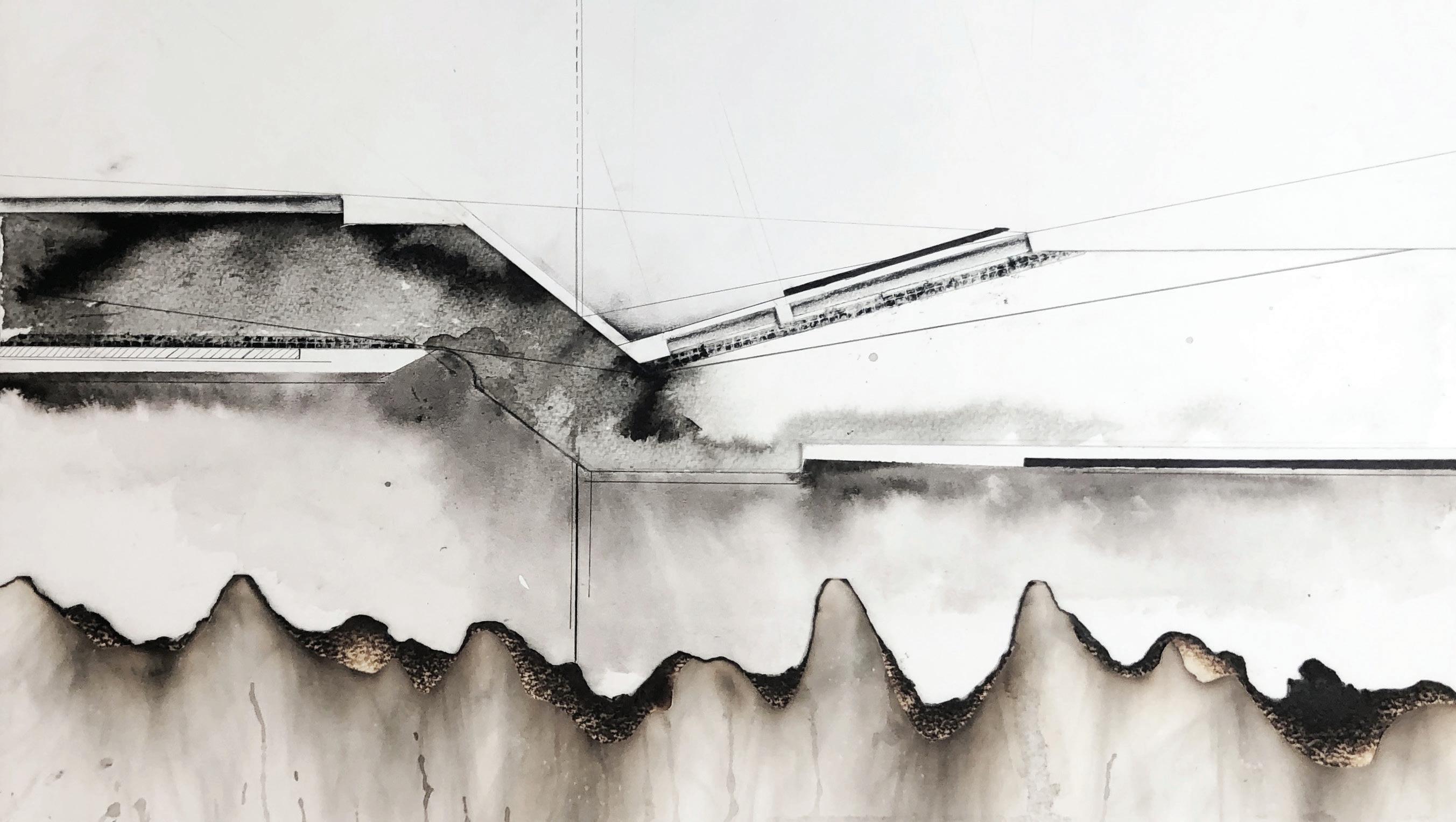
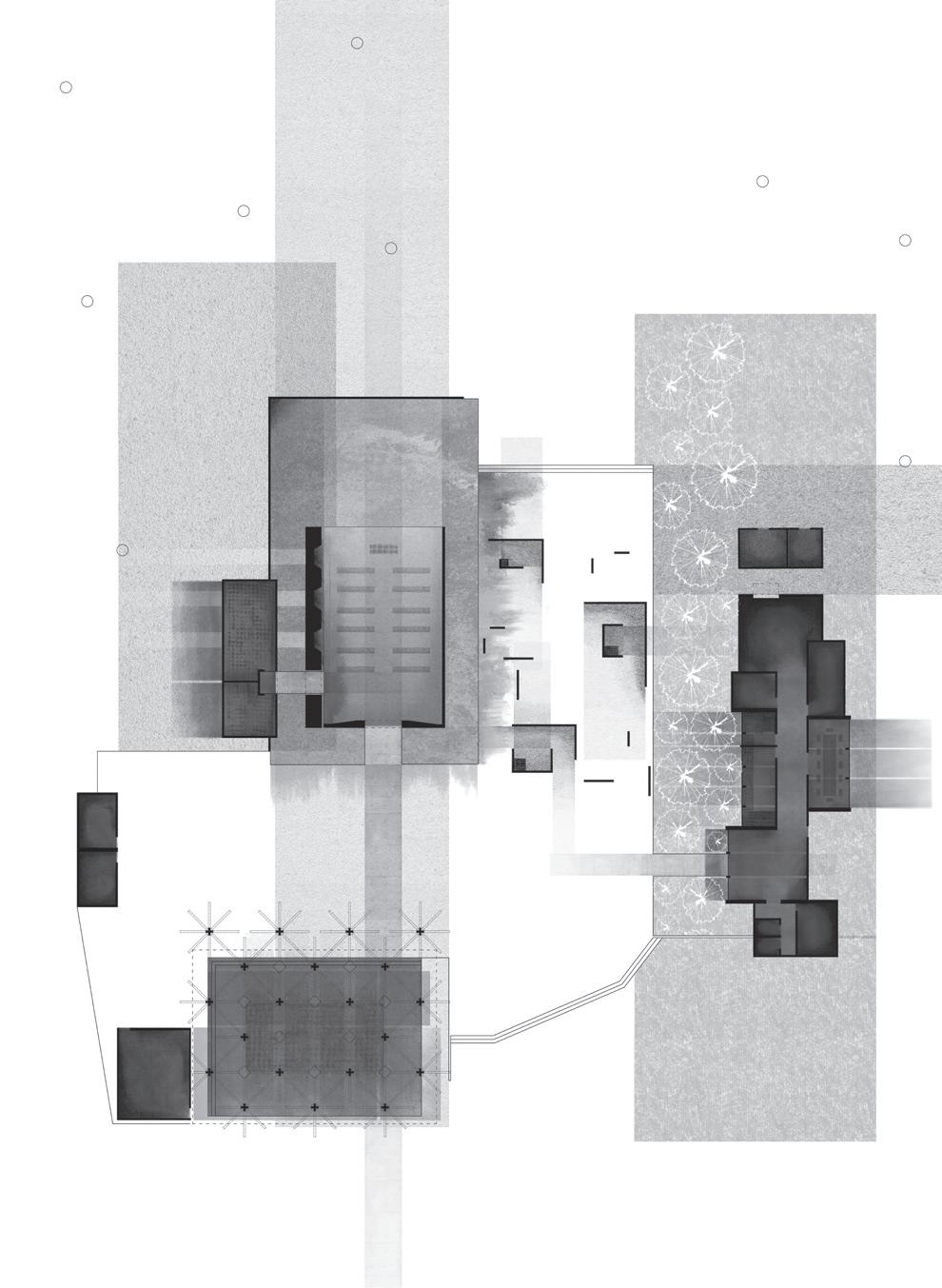
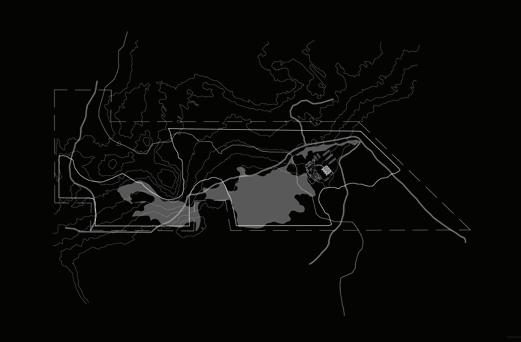
DIAGRAMMATIC SITE PLAN
In order to understand the site in a more poetic sense, the elements became diagrammatic tools. The unique, swampy landscape of florida became the backdrop of a narrative of life, death, and the after.
Explorative
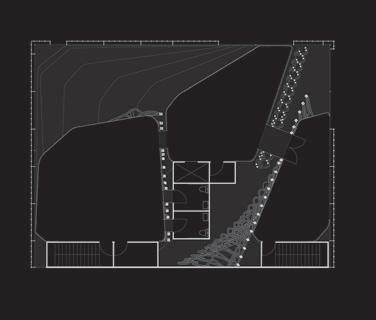
CHAPEL PLAN
Situated across an open air plan, a cohesive dialogue that allows each space to retain the sanctity of their programmatic functions is established. Each space embodies one of the elements-earth (canopy), fire (meditation), and water (chapel)-while air is expressed in the unbounded and exposed method of circulation.