Letters to the editor, questions, comments, address changes, requests to be added/ removed from the mailing list and all other inquiries should be addressed to:
Michele Keller
Chief Communications Officer
USC Mann School of Pharmacy and Pharmaceutical Sciences
1985 Zonal Avenue – PSC 700 Los Angeles CA 90033
kellermi@usc.edu
323-442-3497
MANN.USC.EDU
DEAN
Vassilios Papadopoulos, DPharm, PhD, DSc (hon)
BOARD OF COUNCILORS
Robert Popovian, Chair
Edward Abrahamian
Anil “Neil” Badlani
Melvin F. Baron
Gale Bensussen
Penny Cai
Danielle C. Colayco
Daniel Gil
Peggy Han
Dong Koo (D. K.) Kim
Dianne Kwock
Ann Young Lee
Vinson Lee
Sohail Masood
David Meek
Kimberly Moore
Shushma Patel
Chao Peng
William Pih
Raymond Risman
Jacque J. Sokolov
Khanh-Long (Ken) Thai
David Neu, Chair Emeritus
William A. Heeres, Chair Emeritus
One of the top pharmacy schools nationwide and the highest-ranked private school, the USC Mann School continues its century-long reputation for innovative programming, practice and collaboration. Founded in 1905 as the USC College of Pharmacy, the school was known as the USC School of Pharmacy from the mid-20th century until 2022, when it received a $50 million endowment and was renamed on behalf of inventor and entrepreneur Alfred E. Mann.
The school created the nation’s first Doctor of Pharmacy program, the first clinical pharmacy program, the first clinical clerkships, the first doctorates in pharmaceutical economics and regulatory science, and the first PharmD/ MBA dual-degree program, among other innovations in education, research and practice. The USC Mann School is the only private pharmacy school on a major health sciences campus, which facilitates partnerships with other health professionals as well as new breakthroughs in care. Uniquely, it owns and operates several community pharmacies.
The school is home to the D. K. Kim International Center for Regulatory Science at USC, the Titus Center for Medication Safety and Population Health, and the Center for Quantitative Drug and Disease Modeling, and is a partner in the USC Leonard D. Schaeffer Center for Health Policy & Economics, the USC Institute for Addiction Science, the USC Ginsburg Institute for Biomedical Therapeutics, the Southern California Clinical and Translational Science Institute, the USC Center for Neuronal Longevity, and the USC Center for Drug Discovery, Delivery and Development. The Mann School pioneered a national model of clinical pharmacy care through work in safety-net clinics throughout Southern California and is a leader in comprehensive medication management.
Results magazine, published semi-annually, highlights some of the school’s latest advances and achievements, as well as the faculty, students, alumni and donors who make this work possible.
Shaping What’s Next
THE PHARMACY AND PHARMACEUTICAL SCIENCES PROFESSIONS ARE RAPIDLY CHANGING driven by the growth in artificial intelligence, retail contractions, expanded roles in patient care and population health, and a focus on increasing value while reducing costs. The USC Mann School has long been at the forefront of educational and research advances to foresee and address societal needs—and remains so today.
Just as we created the world’s first PharmD program in 1950, pioneered dual-degree programs, and established the first doctorates in pharmaceutical economics and regulatory science, the Mann School continuously redefines relevant education, patient care and research practices for the field, producing graduates who are agile, creative and well-prepared to lead in an evolving world.
Our cover story highlights key trends shaping the field and how our alumni are charting new paths in serving the public good while achieving career fulfillment and success as they build upon the foundation gained at USC Mann. This future-driven focus exemplifies our school’s vision of a world where bold discoveries translate into healthier, longer lives for all. We also feature serial entrepreneur Sohail Masood, PharmD ’88, who embodies the innovative spirit we champion at USC Mann. His journey is a powerful example of how a pharmacy education can be a launchpad for groundbreaking ventures that improve countless lives.
Such dedication is needed now more than ever. Even as science advances at a breathtaking pace, the path from idea to impact is becoming increasingly precarious with shrinking federal research funding. To seize today’s opportunities—while preparing for tomorrow’s—we must come together with courage and commitment to foster discovery. This is why research is essential to USC’s mission: It expands human knowledge, cures disease, saves lives, and strengthens our community, economy and nation.
USC Mann serves at the forefront of meeting these objectives. Our faculty push frontiers in such areas as cancer therapies, solutions for superbugs, health equity, drug discovery, health policy and regulatory science. This includes a recent $8 million National Institutes of Health–backed project in which Stan G. Louie and USC Mann collaborators are part of a multidisciplinary team helping develop new ways of targeting the brain inflammation linked to Alzheimer’s disease. For more examples of this dynamism, I invite you to visit the USC Mann YouTube channel (@USCMann), where our faculty describe their work firsthand.
Your partnership transforms possibility into progress. Your support propels bold research, equips laboratories with leading-edge technology, builds facilities for interdisciplinary collaboration, and expands partnerships to deliver discoveries more quickly and equitably. It also empowers us to recruit and retain extraordinary faculty, and to prepare students who will carry USC Mann’s impact far beyond our campus.
We have seen what is possible when vision and generosity align: innovative therapies accelerated, health disparities reduced and new leaders emerging who are ready to shape the future of pharmacy. The stakes are immense, but so is the opportunity. Together, we can safeguard the research pipeline, accelerate cures, and ensure that every promising idea and every committed student has the chance to succeed.
Thank you for joining with us to turn bold ideas into breakthroughs that will define the future of human health.
Vassilios Papadopoulos, DPharm, PhD, DSc (hon) Dean, USC Mann School
John Stauffer Decanal Chair in Pharmaceutical Sciences
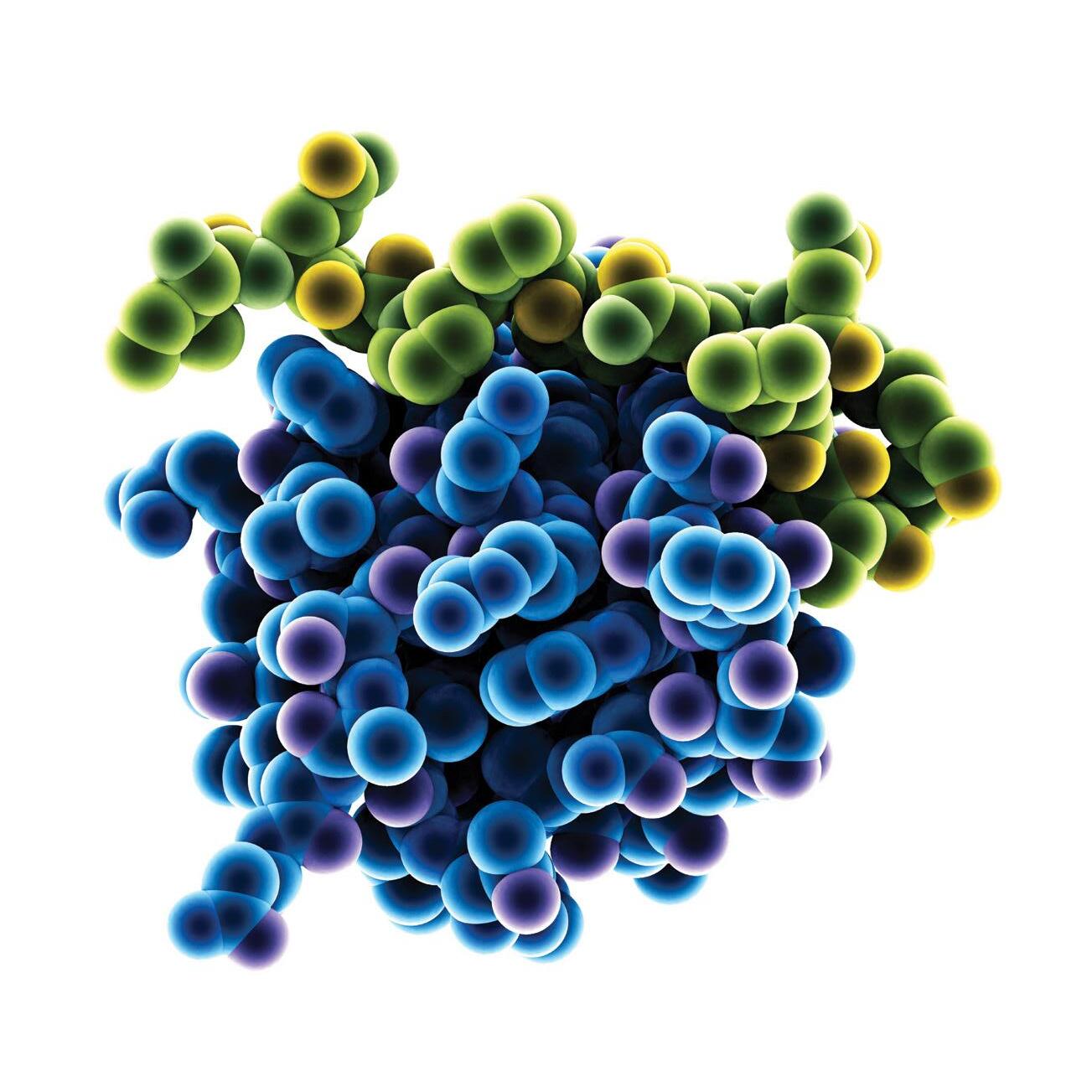
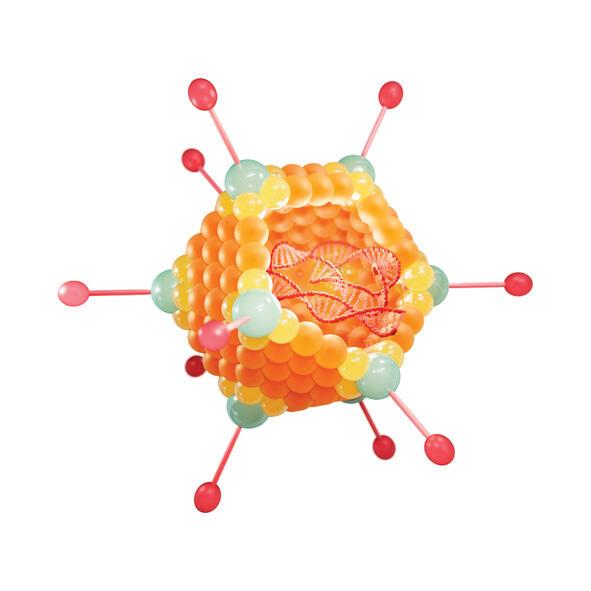
Molecular model of caspase-3, also known as apopain, complexed with an inhibitor. Caspase-3 is the predominant caspase involved in Alzheimer's disease, processing the protein that is associated with neuron death.
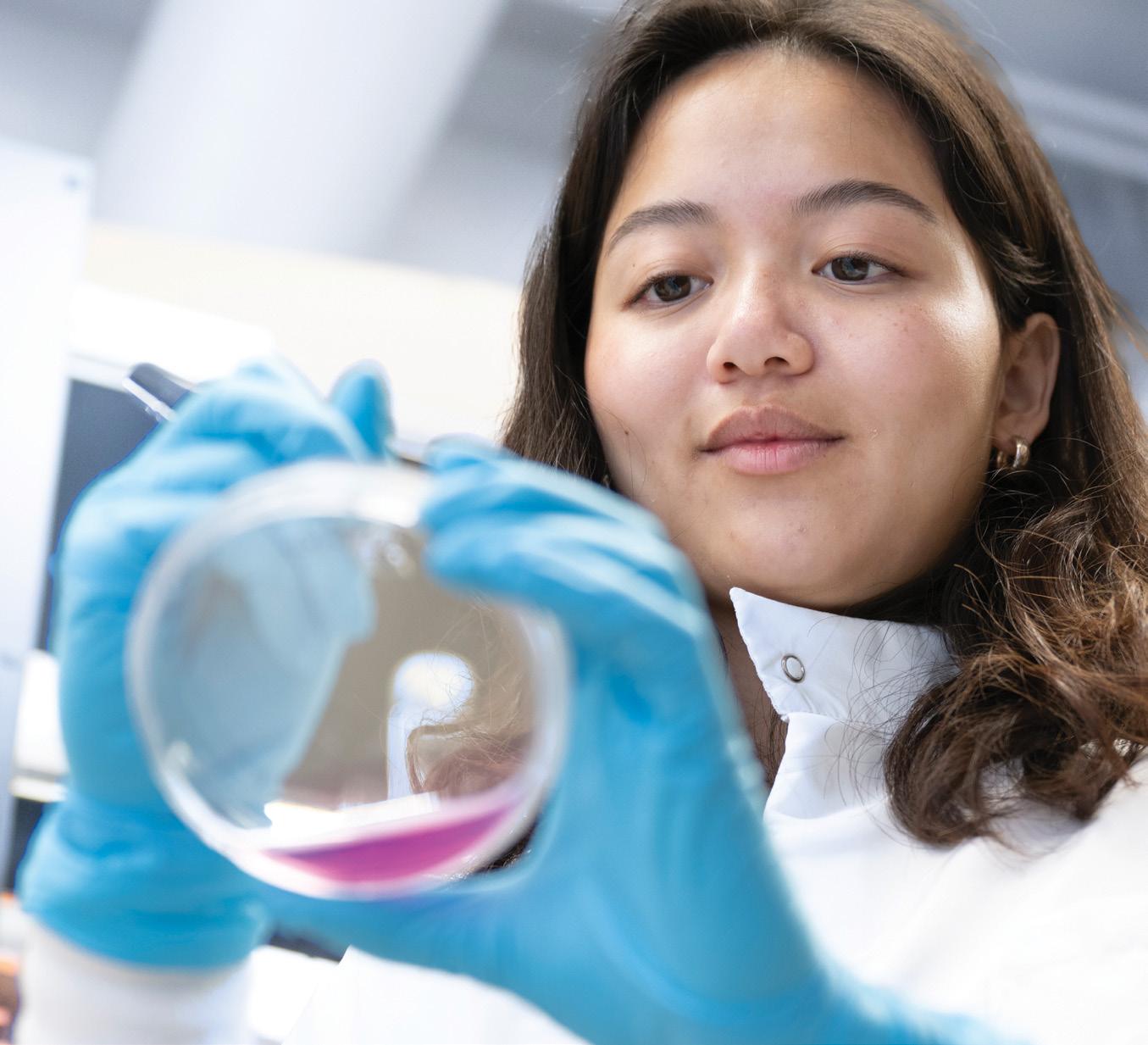
↑ Cynthia Dharmawan, a PhD student in Zhipeng Lu’s laboratory
04
BROAD SPECTRUM
04 / USC Alzheimer’s Research Awarded $8M Grant
05 / The Cost of Dementia
06 / Julie Dopheide: Mindful Medicine
08 / In the News
09 / How PBMs Are Contributing to Pharmacy Closures
10 / USC Capital Campus Official Opening
10 / Darius Lakdawalla elected to National Academy of Medicine
10 / Peggy Han Joins Board of Councilors
11 / Sohail Masood: Home Infusion Pharmacy Trailblazer
12
COVER STORY
12 / Careers Redefined: Charting New Paths at the Intersection of Healthcare and Innovation
22
GIVING
22 / Private Support, Public Impact: The Future of Research Funding
24
ALUMNI
24 / Alumni Share the Keys to Unlocking Career-Long Success
26
FACULTY
26 / More Costs for Medicare Patients
27 / Honors and Awards
27 / Transitions
27 / New Faces
27 / In Memoriam: Eric Lien
28 STUDENTS
28 / Students Launch New Biotech Society
29 / Trip to Japan’s Biopharma and Health Sectors
29 / USC Mann Launches Pharmacoepidemiology Programs
30 / 118th Commencement Ceremony
32
POST SCRIPT
32 / Global Reach
USC Alzheimer’s Research Awarded $8 M NIH Grant
BY FOCUSING ON A TRIGGER of brain inflammation, scientists are in pursuit of a new drug therapy and now understand why some with a key risk factor for the disease develop dementia.
Mann Professor Stan G. Louie is among the main investigators on a multidisciplinary USC project recently awarded more than $8 million by the National Institutes of Health.
The team, led by Hussein Yassine of the Keck School of Medicine of USC, is investigating why some carriers of the APOE4 gene—the strongest genetic risk factor for Alzheimer’s—develop dementia while others remain cognitively healthy.
The leading cause of dementia, Alzheimer’s disease has been associated with the buildup of plaques and tangles in the brain. However, evolving evidence points to neuroinflammation—localized inflammation in brain tissue—as another culprit driving this chronic condition.
“Our lab has identified an enzyme that predisposes the brain to inflammation,” Yassine says. “The challenge now is to find a drug that can block it without harmful side effects.”
Their work points to an enzyme that breaks down protective omega-3 fatty acids in the brain and triggers damaging inflammation.
UNIVERSITY-WIDE PARTNERSHIP
Pharmacologist Louie is guiding the transition from laboratory discovery to a safe medication, determining how the drug behaves in the body: how it’s metabolized, how it’s eliminated, and whether a drug candidate works as intended or poses potential risks. Medicinal chemist Syed Ahmed, co-investigator in the study, and his research group are taking an iterative approach to drug design with the goal of
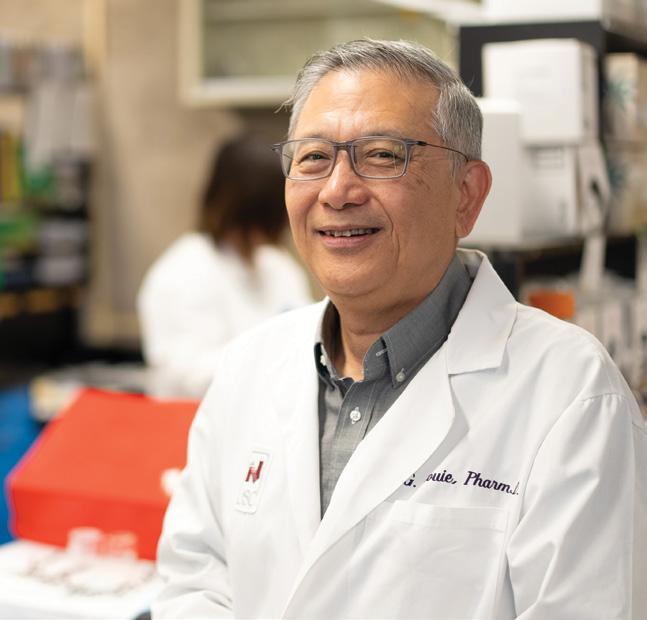
↑ Stan G. Louie
“bringing a drug candidate that is safe, without any off-target effects, and that can slow down or prevent Alzheimer’s disease,” he says. Gauri Rao, director of the Center for Quantitative Drug and Disease Modeling at USC Mann—along with Isaac Asante, a Keck professor with a joint appointment at USC Mann—are working with Louie to conduct preclinical pharmacology studies.
The project’s other key investigators include Vsevolod Katritch of the USC Michelson Center for Convergent Bioscience and Keck Radiology Professor Kai Chen. Katritch’s lab is using a combination of artificial intelligence and physics-based tools to scan billions of small molecule candidates to find those that can penetrate the brain’s protective barrier and fit into the enzyme’s active
Ultimately, our aim is to cure Alzheimer's disease by targeting neuroinflammation.”
site, like a key in a lock. Chen leads the team that is capturing images of the drug’s impact on brain inflammation.
“Using support from the NIH, we are translating these discoveries into a molecule that can get into the clinic,” Louie says. “We want to know if inhibiting inflammation can reduce the impact of Alzheimer’s disease.
“We’re pretty optimistic we can move this forward in the next few years,” Louie adds. “Ultimately, our aim is to cure Alzheimer’s disease by targeting neuroinflammation, a common culprit in many neurodegenerative diseases.”
The Cost of Dementia
THE ECONOMIC BURDEN of Alzheimer’s disease and related dementias nationwide reached $781 billion in 2025, according to multidisciplinary research by Mann School experts and colleagues across USC.
The analysis is the first in a series of annual estimates providing the most comprehensive picture yet of dementia’s mounting cost. The estimate includes not just direct care expenses but also
lost earnings from patients and care partners, reduced quality of life and the value of unpaid caregiving. The largest share of dementia’s cost comes from quality-of-life declines—estimated at $302 billion for patients and $6 billion for care partners. Friends and family providing unpaid care lose $8 billion in earnings and contribute 6.8 billion hours of unpaid labor, valued at $233 billion.
Supported by the National Institute on Aging, the U.S. Cost of Dementia Project
draws on nationally representative data from the Health and Retirement Study and Medicare and Medicaid records. Researchers used a dynamic microsimulation to model costs over time and assess the impact of changing policies and treatments. Their next step will expand the model to better capture all dimensions of dementia’s toll on American families and society.
In addition to the Mann School, the project includes the USC Schaeffer Center for Health Policy & Economics, Price School of Public Policy, Leonard Davis School of Gerontology and Viterbi School of Engineering, as well as the Alzheimer’s Association and University of Pennsylvania.
781B economic burden of dementia $
308B quality-of-life decline $ 233B cost of unpaid care $
MINDFUL MEDICINE
JJULIE DOPHEIDE fell in love with psychiatric pharmacy as a PharmD student. Today, she cares for patients facing mental health and substance use challenges in her clinical practice while mentoring students in their Introductory and Advanced Pharmacy Practice Experience (APPE) rotations. Active in numerous professional organizations, this year she was selected as a member of the inaugural class of fellows of the American Association of Psychiatric Pharmacists (AAPP). She served as president of AAPP’s predecessor, the College of Psychiatric and Neurologic Pharmacy. Here, she discusses her passion for mental health.
WHAT DREW YOU TO PSYCHIATRIC PHARMACY?
I went to the University of Nebraska for my PharmD— one of the few pharmacy schools, along with USC, that required students to do an APPE in psychiatric pharmacy. My first psychiatric rotation was at the Veterans Affairs Medical Center in Omaha, and I enjoyed working directly with patients. I loved psychiatry so much that I did an elective at the Nebraska Psychiatric Institute, working with children with autism, attention deficit hyperactivity disorder and developmental disabilities
WHAT DOES IT MEAN TO BE A PSYCHIATRIC PHARMACIST AS OPPOSED TO A PHARMACIST OR PSYCHIATRIST?
A board-certified psychiatric pharmacist combines clinical understanding of the full spectrum of mental health conditions with a pharmacist’s knowledge of evidence-based treatments.
CAN YOU GIVE AN EXAMPLE OF HOW YOU’VE TAILORED A MEDICATION PLAN FOR A PATIENT WHO DIDN’T RESPOND TO STANDARD TREATMENTS?
A 16-year-old male with schizophrenia experienced delusions that his neighbors were trying to kill him and his family. Hospitalized 13 times over two years, he did not respond to previous medication combinations— and gained significant weight. Through regular family meetings, I helped him and his family learn about clozapine, an antipsychotic often used when other
drugs have failed. Without needing hospitalization, he did well on a combination of clozapine and a mood stabilizer, along with a medication for counteracting weight gain and other side effects of antipsychotics.
HOW DO WE MAKE SURE PEOPLE GET THE HELP THEY NEED?
It’s scary that some people want to disallow psychotropic medications for kids. Antidepressants can sometimes be the difference between life and death. We must keep teaching our students, residents and colleagues to value mental health and maintain evidence-based practices for using psychotropics.
WHAT ARE SOME BIG CHANGES YOU’VE SEEN IN THE FIELD?
COVID really put a spotlight on the fact that mental health is just as important as physical wellbeing, and that they’re intertwined. I think people are now at least a little more open to addressing mental health issues— including substance use disorders. But now, with all the misinformation and cuts to public health programs, many of us who work in pediatric mental health are worried that people are going to go back into the shadows, because nobody wants to be deported or seen as defective or not worthy.
HOW WOULD YOU LIKE TO SEE THE FIELD OF PSYCHIATRIC PHARMACY ADVANCE?
The field needs more practitioners. So I’d love to find a way for all pharmacy programs to include the practical experience of one-on-one care for patients living with long-term mental health and substance use challenges. The Accreditation Council for Pharmacy Education does not require an APPE in psychiatry, but at USC we are infusing this experience into ambulatory and acute care and community pharmacy rotations.
We also need to confront the stigma that stops people from getting quality care. This would do a lot to enhance overall patient outcomes—because people with such conditions won’t truly heal from their stroke, heart attack or diabetes if their mental health is neglected.
↑ Julie Dopheide is a professor of clinical pharmacy, psychiatry and behavioral sciences at USC Mann with a joint appointment at Keck School of Medicine of USC.
Nobody knows what the other person’s getting paid or how much it costs.
And that’s where the PBMs [pharmacy benefit managers] make too much money, because there’s a lack of transparency in what everybody throughout the system is paying.”
GEOFFREY JOYCE interview with NPR
In the News
RECENT EXAMPLES of how the Mann School shares information and solutions through media outlets nationwide.
> Writing for the financial magazine Barron’s, Geoffrey Joyce examined why tariffs are the wrong prescription for the U.S. drug supply chain’s vulnerability to globalization. Joyce—chair of the Mann School’s Department of Pharmaceutical and Health Economics and director of health policy at the USC Schaeffer Center for Health Policy & Economics—noted that “the current tariff plan would threaten to exacerbate drug shortages and raise prices for Americans for years to come.” Instead, he suggested policies “including financial incentives, such as subsidies and low-interest loans.” The Schaeffer Center is a partnership of USC Mann and the USC Price School of Public Policy.
> In the Washington Post, Schaeffer Center Co-Director Dana Goldman noted that Medicare and Medicaid coverage of anti-obesity medications would yield substantial benefits for society. “The net social value from treating all currently eligible adults would total nearly $10.1 trillion—equivalent to about 6% of all U.S. household wealth,” he and a colleague wrote.
> Senior Associate Dean for Academic and Student Affairs Kari Franson was quoted in the July Pharmacy Today cover story, “Cannabis: Guiding Patients Through the Haze.” She said, “A healthcare provider could certainly help [patients] make a better decision based on pharmacodynamics and kinetics.”
> In an op-ed for the healthcare journal STAT, Goldman and Darius Lakdawalla, Quintiles Chair in Pharmaceutical Development and Regulatory Innovation
and chief scientific officer at the Schaeffer Center, noted that the 2025 presidential executive order tying U.S. drug prices to those abroad—known as “most favored nation” pricing—could backfire. “Instead of importing shortsighted foreign prices into the American market, we ought to be exporting rational, forward-looking prices overseas,” they suggested.
> Associate Professor of Clinical Pharmacy Richard Dang spoke with NBC News about the challenges seniors were facing this summer in accessing the newly updated COVID vaccine. “There are going to be more people who [will not get] the vaccine, and they are going to continue to be at risk.”
> In the business magazine Fast Company, William Padula Mann associate professor and Schaeffer Center scholar— addressed the multimillion-dollar cost of lifesaving gene therapies. He proposed a “mortgage model” in which the government and banks partner to finance treatments upfront, letting insurers gradually repay the expense. He observed that “with regulators’ permission, financial institutions could introduce tools that reduce the long-term costs of chronic conditions, improve public health and generate predictable financial gains.”
> “Federal and state policymakers must reduce barriers that make it difficult for pharmacies to stock buprenorphine, especially in some of the more vulnerable communities,” Dima Qato said of the opioid use disorder medication. In predominantly Black and Latino neighborhoods, only 17%–18% of pharmacies carry the drug compared with 46% in white neighborhoods. The research was featured in U.S. News & World Report, Drug Topics and other media outlets. Qato is the Hygeia Centennial Chair at USC Mann.
How PBMs Are Contributing to Pharmacy Closures
RETAIL PHARMACIES cut out of Medicare Part D networks by pharmacy benefit managers (PBMs) can be put out of business, according to research led by Dima M. Qato, the Hygeia Centennial Chair at USC Mann. And these exclusions are on the rise. Published in Health Affairs, the study examined how the expansion of preferred pharmacy networks in Medicare’s drug benefit program has fueled widespread retail pharmacy closures. PBMs, which administer drug benefits on behalf of insurers and employers, steer patients away from non-preferred pharmacies by imposing higher out-of-pocket costs at those locations.
“We found that independent pharmacies and pharmacies in low-income, Black and Latino neighborhoods were less likely to be preferred by most Part D plans than chains and pharmacies in other neighborhoods,” Qato says. Pharmacies excluded from most preferred networks were 70% to 350% more likely to close than those included.
The use of preferred pharmacy networks rose sharply over the past decade—from 70% to 98%
of standalone Medicare drug plans and from 15% to 44% of Medicare Advantage drug plans.
This trend coincided with a wave of mergers between major PBMs and retail pharmacy chains, creating incentives for PBMs to direct patients to affiliated pharmacies while limiting access to competitors.
“Our study demonstrates that pharmacy networks in Medicare Part D—which are designed by PBMs—are contributing to the growing problem of pharmacy closures, particularly in communities that already lack convenient access to pharmacies,” notes Qato, who is also a senior scholar at the USC Schaeffer Center for Health Policy & Economics.
Potential solutions, she suggests, include requiring Medicare Part D plans to meet access standards for preferred pharmacies and mandating preferred status for pharmacies that serve vulnerable populations. Policymakers could also raise reimbursement rates— especially for critical-access pharmacies in areas classified as pharmacy deserts.
28% rise in preferred pharmacy networks over the past decade
Geoffrey Joyce
Kari Franson
Richard Dang
Dima Qato
Dana Goldman
Darius Lakdawalla
William Padula
Capital Campus
USC’S CAPITAL CAMPUS in Washington, D.C., officially opened this past spring, with its first occupant being the Leonard D. Schaeffer Institute for Public Policy & Government Service. Expanding the national reach of the Schaeffer Center for Health Policy & Economics—a partnership of USC Mann and the USC Price School of Public Policy—the institute positions USC faculty close to federal decision-makers for congressional meetings and testimony, advancing evidence-based solutions for pressing healthcare challenges and other important societal issues.
Lakdawalla Elected to National Academy
DARIUS LAKDAWALLA, Quintiles Chair in Pharmaceutical Development and Regulatory Innovation at USC Mann, has been elected to the National Academy of Medicine.
One of the highest professional honors, appointment to the academy recognizes experts who have made major contributions to the advancement of medical science, healthcare and public health. Lakdawalla is also chief scientific officer at the USC Leonard D. Schaeffer Center for Health Policy & Economics, one of the nation’s premier health policy research centers and a partnership of USC Mann and the USC Price School of Public Policy.
Han Joins Board of Councilors
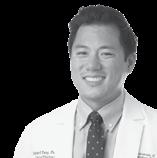
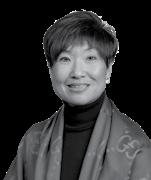
PEGGY HAN, PharmD ’99, has joined the Mann School’s Board of Councilors. Vice president of customer engagement for the West Region at Genentech, she leverages 25-plus years of clinical and biopharmaceutical leadership experience to bring innovative healthcare solutions to patients while removing barriers to access. ”USC Mann shaped my career and launched my leadership journey anchored in service, innovation, collaboration and belief that anything is possible,” Han says. “I’m humbled to join the board and give back.”
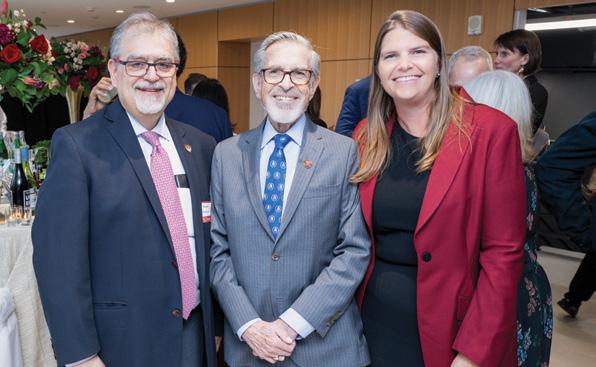
↑ Dean Vassilios Papadopoulos, Leonard Schaeffer and Schaeffer Center Co-Director Erin Trish at the Schaeffer Institute opening; the new Capital Campus offices
Lucky Star
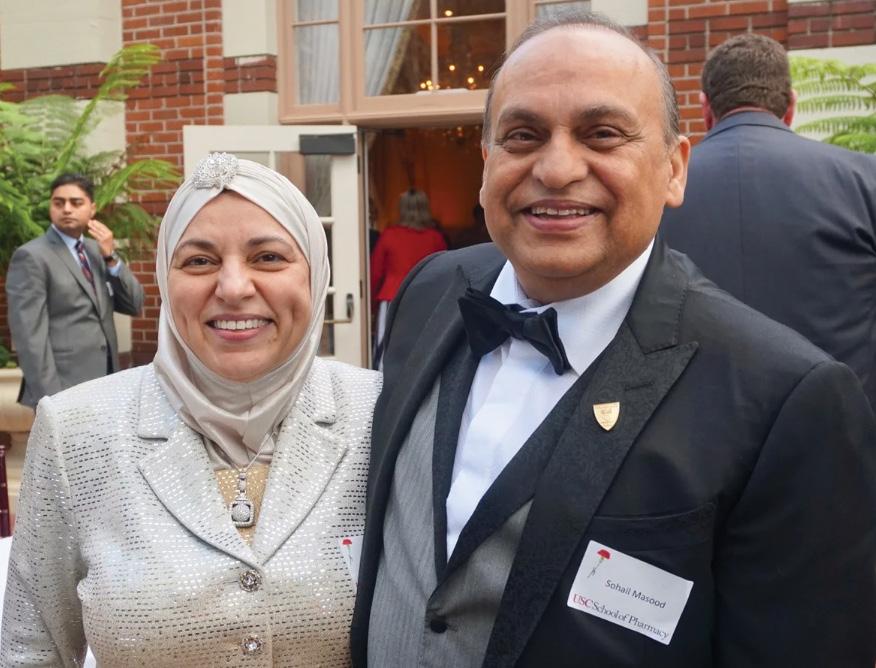
A PHARMACY TRAILBLAZER, patient advocate and philanthropist, USC Mann alumnus Sohail Masood has led innovation in healthcare for more than 35 years as an entrepreneur and CEO.
As a pharmacy student at USC Mann, Sohail Masood, PharmD ’88, discovered the field that would define his career. The HIV/AIDS epidemic had prompted a burgeoning demand for home infusion therapy. And as Masood served patients in their homes during a clinical rotation, the many hours he spent administering treatments enabled him to get to know patients and their families.
“I really was fascinated by the humanity of this side of pharmacy,” Masood says. “I didn’t feel the same when I was doing retail pharmacy, where I was standing behind the counter.”
Today, Masood is widely regarded as a pioneer in the field. He has founded three home infusion companies throughout his career, including KabaFusion, where he currently serves as chairman and CEO. KabaFusion is the largest privately held home infusion company in the United States and was recently acquired for $2.2 billion.
In Arabic, Masood’s first name means “lucky star”—and he feels that he has lived his life under one. After a childhood of hardship and personal tragedy in Pakistan, he journeyed to the United States at age 19 to study pharmacy.
Staying connected to USC has been important for Masood over the years. “If I didn’t have that education, I wouldn’t have had all this success in life,” he says. “Everything came from the education that I got at USC. They gave me the confidence; they gave me the knowledge.”
Masood was honored by USC Mann in 2019 with the Distinguished Alumni Award for his philanthropy and service to the school.
“As a distinguished alumnus and a dedicated member of our Board of Councilors, Sohail embodies the very best of USC—combining professional excellence with a deep-seated commitment to giving back,” notes USC Mann Dean Vassilios Papadopoulos.
After completing a residency at Brookdale Hospital in the Brooklyn borough of New York City, Masood returned to Los Angeles to establish and run a home infusion pharmacy at Good Samaritan Hospital.
There, he met W. King Engel, a renowned neurologist affiliated with Good Samaritan and the USC Neuromuscular Center. “One day he came to my office and said, ‘Dr. Masood, I think that there is this drug that can benefit my patients—something called intravenous immunoglobulin [IVIG],’” Masood recalls.
Masood knew nothing about IVIG, which involves administering antibodies (proteins that fight infection) into the bloodstream through intravenous infusion. At the time, the drug was primarily used in hospital intensive care units. But as Masood researched the treatment and learned of its benefits, he agreed to work with Engel to test IVIG on two of his wheelchair-using patients who were diagnosed with chronic inflammatory demyelinating polyneuropathy, a rare autoimmune disorder affecting peripheral nerves.
In 1992, Masood and his wife, Mona—a fellow pharmacist—started their own home infusion pharmacy business called Ultracare out of a rented warehouse in Paramount, Calif. The company delivered IVIG to the first two neuromuscular
patients in the state who were treated at home, pioneering a practice previously limited to hospitals. In 1995, he expanded Ultracare’s services to include nursing and rebranded the firm as Crescent Healthcare.
Masood also devotes himself to philanthropy. In 2010, he founded the Dysimmune Diseases Foundation to fund research into autoimmune disorders, including a study investigating IVIG as a treatment for diabetic neuropathy—a continuation of the mission that began with a young pharmacist’s empathy and a belief that medicine could reach people where they live.
“Money is always a byproduct,” he says. “In healthcare, the goal should be improving lives.”
Read the full story at today.usc.edu/sohail-masood-homeinfusion-pharmacy-trailblazer.
↑ Mona and Sohail Masood, PharmD ’88
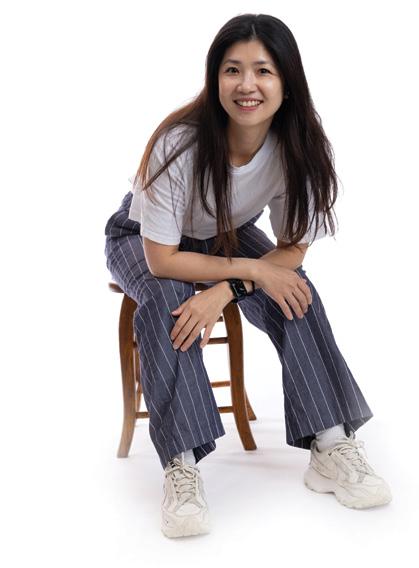
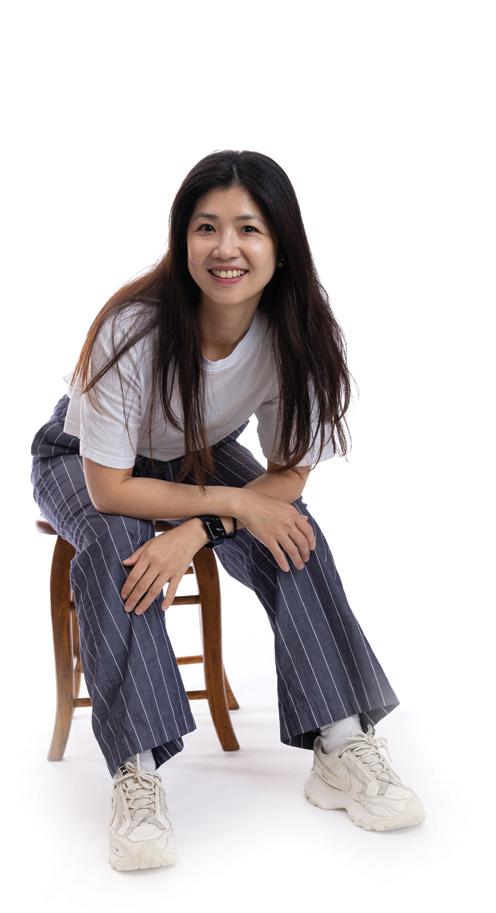
↑ Christina Voskanian and Andy Han
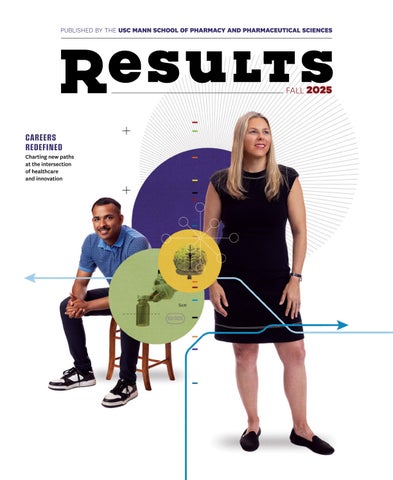
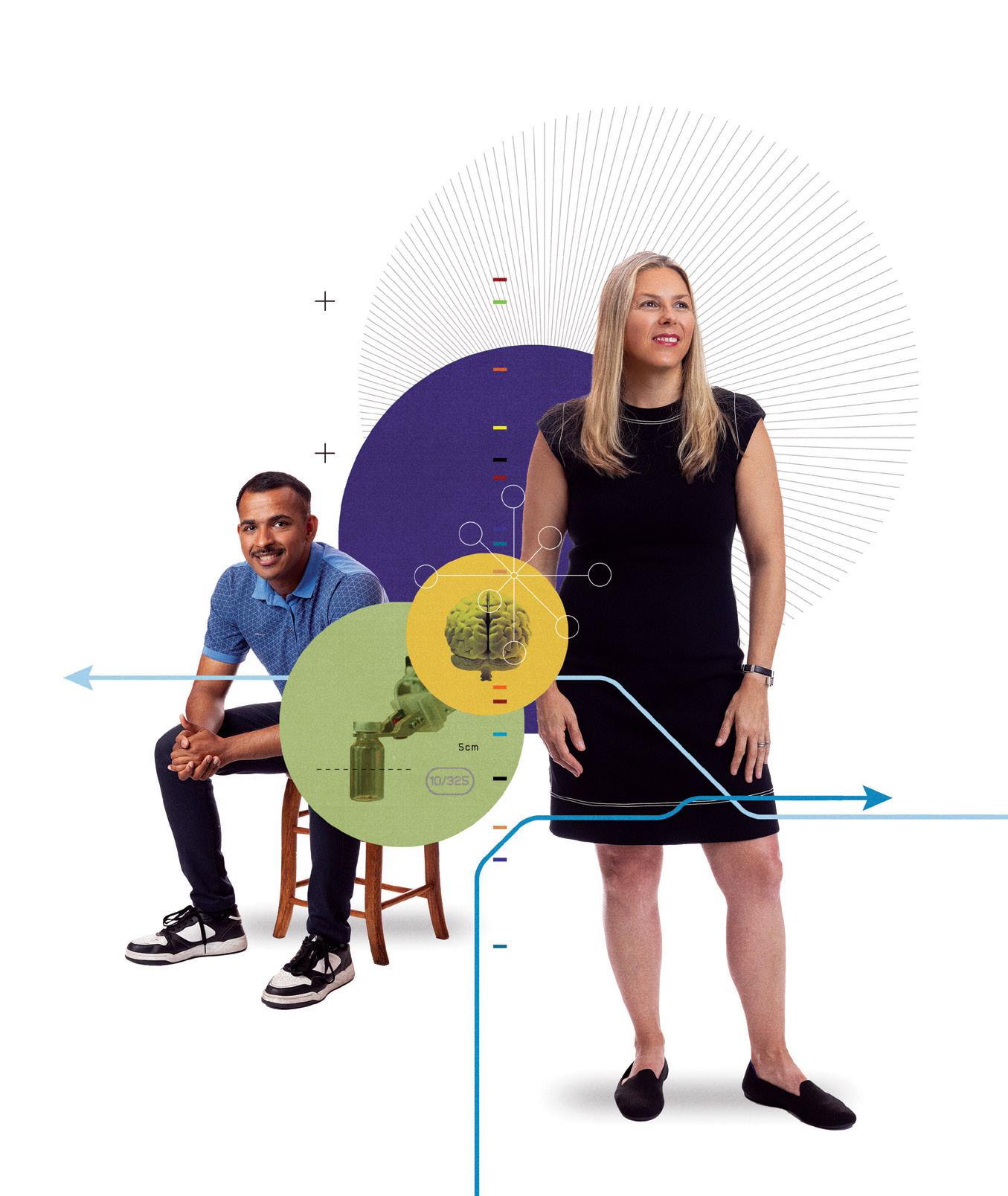
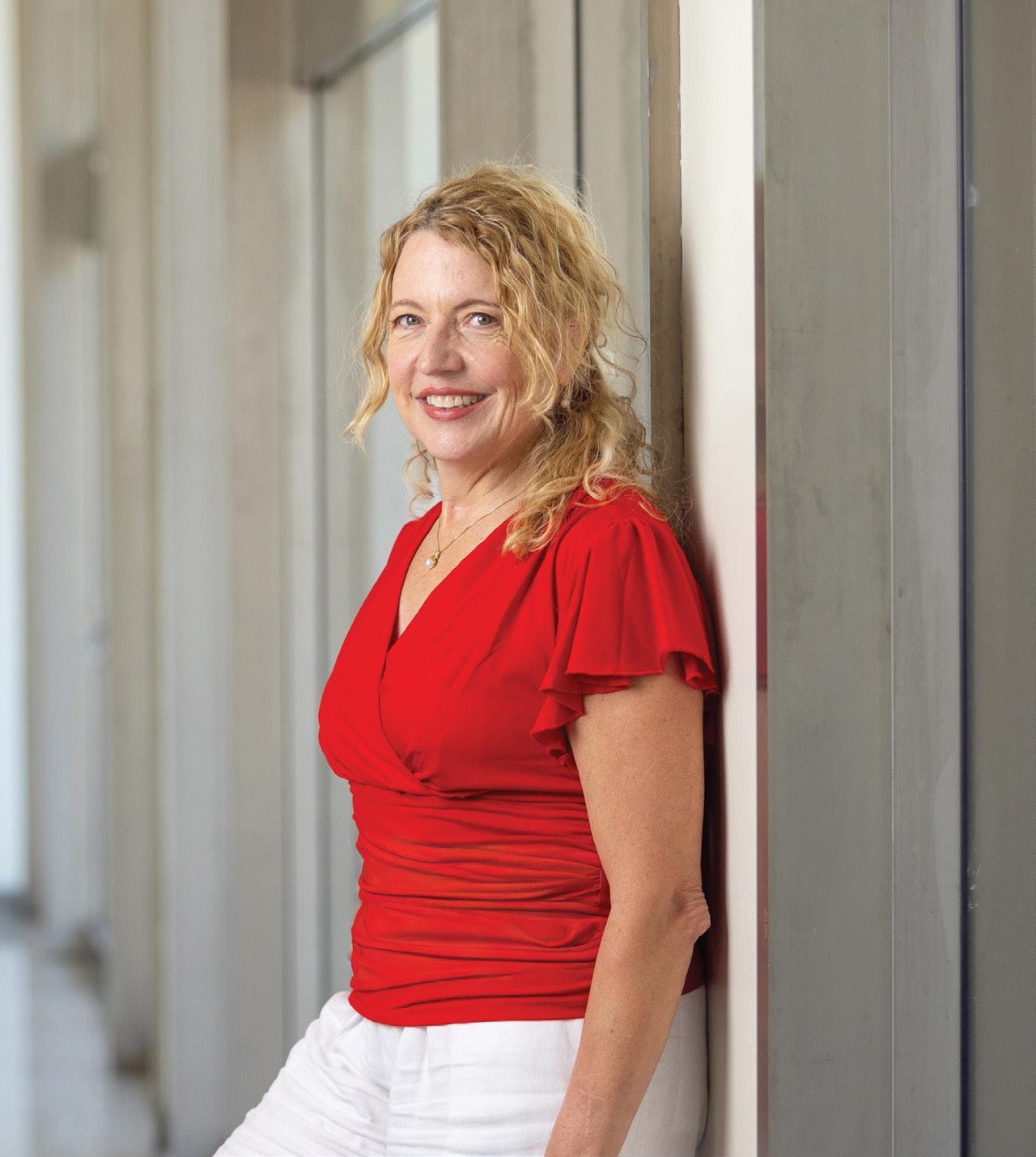
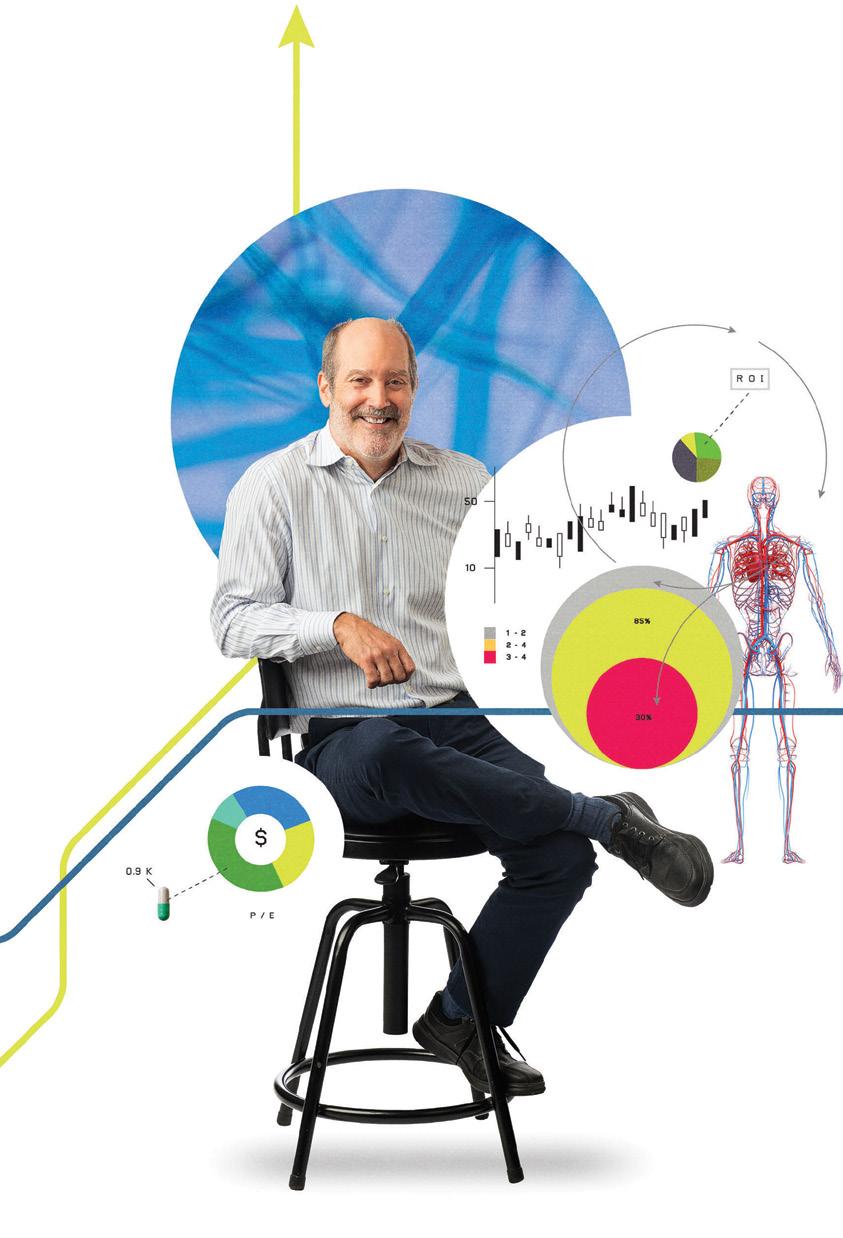
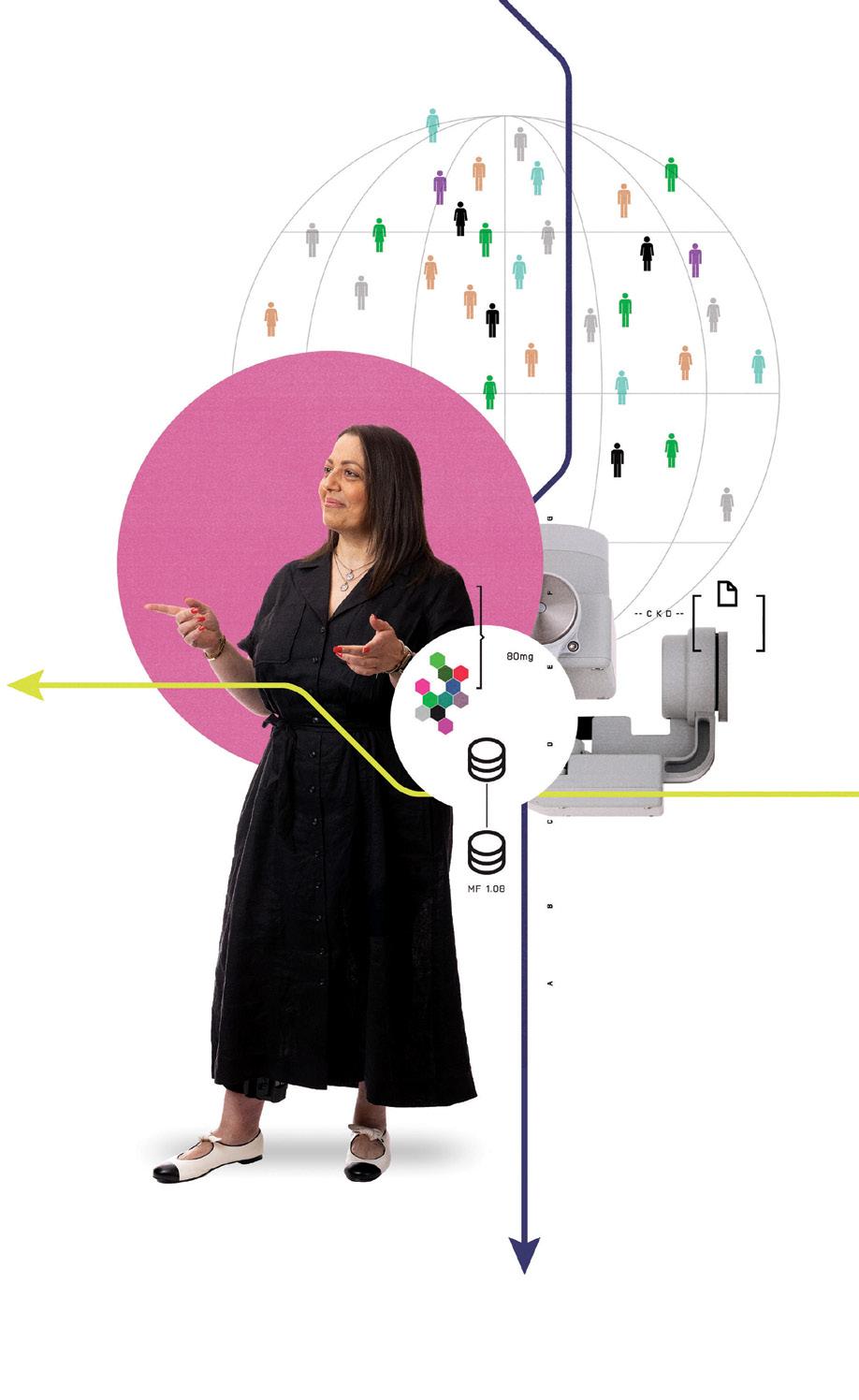
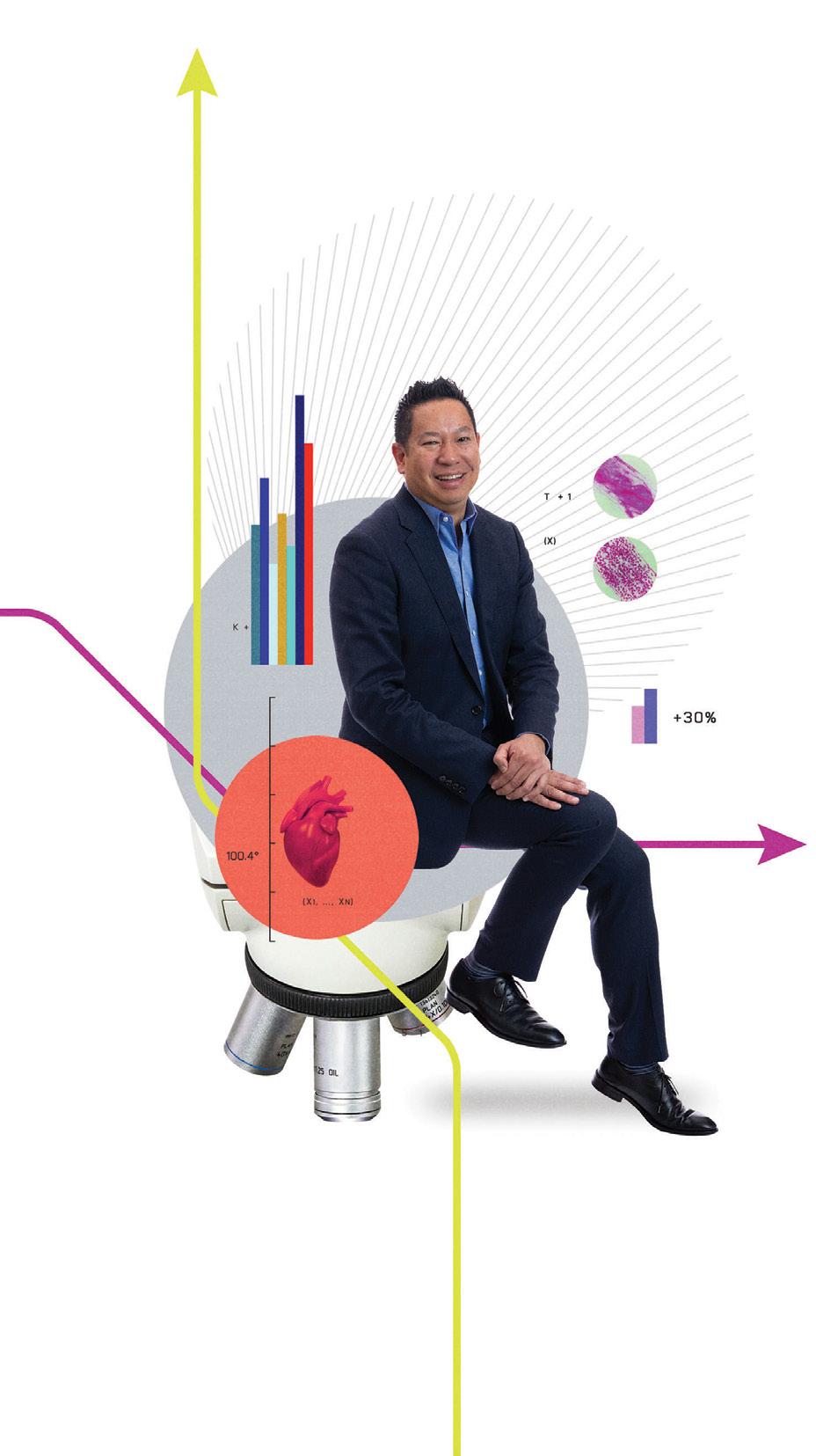
On the cover: Amanda Lamer-Rosen and Aryan Mandot
BY SUSAN L. WAMPLER
CAREERS REDIFINED
CHARTING NEW PATHS AT THE INTERSECTION OF HEALTHCARE AND INNOVATION
AFTER 17 YEARS AS A CRITICAL CARE PHARMACIST—including 2.5 years
in a COVID intensive care unit at Cedars-Sinai—Amanda Lamer-Rosen, PharmD ’06, wanted to make a broader impact.
So in a major career move, she transitioned from patient care during the pandemic to a top job at Pfizer Vaccines as field medical director. “Now, rather than caring for one patient at a time in a hospital setting, I’m contributing to solutions that can improve access, equity and efficiency across populations,” she says.
Lamer-Rosen credits her time at the Mann School with providing the skills, knowledge and professional network to adapt and thrive as circumstances change.
She’s not alone. As healthcare and biopharmaceutical landscapes shift, USC Mann alumni, faculty and students are seizing new opportunities, tackling fresh challenges, and expanding skill sets to redefine how patients and communities are served.
Here, they share insights into the trends shaping the future of pharmacyrelated fields—and how they are adapting and leading the path forward.
97.8% of the PharmD Class of 2025 had established plans (job, residency, fellowship) at graduation 6TH According to the Industry Pharmacists Organization, USC Mann ranks sixth nationally in the number of PharmD graduates placed in pharmaceutical industry fellowships for 2024—25.
"Drug therapy is how we treat most conditions now. The majority of innovation in healthcare over the past three decades has been in pharmaceutical treatments."
—GEOFFREY JOYCE
Increased Role in Direct Care
Among the greatest areas of growth for pharmacy professionals is in direct patient care. With nearly a third of annual U.S. healthcare spending going toward inpatient treatment—much of it avoidable— pharmacists are gaining appreciation for their vital role in primary care and chronic disease management.
“The pharmacy profession is changing,” says Geoffrey Joyce, chair of the Department of Pharmaceutical and Health Economics at USC Mann and director of health policy at the USC Schaeffer Center for Health Economics & Policy, a partnership between USC Mann and the USC Price School of Public Policy. “By all estimates, retail pharmacy positions will contract while overall jobs for pharmacists will see above-average growth,” he says, adding that the jobs of the future will be more fulfilling and challenging.
“PharmDs are needed in so many more places than ever before—and, at the same time, the role of pharmacists in patient care and community-based practice is expanding,” adds Edith Mirzaian, PharmD ’01, associate dean of curriculum at the Mann School. “Today, pharmacists can compound hormone replacement therapy; provide GLP-1s and contraceptives; administer flu, COVID and strep tests; and prescribe penicillin—decreasing lines at urgent care centers.”
Diana Arouchanova, PharmD ’04, can attest to the growing demand for clinical pharmacists in primary care. Shortly after graduating from USC Mann, she was promoted to manage a large outpatient pharmacy in a medical center. But she
craved more time helping patients improve their health, so in 2005, she founded Clinicare Pharmacy, a community-based advanced practice pharmacy.
She and her team manage patients with diabetes, hypertension, hyperlipidemia and other chronic conditions. “I also offer patient-centered care beyond prescriptions—including health and wellness education and clinical services,” she explains. Arouchanova even trains pharmacy students and residents.
Nisha Bhavsar completed residencies at USC Mann and is now a psychiatric clinical pharmacist at Atlantic Health System, a nonprofit healthcare network in New Jersey. She observes growing demand for, and recognition of, the value pharmacists bring to behavioral health teams in areas including inpatient psychiatric units, substance use disorder treatment and collaborative care models.
However, federal policy changes and reduced resources could worsen health equity by fueling a continued shortage of primary care and mental health providers, explains Lisa Whittington, USC Mann director of residency programs. Yet, even amid such pitfalls, “opportunities exist in these key areas to not only provide services but also to emerge as leaders working toward solutions,” she says.
"In the future, grads will need to think like an entrepreneur and innovator.”
—EDITH MIRZAIAN
PROJECTED JOB GROWTH THROUGH 2033
Source: U.S. Bureau of Labor Statistics, O*NET OnLine
Nisha Bhavsar
Lisa Whittington
Impact on Population Health
Beyond helping individual patients improve their wellbeing, numerous Mann alumni focus on broader impact through enhancing overall population health—as well as ensuring that innovative, lifesaving therapies reach patients around the globe.
Christina Voskanian, PharmD ’21, director of clinical personnel at MedWatchers, a San Diego-based company that provides medication therapy management services, sees growth in nontraditional pharmacy roles—from clinical informatics and pharmacogenomics to ambulatory care and health system leadership. She adds, “There’s also increasing demand in managed care, population health, and roles that blend clinical knowledge with technology and data analysis.”
In his role overseeing pharmacy clinical programs at L.A. Care Health Plan— the country’s largest publicly operated health plan—Andy Han, PharmD ’19, witnesses firsthand the meaningful impact L.A. Care’s programs have on member health. “By leveraging both medical and pharmacy data, we can track outcomes and implement targeted, evidence-based
interventions,” he says. That helps the organization drive improvements beyond individual patients to benefit its entire membership.
Kimberly Moore, PharmD ’16, MS Healthcare Decision Analysis (HCDA) ’16, enjoys focusing on solutions that can make a difference across an entire population. As a medical outcomes science liaison at AbbVie, she interfaces with decisionmakers across the healthcare landscape, educating them on guidelines, novel therapies and health economic data. She also helps them better understand the value to the healthcare system of innovative treatments that improve patient outcomes while using fewer health resources.
"We’re in the midst of a golden era of pharmaceutical innovation. The challenge is making room for innovation while spending smarter— shifting from low-value care toward high-value care."
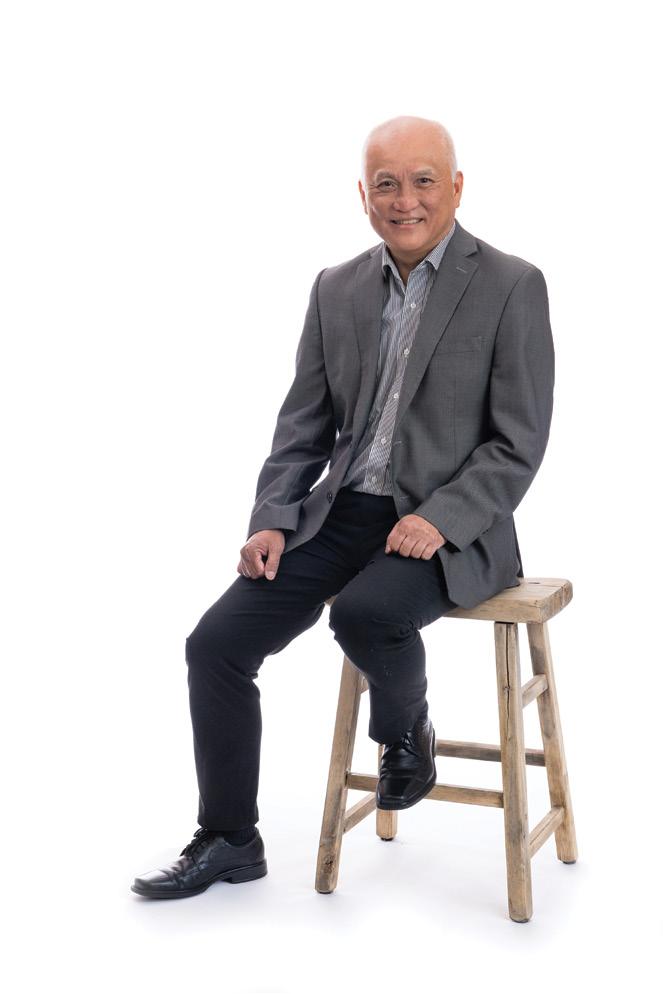
—KEN WONG
Renita Moradian ↘
↖ Ray Kong
Emphasis on Cost Reduction and Increased Value
As breakthrough therapies accelerate— and pharmaceutical costs rise—pressure is mounting to balance innovation with affordability.
“We’re in the midst of a golden era of pharmaceutical innovation,” notes Ken Wong, PharmD ’88, director of the Mann School’s Division of Healthcare and Biopharmaceutical Business. “The challenge is making room for innovation while spending smarter—shifting from low-value care toward high-value care.”
While drug costs often dominate headlines, Joyce emphasizes that medicines remain among the most cost-effective investments in healthcare. “Drug therapy is how we treat most conditions now,” he says. “The majority of innovation in healthcare over the past three decades has been in pharmaceutical treatments.”
Joyce explains how precision medicine and drug development aimed at very specific tumor profiles and disease types have made therapy more effective—but also more expensive. He points to Alzheimer’s and cancer therapies as examples of affordability challenges. For diseases that take root in middle age but don’t manifest until later in life, he adds that new payment models are needed to incentivize coverage when benefits may take years to accrue.
“Insurance has to be there to make those drugs accessible and affordable to those who need them—even if the upfront cost is significant,” he says.
He also cites the importance of encouraging and rewarding innovations that lead to actual cures, citing hepatitis C therapies as the gold standard. “That’s exactly the type of drug we want pharmaceutical companies to develop,” Joyce says. “I always ask students, what happens if we tell Apple they can only
"USC Mann gave me the “feeling that I could do anything with my degree and education after graduation.”
—DIANA AROUCHANOVA
"There
are endless opportunities for pharmacy innovators to drive meaningful change to improve patient’s access to care and drive value in
the healthcare system."
—KIMBERLY MOORE
charge $500 for an iPhone? Would that slow innovation? Of course it would.”
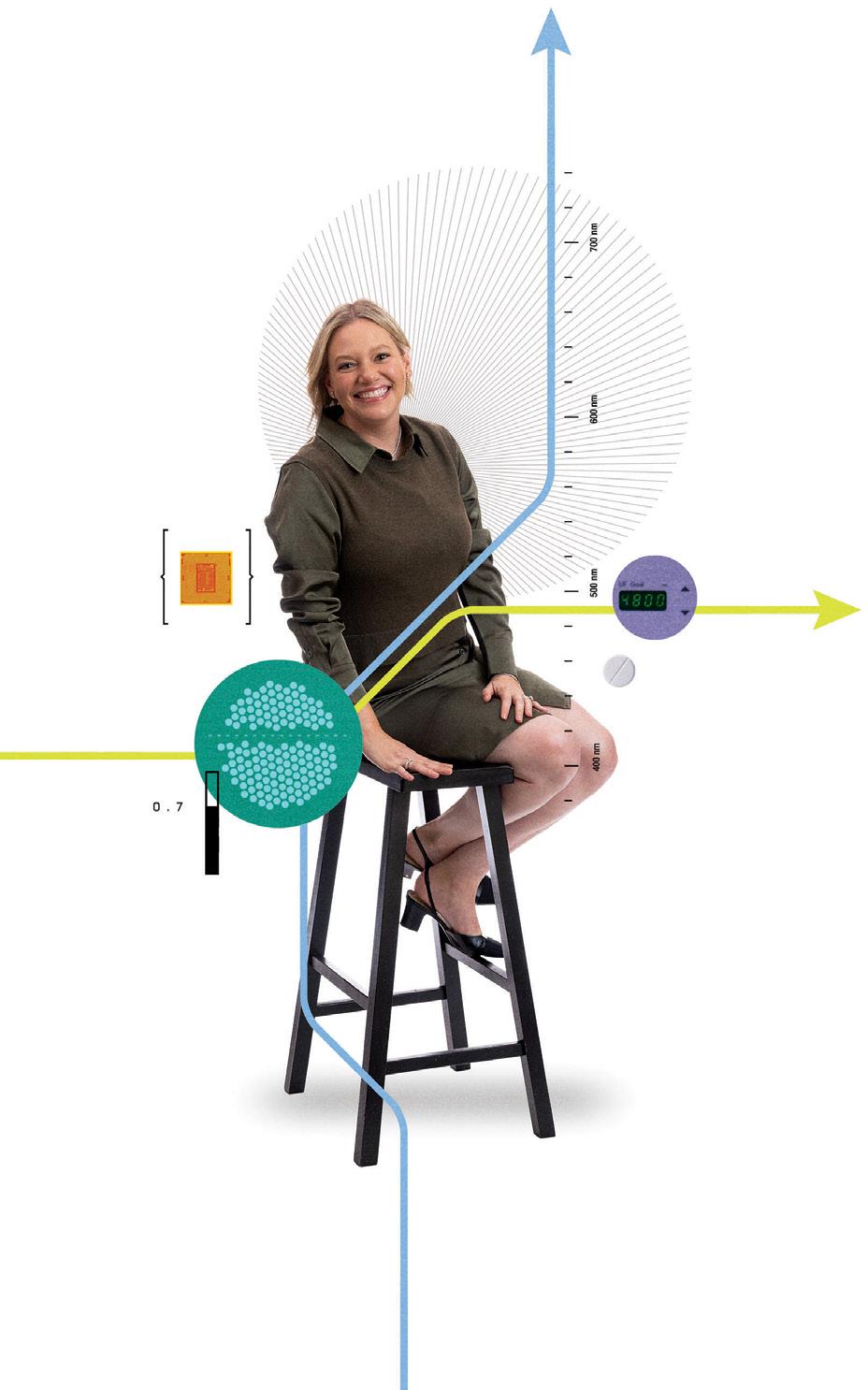
Renita Moradian, BS ’18, PharmD ’23—who works in global pricing, reimbursement and access at Eli Lilly—sees growing demand for roles in market access and pricing, particularly in developing innovative payment models and access strategies. She anticipates this area becoming even more critical with the growing pressure to make drugs more affordable.
Ray Kong, PharmD ’06—associate director, managed care liaison at Neurocrine Biosciences—cites the increasing need for a value-based approach to patient care that prioritizes outcomes, cost-effectiveness and overall population health. “Meeting the demands of this shifting delivery model will require greater collaboration across diverse sectors of healthcare,” he adds.
Proliferation of AI
Another inescapable force reshaping healthcare and the pharmaceutical sciences is artificial intelligence—and the pace at which AI is taking hold will only accelerate.
“In the future, grads will need to think like an entrepreneur and innovator,” Mirzaian says. She adds that they’ll need to understand the role of AI in the world— how it can be used for good and to benefit patient health outcomes.
This requires a fusion of skills, observes PhD student Yasi Mojab, PharmD ’23, MS Pharmaceutical Sciences ’23, co-vice chair of the AI Advisory Council for the California Society of Health-System Pharmacists. Graduates who combine strengths in clinical pharmacy with competencies in AI, digital therapeutics and health informatics will remain increasingly sought after by hospitals, health systems, biopharmaceutical companies, regulatory agencies and health tech organizations, she says. Mojab also brings her tech expertise to co-teaching the AI and digital health class with Associate Dean for Clinical Affairs
Steven Chen, the William A. Heeres and Josephine A. Heeres Chair in Community Pharmacy.
“As emerging technologies become more integrated into both clinical settings and the life sciences industry, there will be increasing demand for professionals who can critically evaluate insights, ensure they are applied appropriately, and translate them into meaningful patient or business outcomes,” agrees Matthew Lien, PharmD ’21, MS HCDA ’21, senior manager of global market access at Intuitive, a medical device company based in Sunnyvale, California.
For Catherine Choi, a graduate student in the Regulatory and Quality Sciences program, returning to school after years as a pharmaceutical quality specialist was “a bold move”—and one that is broadening her readiness to address key challenges and opportunities ahead. She anticipates not only new roles but also the evolution of existing ones to demand greater expertise in AI and precision medicine. Choi adds that, “as innovation accelerates, new regulatory and compliance roles will arise, requiring deep familiarity with these emerging technologies.”
The most valuable roles, Lamer-Rosen suggests, are those that bridge clinical
expertise with technological innovation. While the possibilities of AI are profound, she urges that attention also be paid to AI’s limitations and to building ethical, equitable and patient-centered systems for its use.
Moore views AI as “an opportunity for pharmacists to practice at the top of their licenses,” she notes. “There are endless opportunities for pharmacy innovators to drive meaningful change to improve patient access to care and drive value in the healthcare system.”
Mojab, however, adds one note of caution: “These tools must be carefully evaluated and implemented at the right time for the right patient populations. Because AI systems continuously learn and generate new content, ongoing audits must ensure outputs remain accurate, relevant and up to date.”
"As innovation accelerates, new regulatory and compliance roles will arise, requiring deep familiarity with these emerging technologies."
—CATHERINE CHOI
Matthew Lien ↘
↖
Yasi Mojab
"Ultimately, we want to ensure our students and fellows are prepared to make an impact in unmet medical need, scientific innovation and societal demands."
—MICHAEL LIM
An Eye on the Future
Change is a constant, not only as technology evolves at lightning speed but also as the needs and opportunities within the pharmacy-related fields adapt. In this dynamic arena, flexibility and collaboration are essential for success.
“I think USC and the Mann School have been at the forefront of realizing these broader trends in pharmacy practice and staying ahead of the curve,” Joyce notes.
Moore agrees. “USC goes above and beyond to ensure that graduates are innovative thinkers looking beyond standard pharmacy practices,” she says. Not only did she receive a solid clinical foundation, Moore explains, but she was also taught how to think creatively, analyze data and communicate scientific information effectively. “It made me feel prepared to work in any setting,” she adds.
Similarly, Arouchanova says USC gave her the “feeling that I could do anything with my degree and education after graduation.”
That preparation is deliberately built into the curriculum across the school’s degree programs as well as in the residency and fellowship programs. Michael Lim, senior director of industry fellowships, cites the creation of an external advisory board to help ensure that the school’s fellows are prepared to meet the future needs of the industry. He continues to adjust the program’s focus areas to align with key trends, for instance strengthening such areas as cell therapy and treatments for oncology and rare diseases.
“Ultimately, we want to ensure our students and fellows are prepared to make an impact in unmet medical need, scientific innovation and societal demands,” Lim says.
That’s exactly what attracted Shraddha Hakani, MS HCDA ’20—now a senior manager in precision medicine marketing at AstraZeneca—to the field. “My experience at USC and early internships in companies like Roche, which combined technology with commercialization, really fueled my curiosity and set me up to pursue something evolving and impactful,” she says.
Aryan Mandot, a current MS in Pharmaceutical Sciences student, was drawn to USC Mann by the desire to conduct advanced research tackling cutting-edge projects. “It felt like an ambitious move that would push my boundaries and drive my academic growth,” says Mandot, who plans to work in industry, focusing on bioreactors and biologics, before potentially pursuing a PhD.
Those working in drug development must not only have scientific and technical expertise but also soft skills such as effective communication, presentation and networking, emphasizes Liana Asatryan, director of USC Mann’s Clinical and Experimental Therapeutics program. “Equally important is the ability to remain committed to continuous learning and growth,” she says.
Lamer-Rosen is a strong case in point. She leveraged the experience gained in the most unpredictable of environments— a pandemic unlike any other in a century— into a new career path where she could have a broader and more lasting impact.
“The healthcare and biopharma landscape is constantly evolving—whether due to emerging technologies or global health challenges,” Lamer-Rosen adds. “Flexibility, combined with a growth mindset, will allow graduates to thrive in dynamic and often unpredictable environments.”
REPRESENTATIVE USC MANN ALUMNI EMPLOYERS
Pharma/Biotech
AbbVie
Amgen
AstraZeneca
Bausch & Lomb
Bayer
Eli Lilly
Genentech
Gilead
Ionis Pharmaceuticals
Johnson & Johnson
Kite Pharma
Merck
Novartis
Pfizer
Takeda Pharmaceuticals
Viatris
Medical Devices & Technology
Abbott
Align Technology
Baxter
Boston Scientific
Edwards Lifesciences
Hologic
Intuitive Surgical
Medtronic
Regeneron
Stryker
Terumo
Analytics & Consulting
Conquest Advisors
Deallus Strategic Intelligence
Consultancy
Dedham Group
IQVIA
United Healthcare
ZS Associates
Health Systems & Academic Medicine
Atlantic Health System
Cedars-Sinai
Children’s Hospital
Los Angeles
City of Hope
Duke University
Huntington Hospital
L.A. Care Health Plan
Kaiser
Keck Hospital of USC
Los Angeles General
Medical Center
New York University
UC Irvine
UCLA
UC San Diego
UC San Francisco
USC Norris Comprehensive
Cancer Center
SCAN Health Plan
Stanford Health Care
West Los Angeles VA Medical Center
Government
Agency for Healthcare Research and Quality
Centers for Disease Control and Prevention
Centers for Medicare & Medicaid Services
Food and Drug Administration
Veterans Affairs Administration
Community & Retail Pharmacies
986 Pharmacy
Albertsons
CVS
Kroger
Mark Cuban Cost Plus Drug Company
Walgreens
Shraddha Hakani ↘
↗
Liana Asatryan
PRIVATE SUPPORT, PUBLIC IMPACT
TTHE STAKES for pharmaceutical and other scientific research in the United States have never been higher. More than $1 billion in federal funding for pharmaceutical, healthcare and other research has been slashed—with deeper reductions looming. Across the country, the results are stalled clinical trials, closed laboratories and clinics, and delays in life-changing discoveries.
RESEARCH IS CENTRAL TO USC’S MISSION. It expands human knowledge, improves public health and serves communities—all while driving economic progress. That mission is powerfully realized at the USC Mann School.
“Our scientists, clinicians and policy experts are leading bold efforts to eliminate today’s most pressing health issues,” Dean Vassilios Papadopoulos says. “From innovations in chronic disease management and healthier aging to advances in AI-based drug discovery and development, USC Mann researchers are tackling challenges that impact all of us.”
Papadopoulos’ own discoveries about how cells convert cholesterol into essential hormones are opening new paths into using a patient’s stem cells to improve fertility and reduce the risk of liver disease, hormone disorders, prostate cancer and brain disorders.
DRIVING INNOVATION
With public funding shrinking, private philanthropy is essential. So USC Interim President Beong-Soo Kim has launched the Trojan Fund for Research Excellence—an initiative to rally the entire Trojan Family in support of the university’s globally renowned scientific endeavors.
“This dedicated fund will allow every member of our Trojan Family to provide support in any amount for the amazing
range of research we do at USC,” Kim says. The dollars raised will help ensure that USC’s research continues to benefit students, communities, the nation and the world for generations to come.
LIFE-CHANGING RESEARCH
Alzheimer’s disease currently has no cure, but Mann Assistant Professor Paul Seidler and USC colleagues are at the forefront of changing that. “We’re working at the cusp of a new technology that allows us to rescue neurons,” Seidler says. “And our approach has two benefits: It removes what have long been thought to be irreversible neurotoxic accumulations from brain cells, and it rejuvenates those cells so they can function the way they were intended.”
While gains against Alzheimer’s may seem small, Seidler emphasizes that “we’re witnessing the earliest stages of what will become a cure for dementia—probably in the next 10 years or so.”
On another front, Associate Dean for Research Affairs Annie Wong-Beringer leads the charge against antibiotic-resistant infections. “I’m fascinated by how these tiny microbes are able to overcome us—and how they band together as an army to attack our immune system,” she says.
Paul Seidler, Annie-Wong Beringer, Darius Lakdawalla and Gauri Rao →
Her lab not only examines how bacteria resist antibiotics, but also how each person’s immune response to infection is slightly different. “By understanding that interaction, we can develop very precise treatment to target these infections,” Wong-Beringer notes. That insight is enabling more personalized, effective care—including an AI algorithm she helped develop to guide treatment of life-threatening infections.
Gauri Rao, director of USC Mann’s Center for Quantitative Drug and Disease Modeling, also addresses the superbug challenge. Her research uses advanced computer models to maximize the effectiveness of existing antibiotics—because while drug discovery remains vital, “it takes billions of dollars to bring every drug to market,” Rao notes. People worldwide “benefit from us keeping our current antibiotics viable,” she adds.
Paul Beringer, meanwhile, not only optimizes medications but also applies quantitative science to improving therapies for the genetic condition cystic fibrosis, which scars the lungs and can require up to 20 medications to manage. “We’re evaluating all those treatments, making sure that patients respond appropriately with no adverse reactions,” says Beringer, professor in the Titus Family Department of Clinical Pharmacy.
In addition, his research aims to make therapies more affordable. “We have to make sure people have the insurance coverage to maintain these medications,” he adds.
Our faculty also work to increase access to new therapies by ensuring their affordability. The research of Darius Lakdawalla, Quintiles Chair in Pharmaceutical Development and Regulatory Innovation at USC Mann and chief scientific officer of the USC Schaeffer Center, helps create more effective frameworks for more accurately valuing treatments and cures.
“New medical technologies to treat severe illnesses are like insurance policies for all of us,” Lakdawalla notes. “And those kinds of dynamics were largely ignored by economic theory for many years. And it led us, I think, to undercount the value of breakthroughs against severe disease.”
These are just a few of the vital projects on which philanthropy has an impact at USC Mann—with as many other examples and possibilities as there are labs and classrooms at the school.
GIVING FOR IMPACT
Through donations to the Trojan Fund for Research Excellence, USC Mann alumni and friends can help ensure that such vital work continues—even as traditional funding sources falter. These resources support the school’s faculty, clinicians and graduate students as they pursue solutions that improve and save lives.
“Research is supported not just by government, foundations and the private sector, but also by individuals,” Papadopoulos says.
Philanthropic partners help fulfill the school’s research priorities:
Find cures and transform treatments: Advancing innovations for chronic disease prevention, management and care for diabetes, heart disease, asthma and more
Harness AI for enhanced health: Using AI to revolutionize drug discovery, optimize disease modeling and speed the trajectory from laboratory findings to clinical applications
Redefine wellbeing across the lifespan: Pioneering research on aging, neurodegeneration, brain health, nutritional supplements and affordable access to effective therapeutics for longer, healthier lives
From helping restore vision and hearing to targeted therapies for neurodegenerative disorders and other diseases, USC has a legacy of breakthroughs that save and enhance lives.
“We invite every Trojan to step up and help protect and accelerate the innovation happening at USC Mann,” Papadopoulos says.
“There is no limit to USC’s future,” Kim adds, “when the Trojan Family joins together.”
Hear USC Mann faculty talk about their current research in the school’s new video series.
Keys to Unlocking Career-Long Success
USC Mann alumni share advice on building a meaningful and impactful career
Be strategic. Learn what information is valuable to your stakeholders and lean into that. Think about what will drive meaningful change. It’s better to produce less, but with more value.”
KIMBERLY MOORE, PHARMD ’16, MS HEALTHCARE DECISION ANALYSIS ’16 Medical Outcomes Science Liaison, Abbvie
Even the best ideas can fall flat if you do not connect with people. Take the time to understand their perspective and communicate in a clear, relatable manner. That’s how you build trust and relationships that can last throughout your career.”
BEN COHEN, PHD HEALTH ECONOMICS ’20 Director of Health Economics and Outcomes Research, Stage Analytics
Those who embrace continuous learning and innovation are well-positioned to make a meaningful impact. Developing your personal brand as you advance in your careers will also set you apart in a competitive landscape.”
RAY KONG, PHARMD ’06 Associate Director, Managed Care Liaison, Neurocrine Biosciences
Say yes to opportunities, even those that feel outside your comfort zone. Build relationships early— they’re just as valuable as your technical skills. Above all, stay curious. Pharmacy constantly evolves, and those who remain open to learning will always find meaningful ways to contribute.”
CHRISTINA VOSKANIAN, PHARMD ’21 Director of Clinical Personnel, MedWatchers
Seek out rotations or shadowing experiences, even if they aren’t part of the standard track. Build relationships with mentors and don’t be afraid to reach out when you need guidance. And remember, progress happens in small steps— celebrate the wins and stay grounded to your purpose and values along the way.”
NISHA BHAVSAR, PSYCHIATRIC PHARMACY RESIDENT ’23 Psychiatric Clinical Pharmacist, Atlantic Health System
Consider joining professional societies to stay connected to peers and issues relevant to advancing the pharmacy profession. Throughout your career, investing in relationships with friends and mentors will make the journey more fun and fruitful.”
BEN DROESE, PHARMD ’13 Principal Medical Value & Evidence Liaison, Gilead Sciences
Be proactive in shaping your career narrative—the most impactful roles of the next decade may not yet exist.”
Get involved and stay active in advocacy.”
DIANA AROUCHANOVA, PHARMD ’04 Founder, Clinicare
Cultivate a mindset of continuous learning and adaptability. Seek out opportunities that expose you to emerging fields. Building a strong interdisciplinary foundation will be invaluable, especially as roles increasingly demand technical proficiency alongside strategic and commercial insight.”
SHRADDHA HAKANI, MS HEALTHCARE DECISION ANALYSIS ’20 Senior Manager, Precision Medicine Marketing, AstraZeneca
YASI MOJAB, PHARMD ’23, MS PHARMACEUTICAL SCIENCES ’23 Current PhD Student
2.6% in 2024
27.5% in 2025
Enrollment in Medicare Advantage requiring coinsurance
9.9% in 2020
84.1% in 2025
Enrollment in standalone market requiring coinsurance
HIGHER COSTS FOR MEDICARE PATIENTS
THE INFLATION REDUCTION ACT (IRA) aimed to make prescriptions more affordable for Medicare Part D patients by capping out-of-pocket drug costs at $2,000. But a recent white paper co-authored by USC Mann Associate Professor Erin Trish found that since most patients don’t reach that threshold, they may end up paying more.
“The new annual cap will provide valuable relief to the small share of beneficiaries with the highest drug spending,” says Trish, who also serves as co-director of the USC Schaeffer Center for Health Policy & Economics. “But our research shows this comes with a clear tradeoff.”
That tradeoff is that most Medicare beneficiaries face higher out-of-pocket costs as Part D plans adjust to the IRA’s provisions, according to the Schaeffer Centerpublished paper. Trish’s analysis spotlights two shifts leaving patients vulnerable to higher prices: an increase in annual deductibles and a widespread move from fixed copayments to “coinsurance,” which denies patients the benefit of manufacturer discounts.
The study examined changes in Medicare Advantage drug coverage and Part D standalone plans—which aren’t bundled with other coverage—from 2020 to 2025. Enrollment in Medicare Advantage drug plans requiring coinsurance for common brand-name drugs surged from 2.6% in 2024 to 27.5% in 2025. In the standalone drug-plan market, the shift was even more dramatic: 84.1% of enrollment now involves coinsurance, up from just 9.9% in 2020.
The white paper urges policymakers to evaluate how these changes affect patients at the pharmacy counter. “Despite the IRA’s many changes, patients are still burdened by a fundamental flaw in the drug pricing system,” Trish notes. “Pharmacy middlemen continue to pocket savings while patients are left to shoulder rising list prices. Providing rebates directly to patients would meaningfully lower their costs, ensuring more people can access needed therapies.”
The Schaeffer Center is a partnership of the Mann School and the USC Price School of Public Policy.
Awards and Honors
AMANDA BURKHARDT and PATRICK TABON, assistant professors of clinical pharmacy at USC Mann, garnered 2025 USC Mentoring Awards. Burkhardt received the award for mentoring undergraduate students, while Tabon was honored for his work with graduate students.
Transitions
New Faces
AMANDA CHEN, PhD, has joined USC Mann as assistant professor of pharmaceutical and health economics. She focuses on payment systems to align incentives and quality, the clinical infrastructure in long-term-care settings, transparency and reporting efforts, and the development of new measures of post-acute care access and quality.
Chen received her PhD in health policy from Harvard University, an MS in health policy and economics from Weill Cornell Graduate School of Medical Sciences and a bachelor’s degree in public health from Johns Hopkins University.
PRASHANT DOGRA, PhD, has been appointed assistant professor of clinical pharmacy and associate director of the Center for Quantitative Drug and Disease Modeling. An expert in computational medicine, he specializes in multiscale mechanistic modeling, quantitative systems pharmacology, and applying artificial intelligence to improve drug and vaccine development and effectiveness. His research spans cancer, infectious diseases and nanomedicine.
Dogra previously served as assistant research professor in the Mathematics in Medicine Program at Houston Methodist Research Institute, where he also completed a postdoctoral fellowship in computational physiological medicine.
GOPAL MOHANTY, PhD, has joined the school as assistant professor of regulatory and quality sciences (teaching track). An industry executive and educator with more than two decades of global leadership in quality, compliance, regulatory and clinical affairs, he has a track record of driving efficiency in regulatory submissions, securing product approvals and ensuring compliance with global standards, including the Food and Drug Administration, European Union, the Pharmaceuticals and Medical Devices Agency, and other regulatory bodies.
RICHARD DANG, PharmD, has been promoted to associate professor of clinical pharmacy. He also serves as assistant director of residency programs. A recognized leader in vaccinations and travel medicine, he is past president of the California Pharmacists Association and chaired its COVID-19 Taskforce.
IRVING STEINBERG, PharmD, has been appointed senior associate dean for faculty affairs and promoted to full professor of clinical pharmacy and pediatrics. Steinberg, who has been a member of the USC faculty for 40 years, has served as associate dean for faculty affairs since 2017.
YING WANG, PharmD, has been promoted to associate professor of clinical pharmacy. She also directs professional experience programs and supervises the USC Safety-Net Clinical Pharmacy. Under her leadership, USC Mann’s experiential programs have expanded not only in number but also in breadth of experiences for PharmD students.
Mohanty received his PhD in engineering/industrial management from Wayne State University and a certificate in medical devices and pharmaceuticals from the Regulatory Affairs Professional Society.
In Memoriam
ERIC J. LIEN, PhD, emeritus professor of pharmaceutical sciences, died in September 2024 at age 86. He joined the USC Mann faculty in 1968. During his distinguished tenure, he authored two textbooks and more than 160 scientific papers and textbook chapters, served on journal editorial boards and was a consultant to the National Institutes of Health. He retired in 2003.
Amanda Chen, PhD
Prashant Dogra, PhD
Gopal Mohanty, PhD
Eric J. Lien, PhD
students
Shaping the Next Generation of Biotech Leaders
Beta Rho Chi, USC’s student-led biotechnology and pharmaceutical society, complements coursework to deepen life sciences expertise—and build futures.
AT USC MANN, undergraduates have access to research and mentorship opportunities that, at many institutions, would only begin at the graduate level. Still, despite the rapid growth of the school’s bachelor’s degree programs and minors, demand for practical experience remains high.
Ky Duong, MS ’25, BS ’25, and Kenneth Phung, MS ’25, BS ’25, set out to help satisfy that demand. They co-founded Beta Rho Chi (BPX) as a space to explore the life sciences industry at USC beyond the traditional classroom. In doing so, they became pioneers: BPX is USC’s first—and so far only—student-led biotechnology and pharmaceutical professional society.
“I have never met a more dedicated and talented group of students, eager to learn about the pharmaceutical industry and apply that knowledge to building fulfilling careers,” says Terry Church, the group’s faculty advisor and associate director of undergraduate education at USC Mann.
“What really motivated me was the opportunity to help build something that didn’t yet exist—a community for students with interests beyond the typical pre-health or pre-pharma path,” says Ashley Nguyen, MPH ’26, one of BPX’s 10 founding members and the group’s current co-president.
Since starting in April 2023, BPX has grown rapidly, launching interdisciplinary programming that spans biotechnology, pharmaceuticals, business and technology. The society’s mission is rooted in peer-topeer mentorship, career exploration and cross-disciplinary collaboration.
“BPX represents students from every USC school, across dozens of majors, staying true to our mission of creating an interdisciplinary network,” Phung says.
Duong notes that the organization is “a melting pot built from a tight-knit community of students motivated to drive change and innovation in biotech and pharma.”
The society’s programming reflects that vision. Members gain hands-on opportunities through career workshops, panel discussions, and innovationdriven events such as New Member Pitch Night and the AI & Sustainability Case Competition. These experiences give students the chance to test ideas, collaborate across disciplines and prepare for the fast-changing biotech landscape. Duong, who earned a BS in Pharmacology and Drug Development and an MS in Management of Drug Development, is well on his way to a career in toxicology. Nguyen is now pursuing her Master of Public Health degree while
continuing to guide BPX’s next chapter. Phung, who graduated with a BS in Biological Sciences from USC Dornsife, along with a minor in Biology and Business Administration from USC Marshall, went on to complete an MS in Translational Biotechnology at the Keck School of Medicine. Today, he works as a research associate in clinical operations at Parexel, helping advance the kind of therapies BPX was founded to explore.
As new students join the society, its founders are confident the society will continue to thrive. “The future of BPX is bright,” Phung says. “I’m excited to see where it goes next.”
↑ BPX members at the 2025 commencement ceremony
USC Mann Students Explore Japan’s Biopharma and Healthcare Landscape
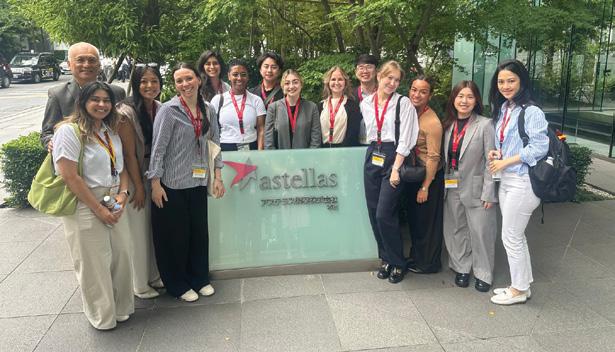
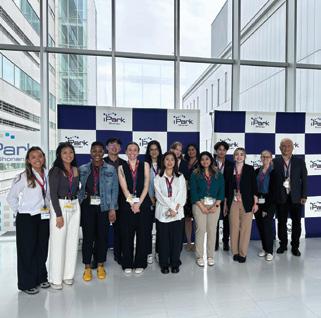
IN JUNE, 13 USC MANN PHARMD and master’s students traveled to Japan for an immersive, eight-day journey through the nation’s healthcare and biopharmaceutical sectors. Part of the course Comparative International Healthcare Systems, the trip combined academic exchange, corporate site visits, and cultural exploration across the cities of Tokyo, Yokohama and Fujisawa.
Led by Ken Wong—director of the USC Mann Division of Healthcare and Biopharmaceutical Business— the group met with executives at major firms to gain insights into drug development, value assessment, market access and global launch
strategies. The class also explored how venture capital and biotech incubators fuel innovation.
The program featured an academic exchange with Keio University’s School of Pharmacy and Pharmaceutical Sciences. There, Wong delivered a guest lecture on U.S. drug pricing, prompting dialogue on international policy differences. At the Japan Bioindustry Association, students discussed public-private partnerships and national research and development priorities.
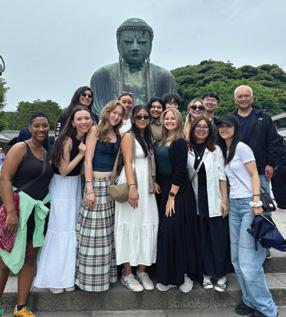
Visits to the historic town of Kamakura and the nearby island of Enoshima rounded out the trip.
USC Mann Launches Pharmacoepidemiology Master’s and Certificate Programs
WITH THE GROWING AVAILABILITY of large health databases and real-world evidence, pharmacoepidemiology has become crucial to public health and clinical decision making.
New master’s degree and certificate options at the USC Mann School of Pharmacy and Pharmaceutical Sciences will provide hands-on practice in the innovative methods of interdisciplinary pharmacoepidemiologic research.
“Pharmacoepidemiology lies at the intersection of pharmacology and epidemiology, aiming to ensure that drugs are safe when broadly prescribed and used,” says Dima Qato, director of the Mann School’s Programs on Medicines and Public Health and the Hygeia Centennial Chair.
“In the U.S. healthcare system, drug-related issues significantly impact health outcomes, and the need for rigorous data analysis to guide safe medication practices has never been greater,” she explains.
With a distinguished faculty and advanced resources, USC Mann’s pharmacoepidemiology program offers robust training with immediate, real-world applications.
Students—including professionals across the public health, regulatory, medical and pharmaceutical industry sectors— will gain tools to evaluate drug safety, generate actionable evidence and contribute to more informed medicationuse policies.
Whether earning a degree or certificate, they will emerge prepared to lead in diverse environments, from academic and regulatory settings to industry and healthcare practice.
↑ Clockwise from top: Meetings at Astellas Pharma and Shonan Innovation Park, visit to Kamakura and its monumental bronze Buddha
CLASS OF 2025 LOOKS TO THE FUTURE WITH PURPOSE
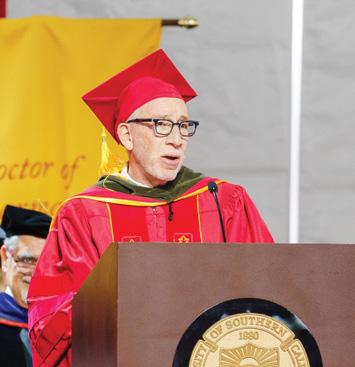
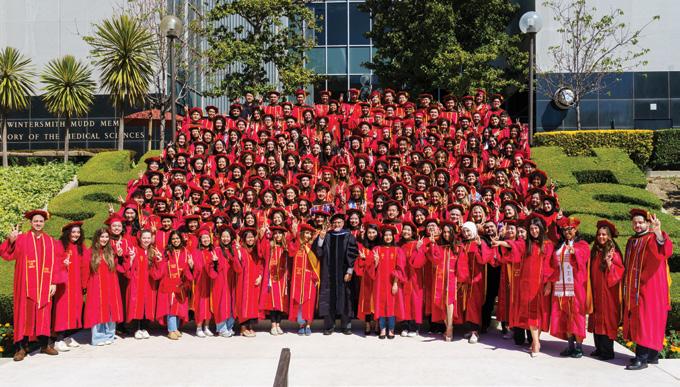
ON MAY 16, friends, family and community members gathered at the USC University Park Campus to celebrate the 118th commencement for the USC Mann School, honoring what Dean Vassilios Papadopoulos called “one of the most resilient and visionary classes we’ve ever known.” Resilience, and how the class of 2025 has exemplified it, was a recurring theme throughout the ceremony.
As they joined the ranks of USC alumni, the graduates—awarded a wide variety of degrees and certificates—were given the task of demonstrating the “boldness” that the future of healthcare demands in the midst of global uncertainty and upheaval.
“In an era of disruption, you chose persistence,” said Papadopoulos, who presided over the ceremony. “In a world often divided, you modeled unity. You demonstrated the compassion, resilience and innovation this moment demands. You inspired us all.”
Jasmine Gomez Lopez, president of the PharmD Class of 2025, reflected on how disruption and uncertainty shaped her time on campus—in her case, starting pharmacy school in the middle of a pandemic. As she reflected on her experience with Zoom, routine COVID tests and classes divided into
smaller cohorts, Lopez emphasized that students kept their spirits high.
“It was a time filled with uncertainty, isolation and constant change,” she said. “But through it all, we showed up with resilience, heart and hope. We’re stepping into a rapidly changing world. But we are not just ready—we are exactly what it needs: pharmacists who lead with knowledge, advocate with empathy and show up with purpose.”
Pharmaceutical industry executive Robert Seidman, PharmD ’82, MPH, reminded
the new graduates to step out of their comfort zones as he delivered the keynote address. Seidman—who served as vice president and chief pharmacy officer for Wellpoint, now Elevance Health—detailed his experience persuading the Food and Drug Administration (FDA) to shift allergy medications from prescription to over the counter, increasing their widespread accessibility and affordability. In doing so, he led Wellpoint in becoming the first nonpharmaceutical company to petition the FDA in this way.
With more than 43 years of experience in ambulatory, hospital and managed care pharmacy, Seidman told the graduates to “play the long game.”
“Staying in your lane often limits your potential,” he said. “Society benefits when you think differently, when you challenge norms, when you write your own manual.”
Michelle Kalu—graduating with a PhD in Clinical and Experimental Therapeutics after receiving her PharmD in 2022—addressed the ceremony on behalf of PhD and master’s graduates.
“My seven years at USC Mann taught me three simple but powerful words: humility, community and resilience,” Kalu said. “Look around: Your presence proves your resilience,
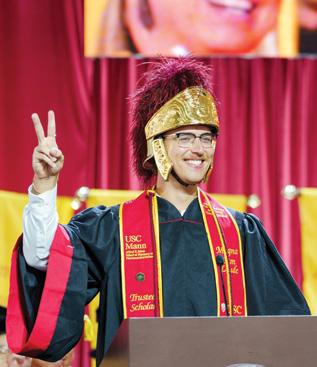
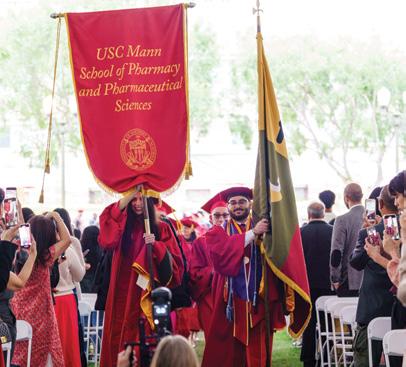
↑ Keynote speaker Robert Seidman, undergraduate speaker Mikey Null and USC Mann flag and banner bearers Ani Keshishyan and Sarkis Sislyan
Mikey Null—recipient of a bachelor’s degree in Pharmacology and Drug Development—spoke on behalf of undergraduates. Null, who served as president of the USC Pre-Pharmacy Society, again emphasized the value of resilience as he addressed his “pharmily” of “like-minded, intelligent, driven peers.” He also reflected on the lessons he learned as a member of the Trojan Marching Band.
“If being in the band has taught me anything inspirational to share with you today, it would be to keep your head held up high no matter what: Fight On,” the trombonist said.
Graduates celebrated their accomplishments surrounded by their peers and loved ones in a reception held directly after the ceremony, where they continued to reflect on their time on campus and what lies ahead.
“It’s a mix of excitement, pride and a little nervousness,” said Teny Khachadourian, who graduated with a PharmD after previously receiving a bachelor’s degree in Pharmacology and Drug Development in 2020.
“This place has been home for so long,” she said. “It’s bittersweet to say goodbye.”
Three USC Mann Residency Programs Earn Full Accreditation
SECOND-YEAR RESIDENCY programs in infectious diseases, oncology and psychiatric pharmacy achieve top marks and maximum accreditation periods.
The USC Mann School received full accreditation for three of its advanced residency programs from the American Society of Health-System Pharmacists (ASHP), the national accrediting body for all pharmacy residency programs. ASHP granted the maximum eight-year initial accreditation to the postgraduate year two (PGY-2) Infectious Diseases Pharmacy Residency Program at Los Angeles General Medical Center and the PGY-2 Oncology Pharmacy Residency Program at USC Norris Comprehensive Cancer Center. The PGY-2 Psychiatric Pharmacy Residency Program at Los Angeles General Medical Center earned continued accreditation through the remainder of its eight-year term.
“These accreditations underscore the exceptional quality and comprehensive training provided within our pharmacy residency programs,” said Lisa M. Whittington, director of USC Mann’s residency programs. “This achievement reflects the dedication of our faculty, preceptors, staff, residents and partners to advancing pharmacy practice and patient care.”
countries offer Advanced Pharmacy Practice Experiences to USC Mann students (up from 3 in 2014–15)
GLOBAL REACH
FOR MORE THAN THREE DECADES, the USC Mann School has maintained international partnerships that now span Asia, the European Union, Australia, South America and Africa. With its location in Los Angeles—the capital of the Pacific Rim— the school is uniquely positioned as a bridge between East and West.
The school’s global activities include student exchanges and internships, joint scientific meetings and research collaborations, and clinical pharmacy and management training programs for foreign colleagues. And each year, USC Mann students gain practical experience as they pursue internships and rotations in far-flung destinations from Australia to Europe and Asia to Africa, as well as across the United States.
As public funding shrinks, private philanthropy has never been more vital to USC Mann’s brand of bold, lifesaving research. Scientists at our school are pushing the boundaries of what’s possible—from pioneering AI-driven drug discovery to innovations in managing chronic disease and enhancing wellbeing and healthy aging. But our continued advances rely on your support.
INNOVATIVE SCIENCE NEEDS YOU “
Research is fundamental to USC Mann’s mission as our scientists confront today’s most urgent health challenges. I invite every Trojan to support us in advancing discovery that transforms lives.”
VASSILIOS PAPADOPOULOS Dean, USC Mann School of Pharmacy and Pharmaceutical Sciences
Donate now to support USC Mann research. Your gift today fuels the ideas, discoveries and treatments that change lives tomorrow. Make a gift at giveto.usc.edu/health-uscschool-of-pharmacy
University of Southern California
USC Mann School of Pharmacy and Pharmaceutical Sciences
Health Sciences Campus
University of Southern California
1985 Zonal Avenue
Los Angeles, CA 90033
mann.usc.edu
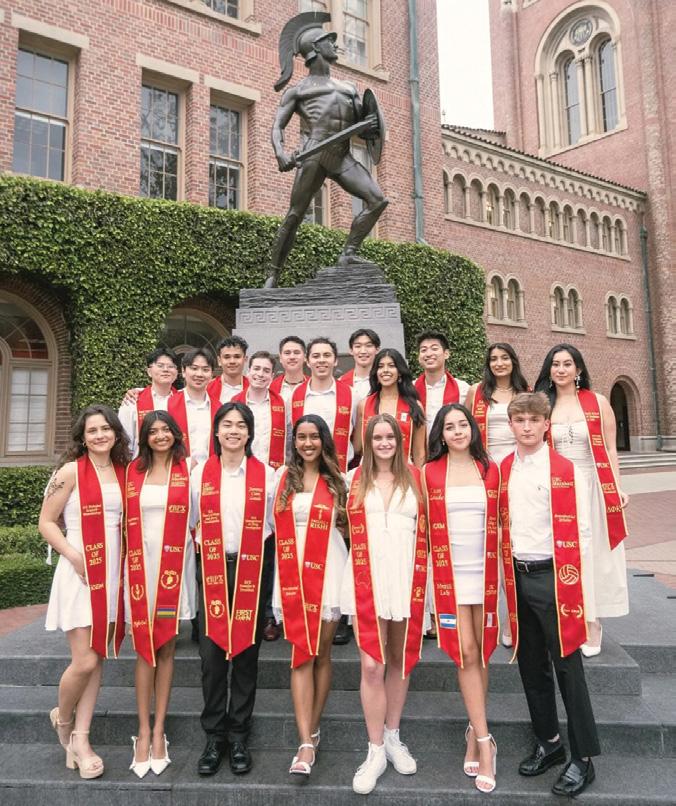
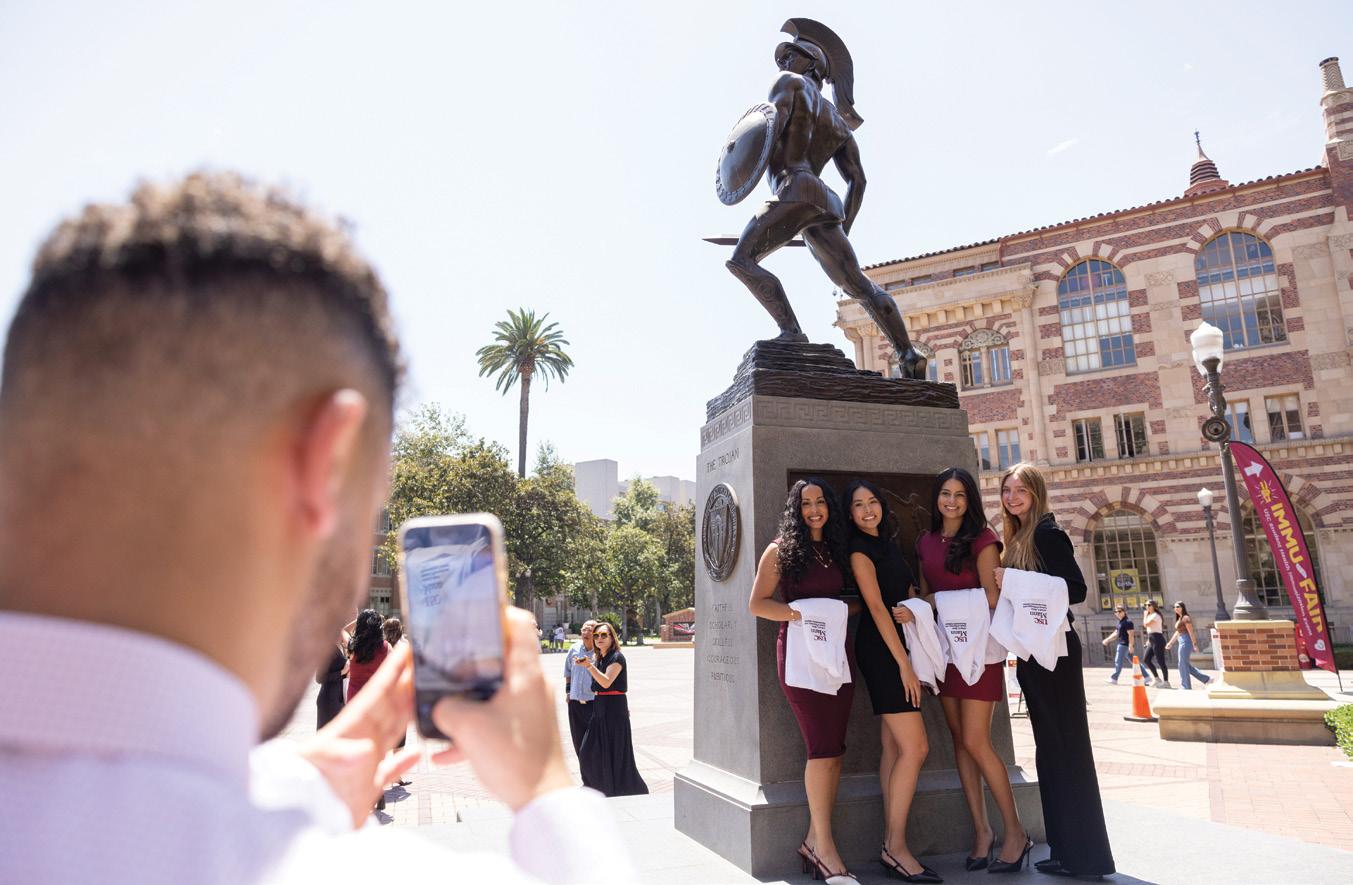
↑ Before the White Coat Ceremony on the University Park Campus on August 22