Portfolio
Jiri Ares Brakenhoff MSc
Portfolio 2022
2
Heimansweg 50 1031VC, Amsterdam 05-07-1994
Driver license: B Jiribrak@hotmail.com +316 101 73 127
Language/ Dutch: Native English: Fluent Spanish B1
Interests/ Walking, Citys, Chairs, Music, Painting
Graduated MSc.
TU Delft Master Architecture Delft, Netherlands 2019 - 2022
FAU U. de Chile
Master Architecture - exchange Santiago, Chile 2019
TU Delft Bachelor Bouwkunde Delft, Netherlands 2014 - 2018
TU Delft House of the Future Minor Architecture Delft, Netherlands 2016 Hervormd Lyceum Zuid Amsterdam 2008 - 2014
OTHER EXPERIENCES/
1:1 Prototype Workshop ESA
Master architecture
TUDelft/TUWien, Netherlands/Austria 2019
Miguel Lawner playground workshop
Master architecture
FAU U. de Chile, Chile 2019
Digital/ AutoCad Adobe Illustrator Adobe InDesign Adobe Photoshop Adobe Premiere Pro Revit Sketch-up Pro Rhino V-Ray Grasshopper Microsoft Office Laser cutting CNC milling 3D scanning 3D printing Manual/ Wood crafting Furniture building Model building Fungi growing Concrete molding Relational/ Creative and critical thinking, Re-use focused, Socially and verbally strong, Good with ideological differences, Problem solving, Technical
Studio Brakenhoff
Interior Design, Architecture
Amsterdam, Netherlands 2021
Interior Architect
- Office design Hemubo/Hillen & Roosen. Benit 30, Amsterdam.
- Renovation of a 1920 house. Nachtegaallaantje, Bergen. - Interior of a penthouse. De Prinsendam, Amsterdam.
Studio Brakenhoff
Interim Architect Consultancy for Elfi Amsterdam, Netherlands 2020-2021 Architect Consultant
Studio Wild Amsterdam, Netherlands 2020
Pavilion design for Biennale Architettura Venezia, Model making, Housing Intern
Fungalogic / Fairm
Den Haag, Netherlands 2018 Concept building, Woodwork, Fungi-lab assistant Intern Promolding Den Haag, Netherlands 2016 3D Scanning, Quality control Quality Control Engineer
HUISWERKenzo
Delft, Netherlands 2016-2020 Tutoring, Coaching Tutor
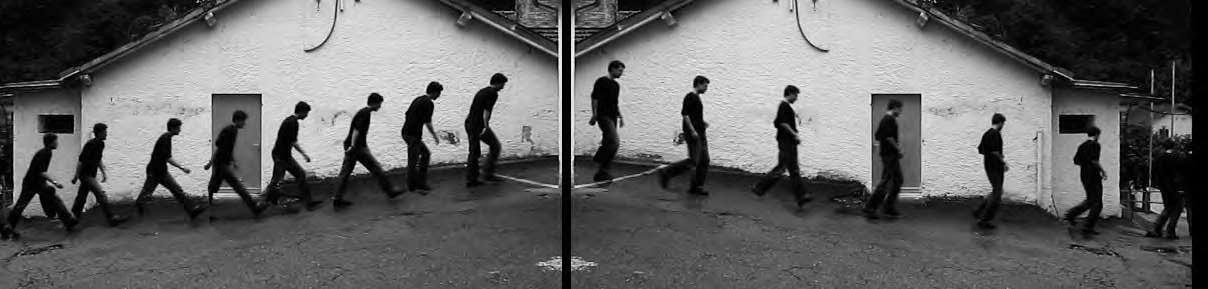
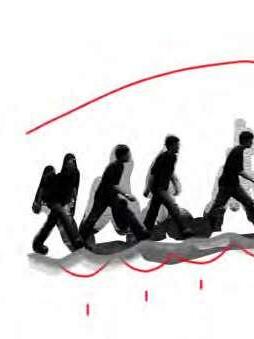
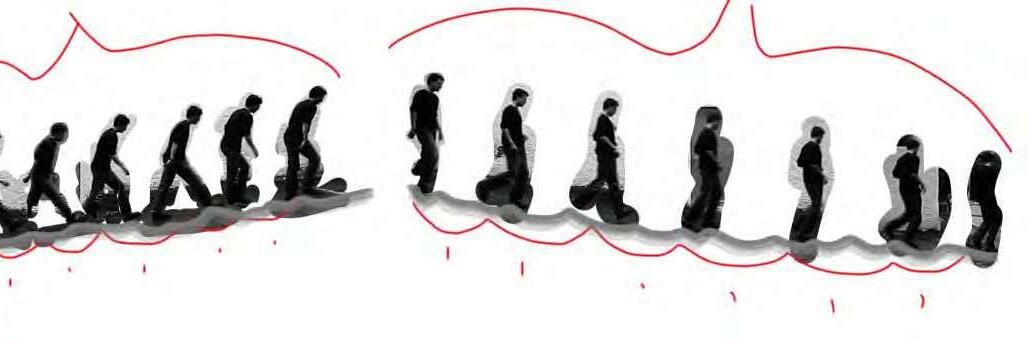
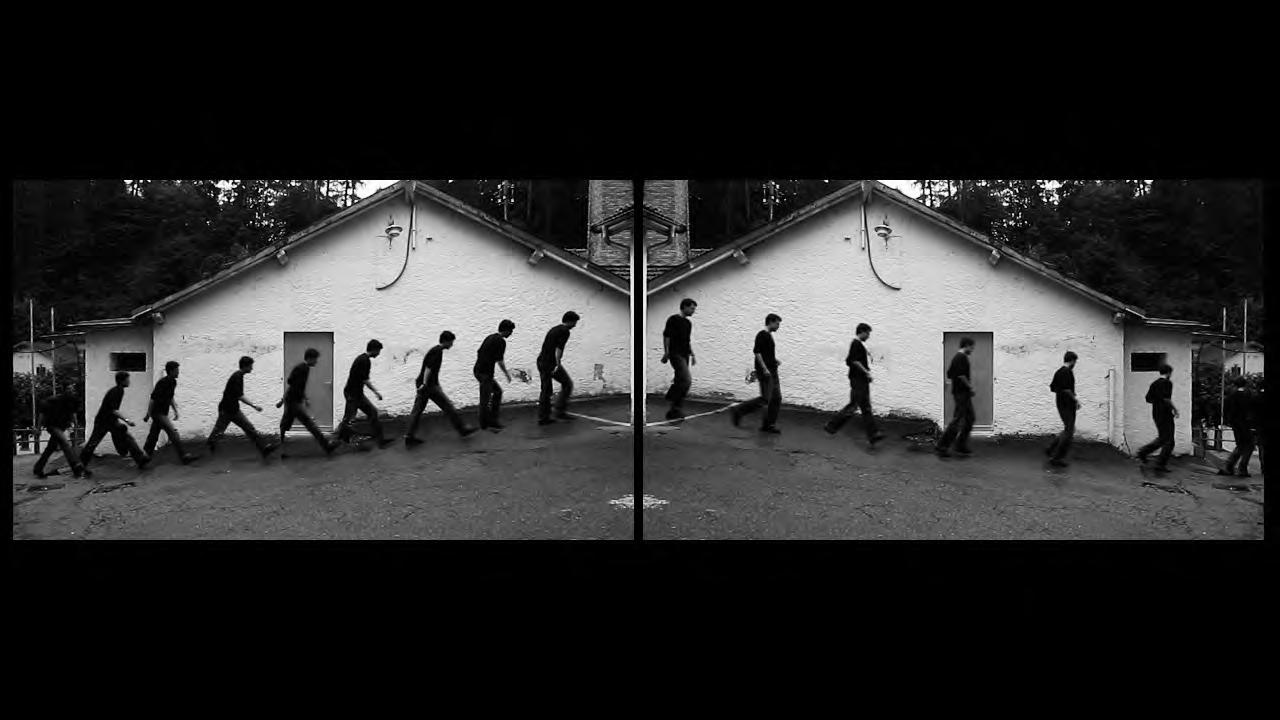
The research focused on the human body and the relation it has with the surroundings while walking. The way we experience, depends partly on the way we move and vice versa: the way we move depends on our surroundings. This results in the fact that walking not only functions as a tool. Walking on itself provides lots of joy. The joy of encounters, of surprising elements or other experiences along the way.
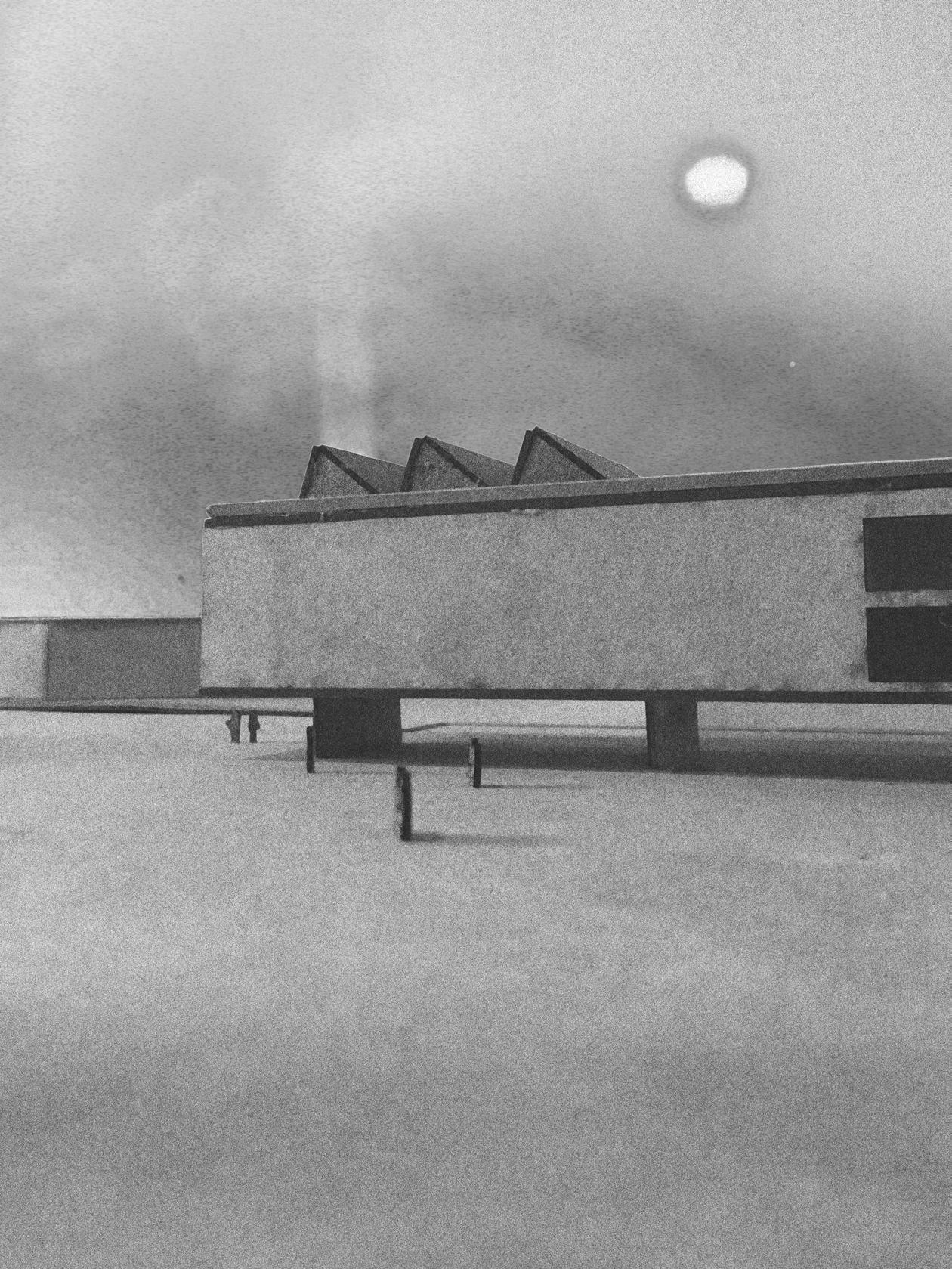
Half a year on exchange to Santiago de Chile taught me in particular a lot about the use of public spaces. In Santiago, public space for everyday use is of very high functional value. Therefore, the focus of this project lies on the public space surrounding the building.The building is there to create space that is protected against the extreme heat or cold that Santiago faces during Summer and Winter.
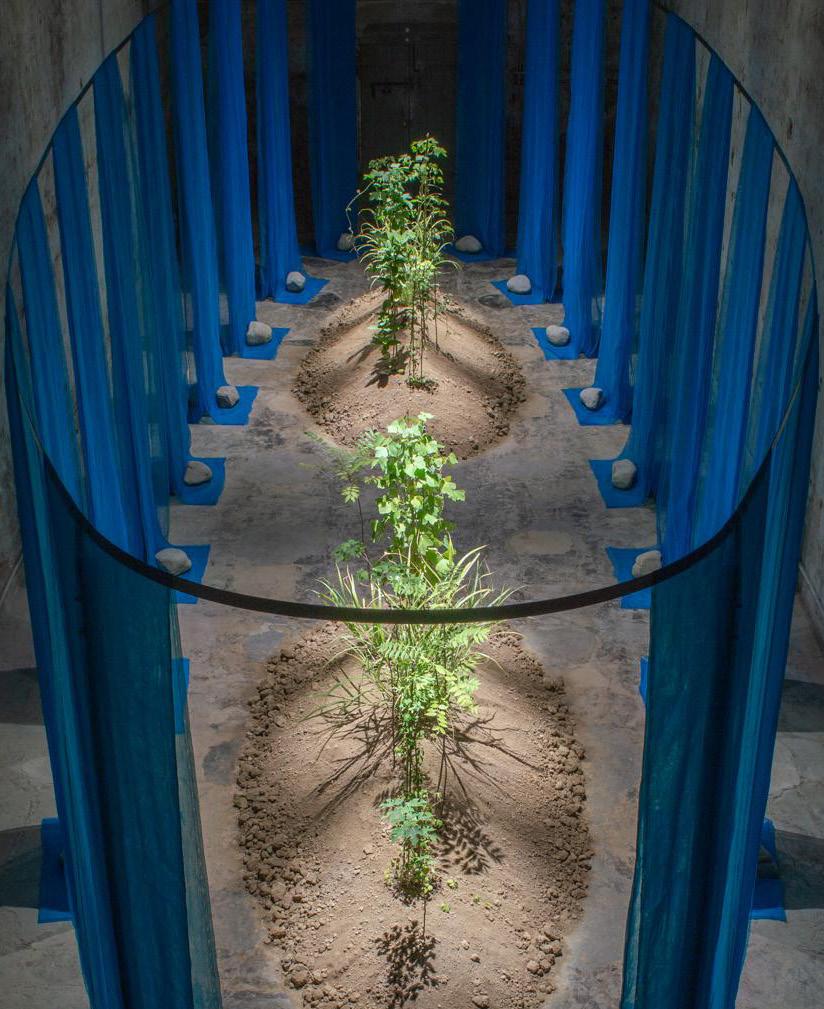
Using plants as metaphor, The Forbidden Garden of Europe sheds new light on politically charged topics and tells the stories of invasive alien plant species, which were provided by the Padua Botanical Garden.
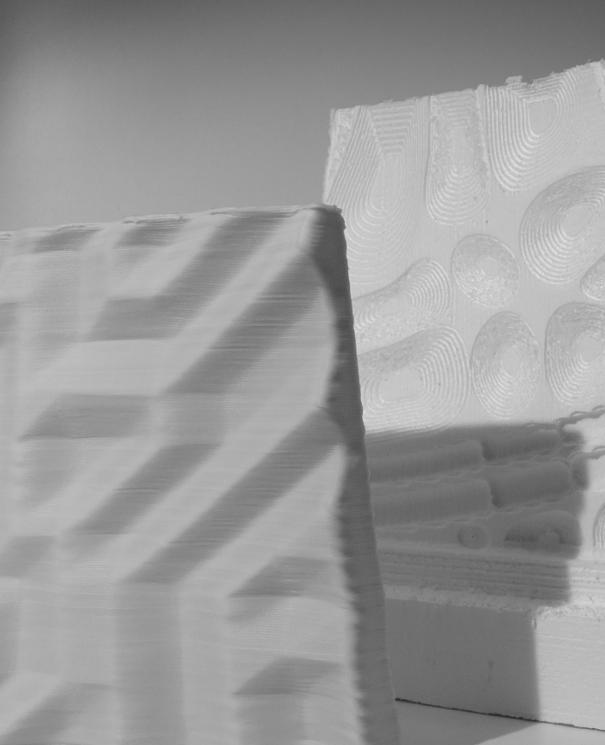
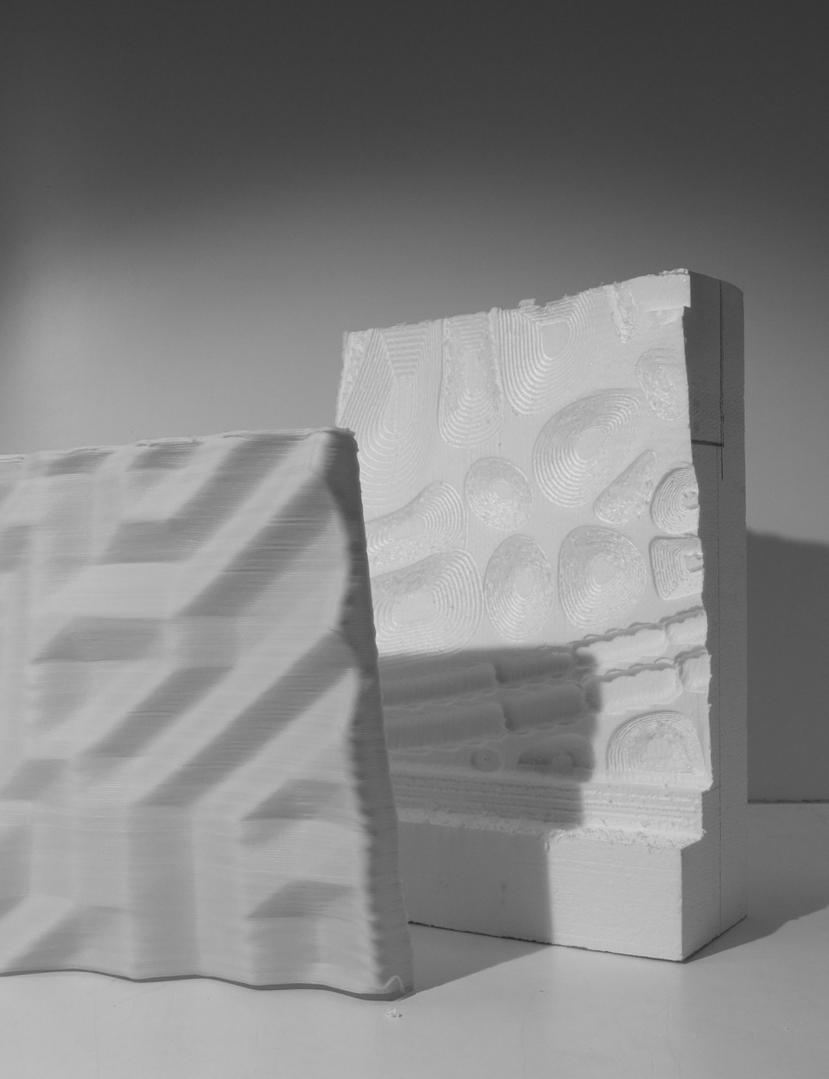
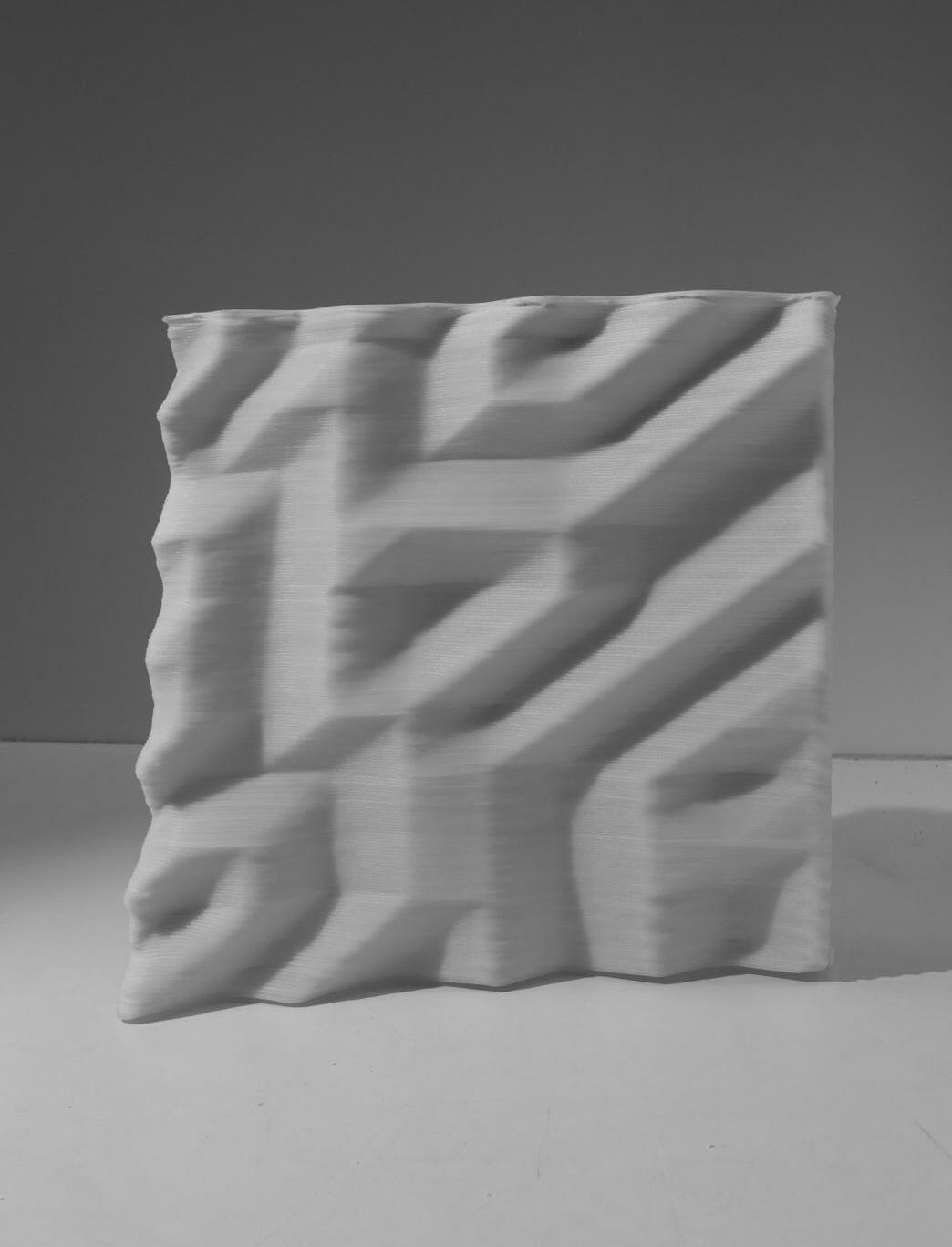
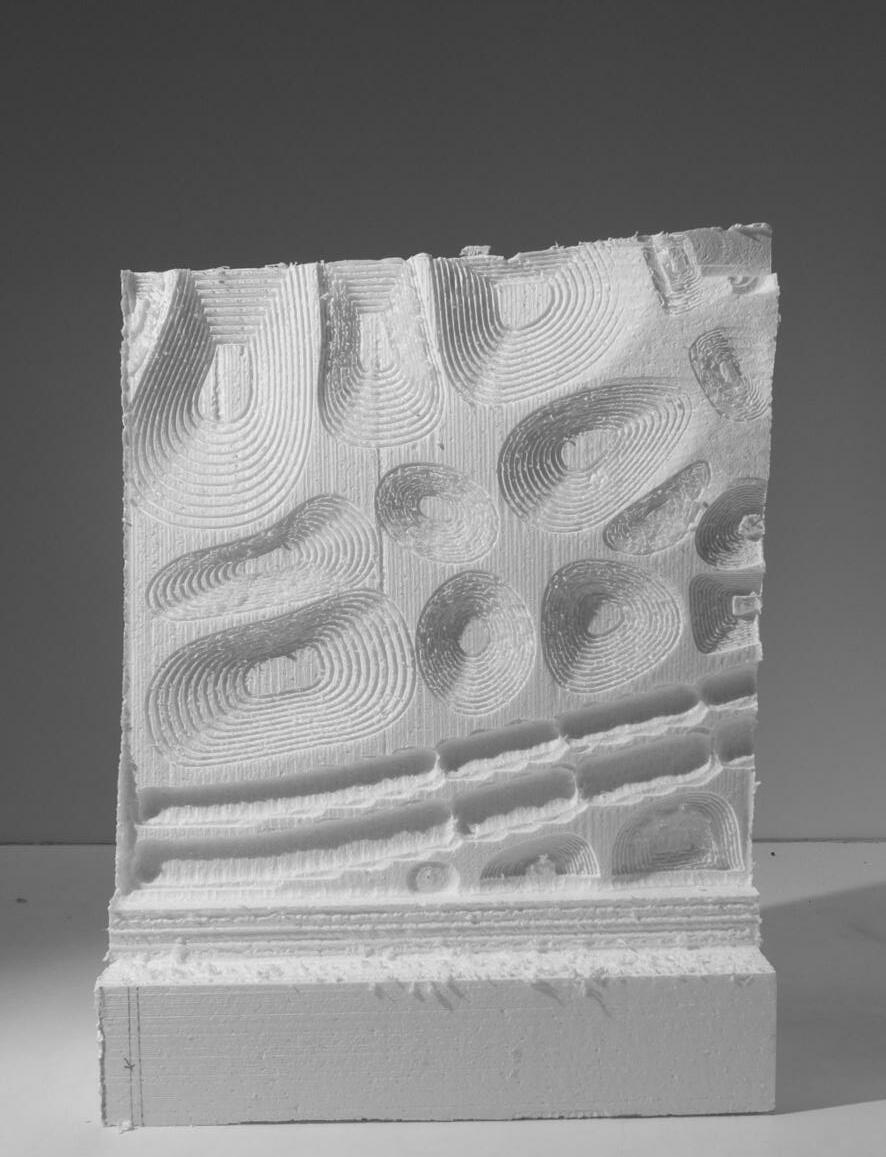
An off-Earth structure built in Regolith to protect astronauts from the harsh inhabitable environment of Mars. The panels are generated by a Grasshopper script. One based on a sound diffusion analysis that contains a pattern based after the Gray Scott model. The second connecting panel is structural based on a stress line analysis. A workshop based on the proposal by the TU Delft in collaboration with ESA.
The presentations can be found on the TUDelft website.
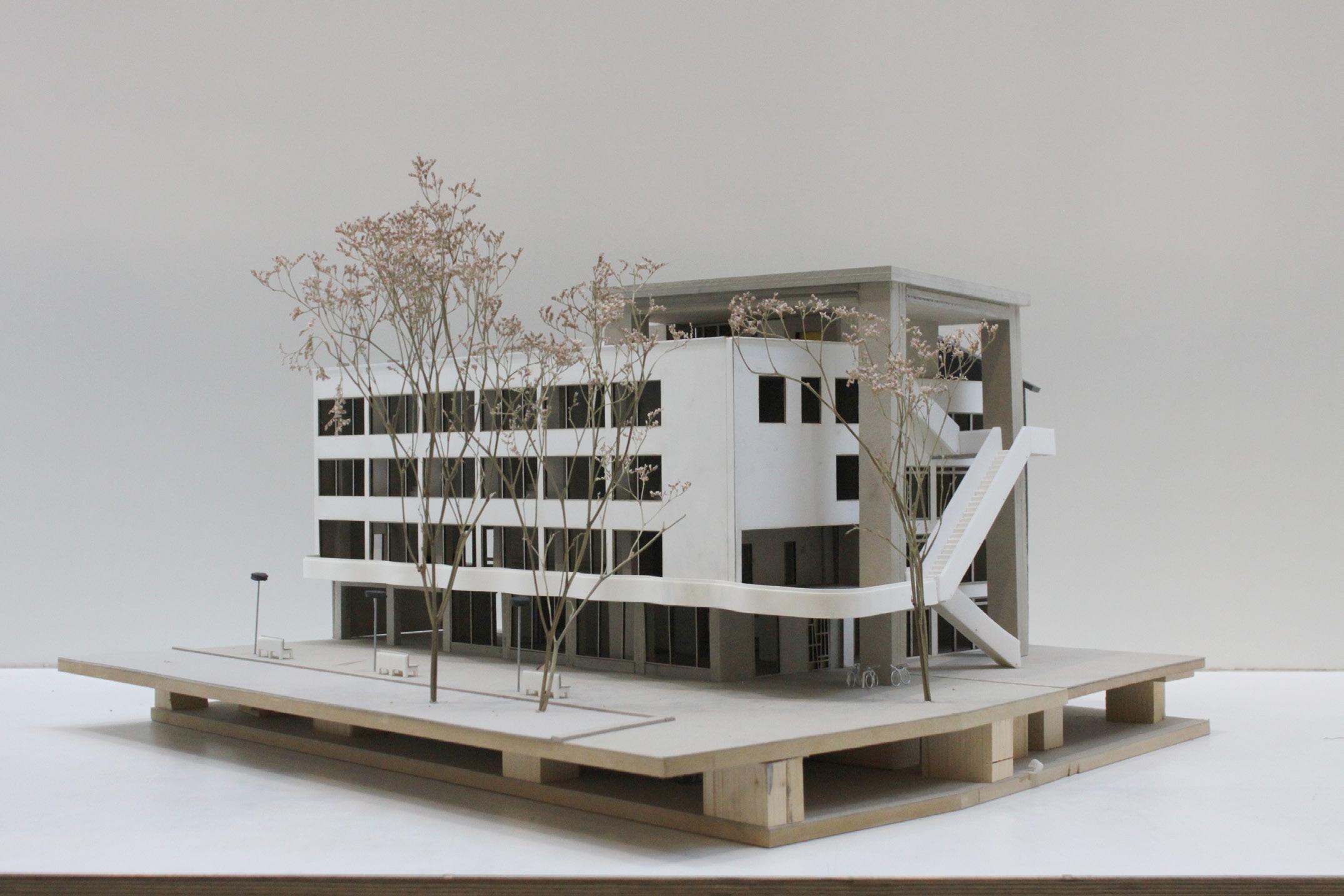
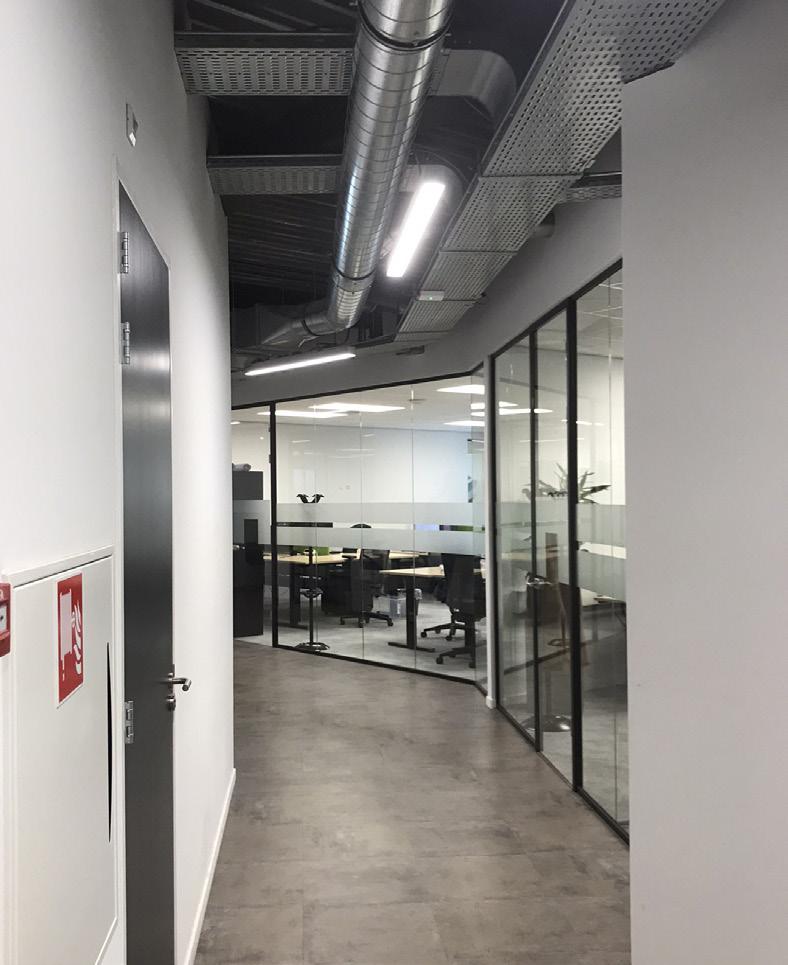
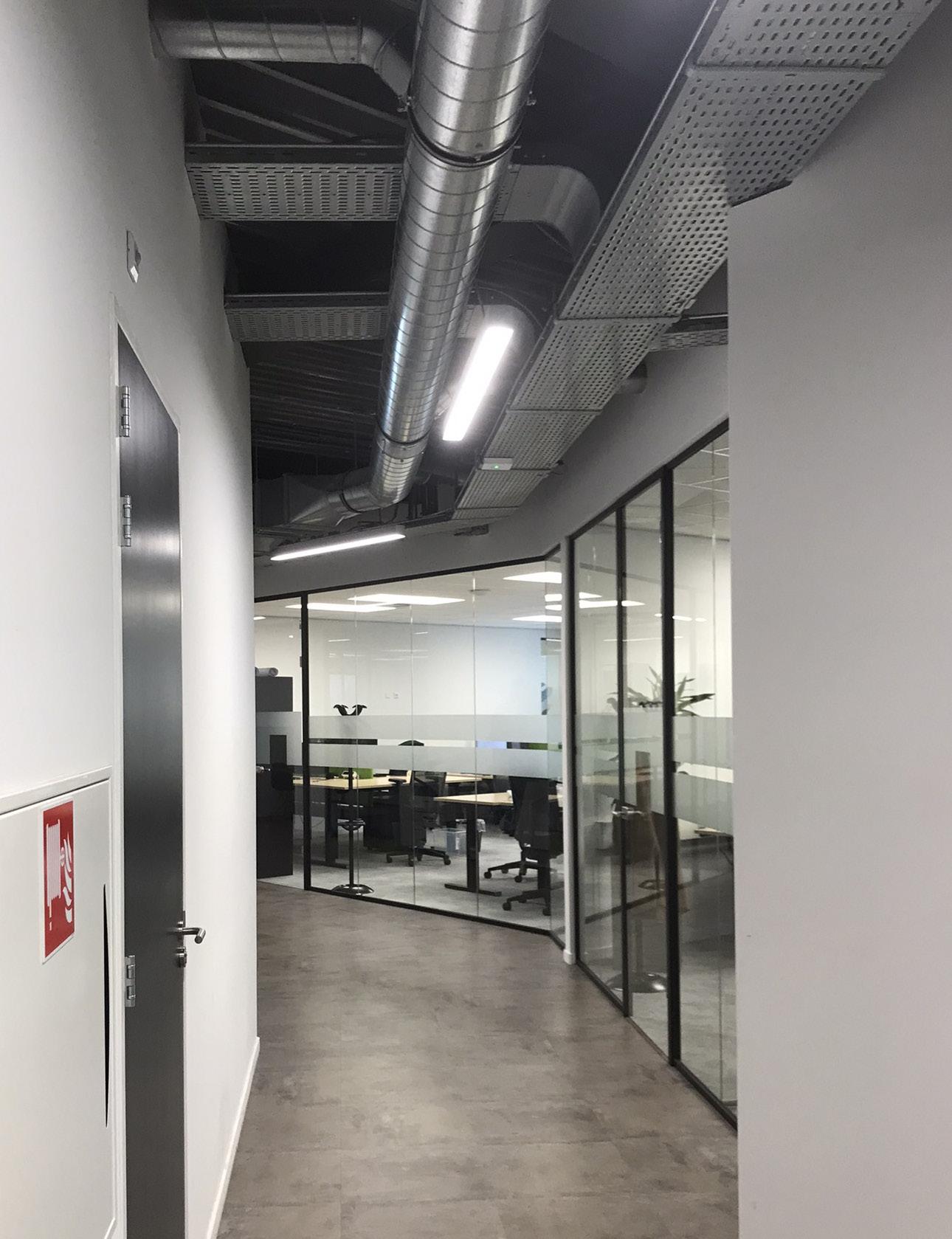
The vertical expansion of the office building of Hillen & Roosen in Amsterdam West. With the task of balancing the interests of five different departments a plan for this new floor was made. Next to five different workers departments, it hosts a canteen, a terrace and several meetingrooms. The project is built and well recieved by the departments.
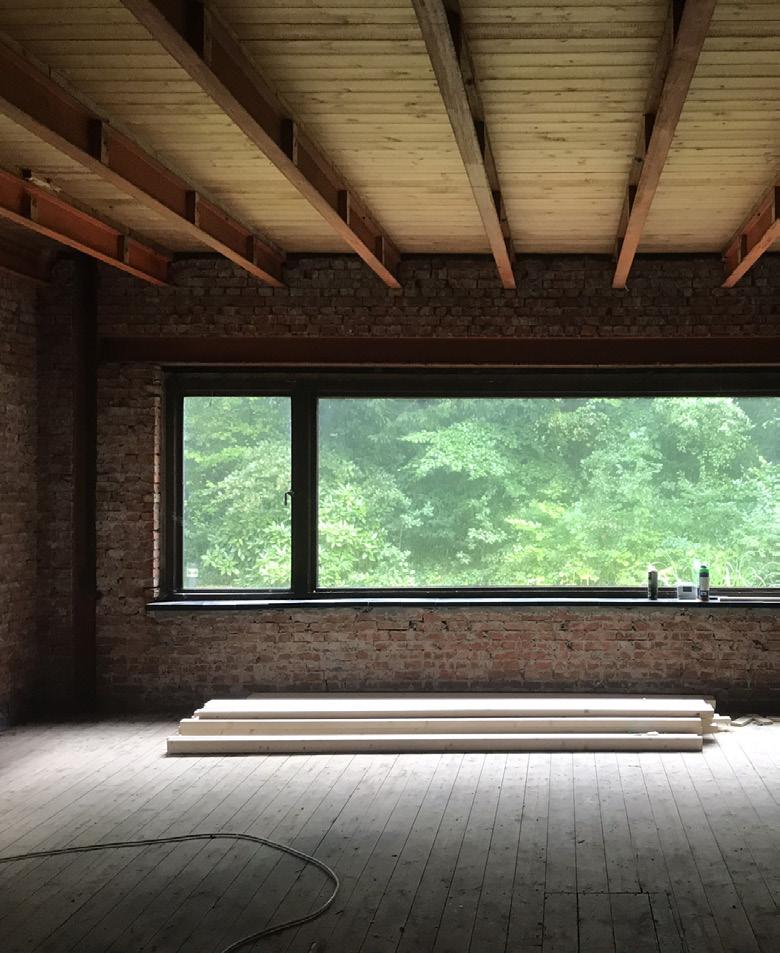
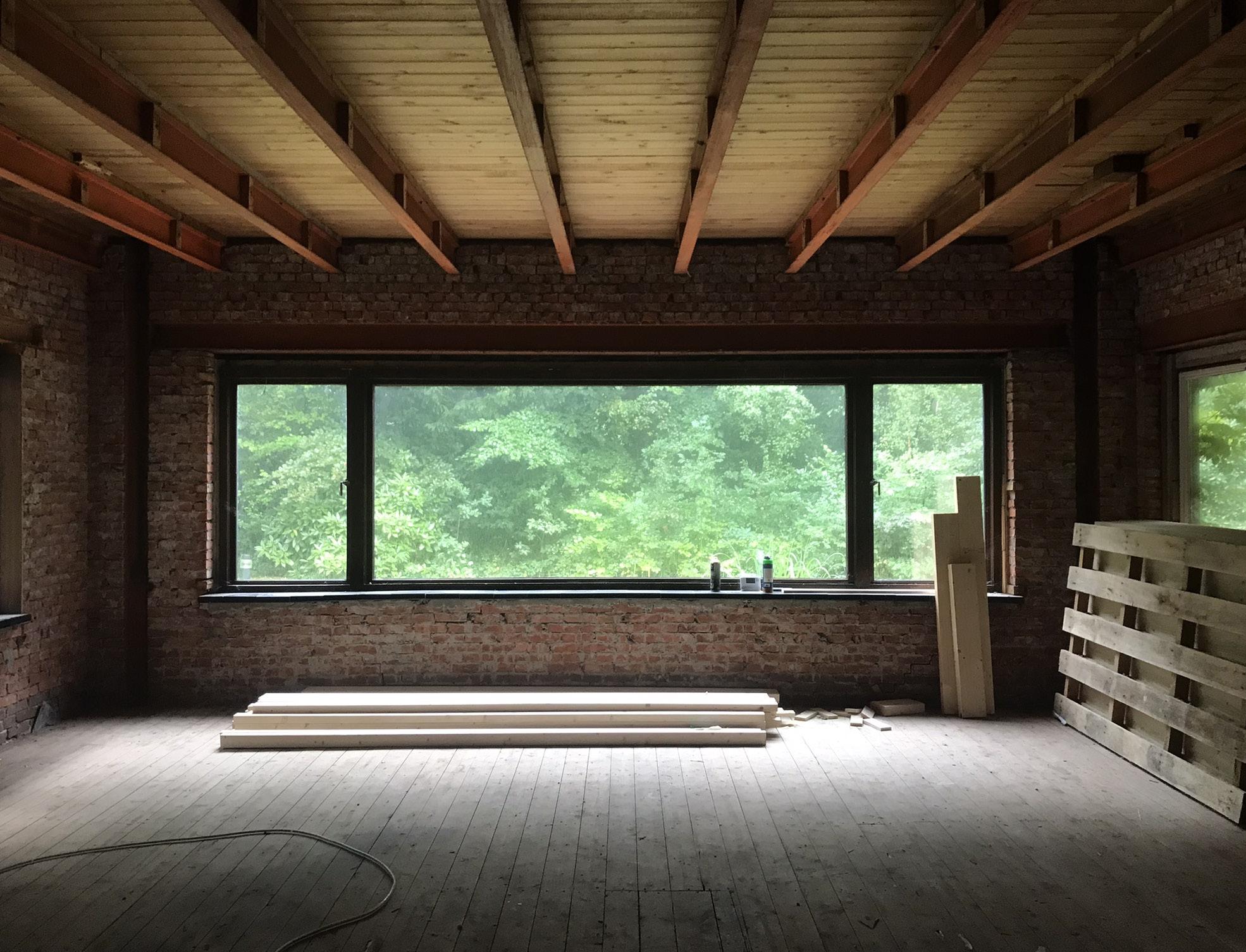
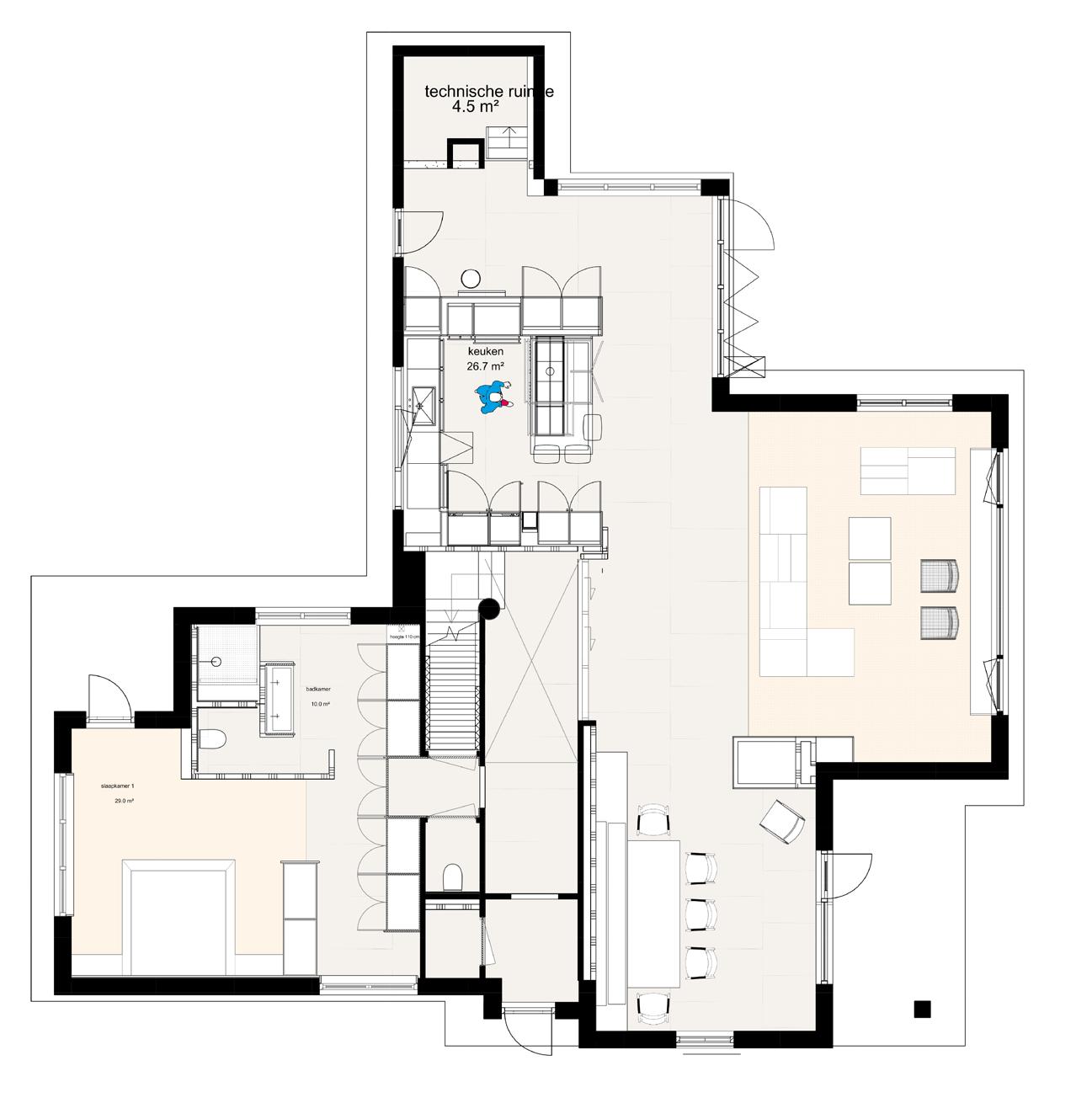
The complete renovation of a 1920 villa in Bergen. A complete 250 square meters interior project of a house with an arts and crafts 20s soul. By keeping all the old details and combining them with contemporary wooden craftmanship, a combination of two styles separated by 100 years come together.
My personal interest in walking started with the exploration of the city.
I started to learn about walking and noticed that it can be used as an instrument, next to being a means of transportation. Therefore, my interest became more grounded by artists that use walking as a tool to research their
tween action reaction, and perception of our human body. In this research and design project, the goal is to learn about our architectural surroundings and the human action and perception that are related to it by using walking as a tool.
A research on walking: linking perception and action.
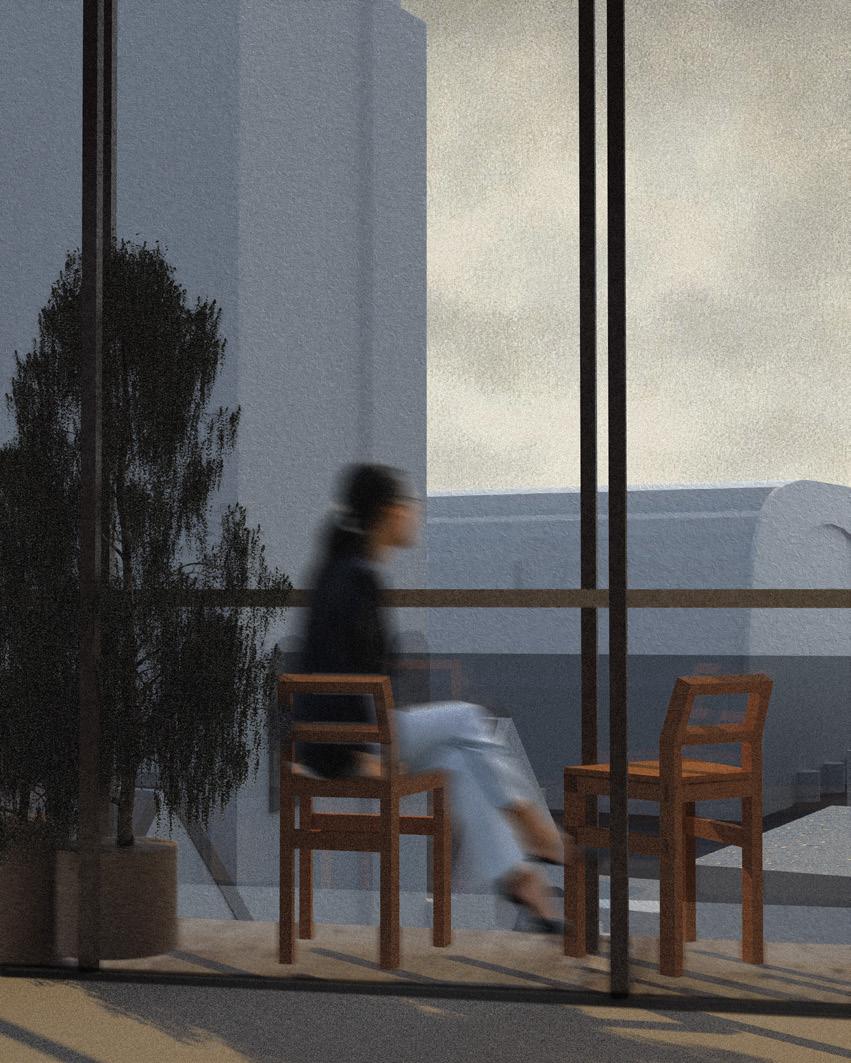
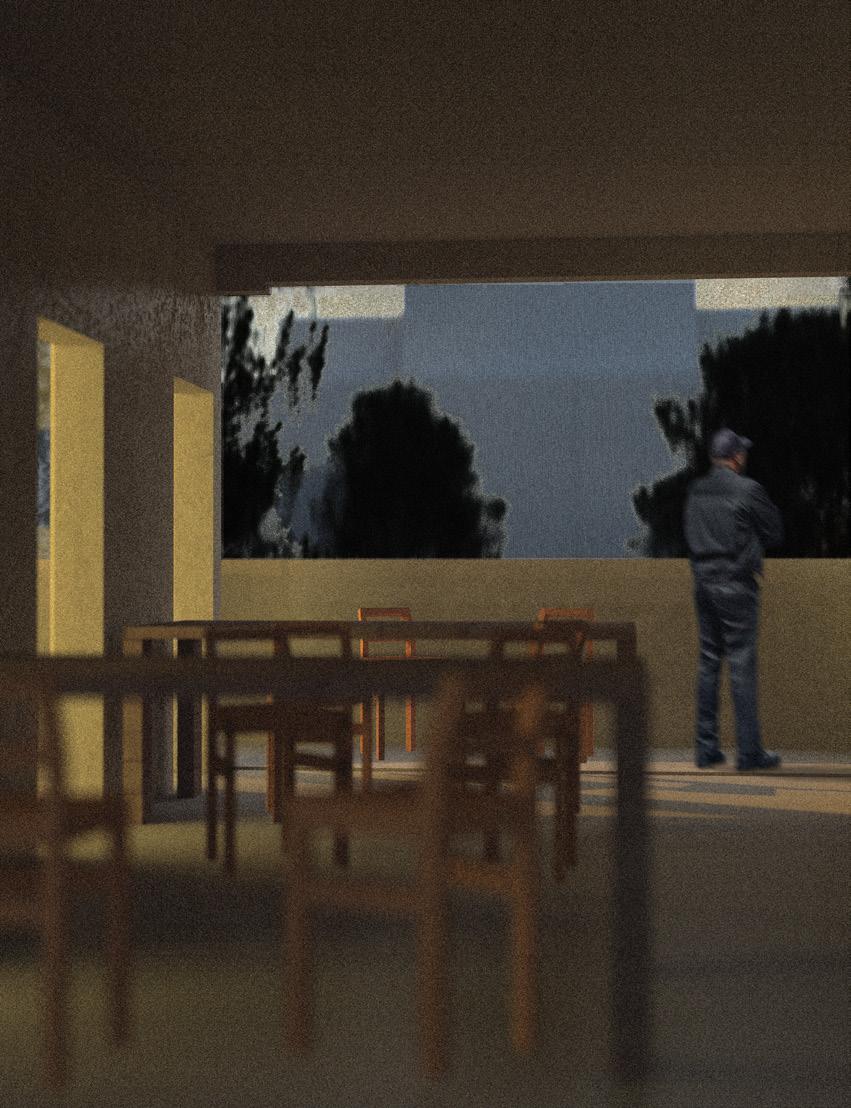
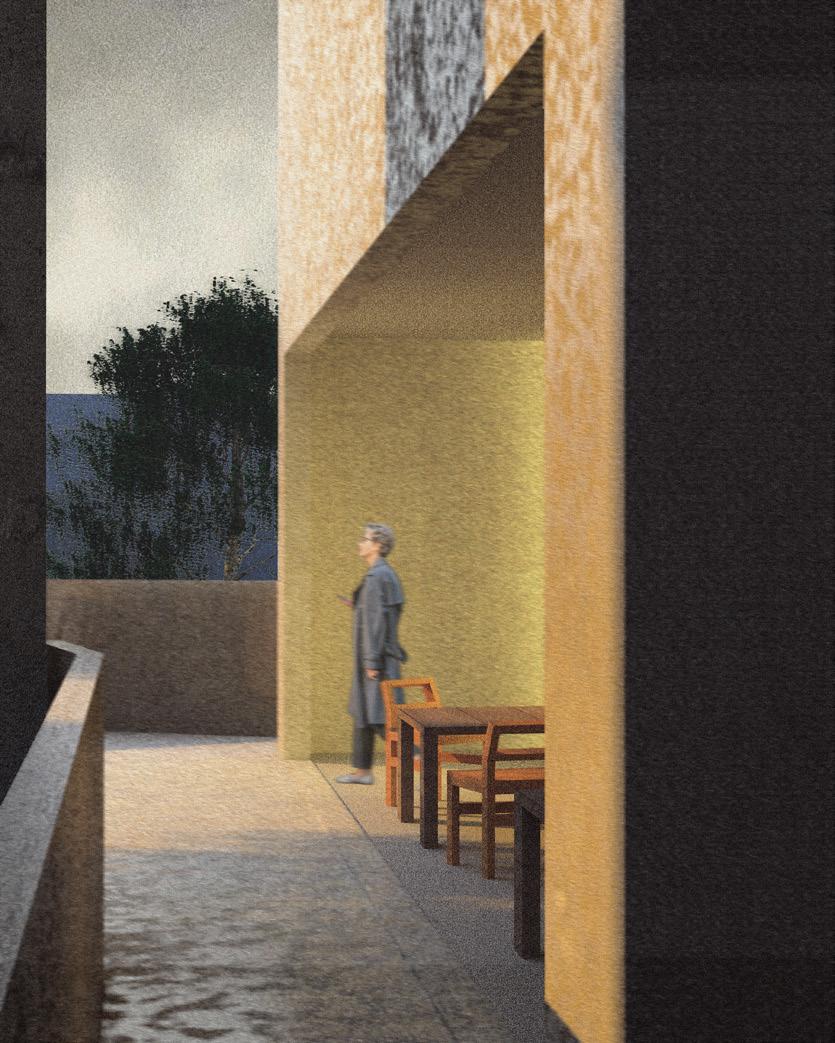
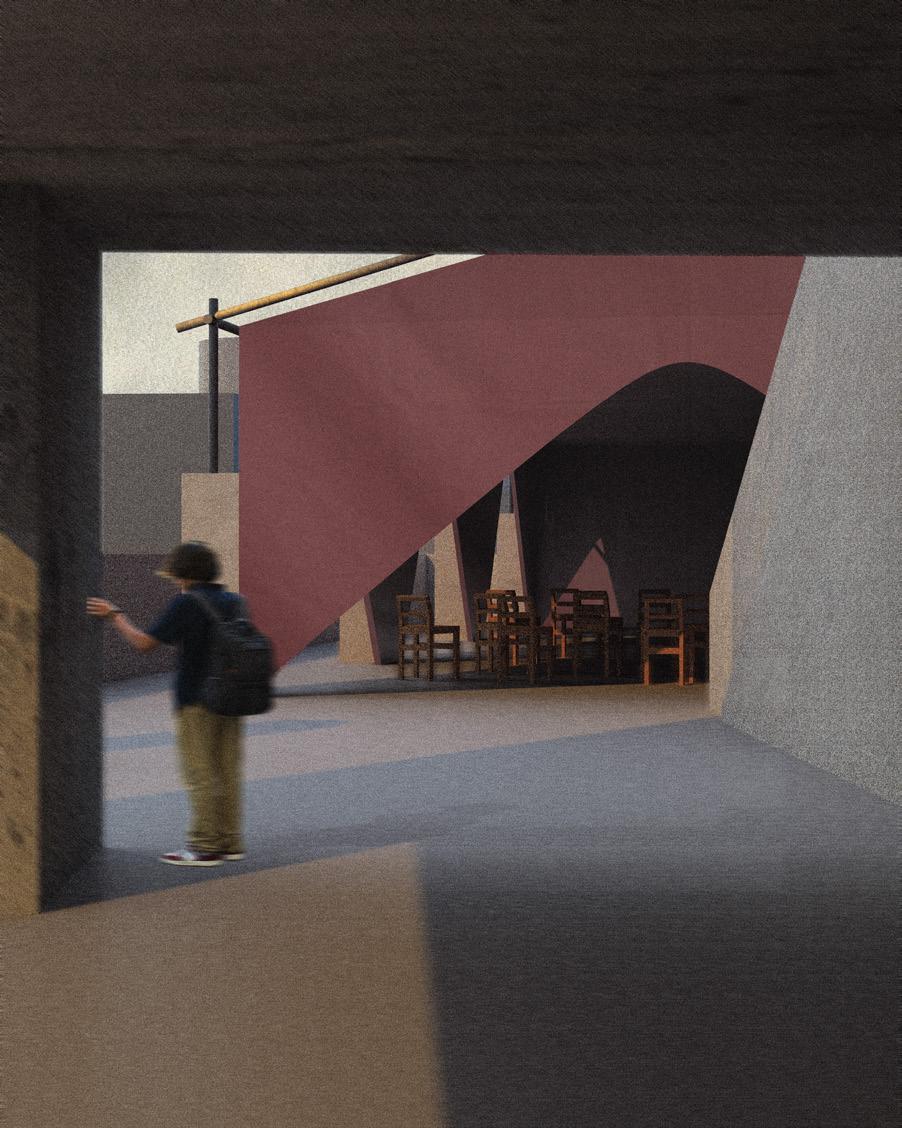
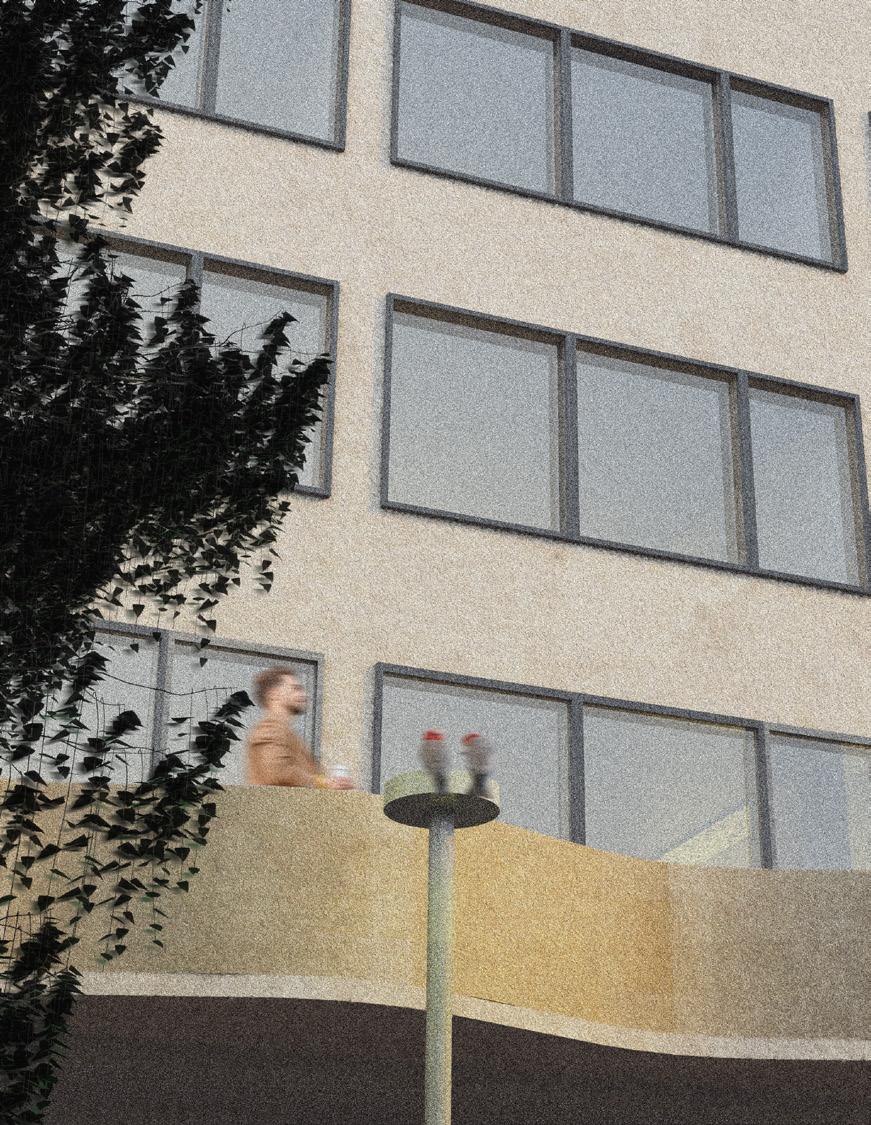
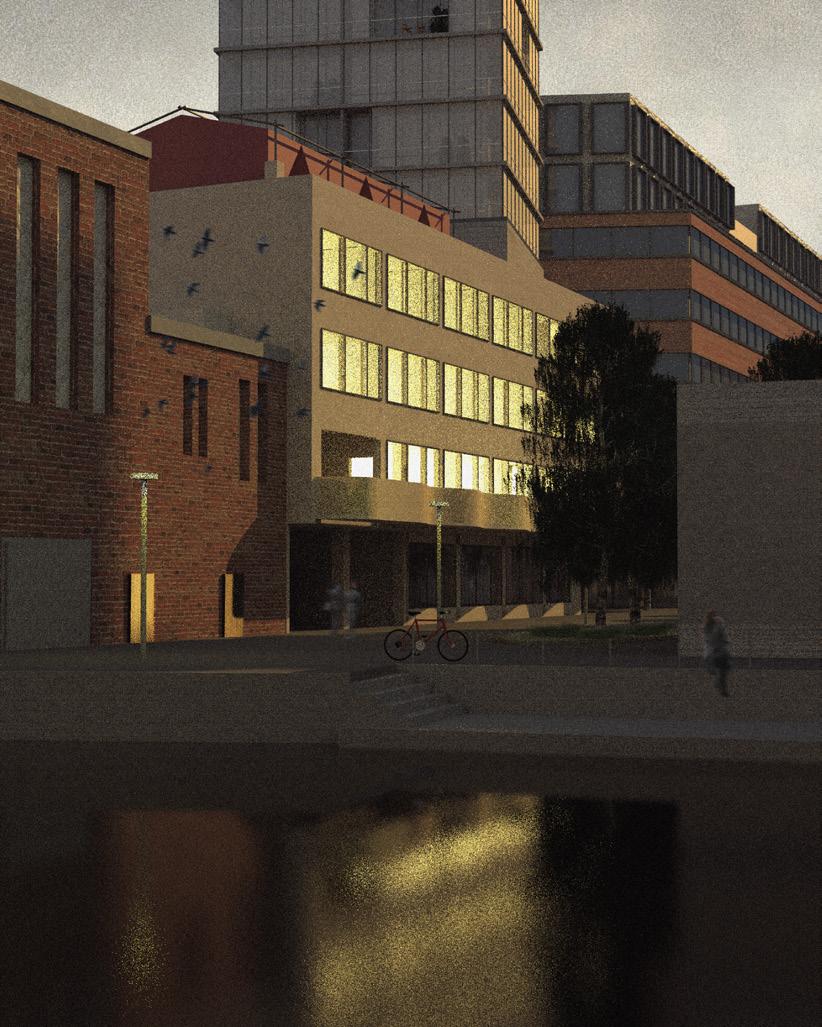
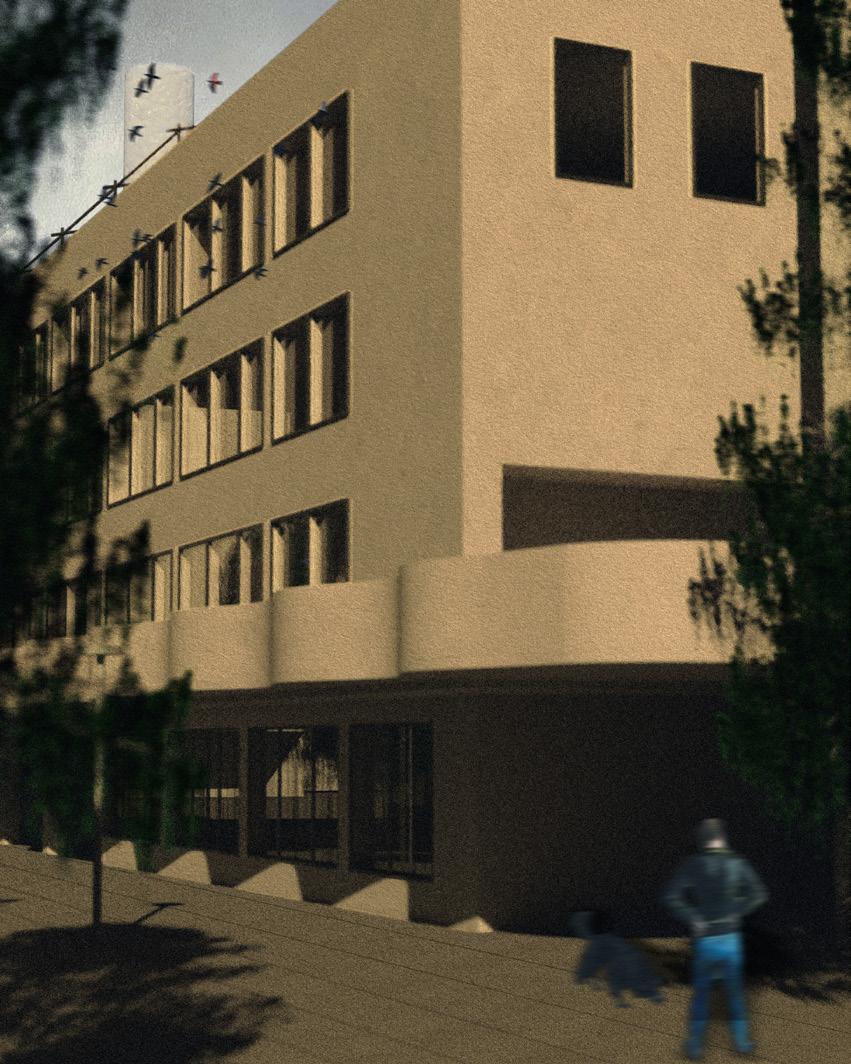
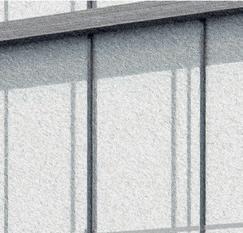
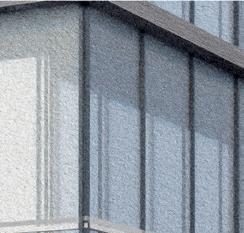

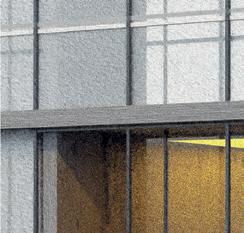
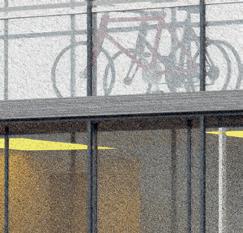
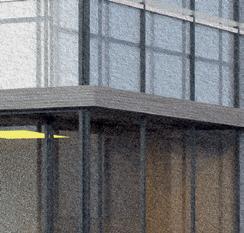
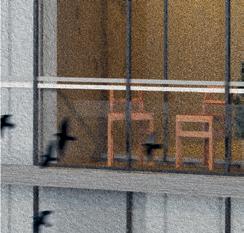
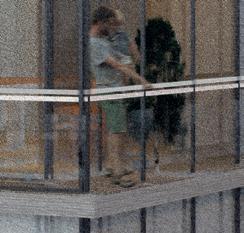
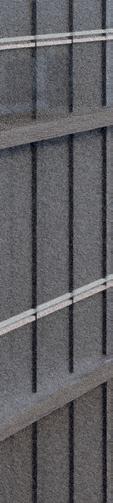
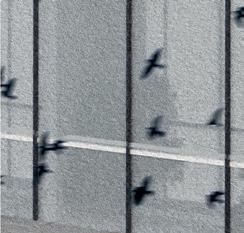
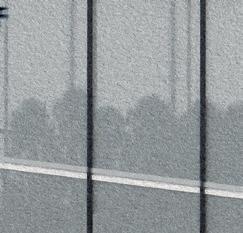
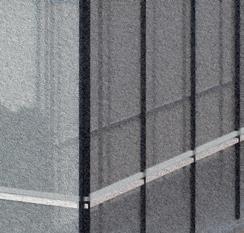
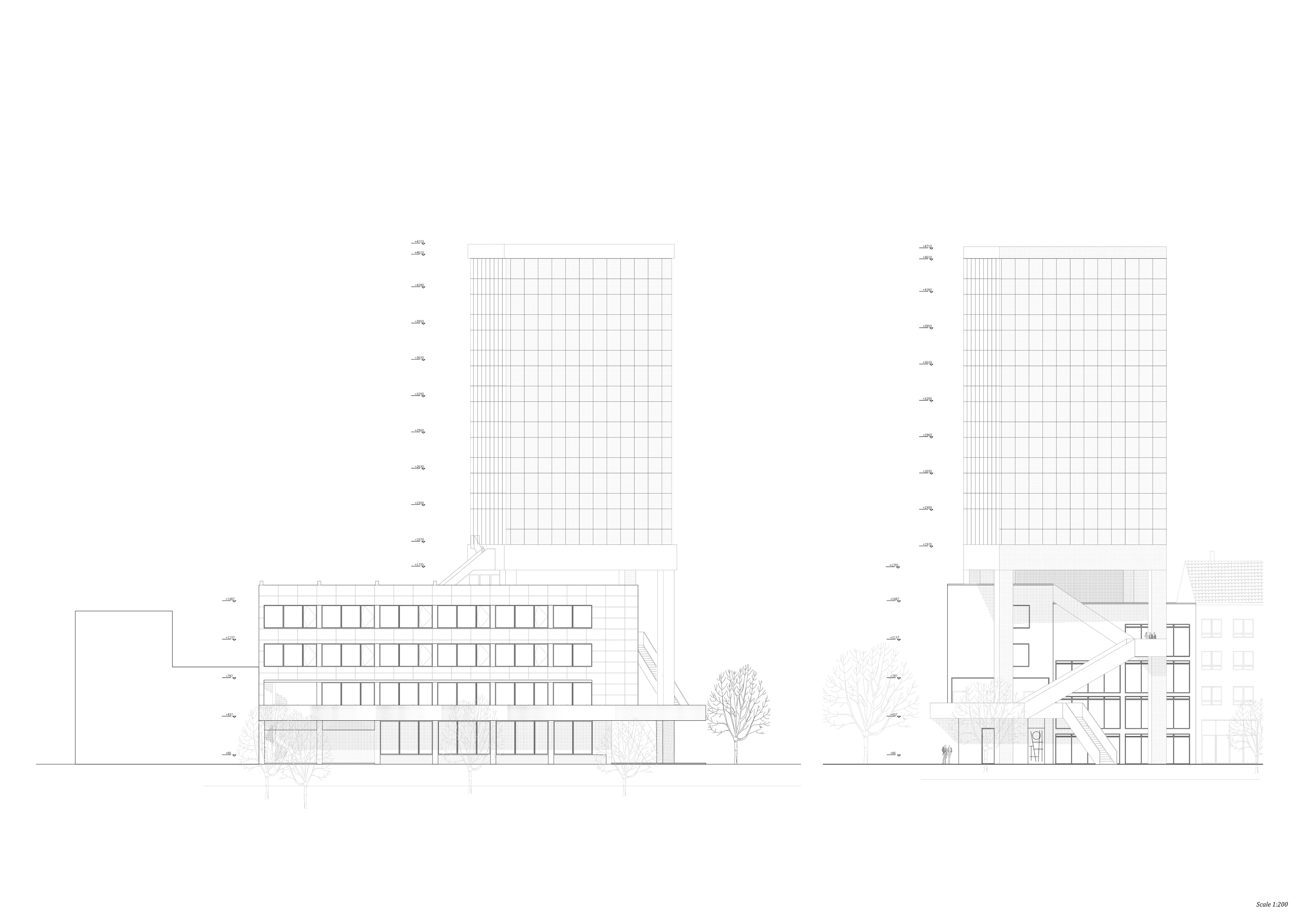
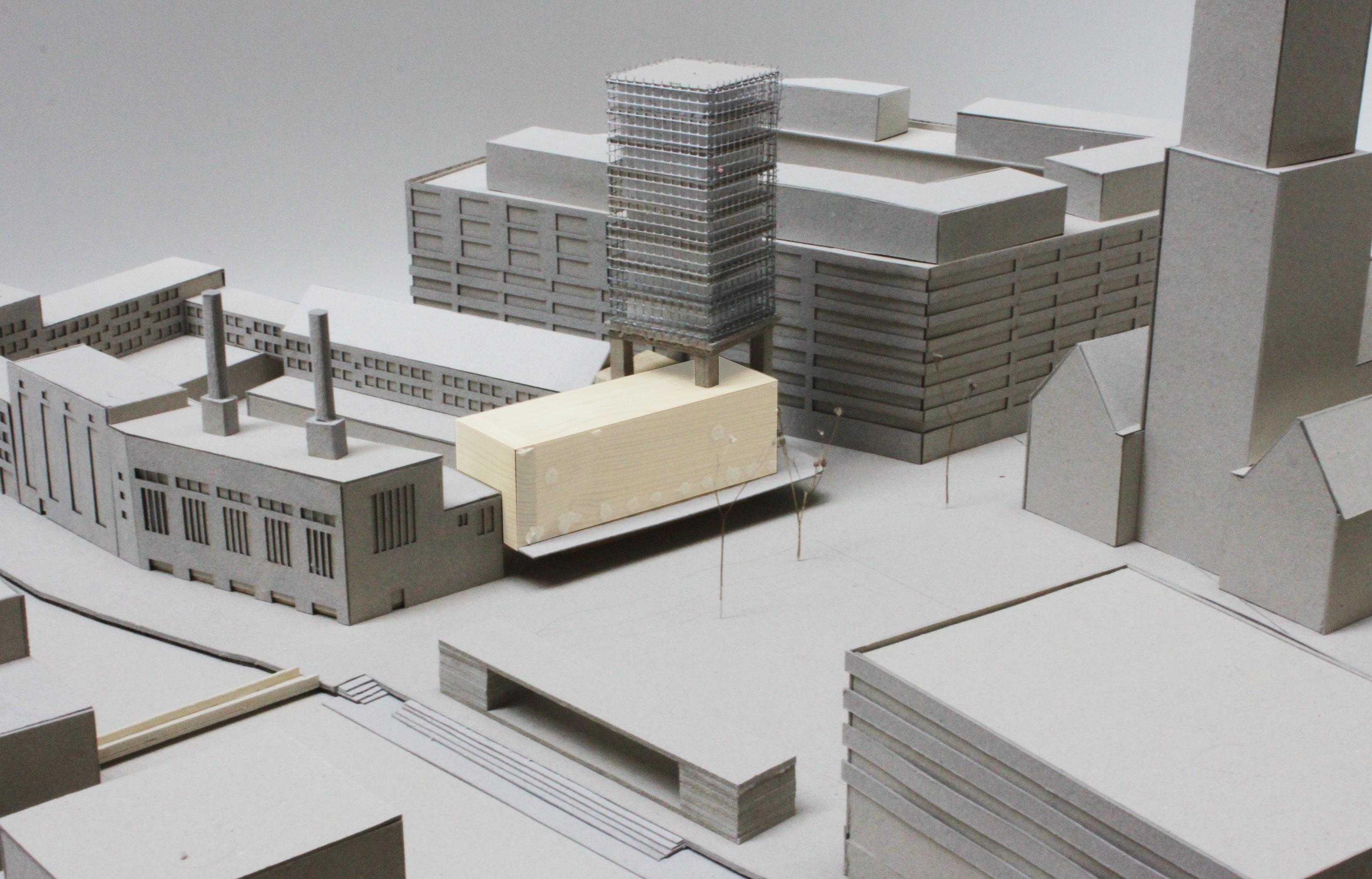
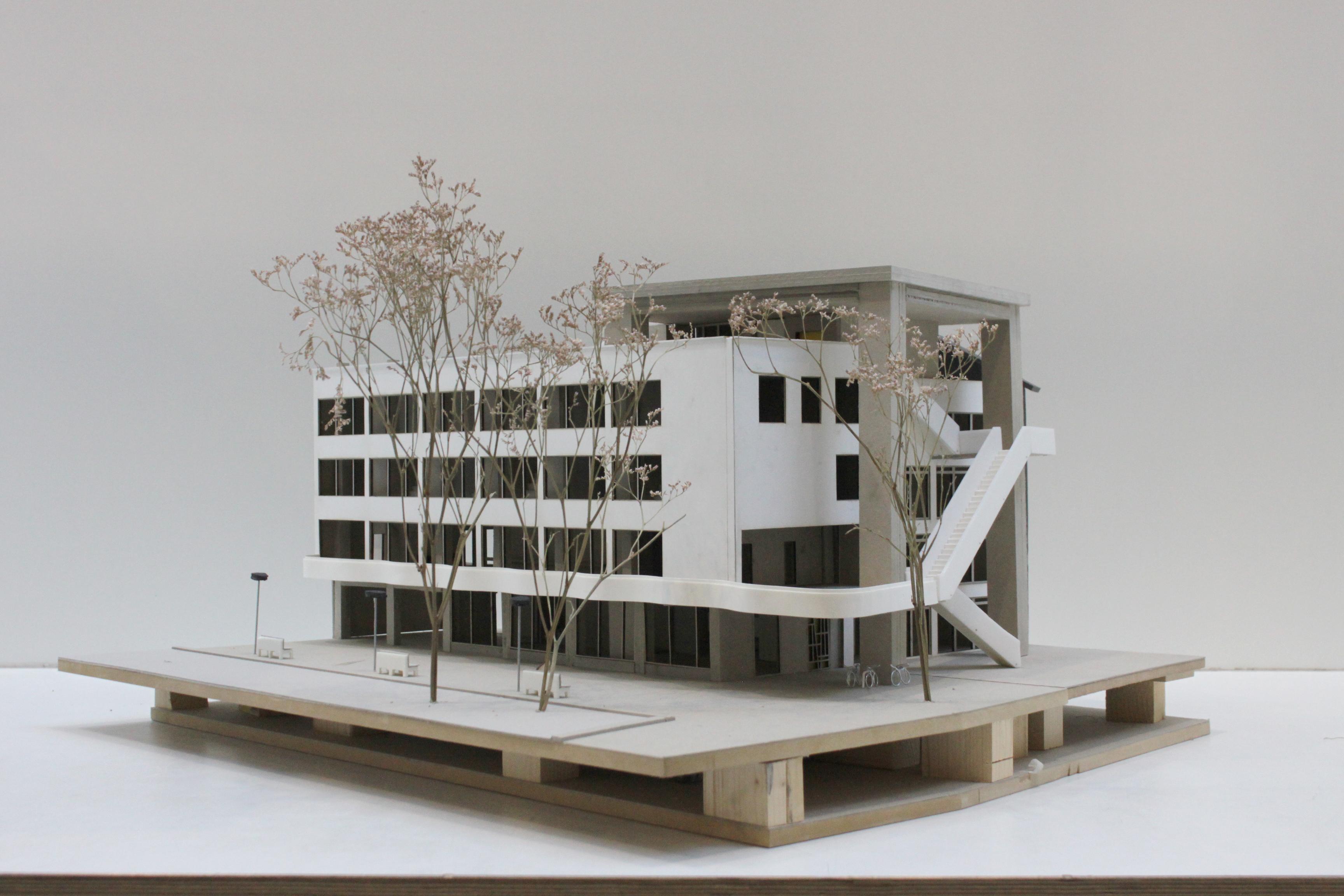
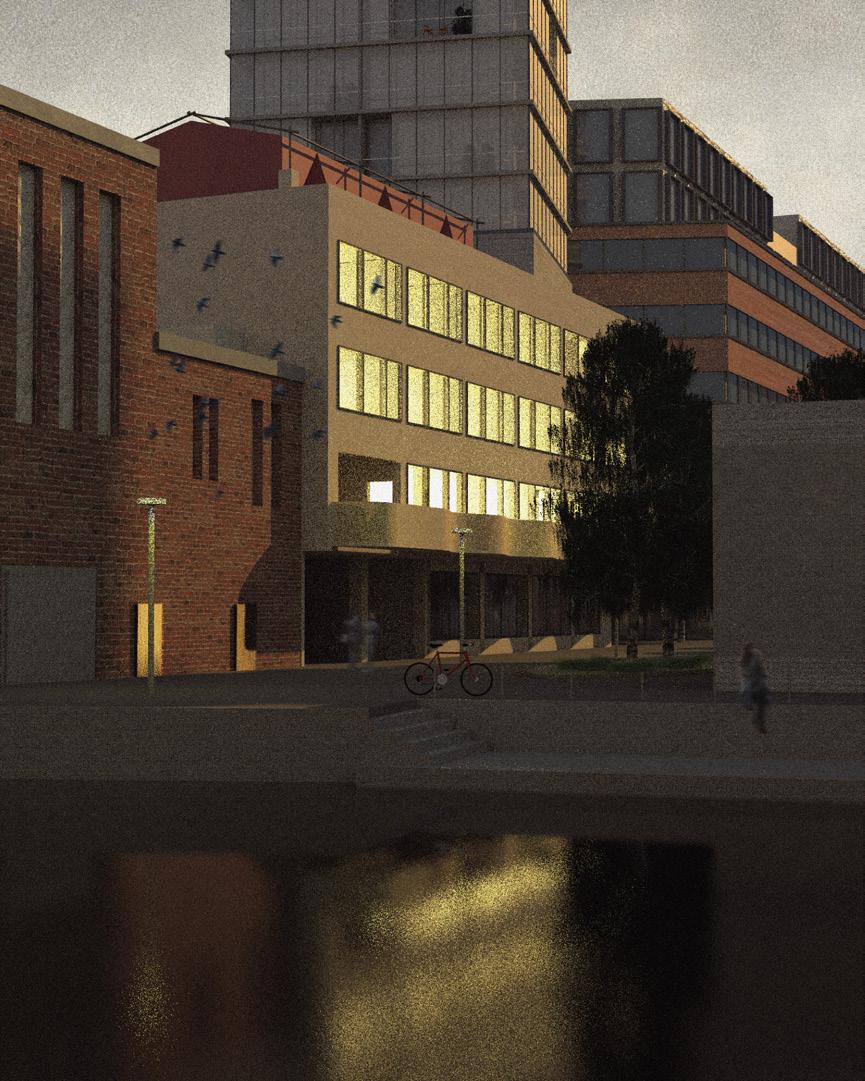
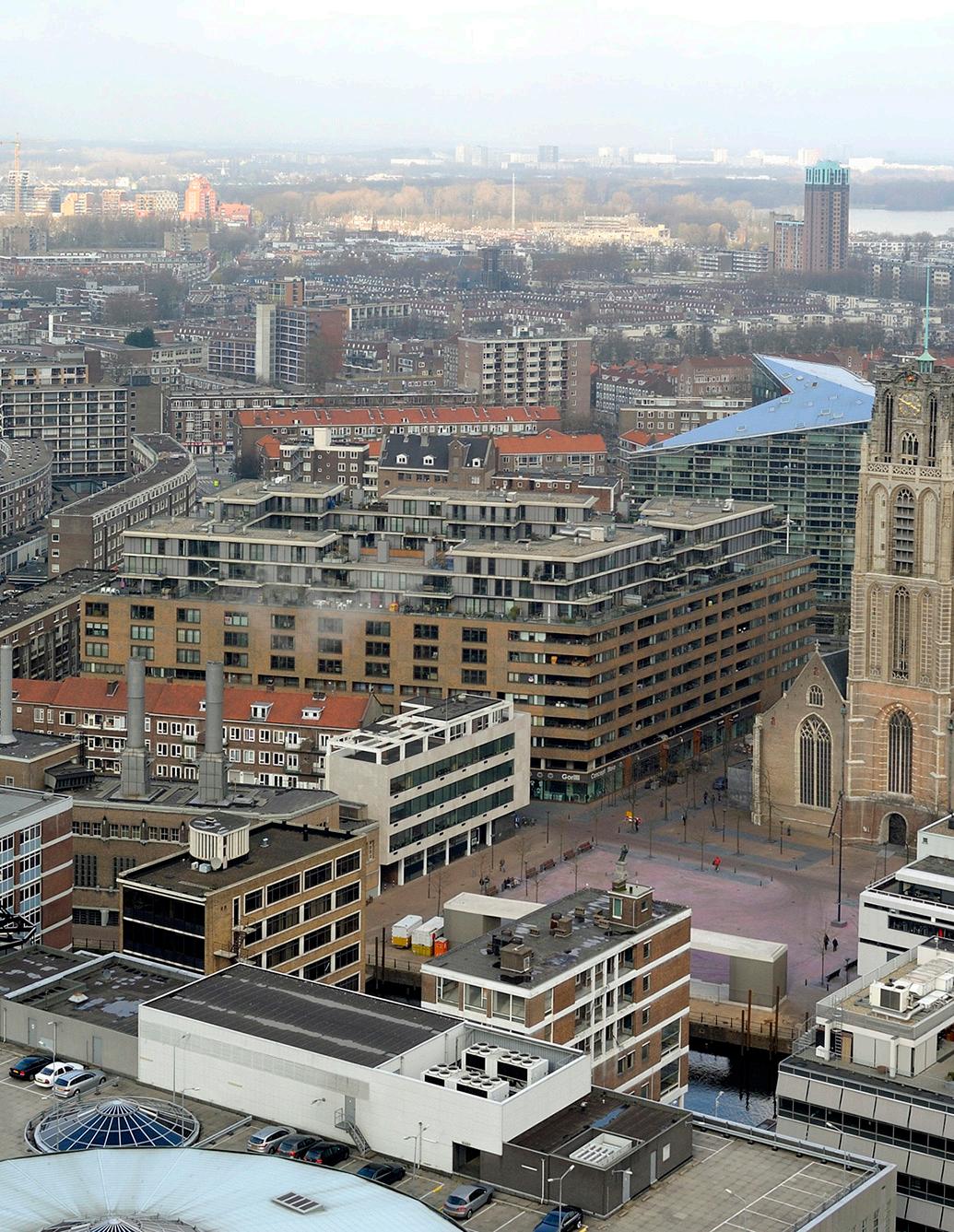
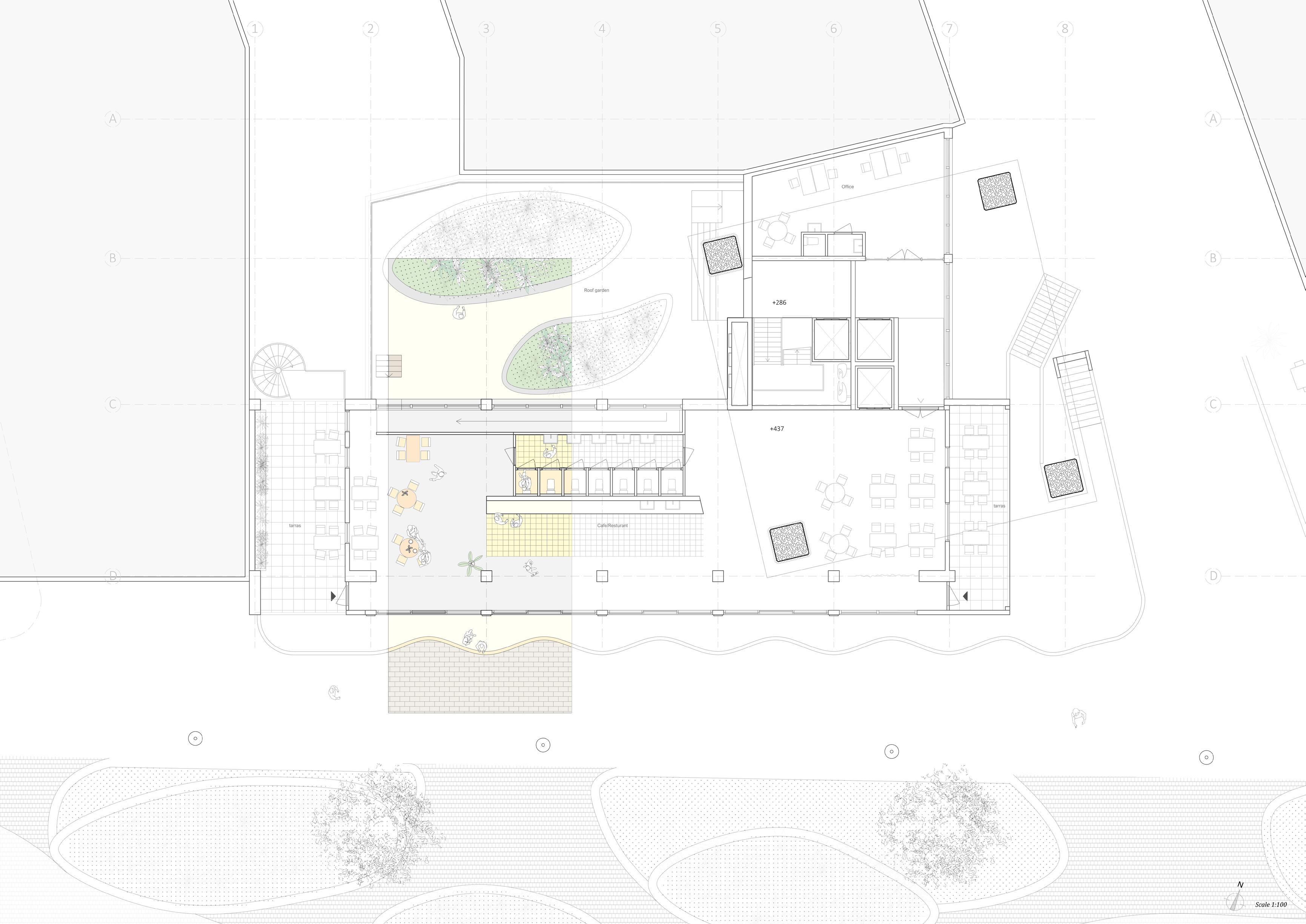
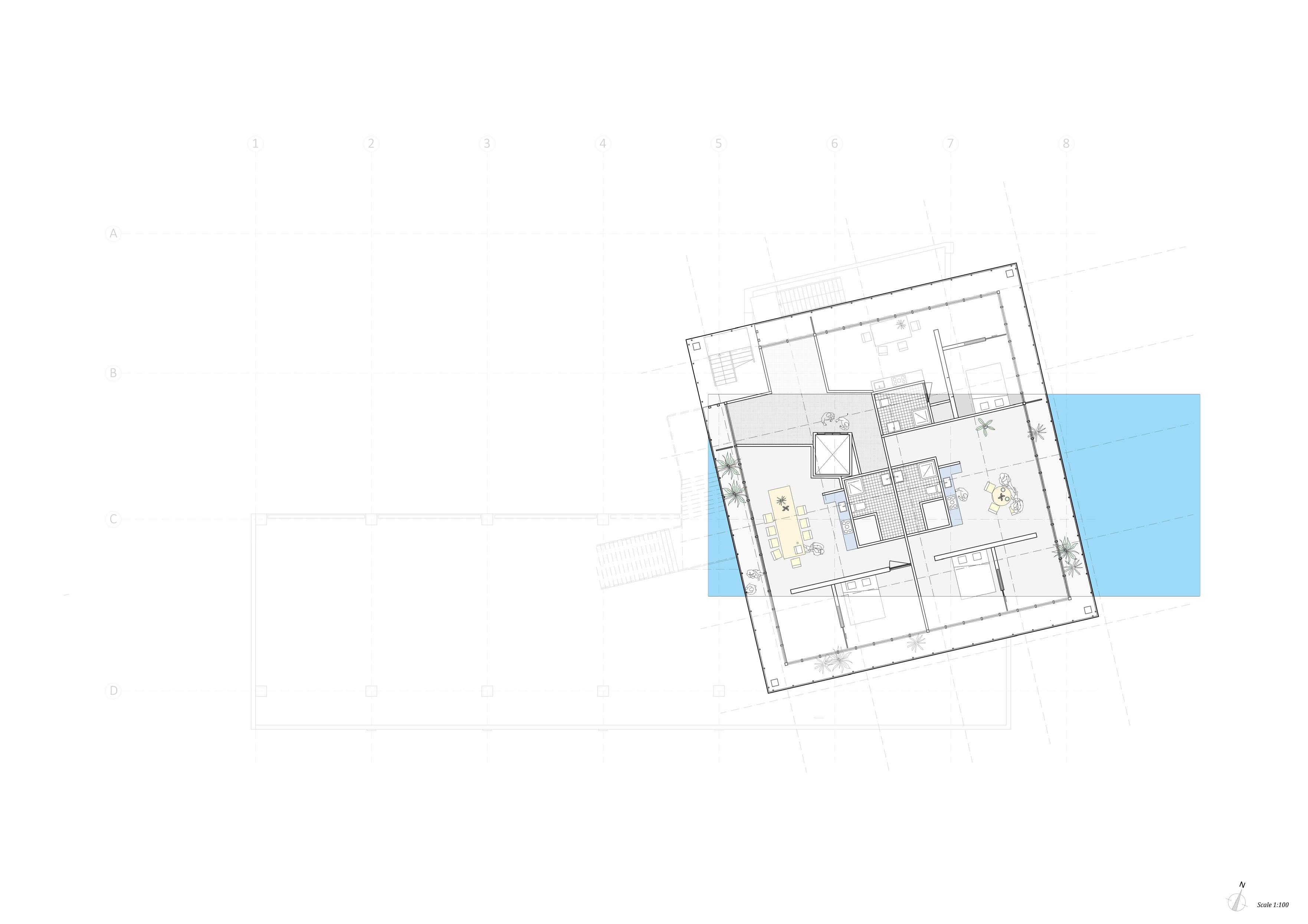
The main building is hosting a theatre, restaurant and a rooftop. Next to these three public functions, a newly designed tower is densifying the area even more, by adding 30 dwellings.
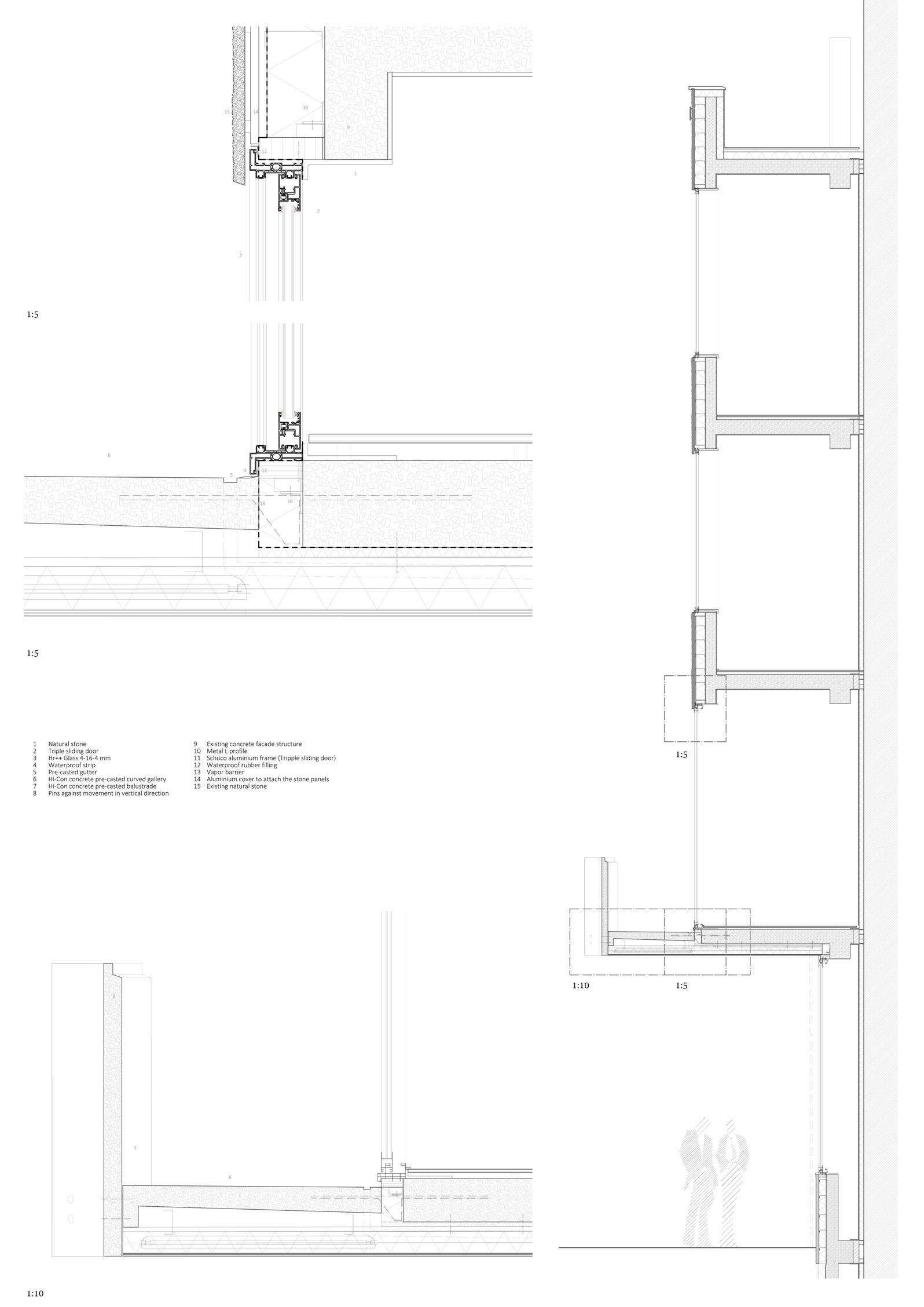
The second floor was designed with a curved gallery, which is a playful reference to the existing structure. It also creates a rhythm along the publicly accessible walking path, which leads up to the rooftop.
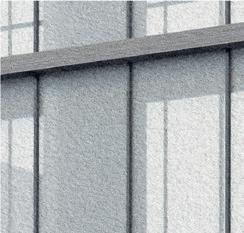
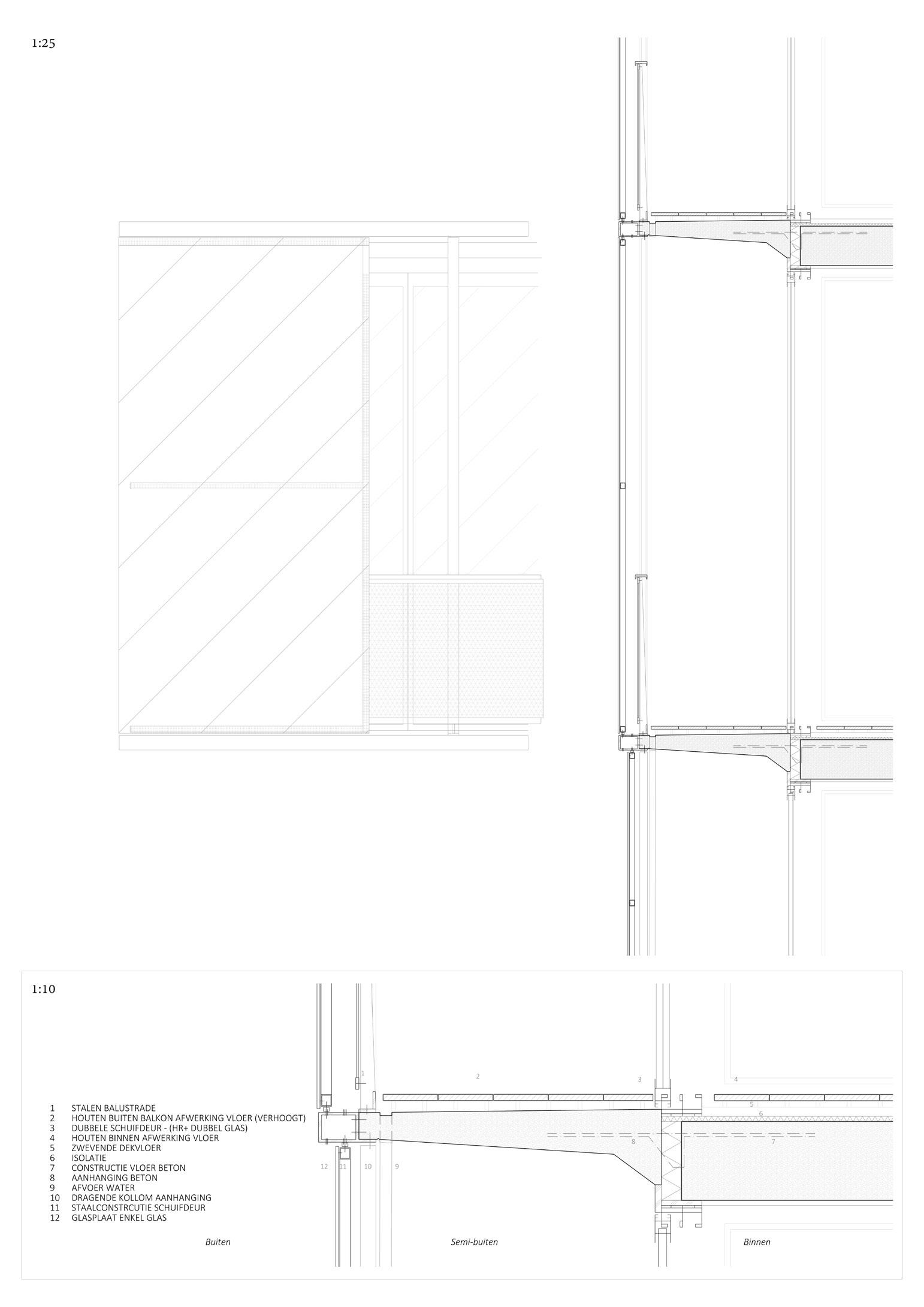
The housing tower (next page) is completely 360° surrounded by glass, which gives it a glasshouse appearance. This double facade serves as a wintergarden in-between the house and the outside.
Grotekerkplein 5 Rotterdam 1:100
Master graduation project
1:20,1:5
Santiago, protagonismo y estamos vértice del a la red amplio y Parque, - sea el distritos, áreas en la propios con los ciudad, ubicación de la del Social
"pensamos que el programa debería ser más como un centro recreativo, con musica, atividades para niños, musica…
"creemos que el programa podría ser musica o oficinas para talleres"
Pdte. Balmaceda, Quinta Normal, Santiago, Chili
"la ex-estación era un hito antes, me acuerdo de cuando funcionaba… esa area era muy movimentada"
"espacio recreativo con espacio abierto"
Half a year on exchange to Santiago de Chile taught me in particular a lot about the use of public spaces. In Santiago, public space for everyday use is of very high functional value. Therefore, the focus of this project lies on the public space surrounding the building.The building is there to create space that is protected against the extreme heat or cold that Santiago faces during Summer and Winter.
análisis etnográfico según Kevin Lynch 1:13000 caminos bordes
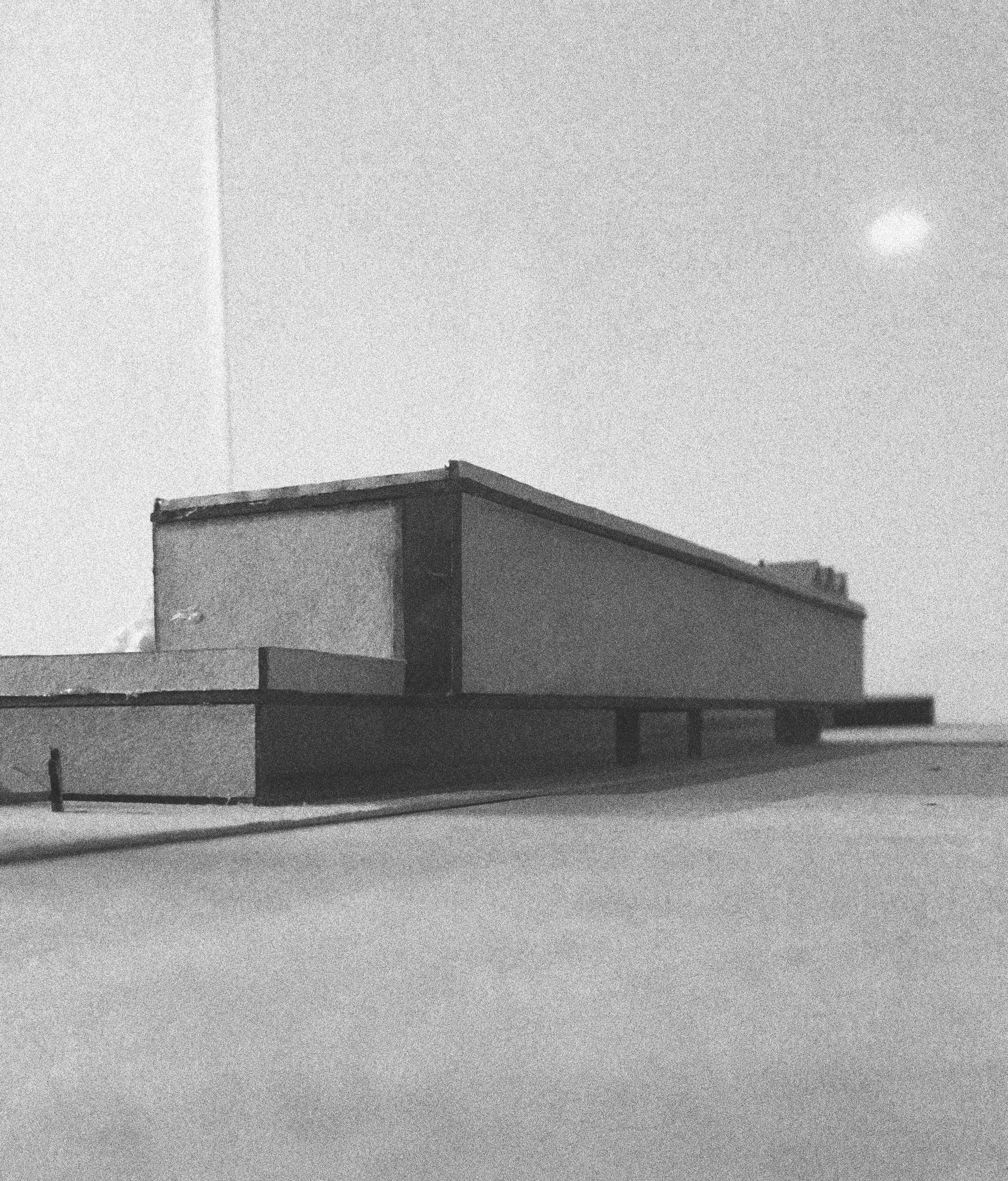
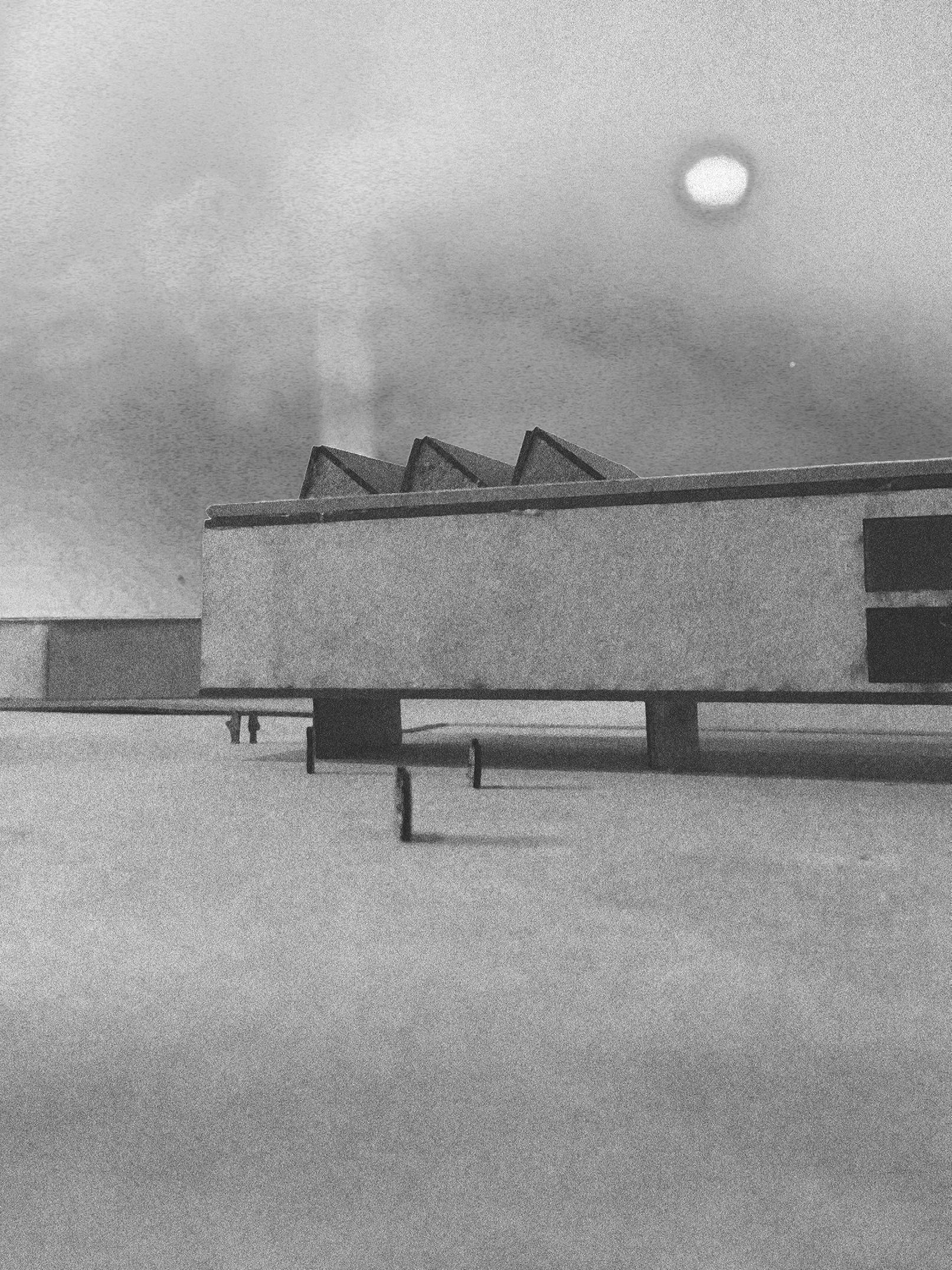
estrategia de diseño 1:2000 el eje Matucana justifica la longitudinalidad del terreno y del edificio. no queremos crear un limite, queremos crear un a relación directa con la plaza Balmaceda, por lo tanto, el edificio se eleva desde el suelo.
of the neighborhood
2) Permeabilidad Conexión con el nivel de la calle
corte AA 1:200
edifício simples, con tres volumetrias se forma el conjunto. concepto de ventilación: a sur a fachada más fría, a norte más caliente
estrategia de diseño 1:2000 el eje Matucana justifica la longitudinalidad del terreno y del edificio. no queremos crear un limite, queremos crear un a relación directa con la plaza Balmaceda, por lo tanto, el edificio se eleva desde el suelo. corte BB 1:200
"es necesario rescatar la riqueza que se perdió en el tiempo"
plan maestro
Yungay es conocido por su historia y su patrimonio. Es un lugar de muchos centros culturales, bibliotecas, museos, restaurantes y de otras actividades artísticas, y también escenario de muchos murales de StreetArt.
La propuesta para la creación de un lugar para el arte en la antigua estación del barrio Balmaceda se propone recrear el anterior conocido "triángulo de Yungay", conectando otra vez el barrio con el centro de Santiago, reconfigurando un lugar de encuentro y reunión
Esta propuesta pretende integrar y recalificar la "rótula" y articularla con la red consolidada de la ciudad. Con la llegada de la línea 7 del metro, en el año de 2026, este punto frágil hoy en día adquiere más protagonismo y una conexión más directa con todo lo que lo rodea, cuyo cambio, a su vez, tendría un impacto directo en este futuro centro cultural, haciendo de este lado más olvidado de la ciudad
+2.650 Pdte.


±0.000 ±0.000
Con este fin, la intención es de preparar el barrio para este nuevo contexto a través de la peatonalización de algunas calles, a saber, las que diseñan la Plaza Balmaceda, convirtiéndola en un espacio más amplio y agradable para quienes la frecuentan, ya que también utilizamos la misma estrategia para las calles Román Spech y Carrascal, continuando, así, esta ruta que comienza en Quinta Normal. Ya la conexión con el Parque, dada la fuerza y el tráfico que tiene el Pdte. Balmaceda estaría elevado, sin perturbar el correcto funcionamiento de este eje, y haciendo que el camino peatonal sea más fluido e independiente de los otros - sea el protagonista.
análisis etnográfico
Para la metodología de análisis, adoptamos el método de Kevin Lynch, en "La imagen de la Ciudad".
±0.000 plaza cívica +4.650 Centre Yunguy


BB
En su libro, Lynch presenta los conceptos más conocidos sobre los cuales las personas basan su percepción de la ciudad. Argumenta que las personas perciben la ciudad a través de elementos, caminos, bordes, distritos, nodos (paths, edges, nodes, landmarks, districts).
Bordes. Los límites son los elementos lineales que limitan el área, que la divide, una ruptura con una continuidad. No son tan dominantes como las carreteras, pero son elementos importantes para organizar áreas en la ciudad.
plaza libre
-0.060
±0.000
+2.650 2019 Matucana Quinta Normal
Distritos. Los distritos son las áreas más grandes de la ciudad, cuando sentimos que hemos "entrado" en alguna ciudad, vecindario, zona. Mantienen un carácter idéntico de uno a otro, mientras que tienen sus propios elementos que los caracterizan.
Balmaceda, Quinta Normal, Santiago, Chili Museu Nacional de Historia Natural del Chile
Hitos. Los puntos de referencia son otro tipo de referencia en la ciudad. Pueden ser edificios, letreros, tiendas, montañas. También se ven desde la distancia, desde varios ángulos, simbolizando una dirección en la ciudad, por ejemplo.
partido general
Este proyecto nace del gesto inicial del Plan Maestro, del deseo de conectar la antigua estación con el triángulo cultural de Santiago.
Podemos definir sus límites, y, con ellos, 3 zonas de intervención: el más a sur, más directamente relacionado con el eje Matucana; la ubicación del programa principal del proyecto en sí, considerando la ubicación de la antigua estación y la plaza Balmaceda; y, finalmente, la zona más al norte, directamente relacionada con el Parque de los Reyes y La Familia.
Como concepto base, se pretende que genere movimiento, que se cree lugar - físico y social. Se pretende relacionar esta área con la malla existente, cuyo resultado es un edificio sobrio, apropiado para la escala del vecindario, cuyo concepto 'movimiento' se formaliza a partir de un juego de masas y vacíos, interior y exterior, que se extiende por todo el terreno, configurando espacios de diferente carácter, creando, así, el Centro Social Yungay.
esquema programático 1:500
AA
punto de información ±0.000 baños públicos talleres
Ex-Estación MAC
Museo de Ciencia Tecnologia Centro Cultural Matucan 100
justifica la longitudinalidad del terreno y del edificio. edifício simples, con tres volumetrias se forma el conjunto. CC
administración sala recreativa talleres talleres taller exterior
+2.650 Site plan Plan 00


sala de exposición sala de usos múltiples
Museu la Memoria y de Derechos Humanos café accesos
1:500 1:100 Ex-Fundación
CC


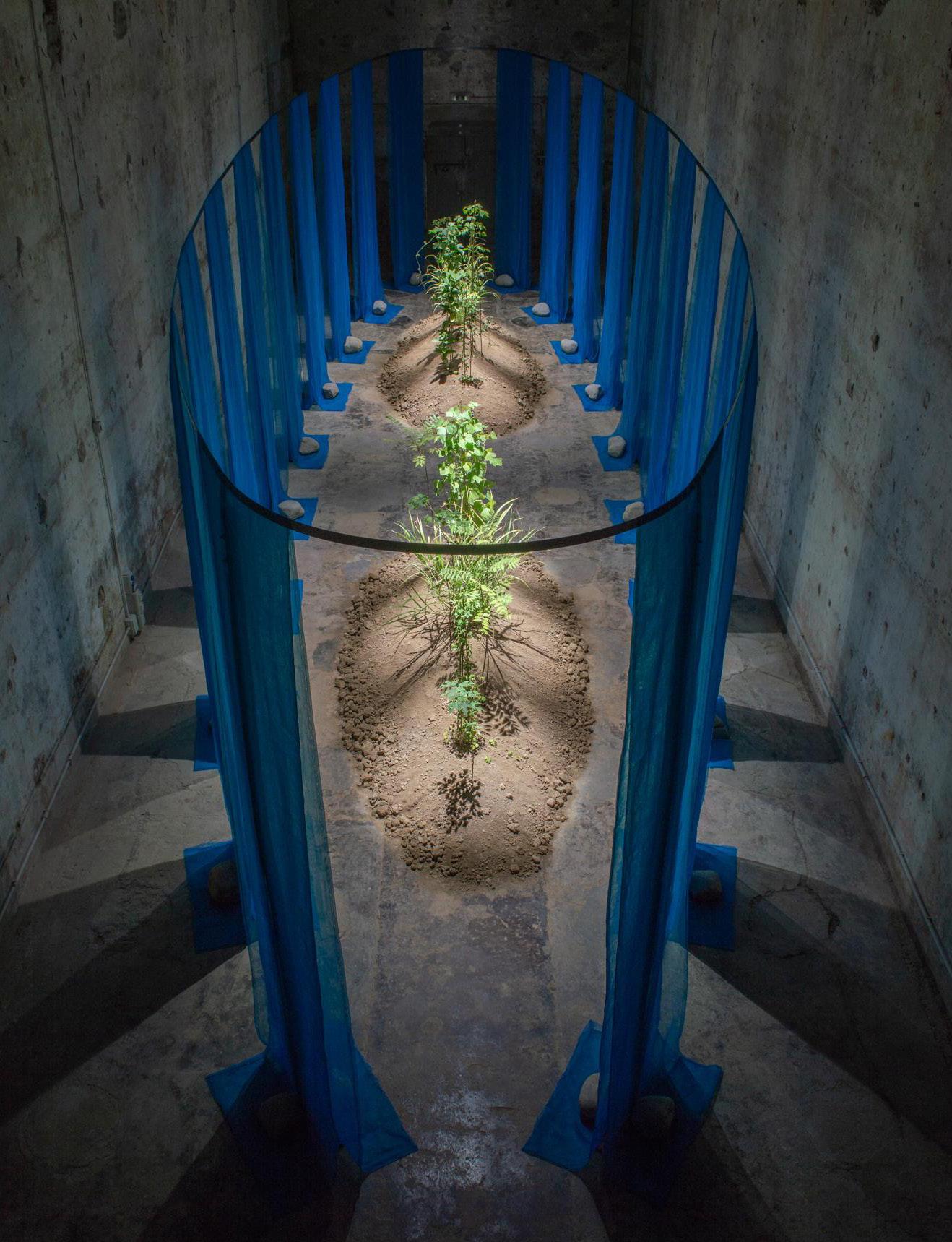
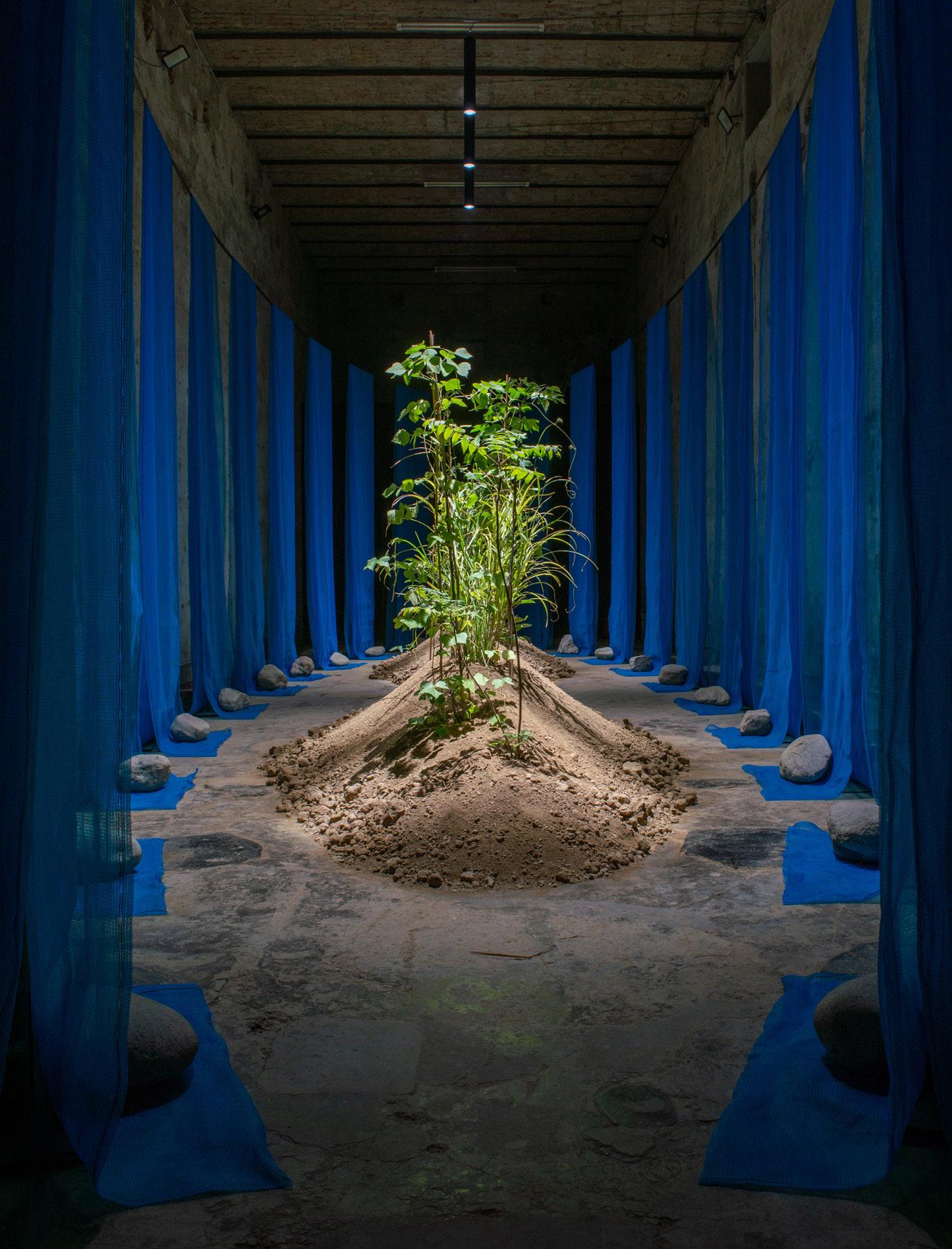
Using plants as metaphor, The Forbidden Garden of Europe sheds new light on politically charged topics and tells the stories of invasive alien plant species, which were provided by the Padua Botanical Garden.
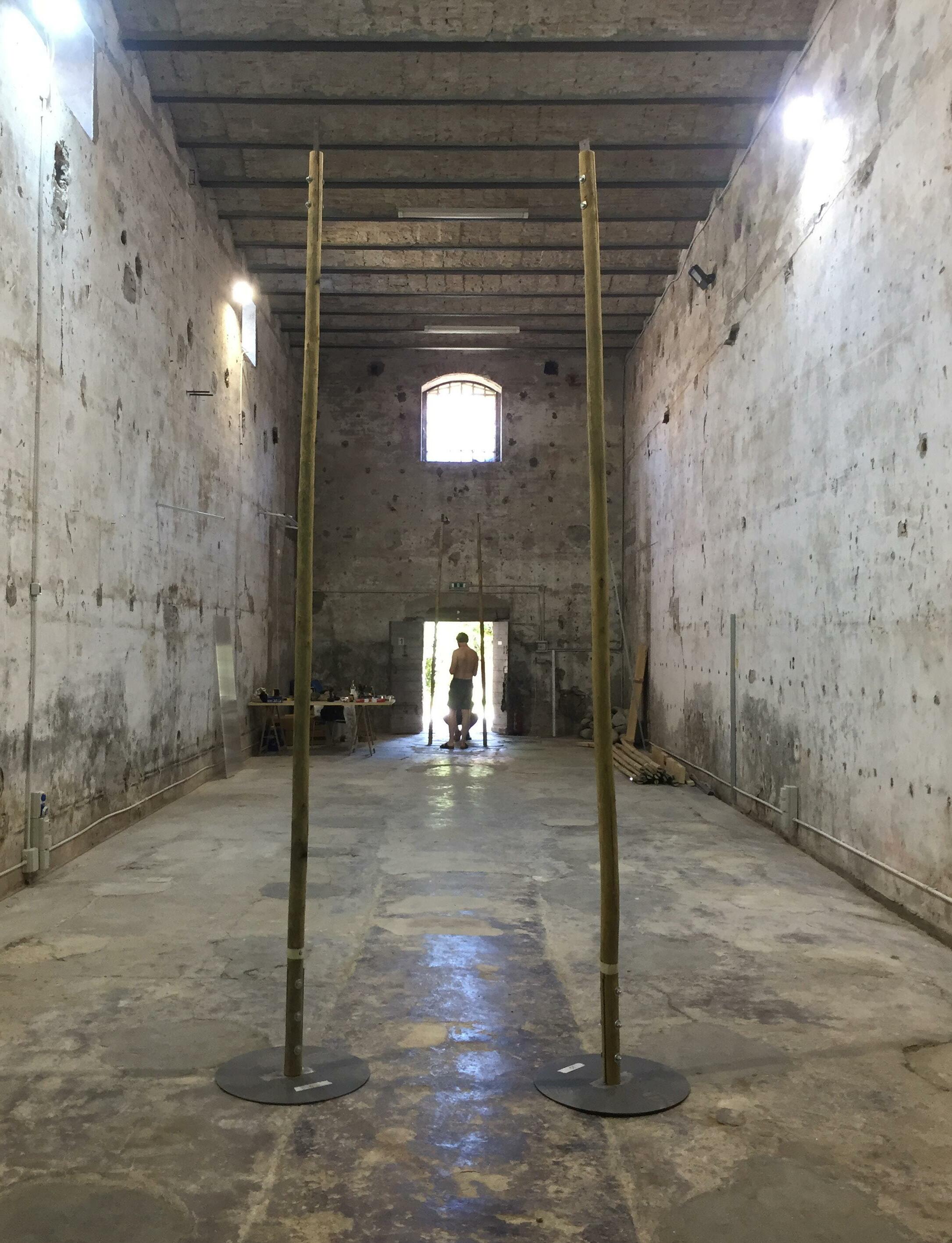
Dr.ing. H.H. (Henriette) Bier h.h.bier@tudelft.nl
An off-Earth structure built in Regolith to protect astronauts from the harsh inhabitable environment of Mars. The panels are generated by a Grasshopper script. One based on a sound diffusion analysis that contains a pattern based after the Gray Scott model. The second connecting panel is structural based on a stress line analysis. A workshop based on the proposal by the TU Delft in collaboration with ESA.
The presentations can be found on the TUDelft website.
Hillen & Roosen office Benit 30, 1043 BB Amsterdam
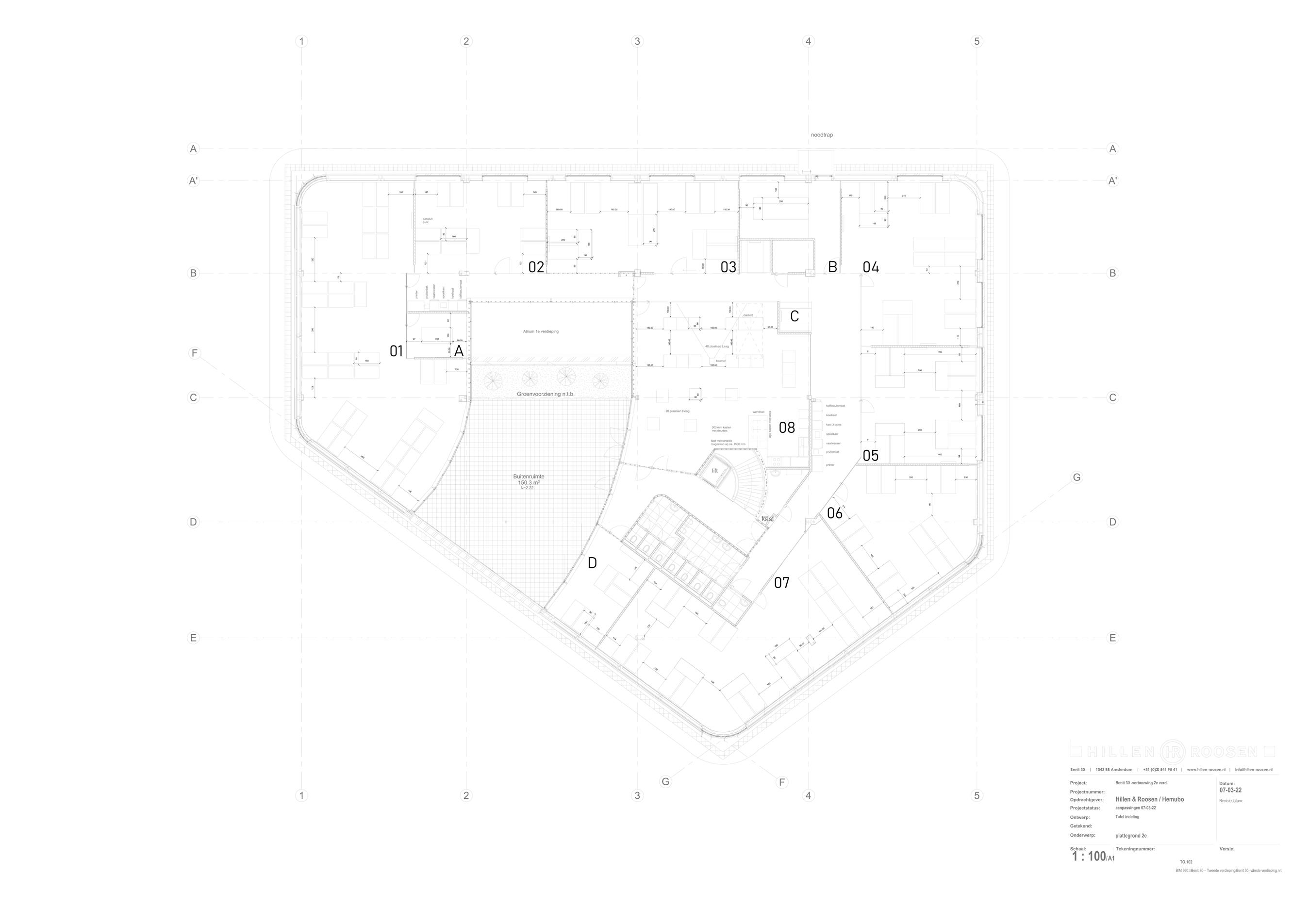
The vertical expansion of the office building of Hillen & Roosen in Amsterdam West. With the task of balancing the interests of five different departments a plan for this new floor was made. Next to five different workers departments, it hosts a canteen, a terrace and several meetingrooms. The project is built and well recieved by the departments.


The complete renovation of a 1920 villa in Bergen. A complete 250 square meters interior project of a house with an arts and crafts 20s soul. By keeping all the old details and combining them with contemporary wooden craftmanship, a combination of two styles separated by 100 years come together. (Project in progress)


Jiri Ares Brakenhoff Heimansweg 50 1031VC Amsterdam Jiribrak@hotmail.com +316 101 73 127