LANDSCAPE ARCHITECTURE
AKSHAYARADHAKRISHNAN
Selected works 2022-2025

AKSHAYARADHAKRISHNAN
Selected works 2022-2025

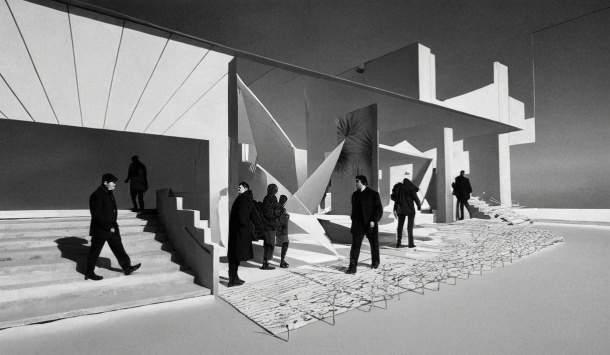
The Living Pavilion is a sustainable structure that renews under-utilised spaces into dynamic hubs for community,culture,andbiodiversity.Designedtofosterconnectionswithnature,itfeaturesgreenwalls, planted roofs, and water-sensitive elements that enhance air quality, provide shade, and support urban wildlife. This multi-functional space encourages environmental stewardship while supporting events, education,andsocialengagement,seamlesslyblendingbuiltandnaturalenvironments.


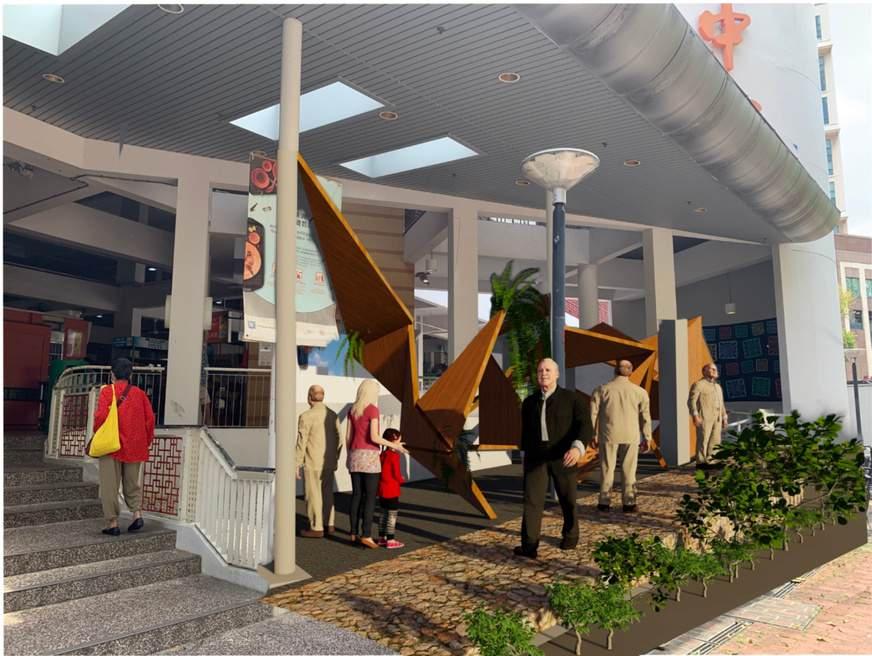



The rendered visuals highlights the final design's interaction with the environment, bridging the gap between the site plan and the realworldexperience.

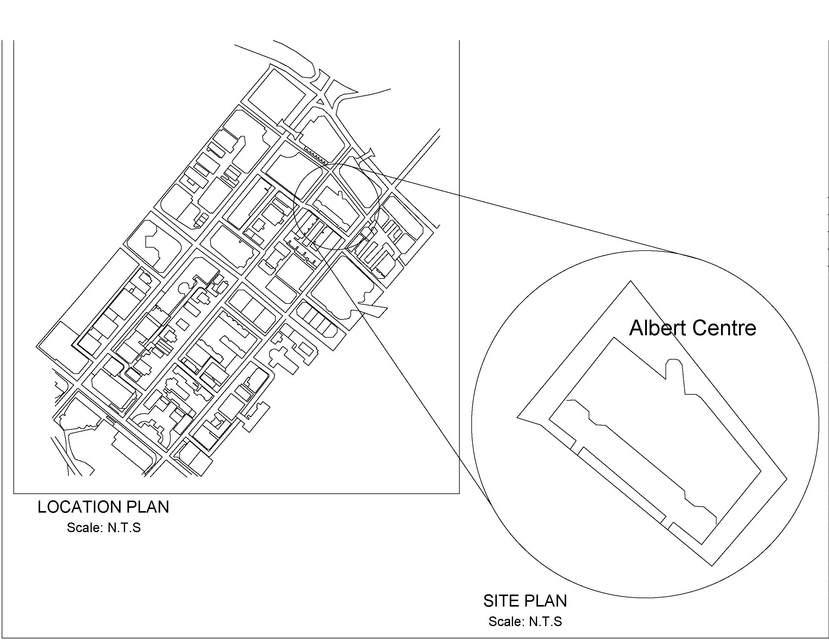
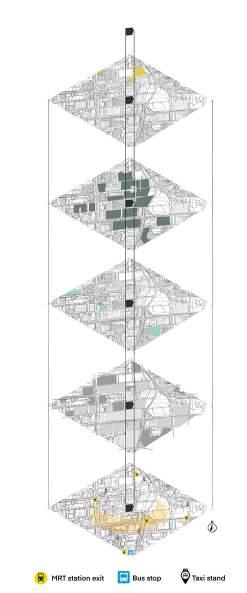
Locationplanwithinset detailhighlightingthe exactsiteplacement withinitsbroadercontext.
Keysitelocations highlightedwith darkcircles, providingaclear referencetothe building’sspatial positioningwithin thelargercontext. site

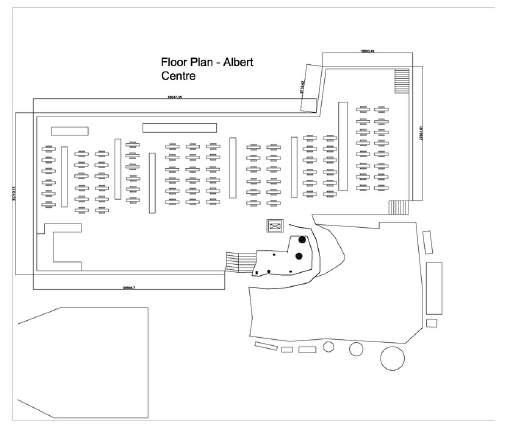
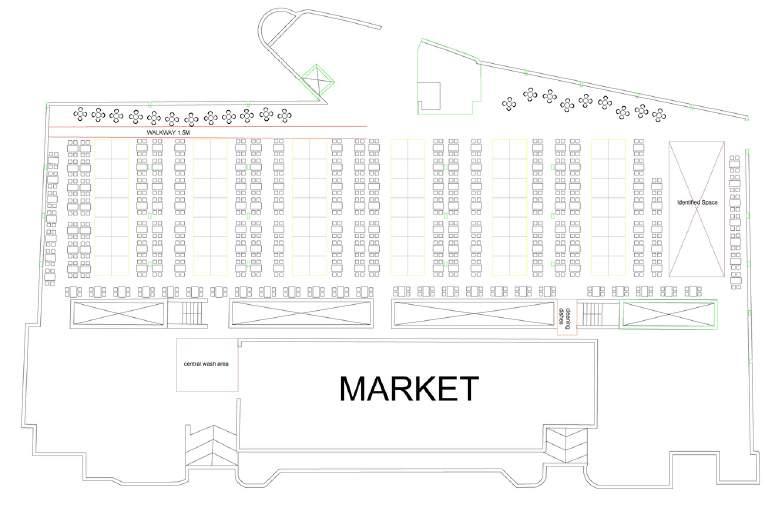
Floorplan
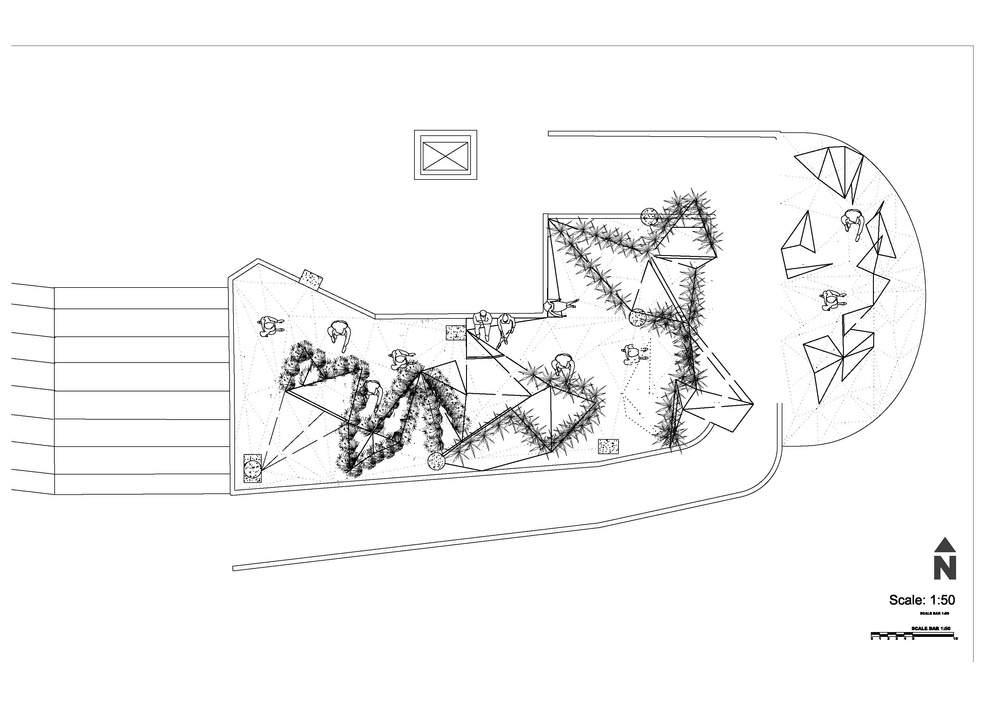
Thsstructureemerges fomtheterranunodng ogancaytoforma dynamictranguarvolume thatntegrateswththe andscape
Therampsaedesgnedwthgente gradentsandsmoothtransitons, ensurnguaccessbtywhe compementingthespataaesthetcs
Eachtriangleis designedtoappear asifitispeelingoff theground, seamlessly transitioninginto thetriangular structureabove.
Pathwaydesignedforseamless connectivityandaccessibility, guidingvisitorsthroughthe space
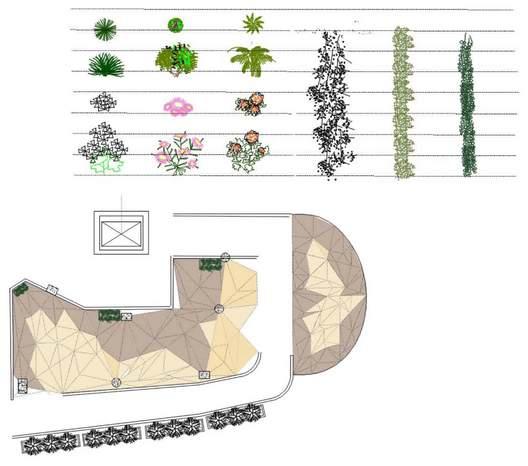
Rectangularplantersatthecornersare designedtooptimzeaccessibility ensuring smoothnavigationforwheecharuserswhile enhancingthespatalexperience

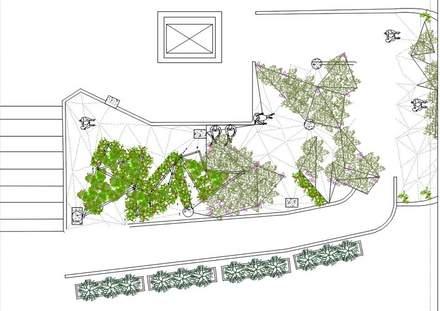
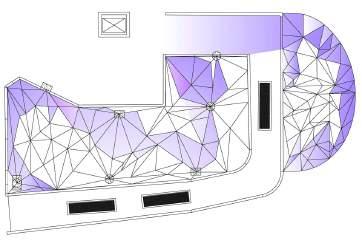
Multi-functona pathway desgn provdngbothconnectvtyandvisua nterest
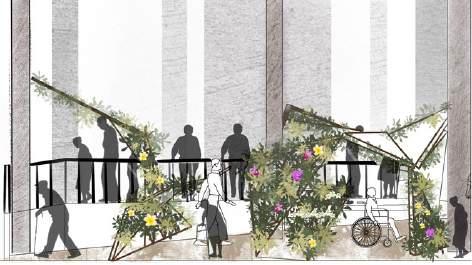


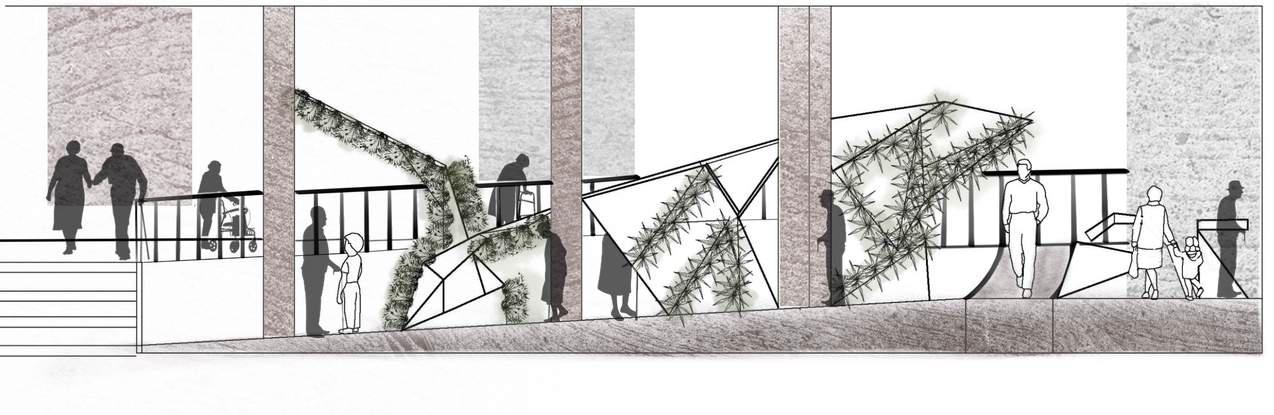
Half-section drawing rendered in AutoCAD, with post-production detailing and material textures applied in Photoshop to enhance spatialclarityandemphasizedesignelements.

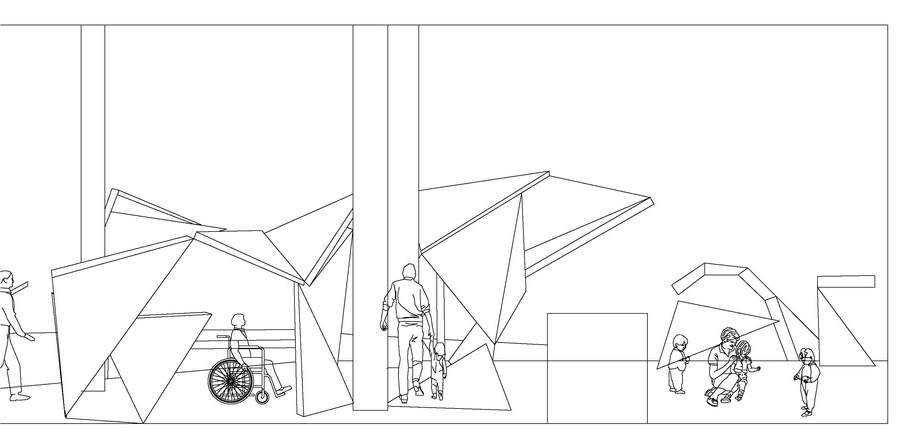
Accessibility& Interaction:senior citizensandwheelchair users,engagewiththe space.
plantsintegratewiththe structuretoenhance shade,airquality,and visualappeal.
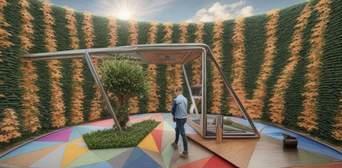
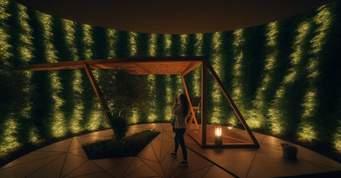
designedtorisefromthe ground,creating dynamic,multifunctional spaces.
Daytimerendering-vibrant, interactiveenironment wherechildrencanexplore andengagewhiletheir parentsrelaxorshopatthe hawkercenter. Nighttimerenderingofferingawarm,inviting atmosphereforchildrento unwindandplay,extending thehawkercenter'sappeal beyondjustdining.
Thetriangularstructure, emergingorganicallyfromthe geometricfloorpattern Sectionalviewofthelandscapedesign,enhancedwithdigitalcoloringtoshowcasethecompositionofgreenspaces,waterfeatures,andhardscape



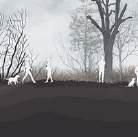

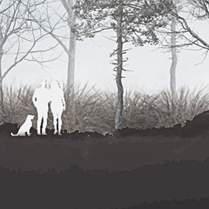
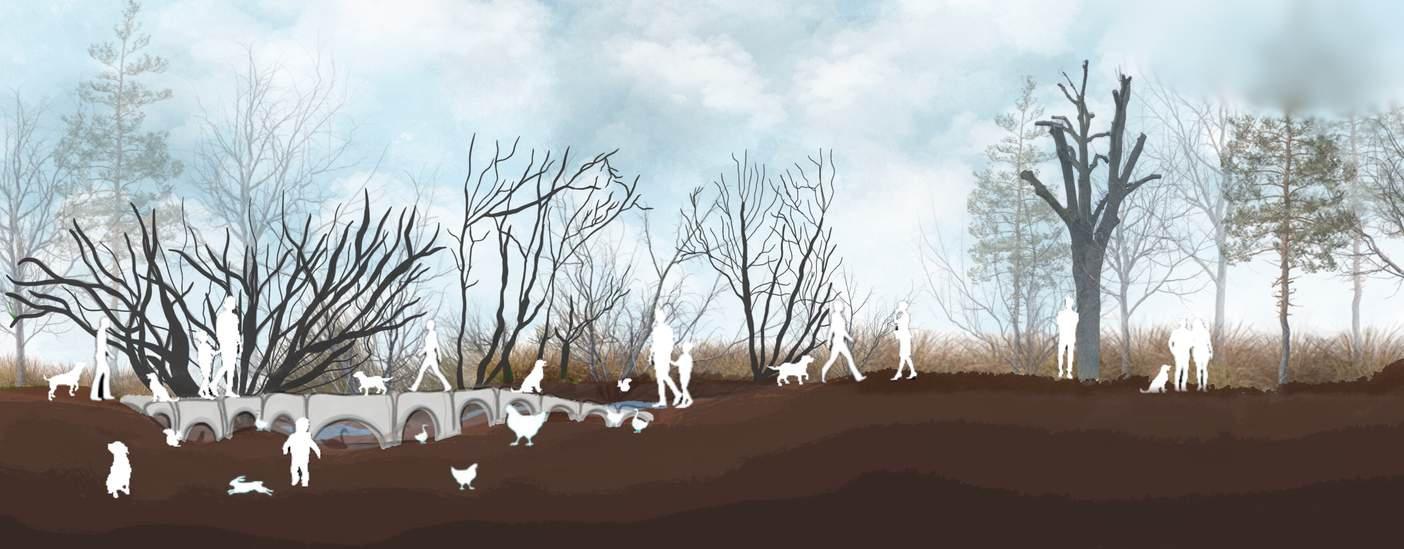
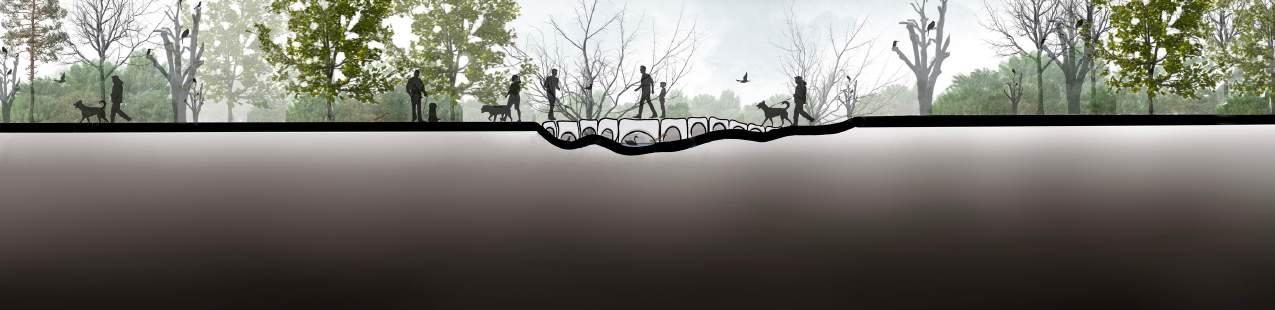
apathwayforpeopleandtheir dogstocrosseasily
Proposedsteppingstones designedoveralarge,deeppit tofacilitatecrossingwhile incorporatingashelterfor animals.
Nativeplantsandsmallshrubs surroundingthepit,creatinga habitatforinsects
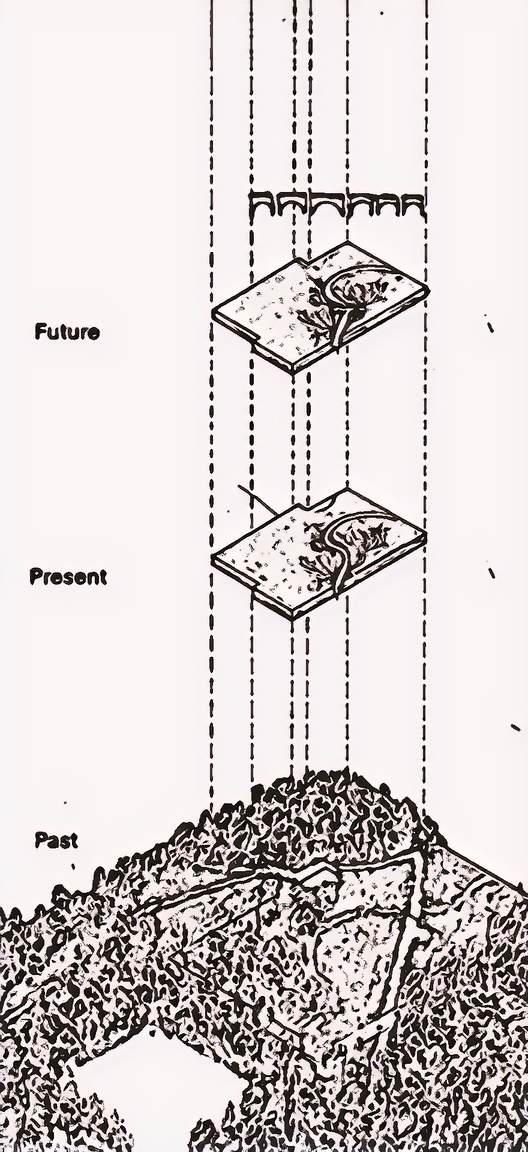
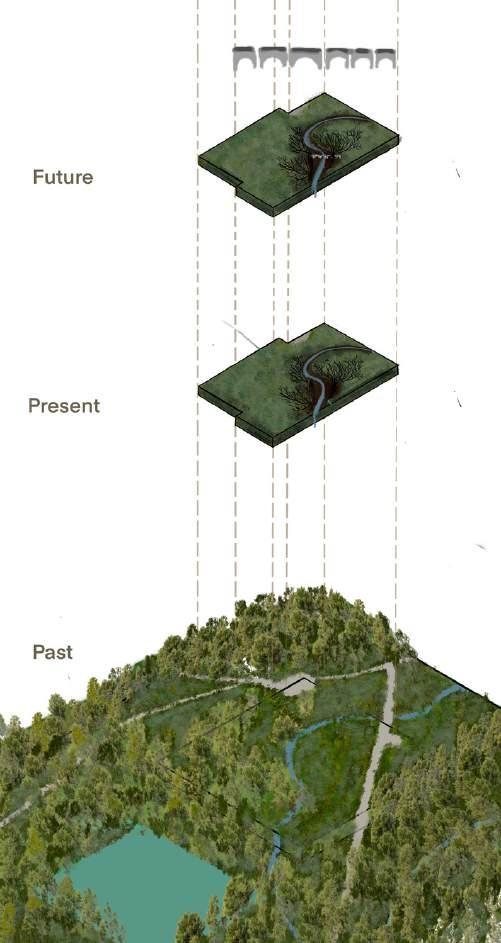
When water rises over the pit, the sole method to get through is stepping stones, ultimate place to experience the high waters and walk along the river and have become a cultural and historical importance. It has been built both forpeopleandanimals.
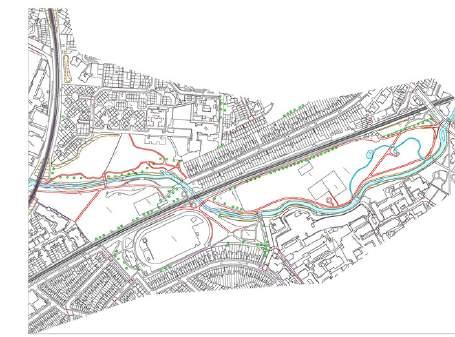

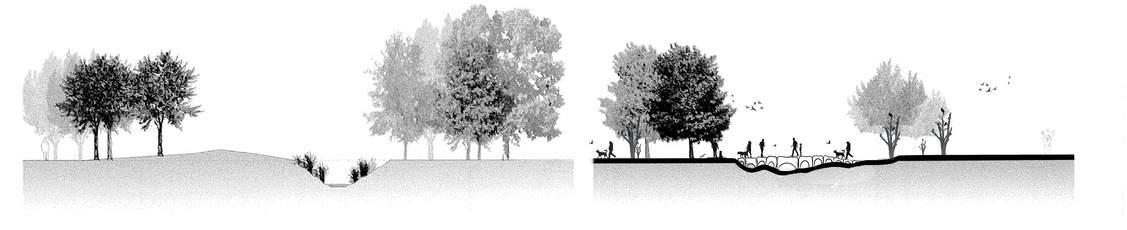
SectionExisting
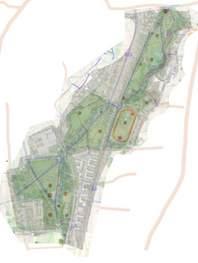
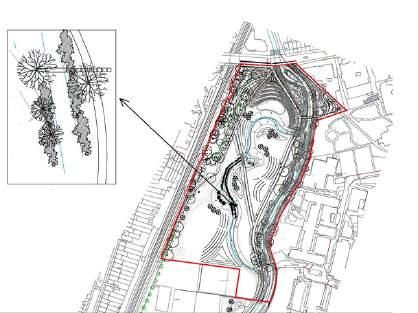
Frontelevation
SectionProposed
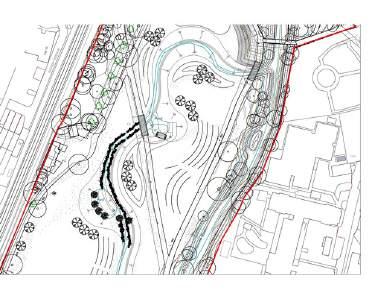
Zoomed-in view illustrating the intricate designdetailsoftheselectedspace
Beyond the Playground project was developed to create an engaging, resilient, and environmentally sustainable play area within a large urban park. The objective was to encourage movement, social connectivity,andcognitiveenrichment while seamlessly incorporating natural elements within the design. Acknowledging the need for dynamic and inclusive recreational spaces, this project empowers children of all ages andabilitiestoengageinawaythatis bothenrichingandfun.
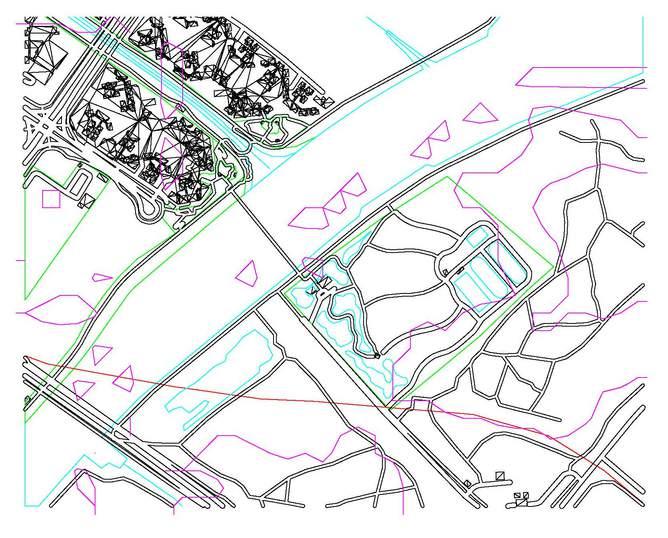
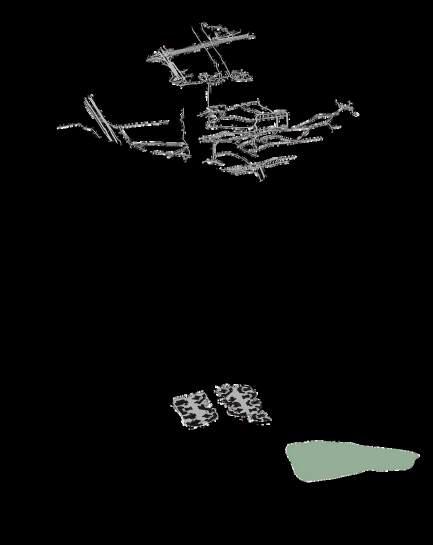
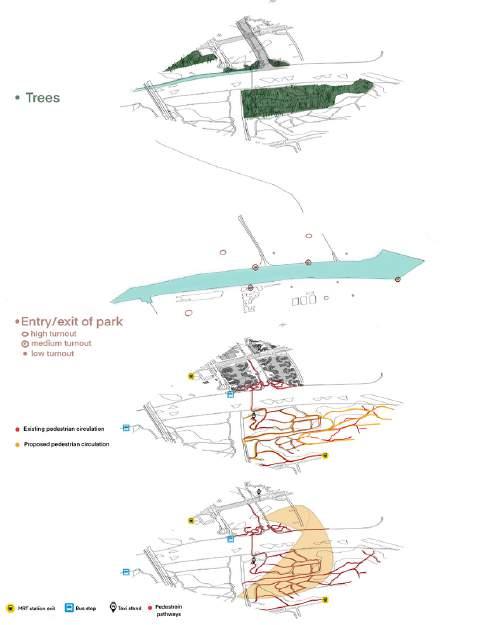
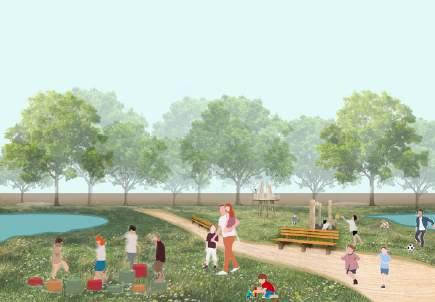
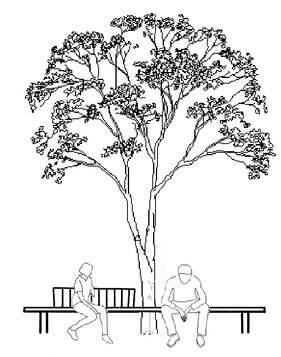
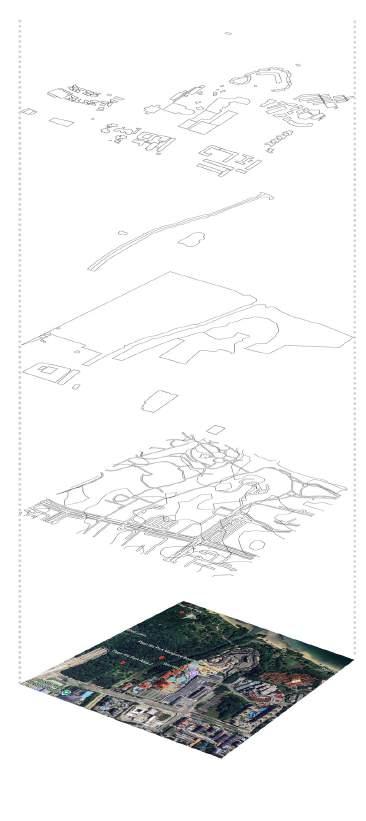
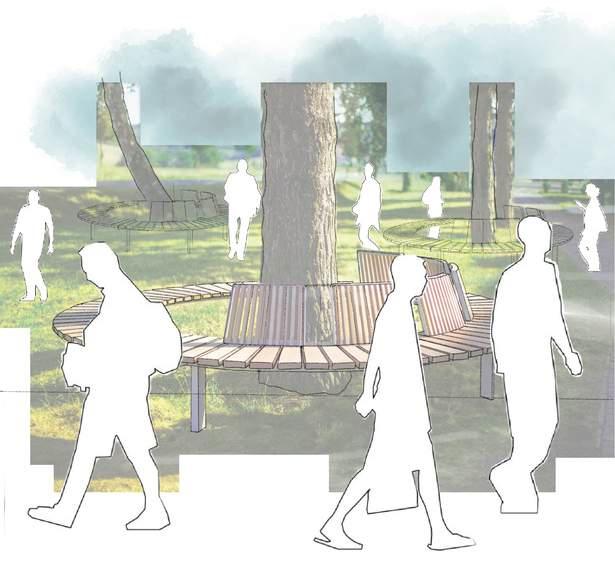
This project focused on revitalising an existingpocketparkwithinalargerurban park.Whilethespacehasexistingtrees, it lacked designated seating and engagingelements,makingitfeelunderutilised. To address this, the aim was to introduce circular benches around the trees, transforming them into inviting social hubs. Alongside this, the design prioritisedonuserexperience,integrate biodiversity-supporting elements, and createamoreclimate-responsive,multifunctional space without preserving its natural charm fostering a more vibrant andinvitingatmosphere.
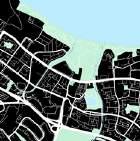
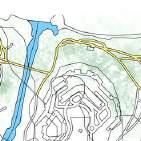
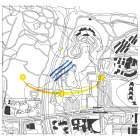
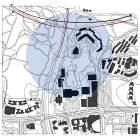
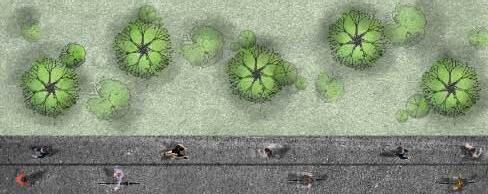
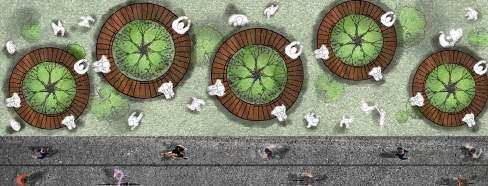
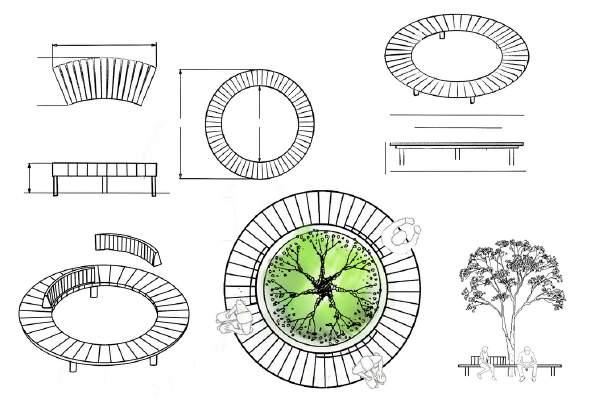
This reimagination converted the pocket park fromapassiveseatingspotintoalively,climateresponsive landscape that cultivates social connection,promotesbiodiversity,andenhances microclimaticcomfort,showcasingtheimpactof smallurbanmodifications.
FoodKiosk
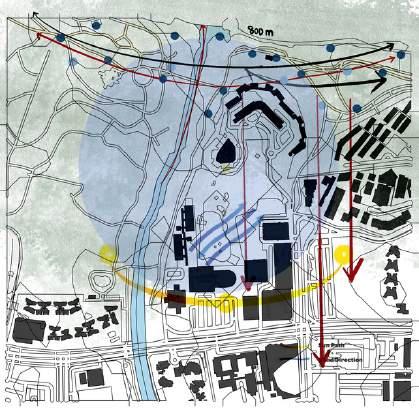
Site Analysis – Observed user behavior, shade patterns, and environmental conditionstoidentifydesigngaps.
Sunpath
CoreZone
Windpath
CyclingDensity
ShadedRest Area
CyclingPath
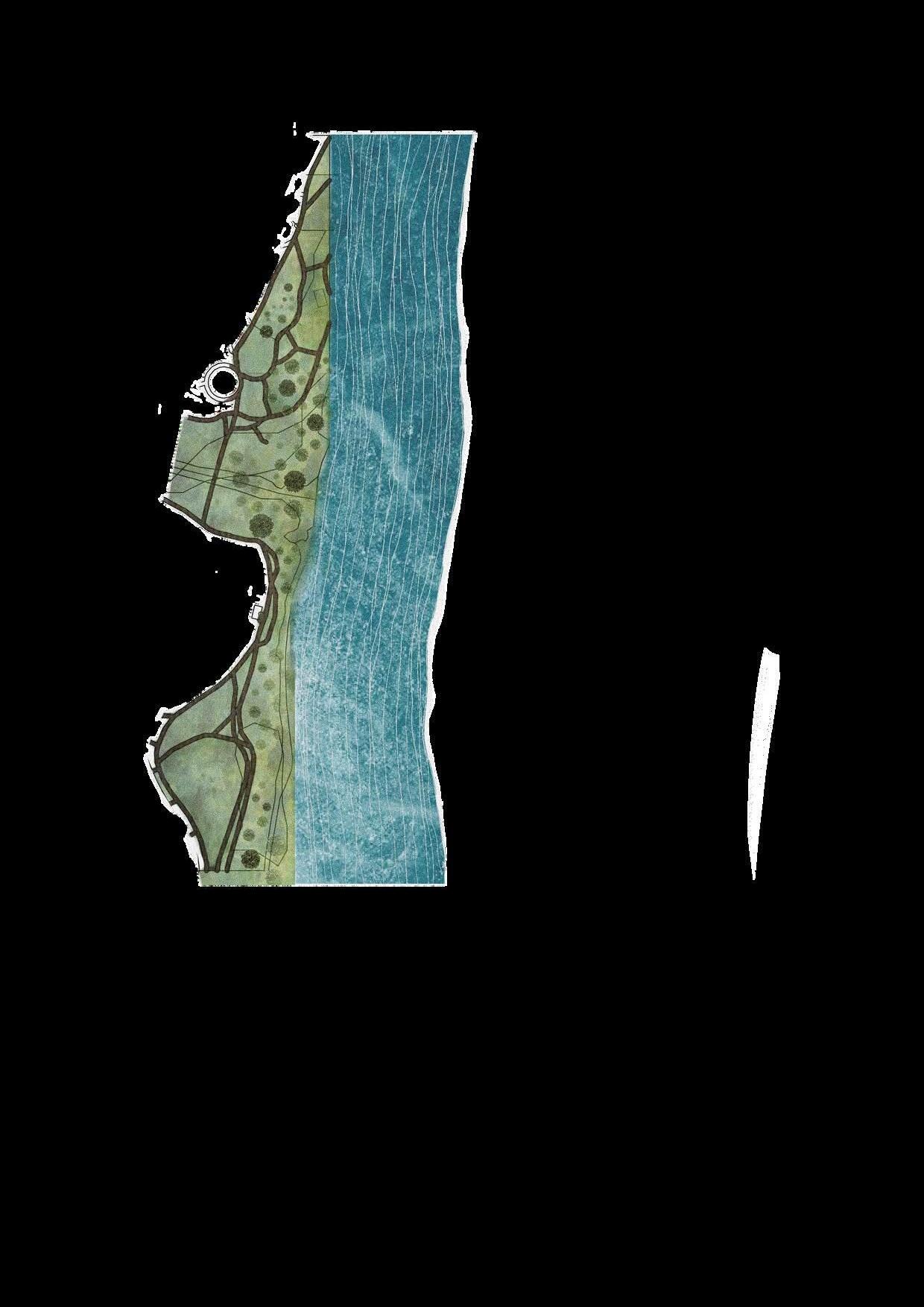
PedestrianWalkway CoastalVegetation Zone

GatheringSpace