





















MANUFACTURERS


MANUFACTURERS
This edition arrives at a pivotal moment, capturing a narrative defined by strategic public-private partnerships (PPPs), ambitious diversification, and a crucial national commitment to skills development.
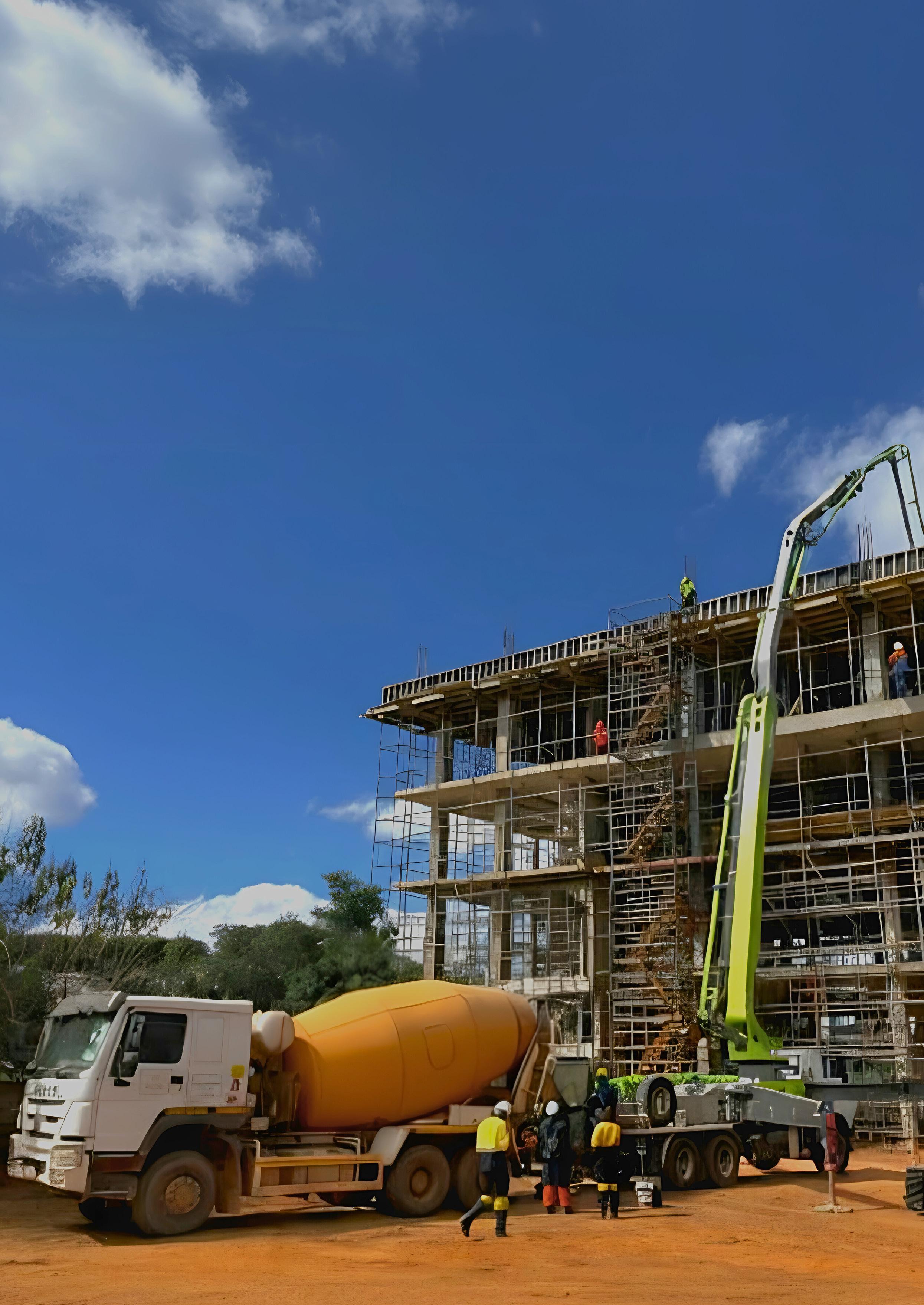
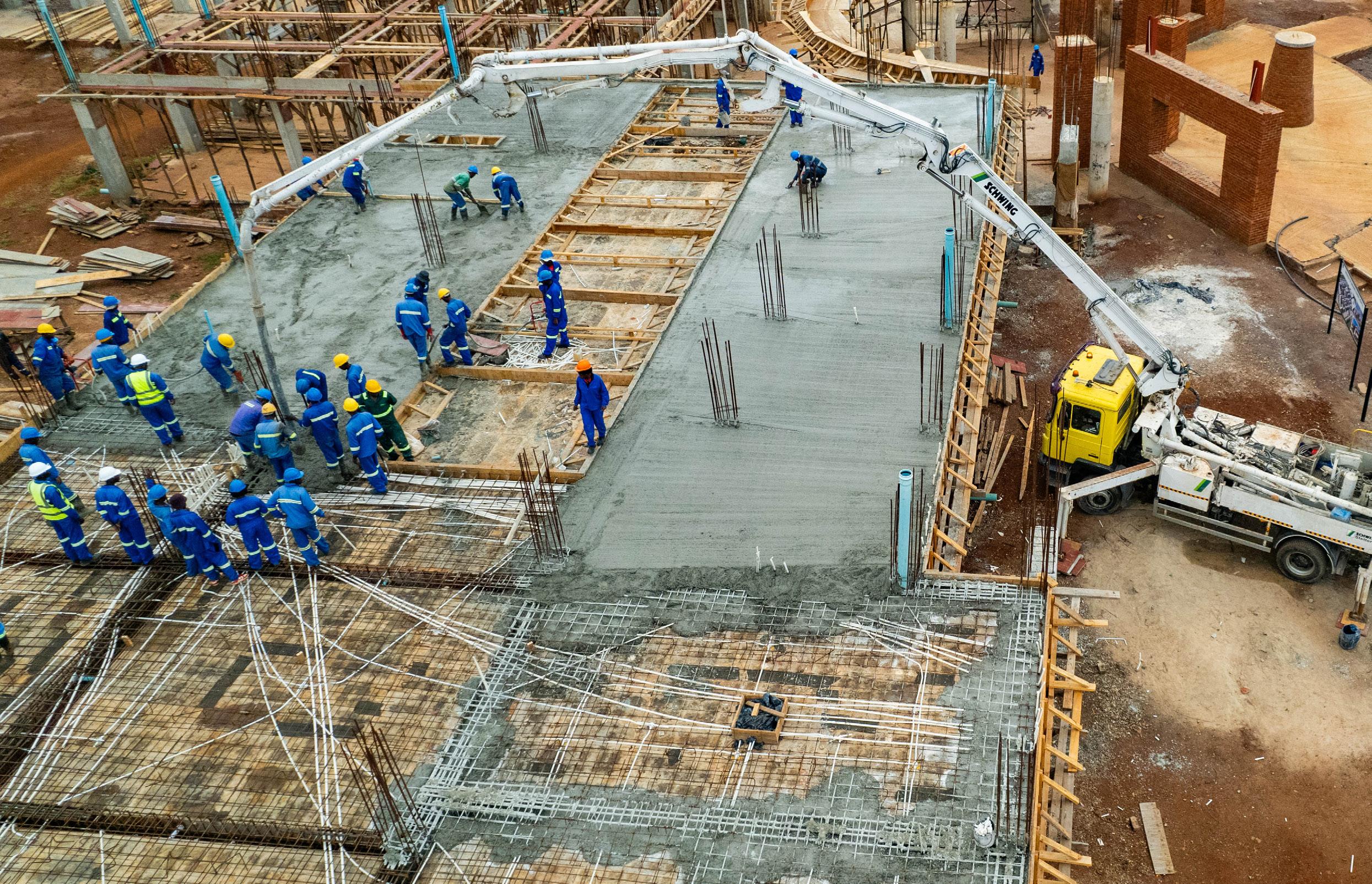
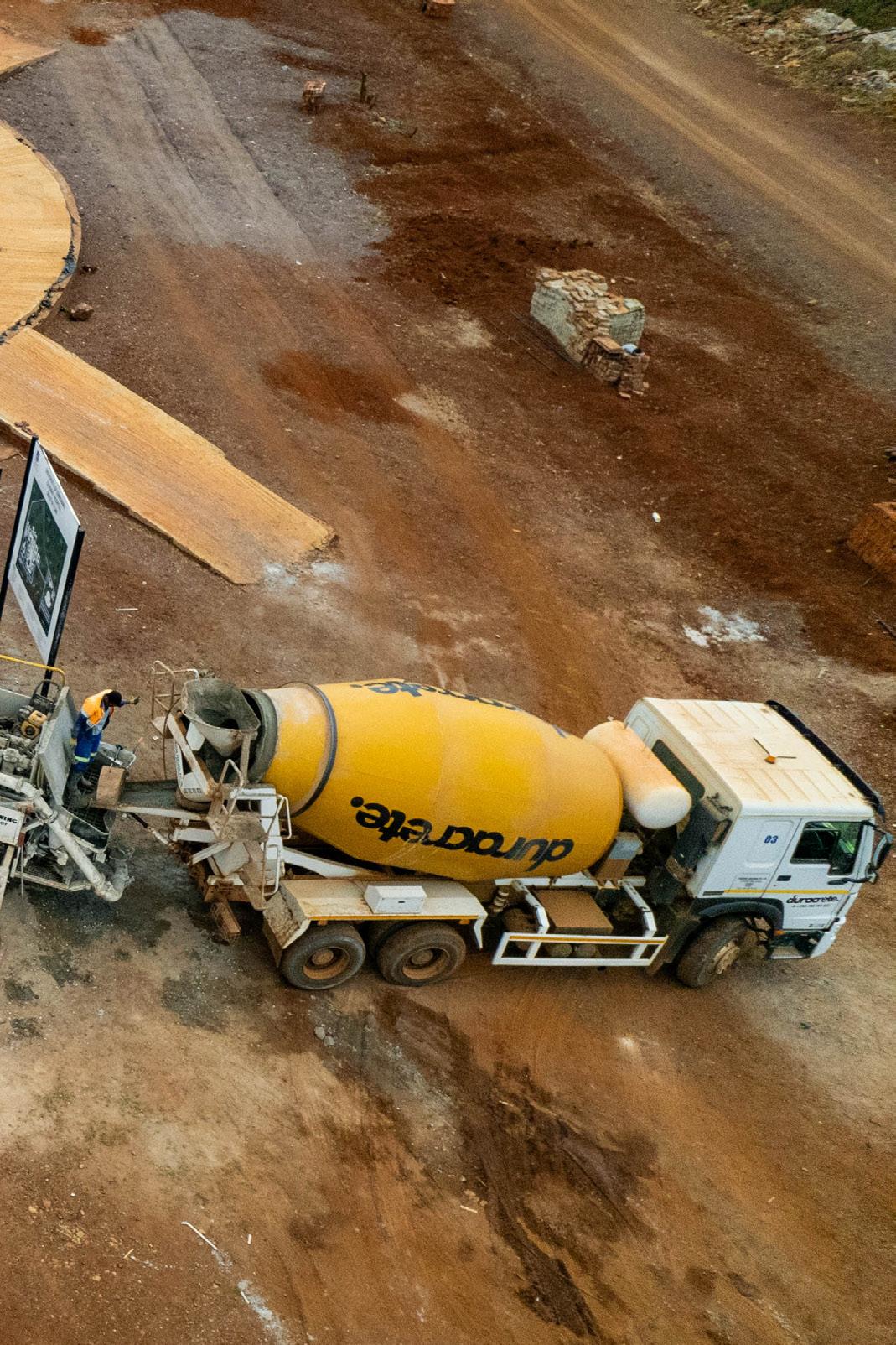
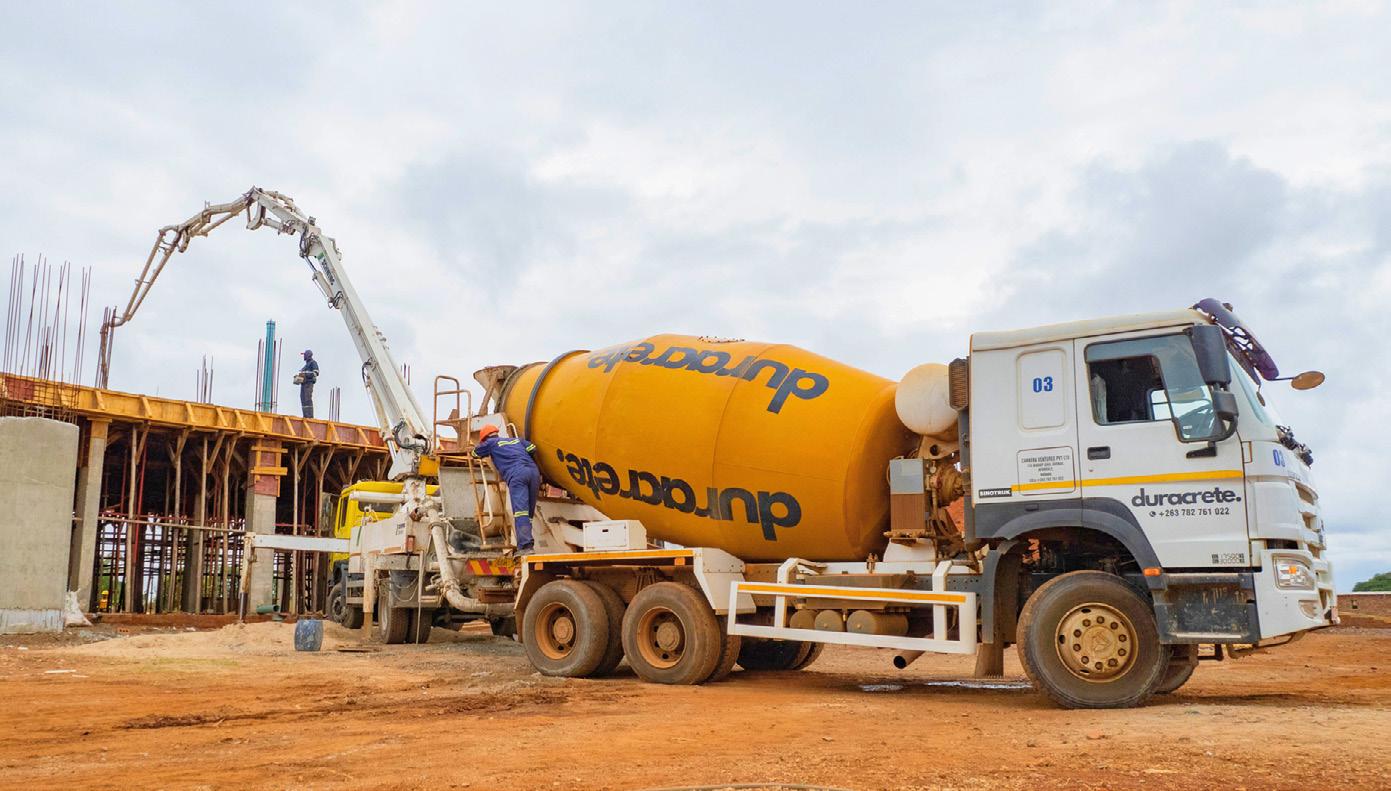
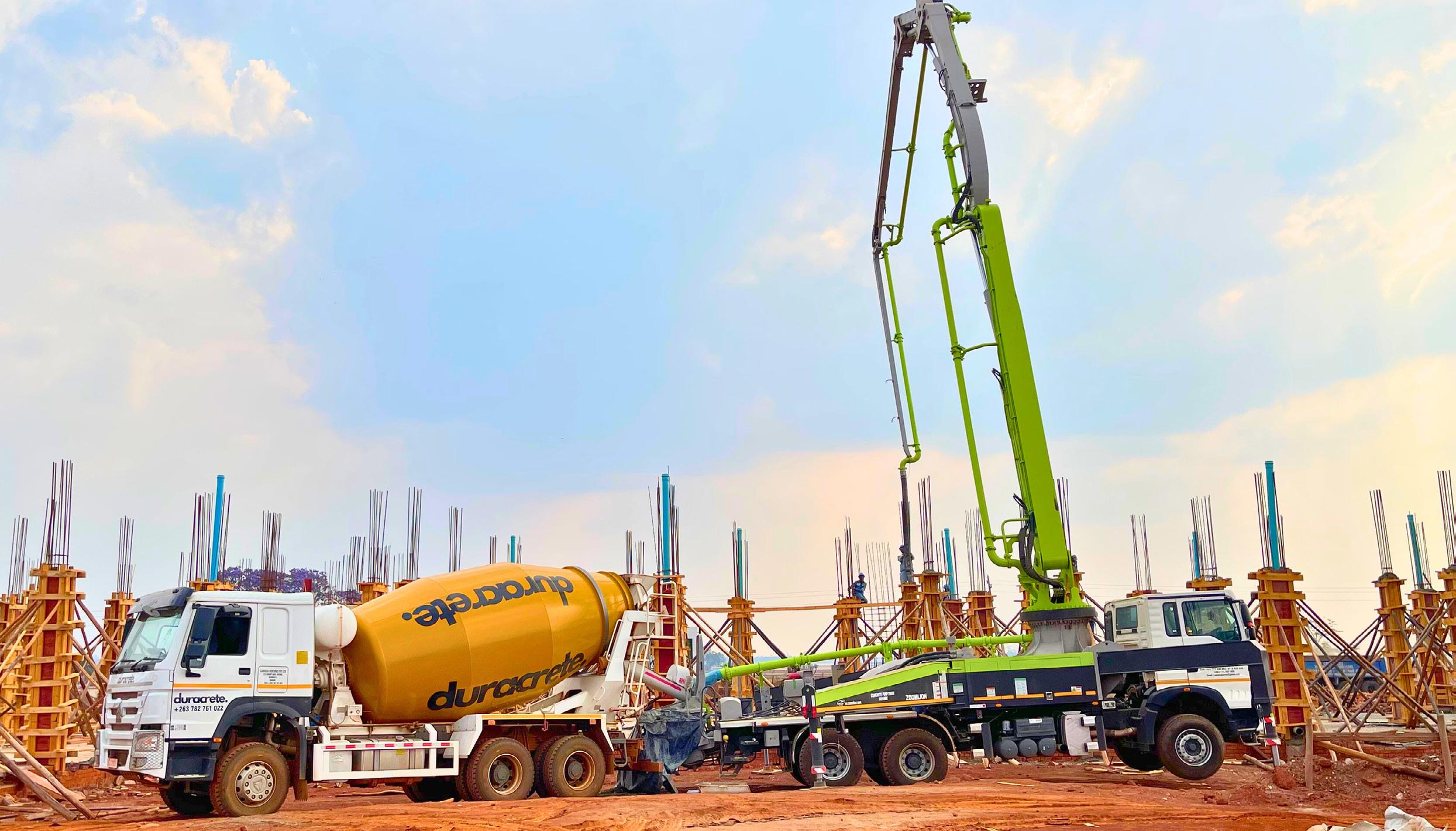
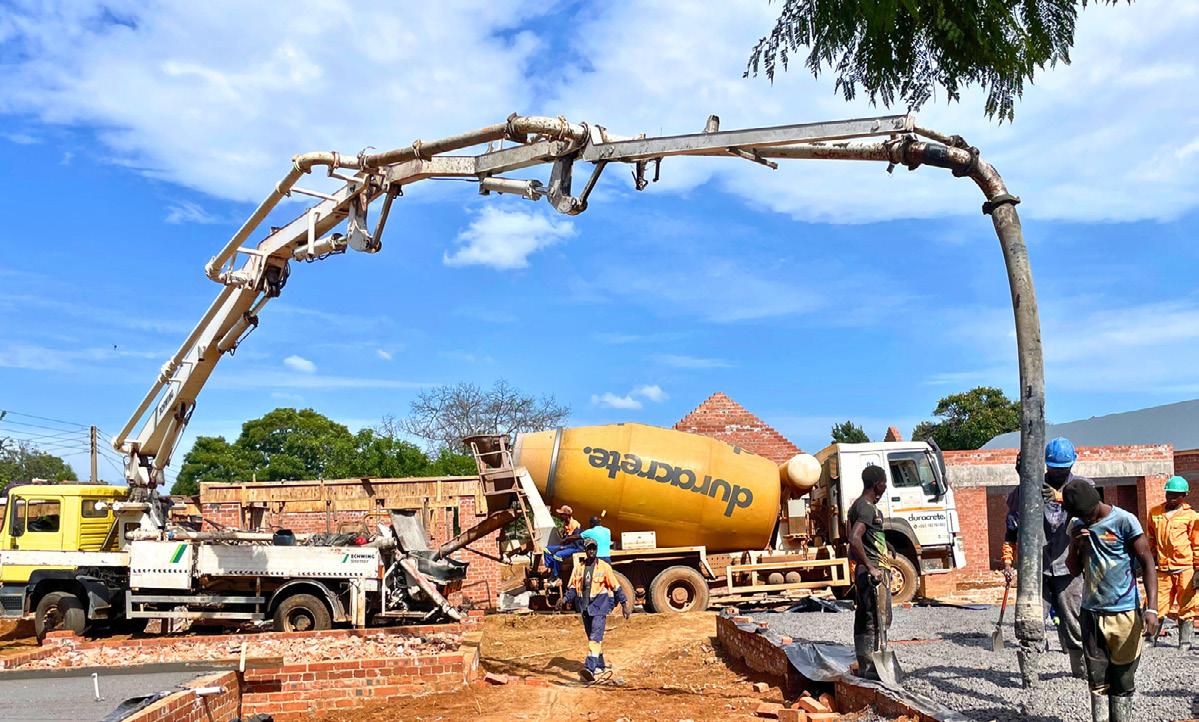
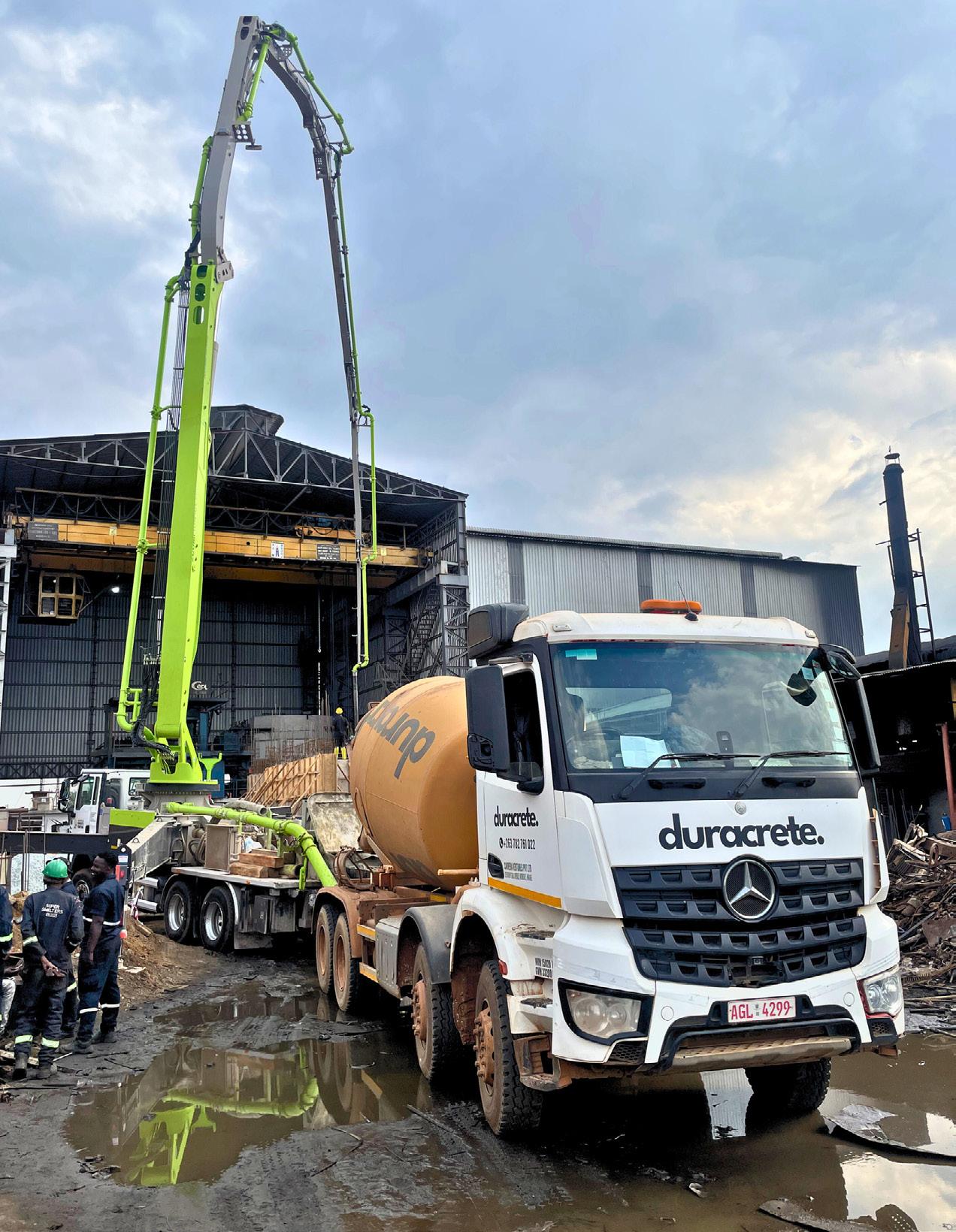
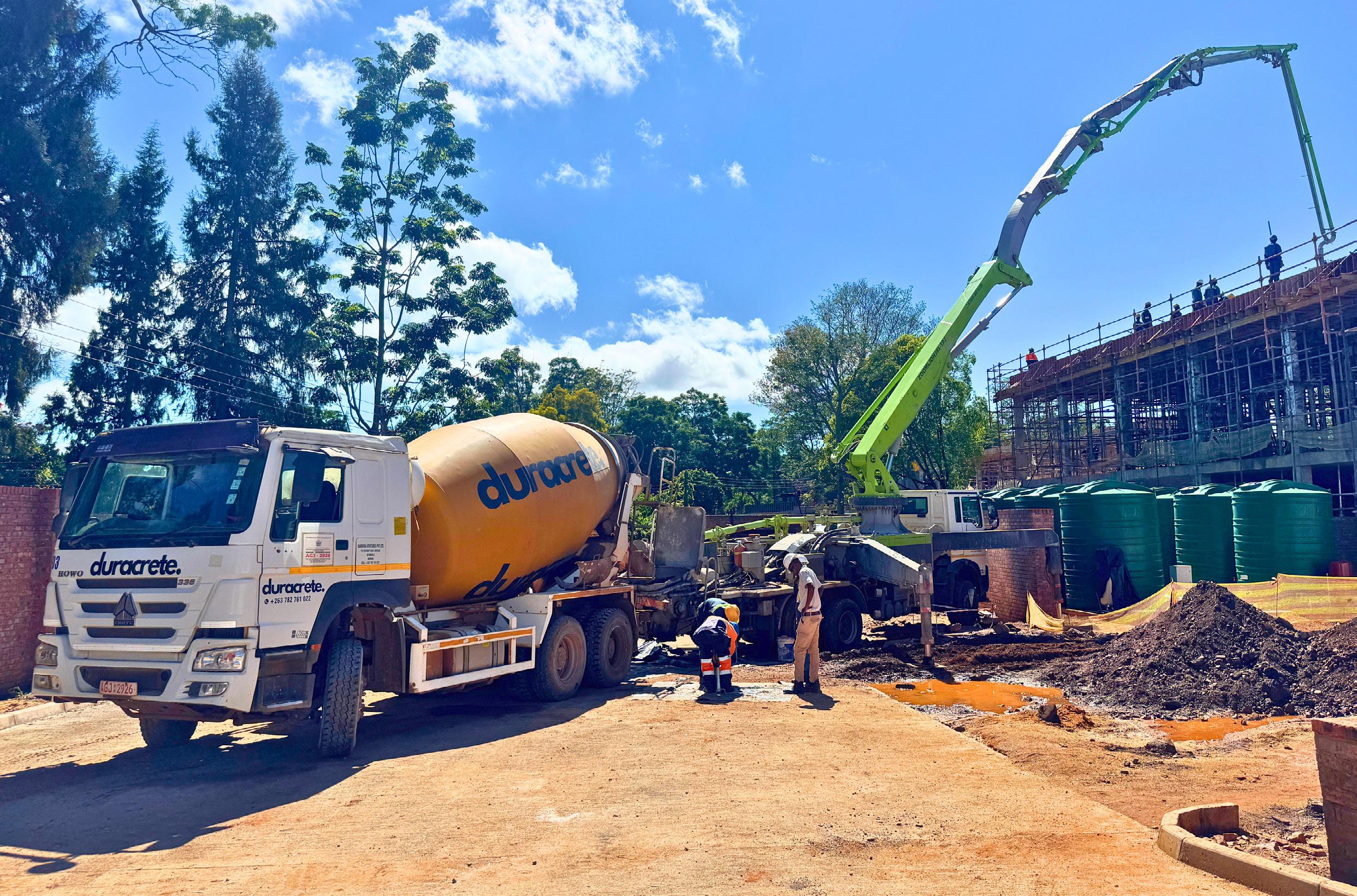
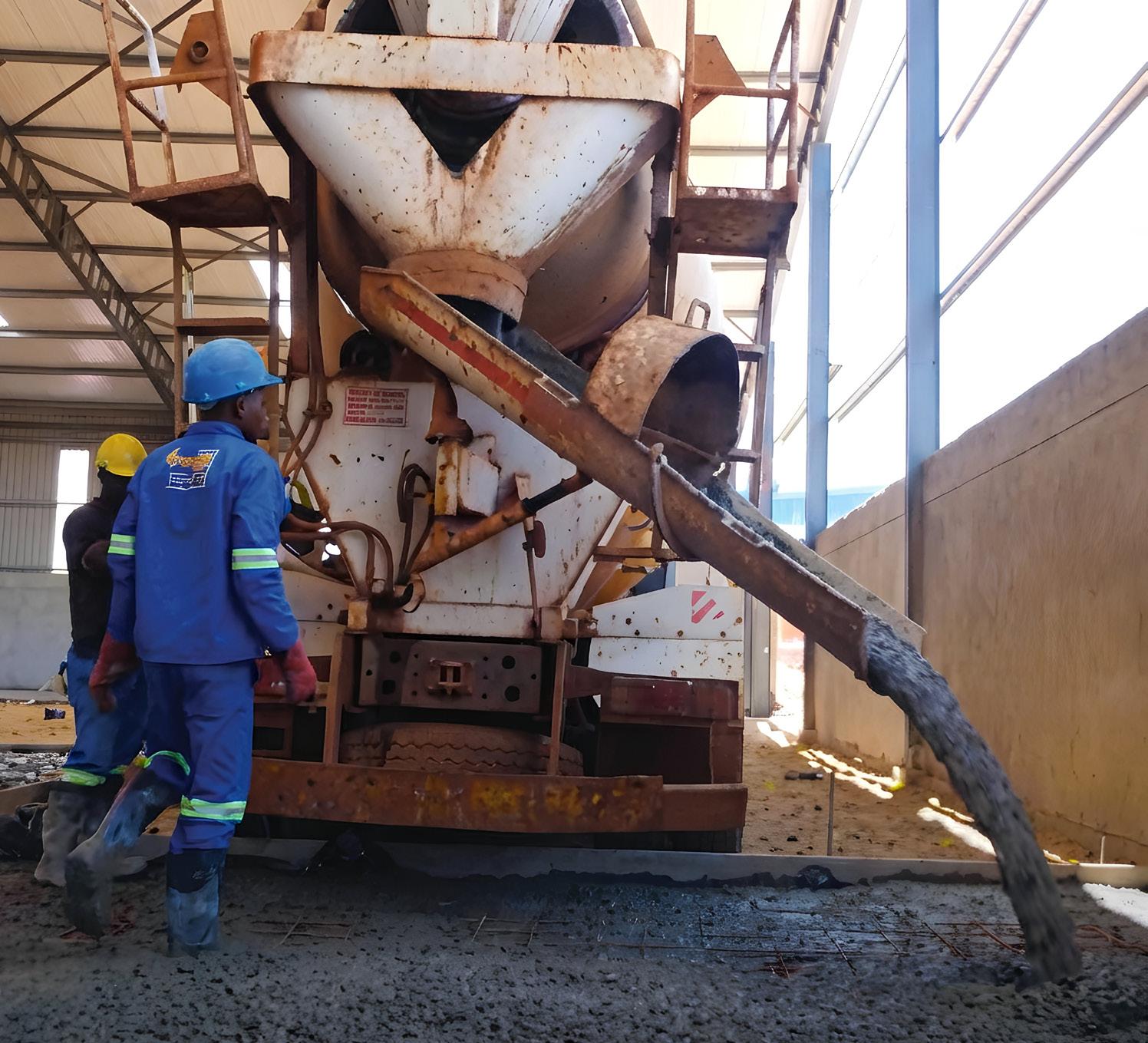
In the demanding environment of African construction, the foundation of every successful project is reliability. That’s why we endorse Duracrete Ready Mix Concrete. Engineered specifically for these tough conditions, Duracrete delivers unmatched durability, guaranteed by consistent strength and precision batching. When the choice is between settling for less or building to last, the answer is clear: Choose durability.
The deployment of PPPs has solidified its position as a defining characteristic of Zimbabwe’s modern infrastructure drive. This operational model is rapidly establishing itself as a potent mechanism for mobilizing substantial capital, transferring specialized expertise, and ensuring the efficient delivery of large-scale public projects. We see this in action as First Mutual Life Assurance Company identifies strategic avenues for impactful investment, leading a Midlands housing revolution.
Innovation, however, extends beyond financing. The news of Brown Engineering’s steel frame restaurant crowning Geo Pomona Waste Management’s site illustrates a strategic expansion. The Geo Pomona project, established under the country’s leadership, is actively moving beyond its core waste-to-energy mandate, transforming the landfill site into a multi-functional hub.
Finally, our industry’s future rests on its foundation of skills. The recent launch of the ZBCA Academy by the Zimbabwe Building Contractors Association marks a significant step in modernization. The academy will deliver targeted, accredited programs to equip builders, site staff, and entrepreneurs with skills crucial for the digital future, emphasizing professional development and capacity building.
We also note the vital role of material suppliers like Duracrete, who provide Ready Mix Concrete with consistent strength and precision batching, engineered for tough African conditions, urging us all to Choose durability.
Together, these stories reflect an industry that is durable, innovative, and deeply committed to Zimbabwe’s 2030 vision.







While every effort has been made to ensure the accuracy of its content, neither editor nor publisher can be held responsible for any omissions or errors: or for any misfortune, injury, or damages which may arise there-of. All rights reserved.
2025 No Part of this magazine may be reproduced or transmitted in any form or by any means electric or mechanical, including photocopying or recording.





OUR PROJECTS
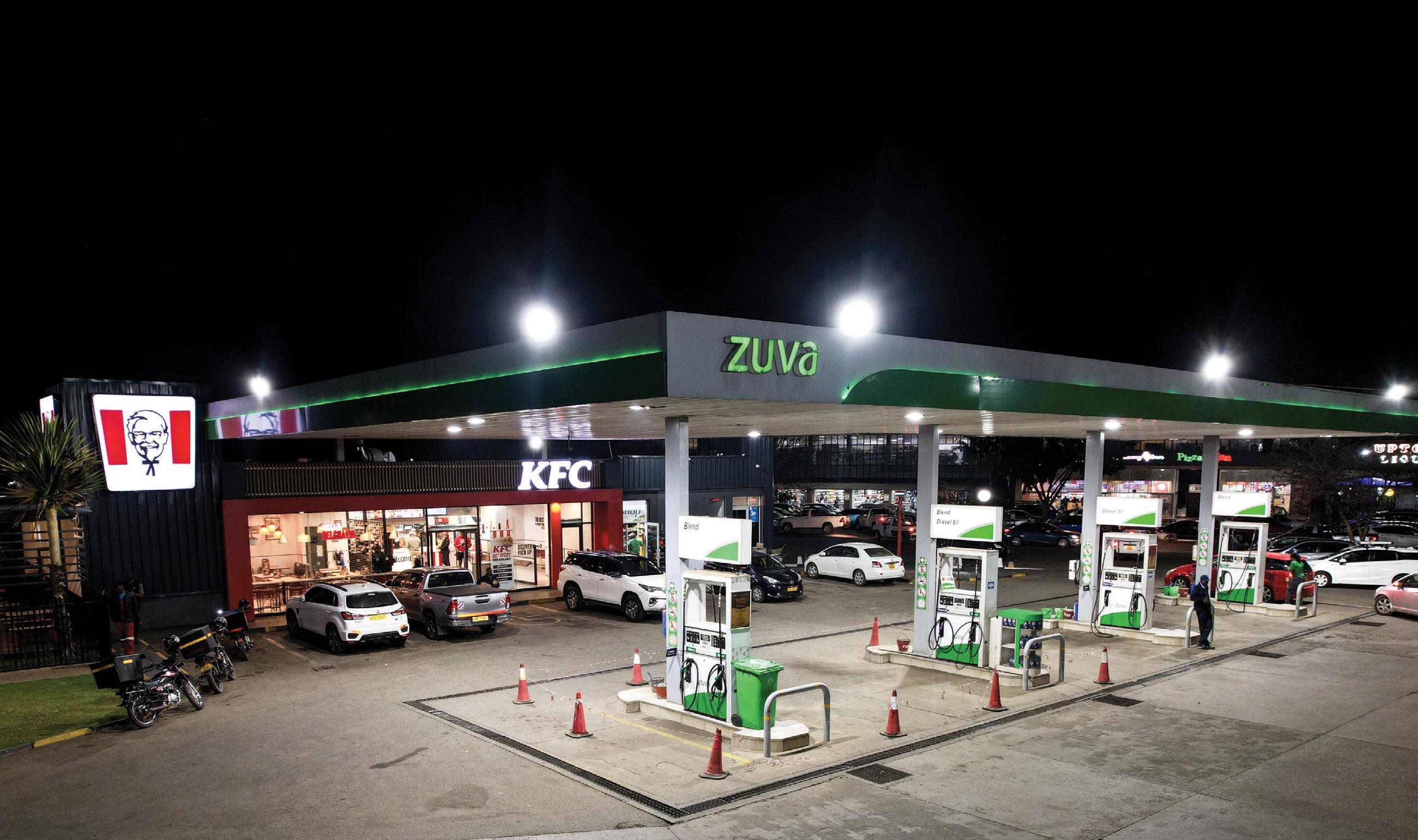
ZUVA SERVICE STATION
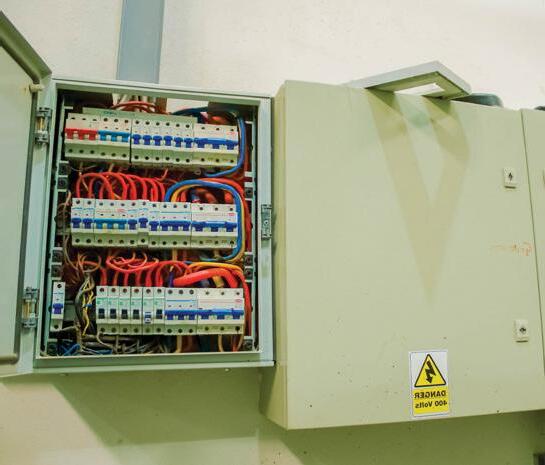
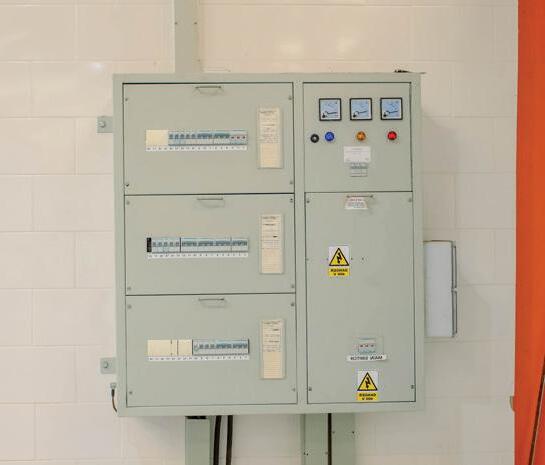
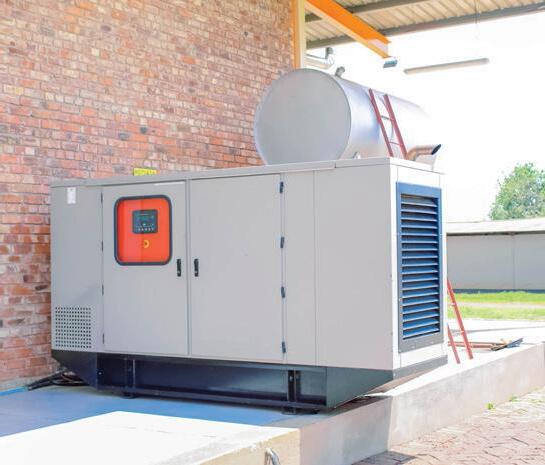
Mautric Electrical Pvt LTD set its foot as an electrical supply and equipment trading and services company. Over the years, the company has earned a reputation for excellence and professionalism for continuously striving to meet - and even exceed - standards which set the climate for a sustainable business relationship with its clients.
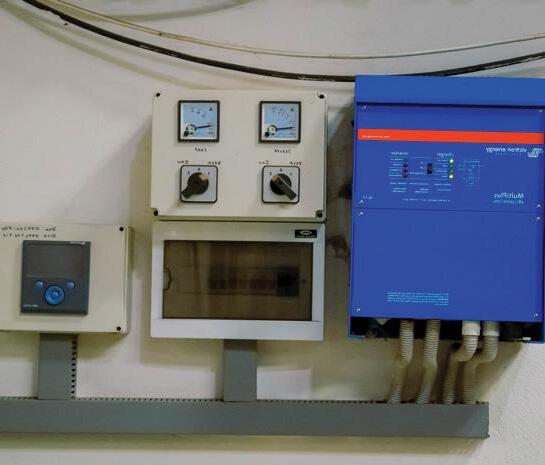
As an electrical solution specialist, we offer electrical power products ranging from transformers, switch gears, breakers, XLPE cables, panel boards, power meters, and switches. The company also offers control products such as variable frequency drive, soft starters, UPS, AVR, batteries, motors and even lighting fixtures.
Our team is composed of technically skilled and highly dedicated personnel working cohesively to promote value-added solutions with a competitive pricing structure to suit your needs.
We also engage in electrical product installations, testing and commissioning, preventive maintenance, automation, and energy saving solutions.







PUBLISHER
Caast Media Group
Newton Musara +263 781 421 866 +263 789 532918
DESIGN, LAYOUT & VIDEOGRAPHY WEBSITE & SOCIAL MEDIA
Zimiso Geoffrey Nyamande Olga Gertrude Dzingo Princess Kuvengurwa
Tinaani Francis Garikayi Albert Chitumba
Martin Chemhere
CONTRIBUTORS

DISTRIBUTION
Itai Kanyemba Gift Sepi
PHOTOGRAPHY CAAST MEDIA GROUP
EMAIL marketing1@caastmedia.org markerting@structureanddesign.co.zw










































































































































































Consistent Quality & Strength Reduced Wastage
Cleaner, Safer Worksites
Faster Construction & Less Labour Improved Durability & Performance
Saves Time & Cost Over the Project
Environmentally Better Than Site-Mix
Reliable Supply for Large Volumes








Text by - Martin Chemhere

The deployment of Public-Private Partnerships (PPPs) has solidified its position as a defining characteristic of Zimbabwe’s modern infrastructure drive. While this operational model is still gaining maturity within the national context, it has rapidly established itself as a potent mechanism for mobilizing substantial capital, transferring specialized expertise, and ensuring the efficient delivery of large-scale public projects.
This collaboration, which pairs the government’s strategic focus on national needs, such as providing universal access to modern, affordable housing, with the private sector’s capacity for timely execution and innovation, is considered critical for accelerating economic transformation and achieving the national goal of an upper-middle-income society by 2030. It is in this environment that First Mutual Wealth Management, a subsidiary of First Mutual Holding Limited, has identified a strategic avenue for significant, impactful investment.
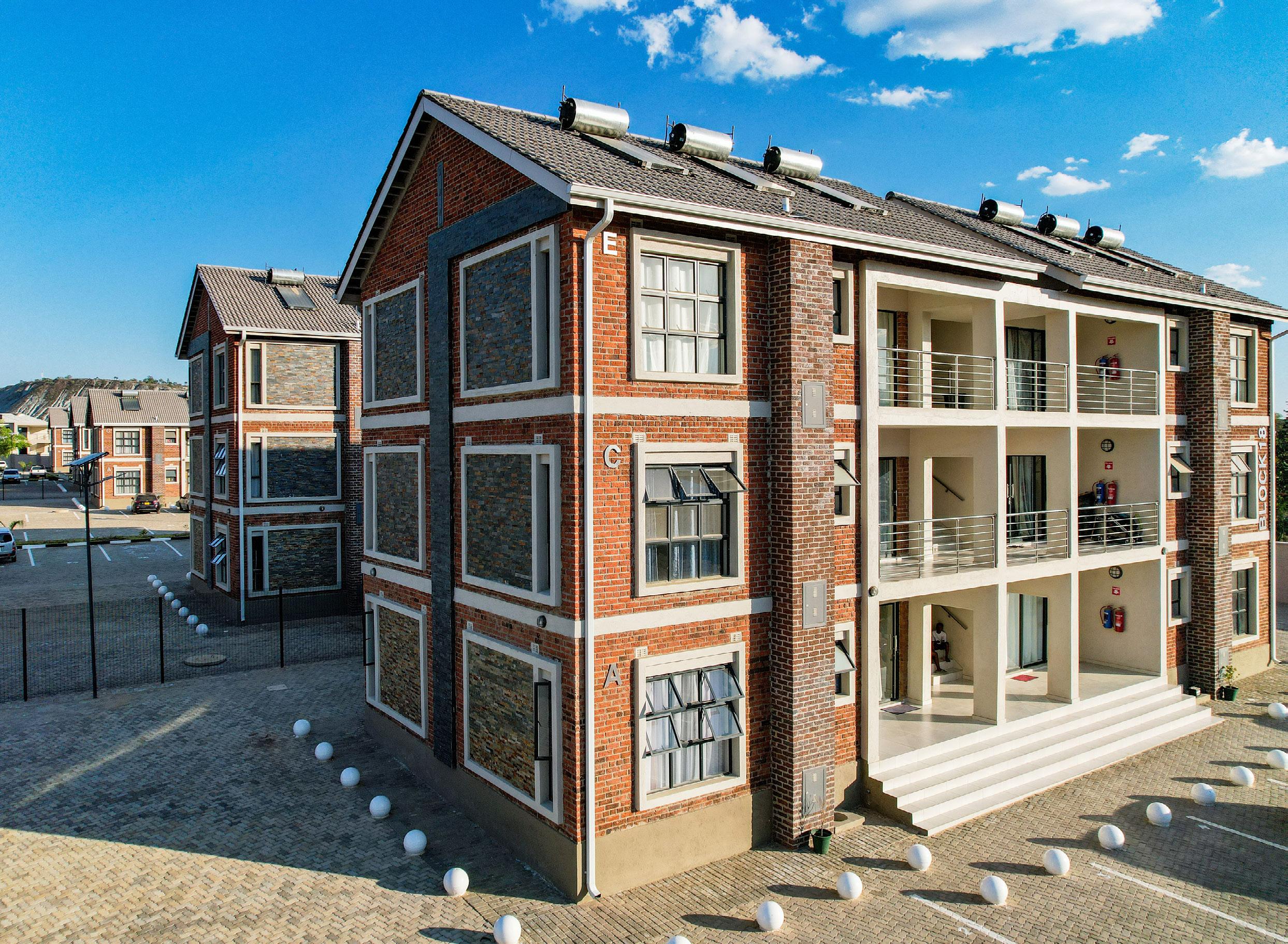
A groundbreaking illustration of the success achieved through this model is the recently completed mixed-use housing development situated in the Midlands Province town of Zvishavane. This project, known as the Midlands Park, represents an investment totalling approximately US$37.7 million and is expected to redefine the town’s housing and educational infrastructure. This initiative is a core component of the national strategy to address the perennial housing deficit, directly contributing to the government’s target of delivering one million housing units across the country.

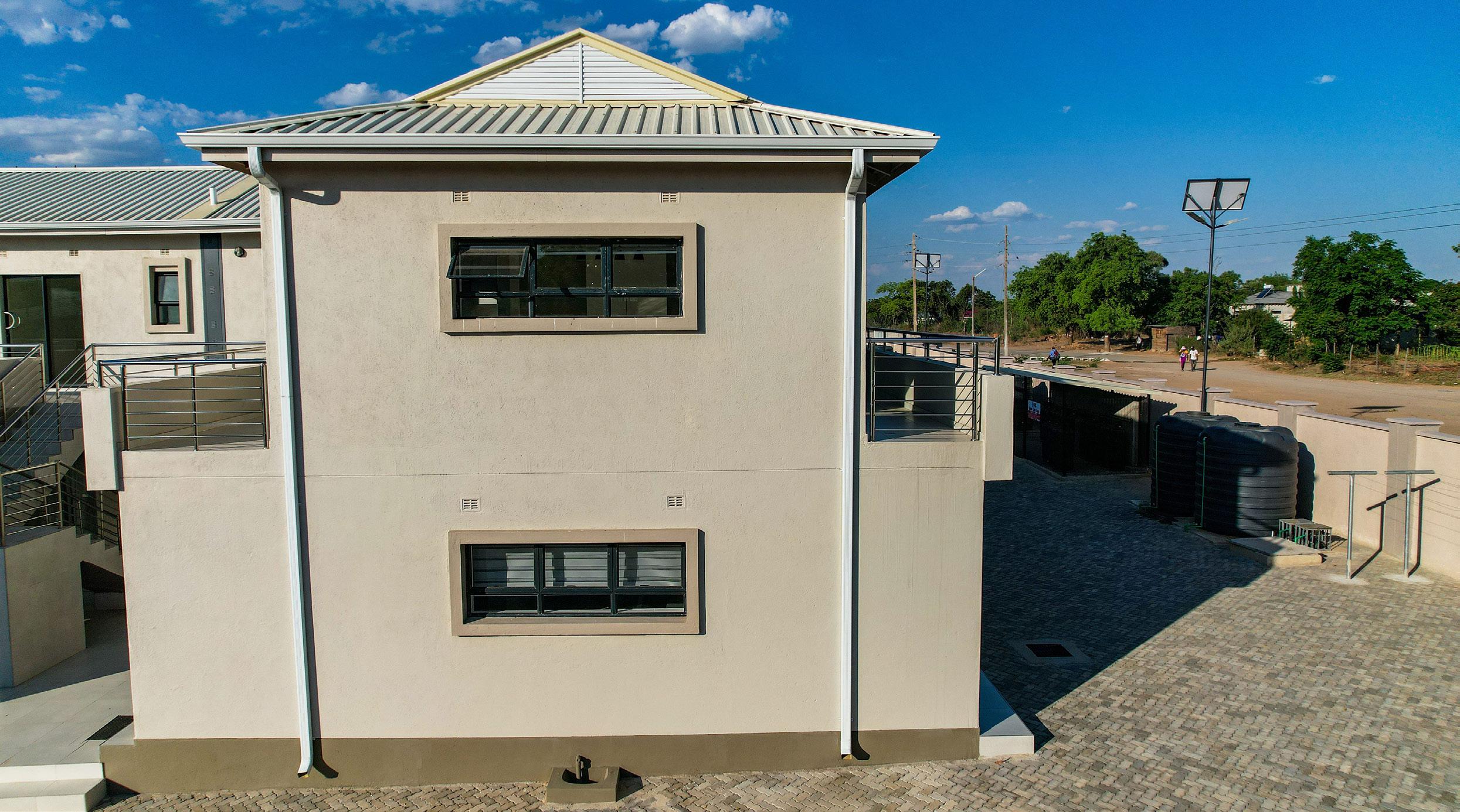
The development is a strategic collaboration between the Public Service Pension Fund (PSPF) and First Mutual Wealth Management.
The project structure effectively leveraged public funds, with the Public Service Pension Fund providing the majority of the capital, accounting for approximately 97% of the investment.
Other shareholders included subsidiaries of First Mutual Holdings Limited. This arrangement ensured that the development was steered by professional management and built to high commercial standards, showcasing the PPP model in achieving its full potential.
Scale and scope of accommodation
The comprehensive development scheme is designed to accommodate a large segment of the population, providing shelter for over 1,000 families and students.
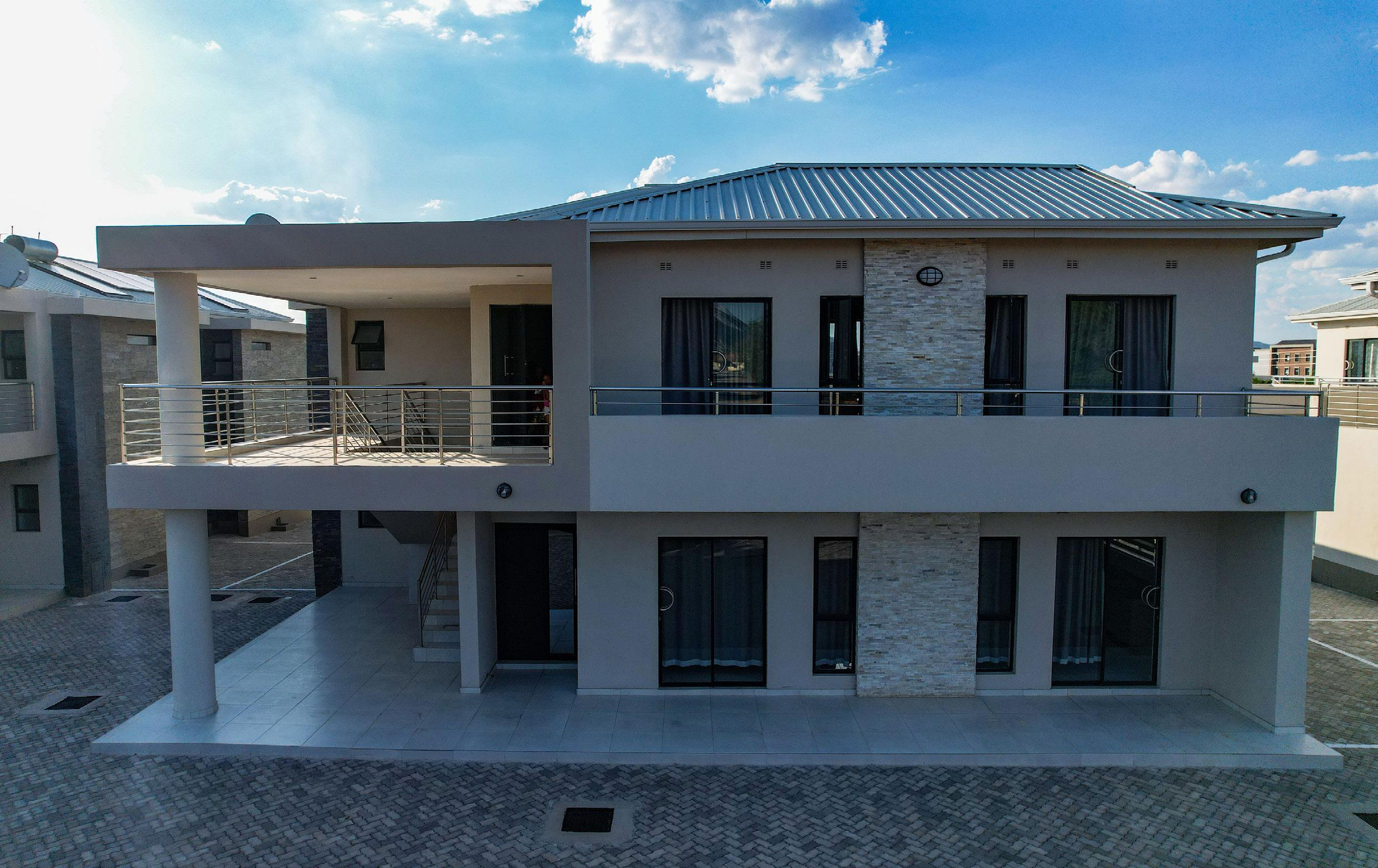
The final development is slated to comprise a total of 156 modern residential flats and a 750-bed student accommodation facility, a significant scale that immediately addresses housing pressures in the area. Specifically, the residential component features 156 modern flats, which are strategically configured as two and three-bedroom high-class units.


The leading multidisciplinary consulting engineers delivering sustainable infrastructure solutions across Zimbabwe.
• Engineering Design & Documentation
• Project & Construction Management
• Site Supervision & Quality Assurance
• Certification & Compliance




















The design and construction of the Midlands Park represent a substantial aesthetic and structural leap for the region. The overall development consists of mixed-use buildings, incorporating lower-density duplex cluster houses and multiple-storey apartment blocks, ranging from three- to four-storey structures.
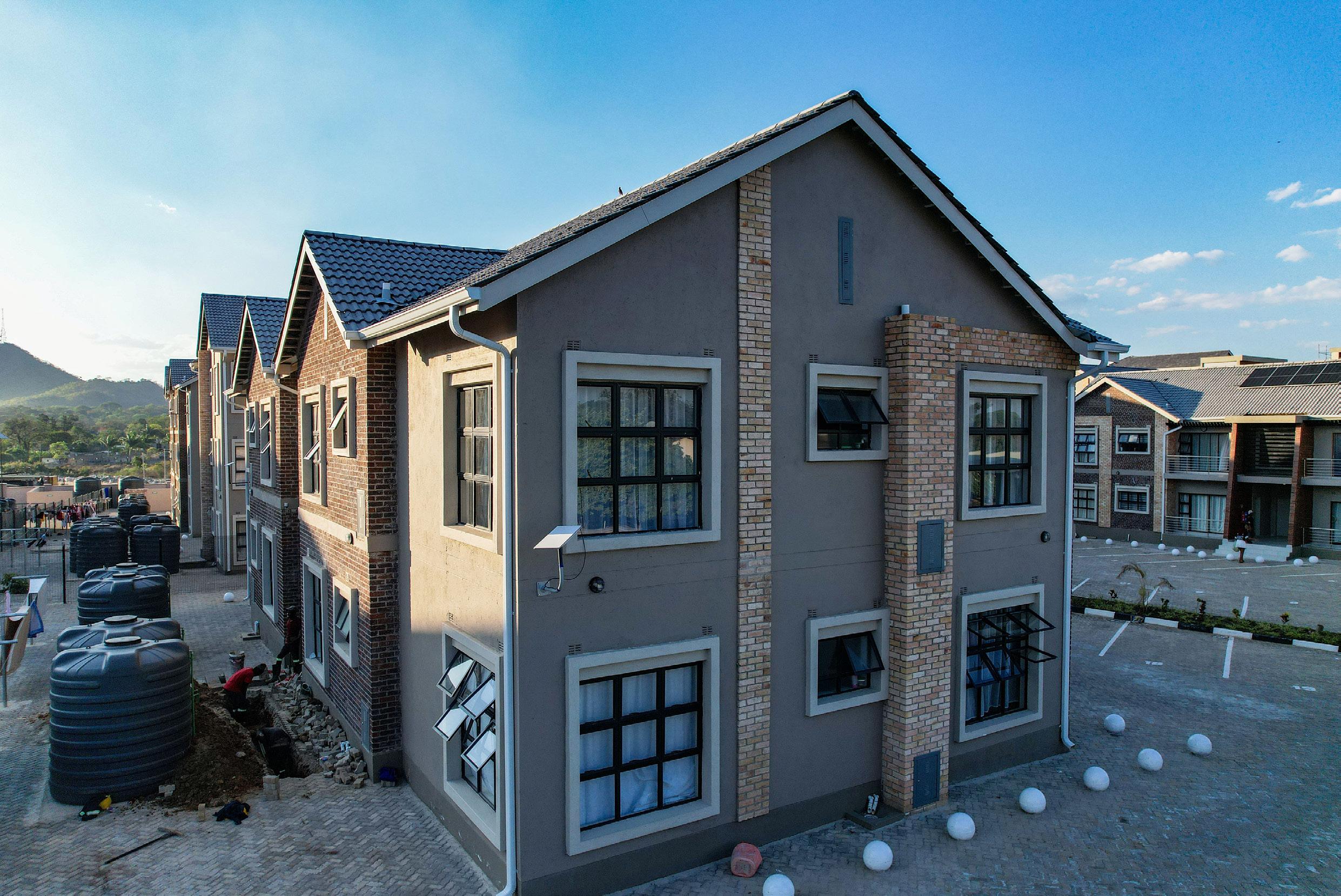
The project was structured in two distinct development phases. In the initial phase, six duplex flats were completed, along with 20 blocks of double and triple-storey flats, demonstrating rapid construction progress. The larger apartment blocks feature a contemporary aesthetic, utilizing a combination of durable reddish-brown brick cladding and lighter-colored plaster on the façades, often capped with dark-tiled or slate roofs. The second phase delivered 8 blocks of flats and four blocks students’ accommodation with a total capacity of over 750 students.

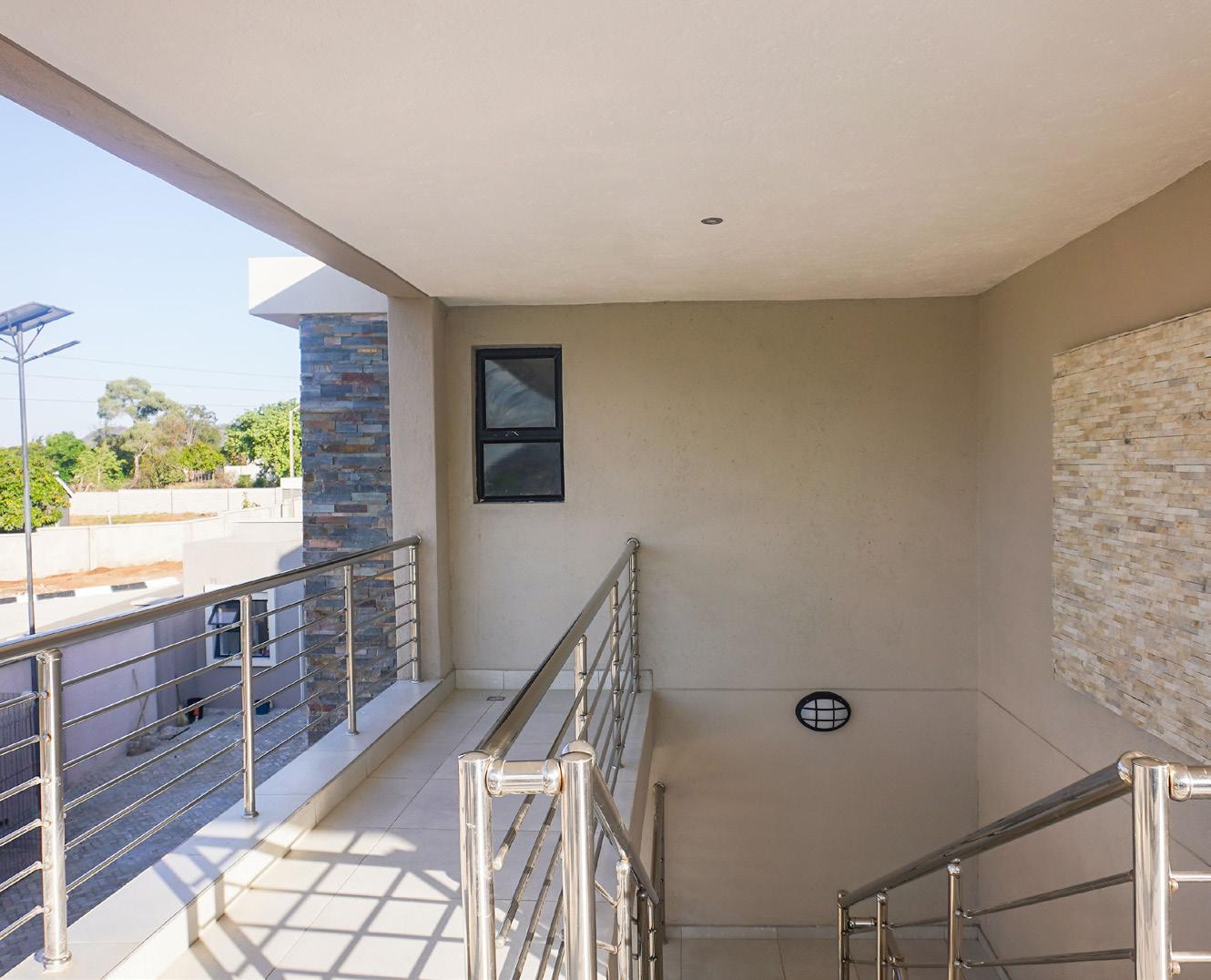
Technologically, the development is designed for modern living and resilience. Solar water heaters have been installed, indicating a commitment to energy efficiency and reduced operational costs.
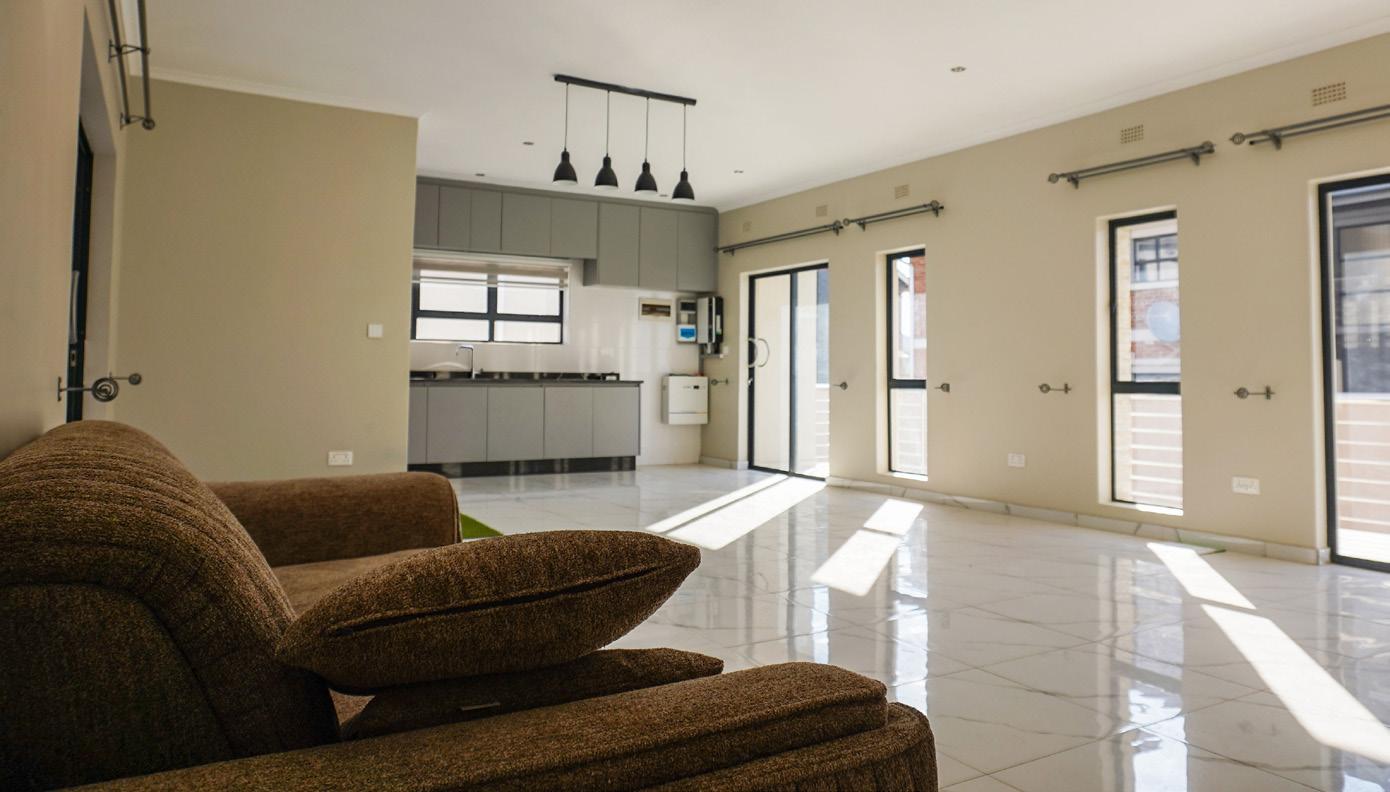
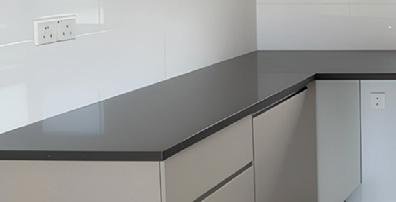
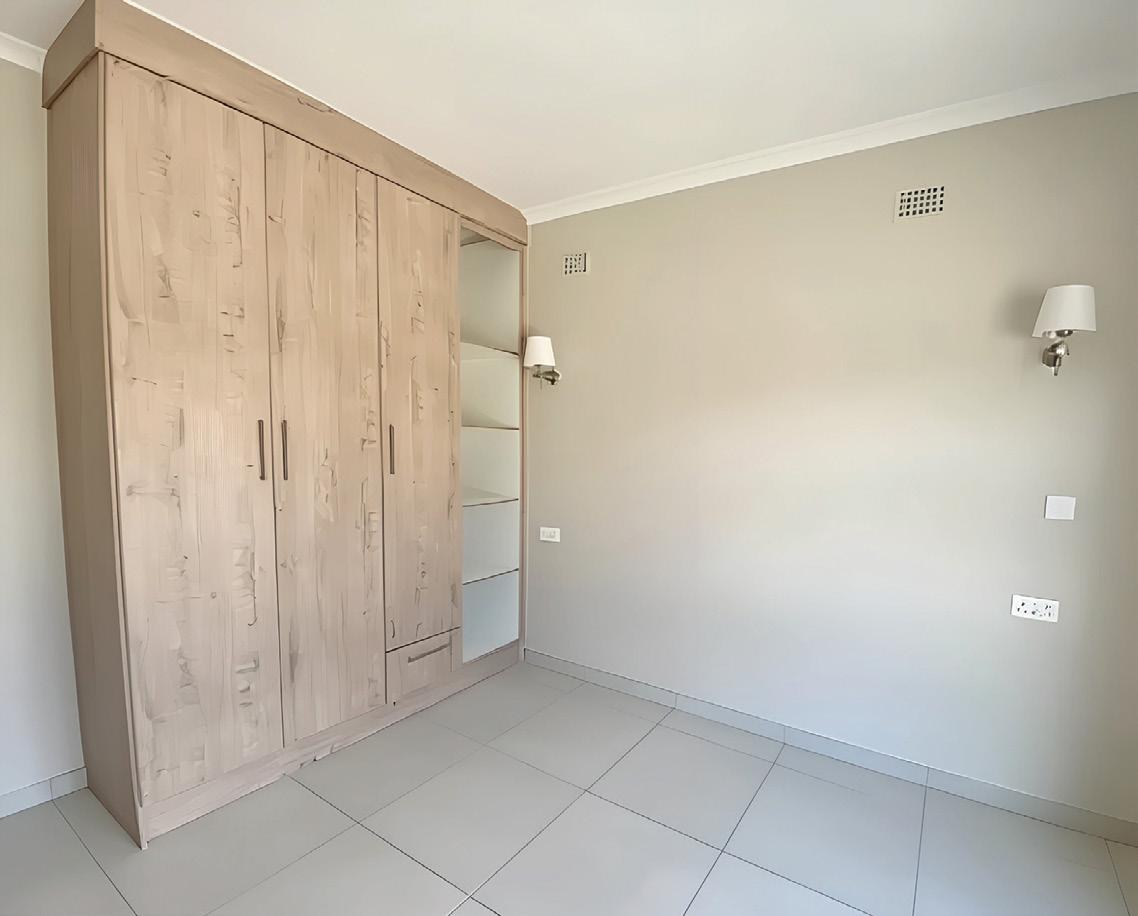
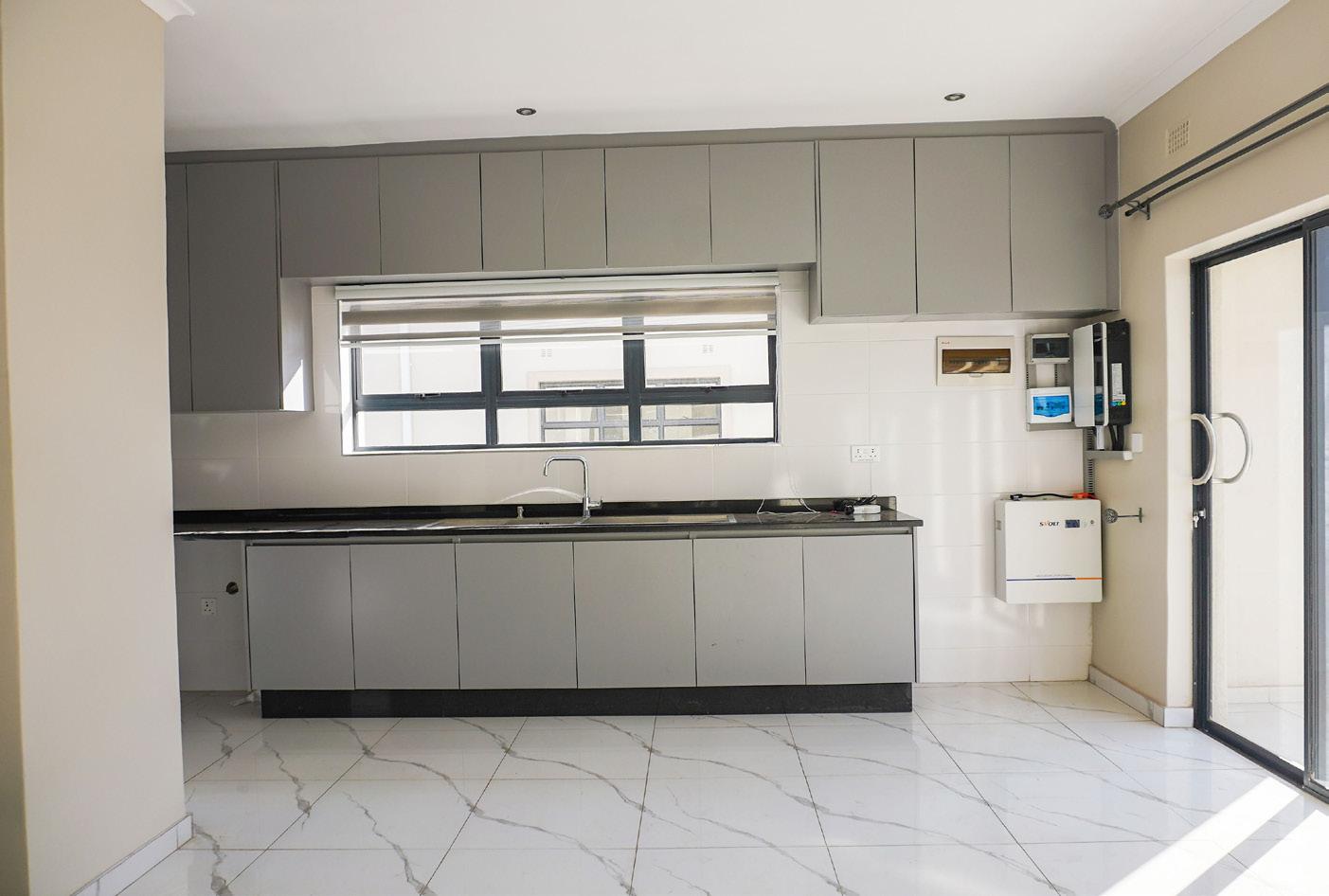
The interiors of the residential units are finished to a high standard, featuring modern designs such as white/light grey tiled floors throughout, contemporary kitchen layouts with sleek, handle-less cabinetry, and provisions for inverter/ backup power systems to ensure reliable electricity supply—a non-negotiable feature in high-quality modern housing.
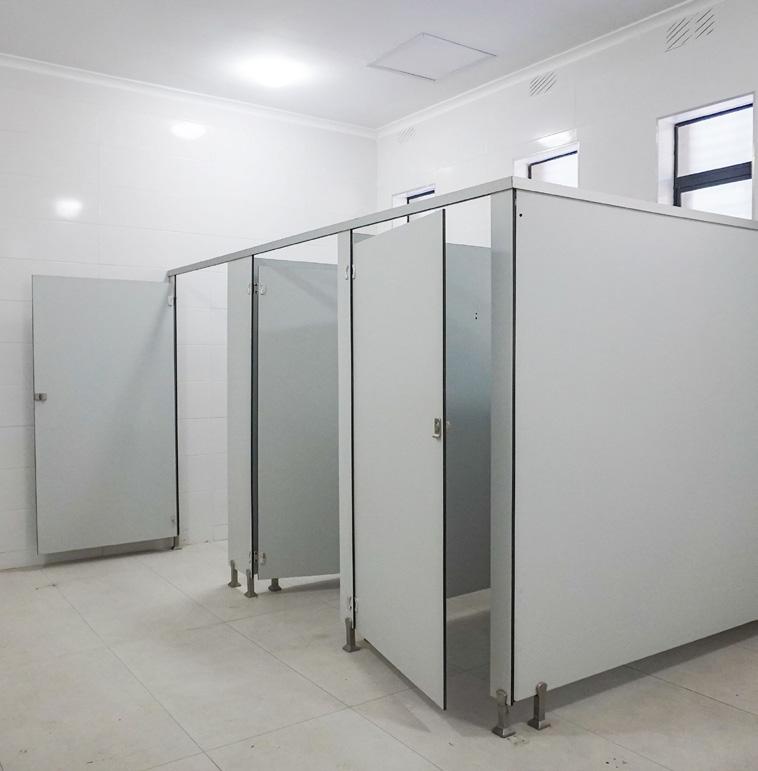
The communal areas and student residences also feature robust, low-maintenance specifications.
Communal bathrooms utilize white-tiled walls and floors, equipped with modern fixtures like wall-mounted toilets and stainless steel railings.
Student accommodation is furnished with practical, dark grey metal furniture, ensuring durability and functionality for multiple occupants.
The entire development is characterized by paved courtyards, structured parking areas, and robust security fencing, creating a secure and ordered environment that significantly contrasts with older, less organized residential areas.
Each room accommodates two to three students and is equipped with smart biometric locks for enhanced security.
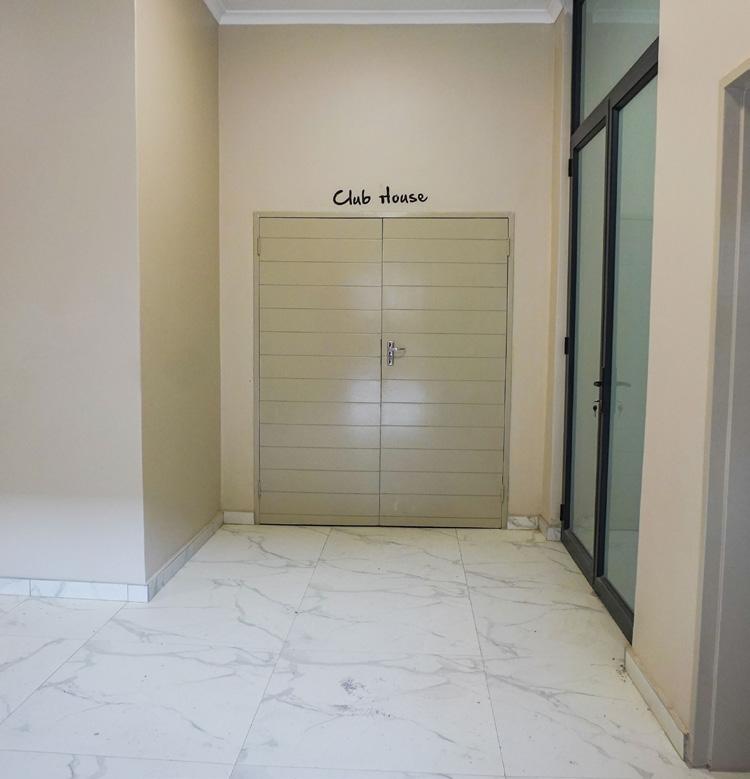
The initiative is recognized as a vital economic catalyst. The significant level of sustained investment has visibly accelerated the developmental pace in Zvishavane and the Midlands Province as a whole, setting a new benchmark for infrastructure quality.
Senior government representatives have affirmed that this commitment to leveraging partnerships is a non-stop engine for economic transformation.
Through addressing critical deficits in modern housing and student accommodation, the project not only improves the quality of life for thousands of citizens but also contributes to the local economy’s growth and ensures the continuity of public service and education operations.
First Mutual Wealth Management’s successful implementation of the Midlands Park Project solidifies the position of PPPs as the sustainable model for delivering essential services and driving the country towards its national vision.




The construction of a new modern restaurant structure by local and regional steel specialist Brown Engineering signals a strategic expansion for Geo Pomona Waste Management (Private) Limited. The flagship initiative, established under the vision of the country's leadership, is actively moving beyond its core mandate of converting waste into energy. Located approximately 13 km northeast of the Harare CBD, the Geo Pomona project—a Joint Venture Concession Agreement between the City of Harare and Geogenix BV—is focused on transforming the Pomona Landfill site into a multi-functional hub.
Structural expertise
The construction of the new restaurant structure at the Pomona site marks a bold step in the facility’s ongoing transformation. The project required the technical mastery of a company experienced in large, challenging industrial environments. Brown Engineering was tasked with designing, manufacturing, and installing the steel framework, leveraging their extensive experience in heavy industrial structures—a background that prepared them well for the unique demands of a modern waste management facility.


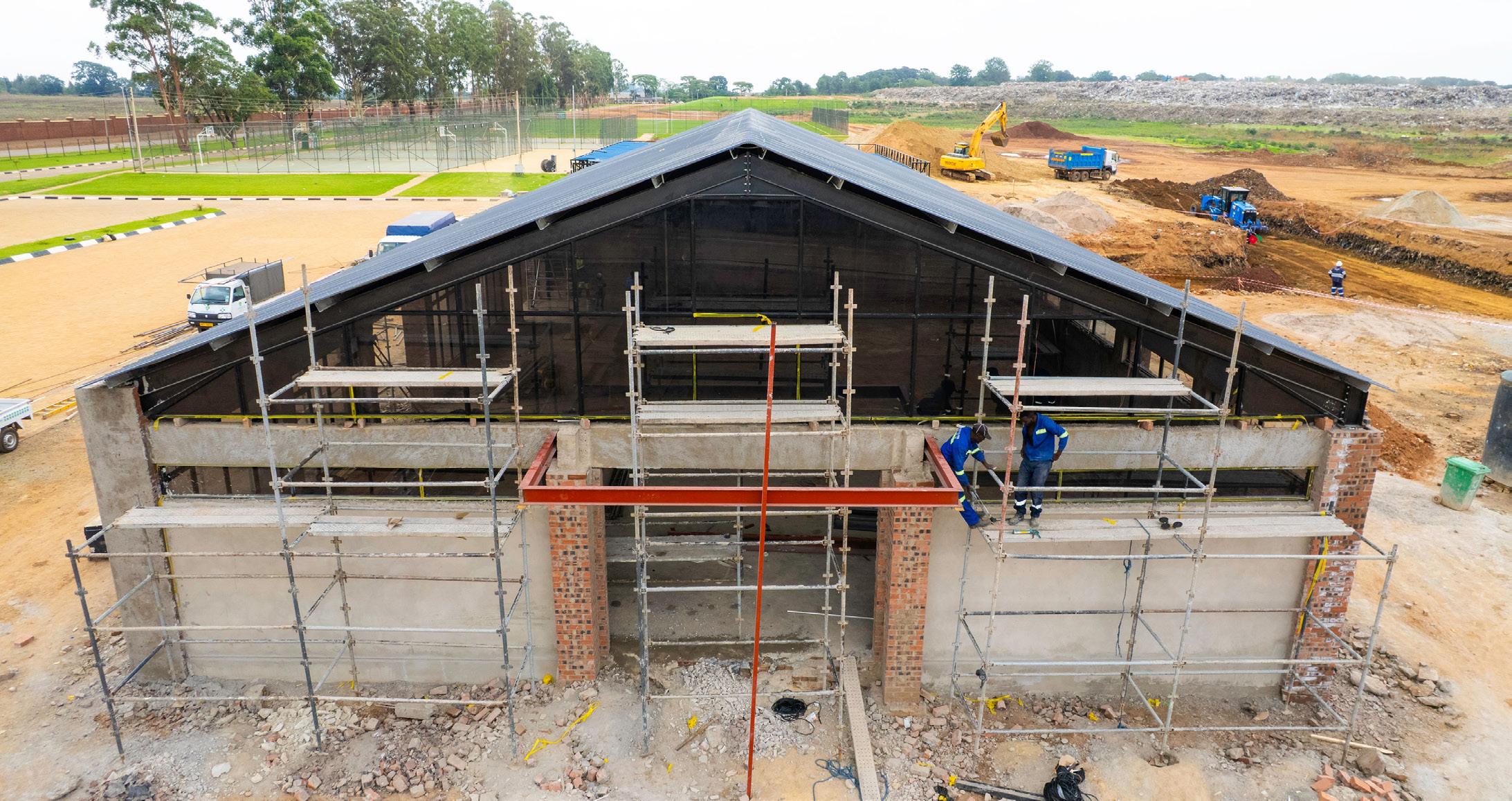
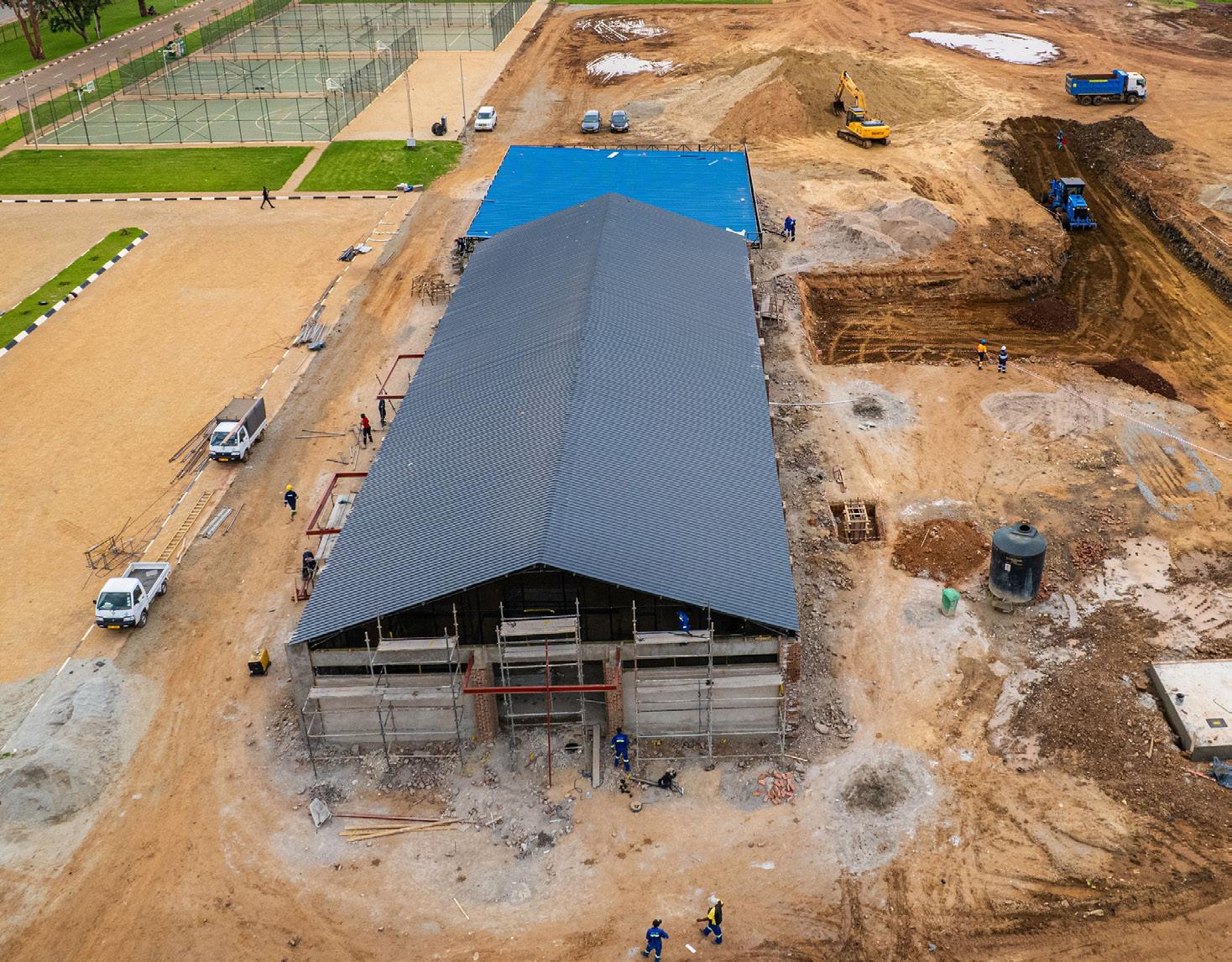

The success of the project highlights Brown Engineering's versatility in delivering various complex structures, whether industrial, agricultural, mining, or residential. Their in-house research and development team undertook meticulous planning regarding the unique requirements of a waste-toenergy site, ensuring the structural design met global specifications for factors like corrosion resistance and load-bearing capacity.
The successful completion of the steel structure will significantly boost the image of the award-winning waste management site, which continues to improve its communal facilities. For Brown Engineering, the collaboration with a global-standard entity further solidifies its reputation in the design and manufacture of steel structures across Zimbabwe and the SADC region.
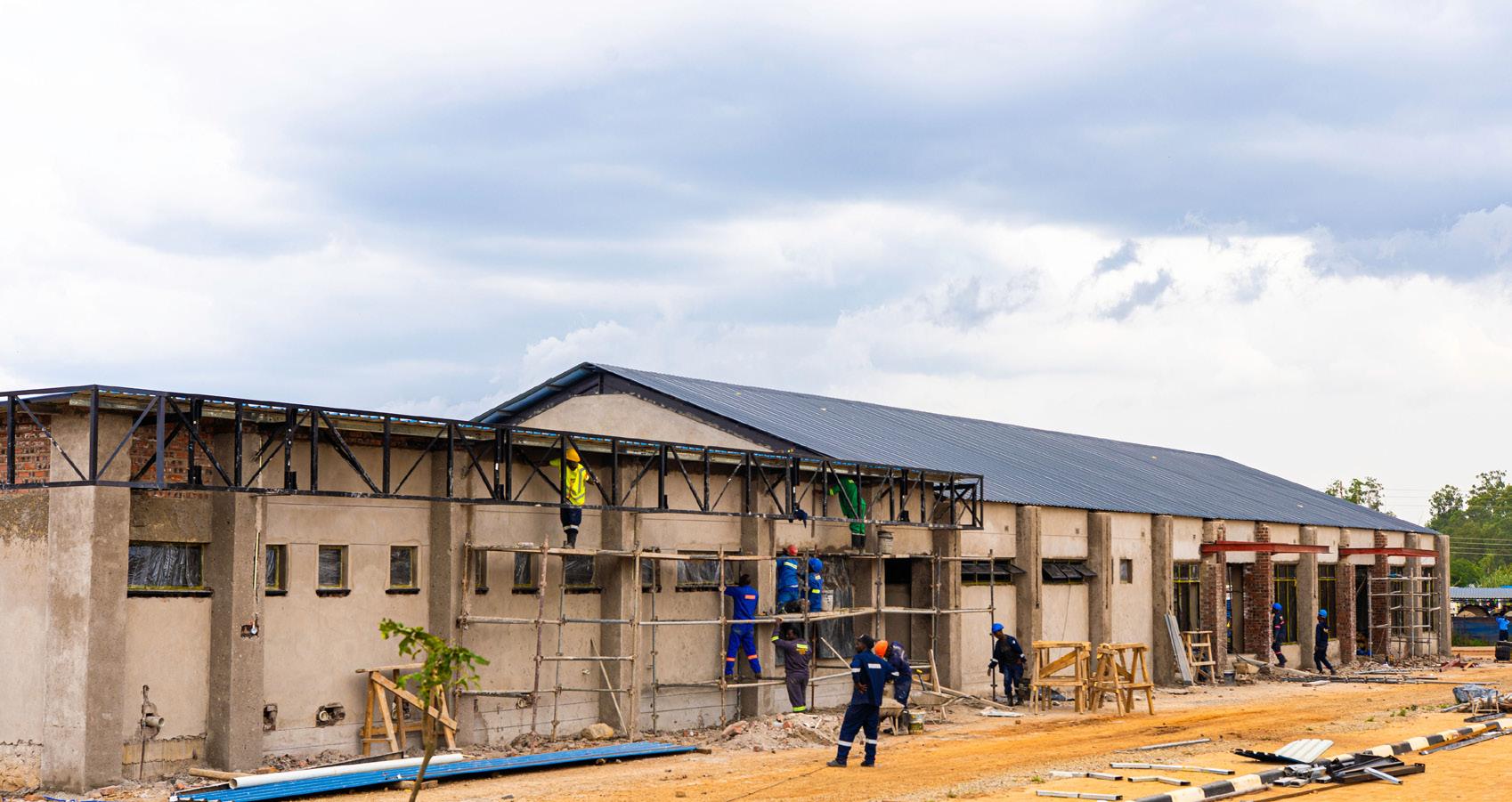
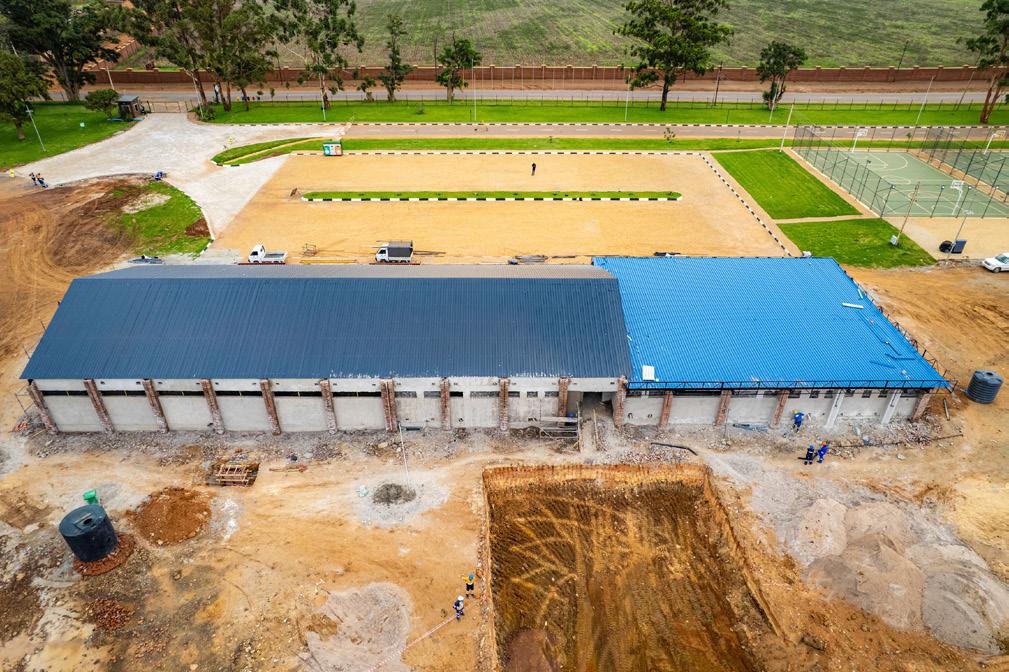
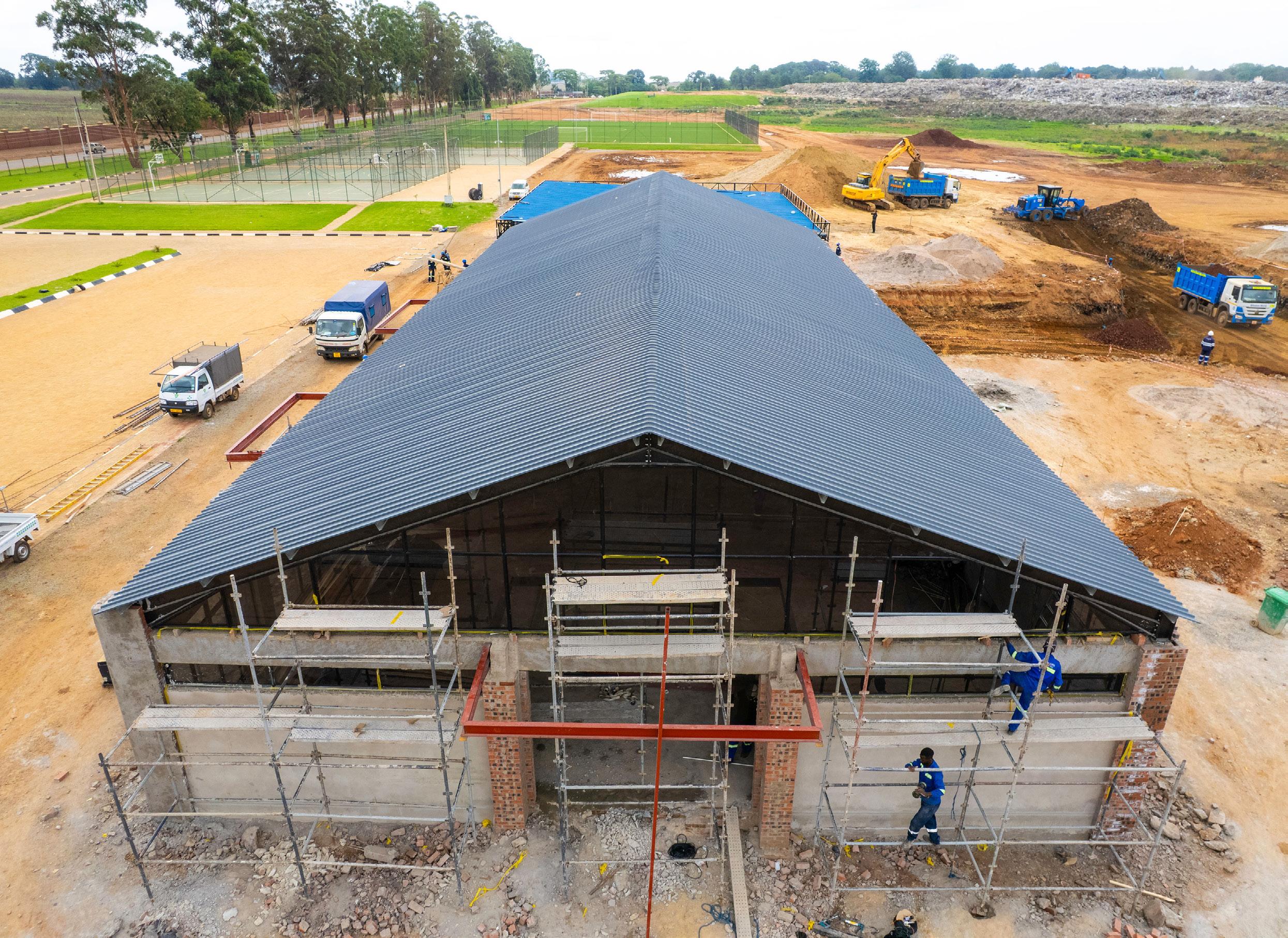
The construction phase showcased a high standard of civil and structural engineering work, as evidenced by the technical details of the massive, long building that houses key site functions and features the restaurant. Infrastructure development began with essential groundworks, including the creation of a finished paved road and a robust stormwater drainage channel running alongside the building.


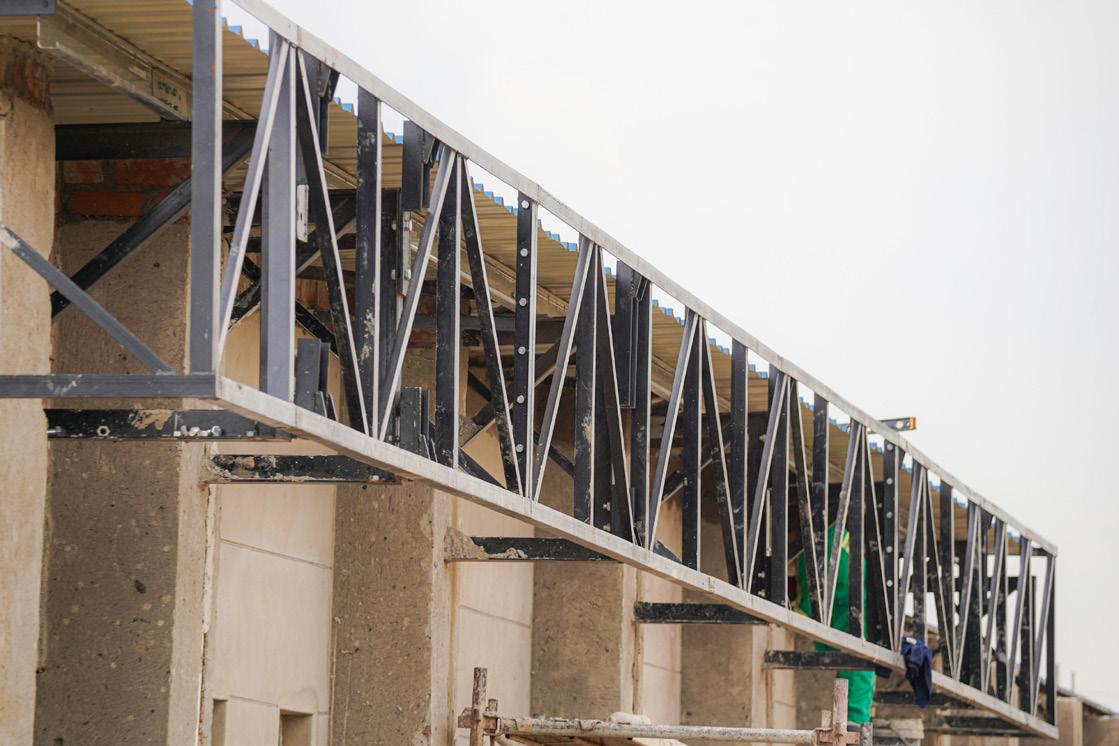
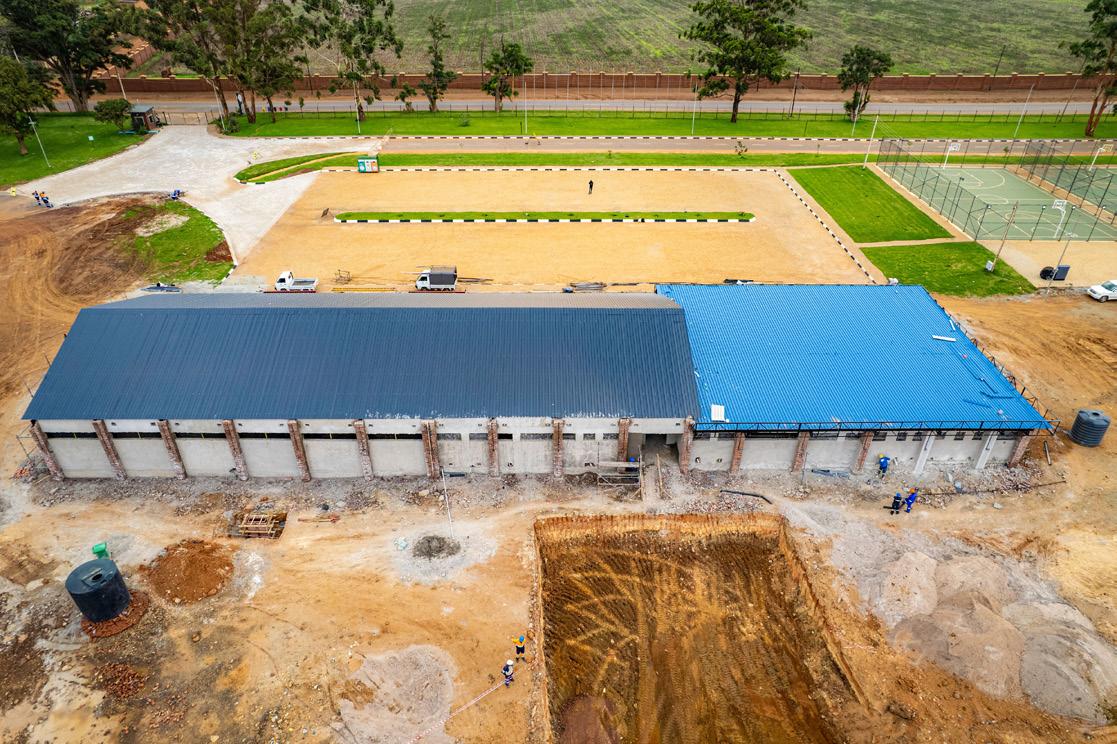
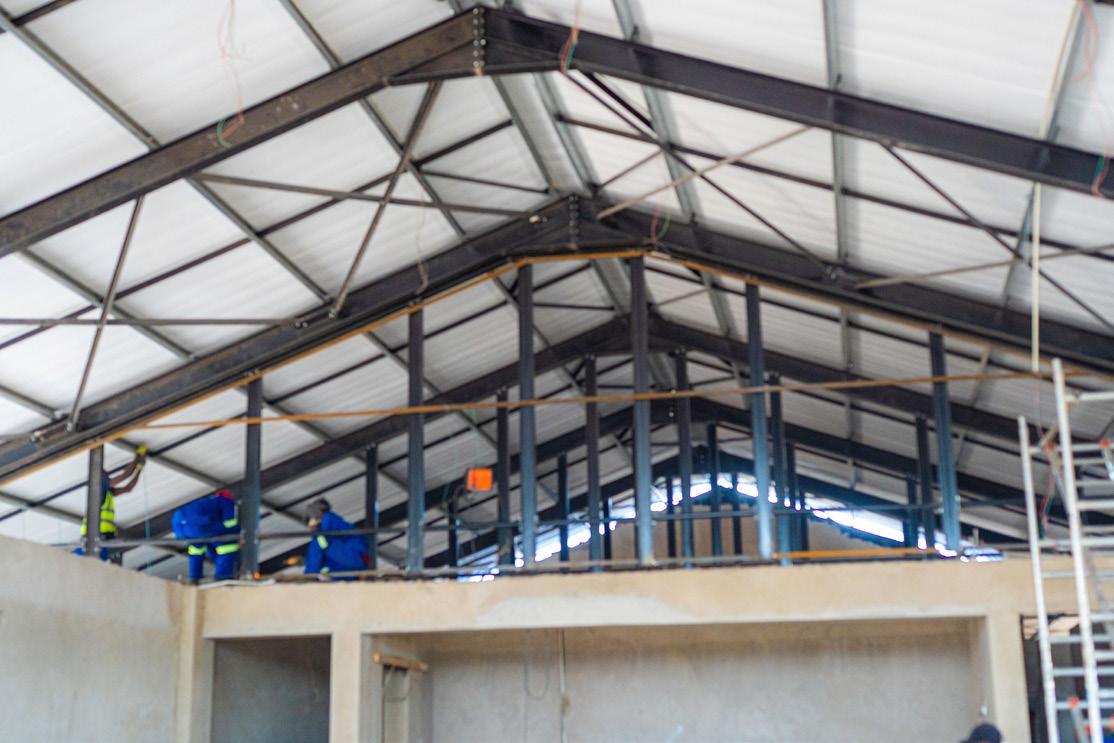

The surrounding site features clean, concrete-lined channels indicating near-completion of the water management infrastructure. A wide, tarred road with clear markings now curves into the distance, connecting the site and sitting on a newly laid, graded base. Even essential utility connections were completed with construction crews actively working on excavating and laying pipes for water and sewer reticulation.
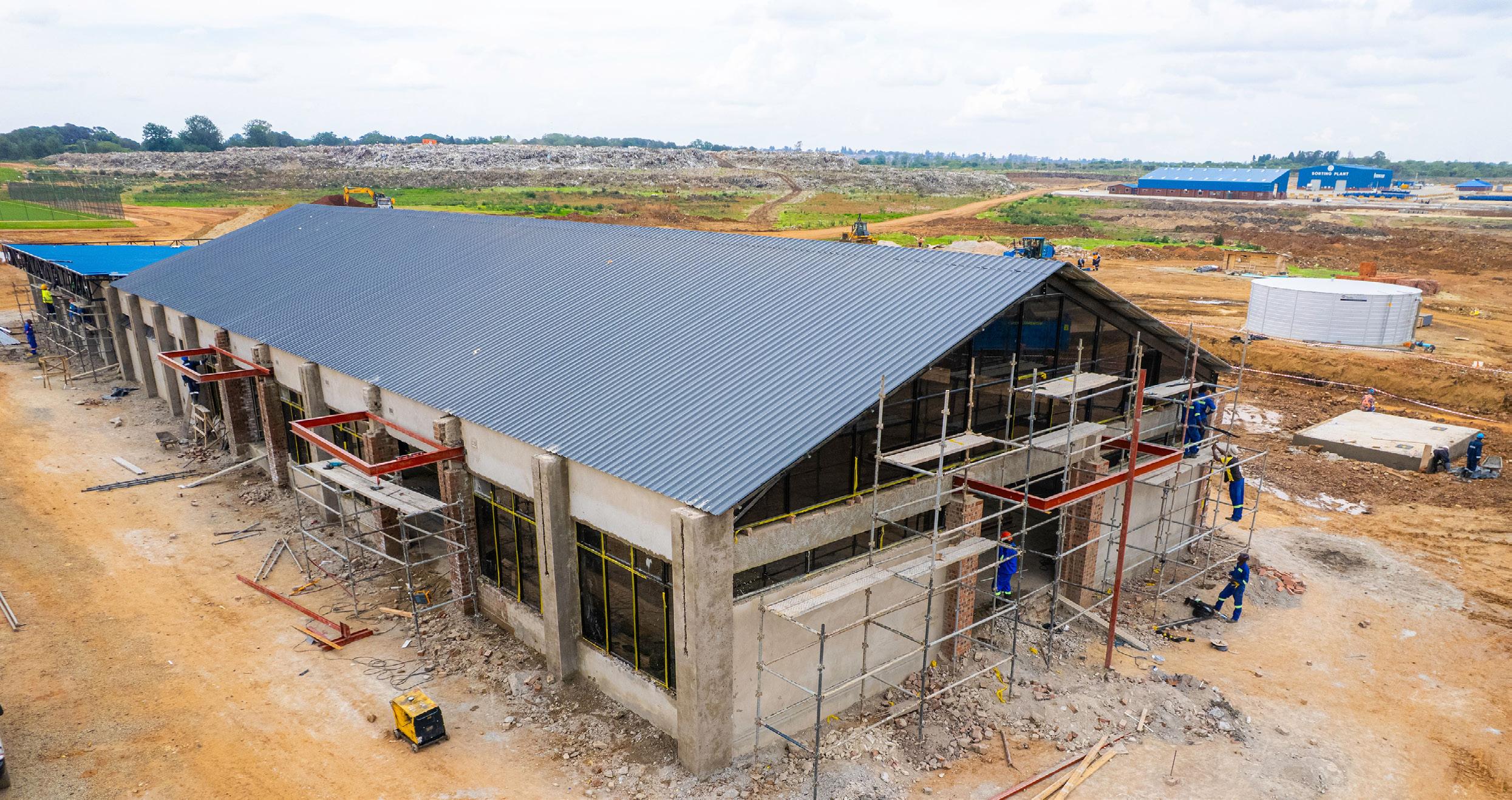
The main structure itself features a complex steel assembly. The large and long roof and frame structure uses a dense network of black metal trusses and purlins to support white insulated roofing sheets. The exterior roof is clad in a dark grey corrugated iron sheet, although high aerial views distinctly show the roof of the entire long structure is finished in two different colours: dark grey on one half and bright blue on the other.
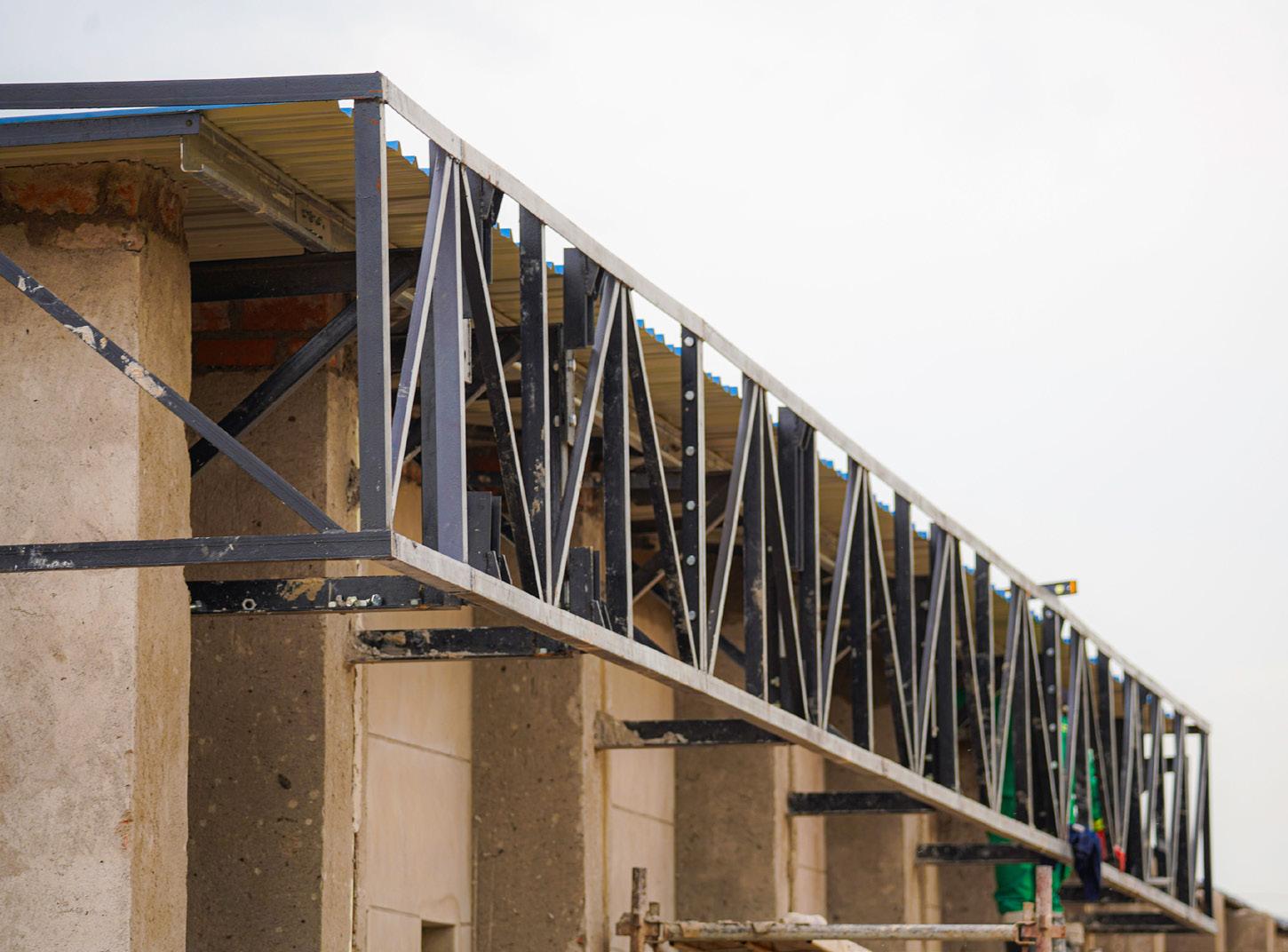
For the awnings and entrances, a dark metal truss system and black metal truss structure were expertly bolted and anchored to the raw concrete columns along the side of the building, featuring diagonal cross-bracing to support an awning/canopy system. While the facade and cladding for the main front façade, or gable end, presents a striking modern look. The upper half is largely covered by a dark, mirrored glass facade, contrasting sharply with the lower half, which is composed of rough concrete/plastered walls.
The central entrance area is strongly defined by exposed red brickwork and a red structural steel beam. Interior panels and ceiling installation, showcasing exposed steel roof trusses alongside new white finished ceiling panelling, further demonstrate the high-quality finishing. The final structural touch was the precise welding of a red structural steel canopy frame over the main entrance/window area, completing the robust and modern exterior.
Leveraging sports and tourism
Brown Engineering has managed to deliver a restaurant that is strategically positioned to serve a substantial and growing base of potential clientele drawn to Geo Pomona's impressive recreational facilities. The company has invested in cuttingedge sports amenities, transforming the former dumpsite into an attractive community and sporting hub.
The site now boasts a FIFA-certified astroturf soccer pitch, along with modern basketball and tennis courts. This dedication to promoting sports and recreation has not only attracted the local community but has also positioned the site as a premier sports venue. Future plans include the construction of terraces, stands, and changing rooms, and there is high potential for the national soccer team to utilize the amenities for training, further enhancing the facility’s status. This makes the restaurant a vital component, providing world-class culinary services to athletes, spectators, and community members.
This appeal extends beyond just sport. Geo Pomona is rapidly emerging as a site for 'green tourism' and corporate visitation. By transforming the former dumpsite into an award-winning hub for waste-to-energy innovation—a model that attracts international delegations from Africa and beyond—the facility draws a continuous stream of visitors. This growing pool of international and local visitors coming to learn about the project, coupled with the local sporting community, ensures a steady demand for the restaurant.
As Dr. Nguwaya reportedly stated in the past, "The addition of amenities such as a restaurant, stands, and changing rooms will further enhance the facility’s appeal and functionality," underscoring the company’s commitment to fostering sports excellence and community engagement alongside its core environmental mission.
Brown Engineering is elated to be part of this exciting journey, delivering world-class engineering that aligns with the facility’s vision for sustainable development and regional excellence.















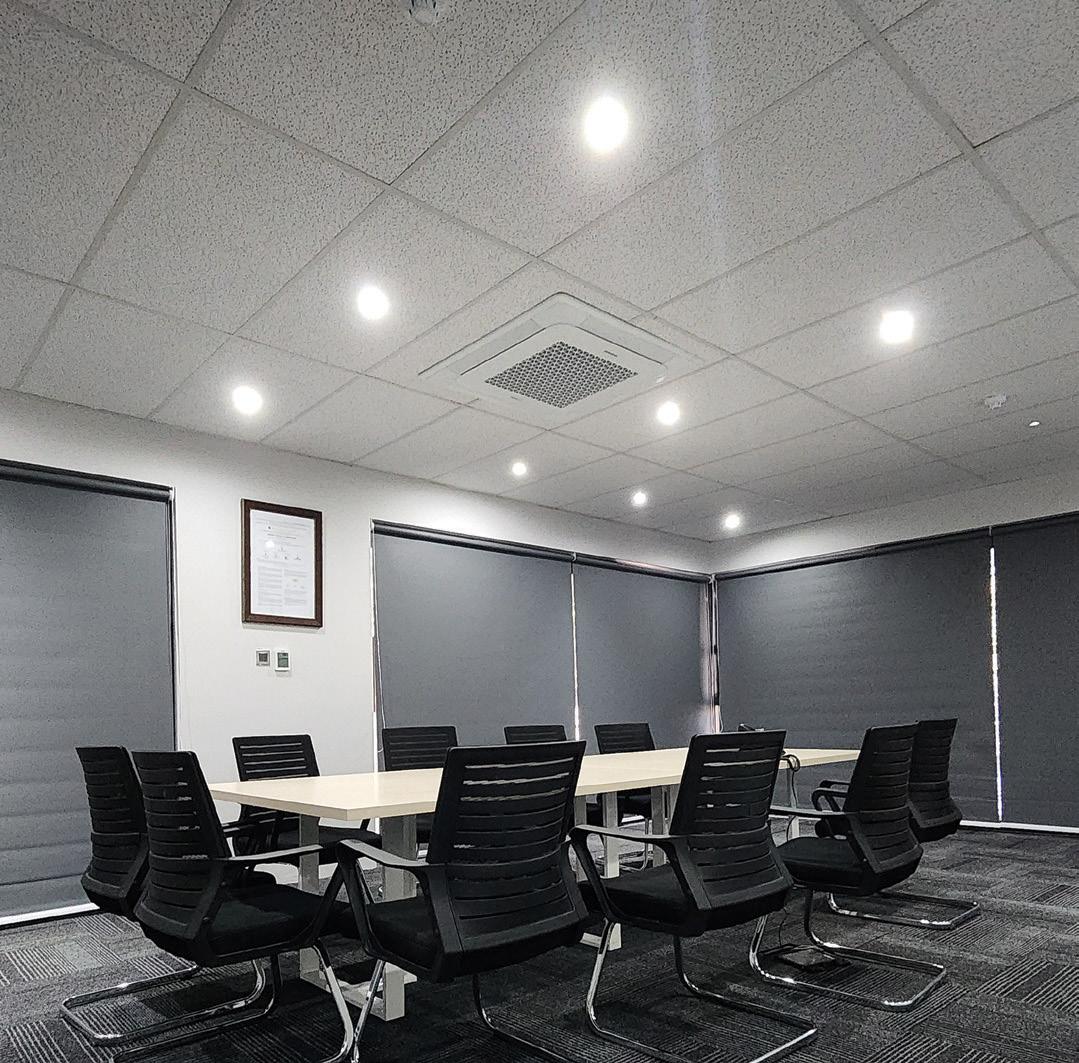





“Transforming

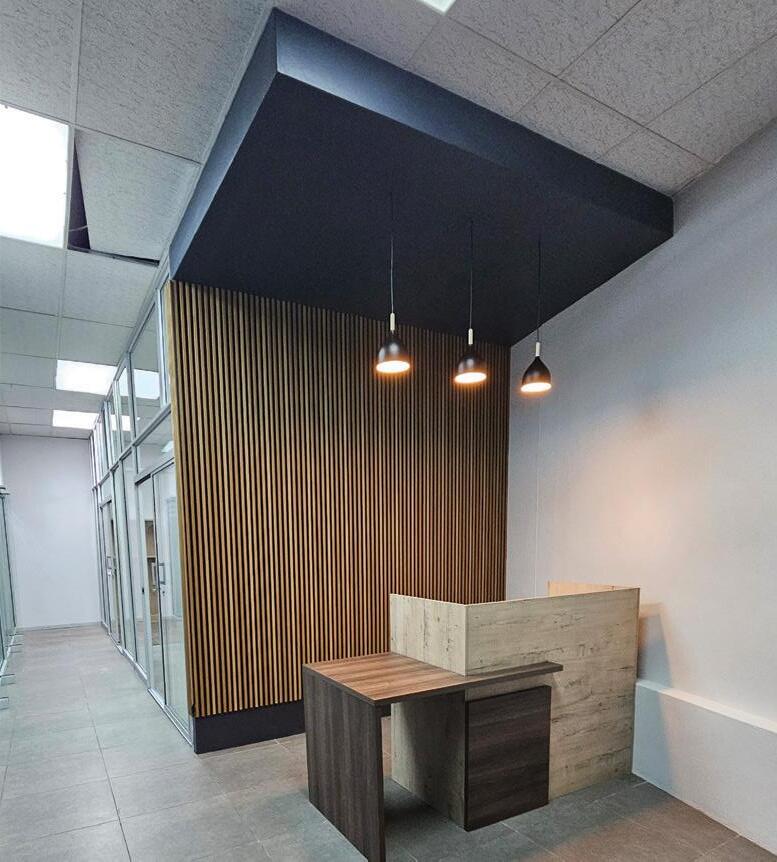

Our Services






Space Planning: Room layouts, furniture positioning, structural recommendations, and design flow optimization.
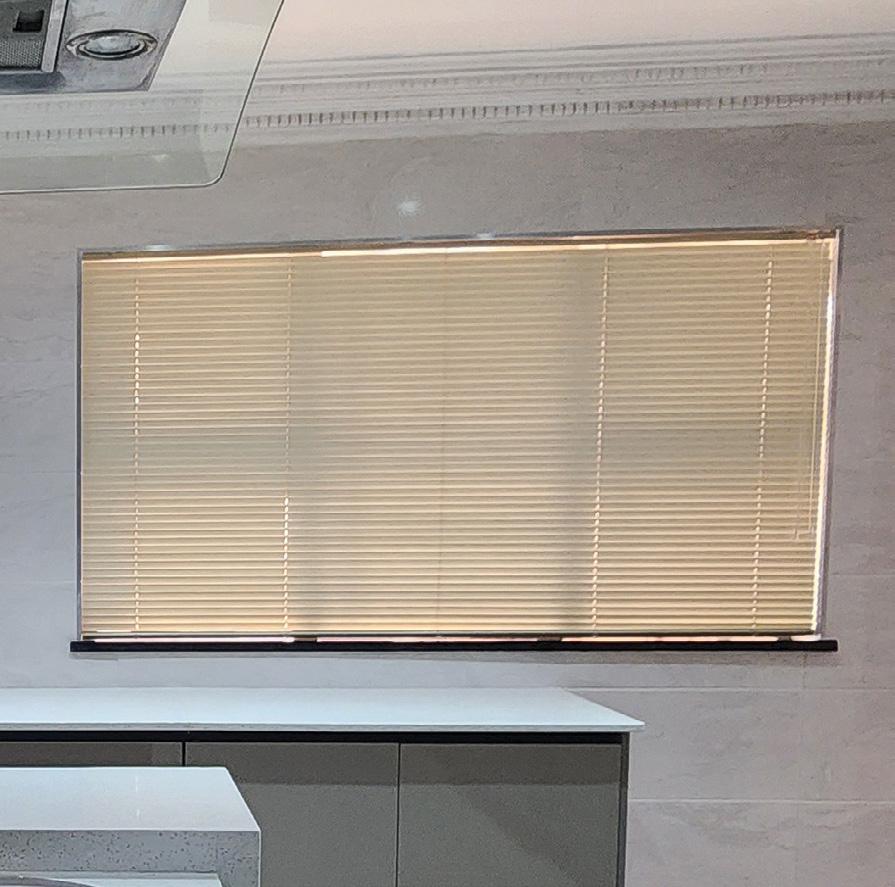
Window Styling: Custom window coverings, blinds, and treatments for light control, privacy, and insulation.
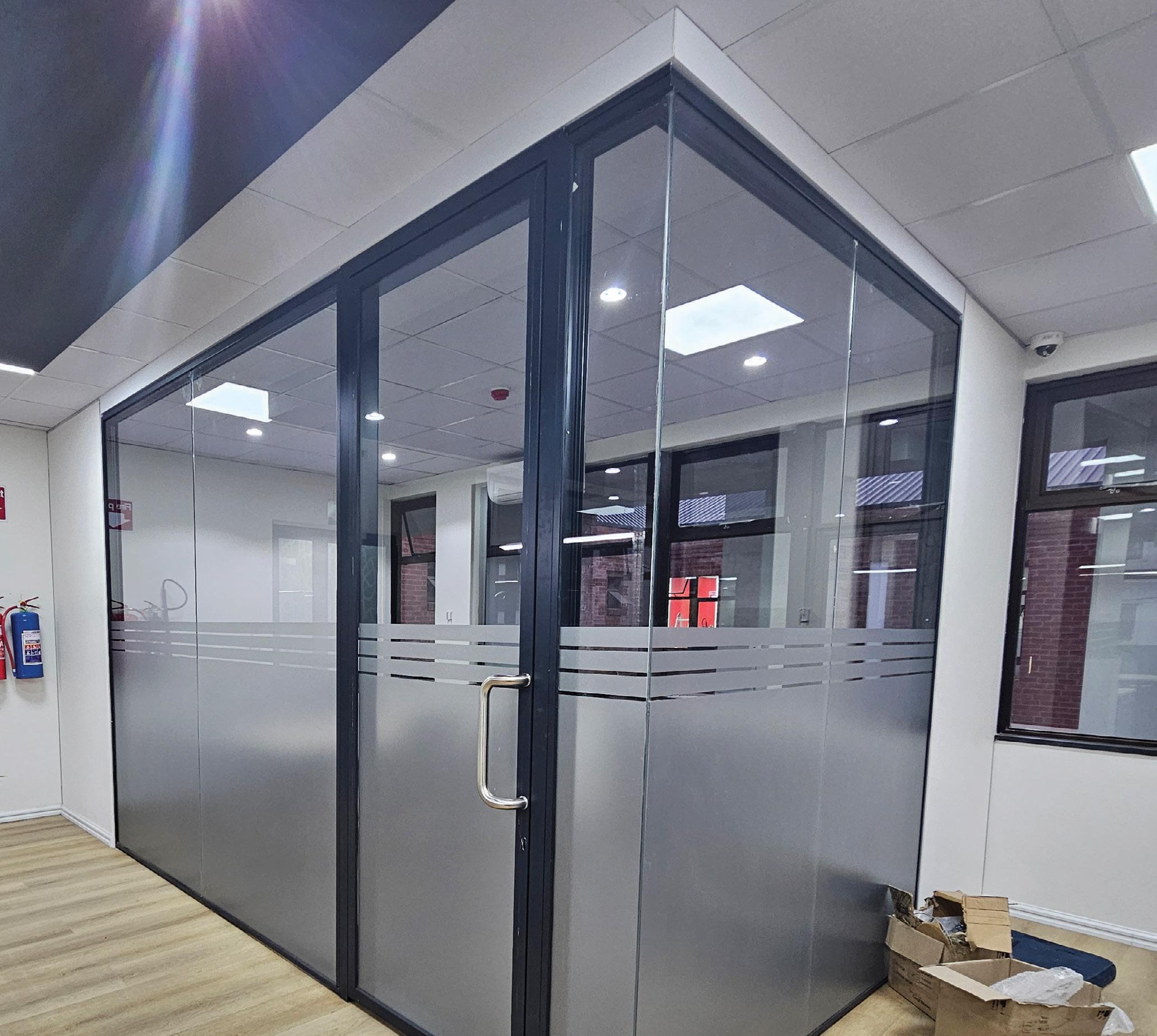
Partitions: Aluminium and glass partitions for offices.
Window Branding and Frosting: Advertising and privacy solutions.
Fitted Kitchens and Walk-in Closets: Classic and contemporary designs with space-saving solutions.



Blinds: Wide range including Venetian, motorized roller, vertical, panel, voile, Roman, bamboo, woven wood, wave, vela, cel, verti voile, doppio, wooden vertical, simuwood, and custom wood Venetian blinds.

The Zimbabwe Building Contractors Association (ZBCA) marked a significant step in the modernization of the nation’s infrastructure sector with the launch of the ZBCA Academy in Nyanga recently. The new institution is set to deliver targeted and accredited programs designed to equip builders, site staff, and emerging entrepreneurs with skills crucial for the industry's future. The academy launch took place during the annual ZBCA conference, emphasizing the industry's focus on professional development and capacity building.
The impetus behind the academy comes from a clear need for the construction sector to evolve rapidly or risk stagnation. This sentiment was strongly articulated by the association's president, Dr. Tinashe Manzungu.
The context for this call to action is Zimbabwe's current infrastructure boom. The nation’s infrastructure narrative is being reshaped by massive projects, ranging from the iconic Tarablas Interchange to the expansive Mt Hampden Government Precinct. This period of growth has seen substantial financial commitments, with over US$3.1 billion invested in infrastructure projects spanning roads, housing, energy, airports, and social amenities between 2020 and the first quarter of 2024.
Supporting the industry's educational push, a representative from the Ministry of Local Government highlighted the growing need for partnerships as devolution deepens. The Ministry has adopted a ‘10-10, 70-100 2030’ infrastructure acceleration principle, signalling key investment opportunities within the infrastructure portfolio. The government is actively converting urban state land into bankable equity, encouraging private players to bring in finance under Public-Private Partnership (PPP) agreements. Significant opportunities were noted in the development of the new city at Mt Hampden, the administrative capital covering 19,000 hectares, as well as in airport upgrading and the construction of stadiums and other vital infrastructure.
Dr. Manzungu, speaking at the launch, stressed that the survival of the construction sector is hinged on its ability to quickly adapt to the existing fluid operating environment. He emphasized that "Innovation is no longer optional but is the engine of resilience in an environment characterised by changing regulations, rising expectations, and digital disruption." He added that Zimbabwe’s construction sector cannot risk being left behind and thus should evolve, asserting that the industry now demands digital highways that connect rural communities to global markets, building green structures that reduce the national carbon footprint, and engineering smart cities that redefine urban living.
The new ZBCA Academy is poised to be the crucial training arm that supplies the specialized technical skills necessary
to execute these ambitious national projects.


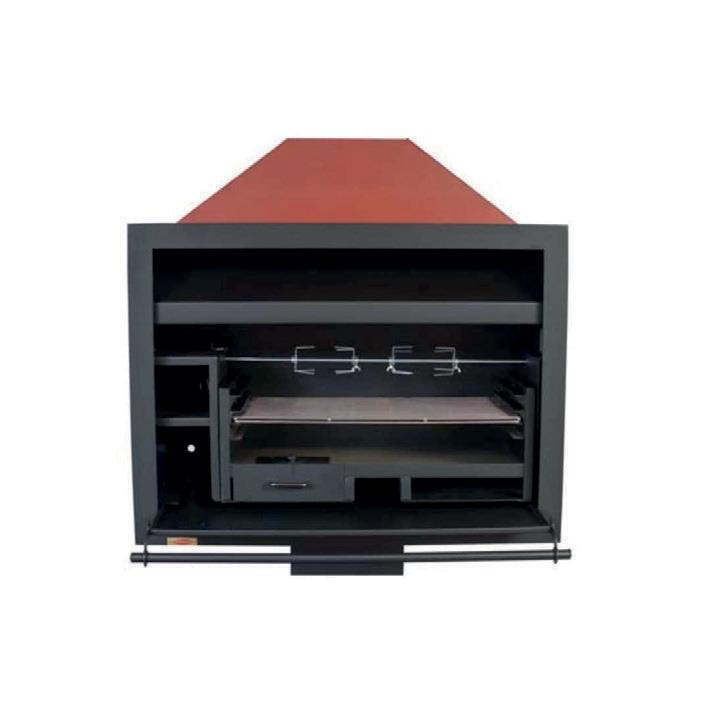
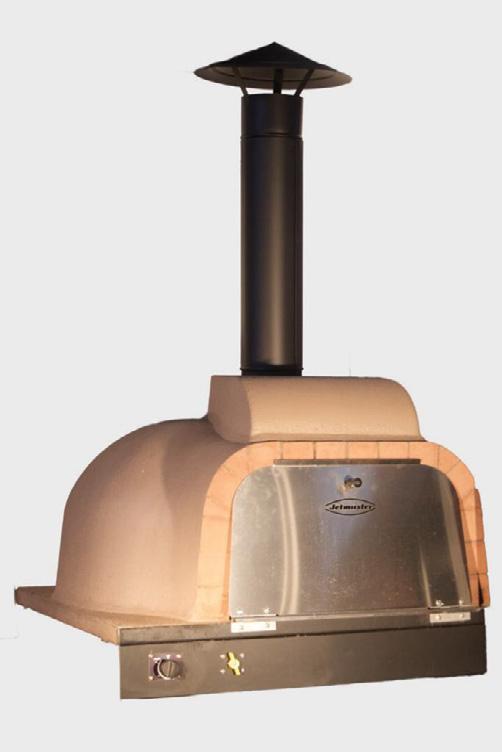
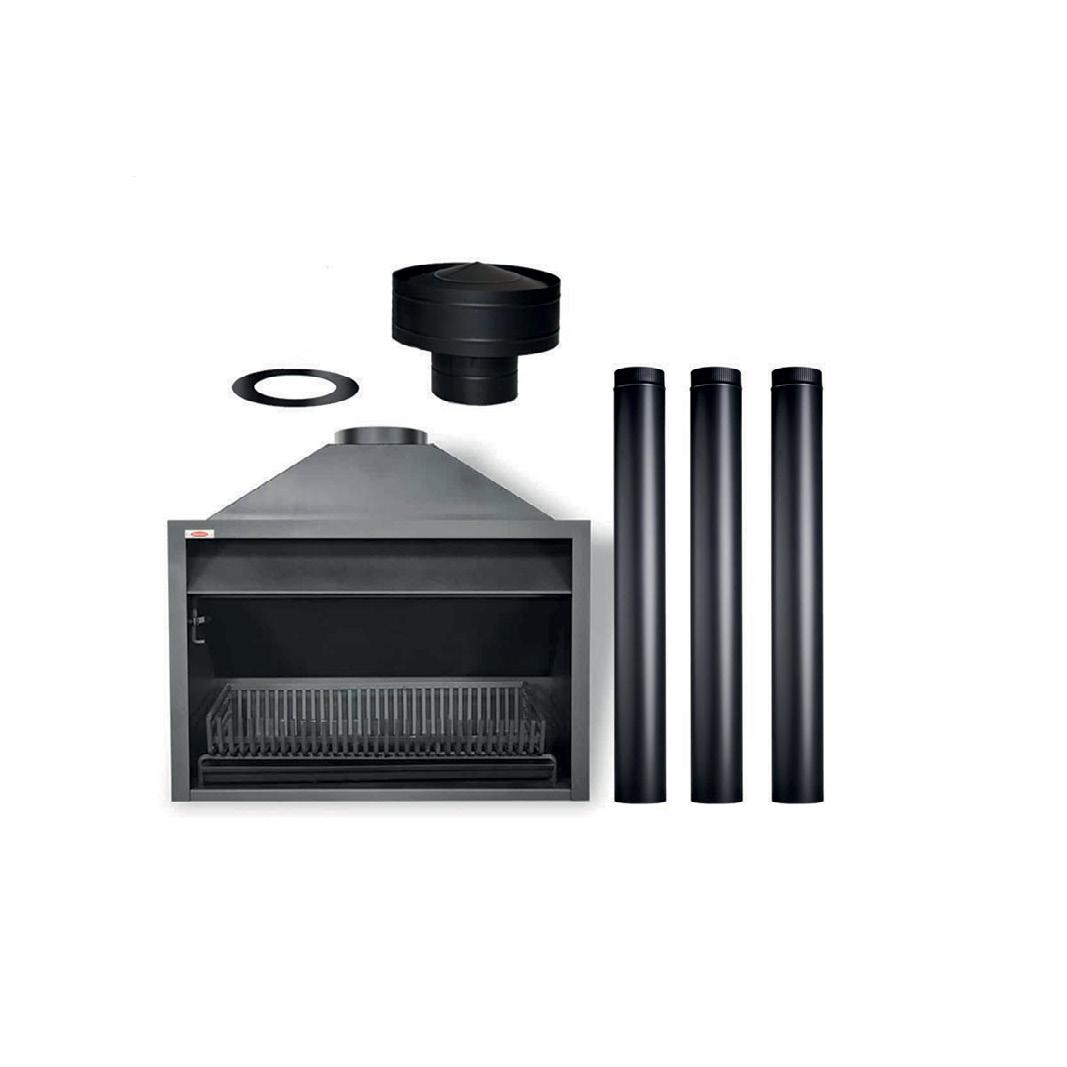
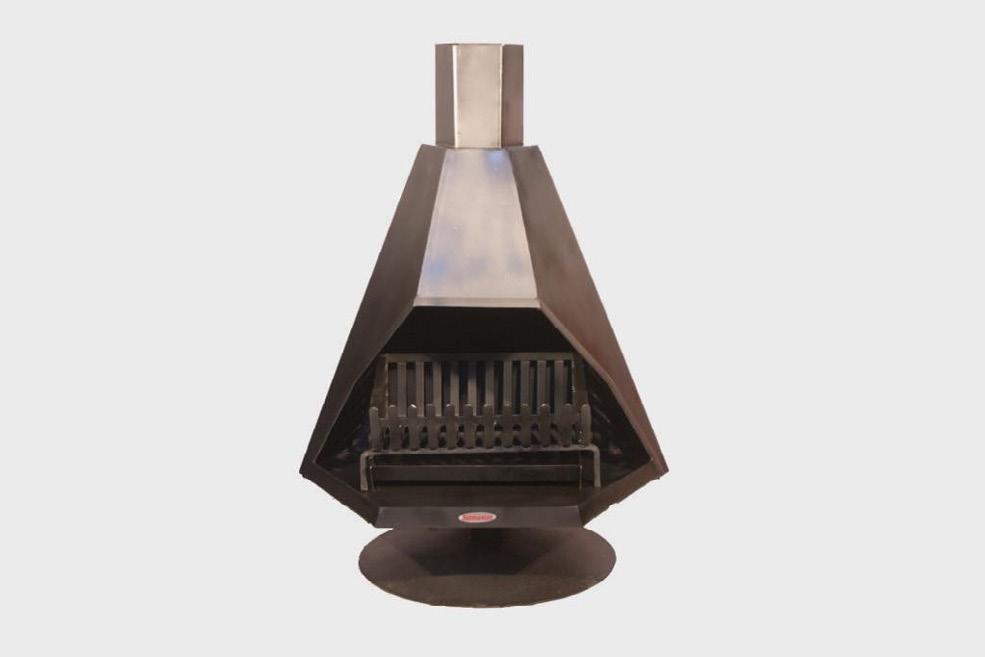
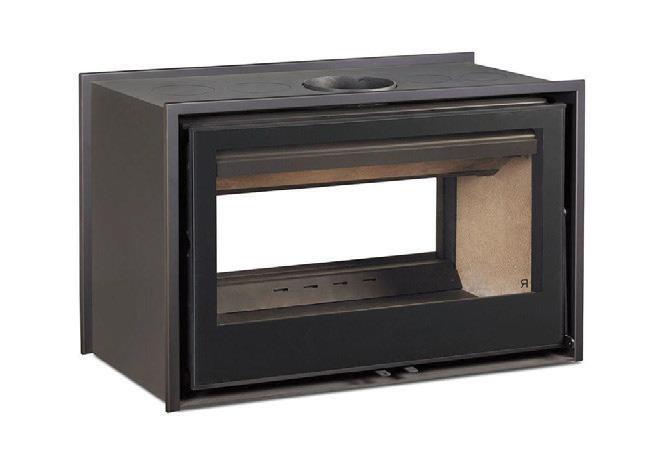
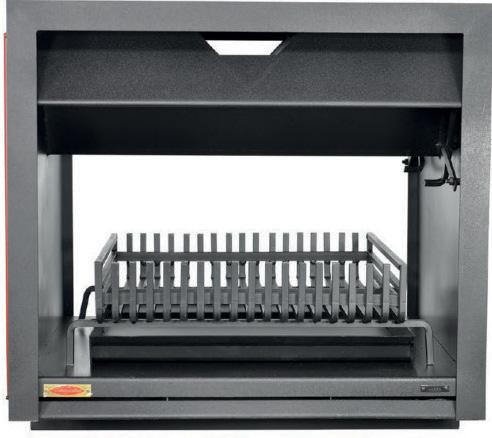
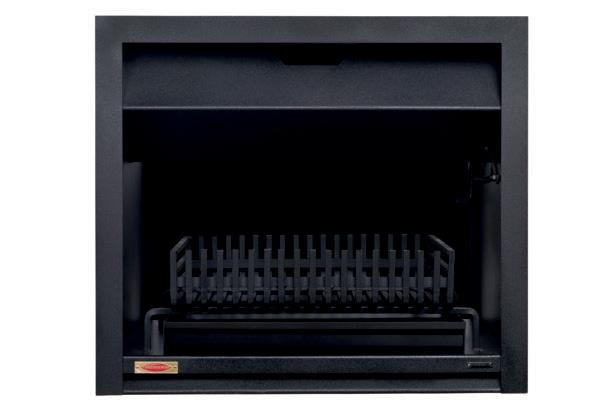
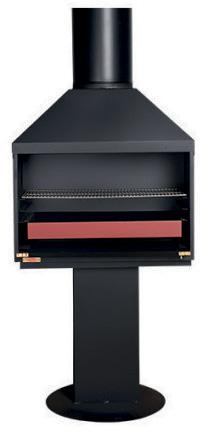
Jetmaster Fireplaces and Braais are beautifully designed and meticulously crafted with the very best materials. This has earned us the unriveled reputation for the best fireplace and braai units since 1951. It’s creating lifestyle, it’s creating warm memories to last a lifetime.


The Architects Council of Zimbabwe (ACZ) has welcomed the firm commitment demonstrated by various local authorities to fully enforce the provisions of the Architects Act Chapter 27:01 and the new Statutory Instrument 56 of 2025 (SI 56/2025).
This critical legislation introduces mandatory registration categories for architectural professionals and is seen by the ACZ as a vital step towards ensuring orderly development, innovation, and professionalism within the sector. The Council believes that this adherence by local government bodies is a key building pillar towards establishing a proud Zimbabwean architectural heritage.
The commitment follows the recent issuance of public notices by several local authorities, including the City of Harare, City of Masvingo, Murewa Rural District Council, and Mutasa Rural District Council, all informing the public that they are implementing the new SI. The SI 56/2025 specifically outlines the registration categories and the scope of works for professionals involved in the drafting and submission of building plans to the Councils.
The core rule now being strictly enforced is the mandatory registration of practitioners. All Councils are now stipulating that only registered professionals— which includes Registered Architects, Interior Architects, Technologists, Technicians, and others—shall submit building plans within their respective categories.
The commitment to enforcement is being rolled out with specific effective dates across the country: the City of Harare and City of Masvingo will not accept building plans from any unregistered professionals after October 1, 2025. Mutasa Rural District Council has set its deadline for October 20, 2025, while Murewa Rural District Council will begin strict enforcement on November 1, 2025.
Furthermore, every Technologist, Technician, and Draftsperson wishing to design building plans must now be registered with the Architects Council of Zimbabwe (ACZ) before operating within a Council’s jurisdiction. The ACZ intends to conduct random checks on local authority registers to ensure full compliance.
Importantly, the various Councils have advised the public to proactively check if their building designer is a registered professional under the SI 56/2025 before outsourcing services.
Lists of registered professionals are available at the respective Council offices (such as the Engineering Services Department in Masvingo or District Offices in Harare) and on the ACZ website. The Councils also clarified that registration with ACZ does not exempt professionals from paying the requisite licensing fees and permits prescribed by the local authority.
Zimbabwe has formally initiated the consultation process for the development of a comprehensive Contractors Construction Bill; a major legislative effort designed to overhaul the country's infrastructure sector and enforce stringent adherence to quality and professional standards. The proposed law is intended to establish a Construction Contractors Authority, a new regulatory body that will introduce much-needed discipline and accountability across the entire construction value chain.
The move comes as the sector experiences a significant building boom, with numerous high-profile projects— from road rehabilitation to massive housing schemes— underway. Despite this expansion, the industry has long suffered from the absence of a unified, robust regulatory framework, leading to concerns over substandard workmanship, inconsistent quality, and limited consumer protection. The Bill directly addresses these issues by seeking to regulate all contractors, promote best practices, and actively stamp out illegal construction operations.
The proposed Authority will be tasked with several critical functions previously lacking in a single body. This includes maintaining a comprehensive national register of contractors and suppliers, grading them according to their capacity, competence, and specialisation. The grading will cover various categories, including building, civil engineering, electrical and mechanical engineering,
and specialised services like fitting, flooring, and plant hire. This categorisation will ensure that only qualified firms undertake projects commensurate with their ability, thereby protecting public and private investment.
Furthermore, the Bill aims to dramatically enhance efficiency and accountability, which is expected to boost confidence and increase the uptake of major infrastructure projects across the country. Stakeholders, including representatives from key industry bodies like the Zimbabwe Builders and Contractors Association and the Zimbabwe Institute of Regional and Urban Planners, emphasized at a recent consultative forum that the legislation is a critical step towards modernising the industry.
The government has assured its full support for the initiative, which seeks to foster a more inclusive sector. A key focus is on correcting historical imbalances and promoting the greater participation of local contractors in national development projects.
The legislation will also introduce clear mechanisms for the Authority to monitor operating conditions, recommend policies to the government, and set minimum standards, particularly concerning occupational safety and health guidelines. The goal is to move the industry from an often fragmented and informal state towards a regulated, structured environment that is ready to drive national economic growth.