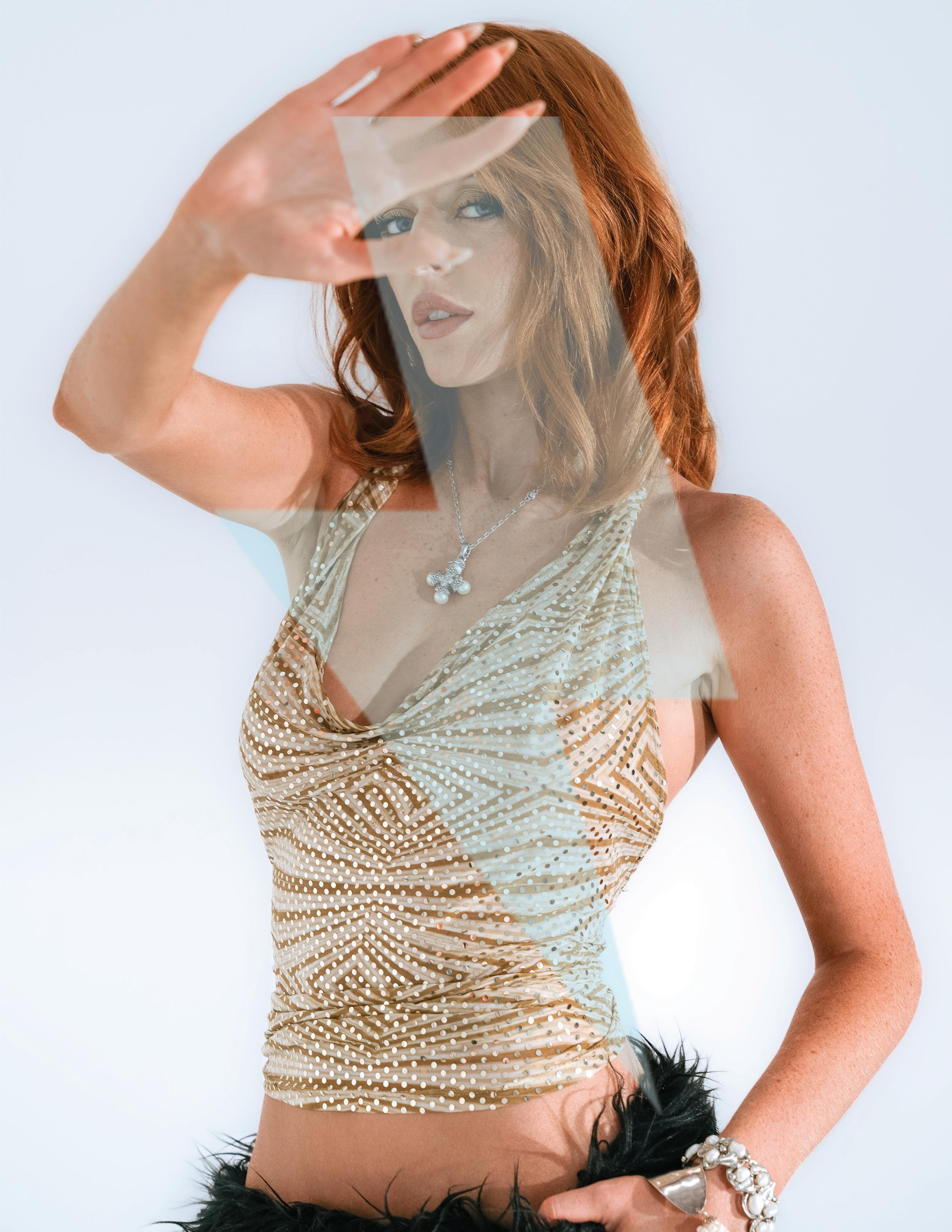
Julie Macaluso
Shot by Marisa McCabe
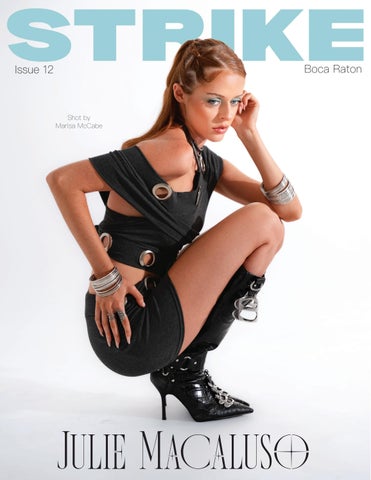


/dəˈmen(t)SH(ə)nəl/ adjective having sufficient depth and substance to be believable. “well-rounded, fully dimensional characters”
How does someone define themselves? Is it the values their parents passed down to them, lessons taught by teachers, or the influences of peers?
We can be multiple things at once, even when they contradict each other, and especially when they make little sense. Whether it’s the persona we put on when first meeting someone, or the most intimate part that only a few have seen, and many would be shocked at.
This issue explores both and all the other facets that make us dimensional.
Editor-in-Chief
Kim Nguyen
Creative Director
Arabella Campbell

Alison May
Creative Director Assistant
Fashion & Beauty
Styling Director
Jordan Campbell
Stylists
Kimonie Altidor
Lorrien Lecka
Lillian Vagonis
Marisa McCabe
Beauty Director
Tiana Mathew
Beauty Assistant
Dalila Sanchez
Production
Production Director
Brennan Carmichael
Photographers
Brennan Hegedus
Deleon Cross
Sophia Dargavage
Marisa McCabe
Sasha Campbell
Sophie Messmer
Arielle Blatt
Videographers
Brennan Carmichael
Sasha Campbell
Chastity Cooper External Director
Editorial
Editorial Director
Digital
Digital Director
Arabella Campbell
Digital Assistants
Chastity Cooper
Alison May
Morgan Hall
Riley Cvetkovski
Faith Foltz
Patricia Jansheski
Lillian Vagonis
External
Marketing Director
Alison May
Marketing Assistants
Victoria DeLeo
Fallon Lanteigne
Gianna Calascibetta
Faith Foltz
Rosemary Aziz
Senior Editor
Matthew Wolfe
Content Writers
Madison Denizard
Alara Ataman
Matthew Wolfe
Elise Archer
Kaden Horn
Sol Moyano
Johann Jonassaint
Web Director
Madison Denizard
Art & Design
Graphic Designers
Andrea Maes
Morgan Hall
Arabella Campbell
Chastity Cooper
Alison May
Kim Nguyen

Four issues ago, I was a nervous college freshman who was unsure about everything besides my passion for writing. Now, almost two years later, I’m running a magazine. But, I’ll be honest, this position terrified me, and frankly, I didn’t even want to touch it with a ten-foot pole. But if Strike has taught me anything, it’s that life is not a crossroad, where you have endless paved paths before you. Instead, it’s a house of mirrors, one where you are confronted with endless possibilities of yourself, and when choosing one, you walk headfirst into the hard glass. Leaving you disoriented and with a slightly bruised ego.
Over the past five months, this magazine has evolved from a mere idea to a full print publication. And in that time, so many obstacles came my way, to the point where I concluded that I must have harmed someone so terribly in my past life. Yet I always came down and realized why I had voluntarily put myself in this situation: Strike has given me so much to be grateful for. It gave me the rare opportunity to write blogs about whatever hyperfixation was plaguing me at the time. It has allowed me to express the innermost parts of myself.
This is what the issue “Dimensional” is all about. Leading this magazine has been no small feat, and I didn’t see myself rising to the occasion. But how could I turn down the opportunity to give back to the very thing that has made my college experience so memorable? It also isn’t a solo act; beside me are Arabella and Chastity, who are always by my side, in countless weekly meetings, sifting through thousands of raw photos, and suffering in the Florida heat on shoot days.
While flipping through this magazine, you’ll also see this dedication on every page from the rest of this fearless team.



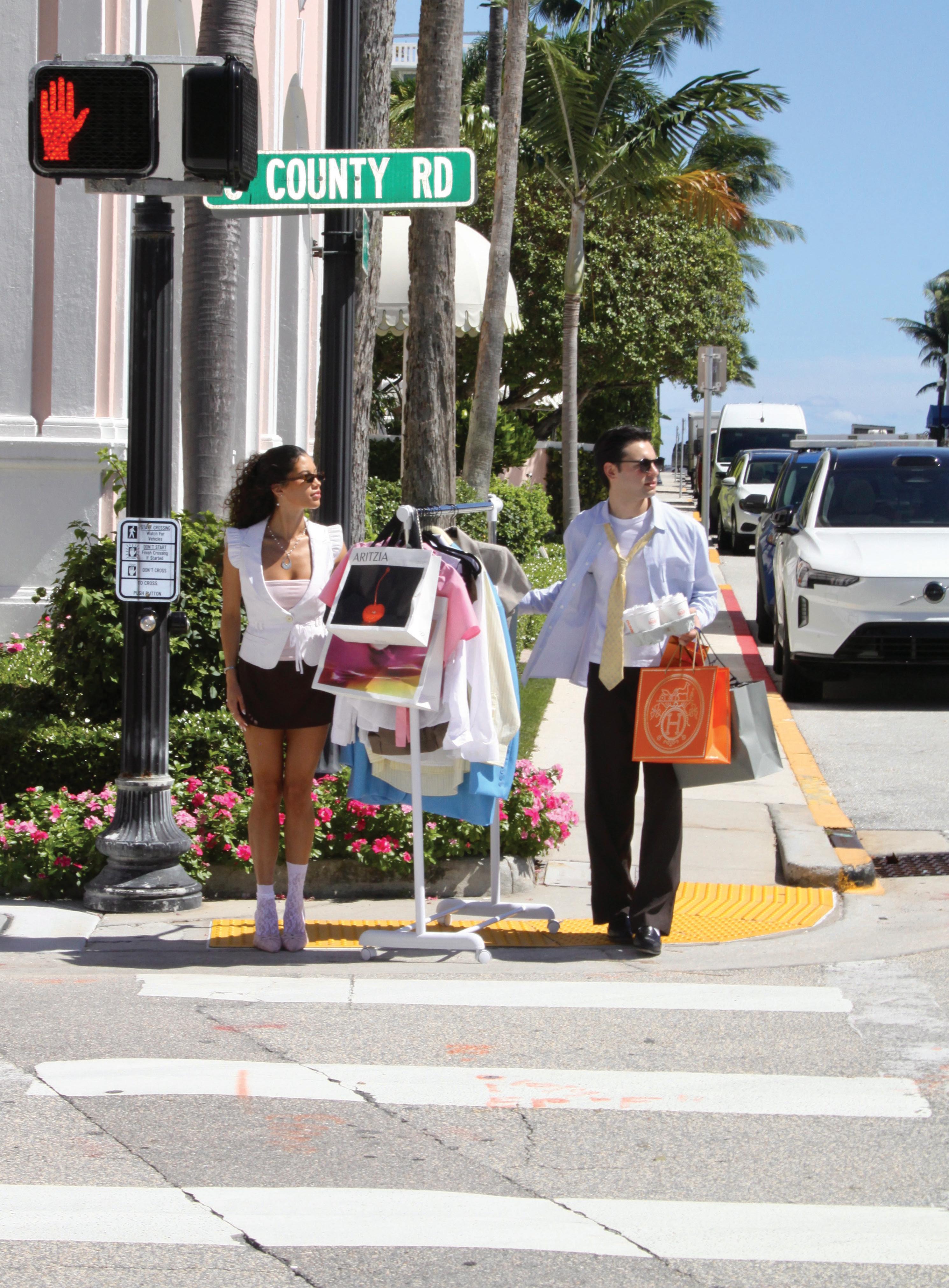
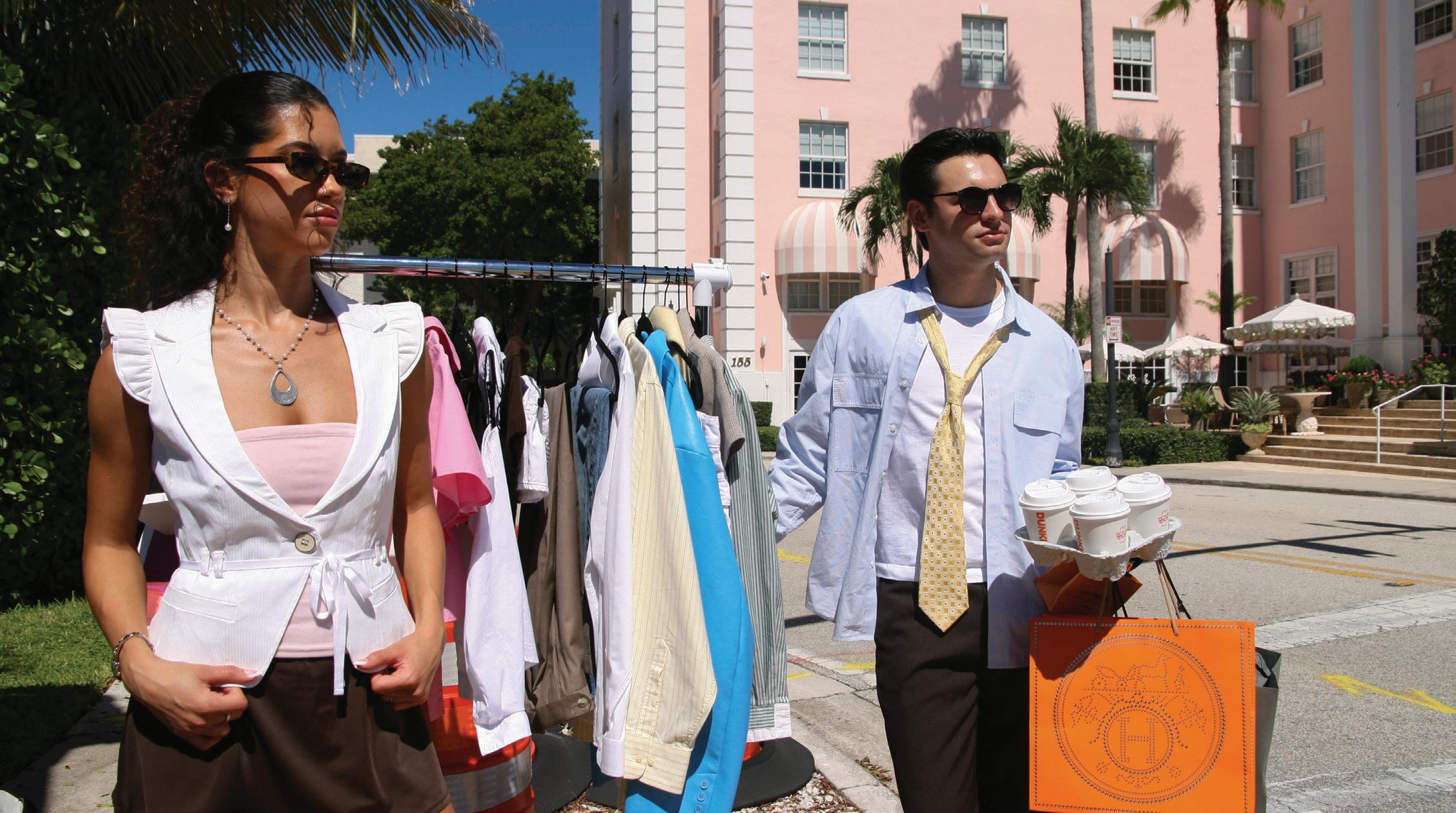
The social hierarchy has been consistently studied and adapted amongst cultures for centuries, and even longer. People became subject to it via caste systems, financial status, or lineal inheritance. It is still a modern-day custom all over the world to be defined by where you began. Western cultures have had the advantage of blurring lines over classes and social status that we see in businesses and success stories. The new “push” or societal norm is that there is no shame in the hustle, no shame in the game. You can build yourself from the bottom up in ways only a non-conformist society can facilitate.
Historically, servitude was not something one could break free from. It held a negative connotation, and rightfully so. It cast people, as good as anyone, at the bottom of a social hierarchy that kept those in its chains mentally, and in some instances, physically. Veering from servitude, assistants date back to ancient Egypt, where they fulfilled roles as scribes and secretaries to powerful nobles and pharaohs. They were considered skillful and were arguably a pivotal piece to keeping the present, which turned to the history we study today, in its pristine condition.
Assistants, over time, became an integral part of successful administrations in government, business, and personal lives alike. Fashion is the industry that brought a new meaning to the position. A bustling, manic, cutthroat occupation found under the guise of “Miranda Priestly’s Assistant” in the job listing section of the paper. If you’re not familiar, allow me to educate: Miranda Priestly held the highest position of Runway Magazine as Editor-in-Chief. Not only was she of the highest, but captain of the tightest ship, of the fashionable divine and fashionably inclined. While this is fiction, courtesy of The Devil Wears Prada, it was one of the most iconic movies that set the tone for what it meant to be an assistant; how it was to be worn like a badge of honor, but to accept the treatment parallel to that of sewer rats.


Based on the book by Lauren Weisberger, where she recounts her personal experience as Anna Wintour’s (real-life Editor-in-Chief of Vogue) assistant. It was an odd dichotomy, but one that could only make sense in the fashion industry, both on and off the screen. It gave way to low wages, likely abusive bosses, and a workload that could strike one as inhumane. Weisburger offers an esoteric perspective and is proof of the very hustle we see depicted in her book and the film.
Why is there something so privately alluring about a rushed and fastpaced, ‘je ne sais quoi’, big-city lifestyle?
Often referred to as the “Devil Wears Prada Effect”, it perfectly juxtaposes the labor-intensive yet minimal reward (aside from bragging rights and the occasional invite to an event). However, the grit required to be of service to the top of the totem pole is unlike any other, in every reality.
What is hardly highlighted, especially on-screen, is the origin of the top. Where the fashion gurus began. Take one guess: at the bottom. There is immense pride to be taken in how hard one must work if not for a boss, for a goal, a dream, the genuine belief that there is more beyond rushed coffee runs, administrative work, taking their kids to-and-fro, getting fabric samples from designers uptown. Forgive the digression, but that was the short-winded task list. The only way to make it to the top is the belief that you not only can, but will.

To evade the stigma around the hustle and truly vest your beliefs in the ideology that working hard will amount to something. That you will amount to something. Where you end up is where the delayed gratification finally meets its maker: the goal that has now been achieved. The role of: assistant builds a rapport and knowledge base that you can only acquire by working internally. It’s like being an inside agent of your future. How could you ever learn the ways of Miranda Priestly or Anna Wintour if you do not know their coffee order, what time their children go to school, or how they sign their emails? Semantics aside, to get to the top, you must understand what is required of someone who defies the status quo and dances around the fine lines of what is haute and what is faux pas.
Beauty in the struggle, ah yes, a beauty that resembles ramen for dinner, under-eye bags that could serve as a fly’s cushion, and a constantly disturbed phone, well, yes– that is in fact the irrevocable grandeur of it all. The struggle carries itself with a beauty that one can only truly appreciate when it has been alleviated, when something has been achieved, when the totem pole has been climbed. In seriousness, an occupation that is lesser in glamor and stature is hardly lesser in beauty; in fact, it is the very thing that adorns success with such.



If you love what you do, you will never work a day in your life, but to love what you do, you must work– harder than most. Success doesn’t lie in the contingencies of where you began, but rather in what you are willing to do for who you want to become. Our present selves are constantly making amends with who we once were, and who we’re meant to be– mistakes and reconciliation, the push-pull, the Devil Wears Prada effect. Life will sooner pass by if not filled with a passion so charged with intention. Don’t let it, we only get one.
Remaining diligent, consistent, and contributing your ability to work is one of the most valuable assets you can offer in life, though primarily in terms of career. To be one with the hustle, the struggle, as faux pas and offensive as it is to a slow, soft life, is a great privilege and one that shall not be shamed, taunted, nor tantalized.
The life of the assistant: demanding, unforgiving, cynical.


PHOTOGRAPHERS: BRENNAN HEGEDUS, SOPHIE MESSMER VIDEOGRAPHY: SASHA CAMPBELL WRITER: ROSEMARY AZIZ STYLING: LORRIEN LECKA, LILLY VAGONIS, MARISA MCCABE MAKEUP AND HAIR:, TIANA MATHEW, DALILA SANCHEZ LAYOUT: CHASTITY COOPER TALENT: JET’AIME CINTRON, ANDRES FALLA
Written by Alara Ataman
Art + Layout by Andrea Maes
”You look like a depressive girl.”
This is a statement that I have been told an endless number of times in my life, typically in reference to the copious amounts of black clothing or eyeliner I wear. It is no coincidence that I only started being told this in late teenhood after beginning to delve into alternative fashion and culture, a term used to describe any subculture that deviates from mainstream society. While initially I found some humor in the statement, it slowly began to bother me, particularly when the people closest to me would make statements with similar sentiments. The truth is, I wasn’t depressed. In fact (despite the comedically emo music that was, and still is, blasting in my headphones), when I began to find a space in the alternative sphere, I was happier than I had been in a long, long time. I had found a way to dress that made me feel happy, music to listen to that captured my feelings, and friendships with like-minded people. I was finally able to peel back the layers of the discontents
that clouded my persona and be a more bubbly, sparkly version of myself! So why can’t people see that past a little eyeliner?
Members of nearly every alternative sphere have a long history of mischaracterization. Hippies were chalked up to be naive potheads. Members of the goth community were often referred to as frightful vampires. Punks were labeled as violent teens. Many news outlets even characterized emo bands as cult leaders! All of these vapid mischaracterizations stem from a fear of the unknown. As previously mentioned, alternative stems from alternate. The dimensional values and artful expressions that are offered from these subgenres act as “alternatives” to the ones that mainstream society offers us.
Punk rock started in the mid-70s as a rebellion against the status quo, providing an “alternative” lifestyle to the one provided to us by large governmental and corporate establishments. The lyrics are not a one-dimensional mess of curse words and misguided anger, but a multidimensional protest against serious issues such as oppression, late-
stage capitalism, and, in the case of bands such as Bikini Kill, patriarchal values. The fashion also reflects these values, featuring harsh colors and silhouettes as a protest to dressing to meet a traditional standard of fashion. They were reinventing what they wanted culture to be, turning it on its head, and beckoning us to join them on this journey. When observing this history, it becomes ludicrous to describe them as dangerous troublemakers. Most who worked to establish and uphold this subgenre had goodness in their minds and hearts.
The goth community has faced widespread misunderstanding as well. Also born in the 70s, this subgenre acted as a safe-haven for those who felt “otherwordly”. Its fascination with finding the beauty in the macabre of the world served a purpose, helping members find beauty in the parts of themselves rejected by society. They found a home by embracing this otherness. Instead of taming their hair, they teased it into bird nests (think of Robert Smith from The Cure). Instead of shying away from dreary subjects such as death, they deck themselves in veils and black dresses that mimic mourning attire. They take inspiration from gothic art in the past, like Mary Shelly’s Frankenstein, to create something that exists beautifully now. Many outsiders perceive this subgenre as an obsession with dreadful moodiness, but it is rather an obsession with finding beauty within darkness. It is an exploration of the joy that exists within dread. I think that is much more optimistic than most of us who just choose to turn a blind eye to darkness.
Emo (an abbreviation of the word “emotional”) is a much more recognizable member of the family of alternative subcultures. Emo is characterized by its highly emotional lyrics that provide listeners with an outlet to pour their grief and frustrations into. Bands such as My Chemical Romance, Fall Out Boy, Paramore, and Panic! At The Disco are iconic names that are often used to define the genre, both revered and looked down on for their raw lyrics about topics ranging from heartbreak, substance abuse, suicide, and (surprisingly to some) hope.
Perhaps this is the confusion. When looking from the outside in, it’s hard to understand the dimensionality that inherently characterizes alternative culture. If you don’t bother to look past the studs and electric guitar, it seems like art made for a bunch of people who worship sadness. Mainstream media has been utilizing this line of inference as the “smoking gun” against a multitude of alternative movements. In 2008, The Daily Mail characterized emo as a trend characterized by self-harm and suicide, and even went as far as to call the band My Chemical Romance a “suicide cult band”. It’s a gross statement still reiterated today by those outside of the alternative community.
" It is an exploration of the joy that exists within dreaD .”
Many bands accused of promoting self-harm have lyrics actively discouraging it. In the song “Famous Last Words” by My Chemical Romance, released two years before the Daily Mail scandal, the chorus of the song features these lyrics: “I am not afraid to keep on living / I am not afraid to walk this world alone.” These lyrics are paired with a hopeful guitar track, building a sense of bravery in the listener’s chest that encourages them to face the world head-on. Another band that has faced such allegations is Pierce The Veil, who also have various songs deeply rooted in hope. Their song “Hold On Till May” features the lyrics, “If I were you I’d put that away/ See you’re just wasted and thinking about the past again/ Darling you’ll be okay.”. While this line is about lead singer Vic Fuentes consoling a lover in a hard moment, it has acted as a personal comfort for many fans, with multitudes citing it as a reason for giving up on plans of self-harm. Doom and gloom is not the aim. The aim is to create a space for emotions to be expressed and expelled safely so they don’t continue to haunt us.
When I was a little girl, I was devoted to adding glitter and cheer wherever I went in pink-cheetah print attire. When I started growing up in middle school and high school, I lost that. I didn’t stop wearing color, but I stopped looking at the world colorfully. I had lost the individuality that had made me shine.
Funnily enough, it was only when I started to listen to moodier music and dress in grayscale that I was able to find that cheerful little girl inside me again. Only now, I have a lot more eyeliner on.

Written and Layout by Kim Nguyen
Hair
Videography by Arabella Campbell
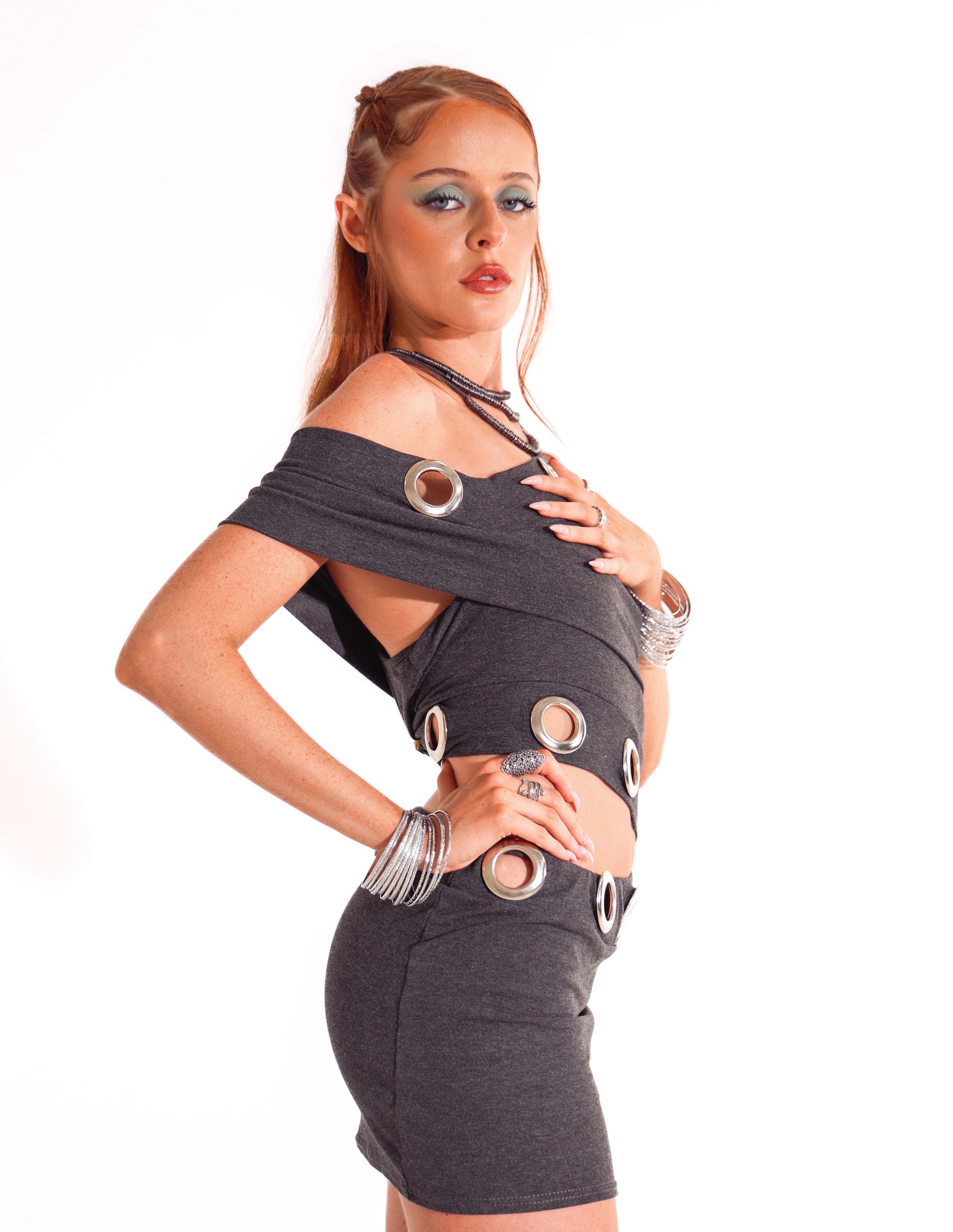
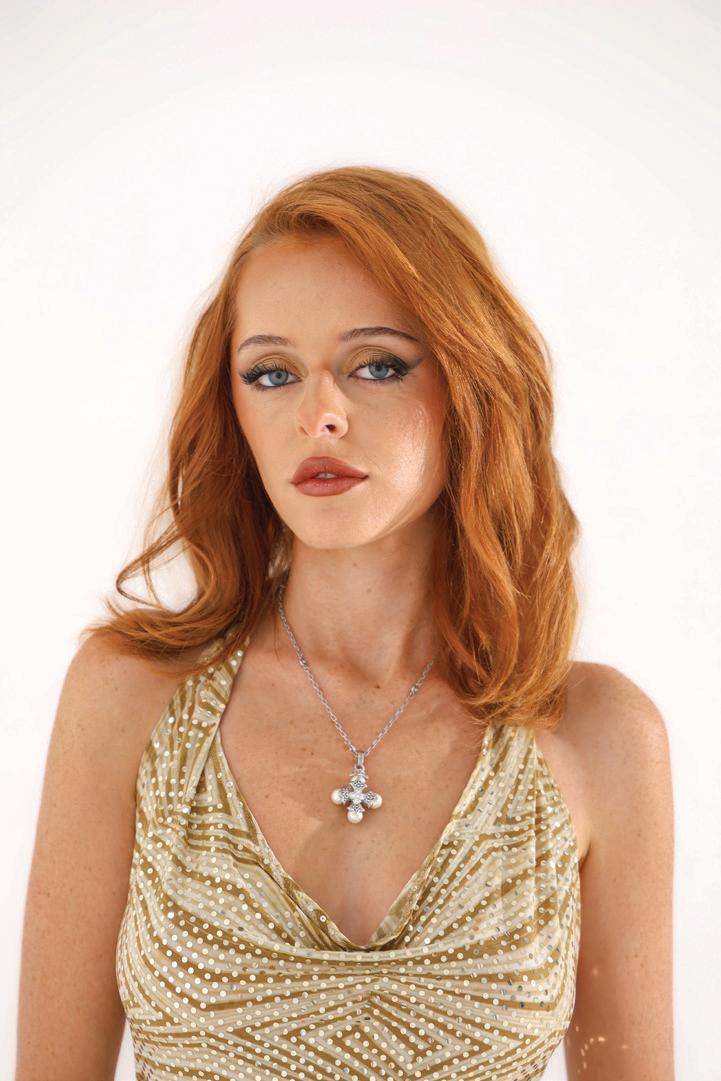
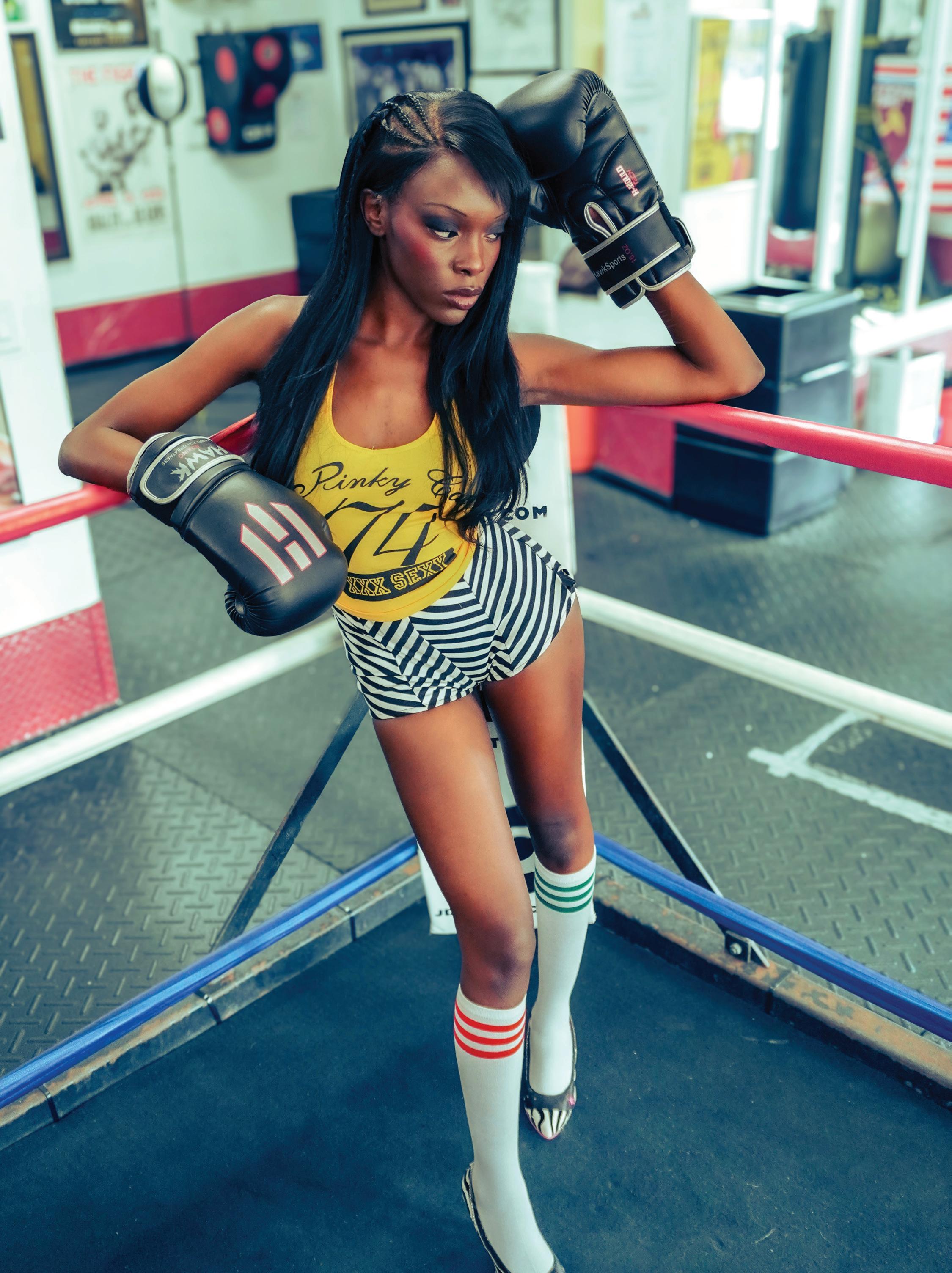
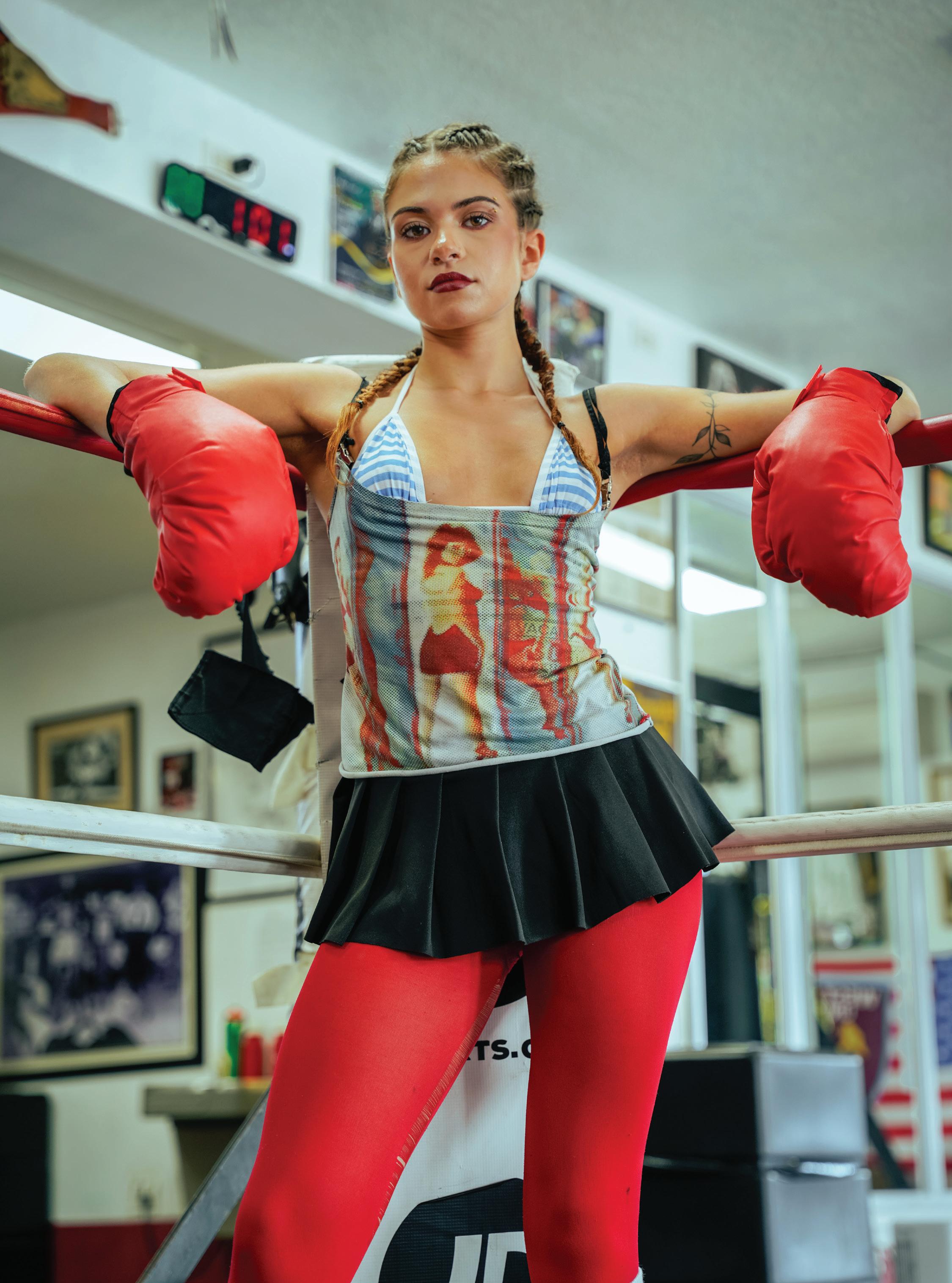
Julie Macaluso is a 22-year-old fashion and beauty influencer with more than 630,000 followers across Instagram and TikTok. She is Miami-born and raised, and her content reflects both lifestyles of the city. During the day, she chronicles outfits for various occasions: seasonal inspiration, controversial trends, and bold prints. These videos take place in her apartment, which has a sunny view of the crystal clear ocean. The other side is nights out in the city, dining in high-end restaurants, and walking among the glittering high-rise buildings of downtown Miami.
We had the opportunity to discuss her career, her ever-evolving fashion sense, and address some common misconceptions about her.
Strike: Can you walk us through your social media journey? When and where did you get started?
Julie: During COVID, I started to post more consistently and for fun. And then freshman year of college, I believe I posted a TikTok and it kinda blew me up. It was a video showing my mom’s vintage clothes.
S: I saw that video!
J: You saw that video? That was like the video that everyone knew me for because I think I gained 150,000 followers from that video.
S: No way, that’s crazy!
J: Mhm, and after that I stuck with fashion and I’ve been doing that ever since.
S: I feel like that’s a common story, where people started their content creation or other passion projects during COVID. So were you just bored and decided hey let’s just try this?
J: During COVID, I was just bored and experimenting with my style, because I wasn’t really into fashion, but I dabbled in it. Eventually, I started to find my sense of style. But I started posting purely for fun I didn’t know you could make any money off of it.
S: Did you ever expect the following you have now?
J: No, I always wanted to do something with social media ever since I was a kid. I loved to edit, but I honestly wasn’t sure if it would ever happen.
S: Who are some people who inspired or made you want to get onto social media?
J: I really love Emma Chamberlain. She’s my favorite. I think she’s just so down to Earth and effortless. It’s interesting, I do social media, but I don’t have people that I’m obsessed with online.
S: Who are some of your fashion inspirations?
J: Whenever I get asked this question, it’s a little confusing. Because I wouldn’t necessarily say I have fashion inspirations, I just use Pinterest. I don’t have a particular person in mind, though, maybe Ruby Lyn.
S: How would you describe your personal brand in three words?
J: Chill, Y2K, and I don’t even know what the third would be…happy?
S: I feel like sexy or fun, you have a really interesting vibe you put out.
J: I feel like I don’t even know what I put out sometimes. People tell me I’m perceived a certain way on social media, and when they meet me, I’m completely different. So I think by accident I’m sexy online, but I don’t mean to be.



S: This issue’s theme is “Dimensional”, exploring the different personas one has and how they are revealed in different situations. What are the most common misconceptions people have about you?
J: Definitely bitchy. People say, “You look bitchy”, but I was like, “Oh, really?” I always try to put on a smile, but people always say “bitchy” or “cunty”.
S: Yeah, I would say cunty too, you’re very fierce online.
J: Yeah, I think so, but in reality, I’m just kind of a goof. I’ve been a nerd most of high school; I wasn’t popular. I was definitely a weird kid. People also say I’m very monotone and laid back. I think maybe on social media, I am, because it’s hard to talk to a camera and talk to it like it’s a friend.
S: Are any of those particularly frustrating to you, because they are unrepresentative?
J: No, I kind of find it funny. Honestly, I like that people think I’m bitchy at first because they get to know me and they are like “Oh my god, wait”. I kind of prefer it because I don’t want people to think I’m extremely nice or anything, so they don’t overstep.
S: What is your dream collaboration or partnership?
J: I would love to work with Jean Paul Gautier or another high-fashion brand. Maybe do modeling for them, ooo the Victoria’s Secret show would be insane, because I know influencers are now going on that.
S: What is the most exciting project that you’ve done so far?
J: I think it’s mainly the events that I get invited to. They are the most exciting, because I had dreamed of doing something like that. Or the PR, brands that I always thought it would have been so cool to receive their products, and now I am.
S: Biggest fashion ick, one for men and one for women. Give me your hot takes.
J: Definitely for men is slides and no socks. I find it really gross.
S: It’s definitely hard living in Florida.
J: I feel like you just got to put on some socks. In general, I don’t really like high-waisted, but I know some people do.
S: Low-rise is mainstream now, but when it was coming back, everyone was against it.
J: And at that point, I was already wearing it. I was so excited.



S: What is the worst outfit that you’ve worn?
J: Mmm, worst outfit?
S: Or you’re just amazing and have never had a bad outfit?
J: No, I’ve definitely had bad outfits and have had to delete some photos because I was still figuring out my style. Do you remember when Shein was really big, and online you would see people posting $500 Shein hauls? I was doing that during the COVID era. It was probably patchwork pants and a top that didn’t look flattering. There were more patterns that were really cheugy or gross that I have participated in.
S: It’s ok, it happens to the best of us.
J: Yeah, gotta find your style somehow.
S: A fashion trend that you love that everyone else hates?
J: Jorts.
S: You like the really long ones, right?
J: Yes, I like ones that go past the knee, when they are about to be pants. I was about to wear them today, I would have shown you.
S: I was about to say capris too.
J: Yeah, everything that I was hated on wearing, everyone is just wearing it now. I made a video a couple of months ago about capris, and everyone was like, “Ew, let’s not bring this back,” and now it’s mainstream. Everything comes back eventually. I feel like I did the jorts three years ago.
S: I also saw that you like to go thrifting.
J: I used to do it a lot; it’s what blew me up for the second time. I stopped doing it, though, because I think I ruined it. Ever since I did the videos, the thrift that I would go to was slammed. When I would go, I would see people looking at me a certain way, and think, “Why do I feel like they know me?” When I’m doing those videos, I’m there for three hours, and I cut it down to a minute.
S: What! When I watch it, it does not feel like that at all.
J: That’s why everyone is like, “How do you find stuff? My thrift isn’t like this?” No, I’m there, sifting through everything.
S: What are your thoughts on Miami’s fashion scene? What do you think it’s doing right, or what do you think needs work?
J: It’s so funny people talk about this all the time. I think Miami is definitely behind when it comes to trends. New York is first, Los Angeles is second, and Miami is always far behind; it’s still 2018 fashion. I don’t know why, but I think it’s because it’s so hot here and everyone is wearing less. But there are some areas where it’s randomly good. You’ll find some people if you walk around Brickell. It’s just not consistent.


































Written by Sol Moyano
The idea of constantly striving for “the next big thing” feels more relevant now than ever before. People have always had trouble with constantly wanting things they were told they couldn’t have. With social media nowadays, the desire is constant. We’re no longer just dreaming about more; we’re watching other people live it in real time. It feels like there’s a green light we’re constantly trying to reach for and can’t attain.
But what is a green light?
Thanks to F. Scott Fitzgerald, who introduced one of the most iconic antiheroes in literature, the term “green light” has come to represent something bigger than us.
In the novel, The Great Gatsby, Jay Gatsby stared at the green light across the bay whenever he looked toward Daisy Buchanan’s house. She was the object of all his desires and the one thing he could never truly have. While looking out at the light, he envisioned everything that he thought was meant for him and that he thought he could eventually reach if he worked hard enough for it.
He had already achieved the money, the mansion, and a buzzing social life.
But it wasn’t enough.
Even his name, changed from James Gatz, was part of a carefully crafted reinvention. Gatsby could’ve pursued any other love interest, and yet, he chose to go after someone he knew he couldn’t have.
It’s the chase. It’s what we reach for when we strive for a
Art & Layout by Andrea Maes
better life, a better body, a better relationship, even a better version of ourselves.
It’s the future that always seems so close, yet so far away.
The thing is, Gatsby’s curse lives in all of us. He may seem crazy or delusional on paper, but the green light is real. It’s one of the few human experiences we all seem to share. Even when we say we’re grateful for what we have, we still find ourselves wishing, manifesting, or praying for more.
From an outside perspective, we think that we would do things differently from Gatsby. That we would rise above and just be grateful for the things we have.
But is that the truth?
Even when we talk about all the different aesthetics in 2025, we find ourselves never wanting just one.
Once you buy clothes that you like and fit your aesthetic, you end up getting bored and try to switch it up for a more current look. Something more trendy.
Clean girl. Indie sleaze. Cottagecore. Coquette. Emo. Vintage Americana.
And what about our own bodies?
Lip fillers. Botox. Liposuction. Hair extensions. Fake eyelashes. Fake nails.
We’ve all seen people who have gone overboard with the amount of work they have done on themselves. We are programmed to constantly keep “fixing” our flaws that aren’t really meant to be flaws in the first place.
If you have curly hair, you want to straighten it. If you have straight hair, you want to curl it.
It’s never enough, nor will it ever be.
Everyone’s green light looks different. Just as Daisy was Gatsby’s, yours could be your dream career or your favorite car. It could be the person you think about who meets all your standards.
Another use of the green light is in pop culture. Lorde, a popular pop artist, wrote a song called “Green Light” in her 2017 album, Melodrama. In the song, she states, “I’m waiting for it, that green light, I want it.” Lorde has stated that the song was about a breakup. From the lyrics, it’s possible that she was singing about chasing after her desires.
She perfectly captures what it’s like to want something and not give up until you have it.
Romances aren’t an exception to the green light theory either. Many breakups happen because people aren’t happy and satisfied with the person they’re with or the place they’re in throughout the relationship.
This phenomenon is called the hedonic treadmill. It means that after a short period of time, humans will keep longing for something that is out of reach. According to Positive Psychology’s “How to Escape the Hedonic Treadmill and Be Happier” by Anna Katharina Schaffner, “...despite experiencing positive events or acquiring desirable possessions, our happiness levels tend to return to a stable baseline over time.”
This is where consumerism and capitalism can take advantage of us. Because we are often dissatisfied, we compulsively shop for overpriced trends that we think will make us feel good or better than before. The “it” girls we see online who don’t show the behindthe-scenes of their lives are the new ideals. The new green light. We want what they have. Trendy boots, jackets, branded water bottles, lifestyle, and nightlife. Never mind that deep down, we might not actually like those things. At least we get a rush of excitement out of it. At least the landfill will have a new occupant
in the upcoming weeks.
The drawbacks of the green light can be damaging to our health. The constant burnouts, whether academically or socially, our hurt egos when we’re exposed to rejection, and our disappointment when we don’t get everything we desire.
The green light isn’t meant to be all bad, though. There are good and bad consequences when submitting yourself to the chase. It’s a double-edged sword; it can be exhausting while also keeping us moving forward.
Yes, we’re never satisfied and always desiring more, but isn’t that the beauty of human ambition? We reach for more because we’re hopeful that we can achieve more for ourselves.
Why should we settle for any less?
“Although we may go through heartbreak, family struggles, and academic burnout, maybe the green light is what keeps us going in life.”
You go to college hoping for straight A’s and a standout GPA. Once you achieve that, you then want the perfect internship, one that sets you apart from everybody else. Then you want to land the best job you can find in your field of interest. You start craving a life with more travel. A better life with a partner. A better life with kids. A better life with a retirement fund.
If we didn’t have these ambitions, where would we be in life? Would we even be planning out our tomorrows?
The day we stop chasing the green light might just be the day that everything becomes pointless.
Although we may go through heartbreak, family struggles, and academic burnout, maybe the green light is what keeps us going in life. It may be the exact thing we need for us not to break down and lash out, but instead prosper and gravitate toward something better.
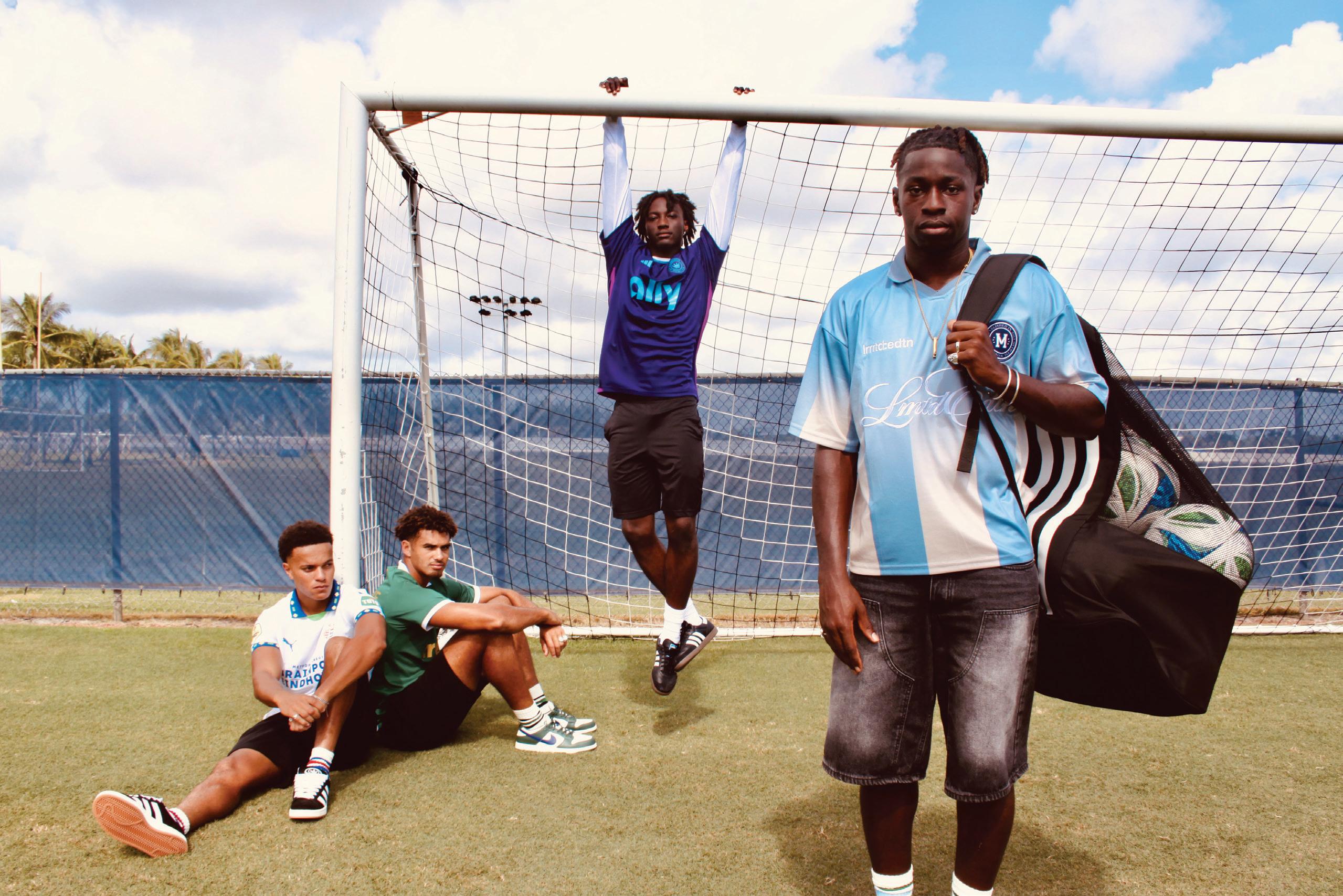
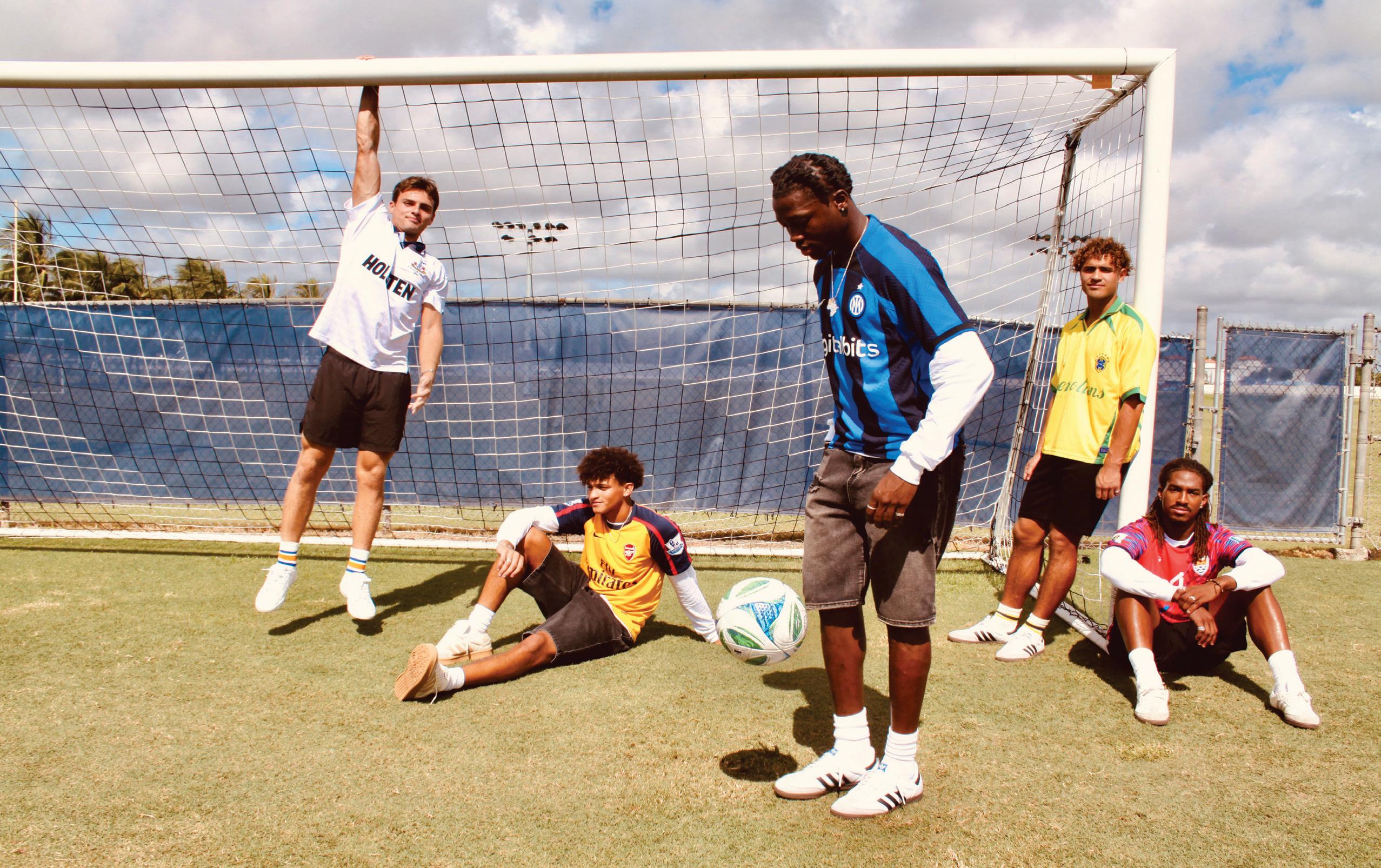

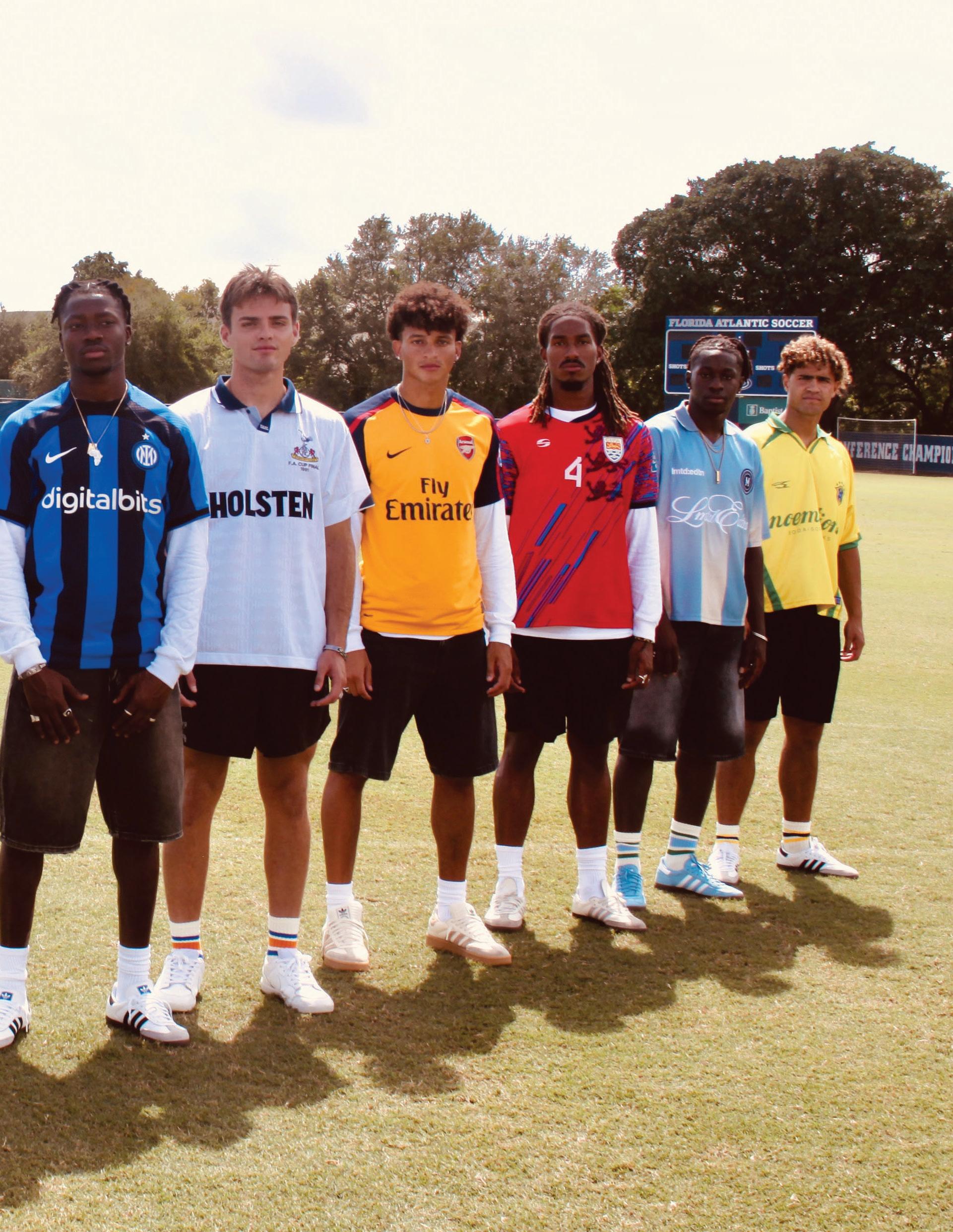
The FAU Men’s Soccer Team had a stellar 2025 season, with an overall regular season score of 10-3-2, with a 7 game winning streak at home. The FAU Owls are the Co-Conference regular season champions and were ranked 19th in the nation, twice. The team was crowned American Conference Tournament champions, beating FIU in the championship game, and are off to play in the 2025 NCAA Soccer Tournament for the first time in FAU Men’s Soccer history.
The FAU Men’s Soccer Team had a stellar 2025 season, with an overall regular season score of 10-3-2, with a 7 game winning streak at home. The FAU Owls are the Co-Conference regular season champions and were ranked 19th in the nation, twice.






Written by:Kaden Horn
Layout by: Morgan Hall
“Welcome in”, I say for the hundredth time as I serve a new group of people at my restaurant job.
The immediate stare, the up and down eye shift, the smile, or the look of judgment. The frown from the wife, the wandering eyes from the husband, the women who immediately yell for a Diet Coke before I can even say my name, the ones who won’t even acknowledge you and continue their conversation, or the ones who seem more interested in who I am than anything else at the table.
It’s weird how people interact differently with strangers based on the immediate perception they’ve built in their head. Part of me favors the people who don’t acknowledge me, because I can just do my job and know they don’t care to know me.
Honestly, I’m not sure how to feel about people who are extremely interested in who I am and feel the need to get to know me during dinner, which I then have to entertain. I am young and work as a server, but how could that be? Because I can’t just be a server, right? Which seems to be such a concerning dinner topic.
So what if I was? Does it have some kind of effect on them or their life? All of a sudden, I am a 21-year-old who is treated as if I am uneducated, lost, and easily undermined.
The people of Boca Raton are eager to hear that I am also in school and engage in other work, besides getting their orders. The glow on their faces, the instant shift in tone from sympathetic to respectful. I really don’t care for it or their words of validation.
These people have no idea who I am. Why is there a difference in respect based on what I am doing in life and what I look like? There is a consistency in this world, where people are quick to judge without any simple facts. Do the simple facts remain enough to understand who I am? And if so, shouldn’t language be decided based on how I treat you, rather than who I am?
As an unfamiliar person with an untold story, there is an obvious disconnect between human interactions. People have lost their way, leaving behind kindness, genuine humility, and basic human decency. Human connection feels different; people walk past each other like they don’t exist, yet all they’ve ever wanted is to be seen.
Something I find beautiful in life is conversing with people, learning about a new personality, or understanding why they act the way they do. It is a privilege to listen to a story that nobody else has. That is where the dimensionality of life resides. I don’t want to know the things that make us similar, but the things I can learn from and could see from a different perspective. The pressure to relate to each other shouldn’t feel so heavy. Although it’s nice too, we are all too different to try to be the same.
The pressure to be something, or to be ‘put together’, which only leads people to feel the need to chase clarity in their lives, as if it is an indicative status of maturity. Something to say when your table asks you what else you do besides being a waitress. Something for your mom to tell her friends, or for your grandma to post on Facebook.
You just need something to say, right? To receive that instant nod of respect and be perceived as presentable and successful. A well-rounded young man, a sweet young girl, when all that was said, is that we study at Florida Atlantic University.
“It is easy to say who cares what people think, but it’s something we all go through.”
We need to remember that it’s our first time living, and we can’t live through others’ ideas of right and wrong. Instead, create our own story, finding our purpose and discovering who we are through our own experiences. I don’t need to be anything but content with my own life. Yet, there will always be that innate desire to be acknowledged, appreciated, celebrated, and liked by others.
Let your goals and aspirations align within your own mind, but be reminded that you don’t need to present yourself as someone who doesn’t yet exist. You are so much more than just the label of a student, and you shouldn’t need to prove that. That’s the box we’re unfortunately put in, in school, when pursuing a degree; that’s the main focus. It’s what people look at when they meet you, and want to know. But then what after? She graduates, gets a job, gets married, has kids, then dies? The new questions just keep coming, and there will always be some kind of fabricated answer that follows.
You don’t need answers to all these questions, and there’s definitely no path or structured plan for life. Do as you want, because at the end of the day, we are just flesh and blood, and what’s the point of trying to live by others’ expectations and what others deem to be successful?
Figuring out what the term ‘successful’ or ‘rich’ means to you, and finding true happiness, is the most important part of life. Those are the questions I want to ask; I don’t want to make small talk about your occupation and major. I’d rather have real conversations with you. Where’s the connection– the authenticity?
What a privilege it is to have the ability to feel the depth of your emotions, the raw reality of your character, and the true meaning of life through genuine connections, through honest language and realities. There’s a fine line between clarity and connection, and I don’t want the performative, scripted version of who you think you need to be for me or anyone else.
You are not misguided or without purpose just because you are finding yourself. There is beauty in trying things you have never tried, moving states, creating organic experiences, making new connections, and being free-spirited and open to the possibilities of life. Structure and prosperity can still live without being drawn to one thing or to a certain way.
Your own desires and truth do not have to align with others; your morals and beliefs can be whatever you choose to be, and if you aren’t sure what any of those are to you, there is beauty in finding them and allowing yourself to hold onto what you believe is important and meaningful.
Life feels a lot more freeing when you don’t have somebody barking in your ear about what your life should look like or what you were supposedly raised to be, unless you chose that. We shouldn’t be living through the benefit of others.
Why spend life doing something that has no relation to you or your happiness? I don’t believe we have an endless amount of time to figure life out. We only have time to be a present spirit with our own story and reason. A positive presence and a magnet for true human connection. All we can do is stay true to ourselves, strive for the highest version of life we choose to live, and consider ourselves rich for it.
Written by: Johann Jonassaint
Layout by: Morgan Hall
While visiting my grandaunt in France after she had a stroke, something shocking was revealed. We were told by medical professionals that she would be confused at times or that her thoughts were misaligned, but once we sat with her, we realized that wasn’t the case. She kept telling stories of the past so vividly that it felt as if they were occurring in the present moment.
Throughout her life, she had made it known that out of all of her three kids, her second daughter was the one whom she favored the most. However, post-stroke, she wouldn’t stop mentioning her youngest daughter, whom we thought she liked the least. She would always ask where her whereabouts was, if she had eaten, or ask about the friends that she hung around with. It became apparent to us that the child whom she held closest to her heart was her.
A stroke can happen in one of two ways. The first way is when the blood supply to your brain is blocked or reduced, causing your brain cells to die swiftly; this occurs in just minutes. The second is when there is bleeding in the brain due to the blood vessels bursting; this takes place in a matter of hours or days.
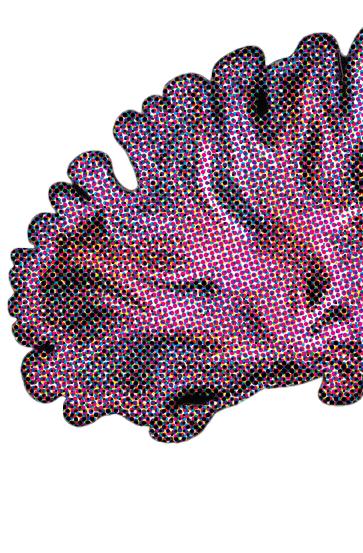
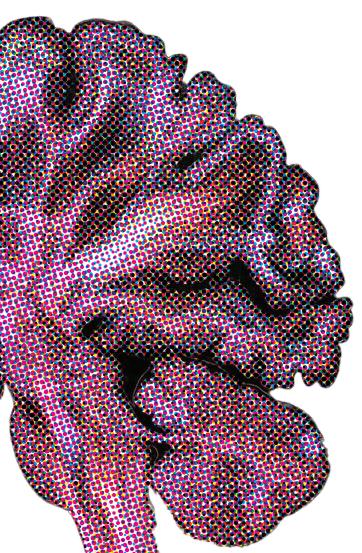
There are a few vital parts of the brain that store memories and are compromised when a stroke or Alzheimer’s disease strikes. The hippocampus, located in the back of the head, is the first to be attacked by Alzheimer’s. The hippocampus’s job is to help form and organize new memories, such as what we ate for breakfast or where we’d place the keys. This is why people with either disease have trouble remembering what they did for the day.
The amygdala, which is the size of an almond, holds the memories with emotional significance, like love or anger This part of the brain is affected later on in people with Alzheimer’s, and sometimes in people who have suffered from a stroke. Alzheimer’s disease (AD) occurs when damage to the brain cells causes behavior and memory problems. AD is one of the fastest-growing diseases, according to the Alzheimer’s Association (2023), between the years 2000 to 2019, increasing by 145%.
A special talent people with memory-impairing diseases have is the ability to time-travel through memory. They can’t recognize their partner of 30 years, but they sure won’t miss the opportunity to mention something that happened decades ago. They travel so far to mention that they need to pick their kids up from school, who are now in their forties with kids of their own.They spent their mornings bumping their hair up to the gods like we were in the ’80s. All of these facts and hypotheticals were mentioned to draw attention to the importance of making every day count. This is done by looking within, bonding with others, and documenting life’s dearest moments.
Finding your purpose or meaning in life doesn’t come easy. No one is really born knowing, and unfortunately, many people pass on without living in their purpose. To find the meaning of life, you have to take a good look within yourself. We often doubt ourselves and the powers we possess within.We let the judgment and fears of others shape who we think we are. But when you take a look within yourself, you’ll realize that you can envision a life of your own. Living through that will allow you to live in your purpose. Start by showing up for yourself. Have some sort of ritual that grounds you. Whether that is through meditation, a walk in nature, or even a twenty-step skin care routine. The time that you create for yourself doesn’t go unnoticed by your brain.
Only a few moments can come close to the pure bliss of a night out with friends or laughing uncontrollably with your family. The time we spend bonding with others can do tremendous work for our health. Studies have even shown that it decreases your risk of dementia. A study done by Aging and Society tested 66,000 people ple with a median age of 70 years with a cognition test. Participants who scored the highest were those who had active social lives, while those who didn’t scored lower, wrote Heidi Godman in Harvard Health Publishing. Between my grandaunt’s daughters, her middle daughter was always snitching on the youngest, who lived life a bit more on the edge. Her spontaneity kept my grandaunt on her toes, which led them to form a playful connection that she’d never forget. So call that friend, even if you only have time to run an errand together, I bet your day would be a whole lot brighter.
Time goes by fast, and the only way to capture those moments we create is by documenting them. Imagine if Leonardo Da Vinci had never painted the iconic Mona Lisa painting. Without registering our experiences, they simply die. There are various ways to catch monumental moments. It can be done by journaling the current songs you have on repeat through a digital camera you buy at Goodwill. A way to assist people with impaired memory or dementia is through reminiscence therapy. Reminiscence therapy utilizes pictures, music, or storytelling of memories to help individuals feel connected to the memories that are slipping away. Looking back at past documented moments can bring up feelings of joy and remind us of the precious moments of life. A way to document those moments is through creating a scrapbook filled with pictures and items that gain more sentimental value as time goes on.
Don’t let life pass by, or let your days blend into one. Create a life that you’d be proud to look back on. Begin with yourself. Be present for yourself by taking the opportunities thrown at you. Pour into the relationships you have with others. But be cautious about who you choose to do so with. Don’t waste life away on someone who constantly inflicts pain on you. Press record on anything you feel is worth remembering. On the side of your brain lies an almond-shaped structure that stores your memories tired, with the strongest emotional significance.
Emotions created by bonds that make life worth remembering, like the one between my grandaunt and her daughter.
If your memory were to fade, what memories would you want to hold on to?

By Madison
Stagnant; stuck in a perpetual state of comfort. Never moving forward and hoping you don’t repeat the past. The only solution you can think of? Escape; escaping your hometown, your state of comfort, yourself.
But can we ever really escape ourselves?
For many people around the world, the need to escape is essential. The fear is that if we experience something new and different, we will also be able to escape our problems– our minds.
Escape can be found in a multitude of ways, including books, music, and movies. The biggest and most drastic form is traveling.
This can be referred to as Escape Theory, as defined in Bert van Wee and Patricia Mokhtarian’s paper, “Escape Theory: Explaining a negative motivation to travel”. “Some people, and under some conditions, value travel at least partly because they want to escape from ‘something’. In other words, they value being (far) away in time and/or distance from their daily milieu, mainly home or work.”
All over social media and from interactions with people growing up, I was always told, “Make sure you travel in your 20s. That’s how you’re going to find yourself.”
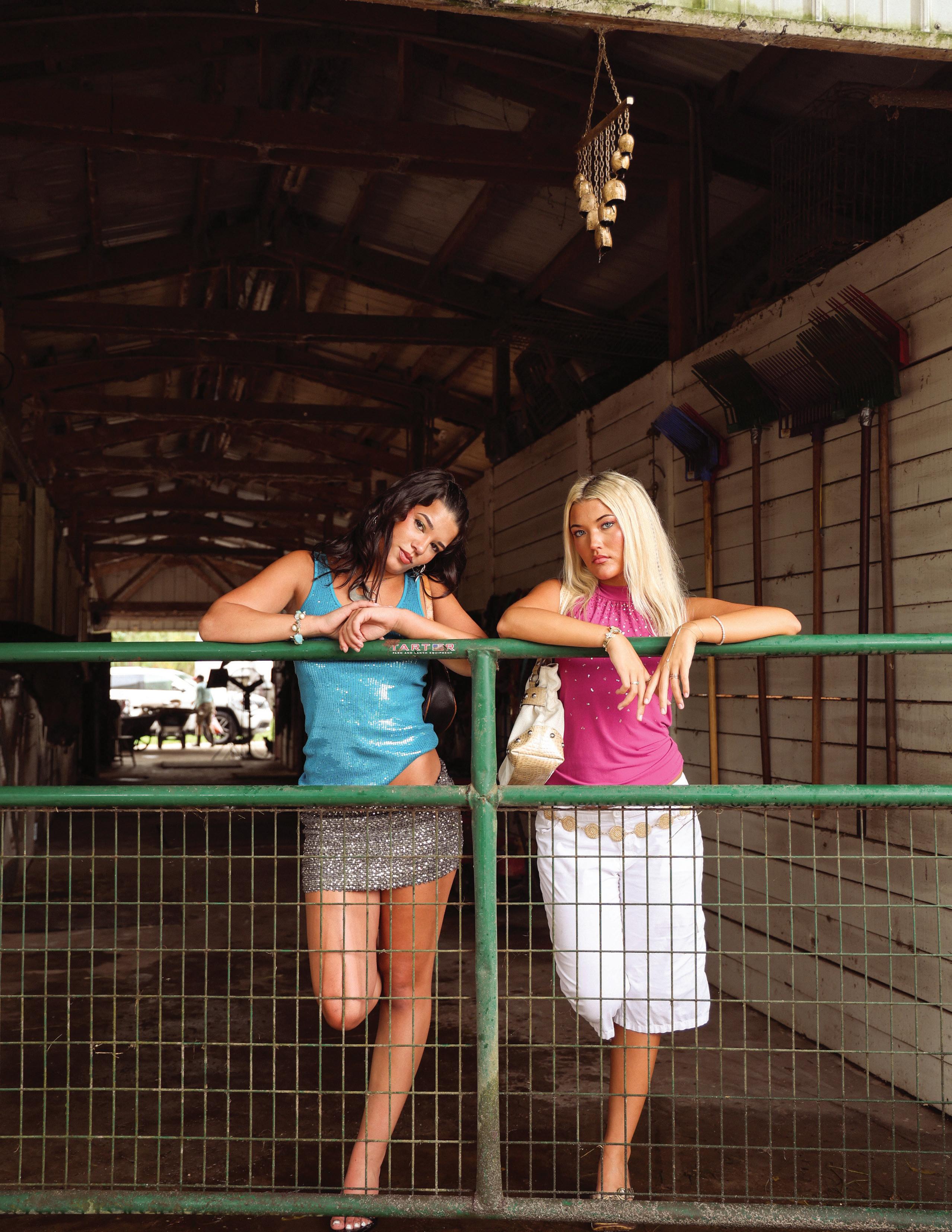

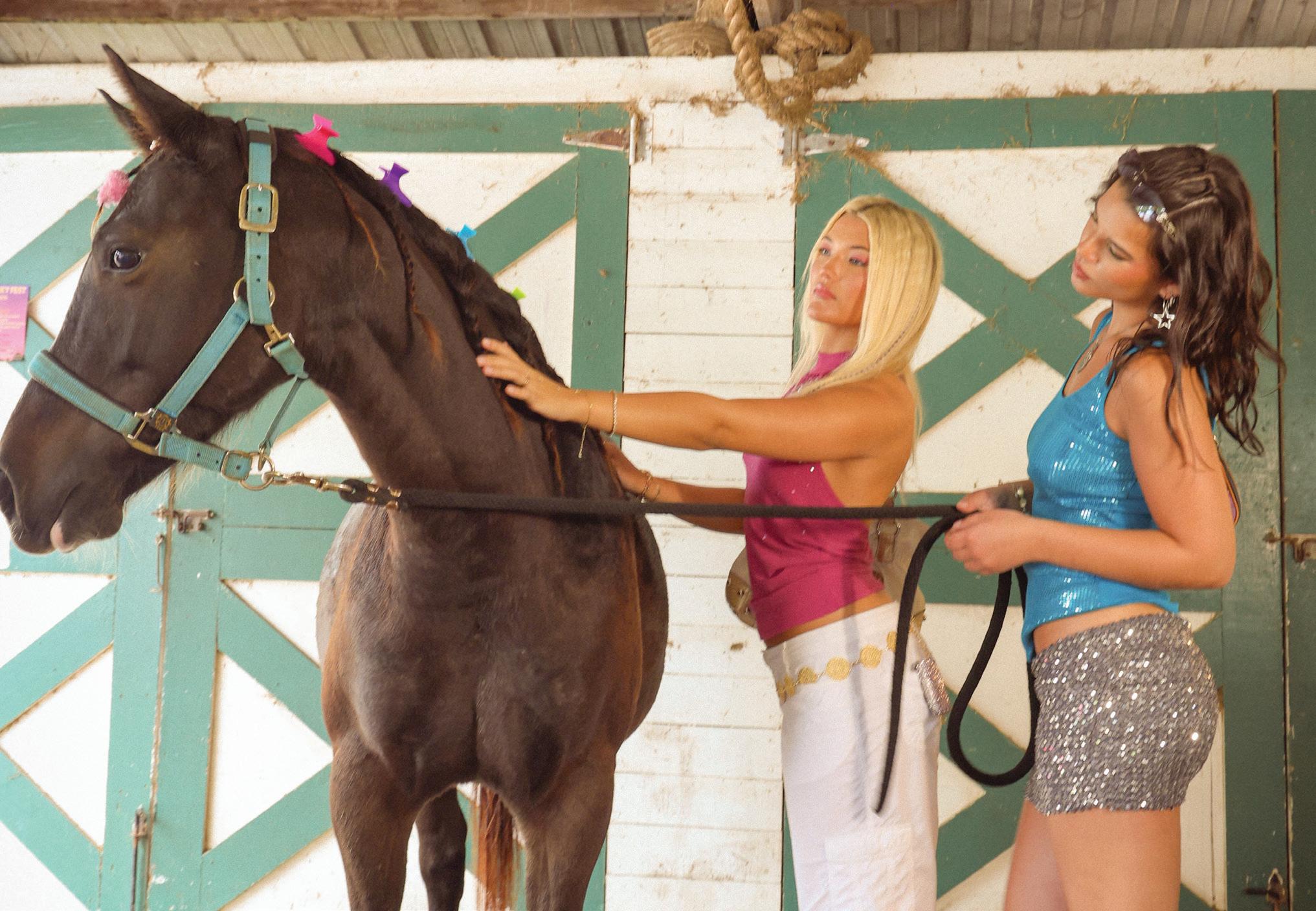

A big reason we experience a feeling of stagnancy is due to the monotony of everyday life. In a society ruled by instant gratification, the adrenaline rush of planning a trip, travelling to a new place with a different culture and a vastly different way of living can provide the quick satisfaction one seeks from everyday routine.
Having the same routine every day can make our problems feel daunting, but our desire to escape them is even bigger. This is where the phrase “the grass is greener on the other side” comes into play: the concept of the geographical cure.
“The Problem With the Geographical Cure” by Paige Abbott, a registered psychologist, describes the geographical cure as the idea that moving one’s physical location can cure whatever is happening internally. However, this idea is simply that because, as stated before, changing your location cannot change you or your ailments.
There are various questions we convince ourselves we will only find the answer to if we get on a plane and go to a new place. While most of the time the answers are within ourselves, there are parts of ourselves that can be brought to life by going somewhere new.

There are various questions we convince ourselves we will only find the answer to if we get on a plane and go to a new place. While most of the time the answers are within ourselves, there are parts of ourselves that can be brought to life by going somewhere new. Humans are dimensional and highly complex beings, often requiring new experiences to step out of our comfort zones to unlock parts of our personas that we weren’t aware of before. Or even becoming inspired to add new interests and traits to our existing identity
Location plays a large role in the discovery of various aspects of our identity. No matter where you go, you will be introduced to a variety of different cuisines, lifestyles, traditions, and people from different backgrounds. Depending on what you are looking to gain within yourself from seeking the geographical cure, everyone is going to have a different experience.
The experience of going to Greece and being immersed in their rich Mediterranean culture and environment is going to expose oneself to very different things, like learning that they prefer to live on an island, than someone who decides to go see the Northern Lights in Norway, and learning that they prefer colder climates. Someone searching for solitude and reflection is not going to thrive in a busy city the way someone seeking community and connection might.
When discovering parts of ourselves, awareness and acceptance are the largest factors in blooming into who we are. We learn things such as personal beliefs, morals, goals, and simple things like food we may like or not like, as we open ourselves up.

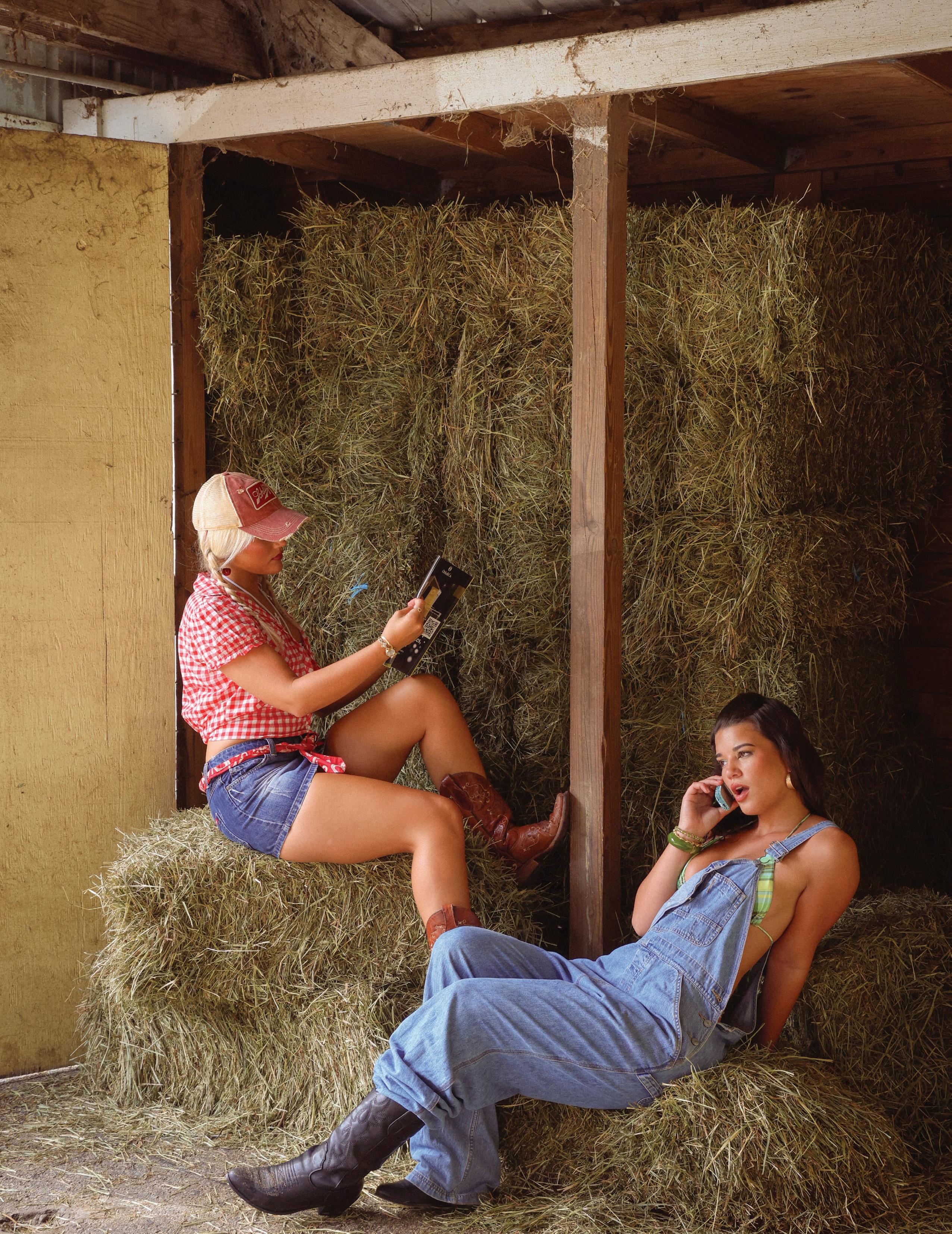
We learn whether we want to live by the beach, mountainside, or in a bustling city. With this comes awareness of ourselves and what we want, leading ideally, to acceptance of it.
This is discussed further in “The Importance of Awareness, Acceptance, and Alignment With the Self: A Framework for Understanding Self-Connection” by Kristine Klussman, Nicola Curtin, Julia Langer, and Austin Lee Nichols. “Both the perceived true self and potentially broader self-concepts are formed and maintained by selectively attending to, interpreting, and remembering aspects of momentary experiences.”
Traveling affects people so deeply because of the awe they experience from seeing something that makes them feel smaller or at peace. If someone were to see the Eiffel Tower or the Swiss Alps, they would feel a type of awe, then say the feeling of seeing a mountain in the United States.
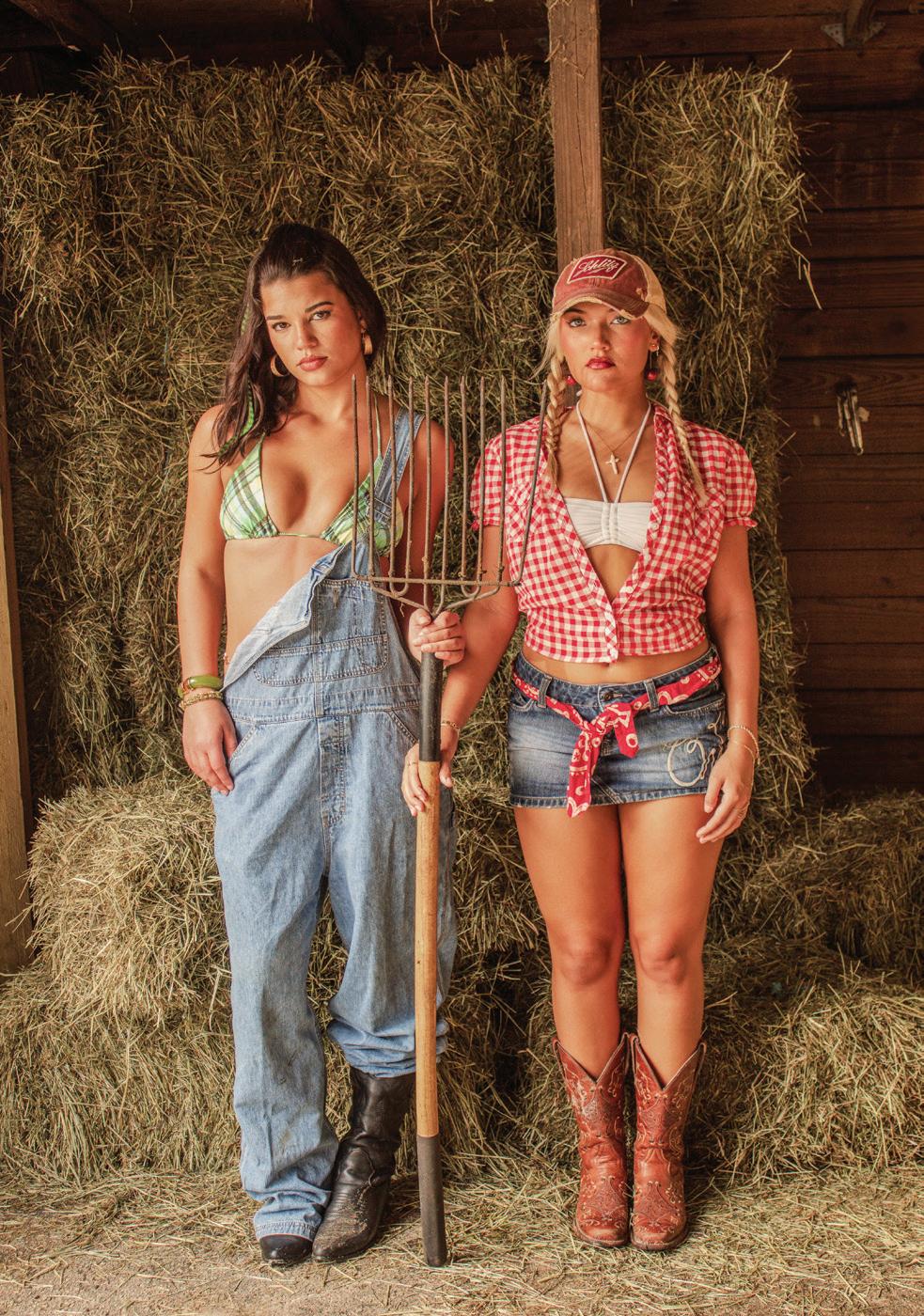
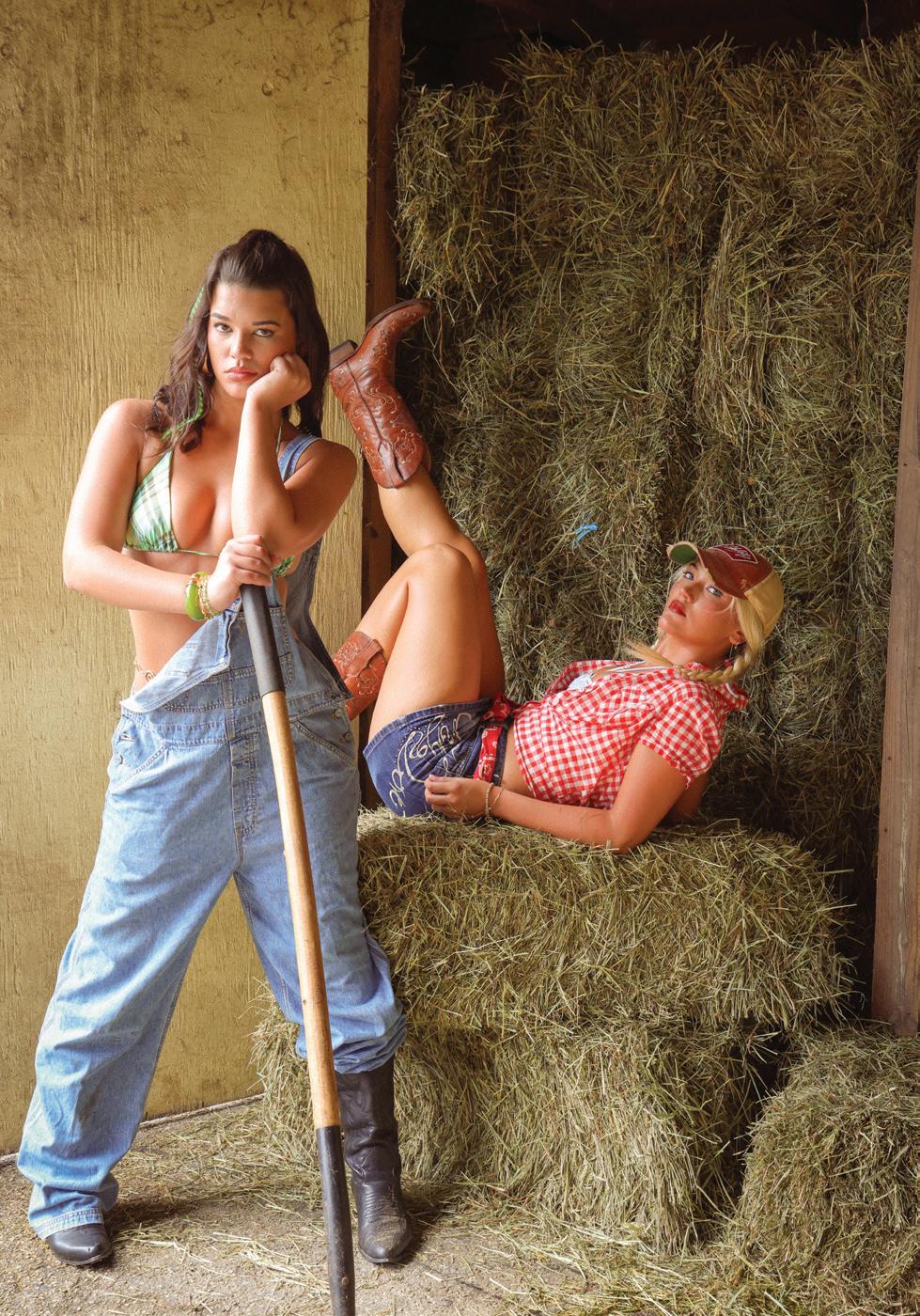
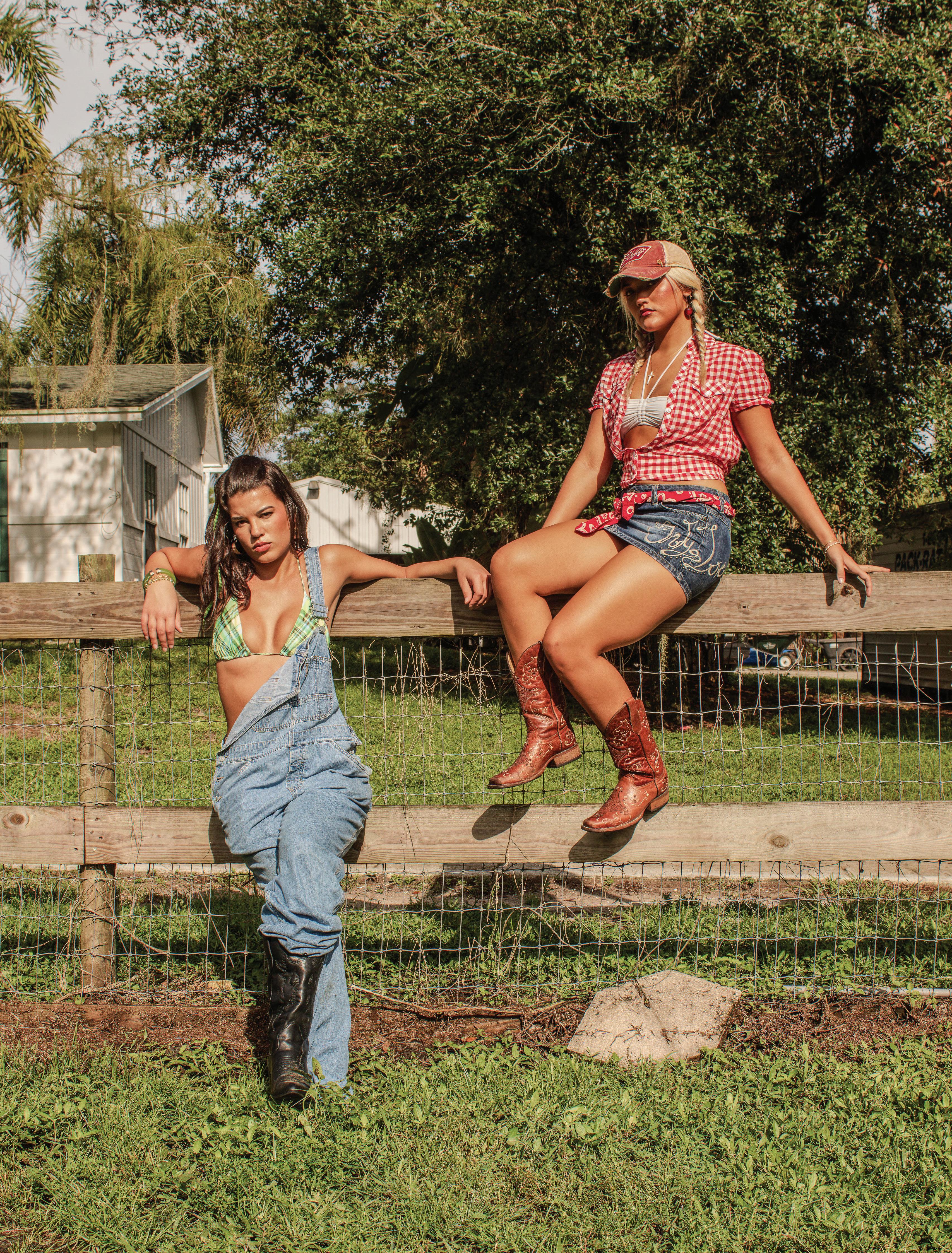

According to “The Wonder of Awe” by Marianna Pogosyan, published in Psychology Today, awe is an essential sense of wonder that reshapes how we might perceive certain aspects of life. This feeling plays a part in what makes people believe that traveling is their cure. They were able to see their battles from a different perspective and often out of a larger lens, inspired by the vastness of their experience.
When I got to see the monuments I dreamed of seeing for years, Big Ben in London and the Eiffel Tower in Paris, I felt such a profound sense of awe that rooted me in my success and how proud I was of myself. I got to those places. It allowed me to really put my life into perspective and wonder if the things that I allowed to weigh on my shoulders were as bad as I thought they were, or if I was making them the forefront of my life because I was lacking an adrenaline rush from my daily routine.
While abroad, I was introduced to a multitude of people. Whether from my own trip or locals I met along the way, the people I found who were impacted by the experience were those who were open-minded. Instead of looking to escape, they were longing to learn and enrich themselves with others rather than themselves.
Experiencing their traditions, cuisine, language, and even their fashion creates the opportunity to discover those parts of yourself that were lying dormant. Trying a dish that you never would have expected to love so much, or realizing you like to wear a certain pattern or fashion trend distinct to a specific culture, can be the catalyst for a domino effect of layers of who you are unfolding from within you. Becoming comfortable and fully immersed could allow you to live like a local, increasing confidence in various aspects of yourself and your experience wherever you are.
The moments where we feel stagnant can feel so substantial, causing us to question who we are and who we want to be. While it is important to experience the world and broaden our perspectives on other cultures and ways of life, don’t let your only motivation be your desire to escape your reality. In the end, you’ll never escape yourself, only be faced with the layers beyond what we believe are within us.
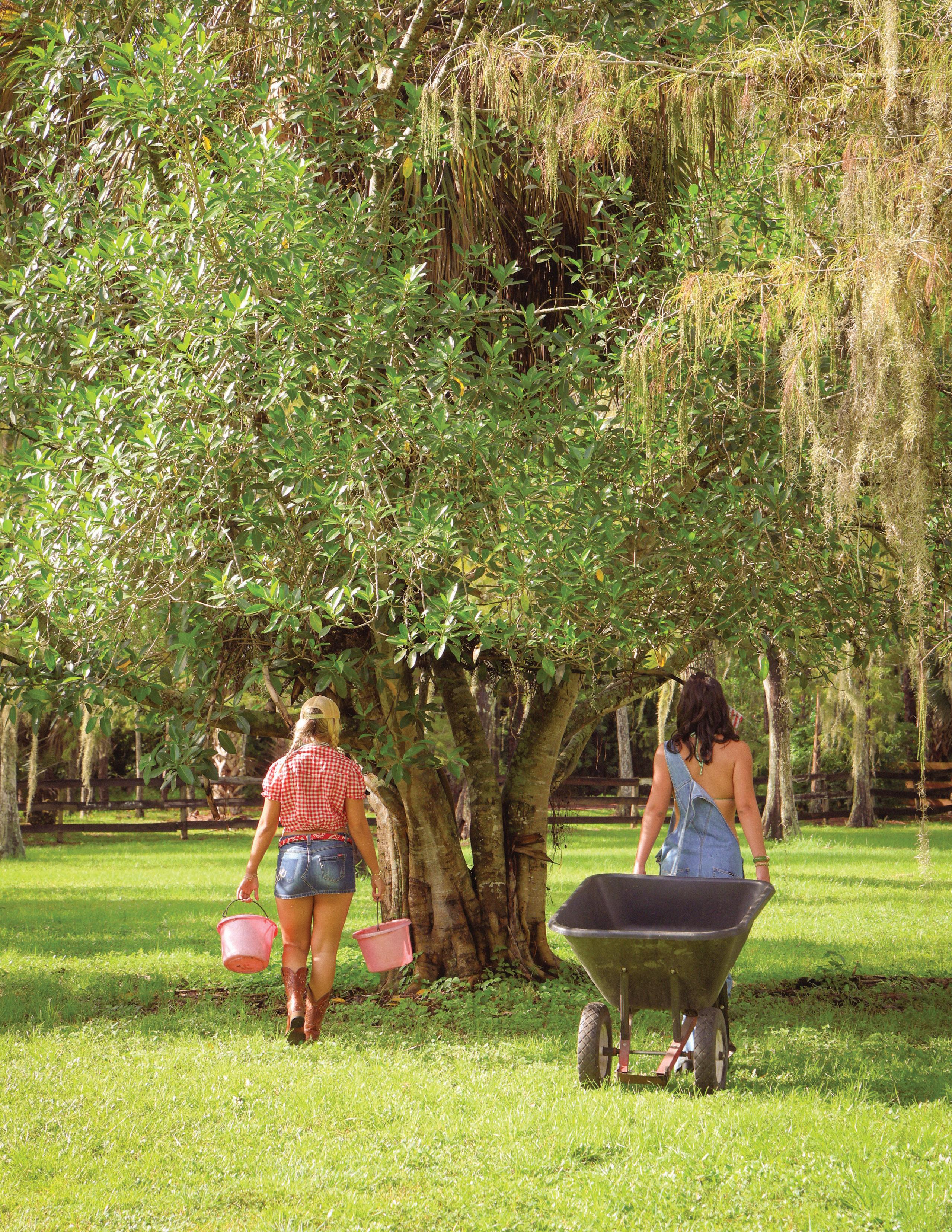

PHOTOGRAPHERS: SOPHIA DARGAVAGE, ARIELLE BLATT
VIDEOGRAPHY: BRENNAN CARMICHAEL
STYLING: KIMONIE ALTIDOR, LILLY VAGONIS, MARISA MCCABE
MAKEUP AND HAIR:, TIANA MATHEW, DALILA SANCHEZ
LAYOUT: CHASTITY COOPER
TALENT: MARISSA MORALES, FAITH FOLTZ
-Written
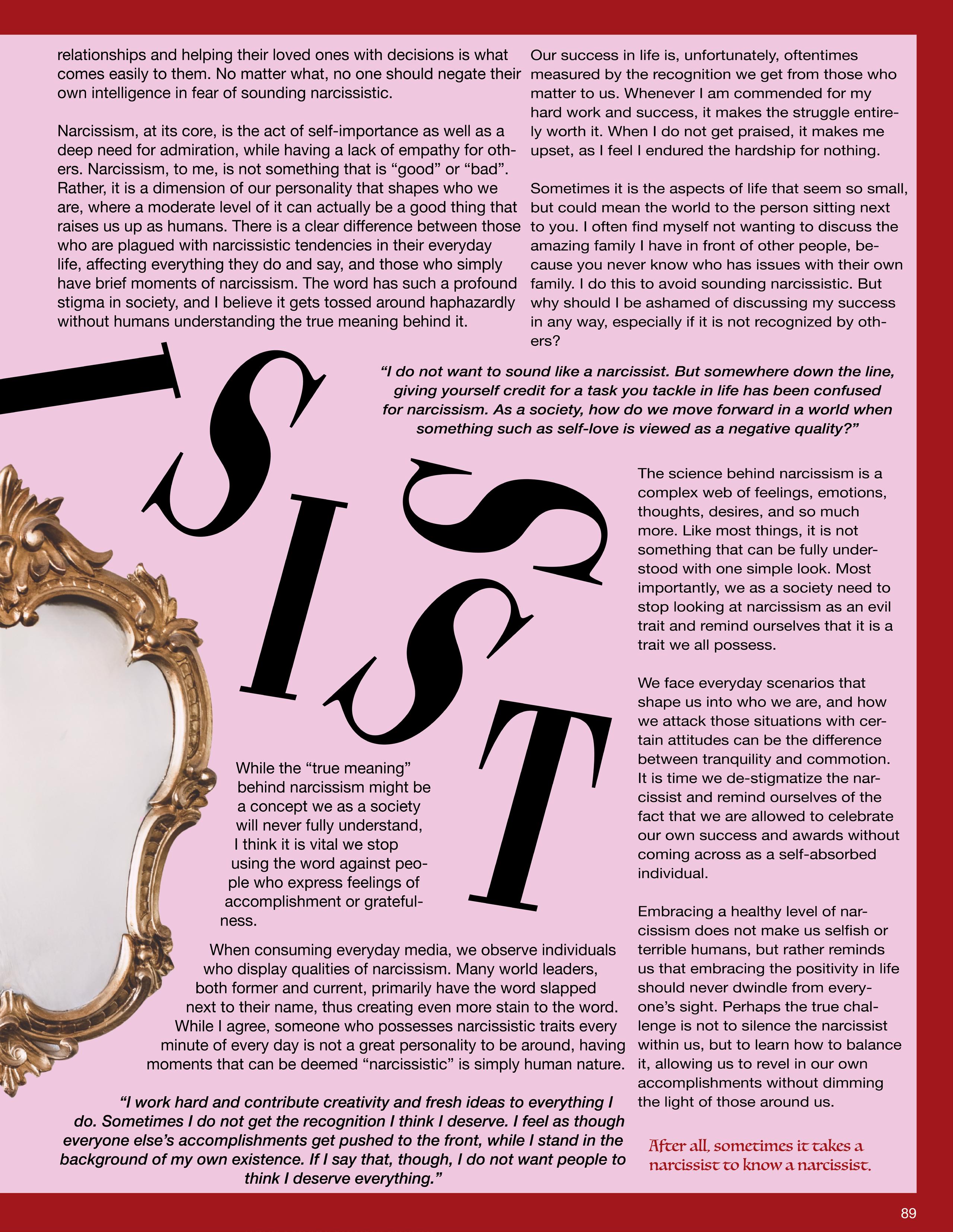
A society that capitalizes on creativity slowly destroys it.
An addiction to convenience is killing our culture while reforming it like never before. We’ve become lazy, unmotivated, and increasingly validated by instant gratification. It stunts our independent thinking skills to the point where we don’t even attempt to critically think about something before we turn to convenience for an answer. The ease of obtainability is everywhere- it’s the easy way out, and we choose it almost every time.
What happened to sitting in cafes with your laptop, writing for hours on end, fueled by endless coffee and creativity? Scouring all of your textbooks, soaking up all the information to write your essay due on Friday night, while filling the margins with doodles as your mind chases the right idea.
Leaving the comfort of our homes and doing things organically will never fail in providing us with what forms of virtual communication can’t. When you’re

surrounded by real people, sounds, and the energy of the outside world, inspiration flows differently.
Society capitalizes on the pressure to accomplish everything as quickly as possible, and with that, our priorities have shifted to quick and effortless art to match the accelerating pace of our society. But when everything comes easy, satisfaction is fleeting.
With a quick turnaround being the only road to income, we find ourselves holing ourselves up in our homes, typing away on a computer all day in our fluffy robes and socks, feeling empty and disconnected from our work. It’s necessary to get ourselves out of our comfort zones, because it’s the only way that we can grow. The satisfaction you get from fully completing something that you put your whole heart into is unmatched- and it makes the entire process worth it. It’s better to spend a few hours writing a paper than to spend 30 seconds typing it in a prompt that defeats the whole purpose of it in the first place.
Our world is filled with so much noise nowadays, there’s nearly no space left to create.
Some things just make our lives too convenient, and whether it’s intentional or unintentional, we end up avoiding real life by choosing ease almost every single time. We find convenience in every area of our lives. We used to put effort into everyday things in our lives, but now, we’d rather put that effort into perfectly curating our questions to ask ChatGPT, but just because it’s convenient doesn’t mean it’s helpful. Author Joanna Maciejewska once wrote, “I want AI to do my laundry and dishes so I can do art and writing. Not for AI to do my art and writing so that I can do my laundry and dishes.” And that is exactly the point. When we let AI do the creating for us, we lose sight of ourselves and get lost in what it can do for us.
The creative industry that once capitalized on people’s art is exploding, but in a different sense. There’s so much pressure to catch up to the fastpaced work culture of our society that we end up pushing forward just to stay relevant and generate revenue. How are artists nowadays expected to create without feeling weighed down by outside pressures and the threat of convenience looming over their careers?
Specifically with the rise of AI in the past few years, it’s become increasingly accessible and increasingly acceptable. People ask why it is that nobody wants to do anything anymore. It’s because we’ve lost all value for hard work and effort. But why would we put in effort for daily tasks when we get nearly the same result, but more efficiently, from asking our phones to do it instead?
It’s become a part of our critical thinking skills, the idea of efficiency at zero effort drilled into our subconscious. But it wasn’t always like this- things looked a lot different before the digital age.
Before convenience took over, creativity required time and patience. Artists then had to rely on their successes, failures, and repetitions. The modern world has conditioned us to see patience as inefficiency, something to be optimized rather than appreciated. We no longer experience the spaces between our effort and the product that once gave
creativity its depth. It was not so long ago that the process of creation was something of value, whereas now, we value speed over substance.
As this is the new lifestyle, people are starting to get used to it, but we shouldn’t. So, how do we stop the switch from creative writing to generative writing? The unfortunate truth is that we can’t. In the next few years, AI will only become more and more advanced, as its attainability increases in nearly every part of our lives. There is no way to know what will happen next for the creative industry. Everyone will be affected by this– it’s inevitable.
“Convenience will always tempt us, but awareness allows us to choose when to let it.”|

Convenience is destroying our creativity, our motivation, and our sense of originality, and the bare minimum has become so glorified, it’s gotten to the point where people don’t see any reward in putting in effort anymore- and why would they when so few others do? We are losing our motivation and drive, and becoming out of touch and unmotivated.
But maybe it’s not too late. Not enough people realize how awareness changes our perspectives entirely. By becoming conscious of this issue and how it affects your daily life, you’re able to regain consciousness in your decisions and how they’re likely based on convenience. This consciousness breeds creativity. It’s a product of our mindsets, awareness, and the environment we put ourselves in. Once we understand how easily convenience controls us, we can reclaim ourselves.
Living in the age of convenience, everything is designed to be easy. Convenience will always tempt us, but awareness allows us to choose when to let it. When we slow down enough to see it, we can see how every small decision to engage affects us. Consciousness breeds originality, and in the space you create that exists between convenience and that consciousness, a new creativity is born.


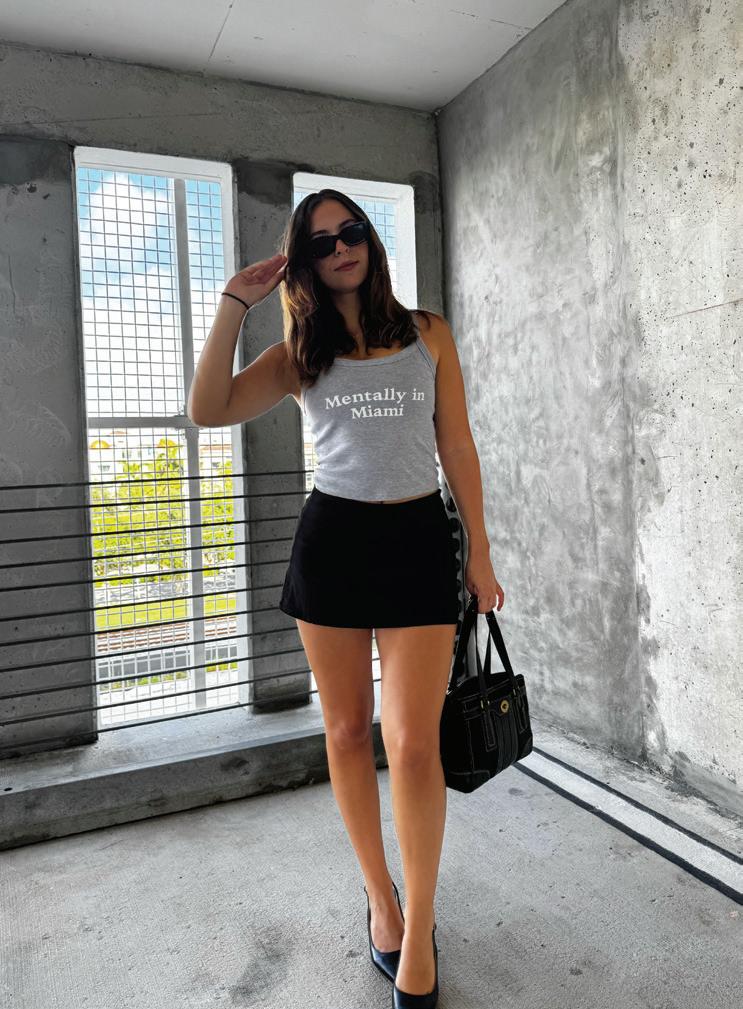


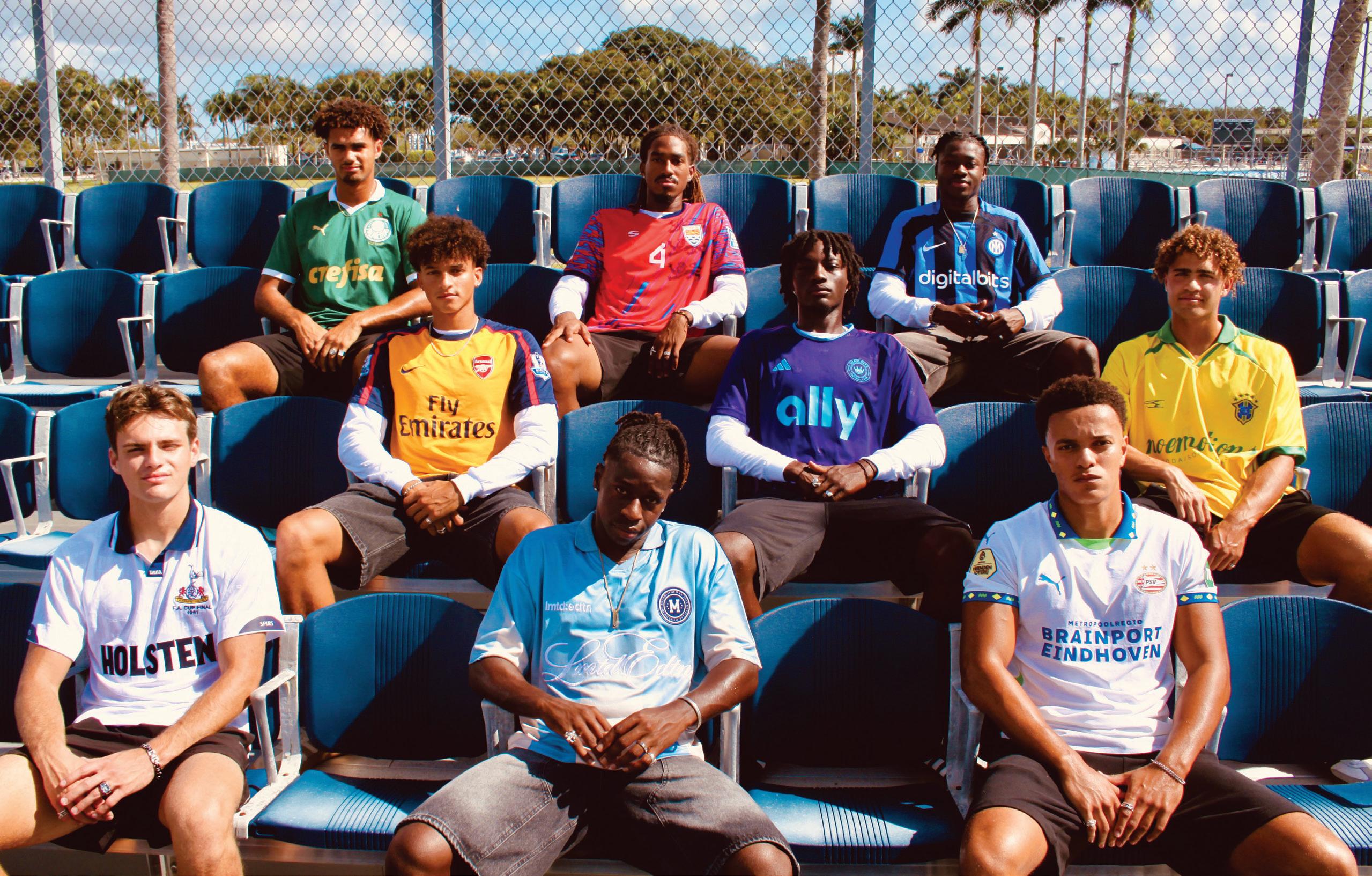
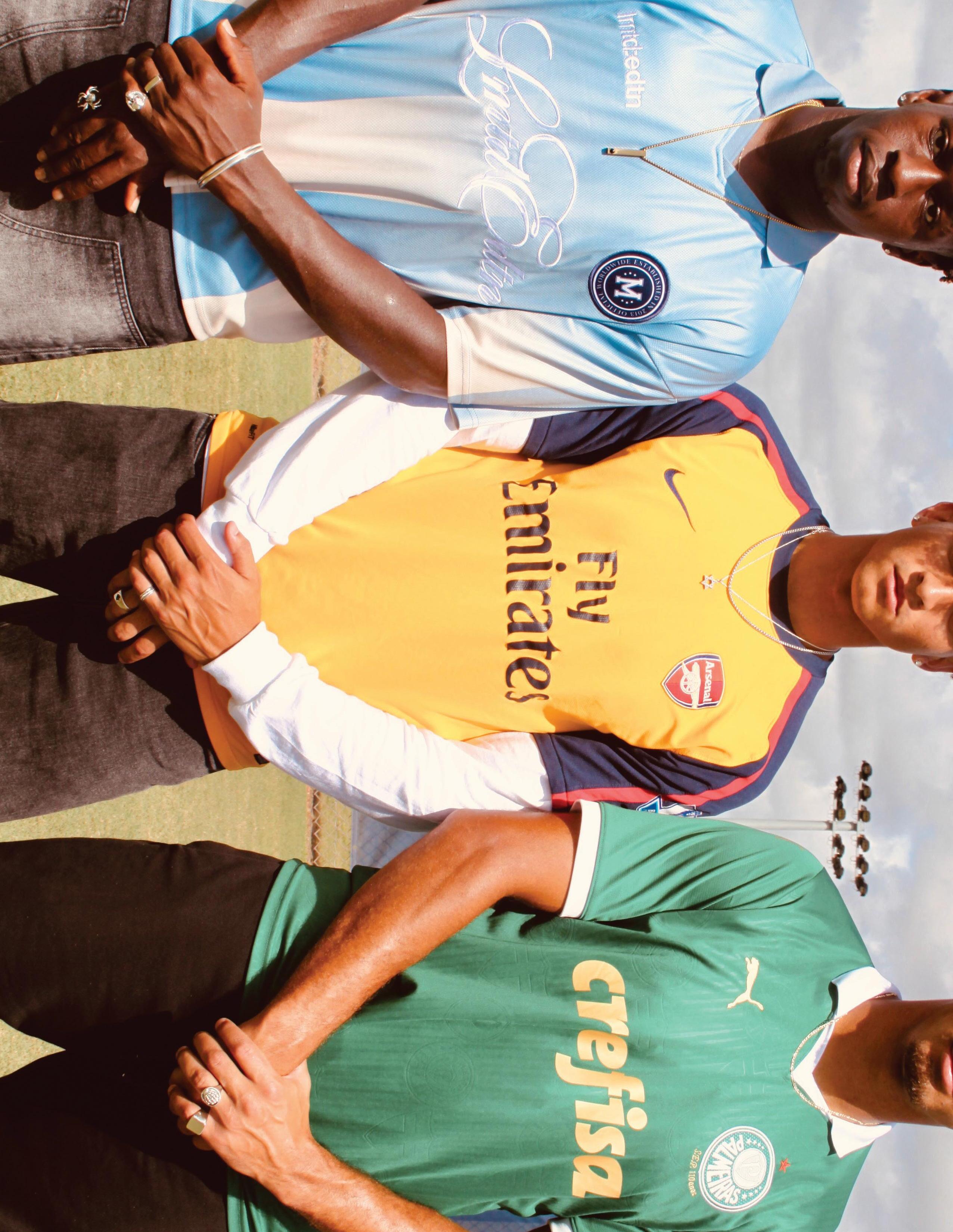
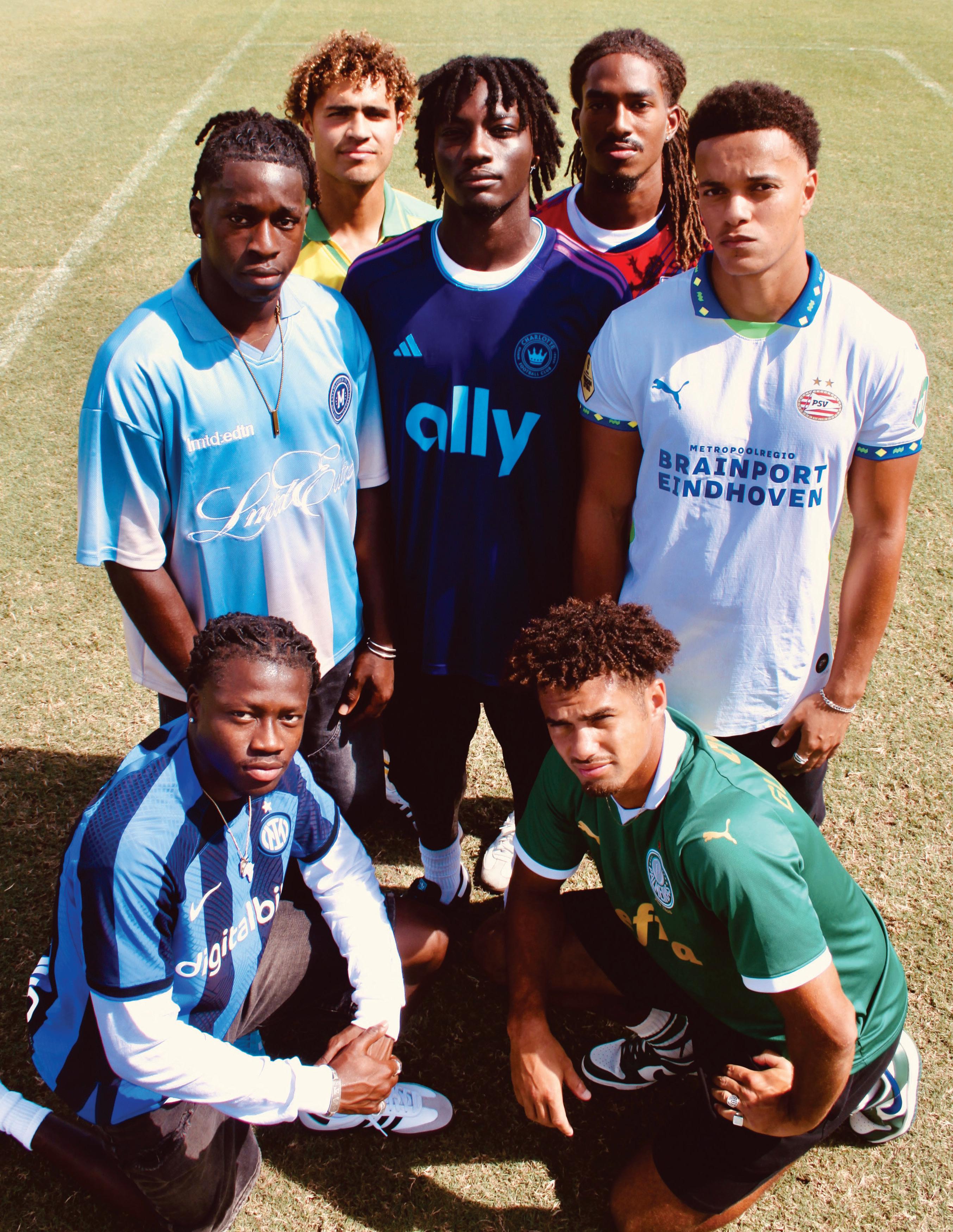
This issue, we had the chance to interview Jahsheem Benjamin, Founder of First Fits, to learn more about the journey/rise and what the brand truly means.
What inspired the name ‘First Fits,’ and what does it represent to you personally and creatively?”
“When you go out to impress, you always reach for your first fit- your favorite piece. And when you buy something, you make sure it fits your identity first.”
First Fits has done collaborations and events that feel more like experiences than just drops — what’s your vision for blending fashion, community, and lifestyle?
“My vision is to use clothing to raise awareness and make a difference. I truly believe I’m here to help people and leave the world better than I found it. Partnering with Susan G. Komen and raising money for breast cancer means a lot, those collaborations go beyond fashion and touch real lives.”
How do you stay motivated to keep creating new designs and ideas when the pressure of running a business starts to weigh on you?
“What keeps me motivated is the freedom, this isn’t a 9–5. I can work on First Fits whenever and however I want. It does come with pressure though, there’s always that thought of ‘what if people don’t like this’ or ‘what if it doesn’t sell.’ But at the end of the day, we trust our gut and keep pushing. I’ve sacrificed nights out and sleep, but that’s the commitment I’m willing to make to grow the brand.”