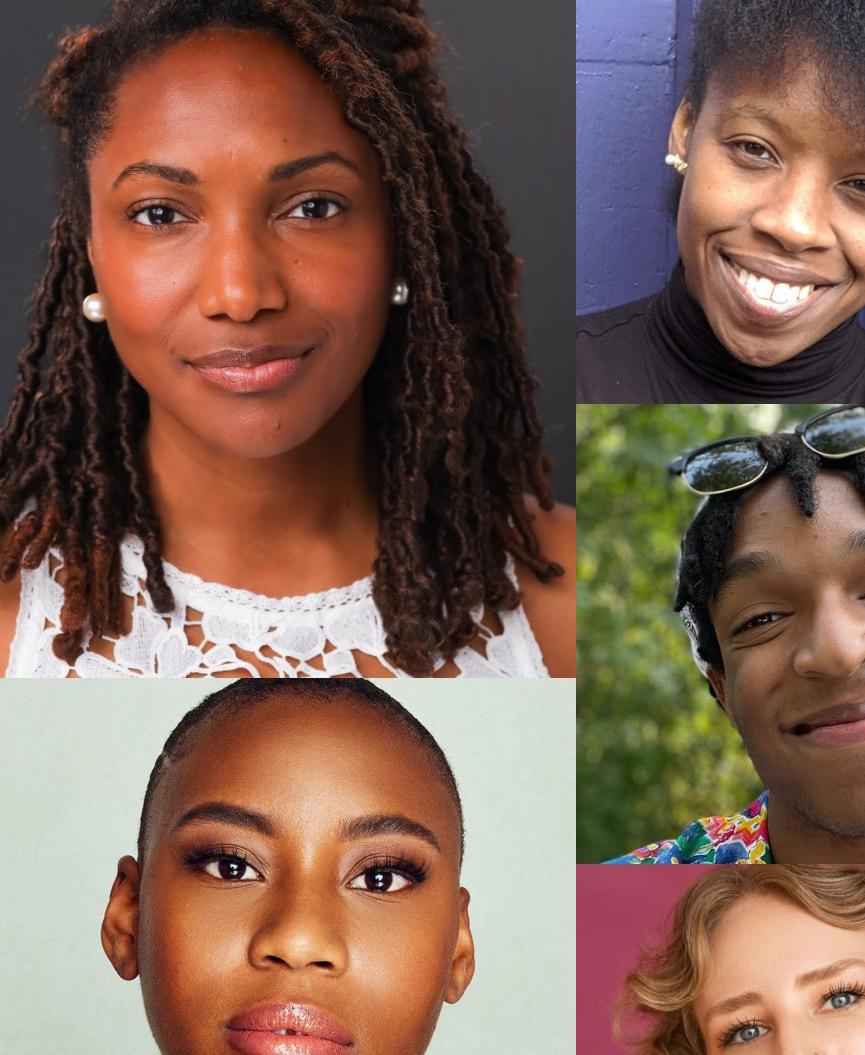
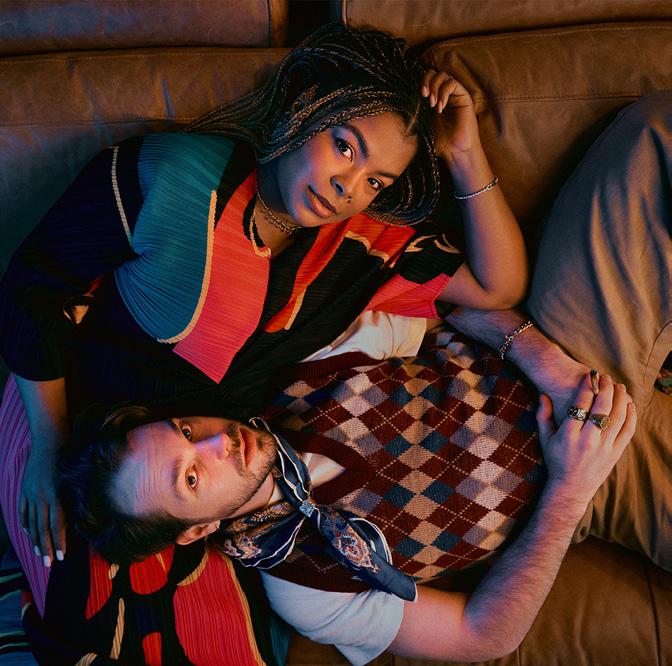
Arts & Entertainment Event highlights of the week!
SportsWise
The SportsWise team talks about memorable Black Olympians.
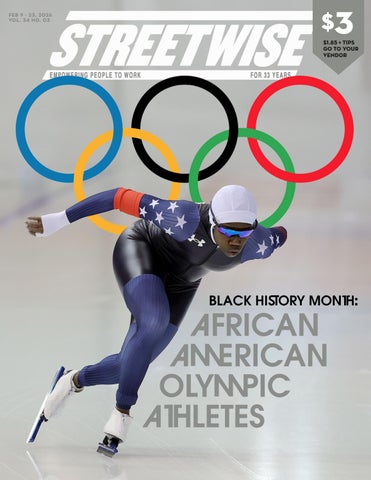
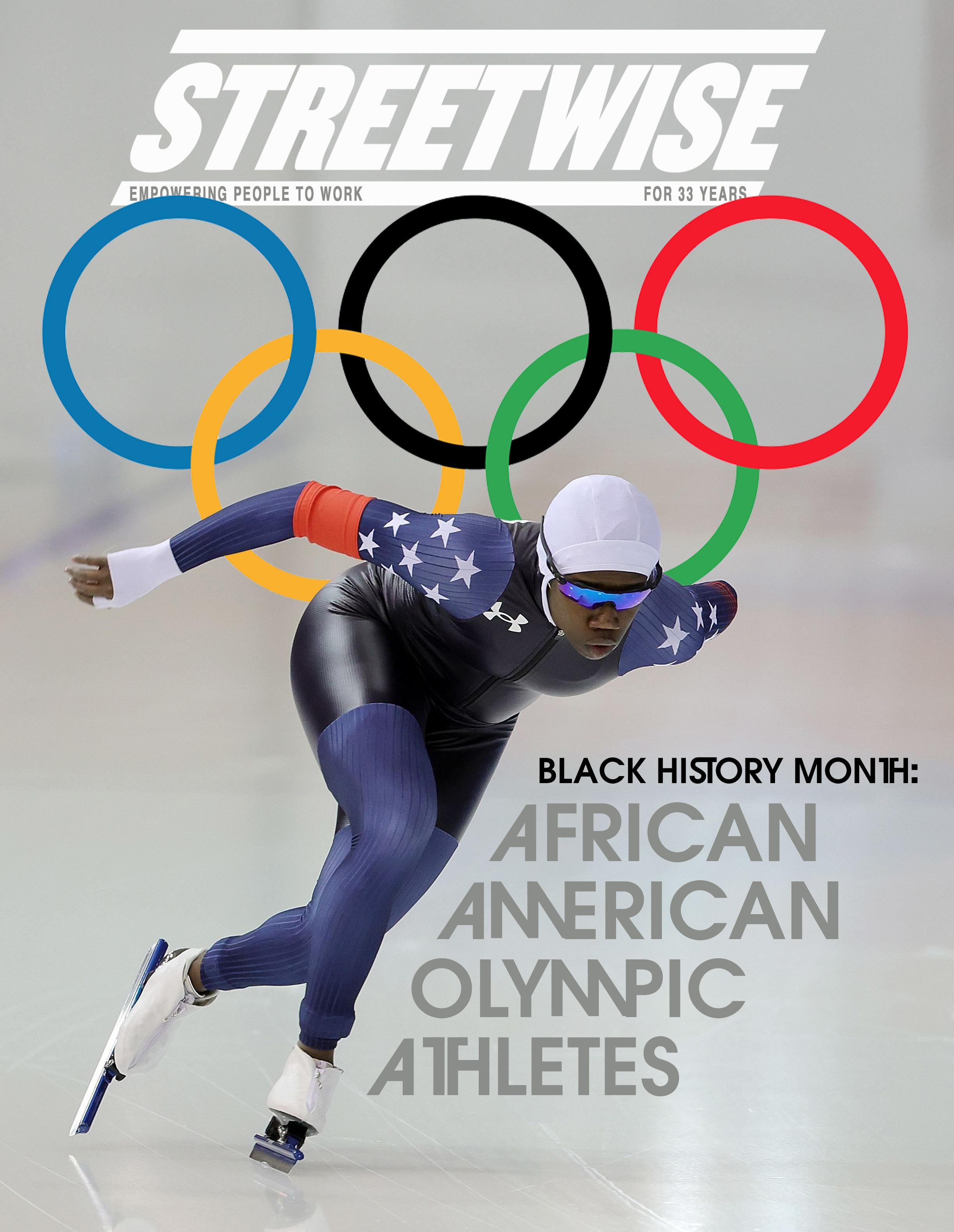
Cover Story: black u.s. olympic athletes
In a feature for Black History Month, we showcase Black Olympians, from the first medal winner in 1904 to the first African American participants in the Winter Olympics, and now the Milan-Cortina Games running February 6-22.
From the streets
It is not illegal to be homeless in Chicago, a spokesperson for the City of Chicago Law Department and other city officials told StreetWise in regard to an encampment in Chinatown. The Chicago Coalition to End Homelessness says that the basis of the Illinois Homeless Bill of Rights is the Fourth Amendment to the U.S. Constitution, which guards against unreasonable searches and seizures by the government.
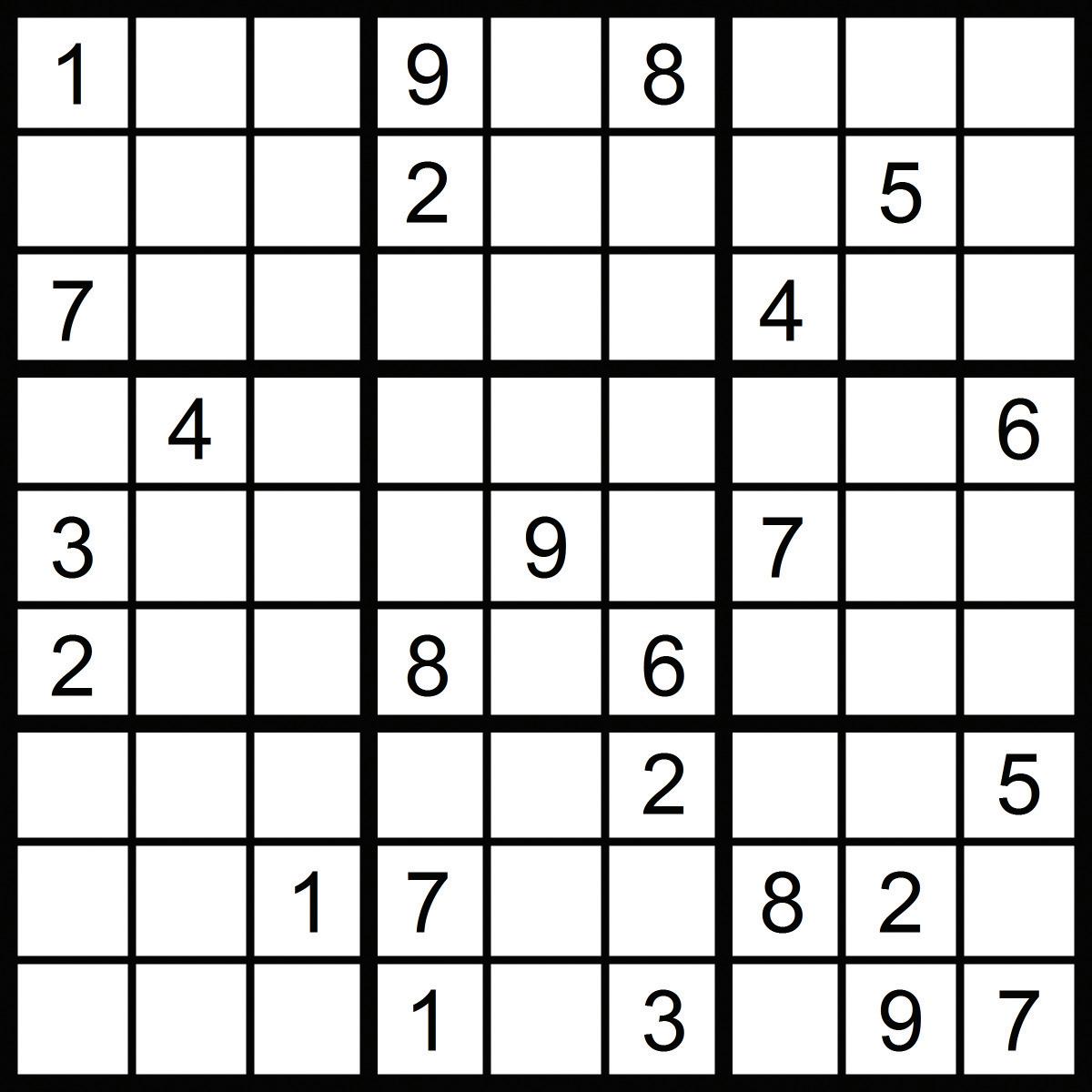
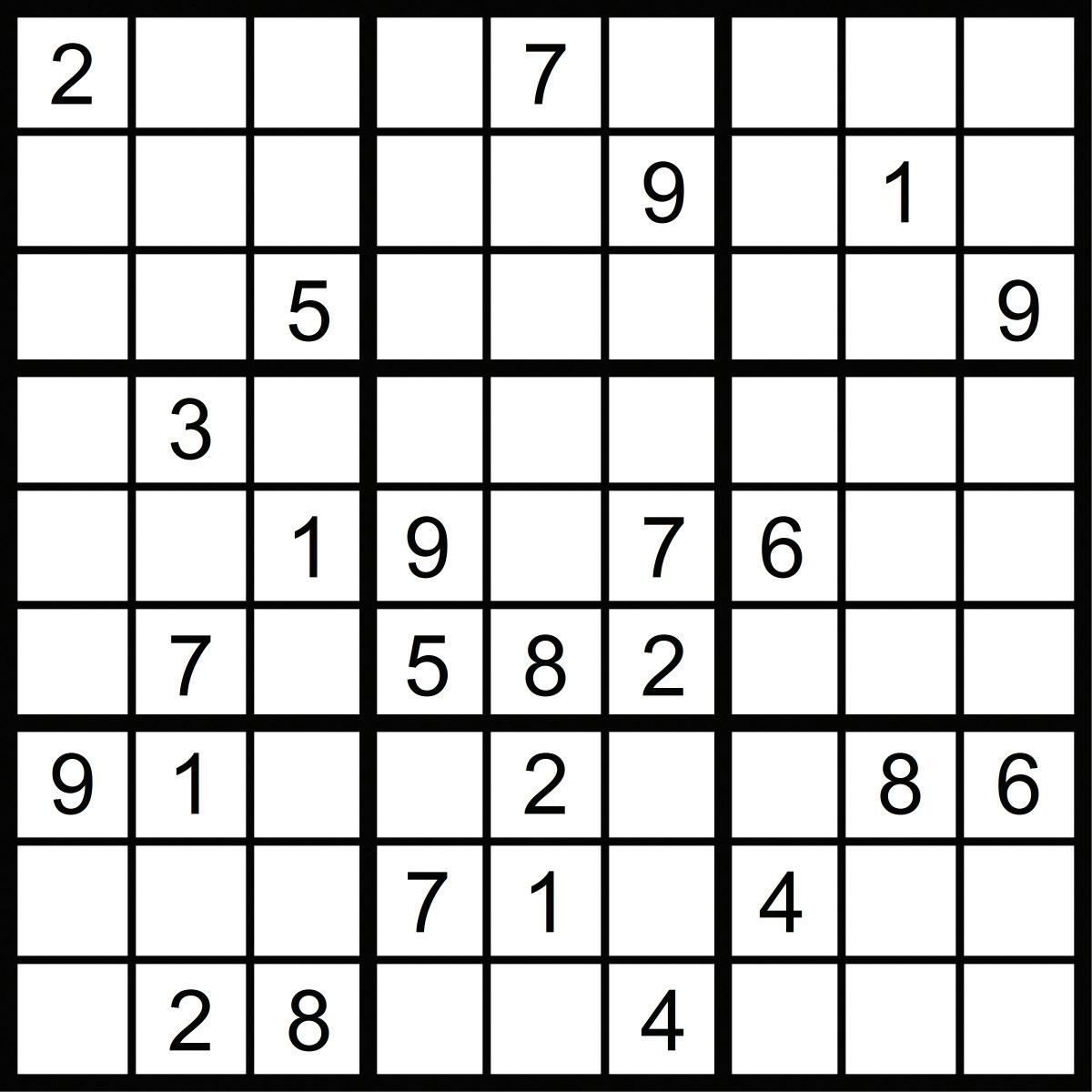
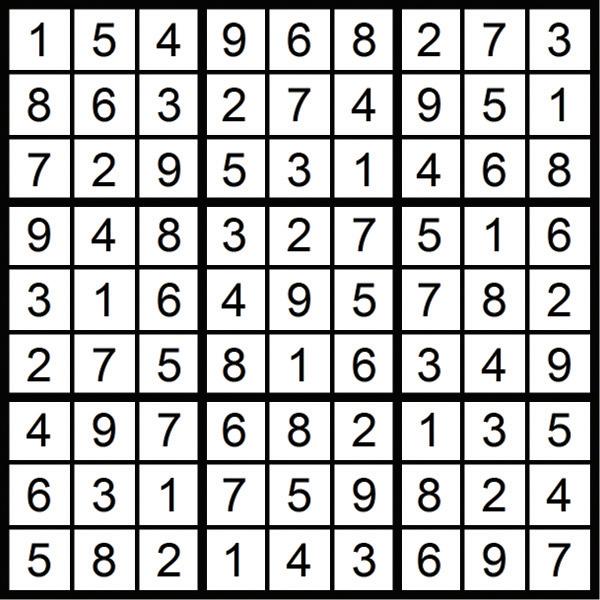
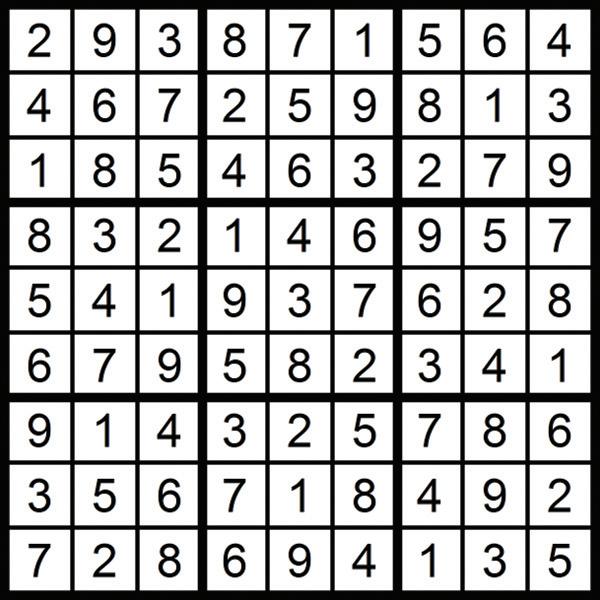
The Playground
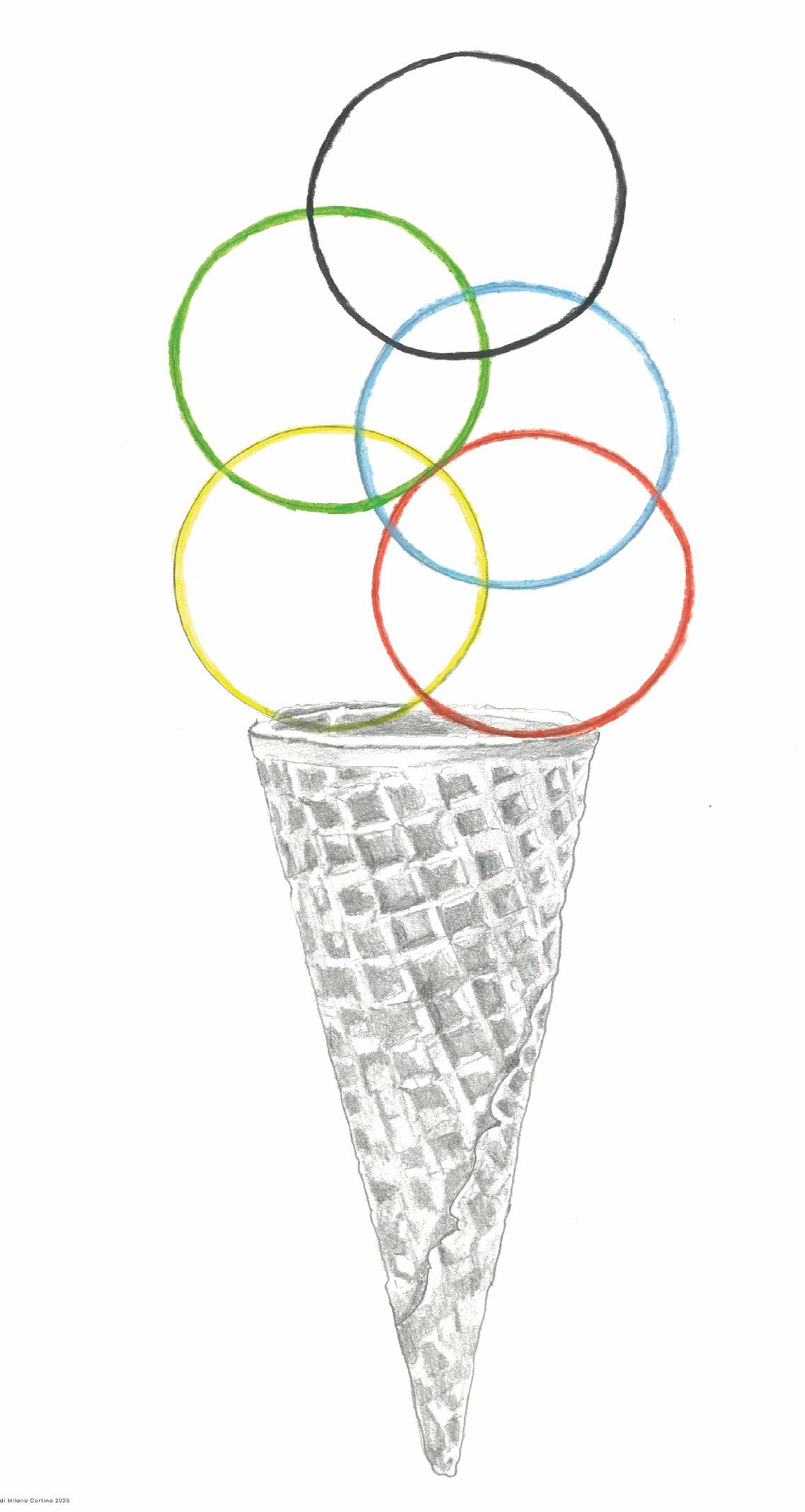
ON THE COVER: Erin Jackson competes in the Women's 1,500m event during the US Speedskating Long Track Olympic Trials (Stacy Revere photo). THIS PAGE: An Olympic Art Poster by Giorgia Garzilli. Her artwork features a cone topped by five overlapping Olympic rings like ice cream scoops – a joyful image of sharing and celebration, evoking the Olympic torch. (courtesy of the IOC). DISCLAIMER: The views, opinions, positions or strategies expressed by the authors and those providing comments are theirs alone, and do not necessarily reflect the views, opinions, or positions of StreetWise.
Dave Hamilton, Creative Director/Publisher dhamilton@streetwise.org
Julie Youngquist, Executive director jyoungquist@streetwise.org
Ph: 773-334-6600 Office: 2009 S. State St., Chicago, IL, 60616
ARTS & ENTERTAINMENT RECOMMENDATIONS
Compiled by Dave Hamilton
Fight the System!
‘Confederates’
Sandra is an accomplished professor, comfortable in her position until a racist cartoon is nailed to her office door; Sara is a slave in the Deep South, fighting for her freedom and spying for the Union as the nation is pulled into Civil War. Despite the century between them, each woman raises her voice against the institutions of racism and misogyny that hold them back. Dominique Morriseau’s (author of “Detroit ’67” and “Skeleton Crew”) “Confederates” leaps through time to trace the identities of these two Black American women and the truths that bond them. Playing through March 8 at Redtwist Theatre, 1044 W. Bryn Mawr Ave. Tickets are $45, Fridays are pay-what-you-can ($10 minimum) at RedtwistTheatre.org
Latin Choreographers!
‘Inside/Out: Nuestras Voces (Our Voices)’
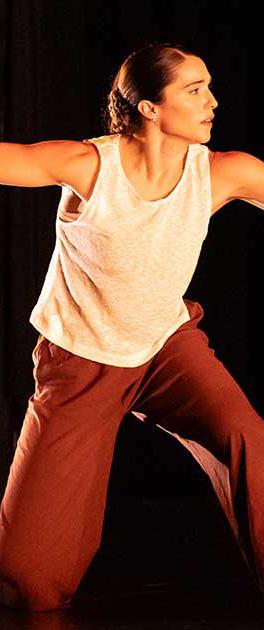
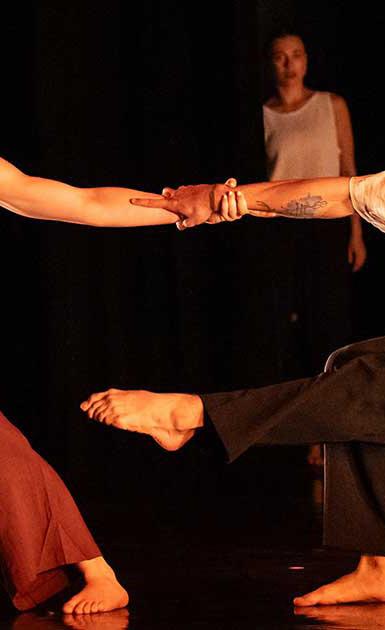
Chicago's Cerqua Rivera Dance Theatre returns to Old Town School of Folk Music, 4545 N. Lincoln Ave., with its innovative Inside/Out series - this time unpacking 2 new pieces by emerging Latinx choreographers. “Los Immigrantes” by Ruben Andrés Castillo Gomez explores his journey as an immigrant from Mexico and the culture shock he experienced at college. “La Guerrera” by Lilia Castillo Gomez is based on the women in her family who immigrated to the US from Cuba. Members of Cerqua Rivera's professional Dance Ensemble will perform segments of the works and choreographers Andrés and Lilia will discuss their creative process. One-night-only, February 19 at 7:30 p.m. Tickets are $23-$25 at CerquaRivera.org/schedule
Work it, Girl!
‘Pot Girls’
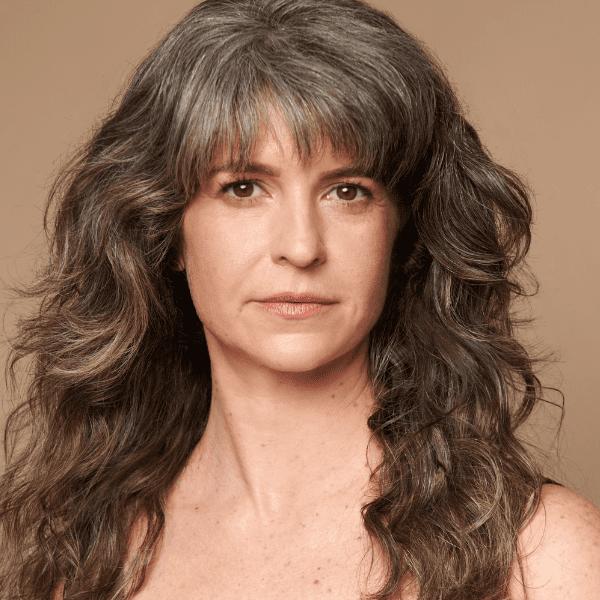
Caryl is getting her first big production with a smart, sexy new play that centers on women in the workplace. Her nearest and dearest friends – an assortment of feminist writers from throughout space and time – come to her home to party. But when the party’s over and Caryl is presented with the ways her new play may be causing harm, she must decide whether or not she’ll learn from history or else abdicate her responsibility altogether. W hat is the role of critique in creation? Can we judge the artist’s politics by the artwork’s problems? And is any art really activism? Playing February 12 - March 1 at Raven Theatre, 6157 N. Clark St. Tickets are $20 - $48 at thestorytheatre.org
Music to Your Ears!
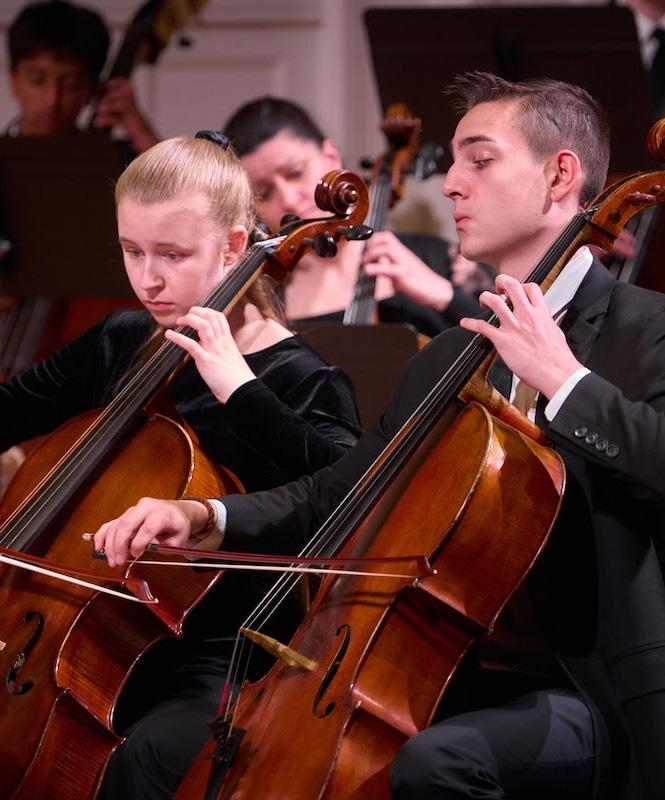
The Music Institute of Chicago Academy Concert
Recognized for excellence, a respected coaching faculty, and top awards and medals at regional and national competitions, the Chamber Music program at the Music Institute of Chicago trains students who this year have already placed among the top musicians in the 2026 YoungArts Competition, the Music Teachers National Association Illinois Competition, the 2025 Sejong Cultural Society Music Competition, the Illinois State Music Teachers Association Piano Competition, the Chicago Chamber Music Festival Concerto Competition 2025, and more. Enjoy a FREE performance February 7, 7:30 p.m., at Nichols Concert Hall, 1490 Chicago Ave., Evanston.
World Premiere!
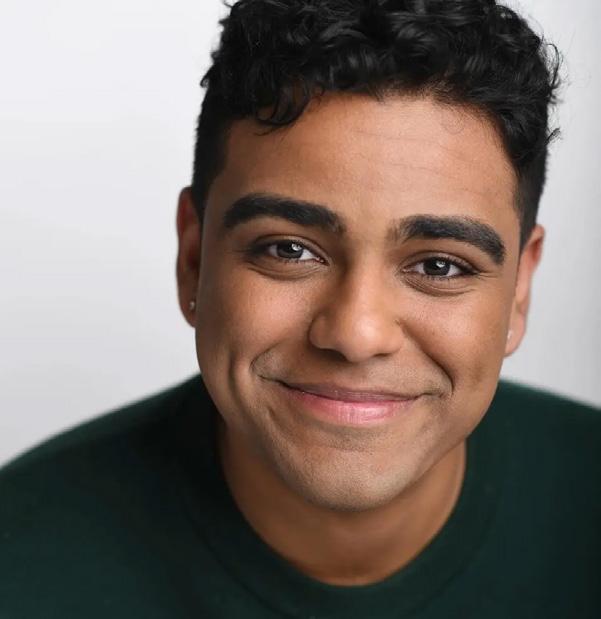
‘The Brief Wondrous Life of Oscar Wao’ Oscar knows that a nerdy Dominican college freshman isn’t anyone’s idea of a romantic hero. But with the encouragement of Yunior, his new roommate, he is determined to give love another chance. As Oscar sets out from New Jersey to Santo Domingo to prove his undeniable hope, can he shake the dark “fukú” that has haunted his family for generations? Junot Díaz’s novel comes to vivid life in this English-language world-premiere adaptation—a celebration of risk and the power of perseverance against all odds. Playing February 21 - April 5 at Goodman Theatre, 170 N. Dearborn St. Tickets are $34 - $94 at goodmantheatre. org/oscar
A Maverick Legacy!
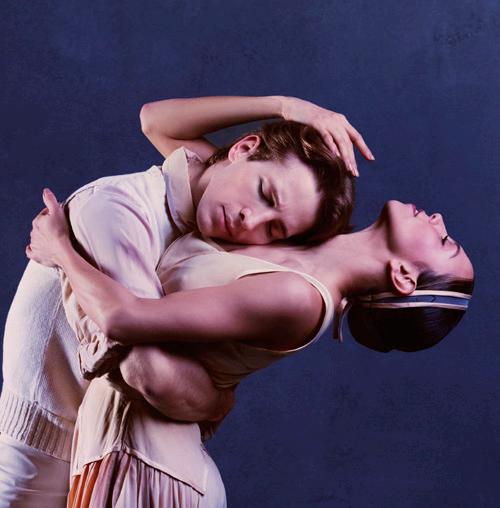
‘American Icons’
The Joffrey Ballet presents “American Icons,” a program of dynamic works by four trailblazing artists of the 20th century: The Joffrey Ballet co-founders Robert Joffrey and Gerald Arpino, founding Joffrey alum Glen Tetley, and prolific dance pioneer Martha Graham. Witness the daring and enduring spirit that defines the Joffrey's maverick legacy for ten performances only, February 19 - March 1, at the Lyric Opera House, 20 N. Upper Wacker Drive. Tickets start at $46 at joffrey.org
Stanley Would be Proud!
‘Kubrickian’
Trapped in a white space, three men who should be focused on escape or explanation can’t seem to stop talking about acclaimed film director Stanley Kubrick. This trippy existential show is a haunting and hilarious look at masculinity, creativity, and capitalism. Playing February 13 - March 15 at The Factory Theater, 1623 W. Howard St., Fridays & Saturdays at 8 p.m.; Sundays at 3 p.m. Tickets are $30 at 312-275-5757 or The FactoryTheater.com
‘Mary Jane’
A Story of Resilience!
Mary Jane is a resilient young mom caring for her chronically sick child. Despite the mundane daily grind and sometimes unthinkable reality of his illness, she finds herself building a community of kind and caring women from all walks of life. USA Today and the Chicago Tribune called Pulitzer Prize and Tony Award nominee Amy Herzog’s “Mary Jane” one of the Top 10 Broadway plays of 2024. It’s a compassionate portrait of caregiving and a testament to the importance of ordinary human kindness. Playing at Northlight Theatre, 9501 Skokie Blvd., though February 22. Tickets at northlight.org or 847.673.6300.
The Art of the Book!
‘Yooshin Park: Prompt and Prompted’
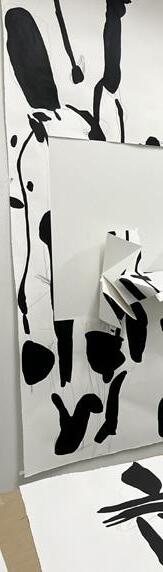
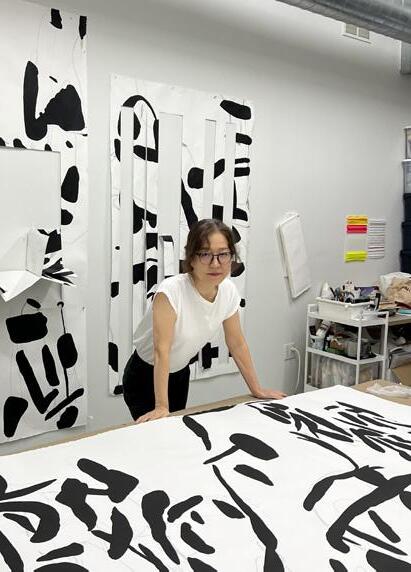
Hyde Park Art Center, 5020 S. Cornell Ave., presents “Yoonshin Park: Prompt and Prompted,” an exhibition highlighting the artist’s, as well as her students’, experimental ways of creating artist books that push the boundaries of what books can be. On view through May 10, the exhibition offers hands-on experiences for the audience to make their own artist books on multiple dates throughout the duration. Both the exhibition and the public programs open to the public. FREE.
All that Jazz!
Chicago Jazz Winter Fair
While summer is often synonymous with festival season, the Jazz Institute of Chicago invites music lovers to experience that same vibrant energy in the heart of winter, February 20, at the Chicago Cultural Center, 78 E. Washington St. Guests can expect a full day of live performances (11:30 a.m. - 10 p.m.), thoughtprovoking panel discussions, a vendor fair, and a special closing performance honoring the legacy of Miles Davis as part of a centennial celebration of his life and influence. A $10 suggested donation provides full-day access to all performances and talks. Proceeds support the Jazz Institute of Chicago and its mission-driven programs.
The Game Changers
John: The Winter Olympics are here and we are going to talk about athletes who have done something for good.
Allen : Muhammad Ali was in the Rome Olympics in 1960. He won the gold medal in the light heavyweight division over Poland, which had a great guy. In his autobiography, he said he threw his gold medal in the Ohio River back in Louisville, Ky after he was refused service at a diner because he was frustrated with the racial discrimination he faced back in his hometown. But in 1996, the International Olympic Committee replaced his medal, and he lit the torch for the Atlanta Olympics. He’s a hero in my sight because not only was he a good boxer in the ring but he was an activist throughout his career, beginning with the Olympics.
Russell: The 1976 Montreal Summer Olympics U.S. Box-
ing Team with Leon Spinks, Howard Davis Jr. and Sugar Ray Leonard swept the gold. I didn’t see Muhammad Ali box in the Olympics; that was before my time. I didn’t see Joe Louis, Rocky Marciano, Sugar Ray Robinson. But in my era, Ali beat George Foreman.
John: Laila Edwards is set to become the first Black woman to play Olympic ice hockey for the U.S. She was born in Cleveland Heights, Ohio on Jan. 25, 2004 and left at age 13 to attend high school in Rochester NY because Bishop Kearney HS had an elite ice hockey program for girls. She recorded 38 goals and 59 assists for an under-19 team in 2021-22.
Beginning her collegiate career at the University of Wisconsin in the 2022-23 season, she received 13 goals and 14 assists in 41 games and was named WCHA AllRookie. In her junior year,
in 2024-25, she had 35 goals – the most by any Wisconsin Badger since Brianna Decker with 37 in the 2011-12 season. Edwards recorded a hat trick (three goals) while helping Wisconsin finish its national championship game in 2025; she helped the Badgers win national titles in 2023 and 2025, runner up in 2024. In 2025, she was on the U.S. team that won gold at the IIHF Women’s World Championships, switching to defense after playing forward.
Allen : Muhammad Ali went on to become a professional boxer and his world heavyweight title was revoked in 1967 for refusing to enlist in the armed services for religious reasons during the Vietnam War. It was reinstated in 1971, after which he defeated Foreman and Spinks to become threetime world champion. I also want to mention Jesse Owens in 1936, Berlin, Germany.
He won four gold medals: three in races and one in the long jump.
Russell: I want to mention the 1980 Winter Olympics in Lake Placid, the “Miracle on Ice.” The U.S. hockey team -everyone thought they were the underdog – but they stunned the whole world and beat the powerful, powerful Soviet Union. Two days later they went on to beat Finland for the gold. Sportscaster Al Michael was saying, “Do you believe?” I believed, and it was my moment.
John: If Laila Edwards helps the U.S. win a gold medal, she could be to women’s hockey what Caitlin Clark was to basketball. So let’s hope she can bring it on.
Any comments, suggestions or topic ideas for the SportsWise team? Email StreetWise Editor Suzanne Hanney at suzannestreetwise@yahoo.com
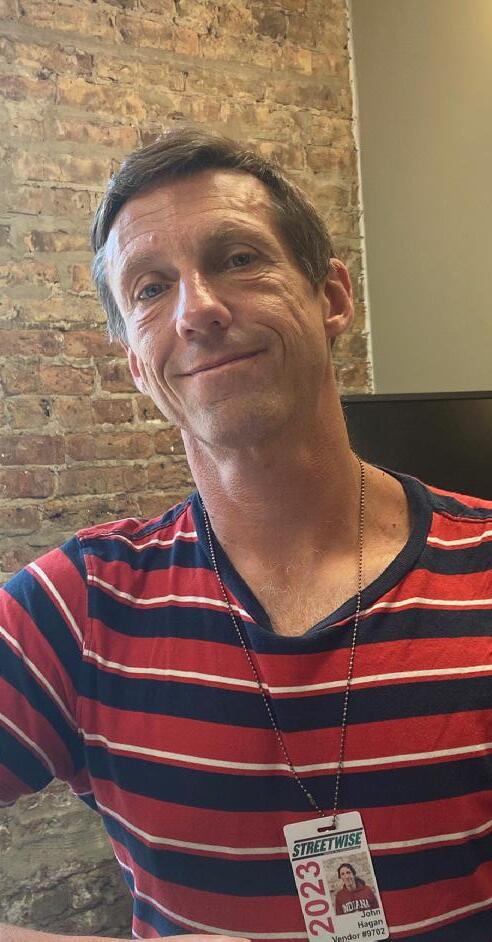
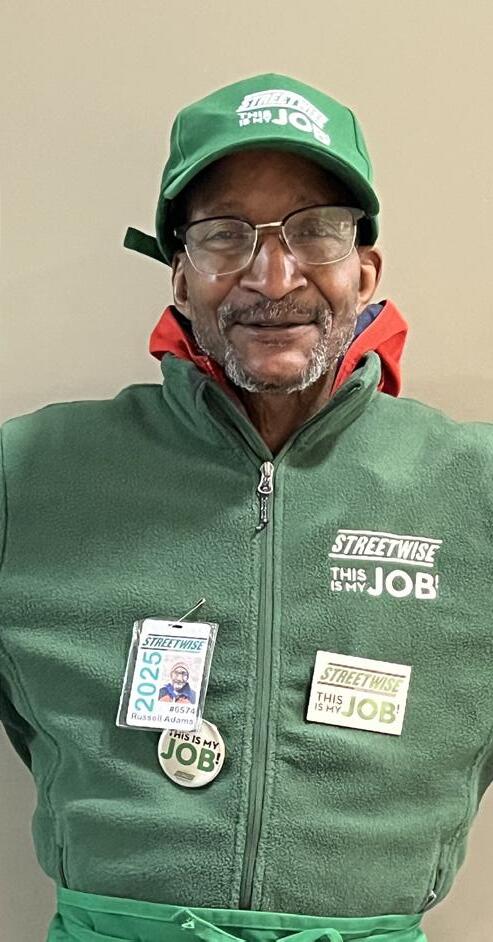
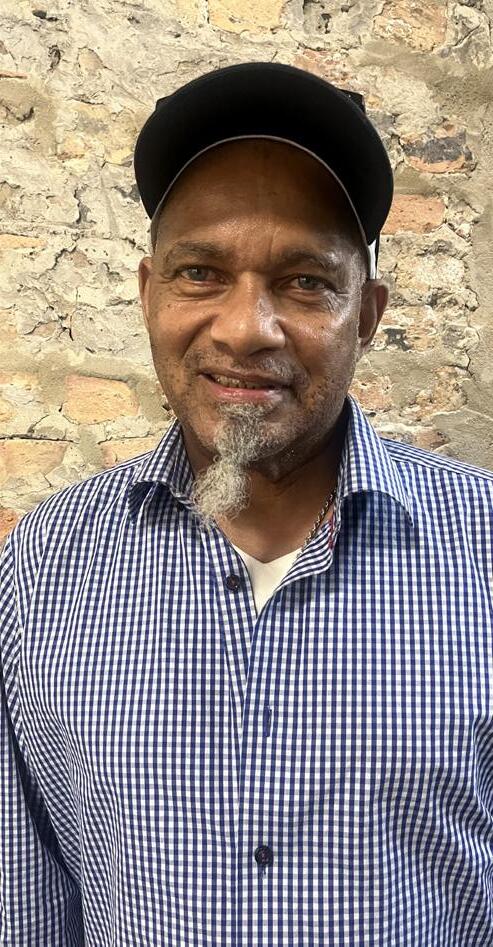
Vendors John Hagan, Russell Adams, and A. Allen chat about the world of sports.
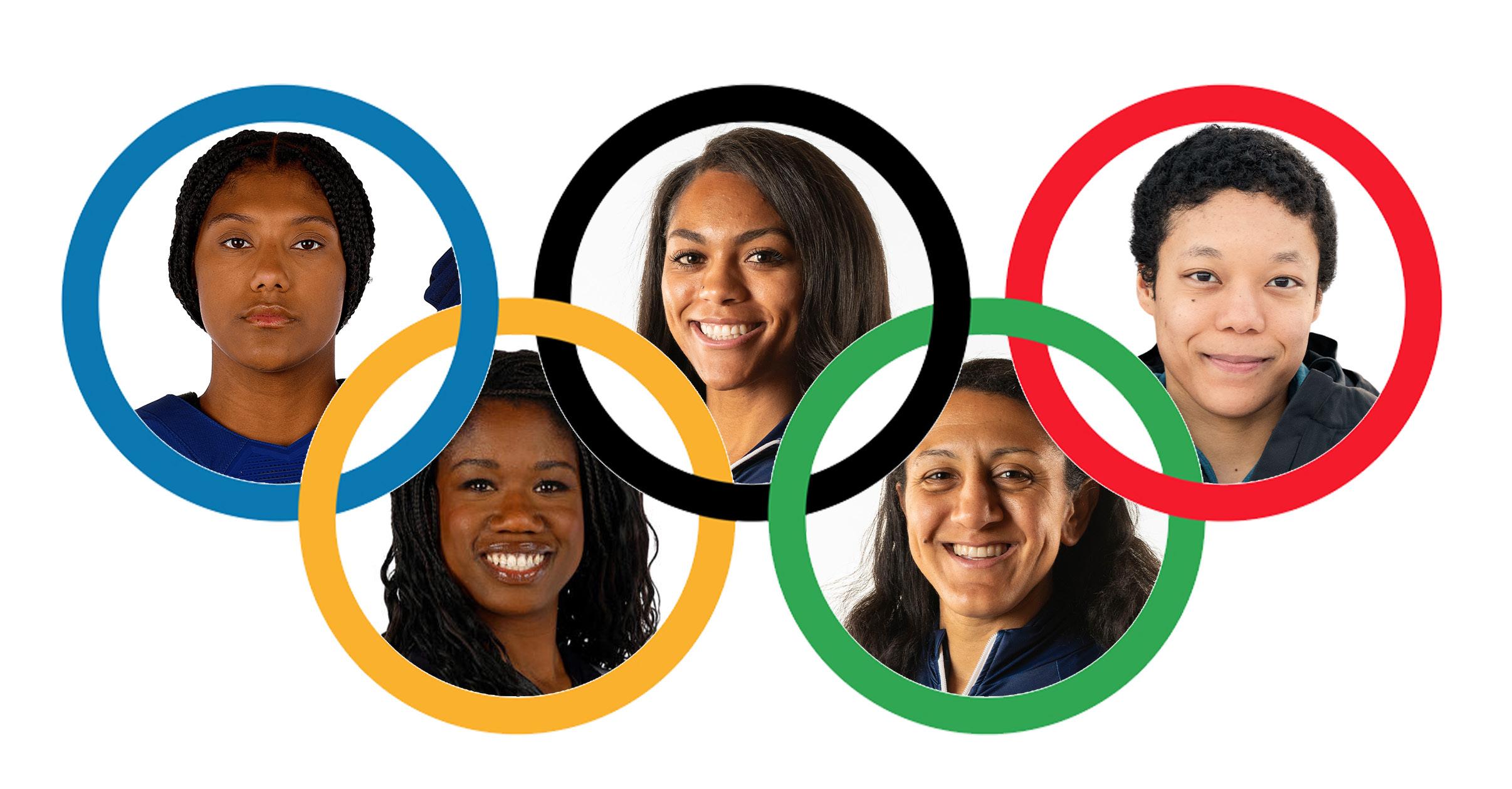
LAILA EDWARDS
is set to become first Black woman to play Winter Olympic ice hockey for Team USA at Milan Cortina 2026. The 21-yearold is in her final year at the University of Wisconsin.
ERIN JACKSON became the first Black American woman to win a medal in speed skating and the first Black woman to win an individual Winter Olympic gold at Beijing in 2022. This is her third Olympics.
KAYSHA LOVE won the first gold of the season last November at the World Cup in monobob, where a single athlete handles all aspects of the bobsled: pushing, driving and braking. She is the first Black woman to hold the world champion title.
ELANA MEYERS
TAYLOR is the most decorated Black athlete in Winter Olympics history. Since joining the U.S. national bobsled team in 2007, she has earned five Olympic medals — three silver and two bronze — across four Games. A powerful pilot known for her explosive starts and determination, Meyers Taylor has been a driving force in elevating women’s bobsled and advocating for greater opportunities in the sport.
MYSTIQUE RO was recruited by Elana Meyers Taylor via a sliding sports combine. Of Korean and African American ancestry, Ro ultimately chose skeleton over bobsled because of her smaller, 5-foot4-inch size. Skeleton racers begin with a standing start and race face-first at speeds up to 87 mph. She took silver at the 2025 world championships.
MEET THE BLACK ATHLETES OF TEAM USA HEADING TO THE 2026 OLYMPIC GAMES
by Suzanne Hanney / All images provided by Team USA
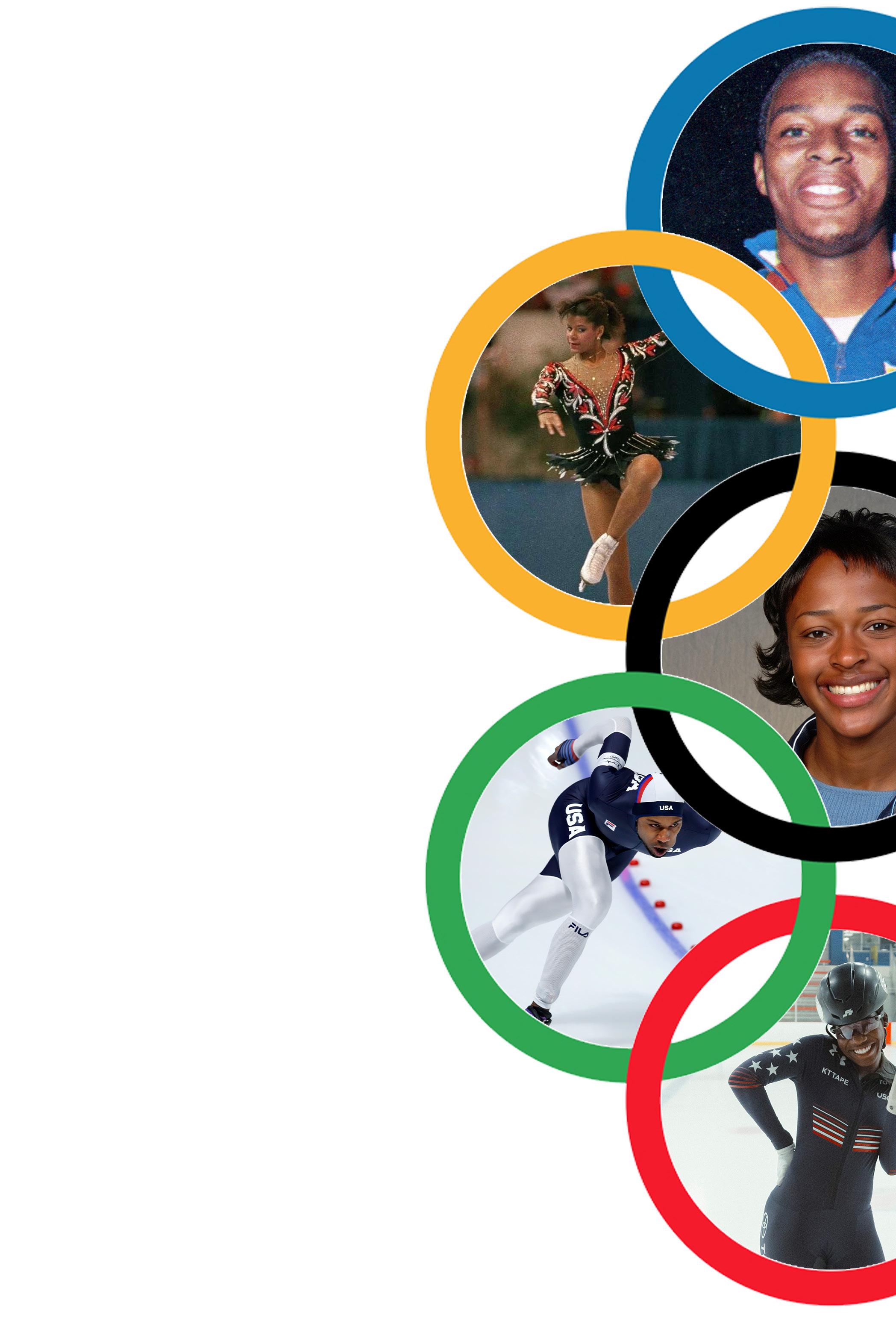
THE HISTORY OF AFRICAN AMERICANS AT THE WINTER OLYMPICS
Bobsledders WILLIE DAVENPORT and JEFF GADLEY were the first Black American Winter Olympians in 1980.
Davenport is part of a select group of athletes who have been in both the Winter and Summer Games. Davenport participated in the 110-meter hurdles at the Tokyo 1964 Olympic Games, won gold in the event in Mexico City in 1968, took fourth at the 1972 Munich Games –and bronze at the 1976 Montreal Games despite knee surgery the previous year that a doctor had said would end his running career.
At age 33, while Davenport was serving on an Olympic committee, bobsledder Al Hachigan sparked his interest in the sport. Davenport qualified for the Lake Placid 1980 Olympic Winter Games, even though he had never ridden an actual bobsled until two months before the Games. Davenport, Gadley and their teammates finished 12th in the four-man bobsled competition.
“There is a myth in this country that says Blacks can’t make the American Winter Olympic team,” Davenport told Jet magazine at the time. “Jeff and I proved this to be wrong that you don’t have to be rich and white to make it.”
They accelerated a line of accomplished Black “push athletes” converting from track to bobsled: hurdlers Edwin Moses and Renaldo Nehemiah, sprinter Lauryn Williams and hurdler Lolo Jones; NFL players Willie Gault and Herschel Walker.
DEBI THOMAS was the first skater of African descent to reach the top ranks of international skating. The 1988 Winter Olympics in Calgary come down to Thomas and East Germany’s Katarina Witt, who both skated their free program to “Carmen;” Witt won the gold and Thomas skated to a bronze.
Unlike most skaters who pursue a professional career, Debi Thomas returned to school to become a doctor, skating only a bit professionally to pay for her studies. She graduated from Stanford in 1991, and from Northwestern Medical School in 1997, then did a residency in orthopaedic surgery in Los Angeles. She sub-specialized with a fellowship in adult reconstructive surgery, doing total hip and knee replacement.
VONETTA FLOWERS was a sprinter and long jumper at the University of Alabama at Birmingham who turned to bobsledding. As the brakeman, she and Jill Bakken won the gold medal in the first women’s Olympic bobsled event at the 2002 Winter Olympics in Salt Lake City. In the process, she became the first Black athlete to win a gold medal in the Winter Olympics.
SHANI DAVIS, who spent his early years in Chicago’s Hyde Park and Rogers Park and initially trained in Evanston’s Robert Crown Center, became the first world-class speed skater of African-American heritage and the first Black to win an individual gold medal at the W inter Olympics: the 1,000-meter; he also won a silver in the 1,500, both at the Turin Games of 2006. Four years later, Davis had the exact same results at the Vancouver Games. He competed again in Sochi in 2014 and PyeongChang in 2018.
MAAME BINEY was first Black woman to qualify for a U.S. Olympic speed skating team, competing in PyeongChang 2018 and in Beijing 2022.
AFRICAN AMERICANS AT THE OLYMPICS
GEORGE POAGE – FIRST BLACK AMERICAN OLYMPIC MEDALIST
Only 12 nations were represented at the 1904 Games in St. Louis, and American civil rights leaders urged Black athletes to boycott the Olympics because attendees would be segregated. George Poage, however, seemed to feel it would make a bigger statement to participate.
The 23-year-old Poage placed third in both the 200-meter hurdles and 400-meter hurdles, winning two bronze medals and becoming the first Black American Olympic medalist.
Poage had been salutatorian of his class at La Crosse High along the Wisconsin-Minnesota border and he received a degree in history from the University of Wisconsin. He was the first Black athlete to win a race in the Big Ten Conference track championships.
Following the Games, Poage stayed in St. Louis as a high school principal and then as a teacher. Ten years later, Poage moved to Minnesota and later to Chicago, where he worked in a restaurant and then 30 years as a clerk for the U.S. Postal Service. Poage retired in 1953 and died in 1962 at age 81.
Steve Carlyon, parks and recreation director for the City of La Crosse from 2007 to 2018, was listening to a talk radio station during the London Olympics of 2012. A caller discussed a letter to the editor that asked why La Crosse had not honored Poage, one of its most accomplished natives.
Carlyon thought: What if they could rebuild a south side park with top-of-the-line amenities and rename it in honor of the first Black American to win an Olympic medal?
The $1.4 million renovation included new playground equipment, a shelter and a huge splash pad, as well as a sculpture of Poage. A storyboard chronicles Poage’s life, from being born in Hannibal, MO to relocating in La Crosse, where his parents worked for and lived with some of the wealthiest families in town. The park has helped revitalize its neighborhood.
“At certain times, it just seems to be the right thing to do,” said David Waters, retired professor at Viterbo University in LaCrosse, who wrote the letter to the editor. “For children here to learn about a local runner, ‘Hey, boys and girls, you can do that too.’”
JOHN TAYLOR WAS THE FIRST BLACK GOLD MEDALIST, IN RELAY AT THE LONDON OLYMPICS, 1908.
During his student years at the University of Pennsylvania, John Baxter Taylor, Jr.’s stride measured 8 feet 6 inches, the longest of any runner yet known at that time. He was indisputably the best collegiate quarter-miler, establishing the world’s interscholastic record of 49.1 seconds for 440 yards in 1903 and setting a new record of 48.6 seconds four years later.
At the 1908 Olympics shortly after his graduation in veterinary medicine from Penn, Taylor brought home the gold as a member of America’s 1600-meter (one-mile) relay team; he and his teammates Nathaniel John Cartmell, Melvin Sheppard, and William F. Hamilton set a world record.
Taylor died of typhoid pneumonia a few months later, on Dec. 2, 1908.
WILLIAM DEHART HUBBARD WAS THE FIRST INDIVIDUAL BLACK GOLD MEDALIST, FOR THE LONG JUMP AT THE PARIS OLYMPICS OF 1924.
He also represented the U.S. in the triple jump in 1924 and long jumped again at the 1928 Olympics.
Upon graduation from the University of Michigan in 1925, he worked as supervisor of the Department of Colored Work for the Cincinnati Public Recreation Commission until 1941. He then accepted a job as the manager of Valley Homes, a public housing project in Cincinnati. In 1942 he moved to Cleveland, where he served as a race relations adviser for the Federal Housing Authority.
He was president of the National Bowling Association during the 1950s. He also founded the Cincinnati Tigers, a professional baseball team in the Negro American League. He retired in 1969 and died in Cleveland in 1976.
THE 1930 s - 40 s
IN THE EARLY 1930S, RALPH METCALFE WAS THE PRIME U.S. SPRINTER, winning most national titles and tying world records for the 100- and 200-meter events. At the 1932 Los Angeles Olympic Games, he won a silver medal in the 100m and a bronze in the 200m.
His gold medal in the 4x100m relay at the 1936 Berlin Games was on the team anchored by Jesse Owens; along with Foy Draper and Frank Wykoff, they set a world record of 39.8 seconds. He also took second to Jesse Owens in the 100m – just one-tenth of a second behind Owens, who clocked 10.3.
Metcalfe later taught political science and coached track at Xavier College in Louisiana before becoming a successful businessman in Chicago. In 1949, he became a Chicago alderman before being elected to Congress in 1970 and co-founding the Congressional Black Caucus (CBC) in 1971. He also introduced a resolution in Congress officially designating Black History Month in 1976. He died Oct. 10, 1978.
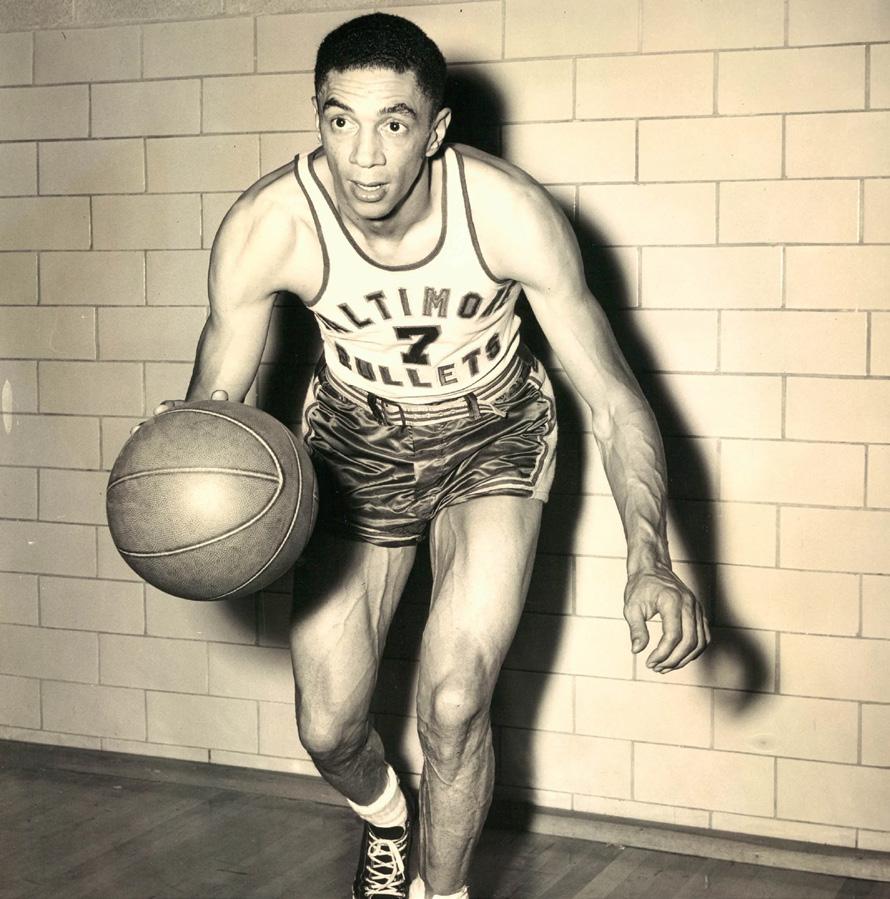
DON BARKSDALE WAS THE FIRST BLACK TO PLAY ON THE U.S. OLYMPIC BASKETBALL TEAM, IN 1948 IN LONDON. Unfortunately, Blacks were not allowed in the NBA at the time, so he could not turn pro immediately afterward.
A 6-foot 6-inch, UCLA graduate, Barksdale played AAU ball with the Oakland Bittners before the ban was lifted. He played two years in the NBA with the original Baltimore Bullets and was the top player on that team – averaging 12.6 and 13.8 points per game in the days of much lower scores. He was then traded to the Boston Celtics in 1953 and was selected for the All-Star Game, before playing two more years.
After his retirement from pro basketball, he worked as a real estate investor and nightclub and radio station owner.
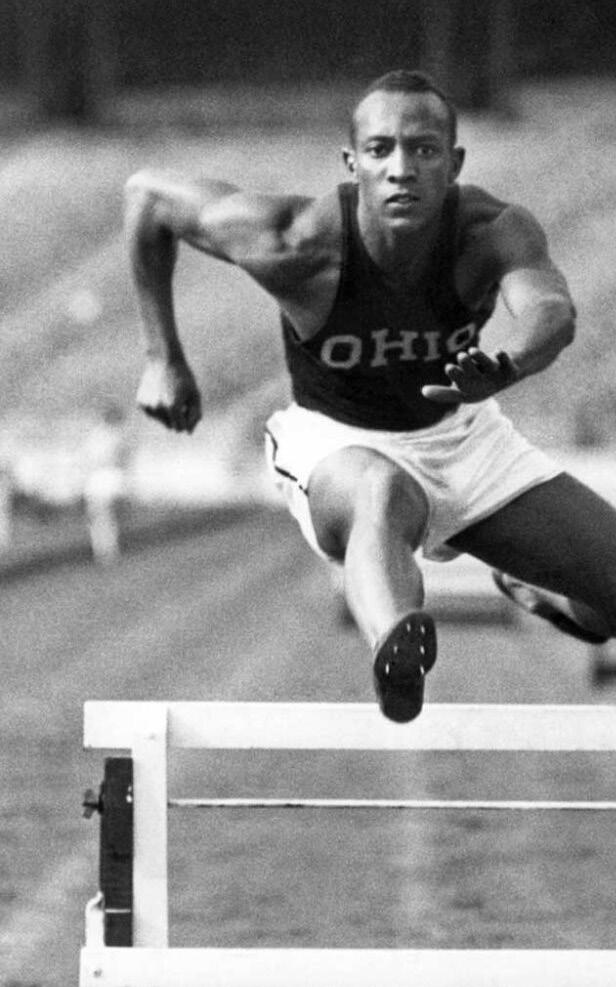
JESSE OWENS WAS THE FIRST AMERICAN OF ANY RACE TO WIN FOUR GOLD MEDALS IN TRACK AND FIELD IN A SINGLE OLYMPICS.
As star of the 1936 Summer Olympics in Berlin, Owens thwarted German Chancellor Adolf Hitler’s plans to showcase his white Aryan regime. Owens coasted to a gold medal in his first event, the 100-meter dash; followed with a victory in the long jump; set an Olympic record in the 200-meter dash en route to a third gold medal; and won his fourth by running the opening leg of a record-shattering U.S. 4x100 relay performance.
Although it was largely reported that Hitler "snubbed" Owens for upstaging the Aryan athletes, Hitler simply responded to a request to treat winners equally. He declined to publicly congratulate anyone after the first day of competition, according to brittanica.com. Sports reporter and author Paul Gallico, however, wrote from Berlin that Owens and Hitler exchanged waves, which Owens confirmed later.
Owens’ life became difficult in the Depression era following the Games. Already the married father of a daughter, he declined an invitation to compete in Sweden immediately afterward with fellow 1936 stars, lured by several lucrative commercial offers back in the U.S. That caused his amateur status to be swiftly withdrawn; commercial offers dried up.
He then challenged small-time sprinters at local meets to races for cash, giving them a 10-20 yard-head start before beating them comfortably. He also raced against motorbikes, cars, trucks and finally, horses.
“Sure it bothered me,” he said later in life. “But at least it was an honest living. I had to eat.”
Owens also worked as an elevator operator, gas station attendant, playground director and manager of a drycleaning firm.
Serving as playground director in Cleveland, he began a lifetime of working with underprivileged youth. After relocating to Chicago, he was a board member and former director of the Chicago Boys’ Club.
In the 1950s he began to give speeches to corporations including the Ford Motor Company and, in time, the U.S. Olympic Committee. He opened his own public
Jesse Owens
Don Barksdale
relations business as he became a sought-after figure, travelling across the USA emphasizing the importance of sportsmanship, health and love for one’s country.
In 1976 Gerald Ford awarded Owens the Presidential Medal of Freedom. In 1979 President Jimmy Carter bestowed the Living Legend Award. In 1990, George HW Bush posthumously awarded Owens the Congressional Medal of Honor.
Owens died of lung cancer at age 66 in 1980 in Tucson, Arizona and is buried at Oak Woods Cemetery in Chicago.
THE 1950s - 60s
SIXTEEN-YEAR-OLD WILMA RUDOLPH MADE HER OLYMPIC DEBUT ON THE U.S. 4X100M RELAY TEAM THAT CLAIMED A BRONZE MEDAL AT THE 1956 MELBOURNE GAMES.
The 20th of 22 children, Rudolph was paralyzed by polio as a young child, and contracted both scarlet fever and double pneumonia. Doctors felt she would never walk again, yet she believed otherwise. At 12, she became an athlete. Eight years later she was an Olympic champion. Rudolph won three gold medals at the 1960 Rome Games: in the 100m, 200m and 4x100m relay, breaking three world records in the process.
After retiring in 1962, she worked with underprivileged children and as a coach. She died from a brain tumor in 1994 at age 54.
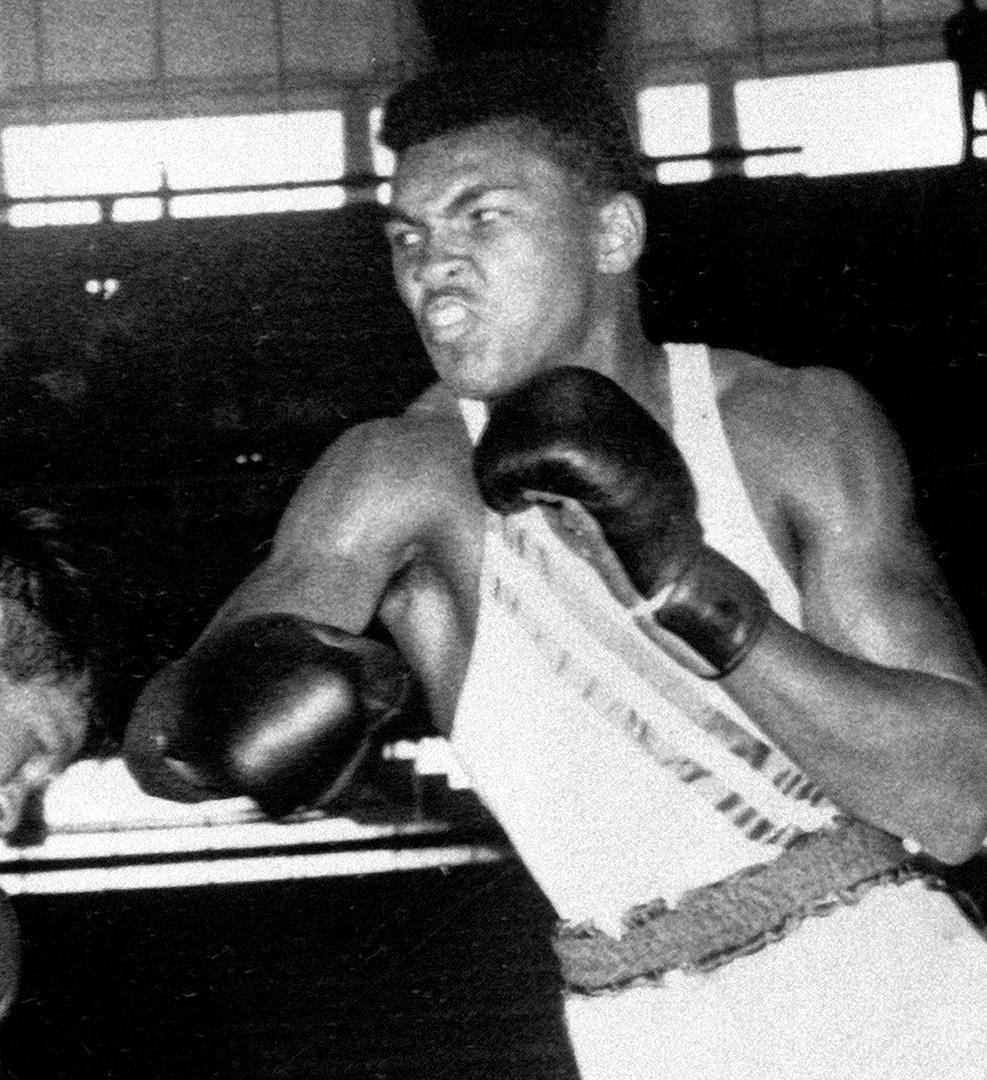
ALTHOUGH ONLY 18, CASSIUS CLAY (LATER KNOWN AS MUHAMMAD ALI) TRAVELED TO THE ROME OLYMPICS IN 1960 TO COMPETE AS A LIGHT HEAVYWEIGHT BOXER. Clay won all four of his fights easily. In the final he defeated threetime European champion Zbigniew Pietrzykowski to win the gold medal.
Championship for the first time in 1964, beating Sonny Liston. Over the next four years he defended his title nine times, converted to Islam and changed his name. He was stripped of his title in 1967, when he refused to be drafted into the U.S. Army, citing religious and personal beliefs. He did not fight again for 3½ years.
Ali regained his title in 1974 by knocking out George Foreman in a fight staged in the present-day Democratic Republic of Congo, (formerly Zaire) known as “the Rumble in the Jungle.” In 1975 he beat Joe Frazier in “the Thrilla in Manila.” He retired in 1981 with a professional record of 56 wins and 5 losses.
In 1996, Ali was chosen to light the flame during the Opening Ceremony of the Atlanta Olympic Games. He was honored with the United Nations Messenger of Peace award in 1998 for his humanitarian work. He died June 3, 2016.
TOMMIE SMITH SET A WORLD RECORD OF 19.83 SECONDS IN THE 200-METER RACE AT THE MEXICO CITY 1968 OLYMPIC GAMES, the first time that the 20-second mark was broken legally and a record that stood for nearly 11 years. Smith would later play three seasons of professional football with the Cincinnati Bengals.
As a professional, he won the heavyweight World
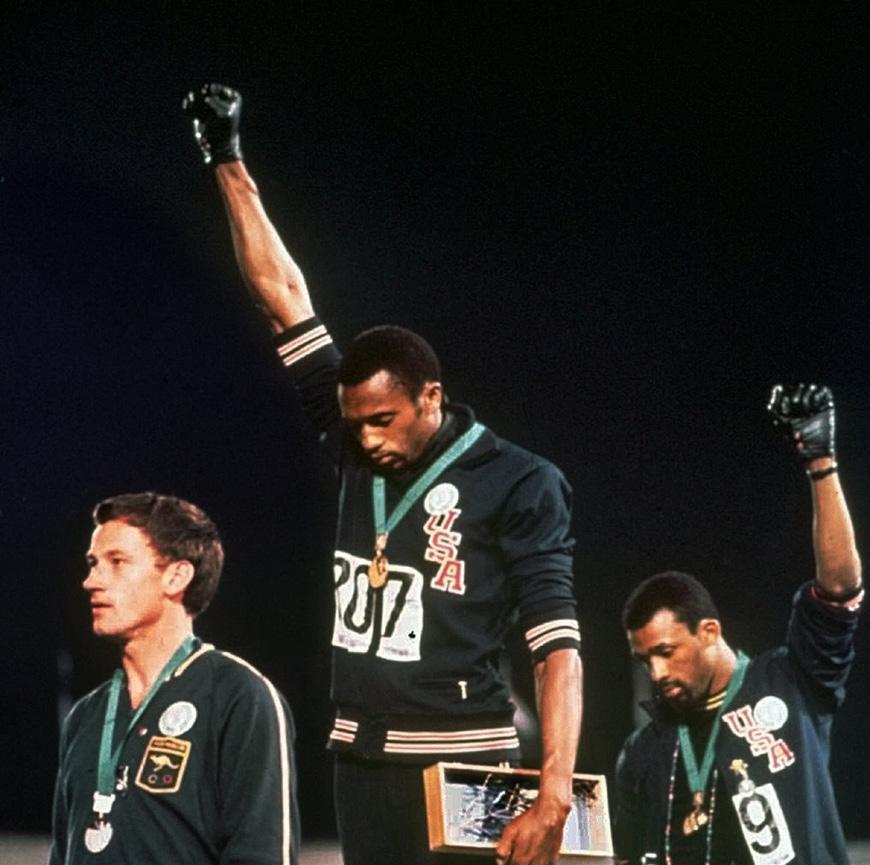
BUT GOLD MEDAL WINNER SMITH AND BRONZE MEDALIST AND OLYMPIC TEAMMATE JOHN CARLOS ARE REMEMBERED FOR THEIR MEDAL PODIUM PROTEST AT THE MEXICO CITY GAMES.
Members of the Olympic Project for Human Rights (OPHR), Smith and Carlos stood shoeless on the podium to protest Black poverty. Smith raised his right fist for Black Power. Carlos wore a bead necklace to protest lynchings and raised his left fist for Black unity. Their Olympic competition completed, they were suspended by the International Olympic Committee (IOC) and expelled from the Olympic Village for politicizing the Games.
Amateur Black athletes formed OPHR to organize a Black boycott of the 1968 Olympic Games and to expose U.S.
Cassius Clay
Tommie Smith (center) and John Carlos (right)
use of Black athletes to project a lie about race relations at home and abroad, according to the Zinn Education Project. OPHR sought to restore Muhammad Ali's heavyweight boxing title, remove Avery Brundage as head of the International Olympic Commitee, hire more Black coaches and disinvite the apartheid states of South Africa and Rhodesia from the Olympics. Ali's belt had been taken by boxing's powers-that-be earlier in the year for his resistance to the Vietnam draft. By standing with him, OPHR expressed its opposition to the war.
The broader boycott failed because the IOC recommitted to banning apartheid countries – and because athletes who had spent their lives preparing for the Games couldn’t give up the opportunity to compete.
MODERN TIMES
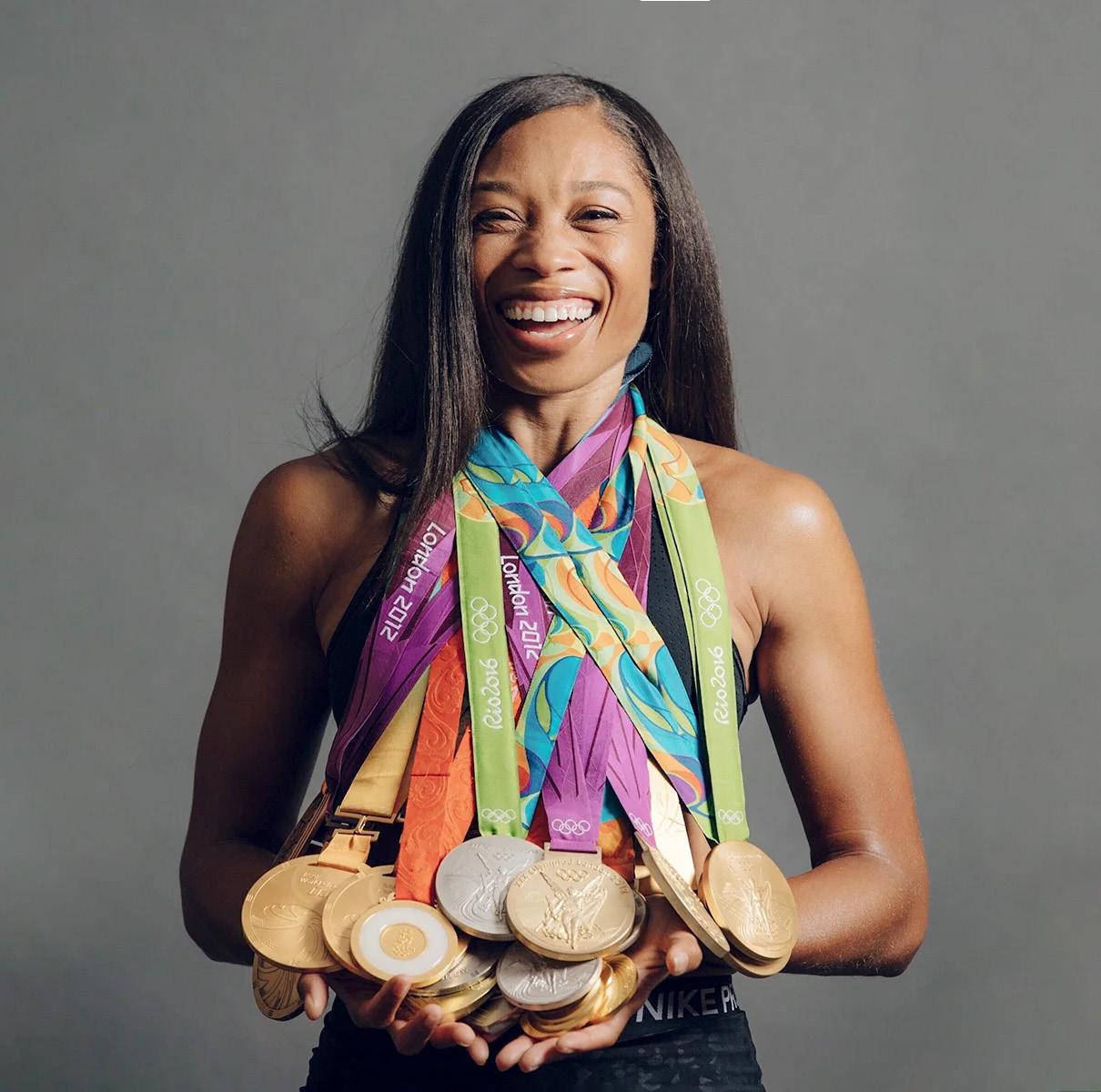
ACROSS FIVE OLYMPIC GAMES – ATHENS 2004 TO TOKYO 2020 – ALLYSON FELIX WON 11 OLYMPIC MEDALS, including seven gold, the most ever by a female track and field athlete.
Just 18 years old in Athens, she won silver in the 200 meters. Four years later in Beijing, she added another silver in that event and her first Olympic gold as part of the 4×400-meter relay.
At the Olympic Games London 2012, she won three gold medals: an individual title in the 200 meters, in the 4x400meter relay and a world-record performance anchoring
the 4×100-meter relay. She continued her success with golds in both those relays and an individual 400 in Rio 2016; another gold in the 4x400 and a bronze in the 400 in Tokyo 2020.
After publicly challenging sponsorship norms around maternity protections for athletes, she became a leading voice for gender equity and maternal health in sport.
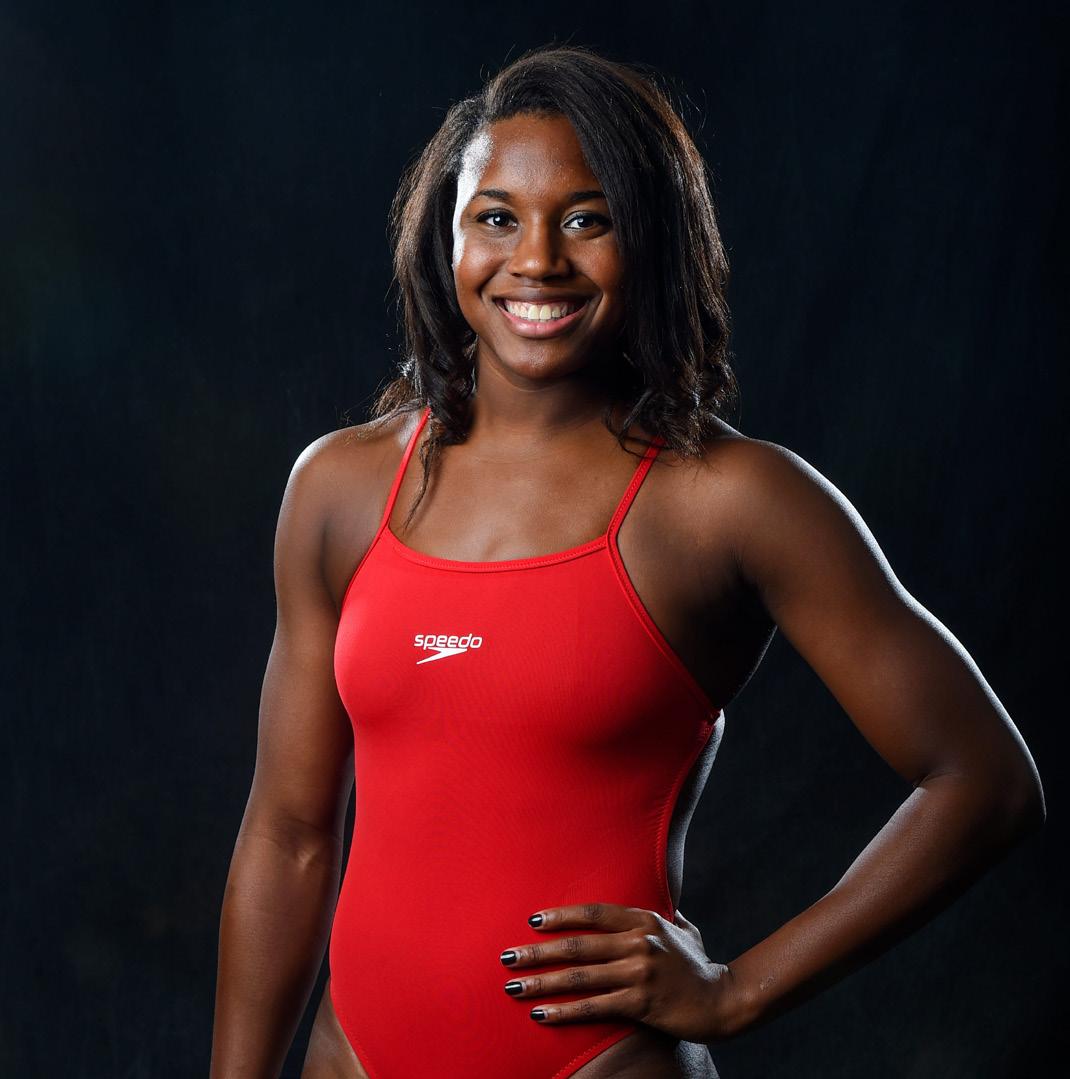
SIMONE MANUEL BECAME THE FIRST BLACK WOMAN TO WIN INDIVIDUAL GOLD IN SWIMMING AT THE 2016 GAMES IN RIO in the women’s 100m freestyle; she then won silver in the 50m freestyle.
She also anchored Team USA to gold in the women's 4x100m medley, and helped the women's 4x100m freestyle team to win silver.
Despite being diagnosed with overtraining syndrome, she was part of the bronze medal-winning women’s 4x100m freestyle relay at the Tokyo Olympic Games 2020.
At age 27, the Texas native came back to qualify for the relay at the 2024 Paris Olympics. Her finish left her threetenths of a second from competing, however.
In 2023, she started a foundation to provide education and resources around water safety and swim readiness for Black, Indigenous and people of color; drownings for Black people are 1.5 times higher than for whites, according to a CDC study. The reasons include lack of access to pools and money for swim lessons.
Simone Manuel
Allyson Felix
Residents of Chinatown tent city face hurdles
by Suzanne Hanney
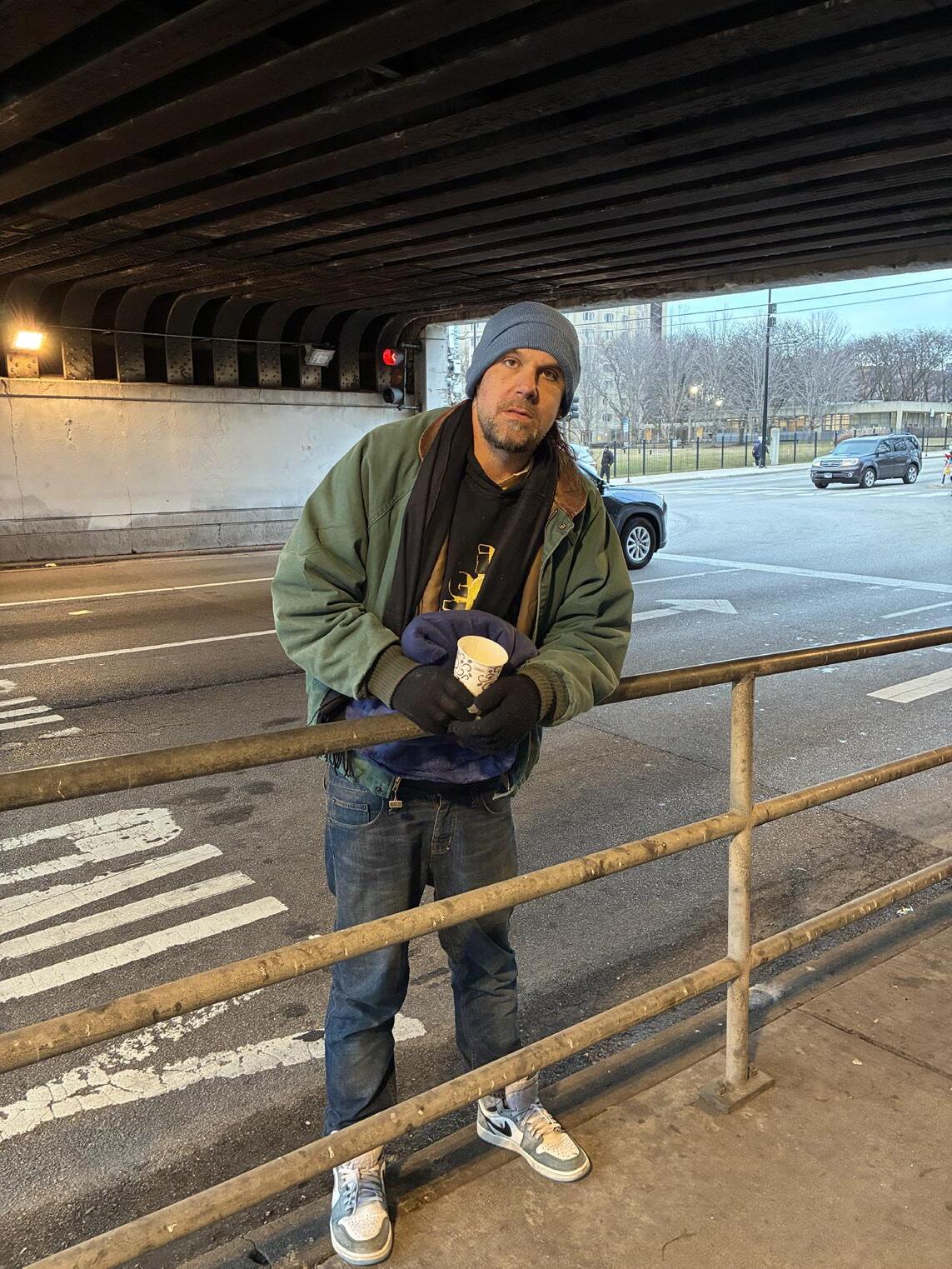
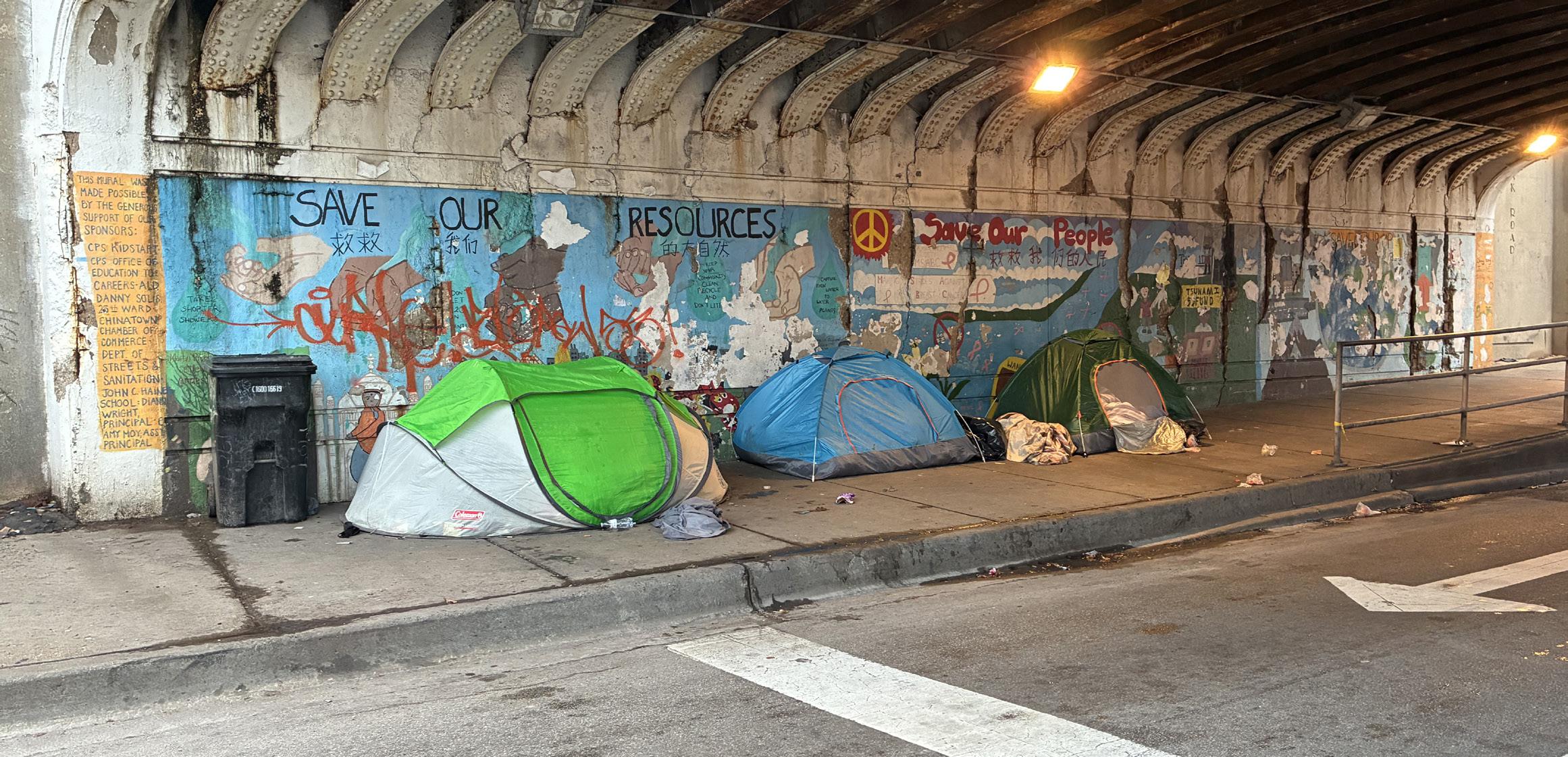
Charles, a resident of the Chinatown encampment underneath the Metra viaduct at Cermak Road between Clark Street and Wentworth Avenue, has been homeless off and on since 2008, after he had cancer and his wife left him. He said he used to work in programming.
“She took everything. Emptied my account, took my house, my vehicles.”
He doesn’t interact with social workers, because they “pretend to want to help.” Meanwhile, “most of the food I get is out of the trash.”
Neil, another encampment resident, meets regularly with a social worker from the Center on Housing and Health who is helping him to find a unit. One reason he has returned intermittently to the Chinatown encampment over the last six years is that local businesses and charitable people bring food – lots of it, and good quality. “I know I won’t starve here.”
Neil said he was a machinist and chef who got kidney disease that kept him from working, but he doesn’t qualify for Social Security disability pay. He had an apartment in Albany Park until the landlord lost Section 8 funding; Neil went to bridge housing in Pilsen and then to Austin, where his lease was not renewed 90 days ago.
Besides begging, Neil does sidework or sells at Swap-ORama for money. He gets bag lunches and showers at Catholic Charities in River North.
“I use whatever resources are around the city to survive. My health is getting better. I would like to go back to work but I need to be completely mentally aware while at work. I want to be stable to keep the job. There’s only so many opportunities.”
The encampment was previously several blocks west on Cermak, under another viaduct at Archer Avenue.
The new location is close to a public school, which Ald. Nicole Lee (11th ward) recently told CBS2 Chicago was problematic because of drug use among inhabitants and discarded needles. She was not concerned about the existence of the encampment as much as its condition.
"Ald. Lee is working closely with DFSS and the Mayor’s Office to find an appropriate resolution that moves encampment residents into housing and connects them with needed services as quickly as possible,” her office said in an email to StreetWise. “As always, the City works to achieve these goals while maintaining respect for the humanity and dignity of the individuals in question.”
A spokesperson for the City’s Department of Law, contacted through the office of Mayor Brandon Johnson, said that “It is not illegal to be homeless in the City.
“In deciding how to address encampments, the City considers various factors, including the availability of shelters or other housing options, reported safety incidents, impact on pedestrian rights of way, permitted park activities, and nearby construction needs.”
Neil, a resident of the Chinatown encampment (Suzanne Hanney photo).
The Department of Family and Support Services (DFSS) spokesperson, also replying via the Mayor’s Office, said that its homeless services outreach team, along with delegate partners, visits the Chinatown encampment weekly. “Encampment residents have been provided with support, including connections to housing and shelter, assistance with obtaining vital documents, and ongoing case management.”
The encampment had been cleaned the previous day and sidewalks around tents looked mostly litter-free. There were black garbage cans on-site, but no porta-potties or handwashing stations.
Mobile toilets were only placed at larger encampments during the pandemic when public restrooms were unavailable, according to the DFSS spokesperson.
Encampments are cleaned in a regular rotation, according to DFSS, and notices are posted.
Neil said crews come pretty much weekly. Signs are posted in advance, but there is still some unpredictability. “If they came at a certain time every week, it would help. You gotta put your stuff up or if it’s in the public way, it will be thrown away. You have to be by your tent when they come.”
The Illinois Bill of Rights for the Homeless Act passed by the General Assembly protects the property of people who are homeless, according to Claire Sloss, director of strategic & policy communications at the Chicago Coalition to End Homelessness. The broader protection is the Fourth Amendment to the U.S. Constitution, which guards against unreasonable searches and seizures by the federal government.
“The [Illinois] Bill of Rights recognizes that people experience homelessness due to ‘economic hardship, a severe shortage of safe and affordable housing, and a shrinking social safety net,’” Sloss said in an email.
“It is the intent of the law to ‘lessen the adverse effects and conditions caused by the lack of a residence or a home,’” she wrote. “A person experiencing homelessness has the right to ‘use and move freely in public spaces’ and the right to a ‘reasonable expectation of privacy in his or her personal property to the same extent as personal property in a personal residence.’”
The Homeless Management Information System dashboard for All Chicago: Making Homelessness History shows that 1,932 people were housed in the year ending last October. It took an average of 75 days per person.
“A pronounced shortage of affordable homes and deterioration of existing housing are the largest drivers of housing instability in Chicago,” the Mayor’s Press Office told StreetWise. Investing in and incentivizing construction of more diverse housing stock and affordable homes is at the heart of the Mayor’s strategy “to increase housing availability and make Chicago more affordable for working people.
“Accordingly, the Johnson administration has invested hundreds of millions of dollars into affordable housing development and support for community organizations and developers working to close disparities which exist in pathways to home ownership.” The administration expects to build or rehab 10,000 new affordable homes by the end of this term; 561 came online last year. The $1.25 billion Housing and Economic Development bond he initiated and the Green Social Housing Program will lessen the dependence on federal funding.
The south side of the Chinatown encampment at Clark street and Cermak Road (Suzanne Hanney photo).
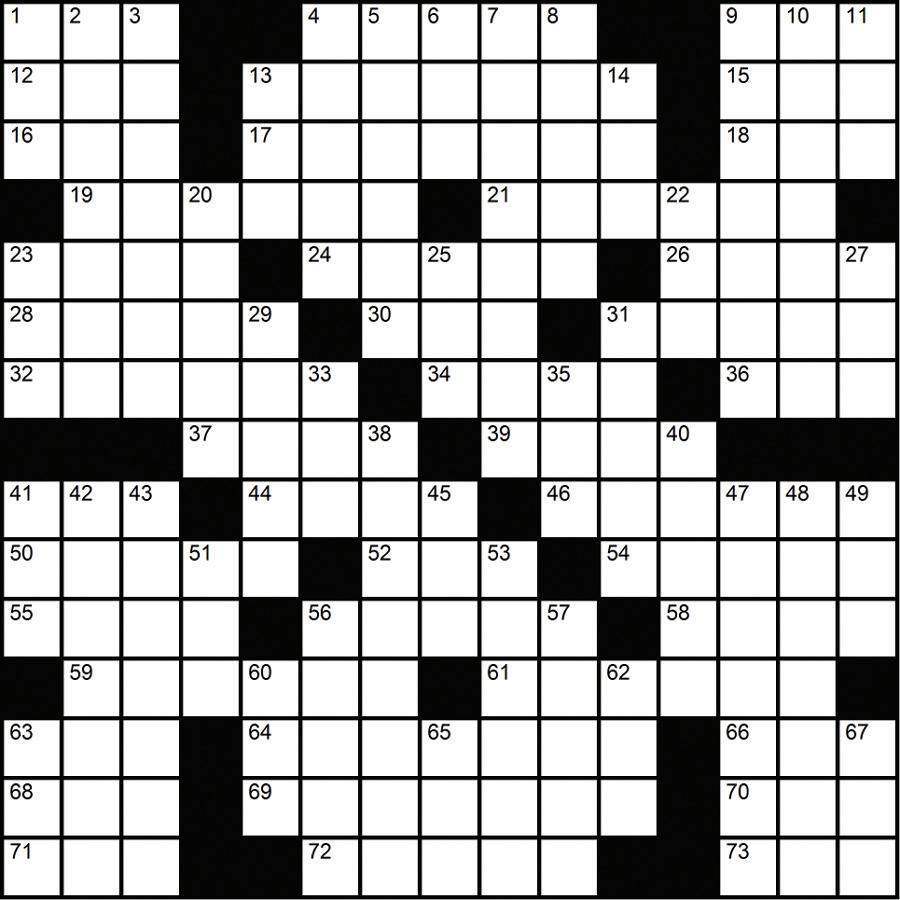
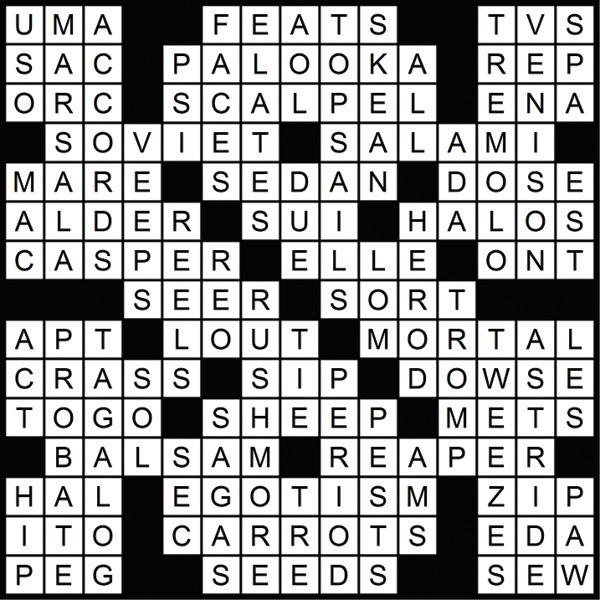
Crossword
How StreetWise Works
has
StreetWise provides “a hand
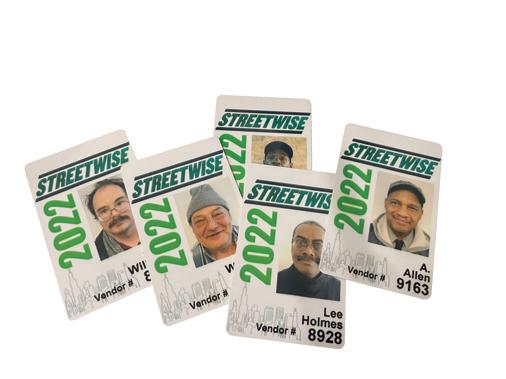
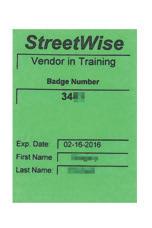
All vendors go through an orientation focusing on their rights and responsibilities as a StreetWise Magazine Vendor. Authorized vendors have badges with their name, picture and current year.
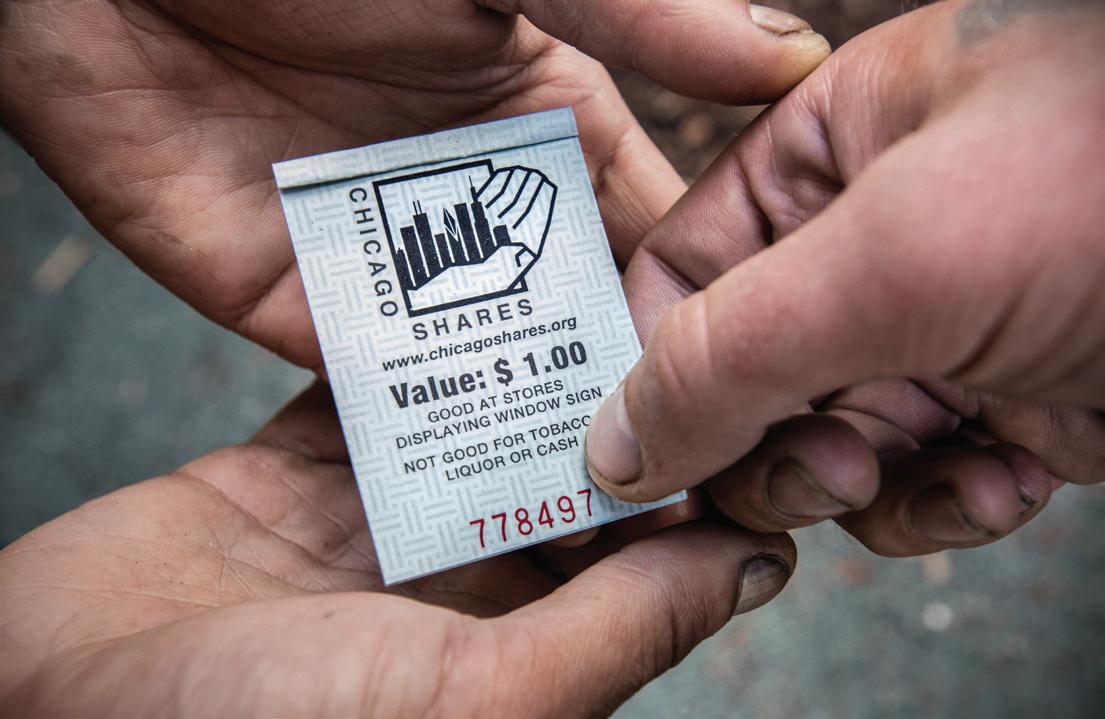
not a handout.” Vendors purchase the magazine for $1.15 and sell it for $3 plus tips. The vendor keeps all of their earnings.
you buy the magazine, take the magazine, and read the magazine, you are supporting our microentrepreneurs earning an income with dignity.