


Greetings from the 2022 Harvest Co-Chairs
Harvest 2022 represents a very special season in the life of the St. Paul UMC family. Today we celebrate and commemorate 153 years of faithfully spreading Love Care Everywhere!
Psalm 1:3 says “That person is like a tree planted by the water, which yields its fruit in season and whose leaves do not wither. Whatever they do prospers.” God’s promise to us is that if we are faithful, diligent and commi ed to His plans and purpose, we will flourish.







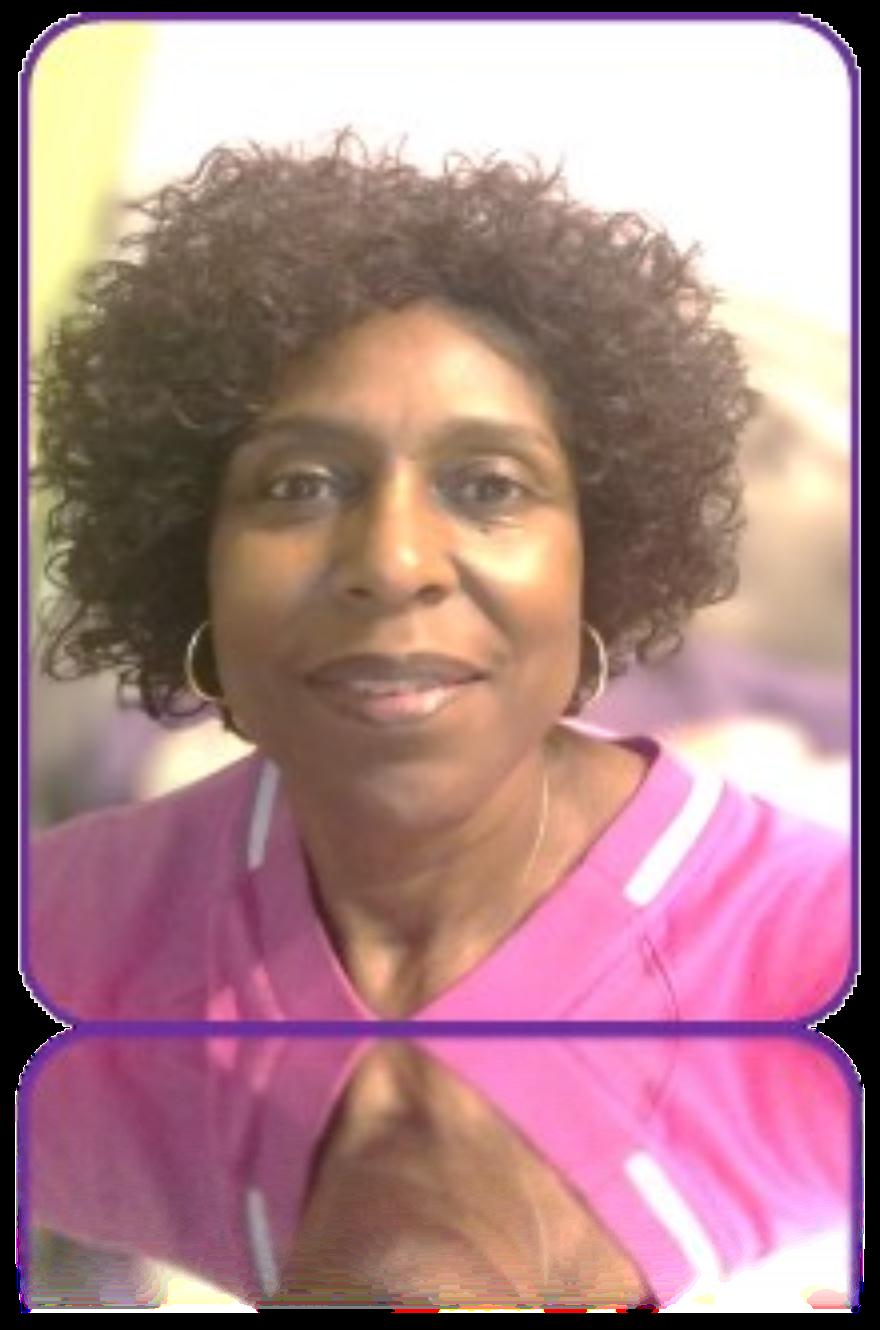
To our wonderful Pastor and first family, we thank you for your love and commitment to this ministry. To the Harvest teams, well done good and faithful servants. And to our members, friends and honored guests we simply say, ‘Thank You’. We are eternally grateful to each of you for your prayers, your presence, and your gifts that have made this anointed occasion a success.
May God continue to bless and keep you as together we courageously move towards a new and brighter future! To God be the glory for the marvelous things He continues to do!
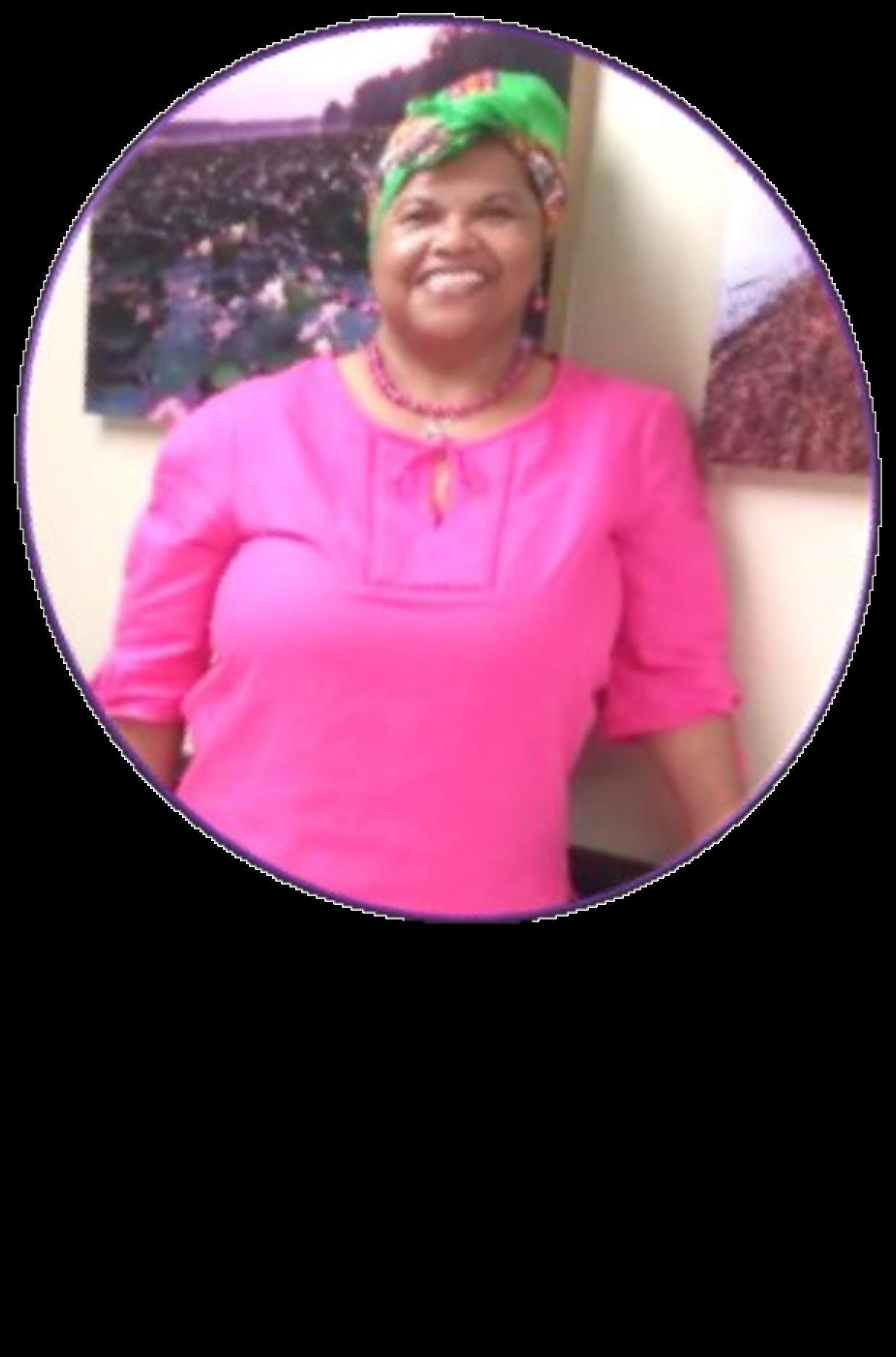
Mrs. Doris Hale Lee Ms. LeVeria Leonard
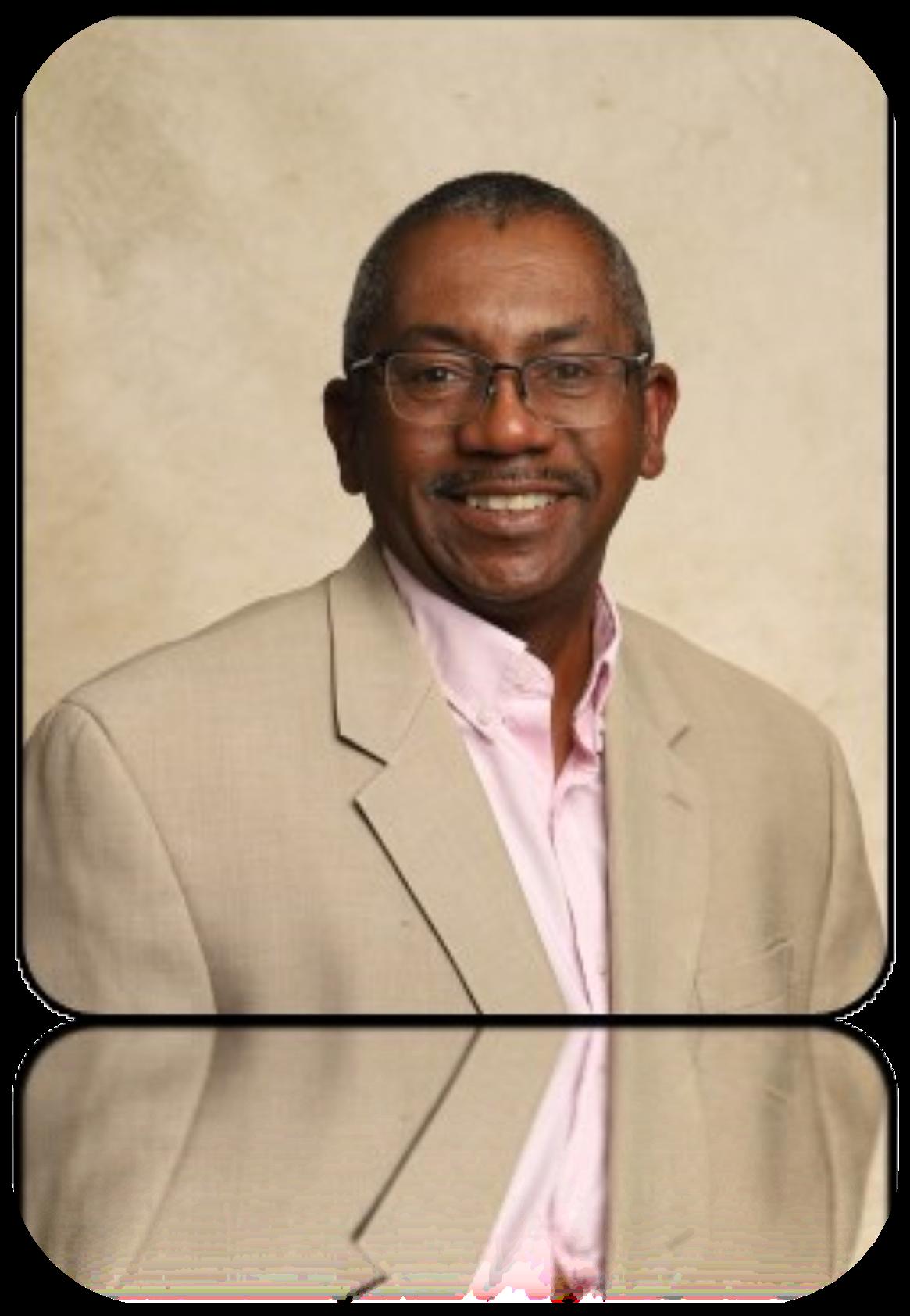
On this Harvest Sunday 2022, as St. Paul United Methodist Church celebrates 153 years of ministry, I bring you greetings from your pastoral family: Richard, Jennie, Waddy and Finda. It is such a joy to serve in ministry with the leadership and members at St. Paul. We appreciate each of you and are grateful to be a part of the St. Paul family.
To our visiting friends and to our partners in ministry through outreach and civil rights, I say welcome. We are excited that you have chosen to join us for this joyous occasion. To my friend and our honored guest preacher, Rev. Kevin Kosh Jr., welcome. Thank you for coming with a word from the Lord.
Today we celebrate the goodness and faithfulness of God, including recently installed new roof, new foundation footings and members returning from pandemic restrictions. It is God who has built and sustained this ministry for 153 years. May we be like trees “planted by streams of water which yields its fruit in season and whose leaf does not wither. Whatever they do prospers.” Psalm 1:3

As we celebrate, singing and praising our Triune God, Father, Son and Holy Spirit, may we move boldly into an even greater season of promise and of service…sharing Christ’s Love & Care Everywhere!
Happy Harvest Celebration!
Greetings to you in the name of Christ, our Lord!
Rev. Dr. Richard L. Stryker III
Rev. Kevin Michael Kosh, Jr.
Director and Strategist for the National Network of Young Adults – SBC21
Kevin Kosh, Jr. (or Rev Kev) is a pastor, poet, educator, and proud father. A highly sought-after speaker, Rev Kev has been committed to using the gospel and the HBCU community to inform, inspire, and engage people while creating safe spaces for transformational leadership and spiritual formation to take place.
Currently, he serves as the Director and Strategist for the National Network of Young Adults for Strengthening the Black Church for the 21st century under Discipleship and Ministries UMC.
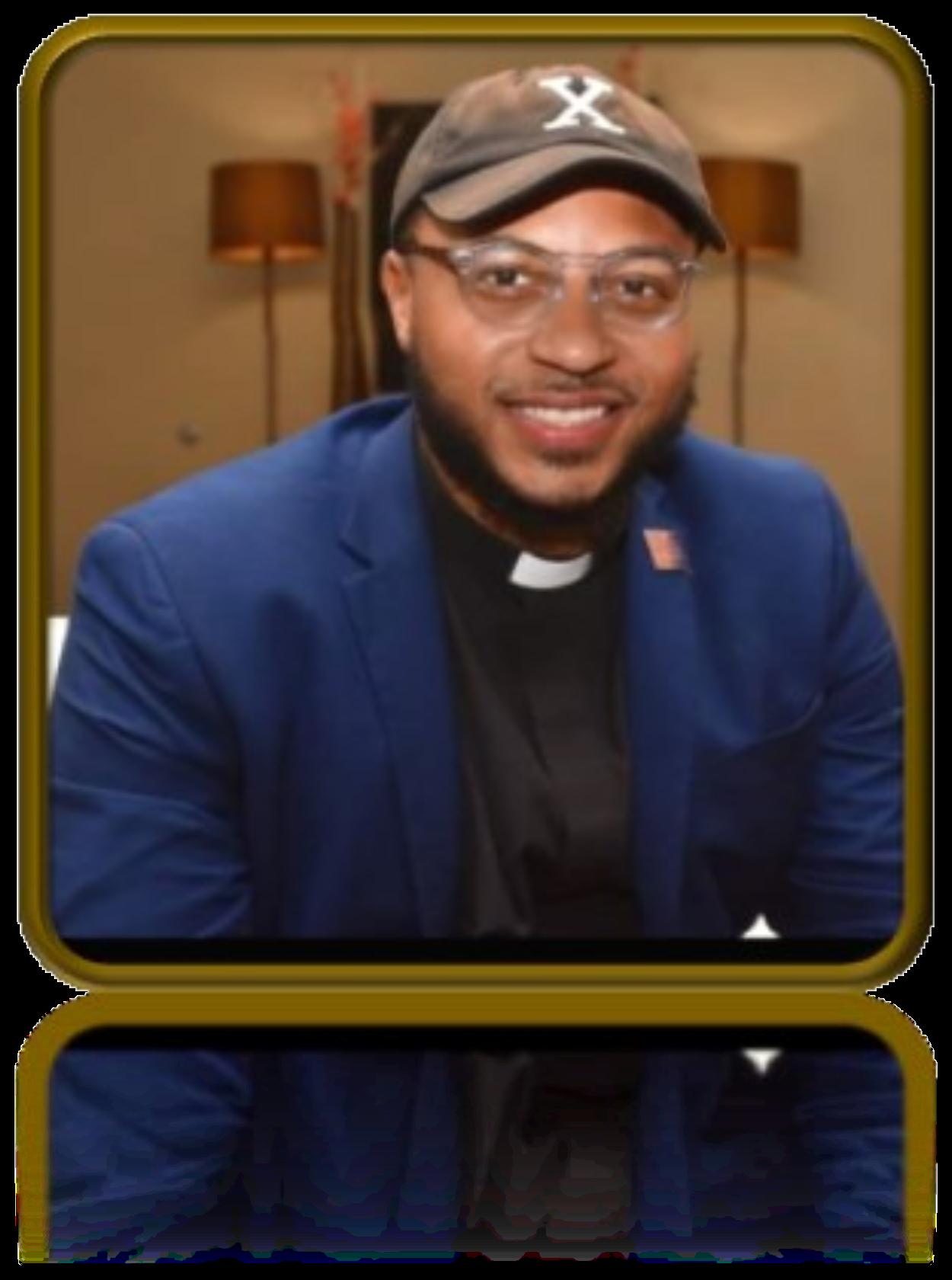
He is a native of St. Louis, MO, and a 2012 graduate of Rust College in Holly Springs, MS, where he received his bachelor’s degree in Business Administration. And in 2014 received his Master of Divinity degree from Gammon Theological Seminary in Atlanta, GA.
He served two years as Director of the Alcorn State University Wesley Foundation in Lorman, MS. From 2016 through 2019, he served as the College Chaplain and Professor of Religion at his alma mater, Rust College. For the past 3 years he has served as Wesley Foundation Director and Campus Pastor for "Thee I Love" Jackson State University and as the lead Pastor of Couparle (Coo-par-le) UMC in Camden, MS. Rev Kev serves on the board of directors for Gammon Theological Seminary and is a part of the "End Racism for Good" initiative for Mississippi which trains community partners and churches on how to lead racial healing circles.
In July 2022 he was ordained as an Elder in full connection in the Mississippi Annual Conference of the UMC. He is engaged to Ms. Jasmyne Adams, and they share the joy of raising their son, Karter Kosh.
He’s an avid reader, has a deep passion for social justice and loves Hip Hop. His motto is “Do Justice, Love Mercy, Walk Humbly” (Micah 6:8).
Rev. Kev wants people to know the power of God's grace and encourages all of God's children to: "Look back and thank God. Look forward and trust God. Look around and serve God. Look within and find God."
BRIEF HISTORY OF ST. PAUL UNITED METHODIST CHURCH
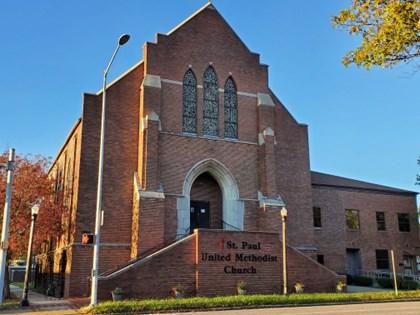
BIRMINGHAM, ALABAMA: “This Far by Faith” ~ 1869-2022
Early records show that St. Paul United Methodist Church was founded in 1869 and first acquired property that year. The birth of St. Paul in 1869 makes this congregation the oldest worshiping community (white or black) in Birmingham, Alabama and one year before the incorporation of the city of Birmingham.
St. Paul, like other Methodist churches, links back to the work of the Rev. John Wesley, founder of the Methodist movement. Historical records indicate that African slaves were among the charter members of the very first Methodist Society in the United States. Wesley took the view that God will judge slave owners for the monstrous crime of enslaving others.”1
St. Paul UMC, as far as we can tell, came out of the mission work of Methodist Episcopal Church (MEC), the northern branch of the Methodist Church. Following the Civil War, “The Methodist Episcopal Church was organized in Alabama by Rev. Arad Simon Lakin and other former soldiers of the United States Army in 1865 and was called the Alabama Conference. The Central Alabama Conference was organized at Corn House Camp Ground in Randolph County in 1876. The bishop was Levi Sco White. The ministers were just out of slavery.”2 Central Alabama Conference was composed of the black Methodist churches. Rev. Lakin hailed from Indiana and served as a chaplain to the 39th Indiana Regim
The purchase of the property took place only one year after Blacks were allowed to legally own property in Alabama. In 1868, the adoption of the 14th and 15th Amendments to the United States Constitution established that anyone born in the US could not be deprived of life, liberty, or property without due process of law. This afforded newly freed slaves “equal protection” under the law. While there was official “equal protection under law,” this was a very difficult time to form a church connected to the northern Methodist Conference, especially for blacks. Examples of the difficulty of that era are seen in Lakin’s report on the KKK. (see 4)
“Another case with an affidavit a ached to Lakin’s report was that of George Taylor, a black MEC preacher from Colbert County. Early in 1869, Taylor was “taken from his bed by a band of disguised men and whipped whipped till his back was scarified; he was punched in the head with their pistols and then, with a knife, his body and legs and thighs were punctured all over.” This barbaric assault was followed by the lynching of three black men from a bridge in Tuscumbia, one of whom was a member of the MEC.5 The Klan was indiscriminate in its a empt to rid Alabama of Yankee scoundrels, white or black”6
Amid the violence and intimidation, St. Paul Methodist came into being. The first building was located at Twenty first Street and First Avenue, North, the site later occupied by Steiner Bank. The congregation moved in 1888. The site for its second building was on Sixth Avenue North between Twenty third and Twenty fourth Streets North. In 1902, the church building on Sixth Avenue was wrecked by a storm. A lot was then purchased at Eighth Avenue and 15th Street. However, because of complaints by white neighbors, the lot was traded to a Black man by the name of Ben Bailey for the present site at 15th Street and Sixth Avenue to which the church moved in 1902. Worship services were held under a tent until a building could be constructed.
2 Ibid 8
3 The Ku Klux Conspiracy: Testimony Taken by the Joint Select Committee to Inquire into the Condition of Affairs in the Late Insurrectionary States, vol. 8 (Washington: Government Printing Office, 1872), 8:125
Other information can be found at: 4. The Ku Klux Conspiracy, 8:127 28
1 Ashford, Dora “Black Americans and the Methodist Church Our Legacy: Enduring Faith a Vision of Hope”
During the pastorate of Reverend B. G. Smith, the church building was damaged by inclement weather. A lot was then purchased at Eighth Avenue and Fifteenth Street, North, but because of some complaints by white neighbors, the lot was swapped to a black man by the name of Sam Bailey for the present site to which the church moved in 1902. The worship services were held under a tent, as no church building had yet been erected.
At the next meeting of the Central Alabama Conference, Dr. R. J. Buckner was transferred from the Washington Conference to rebuild the church. This appointment of Dr. Buckner out of Washington Conference shows the link of St. Paul Methodist to the northern conference, MEC. The church was completed in 1905. The building proved, however, inadequate for the needs of the growing congregation. They worshipped at the new church for a period of fifteen years, but were soon confronted with the problem of providing a safer and more adequate building. The building was condemned and razed in 1920.
The congregation then entered upon what may be referred to as the “sojourn”, since it worshipped in several different places before a new building was completed. They worshipped in the old Industrial High School building at Eighth Avenue and Ninth Street North, in the Masonic Lodge Hall on Second Avenue between Sixteenth and Seventeenth Streets North, and the Frolic Theater. For four years these places served the congregation as places of worship.
The basement building was completed in 1925 where the congregation worshipped from 1925 until July 1, 1951. The upper level of the structure was begun in 1940 under the pastorate of the late Dr. Harry B. Gibson. They celebrated their move from the basement to the present sanctuary on July 1, 1951. Rev. Dr. H. B. Gibson, Sr., was the father of Evelyn Gibson Lowery and father in law of Rev. Dr. Joseph Lowery, who later served as pastor of St. Paul UMC.
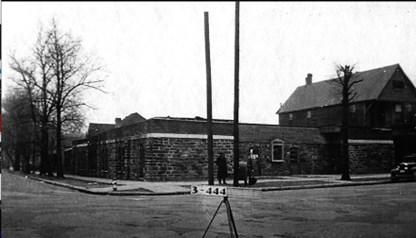
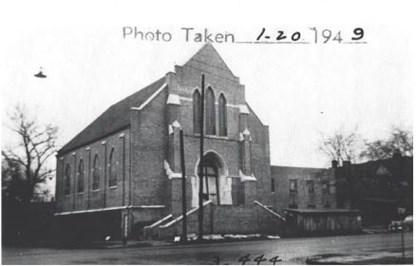
The architect for “St. Paul Methodist Church (building c. 1948 51), 1500 Sixth Avenue North, was George P. Turner. The building is a Gothic influenced gable front church on a raised basement, varitone smooth red brick veneer with limestone trim. In 1995 stained glass pieces were put in place. The base is rusticated sandstone with segmental head windows, for many years the only part of the building that was finished or that survived destruction of a 1904 building on the site. There is a two storey flat roofed annex on the eastside, completed with the present building in 1951. Interior was remodeled in 1966”7 during the pastoral tenure of Dr. Joseph Lowery.
As part of the 1951 celebration, four nearby churches … conducted grand marches to St. Paul beginning at 12:30 p.m. minute intervals. They [were] Sixteenth Street Baptist Church, St. John A.M.E. Church, Thurgood CME Church and Metropolitan AME Zion Church.8


The Charles A. J. McPherson Clinic of St. Paul is one of St. Paul’s most notable community projects, started by Dr. McPherson. The children’s health clinic provided much needed medical a ention to the youth and children of St. Paul’s neighborhood. Children were able to acquire the required immunization records for school from the medical clinic.
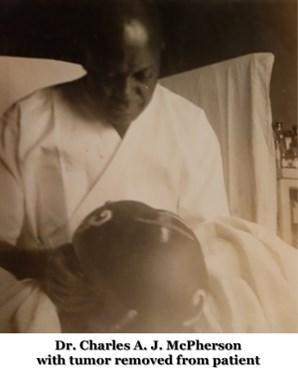
Upon Dr. McPherson’s death, November 27, 1948, the clinic came under the Jefferson County Health Department. Mrs. Alma McPherson donated the medical equipment and supplies from her husband’s practice to keep the clinic going.
During his lifetime, Dr. McPherson also fought for justice in Alabama, including the fight for the Sco sboro boys. He was critical to the relaunch of National Association for the Advancement of Colored People (NAACP) in Birmingham and served as Secretary for NAACP in Birmingham. He offered such marvelous leadership that on October 8, 1944, the Birmingham Branch of the NAACP sponsored Dr. C. A. J. McPherson appreciation hour and it was held at St. Paul M. E. Church. Rev. Charles Coleman served as pastor at the time. Meetings were held at St. Paul to educate, organize, and encourage people to get involved and do more to fight prejudice and denial of human rights.
7 https://catalog.archives.gov/id/77835231 Alabama MPS Birmingham Civil Rights Historic District; National Register of Historic Places nomination NRIS Ref. No. 06000940, October 19, 2006,
Neighborhood Kindergarten Program: From 1956 1958, under the pastorate of Reverend J. C. Wilson, a neighborhood kindergarten was started at St. Paul. For the sum of $1.00 per week, the children of neighborhood families received a head start education. This labor of love was subsidized by caring members of the congregation, and was led by Bernice Jones Gooden, who gave unselfishly of her time and talents.
“St. Paul United Methodist Church was the site of the first mass meeting held on Dec. 26, 1956, following the ACMHR's (Alabama Christian Movement for Human Rights) first major direct action campaign to integrate Birmingham's buses.”9 In 1962 Rev. Otis R. Flournoy was assigned to St. Paul. During his pastorate St. Paul continued to be a force for change.
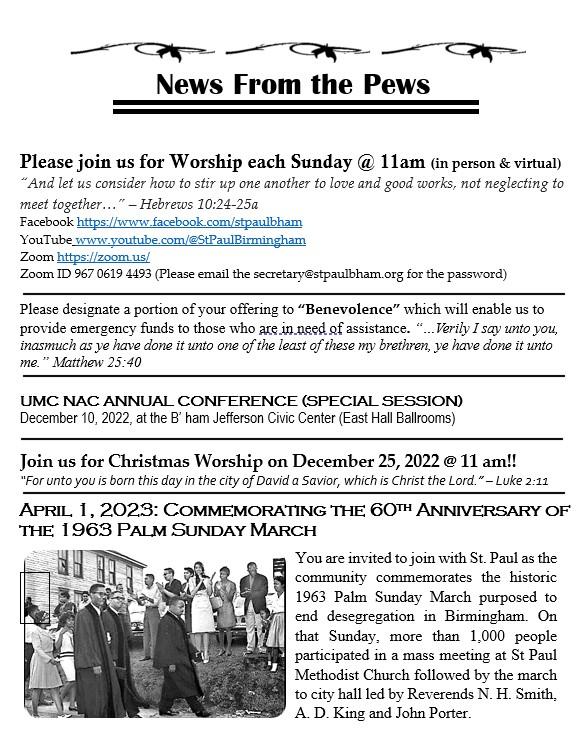
The Palm Sunday March: Published in the Harvard Crimson, we read “On Palm Sunday [1963], 23 Negroes led by three ministers were arrested during a peaceful protest march to the city hall. The Birmingham police used dogs and clubs to disperse a crowd of Negro onlookers.”10
“The march, with more than 50011 to 1,000 people participating, followed a mass meeting at St Paul Methodist Church on the corner of 6th Avenue North and 15th Street. Reverends N. H. Smith, A. D. King and John Porter, dressed in robes, led the procession eastward on 6th Avenue toward City Hall. They encountered a police roadblock, just past Kelly Ingram Park and just short of the Henley 17th Street.”11B It should not surprise anyone that the march began here at St. Paul, the hotbed of NAACP activities in the 1940’s with the inspiration of Dr. Charles A. J. McPherson.
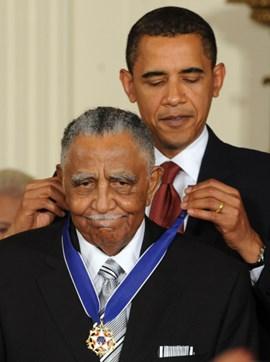
Rev. Joseph Echols Lowery was called as Pastor of St. Paul, where he served until 1968. Dr. Lowery was one of the founding members of the Southern Christian Leadership Conference (SCLC). A staunch civil rights activist, he was instrumental in organizing the 1965 Selma Montgomery March for voting rights. And for his extraordinary work during these turbulent and pivotal times. Rev. Lowery was ultimately awarded the nation’s highest civilian honor, the Presidential Medal of Freedom, by President Barack Obama in 2009.

In the 1970’s, the Reverend Charles Hutchinson, the first black program staff person at the North Alabama Conference, initiated The Community Development Program at St. Paul. Other significant programs that were created during this time included the Legal Evaluation and Action Project (L.E.A.P.) which provided legal assistance and information to those who were caught between extreme poverty and, often, an unresponsive government bureaucracy. Issues addressed by L.E.A.P. included exorbitant rent, substandard housing, food stamp referrals, WIC, SSI and other public assistance and health care programs. Walter Jackson was the director of the program.
In the late 1990’s, under the leadership of Dr. Clinton Hubbard, the Wilma Anne Barnes Learning Center was dedicated in memory of Wilma Anne Barnes, a member of St. Paul who was a strong advocate for education and a cofounder of the Alabama Sickle Cell Foundation. Additionally, the church began a Community Kitchen Ministry to feed and clothe the homeless, the seasoned and the low income families within the community. This feeding ministry continued for about 18 years. During this time, renovation of the sanctuary, including new stained glass windows and church offices were completed. The Genevieve Jordan Scholarship Fund was started, and a chair lift was installed. The Gertrude R. Durr Nursery, the Morgan Conference Room and the Samuel J. and Genevieve T. Jordan Library were added to transform the church into what it is today.
Across the years, St. Paul has enjoyed a unique place in the history, lives, minds and hearts of the people of the former Central Alabama Conference, the Former Central Jurisdiction and across the Southeast. She has been referred to as the “Mother Church” of the former Central Alabama Conference. St. Paul’s success can be a ributed to both dedicated laity and pastoral leadership.

In 2015, the City presented St. Paul with a Birmingham Civil Rights Trail marker, commemorating her as the site of the first mass meeting of the Alabama Christian Movement for Human Rights in 1956 under Rev. Fred L. Shu lesworth. In 1957, Rev. Shu lesworth would join Dr. Martin Luther King, Jr., Rev. Ralph David Abernathy and St. Paul’s own Rev. Joseph Echols Lowery in founding the Southern Christian Leadership Conference.
9 Historical marker in front of the church 10 https://www.thecrimson.com/article/1963/4/12/palm sunday in birmingham pon palm/
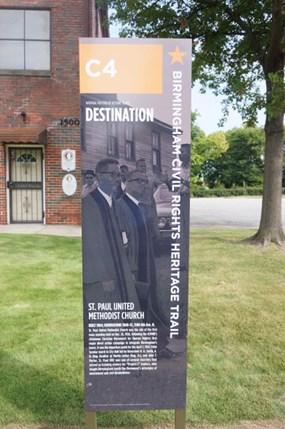
In 2017, St. Paul was again honored by proclamation of President Barack Obama, designating St. Paul as part of the newly established Birmingham Civil Rights National Monument District, under the U.S. Department of the Interior. The Presidential Proclamation specifically mentions the role St. Paul played in hosting the children’s march to City Hall to protest segregation practices in Birmingham, as part of the nonviolent direct actions ultimately leading to the famous “Le er from a Birmingham Jail,” by Dr. Martin Luther King, Jr. The members of St. Paul United Methodist Church are very proud of the place it continues to hold in history.
In 2017, St. Paul was again honored by proclamation of President Barack Obama, designating St. Paul as part of the newly established Birmingham Civil Rights National Monument District, under the U.S. Department of the Interior. The Presidential Proclamation specifically mentions the role St. Paul played in hosting the children’s march to City Hall to protest segregation practices in Birmingham, as part of the nonviolent direct actions ultimately leading to the famous “Le er from a Birmingham Jail,” by Dr. Martin Luther King, Jr. The members of St. Paul United Methodist Church are very proud of the place it continues to hold in history.
In 2018 and again in 2019, St. Paul further distinguished itself by hosting the commemorative 1963 Children’s Crusade March, bringing prominence to the 1963 Palm Sunday march that shocked the conscious of America as blacks in the South fought successfully for desegregation of public accommodations. St. Paul is proud to be one of the churches that helped give birth to the modern day youth activist movement by helping to shape America, thus inspiring change throughout the world.
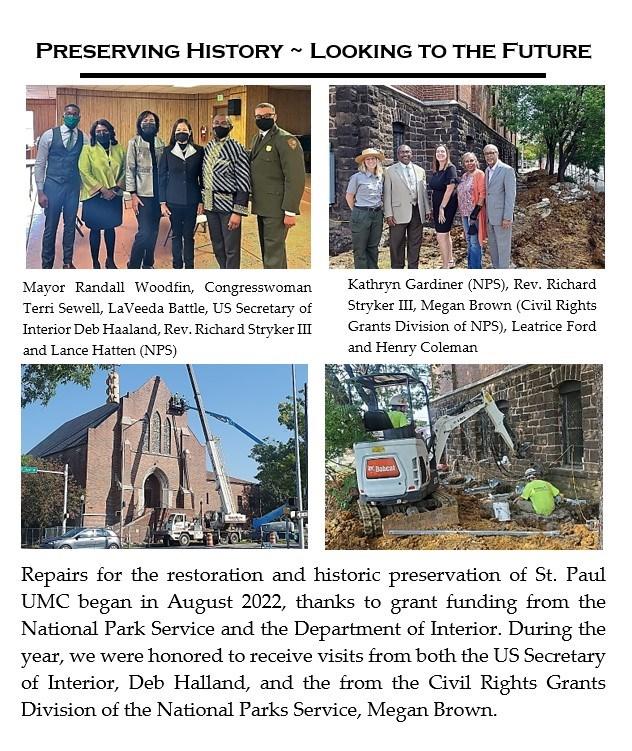
As St. Paul gathers for Harvest 2022, celebrating 153 years of ministry, the building is surrounded by construction fencing. Construction that has produced a new roof, helical piers for a firmer foundation, and many more projects that are being completed, thanks to Mrs. LaVeeda Ba le and members of her teams, the History Team and Grant Team, sharing St. Paul’s story and receiving grant funding from the National Park Service, because of the historic nature of this facility. The current pastoral leadership is provided by Rev. Dr. Richard Lane Stryker III, great grandson of Bishop Francis Burns (bishop from 1858 1863), the first black bishop in the Methodist Church. Dr. Stryker, with wife Jennie and family, having served St. Paul for two years prior, returned to St. Paul UMC in July of 2020, having also serve as District Superintendent and Ethnic Ministries Director for the North Alabama Conference. The work of Pastor Stryker and the current lay leadership rest upon Jesus Christ, our Lord, as reflected in the ministries of those that have gone before and some that are with us in this life. We recognize our spiritual leaders from 1919 to the present: Reverends J. R. Buckner, John L. Wilson, R. M. Davis, T. B. Oville, B. T. McEwen, E. Oscar Woolfolk Sr., Joel C. Carson, W. L. Turner, Charles C. Coleman, Harry B. Gibson Sr., J. C. Wilson, Otis R. Flournoy, Joseph Lowery, Charles Hutchinson, C. J. Booker, J. H. Griggs, Chester E. Brown, Reginald Kamara, R. H. Miles, R. E. Stephens Jr., Charles Lee, Clinton Hubbard, Frank Lee, Marcell Johnson, Richard L. Stryker III, Alfred Shackelford, Dale Cohen, Marcus Singleton, Horace Blount III, and Richard L. Stryker III. We give thanks for these leaders. St. Paul UMC is excited about our partnership with Metropolitan Youth Orchestras of Central Alabama/ Scrollworks Music, Greater Birmingham Ministries, Birmingham Civil Rights National Monument, The Alabama African American Civil Rights Heritage Sites Consortium, the local National Park Service, Central District of North Alabama Conference UMC and other entities. By working together with others, we can do a whole lot more for the community and in response to our mission.

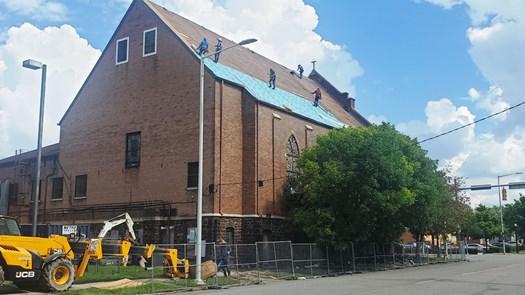
In recent years, the St. Paul family has proudly participated in many activities associated with the Birmingham Metropolitan Area. Its downtown location has afforded community organizations a gathering place and meeting space for charitable events. 153 years and counting, St. Paul UMC continues to take pride in its efforts to bring disciples to Christ, help those in need in the community, work for justice and peace, serve as an inspiration to present and future generations, and support its membership in a caring, spiritual, and nurturing manner.
This 2022 History of St. Paul UMC, compiled and edited by Dr. Richard L. Stryker III, is based on historical research and information from Mrs. Mabel Phillips, St. Paul Historian, Dr. Dora Ashford, United Methodist & Central Conference historian, Mrs. LaVeeda Morgan Battle, Chairperson of St. Paul History Committee, Ms. Carolyn McPherson, daughter of Dr. McPherson, and information from members of St. Paul UMC as presented in “Black United Methodist ChurchesMethodist Bicentennial 1784-1948 - Methodism for Two Centuries Proclaiming Grace and Freedom” and other sources as acknowledged in the footnotes

ST. PAUL UNITED METHODIST CHURCH
Celebrating 153Years of Service to God and Community “A Season of Love and Care Everywhere”
November 13, 2022 - 11:00am
Worship Leader: Mrs. Lynn Douglas
Lighting the Altar Candles……………………………………………….………Mr. Devin Lanier “Give Him Glory!! .....................................................................................The SPUMC Harvest Choir
*Call to Worship:
Leader: Almighty and everlasting God, in communion with the saints in all ages, and remembering the heritage that has been given to us, People: we offer thee our praise and thanksgiving.
Leader: Help us to accept the privilege and responsibility of this thy fellowship of faith; here may we keep the unity of the spirit in the bond of peace. People: So, may we fulfill the law of Love.
Leader: Enable us by thy grace to dedicate ourselves this day to the great task which thou dost lay upon our hearts and consciences. All: Be thou, O Lord, our guide, our strength and our help forevermore. Let us worship God.
*Hymn of Praise …....................................................
“We’ve Come This Far by Faith!” (see ppt)
Welcome and Occasion Mrs. Jennie Stryker
Opening Prayer…………………………….………...…………………..………Bro. Monte Ransom
Video Presentation The Story of St. Paul UMC Restoration & Preservation Progress ………..…….......................................... Mr. Henry Coleman
Scrollworks Music Program … Mr. Nicholas Anderson (Cello), Mr. Abram Griffith (Accompanist) Miss Corynne Sloan (Cello), Mr. Abram Griffith (Accompanist)
Worship with TITHES and OFFERINGS (stpaulbham.org/give)
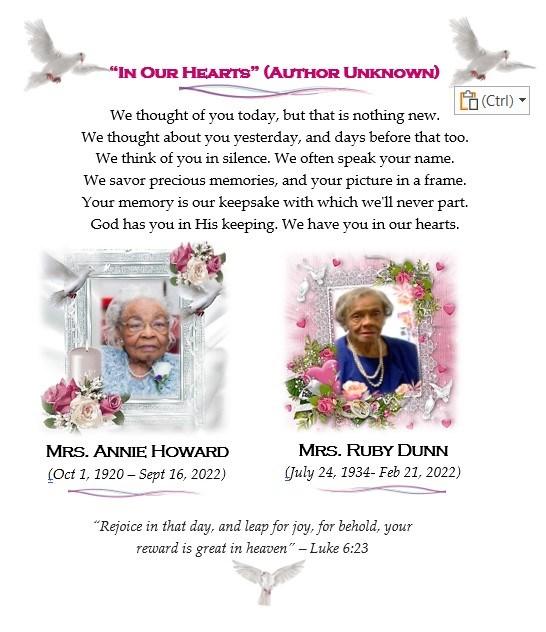
The Memorial Tribute
Memorial Prayer
Mrs. Mellanie Pinkins
Mrs. Doris Hale Lee
Rev. Rodney Shamery (Multi-Ethnic Director NAC UMC)
The Holy Scriptures
Psalm 1:1 4 (NIV) Ms. Shakoria Lanier * Luke 10: 1 3, 17 (NIV) Mr. Harry Van Ness IV
Introduction of Speaker .................................................................. Rev. Dr. Richard L. Stryker III
Pastor, St. Paul UMC
Worship through Song
SPUMC Harvest Choir Soloist: Ms. LeVeria Leonard
THE MESSAGE: REV. KEVIN KOSH, jr.
The National Network of Young Adults for SBC 21 (Discipleship and Ministries)
Worship through Song SPUMC Harvest Choir Soloists: Mrs. Kimbley Spain & Ms. Vanne e Scantling
Remarks and Appreciation
Mrs. Lynn Douglas
*The Benediction Rev. Dr. Richard L. Stryker III
*Sending Forth Let the Church Say ‘Amen’
“That person is like a tree planted by the water, which yields its fruit in season and whose leaves do not wither. Whatever they do prospers.” - Psalm 1:3 ~ ~ Musicians ~
Mrs. Leatrice Ford (keyboard)
Mr. Andre Williams (lead guitar)
Mr. Marlan Pinkins (drums)
Mr. Donnell Johnson (bass guitar)
(*Please Stand as you are able)
…...….
..……………………………………..………..….……
………………….
...……………………….………………….…......
……....………..………….………...……………..
Please
us in a
Meal after
join
Celebration
worship
Ministry & Community Partners
North Alabama Conference
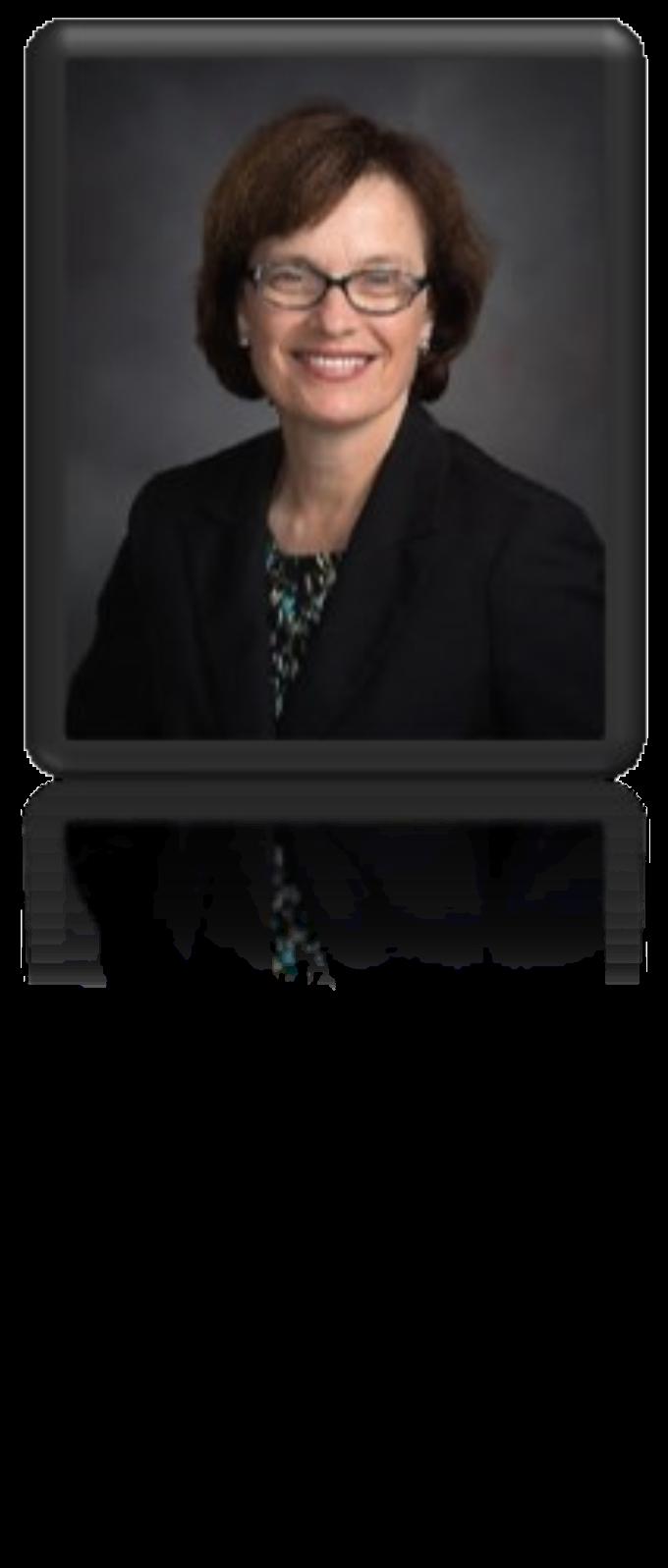
St. Paul UMC is a member of the North Alabama Conference, a connection of about 619 United Methodist Churches and lead by Bishop Debra Wallace-Padgett.
The United Methodist Center: 898 Arkadelphia Road, Birmingham, AL 35204; Phone: (205) 226-7950
Metropolitan Youth Orchestras of Central Alabama Scrollworks Music School: “Where Every Child is Noteworthy”

We're celebrating our 15th year of music ensembles and instruction, serving every interested child, ages 6 to 18, including those persons with disabilities.
Located at St. Paul United Methodist Church; 1500 6th Ave N., Birmingham, AL 35203 Email: admin@myorch.org ~ Office: 205-908-8843
Greater Birmingham Ministries (GBM)
2304 12th Avenue N., Birmingham, AL 35234




Email: info@gbm.org Phone: (205) 326-6821
GBM was founded in 1969 in response to urgent human and justice needs. GBM strives to serve people, build community, and pursue justice.
The Alabama African American Civil Rights Heritage Sites Consortium, Inc.
209 20th Street North #148, Bham, AL, 35203
St. Paul is a member of the AAACRHSC, a collaboration among 20 historic places of worship, lodging and civic engagement that played significant roles in the African American struggle for freedom.
Birmingham Civil Rights National Monument
St. Paul UMC is a part of the National Monument. In the 1960s, Birmingham was one of the most segregated places in the United States. Nonviolent protesters suffered brutal mistreatment in the struggle for equality and changed the course of history.
On January 12, 2017, a new national monument was designated by President Obama to help preserve and interpret this critical chapter in the civil rights movement.
Bishop Wallace Padgett