
“
The place we live in is of a singular and moving beauty, but we did not build the house or plant the trees. It has associations with some of the great makers of English history, but their history was made before we were born. All this is inherited wealth, not earned. For our youth we can take no credit either, indeed the time has not yet come for us to take credit for anything at all. That will be later on, perhaps.”
The Stoic, July 1923
1. ‘The New yet Old World’ 1700-1923
2. ‘Acceptable at a dance & invaluable in a shipwreck’
J F Roxburgh
3. Clough Williams-Ellis
4. Leaving their Mark
5. We Remember Them
6. 2023: a new ecology of education
7. Ethos
8. Change Makers
9. Making Connections
10. Beyond Borders
11. ‘Boyhood, girlhood, and genius –all drink from the same refreshing springs.’ Co-education
12. Day Court
13. Stowe Staff
14. Building the Future
15. The Arts
16. Old Stoics
17. Change 100
18. The next 100 Years
This is an important moment for Stowe as we look back with pride over 100 years of progressive and enlightened thinking. Stowe has always been sustained by the strength of its proposition: an education which is rooted in the belief that each pupil has unique qualities and talents waiting to the discovered. Stowe celebrates the excitement of learning and embraces intellectual discovery, art and science, sport and outdoor education, service and leadership. Every Stoic has the potential for excellence - the jewel within waiting to be unearthed and burnished to dazzle the world.
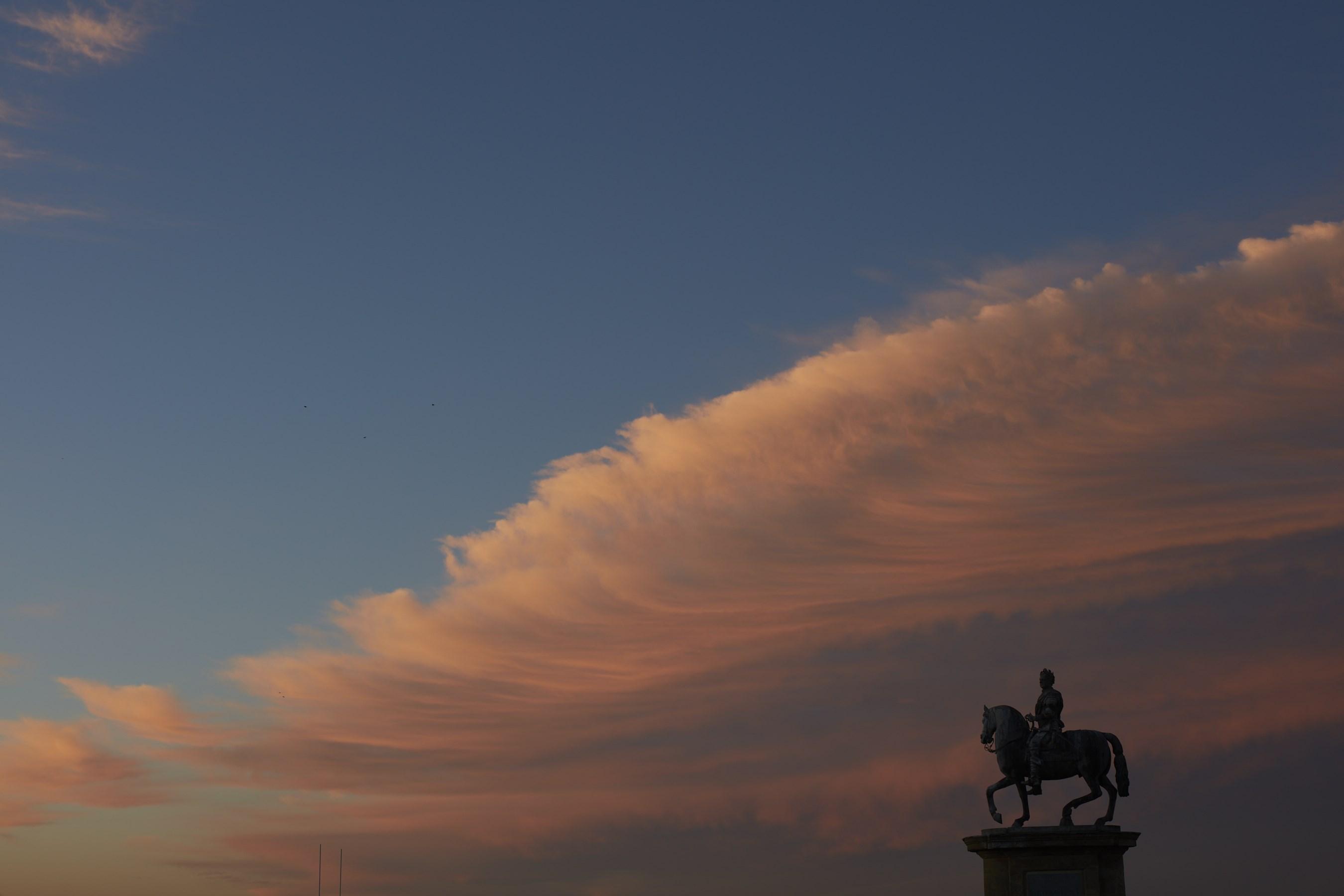
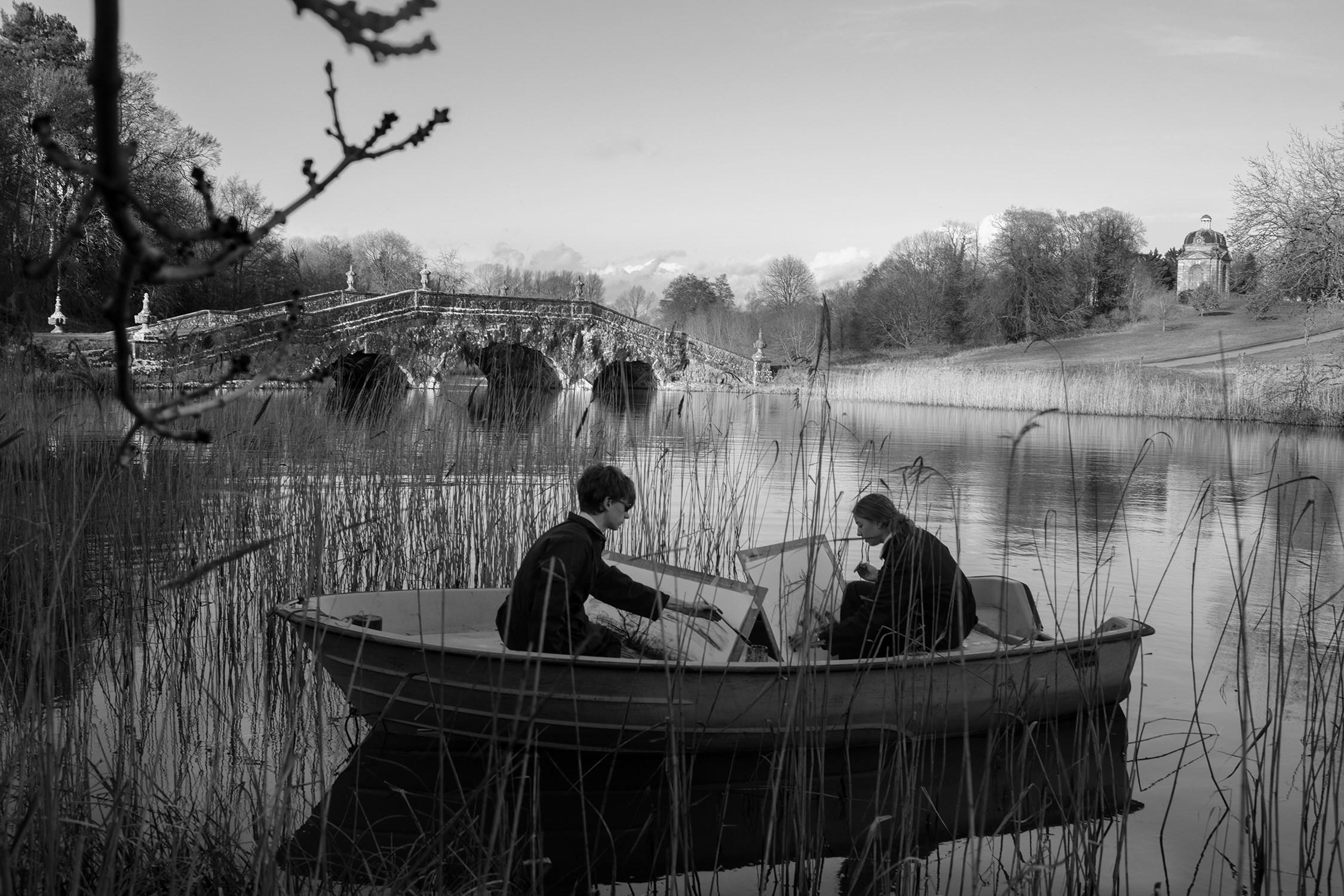
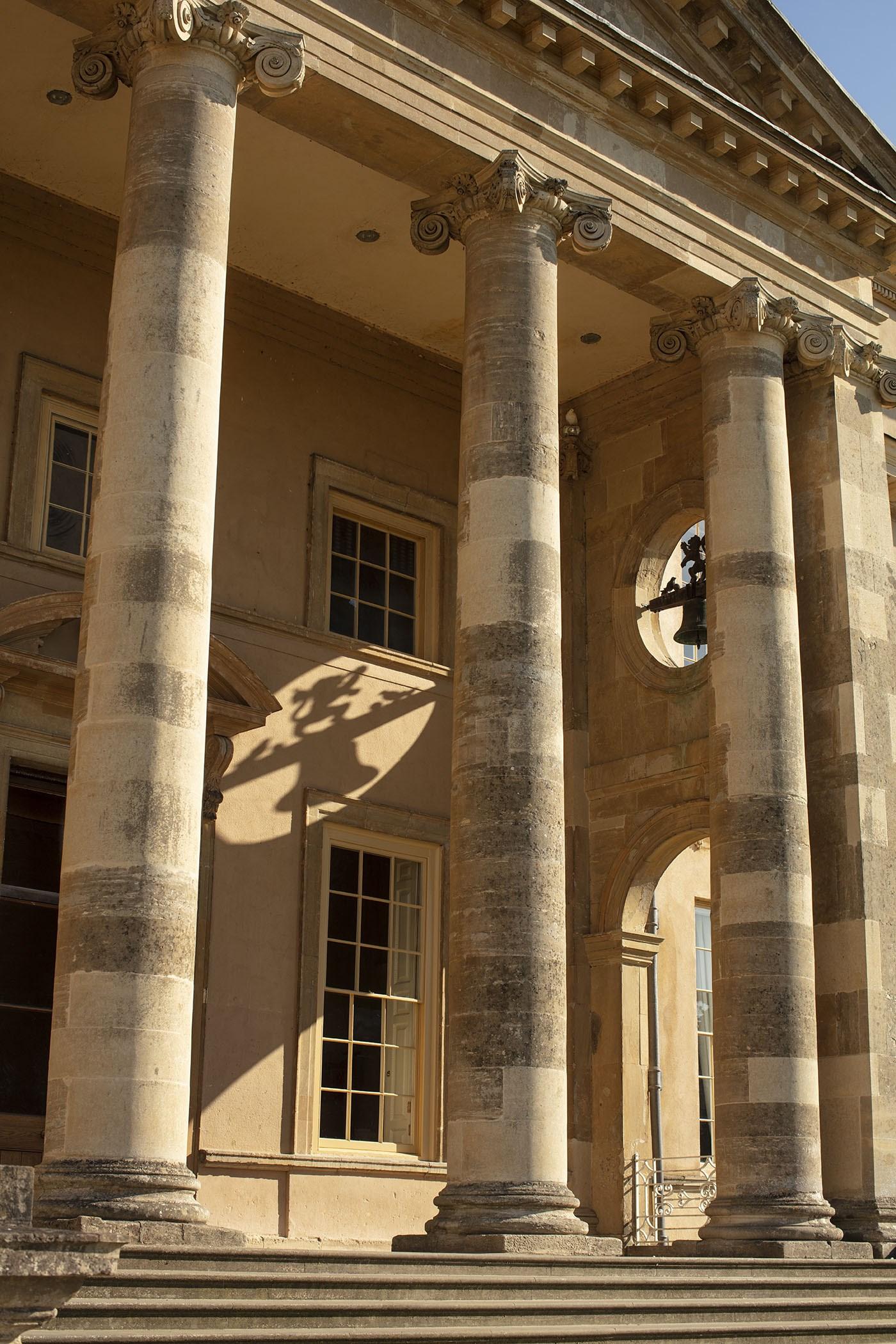
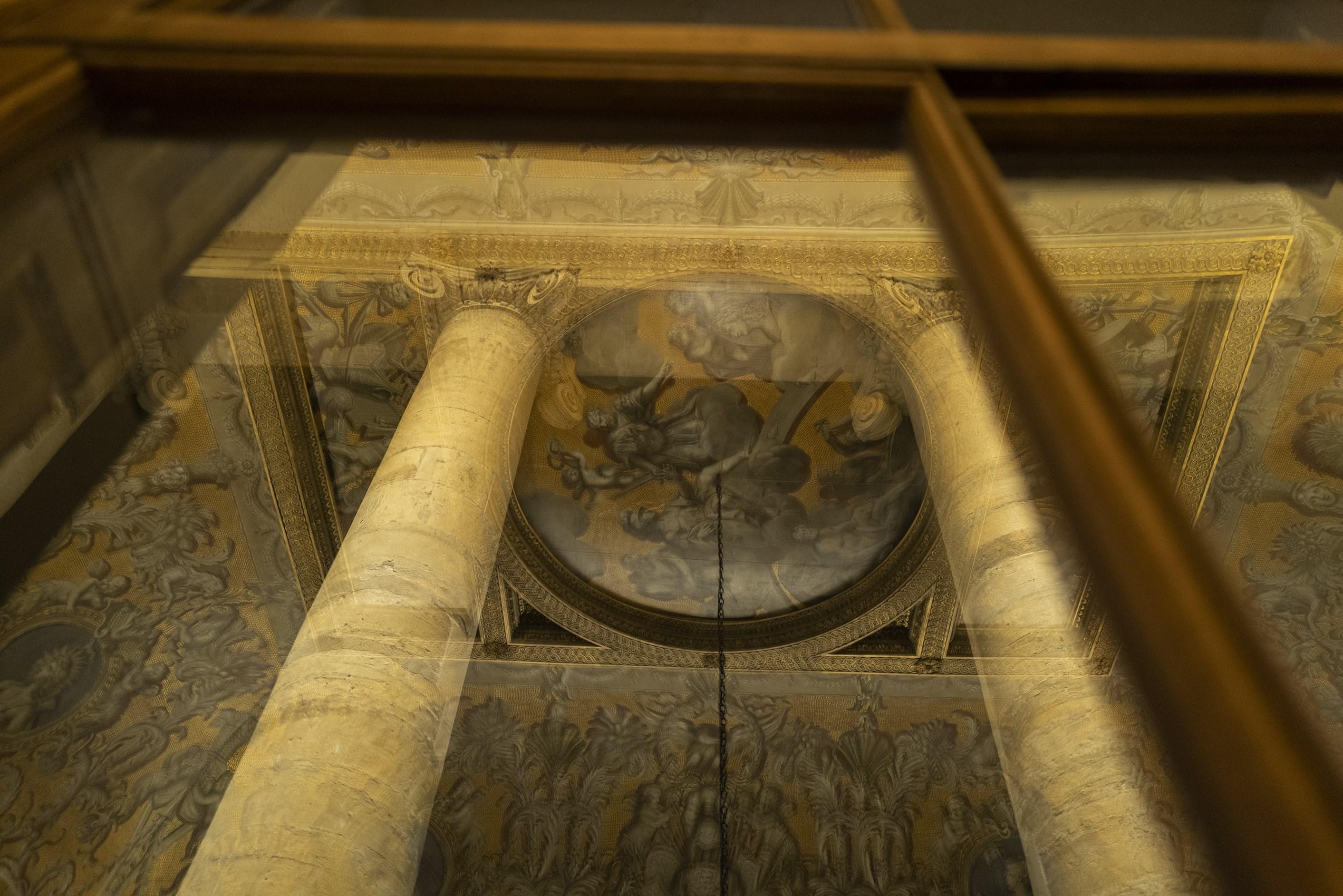
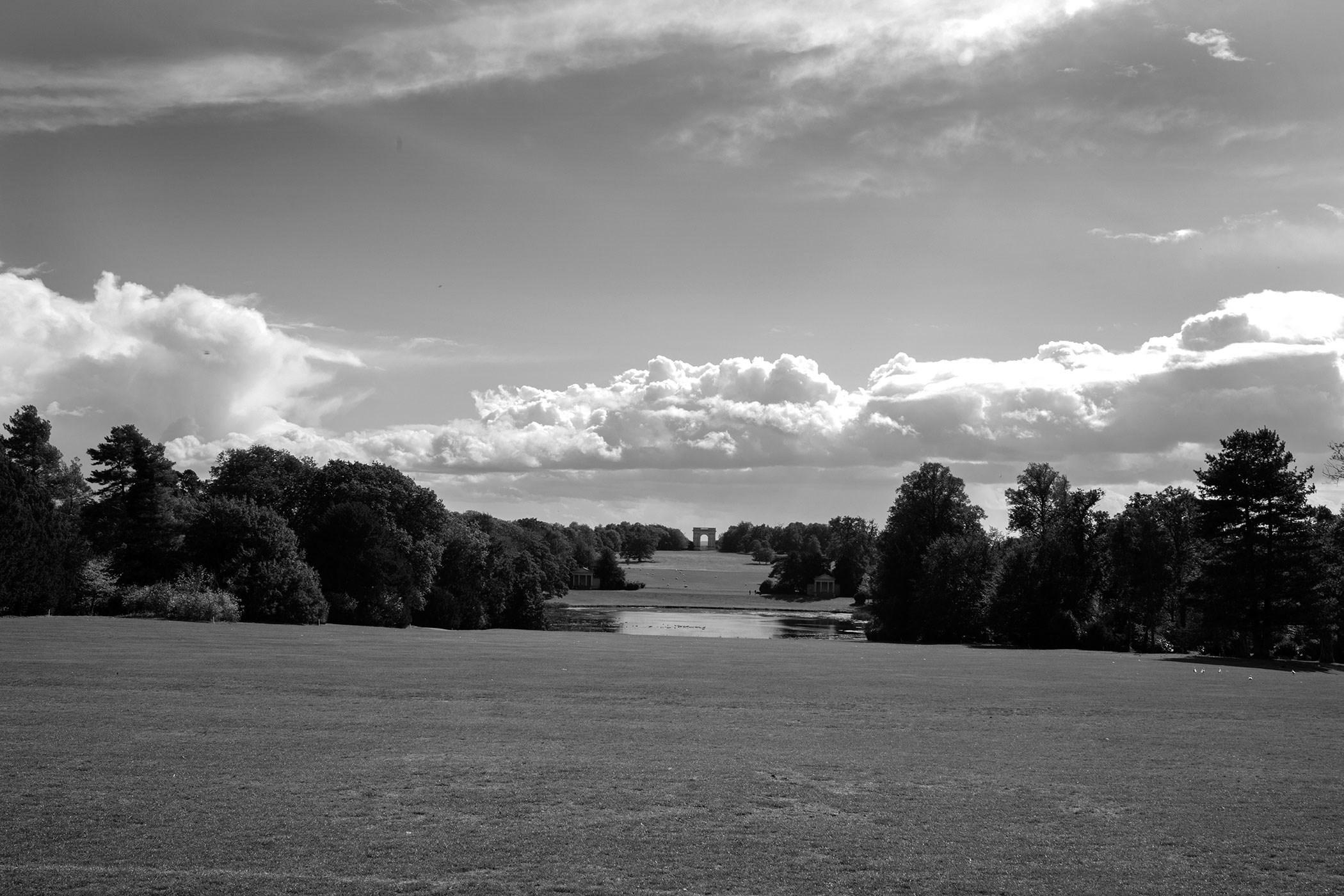
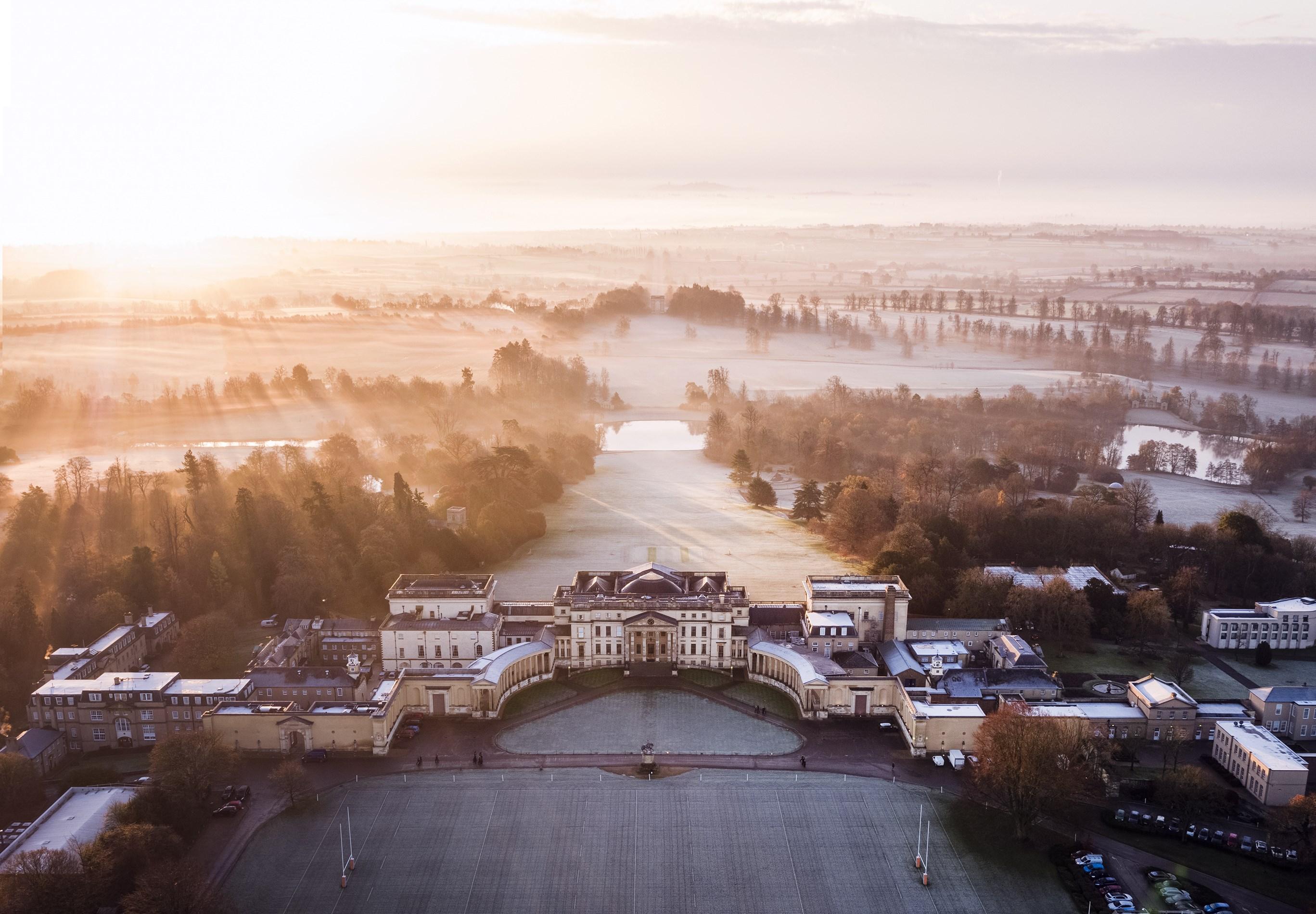
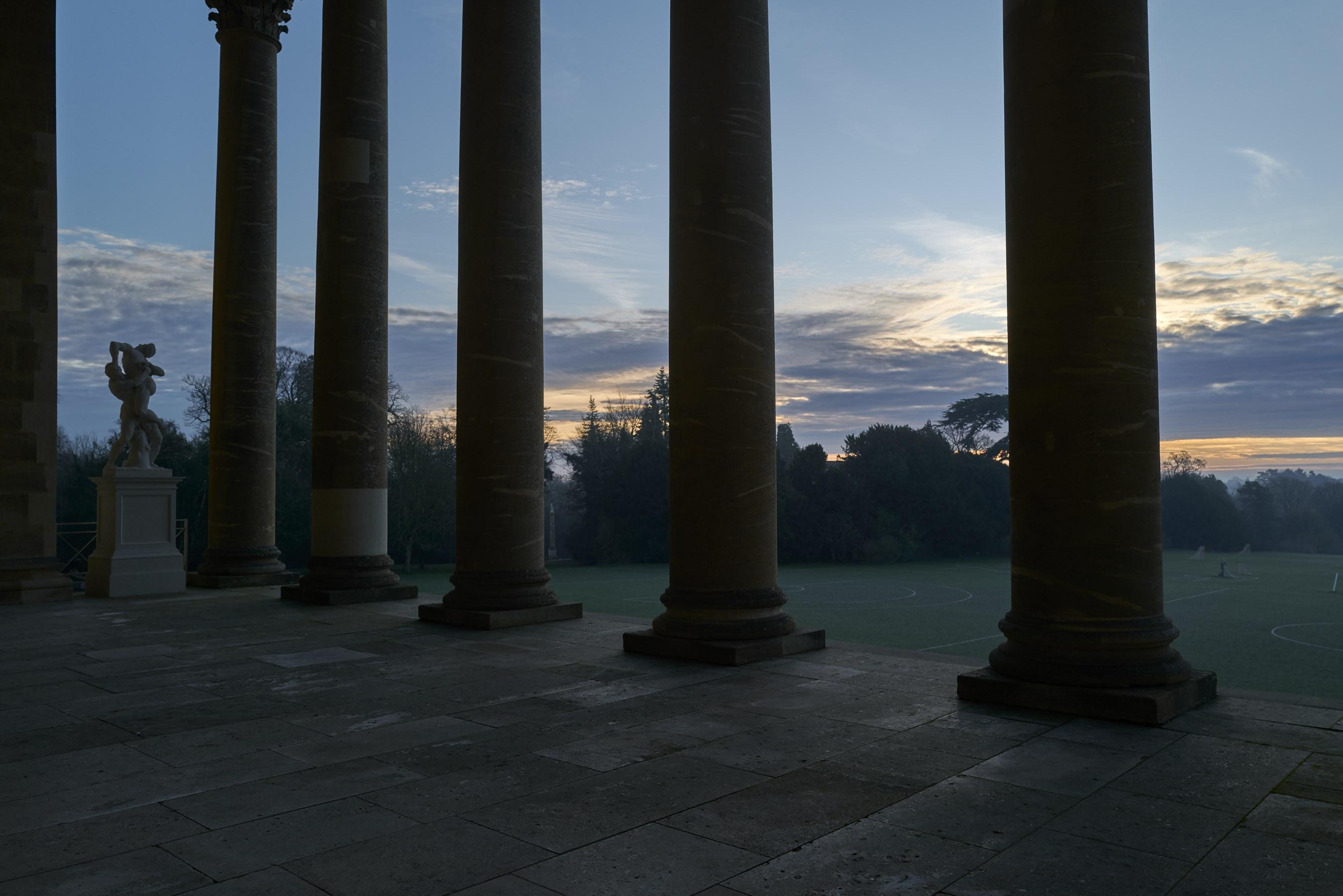
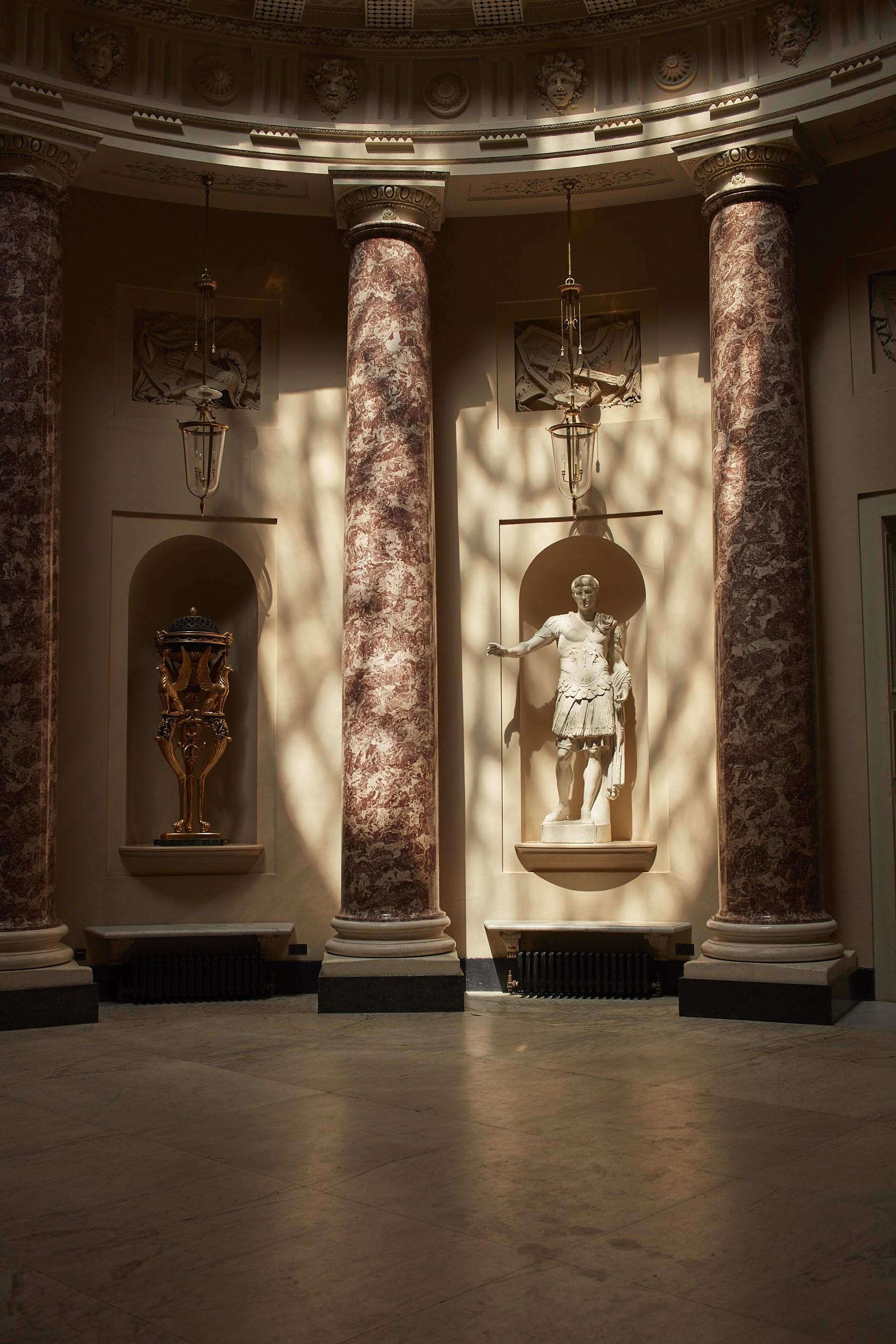
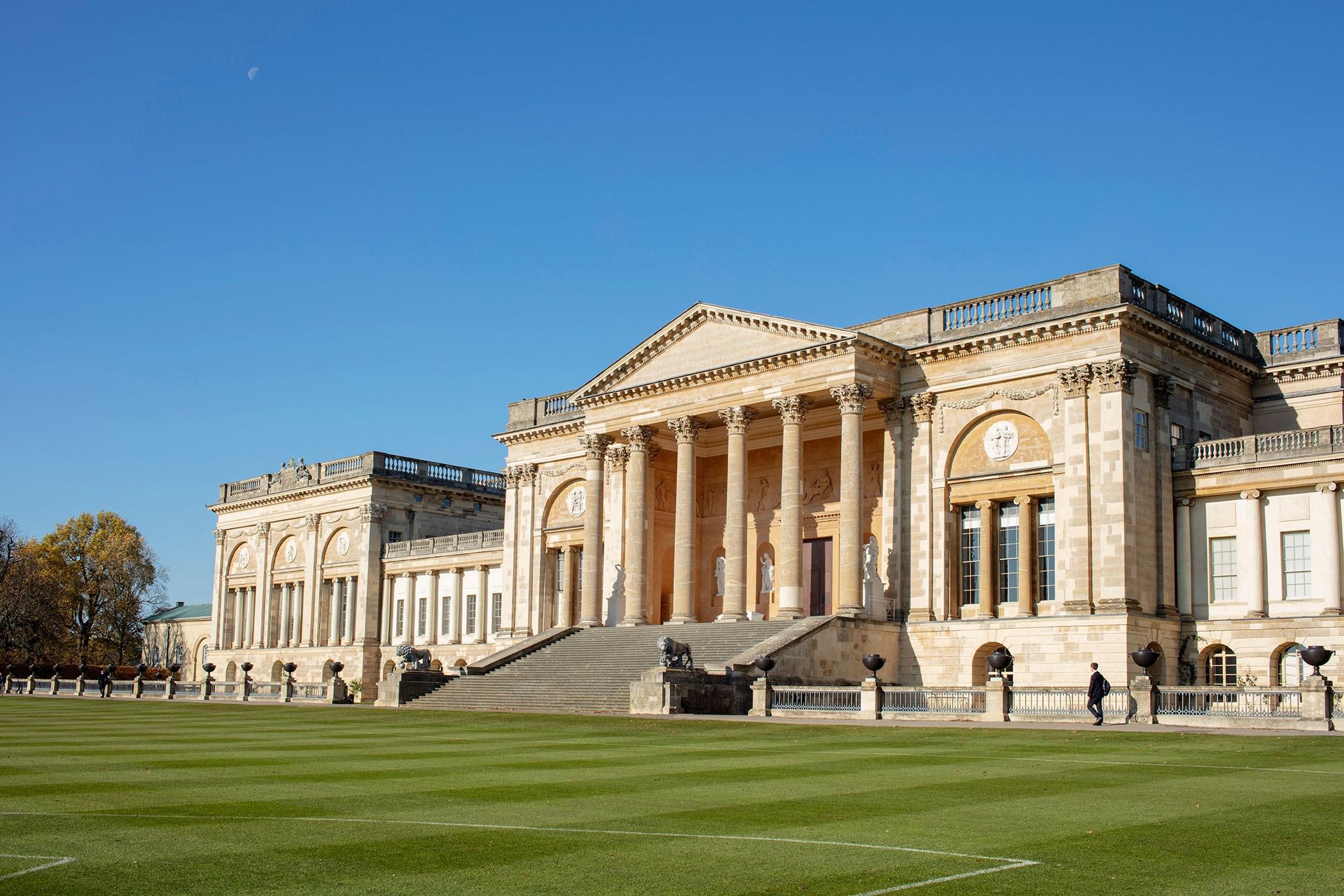
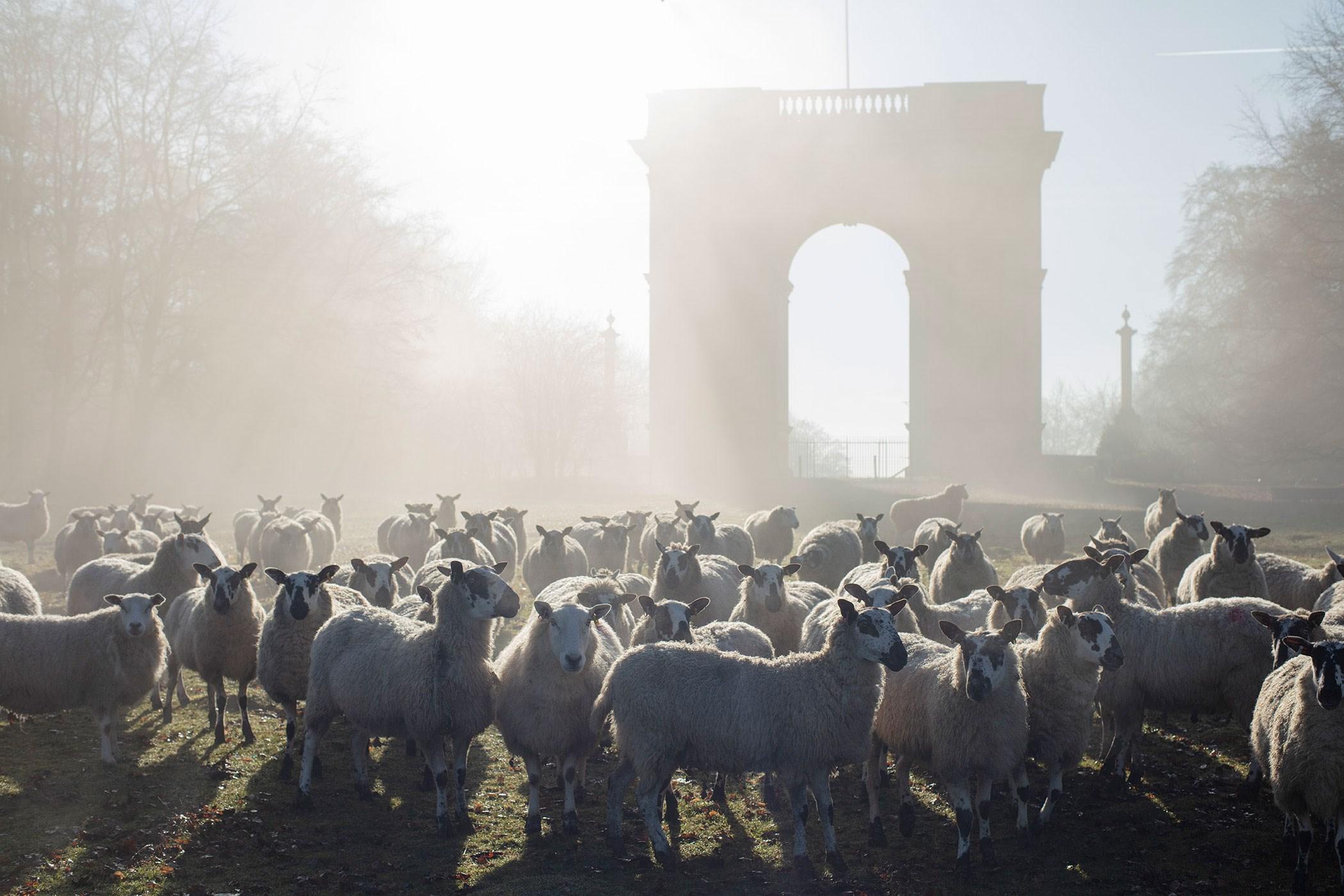
Stowe Mansion has been described as “the largest and most completely realised private neo-classical building in the world”. Its façade is over 275 metres in length, more than twice as wide as Buckingham Palace and certainly longer than Wentworth Woodhouse (185 metres). You can stay in a different room for each day of the year and still have rooms to spare. There is an element of theatre as you approach this "top seat" from the West at a right-angle to the house, to be embraced by a cour d' honneur of elegant colonnades on either side of Vanbrugh's portico. From the portico the visitor passes through the North Hall, admiring Kent's impressive grisaille ceiling painting of Mars handing a sword of victory to Viscount Cobham, before moving into the Marble Saloon with its white Massa Carrara floor and sixteen scagliola columns imitating Sicilian jasper and carrying a classical frieze of nearly three hundred figures moving in a triumphal procession above the cornice. The denouement comes as you emerge on to the noble South Front Portico, a loggia with six imposing Corinthian columns, thirty-one steps above the ground. There you are invited to gaze over the sloping lawns, flanked by vast and noble trees, skim over the placid waters of the Octagon Lake, Vanbrugh’s Lake Pavilions standing as sentinels on either side, proceed uninterrupted across the ha-ha to where the ground rises to meet Lord Camelford's triumphal Corinthian Arch. The view is one of the wonders of Stowe, once seen - never forgotten.
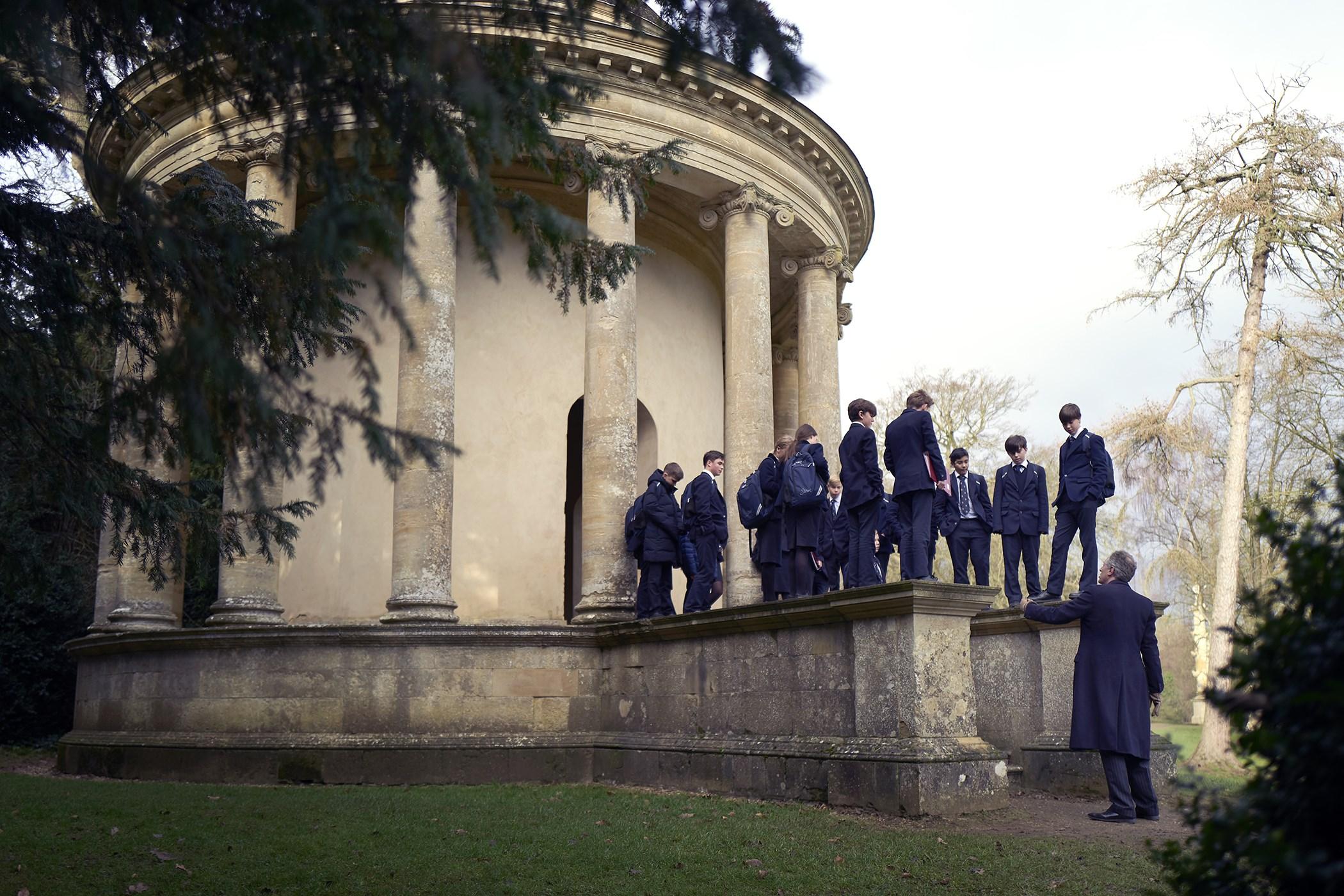
Stowe was the headquarters of the Grenville cousinhood, political descendants of 17th Century Parliamentarians led by John Hampden and John Pym who "began a noble opposition to an arbitrary court” by defending their version of liberty against Charles I. Later, eighteenth century Whigs, led by Viscount Cobham and his nephew and heir, Richard Grenville, Earl Temple, favoured a teleological interpretation of British history which began with Alfred the Great ("the founder of the English constitution") and culminated in the ascendancy of the Protestant constitutional monarch, George I, in 1714.
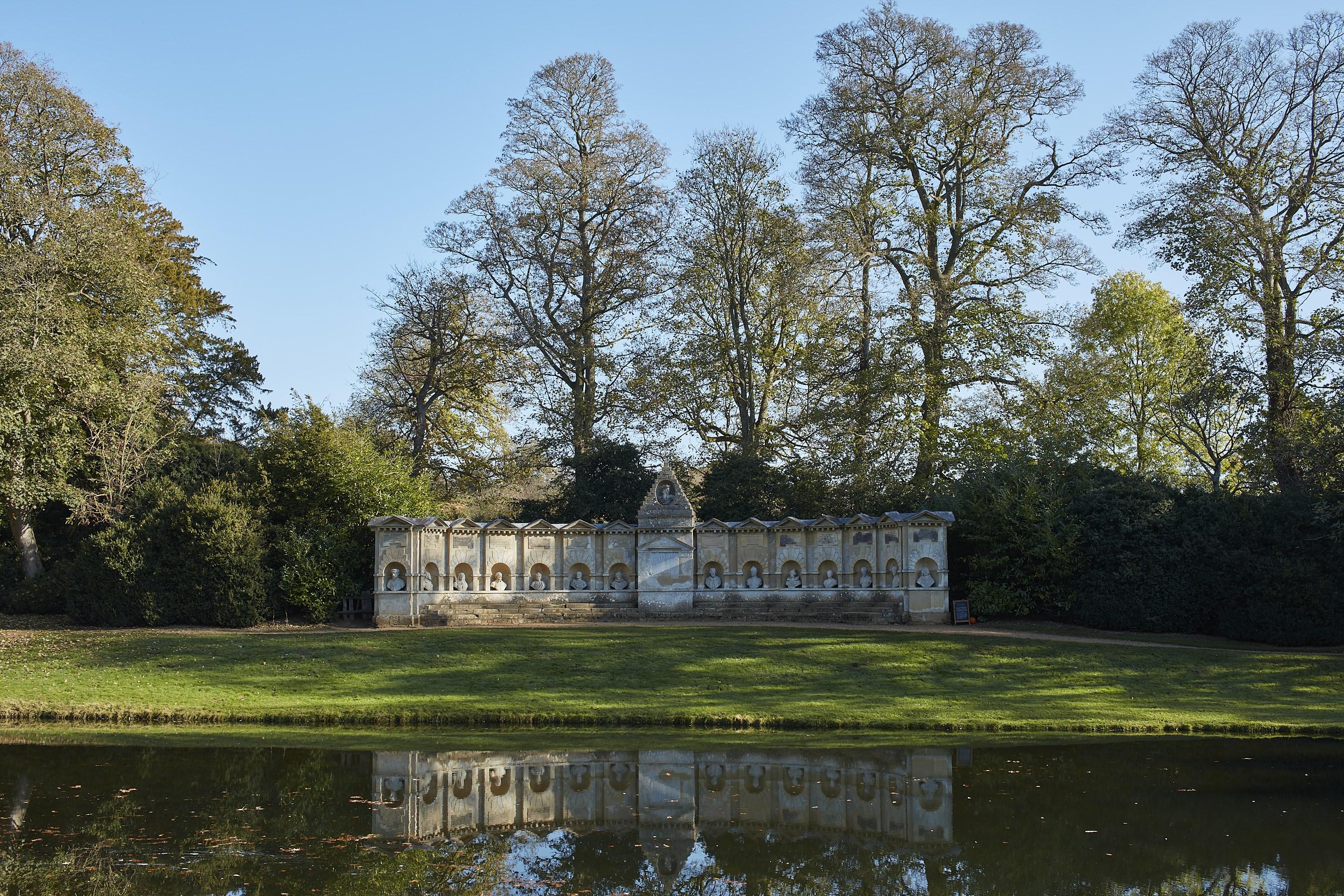
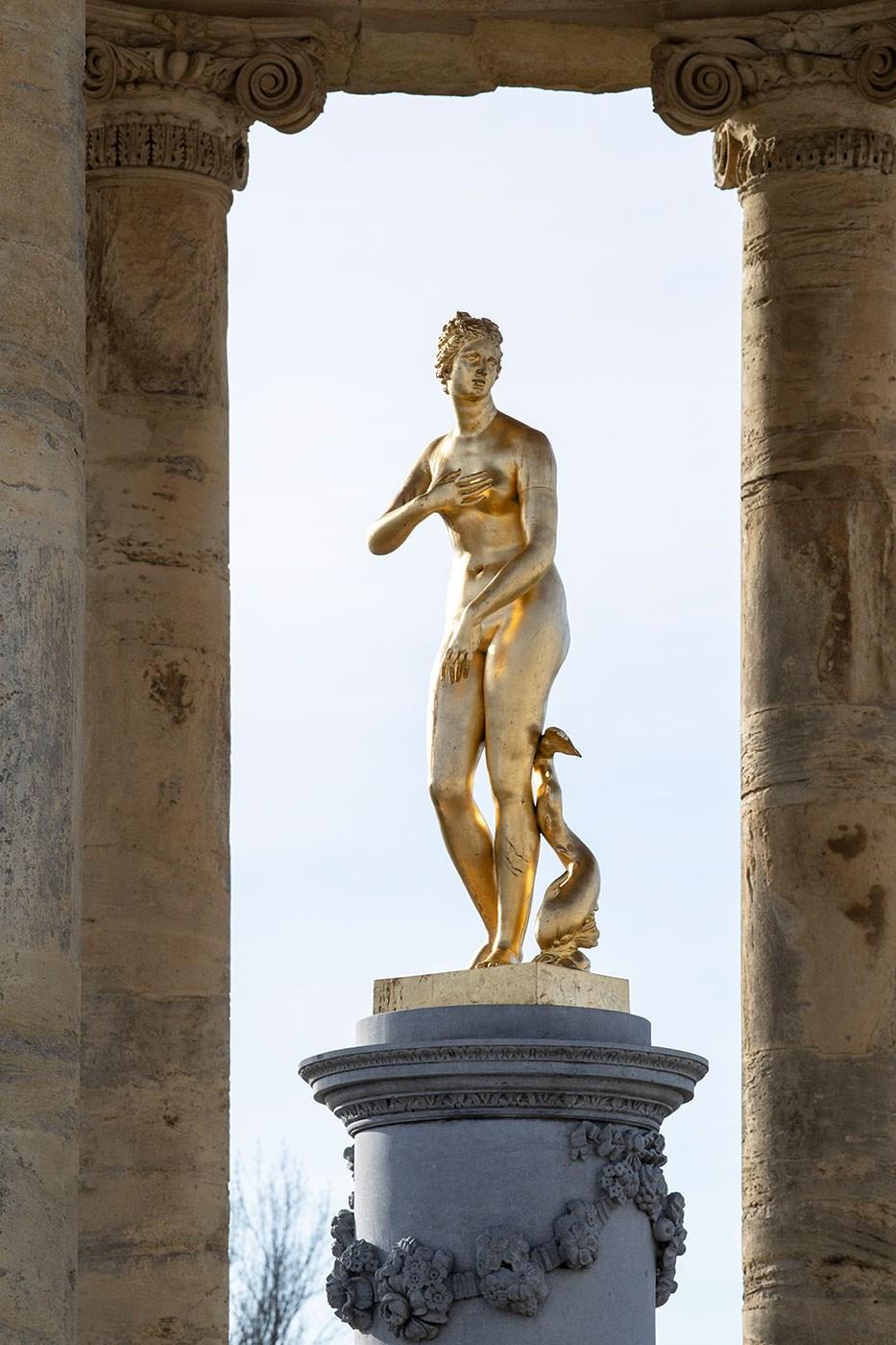
Whigs revered parliamentary freedom and opposed the absolutism of Spain and France. Reason, scientific experiment and logical deduction were the enemy of superstition and ignorance: the pantheon of Whig heroes in the Temple of British Worthies includes Francis Bacon for "rejecting vain speculation", John Locke for understanding "the Nature End and Bounds of Civil Government" and Isaac Newton "whom the God of Nature made to comprehend his Works". In some ways, the Mansion and landscape gardens, adorned with thirty-two follies and temples d'amour, can be viewed as an essay in Whig principles, a manifesto of Enlightenment philosophy.
“
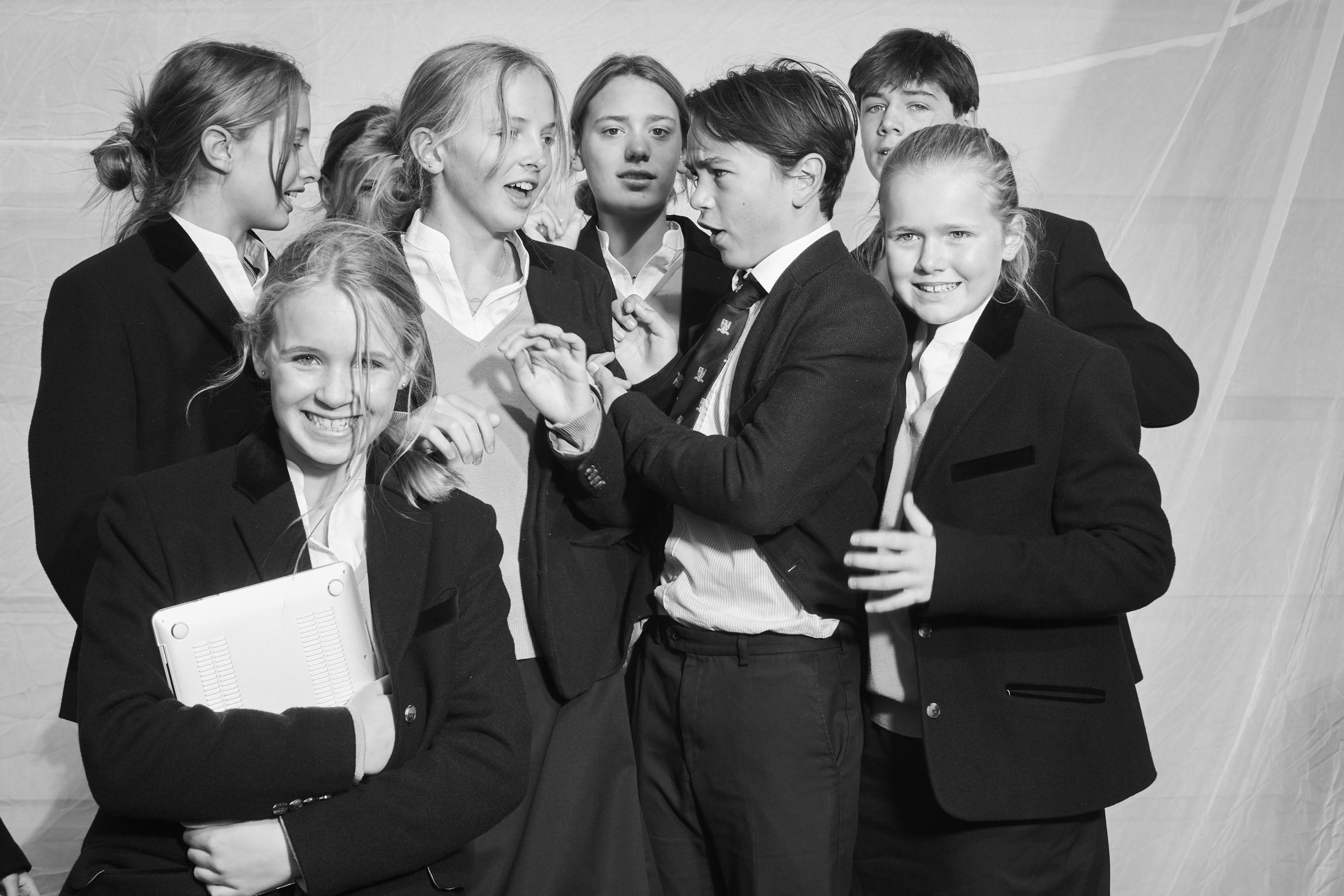
You can find almost every type of person at Stowe. It’s a bit like a social experiment because there are definite friendship groups that form around shared interests. Some people care more about grades than others, but boarding makes you resilient and some people want to follow the crowd. Everyone makes mistakes socially, but that’s how we learn and grow.”
Tiffany Osibanjo, (Lyttelton)
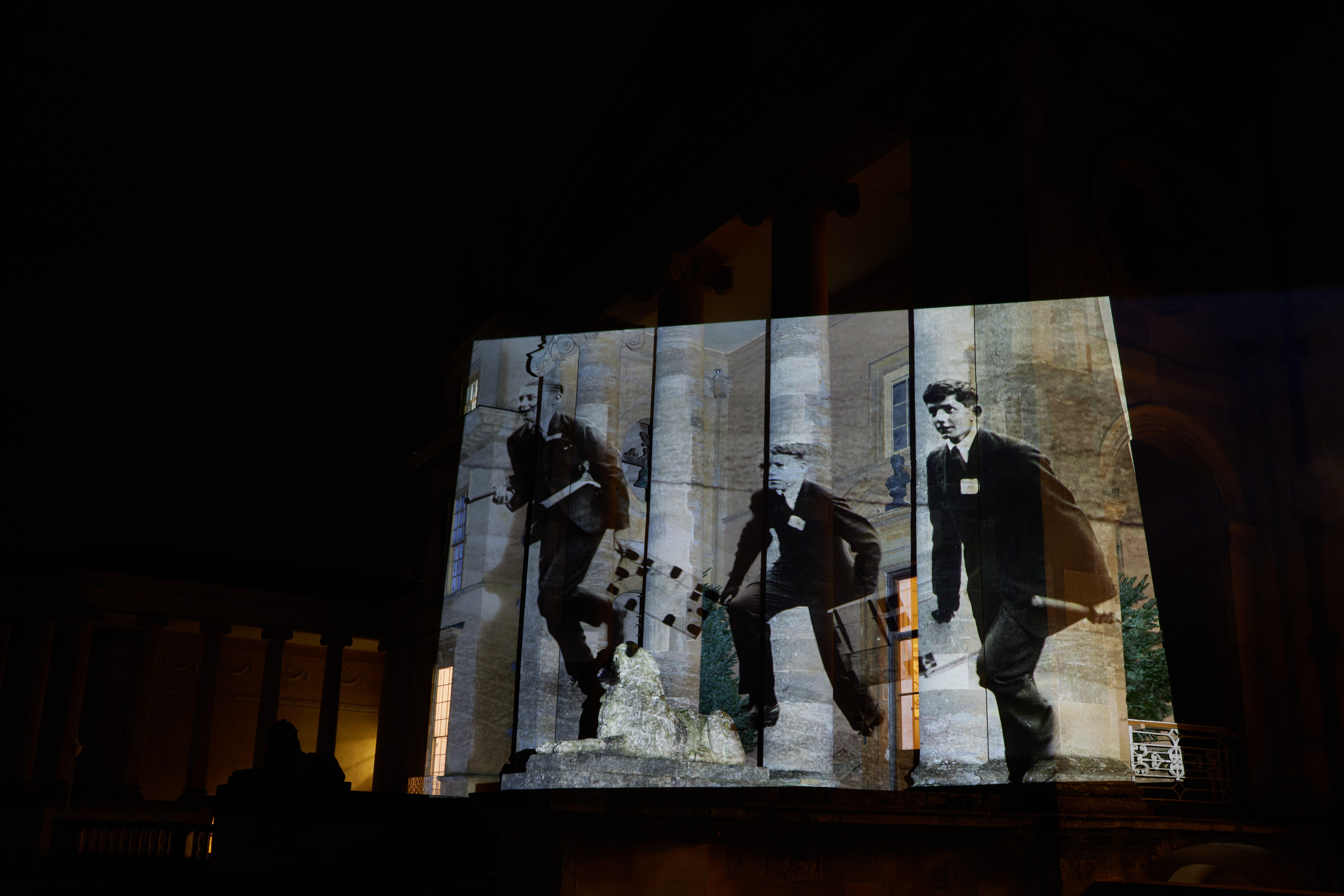
When Stowe opened in 1923, the founding Headmaster, JF Roxburgh, immediately sensed how the history and grandeur of Stowe could become an important part of the new school's identity. The education that Stoics were to receive would be distinctive, and would rest upon three principles: the school would modernise, liberalise, and humanise traditional and narrow-minded boarding school practices; Stowe would be an inclusive community in which the rights of the individual would be respected to enable Stoics to be their best, do their best and feel their best. Finally, every pupil leaving Stowe would know, recognise, and understand beauty for the rest of their lives. This vision of a modern, humane and forward-looking independent school is as relevant today as it was in 1923.

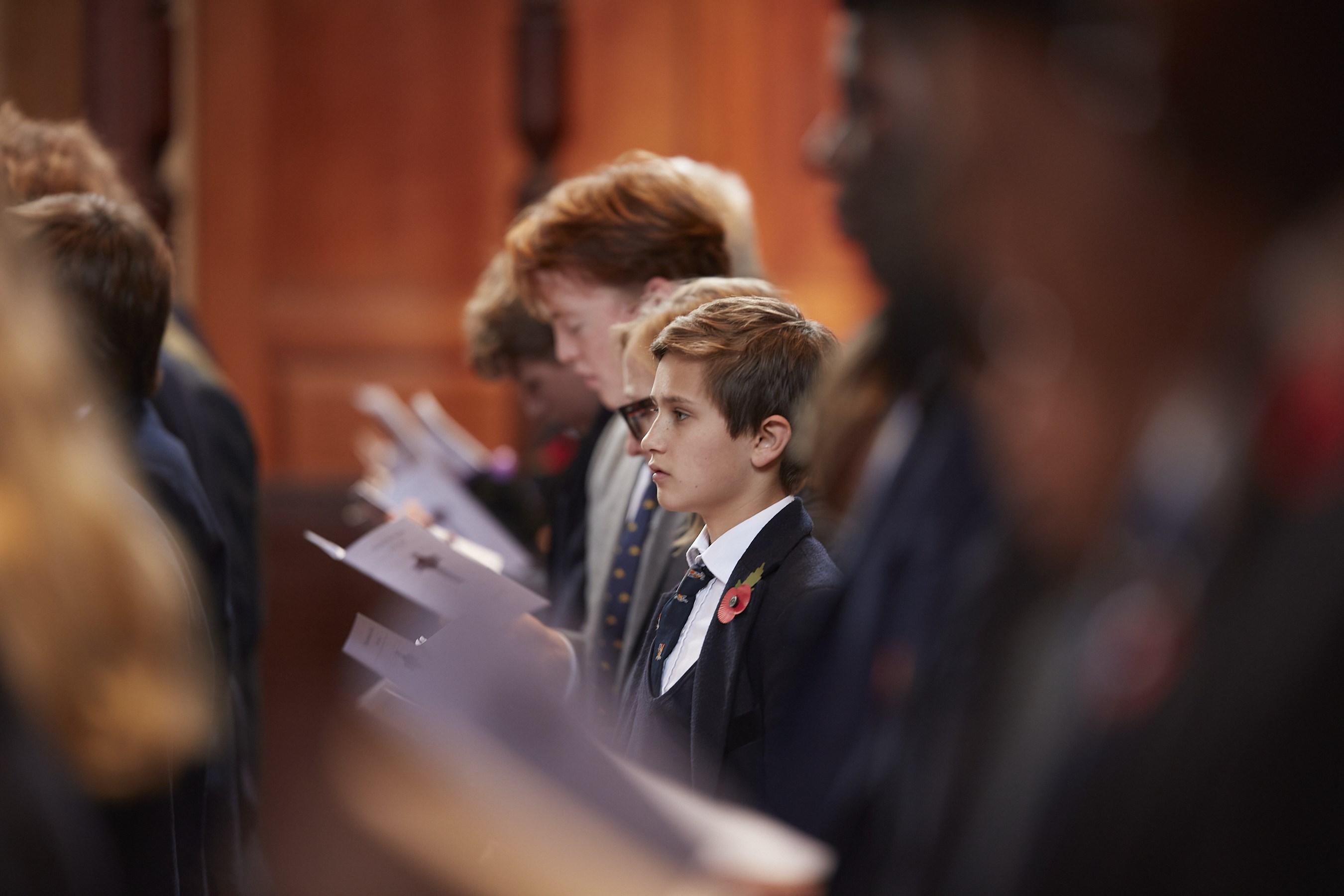
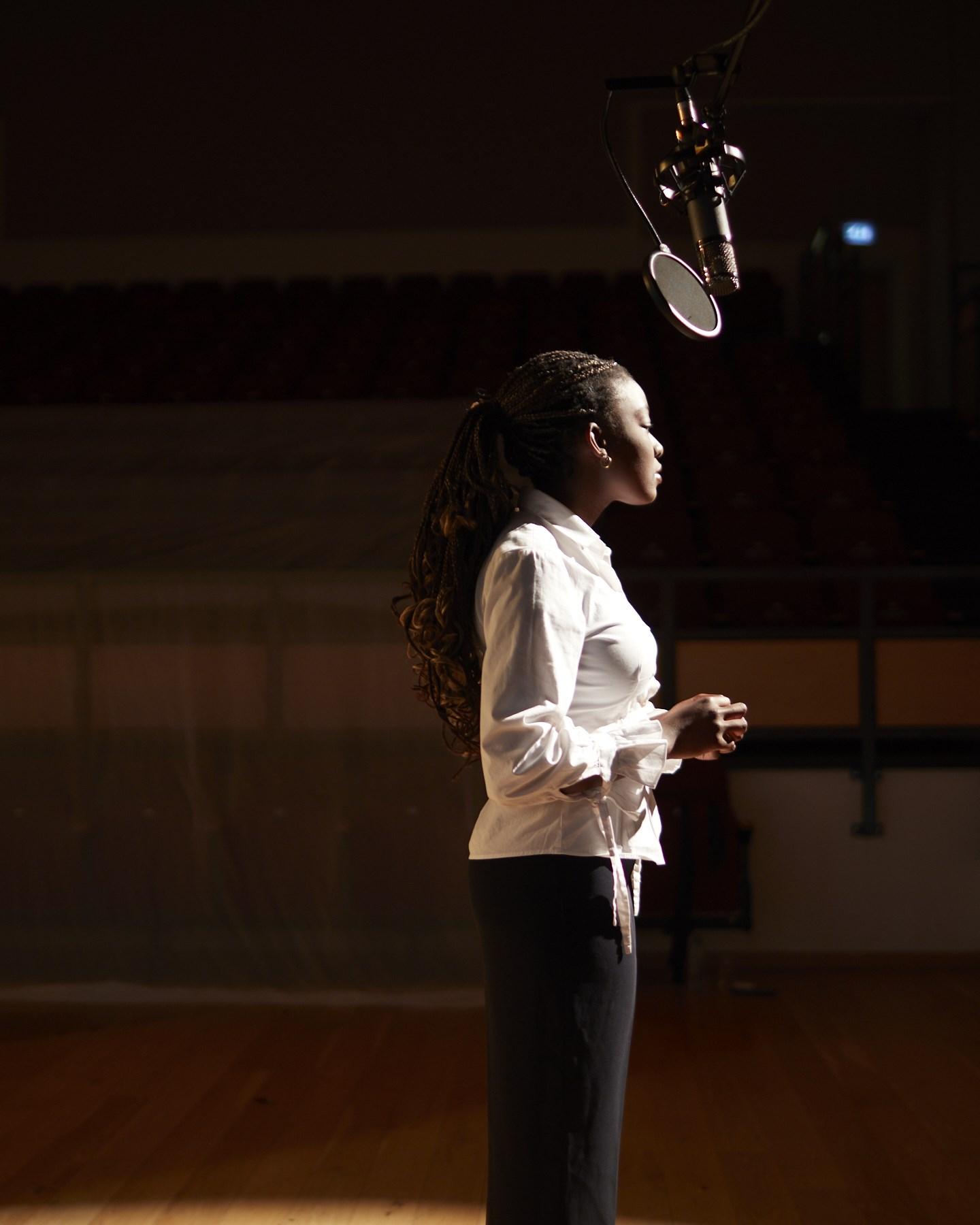
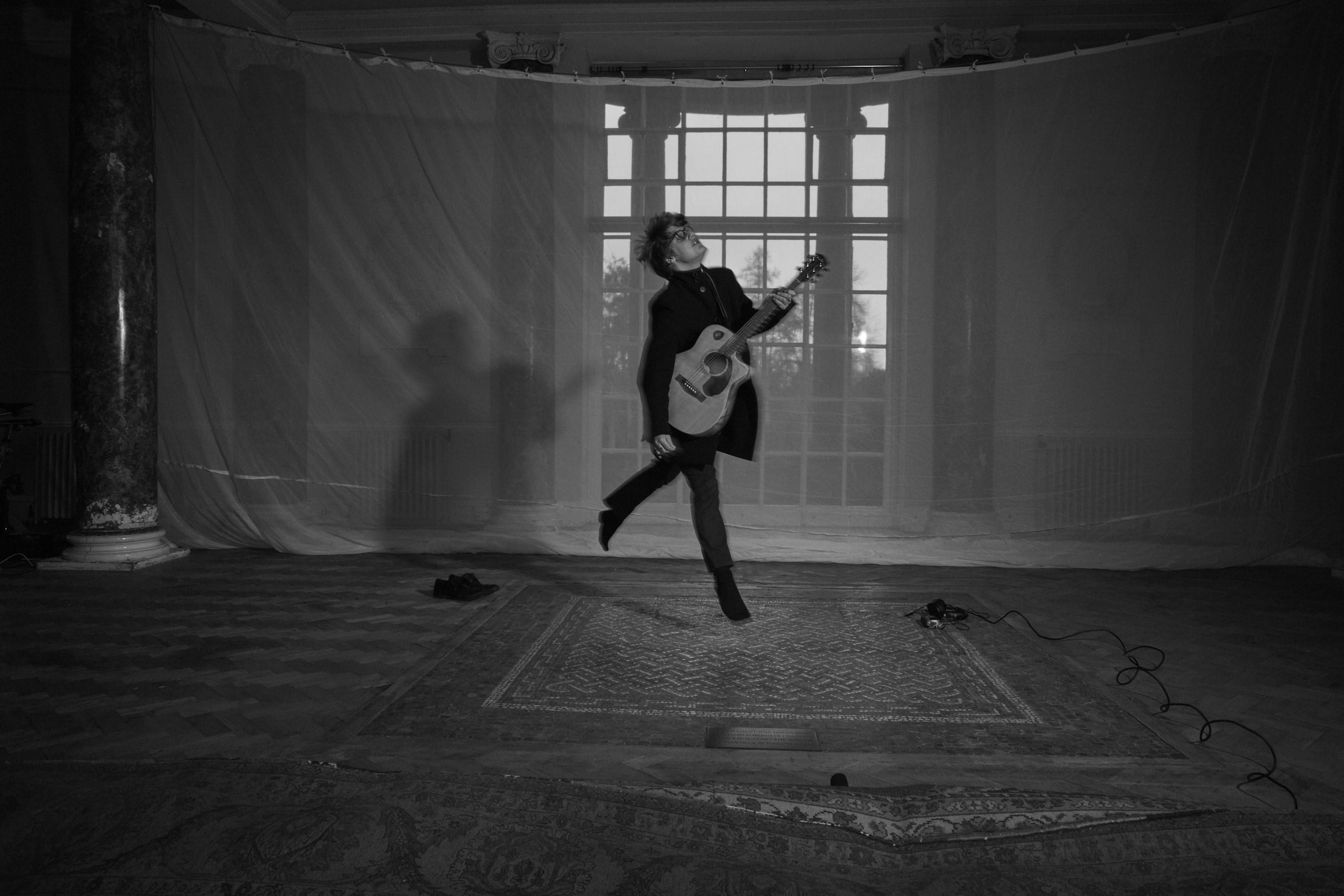
Notwithstanding its noble beginnings, and the historic trappings of its cultural origins, Stowe is by no means stuck in the past. 21st Century Stowe has added a fourth ambition to Roxburgh’s principles: to create ‘Change Makers’ who are ready to face the challenges presented by a fast-moving, unstable, complex, and ambiguous world. Stoics will continue to excel in exams and compete for places at the most competitive universities, but they will also be furnished with a tool-kit which prepares them not just for a life of tests, but for the tests of life. Change Makers collaborate, reflect, solve problems, think critically, and show emotional intelligence. They are equipped with the skills, habits and dispositions needed to adapt and flourish. Thought leadership enables them to take advantage of new technologies, limitless access to information and advances in engineering, robotics, and artificial intelligence. We are transforming how young people are prepared to enter the world beyond the school gates. The UK may not compete on labour costs or raw materials, but we can set the pace in intellectual capital, creativity and entrepreneurial flair. Change Makers are preparing for jobs that do not yet exist, using technology which has not yet been invented, to solve problems which are only just becoming apparent. But, whatever the future holds, I am confident that future Old Stoics will continue to make important contributions to business, industry, science, medicine, education, sport, politics, music, art and drama.
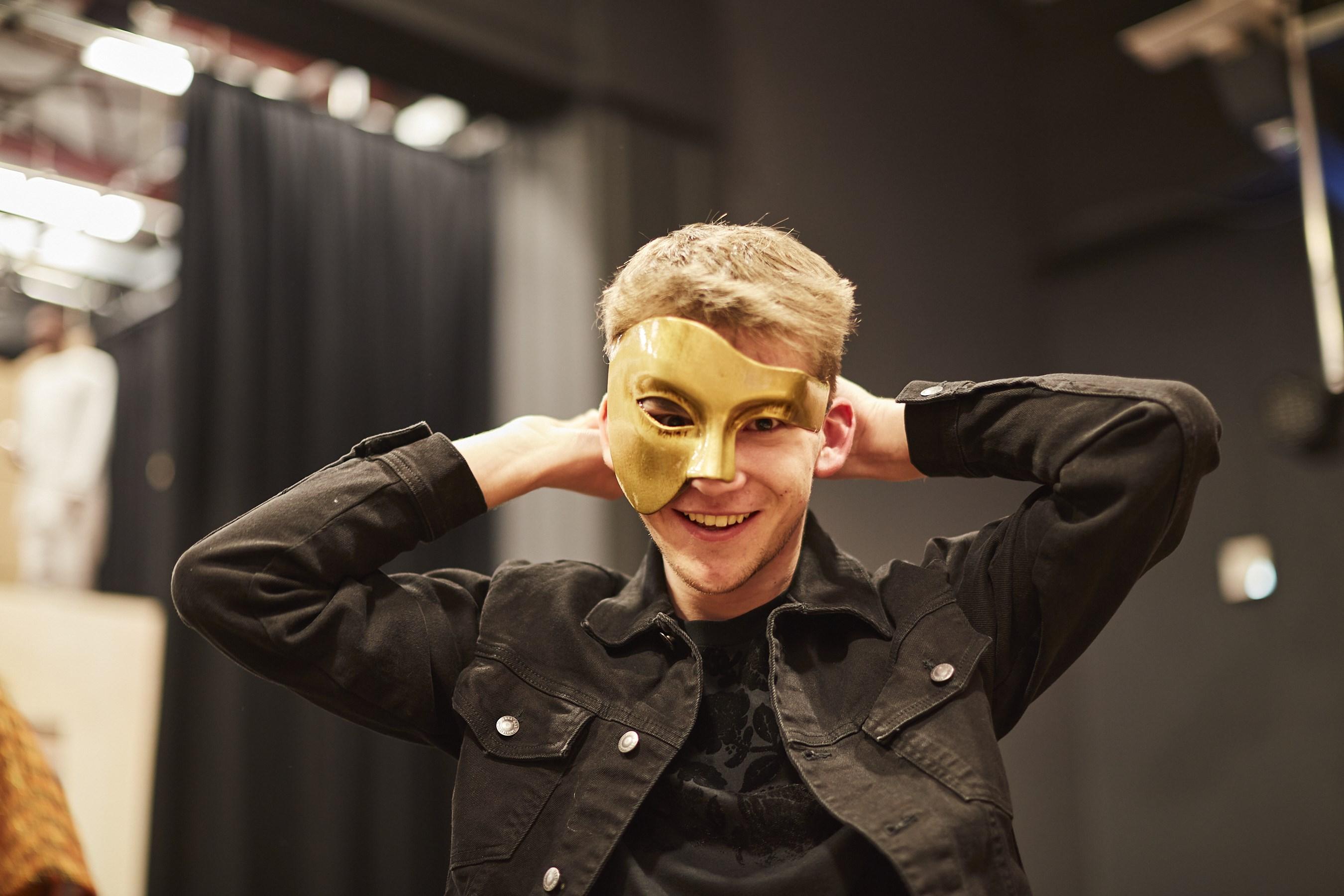
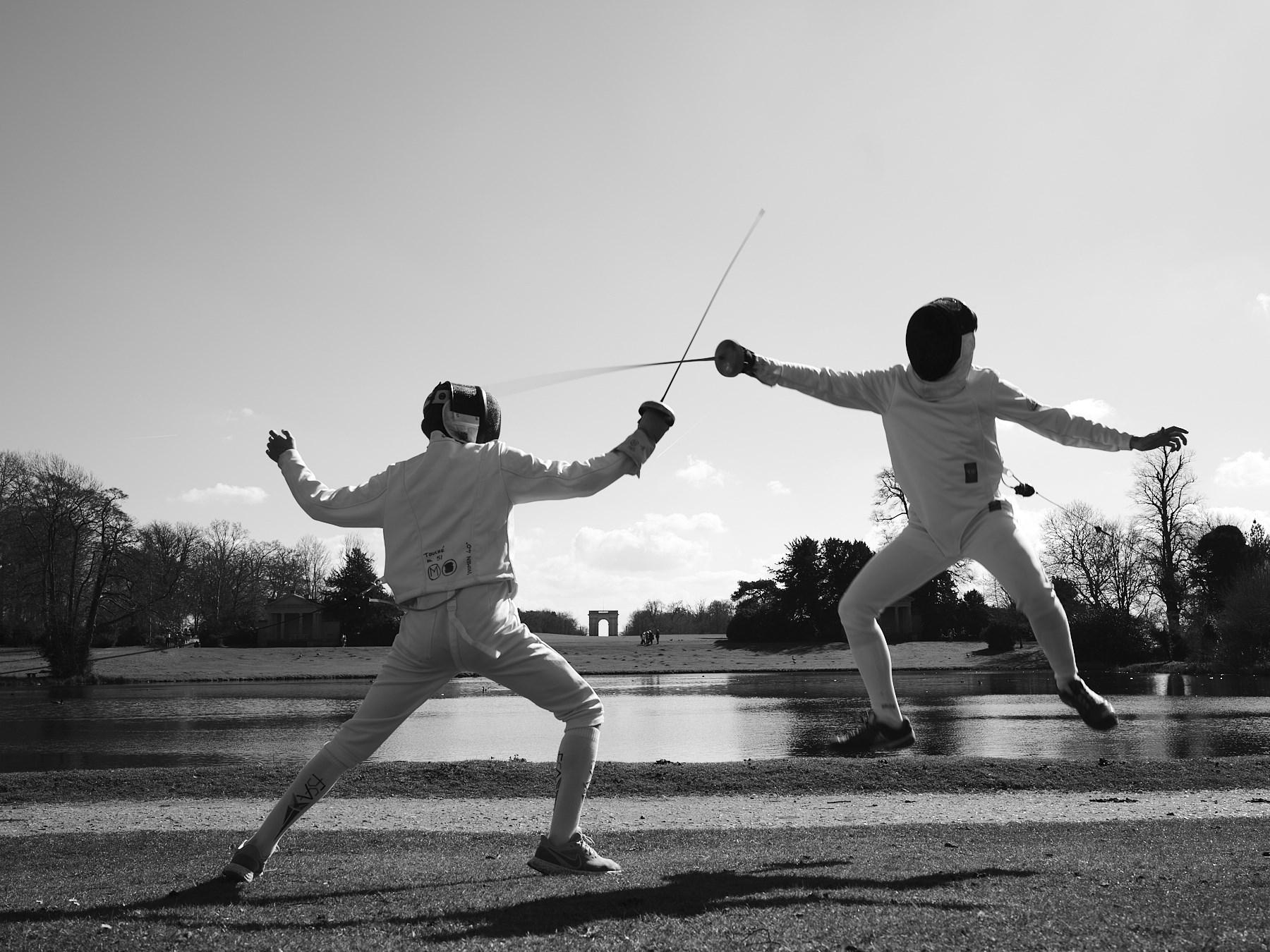
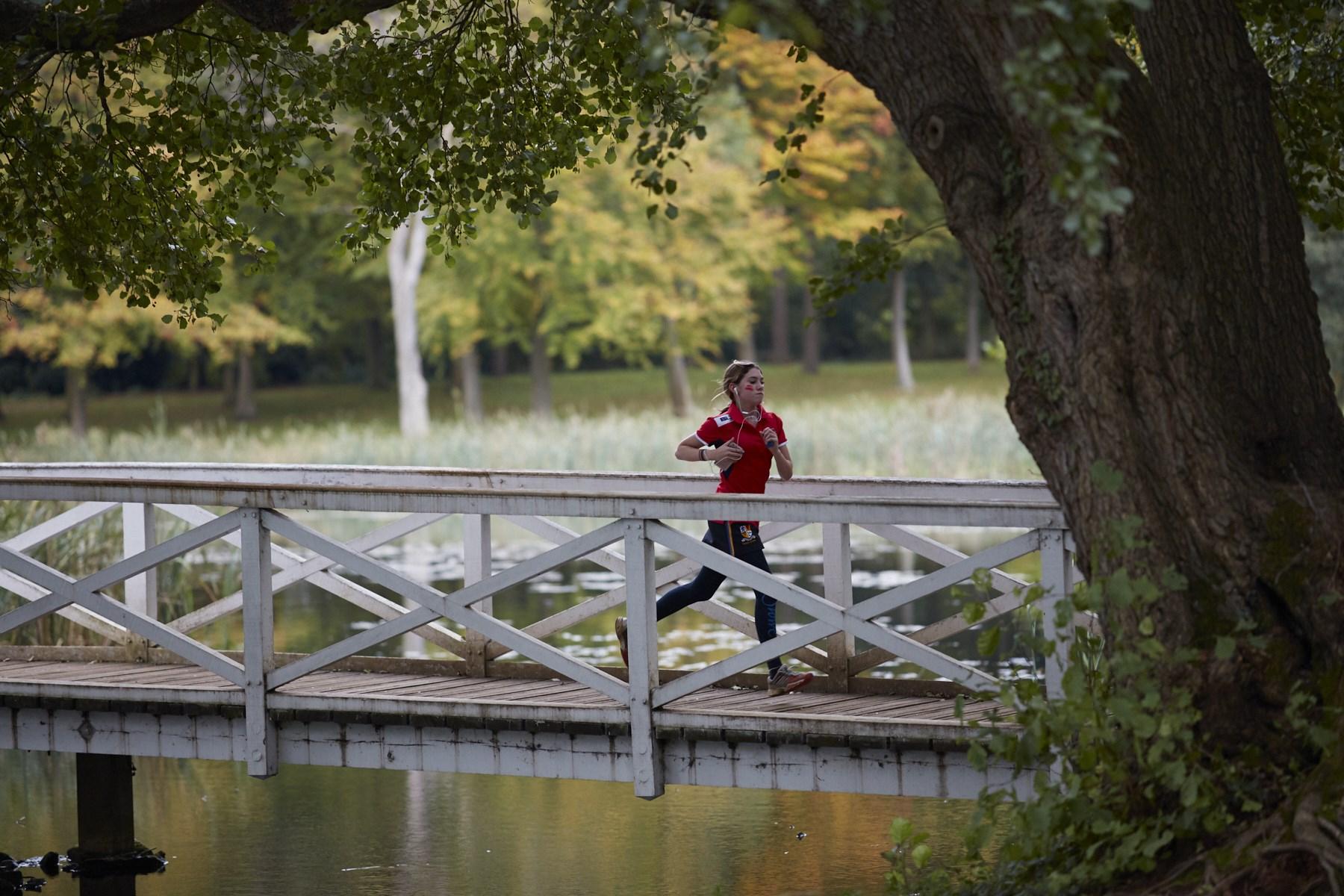
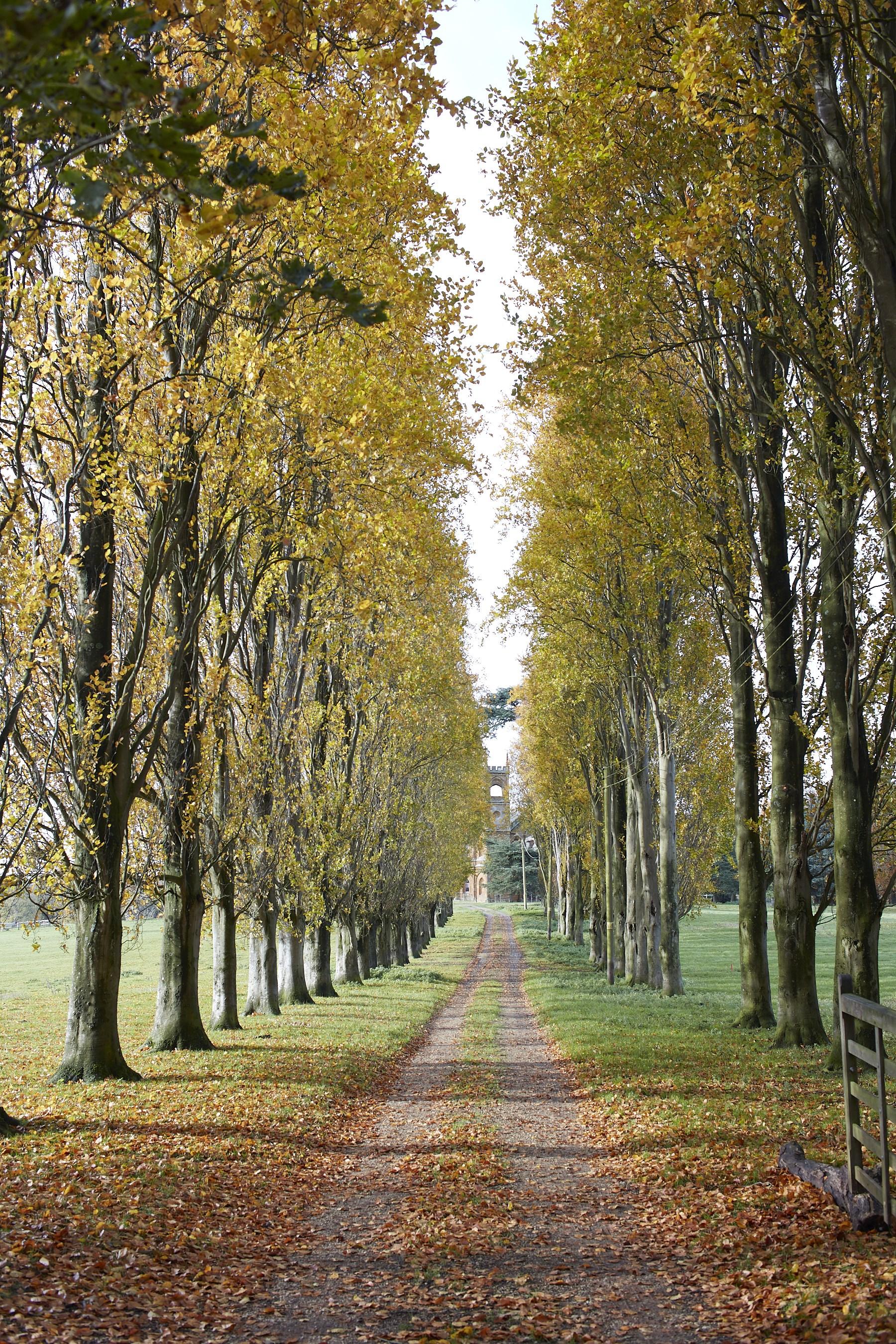
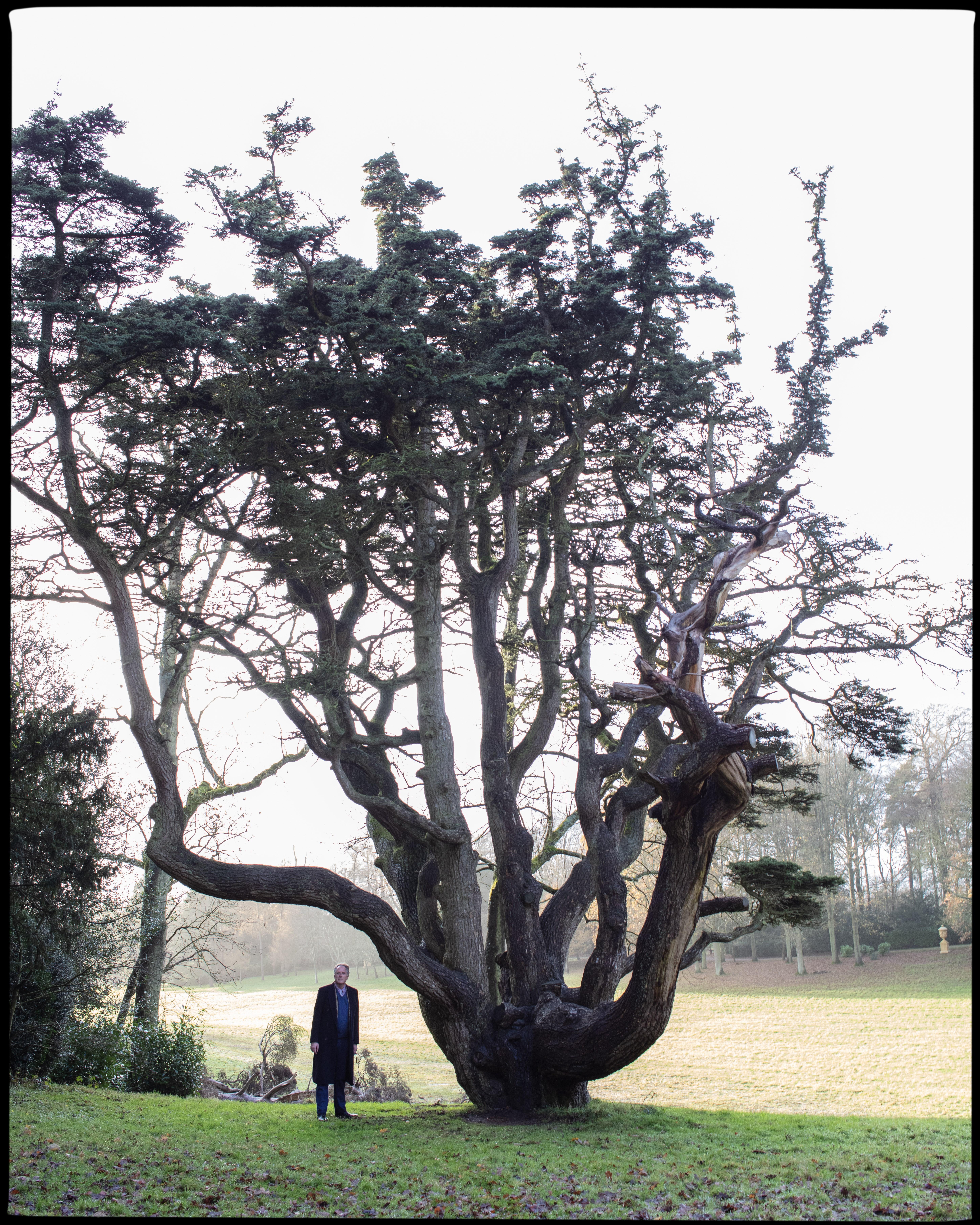
“I do really appreciate the physical beauty around me – I run a lot and as I look for different routes around the grounds I keep finding views and little nooks and waterfalls I hadn’t really noticed before. I really don’t take it for granted.”
Thanassi Ghertsos (Chandos)