Personal Experiences & Curriculum Map
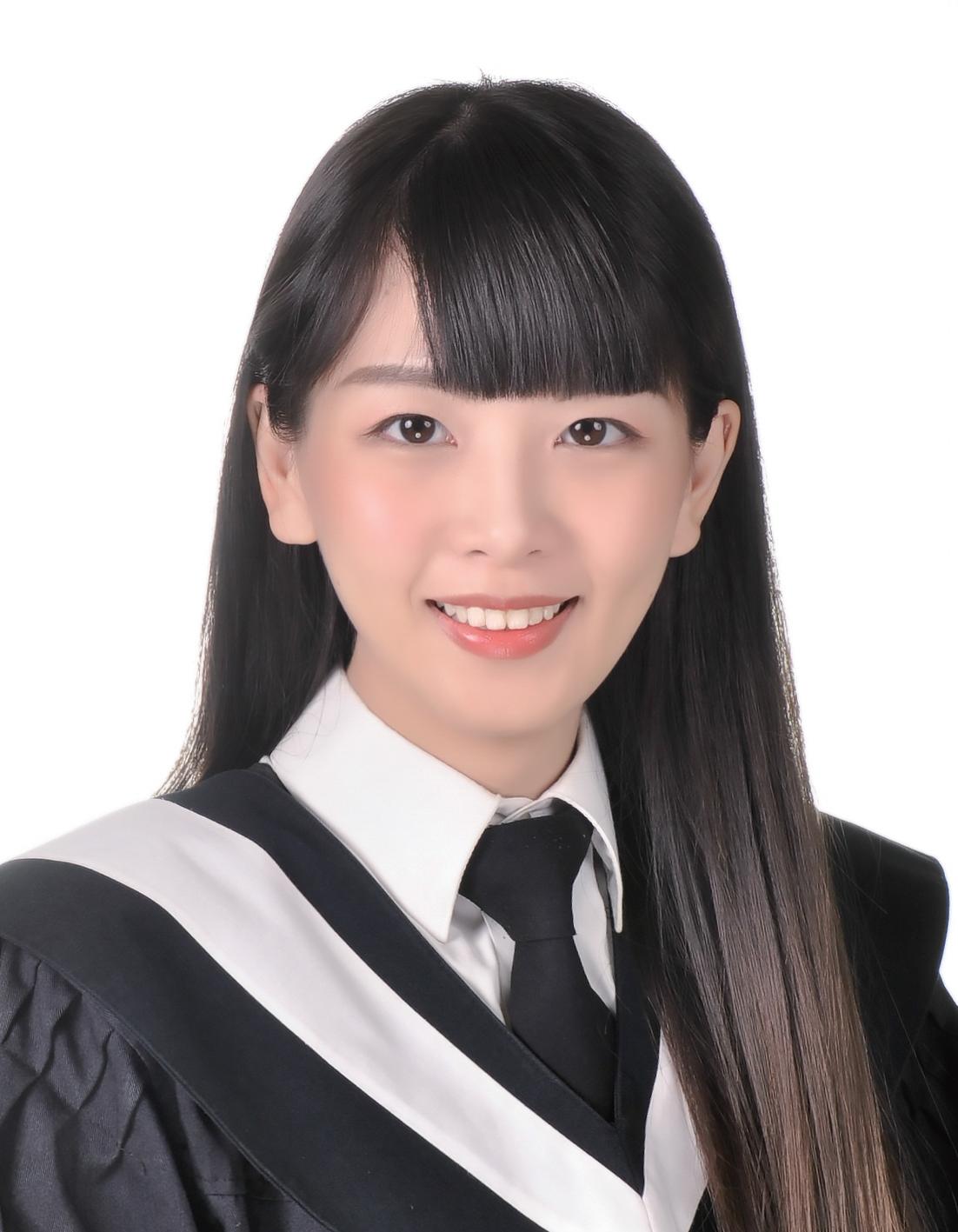
Teaching certifications
Huang Ting Yun
Education
Employment
Educational Philosophy & Course Introductions
Cross-School and Interdisciplinary Bilingual Course
National Sinying Senior High School
Music × Visual Arts – When Boogie-Woogie Pop up Mondrian
This course was collaboratively delivered across two schools.
Initial planning involved discussions with the music teacher at National Sinying Senior High School to integrate visual arts and music within a shared curriculum. Online teaching was then conducted via Google Meet, allowing for observation of students’ backgrounds and further joint lesson planning with the music teacher.
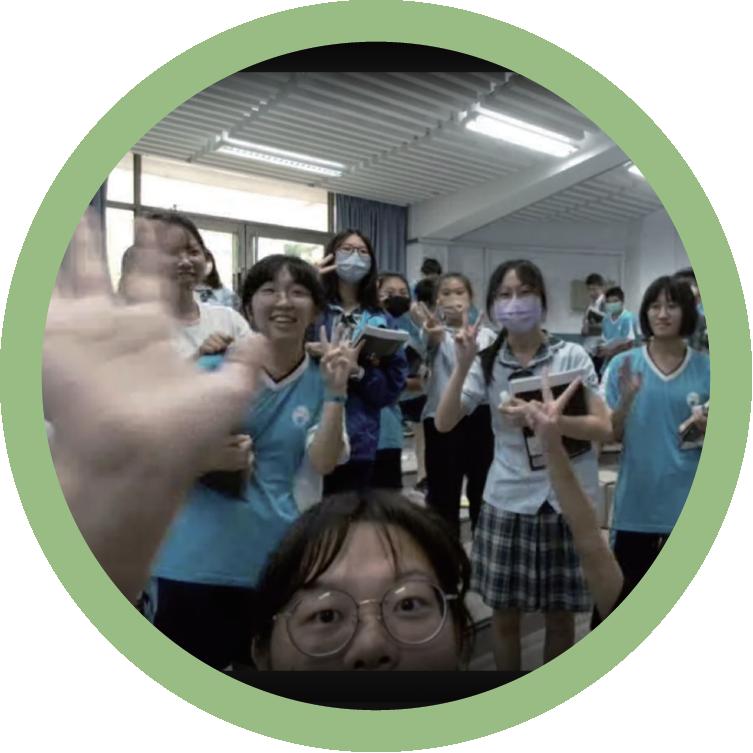
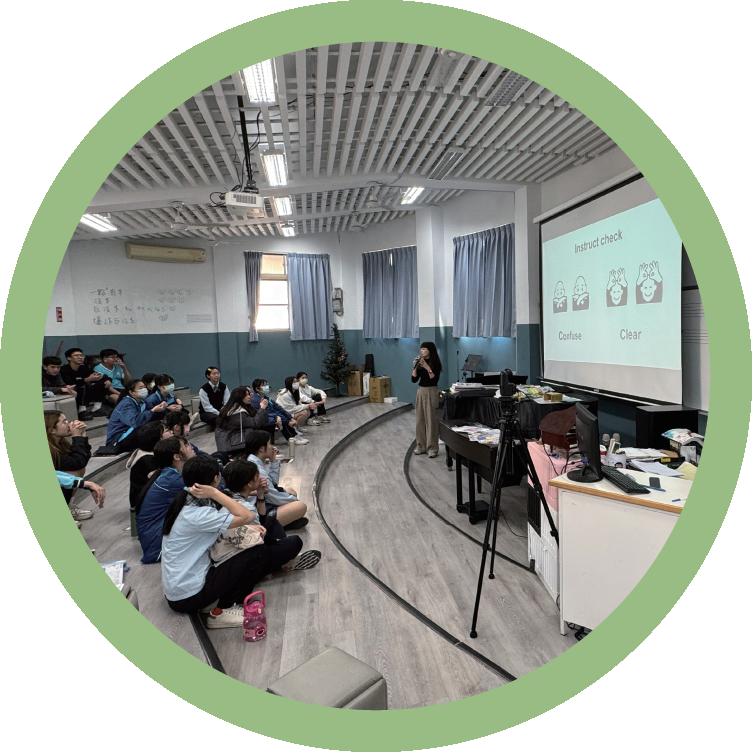
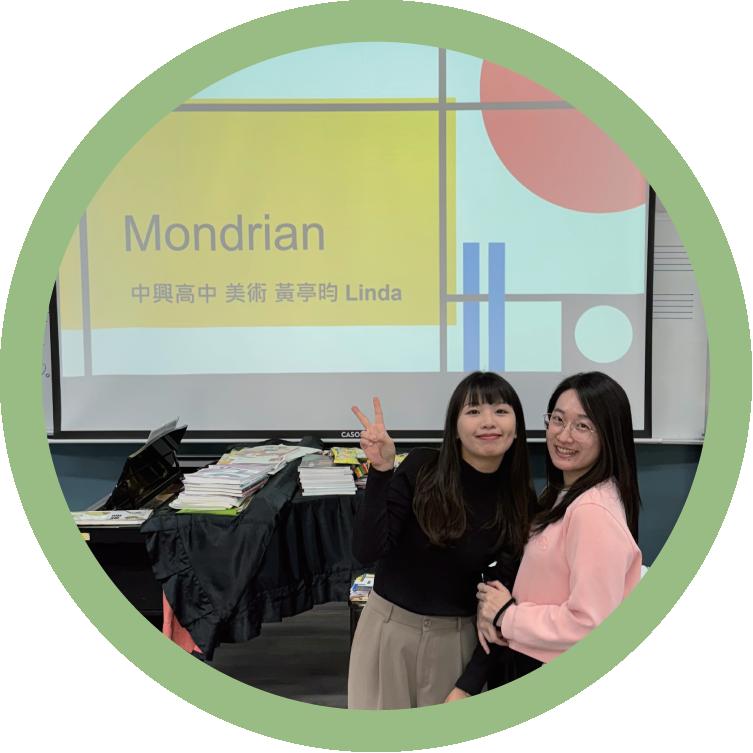
Online Connection
Conducting online class observations to understand student backgrounds and engaging in collaborative lesson preparation.
Class in Sinying
Entering Sinying High School for bilingual instruction.
Conclusion
Discuss course assessment and review, and plan for rolling revisions.
National Chung Hsing Senior High School
Midway through the semester, an on-site session was carried out, consolidating the content from the previous lesson into hands-on creative practice. Following the session, the course was reviewed and refined to inform subsequent teaching.
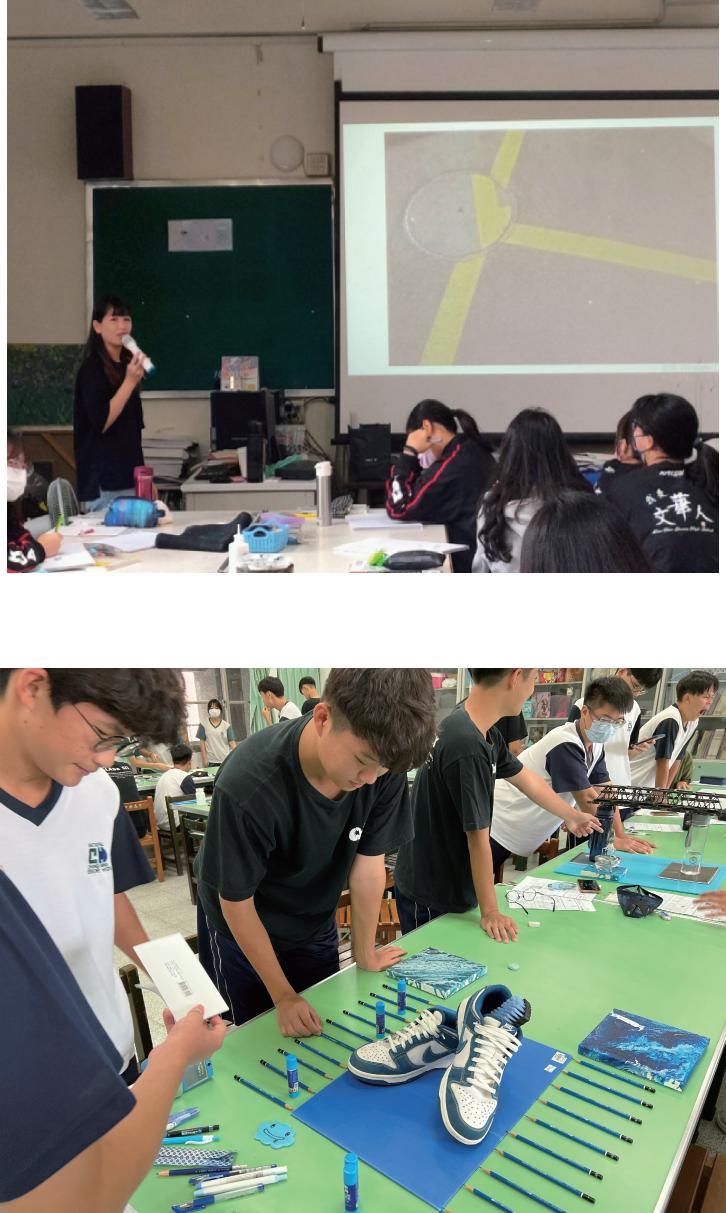
The course integrated music and visual arts, with the music teacher introducing the concept of boogie-woogie.
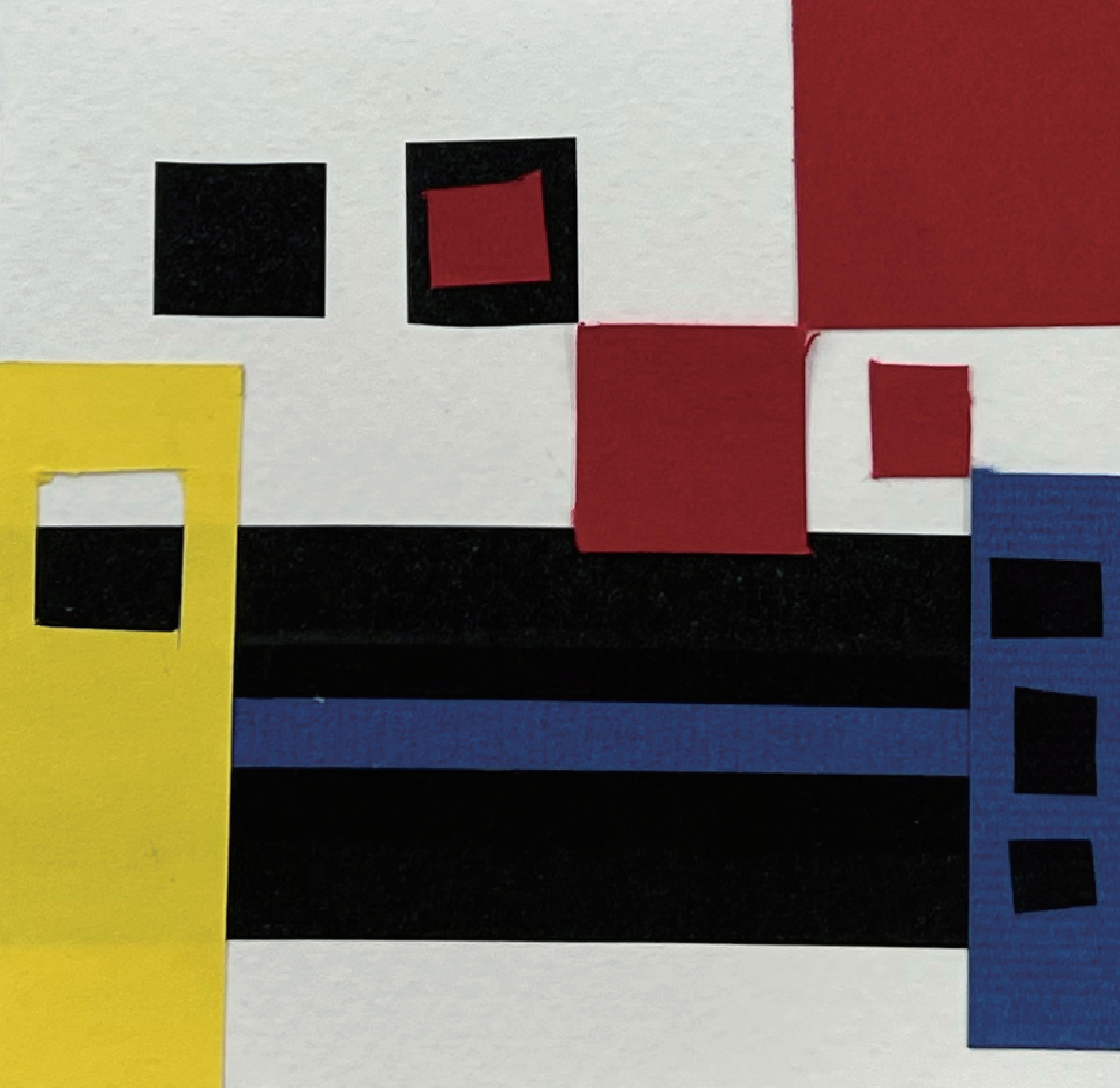
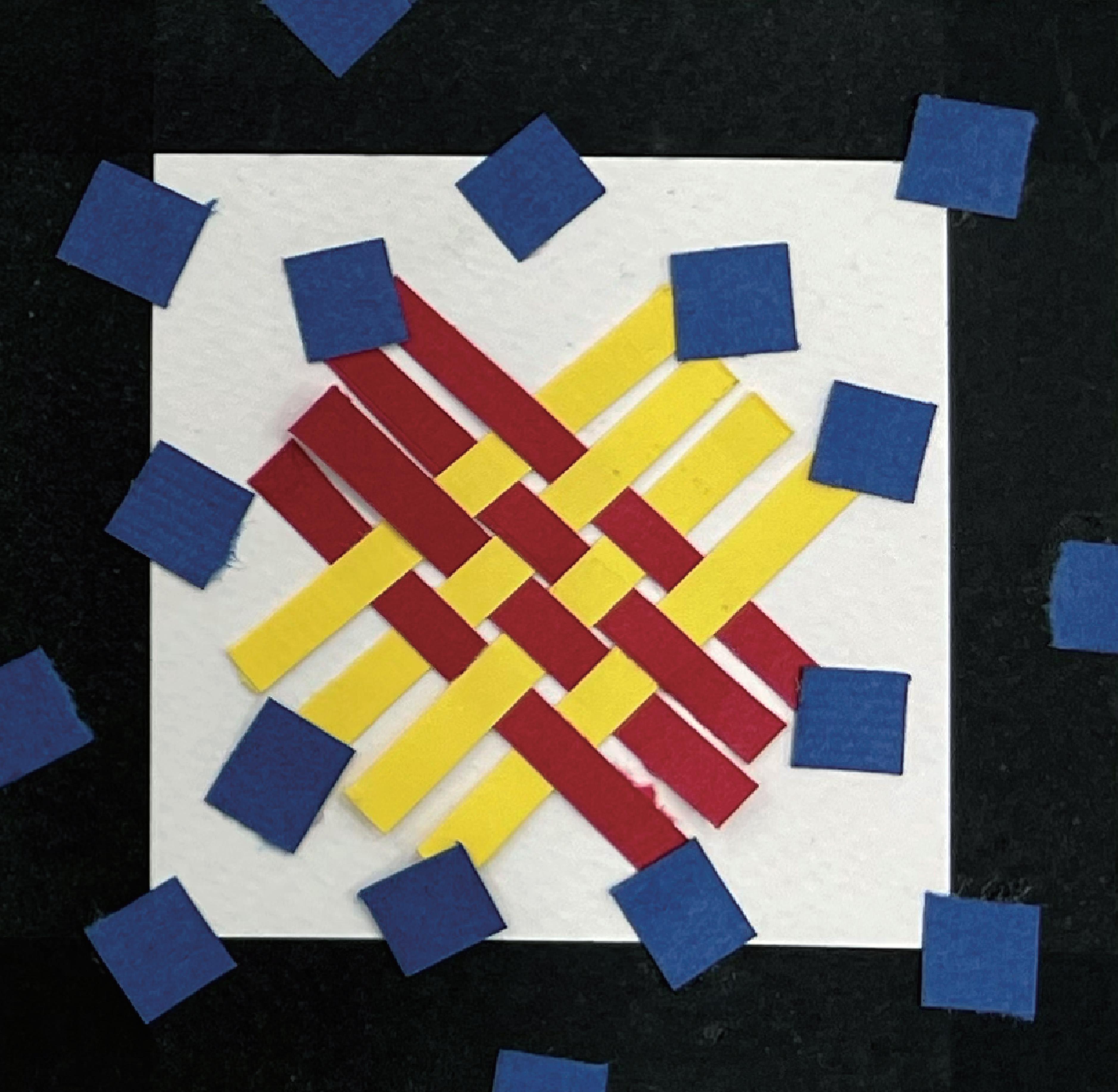
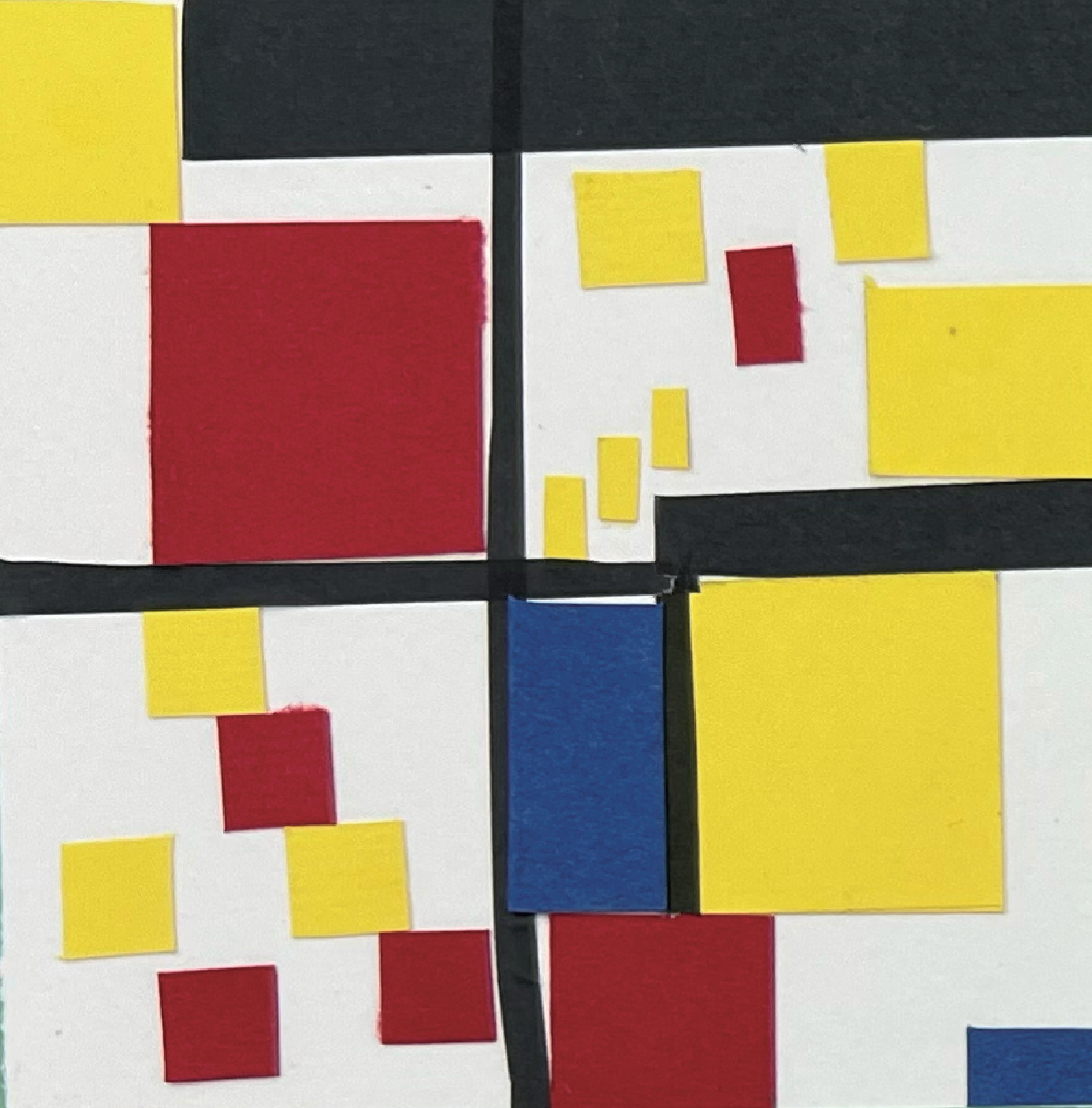

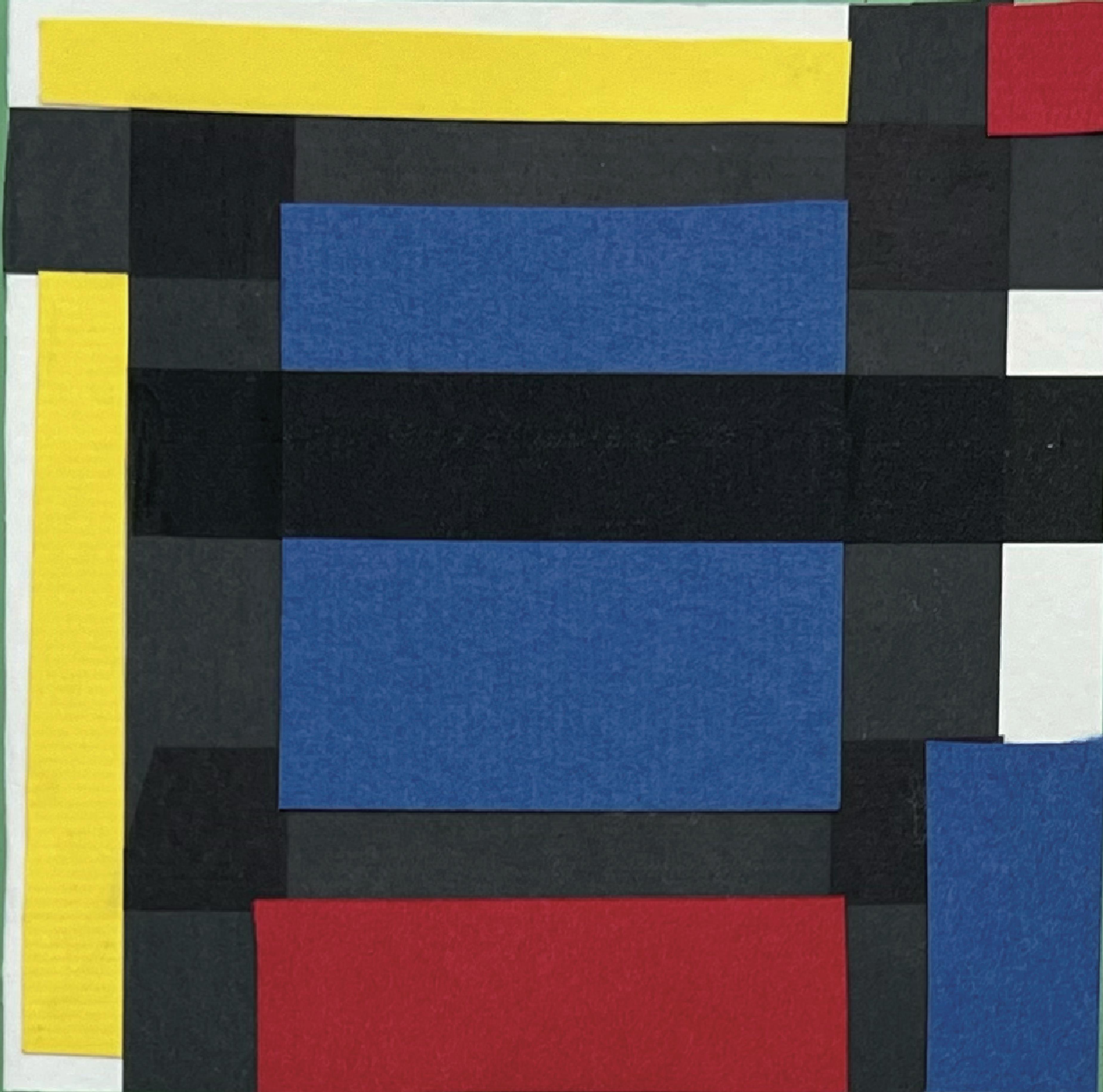
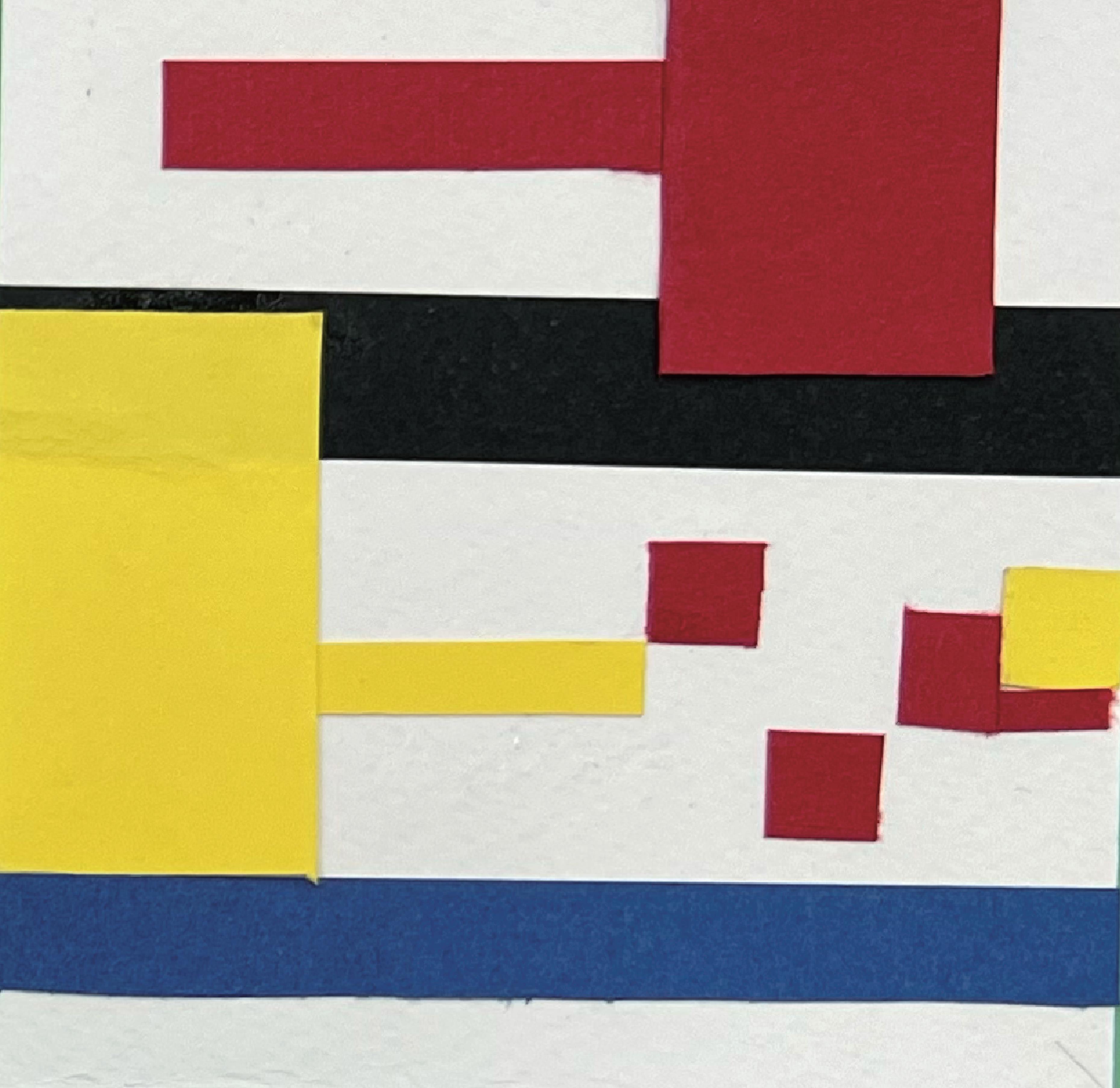
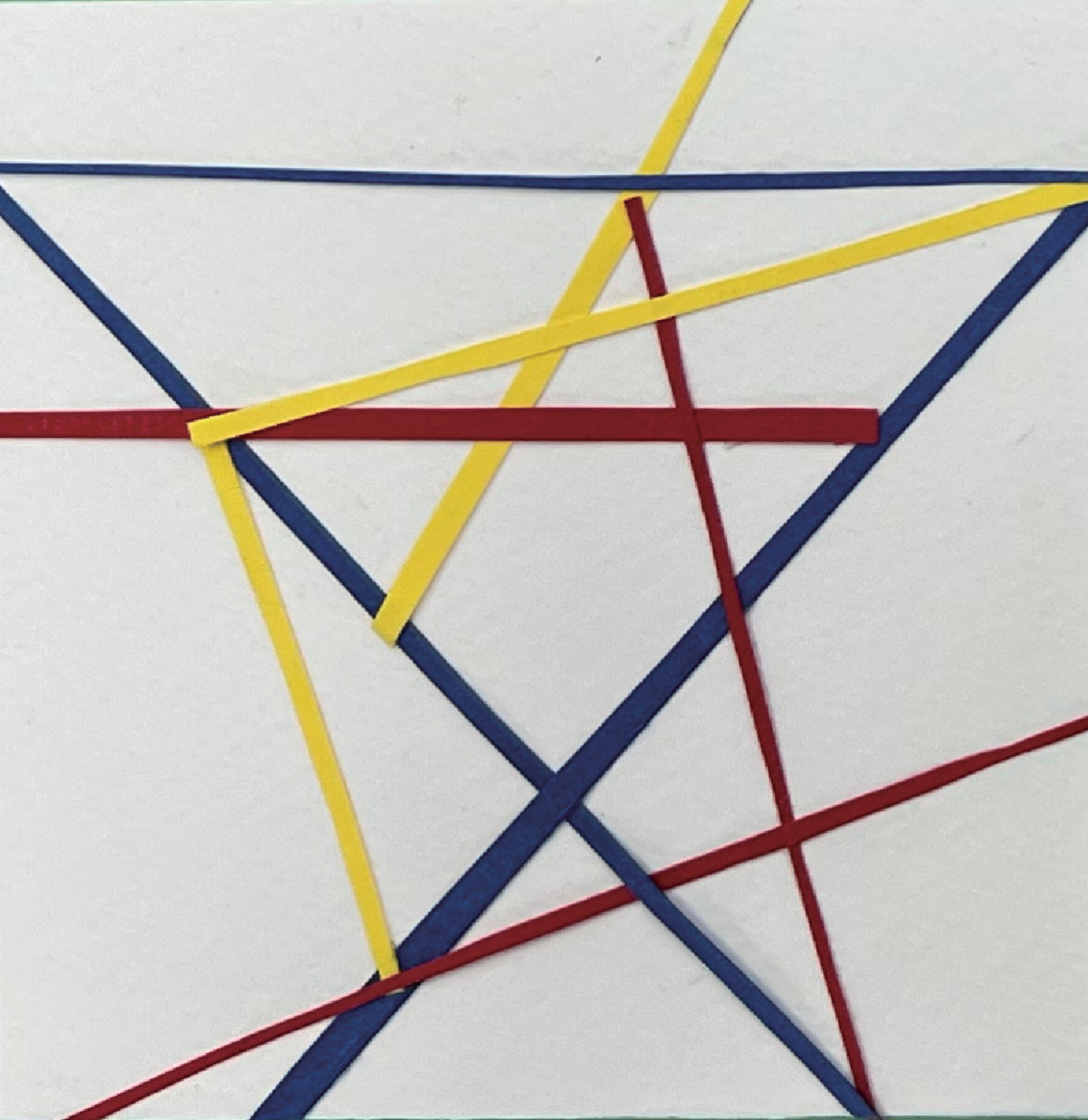
Creation from Students
The art teacher guided students in understanding the work of Piet Mondrian and its connections to the musical style.
Students were then required to create their own work by drawing on the context of Mondrian’s work in response to the music selected by the teacher.
Bilingual education-Color Fashion Show
This course is structured in three stages:
Introduction to Creation:Colour Myself
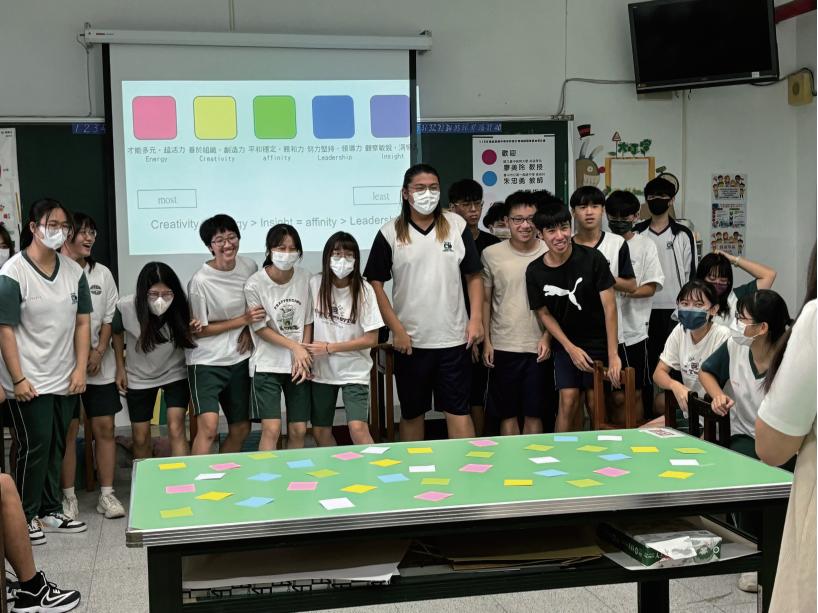
Drawing on concepts from colour psychology, students explored the relationship between emotion and colour. Through group activities, they introduced themselves using ‘colour’ as a central theme and created visual representations that reflected the characteristics of each group member.
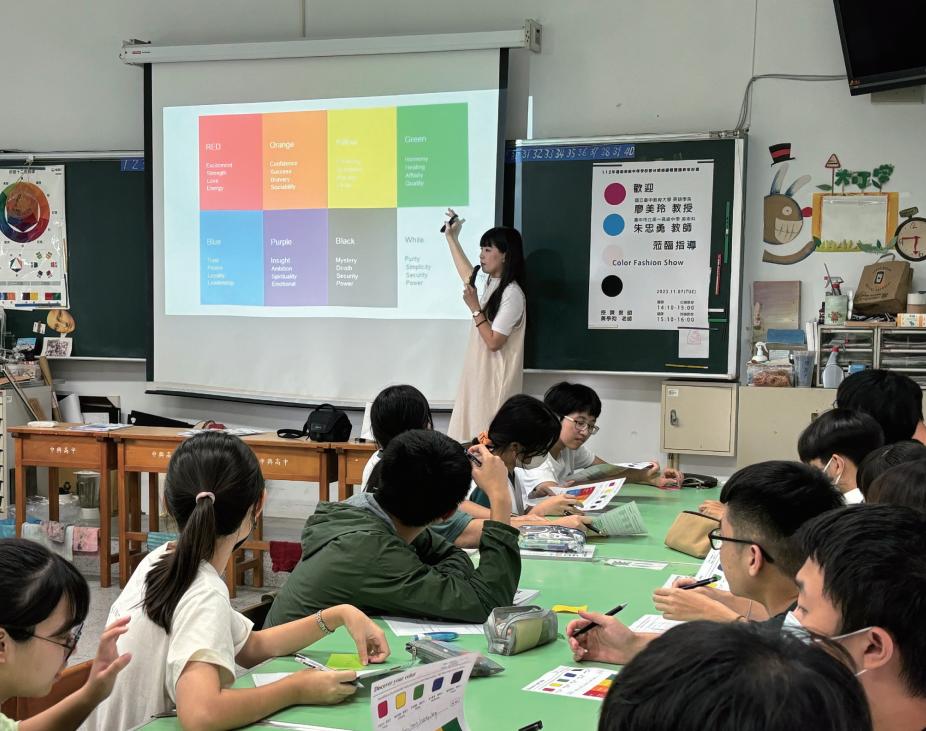
Colour Theory
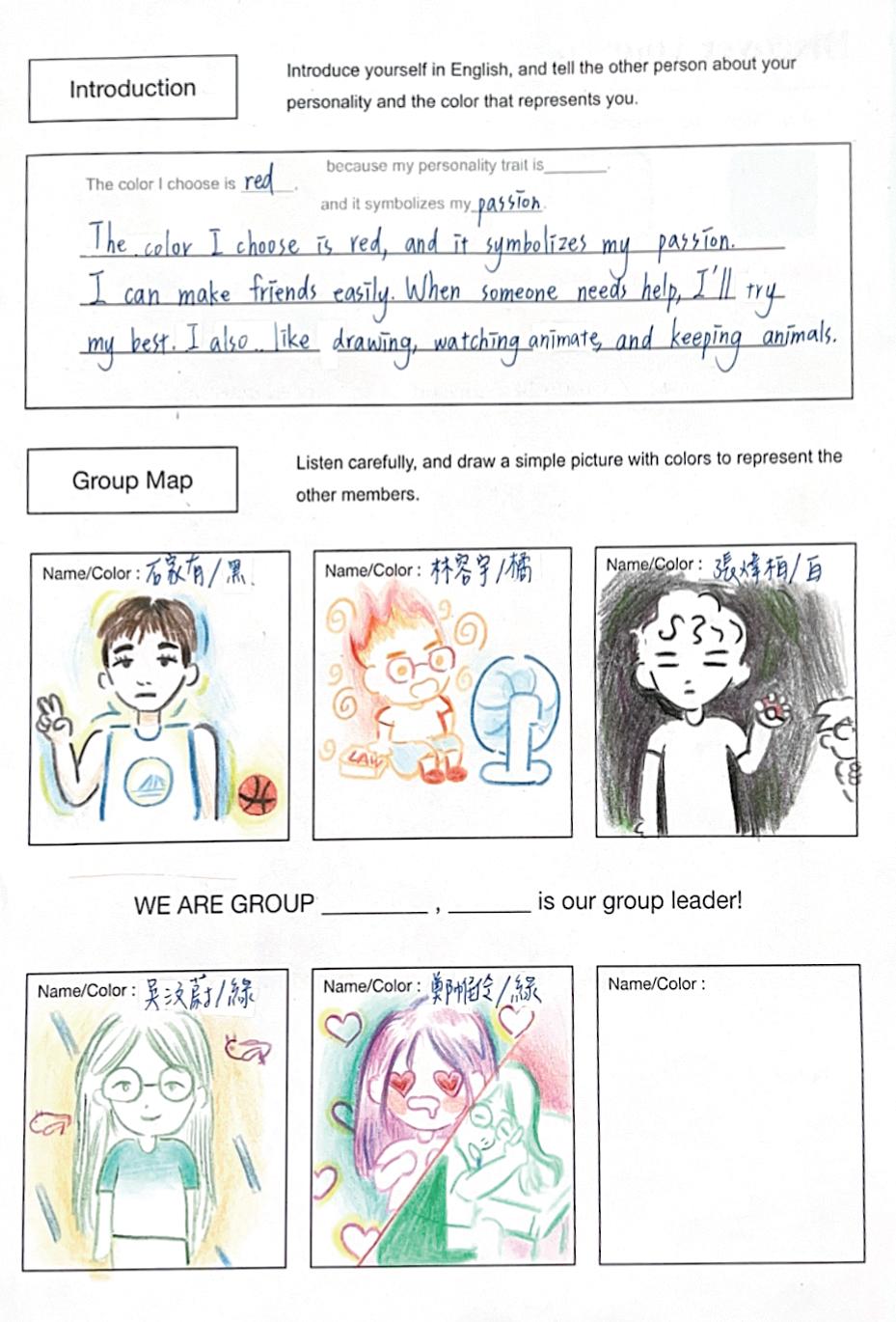
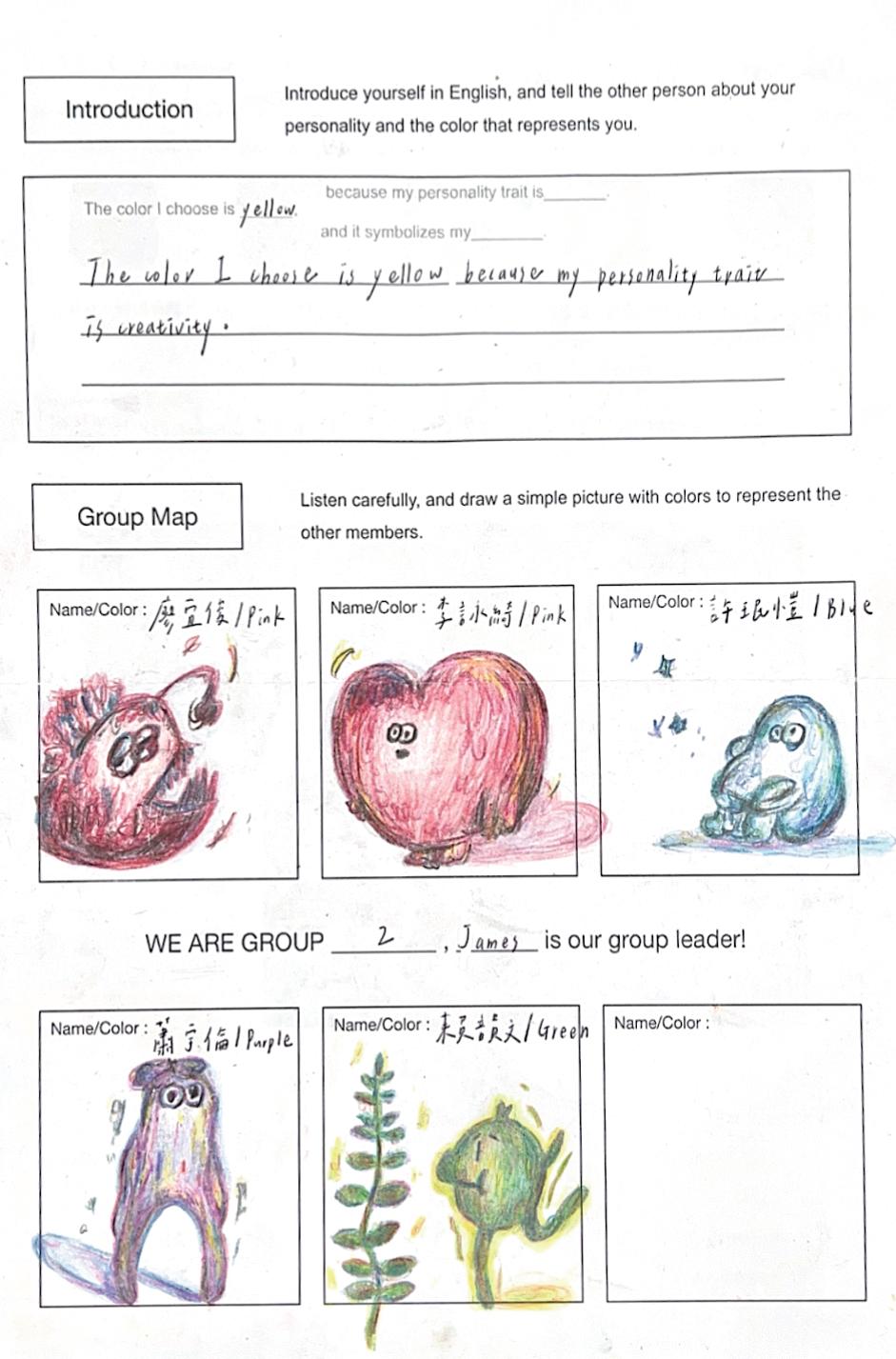
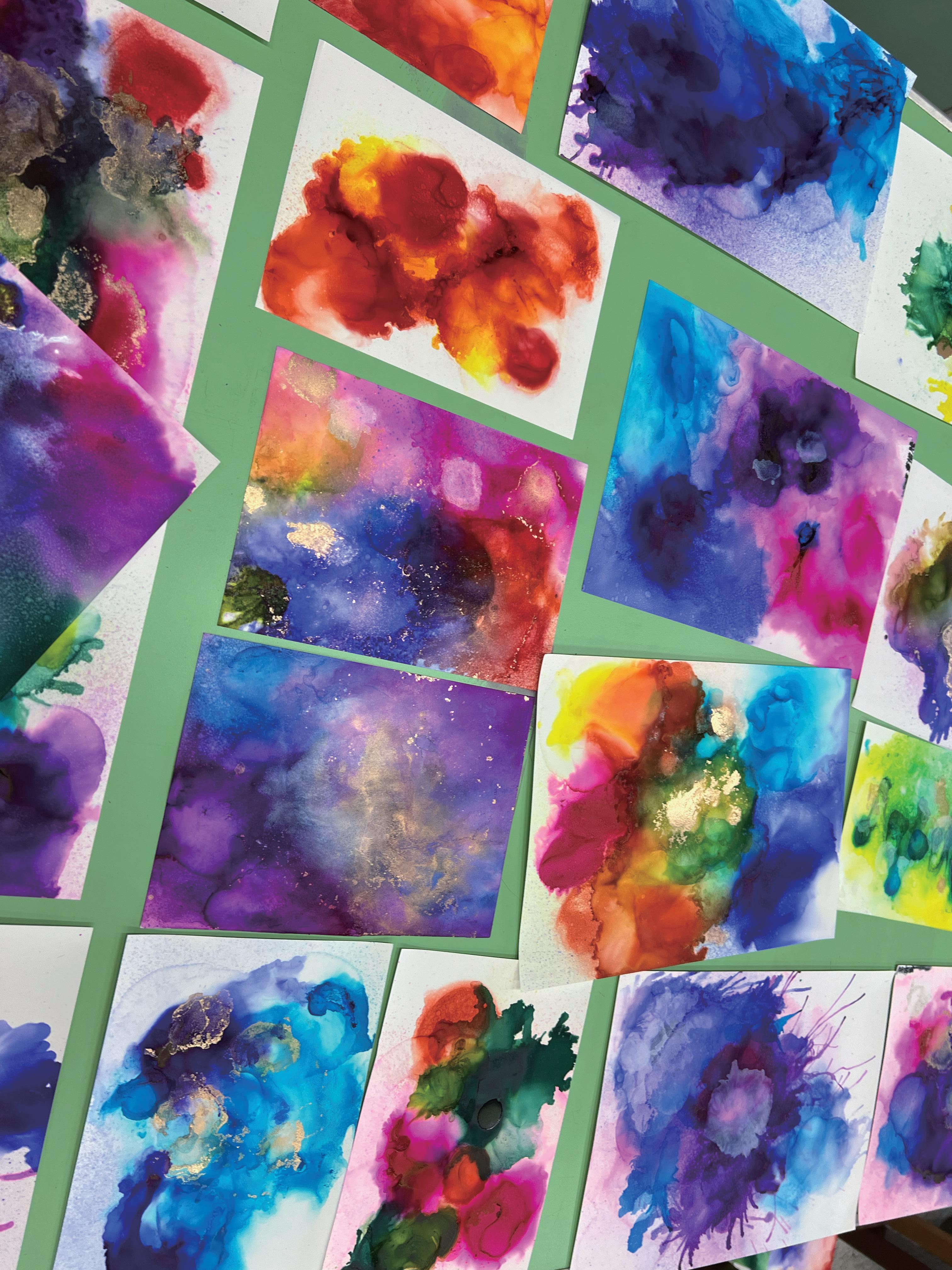
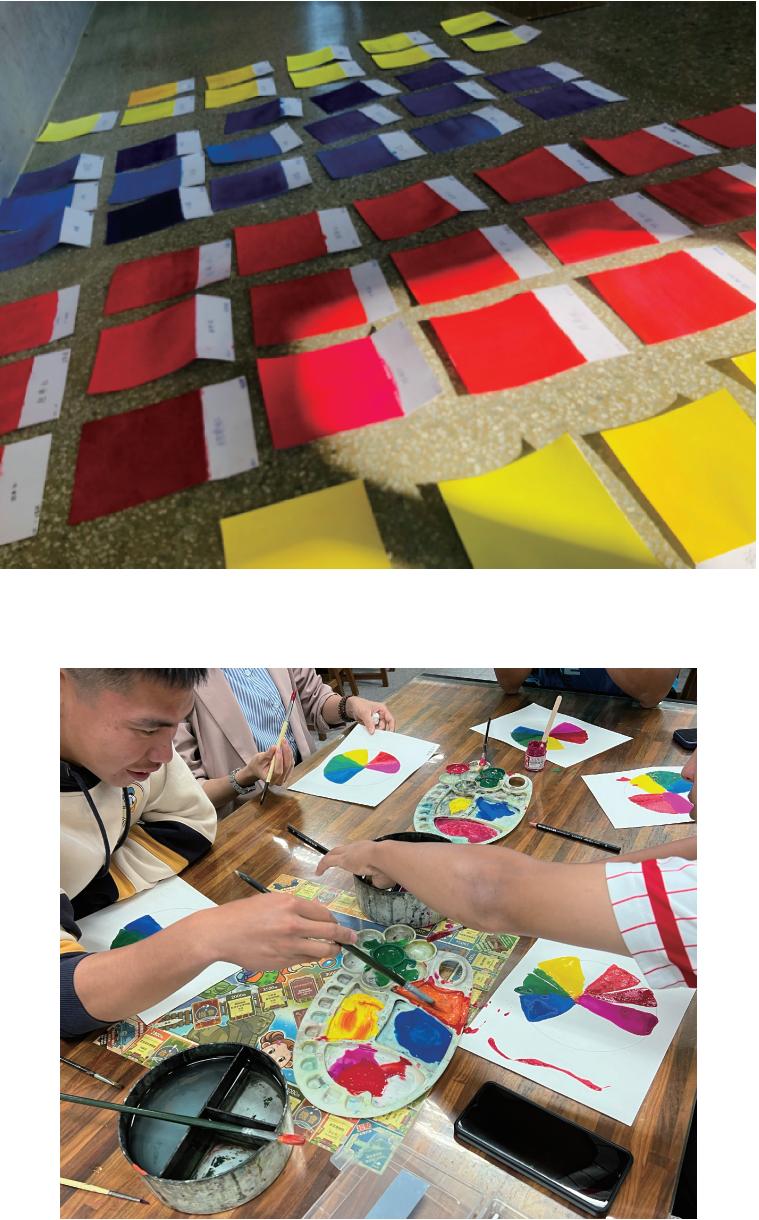
Students were introduced to fundamental principles of colour theory. They then applied different colour schemes through alcohol ink painting, experimenting with combinations in order to identify effective approaches to colour harmony.
Presentation
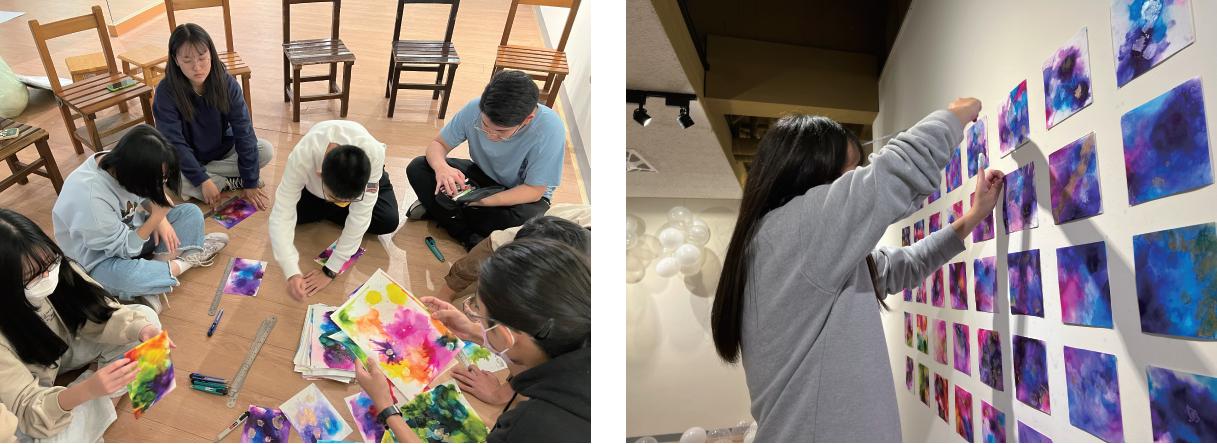
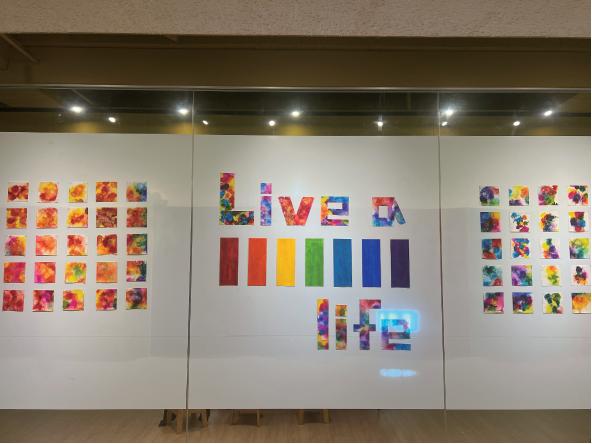
Students integrated concepts from colour psychology, colour coordination and colour theory to style everyday outfits for a colour fashion show and express their personal identity. Students’ work was subsequently curated into a class exhibition.
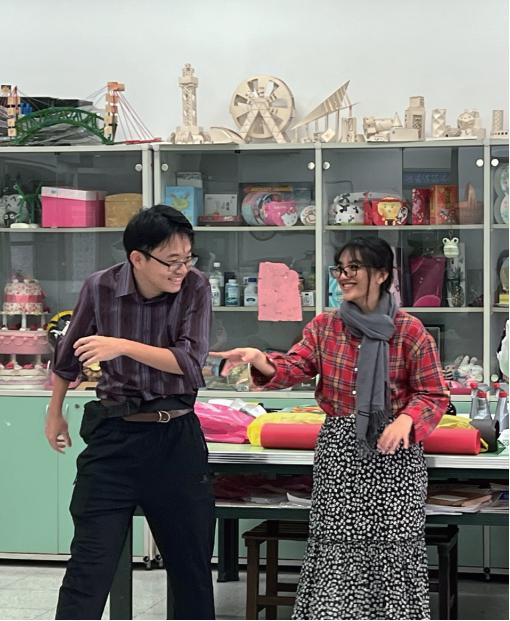
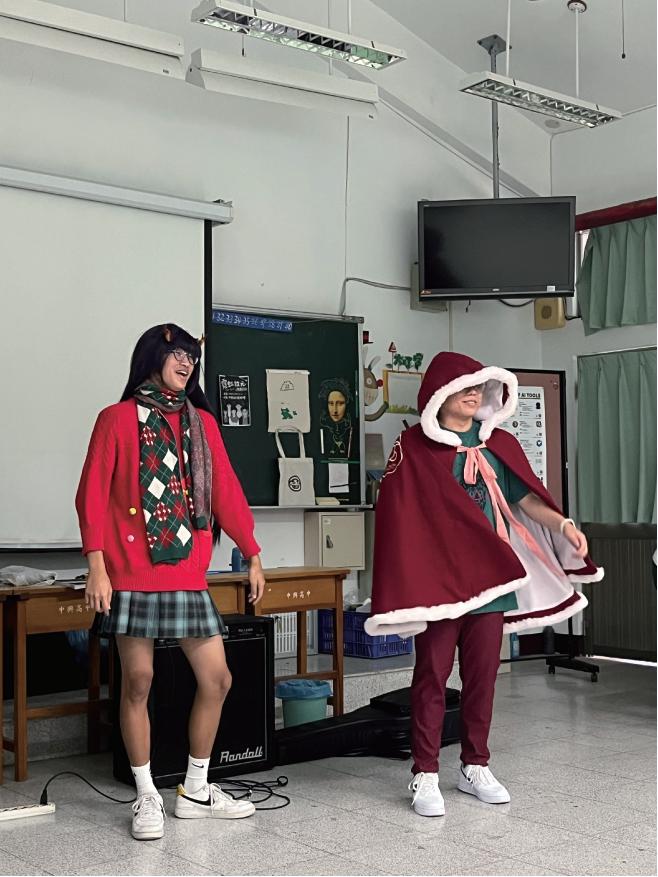
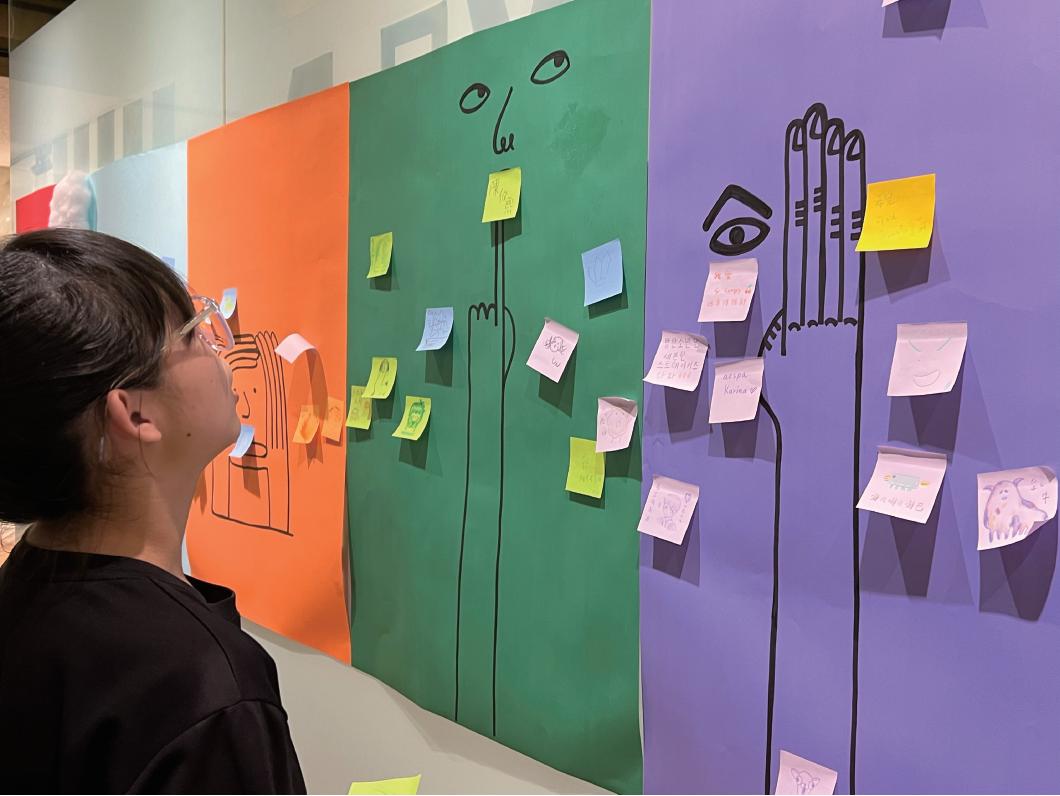
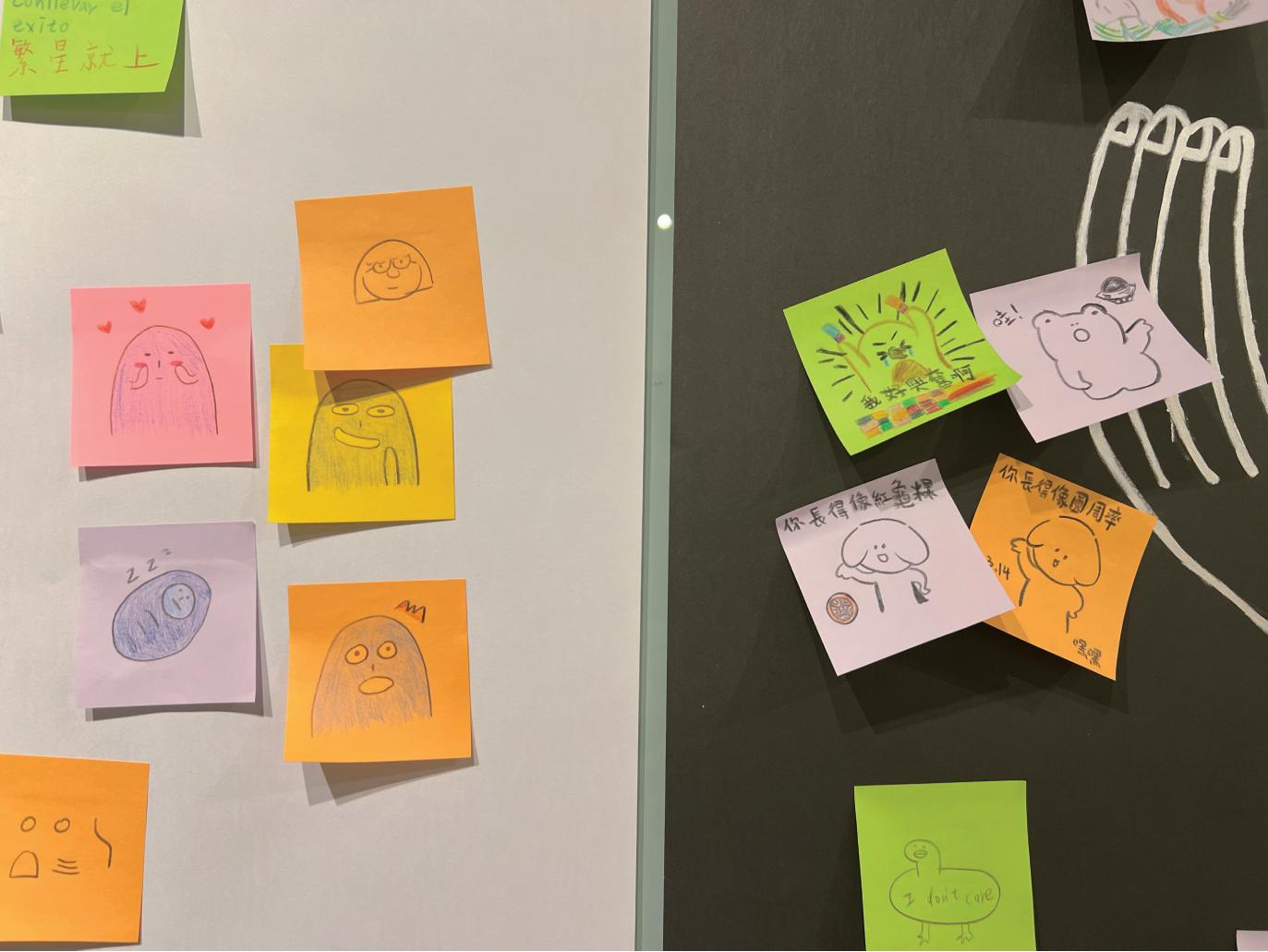
The course centred on colour theory, colour psychology and colour application, guiding stu`dents from emotional awareness and self-reflection to the development of work grounded in their individual characteristics, culminating in a final exhibition. Within the exhibition space, a collaborative area invited students to revisit the sticky-note activity from the first lesson, where they could respond to their viewing experience by expressing their emotions visually and displaying them within the exhibition.
Bilingual education -Photography
This course is divided into three stages:
Stage
1: The Story of Images
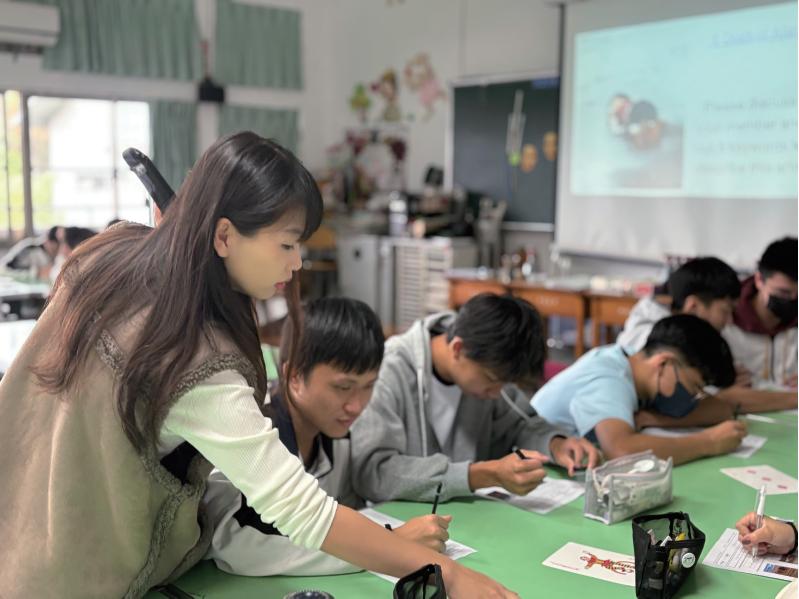
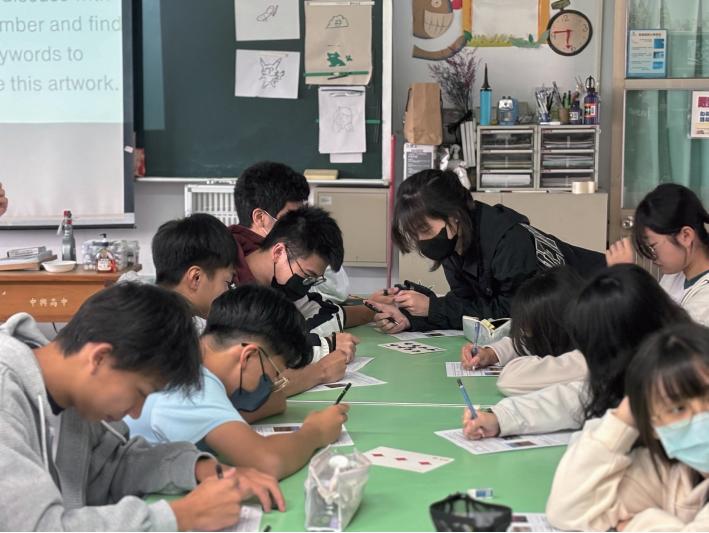
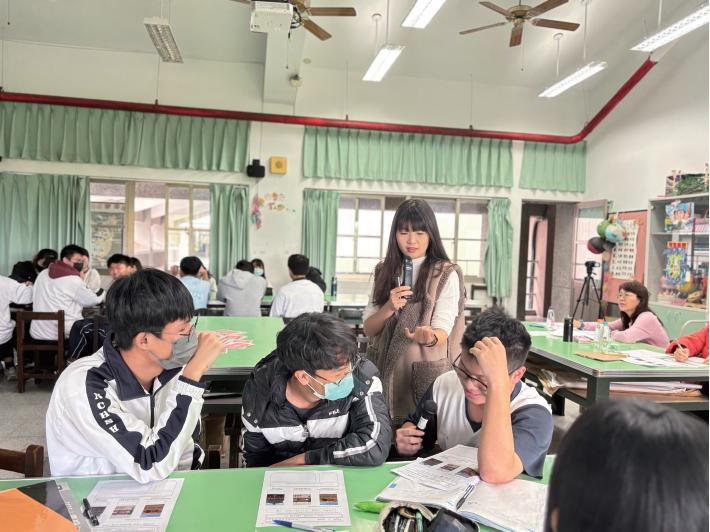
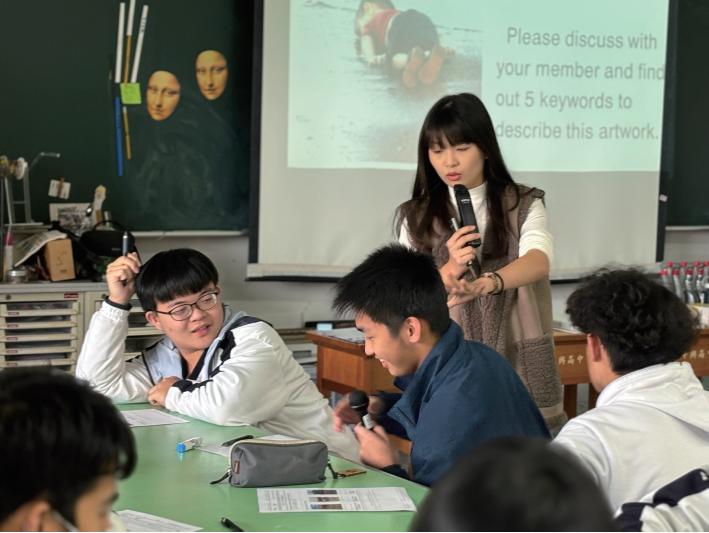
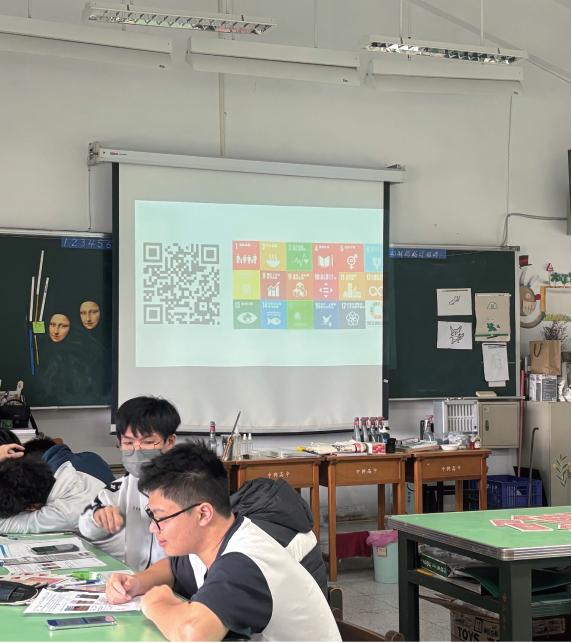
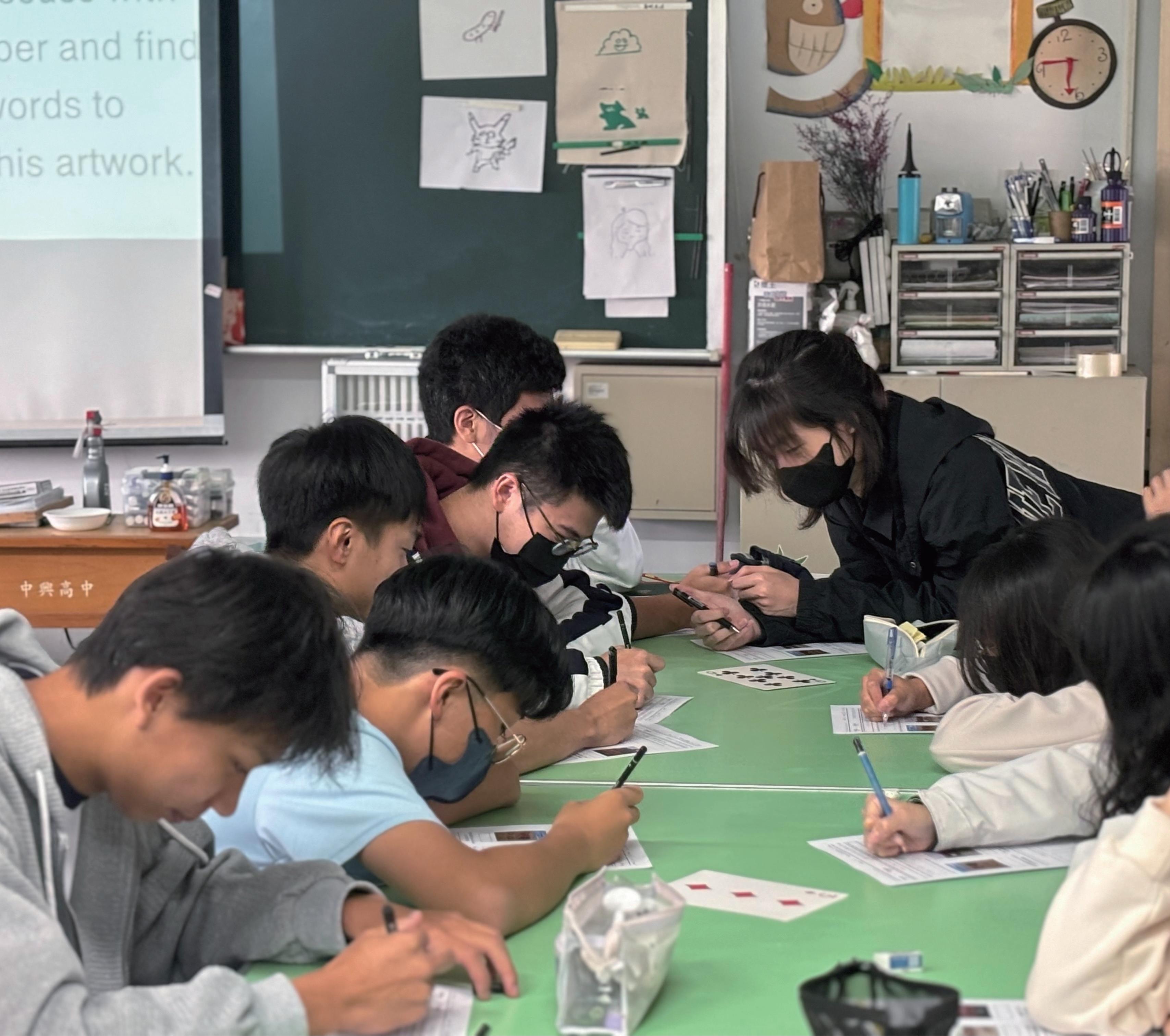
The course began with the death of Alan Kurdi as a point of engagement, introducing the meaning and significance behind images. Visual elements were analysed in relation to SDGs and human rights issues, encouraging students to interpret underlying messages. Ai Weiwei’s derivative works on the refugee crisis were presented to illustrate both the conceptual thinking behind the artwork and the representation of social issues.
Introduction
Stage 2: Collage
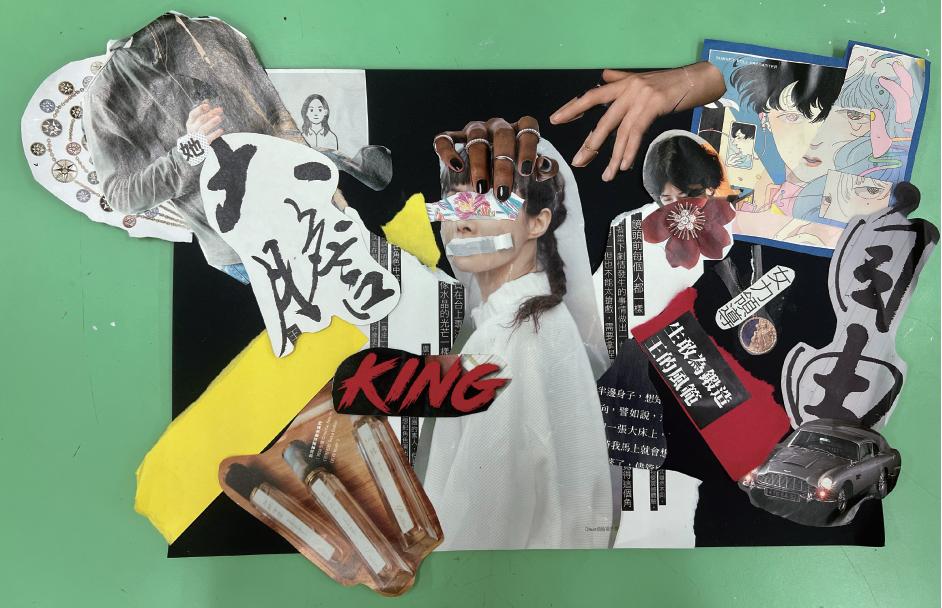
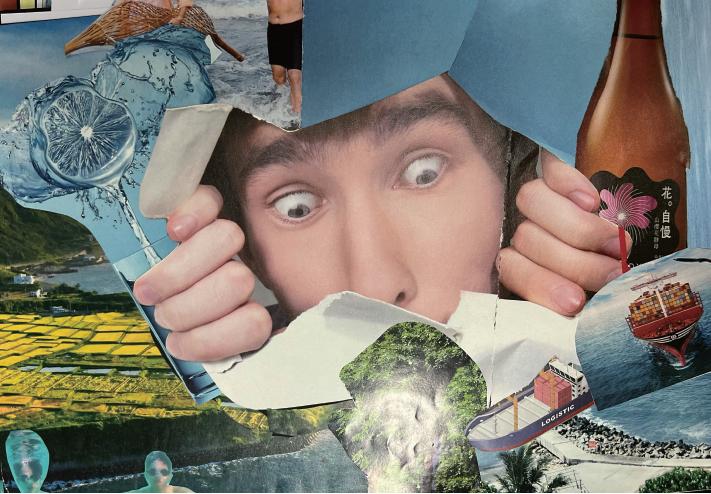
Students were then asked to reflect on current news topics and consider potential themes for image-making. They subsequently reconstructed images through collage techniques.
Stage 3:Presentation
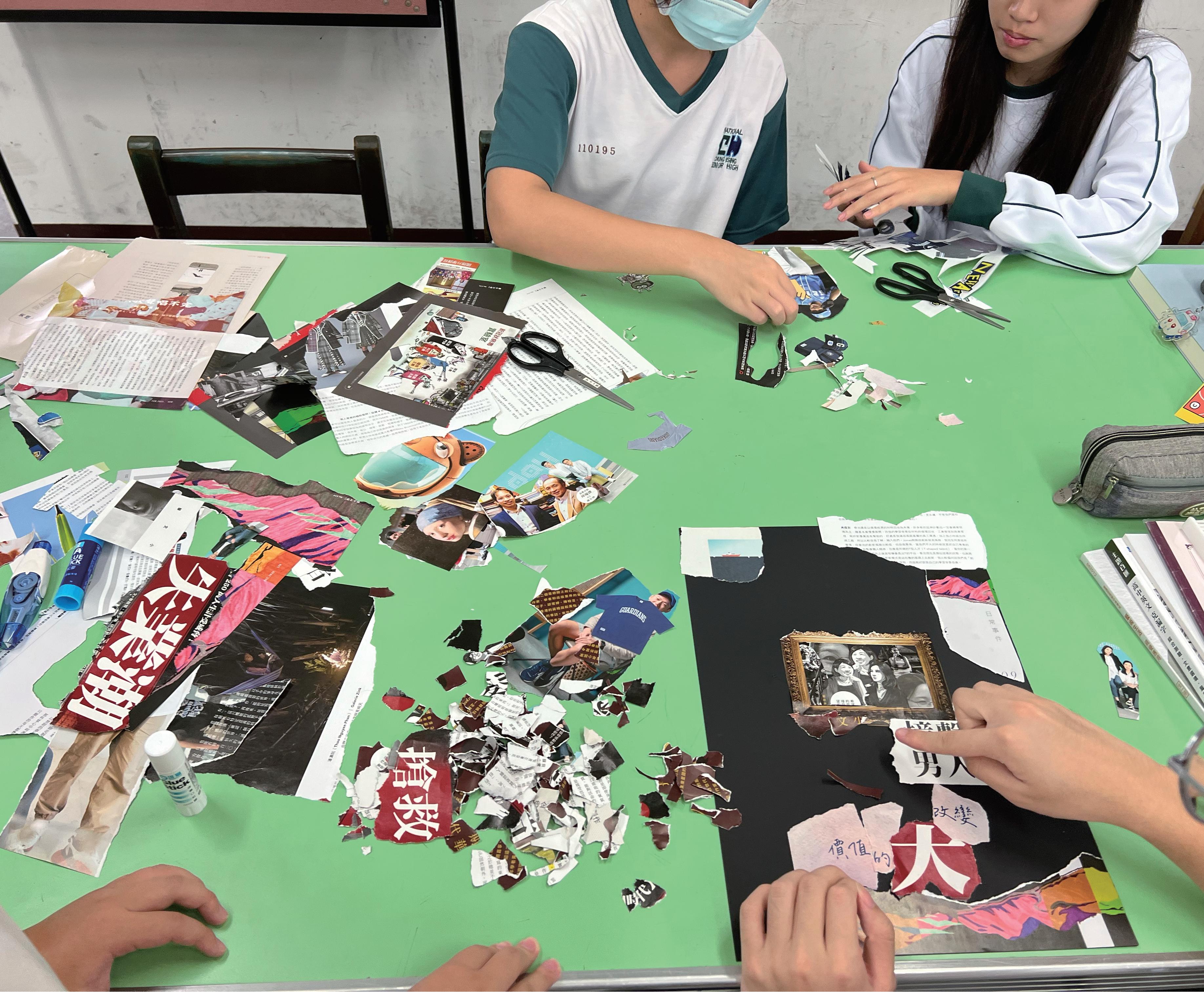
Collage
Studentsʼ work was consolidated and presented in an exhibition showcasing their creative outcomes.
Presentation
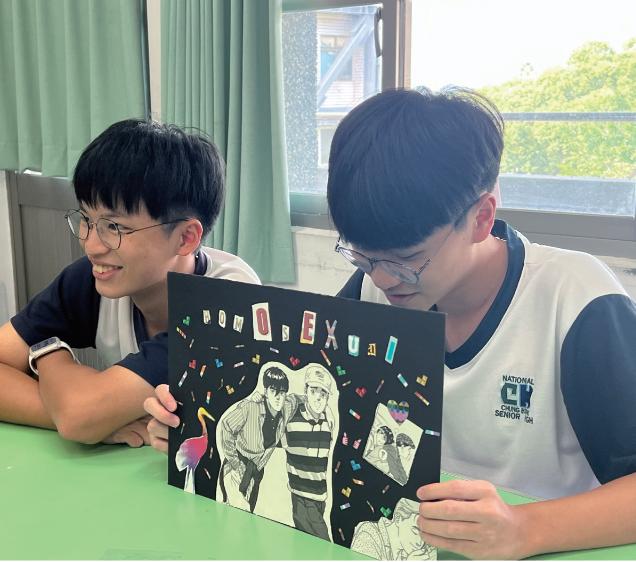
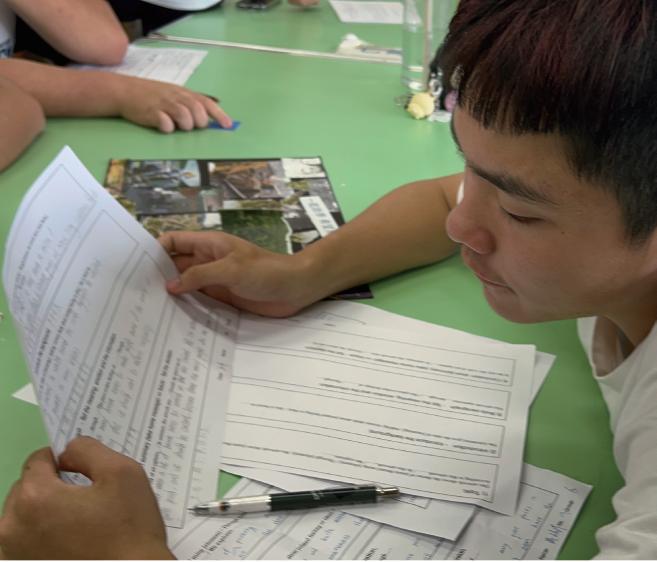
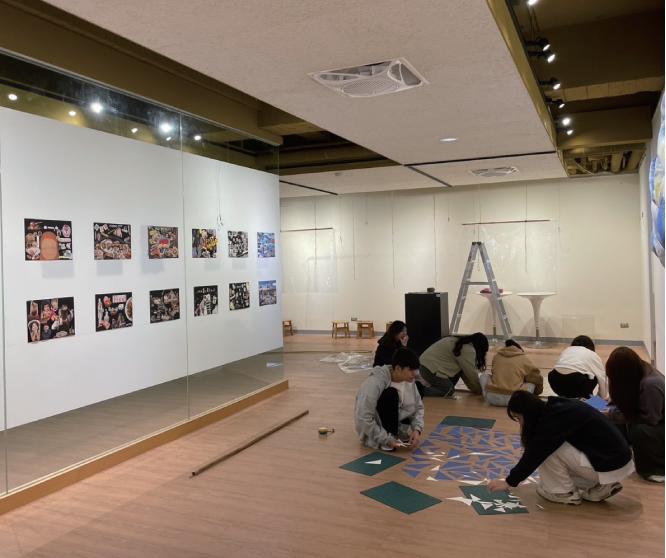
Works From Students
School-based International Education Project-School
International exchange programmes were structured around three key stages:
(1) Pre-departure Preparation
Students participated in a school-based course, Reimagining Nantou Culture, through which they explored the distinctive architecture and historical narratives of Zhongxing New Village. Field investigations were conducted to deepen their understanding, integrating historical knowledge with students’ own learning experiences. Each student produced a personalised introduction to the locality and received training in delivering guided tours in English.
(2) Programme Implementation
The exchange activities were organised in two phases, incorporating elements of Taiwan’s local religious culture. Through hands-on workshops, international and Taiwanese students engaged collaboratively, fostering mutual cultural understanding and strengthening connection and interaction between the two schools.
(3) Reflection and Output
Throughout the programme, students were guided in documenting their experiences to support subsequent organisation of outcomes, learning portfolios and reflective work. This process ensured that cultural exchange extended beyond the immediate experience, enabling relationships and learning to be carried forward into the future.
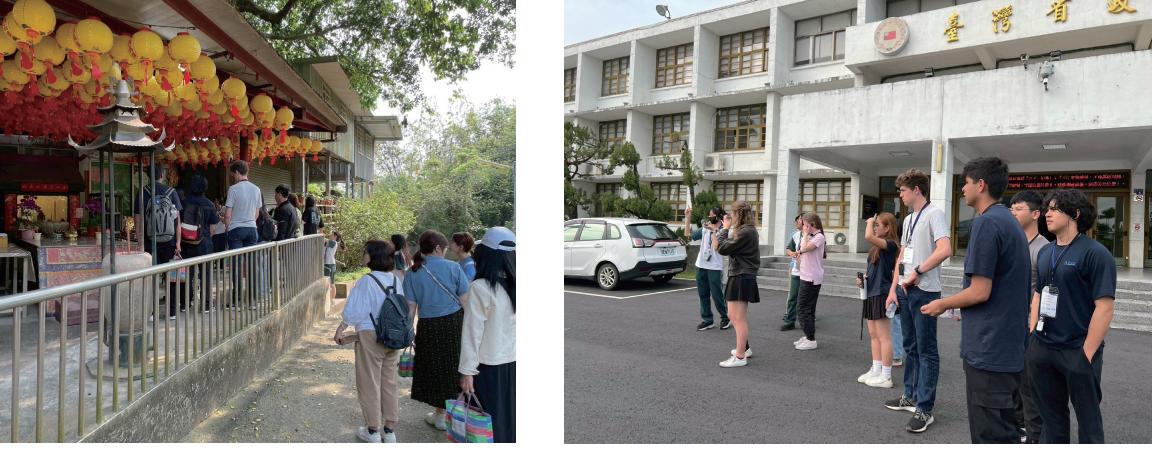
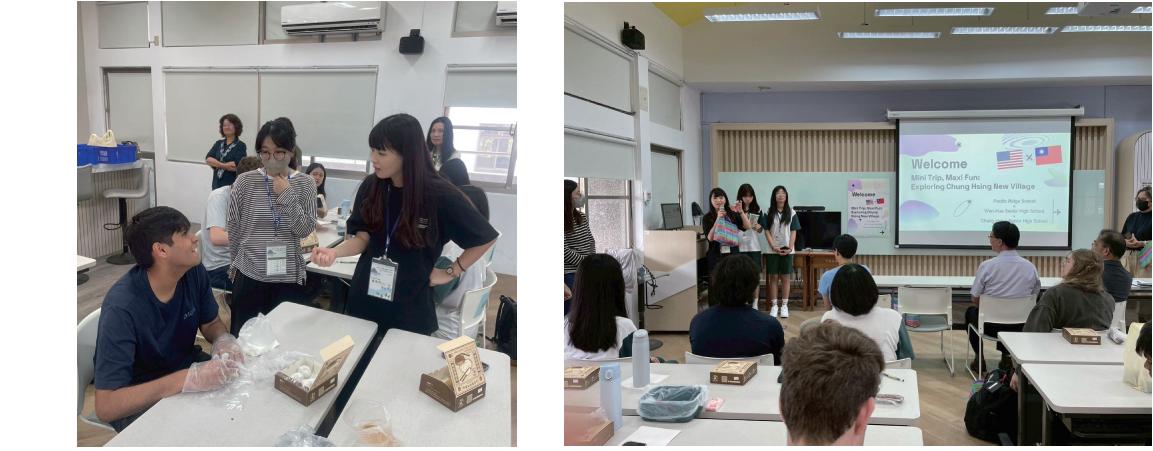
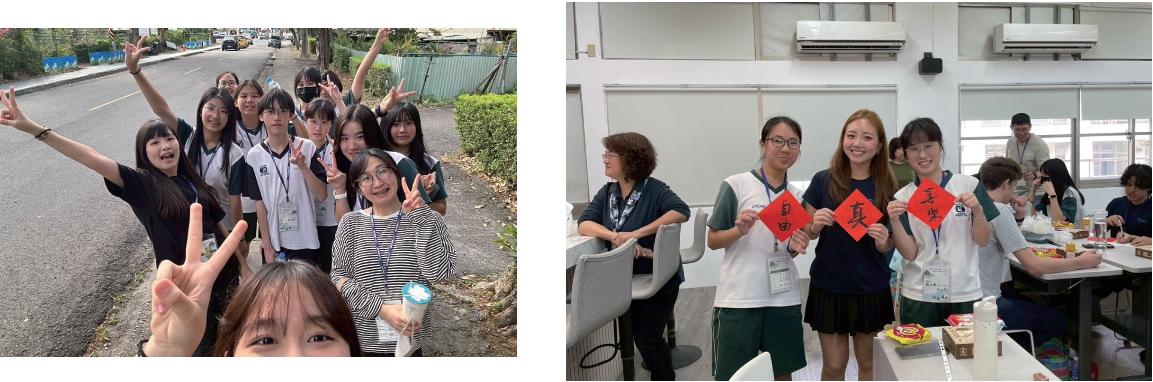
Cultural Exchange with Czech Sister School
This course introduced screen printing, a technique commonly used in the cultural and creative industries, as the core artistic component so that students could develop an understanding of the meaning and significance of imagery. This was followed by the visualisation of their ideas through the production of postcards using screen printing techniques. During the exchange with the Czech sister school, these postcards were used as a medium through which students introduced Taiwanese cuisine, facilitating cultural exchange.
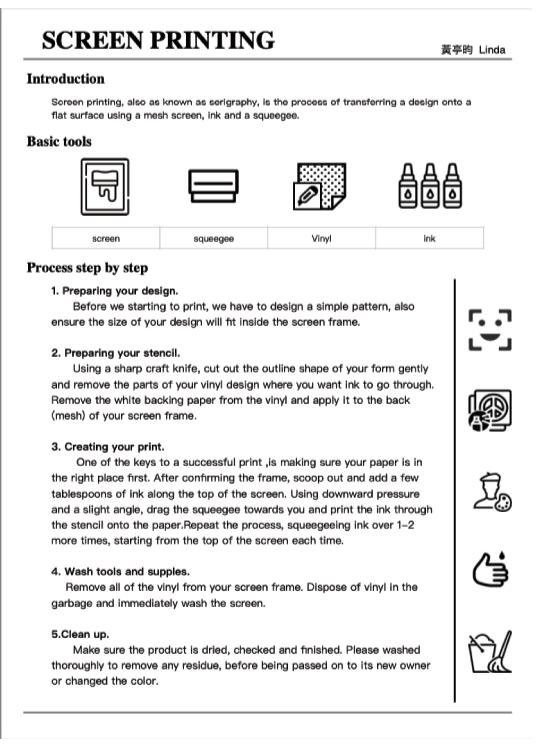
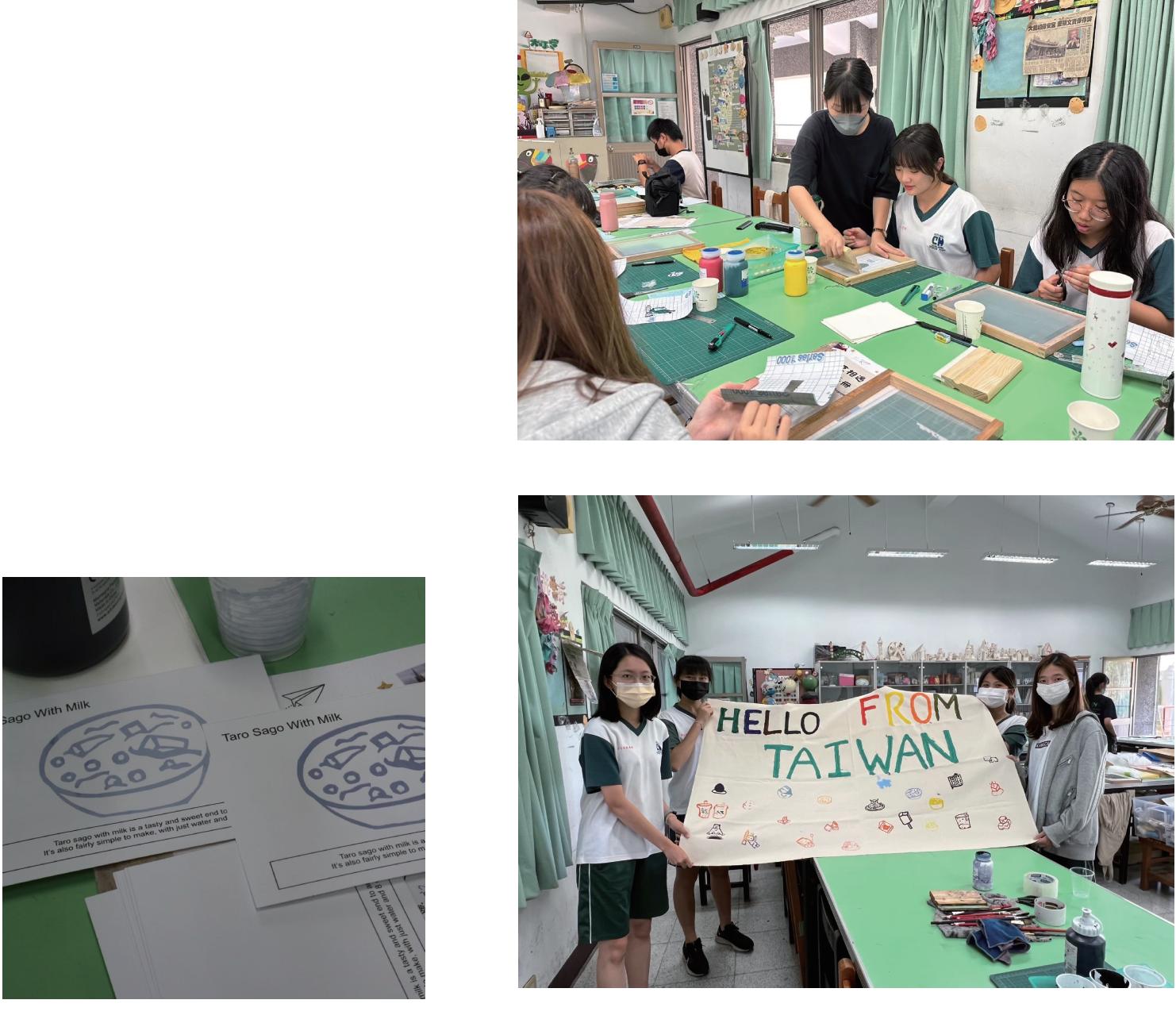
International Programme Exchange with Chinese Girls’ School, Singapore
Visual Arts: My Name
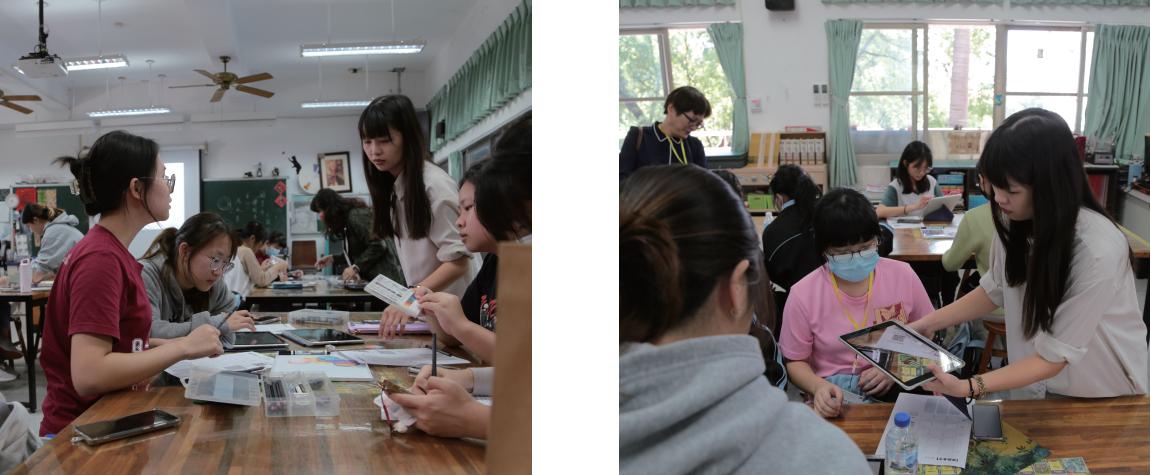
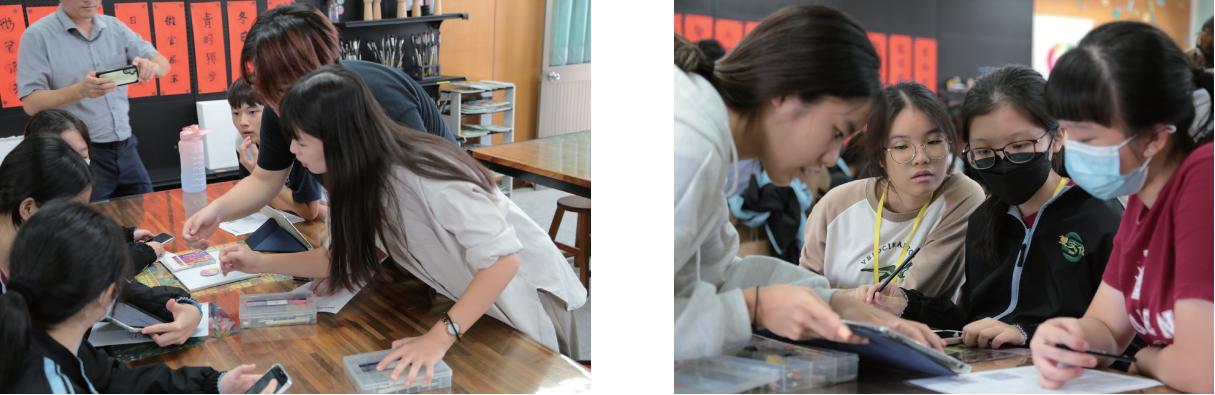
Calligraphy formed a regular component of my visual arts teaching, providing students with an understanding of the evolution of Chinese characters. This exchange programme similarly centred on the development and structural composition of calligraphy. Students who had previously completed the course guided their counterparts from the sister school in exploring the historical development of their names, fostering an appreciation of the aesthetics and evolution of Chinese script. The activity incorporated the use of iPads to support the creation of personalised name badges, enabling participants – who share a common written language – to learn about the historical development of Chinese characters.
Implementation of the Ministry
Education fine arts curriculum for Years 10 and 11
Exploration is beauty, life is beauty, and teaching is likewise beauty. During the lesson preparation process, recent arts and cultural activities or art exhibitions are integrated. Simultaneously, the teaching approach uses 'daily life' as a starting point to spark student motivation, allowing students to explore the essence of beauty.
Aesthetic Water Color
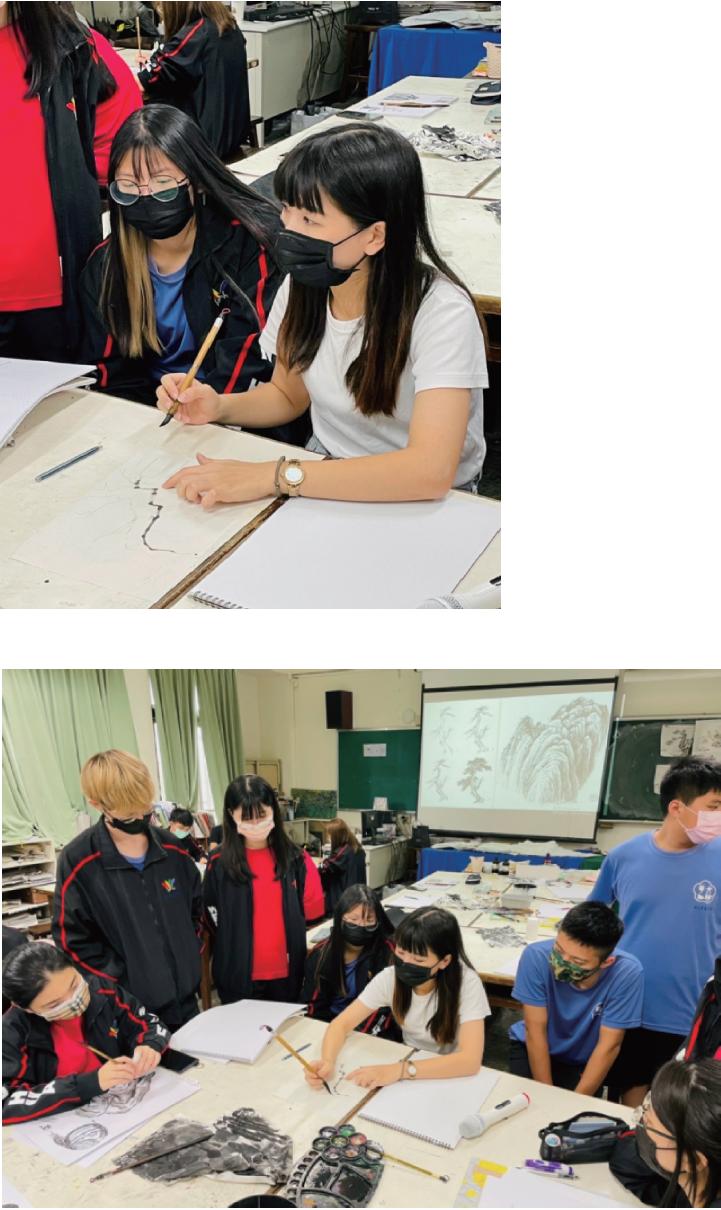
Ink Painting
Through this exploration, basic artistic knowledge is combined to deepen students' professional expertise. At the same time, students' aesthetic experiences are utilized for creative production, which is then reintegrated back into their own lives.
Appreciation Self-Protrait
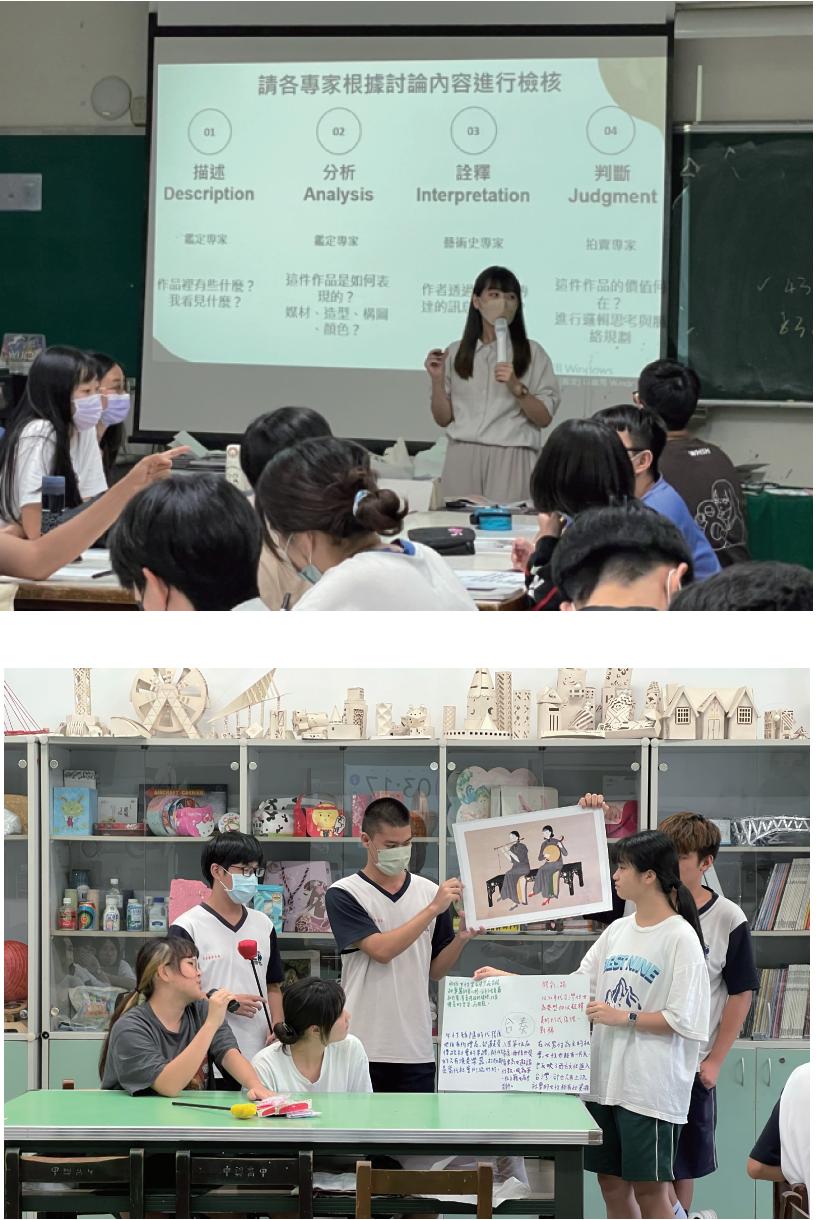
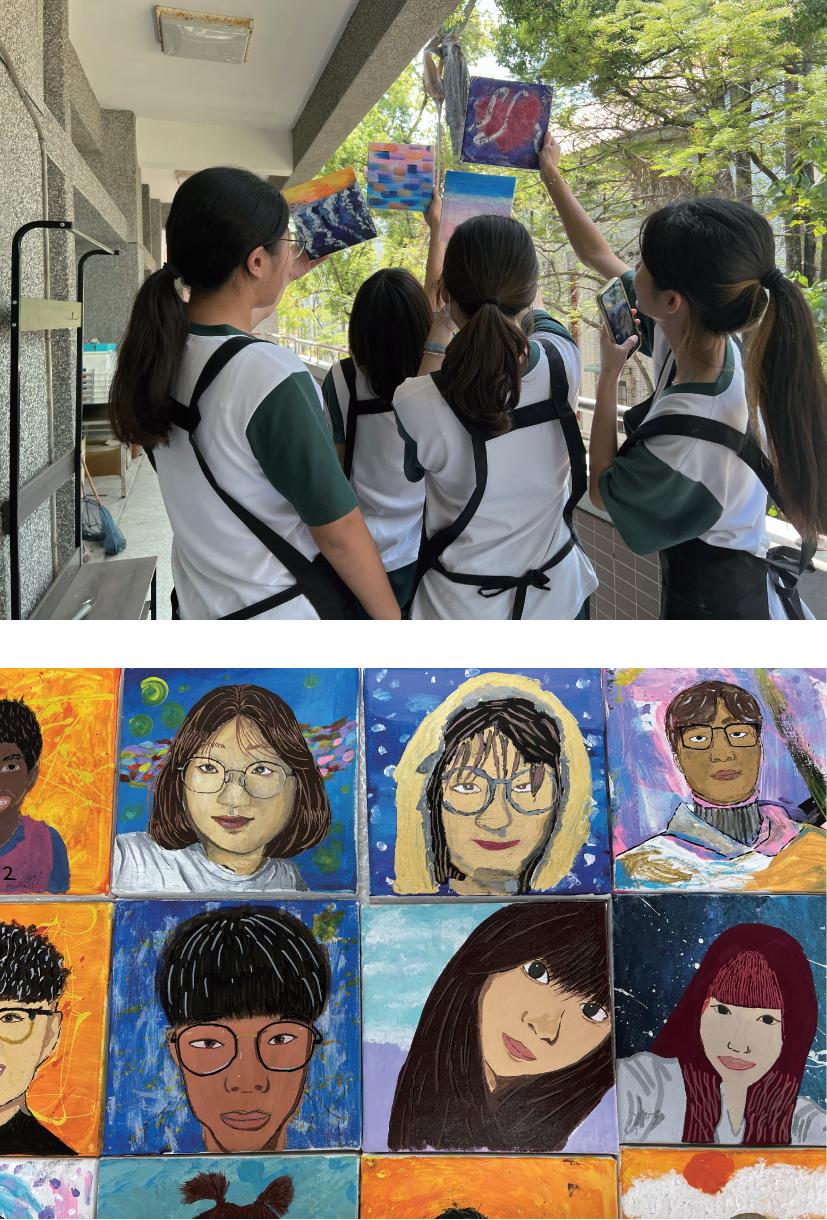
Implementation of the Ministry
Education fine arts curriculum for Years 12
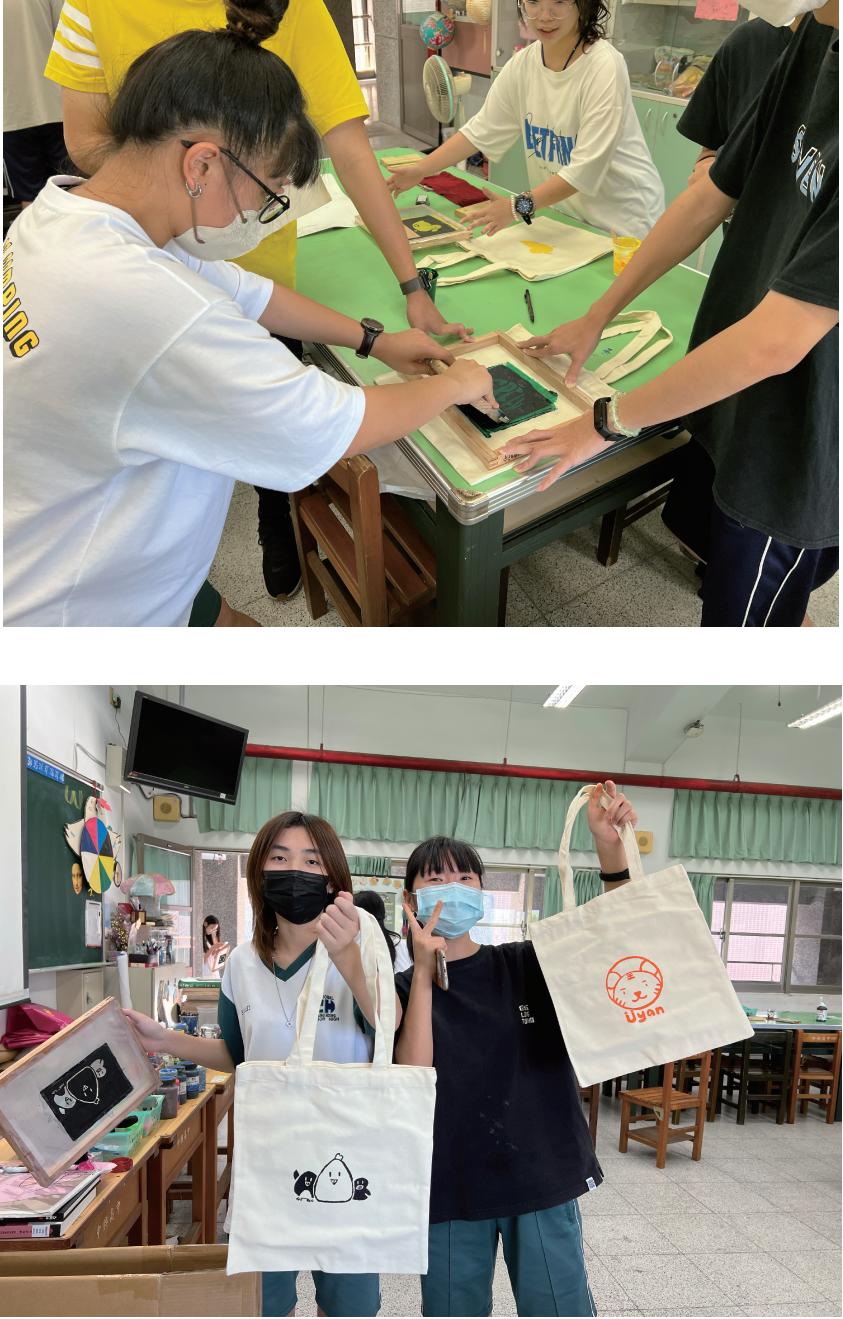
Stop Motion Sreen Printing
Images are an indispensable part of life. In this course, students are guided through storytelling, storyboard creation, to actual animation shooting. It combines life scenarios to produce stop-motion works, followed by post-production, editing, and dubbing.
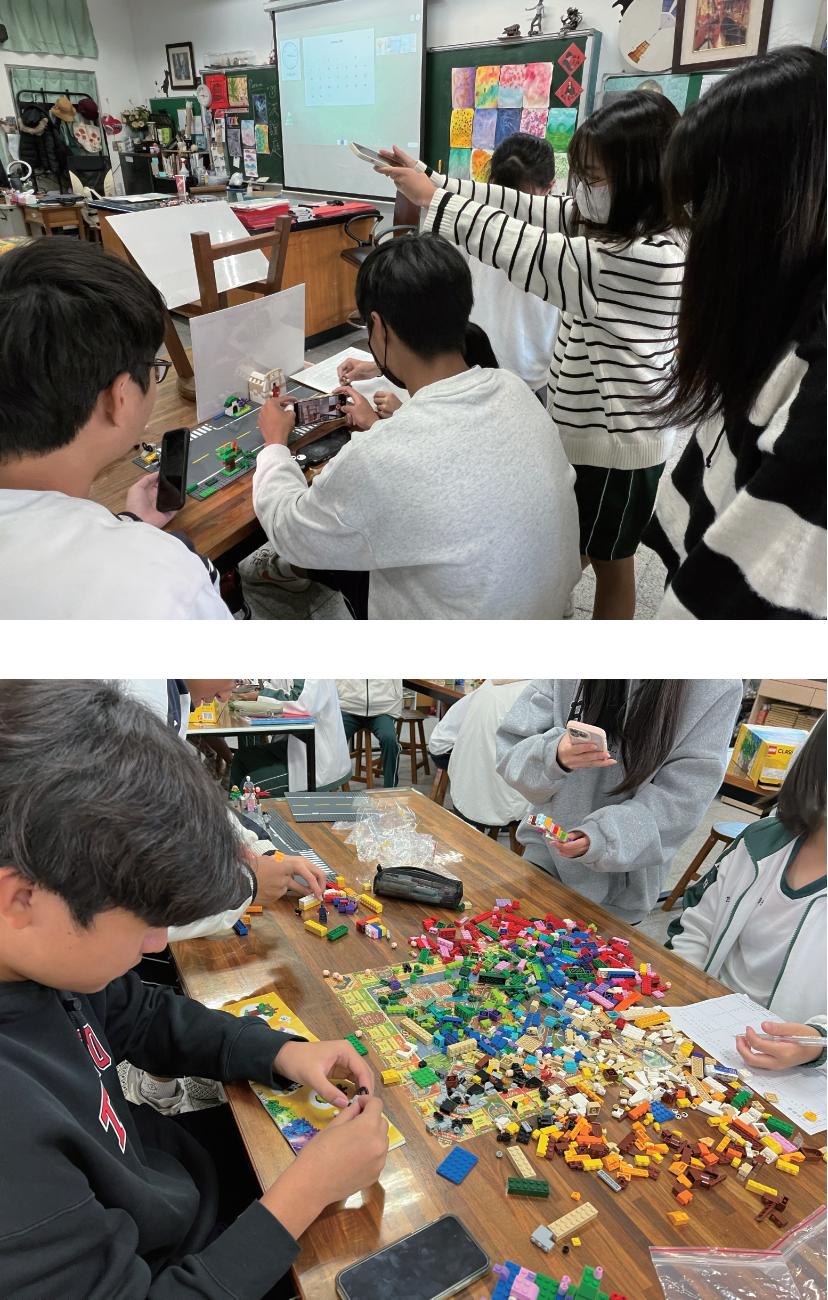
Using "My Iconography" to lead student reflection. Students design logos based on "What kind of image represents me in Grade12?" and produce them through silk creen printing. This allows students to "carry themselves" and "pack their memories" as they move from high school to the next stage of life.
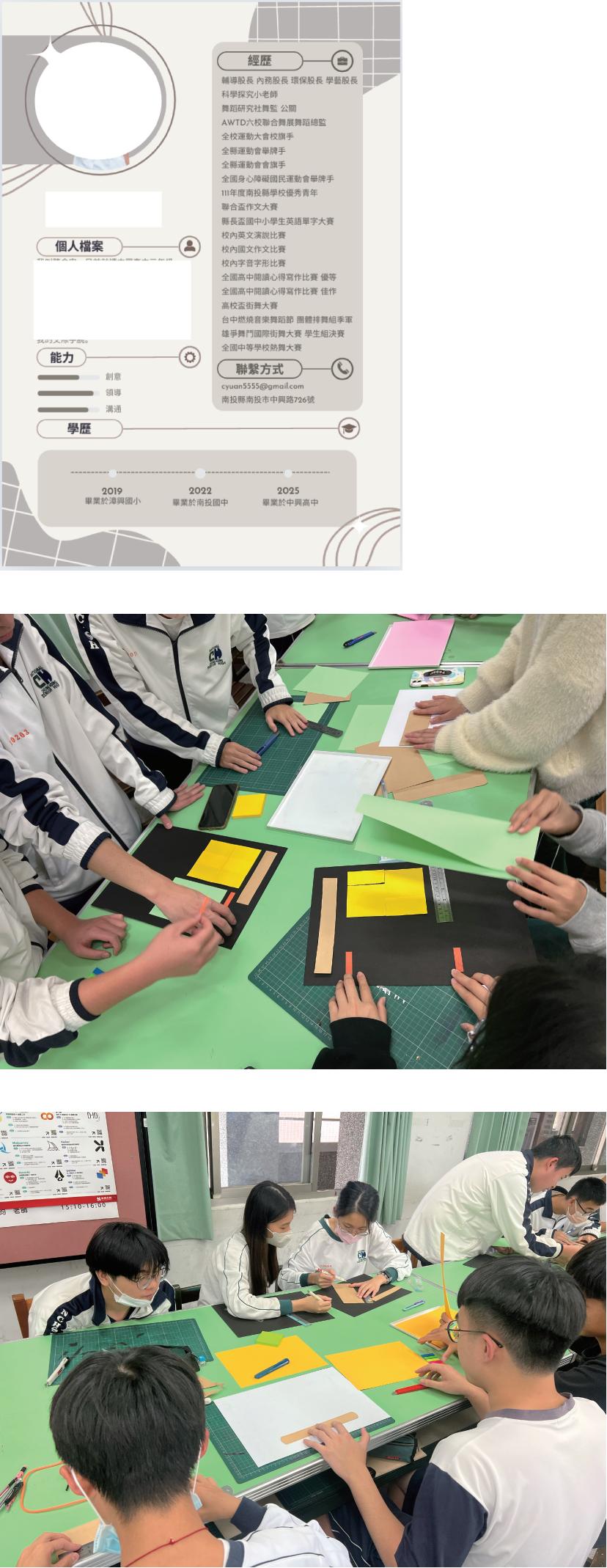
Layout Design
In coordination with the needs of individual university applications and the creation of learning portfolios, basic design courses are integrated into layout instruction. This covers font structure, line spacing, and critical details to note in layout design.
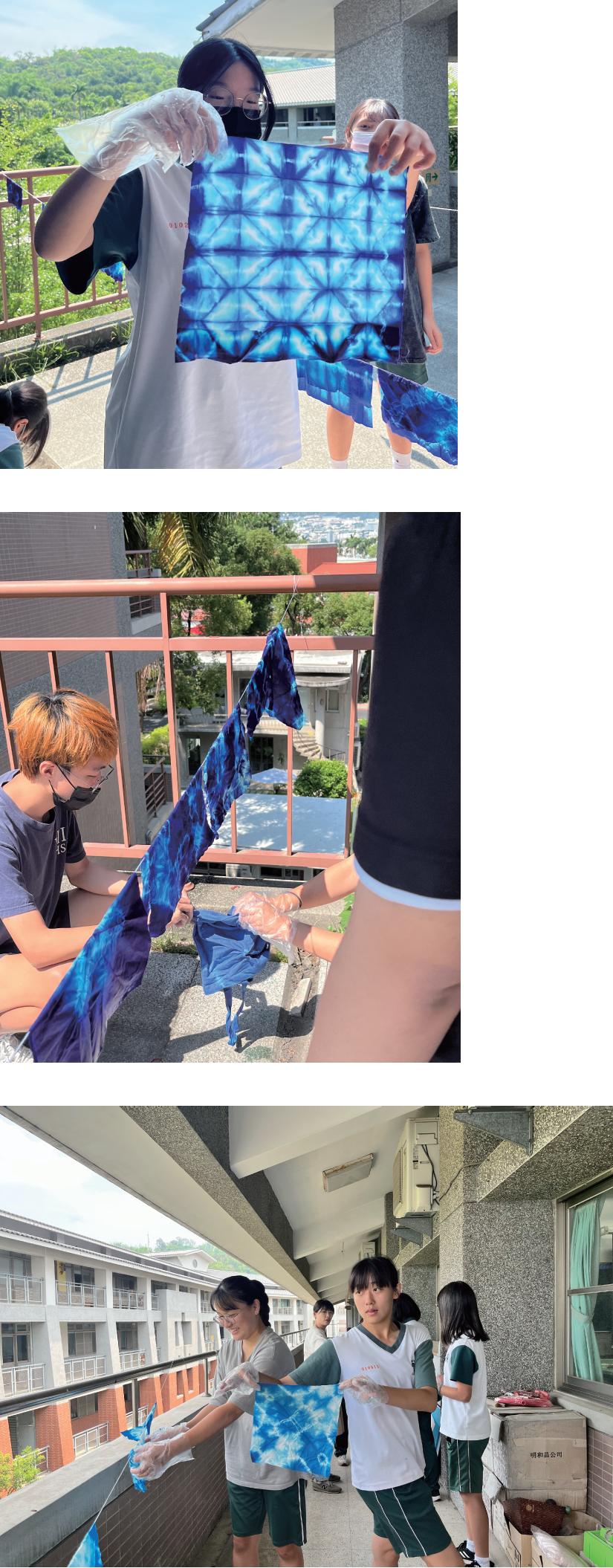
藍染手工藝製作 Indigo Dyeing Craft
As a pre-graduation craft course, students utilize and coordinate with relevant resources from the National Taiwan Craft Research and Development Institute (Caotun) to link curriculum modules and create traditional handicrafts.
Local Studies: Curriculum Practice
This course drew on elements from students’ everyday environment – specifically Zhongxing New Village – to introduce local characteristics and the aesthetics of daily life. It guided students in understanding the significance and value of cultural heritage, enabling them to appreciate the cultural landscape from both practical and aesthetic perspectives, while cultivating awareness of cultural heritage and approaches to local revitalisation.
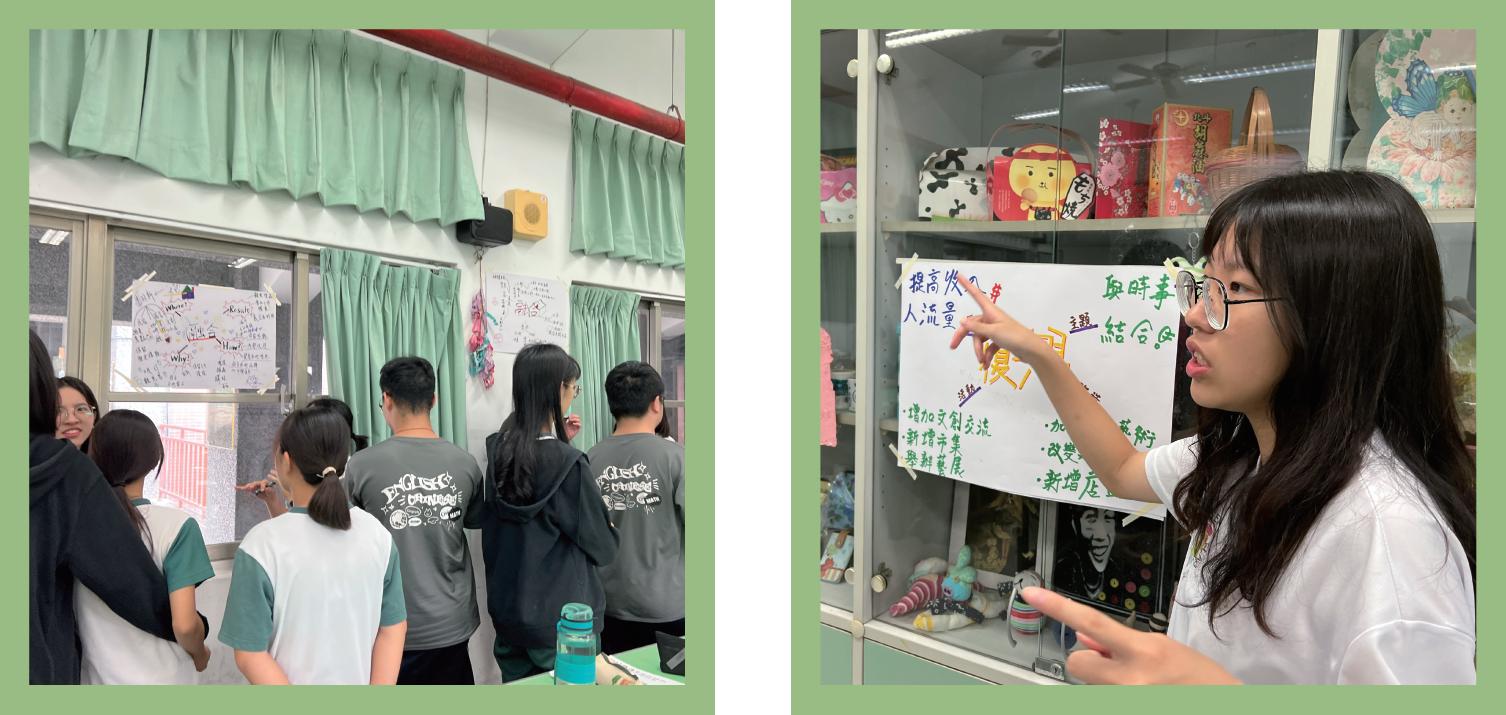
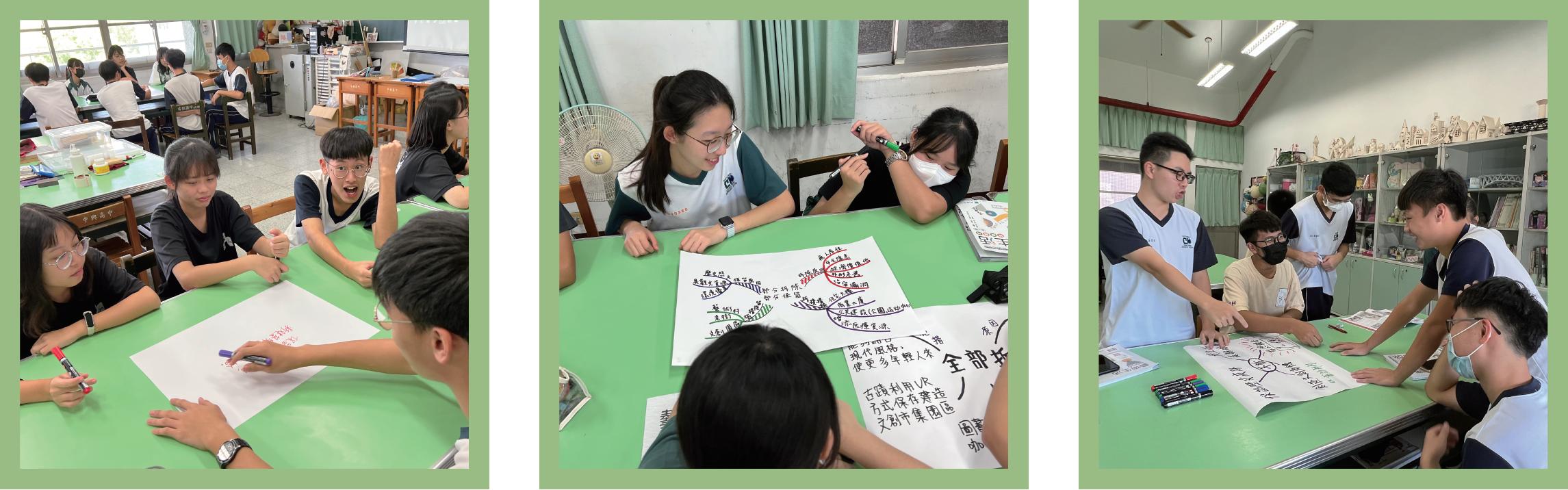
Cultural Heritage Issues – Demolish, Preserve or Revitalise?
Students engaged in group discussions using Zhongxing New Village as a case study to examine issues surrounding cultural heritage revitalisation. Their discussions were organised through mind maps and presented using the World Café format. This approach encouraged students to articulate their perspectives on cultural heritage, engage with differing viewpoints, listen actively and develop empathy.
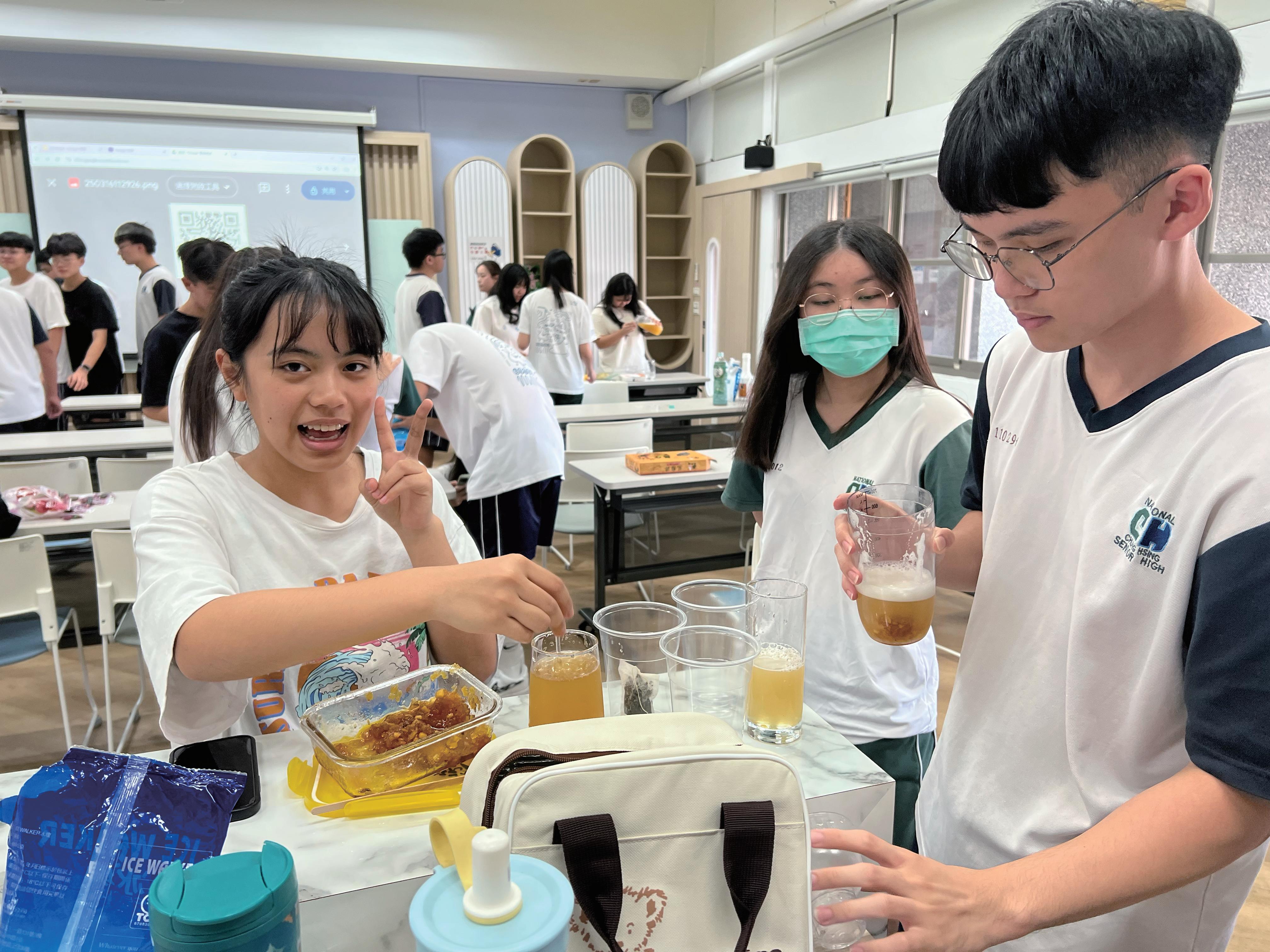
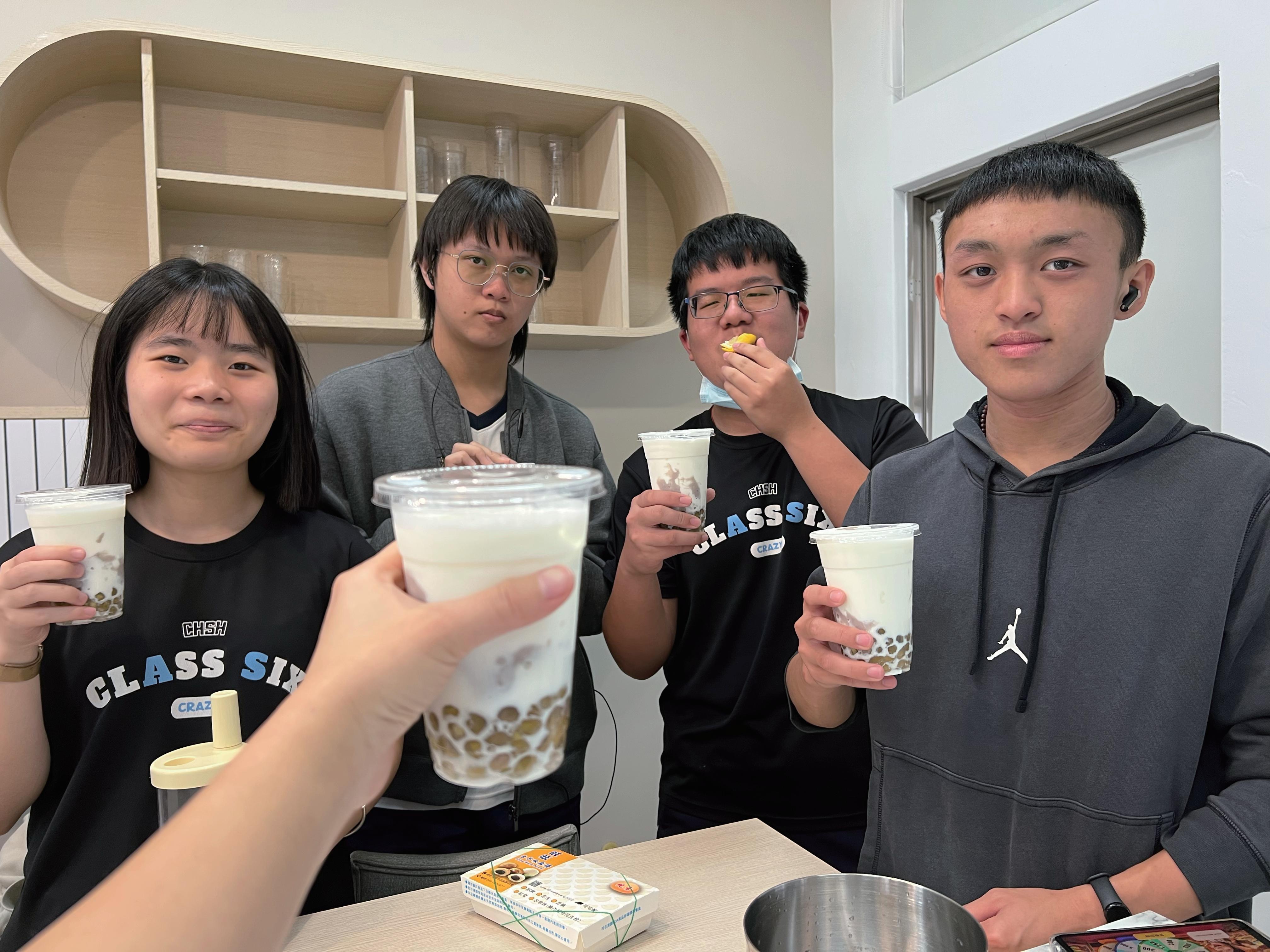
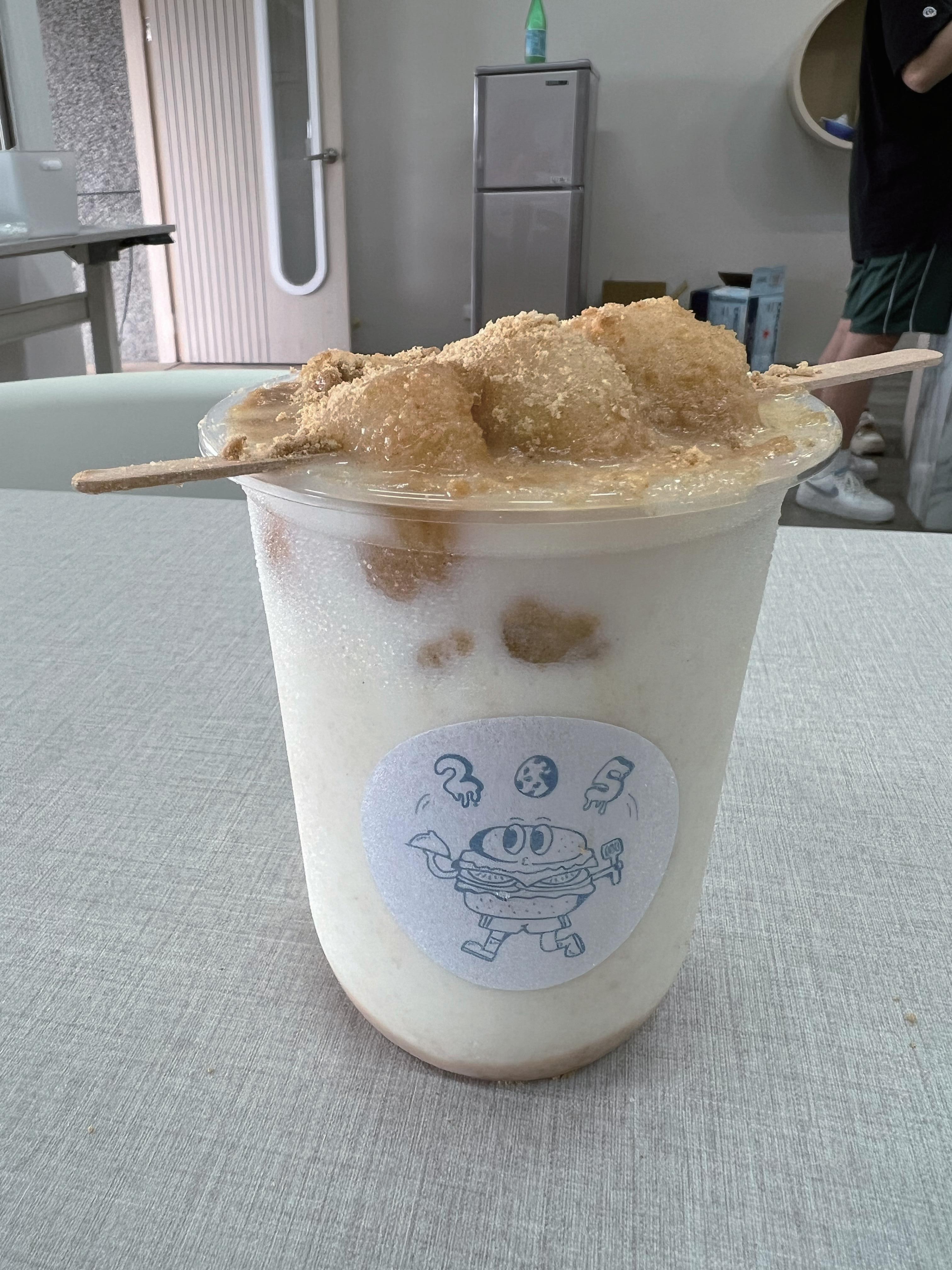
Create a Drink from Your Hometown!
Beverages are one of Taiwan’s cultural signatures! This unit introduced the concept of culture, encouraging students to reflect on their own local culture and consider how to integrate culture, place and creativity through the lens of cultural revitalisation. Using ingredients such as fruits or tea they had cultivated themselves, students designed and produced a unique beverage representing their hometown. The unit culminated in the creation of a distinctive drink that tastes of home.
Art courses for Division of Continuing Education
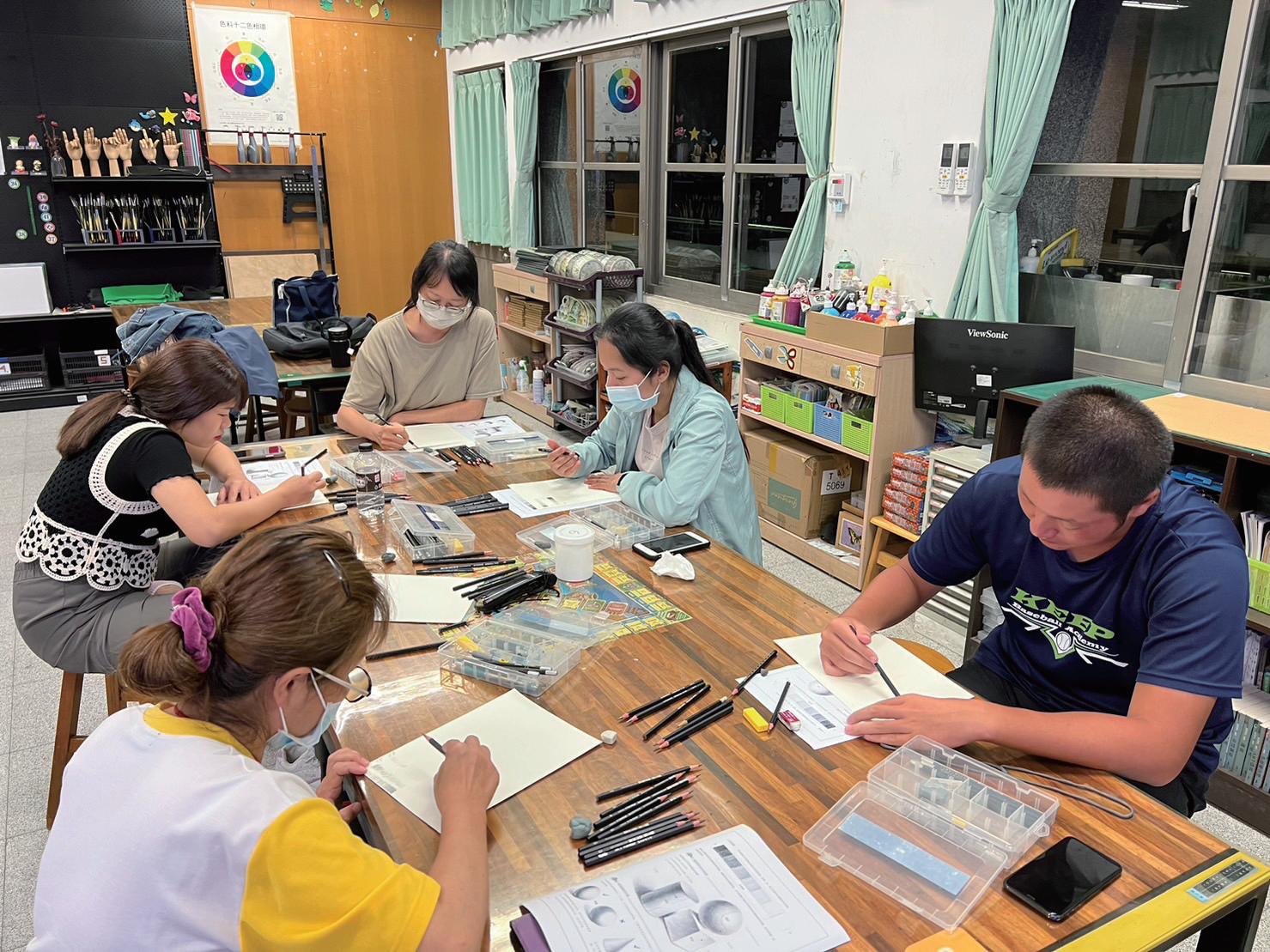
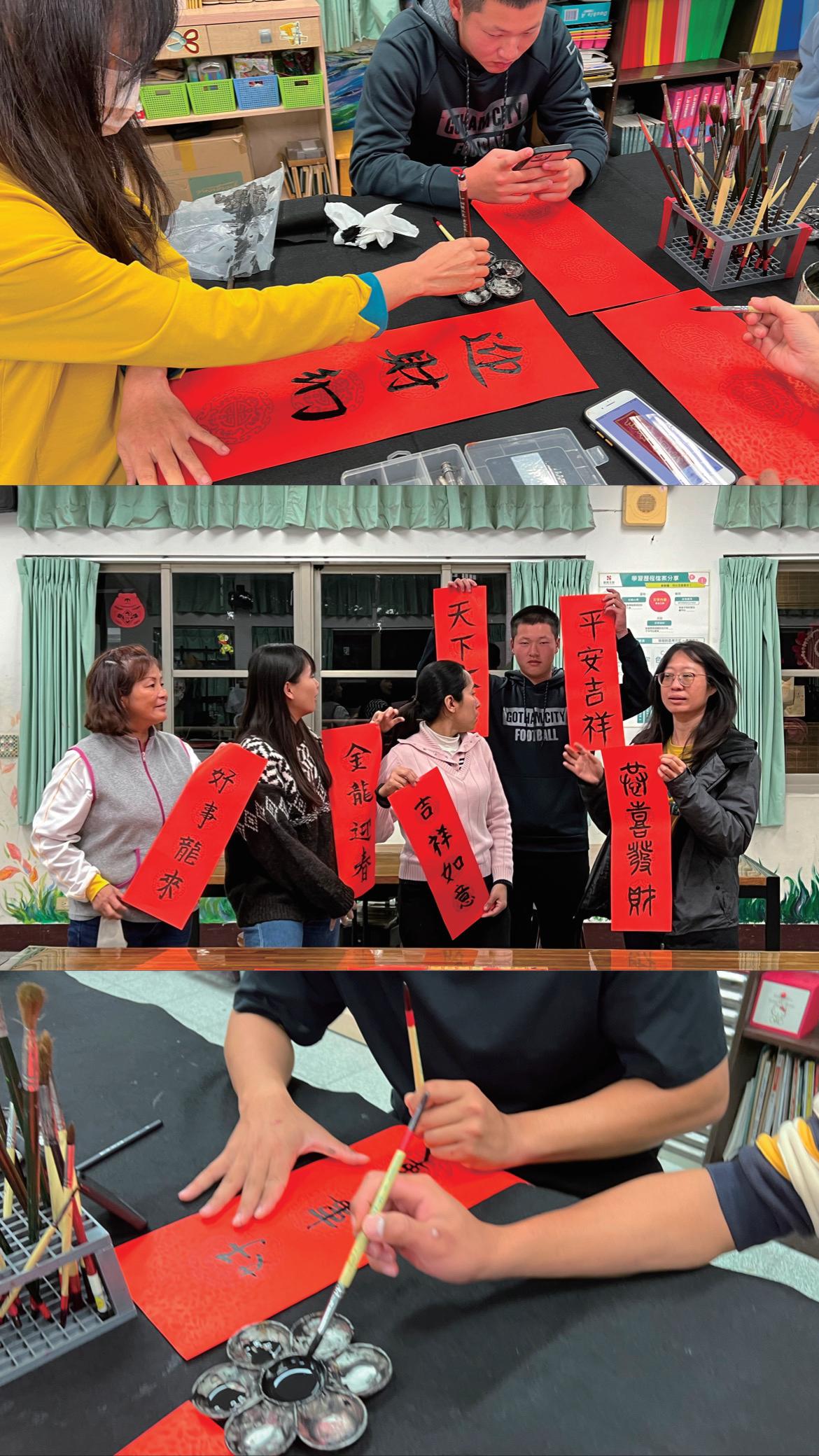
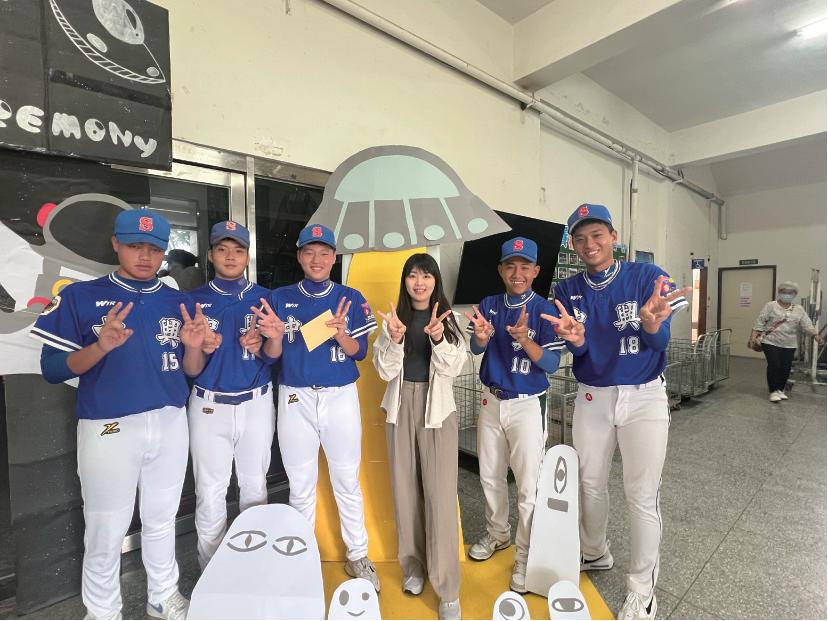
Education is not the filling of a bucket, but the lighting of a fire." Chung Hsing Senior High School consists of both Day and Night Divisions; the Night Division is primarily composed of the baseball team and adult learners. The curriculum design is highly diversified, helping students step into the world of art through fresh perspectives.
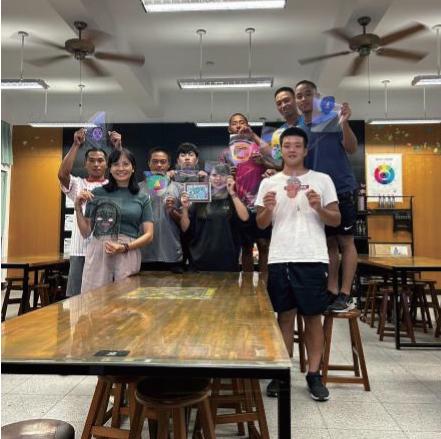
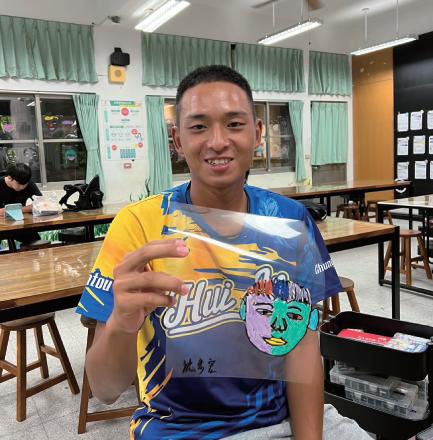
Self-Protriat
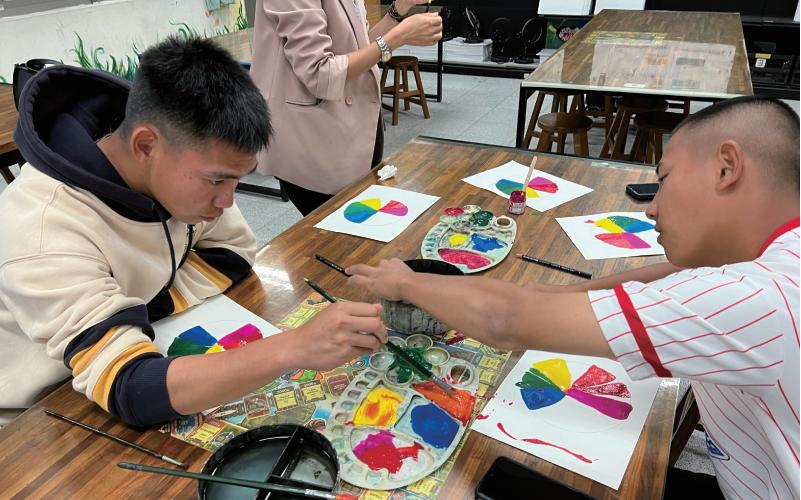
By observing the faces of friends through an artistic lens, student motivation for art courses is sparked, facilitating the progression of the curriculum. Through combining festivals, daily life, and various contexts, students in the Continuing Education Division "learn by doing while enjoying the process.
Color Theory
Sketch
Calligraphy
Peronal Creation
Illustration
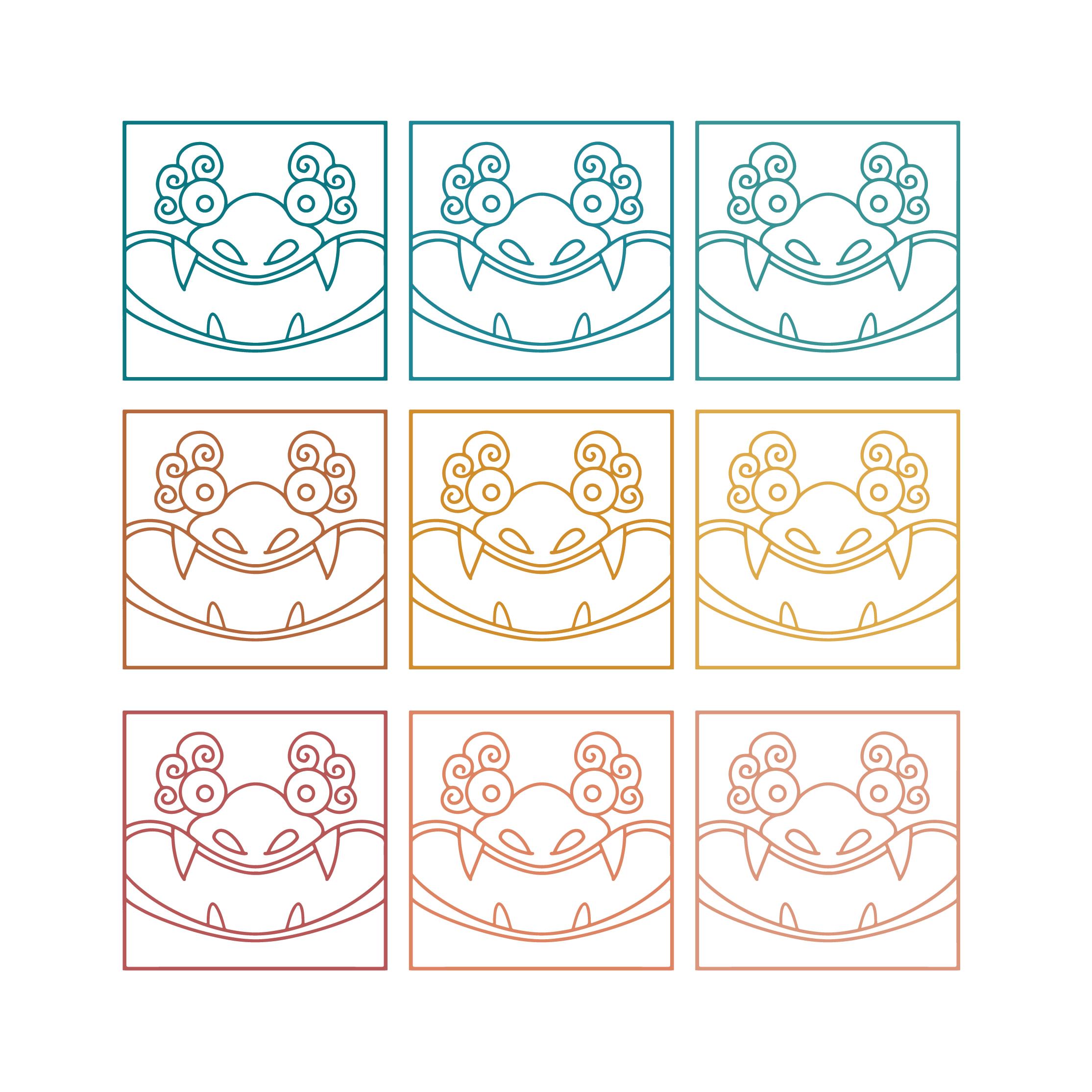
《營隊主題LOGO設計》,2024
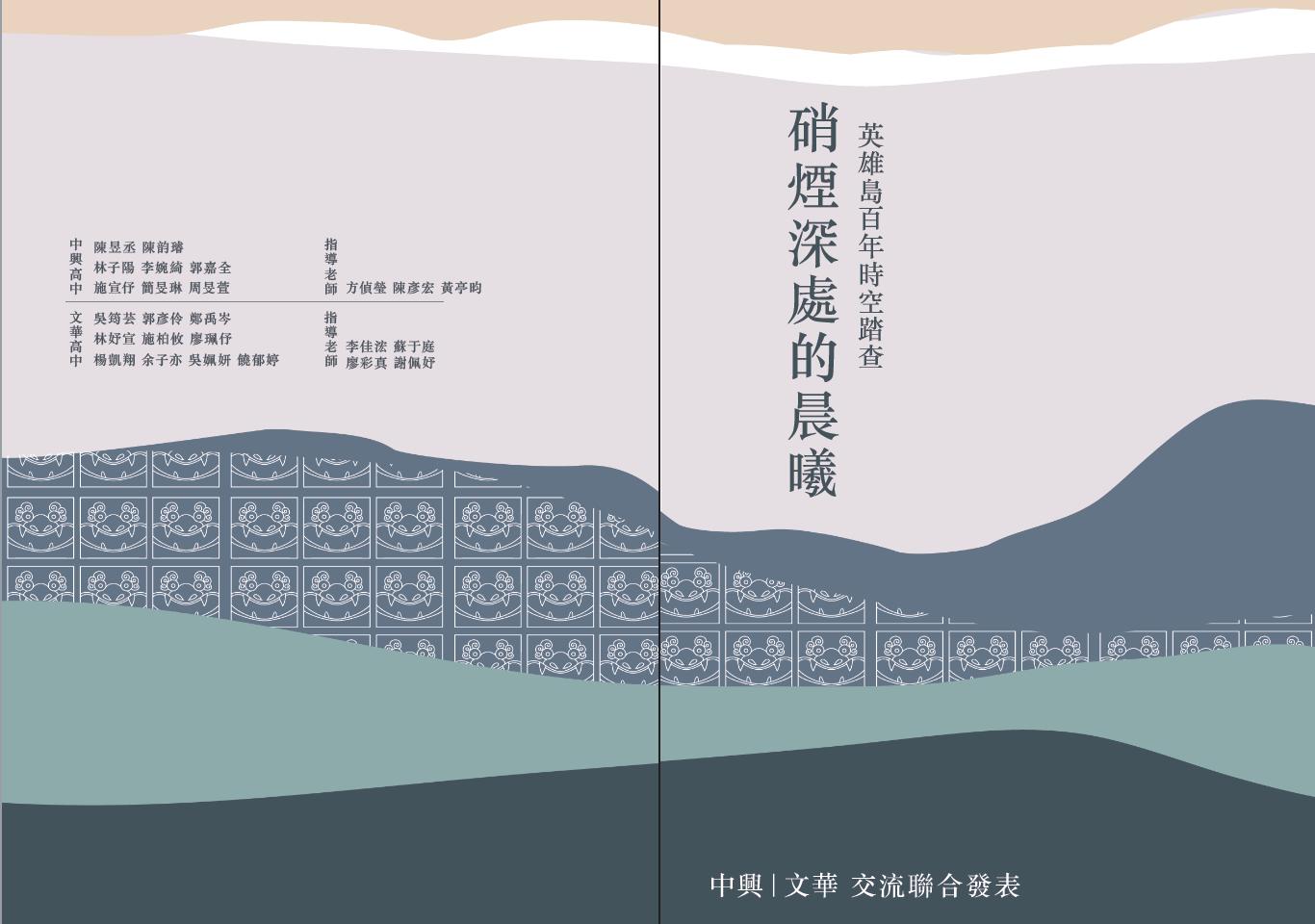
《硝煙深處的晨曦-跨校發表成果冊設計》,2024
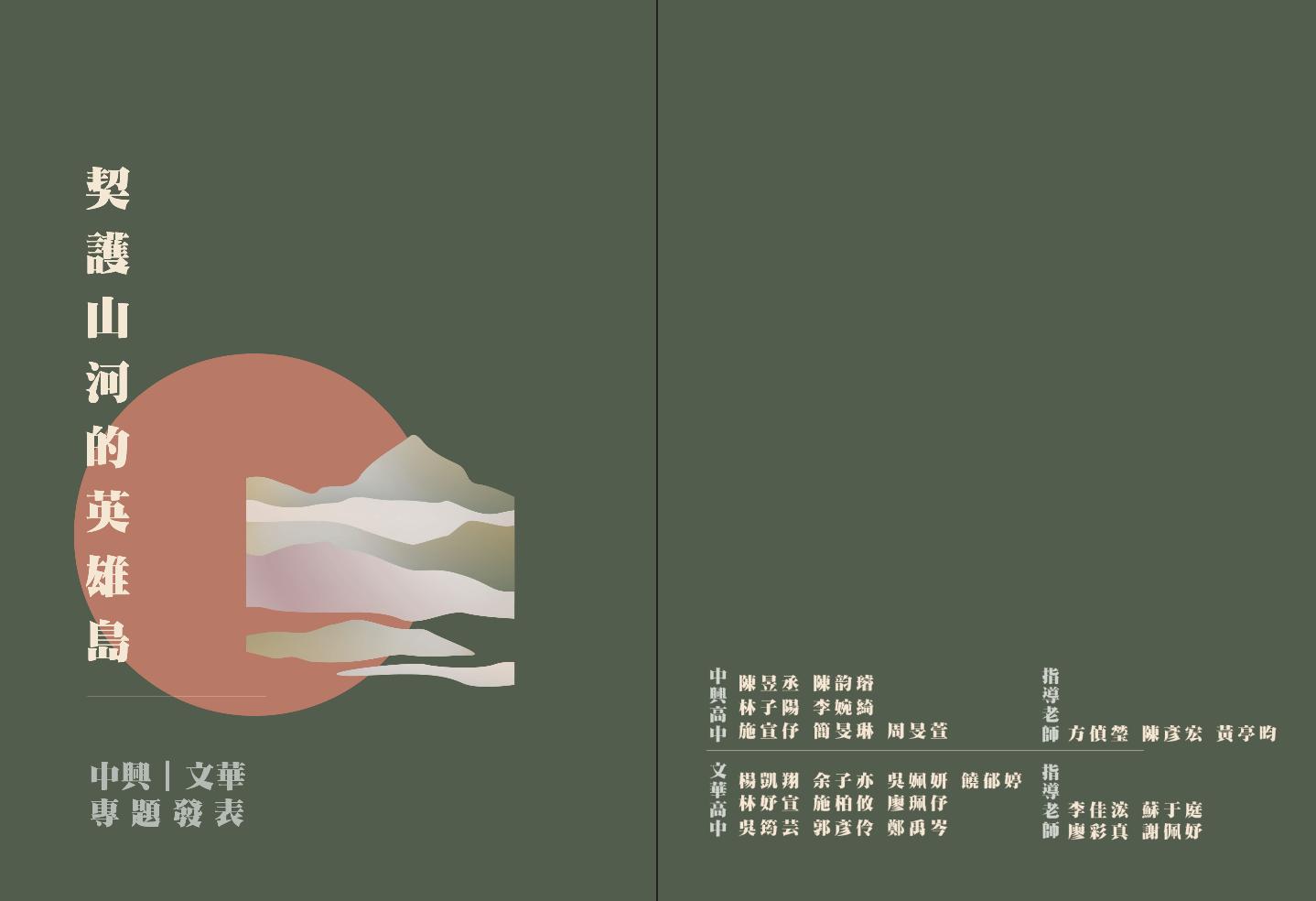
《契護山河的英雄島-跨校發表成果冊設計》,2023
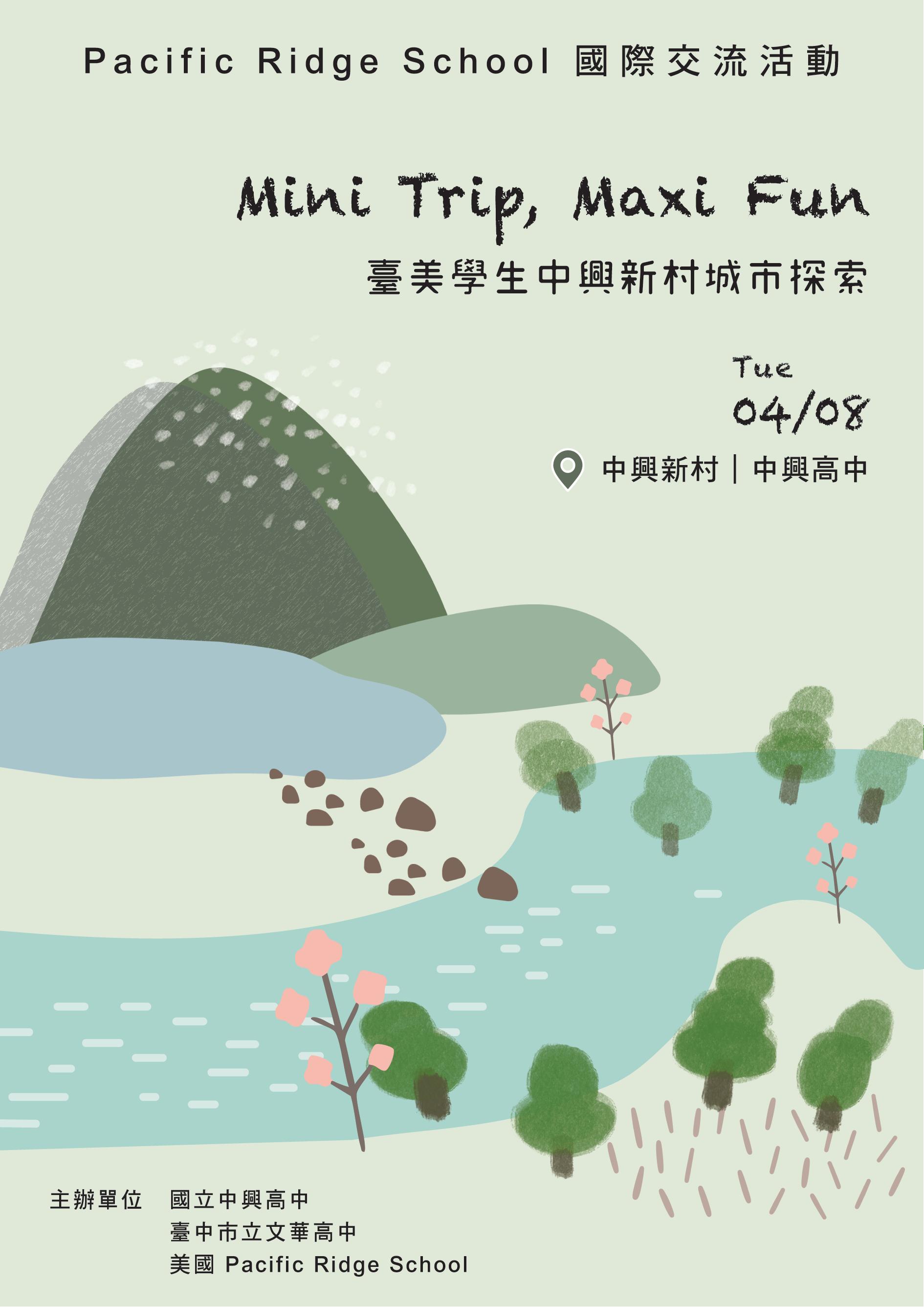
《國際教育交流海報設計-台美交流》,2025
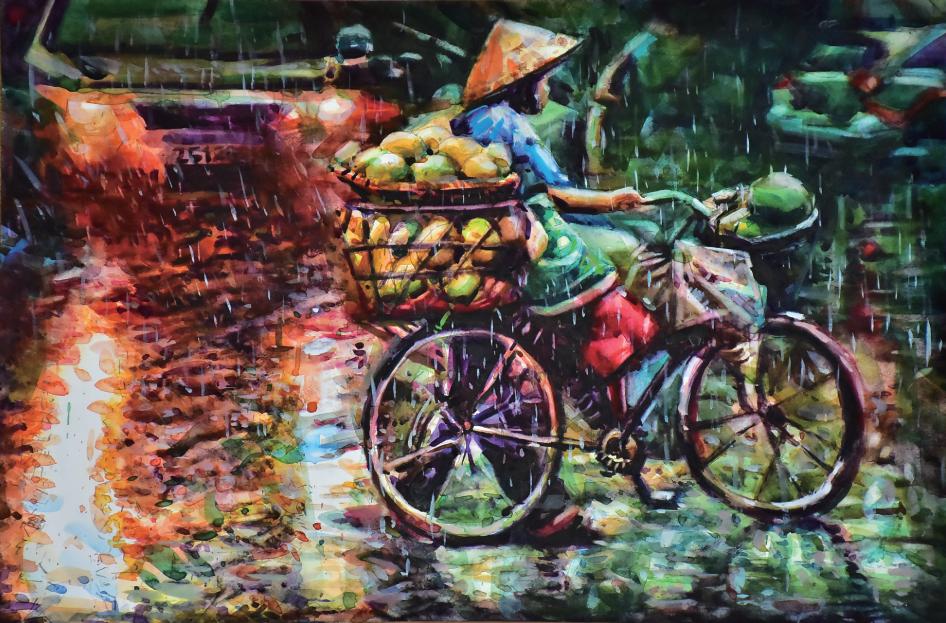
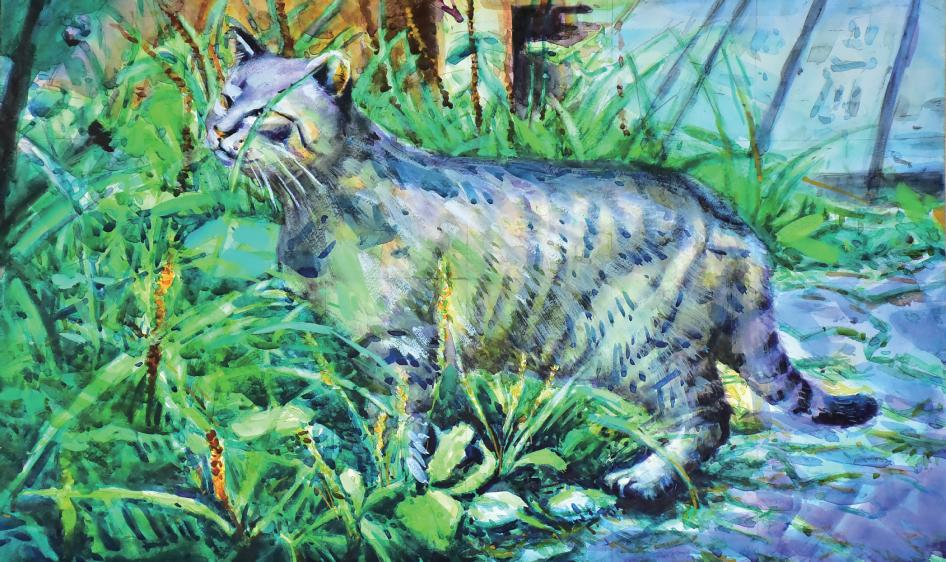
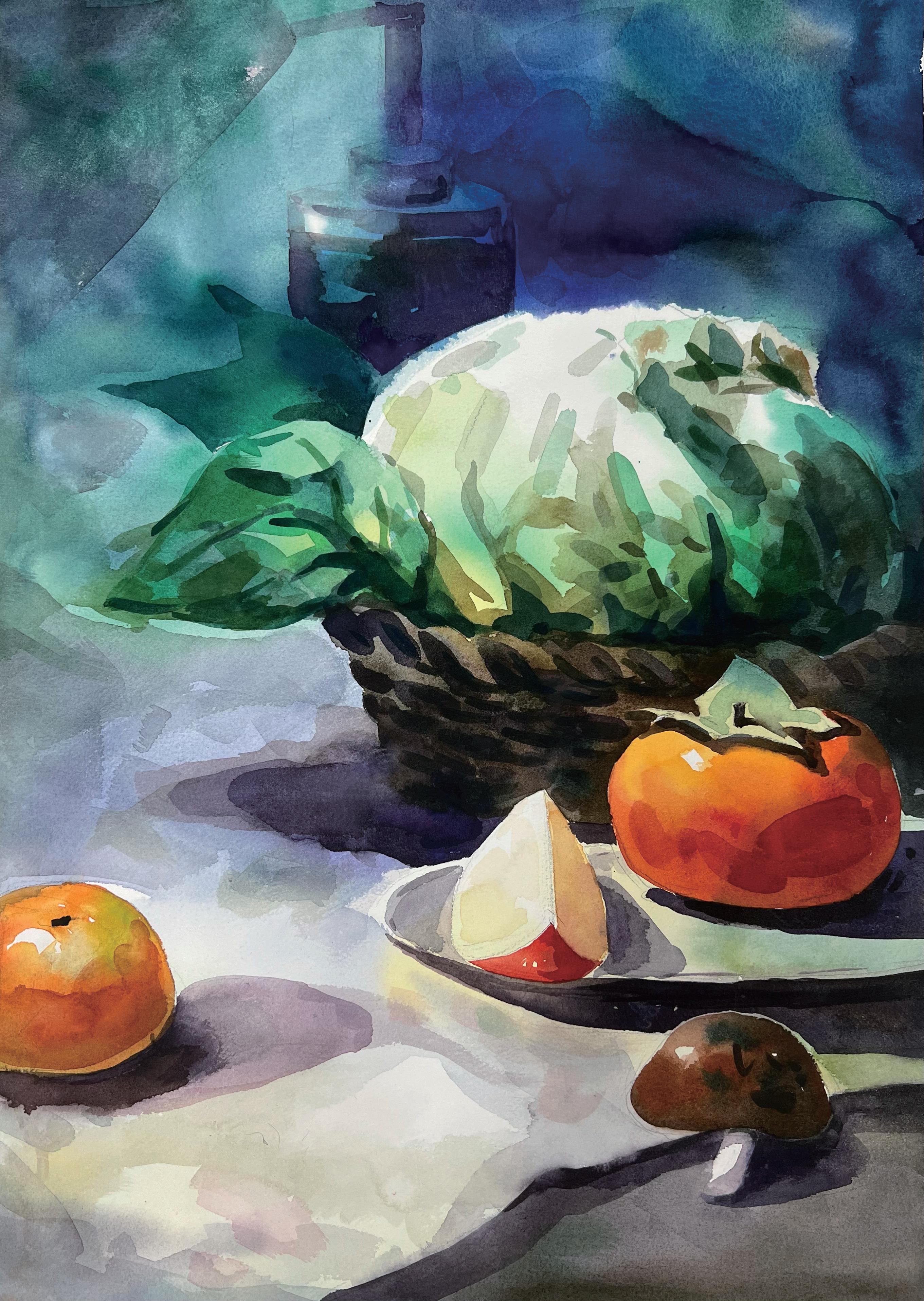
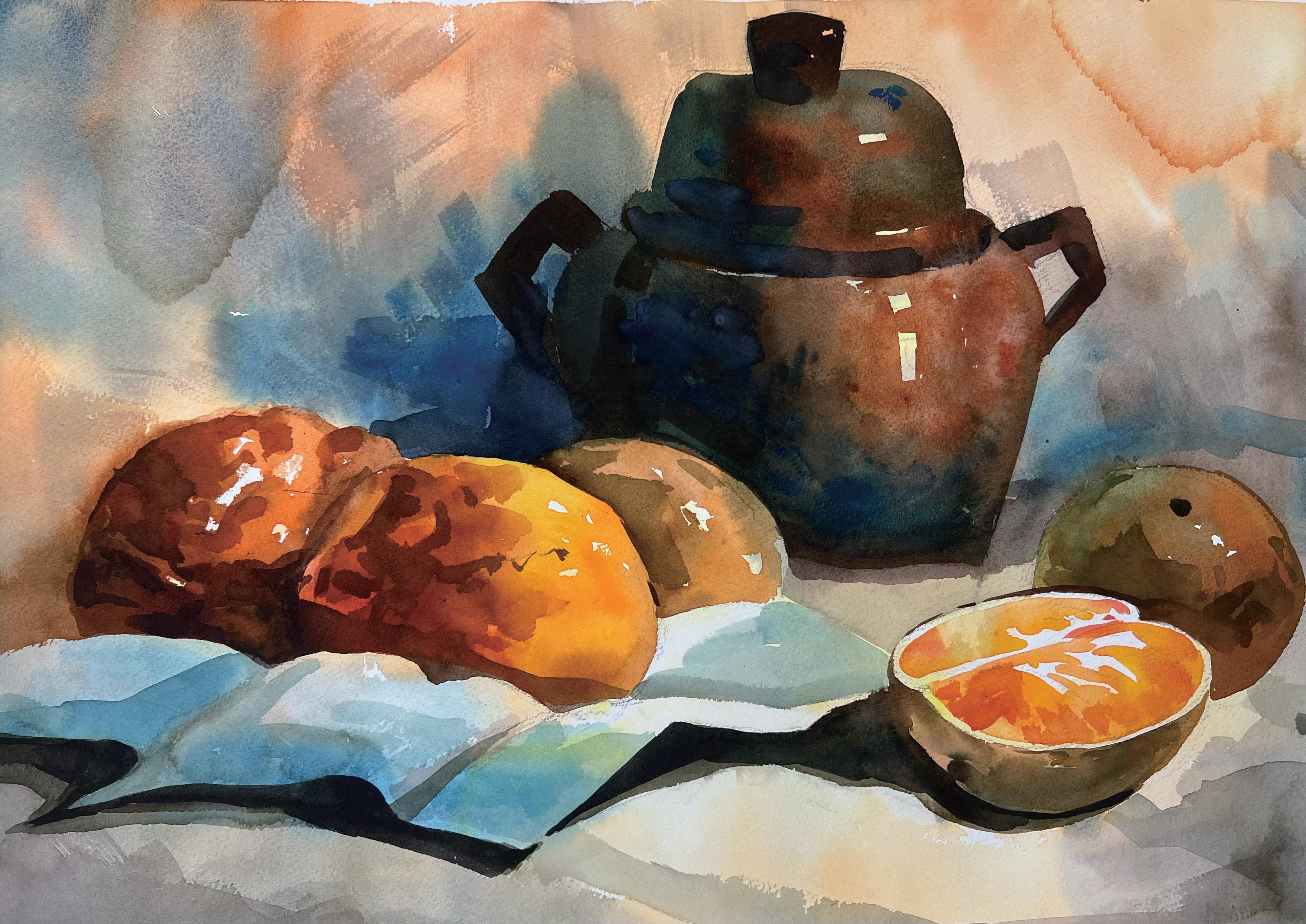
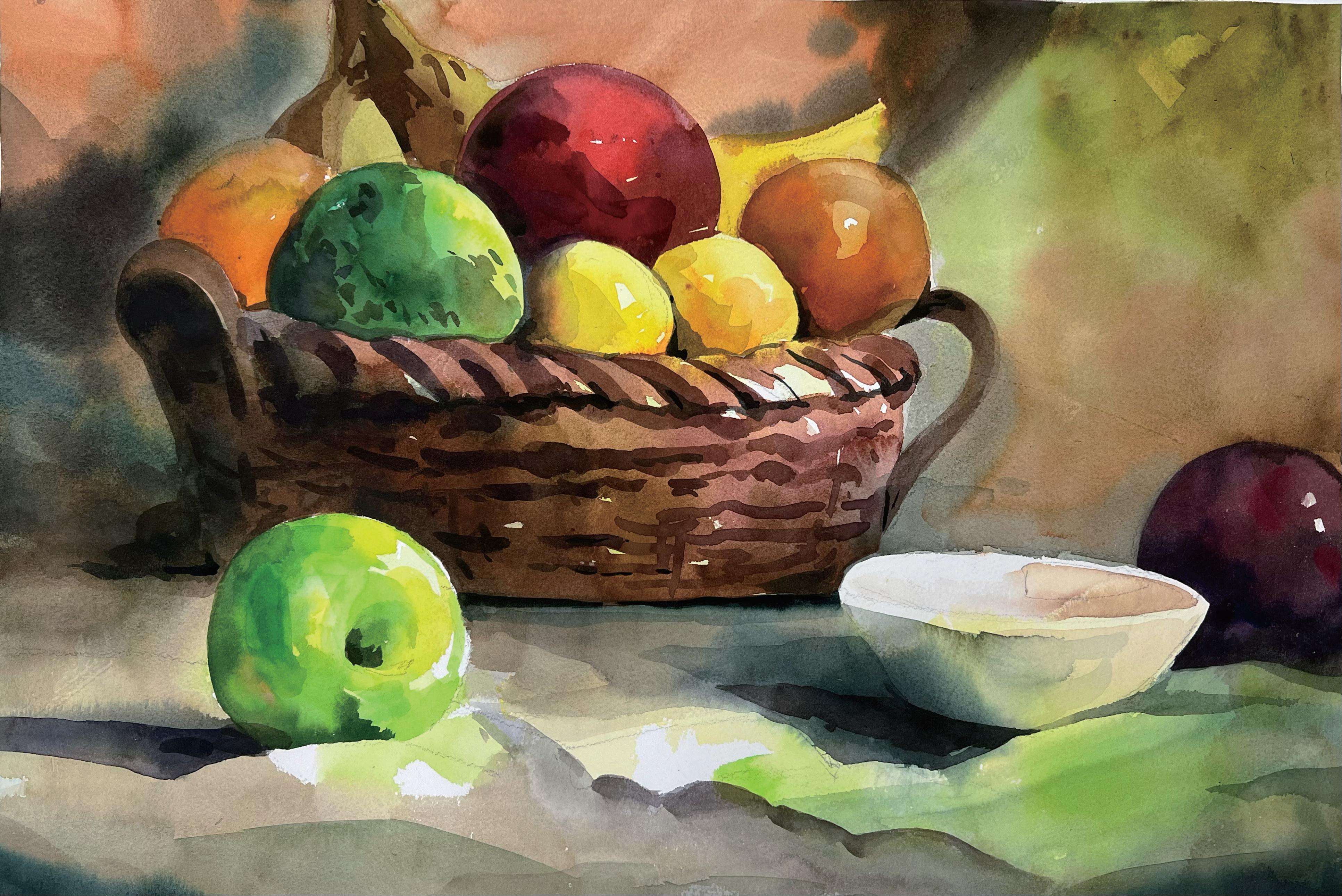
水彩創作
Water color painting
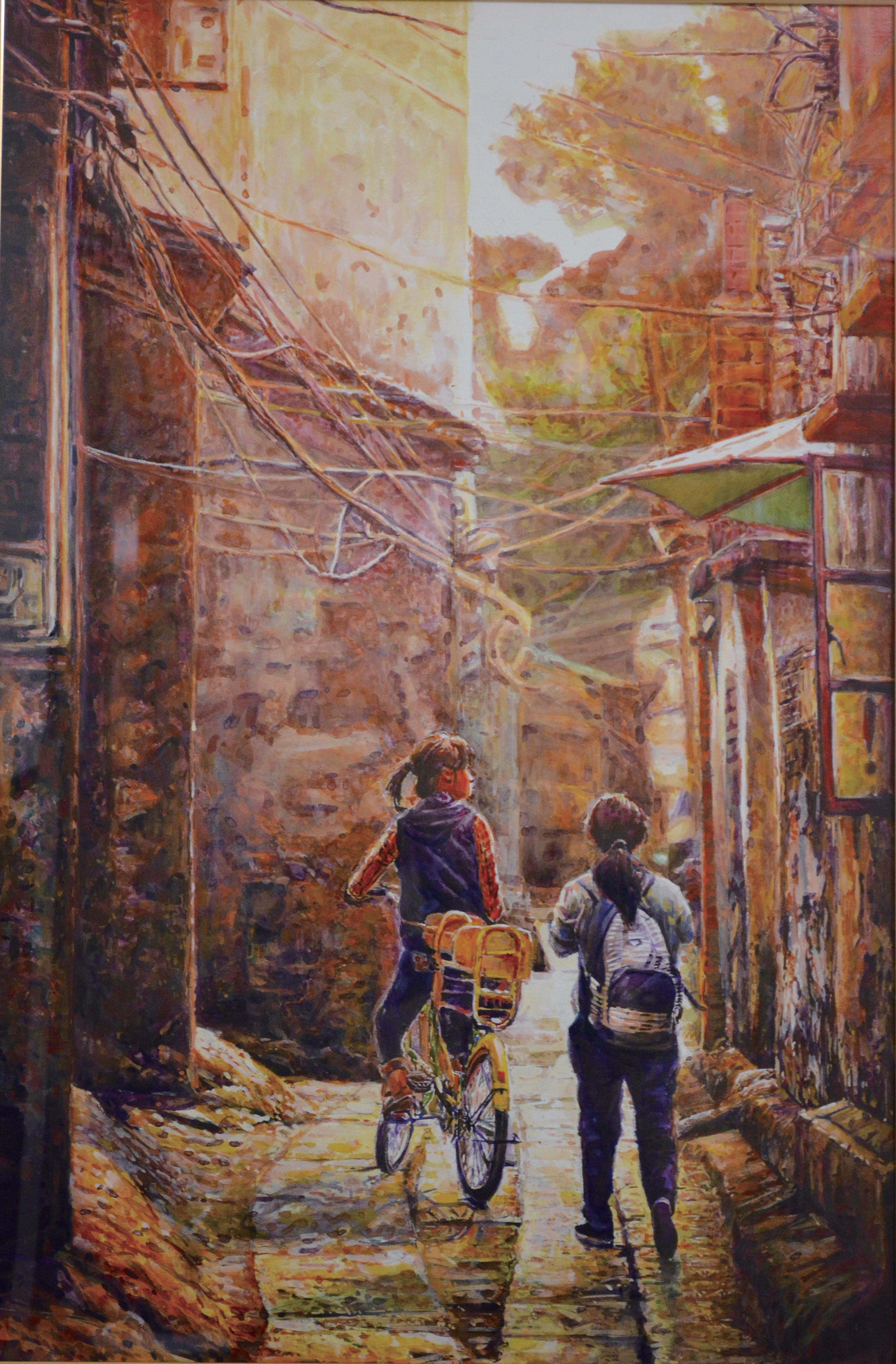
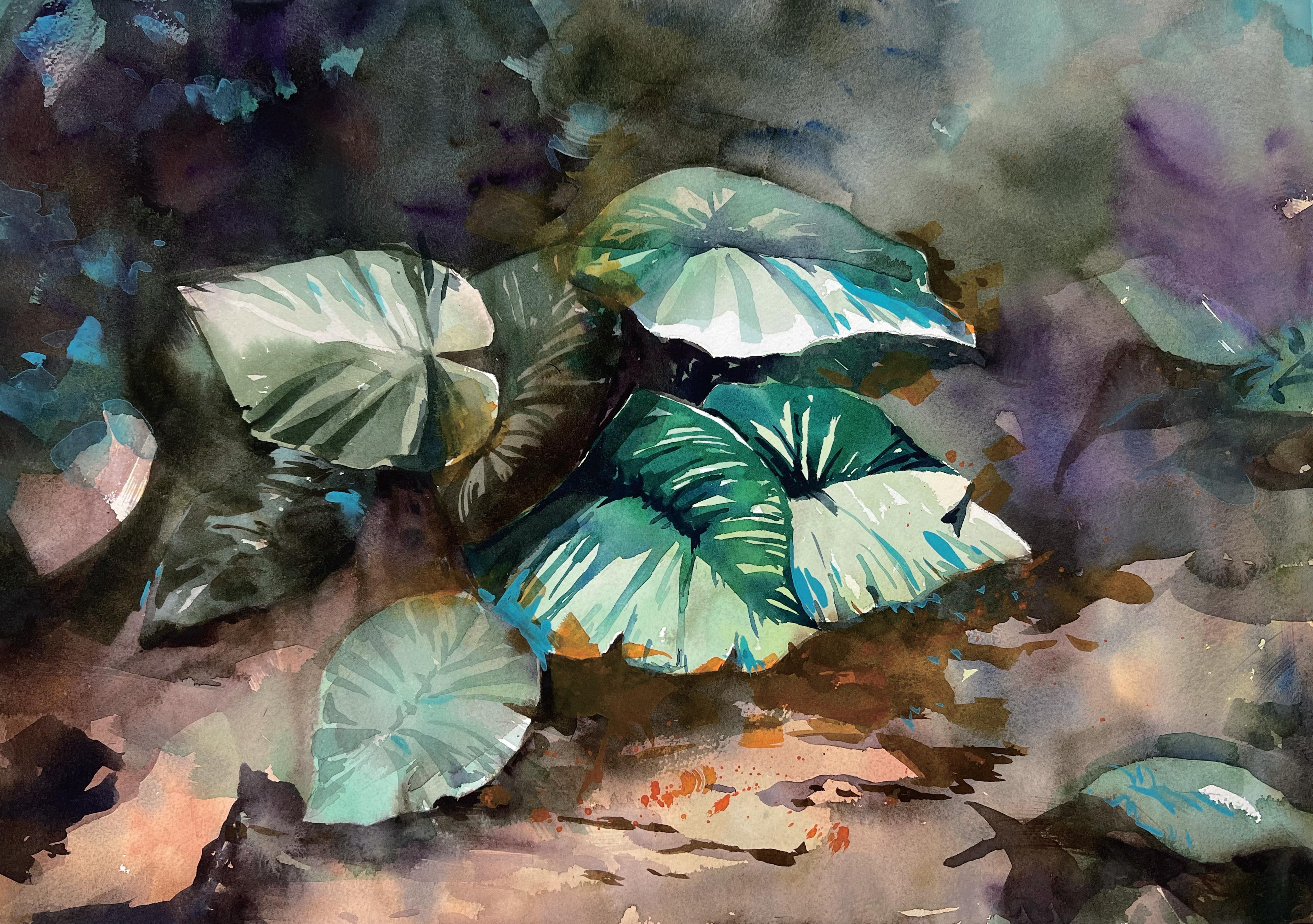
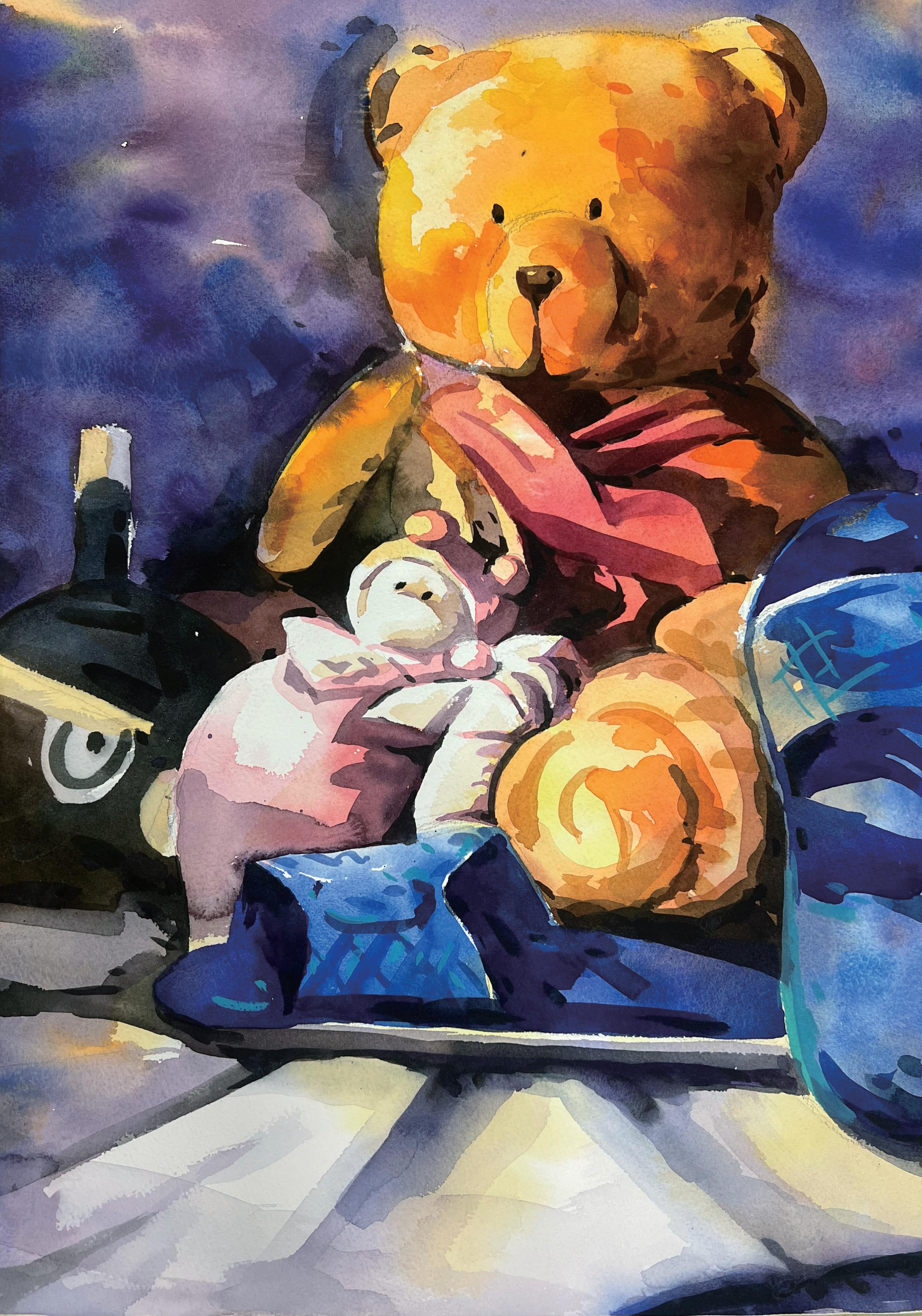
《潮濕一隅(A Humid corner)》,2025