
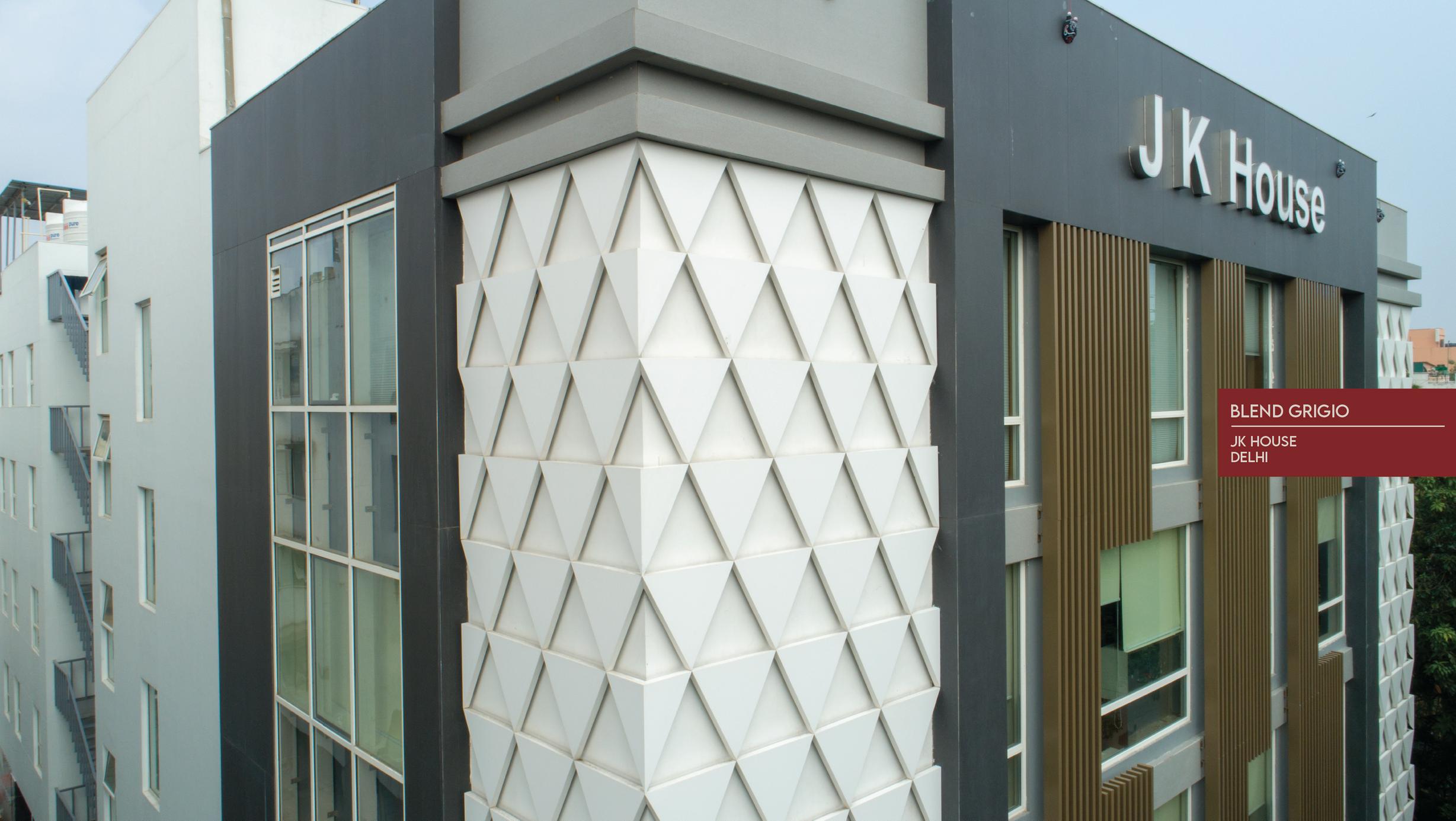
In the realm of architecture and design, the facade of a building serves as its face, making a lasting impression on both passersby and occupants. It’s not merely a protective barrier but a statement piece that contributes significantly to the building’s overall aesthetics and functionality. With the evolution of construction technologies and materials, architects and designers now have a plethora of options to choose from when it comes to facade materials. In this blog post, we’ll explore the importance of facade materials, delve into various exterior cladding materials, discuss commercial facade design, and highlight how Stonelam Surfaces LLP offers innovative solutions in this domain.
The Significance of Facade Materials
Facade materials play a crucial role in defining the visual identity, durability, and energy efficiency of a building. They serve as the first line of defense against external elements such as weather, sunlight, and pollution while also influencing the interior climate and ambiance. From traditional brick and stone to modern glass and metal composites, the choice of facade material can drastically alter the architectural character and performance of a structure.
Exploring Exterior Cladding Materials
Brick and Stone: Timeless and versatile, brick and stone offer durability, thermal mass properties, and a classic aesthetic. They can be arranged in various patterns and textures, adding depth and visual interest to facades.
Glass: Renowned for its transparency and ability to maximize natural light, glass facades create a seamless connection between the interior and exterior spaces. However, they require careful consideration of insulation and solar control measures.
Metal Panels: Aluminum, steel, and zinc panels are popular choices for contemporary facades due to their lightweight nature, flexibility in design, and ease of installation. Metal cladding systems offer opportunities for customization and can withstand harsh environmental conditions.
Composite Materials: Engineered wood, fiber cement, and terracotta panels are examples of composite materials that combine aesthetics with functionality. They offer versatility in color, texture, and form while ensuring structural integrity and low maintenance requirements.
Commercial Facade Design
In commercial architecture, facade design goes beyond aesthetics to address branding, marketing, and user experience. A well-designed facade can attract customers, enhance brand recognition, and create memorable experiences. Factors such as scale, proportion, materiality, and sustainability are carefully considered to achieve a harmonious blend of form and function.