


Access to quality healthcare is essential for the physical and spiritual well-being of all communities. The St. Louis Integrated Health Network (IHN) works to ensure healthcare that is quality, affordable, and within reach for all residents of Metropolitan St. Louis—especially those most affected by systemic barriers.
The past, present, and future of IHN are rooted in community, whose members exemplify the power to challenge systems and reshape structures that limit opportunity and health. As a trusted partner, we serve as stewards of their goodwill, holding ourselves and our collaborators accountable as we advance the journey to health equity.
IHN’s members represent the majority of the region’s safety net providers, including community health centers, hospital systems, academic medical schools, public health departments, and other essential institutions.
Acting as a healthcare intermediary, IHN strengthens crosssector capacity to expand access to health and social services for communities that have been historically excluded.
Recently, IHN undertook a strategic planning process to clarify its mission and vision, aligning them with the organization’s history, values, and future direction through an inclusive and iterative approach.
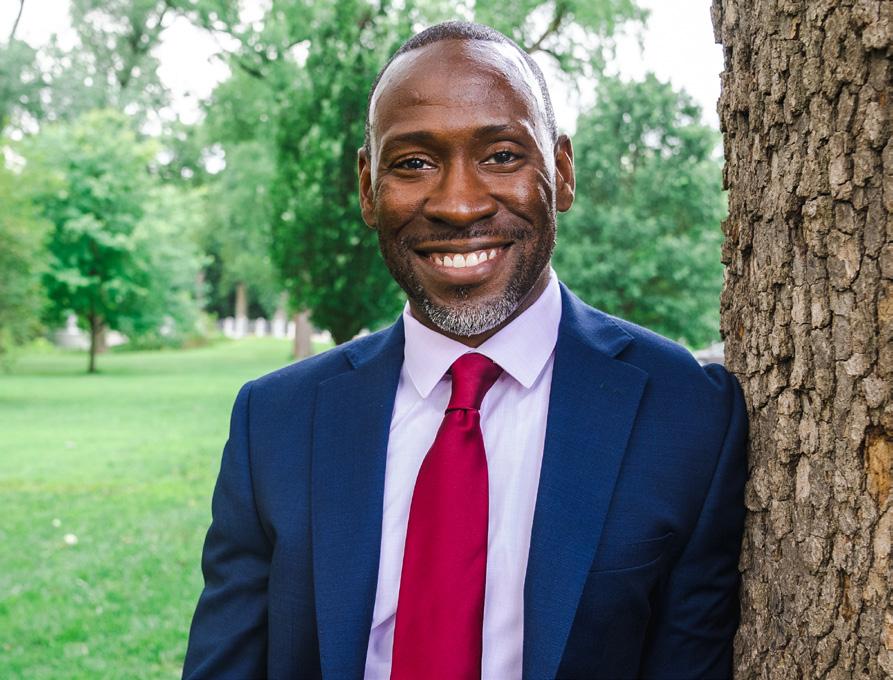
Over the past year, the Integrated Health Network (IHN) has continued to live its mission—strengthening the regional safety net and improving health outcomes through collaboration, innovation, and an unwavering commitment to equity. What began as a vision to unite health centers, hospitals, medical schools, health departments, and communities has evolved into a movement powered by shared purpose and measurable impact.
Guided by our five-year strategic plan, we centered community-clinical integration, community-driven innovation, workforce development, and organizational capacity building as the pillars of our work. These pillars came to life through cross-sector partnerships, programs that met people where they are, and a culture that keeps equity at the heart of everything we do.
Our partnerships grew in both reach and purpose. Together with local and national collaborators, we advanced initiatives connecting health with housing, justice, and community well-being. Through our fiscal sponsorships, we helped drive transformative efforts such as the Home Repair Network and Empowered Thriving Communities, extending the reach of health equity across the region.
IHN also demonstrated strong stewardship and sustainability. We expanded our grant portfolio to over $25.4 million, delivered thousands of patient encounters through programs linking individuals to care and support, modernized board governance, and elevated IHN’s regional presence through thought leadership and storytelling.
This year reaffirmed a powerful truth: transformation happens when leadership, trust, and community move together. Through the dedication of our team, board, and partners, IHN continues to anchor systems change and advance healthier, more equitable communities.
With hope and determination,
Andwele Jolly, DPT, MBA, MHA PRESIDENT & CEO
Through partnership and collaboration, the St. Louis Integrated Health Network is a healthcare intermediary building capacity across sectors to advance health equity and improve wellbeing by increasing access to health and social services, with an emphasis on communities that have been historically excluded.
The St. Louis Integrated Health Network will be:
• The preferred partner for individuals, groups, and organizations seeking to advance health equity.
• Recognized as a regional and national leader for increasing access to health and social services and eliminating health disparities.
• The leading incubator, conduit, and catalyst for community driven approaches that positively impacts institutional and public policy, undoing structural and systemic barriers inhibiting wellbeing.
The St. Louis Integrated Health Network (IHN) was created in 2003 following a recommendation from the St. Louis Regional Health Commission and a federal HRSA grant to establish a permanent regional network coordinating care for the medically underserved. Initially a coalition of safety net providers, IHN has grown into a healthcare intermediary uniting community health centers, hospital systems, public health departments, academic medical centers, and community-based organizations.
Together, these partners co-create and implement strategies to improve healthcare access, quality, affordability, and outcomes for St. Louis’ most vulnerable residents. In 2017, IHN’s Board of Directors adopted guiding principles —Health Equity, Patient-Centered Orientation, Accountability, Outcome-Focused Decision-Making, and Innovation — which continue to shape our initiatives and decisions.
The founders of IHN were truly visionary. They created an entity with the ability to effectively advocate for the underserved in healthcare. In 2003, that idea was groundbreaking for St. Louis.
Angela
Clabon, CEO, CareSTL Health



Care Transitions Initiative (CTI) is our flagship, three-tiered intervention for the health system designed to enhance care coordination and improve patient experiences throughout their health journeys. CTI is comprised of three key components: the Community Referral Coordinator (CRC) Program, which focuses on patient advocacy by connecting individuals to essential resources and services; the P.U.L.S.E.™ Model, which emphasizes health education through patient engagement, skill-building, and self-management support; and the Transitions of Care (TOC) Task Force, which leads systems coordination and navigation to strengthen collaboration among providers and ensure seamless care transitions across the continuum of care.
The purpose of Justice Initiatives is to improve health outcomes for minority justice-involved individuals through programs such as Reentry Community Linkages (RE-LINK), which provides direct support for people returning from or at risk of incarceration; the Health and Social Services Network (HSSN), which advances community-driven policy and system change; SLU Mobile Health Clinic, which provides medical and behavioral health care and case management; Greater Health Pharmacy and Wellness, which provides access to emergency medications; and the Transitions Clinic, which offers an evidence-based model of treatment and care coordination.
IHN has been leading Community Health Worker (CHW) strategy in the St. Louis region since 2016. These efforts include:
1. Creating inroads for sustainable CHW reimbursement in partnership with the Missouri Foundation for Health,
2. Building infrastructure to support the delivery and sustainability of place-based CHW services in partnership with and John Hopkins University,
3. Furthering the professional development of CHWs through the IHN’s CHW Academy in partnership with St. Louis Community College, and
4. Proving the value of CHWs through aligned data collection in partnership with the UMSL Community Innovation and Action Center and the CHW Center for Research and Evaluation.
Perinatal Equity Initiatives address racial and ethnic inequities in birth, pregnancy, and maternal outcomes across Missouri, with a focus on improving health and well-being in historically excluded communities. Working at the patient, healthcare team, and systems levels— and in partnership with communities to ensure that those most impacted shape the solutions—these efforts include EleVATE (Elevating Voices, Addressing Depression, Toxic Stress and Equity, coordinated by the St. Louis Integrated Health Network), the Alliance for Innovation on Maternal Health Community Care Initiative (AIM CCI, led nationally by the Healthy Start Association), and the Missouri Collaboration for Clinical Community Integration (MO C3, with SSM Health as lead partner).
Network Community-Academic Partnership (NCAP) is a collaborative initiative established in 2013. Our objective is to bridge the gap between safety net health providers and researchers, fostering increased communication and collaboration. Together, we work towards a common goal of improving the quality, accessibility, and affordability of healthcare for underserved populations.
Empowered Thriving Communities (ETC) is a communitydriven collaborative that is focused on transforming systems and empowering thriving communities to have joyful and abundant access to food and health. As a fiscal sponsor, we celebrate the collaborative’s commitment to remain steadfast in cultivating partnership and advancing equity within food sovereignty, neighborhood investment, health and wellness access, and local and statewide advocacy. Over the past six years, the collaborative has grown to include 50 members, has been recognized by the American Public Health Association, and now serves more than 20 zip codes across the St. Louis region. The St. Louis Integrated Health Network (IHN) remains deeply committed to advancing the collaborative’s mission, strengthening the capacity of its member organizations, and supporting the shared goals that guide its future direction.
The Pipeline to Compassionate Care program (P2CC), in partnership with Washington University and Saint Louis University Schools of Medicine, has introduced 680 medical students to trauma-informed care, social and structural determinants of health, and identity exploration —creating a pipeline of healthcare providers who become communityminded primary care practitioners. Building on this foundation, P2CC launched its next phase through the Health Equity Fellowship, hosting two medical students for immersive, real-world changemaking experiences, and establishing a Health Academy to expose high school students to diverse healthcare careers and create viable pathways into the field.
In January 2025, IHN was selected to join the National Learning Community on Community Care Hubs (CCHs), led by USAging. In building a CCH, we will enhance our role as a community intermediary by connecting healthcare entities with local service providers offering social and preventive services. With technical assistance and early support from George Washington University graduate students, we began building internal capabilities and identifying partnership opportunities. The CCH will help expand access to essential services and open new revenue streams for community-based organizations. We welcome conversations with both healthcare entities and social service providers navigating this space as we continue to identify opportunities to connect partners and better serve the community.
For complete and up-to-date information on our work, visit http://stlouisihn.org and click on “Our Work” or scan the QR code.
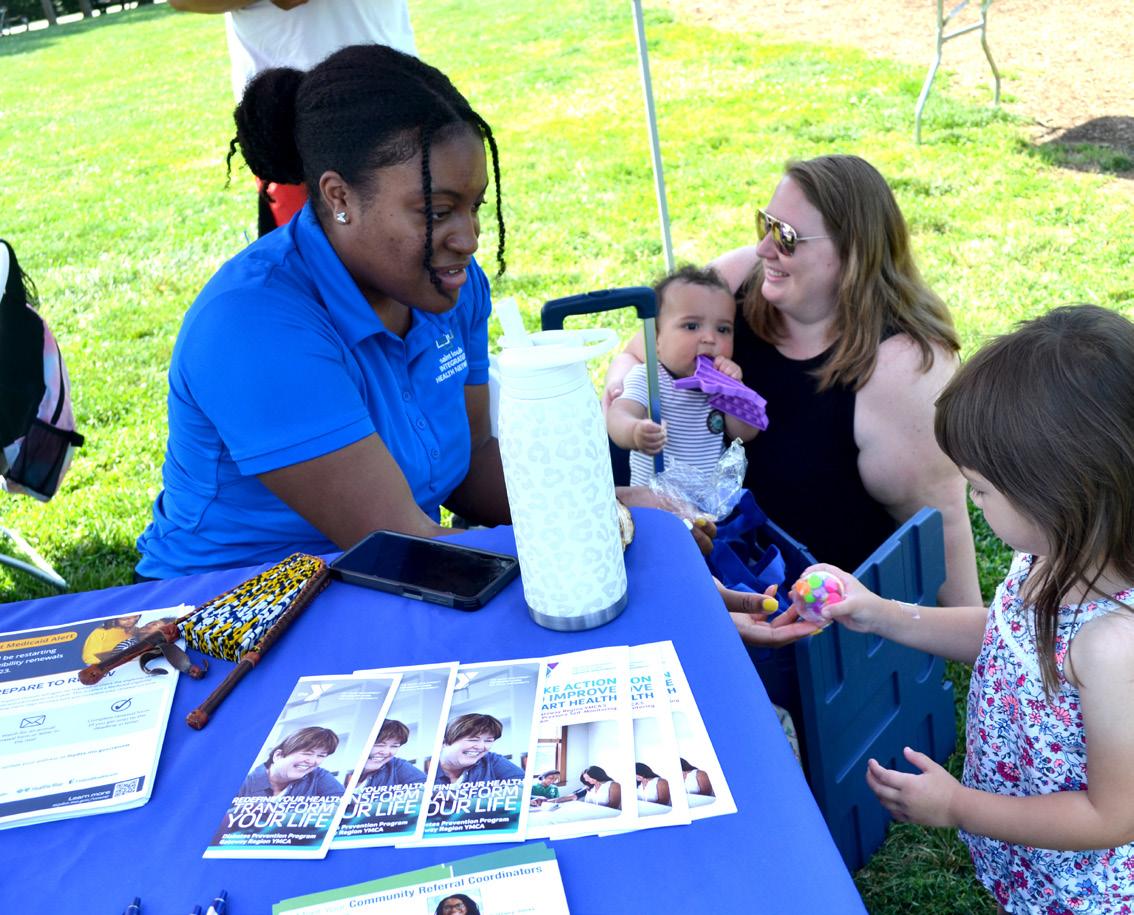
The Community Referral Coordinator (CRC) Program has facilitated more than 250,000 encounters—including over 12,000 combined appointments scheduled in 2023 and 2024—helping individuals establish consistent care within medical homes that support long-term health management and improved health outcomes.
Tornado Relief - Following the May 16, 2025 tornado, IHN staff engaged 1,300 households (representing over 7,000 individuals) who reported health-related needs due to the tornado and assisted them in meeting their critical health needs.
Through IHN’s Justice Initiatives, 342 clients received transition clinical services and emergency prescriptions, while 15 outreach events united 70 leaders from 35 organizations to strengthen collective action.
EleVATE has trained 250 healthcare team members in trauma-informed care, including 80 who participated in annual group prenatal booster sessions focused on (1) Community Engagement, (2) Education, Advocacy, and Policy, and (3) Internal Capacity Building, Training, and Technical Assistance.
Hosted 14 listening sessions focused on osteoarthritis (NITRO initiative) and neuroscience (NEURO360 initiative), and partnered to launch St. Louis’ inaugural AANHPI Health Summit—all to amplify community voice and advance community-driven innovation.
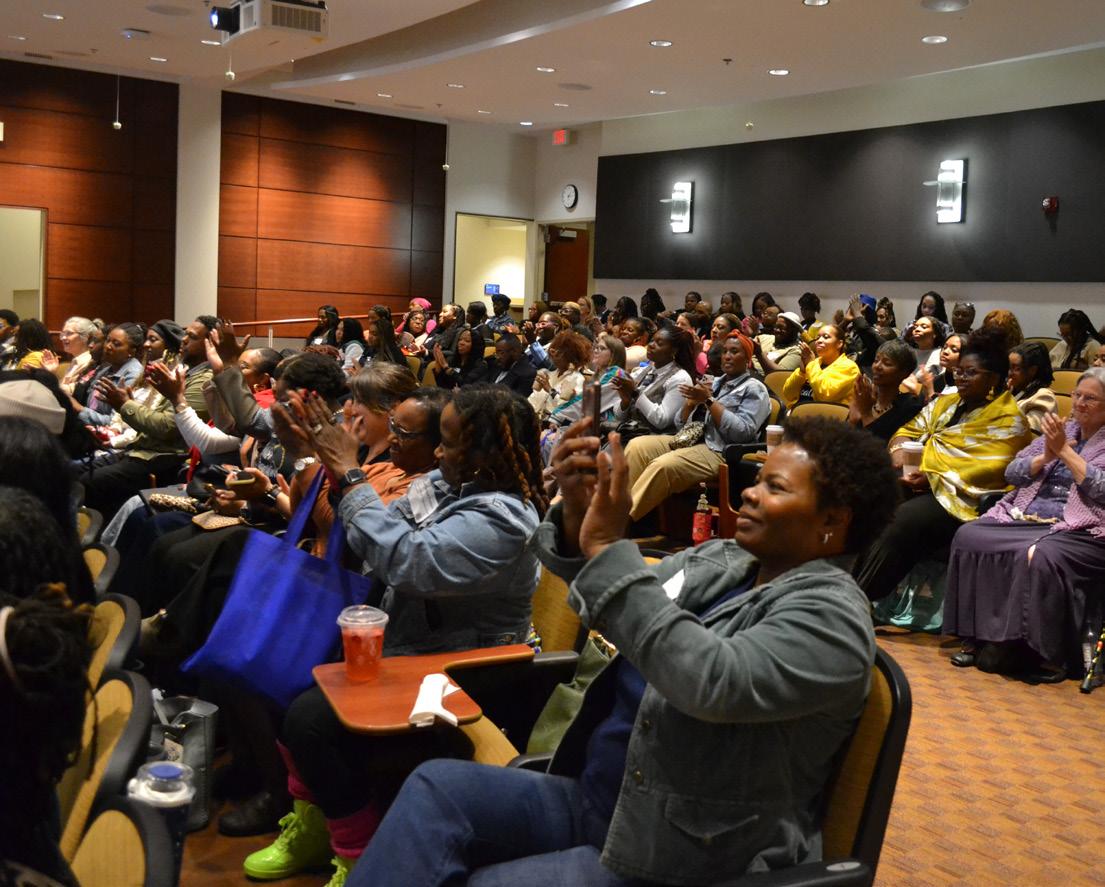
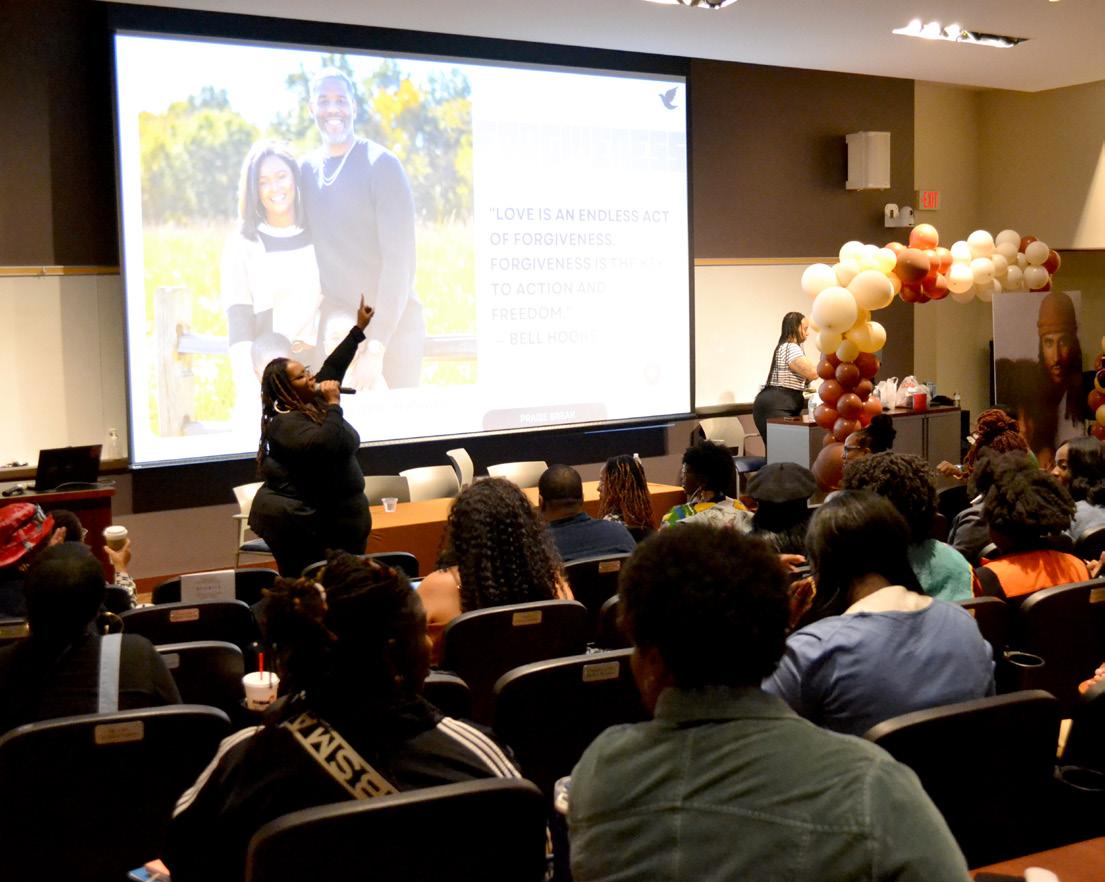
In 2024, IHN launched the annual Centering Joy in the Black Birthing Experience Conference in partnership with community and healthcare organizations to uplift Black maternal health, share resources, and celebrate the birthing journey. By 2025, the event engaged over 25 organizations, drew more than 200 attendees, and secured $50K in sponsorships.
IHN currently has 34 active research collaborations, contracts, and grants totaling almost $25M.
IHN’s Community Health Worker Workforce Partnership played a leading role in St. Louis County’s CDC CHW project, which started in 2023 and ended in March 2025. The project resulted in over 6,200 client encounters with 1,573 unique clients served and over 1,400 service referrals given.
Over the course of the two-year Public Benefit Navigator (PBN) grant, our Health Center partners assisted 8,800 St. Louisians to enroll in Medicaid.
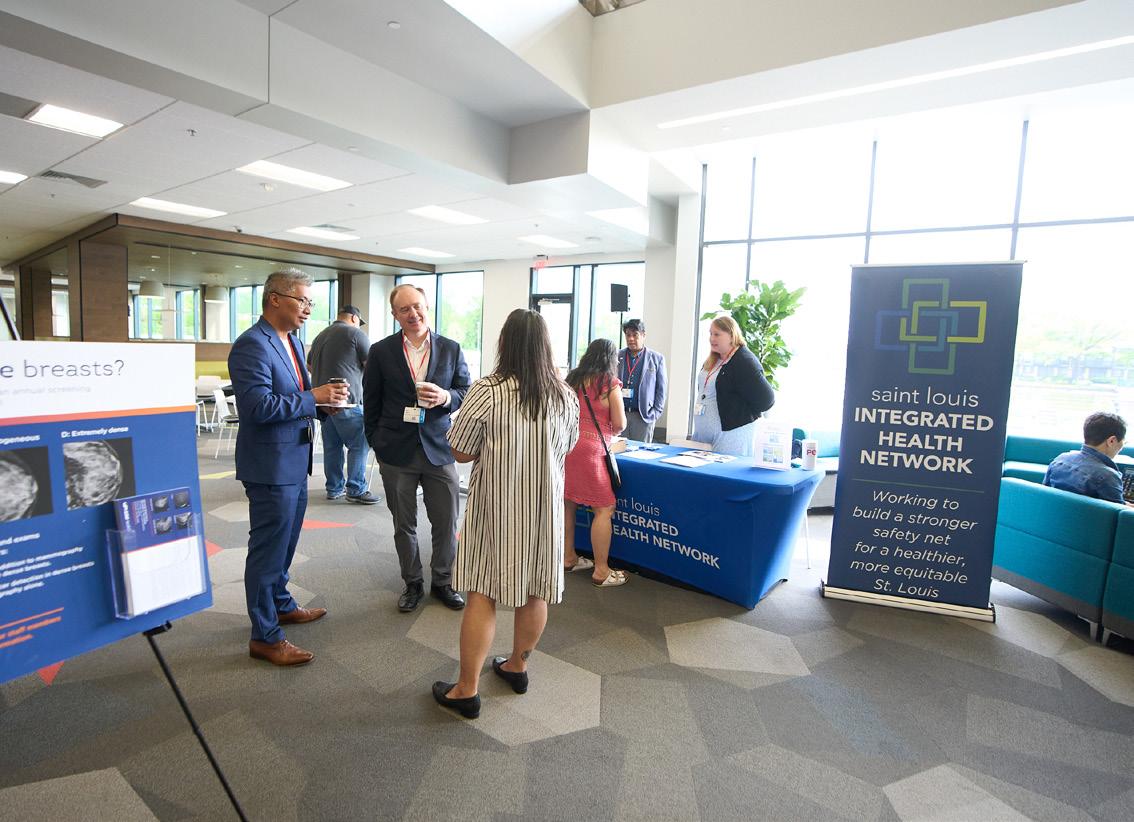
Through the City of St. Louis, we were awarded $12.9M to support health center capital investments in new infrastructure to transform neighborhoods and provide greater access to comprehensive and integrated primary care and behavioral health models.
St. Louis Home Repair Network (HRN):
As fiscal sponsor, IHN anchors nearly $1.5M in startup, tornado recovery, and operating grants supported by Missouri Foundation for Health, James S. McDonnell Foundation, Invest STL, Ameren UE, and the St. Louis REALTORS. With dedicated staff and strong early investments, HRN is emerging as a regional hub for addressing urgent home repair needs, strengthening contractor capacity, and ensuring resources reach homeowners who need them most.
IHN secured a $1.8M ARPA-H NITRO investment with Washington University School of Medicine and the Oklahoma Medical Research Foundation to advance a first-inclass cartilage-repair injection. IHN ensures community voices guide development through listening sessions and a Community Advisory Board, shaping trial design and outreach to build trust and accessibility.
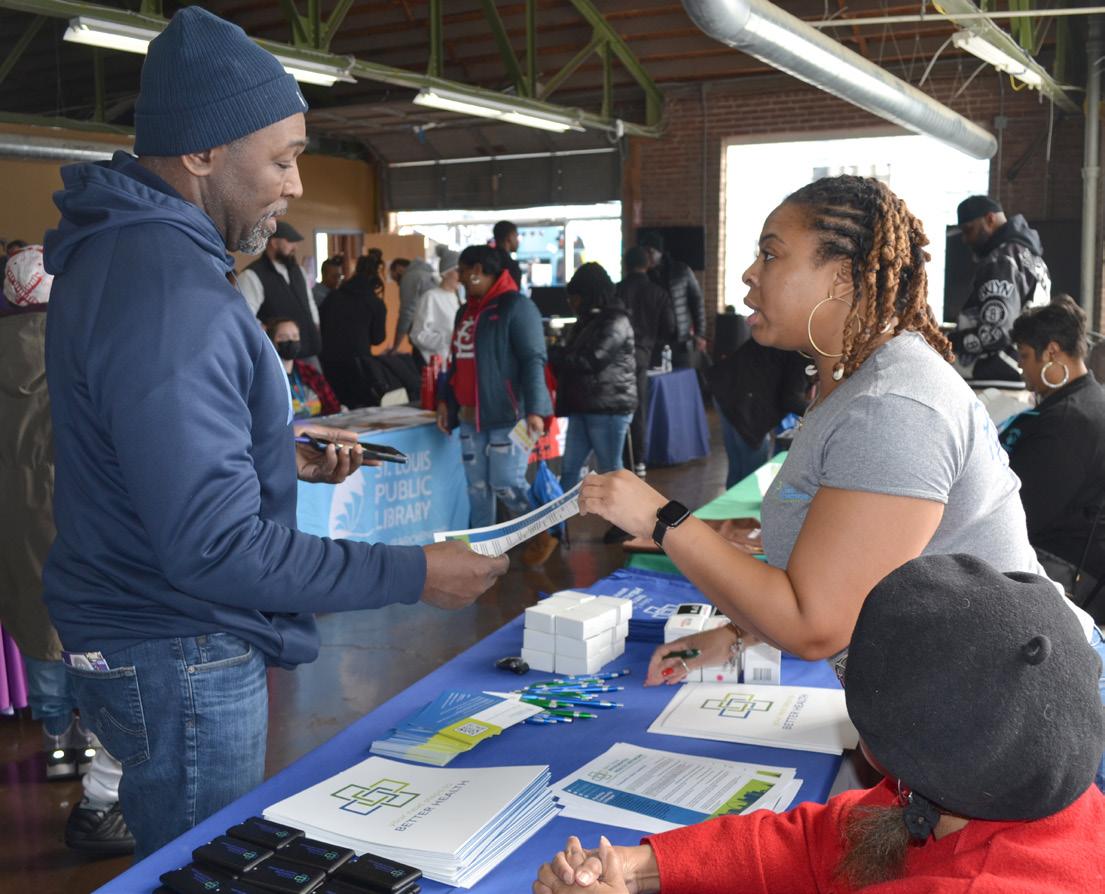
IHN embarked on its strategic planning journey in January 2023, partnering with Key Strategic Group (KSG), a social impact consultancy based in St. Louis, MO. The aim was to develop a deeply collaborative, comprehensive, and responsive strategic plan that addresses the dynamic and evolving needs of IHN and the communities we serve. The core of our strategy is empowering our people and teams to drive impactful change in the healthcare landscape. Our strategic process received invaluable input from internal and external contributors from IHN, various organizations, industries, and community members from across the St. Louis region. The result is a plan that will help us focus on the following as we continue the journey to health equity.
• A comprehensive focus on equity and inclusion in healthcare
• Intentional and community centered partnerships and collaboration
• Fiscal stewardship for the purpose of capacity building
• Excellence in staffing, operations, and systems


The culmination of this collaborative and research-driven process is IHN’s strategic plan, which encompasses four strategic priorities:
1
Advance health equity by prioritizing the interconnectedness of clinical and community-based services.
2
Positively impact our community partners and healthcare providers by designing and leading efforts to encourage individuals to pursue careers in health.
3
Launch the region’s first Community-Based Health Equity Fellowship in partnership with local medical schools to encourage students to adopt a more holistic approach to healthcare while learning how systemic inequality contributes to disparities in healthcare.
4
Build organizational capacity for safety net providers to increase access to health and social services through fiscal sponsorship, shared services, and regional planning.

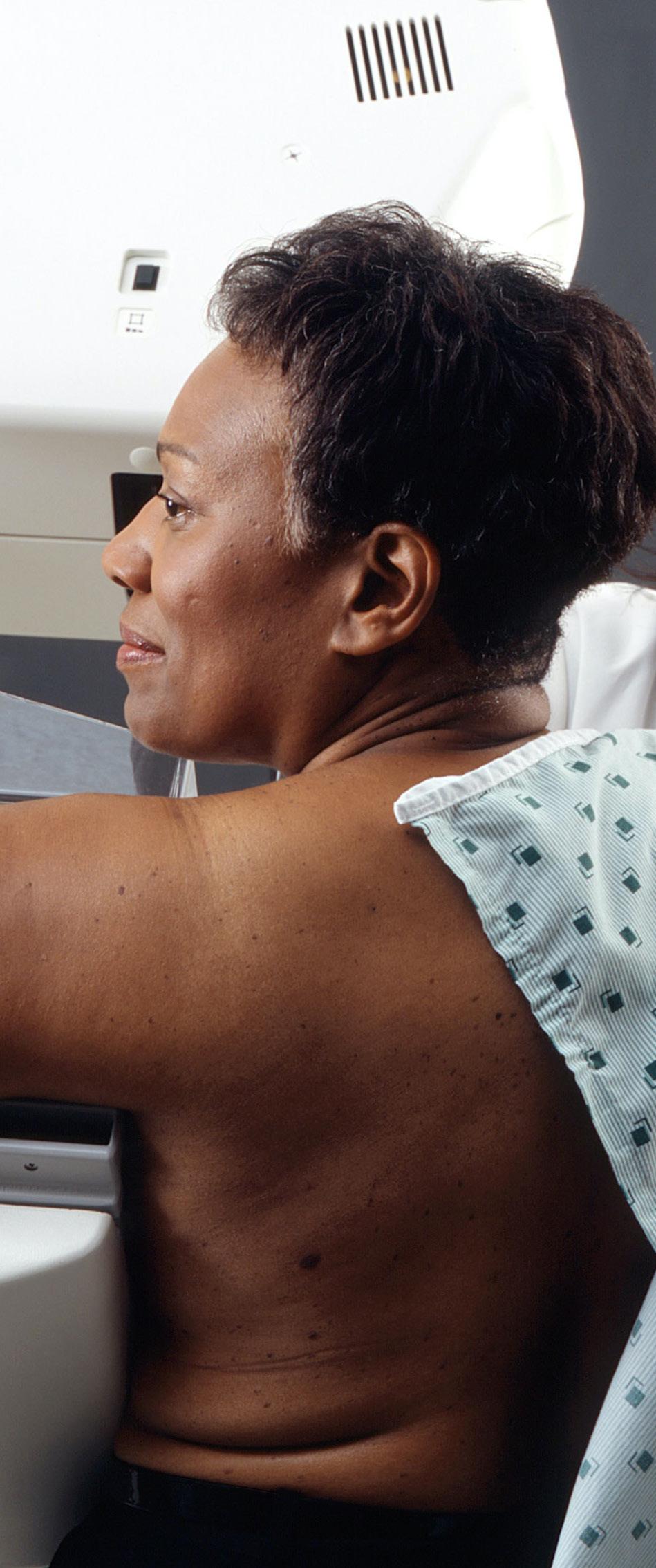
Our purpose is to advance health equity through Clinical and Community Integration. We will achieve this by prioritizing the interconnectedness of clinical and community-based services to achieve equitable, integrated health outcomes by aligning partners, resources, and communities and co-developing shared understanding and accountability measures.
The St. Louis Integrated Health Network’s Clinical and Community Integration Pillar will have a transformative impact on healthcare delivery and community well-being. By aligning partners, resources, and communities, it advances health equity, addresses social determinants of health, improves patient outcomes, and fosters collaboration to create a more inclusive and effective healthcare system.
1.1
Leverage our clinical and community-based care transition program to identify shared social determinants of health metrics and financial incentives across health systems, community health centers, academic medical centers, and managed care organizations to optimize health outcomes and eliminate health disparities.
1.2
1.3
1.4
Explore the feasibility of a common electronic health record platform to improve point-of-care communications and access to real time data.
Establish the region’s first comprehensive transitions clinic in partnership with St. Louis University School of Medicine to provide supportive reentry services.
Lead a community-clinical coalition to build Empowered Thriving Communities (ETC) by ensuring:
• Physical activity access
• Nutrition security
• Social connectedness
• Access to health care
• Housing security
“
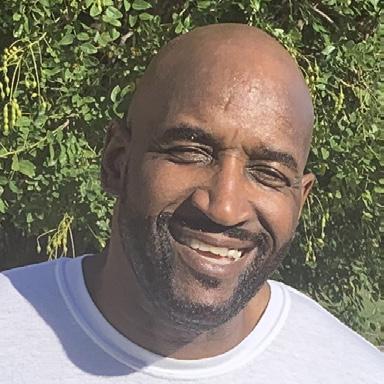
I had no idea how to navigate healthcare services to get what I needed. With IHN’s help, I am enjoying time with my family in better health. IHN is a blessing, and I’m truly thankful.
Byron Witherspoon, CRC PATIENT

We will positively impact our community partners and healthcare providers by designing and leading efforts to encourage individuals to pursue careers in health.
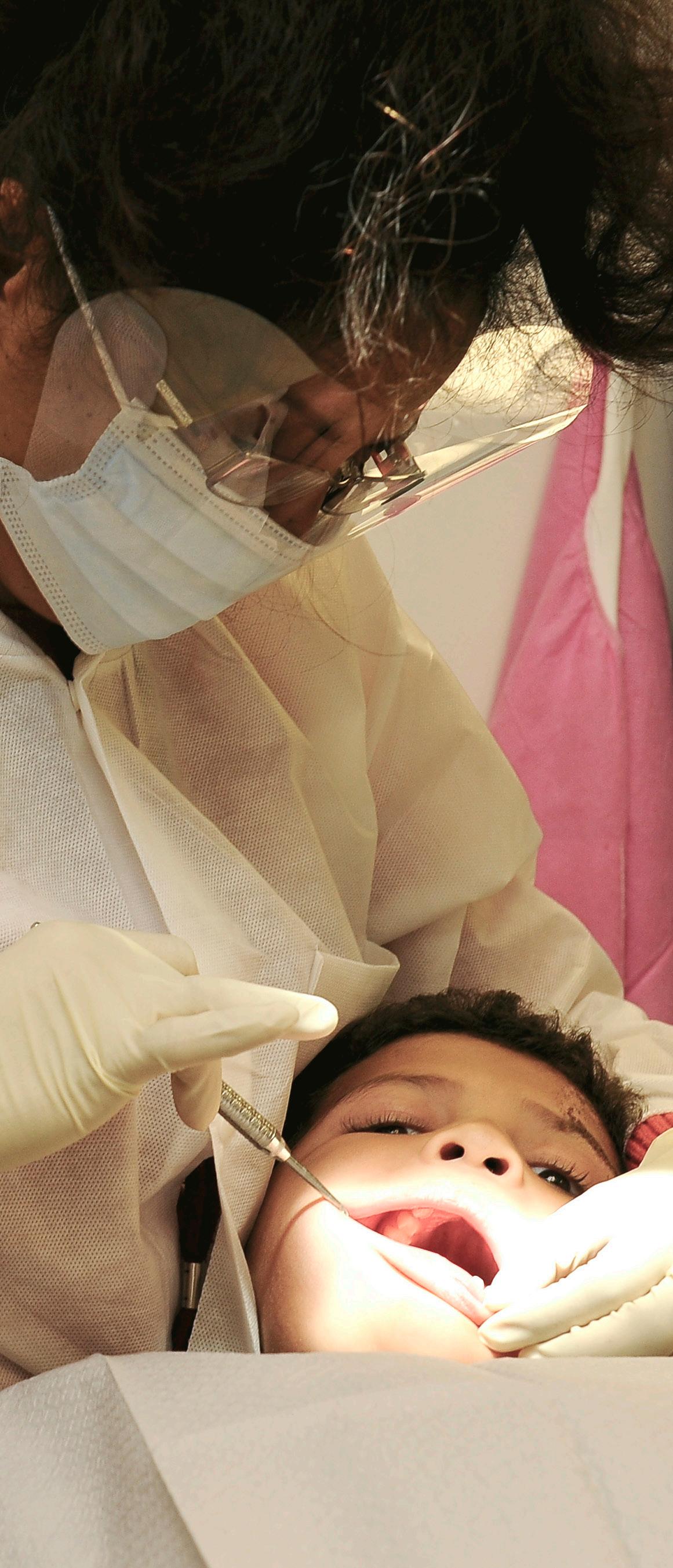
Our purpose is to positively impact the Safety Net Workforce by designing and leading competency and community-based curricula and practicums in collaboration with community partners and employers to provide pathways for individuals to pursue careers in the health sector.
IHN’s safety net workforce pillar will have a profound impact on healthcare workforce development in the St. Louis region. By defining our role, optimizing staffing models, establishing partnerships, and implementing evidence-based initiatives, IHN will empower underrepresented individuals, enhance efficiency, and drive career advancement in collaboration with other workforce development key players. This will result in a diverse, skilled healthcare workforce, improved access to quality care, and reduced health disparities. IHN’s commitment to workforce development will not only contribute to the overall health and well-being of the St. Louis community but also play a pivotal role in fostering economic mobility for individuals and families.
2.1 Launch the region’s first Community-Based Health Equity Fellowship in partnership with Washington University School of Medicine, equipping providers of the future with the knowledge and skills to practice more holistically and with a deep understanding of how to address social determinants of health and transform the systems and structures that contribute to health inequities.
2.2 Partner with regional investors to institutions of higher education to provide training and employment career pathways in community health centers and public health departments.
2.3 Partner with school districts, institutions of higher education, and safety net health service providers to develop a Health Academy and provide early exposure to safety net career pathways, with an emphasis on Black youth.
2.4 Deepen implementation strategies to sustain and elevate the community health worker workforce.
2.5 Develop advanced interventions that prioritize equity and inclusivity, aiding in recruitment and retention strategies for employers serving the safety net.
“We work to create pathways to healthcare that are accessible and affordable to all. Period. We don’t have zip code restrictions or qualifications. Across the board, whether that’s working with justice-impacted folks or medical students, we try to help people become knowledgeable about what community health is.
Brittany Jones, Director of Community Driven Innovation, St. Louis Integrated Health Network


By embracing Community-Driven Innovation, we will guide individuals and communities to be the architects of their own solutions.
We believe that community members possess invaluable insights and creative ideas that can address real and complex challenges that are relevant to the needs of the collective.
The purpose of Community-Driven Innovation is to drive our pursuit of unique solutions tackling health inequities, as we proactively and continuously involve communities and grassroots organizations to co-create initiatives based on lived expertise and relevant needs.
At IHN, we prioritize Community-Driven Innovation to empower communities, address health disparities, and advance health equity. Through collaborative partnerships, community voices amplification, leadership cultivation, human centered design, knowledge sharing, innovation ecosystems, impact measuring, and systems change influencing, we transform health systems and enable communities to shape their own well-being.

3.1 Engage in policy advocacy at local, state, and national levels to promote policies that support community driven approaches, health equity, and inclusive decision-making.
3.2 Provide opportunities for partnership between community and academic institutions to increase the use and availability of opportunities through IHN’s Network Community Academic Partnerships.
3.3 Partner with academic research sites to co-develop structures to inform and implement culturally responsive clinical trials. Ensuring lived-experience and local context is embedded in the framework and design.
“We are at a place of leadership and love while we fight for justice, fight for a reality we truly believe in. What IHN is doing is about the restoration of humanity.
Bethany Johnson-Javois,
President and CEO, Deaconess Foundation

Build Organizational Capacity for safety net providers to increase access to health and social services through fiscal sponsorship, shared services, and regional planning.
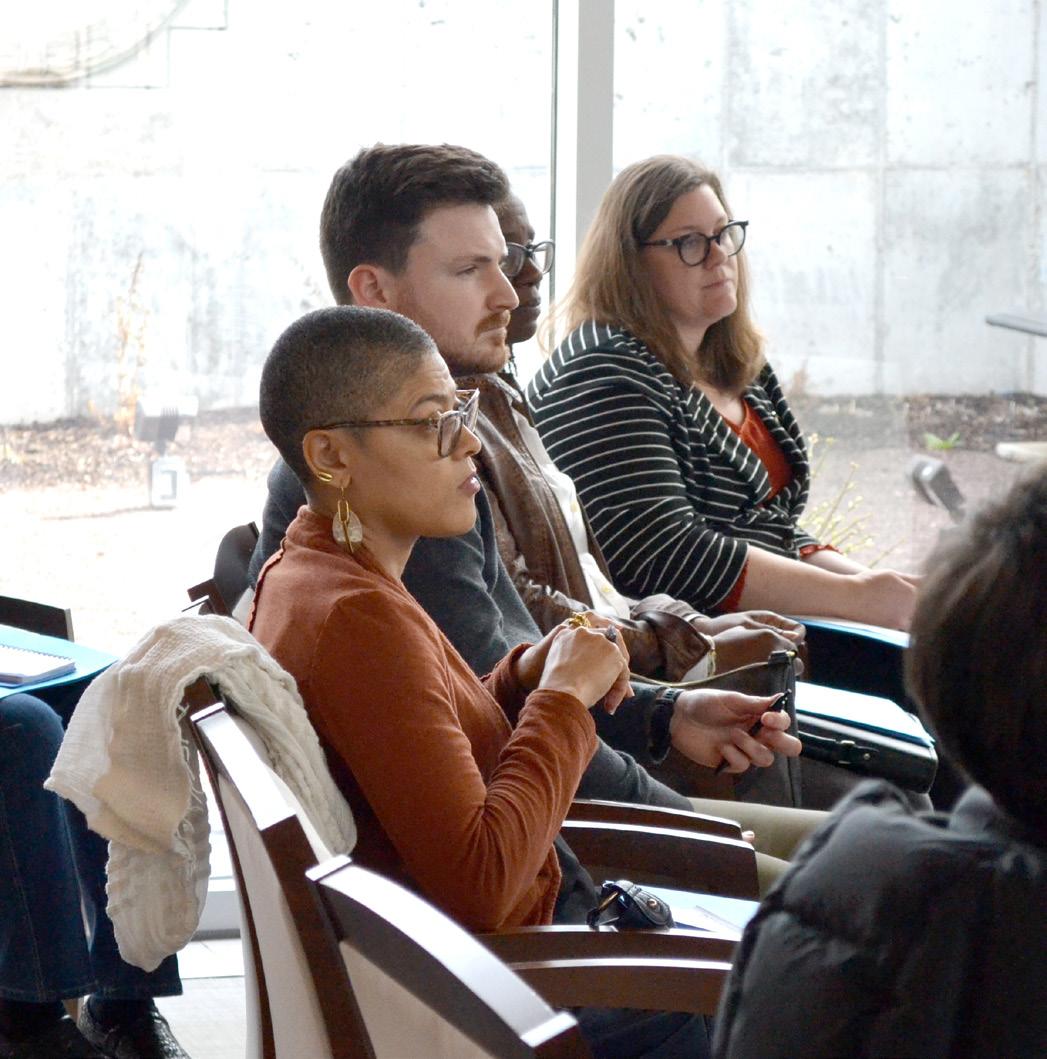
Our purpose is to build organizational capacity for safety net providers to increase access to health and social services through fiscal sponsorship, shared services, and regional planning.
IHN’s overarching impact is to empower and strengthen our membership organizations by providing strategic support and resources that enhance their organizational effectiveness and amplify their collective impact. By investing in capacity building, IHN aims to foster a thriving ecosystem of resilient organizations working collaboratively to address community needs.

4.1 Expand grants and contracts management infrastructure to enable IHN members in obtaining funding opportunities to protect, sustain, and transform the safety net.
4.2 Identify the feasibility of procuring shared services opportunities for community health centers to manage the purchasing of goods and services to reduce costs, streamline processes, and improve quality, furthering safety net capacity and financial sustainability.
“The relationships with the people we serve are based on integrity. At the St. Louis Integrated Health Network, we are often the patient’s strongest advocate. We are there when they need us.
Joyce V. Driver,
Community Referral Coordinator, St. Louis Integrated Health Network
serving 90% of st. louis healthcare market
community health centers
Affinia Healthcare
Betty Jean Kerr Peoples Health Centers
CareSTL Health
Family Care Health Centers
St. Louis County Healthcare
major hospital systems
BJC Healthcare
SSM Health
public health departments
St. Louis City Department of Health
St. Louis County Health Department of Public Health
medical schools
St. Louis University School of Medicine
Washington University School of Medicine
partner member
Community Health Worker (CHW) Coalition
technical advisors
Community Health Commission of Missouri
Missouri Hospital Association
Missouri Primary Care Association
Our Foundation for Implementation
Embodiment of diversity, equity, inclusion, and belonging
Intentional community centered partnerships and collaboration
Excellence in staffing, operations, and systems
Strong fiscal stewardship
Strategic Pillars/Current Work
Current State: St. Louis continues to face significant health disparities, particularly among historically excluded and medically underserved communities. These disparities are rooted in systemic barriers and a fragmented safety net system, leading to unequal access to quality, affordable healthcare and social services.
Clinical & Community Integration
• Care Transitions Initiative; CRC Program
• Justice Initiatives; RELINK Program
Safety Net Workforce
• Workforce Portfolio
• Community Health Worker Initiative
• Health Academy
• Health Equity Fellowship
Community-Driven Innovation
• NCAP
• NITRO
• EleVATE
• NEURO 360
• REACH
Effective governance and leadership
Strategic policy engagement and advocacy leadership
Our Guiding Principles
• MOC3
• AIM CCI
• Long COVID Initiative
• UDN
Organizational Capacity Building
• Community Care Hub
• Internal Capacity Building
• Fiscal sponsorship
Our Impact
Our Vision
Advance health equity through the integration of clinical and community based services.
Design and lead efforts that encourage individuals to pursue careers in the health sector.
Transform health systems and enable communities to shape their own wellbeing through communitydriven innovation.
Strengthen and build organizational capacity for our region’s safety net internal and external partners.
St. Louis Safety Net:
A just, resilient, and equitable healthcare ecosystem in St. Louis where historically excluded communities have seamless access to quality, affordable care.
St. Louis IHN:
IHN as a leader of a movement for equitable health in St. Louis, in conjunction with regional partners and community informed leadership.
Systems (SSM + BJC)*
We are proudly nonprofit. Hundreds of people like you help us to advance health equity. Donations make it possible for us carry out our mission. Please give to IHN today.
Support St. Louis Integrated Health Network
Use your phone’s camera to scan the QR code below
OR VISIT: givebutter.com/st-louis-integrated-health-network