Selected Works
Forum Pavilion
Fall 2022
Segovia, Spain
William Rawn Associates Co-op
Spring 2023
Boston, MA
Design in the Urban Environment
Fall 2023
Architecture, Infrastructure, and the City
Anti-Displacement in Chiantown
Fall 2024
Options Studio
Forum Pavilion
Fall 2022
Professor Romina Marta Canna
In Collaboration with Ethan Rogers, Cassian Otfinowski, and Paul Kwon
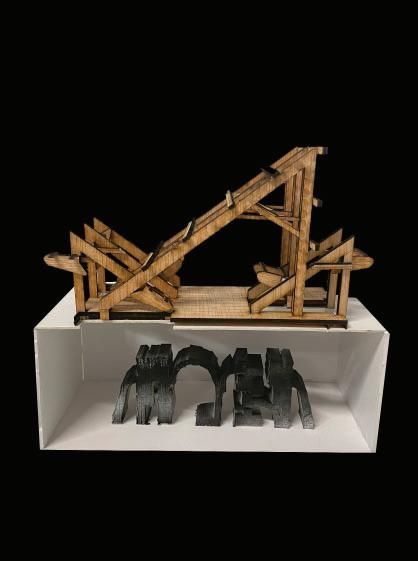
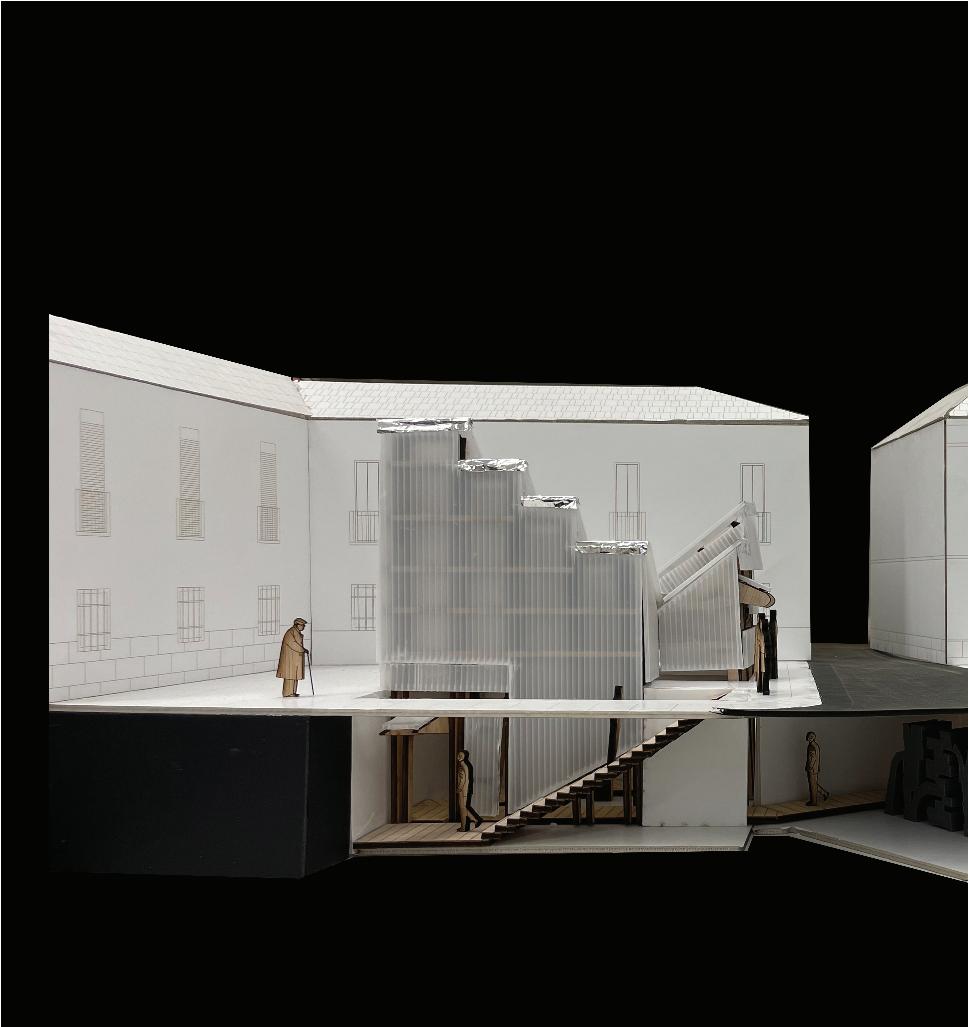
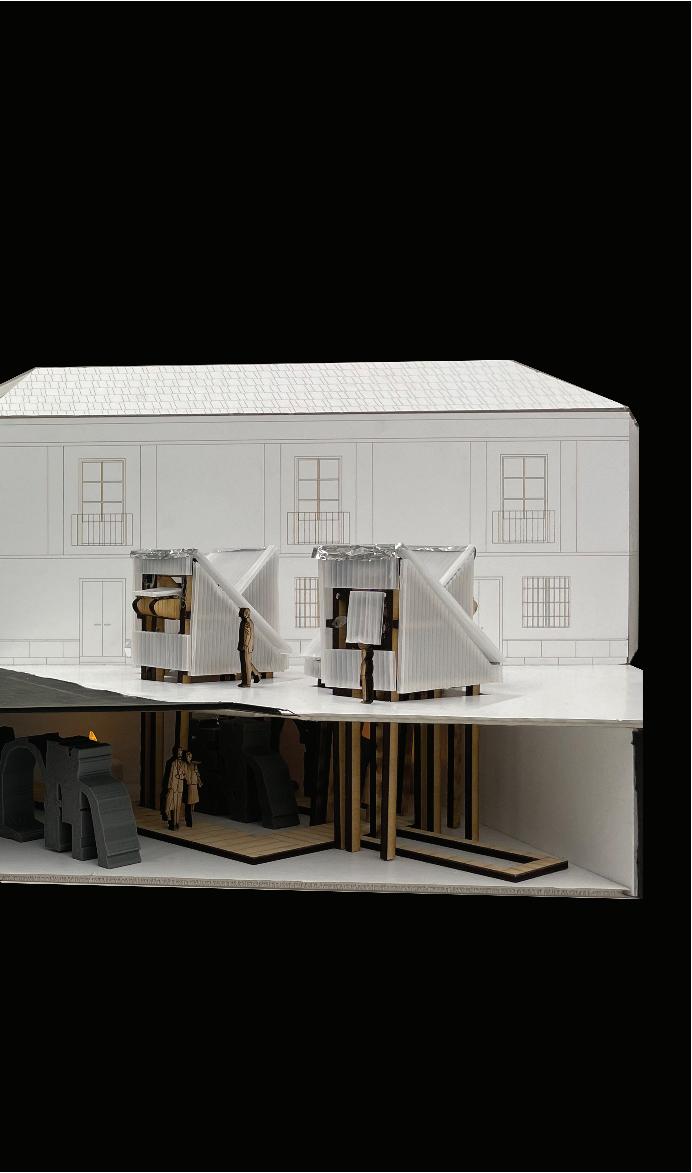
This studio project was completed while I studied abroad in Segovia, Spain during my fall semester in 2022. We were tasked with finding an existing pavilion anywhere in the world, choosing a site in Segovia where the pavilion could live, and then reimagining the structure to better fit the site and its needs. This was a complex project because it would become the largest wood construction I have created.
Forum Pavilion
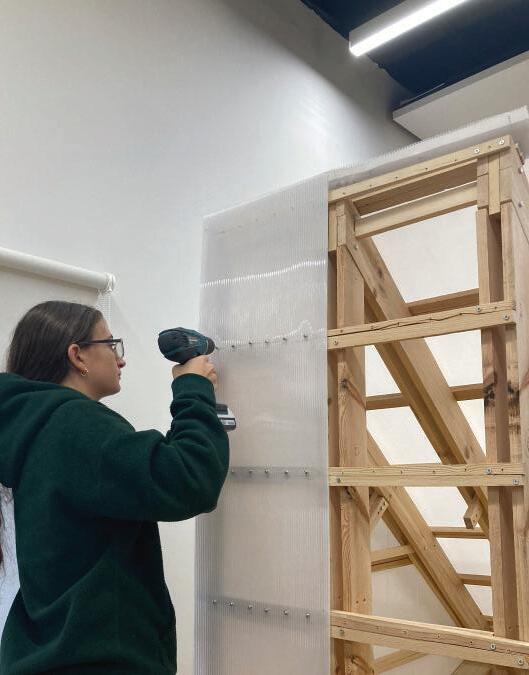
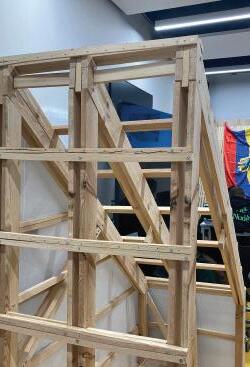
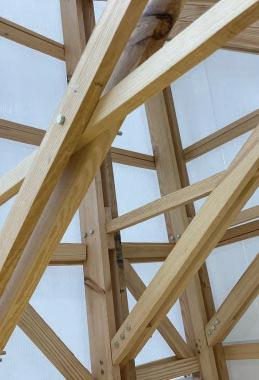
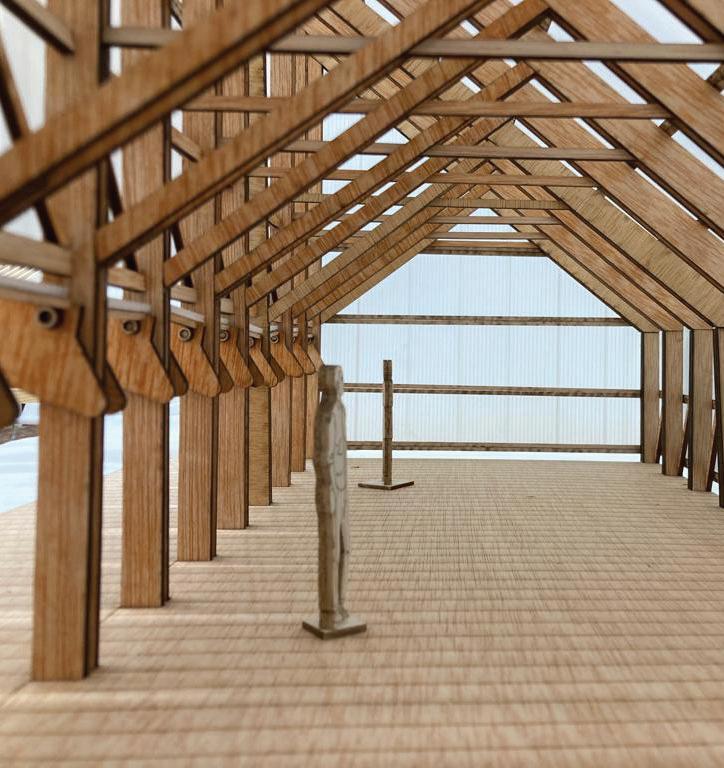
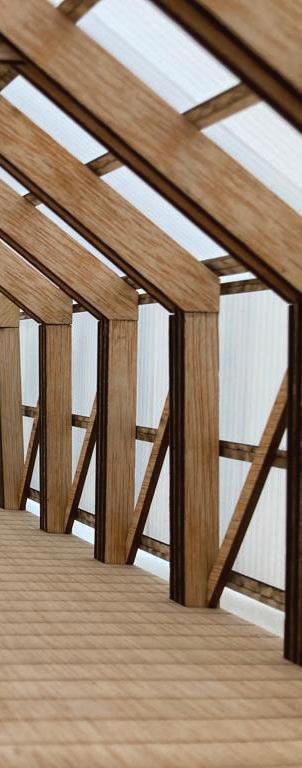
We chose the Forum Pavilion in Nyon, Switzerland because of its repetitive structure, its ability to completely shelter people, and its unique cladding. We started by building a 1:40 scale of the entire pavilion, and then chose a smaller section of the pavilion, where we built a 1:4 model. Woodworking at such a large scale was a new challenge, but I found myself immersing myself in the experience.
Professor Romina Marta Canna
In Collaboration with Ethan Rogers, Cassian Otfinowski, and Paul Kwon
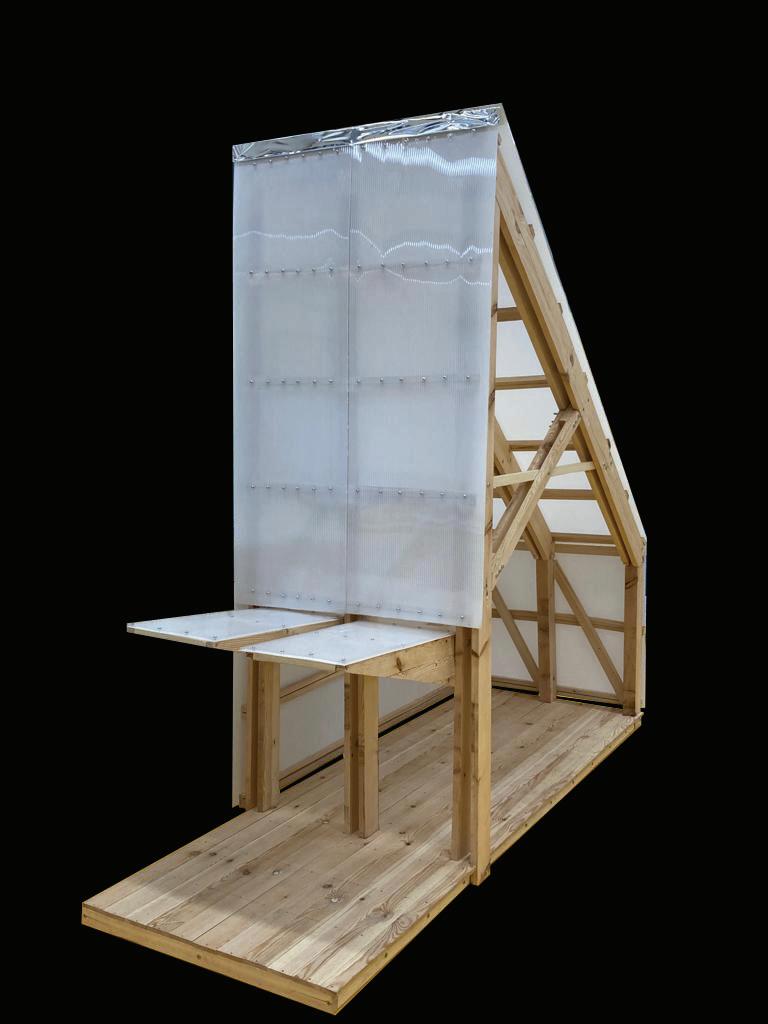
Forum Pavilion
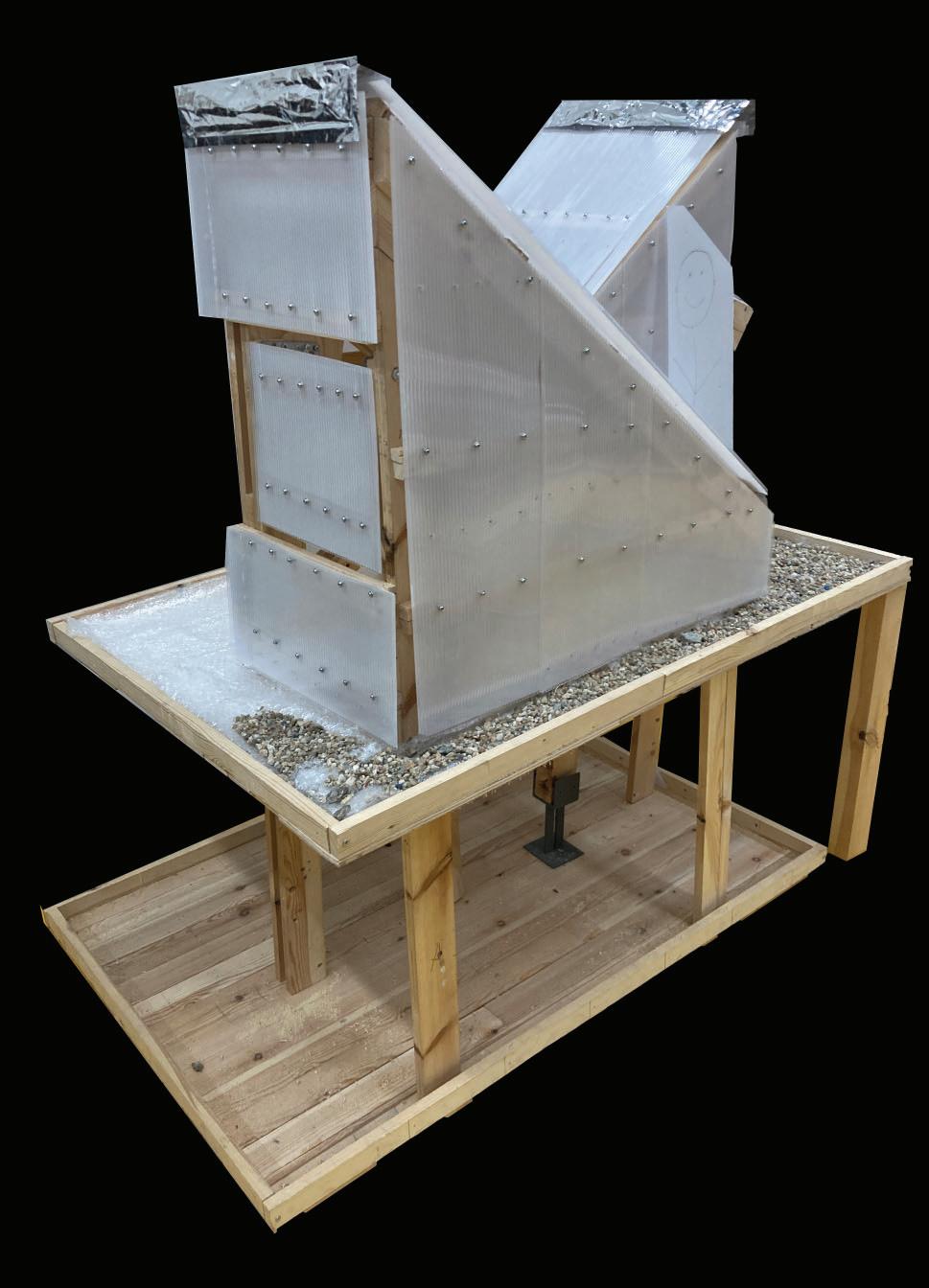
Professor Romina Marta Canna
In
Collaboration with Ethan
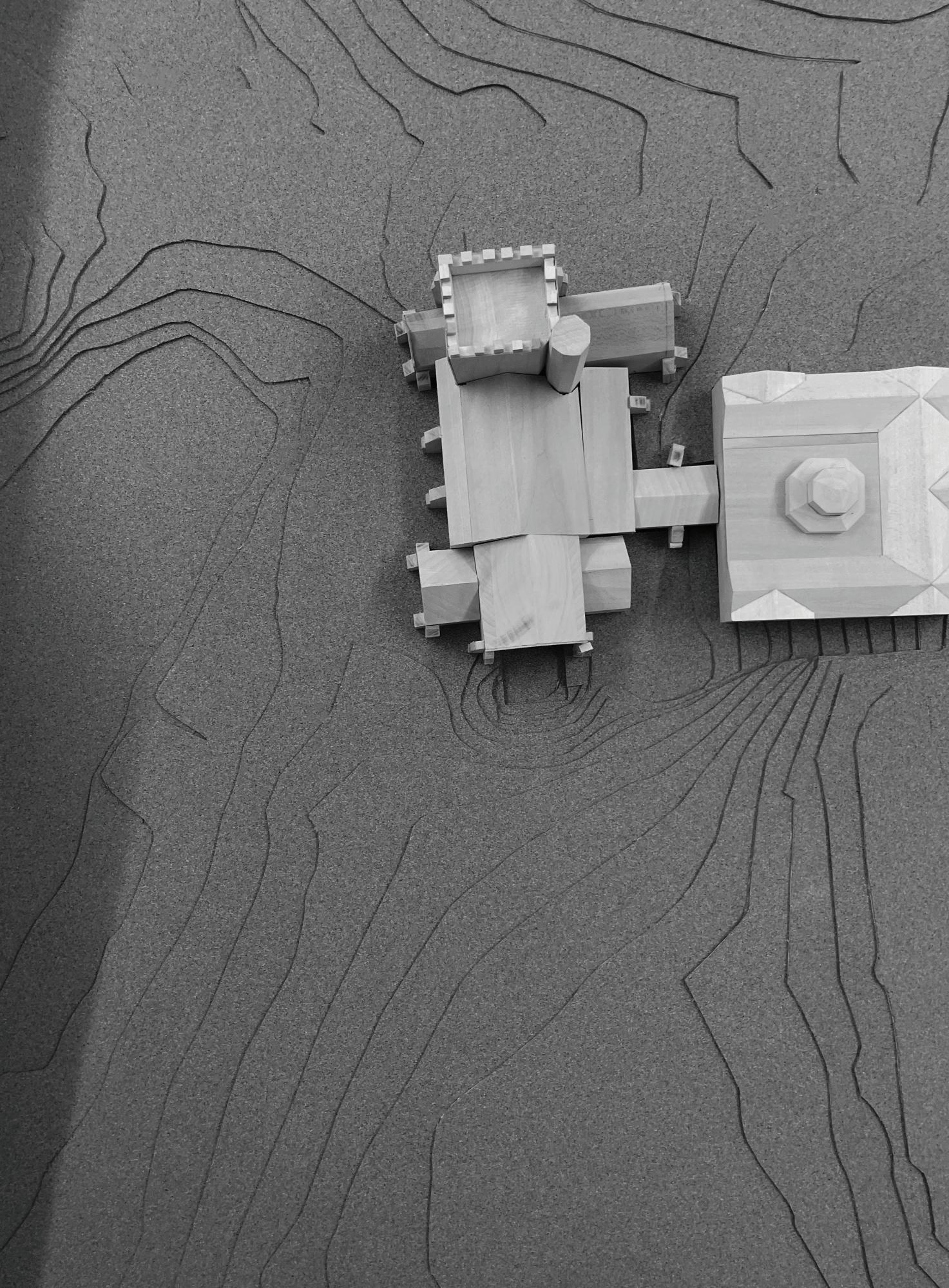
Our successful model was then ready for the next step: reimagining the pavilion in Segovia. We chose a site on a quiet street, in an attempt to draw foot traffic away from the overcrowded main streets of the city. Unbeknownst to us, we had chosen a site where just a couple of years before, archaeologists had discovered some of the most intact Roman ruins in Segovia. We knew we needed to showcase these ruins, so we got to work on creating a pavilion that was fully interactable from the street, as well as a way to travel underground and see the ruins up close.
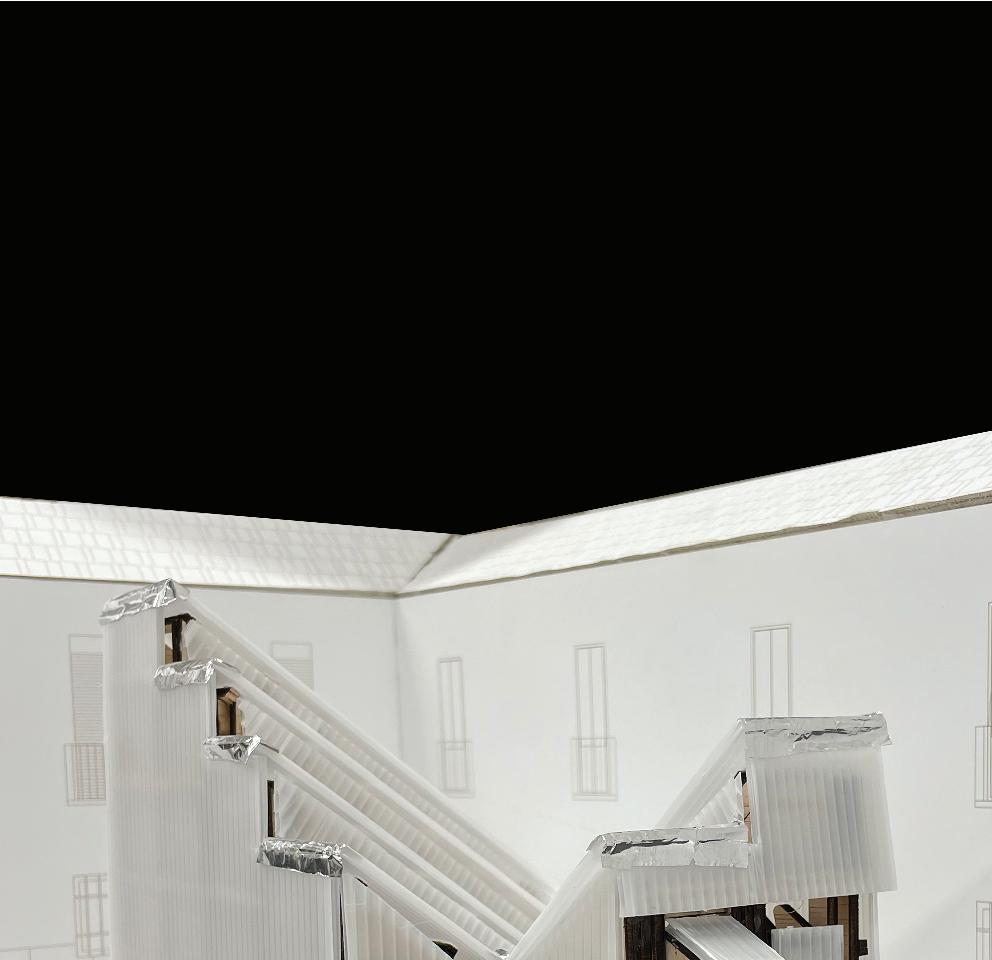
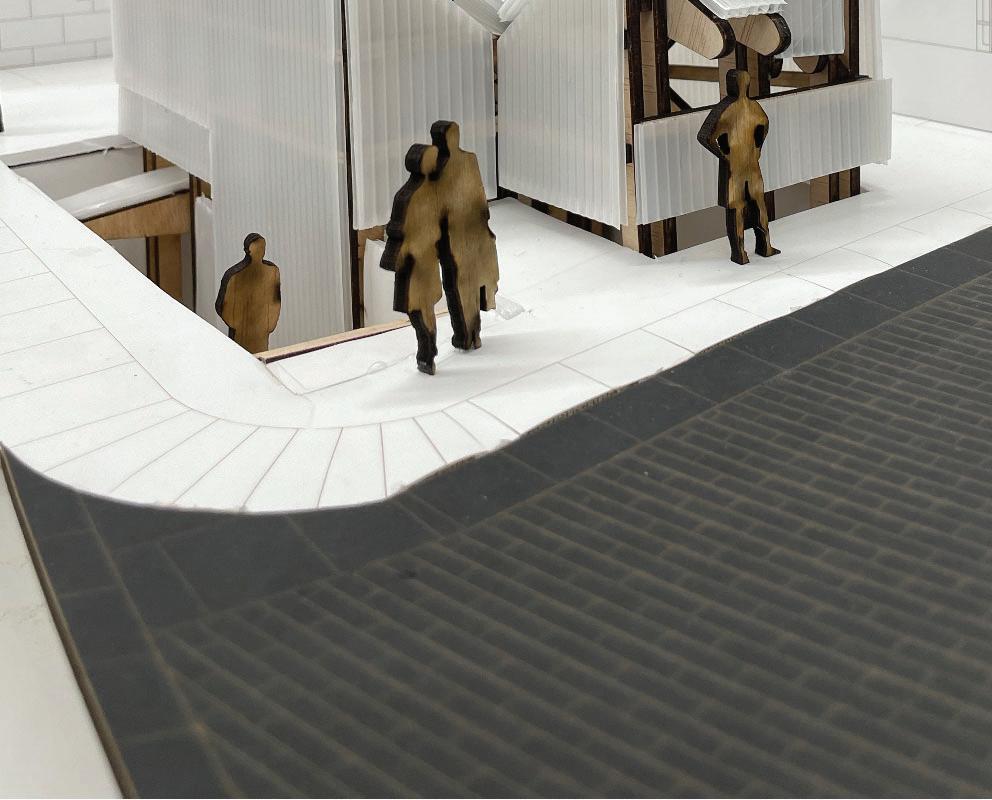


Rogers, Cassian Otfinowski, and Paul Kwon
William Rawn Associates Co-op
Spring 2023
Supervisor Chris Aubin
In collaboration with Camile Schnaas Boston, MA
William Rawn Associates Co-op
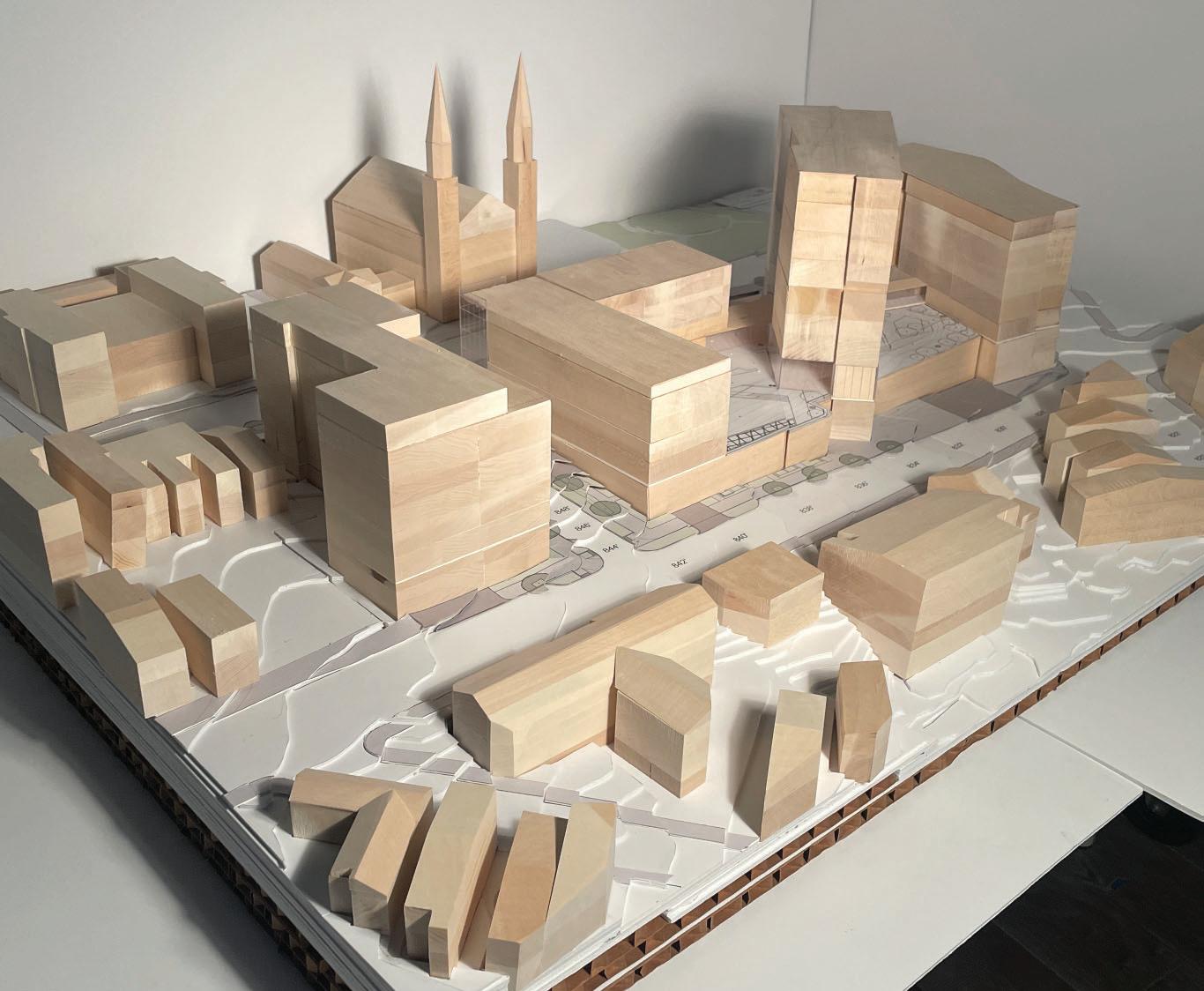
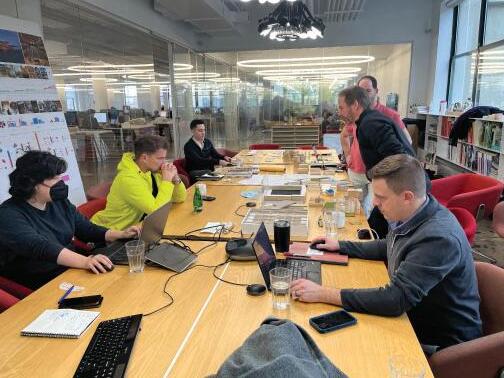
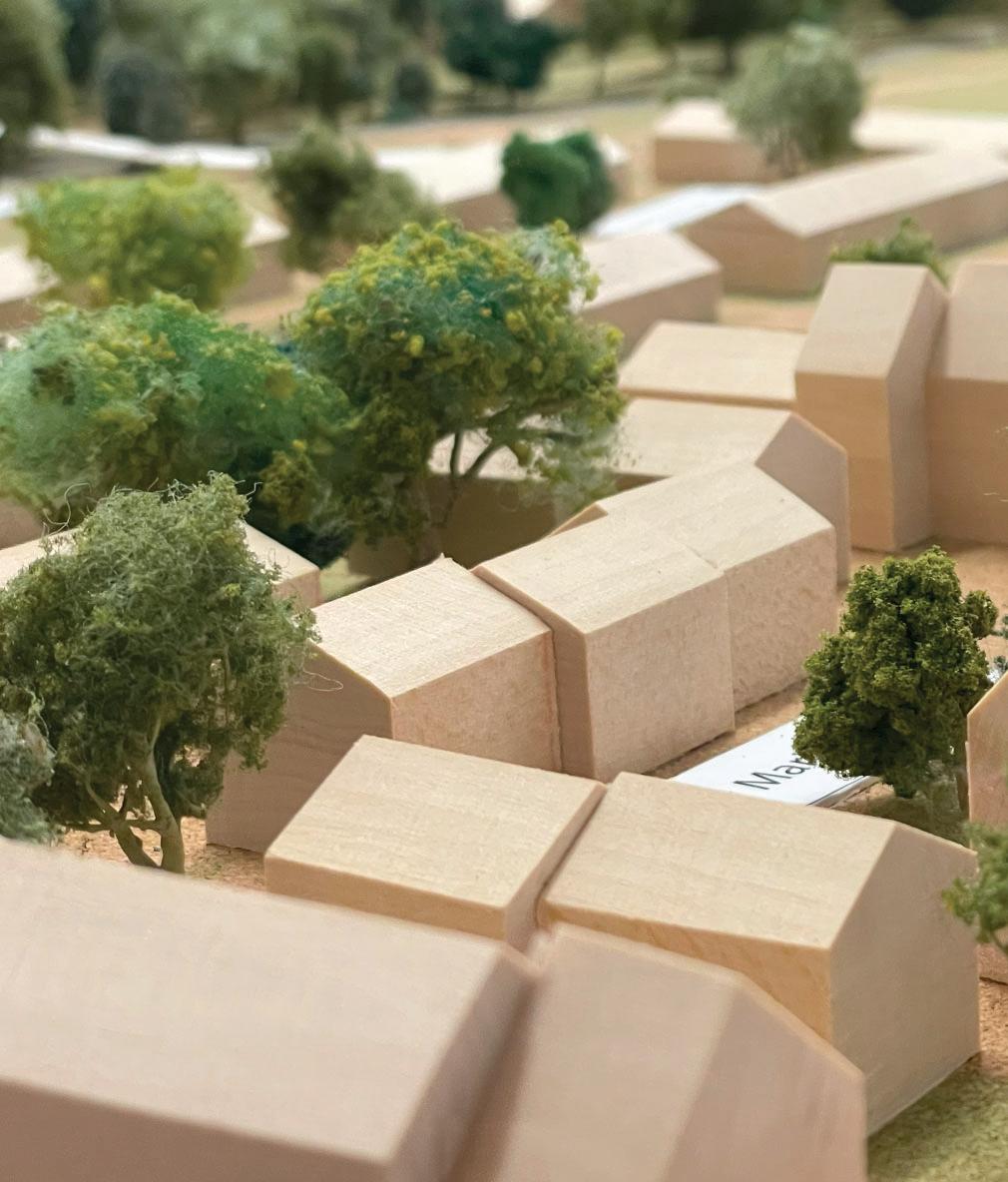
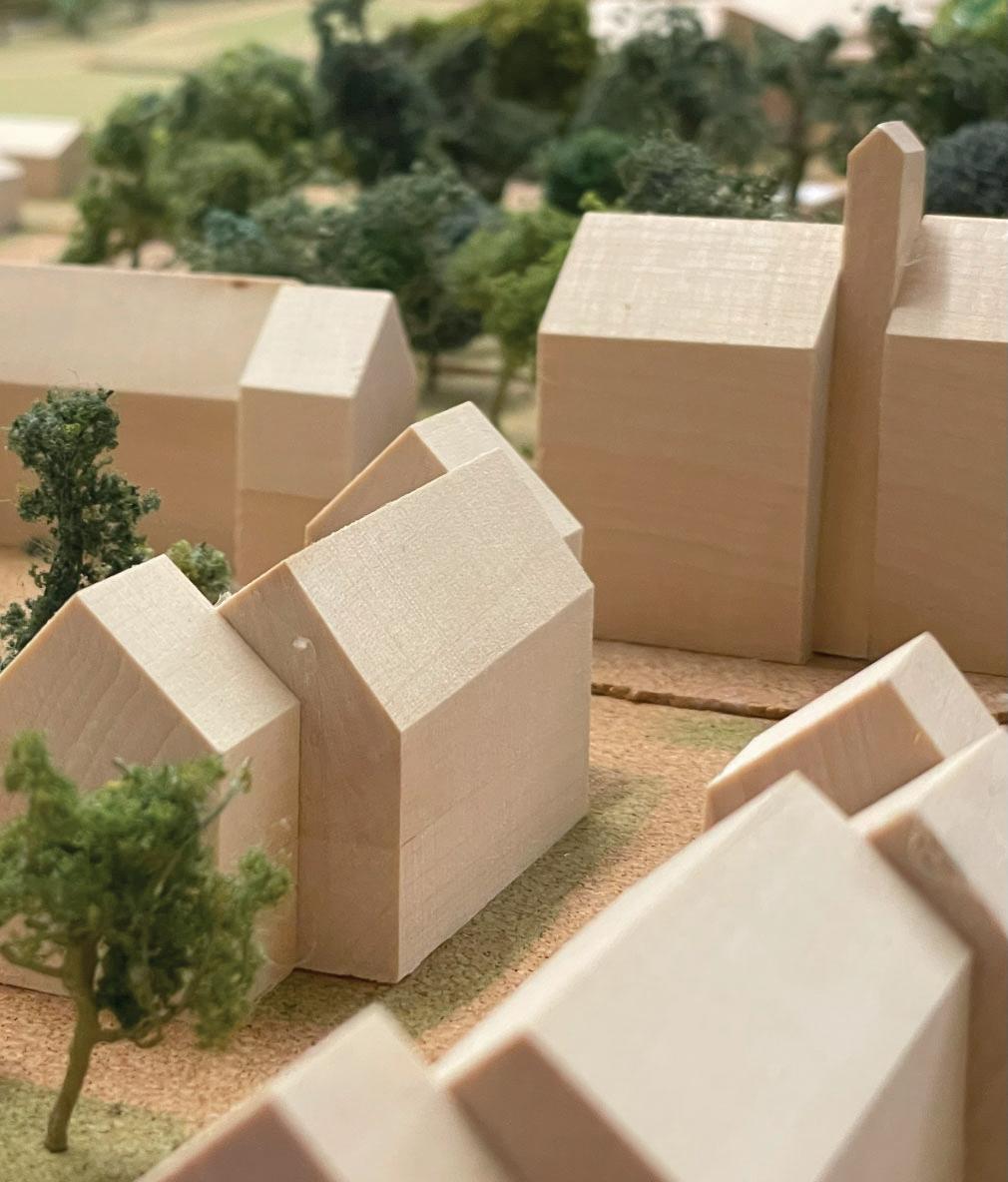
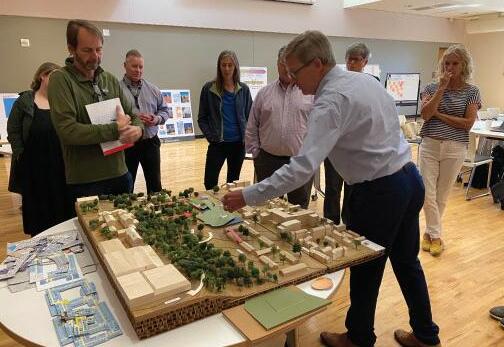
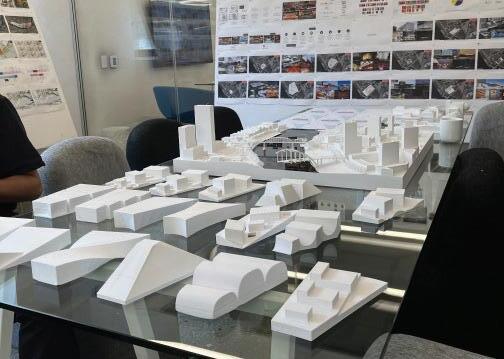
Through out my 2023 spring se at Northeastern, I was a co-op Rawn Associates in Boston. I w their 3D studio, where I worked models for numerous projects the office. What was especially about my co-op experience w was able to work with many di teams that were each in differe of design. Models ranged from massing models, to larger moc construction.
Spring 2023
Supervisor Chris Aubin

emester at William was a part of d to make s within y unique as that I fferent ent phases m abstract ckups for
In collaboration with Camile Schnaas Boston, MA
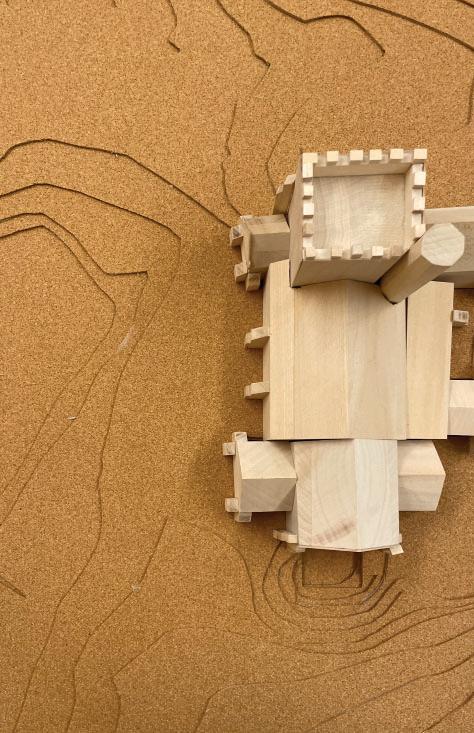
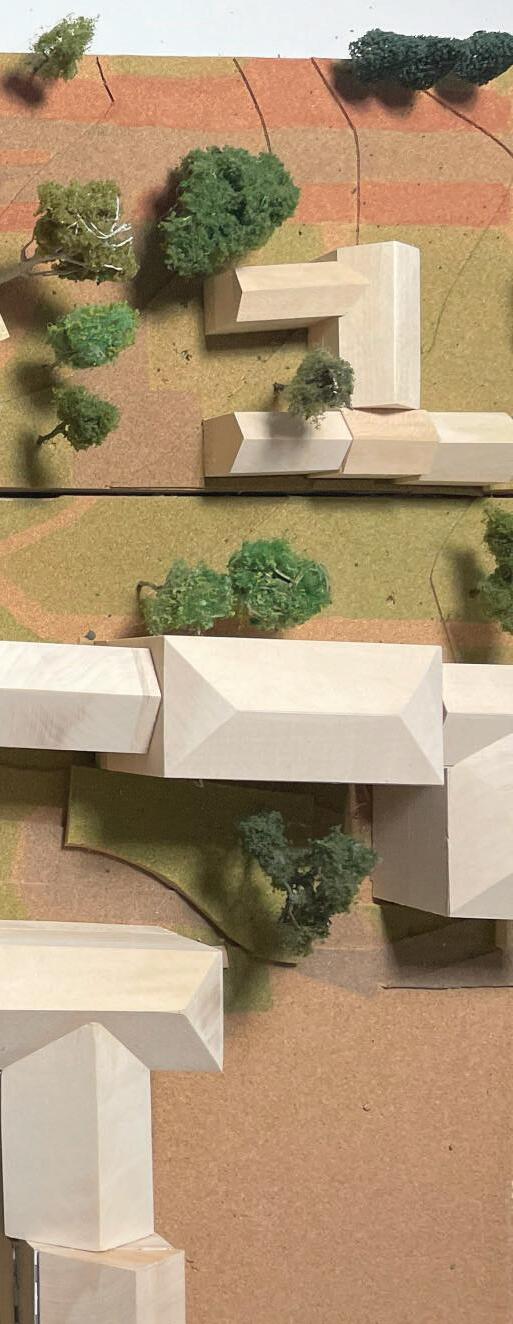
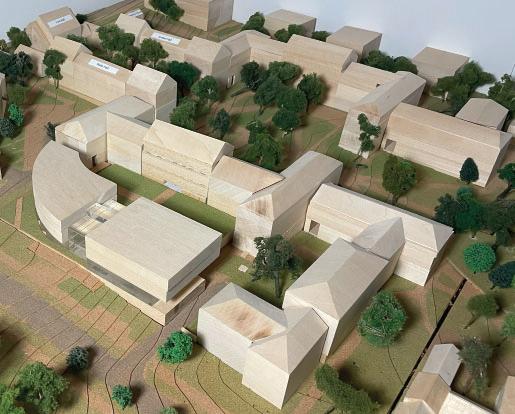
Some model materials we used include: wood, foamcore, cork, acrylic, and paper. Each model had a different intended purpose, so it was our job as members of the 3D Studio to understand what the team needed to gain from the model. Some models were meant to act as massing studies, while others needed to be changeable so teams could show clients options.
William Rawn Associates Co-op
Spring 2023
Supervisor Chris Aubin
In collaboration with Camile Schnaas
Boston, MA
Design in the Urban Environment






Fall 2023
Professor Marie Adams
Architecture, Infrasturcture, and the City Boston, MA

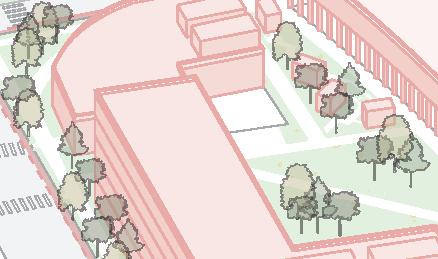
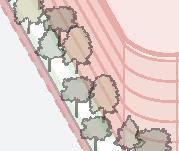
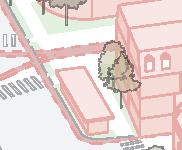
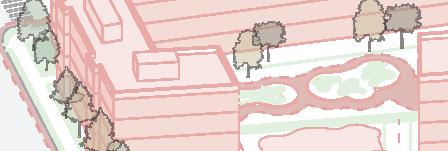
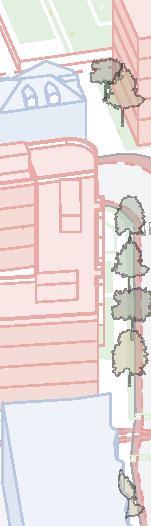
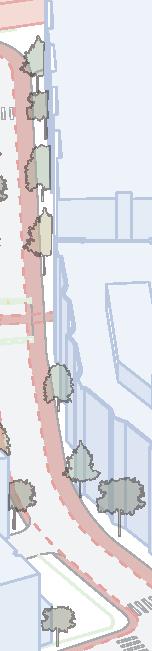
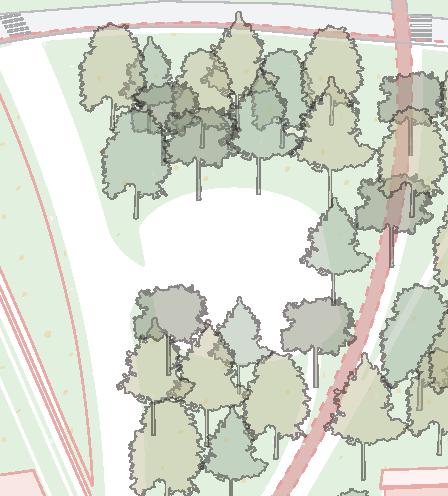
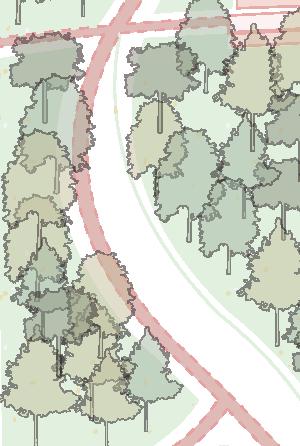
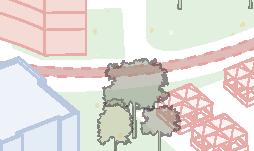
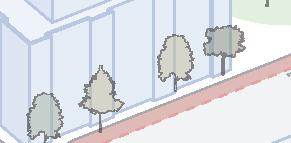

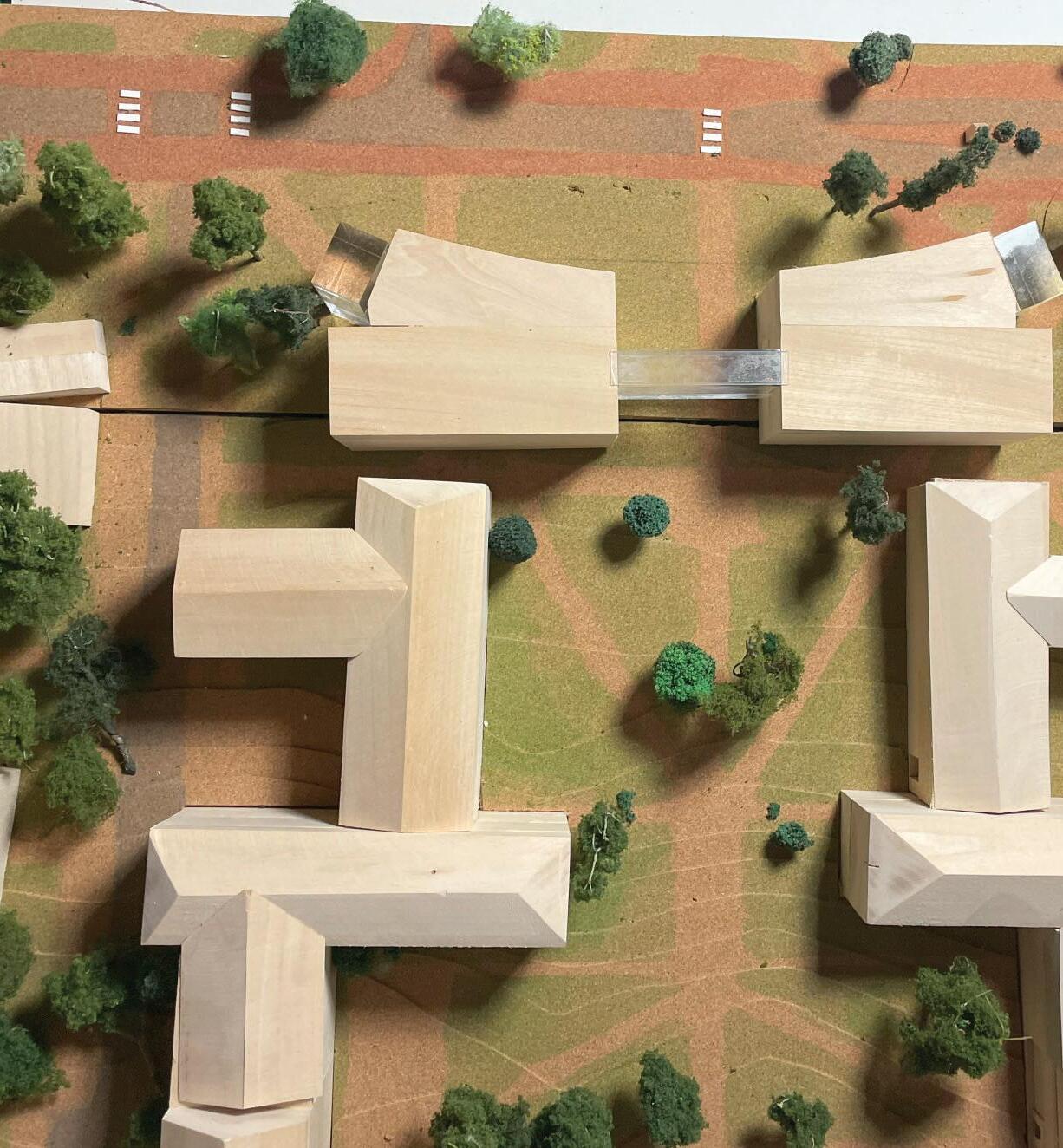
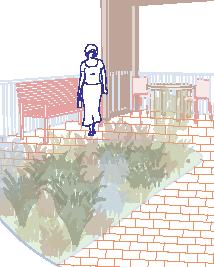
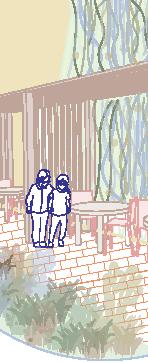
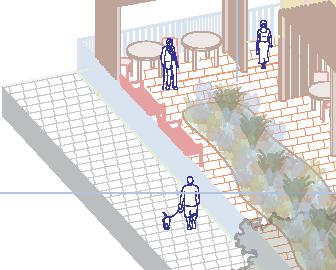
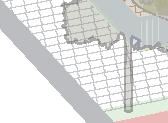
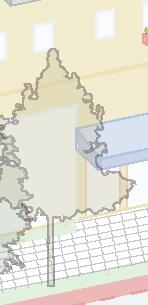
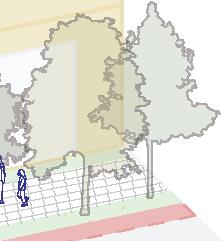
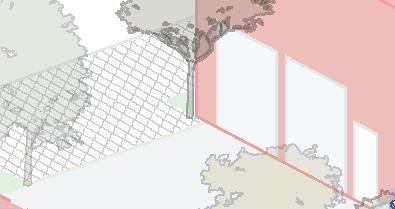
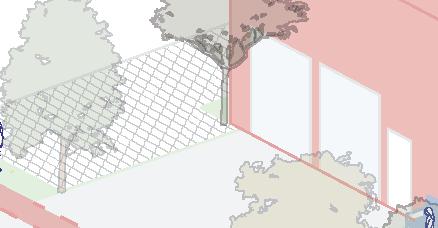
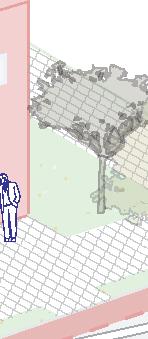
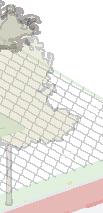
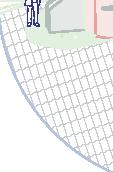
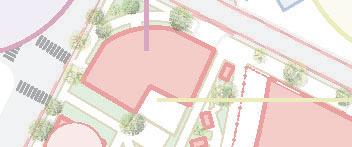
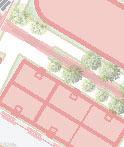
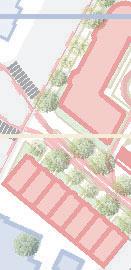
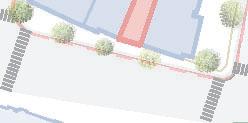
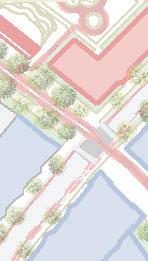
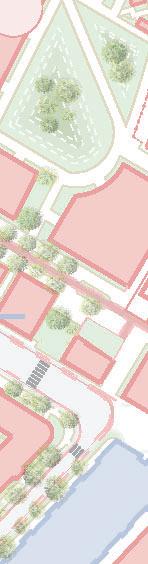
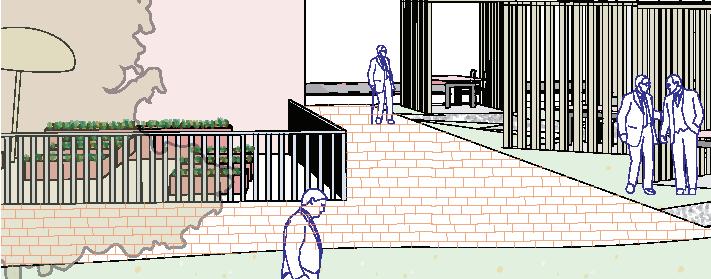
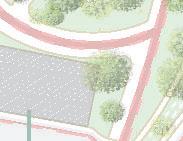
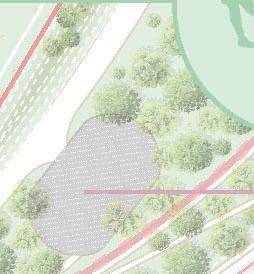
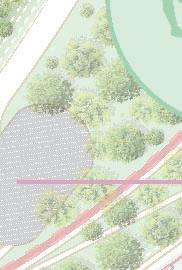
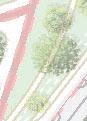
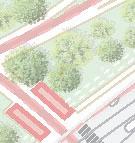
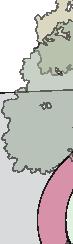
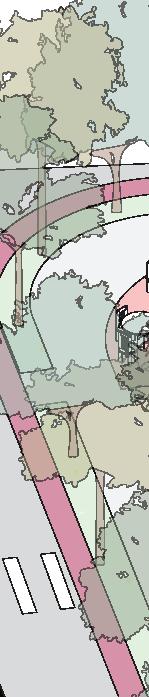
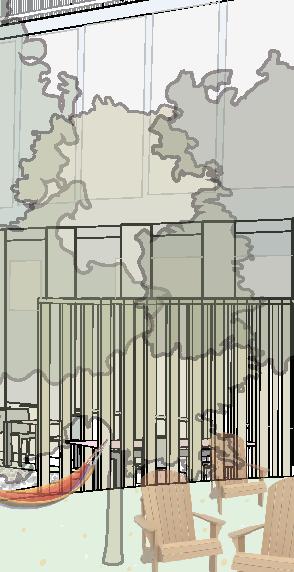
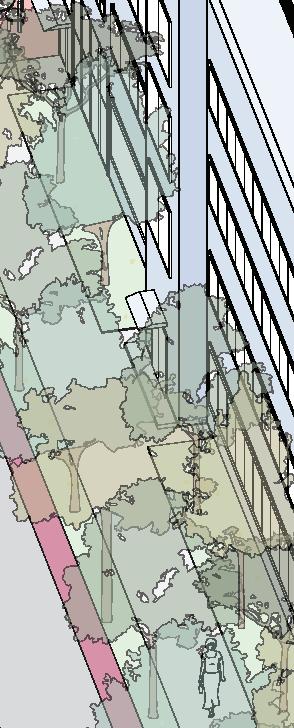
Designing in the Urban Environment was my first experience designing at the urban scale. We were asked to create a design for approximately five city blocks adjacent to the southwest corridor and MBTA rail lines. Ethan Rogers and I focused on how we could integrate housing, commercial, community, existing structures, and the park system.
Design in the Urban Environment









































Fall 2023
Professor Marie Adams
Architecture, Infrasturcture, and the City Boston, MA
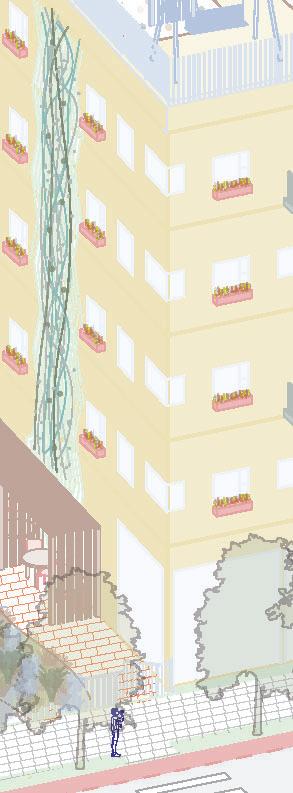
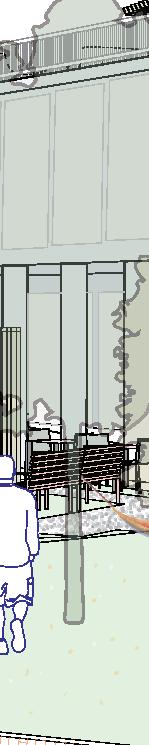
We created a diverse and resilient community that created connections across age groups, activities, and urban greenery. Some highlights of our project include a community sports center with a pool, a current necessity for the Mission Hill and Roxbury communities, a senior center integrated into the center of the design, and an outdoor performance area.
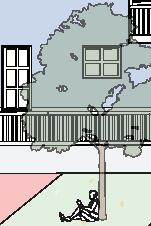
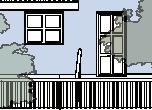
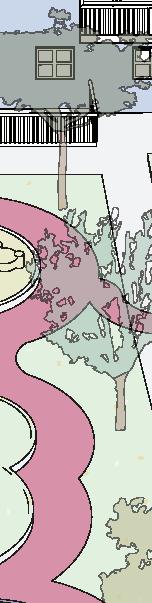
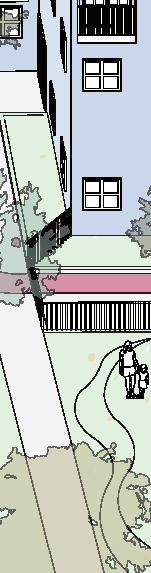
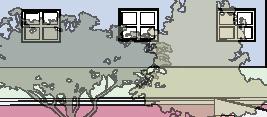
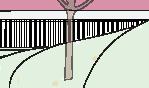
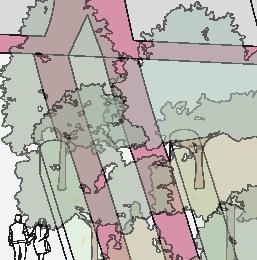
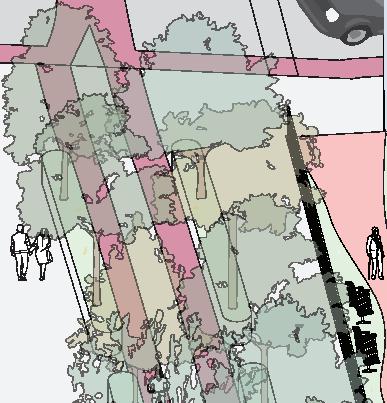
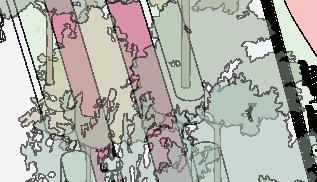
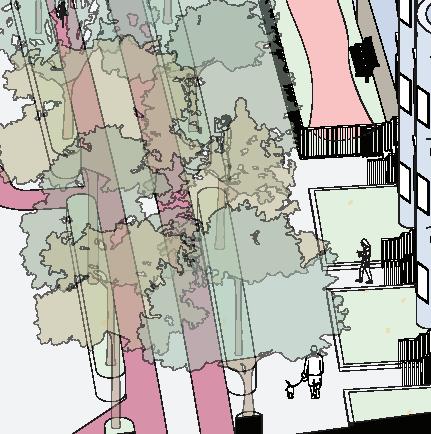
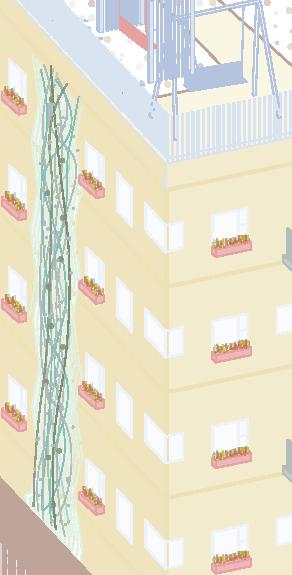
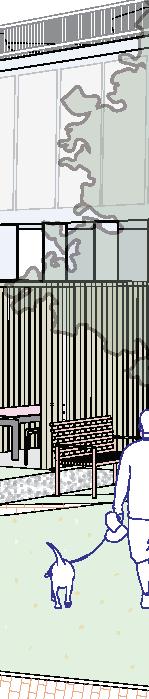
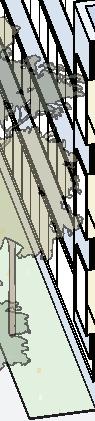
The “Embrace” Apartments
-Balconies are arranged to permit visibility into the backyard
-Backyard includes bike track, playscape, and outdoor gym
-Limited access into the backyard to maximize child safety
-Bike track connects to larger bike infrastructure, which in itself is a specified faster circulation zone
-Across this zone, there are low-density townhouses for a small neighborhood feel
Anti-Displacement in Chinatown































Professor Lily Song



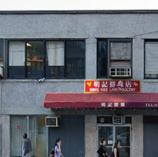


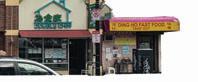


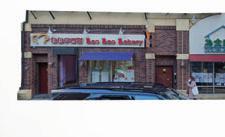








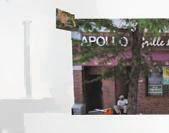
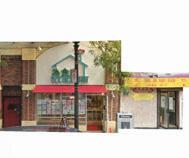
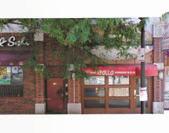












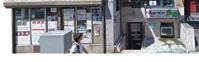
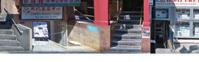

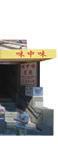
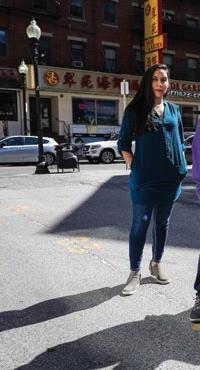
In your fifth year at Northeastern, students are given the option to choose a studio topic they are most interested in. I chose to be a part of the antidisplacement in Chinatown studio. Through out the semster, we partnered with community organizations, such as the Chinatown Community Land Trust, We Love Boston Chinatown, and the Chinese Progressive Association to learn how we could best help them. We met with community leaders, residents, and business owners to understand why so many residents were suffering from displacement and strategies to combat this.
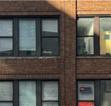
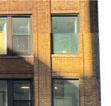

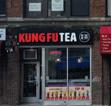
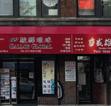
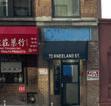
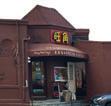


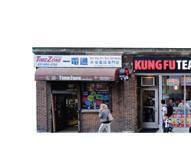


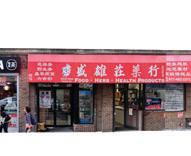


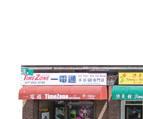
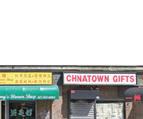
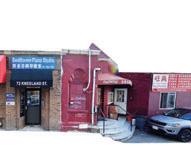


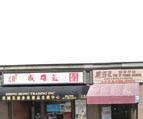




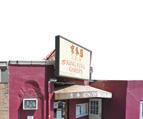


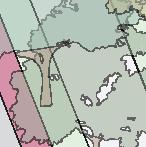
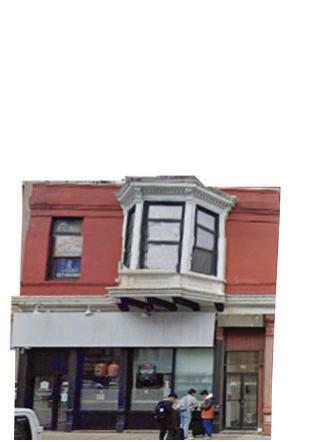
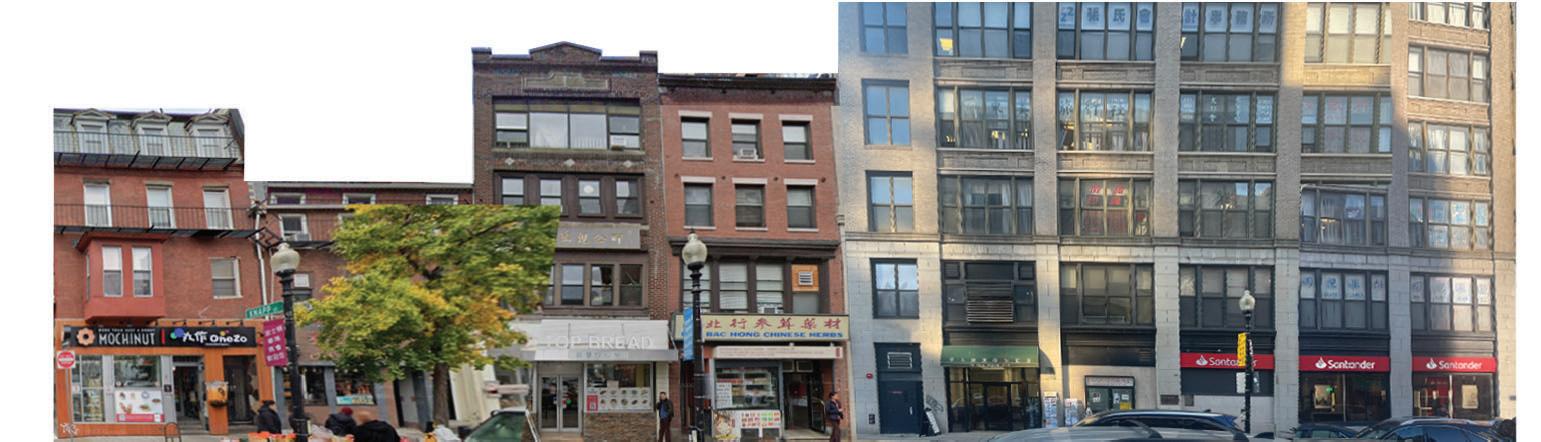
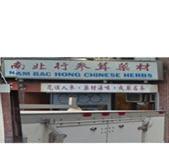
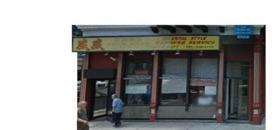
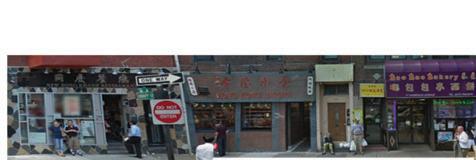
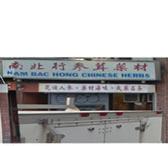
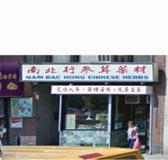
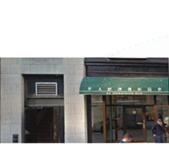
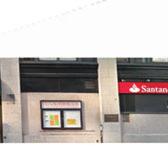
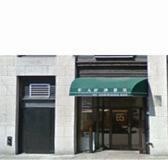
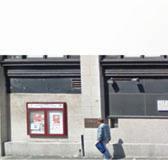
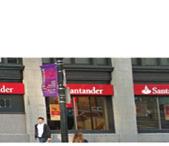
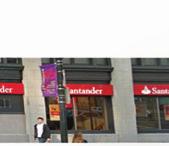
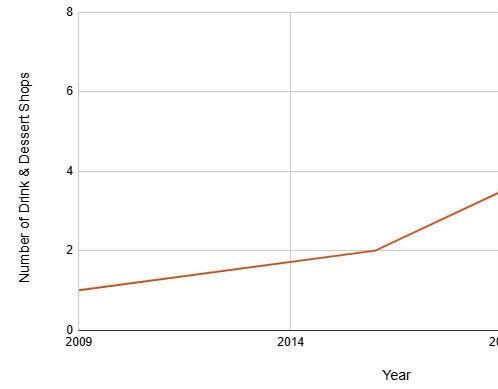
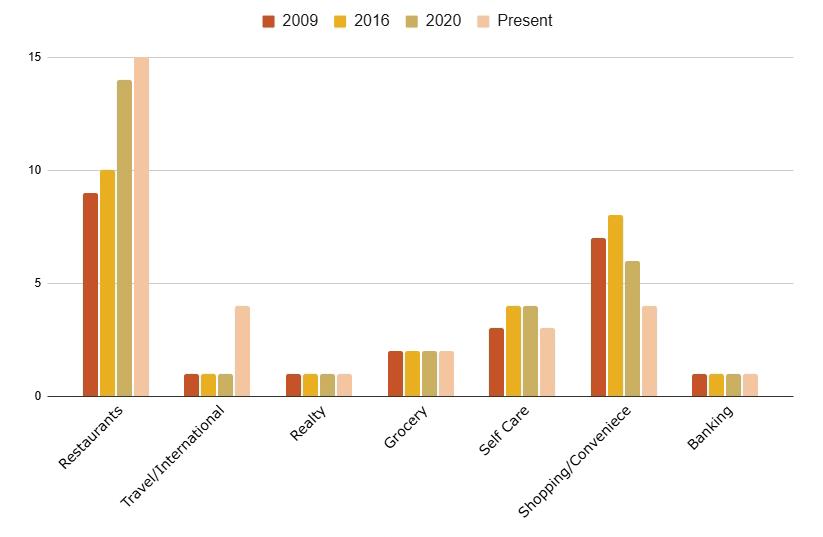
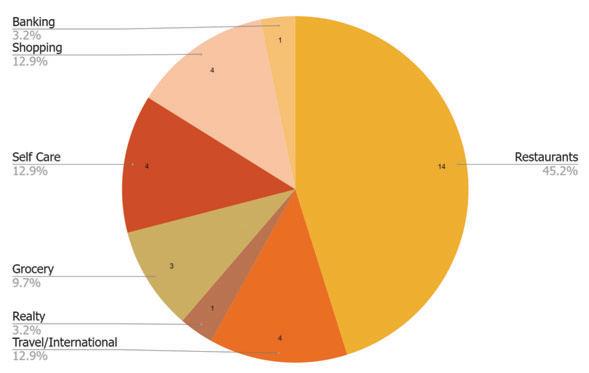
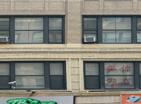
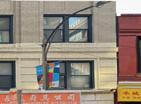
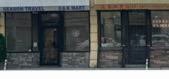
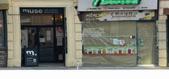
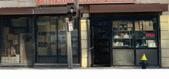
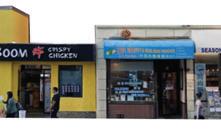
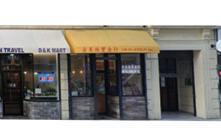
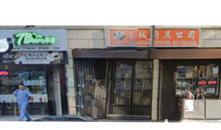
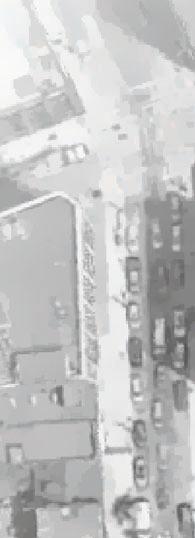
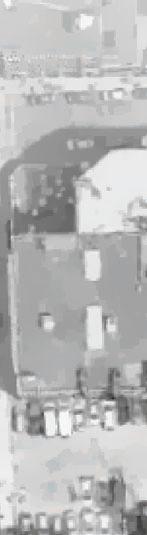
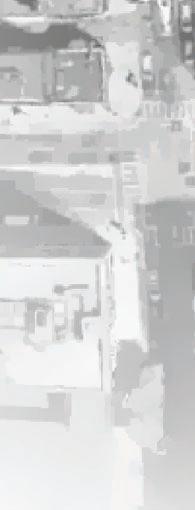
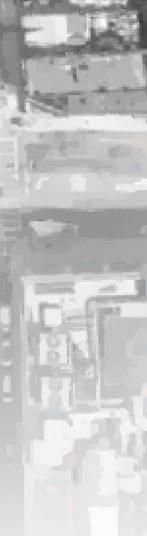
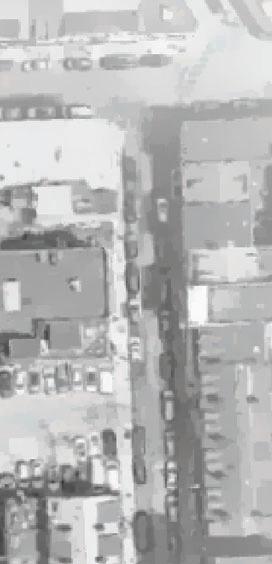
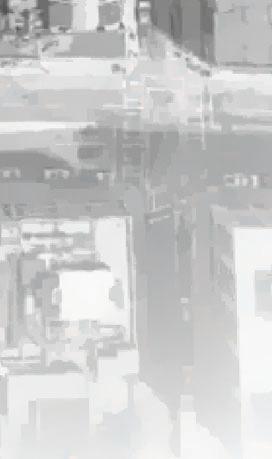
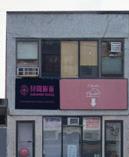
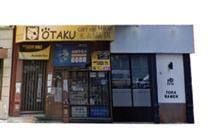
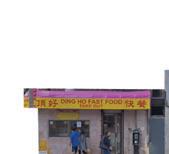
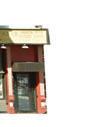
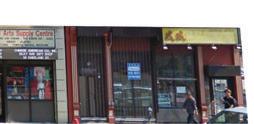
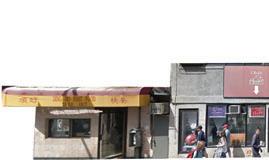
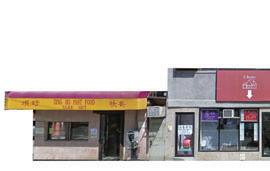
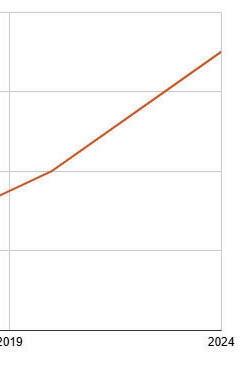
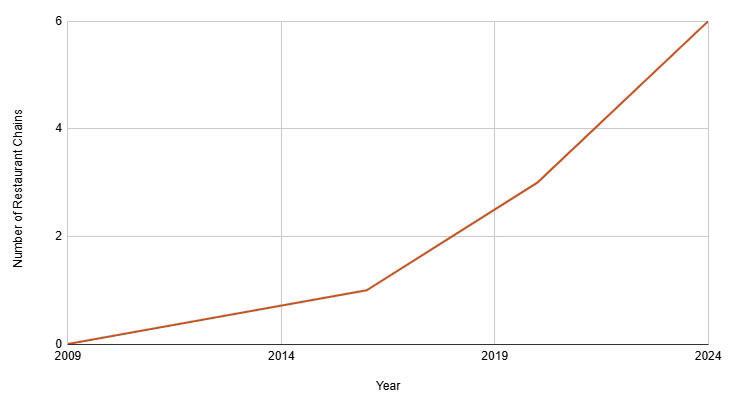
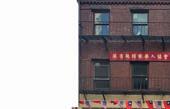
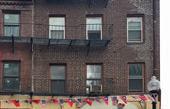
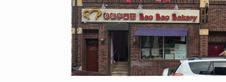
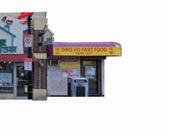
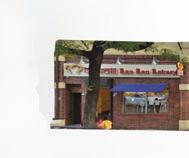
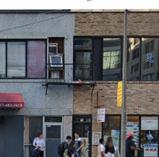
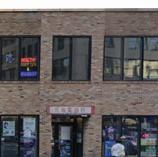
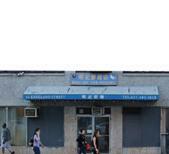
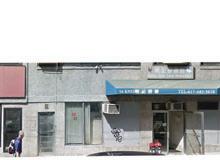
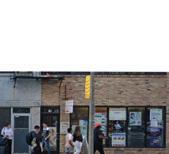
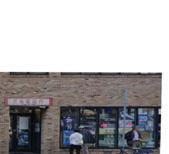
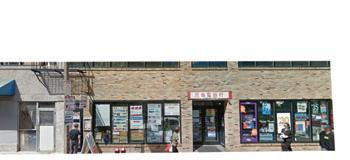
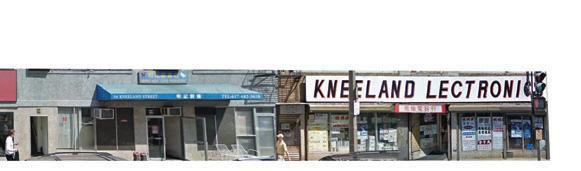
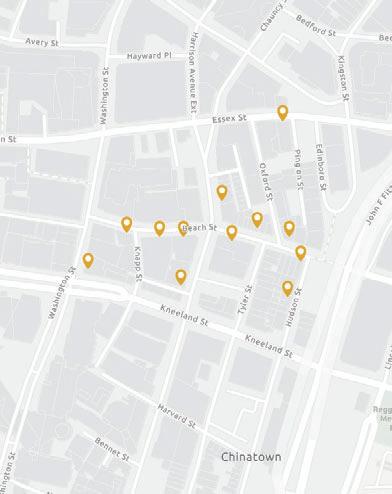
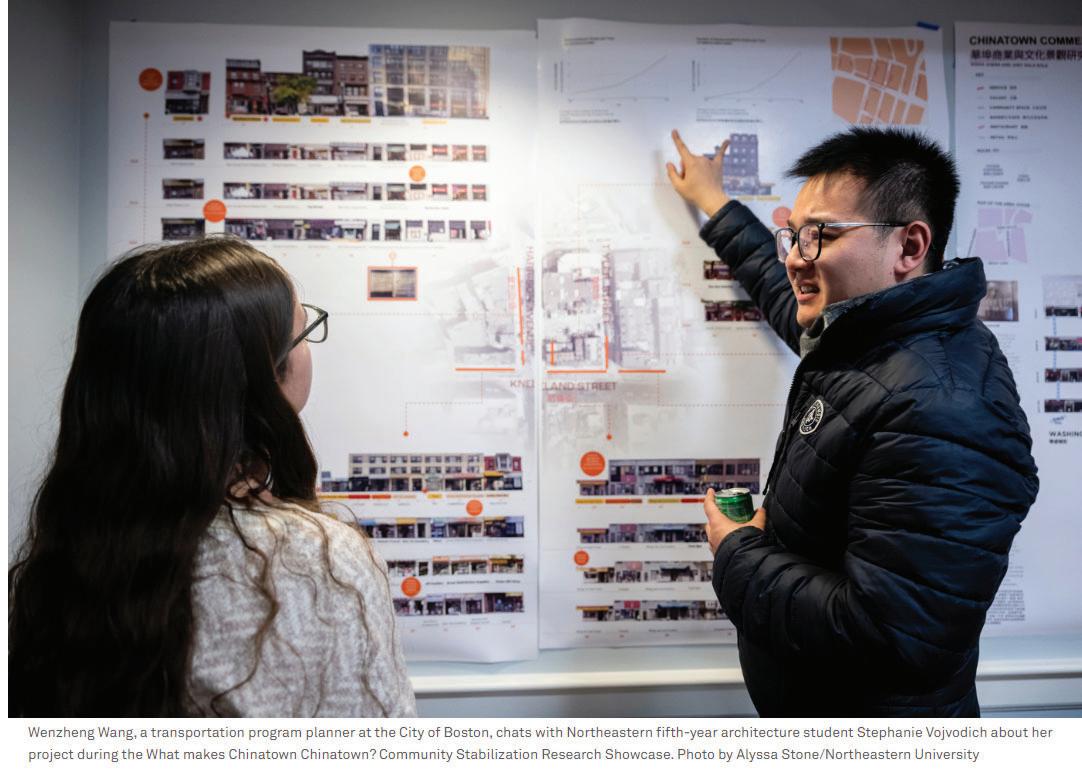
To the left, we studied business changes over the past 15 years to see which locations have the highest turnover rates, what types of businesses were moving in, and identify chain stores and restaurants.
Anti-Displacement in Chinatown
2021 We Love Boston Chinatown Voucher Program
What is the Voucher Program?
The voucher program distributed funds to a number of small, family-owned restaurants in Chinatown, and gave residents in need food vouchers worth $20 or $50 to visit those establishments.
-Rising anti-Asian hate and discrimination
buildings around Chinatown shut down
tourists, students, or families going out
Who Was Most Impacted?
since they were struggling the most. Vouchers were given to community members who were unemployed, based on CPA’s records.
How Was the Program Started?
Luisa Pena Lyons, Elsa Gomes Bondlow, and their colleagues approached Suzanne Lee and the Chinatown Progressive Association (CPA) to help address financial hardships in Chinatown. Chinatown Neighborhood Organization, CPA, and ACDC joined efforts to distribute the vouchers and funds.
What Were the Outcomes of the Program?
The voucher program is considered to be a huge success within the community. Family-owned businesses and residents in the neighborhood both received the benefits and, out of the participating restaurants, only one has closed.
Business Closures in Chinatown


Jake Noznesky
Professor Lily Song
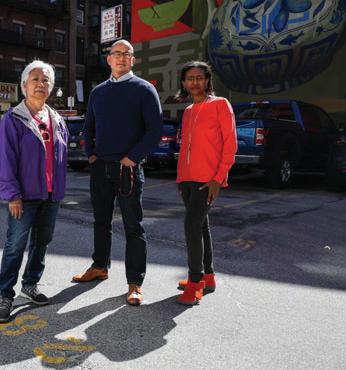
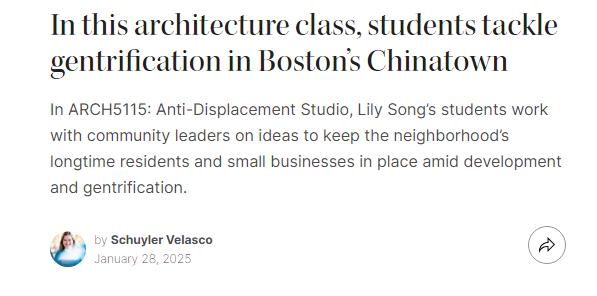
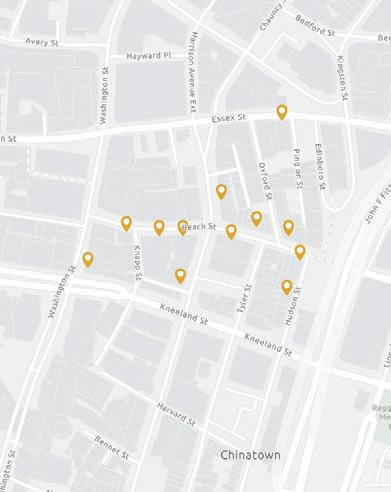
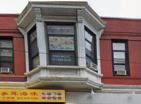
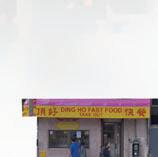
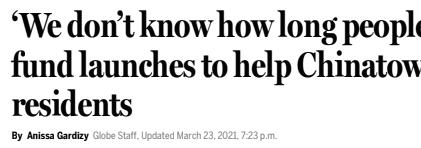
During the semester, we also looked at successful programs that have helped Chinatown residents and businesses. My teammate, Jake Noznesky, and I studied the We Love Boston Chinatown Voucher Program. Covid severely impacted businesses in Chinatown, and community organizations developed the idea to purchase vouchers from restaurants and distribute them to residents in need. This helped the businesses generate revenue and supplied meals to the neighborhood. We also looked at businesses that did close around that time and what took their place.
类 Jake Noznesky & Stephanie Vojvodich