STEPHANIE VOJVODICH
2020-2023
Architecture Portfolio
2020-2023
Forum Pavilion
Fall 2022
Segovia, Spain
Free to All Pavilion
Fall 2021
Site, Space, and Program
William Rawn Associates Co-op
Spring 2023
Boston, MA
Spring 2022 Urban Housing
Spring 2022 Urban Housing
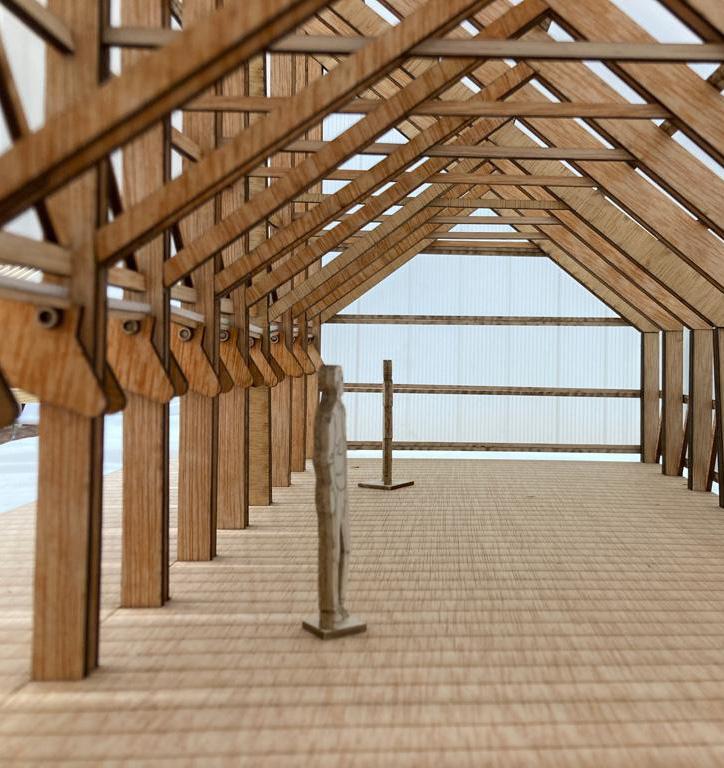
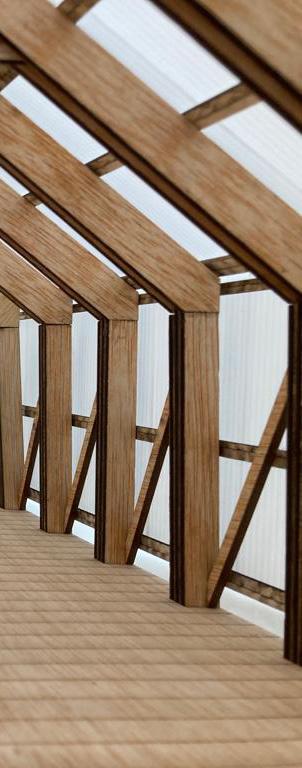
This studio project was completed while I studied aborad in Segovia, Spain during my fall semester in 2022. We were tasked with finding an existing pavilion anywhere in the world, choosing a site in Segovia where the pavilion could live, and then reimagining the structure to better fit the site and its needs. This was a complex project because it would become the largest wood construction I have created.
 Fall 2022
Professor Romina Marta Canna
In
with Ethan Rogers, Cassian Otfinowski, and Paul Kwon
Physical model made of basswood
Physical model made of basswood, foamcore, and 3D printing
Fall 2022
Professor Romina Marta Canna
In
with Ethan Rogers, Cassian Otfinowski, and Paul Kwon
Physical model made of basswood
Physical model made of basswood, foamcore, and 3D printing
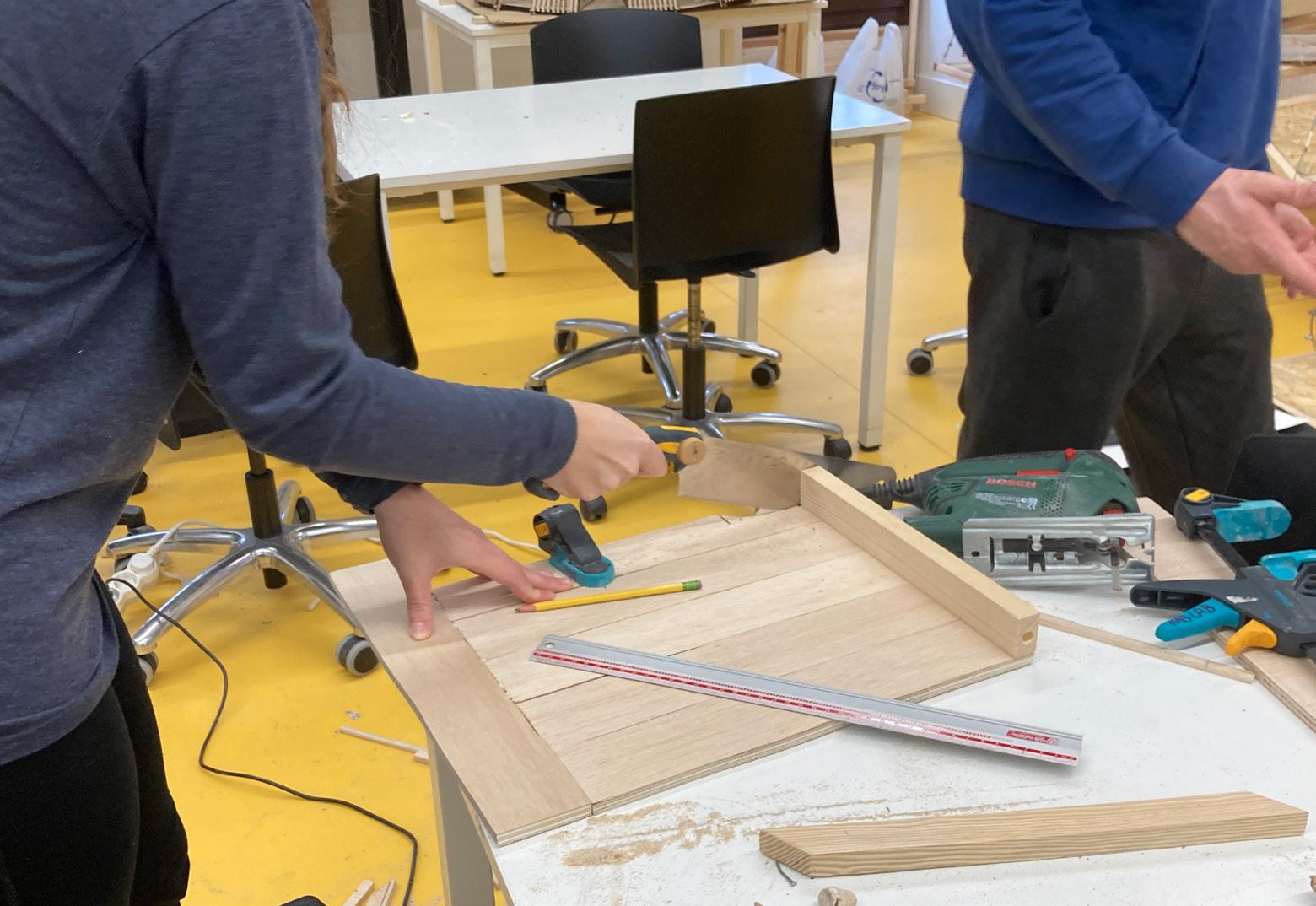
We chose the Forum Pavilion in Nyon, Switzerland because of its repetitive structure, its ability to completely shelter people, and its unique cladding. We started by building a 1:40 scale of the entire pavilion, and then chose a smaller section of the pavilion, where we built a 1:4 model. Woodworking at such a large scale was a new challenge, but I found myself immersing myself in the experience.
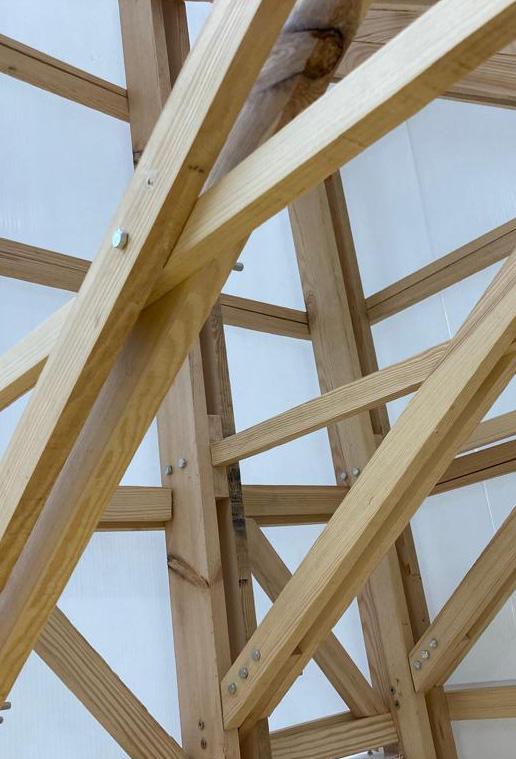
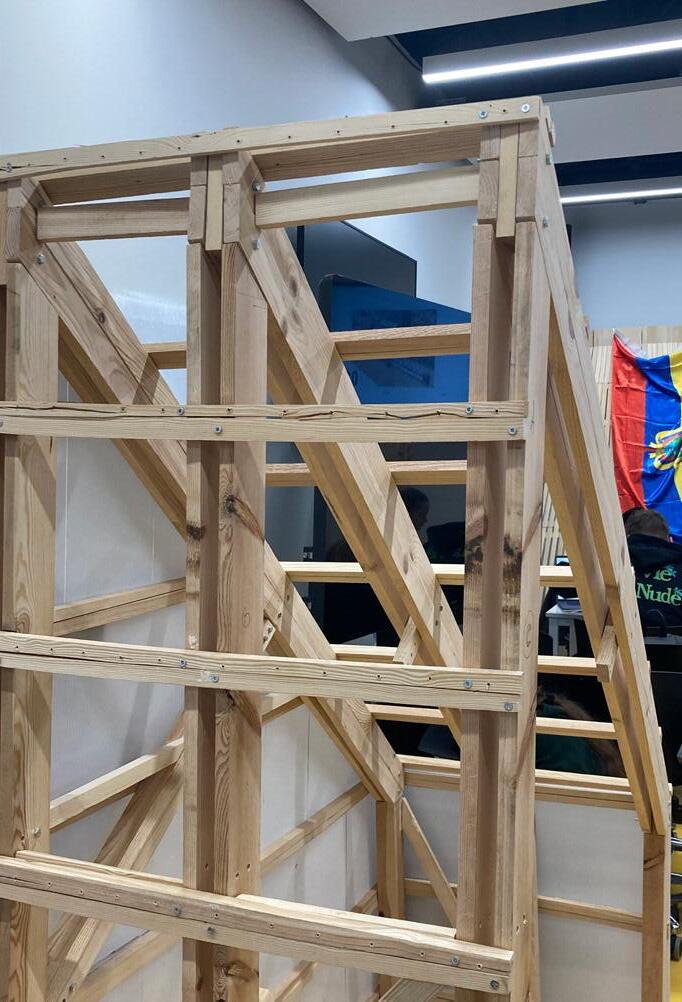
In Collaboration with Ethan Rogers, Cassian
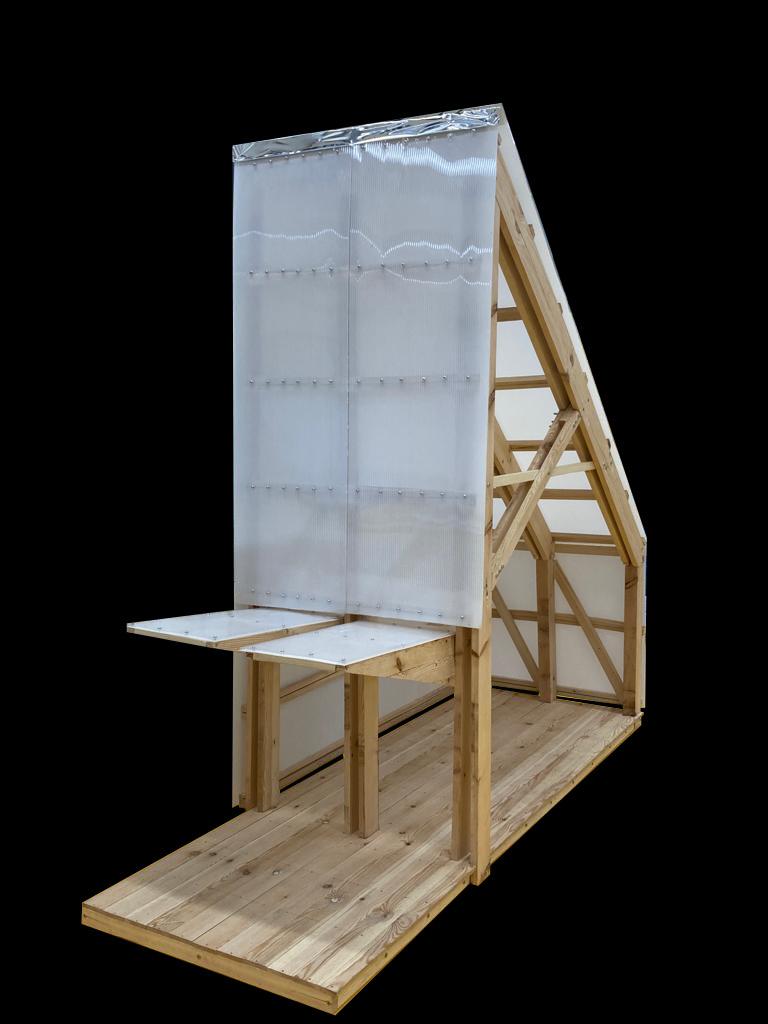 Physical model made of wood and plastic cladding
Fall 2022
Professor Romina Marta Canna
Otfinowski, and Paul Kwon
Physical model made of wood and plastic cladding
Fall 2022
Professor Romina Marta Canna
Otfinowski, and Paul Kwon
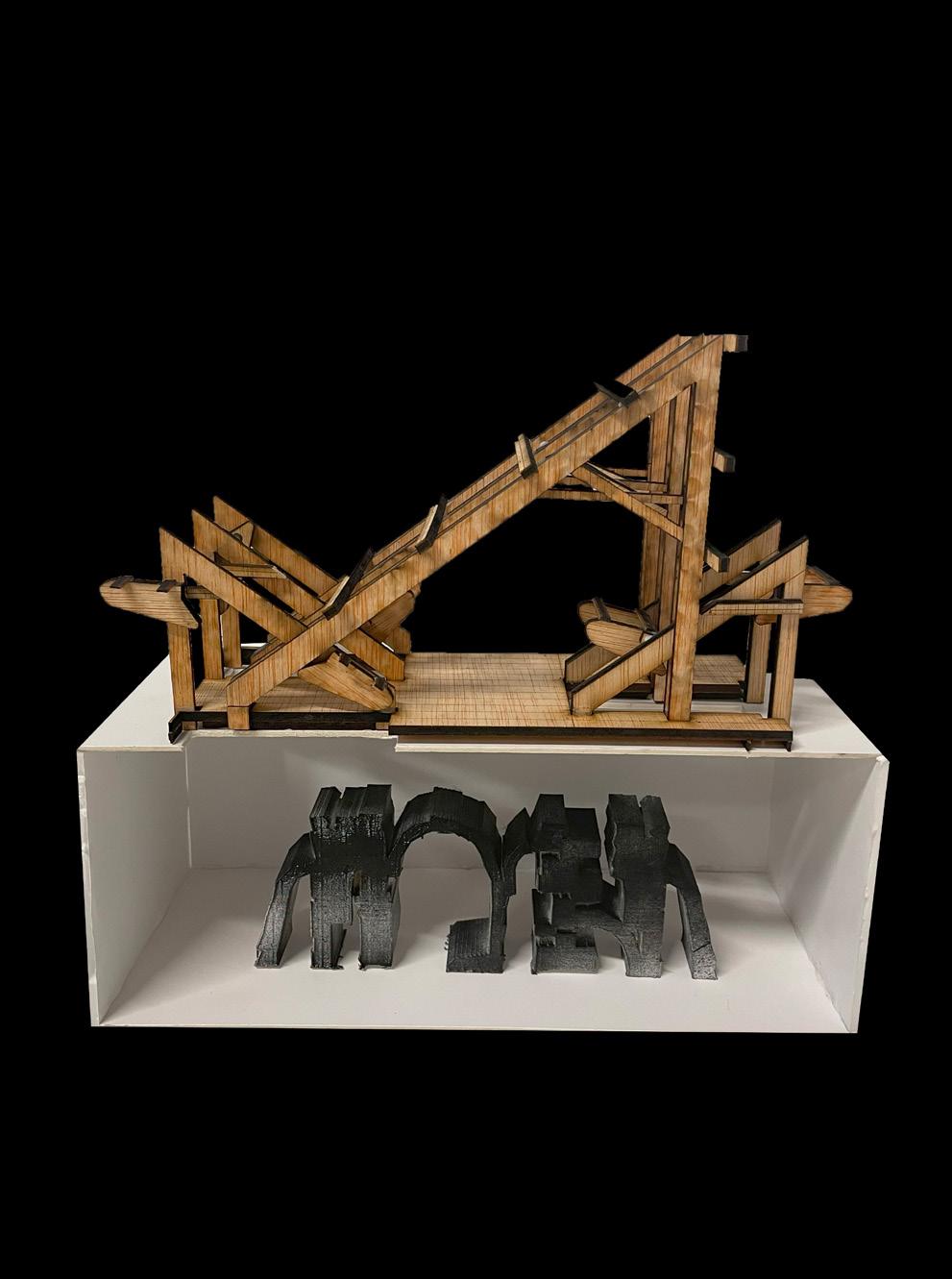
Our successful model was then ready for the next step: reimaging the pavilion in Segovia. We chose a site on a quiet street, in an attempt to draw foot traffic away from the overcrowded main streets of the city. Unbeknownst to us, we had chosen a site where just a couple of years before, archaeologists had discovered some of the most intact Roman ruins in Segovia. We knew we needed to showcase these ruins, so we got to work on creating a pavilion that was fully interactable from the street, as well as a way to travel underground and see the ruins up close.
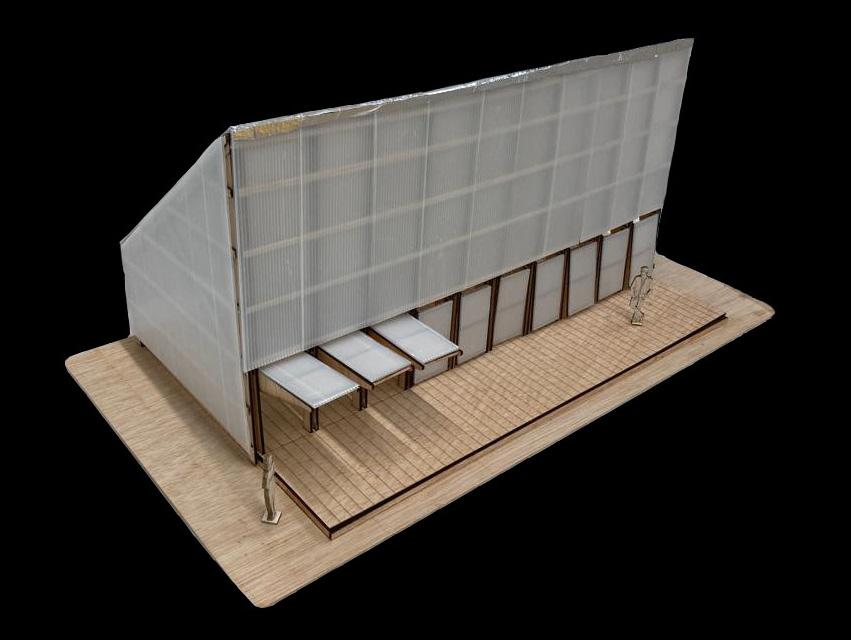
In Collaboration with Ethan Rogers, Cassian Otfinowski, and Paul Kwon
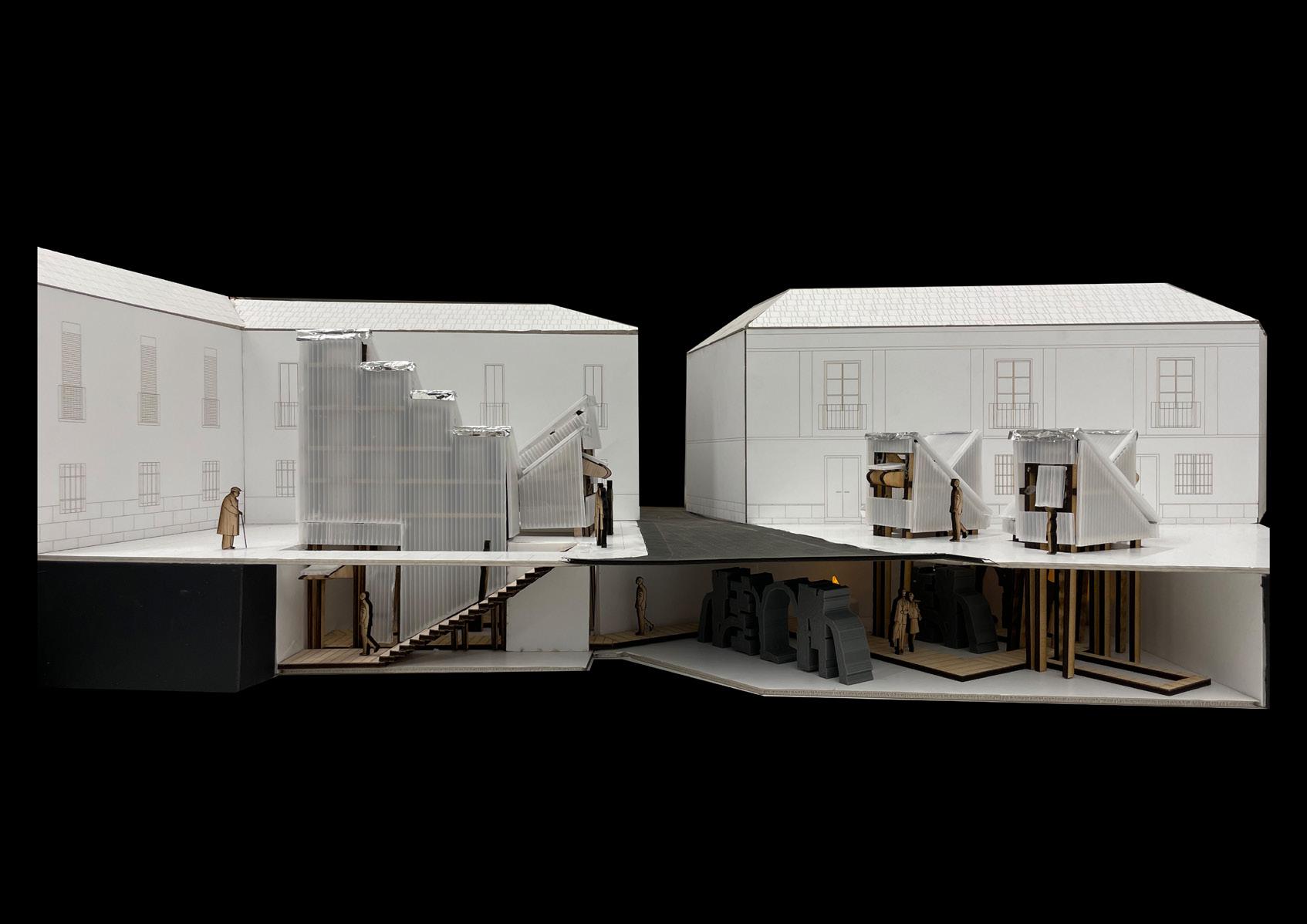
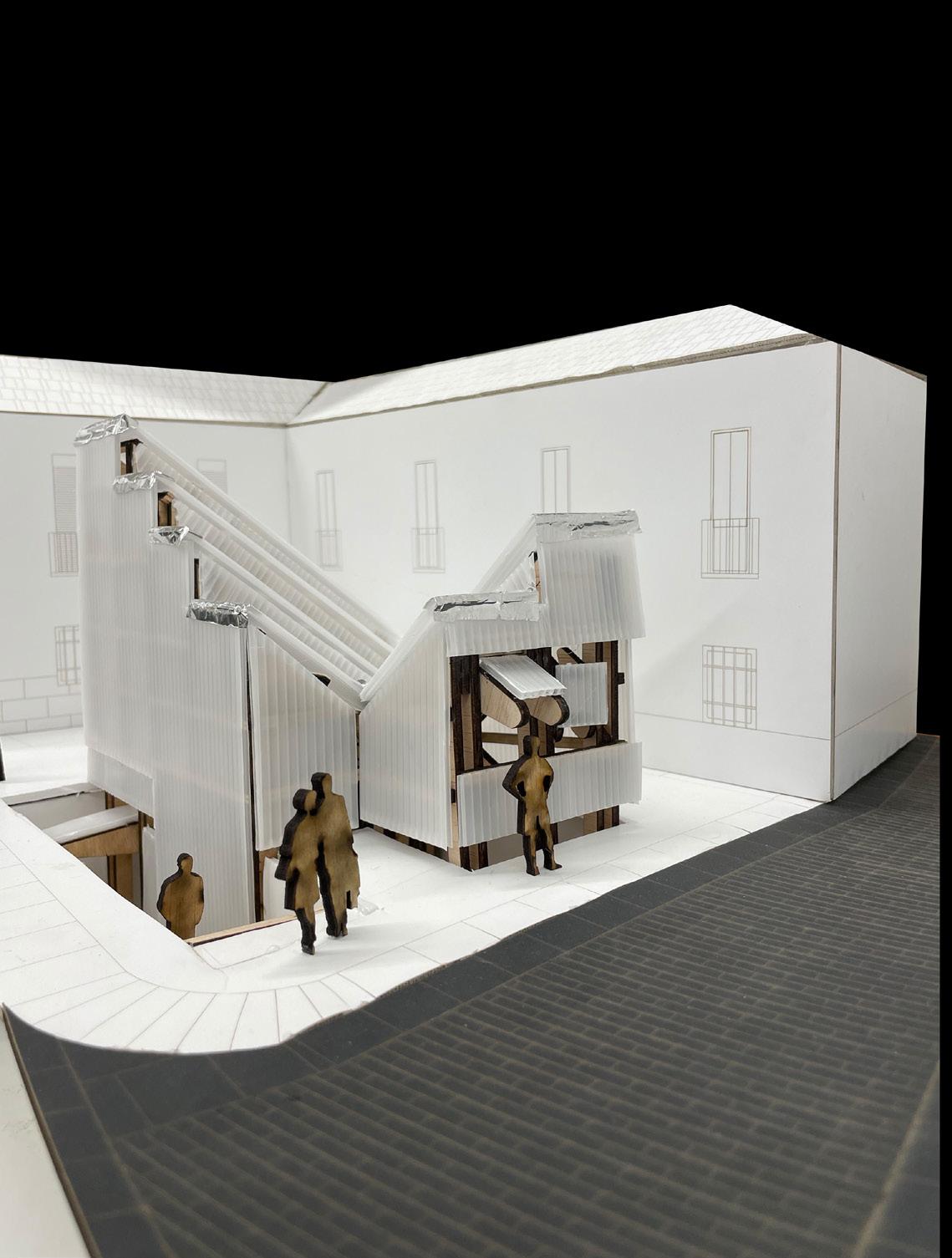 Physical models made of basswood, plastic cladding, and bristol paper
Professor Romina Marta Canna
Physical models made of basswood, plastic cladding, and bristol paper
Professor Romina Marta Canna
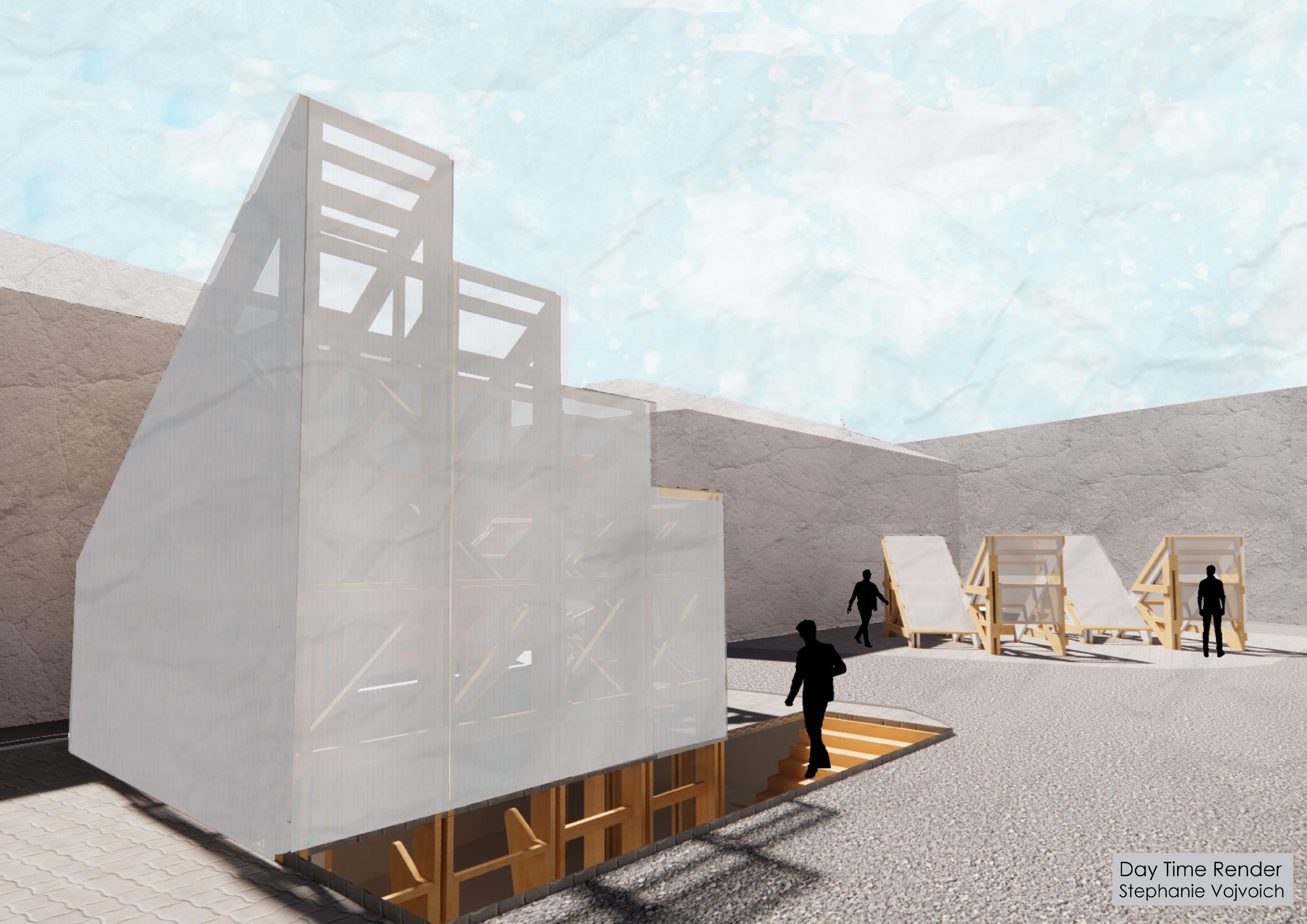
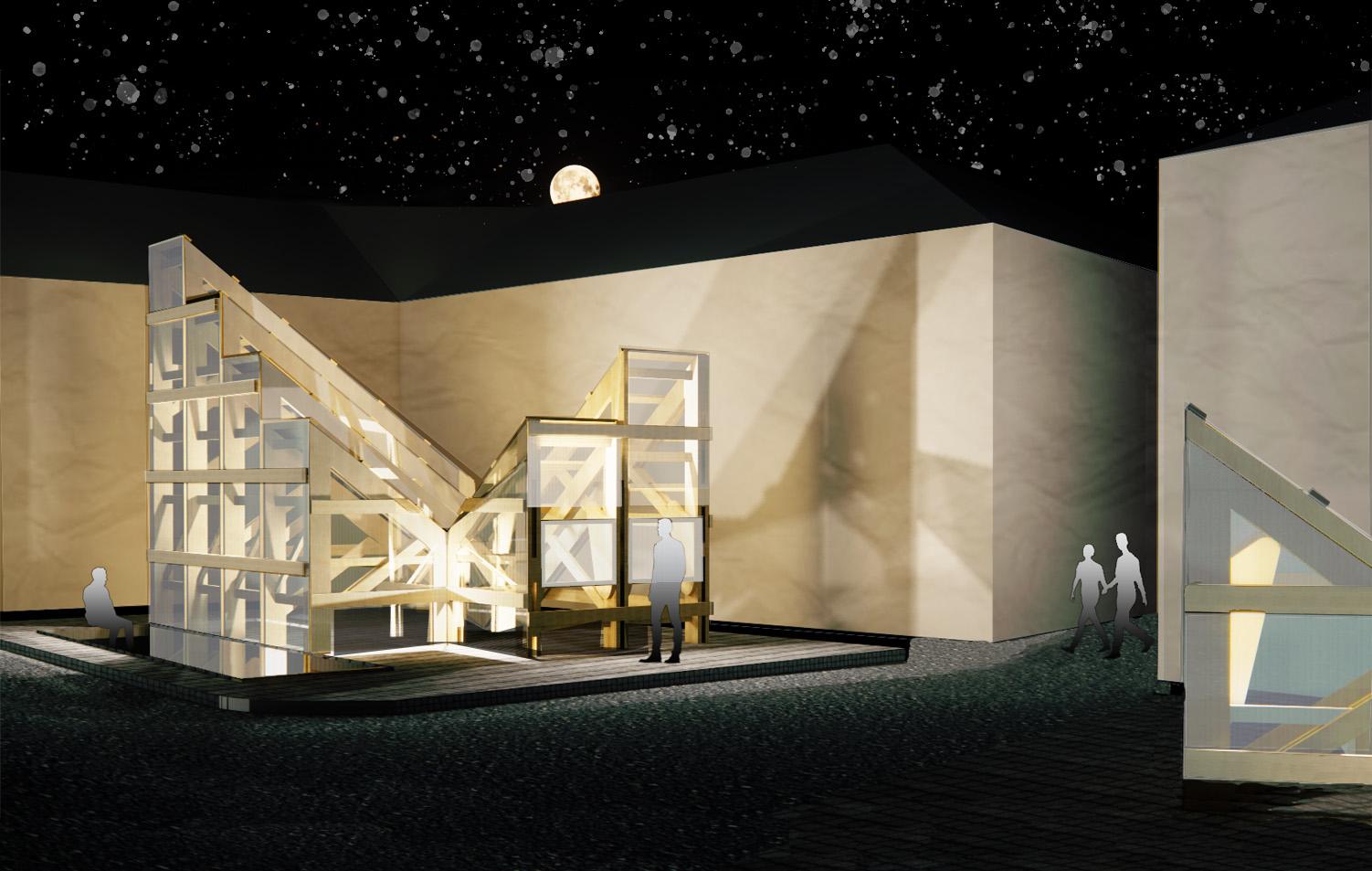
Physical model made of wood, plastic cladding, metal sheets, rocks, and bubble wrap
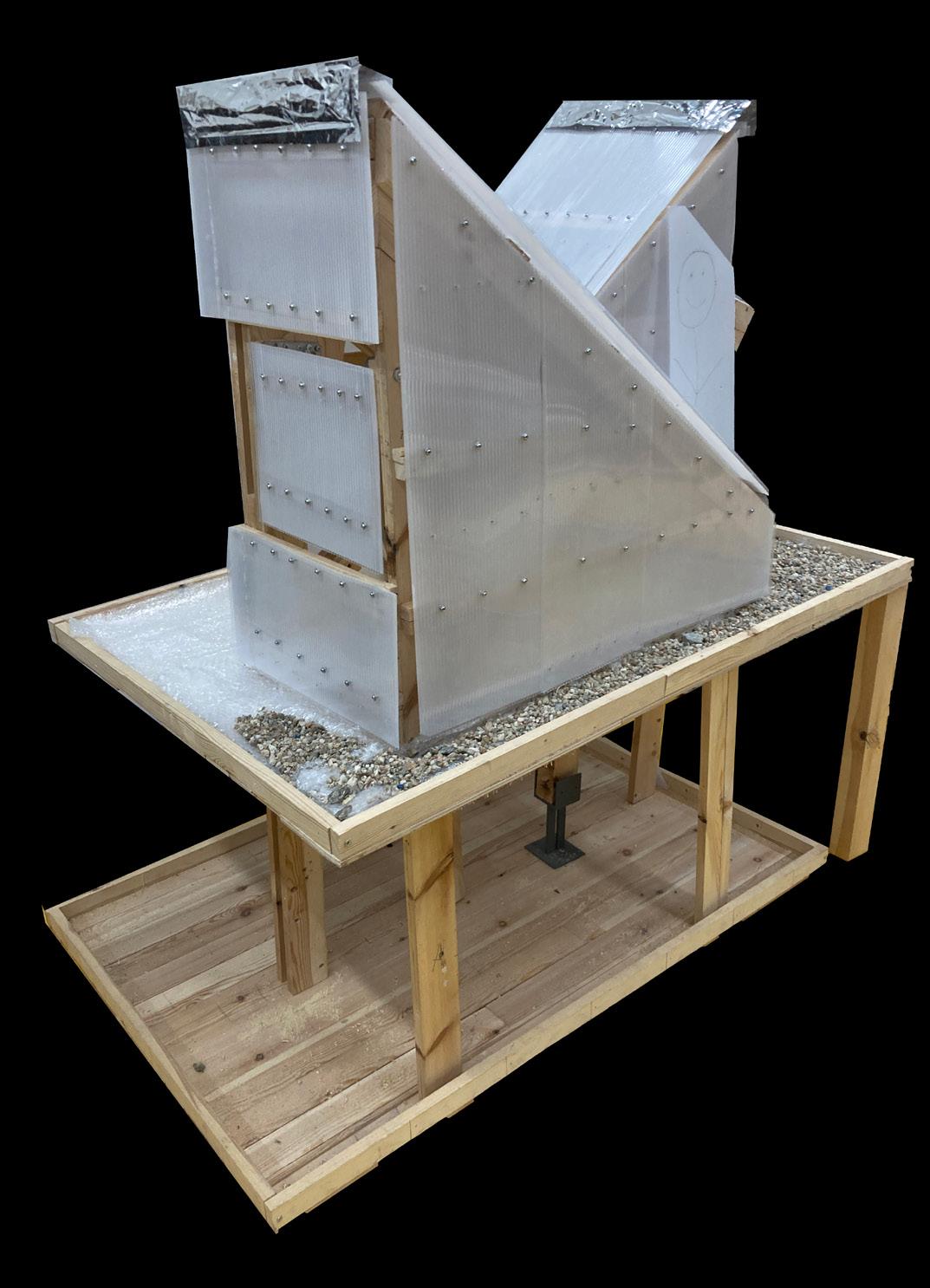
The result was two structures straddling both sides of the street that intersected the site: one with a visitor center where people could take stairs down to the ruins, and the other with much smaller people sized operable doors where visitors could see the ruins at any time of day. We got to work on building one set of the operable door housings at 1:4 scale, as well as a 1:40 scale model of the entire pavilion. I found this project so rewarding because I was able to showcase my passion for the fabriaction side of architeture.
Images created using Rhino and Adobe Creative Suite
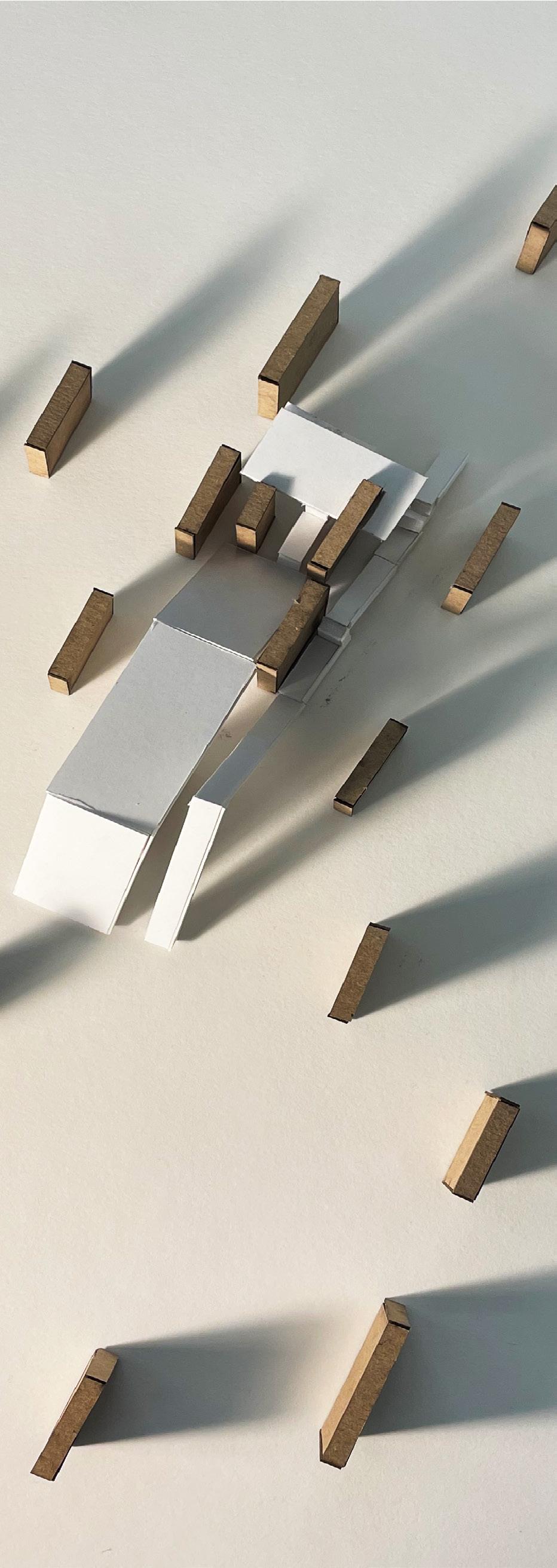




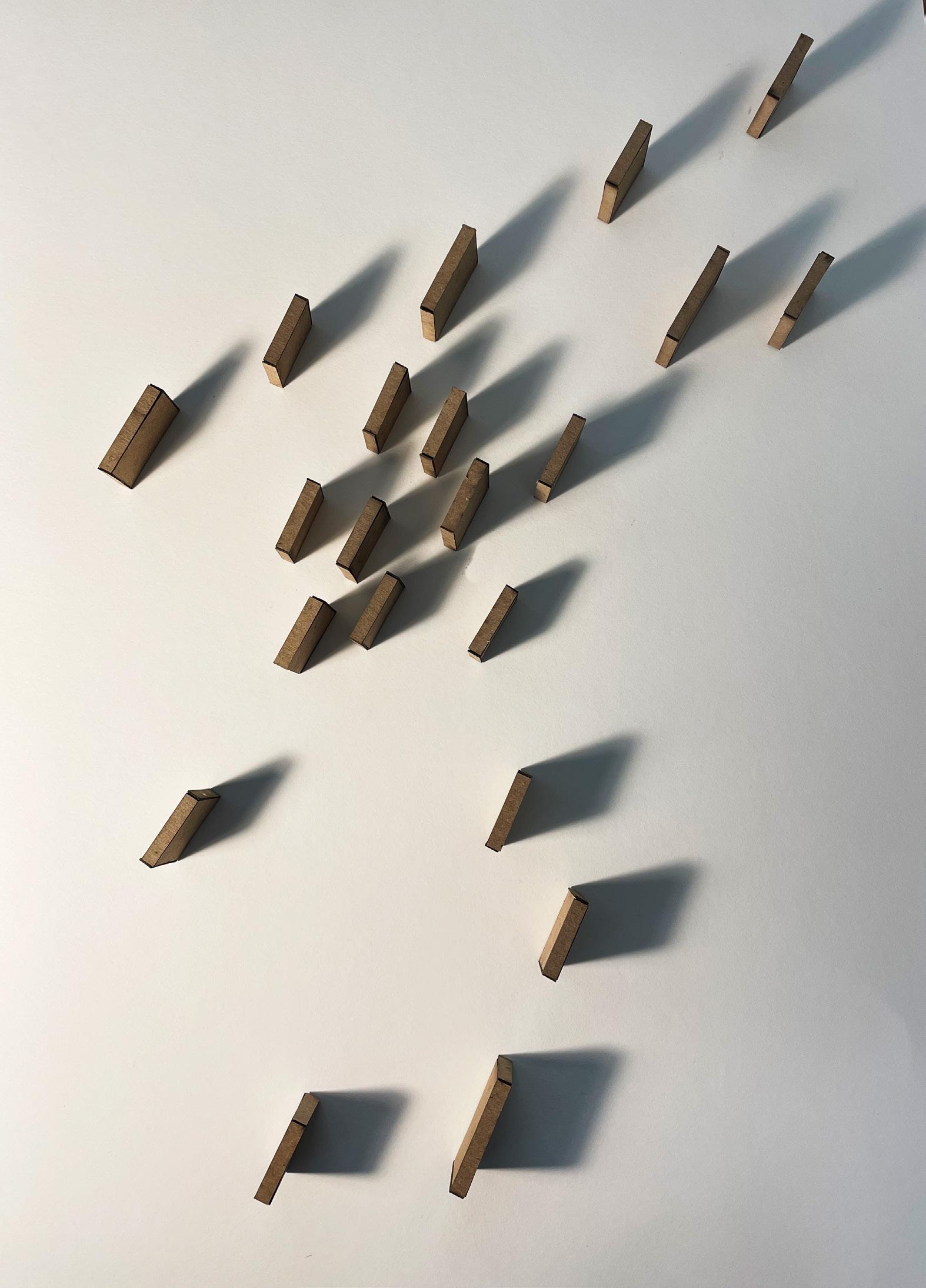
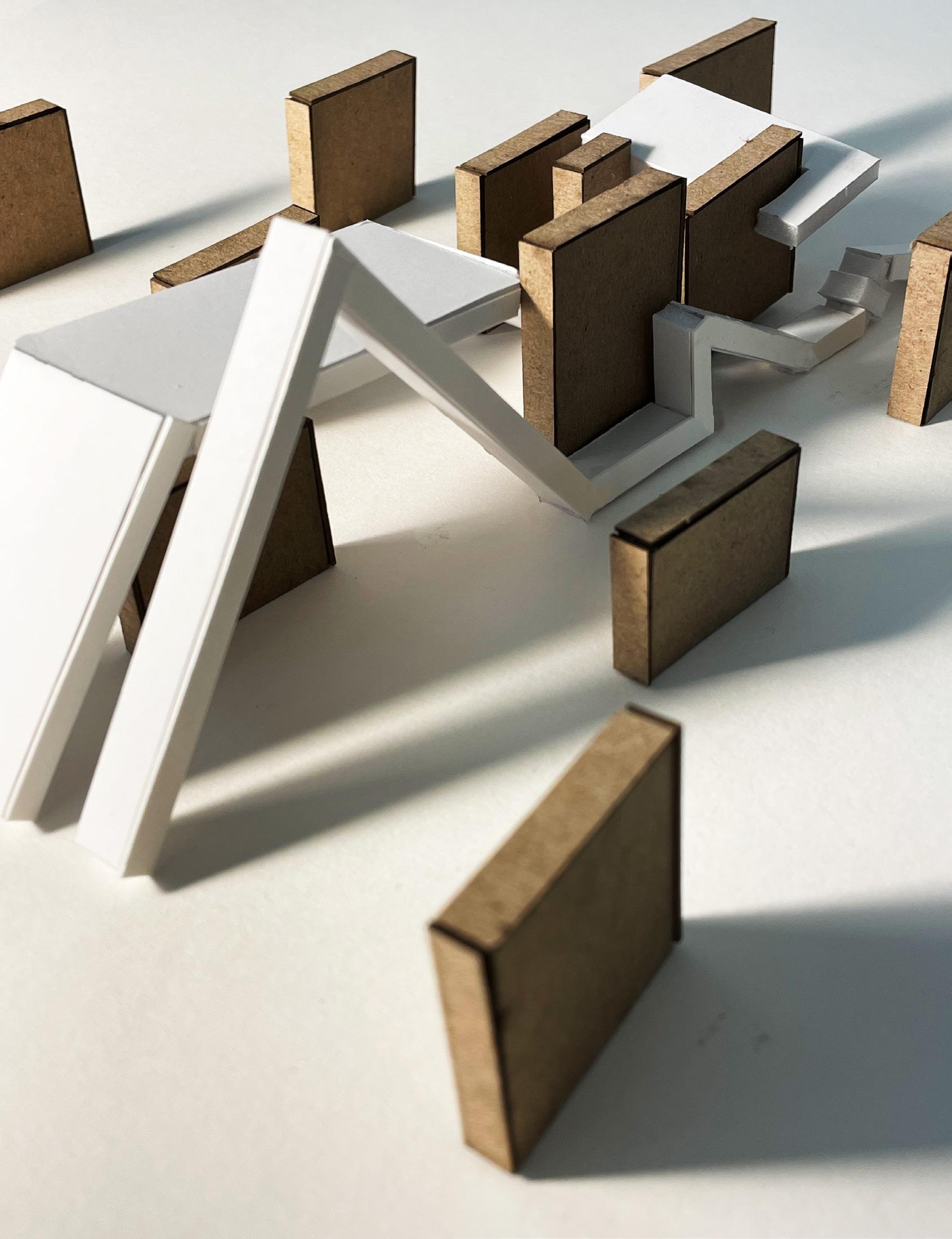
The second step of my Boston Free to All project was to create a pavilion that would incorporate the knowledge I had acquired from my precedent studies of the Town House Library in Kingston, London. The six story library focused on the ways people moved through the library, and the different ways people could reach a space, so I chose to study this as well. I looked at forced movement through stairways, hallways, and my overall design.
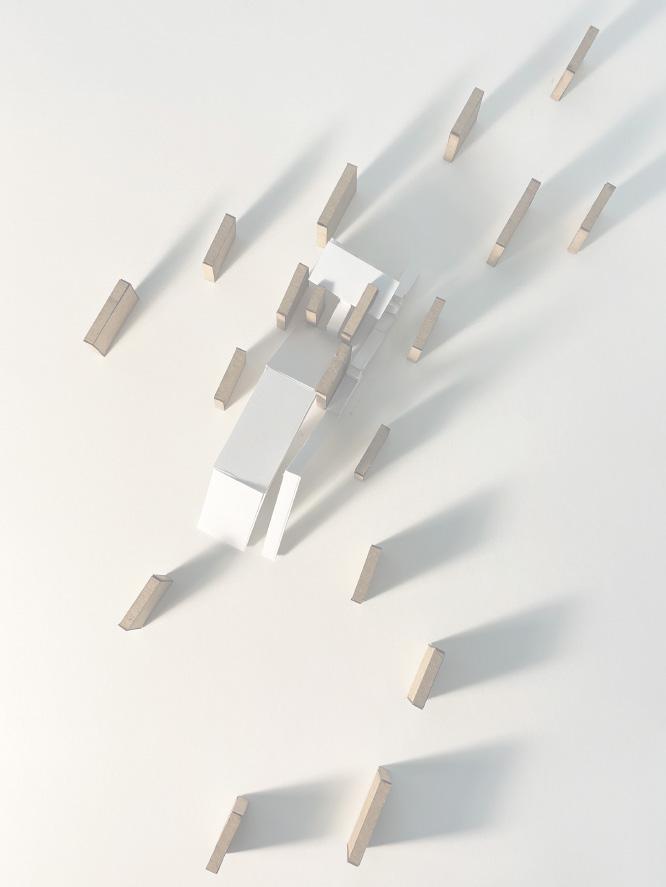
To create this model, I laser cut chipboard to act as the barriers on the site. I then used foamcore for middle of the pavilion. My choice in this materiality was to showcase the dark and strong aspect of the bright and much lighter feeling of the gathering space.
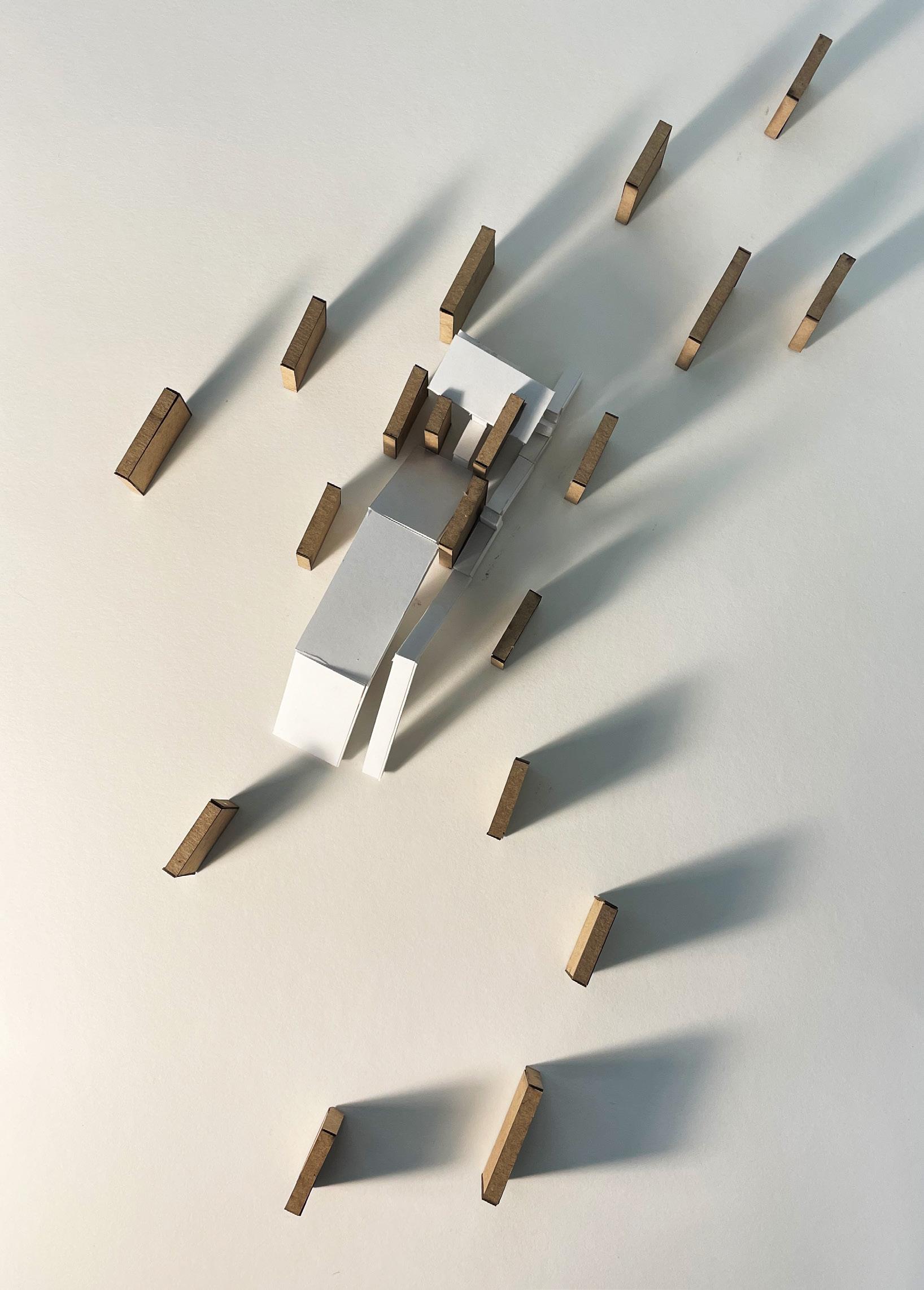
for the gathering space in the the barriers, juxtaposed with
This forced movement study proved to me that I could create pathways and a specific route I wanted visitors to take. I used large barriers that were placed through out the site to create the trails, and then added a jungle gym-like structure to act as a gathering space for viewers.
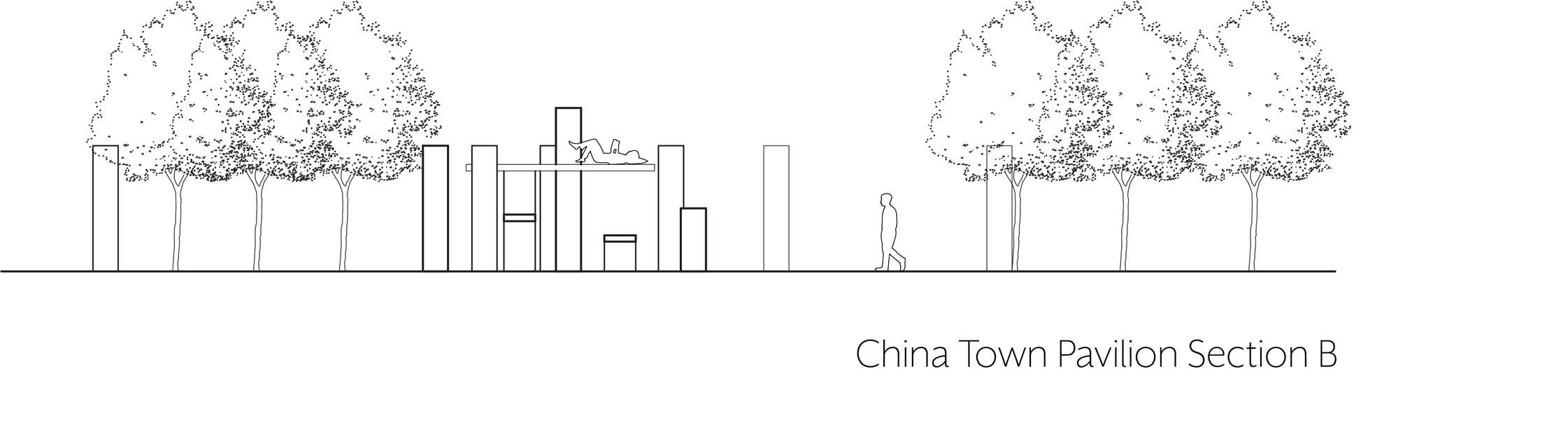
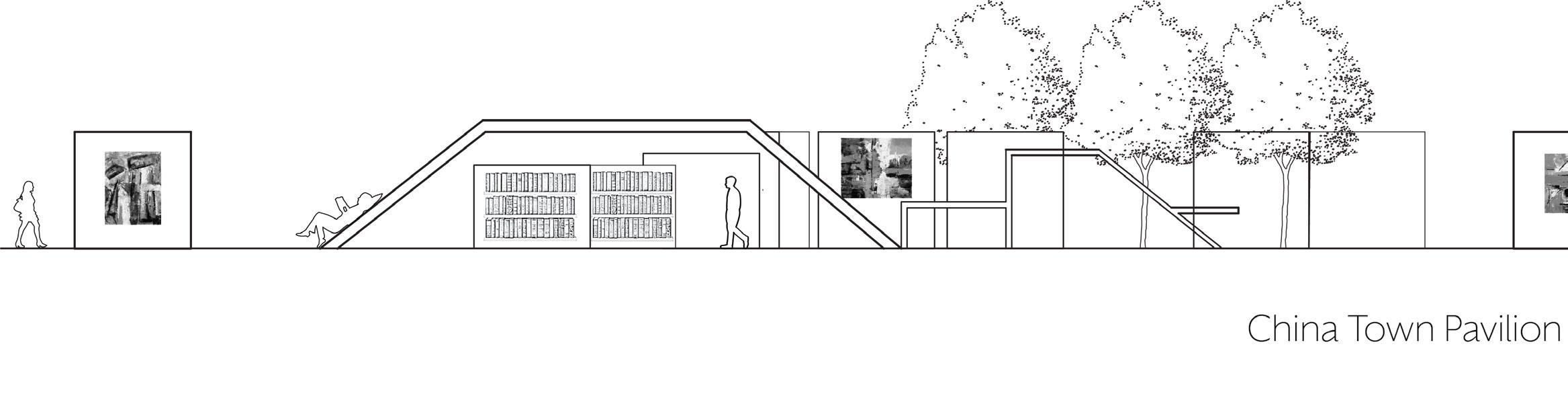
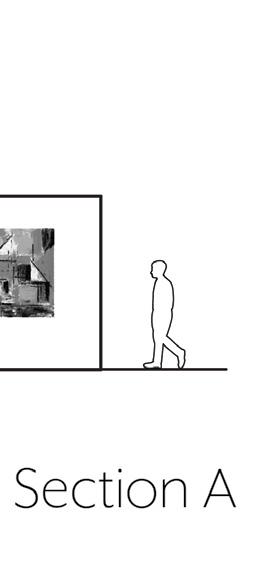
These sections highlight a main part of my pavilion: the large barriers act as a place for local artists and community members to showcase their artwork. In Chinatown, there are many painintgs, murals, and other ways in which the neighborhood represents who they are, and my pavilion gives them a place where they are encouraged to show their culture and passion for the arts.
In collaboration with Camile Schnaas Boston, MA
 Spring 2023
Supervisor Chris Aubin
Spring 2023
Supervisor Chris Aubin
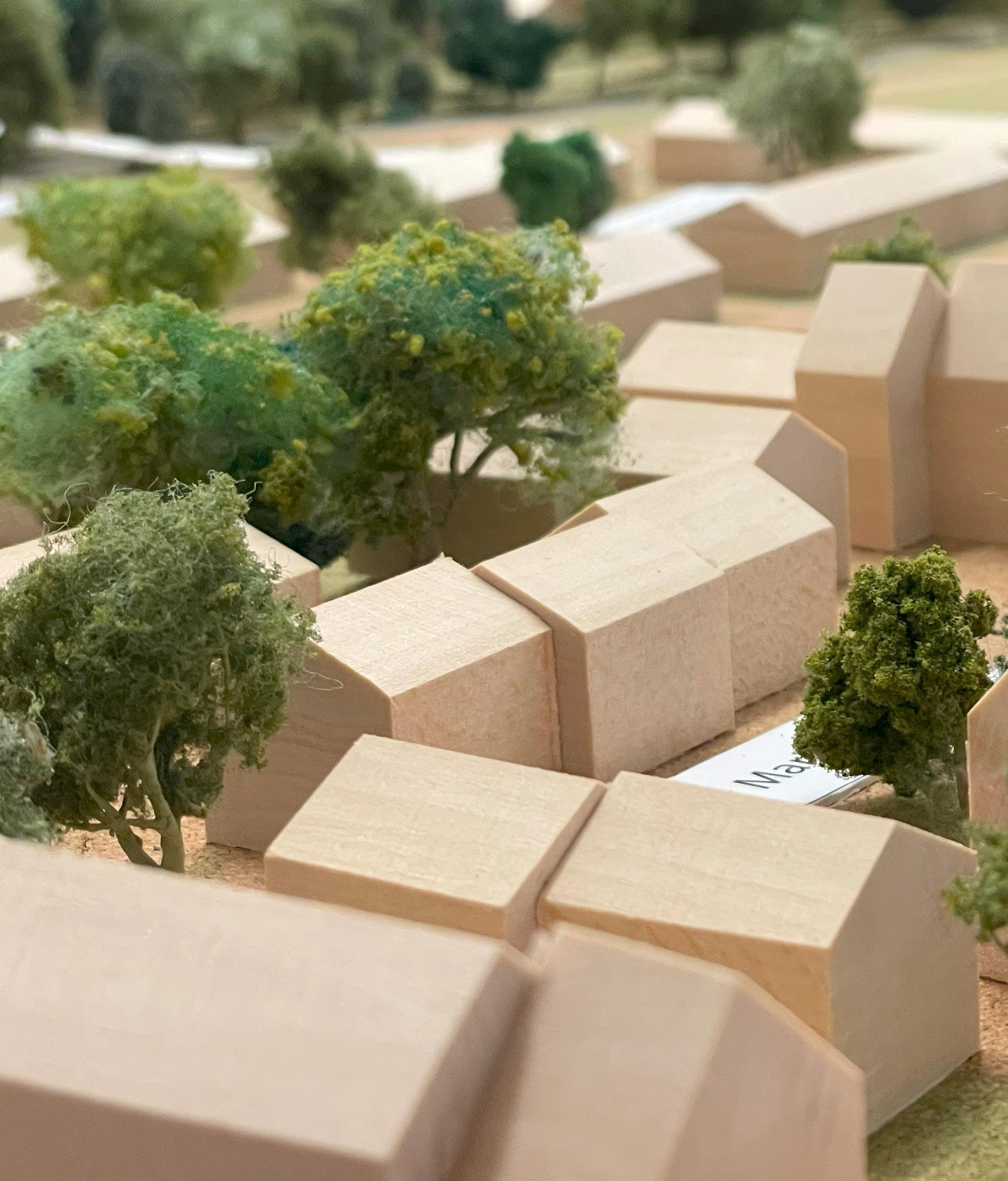
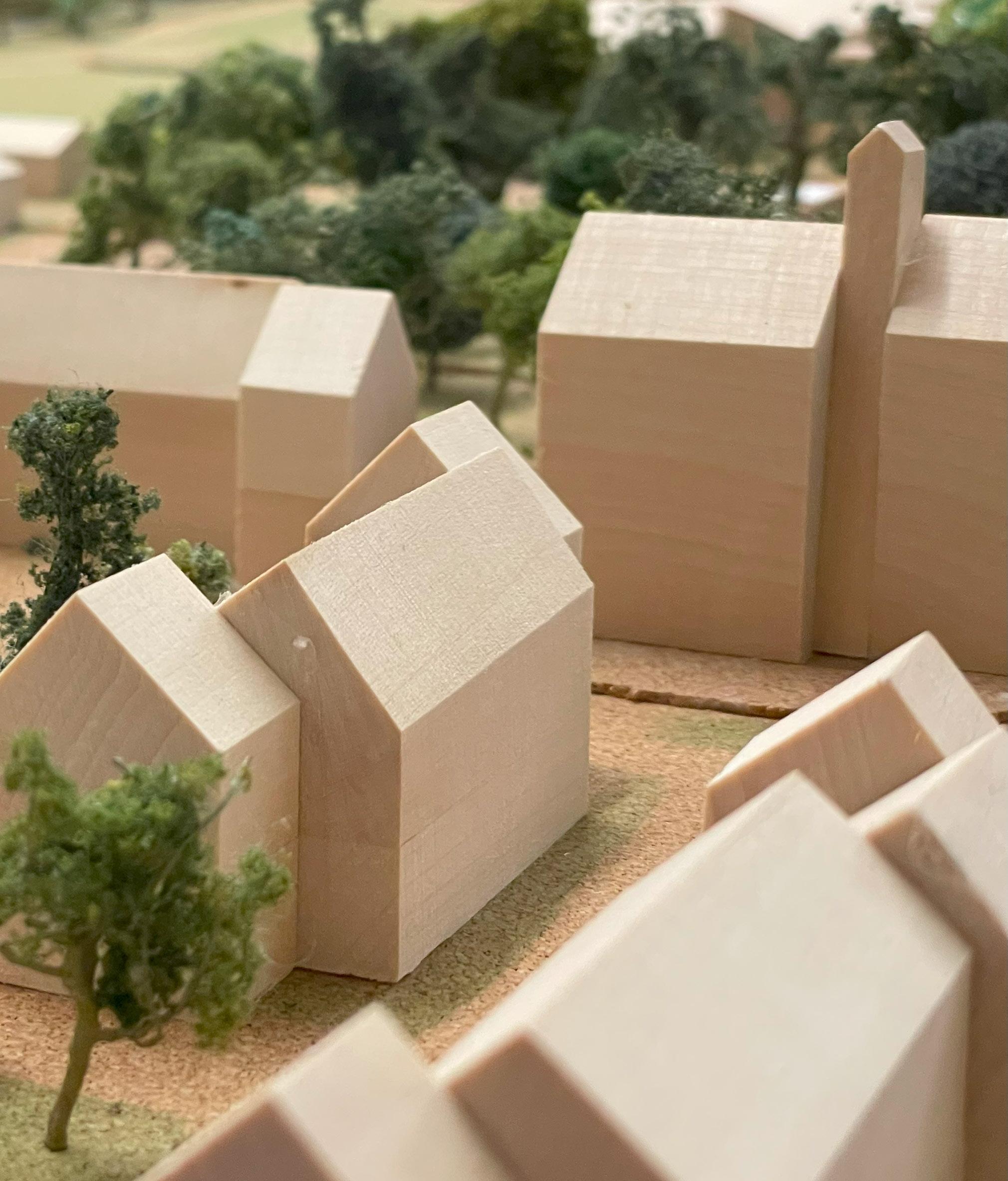
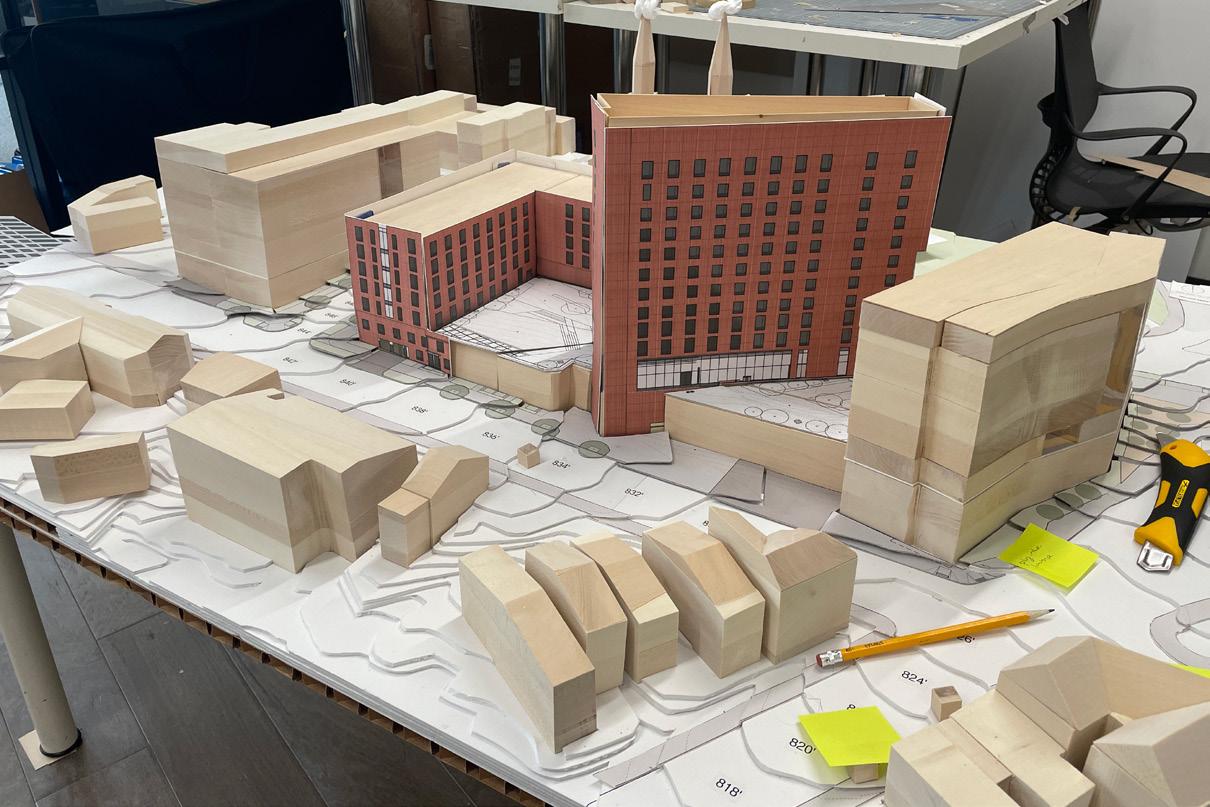
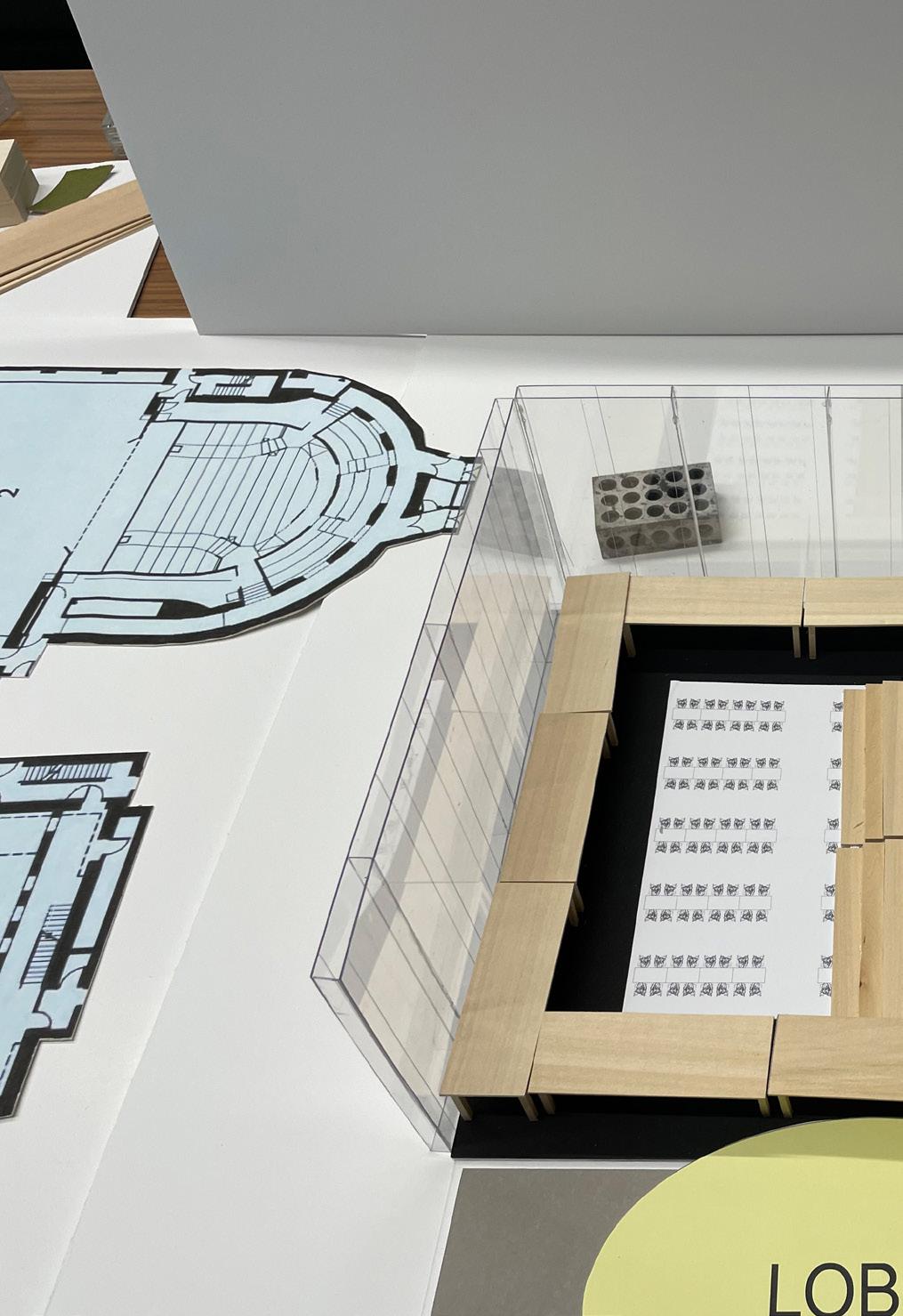
Through out my 2023 spring semester at Northeastern, I was a co-op Rawn Associates in Boston. I was their 3D studio, where I worked models for numerous projects the office. What was especially about my co-op experience was was able to work with many different teams that were each in different of design. Models ranged from massing models, to larger mockups construction.
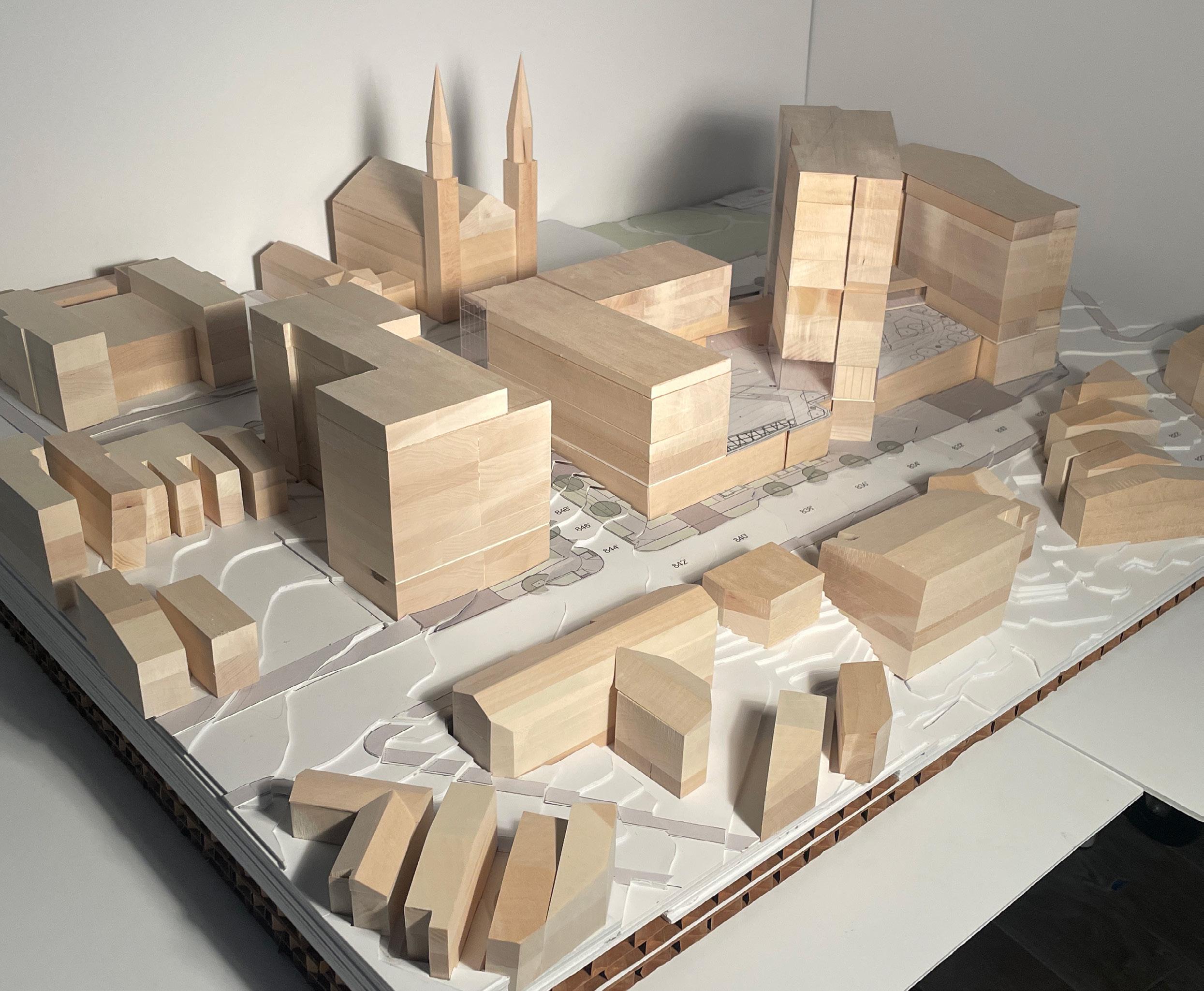 Physical model made of basswood, foamcore, and bristol paper
semester at William was a part of worked to make projects within especially unique was that I different different phases from abstract mockups for
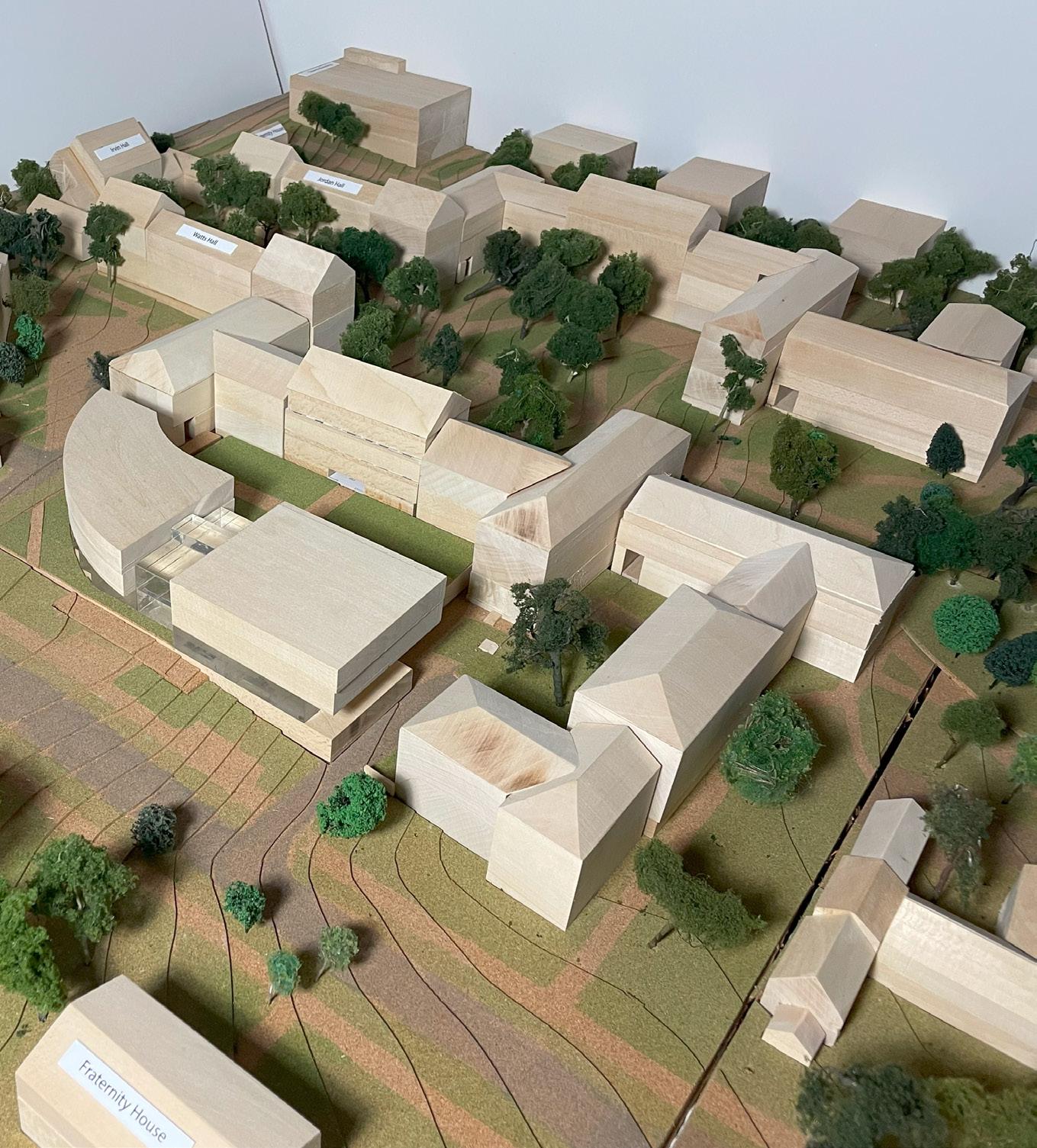
In collaboration with Camile Schnaas Boston, MA
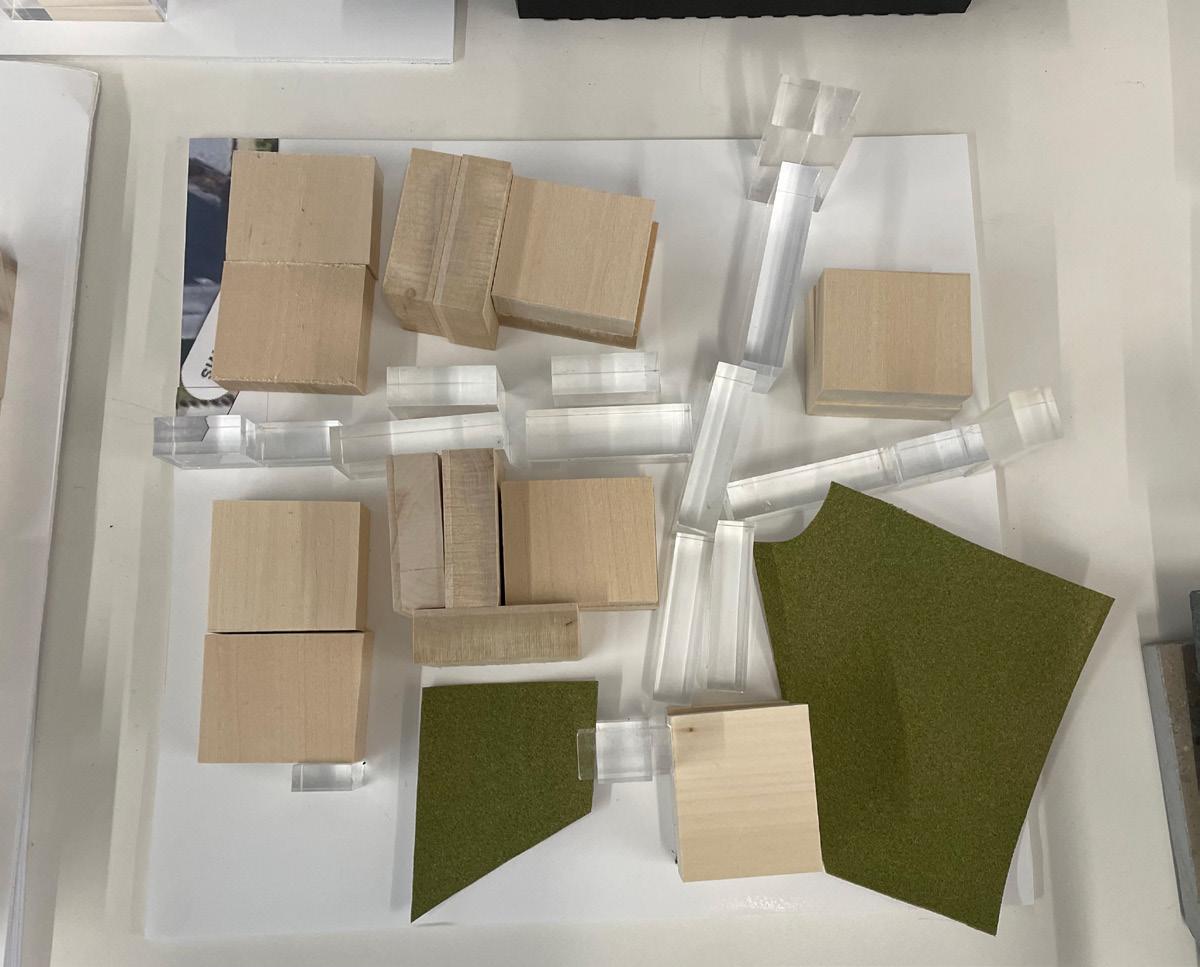
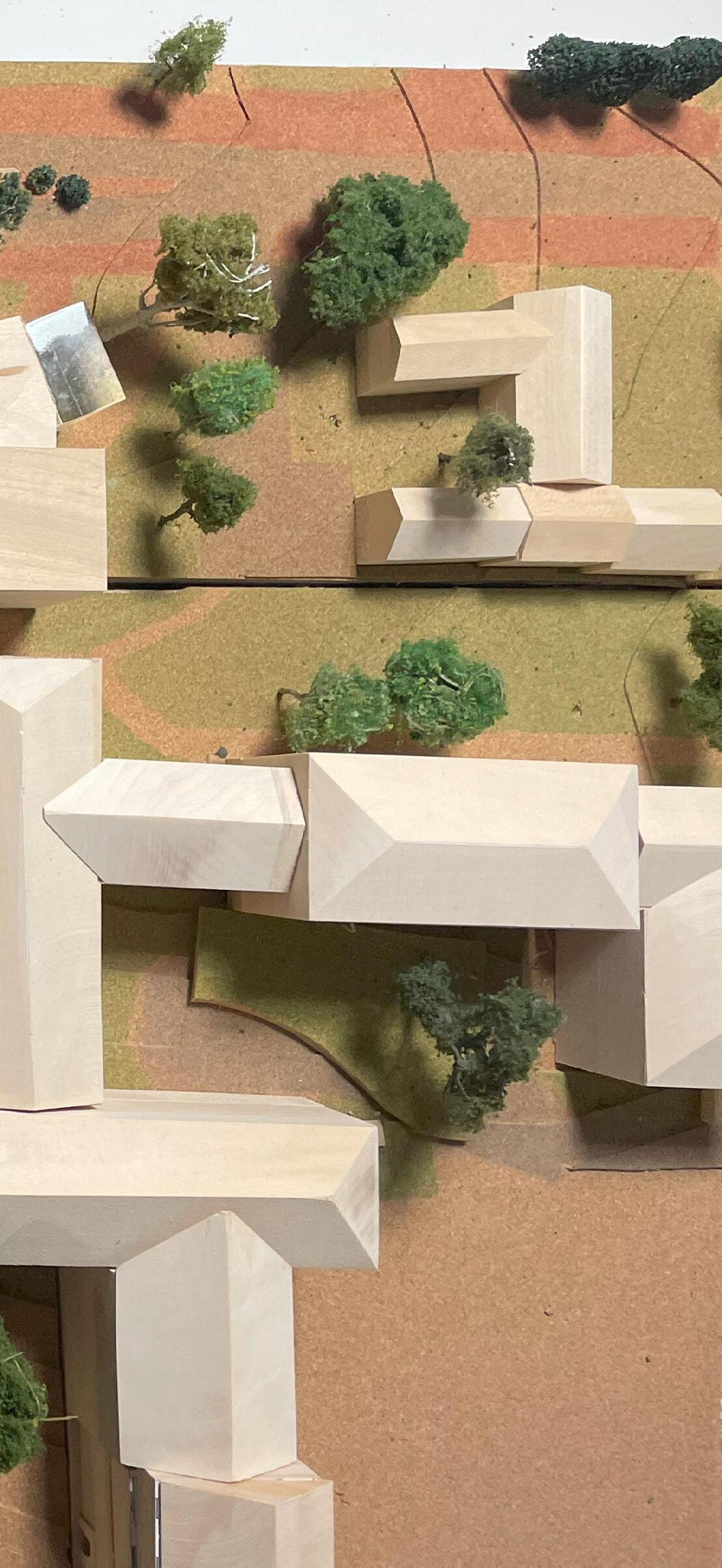
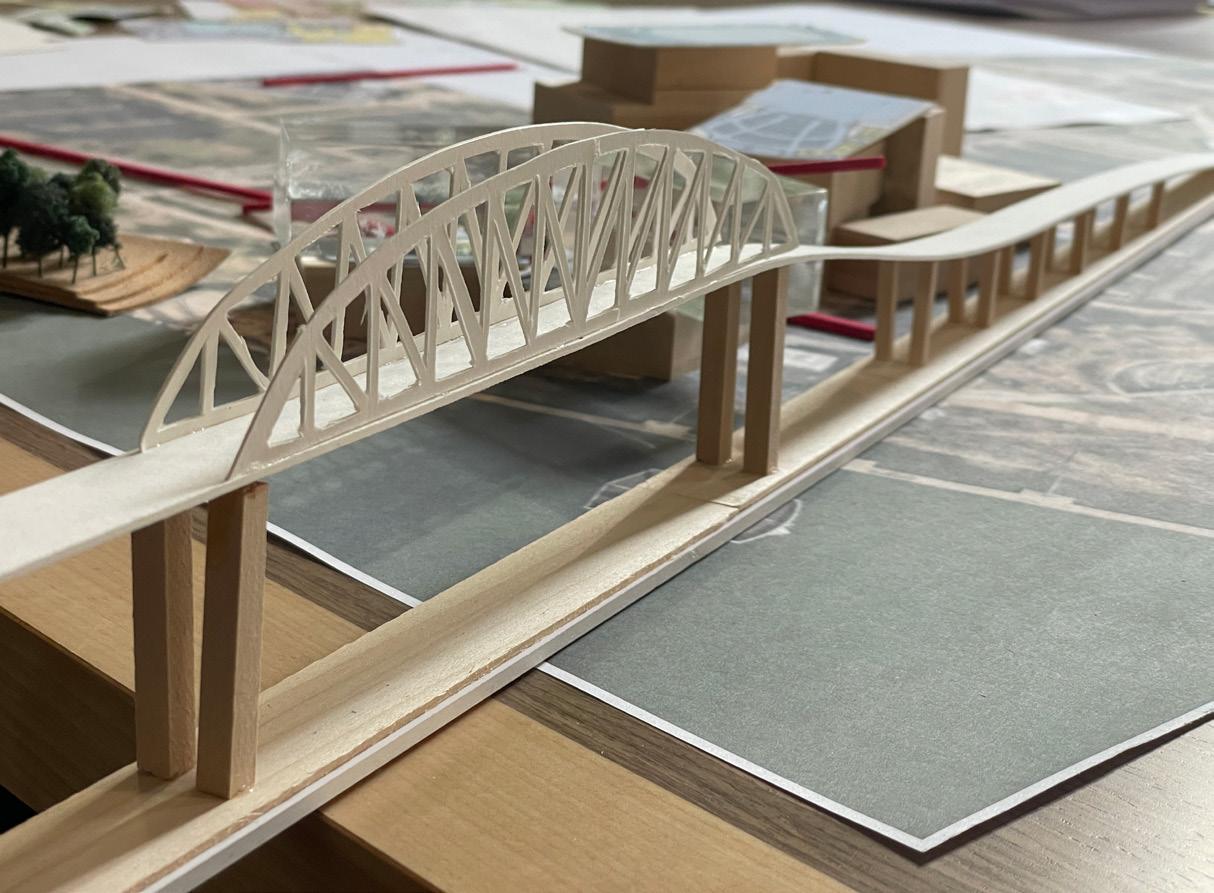
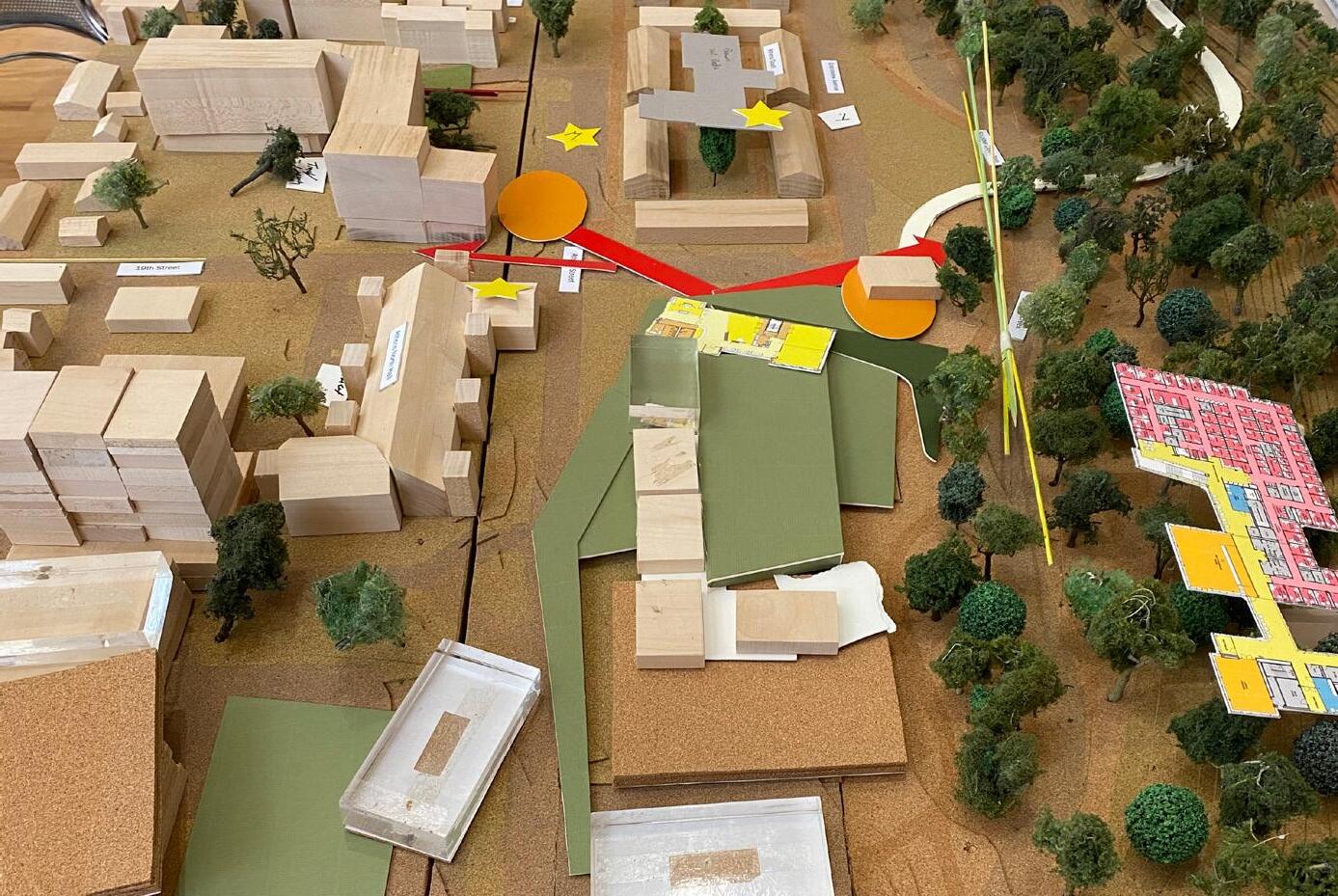
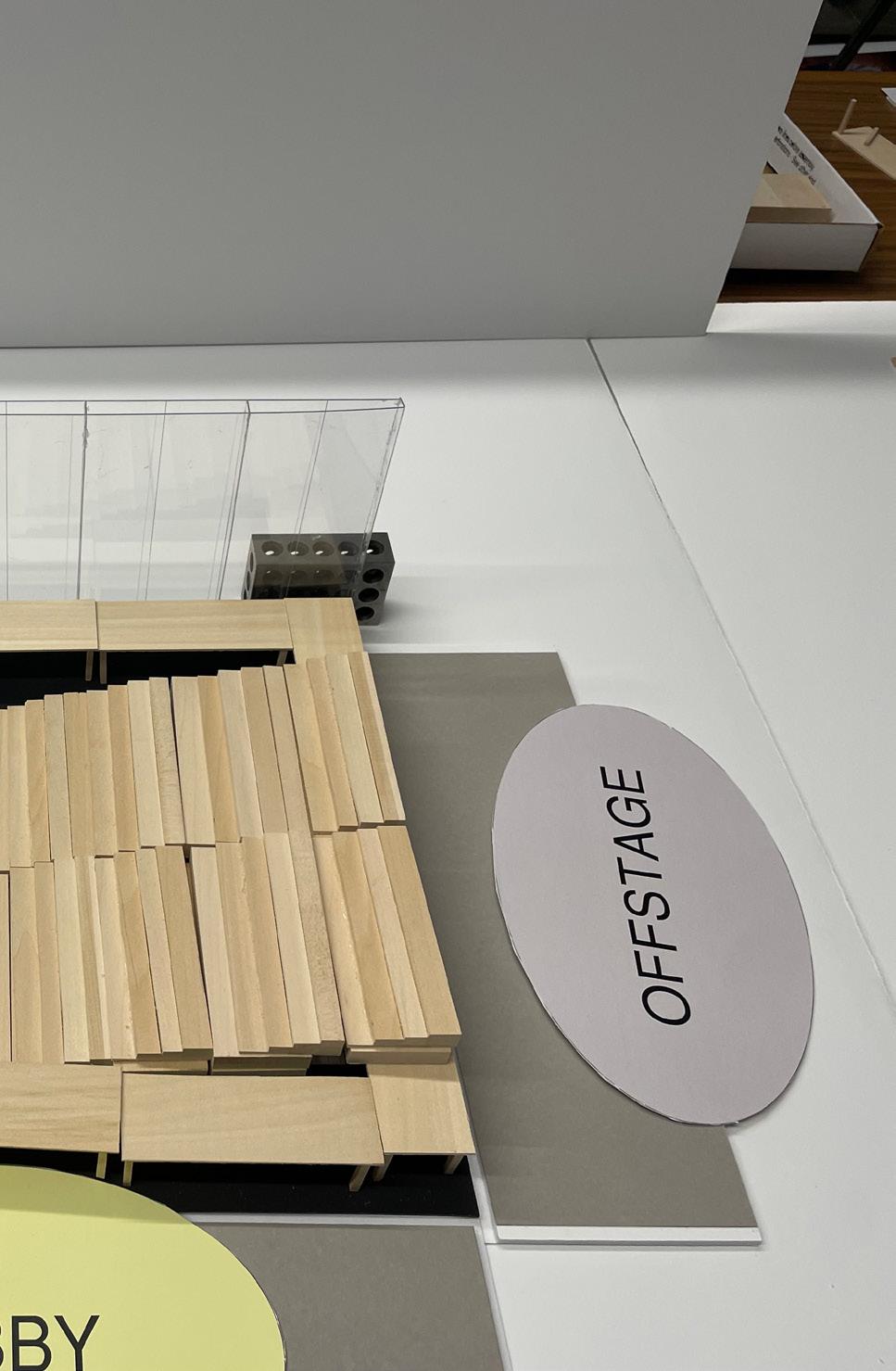
Some model materials we used include: wood, foamcore, cork, acrylic, and paper. Each model had a different intended purpose, so it was our job as members of the 3D Studio to understand what the team needed to gain from the model. Some models were meant to act as massing studies, while others needed to be changeable so teams could show clients options.
 Spring 2023
Supervisor Chris Aubin
Physical model made of basswood, cork, and plexi glass
Spring 2023
Supervisor Chris Aubin
Physical model made of basswood, cork, and plexi glass
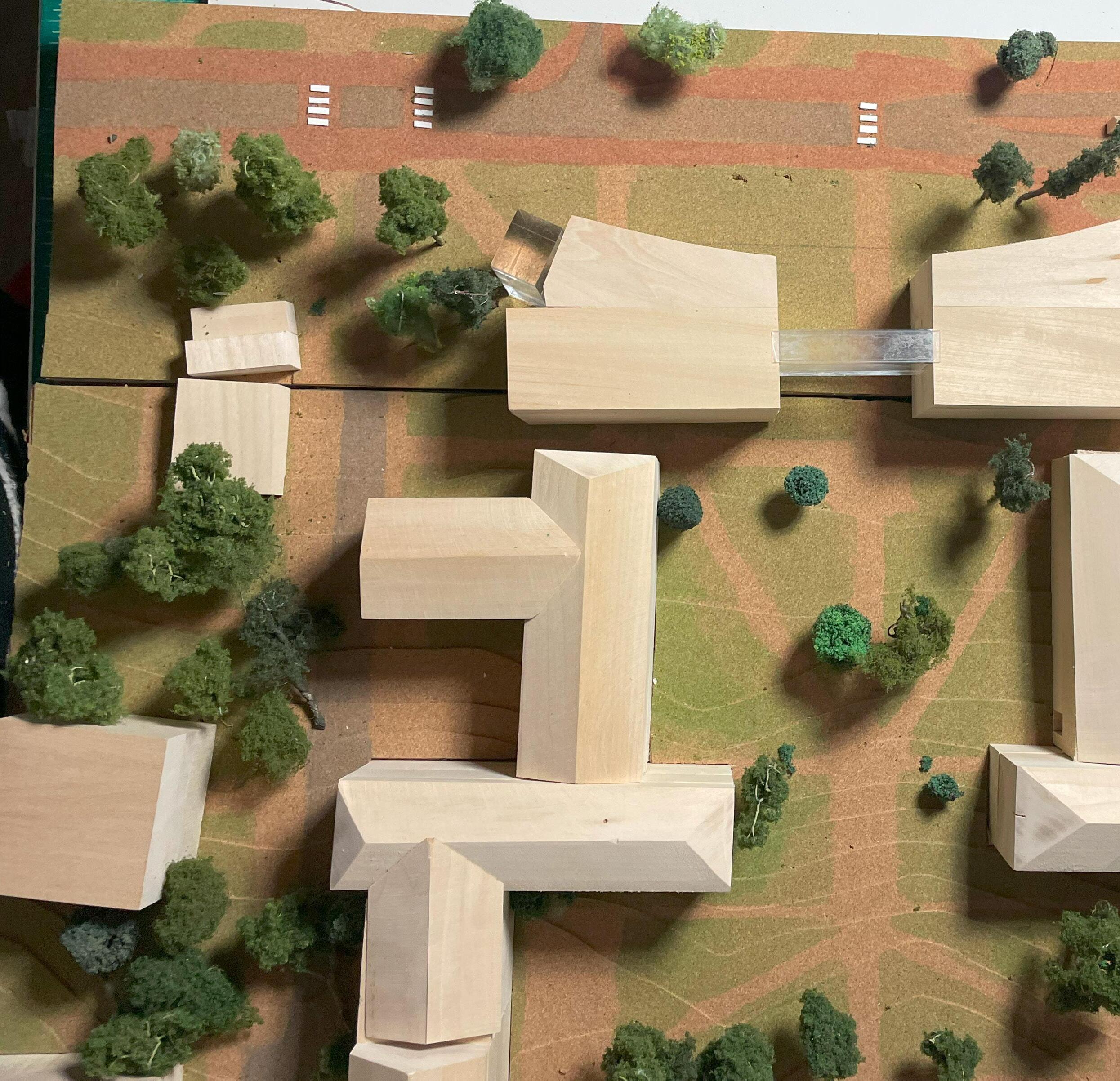
In collaboration with Camile Schnaas Boston, MA
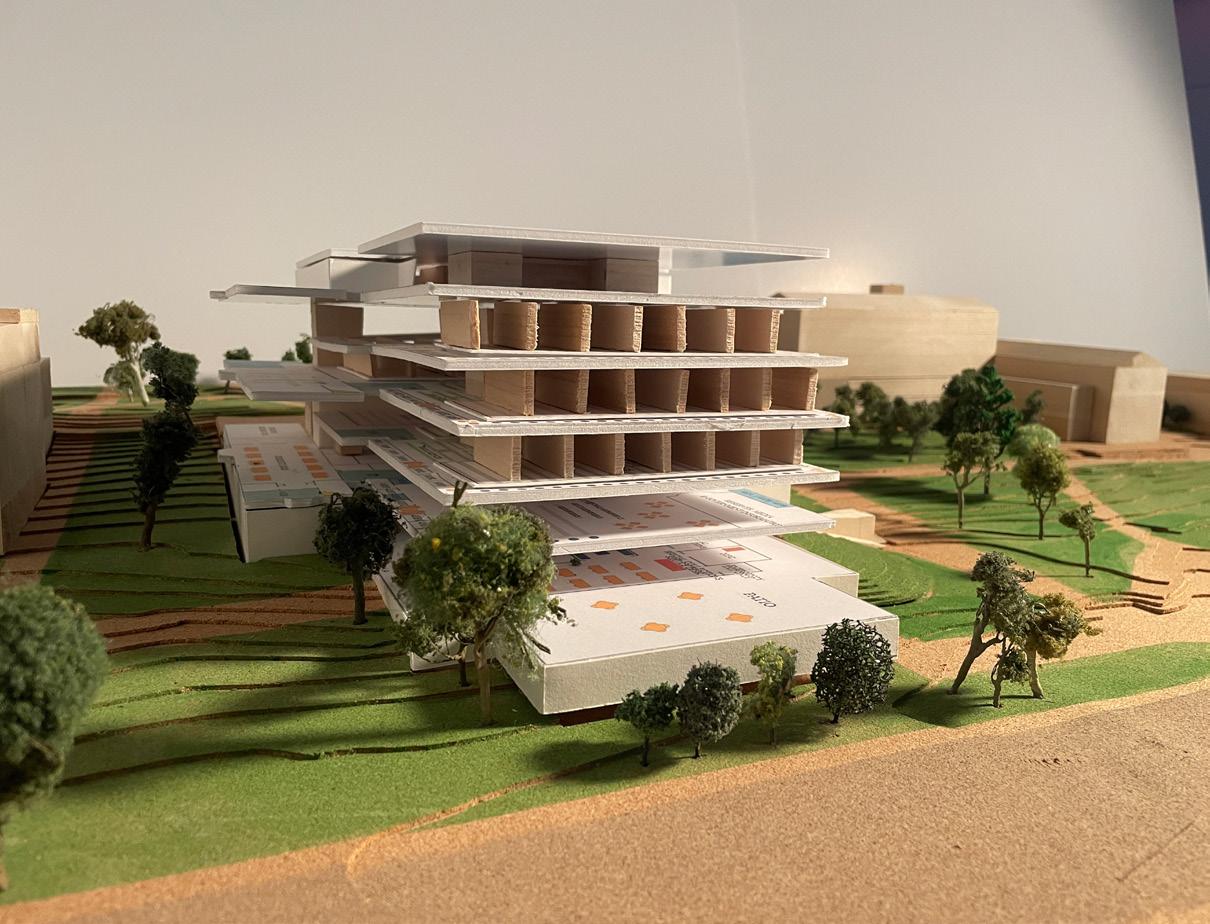
 Spring 2023
Supervisor Chris Aubin
Physical model made of basswood, foamcore, cork, and plexi glass
Physical model made of bristol and bass wood
Spring 2023
Supervisor Chris Aubin
Physical model made of basswood, foamcore, cork, and plexi glass
Physical model made of bristol and bass wood
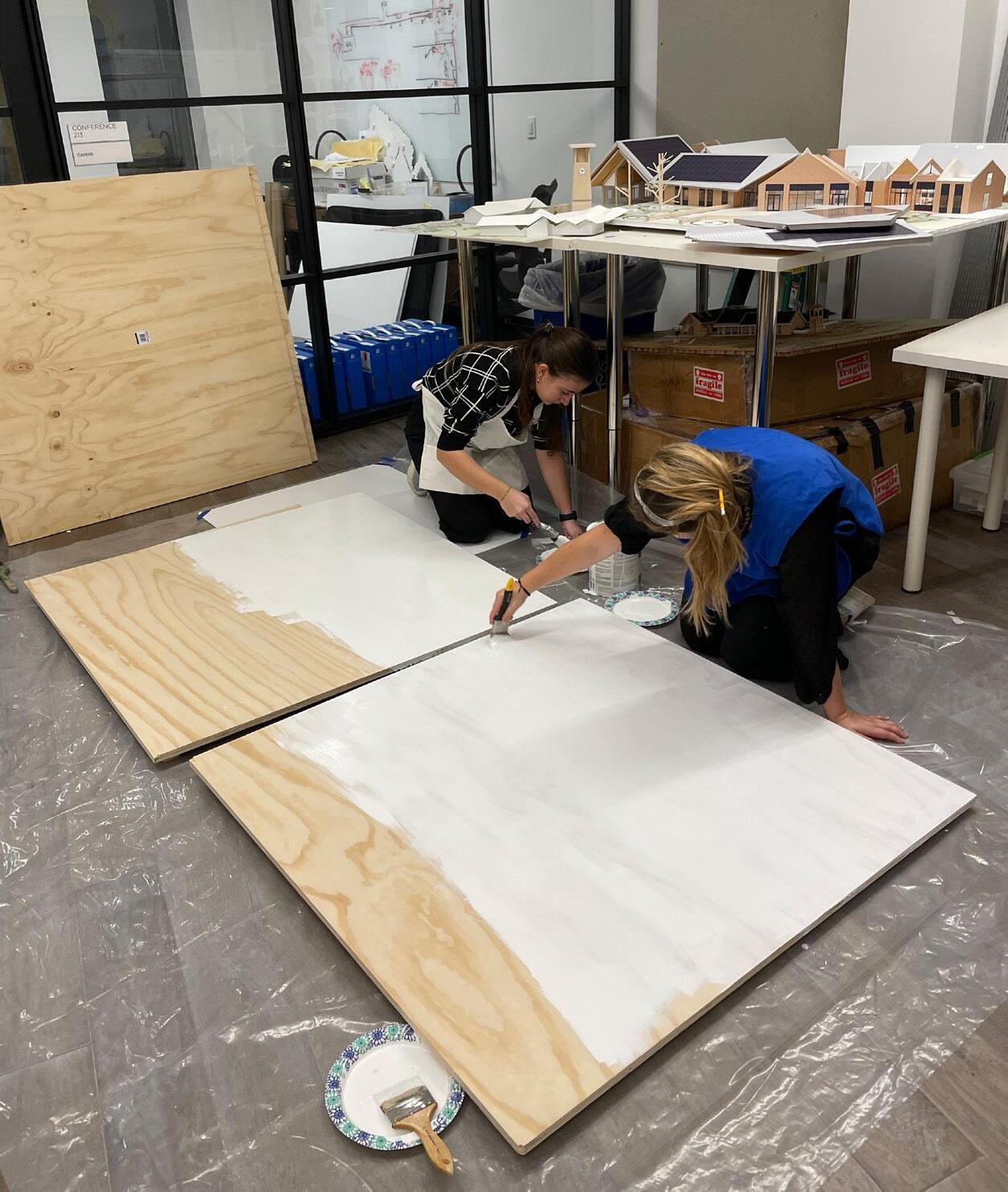
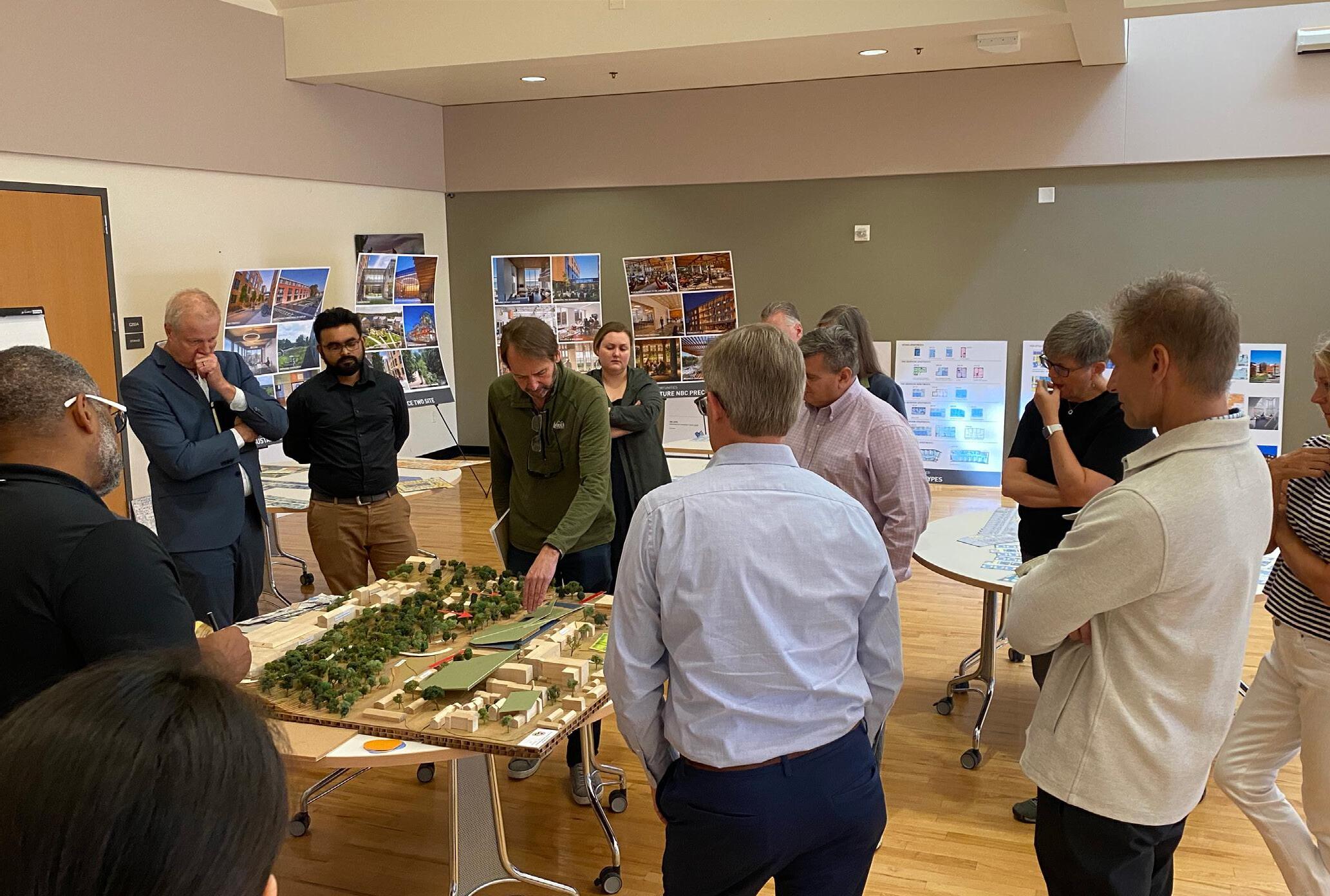
WRA believes models should be used as design tools, rather than just for finished projects. For this reason, we needed to make models that were easily adaptable to what a client wanted through out a meeting. We often did not use adhesive, so parts could be changeable. We also created many different iterations of designs through out each phase of the project.
In collaboration with Camile Schnaas Boston, MA
A large part of my role was making quick decisions about models, as well as understanding what the team needed from the model, and how to create a model from those needs. I learned a great deal of independence through out the co-op because the team trusted us to interpret their thoughts into a working model, and it was our job to make it happen.
 Spring 2023
Supervisor Chris Aubin
Physical model made of basswood, foamcore, cork, and plexi glass
Physical model made of basswood, foamcore, and plexi glass
Spring 2023
Supervisor Chris Aubin
Physical model made of basswood, foamcore, cork, and plexi glass
Physical model made of basswood, foamcore, and plexi glass
Punt en Komma, “period and comma”, in Dutch, is a project completed in 1990 by Alvaro Siza. The Hague, a city in the Netherlands, was undergoing a large rehabilitation to revamp the area, by creating more housing, shops, and reworking the transportation. Siza attempted to keep the neighborhood, Schilderswijk’s, footprint and identity consitent, while adding 106 units to the city for people to live. Overall, the building contains one, two, three, and four bedroom apartments to allow for many different family types to live in the building.
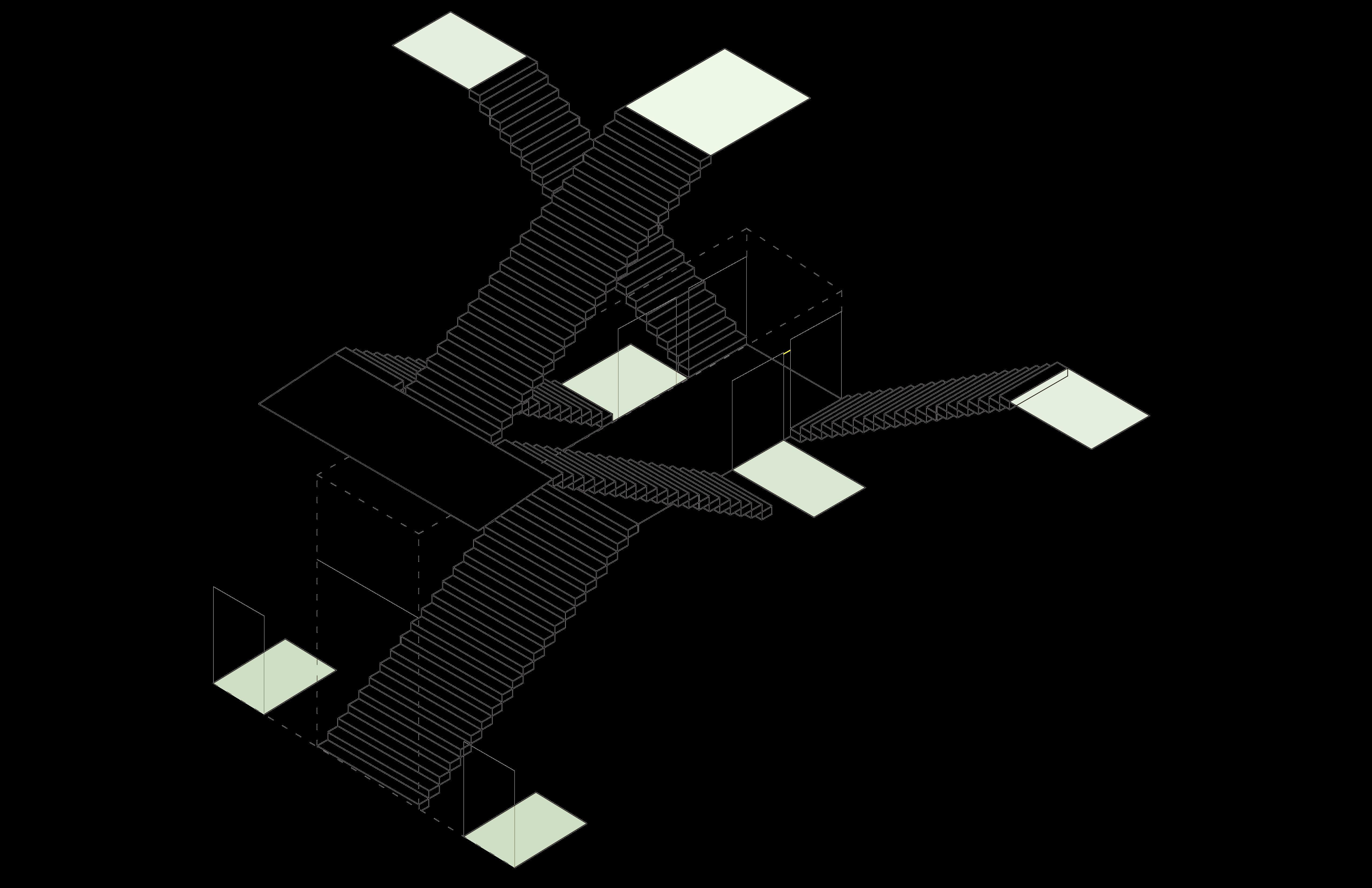
This project was a great precedent to study to prepare for my housing project, since it helped me understand necessities people have for urban living, learn about unique circulation types, and enhance my graphic skills. In my work, I tried to capture Siza’s intense use of circulation through diagramming the stairs in various ways, since I believe they are the aspect of the project that stands out the most.
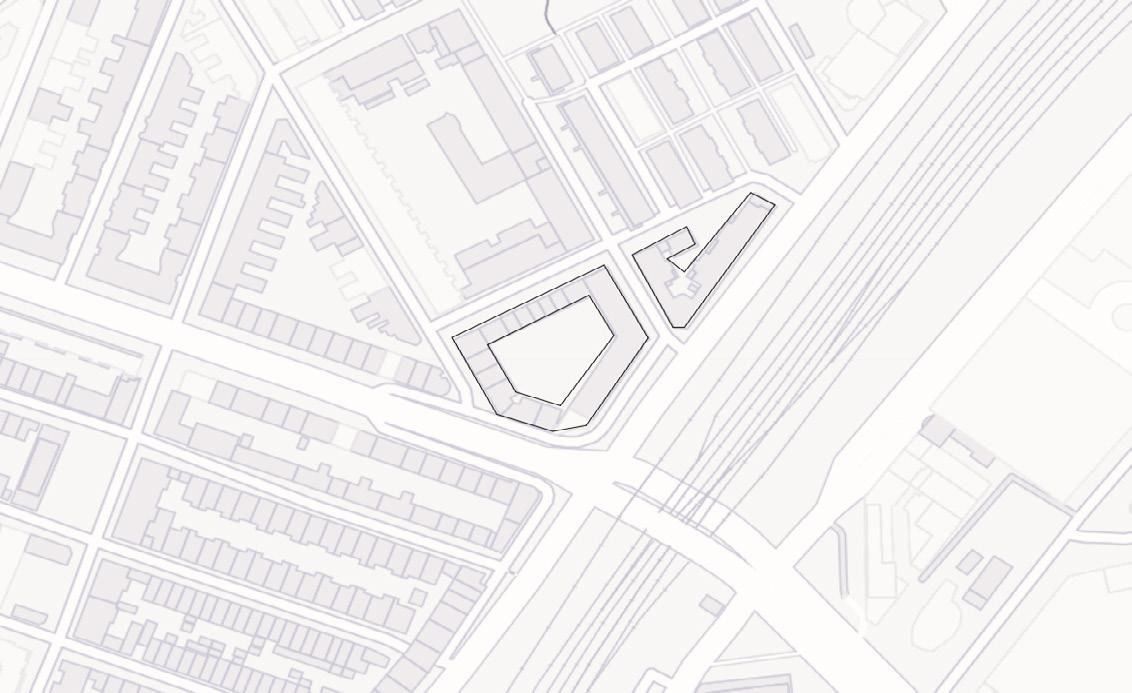
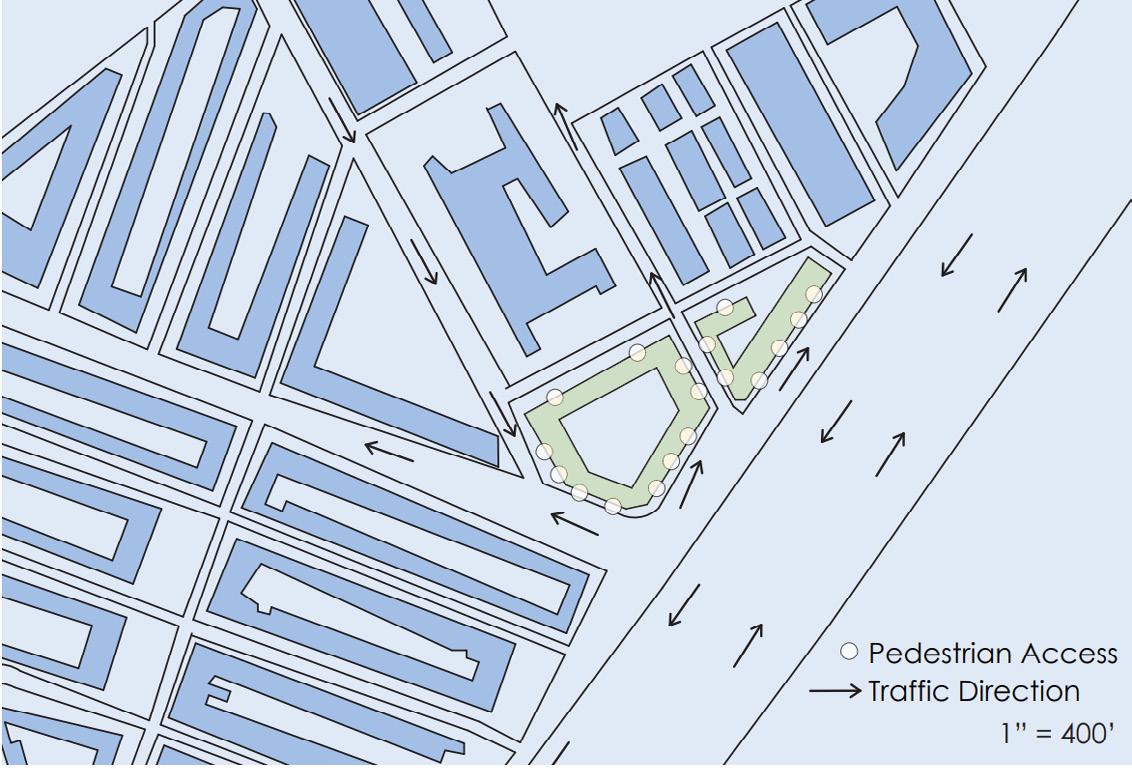
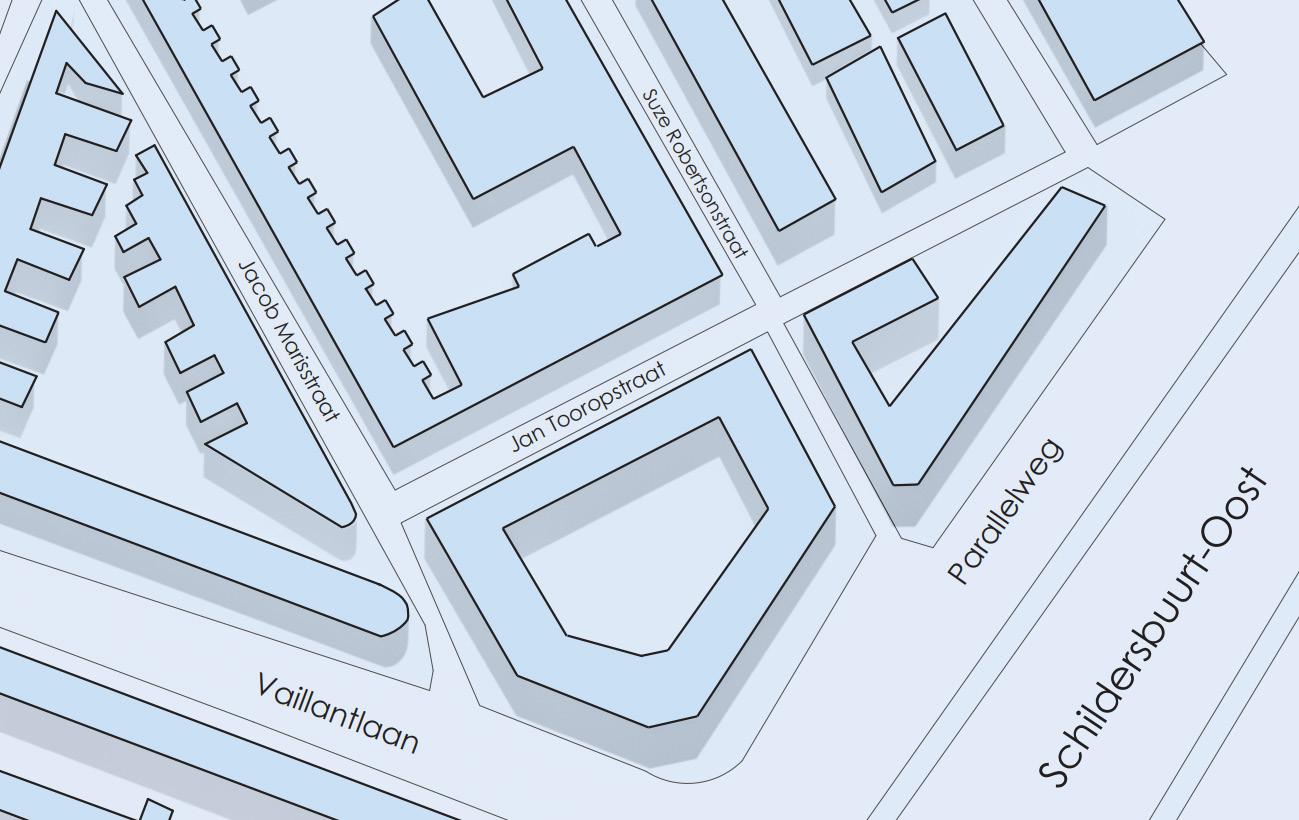
 Images created using Rhino, Enscape, and Adobe Creative Suite
Professor Paul Cattaneo
Images created using Rhino, Enscape, and Adobe Creative Suite
Professor Paul Cattaneo
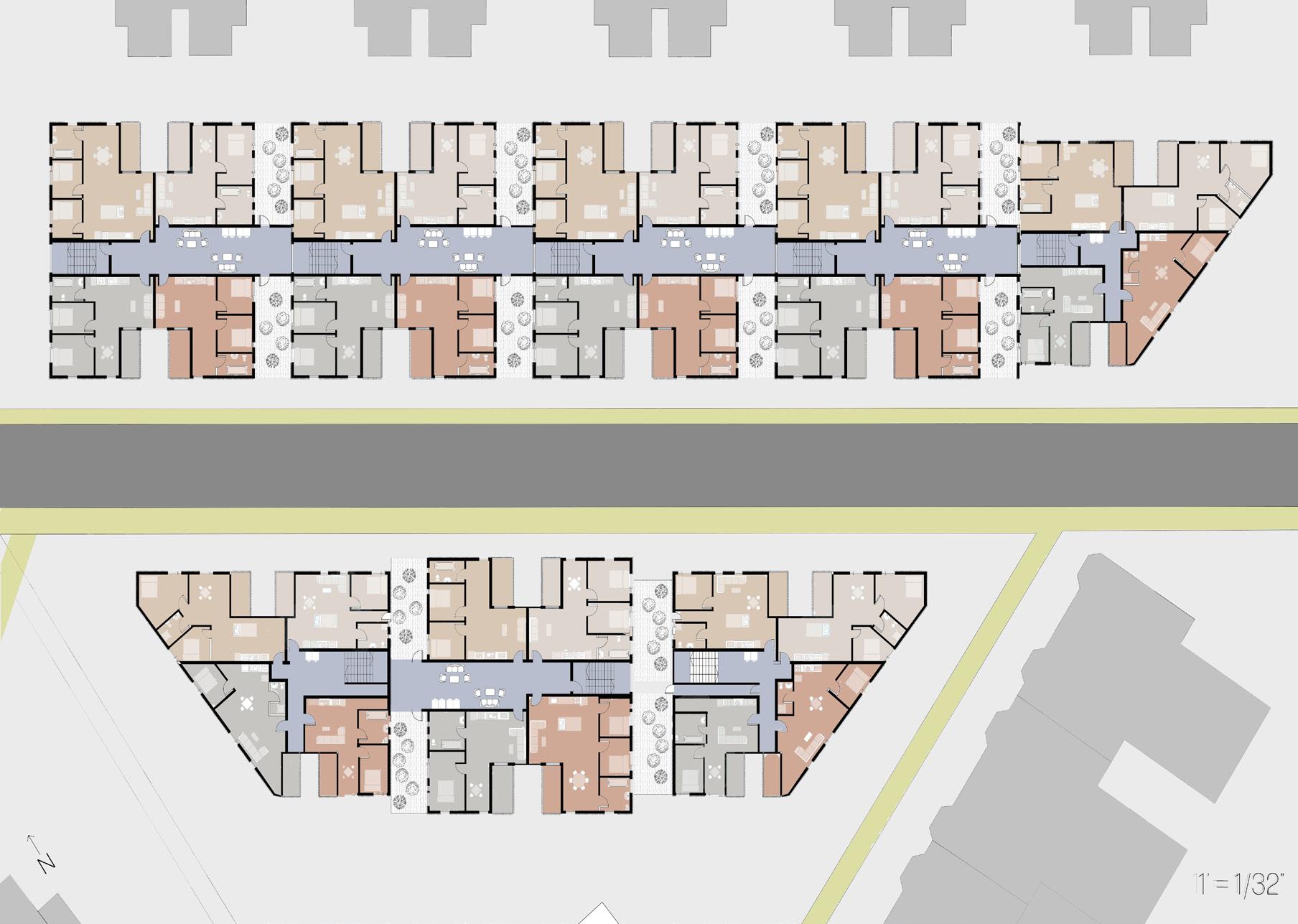
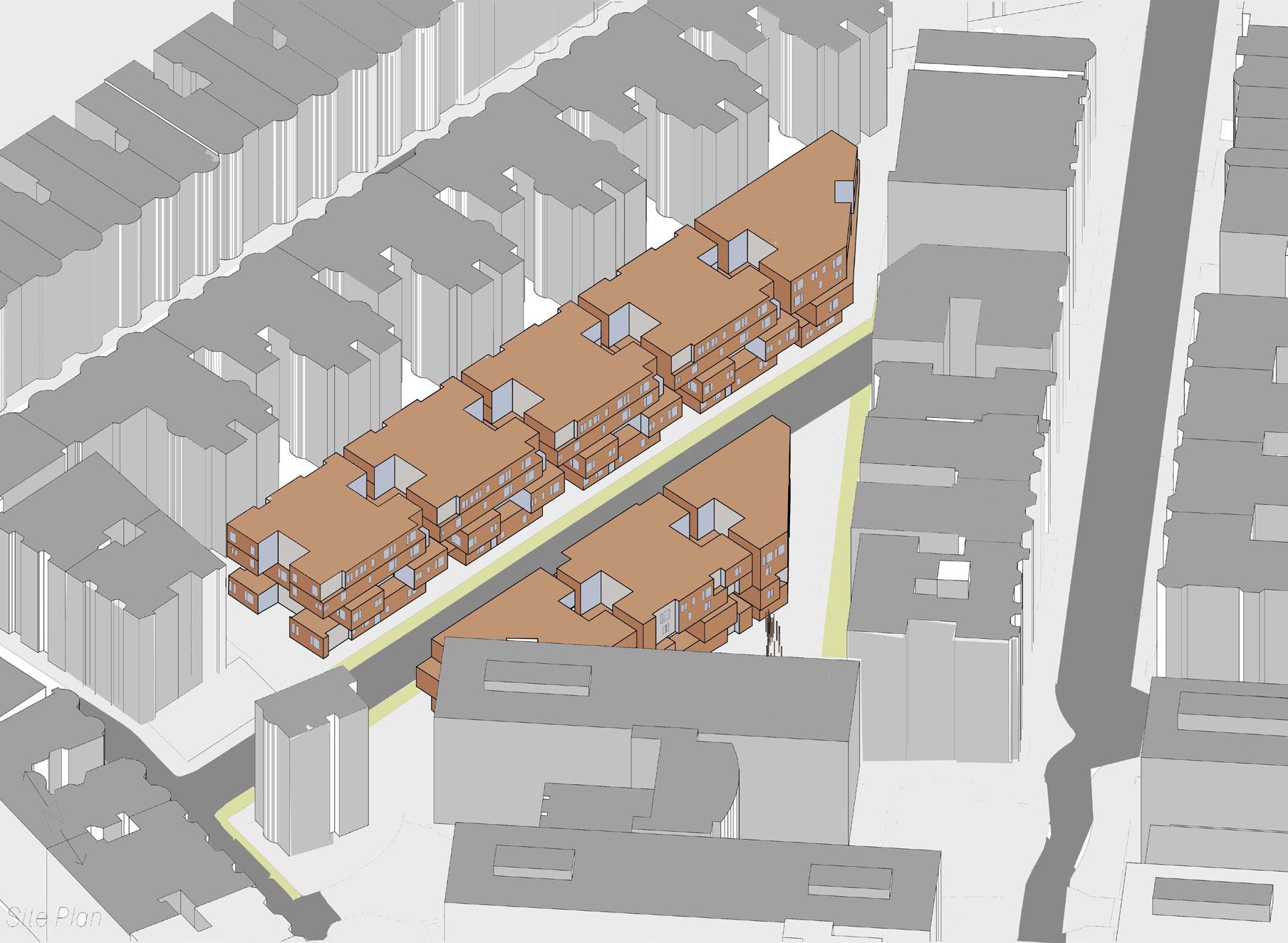
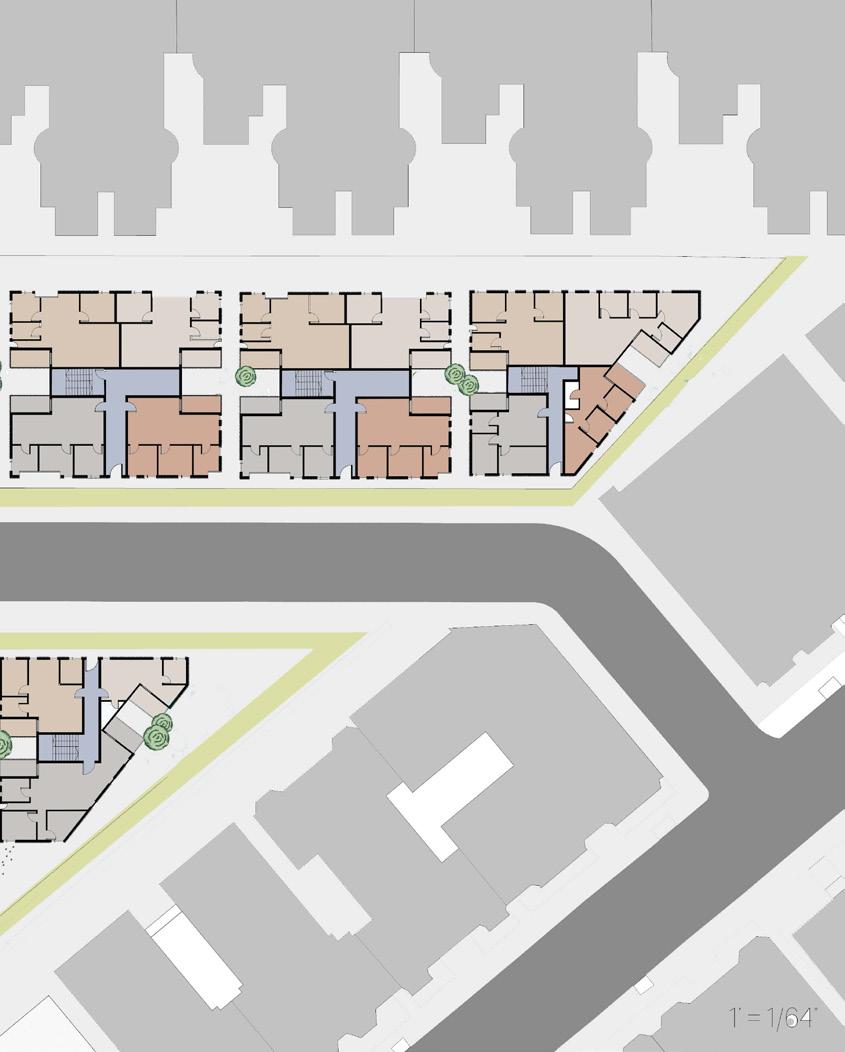
Tasked with creating a graduate student dorm for Northeastern University, I designed an adaptive space that could transform, based on the unique needs of graduate students. There are one, two, and three bedroom units, each with an outdoor balcony that either faces the street, the back of the building, or the interior courtyards. I wanted to focus on these outdoor spaces becuase students deserve time outdoors in a space that they enjoy, after spending much of their time inside.
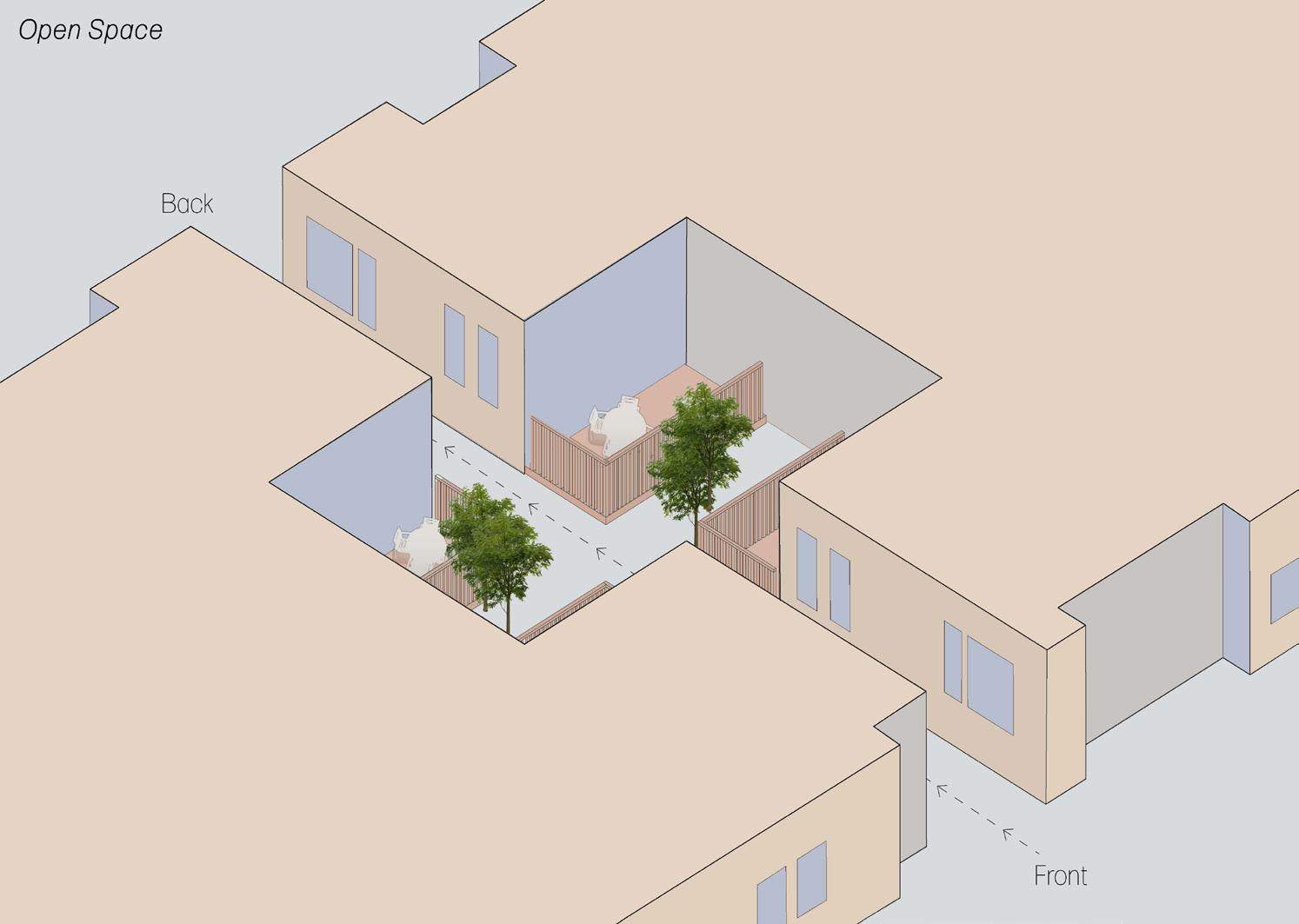
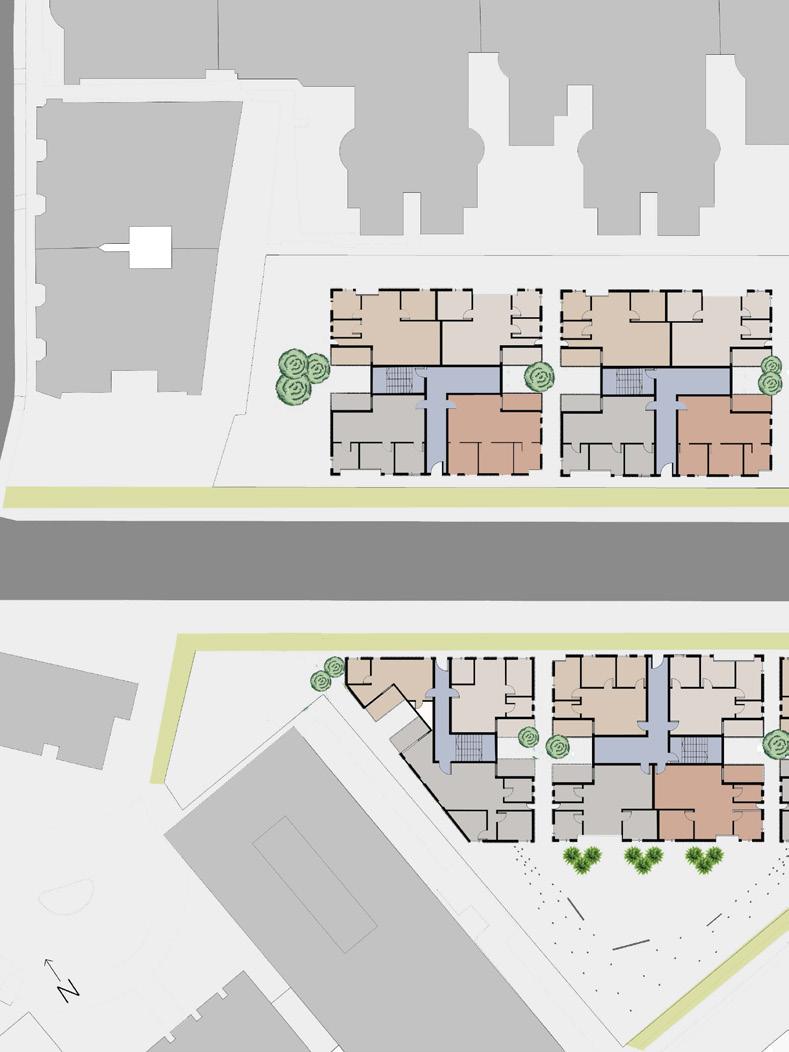
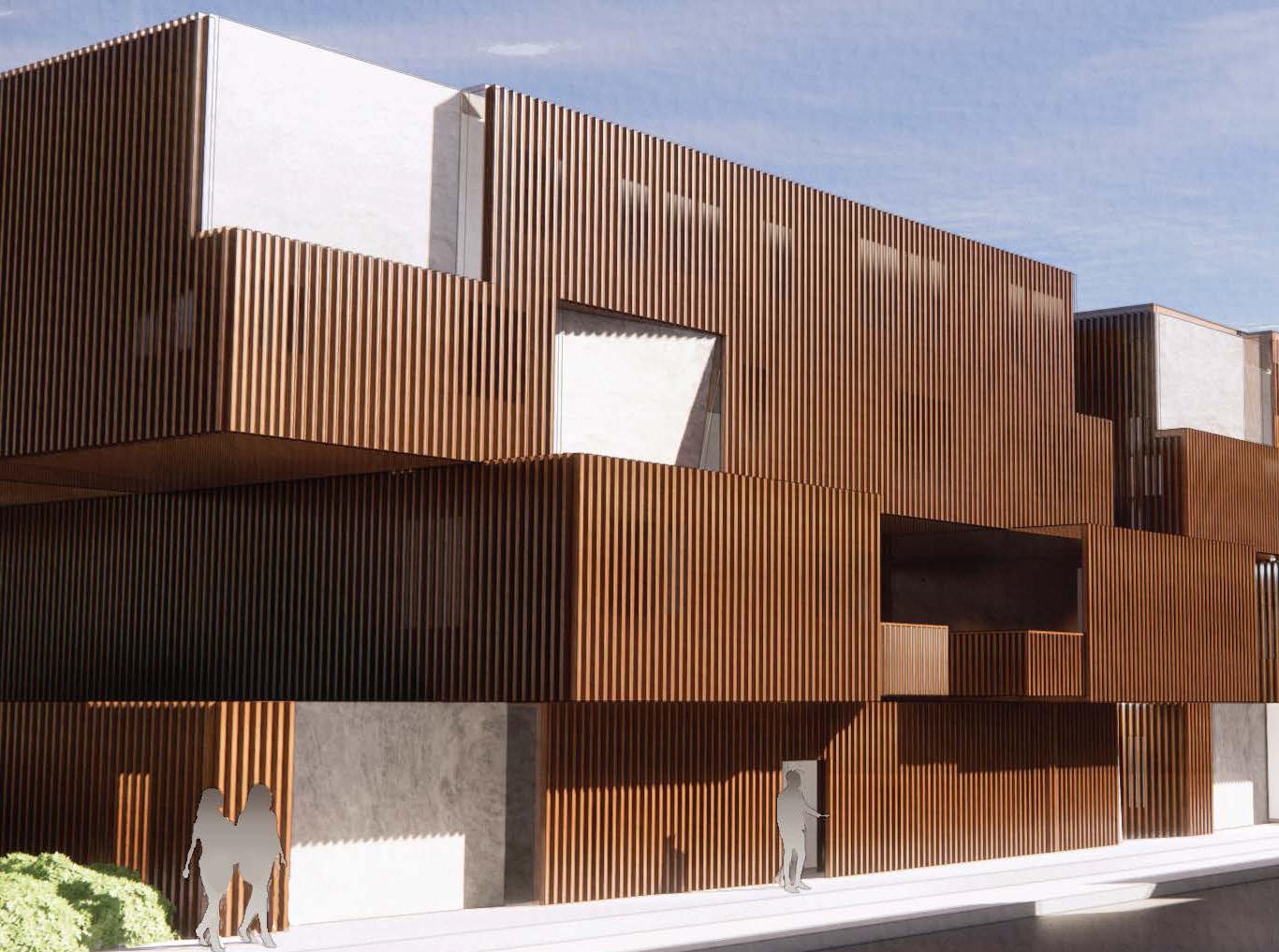
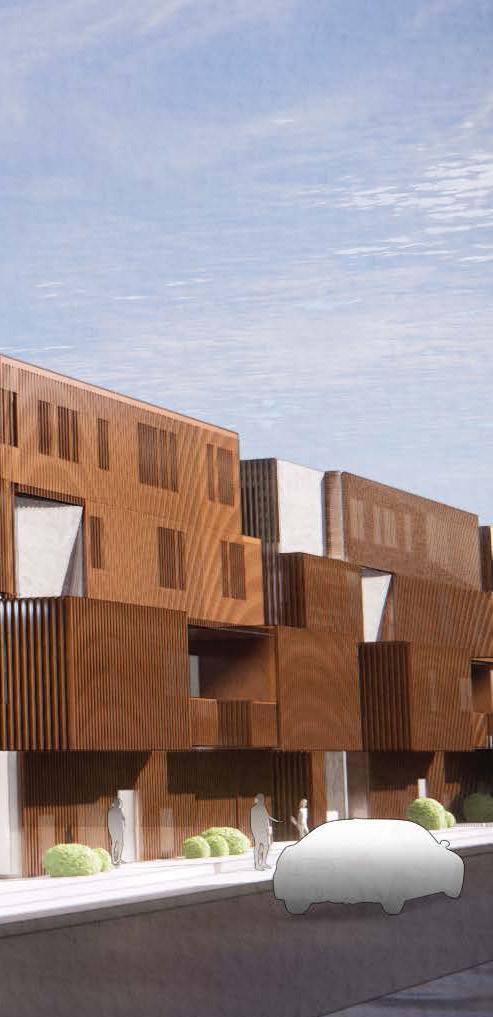
These balconies have varying levels of privacy depending on what level the student feels comfortable with. To do this, I used a “stacking and shifting” method, so that the floors are rotated 90 degrees as you increase in height. This allows for light to fill in darker spaces, and for balconies to face different directions. The lower and upper level balconies face the interior courtyards, which are perfect for students that want a greater sense of community, and to spend time with their neighbors, while the second floor balconies face the street and back of the building.
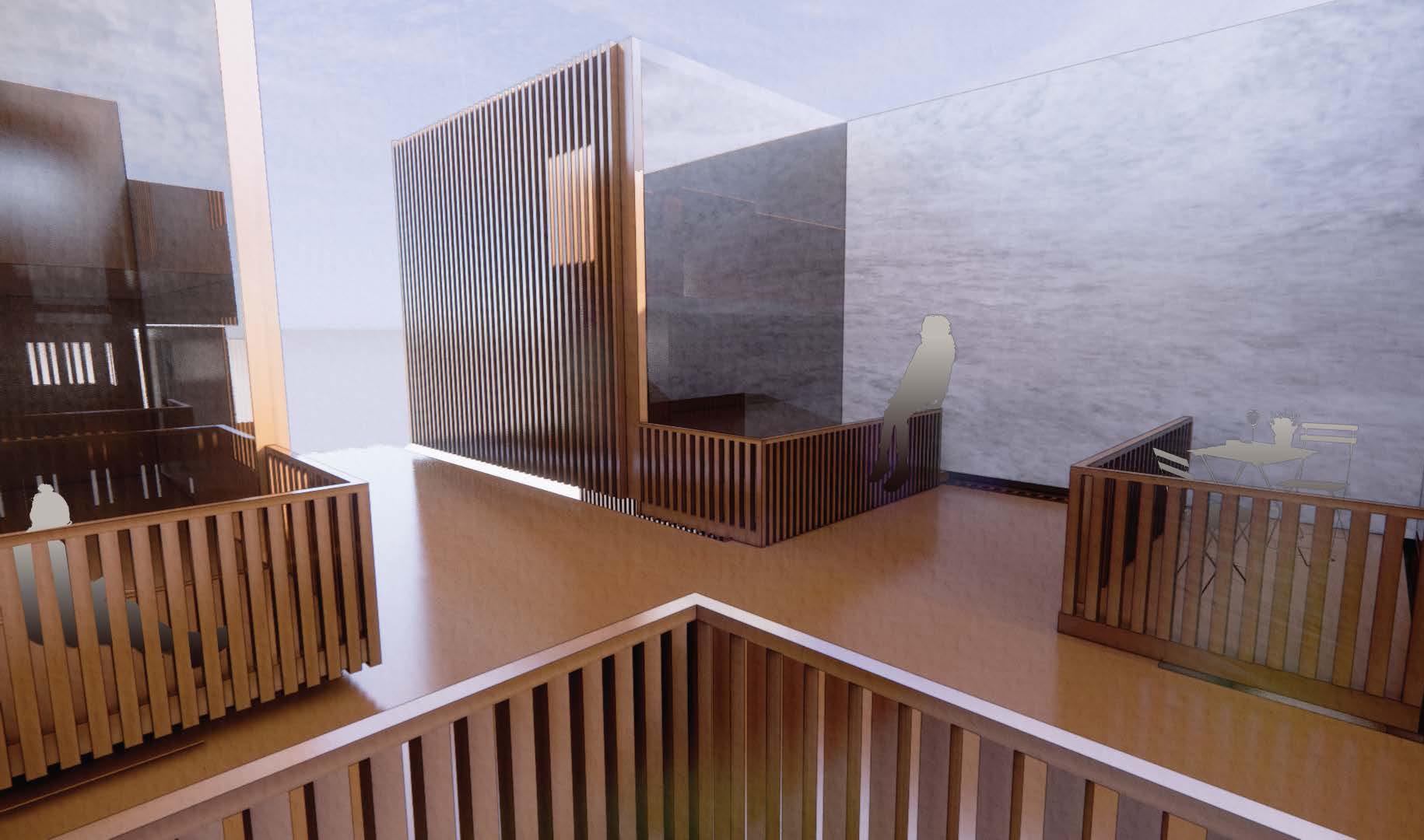 Images created using Rhino, Enscape, and Adobe Creative Suite
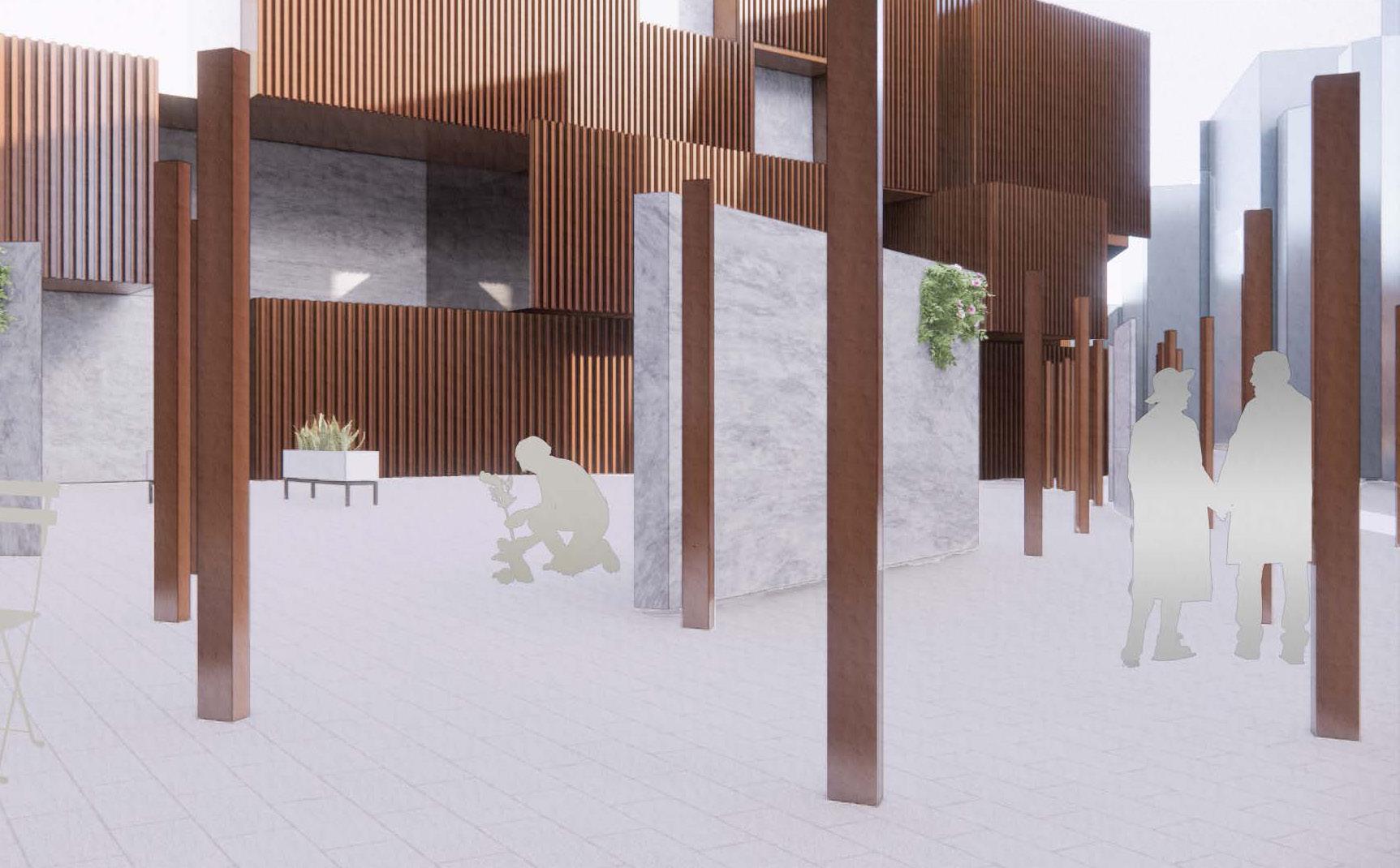
Throughout my Spring 2022 semester, I learned the basics of rendering, and how to use Enscape. I created the two images seen on this page using Rhino to model, Enscape to add materiality and life, and Photoshop for final touches. Through out my time since then, I have continued to practice my rendering skills, and learned new techniques and workflows. I know that software is constantly evolving, and I am eager to learn more about this in my design work.
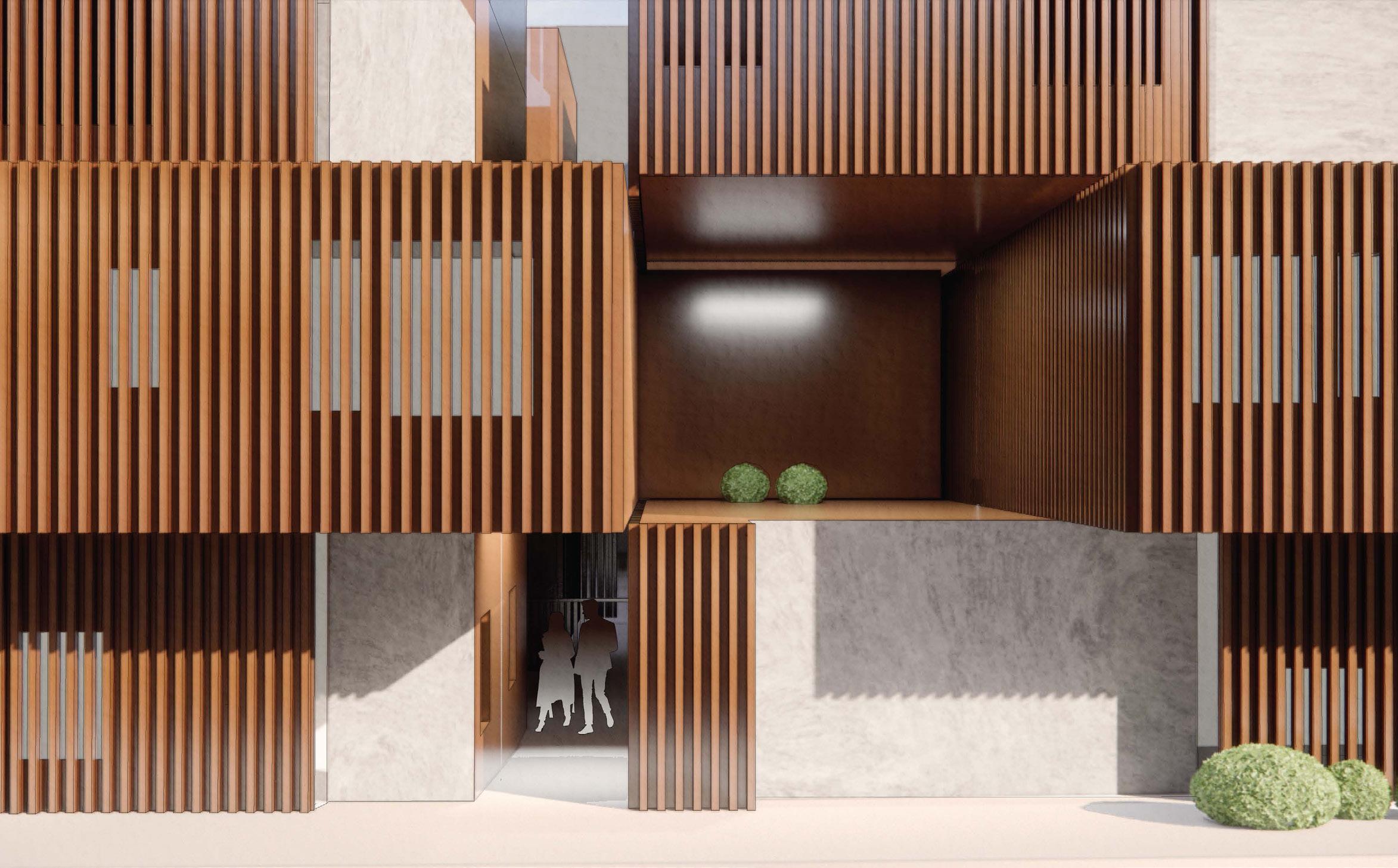 Professor Paul Cattaneo
Urban Institutions Boston, MA
Professor Paul Cattaneo
Urban Institutions Boston, MA