Modeling Revit / Rhinoceros 3D / SketchUp / AutoCAD
Other Bluebeam / Forma / Canva / ClimateStudio / Sefaira / TallyCAT
LANGUAGES
English Bilingual
French Level B2
Spanish Beginner
CERTIFICATES / AWARDS
- Miller Hull Partnership Design Excellence Scholarship recipient 2024.
- 3rd Place Capstone project winner in 2024.
- Cal Insitute of the Arts Coursera Graphic Design Specialization (3 months).
- 2nd place in Mass Timber Competiton Idaho Forest Products.
- Buildner Honorable Mention in De Smet Legendary Highway 14 Competition.
Lighthouse
Finland / M. ARCH 1
Work Experience
Studio Projects
Seattle, WA / 2023-2024 3 4 5 6 7 2
Adaptive Reuse - Old Lumber Mill
Post Falls, ID / M. ARCH
Internship - Miller Hull & DLR Group
Internship - WSU Football Locker Room
Pullman, WA / WSU Athletics
HUB Transit Station
Beaverton, OR / 3rd Year
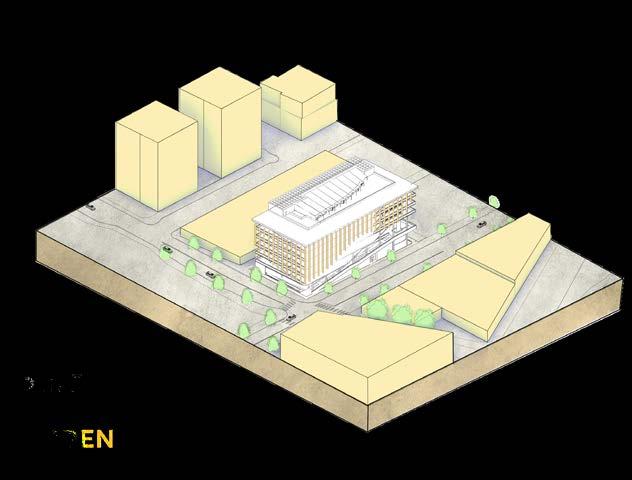
Perspective Office Building
Seattle, WA / Bachelor’s Capstone
Canvas Tower
De Smet, SD / 4th Year
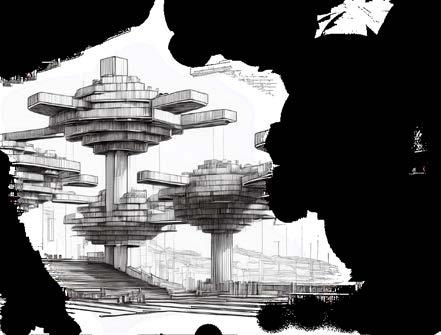
VISION OF FUTURE OF 2065
Some key problems/aspects in architecture that this project touches upon:
Material Scarcity & Waste Reduction: Utilizing circular construction practices and materials that can be reused, recycled, or biodegraded.
Resource Efficiency: Minimizing water, energy, and material usage through sustainable design and smart systems.
Affordable Housing: Addressing housing shortages and inequality with scalable, cost-effective building methods.
Flexibility & Modularity: Designing adaptable spaces that can change function over time or move with populations.
Health & Well-being: Promoting mental and physical health through biophilic design, natural lighting, and improved air quality.
Veritical Farming: Hydroponic farming saves a lot of water and soil, and is the next step towards better future.
KEY IDEAS OF THE PROJECT
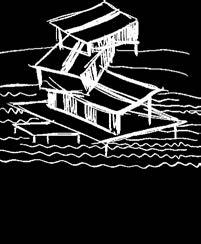
1. Architecture that harmonizes with the landscape and is elevated to minimize disruption.
2. Research focus on material scarcity and waste management by starting with the design process.
3. Design for easier disassembly, replacement, and production.
4. More independance to the residents by providing means and methods for designing a home, and scaling it down to building blocks.
5. Flexible interior spaces for the social areas that can quickly adapt.
B
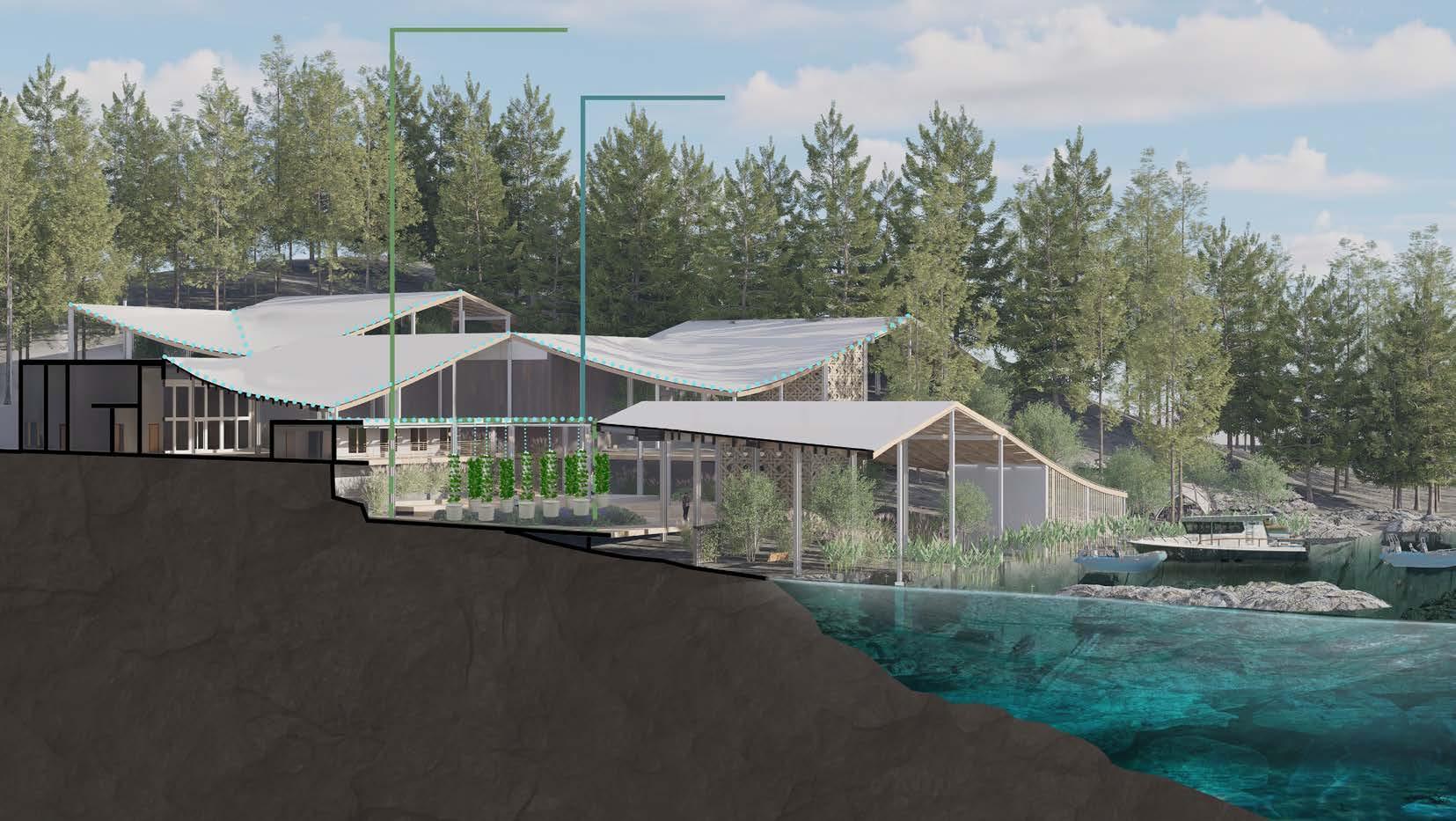
VERTICAL FARMING IN OPERABLE GREENHOUSE
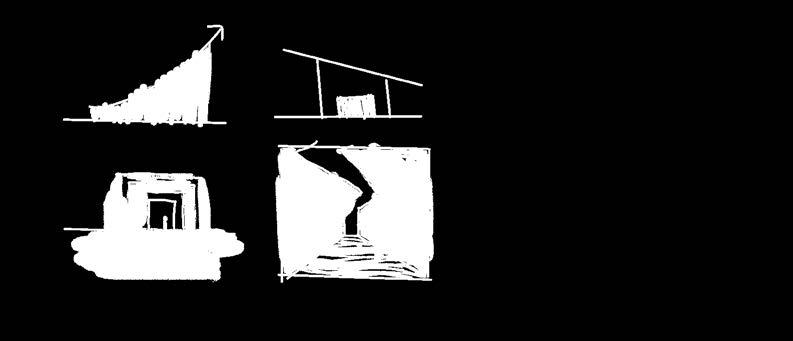
DUALITY OF STRUCTURE & SITE SLOPE
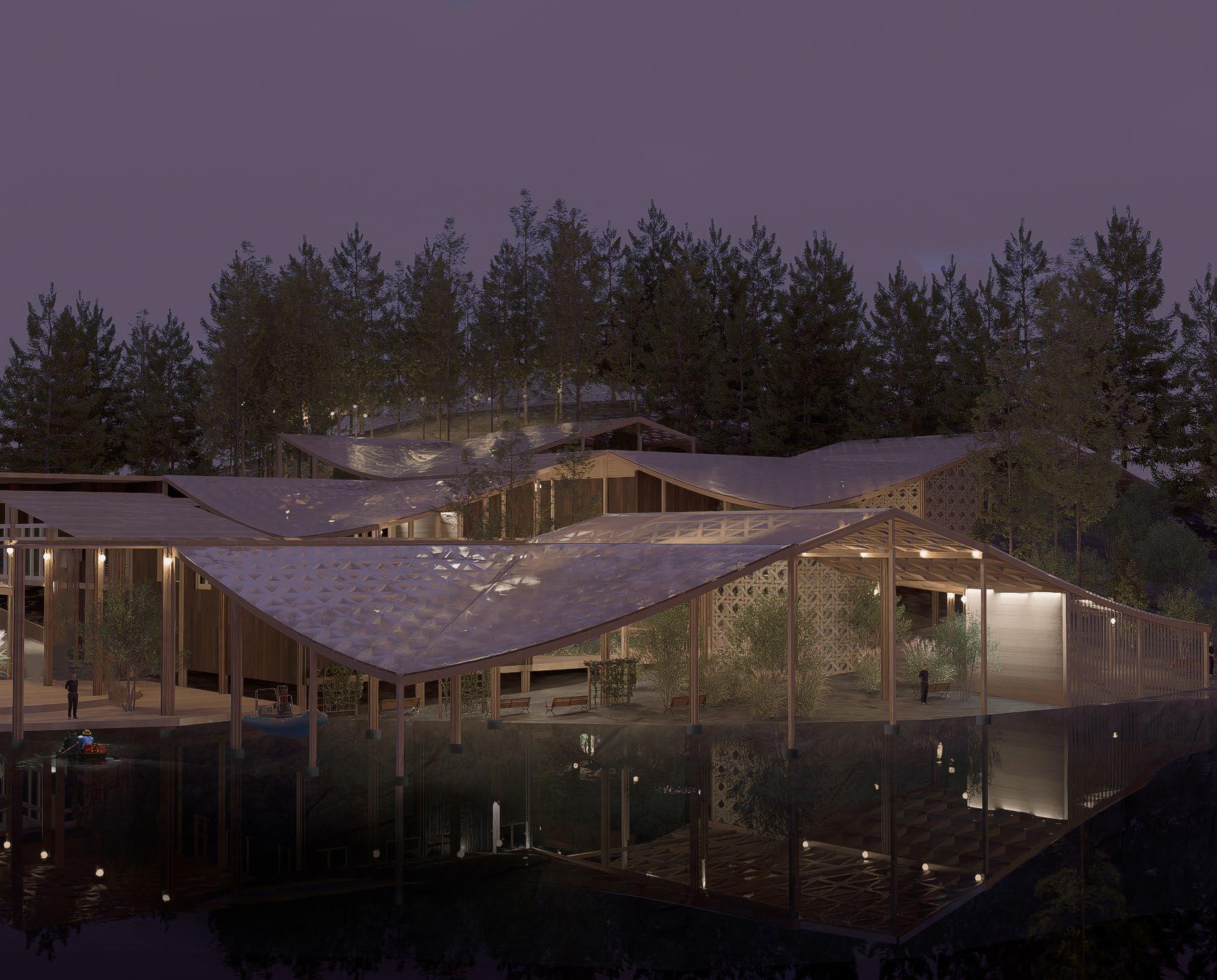
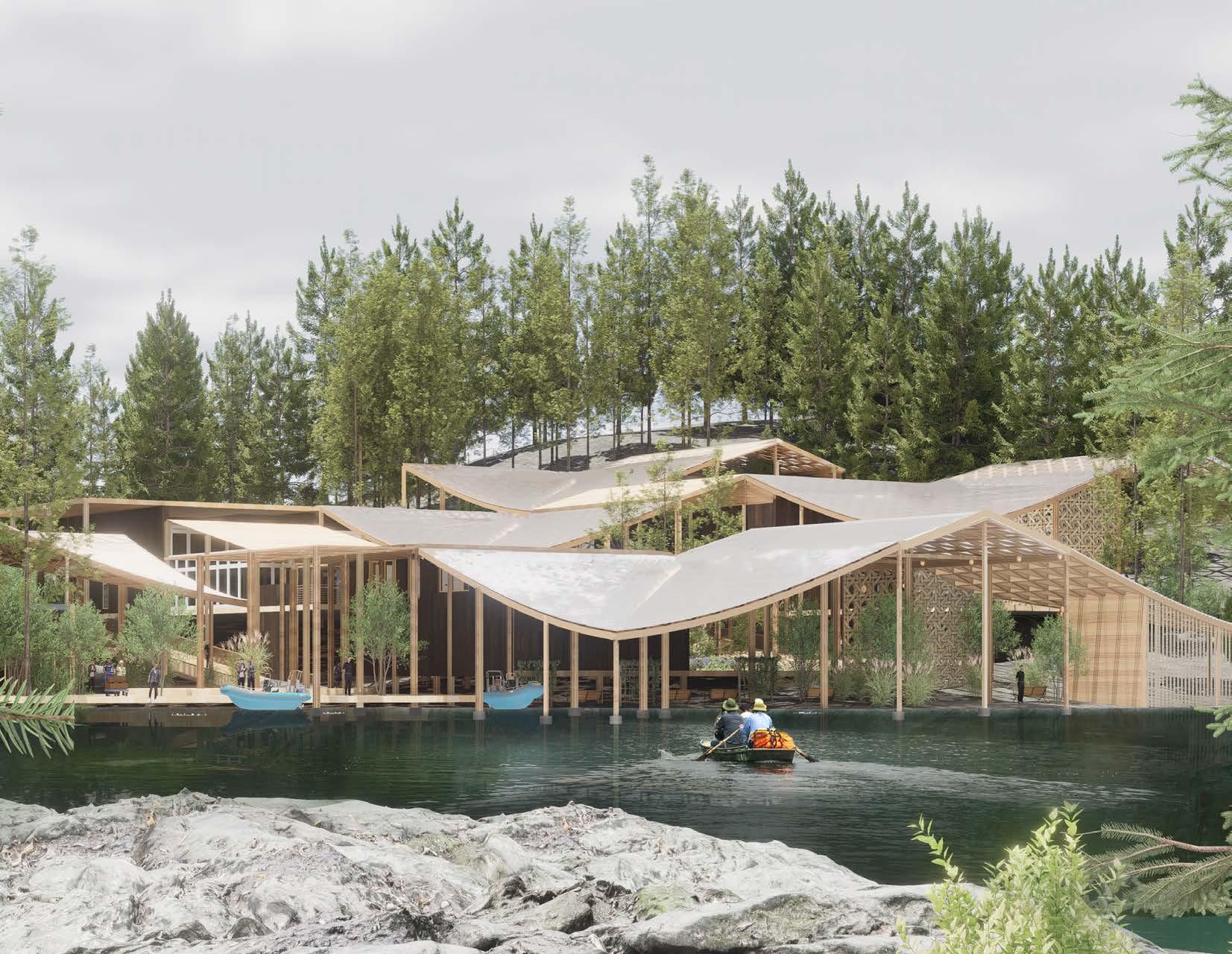
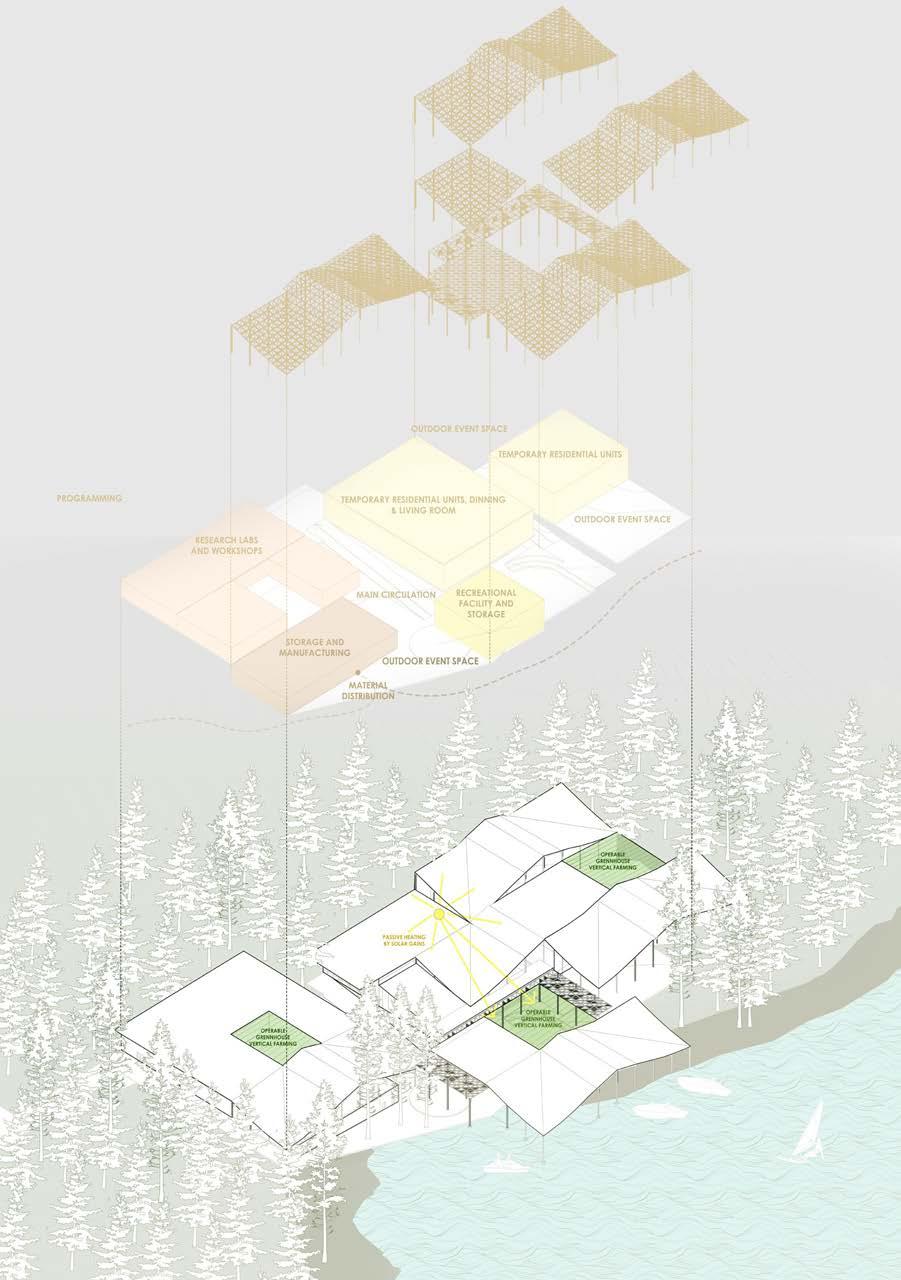
The structural system is set up in two ways. A part of the structure are decorative curved roofs that are sheltering the outdoor courtyard spaces and creating an overhang. The primary structure has flat roofs which contain the residential and work spaces. The reason behind this duality is the purpose of function following the form. The decorative curved roofs are creating the human centric atmoshpere, while the functional flat roofs housing is designed to dissasemble over time and change base on the needs of the future residents.
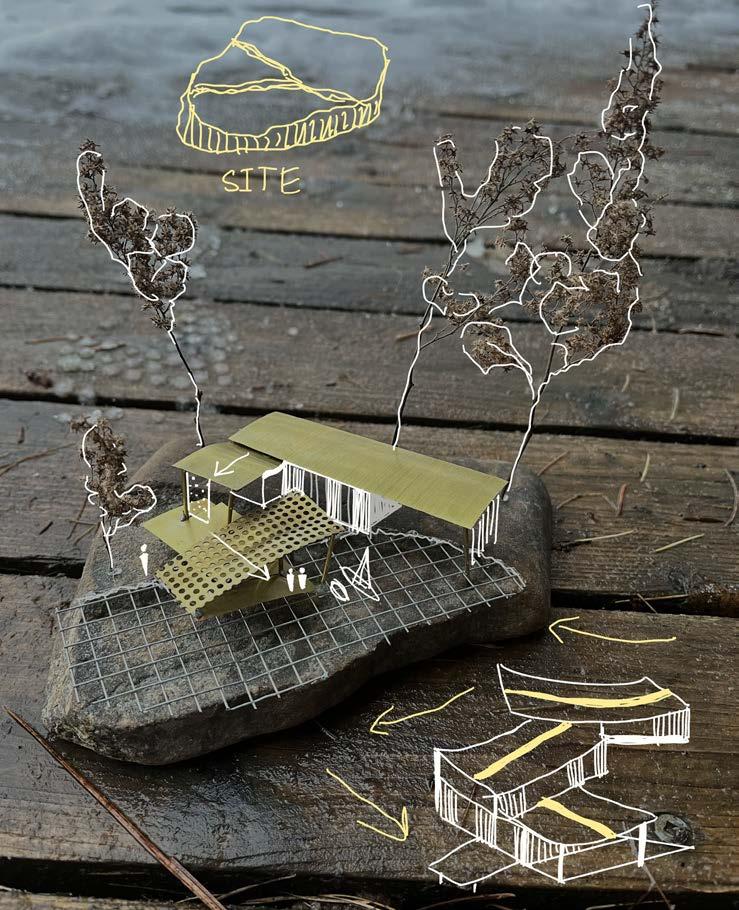
The slope of the site influences the architecture and adapts it.
OPERABLE GREENHOUSE PASSIVE HEATING
PRECEDENCE
Metabolism - 1960
• Japanese movement treating buildings like living organ isms
• Came out of the rebuilding of Japan after World War II.
• Idea that building is made of replaceable parts, like cells.
• Interest in fluid, flexible spaces.
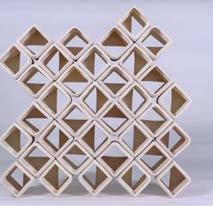
• Kit of Parts from durable materials that is able to be replaced, disassembled, and reorganized.
• Sustainability by reducing waste and keeping material life cycle longer by scaling down to “building blocks”
PURPOUSE OF THE RESEARCH
The Development Of Residential Portion
Design for Disasembly & Easier Reuse Involving the Community in the Design
RESIDENCY
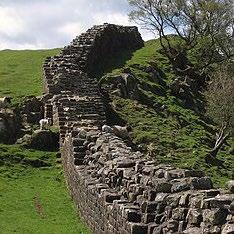
The Adaptive Reuse of Roman Empire Wall
A 73-mile-long barrier built by the Roman ar my to protect the northern frontier.
• The wall was part of a larger system of defenses that included forts, milecastles, turrets, ditches, and roads.
• Stones were reused by people to build their homes.
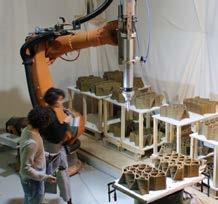
Creating ImprintBlocks Personalization
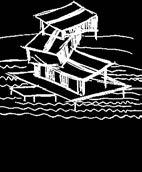
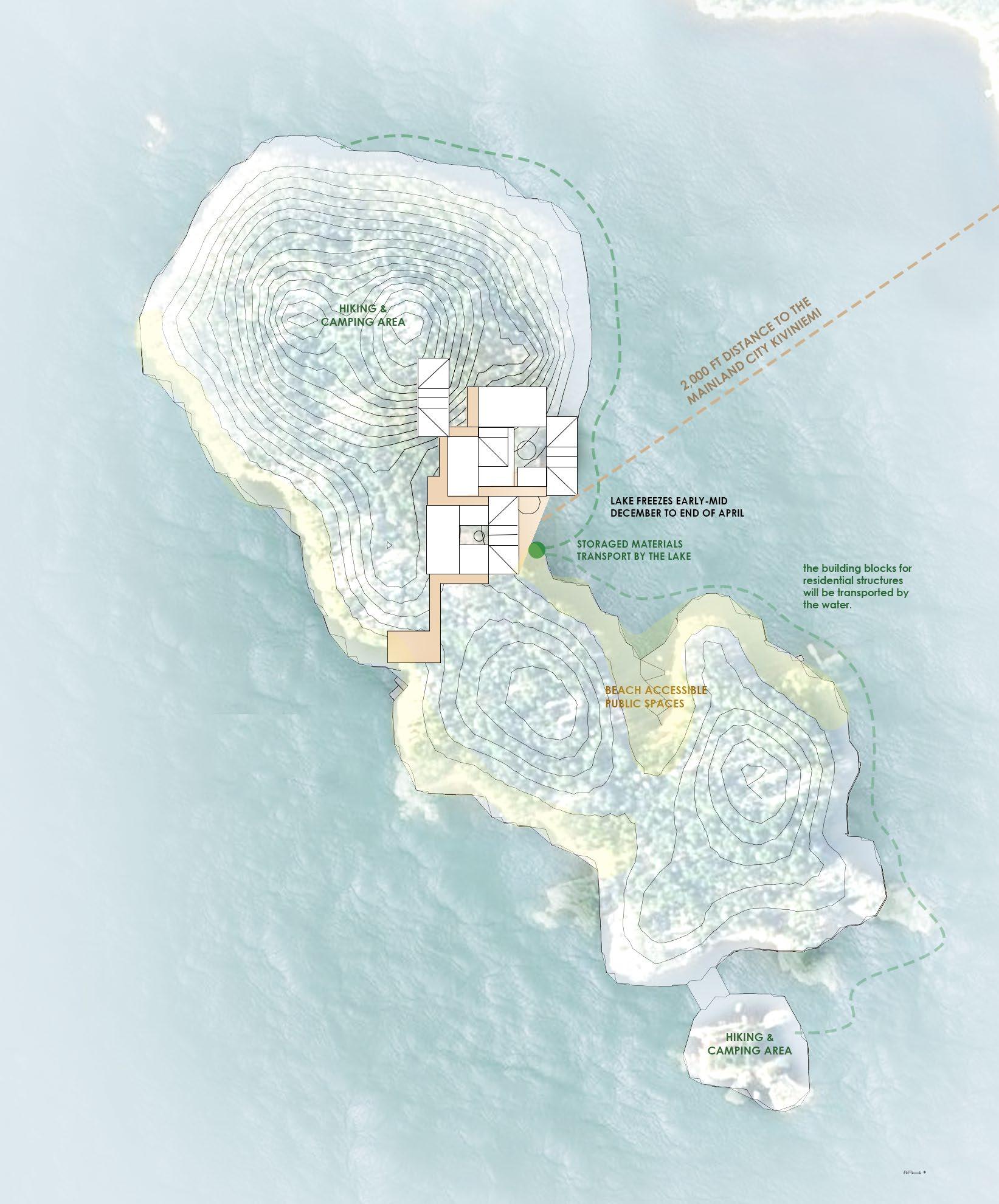
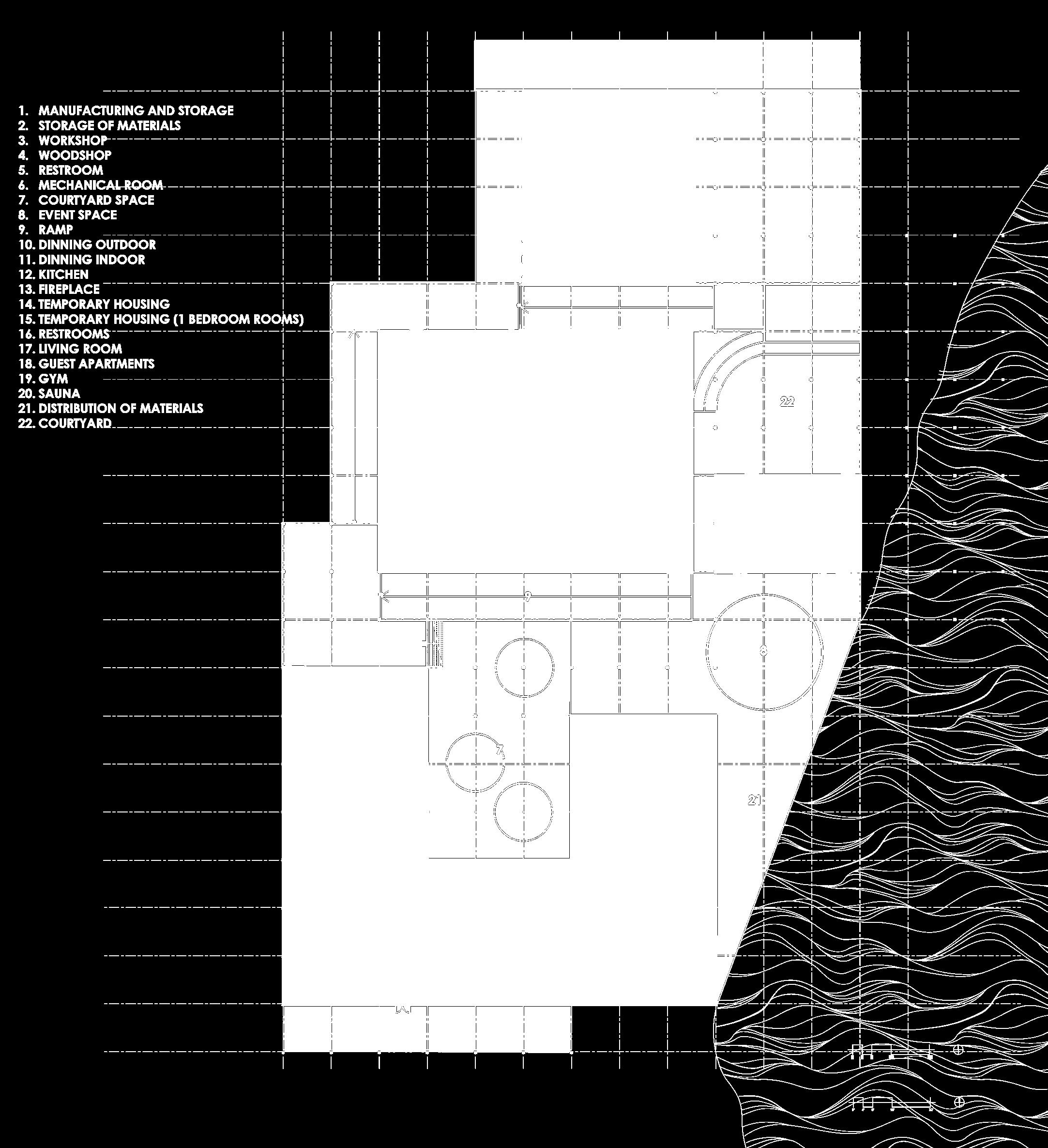
The constrains for this projects were to create a space on the island for 100 residents. The approach I took was to create a research or innovation facility that would invent new ways of building blocks and how disassembly could be incorporated in a new way of building for easier reuse. The resources on the island would be utilized by the residents. The residency has temporary housing that houses a small group of people, and as more and more people build prototypes, the population will grow to 100 residents.
SITE RESOURCES
BAT EL HIRSH- EARTHENWIND
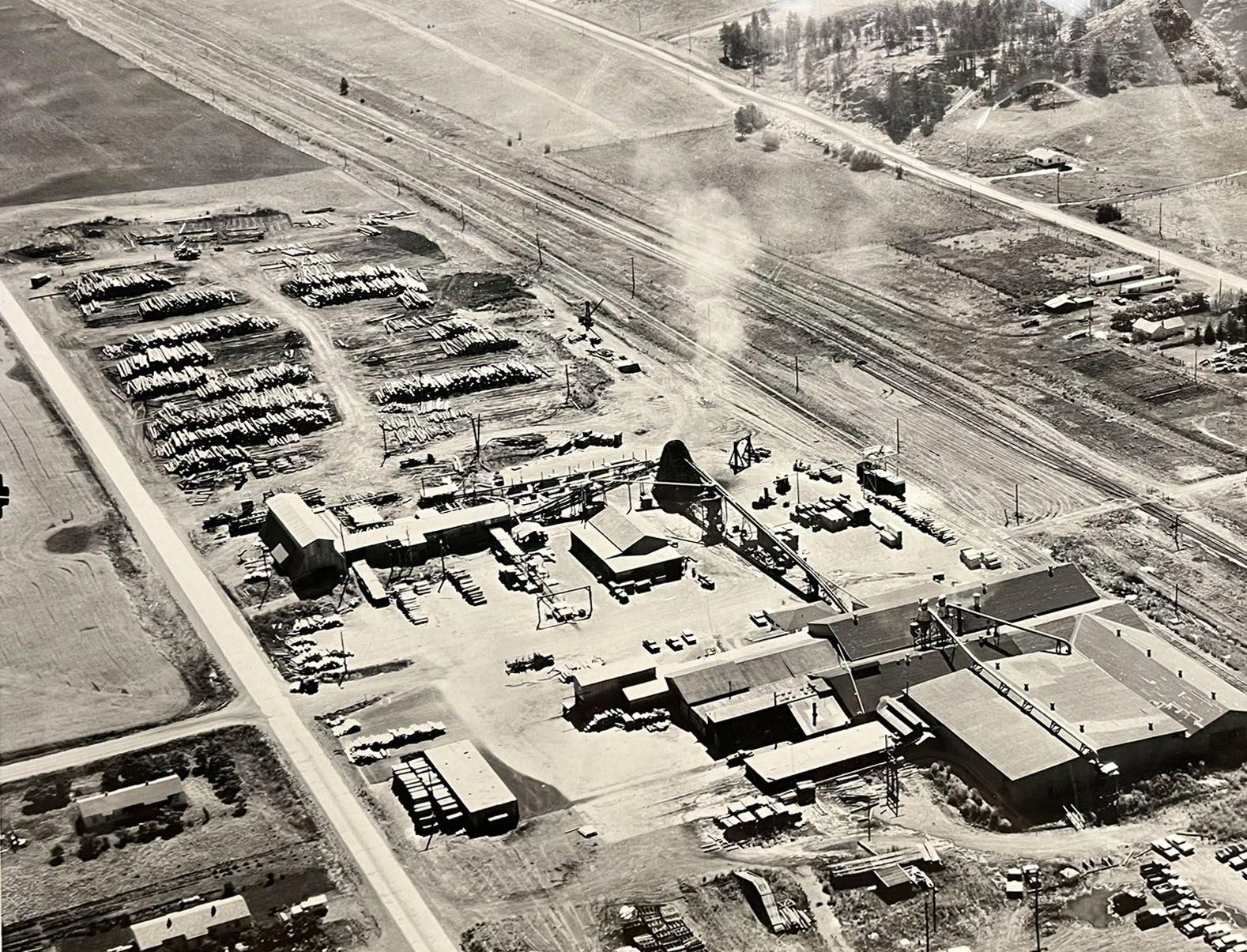
Representing the site’s past as a historically significant Wood Veneer Mill while responding to present needs.
A lot of construction products are disposed of in landfills before they live out their useful lives. Designing for deconstruction and circular economy offers a more sustainable way.
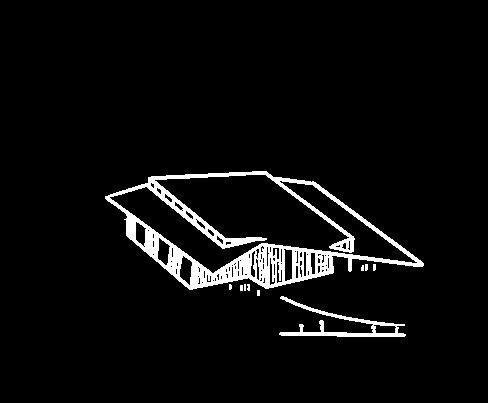
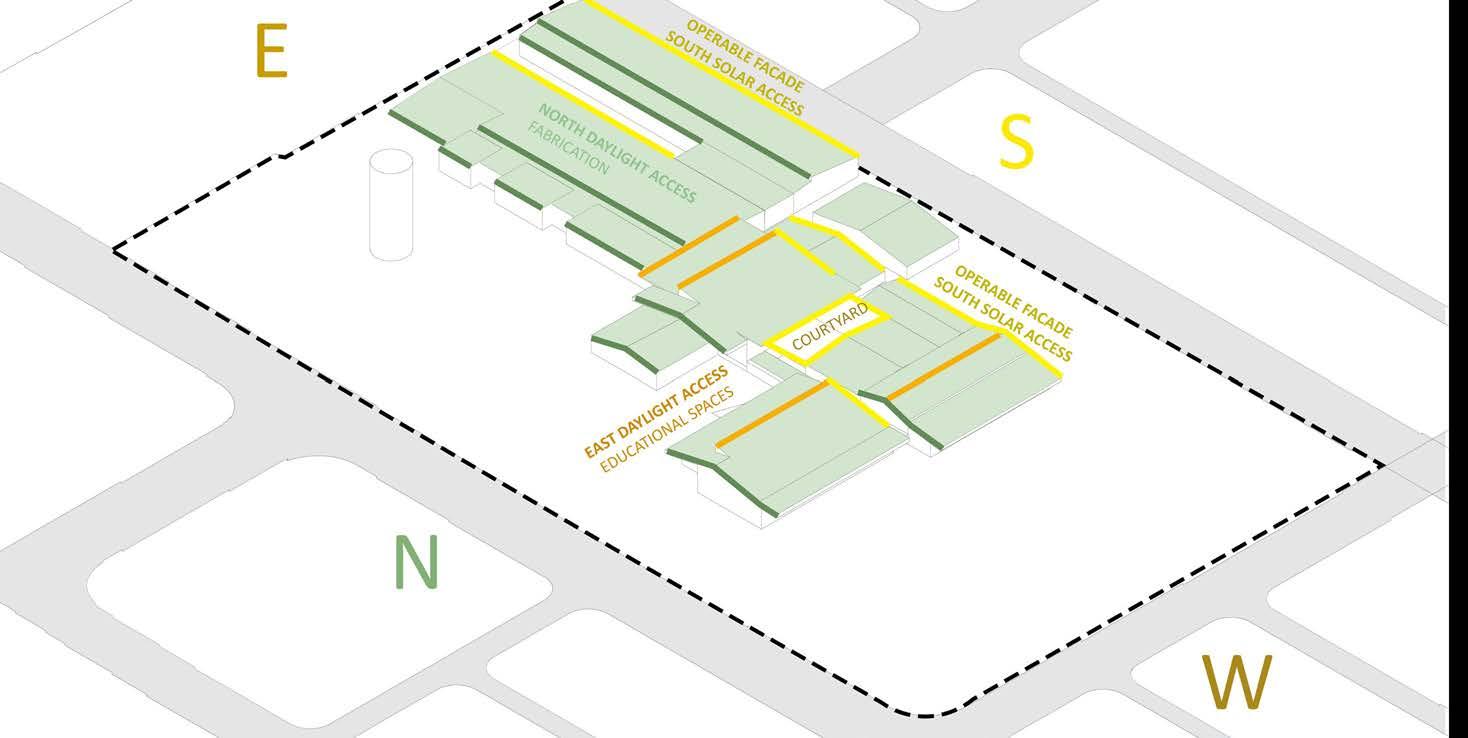
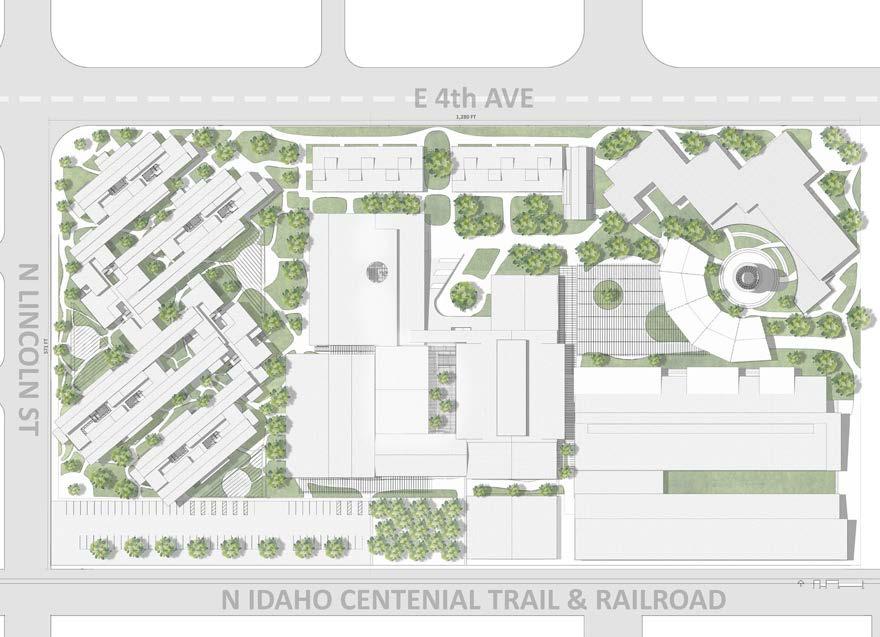
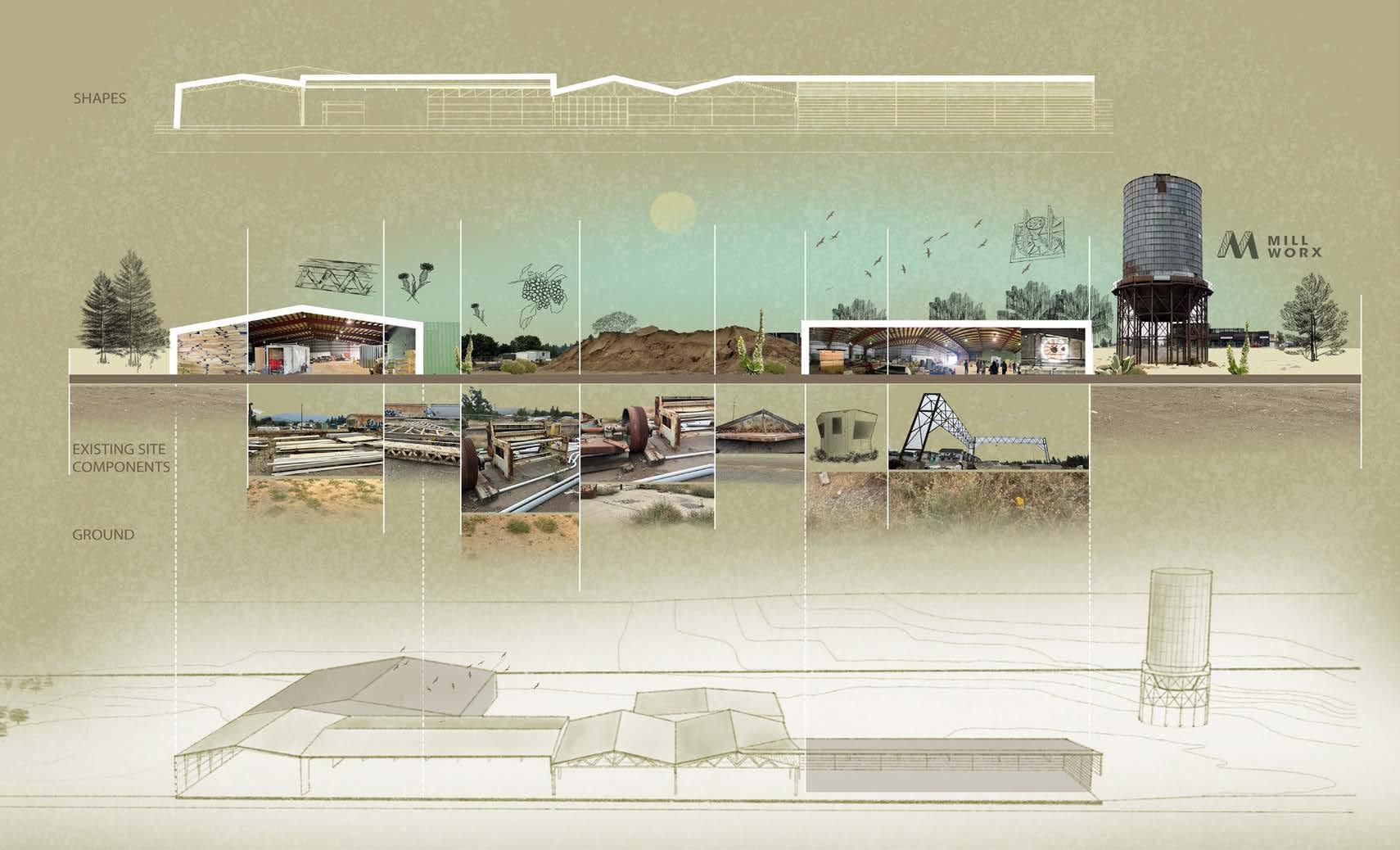
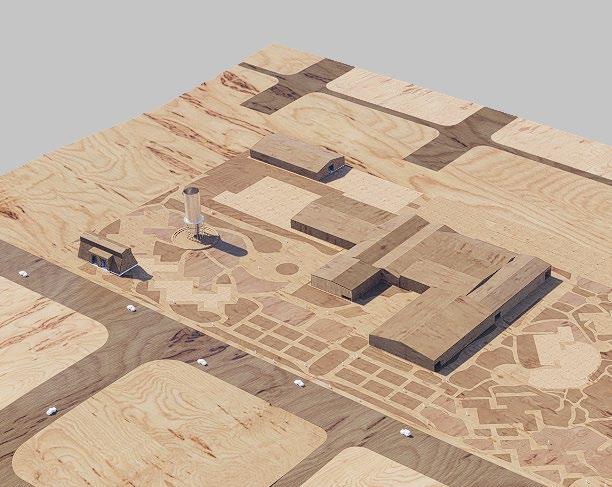
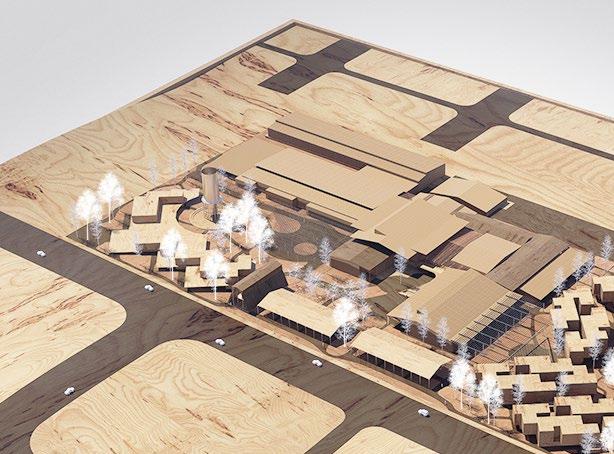
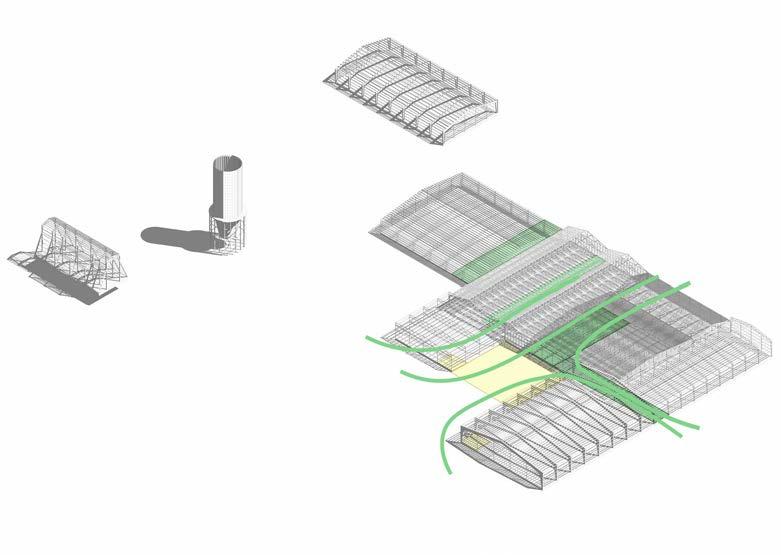
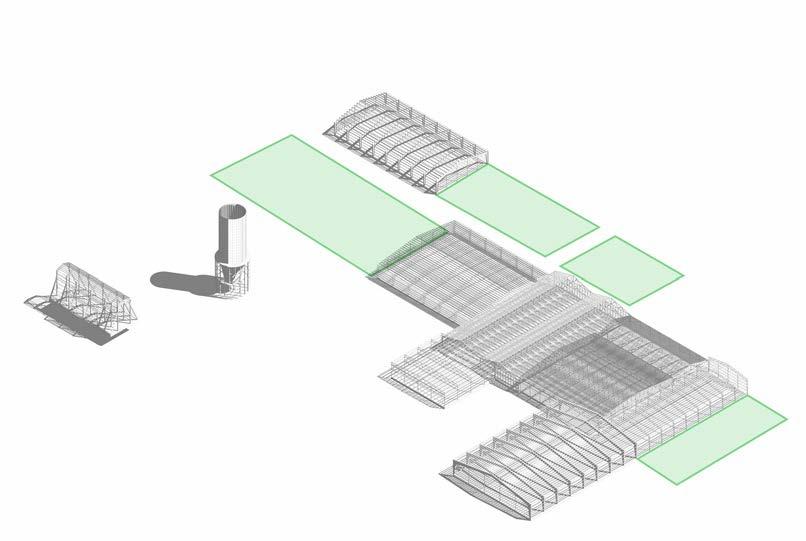
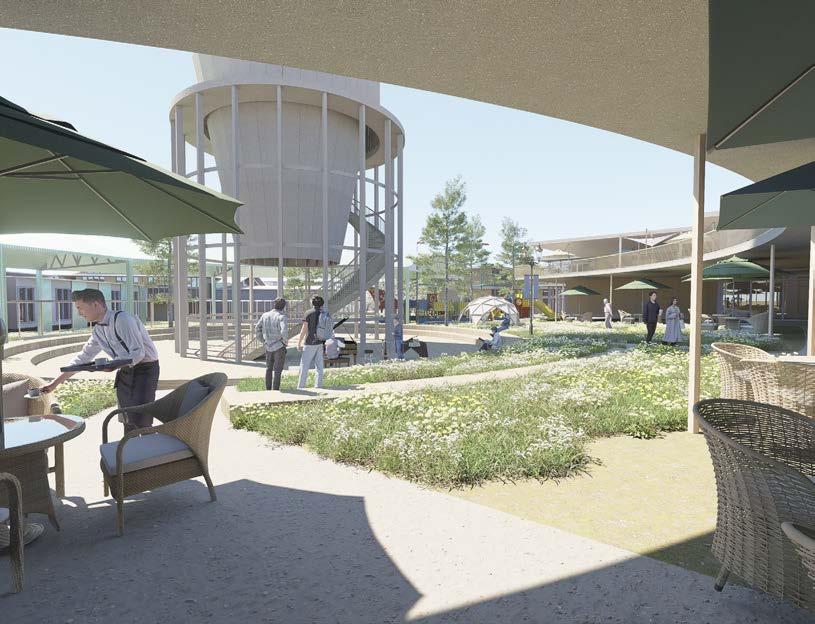
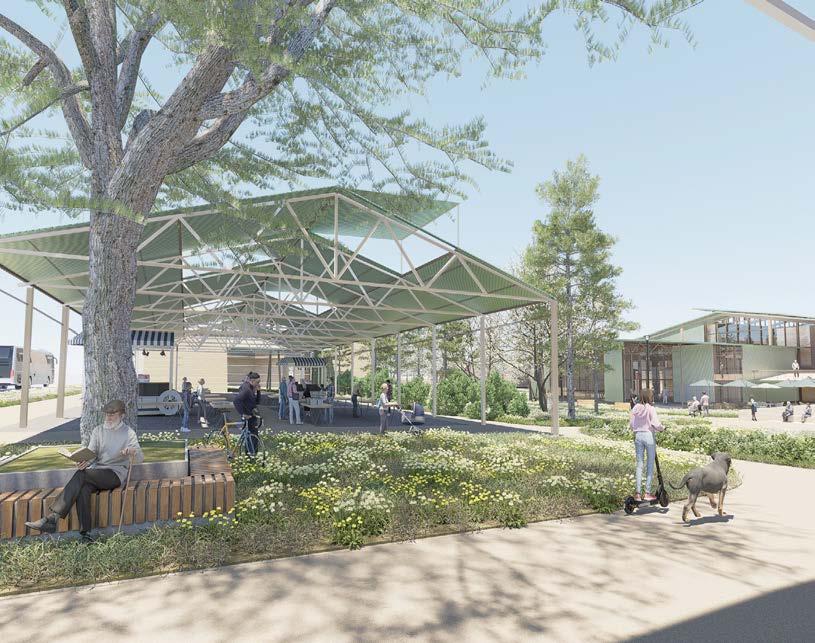
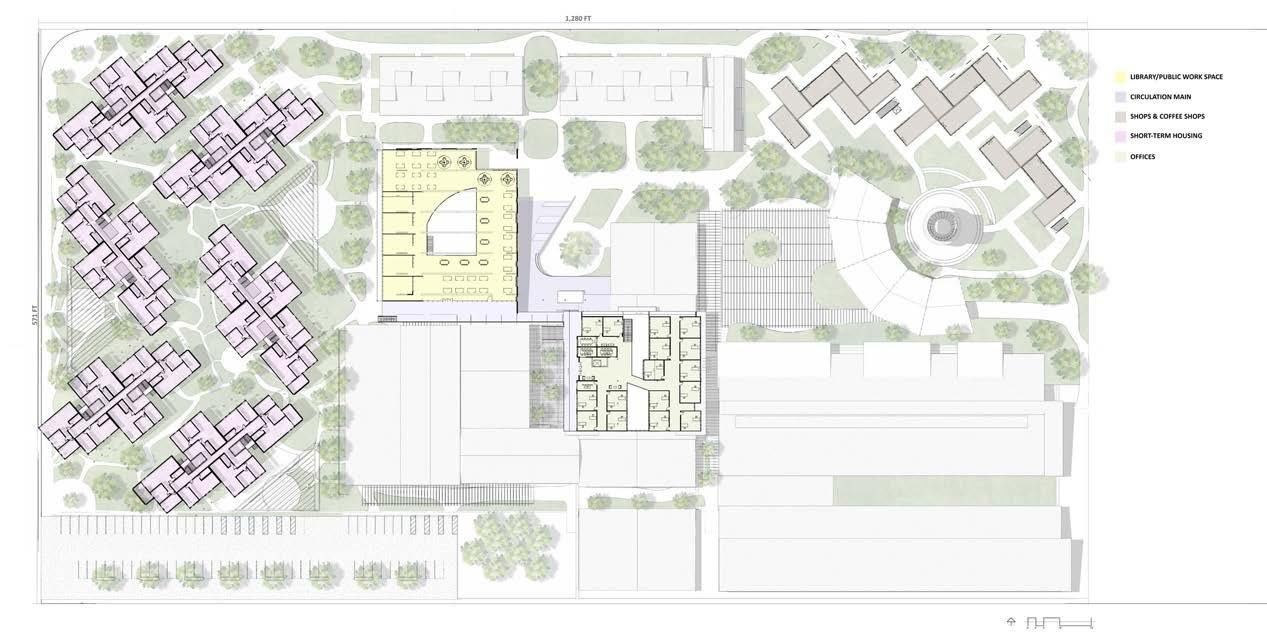
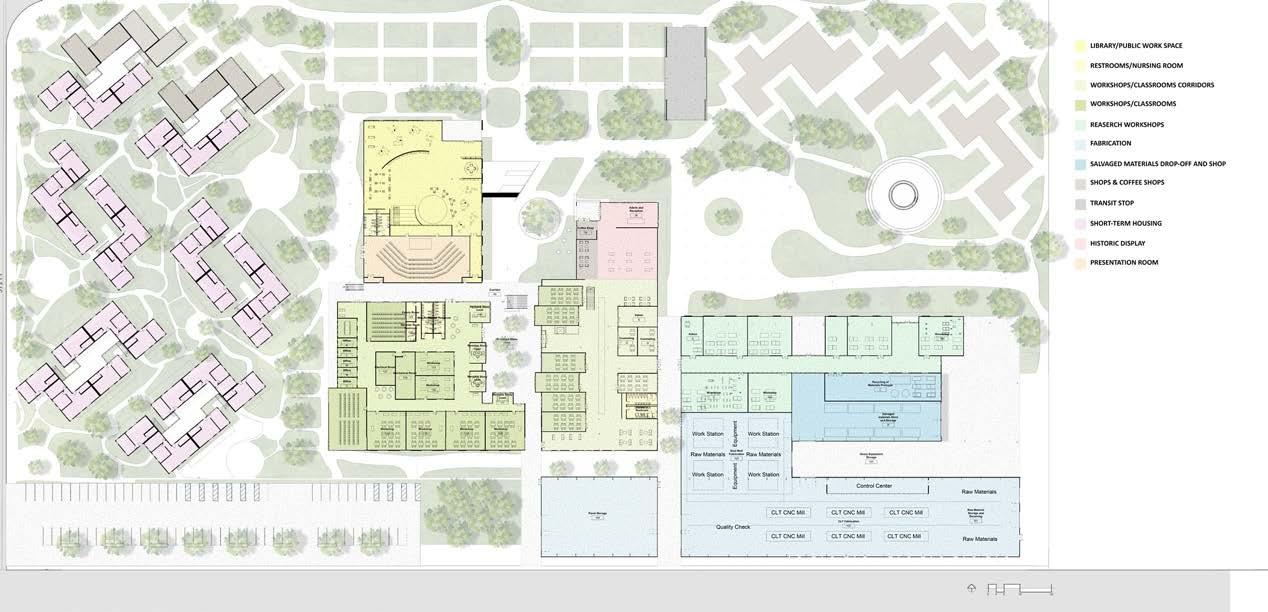
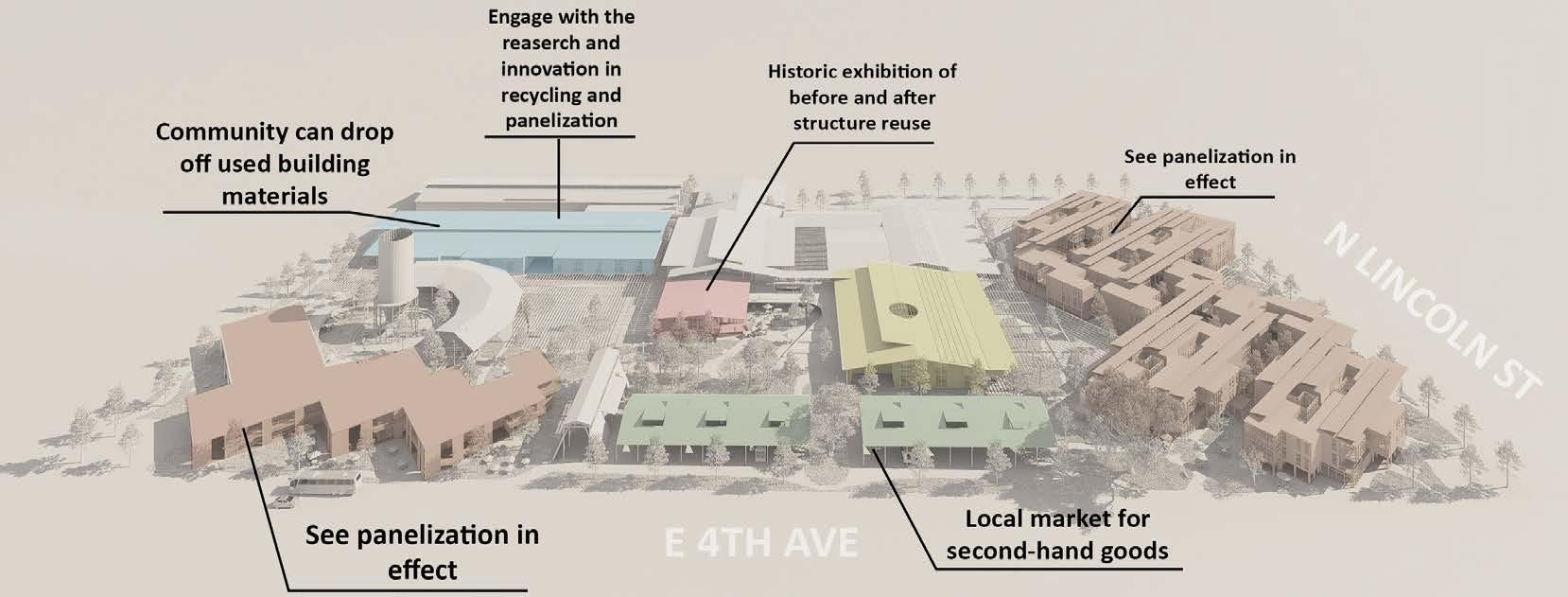
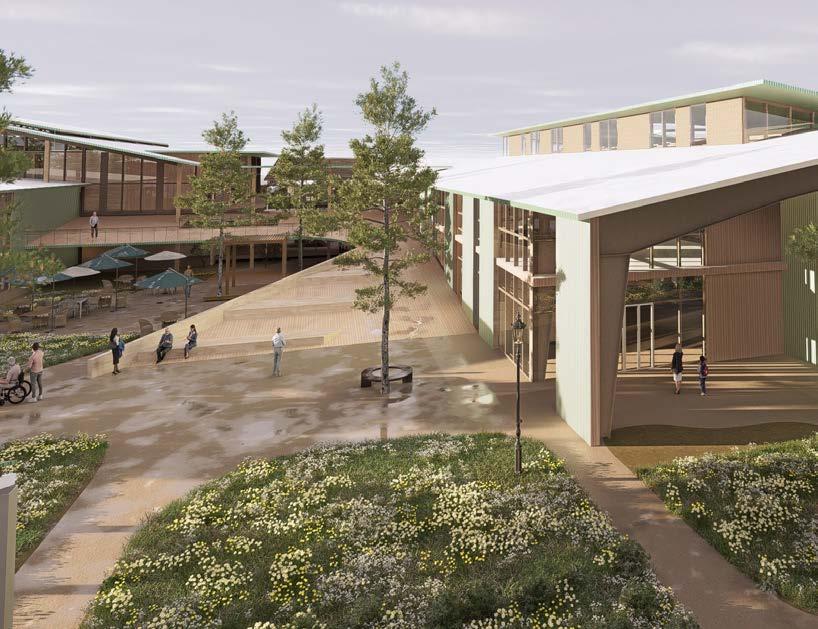
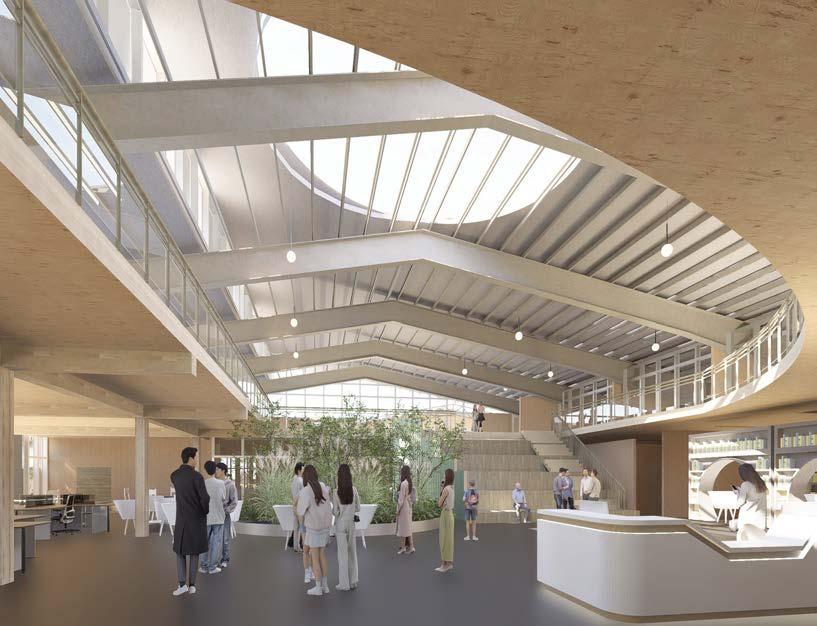
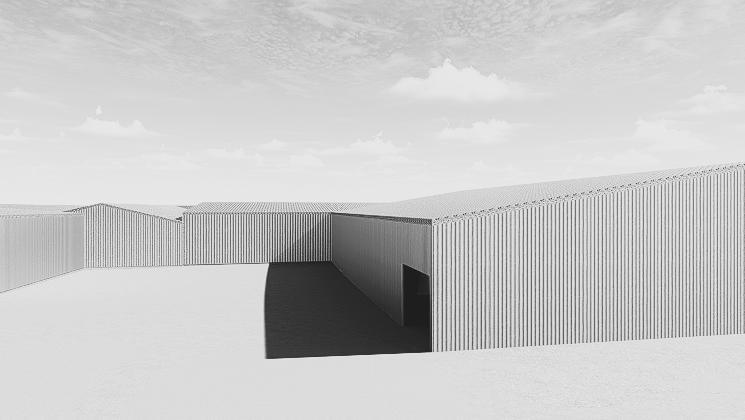
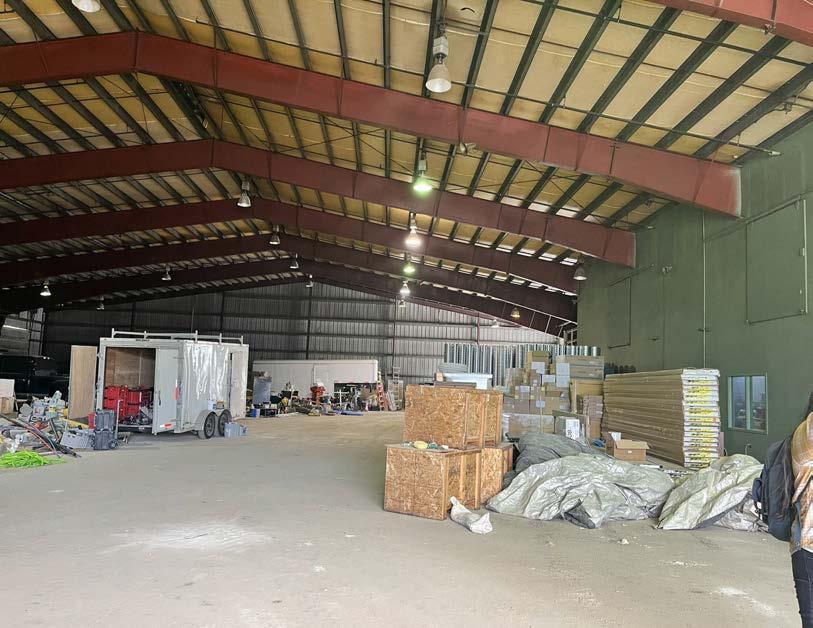
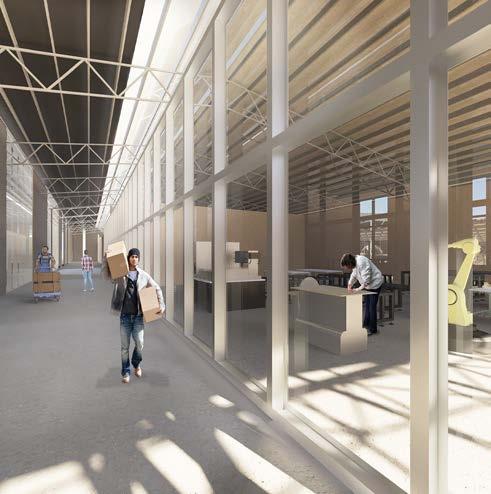
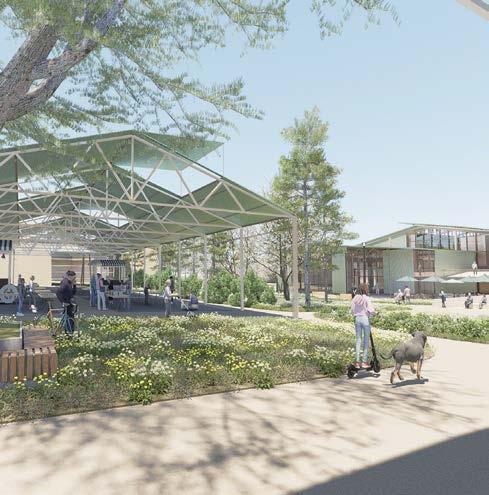
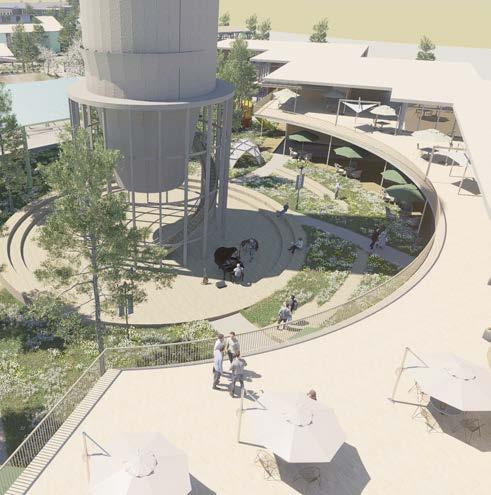
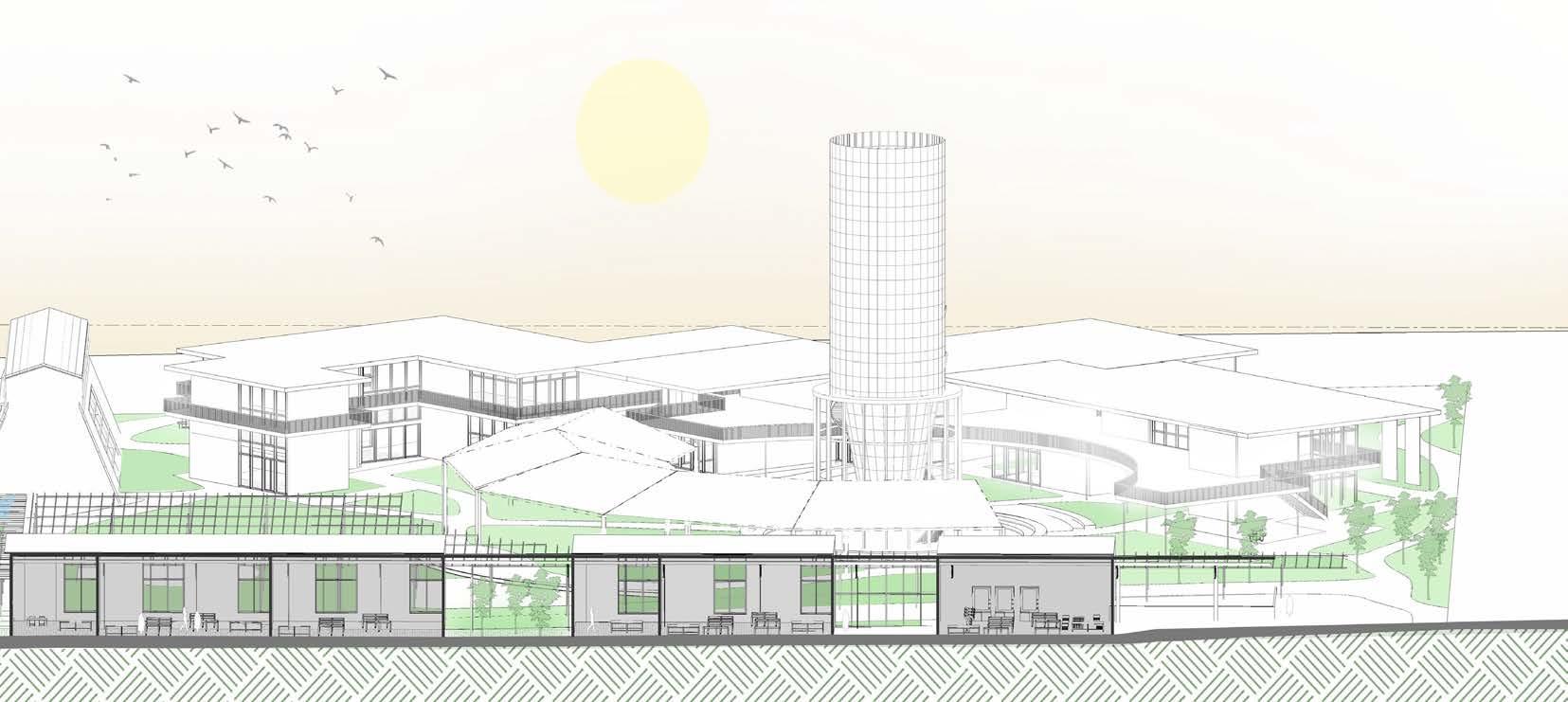
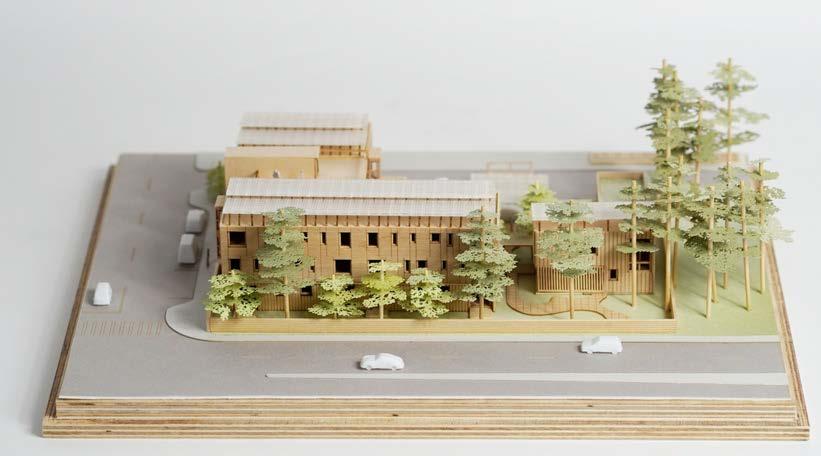
The decision to either demolish or renovate an existing building is complicated and depends on multiple factors like finances, policies, codes, zoning, historic symbolism, and more. For this site, we were given a site in Post Falls, Idaho that used to be an old Wood Veneer Mill. This represents a very historically significant place since it was a building rock of Post Falls and contributed to its growth. My goal for this project was to keep the existing steel structure of the site and its essence in the form of colors, textures, and materials like wood, metal siding, yellow bunchgrass, and Pines. Another goal was to offset the carbon footprint by reusing the existing structures and giving them the new purpose of an educational/community center with fabrication labs and woodshops.
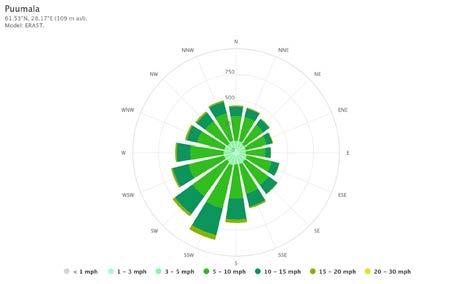
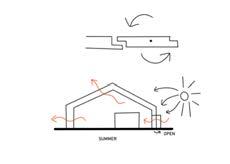
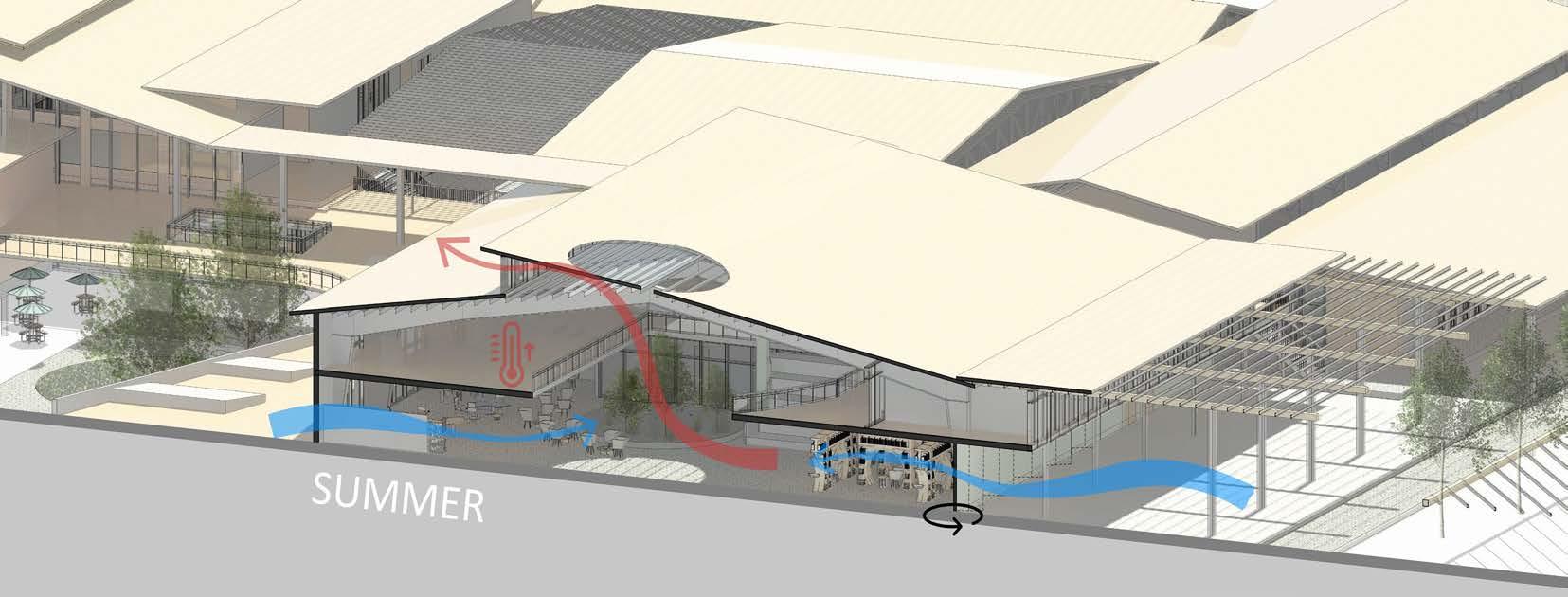
The climate of Post Falls is warm summers and cold winters, therefore we added a way of passive cooling through stack ventilation, and passive heating through operable winter garden pockets.
Solid Waste - Glabally
WOODMILL ADAPTIVE REUSE
POST FALLS, ID
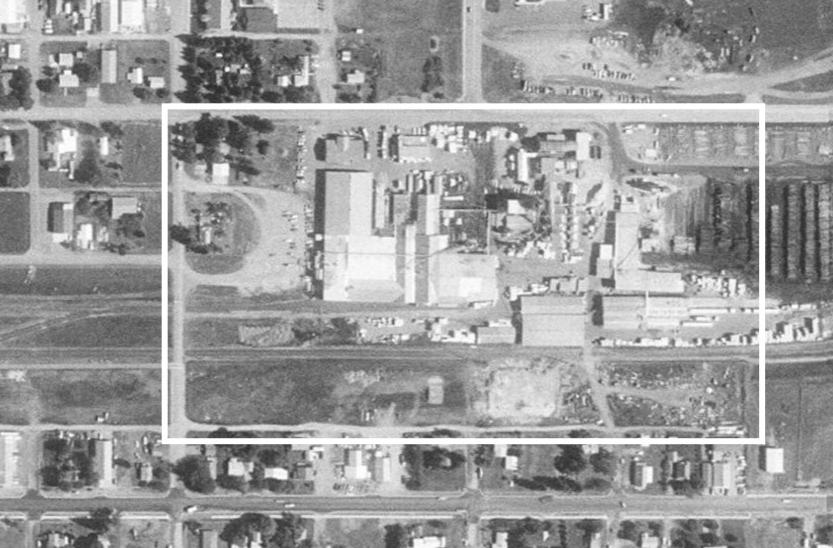
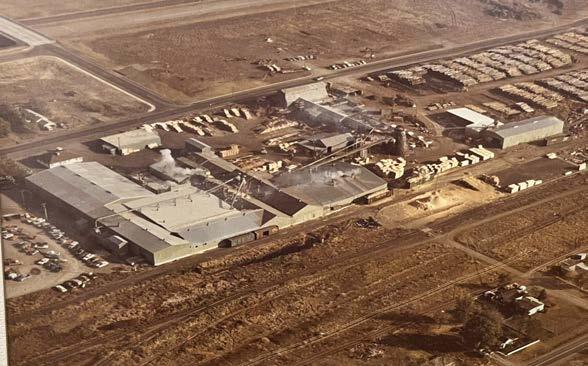
Family-owned Idaho Veneer Company in Post Falls is closed after 67 years of business. It was founded in 1953 by John F. Gregor and his sons-in law Bob and Leonard Malloy. The company specialized in producing Idaho white pine veneer for various industries. Over some decades, it expanded into a significant family-operation and became valued part of the community. The Idaho Veneer Company was an important part of the community and growths of Post Falls in general. They supported the economy of Post Falls by being the biggest major business in Post Falls at that time.
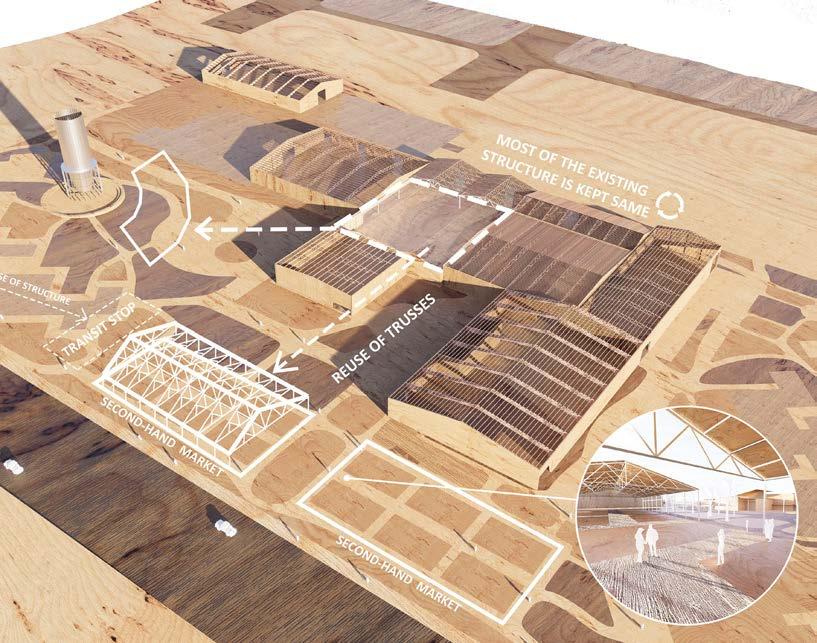
Existing Structure
Adaptive Reuse
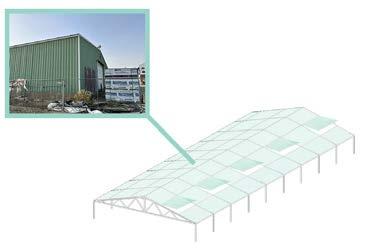
Reuse of Trusses & Siding
Proposed Adaptive Reuse
Site Boundary
REUSE AS MUCH AS POSSIBLE
• Keep the essence of the site by using past colors/materials
• Reclaimed wood, siding, structures, gravel, and more
• Salvaged office furniture from Spokane old offices
• Landscape is made up of tall grasses and meadows with native plants
Collage of Site Materials
Proposition
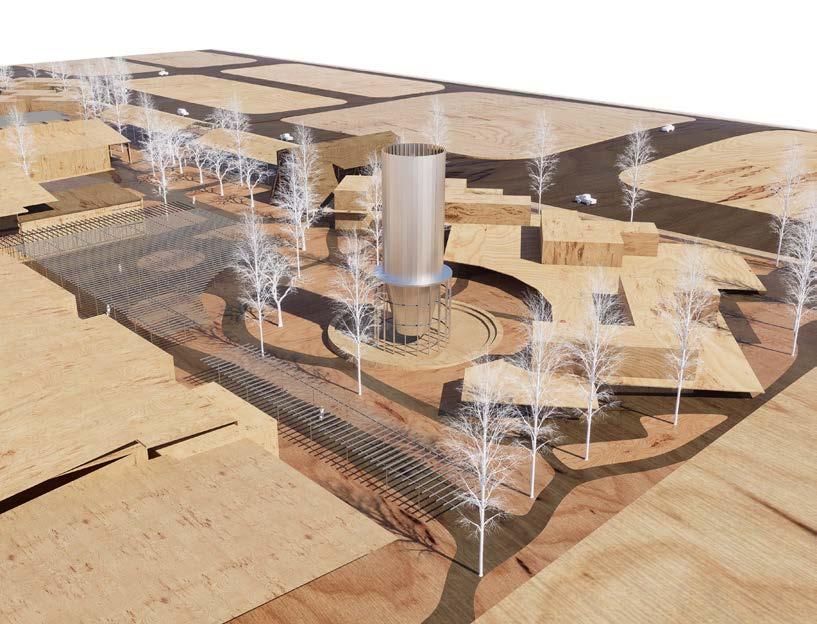
OLD STRUCTURES: REUSE & CREATE FLEXIBLE - ADAPTABLE SPACES
Existing Silo as a monument
Existing structure
Gathering
Expansion of the Existing
Courtyard
Market by Reused Materials
VINES - SHADE REUSED BEAMS
COMMUNITY CENTER
Second-Hand Market
Reused Siding and Trusses
Change of the Trusses
Level 1
Solar Energy Commercial Area - 185,100
SF
Need around 2180 panels to generate half energy for whole commercial area.
Native Plants ecosystem woven with the building.
INTERNSHIPS
Internships
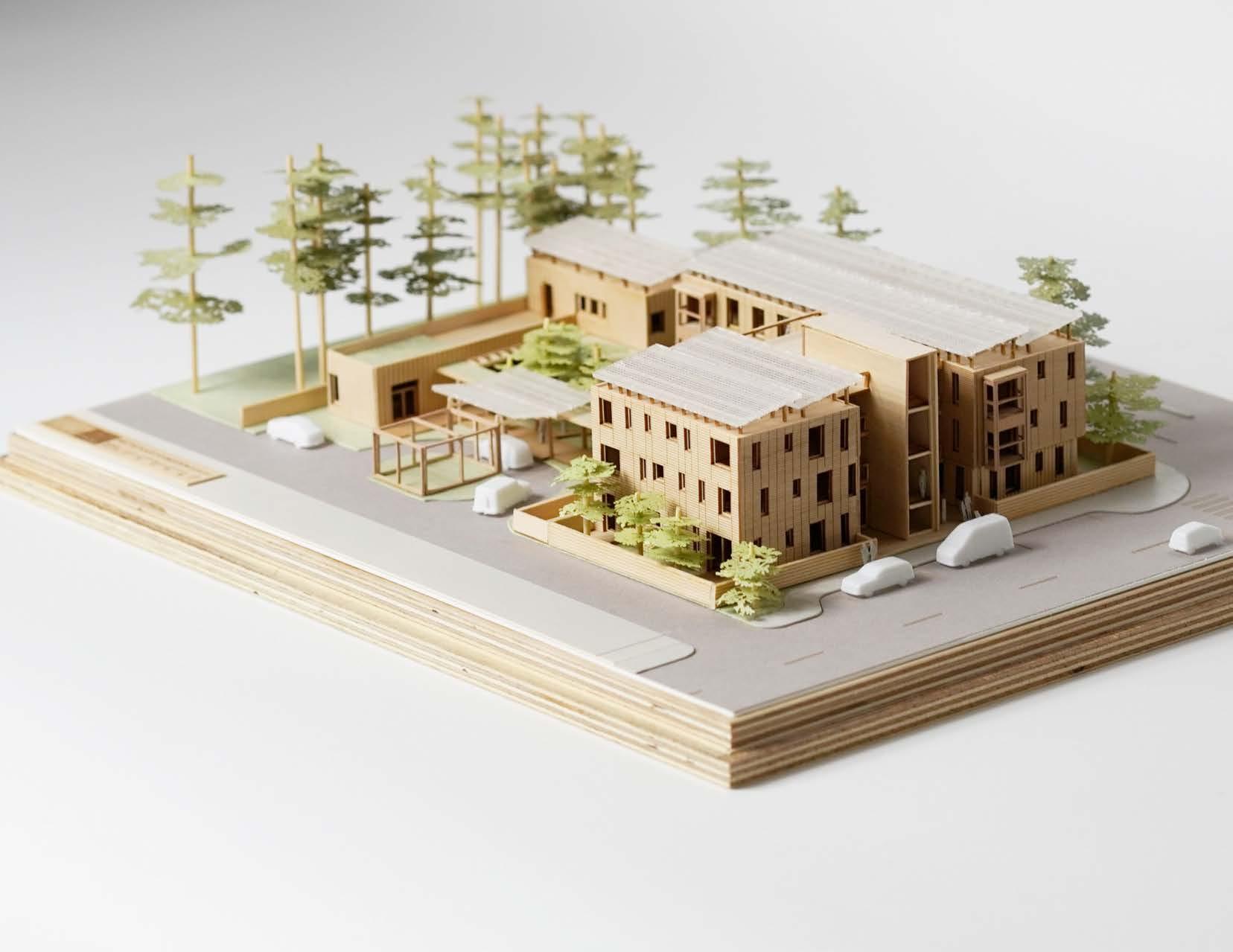
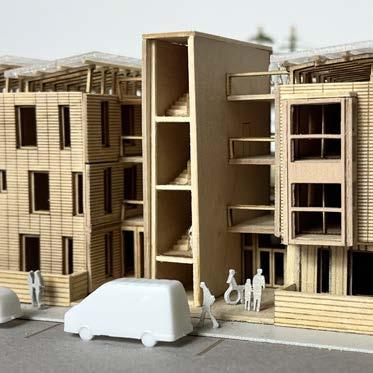
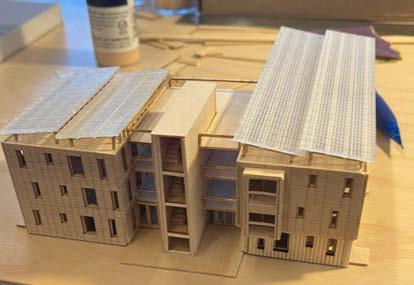
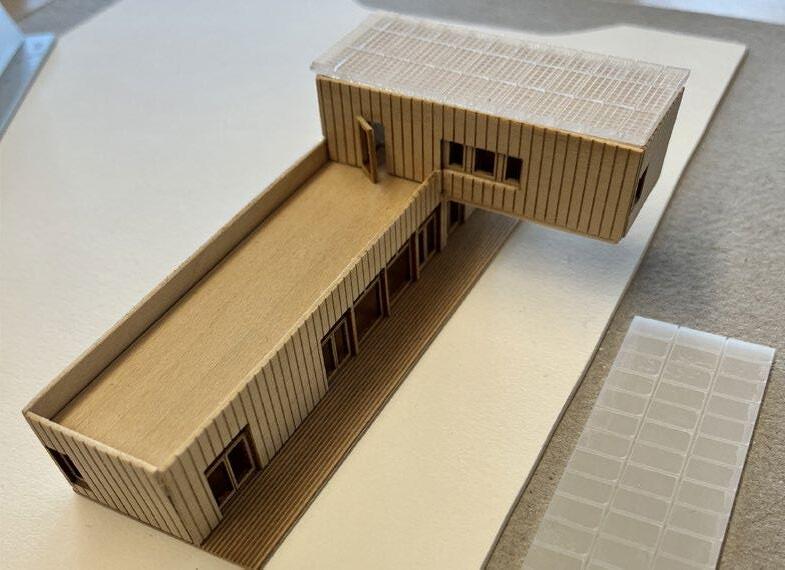
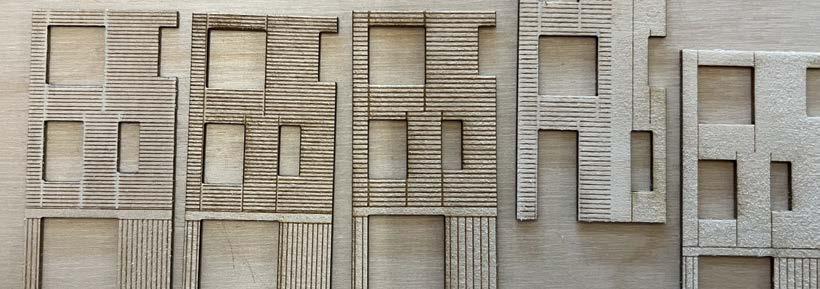
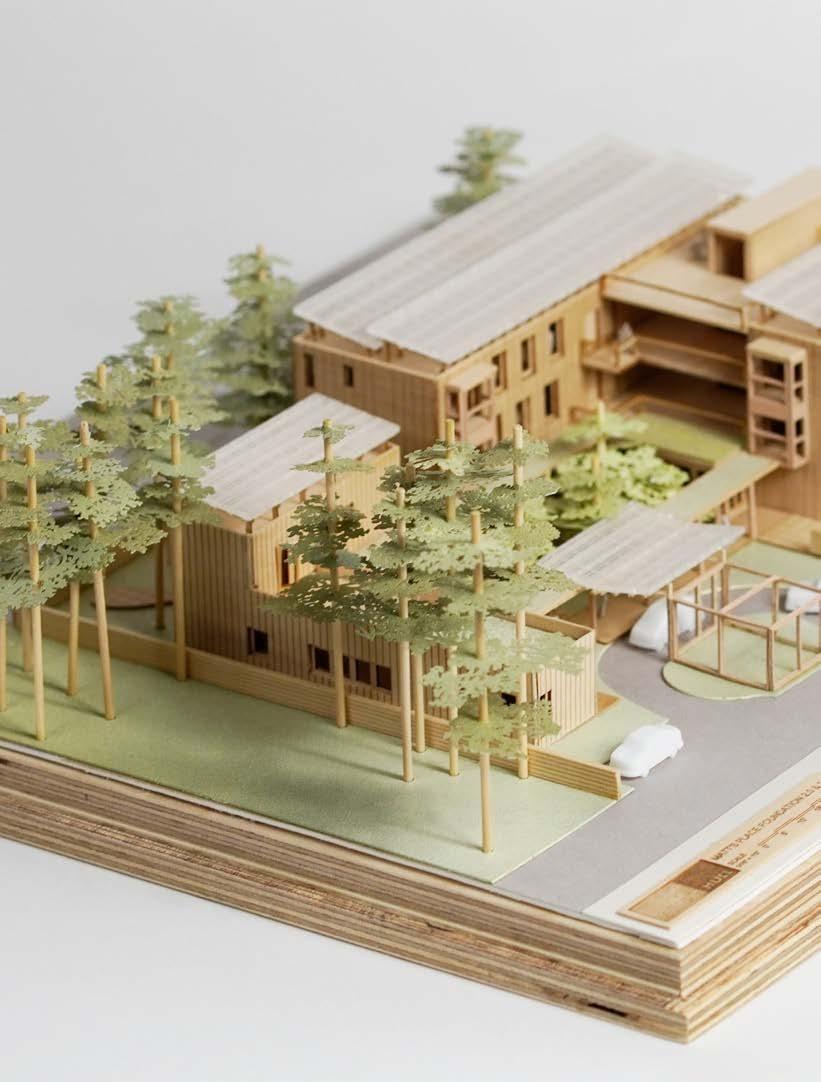
During my time at Miller Hull Partnership, I was able to work on creating a model of a recent project and try out multiple samples with laser cutter to determine the overall best outcome. The model was at 1/16”=1’0” scale. The model was created with basswood, acrylic sheets, paper museum board, and basswood sticks. The interior of the buildings was added for more precise details.
Progress Pictures
Samples
Internships
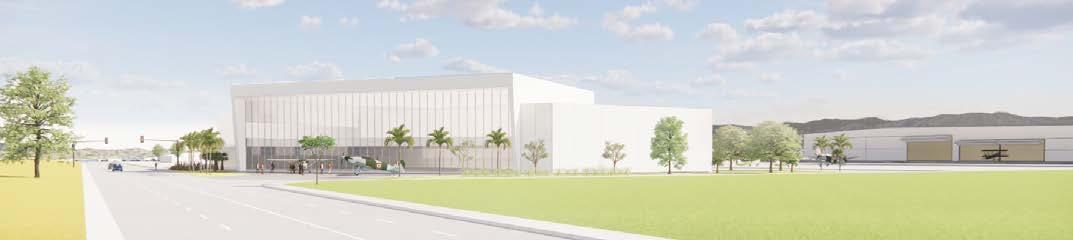
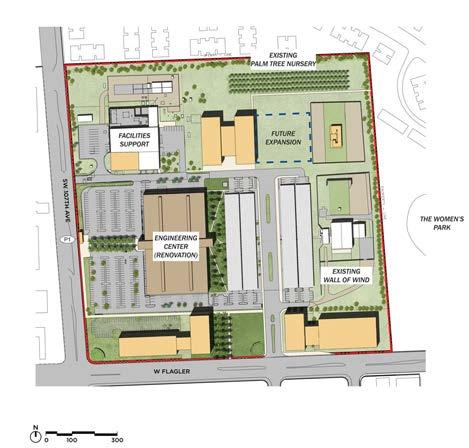
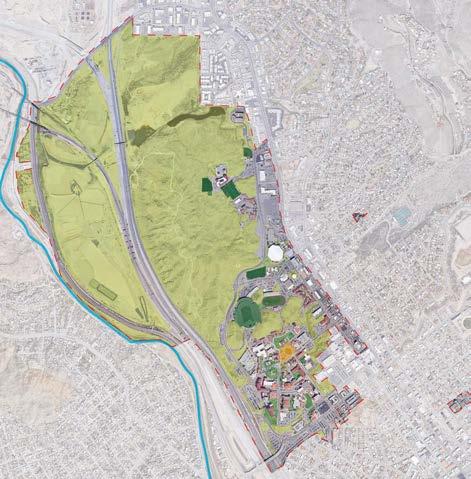
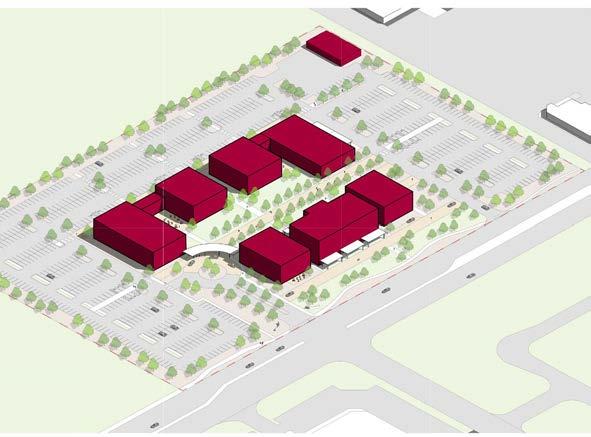
At DLR Group, I joined a Higher Education team and assisted/collaborated on various campus planning projects for univerisites like Florida International University, University of Texas El Paso, New Mexico State University, University of Alaska Fairbanks, Chaffey College, and more.
Collection of Some Projects I Collaborated On
Create a Centralized Main Space Near the Entrance
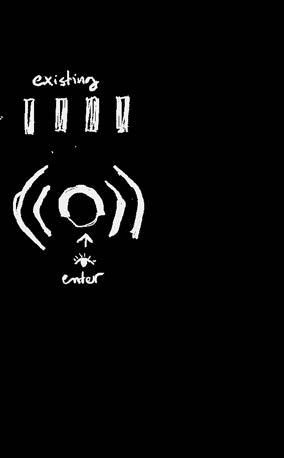
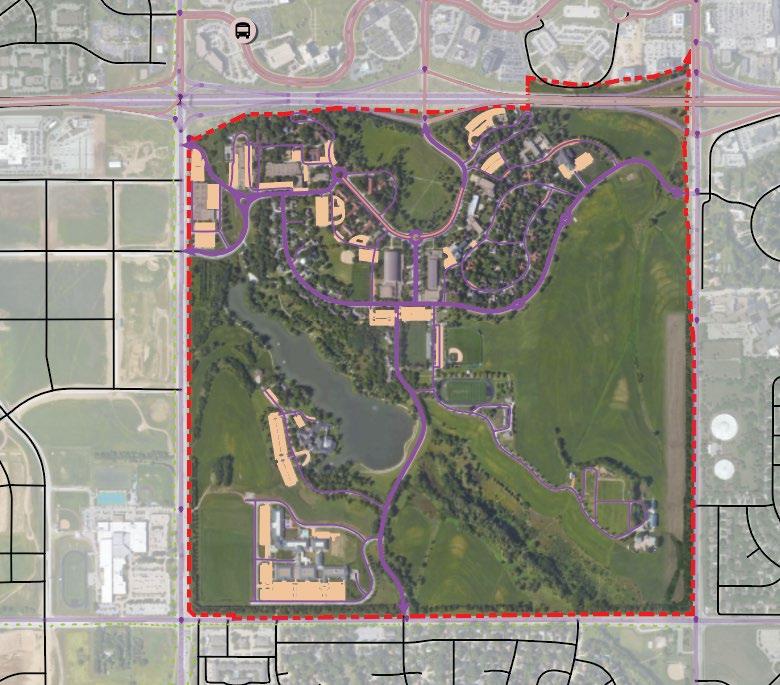
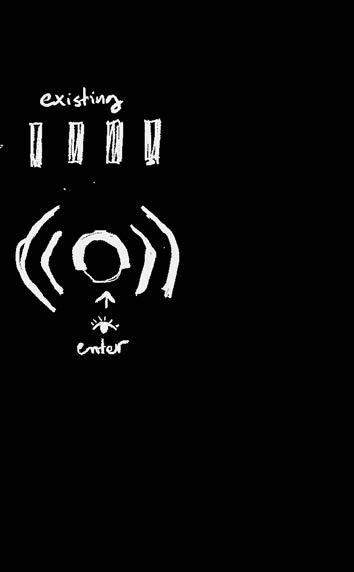
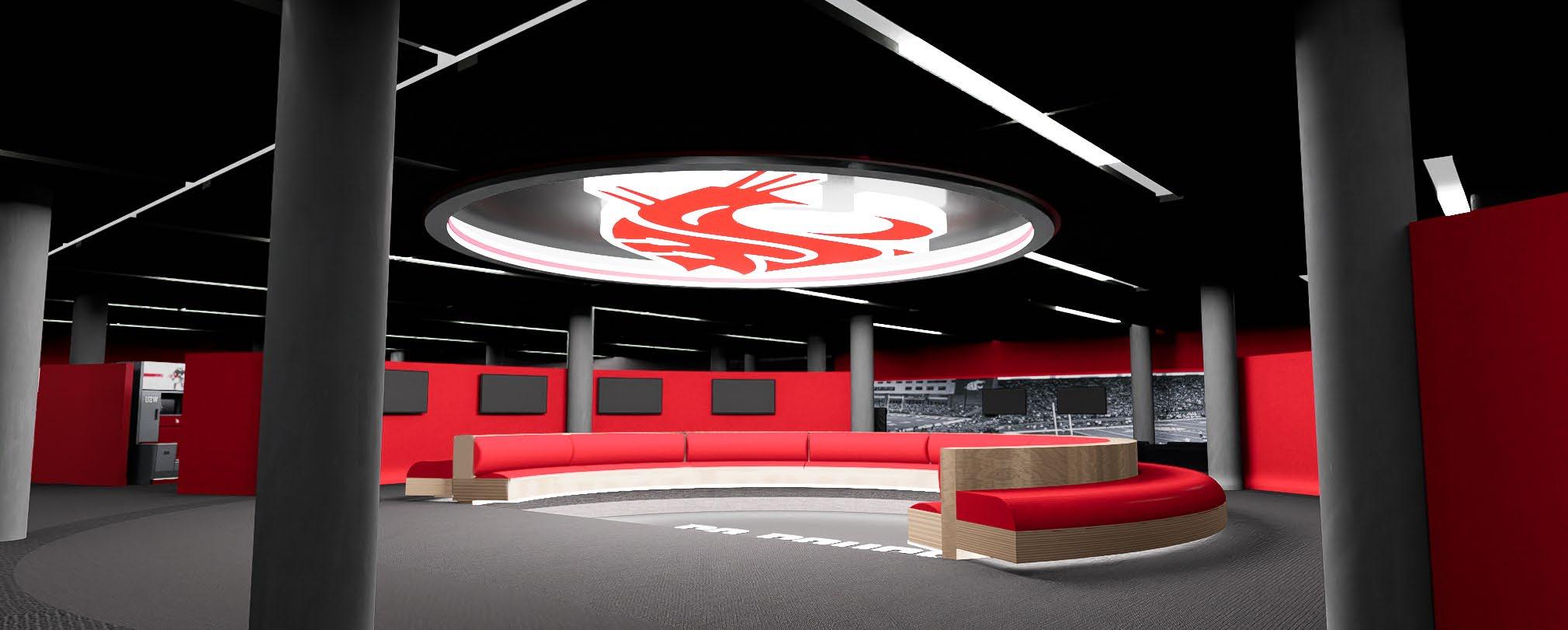
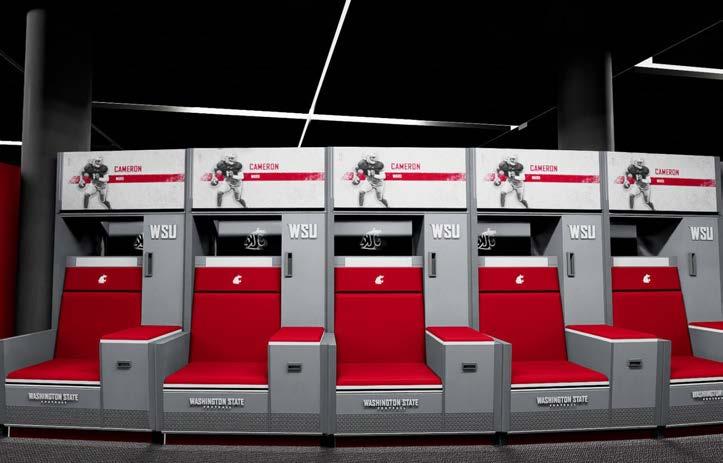
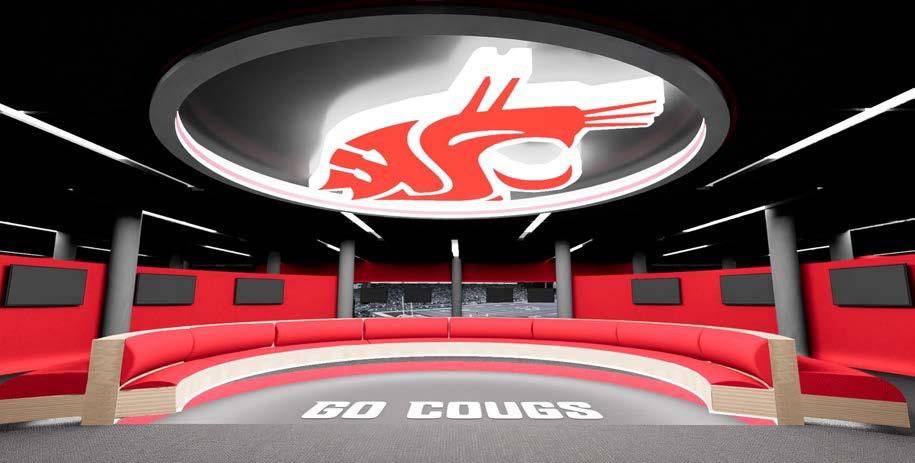
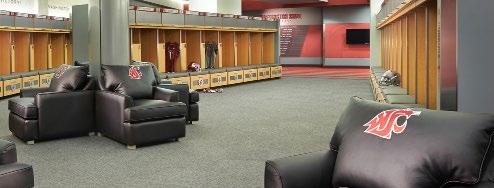
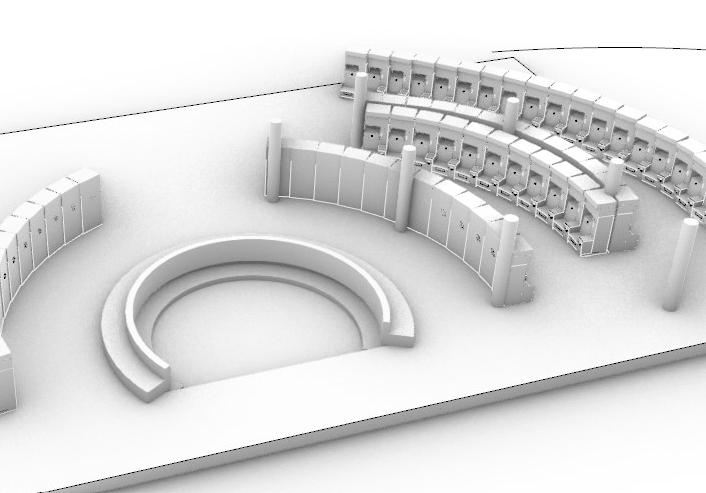
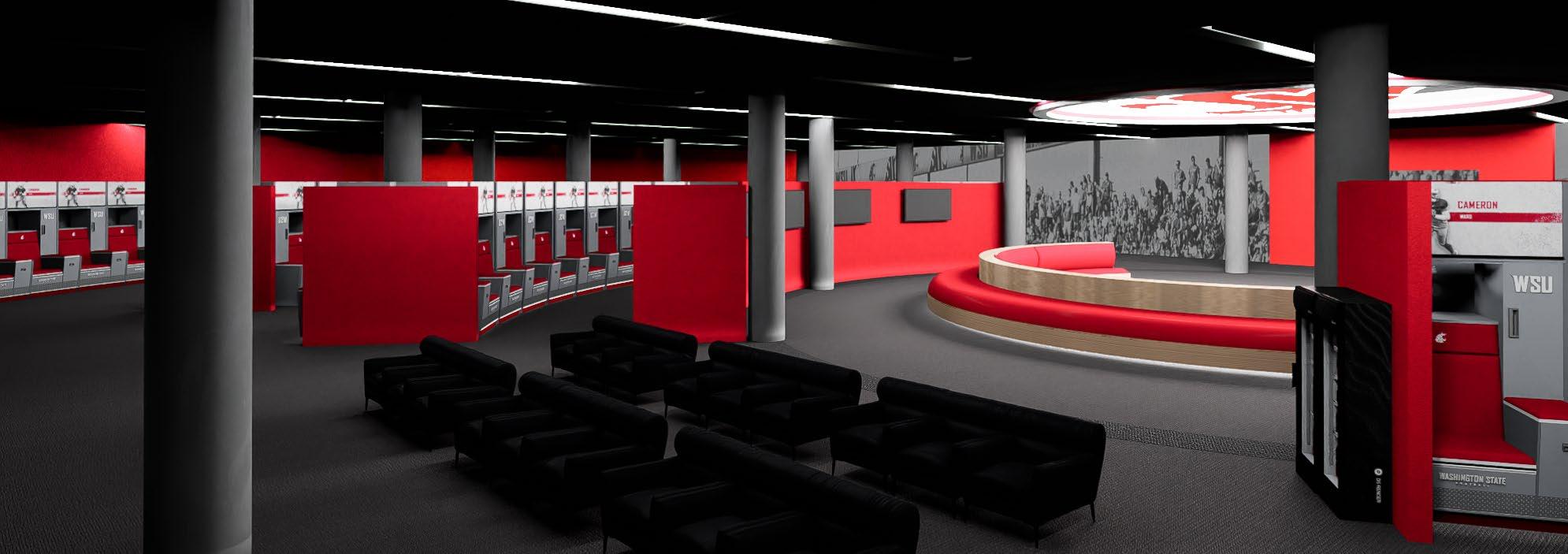
While working for the CAF graphic design team, I was assigned to create a visual rendering of what the new WSU Football locker room could look like. This project was done to help donors visualize what could be done if money were raised for this new renovation. After seeing the current layout of locker rooms, I decided to create a meeting space in the middle in the shape of a circle and add a Coughead logo on the ceiling. I also decided to change the style of the locker rooms themselves to allow for more storage space. The ceiling is made out of black acoustical tiles to minimize the noise.
View
Initial Rhino Model
Existing Conditions
Rethinking the Transit Station with Programming
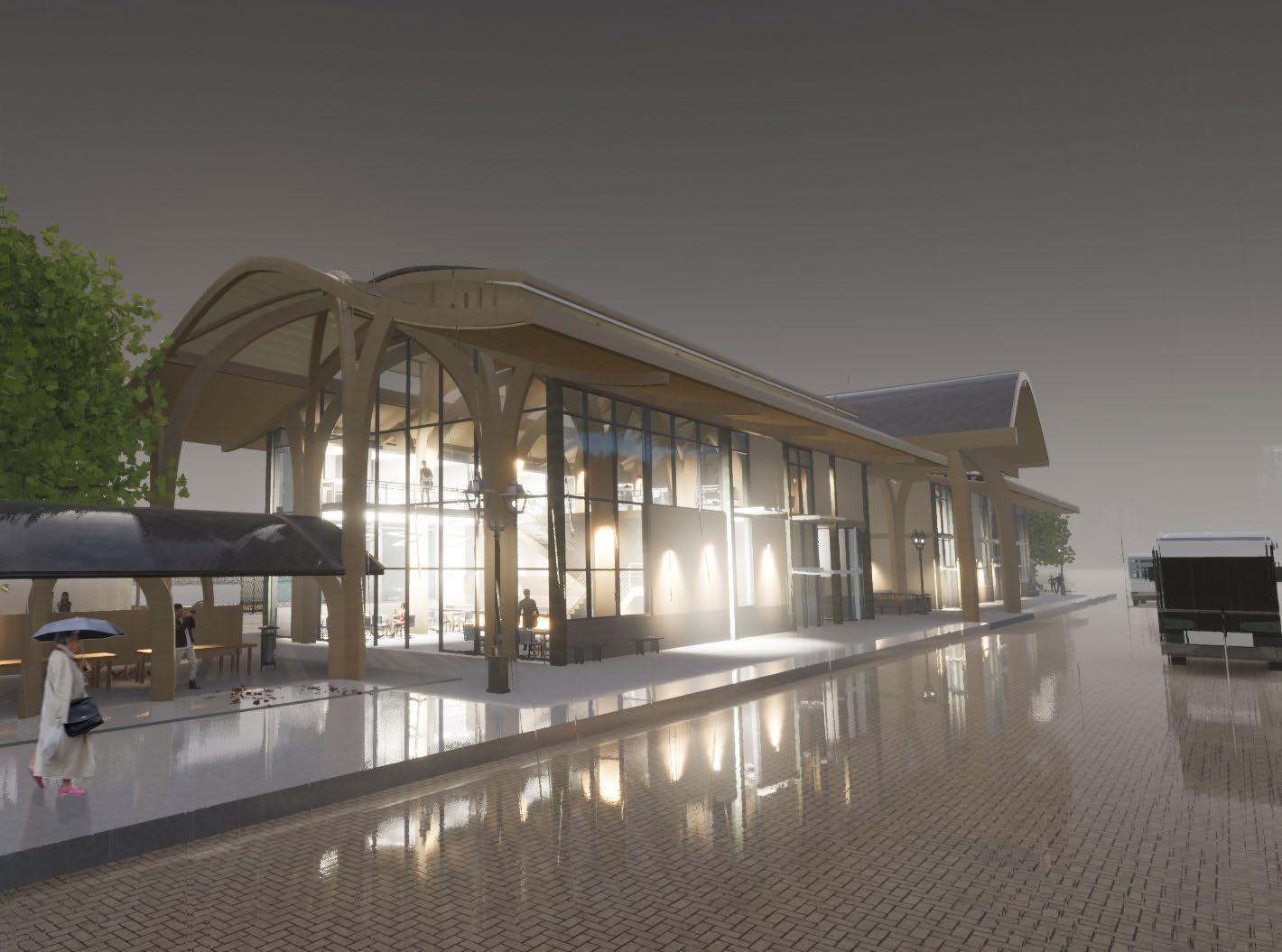
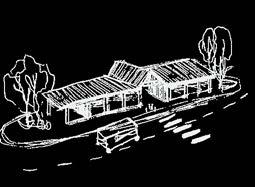
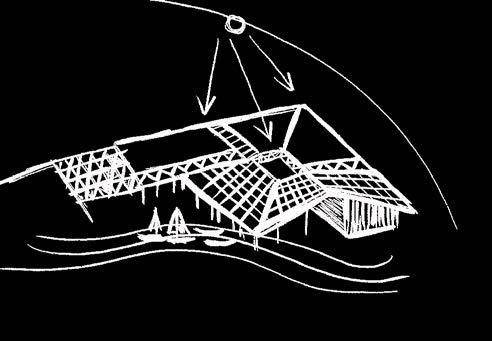
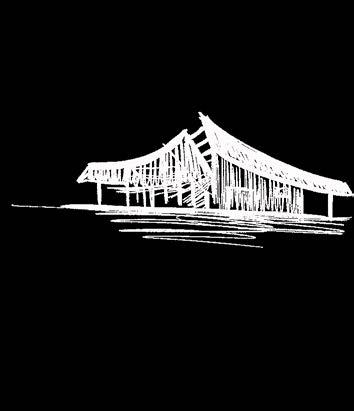
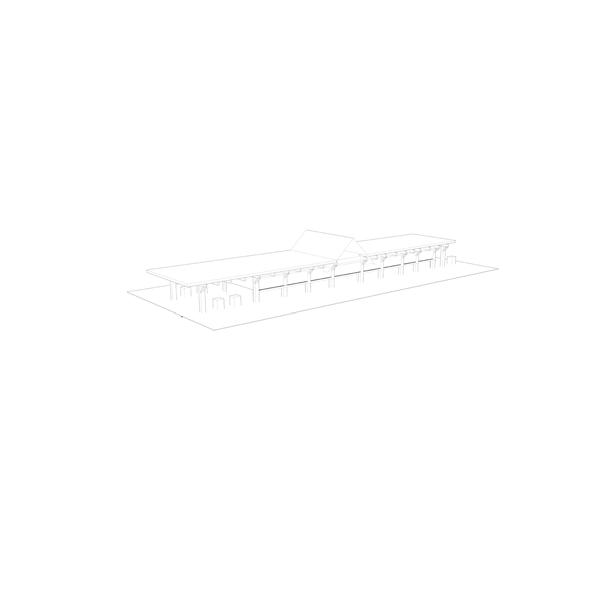
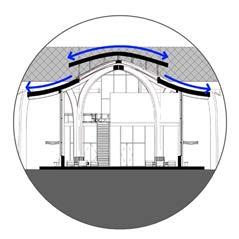
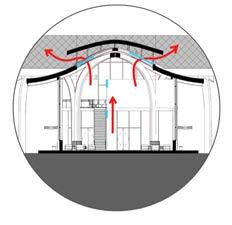
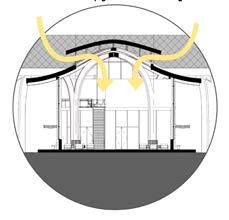
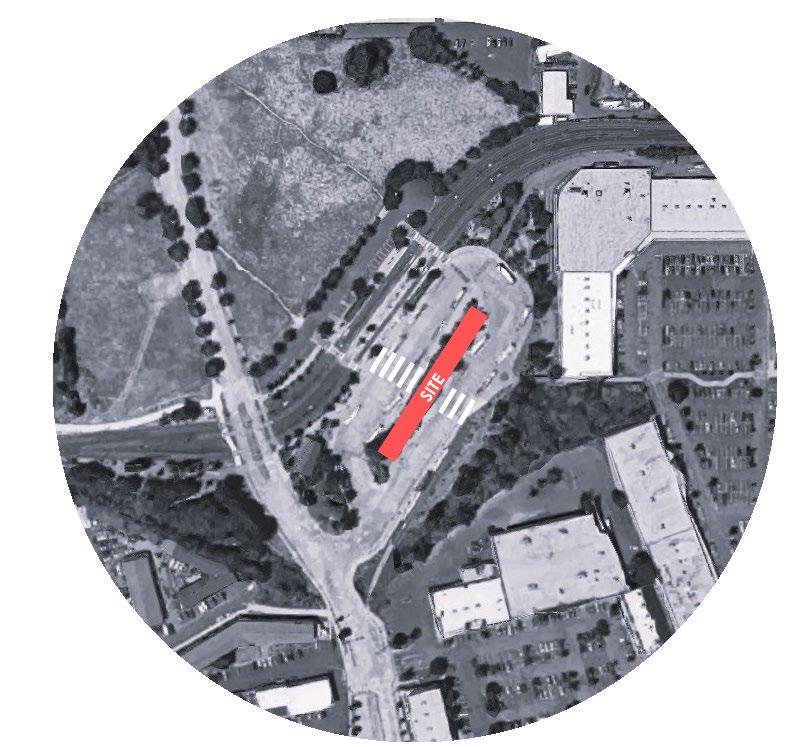
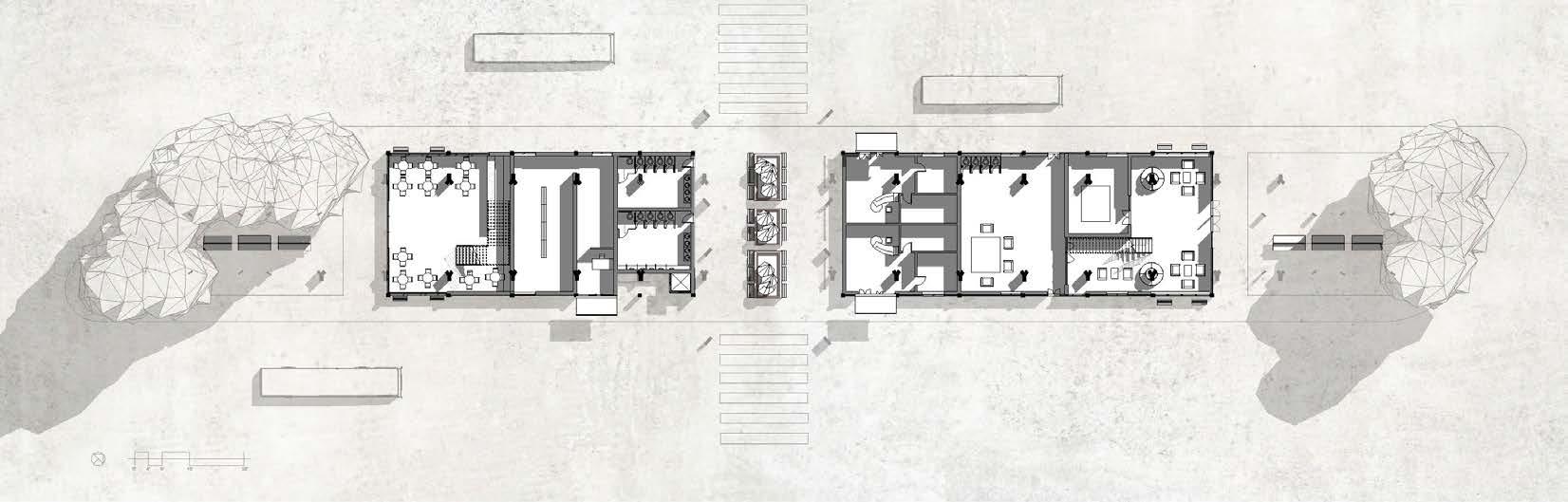
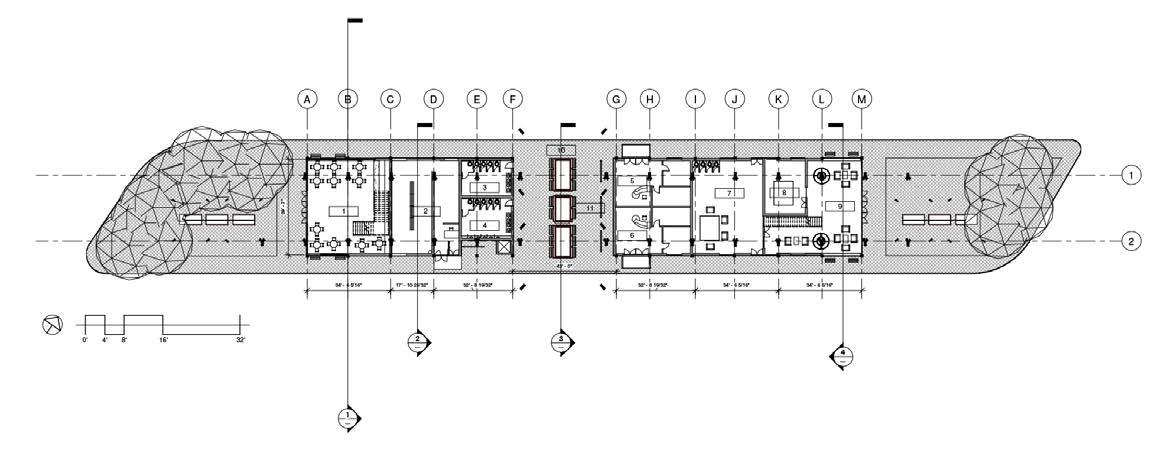
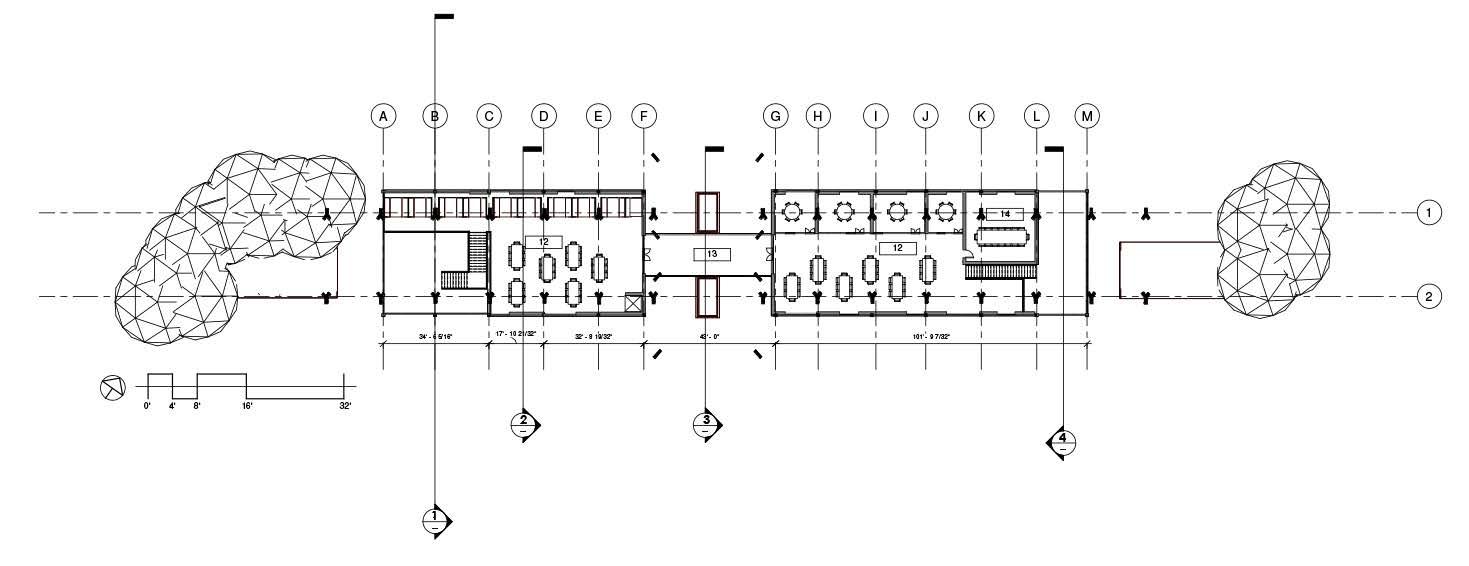
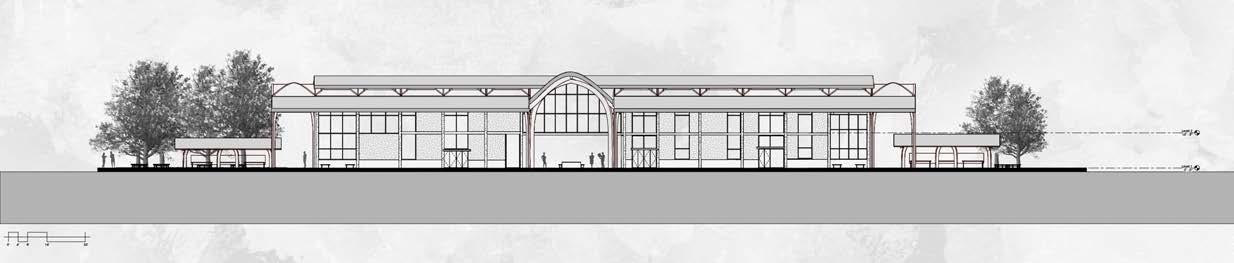
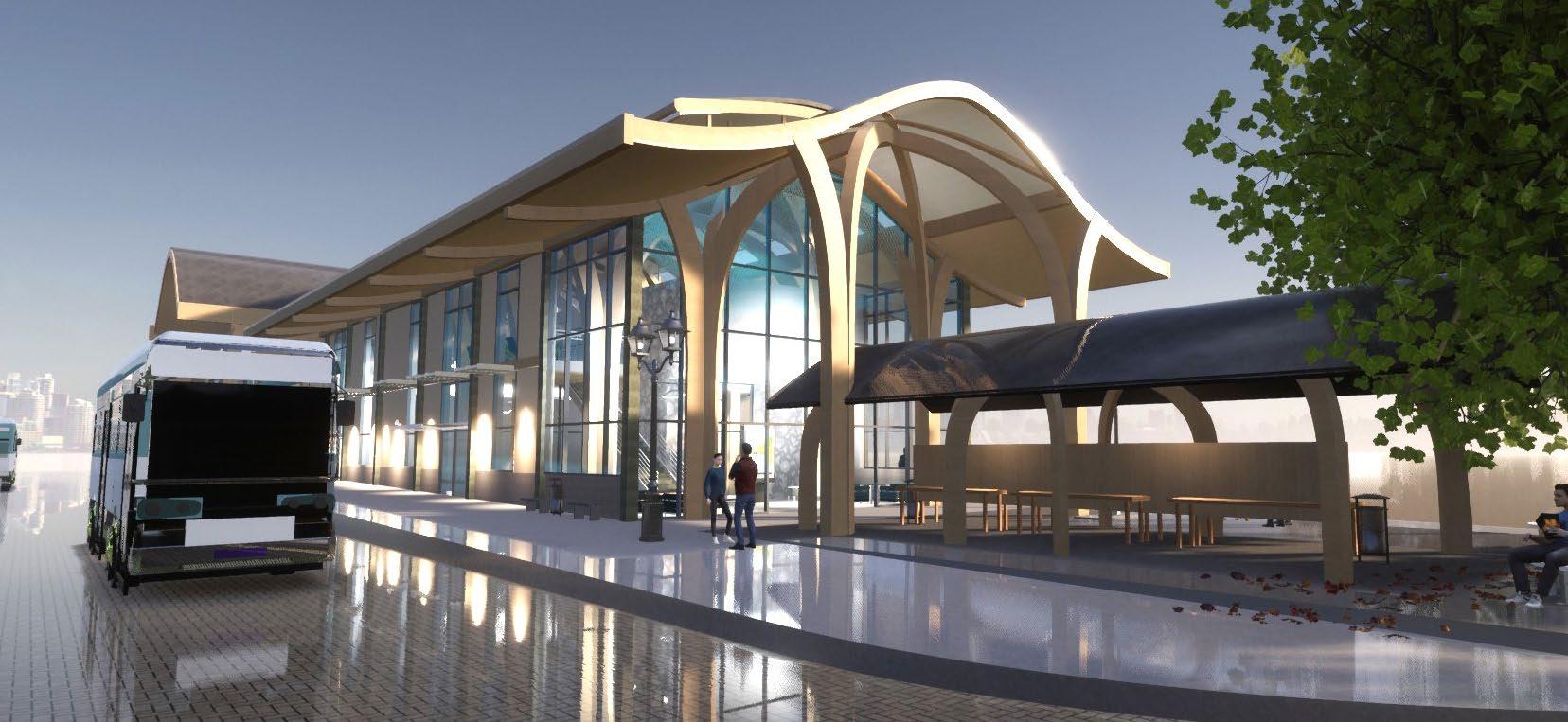
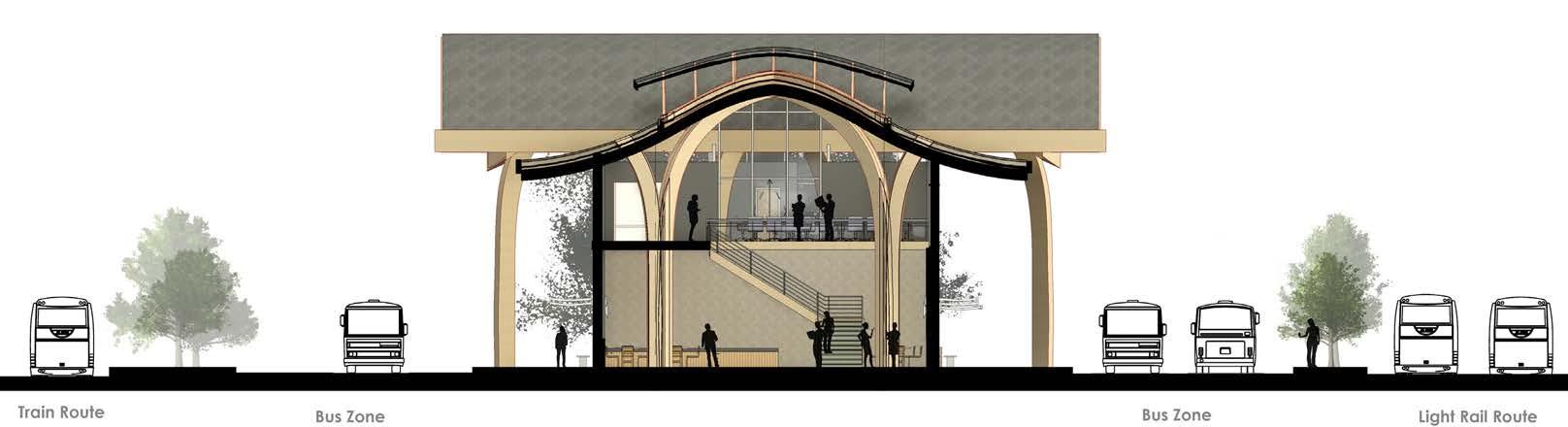
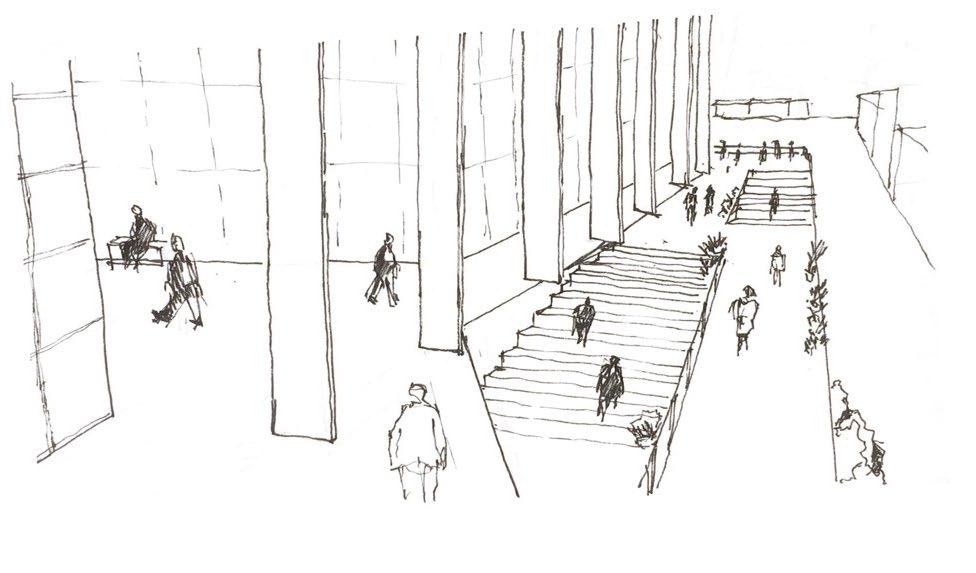
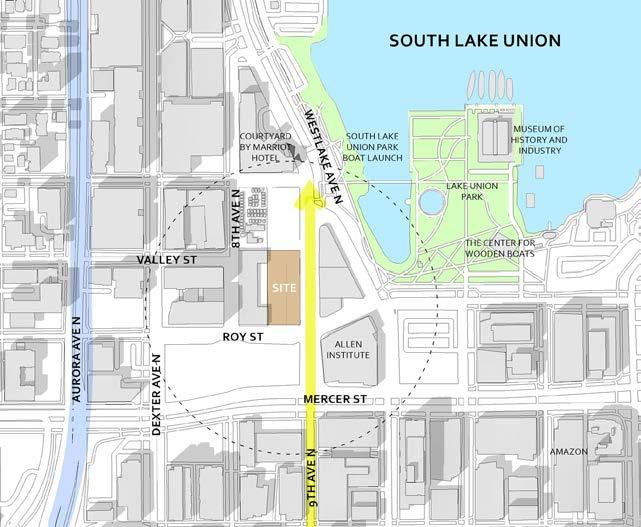
The driving idea was creating satellite office spaces for online workers as a response to what we learned from the COVID-19 quarantine. These satellite offices would be closer to where people commute, allowing for easier travel to work, and a better overall experience, since we learned that the main reason why people preferred remote work was avoiding long commuting. My inspiration came from the use of curved wood by the architect Shigeru Ban and his intricate way of incorporating it into his designs. A lot of the existing site conditions were kept, like existing trees, crosswalks, and existing locations of bus stops. Stack ventilation, daylight strategies, and rainwater collection were driving factors for the design, as well as experimenting with glulam properties. Operable windows at the skylight allow for natural ventilation during the peak cooling loads times in the summer, while providing daylight.
Stack Ventilation & operable windows
Rain Shelter By Overhangs
Site Plan
Daylight Strategy
Keep existing trees on the sides
Keep existing crosswalks
Previous Iteration
2nd Floor Plan
Elevation
Cafe
Workstations
Sheltered from rain
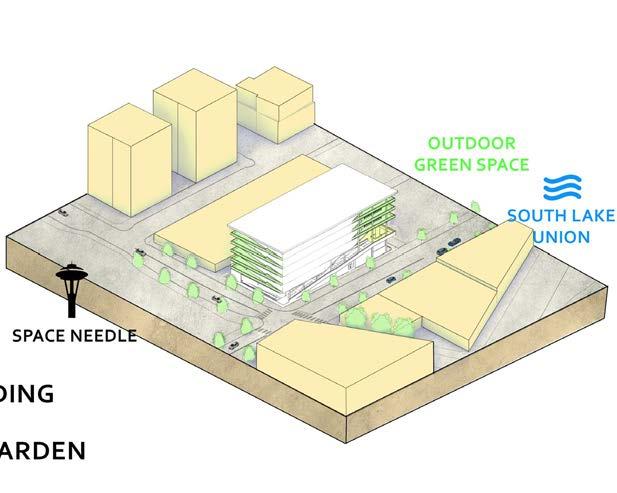
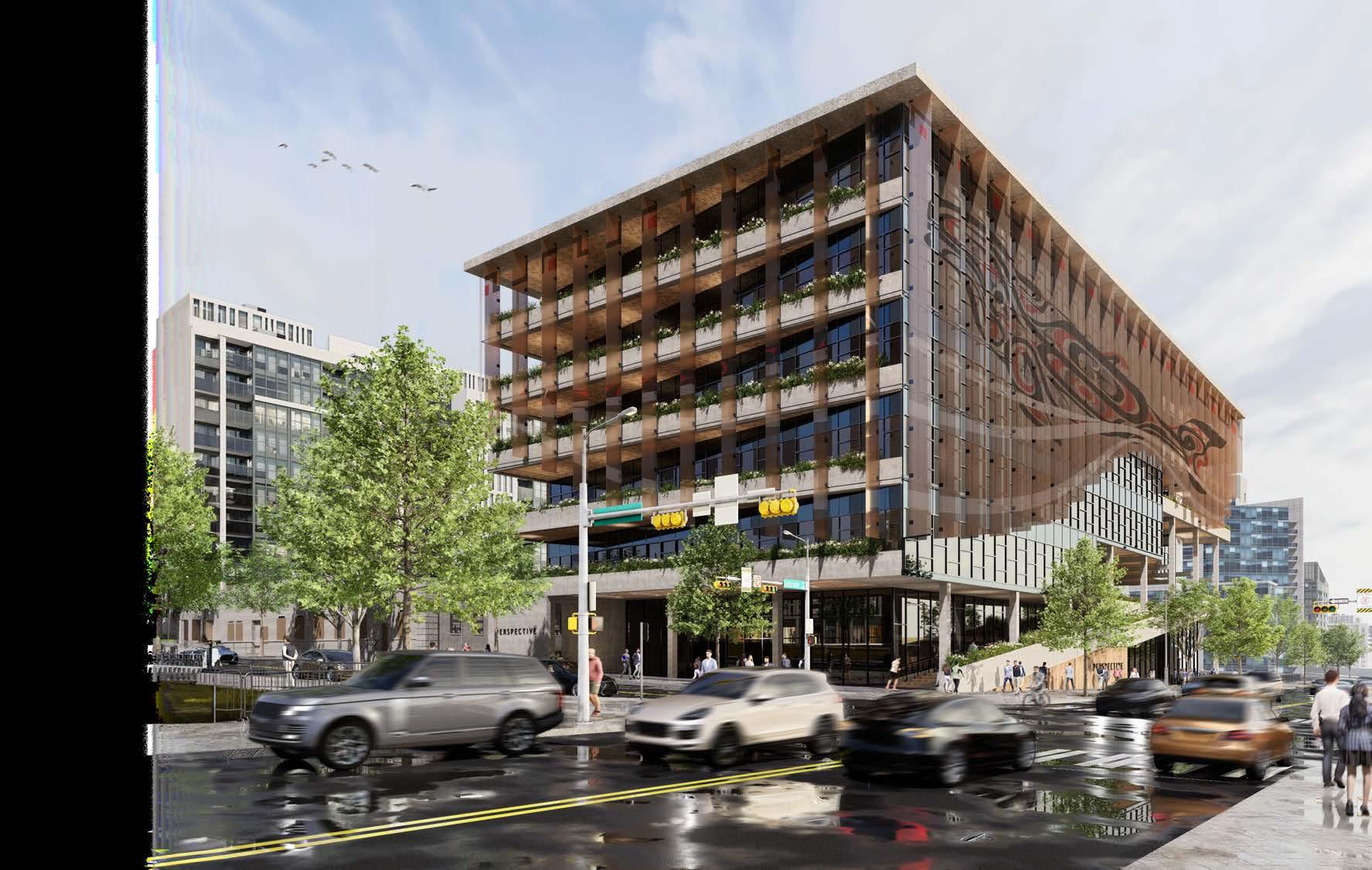
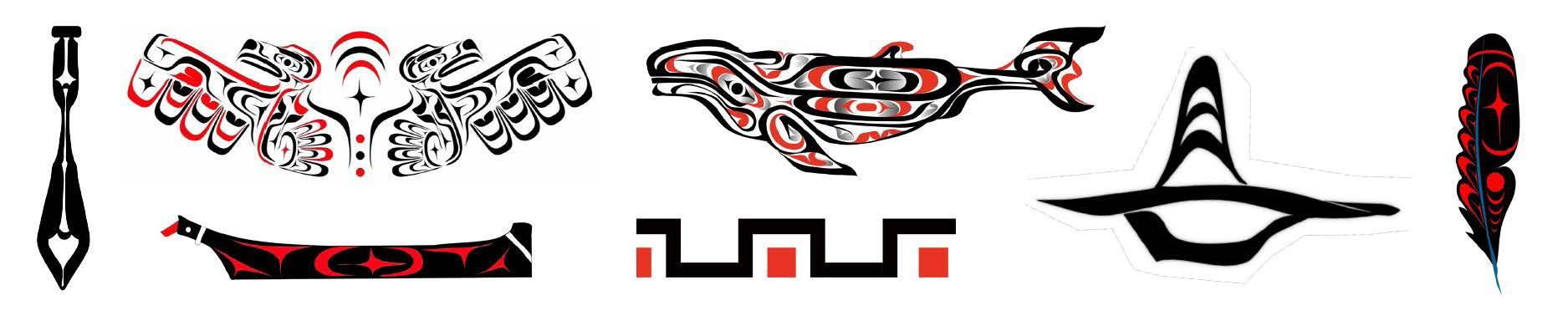
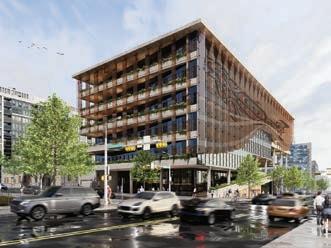
South Lake Union and the Duwamish River are connected historically and geographically to the city of Seattle. Seattle was named after a Suquamish and Duwamish chief, which highlights the important historical heritage of the city. We wanted to highlight this history and give a voice to Indigenous artists we collaborated with, and therefore celebrate this Indigenous heritage by integrating art into public spaces.
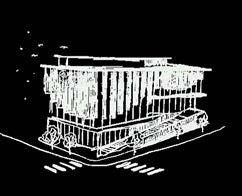
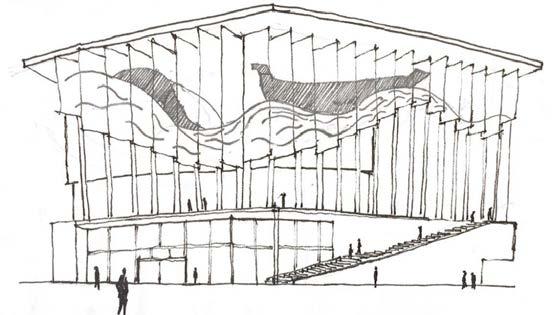
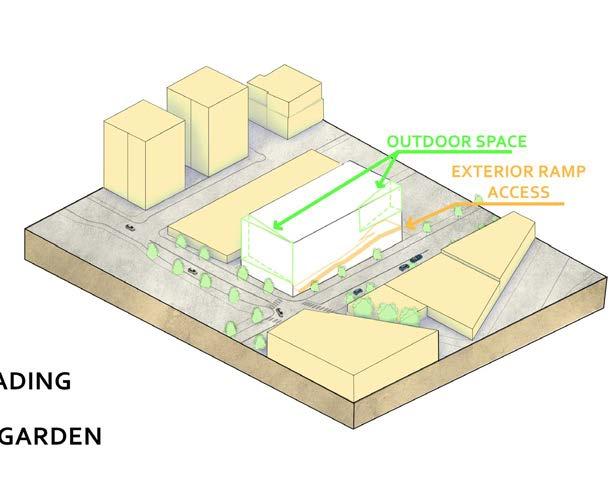
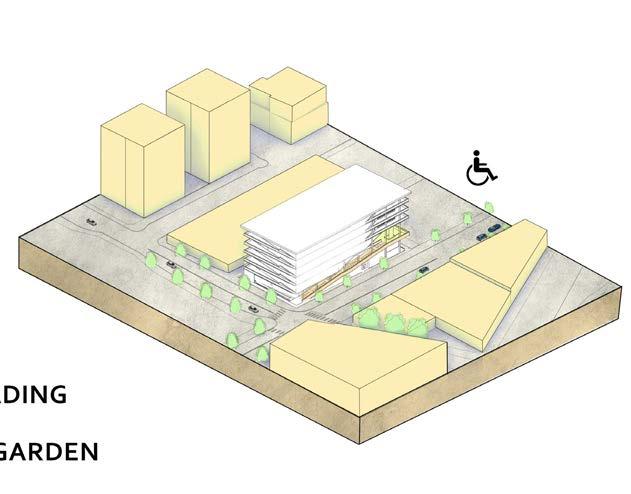
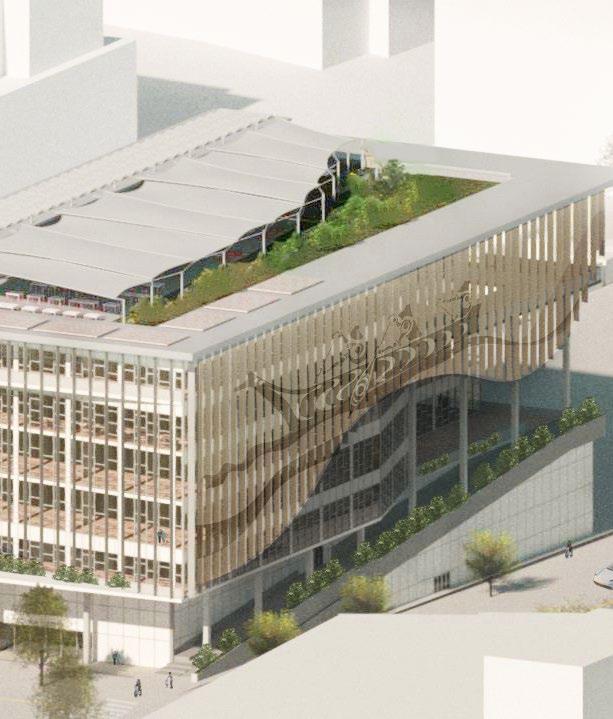
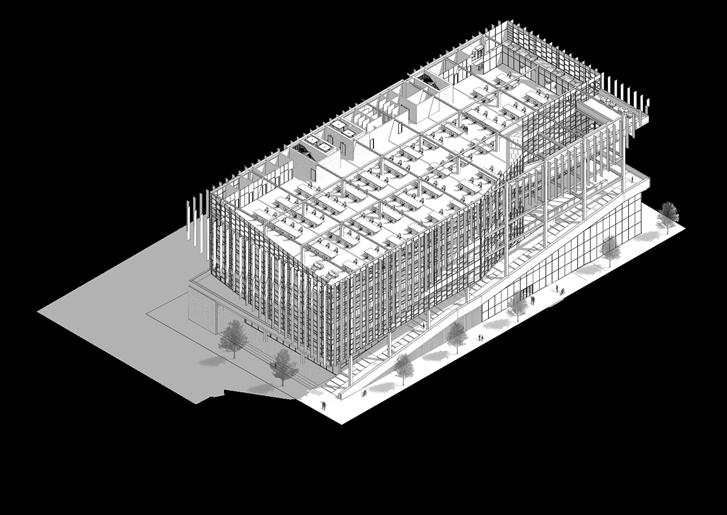
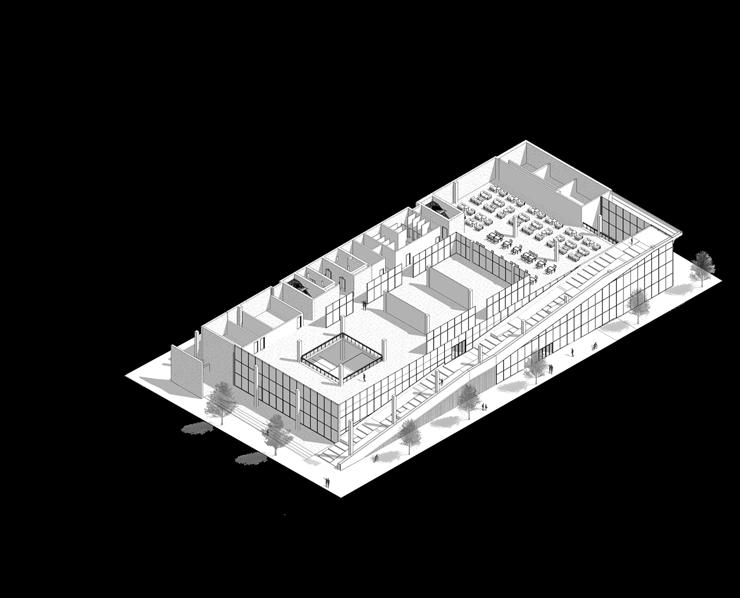
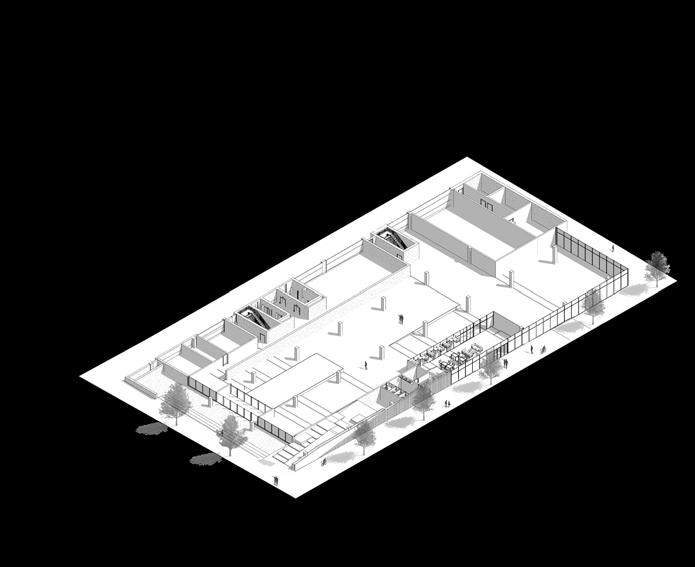
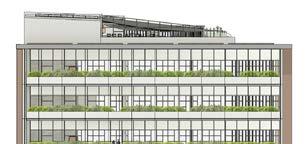
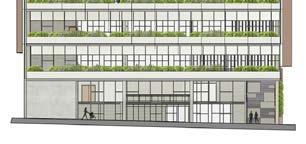
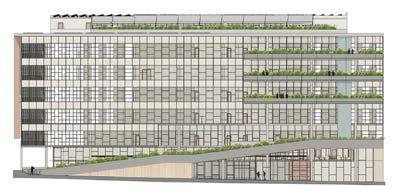
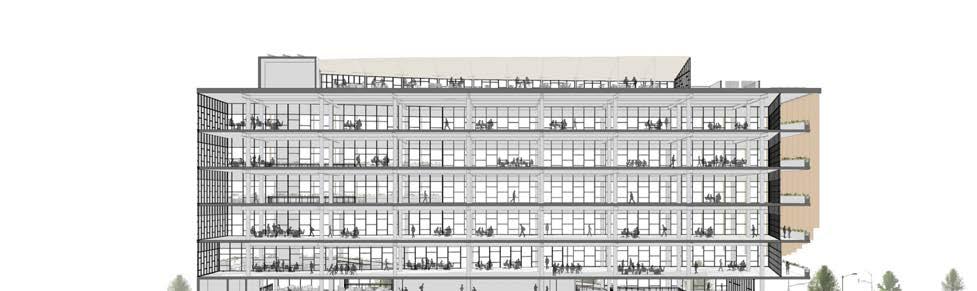
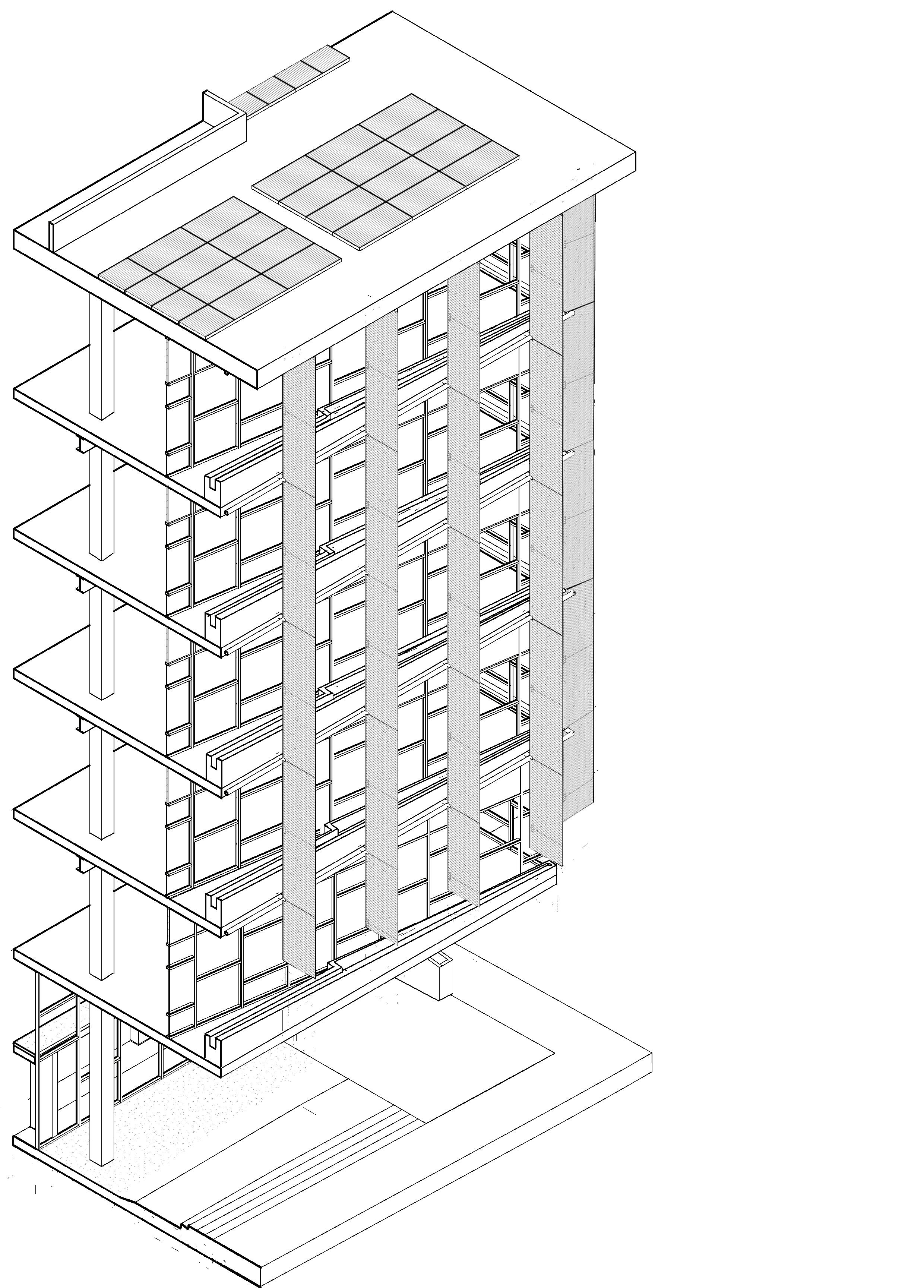
This project was created in collaboration with 4 architecture students and 3 construction management students to develop an office space with an art gallery on the 1st floor and a restaurant on the rooftop for a Vulcan Real Estate client. The structure type, programming, and rentable square footage were given. One big key feature is that we decided to include sun shading devices with artwork from Indigenous artists we collaborated with. The curved shape of the solar shading resembles water waves due to its big significance in life of the early Indigenous people. Another important features are rainwater collection waterfall, solar panels for renewable energy, ramp/stairs access to the third floor providing equal accessibility, and a gallery supporting Native American artists.
Stephan Smith Quinault Tribe of Washington -Facade art
Rico Worl Tlingit+ Athabascan -Gallergy art & Courtyard
Main courtyard space with the ADA ramp going to the 3rd floor.
Subtraction of Volume
Main Circulation
Outdoor Balconies Base on Views
Solar Shading Devices
Stephan Smith Quinault Tribe of Washington -Facade
Artwork by Native American Artist We Collaborated With
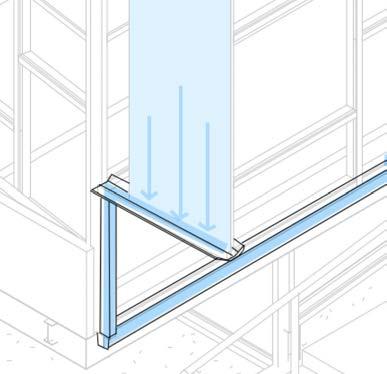
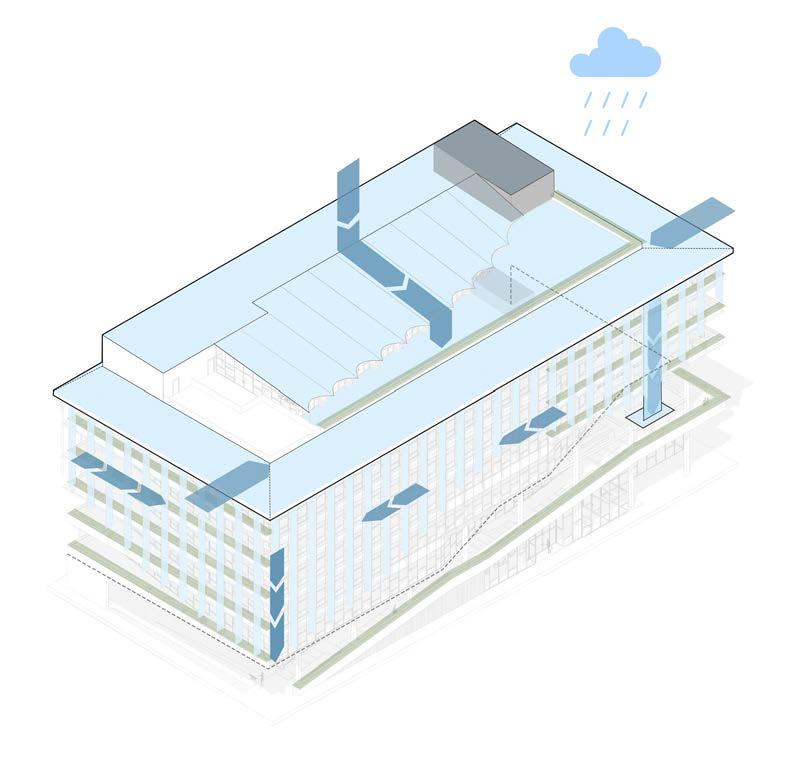
RAINWATER COLLECTION BY ROOF & FINS
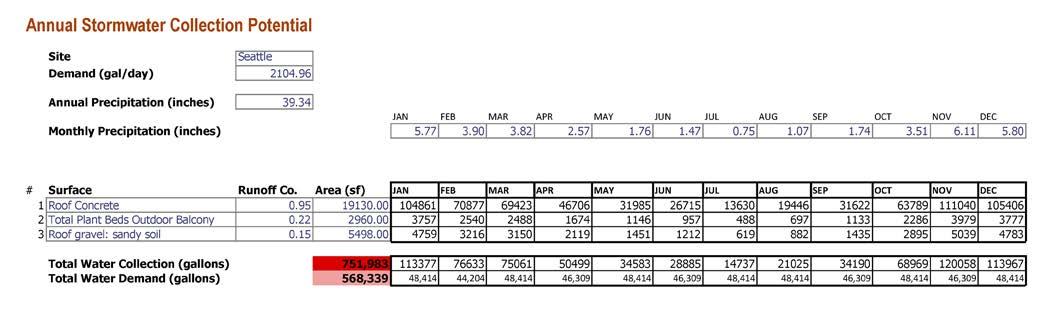
Rainwater Collection and Usage
The rainwater collected is mainly used for irrigation and toilet flushing. Most of the rainwater is collected on the roof and partially on the facade by fins.
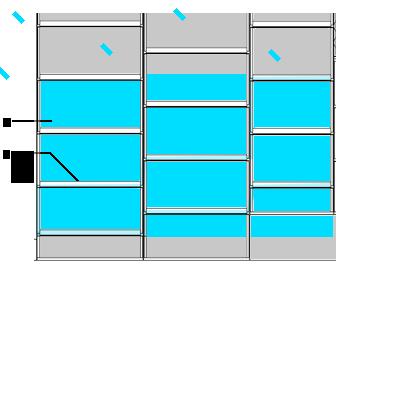
Rainwater Collection by the Glazing
RAINWATER COLLECTION PATH
DESIGN OF THE INTERIOR
7th Floor - Office
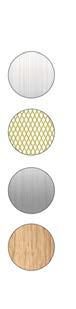
Materials Concrete
Perforated
Wood Veneer
Glass Curtain
Spandrel
It was important for us to choose long-lasting, durable, protected, and cleanable materials for the longevity of the structure. We chose aluminium for the fins for its lightweight and durable properties, as well as the ability to be semi-transparent with perforations.
2nd Floor - Art Gallery
1. SPANDERAL ASSEMBLY:
DOUBLE-GLAZED, HIGH-SOLAR-GAIN LOW-E GLAZING.
PANE ONE
PANE TWO AIR CAVITY
GLAZED COATING FILLER PANEL
MINERAL
Solar Panels
Total Solar Panel Construction Cost
$64,356
Total Renewable Energy Tax Credit
26% of solar panels construction costs
Total Tax Credit From Solar Panels
$16,732.56
Savings - $206,072 after one year on energy bills. The total savings fro the first year is $222,804 so the $56,356 total cost to implement the solar panels would pay itself off.
Rectangular Column 18” x 18” 100
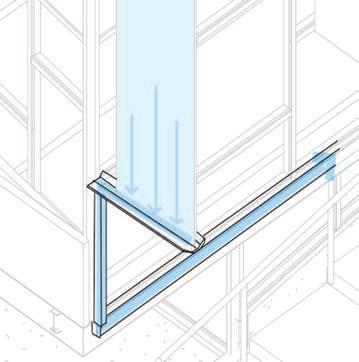
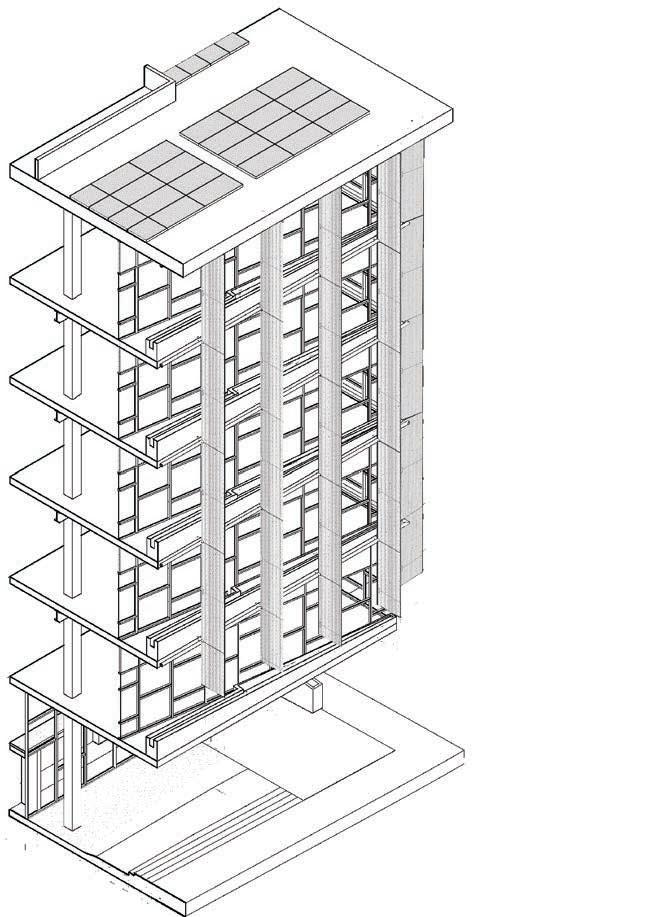
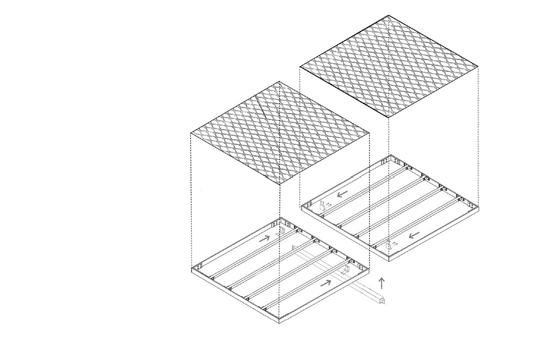
Removable perforated aluminium panels bolted on 4” x 4” steel structure welded to the floor. Steel Girder W18 x 86
5/8’’ INTERIOR GYPSUM WALL BOARD
2.5’’X 5’’ ALUMINUM MULLION WITH DARK GREY ACHROMATIC NEUTRAL COATING. SHADOW BOX
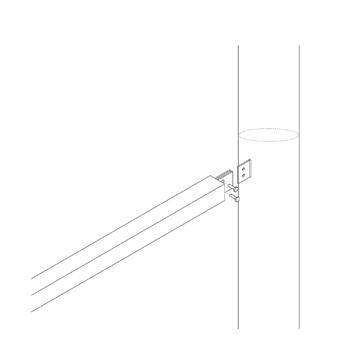
3 - Vertical Fins - 7’ 6’’ BY 4’ BY 7 1/16’’ Perforated metal, HSS8X8X.375 Steel Tube, Simpson Strong Tie Galvanized gauge 8X8 Adjustable Brackets & U Shape Steel Brackets
4 - Floors - Reinforced Concrete Slab on Corrugated Metal Deck
5 - Galvanized Steel I-Beam
6 - Double-Glazed Glazing - Part of a Curtain Wall
7 - Exterior Fabric
8 - Vetrina Glass Bi-fold Folding Glass Wall & Door System
9 - Stainless Steel Guard Rail Post
10 - Reinforced Concrete Structural Column
11 - Plant Bed
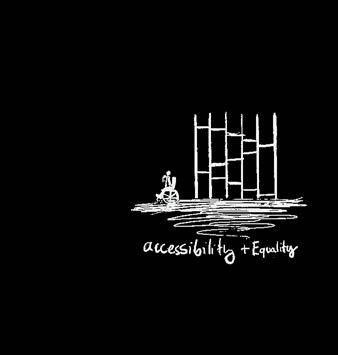
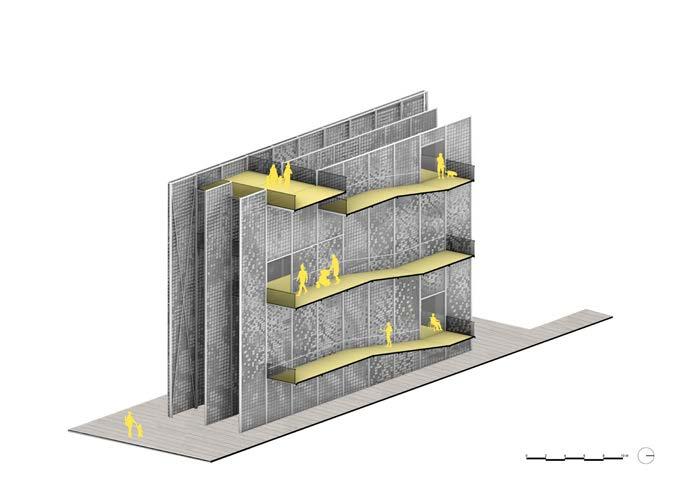
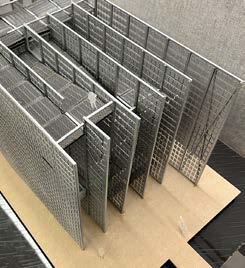
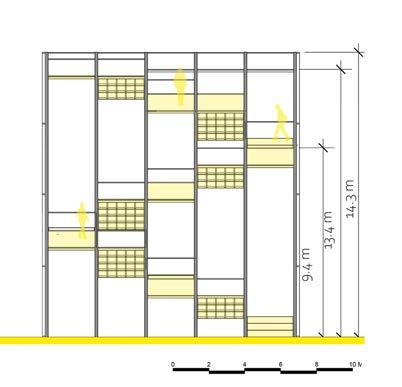
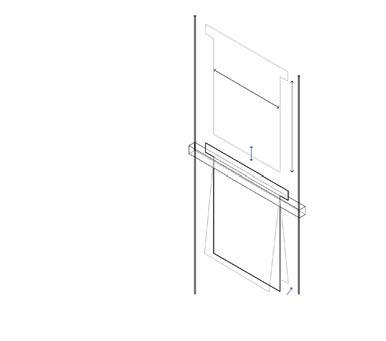
Inspired by the natural elements’ effects like the reflections of the lake’s surface, the structure consists of six kinetic wind facades that are customizable by the visitors or the city for different purposes, seasons, or events. The ramps are ADA-compliant and add to the experience of the tower. A vending machine with floppers of the kinetic facade system and souvenir markers greet the visitors on the path to the tower. Writing a note on these floppers and dropping them into any of the slots on the dynamic walls not only allows the visitors to have a personal and memorable experience but also helps construct the tower completely over time, making it a landmark of the community. As time goes by, the tower grows with the people. The ramps and landings are made up of modular units that can be disassembled, customized and moved/replaced. Additionally, this design supports deconstruction, and circular economy concepts by its structure and materials. Aluminium is a great example of circular economy material.