CONNECTING EUROPE
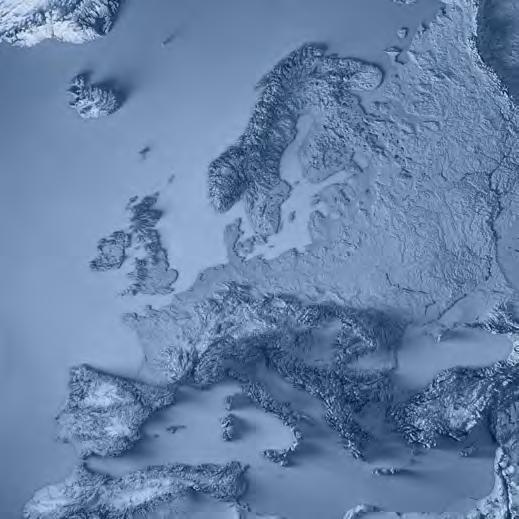
THROGH ARCHITECTURAL HERITAGE (concept thesis explored through multimedial formats)
 Stefan Župan 2022
1
Europe connected through architectural heritage
Europe is the smallest, yet the richest continent we know of, mostly because of its maintained and preserved heritage.
“Knowing
our history is knowing ourselves”¹
All the different political and ideological eras have left a big footprint on the cultural contrast that we can see today, whether through all the various channels of art for ex. paintings, sculpture, musical compositions etc. or our most notable ambassador architectural heritage!
Life goes on in an environment; not merely in it because of it, but through interaction with it. No creature lives merely under its skin; its subcutaneous organs are means of connection with what lies beyond its bodily frame, and to which, in order to live, it must adjust itself, by accommodation and defence but also conquest. At every moment, the living creature is exposed to dangers from its surroundings, and at every moment, it must draw upon something in its surroundings to satisfy its needs. The career and destiny of a living being are bound up with its interchanges with its environment, not externally but in its most intimate way. ²
Despite all the divergence, we can also see moments of reference, a thing notable in every artistic aspect, a borrowing of elements on every piece left by artists or architects. From the constant communication present in Boris Čipan’s and Dušan Grabrijan’s literature to the footprint on Viennese Secession in Ljubljana’s early 20th-century school brought by Plečnik’s work with Otto Wagner. We see a blurry, yet eternal language that architecture connects various areas of Europe. A consequence and reflection of the precursory system that echoes in the language that architectural heritage carries.
We’re going to examine this thesis in a variety of spaces and its ambassador buildings from which we can trace some of these elements of continuity. The connection’s more vague than vivid, but that is what makes it more of a human than an academic principle.
We have to trace an embryonic designs and look for developmental types, so we find the link in the chain that connects our past with our present3
His famous Dictionnaire raisonné de l'architecture française du XIe (Reasoned dictionary of French architecture from the eleventh to the sixteenth published in ten volumes (1854–1868), is his philosophy of gothic architecture form of a dictionary. These writings influenced modern architects, such as and Frank Lloyd Wright.
au XVIe siècle sixteenth century), architecture in the as Le Corbusier
LE COURBUSIER
CIAM GUSTAV KLIMT
PLEČNIKOVI ŠTUEDNTI v Le Corbusierovem ateljeu (1929-1940)
LE COURBUSIER Le Voyage d'Orient
PLEČNIK IN NJEGOVA ŠOLA OTTO WAGNER
DUŠAN GRABRIJAN MAKEDONSKA HIŠA
WAGNER SCHOOL LJUBLJANA SECESSION
BORIS ČIPAN LITERATURE
scholarship enabled him to travelfor three years (1892–1894) to Asia Minor
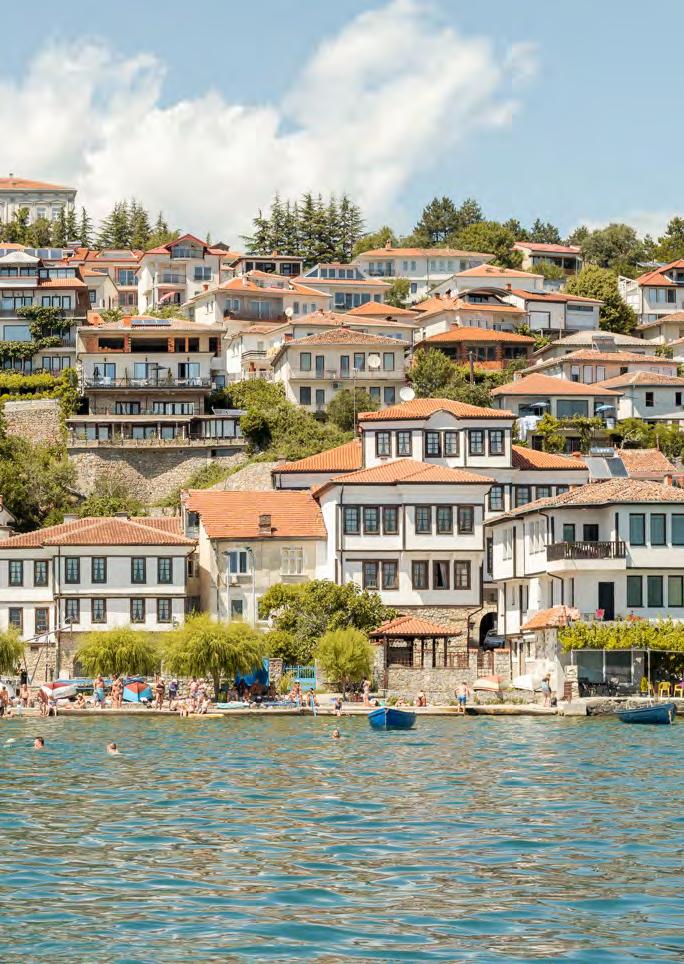
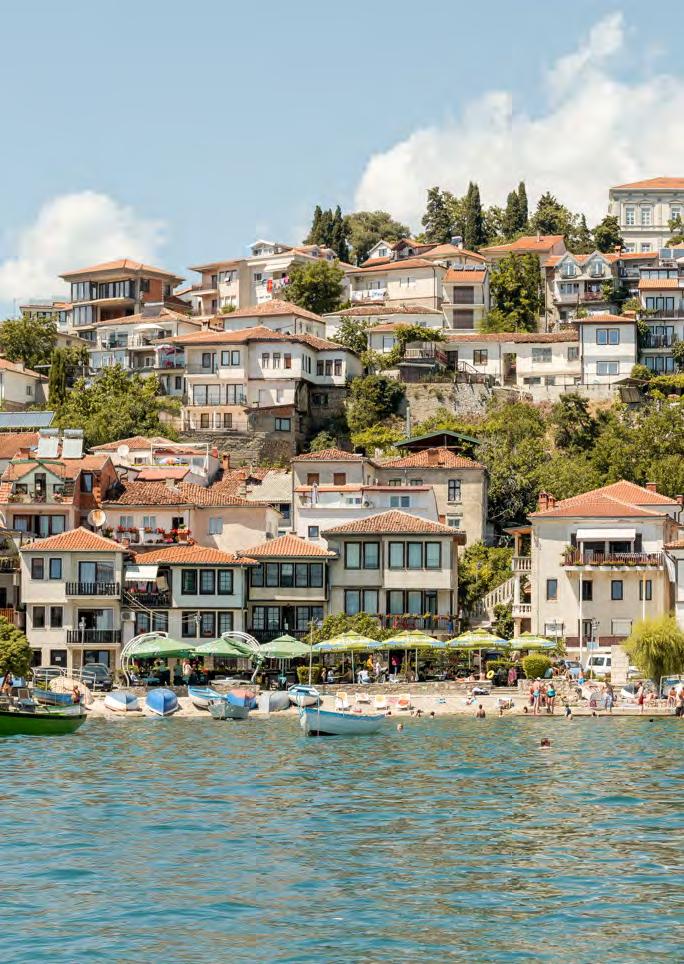 Fg.1 S’rišče neighboorhood on the Ohrid Lake coastline
Fg.2 Kaneo fishing neighboorhood on the Ohrid Lake coastline
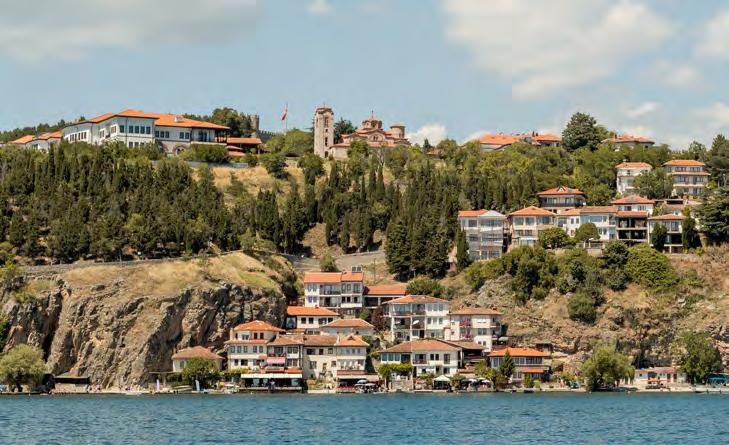
Taking Ohrid is a starting point for the architectural heritage connection throughout Europe, a small town located in southwest Macedonia with continuous settlement in the exact location ever since the Hellenic period. But for now, we’ll explore architectural genetics from a more recent perspective so the connection with the rest of Europe is even more vivid.
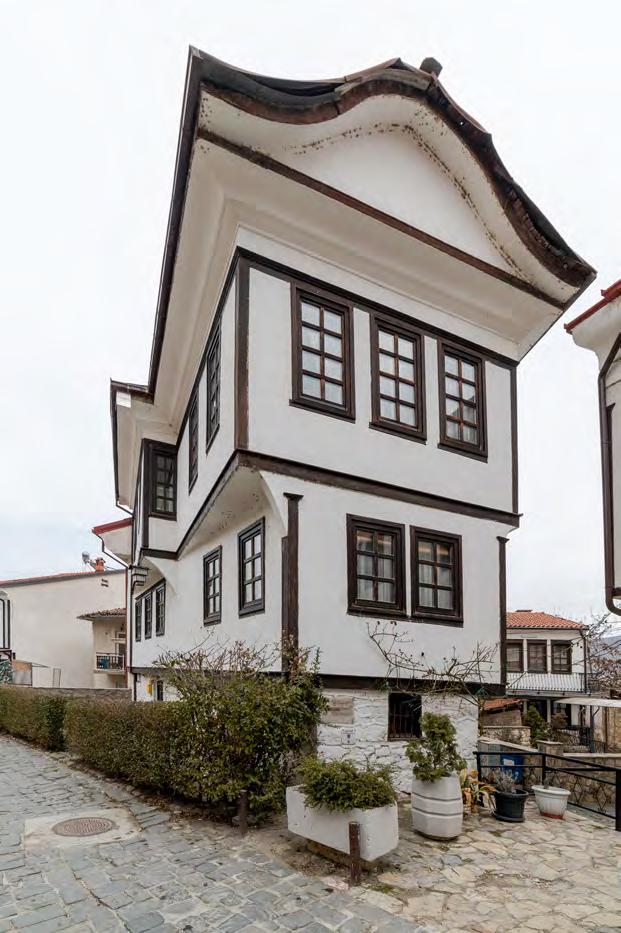
“The Orient has always nurtured residential culture on a broad scale. Throughout the XVIII and XIX centuries, other nationalities within the Ottoman Empire achieved relatively high economic prosperity. From the high residential culture, the oriental house has the qualities of human standards and the ideal humanization of space. That is why European architects are inspired by the Orient in the exploration and creation of the modern European house (ex. Le Corbusier, D. Grabrijan …). We cannot claim that the influences from the Orient are over. However, climate differences are a major obstacle.
The half-open oriental house with spaces directly exposed to a burst of drafts in open čardaks (verandas) and gardens cannot be directly transplanted to continental Europe. We have to look for the transition somewhere and this is where we get to the heart of our problem. And in the conditions of Ottoman domination, the Macedonians never left the European way of living in the house of the continental climate.
Fg. 3 KA XIX family house in the Ohrid old part of the town
That way of revitalization, adapted to the oriental position, forms the Macedonian architecture. Regardless of the high level of hygiene and technique from the industrially developed European civilization, the Macedonian house still has a lot to say about the issues of contemporary architectonics of the living space.”
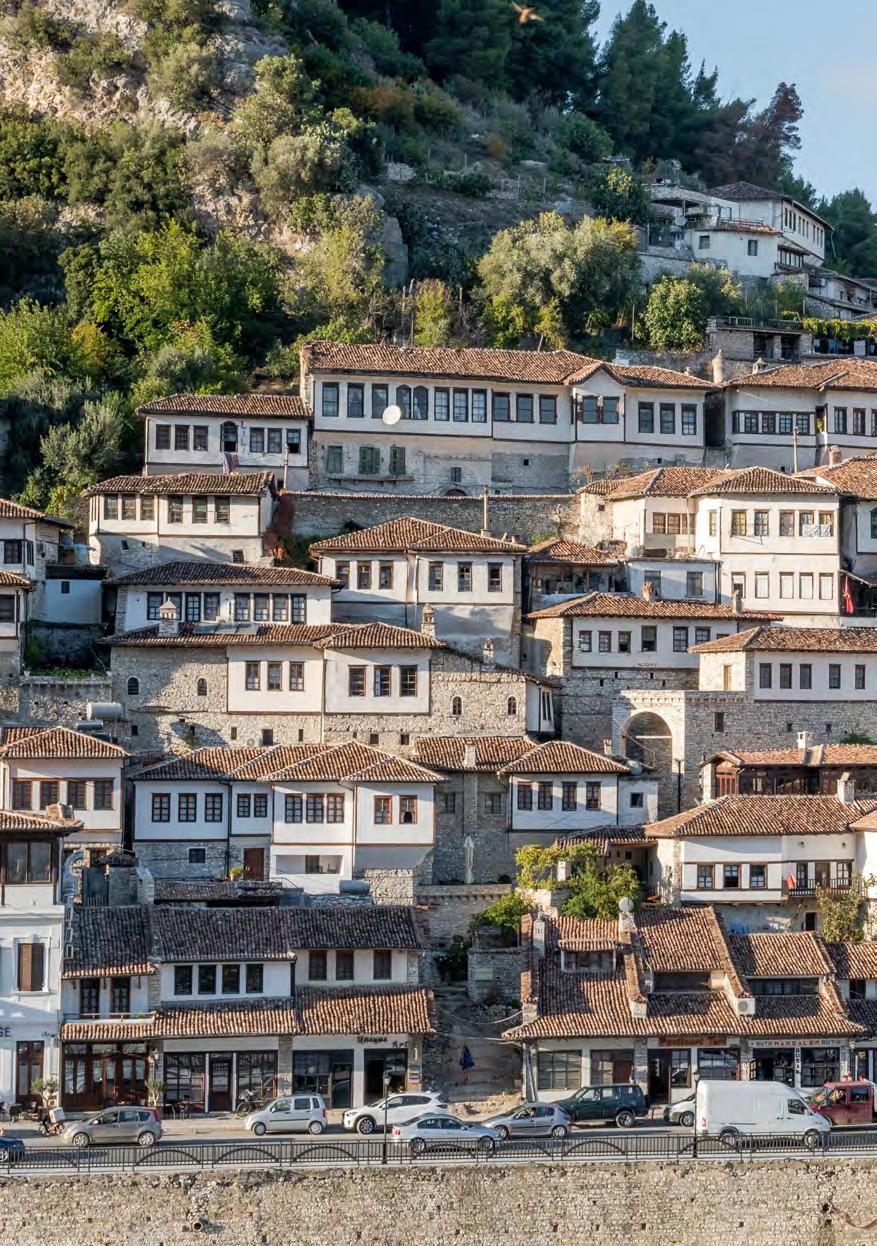
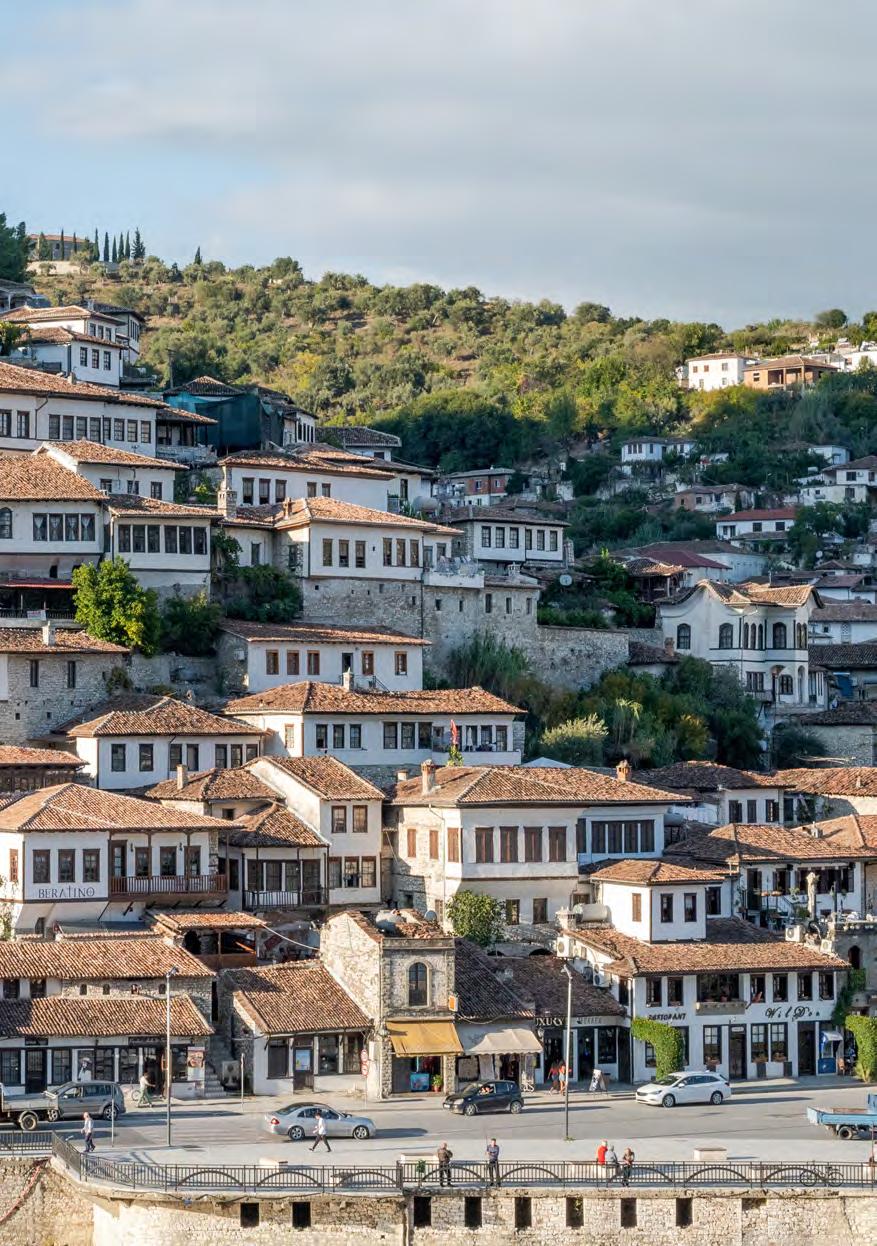
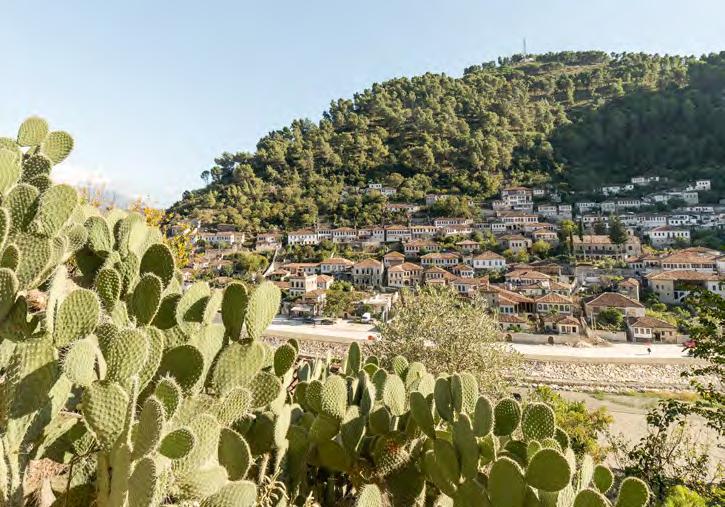
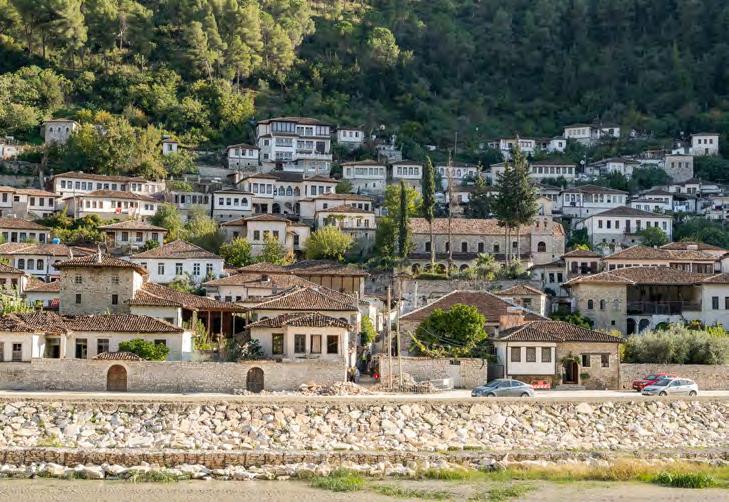
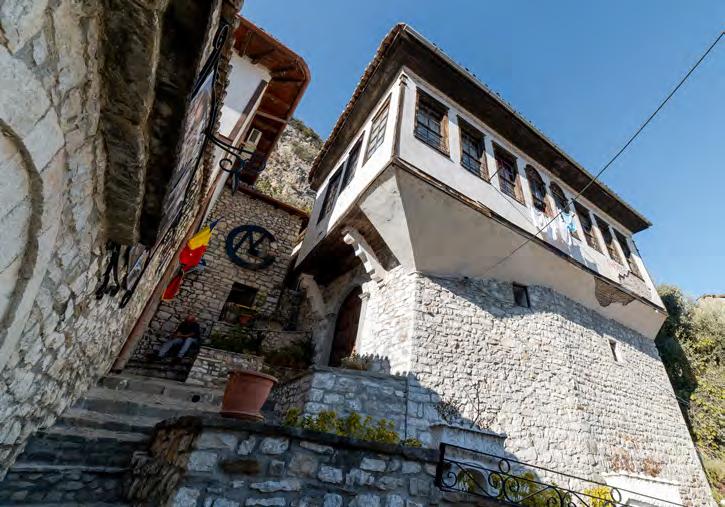
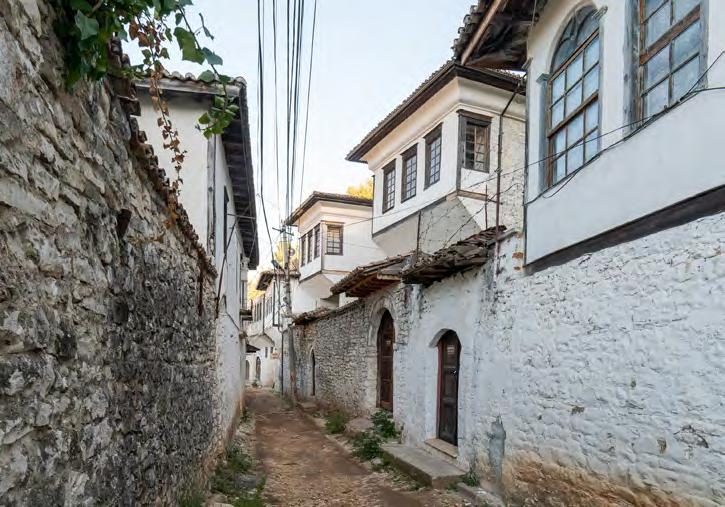
Fg.4 Berat old town, resemblence with the traditional architecture in Ohrid as a product of the late Ottoman rule in the Balkan peninsula
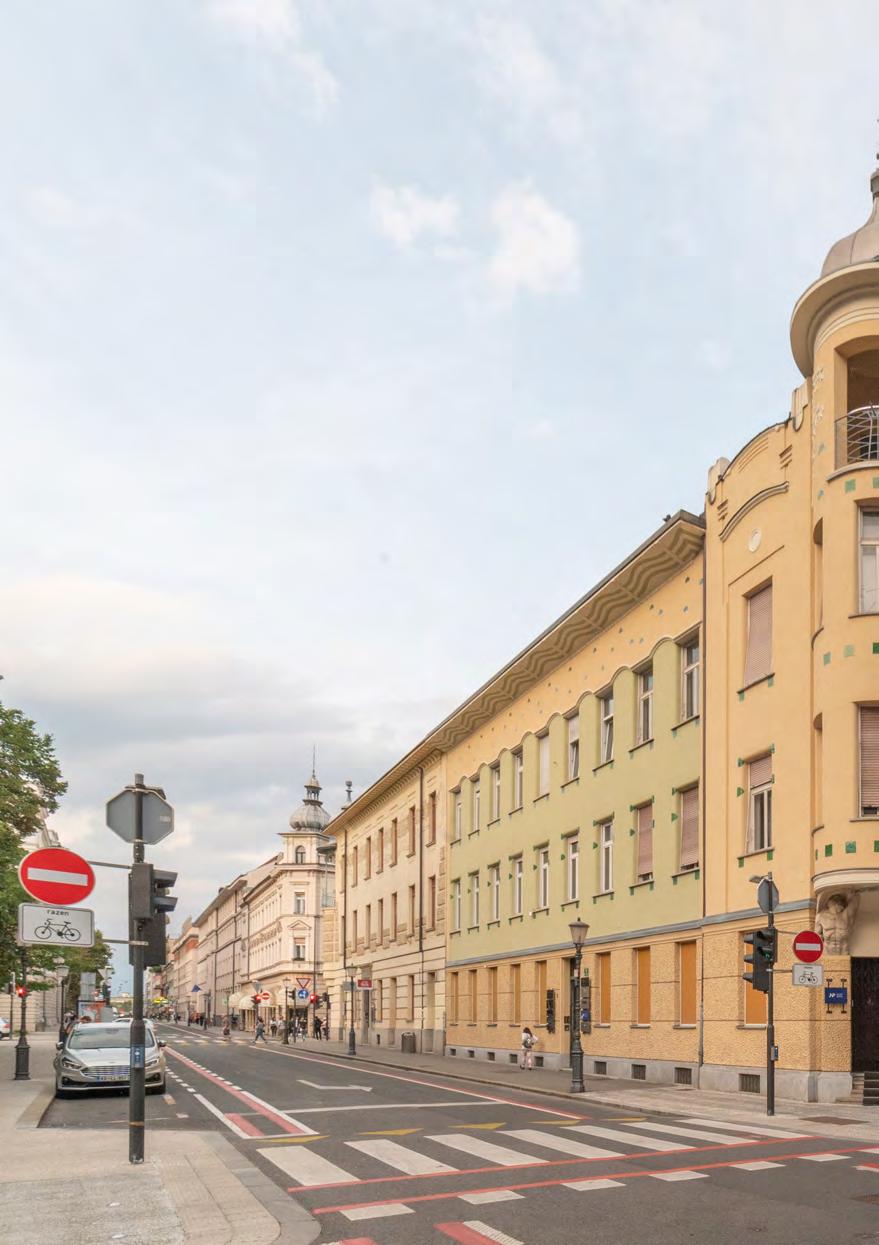
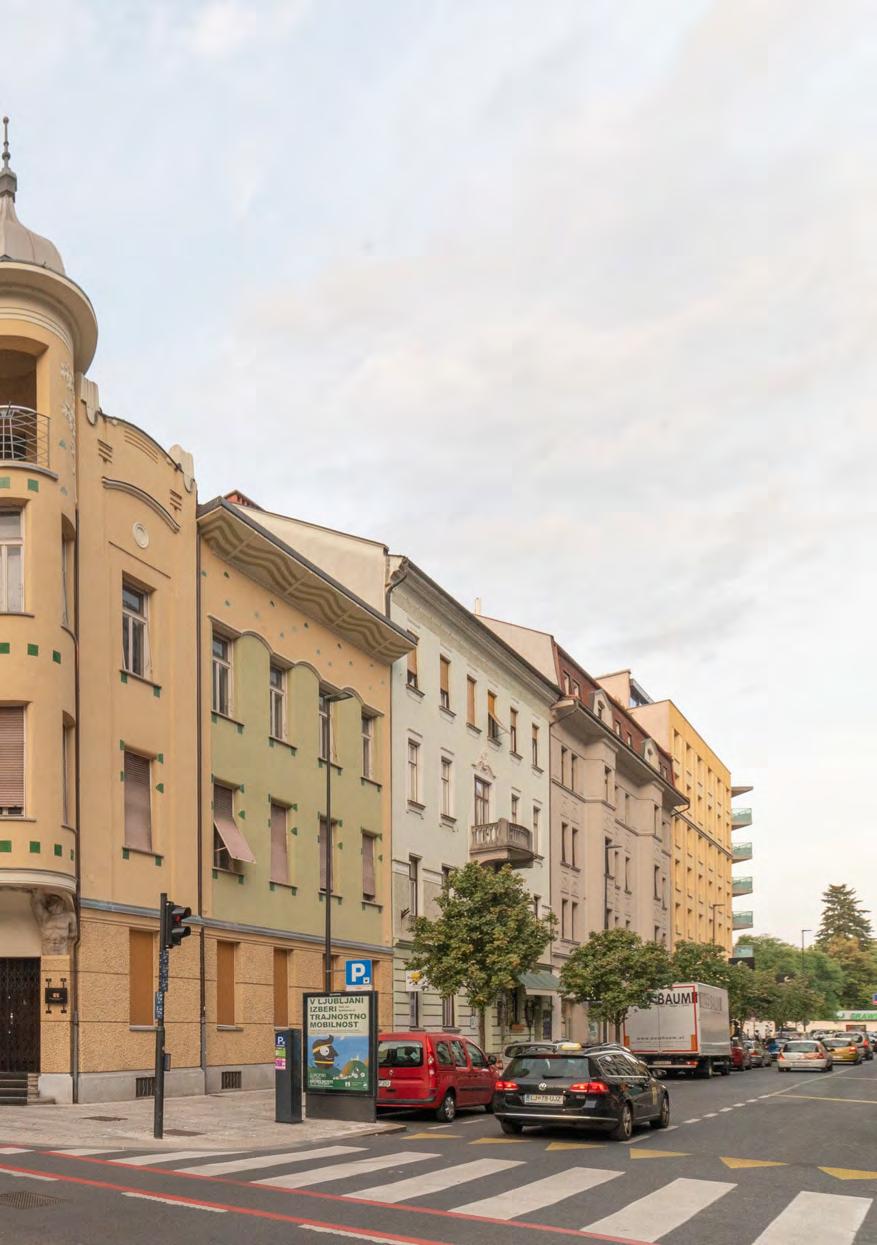
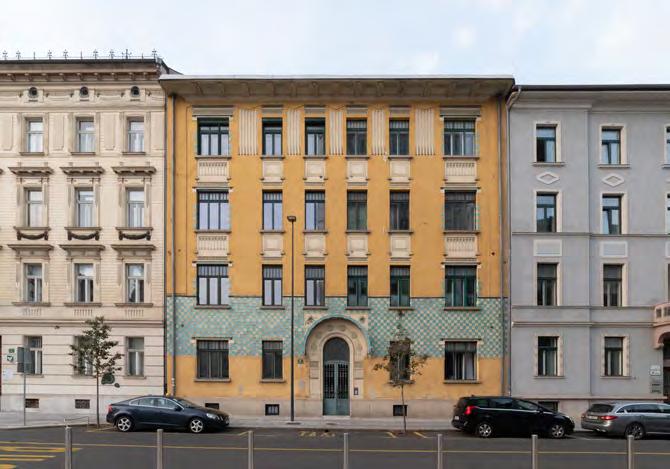
Fg.9 Ana Regalli rental apartment building, 1904–1906, Contractor Faleschini & Schuppler in Ljubljana central city core
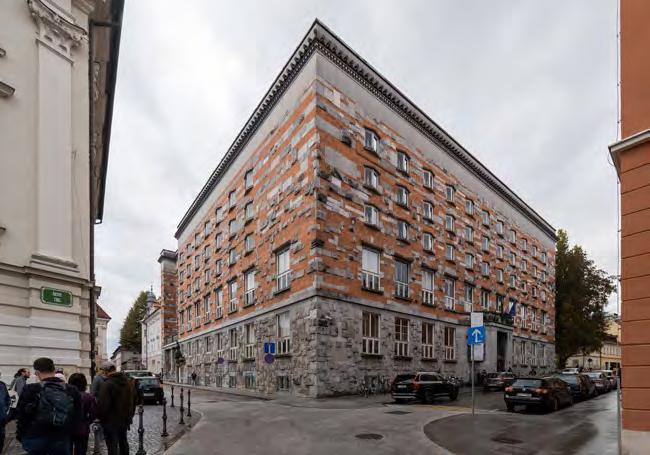
Fg.10 Jože PlečnikNational and University Library
Under the influence from the Viennese Secession, we see a lot of buildings using the same language in the core of Ljubljana
Fg. 11 Robert Smielowsky rental apartment building, Dalmatin Street no. 3, 1903
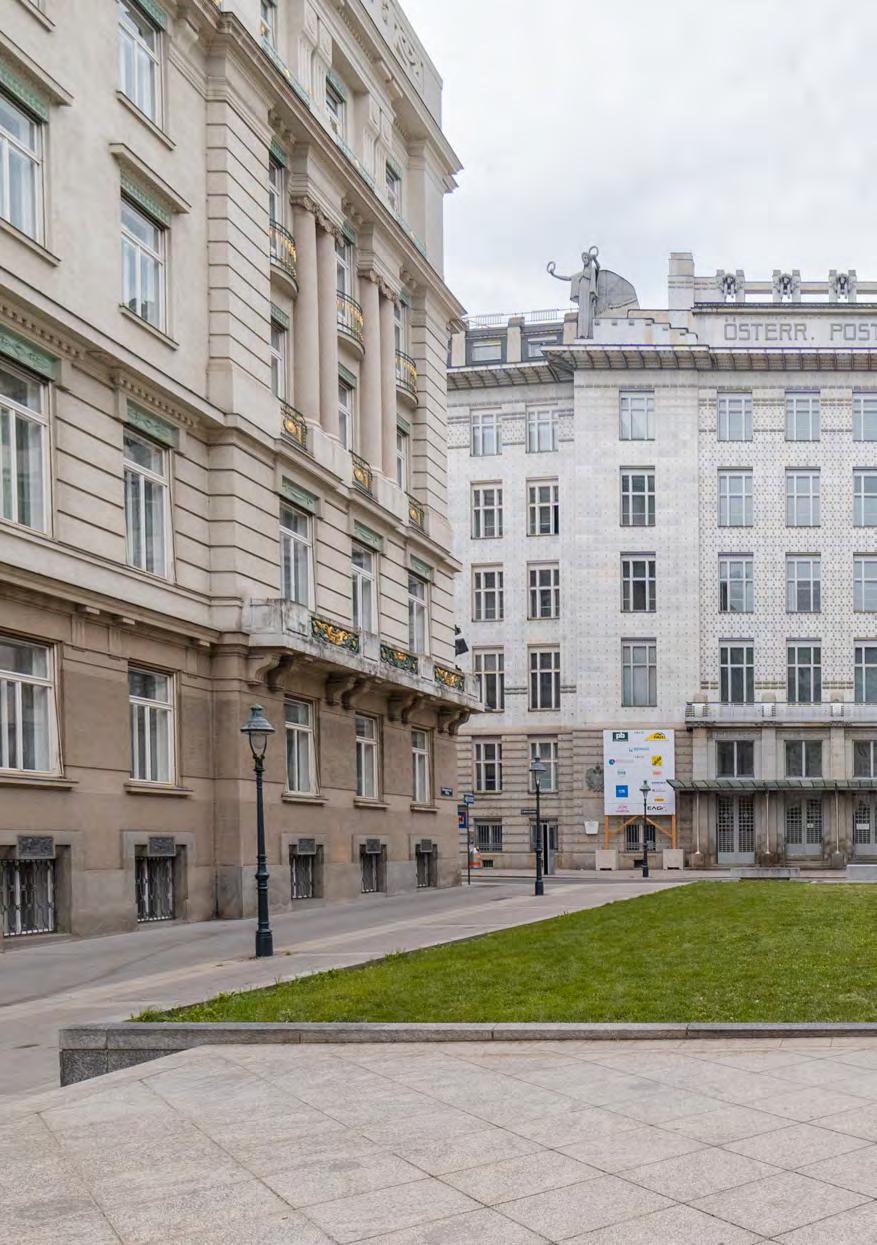
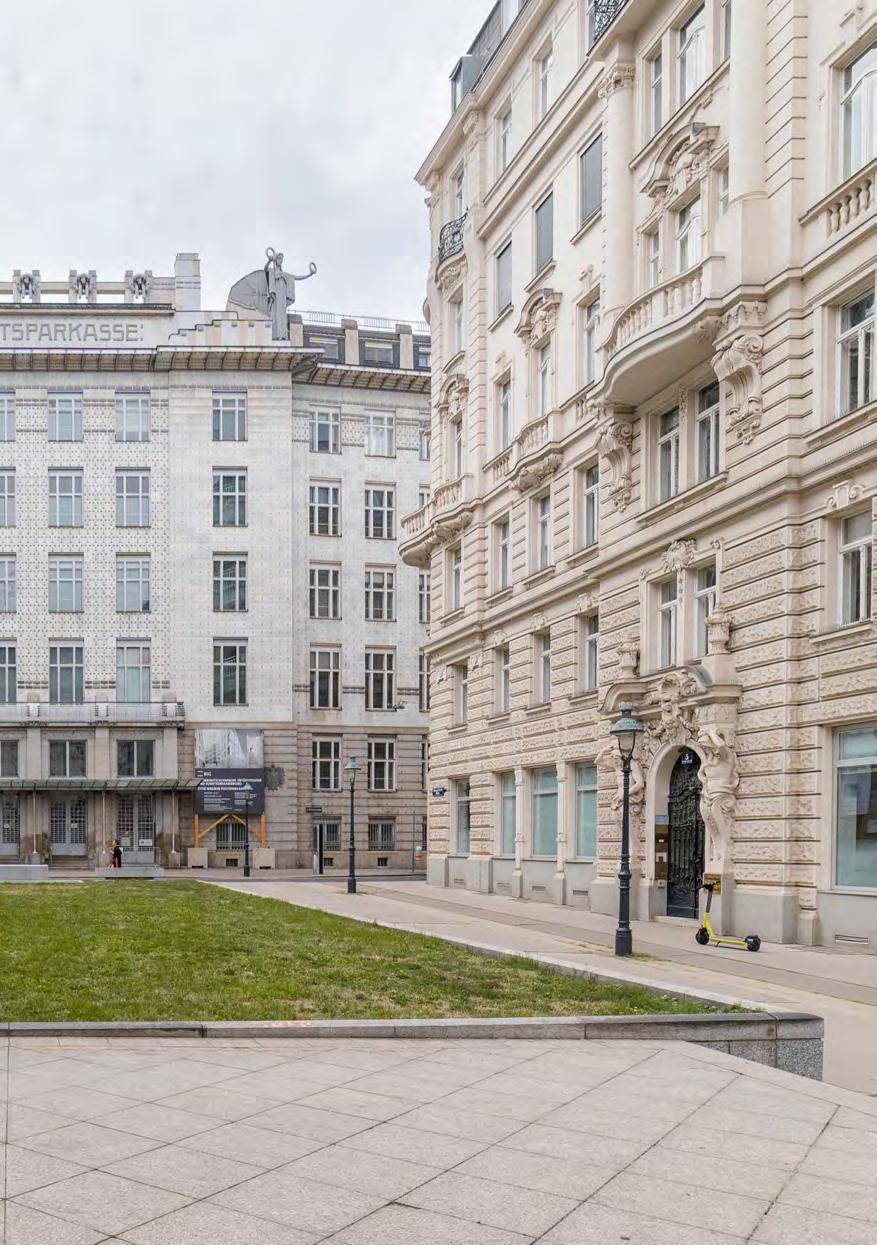 Fg.14 Otto Wagner’s (Plečnik’s mentor) Österreichische Postsparkasse in Wien
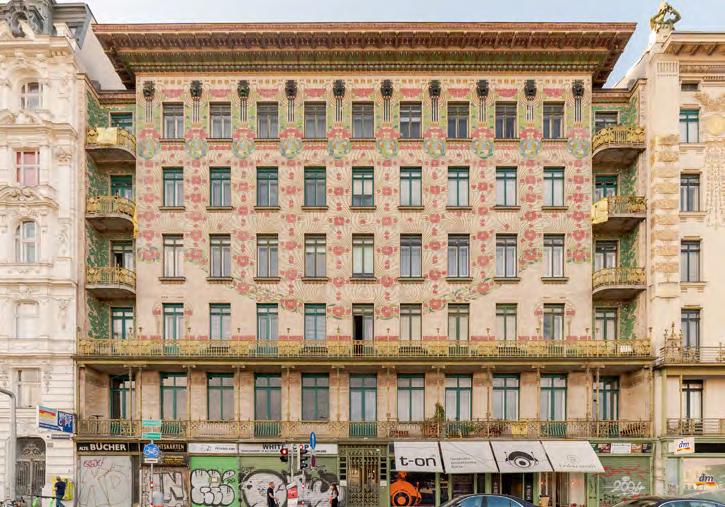
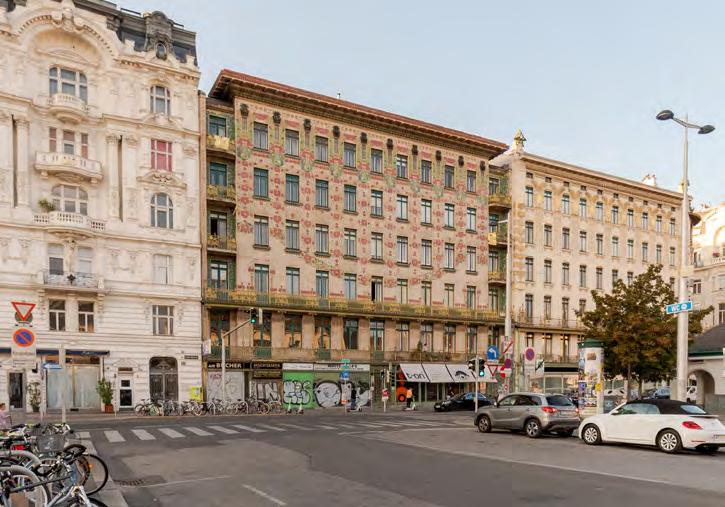
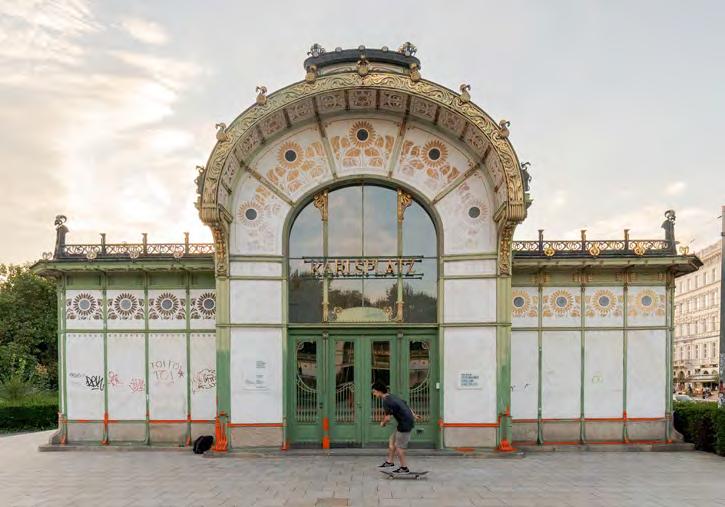
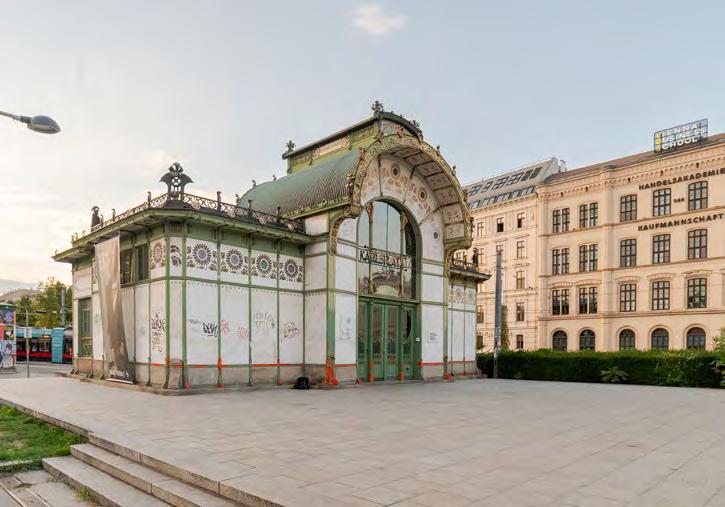
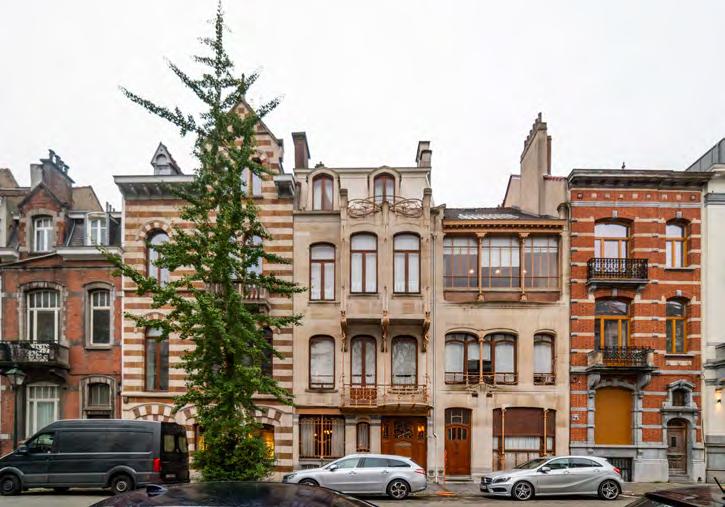
in Brussels
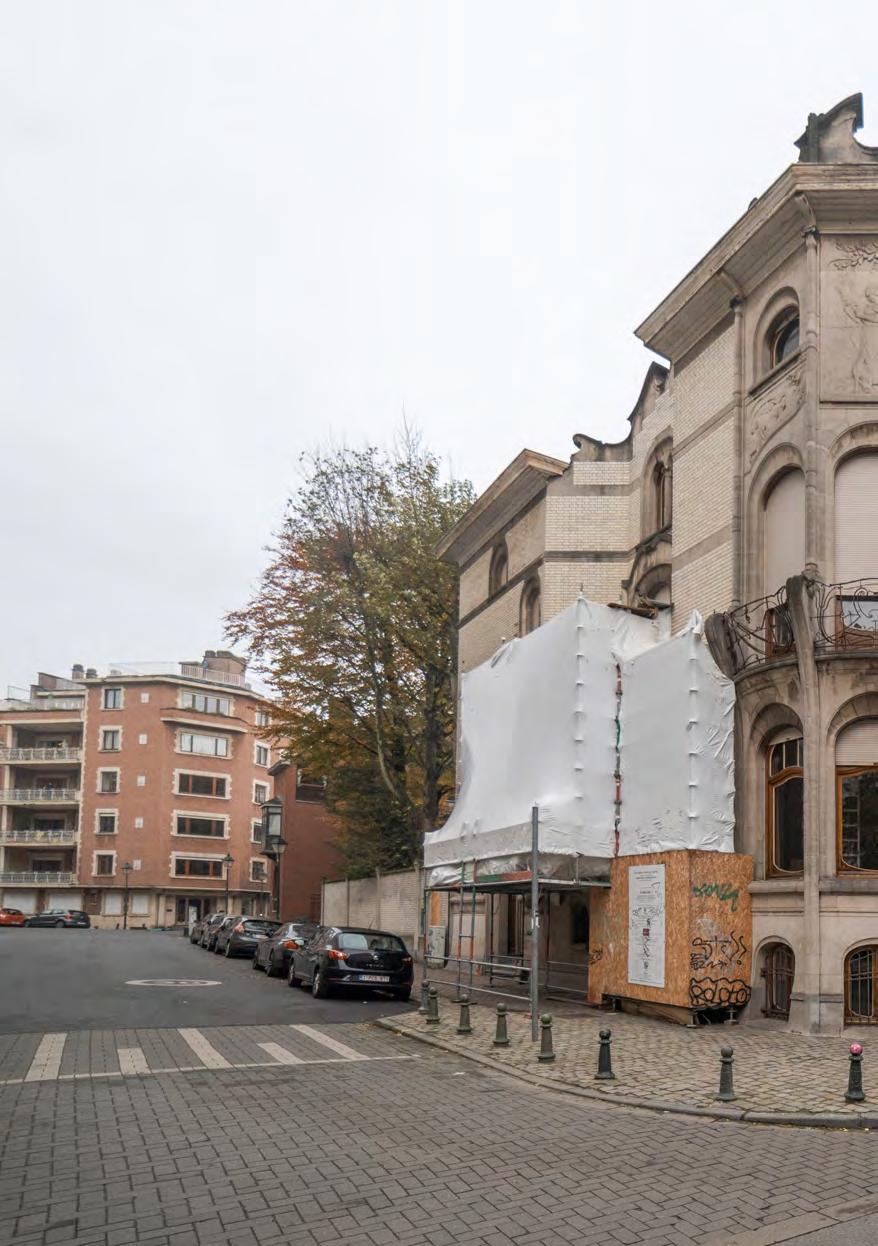 Fg.19 Hôtel Hannon
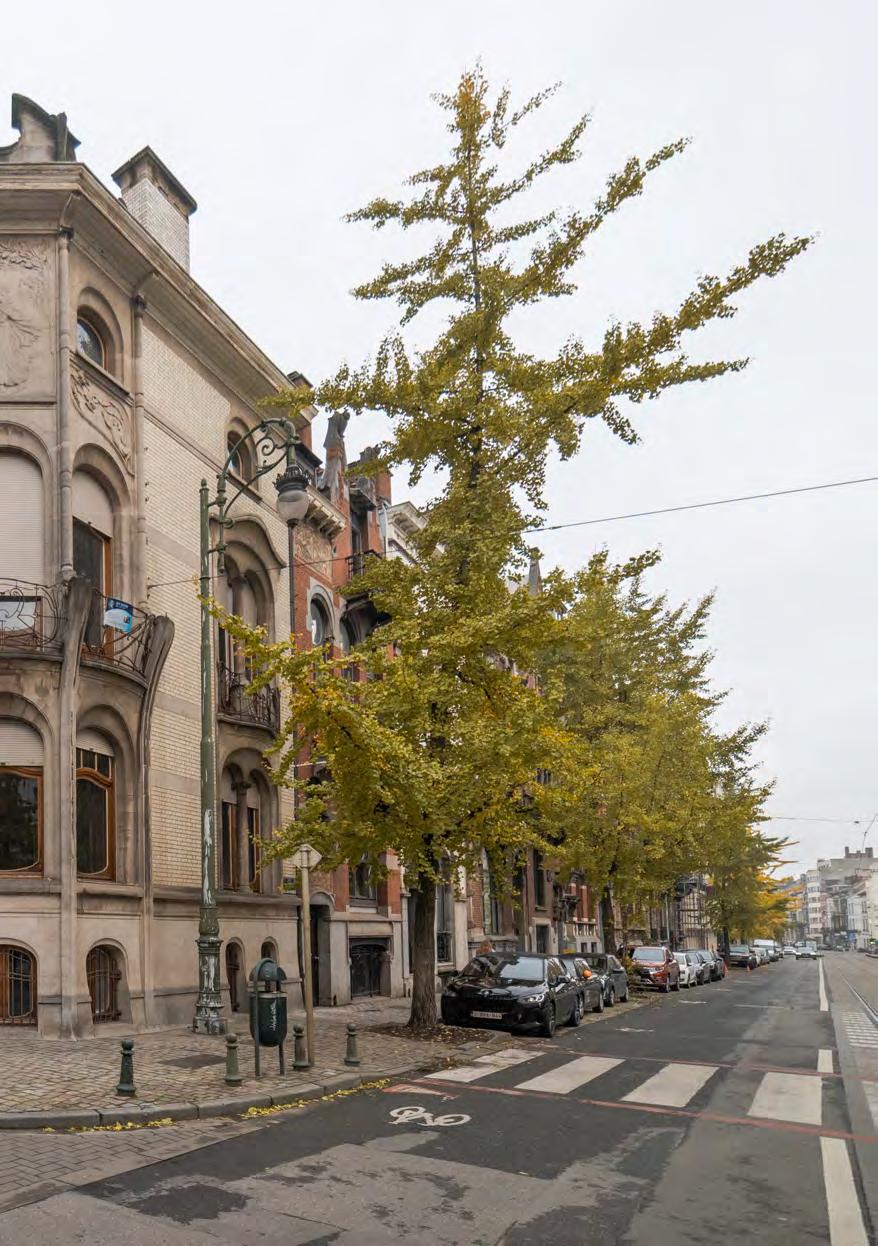
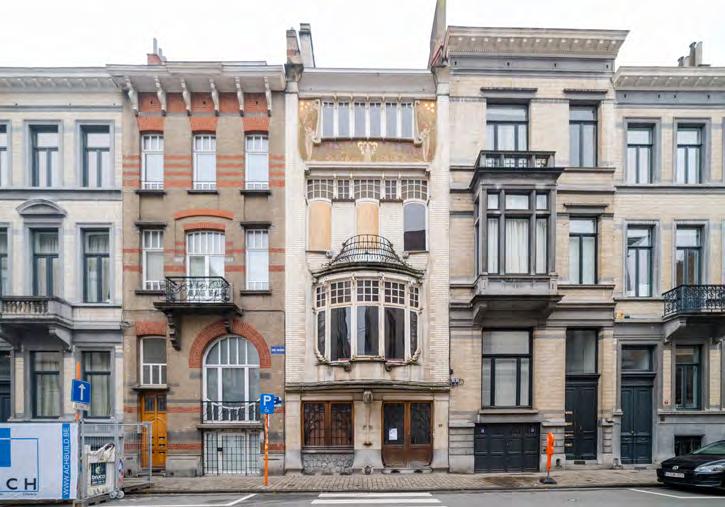
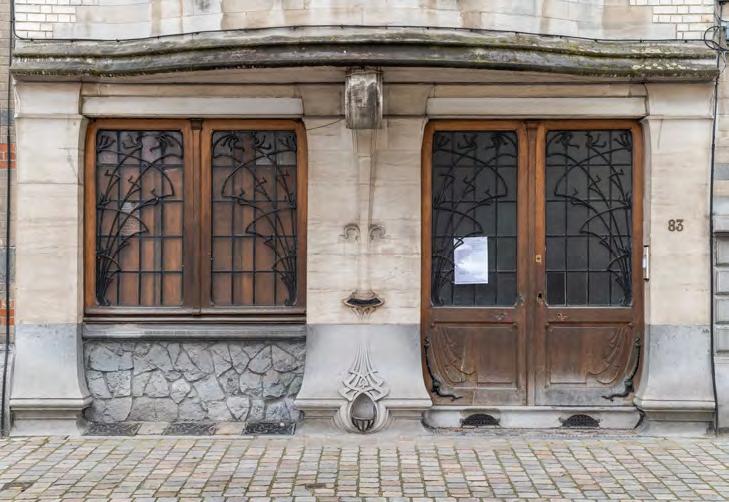 24 Fg.20 & 21 Private house owned by the architect Albert Roosenboom
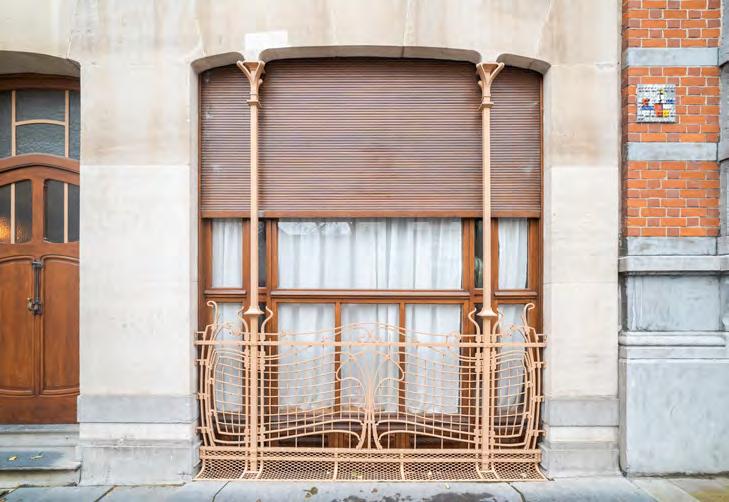
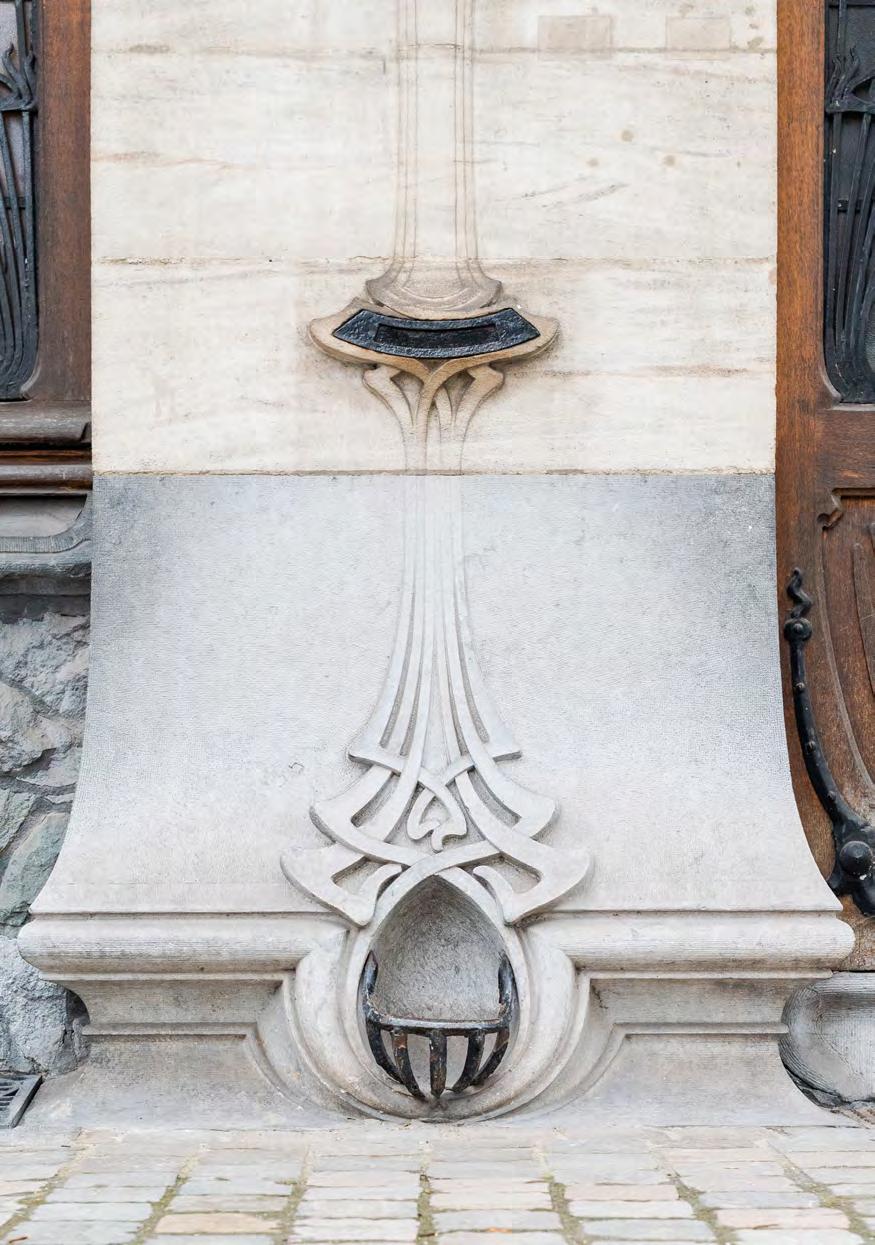 Fg.22 Detail of private house owned by the architect Albert Roosenboom
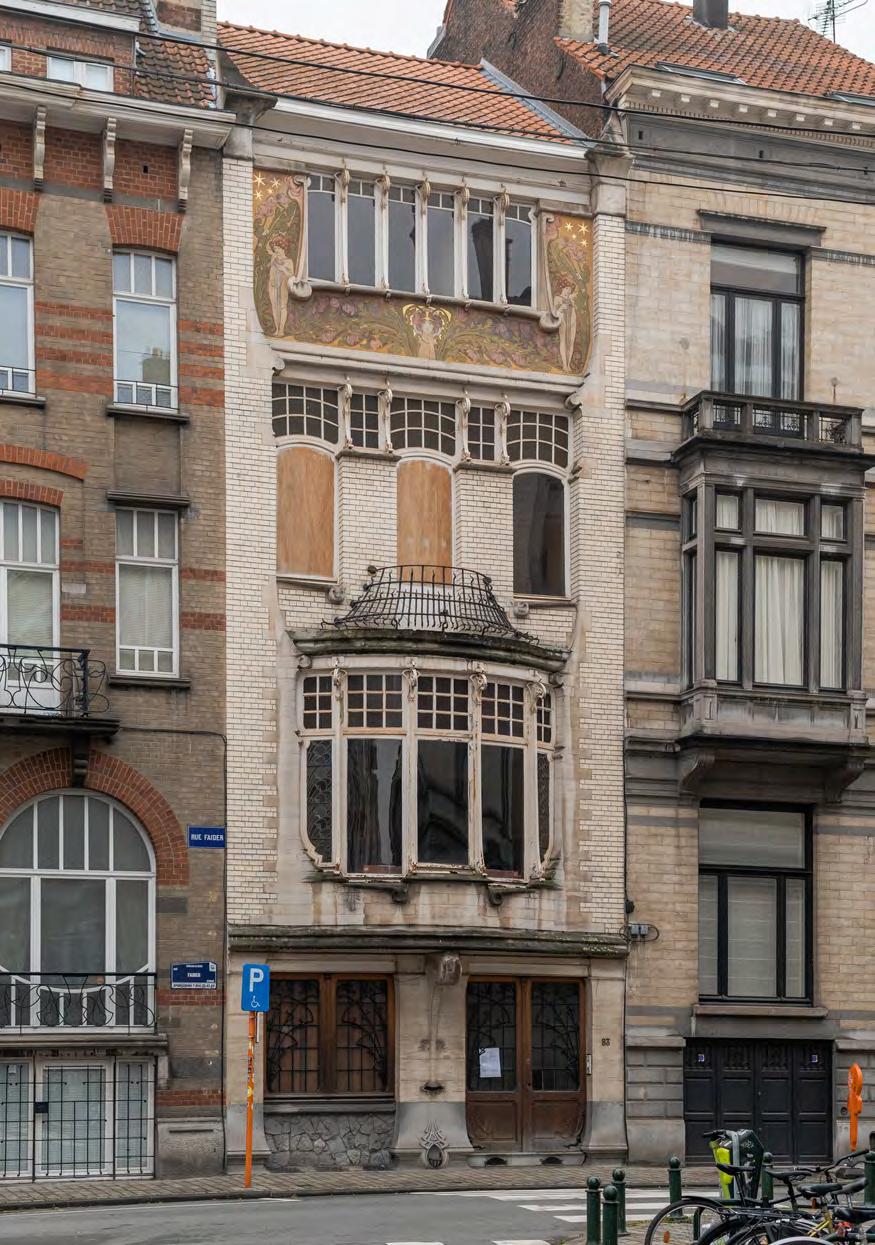 Fg.23 Detail of private house owned by the architect Albert Roosenboom