selected works Stefan-Alexandru Cristinoiu
education:
B.A. Architecture
Technical University of Munich
Oct 2019 - Sep 2023
Exchange Programme
University of Nottingham
Sep 2021 - Jan 2022
Exchange Programme
Korea University
Feb 2022 - July 2022
work experience:
AR:Toolbox HiWi (Student Assistant)
Technical University of Munich
Oct 2020 - Sep 2021 & Apr 2023 - Sep 2023
• responsible for maintenance of plotters and running the tool rental system
Design Factory HiWi (Research Assistant)
Technical University of Munich
Oct 2022 - Sep 2023
• operated laser cutters, CNC mills and assisted in the woodworking workshop
• responsible for maintenance of machines
language skills:
Romanian - native speaker
English - native-level speaker
German - fluent, used in university
French - conversational, basic skills
Korean - conversational, basic skills
software skills:
CAD, BIM & MODELLING:
ArchiCAD, Rhinoceros3D, Revit, AutoCAD
VISUALISATION
Lumion, VRay, Twinmotion
POST-PRODUCTION
Adobe Photoshop, Illustrator, InDesign, After Effects, Lightroom
OTHER SOFTWARE
Office Suite, Ultimaker Cura, Sony Vegas Pro, Audacity
other skills:
Photography
Hand Sketching/Drawing
Modelbuilding
Woodworking
Laser Cutting
CNC Milling
3D Printing
contact:
Stefan-Alexandru Cristinoiu
E-Mail: steve.cristinoiu@gmail.com
Phone: +40723240515
Instagram: @steve.cristii
Parkmeile 24 Jar It Up! My Little Dream Home
PARKMEILE 24
Thesis Project April - July 2023
In collaboration with: Ettore Sarti & Aaditya Gadani
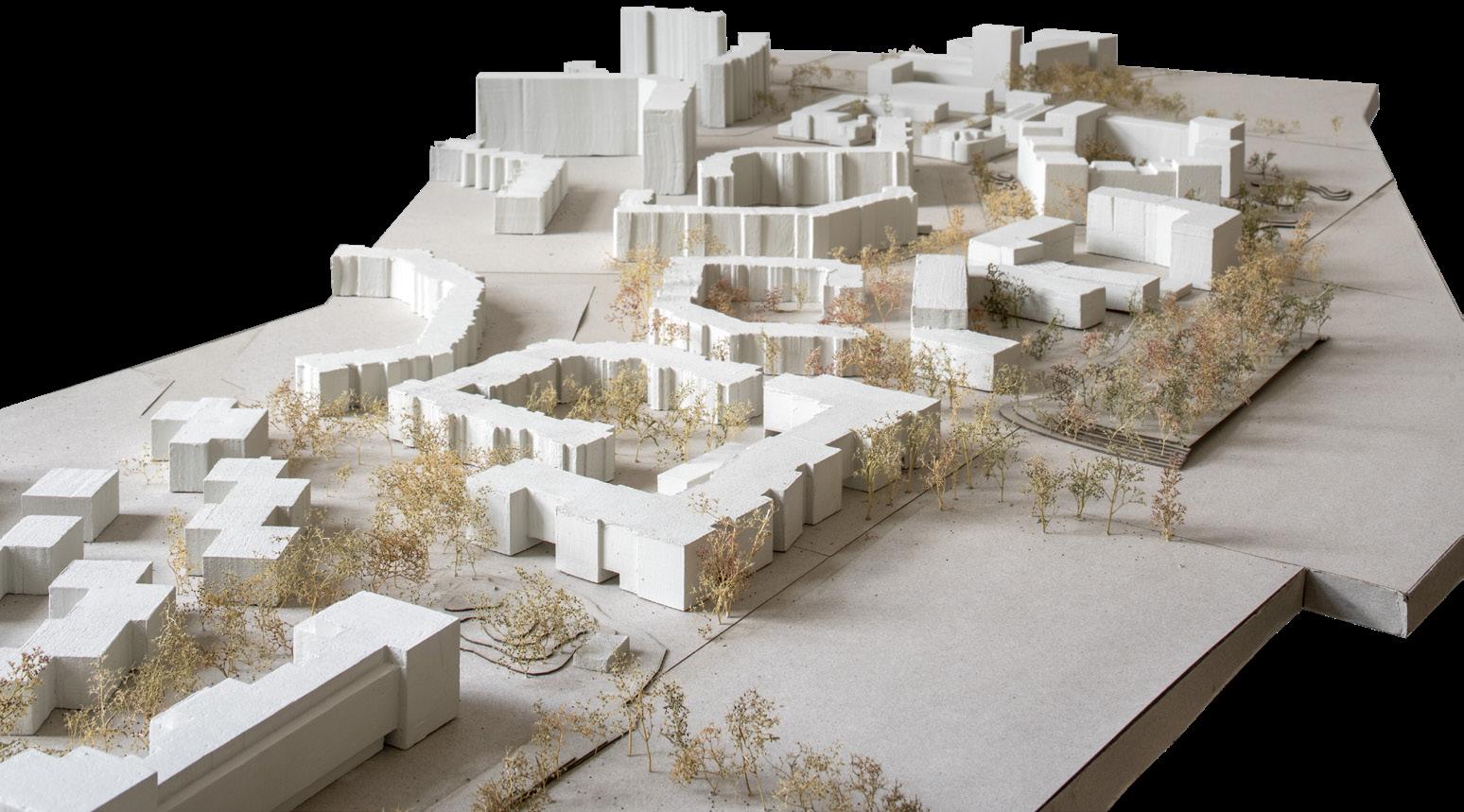
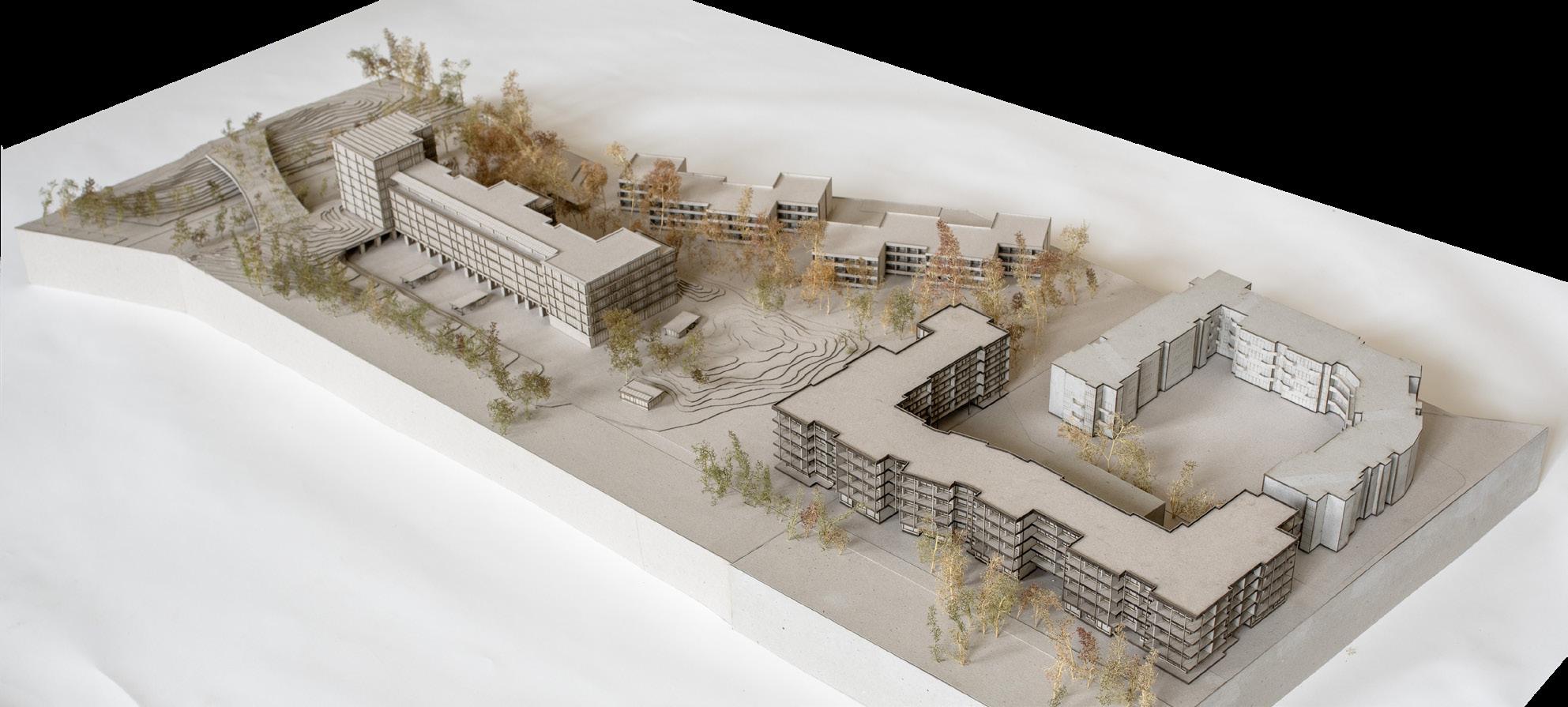
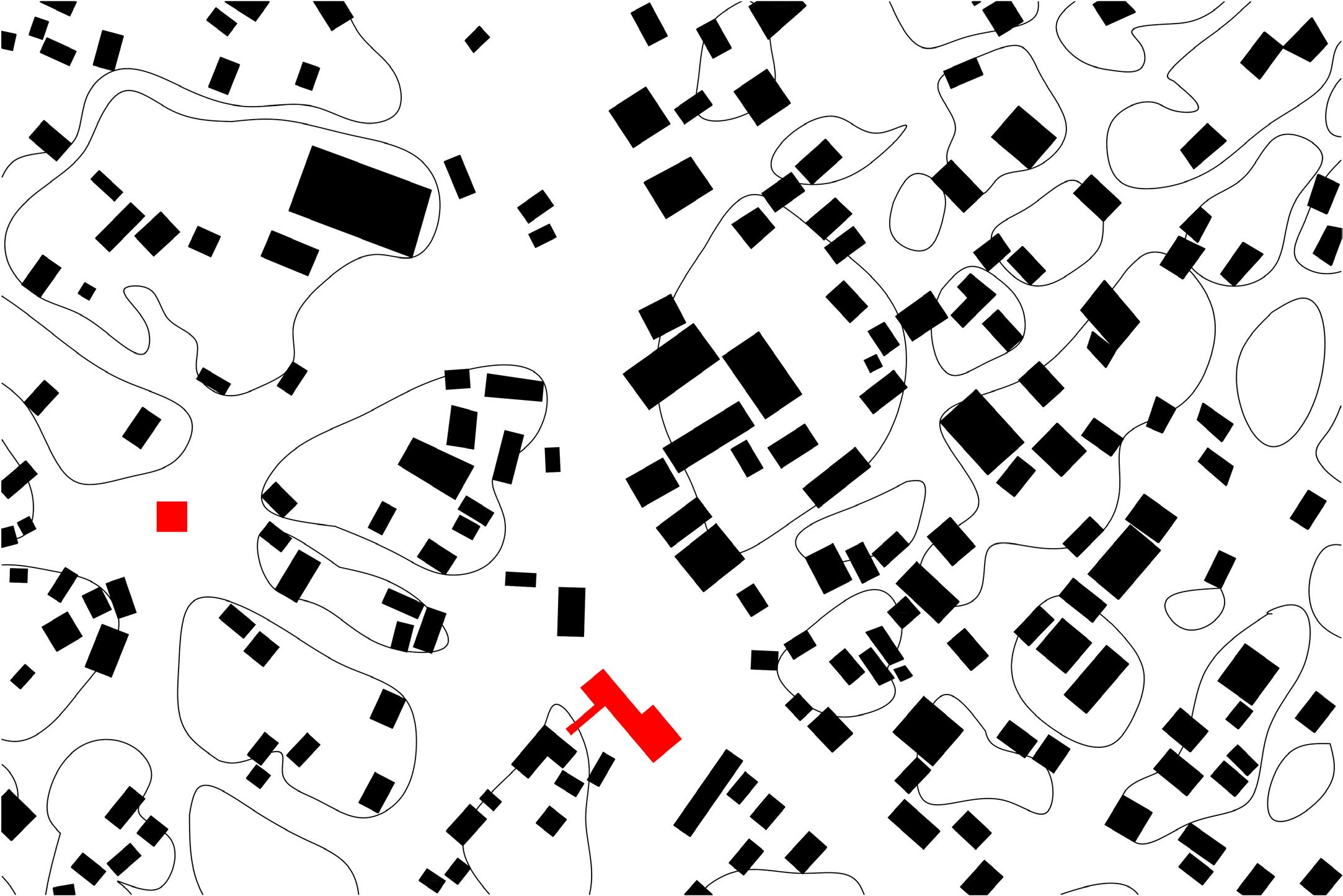
The project’s theme, “Living On The Edge: Parkmeile Trudering“, provokes us with more than one edge to manage and face: not only does the site area demark a radical change in density and typology, but also it marks the edge up to which the geographical trademarks of fields and suburban landscape extend.
This pushed the project to take two main axes of development, with one dealing with the built environment around it, while the other one sought to treat the natural circumstances with respect and in a similar tone, so that it does not alter their character.
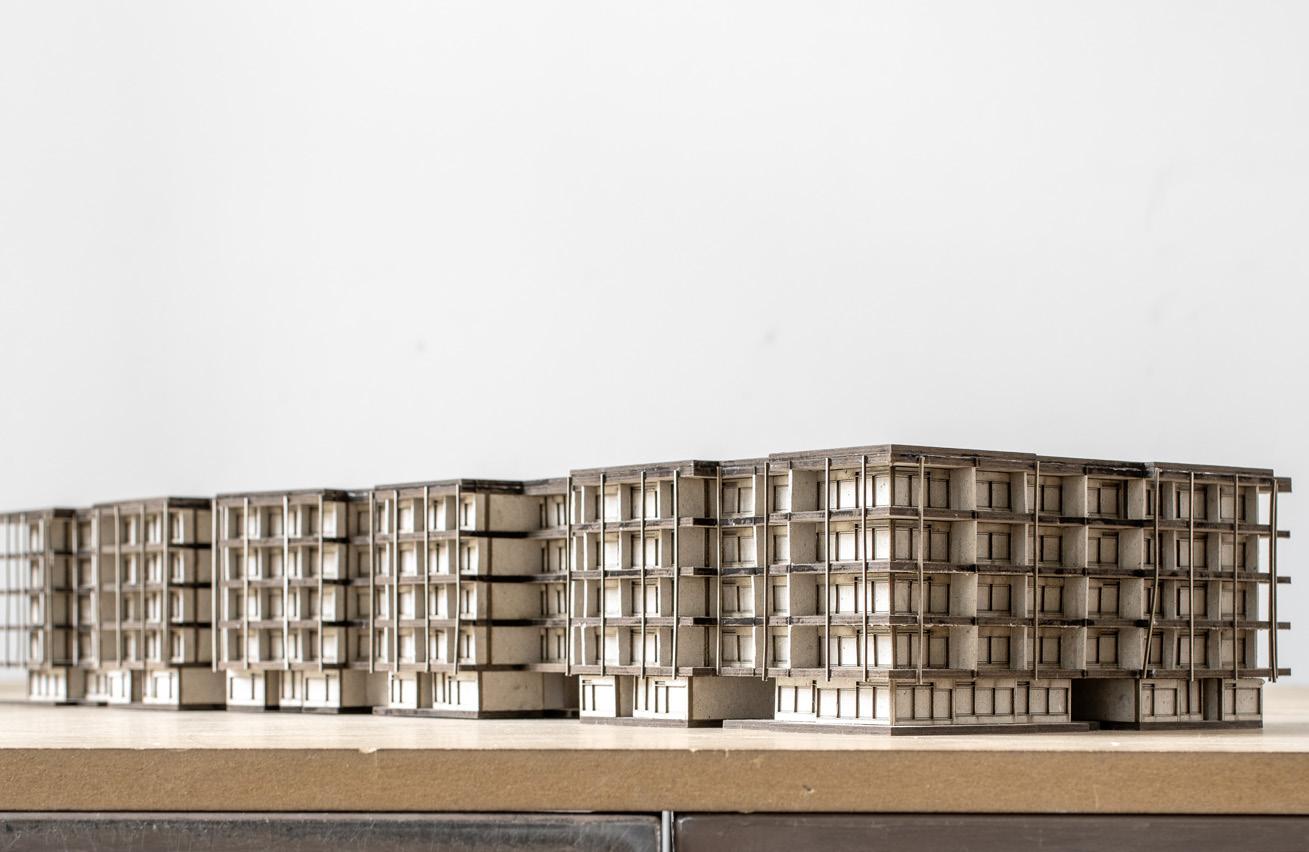
Therefore, the main characteristics became horizontal density, expansive and generous lines and proper connections and openness, all of these traits emulating those of the surrounding fields. The building should follow its surroundings and tap into its atmospherics.
Professor Stephen Bates & Professor Bruno Krucker Assistant Adam Gielniak
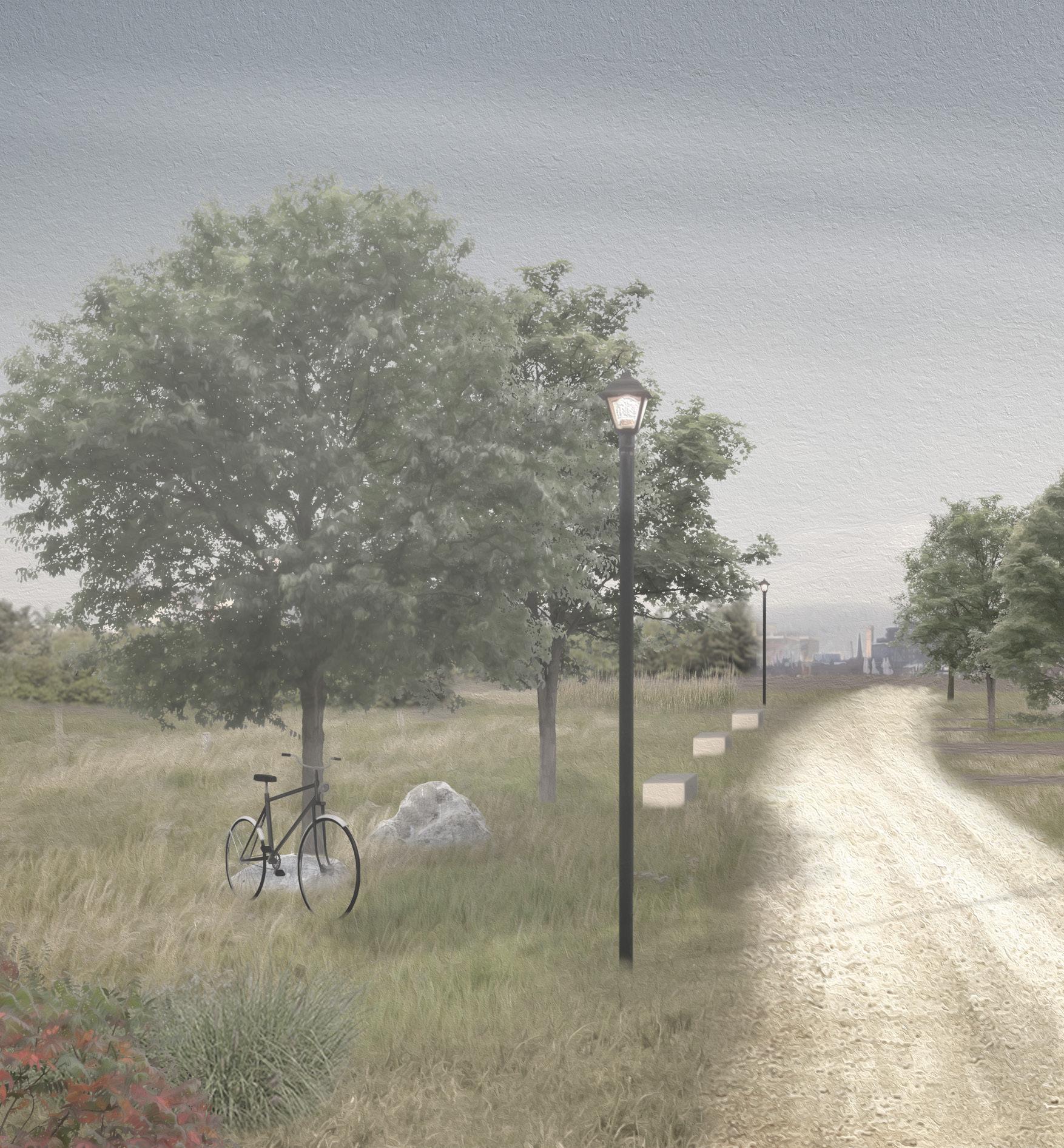
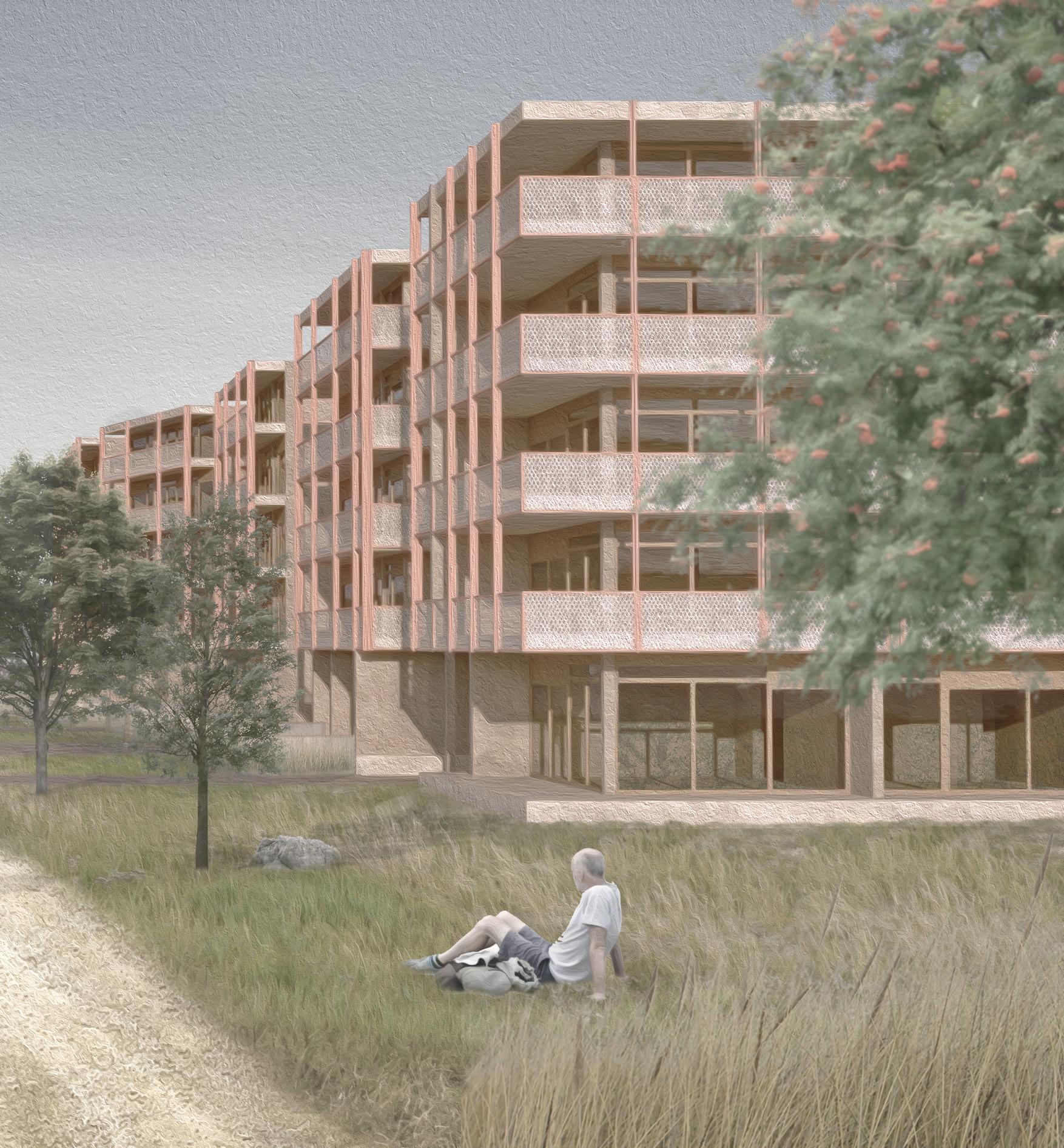
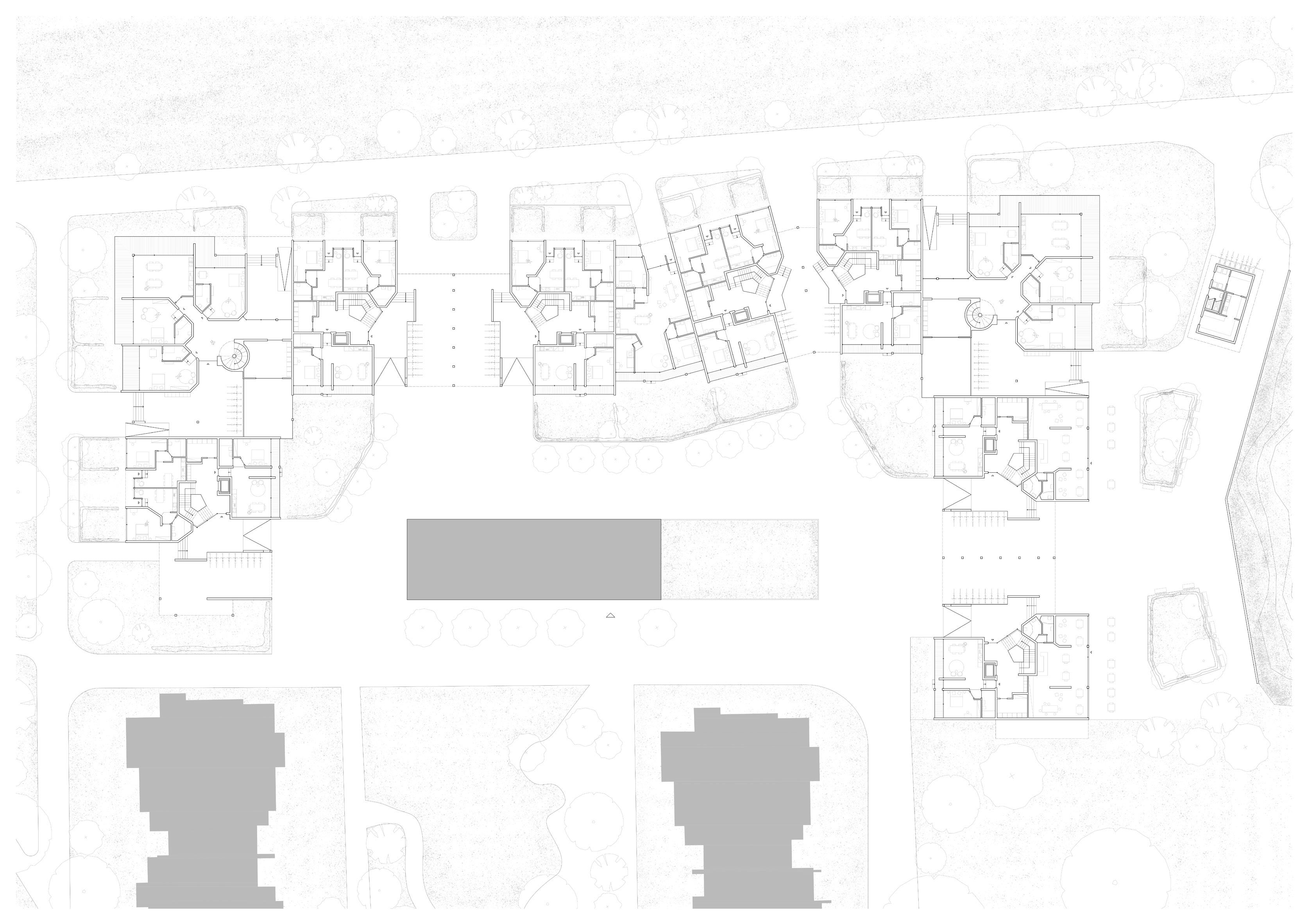
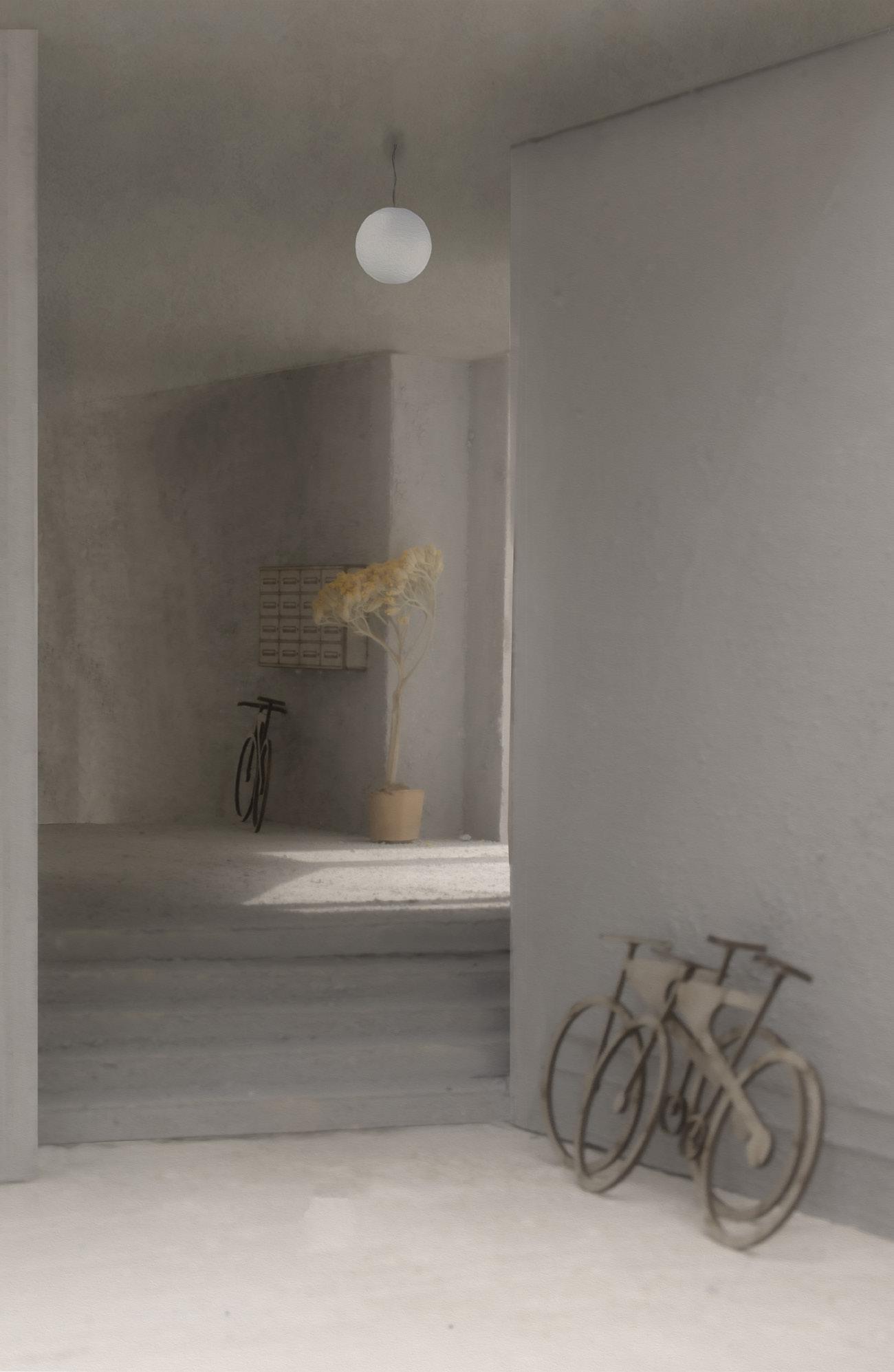
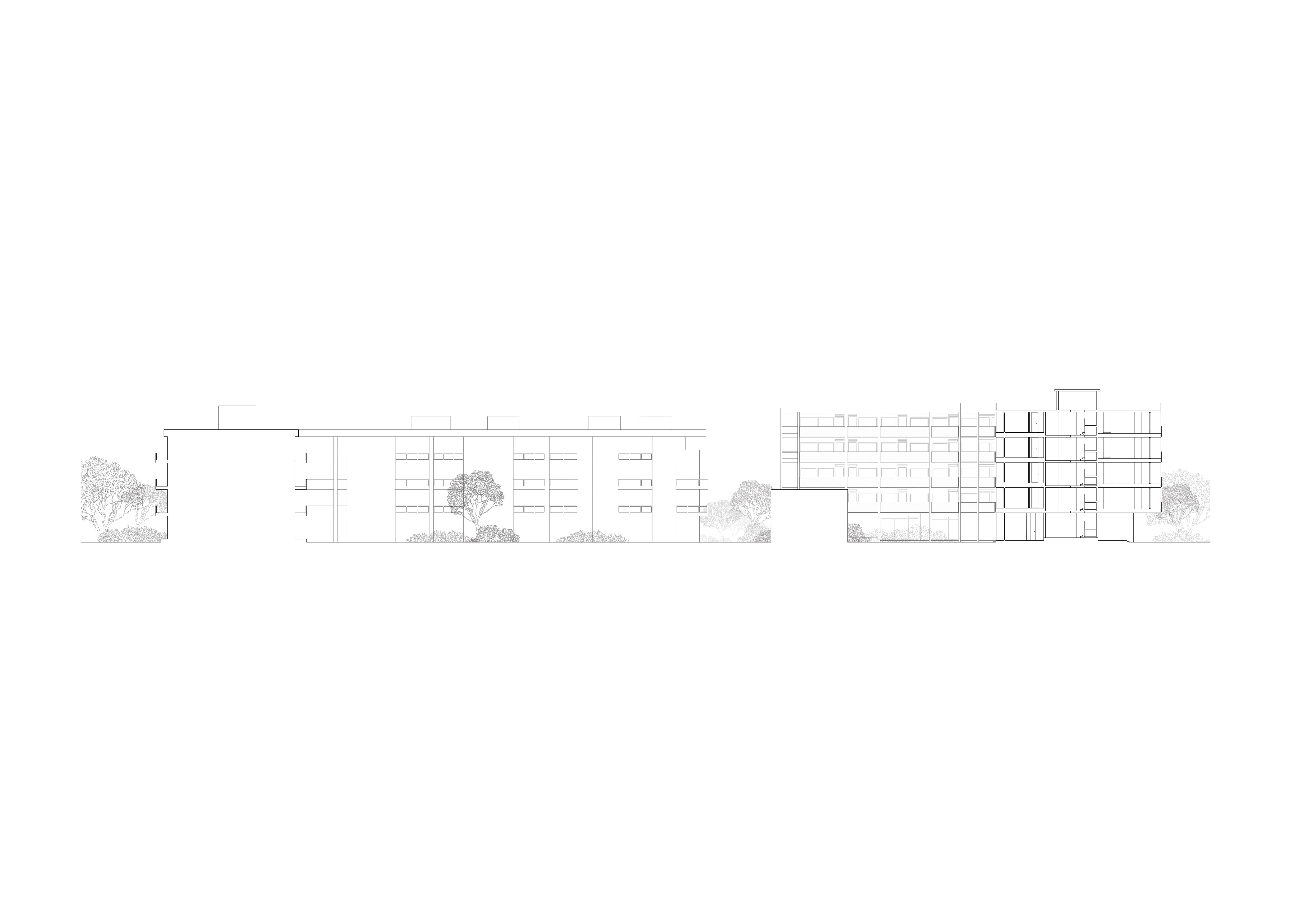
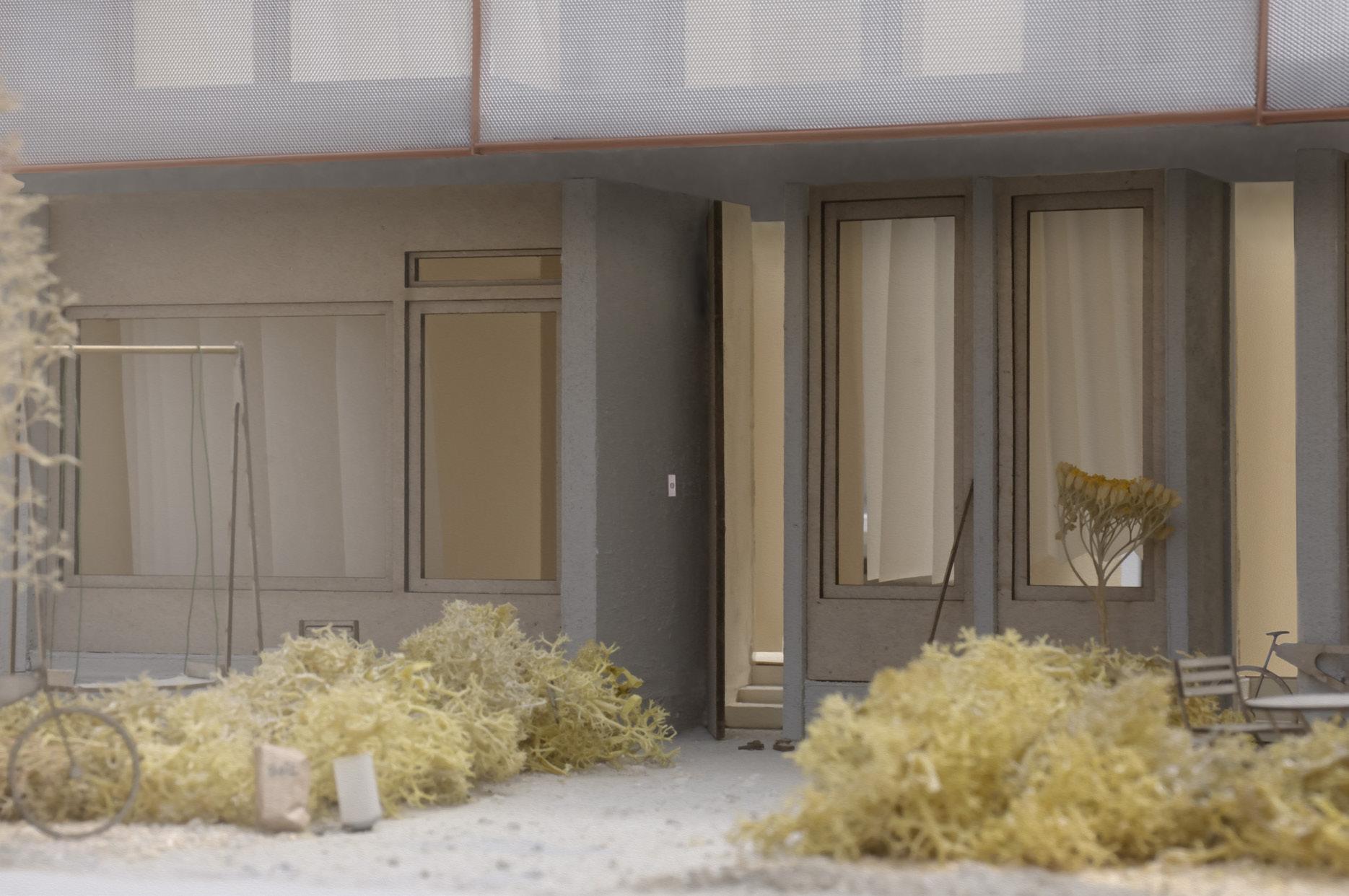
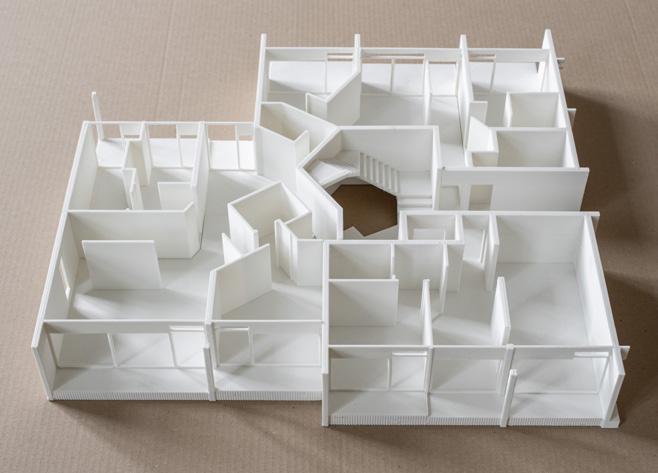
In the ground floor, the multitude of connectors and the U-shaped arrangement of the building volume were used to define space. This maximises exposure to the surroundings and creates a response towards the built context, maintaining openness.
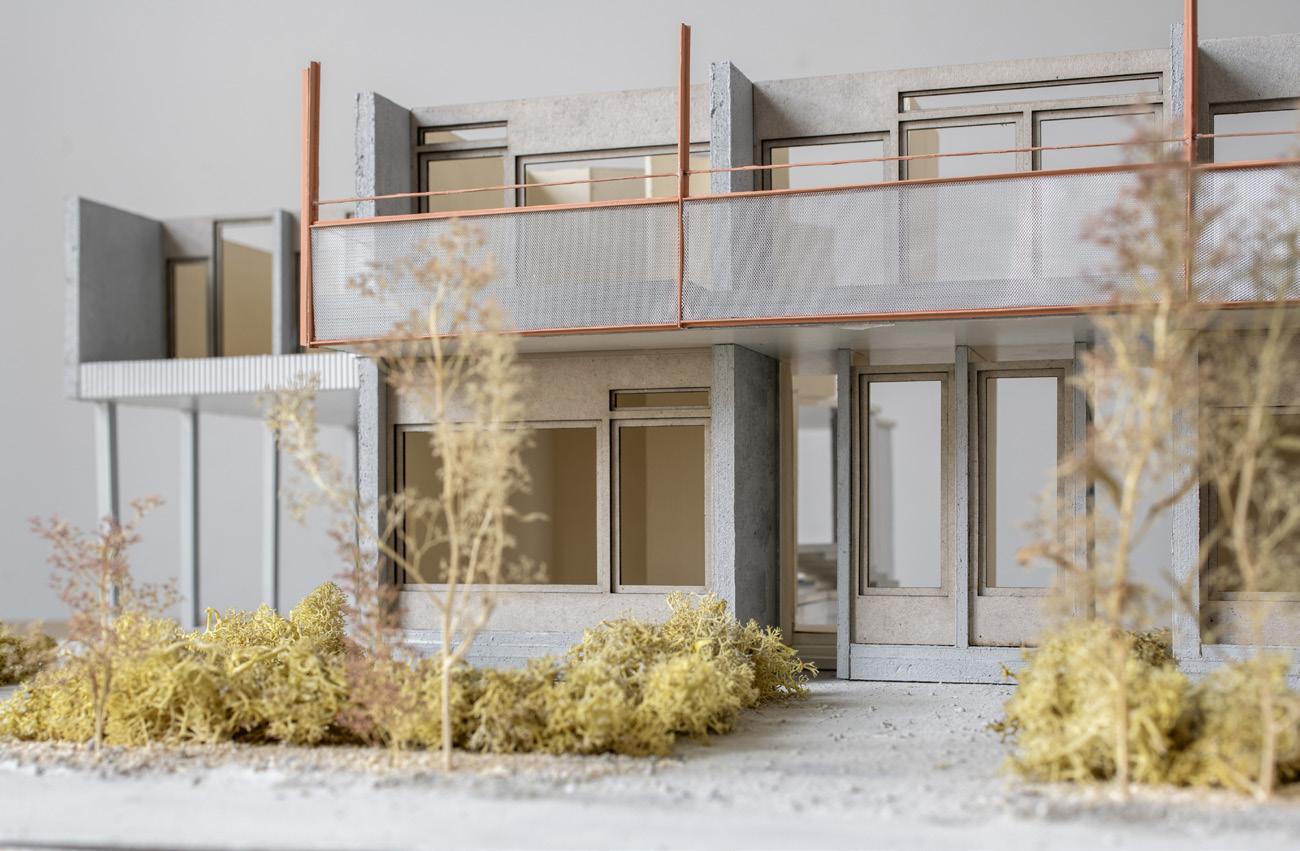
Throughout the building, we used the idea of “framing space“, meaning that we acknowledged the raw quality of the field and its potential, but for it to transform into tangible quality, we had to frame it, either through courtyards, passages, gardens and yards, the way the facade opens or a combination of these tools.
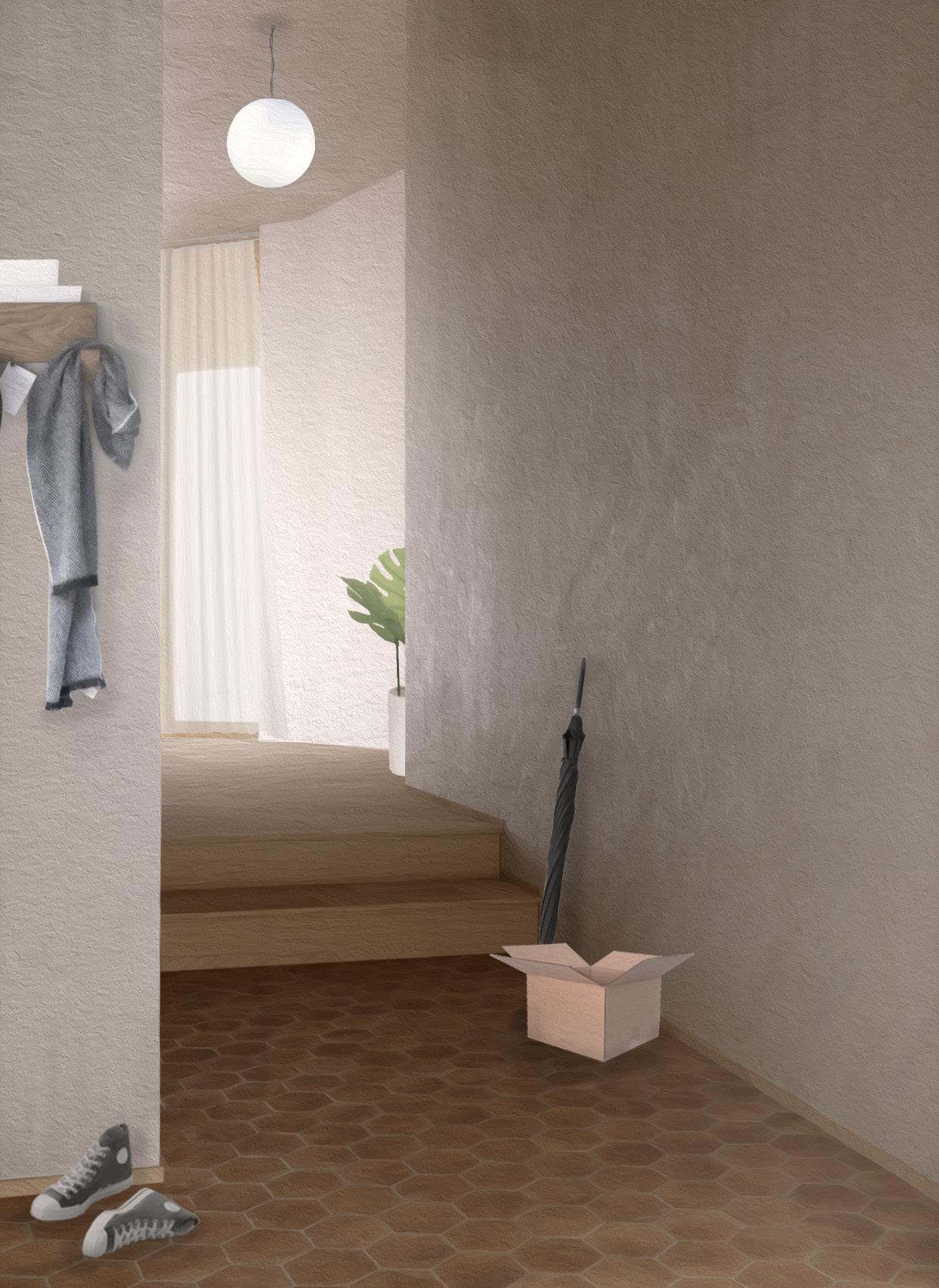
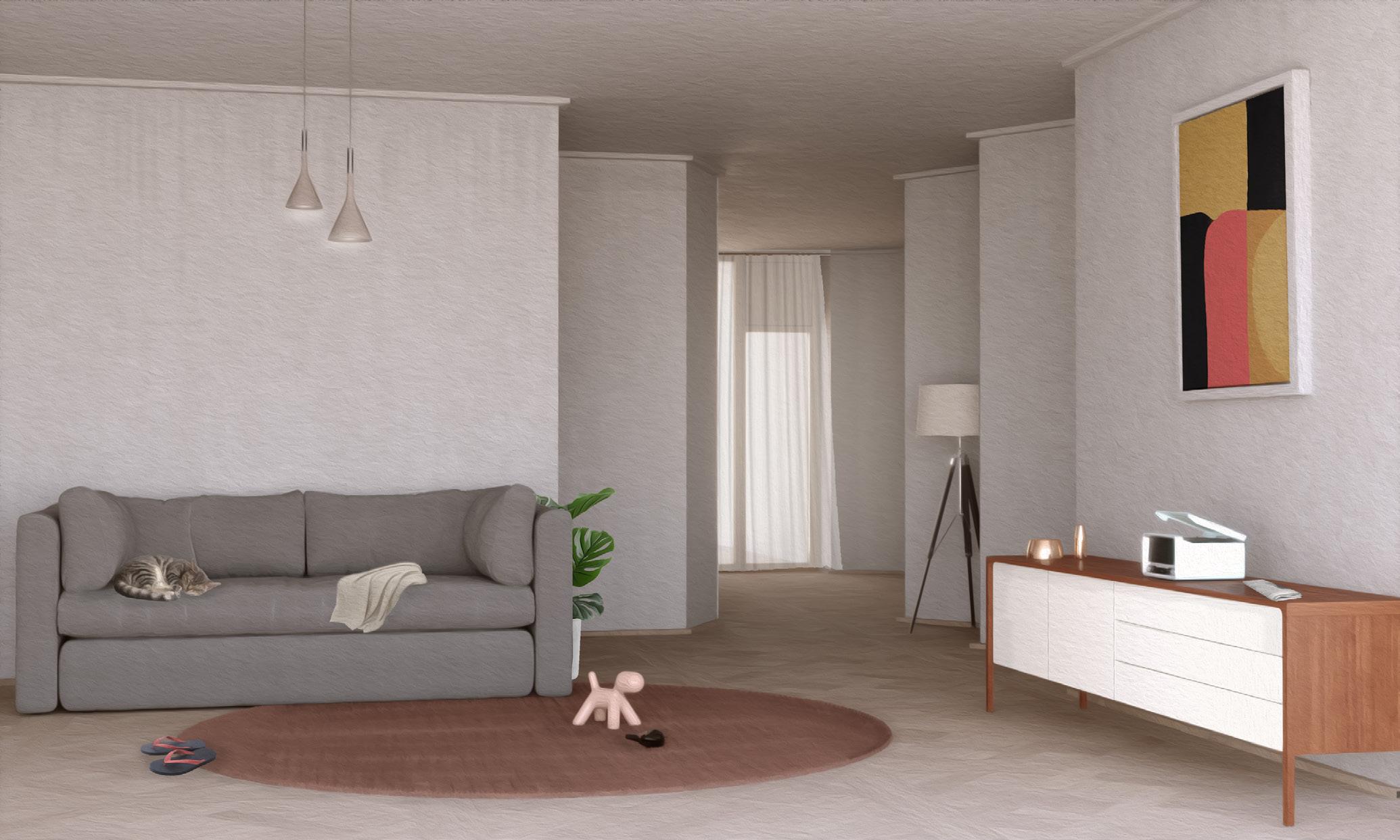
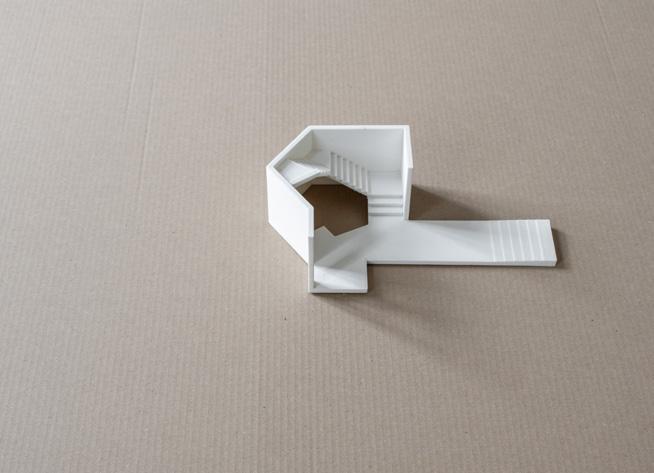
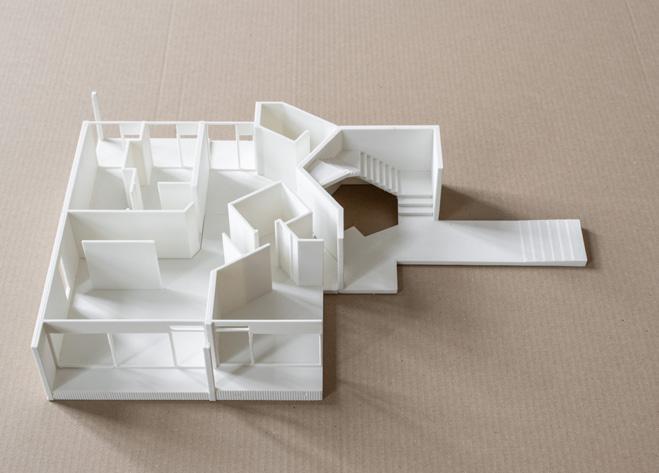
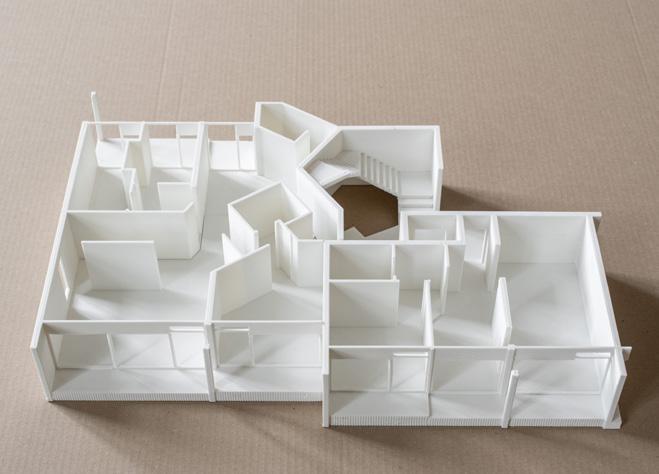
In a regular floor, we had one more goal: exploring the traits that make architecture exciting and which create a living space driven by curiosity, intricacy and, up to a point, a certain “staging“ of spaces, with narrowness and openness being used to incite reactions and feelings. In this case, the complexity of the floor plan comes from the irregularity that presents itself in the core and that solves itself moving towards the facade. Moreover, verticality is used to create hierarchy with regards to privacy and intended use of the rooms, with the public ones being lower and the private ones higher.
JAR IT UP!
Design Studio October 2022 - February 2023
In collaboration with: Lara Agache, Petru Cucuta & Elene Meburishvili
Professor Diébédo Francis Kéré
Assistants Ines Dantas Ribeires & Barbara Schudok
Food supplies and availability affect even the most developed countries on the planet; this problem, however, is much graver and frequent in more vulnerable communities such as the case of Ganvié, in Benin.
The problem we were put in front of, then, is simplistic: prevent the food crisis that can envelop the town at any time and preemptively put systems in place to ensure the safety of human life and the increase of living standards, in a community-based and -oriented way.
The difficult aspect about this was the lack of familiarity towards the place, but after consultations with members of the community, we decided to keep it simple: we turned to an ancient technique, which is food preservation, instead of more production. Therefore, the project is much less about a building itself, but rather a framework to support the locals’ way of life.
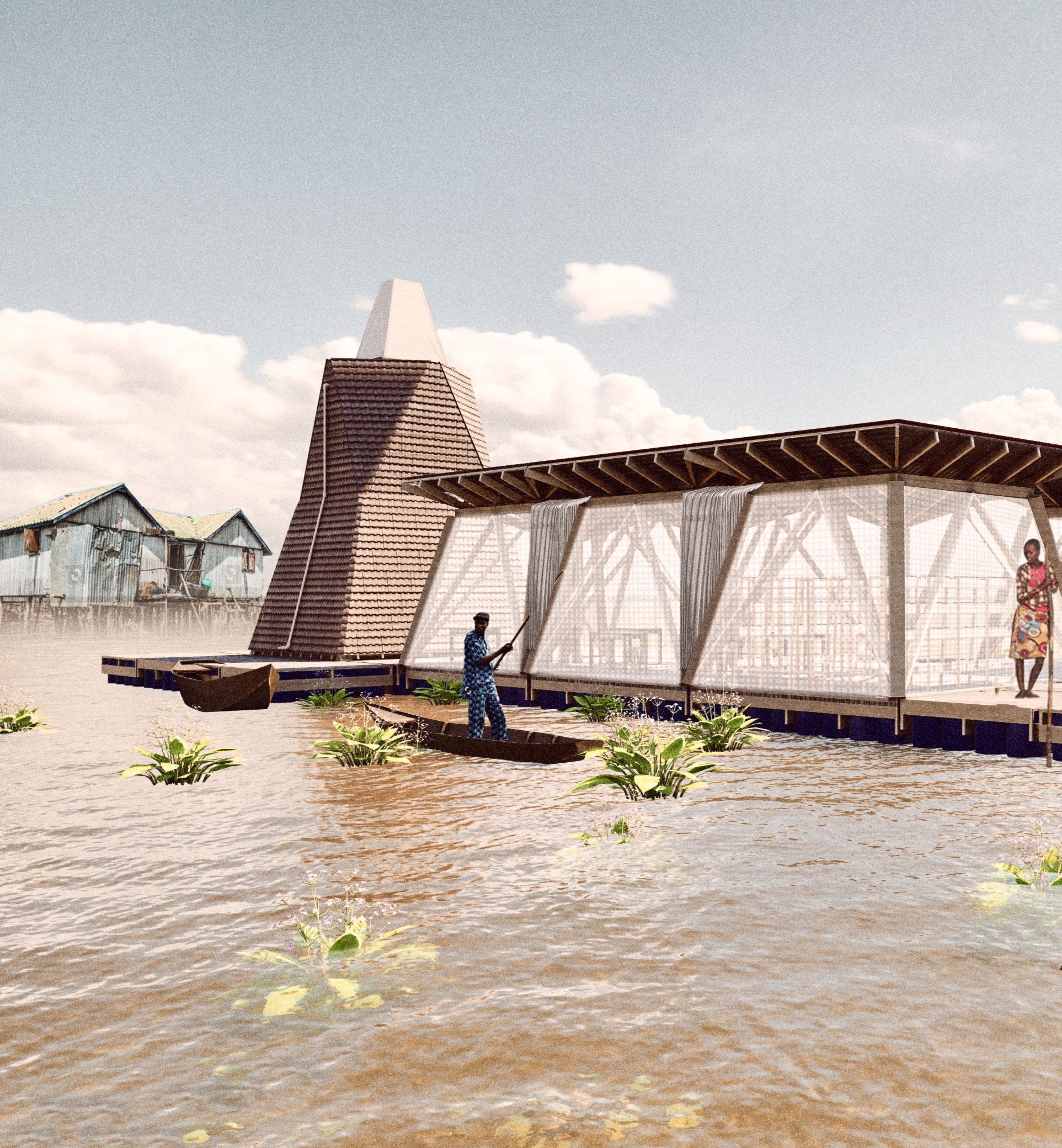
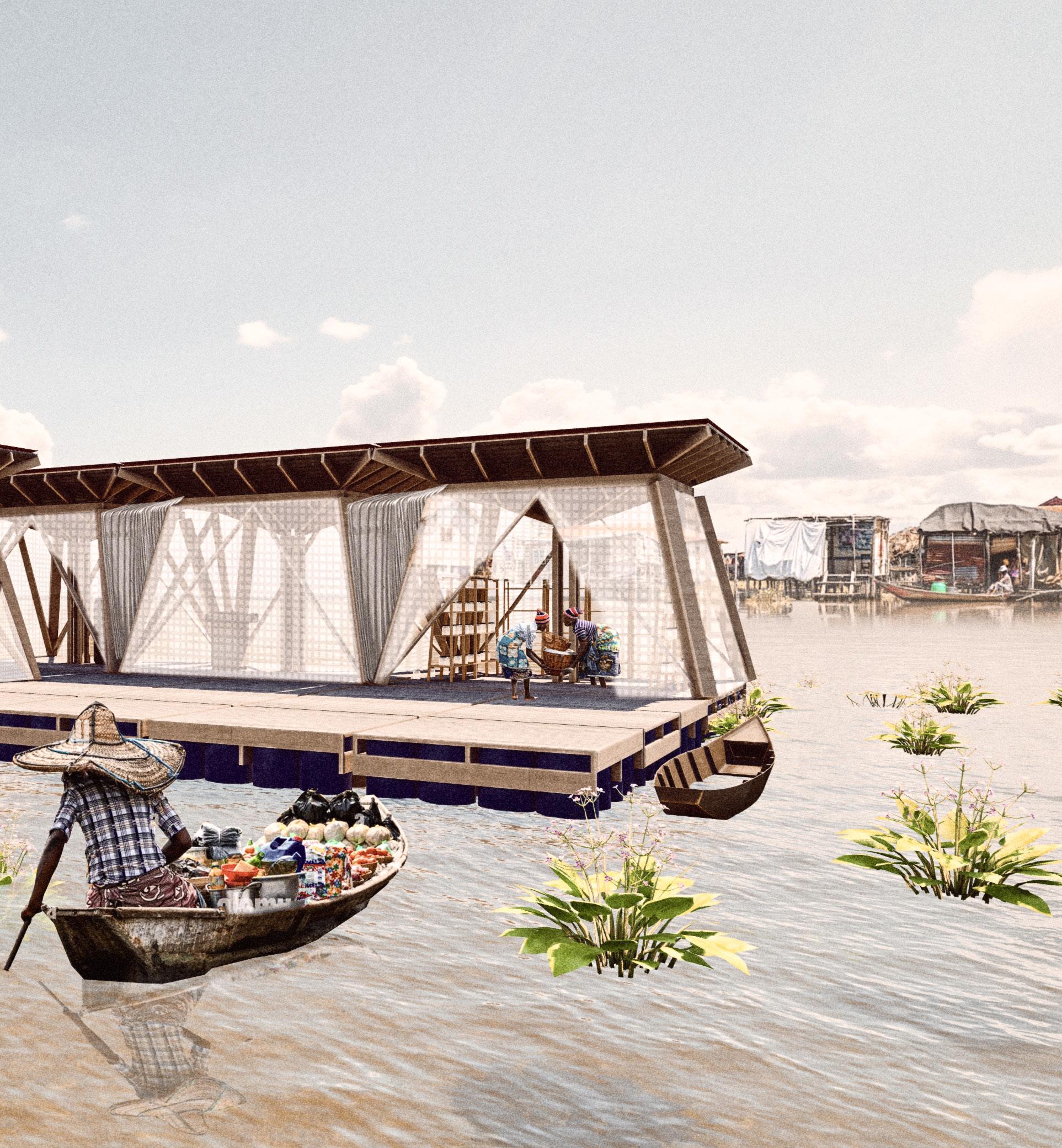
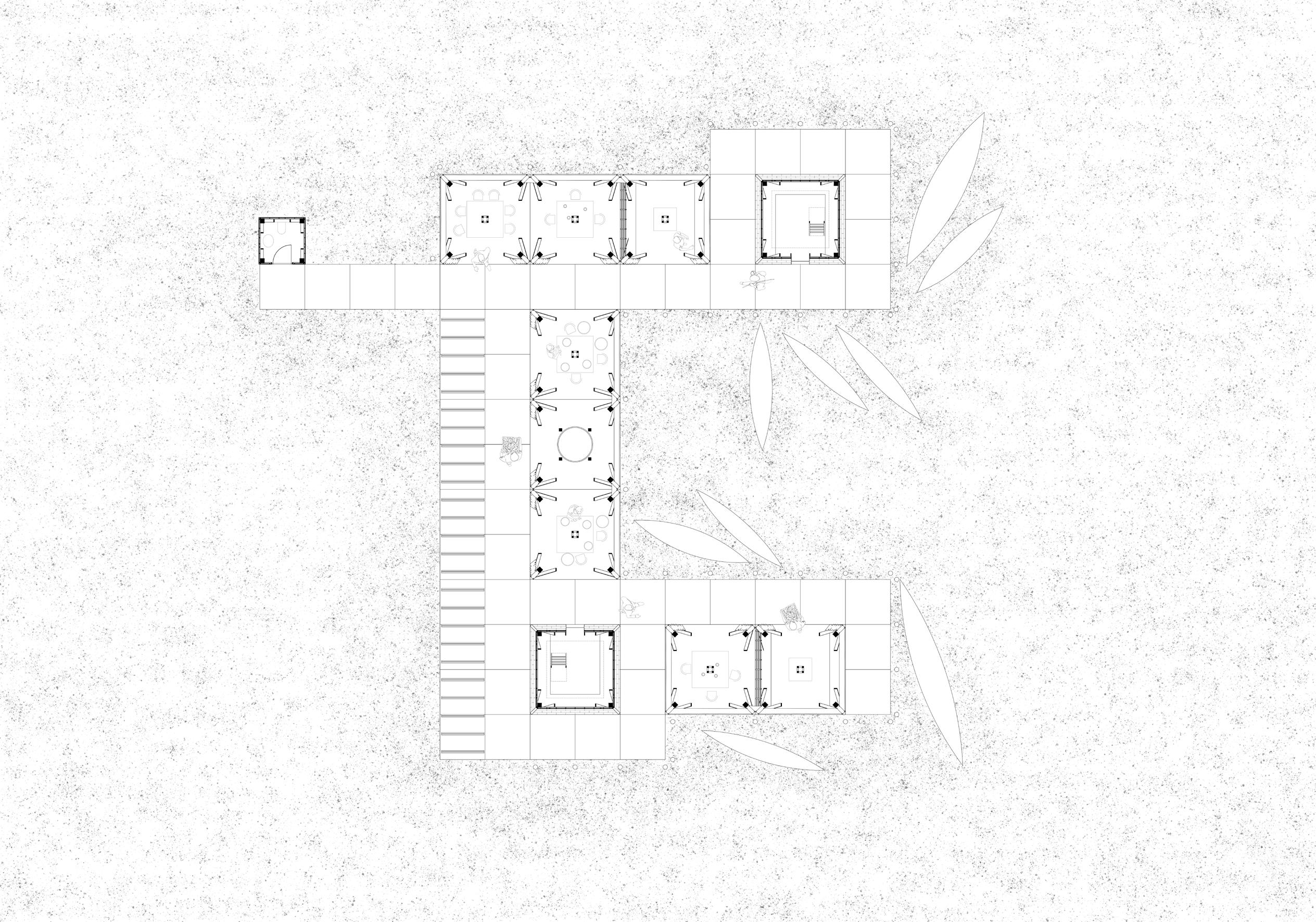
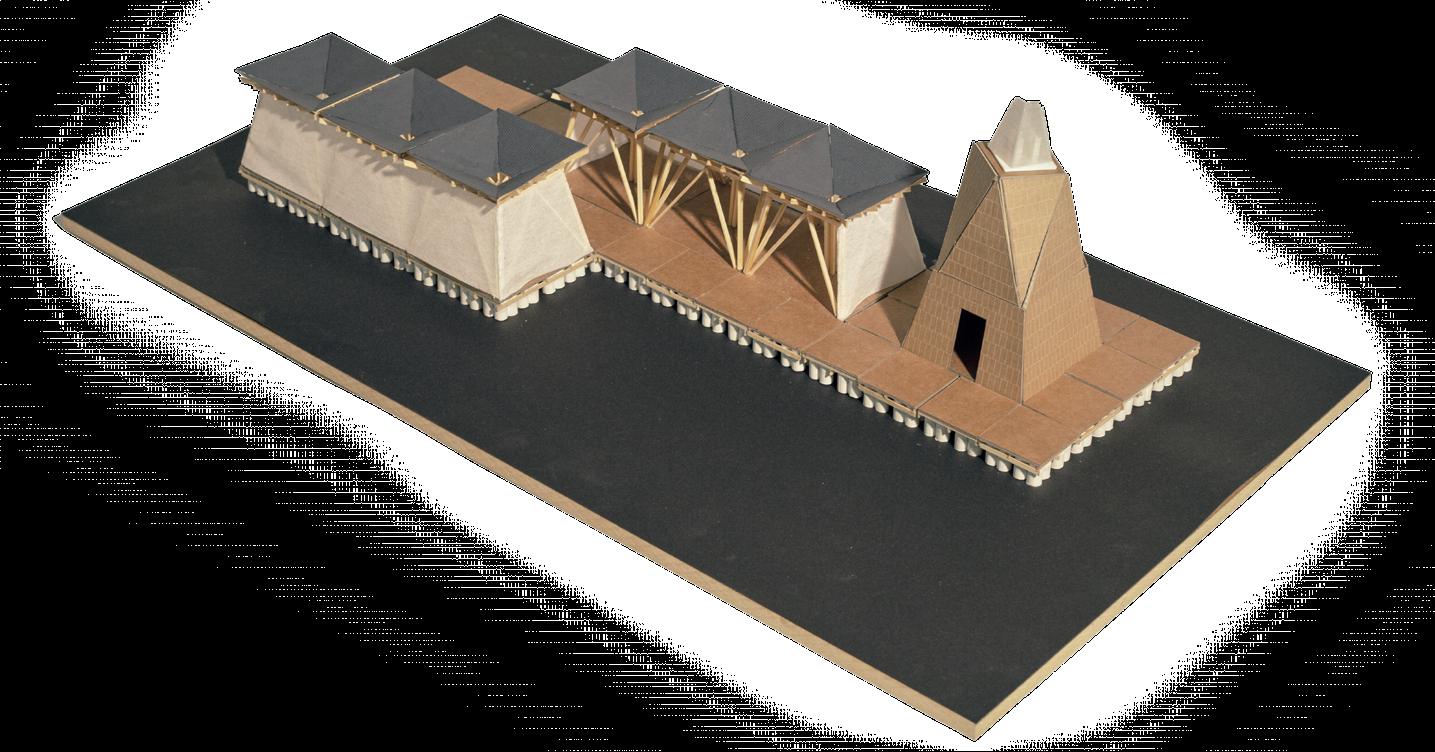
For the food processing, we opted for three of the most common preservation techniques: refrigeration, pickling and salting. All three of these have different space requirements and, therefore, have been packed in buildings part of the same system, but on different scales (from refrigeration, the smallest one, to fish salting, the biggest).
As mentioned before, there is not much in terms of architecture; this was dictated by the environment and conditions we had to design the complexes for. Instead, we opted for simple volumes and materials, with stabilised shapes for floating modules that are to host all of the food processing.
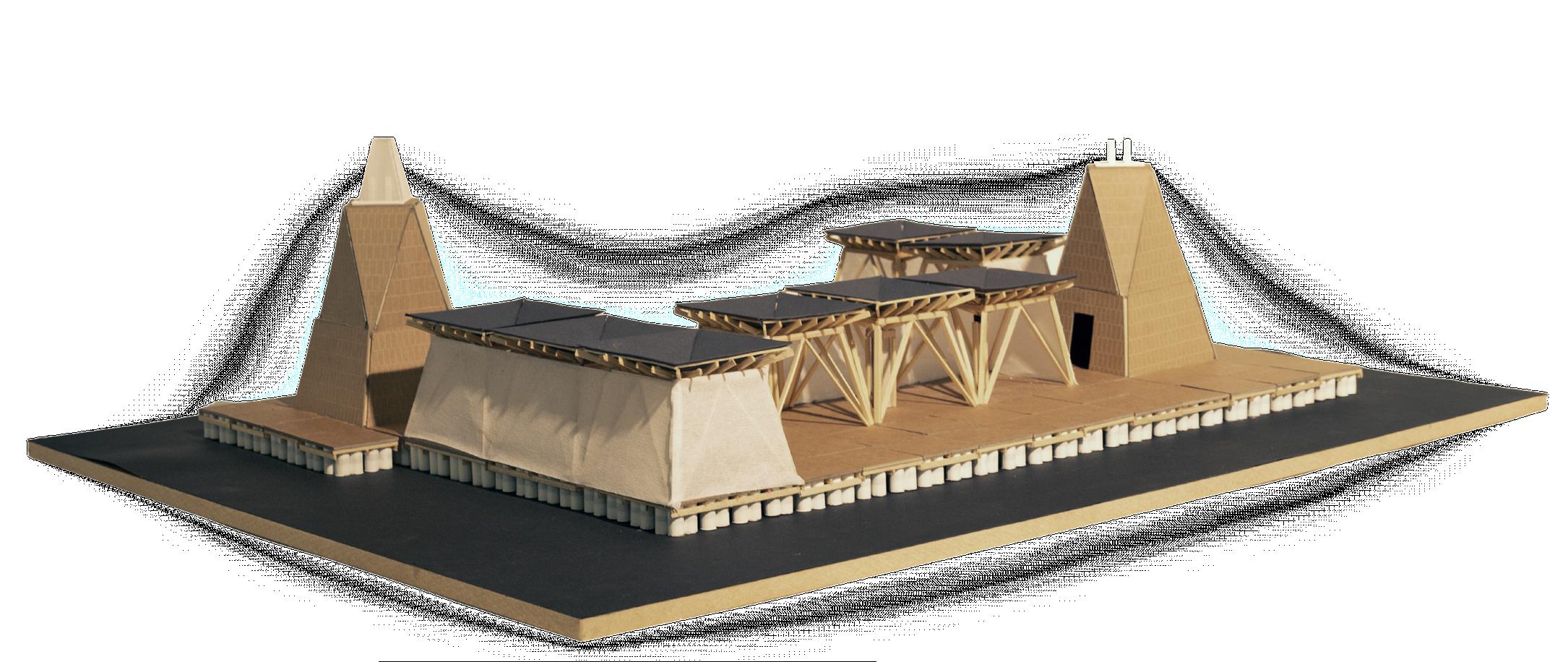
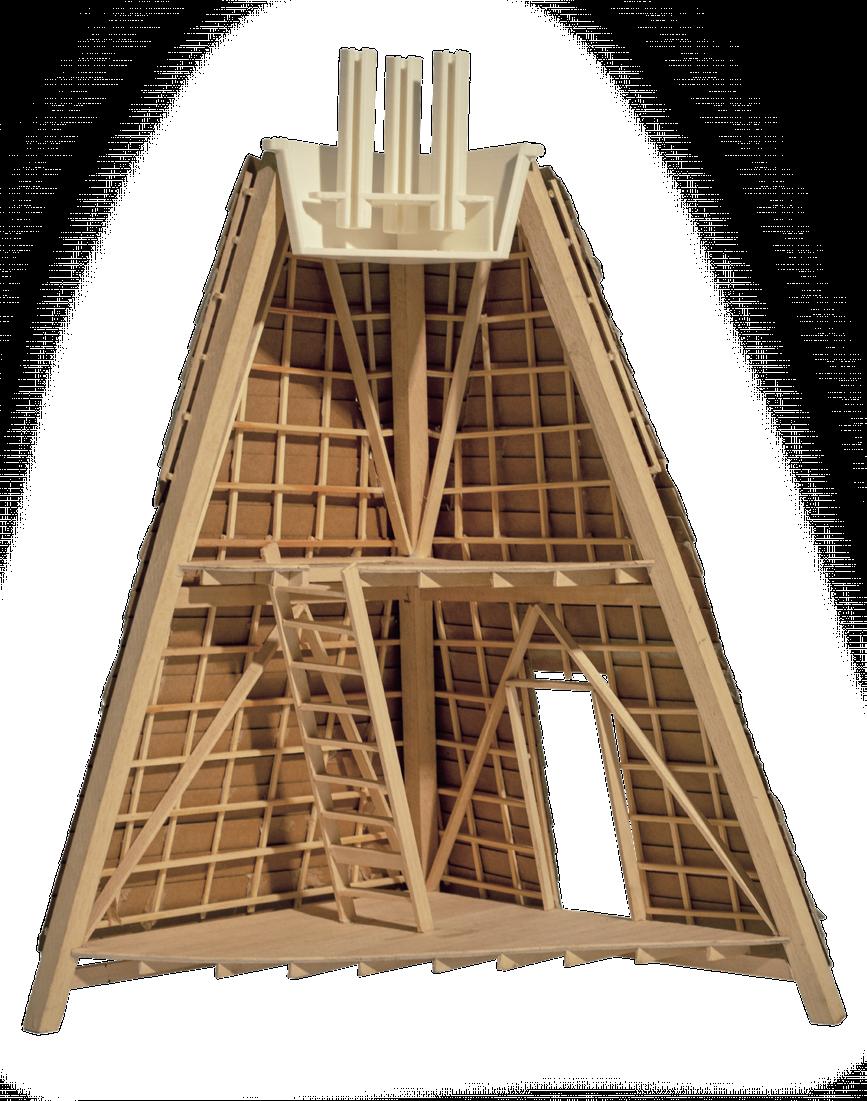
The towers are an experimental cooling system based on a saltwater basin on top, that, due to sun making it separate into condensation and salt, creates a cooling effect which is routed down the tower with the use of fluid mechanical principles. They are the common point of all the buildings, since all need to preserve raw material.
The floating modules, however, are designed to be separately built and then dragged by boat to the desired place. This almost pop-up characteristic of the buildings makes them easy to manage, move and dismantle for the community without them being resource-intensive tasks; it can all be done with tools that they already have.
MLDH
Architecture Competition held by ArcAce Canada
August 2022 - November 2022
Solo Competition
5th Place - Mention
A dream home is much more than a simple shelter; it is a reflection of the nature and preferences of a person. In this competition, we were asked to look inwards and develop a small home for ourselves in the theoretical backyard of our parental home.
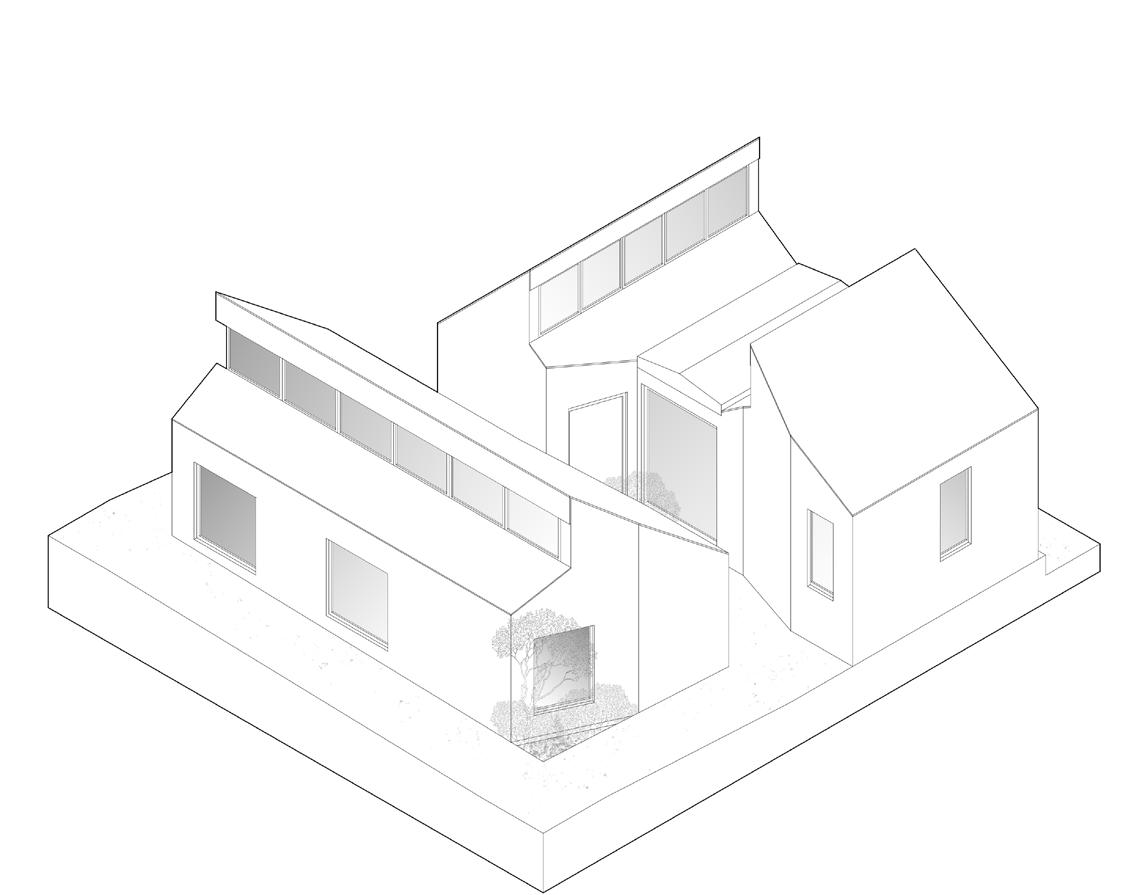
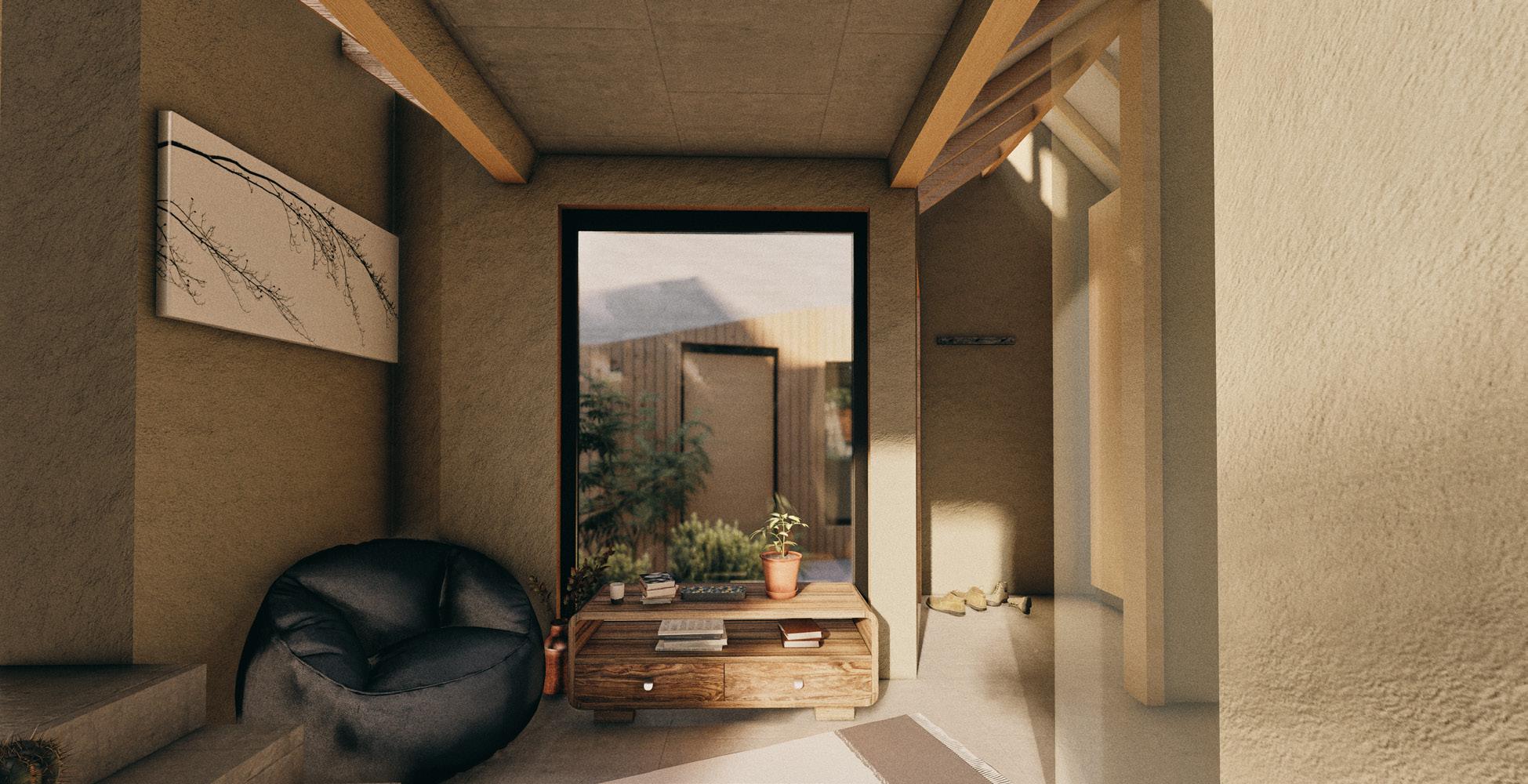
Therefore, I envisioned a two-volume house, connected through a small slit-like courtyard and enveloped by greenery. The rationale behind it is inspired by my own experience with myself: the balanced separation of an atelier and the living area, being subtly visually mediated through an inner courtyard.
Both of these volumes are built using the same platform frame system typical for North America, which makes it both widely available and cost-effective, perfect for rapid and heat-insulated constructions. Furthermore, the simple shapes exude modesty, but in a clean, minimal way.

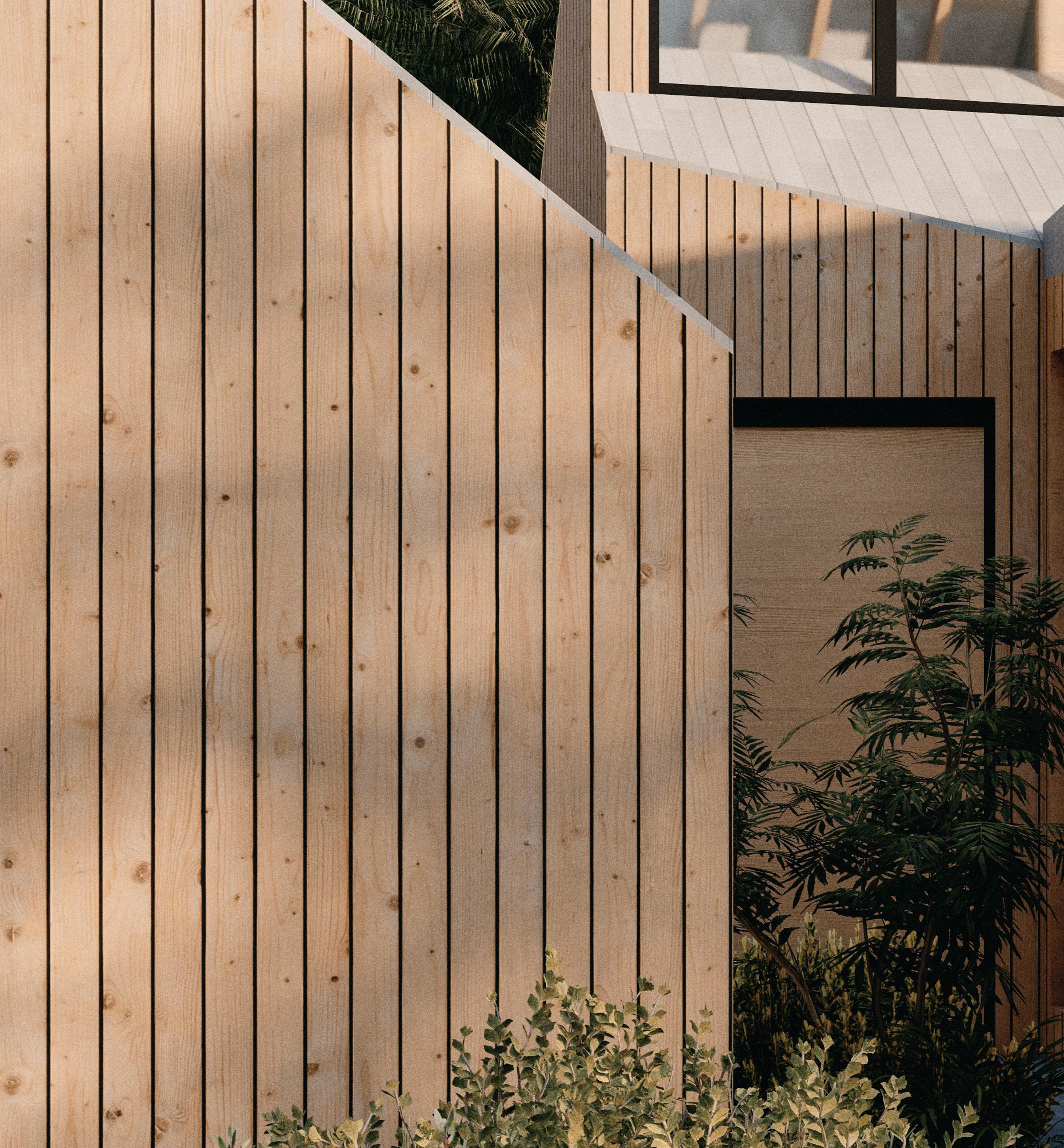
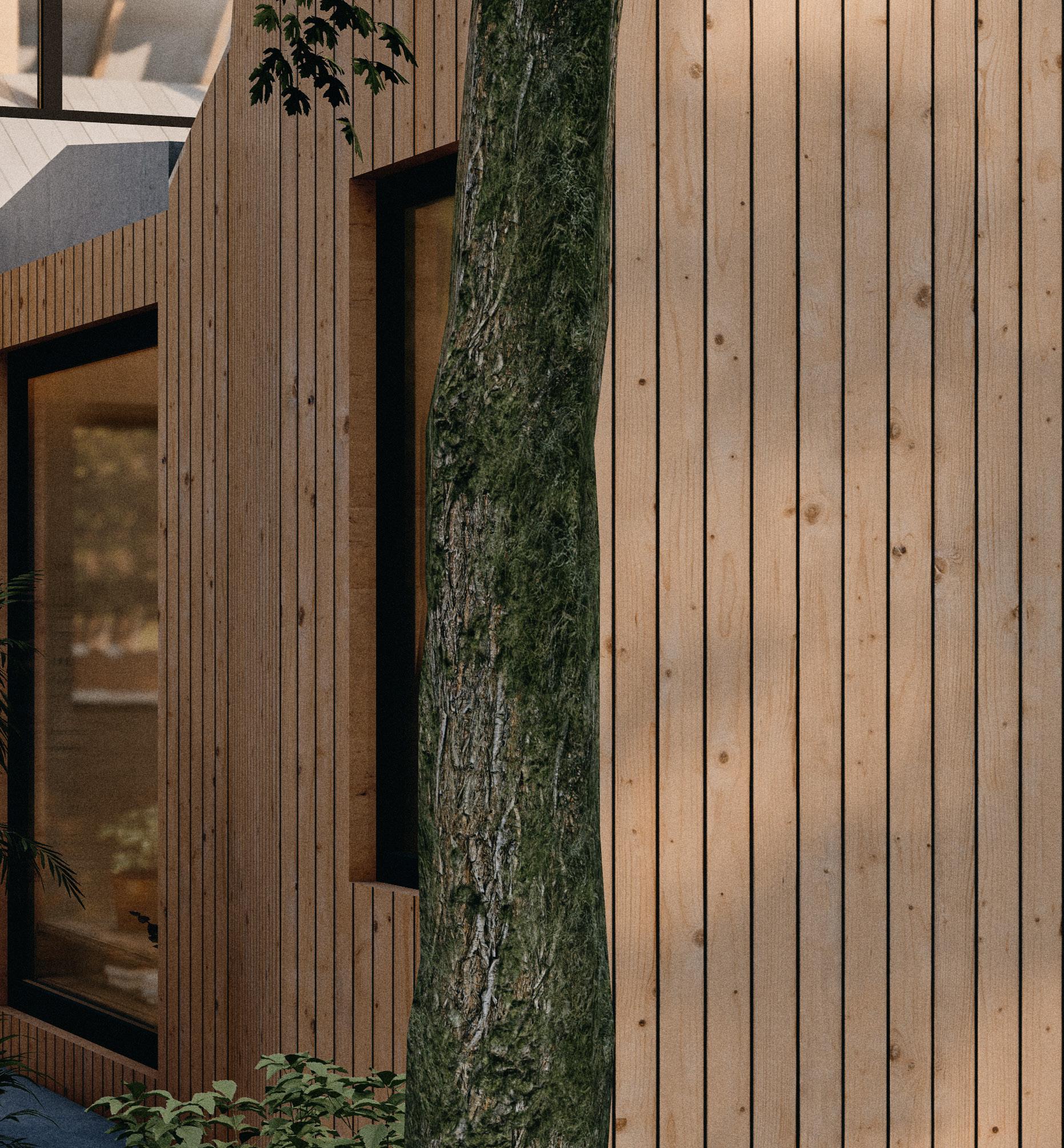
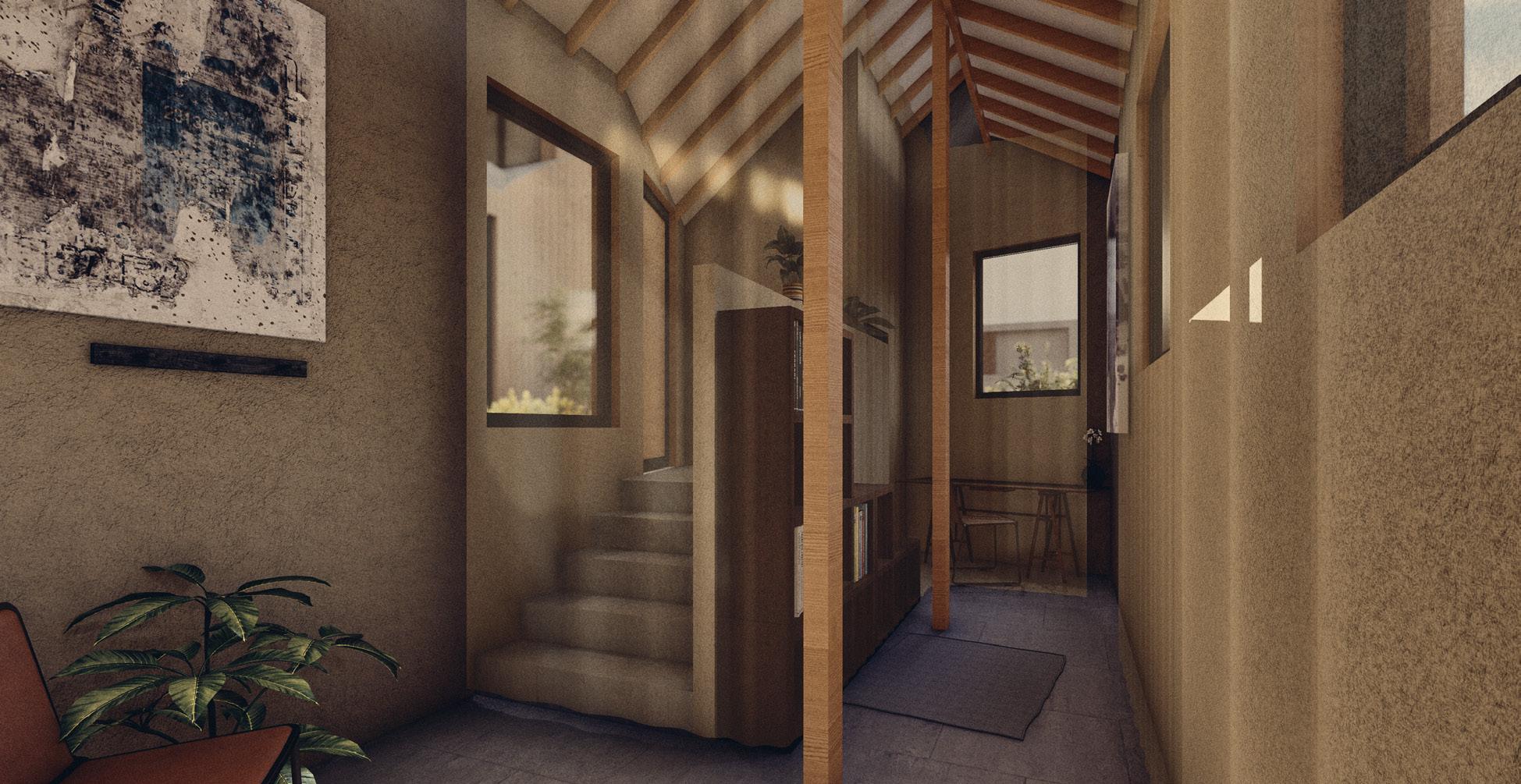
Keeping a subtle tether between the two buildings is essential in maintaining the cohesiveness of the ensemble. Therefore, a series of communicating openings, both inwards and towards the environment underline the presence of the neighboring features without overtly introducing them into the interior environments. All entryways are designed to be tangential and to lead into small connectors, in order to avoid a harsh entry and to distribute and gently lead people into the building.
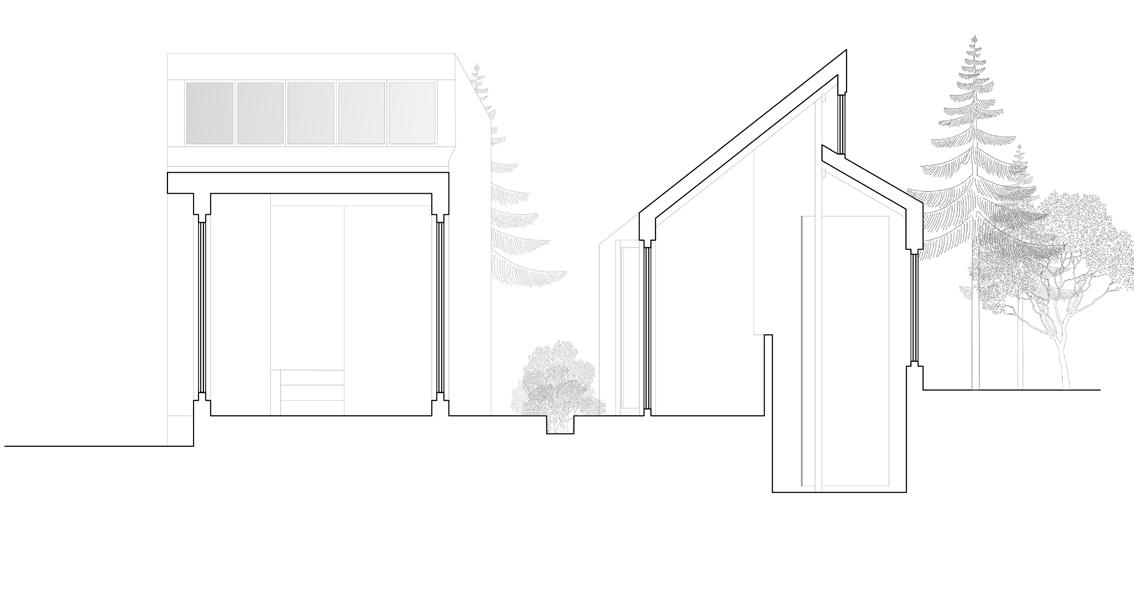
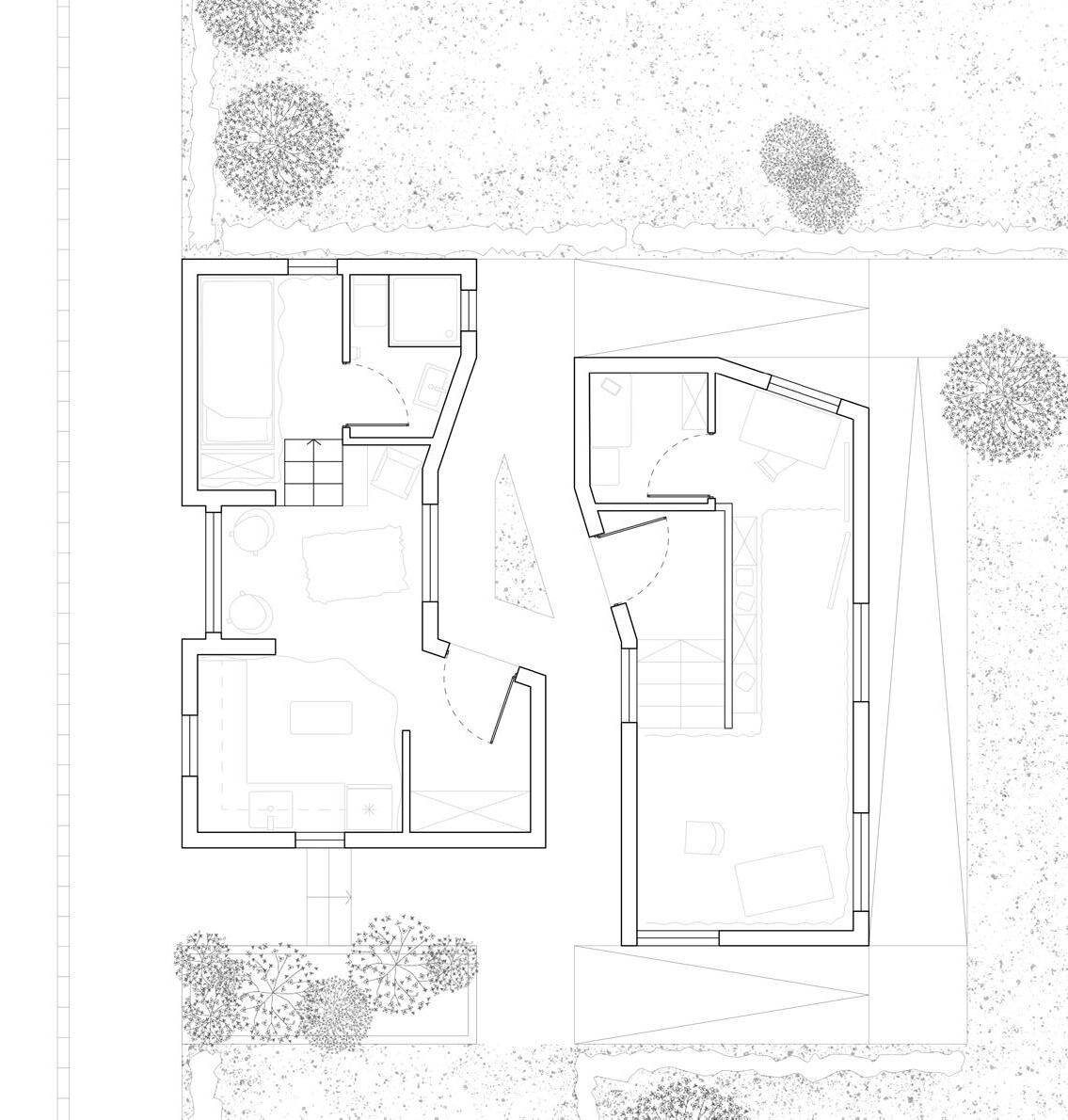
Interiors are organized neatly to create a neutral environment. It creates a clean slate on top of which different objects can be used to bolster its character and decorate the space. Moreover, surrounding the home with greenery and ample movement paths is a choice made to separate it visually through a soft, permeable buffer.
selected works Stefan-Alexandru Cristinoiu