



By Steve Evans MBE


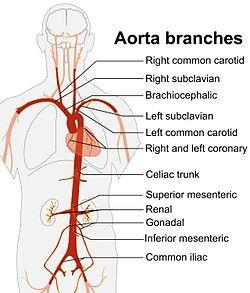
Thoracic- Arch
Abdominal
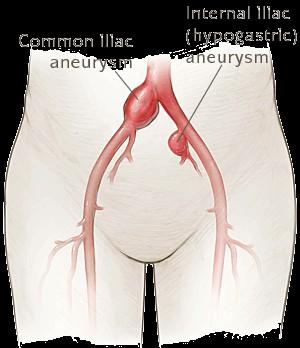
Iliac branch
Traumatic
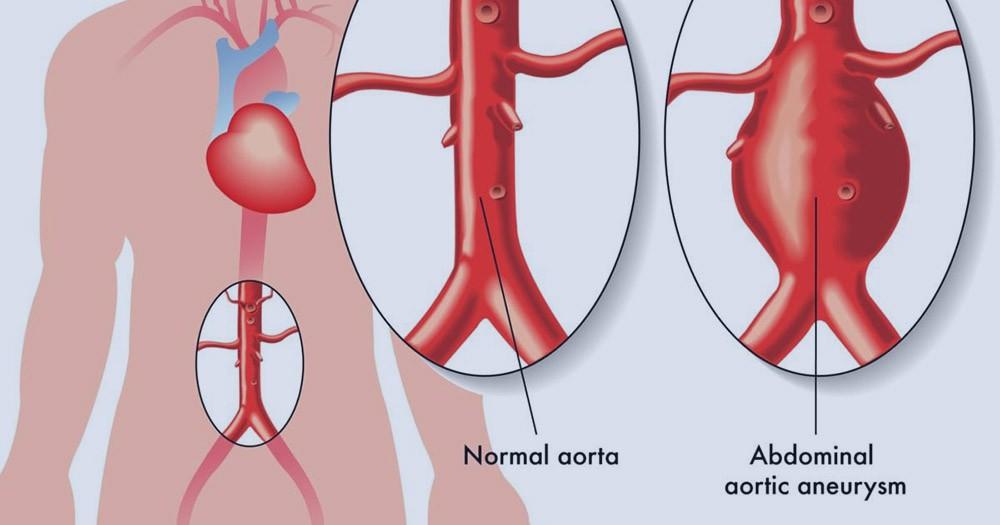
There is a weakness in the wall of the Aorta, leading to Ballooning
Think of a river entering a lake and leaving as a stream leading to poor perfusion pressure
As the Aneurysm gets bigger the walls of the aorta get Thinner
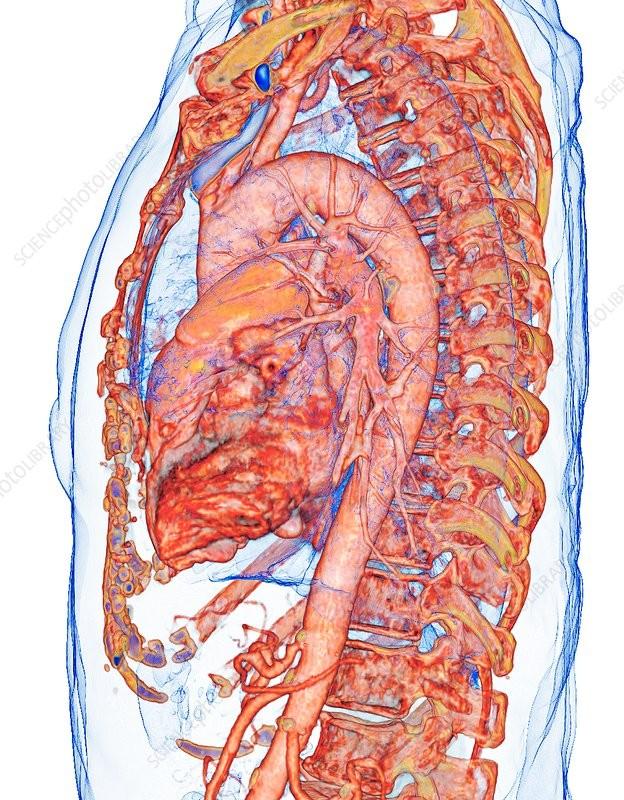
Arch of Aorta – can mimic Heart attack, chest pain and breathlessness, Unequal Blood Pressure in the arms
Pain between shoulder blades that does not ease with rest or GTN
Signs and Symptoms : all are sudden collapse and lower BP
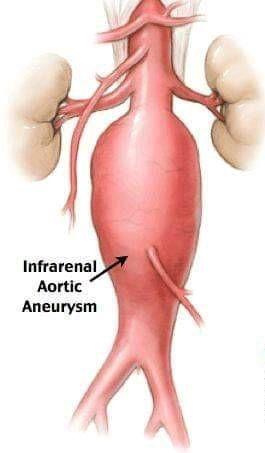
AAA, Abdominal Aortic Aneurysm
Lower back or renal pain that does not ease Pulsing mass-Umbilical region
Bruising in the flanks
Change in colour distally
Signs and Symptoms : all are sudden collapse and lower BP
Iliac – Hip or Renal angle pain
Difference in leg colour, paler or cyanosed
Differential pulses in the legs
Can be confused with Kidney stones
Early Recognition
Large bore cannular
Selective Hypotension to maintain renal function – do not burst the balloon
Oxygen Therapy
Rapid Transportation to nearest Vascular Unit if possible
Have hospital on Standby
Note that the Aorta is attached to the Spine
So in sudden deceleration the Heart continues forward motion but the Aorta stays attached to the spine
The Heart weighs the same a grapefruit attached to a garden hose, at 90 mph it weighs the same as a mini car attached to a garden hose If torn off completely sudden death, watch out for partial tear as the patient will deteriorate very quickly – be alert at sudden deceleration especially Motor cycle accidents