

text - Kensuke’s
by Michael Morpurgo,
Reading comprehension tasks will, mostly, be based on this text. The children will be asked to exercise a range of reading skills; vocabulary, inference, prediction, explanation, retrieval and summarising (V.I.P.E.R.S).
The children will have regular grammar and punctuation sessions. These will explore word classes in greater depth, the use of different kinds of clauses in sentences as well as use of commas and tenses
Weekly library sessions.

Through White Rose Scheme, children will use concrete, pictorial and abstract methods.
Children will spend time working within the topic of whole numbers and data handling. This will be broken down into:
Through the week, there will be regular mathematical consolidation activities in the form of early morning work, Maths challenges and Maths preps to ensure constant exposure to the whole curriculum.
Times tables will pick up from where the children left off in Form 4. There will be weekly tests of these.
Essential Question: How can understanding the properties of matter help us throw the perfect pizza party?
Big Ideas: Different kinds of matter exist, and many of them can be either solid or liquid, depending on Temperature, Matter can be described and classified by its observable properties, and Different properties are suited for different purposes.
Science and Engineering Practices highlighted in this unit: Analyze and Interpret Data

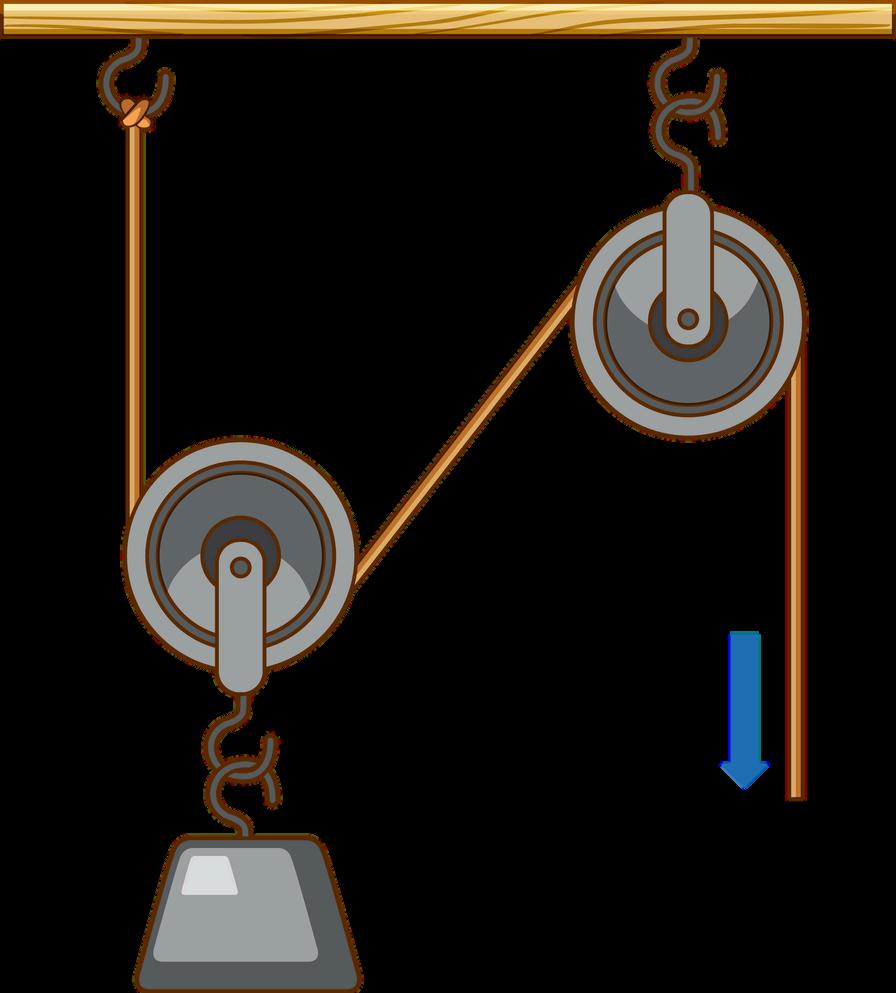
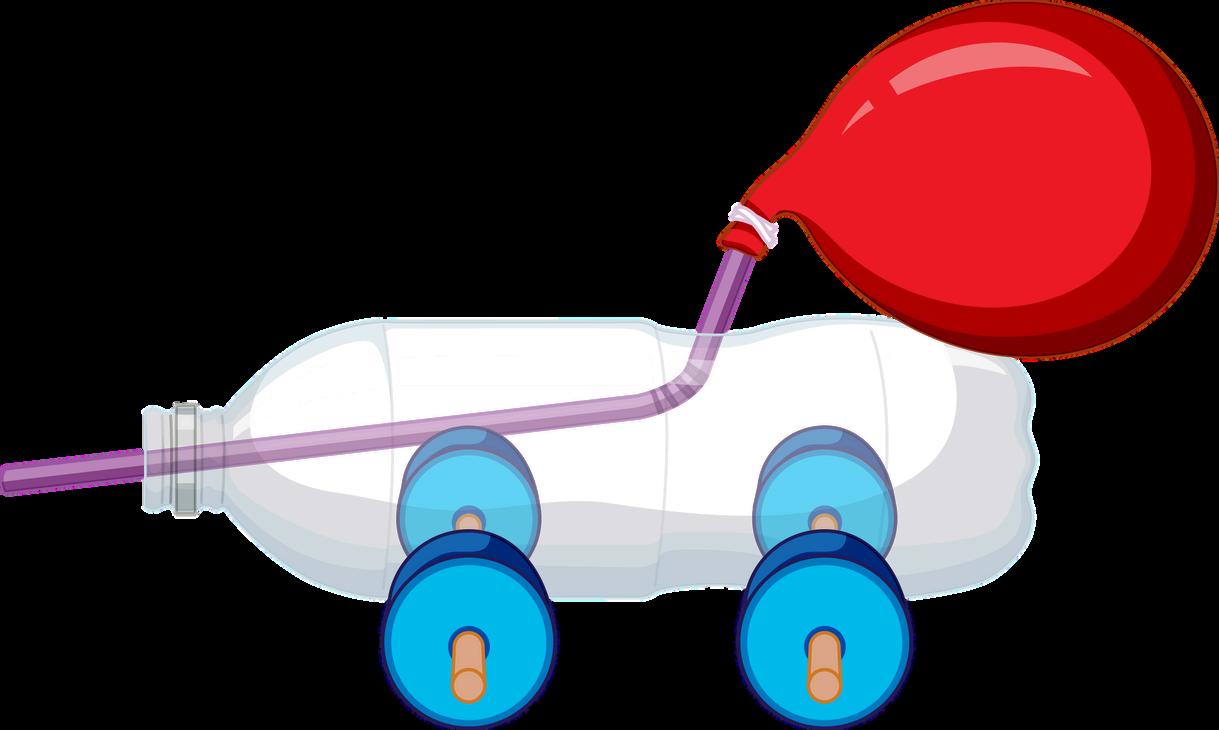

Essential Question: What do we need to consider to build the fastest racetrack?
Big Ideas: Force and motion are both vector quantities, having magnitude and direction, that act on a particular object, The patterns of an object’s motion can be observed and measured; when past motion exhibits a regular pattern, future motion can be predicted, The motion of an object is affected by the surface type, mass, relative height, and slope, and When objects collide, energy is conserved as it transfers from one object to another.
Science and Engineering Practices highlighted in this unit: Analyze and Interpret Data, and Construct Explanations and Design a Solution.
The children study some historically significant individuals in a chronological way.

















































































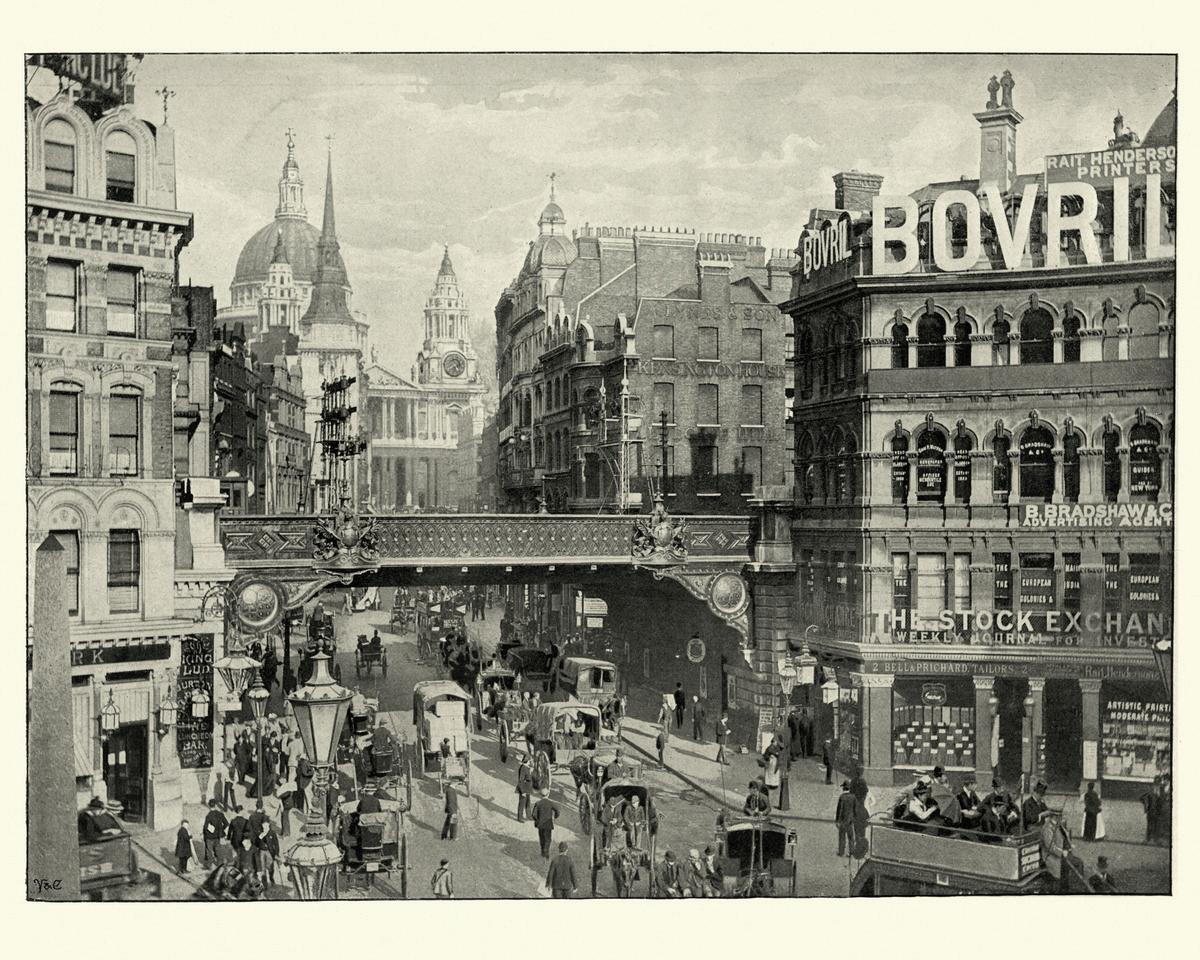
Study aspects of Victorian history, focusing on school life as an example.



Children will learn about sources of evidence and be able to use and explain both primary and secondary sources.

Linked to our text in English, the children begin with a study of the globe through longitude, latitude and time zones.
Children will complete case studies of one of a given set of countries using a range of research to support their work.
In a study of coasts, children will learn about the formation of beaches, coastal features and be able identify the adversities faced with coastal erosion and the look at the various forms of defence.
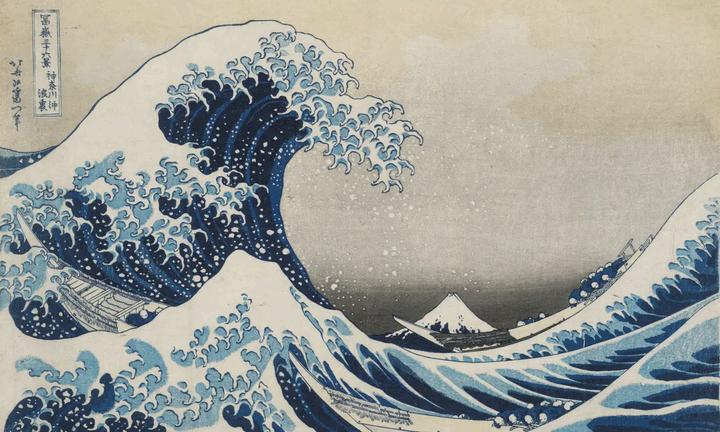
Linking to our text the children begin by creating a pencil drawing of Hokusai’s wave which they will then complete working to create colour and shade using water colours.
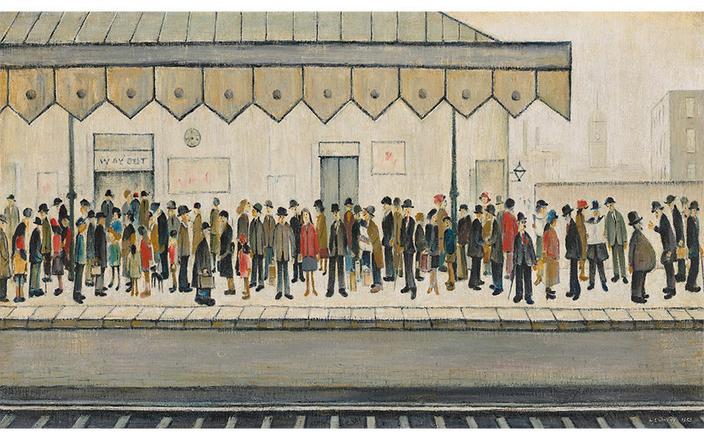
Resilience the children will study the artist L. S. Lowry, his history and his works. They will create a piece in his style, focusing on proportion, ti d th f l fi l
Hands:
Fitness: Cardiovascular Fitness, agility, balance, co-ordination, flexibility, muscular endurance, power, reaction time, speed Basketball: Passing, dribbling, shooting
Head:
Knowledge/Understanding/Analysis/Feedback/Responsibility/Rules
Heart: Communication/Leadership/Respect/Resilience/Effort/Confidence
Hands:
Passing, shooting, dribbling, positional play, attacking and defensive principles, pressing.
Head:
Knowledge/Understanding/Analysis/Feedback Responsibility/ Rules
Heart: Communication/Leadership/Respect/Resilience/Effort/Confidence
Hands:
Fitness: Cardiovascular Fitness, agility, balance, co-ordination, flexibility, muscular endurance, power, reaction time, speed
Football: Passing, dribbling, shooting, positional play
Head:
Knowledge/Understanding/Analysis/Feedback/Responsibility/Rules
Heart: Communication / Leadership / Respect / Resilience / Effort /Confidence
Hands:
Passing, shooting, dribbling, positional play, attacking and defensive principles, pressing
Head:
Knowledge / Understanding / Analysis / Feedback Responsibility / Rules
Heart: Communication / Leadership / Respect / Resilience / Effort Confidence
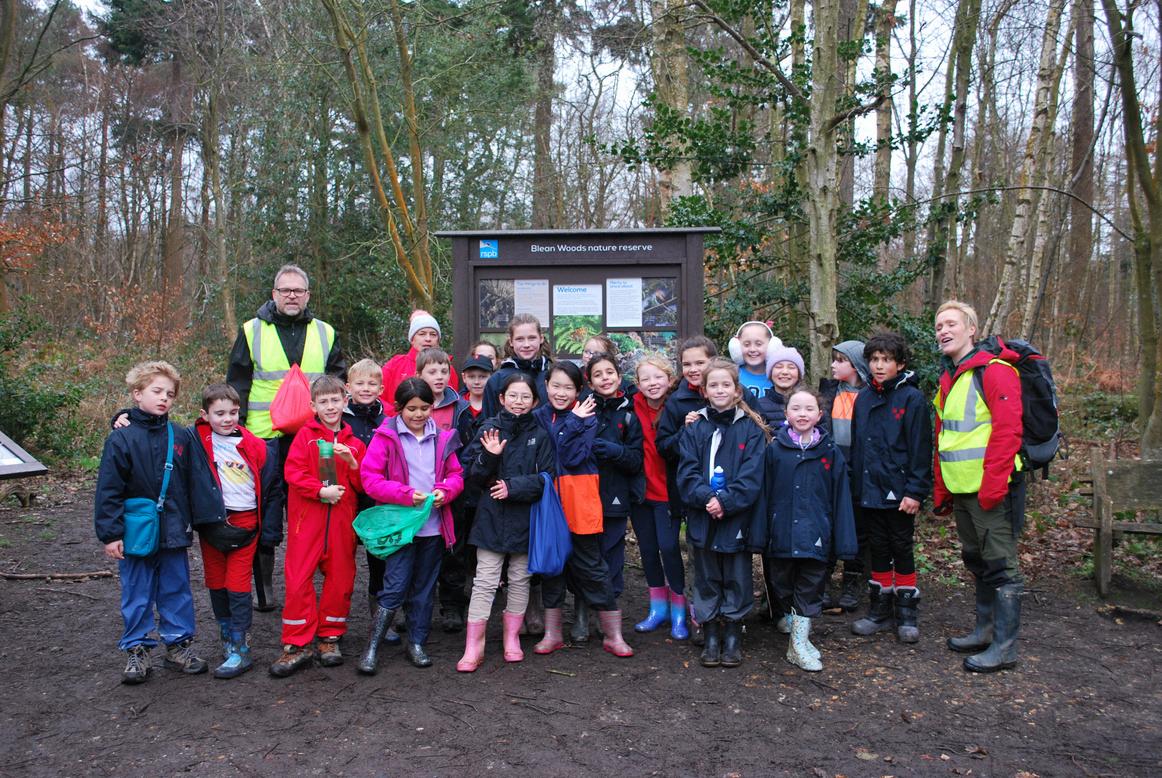
ThroughtheJuniorForesterAward,studentswill consciouslyandpositivelyconnectandcontributeto conservingtheirlocalarea.
Fosteringpersonalenvironmentalandsocialstewardshipby:
Managingrisksintheforest;identifyinghowtheycankeep themselvessafe.
Identifyingtreesandplants.
Animaltrackingandhibernation
Understandingthejourneyofseedtotrees
Becomingwoodlandadvocates
ONLINE SAFETY: MANAGING ONLINE REPUTATIONS AND INFORMATION SHARING


A Year 5 improvisation curriculum focuses on developing creativity, confidence, and collaboration through spontaneous performance activities. The goal is to encourage students to think on their feet, respond to stimuli, and explore imaginative scenarios.

Develop the core skills of listening, composing and performing through topic-based work.
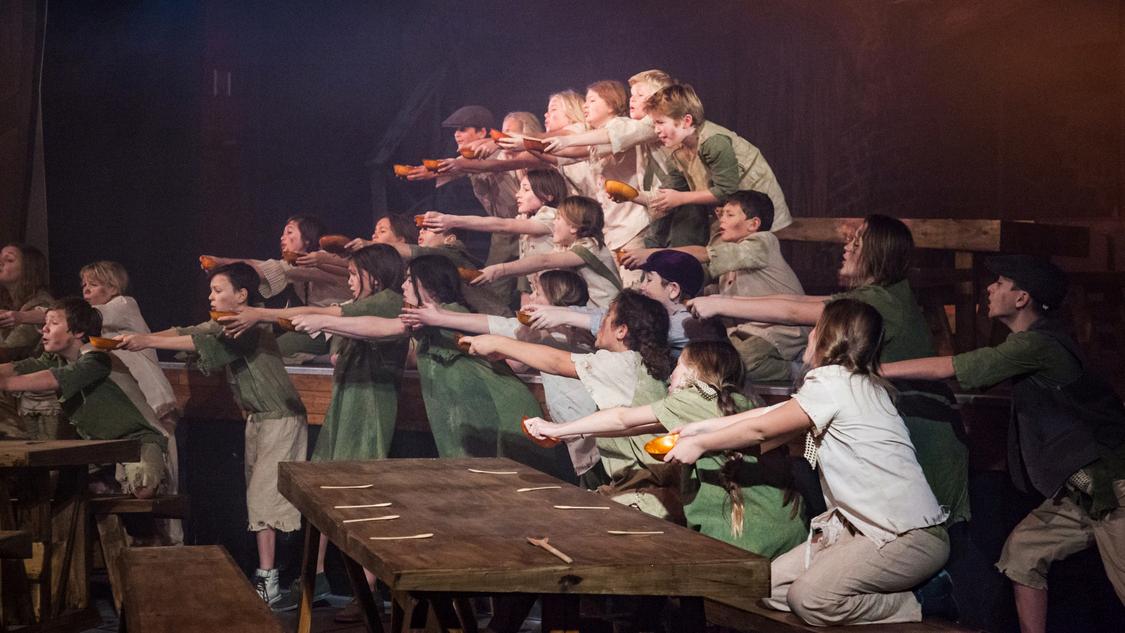
The music of the Victorian age. Developing a sense of pitch through composing a street cry as observed in ‘Oliver’ the musical.
The use of dynamics is explored through the Hall of the Mountain King and Danse Macabre with creative composition used to explore sound.
Performance is always at the root of musical study.
This term, we will continue our journey into Spanish through videos, songs, interactive games, and arts & crafts.
Managing friendships, how they change over time and the role friendships play in someone’s wellbeing.
Learning how to manage conflict.
The role of money in people’s lives and how decisions about it are made.

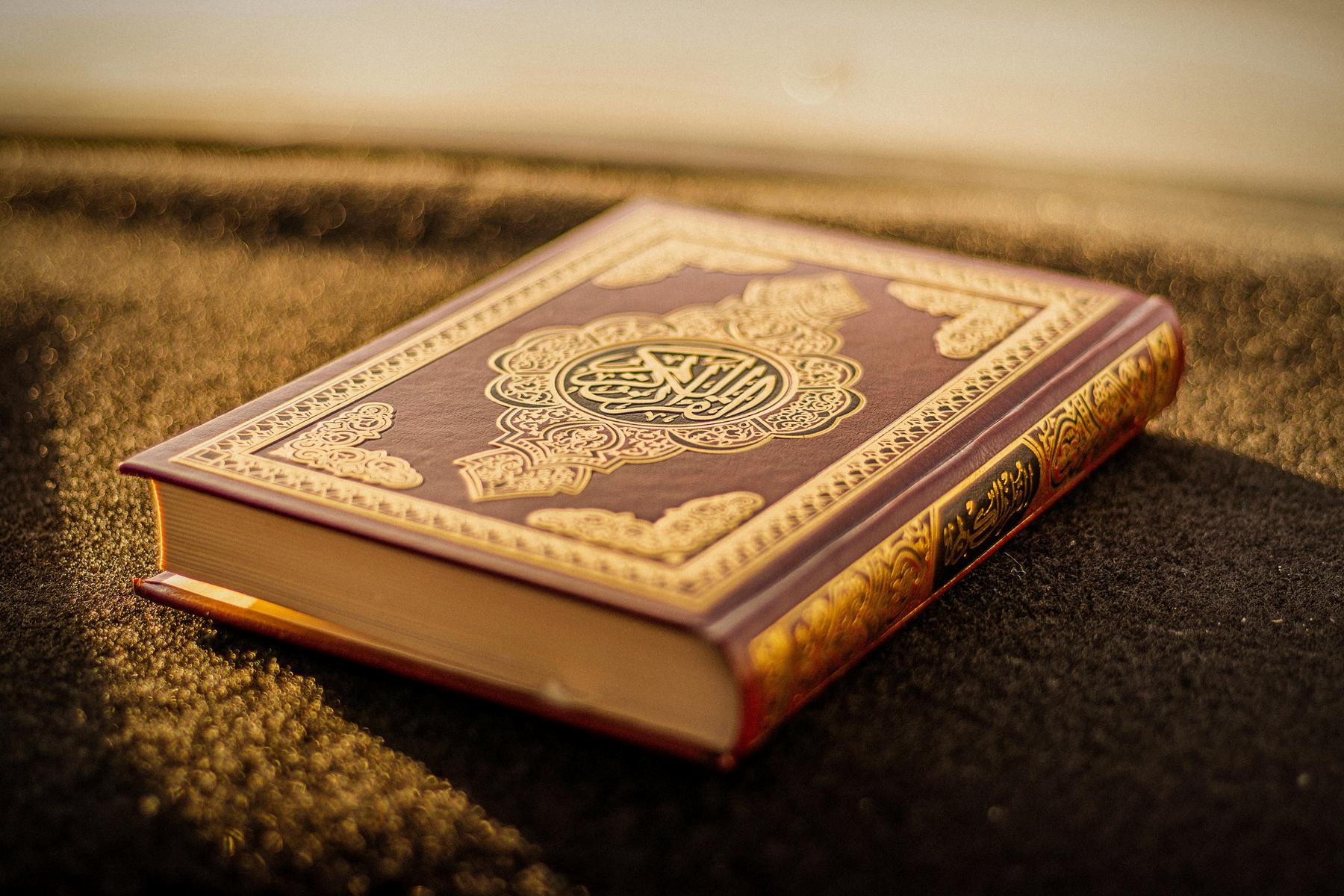
In Religious Studies the children will be studying the faith of Islam through use of video, internet research and books. They explore what it means to be a Muslim including key aspects of the faith.
The five pillars of Islam will be studied individually, diving into the meaning of each pillar both literally and the more abstract elements of their meaning. There will be lots of active discussion with an emphasis on respect for faiths and points of view.