potential potential
The Joy of Eating Quadruplets Conquer Feeding Disorders Learning to Shine Life After the NICU “Go Baby, Go!” Modified Ride-on Cars
A publication of Kennedy Krieger Institute
The Joy of Eating Quadruplets Conquer Feeding Disorders Learning to Shine Life After the NICU “Go Baby, Go!” Modified Ride-on Cars
Institute employee knows firsthand what a difference Kennedy Krieger can make in the lives of families.
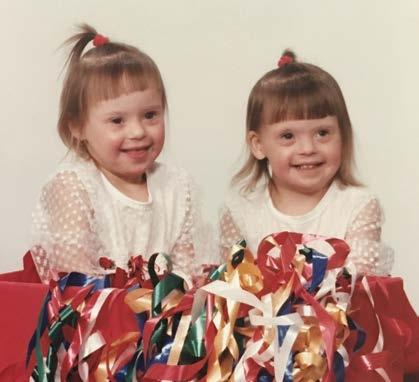
Twenty-one years ago, my twin daughters, Cheyenne and Dakota, were born premature. A team of doctors in their white lab coats lined up at the bottom of my bed and told me, “I‘m sorry, but your daughters have Down syndrome.” Instead of congratulating me on the birth of my beautiful babies, doctors told me that, since I was a single parent, the twins would be a burden to me and I should give them up for adoption. They assumed I would not be able to provide the care my daughters needed. I was also told my daughters would never be able to walk or talk. But I knew better.
When I brought Dakota and Cheyenne to Kennedy Krieger, I experienced a completely different mindset. At my first visit to the Down Syndrome Clinic and Research Center, the doctor made a point to congratulate me, which was very heartwarming and much-needed. That was the first time I had heard that from anyone, and the girls were 6 months old. Dr. George Capone was the complete opposite of the doctors I had met before. He said my girls would walk and talk and do everything that other children would, only at a slower pace. Kennedy Krieger gave me hope—not that they were going to cure my children—but hope in what my children could do, that they had potential and expectations just like every child has. The girls received occupational, physical, and speech-language therapy at Kennedy Krieger, and I worked with them at home.
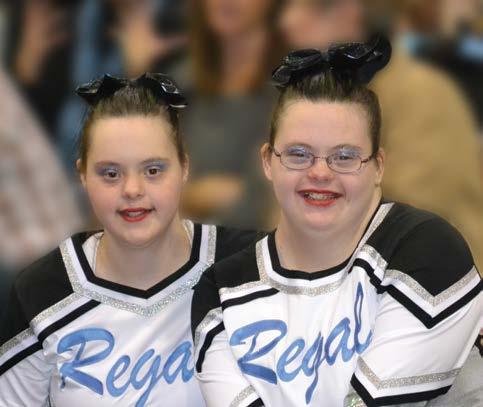
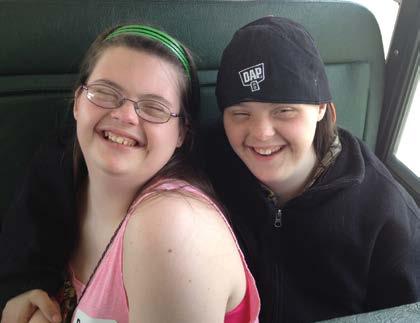
They were learning more each day, and by age 4, the girls were talking and walking. Soon they began school, where they continued to thrive. Today, my girls attend Baltimore County Public Schools, and are involved in Special Olympics, cheerleading, bowling, and soccer. Cheyenne
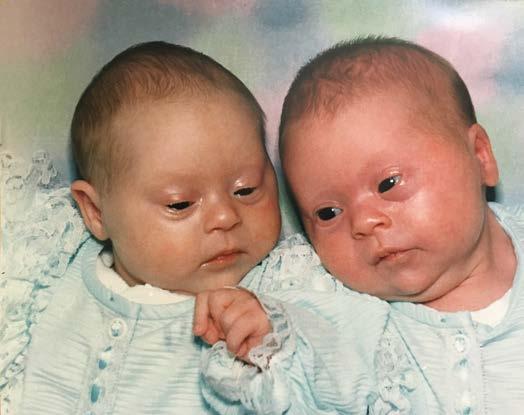
“Kennedy Krieger gave me hope— not that they were going to cure my children—but hope in what my children could do, that they had potential and expectations just like every child has.”
–Debra Grimm Assistant Director of Facilities at Kennedy Krieger
loves to make her teachers and classmates laugh. She hopes to find a job working with animals. Dakota is artistic, and wants to be a chef. They are realizing the potential that I knew they had.
As a parent, what struck me most about Kennedy Krieger was the caring attitude of everyone. So when I had the opportunity to join the Institute as an employee, I wholeheartedly signed on. I am honored to work for the organization that has given my family so much. As an employee, I’ve learned that—regardless of which department you work in—when everyone is devoted to our mission, we can accomplish great things. And regardless of what diagnoses children are given, it is very important that a family hears congratulations on the birth of their child. I know firsthand how much that means.
To learn more about the Down Syndrome Program at Kennedy Krieger Institute, visit PotentialMag. KennedyKrieger.org/DS
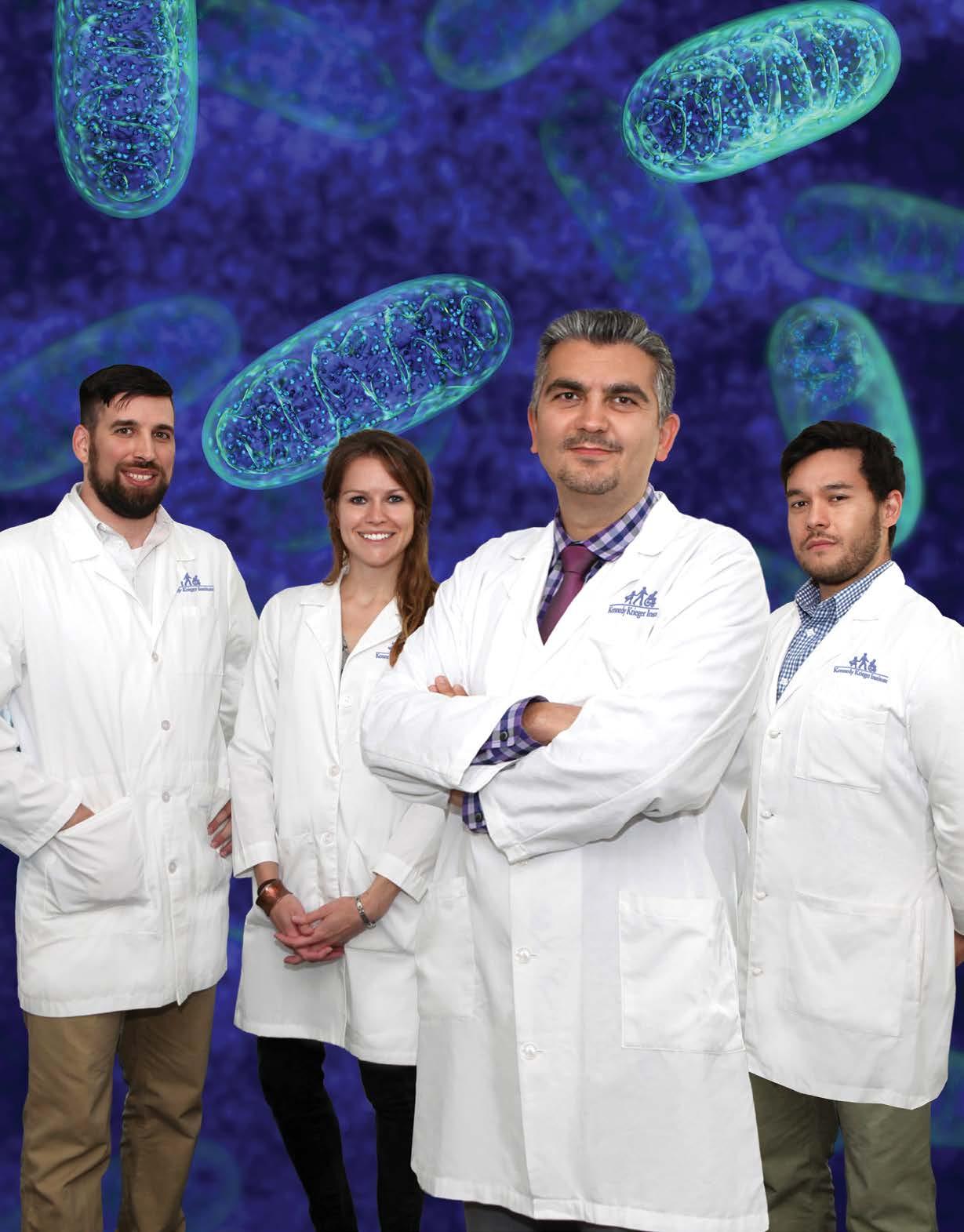
Dr. Ali fatemi and the moser center team offer comprehensive treatment, research, education, and hope for patients with rare genetic diseases that affect the nervous system. their translational research program utilizes cutting-edge precision medicine and nanotechnology approaches to develop early identification methods, disease model systems, and new treatment strategies for currently untreatable leukodystrophies and other rare neurological disorders.
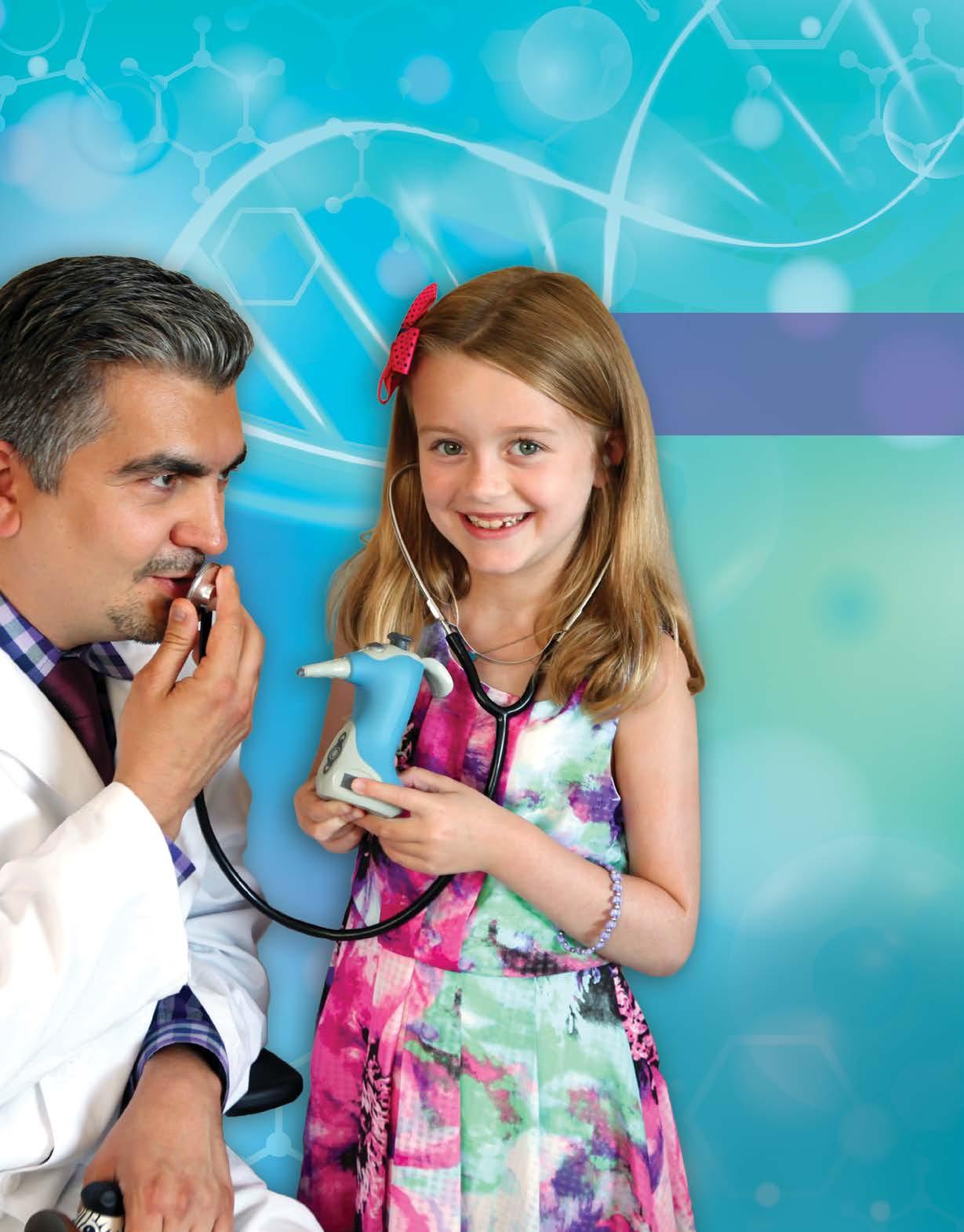
Ellie McGinn is an adorably sweet and charming third-grader from Arlington, Va., who has a progressive neurological disease known as LBSL. Although there is currently no cure or long-term treatment, researchers at Kennedy Krieger are working with her family to find the key to curing Ellie, while keeping her symptoms at bay.
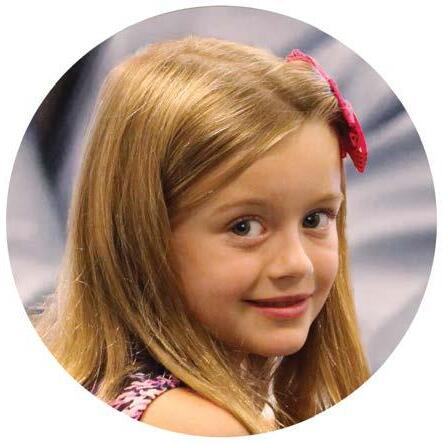
When Ellie was a toddler, she began falling down and suffering from pain and fatigue. Her parents, Michael and Beth McGinn, took her to multiple specialists to find out what was wrong. Neurologists were perplexed—none had seen a case like Ellie’s. Over the next six months, Ellie’s ability to walk deteriorated. When a doctor finally diagnosed her, the news was grim. Ellie had a rare, neurodegenerative disorder known as LBSL (short for leukoencephalopathy with brainstem and spinal cord involvement and lactate elevation).
Doctors gave the family little hope. There was no treatment, they were told, and children with this disorder rarely live into adulthood. LBSL, a type of leukodystrophy, affects the function of mitochondria in the brain—which can be thought of as the ‘energy factories’ in our cells—and damages the white matter in the central nervous system. Ellie would need a walker by age 8, and by the time she was a teenager she would be in a wheelchair. “I just remember sobbing and pleading with the doctor to please tell me there is something we can do,” recalls Beth. “She just kept shaking her head no, ‘I’m sorry, there is nothing we can do.’”
Doing nothing was not an option for the McGinns. The family began researching, and found Kennedy Krieger Institute, where they brought Ellie for a consultation. The McGinns soon realized they were in a place unlike any other. While other doctors told the McGinns nothing could be done to help their little girl, doctors at Kennedy Krieger said they were willing to try.
The family met with a team of Kennedy Krieger doctors, including a mitochondrial specialist, as well as neurologist SakkuBai Naidu, MD, and geneticist Hilary Vernon, MD, PhD. They told the McGinns that while they couldn’t fix Ellie’s genetic disorder, they believed they could help. After a genetic workup, they prescribed a tailor-made “cocktail” of vitamins and antioxidants targeted to the dysfunction in Ellie’s mitochondria.
The treatment seemed to work. Within weeks, her appetite and energy improved. After several months her walking improved, and within 18 months her leg spasms, wobbly knees, and falling down mostly disappeared. Ellie went from not being able to walk across the room without falling to being able to walk everywhere.
It felt like nothing less than a miracle to the McGinns. “I can’t even put into words how grateful I am to Kennedy Krieger … for seeing how they could improve Ellie’s life and give her the best chance,” says Beth. Five years later, Ellie’s problems have not returned. But although the treatment is working, it is not a cure, and doctors know little about the effectiveness of this therapy in the long term. >>
(above) Ellie McGinn. (below) How LBSL disrupts mitochondrial function: Mitochondria are the energy factories in our cells. Each cell in the brain has many mitochondria that break down sugars, fats, and protein, and produce energy. The gene that is mutated in LBSL, DARS2, encodes a mitochondrial tRNA synthetase, which is an enzyme that attaches one of the 20 types of amino acids (aspartic acid for DARS2) to transfer RNAs (polymeric molecules essential in various biological roles in coding, decoding, regulation, and expression of genes). Abnormal DARS2 results in impaired function of mitochondria.
Dr. Fatemi believes that finding a treatment for one may lead to the treatment for the other.
He and his colleagues are investigating whether the key to curing both disorders may lie in solving the same problem—delivering medication through the blood-brain barrier and into targeted cells in the brain. Researchers have found that an antioxidant compound has been shown to protect cells from the damage to white matter in the brain in animal models. However, in humans, very little of the medication can make it into the brain because it is unable to pass through the blood-brain barrier.
To bypass this problem, researchers are investigating whether a tiny spherical molecule with many branches, known as a dendrimer, could deliver the right dose of medication selectively to the affected cells in the nervous system. “Imagine a tiny Christmas tree with many branches, and the drug is put on the surface like ornaments,” says Dr. Fatemi. These nanoparticles are designed in a way that allows them to bypass most organs in the body and go selectively to cells that are injured by oxidative stress, which is a major culprit in mitochondrial diseases, and deliver medication that could protect or even reverse the cell damage in a targeted fashion.
Like the McGinns, Taylor Kane, 17, and her family are also fundraising for leukodystrophy research, albeit a different type. Taylor’s father, John Kane, passed away from an inherited brain disease known as adrenoleukodystrophy (ALD) in 2003. Every year, the family holds a fundraiser to benefit ALD research at Kennedy Krieger.
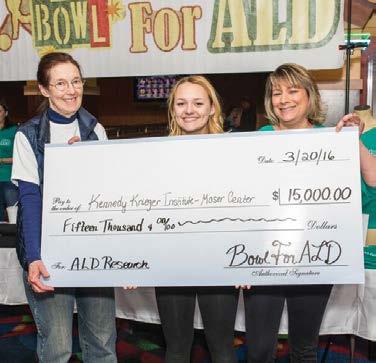
This type of targeted nanotherapy has the potential to be used in other leukodystrophies and neurological disorders, among many other diseases. In addition to delivering medications, this technique could potentially one day be used to bring in "gene editing molecules" that could correct gene defects like the one that Ellie has. These are exciting possibilities, but a long way off. And in order to investigate potential cures like this, the McGinns and others who care about rare diseases need to raise enough money to fund the research.
Ellie’s worst symptoms have not returned and she is living a near normal life. If you met her, you might never guess that anything was wrong. She goes to school like every other child, and loves swimming, drawing, and above all, animals. But no one can predict how long her symptoms can be kept at bay. As children with LBSL grow, especially during the teen years, their disease progresses. Time is of the essence to raise money for research.
The McGinns are hopeful that Dr. Fatemi’s research will lead to a breakthrough during Ellie’s childhood. But they are prepared that it might not. No matter what happens, they will always be grateful to Kennedy Krieger for being willing to try.
To learn more and support leukodystrophy research at Kennedy Krieger, visit PotentialMag.KennedyKrieger.org/Ellie.
Taylor has testified before legislators to implement ALD screening for newborns, a test that was developed by Kennedy Krieger Institute and recently recommended by the U.S. Department of Health and Human Services to be added to newborn screening nationally. Newborn screening for ALD could save hundreds of lives every year by identifying the disease before symptoms develop. Taylor also advocates for female carriers of ALD, who deal with a unique set of concerns such as the knowledge that they may pass the disease to their children, which is fatal in boys. “A lot of people involved with ALD say ‘save the boys,’” Taylor says, “but I think it’s important to also remember the girls.” At 16, she founded the organization Young ALD Carriers (YAC), an online forum where female ALD carriers can meet each other, ask questions, share information, and find support. It includes more than 80 members from all over the world.
Taylor found out that she was a carrier of ALD when she was 12, and she’s grateful she found out when she did. Taylor went through genetic counseling at Kennedy Krieger when she was in seventh grade, and worked with a counselor who knew her dad from when he was a patient there.
Although Taylor was too young to remember much about her father before he was sick, those who knew him say she is a lot like him. “He loved helping people, and he could never see a problem and not try to help,” says Taylor. Taylor plans to study political communications at George Washington University, and her goal is to one day head an international nonprofit. “My ultimate hope would be to help find a cure for ALD so no other families will have to be torn apart by this disease.”

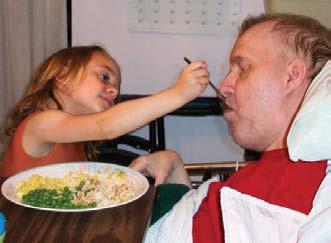

“The goal of the Feeding Disorders Program is to create a successful plan that parents can continue at home. It requires a commitment from the family and creativity from the staff.”
–Peter Girolami, PhD, BCBA-D, director of the Pediatric Feeding Disorders Program at Kennedy Krieger
No one seemed to understand the depth of the problem or how to address it until the family found the Feeding Disorders Program at Kennedy Krieger Institute, a nationally recognized program that specializes in treating children with feeding disorders.
“It was the first place we had been that looked at, and investigated, all the possible reasons why each one of our children might not be succeeding,” says Rob of the program, which the children entered when they were 3 years old.
Many factors can contribute to a feeding disorder (a child’s inability or refusal to consume enough food to meet nutritional needs and grow normally). Some children have medical problems like gastroesophageal reflux, while others lack the oral-motor skills required to chew and swallow food. When issues like these arise, eating can become such an aversive experience that children may begin to refuse food. It’s much more than just picky eating; children with feeding disorders need medical intervention.
Successfully treating a feeding disorder is a complicated endeavor that requires tackling multiple medical and behavioral issues all at once. “Every child had a different medical history and experience, so each child needed a unique approach,” says Peter Girolami, PhD, BCBA-D, director of the Pediatric Feeding Disorders Program. “We had a team of specialists— from pediatrics, behavioral psychology, nutrition, social work, occupational therapy, and speech-language pathology—all working to identify and address the multiple factors that may have been contributing to the child’s feeding disorder.”
Senior behavior analyst Carrie Borrero, PhD, BCBA-D, who oversaw the quadruplets’ care at Kennedy Krieger, explains, “The first thing we do is watch parents feed their children so we get an idea of what they are dealing with at home.”
Unless you are a parent of multiples, it’s hard to imagine how formidable a challenge it can be to persuade four toddlers to do anything they don’t want to. At the sight of a spoon, all of the quadruplets would turn their heads and cry to avoid taking a bite. Chaos ensued.
Opposite top left (left to right, top to bottom): Quadruplets Wyatt, Edda, Lily, and Timmy, age 6, could not eat independently before coming to Kennedy Krieger.
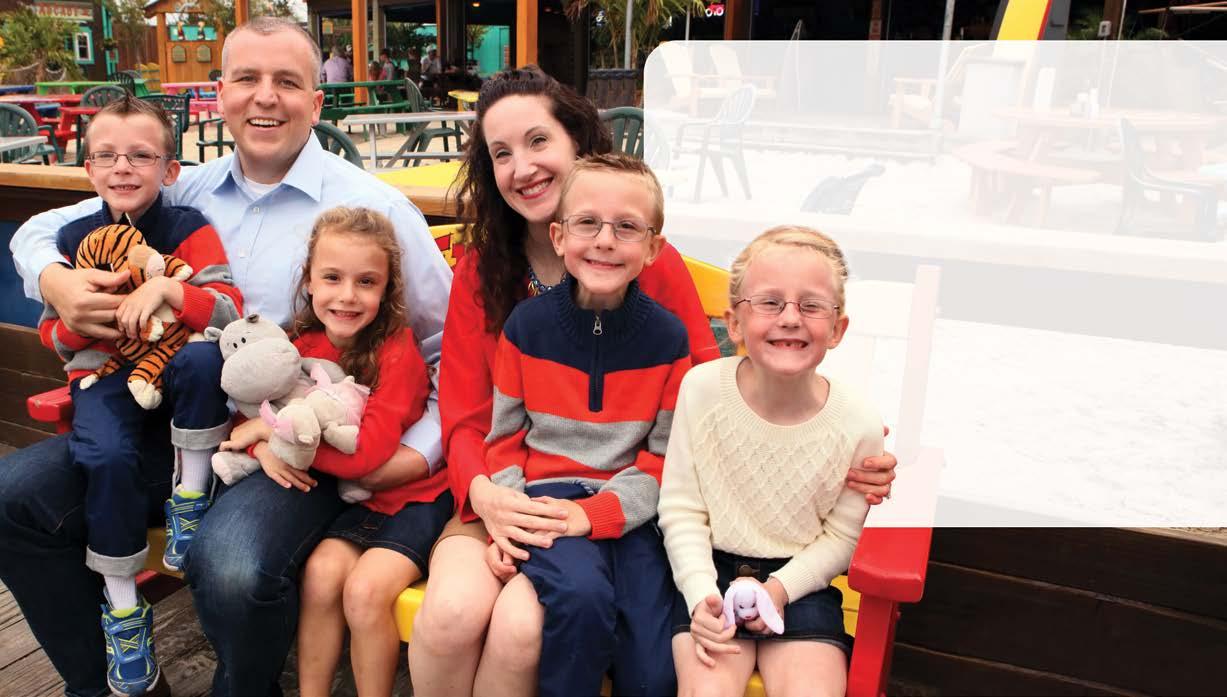
The quadruplets are incredibly different, says their mom. Wyatt is the family politician, and can win over anyone. Edda, ‘the ringleader,’ likes to be in charge. Lily is ‘sweet as pie,’ and likes to please everyone around her. Timmy, the family comedian, loves to make people laugh and had a secret handshake with feeders when he was doing well.
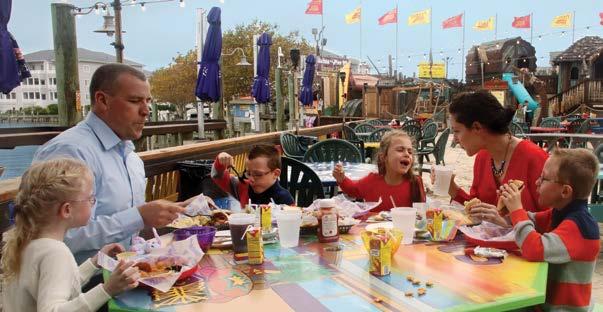
family dines out at a local restaurant.
Therapists needed to create a new normal for feeding time. Behavioral modification is easier said than done, but experience has shown that children respond best to positive reinforcement.
In practice, it happens like this: when a child performs the desired behavior (takes a bite), the therapist gives praise and positive reinforcement, including a reward, which might include clapping, singing, or the opportunity to play with toys, watch TV, or whatever activity the child loves best. Any negative behaviors (crying or refusal) are ignored. Before long, the child learns that taking a bite and receiving the reward is much preferred to not complying and being ignored.
Sometimes therapists need to get creative, as was the case with the quadruplets. “We tried to take advantage of the fact that there were four of them,” says Borrero. “We would give each child a badge if they took all of their bites. They’d walk around with their badges and they would keep up with what each other was doing.”
The feeding process happened three times a day, every day. And in between feedings, occupational and speech therapists were helping children work on skills needed for eating and drinking, such as chewing and swallowing. The team gradually worked to increase the amount of food, type of food, and varying textures. Parents observed the interactions, while therapists taught them how to respond to certain behaviors.
After eight weeks of intense work with the feeding specialists, the quadruplets were able to eat independently and no longer needed their feeding tubes. The family left with a plan they could implement at home and phone numbers to call if they ran into hurdles. The children received follow-up care, including outpatient therapy and a home visit.
Three years later, all four children eat a variety of foods and can sit down for a family meal. “The simple goal that I didn’t think we would ever realize was for our family to be able to go out to a restaurant and order off the menu,” says Anne. “Now we can.”

The experience has been life-changing for the family. “Kennedy Krieger made it possible for our family to live a normal life,” says Rob. Anne concurs: “We can go out and do all the activities you dream of doing with children…. We can focus now on our children rather than our children’s eating.”
To learn more about the Feeding Disorders Program at Kennedy Krieger, visit PotentialMag.KennedyKrieger.org/Quads.

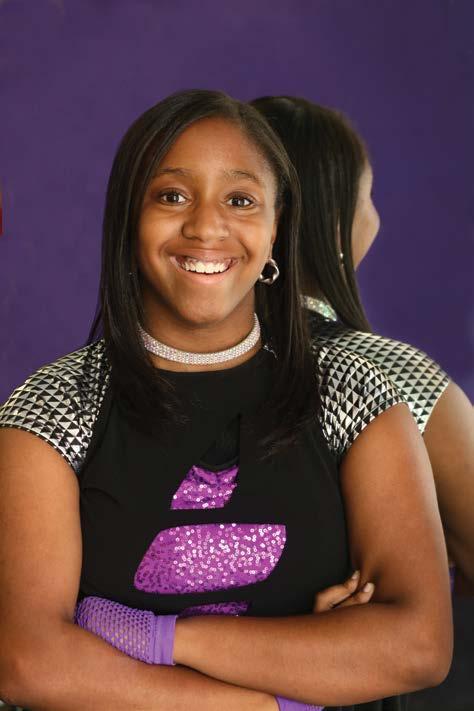
Morgan is a competitive dancer and a strong student. But learning hasn’t always come easy. Kennedy Krieger’s NICU Follow-up Clinic and Center for Development and Learning have helped guide her path to success.
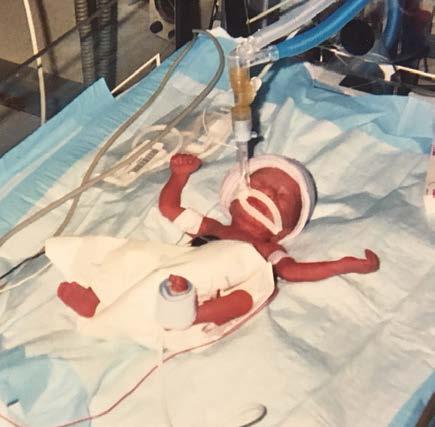
or Beth Vester and her daughter Morgan, 12, the NICU Follow-up Clinic at Kennedy Krieger Institute has been a steady source of guidance and support over the years. Morgan was born 14 weeks early, weighing just 1 lb., 10 oz., and spent six weeks in the NICU (neonatal intensive care unit) of a nearby hospital. Morgan’s pediatrician recommended follow-up care at Kennedy Krieger.
“The NICU Follow-up Clinic allows us to follow children regularly in a multidisciplinary setting,” says Mary Leppert, MB, BCh, co-director of the NICU Follow-up Clinic at Kennedy Krieger. “The beauty of the team is that we all see different things when we look at a child. Together we draw a very good picture of the child’s function and the child in relation to her family and community.”
Morgan’s team at Kennedy Krieger identified a motor abnormality in her left ankle very early on, which was a mild form of cerebral palsy. Dr. Leppert recommended physical therapy and further monitoring and treatment by the Institute’s orthopedic specialists. She also identified through testing that Morgan was at high risk for developing problems with language-based learning and attention as she got older.
“Dr. Leppert told me that, more than likely, Morgan would develop ADHD but we would not see that until fifth grade,” recalls Vester. “And that was right on point. That’s exactly when we began to see her struggle with learning and comprehension.”
Because Morgan’s mom had known the red flags to watch for, she was able to identify right away when to bring her daughter back to Kennedy Krieger, where she was evaluated at the Center for Development and Learning. Dr. Leppert’s testing revealed a concern for inattentiveness and distractibility, so she referred Morgan to neuropsychologist Gwendolyn Gerner, PsyD, for further evaluation. Dr. Gerner concurred that Morgan was showing signs of ADHD.


Children with motor impairments who are patients at Kennedy Krieger Institute now have a new way to become mobile. Through a national program known as ‘Go Baby Go,’ Kennedy Krieger offers ride-on cars, such as ones you would find at toy stores, adapted specifically for each child to use as part of physical or occupational therapy. The Go Baby Go program originated from the University of Delaware physical therapy department.
The first time 3-year-old Sophia Ridgley tried one of the cars at Kennedy Krieger, her face lit up with a
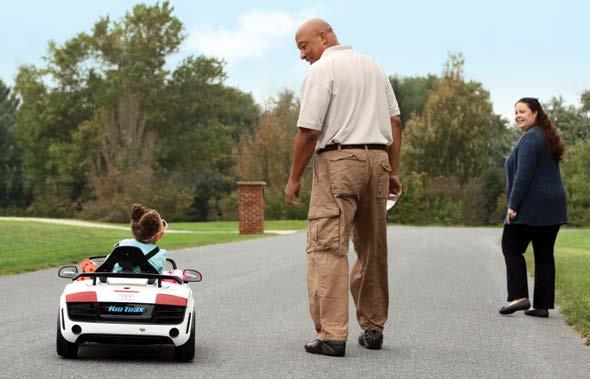
smile. She has spastic quadriplegia, a type of cerebral palsy, so she is unable to walk or crawl, and she is not yet ready for a power wheelchair. But behind the wheel of a modified toy car, she suddenly had the ability to explore her environment at the press of a button. The result was pure joy.
Children who can’t crawl or walk miss out on important developmental play and learning, as well as opportunities for socialization. Sophia’s mom, Vicki Ferguson, says driving the car gives her daughter a sense of freedom and independence.
“There are so many things Sophia can’t do—this is something she is able to do and it helps her fit in with other kids. She’s able to stop and go at her own pace…just like every other child.”
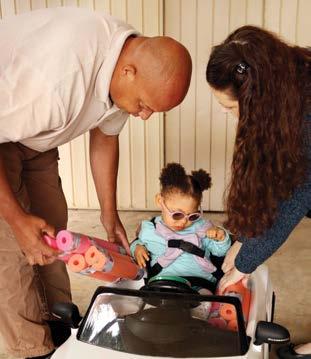
Sophia’s family was one of several that attended the Institute’s Go Baby Go Build Day in March, a free workshop in which Kennedy Krieger therapists, equipment specialists, and other volunteers helped families modify toy cars for their children’s use at home. Sophia now rides all over the neighborhood in her new car with her parents beside her.
Sophia Ridgley cruises the neighborhood with her parents.

Six-year-old Kaylee Ray, who has Rett syndrome, is also enjoying her new wheels. Although Kaylee is nonverbal, her mom, Monique, can tell from her smiles just how much it means to be independently mobile. “The car gives Kaylee her first taste of independence, and that is worth a million bucks to her dad and me.”
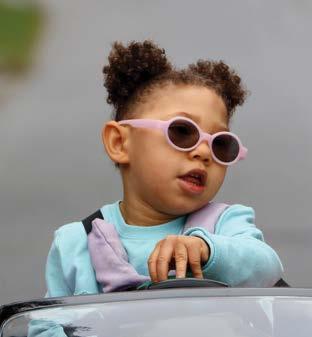
Power wheelchairs can cost upwards of $25,000, and may not be covered by insurance until age 5. By contrast, a ride-on toy car can be purchased for about $200 and modified with a few low-cost supplies like pool noodles, foam rollers, and Velcro straps to give children the postural support they need. For children who are unable to use a foot pedal, the cars can be modified to operate through a switch placed on the steering wheel. Kennedy Krieger physical therapist Beth Farrell says that although “the Go Baby Go cars are by no means a replacement for power wheelchairs, they do provide kids with a means of mobility in an age-appropriate way.”
Modified ride-on cars are an easy, inexpensive, and age-appropriate way for children with motor impairments to achieve mobility.

The cars can also lift the spirits of children who may be having a difficult time in the hospital, provide extra motivation, and encourage socialization. Physical therapist Judith Stein recalls a young patient with a spinal cord injury who previously was not talking much. But when he had a chance to ride in the car along with other children, he said his first words in a long while: “I happy.”
Kennedy Krieger now has five modified cars for clinical use, with plans to add more. Farrell says that the success of the program so far has been the result of a team effort from many different therapists working together to modify cars for the children. Seeing the proud smiles of children as they ride around in their specially modified cars makes the effort well worthwhile.
To learn more about the Go Baby Go Program at Kennedy Krieger, visit PotentialMag. KennedyKrieger.org/GoBabyGo.
Three Kennedy Krieger patients from the International Center for Spinal Cord Injury traveled to Cuba to show how living with a spinal cord injury can be full of opportunities! To read the article, visit KennedyKrieger.org/Cuba.


Dr. Mark Mahone, director of neuropsychology and co-director of its Center for Innovation and Leadership in Special Education, shares his insights on dyslexia and the resources children need to succeed in school. To read the article, visit KennedyKrieger.org/Resource.
Cameron Longley, an inpatient with a rare disorder, is now relearning to do things that so many of us take for granted. To watch the story, visit KennedyKrieger.org/Seizure

Looking for a unique way to give to Kennedy Krieger Institute? Anything can be turned into a fundraiser! Whether you are collecting donations in lieu of gifts for a life milestone, cycling or running a race, teaching yoga, baking, golfing, or cutting off your hair, you can do what YOU want to support the more than 20,000 children and families who come through Kennedy Krieger Institute’s doors each year! For more information, please visit KennedyKrieger.org/ PersonalFundraising, or call 443-923-7300 today!
To learn more, get involved, and stay connected, visit KennedyKrieger.org/Connect
Saturday, April 29, 2017
Oregon Ridge Park, Cockeysville, MD
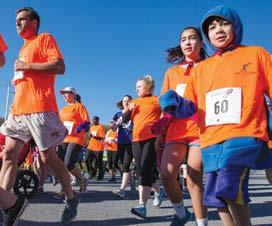
Join us for a 5k run, low-mileage fun walk, and family festival to help kids at Kennedy Krieger. ROAR for the cause of your choice to support kids, research, and programs at the Institute. Visit ROARforKids. KennedyKrieger.org to register and start a team.

A DERBY CELEBRATION
Friday, May 5, 2017
The Grand Lodge of Maryland Cockeysville, MD
6:30–11 p.m.
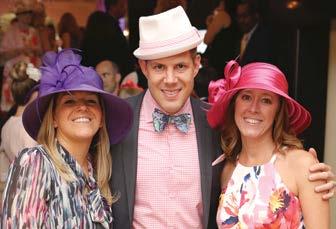


This special event will once again include a seated gourmet dinner catered by Linwoods, a silent auction, music by LimeLight Event Group, and many other exciting surprises. All proceeds from this fabulous evening benefit the children and families served by Kennedy Krieger Institute. Visit KennedyKrieger.org/ ADerbyCelebration or call 443-923-7300 for sponsorship and event information.
When you give to Kennedy Krieger Institute, you’re helping us find the keys to unlock the potential of kids like Wyatt, Lily, Timmy, and Edda. Your gift will support groundbreaking research that brings hope, and innovative care that transforms lives. Thank you so much for your support!
Donate today using the return envelope inside this issue, or online at KennedyKrieger.org/PS16.
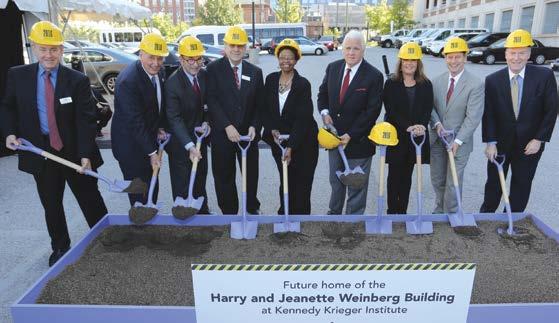
More than 200 people were on hand October 5, to witness the groundbreaking for the Harry and Jeanette Weinberg Building. When complete in January 2019, the facility will allow the Institute to serve thousands more children and have an even broader impact.
If you’d like to help by making a tax-deductible donation today, visit KennedyKrieger.org/PS16, call 443-923-7300, or use the enclosed envelope.