Buying a Home



What You Really Need To Know About Down Payments
The Misconception:
“I have to put 20% of the purchase price down.”
The Reality:
Many people don’t, especially first-time buyers.
The Median Down Payment for First-Time Buyers Is Less Than 20%
Common Misconception 10% First-Time Homebuyers
Source: NAR
And you don’t even have to put that much down. There are some home loan options that require as little as 3.5% or even 0% down.
The average program provides a benefit of roughly $18,000. 20%
Plus, data shows 80% of first-time buyers qualify for help with their down payment via down payment assistance programs.
Unfortunately, only 13% actually take advantage of that.
To learn more about your loan options or assistance programs, connect with a trusted lender.
The $416 Shift in Affordability
If you paused your plans to move because of high rates or prices, it may finally be time to take a second look at your numbers. Affordability is improving in 39 of the top 50 markets, according to First American. And that’s the 7th straight month where buying a home has started to get a little bit easier.
Let’s break this down into real dollars, so you can see the difference this is making for your move.
Mortgage Payments Are Coming Down

One of the clearest signs of this shift is in monthly payments. The latest data from Redfin shows mortgage payments on a median-priced home are now $416 lower than they were just a few months back (see graph below): Median Monthly Mortgage Payment
Monthly Payments Are Down $416 in 7 Months
This kind of monthly savings adds up fast, and totals nearly $5,000 over the course of a year.
While this isn’t enough to completely change the affordability game overnight, think about it this way. When you’re putting together a homebuying budget, a few hundred dollars could be the difference between being comfortable buying and feeling like money’s a bit tight.
Sources: Redfin
And from a home-search perspective, it could even be enough to change the price point you can look at. According to Redfin:
“A borrower with a $3,000 monthly budget can now afford a $468,000 home, about $22,000 more than in June."
And that’s a big deal if you haven’t found a home you love in your price range yet. It gives you a little more flexibility to find the one that’s right for you. Either way, that’s a big win.
What’s Behind the Shift?
Two key factors are working in your favor right now:
• Mortgage rates have eased from their high earlier this year
• Home price growth is slowing in many markets
Both of those things help your bottom line and give you a bit of breathing room if you’re buying a home. As Andy Walden, Head of Mortgage and Housing Market Research at Intercontinental Exchange, says:
“The recent pullback in rates has created a tailwind for both homebuyers and existing borrowers. We’re seeing affordability at a 2.5-year high . . .”
Whether you’re a first-time homebuyer or someone looking to move-up into a bigger house, the shifts happening this year could make your move possible. Connect with a trusted agent or lender to see what your monthly payment would look like at today’s rates.
The savings could be the difference between “not yet” and “let’s go.”
Bottom Line
Affordability is improving in many markets. And that may reset the math on your move. Let’s run the local numbers together so you can get a rough estimate of how much more buying power you may have than you did just a few months ago.
More Homes, More Choices

Significant Growth Across the Nation
And here’s another big bright spot today that makes finding a home in your budget a bit easier: how much inventory has improved.
Nationally, the number of homes for sale has gone up by a lot – and that’s true in all regions of the country. That’s shown in this data from Realtor.com (see graph below). In each of the four regions, inventory is up at least 8% compared to one year ago. In the West, it’s actually up almost 18%.
That means more options, less competition with other buyers, and a chance to find the space that actually works for you – whether you’re looking for a bigger backyard, a shorter commute, or finally ditching your rental.
Source: Realtor.com
But, Not All Markets Are the Same
How much inventory has grown is going to vary by region, and even by neighborhood. You can see that play out in the graph below. Just like before, the blue still shows that all regions have seen growth lately. The red and green are added context on how that compares to a more normal market (like what we had back in 2017-2019).
• The green bars show where inventory has recovered (and even grown above prepandemic levels) in the South and the West. You may find sellers are a bit more willing to negotiate in these places.
• The red bars show the number of homes for sale is still below normal in the Northeast and Midwest, even with the recent growth. This is where you’ll still want to start with your best offer.
Where Housing Inventory Is Growing the Fastest Compared to Pre-Pandemic Norms
Even though the growth may look different based on where you are, you still have more options now than you would’ve just one year ago. As Ralph McLaughlin, then the Senior Economist at Realtor.com, says:
“It could be a particularly good time to get out into the market . . . you're going to have more choice. And that's not something that buyers have really had much over the past several years.”
Bottom Line
The growth we’ve seen across the country is a win for buyers. Reach out if you want to see what’s available in and around our area.
Source: Realtor.com


Homebuyers are in the best position in more than five years to find the right home and negotiate for a better price. Current inventory is at its highest since May 2020, during the COVID lockdown.
Lawrence Yun Chief Economist, NAR
Why a Newly Built Home Might Be a Smart Move Right Now
Are you looking for better prices, or even a lower mortgage rate? You might find both in one place: a newly built home. That's why more buyers are choosing new construction. It's not just about getting the latest technology or modern floorplans. It’s because they may be able to get a better deal.
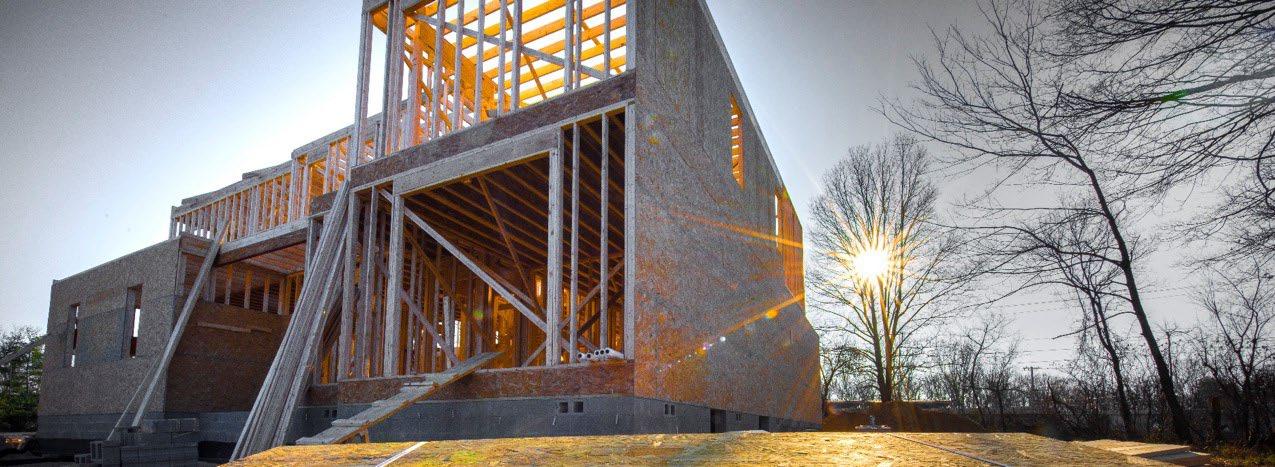
There are more brand-new homes available right now than there has been in years. And as a buyer, that can help you in two big ways. It gives you more options to choose from, and it motivates builders to sell their inventory before they build more. That’s exactly why so many homebuilders are offering serious incentives like price cuts, mortgage rate buydowns, and help with closing costs.
And perks like that are hard to ignore. That's why, in the fall of 2025, new home sales hit their highest level in over 2 years. Buyers saw the opportunity, and they jumped on it. Maybe it's time for you to do the same.
Builders Are Cutting Prices
Data from the National Association of Home Builders (NAHB) shows 65% of builders offered special perks to buyers. That’s the highest percentage we’ve seen in 5 years.
One of the most common incentives they’re offering right now is adjusting the price. According to NAHB, 41% of builders are doing price cuts (see graph to the right).
So, builders may be more willing to negotiate price than you’d expect. And that means your dollar may go further if you buy a newly built home.
Lean on your agent to see what’s available and what incentives builders are offering in and around your area. of builders cut prices. A record high.
Source: NAHB 41%
Builders Are Offering Lower Mortgage Rates
Here’s something most people don’t know. Right now, buyers of brand-new homes often get better mortgage rates than buyers of existing homes. That’s because many builders are also offering rate incentives to make their homes more attractive and keep sales moving. These rate buydowns can shrink the monthly payment you'd have.
Data from Realtor.com shows, in 2023 and 2024, buyers of newly built homes got a mortgage rate around half a percent lower compared to those who bought existing homes (see graph below):
Buying a Newly Built Home Could Come with a Lower Mortgage Rate
Average 30-Year Mortgage Rates by Home Type
The big takeaway is: builders are motivated to sell. So, you could snag a lower price and maybe even a lower mortgage rate if you buy new. If you’ve been feeling priced out, these offers might be your way back in.
With builders cutting prices and maybe even helping you score a lower monthly payment, that’s not something to overlook.
Bottom Line
If you want to see how active builders are in your target area and what they’re offering, let's connect. That way, you have your own agent to help you compare incentives from multiple builders and negotiate on your behalf, making sure you get the best deal possible.
Source: Realtor.com
Existing Homes Newly Built Homes
Housing Market Forecasts for 2026
After a couple of years where the housing market felt stuck in neutral, 2026 may be the year things shift back into gear. Expert forecasts show more people are expected to move – and that could open the door for you to do the same.
More Homes Will Sell
With all of the affordability challenges at play over the past few years, many would-be movers pressed pause. But that pause button isn’t going to last forever. There are always people who need to move. And experts think more of them will start to act in 2026 (see graph below):
What’s behind the change? Two key factors: mortgage rates and home prices. Let’s dive into the latest expert forecasts for both, so you can see why more people are expected to move.
Sources: Fannie Mae, MBA, NAR
Mortgage Rates Could Continue To Ease
The #1 thing just about every buyer has been looking for is lower mortgage rates. And after peaking around 7% in early 2025, rates have been trending down overall. The latest forecasts show that could continue throughout 2026, but experts aren’t expecting a big change (see graph below):
Mortgage Rates Could Ease in the Year Ahead
The 30-Year Fixed Rate and Rate Projections
There’s a saying: when rates go up, they take the escalator. But when they come down, they take the stairs.
And that’s an important thing to remember. It’ll be a slow and bumpy process.
Expect modest improvement in rates over the next year but be ready for some volatility. There will be bumps along the way as new economic data comes out. Just don't let it distract you from the bigger picture: the overall trend will be a slight decline.
And remember, there doesn't have to be a big drop for you to feel a change. Even a smaller dip helps your bottom line. If you compare where rates are now to when they were at 7%, you’re already saving hundreds on your future mortgage payment. And that’s a really good thing. It’s enough to make a real difference in affordability for some buyers.
Home Price Growth Will Be Moderate
What about prices? On a national scale, forecasts say they’re going to rise, just not by a lot. With rates down from their peak in early 2025, more buyers will re-enter the market. And that increased demand will keep some upward pressure on prices – and prevent prices from tumbling down.
So, even though some markets are already seeing slight price declines, you can rest easy that a big crash just isn’t in the cards. Thanks to how much prices rose over the last 5 years, even the markets seeing declines right now are still up compared to just a few years ago.
Of course, price trends will depend on where you are and what’s happening in your local market. Inventory is a big driver in why some places are going to see varying levels of appreciation going forward. But experts agree we’ll see prices grow at the national level (see graph below):
Home Prices Will Rise Moderately at the National Level
Price Forecasts for 2026 as a Percent Change
This is yet another good sign for buyers and overall affordability. While prices will still go up nationally, it’ll be at a much more sustainable pace. And that predictability makes it easier to plan your budget. It also gives you peace of mind that prices won’t suddenly skyrocket overnight.
Bottom Line
After a quieter couple of years, 2026 is expected to bring more movement – and more opportunity. With sales projected to rise, mortgage rates trending lower, and price growth slowing down, the stage is set for a healthier, more active market. So, the big question is:
Will you be one of the movers making 2026 your year? Let’s connect if you want to get ready.

How Changing Mortgage Rates
Affect Your Future Monthly Payment
Experts say rates will come down slightly – but some volatility is expected. So, you shouldn't try to time the market. It's better to focus on how any small change impacts your future mortgage payment.
Rather than waiting it out for a rate that they like better, hopeful homebuyers should assess their personal financial situation—if the house is right for them, and the upfront and monthly payments are affordable, it could be the right chance to make a move.”
Matt Vernon, Head of Retail Lending, Bank of America
The Top 2 Buyer Mistakes Today
In today’s complex market, you’ll want to be sure you have advice from a team of professionals. Here are the top 2 other buyers are making right now and how your agent and lender can help you avoid each one.
1. Putting Off Pre-Approval
As part of the homebuying process, a lender will look at your finances to figure out what they’re willing to loan you for your mortgage. This gives you a good idea of what you can borrow so you can really wrap your head around the financial side of things before you start looking at homes.
While house hunting can be a lot more fun than talking about finances, you don’t want to do this out of order.
Make sure you get your pre-approval first before house hunting. As CNET explains:
“If you wait to get preapproved until the last minute, you might be scrambling to contact a lender and miss the opportunity to put a bid on a home.”
73% faster
Bottom Line

2. Buying More House Than You Can Afford
With today’s mortgage rates and home prices, it’s even more important to avoid stretching your budget too far. This is especially true because other housing expenses like home insurance and taxes are on the rise.
Be sure to factor these expenses into your budget so you don’t overextend. Bankrate offers this advice:
“Focus on what monthly payment you can afford rather than fixating on the maximum loan amount you qualify for. Just because you can qualify for a $300,000 loan doesn’t mean you can comfortably handle the monthly payments that come with it along with your other financial obligations.”
The good news is you don’t have to deal with any of these headaches, if you have the right partner by your side. Let’s connect so you have a pro who can help you avoid these costly mistakes.
Things To Avoid After Applying for a Mortgage
Once a lender had reviewed your finances as part of the homebuying process, you want to be as consistent as possible.


Don’t change bank accounts.
Don’t deposit cash into your accounts before speaking with your bank or lender.

Don’t apply for new credit or close any credit accounts.
Don’t co-sign other loans for anyone.

Don’t make any large purchases.


The best advice? Once you’ve done your mortgage application, always talk to your lender before doing anything financial in nature.
5 Reasons You Need an Agent When Buying a Home
When it comes to buying a home, expert advice from a trusted real estate agent is priceless, now more than ever. And here’s why. An agent does a lot more than you may realize.

Your agent is the person who will guide you through every step when buying a home and look out for your best interests along the way. They smooth out a complex process and take away the bulk of the stress of what’s likely your largest purchase ever. And that’s exactly what you want and deserve.
This is at least part of the reason why a survey from Bright MLS found an overwhelming majority of people agree an agent is a key part of the homebuying process (see visual below):
91%
Of respondents agree "It would be very stressful to navigate the home buying process without a real estate agent or broker.”
Of respondents believe "A real estate agent or broker is an essential, trusted advisor for a homebuyer." 87%
Source: Bright MLS
To get a better idea of just a few of the top ways agents add value, check out this list.
1. Deliver Industry Expertise: The right agent – the professional – will coach you through everything from start to finish. With professional training and expertise, agents know the ins and outs of the buying process. And in today’s complex market, the way real estate transactions are executed is constantly changing, so having expert advice on your side is essential.
2. Provide Expert Local Knowledge: In a world that’s powered by data, a great agent can clarify what it all means, separate fact from fiction, and help you understand how current market trends apply to your unique search. From how quickly homes are selling to the latest listings you don’t want to miss, they can explain what’s happening in your specific local market so you can make a confident decision.
3. Explain Pricing and Market Value: Agents help you understand the latest pricing trends in your area. What’s a home valued at in your market? What should you think about when you’re making an offer? Is this a house that might have issues you can’t see on the surface? No one wants to overpay, so having an expert who really gets true market value for individual neighborhoods is priceless. An offer that’s both fair and competitive in today’s housing market is essential, and a local expert knows how to help you hit the mark.
4. Review Contracts and Fine Print: In a fast-moving and heavily regulated process, agents help you make sense of the necessary disclosures and documents, so you know what you’re signing. Having a professional that’s trained to explain the details could make or break your transaction and is certainly something you don’t want to try to figure out on your own.
5. Bring Negotiation Expertise: From offer to counteroffer and inspection to closing, there are a lot of stakeholders involved in a real estate transaction. Having someone on your side who knows you and the process makes a world of difference. An agent will advocate for you as they work with each party. It’s a big deal, and you need a partner at every turn to land the best possible outcome.
73% BottomfasterLine
Real estate agents are specialists, educators, and negotiators. They adjust to market changes and keep you informed. And keep in mind, every time you make a big decision in your life, especially a financial one, you need an expert on your side. Expert advice from a trusted professional is priceless.

Nationally, now is a good time to buy, if you can afford it. . . with lower mortgage rates and more inventory, buyers have an upper hand in negotiations.

Redfin