
state
overview of what’s in this deck
looking back
motivation
(why we stood up a P+P studio) early research
initial POV categories of business models
taking stock
process experiments product experiments collaborations established looking further beyond 2027
looking forward
business models revisited POV evolution next ideas to test
looking back. taking stock. looking forward. looking

looking back. taking stock. looking forward. looking
motivation
(why we stood up a P+P studio)
Prior to 2021, if someone outside Stanford wanted to learn from the d.school, the options were free resources on the website or in-person courses that cost several thousanddollars/participant.
The launch of d.school books created low-cost high-value offerings. We decided to launch a Products + Publications studio to further explore what we could provide to learners outside of the Stanford context in service of our strategic priority to get design methods into the hands of more people. Our initial goals for this endeavor were…
high level goals at launch
The d.school has passive revenue streams that significantly support the core work of the organization.
People previously unfamiliar with the d.school are discovering d.school content on popular platforms.
The d.school is a destination for design products + publications that are equally delightful and deep.
looking back. taking stock. looking forward. looking
early research
goal
Develop an understanding of the reach, results, and revenue of our current products and publications.
methods
user surveys (41), maker surveys (12), user interviews (12), playtesting (4)
insights
1. Our current audience is largely caucasian, North American, 30-39 year olds, who work in education.
2. People who have interacted with us are hungry for more resources. People who have not interacted with us are not always clear on what to come to us for.
3. We spend a lot of money and time making things that we give away.
This led to new SMARTIE goals and marketing experiments focused on expanding and diversifying our audience.
looking back. taking stock. looking forward. looking further. winter
initial POV
There are so many ways to go about reaching these goals.
Here are some of the lenses through which we looked at/for new opportunities:
Partnerships > us building the infrastructure
Activate a network of experts to help us get smarter faster
Optimize for reach + revenue
Experiment more with business models than content
looking back. taking stock. looking forward. looking
looking back. taking stock. looking forward. looking further.
defacto business models of the past
We make things + we give them away for free. Other people make things + other people sell them. We make things + other people sell them (but don’t give us any of the money).
business models we set out to explore
We make things + we sell them. Subscription-based text/multimedia content (e.g. membership portal).
Other people make things + we sell them. Forum approach (e.g. online platform, book festival, etc.)
We make things + other people sell them (and give us money).
Video content on existing platforms (e.g. LinkedIn Learning, etc.)
looking back. taking stock. looking forward. looking further.
looking back. taking stock. looking forward. looking
looking back. taking stock. looking forward. looking
Advisory Group
What we’ve done
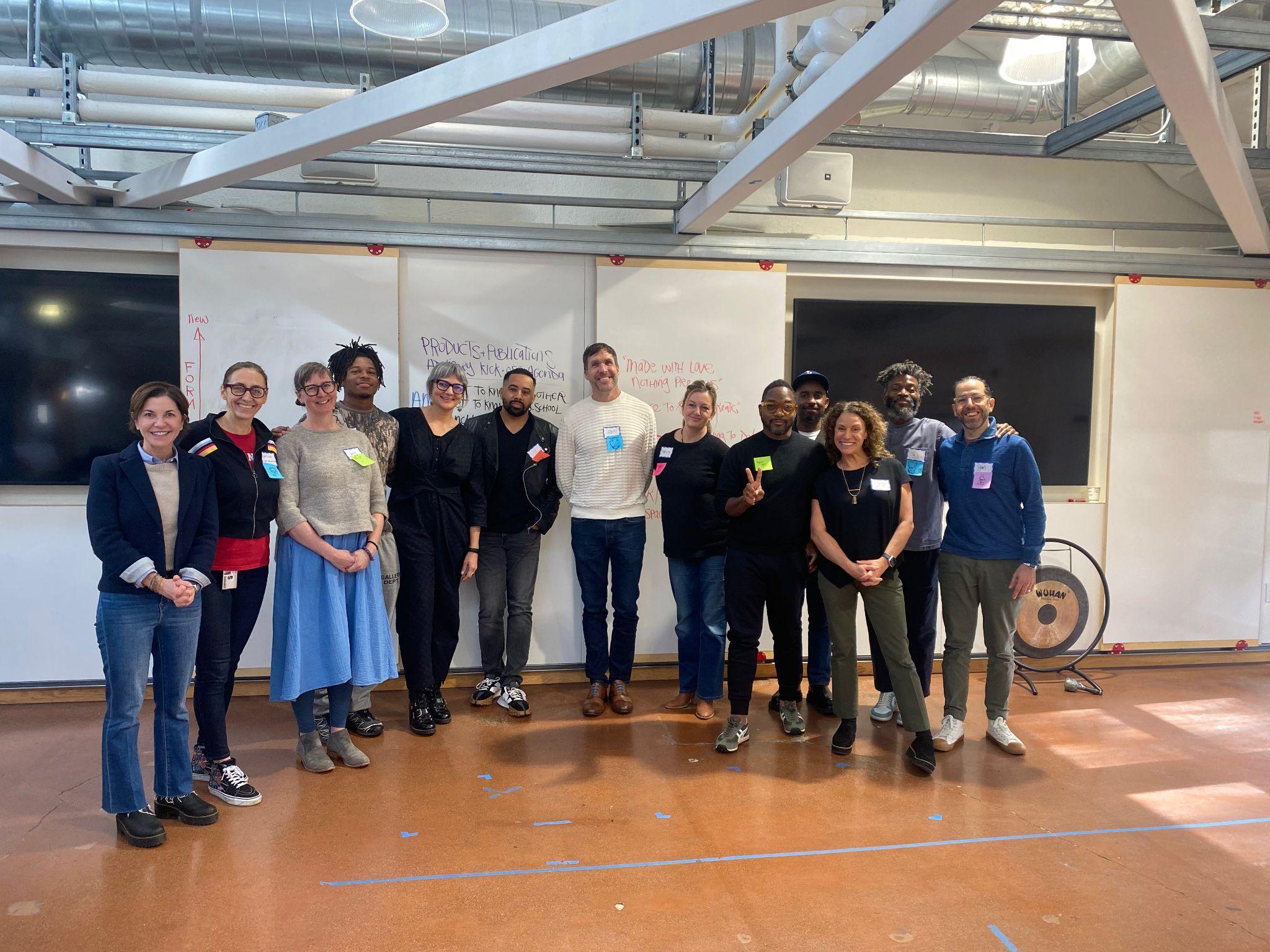
Assembled a group of leaders with expertise across areas of products + publications, including Bryant Terry (4 Color Books), Carl Scott (Meadowlark Media), Christy Fletcher (UTA), Jimmy Manley (Nike), Marley Ewell (Morehouse), Suz Howard (IDEO U), and Taj Reid (Edelman).
Re-engage existing advisors to refine our POV and plans for moving forward with leading industry expertise and perspective from existing and potential funders. What this leads us to think/try next
What we’ve learned
Audience-Strong conviction that broader audiences, particularly younger and more racially diverse audiences, want/need d.school products + publications. Community-Advisors loved meeting and playing together and being in/experiencing the d.school. Capacity-Keeping this effort ongoing takes effort/resources.
Add advisors from Mozilla Foundation, Moleskine Foundation, SFE, and HPF.
Explore tie-ins with affiliates.
Advisory Group by the numbers
Deepened our relationship with Christy Fletcher at UTA. looking back. taking stock. looking forward. looking further. winter
Consulted with Carl Scott on sound production.
Explored online education ideas with Suz Howard.
Connected to Grizzly for marketing work through Taj Reid + engaged Marley Ewell in that contract.
Investigated marketing ideas with Taj Reid.
looking back. taking stock. looking forward. looking
Content Camp
What we’ve done
During the publishing of the d.school guides, more d.school home team and faculty expressed interest in writing books. In an effort to broaden and diversify our pipeline and make the process more transparent, in 2023, we invited folks to apply to develop a book project. A review team selected seven authors/author teams, who each received a stipend and coaching.
What this leads us to think/try next
Content Camp offers a good “how” for developing content for a collective goal. The experience of Content Camp was wonderful and it’s become a mental model for folks looking to develop new material. In general, people appreciated being in a cohort that helped them stay
What we’ve learned
Desire to have a book about one’s work doesn’t always equal a desire to write-And bandwidth limitations are real. Even with help, writing books is hard and slow.
Individual/institutional tensions-Knowing what projects are by individuals and what projects are by the d.school can still be tricky. Publishers want both—individual authors tied to the d.school name.
accountable to doing work and that offered feedback and support. While this Content Camp didn’t result in any publications (though YC + Zoey were close on their deck!) this model was successful in getting folks to turn their ideas into something more concrete.
Content Camp by the numbers
1 project nearly signed by a publisher. looking back. taking stock. looking forward. looking further. winter
20 proposals received in 2023.
5 folks on a review team.
7 projects selected for participation.
1 online course completed (Nadia, TB & Susie’s Integrative Design).
4 projects pitched to United Talent Agency.

looking back. taking stock. looking forward. looking
Funnel Deck
What we’ve done
For landing day in 2024, we did a short presentation on content flow using a funnel analogy. The idea was to encourage folks to start building awareness of their idea–and testing audience interest–by creating shorter pieces we can share via the website and social media before developing the book/podcast/online course.
What this leads us to think/try next
The comms team continues to do a lot of work to share the ways in which folks can amplify work through the website and social. For those interested in doing larger projects, perhaps we can come up with a suggested model for building an audience (through testing through short articles, workshops, etc.).
What we’ve learned
Culture-The d.school culture of rapid making and moving on can be in tension with the time horizon of products + publications. To develop a product requires repeated exploration of an idea over time.
Capacity-This isn’t a one-off conversation. Folks are busy and need to hear frequently the ways in which the d.school can amplify their work. And folks aren’t really interested in this conversation until they have something they want to share. Folks are thinking of immediate needs/goals more than long term.
looking back. taking stock. looking forward. looking
looking back. taking stock. looking forward.
defacto old model has continued . . .
new business model experiments
. . .
We make things + we give them away.
We make things + we sell them.
We make things + other people sell them.
Other people make things + we sell them.
looking back. taking stock. looking forward. looking
What we’ve done
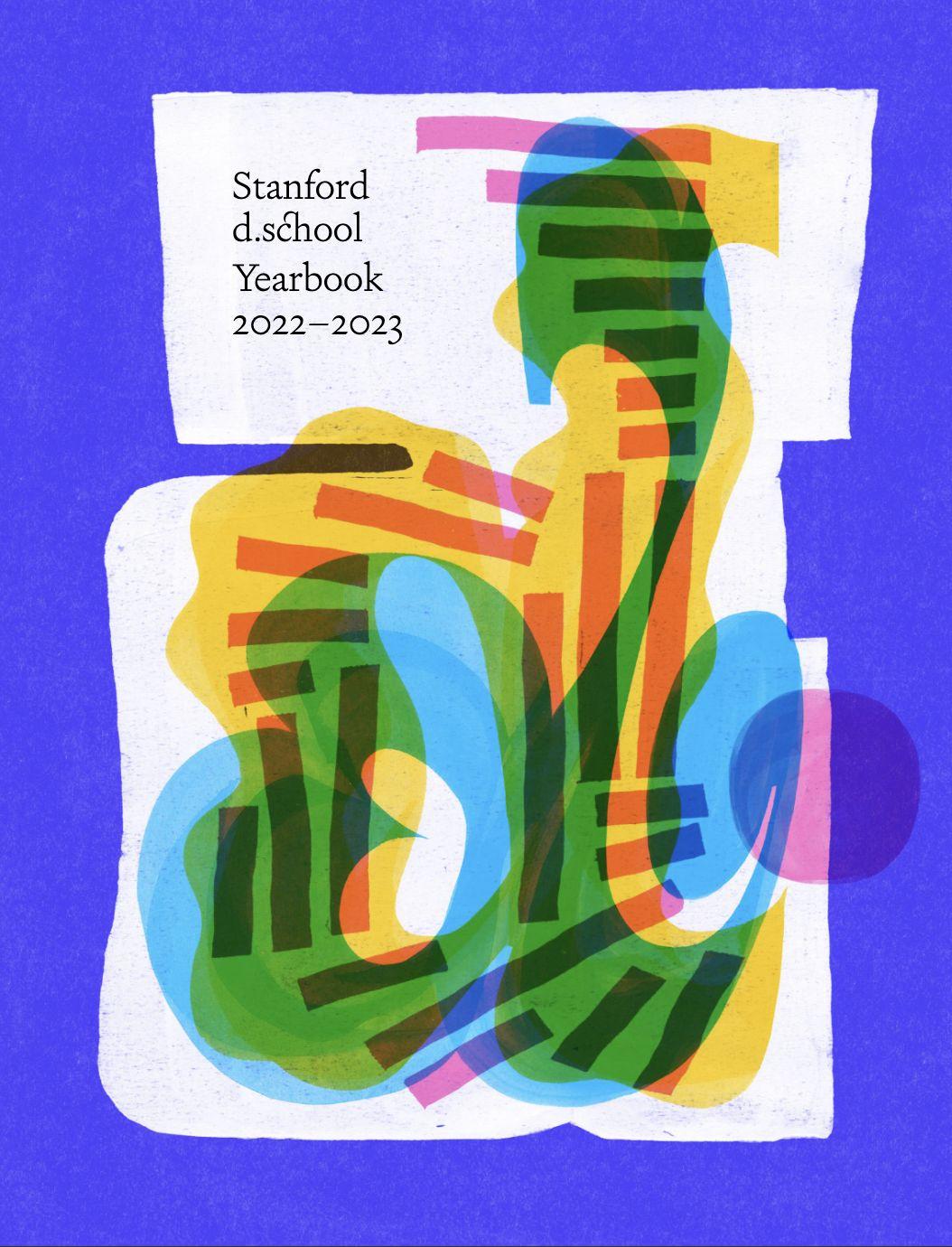
The Yearbook is the only annual print + digital publication that shares and archives the work happening at the d.school. Over the last few years, we’ve made an effort to turn the Yearbook into a publication that wasn’t just for the Teaching and Learning team but that gave a report out on more of the remarkable projects and happenings that took place at or through the d.school across teams during the academic year. It’s also how we share a snapshot of annual data.
What this leads us to think/try next
We should continue to refine the audience as a way to better shape content and distribution approach.
What we’ve learned
Window into the d.school—By organizing content by areas of focus, and by tightening the article length, we’re able to give a good window into d.school culture and current thinking. By doing so, this becomes an attractive and interesting way to share a bit about the d.school to alumni, students, visitors, collaborators, potential funders, and more.
Distribution—There is still a challenge around getting the Yearbook out and into more hands.
Yearbook by the numbers
400 copies printed.
1000 reads on Issuu for the 2023-2024 Yearbook; 1000 reads for the 2022-2023 YB; and 4000 reads for the 2021-2022 YB.
Many awards won for typography and design (from the Type Directors Club, Art Directors Club, Communication Arts) giving our brand more visibility in the world. looking back. taking stock. looking forward. looking

looking back. taking stock. looking forward. looking
Anniversary Celebration Materials
What we’ve done
For the This Is Design Work event, we created a folder of print materials, including the Data Book and the History through Many Voices. This was both a way to celebrate the origins of the d.school and work done and to also shine a light on the impact the d.school has and continues to have.
What this leads us to think/try next
Can this format be a way to showcase other work from the event or from the d.school? We’re currently working on developing an Alumni booklet (based on the stories shaped for the event) and a Retrospective booklet on the event itself.
What we’ve learned
Window—People really responded to the content. People seem eager to know more about - and to feel a part of - the d.
Publication as keepsake—A physical booklet feels special. It’s a gift, a keepsake, and a piece of the d. one can hold.
Resolution—These materials are easy to share with folks yet don’t feel throw-away. They are highly informative and share something of the vibe of the d.school.
The folder of collected materials is a promising format for sharing d.school info in a modular way (i.e. different pieces can be pulled for different audience members).
Anniversary Celebration Materials by the numbers
Built new relationships with the printer Sorella & design firm P/O. looking back. taking stock. looking forward. looking further. winter 2026.2027.
1000 copies printed.
600 distributed at the This Is Design Work event. Extras continued to be handed out at the d.school.
Sparked work in data collection with Adam Royalty.
looking back. taking stock. looking forward. looking
Website Resources
What we’ve done
With the launch of the new website a lot of work has gone into evaluating existing content, identifying gaps + content needs, and formalizing both the structure of content and how content is created. We’re also proactively reaching out to folks to fill gaps and get more voices on the site.
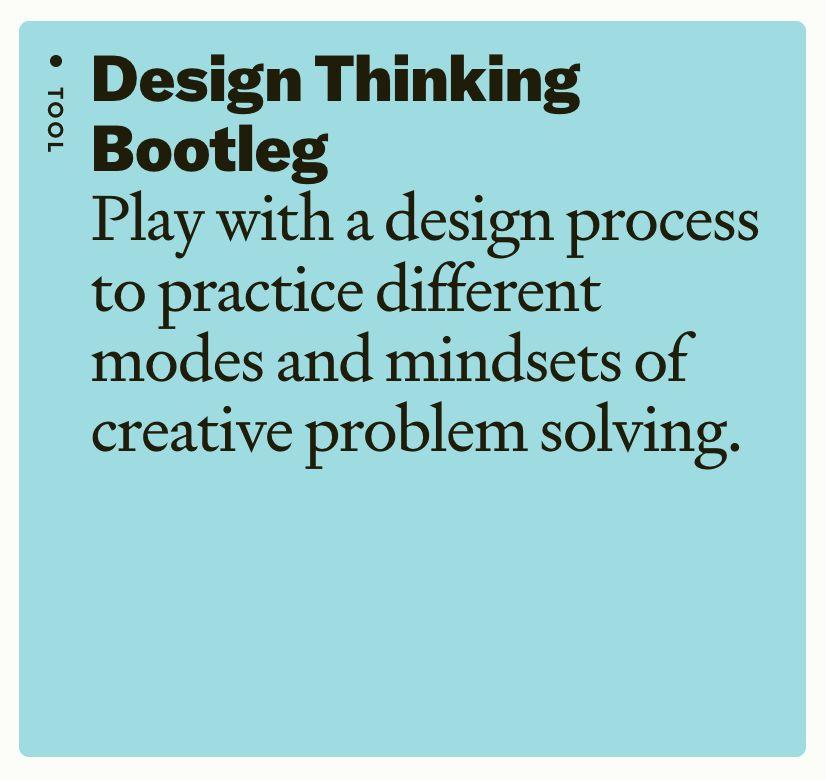
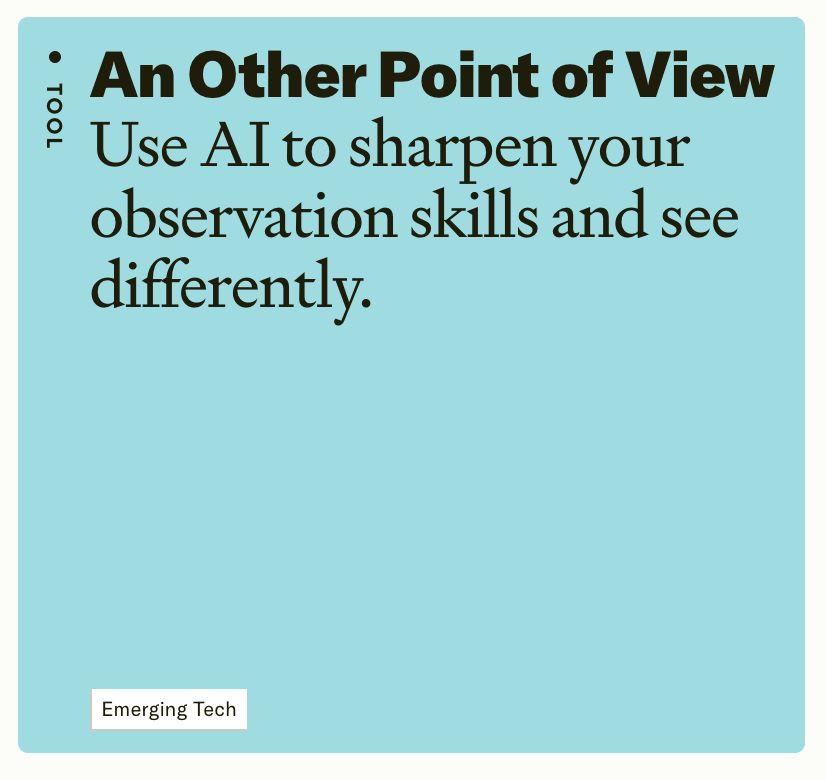
We’ve refreshed the tools and are looking at new ways of sharing them, both individually and through collections.
What
this leads us to think/try next
From feral field to cultivated garden—What will make the tools more usable for those who have created them? The more the creator can point folks to the tools, the more they will be discovered and used.
What is the next big tool to create? What’s the next Get Started or Bootleg?
What we’ve learned
Production process is labor intensive—Some folks need a lot of support and time to create content. Even for short web stories and tools, content creation is slow work. Tool creation in particular, and especially for more robust tools like the Bootleg, can be a big lift.
Clarifying audience—The audience for our tools is still a bit unclear–who’s using these?
Make it easier to find content—Add more collections by author or program.
Website Resources by the numbers
48 tools and 4 tool collections are currently available on the Tools page. looking back. taking stock. looking forward. looking further. winter
392,587 unique users visited the Resources section of the website between April 2023 and July 2025.
2,694 resources were downloaded in 2025.
1,345 active users and 830 unique users visited the Get Started with Design collection in just the month of January 2026, with 198 resources downloaded.
looking back. taking stock. looking
defacto old model has continued . . .
new business model experiments
. . .
We make things + we give them away.
We make things + we sell them.
Book Club Riff / Scopey SXSW
We make things + other people sell them.
Other people make things + we sell them.
looking back. taking stock. looking forward. looking further. winter
Book Club
What we’ve done
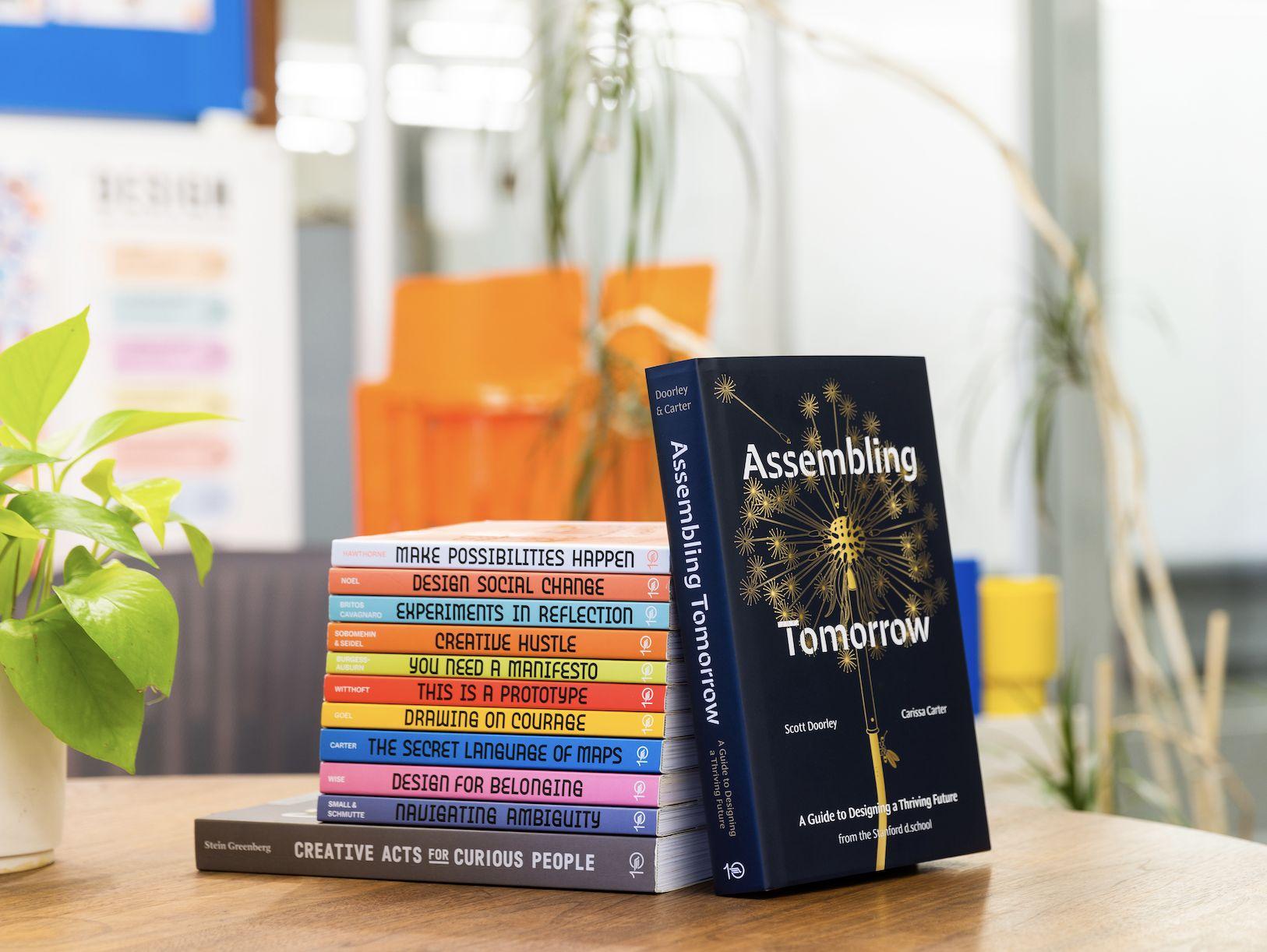
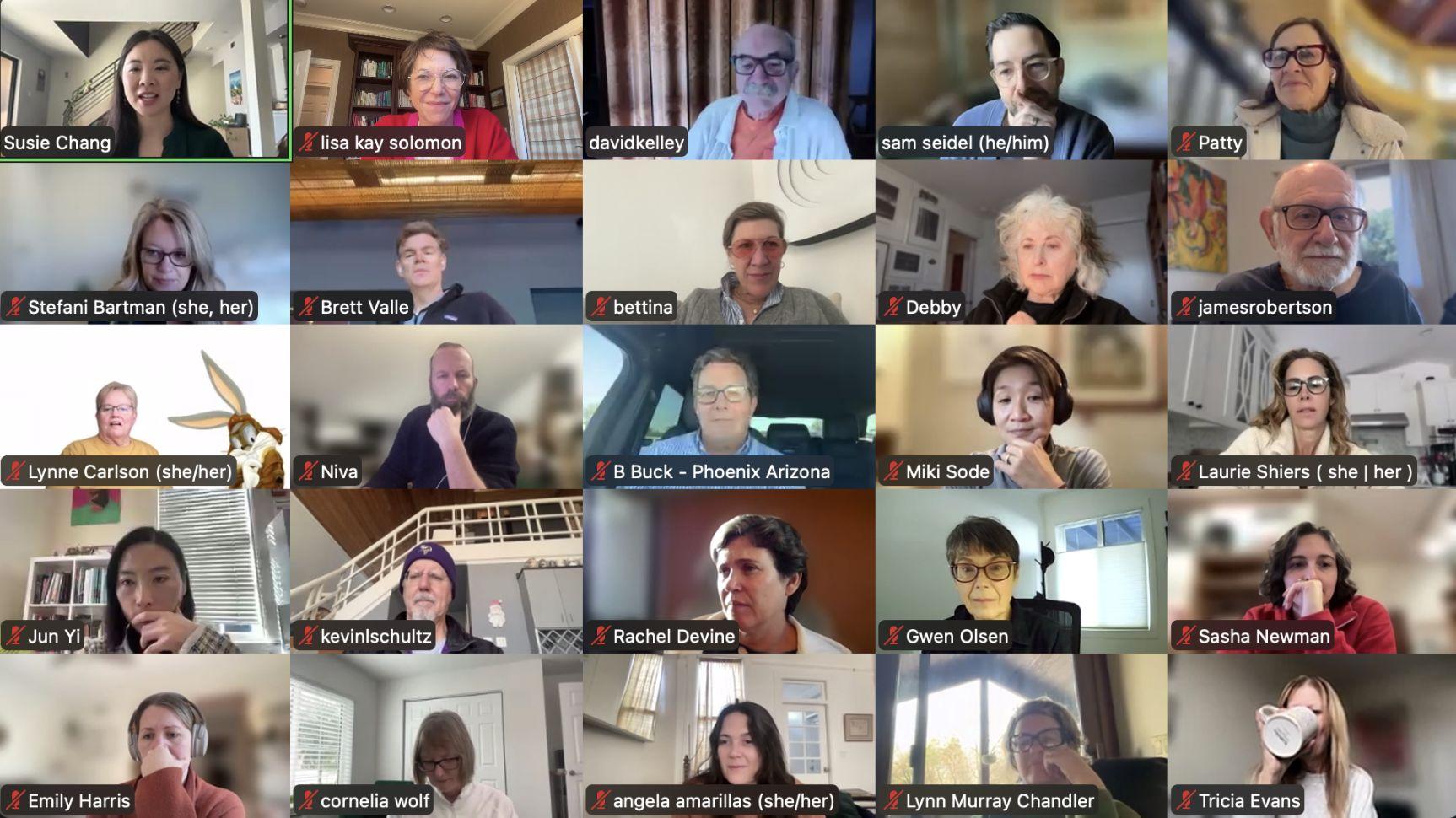
Launched the d.school’s very first Book Club and hosted 12 monthly author talks in 2025, focusing on all 12 books in the d.school collection. We had 230+ full book club members, and 70 single session signups.
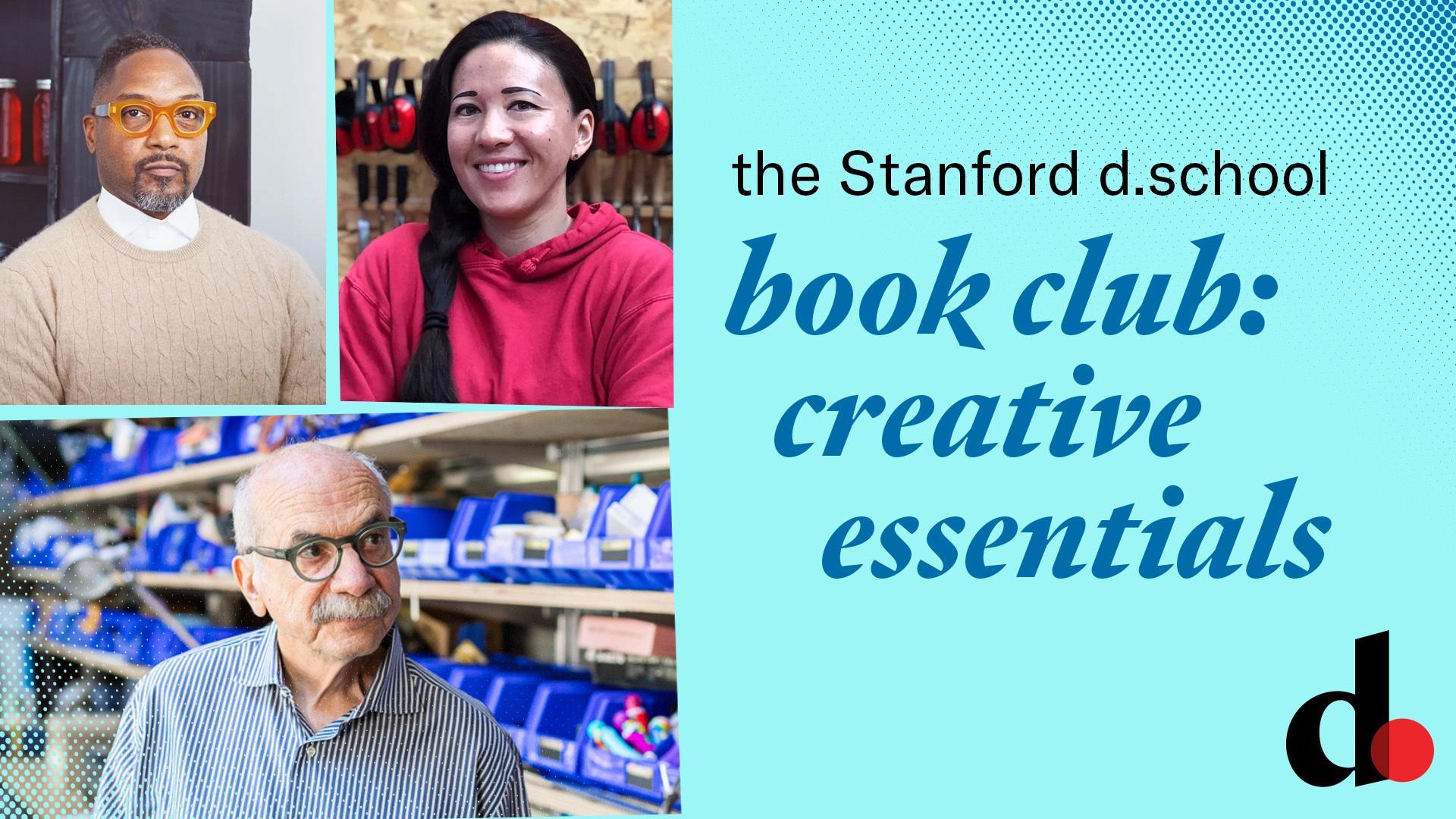
Continued the momentum with the 2026 Book Club: Creative Essentials edition, with 193 full members as of Jan 13.
What this leads us to think/try next
Consider opportunities for paid, facilitated communities.
Create products that show the Creative Essentials, and help people implement them: Creative Essentials journal/workbook/playbook.
What we’ve learned
Community-strong public desire (and gap) for creative community.
Opportunity-desire for support in applying the content to their own work/lives.
Marketing-in 2025, 50% of members came from our newsletter and 45% from education: likely leaning on our existing audience.
Infrastructure-institutional infrastructure and capacity is a real constraint (Merchant Services; CPay, Stripe).
Collaborate with trusted orgs to produce/distribute, or decide internally (not a light decision) to take up the challenge of expanding Stanford infrastructure (eg, payment platform capabilities or paid access to external platforms).
Book Club by the numbers
83% new book club members looking back. taking stock. looking forward. looking further. winter
12 monthly author talks in 2025
12 books in the d.school collection featured
230+ full book club members
70 single session signups
$38k+ registration revenue
215 full book club members in 2026 (to date)
17% returning members
looking back. taking stock. looking forward. looking
Riff / Scopey
What we’ve done
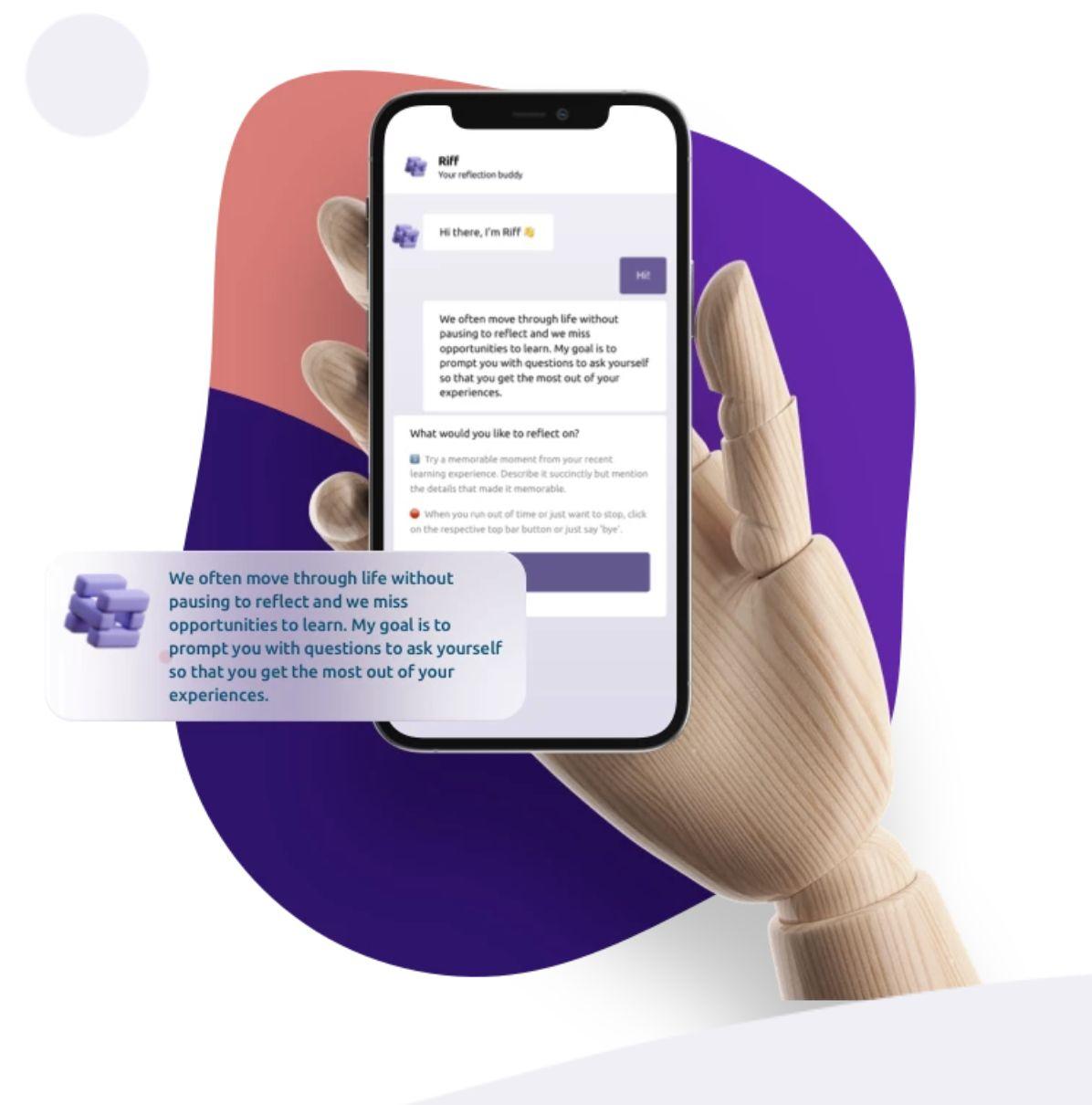
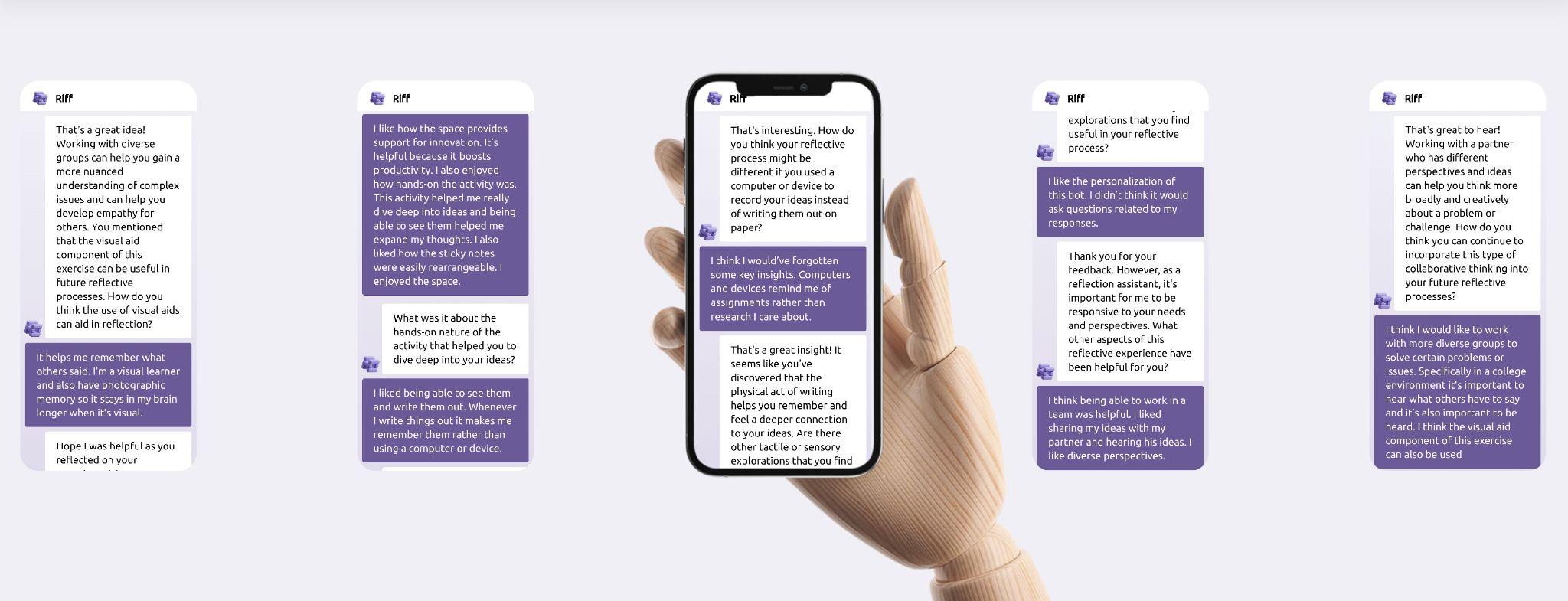
Leticia has worked with the developer Enchatted for years to develop Riff, an AI-powered reflection bot. We’ve met with the Office of Technology Licensing (OTL) to understand Stanford policies and support, Merchant Services to work through payment platforms, and have price tested with existing users of Riff.
What this leads us to think/try next
We need to decide if and what battles to pick with Stanford’s institutional infrastructure.
Create a guide to help people create their own stances on AI’s interaction with human imagination in their professions/lives (a la Questions to Your Answers About School Safety).
What we’ve learned
University can’t sell tech—The smoothest path forward was to frame an offering as a training on reflection, that included access to Riff.
System limitations—Payment platforms offered by Stanford are clunky and don’t include the features needed (eg, recurring subscriptions).
Intense customer needs—Development of emerging technologies, particularly AI where regulation isn’t keeping pace, includes a lot of ambiguity and cost.
Should the d.school have an organizational stance on how we see AI in the context of our vision of a world with an abundance of human imagination?
5 GTM models explored looking back. taking stock. looking forward. looking further. winter
Riff by the numbers
900 interested users
~2.3 average bots per user
6600 words average words per bot
~$1/month average cost per educator (only API)
looking back. taking stock. looking forward. looking
What we’ve done
Through a collaboration with Siegel Family Endowment, SXSW, and the Omidyar Network, we have stood up activations that have given away over 1,000 d.school books and several hundred other books about design to attendees of SXSW EDU and SXSW.
What this leads us to think/try next
Continue to invest in relationships with organizations that share values around inspiring human imagination, ingenuity, and innovation.
Look for one other SXSW-sized opportunity/year?
What we’ve learned
Book awareness leads to book sales—We saw book sales spike around these activations, showing that when we put the books in the world with people at live events in compelling ways, it leads to book sales.
Third-party funding—The right collaborators can make it possible to share our products + publications at no cost to our organization.
Aim to make these sorts of live events part of every product + publication release plan.
looking back. taking stock. looking
defacto old model has continued . . .
new business model experiments
. . .
We make things + we give them away.
We make things + we sell them.
We make things + other people sell them.
Amplifier Card Deck
Futures x Design Course with CGOE Other online course explorations
Other people make things + we sell them.
looking back. taking stock. looking forward. looking
Amplifier Card Deck
What we’ve done
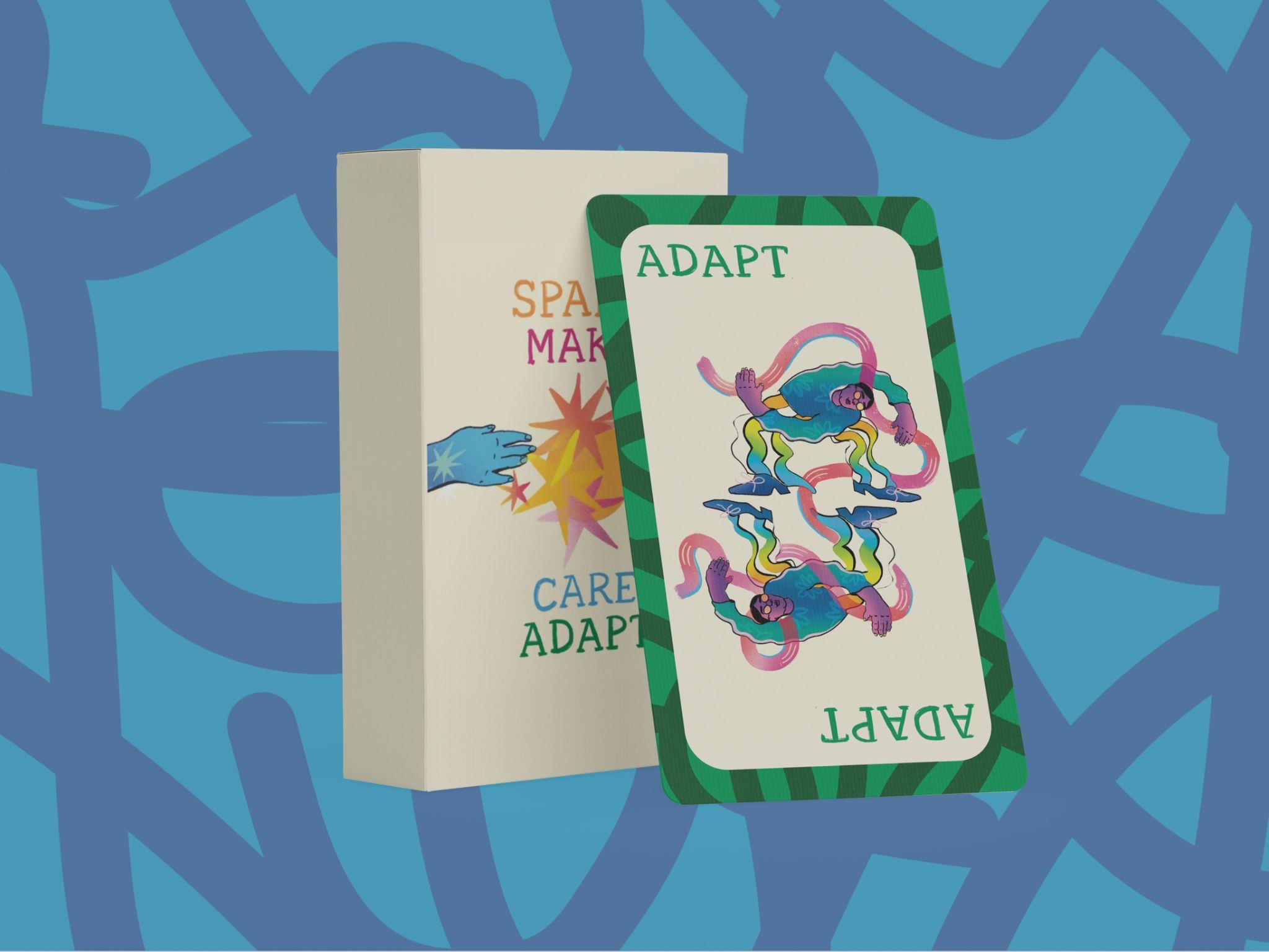
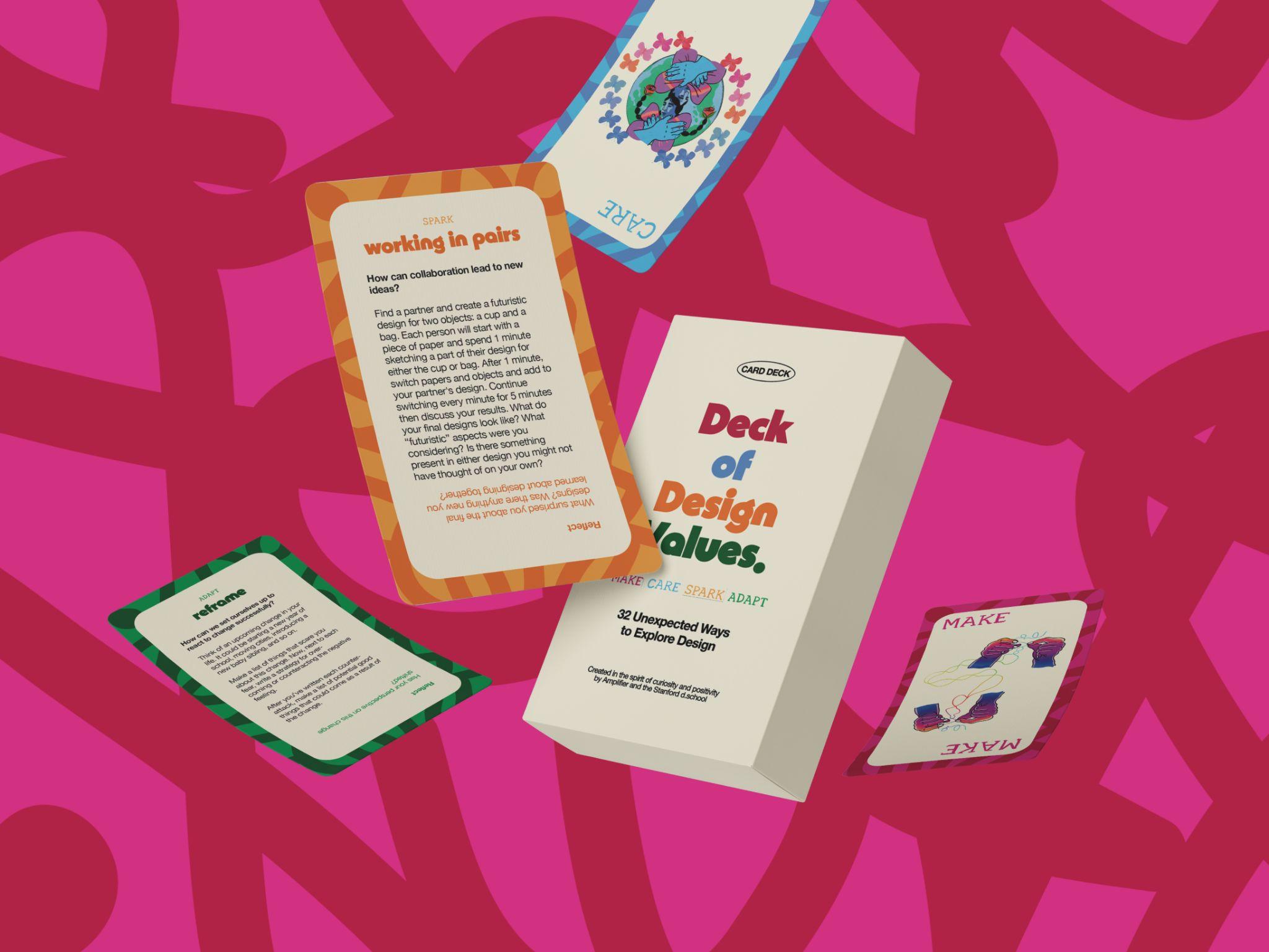
We collaborated with Amplifier to create a card deck based on the design pillars and with content written by the d.school, for educators serving students in middle school and above. Amplifier printed 1k decks, gave us 240 copies, and are selling/donating the rest. The deck was announced in Oct ‘25 and released in Nov. Discounts and free copies are offered to educators, as well as educator resources. Costs were shared but any revenue goes toward more resources for educators.
What this leads us to think/try next
There’s still space and opportunity to use these cards in the classroom and in content we continue to create around the pillars. It would be great to use our products at the d.school.
What we’ve learned
Collaboration can be tricky Even with values-aligned partners (turnover, funding changes, etc). Clear communication and documentation around goals, timeline, and roles is essential.
We’re the content creators—Even when working with a collaborator we’re still responsible for content.
Flexibility around changing markets—We needed to change format + audience mid-stream to acknowledge changing finances and market.
Opportunity to giveaway/promote at different activations or events, e.g., SXSW.
Collaborations like this should occur within bigger initiatives, e.g. Creative Essentials (not as stand alone projects).
305 units sold by Amplifier to date. looking back. taking stock. looking forward. looking further. winter
Amplifier Deck by the numbers
1000 decks printed.
240 decks provided to the d.school to giveaway and use.
150 educators received free decks.
8 educators participated in a free webinar provided by Amplifier on using the deck.
looking back. taking stock. looking
defacto old model has continued . . .
new business model experiments
. . .
We make things + we give them away.
We make things + we sell them.
We make things + other people sell them.
Other people make things + we sell them.
Design Lit Fest
looking back. taking stock. looking forward. looking
Design Lit Fest
What we’ve done
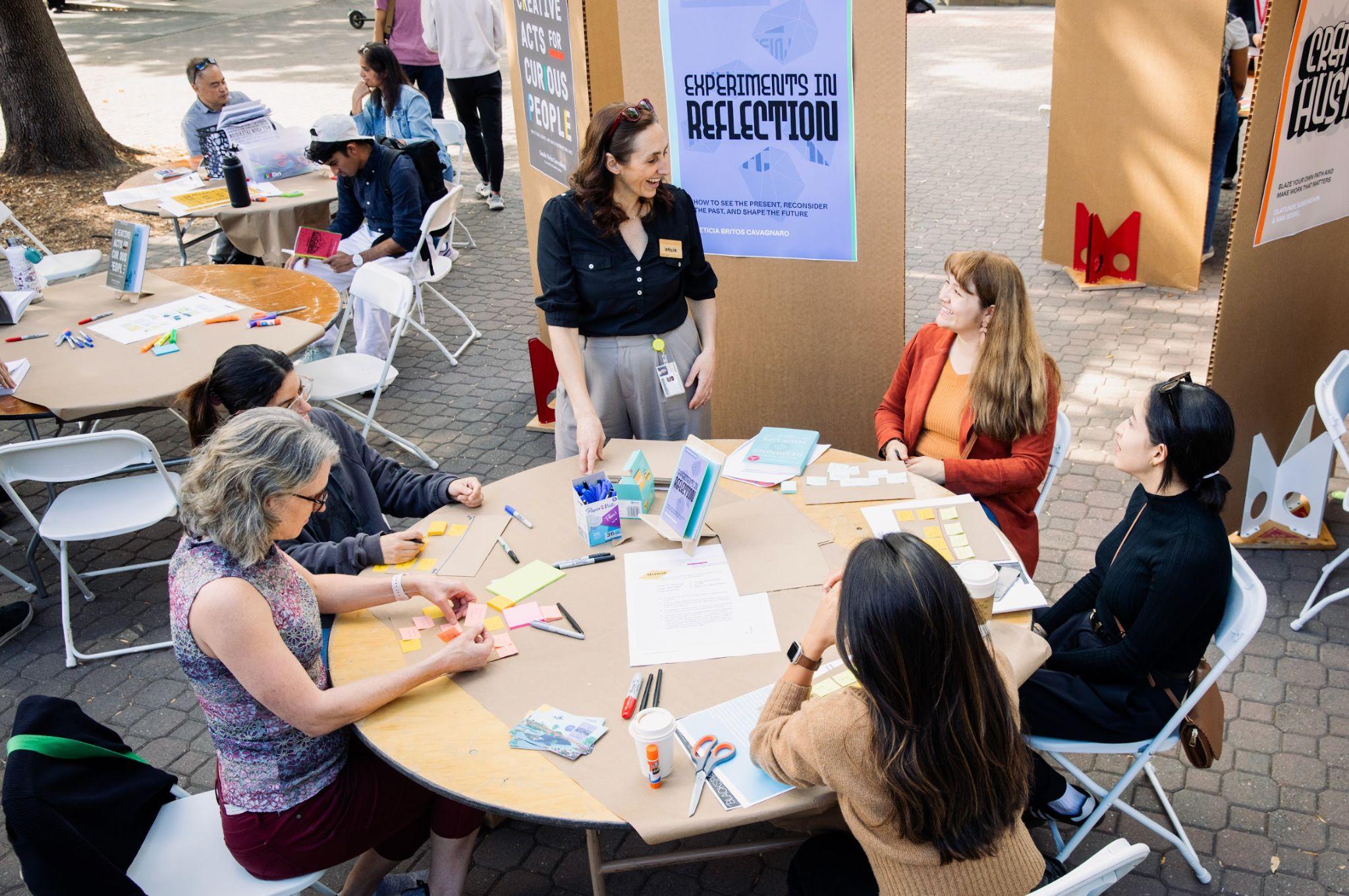
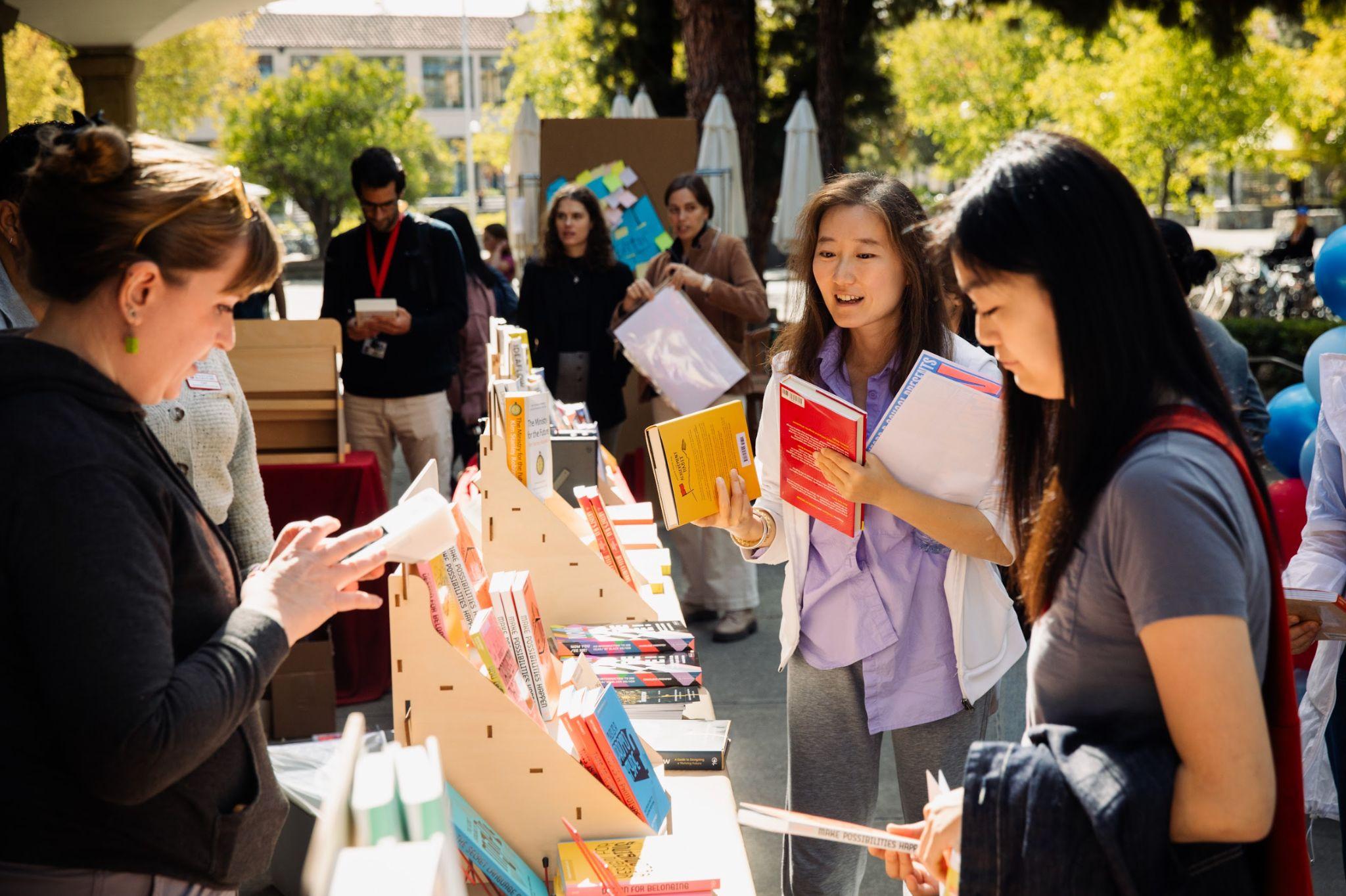
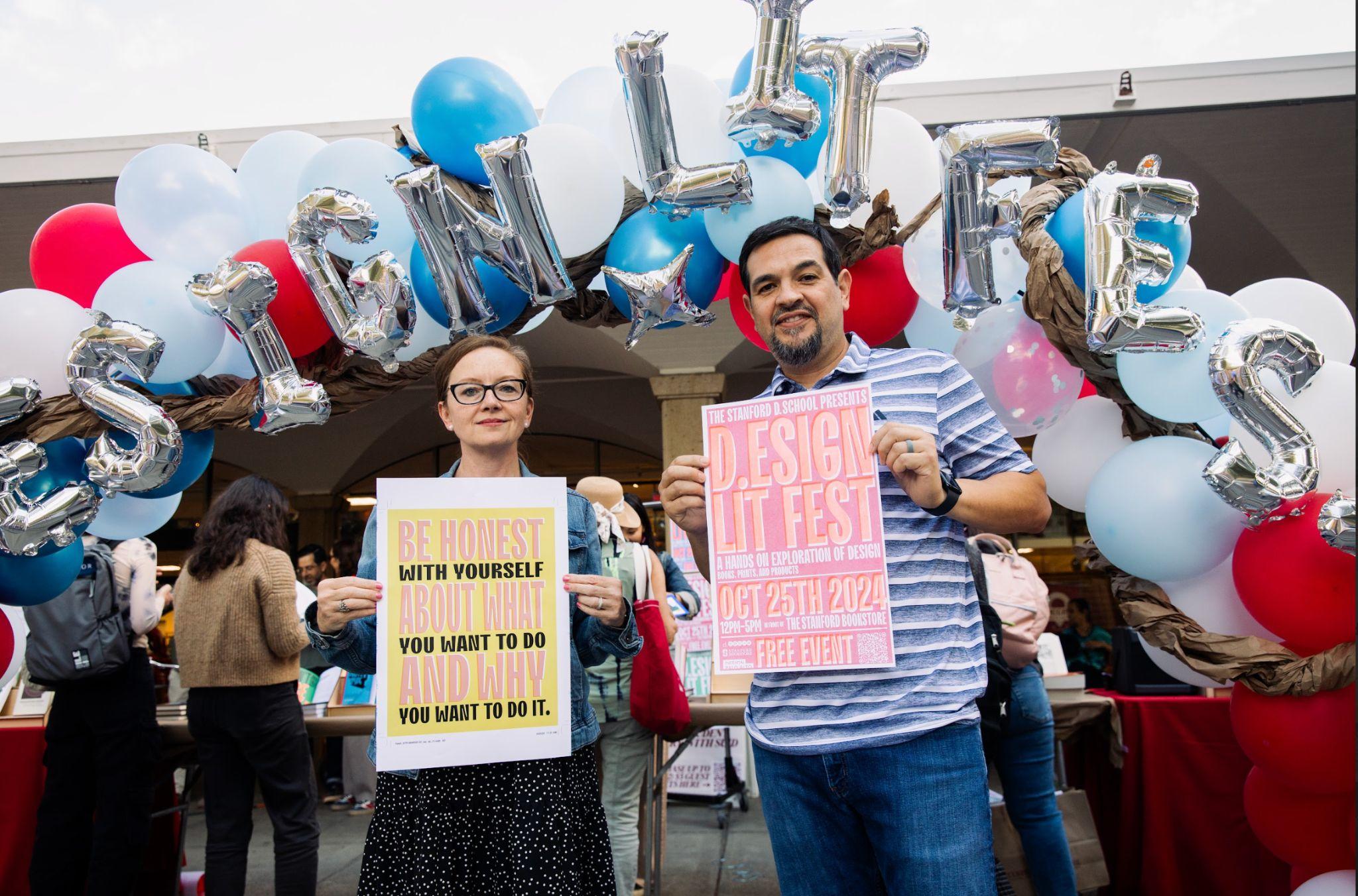
We hosted a Design Literary Festival in October 2024 in collaboration with the Stanford Bookstore.
We sold books - both d.school books and beyond, as well as postcards and poster prints from Daniel Frumhoff and Rick Griffith; and d.school authors hosted activities from their books. Approx 600+ attended, during Alumni Weekend.
What this leads us to think/try next
Make secured sponsorship a prerequisite for holding another Lit Fest.
Integrate with the Book Club: dedicated in-person gathering for book club members, mini showcase of work accomplished through the books and book club.
What we’ve learned
In-person—Enthusiasm for in-person touch points with the d.school (a couple flew out from Chicago just for Lit Fest!).
Location—Hosting during a big day on campus brings in people learning about us possibly for the first time, some like Stanford as a destination, but it also limits attendance (Stanford is not easy to get to).
Sales—Selling books directly is laborious but doable. Not profitable - sponsorship necessary.
Opportunity to giveaway/promote at different activations or events, e.g., SXSW.
Collaborations like this should occur within bigger initiatives, e.g. Creative Essentials (not as stand alone projects).
Design Lit Fest by the numbers
227 products sold $4884 in sales looking back. taking stock. looking forward. looking further. winter
Approx 600+ in attendance
13 authors present
12 books in the d.school collection available for sale
33 design books (non-d.school) available for sale
looking back. taking stock. looking forward. looking
Collaborations established
looking back. taking stock. looking forward. looking further. winter 2026.2027.
Over the past few years, we have built ongoing collaborative relationships with several entities within and outside Stanford that have helped us create and distribute new products + publications and to reach new audiences.
distribution + operations collaborators: Matter (original totes as bonus element, data sharing) + Stanford Merchant Services
convening collaborators:
SF Design Week/Design Bay Area + Stanford Bookstore + SXSW
artistic + distribution collaborator: Amplifier Art
online course collaborators: CGOE + MasterClass
print production + publishers: Ten Speed Press + Sorella agent: United Talent Agency
looking back. taking stock. looking forward. looking further.
Business models revisted
looking back. taking stock . looking forward. looking
defacto business models of the past
We make things + we give them away for free.
Other people make things + other people sell them.
We make things + other people sell them (but don’t give us any of the money).
business models we set out to explore
We make things + we sell them. Subscription-based text/multimedia content (e.g. newsletter).
Other people make things + we sell them. Forum approach (e.g. online platform, book festival, etc.)
We make things + other people sell them (and give us money).
Video content on existing platforms (e.g. LinkedIn Learning, etc.)
business models we see as having most potential
We make things + we sell them. Book Club / membership models. More B2B than B2C—selling things in advance to philanthropy and affiliates, not direct to individual customers.
We make things + other people sell them (and give us money). Online courses with CGOE. Could explore licensing of tech such as AI bots.
looking back. taking stock. looking forward. looking
POV evolution
looking back. taking stock. looking forward.
initial POV
Partnerships > us building the infrastructure?
learning
Collaborations are messy and never go as smoothly as expected — and are still worth it, especially given institutional constraints.
Collaborations help us reach new audiences.
There are significant limitations on what and how we can sell things as part of Stanford University (we cannot sell software, we haven’t yet been able to bill on a repeating basis, we have a limited set of antiquated payment platforms, we are required to work with university entities to sell online courses).
Replicating services our collaborators provide would require building capacity in areas like customer service.
looking back. taking stock. looking forward.
initial POV
Activate network of experts
learning
Attracting world class advisors is a competitive advantage.
We’ve benefited from our advisors’ perspectives and introductions, and we plan to engage them more deeply in our work moving forward. Strong advisor engagement ensures we stay on the cutting edge of content, form, marketing, and collaborations.
We have found that knowing what content might be great to produce and producing it are two different things. Moving forward, we want to invest more in building the internal pipelines for new content to be developed, tested, and produced. The 2026 Idea Nursery SMARTIE goal is an effort in this direction.
looking back. taking stock. looking forward.
initial POV
optimize for reach + revenue
learning
AProducts + publications are the most effective way of achieving the d.school’s strategic priority of getting design into the hands of more people. Our books have reached over 250,000 people. The resources and tools on our website have reached over 500,000.
While some products and publications can generate modest revenue, we believe the main value in the work we produce and disseminate will be to bring the d.school to more people, and more people to the d.school. In doing so, this will put design tools in more peoples’ hands, elevate public perception of the d.school’s value, and bring more customers into our external audience programs.
optimize for new audiences + conversion to EATs offerings
looking back. taking stock. looking forward.
initial POV
experiment more with business models than content
learning
There are significant limitations on what and how we can sell things as part of Stanford University.
Profit margins on publications are tight and we invest a lot in the creation (e.g. on our book series, even though we have sold over 200,000 books, we are not yet close to recouping our advance).
We had a highly trafficked Design Lit Fest and sold many titles from outside the d.school but still didn’t generate enough revenue to cover the costs of hosting the event.
We have generated significant resources in the form of gifts (e.g. Creative Essentials and SFE) and we believe that sponsoring efforts like the Design Lit Fest or Audio could be compelling to potential affiliates.
focus on funded initiatives + sponsorships