

What’s New from the Crew at Stable View - March Edition

Get to Know
Cindy Buchanan

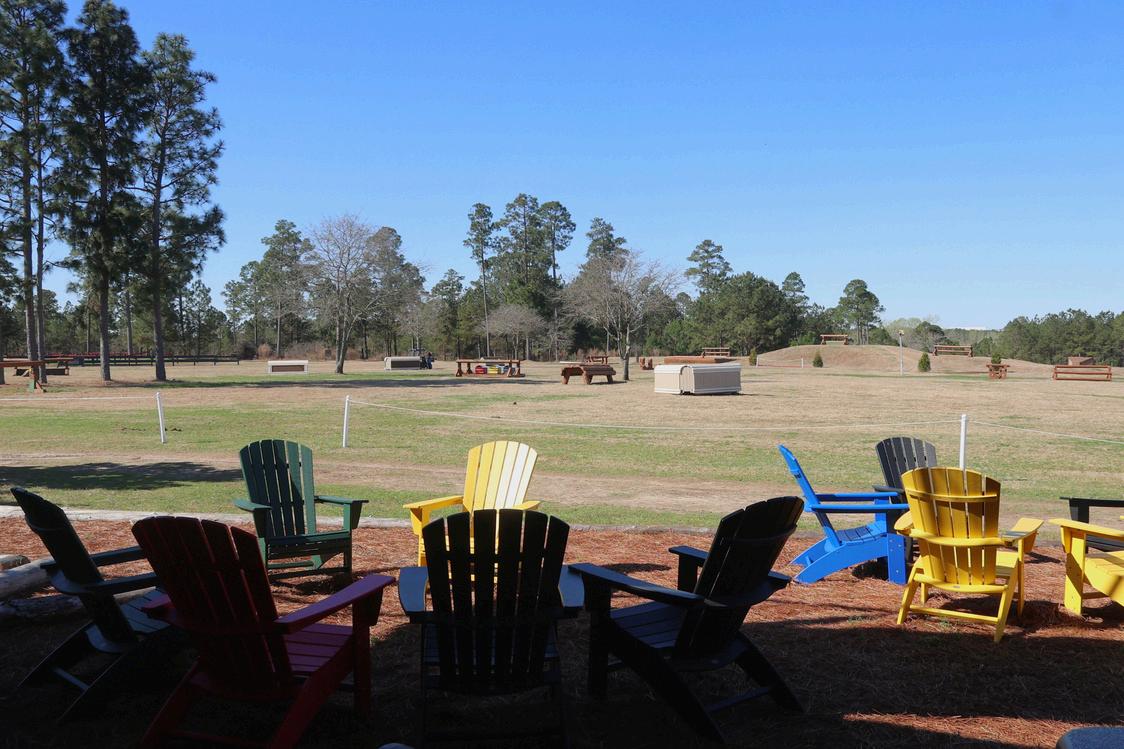
Spring is here and winter seems to be well behind us. Looking at the long-range weather forecast, the lowest low over the next few weeks is 31 degrees with highs in the upper 70's and lower 80's. This is good news for Stable View's Cross-Country grass, with ground temperatures at present around 10 degrees warmer than this time last year.
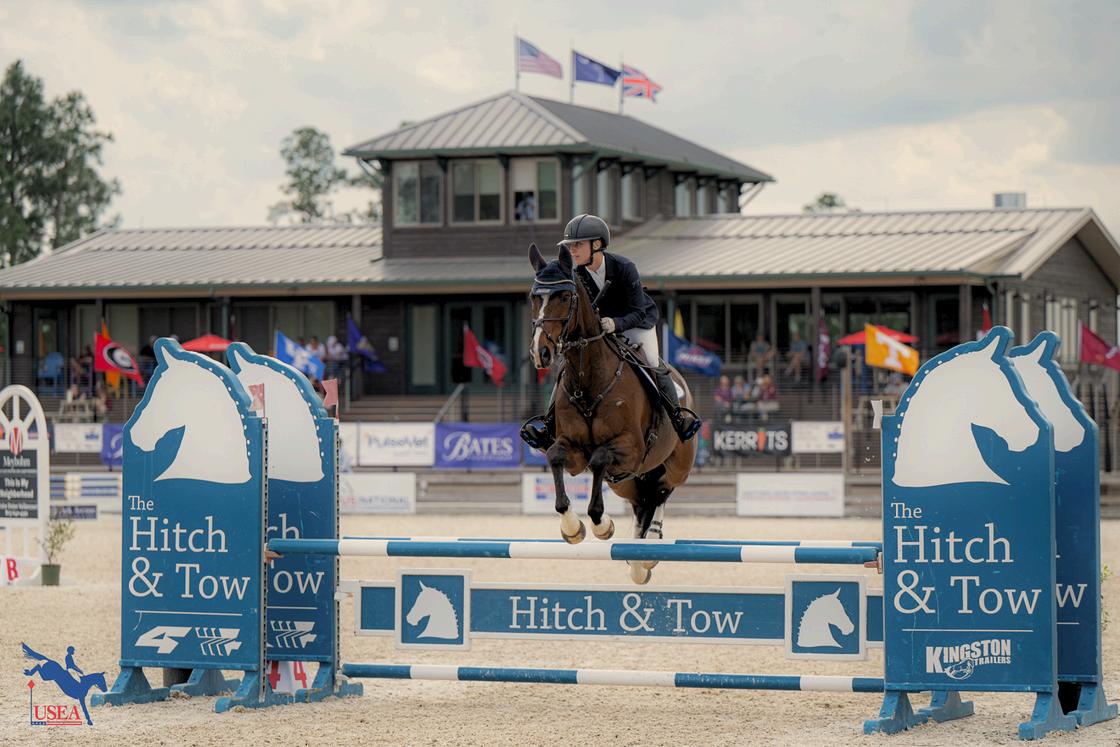
The Bermuda on cross-country is growing fast aided by a recent distribution of Harrell's fertilizer and pre-emergent with a sparged application of fire ant deterrent. This grass-growth is important for one of Stable View's important events of the year—the April International 4*—which is used as a prep by most of the top US riders for the Kentucky Defender 3-Day Event. Cross-Country designer Helen West has set a challenging course, stating, “The April tracks are nearer the maximum range of distance at the appropriate levels, very much with spring three-day campaign in mind.”
The middle of this event - Saturday 4th April–is also important because it's the opening day of Stable View's latest enterprise.
This is an off-road driver and car training experience with eight miles of trails, two new bridges and—depending on the selected route—up to 12 additional obstacles. With the first driver on course on 4th April being Boyd Martin, we're intending that this course —its first corporate

client being Land Rover, Columbia will become one of the major training challenges at Stable View.
Dressage, HJ's, The Bells Annual Auction and the twice a year Aiken Trailblazer are additional highlights over the next month.
We look forward to seeing you over the next few weeks.
With best wishes, the Team @ Stable View.
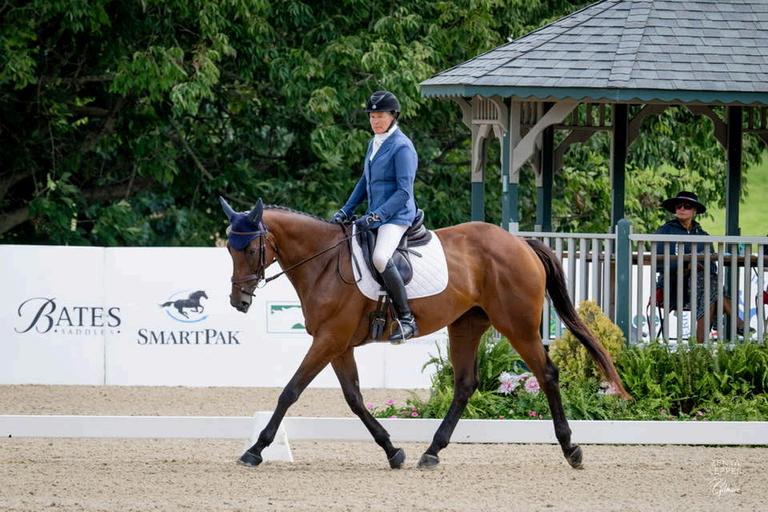
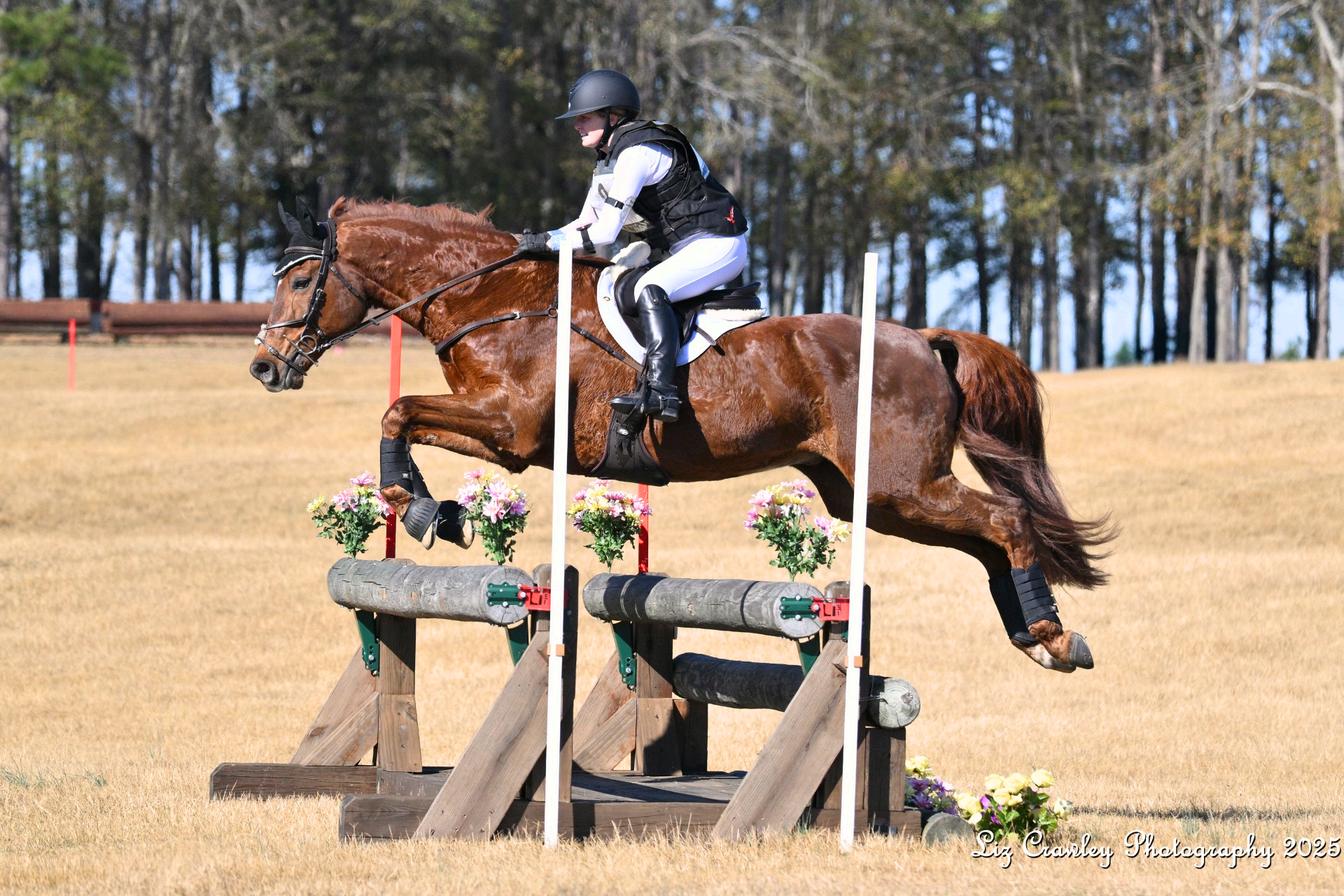
Operating at the intersection of various professional disciplines, one Stable View rider brings a multifaceted perspective to equine care and performance.
A polo player of 30 years, foxhunter, and eventer, Cindy Buchanan is an expert of horses both on-and-off the saddle. Still, every eventer has their favorite and least favorite discipline. When asked “Between Dressage, Jumping, and Cross-Country, which do you find to be the most difficult for you personally?” Cindy responded “When I was younger, I'd say the dressage, but now that I'm older, it might
be stadium. But I still think dressage is where I’m the weakest."
At the time of this interview, Cindy was competing at Stable View’s February Eventing Academy, but she’s a veteran to many equestrian venues across the country. Still, Cindy said that Stable View is unique in that every time she comes to compete, everything is “professionally well done." Cindy goes on to say, “Every stadium jump, every dressage ring—everything has an attention to detail that you don't find at a lot of venues."
When reminiscing on her favorite memory from her time spent at Stable View, Cindy recalls being with her daughter while she competed at the Intercollegiate, Interscholastic, and Alumni Championships in 2025. Cindy’s daughter made it all the way to Intercollegiate Finals, winning the modified division, which was “quite impressive to watch,” Cindy says.
Like many equestrians, Cindy has come down to Aiken to train during the winter months on-and-off for several years now. This is her 3 year of back-to-back returns to Aiken, and when asked what continues bringing her back, Cindy says there are a few reasons. First, she notes, “I have a lot of friends down here—a lot of old rd
friends down here—polo people from years ago and, you know, I haven't seen them for 20
years. I also have eventing friends here, and people who've moved from my area down to Aiken." When asked what her “must-hit” spot is while she’s in town, Cindy says the Track Kitchen is non-negotiable. Her order is two eggs, grits (no cheese), and bacon.
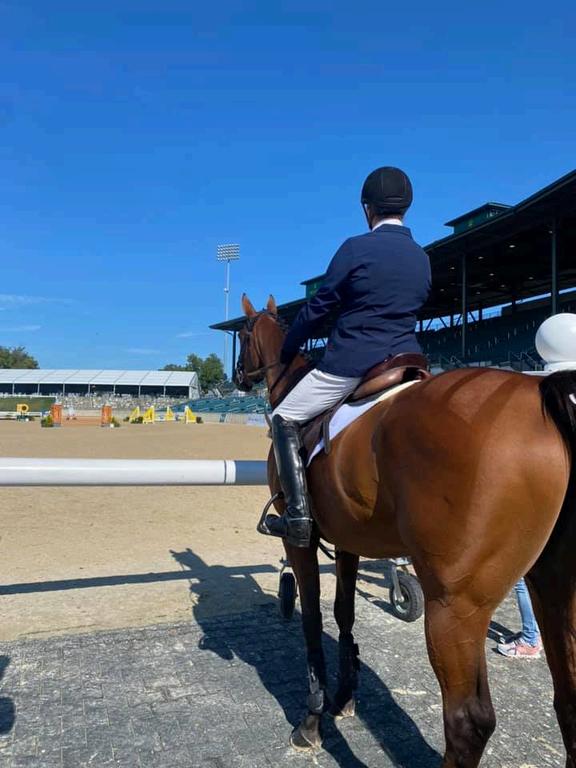
Ultimately though, Cindy says that being in Aiken is just a “nice change of pace.”
Beyond being a multi-talented equestrian, Cindy carries her talent into her work as a Veterinarian and Equine Chiropractor. According to Cindy, being a veterinarian and rider allows her to understand the nuances when a client reports that a horse is behaving abnormally, such as when they won’t bend a certain way, or won’t pick up their
lead. Then, Cindy can effectively communicate to a client what she believes the problem to be, and can start taking steps to correct the issue.
Unlike humans, horses cannot speak to communicate what they’re feeling, so they must rely on body language to signal they’re in pain. When asked “What are some simple signs a horse owner without your expertise might miss that could indicate their horse needs a physical adjustment?”, Cindy states, “They usually have some sore muscles in places, so I go over the horse first with my myofascial tool to find the sore areas.” Because of Cindy’s extensive experience as a Vet and Chiropractor, Cindy says, “I can feel a little deeper into the muscles of a horse than what an owner might feel when they’re brushing or grooming.” This process functions much like an athletic trainer for humans, as Cindy looks for "myofascial that's tight,” then utilizes acupuncture points and pressure points to bring relief. With a career spanning 24 years, Cindy states that she’s observed that these interventions often lead to “dramatic results.”
Although there are many similarities between human chiropractic work and equine chiropractic work, the technical demands of the
work vary significantly from human medicine. According to Cindy, “In human chiropractic work, you rely on a table. You can use the table to help with their adjustments. But for equine chiropractic, we have to stand up on things to get up high and be able to work on them." Cindy goes on to say that since horses are quadrupeds, that’s another layer of difference. Whether she is navigating a stadium course or diagnosing subtle myofascial tension, Cindy Buchanan’s lifelong dedication to the horse ensures that every animal she works with is treated with the utmost care.
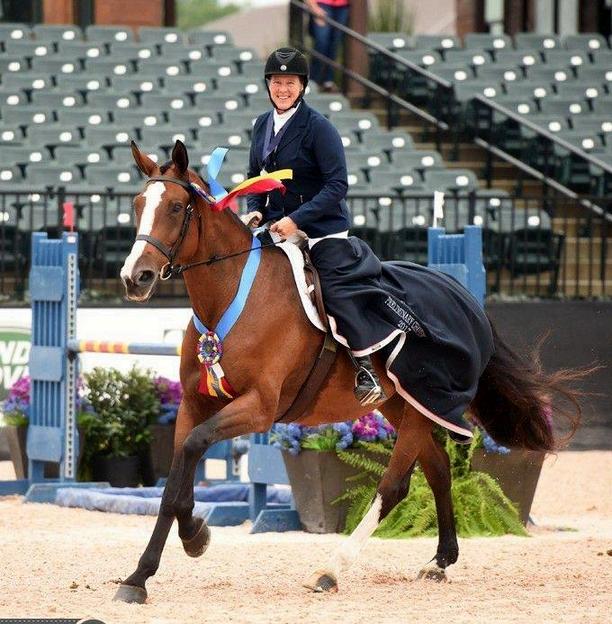
On February 26, the Healing Arts Center hosted a deeply restorative sound bath meditation led by Elena Bradford—yoga instructor and certified sound healer. Seated behind eight crystal alchemy singing bowls of varying sizes and luminous finishes, Elena guided participants through an hour-long immersive meditation. Unlike traditional crystal bowls made solely from clear quartz, crystal alchemy bowls are crafted from 99.99% pure crushed quartz crystal blended with precious metals, gemstones, or earth elements such as gold, platinum, amethyst, rose quartz, or even meteorite dust. This fusion process creates bowls that produce layered, complex harmonic tones—often described as expansive, multidimensional, and deeply resonant. Each bowl carries its own tonal signature, both acoustically and energetically, allowing the practitioner to work with specific vibrational qualities throughout the session.
Attendees lay comfortably on yoga mats beside one another, heads supported by bolsters and eyes gently covered. Arms rested at their sides, palms turned upward in a posture of openness and receptivity.

Throughout the session, guests were invited to ground themselves, quiet the mind, regulate their breathing, and allow the body— rather than the intellect—to lead the experience.
Using the rich tonal range of the alchemy bowls, Elena intentionally worked with both feminine and masculine frequencies, targeting specific energetic centers (chakras) within the body. Between sequences, delicate chimes were introduced to shift the vibration in the room and create a sense of clarity and renewal as the meditation continued.
Sound healing is far from a modern trend—it is rooted in centuries-old traditions across the world.
Australian Aboriginal tribes have used the didgeridoo as a healing instrument for over 40,000 years . 1 Tibetan (Himalayan) singing bowls, traditionally crafted from metal alloys, were used by monks during spiritual ceremonies and rituals . 2

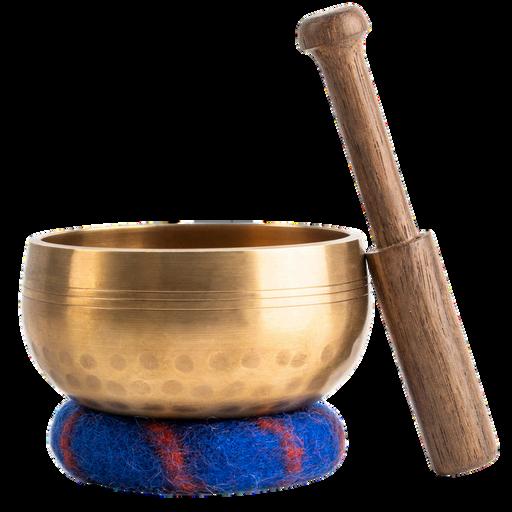
Many Indigenous cultures incorporated drums, chanting, and tonal instruments to restore balance and harmony . 3
The modern “sound bath” began gaining popularity in the West during the 1960's and 70's as interest in Eastern philosophy and holistic practices expanded. By the early 2000's, growing scientific curiosity about how vibration and frequency affect the nervous system helped bring sound healing into mainstream wellness spaces.
Today, sound baths are widely recognized as a form of passive meditation—participants are gently “bathed” in waves of sound designed to calm the nervous system, reduce cortisol, and encourage deep relaxation.
If you would like to experience a sound bath session at the Healing Arts Center, join the Healing Arts Center WhatsApp group using the QR code below. You’ll be the first to know about upcoming sessions and special offerings.
Your body already knows how to relax—sometimes it simply needs the right frequency.

The Aiken Bluegrass Series at Stable View brings together talented bands from the Asheville, NC area for a series of three outdoor concerts. These concerts are set against the scenic backdrop behind The Pavilion at Stable View.
The 2026 Bluegrass Series features performances by seasoned award-winning bands rooted in the deep traditions of Appalachian and Southern string music.
This year's concerts are scheduled on:
Sunday, May 24, 2026
Saturday, August 22, 2026
Saturday, October 25, 2026
On May 24, enjoy Memorial Day weekend with performances by Straight Forward, Aubrey Eisenman & The Clydes, and Songs from the Road Band. Doors open at 4:00 PM, and music starts at 5:00 PM, providing plenty of time for visitors to grab dinner, socialize, or simply relax on the cross-country course.
Attendees are encouraged to bring lawn chairs or blankets.
In the event of a storm, the concert will move inside to the upstairs of The Pavilion.
The Bistro @ Stable View invites you to enjoy a variety of food and refreshments, available for purchase during the concert.
The atmosphere makes the series ideal for a casual evening out, whether you are a lifelong bluegrass fan or looking for a memorable musical experience.
Children age 12 and under enjoy free admission, making it an excellent outing for families under the summer sky.
Tickets for the May concert are on sale via the QR code and link below.
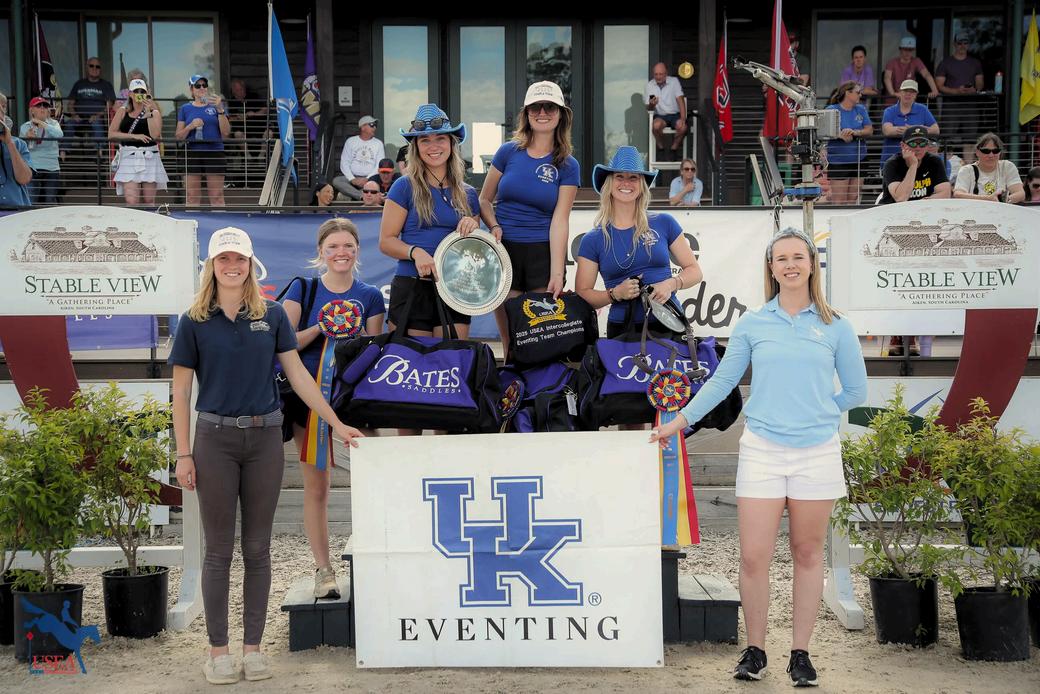
As Stable View begins preparing for the 2026 Intercollegiate, Interscholastic, and Alumni Championships, we are reinstating the Intercollegiate Corner Spotlight—highlighting Intercollegiate Eventing Teams competing at this year’s Championships. Through these monthly highlights, Stable View hopes you get to know these Teams and their programs a bit better.
The first team highlighted is the University of Kentucky, with their Team President Kaya MacLeod taking the time to tell us about her team. First, we asked Kaya to tell us about what she does in her role, to which she says, “I am the University of Kentucky’s primary contact for all things to do with our team. This involves registering events, meeting with our school’s event management team, and doing administrative work to make sure our students get all the support they need from UK. I also am the primary contact for our communications with USEA! Another responsibility I have is being able to support the other officers and having familiarity with their positions. There are 8 of us officers, and I do The University of Kentucky
my best to be able to step in and help with any job at any moment and be a leader for both the members and officers of the team. I also plan all of our meetings and let our members and officers know what needs to be on their radar. Another fun responsibility I have is recruiting and communicating with future UK eventers!” ired about the ory—when it ed, who it was y, and why.
“The Kentucky m has a rich nally, we were ur dressage g the University Dressage and g m (UKDET) in 2008. Members competed in USEA events at that time, although these were not intercollegiate events. However, in 2014, the USEA
Board of Governors approved the USEA intercollegiate eventing program, allowing our members to compete at intercollegiate events! The first intercollegiate event was hosted at Poplar Place, where we had three members compete. In 2018, our team underwent a significant change as the Eventing and Dressage teams separated, leading to the formation of the University of Kentucky Eventing Team. In the same year, our team demonstrated its competitive spirit by winning the spirit award at the USEA Intercollegiate Championships in Virginia, with just four members competing! Our team now has close to 100 members. We continue to compete at intercollegiate events, representing our school.”
While the team may be Equestrian-based, Kaya makes it clear that her Teammates are studying a variety of different subjects beyond Equine studies. According to Kaya, “One of the great things about the University of Kentucky Eventing Team is that we all have different majors, career paths, and goals. While a large number of members on the team are Equine Studies majors, we also have a large number of STEM, Business, and Arts majors!”
You’ll notice as we continue to highlight different teams that some
teams operate through their University as an Athletic Program, while others operate as a Club Sport. There are several key differences between these two methods of running/organizing a team which Kaya tells us about, as UK is a Club Team. Kaya states, “A few of the differences include that we do not have tryouts, nor do we have one team barn or coach. We all choose a program in Lexington that best suits our and our horses’ individual needs. One of the things that makes the intercollegiate horse shows so fun is that we all come together from our different barns to compete for Kentucky as a team!” The most notable difference between an Athletic Program and a Club Sport is that Athletic Programs receive school funding, which allows the team to recruit members and give out scholarship money. However, additional differences include members of an Athletic Program Team having to dedicate a certain number of hours per week to their sport, as well as having dedicated Coaches and Trainers; while Club Teams have more flexibility, are primarily self-funded, and are mainly student-led. Having competed at Champs in 2025 Kaya shared her favorite memory from last year. She states, “My favorite memory from Champs last year was closing ceremonies. It was a long, hot day
and weekend, and our team had 40 horses competing. To be able to come together and laugh and reminisce about the weekend while so celebrating the successes we shared in and out of the saddle was amazing, and hopefully something we all will cherish.” Kaya also speaks about the spirit contest she is looking forward to most, which is stall decorating. Kaya says, “We love to go all out with our fun decor that shows pride for wearing the Kentucky name. While we can’t give away all of our secrets, I can say to expect lots of fun and Kentucky blue!"
Want the inside scoop on all things Champs 2026? Join the official Intercollegiate & Interscholastic Championships WhatsApp Group using the QR code below and share it with your teammates so the whole crew stays in the loop.

Competing at the Intercollegiate/ Interscholastic Championships?
You’ll want to join the group chat — it’s the best way to keep up to date with what’s going on.



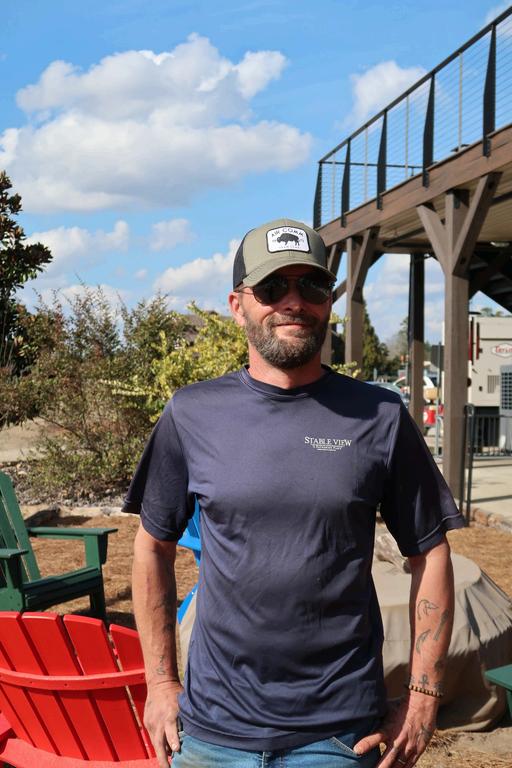
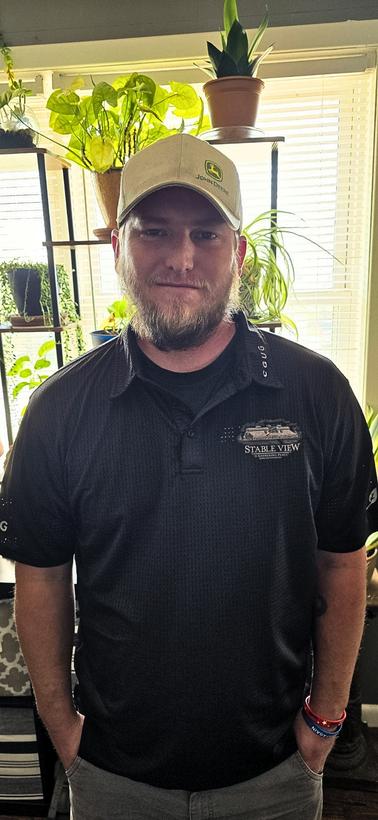
Josh and Andrew are two important staff members at Stable View. Josh runs vehicle servicing area, and Andrew is a senior member of the grounds crew.
Growing up, Andrew was raised primarily in Mississippi and Louisiana.
Andrew grew up around horses, learning how to walk on a horse before he learned how to walk. Andrew states that his heart lies with the Western discipline, but he's been working in the English equestrian world for nearly 10 years.
Josh, on the other hand, grew up in Kinston, sharing that his days are very varied, saying “ every day is a little different.” Most days involve diagnosing problems with vehicles used by the Grounds Team. This can involve tractors, zero turns, an articulated vehicle, groomers aerators, and Gators.
According to Andrew, listening to music can allow you to get into a sort of ‘rhythm’ when you’re doing your work . He states, “I can probably speak for every member of grounds crew out here that does listen to music; there are different types of music that you can listen to get you ready for different things. Lately it's the Red Clay Strays for me. But, to get ready for an event you don't want to listen to something that's so ‘hard’ that it's just going to get you riled up or angry, but you also don’t want to listen to something that's going to get you down. You want to be able to balance your music out.” Josh agreed with Andrew on this, but says he mostly listens to country music, and likes to switch up the songs and artists he’s listening to.
As staff members working on the grounds day-in and day-out, Andrew and Josh have had to learn to adapt to their daily
Andrew affirms this statement, going on to say that it’s important to pay attention to a rider's body language and behavior when assessing how to navigate around a horse, because “they know how the horse will react better than you do.” activities with the constant movement of horses around the Stable View property. Horses are incredibly sensitive animals, and when asked how Andrew and Josh have learned to work around the horses without spooking them, Josh states that “I tell everyone that not every horse is going to spook, but you should treat every horse like they could.”
After working at Stable View for around five years, Josh and Andrew have many fond memories to reflect on.
When asked what their most memorable experience was working at Stable View, Josh and Andrew agree that the stand-out moment occurred the weekend of Hurricane Helene. This was also the weekend of one of the biggest events of the year, Oktoberfest.
Andrew explains, “We didn't have electricity and all our wells were down, so we didn't have water. We had to hot-wire generators to certain things to get them to pump, and we had the fire department and our next-door neighbor John, come down two or three times to help fill our water truck—we were ensuring that the horses were taken care of.”
They also said that on the last day of the event, as they were doing cleanup, they came by the winner's circle and “the people who were there gave them a standing ovation.”
Beyond that, Josh states that working on the Big Guns irrigation for the arenas is also very rewarding, saying that “although it is stressful in the moment and there is a ton of work that goes into it, in the long run when you see the Boyd Martins and Mark Phillips of the world come up and they're just bragging on your footing, it makes you feel pride in the work you’re doing.”