President’s Message / David L. Diehl, MD, FACP, FASGE
@DavidDiehlMD
The Importance of Mentoring
I am deeply honored and humbled to be the incoming President of the Pennsylvania Society of Gastroenterology (PSG). It is a profound privilege to step into this role and lead a society whose mission has never been more vital.
The PSG is launching a mentorship program for GI Fellows and early career GI physicians. We will be reaching out to those of you who would like to participate in this project.
To my predecessors, I want to thank you for your dedicated service and laying a strong foundation for the years ahead. Your leadership has guided us through challenges, and your counsel will be invaluable as we continue to advance our shared goals.
attending physicians at one’s own training program work very hard to train GI fellows, but this is generally different from a mentoring relationship.
Medicine as a field has been in constant evolution. Research, artificial intelligence, and shifting healthcare policies keep us on our toes, yet our commitment to patient well-being remains an absolute constant. Here in Pennsylvania, our profession faces a unique set of challenges, which we must address head-on as an organization.
The first is preserving the sustainability of our practices. Whether you are in a large academic center or a small private practice, we are all grappling with the pressures of consolidation, increasingly complex prior authorization processes, and reimbursement challenges. We must amplify our advocacy efforts at the state level to ensure our members have the resources and autonomy needed to provide top-tier care without unnecessary administrative burden. Our collective voice is our most powerful tool in Harrisburg, and we must leverage our greatest advocates: the patients that we serve.
Second, the increasing demands on our time and resources highlight the persistent issue of burnout more aptly known as “moral injury”. Our members are healthcare heroes, and all heroes need support. We must cultivate a culture within medicine that openly discusses and actively addresses the drivers of professional fatigue. As an organization we want to be promoting wellness resources, sharing best practices for efficient clinical operations, and fostering a sense of community that reminds us why we chose this challenging but rewarding path. PSG can play a vital role in highlighting the issue and we can all agree that the camaraderie amongst our members can offer a much-needed lifeline.
Many of us have benefitted from mentors. Perhaps some of us have suffered for the lack of a mentor during our education or training. Mentors can have a lifelong impact on their trainees, but the relationship does not go in only one direction. Mentors can get as much benefit and satisfaction as their mentees can. Gastroenterology, like other areas of medical training is akin to a “guild”, where the experienced take the novice under their wing to train them in the arts of their chosen field. All GI fellows, including us way back when, had trainers and coaches that typically were staff gastroenterologists at our program. Many medical schools provide for mentor relationships, but this is less common in GI training. Certainly,
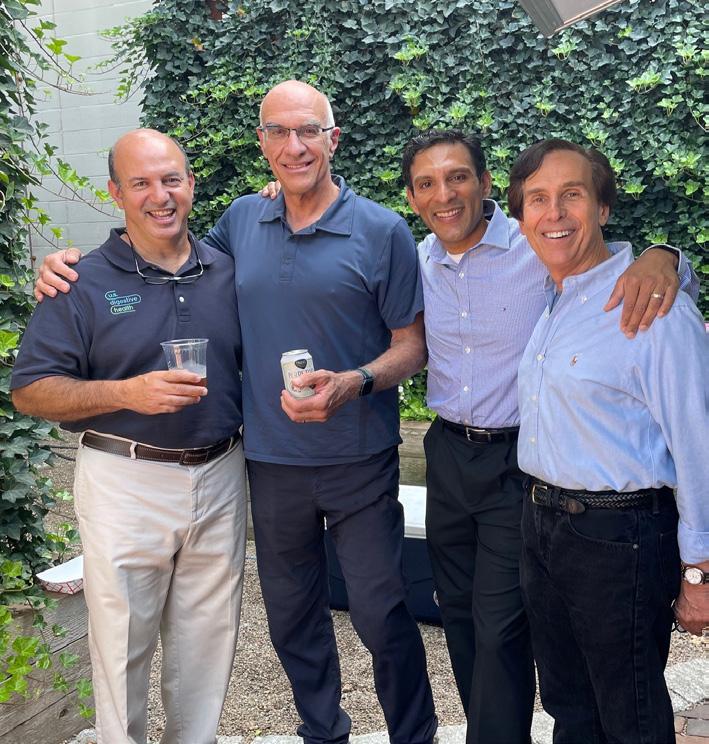
I have been lucky enough to have some important mentors in my medical career. The first was assigned to me when I was a firstyear medical student. His name was Eugene “Skip” Felmar, MD and he was a Family Practice attending in the San Fernando Valley area of Southern California. I enjoyed going out to his office and shadowing him closely while he saw outpatients, rounded on inpatients, and did office procedures. Beyond gaining valuable insight into the practice of medicine, I found out why his nickname was “Skip” after he took me out on his sailboat which he kept docked at the Los Angeles harbor. Skip Felmar became a role model for me, and the mentor-mentee relationship was mutually rewarding.
Another highly impactful mentor that I had was someone that I chose myself. Dick Kozarek, MD was (and
continued on page 2
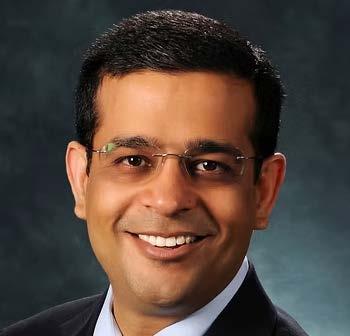
Manish Thapar, MD, AGAF, FAASLD, FACG
President’s Message
continued from page 1
Finally, we must continue to prioritize diversity, equity, and inclusion in our profession especially when it is not expedient to do so. The communities we serve are incredibly diverse, and our membership should reflect that reality. Fostering a more inclusive environment strengthens our clinical research, broadens our perspectives, and ultimately improves the care we deliver to all Pennsylvanians.
As we look forward to the next two years, I would like to remind ourselves of three core values that should guide the PSG’s work: Focus, Connect, and Advance.
1. Focus: Sharpening Our Advocacy
and Member Value
Our advocacy efforts are the bedrock of our society’s impact. We should continue our work to develop a proactive, year-round advocacy agenda that goes beyond the legislative session. This means monitoring and influencing key regulatory changes that affect endoscopy, screening guidelines, and payment models. Our goal is to ensure that the voice of Pennsylvania GI professionals is not just heard, but is central to decision-making. Furthermore, we must continually enhance the tangible value of our membership. The practice management task force of the PSG is equipped to respond to issues in realtime. In additions, PSG covers the cost to send a delegate to the PAMED house of delegates each year to have a seat on the table and flag any concerns to our membership.
2.
Connect: Building
a Stronger, More Inclusive Community
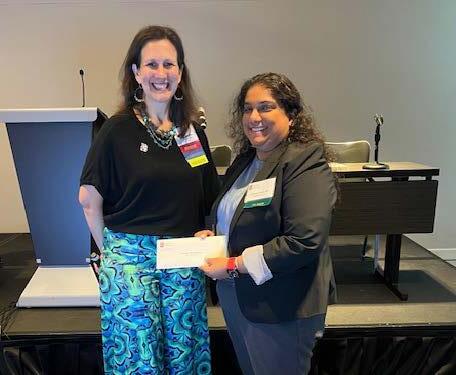
Gastroenterology is an inherently collaborative specialty, and the strength of the PSG lies in its network. We need to continuously create opportunities for members to connect, mentor, and share knowledge across practice settings and career stages. My priority here is to invest in our next generation of GI leaders. Residents, fellows, and early-career physicians represent the future of our specialty, and we must continue our efforts to actively support their development. Our fellows in training attend board meetings and are part of various committees. In addition, PSG offers travel grants for fellows who have an accepted poster at our annual meeting. We intend to formalize our mentorship program and pair established practitioners with trainees and new-to-practice members.
We want to continue to recognize and integrate our Nurse Practitioners, Physician Assistants, and Nurses more fully into the PSG. We acknowledge their vital role in the patient care team. Offering targeted educational programs would be a key initiative that I hope to spearhead.
3. Advance: Innovation and Quality Care
As a scientific society, we have a mandate to promote the highest quality of patient care. This requires embracing innovation, supporting research, and setting benchmarks for excellence. I would like to remind the membership of the funding opportunities through PSG for research. Please spread the word as the application for our next cycle of research funding comes out next year. We continue to focus on initiatives that support clinical research conducted by our members, whether through PSG grants, opportunities for presentation at our Annual Scientific Meeting, or through collaboration with regional academic centers. We must ensure that PSG serves as a catalyst for ongoing gastroenterology research.
The PSG belongs to all of us. As your new President, I promise to be transparent, accessible, and an unflagging advocate for your professional interests. But true progress requires your engagement. I urge you to get involved this year, respond to our calls for advocacy, submit your work to our annual meeting, volunteer to mentor a young colleague, or simply reach out with your ideas for how the PSG can better serve you. I look forward to working alongside our dedicated executive team, our committee chairs, and each one of you to tackle the challenges ahead and to ensure a bright, prosperous, and clinically excellent future for gastroenterology in Pennsylvania.
A Successful Day of Learning and Connection!
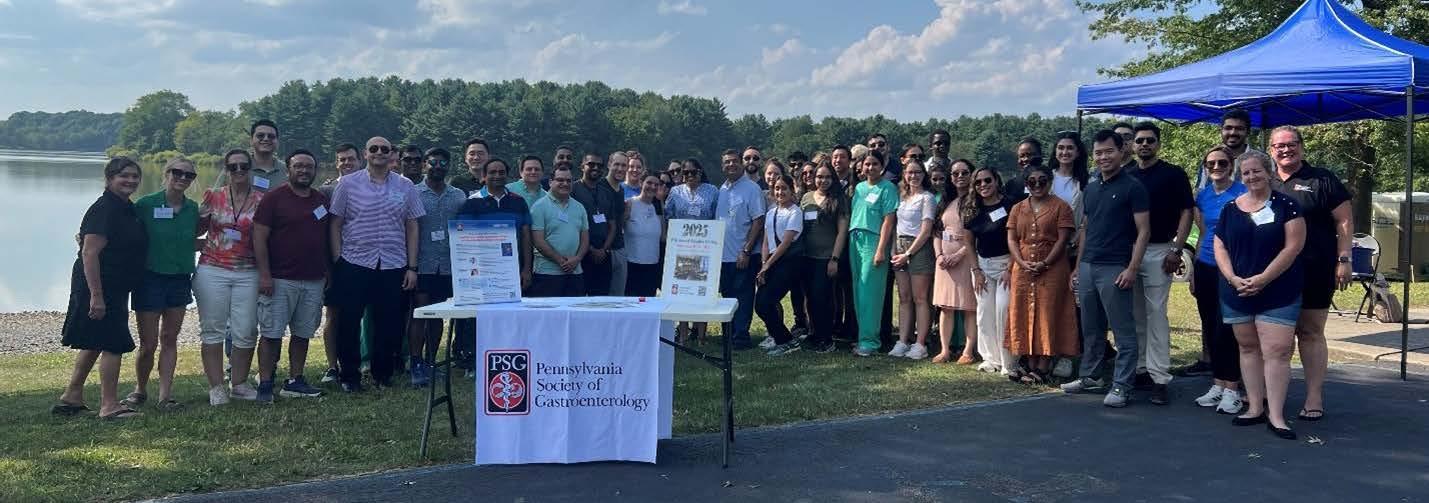
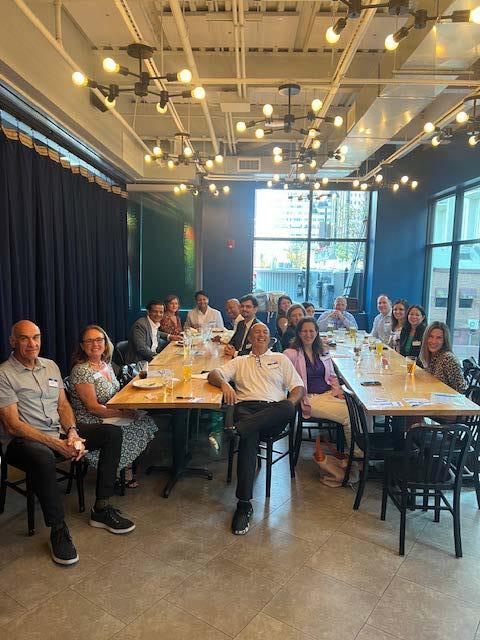
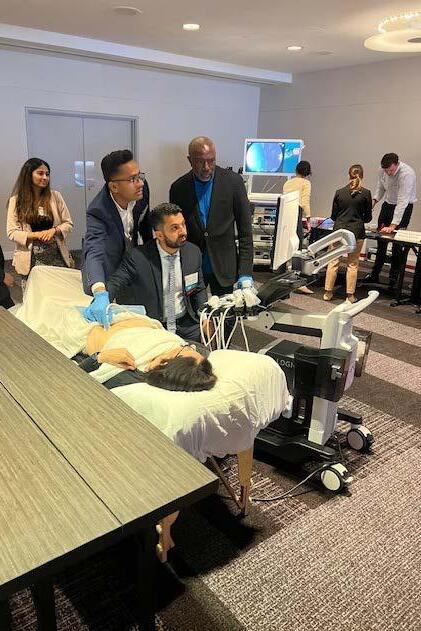
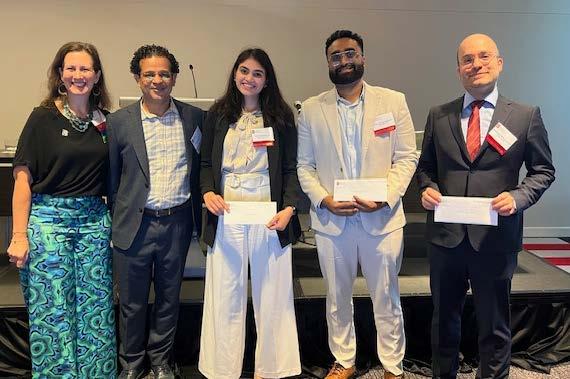
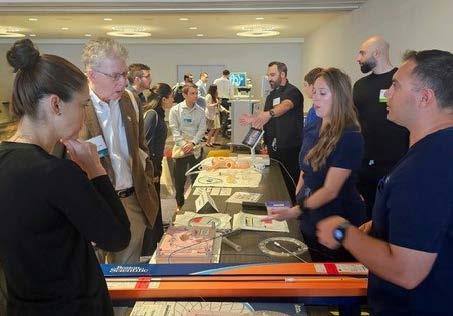
The 2025 Small Bowel Capsule Endoscopy Course & Fellowship Networking Event, hosted by Geisinger and PSG’s Training Committee, brought fellows and faculty together for an interactive review of capsule endoscopy—from patient selection to real-time case studies using PillCam
JOB POSTINGS
The Division of Gastroenterology in the Department of Medicine at the Perelman School of Medicine at the University of Pennsylvania seeks candidates for Faculty positions in the non-tenure Academic Clinician track. In particular, faculty with interests in IBD, General GI, and GI Hospitalist positions are encouraged to apply. Also, a Medical Director of Living Donor Transplantation is also sought. Teaching responsibilities may include teaching Penn medical students, residents, and fellows. Candidates should be outstanding clinicians who excel at teaching. The academic clinician track requires 100 credits per/year of active and high-quality teaching at the Perelman School of Medicine. Clinical responsibilities may include care of patients in the outpatient and inpatient settings at the Hospital of the University of Pennsylvania (HUP), Penn Presbyterian Medical Center (PPMC), Pennsylvania Hospital (PAH) and/or Penn Medicine at Radnor (PMR) that specializes in IBD, General Gastroenterology, Neurogastroenterology, Esophagology, Hepatology, and Advanced endoscopy. The clinical responsibilities will include seeing patients in clinic as well as performing endoscopy at each of the sites mentioned.
GI Hospitalist apply.interfolio.com/164682
AC Senior position apply.interfolio.com/163206
AC Junior position apply.interfolio.com/151275
Medical Director Living Donor Transplantation apply.interfolio.com/171364
‘Even if you think you’re not ingesting it, you are’: The impact of plastics on GI health
Evidence suggests that exposure to microplastics and nanoplastics confers health risks associated with liver disease, cancer risk and inflammatory bowel disease, according to a paper published in The American Journal of Gastroenterology. “Plastics are in so many things we don’t even conceive of as plastics, including medications, cosmetics and many of the things we cook with,” said lead author David A. Johnson, MD, MACG, FASGE, VGSF, MACP, professor of medicine and chief of gastroenterology at Eastern Virginia Medical School. “What astounded me was that the average American currently ingests about 5 grams of plastic per week, which is roughly the equivalent of one credit card a week. So, even if you think you’re not ingesting it, you are.”
Q: What motivated you to study the impacts of MNP exposure on GI health?
Johnson: There have been increased concerns about plastics and the potential for not only environmental impacts, but effects on health. We know that environmental data on plastics have been exponential. My concern was that the clinical implications of these impacts had not surfaced as much as the data on environmental impacts.
I first became aware of some of the clinical implications when a I saw a New England Journal of Medicine article on carotid plaques. There was an implication that microplastics and nanoplastics (MNPs) had a significant correlation not only with plaque formation, but also with cardiovascular adverse events. This
prompted me to start looking at the data on plastics and MNPs in relation to clinical implications.
As a gastroenterologist, I was particularly focused on the GI implications. I was astounded by how much data there are in the environmental database. This motivated us not only to write an article for The American Journal of Gastroenterology, but also to commission a systematic and narrative review, which is in progress.
Q: What is the extent of our environmental exposure?
Johnson: It’s important to start with the recognition that plastics have revolutionized our lives. The development of plastics has been exponential, and by 2050 it is projected to reach 1.1 billion tons per year. Back in the 1950s, when development of plastics really began, it was comparatively minimal. The thinking has been that we can recycle plastic, which is partly why plastics were considered not only convenient, but also potentially less environmentally damaging. This sounds good, in theory. However, it is estimated that only about 10% of plastics actually get recycled. Also, plastics are not just in the traditional items we expect, like water bottles. They’re in so many things that we don’t even think of as plastics, and as such, they are routinely ingested. However, as we start to look at the degradation of plastics, either through recycling or in dumps, these plastics degrade and infiltrate water sources — or even the air as we burn these items.
We break these plastics down into things we can see, which are microplastics. They are less than 5 millimeters in size. However, when these plastics are degraded, they are categorized as nanoplastics, which are less than a micron in size and are not visible.
Q: How does MNP exposure affect the gut?
Johnson: Microplastics clearly influence gut integrity. We know that the presence of microplastics changes the dynamics of the gut in a number of ways. It changes the gut microbiome and can stimulate systemic inflammation media, such as cytokines. This also contributes to gut integrity. As you start to decrease gut integrity through inflammatory media disruptions, these nanoparticles can traverse the blood-brain barrier — and that means they can go anywhere in the body, including the brain. There was a recent study in Nature that brought this to light. They looked at the accumulation of plastics in the brain over time, and this increased progressively from 2016 to 2024. As we start to look at brain accumulation, we can imagine what it does to other organs. In the GI tract, there’s not an organ that has been studied that seems to be spared from nanoplastic accumulation.
When plastics get to these areas of the body, the negative effects can be seismic. The extensive surface area they can reach is one concern, but they also can cause toxic alterations to gene function and can lead to biofilm accumulation. The genotoxic
David A. Johnson, MD, MACG, FASGE, VGSF, MACP
effects can get into inflammatory cancer pathways and lead to cytokine upregulation and inflammatory diseases.
There seems to be a significant concern, at least based on animal models, that MNP exposure can lead to antibiotic resistance patterns and biofilm accumulation. In addition to animal studies, these implications have become very dramatic in some pilot studies on humans. When you put these factors together, we’re starting to see things like increases in early cancers in younger patients. We’re starting to see increasing problems with reproductive health, cardiovascular health and neurodegenerative disease associated with these plastics.
Q: What can be done to reduce our exposure?
Johnson: One important mitigation strategy is patient education. We need to do a better job of informing patients that these plastics have potential health risks.
There are a number of things that can be done regarding use of plastic containers. When we look at water bottles, for example, we could be using glass or thermos-type bottles that can be cleaned and safely reused. Any type of plastic with a food substance or liquid is dramatically increasing the degradation of plastic, and heat accelerates the degradation. So, putting plastic bottles in a car creates more of these nanoplastics and plastic degradation. We should educate patients about this.
Health care providers also need to know the latest evidence-based knowledge, which is what we are evaluating with our systematic and narrative review. This is especially relevant as it relates to cancer and inflammatory bowel disease. Metabolic dysfunction-associated steatotic liver disease is also an area we uncovered as being associated with MNP exposure.
In practice, we should also look for ways to use sustainable health care exposures. We use so many things that are plastic that we discard. We can do a better job.
The food industry can also do better. I’ve seen several hotels now that don’t give customers plastic bottles — they give you a cardboard box of water. Another strategy is to support regulations to limit exposure going forward. There are some countries in Europe that have already enacted legislation to restrict the global incorporation of plastics and microplastics into the environment. So, I think we can do a better job on corporate and industrial levels to decrease the growing exposure and increase awareness of the health risks associated with MNP exposure.
Q: What should gastroenterologists tell their patients?
Johnson: We’re always looking for ways to make a meaningful potential difference, if not an absolute difference. Now that there is evidence suggesting a role in inflammatory bowel and liver disease as well as cancer risk, we can start to educate patients on these factors that can have potential GI implications for biome health.
MNPs have a broad brush of implications, perhaps beginning in the gut. I think this is a wake-up call that we can do a better job in our patient education.
The average American ingests about 5 grams of plastic per week — the equivalent of a credit card.
Exposure to microplastics and nanoplastics has been linked to GI health risks.
References:
• Johnson DA et al. Plastics: here, there and everywhere: implications for gastrointestinal health and disease. Am J Gastro. 2025; March
• Marfella R, et al. Microplastics and nanoplastics in atheromas and cardiovascular events. New England Journal of Medicine. 2024 Mar 7;390(10):900-10
• Nihart, A.J., et al. Bioaccumulation of microplastics in decedent human brains. Nat Med 31, 1114–1119 (2025).
Citation: This article is reprinted with permission from Healio:
Byrne J. ‘Even if you think you’re not ingesting it, you are’: the impact of plastics on GI health. Healio Gastroenterology. June 3, 2025.
My heart sinks as the gastroscope slides into the stomach and I see that the CT scan findings of “thickened gastric folds”, were not benign or an artifact. The stomach inflates and I find myself looking at a large infiltrative gastric mass. A little bit later, I make my way to the recovery area to have a conversation with the patient and his family, and with them all together I explain that their fears have become a reality. He has cancer…again.
This experience is very current for me, and I’m sure you may have had a similar experience as well. Gastroenterology is an exciting field, but also one where we unfortunately must be the bearer of bad news. Our goal is to prevent cancer, but we also have the responsibility of finding cancer. It happens so often that sharing this bad news can on occasion become rote or mundane. How can we prevent this? Is there a way to present bad news in a more positive or hopeful way, regardless of how bleak the expected outcome is? And does it matter?
Positivity in the practice of medicine does matter. Being optimistic as a physician does make a difference in our own lives and in the lives of our patients. Optimism does not mean being unrealistic. Optimism has been described as an “explanatory style,” or a way to view the causes of events. It is not a temperament, such as being shy or outgoing. Our explanatory style can determine our personal resilience more than genetics or our intelligence. And research shows that it can be learned and that it can change. Characteristics of an optimist include having faith in one’s ability
to succeed in any circumstance, the ability to move forward despite obstacles and to stay motivated, having a feeling of control over your life, and resilience. I want these qualities in my life and in my medical practice.
But can optimism actually affect my life as a gastroenterologist? There are many research studies showing associations between optimism and patient experience, provider wellbeing, and real patient outcomes. In a study of 99 Harvard students, optimists at age 25 were significantly healthier at ages 45 and 60 than those who were pessimists. Other studies have linked pessimism with higher rates of infectious disease, poor health, and earlier mortality. In two long-term, longitudinal cohorts of women and men, higher optimism levels were associated with longer life spans, and these associations were even maintained after adjusting for demographics and baseline health conditions. Optimism, independent of sociodemographic, medical, and negative psychological factors, has been prospectively associated with a lower risk of cardiovascular disease and lower rates of cardiac and allcause mortality.
In healthcare, when medical providers harness positive feelings, it can empower patients and families with the knowledge necessary to face difficult situations. A doctor’s optimism can affect the patient’s outlook on their illness. Optimistic healthcare workers help their staff experience less pressure, use less avoidance strategies, focus on practical problem solutions and seek proper support. Optimism on
the part of health care workers can lead to higher levels of performance and higher patient satisfaction. The message is clear: optimism can positively affect us as physicians and affect the health of those we serve.
Knowing the importance of this, what keeps us from being optimistic? The answer to this is cognitive distortions, which are inaccurate or irrational thought patterns that can lead to negative emotions, behaviors, and perceptions. They are automatic, habitual ways of thinking that can distort reality and interfere with a person’s well-being. Examples include all-or-nothing thinking, over generalization, discounting the positive, catastrophizing, “should” statements, and other reasons. In life we encounter many of these negative thoughts regularly. It is worth the time to study these distortions and selfreflect on our own roadblocks that keep us from being more optimistic personally and for our patients, especially when delivering bad news.
When I shared the news with my patient about the diagnosis of gastric cancer, he immediately broke down. I did my best to be optimistic, explaining that he is in the right place to figure out the next steps forward. I was direct and tried to be compassionate but truthful. In subsequent conversations I had, he sounded more optimistic and futurefocused, and I hope he will continue to have this positive and optimistic mindset going forward.
I will also freely admit that I have been in situations where my emotions got the best of me and the patient seemed to be the strong one. This is just part of being human. But regardless of how we may personally be impacted by these difficult conversations, cultivating optimism can help patients cope and move forward, while also helping us to have more fulfilling and positive careers.
The next time you are headed to the post-op area with bad news, I hope you will reflect on these words and try your best to be optimistic. Do it for your patients, and do it for yourself, and see what a difference it can make.
References
L.O. Lee, P. James, E.S. Zevon, E.S. Kim, C. Trudel-Fitzgerald, A. Spiro, F. Grodstein, & L.D. Kubzansky, Optimism is associated with exceptional longevity in 2 epidemiologic cohorts of men and women, Proc. Natl. Acad. Sci. U.S.A. 116 (37) 18357-18362, https://doi. org/10.1073/pnas.1900712116 (2019).
Amonoo HL, Celano CM, Sadlonova M, Huffman JC. Is Optimism a Protective Factor for Cardiovascular Disease? Curr Cardiol Rep. 2021 Oct 1;23(11):158. doi: 10.1007/s11886021-01590-4. PMID: 34599386.
Boldor, N., Bar-Dayan, Y., Rosenbloom, T., Shemer, J., & Bar-Dayan, Y. (2012). Optimism of health care workers during a disaster: a review of the literature. Emerging Health Threats Journal, 5(1). https://doi.org/10.3402/ ehtj.v5i0.7270
Auerbach SM, Kiesler DJ, Wartella J, Rausch S, Ward KR, Ivatury R. Optimism, satisfaction with needs met, interpersonal perceptions of the healthcare team, and emotional distress in patients’ family members during critical care hospitalization. Am J Crit Care. 2005; 14: 202–10.
Luthans KW, Lebsack SA, Lebsack RR. Positivity in healthcare: Relation of optimism to performance. J Health Organ Manag. 2008; 22: 178–88.
Inspired by patients, we take health personally
Breakthrough treatments that will shape the future of health care will only have impact if people can get them. We advocate for patients every step of the way, expanding access to our medicines and developing tools and programs so patients can receive optimal care.