THRIVE
NEWS FROM THE COLLEGE OF LIFE SCIENCES AND AGRICULTURE
How the college is growing and innovating and deepening our commitment to our students and the Granite State
How the college is growing and innovating and deepening our commitment to our students and the Granite State
On 275 acres of pasture, woodlands and forage fields, UNH operates a farm like no other. The Organic Dairy Research Farm — one of seven research and teaching facilities supported by the New Hampshire Agricultural Experiment Station at COLSA — holds a particular distinction: In 2006 it became the first organic dairy on a university campus in the U.S.
The purpose of the farm is not simply to milk cows — although the roughly 100 Jersey cows, heifers and calves housed in barns and paddocks are all part of an operation that yields a daily average of 70 pounds of milk, which follows a short route southwest to the Stonyfield Organic plant in Londonderry. The real product is knowledge, gathered to lessen risk for farmers.
The farm’s work centers on the challenges and opportunities of organic and small-scale grazing dairies: precision dairy management, nutrition, forage production, agroforestry and pasture stewardship. Scientists and students test new technologies before they reach the broader marketplace, coaxing from the land and herd what is possible without exhausting either.
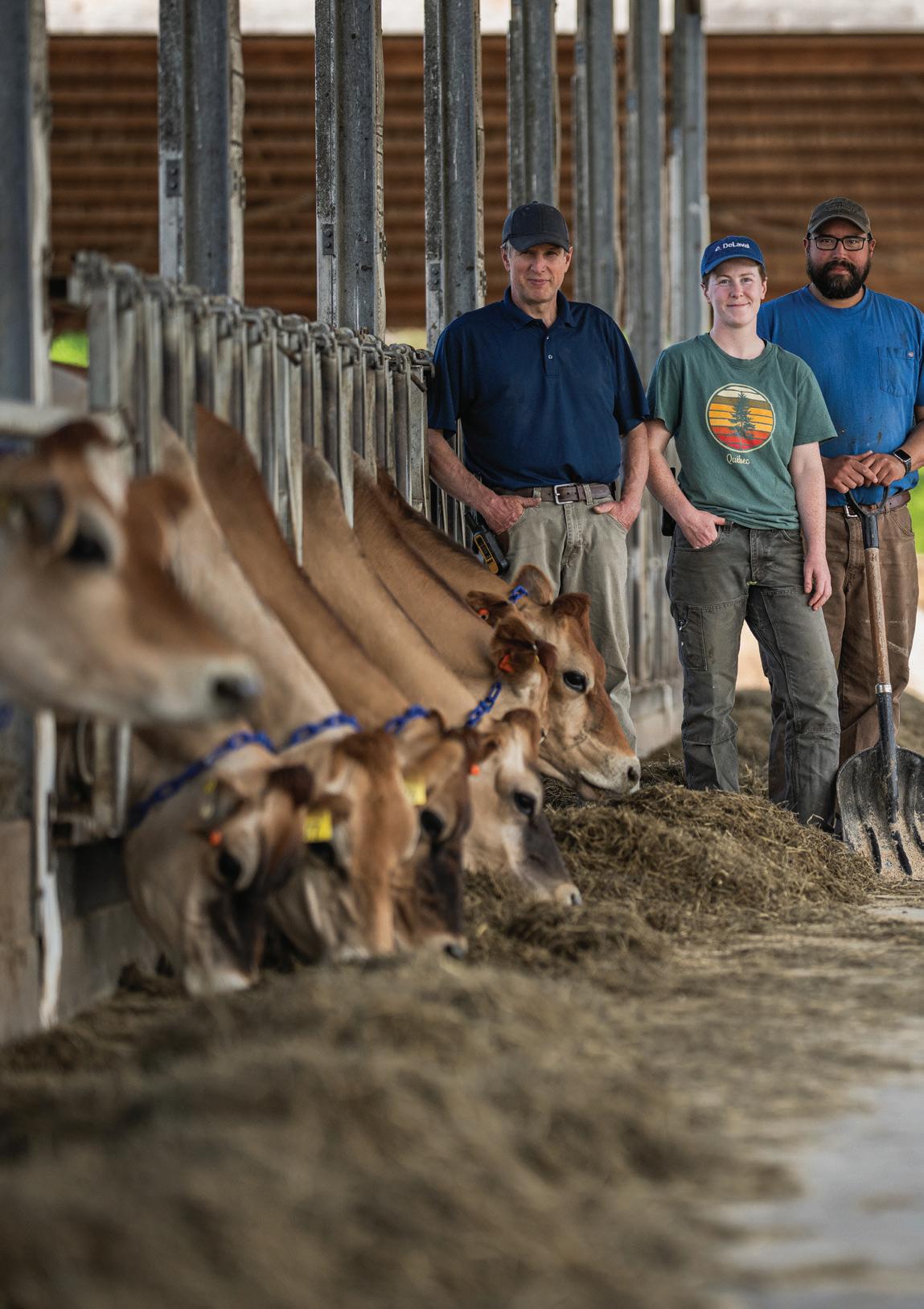
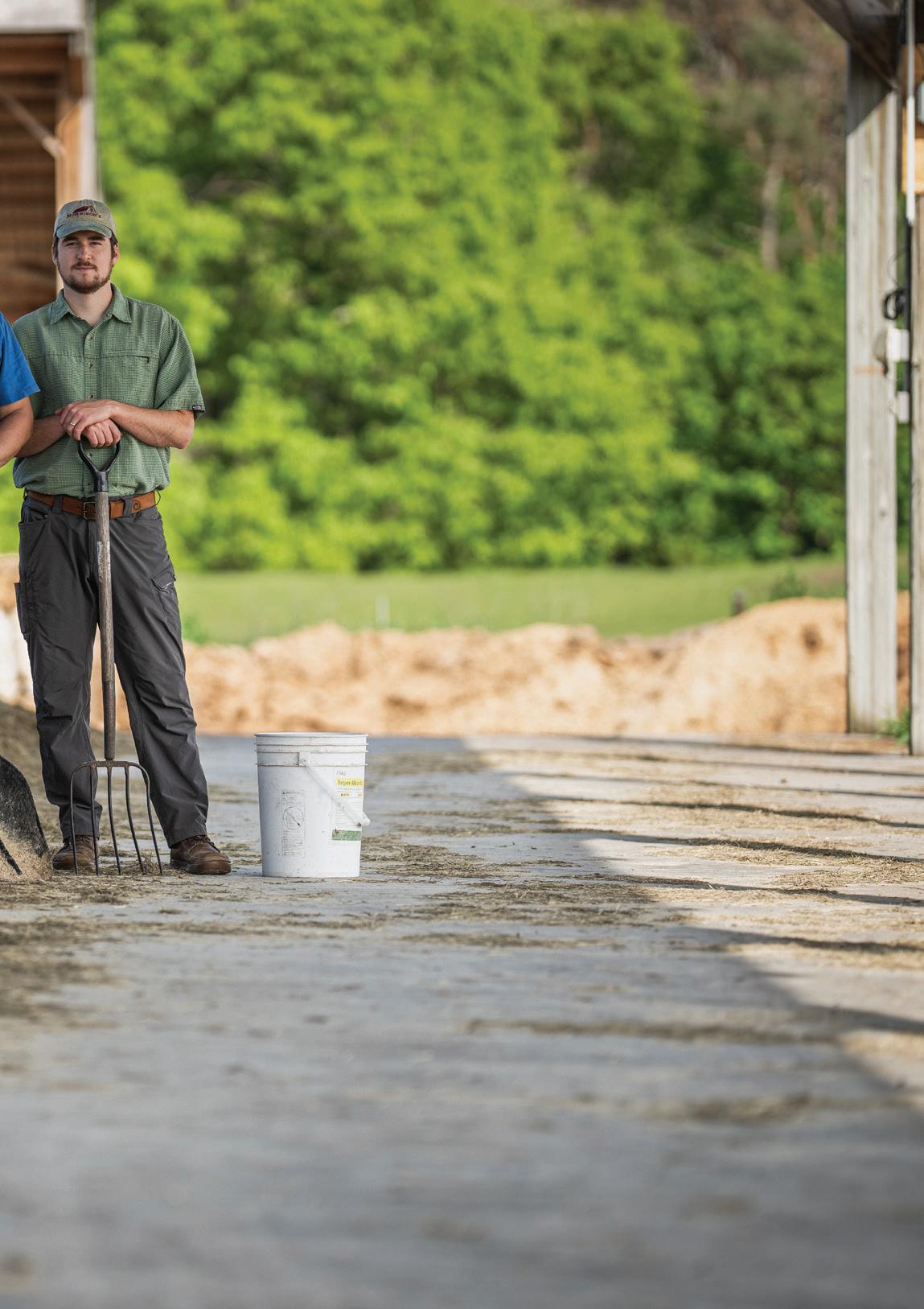
Jason Scruton ’00 (pictured far left) manages the farm with a small team — Leslie Brough ’23, Isagani Kimball ’10 and Luke Pacchioli — who know every inch of the land and each animal. Their daily work — tending animals, rotating pastures, adjusting feed, collecting samples — is the architecture upon which research rests. And thanks to their efforts, farmers across New Hampshire and beyond gain knowledge that helps them adapt, endure and thrive.
ON THE COVER
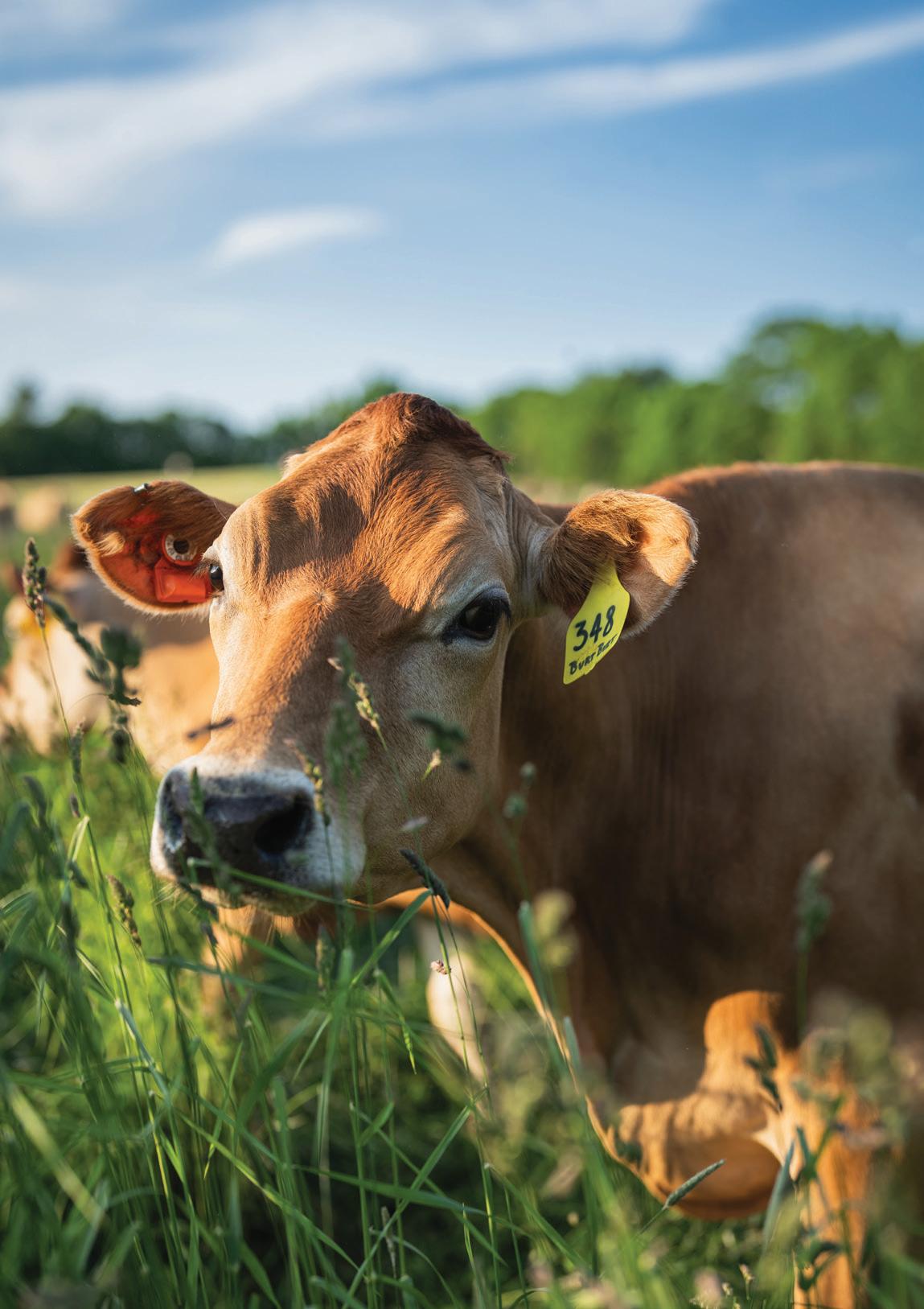
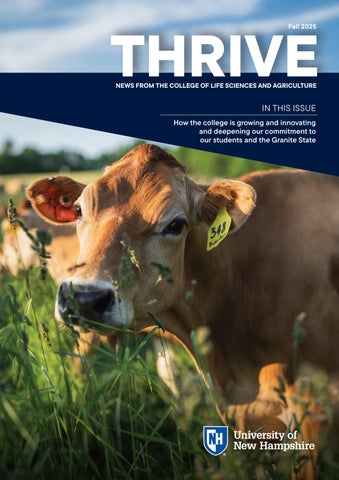
Meet Burt Burt, one of the heifers at the UNH Organic Dairy. She is described by Bailey Travers ’24, ’26G, a graduate student in the agricultural sciences master’s program, as one of the farm’s “more opinionated ladies.”
Every day, I am amazed and inspired by the incredible work of our College of Life Sciences and Agriculture students, staff, faculty and alumni. None of this happens in isolation — we succeed because we listen, adapt and move forward together. We continue to respond to the needs of our constituents, work within our constraints and ensure that COLSA evolves in ways that create the strongest pathway toward fulfilling our mission.
Change is never easy, and leading change is even harder. And that is exactly what we must do. This year, we set our sights on a future for UNH that provides transformative student learning experiences, drives the creation of new knowledge and ensures that Granite Staters have access to the tools, information and practices that strengthen both environmental and economic resilience.
The changes our college is undergoing — some highlighted on page 13 — offer us a powerful opportunity to align and integrate our efforts in pursuit of our shared goals. By modeling collaboration and overcoming barriers together, we can demonstrate what’s possible and lead the way toward achieving university-wide priorities.
As we deepen our commitment to building sustainable lives and livelihoods, one of the most important things we can do is listen. Through our advisory boards, our statewide presence and our digital platforms, your voices guide us — shaping our work, our direction and our opportunities. These insights are invaluable, and I encourage you to stay connected and share your perspective.
Thank you for being such an essential part of the COLSA community and for helping us lead change. Together, we are building a stronger, more resilient future.
Warm appreciation,
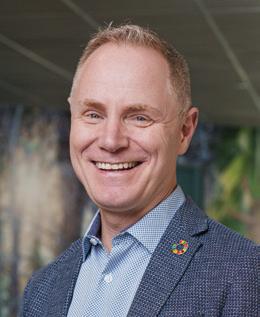
ANTHONY S. DAVIS Dean, UNH College of Life Sciences and Agriculture

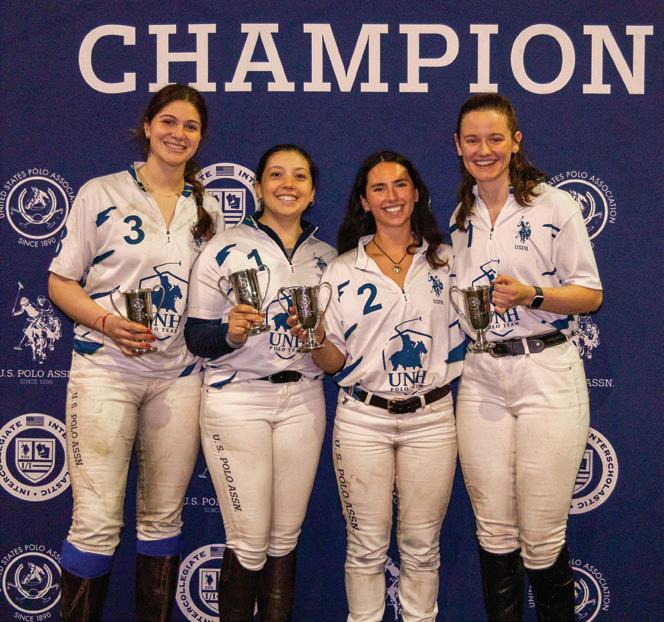
The UNH Polo Team recently completed a remarkable debut season, making it to the finals of the U.S. Polo Association (USPA) Women’s Division II National Intercollegiate Championship. Despite being a new team, the four-woman squad
— Ariadne Dogani ’26 (captain), Brynn Roberts ’25, Catherine Ling ’26 and Rebecca LaFrance ’26 — quickly established themselves as formidable competitors.
Their season started with a tough match against Cornell’s women’s team, the eventual 2025 national champions. Though UNH ultimately lost in a closely contested game that ended in a third-round shootout, the women set the tone for a season defined by perseverance and rapid growth.
Polo captain Dogani emphasized the inclusivity of arena polo, noting that
players don’t need to own horses or have a polo background to join. Two of the four UNH players had no prior polo experience but quickly became key contributors through skill, focus and mutual support.
The team’s success was bolstered by support from private donors and the Kingswood Polo Club in East Kingston, New Hampshire, as well as the guidance of faculty advisor Claira Seely, assistant professor in the department of agriculture, nutrition, and food systems.
After their early loss to Cornell, the team rebounded with wins against Harvard and Skidmore, ultimately earning a wildcard invitation to the national championship. There, they defeated defending champion Colorado State, advancing to a rematch against Cornell in the finals.
Although they didn’t win the national title, the UNH team galloped away with several impressive awards: All Star, Best String, Best Presentation, and, according to Dogani “the jewel of them all,” the National Horsemanship Award.
“Though the National Division II Champion title eluded us this year, there is a deep sense of accomplishment and lots of school pride for a spectacular season for our newly minted team,” Dogani says. “Our success speaks not only of our abilities, teamwork and riding skills, but also of the support of the UNH Foundation, the COLSA faculty and our fellow students, who cheered for us all along this amazing joyride season.”
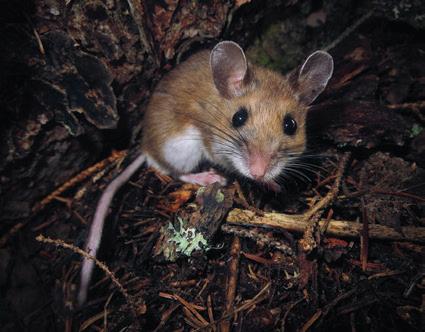
Trees in northern forests have boom-or-bust-like seed cycles, called masting events, that yield large quantities of seeds in some years but many fewer in others. Small mammals that depend on the seeds for food must adjust their behaviors accordingly to thrive. The ability to adapt on the fly is vital for their survival and for the health of the forest, and it may be tested by the changing climate.
A 12-year study in the Bartlett Experimental Forest led by Rebecca Rowe, professor of natural resources and the environment, examined responses to masting events by five species of small mammals, including shrews, mice and voles. While the researchers found species-specific responses, they also found some important commonalities. In general, many of the species tended to breed later in the season during masting events to coincide with peak availability of new seeds. Conversely, they bred earlier when new seeds were scarce, relying on stored seeds from a more abundant season.
“The way these small mammals adapt to resource availability has a ripple effect throughout the entire ecosystem, impacting everything from seed dispersal to interactions among predators,” says Rowe. “By closely monitoring these patterns, we can anticipate changes in forest dynamics and identify management practices that support long-term ecosystem stability.”
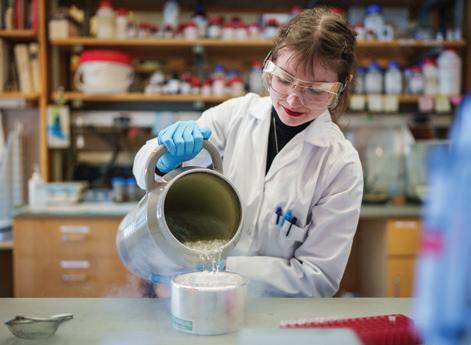
The potential benefits of using living cells and tissues as therapies for disease and tools for regenerative medicine are huge. But how can they be kept viable and ready for use? Cryopreserving cells and other biological materials, which preserves them by cooling them to very low temperatures, is an intriguing option, but the formation of ice crystals and membrane damage kill unprotected cells. And cryopreservation agents used to protect cells can be toxic to patients. UNH researchers are turning to nature to find a better option.
Many organisms, both plants and animals, can withstand extremely cold environments thanks to antifreeze proteins. Krisztina Varga, associate professor of molecular, cellular, and biomedical sciences, is investigating how antifreeze proteins bind to ice crystals and prevent them from growing within cells. Through her research, Varga seeks to harness the adaptations organisms make to survive the harshest conditions on Earth for practical use and human benefit.
“I’m interested in understanding how organisms can survive extreme environments — like extreme cold, extreme dehydration or extreme heat,” says Varga. “By studying how antifreeze proteins function in nature and other adaptations in cold-hardy organisms, we’re uncovering new applications in medicine and biotechnology that could ultimately benefit regional industries right here in New England. This research will also support local agriculture and forestry by helping to target harmful cold-tolerant pests.”
COLSA Teaching Excellence Award
Melissa Aikens, associate professor
COLSA Outstanding Advisor Award
Sarah Rigg, principal lecturer
UNH Excellence in Research
Serita Frey, professor
UNH Excellence in International Engagement
Gregg Moore, associate professor
Dean’s Award of Distinction
Jobriah Anderson, technical teacher/specialist
Catherine Armstrong, research project manager
Nathan Blais ’19, ’22G, ’27G, doctoral candidate
Lori Dameron, director, St. Martin Career Exploration Office
Liz Harvey, associate professor
Michela Lessard, dietetic program coordinator
Mary Wiley, senior lecturer and program coordinator
Community of Teaching and Research Scholars Award
Xuanmao Chen, associate professor
Colette Janson-Sand
Outstanding Dietetic Educator Award
Michela Lessard, dietetic program coordinator
UNH Faculty Scholars Award
Laura Kloepper, associate professor
Elected President of the American Registry of Professional Animal Scientists
Pete Erickson, professor
James A. Jarrett Award for Young Leaders, American Association of Bovine
Practitioners
Liz Brock ’01, clinical assistant professor
National Science
Foundation Graduate
Research Fellowship
Leandra Bryant ’25
Gates Cambridge Scholarship
Sarah Nicholls ’25
McNair Summer Fellowship
Maggie Johnson ’26
Convergent Arctic Research Perspectives and Education (CARPE) Fellowship
Rachel Lewis ’23, ’26G
NSF Postdoctoral Research Fellowship in Biology
Amaro Tuninetti
NSF Postdoctoral Research Fellowship in STEM Education
Maryrose Weatherton ’25G
Dissertation Year Fellowship
Camryn Berry ’26G
Drew Villeneuve ’26G
Lara Munro ’27G
Andrew Butler ’11, ’26G
Allison Kloeckner ’26G
NOAA Margaret A.
Davidson Fellowship
Alex Sangermano ’28G
Sidney Axtell ’27G
Nickerson Fellowship
Callyan Lacio ’28G
2025 New Hampshire
Academy of Nutrition and Dietetics Outstanding Dietetic Student Award
Claire Reilly ’25G
Graduate Student
Teaching Award
Abby Brown ’25G
Zoe Robinson ’25G
Graduate Student
Research/Scholarship/ Creativity Award
Lydia Valentine ’25G
Desneiges Murray ’25G
Graduate Student Public Engagement and Outreach Award
Charlotte Thompson ’26G
Cindy Zheng ’27G
Graduate Student Sustainability Award
Jingyan Huang ’25G
Graduate School 3-Minute Thesis Winners
First Place and People’s Choice
Mamta Kajal ’26G
Second Place
Kailey Paar ’29G
2025 Undergraduate Research Conference Award of Excellence – All Colleges
Ellianna Jordan ’25
Emily Abrusci ’25
Jenna Loporcaro ’25
Emily Komerska ’25
Clara Franzoni ’25
Ahilya Sudarshan Kadba ’25
Lilah Read ’25
Riley Wilson ’25
Trevor Chapman ’25
Hannah Cuvellier ’25
Noah Mello ’25
Interdisciplinary Science and Engineering Symposium
John Kelleher ’25
Alicia Veronneau ’25
Hannah Cuvellier ’25
Erin McCarthy ’25
Maggie Krein ’25
Christopher Boujaoude ’25
UNH Undergraduate Sustainability Research Symposium
William Cleaveland ’26
Kara Hatalsky ’27
Julia Mistretta ’27
Reily Tighe ’26
Hannah Albers ’27
Nicole Oldmeadow ’27
Shane McKenna ’25
Durga Raga ’25
Anna Hogan ’27
Emily Palermo ’26
Esher Swanson ’26
Sophie Hodge ’27
COLSA Undergraduate Research Conference
Most Outstanding
Oral Presentation
Frankie Schembri ’25
Oral Presentation Runner-Up
Daniel Zogby ’25
Most Outstanding Poster Presentation
Margo Kamis ’26
Poster Presentation Runner-Up (Tie)
Kennedy McGrath ’25 and Lila Wilkins ’26
Hannah Cuvellier ’25
Poster Presentation Honorable Mention
Madeleine Hatfield ’26
Nicki Hyslop ’26
Reka Ivanyi ’25
Maggie Krein ’25
Sarah Nicholls ’25
Shae Shandroff ’28
Olivia Tatro ’27
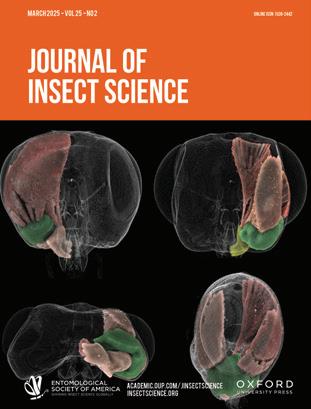
What can a tiny wasp teach us about evolution, behavior and human disease? According to István Mikó and Holly Hoag ’21, the answer is quite a bit.
Mikó, the collections manager of the UNH Collection of Insects and Other Arthropods, and Hoag led a study of subtle differences among four closely related Nasonia wasp species. Their paper, featured on the cover of the Journal of Insect Science, presents newly discovered structures in the lower head region of these wasps that affect courtship and mating behaviors, and explores the biology underlying the differences.
“Insects have very simple development pathways and tissues,” says Mikó. “They allow us to learn how genes contribute to basic differences in structures and behaviors in ways that are not possible in humans.”
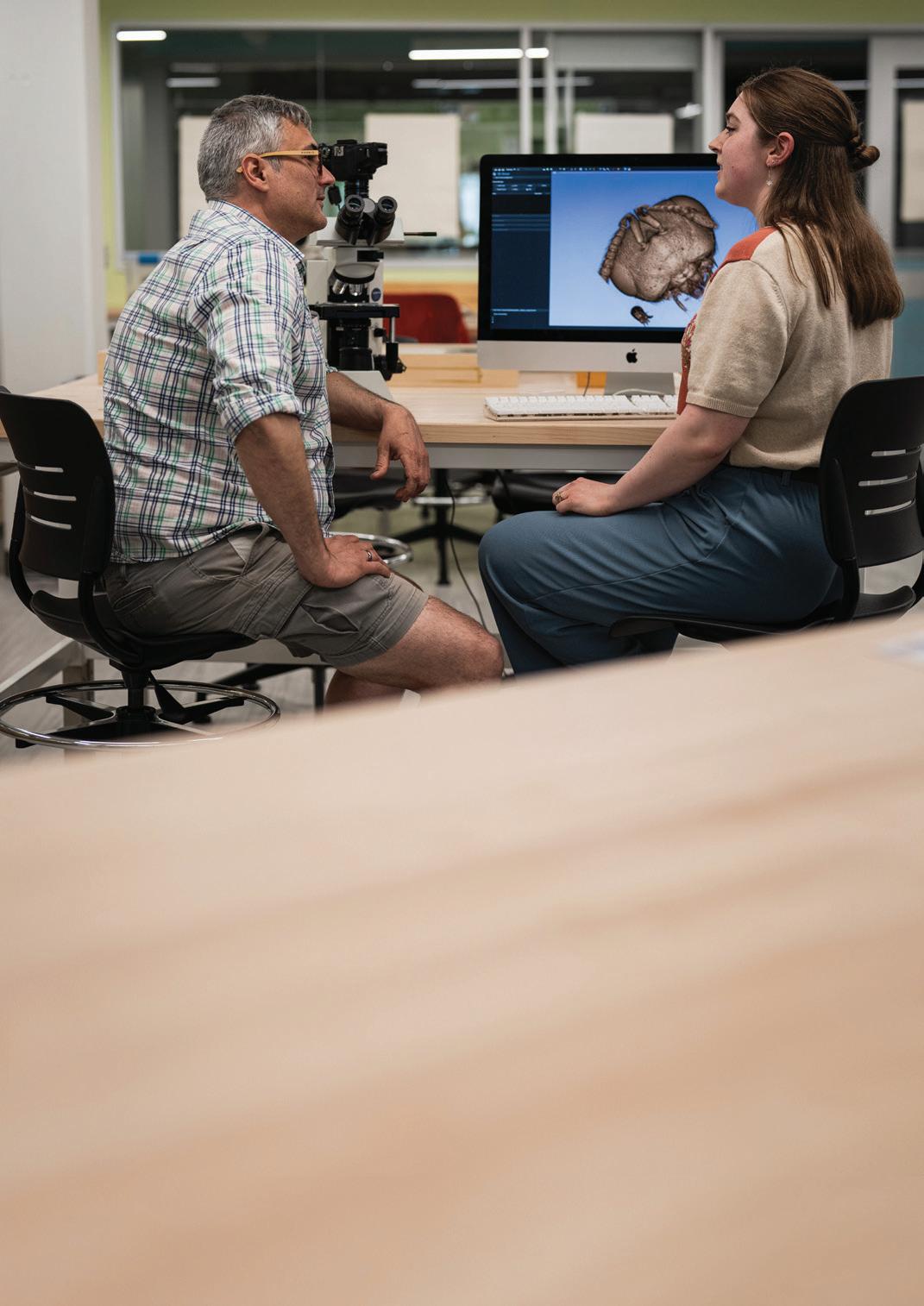
Nasonia are, therefore, an important model for understanding development and disease. The latest findings have implications for research into craniofacial abnormalities, the most common birth defects in humans, as well as the connections between evolution and development in the wasps themselves.
For Hoag, who has been working as an embryologist since graduating from UNH and is now pursuing her doctorate, the ability to do original research as an undergraduate and subsequently author a paper was an important step toward a promising career.
“I’m studying evolution and development in chameleons at UMass Lowell,” she says. “I’m moving up the food chain for my doctoral research but continuing on the path I began at UNH.”

On any given day in James Hall — one of the oldest academic buildings on UNH’s campus — lab technicians and students gather around bottles and meters, coaxing data from samples of water. Each drop contains both mystery and truth: Water, after all, knows everything, carrying hidden traces of the landscape’s history, agriculture’s unseen runoff and the secret chemistry of human choices. Here in UNH’s Water Quality Analysis Laboratory (WQAL), lab workers read water’s diary page by page, decoding what it reveals about our streams, rivers, lakes, bays and estuaries — as well as ourselves.
Under the leadership of lab manager Jody Potter ’01, ’07G, the WQAL has earned a distinct place among an elite collection of water labs nationwide.
These labs offer meticulous, comprehensive data — often measured down to astonishingly minute concentrations — and provide nuanced interpretations that illuminate the significance behind the numbers.
“There are very few labs in New England, or even the country, offering the breadth of services we do,” Potter explains. “Commercial labs can tell clients what’s in the water, but as scientists we go further and interpret what the data mean.”
Serving clients from near and far, WQAL has also influenced water quality regulation in New Hampshire, addressing impacts brought on largely by population growth and suburban development. In 2009, WQAL’s data contributed to the EPA’s designation of Great Bay as nitrogen impaired,
“There are very few labs in New England, or even the country, offering the breadth of services we do.”
– Jody Potter, WQAL manager
paving the way for regulatory changes to limit nitrogen released by wastewater treatment plants that contribute significant nitrogen pollution to the bay and its rivers.
Excess nitrogen in Great Bay sparks algal blooms, reduces oxygen levels and threatens eelgrass, a vital habitat for fishes and oysters and a natural defense against coastal erosion.
Dating back to the 1990s, WQAL’s data has also shaped policies on road salt usage. By examining chloride levels in streams and rivers, the New Hampshire Department of Environmental Services sets thresholds to protect drinking water and freshwater habitats, sometimes resulting in impaired waterway designations. College Brook in Durham received such a designation based on WQAL data.
Established unofficially in 1996 by Professor Emeritus Bill McDowell and the department of natural resources (now the department of natural resources and the environment), WQAL became official in 2003. Today it supports projects led by Adam Wymore, associate professor in the department of natural resources and the environment and director of the NH Water Resources Research Center, alongside McDowell, the center’s former director, as well as contracts for scientists, state and federal agencies, and clients across the nation. In 2024 alone, the lab processed 5,800 samples, more than half originating from New Hampshire, and conducted over 23,000 analyses.
When clients who are thousands of miles away choose this lab, Potter says, it’s because of WQAL’s unmatched service, accuracy and extraordinarily low detection limits.
“Another lab might say a sample has fewer than 10 units of a contaminant,” says Michelle Shattuck ’97, ’02G, research scientist and associate director of the NH Water Resources Research Center, “but we can pinpoint it down to less than one.”
Such precision allows the lab to detect subtle yet critical changes early. “We’re beginning to see phosphorus increase in rivers flowing into Great Bay,” Shattuck continues. “We don’t fully understand the implications yet. We haven’t observed this before, but our low detection limits help us catch these shifts early.”

The lab’s rich database is another vital resource.
“We’re constructing a long-term record, essential for tracking slow but significant environmental shifts,” notes Wymore. “Changes we see often unfold gradually, over decades, and short-term data isn’t enough. You need a detailed, continuous record.”
Reflecting on nearly two decades with the lab, Potter pauses thoughtfully when asked about the state of water quality today. “It’s a mixed bag,” he finally says. “Some aspects have improved. Others remain deeply troubling.”
Yet one can find reassurance in knowing the WQAL remains steadfastly committed to monitoring and helping to safeguard waters throughout New Hampshire and beyond.
WQAL’s research is supported by the National Science Foundation, the U.S. Department of Energy, the U.S. Geological Survey, the U.S. Environmental Protection Agency, the NH Agricultural Experiment Station, the NH Water Resources Research Center, and the Piscataqua Region Estuaries Partnership (PREP), a program at UNH’s School of Marine Science and Ocean Engineering. Partnerships like this enable UNH to advance research, support communities and safeguard New Hampshire’s water quality.
In New Hampshire’s forests and fields, mushrooms play an essential but often overlooked role. Some fungi are active recyclers, breaking down fallen logs, leaves and organic debris. By decomposing this material, mushrooms return vital nutrients to the soil, supporting the health and regeneration of the forest. Other fungi form symbiotic relationships with plant root systems and provide trees with water and mineral nutrients in exchange for sugars.
The state’s diverse landscapes, including shaded woodlands, open meadows and temperate microclimates, make it an ideal environment for a wide variety of fungi. More than 1,000 species have already been identified in New Hampshire, but many others remain undocumented. For mushroom lovers, that means there’s always something new to discover.
Mushrooms aren’t just ecologically important. They’re also a source of fascination and food. Foraging has become a favorite activity for nature enthusiasts, offering a way to engage with the outdoors through careful observation. According to Chris Neefus, professor in the department of biological sciences, responsible foraging practices are key to maintaining balance. He encourages foragers to minimize disturbance and harvest mushrooms thoughtfully, taking only what they need and leaving others to continue to grow or reproduce.
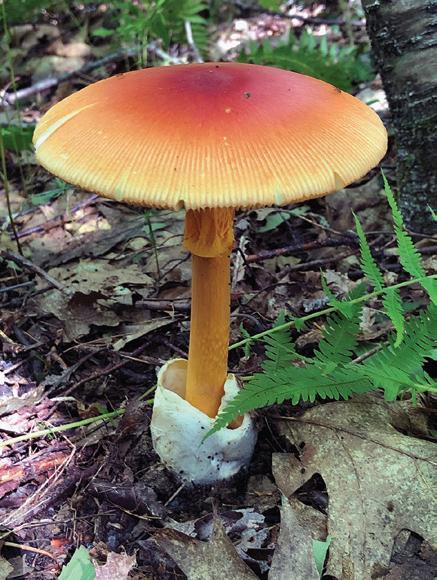
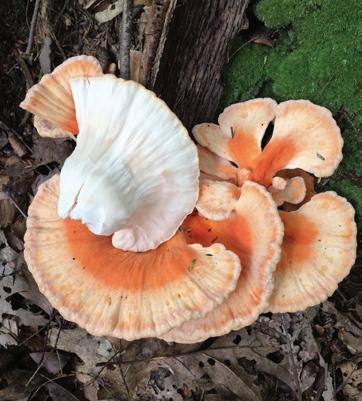
For students and community members who are interested in mushrooms, Neefus teaches two mushroom courses: BIOL 510 — Mushrooms, Molds, and Mildews, and BIOL 752 — New England Mushrooms. He also teaches a wild mushroom foraging certification course for people who want to sell wild mushrooms to restaurants or at farmers markets.
In every stage of their life cycle, Neefus says, mushrooms have something to teach us about ecosystems, biodiversity and our relationship with nature.
“The challenge of finding new or unexpected species keeps it interesting,” he adds. “Teaching others about fungal ecology and how to identify common edible mushrooms is very rewarding.”

This past summer, COLSA entered a new chapter—one defined by deeper collaboration, broader outreach and a bold reimagining of what it means to serve the state—when UNH Cooperative Extension, UNH Sustainability Institute and the NH Food Alliance officially joined the college. Together, they’re bringing new energy, fresh opportunities and expanded capacity to a college already rooted in missiondriven teaching, research and service.
Changes in COLSA are enhancing the student experience and deepening service to the Granite
“Cooperative Extension being more closely aligned with our academic activity increases the relevance of UNH to Granite Staters, the Sustainability Institute operating from COLSA reinforces the importance of both academics and operations in making sustainable actions take hold, and as the NH Food Alliance continues its growth, integrating UNH students into its program is a natural evolution,” says Anthony S. Davis, dean of COLSA. “These factors and more are behind the great optimism that comes from this organizational change.”
10 county offices
732 trainings reached over 16,000 agricultural and horticultural participants across the state (2024)
166 Forest Stewardship educational programs reached 7,100 people (2024)
Nutrition Connections educators worked with 71 sites to implement 220 policy, systems and environmental changes with an estimated reach of 12,665 individuals (2024)
19 safe food handling workshops reached 505 food service workers and volunteers in schools, early childhood programs, feeding programs and restaurants (2024)
In New Hampshire, where hardwood forests tip into farmland and tidewater, UNH Cooperative Extension operates like a circulatory system — quiet, vital, everywhere. Its educators move through county offices and dairy barns, over timber tracts and into school gardens, translating academic research into practical use. The work is granular and local — advising farmers on soil health and pest management, guiding loggers in sustainable harvesting and helping families stretch their budgets without breaking them — but tied to the grander idea that shared knowledge strengthens communities.
Founded in 1915, Extension is not merely a service. Tuned to the rhythms of the state, it listens as much as it teaches. A visit to a maple producer in March or a 4-H fair in August tells the story: This is education by proximity and trust, a long conversation between the university, the land and its people.
As a result of the merger, COLSA and Extension will work more closely to integrate research, teaching, and outreach; enhance the university’s ability to meet the needs of the Granite State; and expand capacity to deliver practical, relevant results.
“Cooperative Extension has always been about helping people and communities thrive,” says Amy Loader, its associate dean and director. “Joining COLSA brings our work even closer to the heart of UNH’s mission: connecting teaching, research and outreach in a way that directly benefits the people of New Hampshire. Together, we can make an even greater impact.”
Anton Bekkerman, associate dean and director of the NH Agricultural Experiment Station, which was founded to advance science-based agricultural and natural resources research across the state, agrees.
“The merger provides an exciting opportunity to strategically reenvision our mission for the 21st century,” he says. “It is critical to enabling all of New Hampshire’s communities to thrive in increasingly complex and interwoven food, environmental and economic systems.”
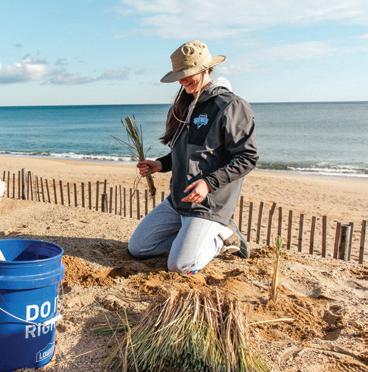
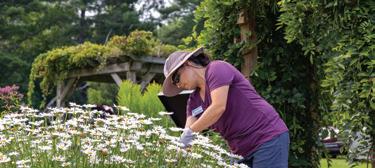
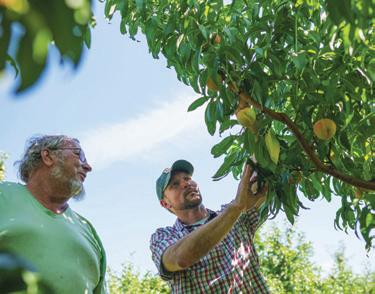
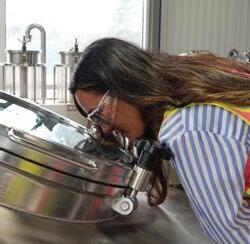
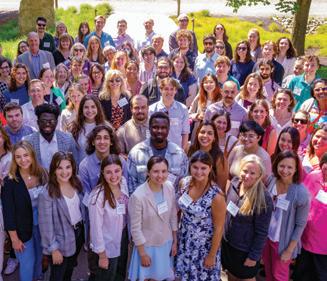
Founded in 1997, the UNH Sustainability Institute is the oldest endowed sustainability program in U.S. higher education — a distinction that speaks less to prestige than to persistence, to the steady cultivation of a campus ethos that embraces sustainability, not as a slogan but as a shared language.
The Institute has been a catalyst, convener and champion of sustainability ideas and actions throughout and beyond the University of New Hampshire. Its commitment to sustainability is reflected in UNH’s STARS Platinum rating — the highest level of sustainability performance from the Association for the Advancement of Sustainability in Higher Education — a distinction held by fewer than 10 institutions nationwide.
“We’re proud to be innovating for a world that works better for all, a prosperous economy, resilient infrastructure and healthy, thriving ecosystems,” says Fiona Wilson, UNH chief sustainability officer and executive director of the Sustainability Institute. “Our work does not happen in separate silos, but rather as a unified, university-wide program that advances sustainability through explicitly linking campus operations, community impact, teaching and research.”
At the Sustainability Institute’s heart is the belief in a “sustainable learning community,” where every lecture hall, lab and lunchroom becomes a site of inquiry and transformation, and its academic initiatives have aimed to equip students with real-world experiences, preparing them to be the next generation of sustainability leaders.
The Institute is a logical addition to COLSA, which has long been committed to sustainability and where the pursuit of ecological balance is woven into the college’s practices and programs. COLSA has a long history with the Institute, from its incubation to being its long-time partner, says Davis, and now the college is excited to be its academic home and help grow this positive impact across the university.
“Bringing the Institute into COLSA will strengthen our shared commitment to sustainability, which resonates so deeply with our students,” says Jesse Stabile Morrell, assistant dean for undergraduate and professional studies. “And the merger will increase our impact by equipping students with the tools, knowledge and vision to lead in a rapidly changing world.”
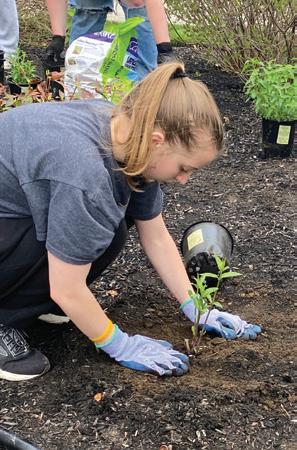
191 students contributed more than 40,000 hours to organizations in NH and beyond (2024-25)
71 student interns have contributed more than 12,000 hours of expertise, research, collaboration and capacity to advance universitywide projects (2022-25)
Led the effort that earned UNH a STARS Platinum rating, ranking the university among the top 10 higher education institutions in the U .S . for sustainability
More than 400 organizations and 750 students and professionals were trained and supported by Sustainability Institute staff in greenhouse gas accounting through SIMAP® (UNH’s nitrogen and carbon accounting platform) (2024-25)
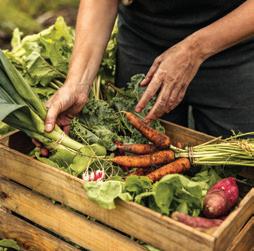
Nearly 300 businesses, organizations and communities are part of the NHFA network
400+ registrants annually for the Network Café Series, from all over New Hampshire and the country
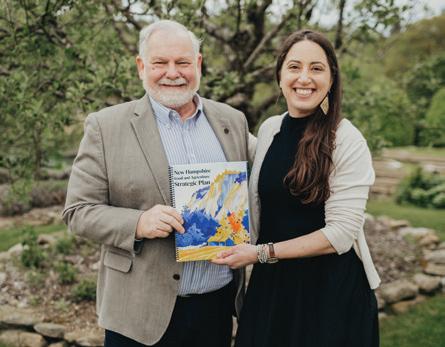
143 actionable recommendations in the first-ever NH Food and Agriculture Strategic Plan
4 impact areas: network development, collaborative action, learning and leadership, communication and storytelling
Since its founding over a decade ago, the NH Food Alliance (NHFA) has worked to strengthen New Hampshire’s local food system. More recently, under Director Nicole Cardwell, NHFA has created opportunities for businesses, nonprofits, government agencies and communities to collaborate and achieve more together. With over 200 network partners, NHFA has influenced farmland preservation, helped small farmers access markets and enabled the NH Food Bank to source more local food, among other achievements.
NHFA connects partners through an annual gathering, monthly Network Cafés and Action Teams that further shared goals and professional interests. In March 2025, NHFA released the first New Hampshire Food and Agriculture Strategic Plan, developed with the NH Department of Agriculture, UNH Cooperative Extension and 89 other organizations. The plan includes 143 recommendations addressing 27 food and agriculture topics.
Now, NHFA and Cardwell are helping strengthen COLSA’s partnership-focused approach and statewide impact.
“We have this network of communities, businesses and organizations doing food and agricultural work, and COLSA is an incredible college full of researchers, faculty, students and staff doing so much related work,” says Cardwell. “I see the NH Food Alliance as a connector between those two worlds.”
The merger with COLSA will strengthen NHFA’s faculty connections, create new internships for students and provide insights to COLSA scientists as they shape research that addresses the needs of New Hampshire’s food producers, aggregators and policymakers.
“In COLSA, we strive to create vibrant experiential opportunities for our students so they can put what they learn and what they are interested in into action. Just thinking about the new opportunities we will be able to create for students is exciting,” says Kim Babbitt ’84, associate dean of academic affairs. “When students get involved in helping people and places in our communities, it gives them a meaningful, empowering experience and benefits everyone.”
When Cayce Jones and Stephanie Whitney launched the CEPS MentorSHIP program in February 2021, it wasn’t with fanfare or flourish, but with quiet urgency. COVID had upended the world, and on college campuses the undercurrent of isolation ran deep, impacting everything from courses to extracurriculars to career preparation.
Jones, a senior career counselor, and Whitney, a career director, both in the College of Engineering and Physical Sciences, envisioned something simple: students paired 1:1 with professionals in their field of interest for a semester of intentional conversation. They called it MentorSHIP — Students Harnessing Industry Perspectives.
One such perspective belonged to Christine Klatt ’82, an alumna whose earlier gift seeded COLSA’s St. Martin Career Exploration Office. Klatt championed the program’s expansion to COLSA, and in 2023-2024 it became a crosscollege endeavor.
“The students love the information and advice they’re able to get firsthand,” says Tessa Curtin ’25G, who ran the program for COLSA for the last two years. “And mentors are really enjoying connecting with students and helping them navigate their goals.”
Seventeen COLSA alumni are currently engaged. For Conor Madison ’15, ’17 (pictured below left), a scientist with GZA GeoEnvironmental, it’s a chance to be involved in career services — something he didn’t do as a student.
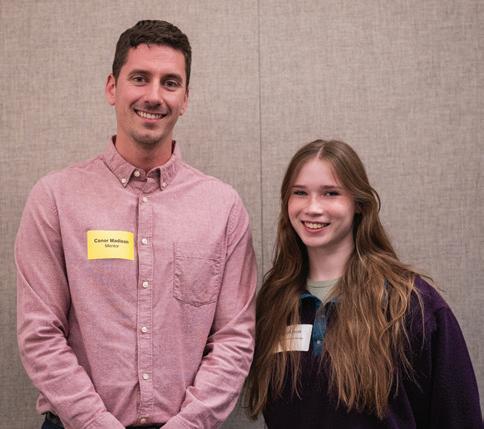

“The most rewarding part was connecting with undergraduates and discussing our shared passions,” says Madison. “GZA and I are very excited to help grow the next generation of STEM leaders.”
He was paired with Elayna Martinelli ’26 (pictured below right), a wildlife and conservation biology major.
“The experience expanded my professional network and highlighted the importance of promoting myself,” says Martinelli. “I was surprised how eager professionals are to share their knowledge — it made networking feel less intimidating.”
Celeste Souza ’18 (pictured above left), now a quality risk management and compliance program manager at Takeda Pharmaceuticals, says her mentoring experience with Mae Chiesa ’26 (pictured above right) offered mutual benefits.
“It’s been very rewarding to witness Mae growing and developing confidence in herself, while also having the opportunity to learn from her,” says Souza. “I've been inspired by her curiosity, determination and positive spirit.”
Chiesa echoes Souza’s sentiments: “I didn’t expect to form such a genuine connection with Celeste. This program was a great step toward preparing myself for a future in health care.”
Madison and Souza agree that UNH is the beginning of a lifetime of learning and growing — and that the confidence and curiosity mentoring can nurture are key components of enduring success.
Interested in becoming a STEM mentor? Please email Lori.Dameron@unh.edu.
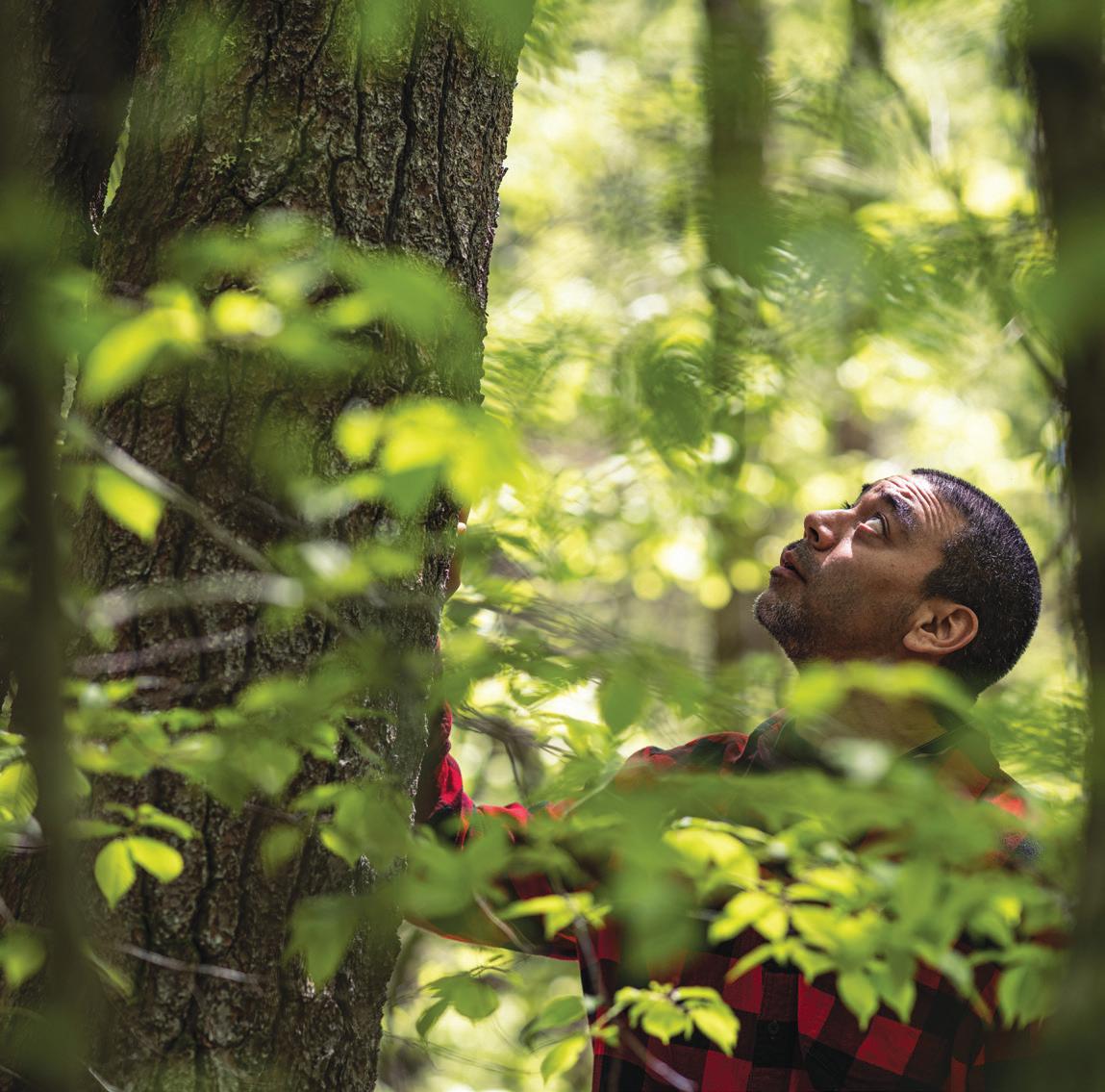
Woodlands in New Hampshire and the Northeastern United States are immensely valuable in both literal and figurative ways. They are part of vital natural ecosystems, provide recreation and refuge for people and yield timber and other products. And, all told, they contribute nearly $2.5 billion each year to New Hampshire’s economy.
Unfortunately, in addition to the pressures of development and land use, the health of New Hampshire’s woodlands is being increasingly threatened by woody invasive plant species. Ranjit Bawa, assistant professor of natural
resources and the environment, is working to determine just how big the threat is now and how it may expand in the future.
“Our goal is to document how such woody invasives are reshaping landscapes in the Northeast,” says Bawa. “They are undermining biodiversity, and their proliferation comes at a cost: the direct cost to landowners of mitigating or eradicating spread, and the value lost from the ecosystem when [invasives] compete with native species. But the regional response to them remains fragmented.”
While the issue of woody invasive species is well studied in Europe, data is scarce for the Northeastern United States. Bawa and collaborator Reinmar Seidler’s (UMass Boston) research covered all six of the New England states, as well as New York, New Jersey and Pennsylvania. They used data from the U.S. Forest Service, original surveys conducted by foresters and land practitioners, and each state’s invasive plant species “prohibited” and “watch” lists to determine the extent of the problem.
Aided by Steven Roberge, an Extension state specialist at UNH, the researchers used these data sources to identify the five woody invasive species of highest concern and priority: Oriental bittersweet, Japanese barberry, tree of heaven, Norway maple and glossy buckthorn. All five were introduced accidentally, often spreading from ornamental plantings. Using multiple sources also highlighted burning bush, a species that wasn’t in the Forest Service data but that foresters and land practitioners frequently mentioned as one to watch.
By prioritizing the invasive species, the researchers can provide resources for land practitioners regarding what to look out for and how to control spread .
By prioritizing the invasive species, the researchers can provide resources for land practitioners regarding what to look out for and how to control spread.
“It was crucial to identify the species that deserve attention and address the ways current efforts to mitigate them fall short,” says Bawa. “By accomplishing that, the study can serve as the foundation for smarter, more unified action going forward.”
The research was spearheaded by the NH Timberland Owners Association, with funding support from the NH Department of Agriculture, Markets & Food's Integrated Pest Management Program. The work was also supported by the NH Agricultural Experiment Station.
1 0 0
A century ago, the New Hampshire Division of Forests and Lands (NHDFL) and UNH Cooperative Extension established a memorandum of understanding allowing Extension to provide education and technical assistance to private forest landowners throughout New Hampshire on behalf of the state forester.
“So much of our landscape relies on an abundant and healthy forest resource we can all access. It’s hiking, bird watching, skiing, leaf peeping — the basis of our quality of life here in New Hampshire,” says Steven Roberge, Extension state specialist in forest resources and professor of natural resources. “It’s important that people educate others and ensure access to resources needed to make wise decisions.”
This work is vital; New Hampshire is the second most forested state, with about 73 percent — 3 million acres — privately owned. This percentage is significantly higher than that in many other states.
Extension staff see between 750 and 1,100 landowners and offer 250 to 300 workshops and training programs every year. Few Extension programs in other states have foresters directly assisting woodlot owners, typically a role filled by state agencies.
Extension foresters, based in every county, respond to local requests and issues, making their work essential for preserving New Hampshire’s natural beauty.
Roberge notes that UNH’s strong forestry and natural resources programs allow Extension to leverage experienced faculty and their research in workshops and trainings.
“It’s foundational for our work,” Roberge says. “It gives us credibility with landowners. No other institution in the state can provide that connection and expertise.”
What’s the one word that best describes COLSA transfer students?
“Mature,” says COLSA academic advisor Ben Bradbury-Koster. “Transferring is a big decision, so it’s usually students who are thoughtful about what they want to do long term.”
As one of COLSA’s experienced in-house academic advisors, Bradbury-Koster specifically provides support to transfer students. Beyond their maturity, he says that no two COLSA transfers are the same. That’s why he provides one-on-one guidance to help each student navigate the process, build their academic plan, explore extracurricular activities and develop strategies for success.
Many transfers choose COLSA because it offers access to hands-on research, often as soon as their first semester. Working alongside faculty, students help find innovative solutions to complex local and global issues. Students can even do their own research with a faculty mentor and present at UNH’s Undergraduate Research Conference.
“Students often come from smaller schools or community colleges that just don’t offer the same support or research opportunities,” says Bradbury-Koster.
UNH’s vibrant campus, with more than 200 student organizations, is also a draw. Students can even live in Residential Learning Communities focused on environmental sustainability or life sciences.
“Please reach out if you need anything,” he always tells students. “If we don’t have the answer, we’ll connect you with someone who does.”
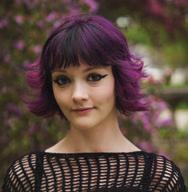
After earning her Associate in Science degree in biology at Manchester Community College, Lyv Syriac ’26 knew she wanted to dive deeper into the cellular processes that drive living systems. Ben Bradbury-Koster, her transfer advisor, helped her map out a path forward, and she enrolled in the bachelor’s degree program in biochemistry, molecular and cellular biology at UNH, bringing her associate degree credits with her. She was also accepted into the Pathways to Professions in the Biosciences (P²Bio) Scholarship Program, which supports New Hampshire community college students with financial need as they pursue a four-year life sciences degree at UNH.
Syriac says her favorite part of being a COLSA student is the hands-on learning: “UNH provides endless research opportunities for undergraduates.”
Over the summer she assisted Professor Vicki Jeffers and her graduate students in studying cellular signaling pathways in the parasite Toxoplasma gondii. After completing her degree, Syriac hopes to attend the Geisel School of Medicine at Dartmouth College in Hanover, New Hampshire, and become a medical doctor.
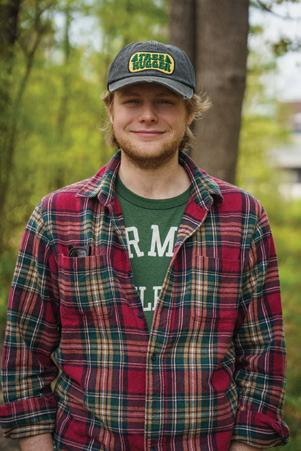
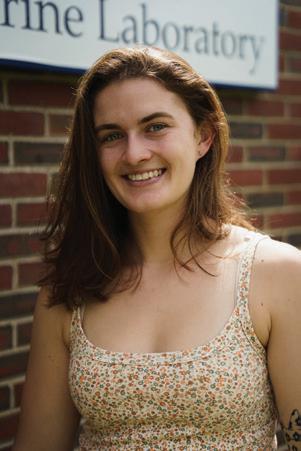
We asked a few students to tell us about the places that have shaped their college experience — where learning felt personal, friendships took root and everyday moments became lifelong memories. Their responses highlight how COLSA’s impact extends far beyond textbooks and lecture halls. Here’s what they shared.
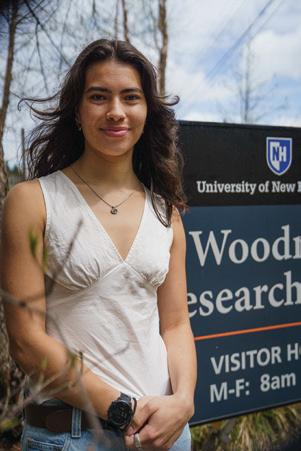
For biology major Stephanie Goulet ’26, Woodman Horticultural Research Farm is a hidden gem on the edge of campus. “It’s a great place to walk around, read a book and hang out,” she says. Introduced to the farm through a Green Thumb Workshop, Goulet was drawn to its open, welcoming space and the opportunities for research and hands-on learning. “I love how it’s open to anyone to stop by,” she adds.
Luke Nugent ’26, a forestry major, finds both purpose and peace in College Woods. It’s not only a backdrop for his research on eastern hemlock trees — it’s a place to connect with the outdoors. “College Woods provides a great opportunity for me to get outside and experience the late successional forest,” he says. “I conduct my research here, but I also just hang out and walk around.”
At the Jackson Estuarine Lab, Kennedy McGrath ’25, a dual major in marine biology and sustainability, has conducted research projects, made lasting friendships and even learned to drive a boat. “It’s a beautiful place to work,” she says. “I’ve spent so much time on the water here. I’m really going to miss it.”
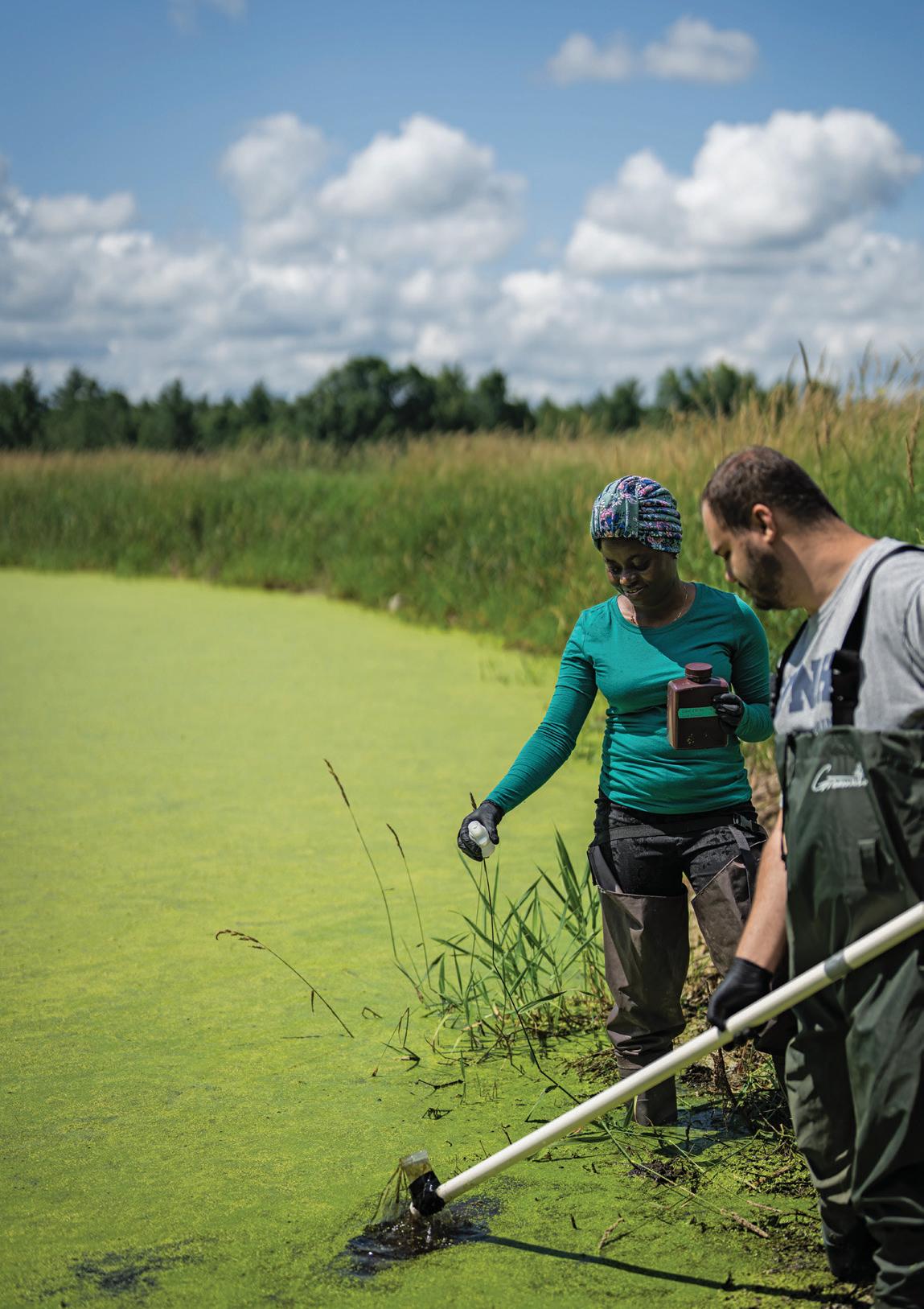
UNH researchers are developing better ways to assess the potential threat from toxins
Cyanobacteria are a persistent concern for New Hampshire’s lakes, with serious implications for the state’s economic and environmental health. Some species secrete toxins, such as microcystins, that may be present in water or fertilizers applied to crops. Exposure to the toxins causes a variety of health issues, including rashes and gastrointestinal illnesses. While microcystins are well studied, the extent to which they are absorbed by crops and the potential threat to the food supply remain largely unknown.
Anna O’Brien, assistant professor in the department of molecular, cellular, and biomedical sciences, Anyin Li, assistant professor in the College of Engineering and Physical Sciences and Amanda McQuaid, Extension state specialist, professor and director of the Lakes Lay Monitoring Program, are working to assess the potentially far-reaching effects of microcystins. Microcystins come in more than 200 variants, and only a small number of them are easily measured with current protocols. The team will develop methods in mass spectrometry — a technique used to identify detailed characteristics of chemical substances — to analyze water and plant samples.
“This collaboration provides an opportunity to measure more microcystin variants,” O’Brien says, “and to understand the incorporation of microcystins and their metabolites into plants that are exposed to them in water, soil or fertilizer.”
The research is supported by the New Hampshire Agricultural Experiment Station’s Collaborative Research Enhancement and Team Exploration (CREATE) program.
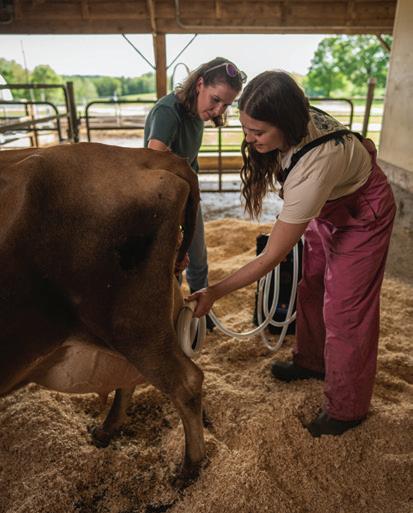
Mastitis is a costly and pervasive udder condition in dairy herds, and its adverse effects are even more pronounced for the small-scale farms that are prevalent across New England. Scientists at COLSA are partnering with MagnaWave, a private company, to assess the potential use of non-invasive pulsed electromagnetic field (PEMF) therapy — which is accepted as a safe and effective treatment for humans — to improve udder health and prevent or cure inflammatory diseases such as mastitis.
The initial study, led by Claira Seely, assistant professor in the department of agriculture, nutrition, and food systems, is assessing PEMF therapy’s safety and possible impacts on milk production in healthy cows at the UNH Organic Dairy Research Farm. The early findings show that milk production is not adversely affected, and the cows receiving the most frequent therapy sessions also had a reduction in a key marker of inflammation.
The next phase of the research will focus on testing PEMF therapy on cows with mastitis. The researchers will measure recovery times, assess improvements in udder health and evaluate long-term impacts on milk production.
“Collaborating with MagnaWave lets us explore tools that academia alone might not access,” says Seely. “It’s exciting to connect this technology to practical farming needs and find solutions for the industry.”
DEAN
Anthony S. Davis
EDITOR-IN-CHIEF
Sarah Schaier
EDITORIAL ADVISORY COMMITTEE
Anton Bekkerman
Jesse Stabile Morrell
Beth Potier
CONTRIBUTORS
Derek Edry
Nicholas Gosling ’06
Stephanie Ropes ’22
Sarah Schaier
Mark Wanner
PHOTOGRAPHERS
Tim Briggs
Jeremy Gasowski
Kaile Roos Photography
Stephanie Ropes ’22
DESIGN
Five Line Creative
THRIVE is published by the UNH College of Life Sciences and Agriculture. Our goal is to inspire and inform our alumni, friends, faculty, staff and partners by sharing college news and celebrating faculty, alumni and student achievements as we work to continuously strengthen our commitment to research, teaching and public service. We appreciate the generosity of alumni and friends who have funded this publication.
Interested in receiving THRIVE by mail? Sign up for a free subscription at colsa.unh.edu/thrive-subscription
CONTACT: Sarah Schaier Director of Community Engagement colsa.thrive@unh.edu Copyright
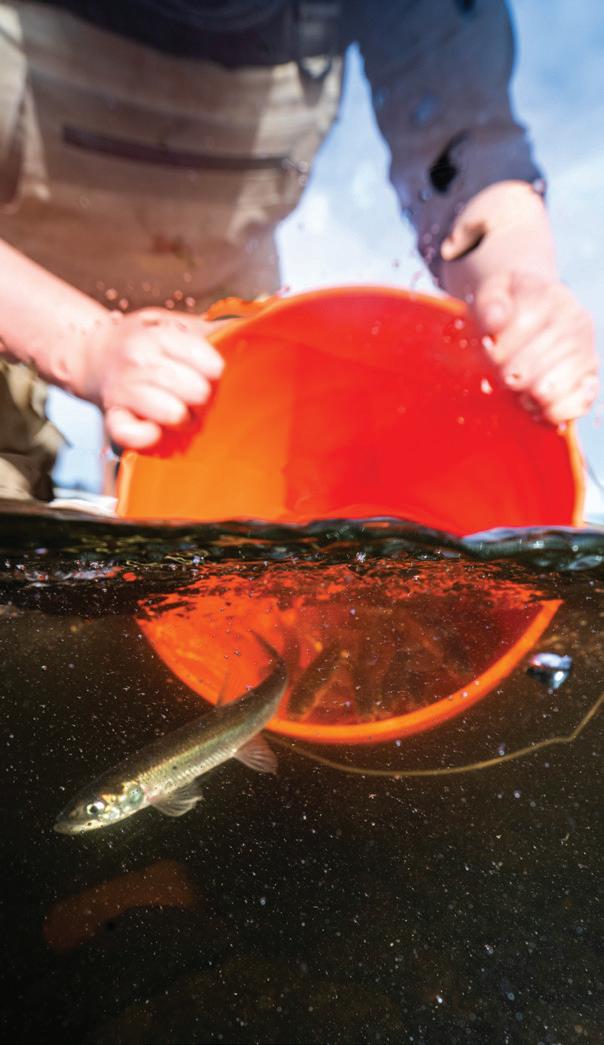
Nathan Furey, associate professor in the department of biological sciences, is revealing the rainbow smelt’s secrets in New Hampshire’s Great Bay Estuary and the rivers that drain into it. Using telemetry tags and microchips to track individual fish, he and his team are gathering data on how long they stay in the estuary and river systems, where they go while there and when they head back out to sea. The species’ biology may serve as an effective bellwether for the health of the New England coastal environment.
Establishing a current baseline for rainbow smelt movement and spawning will allow researchers to track any future changes, which is increasingly important as New Hampshire’s coastal waters warm. If those changes are detrimental to smelt populations, the ripple effects could be substantial for the entire marine ecosystem of coastal New Hampshire and beyond.