Welcome
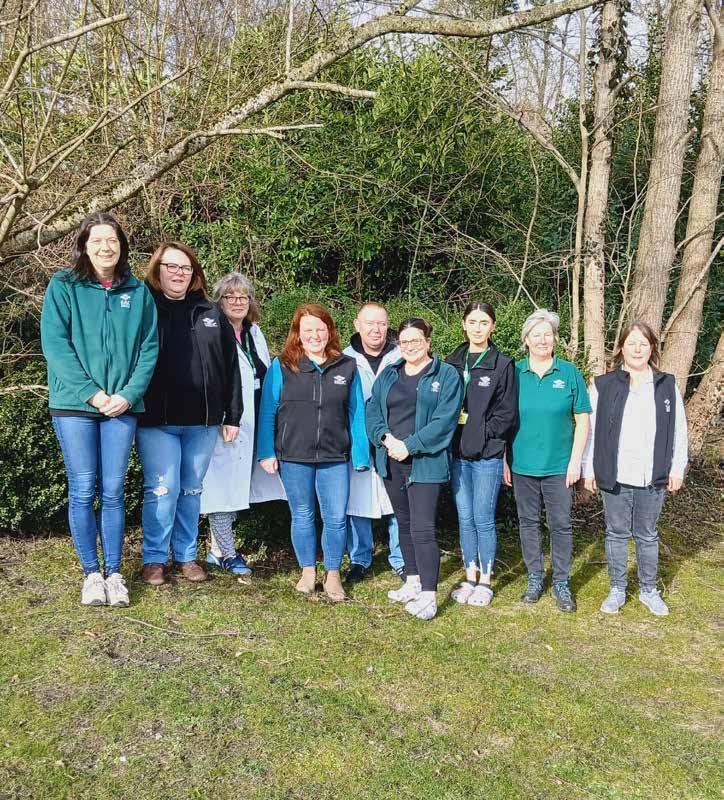
Welcome to our 2024 issue of the PSGHS Newsletter. We are delighted to announce that the team at Veterinary Services has been awarded the Queen’s Anniversary Prize 2023 for improving animal health and welfare through excellence in veterinary services. Please read the full story if you are interested in learning more. We hope that this issue gives you plenty of useful information. We share some tips from our colleague Poppy Frater (SAC Consulting), a member profile on Ed Gwyn from Somerset, and an interview with Kaz Strycharczyk from Black Sheep Farm Health. Please pop by for a chat when we are out and about at events. We enjoy meeting you and we can answer any queries you may have. We wish you a successful year and thank you for your continued support! Alison Braddock

Health and Welfare
Click on the links below to see what is happening in each UK Country covering animal health and welfare plus opportunities for funding!
Scotland: Preparing for Sustainable Farming (PSF) (ruralpayments.org)
England: SFI annual health and welfare review – GOV.UK (www.gov.uk)
Wales: Animal health and welfare strategy | Sub-topic | GOV.WALES
Have you checked out our our newly revamped web pages? www.sheepandgoathealth.co.uk
Useful Links
Useful links to brief online guides giving an overview of our schemes for when you are out and about. Please refer to the full rules on our website for more comprehensive guidance.
PSGHS Monitoring Schemes (www.bit.ly/PSGHS_Monitoring)
Johne’s Disease Accreditation (www.bit.ly/PSGHS_Johnes)
Scrapie Monitoring Scheme (www.bit.ly/PSGHS_Scrapie)
MV/CAE Accreditation Scheme (www.bit.ly/PSGHS_MV_CAE)
Don’t forget to follow us on Social Media!
www.facebook.com/SRUCVets

@SRUCVets
Number
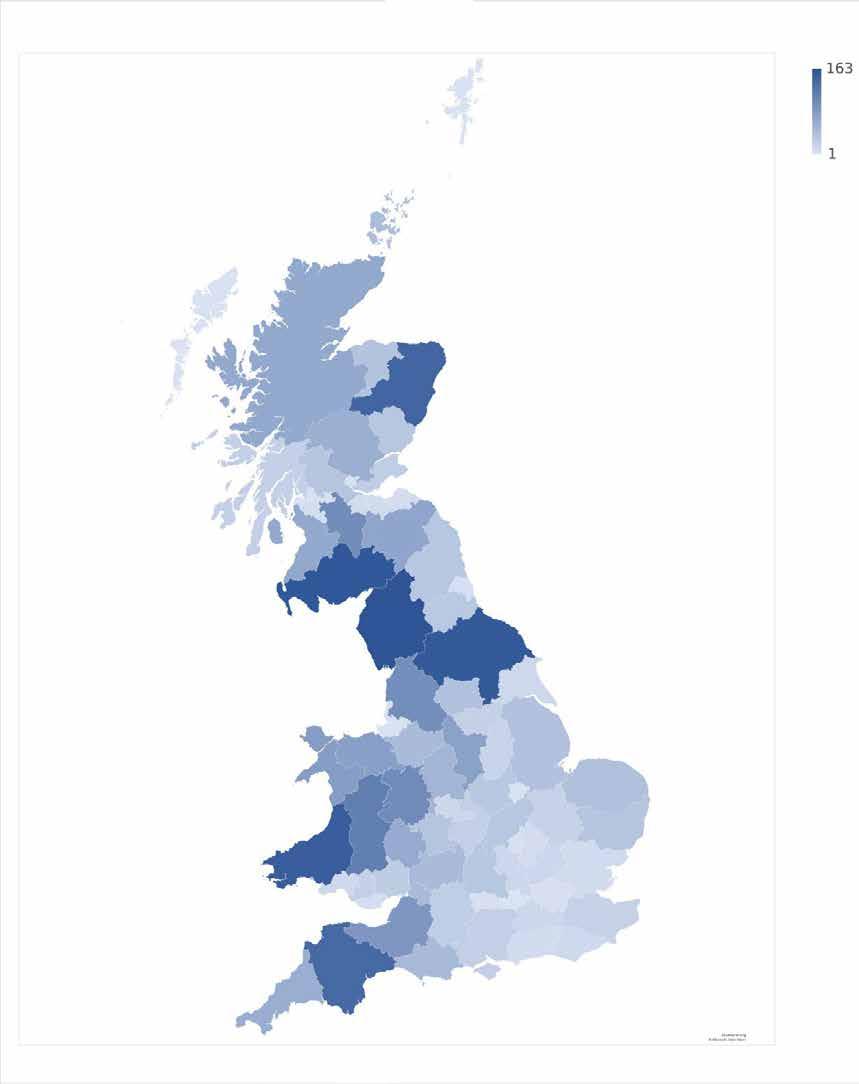
The map shows the distribution of MV accredited members by county, with the counties shaded the darkest blue being those with the highest number of members.
The table below shows the number members with MV accreditation, categorised by the size of their flock, including all male and female sheep over 12 months of age.
Number
Number of
2 PSGHS NEWS
Follow this link for more detailed figures.
<=10 11-50 51-100 101-250 25-500 501-1000 >1000 443 1479 550 409 129 60 26
of Sheep (over 12 months of age, male & female)
Members (MV accreditation scheme)
Scheme
by County
of MV Accreditation
Members
Triplet-bearing ewes pre-lambing
In the last six weeks of pregnancy, a triplet bearing ewe requires 10% more energy than their twin counterparts. They need greater nutrition to improve chance of survival for themselves and their offspring.
It is a challenge to meet the nutritional needs of triplet bearing ewes due to the greater pressure the uterus exerts on the rumen. For this reason, nutrient dense rations are recommended. For those on conserved forage-based rations, triplet ewes should get the best quality forage available and this should be supplemented with good quality concentrates. For those lambing later, at grass, providing grass height is above 4cm, there is no benefit of additional feeding, although this is dependent on the ewes being in good condition.
Triplet lambing ewes carry the risk of small lambs, lambing difficulty, and insufficient colostrum. The additional nutritional strain also increases likelihood of their own mortality too. This puts greater emphasis on quality nutrition. Where practical, they should be managed in a separate group for targeted nutrition from scanning time, perhaps with lean twins if necessary. They should be condition scored and fed to gain condition if lean. Weight gain during this time is associated with heavier lamb birth weights – an important contributor to lamb survival in triplet ewes. Adequate feed space (over 45cm for trough feeding or 15cm for ad lib forage) is important for all ewes, especially the triplet group.
Mismothering issues are greater with triplets. Mismothering can end up being a dominant cause of lamb mortality – reuniting a wandering lamb with the ewe is more dependent on the lamb finding the busy mother rather than the other way round. For this reason, keep group sizes as small as possible. Triplet bearing ewes take longer to lamb which is stressful on the ewe and can result in slow lambs – both affect the all-important colostrum consumption by the lamb. Other issues that affect lambing process are disturbances and competition with other ewes, therefore check they have sufficient lying space (1.2-1.4m2) and are in the least disturbed areas.
After birth, most will remove a lamb to be fostered on to another ewe or put in with the pet lambs. The lightest lamb is generally the best one to select for this as they tend to intake the least milk and have poorer survival chances. Triplet-bearing ewes rarely produce sufficient colostrum for three lambs, ideally supplement with colostrum from another ewe in the flock or purchase a good quality colostrum. They will be most prone to infectious disease so be vigilant and treat if necessary. Some ewes can rear three lambs – these ewes would benefit from creep feeding or specialist herb forage crops.
Triplets can seem like more pain than they are worth, but with favourable lamb prices in recent years and the potential negative impact on the ewes themselves – they are worth the extra effort to manage them well. Consider changing genetics and flushing management in future years if they are proving too challenging for your system.
Poppy Frater Sheep and Grassland Specialist SAC Consulting
PSGHS NEWS 3
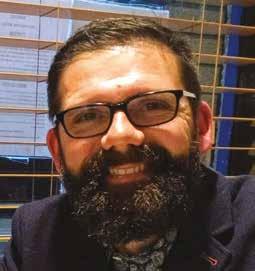
Kaz Strycharczyk
Black Sheep Farm Health Farm Vet Films
What made you want to become a vet, and to work with livestock rather than small animals?
I grew up in a medical family and have a theory that these often produce vets, while veterinary parents tend to produce medics. With obvious interests in the natural world and science, alongside decent grades, veterinary medicine was a good fit and in-line with the middle-class aspirations of my parents! As for becoming a livestock vet, that came a little later – once I had actually gotten into vet school. It started with a formative lambing placement in my first year, where time was taken to show me the ropes; over plenty of coffee and cake it became clear that this strand of veterinary medicine could incorporate other interests I had previously thought unrelated: food, the environment, human health, and so on.
What challenges or unexpected aspects has the job brought up so far in your career?
Like most farm vets I have a decent backcatalogue of unlikely escapades: some daring successes and some I was lucky to get out of in one piece. As for unexpected, mundane but fundamental issues like having a useful drug at a useful price suddenly disappear for reasons unknown just when you need it; an occupational hazard of excessively lean supply chains. I never expected export certification work to be a significant part of our work – but since Brexit, it is. On a more positive note, our clients’ openness to giving plans and procedures a go
has been a pleasant surprise, leading to some entertaining surgeries and well-won triumphs. Finally, I’ve found the veterinary profession to be tremendously non-hierarchical, which suits an upstart like me.
What has been your experience with working with PSGHS members so far? And do you have any advice for our members?
Honestly, although we have a brilliant uptake for PCHS – especially BVD and Johne’s –interest in PSGHS is more muted. Saying that, pedigree sheep breeders are reasonably well represented for Maedi-Visna; we also have some proactive smallholder goat clients who test for CAE and Johne’s. I think this partly reflects a general Northumberland trend compared to a lot of other English counties: although we do have some pedigree flocks, there are more farms of the scope and scale where the primary output are fat lambs or commercial ewe replacements rather than pedigree tups. I have tried to generate more interest on the commercial side for the newer ‘Monitored’ schemes – but I need to go back to the drawing board on my approach to that as it has yet to bear much fruit.
4 PSGHS NEWS
VET PROFILE
As for advice to members: I’m probably already preaching to the converted! You and I know the value of healthy sheep – vets tend to lay it on thick, but I suspect action is driven by value which is driven by buyers. If you’re selling PSGHS stock, do not be embarrassed to market the hell out of it! Ask your vet for some figures or case studies on MV, Johne’s and so on to use in your marketing material – there are some horror stories out there involving complete flock depopulation. When you’re selling your stock you are also selling security.
What health issues do you think may be going under the radar for some sheep/goat keepers and what advice would you have for them?
As alluded to in their name the ‘iceberg’ diseases –MV, Johne’s, BD, chronic fluke, and CLA – are probably under the radar. Rising prevalence of sheep scab, with ML resistance in the mix, is another that is being dragged more and more into the limelight. Castration and tail docking also feature in my list, with reference to pain relief or ability to avoid them all together. But in my opinion, anthelmintic resistance is front-andcentre. Gutworms are still the biggest killer of lambs in the UK, and a year’s sabbatical in NZ demonstrated what one possible future scenario looks like – and it wasn’t great.
Rather than specific advice for each, my advice would be normalise frequent correspondence with your vet. Have a ‘go-to’ vet(s) at your practice, have their number saved in your phone and don’t be shy about sending them a message with any questions. It’s what we’re here for, and it makes us better vets.
What was your reason/inspiration for starting Farm Vet Films and what has the response been like so far?
On that formative lambing placement back in 2012 I mentioned, I met a young guy doing the night lambing.
Events
His name was Cammy Wilson, now of The Sheep Game fame (infamy?!). He had started his Youtube channel a year or two beforehand and it was really starting to take off. Dave Melleney, another close vet school friend of mine was by now featuring on The Yorkshire Vet and it was obvious that the general public were extremely receptive to learning more about food, farming, and veterinary medicine. It seemed like a decent challenge after gaining some confidence clinically, and the response from clients has been overwhelmingly positive – another instance where they would be a lot more guarded in my mind, but not in practice. As for the people of the internet, it is mostly positive with a smattering of criticism – some confused, some misguided, and some with legitimate questions which are important not to shy away from. It’s interesting that dehorning cattle is a frequent watch but that it can elicit some particularly strong views for a procedure we would consider routine.
What long term goals do you have for your career as a vet?
• To contribute towards the eradication of sheep scab, enzootic abortion, BVD, and bovine TB from the UK in my lifetime.
• To see a renaissance of independent farm practices: owned by, operated by, and accountable to members of the community that they work in. Alongside this, meaningful opportunities for progression for younger vets whether that be in a traditional partnership, on the board of an Employee Ownership Trust, or otherwise.
• To still be here in Northumberland, supporting a thriving livestock sector we can all be proud of, and having fun doing it.

www.youtube.com/@farmvetfilms
www.instagram.com/farmvetfilms/ www.facebook.com/farmvetfilms/
We will be exhibiting at the following events in 2024, please let us know if you are organising an event where SRUC Veterinary Services could be represented by either a trade stand or a speaker.
Dunbar,
Ingliston, Edinburgh
Harrogate, North Yorkshire
Builth Wells, Powys
Malvern, Worcestershire
PSGHS NEWS 5
NBA Beef Expo NSA Scot Sheep Royal Highland Show
Yorkshire Show
Welsh Show NSA Sheep Event 27th April 5th June 20th – 23rd June 9th – 12th July 22nd – 25th July 30th July
Cumbria
Great
Royal
Kendal,
East Lothian
Ed Gwyn Court Farm Country Park, Weston-Super-Mare in Somerset
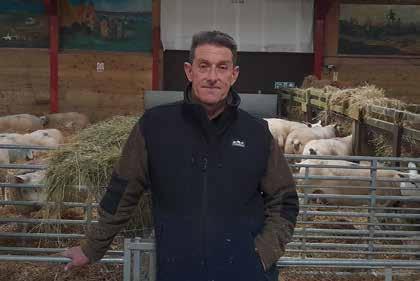
Health Schemes member and Texel flock owner Ed Gwyn farms in Banwell just outside Weston-Super-Mare in Somerset at Court Farm Country Park. Alison Braddock visited his farm in February 2024 just at the start of lambing.
This 108-acre farm lies on a flat valley close to the Mendip hills and was bought by Ed’s parents in 1970. Ed runs the enterprise alongside his father Peter and son Sam. Ed’s father started the farm attraction in the mid-1980s with Ed joining the business shortly after returning from college. Court farm was originally a dairy farm, but the introduction of milk quotas led to the eventual sale of the dairy herd in 1997. The money from the sale of the quota was used to develop new buildings. These buildings now serve to house the farm visitor attractions and play area, housing for the ewes at lambing time and as an event and wedding venue during the late Spring and Summer! The farm visitor centre enabled them to keep farming and they are fully booked for weddings over the next two years!
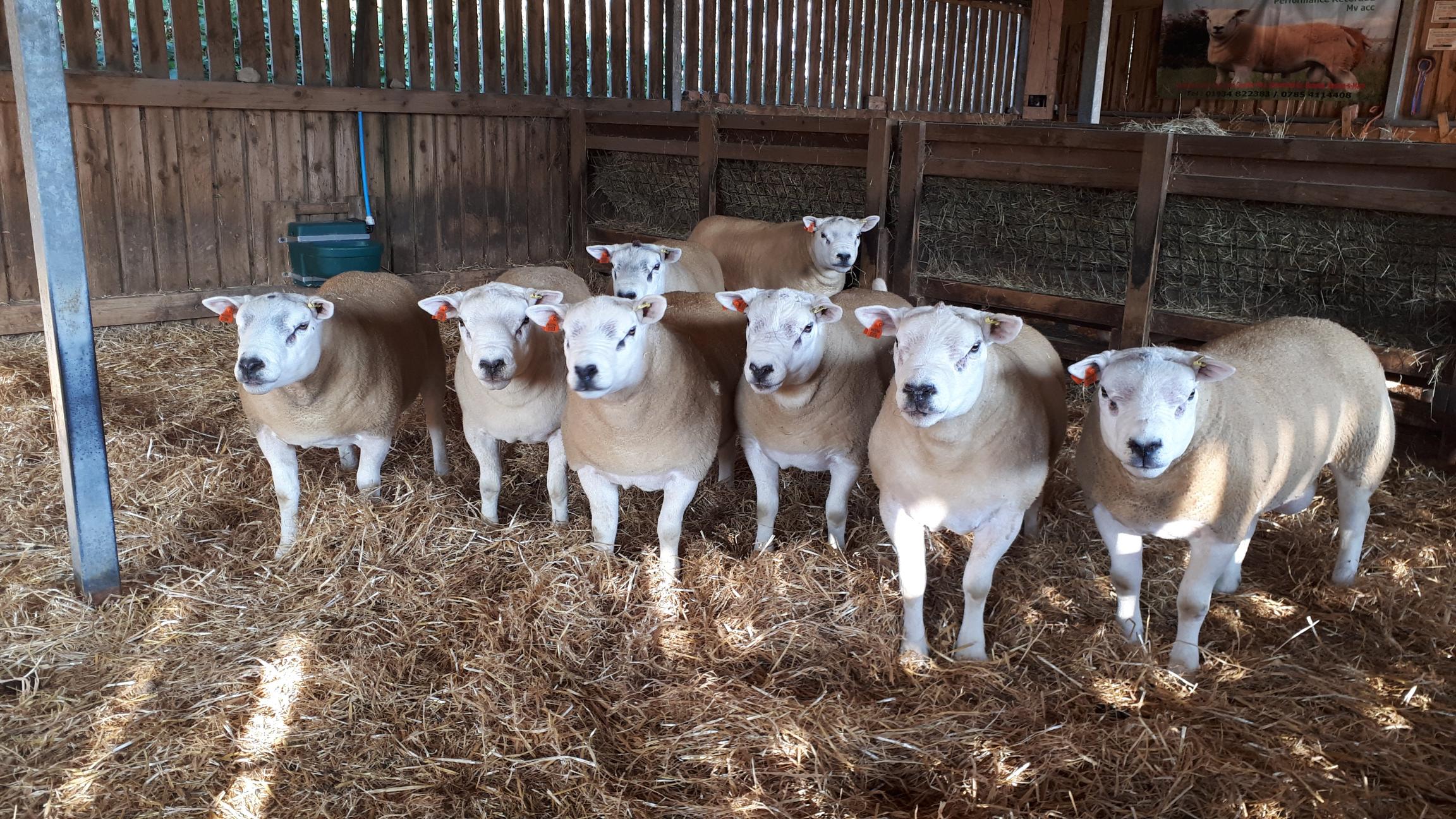
The Texel flock with eighty-five ewes, is run as part of the farm visitor centre which attracts around 40,000 people each year! The ewes are used to having parties of school children watching them and
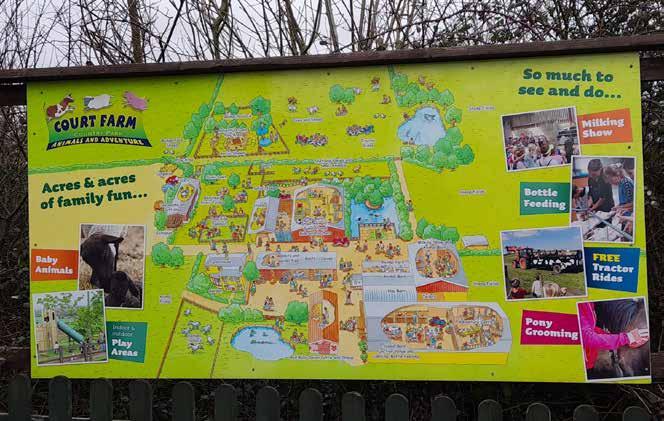
as a result are quiet and unfazed by visitors during lambing which takes place over two cycles from February to the end of the first week in March. Ed explains that he achieves a tight lambing by using a teaser ram.
Ed aims for a tight lambing by using a teaser and he scans ewes to help manage their nutritional needs according to singles, twins, or triplets.
He separates the ewes when they are brought inside two weeks before their due dates. The singles are just fed hay. Those expecting twins and triplets are housed in a separate building and fed hay and 18% protein course mix. Once the ewes lamb, he pens them up with their lamb individually for 24 hours before transferring them to a group pen.
After lambing, the sheep are turned out from the third week of February onto saved grass where ewes are fed for another few weeks while lambs are creep fed until weaning. The ewe lambs are given no extra food while the selected ram lambs are fed ready for Builth Ram Sales. Ed comments that as a breed he finds the Texel’s worm resistant and doesn’t have to dag them. He does treat for fluke following a wet winter. He rents an extra seventy acres in winter and tries to turn them out on ‘clean’ grazing. Only one of his neighbours have sheep but he can keep them away from that side of the farm. Over the years, wildlife ponds and trees have been added to enhance the farm. The family also own a separate 320 acre arable farm.
6 PSGHS NEWS
MEMBER PROFILE
The sheep enterprise developed when Ed started his own flock of Texel cross ewes after initially borrowing sheep for the farm attraction. He found that producing fat lambs on the farm wasn’t going to be profitable due to the available acreage, so he decided to concentrate on pedigree breeding and selling rams instead. He bought his first pedigree ram lamb from Builth in 2005. He now runs the eighty-five pedigree ewes as a closed flock only buying in MV Accredited rams. Ed says “We went MV accredited because we wanted to sell rams and needed to access those markets. As we went deeper into pedigree breeding, we realised the benefits of healthy stock and it’s nice to know the rams we buy have the same health status as our flock.”
Low maintenance sheep are key for Ed!
Following a brain haemorrhage while shearing at the age of forty, Ed decided to make life easier for himself by getting rid of any troublemakers in the flock and focus on keeping only docile animals for an easier to manage flock.
Ed prefers to buy in smaller headed rams as he finds it easier for lambing. The sheep need to be low maintenance to fit in with all the other demands on his time including a herd of Ruby Red Devon cattle and various other animals! He likes the fact that his sheep are acclimatised to the farm through the generations. He used to buy in-lamb ewes, but they didn’t thrive as much as homebred ewes and lambs.
When his sons were small, he would give them each a sheep to show at the Mid Somerset Show. Ed doesn’t show anymore as the farm attraction side of the business takes up lots of his time. The sheep enterprise must fit round the other farm attractions. Ed commented that he hasn’t got time to go to market regularly so he sells around sixteen ram lambs at Builth each year and then keeps twenty back to sell as shearling rams. He has lots of repeat business selling directly from the farm. His ram market includes buyers from Wales, Somerset, Hereford, and Wiltshire.
Performance Recording to keep an eye on how the flock is progressing.
Ed performance records with the Texel Society. During Covid he lost 18 months of wedding/event/visitor income which meant he had to cut costs, and this included performance recording, but he has since resumed. Ed says “Recording means that I can keep an eye on how the flock is progressing. I want to provide a consistent animal that people want to buy.”
Ed’s top tip:
Keep it simple and don’t overcomplicate flock management.
www.courtfarmcountrypark.co.uk
Rule Revisions
The MV/CAE Accreditation Scheme rules have been reviewed, with the aim of clarifying a couple of grey areas of interpretation to ensure consistency across the scheme. Overall, the scheme remains largely as it has been in previous years. The main areas of clarification include:
1. The independent accreditation of groups of animals not classified as breeding flocks/ herds
These are potentially a higher risk than breeding flocks, so will require annual routine testing.
2. The selling on of purchased accredited animals
If kept as a separate fully biosecure group from purchase, they can be sold as accredited with no additional testing for up to 13 months (when the group’s first routine test would fall overdue). They will of course need the usual added accredited animal testing on the final destination holding.
3. The qualifying procedure for non-accredited added animals
Advice on avoiding the removal of animals between Qualifying Tests has been added, and the procedures required following the discovery of MV/CAE positives in the qualifying group have been clarified.
4. Guidance on merging accredited flock/herds The rules for the MV/CAE Accreditation Scheme can be viewed here
PSGHS Advisory Group
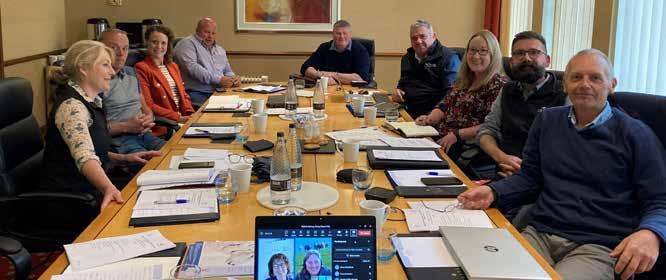
The PSGHS Advisory Group meets twice per year, with one face to face and one virtual meeting. We thank all the members of the group for their continued commitment to the development of the health schemes.
Left to right: Alison Braddock, David Knowles (Lleyn Society), Zanna Dennis (LAA), Jeff Aiken (Texel Society), Dan Phipps (NSA, guest), Barrie Turner (Suffolk Society), Caroline Robinson, David Wilson, Phil Stocker (NSA), via video call: Harriet Fuller (SVS), Fiona Crowden. Also members of the group but absent from the photo: John Matthews (British Goat Society) and Jonathan Barber (NSA/Charollais Society).
PSGHS NEWS 7
Have you heard the On The Hoof podcast?
Follow the link for all our past episodes and subscribe to keep up with new ones as they come out!
www.sruc.ac.uk/news-events/podcast-videos/podcast/