RIKU SUZUKI
PORTFOLIO 2017-2024
PROFILE
CONTACT
NAME EMAIL Linkedin Riku Suzuki sriku101119@gmail.com www.linkedin.com/in/rikusuzuki
EDUCATION
2021 - 2023
2017 - 2021
Bachelor of Interior Architecture University of Arkansas, US
Bachelor of Architecture Shibaura Institute of Technology, Japan
EXPERIENCE
2024 - Present 2023
2018 - 2019
OBM International Computational Designer
OBM International Internship
KENGO KUMA & ASSOCIATES Internship
01 TWO POCKETS
DATE: FALL 2023
SCALE: 43,560 SQFT
TYPE: LANDSCAPE
PROFESSOR: MICHELLE BOYOUNG HUN

AMERICAN ARCHITECTURE AWARD
CATEGORY OF AFFORDABLE HOUSING
RURAL POCKET NEIGHBORHOOD
Affordable Housing in Sheridan, Arkansas
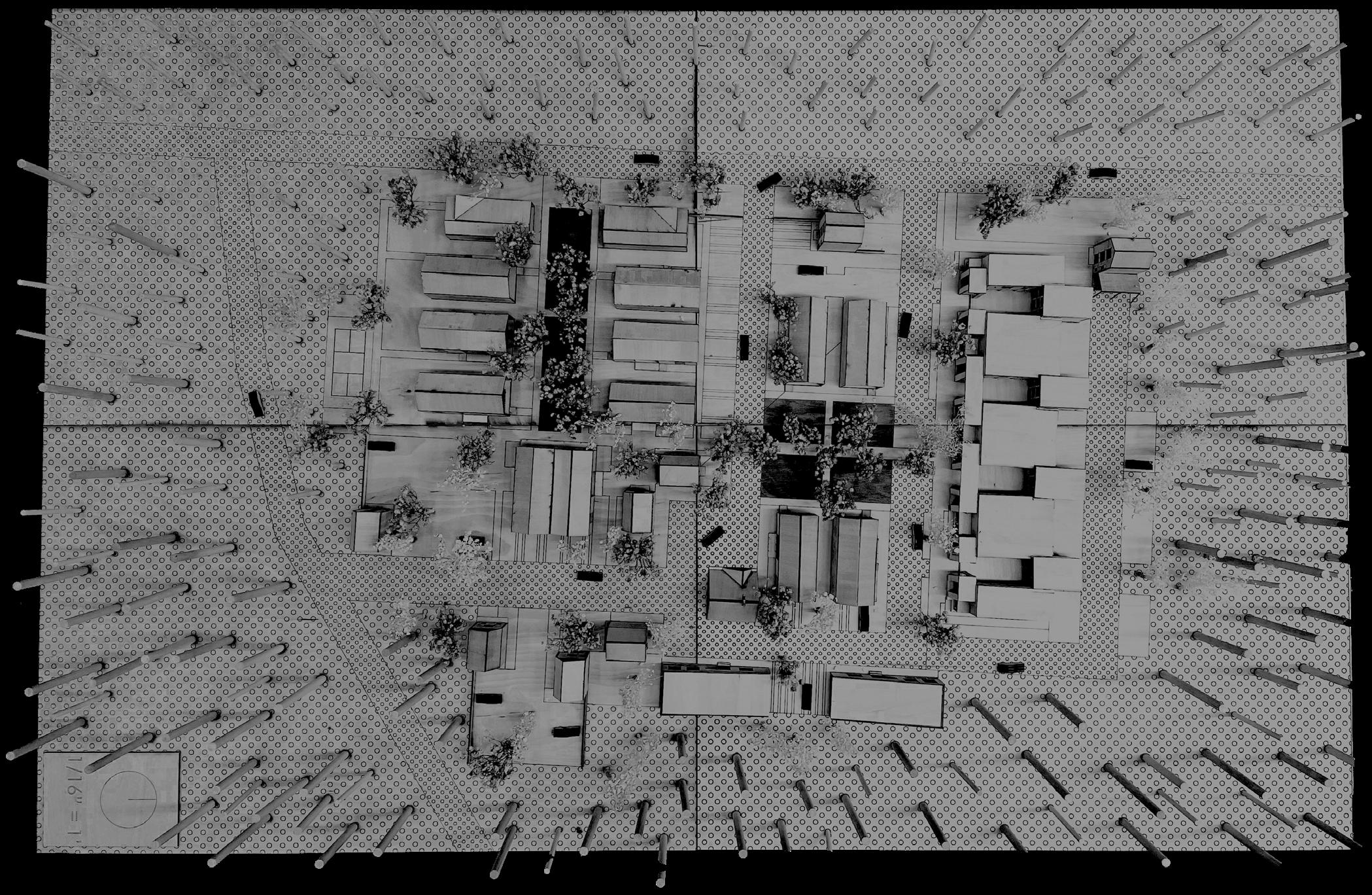
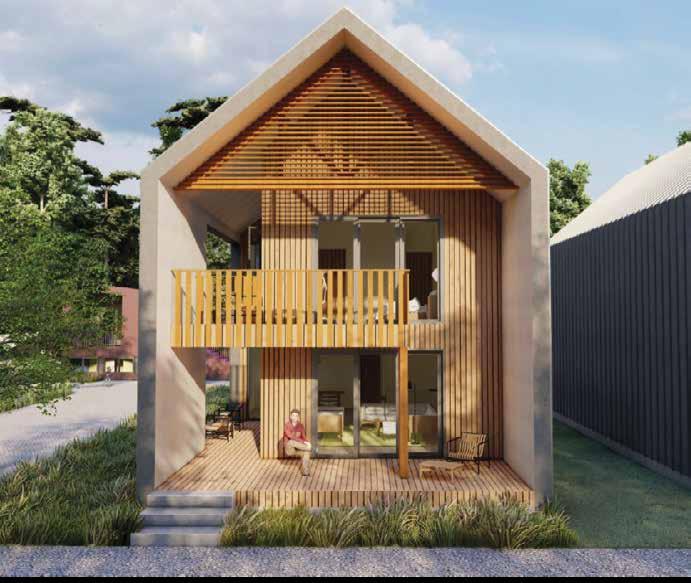
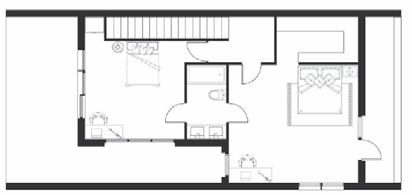
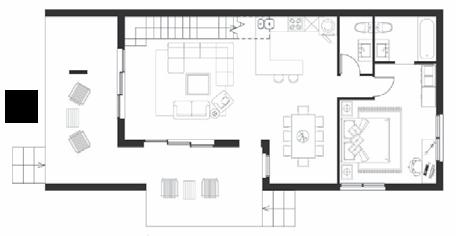
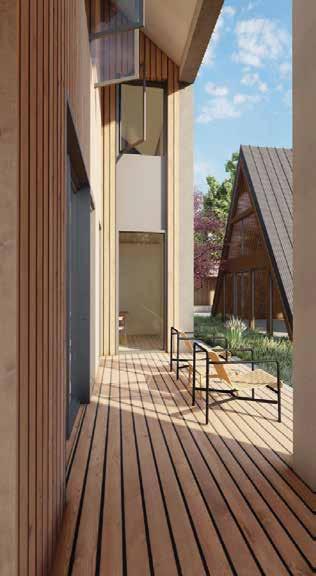
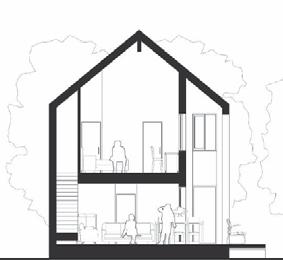
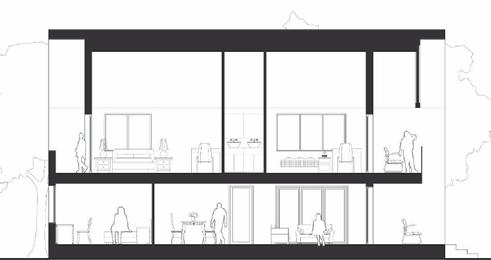
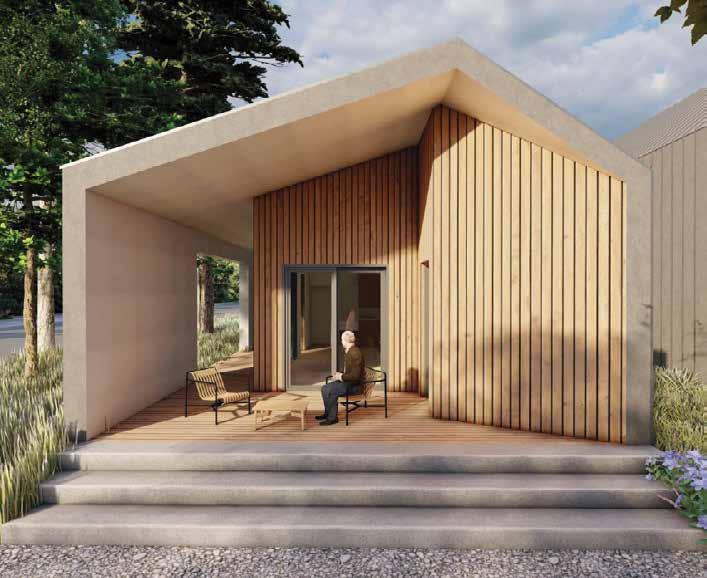
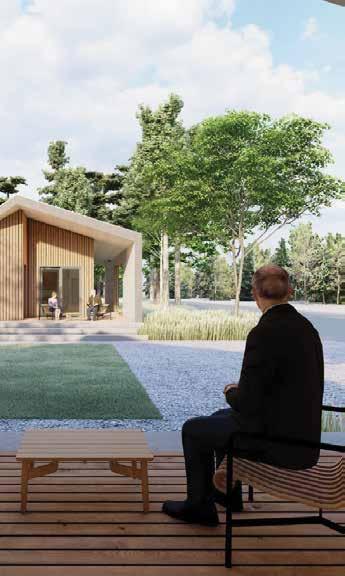
This pocket neighborhood for a rural timber production community in central Arkansas triangulates three concepts: addressing local construction market failures through prefabricated off-site construction with high energy efficiencies, creating housing affordability, and building a sense of place that promotes sociability. The pocket neighborhood is a new real estate product for middle America substituting shared neighborhood greens for front yards and car parking in garages at the front of the house. Pocket neighborhood planning introduces a “shared street” with rain gardens and bioswales in the space of the street and alley. The “green street” reduces the need for hard-engineered and costly underground drainage—40 percent of street costs in the southeast. Here, the street is an ecological and social asset rather than a liability. Prefabricated housing construction incorporates SIPs (Structural Insulated Panels) technology, a wood-and-foam sandwich panel that recycles wood waste streams with insulative R-values meeting Passive House net-zero standards.
SINGLE FAMILY HOUSE

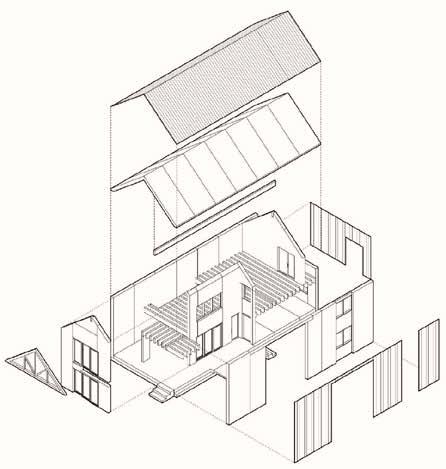
Axonmetric Drawing of Structural Insulated Panels

ADA HOUSE
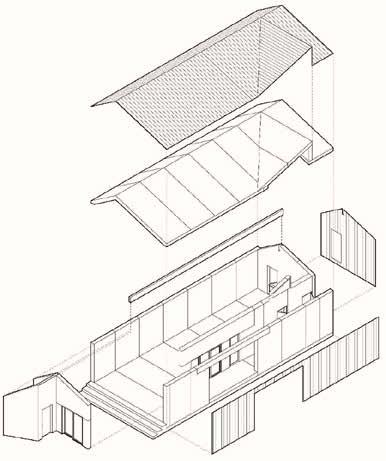
Axonmetric Drawing of Structural Insulated Panels
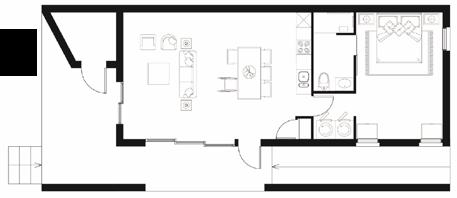
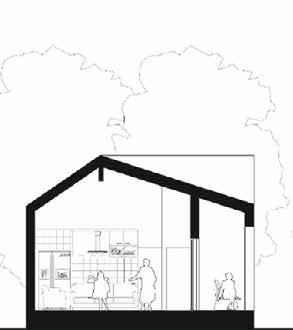
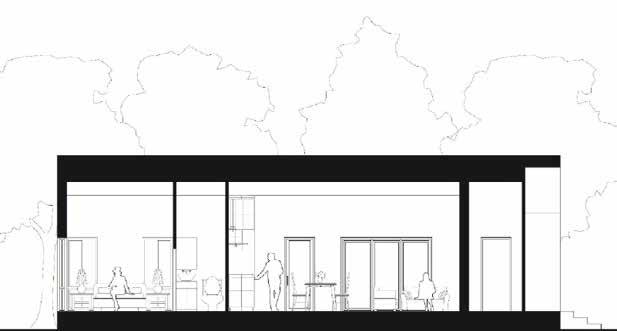
1st Floor Sections
02 CLT PARK HARUMI
DATE: 2018 - 2019
SCALE: 14,747 SQFT
TYPE: INTERNSHIP
OFFICE: Kengo Kuma and Associates, Tokyo, Japan

EXCELLENCE AWARD
Ministry of Agriculture Forestry and Fisheries AWARD Good Design Award 2020
Image courtesy of Kengo Kuma and Associates. All rights reserved.
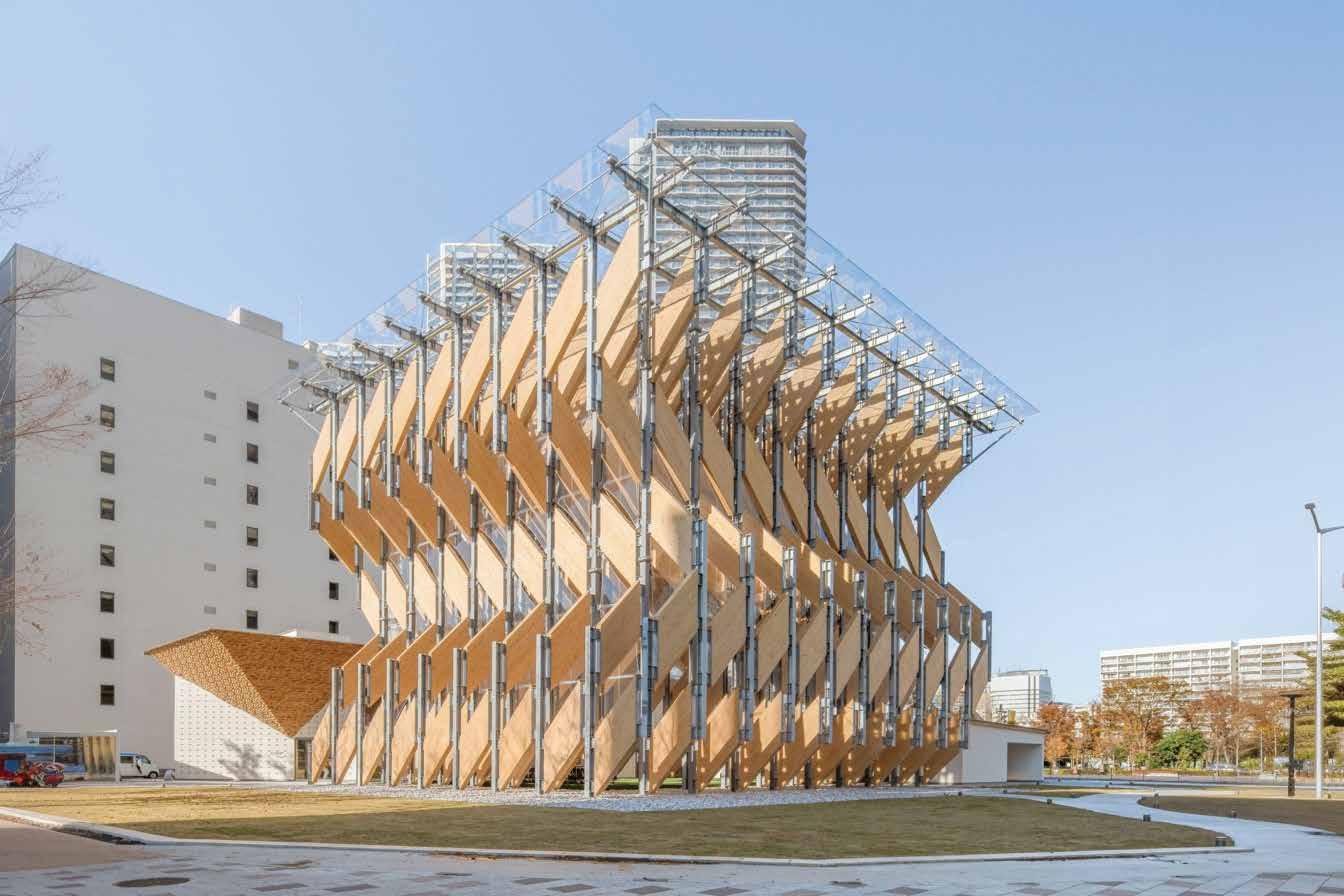
Temporary CLT Pavilion for Olympic
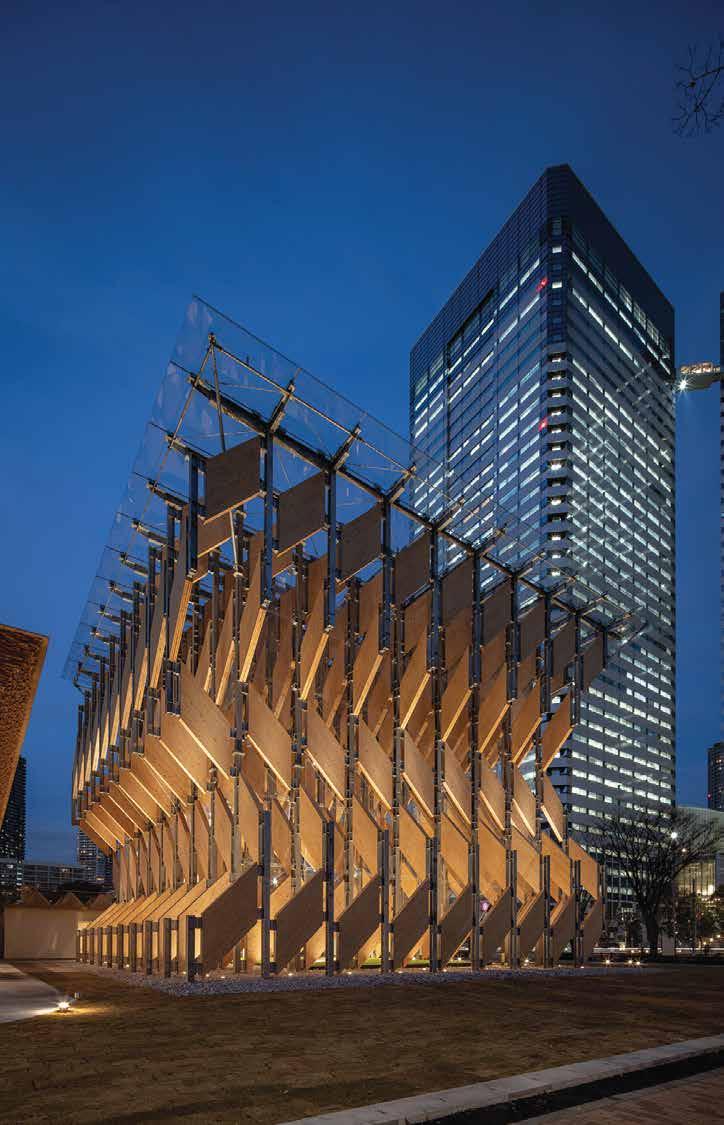
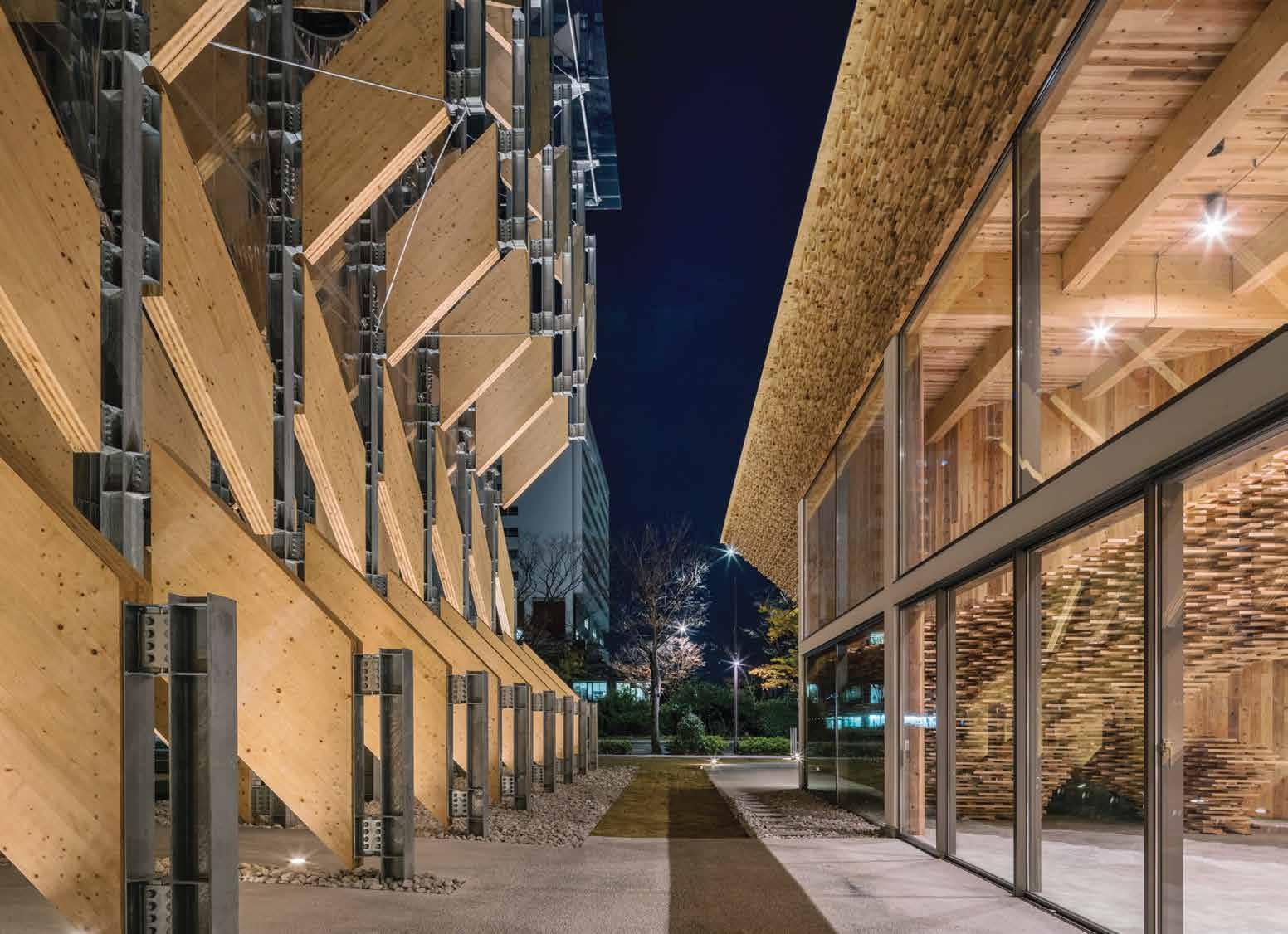
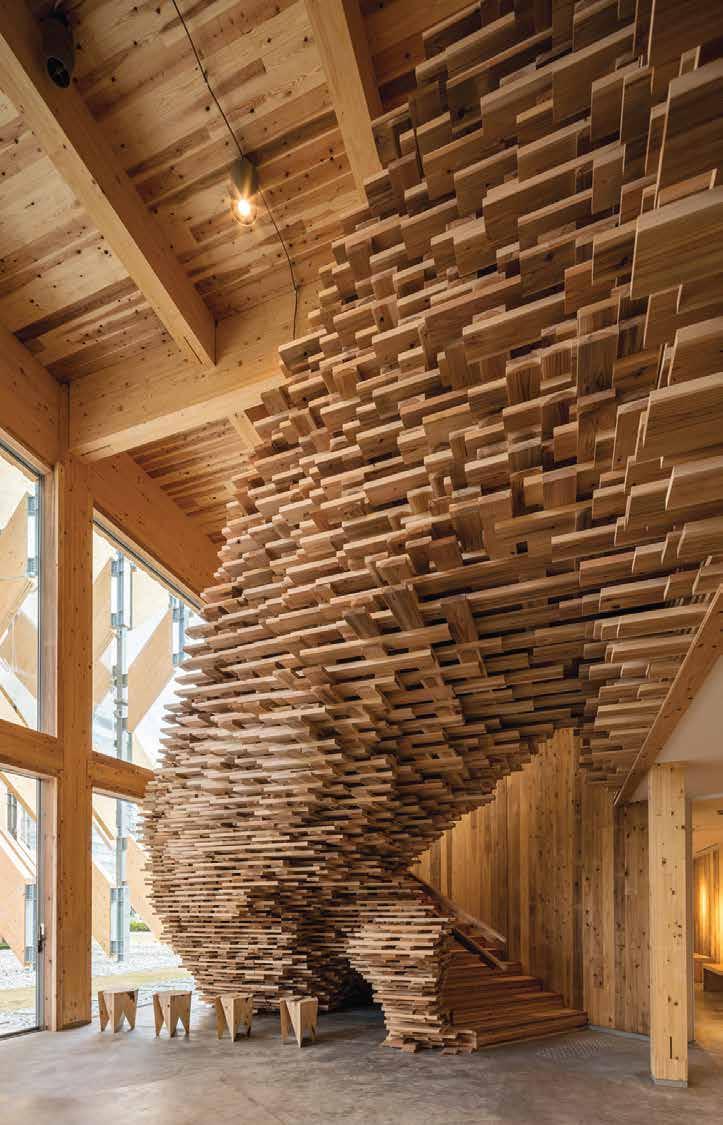
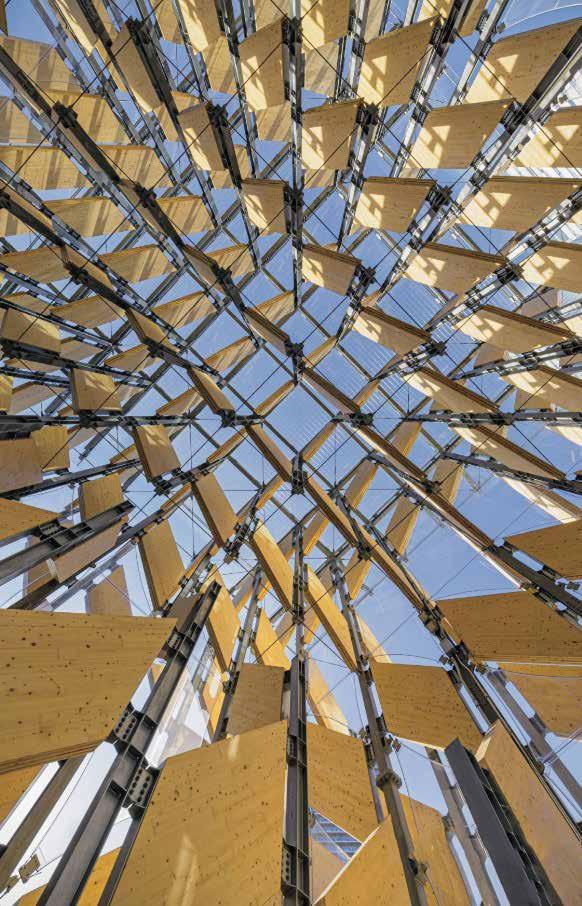
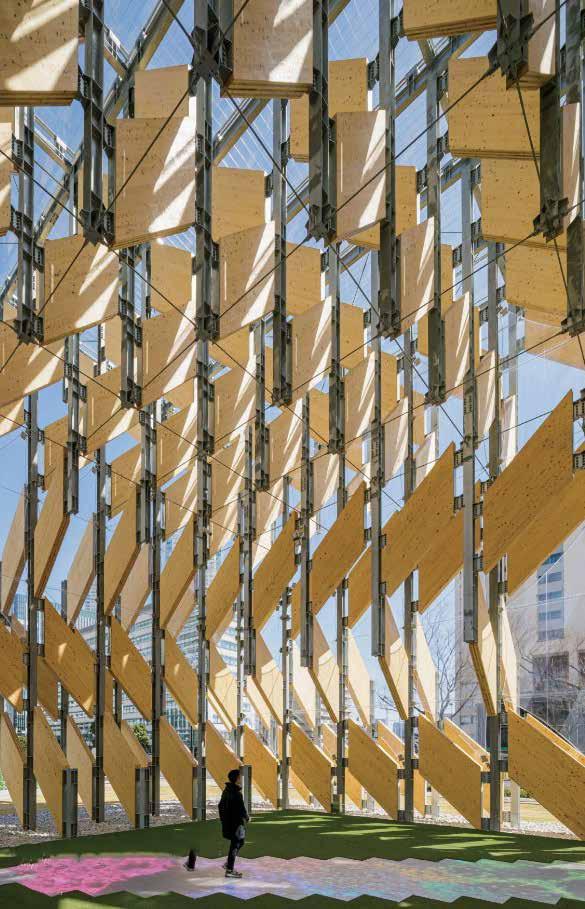
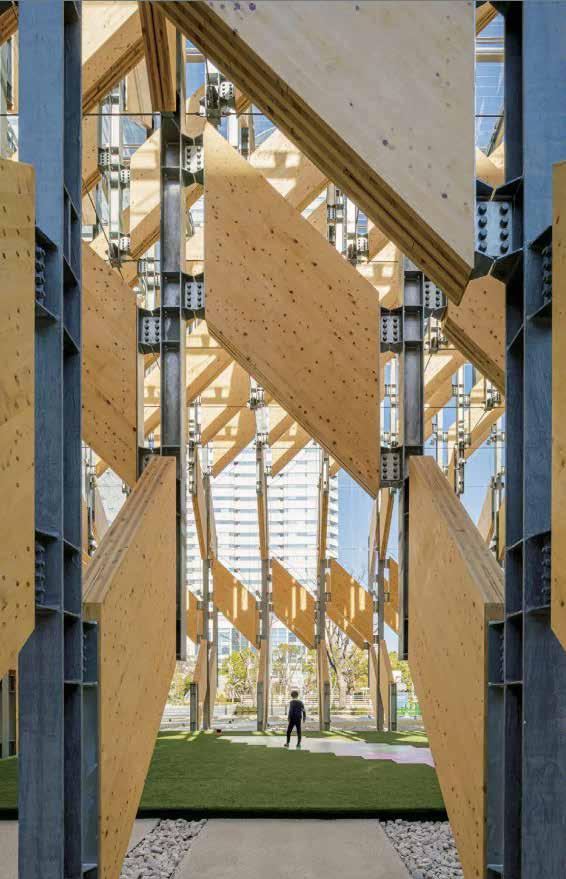
We designed a temporary CLT pavilion for events and performances on a vacant lot in Harumi, Tokyo. CLT panels (160cm x 350cm, 21cm thick) and a steel frame were woven together to create a semi-outdoor space with the image of leaves made of CLT spiraling up into the sky. In order to keep out the wind and rain while allowing light in, the gaps between the CLT panels were closed with a kite-shaped membrane made of ultra-transparent Tefuka (high-performance fluoropolymer film), creating light conditions similar to sunlight filtering through the forest trees.
The CLT is made of cypress from Maniwa City, Okayama Prefecture, at Meiken Kogyo's factory in Maniwa City, and after being used in Harumi, it is transported back to Hiruzen, a national park in Maniwa, to be rebuilt in a green environment.
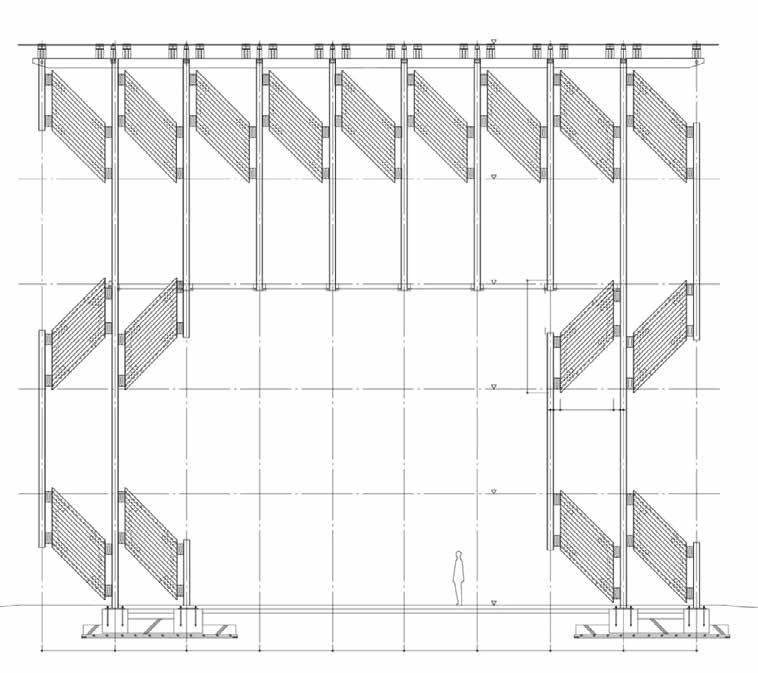
Transferable Wooden Architecture
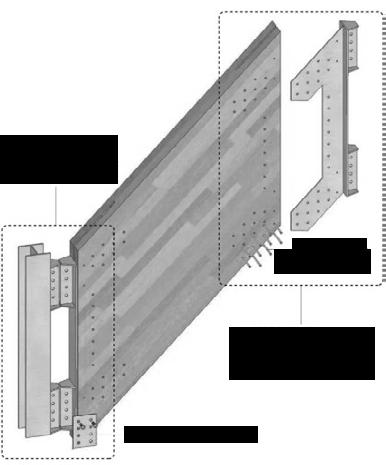
Relocation is an extremely contemporary challenge that is only possible with dry-laid wooden construction, which is not possible with concrete. To create a transferable day-tail, we developed a construction method in which the CLTs are drift-pinned to the metal hardware at the factory, and only the hardware is bolted together at the site
Factory Assembly Section
A pi-shaped gusset plate is inserted into the spilit of the CLT panel and delivered to the site with drift pin joints.

03 WOODEN FRAMEWORK
DATE: FALL 2017
SCALE: 854 SQFT
TYPE: ARCHITECTURE
PROFESSOR: HIROTAKE KANISAWA
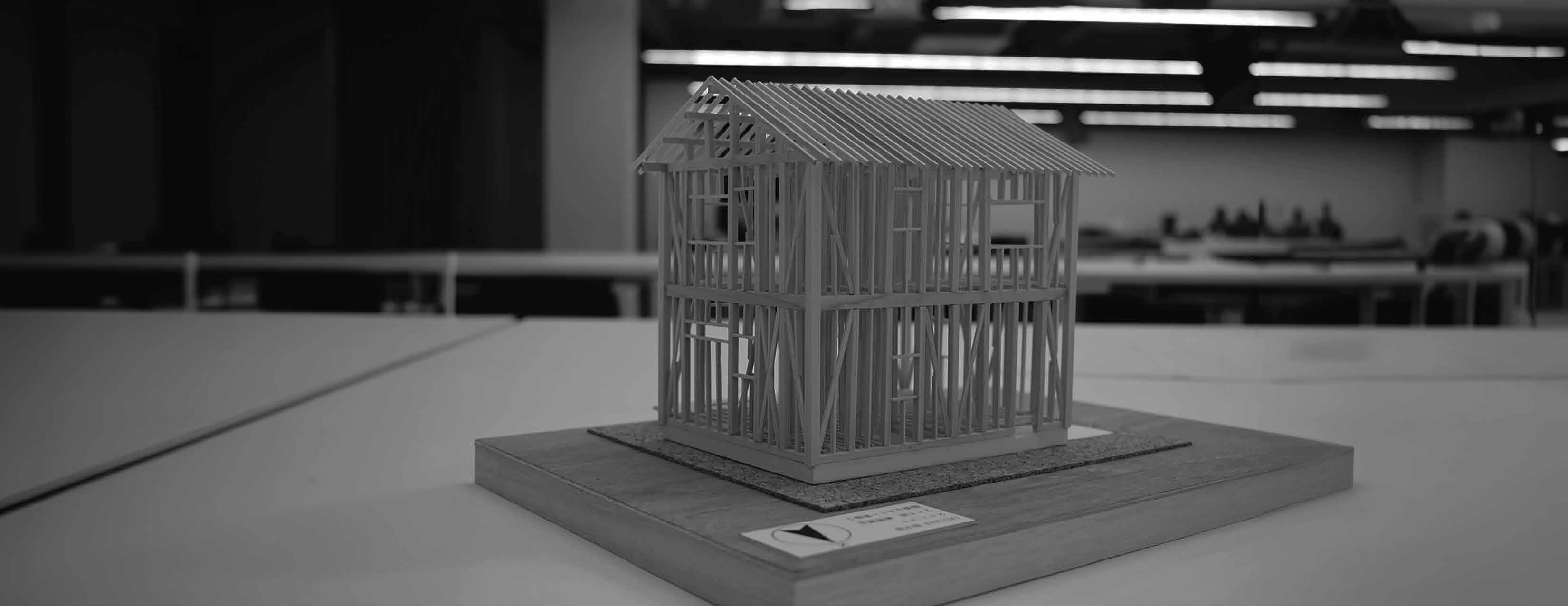
Japan, being one of the most earthquake prone countries in the world, ranks fourth globally in terms of seismic activity, experiencing thousands of tremors each year. This natural phenomenon has shaped the countryʼs architectural practices and engineering standards, making it essential for aspiring architects and engineers to understand the structural stability and resilience of buildings.
At the Shibaura Institute of Technology in Japan, students gain this critical knowledge through the Wooden Framework Project, a cornerstone of the curriculum that emphasizes hands-on learning. In this program, students are introduced to the principles of traditional and modern wooden architecture, focusing on how to balance structural integrity with aesthetic design in earthquake-resistant construction.

“Ken” is a traditional Japanese cultural element.
In the world of architecture, Japanese architecture differs from Western architecture in that the doors to each room do not line up in a corridor, but are connected by “i no ma,” “nima,” and “okuno ma,” or “inner room. The rooms are separated by fusuma (sliding doors) to adjust the distance between them. In traditional wooden architecture, this is expressed as a module based on the dimensions of a tatami mat (approx. 910 mm x 1820 mm), and plays a role in creating visual and sensory comfort while also influencing the layout of the room and the arrangement between columns.
2nd Floor
1st Floor
1st Floor Framing Plan

04 SLIPPERS
DATE: SPRING 2022
SCALE: 54,776 SQFT
TYPE: INTERIOR DESIGN
PROFESSOR: Carl W Matthews

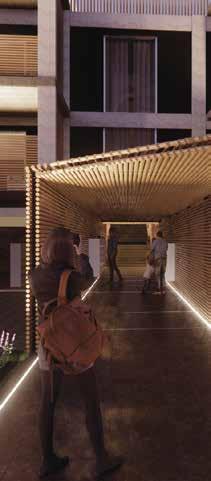
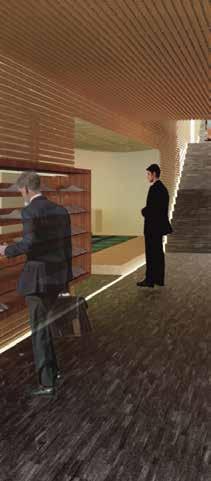

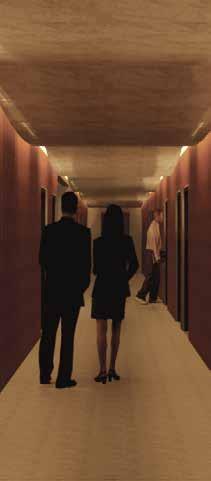

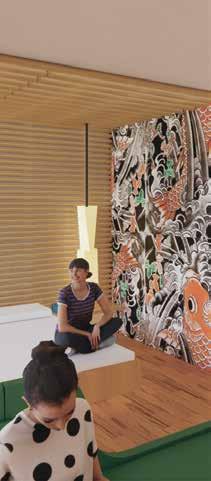

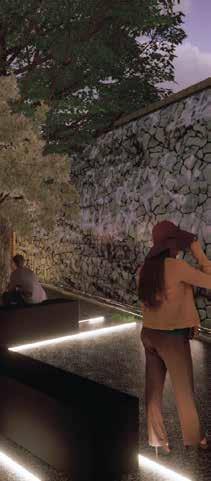
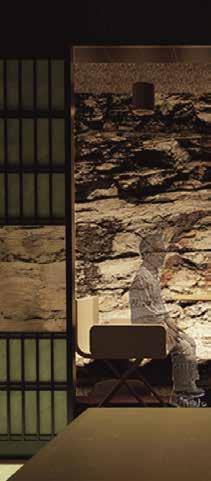

South Main Entrance Shoes & Slippers Box Aisle to Guestroom Standerd Guestroom Courtyard Suite Room Barcony
wall attached Type
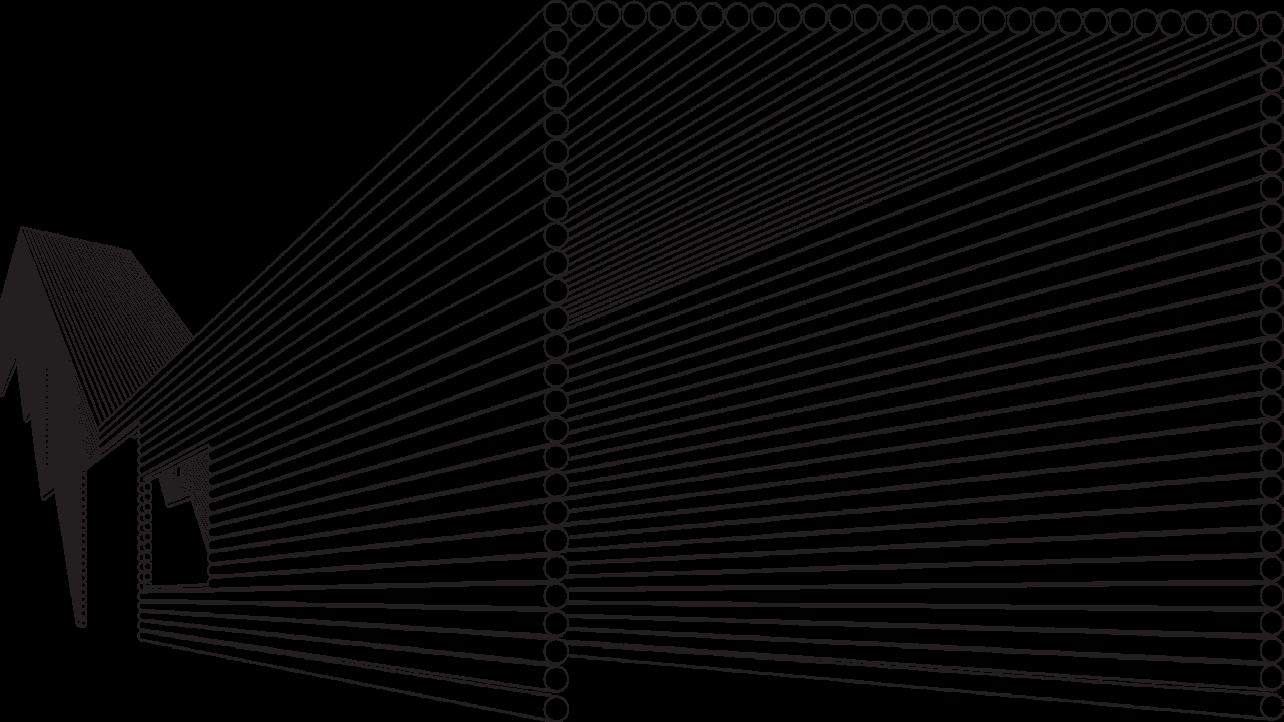
Bamboo Tunnel
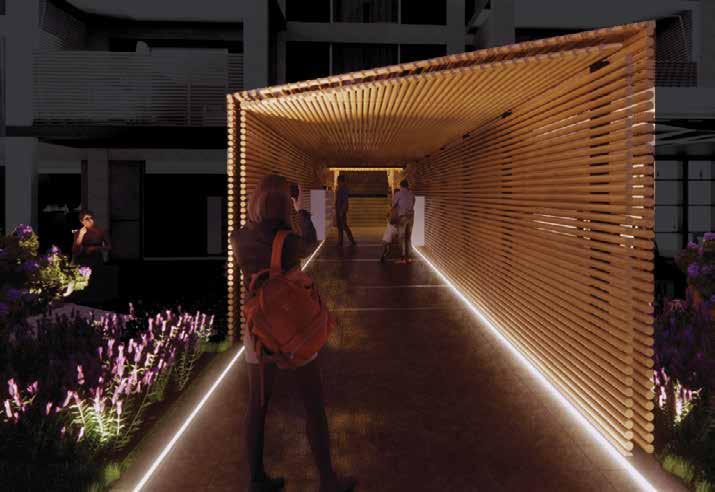
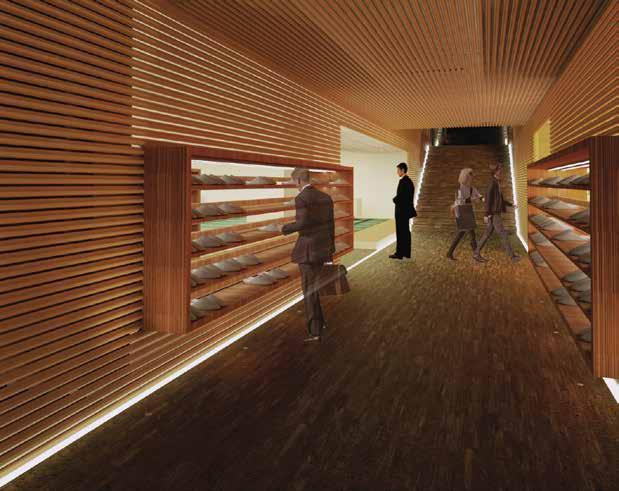
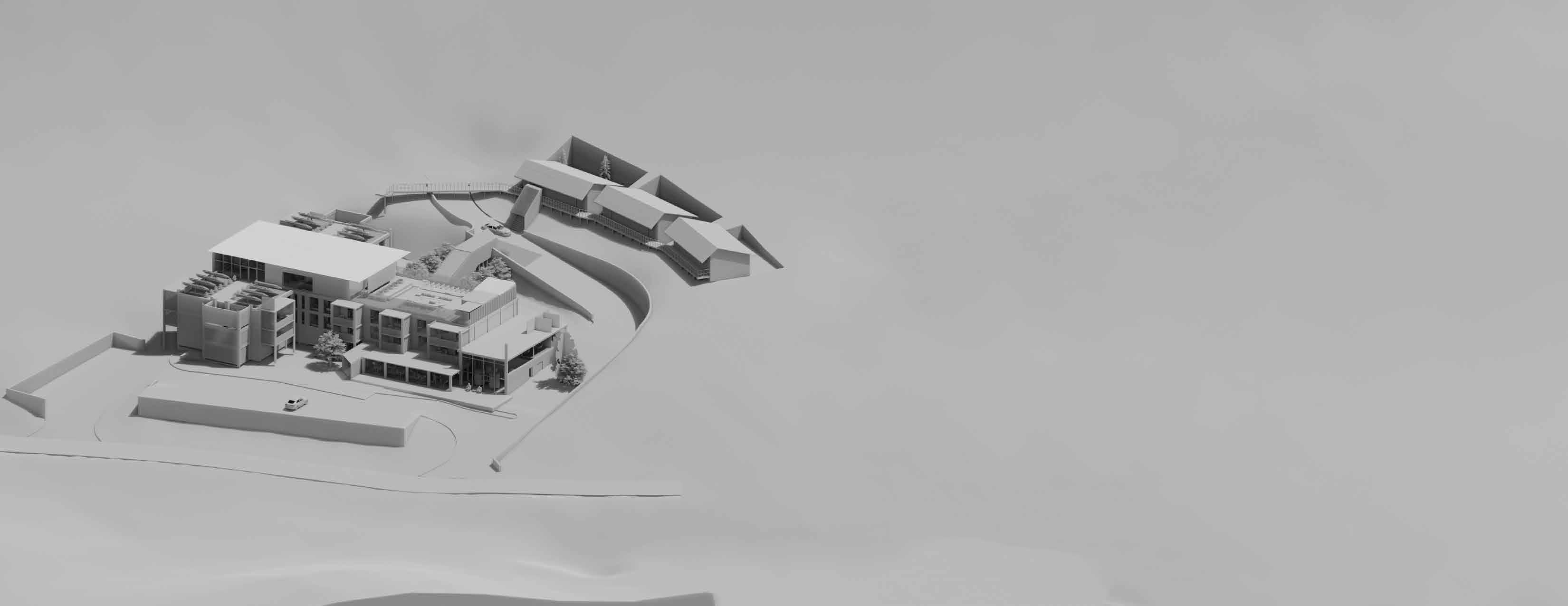
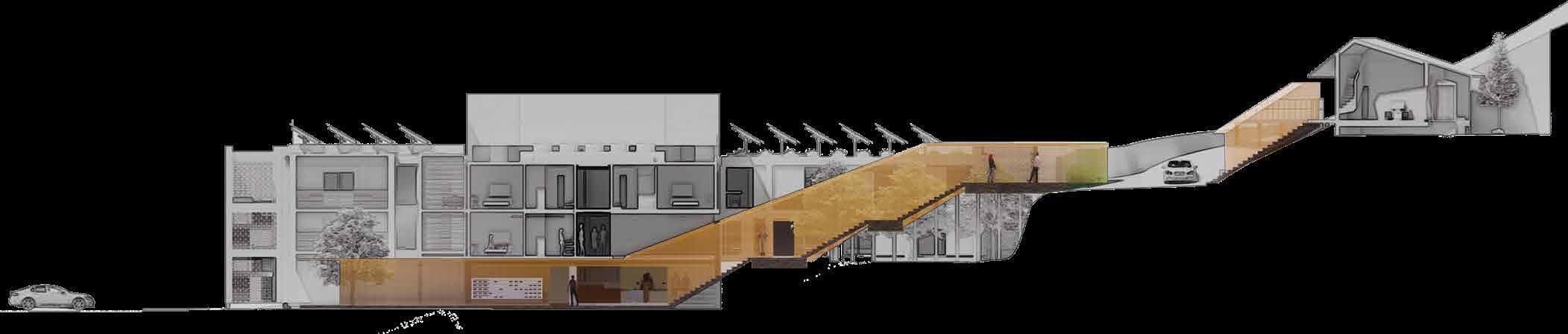
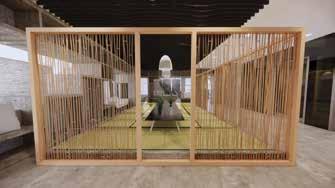
The project involves the renovation of an abandoned nursing facility into a Japanese-style hotel featuring an onsen in Hot Spring, AR. Due to significant differences in site elevation and an inconvenient flow system that hindered accessibility and overall functionality, a unique solution was required to address these challenges. To overcome these issues and create a seamless transition between different areas, a bamboo tunnel was carefully designed and implemented, serving both as a functional pathway and an aesthetic element that enhances the traditional Japanese ambiance of the hotel.
5/8” Plywood
Bamboo Dowel Insulation
5/8” Gyp Board
Stud 3” Wood Flooing
8” Concrete Slab
Shelf Clip w/ thread and pin Stand
8” Concrete Slab
Tile
Steel
Dowel
Shelf Clip w/ thread and pin
05 A LIBRARY OF THINGS
DATE: SPRING 2023
SCALE: 13,338 SQFT
TYPE: INTERIOR DESIGN
PROFESSOR: MICHELLE BOYOUNG HUN
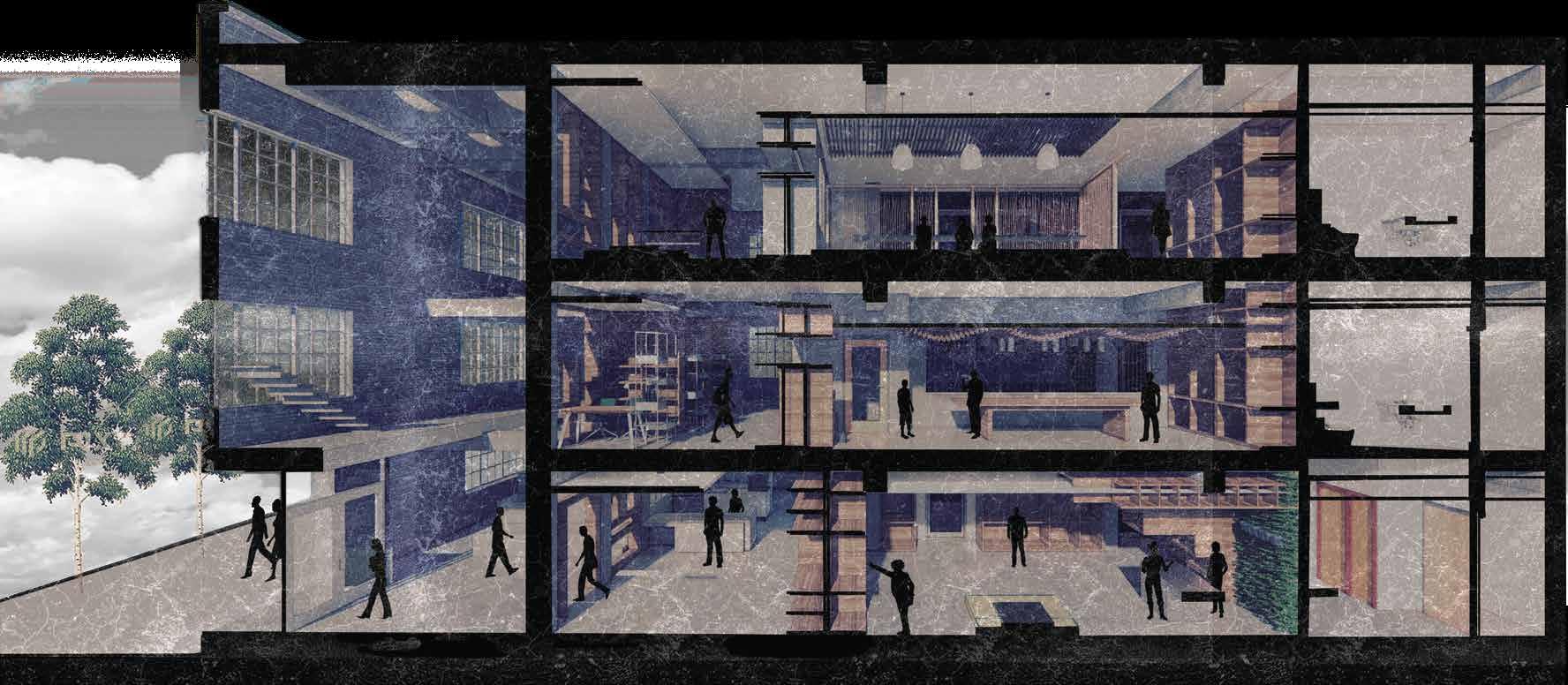
A LIBRARY FOR COMMUNITY
Evolving Hubs for Community Engagement
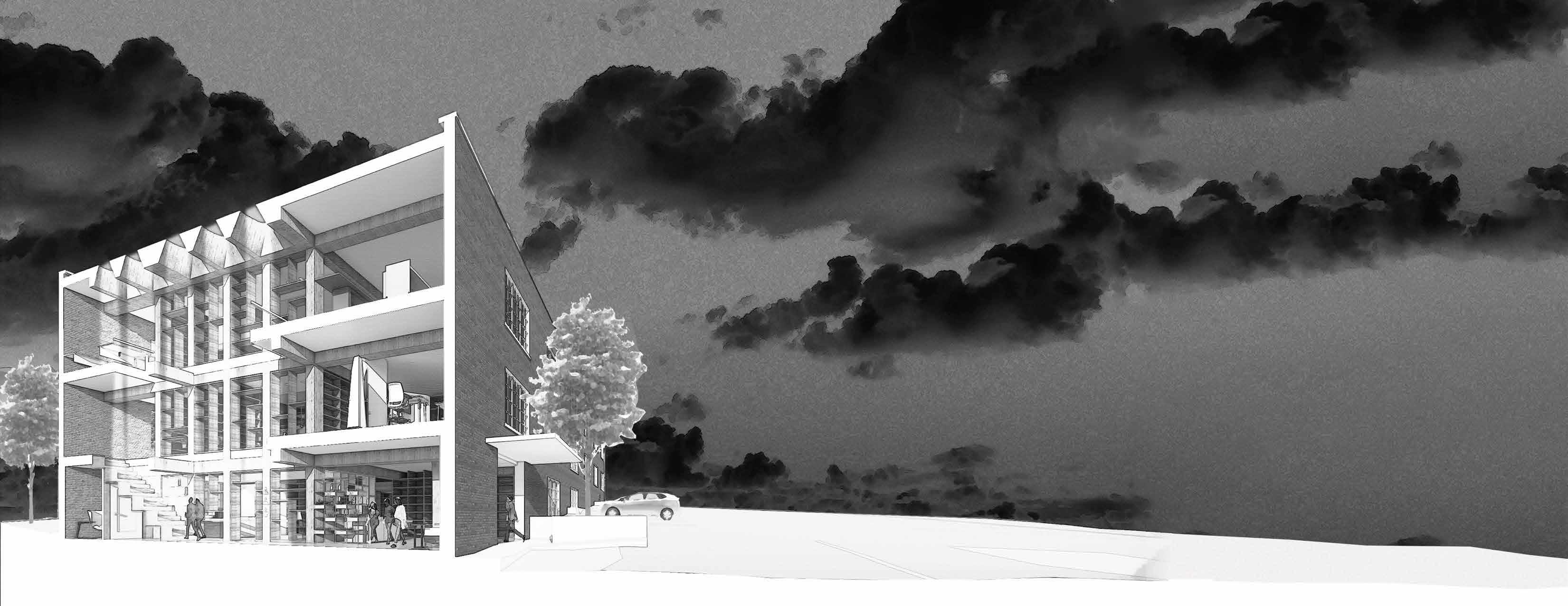
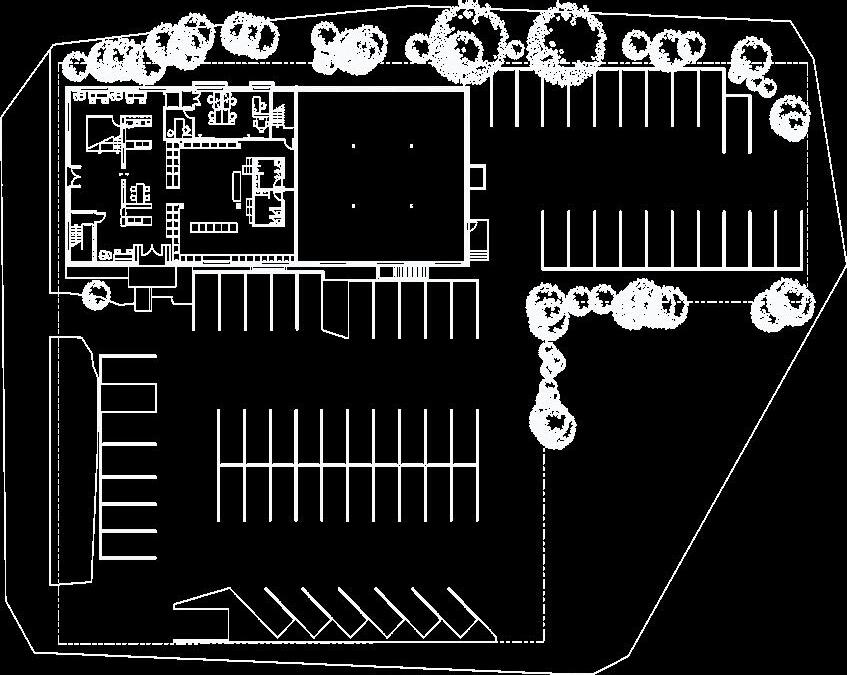
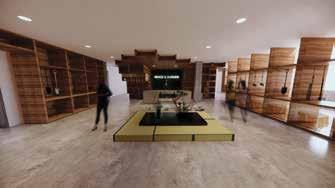
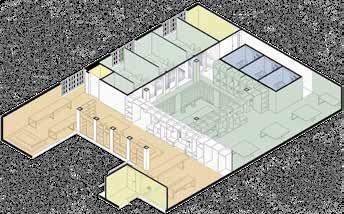
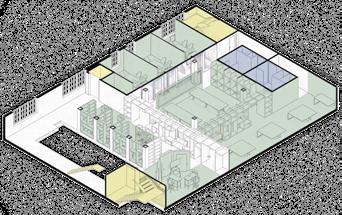
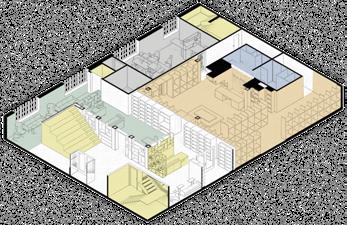
This project centers on thousands of years, transitioning from ancient collections of clay tablets documenting transactions and astronomical data to modern hubs of knowledge and community. Throughout history, libraries have reflected cultural and political dynamics, serving as both repositories of information and symbols of power. Today, libraries are multifaceted, providing not only access to reading and research materials but also fostering community engagement through physical and digital resources. A recent innovation, the "Library of Things," expands the traditional concept by lending items like tools, kits, and equipment. This grassroots movement supports community interests by providing access to items that people might not want to purchase outright, enabling skill development, reducing environmental impact, and promoting shared learning. Successful Libraries of Things go beyond lending, fostering a sense of community through inclusive practices like sliding-scale subscriptions to ensure accessibility for diverse populations. The Fayetteville Public Library exemplifies modern library excellence. Established in 2004 and recognized as Library of the Year in 2005, it expanded in 2020 to include a teaching kitchen, innovation center, and enhanced educational resources for all ages. These features support personal growth and community connection.
FLOWER WORKSHOP
DESIGN CONCEPT
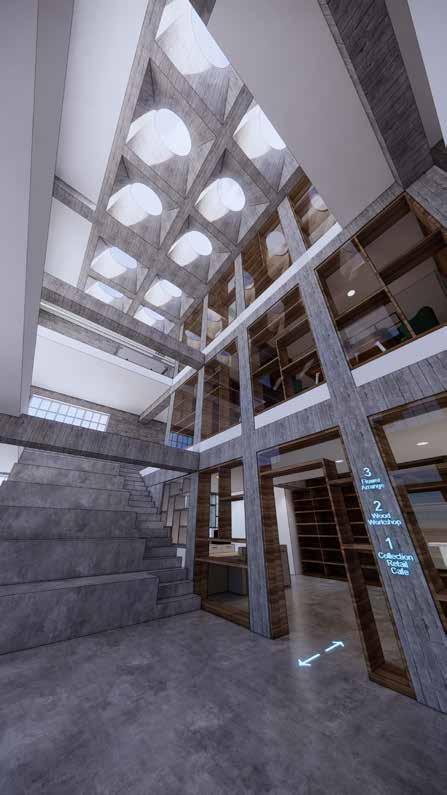
All along. Every international student has experienced this. I was one of them. No matter which group you belong to, the loneliness stays with you. It was unbearable to be in that space that seemed to force me to interact with others. Needed a big, transparent capsule. As if I was in my own personal space while connected to the community in front of me.
WOOD WORKSHOP
TOOL SHOP
MAIN STAIRROOM


06 BEYOND THE CORRECTNESS
DATE: FALL 2022
SCALE: 12,398 SQFT
TYPE: INTERIOR DESIGN
PROFESSOR: JINOH PARK

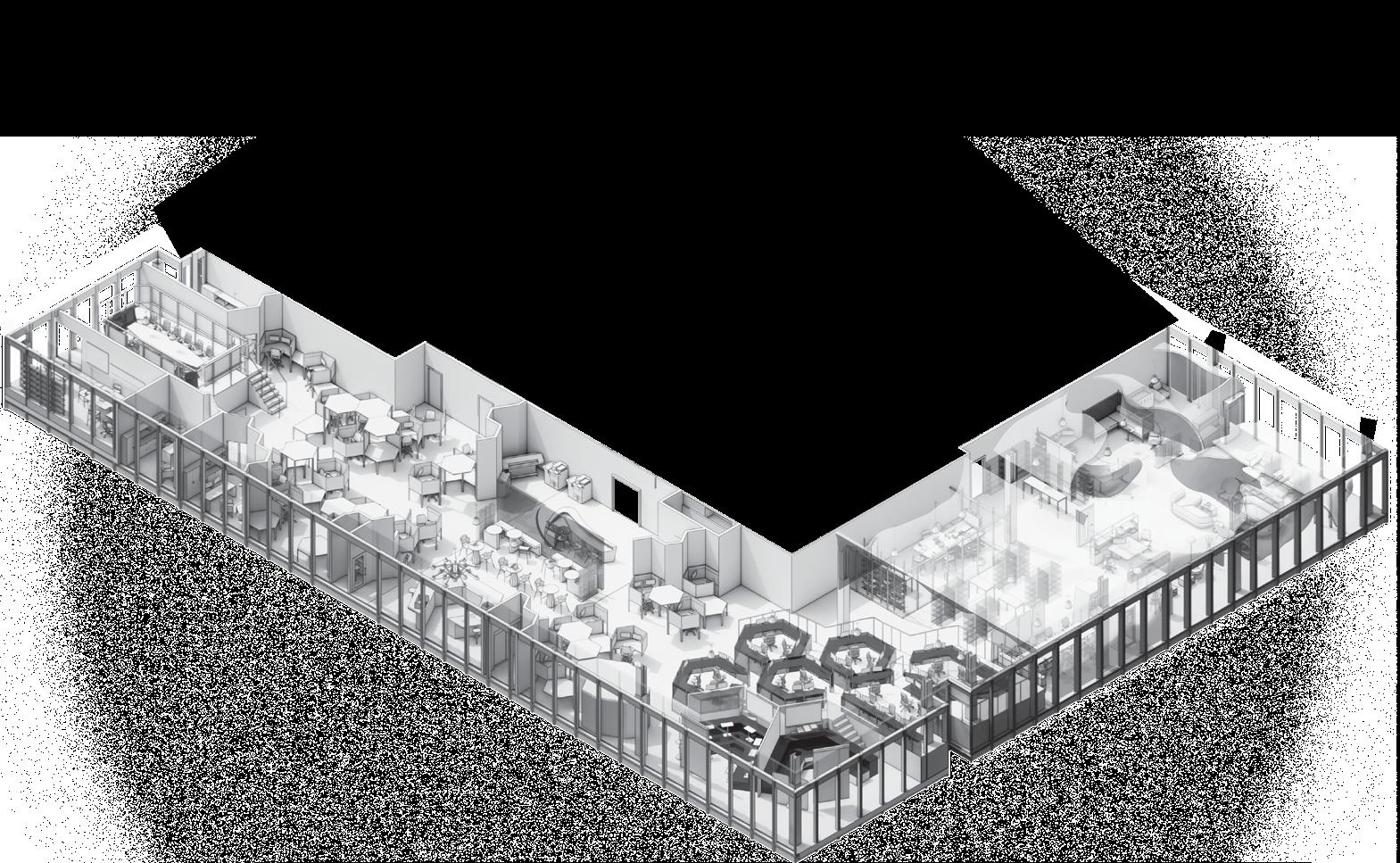
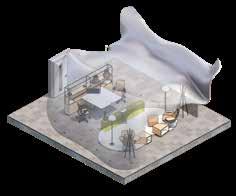
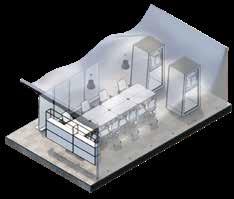
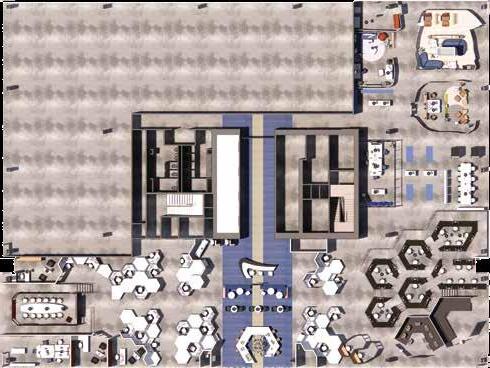
USER SCENARIOS
Specific Examples of Office Use
BOB’S PROFILE
・ A full-time office worker
・ Design director
SARAH’S PROFILE
・ A mother of two children
・ Product Manager
・ Working in the afternoons
WILL’S PROFILE
・ A worker at partner company
・ Frequently visits the office




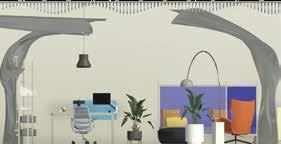


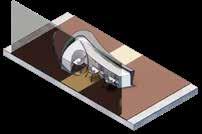
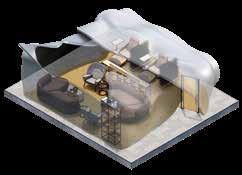
The furniture is spacious enough to accommodate a wheelchair.
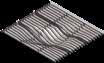

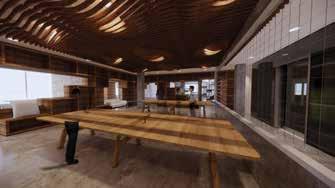
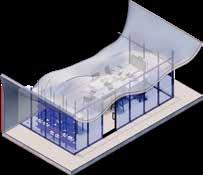
A polished aluminum corrugated ceiling was installed to represent like sunlight filtering through the trees.
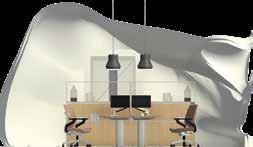


Demonstrate how the produnts work at home emvironment
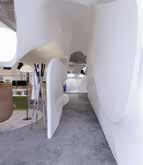
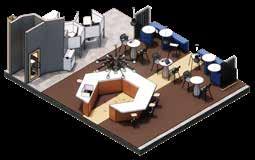
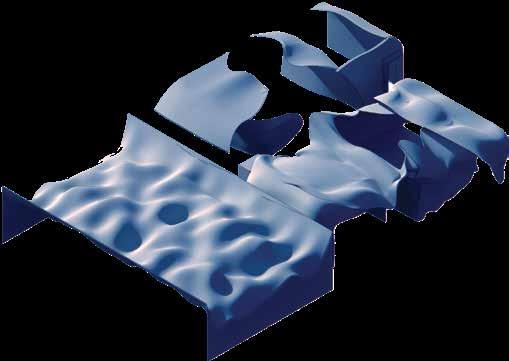
There is a narrow passage between the home office and the wellness room. The experience is like walking through a cave.
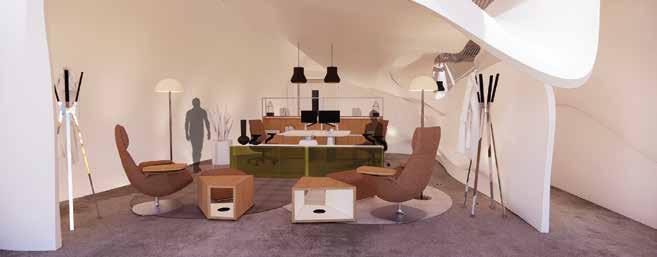
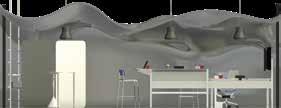


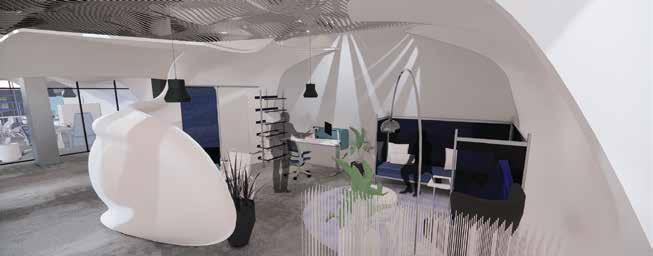
The project room is located under a 3-D curved cave.
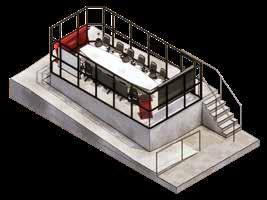
The glass is covered with a dimming film. When electricity is applied to the film, the glass becomes transparent.
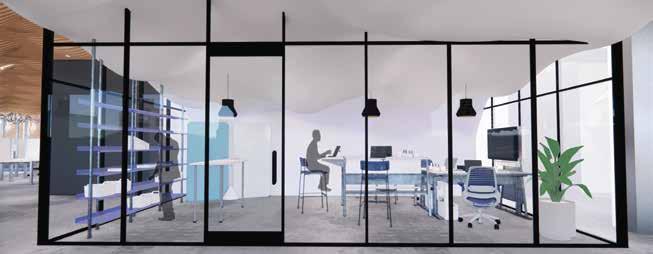
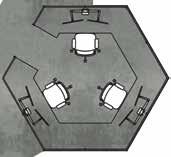
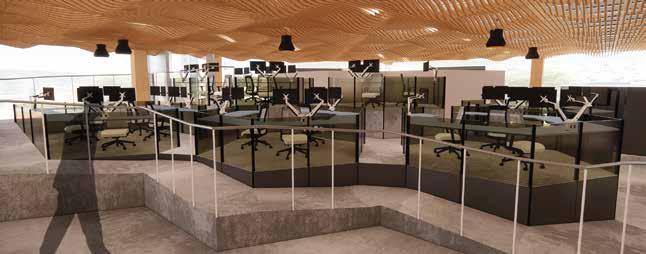
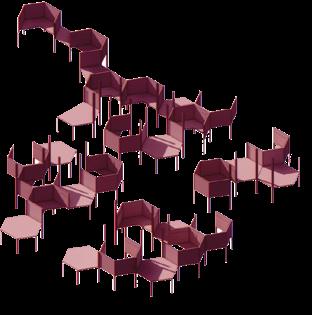
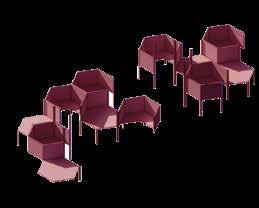
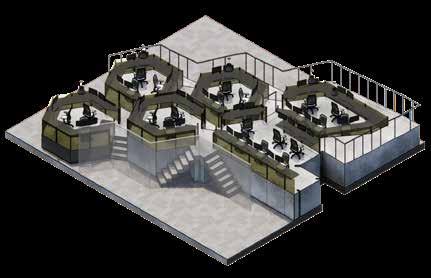
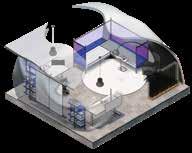
Group-type workstation has three people in single unit. This space has two different levels.
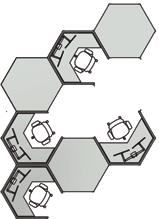
Individual-type workstations has one person in single unit. Two types of desks allow for countless combinations.