
DECEMBER 2025
G.J. GARDNER HOMES NZ MASTERS SEE REVIEWS AND WINERS
COLLECTIVE INSURANCE SCHEME SNZ IN PARTNERSHIP WITH LONG BURROUGHS FOR BIG SAVINGS
COACH PROFILE
EMMA MILLAR


DECEMBER 2025
G.J. GARDNER HOMES NZ MASTERS SEE REVIEWS AND WINERS
COLLECTIVE INSURANCE SCHEME SNZ IN PARTNERSHIP WITH LONG BURROUGHS FOR BIG SAVINGS
COACH PROFILE
EMMA MILLAR
6. Jaclyn Kemp - Inducted into NZ Squash Hall of Fame
6. Squash NZ offers modular courts
9. The 2026 Head Pro Tour Is On Its Way
10. G.J. Gardner homes NZ Masters Age Groups
Give It a Go (GIAG) Weekends
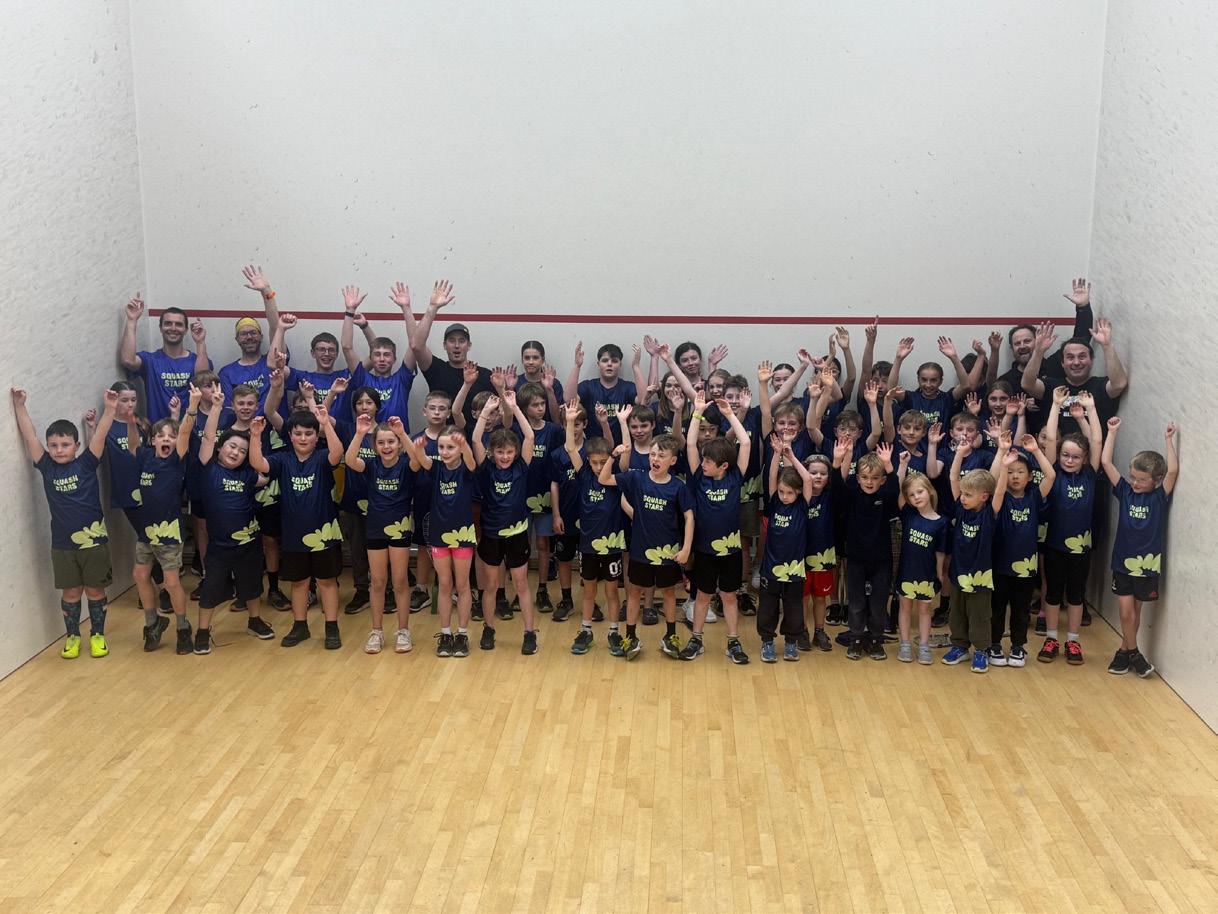
Two GIAG weekends were held at the start of Term 3. Registrations came through school promotions and direct sign-ups, with QR code registration available for walk-ins. Follow-on Programme: Squash Stars
12. G.J. Gardner Homes NZ Inter-District Masters Team Champs
14. Collective insurance scheme for big savings!
16. Squash Stars Update
19. SquashSmart - your essential toolkit
After GIAG, participants were offered places in the Squash Stars programme. Due to high uptake, sessions were split into two Friday time slots:

o 6–7pm: 39 kids across 5–6 courts
22. PSA Squash Tour
o 7–8pm: 19 kids across 3–4 courts
24. Peak Performance with Kemp
Participants:
26. Player Profile: Brooke Valois
GIAG Attendance: ~80–85 children registered, plus walk-ins captured via QR code.
28. SNZ’s 2026 Pathway Updates
Squash Stars Sign-ups: 58 registrations (≈56% conversion from GIAG).
30. Coach Profile: Emma Millar
36. Guest Writer – Paul Tuffin
Volunteer Support: Parents and teenage juniors assisted after activator training, ensuring quality delivery and community involvement.
40. Club of the Month - Tokoroa Squash Club
Promotion:
42. Referee - A reflection on the Year
44. Volunteer of the Month - Rajeev Verma
School Channels: Flyers in primary school newsletters delivered the strongest results, especially where existing contacts helped push them through.


Social Media: Posts on local community Facebook pages and support from Squash NZ comms amplified reach.
On-site Engagement: Supper/social element after GIAG encouraged families to stay and sign up on the spot.
Resources: Squash Stars templates, media assets, and weekly comms from Squash NZ provided a professional and consistent experience.
Stepped Approach: Free GIAG sessions created a low-risk entry point, leading naturally into Squash Stars.
Easy Registration: MS Forms and QR codes streamlined sign-ups and captured valuable data (school, experience, referral source).
Community Feel: Volunteer and junior player involvement lightened the load and built a welcoming atmosphere.
Programme Quality: Activator training and Squash Stars resources ensured engaging, structured sessions.
Added Value: Social elements and equipment availability (club rackets, safety glasses) removed barriers for families.
External Support: Squash Canterbury’s school activations and Squash NZ’s training and branding boosted credibility and excitement.

Stay updated with our other channels 12 6 18 30 10

Tēnā koutou

Kia ora e te whānau, as we come to the end of the year, we want to thank you for your support and celebrate this special time together.
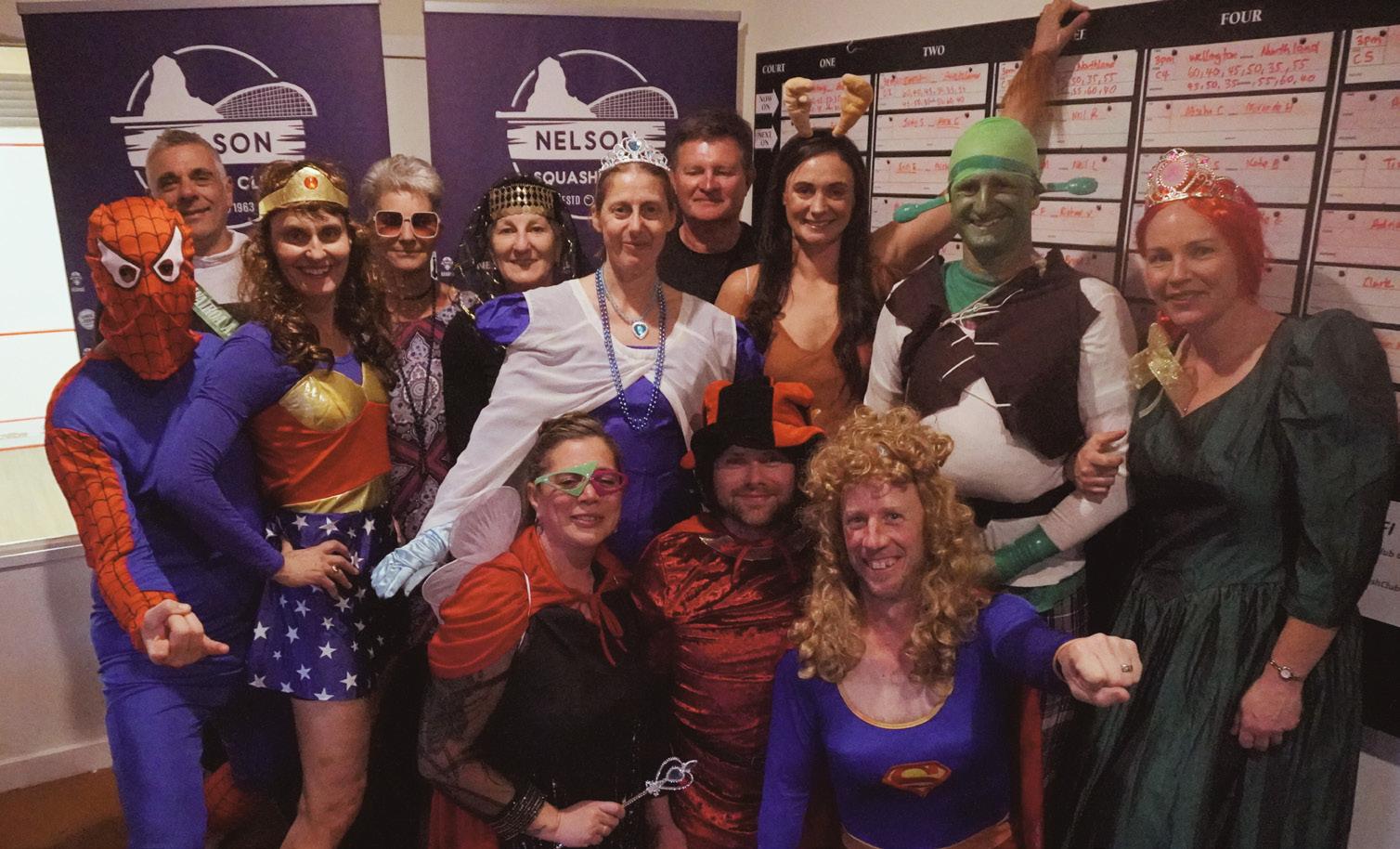
What a year it has been! One of the recent standout highlights was the G.J. Gardner Homes NZ Masters Individual and Teams Championships, hosted by Nelson and Waimea Squash Clubs. Over 200 players took part, proudly wearing their club and district colours. From 35-year-olds to competitors well into their 80s, the courts were alive with energy, camaraderie, and talent. The vibe was constantly a positive buzz, proof that the Masters community is thriving and knows how to enjoy life. Hats off to the hardworking teams at Nelson and Waimea for delivering an incredible event. The facilities are future-proofed, the squash in this region is in great hands, and while a few players were seen limping afterwards, the timing for a season break couldn’t be better!
Behind the scenes, a dedicated working group has been exploring how squash in Aotearoa is governed. Their goal? To reduce administrative burden and focus more on growing and promoting the game, while supporting clubs to deliver the best possible experience for members. Various models are being considered, and we expect changes to start rolling out in 2026. Your voice will matter – let’s build the future of squash together.
For now, take time to rest and recharge. We’re excited to bring you a fresh calendar of events and promotions in 2026. Squash NZ has an amazing team that’s hitting its stride – storming, norming, and performing!
Ngā mihi o te wā – wishing you joy, peace, and connection over the festive season. Meri Kirihimete me te Hā Hou!
Martin Dowson
Event
New Zealand Open
Oceania Masters
New Zealand Junior Open
3rd - 8th March
4th - 7th March
5th - 8th March
Don’t miss any upcoming events. Click HERE to access the full tournament calendar
Venue
Isaac Theatre Royal, Christchurch
Christchurch SC & Richmond SC
Burnside SC & Christchurch Football

We are delighted to announce that Mark Waldin has been appointed as our Masters Director for 2026 and 2027.
Mark brings a wealth of experience and passion to the role. A multiple Masters champion across numerous age groups, he has represented New Zealand in the Trans Tasman series many times and managed the Auckland Masters Team for several seasons. His deep knowledge of the Masters landscape makes him an outstanding choice for this position.
Key responsibilities for Mark include:
• Leading the process of assigning selectors for the 2027 Trans Tasman Test Series
• Developing and publishing the selection criteria
• Overseeing the selection process
• Acting as the primary point of contact for opportunities and feedback to enhance the Masters experience
We are fortunate to have someone of Mark’s calibre guiding our Masters programme. Please join us in welcoming him to this important role!

Welcome to the Team, Anneka!
We’re thrilled to welcome Anneka Weterman to Squash New Zealand Poipātū Aotearoa as our new National Event and Promotion Leader. Anneka started her role on the 10th of November!
With 24 years of squash experience - playing, coaching, and volunteering at every level - Anneka brings unmatched passion and expertise to the role. Her leadership as Tournament Controller for the 2025 Masters and her dedication to Central Squash and Whanganui Squash Club earned her the Volunteer of the Year Award in 2024.
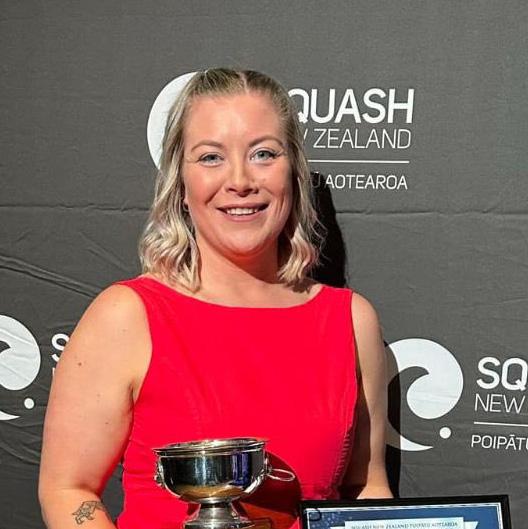
Armed with a degree in Sports Management and a strong background in marketing and event delivery, Anneka is ready to lead our national events and promotions with energy and vision. Her focus on storytelling and digital engagement will help elevate squash’s profile across Aotearoa.
Welcome aboard, Anneka!

Celebrating Excellence – March 7, 2026
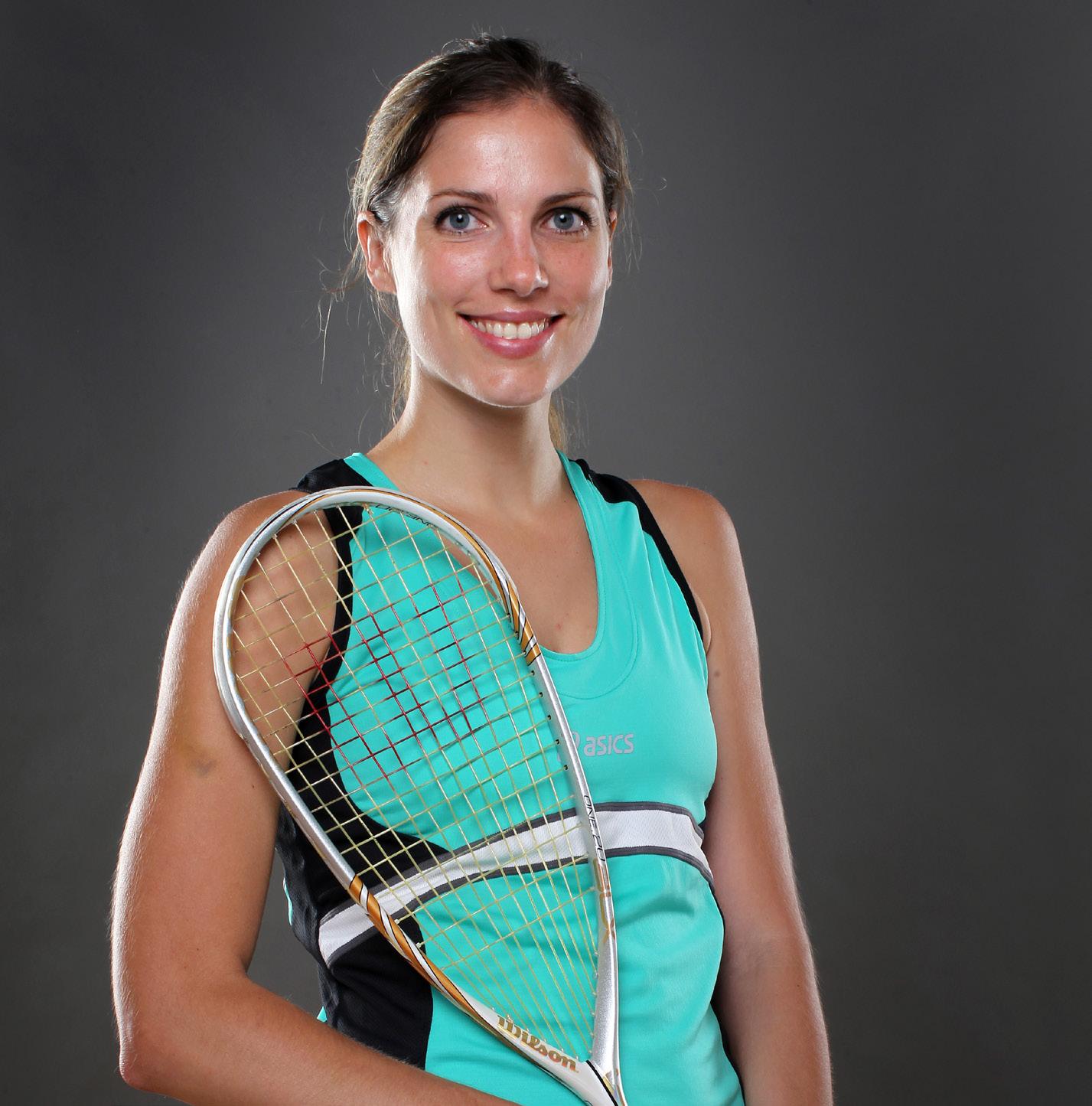

We’re thrilled to announce Jaclyn Kemp (née Hawkes) as the newest inductee into the New Zealand Squash Hall of Fame!
Join us at the Squash NZ Awards Afternoon on March 7, 2026 at the iconic Isaac Theatre Royal, preceding the semi-finals of the NZ Squash Open.
Jaclyn’s incredible career includes Gold at the 2010 Commonwealth Games (Delhi) in Women’s Doubles.
Tickets are limited email admin@squashnz.co.nz to secure yours!
See previous inductees HERE
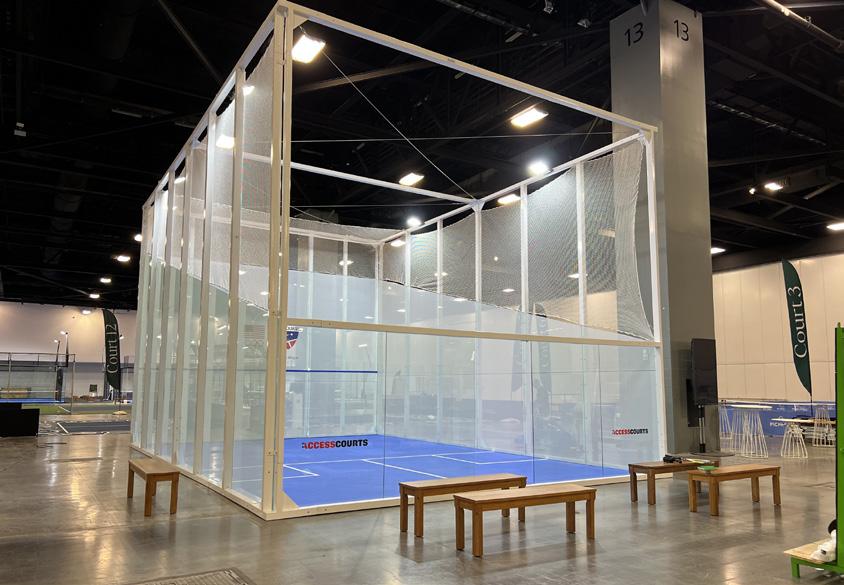
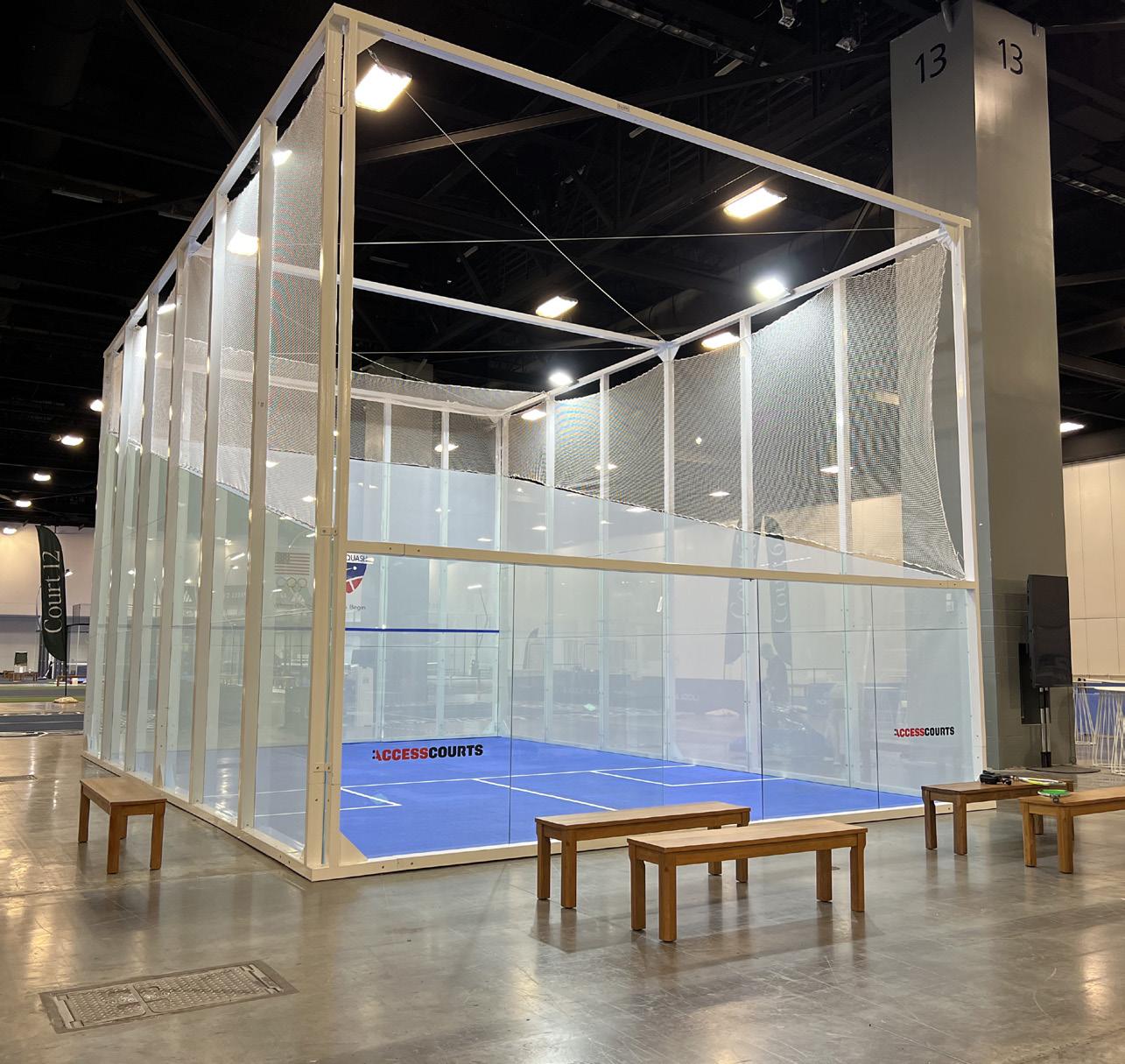
GRASSROOTS SQUASH IN AOTEAROA JUST GOT A GAME-CHANGING BOOST!
Squash NZ now offers direct access to modular courts – quick to install, cost-effective, and ideal for schools, parks, clubs, and communities.
With LA28 on the horizon, there’s never been a better time to grow the game and make squash more accessible for everyone.
Learn more about Access Court HERE
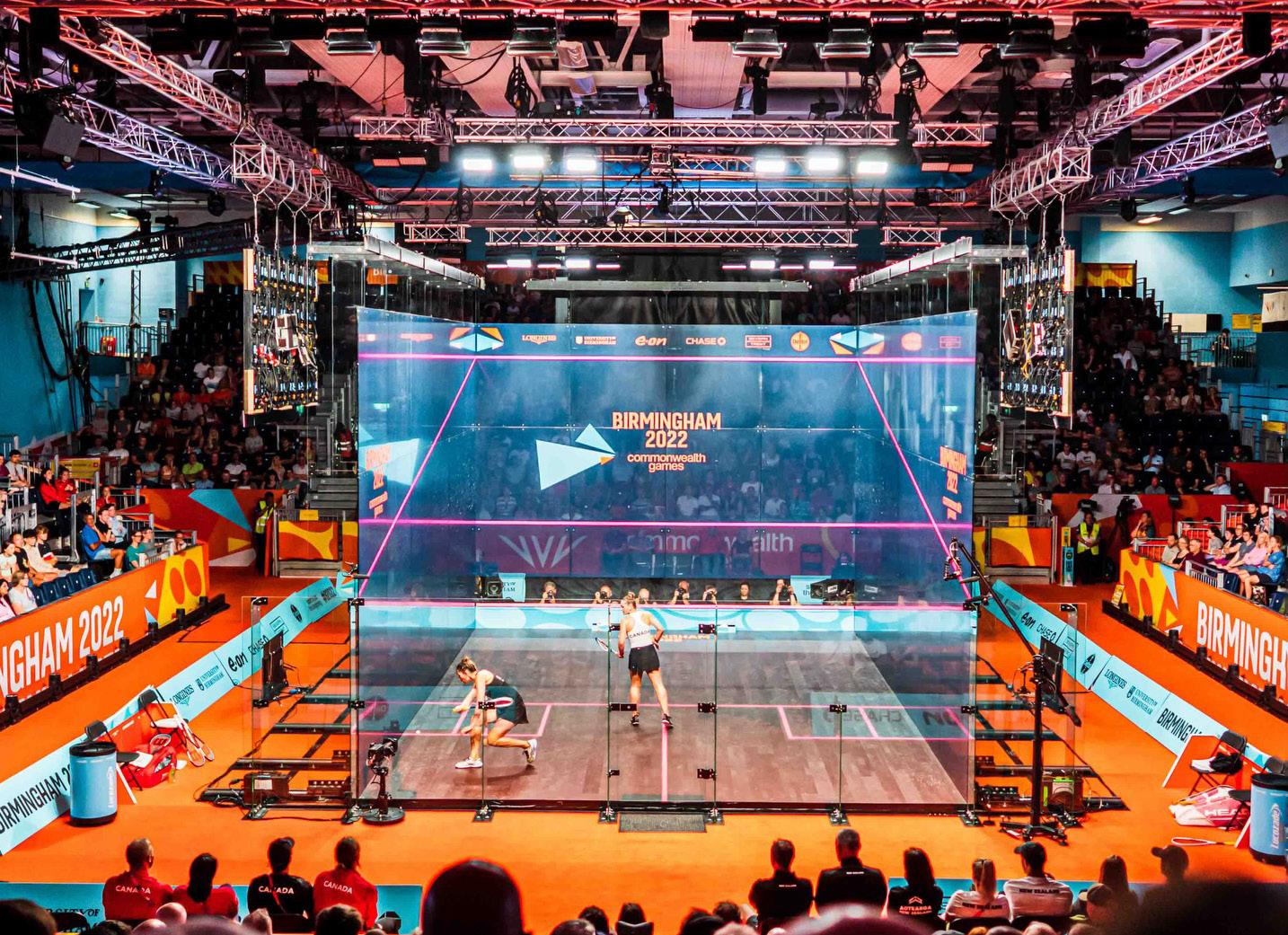
World Squash acknowledges the announcement made by Commonwealth Sport that squash will be included in the longlist of sports under consideration for inclusion in the 2030 Commonwealth Games
World Squash, in partnership with the Squash Rackets Federation of India, is looking forward to working closely with Commonwealth Sport and the Amdavad Organising Committee to present a compelling case for inclusion in the 2030 Commonwealth Games.
Find out more at worldsquash.sport
The Masters Games is a special event, part competition, part reunion, and a good excuse for a week of fun.
With over 60 sports on offer, and a new games hub this year, the city really comes alive while it’s on. Whether people are there to compete, reconnect, or just enjoy the atmosphere, there’s something for everyone.
Occurring from 31 January – 2 February, Otago, Dunedin, with the minimum age set at 35.
Amdavad (also known as Ahmedabad, in the Indian state of Gujarat), will now be put forward to the full Commonwealth Sport membership, with the final decision taking place at the Commonwealth Sport General Assembly in Glasgow on 26 November 2025.

Squash is an increasingly popular sport in India, with the SDAT Squash World Cup set to return to Chennai in December 2025 following the success of the 2023 edition.
At the last edition of the Commonwealth Games, which took place in 2022 in Birmingham, England, Indian squash stars bagged two medals as Saurav Ghosal won bronze in the men’s singles and then teamed up with Dipika Pallikal Karthik to win bronze in the mixed doubles.
Read the full article on WSF website HERE




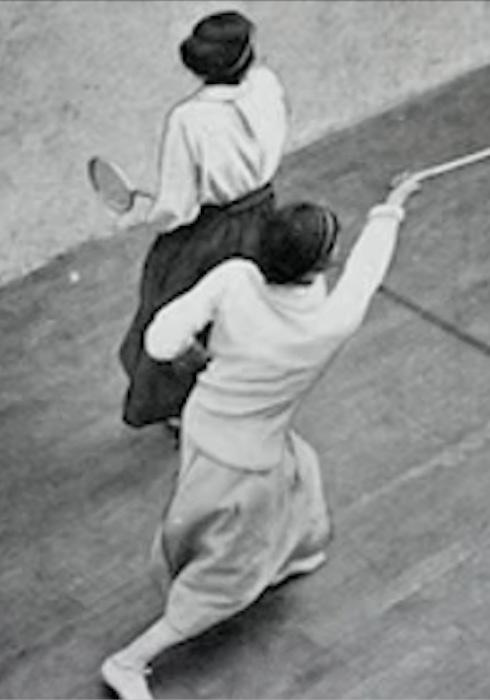









1865 1st squash courts opened at Harrow School, London.
1884 1st squash courts in USA built at St. Paul’s School, New Hampshire.
1894 1st magazine article on squash published in Boys Own Paper.
1901 1st book on squash published, The Game of Squash by Eustace Miles.
1904 US squash federation founded, world’s oldest national governing body.
1922 1st women’s British Open is held.
1923 Court dimensions standardised, including tin at 19in/48cm.
1926 Official rules for squash are issued.
1926 Switch from point-a-rally (PAR) to 9-point hand in/hand out (HiHo).
1928 The Squash Rackets Association is formed.
1930 1st men’s British Open is held.
1948 Men’s British Open moves from 2 player challenge to knock-out draw.
1954 1st United States Open is held.
1956 Racket shafts, but not heads, do not need to be made of wood.
1967 The World Federation (ISRF, later WSF) is inaugurated.
1967 1st men’s World Team championship is held.
1972 1st glass backwall with fins constructed.
1974 Men’s International Squash Players Assoc (ISPA, later PSA) founded.
1976 Open) British with added title (extra played Open World men’s 1st
1979 held is championship Team World women’s 1st
1980 ends status amateur as ‘open’ goes Squash
1982 Wood is not required for rackets.
1983 discontinued are restrictions clothing Coloured
1984 Women’s International Squash Players Assoc (WISPA) inaugurated.
1986 squash to recognition official grants IOC
1989 Men’s tour moves from HiHo to PAR 15 scoring.
1989 Men’s tour begins to use lowered 17in/33cm tins.
2002 place takes Day Squash World 1st
2008 Women’s tour moves from HiHo to PAR11.
2012 rules Squash57) (now Racketball standard publishes WSF
2015 PSA M/W new a create to merge WISPA) (formerly WSA and PSA
2015 Women’s tour begins to use 17in/33cm tins.
2019
2023
USA Chicago, held champs World M/W is event prize $1m 1st
Angeles Los in Games Olympic 2028 the in squash include IOC
together staged
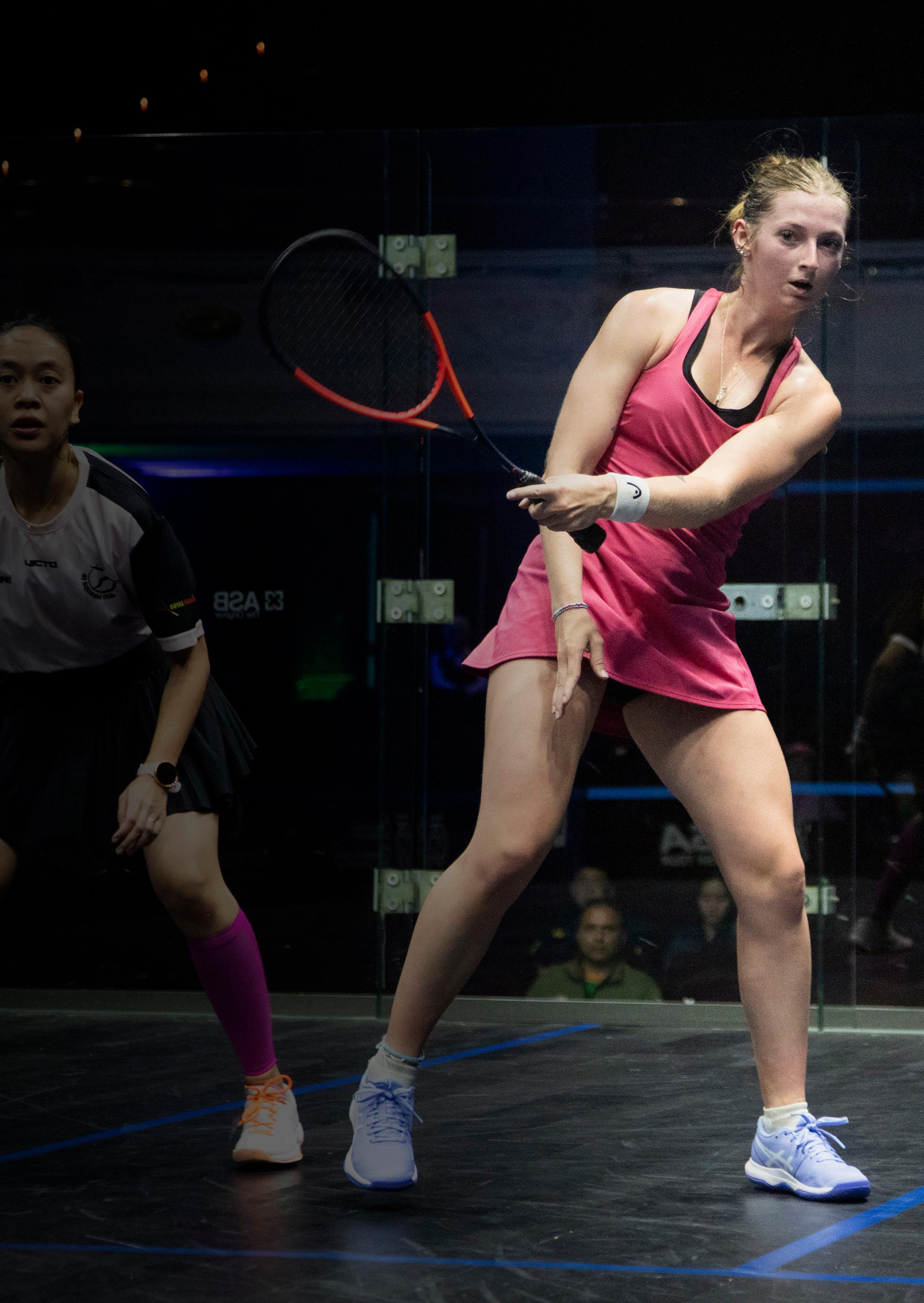
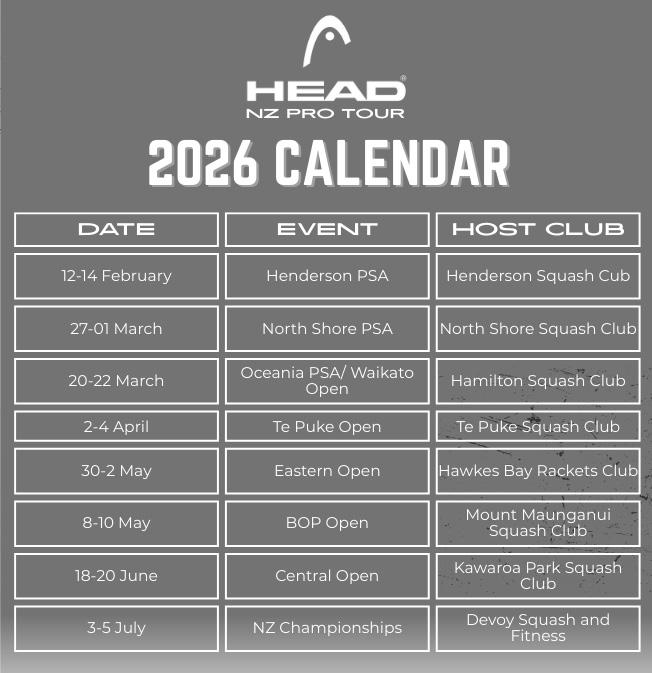
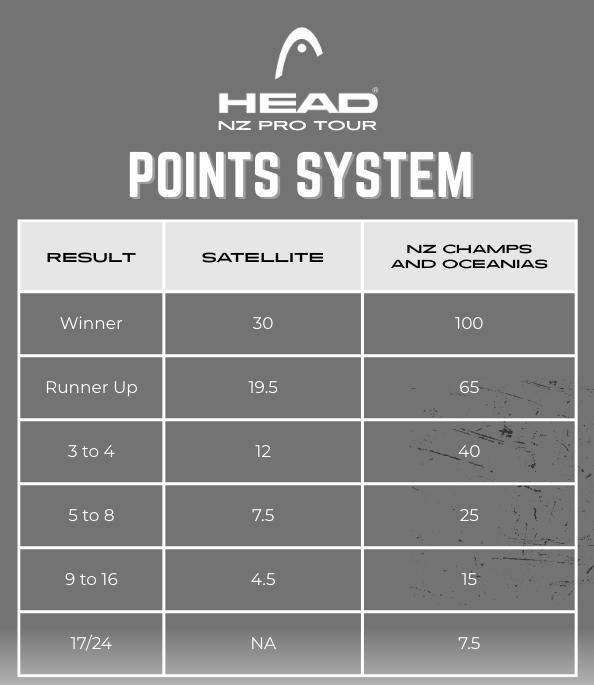
The stage is set for one of the most significant seasons on the domestic squash calendar, with the 2026 Head Pro Tour now officially locked in and kicking off in February 2026.
This year’s circuit features six Satellite events, alongside the Oceania Championships and New Zealand Championships, offering players a comprehensive competitive pathway across Aotearoa. Squash New Zealand also extends its thanks to HEAD for their support in powering this new initiative and championing the development of emerging New Zealand talent.
What sets the Head Pro Tour apart is its emphasis on consistency, commitment, and performance under pressure. Every event contributes to a player’s overall standing, and every point has the potential to shape the final outcome. The overall champion will be determined by total points accumulated across the full circuit, creating multiple strategic routes to the top—whether through entering more events, excelling on the biggest stages, or maintaining a balanced campaign throughout the season.
Further elevating the stakes, cash prizes will be awarded to the overall podium finishers, adding an additional layer of motivation to what promises to be a fiercely contested race.
A defining feature of this year’s tour is its integrated approach. Each PSA event runs alongside a Club or District Open, ensuring opportunities for players of all grades to take part. This structure allows the wider squash community to compete, experience the tour environment firsthand, and follow the country’s top athletes in action. The Head Pro Tour is not simply a spectator experience—it is an accessible and engaging pathway for the entire squash community.
As the season begins, one question remains: who will rise, adapt, and ultimately claim the 2026 Head Pro Tour title? The journey starts now...
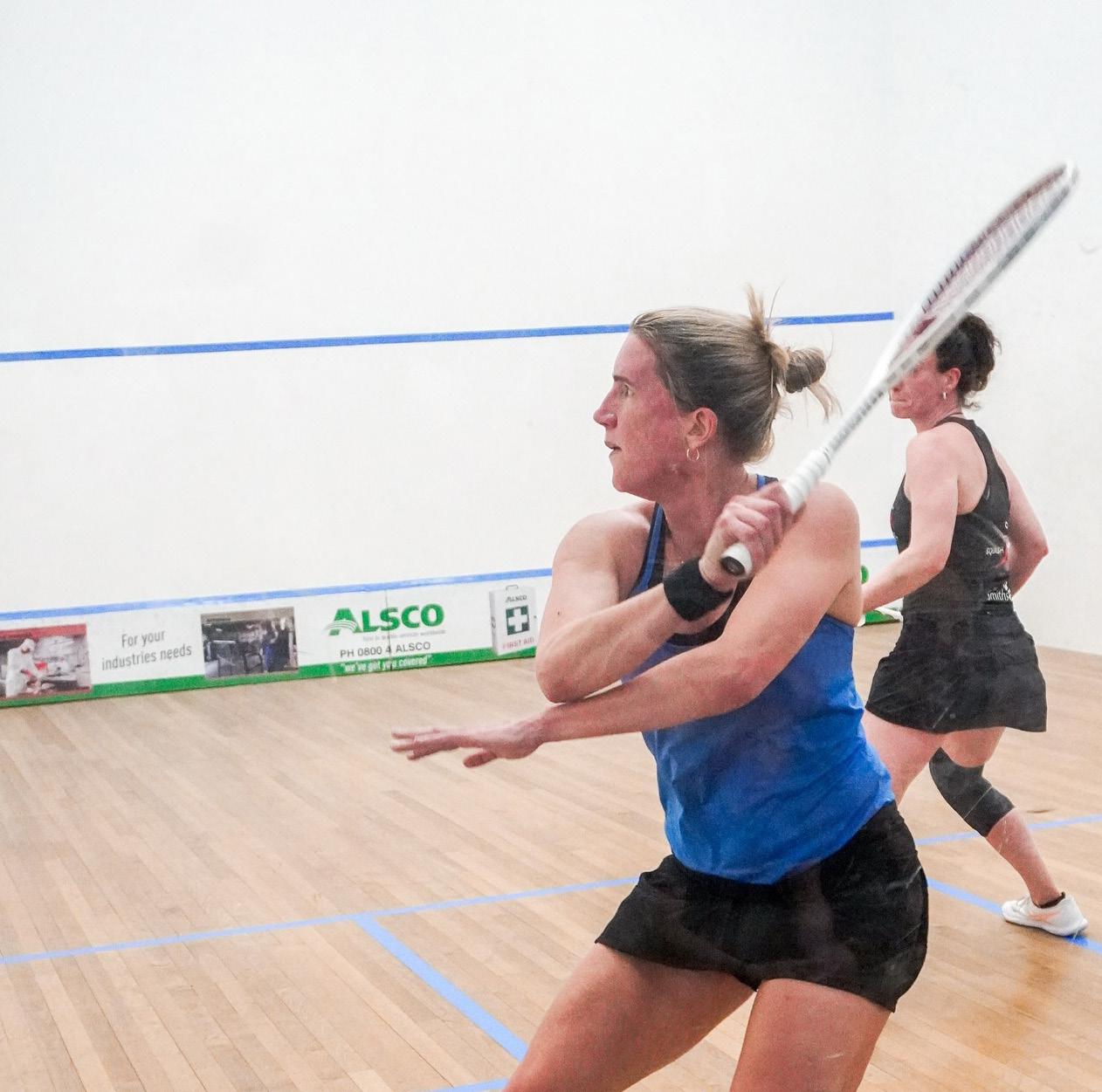
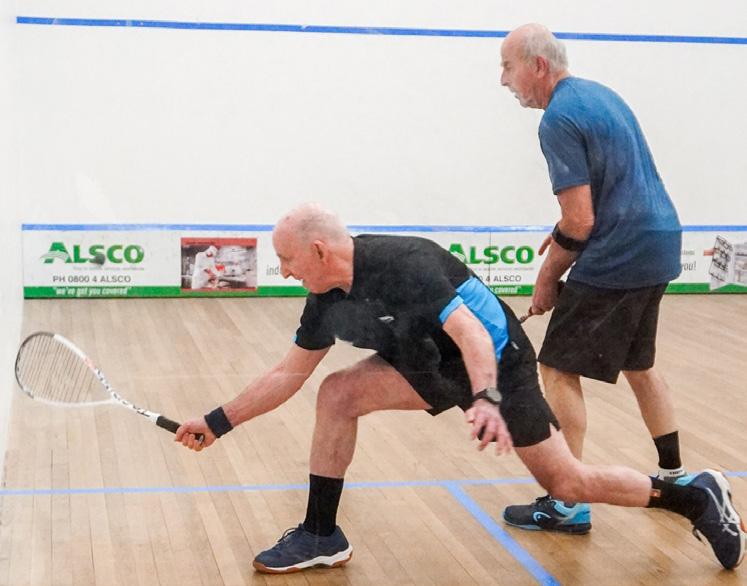
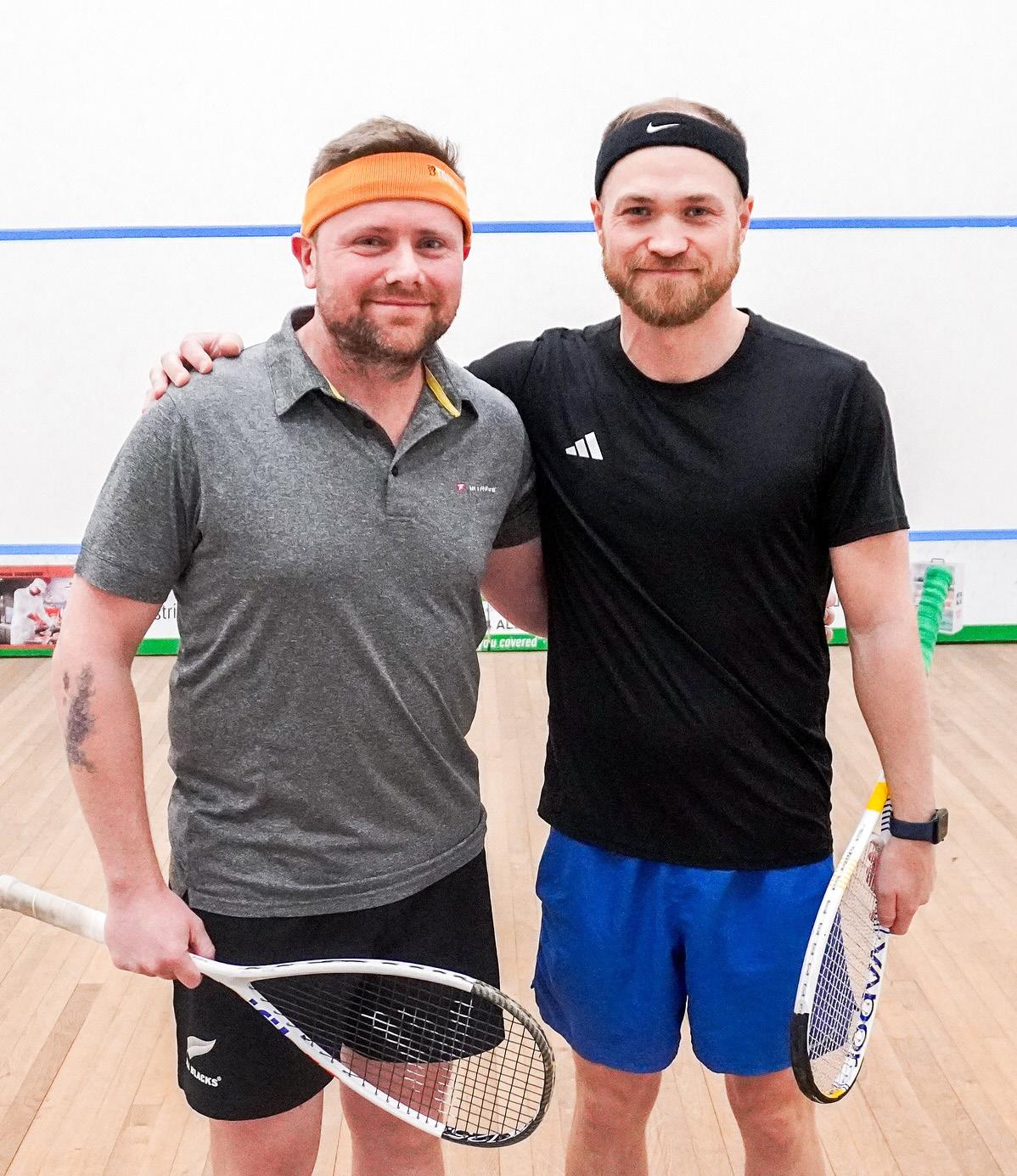
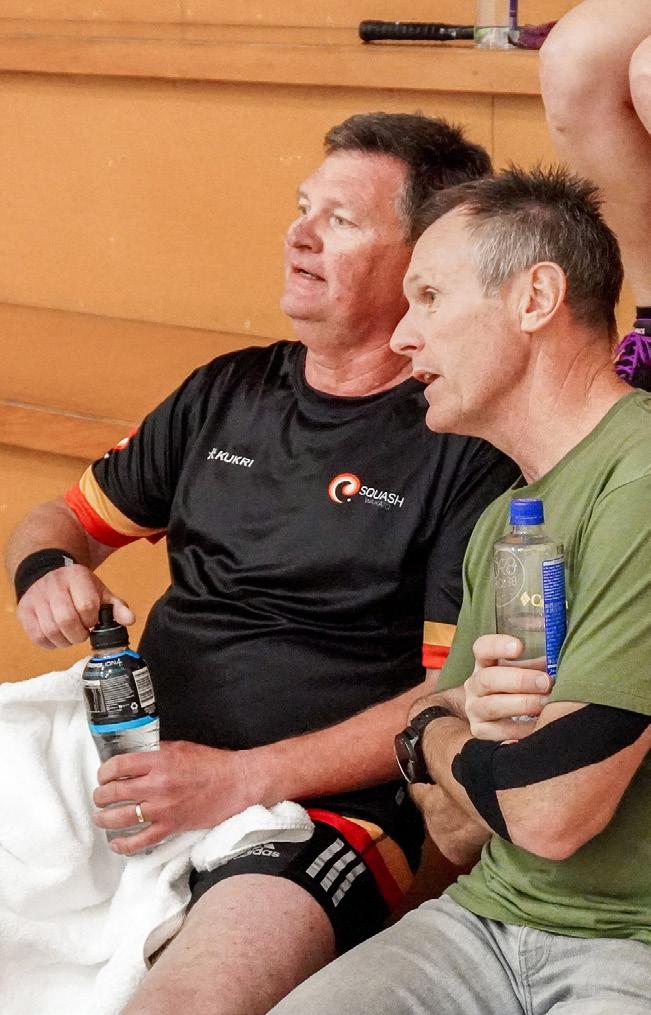
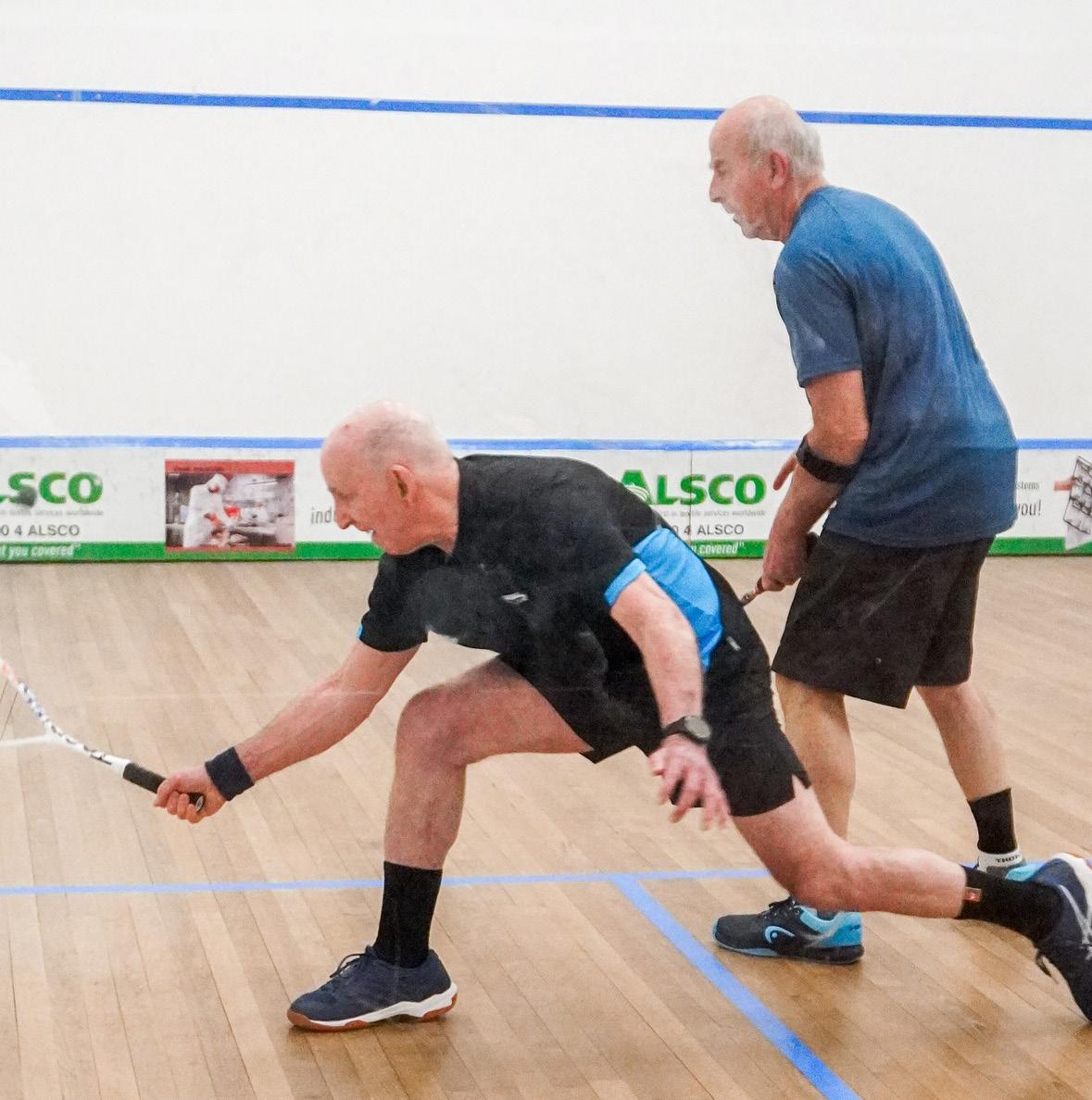
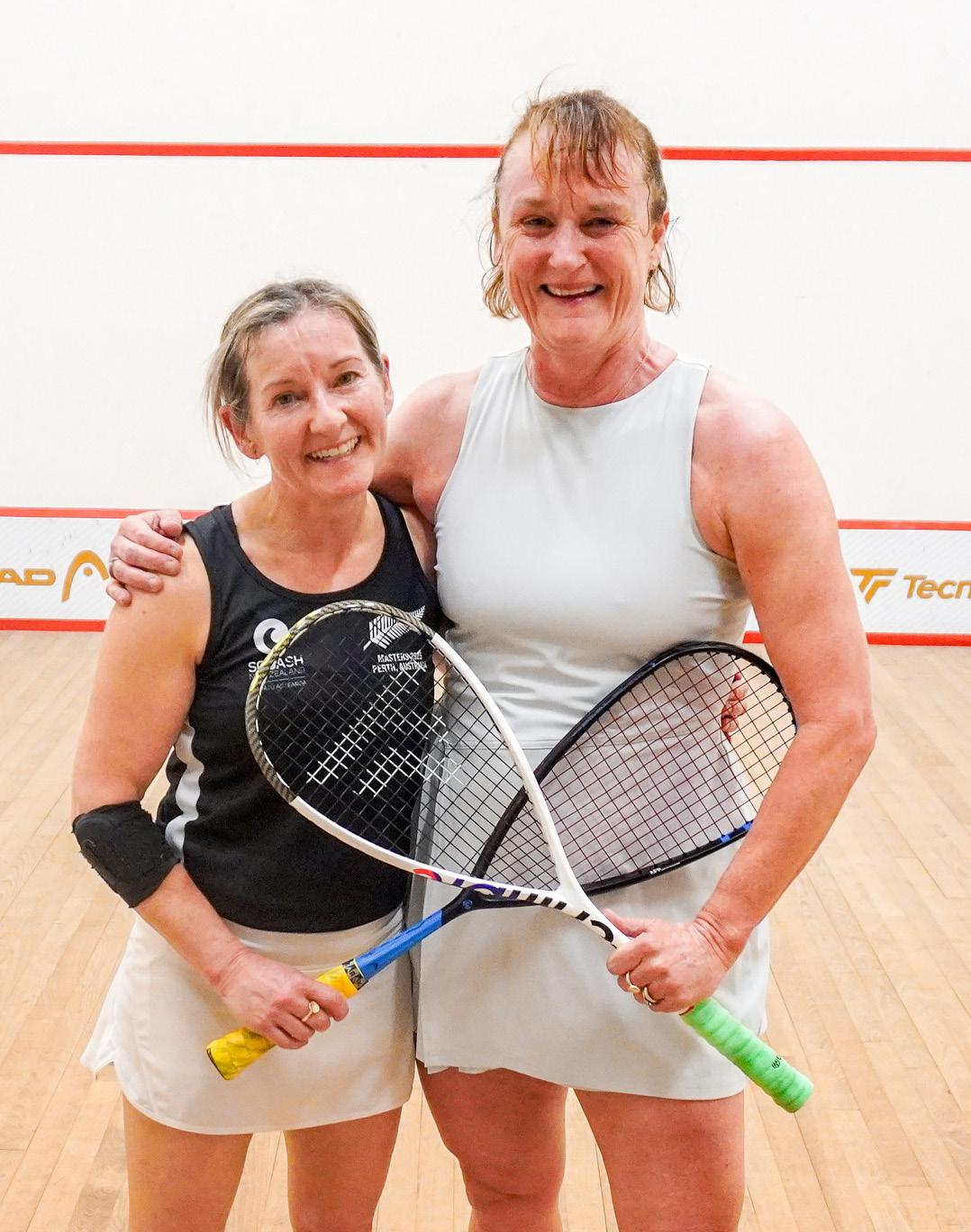
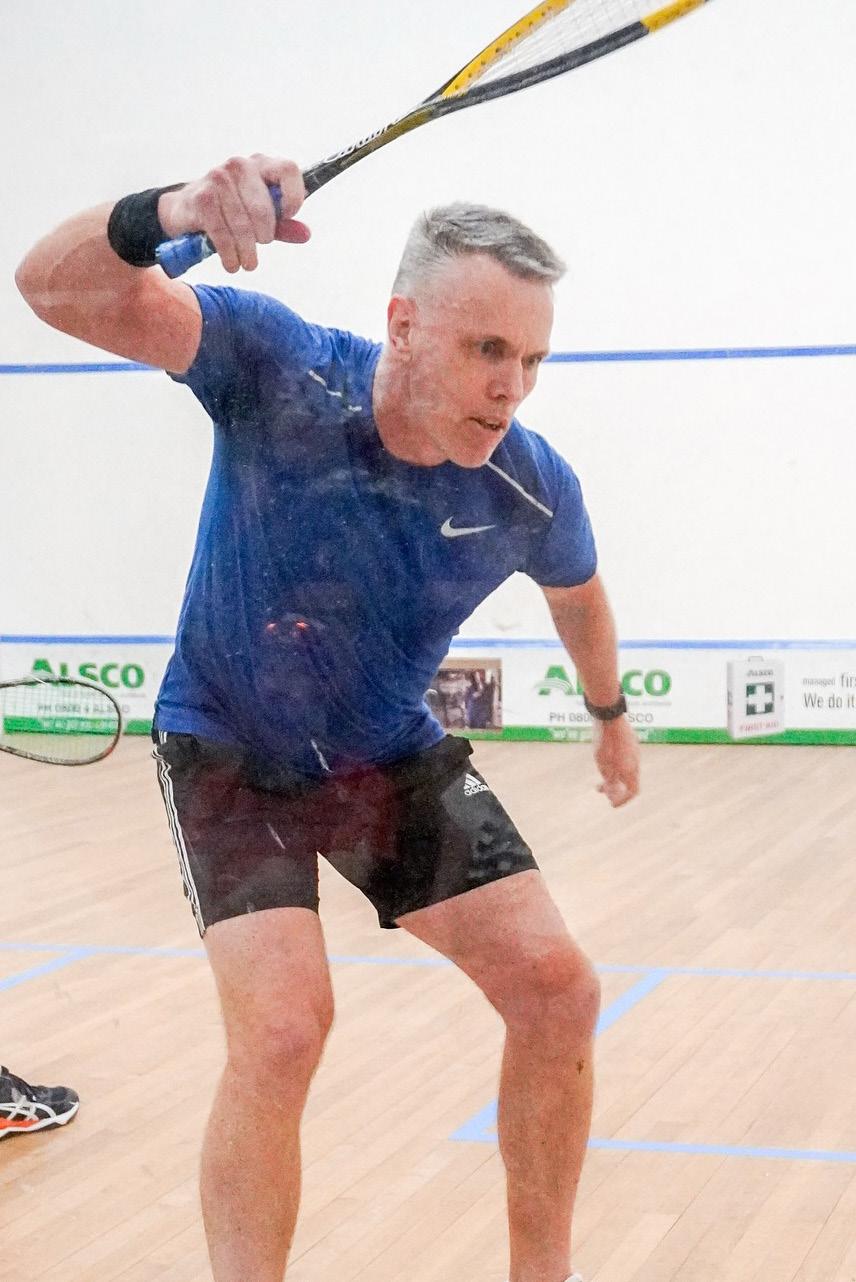
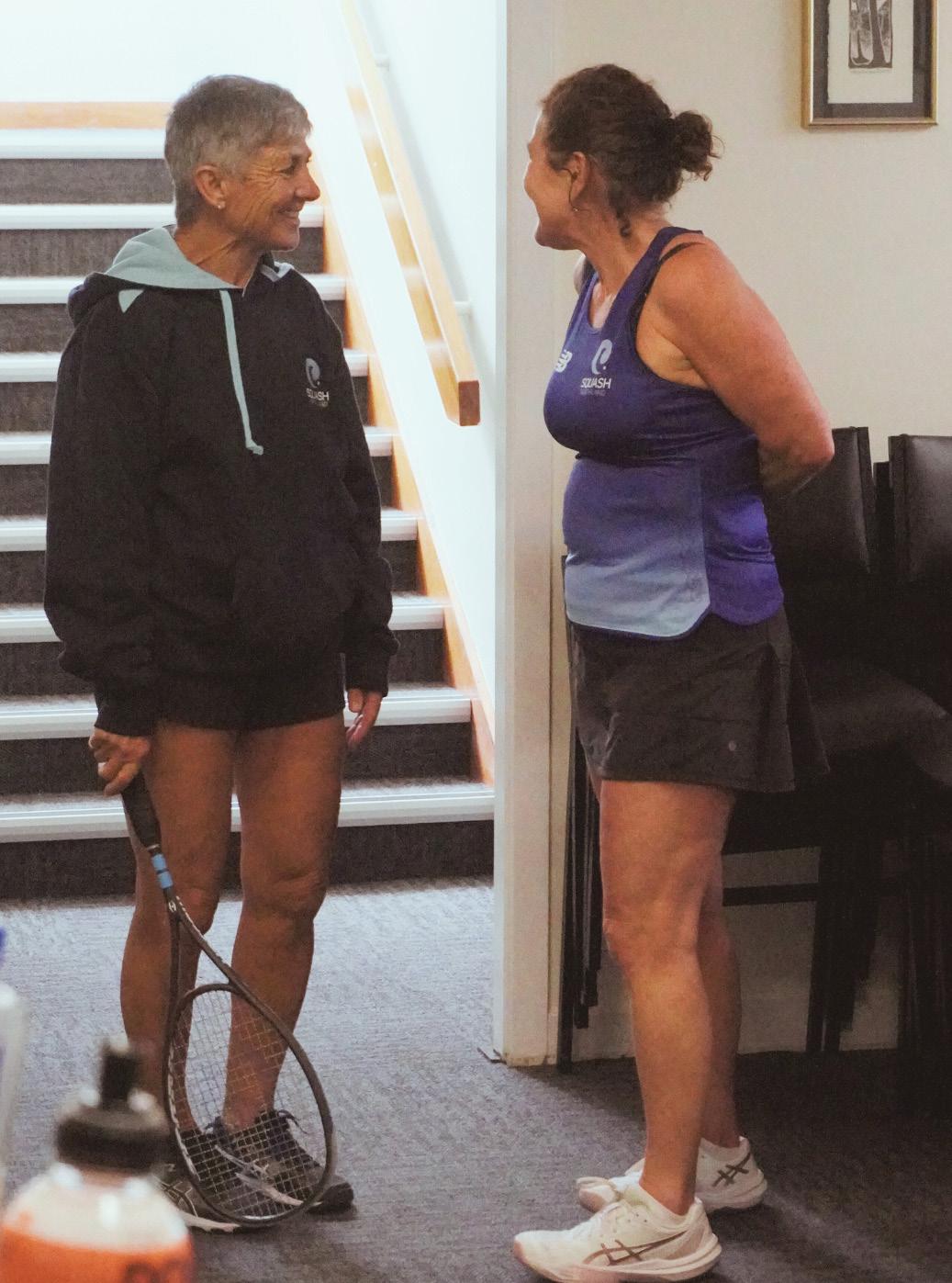
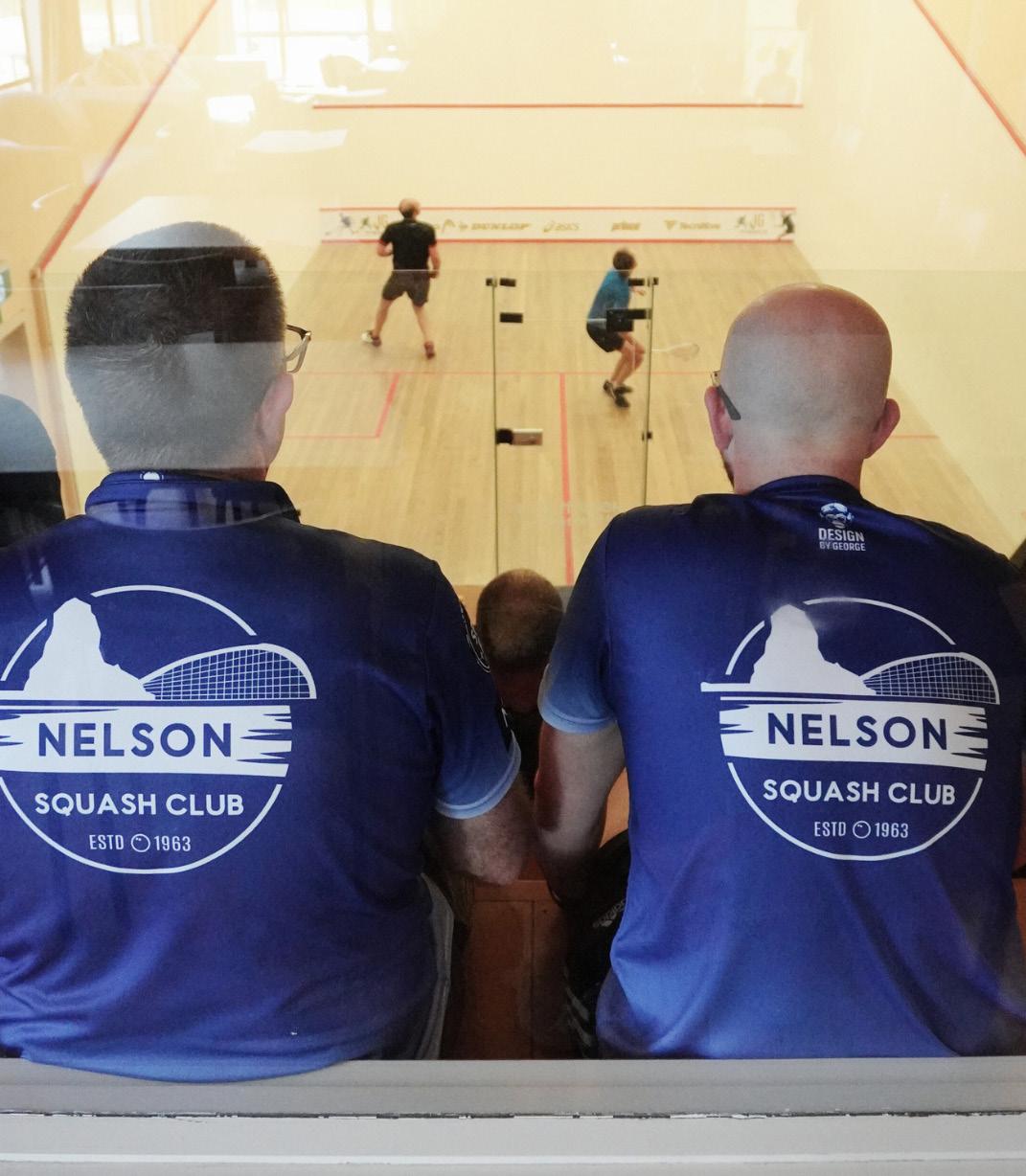
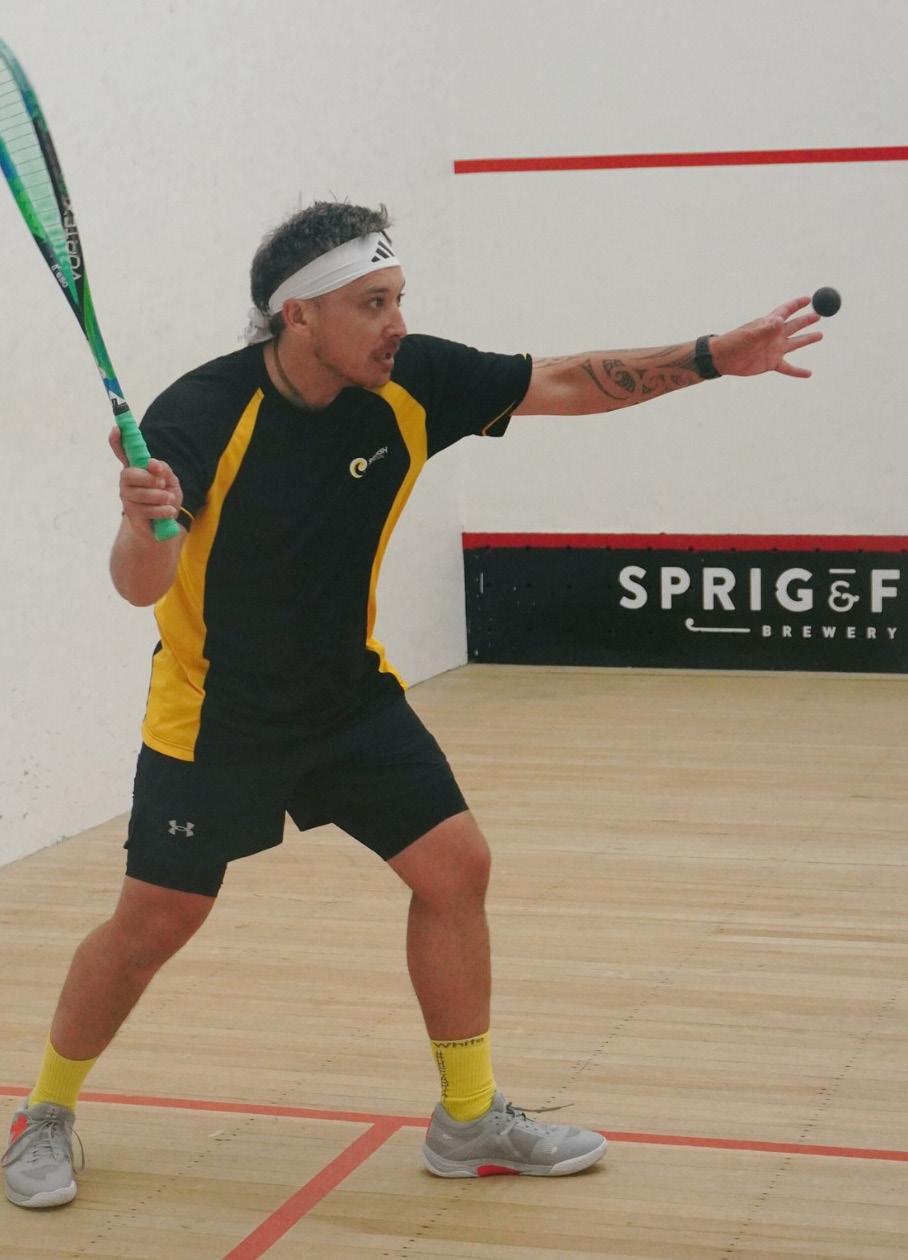
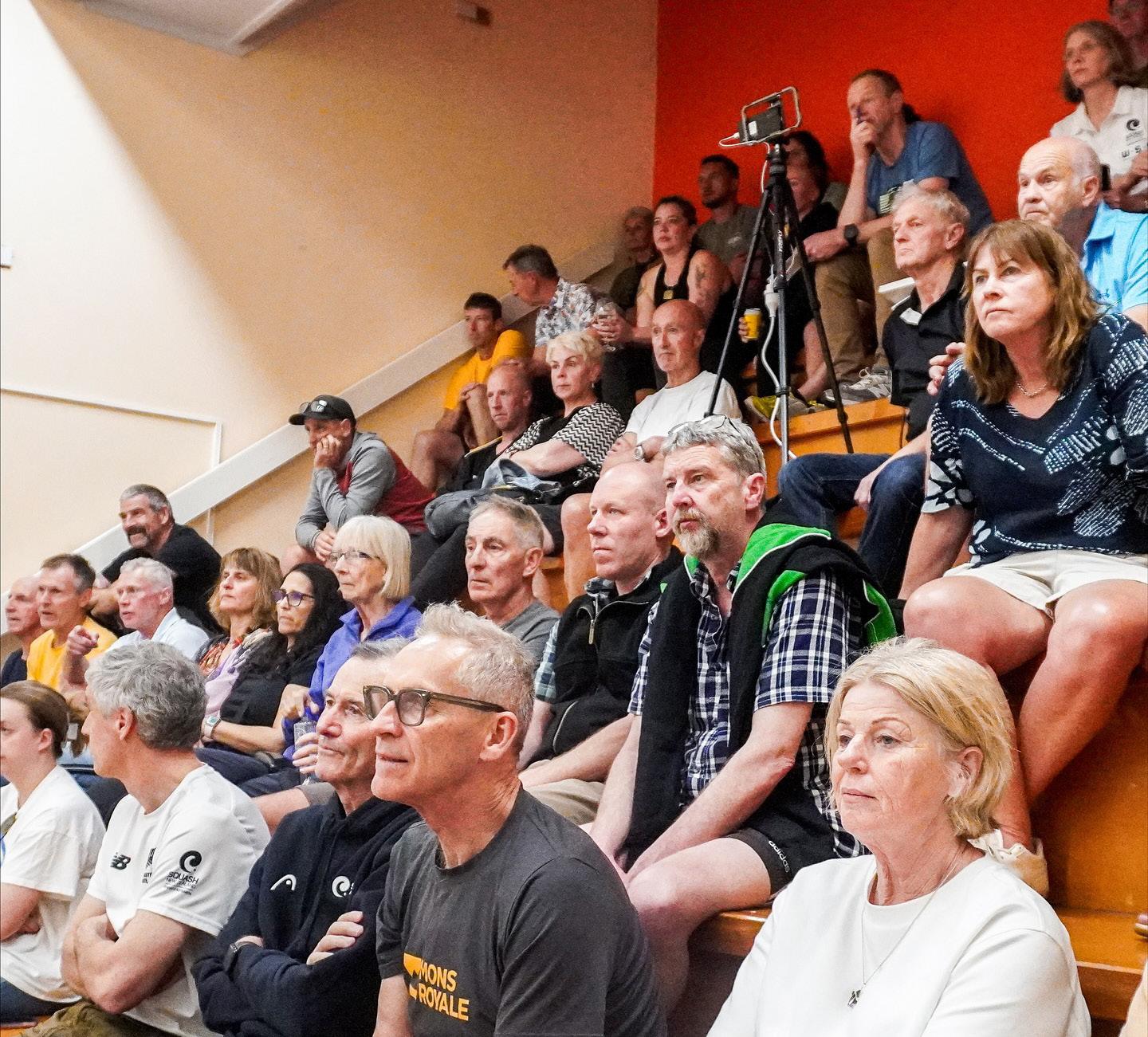
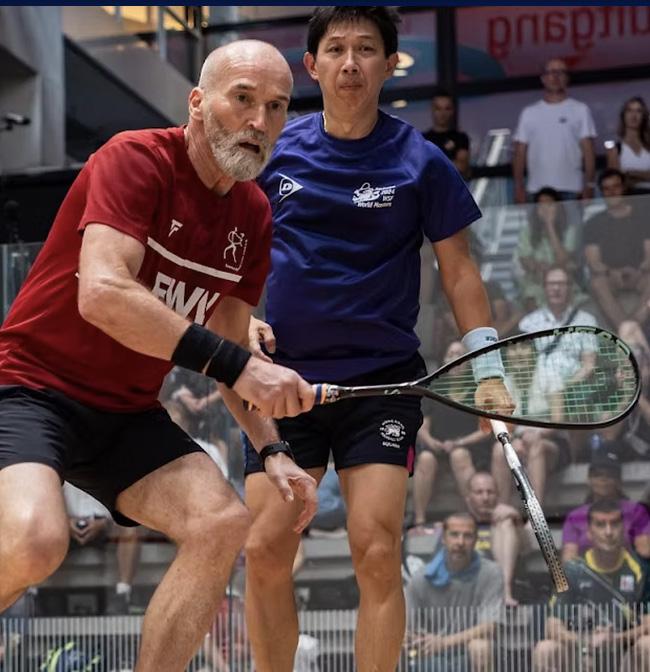
The NZ Masters Age Groups 2026 brought 228 players to Nelson and Waimea, filling the courts with competitive matches, familiar faces, plenty of laughs, and a whole lot of love for squash.
From the first serves of the morning to the last points of the finals, every division delivered some seriously hard-fought battles. Across every court, the standard of play was outstanding, with each age group showcasing skill and tactical awareness built over decades on court. Seeing players in their 70s and 80s still stepping on court, competing hard, laughing and loving every minute really put things into perspective. Outside of the on court match ups the buzz of people catching up with friends they might only see a few times a year was contagious reminding everyone that masters squash is as much about community as competition. For a new ‘baby’ master getting to be part of it all for the first time, it was the best kind of motivation. It wasn’t just about results; it was about friendships, longevity and proving that squash really is a sport for life.
CONGRATULATIONS TO THE CHAMPIONS IN EACH DIVISION:
Mens:
35+ Matt Nation
40+ Oliver Johnston
45+ Bradley Heaven
50+ Matt Green
55+ Jason Oxenham
60+ Brett Meyer
65+ Mark Waldin
70+ Ross Wells
75+ Peter Millar
Women’s
35+ Tracey Kimble
40+ Jaclyn Kemp
45+ Erin Ellery
50+ Suk Hee Kim
55+ Lisa Ashton
60+ Helen Gibbs
65+ Vicki Herdman
70+ Judith Smith
75+ Diana Connolly
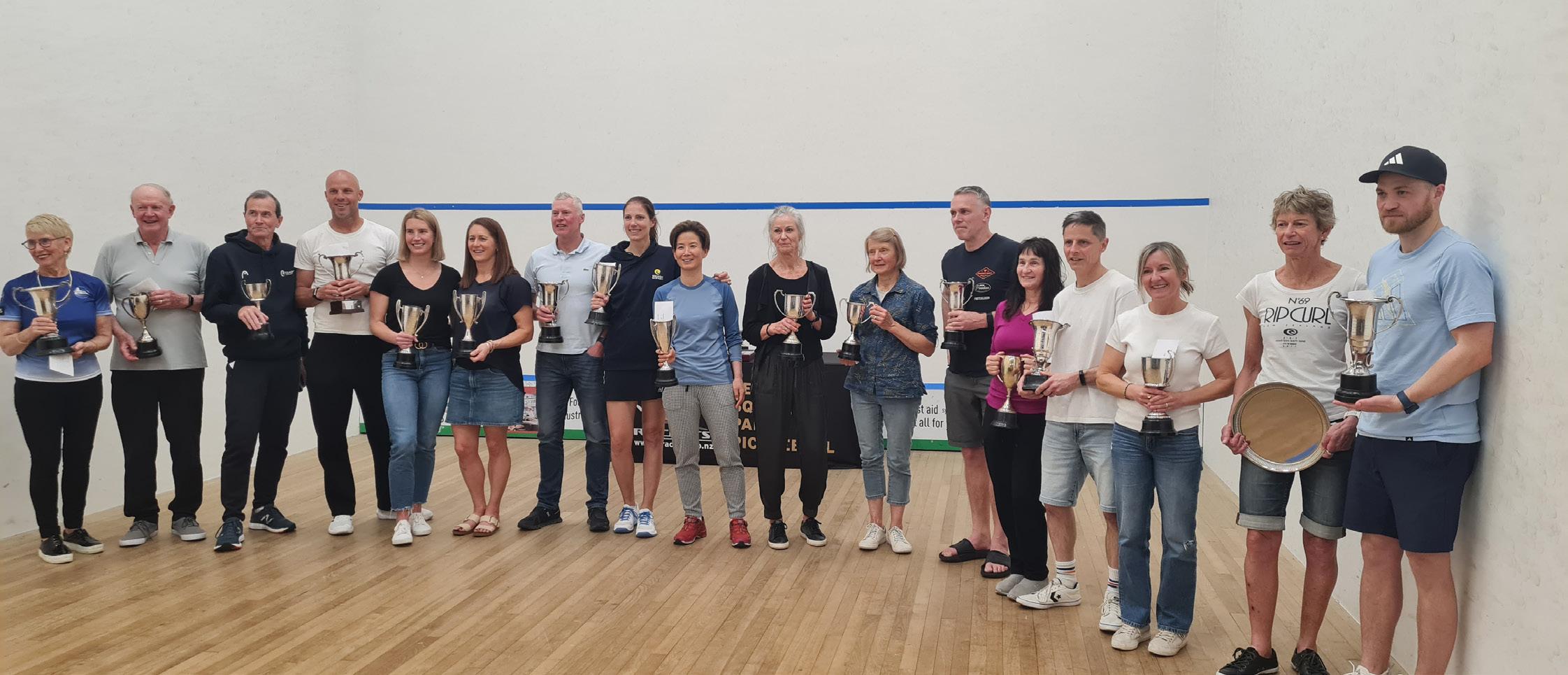
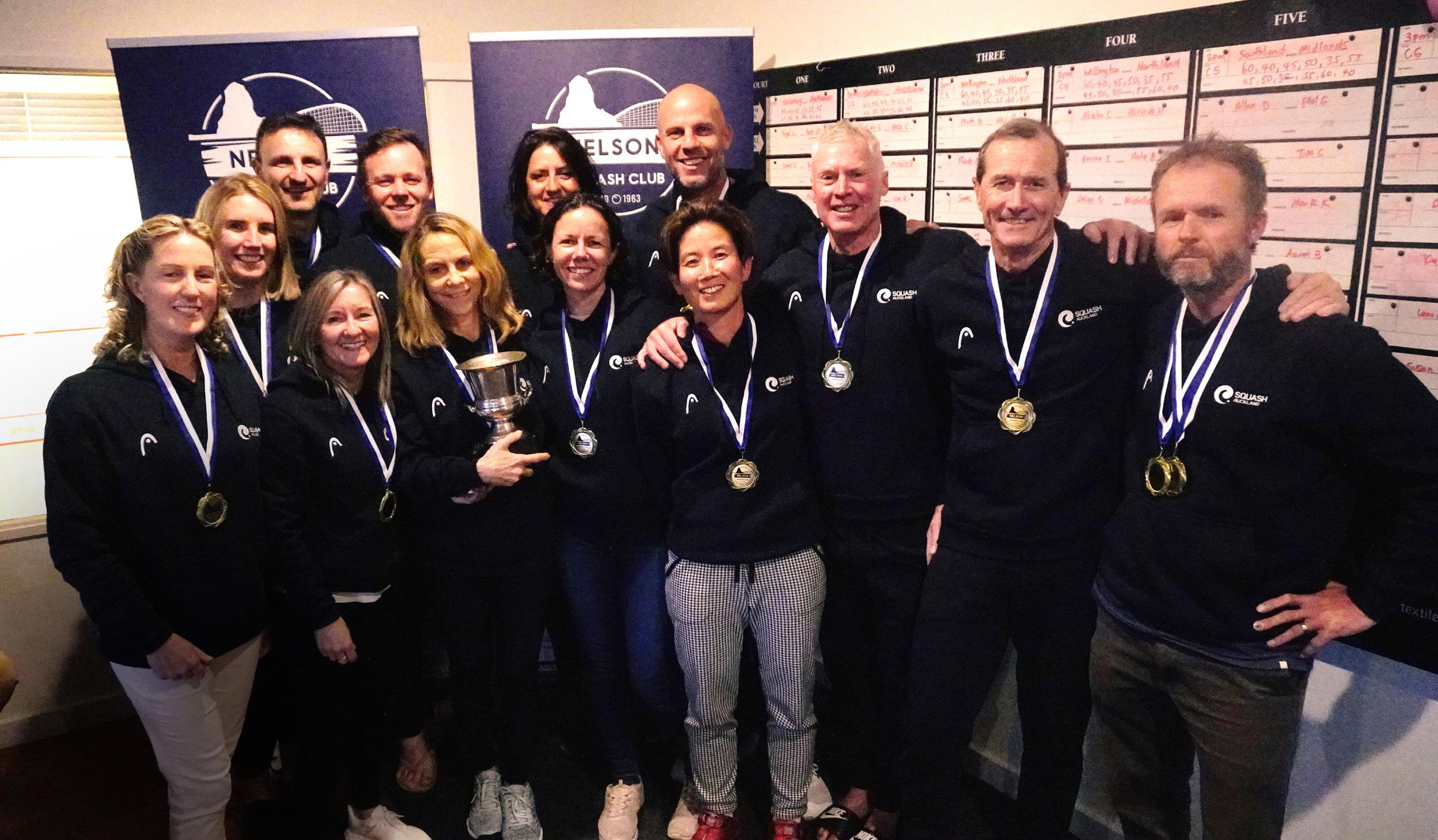
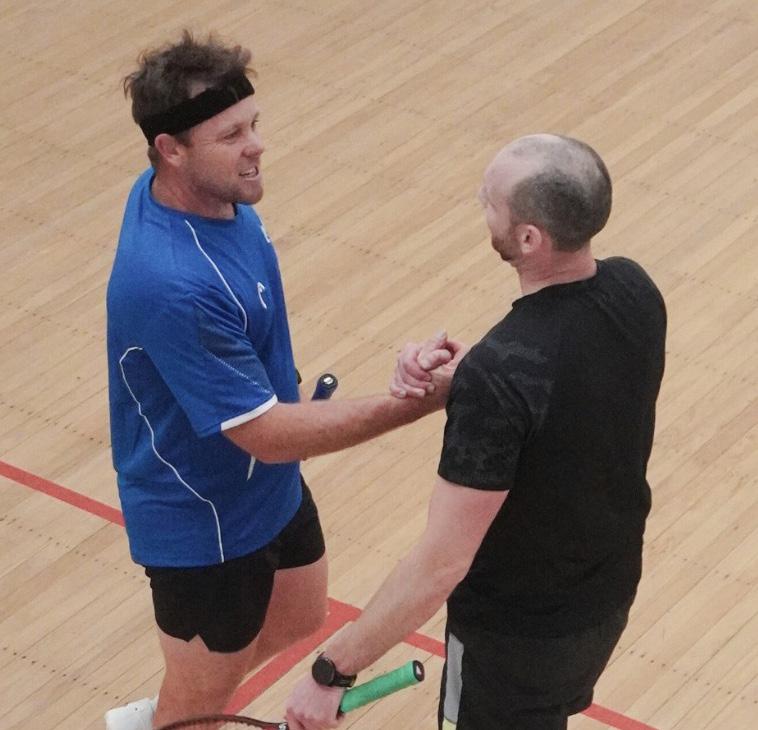
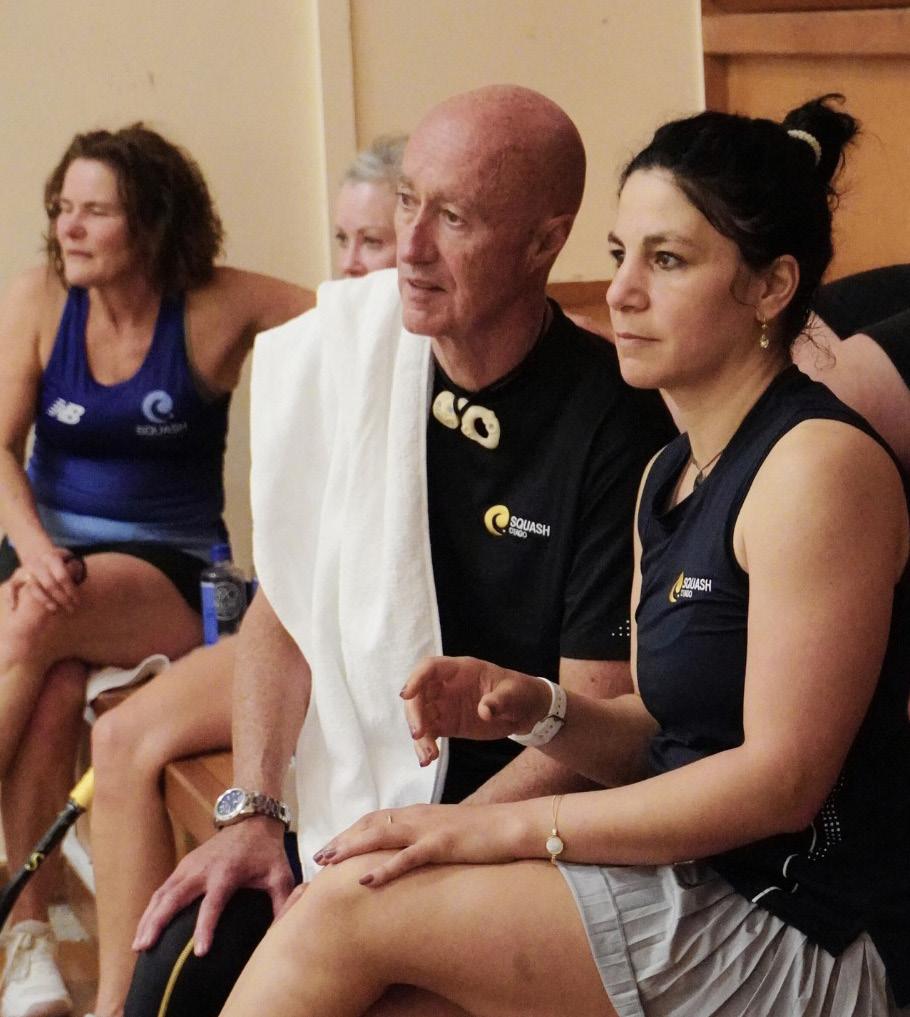
The 2026 Masters Team Event delivered fierce competition, unforgettable moments, and exceptional camaraderie, showcasing exactly why this tournament continues to be one of the most anticipated on the squash calendar.
This year’s Masters Team Event was packed with intensity, spirit, and the kind of stories that remind us why team squash is so special. One standout moment came early in the tournament, when Julie Berry and Di Connelly had a massive battle in the third - it stretched to an incredible 21/19, with both players locked in so tightly they didn’t even realise it had ended — a perfect example of the team spirit and focus that embodies this event.
At the top end of the competition, Auckland once again proved their dominance, taking on Canterbury in the final and securing their ninth consecutive title. Their consistency and class set a remarkable benchmark for all teams.
As we look ahead to 2027 in Whanganui, the big question remains: can anyone halt Auckland’s run, or will they be heading home with a historic tenth win?
Winners – Auckland
2nd – Canterbury
3rd – BOP
4th – Waikato
5th – Wellington
6th – Northland
7th – Midlands
8th – Southland
9th – Otago
10th – Central
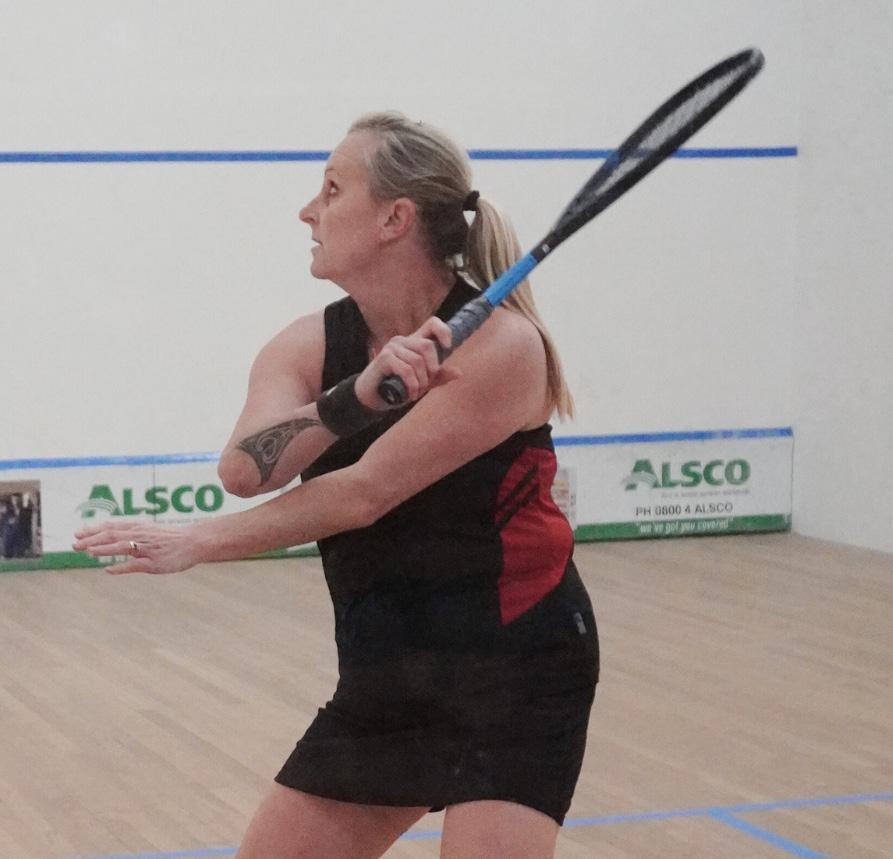

Tertiary squash was back in action on 29–30 November, returning to the UTSNZ Tertiary Challenge Series with an exciting weekend of competition at the Hiwa Recreation Centre in Auckland
Teams from University of Canterbury, University of Otago, University of Auckland, and Victoria University of Wellington flew in from around the country to go head-to-head across two action-packed days of squash.
Congratulations to the medallists:
• Winner: University of Auckland
• Runner Up:University of Canterbury
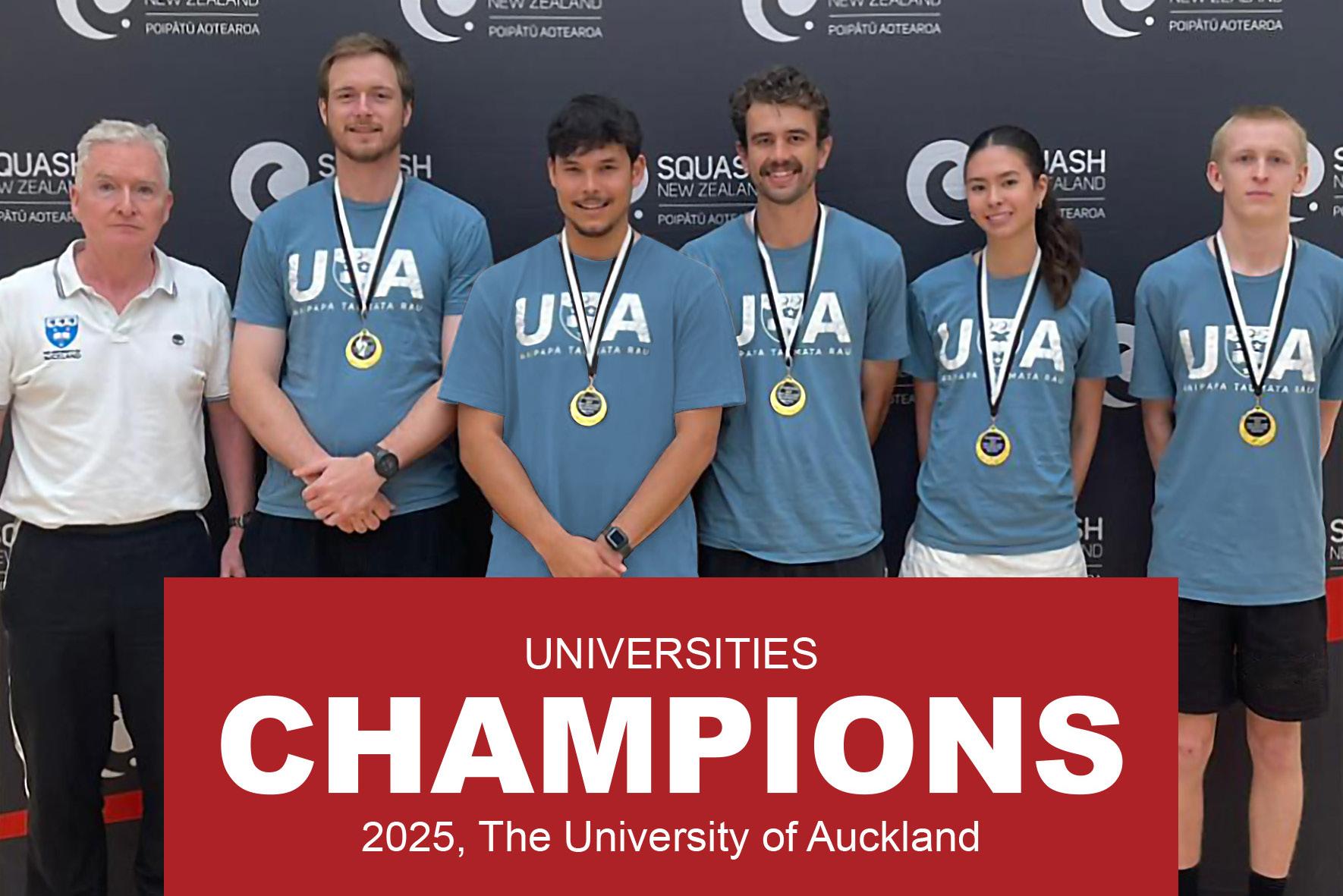
• Third: Victoria University of Wellington (five-player team)
Awesome to see such a strong showing for tertiary squash and the connection, competition and camaraderie that make these events so special. A big thank you to all players, officials, volunteers and supporters who helped make it happen.
Squash New Zealand Poipātū Aotearoa, in partnership with Long Burroughs, is excited to announce the launch of our Collective Insurance Programme – delivering exceptional savings for affiliated clubs nationwide.
Early projections show average savings of over 25%, with some clubs reducing costs by thousands of dollars. This initiative is designed to ease financial pressure while ensuring comprehensive cover for both property and liability.
What’s next? Clubs have one week to opt in by returning the Letter of Appointment sent by Long Burroughs. The more clubs that join, the stronger the collective – and the greater the savings for everyone. Even if your current policy has recently renewed, you can still benefit through rebates and transition seamlessly into the new programme.
It’s not too late for new affiliated clubs to join in the new year. Don’t miss this opportunity to save and strengthen your club’s future!

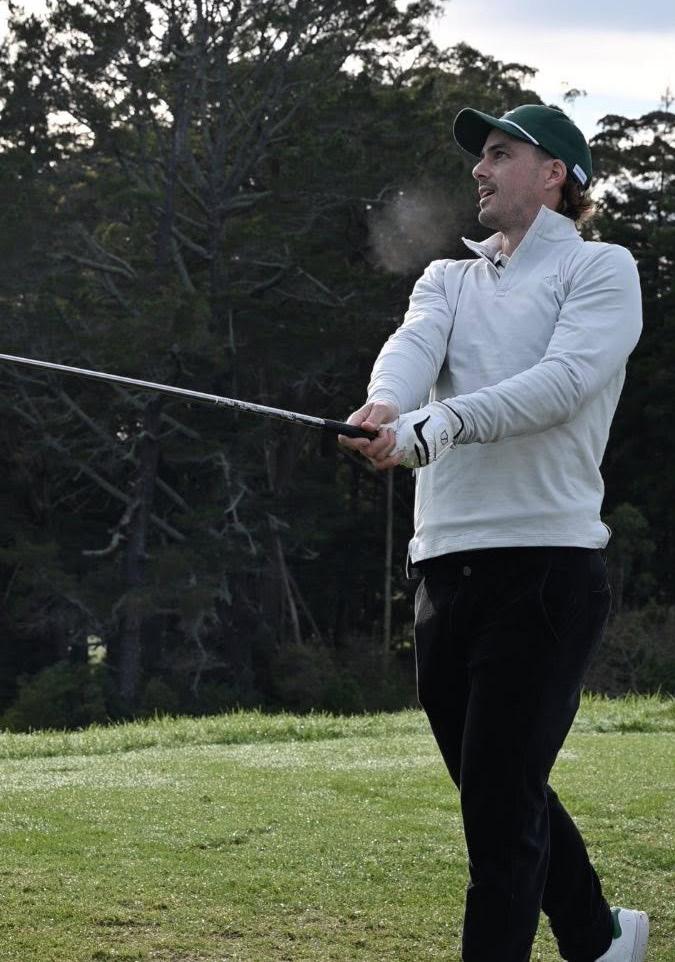
Thursday 26 February at Huapai Golf Club, Auckland
$440 per team (4 players)
Includes:
• Green Fees
• Meal
• Meet and greet Paul and Joelle
• And a fantastic day out
11.30 Check in and briefing
12.30 Tee off (Ambrose format – shotgun start)
Carts costs $60
Prizegiving and meal to follow
Click HERE to find out more and to register your team

Limited numbers, first in first served
Contact admin@squashnz.co.nz
Join in and play with us!
Sponsorship
Various sponsorship options available.
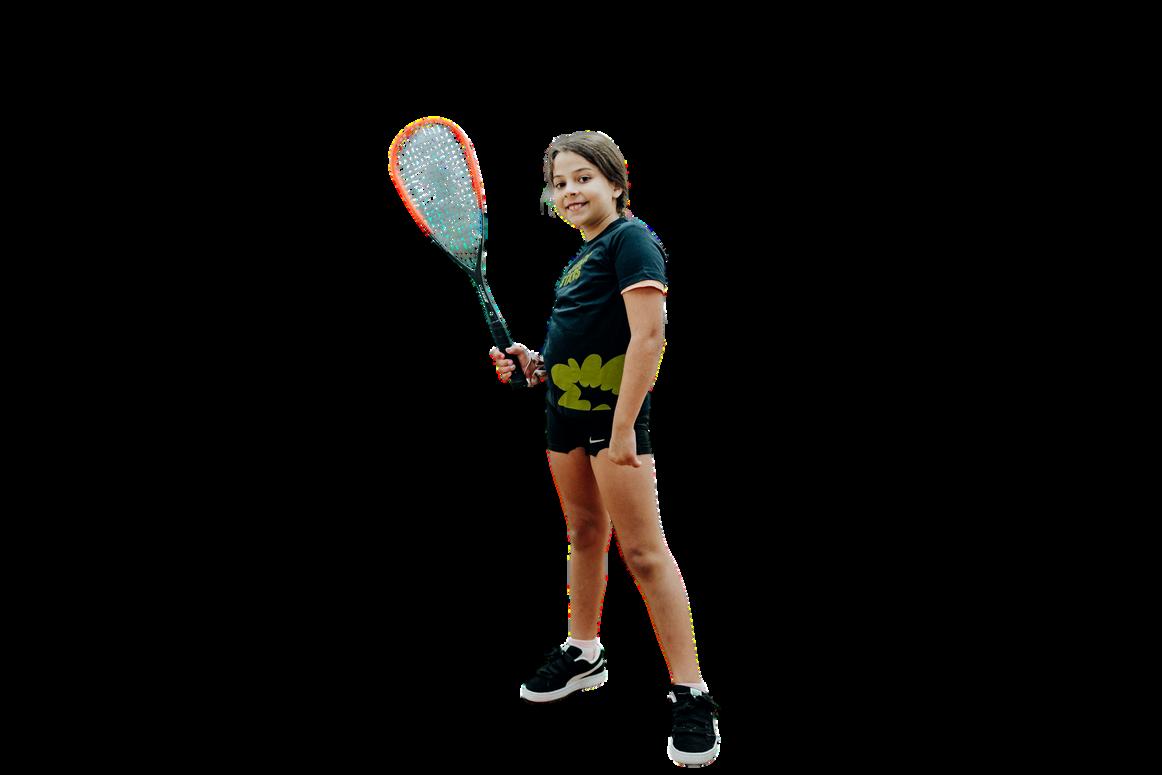
Squash Stars has swept across New Zealand in the second half of 2025, bringing energy, excitement, and new friendships to courts up and down the country.
With overwhelmingly positive feedback from both participants and clubs, the programme is poised to shine even brighter in 2026. Here’s why you should be part of the movement.
This year, young squash enthusiasts and their families shared their experiences of participating in our first ever Squash Stars programmes in Term 3. The verdict? Squash Stars is a hit, with 79% rating their likelihood to recommend the programme as “10 – Extremely Likely”.
What did they love most?
• Making new friends and socialising in a welcoming environment
• Supportive, enthusiastic coaches who made every session fun
• Game-based activities that built skills and confidence
• The excitement of receiving t-shirts and rackets
• Enjoyment of group activities and tournaments Parents and children alike are asking for more: longer programmes, more frequent sessions, and opportunities for junior competitions and club membership. The appetite for squash is growing!
Clubs Celebrate Success: Satisfaction and New Juniors
48 clubs took part in the national campaign, and their feedback was resoundingly positive. 70% rated their satisfaction as “Very Satisfied”, with an average rating of 4.5 out of 5.
Top highlights included:
• Children’s pride in achievements and certificates
• Noticeable improvement in skills and engagement
• Success in attracting new juniors
• High levels of fun and engagement for ages 5–12
• Effective coordination and involvement of parents and volunteers
Clubs are eager to see even more outreach, especially to schools, and suggest making the programme accessible for older children too. They’re committed to retention, offering continued coaching, affordable memberships, junior nights, tournaments, and family events.
Both participants and clubs agree: Squash Stars is about more than just sport. It’s about building confidence, making friends, and creating lasting memories. The programme’s emphasis on fun and inclusivity is key to its success, and there’s strong demand for ongoing opportunities.
If you’re a parent, club, or young player, 2026 is your chance to join a thriving community. Whether you’re new to squash or looking to build on your skills, Squash Stars offers a welcoming environment, expert coaching, and plenty of opportunities to shine.
Ready to be part of something special?
Contact your local club, ask about Squash Stars, and get ready for a year of fun, friendship, and growth on the court. Inspired by the voices of participants and clubs nationwide, Squash Stars is set to make 2026 the biggest and best year yet. Don’t miss out!
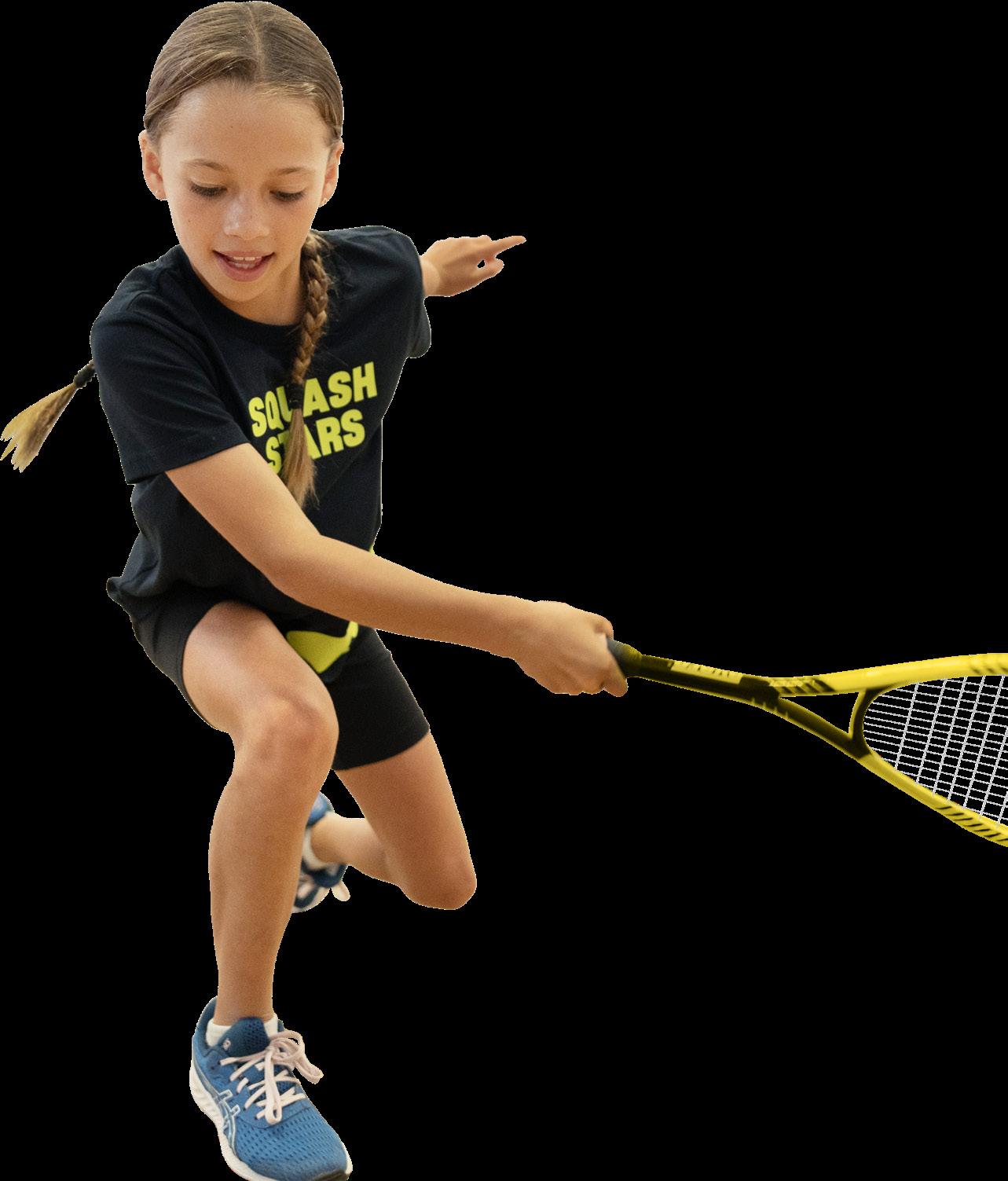
9 out of 10 parents are highly likely to recommend Squash Stars to other parents
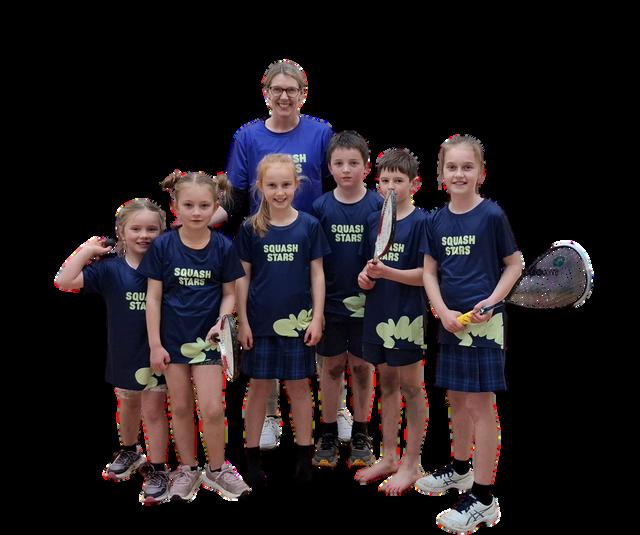
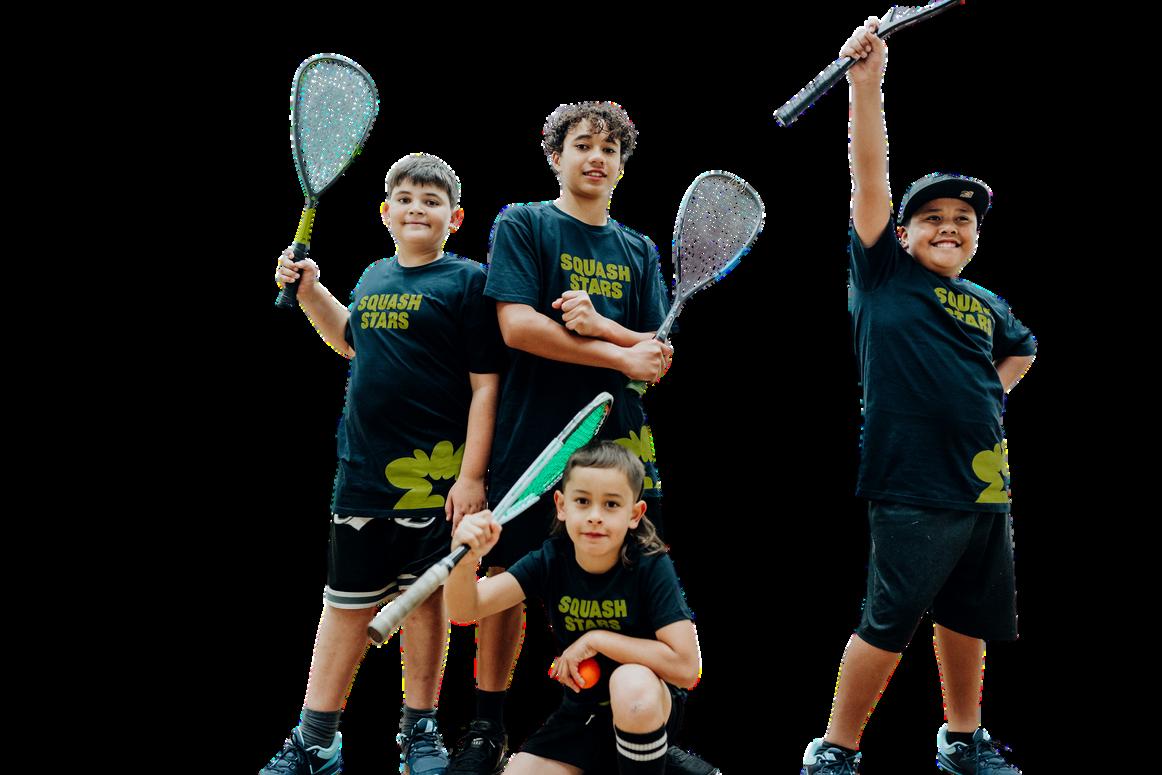

60+ Activators Trained
48 Participating Clubs Clubs rated the programme 4.5/5
Almost 90,000 people reached with social advertising
“I enjoyed learning new skills and getting better at holding my racket and hitting the ball.” – Addison, 9
“The sessions were full of action – I learnt what squash was and I love it!” – Tom, 7
“I loved going to squash stars with my new racket and t shirt, learning new skills, made some new friends.” – Katie, 10
“The coaches are so nice and you could make friends there!” – Kaho, 9
Format:
Give It a Go (GIAG) Weekends
Two GIAG weekends were held at the start of Term 3. Registrations came through school promotions and direct sign-ups, with QR code registration available for walk-ins.
Follow-on Programme: Squash Stars
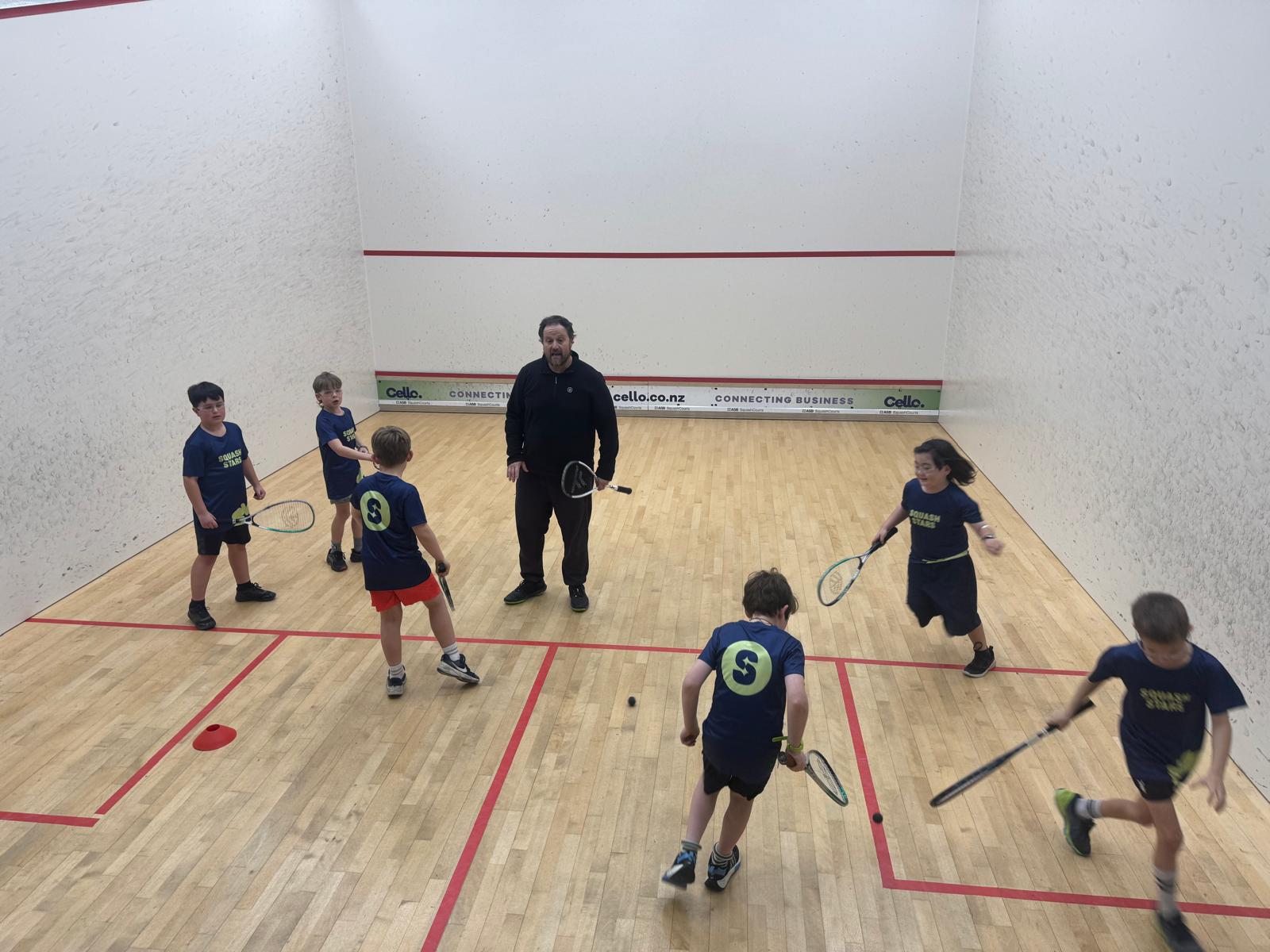
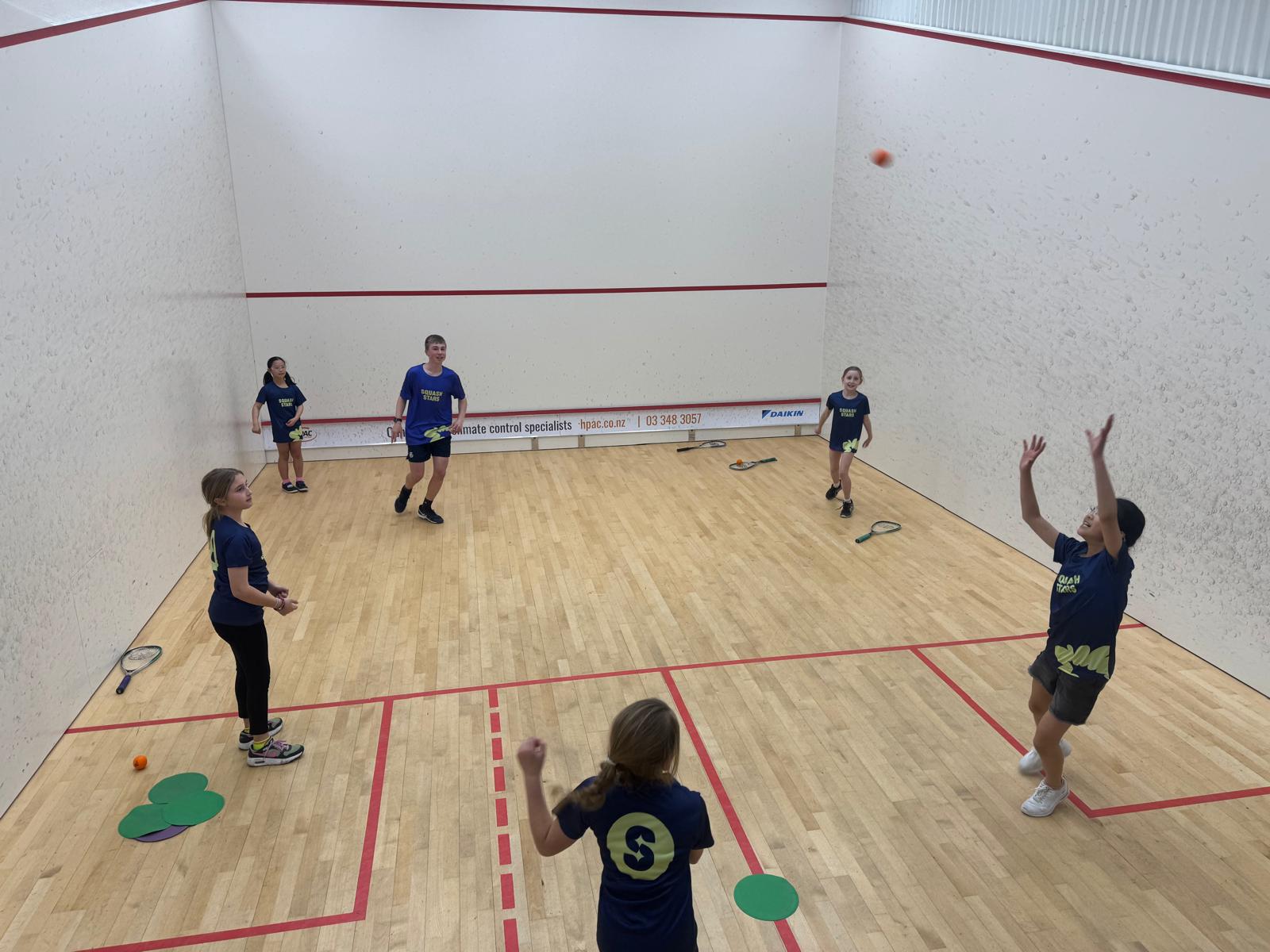
After GIAG, participants were offered places in the Squash Stars programme. Due to high uptake, sessions were split into two Friday time slots:
o 6–7pm: 39 kids across 5–6 courts
o 7–8pm: 19 kids across 3–4 courts
Participants:
GIAG Attendance: ~80–85 children registered, plus walk-ins captured via QR code.

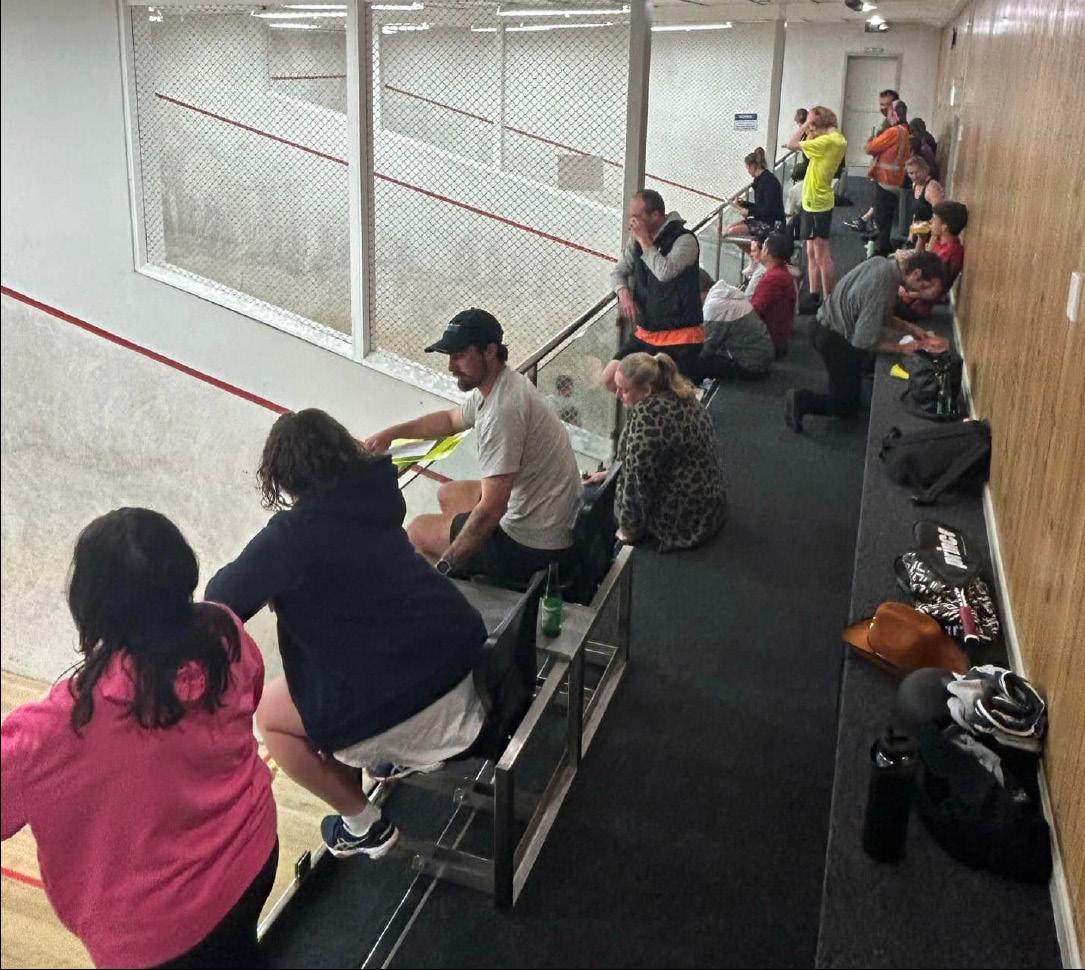
Squash Stars Sign-ups: 58 registrations (≈56% conversion from GIAG).
Volunteer Support: Parents and teenage juniors assisted after activator training, ensuring quality delivery and community involvement.
Promotion:
School Channels: Flyers in primary school newsletters delivered the strongest results, especially where existing contacts helped push them through.
Social Media: Posts on local community Facebook pages and support from Squash NZ comms amplified reach.
On-site Engagement: Supper/social element after GIAG encouraged families to stay and sign up on the spot.
Resources: Squash Stars templates, media assets, and weekly comms from Squash NZ provided a professional and consistent experience.
Stepped Approach: Free GIAG sessions created a low-risk entry point, leading naturally into Squash Stars.
Easy Registration: MS Forms and QR codes streamlined sign-ups and captured valuable data (school, experience, referral source).
Community Feel: Volunteer and junior player involvement lightened the load and built a welcoming atmosphere.
Programme Quality: Activator training and Squash Stars resources ensured engaging, structured sessions.
Added Value: Social elements and equipment availability (club rackets, safety glasses) removed barriers for families.
External Support: Squash Canterbury’s school activations and Squash NZ’s training and branding boosted credibility and excitement.


Are you new to your club’s committee? Thinking about helping out with coaching, refereeing, club management, or running tournaments? SquashSmart (www.squashsmart.co.nz) is your essential toolkit for success—no matter your experience level.
Coaching: Build Skills, Inspire Players
SquashSmart offers a comprehensive suite of online coaching courses, from becoming an Activator to run Squash Stars at your club, to working with highergraded players and beyond. Whether you’re just starting out or looking to refine your approach, you’ll find step-by-step modules, practical drills, and expert advice to help you nurture talent and create a positive club environment.
• Track your completed coaching qualifications in MySquash
• Access lesson plans, skill progression guides, and video tutorials
Refereeing: Knowledgeable and Confident
Thinking about becoming a referee or improving your own game through improved knowledge of the rules? SquashSmart’s refereeing resources cover everything from basic rules to advanced match control. You’ll find:
• Our online club referee course, compulsory for all players competing in Superchamps each year to complete
• Info on progressing through the World Squash Officiating pathway
• Records of completed courses, all visible in your MySquash profile
Club Management: Run Your Club Like a Pro
If you’ve joined your club’s committee or want to help with administration, SquashSmart makes it easy to get up to speed. The platform provides:
• Club management guides and templates
• Tips for member engagement and retention
• Resources for financial planning, governance, and volunteer coordination
Tournament Control:
Organise Events with Confidence
Ready to run your first tournament or streamline your club’s events? SquashSmart has you covered with:
• Tournament control courses and checklists
• Step-by-step guides for planning, promotion, and results management
• Advice on using technology and best practice for smooth operations
Your Qualifications, All in One Place
Your completed coaching, refereeing, club management, and tournament control qualifications are now available in MySquash. To view them:
1. Log in to MySquash
2. Go to Profile
3. Click Member Details
4. Select the Organisation tab
Attended a Foundation or Development workshop but don’t see it listed? Let us know and we’ll update your profile—your achievements matter!
Ready to Take the Next Step?
Whether you’re a coach, referee, committee member, or volunteer, SquashSmart is the place to go. Explore the resources, enrol in your next course, and keep building your skills.
Visit www.squashsmart.co.nz today and make a difference at your club


Want to reach thousands of squash fans across New Zealand?
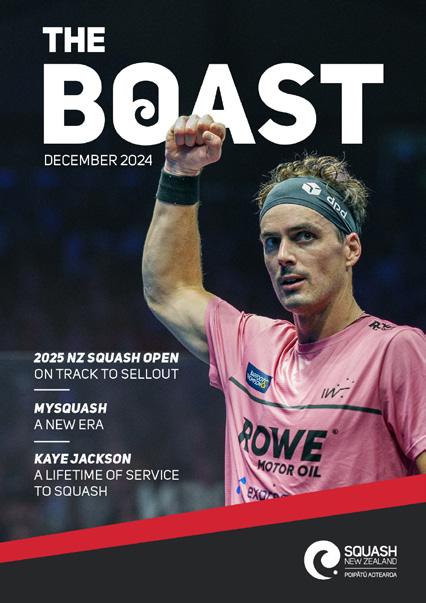
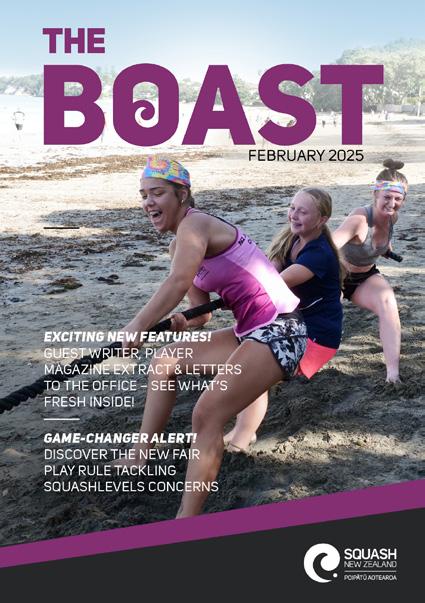
The Boast is Squash NZ’s digital magazine, shared with over 22,000 subscribers and across 11 Districts and International followers.
Connect with players, coaches, and fans who live and breathe squash. With clickable ads, sponsored content, and multi-issue discounts, it’s a smart way to get noticed.


Email admin@squashnz.co.nz or visit www.squashnz.co.nz to learn more.
Order our cool Order our cool
Choose between hoodie, mid-layer top and a standard T-shirt. Check out the colour options and place your order by clicking the link below.
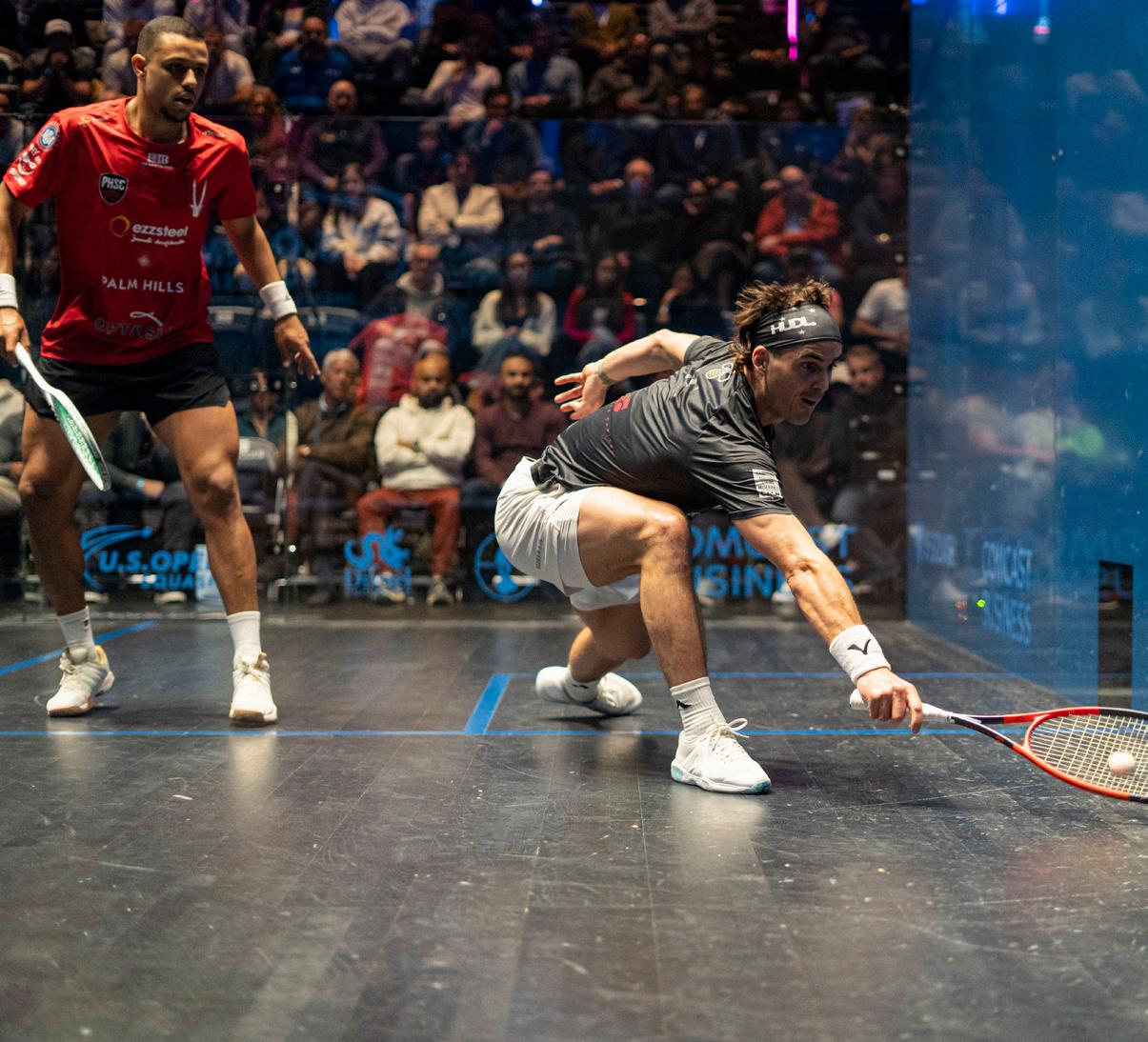
World No.3 Paul Coll has been outclassed by Egyptian Mostafa Asal in the final of the U.S. Open 2025.
Asal avenged his recent defeat to the Kiwi No.1 in the Qatar Classic final with a supreme performance in Philadelphia. The opening exchanges were testing and physical, with the first game lasting 20 minutes. However, it was Asal who held a little buffer on the scoreboard, holding 7-5 and 10-7 leads. Despite Coll saving two of the game balls, Asal held strong to move one game up over the Kiwi.
The ball dropped off dramatically in the second game, with Asal shortening the rallies thanks to penetrating length and sharp hitting into the front two corners.
‘The Raging Bull’ raced into a 7-2 lead and continued to pile the pressure on Coll as he took the second game comfortably.
The one-way traffic continued into the third game, with Asal powering into an insurmountable 8-0 lead before closing out the match.
Result:
[1] Mostafa Asal (EGY) bt [2] Paul Coll (NZL) 3-0: 11-9, 11-3, 11-3 (58m)

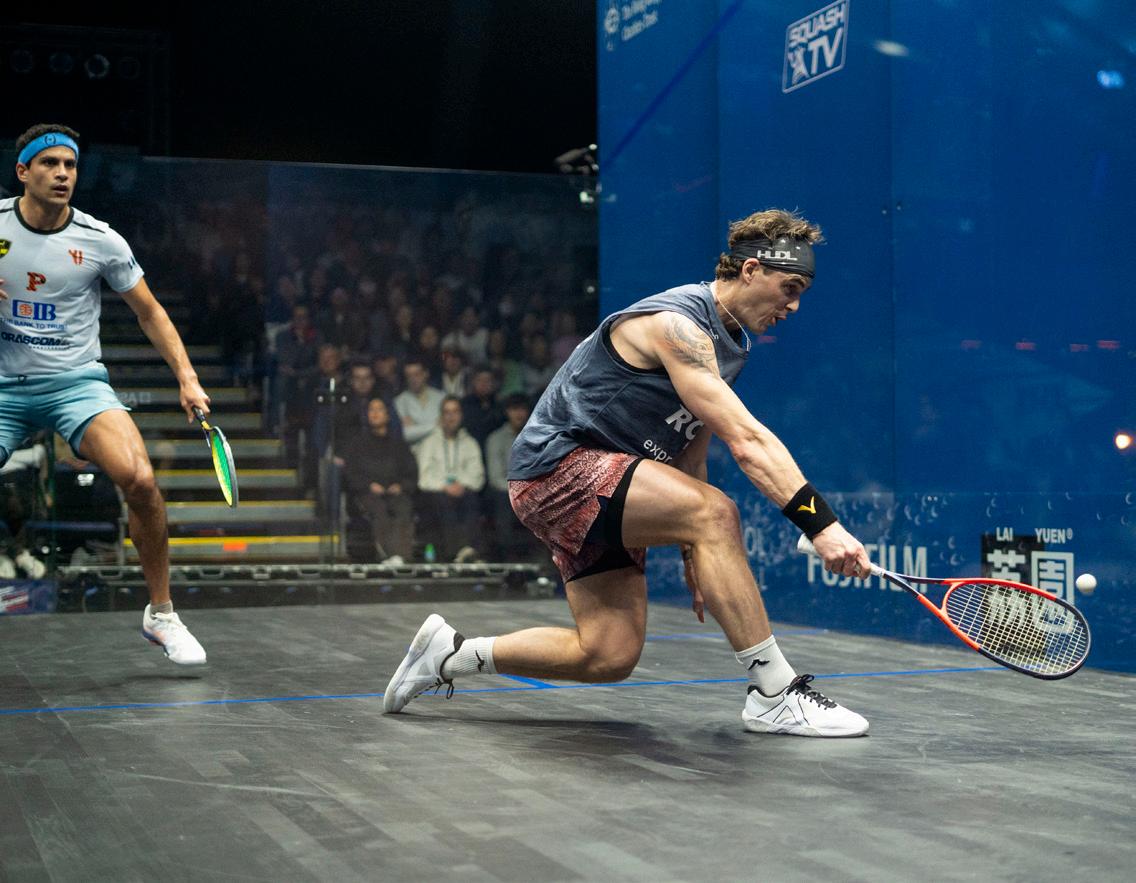
Egypt’s Youssef Ibrahim has delivered a performance of the highest level to overcome World No.2 Paul Coll in four games at the Milwaukee Hong Kong Squash Open 2025.
Ibrahim, whose last Platinum final on the PSA Squash Tour ended in defeat against Coll back at the Windy City Open in March 2022, battled back from a game behind to defeat the World No.2 by a 3-11, 13-11, 11-8, 11-8 scoreline.
Coll started the match in supreme form, dominating the opening game with some clinical play and racing into a 1-0 lead after just seven minutes.
The 26-minute second game that followed would ultimately prove crucial in the outcome of the match, with Coll edging ahead to a 10-9 scoreline, before slipping on game ball to offer Ibrahim a route back in. The subsequent tie-break was full of drama before the Egyptian snuck ahead to a 13-11 scoreline.
Ibrahim only moved from strength to strength in the third game, producing squash of the highest level to move away from 8-8 to move to within a game of the final.
Despite falling 4-1 behind in the fourth, Ibrahim won nine of the next 12 points to win the match and reach the final of the Hong Kong Open 2025.
Result:
[8] Youssef Ibrahim (EGY) bt [2] Paul Coll (NZL) 3-1: 3-11, 13-11, 11-8, 11-8 (64m)

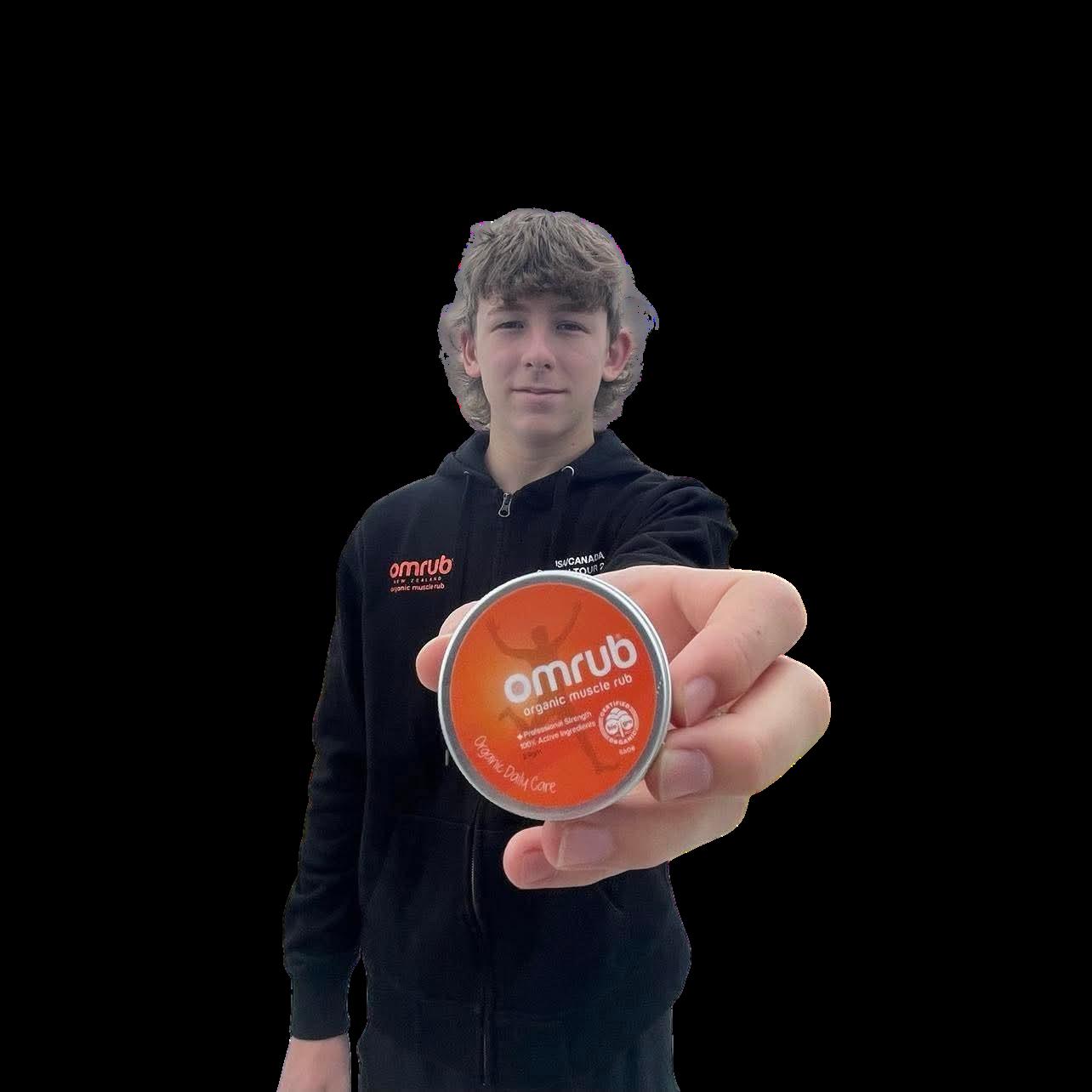
Here is how you can support and get your Omrub:

Purchase a tin of Omrub at the club and support our Juniors!
Members discount 60g tin $35 and 24g tin $20
Each box of Omrub sold earns a profit for our club’s junior fund!
Omrub donates Squash NZ Juniors $2 for each 60g tin and $1 for each 24g tin sold
You can also place an order by emailing or texting the club!




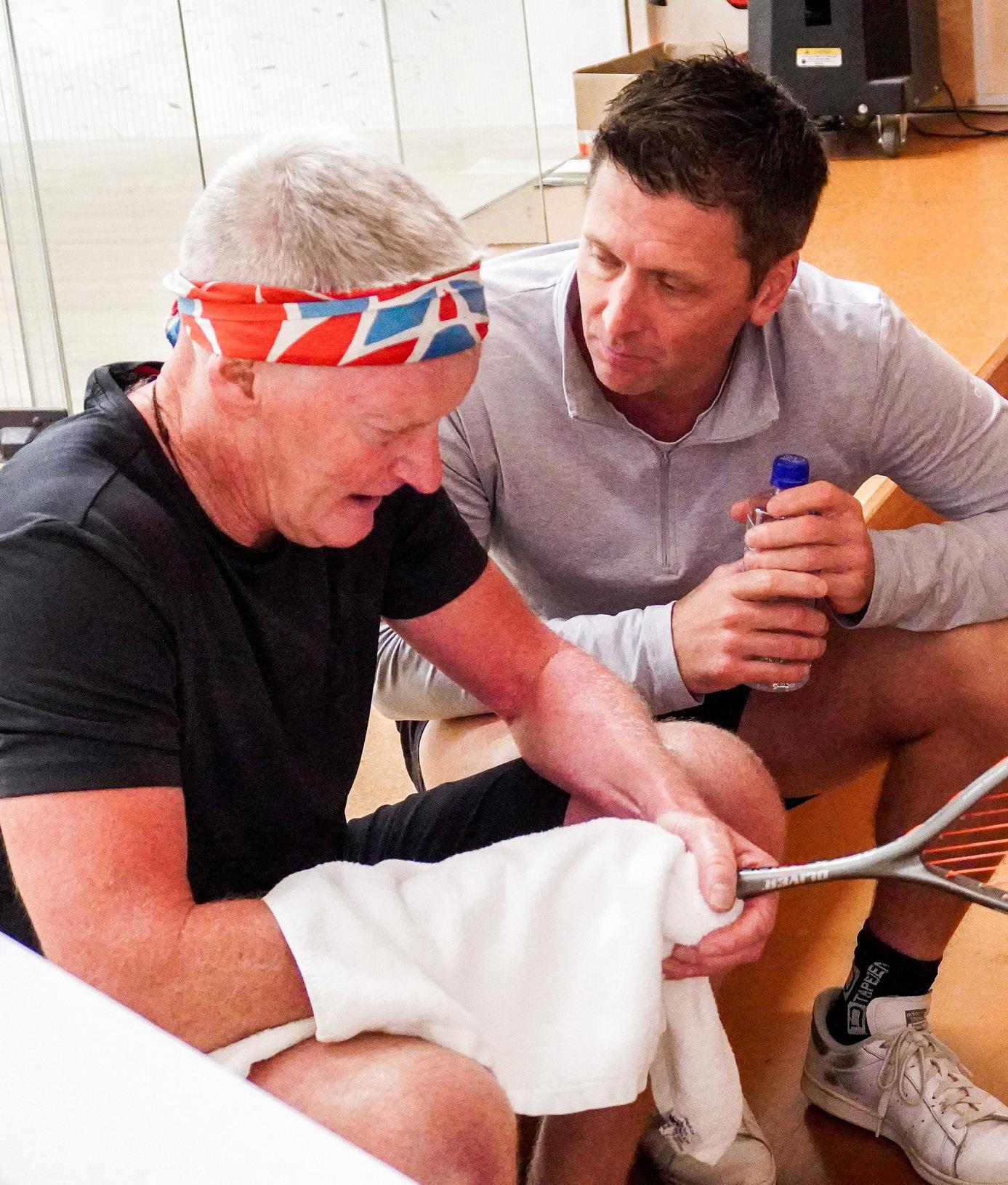
JONATHAN KEMP National Performance Coach
In squash, as in many sports, the difference between winning and losing often comes down to a few critical moments. What separates the great competitors from the rest isn’t that they raise their game in those moments. It’s that they maintain their level while others falter.
There’s a common belief that elite athletes somehow elevate their performance when the stakes are highest. But research and observation suggest something more nuanced: the best competitors don’t necessarily play better under pressure—they simply don’t play worse. They maintain their technical execution, tactical clarity, and emotional control while others crumble under stress.
This ability is rooted in mental toughness, which includes:
• Emotional regulation: staying calm and focused despite the pressure.
• Resilience: bouncing back quickly from setbacks.
• Confidence: trusting their preparation and skills.
• Routine and consistency: relying on habits that ground them in the moment.
These traits allow elite players to perform with clarity and control when others are overwhelmed by anxiety or overthinking.
While some athletes may have a natural predisposition toward handling pressure, clutch performance is largely trainable. Studies show that athletes who consistently perform well under pressure have developed psychological skills through deliberate practice, simulation of high-stakes scenarios, and mental conditioning.
This means that becoming a great competitor isn’t reserved for the gifted few—it’s accessible to anyone willing to train both body and mind.
So what can club players take from this?
• Practice under pressure: Simulate match conditions in training. Play games where every point counts.
• Develop routines: Pre-match rituals and betweenpoint habits help anchor your focus.
• Train your mind: Use visualization, breathing techniques, and positive self-talk to stay composed.
• Focus on consistency: Don’t aim to play better in big moments—aim to play the same.
The next time you’re in a tight match, remember: the goal isn’t to be heroic—it’s to be steady. Great competitors win the big points not by doing something extraordinary, but by doing the ordinary things extraordinarily well, even when the pressure is on.

4-7 MARCH 2026 | CHRISTCHURCH | NEW ZEALAND
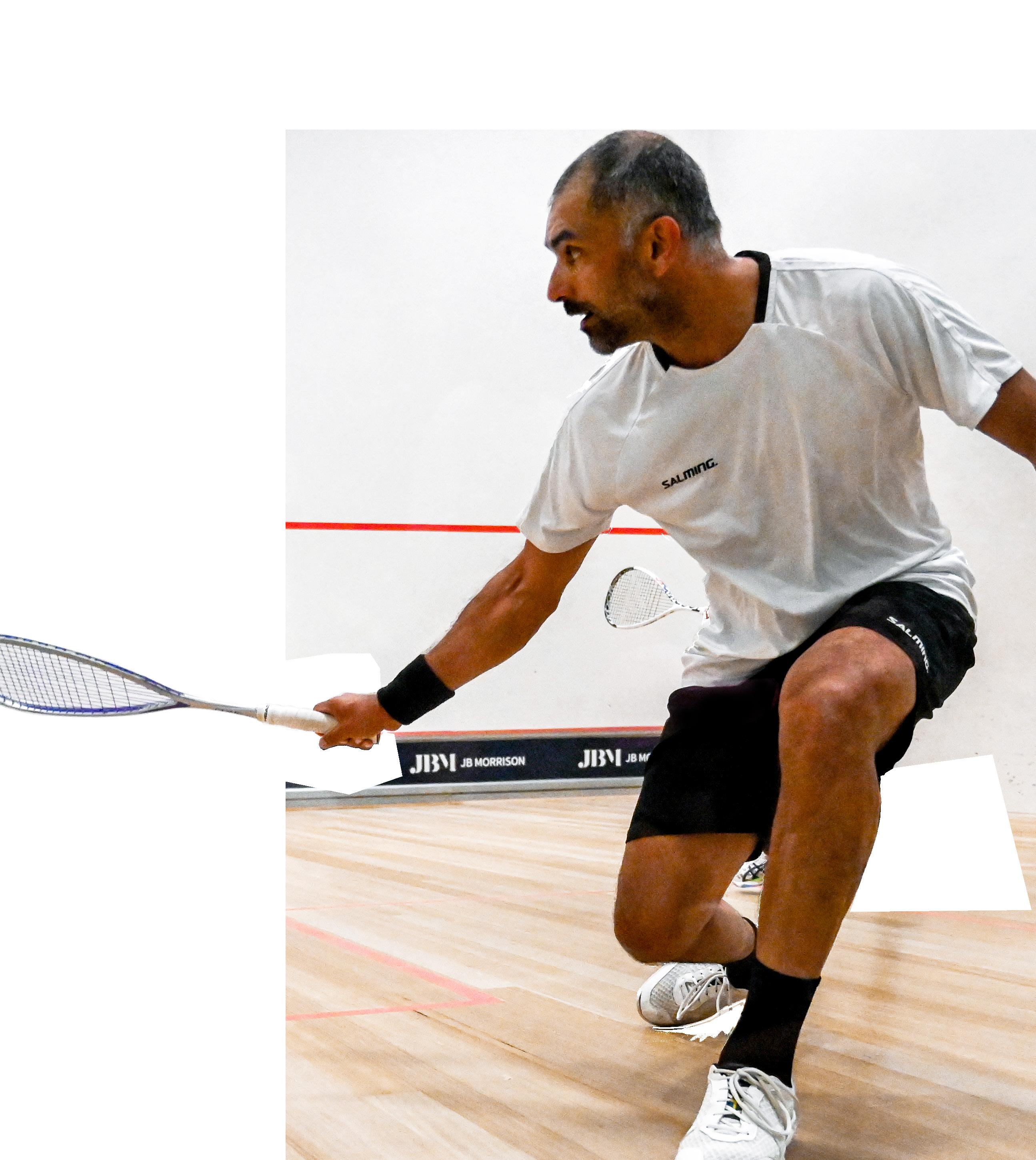
35-39; 40-44; 45-49; 50-54; 55-59; 60-64; 65-69; 70 plus (Age from the 4th March 2026)
Entry fee $50
Enter through MySquash (New Zealand players) or via the link below
ENTER HERE
15% discount on tickets for NZ Squash Open sessions on 3rd-5th (on sale end of October).
Secure finals tickets for 6th-8th on Ticketek HERE (on sale now)
Exclusive invite to purchase ticket to VIP opening at Isaac Theatre Royal NZ Squash Open 1st round, food and open bar. More details to follow.
ONE WEEK. ONE CITY. SQUASH FOR ALL. PLAY. WATCH. CELEBRATE.
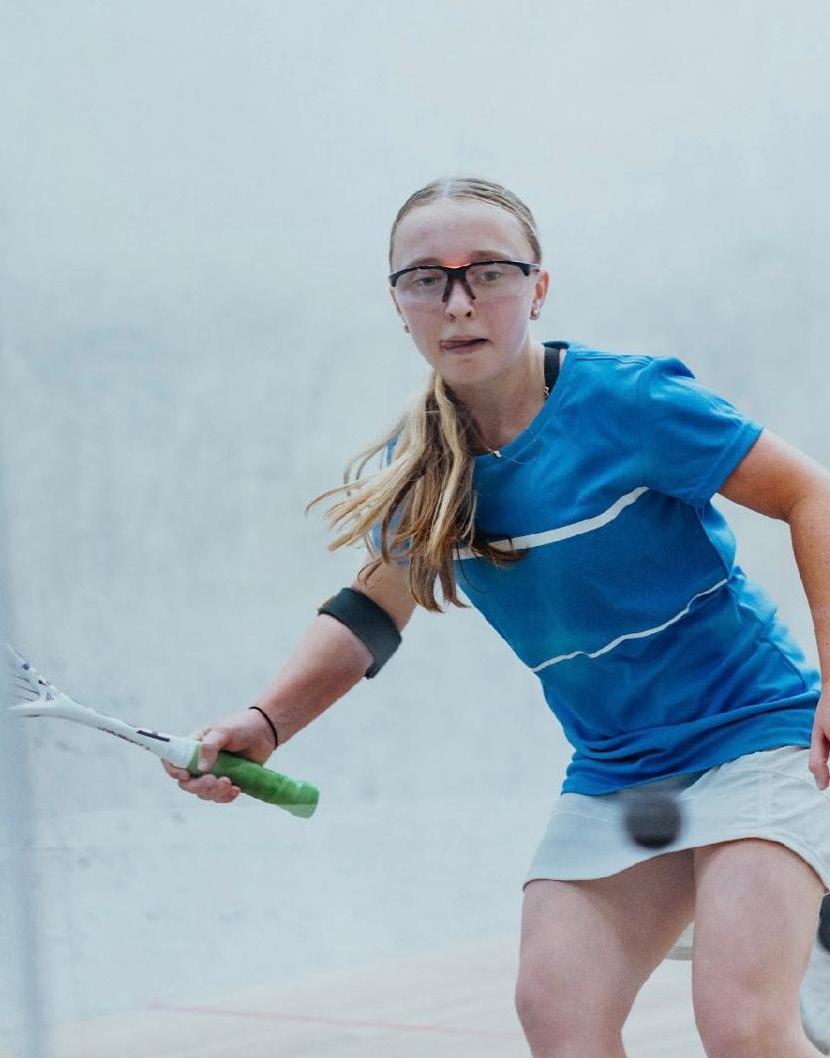
How did you start playing squash?
I first played tennis when I was younger, but I started squash after jumping on the court with my older brothers who were already playing. I instantly loved the sport and overtime I found myself choosing squash more than tennis. Eventually when I was 9 I made the switch, and now squash has become a huge part of my life and my main focus.
Biggest achievement so far?
My biggest achievement so far would have to be being selected in the NZ junior worlds team that travelled to Egypt. This is because I had always wanted to play in Egypt since I first started as I’d always watched the professionals play, surrounded by the pyramids.
Favourite squash memory?
My favourite squash memory is going on all the squash trips with my friends I have made through the sport. We always have so much fun, whether it’s hyping each other up before our matches, blasting music on the car rides, or laughing endlessly about random things that happen throughout the tournaments. Some of my most memorable moments weren’t on the court, but just being with people who made every trip fun and exciting.
Who inspires you in squash and why?
The person who inspires me most in squash is my coach Dave Clarke. He motivates me to always give 100% and has encouraged and supported me from the very first training session we had together over 4 years ago. He knows the game of squash like no other and is always looking for opportunities to help me grow as a squash player.
Goals for the next year?
My goals for this coming year is to continue to learn and grow more as a player, succeed wherever possible and perform to the best of my abilities at all tournaments.
What do you like to do outside squash?
Outside of squash I like to spend time with my friends at the beach where we like to hangout most. I also like to chill at home, watching movies or relax by the pool with my family.
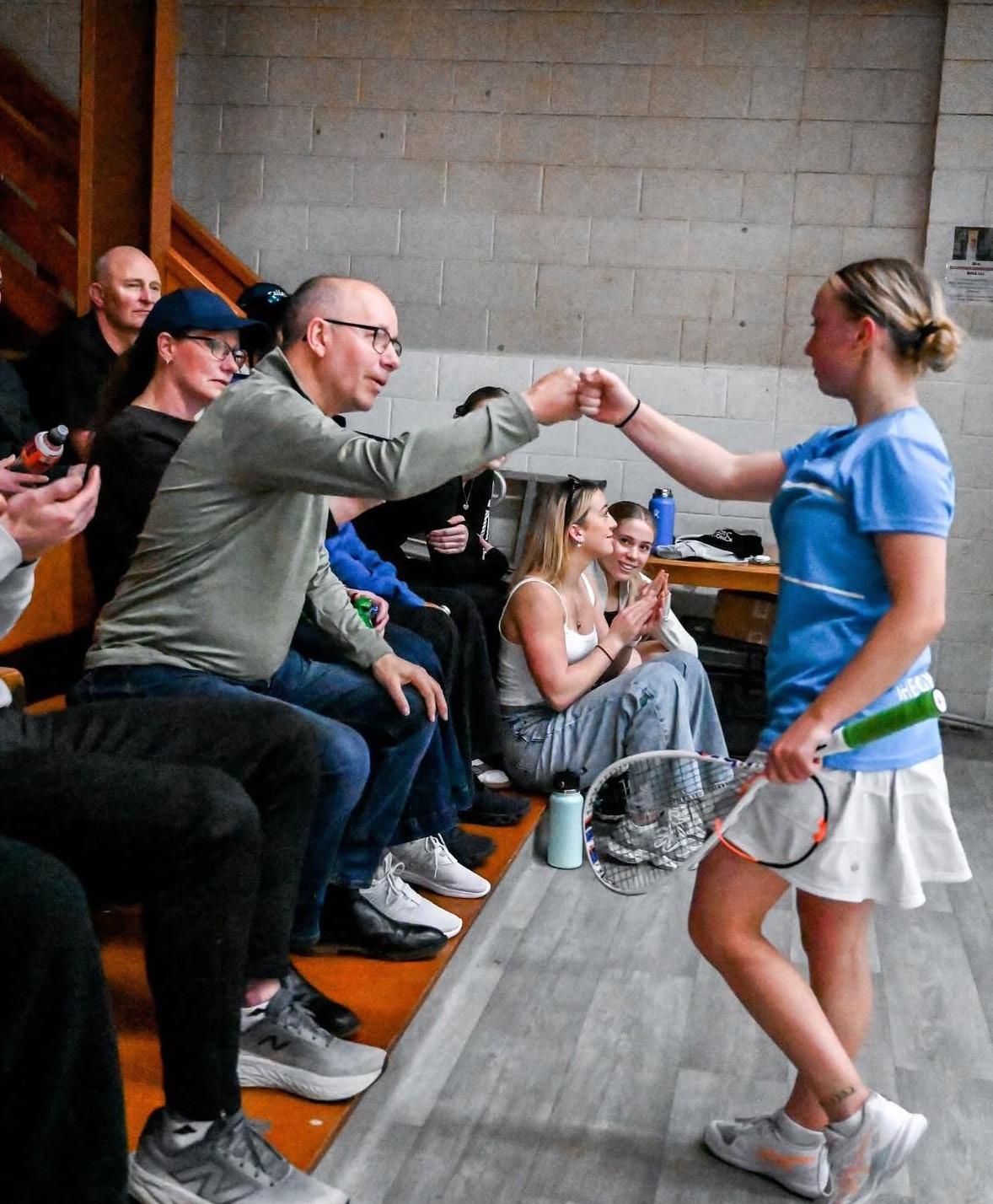
15% discount on tickets for NZ Squash Open sessions on 3rd-5th (on sale end of October)
A code will be provided upon entry. Secure finals tickets for 6th-8th March on Ticketek HERE (on sale now)
Open entry to anyone under 19 as at 8 March 2026

ENTRY
Entry fee $40
Enter through MySquash (New Zealand players) or via following link DIVISIONS seeded by SquashLevels, not age groups
ENTER HERE
Players must be available from noon 5th March
ONE WEEK. ONE CITY. SQUASH FOR ALL. PLAY. WATCH. CELEBRATE.

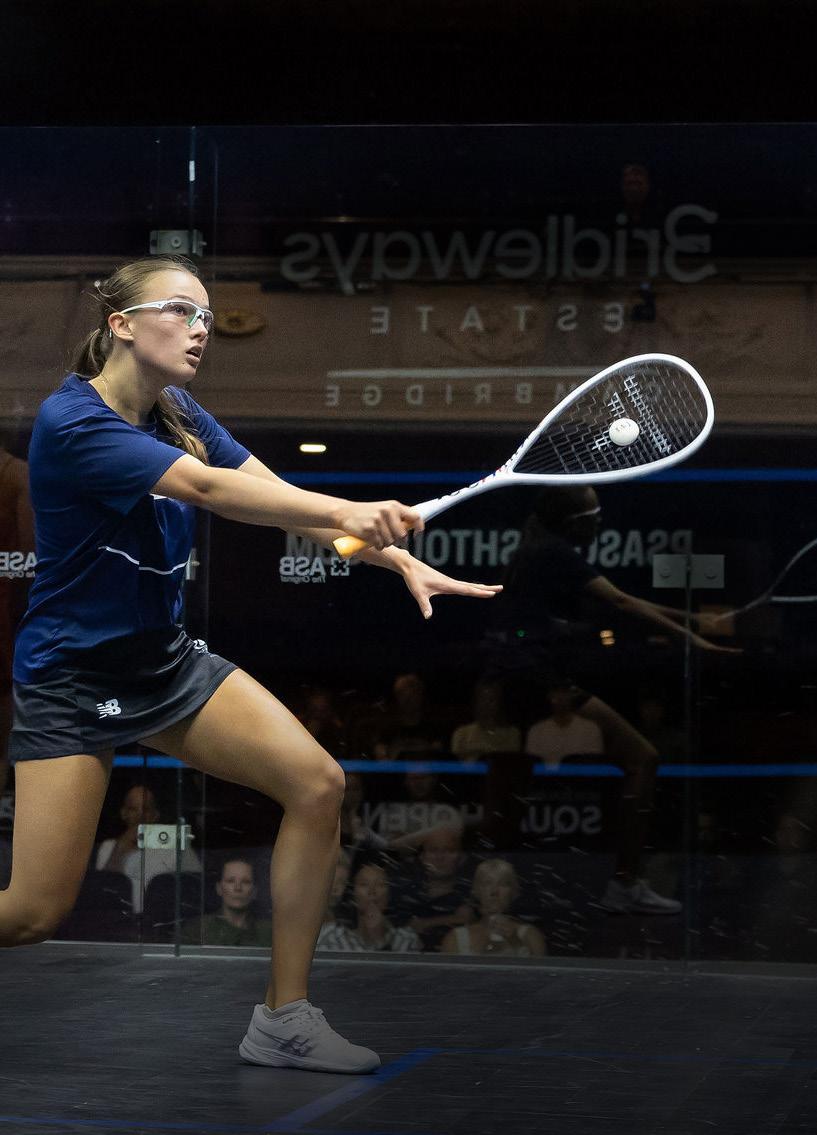
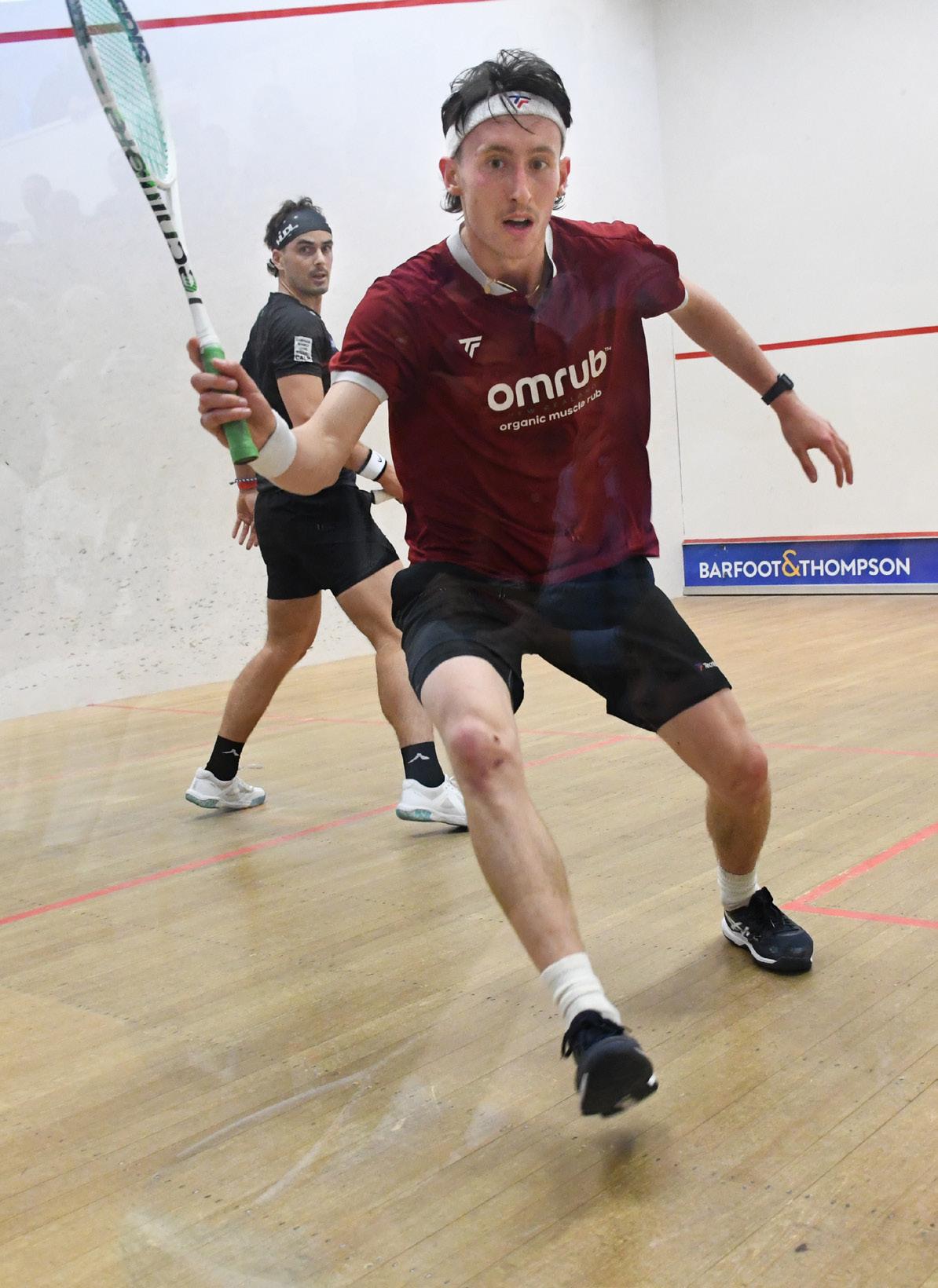
SNZ’s High Performance team has completed meaningful refinements to the end-to-end pathway, making it clearer, more consistent, and easier for athletes and coaches to navigate.
These updates uphold high standards while ensuring transparency and fairness, creating a self-selecting, athlete-driven system where players know exactly what is required to enter, stay on, and progress through the pathway.
For National Development athletes, minimum SquashLevel benchmarks are now presented in simple tables. Standards have been adjusted through the U13/U15 age groups to reflect the later specialisation of Kiwi players compared to international norms. A new Junior Worlds Potential group has been introduced to support athletes below the SNZ Pro tracking line who can contribute to Junior Worlds campaigns. Players will now have increased clarity on expectations and the support they’ll receivesuch as national camps, performance coaching, IPP reviews, and strength & conditioning programs.
For Emerging Professionals, standards remain aligned to international benchmarks but are easier to reference. A new Development Acceleration Sub-Group supports athletes exiting juniors who are below the Pro tracking line but show strong commitment and potential for rapid progression, with clear accountability measures and tailored support.
These refinements ensure every athlete has a transparent roadmap from junior development to the world stage.
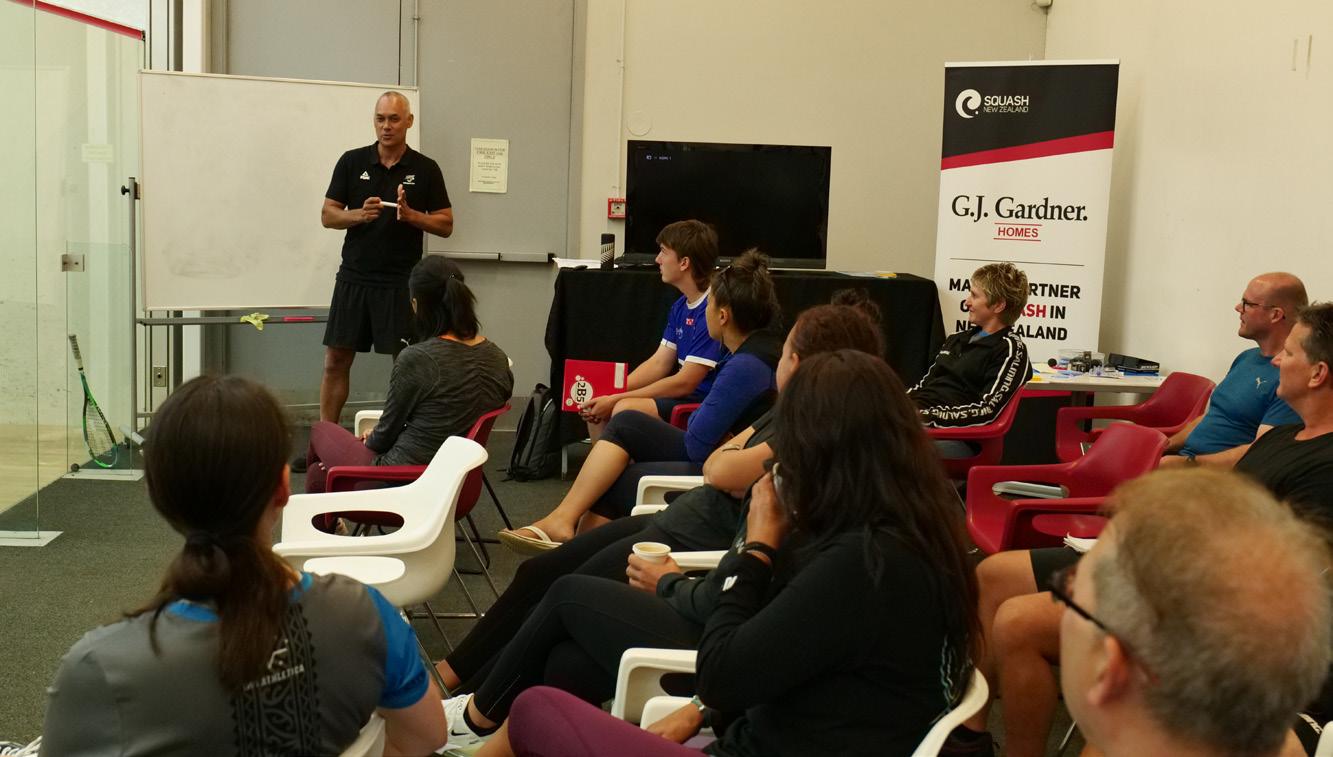
Join us at the Cambridge Racquets Club on 14–15 March or Christchurch Football Squash Club on 21–22 March for two inspiring weekends focused on Building Better Foundations: Coaching for Long-Term Player Development.
Expect guest speakers, on-court workshops, breakout sessions, panels, and more.
A full schedule will be shared soon—mark your calendar and get ready to attend!

Excerpt from an article by Te
Korowai, Sports Performance Coaches NZ

One morning, Emma Millar will be coaching Commonwealth Games gold medallist Joelle King. In the afternoon, she’ll run Racket Rascals, a programme for two to four-year olds. When the evening hits, she might be teaching an adult how to hold a squash racket for the very first time, or a teenager who’s aiming to represent New Zealand.
It’s the love of the sport — and the love of coaching — that keeps Millar, a former top player herself, so active across all levels of squash.
Growing up in Paraparaumu, Millar’s dad played squash and was involved in the local club, so she and her brother spent much of their childhood on court. The sport offered opportunities others didn’t have, which made sticking with it an easy choice.
“I got the opportunity to go to Australia when I was 12 to play in junior tournaments,” Millar recalls. “Meanwhile, my netball mates were getting trips to Palmerston North. So it was pretty easy to pick squash as my number one when we were flying to Australia,” she laughs.
Millar began informally coaching while still at school but never expected it to become a career. At the University of Waikato, where she studied sport and management,
she avoided coaching papers — convinced that wasn’t for her.
Needing part-time work, she started coaching for pay. “I was already on court sharing my knowledge and getting paid more than mates flipping burgers at Maccas or serving drinks at the Outback,” she laughs. “It was something I enjoyed, but I never saw it as a pathway — just a way to pay my way through uni.”
After graduating, she couldn’t see herself behind a desk, so she moved into primary teaching while continuing to play and coach competitively.
In 2016, while representing New Zealand in the national women’s team, Millar suffered a serious concussion.
“I was told I’d never play squash again — not at the level I had been,” she says. “It completely flipped my world upside down.”
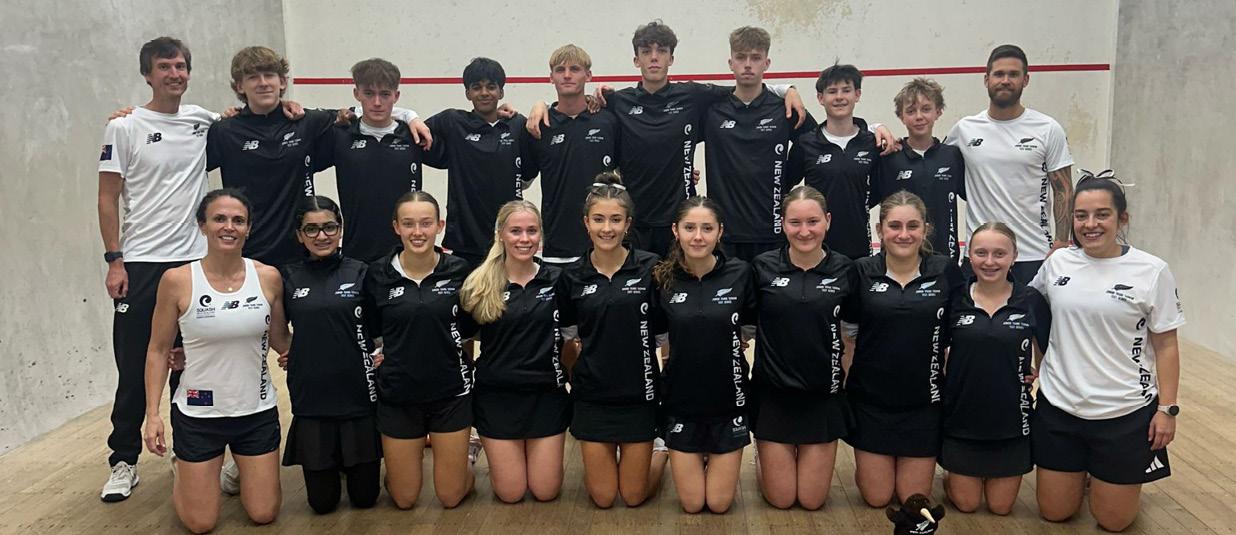
She worked with ACC specialists but even months later couldn’t track the black ball against the white court walls. “I thought, I might not even be able to coach.”
In 2017, she returned to full-time teaching, assuming her squash dreams were on hold. But her determination never wavered. Slowly, she rebuilt strength and confidence — first socially, then competitively again.
By 2020, Millar had made a full comeback, winning a national title and, through former pro Shelley Kitchen and Squash New Zealand, coaching the national junior girls’ team.
“That was an incredible opportunity,” she says. “It kickstarted my desire to work in high-performance coaching in New Zealand.”
In 2021, she left teaching to focus fully on squash. “One of my goals when I got into high-performance coaching was to be the first female coach to travel with the New Zealand team,” she says.
The exclusion of squash from the 2026 Commonwealth Games was disappointing. “From a New Zealand perspective, we really need it to be a Commonwealth sport for funding and performance pathways.”
Still, Millar’s focus has shifted to the 2028 Los Angeles Olympic Games, where squash will debut. “Someone’s got to be the first. We’ve had such a rich history, but we’ve never had a female coach go with the national team.”
Millar has worked extensively in the girls’ programme and knows how powerful it is for young players to have women in coaching roles.
“In squash, we’ve never had a national female coach. They’ve always been male, and often internationals,” she says.
Her first female coach, former Commonwealth Games athlete Kylie Lindsay, was a turning point. “The difference in that relationship was huge,” says Millar. “She knew more about the female game — and how we operate — than any male could.”
That experience reinforced her commitment to being the kind of role model she once needed — someone showing young women that coaching is a rewarding path.
To strengthen her skills and network, Millar joined Te Hāpaitanga — an 18-month programme supporting women pursuing elite coaching.
“Being around like-minded people who’ve faced similar challenges has been incredible,” she says. “It’s rare in squash to have women-specific spaces, so it’s been really valuable.”
Millar also works as development officer for Squash Waikato — the only woman in that role nationwide. Under her guidance, the region has seen growth in female participation.
“The number of women involved, both as juniors and in coaching, is probably higher here than anywhere else,” she says.
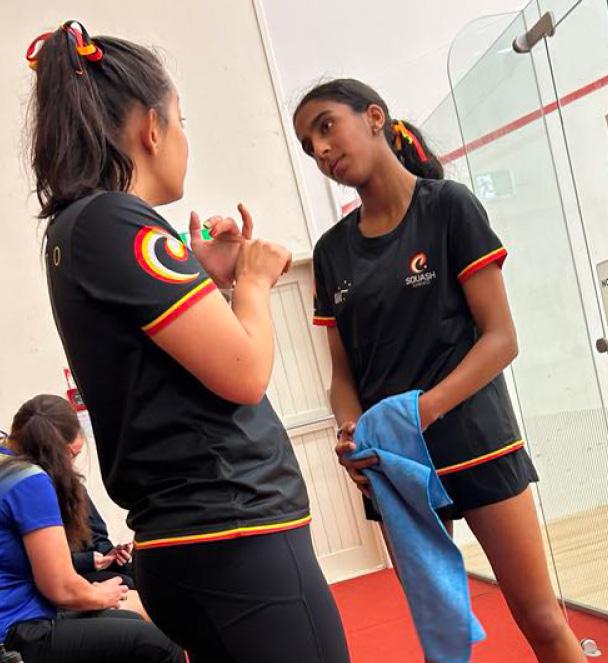
For the past year, Millar has worked with Joelle King, New Zealand’s top-ranked women’s player. King has eight Commonwealth Games medals — five gold — and reached the semi-finals of the 2023 World Championships.
“Working with Joey [King] has been an incredible experience,” says Millar, who’s three years younger than King and grew up admiring her. “I’ve learned so much from her, and it’s challenged me to think differently as a coach. You can’t just copy what others have done — you’ve got to forge your own path, take a few risks, and have fun along the way.”
Coaching one of the world’s best players has confirmed what Millar already knew: coaching is where she belongs.
“It’s all about enjoyment,” she says. “Whether it’s working with the world’s best or teaching someone how to hit the ball — if I’m enjoying what I’m doing, they will too.”
From junior tournaments to national titles, from concussion recovery to Olympic dreams, Millar’s story is one of resilience, purpose and passion — and proof that love for the game can take you anywhere.
This is an modified article based on an article by Te Korowai, Sports Performance Coaches NZ.
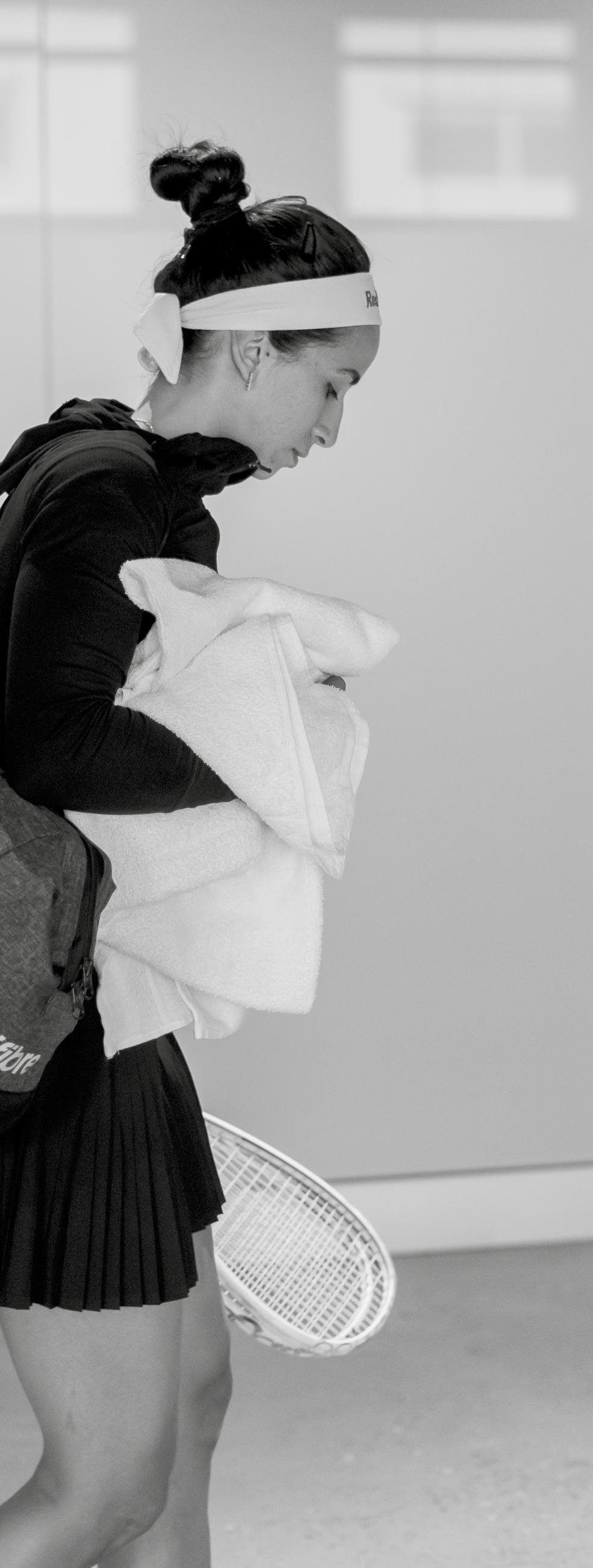
BY CONNOR SHEEN
The biggest question in squash now belongs to Nouran Gohar.
Three years out from LA28 — the moment squash has spent half a century waiting for — the World No.1 has stepped o! the carousel. Not for injury. Not for burnout. But for something that dwarfs even the Olympics: she is having a child.
A week after announcing her pregnancy, Nouran Gohar is not just explaining her absence from the tour. She is stating her intention to return, reclaim everything she already owns — and collect the one thing she doesn’t.
“My big goal for when I come back is to win the Olympics.”
But beneath that boldness lies the central tension of her next 30 months: Is this the bravest move of her career — or the hardest obstacle she will ever face?
For most athletes, motherhood three years out from an Olympic debut would be the red line. Careers — especially in sports as ferociously physical as squash — are not designed for long interruptions. Bodies forget. Reflexes soften. Rivals don’t wait.
And yet Gohar was already competing while unknowingly seven or eight weeks pregnant.
“I didn’t know I was pregnant when I played in Egypt and I was already 7/8 weeks pregnant, so that was tough,” she says.
The memories she recounts from that week do not sound like the experiences of a future Olympic champion. They sound like someone trying to function inside a malfunctioning body.
“I was sleeping like crazy… maybe 12 hours at night, then napping four hours in the day, and I’d still be tired.
“Everything was smelling bad… the towels smelt bad, the food smelt bad… morning sickness started during that event too.”
That she still reached the semi-finals says everything about her baseline: even compromised, she is frightening.
But now? Her training is capped. Her heart rate cannot exceed 140. Qatar — the tournament she wanted to play — was ruled out immediately.
Squash, at the level she plays it, is a sport of collisions, torque, ballistic acceleration. There is no safe version of Nouran Gohar squash. So she steps away.
The narrative of the returning sports mother has been mythologised, sometimes over-simplified. But squash has its own modern precedent: Nour El Tayeb, who came back from childbirth and reached two Tour Finals.
Gohar has studied the blueprint carefully.
“To come back the way that she did was incredible… it’s amazing.”
What she is attempting is unprecedented in one respect: no mother has ever returned and become World No.1 again. No mother has ever returned and won the World Championships. No mother has ever returned and won Olympic gold — because no one in squash has ever had the chance.
The ambition is audacious, even cinematic: Which is exactly how she frames it.
“I want to win a Platinum title as a mum, I want to get back to World No.1 as a mum…”
But the real jewel is LA.
“This is the thing that is keeping me motivated.”
The question, then, is not whether Gohar returns. It is what version of her returns. Will she come back liberated, as she believes — playing with a looseness only perspective can deliver?
“I think it could make you play more free… I want to achieve even more.”
Or will motherhood and elite sport grind painfully against each other? She has given herself just five months to get ready after giving birth - for anybody, that is a brutal turnaround.
And looming ahead: two of the greatest players the women’s game has ever produced — Nour El Sherbini and Hania El Hammamy - and not to mention the predigious 17-year-old Amina Orfi, who is already knocking at the door of the big three.
Even Gohar admits the standard exists because they push each other to the brink. To rejoin that arms race — after childbirth, absence, and ranking loss — is something no woman in squash has attempted.
But then, no woman has been World No.1 at the moment she stepped away to have a child.
For Gohar though, the uncertainty of the road ahead is softened by the knowledge that others have walked it - and won.
Motherhood, once considered an ending in elite sport, has steadily become a beginning. Shelly-Ann Fraser-Pryce returned after childbirth to reclaim the 100m world title; Jessica Ennis-Hill won a world championship barely a year after
giving birth; Serena Williams and Kim Clijsters reached Grand Slam finals as mothers, with the latter winning three of them.
In endurance sport, Kristin Armstrong won Olympic time-trial gold, three years after giving birth, while in fencing — the world of Gohar’s partner, Ziad Elsissy — Mariel Zagunis returned to win a world title with a young child at home.
The message is clear: the body changes, the life changes, but greatness is still possible. There is, now, a pathway. A blueprint. Examples of women who paused their careers for motherhood and came back sharper, freer, with a di!erent kind of fire.
Gohar does not step into the unknown; she steps onto a trail carved by champions and it is clear is that Gohar is not stepping away because she is tired of squash. It’s because life o!ered her something squash never could.
“The PSA Tour will always be there but these chances don’t come around too often in life.”
The way she talks now — softer, reflective, more complete — does not sound like an athlete walking away from competitive fire. It sounds like one whose ambition has sharpened into something more purposeful.
She is losing her No.1 ranking. She accepts that. She expects that. But she does not accept keeping it lost.
“When I come back, I won’t feel any pressure… I want to achieve these things again.”
So, is this the right move?
“The message is clear: the body changes, the life changes, but greatness is still possible. There is, now, a pathway. A blueprint. Examples of women who paused their careers for motherhood and came back sharper, freer, with a di!erent kind of fire”
In pure high-performance terms — the sports-science calculus — the answer should be no.
You don’t take a year out during your prime. You don’t pause when the Olympics are three years away. You don’t disrupt a dynasty you helped build.
And yet, when has Nouran Gohar ever played by anyone else’s logic?
She once dominated the tour through physicality so overwhelming that her nickname — The Terminator — became shorthand for squash brutality. She has been a force of nature, a certainty.
But the Olympics require something di!erent: narrative.
A champion who has lived something. Sacrificed something. Risked something. And here she is, risking everything.
If she returns and wins LA28, it will be the greatest comeback in squash history.
That ending — potentially — is pure Hollywood.

From a ridiculously early age, I always felt connected to the Olympic Games. At the age of four, some 80 years ago, a very famous retired athlete, on holiday in my tiny village in north Cornwall, took me by the hand, and with my oldest sister and brother, escorted us some two miles back to our home (we had been determined to meet him, you see).
His name was Harold Abrahams and he had won the 100 metres gold medal in the Paris Olympics in 1924, a revered figure in British sport and his feet immortalised in the Oscar-winning film, Chariots of Fire.
He then maintained contact by sending us the Olympics books which he edited, from 1948 in London and Helsinki four years later. I devoured every page and at the back of my congested mind was already developing the Olympic dream. Until 11 or 12, I was never involved in much of a suggestion of organised sport and anyway, football, cricket and tennis either scarcely featured or had no place in my life.
But a further link then so strangely emerged. My sister had a Belgian girl friend and her cousin came to stay with us on two occasions to improve his English. His name was Jacques Rogge and he became an outstanding amateur sportsman, playing rugby for Belgium, a yachting world champion and three-time Olympic sailor.
He was later elected President of the International Olympic Committee (2001-2013). During his tenure, rugby sevens, very entertaining but with relatively little global representation, became an Olympic sport. There was a rumour that he had also enjoyed playing squash. Doubtless we would have been a much stronger and earlier contender for Olympic inclusion if our game had been his most favourite pursuit!
I have written this before, so forgive yet another repetition, but after I won my first British Open in 1966, I said in an interview I had this dream of representing my sport in the Olympics and that a squash player would jump at the chance and treasure such an opportunity. In two and a half years’ time, they will finally do so.
“I had this dream of representing my sport in the Olympics and that a squash player would jump at the chance and treasure such an opportunity. In two and a half years’ time, they will finally do so”
Time was certainly not on my side, but more importantly, generations of wonderfully diverse exponents, men and women, were condemned to be mere shadows, outcasts in the eyes of totally disinterested, myopic IOC members, who patently remained enthralled to overtures from sports with the necessary financial clout and a special engagement with individuals wielding rather more nefarious skills.
So no places at the table down the years for Hunt, Dittmar and Martin, for Zaman, Jahangir and Jansher, Norman, Nicol and Power, Palmer and White, Shabana and Ashour, Gaultier, ElShorbagy (probably) and Farag, and so many more priceless male players.
Then from Heather McKay, the peerless one, to Susan Devoy, through to Sarah Fitz-Gerald, Michelle Martin, wondrous athlete Nicol David, Laura Massaro, Raneem El Welily et al. I could name another 10, 20 or 30 more of both sexes at the drop of a hat. The most recent three to take the women’s game to its very highest level, El Sherbini, Gohar and El Hammamy, still, fingers crossed, have their chance to represent us all in LA in 2028.
The professionals in one or two very high-profile sports took their time to fully appreciate the gift on offer with entry to the Games in recent times. Not so with squash — our players will embrace it. Yet another warning though, and apologies again for repetition, but there really is no guarantee for 2032 in Brisbane. In fact, if we look at Australia at the turn of the century, that country abounded with leading professionals, both men and women, and yet we barely had a sniff of inclusion in the Sydney Games.
Our fate in now less than a year’s time will be in the hands of those who will not give a fig about squash. Our major governing bodies and financial partners must go into overdrive to utilise all experience and attendant financial power to get closer to an answer.
How? I don’t have a clue. And anyway, I was put out to grass too many moons ago. Someone, somewhere, might just have the means to persuade, otherwise we could be cast out into the darkness again. The Olympics, however, remains the greatest sporting show on earth. and it is so important to have a dream — or two!
Which now brings me into the here and now. During what was, in the main, a very successful
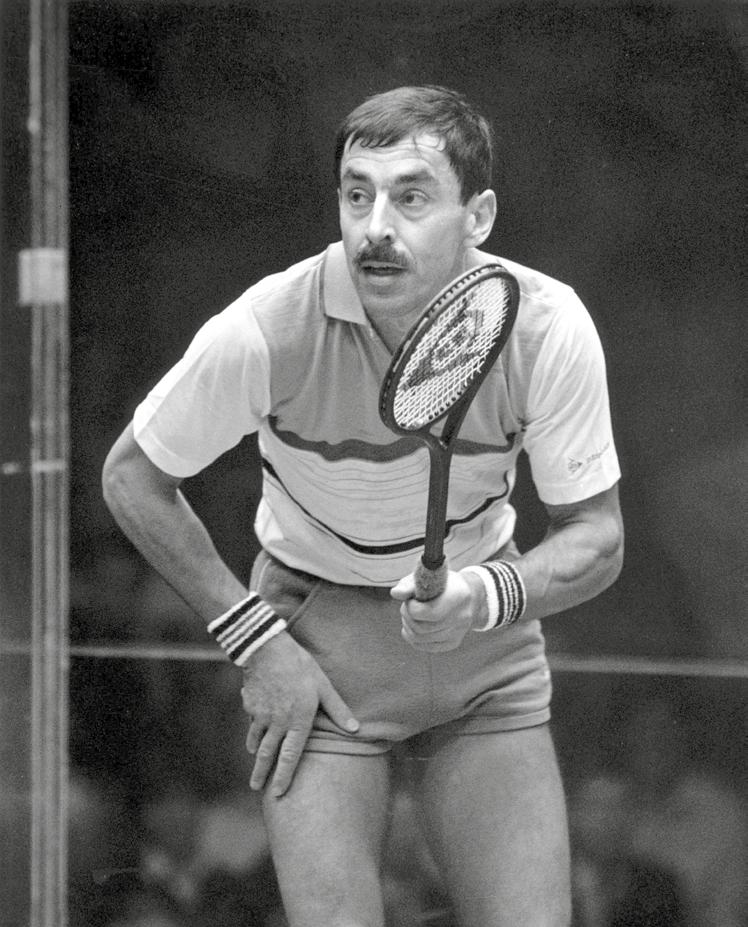
recent US Open, the Squash TV camera team took us to a very different level of coverage in the semis and finals.
Having commentated for television in the days, or so it seems, of Queen Victoria — and I used to think rather well, since it was rarely possible to see the ball (tricky for a commentator) — we now enjoy this highly skilled, inventive production in Philadelphia. I was quietly thrilled at the ever-improving spectacle.
The educating factor is also of critical importance worldwide, let alone in the USA. The so-called Land of the Free continues at pace in its importance to the game. This may not necessarily please everyone, but that is just the way it is.
The US Open title winners, Mostafa Asal and Hania El Hammamy, rightly took the ultimate headlines in what were fascinating competitions.
Asal polarises opinion like no other player in the history of the men’s game. Nurtured in the extraordinary Egyptian junior competitions, which are invariably cut-throat and rather removed at times from what may be perceived as the ‘spirit of the game’, he is nonetheless now much fitter, a must for pros and especially big units like him.
Tutored now by nature’s gentleman, on and off court, James Willstrop, a former world no.1 with the most wonderful, fertile ball control, allied to very considerable competitive instincts, Mostafa is still vilifed by those who remain relentlessly unforgiving, regardless of the world-class expertise on view,
“Squash is totally different to other racket games and indeed other sports, but I have always said that anyone with decent eyesight can see that it must have an inevitable physical contact element”
and as far as I can see (admittedly only on screen) by his clear attempt to change habits engrained from a young age, a very difficult task indeed.
Regrettably, Asal’s opponents, patently not able to contain his power, touch and athleticism, still play the victim game. I’m fed up with the constant discussions surrounding his so-called ‘unnatural movement.’ Some of Asal’s athletic surges around static opponents to play the ball in the front left of the court I have not seen matched in 60 years.
Squash is totally different to other racket games and indeed other sports, but I have always said that anyone with decent eyesight can see that it must have an inevitable physical contact element. I just laugh when a player who stretches wide from the T area to play a ball is then penalised for returning to his back leg. That is natural movement. It’s amazing how players do work within inches of each other and there is still, in the main, astonishing continuity. Yes, I do love this sport.
Referees have probably had their ears belted with talk of ‘unnatural movements’ and a host of other things. The general squash public and most players would be prett y useless in the job! In no other volatile close-contact sport does the ref sit in the heart of, at times, quite hostile one-eyed crowds and have to make instant decisions where the interpretation is never quite the same as one seemingly absolutely similar. It is actually rather a sh**ty job and we should commend whenever possible.
Hania El Hammamy is playing the best squash of her terrific career. The youngest of the ‘big three’, she has for some years craved that no.1 spot. Now, she has achieved that goal.
Apart from perhaps being the most athletic exponent in the history of women’s squash (Nicol David would certainly have considerable support), Hania’s ease of movement has seemed, if possible, even more elegant, powerful and assured as she now builds the structure and strategy of her game to a level where she may finally be getting the better of those so formidable rivals, Nour El Sherbini and Nouran Gohar.
She has made up the three for some years now, but has always seemed to me to be more vulnerable to those directly behind her in the rankings than the two other greats. That’s not been the case this season (Nouran has of course other matters to deal with!).
El Hammamy’s coach, Omar Abdel Aziz, with Karim Darwish and Laura Massaro also in her corner, will be only too aware that there can never be anything taken for granted as the teenager Amina Orfi is rapidly turning the three into a four. No rest for the wicked then!


In recent decades, there has been a heavy focus on participation across not only squash, but all sports and activities, including schools. The shift for young kids into considering participation as the winner sees the “tall poppy” syndrome further exacerbated. If someone is putting in the effort, we push even harder for participation, saying things like “the parents are pushing them way too hard”, or “does the kid even enjoy all that training?”. These things are often said directly to the parent, guilting them into thinking that

perhaps they are pushing them too hard. After all, why strive to be the best, if there is no 1st place or recognition for being top in your team or school? And the commitment required from both player and parent at the moment relies heavily on being self-led unless they’re in a main region. Thus, returning to a participation-only model of sport, especially when time is scant has a certain appeal. The result of this is kids having a reluctance to commit to training hard, an inability to accept responsibility for their own improvement or lack of, and an expectation of results without commitment to working hard to achieve them. In squash, those who do achieve greatness, for example Paul Coll or Joelle King, possess an ability to motivate and discipline themselves. They do not need or rely on external motivation. Unfortunately, this is rare. Statistics show that only a small percentage of kiwis will ever be professional athletes. Why is that?
Surely the participation model must shift to a balance between participation and growing champions or NZ will continue to decline in sporting results worldwide. It’s not all doom and gloom though. There is an opportunity here. Participation is incredibly important to creating competition. We do need more people playing our sport. We need it for our players yes, but also participation creates a revenue stream that clubs can use to improve their facilities, secure coaches, and financially support players to move through the ranks towards professional sport.
Talent should never be limited by geography.
Squash NZ has, for a long time, seen a steady decline in both performance outcomes and depth of emerging talent. That trend isn’t because New Zealand lacks athletic potential. It’s because our system of wanting to centralize everything around Tauranga is not the way forward. Relying on a single high-performance centre in Tauranga creates a bottleneck—one that unintentionally filters out capable young athletes purely because they live in the wrong region, attend schools that cannot support specialised training, or come from families who cannot relocate. Talent should never be limited by geography. Yet that is the reality our current system creates.
A modern pipeline requires a different blueprint: a National Centre supported by regional hubs. Regional hubs identify talent early, provide coaching continuity, and develop athletes in their home environments where they are supported socially, emotionally, and financially. These hubs would be connected through a national framework that shares resources, aligns coaching methodology, and provides access to strength and conditioning, physiotherapy, sports psychology, and sports science.
Imagine a system where a 12-year-old in Invercargill has the same access to expert coaching, structured athlete development, and high-performance exposure as a 12-year-old in Tauranga. Suddenly, the talent pool doubles—or triples. Barriers drop. More kids get opportunities. And the rare 0.01% with the drive to be extraordinary can be identified, nurtured, and supported years earlier.
Ultimately, producing the next Paul Coll or Joelle King requires more than talent. It requires alignment across clubs, coaches, parents, Squash NZ, and high-performance experts. It means shifting from a participation-first mindset to a dual-purpose model: grow the game, yes—but also intentionally grow champions.
Coll and King have shown what New Zealanders are capable of on the world stage. Now the responsibility falls on the system to ensure their success becomes the standard, not the exception.
Australia will welcome players, supporters, and squash fans from around the globe to the for the 2026 World Squash Masters Championships.
The event will be held in in Perth, Australia, 30th August - 6th September 2026.
You can expect an unforgettable celebration of squash, community, and competition as they bring together masters athletes of all ages and nations in a showcase of passion, performance, and international spirit.
ABOUT PAUL TUFFIN
Club - Whanganui
Grade - A2
Currently part of the Central Squash Coaching Team.
Highest NZ Ranking - 9
Former NZ Masters team rep
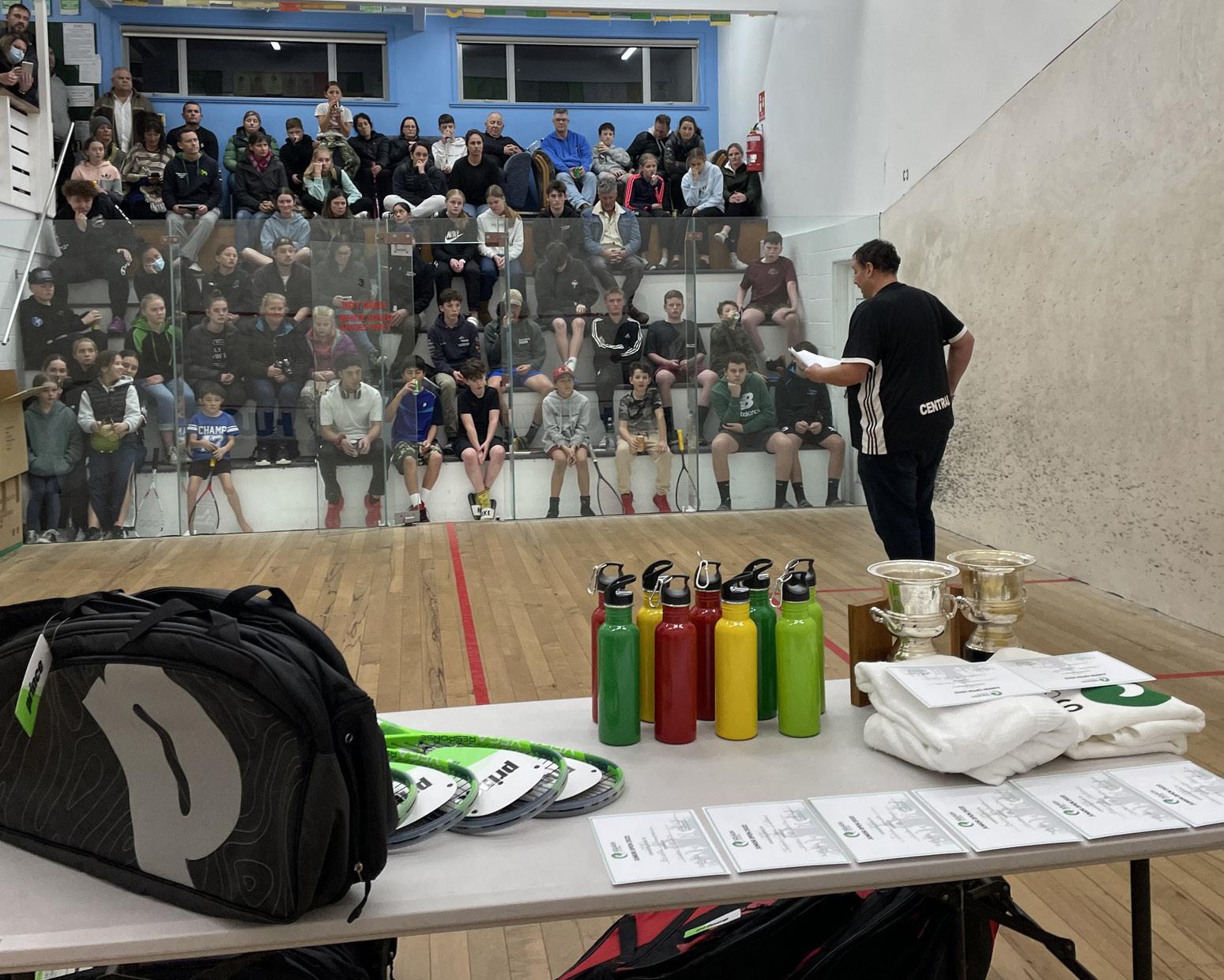
Prizegiving is often held straight after the last final and is an opportunity for the organisers to say a few words to the players, thank everyone involved in the event, announce the winners, and present the prizes.
Make sure you have a prizegiving plan in place in advance to the event to ensure that things run smoothly on the day. Things to include in your plan could be: What are you doing for prizes (Prize money – Cash or bank transfer, prize table etc).
Who is responsible for organising picking up the cash, paying out the prizemoney or getting prizes?
Who is going to lead the prizegiving on the day, what do they need to say, is anyone else going to say a few words e.g., sponsor or club president. What needs to be set up, who is going to set it up and when does it need to be set up by?
Are you going to offer any food or nibbles as part of prizegiving, if so, how much and who is going to manage?
Who is going to take photos and where are they going to be taken.
Are you going to have the event sponsor present, are they going to say a few words, present the prizes, be in photos. If so, prepare them in advance. If they are not present, do they have banners or signage you can display during prizegiving and in the photos?
Make sure to calculate prizemoney in advance and ensure that it fits within your event budget. Remember there are not strict rules of what players need to be paid, it is up to the club and your event budget.
When paying prize money, are you going to have cash sorted to hand to the players or are you going to do bank transfer post event. Either option is fine but just make sure you are prepared.
If doing cash make sure to call up the bank in advance and ask them what is required to withdraw X amount, you may need the club president to collect it from the bank, you may need to give the bank time to ensure they have the cash in store and they may be closed on certain days.
If using bank transfer post event, make sure the club treasurer is aware and prepared to do this ASAP after the event has finished, players do not enjoy waiting weeks for their prize money.
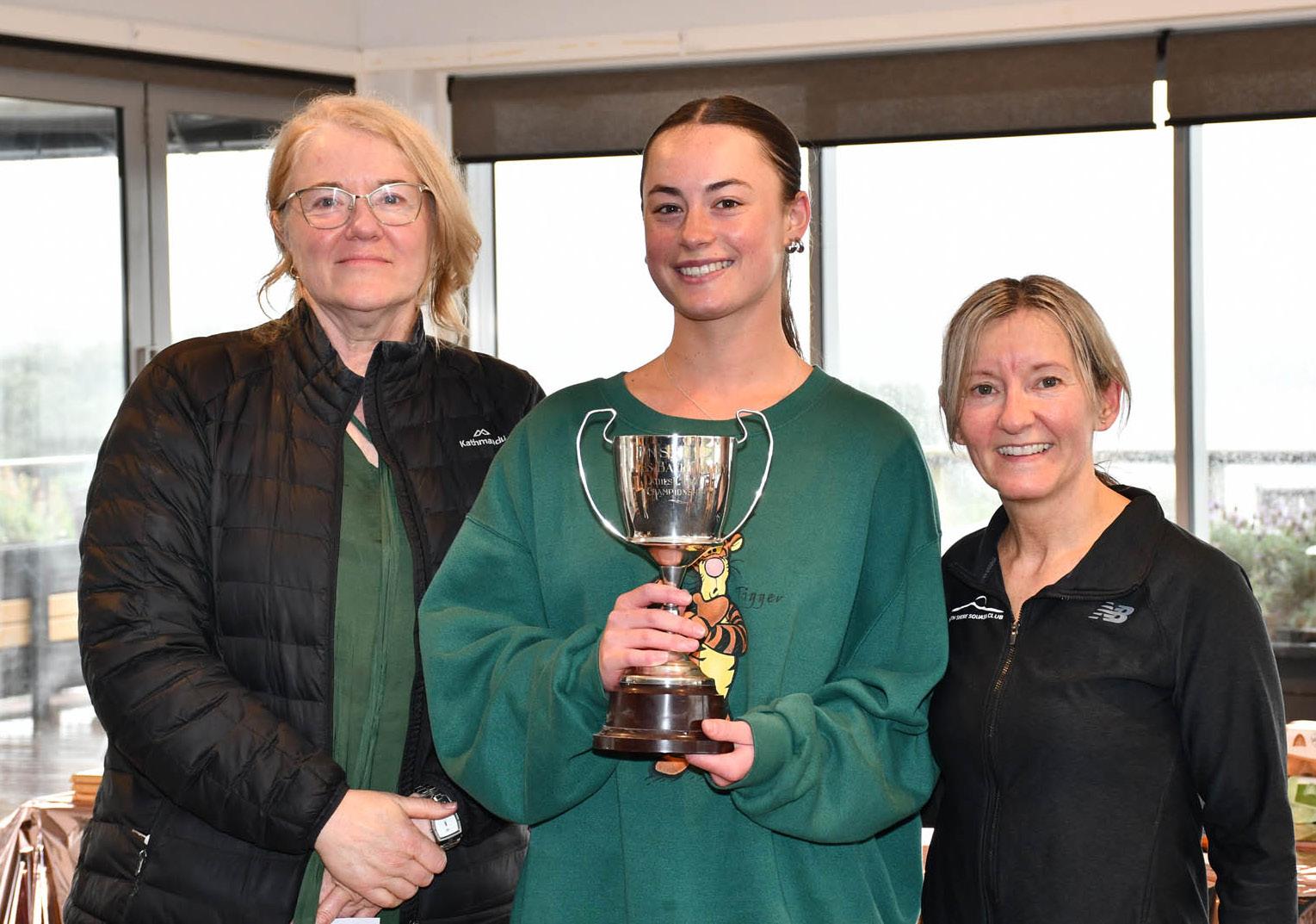
Prize tables are great for a budget as it is often cheaper than paying out cash and you can claim GST on the expense.
Looking for specials, asking for donations and sponsorships are great ways to keep costs down and get some awesome prizes.
Note, If doing a prize table, you need to go division winners first, then all the runners up, then all the third and so on.
Winners:
Have a list of all the divisions and all the placings with space to fill in the winners’ names as and when results come through on the last day. This will save you having to run around and work it out as players are waiting for prizegiving to start.
Thank you’s:
Prizegiving is your chance to thank everyone involved that helped you make your event happen. These could include: The club and its committee, event sponsors, players & parents, all your volunteers (TC, Kitchen, Bar etc) and anyone else that you can think of.
Helpful tips:
Keep the overall prizegiving short & sweet.
When thanking people aim to use their names where possible to make it personal.
Have your prizes or prizemoney ready in the morning of the last day as some players will ask to collect their prize early if they cannot stay for prizegiving.
Make sure to set up prizegiving in the lounge/bar in advance to the last match finishing so you are ready to go once the last match is done.
Check the showers/changing rooms for players and let them know prizegiving will start shortly, you don’t want to call the winners name and they are still in the shower!
Have a draft social media post of the winners ready to go, so once prizegiving has finished you can update the last few winners, add photos, and then publish.
Resources:
Prizemoney calculator included in event planner downloadable document.
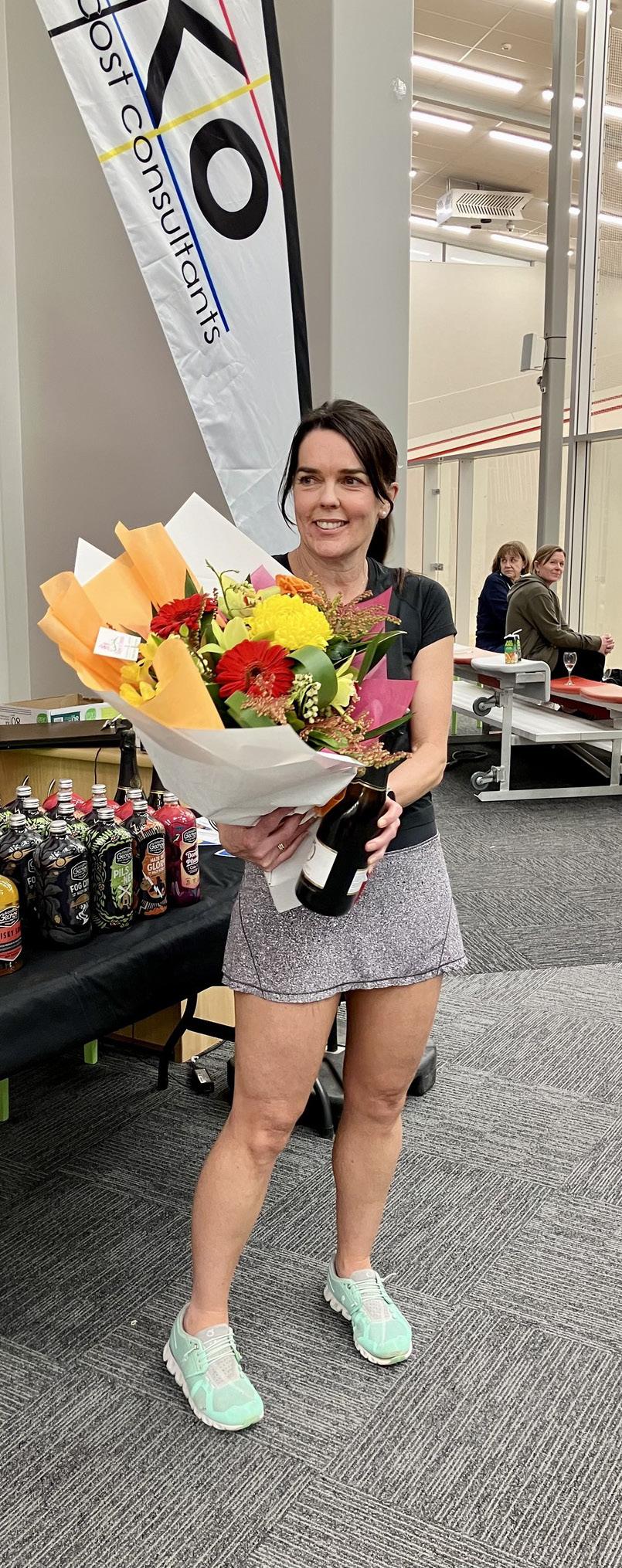
Tokoroa Squash Club continues to thrive as a vibrant hub of sport, community, and volunteer spirit, and 2025 has been one of its most dynamic years yet. At the heart of this success is the club’s hugely popular Business House competition, a cornerstone of the annual calendar.
Designed to connect the club with the wider community, Business House brings local businesses, professionals, and community groups together in friendly, team-based competition. The relaxed and social format has proven highly effective in attracting new players, breaking down barriers, and showcasing the fun, inclusive side of squash.
A major drawcard is the club’s welcoming environment, supported by excellent facilities including a well-equipped kitchen and a dedicated crèche area. Families are able to stay, socialise, and enjoy match nights together—turning the competition into a lively social occasion that extends well beyond the courts. This atmosphere has not only strengthened community ties but also contributed to steady growth in club membership.
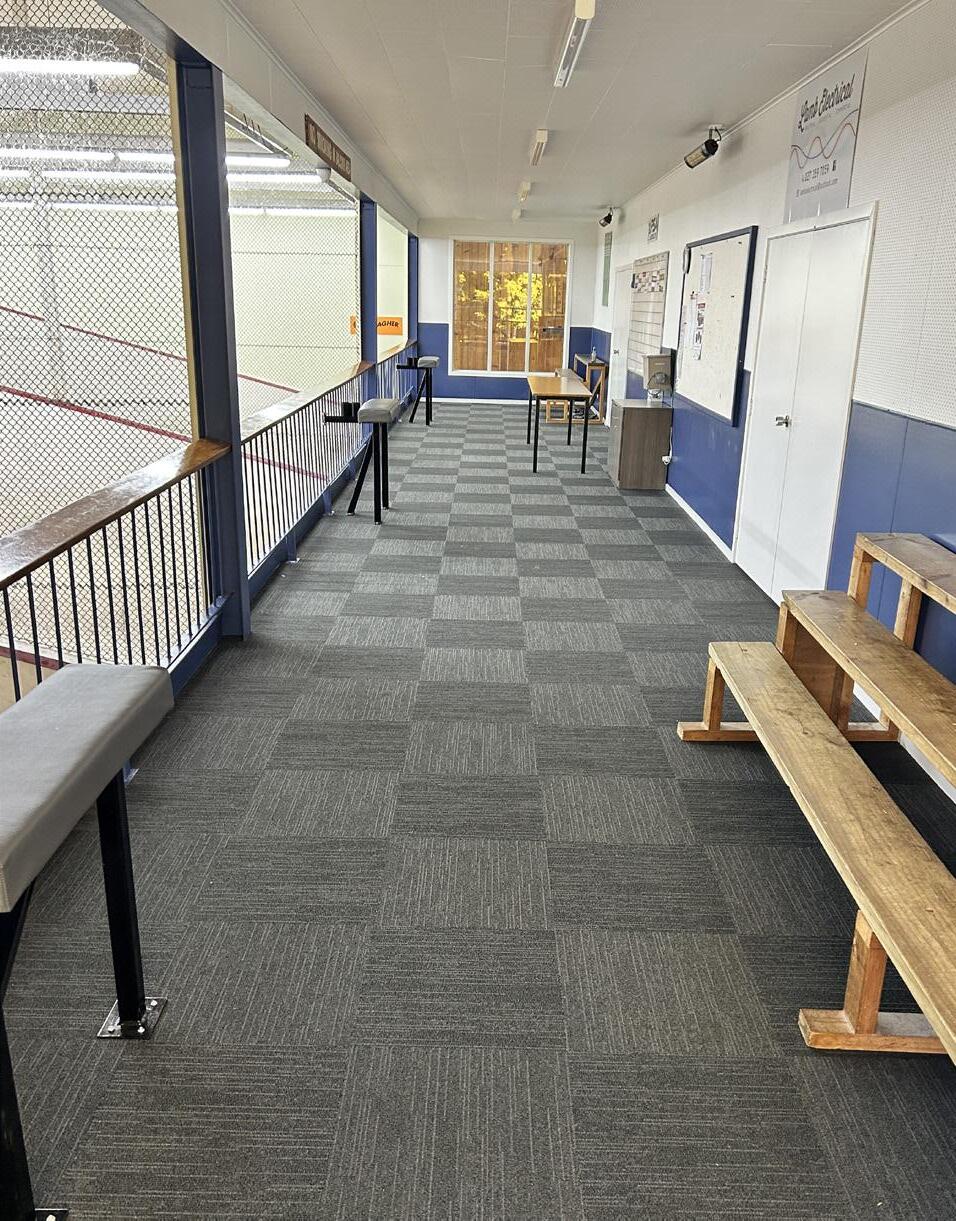
Another standout feature of the club is its long-running and well-supported Junior Programme. Run by dedicated coaches and volunteers, it introduces young players to the sport in a fun, supportive, and structured pathway. The Sprouts Group, for children aged 4–5, focuses on movement and basic coordination, building confidence through play. Juniors then progress into the Beginners Group to develop fundamental technique and sportsmanship. More experienced players move into the Senior/Competitive group, where they receive advanced coaching and are encouraged to participate in club events and local competitions. The programme continues to be a major contributor to the club’s future.
On the competitive front, 2025 has been a standout year. Five Tokoroa teams qualified for the Superchamps, with the E Grade Men, E Grade Women, and C Grade Men winning their regional titles and advancing to Nationals. The F Grade Men were runners-up but still received a Nationals invitation. The E Grade Men went on to win the National Title, while all teams delivered strong performances against tough opposition.
Alongside Superchamps success, eight Interclub teams represented the club across all three rounds, with the D Grade Men winning their division.
A major milestone this year was upgrading the annual Open Tournament to a PSA Satellite event. This required significant coordination, additional sponsorship, and compliance with PSA requirements—efforts that paid off handsomely. The upgraded event attracted international competitors from Scotland, Egypt, and South Korea, as well as top New Zealand players, providing invaluable experience for local athletes and elevating the tournament’s prestige.
The club also introduced the Men’s Big Bash, aimed at lower-grade male players. With traditional one-day men’s tournaments cancelled this year, the event filled an important gap, offering structured match play in a supportive environment. Its success has ensured its return next season. The club also proudly hosted the final of the Head Junior one-day tournament, which was well attended and thoroughly enjoyed.
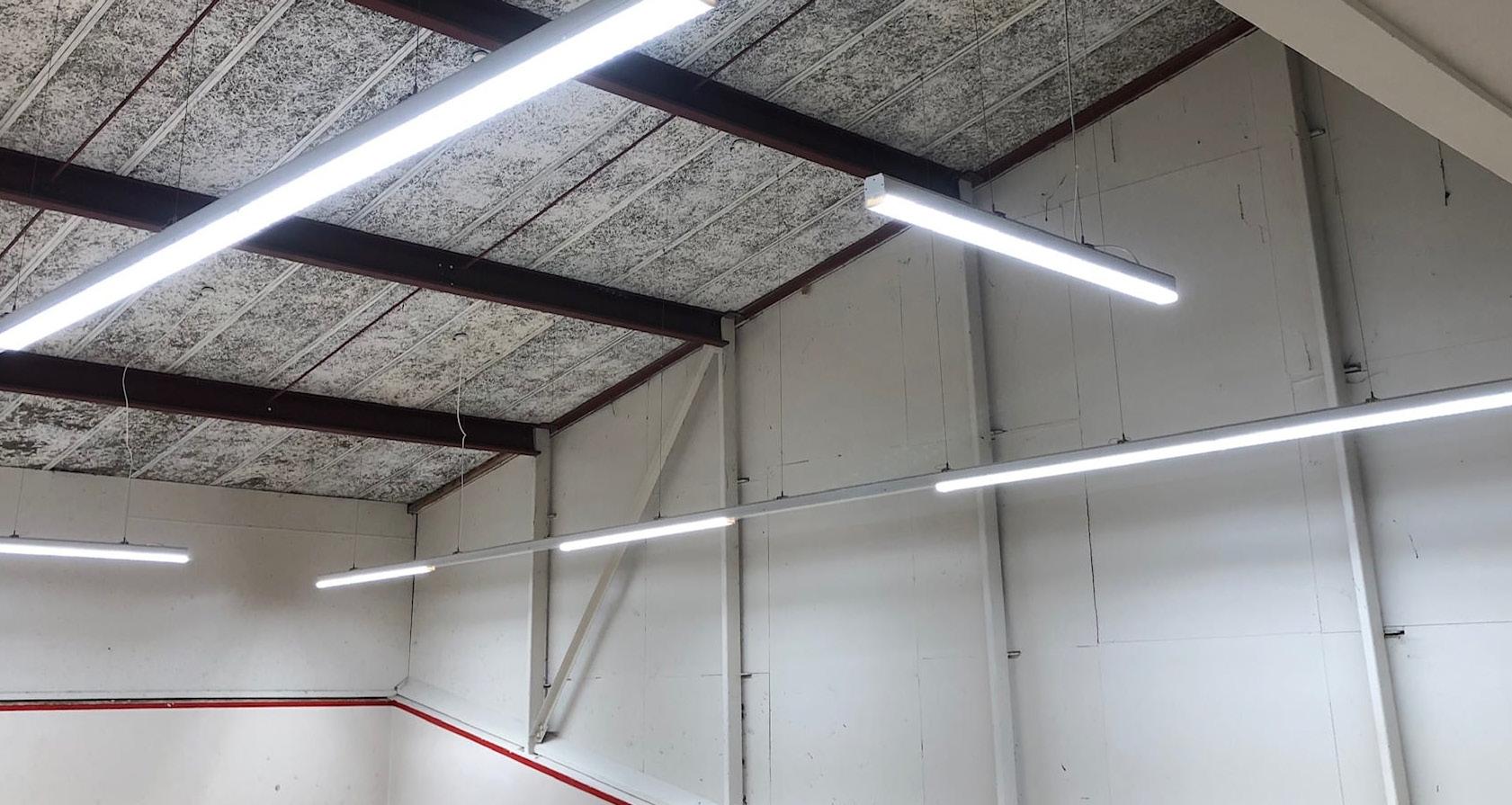
Significant facility upgrades have also taken place, including repainting, new carpets and curtains, improved lighting, new heaters behind Courts 1–3, and updated signage. Solar power installation is underway, reducing long-term costs and improving sustainability. These improvements reflect strong planning, excellent leadership, and the hard work of committee members and volunteers. Grant funding, secured through a dedicated Grant Coordinator role, has been instrumental in enabling these developments.
Thanks to united effort from volunteers, players, sponsors, and supporters, Tokoroa Squash Club has strengthened its community presence, delivered outstanding sporting results, and continued to build for a bright and sustainable future.
Looking to do an upgrade to your club or give it a facelift?
On our facilities page you can get more information about:
• Floor cleaning
• Wall cleaning
• Wall maintenance and repair
• Squash court floor sanding
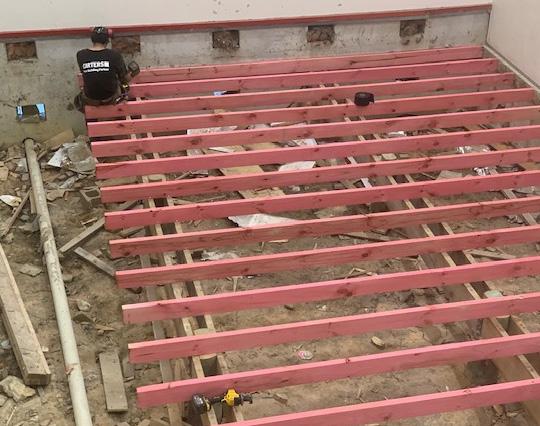
• Squash court floor replacement
• New court lights
• Court heating and ventilation
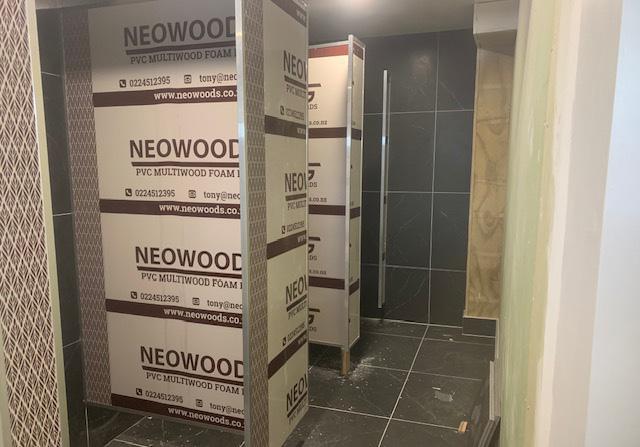
• Changing room and bathroom facilities
• Lounge facilities
• Kitchen / Bar facilities
Looking to build a new facility or expand your existing club?
• Needs assessment
• Feasibility
• Facility guidelines
• Design and consent
For information contact our Facility Advisor Jamie Archibald jamie@squashnz.co.nz
Click HERE to see special deals for affiliated squash clubs






Christmas and the end of the year is often a time for reflection, celebration and planning for the new year to come. For the Squash Referee community, this is no different.
Our NZ referees continue to represent our country on the international stage as well as the countless hours they contribute to improving the standard of squash in our own country.
Highlights of the year in reflection:
• We started the season with 4 referees appointed to the NZ Open Silver event in Christchurch, and Janet Udy had the privilege of refereeing the Women’s final at that event.
• Following that, in May, our very own Glenn Carson headed to Chicago for the World Tour Finals and we congratulate him on officiating the final there.
• The Oceania Champs in Brisbane saw Paul Kennett (PK) in the hot seat, and this was also the case for the Oceania Closed tournament in Samoa
• At the World Games in Chengdu, China, Nicky McNaught and Janet were part of a team of 7 referees appointed form around the world and this time, it was Nicky who had the honour of being selected for the Women’s Gold medal match
• Our relationship with Malaysia was strengthened further in August, when Mike Jack and PK attended the 15K Tuanku Muhriz Trophy event, the third consecutive year that we have had referees make the trip to officiate at this event.
• To close out 2025, Janet is currently in Hong Kong and Singapore, attending a Women in Squash seminar and refereeing at the Singapore Junior Open.
• And, kicking off 2026 on a positive note, Nicky and Allan Bailey are heading to the UK, selected to attend the 100th Anniversary British Junior Open. They will be part of a team of 35 referees from around the world at this large and prestigious tournament.
For a team of only nine Level 3 referees, we certainly excel on the wider stage, and that is testament to the background work and development our referees put in. As part of how we recognise our referees, we have 2 trophies that are awarded at the Squash NZ Awards for refereeing each year. Referees, Districts and other Squash community members are welcome to nominate for the following:
The Derek Cook Memorial Trophy
Awarded for exceptional contributions to refereeing, including training, mentoring, and rule development.
The Referees Trophy for Personal Endeavour
Awarded to referees who demonstrate exceptional improvement, achievement, or dedication to advancing their skills.
Click HERE for the link to the nomination forms (both awards are in one form). Nominations close 12th Dec
And as for what is to come in 2026:
• We have a new Referee Director – Nicky McNaught
• Our referee panel will be – Heather Findlay, Brett Simon, Allan Bailey & Anneka Weterman
• And, hopefully more great performances both Nationally and Internationally.
Merry Christmas and a Happy and Safe New Year from the NZ Squash Referees!
Where do I find a copy of the rules of Squash? I want to know what the new rules will be next year
These can be found on the Squash NZ website –Get Involved – Referees – Singles rules. Or click this link: Singles Rules
Do you have a refereeing question or a situation you are not sure about?
Chances are others may have the same query. Send your query to Nicky McNaught: kevinandnicky@outlook.co.nz and we will share the answers with the squash community each month.
Please note – every situation is different and without seeing the exact context (player skill, direction of movement etc) we are giving our responses based on the rules and some guidance on how to apply them.
THANK YOU, MIKE –WELCOME, NICKY!
Squash New Zealand Poipātū Aotearoa extends its heartfelt thanks to Mike Jack for his outstanding contribution as Referee Director over the past four-plus years. Mike’s commitment, patience, and passion have driven referee development forward, and his leadership has been instrumental in strengthening officiating standards across the country. We are delighted that Mike will continue to share his expertise and remain active as a national referee.
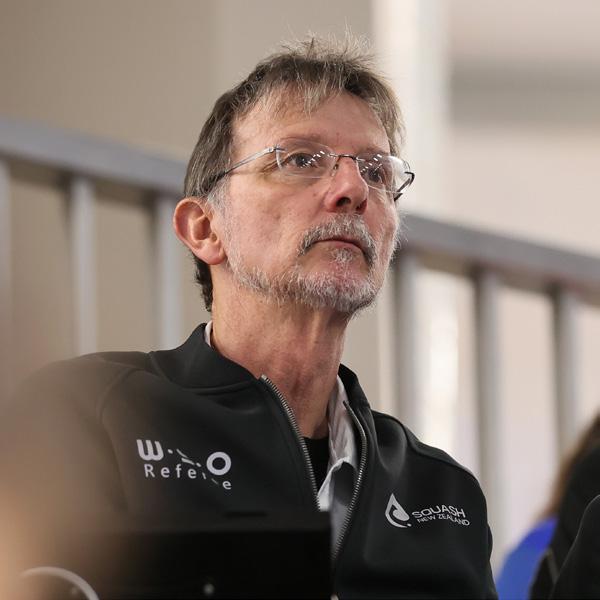
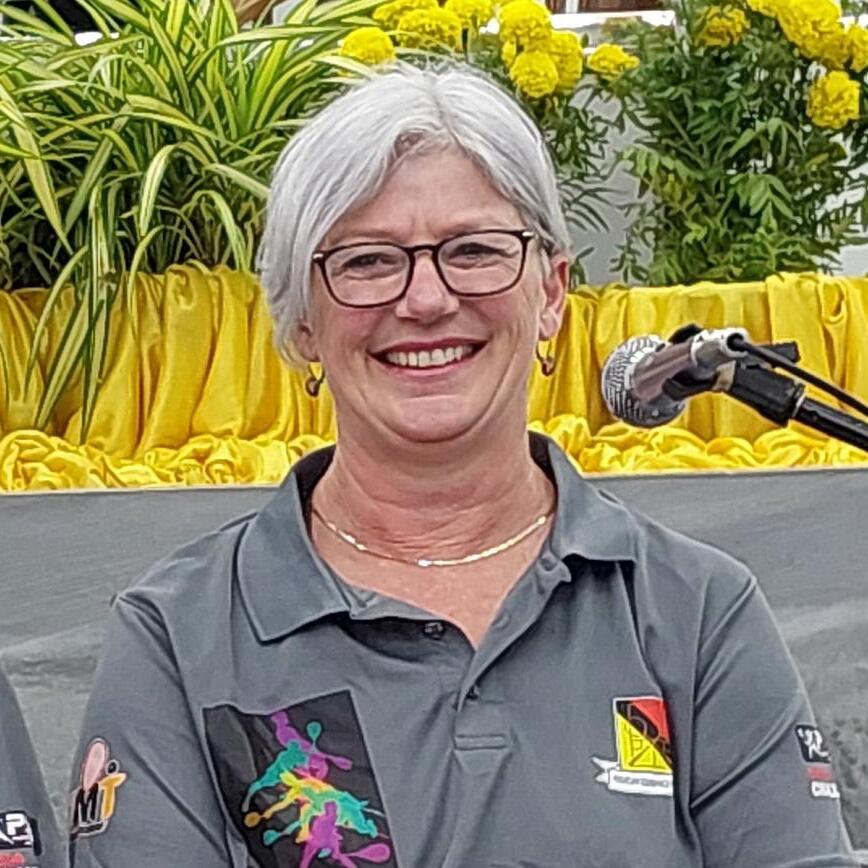
At the same time, we are pleased to announce that Nicky McNaught from Invercargill will step into the role of Referee Director effective immediately. Nicky is well known and highly respected within the squash community, bringing a wealth of experience and a strong vision for the future. Her leadership will be crucial as we prepare for LA28 and implement upcoming rule changes.
Please join us in thanking Mike for his service and welcoming Nicky to this important role!



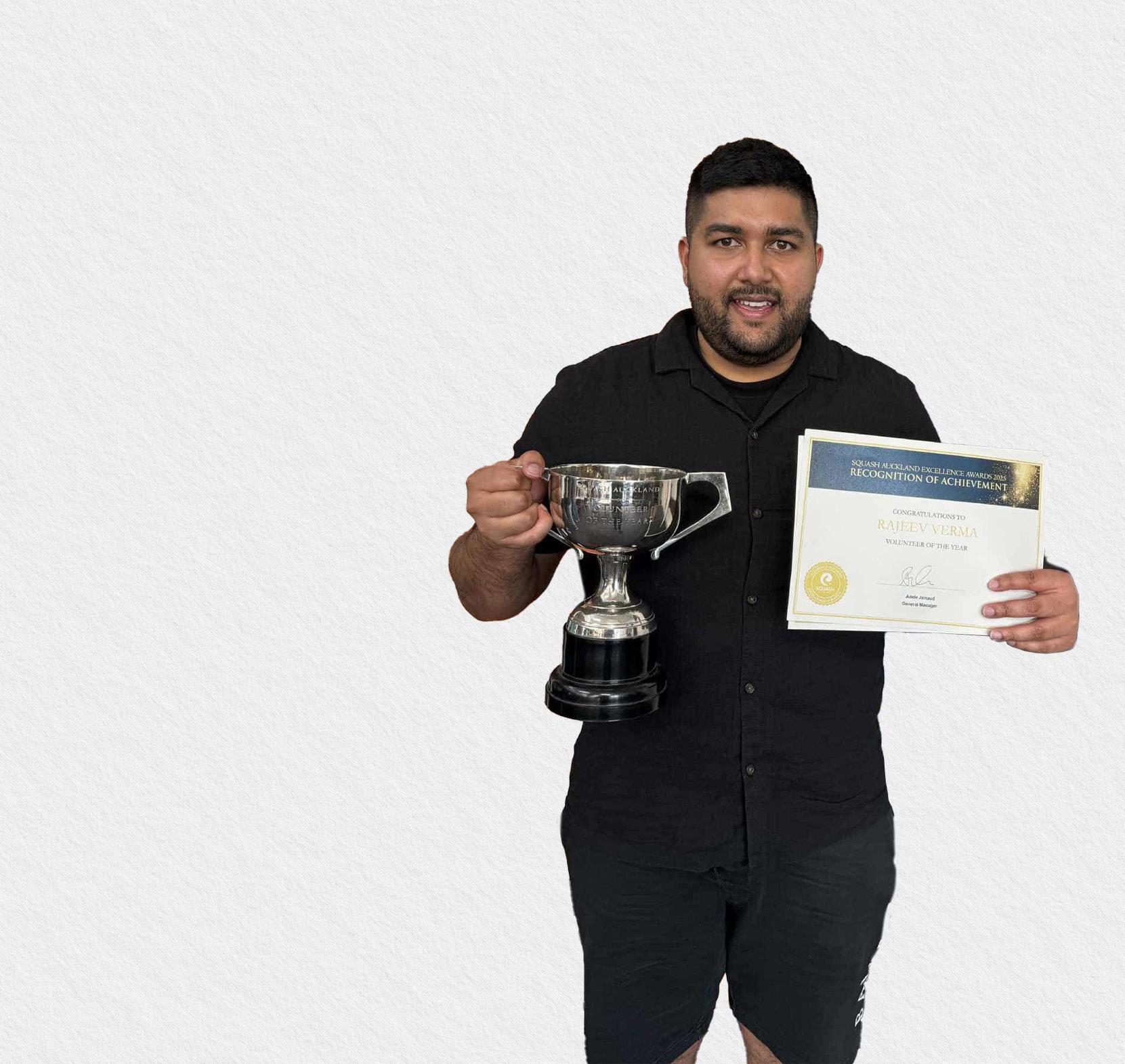
Raj stands out as someone who consistently inspires goodwill and invests heavily in the development of others. Known as a genuinely kind and committed club member, he has dedicated countless volunteer hours to Franklin Squash Club. Now in his second year as President, Raj has served on the committee since he was 21, holding roles including Men’s Club Captain, Activities Coordinator, Vice President, and now President.
Throughout his involvement, Raj has arranged social events, secured sponsorship, and taken on the demanding responsibility of managing grant applications. He has also run numerous tournaments, including a standout 125-player event held post-COVID, which he organised and delivered single-handedly.
Raj stepped into the presidency during a period when the committee faced pressure around transparency and communication. His leadership quickly restored confidence, with open updates, clear processes, and a strong focus on member feedback. He sets high expectations for the committee and provides meaningful support, contributing to a stable and engaged leadership group.
This year, Raj has been visible at every major club activity—tournaments, social events, and working bees— leading by example. His “President’s Shout” events
at the bar have become a popular fixture. He also delivered an 8-week Summer Doubles League, added a Doubles division to the Masters Tournament, ran two Quick Series Sunday tournaments, and introduced the innovative Squash 7’s format, complete with a custom system he developed himself.
Alongside the Vice President, Raj has worked extensively to identify cost-saving opportunities for the club. Despite balancing a demanding management role in his professional life, he has led multiple significant projects, including securing funding and completing the $37k carpark upgrade, arranging the upcoming sanding of the courts, and leveraging relationships to replace the club’s roof and court lighting at minimal cost. He has also explored solar options, new furniture for the lounge, digital scoring solutions, and facility upgrades, always seeking member input.
Raj is a strong supporter of Squash Auckland and Squash New Zealand initiatives, regularly participating in school-based Rally Wall sessions and encouraging future engagement.
Respected widely for his leadership, dedication, and vision, Raj exemplifies the spirit of community squash and is highly deserving of recognition.
Sarah Cook was an important part of a golden era of New Zealand women’s squash. She arrived on the national scene just as Susan Devoy was winding down, and was a contemporary, or near contemporary, of Leilani Marsh, Jade Wilson, and Philippa Beams. Cook endured so well that she was also a New Zealand team-mate of Shelley Kitchen, she lost her last New Zealand Championship final to Carol Owens and departed the sport just as Jaclyn Hawkes was coming on to the scene. Cook broke into the world’s top 20 in the late 1990s. She always played an attractive game full of strokes.
Cook compiled an impressive CV. It included:
• Winning New Zealand titles at every age-group level.
• Winning Australian under-17 and under-19 titles.
• Being runner-up in the world junior championship in 1993.
• Winning three New Zealand senior titles.
• Combining with Glen Wilson to win a Commonwealth Games mixed doubles bronze medal.
• Three times being in New Zealand teams that finished third in world championships.
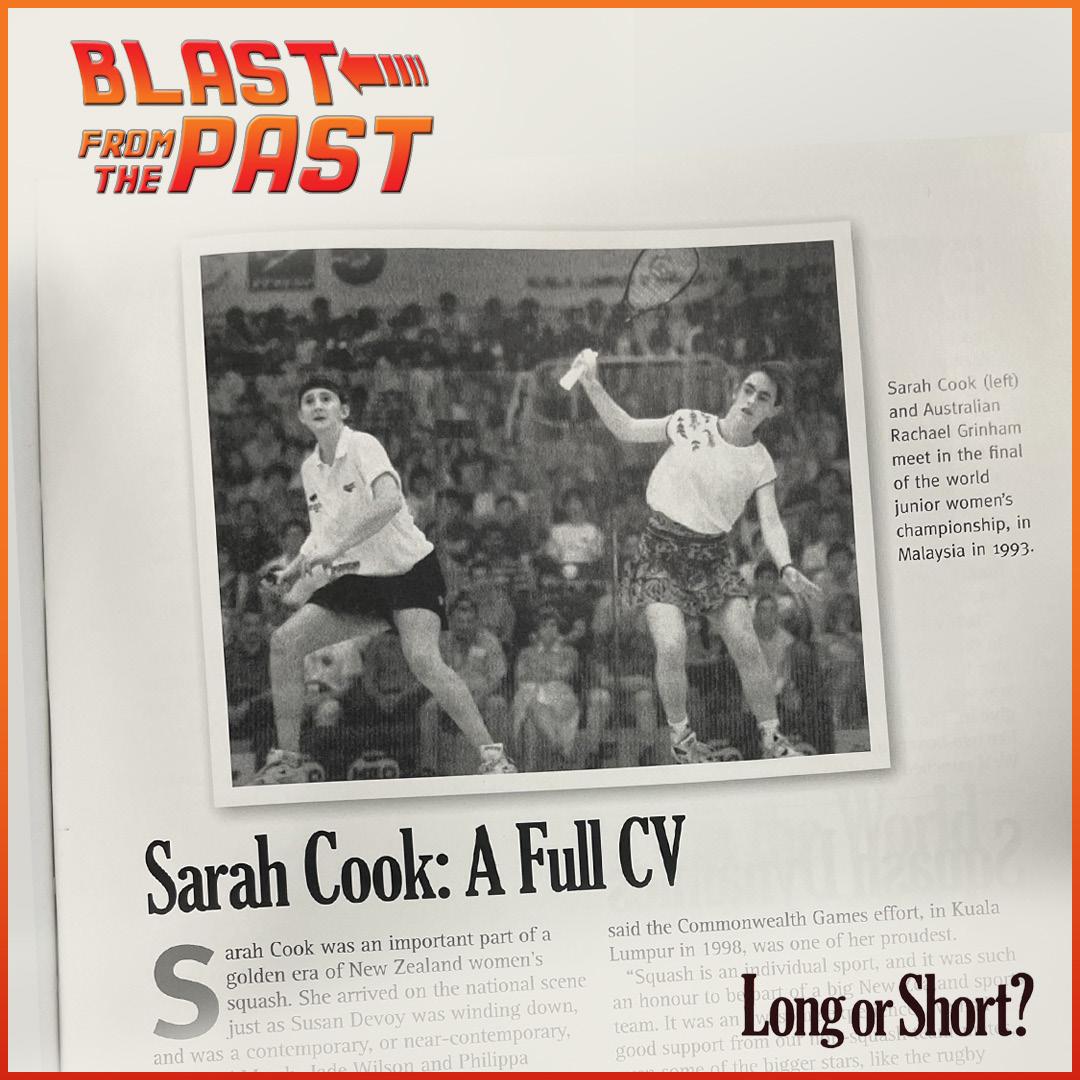
Source: Long or Short? the Story of New Zealand Squash, written by Joseph Romanos. View full copy in MySquash (Free Features). Anyone can register free as a Digital subscriber

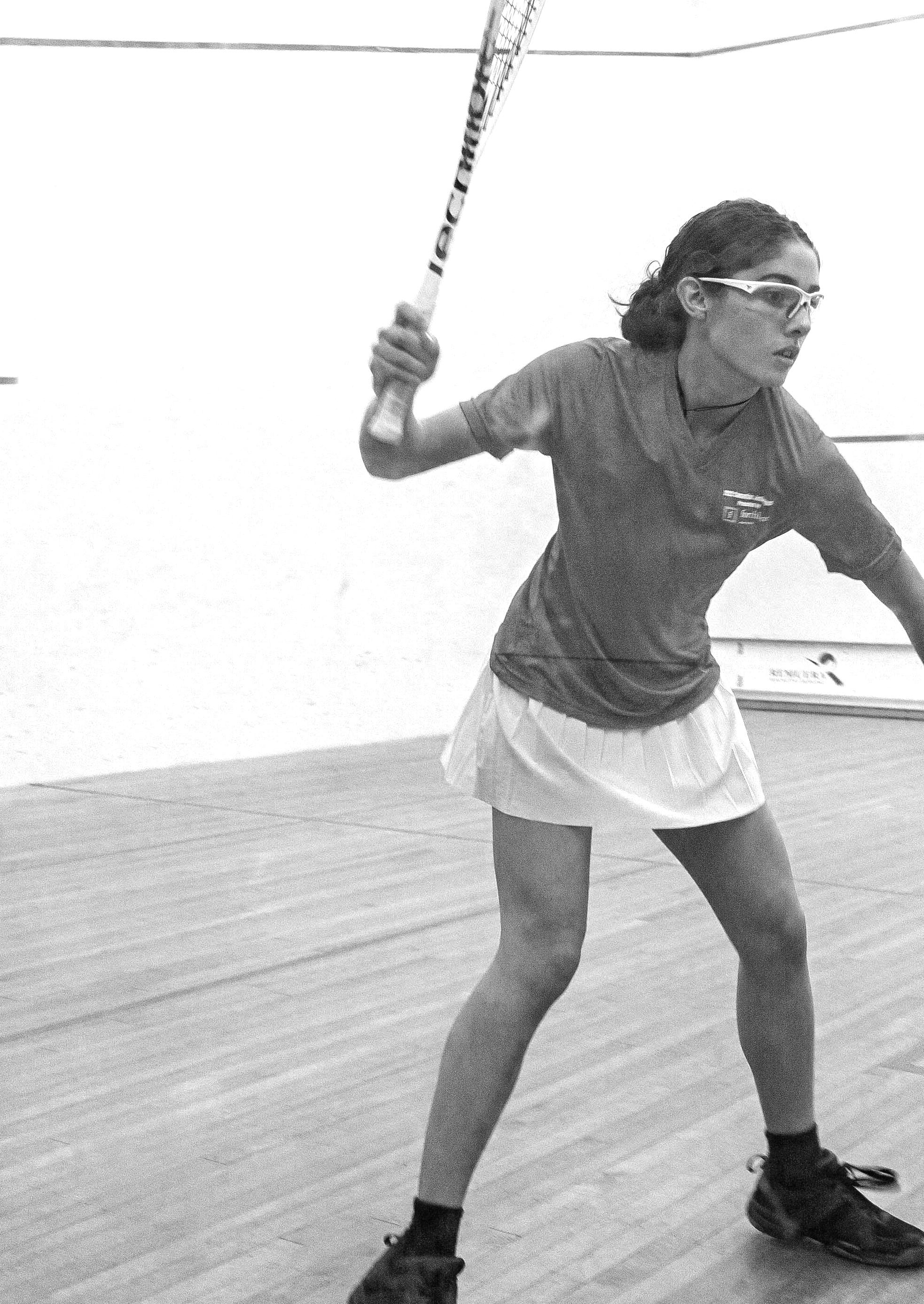
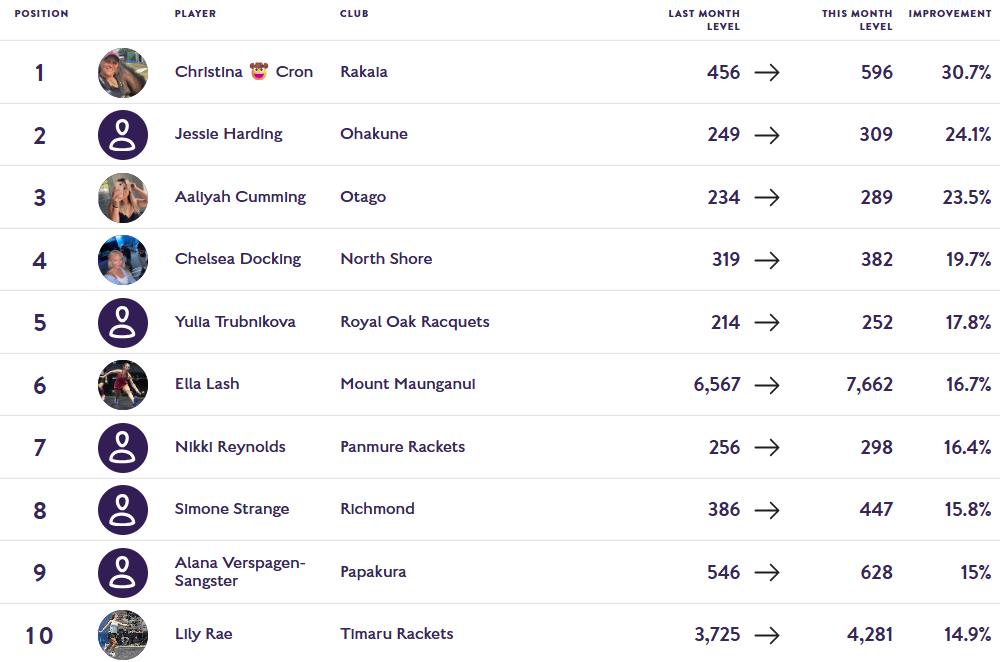
CHRISTINA CRON / Rakaia
MOST IMPROVED MALE congratulations congratulations 30.7%
TYTUS APU / Henderson MOST IMPROVED FEMALE
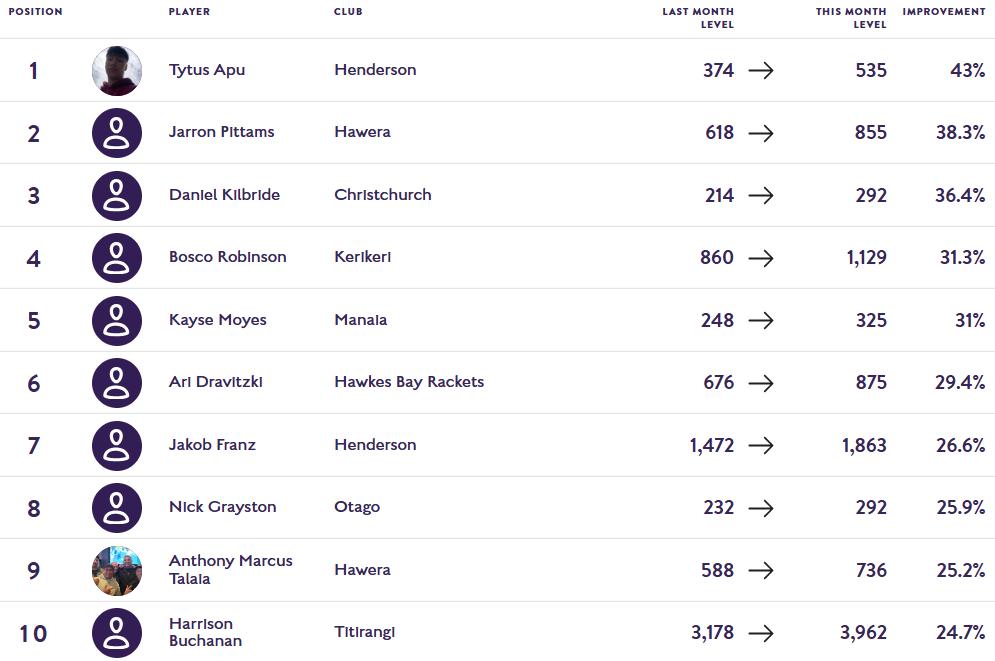
43%

Event
3rd - 8th
4th - 7th
5th - 8th
24th - 25th
29th - 31st
3rd - 5th
10th - 12th
17th - 18th
7th - 9th
14th - 15th
21st - 23rd
16th - 19th
New Zealand Open
Oceania Masters
New Zealand Junior Open
New Zealand Doubles Championships
Mitchell Cup & Cousins Shield
HEAD New Zealand Championships + National Graded Champs
North Island Junior Age Groups
South Island Junior Age Groups
NZ Secondary Schools Squash Nationals
NZ Inter-District Team Championships
Masters Club Team Championships
G.J. Gardner Homes National Superchamps Finals
B Grade Superchamps
C Grade Superchamps
D Grade Superchamps
E Grade Superchamps
F/J Grade Superchamps
1st - 4th
5th - 6th
16th - 18th
19th - 20th
G.J. Gardner Homes NZ Junior Age Group Championships
G.J. Gardner Homes NZ Inter-District Junior Team Championships
G.J. Gardner Homes NZ Masters Individual Championships
G.J. Gardner Homes NZ Inter-District Masters Team Championships
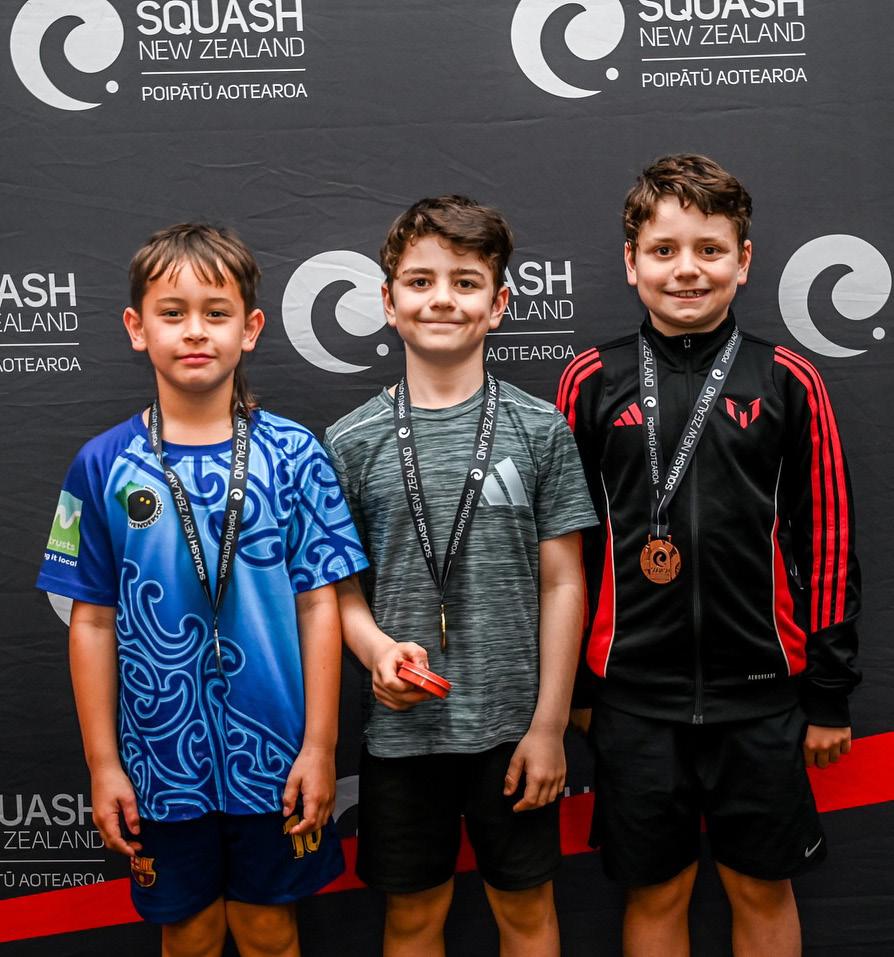
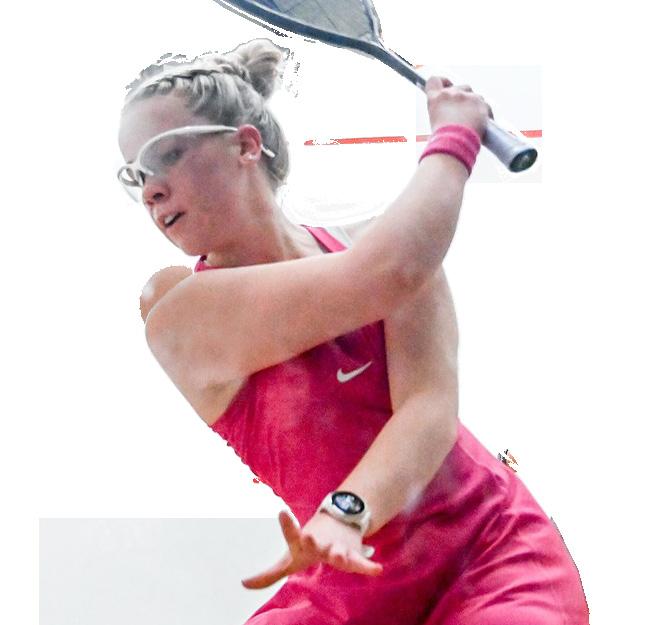
Club
Isaac Theatre Royal, Christchurch
Christchurch SC & Richmond SC
Burnside SC / Christchurch Football
SquashGym Palmerston North
Christchurch Squash Club
Devoy Squash & Fitness Centre
Hawkes Bay Squash Rackets Club
Waimea Squash Club
Christchurch Football Squash Club
Hawkes Bay Squash Rackets Club
Whangarei Squash Club
Hamilton Squash and Tennis Club
Devoy Squash & Fitness Centre
Tawa Squash Club
Squash City Invercargill
Kerikeri Squash Club
Henderson Squash Club
Henderson Squash Club
Whanganui Squash Club
Whanganui Squash Club
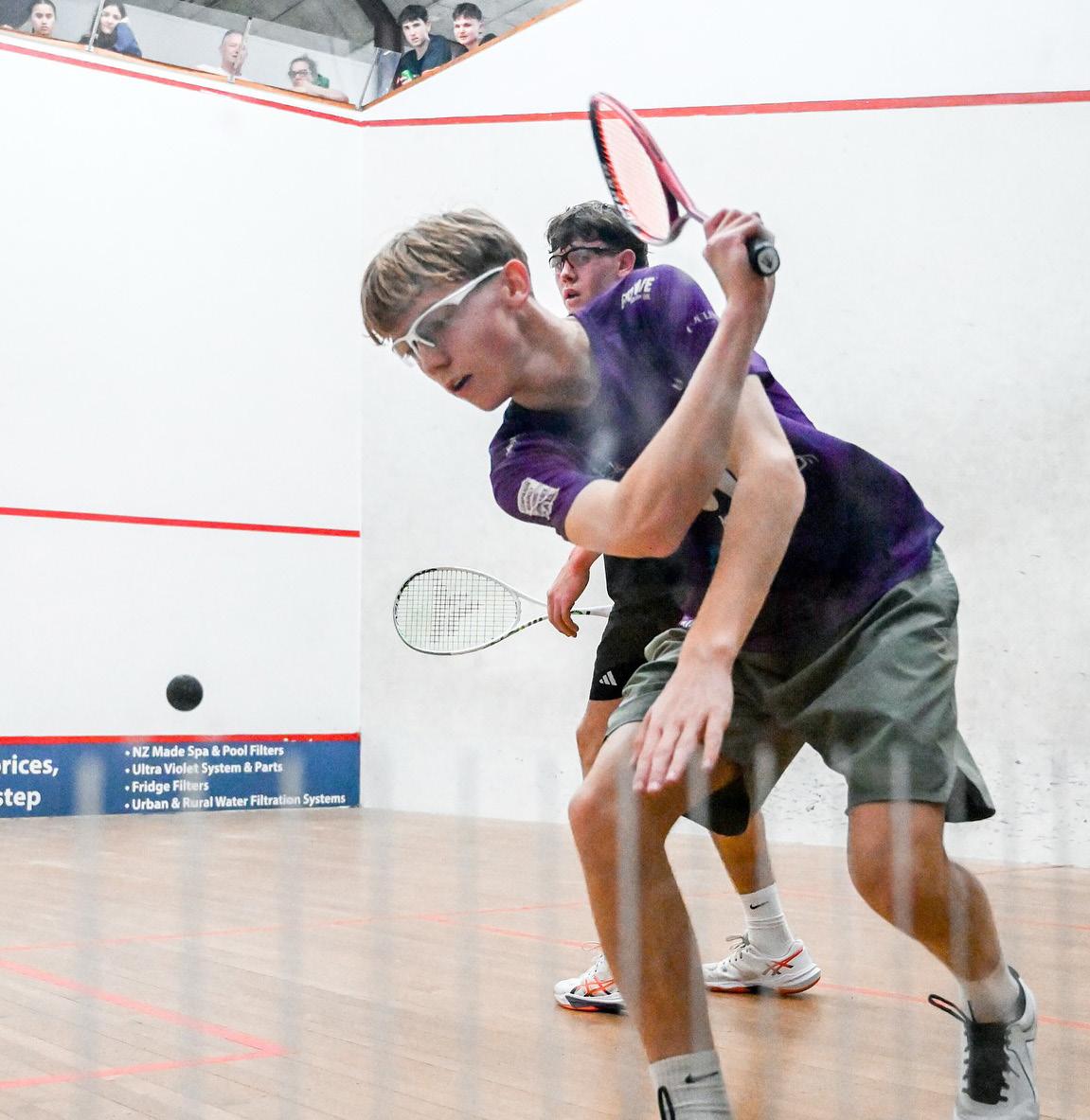
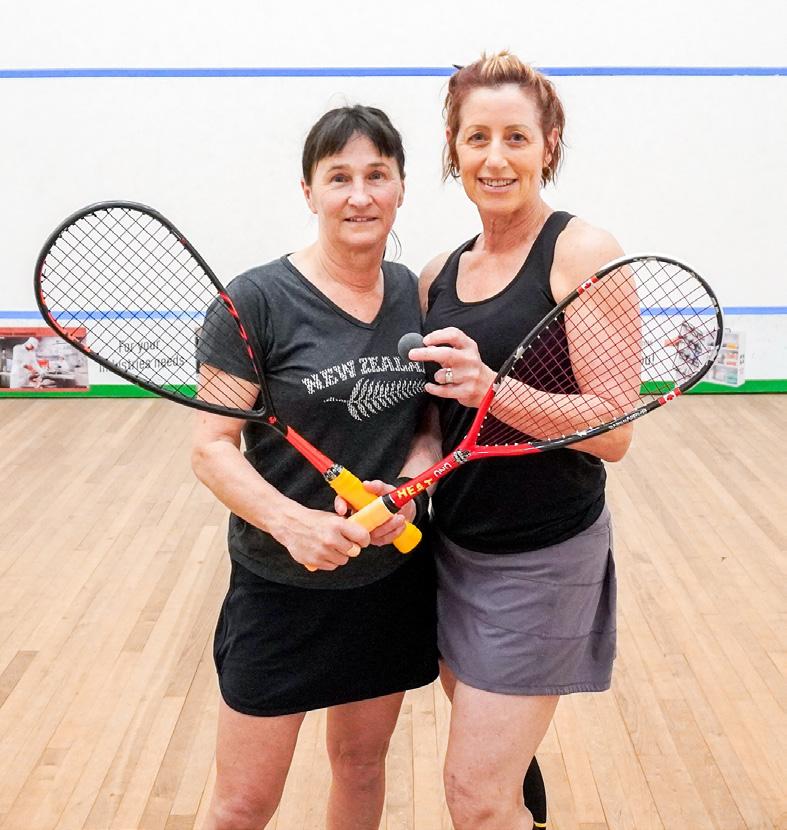
Want to be featured in The Boast?
Email admin@squashnz.co.nz with stories from your club or district to be featured in the next edition of The Boast.
MAJOR PARTNERS

STRATEGIC FUNDERS

FUNDERS



SUPPORTING PARTNERS



Subscribe to The Boast here