INFANT RSV VACCINES
An RSV vaccine (Pfizer's Abrysvo) is recommended for the mother during the 32nd through 36th weeks of pregnancy. Protection is passed to baby during pregnancy and will last during your baby’s first 6 months.
An RSV antibody (nirsevimab) can be given to babies and some young children. This antibody provides immediate protection against RSV and lasts at least 5 months.
A dose of RSV antibody is also recommended for the following children, between the ages of 8 and 19 months, entering their second RSV season:
Children who have chronic lung disease from being born prematurely
Children who are severely immunocompromised
Children with cystic fibrosis
AI/AN children are encouraged to obtain the vaccine due to higher risk of hospitalization
RSV RESOURCES:
SPTHB TEC is tracking RSV through a wastewater surveillance sampling program. If you’re interested in learning more about the project or in a training, email us at info@spthb.org
OSDH Viral View: CDC:
RSV and Me: Lung Health:
Healthy Children AI/AN Resources:
Stay healthy. Your community needs you.
Respiratory Syncytial Virus (RSV)
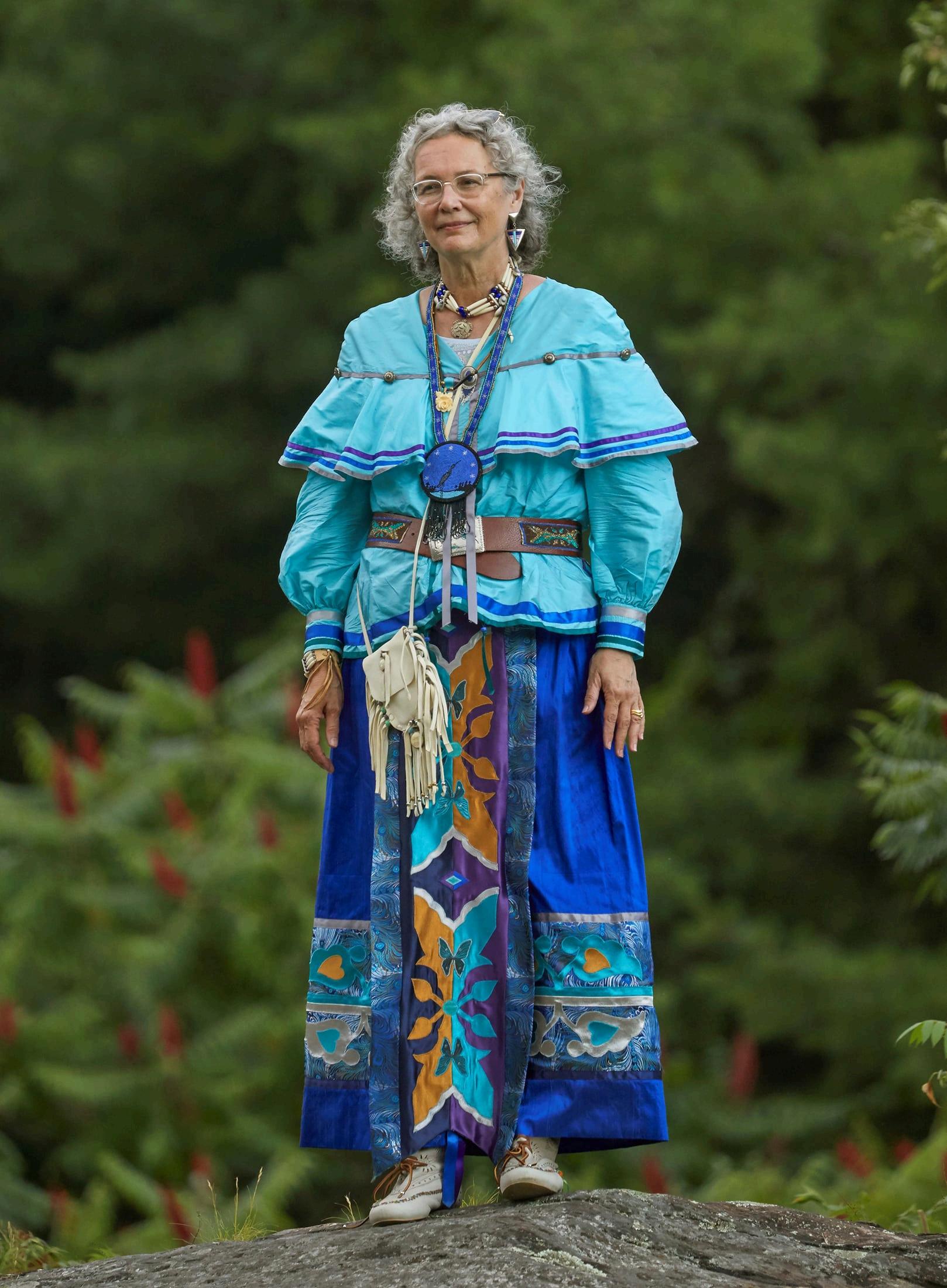
Don’t let RSV keep you from dancing.
For more information, email us at info@spthb.org www.spthb.org
WHAT IS RSV?
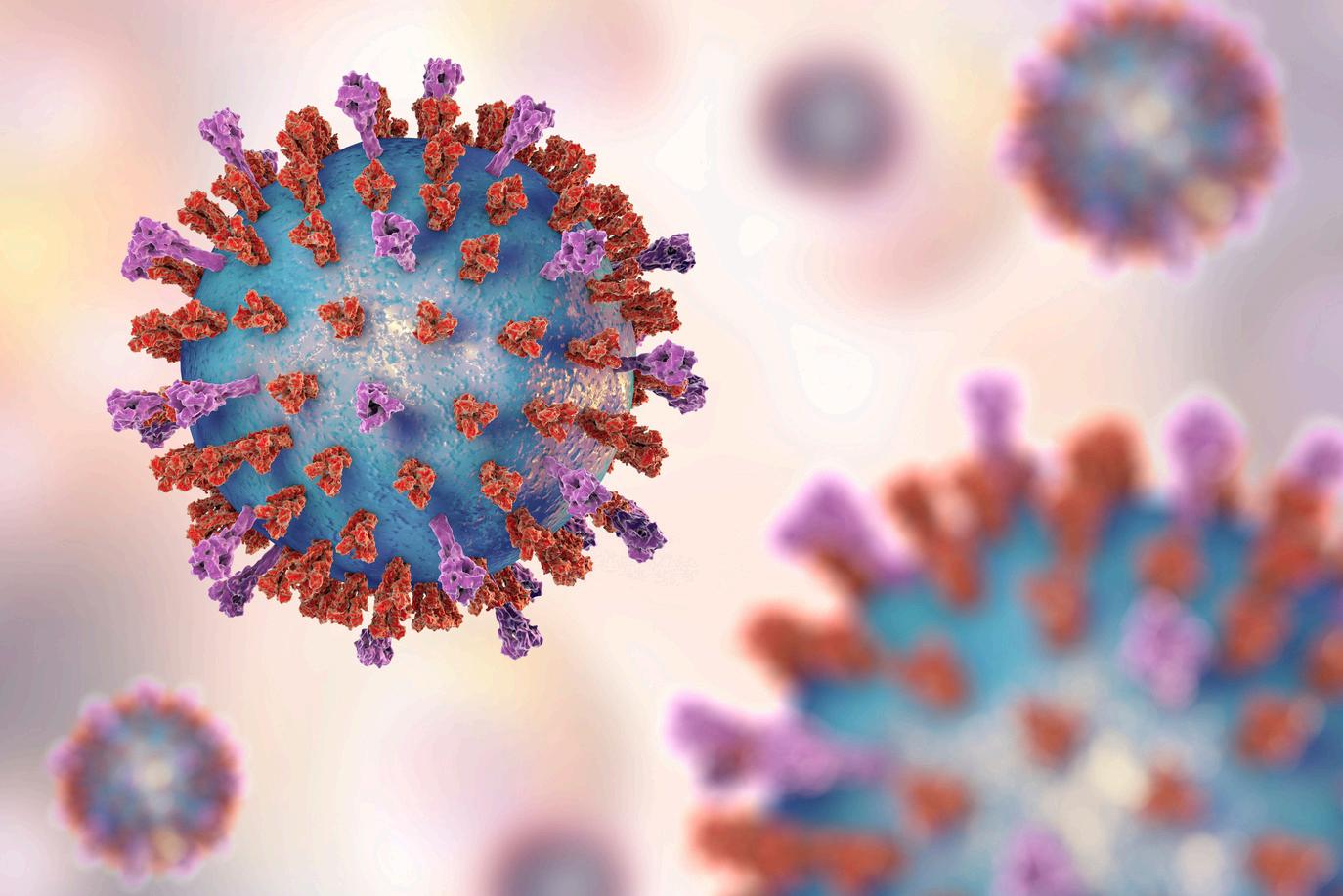
RSV is a type of respiratory virus that can cause infections of the lungs in the respiratory tract
RSV is easily spread by droplet from a cough or sneezed and can last on hard and soft surfaces for hours
People are typically contagious 3-8 days, but some people (especially those with weakened immune systems) can be contagious for as long as 4 weeks (even after they stop showing symptoms)
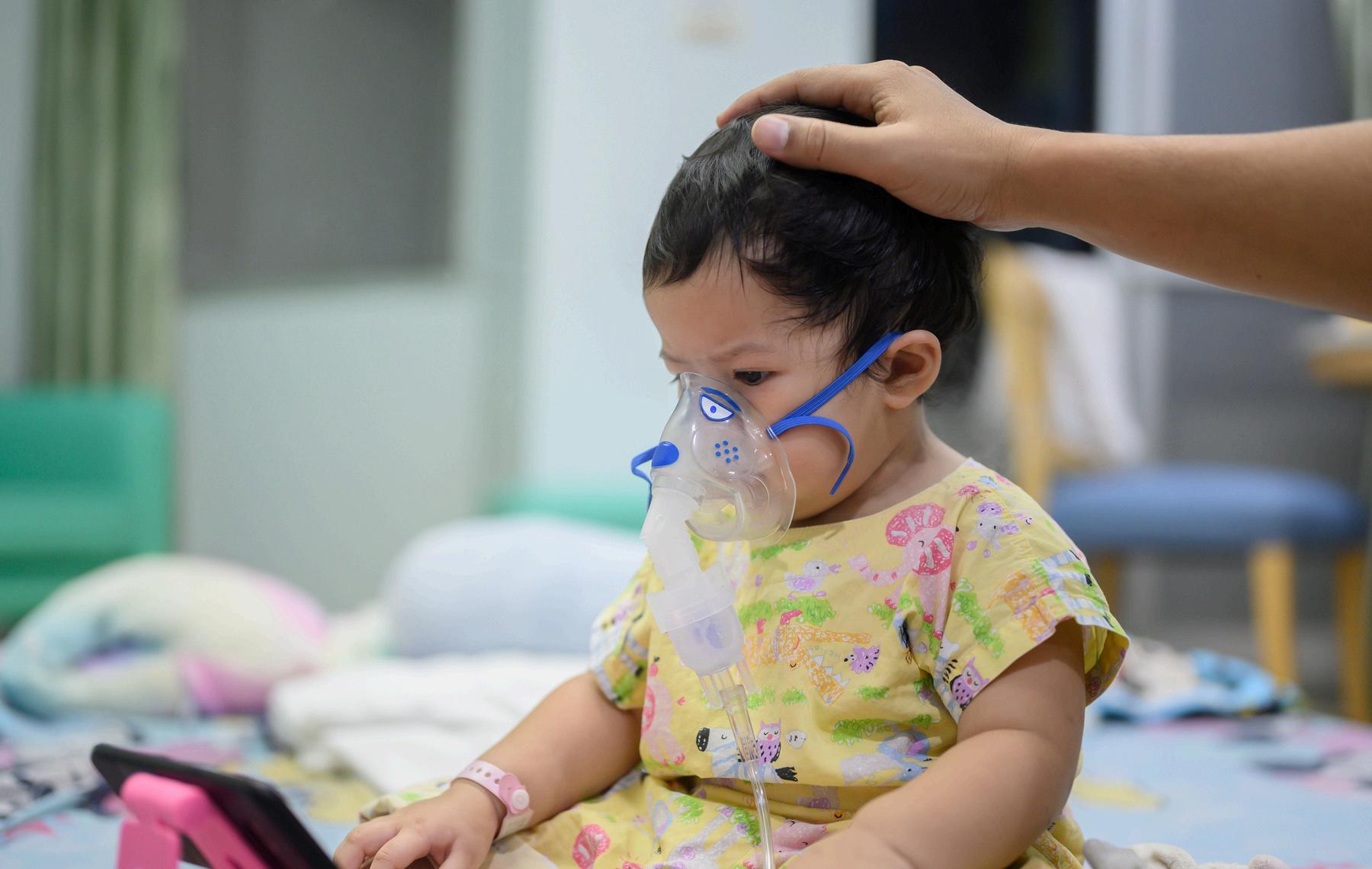
RSV does not usually cause severe illness in healthy adults and children. However, some people with RSV infection, especially older adults and infants younger than 6 months of age, can become very sick and may need to be hospitalized
RSV can lead to more severe illness such as bronchiolitis (inflammation of the small airways in the lungs) and pneumonia (infection of the lungs)
RSV is the leading cause of respiratory infections in infants and children worldwide. American Indian and Alaska Native infants have higher rates of hospital stays for RSV lung infections.
Rosalyn Singleton, MD, MPH, FAAP
WHO IS AT RISK OF RSV?
Infants: (less than 2 years old): AI/AN children
Children born prematurely
Children with chronic lung or heart disease
Children with weakened immune systems
Children with severe cystic fibrosis
Children who have neuromuscular disorders
Adults (65 years of age and older) with the following conditions are more likely to be hospitalized:
WHEN IS RSV SEASON?
Peak: late December to mid-February
Rise: mid-
September to midNovember
Decline: midApril to mid-May
ADULT RSV VACCINES
The CDC recommends a single dose of any FDA-licensed RSV vaccine for all adults ages 75 and older and adults ages 60–74 are at increased risk of severe RSV. The best time to vaccinate is in late summer to early fall
3 RSV vaccines currently available: Arexvy: GSK's RSV vaccine
mResvia: Moderna's RSV vaccine
Abrysvo: Pfizer's RSV vaccine
In studies of real-world effectiveness, the RSV vaccines were about 77-79% effective in preventing RSV-associated emergency department encounters