

Volume 10, Number 7, 2025
ISSN 2957-7160 (Online)
ISSN 2957-7799 (Print)



DISCLAIMER:
OPEN publications are produced by Allied Command Transformation/Strategic Plans and Policy; however OPEN publications are not formal NATO documents and do not represent the official opinions or positions of NATO or individual nations. OPEN is an information and knowledge management network, focused on improving the understanding of complex issues, facilitating information sharing and enhancing situational awareness. OPEN products are based upon and link to open-source information from a wide variety of organizations, research centers and media sources. However, OPEN does not endorse and cannot guarantee the accuracy or objectivity of these sources. The intellectual property rights reside with NATO and absent specific permission
OPEN publications cannot be sold or reproduced for commercial purposes. Neither NATO or any NATO command, organization, or agency, nor any person acting on their behalf may be held responsible for the use made of the information contained therein. The views expressed in this article are solely those of the authors and may not necessarily represent the views of NATO, Allied Command Operations, or Allied Command Transformation, or of their affiliated organizations. All rights reserved by NATO Allied Command Transformation Open Perspectives Exchange Network (OPEN). The products and articles may not be copied, reproduced, distributed, or publically displayed without reference to OPEN.
www.openpublications.org
CONTRIBUTING AUTHORS
Mr. Jyri Lavikainen
Finnish Institute of International Affairs
OPEN CAPABILITY LEADER
Col Stefan Lindelauf
OPEN LEAD EDITOR
Mr Jeffrey Reynolds
OPEN OPERATIONS MANAGER
COL Alexios Antonopoulos
ACTION OFFICER
Dr Bohdan Kaluzny
CDR Alan Cummings
OPEN EDITORIAL REVIEW BOARD
LTC Tor-Erik Hanssen
CDR Silvio Amizic
CDR Alan Cummings
LTC Claus Slembeck
LTC Anders Wedin
LTC Gabor Farkas
LTC Mithat Almaz
Dr Bohdan Kaluzny
Ms Klodiana Thartori
Ms Jedidja Van Keulen
Mr Helmar Storm
Mr Theodore Rubsamen
Mr Christopher Hall
Mr Benjamin Davenport
Mr Eric Thompson
TECHNICAL EDITOR
Dr. Maureen Archer
ART DESIGNER
PO1 Emilia Hilliard

This article proposes NATO develop a theory of victory by reviving the concept of flexible response and applying it to deter Russia’s aggression in the NATO Area of Responsibility. It starts by analyzing the complementary value theories of victory have in relation to strategies and explains that NATO’s cold war era strategies had such theories embedded in them, before arguing that a NATO theory of victory must be based on negating Russia’s theory of victory. The main part of the paper outlines the basic principles of Russia’s theory of victory and how NATO’s theory of victory based on the concept of flexible response can help the Alliance to build an advantage in peacetime, deter war and prevail in the conflict if deterrence fails. The strategy is based on retaliating against Russia’s gray zone operations, enhancing territorial defence capability of the frontline states and strengthening NATO’s theatre nuclear posture. To facilitate the strategy, the paper recommends Europe to rebuild its defense industrial base, the frontline states develop and expand their systems of military conscription, and NATO commission a Strategic Posture Review. The article proposes NATO to develop a culture of deterrence that fosters public support for the NATO strategy to deter aggression.
Keywords: theory of victory, flexible response, deterrence, Russia, NATO, nuclear strategy
The on-going development of NATO’s strategy requires conceptual and theoretical guidance and revived strategic thinking. This paper participates in this debate by discussing the key principles for a theory of victory that should underpin the future NATO strategy in a confrontation with Russia.
The NATO theory of victory against Russia must focus on negating its theory of victory and shape the environment to its favor in peacetime. During the cold war the Alliance had to address a very similar strategic problem as it must today, and there is much to learn from NATO’s historical thinking with deterring and prevailing against the full spectrum of threats. NATO should again adopt the concept of flexible response as a guiding policy of its strategy in order to support its ability to focus on and implement coherently a multifaceted strategy that encompasses the entire spectrum of conflict, whose expected timeframe is counted in decades.
A contemporary version of flexible response would seek to deter aggression by convincing the adversary that all its potential pathways to victory are blocked and potentially dangerous to it, no matter what method or level of aggression it chooses. Essentially this is done by ensuring that a limited act of aggression will either fail or develop into a major war, where NATO will use all necessary force to achieve its war aims. This will ensure that nuclear deterrence becomes a credible means of war prevention. In terms of ways and means, flexible response concept would seek to raise the
costs of gray zone operations by retaliating against them, deny the prospect of a quick fait accompli by increasing the conventional military power of the frontline states, and erode Russia’s confidence in achieving escalation dominance by strengthening NATO’s theatre nuclear posture.
Ultimately, the strategy requires the capability and resolve for NATO to wage a long war successfully. In a situation where the United States might have to engage in a major war in the Indo-Pacific, European Allies will have to take a greater burden of their own defense. Europe should revive its defense industrial base, and the frontline states should adopt a total defense concept similar to the one of Finland, expanding their conscription systems to create larger reserve armies. NATO should also commission a strategic posture review in order to analyze whether its theatre nuclear posture is fit for purpose in today’s strategic environment.
Finally, if European Allies support a greater share of their defense, they must become more comfortable with all issues pertaining to military force, as well as about retaliating against provocations and other acts of aggression. To do this, NATO and individual Allies must do more to educate their populations about the military threats facing the Alliance and how they must be addressed. NATO needs a culture of deterrence which would extend from the Alliance to the domestic political cultures of individual Allies and ultimately down to the population level.
Russia’s invasion of Ukraine in 2022 has been a transformative experience for the North Atlantic Alliance. The return of a major land war in Europe after Russia issued NATO ultimatums to remake the European security order forced NATO to reckon with the possibility of large-scale war against the Alliance. The Alliance has now initiated the transformation of its deterrence and defence posture and the development of new regional defence plans to be implemented in a major war with Russia.
The on-going development of NATO’s strategy requires conceptual and theoretical guidance. This article participates in this debate by discussing the key principles for a theory of victory that should underpin the future NATO strategy in the confrontation with Russia. While NATO’s strategy has always included and should continue to include all instruments of power, the transformation of NATO’s deterrence and defence posture requires revived thinking specifically in the military-strategic realm. Consequently, the article focuses on the use
of the military instrument to deter war and prevail in conflict if deterrence fails. The theory of victory concept provides added value to strategies by explaining the causal logic between ends, ways, and means of the strategy. As such, the theory of victory concept helps to identify blind spots in strategic thinking and craft strategies that will deliver the political outcomes that decision-makers seek in conflicts.
The first section introduces the concept of the theory of victory, explains its relation to military strategy and discusses NATO’s historical theories of victory. The main part of the article is split into two sections. In the first one is a brief account of Russia’s theory of victory for a war against NATO, which acts as a frame for NATO’s corresponding theory. In the second section is the proposal that NATO return to the principles of flexible response, explaining how it would deter Russian aggression against the Alliance. The final section contains recommendations to NATO on how to support the implementation of the theory of victory.
War has never been a simple matter of brute force. Military power can be used in a highly skillful or grossly inefficient manner. Sometimes states with superior militaries lose wars and sometimes they win, but not in as decisive a manner as they would like. As long as it does not aim towards the complete destruction of the enemy, war is also a bargaining process. This extends from the way war is being prosecuted to its outcome.1
Victory is a political condition that emerges from the war. Those conditions reflect political commitments where violence is considered an acceptable form of diplomacy. Therefore, the political leadership often reserves authority and maintains responsibility throughout the conduct of war to synchronize all forms of national power toward securing national interests. This leads to the merging of political and military factors into a grand strategic design.2
Put in Clausewitzian terms, war is a duel of these military-political strategies between adversaries who attempt to reach contradictory objectives. While victory and defeat can be total ones, often the outcome is somewhere in between the extremes. One can attain some war objectives but not all, and sometimes neither side wins. The underlying political issues that resulted in the conflict can be resolved completely, slightly, or they may even be exacerbated. Victories should preferably be
sustainable, but this requires that the party that lost the war accepts the status quo.3 Studies on theories of victory attempt to lay these conditions bare to help states and militaries recognize how difficult it is to win wars against determined adversaries and help them craft better strategies. Typically, scholarship has, in fact, emerged from failures to achieve satisfactory war outcomes or failure to craft a strategy that can realistically pursue them.
The concept of a theory of victory was introduced to the contemporary scholarship in Gray’s critique of the America’s late cold war era nuclear strategy, which, as Gray saw it, was guided more by the principles of war termination and deterrence than by political war aims and conditions under which they could be sought, and that this resulted in nuclear war plans that did not embody a coherent strategy.4 The concept gained resurgence when wars in Iraq and Afghanistan resulted in quagmires. In these cases, the US military strategy was expertly executed to topple enemy regimes, but it failed to bring the wars to satisfactory outcomes. The most recent discussion has been spurred by the Russo-Ukrainian war and the need to craft a strategy that could realistically restore Ukraine’s military advantage or lead to a satisfactory war outcome.5 Some scholars have recently promoted an alternative concept of a theory of success,
1 Thomas Schelling, Arms and Influence, (Yale University Press, 2020 [1966]), pp. 1-18; 135, 216-219.
2 Mark A. Stoler, The Politics of the Second Front: American Military Planning and Diplomacy in Coalition Warfare, 1941–1943, (Greenwood Press, 1977), pp.166-167. See also, Aleksandr A. Svechin, Strategy, edited by Kent D. Lee, (East View Publications, 1992).
3 J. Boone Bartholomees, ‘Theory of Victory’, Parameters 38, no. 2 (2008), doi:10.55540/0031-1723.2419; William C. Martel, ‘Victory in scholarship on strategy and war’, Cambridge Review of International Affairs, 24:3 (2011), 513-536, DOI: 10.1080/09557571.2011.617356.
4 Colin S. Gray, ‘Nuclear Strategy: The Case for a Theory of Victory’, International Security, Vol. 4, No. 1 (Summer, 1979), pp. 54-87.
5 Franz-Stefan Gady, and Michael Kofman, ‘Making Attrition Work: A Viable Theory of Victory for Ukraine’ Survival, 66:1 (2024), 7–24. https:// doi.org/10.1080/00396338.2024.2309068; Andriy Zagorodnyuk, ‘Ukraine’s New Theory of Victory Should be Strategic Neutralization’, Carnegie Endowment, 18 June 2025, https://carnegieendowment.org/research/2025/06/ukraines-new-theory-of-victory-should-bestrategic-neutralization?lang=en.
which has a different connotation but addresses the same strategic problem.6
A theory of victory is distinct from, but complementary to, strategy. Its added value comes from its explanation of why the chosen strategy works. As Roberts points out, strategies tend to be expressed in an ends-ways-means construct but are often implicit about the logic that connects actions and outcomes. Hence, “a strategy without a theory of victory is nothing more than a loose collection of initiatives and misplaced hope.”7
Constructing a theory of victory on the other hand requires identifying conditions under which an enemy will accept defeat and then outlining how to shape a conflict in such a way that creates these conditions.8 Theory of victory should also identify clear political objectives and be aligned with what can be realistically achieved with military capabilities. Some approaches focus solely on identifying these causal linkages, but others also include more holistic concepts about the “vision of the war as a whole”.9 Sometimes this aim is expressed as a guiding policy or a ‘big idea’ such as the policy of containment.10 Other examples include NATO’s concepts of massive retaliation and flexible response. Given that long wars can develop into unforeseen directions, Freedman
notes that theories of victory also require some flexibility, so that they can be adapted to new circumstances that are bound to rise the longer the war goes on.11
When it comes to achieving victory, Bartholomees and Milburn base their conclusions on Clausewitz and propose that victory is achieved by attacking both the enemy’s military capability and its will to fight, whilst protecting oneself from similar attacks. Roberts draws also from Sun Tzu and concludes that the pathway to victory comes through defeating the enemy’s strategy.12 In both cases, achieving victory is dependent on retaining the initiative and achieving mastery over the enemy.
The distinct character of recent scholarship about victory is that it has been conducted without a NATO context, the prominent exception being Roberts’s monograph on ‘Red and Blue’ theories of victory. As Gray noted in 2002, many Allies had been happy to leave such thinking to the United States, not expecting to think seriously about the prospect of war in Europe.13 However, historically this had not been the case, and NATO’s military strategy throughout the cold war was based on clearly recognizable theories of victory.
6Frank G. Hoffman, ‘The Missing Element in Crafting National Strategy: A Theory of Success’, Joint Force Quarterly 97, 2nd Quarter, 2020, https://inss.ndu.edu/Media/News/Article/2142863/the-missing-element-in-crafting-national-strategy-a-theory-of-success/.
7 Brad Roberts, On Theories of Victory, Red and Blue, Livermore Papers on Global Security No. 7 Lawrence Livermore National Laboratory Center for Global Security Research, June 2020, https://cgsr.llnl.gov/sites/cgsr/files/2024-08/CGSR-LivermorePaper7.pdf, pp. 27-28.
8 Jacob L. Heim, Zachary Burdette, and Nathan Beauchamp-Mustafaga, “U.S. Military Theories of Victory for a War with the People’s Republic of China”, RAND, 2024, https://www.rand.org/pubs/perspectives/PEA1743-1.html.
9 Gray, “Nuclear Strategy: The Case for a Theory of Victory”.
10 Hoffman, ‘The Missing Element in Crafting National Strategy: A Theory of Success.’
11 Lawrence Freedman, ‘The age of forever wars: why military strategy no longer delivers victory’, pp.108-121, Foreign Affairs 104:3, May/ June 2025, https://www.foreignaffairs.com/age-forever-wars, pp.112-115
12 Bartholomees, ‘Theory of Victory’; Richard M. Milburn, “Reclaiming Clausewitz’s Theory of Victory,” Parameters 48:3 (2018), doi:10.55540/0031-1723.2766, Roberts, On Theories of Victory, Red and Blue, p. 24.
13 Colin S. Gray, ‘Defining and Achieving Decisive Victory’(US Army War College Press, 2002), https://press.armywarcollege.edu/ monographs/823.
NATO’s cold war era theories of victory were embodied in the two successive guiding policies of NATO’s military strategy: massive retaliation and flexible response. The causal linkages that underpinned successful military strategy in these strategies were established by assessing Soviet intentions, capabilities and war aims, their relations to NATO’s capabilities and intentions, and the expected types of conflicts.
NATO’s massive retaliation strategy assumed that any war with the Soviet Union would be a largescale war initiated by the Soviet Union to conquer Western Europe. Because NATO could offset its conventional military inferiority against the Soviet Union only with its massive nuclear superiority, NATO’s assessment was that the Soviet Union could only think that it can win the war if it began it with massive nuclear strikes against US nuclear
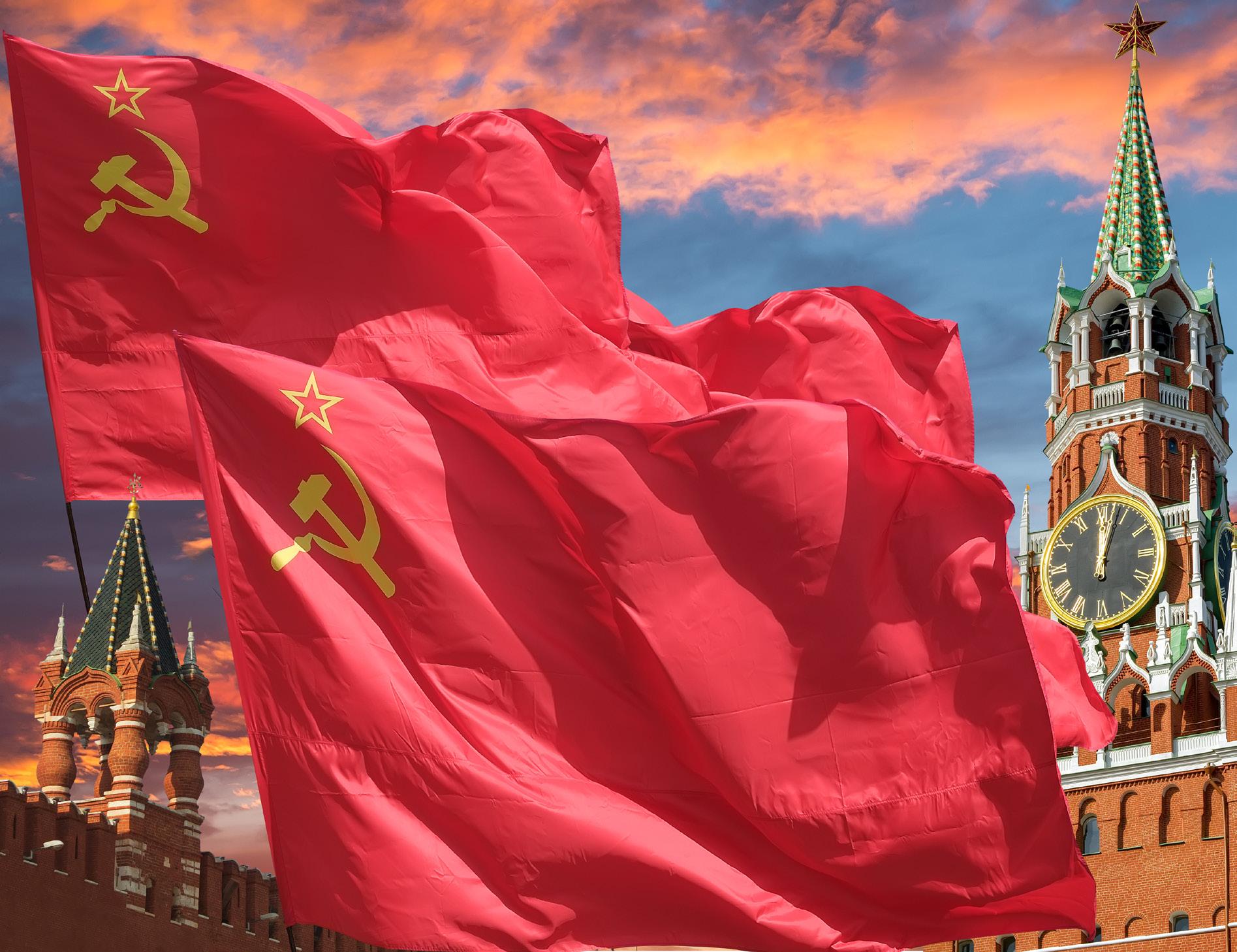
forces. NATO’s theory of victory was to pre-empt this by immediately launching massive nuclear strikes against Soviet military and economic targets.14 At its core, the theory of victory of massive retaliation was focused on attacking the military capability of the enemy, but not so much its will to fight, the underlying reason being that the conflict was expected to be a total war and that its initial phase would largely determine the outcome.
By the late 1960s, NATO observed that the Soviet Union had adopted a cautious position in Europe and assessed that the NATO nuclear capability was likely to deter the Soviet Union from deliberately initiating a major war against the Alliance. However, NATO did not exclude the possibility of a general war, while assessing that the Soviet Union would seek opportunities to challenge and fracture the Alliance if it perceived opportunities to do so. At the same time, NATO’s conventional military power had increased, although remaining inferior to that of the Warsaw Pact, which made it possible to defend Alliance territory on a lower level of aggression without using nuclear weapons. The spectrum of potential aggression was now assessed to be a wide one, ranging from provocations and limited acts of aggression to a major war.15
Dealing with the multitude of potential Soviet challenges required a more complex theory of victory from NATO than the one contained in massive retaliation. The concept of flexible response was ultimately about NATO putting more emphasis on preparing to counter more limited acts of aggression, which were thought to be more probable if the Soviet Union perceived a lack of capability or determination to resist. Therefore, NATO adopted the doctrine of a limited war, seeking to defend Alliance territory wherever aggression would take place, whilst being ready to meet the Soviet Union and the Warsaw Pact on any level of aggression it would choose to take. NATO’s aim was to control the scope and intensity of the conflict and prevail on any level of violence.
This included the potential to escalate the war with limited nuclear strikes if NATO’s war aims required it. Unlike with massive retaliation, the theory of victory that underpinned flexible response was to attack not only the military capability but especially the Soviet will to fight.16
The emphasis on attacking willpower was a natural consequence of the nature of the expected conflict with the Soviet Union. NATO would have engaged in what Schelling called ‘diplomacy of violence’ to dispel any notions of lack of resolve, taking advantage of the fact that the threat of assured destruction would induce caution in the Soviet Union in circumstances where its vital interests were not threatened, but the corresponding Allied interests were. In these contests of nerve, the balance of resolve tends to favor the party that defends the status quo because it has more interests at stake than the revisionist actor.17
The premise of NATO’s prospective theory of victory has more in common with these strategies and concepts than the recent studies of theories of victory that have focused on expeditionary wars with militarily inferior adversaries. The strategic problem in these studies focused on post-war reconstruction and preventing insurgency. The NATO theory of victory proceeds from a different standpoint, because it is a theory about deterring war and defending vital interests if necessary. As both Roberts and Gray have argued in different time periods, but with a similar strategic problem in mind, the NATO theory of victory against Russia must focus on negating its corresponding theory of victory.18 Therefore, a NATO theory of victory must proceed from the realistic assessment of the Russia’s war aims, and be based on the accurate assessment of the logic of the war and the advantages and disadvantages of warring parties. Moreover, the nature of the potential conflicts with nuclear-armed adversaries means that theories of victory must be consistent with a theory of deterrence.
14 MC 48 (Final) ‘The Most Effective Pattern of NATO Military Strength for the Next Few Years’. 22 November 1954, in Gregory W. Pedlow (ed.), NATO Strategy Documents, 1949–1969, https://www.nato.int/docu/stratdoc/eng/a541122a.pdf.
15 MC 14/3(Final) - Overall Strategic Concept for the Defense of the North Atlantic Treaty Organization Area. 16 January1968, in Gregory W. Pedlow (ed.), NATO Strategy Documents, 1949–1969, https://www.nato.int/docu/stratdoc/eng/a680116a.pdf.
16 MC 48/3 (Final) ‘Measures to Implement the Strategic Concept for the Defence of the NATO Area’, 8 December 1969, in Gregory W. Pedlow (ed.), NATO Strategy Documents, 1949–1969, https://www.nato.int/docu/stratdoc/eng/a691208a.pdf; MC 14/3.
17 Schelling, Arms and Influence, pp. 35-78. Todd. S. Secher and Matthew Furmann, Nuclear Weapons and Coercive Diplomacy, (Cambridge University Press, 2017).
18 Gray 1979, ‘Nuclear Strategy: The Case for a Theory of Victory’, p. 56; Roberts, On Theories of Victory Red and Blue. p. 41.
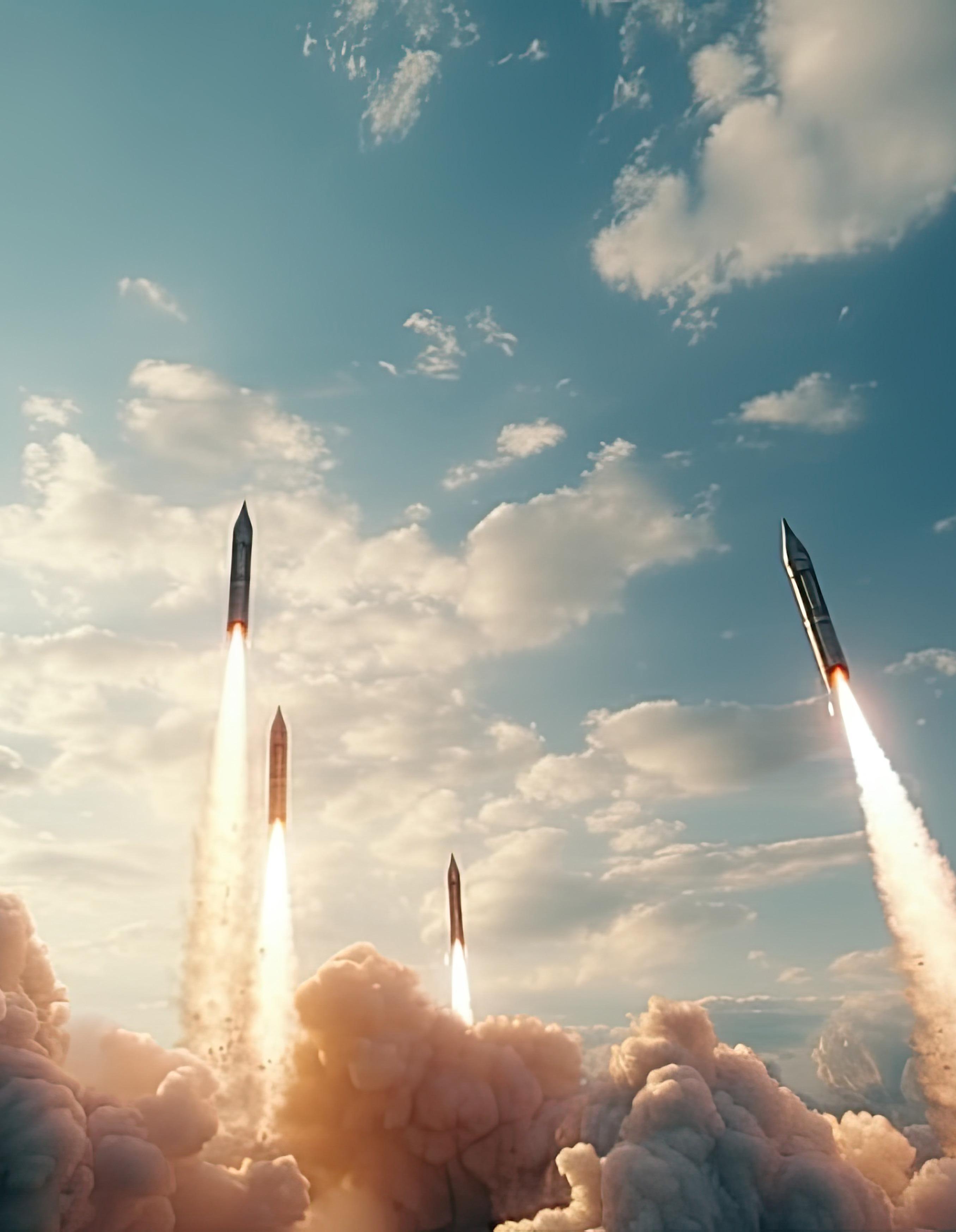
In the absence of access to Russia’s strategic planning and decision-making processes, analysis of Russia’s theory of victory in a Russia-NATO war must be inferred from Russia’s strategic doctrines, publicly available knowledge about the role of nuclear weapons in its strategy, the statements of its leaders, research and other sources. The most recent open-source analysis of Russia’s theory of victory against NATO has been presented by Roberts in 2020.19
The strategic problem Russia faces in a confrontation with NATO includes both disadvantages and advantages. Russia has the disadvantage in that it faces an alliance whose military, industrial and economic potential far outweighs its own. Militarily, Russia’s advantages include a local and regional military superiority in Europe, the ability to mobilize forces faster than the Alliance, and the largest and most diverse nuclear arsenal in the world. Politically, Russia
also perceives advantages in that it is a unitary actor, whereas NATO is an alliance of 32 states, with sometimes diverging priorities and national interests. Additionally, Russia sees advantages in its autocratic political system versus the democratic systems of the Alliance.20
The military-strategic problem Russia has to address in a potential war with NATO is somewhat similar as during the cold war in the sense that its primary military challenge is the United States rather than the European Allies. The main difference between the cold war and the contemporary times is in the balance of power: Russia’s much reduced military power compared to that of the Warsaw Pact limits the scale of land war it can realistically wage. One consequence of seeking to fight a limited rather than total war is that Russia’s political war aims would ultimately be secured by a successful attack on the resolve of NATO rather than by the complete destruction of its military capability.
This strategic equation has resulted in the following ends-ways-means strategy in a potential Russia-NATO war:
• Victory would comprise not only territory gained but the fracturing of NATO and remaking the European security architecture and the world order to suit Russia’s interests.21
• In a war with NATO, Russia must strike first with overwhelming force and create a fait accompli before NATO can mobilize its military-industrial potential to overturn Russia’s military advantage.
• Russia will seek escalation dominance. Russia will attempt to coerce or prevent the United States from sending reinforcements to Europe, and break NATO’s resolve to continue the war. Russia’s diverse strategic and nonstrategic nuclear arsenal can be used either as means of nuclear coercion to attack NATO’s resolve or as nuclear strikes to attack NATO’s resolve and means of resistance.22
Additionally, the strategy also includes gray zone operations against NATO. This method of conflict, be it called hybrid war, hybrid interference, political war, or active measures has intensified since 2014. The aims of this method of conflict can be seen in driving wedges inside and between Allies, increasing the perception of costs of resisting Russia, and sometimes offering carrots to some members of the enemy coalition to induce Russiapreferred behavior.23
The military logic of the theory of victory results from the balance of power that favors the Alliance in an extended war, as long as it remains united. In terms of attacking NATO’s means of resistance, Russia must seek fracturing NATO and successfully drive a wedge between the US and Europe, for the simple reason that if the Alliance remained united, it would have the military capability to eject Russia’s military forces from NATO territory. Correspondingly, the ability to disrupt the Alliance could result in Russia’s decisive military advantage.
The defining feature of Russia’s strategy, however, is the enabling role played by nuclear weapons. Russia’s nuclear threats during the initial period of its invasion of Ukraine in 2022 is one example of
20 Ibid. p. 41.
21 For Russia’s long-term strategic objectives, see Russia’s ultimatums against NATO and the United States in 2021 before its invasion of Ukraine and its National Security Strategy: ‘Agreement on measures to ensure the security of The Russian Federation and member States of the North Atlantic Treaty Organization’, Ministry of Foreign Affairs of Russia, 17 December 2021, https://mid.ru/ru/foreign_policy/rso/ nato/1790803/?lang=en; ‘Treaty between The United States of America and the Russian Federation on security guarantees’, Ministry of Foreign Affairs of Russia, 17 December 2021, https://mid.ru/ru/foreign_policy/rso/nato/1790818/?lang=en; ‘Strategiya natsionalnoi bezopasnosti Rossiiskoi Federatsii’ (The Strategy of the National Security of the Russian Federation), President of Russia, 2 July 2021, http://www.kremlin.ru/acts/bank/47046.
22Robert, On Theories of Victory, Red and Blue, pp. 44-55. For analysis on the role of nuclear weapons in Russian military thought, see Katarzyna Zysk, ‘Escalation and Nuclear Weapons in Russia’s Military Strategy’, The RUSI Journal, 163:2 (2018), pp. 4-15, DOI: 10.1080/03071847.2018.1469267; Michael Kofman, Anya Fink, and Jeffrey Edmonds, Russian Strategy for Escalation Management: Evolution of Key Concepts, CNA, 2020, https://www.cna.org/reports/2020/04/DRM-2019-U-022455-1Rev.pdf. 23Andrew Mumford and Pascal Carlucci, ‘Hybrid warfare: The continuation of ambiguity by other means’, European Journal of International Security, 8:2 (2023), pp. 192–206, DOI: https://doi.org/10.1017/eis.2022.19; Mark Galeotti, Russian Political War: Moving Beyond the Hybrid, (Routledge, 2019); Mikael Wigell, ‘Hybrid interference as a wedge strategy: a theory of external interference in liberal democracy’, International Affairs, 95:2 (2019), pp. 255–275. https://doi.org/10.1093/ia/iiz018; Katri Pynnöniemi and Sinikukka Saari, ‘Hybrid influence – lessons from Finland’, NATO Review, (28 June 2017), https://www.nato.int/docu/review/articles/2017/06/28/hybrid-influence-lessonsfrom-finland/index.html.

how nuclear arsenals can be instrumentalized to support conventional war, and the recent expert debate also indicates that Russia seeks to develop even more coercive concepts for future conflicts.24 Unable to seek a total victory by attacking the entirety of NATO’s military capability, Russia’s ability to reach its preferable war outcome depends
on its ability to limit the scope and intensity of the war to the level where it has the advantage and then terminate the war at the opportune moment. Regardless of the conventional military balance at place, against other nuclear powers only nuclear weapons are sufficiently powerful instruments of coercion to accomplish this task.
24 Jyri Lavikainen, ‘Nuclear deterrence in the Ukraine war: Diplomacy of violence’, FIIA Briefing Paper 355, 2023, https://fiia.fi/en/publication/ nuclear-deterrence-in-the-ukraine-war: Dmitry Trenin, Sergey Avakyants, Sergey Karaganov, Ot sderzhivaniya k ustrasheniyu: Yadernoye oruzhiye, geopolitika, koalitsionnaya strategiya, (Molodaya Gvardiya, 2024).
This conclusion was also reached by a study conducted by prominent Russian military scientists and economists under the auspices of the 46th Central Research Institute of the Ministry of Defence of the Russian Federation. Although the researchers do not specify the exact conditions of the conflict, as the study focuses on generalizable parameters, they conclude that against adversaries whose military potential exceeds Russia’s to a great degree, nuclear weapons are needed to inflict to the adversary the amount of deterrent damage required to prevent aggression or its escalation. The scholars are rather candid about the role tactical nuclear weapons could play in this situation.25 Whatever the purpose that concepts for escalation management were initially created for, after the war has begun, these types of intellectual frameworks affect decision-making because no alternative conceptual foundation exists.
Therefore, regardless of whether Russia has a well-developed escalate-to-deescalate strategy, which some scholars doubt,26 the logic of a Russia-NATO war might lead to the emergence of one. President Putin, for one, appears to be in the camp of deterrence theorists who believe in the advantages brought by nuclear superiority and flexible strike options, as he has said that large arsenal of non-strategic nuclear weapons is Russia’s distinctive advantage over NATO.27
Ultimately any belief in the utility of nuclear coercion against a nuclear alliance must be based on the expectation in Russia that the balance of resolve would favor it because of the asymmetry of interests would also favor Russia over the US.
Roberts reports that this tends to be a prevalent view among the Russian (and Chinese) experts he has interacted with over the years.28 The same underlying belief in the lack of United States interests in Europe is also reflected in Russia’s 2023 Concept of Foreign Policy, which offers parity of interests and strategic stability to the United States in exchange for it distancing itself from European affairs.29
The above factors are exacerbated by the fact that NATO has also built for itself a reputation as a cautious actor. The Alliance has been reluctant to retaliate in kind against Russia’s asymmetric actions since 2014, some of which have resulted in fatalities. It has also displayed caution on supplying Ukraine with the weapons it needs and has placed restrictions on their use because of concerns related to Russia’s potential to retaliate with nuclear weapons.30
In sum, in Russia’s theory of victory in a potential Russia-NATO war, NATO would accept defeat if Russia threatened the Allies with nuclear weapons while offering to spare them if they accepted the outcome. The groundwork for this is done during nominal peacetime with regular nuclear signaling and other displays of military capability. The theory of victory that NATO must negate involves attacking both its military capability and resolve, the latter being the more important pressure point due to the way nuclear arsenals constrict both sides during the conflict. Many of the problems that NATO faces today are distinctively similar to those it faced during the cold war, and thus the solution to them also has similar elements.
25 V.M. Burenok, ed. 2018, Kontseptsiya obosnovaniya perspektivnogo oblika silovykh komponentov voyennoi organizatsii Rossiiskoi Federatsii, Izdatelstvo Granitsa, available at, http://www.pravo.mgimo.ru/sites/default/files/2020/vsya_monografiya_redakciya_pod_raran_ cvet.pdf, p. 235.
26 Kristin Ven Bruusgaard, ‘Myth 9: ‘Russian nuclear strategy is best described as “escalate to de-escalate”’ Myths and misconceptions around Russian military intent, Chatham House, 23 August 2022, https://www.chathamhouse.org/2022/07/myths-and-misconceptionsaround-russian-military-intent/myth-9-russian-nuclear-strategy.
27 President of Russia, “Plenary session of the St Petersburg International Economic Forum”, 16 June 2023, http://en.kremlin.ru/events/ president/news/71445. See also, Max Seddon and Chris Cook, Leaked Russian military files reveal criteria for nuclear strike, Financial Times, 28 February 2024.https://www.ft.com/content/f18e6e1f-5c3d-4554-aee5-50a730b306b7; Max Seddon and Chris Cook Russian navy trained to target sites inside Europe with nuclear-capable missiles, 23 August, 2024, https://www.ft.com/content/237e1e55-401d4eeb-875b-03fe68f81575.
28 See Roberts, On Theories of Victory, Red and Blue, p. 44. These types of discussions often take place during what are known as Track 2 dialogues between experts who do not occupy official positions in their countries but who, for this reason, can shed light on their countries’ strategic thought more freely than government officials could. These dialogues can also include participants from states that are adversaries.
29 The Concept of the Foreign Policy of the Russian Federation, Ministry of Foreign Affairs of Russia, 31 March 2023, https://mid.ru/en/ foreign_policy/fundamental_documents/1860586/.
30 On the effects on Russia’s nuclear coercion on US and NATO decision-making see, Bob Woodward, War. (Simon & Schuster, 2024); Ankit Panda, The New Nuclear Age: At the Precipice of Armageddon, (Polity Press, 2025).
The benchmark for NATO’s theory of victory is the Russia’s corresponding theory that it must be able to negate, ensuring that deterrence remains credible and effective. The basic premises and conclusions from Roberts’s analysis on the subject in 2020 and the theory of victory it proposes remain useful in this regard. Additional insights can be drawn from a recent analysis on the preferable US theory of victory in defending Taiwan from China’s invasion, since the overarching strategic problem of this conflict is in many ways similar to the one NATO faces with Russia.
The fundamental conclusion of both reports is that because of the threat of strategic nuclear retaliation, one can only aim for a limited rather than total victory in wars between nuclear powers. For the same reason, the strategy cannot include a post-war punishment of the aggressor. Instead, NATO’s war aims must include the preservation
of sovereignty, territorial integrity, and safety of Allied powers as well as the existing regional security order. Additionally, a NATO theory of victory must address Russia’s hostile activities in the gray zone because it can hardly define as a preferable outcome the absence of open war but continuing hostilities below its threshold. As an actor defending the status quo, NATO’s theory of victory is also closely interconnected with its strategy of deterrence.31 Moreover, the immense destruction that would be caused by a RussiaNATO war means that it is not enough for NATO to have a strategy to win the war. The primary task of a theory of victory must be to deter one. This requires creating forces and strategy capable of not only defeating adversary military capability in wartime. These forces and means must be able to defeat adversary perceptions about the utility of aggression against NATO in peacetime.
Moreover, recalling that victories should be sustainable, and that this is dependent also on the degree that the underlying political disputes are resolved, the NATO theory of victory should also focus on maintaining and building an advantage over Russia in order to seek perpetual success in peacetime. The reason for this is that the underlying political disputes between Russia and NATO are unlikely to be resolved in the foreseeable future. The content of Russia’s ultimatums against NATO in 2021, and that it has repeated their essence since the 1990s while NATO attempted to establish partnership with it, indicates there is no basis for reconciling Russia’s interests, as it defines them, with NATO interests. Confrontation will likely continue unless and until Russia undergoes a transformation akin to the one it did in the aftermath of the cold war. Therefore, deterring hostilities will also require NATO to proactively shape the security environment to its favor.
Ultimately the bar of success is still lower for NATO than for Russia. Even though NATO needs to be proactive in its efforts, its strategy seeks to convince Russia not to undertake hostilities against it, while Russia’s theory of victory requires NATO to accept a fundamental revision of the European security environment. The picture, however, becomes more complicated in wartime because in that situation, NATO has already faced a catastrophe by failing to prevent the war. It must be able to secure its military objectives while deterring unacceptable escalation by an adversary that has already decided to take an enormous risk by attacking a nuclear alliance.
The basic elements of the theory of victory Roberts proposed for NATO in 2020 remain valid in the aftermath of Russia’s invasion of Ukraine. The theory of victory must encompass the full spectrum of potential conflict and is ultimately concerned with deterring aggression and achieving war aims if deterrence fails. However, the strategy would be complemented by adopting a guiding policy that ties its main elements together in a way that makes the strategy easily actionable. Such a policy could even be necessary, because it would allow NATO, an alliance of 32 nations with diverging national priorities, to focus on and implement coherently a multifaceted strategy that encompasses the entire spectrum of conflict whose expected timeframe is counted in decades.
For most of the cold war, flexible response was this guiding policy and, given the similarities in the nature logic of the cold war and today’s confrontation with Russia, its basic principles remain valid in the contemporary threat environment. While flexible response is commonly associated with the concept of limited nuclear war and the eventual deployment of over 7000 nuclear weapons in Europe to implement the strategy, this nuclear posture was rather a consequence of the overwhelming conventional power of the Warsaw Pact. As Michael Quinlan, the leading British theorist of deterrence during his time at the UK’s Ministry of Defence explained at length, flexible response was never about relying on the early use of nuclear weapons or a commitment to rigid doctrines but the opposite:
“The core of the concept was always the timely use of the minimum force, whether conventional or nuclear, adequate to deny an aggressor success in his objective. Aggression against so broad and diverse an entity as the North Atlantic Alliance could have a wide variety of forms and scales; and providing a capability for apt and credible application of minimum effective force to fit any scenario therefore meant that there had to be plainly available a substantial range of military options from which the Alliance could choose both for initial resistance and for how best to proceed if the first option did not succeed.”
“NATO thinking was always clear that a major conflict was not to be conducted in sealed compartments, whether of territory or of force category, and still less in sealed compartments imposed by an aggressor to suit his strengths and preferences. The idea of possible escalation, in the sense of being ready to change the terms of the encounter in scope or intensity beyond what the aggressor had chosen, was essential… Deterrence required making it as hard as possible for any adversary to form the view that NATO would shrink from decisions on raising the conflict’s intensity, or to dare act on such a view. The range of options available must therefore be an unmistakable continuum without huge gaps.” 32
32 Michael Quinlan, ‘Thinking About Nuclear Weapons’, Whitehall Paper 41, RUSI, 1997 https://fisherp.scripts.mit.edu/wordpress/wpcontent/uploads/2017/03/Thinking-about-Nuclear-Weapons-RUSI-WHP41_QUINLAN1.pdf, pp. 14-15.
As a deterrence strategy, the main end of the policy of flexible response is to convince the adversary that all its potential pathways to victory are blocked and potentially dangerous to it, no matter what method or level of aggression it chooses. Essentially this is done by ensuring that a limited act of aggression will either fail or develop into a major war, ensuring that nuclear deterrence becomes a credible means of preventing its occurrence. In the following sections, I will explain how the concept of flexible response could be used as a basis of NATO’s theory of victory during the continuum of conflict with Russia and how adopting the concept would contribute to negating Russia’s theory of victory. In terms of ways and means, a contemporary strategy of flexible response would seek to:
Recalling that the core element of flexible response, as the term itself indicates, is reacting to aggression rather than absorbing it, a flexible response strategy would entail stronger responses against Russia’s gray zone operations. While strategies based on resilience and denial are useful in limiting the damage caused by gray zone activities, the experience of the 2000s shows that absorbing them has not stopped them from intensifying or resulted in a more peaceful Europe. A denial posture in this level of conflict simplifies Russia’s calculus about the consequences of its actions and frees it to creatively invent new

methods to push NATO’s pressure points. If NATO adopted a cost-imposition strategy instead, it would set an expectation that Russian operations would be counterproductive even if they were successful. In most cases, retaliation would likely be most effective if it was proportionate but targeted asymmetrically at targets that draw resources or complicate the activities of the Russian state.
At the same time, regardless of NATO’s response, the Russian leadership will likely see value in probing NATO’s weak points, testing its resolve to resist, and imposing costs on resistance for as long as the confrontational relationship between Russia and NATO continues. ‘Active measures’, as the activities that fall under the ‘hybrid’ rubric were called during the cold war, have been part the strategic practices of Russian special services for decades, and are likely to remain so.33 Given the lack of interest for either side to escalate such hostilities to the use of armed force, Russia will likely consider these activities relatively risk-free.
Accordingly, the goal of a cost-imposition strategy would not be to deter all Russian gray zone activity, but to inspire caution against more intense active measures, particularly those that have the potential to cause fatalities or severe harm. Deterring these hostile activities would also act as a warning to Russia about NATO’s readiness to respond to more intense acts of aggression, particularly if the
response would be carried out in the framework of a guiding policy.
2) Deny the prospect of a quick fait accompli by increasing the conventional military power of the frontline states
After Russia’s first invasion of Ukraine in 2014, NATO decided to deploy multinational battle groups to the three Baltic States and Poland. These forces were not meant to be able to engage in successful territorial defence but rather act as a deterrent against aggression by convincing Russia that aggression in the Baltics would involve major NATO Allies and inevitably trigger Article 5. The strategy posed problems for NATO, however, because of the perceived possibility that Russia could embark on aggression while thinking that it could coerce NATO with nuclear weapons to accept the termination of the conflict before the liberation of the frontline states. After Russia’s second invasion of Ukraine in 2022, NATO decided to scale up some of these units to brigade-size and adopt a rapid reinforcement strategy to reinforce them if needed. NATO’s new force model and the regional defense plans will now make successful forward defense of the Baltic states a more credible prospect. Nonetheless, the strategy is based on activating Allied forces rather than on the
33Pynnöniemi, K. (2019). The Asymmetric Approach in Russian Security Strategy: Implications for the Nordic Countries. Terrorism and Political Violence, 31(1), 154–167. https://doi.org/10.1080/09546553.2018.1555995; Katri Pynnöniemi and
‘Hybrid influence – lessons from Finland’.
military power of the frontline states themselves. Consequently, there may still be a narrow range of scenarios where Russia’s decision-makers could perceive an opportunity to take advantage of its quicker mobilization potential and employ military force against NATO successfully. Russia’s strategy would almost certainly rely on nuclear coercion, and given that an open war had broken out, their employment against NATO could not be ruled out. Recalling that any NATO theory of victory should first and foremost be about deterring aggression, its force posture must be able to convince even a riskacceptant Russian leader that its advantages will not be able to deliver a victory. NATO could dispel any Russian notions about a feasible pathway to quick victory if the frontline states themselves moved to a strategy of limited denial. All frontline states should adopt a total defense concept resembling that of Finland and greatly expand their conscription systems to create larger and more capable ground forces. Such a strategy has been the cornerstone of Finland’s defence since the World War II and could be adopted by other frontline states too, particularly since Finland’s and Sweden’s NATO accession has resulted in simpler logistics and much greater ability to employ air and sea power in the entire Nordic-Baltic region. The prospect of a successful quick military operation against frontline states would become remote because the Allied military forces would be capable of turning the engagement into a long war. For this reason, it would also be less likely that a clearly discernible opportunity for Russia to terminate the conflict with nuclear coercion would emerge, much like such an opportunity has not emerged in the war in Ukraine.
Since credibility of a nuclear threat requires that it is believed and accepted by the adversary despite the risks coercer would face if it carried out the threat, coercers will find it hard to identify
the moment a determined defender could be convinced to cease resistance. Termination of the conflict with a nuclear threat would likely require stabilization of conventional warfighting to a great degree, perhaps to the extent that the coercer could convincingly create a situation that was tacitly understood by the target as an equivalent of a new status quo. The aim of the coercer would be to increase the credibility of its nuclear threat by assuming the posture of a defender despite being an aggressor. For this reason, nuclear coercion and a fait accompli seeking strategy are interlinked, and countering the strategy requires disrupting that linkage.34 While the Allied forcesin-being would unlikely be strong enough conduct territorial defense in all circumstances and for an extended period, they would force Russia to commit to a prospect of a major war with all the attendant risks, even if it perceived the possibility of driving wedges between some of the Allies. As Freedman has recently argued, the capability of turning a military conflict into a long war is a major deterrent, since any victory would come at a high cost, perhaps too high.35 Moreover, such a defence posture would support the credibility of NATO’s nuclear deterrence, especially if NATO’s nuclear posture was developed accordingly.
3) Erode Russia’s confidence in achieving escalation dominance by strengthening NATO’s theatre nuclear posture
While conventional forces-in-being capable of territorial defence would complicate Russia’s operational plans and force it to meet a prospect of a major war, they alone would not be able to address the role of nuclear weapons in Russia’s strategy. The outcome in this regard is somewhat contradictory. On one hand, the prospect of a

34 This logic has been at play in the Russo-Ukrainian war. Russia’s theory of victory during the initial period of its 2022 invasion of Ukraine was based on a fait accompli backed by nuclear coercion, but after Russia failed to secure its initial objectives, it has also failed to terminate the war on the terms it seeks, coerce Ukraine into accepting the loss of its territory to Russia, or even to limit the war inside Ukraine’s legal territory.
35 Lawrence Freedman, ‘The age of forever wars’ p. 121.
major war would make nuclear deterrence more credible, but on the other hand, NATO’s more powerful conventional forces could have the adverse effect of making nuclear options seem more attractive to Russia, since they would not only remain an effective means of overpowering these forces but out of all options the most likely to do so successfully.
An additional and more serious problem in terms of deterring nuclear-backed aggression results from the possibility of a US-China war in the Indo-Pacific. A war in the Indo-Pacific could force the United States into tradeoffs regarding the capabilities it can allocate to the European theatre and result in a severe attrition of its military forces. The window of vulnerability might last for years.36
A miniature example of this dynamic can be observed in the development of military-political situation in the Middle East after the attacks of Hamas against Israel in October 2023, and the pressures it has had on the US stockpiles. In an event of US-China war, the problem would be of a completely different scale.
The conventional military build-up by the European Allies can mitigate some of these issues, but at least for the mid-term, NATO’s operational plans will depend on the ability of the US to reinforce Europe and provide critical enablers. Hence, despite the steps European allies will take to bolster their military capability, there is a realistic possibility that Russia might, in an extreme contingency, enjoy conventional military superiority in the European theatre for the first time since the cold war. In this scenario, NATO’s reliance on nuclear weapons would increase, as was the case during the cold war.
Recalling the core of the flexible response concept, deterring aggression by having the adequate capability to deny the aggressor the success of its objective in any scenario, the final element of the flexible response strategy is to address this contingency by developing NATO’s nuclear posture
to the level where it can have a decisive effect on denying the adversary the success of its war aims. This will likely require modernized nuclear sharing arrangements, a more diverse nuclear capability, and additional nuclear options for targeting elements of Russia’s military capability, particularly for ground forces, that are crucial for its ability to achieve its war aims in the frontline states.37
While elements of the US strategic forces can also be employed in this role, the forward-deployed capability has at least four advantages over the strategic forces as a regional deterrent. First, the nuclear options based on the forward-deployed weapons can be integrated into NATO’s regional defence plans, as they were during the cold war. Second, the nuclear arsenal based in Europe would not be used or targeted at in a US-China war and would remain an effective deterrent against Russia. Third, the forward-deployed capability can always be used in operationally relevant timelines, which is crucial if the plans are geared to support military operations. Fourth, NATO’s nuclear exercises would become a powerful deterrence signal because Russia would observe what the nuclear posture was capable of. The more flexible nuclear options would, however, not mean a fundamental reappraisal of the role of nuclear weapons in the NATO strategy, since they would not force NATO to commit to their execution any more than the nuclear options of the United States Strategic Command do so for the US.
The causal logic of how the nuclear options contribute to NATO’s theory of victory is twofold. First, together with strategic nuclear forces they would be the final element in deterring aggression by closing Russia’s potential pathway to victory, by signaling to the adversary that it cannot expect to achieve a military advantage or reach its war aims at any level of violence.
If Russia ever decides to embark on aggression against NATO, it has likely considered and
36 Mark F. Cancian, Matthew Cancian, and Eric Heginbotham, ‘The First Battle of the Next War. Wargaming a Chinese Invasion of Taiwan’, A Report of the CSIS International Security Program, January 2023, https://csis-website-prod.s3.amazonaws.com/s3fs-public/ publication/230109_Cancian_FirstBattle_NextWar.pdf?VersionId=XlDrfCUHet8OZSOYW_9PWx3xtc0ScGHn; Lawrence Livermore National Laboratory, ‘China’s Emergence as a Second Nuclear Peer: Implications for U.S. Nuclear Deterrence Strategy’. CGSR Study Group Report, Spring 2023, https://cgsr.llnl.gov/sites/cgsr/files/2024-08/CGSR_Two_Peer_230314.pdf; Jyri Lavikainen, ‘China as the second nuclear peer of the United States: Implications for deterrence in Europe’, FIIA Briefing Paper 383, 2024, https://fiia.fi/en/publication/ china-as-the-second-nuclear-peer-of-the-united-states.
37 For arguments related to strengthening theatre forces and the capabilities required, see Greg Weaver, ‘The urgent imperative to maintain NATO’s nuclear deterrence’, NATO Review, 29 September 2023, https://www.nato.int/docu/review/articles/2023/09/29/the-urgentimperative-to-maintain-natos-nuclear-deterrence/index.html; Greg, Weaver, ‘The imperative of augmenting US theater nuclear forces’, Atlantic Council, April 11, 2025, https://www.atlanticcouncil.org/in-depth-research-reports/issue-brief/the-imperative-of-augmenting-ustheater-nuclear-forces/.
accepted the possibility of NATO engaging in nuclear signaling or responding to its nuclear strikes in a limited manner. It is, however, a logical impossibility for any aggressor to factor in the loss of occupying forces in a successful war of aggression. While Russia might still consider it possible to coerce NATO out of executing nuclear options, with much stronger conventional forces at place, NATO would likely face the decision on whether to use nuclear weapons either after Russia had used nuclear weapons first or at a stage of high-intensity warfare. At this point, the vital interests of nuclear powers would likely be at stake, which would enhance the credibility of these options as a deterrent against aggression. Hence, deterrent effects brought by flexible nuclear options and stronger conventional military power are interconnected and interdependent; both contribute to deterrence by forming “an unmistakable continuum without huge gaps.”
Second, if deterrence nonetheless failed and the act of aggression would develop into a major war where NATO would have to use nuclear weapons, the causal logic of Russia accepting the restoration of the status quo ante bellum at this point would be based on 1) the deterrent effect caused by the use of the weapons, and the continuing threat of strategic retaliation; 2) the fact that even if Russia wanted to reach its original war aims, its military forces would now be unable to recapture the
occupied territory; and 3) the fact that Russia’s homeland and regime would be secure if it accepted the outcome. The sought outcome would not be what is sometimes described as “winning a nuclear war”, but rather prevailing in the conflict and securing NATO’s war aims.
Of course, no certainty can ever be reached about successfully terminating a nuclear conflict, but the primary intent of any nuclear plan is to deter aggression by communicating to the aggressor that it also cannot escape the risk of continuing escalation. At its core, deterrence requires the adversary to recognize and understand the causal pathway that would lead to the point where the use of nuclear weapons could make sense for the defender, and, recalling Gray’s cold war era critique of the US nuclear plans, the credibility of such a deterrence strategy requires that means correspond to the political objectives.
As the 1980 UK white paper on the British nuclear policy correctly argues, a prime test of any defence policy is whether it helps make it less likely that a war would be launched, and the best way to do this is to place a clear chain of immense risk before the adversary who contemplates aggression.38 Ultimately, NATO’s strategy should take advantage of the fact that it is a defender and force the aggressor to decide whether it is truly ready to risk everything it has just to take something that it does not actually need. 38

The NATO theory of victory and its deterrence strategy requires the capability and resolve for NATO to wage a long war successfully and the ability to communicate this persuasively even to riskacceptant and poorly informed Russian leaders. The solution to the military strategic problem NATO faces has both the military ‘hardware’ side and the political ‘software’ side. On the ‘hardware’ side, NATO’s Defence and Deterrence Posture transformation and the new Force Model, if fully implemented, will eventually address many of the gaps in NATO’s military capability. At the same time, NATO will have to cope with the possibility that the US will be unable to commit the expected military power for the defence of Europe if it is engaged in a war in the Indo-Pacific. Although the potential conflict with China might be over quickly and the attrition of US military power modest, the conflict could also become a long war and develop in unforeseen directions. NATO should conduct a thorough analysis about what different contingencies in the Indo-Pacific would mean for the US capability to project power in Europe and work urgently to compensate any vulnerabilities.
In today’s threat environment, where the capability of the US to reinforce Europe might come under stress, NATO’s capability to wage a long war inevitably requires a revived defence industrial base in Europe. As Freedman argues, militaries, societies, and economies are subject to entirely different sets of demands in long wars than in short wars and expeditionary military operations. Industries must be able to sustain the war effort while being adaptable, capable of harnessing innovations in technology.39 It is unlikely that the
39 Lawrence Freedman, ‘The age of forever wars’, p.111.
European defence industry is currently up to this task, and urgent steps should be taken to address this deficiency.
Moreover, any deterrence strategy that includes frontline states to be able to mobilize forces capable of territorial defence requires large reserve armies. At the moment, however, out of all frontline states, only Finland and Poland can field sufficiently powerful conventional forces to prevail in lower-level military engagements with Russia. Other frontline states should also expand their systems of military conscription in order to produce much larger reserves.
Finally, NATO should take notice of the decision of the US Congress to commission a Strategic Posture Review and initiate a similar process to assess whether its nuclear and non-nuclear strategic capabilities are fit for purpose in the future threat environment. While Russia’s military build-up appears to have sobered NATO about the need to build-up its conventional military capability, it is unclear whether the nuclear posture that was sized for the threat environment of the 1990s is fit for purpose today, taking also into account extreme contingencies regarding the potential USChina war in the Indo-Pacific.
On the ‘software’ side, the most important task for NATO is to explore the possibility of formulating a guiding policy for strategy regarding the defence of the NATO Area of Responsibility against acts of aggression by Russia. I have advocated a return to the concept of flexible response, but the adopted
policy could also be something else, as long as it embodies NATO’s theory of victory and is easily actionable in the current threat environment.
Finally, any defence strategy depends on public support. If NATO adopted a guiding policy resembling what is outlined here, and if European countries will take a greater share of the burden of their own defence, they must become more comfortable with all issues pertaining to military force, as well as about retaliating against provocations and other acts of aggression. However, aside from few exceptions, polls conducted in Europe on citizens’ readiness to defend their countries produce depressingly low numbers. In democratic societies, where the security policy depends on public support, this is the key metric to follow. NATO and individual Allies must do more to educate their populations about military threats facing the Alliance and how they must be addressed.
The expansion of conscription would be helpful also in this regard, since military service familiarizes citizens with defence policy and vests them
with identities as reservists. This could also be supported by establishing and developing national defence executive courses among Allies. Finland’s corresponding course, the National Defence Course, organized by the Finnish Defence Forces since the 1960s, selects its participants not only among military and defence officials, but also from fields such as politics, administration, business, culture and journalism. This has resulted in a widely shared knowledge throughout Finland about defence policy among political and societal elites and has helped to maintain support for it over the past decades. This framework could also be used to normalize civil-military deterrence thinking.
Ultimately, NATO needs a culture of deterrence, to borrow freely from the French expression of a ‘nuclear culture’, which would extend to the domestic political cultures of individual Allies and down to the population level. Such a culture requires developing a widely shared understanding of the Russian strategic culture, its autocratic political system, and imperialist ideology that poses threats not only to the Alliance, but also to individual Allies and the European way of life.
The threat Russia poses to NATO is well-known to the Alliance. NATO’s military strategy is again reorienting itself toward deterring and prevailing in a major war. At the same time, the threat encompasses the entire spectrum of conflict, and the interconnected nature of global strategic environment creates additional contingencies that may affect NATO’s ability to implement its strategy. The prominent role of nuclear weapons in Russia’s strategy also means that NATO too must think thoroughly about the role of nuclear weapons in its strategy and whether its nuclear posture is fit for purpose. To deal with these challenges, NATO will have to transform not just its military posture but also update its way of strategic thinking. To this end, this paper advocates for NATO reviving a flexible response as the guiding policy of its strategy in its confrontation with Russia.
The added value of any guiding policy, not just flexible response, comes not only from the means and ways it prescribes, but also from the fact that these policies make strategies easily actionable and adaptive to new conditions. Such an approach is useful to all states engaged in conflicts and confrontations but particularly for an alliance such as NATO, which must reconcile the views and interests of all Allies when crafting its strategy. NATO cannot predict in advance all hostile operations in the gray zone, or all the ways military conflict with Russia could develop. Neither could it do so during the cold war, which was well understood by the creators of the concept of flexible response and the practitioners who implemented it for decades. What NATO can do, however, is craft the overarching parameters for responding to acts of aggression, harnessing the consensus of 32 Allies for deterring aggression and prevailing in war.
• ‘Agreement on measures to ensure the security of The Russian Federation and member States of the North Atlantic Treaty Organization’, Ministry of Foreign Affairs of Russia, 17 December 2021, https://mid. ru/ru/foreign_policy/rso/nato/1790803/?lang=en.
• J. Boone Bartholomees, ‘Theory of Victory’, Parameters, 38:2 (2008), DOI:10.55540/0031-1723.2419.
• V.M. Burenok, ed. 2018, Kontseptsiya obosnovaniya perspektivnogo oblika silovykh komponentov voyennoi organizatsii Rossiiskoi Federatsii, Izdatelstvo Granitsa, available at, http://www.pravo.mgimo.ru/ sites/default/files/2020/vsya_monografiya_redakciya_pod_raran_cvet.pdf.
• Mark F. Cancian, Matthew Cancian, and Eric Heginbotham, ‘The First Battle of the Next War. Wargaming a Chinese Invasion of Taiwan’, A Report of the CSIS International Security Program, January 2023, https:// csis-website-prod.s3.amazonaws.com/s3fs-public/publication/230109_Cancian_FirstBattle_NextWar. pdf?VersionId=XlDrfCUHet8OZSOYW_9PWx3xtc0ScGHn.
• Stephen R. Covington, ‘The Culture of Strategic Thought Behind Russia’s Modern Approaches to Warfare’ Belfer Center for Science and International Affairs, 2016, https://www.belfercenter.org/publication/culturestrategic-thought-behind-russias-modern-approaches-warfare.
• Stephen R. Covington, ‘NATO’s Concept for Deterrence and Defence of the Euro-Atlantic Area (DDA)’, Belfer Center for Science and International Affairs, Harvard Kennedy School, August 2, 2023, https:// www.belfercenter.org/publication/natos-concept-deterrence-and-defence-euro-atlantic-area-dda.
• Colin S. Gray, ‘Nuclear Strategy: The Case for a Theory of Victory’, International Security, Vol. 4, No. 1 (Summer, 1979), pp. 54-87.
• Colin S. Gray, ‘Defining and Achieving Decisive Victory ‘( US Army War College Press, 2002), https:// press.armywarcollege.edu/monographs/823.
• Mark Galeotti, Russian Political War: Moving Beyond the Hybrid, (Routledge, 2019).
• Franz-Stefan Gady, and Michael Kofman, ‘Making Attrition Work: A Viable Theory of Victory for Ukraine’, Survival, 66:1 (2024), 7–24. https://doi.org/10.1080/00396338.2024.2309068.
• Lawrence Freedman, ‘The age of forever wars: why military strategy no longer delivers victory’, pp.108121, Foreign Affairs 104:3, May/June 2025, https://www.foreignaffairs.com/age-forever-wars.
• Jacob L. Heim, Zachary Burdette, and Nathan Beauchamp-Mustafaga, ‘U.S. Military Theories of Victory for a War with the People’s Republic of China’, RAND, 2024, https://www.rand.org/pubs/perspectives/ PEA1743-1.html.
• Frank G. Hoffman, ‘The Missing Element in Crafting National Strategy: A Theory of Success’, Joint Force
Quarterly 97, 2nd Quarter, 2020, https://inss.ndu.edu/Media/News/Article/2142863/the-missing-elementin-crafting-national-strategy-a-theory-of-success/.
• Michael Kofman, Anya Fink, and Jeffrey Edmonds, ‘’Russian Strategy for Escalation Management: Evolution of Key Concepts, CNA, 2020, https://www.cna.org/reports/2020/04/DRM-2019-U-0224551Rev.pdf.
• Lawrence Livermore National Laboratory, ‘China’s Emergence as a Second Nuclear Peer: Implications for U.S. Nuclear Deterrence Strategy’. CGSR Study Group Report, Spring 2023, https://cgsr.llnl.gov/sites/ cgsr/files/2024-08/CGSR_Two_Peer_230314.pdf.
• Jyri Lavikainen, ‘Nuclear deterrence in the Ukraine war: Diplomacy of violence’, FIIA Briefing Paper 355, 2023, https://fiia.fi/en/publication/nuclear-deterrence-in-the-ukraine-war.
• Jyri Lavikainen, ‘China as the second nuclear peer of the United States: Implications for deterrence in Europe’, FIIA Briefing Paper 383, 2024, https://fiia.fi/en/publication/china-as-the-second-nuclear-peer-ofthe-united-states.
• William C. Martel, ‘Victory in scholarship on strategy and war’, Cambridge Review of International Affairs, 24:3 (2011), 513-536, DOI: 10.1080/09557571.2011.617356
• William C. Martel, Victory in War: Foundations of Modern Strategy, (Cambridge University Press, 2011).
• Andrew Mumford and Pascal Carlucci, ‘Hybrid warfare: The continuation of ambiguity by other means’, European Journal of International Security, 8:2 (2023), pp. 192–206, DOI: https://doi.org/10.1017/ eis.2022.19.
• Richard M. Milburn, ‘Reclaiming Clausewitz’s Theory of Victory’, Parameters, 48:3 (2018), doi:10.55540/0031-1723.2766.
• MC 48 (Final) ‘The Most Effective Pattern of NATO Military Strength for the Next Few Years’. 22 November 1954, in Gregory W. Pedlow (ed.), NATO Strategy Documents, 1949–1969, https://www.nato.int/docu/ stratdoc/eng/a541122a.pdf.
• MC 14/3(Final) ‘Overall Strategic Concept for the Defense of the North Atlantic Treaty Organization Area’, 16 January1968, in Gregory W. Pedlow (ed.), NATO Strategy Documents, 1949–1969, https://www.nato. int/docu/stratdoc/eng/a680116a.pdf.
• MC 48/3 (Final) ‘Measures to Implement the Strategic Concept for the Defence of the NATO Area’, 8 December 1969, in Gregory W. Pedlow (ed.), NATO Strategy Documents, 1949–1969, https://www.nato. int/docu/stratdoc/eng/a691208a.pdf.
• Ankit Panda, The New Nuclear Age: At the Precipice of Armageddon, (Polity Press, 2025).
• President of Russia, “Plenary session of the St Petersburg International Economic Forum”, 16 June 2023, http://en.kremlin.ru/events/president/news/71445.
• Katri Pynnöniemi, ‘The Asymmetric Approach in Russian Security Strategy: Implications for the Nordic Countries’, Terrorism and Political Violence, 31:1 (2019, 154–167. https://doi.org/10.1080/09546553.20 18.1555995
• Katri Pynnöniemi and Sinikukka Saari, ‘Hybrid influence – lessons from Finland’, NATO Review, (28 June 2017), https://www.nato.int/docu/review/articles/2017/06/28/hybrid-influence-lessons-from-finland/index. html.
• Michael Quinlan, ‘Thinking About Nuclear Weapons’, Whitehall Paper 41, RUSI, 1997 https://fisherp. scripts.mit.edu/wordpress/wp-content/uploads/2017/03/Thinking-about-Nuclear-Weapons-RUSIWHP41_QUINLAN1.pdf.
• Brad Roberts, On Theories of Victory, Red and Blue, Livermore Papers on Global Security No. 7 Lawrence
Livermore National Laboratory Center for Global Security Research, June 2020, https://cgsr.llnl.gov/ sites/cgsr/files/2024-08/CGSR-LivermorePaper7.pdf.
• Thomas Schelling, Arms and Influence, (Yale University Press, 2020 [1966]).
• Todd. S. Secher and Matthew Furmann, Nuclear Weapons and Coercive Diplomacy, (Cambridge University Press, 2017).
• Max Seddon and Chris Cook, ‘Leaked Russian military files reveal criteria for nuclear strike’, Financial Times, 28 February 2024.https://www.ft.com/content/f18e6e1f-5c3d-4554-aee5-50a730b306b7.
• Max Seddon and Chris Cook, ‘Russian navy trained to target sites inside Europe with nuclear-capable missiles’, 23 August, 2024, https://www.ft.com/content/237e1e55-401d-4eeb-875b-03fe68f81575.
• Mark A. Stoler, The Politics of the Second Front: American Military Planning and Diplomacy in Coalition Warfare, 1941–1943, (Greenwood Press, 1977).
• ‘Strategiya natsionalnoi bezopasnosti Rossiiskoi Federatsii’ (The Strategy of National Security of the Russian Federation), President of Russia, 2 July 2021, http://www.kremlin.ru/acts/bank/47046.
• Aleksandr A. Svechin, Strategy, edited by Kent D. Lee, (East View Publications, 1992).
• The Concept of the Foreign Policy of the Russian Federation, Ministry of Foreign Affairs of Russia, 31 March 2023, https://mid.ru/en/foreign_policy/fundamental_documents/1860586/.
• The Future United Kingdom Strategic Nuclear Deterrent Force, The UK Ministry of Defence, 1980, https:// archive.margaretthatcher.org/doc01/6AC6FE79AE5E485DB3A2B579B6AE0654.pdf.
• ‘Treaty between The United States of America and the Russian Federation on security guarantees’, Ministry of Foreign Affairs of Russia, 17 December 2021, https://mid.ru/ru/foreign_policy/rso/ nato/1790818/?lang=en.
• Dmitry Trenin, Sergey Avakyants, Sergey Karaganov, Ot sderzhivaniya k ustrasheniyu: Yadernoye oruzhiye, geopolitika, koalitsionnaya strategiya, Molodaya Gvardiya, 2024.
• Andriy Zagorodnyuk, ‘Ukraine’s New Theory of Victory Should be Strategic Neutralization’, Carnegie Endowment, 18 June 2025, https://carnegieendowment.org/research/2025/06/ukraines-new-theory-ofvictory-should-be-strategic-neutralization?lang=en.
• Katarzyna Zysk, ‘Escalation and Nuclear Weapons in Russia’s Military Strategy’, The RUSI Journal, 163:2 (2018), pp. 4-15, DOI: 10.1080/03071847.2018.1469267.
• Kristin Ven Bruusgaard, ‘Myth 9: ‘Russian nuclear strategy is best described as “escalate to de-escalate”’ Myths and misconceptions around Russian military intent, Chatham House, 23 August 2022, https:// www.chathamhouse.org/2022/07/myths-and-misconceptions-around-russian-military-intent/myth-9russian-nuclear-strategy.
• Greg Weaver, ‘The urgent imperative to maintain NATO’s nuclear deterrence’, NATO Review, 29 September 2023, https://www.nato.int/docu/review/articles/2023/09/29/the-urgent-imperative-to-maintain-natosnuclear-deterrence/index.html.
• Greg, Weaver, ‘The imperative of augmenting US theater nuclear forces’, Atlantic Council, April 11, 2025, https://www.atlanticcouncil.org/in-depth-research-reports/issue-brief/the-imperative-of-augmenting-ustheater-nuclear-forces/,.
• Mikael Wigell, ‘Hybrid interference as a wedge strategy: a theory of external interference in liberal democracy’, International Affairs, 95:2 (2019), pp. 255–275. https://doi.org/10.1093/ia/iiz018
• Bob Woodward, War. (Simon & Schuster, 2024).