Hear Here Youth Orchestra Edition- Fall Program 10/26/25
Fall Concert
Oct. 26, 2025
3:00 PM
Conductors
Susan Wines & Joshua Miller
Brian Balmages Rise of the Olympians
min Prelude Honors
Don Brubaker El Toro 3 min
Alan Lee Silva Golden Fields
John Powell, arr. Robert Longfield How to Train Your Dragon 3min
Mikhail Ippolitov-Ivanov Procession of the Sardar 4 min
Ludwig van Beethoven Symphony no. 7 in A, Op. 92 II. Allegretto
min
Danny Elfman, arr. Douglas E. Wagner Corpse Bride 4 min
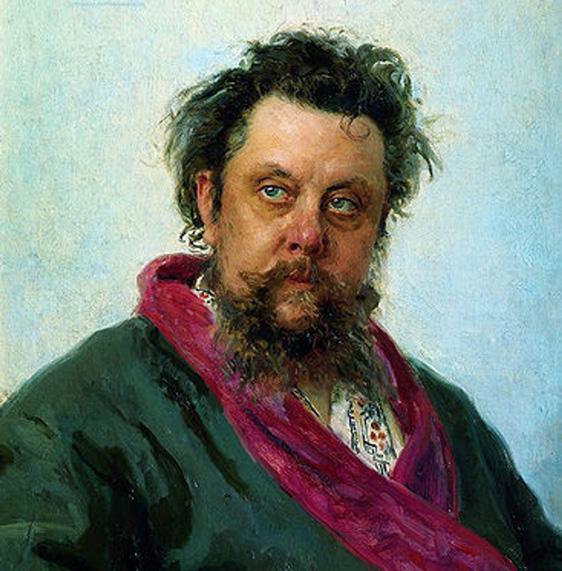
Modest Mussorgsky Night on Bald Mountain 9 min
Rise of the Olympians Brian Balmages
“Rise of the Olympians” brings the power and drama of ancient Greek mythology to life through music. From the opening fanfare, listeners can imagine the mighty gods of Mount Olympus awakening—Zeus commanding thunder, Poseidon stirring the seas, and Athena preparing for battle. The piece combines heroic lines, driving rhythms, and sweeping melodies to capture both the strength and majesty of these legendary figures. Balmages masterfully transports the audience into a world of myth and adventure, where every note feels like part of an epic story.
El Toro
Don Brubaker
“¡Olé!” — this energetic work bursts with the excitement of a Spanish bullfight. The title, El Toro (“The Bull”), perfectly fits the fiery rhythms, bold fanfares, and spirited moments that bring the arena to life. The music paints a vivid picture: the proud matador, the swirling cape, and the thrilling dance between courage and danger. With its lively tempo and dramatic flair, El Toro captures the color, motion, and passion of traditional Spanish music while providing a fun and exhilarating challenge for the musicians.
Golden Fields
Alan Lee Silva
“Golden Fields” is a beautifully reflective work that celebrates the quiet majesty of open landscapes. Through its warm harmonies and flowing melodies, the piece evokes images of sunlight stretching across wide fields and gentle breezes moving through tall grass. Silva’s writing invites both performers and listeners to pause, breathe, and appreciate the simple beauty of nature. It’s a musical moment of peace and gratitude—a reminder of the golden places we hold in our hearts.
How to Train Your Dragon
John Powell
Based on the beloved DreamWorks animated film, this thrilling arrangement captures the adventurous spirit and emotional heart of How to Train Your Dragon. Listeners will recognize powerful themes which soar with the excitement of flight and friendship between Hiccup and his dragon, Toothless. Robert Longfield skillfully brings John Powell’s cinematic score to the concert stage, allowing the ensemble to share in the magic, wonder, and courage of this unforgettable music.
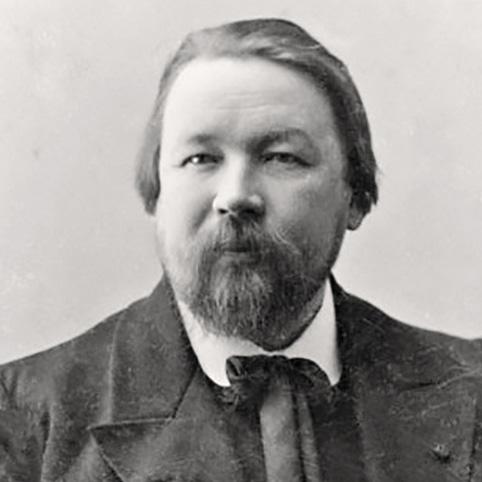
In the late 19th century, Russian audiences were captivated by the mysterious beauty of the Caucasus—a region rich in vibrant cultures, stunning landscapes, and powerful traditions. One composer who helped bring those sounds to the concert hall was Mikhail Ippolitov-Ivanov. A student of Nikolai Rimsky-Korsakov, Ippolitov-Ivanov became known for his lush orchestration and for weaving folk melodies into classical forms. His most famous work, Caucasian Sketches, Suite No. 1, premiered in 1895 and transported listeners to the Caucasus mountains through music.
Ippolitov-Ivanov’s connection to the Caucasus wasn’t just artistic—it was personal. In the 1880s, he served as the director of the music school in Tbilisi (in present-day Georgia), where he immersed himself in local folk music. He carefully studied traditional melodies and rhythms, blending them with Western classical orchestration to create something fresh and vibrant. Procession of the Sardar is a perfect example of this fusion: it feels both formal and ceremonial, yet full of life and regional color.
The piece quickly became a concert favorite thanks to its grand opening theme, regal march rhythm, and dramatic crescendos. It’s often performed as a stand-alone work, even outside the full suite. Listeners are swept into a scene of pageantry—a powerful leader riding proudly through a cheering crowd, accompanied by trumpets, drums, and swirling strings.
Mikhail Ippolitov-Ivanov lived from 1859 to 1935, a period of enormous change in Russian history. He worked as a conductor, composer, and teacher, and eventually became the director of the Moscow
Procession of the Sardar
Mikhail IppolitovIvanov (1859-1935)
COMPOSED 1895
APPROXIMATE DURATION 4 minutes
Symphony
no. 7, Op. 92
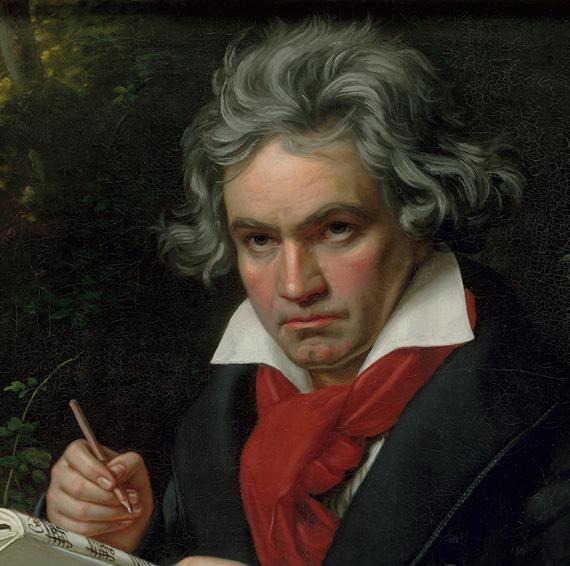
Ludwig van Beethoven (1770-1827)
COMPOSED 1812
APPROXIMATE DURATION 11 minutes
In 1812, toward the end of the Napoleonic Wars, Ludwig van Beethoven composed one of his most joyful and rhythmically compelling works: Symphony No. 7 in A major, Op. 92. By this time, Beethoven was in his early forties, profoundly deaf, and facing immense personal struggles. Yet his creative powers were at their height, and the Seventh Symphony radiates energy and vitality. The composer himself once called this symphony “one of my best works,” and it quickly became one of his most beloved.
The second movement, marked Allegretto, stands apart from the symphony’s bright outer movements. Darker and more contemplative, it opens with a steady, almost march-like rhythm in the lower strings. As the movement unfolds, this pulsing pattern supports hauntingly beautiful melodies that build in intensity, layering theme upon theme until they reach a powerful, almost spiritual resonance. The Allegretto was so striking that at its premiere, the audience demanded an immediate encore of that movement alone—a rare honor.
Beethoven wrote this symphony during a turbulent period in Europe, when the continent was weary from war but beginning to hope for peace. Many believe the piece reflects a sense of triumph through struggle—a hallmark of Beethoven’s music. While he did not leave specific programmatic notes, the Seventh is often interpreted as a celebration of human resilience and the power of rhythm to drive us forward. The
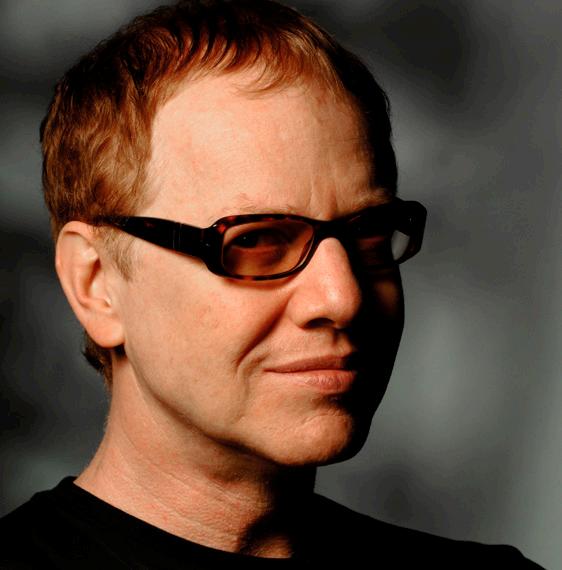
Imagine a world where skeletons swing, ghosts waltz, and romance blooms between the living and the dead—welcome to the delightfully spooky world of Corpse Bride! Directed by the master of Gothic whimsy, Tim Burton, and scored by his longtime musical partner-in-crime, Danny Elfman, this film blends dark humor, quirky characters, and a surprising amount of heart. The music is a huge part of its charm, bringing the underworld to life with toe-tapping rhythms and swinging, dramatic melodies.
Elfman’s score is equal parts creepy and playful. One moment you’re surrounded by
Allegretto, in particular, has been described as a meditation on endurance and quiet strength.
The first performance took place on December 8, 1813, at the University of Vienna in a concert benefiting soldiers wounded in battle. The orchestra was filled with some of the greatest musicians of the time, including Louis Spohr and Gioachino Rossini. Beethoven himself conducted the ensemble. The premiere was such a sensation that critics praised the symphony as a “glorious hymn to joy and freedom.” Over time, the Allegretto took on a life of its own, often performed independently of the rest of the work and later used in countless films, memorials, and ceremonies.
Despite his deafness and personal pain, Beethoven created a movement that continues to speak across centuries. Its hypnotic rhythm and quiet intensity remind listeners that even in darkness, beauty and strength can rise.
swirling strings and mysterious harmonies, the next you’re in a jazzy, skeletal dance party. His musical style perfectly matches Burton’s storytelling—slightly strange, beautifully offbeat, and never without a wink of mischief. In this arrangement, players get to step straight into that cinematic world. The opening lines set a spooky mood, like a whisper through a foggy graveyard. Then the music takes off with quirky rhythms and dramatic bursts of sound, creating the feeling that anything could happen. Listeners might imagine tiptoeing through a haunted forest, stumbling into a ghostly ballroom, or joining a skeleton conga line.
In the mid-19th century, the Russian composer Modest Mussorgsky set out to create music that captured the soul of his homeland—raw, untamed, and steeped in legend. Though he spent much of his life working as a civil servant, his true passion was composing bold, imaginative works that broke from European traditions. One of his most striking creations, Night on Bald Mountain, was born from his fascination with Russian folklore and the supernatural.
Mussorgsky imagined a wild scene on St. John’s Eve, a night in Slavic mythology when witches and spirits were said to gather on a mountaintop to dance, summon dark forces, and celebrate in a frenzy until dawn. He completed the piece in 1867, calling it a “musical picture of a witches’ revelry.” In his vision, the music would conjure shrieking winds, fiery dances, and the arrival of the devil himself, all culminating in a sudden hush as church bells toll and morning light chases the spirits away.
Whether you’re in the orchestra or in the audience, this piece is all about letting your imagination run wild. It’s spooky, it’s silly, it’s romantic—and it proves that sometimes the afterlife throws the best parties. Fun fact: the original film used stop-motion animation, meaning every single frame was created by moving puppets—one tiny movement at a time. It took over 100,000 individual shots to bring the story to life! That same level of care and imagination shines through in Elfman’s score, which layers musical textures like a Halloween layer cake.
Corpse Bride continued
From its stormy opening to its serene conclusion, Night on Bald Mountain is more than just a piece of music—it is a story of darkness and light, of legends whispered through the centuries, brought to life by one of Russia’s most daring musical voices. Despite Mussorgsky’s passion, the piece was never performed in his lifetime. His mentor, Mily Balakirev, dismissed the work, and it was set aside for years. After Mussorgsky’s death, his friend Nikolai Rimsky-Korsakov re-orchestrated and refined the score, transforming it into the brilliant, dramatic version that has captivated audiences ever since.
The title itself has an intriguing origin. The Russian phrase “Noch’ na Lýsóy Gore” translates literally to “Night on the Bald Mountain.” The word “bald” or “bare” describes a treeless, windswept mountaintop—exactly the kind of eerie setting where witches were believed to gather in folklore. English translations sometimes refer to it as “Bare Mountain,” but “Bald Mountain” has become more widely used.
The piece begins with an explosion of sound—trembling strings, blaring brass, and driving rhythms—that sweeps listeners into the supernatural celebration. The frenzied dance grows wilder until a church bell tolls in the distance. One by one, the spirits vanish, leaving only a calm, luminous dawn. Decades after Mussorgsky’s death, this vivid tone poem gained even greater fame when it was featured in Fantasia (1940), bringing its haunting power to new generations.
Night on Bald Mountain Modest Mussorgsky (1839-1881)
COMPOSED 1867
APPROXIMATE DURATION 9 minutes
Some cities celebrate their war heroes, others their sports stars, but in Spartanburg, it’s all about our musicians. Head out on the Spartanburg Music Trail, a 30-minute outdoor walking tour of the city’s incredibly robust music history. With your GPS enabled smartphone, you’ll be directed to each colorful marker to learn about the artists and hear the music that lifted them onto the national stage. You’ll also discover opportunities for side trips to further explore our musical heritage.
The Spartanburg Music Trail honors musicians from Spartanburg who have made a national or international impact in the world of music. The stops highlight artists in such genres as country, gospel, soul, rock ‘n’ roll and more. Ultimately, the trail will circle the downtown as new inductees are added.
Violin I
Luke Gardner*, Principal
Britton Matthews*,
Assistant Principal
Charlotte Clementson*
Jolene Yang*
Jennifer Lopez*
Emma Newsome*
Maliyah Buckley*
Harrison Pack*
Kendall Aguiar*
Violin II
Ethan Truong*, Principal
Joshua Vázquez*, Assistant Principal
Rover Morlino*
Brooke Bryant
Jeannie Buttimer
Claire Carman
Bobby Flandry
Anthony Burgess
Maiya Johnson
Wallace Massengill
Felipa Perez-Campos
Ava Eckerich*, Principal
Kyndall Thomas*, Assistant Principal
Viola
Lily Hoffee*, Principal
Mathias Arellanos Gutierrez*, Assistant Principal
Liam Sewell*
Lillian Long*
Carl McLean*
Nandhan Muruganathan*
Amy Sic Tumax
Bentley Pierce
Lucas Covington
Matthew Soberanis
Tio Dye
Cailinn Griswold*
Cello
Aiden Burow*, Principal
Zoey Ofori*, Assistant Principal
Briana Marquez*
Peyton Allen*
Madi Saad*
Raven LeBon*
Leena McRoberts*
Destiny Williams
Addison Wilson
Cooper Huang
Isabella Derrick
Bryson Kiehl
Jillian Potter
Patrick Jung
Mary Scott Strickland
Victoria Vazquez*
Leonardo Wright Bass
Colsen Long
Hannah Simpson, Education & Community Engagement Manager
Sectional Coaches
Susan Baier
Jennifer Diehn
Adena McDaniel
Bill & Valerie Barnet
George Dean & Susu Johnson
Nelly Zimmerli Anonymous
Joanna Mulfinger
Kathy Foster
Darian Washington
Bob Borden, SPYO Manager
March Moody
Angela Rex
Aaron Yackley
Zoe Harbison
Ashlyn Scheuch, Site Coordinator
Audition Judges
Darian Washington
John McAllister
Alvaro Angulo
*Prelude Honors
Audrey Bass
Jessica Martin
Michelle Tate Cockram
Flute
Addyson Posey
Sunny Harrison
Mason McNeilly
Analiz Garza
Oboe
Kylie Fowler
Ella Bowen
Horn
Matthew Price
Emma Green
Henry Wilson
Trumpet
Eden Vander Ploeg
Jack Cooper
Mabry Patterson
Holley Loftis
Blaire Goin
Rodolfo Yanez-Dera
Violin I
Zoe O’Brien, Principal
Angelique Farmer, Assistant Principal
Jackson Lui
Abby Clementson
Kate Lancaster
Nicholas Catto
Vittoria Stamile
Ella Hayes
Sam Strickland
Madison Raynor
Hector Perez
Anna Barber
Jeremy Rojas
Harp
Alina Kashirets
Violin II
Eva Burnett, Principal
Jonathan Steadman, Assistant Principal
Jackson Sewell
Jade Aparicio-Edwards
Maegan Lennon
Delaney Zibell
Samuel Sushinskiy
Leah Keen
Ellison Sellers
Malachi Shuler
Wren Sikma
Scarlett Spencer
Joey Lesley
Legend Davis
Addison Simcheck
Grace Velting
Clarinet
Nancy Mae Flippin
Bryan Avalos - Barrera
Kathryn Spivey
Karina Artega
Luz Jaramillo Carcamo
Trombone
Chris Depra
Ethan Pegram
Drew Gordon
Bryson Olmstead
Bassoon
Micah Whitfield
Clara Saad
Gabriela Garmise
Tuba
Emilio Perez-Salas
Clara Matz
Percussion
Michael Velting
Hayden Bean
Nolan Crum
Adena McDaniel*
Viola
Lincoln Heck, Principal Michael Depra, Assistant Principal
Nahomi Blanco
Jordi Vazquez-Perez
Sophia Keller
Catherine Arenas
Hayden Peace
Piper Lemons
Cello
Gracie Buttimer, Principal
Lily Cothran, Assistant Principal
Adyson Cloninger
Zarina Bogomaziuk
Solomon Smith
Bridge Keller
Reese Bennett
Rylee Potter
Ella Kern
Zayden Emsopheap
Britany Garcia Mesa
Layla Ferguson
Ervin Gonzalez
Sarah Lowry
Bass
Sebastian Cartwright, Principal
Chase Eckerich, Assistant Principal
Zoey Ofori
Jessica Riley
*Sectional Coach
November
Wirewood
Music Sandwiched In Zimmerli Series
Bluegrass Spartanburg
Event Date Venue
Bluegrass Spartanburg
Wed 11/5
Wed 11/19
Fireside Collective Thurs 11/22
December
Harp Ensemble
Wed 12/3
Hub-City Holiday Sat 12/6
The Nutcracker Fri 12/12
The Nutcracker Sat 12/13
The Nutcracker Sun 12/14
Philharmonic Brass
Wed 12/17
Spartanburg Cyrill-Westside Library
Spartanburg Cyrill-Westside Library
Chapman Cultural Center
Spartanburg Cyrill-Westside Library
Twichell Auditorium
Twichell Auditorium
Twichell Auditorium
Twichell Auditorium
Spartanburg Cyrill-Westside Library
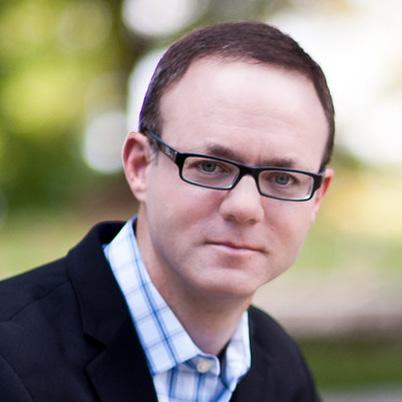
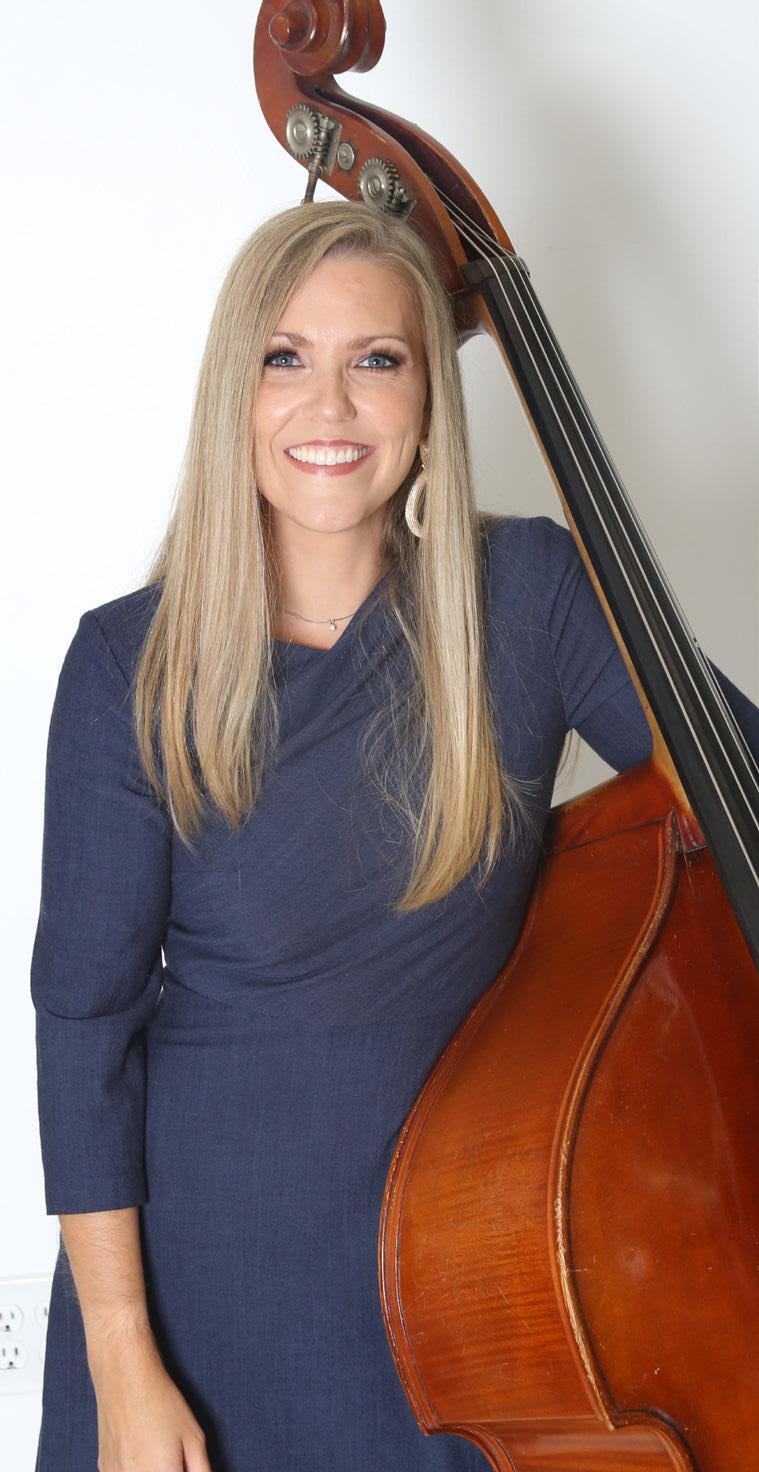
Susan Wines
SYMPHONY CONDUCTOR
As a native of Spartanburg, Susan Wines’ enthusiasm for music and teaching began as a double bass player at Boiling Springs Middle School. Her eagerness and excitement for music continued to develop through teacher encouragement as well as participation in several honor orchestra opportunities throughout the state.
With nearly two decades of youth orchestra experience, it is with excitement that she joins the Spartanburg Philharmonic Youth Orchestra community as the Symphony Conductor at her alma mater - Converse University. Susan Wines holds a Bachelor of Music in Instrumental Music Education from Converse University, two Master of Education degrees from the American College of Education, and is pursuing a Doctorate of Music Education from Liberty University.
In addition to being the Director of Orchestras at Byrnes Freshman Academy, she enjoys being an adjudicator for performance assessments, a mentor for pre-service teachers, and a guest clinician across the nation. She was instrumental in creating many student-centered music activities such as Greenville County’s All-County Honor Orchestras, SC ASTA Double Bass Workshop, as well as the annual SC ASTA Orchestra. Ms. Wines serves as the Executive Director of the SCMEA Orchestra Division and past president of the South Carolina Chapter of SC ASTA.
She has been recognized as a WYFF Golden Apple Teacher Award Recipient, Teacher of the Year, Music Club of Greenville’s Golden Note Award Recipient, South Carolina High School League’s “Heart of the Arts Award,” and most recently, the recipient of the Yamaha “40 under 40” national music educator recognition.
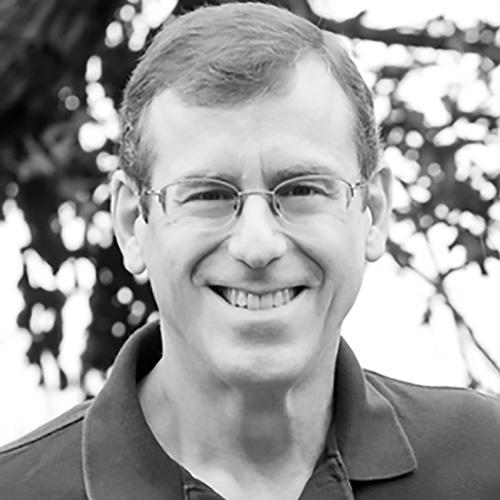
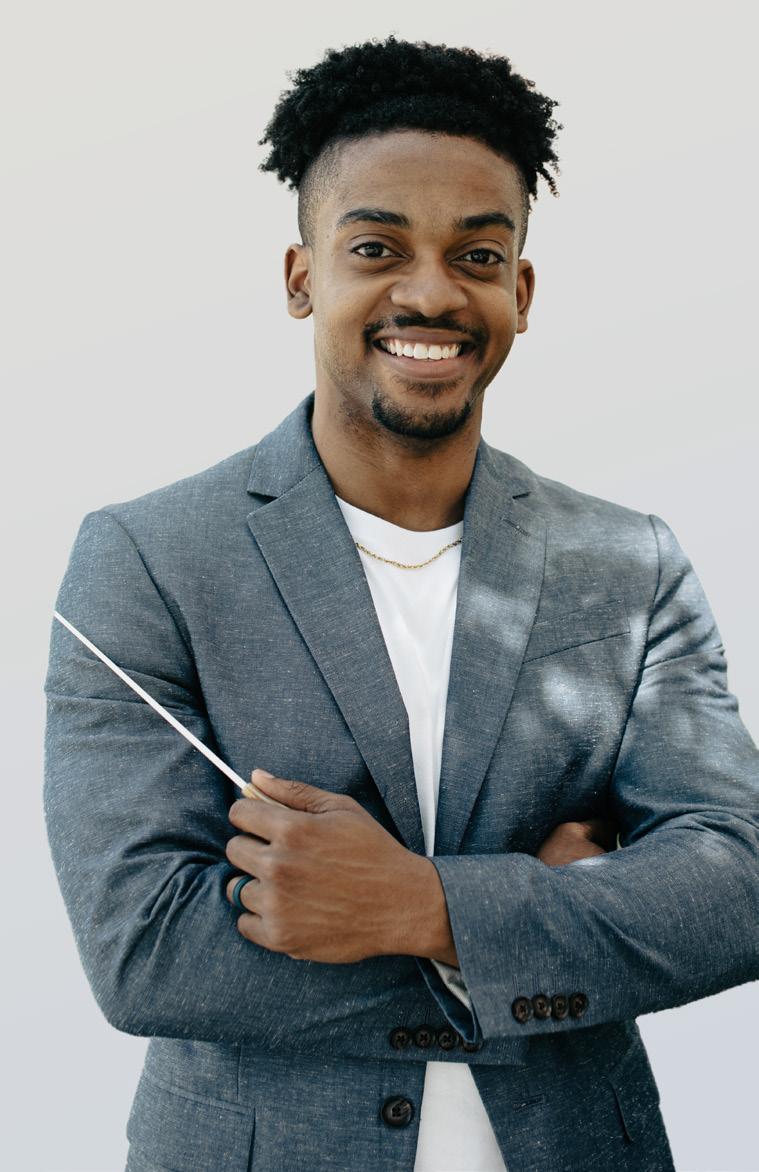
Joshua Miller
PRELUDE CONDUCTOR
Although he didn’t originally set out to become a teacher, he received his Bachelor of Music degree in Music Education from Furman University. While in college, his plan was to become a dentist until he finally listened to the encouragement of those around him to consider teaching. The choice to become an orchestra teacher turned out to be one of the greatest decisions of his life. After graduation, Dr. Miller began his career in Anderson School District One teaching orchestra for grades 5-12.
In 2016, he moved back to his hometown and joined the faculty at Spartanburg School District Two. As a music educator, he holds two main philosophies: kids who trust you can learn anything, and fundamentals are key to musical success. He currently serves as an Assistant Principal at Roebuck Elementary School in Spartanburg School District 6.
In 2021, he was selected by his peers and administration to serve as Teacher of the Year. And this past year, he received the honor of being the WYFF News 4 Teacher of the Year. During his years as an orchestra teacher, his performance groups have earned numerous awards. Dr. Miller and his wife (Raven) currently reside in Inman, SC, with their son (Asher) and daughter (Ayla). He enjoys watching as much Netflix as possible and spending time with his family.
Abner Creek Middle School
Lucas Covington, Viola
Briana Marquez, Cello
Emma Newsome, Violin
Jillian Potter, Cello
Florence Chapel Middle School
Isabella Derrick, Cello
Jackson Lui, Violin
Ethan Pegram, Trombone
Kyndall A. Thomas, Bass
Byrnes Freshman Academy
Zoey Abena Ofori, Cello/Bass
Carl McLean, Viola
Mason McNeilly, Flute
James F. Byrnes High School
Sunny Harrison, Flute
Lincoln P. Heck, Viola
Matthew Price, Horn
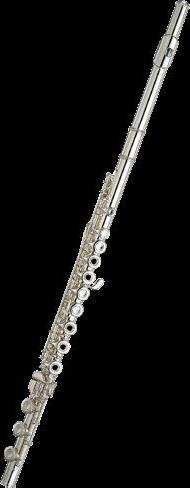
FLUTES & PICCOLOS
The highest, clearest sounding instruments in the woodwind family, the flutes and piccolos are seated in the middle of the stage, directly in front of the conductor.
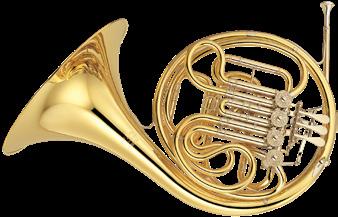
HORNS
The heroic sound of the horns is instantly recognizable. The bell (or opening) of the horn faces away from the audience, and they are usually seated toward the back of the stage.
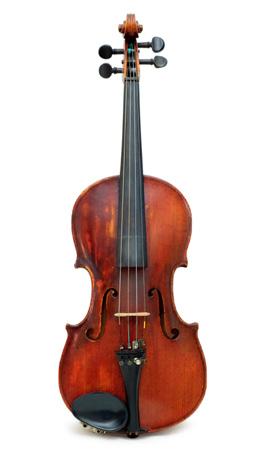
VIOLINS
OBOES & ENGLISH HORNS
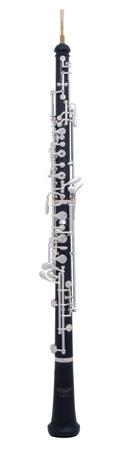
The oboe and its larger sibling the english horn are seated next to the flutes. The oboe is the first thing you hear when the full symphony tunes at the beginning of a concert.
TRUMPETS
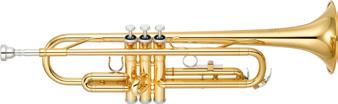
Brilliant and brassy, the trumpets power over the orchestra. They are usually seated toward the rear or side of the orchestra, facing the conductor.
The highest instruments in the strings family, the violins are the largest group on stage. They are typically divided into first and second violins and are seated immediately to the conductor's left.
CLARINETS
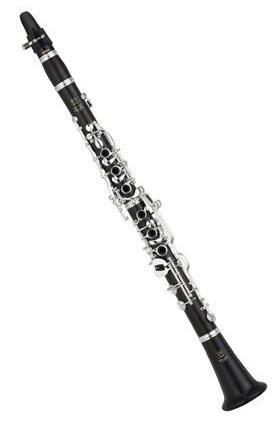
Clarinets come in a variety of sizes, from the small and highpitched E-flat, to the middle range B-flat, all the way down to the Bass Clarinet. They sit behind the flutes in the middle of the stage.
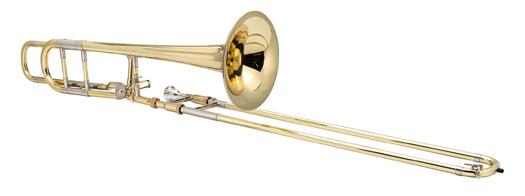
TROMBONES
Trombones are the only family of brass instruments that use a slide to change pitch instead of valves. Like the trumpets, they are usually seated behind the rest of the orchestra.
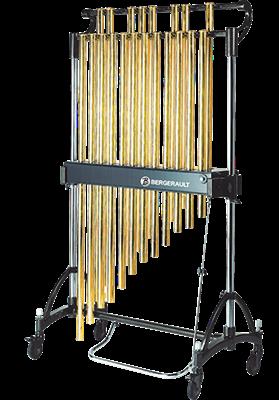
TIMPANI & PERCUSSION
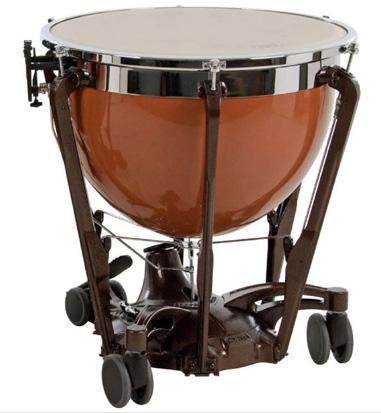
Percussion is anything that you can strike or shake to make sound. The timpani (also called kettle drums) has been in the symphony for centuries. They are usually located behind or to the side of the rest of the orchestra. Other percussion instruments have slowly joined over the years as composers look for more colorful sounds.
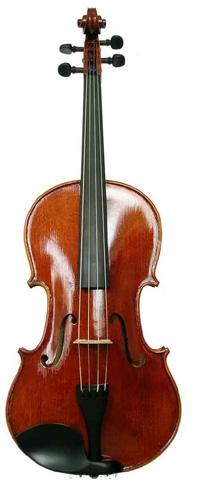
VIOLAS
The violas are slightly larger and deeper sounding than the violins, and they blend well with most other instruments. They sit between the cellos and the violins, and between the conductor and the oboes.
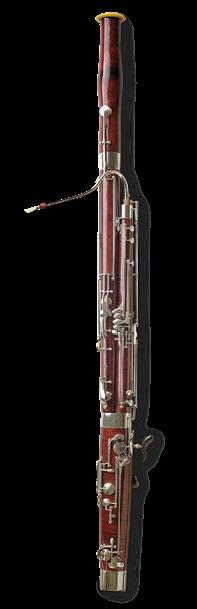
BASSOONS
The bass instrument of the woodwind family, the reedy, almost growling nature of the bassoon is very recognizable. They sit next to the clarinets and behind the oboes.
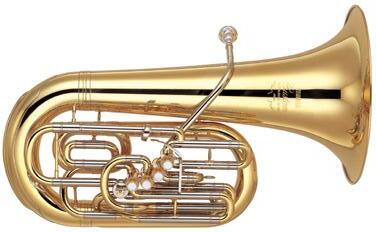
TUBA
The tuba is the largest and deepest brass instrument. The bell faces upward toward the ceiling. You can usually spot the tuba near the trombones and low stringed instruments.
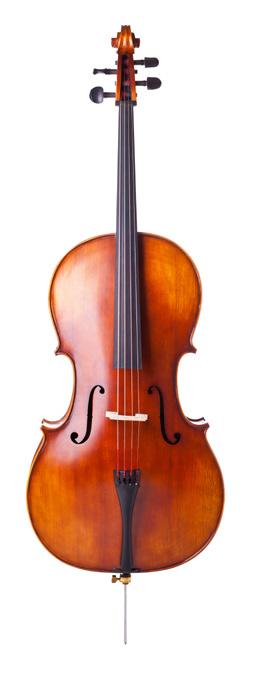
CELLOS
The cellos have an enormous range, sometimes playing the bass line and sometimes the high melody. The cello section is to the conductor's right, in front of the basses.
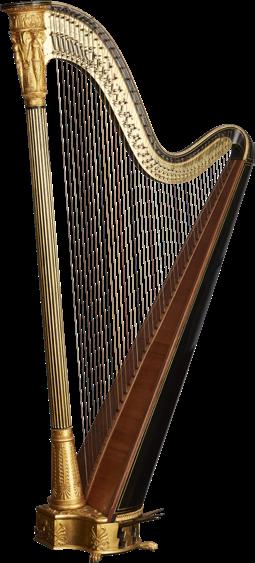
HARP
Although not always a part of the symphony, the harp adds beautiful, sweeping colors to the orchestral sound. The harp is usually seated near (or even in) the violin sections.
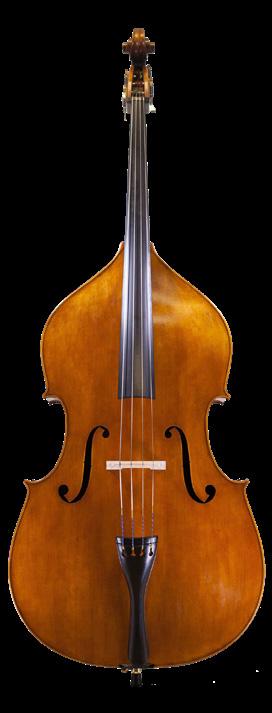
BASSES
The largest and lowest instrument in the string family, the basses are so big that musicians typically stand to play them. They are usually positioned near the cellos and the tuba.
The Spartanburg Philharmonic is proud to announce the establishment of the Music Educator of the Year Award, which is dedicated to honoring outstanding music educators in Spartanburg County. This prestigious award celebrates the exceptional dedication, creativity, and passion of local music teachers who inspire and cultivate a love of music in their students.
Nomination Deadline: January 31, 2026 SpartanburgPhilharmonic.org/Educators