SPEC /spek/
In hope of success without any commission or instruction.
We are a fashion, beauty, lifestyle, and cultural publication focused on individual and creative expression.
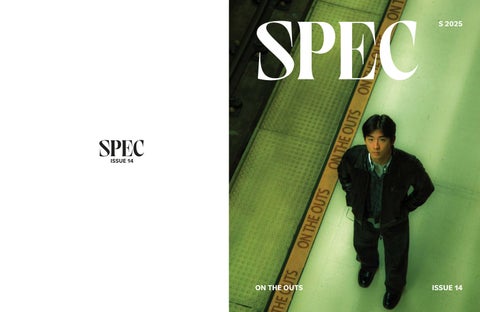
Cover Image by Julie Wan
SPEC /spek/
In hope of success without any commission or instruction.
We are a fashion, beauty, lifestyle, and cultural publication focused on individual and creative expression.
Cover Image by Julie Wan
ANNABELLE LE ROUX & SAMANTHA LEE
EDITORS IN CHIEF
NICOLE LEIHE & DUNCAN CARSWELL CREATIVE DIRECTORS
DAISHALYN SATCHER & CECILIA MENDEZ COMAS
VICE PRESIDENTS OF WRITING
ASAKO ISHIBASHI & FELIPE MAC ALLISTER
VICE PRESIDENTS OF PHOTOGRAPHY
MAYA MAZOR
VICE PRESIDENT OF PR
TRISHA VARIYAR & ISABELLA BALIKIAN
VICE PRESIDENTS OF FUNDRAISING AND EVENTS
NATAISIA HAMBIDGE
VICE PRESIDENT OF WEB DESIGN
SKYLAR SEPULVEDA
VICE PRESIDENT OF MERCH
ELLA JANE DOUGHERTY
ANNIE KERSTEN
ANUSHKA RANE
MIA ALONSO
KATE
D’AMARO
AMY KOO
ZEINA LEE
JAIMIE LIAO
STEPHANIE PARK
CHIDERA EJUEYITCHIE
ASHLEY KHANG
GEORGIA LAGERWEIJ
MELINA LIMANTZAKIS
JACKY RUTHERFURD
JESSICA WALKS
PHOTOGRAPHY
BEN ERTL
MARINA HERMAN
DELARA JADVAR
CHLOE LEE
EMMA LLOYD
PAULINE NGOM
BLOGS
STELLA BRUCE
ANDREW CARDENAS
JULIANNE TAGER-GEFFNER
MARIA LAGUNA
SOHALIYA DHADDA
TIFFANY HO
ATHENA MORI
LIZZIE STEWART
CORDELIA WELD
EMMA YAN
OONA TAYLOR PR
AUTUMN BROWN
ANISA DIAMOND
SYDNEY GOTTLIEB
LUCY HANG
CATE HEWITT
ANDRA IONESCU
VIVIAN KELLER
PERLE MASRI
TEZER MUSABEYLI
NEHA SARWAL
NUB-PETCH
SINTHUNAVA
JULIE WAN
FUNDRAISING & EVENTS
ADA BASAR
SHEILA CASTLLO
ASHER DUBIN
GINA GAVAM
TIARA JAIN
AVA KESHAVARZI
GAVIN MARK
KEVIN ROME
SEY STEIN
NAZ URAL
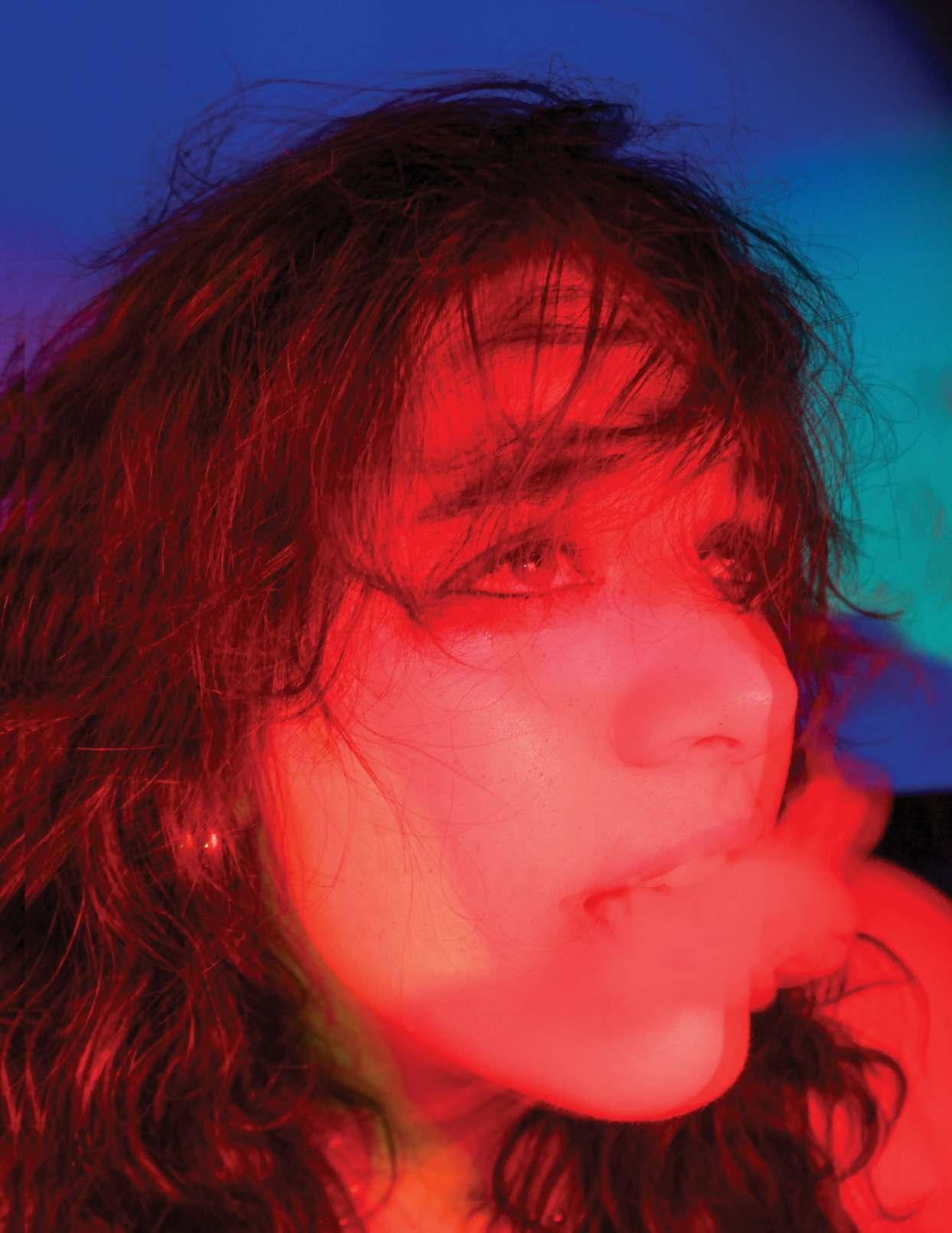
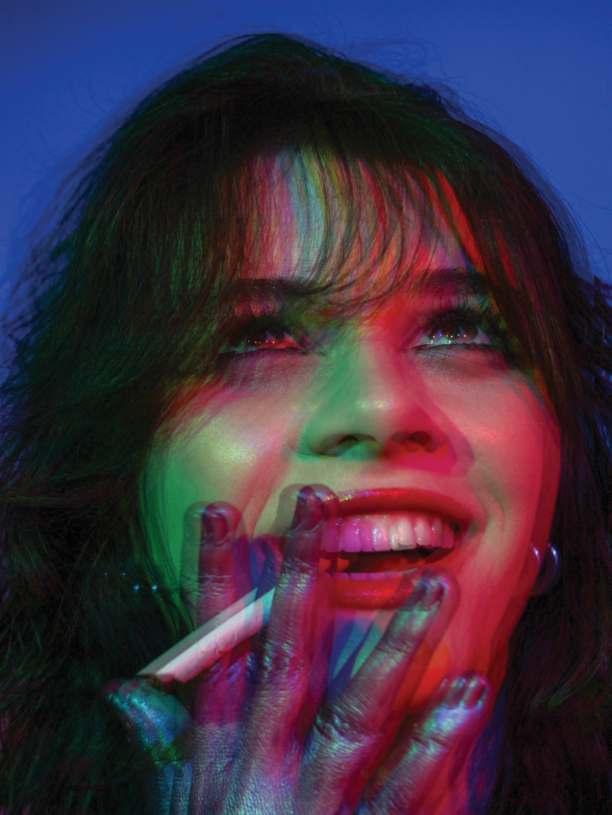
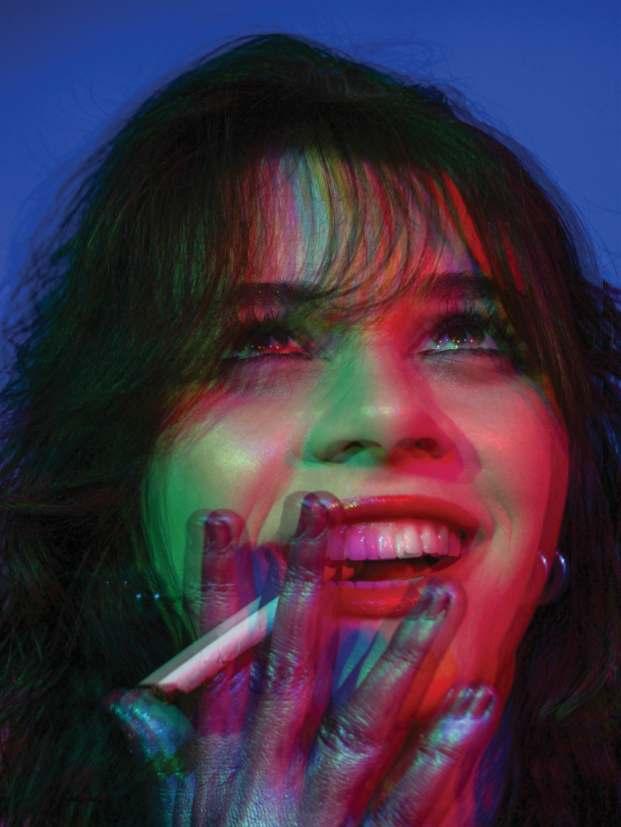
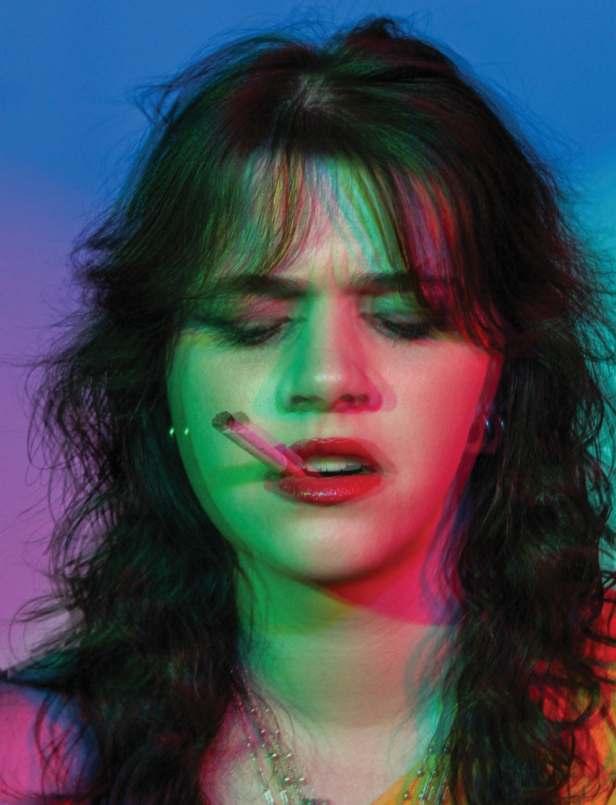
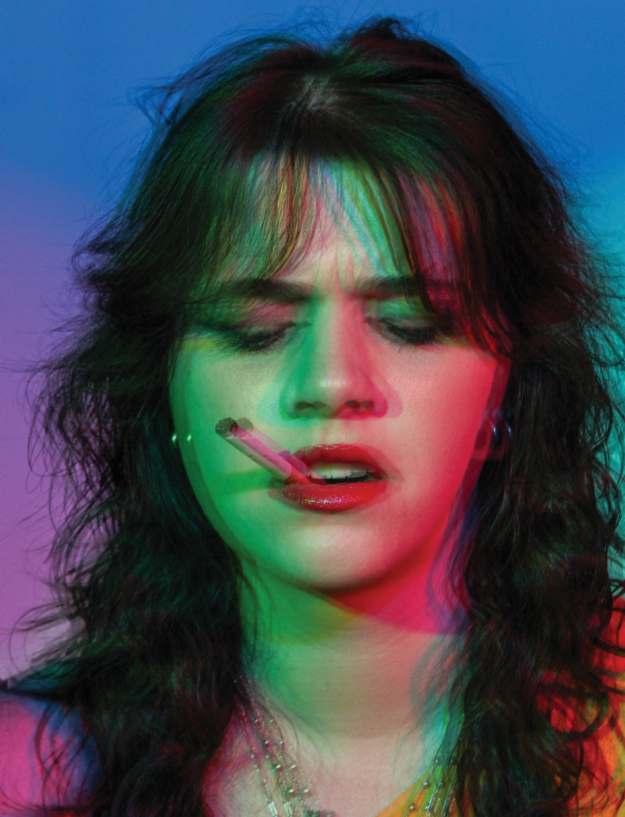
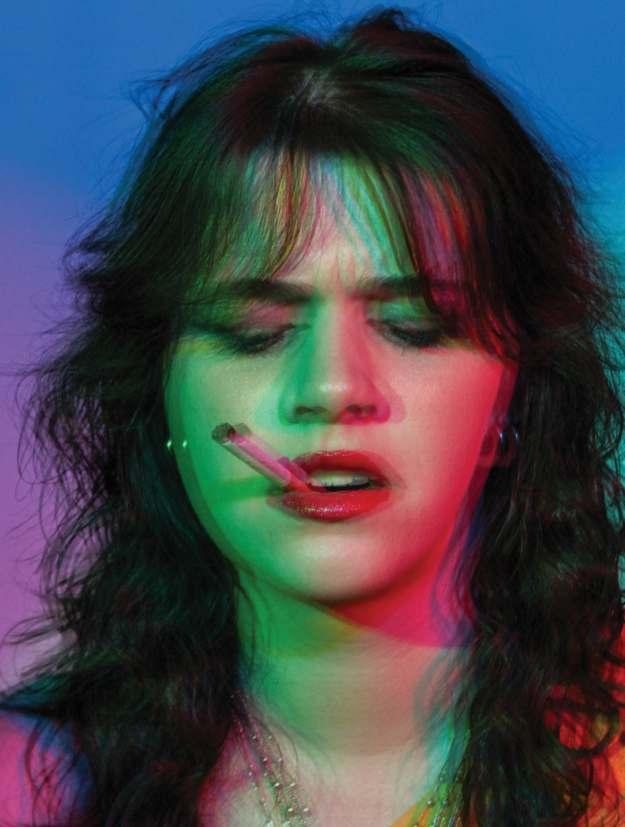
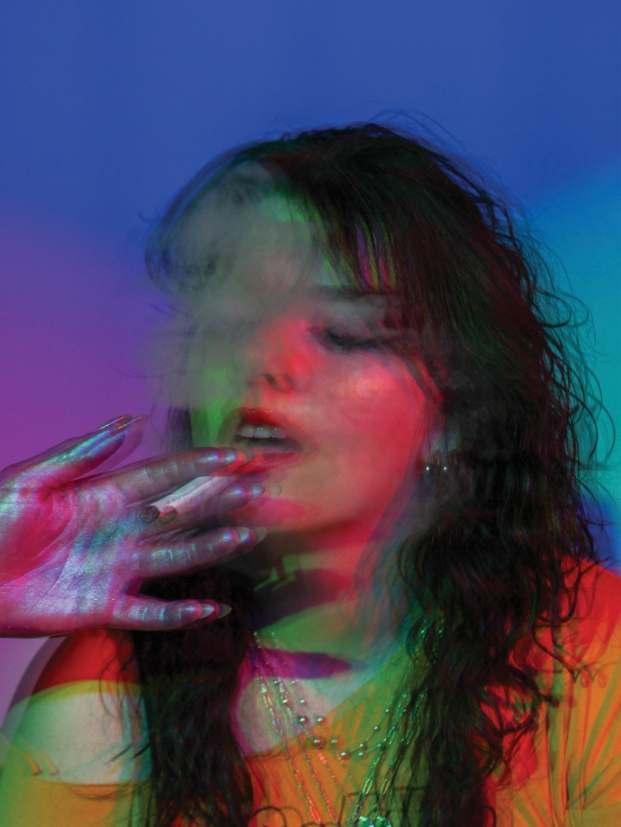
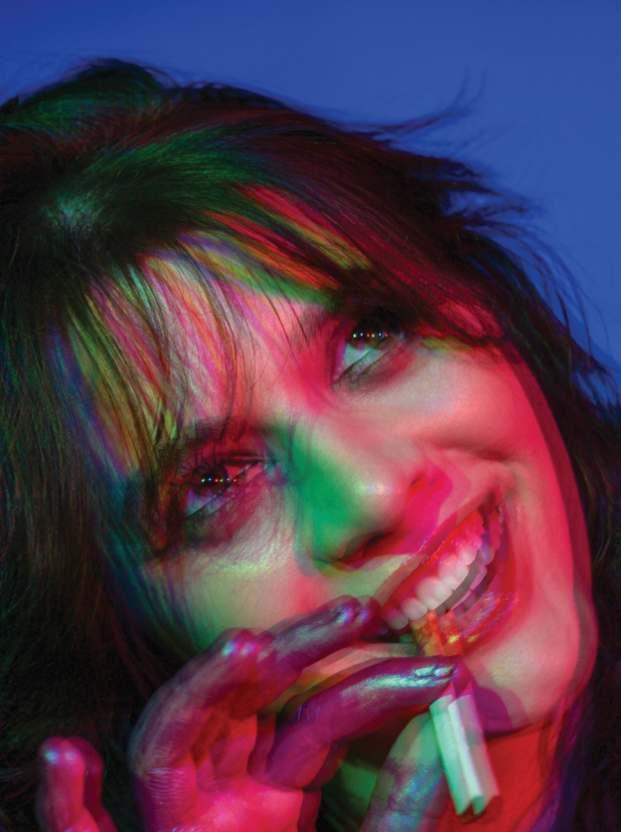
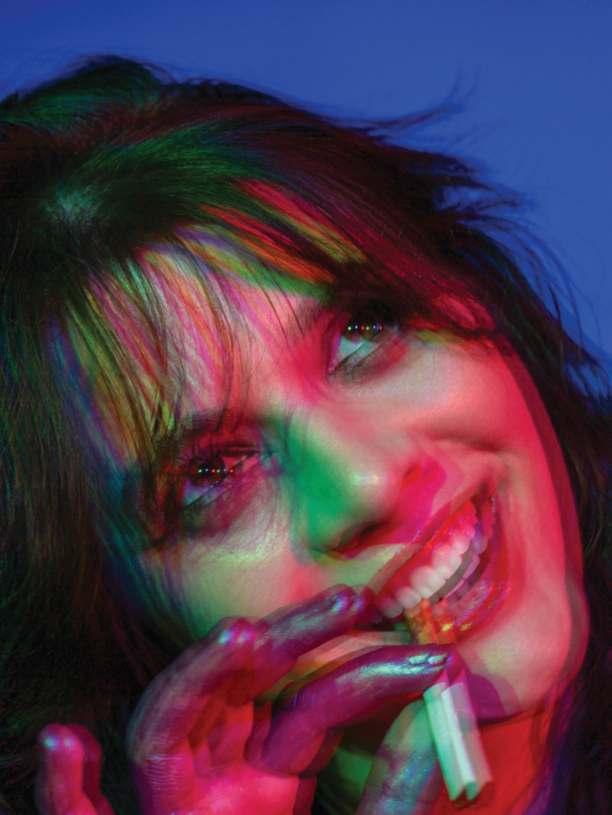
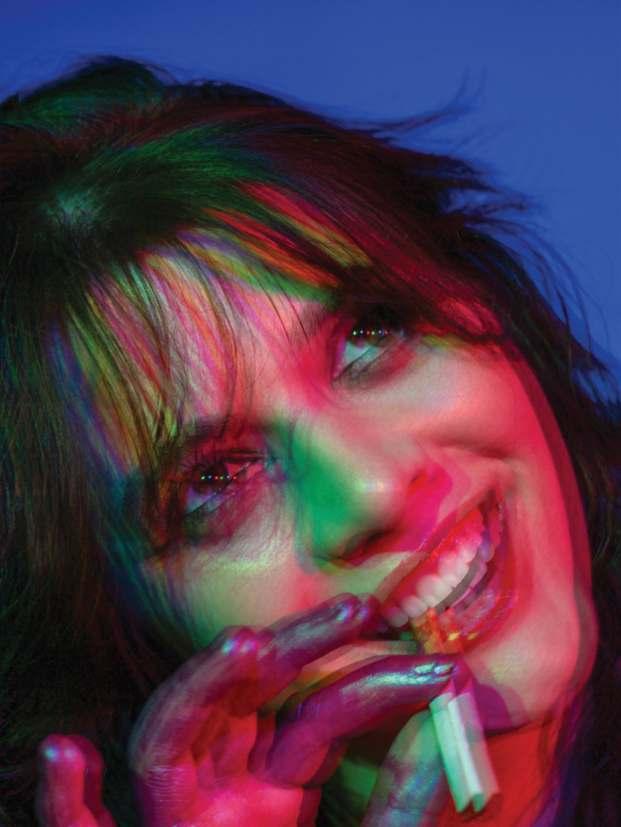
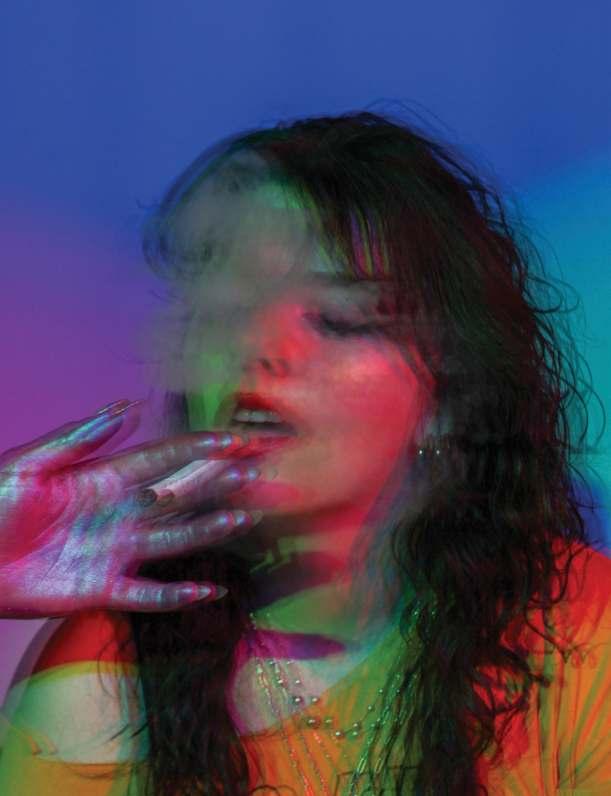
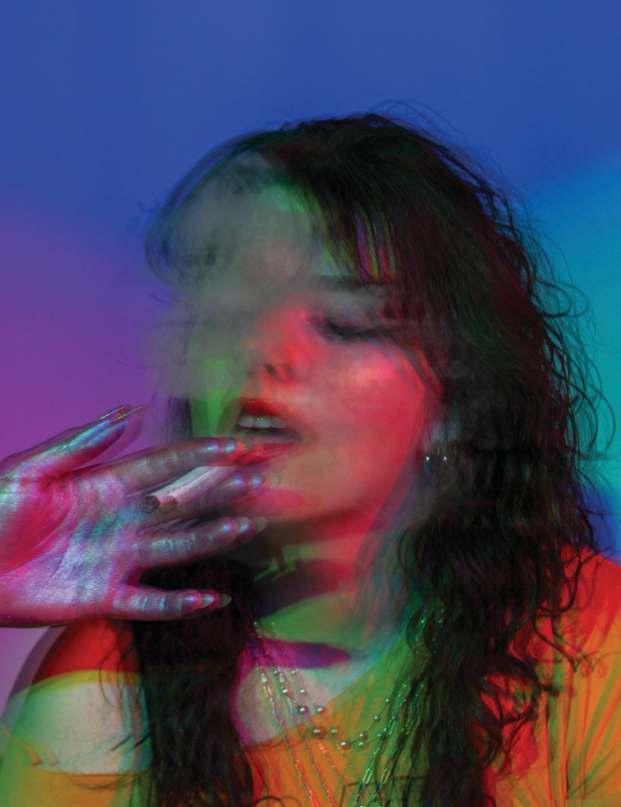
I am nine years old and alone, sitting cross-legged at an airport terminal, waiting to board my transiting flight. My parents aren’t far; only ten feet away, but separated by the glass doors of an airport smoking lounge. I watch them from afar, like fish in a smoke-filled aquarium. I squint through the haze, trying to make out the faces of the strangers unified by their shared addiction. My parents are among them, laughing and leaning in. But they don’t look cool. There is no effortless elegance, no Hollywood mystique—just yellow stained fingertips and deep, wrinkled frowns. To me, their habit wasn’t rebellious or alluring; it was routine, obligatory, and desperate. I swore myself against it. To sit in an airport smoking lounge is nothing but glamorous—it’s addiction in its purest form.
WRITING
Jacky Rutherfurd
DESIGN
Kate D’Amaro
PHOTOGRAPHY
Emma Lloyd
PR
Anisa Diamond
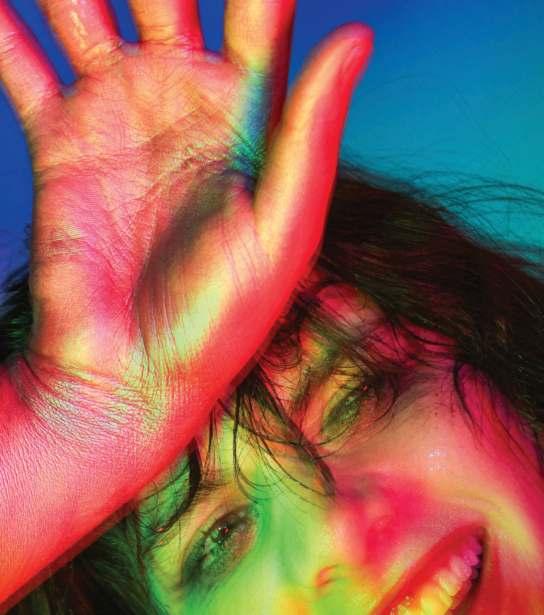
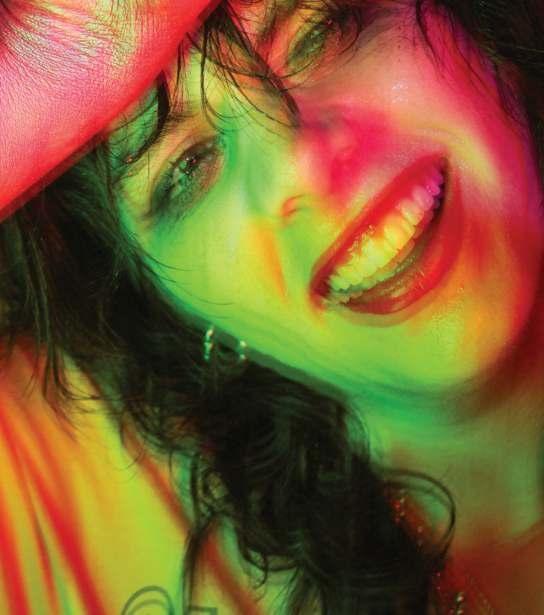
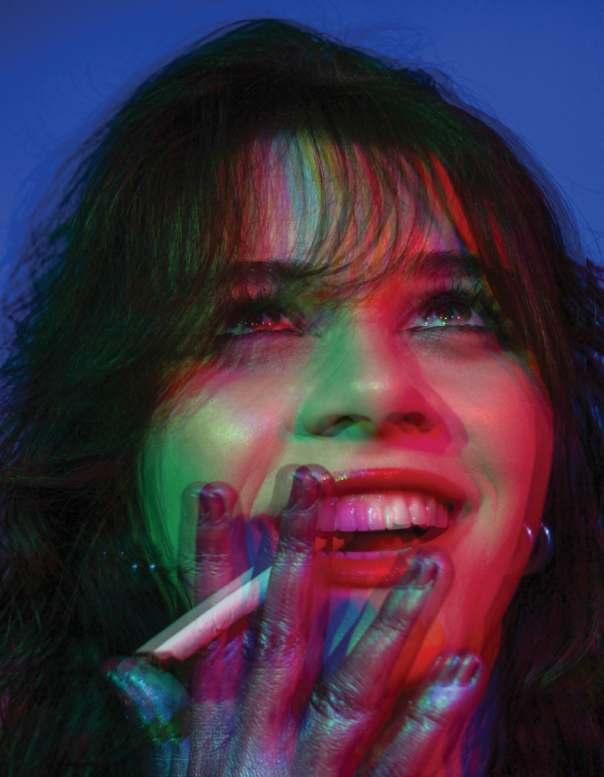
Addiction manifests in many different ways, whether it’s alcohol, weed, gambling, or sex. It drives us to the furthest of ends, allowing us to rationalize things once unimaginable. How far would you go to chase that next high? Would you steal to feed a craving? Lie to protect a habit? Risk your health for a fleeting moment of relief? I myself am guilty of addiction. I was once revolted by the smell of burnt tobacco that clung to my parents’ clothes. Now, I indulge in the very thing I once condemned.
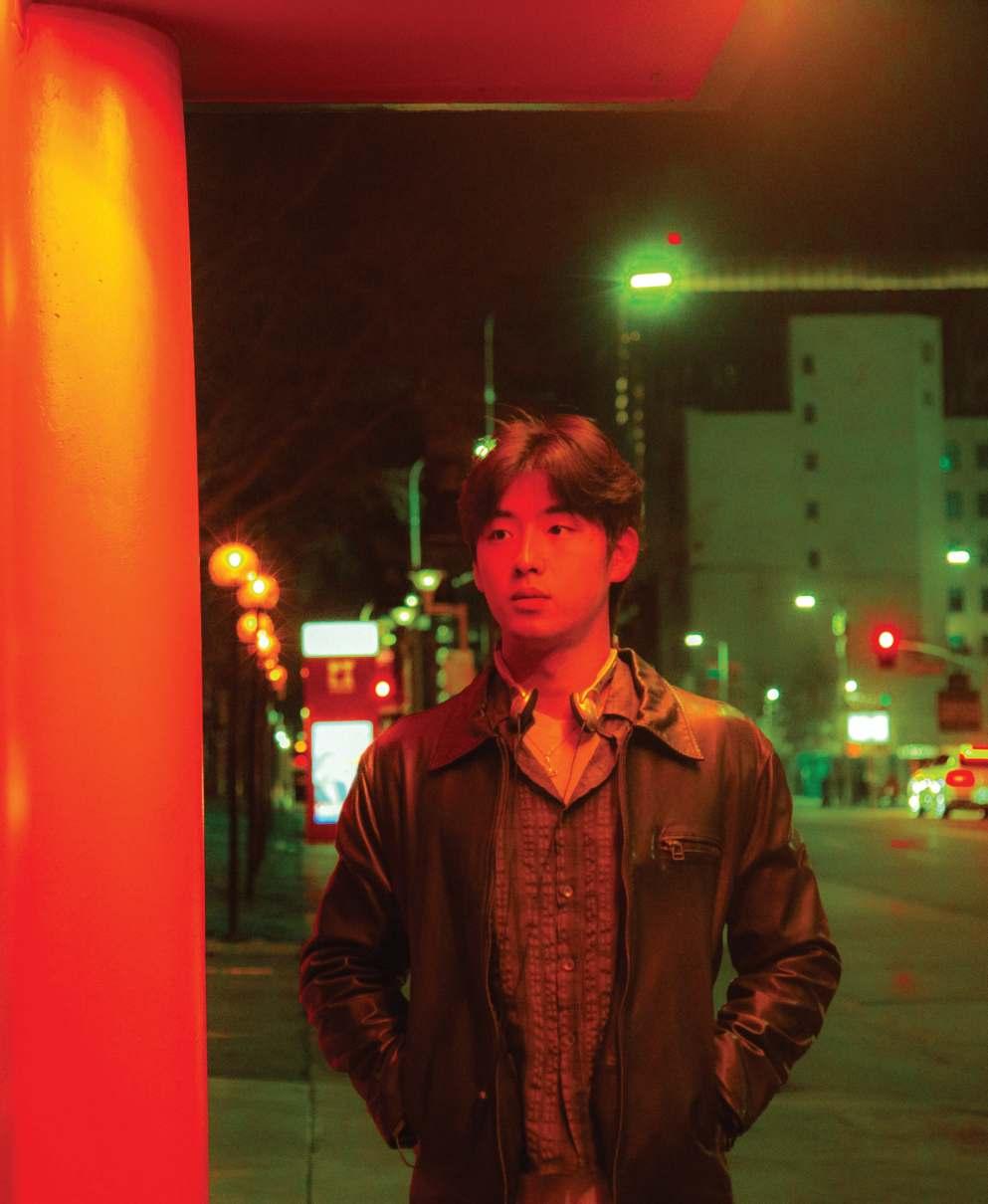
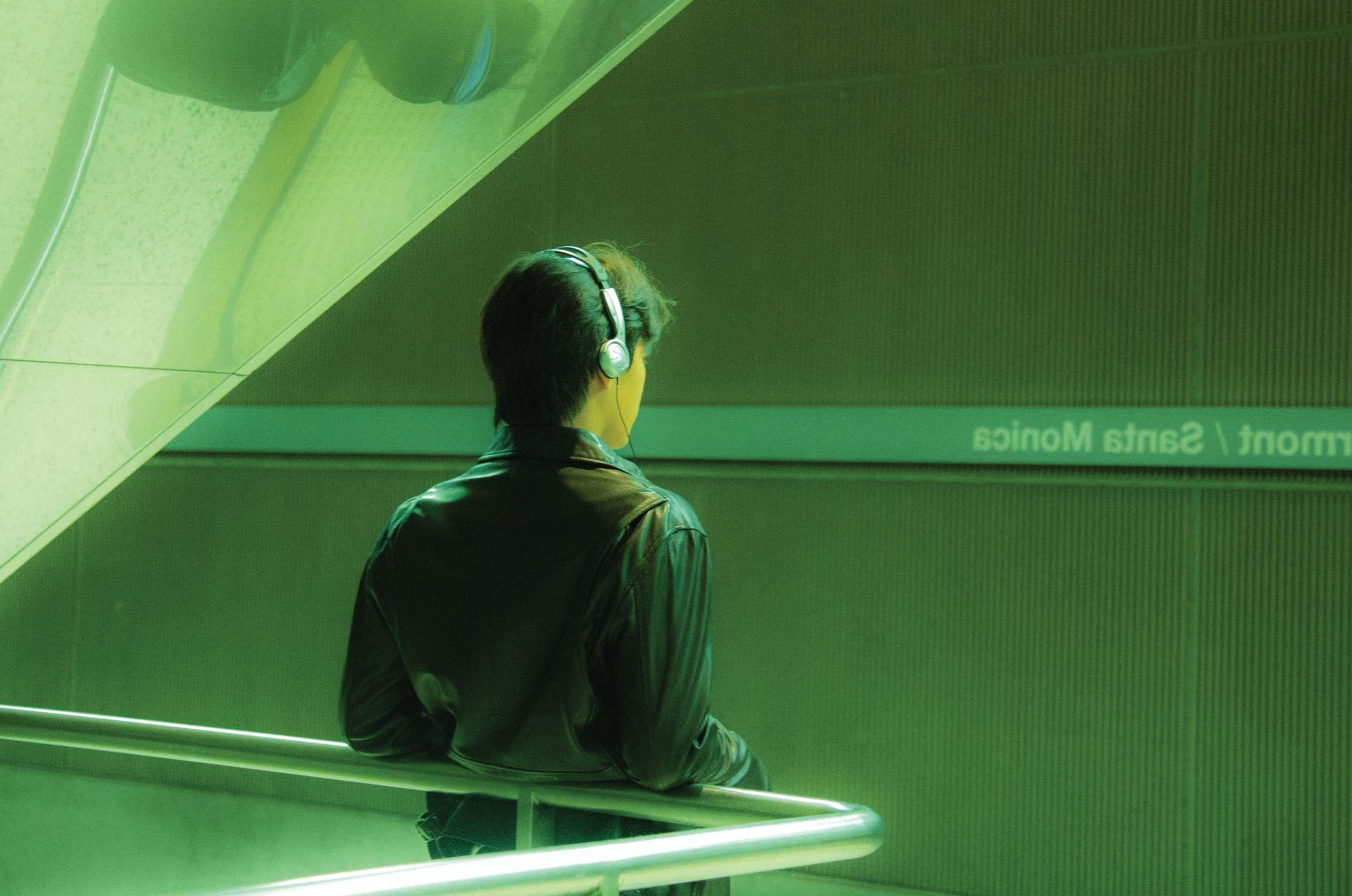
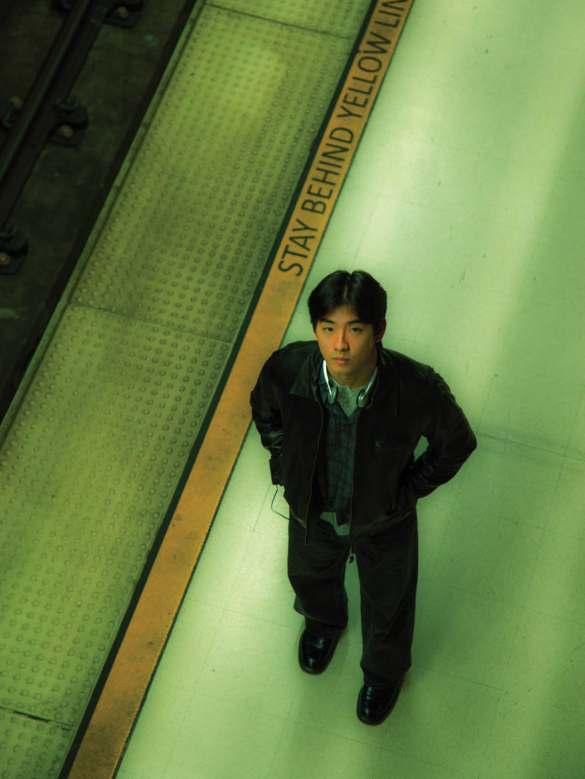


Benito plays himself, 40-50 years down the road — a senior citizen navigating the ins and outs of a landscape that once was familiar, and now, unrecognizable. With a coquí attached to his hip, the spirit of Puerto Rico lives in the exchange of their words, where he advises the coquí: “One must love as much as possible, while we’re still alive.” He reminds us to take photographs; to capture a moment before it’s gone, especially when the subject is fleeting in and of itself. When we protect what is near and dear to us — be it biodiversity, culture, even our neighborhoods, we are doing what we can before it is irreversibly lost to the drought.
Benito demonstrates how gentrification pervades even the simplest of places. One may think that a simple pastrami and quesito, embedded in the roots of Puerto Rican food, would be easily acquired at the cafe around the corner. Though, to one’s surprise, it now costs $30.. Benito requests, “I would like a traditional quesito” and to which the cashier responds “you mean a regular quesito?”
The simple interchanging of words, traditional with “regular”, represents how easy it is to pluck those pre-existing flowers and replace them with new species.
With gentrification in Puerto Rico stringing along its respective weeds in contemporary society, it is also a means for togetherness. How can we replace the soil for the flourishing of all flowers? The dream sequence in which Benito is blasting Reggaeton in his jeep encapsulates that there is rain where there is drought; older generations are able to coexist with change if a mutualistic environment can be fostered. A more modern take on gentrification, not commonly explored in hip-hop.
It is of utmost importance to accredit the vibrancy of America and neighboring countries to the cultures that all thrive here — the petals that are reminiscent of diverse communities which have blossomed over time, making it the multicultural hub it is today. Our home. However, as the pursuit of gentrification continues to thrive, we can only do so much. It is a matter of letting it happen, or taking action to change the narrative. Will the future of America be stripped from its roots, only to be replaced by wilted stems?
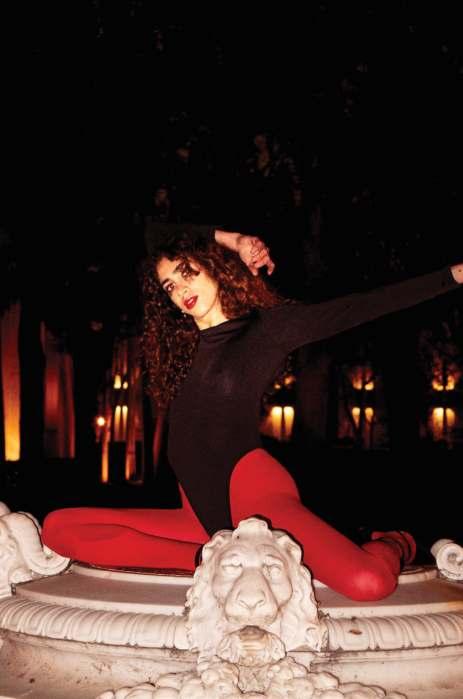
Now studios are stuck holding onto a formulaic strategy: play it safe with what’s familiar, and cross your fingers hoping the numbers add up. Unfortunately this strategy has audiences falling asleep in theaters, fatigued by the never-ending stream of old narratives.
It doesn’t seem like this trend will die anytime soon, with reports showing that since 2014, nearly three-fourths of the top ten box office hits have been sequels, with only 8% being entirely original movies. For the first time in history, every single one of the top ten grossing films in 2024 were sequels.
From the perspective of the number-crunching corporate side of Hollywood, there is little to no motivation to put an end to this never-ending cycle. Hollywood has become the land of reruns, with studios passing on creating new stars to focus on retelling the same stories starring those with inherited fame. Now as the lights dim in the theater rather than feeling a surge of anticipation, we just feel tired.
This relentless focus on legacy over innovation has created a shift has both Angelenos and aspiring industry leaders mourning what they consider the “Death of Hollywood” Hollywood has become a playground for the well-connected, and you have to pay to play. The city formerly known for its glitz and glamor has lost its sparkle as originality is put on the shelf in favor of legacy, and fresh voices are drowned out by the noise of those who have already made their mark—or whose family has made it for them.
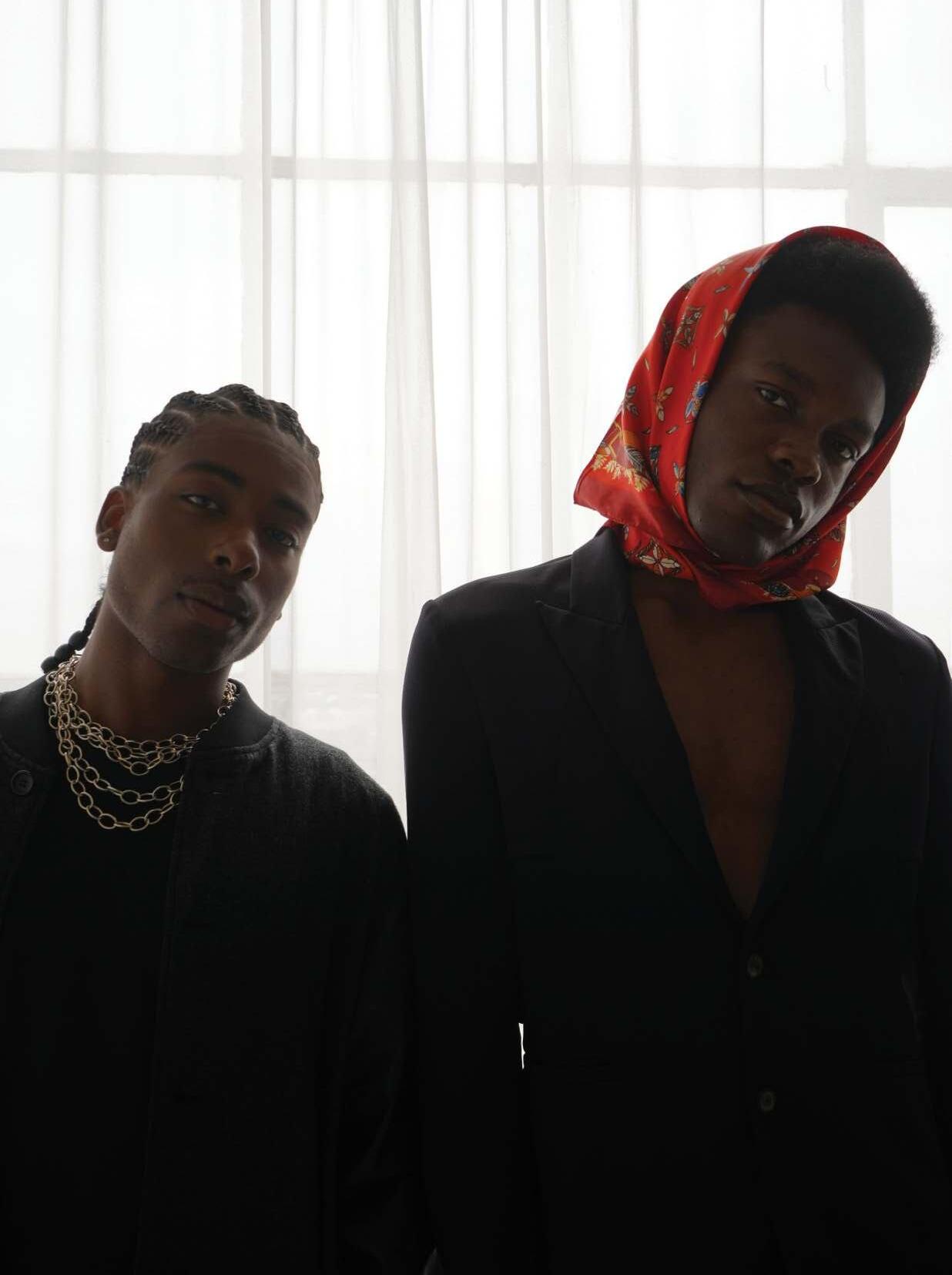
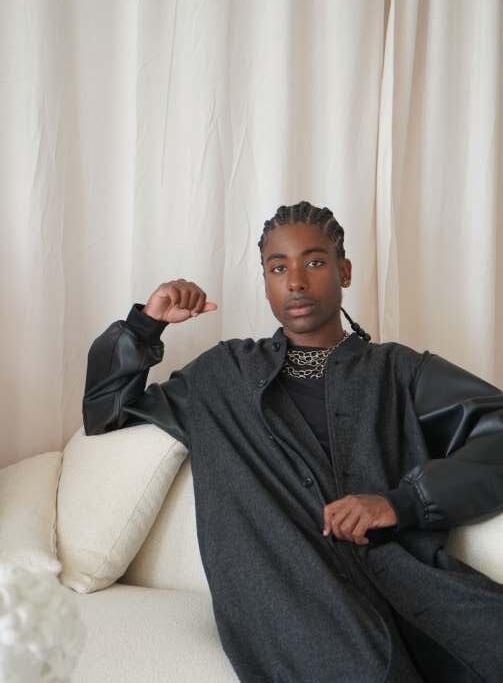
Fashion has always been about more than just designer brands and outfit of thedays; for Black men, it has long served as a language of resistance, self-definition, and cultural expression. n the 18th century, Black men in Europe were subjected to dandyism—a style of fashion initially imposed on enslaved individuals as a symbol of their owners’ wealth. However, what began as a form of control quickly turned into an act of rebellion. Freed slaves adopted dandyism themselves, using their style and wit to challenge everything that had been forced upon them. They reclaimed the art form, transforming dandyism into a way to express themselves. In doing so, they inspired generations, creating a movement and laying a foundation for Black men in fashion.
Black men’s presence in fashion wasn’t something that was granted—it had to be fought for, and carved out by movements like Black Dandyism. By embracing an exaggerated elegance, Black men asserted their dignity in a world that tried to take it away. Fashion became a statement of power, reclaiming a sense of self that had long been excluded from the industry. This legacy lives on through visionaries such as Virgil Abloh and Pharrell Williams, who have merged streetwear with high fashion to challenge the perceptions of what luxury means. Their work doesn’t just nod to Black Dandyism—it modernizes it by continuing to push the boundaries of who gets to be seen and celebrated in fashion.
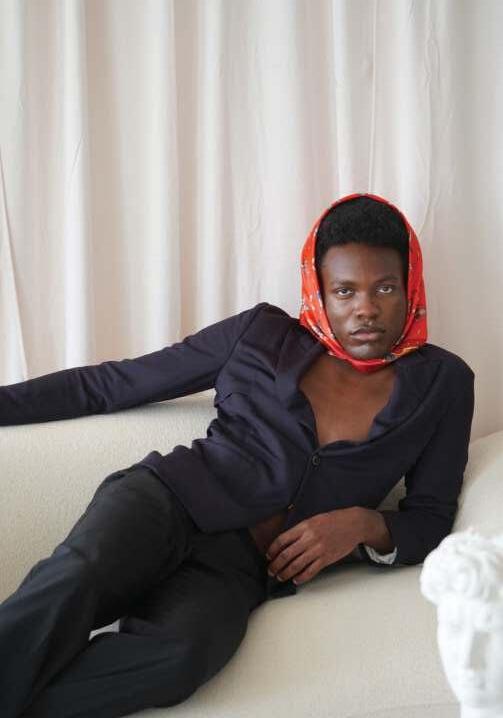
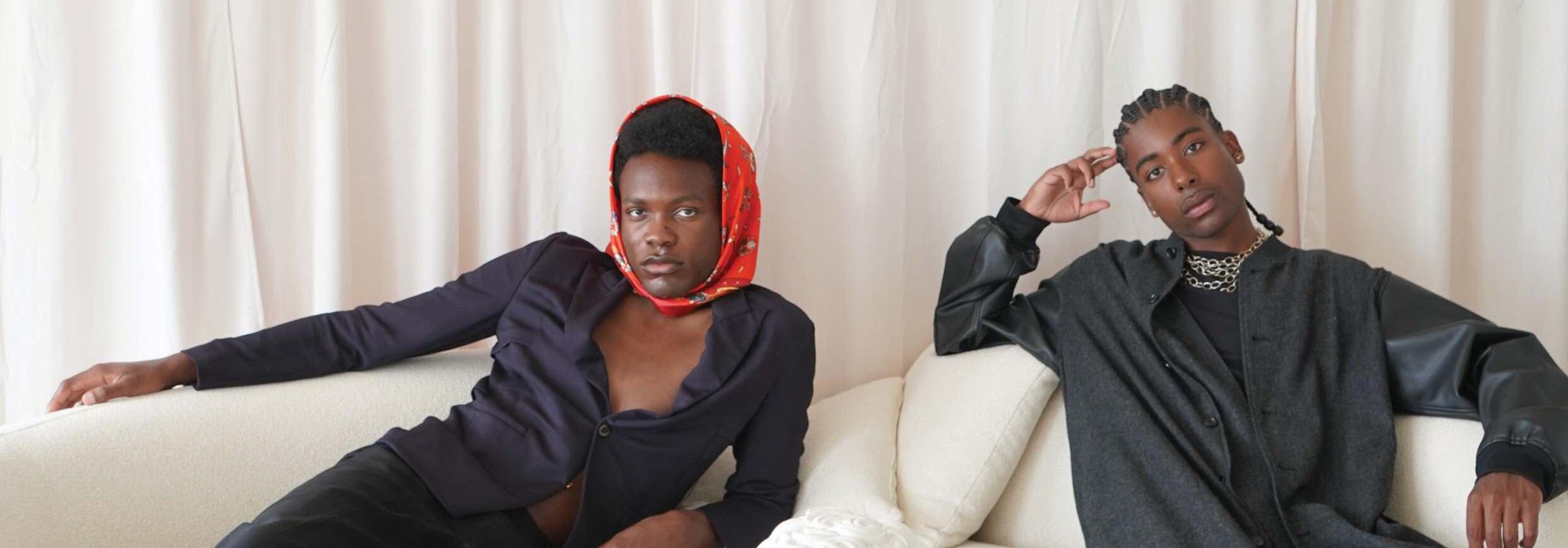
For decades, the fashion industry operated under an unspoken rule: Black designers, creatives, and voices were pushed to the fringes. Virgil Abloh changed this rule. As the first Black man to lead Louis Vuitton menswear, he proved that luxury fashion could belong to those who had been excluded. Abloh was never interested in fitting the mold; with degrees in civil engineering and architecture, he saw himself as a “maker, not a designer.” His work blurred the lines between art and culture—whether it was the embroidered “TILL DEATH DO US PART” in Hailey Bieber’s wedding veil, his role as creative director for Kanye West, or the founding of his own label, Off-White. Abloh didn’t just leave a legacy; he left a mindset: wear what you want, create what you want, and exist how you want.
Virgil Abloh redefined the possibilities for Black designers in high fashion, showing that cultural influence was just as important as traditional aspects of fashion design. His success created space for other Black creatives to challenge industry norms. One key visionary to emerge was Kerby Jean-Raymond, the founder of Pyer Moss. Jean-Raymond took a different approach, using fashion as a medium for activism and storytelling. His collections have addressed racial injustice, celebrated Black innovation, and challenged the fashion industry’s failure to acknowledge Black designers. Though his presence in the fashion world has diminished in recent years, his impact is still felt and continues to inspire, and today, a new generation of creatives has emerged.
Wisdom Kaye, a Gen-Z fashion content creator and model, turned what once made him a target into his greatest asset—his appearance. After facing bullying for his looks and struggling with body image, he found confidence through fashion, using it as a form of self-expression. His rise on social media shows how individuality is now more valued than exclusivity.
After Abloh passed away in November 2021, Louis Vuitton’s search for a successor was not just about filling his role — it was about preserving the legacy he had built. When they appointed Pharrell Williams, it signaled a shift in the industry, and his influence on Black men’s fashion is undeniable. His appointment wasn’t just a business move; it was a statement that fashion is changing.
Much like Abloh, Pharrell has pushed hip-hop culture, sneakers, and streetwear into the luxury space. However, Pharrell’s impact extends beyond just this—he brings a new vision to Louis Vuitton. A vision that can be seen in his Winter 2025 menswear collection, created with Nigo. This collection is a statement—a modern reinterpretation of dandyism featuring suits, workwear, and bomber jackets. By acknowledging the origins of dandyism and incorporating traditional elements like suits, Pharrell reshapes them through the lens of modern fashion. His vision recognizes that today’s Black culture, particularly in hip-hop and streetwear, has a redefined version of dandyism—one that is just as sophisticated and just as influential.
“Hip-hop wasn’t something I found—it was just life,” he explains. “It was always there. The way people walked, the way they spoke, the way they dressed—it was Black culture, which meant it was
tling the speakers of his father’s car, in the way people in his childhood neighborhood carried themselves, and in the unspoken languageunspokencoded language of rhythm and movement and rhythm

That inheritance guided him from his earliest days in battle circles
proved that hip-hop could stretch beyond the streets and into the world, that it could be both deeply personal and universally understood.
Hip-hop has always had to fight for space—on stages, in academia, in art. ; Bbut for all the battles Rose had fought for hip hop—on the dance floor and in the industry—none compared to the one he never saw coming.
A life-threatening brain tumor forced him to confront something far greater than competition or career ambitions. The thought of brain surgery had always unsettled him—the idea that someone could open his skull and reach into the very place that housed his artistry and change his thoughts or sense of self was his greatest fear. “I was okay with a broken bone,” he admits, “but the thought of someone going into my brain, touching something and changing who I was? That scared me.”
The uncertainty was suffocating. So much of who he was lived in his body–, in his ability to move, to translate rhythm into motion. He had spent years refining that instinct. Iif the surgery altered even the smallest part of itthat, what would be left?
“I was terrified. It wasn’t even just about survival—it was about who I’d be if I survived. What if I woke up and something fundamental was different? What if I lost something in that operating room, something I couldn’t get back?”
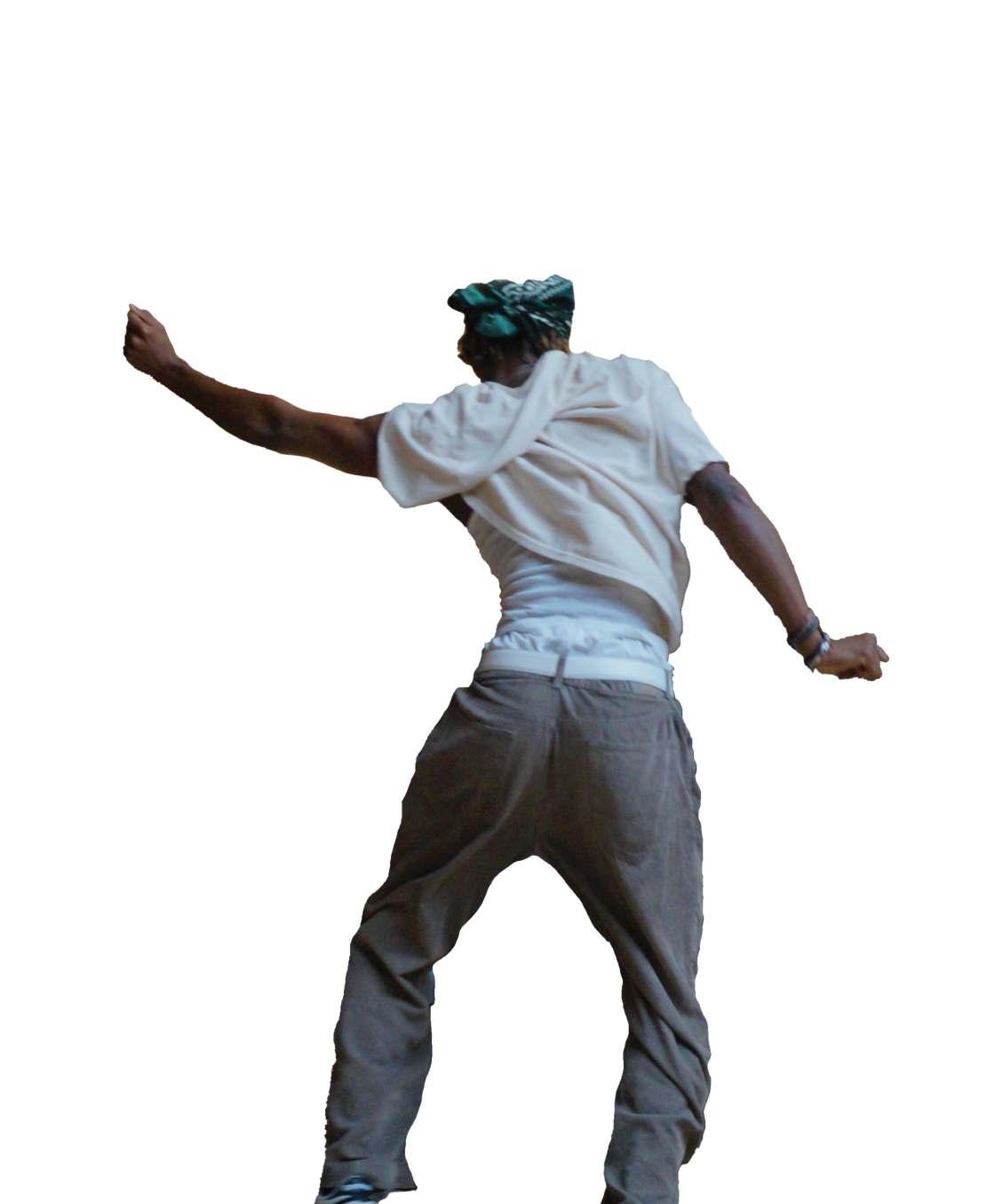
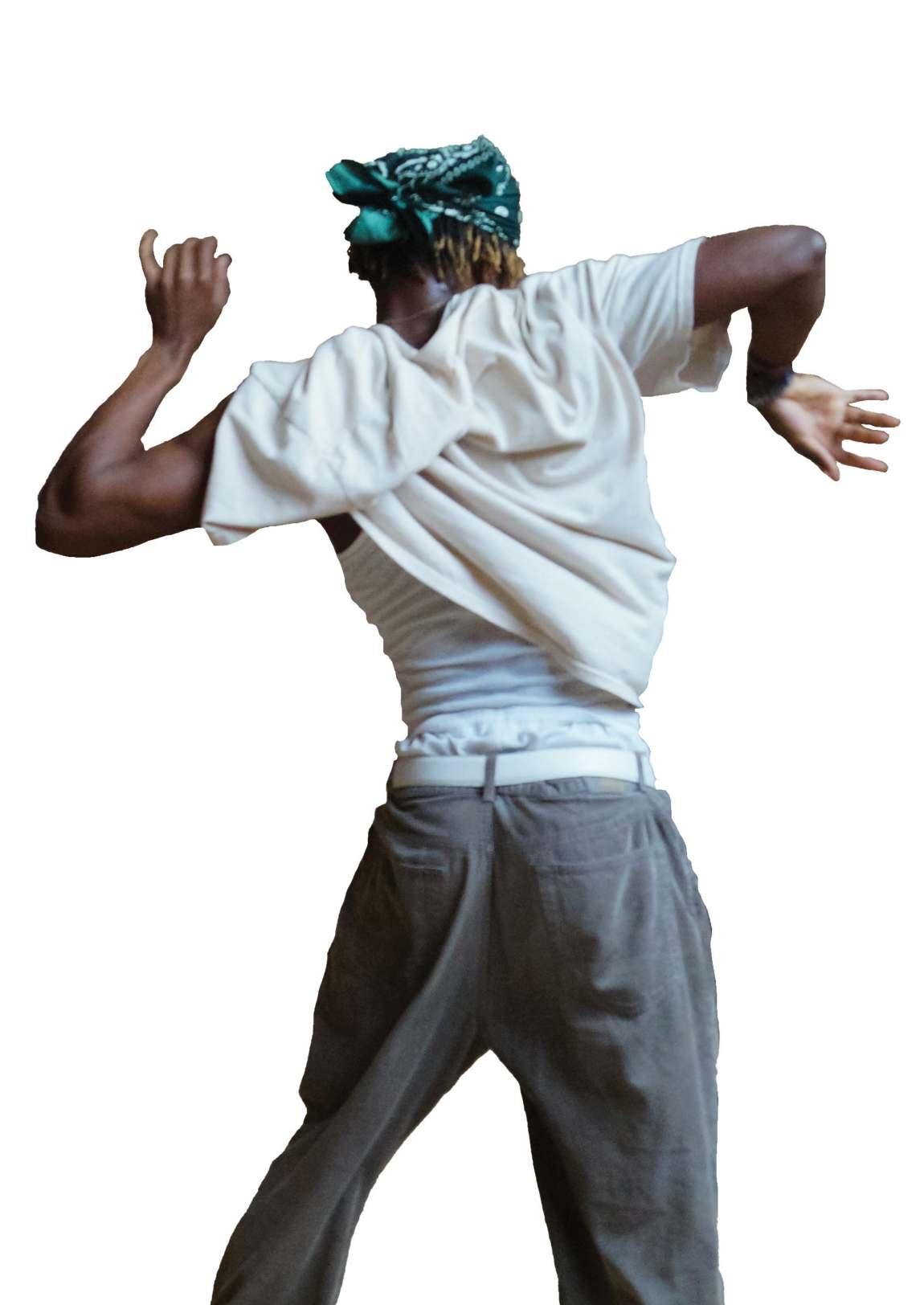
When the time came, on the operating table and under the sterile lights, he was confronted with a stillness he had never known. The future, always something he had envisioned in motion, now hung in uncertainty. He was paralyzed by the idea that he might close his eyes and wake up different— or even not wake up at all.
But that fear had only one escape: through it.
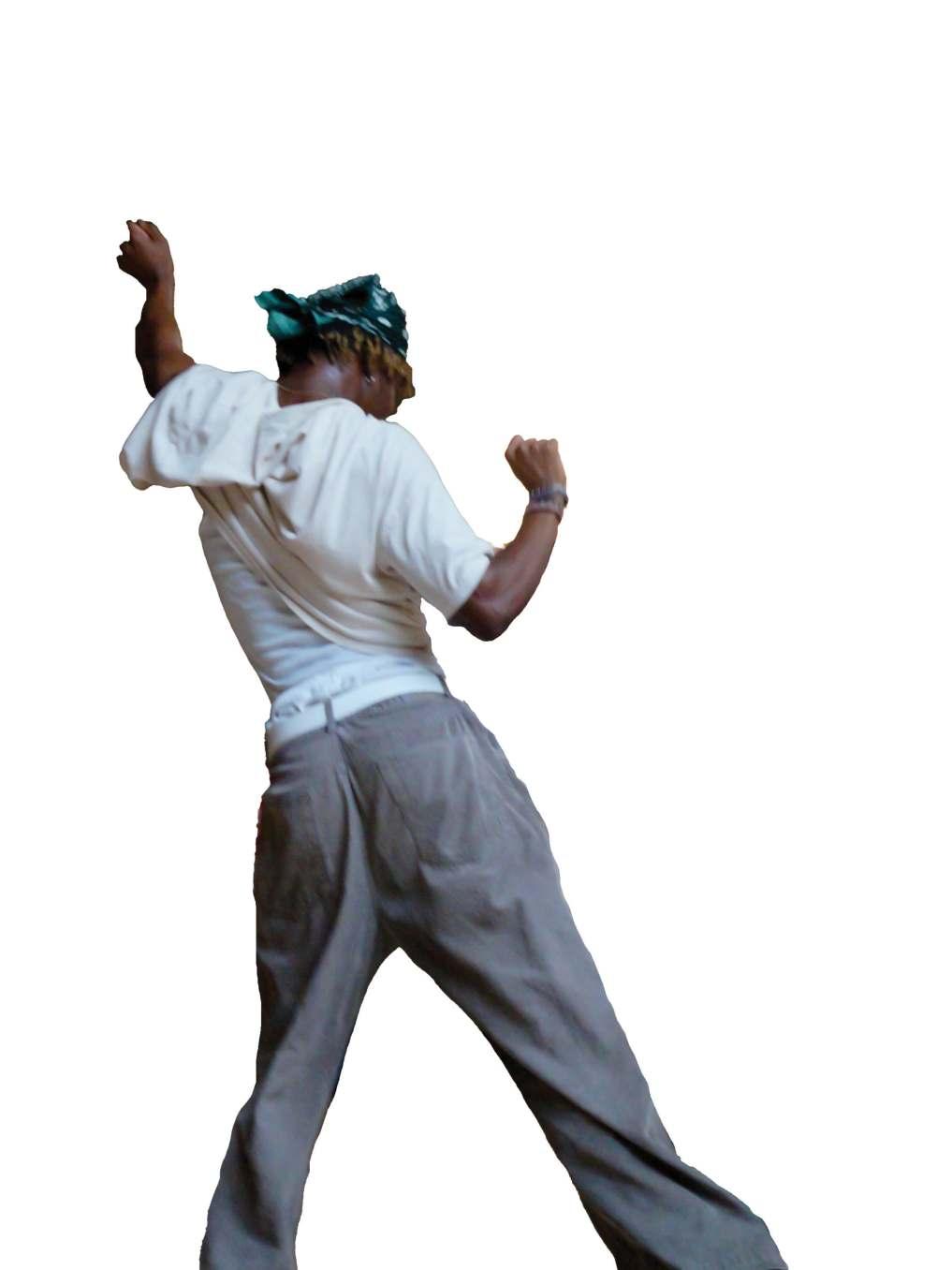
The only way out of that fear, he realized, was through. When he woke up from his surgery, something inside him had crystallized. “If I had died in that surgery, would I have been satisfied with what I left behind? The answer was no.”
It was not just relief he felt—it was clarity. “The worst had happened, and I was still here. So what the hell was I afraid of anymore?”
He had spent too long hesitating and second-guessing whether his vision would be received the way he intended. “I realized I had spent too much of my life holding back—not out of fear of failure, but out of fear that I wouldn’t get it exactly right. And that’s no way to live.” The constant waiting for the perfect moment had kept him stagnant for too long, but survival had given him an urgency he couldn’t ignore. “So much of my life felt defined by untaken chances,” he admittedadmiteds. “But after that surgery, I wasn’t going to second-guess anymore.”
That realization became the catalyst for Vinyl & Brush, a production company he founded to amplify underrepresented voices. His mission isn’t just about telling stories, it’s about telling the right stories. “There’s something incredibly powerful about joy in the face of oppression,” he saidys. “That’s hip-hop’s story— it’s resilience, it’s celebration despite everything.” He’s interested in narratives that reflect the complexity of Black life, not just its struggles, but its victories. “I want to see stories that show the allyship between cultures, our differences and our connections. I want to see more of that.”

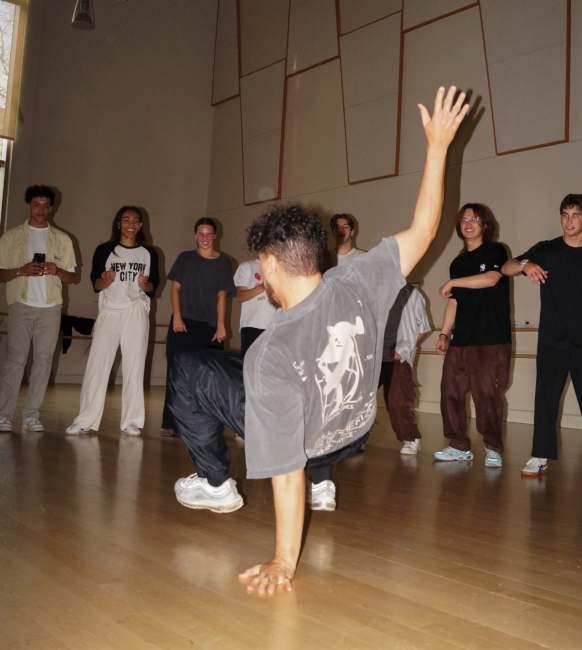
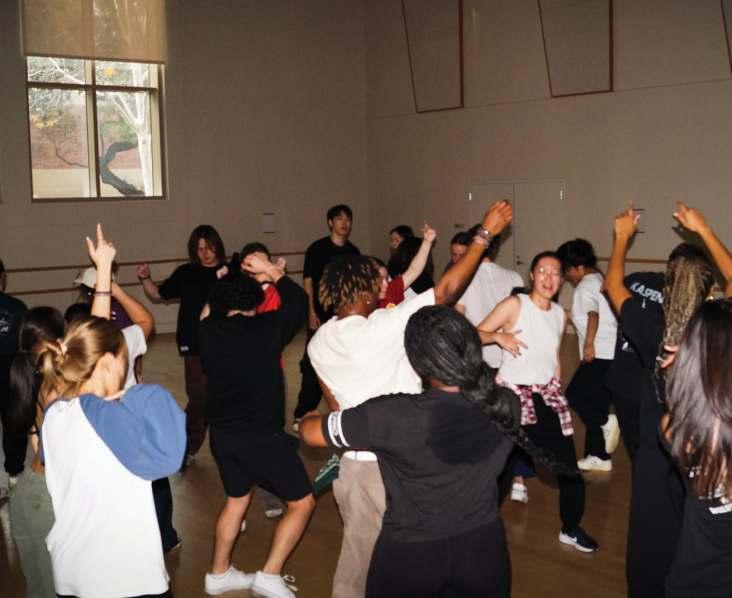
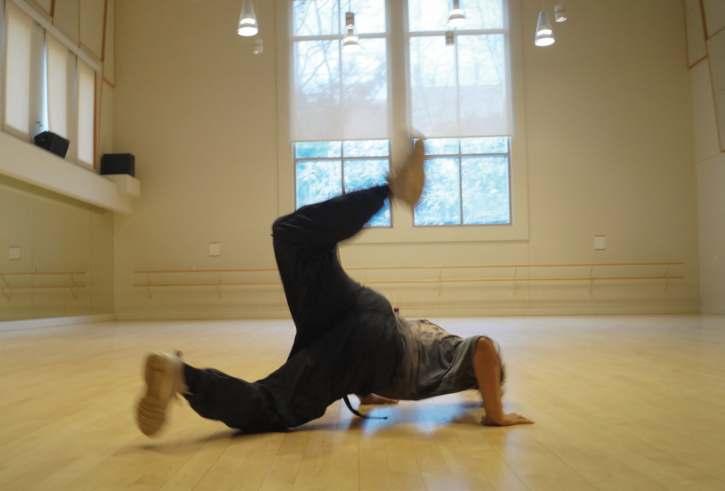
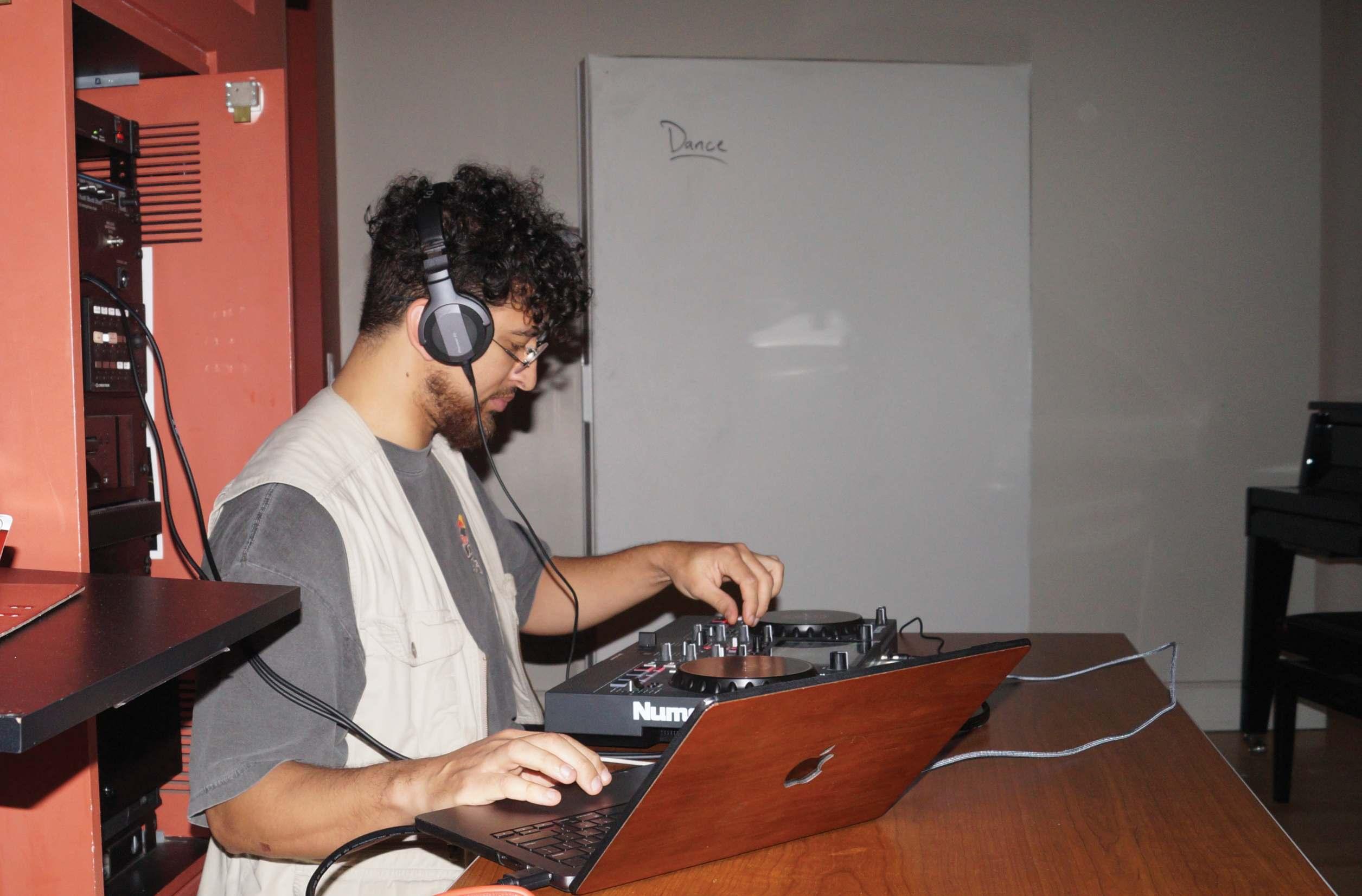
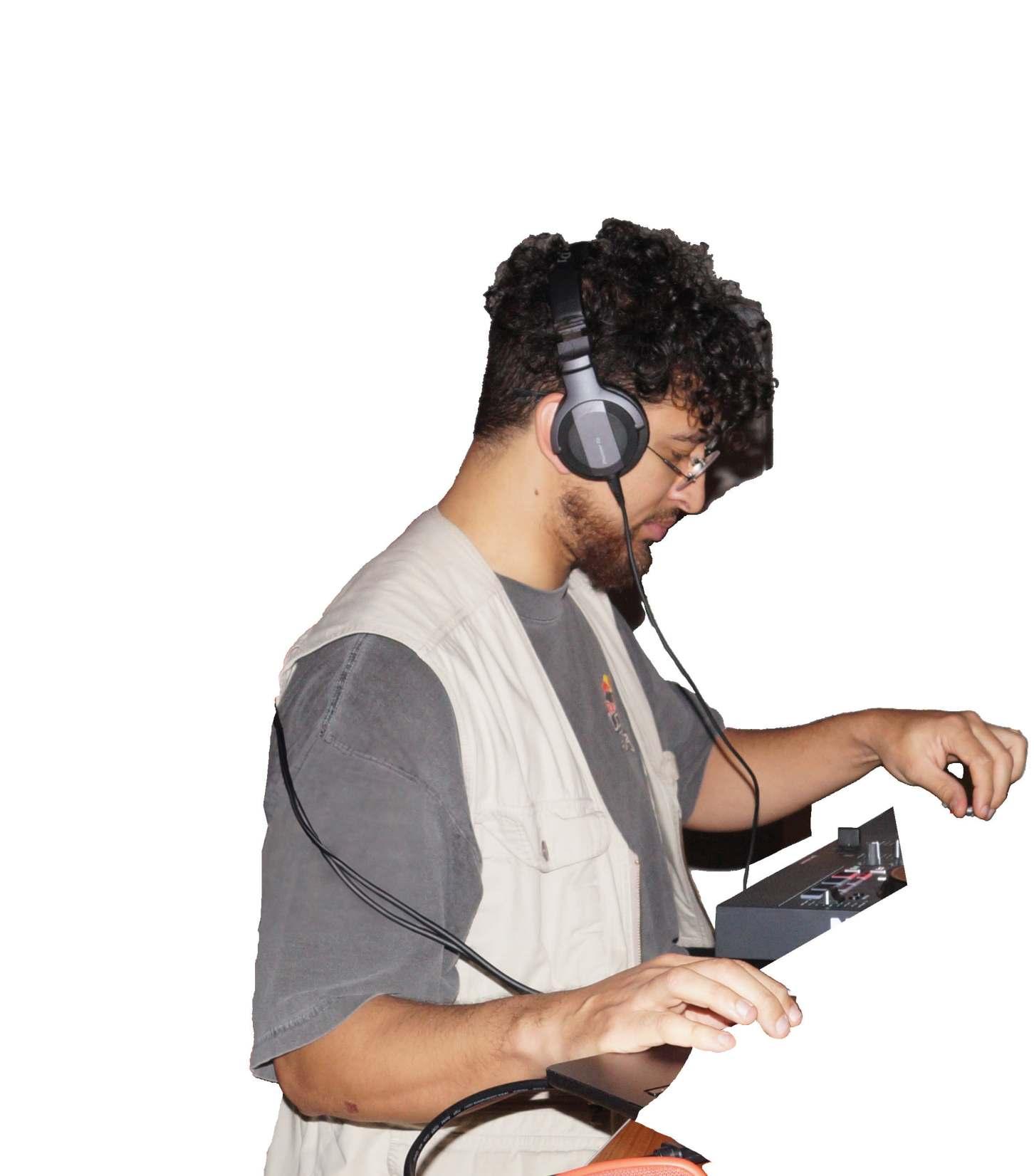
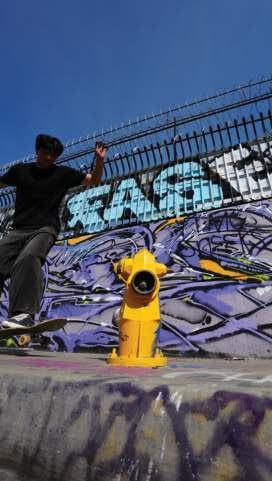
Graffiti has been around for thousands of years, but the graffiti artistic movement that is polarizing within artistic circles hails from the 1960’s. Modern graffiti or “Writing” first appeared in Philadelphia, specifically inside the New York City subway stations in the 1960s and early 1970s. Simple tags and words quickly evolved into gigantic multicolored art pieces that lay claim to the surfaces that they were inscribed on. Then, graffiti fonts began to influence literature. Now, it is hard to tell the difference between murals and graffiti, as intricate graffiti works have become synonymous with metropolitan cities.
The idea of producing art for art’s sake has inspired Sando from the very beginning.
“I was just always really attracted to it from growing up in LA. I was really young, always, like, whenever I came to LA, I was always, like, fucking enthralled by the graffiti… [My mom always said,] ‘This looks disgusting.’ But… this is art. These are people. That’s their voice, and nobody has a tag like you. And that’s the best part of it. You get to be free to fuck up and not worry about it,” Sando said.
He added that anything we discussed in this interview regarding his relationship to graffiti was hypothetical and all “alleged.”
Contrary to the rhetoric surrounding the “disruptive” nature of graffiti and graffiti artists, true graffiti artists follow a strict code that Sando did not always know to follow.
“It’s merit-based… There’s a set list [of rules] that you can really only go over somebody else’s stuff if you’re better than them, so I think that kind of rule of hierarchy is just fire because it’s super anonymous,” Sando said.
“The thing is that graffiti is no less damaging than fucking all the bullshit that is destroying our actual communities. I think graffiti is just a scapegoat for, people that just want order. … I think, if anything, it’s beautifying the community… It’s better to always foster art.”
Sando’s multitude of talents connect back to graffiti’s intersectional roots. For Sando, each art form and creative pursuit fuels his creativity in another creating a creativity-induced positive feedback loop of sorts. Oftentimes, Sando uses one as an escape to recharge his metaphorical creative batteries.
“I think just art in general, that’s just my crack for real, being able to just express yourself through any means,” Sando said. “I feel like they all supplement one another because they all kind of feed a different feeling, different kind of itch… Artistically, I feel like I get something out of it.”



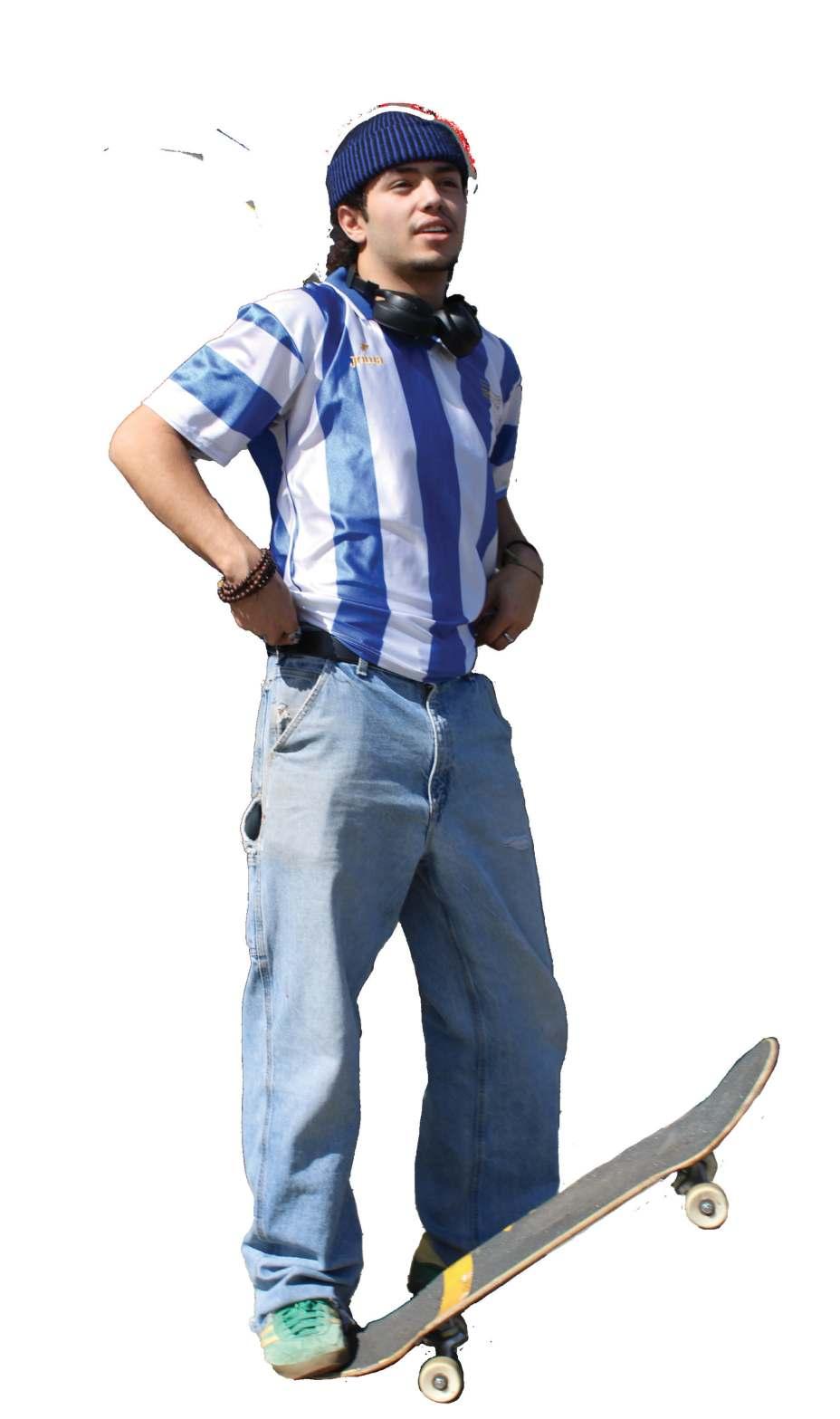
Creativity can feel limitless at times, but great artists and creatives experience burnout too. Even Sando struggles with creative burnout occasionally, but he tackles his burnout by acknowledging the source–his mindset.
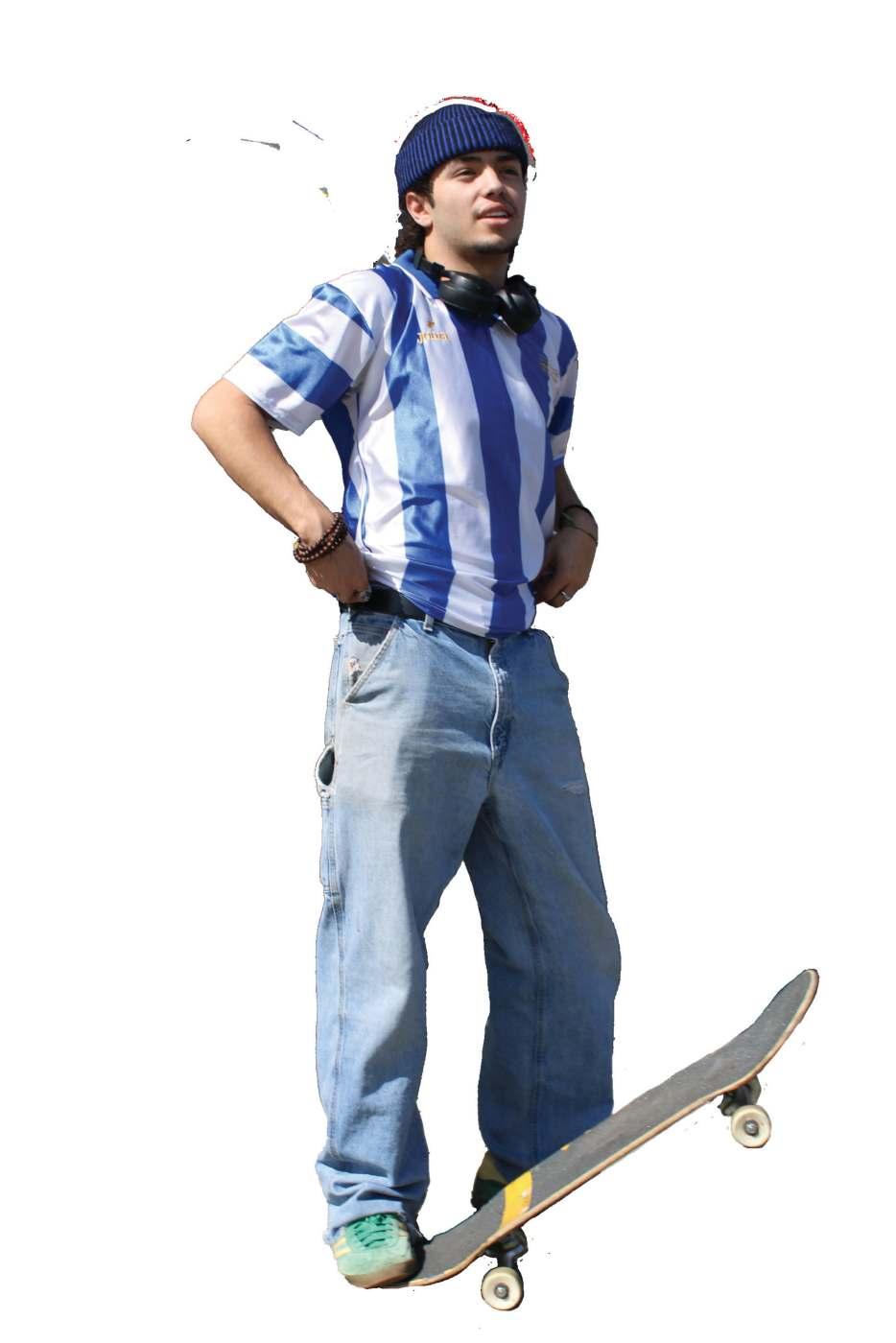
“I think a lot of burning out comes from holding yourself to this super fucking high standard and then not achieving it… It has to do with your mentality.”
While it is human nature to feel like time is always running out, Sando reminds us about the importance of enjoying the ride–while preferable skateboarding–to rush less and just do things for the hell of it.
“It’s just fun to experience the world. It’s fun to do shit. It’s fun to create anything, something… It’s always [hard] comparing yourself to other people, like, especially in graffiti too,” Sando said.
“You’re gonna have so many people that are leaps and [bounds] ahead of you. But at the end of the day [they aren’t] you.”
In Sando’s experience, when “writing” or pursuing a new passion you just have to go for it sometimes. If you have the opportunity to write, you just do it. There isn’t time to think, just do. Without the overwhelming pressure of perfection looming above you, your creativity can truly shine. Art is subjective, and since it is subjective, it can never be truly perfect. Yearning for perfection–in art and in life–erodes the unadulterated joy of creating and the simple joys of the journey.



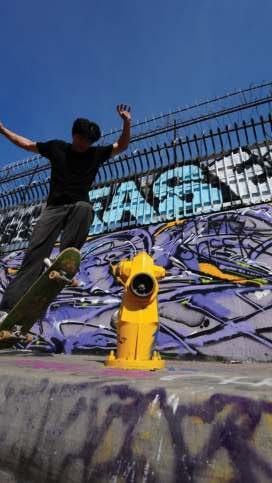
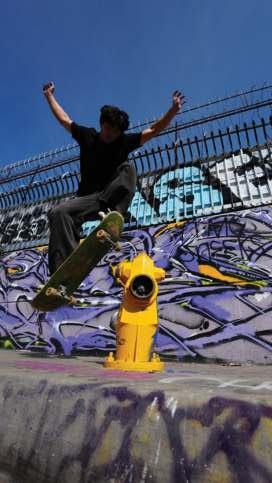
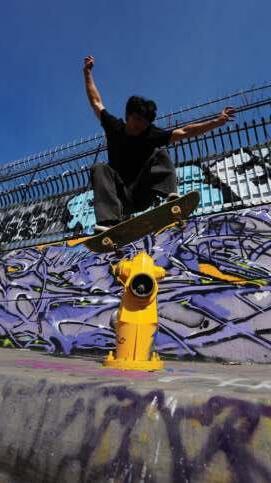
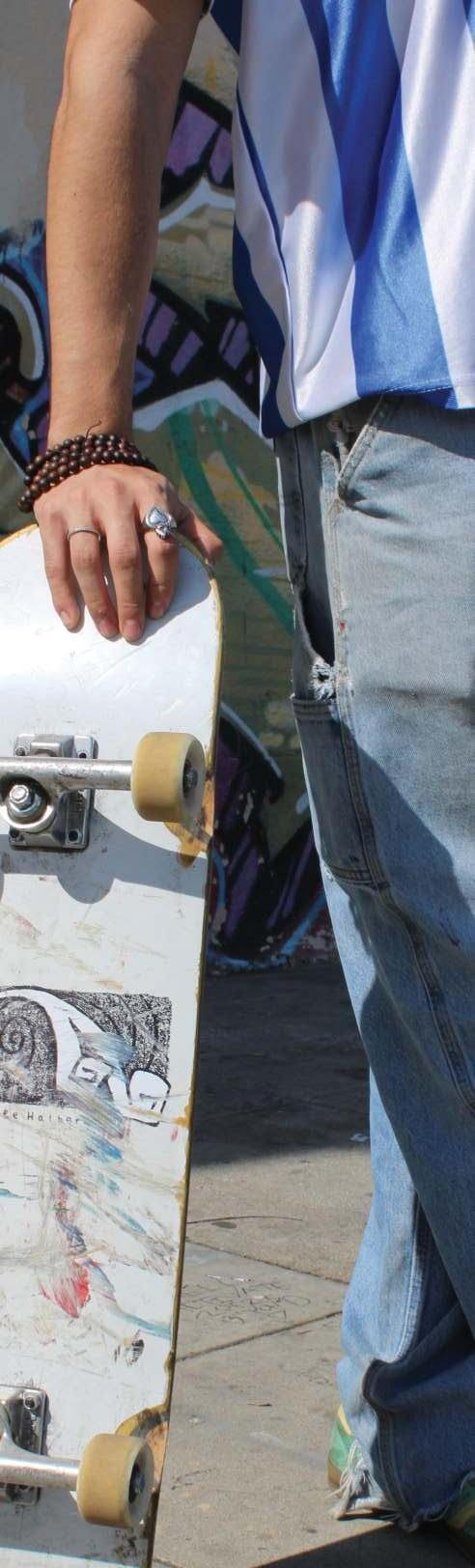
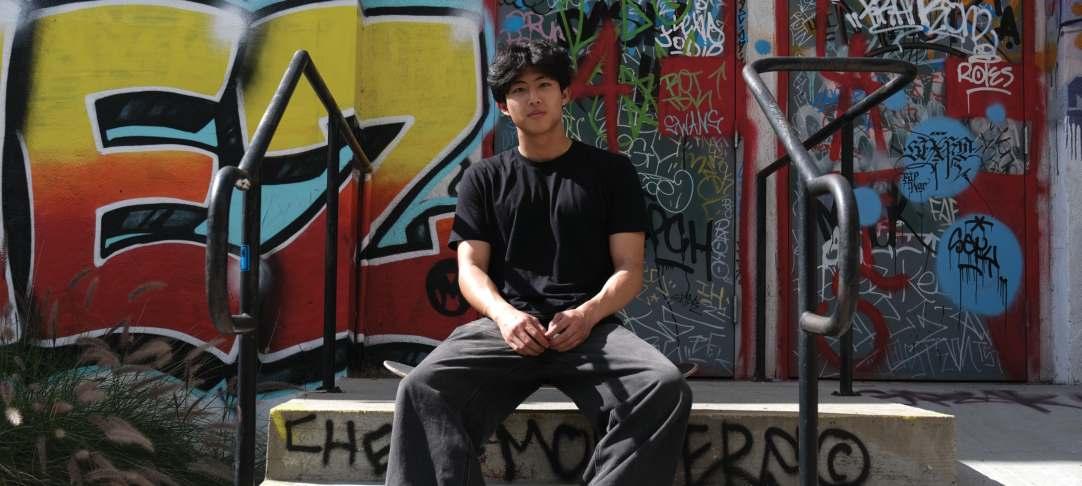
Skating has helped many learn control not only of their bodies but of the way they present themselves. When Zach first started skating, he noted that his “fits were basic—skinny jeans and stuff.” However, he said that, now, his style has evolved, as “skateboarding is heavily tied to thrifting, baggy ass jeans, button ups, and hoodies.” Which is exactly what Zach was wearing when I first met him: a button up and baggy ass jeans.
Thrifting has long been tied to skating, because of the similar values that both activities share. “Skating is moving your body, and there’s so much style that goes into it. There can be a skater that skates crazy—he can hit anything off of everything. There can also be a skateboarder that just does a clean kickflip, but the way he does a kickflip is stylish.”



From creativity to self-expression, just as a person can have his or her own individual style fashion wise, a skater can have their own style in terms of how they skate. Skaters have a long history of owning the narrative for a sport that has been looked down upon. Similarly, skaters have now taken control of buying second-hand clothing, amplifying the voices of marginalized clothing shops.
“Skateboarding hits on all sides of entertainment, and it bridges a lot of things. It’s multicultural,” Zach said. It bridges fashion, film, youth, community, mental health, and physical health all wrapped up in an artistic package. Because, after all, skateboarding is not just a sport: “It’s a form of art. Skating is about being in the moment, being free.”
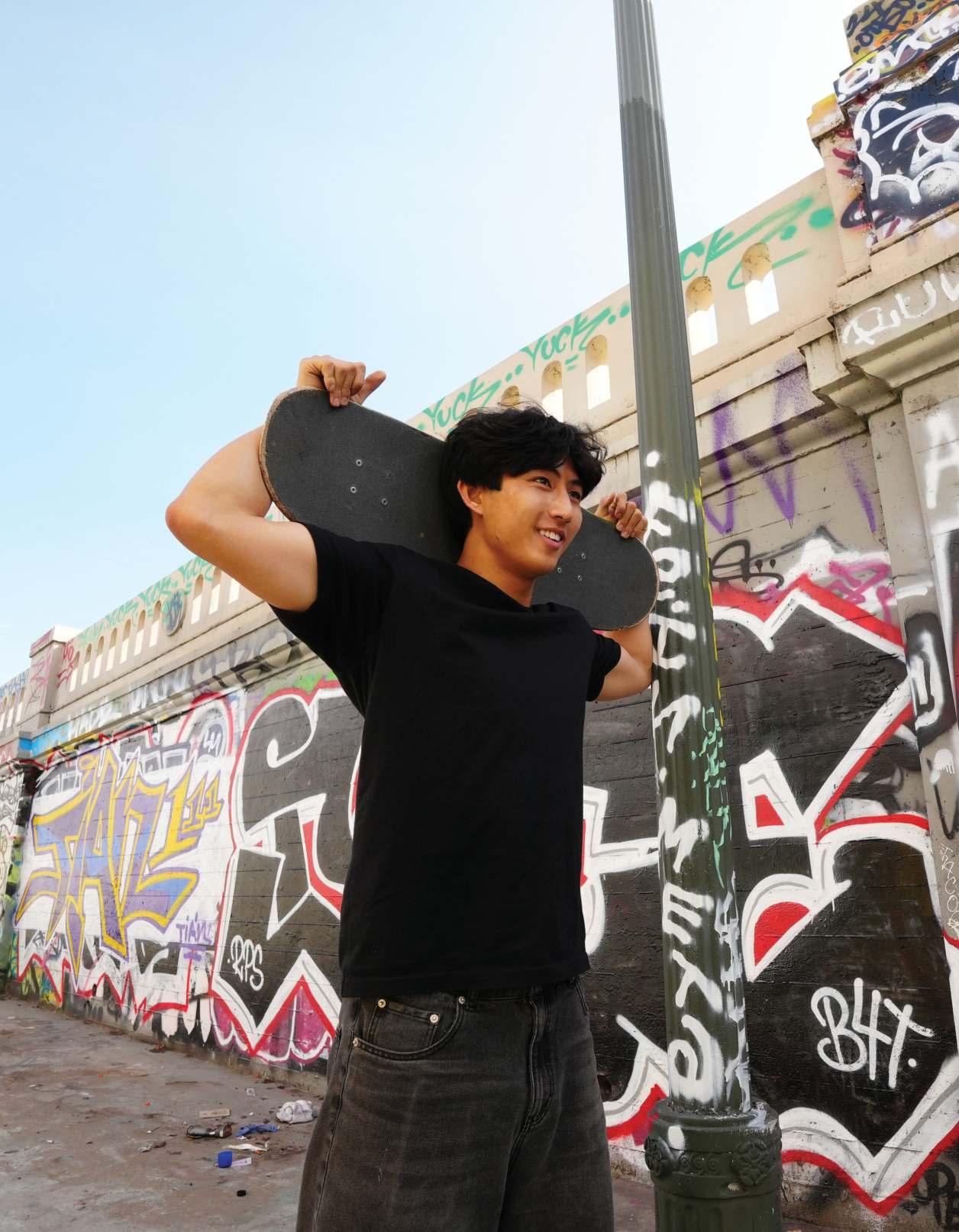
Ed ors-in-Chief

Annabe e Le Roux

Samantha Lee

VP of Merch
VPsofWr ing
Skylar Sepulveda

Duncan Carswell
Cre ive Directors N aisia Hambi e VPofWebDesign

Nicole Leihe


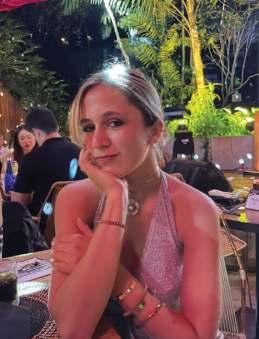
Cecilia Mendez Comas

VPsofFundraising &Events
Isabe a Balikian

Daish
Daishalyn S cher
Trisha Variyar
VPsofPhotography
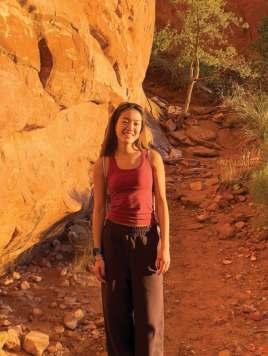
Asako Ishibashi
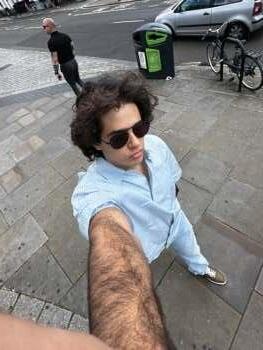
Felipe Mac A ister