By Susan Gilbert, Broker Windemere Real Estate, Wall St. Inc. -- Queen Anne
You have a house to sell. To stage or not to stage? Definitely stage it. But be smart.
I come to this conclusion as someone who has sold her own properties, worked for a high-end stager, and now as a broker helping clients sell their homes.
An empty house or condo doesn’t convey a sense of home, or the possibilities that you want a buyer to see. The inside echoes. Potential buyers can obsess about small flaws. It is risky to leave the seller’s furnishings and contents in place. He or she might not have your tastes. The living space you treasure might appear cluttered to some potential buyers. A clean look will get better results.
Like other experienced Realtors, I advise sellers to stage their properties, preferably hiring an experienced stager. Data shows that sellers who spend money on property improvements such as painting or landscaping and staging the home results in an increase in price. This is the result of faster sales, higher sales prices, fewer price reductions and lower carrying costs from the home sitting on the market.
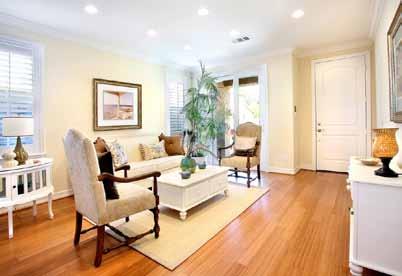
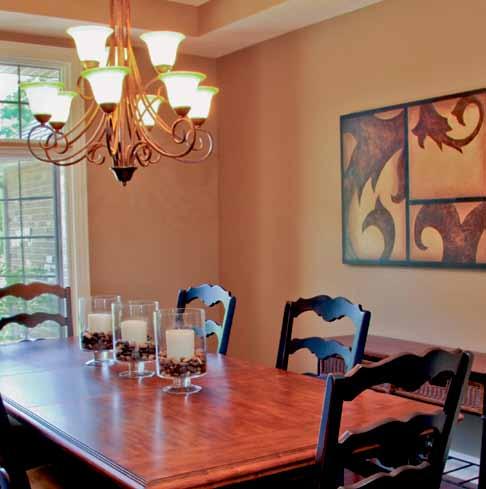
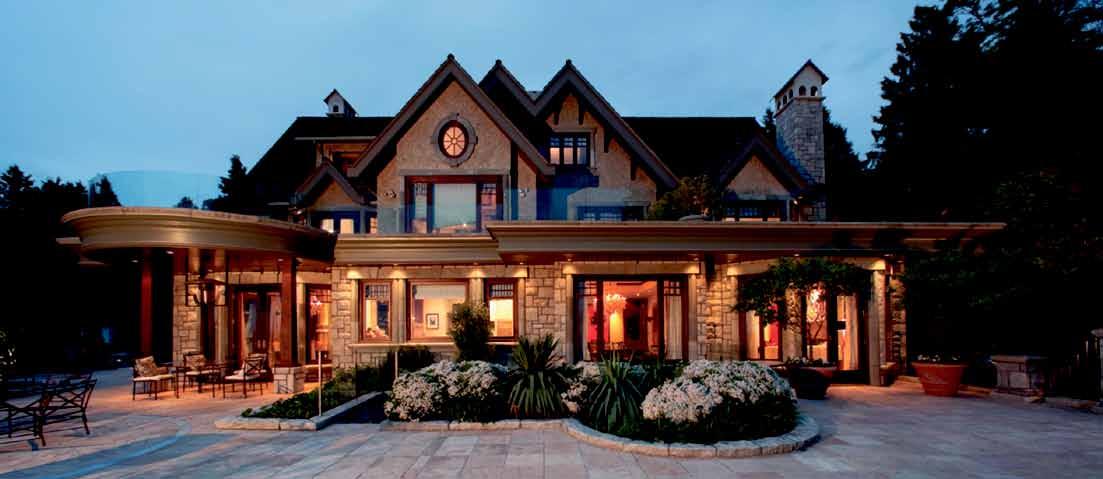
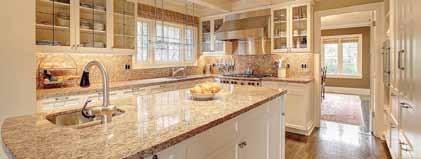
With staging, you are making an appeal to buyer’s emotions. Beautiful rugs, art and furniture will create an environment that will make buyers linger and dream of living in the home
Here are a few tips:
1. Buyers and their agents look online to decide which properties to visit in person. The right staging will show the attractive features of the home and assure multiple viewings.
Because many potential buyers look online first, I always recommend professional photography of the home as part of staging. Great photography is a key to selling your home. Editing the images is important. Tell your home’s story through photographs beginning with the exterior of the home, and take the viewer through a journey of your home. Consider using video, or 360 degree views of rooms to present your home in the best light.
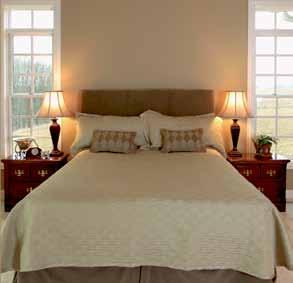
2. The right furniture with correct proportions will make rooms appear larger; buyers will know that a sofa fits nicely in front of the fireplace or a queen bed fits in the bedroom. Even though you love your overstuffed chair, this might be the time to store it until your home is sold.
3. Imperfections in the paint, floor finishes, and windows will be less noticeable to buyers when they see a nicely decorated room. Instead they can focus on the flow of the rooms and inviting nature of the space.
4. The style of decorating can be aimed at a likely target market. Consider who your buyer’s might
be. For example, a midcentury home should have appropriate furniture that matches the style of home. If there are bedrooms together on the same floor, stage one as a master bedroom, one as a guest room/or study, and one as an inviting children’s room with toys.
5. Lighting is crucial. Don’t just turn on an overhead light. It’s important to have lamps with tungsten lighting. Avoid fluorescent lights with a green cast. A room with good light is inviting and creates a warm glow. Don’t forget trimming trees outside of windows to allow maximum daylight in the room.
6. De-clutter. You’ve heard this before but what does it mean? Clear your home of almost every knickknack, your favorite Aunt’s tea cups, personal items, family photos, etc. Most closets should contain about 50% less clothes and other items. Buyers will open all drawers, and closets. You are going to be moving soon, so this is a perfect time to start
packing. Rent a POD or storage unit, and don’t forget the garage, it should be neat and clean too!
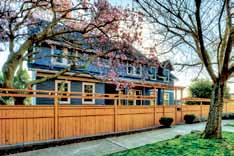
7. Curb Appeal. Another word we’ve heard a dozen times. Trim all the bushes and trees. Lay down a new layer of top soil, or mulch. Skip the red bark. Plant some colorful flowers in the garden beds, and include a planter by the front door entrance. A new or clean door mat is a great way to greet your guests. Paint the front rails, fence and steps if they have peeling paint.
The Real Skinny on Real Estate
Home sale trends in Queen Anne and Magnolia and what they mean for homeowners, buyers and sellers
By Kim Wesselman
If you own a home, you probably love discussing the real estate market. It’s a hobby for some and a passion others. We love to talk about prices, news we’ve heard, or the home with the new “For Sale” sign. (“How much? On our block? Really??)
Real estate trends: facts or urban legend?
I’m excited to launch this monthly column where I’ll look at the facts and fiction of the Queen Anne and Magnolia real estate market. (I’m in the passionate camp about real estate. I love this business.)
I’ll provide the last month’s home sales figures and consider what the numbers mean and don’t mean for homeowners, buyers and sellers. What do the numbers tell
us? Why do we hear so much contradictory real estate news and commentary? The statistics say one thing, but the context for the numbers may offer another message.
I’ll begin with February home sales — knowing that the picture will shift in March and will change even more as we move into the lively spring real estate market.
The “asking price vs. sales price” debate
Home buyers and sellers are often puzzled by the difference between the asking price of a home and what it actually sold for. If you listen to the news or talk at the latté stand, you’ve likely assumed that all houses in Queen Anne and Magnolia sell for over the asking price, in just a few days. True? Certainly not in February.
Of Magnolia home sales that closed in February, 77% of the homes sold for over the asking price. In Queen Anne, 58% sold for over asking price. Those percentages are not as high as the headlines would lead us to expect. So what’s up?
We’re definitely in a seller’s market. We had a similar market in 2007. But unlike seven years ago, buyers are smarter, better informed, and more discerning. If a home appears to be overpriced, today’s buyers will wait for a price reduction rather than make an offer.
Shorter time on the market means more money for the seller
Check out the February sales chart. Homes that sold for under
the asking price stayed on the market longer—that’s no coincidence. If the home sold for over the asking price, it sold within a week. A shorter time on the market with a higher-than-asking-price sale tells me the house was priced correctly.
The average number of days on the market for a Queen Anne house was 52 days. But if you take out the outliers (homes that sat on the market for more than 10 days) the average “days on market” was 5.33 days. That’s a big difference! In Magnolia, the average days on market was 35 days, but remove the overpriced homes and average days on market was 6 days.
Bottom line: the houses that were priced correctly sold in less than a week and netted a higher price for the seller.
For both seller and buyer, this is a big deal. It means less disruption to your life, being able to make plans for the future more quickly, and huge relief from the home selling/buying pressure-cooker
Pricing right is tricky, but essential I strongly believe that when it comes to netting the most money for your home, one strategy is paramount: price the home cor-
Queen Anne Home Sales for February 2015
rectly based on its location and condition.
Price it too high and the home sits on the market longer and price erosion happens. Price it right and it will sell faster and may get over the asking price in today’s market.
Now what?
February’s real estate market on Queen Anne and Magnolia was a mixed bag: long days on market with lower-than-asking sales prices and short days on market and with over-asking-price results. As we move into spring, those dynamics will shift. April showers bring May flowersand this year, a wild ride of a real estate market.
Do you have specific real estate topics or questions you would like to hear about? Please send your ideas and questions to kwesselman@windermere.com.
Kim Wesselman is Managing Broker at Windermere Real Estate. She has advised clients on buying and selling properties in Queen Anne and Magnolia for 12 years.
Kim Wesselman Windermere real estate
Time-Saving Spring Cleaning Tips for Your Home’s Outdoor Spaces
It’s time to prep your home’s outdoor spaces for the season ahead. From the yard to the garage to the deck, getting these areas tidy is all part of a thorough spring clean.
Here are some tips to make the process faster and easier.
De-Clutter Your Workspace
Your shed, your garage, your toolbox -- it’s time to take stock of what you’re storing in these key areas. Broken tools, piles of junk – these are items that will get in your way and slow you down all season long. So before you get to the nitty gritty of your outdoor spring clean, take the time to organize your workspace. Throw out what is junk, donate what you aren’t using, and organize the rest into categories. Vertical storage can save crucial room, so install tall shelves and use walls and the ceiling to install organizational systems. Now is also a great opportunity to perform routine maintenance on your lawn equipment and tools to improve their efficiency.
Identify Multitasking Tools
Check out innovations on old tools that can make your versatile workload easier. For example, you can upgrade your conventional pressure washer for a newer model with more diverse functionality. For example, Briggs & Stratton’s new POWERflow+ Pressure Washer technology has one pump with two separate cleaning modes -- high pressure and high flow, which work for different tasks.
Remember, different surfaces require different cleaning techniques. Whether you’re cleaning up tough mold and mildew stains from your deck or patio or washing the
more delicate surface of your car, you can switch modes or apply soap directly from the nozzle. This feature eliminates the need for switching attachments or walking back to the pressure washer, making an afternoon of diverse to-dos manageable. Just be sure you’re using the proper mode for the task. Tips and instructional videos can be found at www.PowerFlowPlus.com.
Do
Smart Yard Maintenance
If you have a larger yard, consider a riding mower to save time and energy on lawn maintenance. Remember not to over mow your lawn. Not only is it not healthy for the grass, it can be a time suck and increase your carbon footprint needlessly. Likewise, only water your lawn and garden when necessary. During periods of rain, you can ease up on this chore. The most efficient times of day to water your lawn are morning. When the sun is strongest, you will lose more water to evaporation and your work will be for naught. By changing up your lawn care habits, you can save time all season.
While working outdoors can be fun, don’t spend more time than you need to on your household spring cleaning tasks. Finding simple ways to be more efficient will give you more time to enjoy your home’s outdoor spaces.
(Statepoint)
Tips to Update Your Home’s Technology
When thinking about home updates, our attention so often turns to a fresh coat of paint or new décor, but some of the most practical, meaningful changes you can make to your home will truly modernize the way you live. Here are a few key tech updates to fully bring your home into the 21st century.
Modernize Your Landline
As our mobile phones’ functionality expands with each generation, don’t leave your home phone in the dark ages. You can now link your mobile phone calls to your home phone. For example, with a Panasonic Link2Cell handset, you can link up to two smartphones to make and receive calls, as well as receive talking ID alerts so you never miss a text. You
don’t even need a separate landline to use these features. Other technology highlights include Enhanced Noise Reduction that allows you to suppress background noise around callers while simultaneously enhancing their voices, and a powerful battery back-up system that keeps you connected when the power goes out. More information can be found at www.Panasonic.com.
Home Theater
Bring the theater experience home by giving your living room or den a tech makeover. A smart home theater system will sync with your devices so you can enjoy music wirelessly or access an external or network drive for media content. Don’t forget the surround sound, as well as a lighting scheme that optimizes your audiovisual
Understand
Select a broker that understands current market
uses strategies which will ensure your offer stands out among others, and understands your
experience.
Programmable Thermostat
Going green and being comfortable can now go hand in hand. Improve your home’s energy efficiency and well-being at the same time by investing in a programmable thermostat. Look for a user-friendly, intuitive thermostat that automatically turns itself down when you are not home and that can also be programmed remotely from a laptop, tablet or smartphone. Even if you have all the latest mobile gadgets, there’s no guarantee your home life matches your techy on-the-go lifestyle. Take steps to bring your home up to speed.
(Statepoint)
By changing up your lawn care habits, you can save time all season Photo From
Get the Low Down on Low Down Payments
You may have heard the rule of thumb that you shouldn't buy a home unless you can put down 20 percent of the purchase price. However, today’s home buyers have many choices when it comes to the size of the down payment.
While this magic number of 20 percent will save you from paying Private Mortgage Insurance (PMI), an added insurance policy that protects the lender if you are unable to pay your mortgage, you can pay considerably less than this if you want.
Today's consumers persistently overestimate the size of a down payment they need to finance a home,” says Christina Boyle, SVP and Head of Single-Family Sales & Relationship Management at Freddie Mac.
According to the results of a recent survey conducted by Zelman & Associates, 39 percent of those surveyed estimated that the minimum down payment requirement for a home is at least 15
percent of the purchase price. The reality is quite different however, as qualified buyers can get a conventional mortgage with a down payment of as little as three percent.
In fact, recent statistics show more than one in five borrowers who took out conventional mortgages in 2014 put down 10 percent or less.
Educating potential homeowners on the rules of down payments – and available assistance programs – plays a large role in getting qualified borrowers off the sidelines and into homeownership, according to Boyle, who also notes that today's historically low mortgage rates, coupled with affordable home prices in many parts of the country, make it an attractive time to consider buying.
“If putting 20 percent down will deplete all of your savings and leave you with no financial cushion, it's probably not in your best interest,” she says.
Is Your Yard Wildlife-Friendly?
Being a good neighbor means more than being friendly to the humans across the street, it also means being friendly to the animals in your yard. Making your yard a safe place for local wildlife should be a top lawn care priority. With that in mind, here are some tips for creating a healthy habitat for local critters.
Be a Valuable Rest Stop Stock your garden with small native species of trees, shrubs and flowers to give wildlife needed nourishment, as well as cover from predators.
A source of water can also be a great resource for visiting fauna. Whether it’s a pond or a bird bath, be sure this zone is well-maintained so you don’t inadvertently create a haven for unwanted species. In the warmer months when mosquitoes are most active, you should change the bird bath water even more often.
Promote Safety
A bird feeder in your backyard, full of water and seeds, will be the perfect invitation for beautiful
If you don’t put down 20 percent, the cost of PMI varies based on your loan-to-value ratio – the amount you owe on your mortgage compared to its value – and credit score, but you can expect to pay between $30 and $70 per month for every $100,000 borrowed. While it’s no doubt an added cost, it enables buyers to
purchase now and begin building equity versus waiting five to 10 years to build enough savings for a larger down payment.
Additionally, once you've built equity of 20 percent in your home, you can cancel your PMI and remove that added expense from your monthly payment.
New homeownership opportunities are poised to grow. Carefully evaluate your finances to determine how much you can afford and talk with your lender or housing professional about what makes best sense for you and your particular situation.
(Statepoint)
migrating and local birds to stop by.
Just be sure your property is safe for birds. Unfortunately, birds don’t see clear glass. As a result, millions of birds die every year by striking glass. Don’t let your sliding glass doors or other windows become a death trap for birds.
To protect birds, apply special decals that reflect ultraviolet sunlight. For example, those from WindowAlert have the appearance of frosted glass, but glow like a stoplight for birds, so you don’t have to compromise your own view out your window. The brand also makes a high-tech liquid called WindowAlert UV Liquid, which should be applied between decals.
“Wildlife can beautify your garden and be a sign that your yard is healthy” says Spencer Schock, founder of WindowAlert. “But birds and other wildlife need food, shelter, and safety.”
Get out the binoculars! With a few small actions, you can make your yard or garden a wildlife refuge.
Get personalized service and great rates with a Jumbo Loan from Union Bank
Ariel Pidlaoan
Vice
President
& Branch Manager 1936 Queen Anne Avenue N Seattle, WA 98109 206-676-6700 NMLS ID #788092
Should you stage your home? YES!
➧ STAGING, from Page 1
8. Don’t forget cleaning. Every inch of the home should be spotless. It’s well worth the price to hire a cleaning team to make sure your home sparkles. Windows should be cleaned inside and out, and store the screens in the garage.
9. If at all possible, it’s best to have your pets stay with friends during your sale. Pet litter, toys,
and food should be hidden away. In other words, staging is not a frill. It is an essential part of marketing your home to get the best price. Working with your Realtor, you can find the best stager to meet your needs and price-point. You’ll be glad you did.
Susan Gilbert, Broker Windermere Real Estate, Wall St. Inc. www.windermere-queenanne.com
Moving up? Let my expertise in the area help you
• Over 14 years experience, Magnolia resident
• Extensive knowledge of Magnolia, Queen Anne & Downtown Condominiums
• Complimentary staging and re-design consultations for the highest return on your investment.
| TheSeattleLife.com | ChardonDankers@cbbain.com
Listed by Lisa Turnure
Five Top Home Improvements that Raise Your House’s Resale Value
Before you decide on a home improvement project, it’s a good idea to learn which ones will help raise your house’s value and recoup the most money when you decide to sell.
From replacing your front door to adding a deck, there are many midrange improvements that won’t cost a bundle but will deliver great bang for your buck. It’s not about spending the most money; it’s about improvements that best hold their value.
The experts at “Remodeling” magazine recently released their 28th annual Cost vs. Value Report, comparing construction costs with resale value for 36 of the most popular home improvement projects. When it came to midrange projects, the report found homeowners recouped the highest percentage of costs on these
five improvements: steel entry door replacement, installation of manufactured stone veneer on home exteriors, garage door replacements, vinyl siding replacement, and wooden deck additions.
“Making your home stand out from others on your block and others on the market is achievable if you plan wisely when it comes to remodeling projects,” says Phil Wengerd, Vice President of Market Strategies at ProVia, a leading building products manufacturer.
“This year’s statistics indicate that moderately priced exterior projects can significantly enhance home resale values.”
This year’s analysis of top midrange home improvement projects provided definite direction for homeowners:
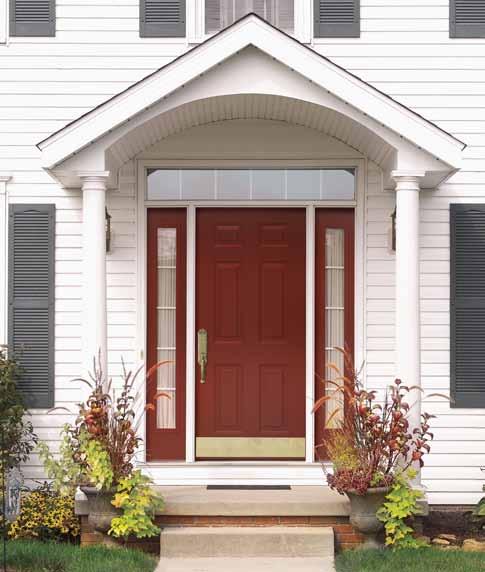
• Steel Entry Door Replacement: The 20-Gauge Steel Entry Door
has consistently delivered the best return on investment for resale, holding the top spot in the midrange product category since its debut in this report in 2009/2010. The steel entry door is the only project that, on a national basis, more than pays back its investment, typically recouping 101.8 percent.
At ProVia, for example, the company’s Legacy Steel Entry Doors are a consistent top sales performer.
• Manufactured Stone Veneer:
A new project on this year’s report is the installation of manufactured stone veneer on home exteriors. This category zoomed to the top of the midrange list, grabbing second place with a 92.2 percent cost-value return. Increased product demand for Heritage Stone is a reflection of this trend, observed by Wengerd and others.
(Statepoint)
Factors that Impact a Home’s Value
It may seem like the size of your home is the be-all and end-all of your home’s value. But there are many other factors that come into play when determining the listing price of a particular home.
A new report offers some insights. The Coldwell Banker Home Listing Report, the most extensive home price comparison tool currently available in the country, ranks the average listing price of four-bedroom, twobathroom homes in nearly 2,000 markets across the country. Analyzing more than 51,000 similar-sized listings, it addresses how much a home in one market would cost if the same home were located somewhere else in the United States.
For example, the report reveals
that for the price of the average home in Los Altos, California, you could purchase 30 similar-sized homes in Cleveland, Ohio, nine homes in Charlotte, North Carolina, eight homes in Chicago, Illinois, five homes in Miami, Florida or two homes in Seattle, Washington.
But why are there such discrepancies?
“It’s amazing how much location impacts a home’s value,” says Coldwell Banker Real Estate consumer specialist Jessica Edwards. “Typically, urban markets are more expensive, while suburban and rural areas tend to be more affordable. However, many factors contribute to the average price of a home, such as commute time or proximity to the waterfront. The Home Listing Report is a helpful reference, so you can gauge how your area compares to other parts of the country.”
Local industry plays a role as well. In the case of Los Altos, which is ranked as the most expensive market in America, the continued success of many tech companies contributes to the boom.
This information can be useful, whether you’re planning to put your property on the market or you’re looking to relocate. For example, if you are scoping out a
neighborhood where home prices are on the verge of increasing, area features to look out for include cultural institutions -- such as art galleries and performance spaces -- as well as such factors as unique architecture and proximity to mass transit and other trendy areas.
Edwards also recommends doing some quantitative research, including talking to your Realtor about how fast properties are selling in your area and whether business owners are investing in the neighborhood.
“Buying or selling a home is a huge emotional and financial decision,” says Edwards. “By doing your homework beforehand, you will be able to take some of the uncertainty out of the process.”
Remember, while this information is very useful for homeowners and prospective home buyers, it’s by no means a replacement for a professional real estate agent who understands local conditions.
For more details about the report, or to see how your area stacks up, visit hlr.coldwellbanker. com.
For many people, a home is their biggest investment and largest asset. Be savvy and stay informed about the ins and outs of its value.