Home & Real Estate
FEBRUARY 8,
Buyers: Get Prepared for the 2017 Housing Market
So you’re ready to purchase a house in 2017. You’ve saved for your down payment, you’ve looked on-line at homes for a while now and 2017 is the year. Good for you. Home ownership is a great financial decision for your long-term future. But as you may know, the housing inventory is low and demand is high. Home prices in King County went up, on average, 11% in 2016. They are predicted to go up another 6% to 7% in 2017. A balanced inventory is around 5 to 6 months… inventory in King County is hovering at about 1 month.

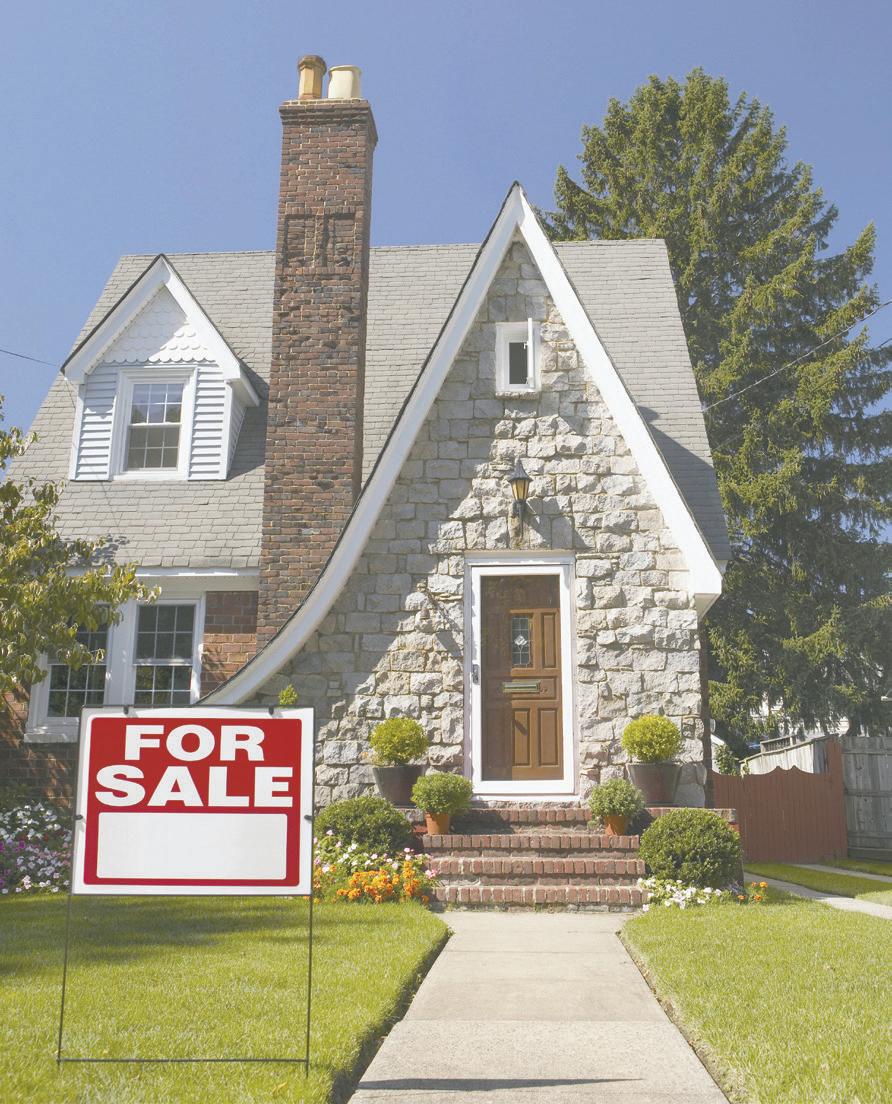
Some homes will have multiple offers after the first week on the market, so it might not be easy. But with the right preparation and mind-set, you will greatly increase your chances of getting your dream home. Here are four tips for buyers to get prepared in this competitive market:


1. Get preapproved by a reputable lender: This should be your first step in your buying process. A preapproval letter is a letter from the lender that states you are “conditionally” qualified for a loan up to a certain amount. This will let you know exactly how much house you can afford. Most offers require that you have a preapproval letter attached. The letter lets the prospective Seller know that you can afford the home and it only takes a couple of days to get pre-approved. A more powerful option is to get a full loan commitment from a lender. This process is becoming increasingly popular for Buyers to standout from the crowd and can take one to two weeks to complete, but it can be very beneficial. First, it lets the Seller know that you are a serious Buyer and have already been approved above and beyond a preapproval letter. Second, with a full loan commitment you are able
Brokers Draw a Roadmap For Moving up, Downtown
It’s official. Our Seattle metro area boasts the fastest-growing house prices in the US, according to the S&P/Case-Shiller Home Price Index. As of November 2016, the median home price in the tri-county region rose 10.4-% year-over-year – that’s nearly double the US national index. Demand is high and inventory is historically low, especially in close-in neighborhoods like Magnolia and Queen Anne near urban employment centers. In fact, the cost of housing here set a new benchmark value in 2016, rising to $790,000 in zip code 98119; $918,000 in 98119; and $1,038,000 in 98102.

Price escalation generally means it’s a good time to sell, especially for those whom patiently waited out value recovery in the wake of the Great Recession. Yet buyers complain of slim pickings because would-be sellers are staying put for fear of not finding adequate replacement homes. So this vicious cycle persists. Still others dream about a new home, but grimace at the prospect of competing with multiple offers or taking on a renovation while treading water in a rental home.
Astute shoppers are taking advantage luxury high-rise condominiums that offer presales before construction starts. New developments like NEXUS, a 41-story condominium at 1200 Howell Street, will allow buyers to lock in a purchase price when the homes are released for sale in March 2017. Developers are willing to offer introductory pricing, preferred selection and opportunities for personalization options in exchange for reducing their market risk and satisfying financing requirements. Securing a presale at NEXUS requires an initial 5% earnest money deposit held in escrow, but the closing won’t occur until mid-2019, about thirty months from now. A presale buyer doesn’t need to think about the move for another two years and there’s no fear of price escalation or renovations. Current home owners will also enjoy another two years of appreciation while their new condominium is being built. It’s even possible that the value of one’s future home could be buoyed by the same rising tides – a scenario we call double equity.
Investing with confidence in downtown Seattle requires understanding the market fundamentals. Job growth, traffic congestion, construction costs and comparative housing costs between renting and owning – all factors in the balance supply and demand.
Robust housing demand stems mostly from a booming job market, led by tech titans that have made downtown Seattle a major urban campus and/or their corporate headquarters. New employees are attracted not only by the job offer but by the relative affordability of our region, an enviable “lock and leave” lifestyle that’s walkable for work and play, and a lack of a state income tax. That’s compelling and it shows in population

“Stewart’s knowledge and skills made a stressful situation of letting go of our family home painless and rewarding at the same time. We are thankful to have found Stewart and consider him a good friend”.
– Marty & Darcy Neubauer


Karstens
Dean Jones



growth. The Department of Licensing reports that for December 2016, King County witnessed 5,453 new residents – that’s up 20% from a year ago, with nearly 25% of this migration is coming from California. Most of this housing demand is focused on urban centers close to lifestyle offerings and free of commuting times.
Developers are certainly paying attention. Currently, there are 62 construction tower cranes erected in Downtown Seattle, more than any other city in the US. Much of this growth is residential; however, most of this supply is for rent, not home-ownership. This record level of construction is driving up development costs, spiking more than 35% in the past five years on top of higher land values. Simply put, the cost of buying or renting in these new buildings is getting more expensive and the only way to fix that cost is to own it. But only if inventory is available.
For perspective, since 2011 more than 12,000 new apartments have been delivered in downtown Seattle compared to only 865 new condominiums (only two of which remain unsold). This market inversion has more to do with developer preference than consumer demand. High rents and low capitalization rates have made building apartments profitable without the risks of condominium development. That’s good for investors, but leaves buyers frustrated with few options in a market that’s already suffering from anemic supply of for-sale housing. Meanwhile, rent growth in downtown Seattle has averaged more than 10% per year for the past four years, with some buildings now commanding lease payments of $4.00 to even $5.00 per square foot per month. It can actually be more expensive to rent than own, especially at price points below $600,000 where owners can purchase with as little as a 3% down payment while enjoying low interest rates and income tax deductions. The reality is these apartment towers are incubating thousands of future home buyers, many of which will explore purchasing after getting settled in their new job and choosing to lay roots. Condominiums are obviously under-supplied and the challenge with high-rise construction is demand can rise more quickly than supply. A new offering could take four years from concept to closing.
Fortunately, new condominium towers like NEXUS are in the pipeline. They will offer world-class design and amenities that befit a move-down buyer from the nearby communities of Magnolia and Queen Anne. Planning ahead with a presale and waiting to sell your existing home within a rising market is one of the best strategies for those wanting to make a move without leaving equity gains on the table.


Getting Prepared for 2017
➧ MARKET, from Page R1
to close sooner and better compete with all-cash offers. It is also helpful if you use a professional Mortgage Broker that is well-known and trusted---if all things are equal between you and another Buyer, a reputable Mortgage Broker can tip the scales in your favor versus an online “no-name” outfit based in another state. Your real estate agent can assist you in finding a good Mortgage Broker.
2. Hiring an experienced Real Estate Agent: Again, this is a highly competitive market. So you will want an agent that has experience in multiple-offer situations. Interview several agents to get a feel for their personality and how prepared they are in an interview setting. Ask questions…How many multiple offer situations have you been involved with? How many did you win for your Buyers? What strategies (other than price) do you use to make an offer more appealing to a Seller? Do you have any references from multiple-offer Buyers you have helped? Are you to show homes during the week? Weekends? These
are important questions to ask. An agent can possibly make the difference between getting or not getting a home you love.
3. Location vs. Price: How much house you can afford and how far you’re willing to travel will be important decisions. Are you willing to travel 30 minutes? More? How about school districts? Discuss this with your agent to determine some parameters. Have your agent send you homes in your price range within your comfort zone and outside your zone to give you an idea of how price-points can change. You may be pleasantly surprised how much more home you can afford by just going a few extra miles. Windermere.com has a mapping tool that enables you to draw a radius around your comfort zone and only show homes in that area. Typically, the longer you’re willing to commute the more home you can afford.
4. Persistence and Positive Attitude: Chances are (even with an experienced agent) you may make several offers before you finally get your home. This can be emotionally draining for you, your family, and your agent.
It’s easy to get discouraged— don’t. Just know that there are more homes coming on the market every day and your home just hasn’t found you yet. Stay objective, learn
from each offer you make, and keep emotion at bay until you know the home is yours. When you get your dream home, then you can pop the cork and celebrate. Happy hunting.