A QUIET CURIOSITY:
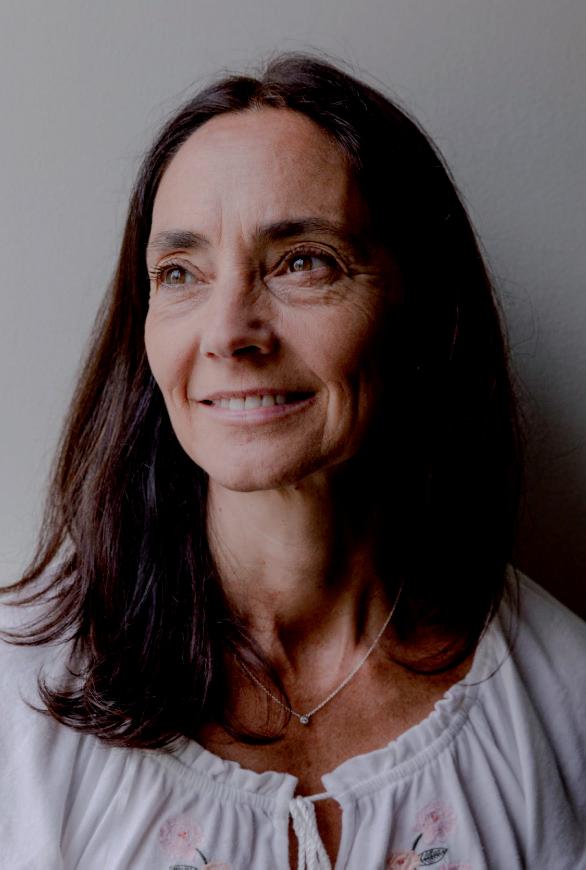
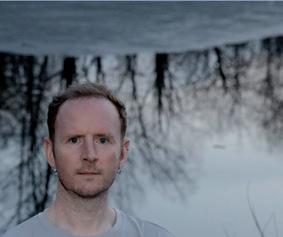
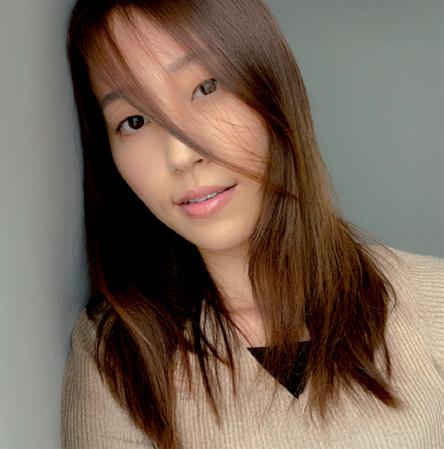
Yehyun Kim
Visual Journalist. Storyteller. Researcher.
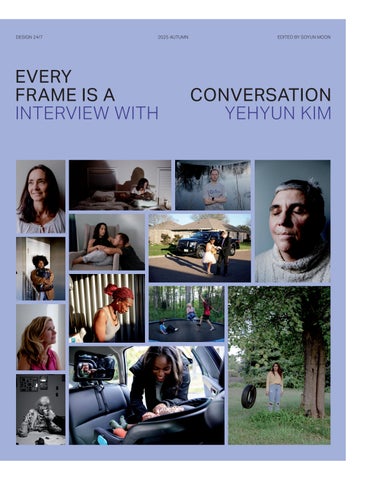
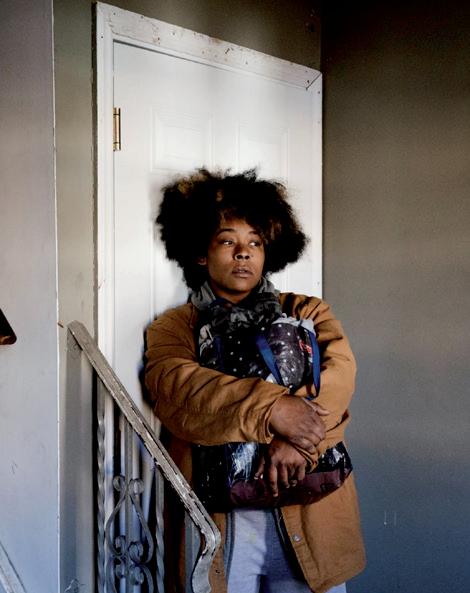
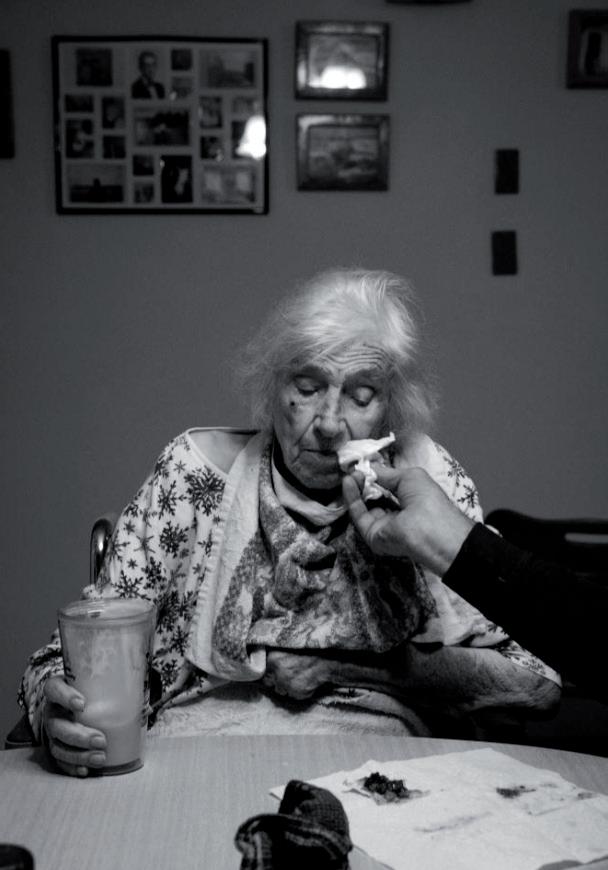
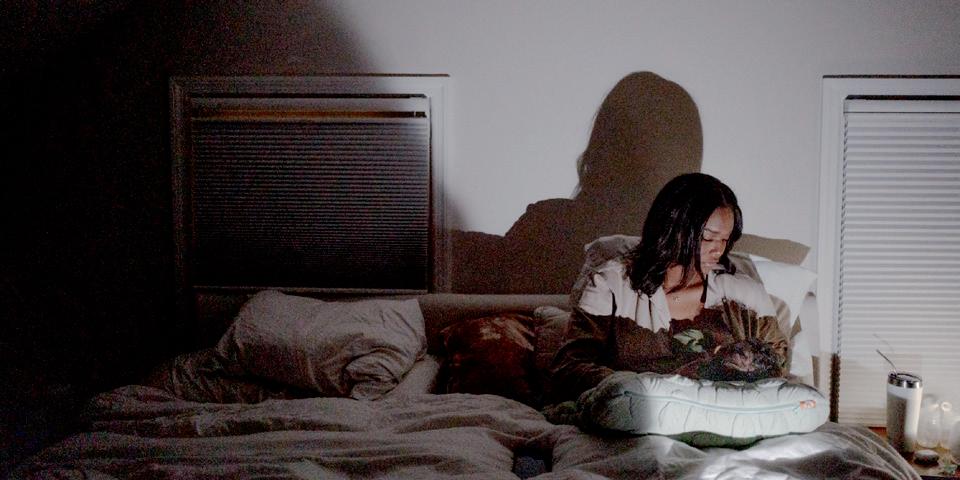
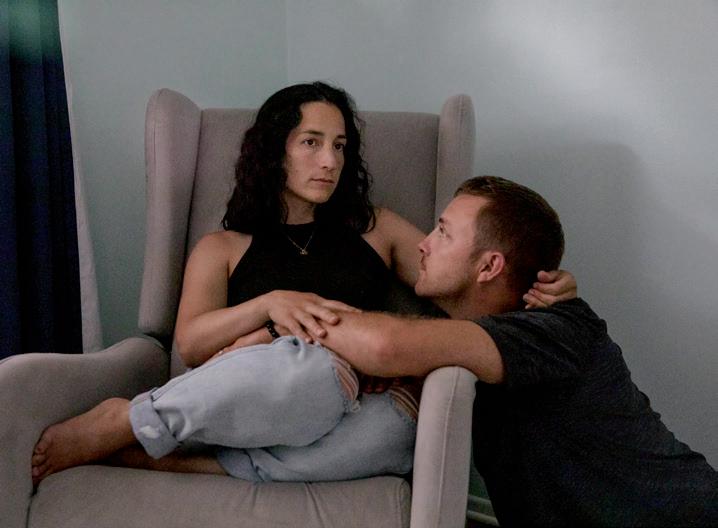
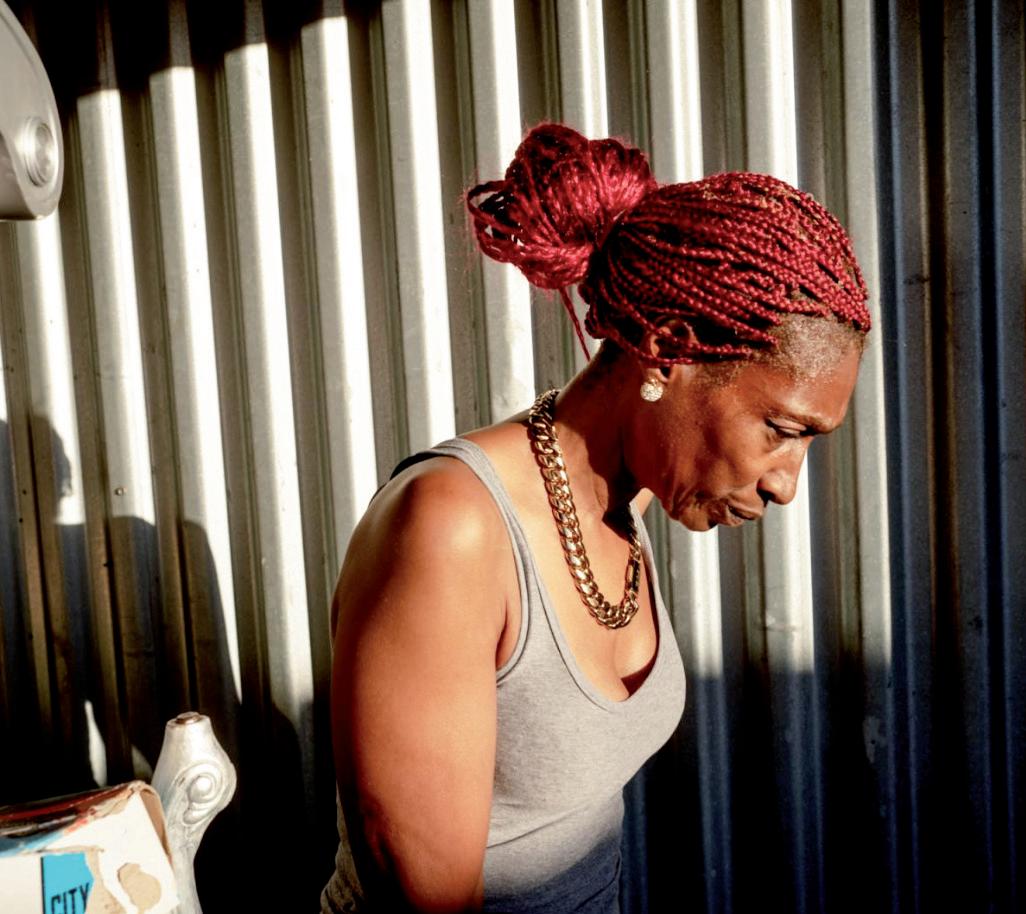
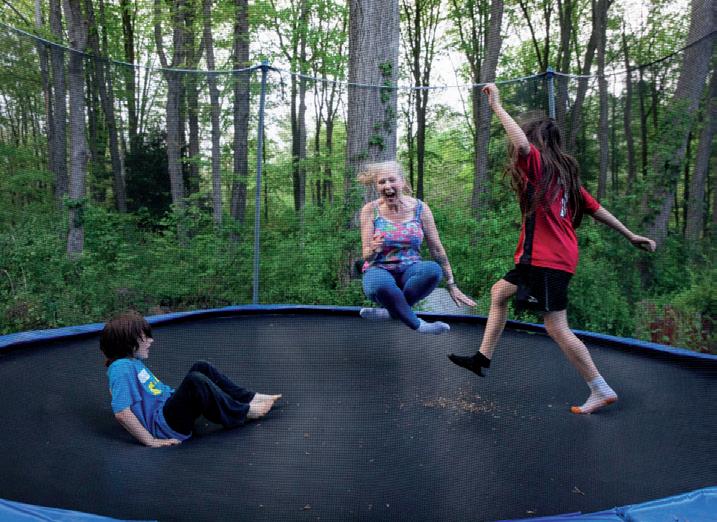
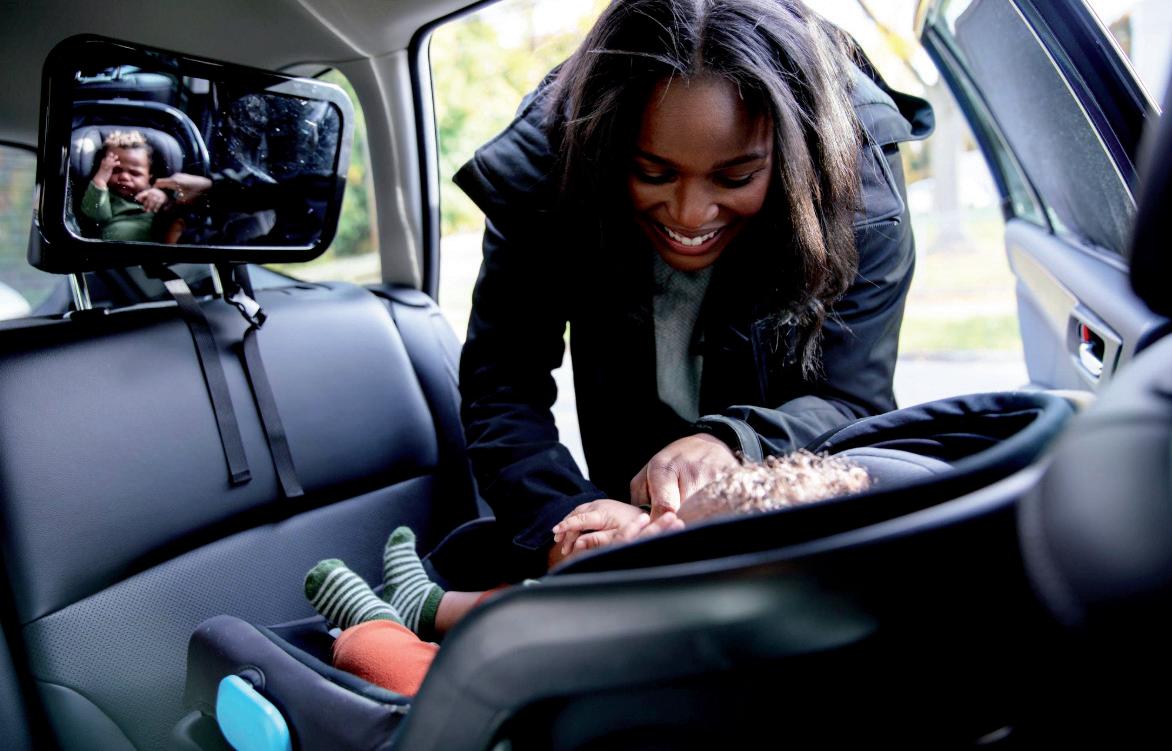
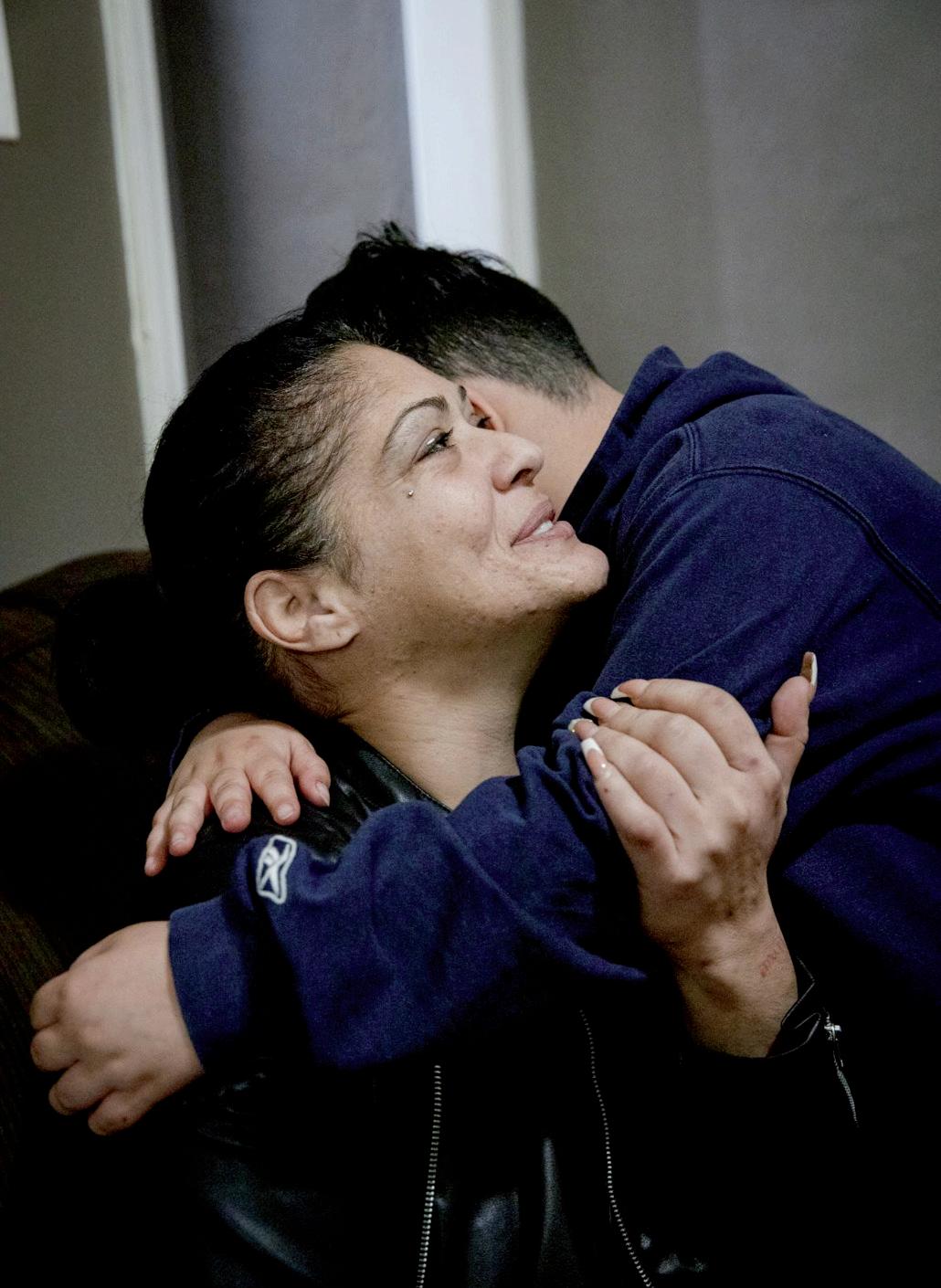
1-2. Notice to Quit
Eviction notices reshape daily life for families.
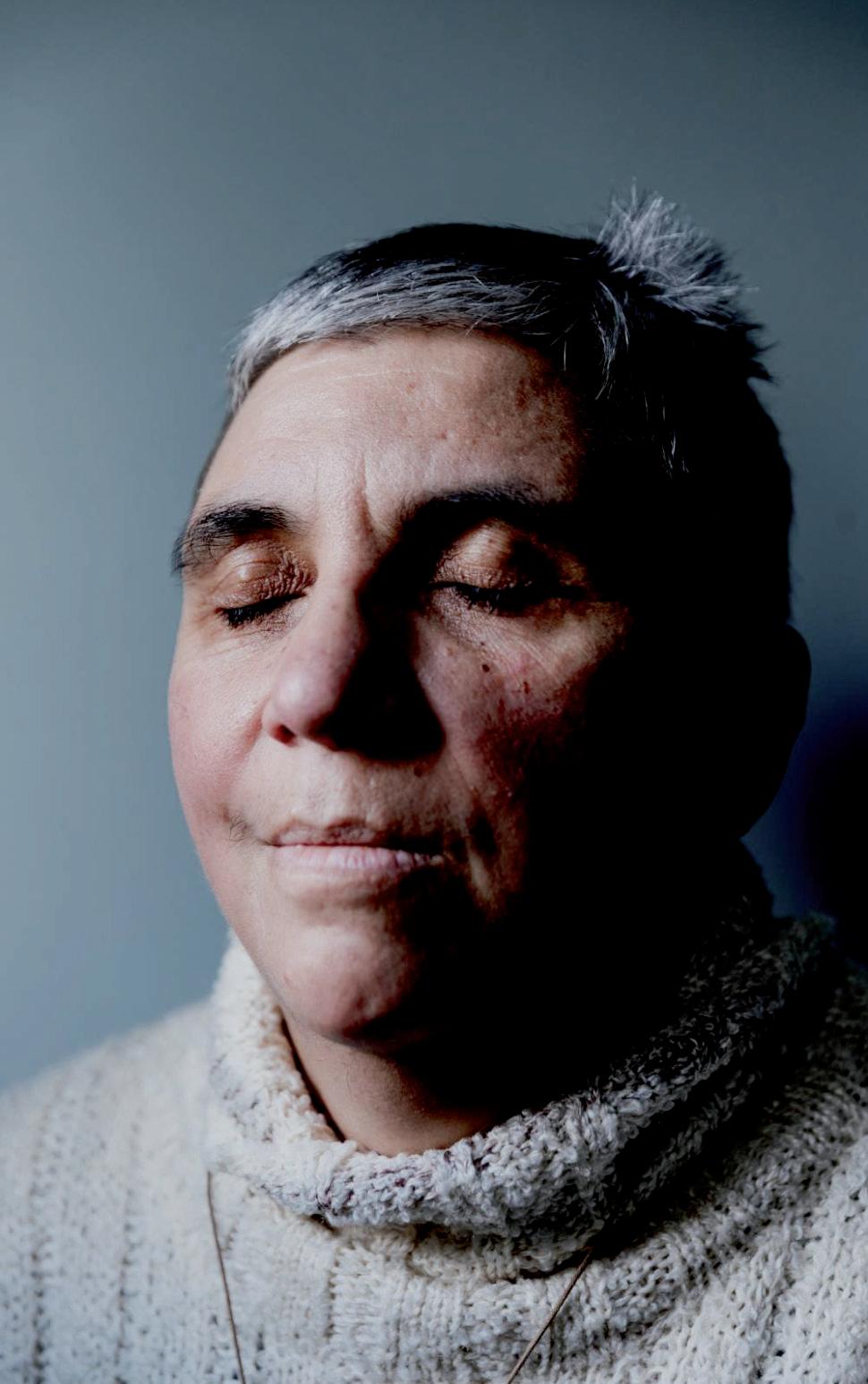
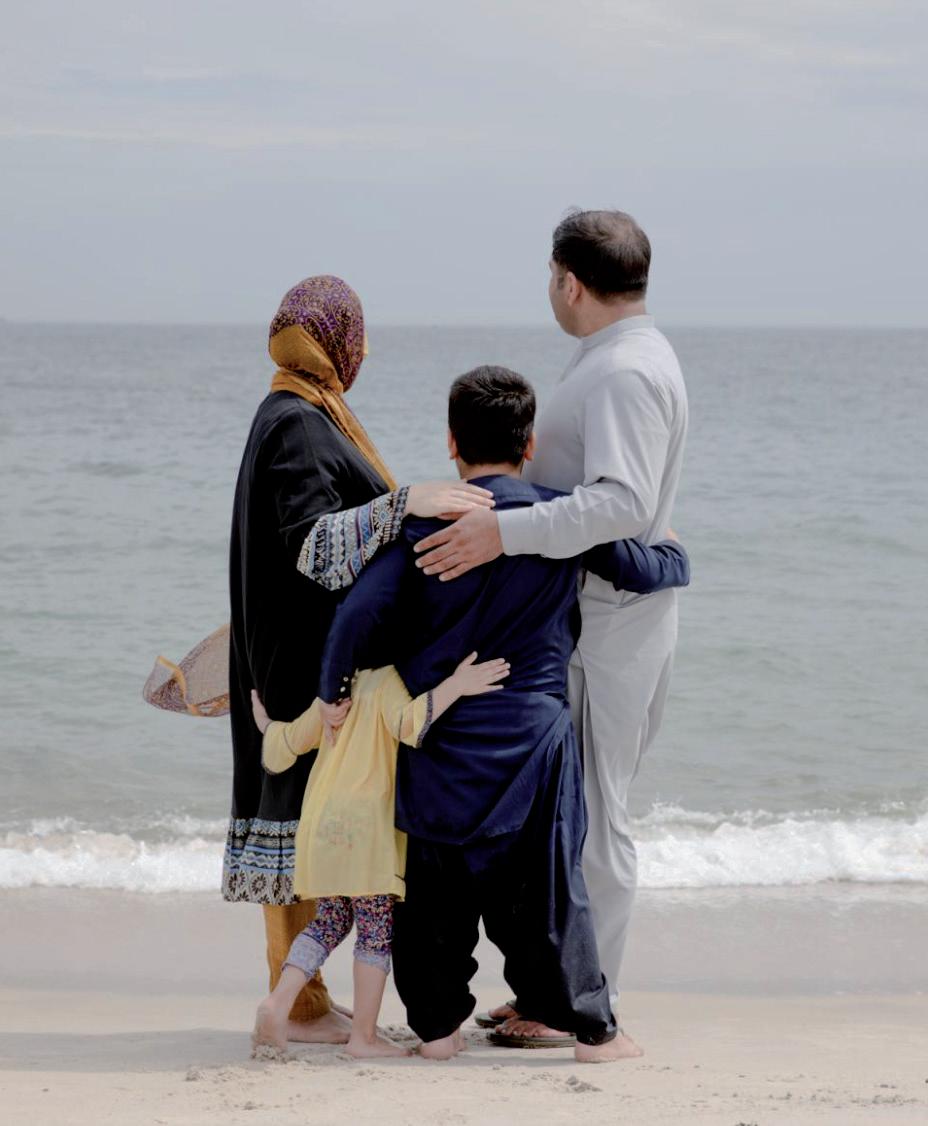
3. Makingn a Home Away From War Afghan refugees resettling in the U.S. while keeping their identities protected.
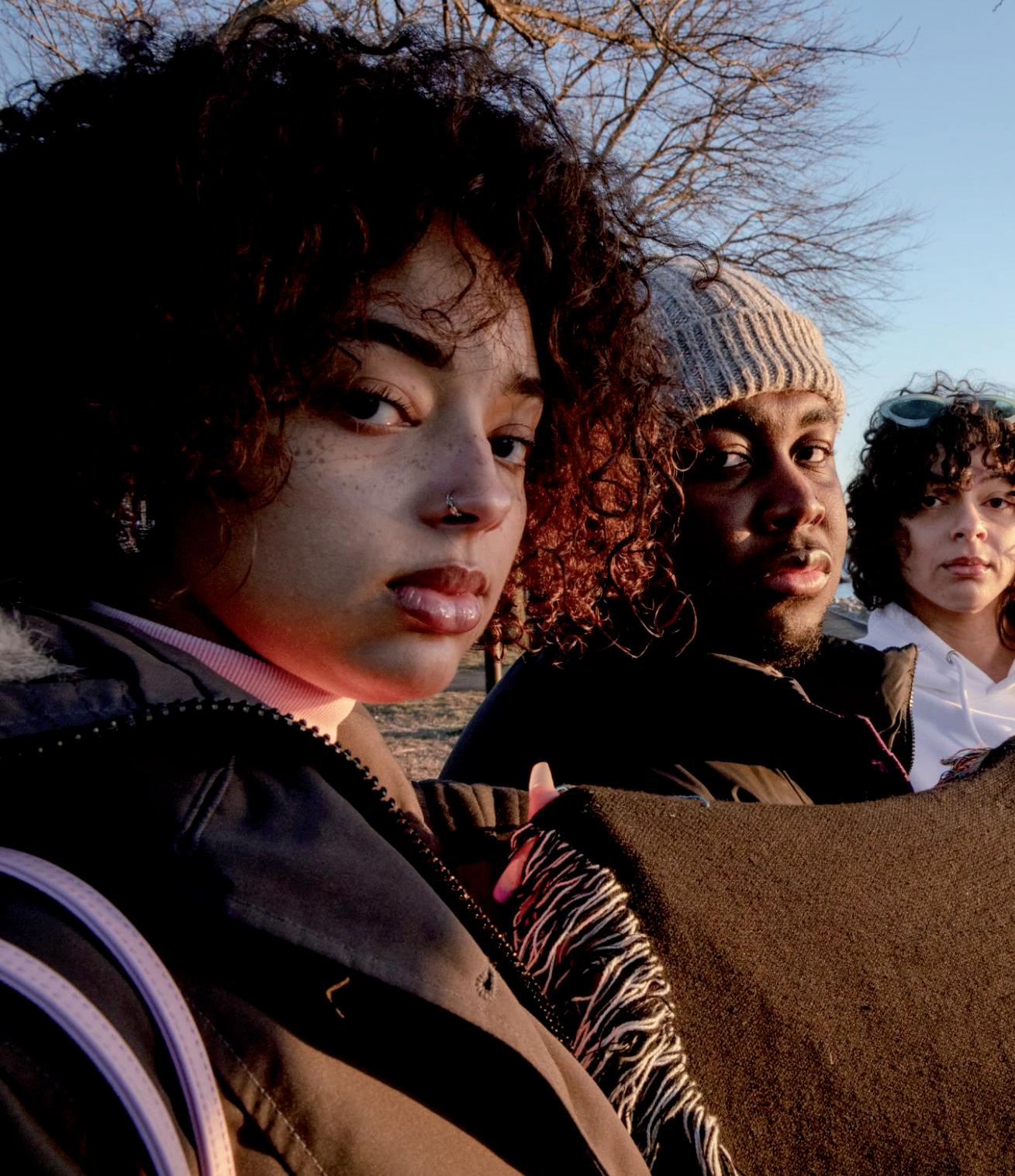
4. The New York Times
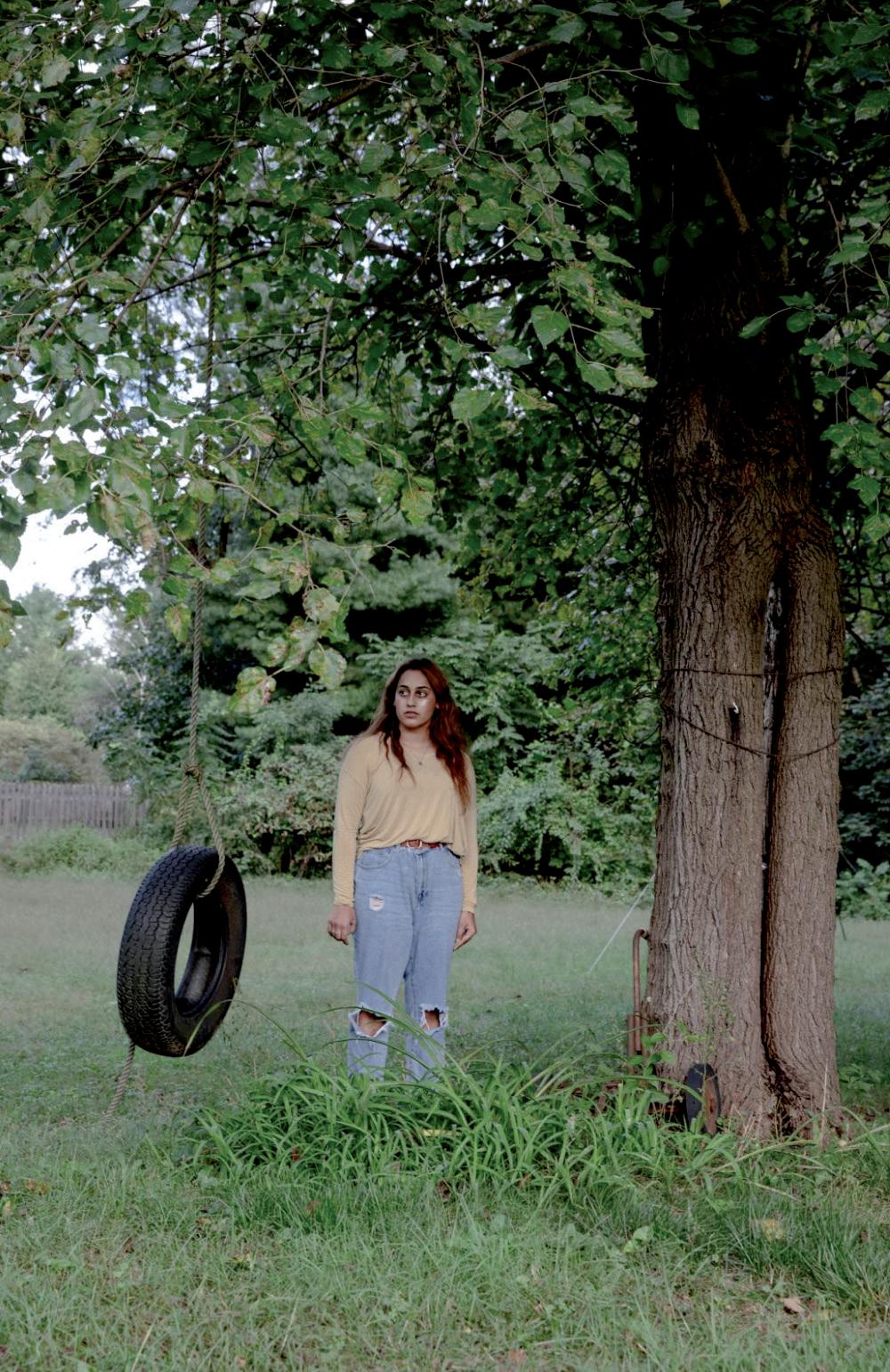
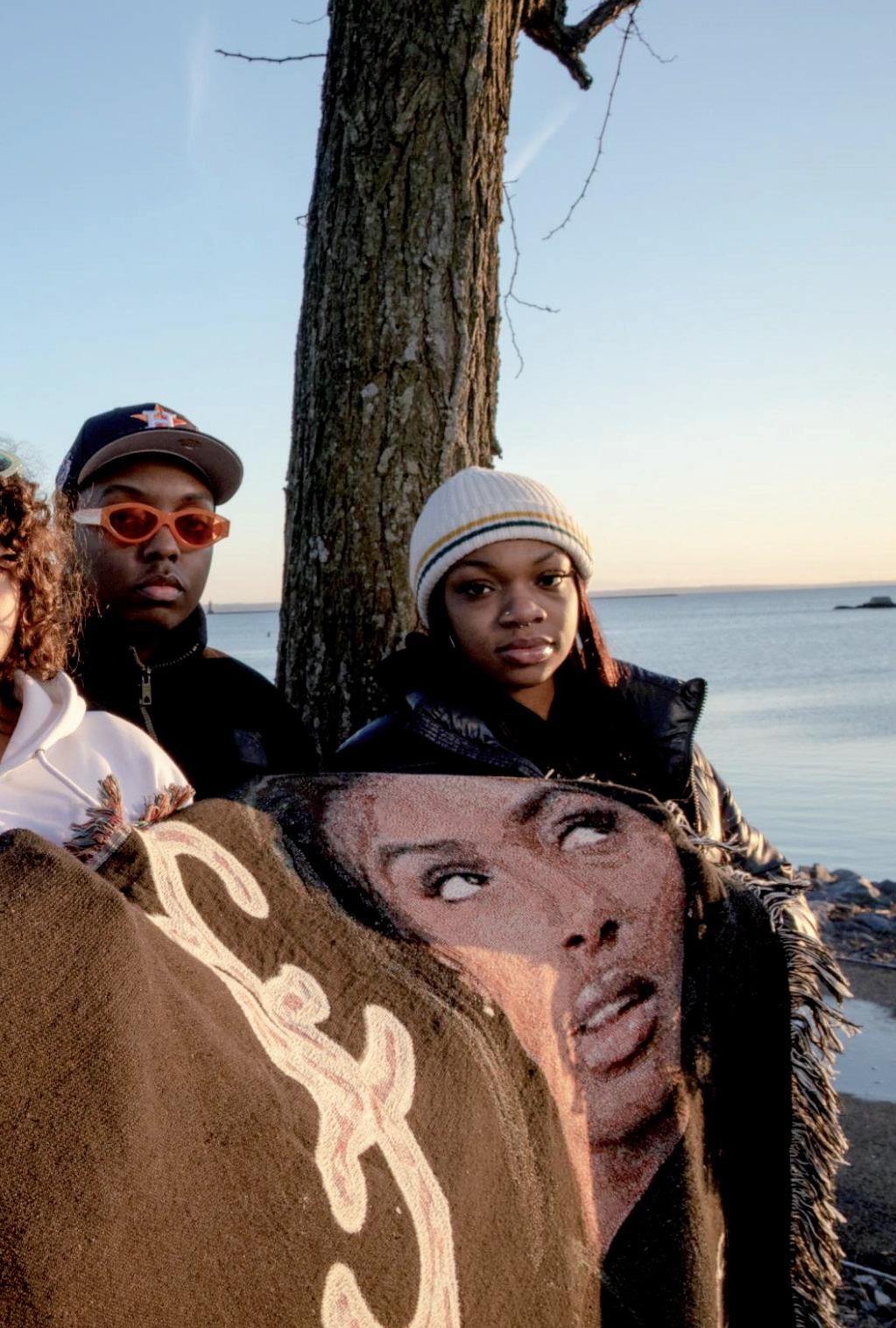
Friends hold a blanket featuring Lauren as they seek answers about her death.
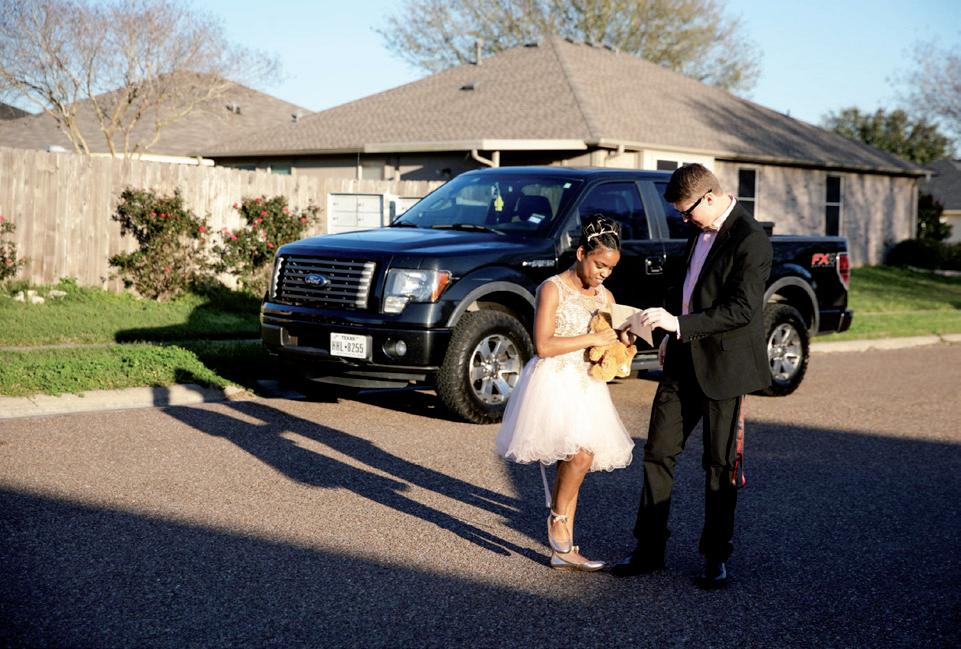
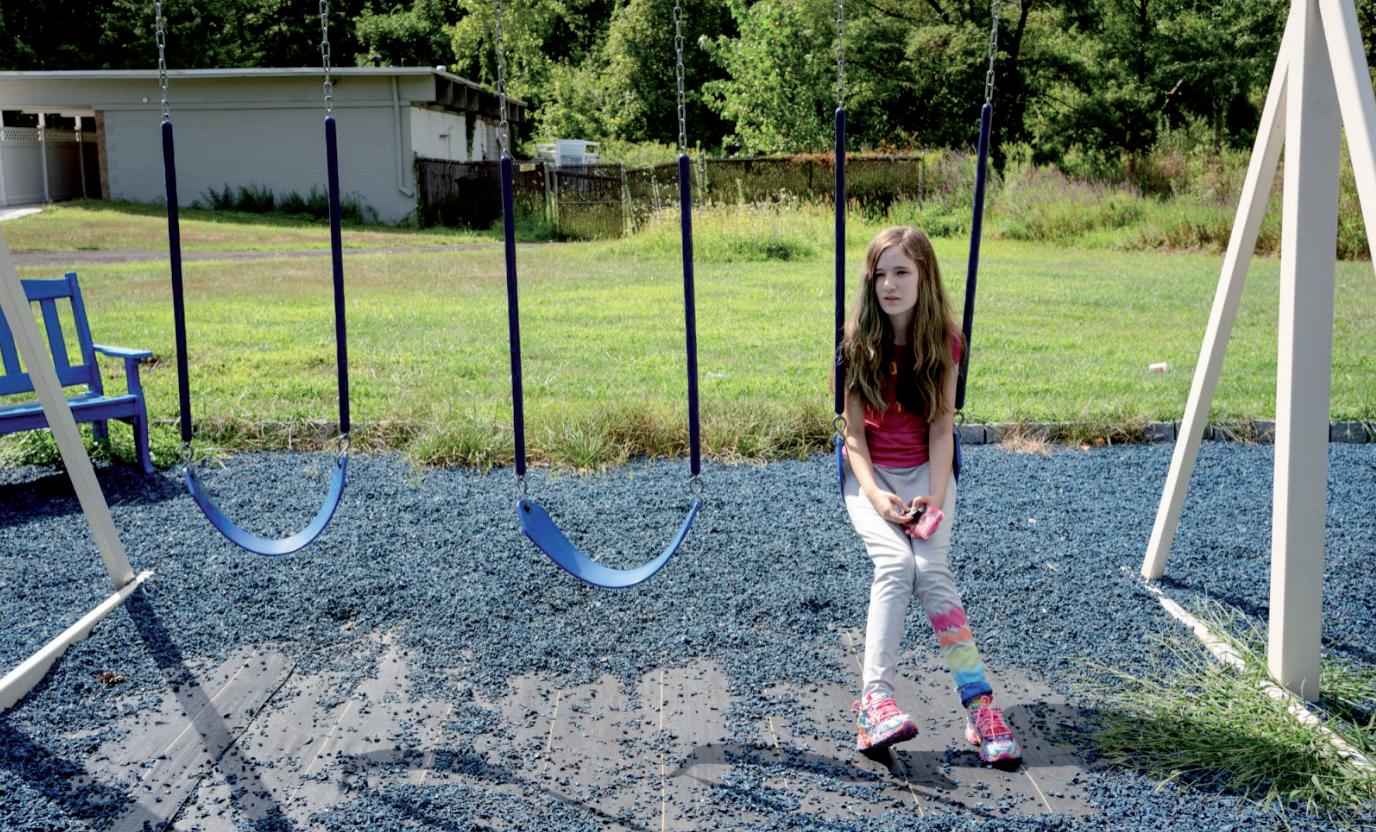
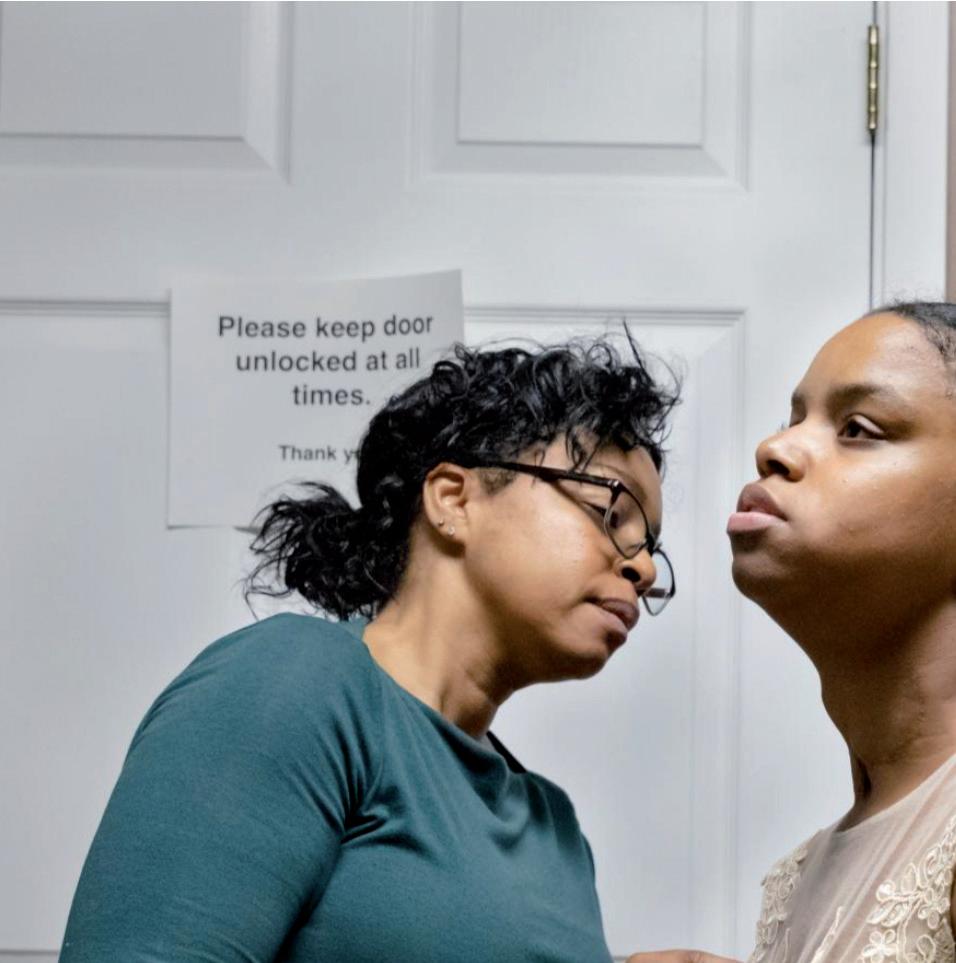
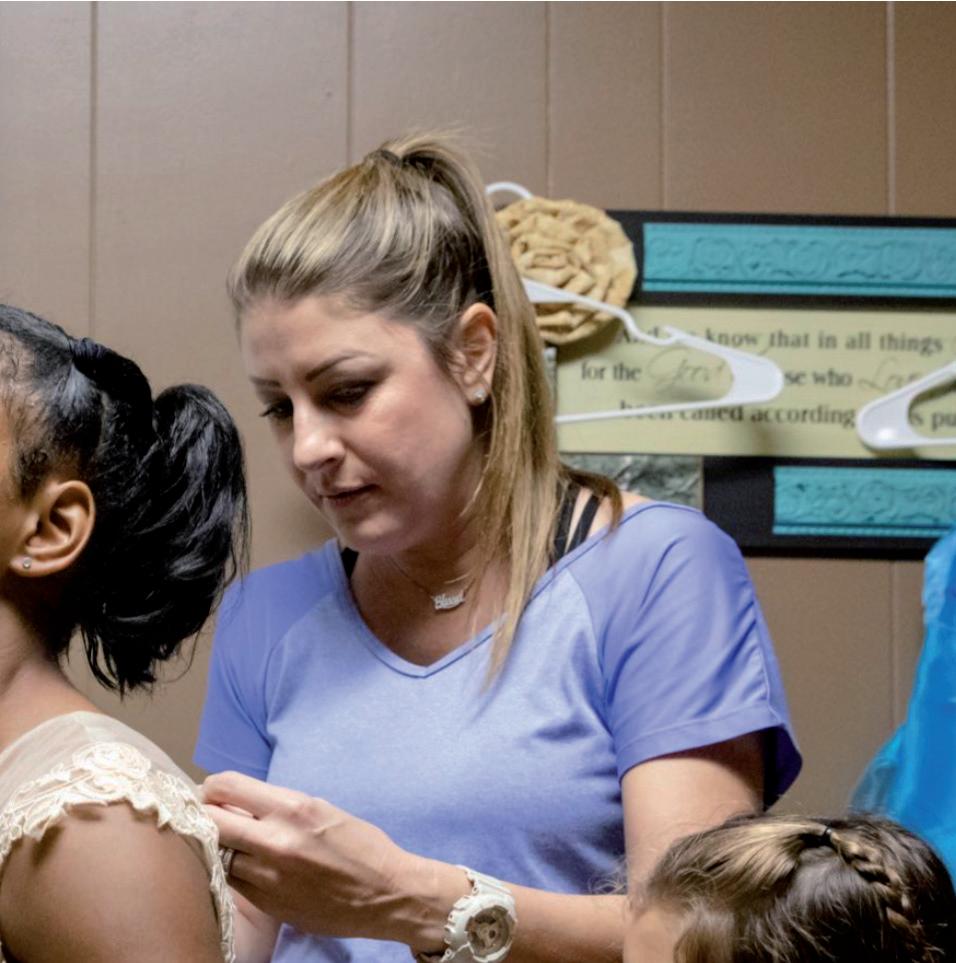
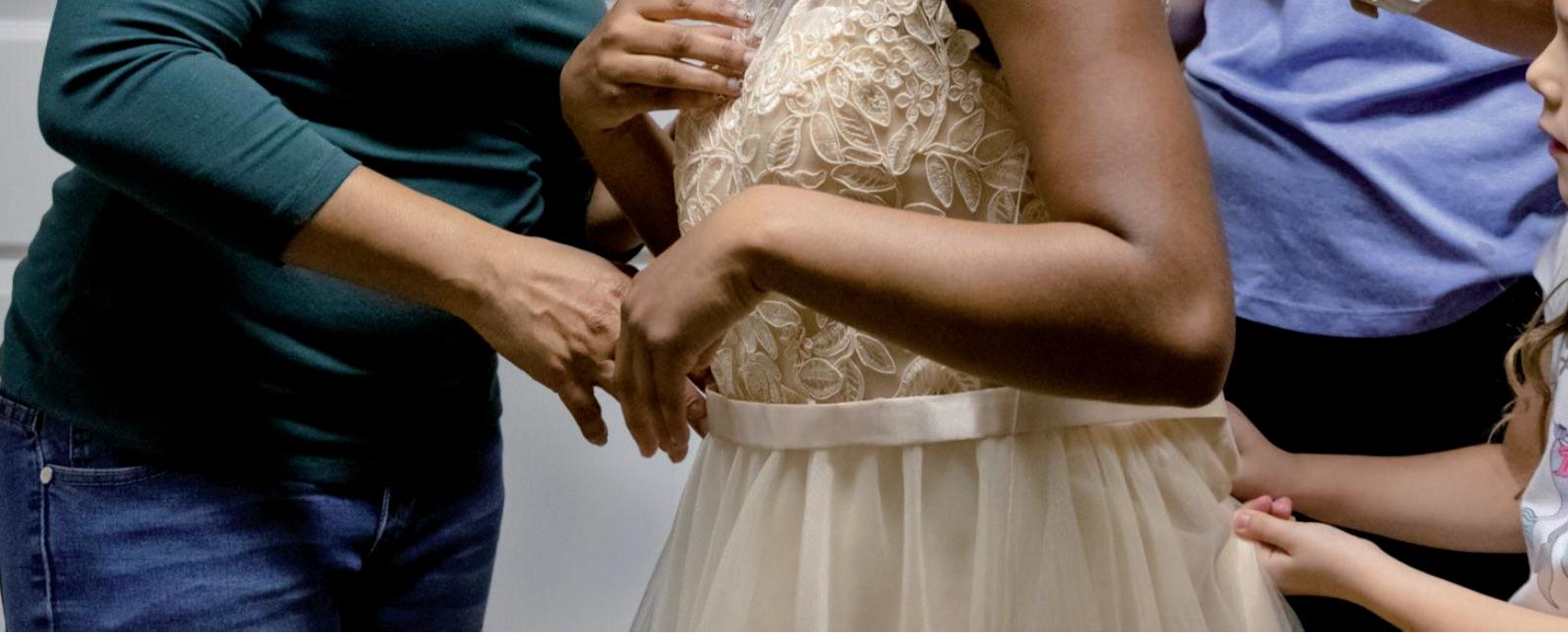
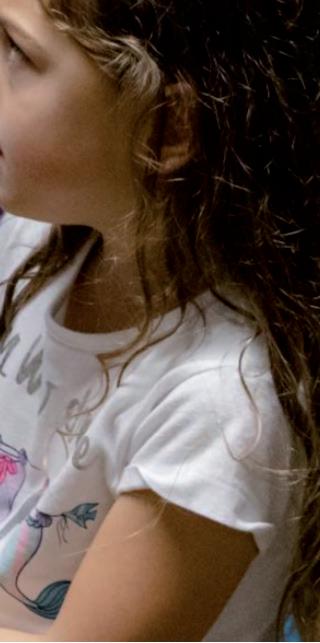
5. Night to Shine Shayla, 16, gets ready for prom with help from her mom and family friends.
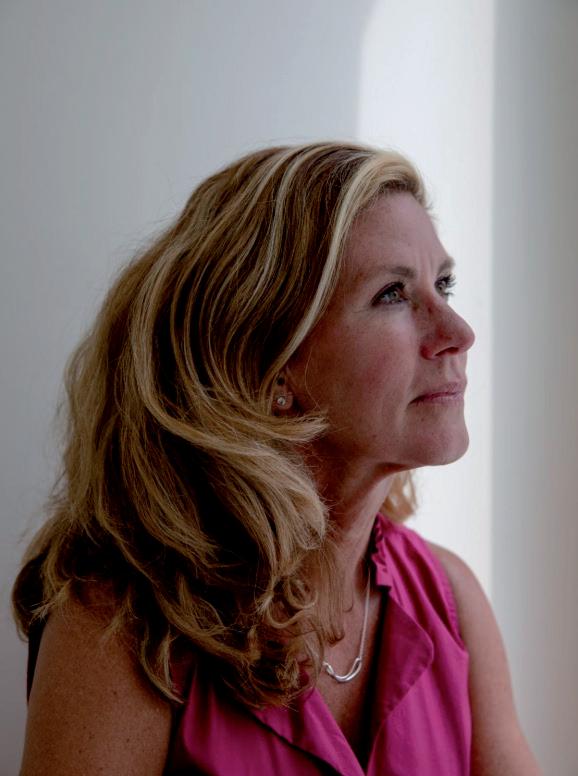
Born and raised in South Korea, Yehyun Kim moved to the United States in her early twenties to pursue storytelling through photography and video. For her, the camera became a way to learn about people, communities, and the issues that shape daily life. What began as documenting the world through images developed into a career in visual journalism, where she covered stories of identity, migration, and shared humanity across the U.S., Europe, and Asia.
Today, she continues that curiosity as a UX researcher. She approaches research the way she approached journalism—by listening closely, observing thoughtfully, and translating real experiences into meaningful insights. With an instinct for observation and a commitment to storytelling, Yehyun continues to explore how design can listen as deeply as it speaks.
IT STARTED WITH A Question
COULD YOU EXPLAIN WHAT DREW YOU TO JOURNALISM?
Growing up, I was always full of curiosity. I was the kid who asked too many questions when everyone else was ready to go home. Journalism felt like a natural fit because I genuinely wanted to understand more. I found myself drawn more to feature journalism than hard news, and I believed that stories told through visuals could change the way people see the world.
“ I get to know people, usually people with really interesting stories. I love that I can connect with strangers in a way I wouldn’t experience in my daily life.”
WHAT DID YOU ENJOY MOST ABOUT WORKING AS A JOURNALIST?
When I tell people I’m a journalist, I feel like I have the right to ask questions. I get to know people, often people with interesting stories, and I love that I can connect with strangers in ways I wouldn’t experience in everyday life with friends.
Sometimes that connection begins because another reporter asks me to help visualize a story. I start by asking questions: who they interviewed, what the story is about, and whether there are visual opportunities—something emotional, meaningful, or forward-looking rather than a standard press conference. Other times, I found stories myself. I cared deeply about immigration, so I searched for organizations, reached out, introduced myself, and asked if they could connect me with people. I’d talk to them, build trust, and document their lives.
Even when those relationships don’t turn into friendships, they often become writing, photos, or videos. Seeing that final work—something created from a human connection—feels incredibly fulfilling. That’s what I enjoyed most.

“ I started journalism hoping to create positive change, but I’ve come to realize that sometimes it feels like being a drop in the ocean. Change happens slowly, almost imperceptibly. Over time, I’ve learned to appreciate the small differences.”
ARE THERE ANY PROJECTS OR STORIES THAT HAVE STAYED WITH YOU?
One story that stands out to me is about a teenager with sensory disorders whom I met in Victoria, Texas. They’re very sensitive to stimulation and can easily feel overwhelmed by their environment, but they still want to experience events like prom. For her, this event was like practice for her real high school prom. It stood out to me, and I really enjoyed photographing her because it showed a side of life many teenagers may never encounter. People with these conditions are often underrepresented in everyday stories.
It took a lot of effort—not only from her parents, but also from neighbors and the organization that hosted the event for people with ADHD or sensory disorders. They even prepared a sensory-friendly room that was quiet and dark, where people could go to calm down.
I loved learning about this new world. Although she wasn’t very verbal, she was open and warm, and I could tell she felt comfortable around me. Photographing her genuine moments made me pay more attention to people with disabilities and to appreciate those I may have overlooked before.
WHAT
CHALLENGES DID YOU FACE WHILE WORKING AS A JOURNALIST?
One of the biggest challenges as a journalist is gaining access to people’s private stories. To tell a story properly, I need to follow people in their real lives, and that requires trust. It was incredibly difficult to gain access to one Afghan immigrant family, but eventually I convinced them to let me photograph them under certain conditions—like not revealing their exact location and showing only the back of their house. Over time, I earned their trust, and eventually they allowed me to show their children’s faces. We still keep in touch.
Another challenge is how much energy journalism requires, both physically and emotionally. Following people and documenting their lives can be draining. It’s emotionally demanding because they’re taking a risk by sharing their experiences publicly. They don’t know what moments will be captured or how others will react, so it’s scary for them. As a journalist, I always felt responsible for prioritizing their well-being—even when I was exhausted.
ABOUT THE EDITOR
Soyun Moon is a designer studying Human Centered Design & Engineering at the University of Washington. Her journey from South Korea to London and now Seattle has shaped a cross-cultural approach to design. You’ll often find her with her old camera, exploring new corners of the world.