SOWING PROSPERITY

FALL 2022

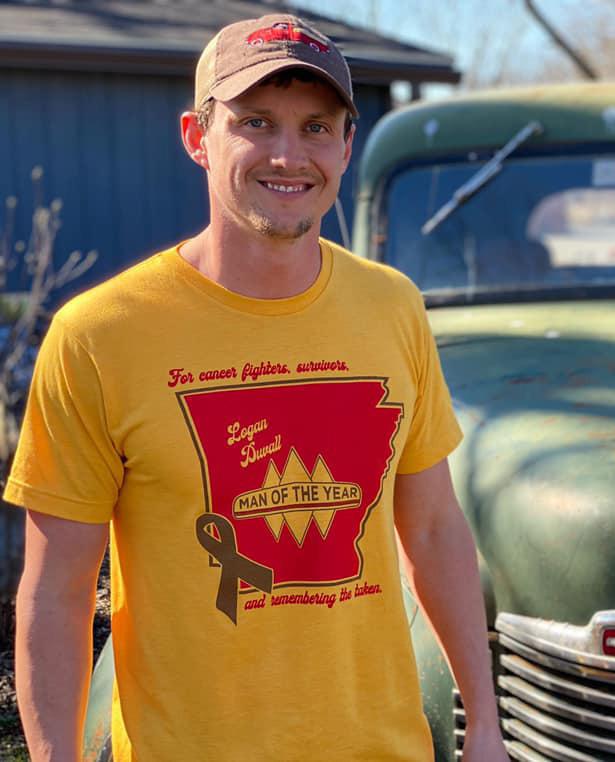
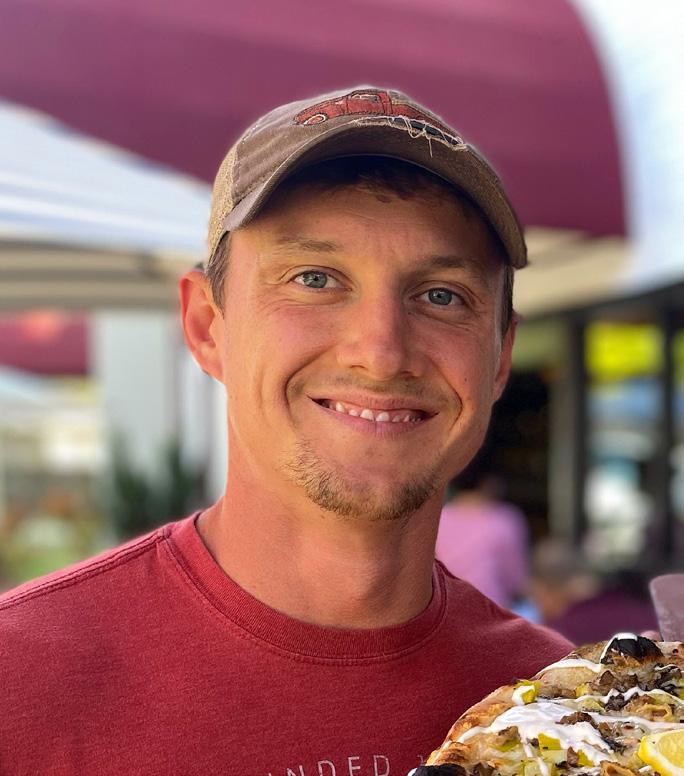
Logan Duvall, a dedicated family man and father of four beautiful children, is a successful, small business owner in Arkansas whose world was turned upside down after receiving a cancer diagnosis of his then 5-year-old son, Lander.
As Napoleon Hill famously stated, “Every adversity, every failure, every heartbreak, carries with it the seed of an equal or greater benefit.”
On a mission to help create Blue Zone communities, he focuses his energy on sharing the knowledge he has gained toward promoting a holistic approach to anti-cancer protocols, healthy lifestyle choices, and regenerative farming. He believes this work will serve to strengthen local economies.
Arkansas native Becca Bona calls Little Rock home. An avid writer and photographer, she has spent the past decade working in the local publishing and marketing space. Her work has appeared in the Daily Record, Rock City Eats, and Brewed in Arkansas, among others. A fan of all-things-local, she has enjoyed reporting on the restaurant and beverage industry in central Arkansas. Currently, Becca is pursuing a Master of Public Service from the Clinton School. When not working or doing homework, she loves hiking, biking, gardening, and generally exploring the Natural State with her boyfriend and dog.
“I am passionate about the place I call home, and I love to see it thrive. That’s why it’s so exciting to be a part of a team that wants to make a difference in the Natural State via food, health, and living well. I can’t wait to see what the future brings for Sowing Prosperity.”
Susie Cowan is a wife and mother of three, but her favorite title is Grammy. She was born and raised in Pine Bluff and loves living in North Little Rock. For the past decade, she has been a local business enthusiast that is focused on promoting independent business and cultivating talent in Arkansas. To accomplish this goal, she has been a part of creating Legends of Arkansas (Music and Craft Festival), Local First Little Rock (Independent Business Alliance), co-founder/Executive Director of Local First Arkansas, and has worked with the Argenta Downtown Council, Argenta Arts Foundation, and the Arkansas Hospitality Association to help support the business owners of Arkansas.

Just recently, Cowan has started her entrepreneurial journey to manufacture a wellness juice shot –Sunrise Shots – to help keep everyone healthy. In her free time, she likes to support community events and to hike around Arkansas.
“I am super excited to work with Logan to bring his vision to light! Living well is important to us all; knowing how is the hard part. Sowing Prosperity Magazine will be a roadmap to living well in Arkansas.”

Kaitlin Schmidt is a creative, music obsessed, slight tech nerd and twin mom that was born and raised in Little Rock, AR. After graduating from the Savannah College of Art & Design in 2009 and spending a few years in Austin, TX, she returned back home to Arkansas. Kaitlin was the co-founder of Local. Magazine and loves helping local businesses grow and expand.

With extensive knowledge in advertising and brand development, Kaitlin is also a Global Business Strategist and Designer for one of the largest CBD manufacturers in the US and has helped over 1,000 brands.
"I am beyond excited to work with the Sowing Prosperity team to help bring awareness to Arkansas. After losing my father to cancer in 2021 and watching the statistics continue to grow, I am grateful for the opportunity to help spread helpful information in our state."
HONEYBEES, ALLERGIES, AND CANCER 4
NUTRITION FOR YOUNG KIDS 5
FEATURED CHEF: SCOTT MCGEHEE 6
URBAN HIKING 8
SMALL BUSINESS AND ENTREPRENEURSHIP 10
OPPORTUNITIES IN THE FOOD SYSTEM 11
ARKANSAS FOOD INNOVATION CENTER INTERVIEW: SUNRISE SHOTS 12
FOREST BATHING 16
FEATURED FARM: PRESTONROSE FARM AND BREWERY 20
TRAVEL WELL IN ARKANSAS 22

5 THINGS TO DO THIS FALL FROM ARKANSAS TOURISM 23
FERMENTATION AND POSTBIOTICS 24
FEATURED BUSINESS: TEABERRY KOMBUCHA 25
THE NURSERIE 26
EATING LOCAL IN CENTRAL ARKANSAS 28
SOWING PROSPERITY MEDIA KIT: THIS IS HOW YOU GET INVOLVED! 30
To Sow the Seeds of Prosperity in the state of Arkansas. Arkansas is statistically one of the lowest-rated states for health and poverty in the U.S. Prosperity, on the other hand, is the condition of being successful or thriving.
In July of 2019, my world changed dramatically. My oldest child, Lander, then 5, was diagnosed with stage 4 cancer. The ensuing journey, captured in the book Father’s Heart, opened me up to an interconnected world in ways I never realized.
As Arkansas is rightfully known, the Natural State has beauty ranging from the mountains, rivers, woodlands, creeks, and lakes yet a disconnection of the systems governing life. We see this is the epidemic of chronic diseases such as diabetes, heart disease, Alzheimer’s, and cancer. Many of these if not all are related to lifestyle.
The Sowing Prosperity Magazine is on a mission to help facilitate the creation of a “Blue Zone” in Arkansas. To create a state of abundance in health, wealth, and community. Through compiling positive, actionable ideas and topics highlighting locally owned and operated businesses focusing on a better world.
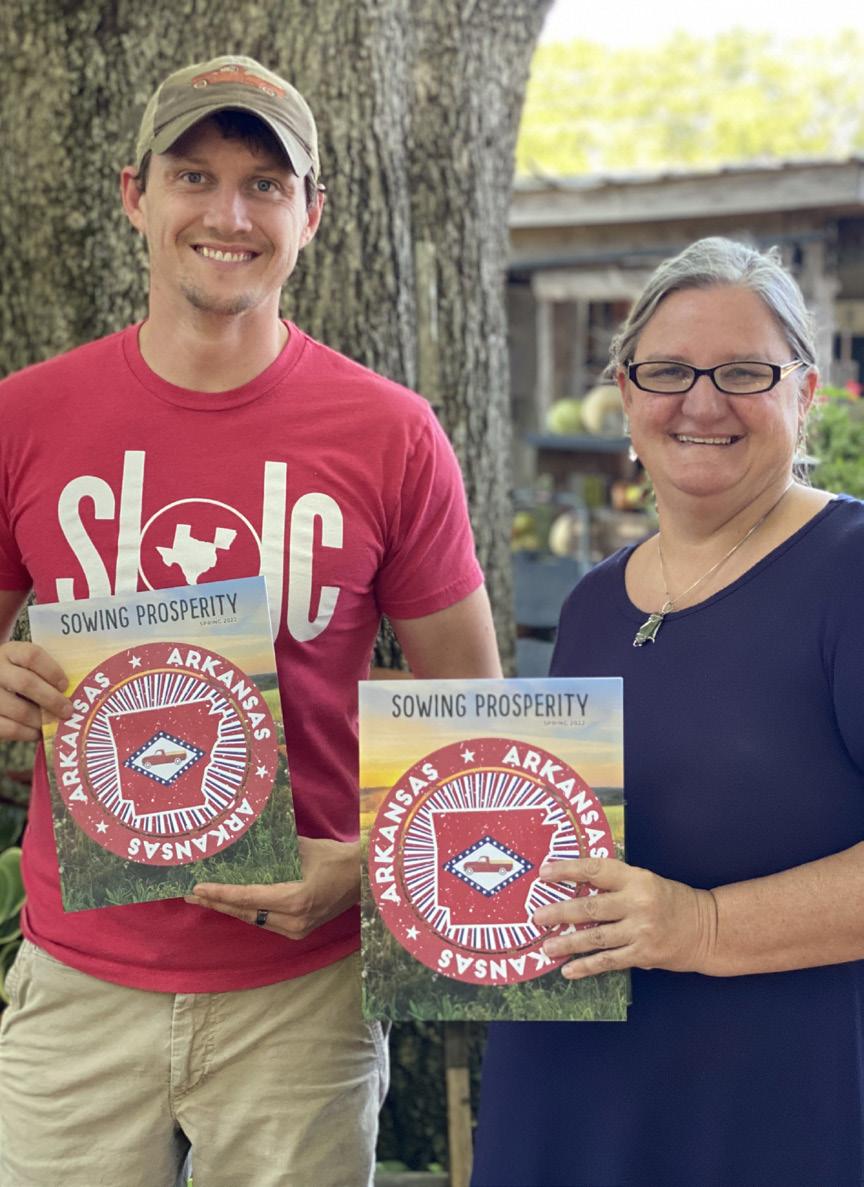
PUBLISHER Logan Duvall CREATIVE DIRECTOR
For advertising information, please call 870-540-9867
The contents of Sowing Prosperity Magazine are copyrighted, and material contained herein may not be copied or reproduced in any manner without the written consent of the publisher.
The old saying “where there’s smoke, there’s fire,” comes to mind when thinking about honey and allergies.
I have refrained from consuming honey for a long time due to the connection between sugar and cancer. Lander hasn’t eaten honey throughout his treatments.
The 2022 allergy season, for some reason, has been one of the hardest on my family and me that I can remember. However, I continue to look for solutions.
Pollen is part of seeding plant reproduction like grasses, weeds, and trees. It is often a yellowish powder covering everything—most noticeable on vehicles during spring. Pollen is one of the most common allergies people suffer from, with symptoms of sneezing, itchy nose and eyes, runny nose, and congestion.
These symptoms are caused by the body’s alarm system going off. The immune system treats pollen as a perceived invader, and releases histamines to rid it from the body.
Antihistamines such as Cetirizine (Zyrtec), Diphenhydramine (Benadryl), and Loratadine (Claritin) function by reducing the reaction from histamines.
I believe in many ways, our bodies are overloaded with toxins and irritants, which exacerbates the pollen situation.
Pet dander, mold, dust mites, and even food allergies combine to overload our already overloaded systems.
Even though my focus is seasonal allergies, I stress that gut health is extensively involved in this topic. Not eating gluten-laden foods, added sugar, and most, if not all, dairy will make a massive impact. A great probiotic is another area that impacts full-body health, because a better immune system will ultimately minimize allergies.
Raw honey is not pasteurized, meaning enzymes and sensitive nutrients aren’t destroyed or damaged. There is a chance yeast can be in raw honey, and children under one are told to avoid honey by healthcare professionals due to potential infant botulism caused by a toxin from Clostridium botulinum. If bad bacteria can produce toxins, where does the buildup of harmful bacteria in our guts come from?
Local raw honey is said to help with seasonal allergies. Nectar is the primary component bees use to make honey, through an incredible and complex system. Crosspollination allows for reproduction.
Pollen inevitably ends up in honey, and eating it exposes reduced components that go through the digestion process to tell the body it’s not a threat. Therefore the histamine reaction is reduced when exposed.
Bee pollen is a mixture of pollen, saliva, and nectar or honey. Pollen takes the form of little balls in many colors, depending on the type of plant it comes from. It’s carried on the legs of the bees to the hive to be stored and fed to the bee colony.
To gather the bee pollen, beekeepers use a thick comb in the entrance of their hives. As the bees enter the hives,
the pollen is knocked off their back legs and falls into a collection tray.
The health benefits are extensive! The little nuggets are nutritional gold. They are loaded with over 250 different nutrients, and evidence shows they help manage stress, boost liver health, reduce inflammation, strengthen the immune system and provide antioxidants.
Bee pollen can be taken by the spoonful or mixed with food such as salads or oatmeal.
Another interesting bee product is propolis – a material made from the sap of evergreen trees like pine trees. Bees use propolis as a building material for their hive. Ancient civilizations have used propolis as a medicinal powerhouse to treat many things, from infection to even cancer.
Modern science shows there may just be something between propolis and cancer – plus, propolis has good bioavailability when taken orally. A recent study shows that the cancer stem-cell population exerts antiangiogenic effects, blocking pathways that keep cancer cells from signaling to each other and modulating the tumor microenvironment. That means bee propolis could be a safe complementary component of adjunct cancer therapy.
Fire cider – a type of oxymel or herbal remedy – is said to help with colds and flu. Its name comes from the ancient Greek word oxymel, which means acid and honey. Fire cider tonics vary in ingredients, but the apple cider vinegar and honey needed typically contain horseradish, ginger, chili peppers, garlic, and onion.
We can’t forget that raw honey is still sugar with a high glycemic index of 58 compared to table sugar at 60. People with diabetes should still apply caution when consuming raw honey. I can’t stress enough that excessive sugar is poison for everyone and even paralyzes white blood cells. Honey is beneficial in a number of ways, including the available vitamins and minerals it provides, to name a few. The way I view honey in the diet is to use it sparingly and medicinally in the way of tonics for seasonal allergies.
Use a nasal rinse – neti pots and saline
Set up an air purifier in your bedroom
Take a probiotic – Just Thrive is my top pick
Detox liver and whole body – supplements, infrared saunas, exercise
Take an allergy support supplement – My favorite is Cymbiotika Allergy Defense with Quercetin and herbs.
Consider Serrapeptase – proteolytic enzyme. That means it breaks down certain proteins when it comes in contact with them. It is believed to only dissolve non-living tissue. It may help dissolve mucus and phlegm.
As the father of four, I’ve learned a lot about feeding my kids. But, the added dynamic of pediatric cancer led me to delve further into the topic.
Lander is my oldest, and by current American standards, he had a much healthier diet. So I try not to dwell on why he got cancer and how it progressed to stage 4 before we learned of the disease. But by the same token, it’s essential to know.
I’m trying to be very aware of what I write here, and even though it’s going to ruffle feathers, it’s vital for the health of our babies and future generations.
Let’s rip the Band-Aid off quickly. Feeding children soft drinks, sugar-laden snacks, and fast food is killing them. Grandparents think they are “spoiling” their grandchildren by feeding them toxic things – ultimately setting them up for a life of chronic health issues. Parents are tired, and convenience is a necessity. Part of this is because parents are also unhealthy, overly exhausted, and stressed because of a poor diet and lifestyle.
Those willing to listen and apply the guidelines I’m about to lay out will set your children up for success – for a foundation of prosperity in life.
Our environment is a toxic soup of mold, pathogens, and chemicals such as pesticides, herbicides, preservatives, and flame retardants, among a wide range of other terrifying things.
I recommend reading Toxic by Neil Nathan, M.D. and The Toxic Solution by Joseph Pizzorno, N.D.
By eating foods that are also toxic, you are throwing gas on an inferno. But by eating correctly, you give your body vital components to detoxify. The onset of psychological issues in children is not coincidental. It’s from toxicity and deficiencies. There is a wide range of common deficiencies, but some major ones are Omega 3 fatty acids, Vitamins D, K, and B’s, minerals, magnesium, iodine, and other trace minerals. Here is my plan for overcoming the lack of crucial nutrients for my four kids. As I write this, they are 8, 6, 2, and 1.
First, my kids don’t eat added sugar, gluten, or vegetable oils.
An excellent book that covers proteins and eggs is You Can Fix Your Brain by Tom O’Bryan DC, CCN, DACBN.
Avocados – Full of good fats, vitamins, and minerals
Berries – Blueberry, blackberries, and raspberries
Grass fed and finished beef – Organ meats every chance possible. I have worked with a local farmer and processor to add liver and heart to the ground. It isn’t noticeable at all but contains health-boosting aspects. Quality meat is not bad.
Sweet potatoes – The same principle applies to refrigerating rice. The purple varieties are fun and give an added aspect of anthocyanins. The same colored pigments have been shown to inhibit cancer in berries and other colored fruits and vegetables.[1]
White rice – Jasmine is our favorite. We cook and refrigerate for 12+ hours, which lowers the glycemic index and adds fat and protein (namely, it doesn’t make blood sugar go up as much). I prefer white over brown. Brown rice still has the outer coating called bran which has been shown to contain antinutrients and heavy metals. [2]
Pastured eggs – I can’t think of a better complete food, and the egg bashing has been as detrimental as the war on fat. When possible, get eggs from a local farm that lets their bird eat bugs, grass, seeds, and other things they are meant to eat. Duck eggs are my personal favorite and are an excellent choice for those with egg allergies. I think these allergies are connected to what the chickens eat.
Bone broth - Filled with vitamins, minerals and collagen for growing bodies.
I cover all of this in depth in my book Father’s Heart and the accompanying ebook Landerman Plan.
Making baby food out of naturally grown or organic local produce would be perfect. For many, that’s not feasible and unfortunately eating healthy can be expensive.
For easier options, my favorite baby food company is Cerebelly. Teresa Purzner, a practicing neurosurgeon, created the company. She then learned more about how the human brain grows, earning a Ph.D. in developmental neurobiology at Stanford University.
Cerebelly pouches are what I feed my little ones daily. They are formulated with the nutrients I mentioned above that we typically lack.
Lesser Evil and Siete Chips are a couple of packaged snack brands that are go-tos for my kids. So it’s exciting that more and more companies are focusing on providing healthier options.
Supplements my kids get are omega 3 DHA/EPA, vitamin D3 & K2, probiotics, prebiotics, collagen drink mix, IgG, colostrum, and humic/fulvic complexes. The quality of brands varies greatly, and dosage is dependent on size and age. I strongly recommend working with a functional medicine healthcare provider, pediatrician versed in nutrition, or healthcare professional to line out the specific needs.
I once asked a retired pastor about the secret to children growing up and succeeding. He has quite a few children who have grown up to be ethical and productive adults. His response is one that I keep close to my heart; he simply said to spend time with them.
[1] https://pubmed.ncbi.nlm.nih.gov/30589398/#:~:text=Anthocyanins%20can%20 also%20inhibit%20colon,that%20anthocyanins%20may%20induce%20autophagy.
[2] https://daveasprey.com/4-top-antinutrients-to-avoid-and-why/
We try to cook as much as possible, and I will put together a quick, but far-from-complete list.
There are so many reasons. First of all, I love the farmers and their families, and their dogs, chickens, cats, and kids. It's not a get-rich-quick scheme. It's a hard life. It's a rewarding life but they work seven days a week and they are not lining their pockets. What they are creating is not just a nutritious in-season and local so there's not a huge carbon footprint in terms of the environmental impact but also just that culture that is so special that enriches our society. It's healthy for our bodies but it's also healthy for our mental health.
Yellow Rocket, where really all I do is go get truckloads of produce and bring it back. Maybe one day, I’ll transition to only that and deliver veggies to all the restaurants. That would be a dream come true.
What is your biggest challenge?
We use a lot of local produce. That said, it’s still a small percentage of the total food purchased. The problem is the seasonality and also access. A lot of farmers don’t have the gas or time to deliver.
What I do personally is transitioning. I work less and less on the day-to-day and I’m empowering my younger chefs to take the lead because they have earned that because they’re so freaking talented. So that allows me more time to do what I call forage. I have partners but I would like my job title to eventually be the forager for
Favorite thing to get local?
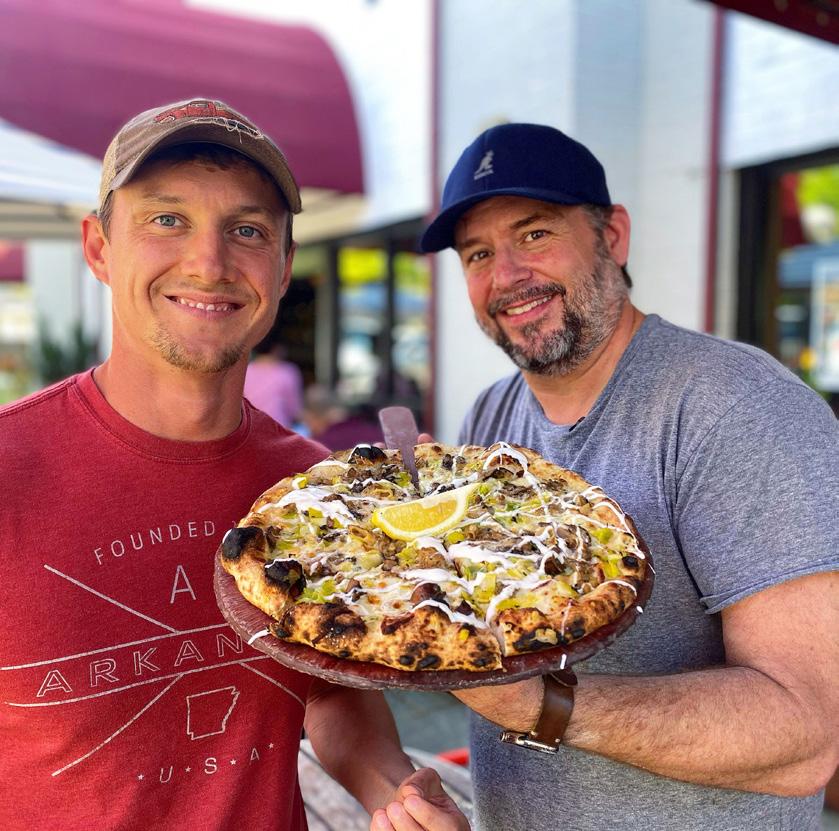
You can’t say enough about the Arkansas tomato. All the variety we grow now. All the heirlooms, the sweeter tomatoes, and the more acidic ones – as a chef there is just so much there. That’s one thing you put on a pizza – you don’t need anything else. You put that on a salad and it’s just like, leave it alone. I love the berries we grow. I love all the fruit. The Zephyr Squash at Rattle’s Garden is always something I look forward to.
“My patrons crave local.”
- Scott McGehee
Why is it important to you to support the local farmers?
“The food is the art, and the farmer is the artist.”
“My goal is to start shifting more of our staples to local.”
“I am a fig fanatic! I freakin’ love the figs. It’s such an underappreciated fruit.”

This is an old Southern recipe that my Great Grandmother, Ruby Thomas – (founder of the Red Apple Inn in 1963), adored. With just 7 ingredients it’s easy to make and is as delicious as most significantly more complicated desserts. She loved this dessert over the holidays but considered it a fine dessert to serve year around.
“Every bite takes me back to magical memories of Ruby in her kitchen. It will forever be one of my favorites!”
» 3 egg whites
» 1 cup sugar
» 20 saltine crackers
» 1 cup toasted then chopped pecans
» 1 pint heavy cream, whipped
» 1 teaspoon vanilla
» 7 oz grated coconut (the kind in the freezer section labeled “fresh frozen sweetened coconut”)
* To fancy it up, this pie pairs well with tropical fruits in season, and Arkansas peaches are in season!

Beat egg whites until almost stiff. Add sugar gradually, continuing to beat. Fold in crumbled crackers and chopped nuts. Scrape into a buttered 9-inch pie pan. Bake for 20 minutes at 325 degrees. Cool completely. Top with whipped cream flavored with vanilla and sprinkle with grated coconut. Refrigerate for at least 30 minutes, cut, and serve chilled.
Note: The whipped cream has no added sugar in this recipe, which always puzzled me a little. It’s because the pie filling is sweet and the coconut on top is sweetened. When all are eaten together in a bite it balances perfectly.
Delve into Scott McGehee's methodology for Zaza's here.
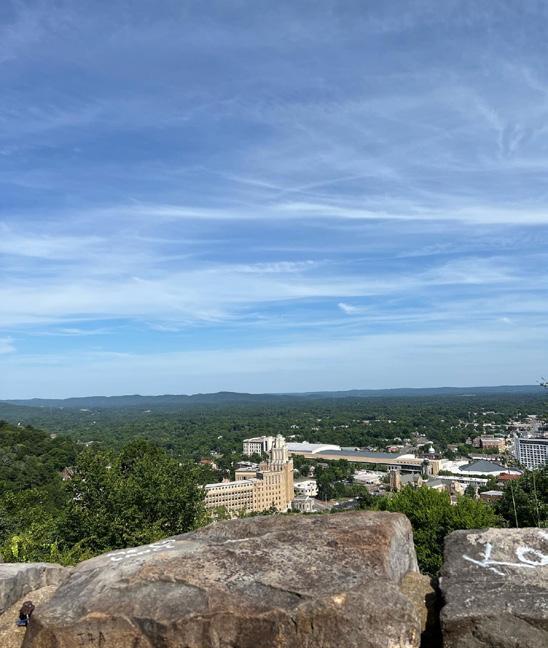
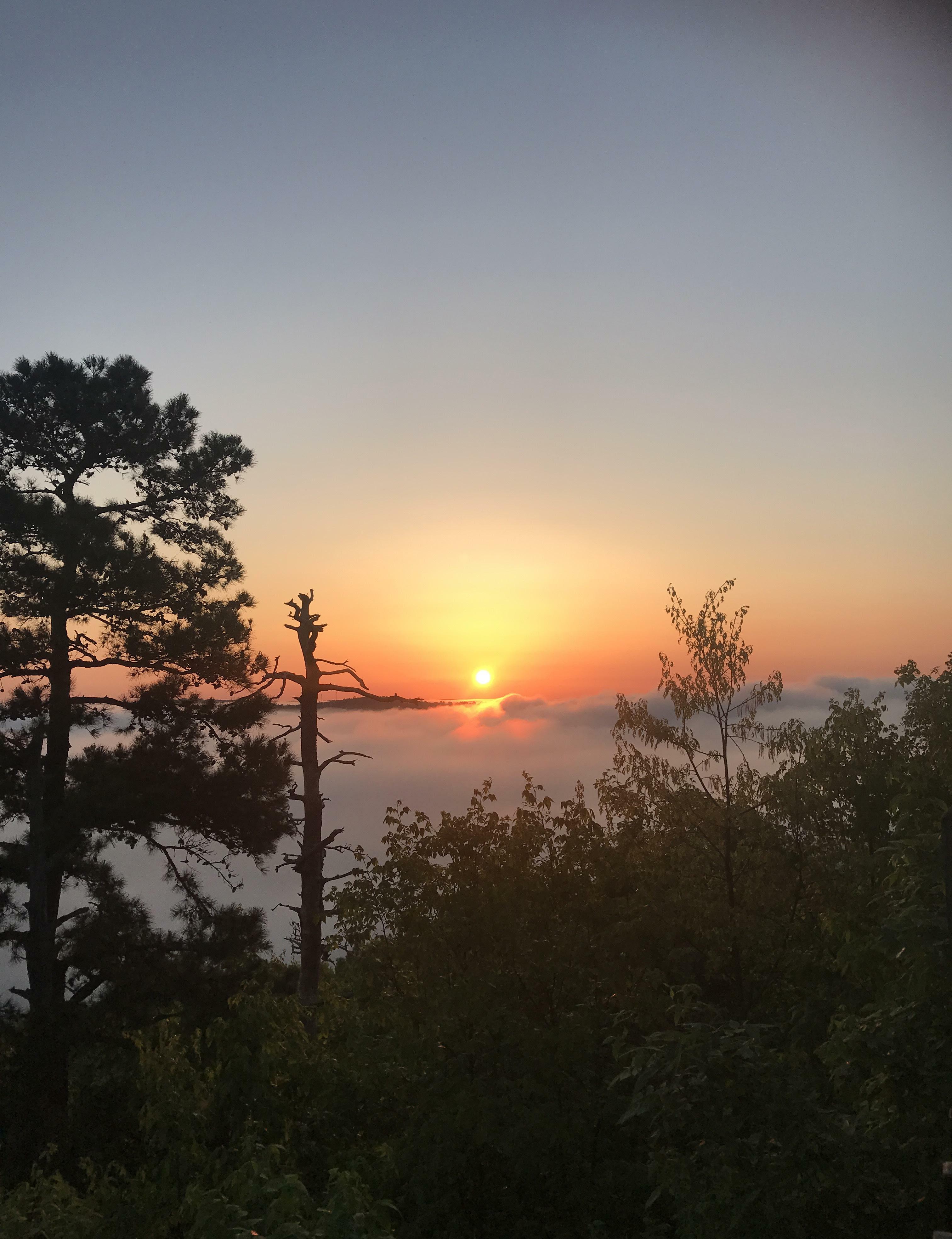
ou don’t have to drive an hour away or have all the right equipment to go on a hike! Here in Arkansas, we are so blessed with the parks and trail systems. There isn’t anything better than a sunrise hike before work, a sunset hike to end your day, or even hitting the trail on your lunch hour. This is a fun and healthy way to experience your city. There are so many hidden gems – so many things that you drive by every day and still don’t see. Some of the trails are tucked back in neighborhoods and others run right through the middle of the cities. Either way, all you need is some good shoes and a water bottle and you are good to go. Whether you are running, walking, or biking, there is a trail for you. You don’t have to be an experienced hiker, just be careful not to overdo it, always let someone know where you’re going and when you will return. This is a great way to start hiking and build up endurance for longer trails. It’s also a great way to stay in shape in-between major hiking trips. You don’t have to spend a lot of money on gas, time, or energy to get out in nature and walk it out. This is also a great way to manage stress and clear your mind. Find a couple of good trails close to home and go explore. Just remember, always stay to the right on the trail and get out there and enjoy your city!



The North Little Rock Convention & Visitors Bureau’s “Setting the Table” Culinary Initiative brings together makers, producers, restaurateurs, chefs, food trucks and community leaders to define and strengthen North Little Rock’s culinary ecosystem. By working with partners already active in the local community, like Me & McGee Market, we hope to provide inspiring and fulfilling culinary experiences for North Little Rock visitors and residents. Want to get involved? Shoot us an email at heather@northlittlerock.org.



The strength of communities lies in the businesses within them. I have seen the effects directly in my life and in the state of Arkansas.
My hometown of Atkins was once renowned as “Pickle City” due to the pickle-making facility and product lines across the country.
All over the state, and country for that matter, small towns are drying up and dying. The pickle plant left Atkins and the repercussion was significant. Many jobs were lost and the supportive income vanished for farmers and suppliers.
Once I became much more heavily involved in agriculture and filming “Experience Arkansas Agriculture” similar stories kept playing out over and over.
Eastern and Southern regions of the state seem to have been hit even harder.
I think the best solution for revitalizing economies is through entrepreneurship and the creation of small businesses. Entrepreneurs are by definition problem solvers, and I can assure you there are plenty of problems to be solved.
Jobs are the lifeblood of a community and the services, products, and solutions businesses create allow for more jobs. The trickle effect compounds prosperity, especially when it’s circulated in the local economy.
While not everyone has the desire to own or operate a business the need is still the same and affects everyone.
For those that want to be entrepreneurs here is a little bit of advice. The absolute first aspect is to be hungry for knowledge. Mentors, books, and podcasts are invaluable tools accessible to everyone. These books may not all seem like business books but I can assure you
they will have more impact if applied than an MBA.
To me, relationships and contribution are two of the most important things in business. If you can’t connect to others and serve them by providing services or solutions – all while allocating resources of time, energy and money – you will not be successful.
Prosperity is more than just making a profitable business. While that is a crucial component, it’s not the only goal in the context of a regenerative essence. I go in-depth on my philosophy in my book, Father’s Heart because it’s a solution to rid poverty and poor health.
Once that basic foundation is solidified, dive into the more specific areas of the trade. If it’s agriculture, dive into the best practices and resources. If it’s food service, embrace yourself in the lessons others can share. One word of caution, overspecialization, has limitations.
Every single thing is connected in our world and the more broadly we learn the more that can be connected and applied. For this reason, many of the most significant impacts across the world have come from innovations from “outside the industry.”
Here’s an interview with one of my influences. https://ySome of my favorite podcasts
“Entrepreneurs On Fire” – John Lee Dumas
“Impact Theory” – Tom Bilyeu

“The Mark Divine Show” – Mark Divine
“Build with Rob” – Rob Dyrdek
We can collectively make Arkansas one of the most prosperous regions through the cultivation of entrepreneurship and supporting local economies.
Creating jobs will lead to community growth. This means more businesses can be supported and housing needs increase. Dying communities can begin to rebound.
I believe the best way to combat the darkness in the world is by shining light. The more lights there are – the less darkness.
Here's an interview with one of my influences.
I’ve experienced the privilege of growing up around grandparents and family members who grew gardens and preserved food. I now cherish being a simple country guy from a small town in Arkansas.
One of my great uncles, Alfred, had a very large garden in which he was a wizard with vegetables. I remember my grandfather always asking Alfred about any issue he was having in his garden.
Often I’m told by market visitors about parents or grandparents who lived through the Great Depression. That had a massive impact on them, and I think their resilience and fortitude is something we can learn extremely valuable lessons from.
On page 18 in the first issue of SowingProsperity, Slyvia Blaine of Potluck, a nonprofit reducing food to help feed those in need, shared a staggering statistic – “40% of the food produced is wasted.” With the significance of the number of hungry individuals, Potluck is admirably providing a beautiful service.
One challenging aspect of Me & McGee Market is the balancing act of working with produce farmers. It’s honestly a challenging industry, for lack of a better term.
The products have a short shelf life and are backed by hard work and risk the farmer takes on in weather, pests, disease, and labor. It’s easy to lose the investment they make if something outside of their control doesn’t work out.
I don’t think many of us would risk money to work extremely hard and, at best, not make much. That’s essentially what we as a society have been asking small farmers to do for a long time.
Here are the solutions I’m working on.
I try to partner with farmers to grow specifically for us. The benefit to the farmer is they grow a specific amount and varieties agreed upon before the season. Then, we will buy the entire harvest and sell it.
This model gives the farmer some security in knowing they have an outlet for what they produce and only have one stop to make. While many farmers love setting up at farmers’ markets and selling directly to patrons, there is a lot of extra work they must do that takes them away from the farm. Our model has worked out incredibly for those who would instead focus on the wholesale side while we focus on retail.
The challenge is in times of abundance, food waste can be a major concern. However, with every problem, there is an opportunity.
By Logan DuvallWe’ve developed a few means of dealing with larger seasonal volumes. The first is through partnerships in food service. We work directly with restaurants and chefs for excessive seasonal items to shine in their menus. Some notable partners are with local chefs including Capi Peck of Trios, Scott Raines of Table 28, Joel Carr of Alotian Golf Course, and Scott McGehee of Yellow Rocket Concepts – Big Orange, ZaZa’s, Local Lime, Camp Taco, etc.
These incredible chefs have been a delight and are instrumentally crucial in the local food scene. They can utilize high-quality locally grown produce in an exceptional way that gives the added benefit of providing the farmer with a fair price.
One notable element from these partnerships is how the chefs cater special menu items around what’s available. That is the key to making a local system work. Ultimately, farmers are not in control of much, and fresh fruits and vegetables are available when they are available. Working with chefs who understand that designing a menu around these available ingredients is paramount.
“For everything, there is a season” (Ecclesiastes 3).
The supportive layer of all this is the value-added sector for increased longevity. This includes all the preservation techniques, like canned items, pickles, salsa, pasta sauce, jams, and jellies, as well as fermented products with their health-boosting aspects like kombucha, sauerkraut, hot sauces, and kimchi. Plus, you can grab even dried items such as sun-dried tomatoes, apple crisps, and trail mixes.
The precious list is far from exhaustive and even baking is yet another way of using local products to extend the viability of the produce.
The idea is to prepare items from what’s available at a given time.
To make the food loop resilient, we have to check off all of the boxes to make this work.
1. Farmers must make money.
2. Distribution and logistic expenses must be covered.
3. The restaurant or food preserver must get the ingredients at a price to have a profitable end product.
4. The consumer must have a product and price he/she is willing to pay for. There are obviously more aspects of business than this, but these are the areas we are underdelivering in many ways. I’m not pointing the finger at anyone, in particular.
To summarize, participants who support local foods can strengthen the process by reversing the common way of viewing recipes and cooking. At the end of the day it’s all about creating dishes and menus around what’s available, first.
In 2013 the Arkansas Food Innovation Center (AFIC) was opened as part of the University of Arkansas System with the Division of Agriculture Research and Extension in Fayetteville to close the gap between research, agriculture, and entrepreneurs in Arkansas. The mission of the AFIC is to provide scientific knowledge, technical expertise, state-of-the-art facilities, and training opportunities to assist entrepreneurs and agricultural producers in Arkansas and the region in launching new food processing businesses. In the beginning, they started with two small farms, and at this point, they have helped countless companies, individuals, and corporations to take ideas and turn them into products.
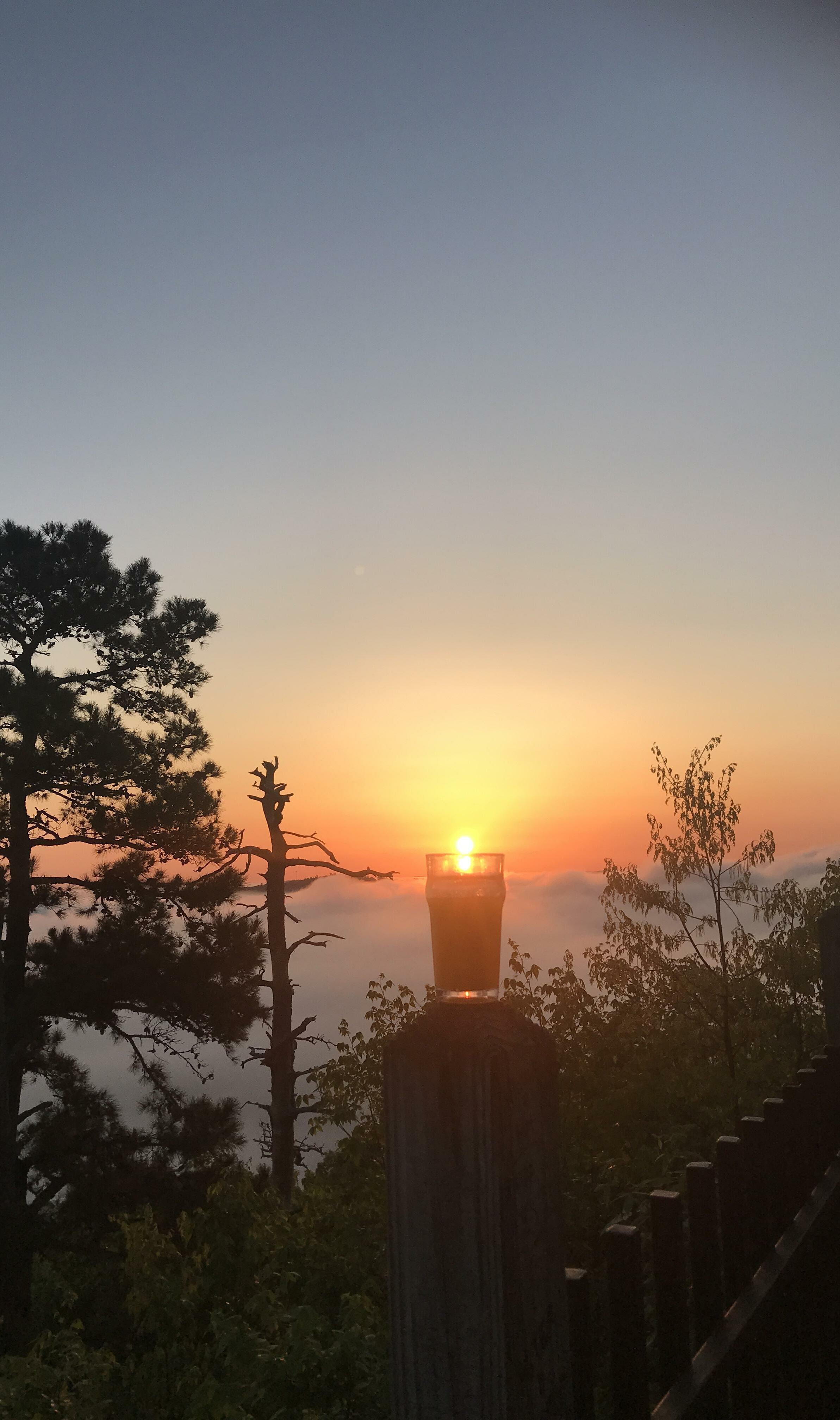
When I went to interview John Swenson and take a look at the facility, I was blown away by the state-of-the-art equipment and access to food scientists. As an aspiring food entrepreneur, it was beyond exciting to learn the access to resources available at the Arkansas Innovation Food Center. Not only do they have all the equipment you can dream of, but they also teach you how to use and clean all the equipment as part of the production process. John stressed that the number one priority is the safety of the product. The next step is figuring out how to scale up. This is when you would figure out what equipment you will need, then learn how to operate and clean it. They will also guide you through the development of the Standard Operating Procedures and then help you file with the FDA. To quote John Swenson, “We have the facility available; we have openings available; we hold their hand through the whole process”.
This is a truly valuable resource in today’s economy. What do you already know how to do or are already doing that is a marketable idea? I feel like this could be an answer for the next generation of farmers, as well. In today’s world, it is absolutely a viable option to run an online business and make a good living. In fact, for me, that’s the goal. By the end of the conversation with John, I knew I had to sign up there to take my product, Sunrise Shots, to the next level to learn to mass-produce it. Through this interview conversation with John, I learned what a game changer the Arkansas Food Innovation Center can be for aspiring food entrepreneurs in Arkansas. Currently, the center’s main barrier is the viability of traveling from all around the state – as they haven’t experienced much long-term success with people commuting from a distance. That’s not to discourage anyone, that’s just been the facts, so far.
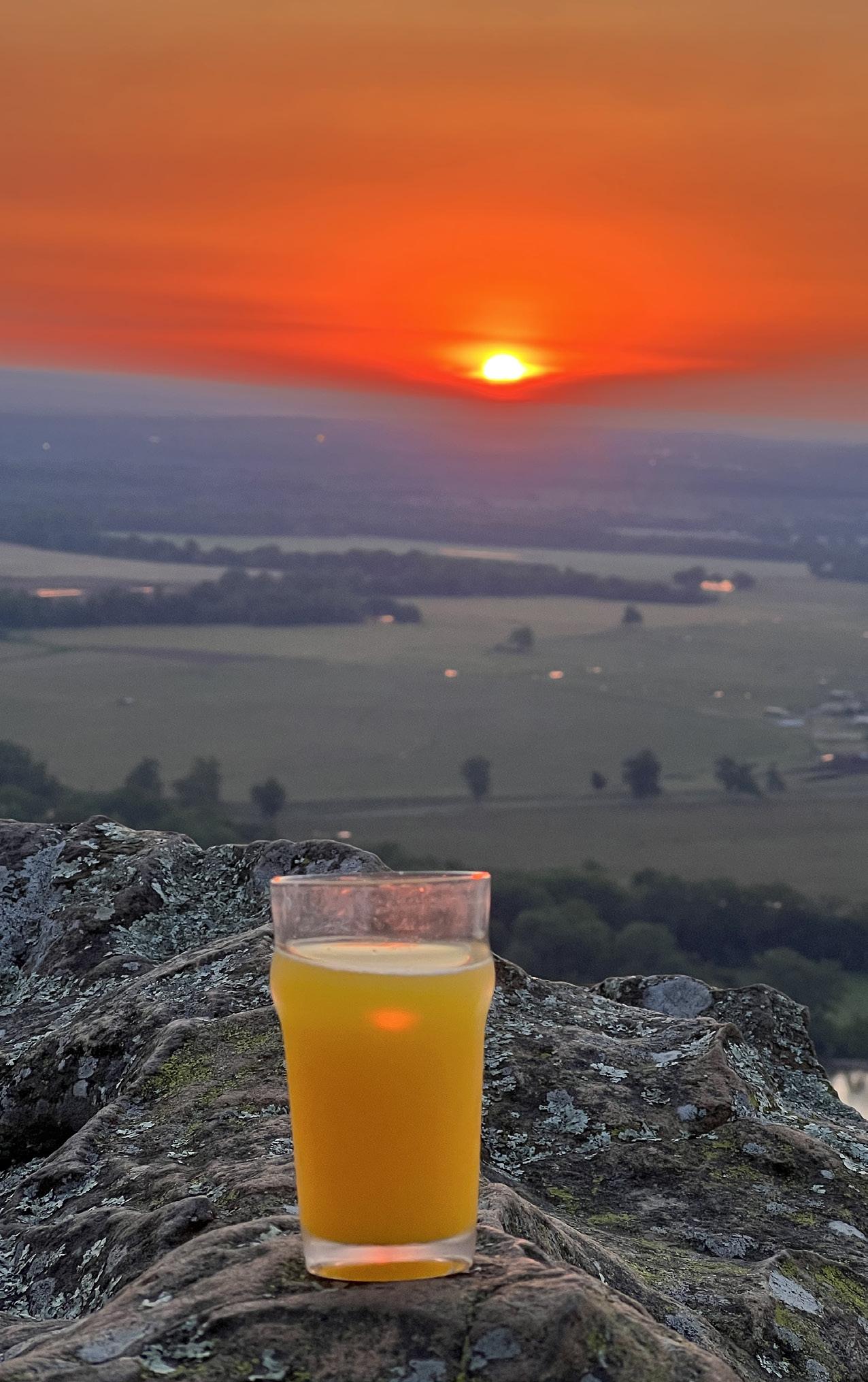
I live in North Little Rock and signed up with the Arkansas Food Innovation Center in Fayetteville with the full intention to produce there. I am still in the development phase of my product and am currently learning how to scale my product. John has been very good to work with me over email and sent me to the University of Arkansas Agriculture Extension here in Little Rock to be tested. Through all this and other tests, I’m learning that the way I thought I was going to mass produce isn’t going to work. So for now, it’s back to the drawing board with lots of reading and researching to find how to preserve the nutrients and mass produce my product. I will do a followup piece in the next issue to let you all know how the process is going. What I have already learned is that working with the Arkansas Innovation Food Center has saved me a ton of time and money to identify what will and will not work to accomplish my goals.
If you have an idea for a food product, and you have what it takes to market and sell that product, I encourage you to go to their website and fill out the intake form. This process will let you know exactly how serious you are about starting a new food business. The Arkansas Food Innovation Center is an amazing resource to help you build your own brand! To sum it up perfectly, John Swenson said, “The idea of what we do is to teach you everything you need to do to either open your own facility or know what is required of this copacker to do that. That’s our goal.” He went on to say the first two questions to ask yourself, “Is your idea niche?” and “Do you have a business plan?” Then our conversation drifted to the resources in place to help you with your business plans and start-up business ideas like the Arkansas Small Business and Technology Center that is statewide and Start Up Junkie in Northwest Arkansas. There’s never been a better time to build your own brand and these resources can be key to your success!
“I personally, plan to be another success story and I’ll be documenting my journey along the way to share with all of you.” - Susie Cowan









Idon’t believe we know much about the human body and its interactions with the Earth. The more I’ve researched and experienced life, the more certain I am.
We are a stressed-out and sick society. We live in a toxic amalgamation of tension.
Well, I’ve written extensively on stress, but I have another idea for you. Forest bathing.
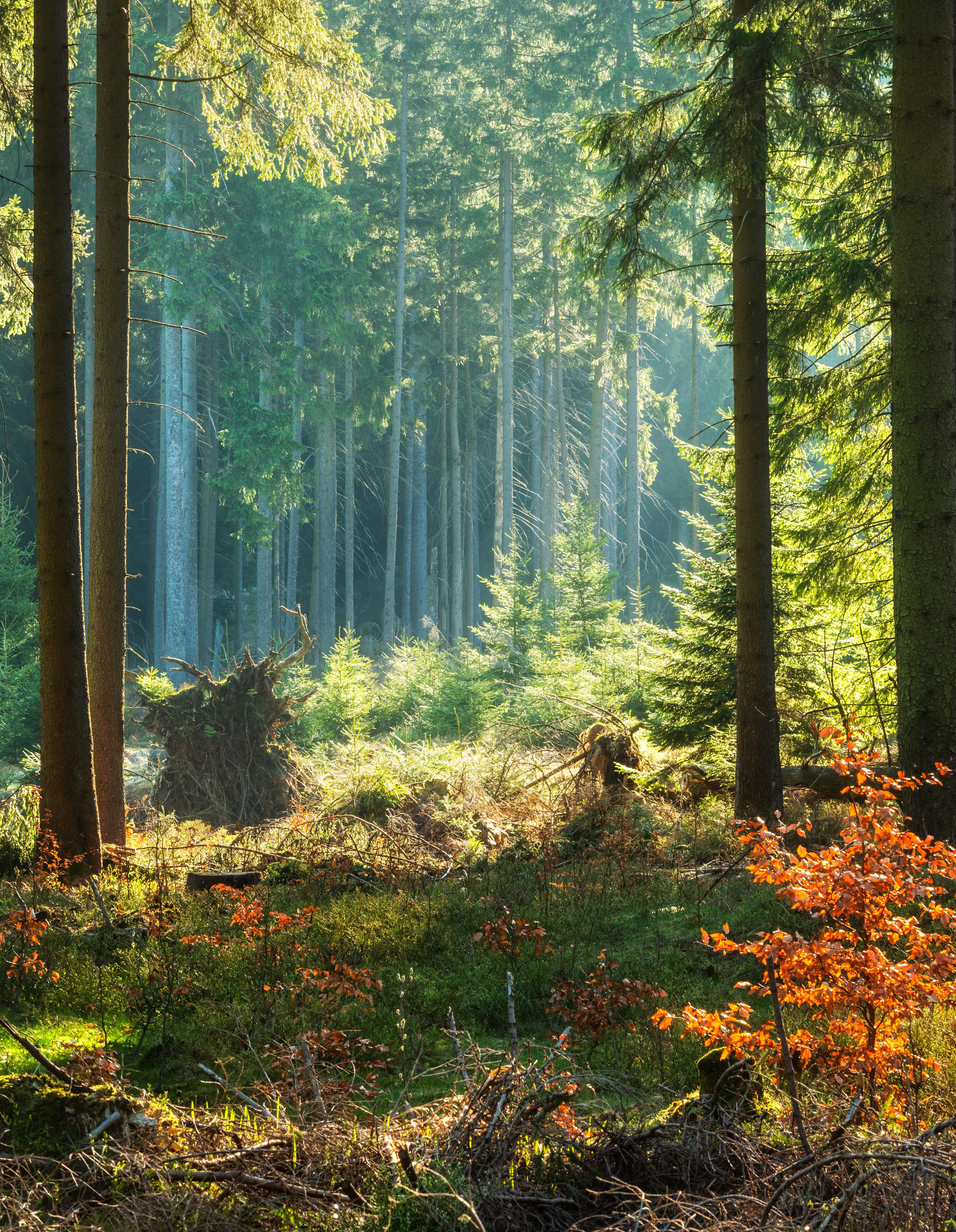
Forest bathing, or nature therapy, is a Japanese practice that translates loosely as “taking in the forest through your senses.” Coined in the ‘80s by the Japanese Ministry of Agriculture, Forestry, and Fisheries, it is a way to encourage people to spend time in nature for stress relief.
For a country boy from Atkins, I can simplify “forest bathing.” It’s going out in the woods, hiking, and hunting. But the science and impact behind the forest aspect of this activity are incredible.
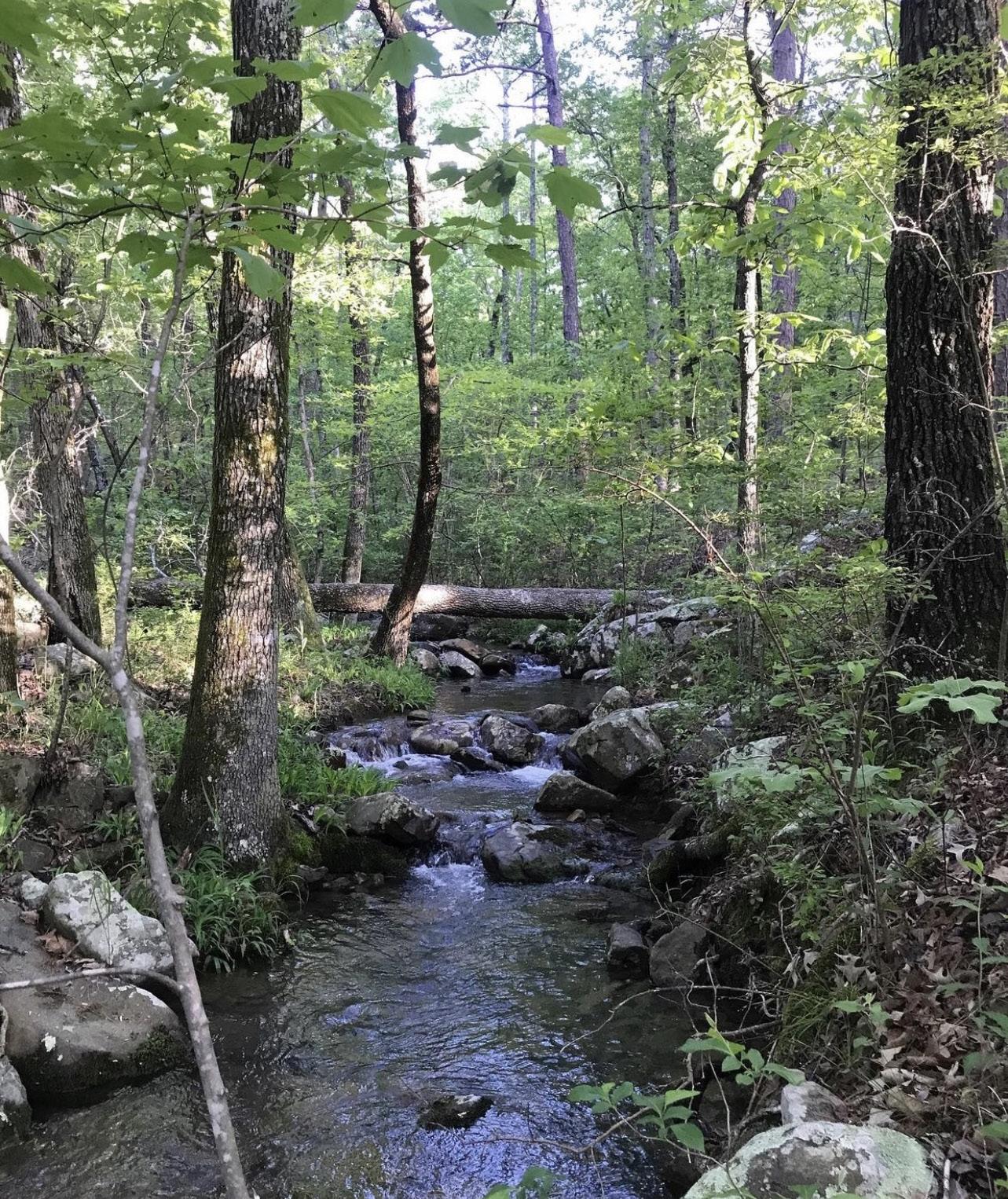
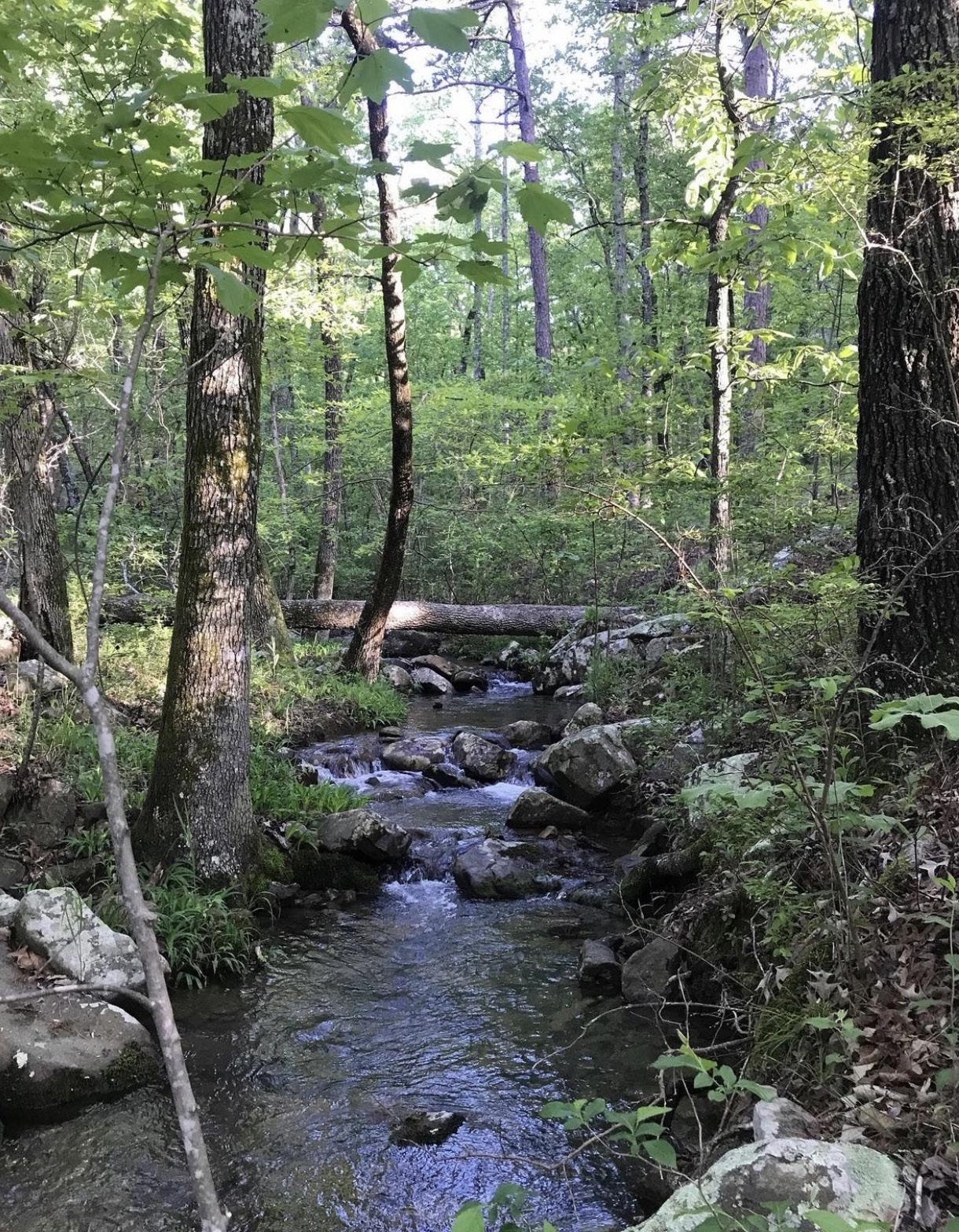
We often think of breathing in pollen and the negatives associated with allergies. A lot isn’t fully understood, but trees communicate and defend themselves – and taking in forest air has a wide range of positive effects.
Phytochemicals are chemical compounds produced by plants, generally to help them resist fungi, bacteria, and plant virus infections, as well as consumption by insects and other animals. Terpenes are a phytochemical. They comprise a significant part of the forest atmosphere and are the largest class of naturally occurring organic compounds, with more than 40,000 structures reported. [1]
My awareness of terpenes came by way of essential oils and supplements. Frankincense terpenes, for example, are used and touted in cancer treatments by alternative practitioners.
Conifers are prolific terpene producers. Examples include cedars, firs, cypresses, pines, hemlocks, redwoods, spruces, and yews.
The first time I heard the term “forest bathing,” I took it literally. Like the type of bathing where you find a creek in the woods and take a bath. Little did I know that’s a far cry from reality.
That fresh pine scent comes mostly from chemical compounds called terpenes. These terpenes are plentiful in conifer resin, including alphapinene and beta-pinene, alongside limonene and bornyl acetate, which all contribute to the smell of pine, spruce, or fir trees.
One study in the International Journal of Immunopathology and Pharmacology shows that “forest bathing enhances human natural killer cells (NK) activity and expression of cancer cells.” [2]
Natural Killer Cells are the first line of defense against cancer. They are vitally important.
• boost the immune system
• lower blood pressure
• reduce stress
• improve mood
• increase the ability to focus, even in children with ADHD
• accelerate recovery from surgery or illness
• increase energy level
• improve sleep
The Arkansas state tree is the Loblolly Pine.
Enjoying a walk in a pine forest can contribute to better well-being and potentially fight cancer. Take a hike in the park. It might save a life. Your own.
[1] https://www.ncbi.nlm.nih.gov/pmc/articles/PMC5402865/
[2] https://incatrailterpenes.com/blogs/terpenes-us/forest-bathingterpenes
1. Whitaker Point – It’s where Paul popped the question and it will always be a special hike for us.
2. Lost Valley – A cave and a waterfall? What!!?
3. Richland Creek – So many amazing waterfalls within about a 2-mile span!
4. Louisiana Purchase State Park – This one isn’t really a hike, but it’s such a beautiful little boardwalk trail! Definitely a favorite!!
5. The Devil’s Den Trail – From the stunning waterfalls to the crevices and ice box cave... this hike has something for everyone!!


Paul and I started Arkie Travels back in 2019 after people kept asking us where all the places were in the photos we were posting on social media. We thought we would have a little fun with it and that would be about it...we never imagined it would explode into what it is today. We’ve found that people are hungry to get out and explore, especially after spending over a year basically holed-up indoors.
It’s so important for both our physical and mental health to get outside, breathe fresh air, and experience this beautiful world.
Living well in Arkansas, to me, means taking advantage of everything Arkansas has to offer! From hikes to waterfall chasing, unique Airbnbs and amazing places to eat, Arkansas truly does have something for everyone...that’s why we call it the best kept secret in the South!
What’s your idea of living well in Arkansas?
What are your top 5 favorite fall hikes in Arkansas?
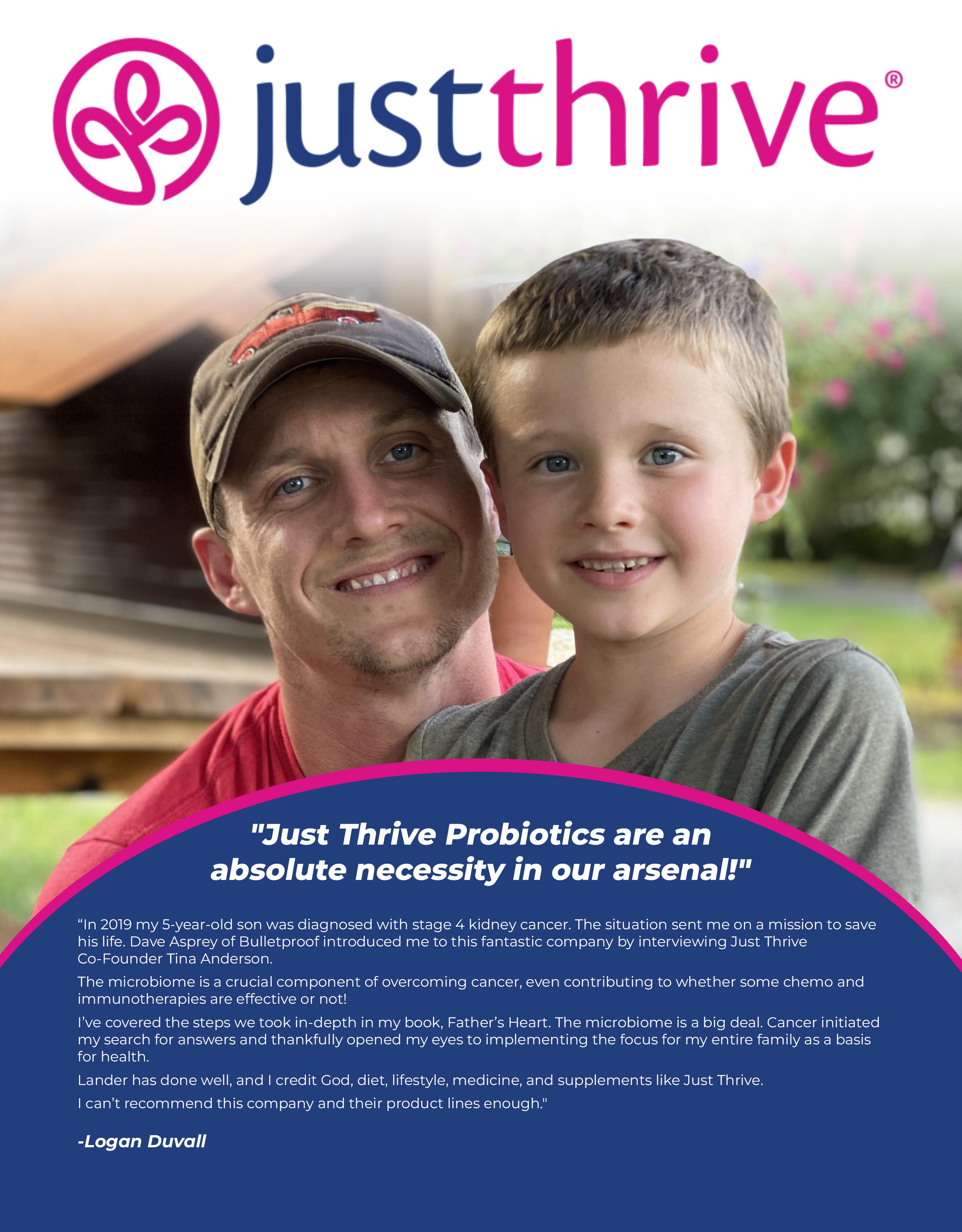

No one is ever prepared to hear that their child has a life-threatening illness. The moment I heard the word “cancer” in relation to my then 5-year-old son, Lander, my whole world came crashing down. On the outside, he looked as healthy as can be, but I quickly learned the brutal reality that a devastating illness had invaded his little body.




Prestonrose Farm and Brewery is a hidden treasure of the River Valley. It is located at the foothills of Mt. Magazine, the highest mountain in Arkansas. There are no signs on the highway leading to this magical certified organic farm where Mike and Liz Preston started their nano

brewery. After moving to Arkansas over nine years ago and settling in Paris, they have earned their spot in the Arkansas brewing and culinary scene by their excellence in farming practices and innovative creations both with their beers and their food.
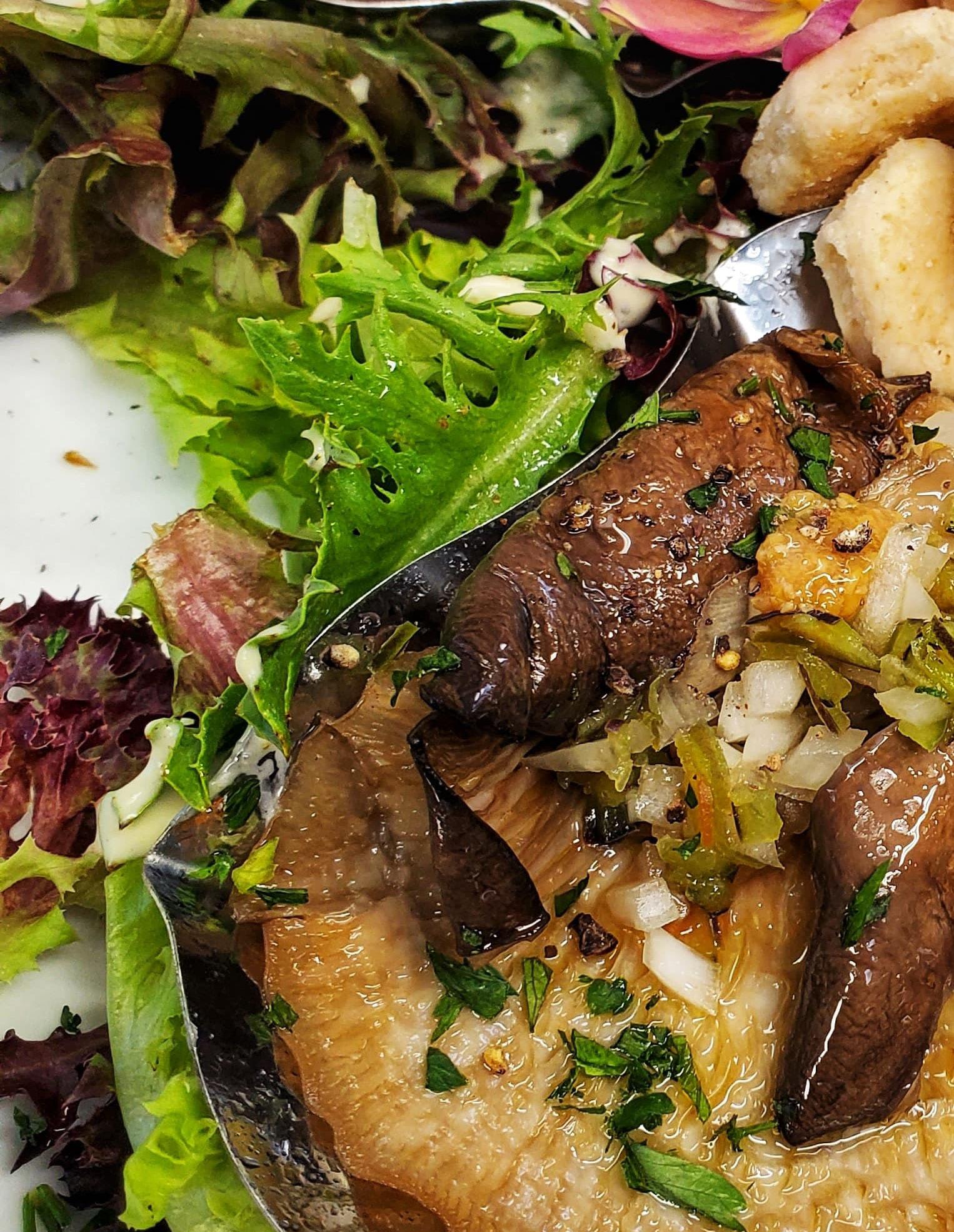
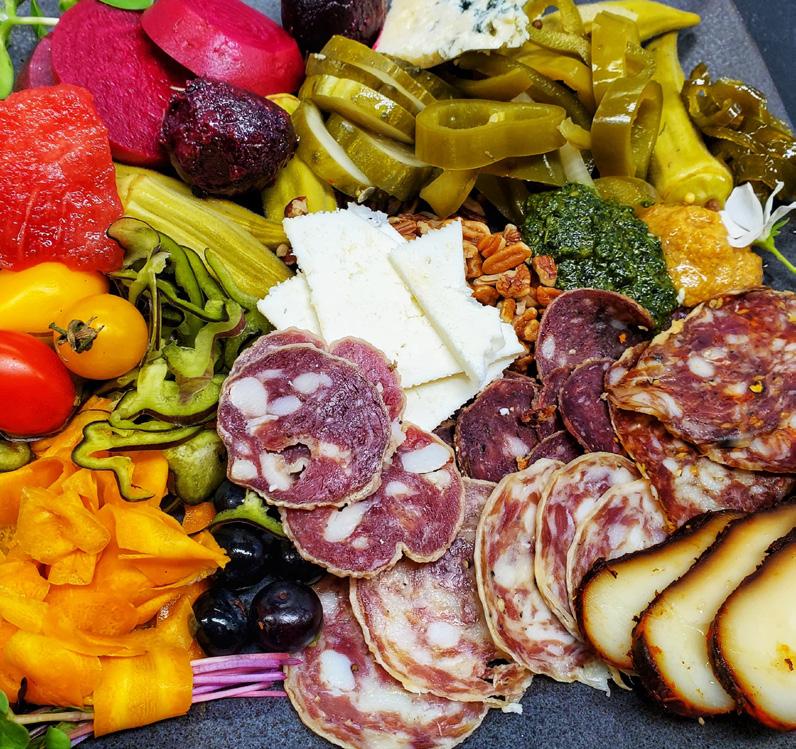
What started as a place to drop in and grab growlers has grown into a cultural experience. After selling around 6,000 growlers the first year, they knew they were onto something special. In the early years, they set up at the local farmers’ market and went to beer festivals around the state. The word quickly got out about their top-notch product. This was when they started adding shaded and screened-in seating and they just haven’t stopped. They keep expanding seating and kitchen space and most recently have added a new screened-in porch that seats 60-70 people. According to Liz, “We were in line to have a record year then Covid hit and we shut down hard. Most of our customers drive 45 minutes or more to see us. It’s really hard to sell them on a box of pizza and a beer to go. We’ve done a lot of pivoting.”
Now they are back to “normal” hours of Thursday and Friday with light snacks, then Saturday and Sunday with a full menu. Their hours are the same on all open days from 4-8 p.m. Their taps are full of their beers and some guest taps that rotate. The seasonal menu rotates regularly with what comes from their certified organic farm on the property.
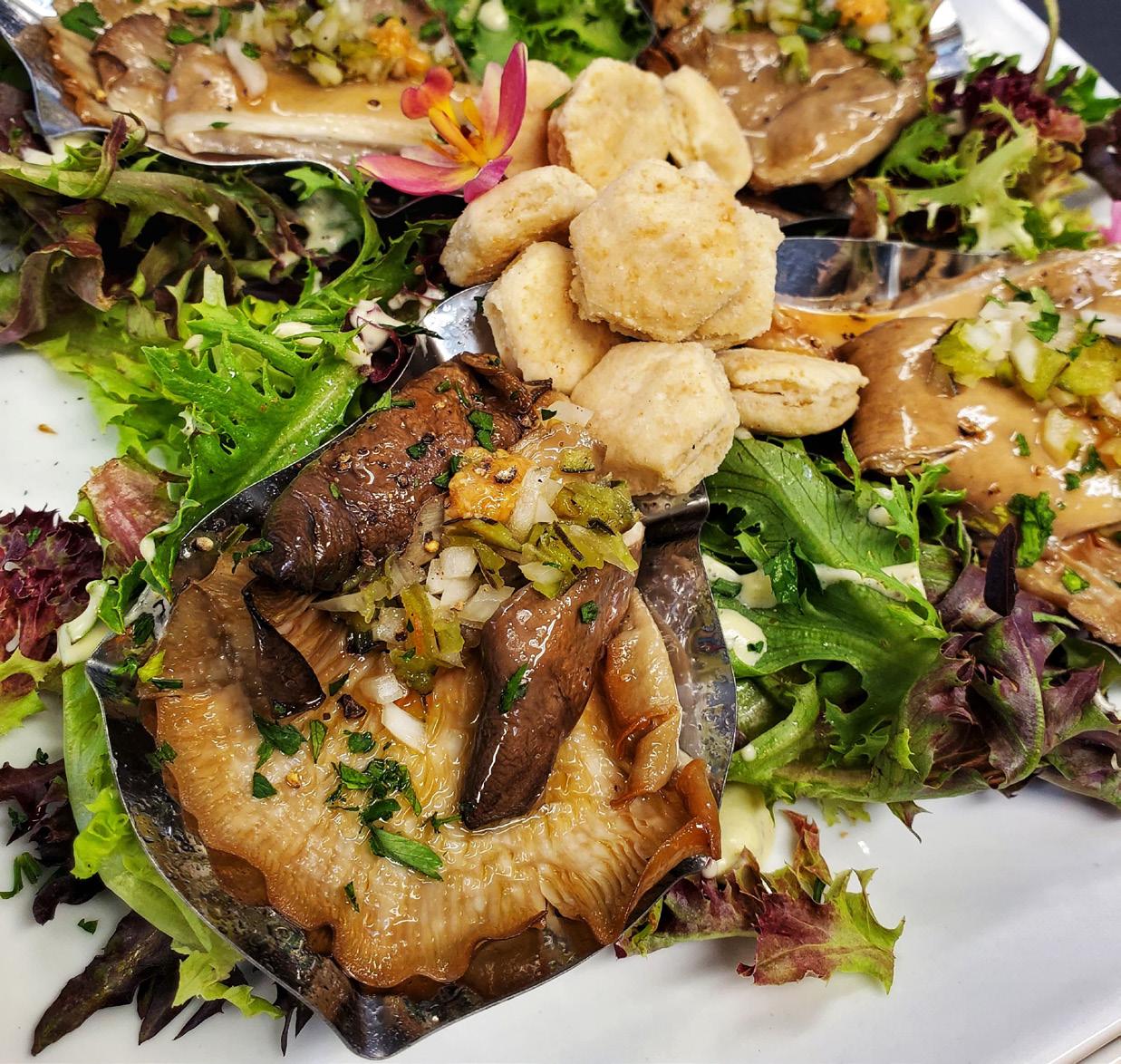
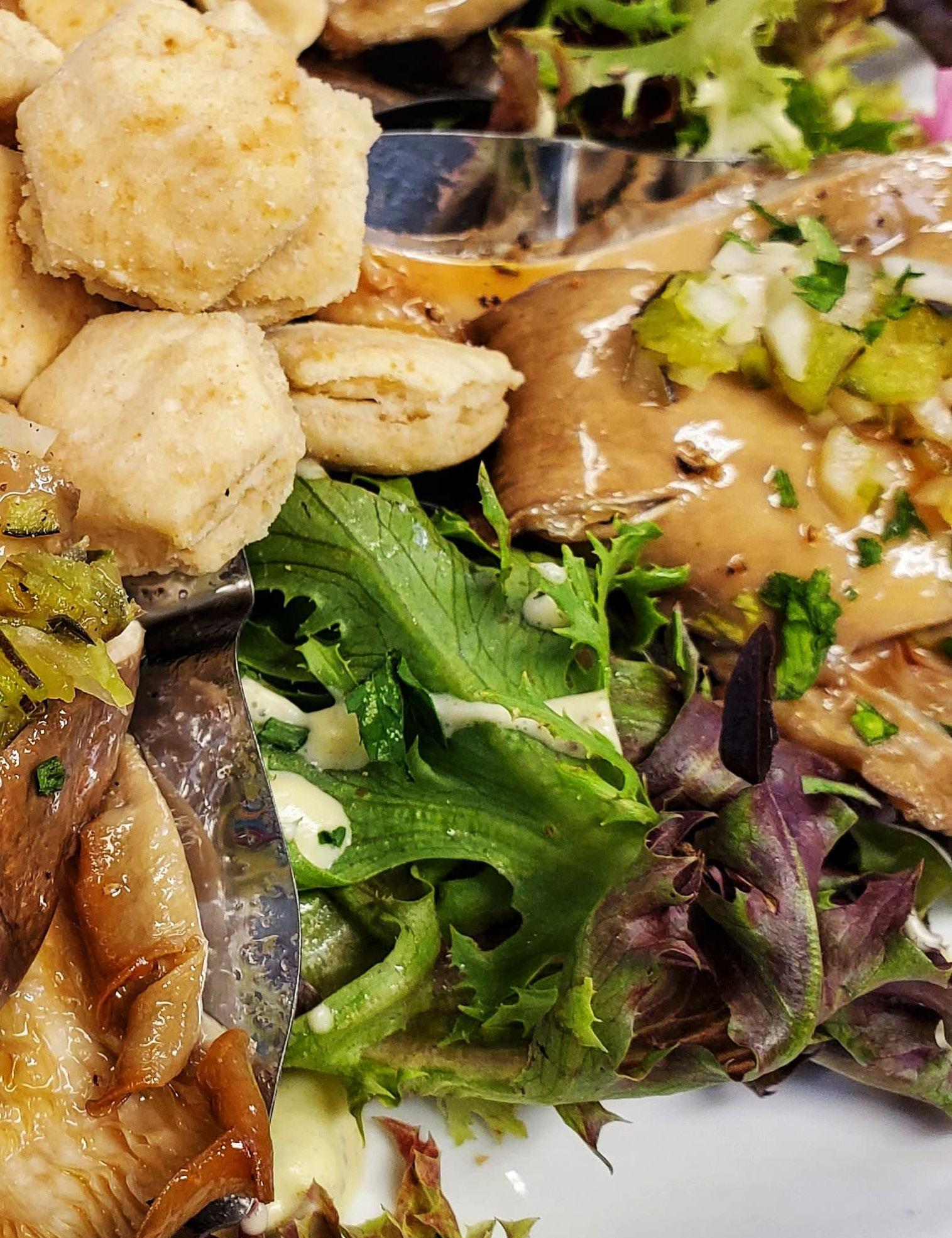
Prestonrose Farm and Nano Brewery in Paris, Arkansas. There are no billboards on the highway to find this place but it’s worth every second it takes to get there. Open Thursday-Sunday from 4 - 8 p.m. with light snacks on Thursday and Friday and a full rotating seasonal menu on Saturday and Sunday. Come fill your growlers and grab a bite made with ingredients from their organic farm at this truly one-of-a-kind Arkansas experience. Prestonrose Farm is located at 201 St Louis Valley Rd in Paris, AR.
Adventure Itinerary for Paris:
Start the day with a trip to the Wildman Twin Falls (1mile round trip hike).
Next is the Big Shoal Cascade which is less than 4 miles away and you can see it from the car.
Make sure to stop in downtown Paris for your Eiffel Tower of Arkansas selfies.
Then head up to Mt. Magazine to the Mt. Magazine Cascade and picnic at the Brown Springs Picnic Area (Cascade is a 1-mile round trip easy hike).
Now go to the other side of the park for the Mt. Magazine Falls trail (0.7 mile easy/medium hike).
Then to watch the sunset from the highest point in Arkansas.
Now it’s time to relax and have dinner at the Prestonrose Organic Farm and Nano Brewery.
Northwoods Trail system is not only super convenient to downtown Hot Springs but one that really gives you the feeling that you’re almost in the backcountry. So you get to have that experience but be super convenient to all the amenities that downtown Hot Springs has to offer. There are trails for every level of rider with miles to ride with some great views.
“We have a wide variety of trails that fit different levels of riding styles along with different levels of abilities,” says Traci Berry, the Northwoods Trails Coordinator for Visit Hot Springs. “The majority of our trails are open to foot traffic so you don’t have to be a mountain biker to come out and enjoy our trails. You can be a trail runner, hiker, or birdwatcher. It’s a beautiful property with three lakes with some great views that anyone who loves being in the outdoors would enjoy.”
There are 31 ½ miles with plans to have 40 plus miles so it is an ongoing project. This is a unique mountain biking experience for all levels of riders.

Adventure Itinerary for Hot Springs: Start the day at Red Light Roastery for coffee and snacks. Then on to Northwood trails for the first ride of the day.
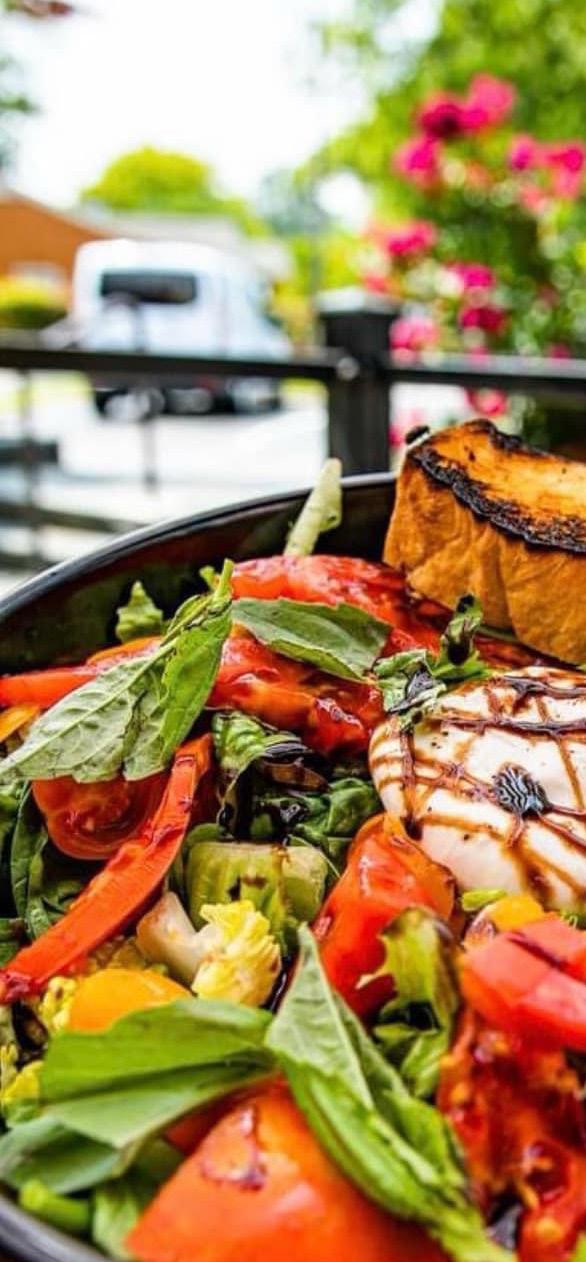
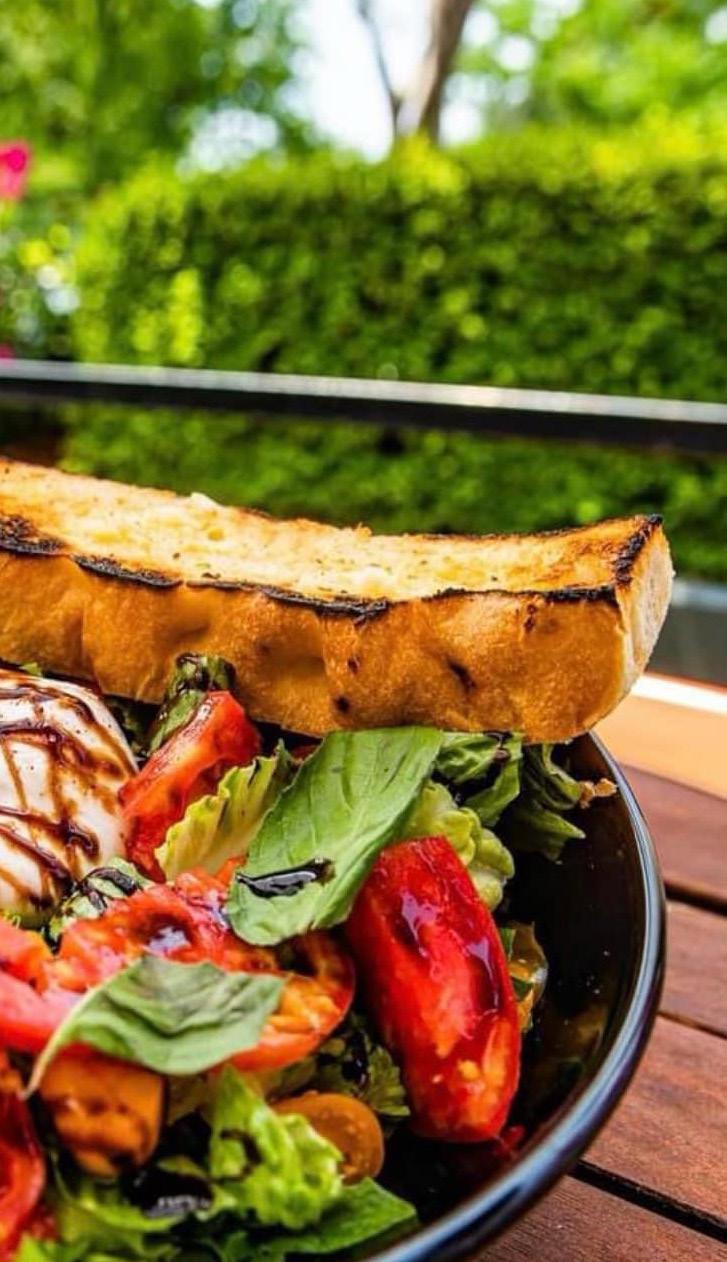
SqZb Pizza for lunch for a Caprese salad. Then over to Cedar Glades for another ride.
Superior Brewery to sit in the beer park for dinner with a view of the National Park. Then a stroll above the park on the Promenade.
Don’t forget to go to the Quapaw Bathhouse to soak the next day!
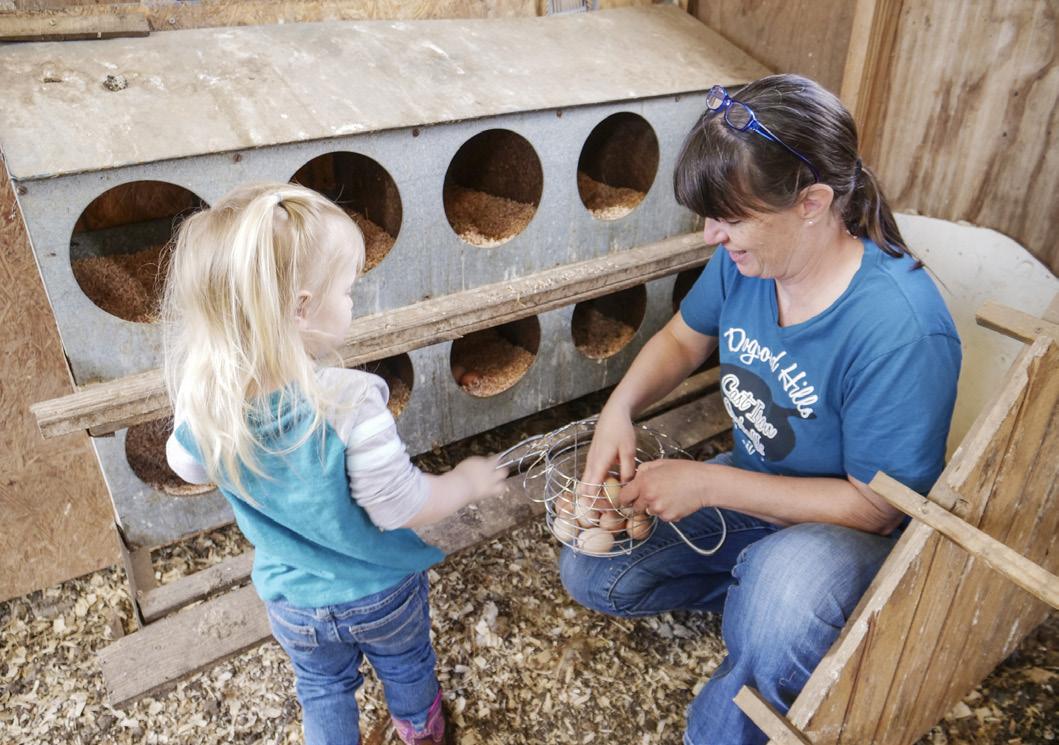
Come and “experience life on the farm.” Ruthie Pepler from the family-owned Dogwood Farms describes the unique farm experience during the autumn season: “Fall is one of my favorite times of the year. On the farm it means cooler weather, beautiful foliage, outdoor cooking and campfires. Each fall we host the annual youth cast iron cook off. Top chefs from around the state gather to share their skills and creativity with the youth and attendees. Folks can spend the day enjoying the farm and tasting the chef’s creations using many of the local ingredients and farm products.
Guests staying on the farm wake up to the beautiful views of cows and goats grazing, the sounds of roosters crowing and livestock guardian dogs welcoming them to the morning activities. The promise of a hearty breakfast wafts through the barnyard from the Loft above.
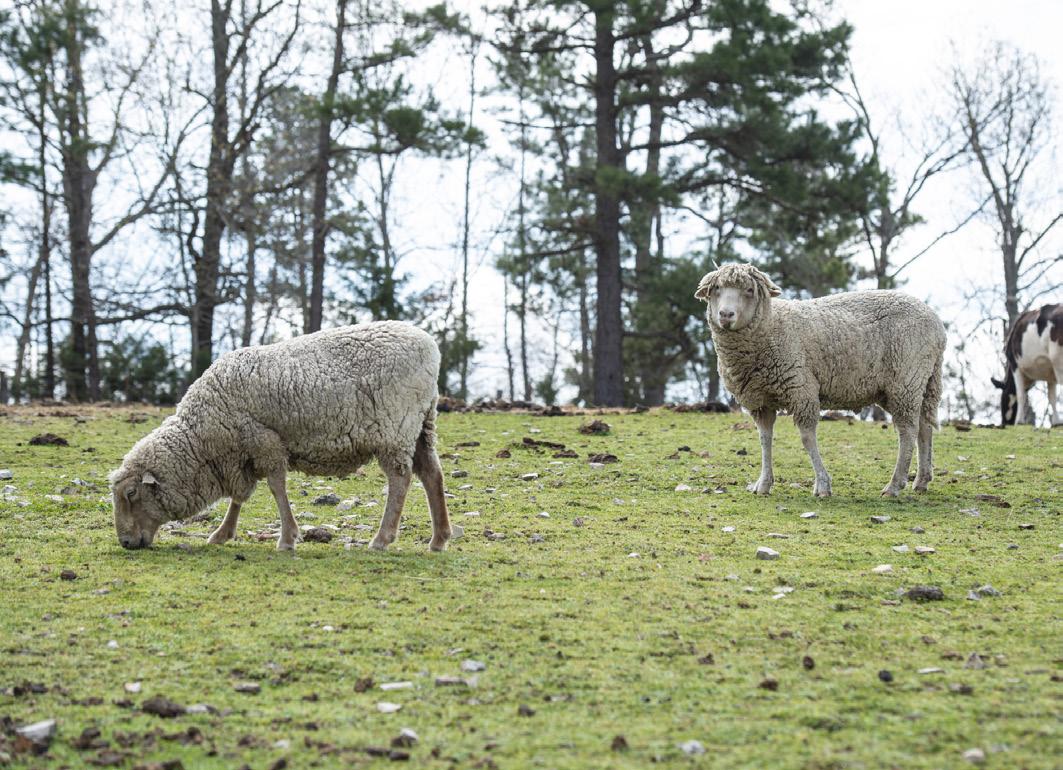
After breakfast, a self-hike (dogs and goats included) through the 40-fenced acres on the property is a great way to explore the farm. Falling leaves give way to views of the hills and hollers, and the scene is completely different as the Ozarks take on their rocky bluffs and curving roadways that carry you to beautiful nearby adventures along the Buffalo National Forest.” Dogwood Hills Guest Farm is located at 544 Cozahome Rd in Harriet, Arkansas.
Dinner Friday night on the farm at Dogwood Hills.
Saturday morning farm chores and country breakfast.
In the afternoon, a pasta-making class & dinner.
Then to Marshall Historic Jail and the Kenda Drive-in movie theater.
Sunday morning breakfast then check out.
Head to Wild Bill Outfitters and get ready to float The Buffalo National River.
Living well in Arkansas includes Visiting Well while traveling around our beautiful state! Here are a few great options to Visit Well this fall in Arkansas.
Now that’s how you do Fall in Arkansas!
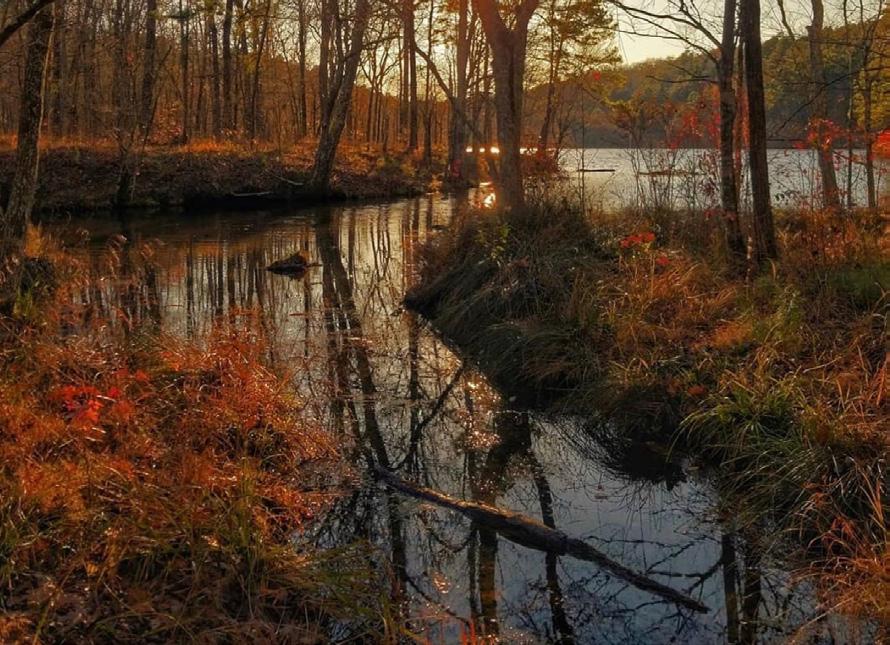
When the lazy hot days of summer pass and the cooler crisp air of fall moves in, the great outdoors beckons. The Natural State offers many ways to see the changing leaves up close or via sweeping panoramas. Try these ideas for getting outside to hike, bike, ride, drive or paddle in the Arkansas Ozarks.
Mount Kessler Greenway offers hiking, biking, and running trails in south Fayetteville. This terrain includes vast open meadows, steep rolling hillsides, beautiful bluffs, and mature native forests filled with typical Ozark species including oaks, hickories, dogwoods and redbuds. Two intermittent streams flow through this property providing an invaluable supply of water for the wildlife. Parking and trail access is available from the regional sports park, also located here.
Pigeon Creek Trail System, located north of the Pigeon Creek Park near Mountain Home, this ‘stacked loop’ trail system offers more than 20 miles of hiking opportunities along the shoreline area of Lake Norfork. It has popular hiking routes that can be short and easy while others are hilly and better suited for robust hikers. Trails have lake views, are part of old logging roads, have Ozark flora, or cling to hillsides.
Oakridge Mountain Bike Trail is a multi-use trail for hikers and mountain bikers. Accessing remote areas of Bull Shoals-White River State Park, the trail traverses the oak-hickory upland forest, dirt roads, open meadows, and crosses creeks. The loop trail allows users to choose from two levels of difficulty. Clockwise, marked with blue blazes, is moderately difficult with strenuous uphill slopes. Counterclockwise, marked with green blazes, is moderately easy. Rental bikes are available at the Camper Registration Center in the park and bicycle helmets are strongly recommended.
The Northwest Arkansas Razorback Regional Greenway is a 36-mile-long, shared-use trail that extends from the Bella Vista Trail in Bentonville to the Frisco Trail in Fayetteville. The paved trail contains impressive bridges, follows along several creeks, runs through farmland and wooded areas, and connects to other trails, lakes, and parks. While the greenway offers plenty of scenic beauty, it also links dozens of popular community destinations, including six downtown areas, the University of Arkansas, arts and entertainment venues, restaurants, historic sites, playgrounds, and residential communities.
Eureka Springs is a premier motorcycling destination in mid-America. With plenty of biker-friendly venues, it’s a great hub for riders. This 26-mile loop ride out of Eureka Springs offers great views of the water since it crosses Beaver Bridge and the Dam at Beaver Lake. It takes a little less than one hour to ride the route, which consists of Ark. 62 and Ark. 187.
Mount Magazine Scenic Byway runs from Ark. 10 in Havana, north on Ark. 309 up and over the state’s highest peak at 2,753 feet and then down to Ark. 23 at Webb City. Stop at Mount Magazine State Park for a bite to eat at its restaurant or to stretch your legs and take in the view. The byway length is 45 miles.
Scenic Byway 7, the state’s first state-designated scenic byway, travels through four of the state’s varied geographical regions. From El Dorado to Harrison, the route goes through rolling terrain with dense pine forests, beside DeGray Lake, through historic downtown Hot Springs, through the Ouachita National Forest, crosses the more level terrain of the Arkansas River Valley, and ascends into the Ozark Mountains and the Ozark National Forest. The length is 290 miles.
Boston Mountains Scenic Loop consists of two state scenic byways — U.S. 71 and Interstate 49 (formerly I-540) — that provide two very different experiences through the Boston Mountains, the highest portion of the Ozarks. U.S. 71 (42 miles) is a more intimate route with plenty of curves, while I-49 (38 miles) provides stunning panoramic views and expansive bridges.
Siloam Springs Kayak Park is positioned along the scenic Illinois River. This family-friendly park features an engineered river for skilled kayakers as well as beginners with length of rapids approximately 700 feet and Class I and II difficulty. The park has specially designed riverbank access plus a climbing boulder, a picnic area, accessible walking trails, rain garden and designated changing area.
Spring River in Mammoth Spring starts at the huge natural spring at Mammoth Spring State Park that creates a constant year-round flow of fresh water for 20 miles of whitewater canoeing. Many areas of the upper Spring River are popular with fly fishermen. Outfitters and launch facilities are available along the Mammoth Spring-Hardy stretch (17 miles). The river is crystal-clear, with long pools and whitewater falls. The scenery is mostly hardwood forest with some rocky bluffs.
Jill Rohrbach is a staff travel writer for Arkansas Tourism. SheprimarilywritesabouttheNorthCentralandNorthwest portionsofthestate.
“All disease begins in the gut.” This is a quote attributed to the Ancient Greek physician Hippocrates nearly 2500 years ago. If disease begins in the gut, I find it safe to say the opposite is likely true – health begins in the gut.
I’ve heard that probiotics and eating fermented foods like yogurt has been healthy for years. Still, until I began to dive into giving my child every opportunity to overcome cancer, I didn’t know anything.
The bacteria and fungi in our intestines play a more significant role in health than I could have ever imagined. The makeup of all the different species is called the gut microbiome. Overall, the field of study is new, and we are constantly learning more.
Early on our cancer journey, I came across a mind-blowing study on immunotherapy which is an oncological treatment that boosts the body’s own immune system to destroy cancer. Bacteria in the gut determined if the treatment was successful or not. If the bacteria were present it worked – if they weren’t – it didn’t![1] I knew right then I had to give my son Lander the best microbiome possible.
But I never dreamed of the impact microscopic “bugs” have on health. While there are good guys, there are also bad guys like overgrowth of the yeast Candida or stomach ulcers from H. pylori. So there is a lot to it.
A quick science lesson will help us lay out a few definitions.
A probiotic is the bacteria themselves. Often this is in a pill form from a health food store. A natural way of getting probiotics includes eating yogurt, kombucha, fermented vegetables, and foods from the soil.
Prebiotics is food for bacteria. Fiber is the primary form of prebiotic, and there are many types of fiber and subcategories. Collagen, polyphenols – the colors of fruits and vegetables – and humic and fulvic complexes also act as prebiotics for different species of bacteria.
Postbiotics are compounds produced by bacteria that benefit our bodies. This topic isn’t fully understood, but it’s a critical one. Different bugs in the gut create short-chain fatty acids. They do this in the intestines.
Fermentation is a metabolic process of chemical changes. For example, think of how yeast converts sugar into alcohol in the wine-making process. A fantastic way of incorporating postbiotics is eating fermented vegetables like sauerkraut, kimchi, or pickles. It’s imperative to eat fermented foods, but I haven’t found convincing proof that only eating fermented foods gets the microbiome lined out. So taking a probiotic is still vital.
An excerpt from a PubMed article summarizes the science.
“As a result, fermented foods provide many health benefits such as anti-oxidant, anti-microbial, anti-fungal, anti-inflammatory, antidiabetic and anti-atherosclerotic activity.”
Another way to enjoy fermented deliciousness is kombucha which is fermented tea. Most commercially available products are loaded with sugar. They fall under a health-busting category and should not be considered healthy food. They are no better than soft drinks. Make your own, or find a maker that doesn’t add sugar or fruit juice to the end product.
All kombucha will have some sugar, that’s how the fermentation process works, but I believe the benefits are enormous. For example, the polyphenol EGCG (Epigallocatechin Gallate) from green tea is a commonly recommended cancer supplement and has been shown to have anti-inflammatory effects.
I think it’s a great idea to drink a couple of kombucha glasses a week but not overindulge.
This is a local manufacturer of kombucha in central Arkansas.

The people behind local businesses are the special parts. We at Me & McGee have worked with Teaberry and Nathan Brown since 2018. The Kombucha maker shared a booth with us under our umbrella of partners at the Arkansas Made, Arkansas Proud Show at War Memorial that same year. That show is still talked about all these years later. It was a blast!
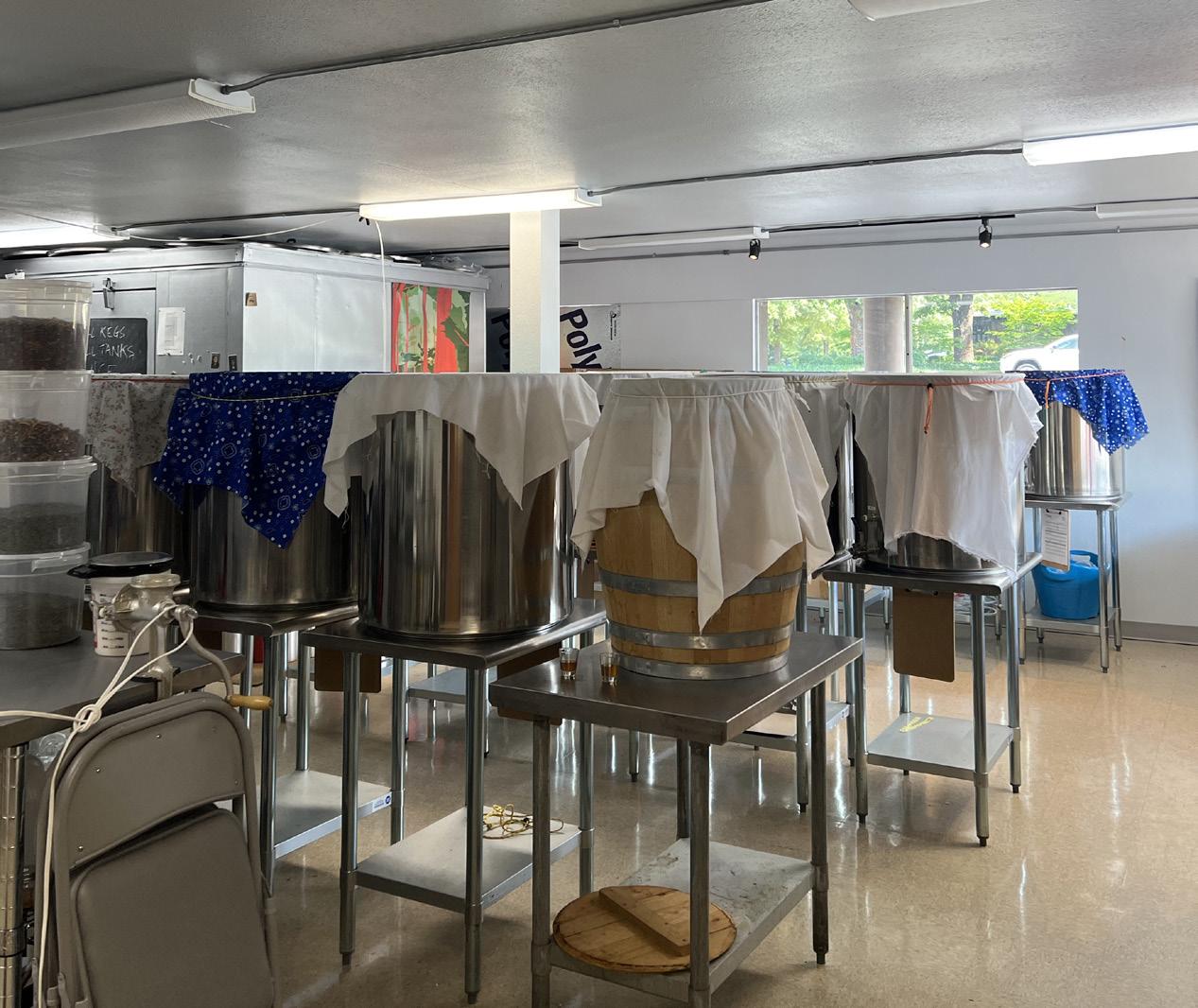
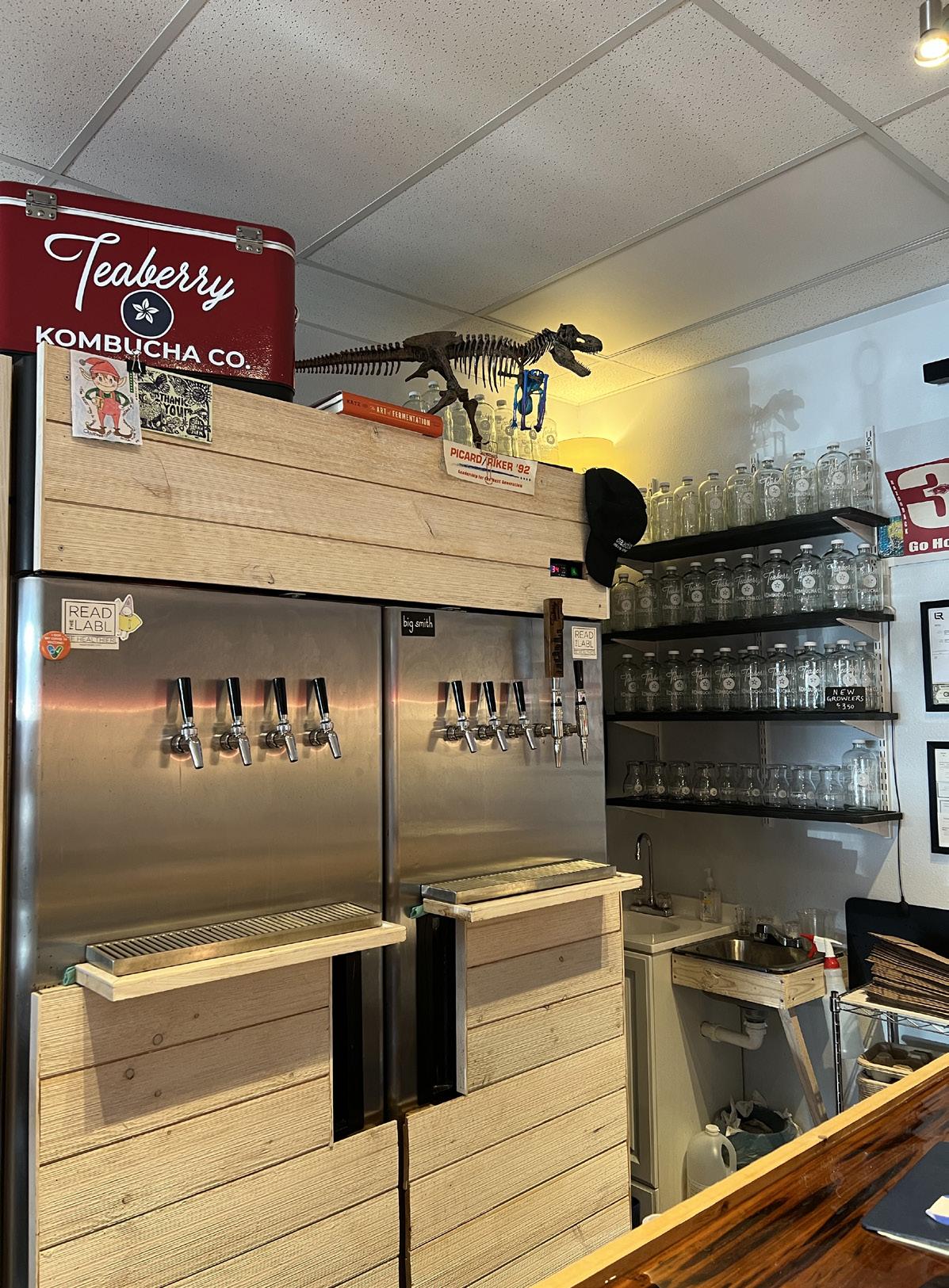
Kombucha has become popular. It is showing up at big grocery chains, and homebrew is becoming more trendy. However, none I have ever tried have come close to the phenomenal taste of the superior craft Nathan has created.
Nathan’s fermenting journey started about 20-25 years ago when he started brewing beer. “That was the gateway to things like kombucha, yogurt, and the whole world of fermentation,” said Nathan. Nathan’s interest in fermentation is a nod to the history of the process. “Before refrigeration, fermentation was just a common part of life. Those taste buds have sort of atrophied in a way,” he said. “We have lost that taste for fermented, sour funkiness in a couple of generations. So it’s kind of fun to bring it back. There’s a whole world, a universe of fermented products, culturally all over the globe.”
About five years ago, making kombucha was something he did in his free time. Nathan had been working in a lab for over twelve years when the lab got bought out and moved out west. “The job left me, so I got to do whatever I wanted,” he said, and Teaberry Kombucha was born. According to Nathan, “I had been brewing this kombucha at home, and I thought well, this is the dumbest idea I could have or a good idea. I knew how much soda people drink in Arkansas, and I thought if I can just replace some soda with something good or better, it may catch on.”
So what is kombucha? The definition varies by source, but the dictionary defines it as “a drink produced by fermenting sweet tea with a culture of yeast and bacteria.” I like Nathan’s definition better, “It’s cold and fizzy kind of like a healthy soda.” I will add that Teaberry Kombucha is some of the best-tasting kombuchas I’ve ever had. The flavors are creative and innovative and exceptionally well balanced. There is sugar in kombucha because, as Nathan explained, “You’ve got to have real sugar to feed the bugs.” Nathan responded when asked about the health benefits, “It’s fizzy. It’s a little tart. It’s a little sweet. It’s a fraction of the sugar of a soda. It’s a living, breathing drink with probiotics and a lot of good stuff.”
Teaberry Kombucha can be found in about a dozen stores, farm stands, and restaurants. All of which are listed on their website. But if you want the authentic experience, I recommend dropping into the taproom in Little Rock at 9821 W Markham St suite A. The taproom has been open for almost 3 years now with a rotating menu of the most creative and tasty kombucha flavors brewed in the same building. Nathan is a one-person show, so he will be the one serving you and can tell you all about the process. There are eighteen 50-gallon fermenters located in the building of Teaberry that can produce anywhere from 100-150 gallons a week of kombucha. So next time you want something cold and fizzy, drop into the Teaberry Kombucha Taproom and get your growler filled with your favorite from that week’s menu of kombuchas.
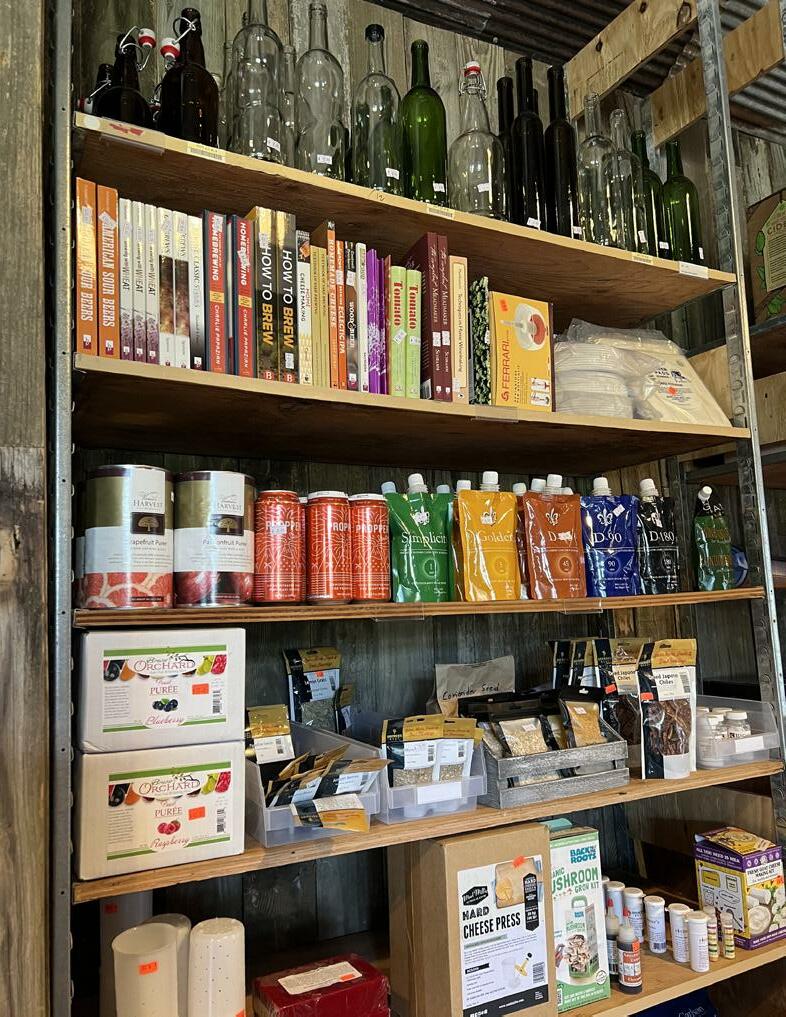
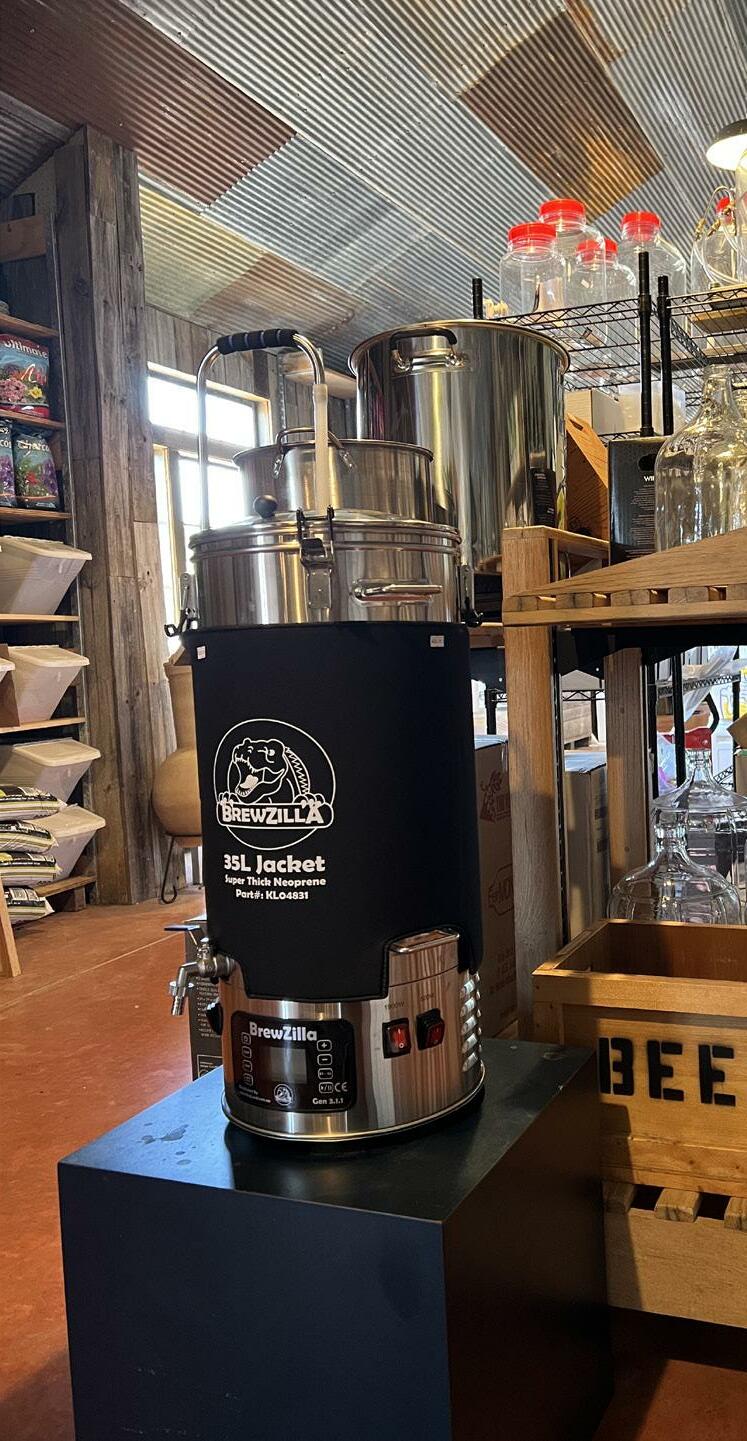
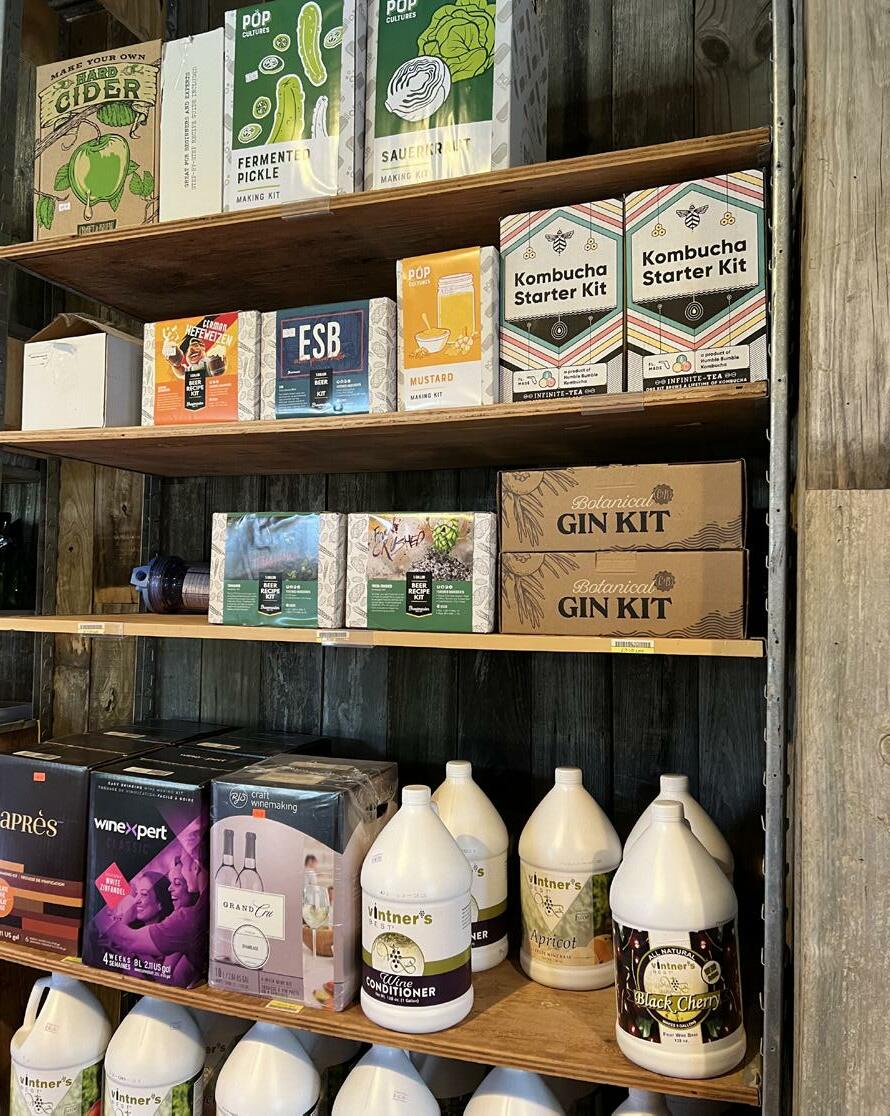
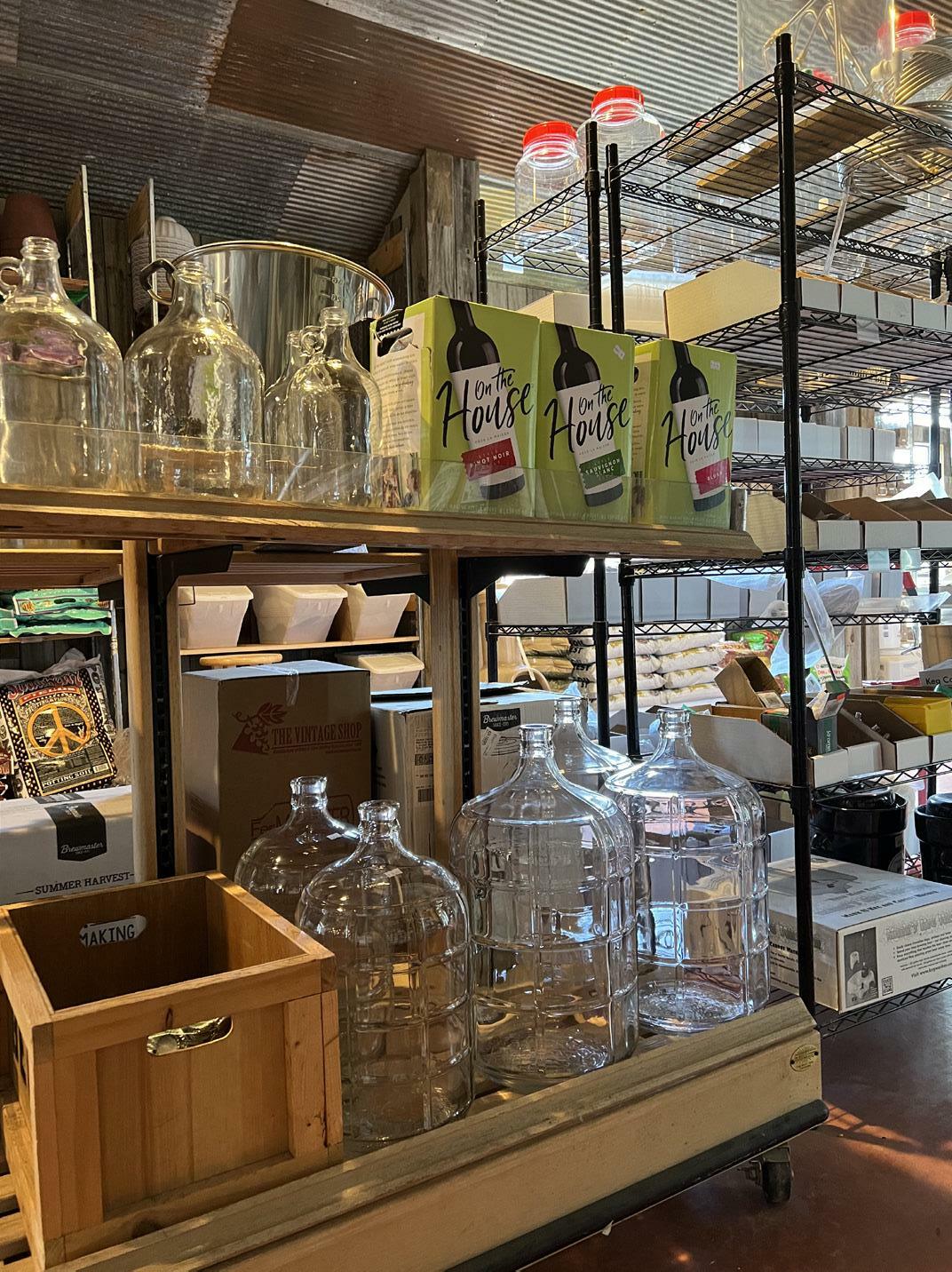
The Nurserie Farm and Garden Market is a working aquaponics farm, garden center, homebrew shop, and local foods market that is located on Stagecoach Rd right off the I-430 exit in Little Rock. The role that the Nurserie plays in our local food scene has evolved over this last year to include the inventory and expertise for fermenting when they acquired Fermentables. After 30 years of being the only fermenting store in Central Arkansas, Mike Byrum retired Fermentables in North Little Rock, and Bo Bennett at the Nurserie has stepped in to fill that role. They carry
the equipment and ingredients needed for homebrewing beer, making fruit wine or mead, fermented foods, lacto-fermentation, and nonalcoholic beverages like kombucha – and that’s just one side of the building. They also sell greenhouse and indoor hydroponic supplies and have a full garden center for the soilbased cultivators. The Nurserie is catering to the material needs of the self-sustainable and subsistence growers that are trying to create crops, flowers, or fermentations to enjoy with their families and friends.
Bo Bennet is the General Manager of the Nurserie and an avid homebrewer.
Here’s my recipe for the “Tao of Pooh” Traditional Semi-Sweet Mead, recipe makes 1 gallon.
Triple Gold Medal winning recipe also!
Honey Needed: 3 lbs, Raw Local Honey.
Dry Yeast Packet: 5g (Preferably Lavlin EC118 or D47 Yeast)
Go-ferm: 6.25g
Fermaid O: 4.5g
1. Clean and sanitize everything that will come into contact with your must.
2. Dissolve honey in small amount of water (leave room to add additional water to reach batch volume).
“Our mission at the Nurserie is to liberate folks from industrial food systems and supply chains, to help folks create amazing gardens and great fermentations,” said Bo. When asked about the number one thing people are looking to ferment, the answer was seasonal fruit wines. Sounds like there are a lot of family recipes passed down through the generations that people try to recreate when blackberries, peaches, or muscadines are ripe. The other more popular fermentation processes are homebrew beer, ales, and mead. The Nurserie carries all the grains, yeast, hops, honey, and other local goods you need for fermentation. They have everything you need to make fermented beverages and foods!
3. Add water to your batch volume minus volume for rehydration.
4. Aerate the must with a drill stirrer or shake/stir vigorously for 15 minutes.
5. Rehydrate, temper and pitch yeast per Go-Ferm rehydration instructions below.
6. Record specific gravity and temperature for future reference.
7. Apply airlock. Ferment per your yeast temperature specs. Low 60 deg F is sufficient for most wine yeasts.
8. Degas twice per day for first week of fermentation.
9. Dose nutrients per nutrient protocol instructions below.
10. Rack when yeast is done fermenting, as evidenced by no drop in SG for two full weeks. Also rack within 3 weeks of sediment layer forming on the bottom of an aging vessel to avoid sur lie or autolysis flavors.
11. When mead clears, bottle and enjoy. After 2-3 months, mead should be ready to drink.


For 1 packet(s) yeast, dissolve 6.25g of Go-Ferm Protect in 125mL hot water (the hotter the better). The warmer the water, the easier it will be to dissolve the GoFerm.
When the water reaches 104 deg F (40 deg C), pour in your yeast. Give the slurry a quick swirl. After 15 minutes, begin tempering yeast by adding 63mL must to the yeast slurry every 5 minutes.When yeast slurry temperature is within 10 deg F of must temperature, pitch yeast into fermenter.
The total amount of Fermaid O that will be added to your must is 4.5g. The nutrients will be divided into 4 staggered nutrient additions. To avoid mead eruption accidents, degas must and dissolve yeast nutrient doses in 1 cup must prior to adding to the fermenter.
At 24, 48, and 72 hours after you pitch your yeast, add 1.1g of Fermaid O to your must.
When the must reaches the 1/3 sugar break (1/3 of all available sugars are consumed, i.e. 1.120 starting gravity reaches 1.080 or 21 Brix reaches 14 Brix), but no later than 7 days after yeast pitch, add the last dose of 1.2g of Fermaid O.
“The mission of Central Arkansas Fermenters is to provide education and enhance the awareness and understanding of the art, science, and craft underlying the at-home brewing of beer, ciders, wines, and other fermented beverages throughout the Central Arkansas region. The neat thing about our club is that these beverages are being brewed by people just like you. They are brewing in their garages, kitchens, or backyards. You do not have to be a professional to learn the craft, but after time you could be. Many brewers from your favorite Little Rock breweries got their start with the Central Arkansas Fermenters.
The Central Arkansas Fermenters also hosts a massive homebrew exhibition every year. Little Rocktoberfest, which will take place on September 24 at War Memorial Stadium, is a gathering of dozens of homebrewers supplying samples to show their craft alongside professional Arkansan breweries. This is our favorite event because we can use our craft to benefit other charitable organizations, as we donate a large portion of our proceeds to a local charity.”
Hernandez 2022 CAF President By Logan Duvall
If you’ve never been a part of putting together a restaurant menu, it’s hard to appreciate how much work goes into it and just how challenging it can be.
For this reason, almost all restaurants have a set menu and/or a menu that changes periodically.
Consequently, this is part of what makes using local produce hard. Trying to find quantities available at the exact time is almost impossible. Not to mention the consistency issues because, let’s be honest, nothing is better than fresh picked and homegrown produce. Menu items tend to go from good to great when those ingredients are used and then back to good when they aren’t.
The simplest solution, Occam’s razor for other geeks like me, is to do the exact opposite with the menu. At least for occasions or specials.
Using local ingredients like fruits and vegetables can be difficult in food service.
The best way to create a prosperous local food system is to get available ingredients and make the dishes! This is commonplace in Europe, where a chef goes to the local market, buys what he/she needs, if available, and gets whatever is available. The creative juices flow, especially when something unexpected is procured.
Through Me & McGee Market, so many relationships have been made in the food chain. I admire many chefs and farmers, which is why we make videos and strive to promote them.
If we want farmers – the farmers who provide diversity, quality, and a passion for their work – to thrive, then we have to buy and use the fruits, pardon the pun, of their labor.
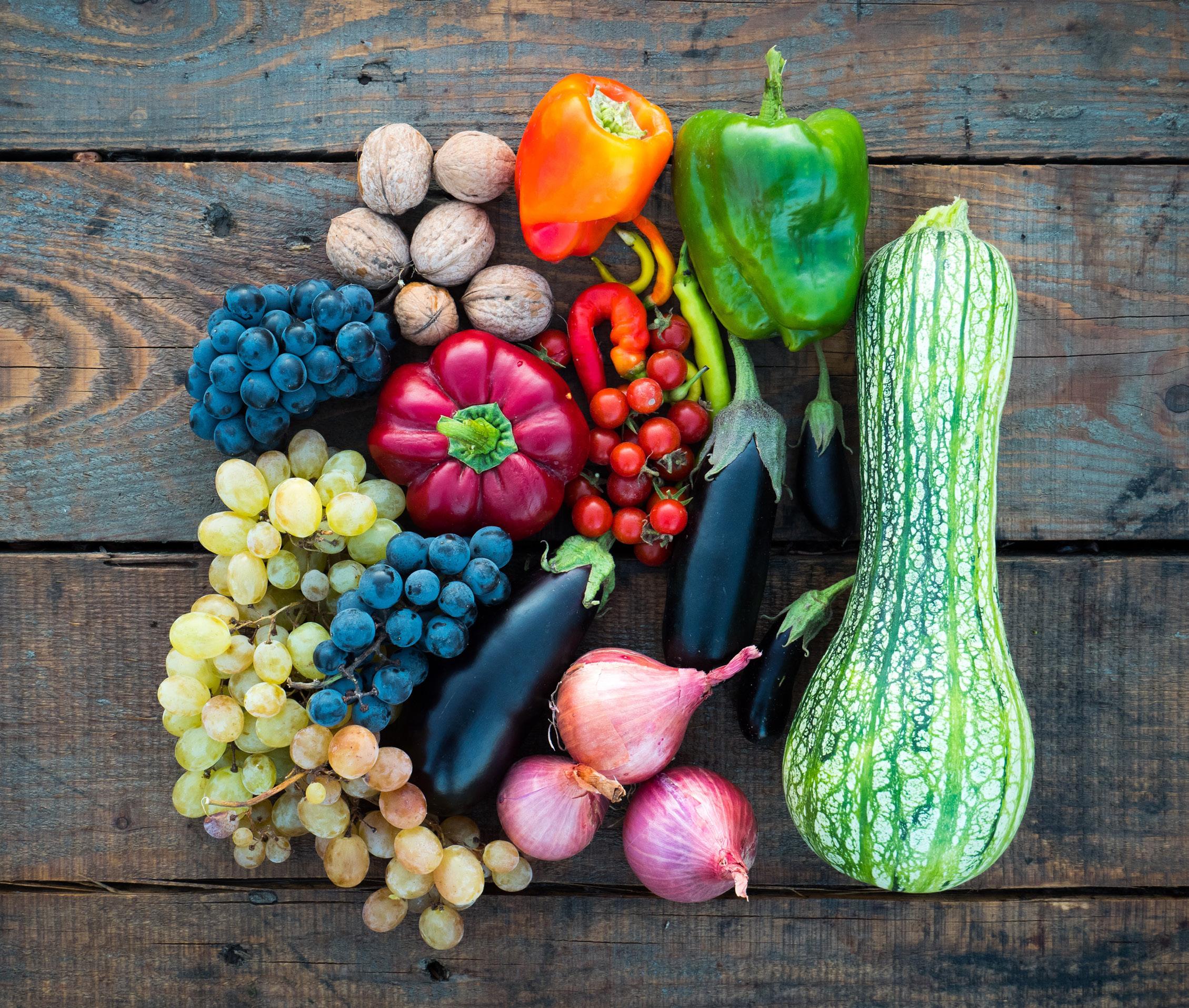
We vote with our money. By eating at restaurants that use local, we are supporting our communities in many ways.
Arkansas is blessed with incredible people and ample farmland. Some chefs are excelling and living the support-local paradigm.
Chef Cash Ashely – Raduno
Chef Scott Raines – Table 28
Chef Joel Carr – The Alotion Club
Chef Titus Holly – The Pantry
Chef Peter Brave – Brave New Restaurant
Chef Capi Peck – Trio’s
Chef Scott McGehee – Yellow Rocket Concepts and all the restaurants in that family
The Grumpy Rabbit – Lonoke
Chef Liz Preston – Prestonrose Farm & Brewing Co. – Paris