


South Port’s NPAT for the first six months of FY2018 of $4.9M (FY2017 - $4.10M) exceeded the expected level of half year profit. Several factors contributed to this interim result including:
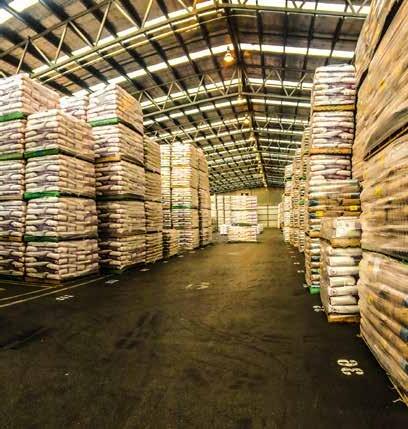
Î Large volumes of inbound fertiliser were recorded for the first six months.
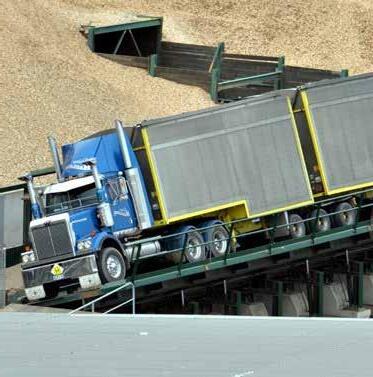
Î Dry weather had a negative impact on pasture growth which has led to an increase in stock food imports for the dairy industry.
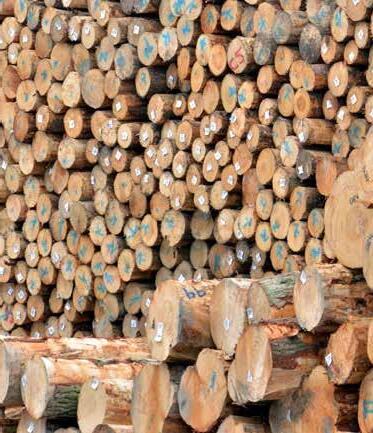
Î Log exports have remained strong due to buoyant market conditions.
The reported half-year profit should be read in conjunction with the Outlook section of this report (where a year-end NPAT forecast range is provided).
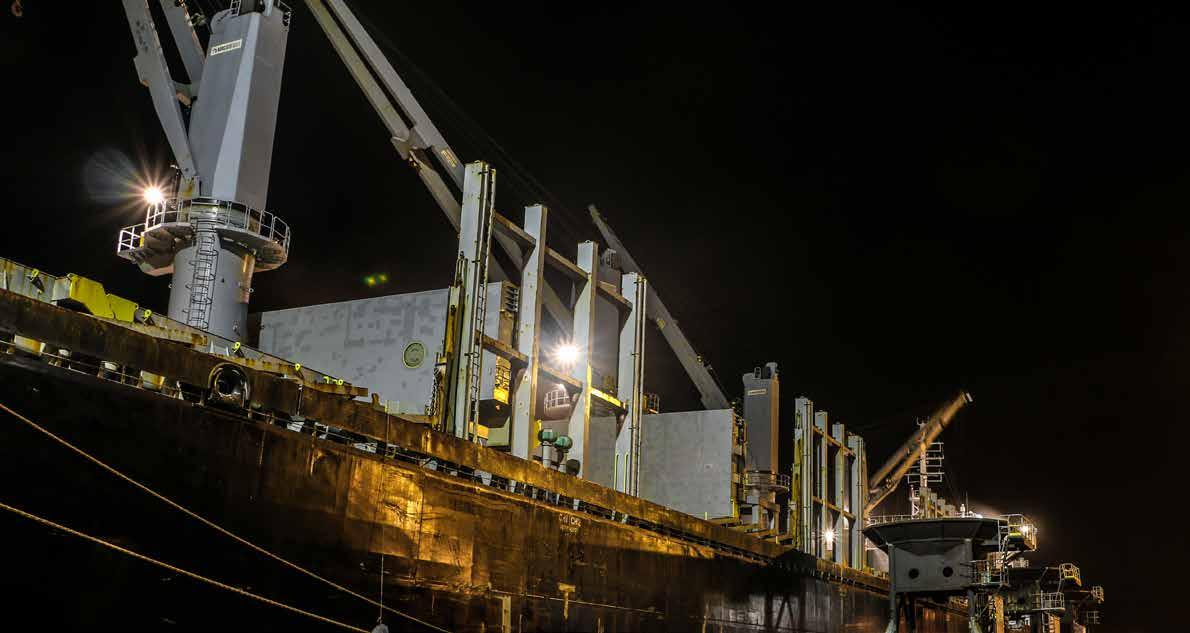
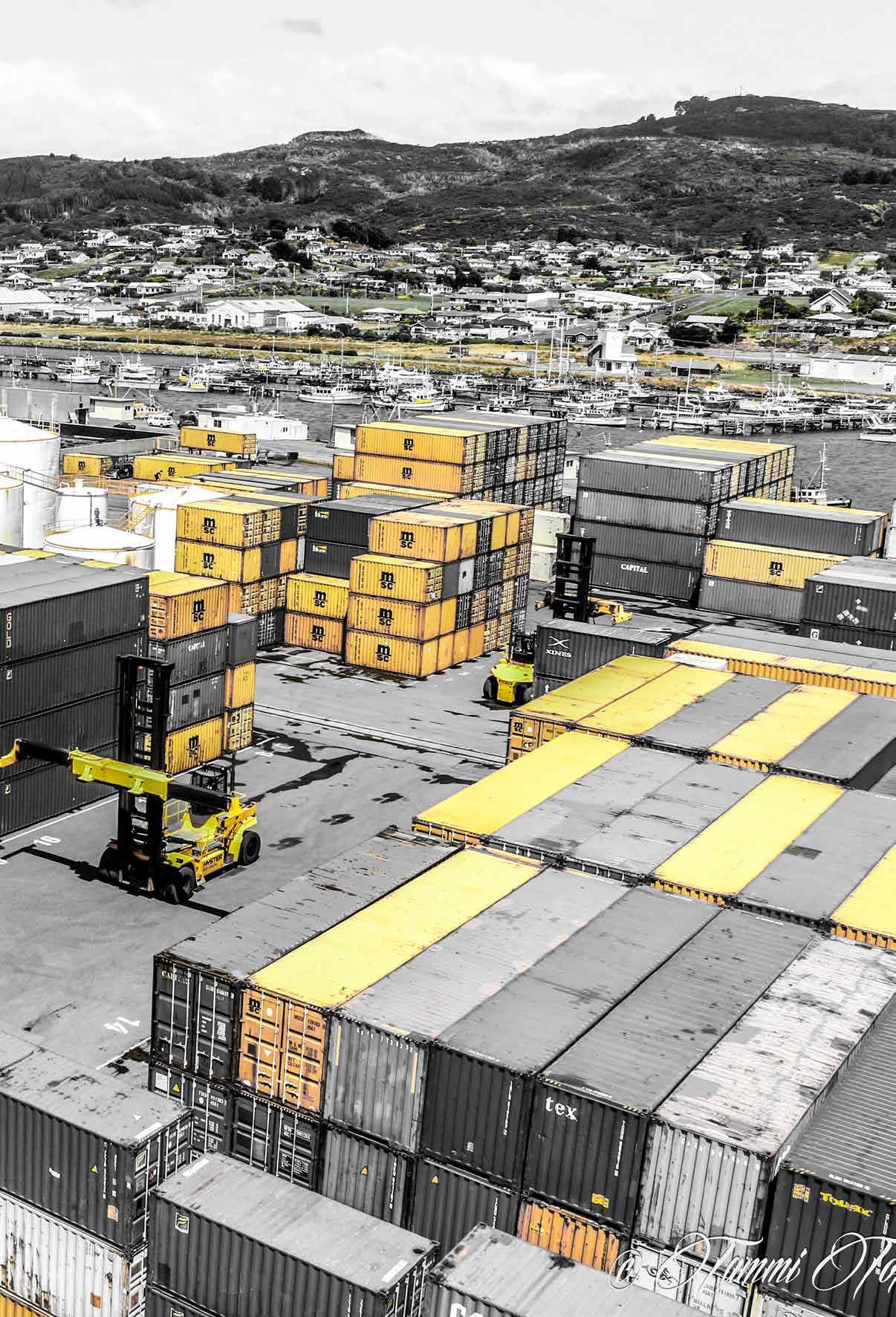
Total cargo activity was 1,732,000 tonnes compared with 1,517,000 tonnes in the prior year interim period. This represents an increase in cargo flows of 215,000 tonnes or 14%. Bulk cargoes continue to be the backbone of the Company recording strong volumes in fertiliser (+63,000), acid (+20,000) stock food (+19,000) and logs (+49,000).
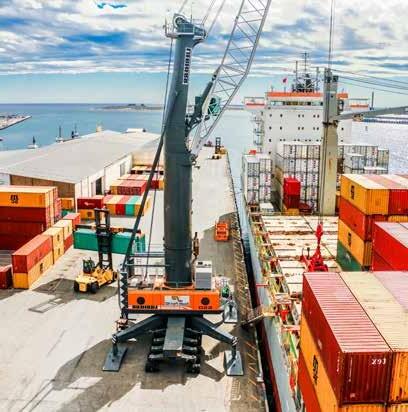
Containerised cargo declined 4% largely due to a reduction of empty boxes being delivered to the Port, however there has been a positive trend of increased volumes of imported containerised cargo coming through the Port over the same period.
Unusually dry conditions in the south have also seen an increase in both containerised supplementary feeds being delivered to the Port and meat products being exported due to shortage of feed creating earlier processing demands.
The most recent global dairy trade (GDT) auctions in 2018 have delivered small price increases on the previous events held in December 2017. These price increases in the GDT are a reflection of the tightening of supply in New Zealand due to the recent dry weather and in some areas drought conditions.
Any shortening of supply from New Zealand is expected to be met by increased production by both the European and United States producers therefore this market dynamic will most likely have an impact on the future GDT auctions.
Intermodal Freight Centre (IFC)
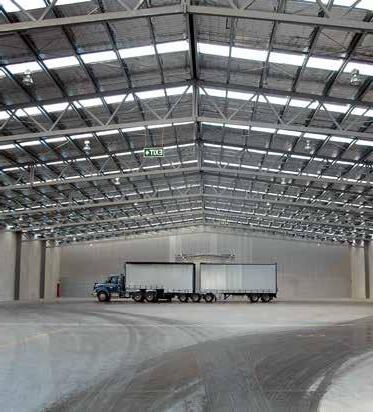
The IFC is now into its second full year of operation. Initially set up for the handling of imported goods, containers are now being recycled at this location allowing export product to be loaded into the empty box and sent back to the Port for shipment.
The central location, adjacent to the KiwiRail container transfer yard in Invercargill works extremely well for our customers providing the flexibility to choose port of origin / destination and mode of transport for the movement of containers. The ability to collect cargo at this facility rather than make a return trip to Bluff provides a more efficient supply chain for the customer. Additional benefits include removing trucks off the road and less impact on the environment with reduced emissions.
Container
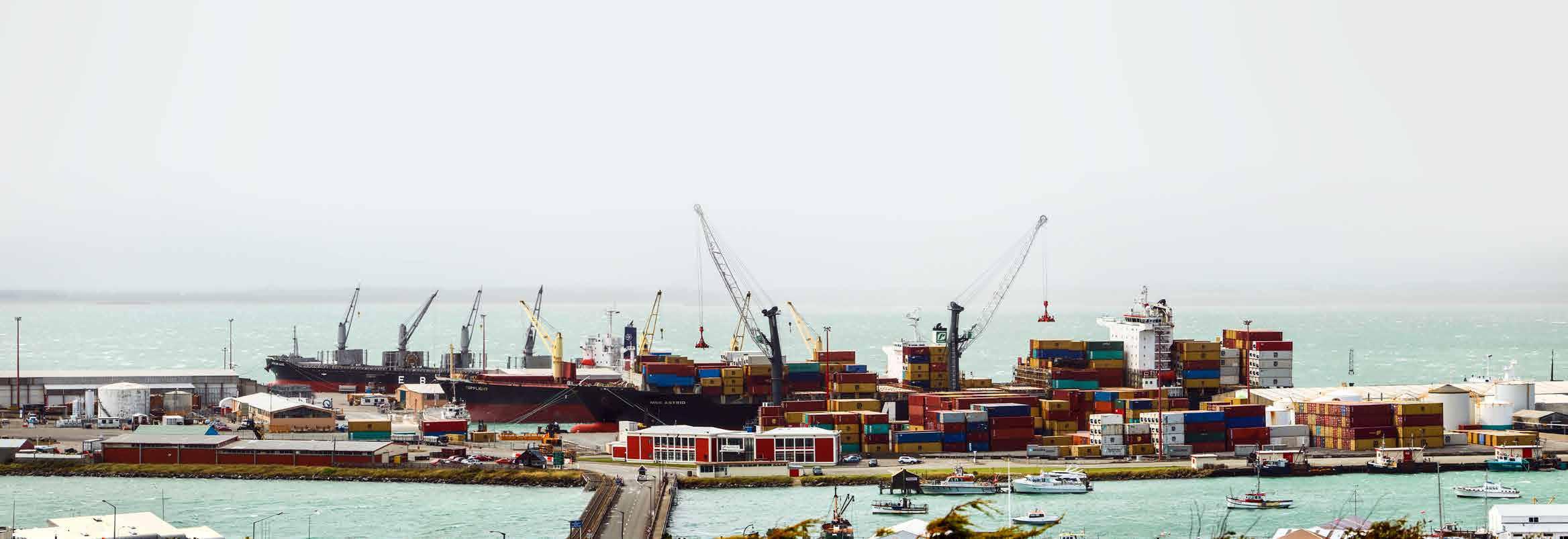
The once top twenty container carriers in the world will be reduced to a top seven over the next twelve months primarily due to merger and acquisition activities. The respective lines are MSC, Maersk, Cosco, CMA CGM, Hapag-Lloyd, ONE and Evergreen, with the first four controlling approximately 70% of the world market.
Of these top four, MSC is an important weekly caller to the Port with the Capricorn Service providing a valuable import/export link for all Southern region customers. This year represents an important milestone for this customer recognising the 10th anniversary of their first call to the Port in May 2008 with the vessel MSC Hobart.
The paving of the north rail log storage area is well underway. The first half of the development has been completed with the remainder expected to be finished in March. This is an important development for both the Port and the log export customers as it provides for increased storage, improved traffic management and enhanced environmental outcomes.
Market conditions for export logs remain favourable.
Demand in China is high for wood fibre with resources being channeled into the construction sector and the Indian market is recovering after the recent GST reform and the bank note demonetisation.
Mataura Valley Milk (MVM)
Construction of MVM’s infant formula plant is on target to be completed in the second quarter of 2018 with commissioning scheduled for June 2018 and processing to begin August 2018.
NZAS
NZAS has achieved another excellent production result for the year ending 31 December 2017, almost matching the record volumes of finished metal product exported in the same period last year. This customer is an important contributor to the Port and we will continue to work closely with NZAS to determine where we can add value for both of our businesses.
Health & Safety (H&S)
The Port Company is currently undertaking three important H&S projects likely to take between 12 to 24 months to complete:
Î Person Conducting a Business or Undertaking (PCBU) –identifying all third party interactions, classifying contractual relationships and documenting H&S obligations of the respective parties.
Î Common User Safety Protocol (CUSP) – a document outlining specific objectives to best identify and manage the various H&S and environmental risks, threats and opportunities at the Port.
Î Critical Fatality Risks Project – The Fatality Risk Management program will identify the critical controls, ensuring accountability, implementing, verifying and reporting on the effectiveness of these controls. Also essential in preventing fatalities is conducting quality event investigations and ensuring lessons are truly learned and shared.
The receipt of bulk fertiliser cargoes was “front ended” this year by the customer and the expectations are that these volumes will ultimately realign closer to the projected budget by year end. As mentioned above, the market conditions for logs are buoyant and export volumes are expected to remain consistent with some potential upside.
All of the other remaining major cargo categories are expected to track close to budget in the second six months of the financial year.
Based on all known factors at the date of releasing its 2018 interim result, South Port estimates that its full year earnings will fall in the range of $8.65 million to $8.90 million (FY2017$8.4M).
After assessing the anticipated year end result and future increased capital expenditure, the Directors have declared a fully imputed interim dividend of 7.50 cents per share (2017 –7.50 cents) payable on 6 March 2018.
In the event that the Company’s FY2018 profit falls within the above forecast range then the Directors expect that the full year dividend payment will be consistent with the previous year.
The Group is primarily involved in providing and managing port and warehousing services.
2
The Group is a Financial Markets Conduct (FMC) reporting entity for the purposes of the Financial Reporting Act 2013 and the Financial Markets Conduct Act 2013. These financial statements comply with these Acts and have been prepared in accordance with the New Zealand equivalents to International Financial Reporting Standards (NZ IFRS) and other applicable Financial Reporting Standards, as appropriate for profit-orientated entities. These financial statements comply with International Financial Reporting Standards (IFRS). There has been no change in accounting policies. All policies have been applied on a consistent basis with the most recent annual report.
3 TAXATION
Income tax expense comprises current and deferred tax at the company tax rate of 28%. Income tax expense is recognised in the Statement of Comprehensive Income except to the extent that it relates to items recognised directly in equity, in which case it is recognised in equity.
4 SEGMENTAL REPORTING
The South Port Group operates in the Port Industry in Southland, New Zealand, and therefore only has one reportable segment and one geographical area based on the information as reported to the chief operating decision maker on a regular basis. South Port engaged with one major customer who contributed individually greater than 10% of its total revenue for the period ended 31 December 2017. This customer contributed $3.95 million for the six months ended 31 December 2017 (2016: $4.43 million). FOR THE SIX MONTH PERIOD ENDED 31 DECEMBER 2017