Education
Education
Master of Architecture Session: Spring 2021-Spring 2024
Ball State University, Indiana, USA.
GPA: 3.95(/4.00)
Bachelor of Architecture
Session: 2015-2016
Bangladesh University of Engineering and Technology (BUET), Dhaka, Bangladesh.
GPA: 3.25(/4.00)
Technical Skills
• Microsoft Office
• Autodesk AutoCAD
• Autodesk Revit
• Sketch-up
• Rhino
• Adobe Photoshop
• Adobe Illustrator
• Adobe InDesign
• Lumion
• Enscape
• Bluebeam
• Tally
• Climate Consultant
Soft Skills
• Creativity
• Adaptability
• Culrural Sensitivity
• Team work
• Communication
• Critical Thinking
• Adaptability to technology
E-mail: soumi.11archi@gmail.com
Cell No. +1-401-999-8701
My area of interest in work is sustainable architecture practices, with a focus on how social, contextual, and cultural factors are integrated. Fostering more favorable and efficient design to benefit people and the environment at large while leaving an enduring impression is the objective.
Architectural Designer at BHDP Architecture (July 2024-Present)
Architectural Intern at Luminaut Architects (May 2023-December 2023)
Architectural Intern at McCallSharp Architects, Springfield, Ohio (May 2022-August 2022)
Graduate Assistant at Ball State University (December 2021-Present)
Teaching Assistant for undergraduate design studio
Graduate Assistant for Graduate school for International Student Affairs in Department of Architecture
Campus Organizer in Ball State University, CAP Indy
Lecturer at Sonargaon University (September 2021-December 2021)
Architectural Designer at Studio Dhaka Ltd. (December 2019-November 2021)
Architectural Designer at Archvista (July 2018-November 2019)
Architectural Intern at Indigen.ltd (February 2016-December 2021)
www.linkedin.com/in/soumi-s-579a14225
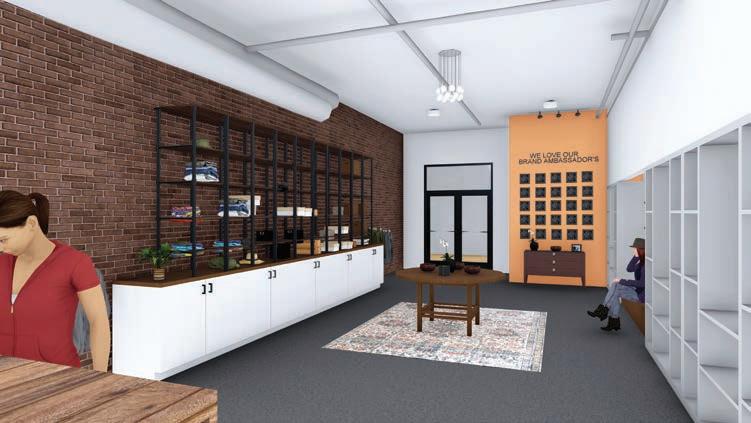
• Design and development of Higher Education building and interior designs
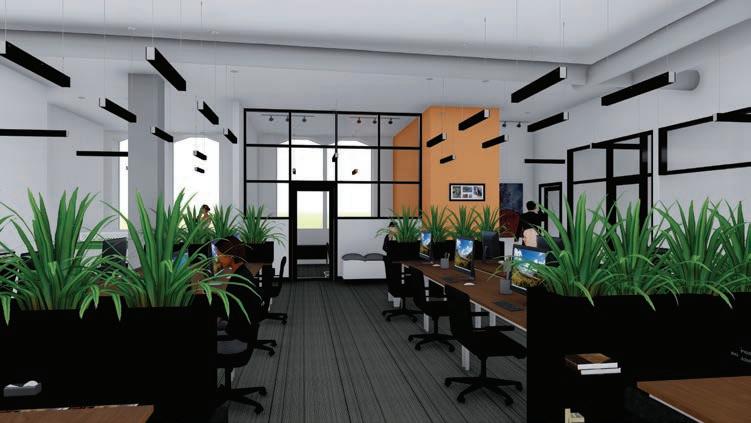
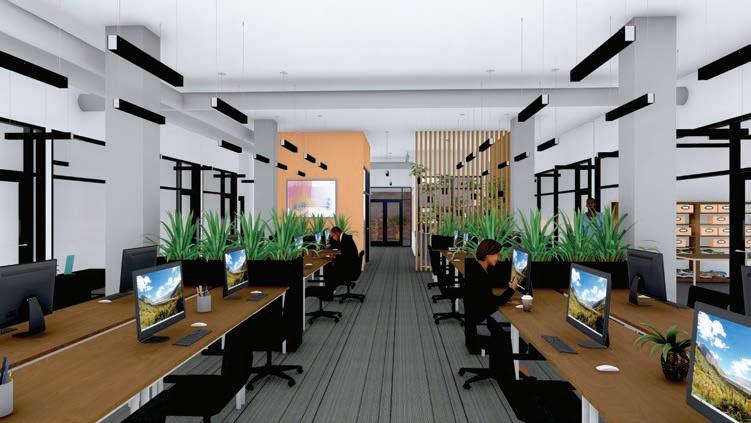
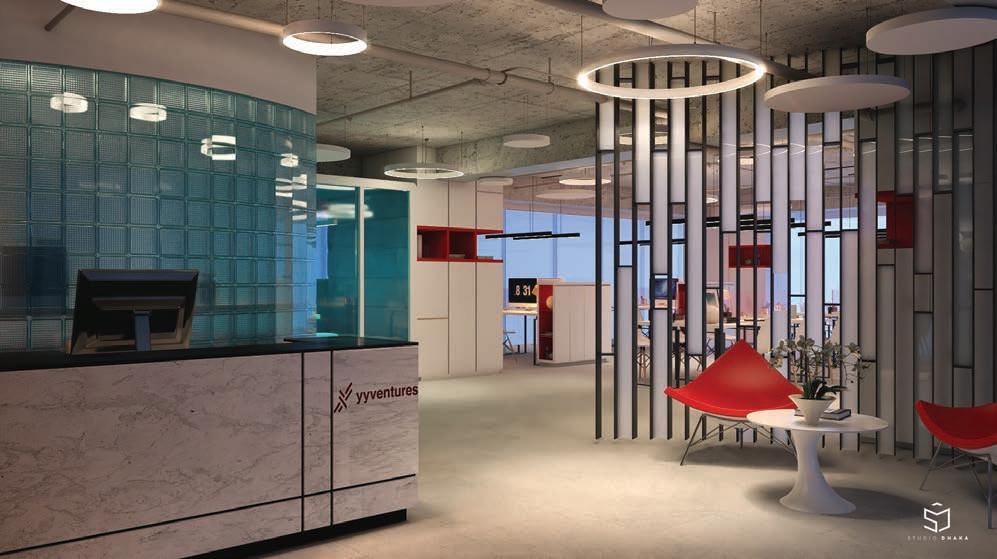
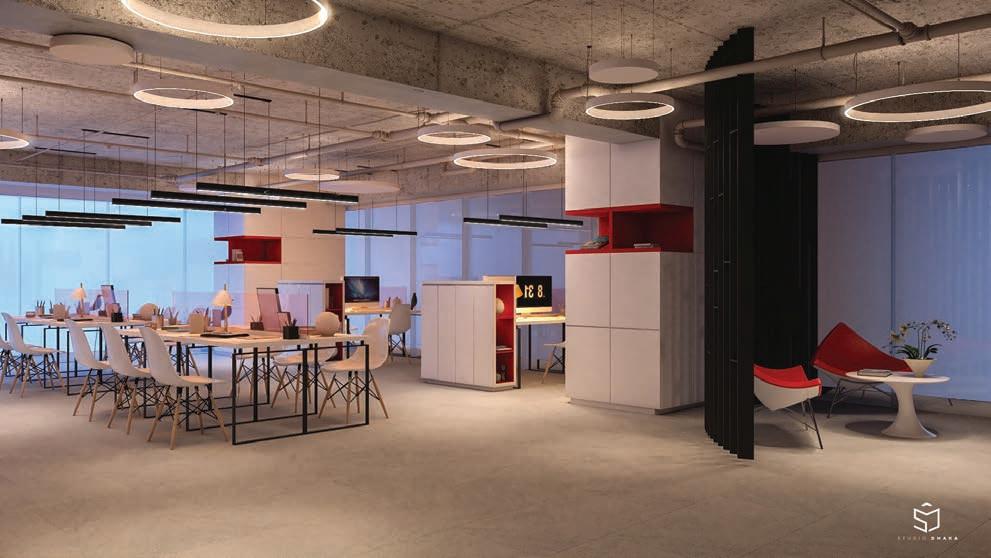
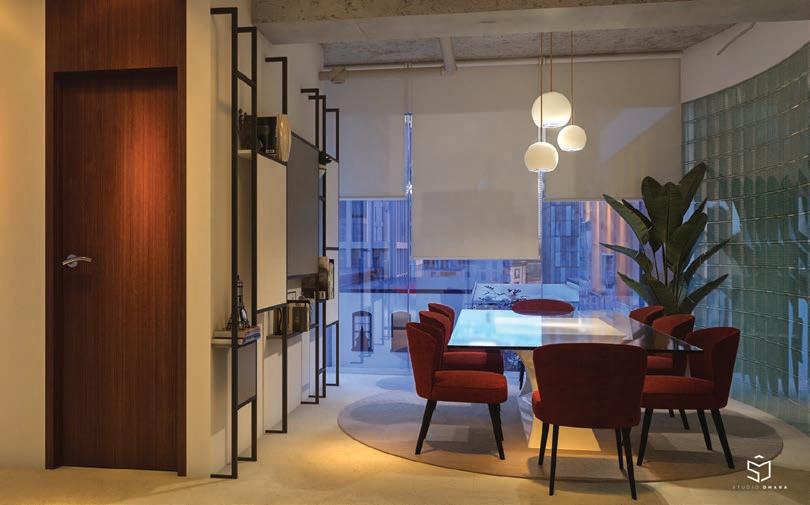
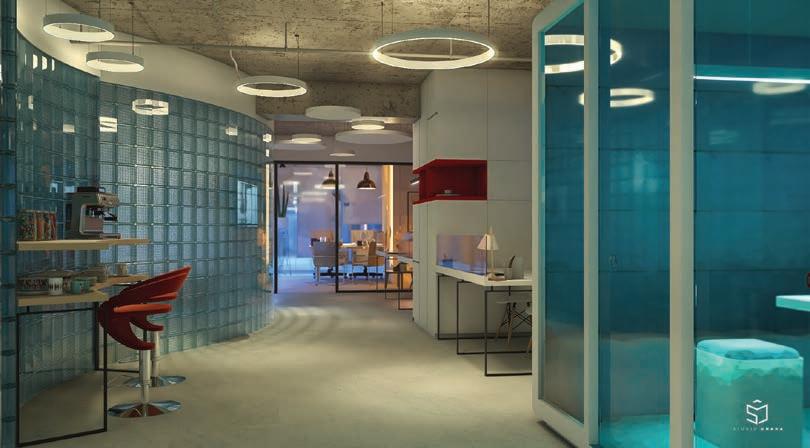
• Design and development of Retail and Workplace designs
• TideTrace: Unraveling the Potential of Water Urbanism in Rajshahi
• Alley House: Net-zero Build Challenge, Solar Decathlon 2021-2023
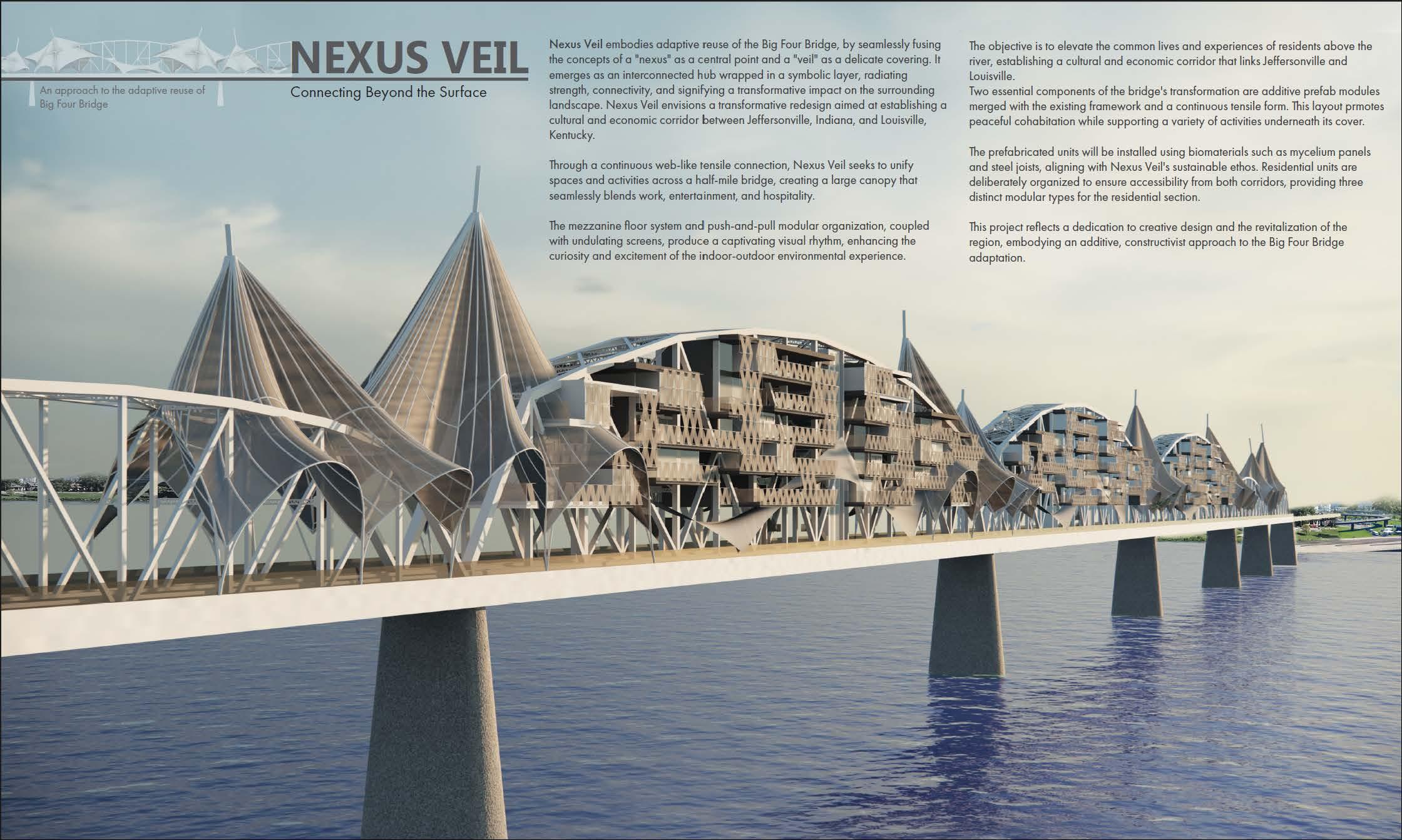
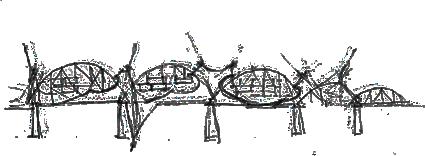
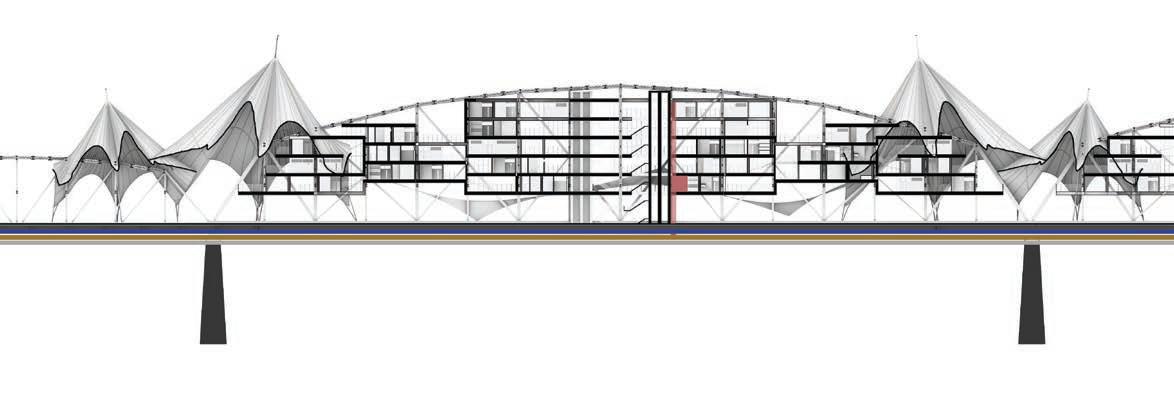
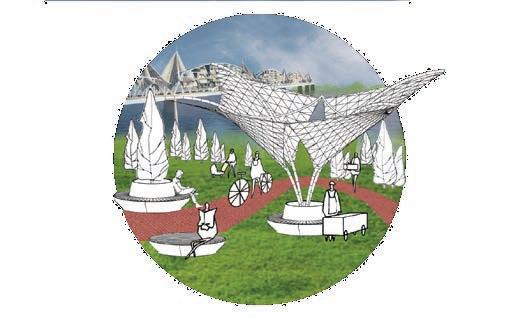
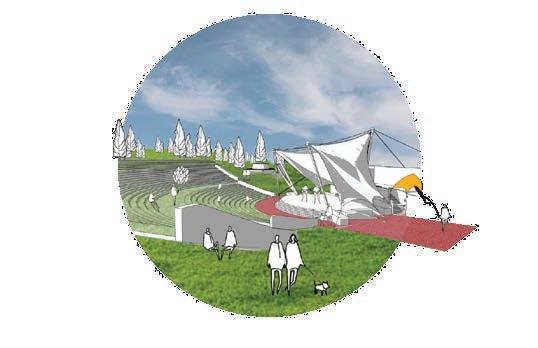
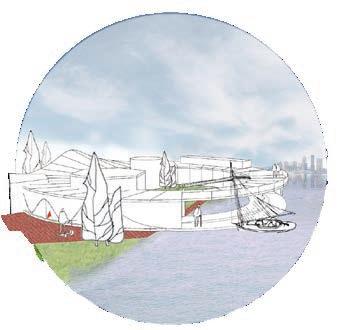
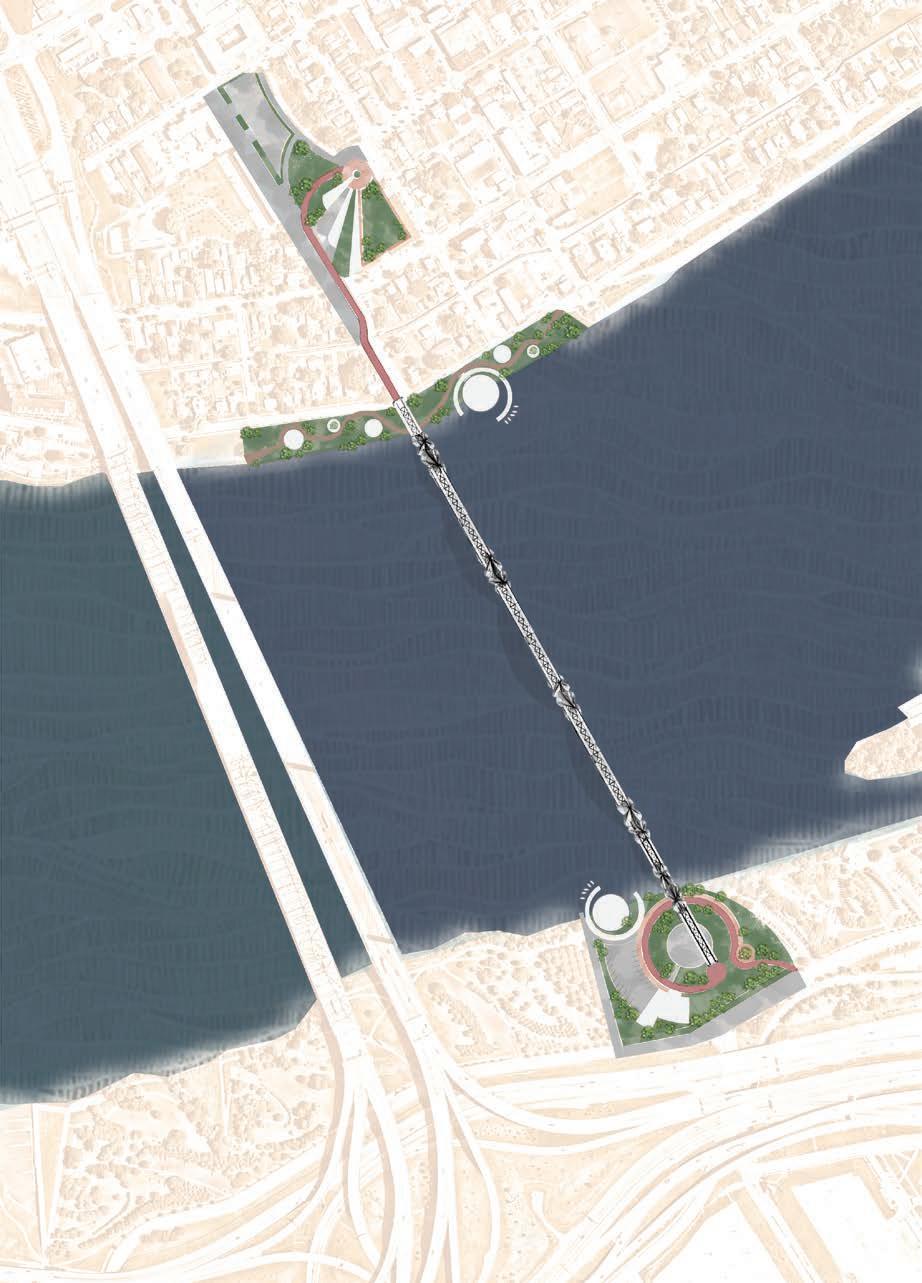
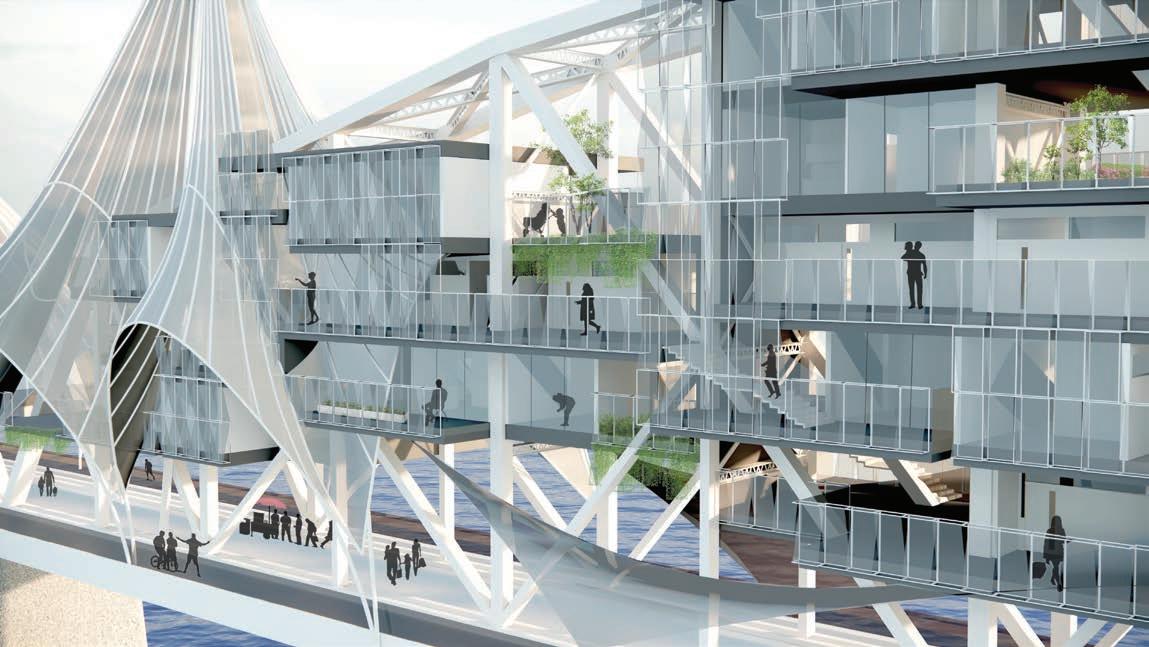
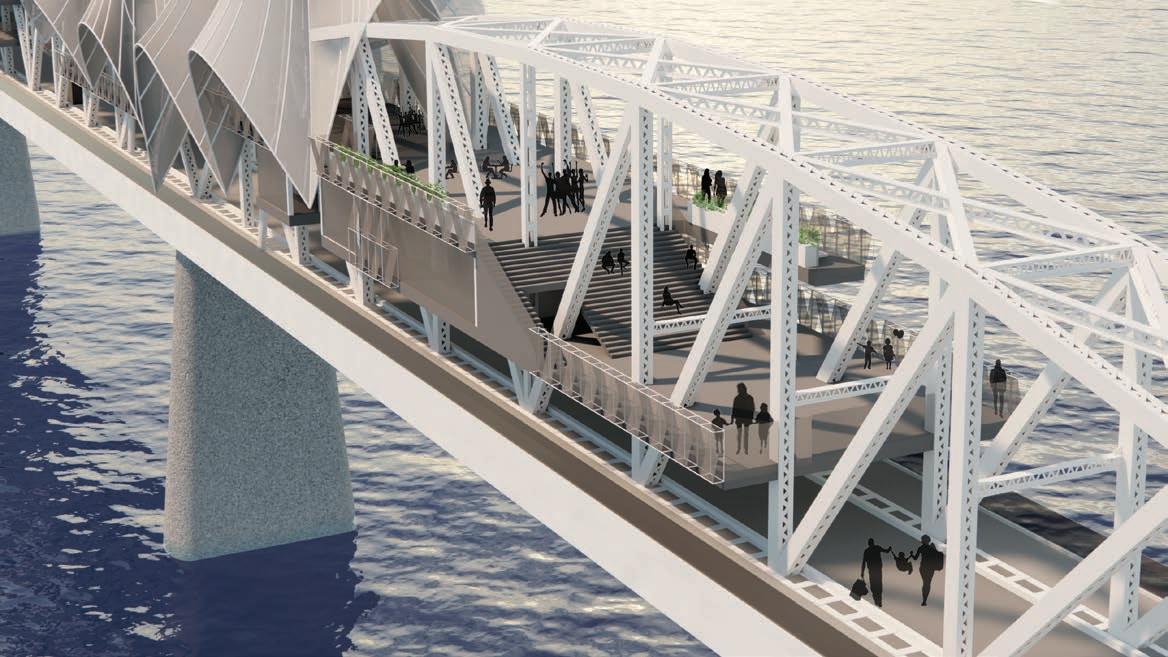
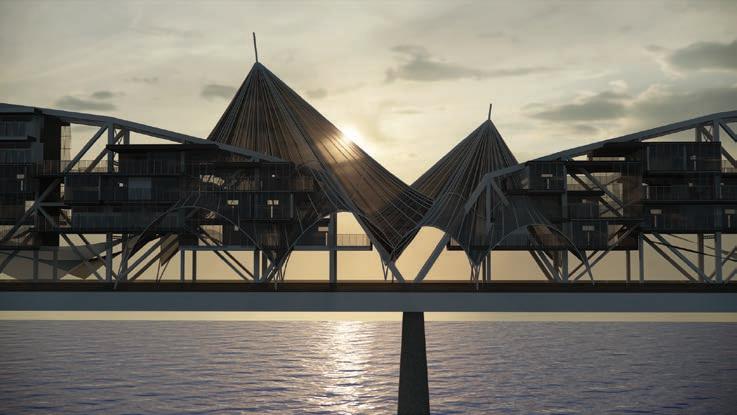
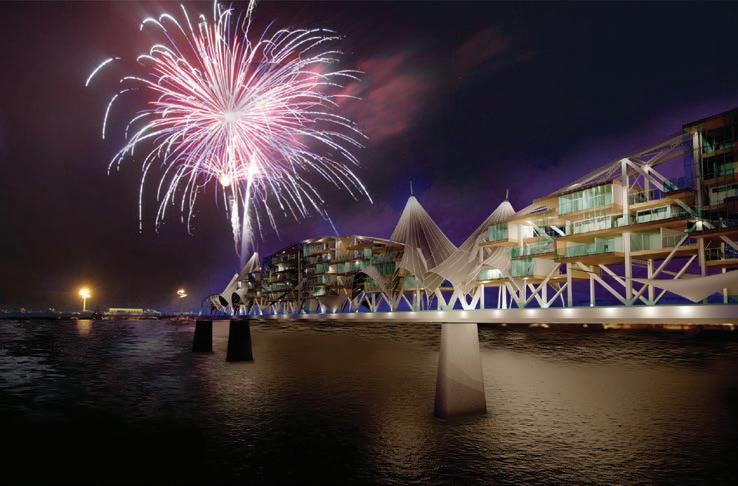
• Nexus Veil: an approach to the adaptive reuse of Big4 bridge
• Missing Middle housing: Net-zero building design, Solar Decathlon 2022
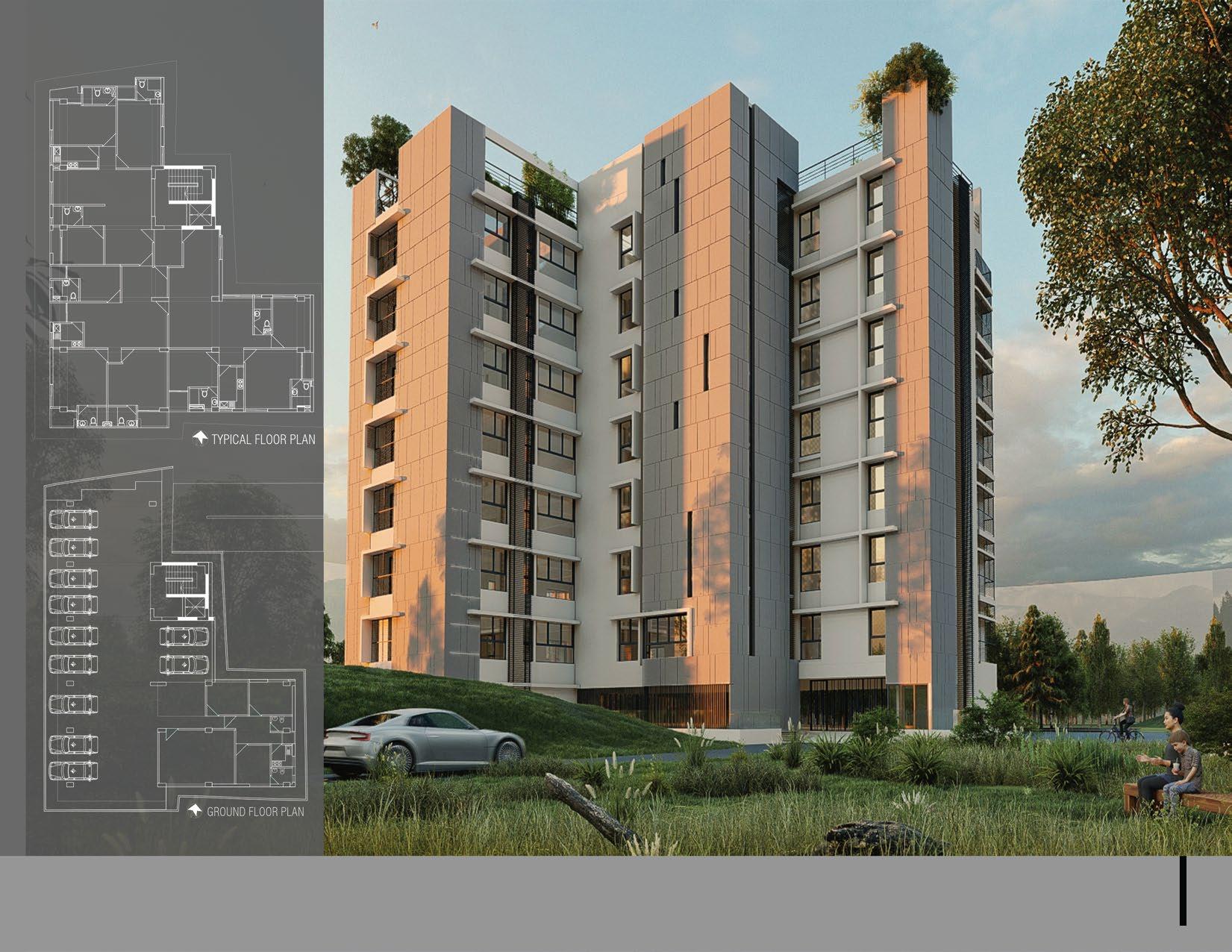
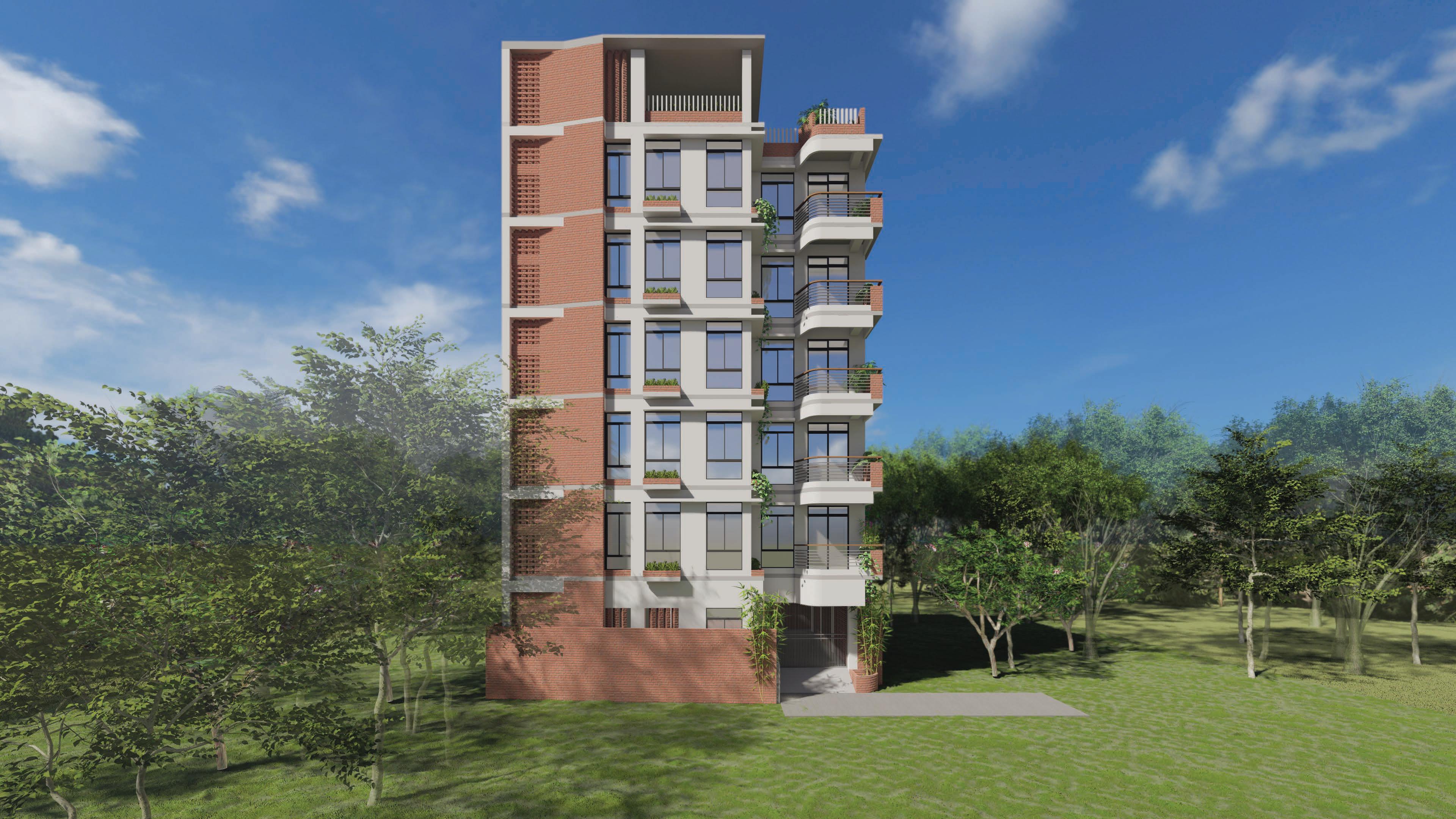
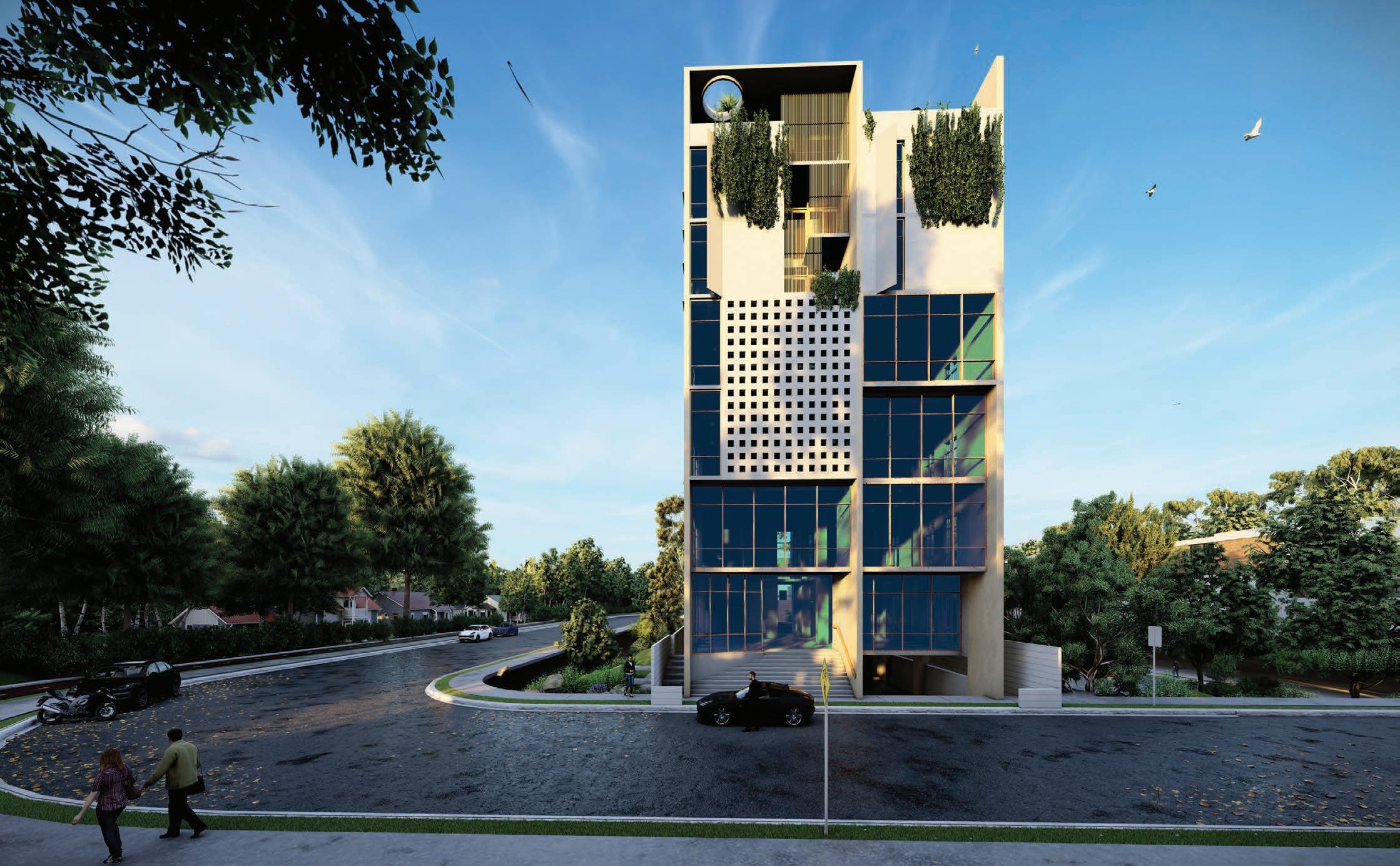
• Apartment building design, working drawing and management
• Single residence design, working drawing and management
• Mixed use building design, working drawing and management
• Rest house design project design, working drawing and management
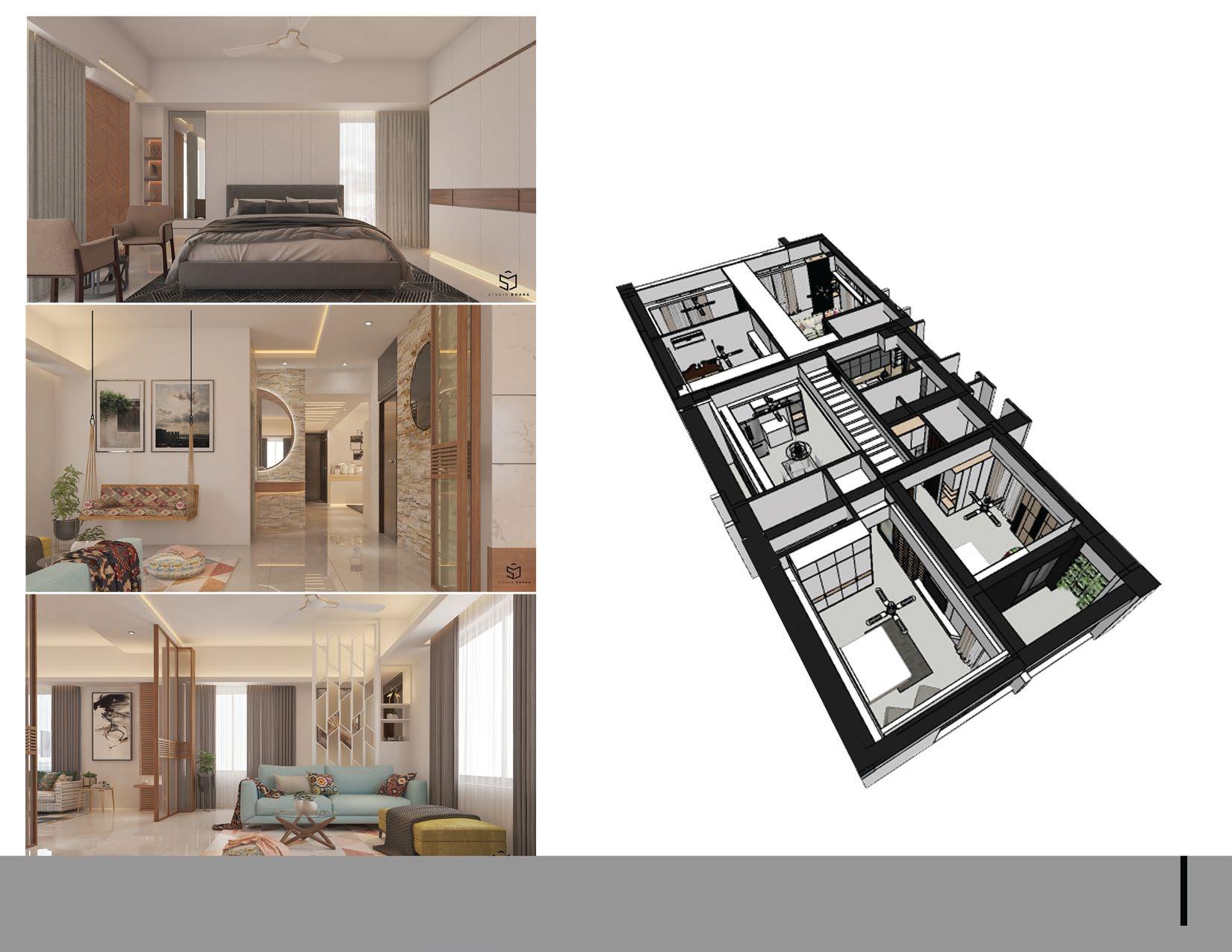
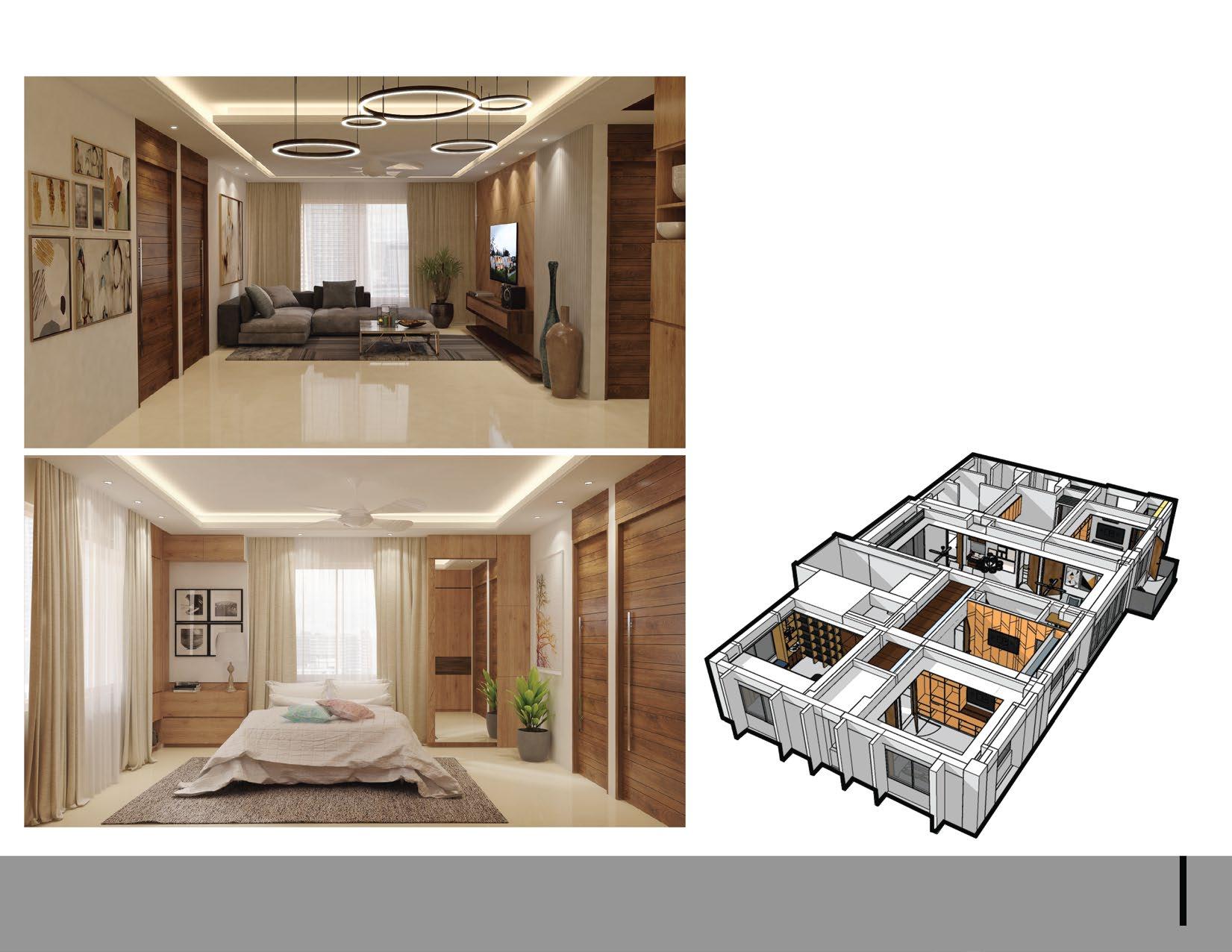
• Interior design, detail and management for residential and commercial spaces
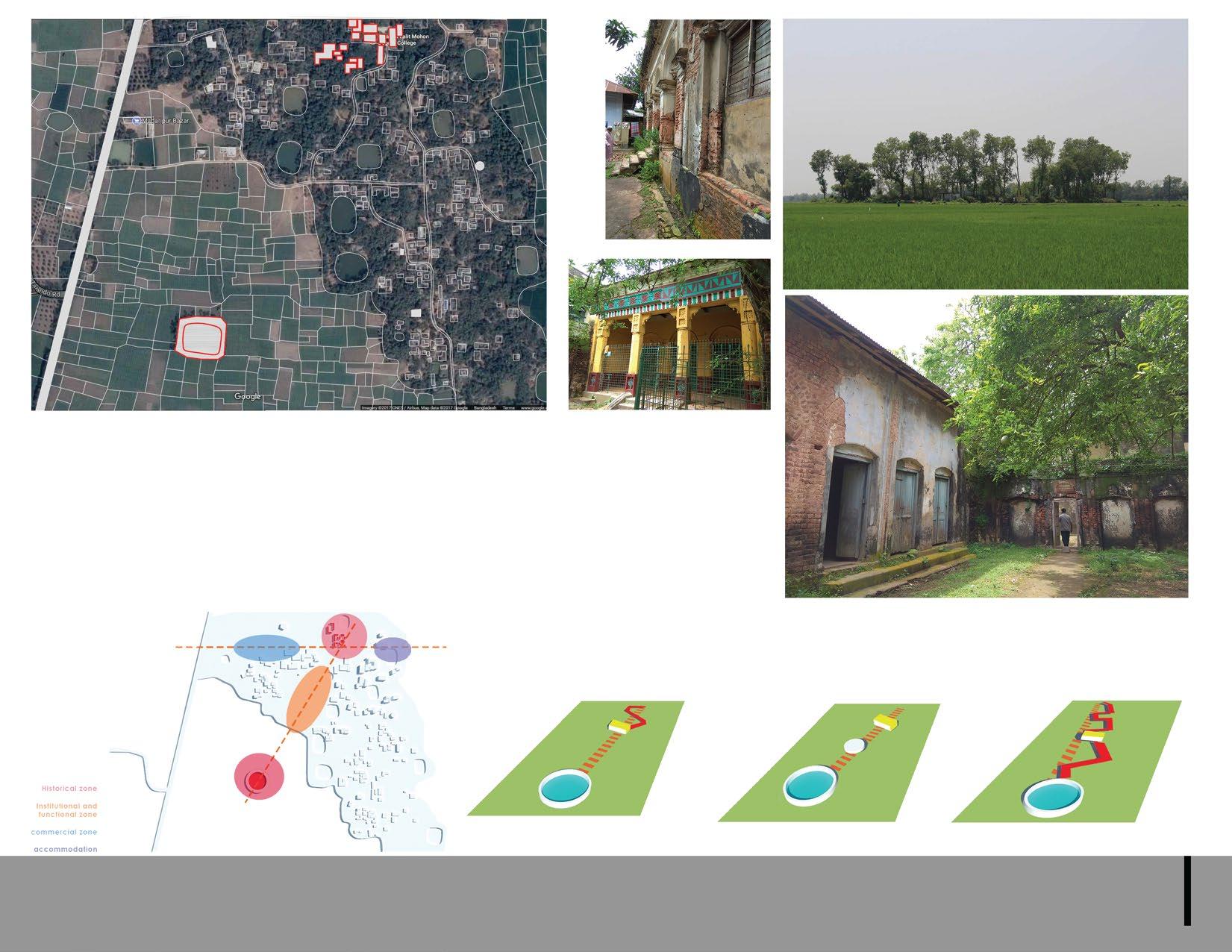
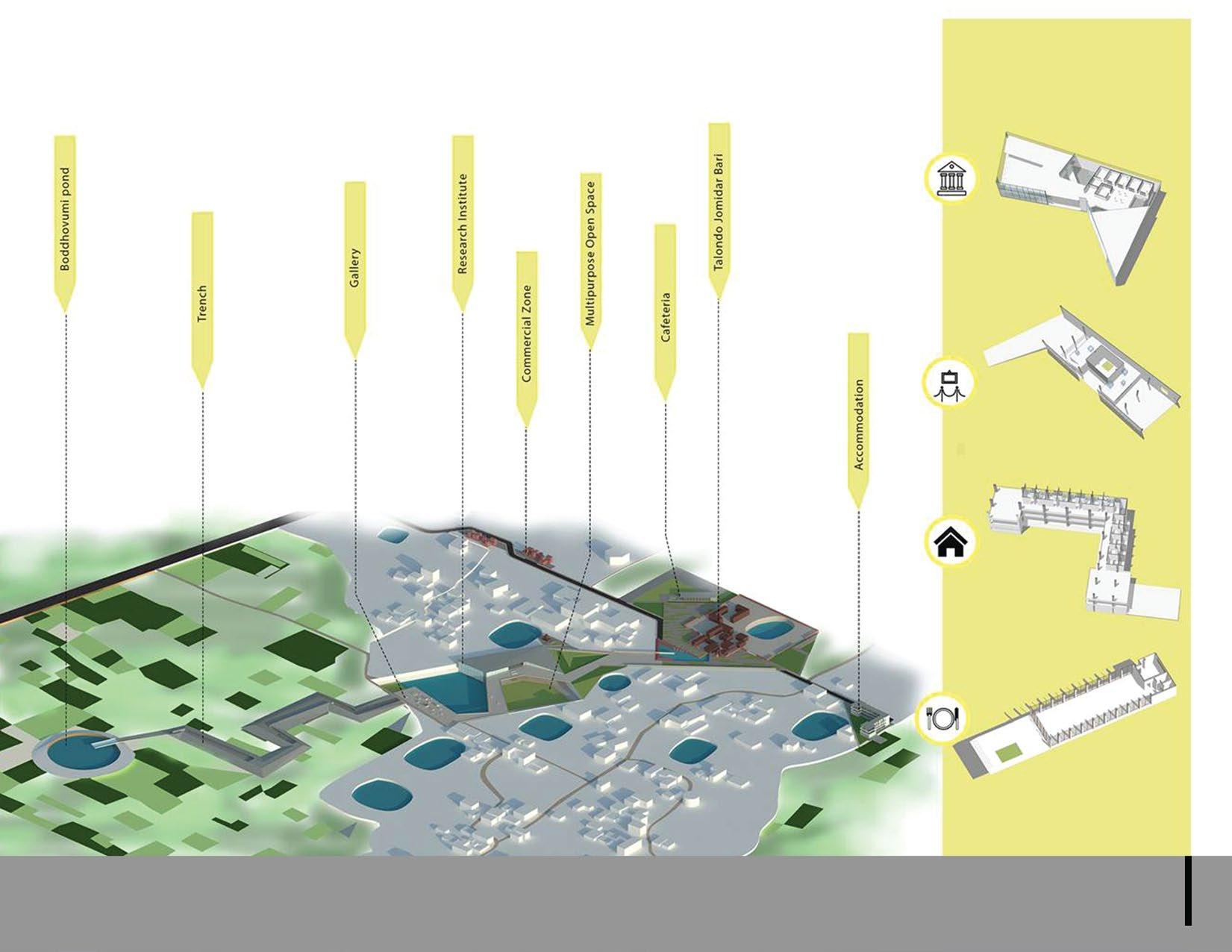
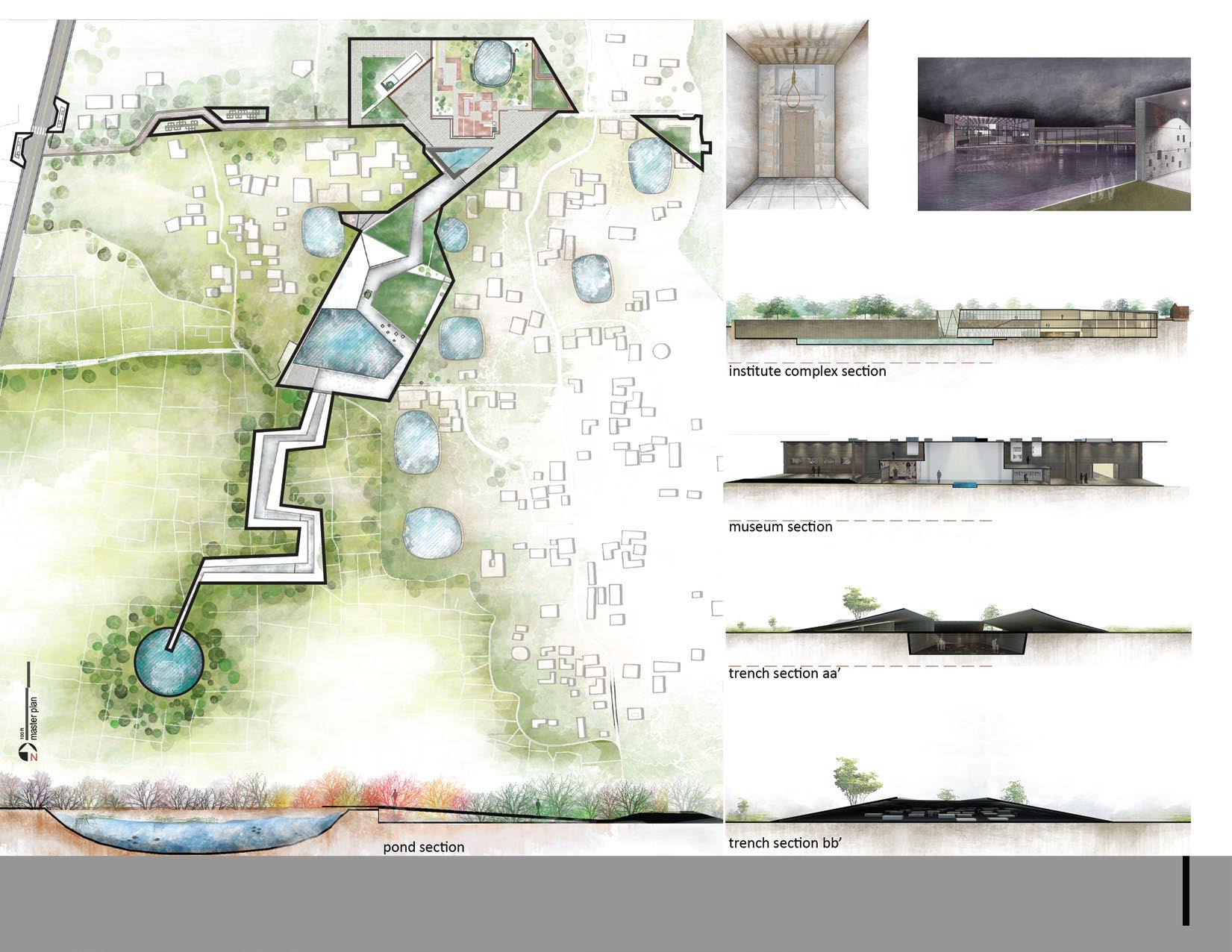
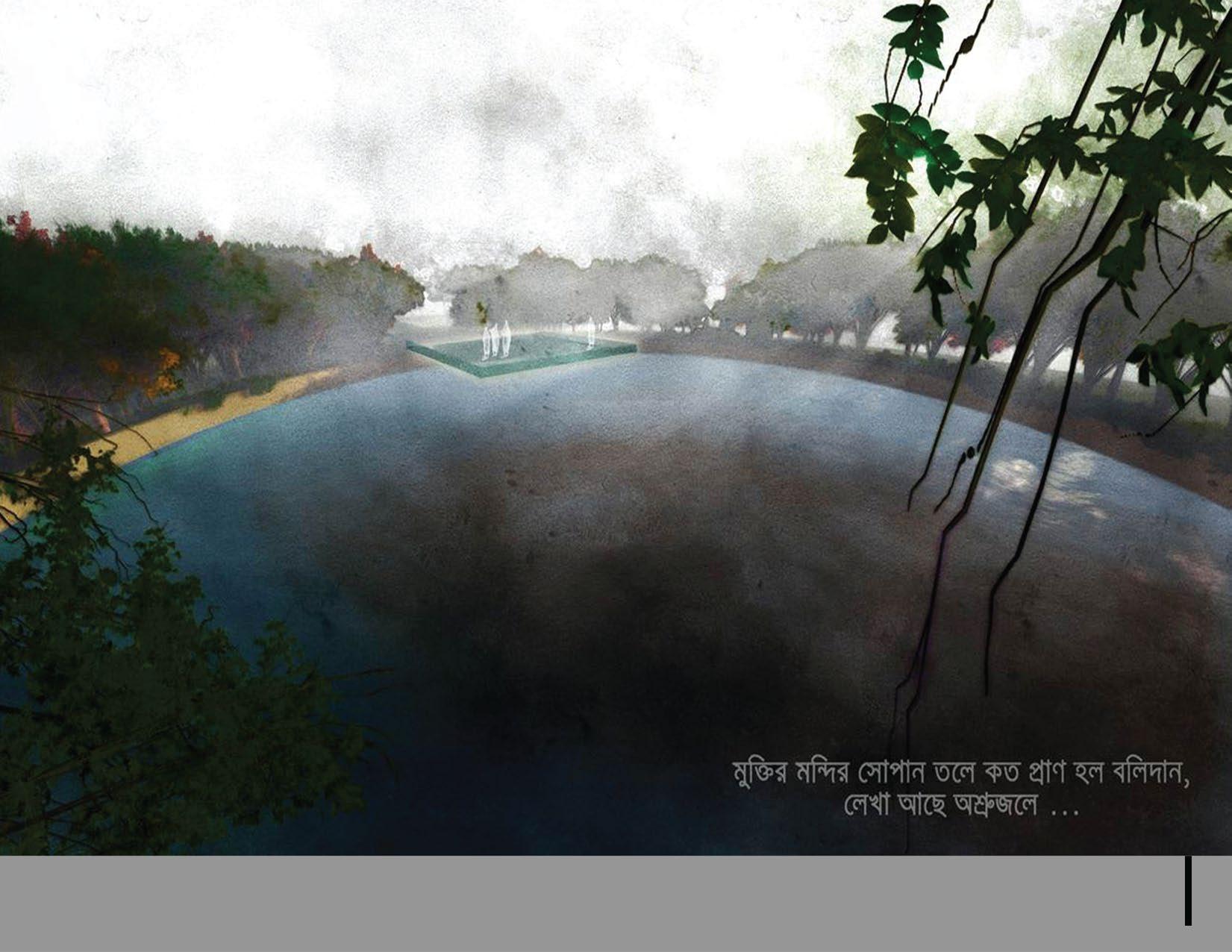
• Unleashing the Untold Story : Re-thinking Boddhovumi of Talondo
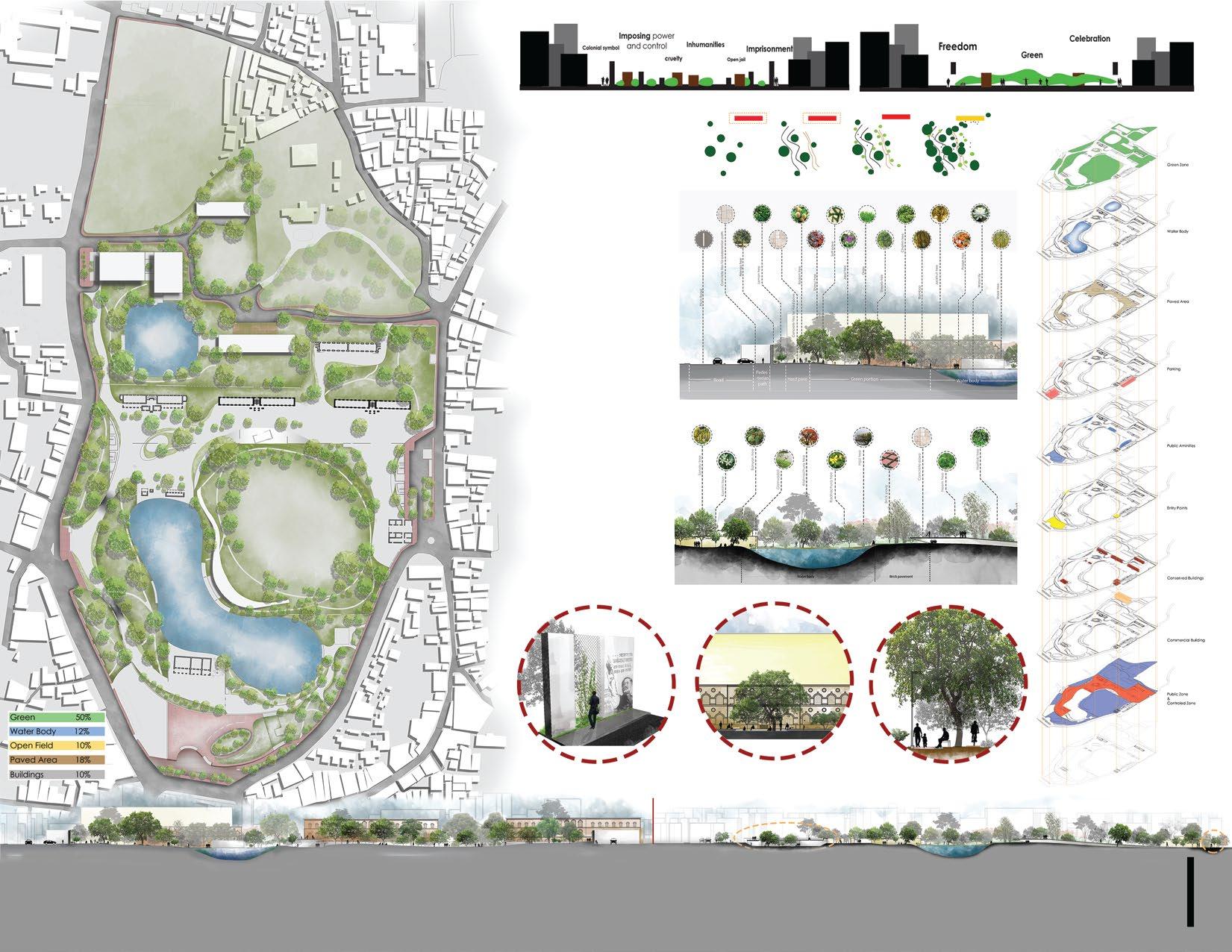
• Re-integrating Central Jail,Dhaka
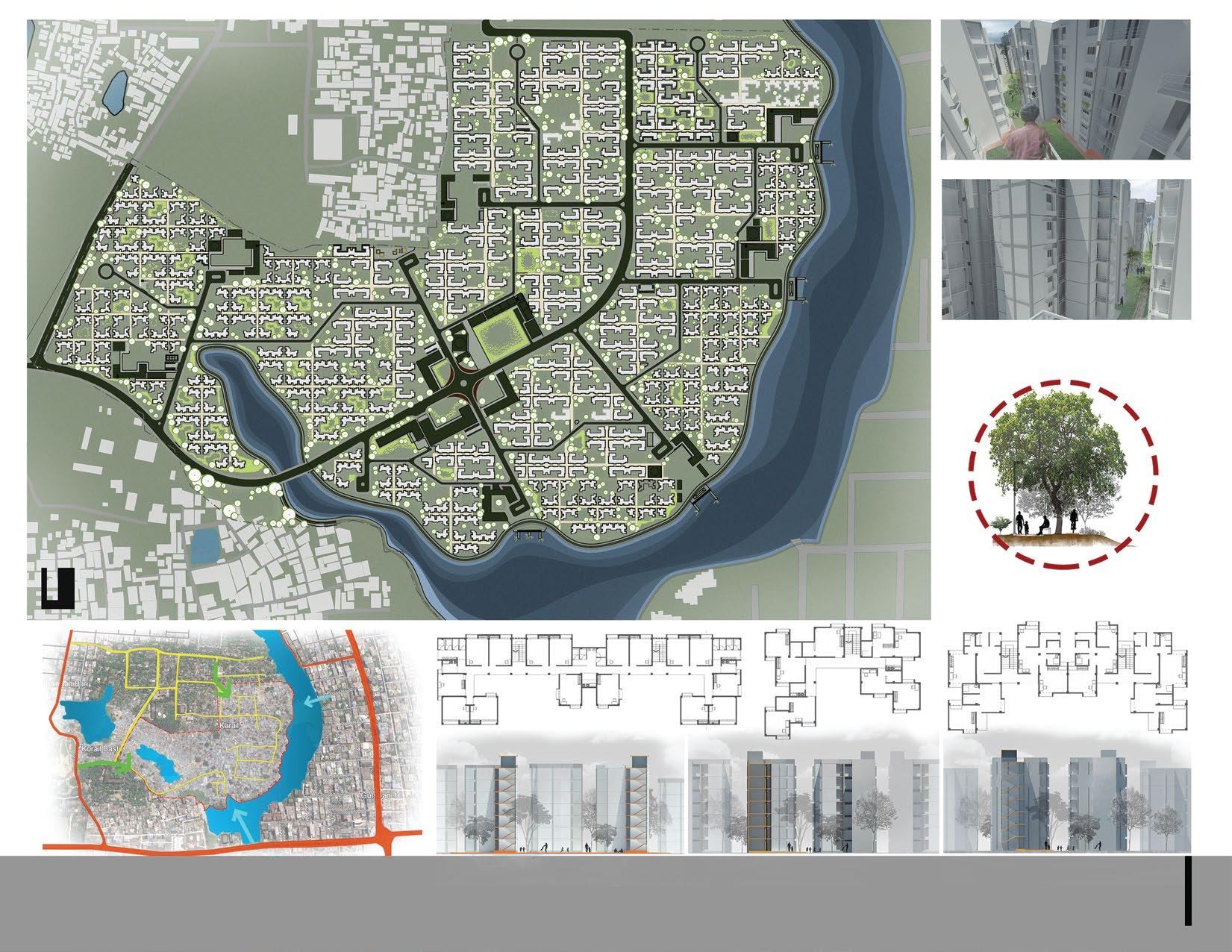
• Affordable Housing For Karail Basti Community,Dhaka
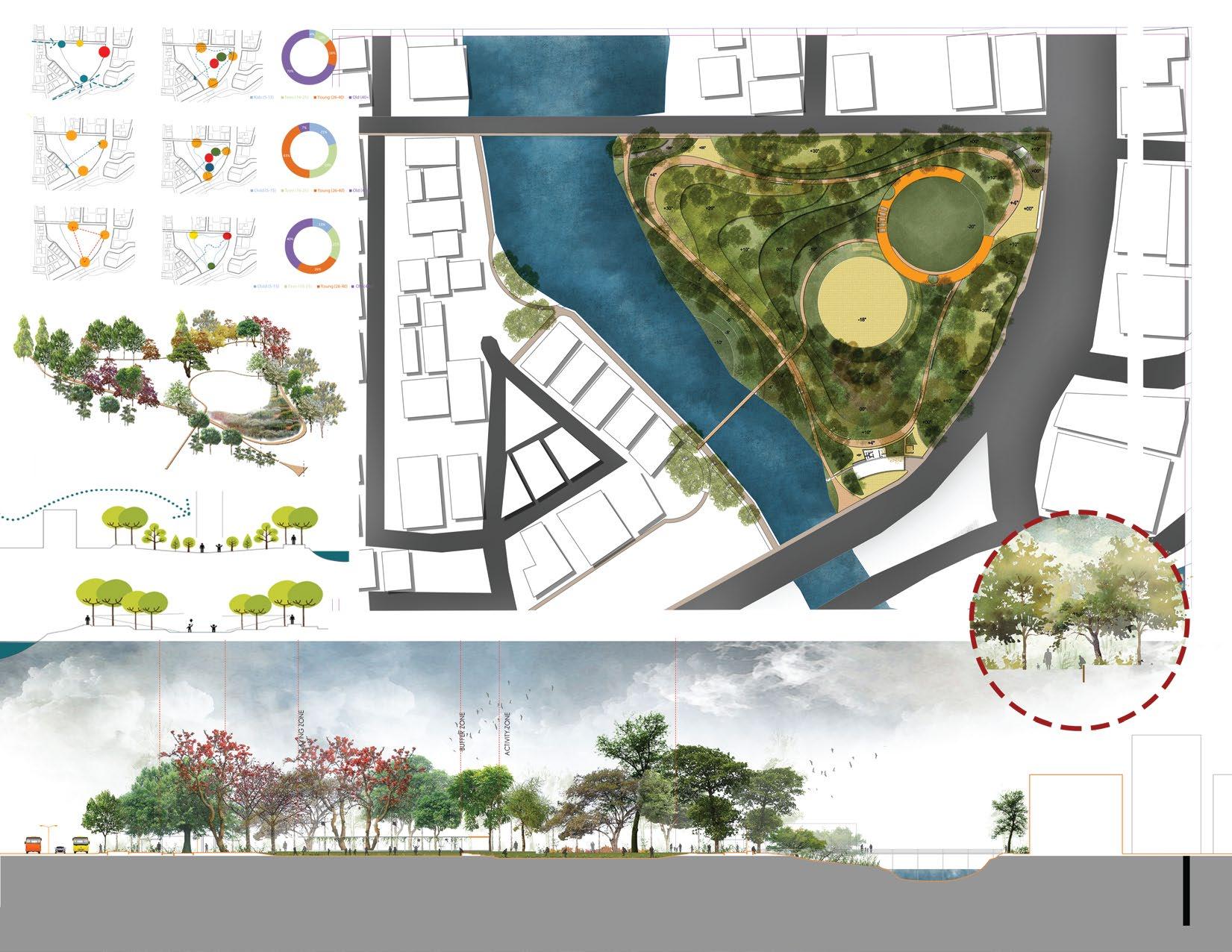
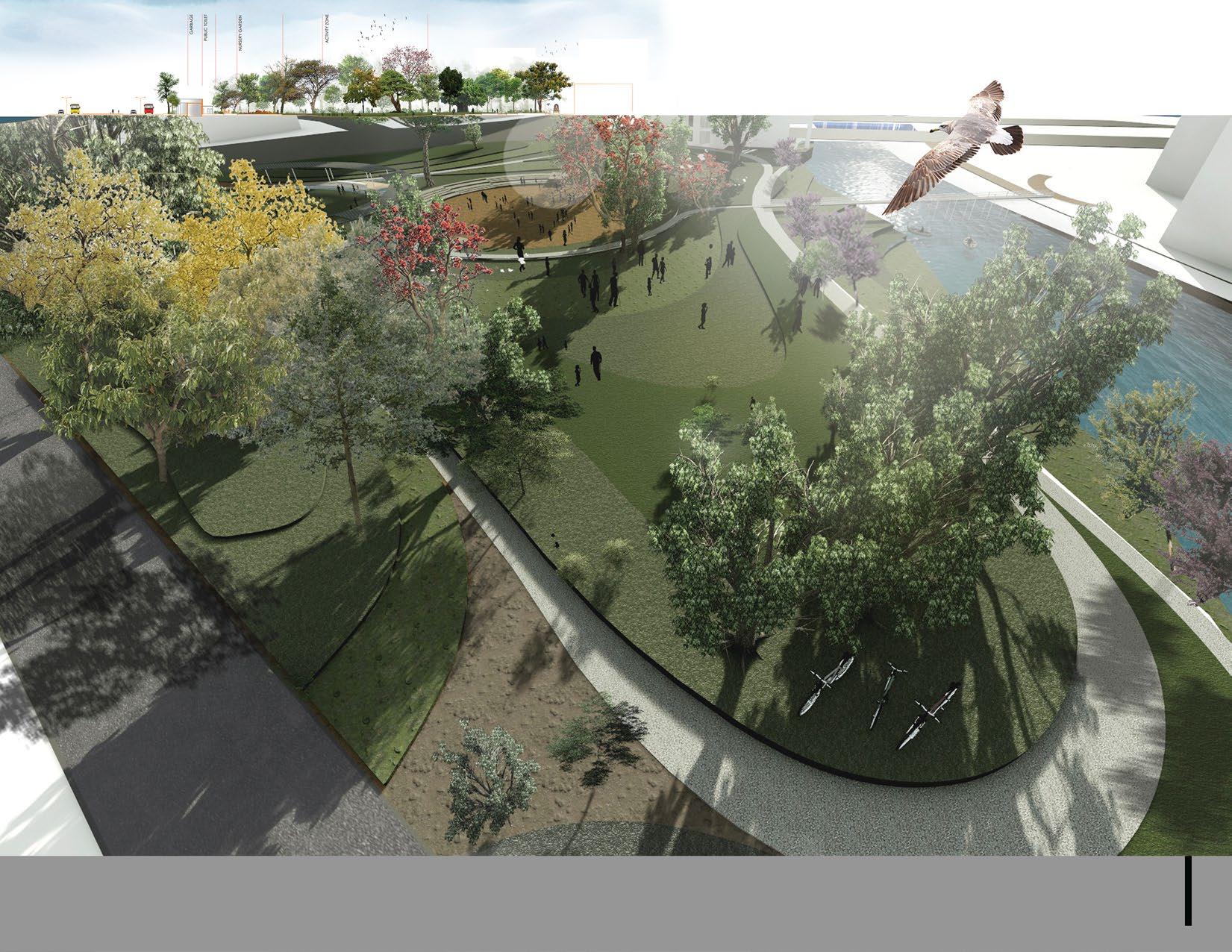
• Re-development of Fazle Rabby Park,Gulshan
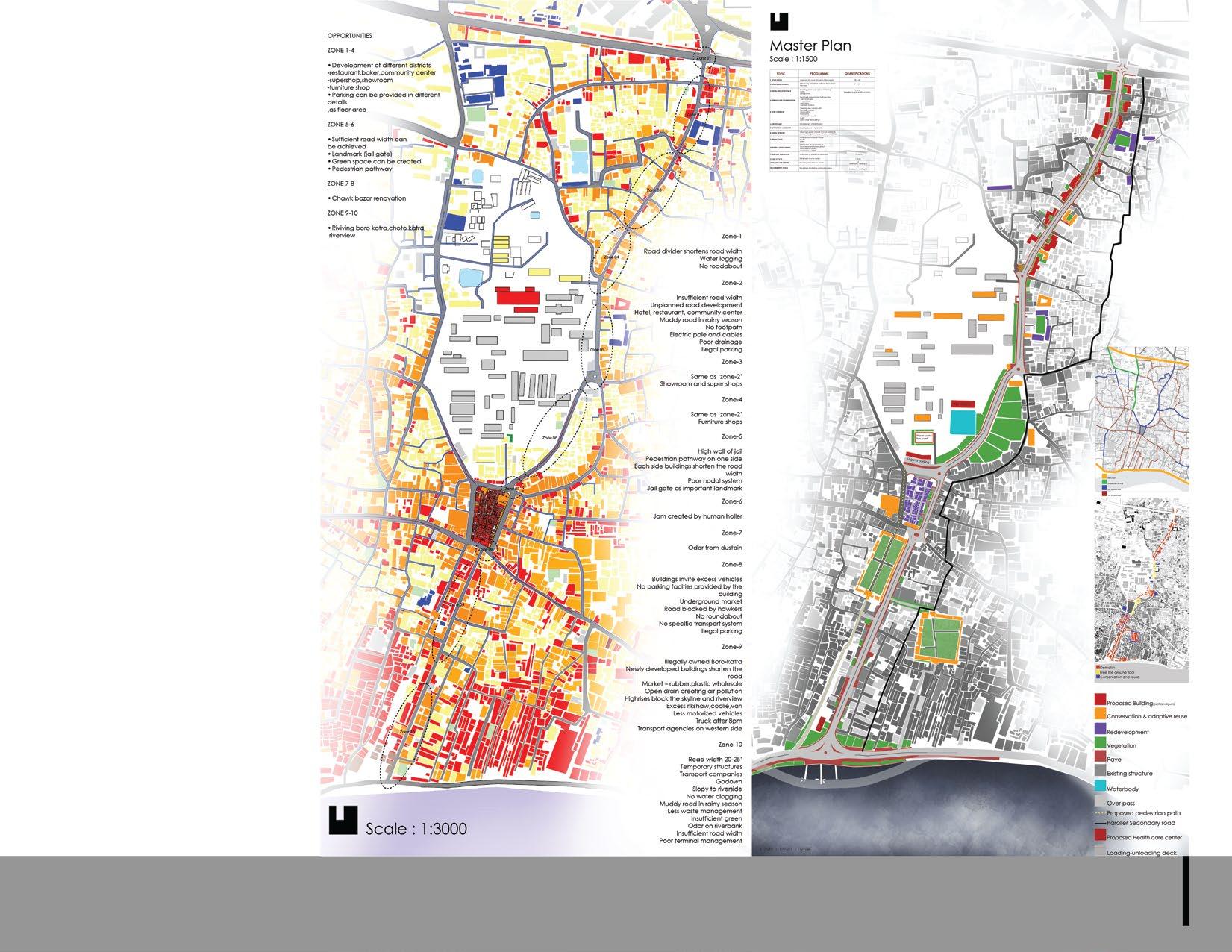
• Nodal Regeneration of Swarighat-Bakshibazar Corridor
• 1st place in Chicago Women in Architecture Gertrude Lempp Kerbis Prize 2024
• 1st place in AIA Indianapolis Design Excellence Award 2024 for Alley House
• 1st place in SARA Design Awards 2024
• Global Grand Winner in Solar Decathlon Build Challenge for Net-zero housing
Design-Build 2023 organized by NREL
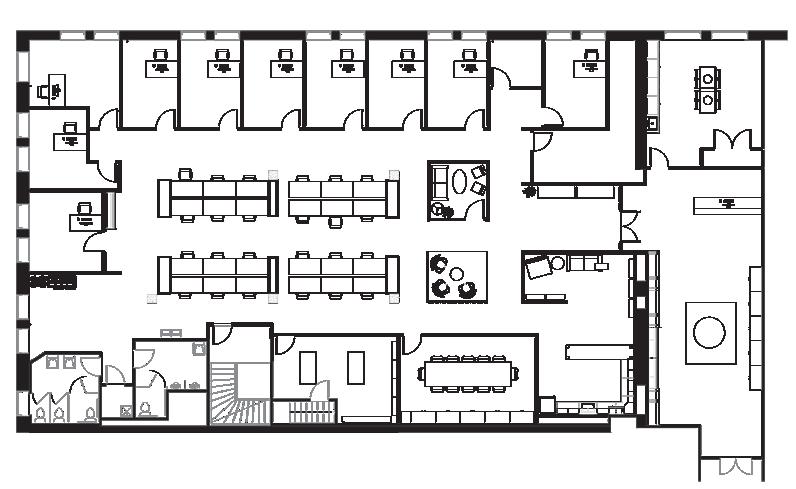
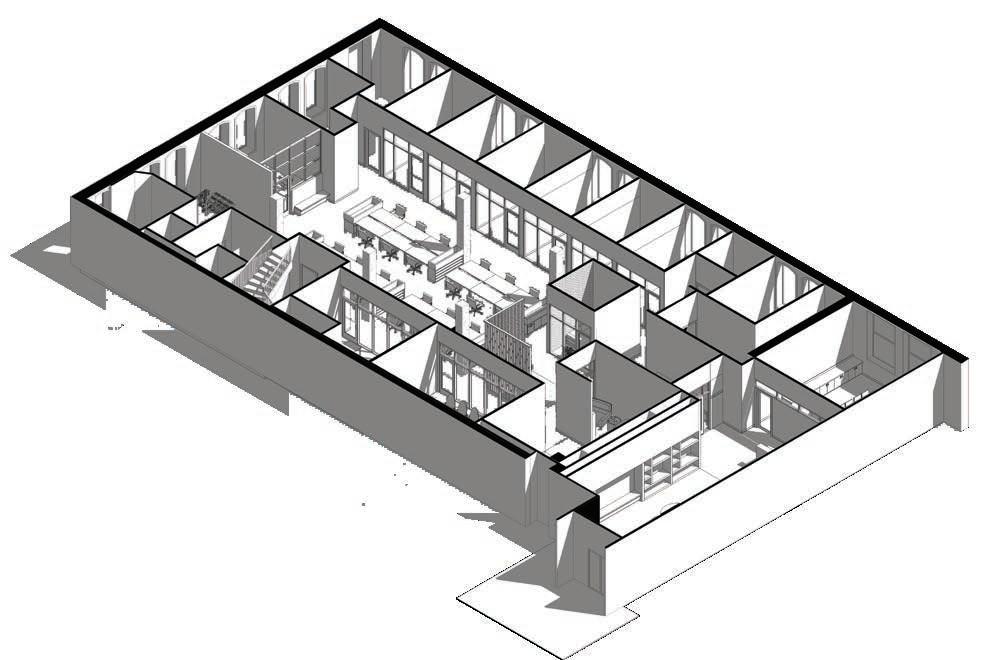
• 2nd place in Interior Design Competition for Office & Research Space Design For ECE, BUET
L P R O J E C T S
G R A D L E V E
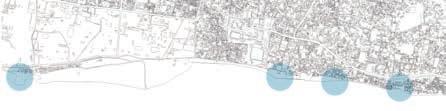
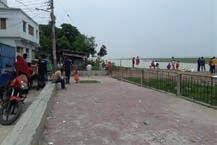
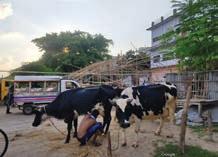
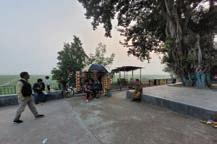
Elucidating the Potent al of Water Urbanism in Rajshahi


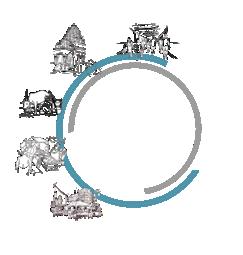
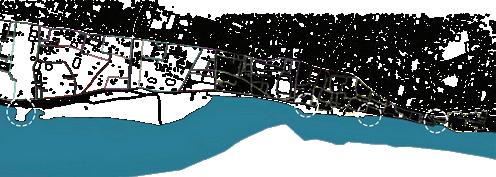
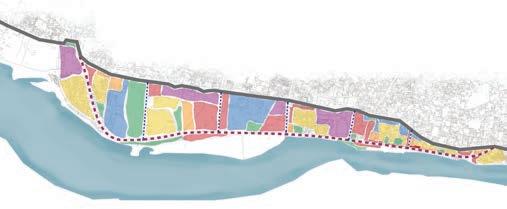
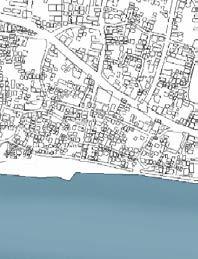
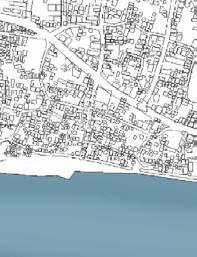
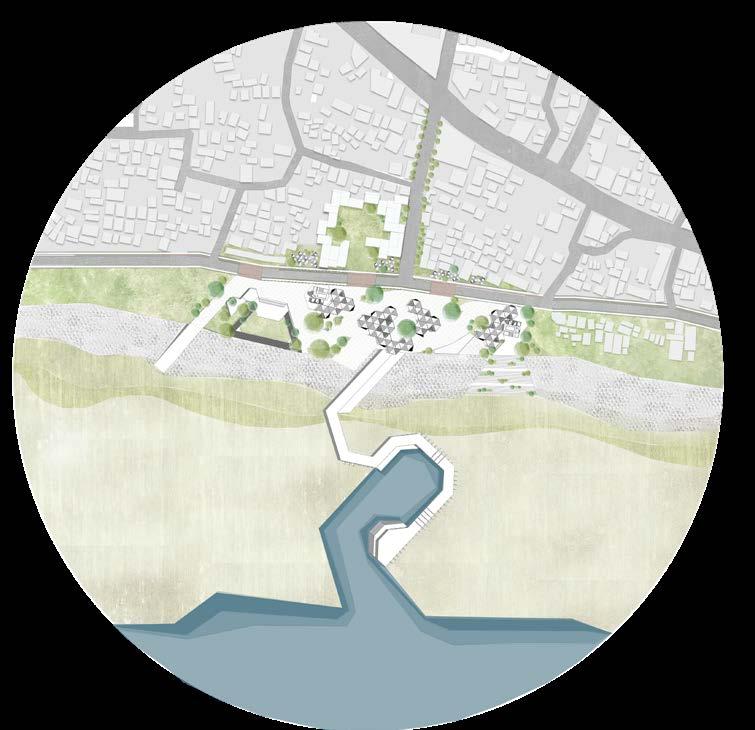
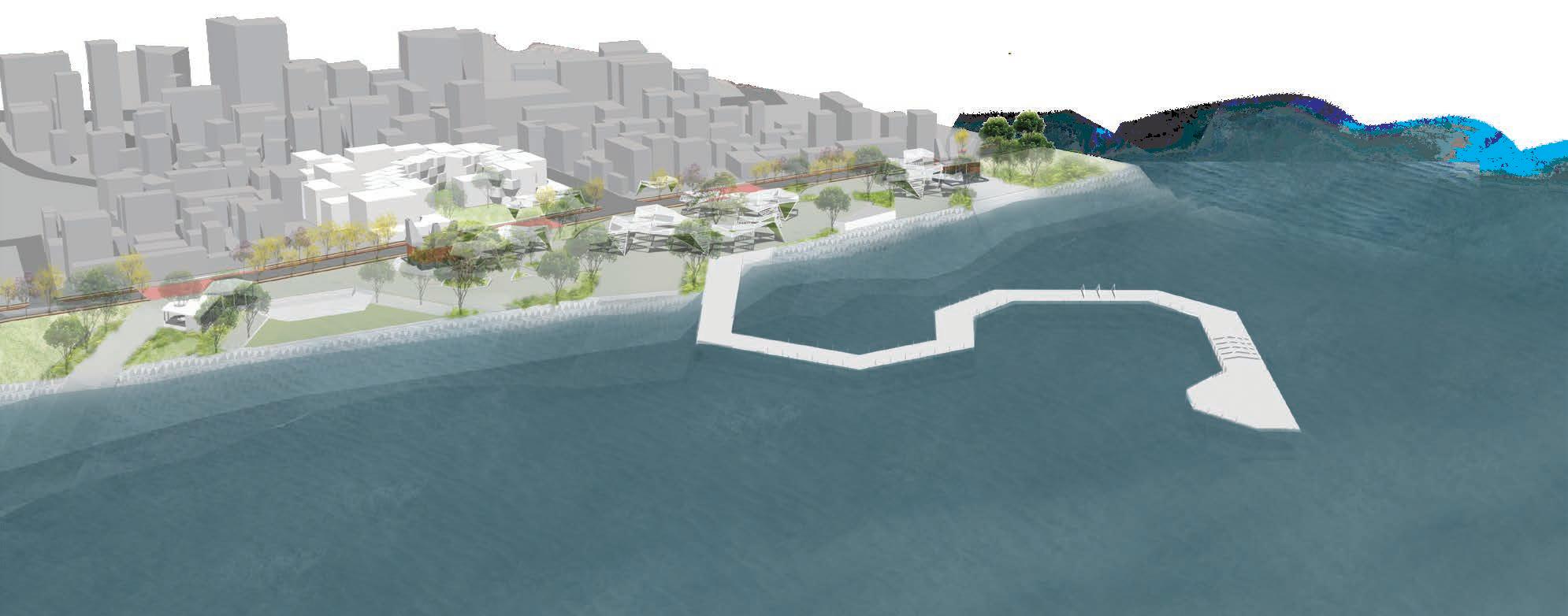
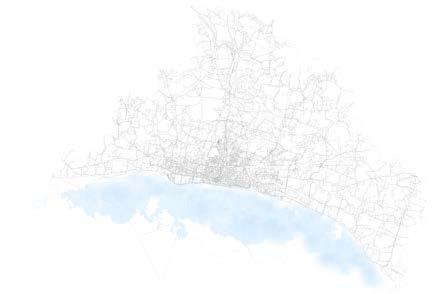
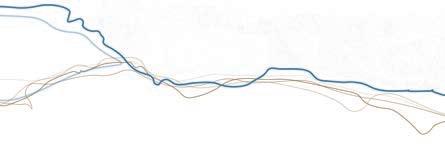
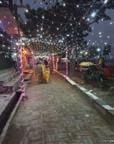
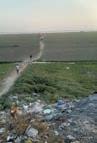
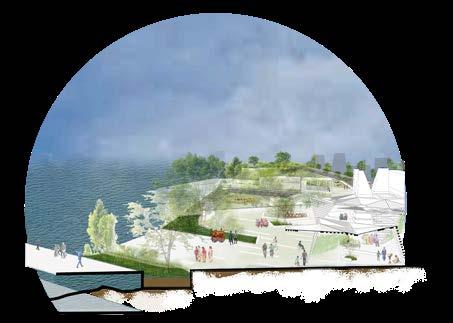
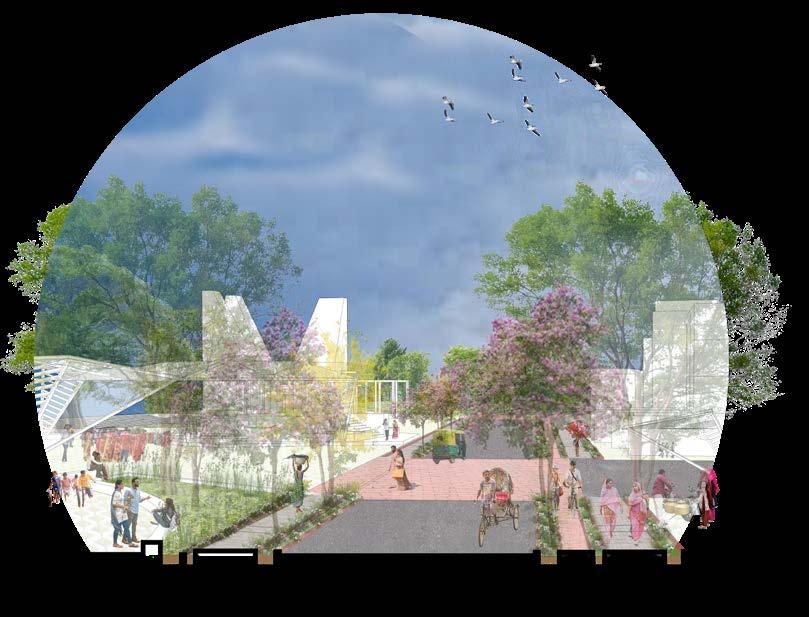
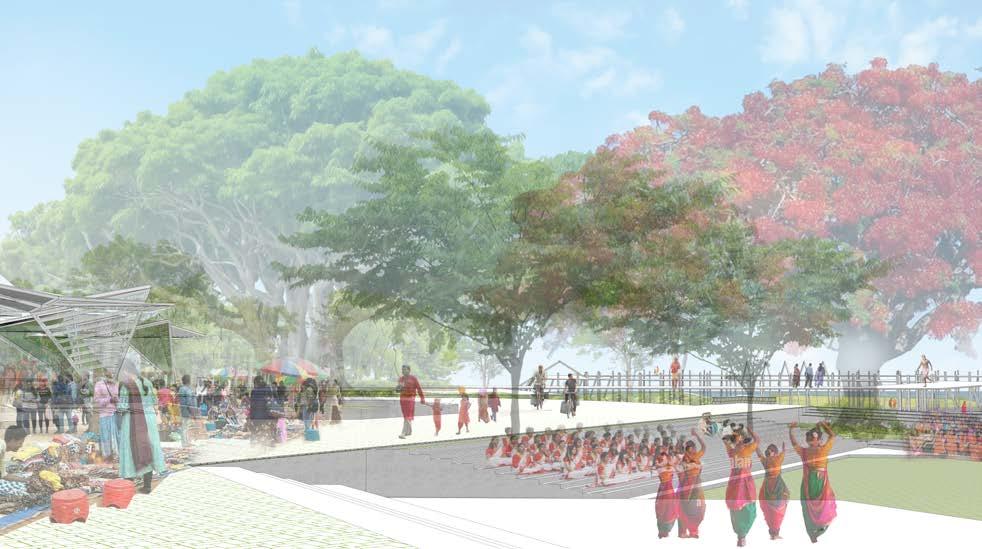
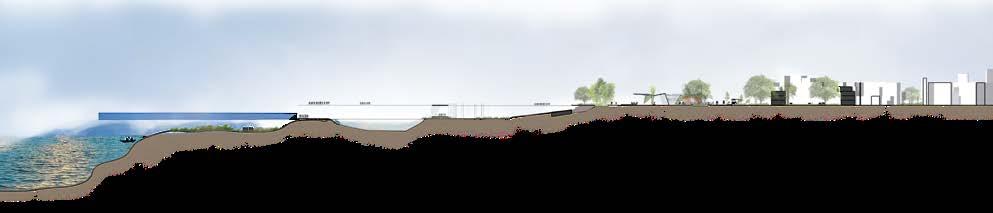
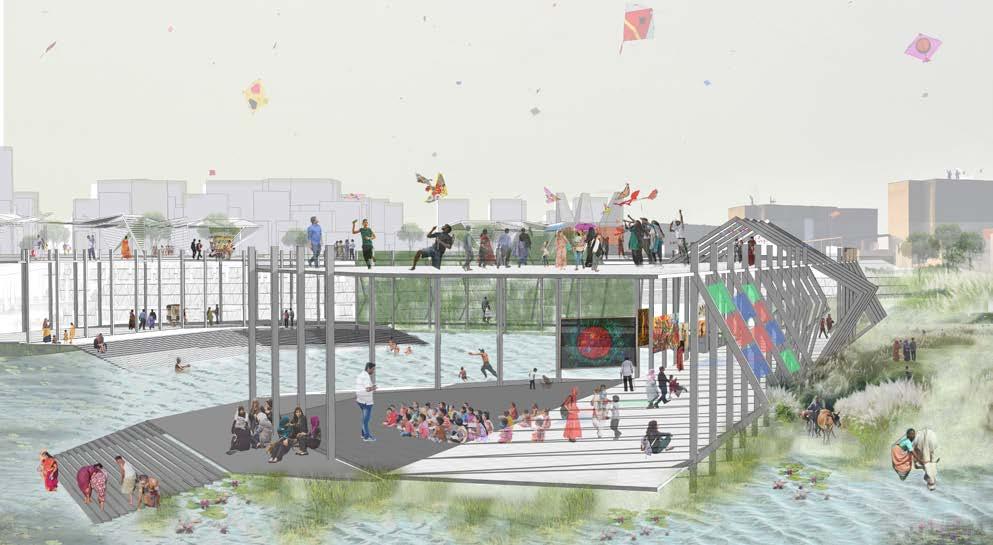
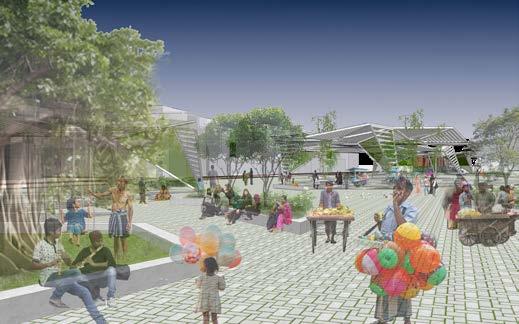
Rajshahi, located amid huge delta of Bangladesh and on the bank of the mightly river Padma exemplifies the delicate interplay between urban development and water. Despite its historical significance as one of the oldest riverbank cities, the city’s development has frequently deviated from embracing its natural environment, resulting in a fractured urban fabric. This thesis project attempts to address this disparity by offering a comprehensive strategy to urban planning focusing on the regeneration of the city’s riverbanks. Redefining the urban landscape of Rajshahi by tying together the strands of environmental stewardship, community identity, and history is the central aim of the riverbank regeneration project.By adopting a comprehensive approach to urban design that is based on the values of inclusivity, sustainability, and cultural preservation, this effort aims to make up for this gap. By means of comprehensive community involvement, encompassing participatory design sessions and cooperative workshops, the project aims to elevate the voices and ambitions of Rajshahi's heterogeneous populace, guaranteeing that their viewpoints influence the city's forthcoming course. The project revolves upon the seamless integration of Rajshahi's rich cultural legacy into the urban fabric, with the goal of rejuvenating waterfront areas as dynamic hubs that promote social cooperation and celebrate local traditions.The project places a high priority on environmental sensitivity. To increase the city's resilience to environmental change, it uses cutting-edge design techniques like native vegetation, green infrastructure, and flood mitigation measures. The initiative aims to establish a renewed dialogue between the city and its citizens by promoting universal access and establishing welcome spaces for individuals of all abilities and backgrounds. This will help residents feel a sense of pride and ownership over their community. In the end, the revitalization of Rajshahi's riverbanks is more than just a physical change; it also serves as
around the world.


Site:
of Veil)


INTERACTIVE SPACES
(Residential Unit)
(Residential Unit, Mezzanine space)
(Residential Unit)
(Residential Unit)
(Communit y Space)



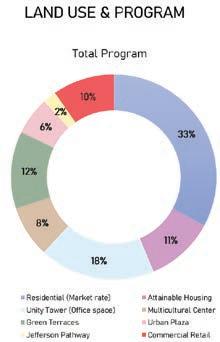
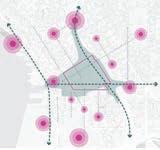
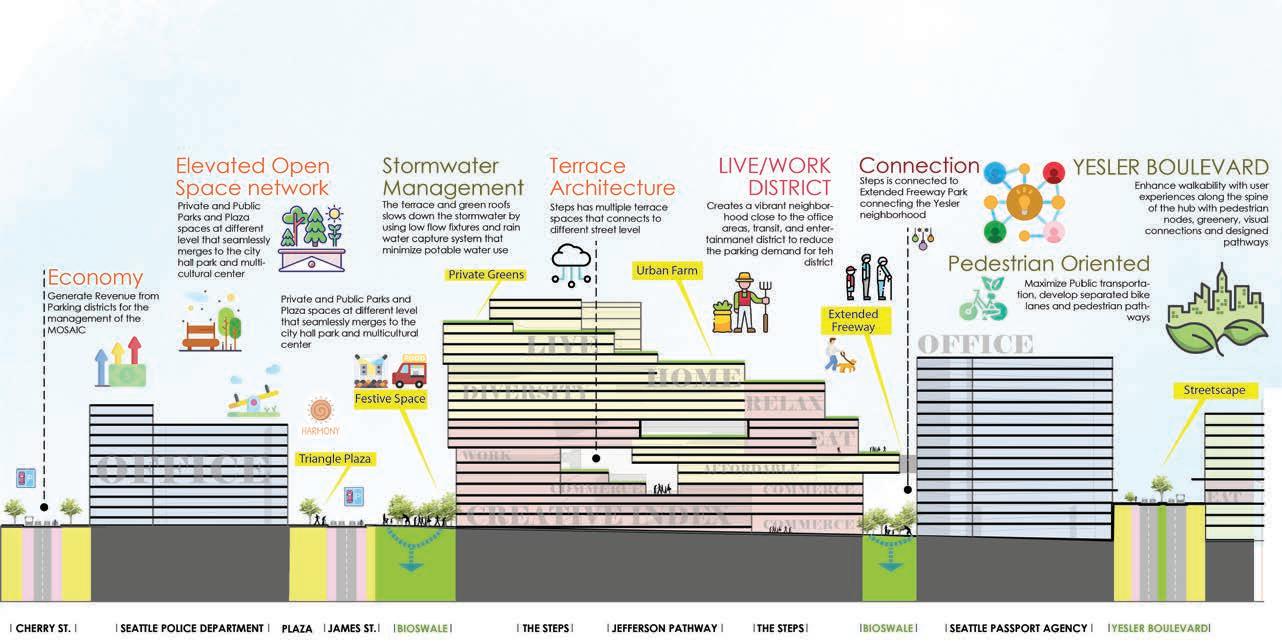
Bridging the gap between people, businesses and nature, Mosaics strives to become a vibrant public nexus that celebrates diverse races, culture, and user groups in a harmonious and inclusive urban tapestry. Our commitment is to strengthen economic bonds, elevate visual connectivity, and provide attainable housing options through enhanced connection, mixed-use development and sustainable approaches.
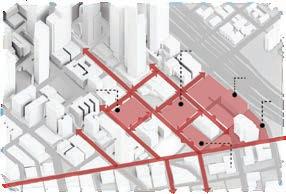
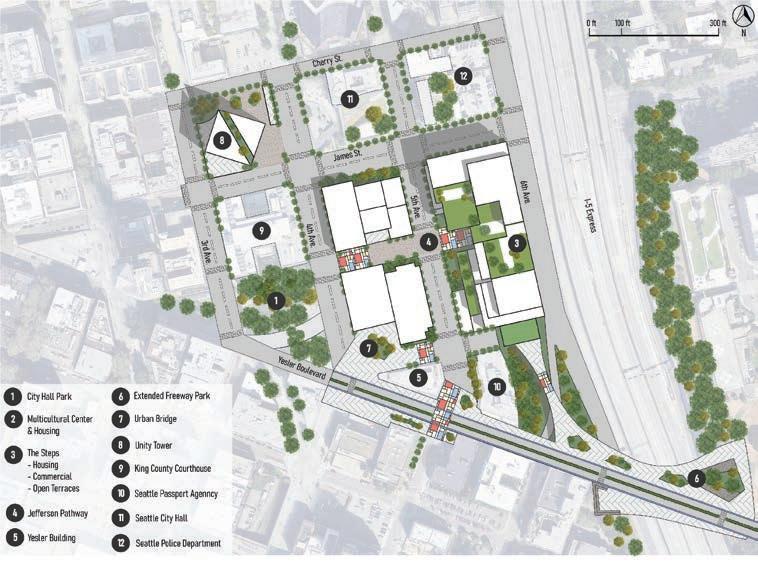
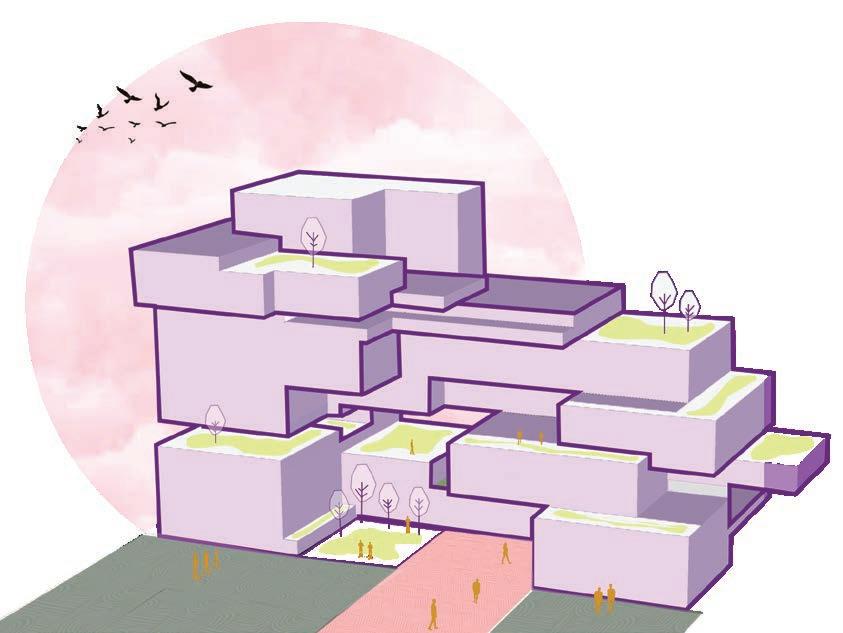
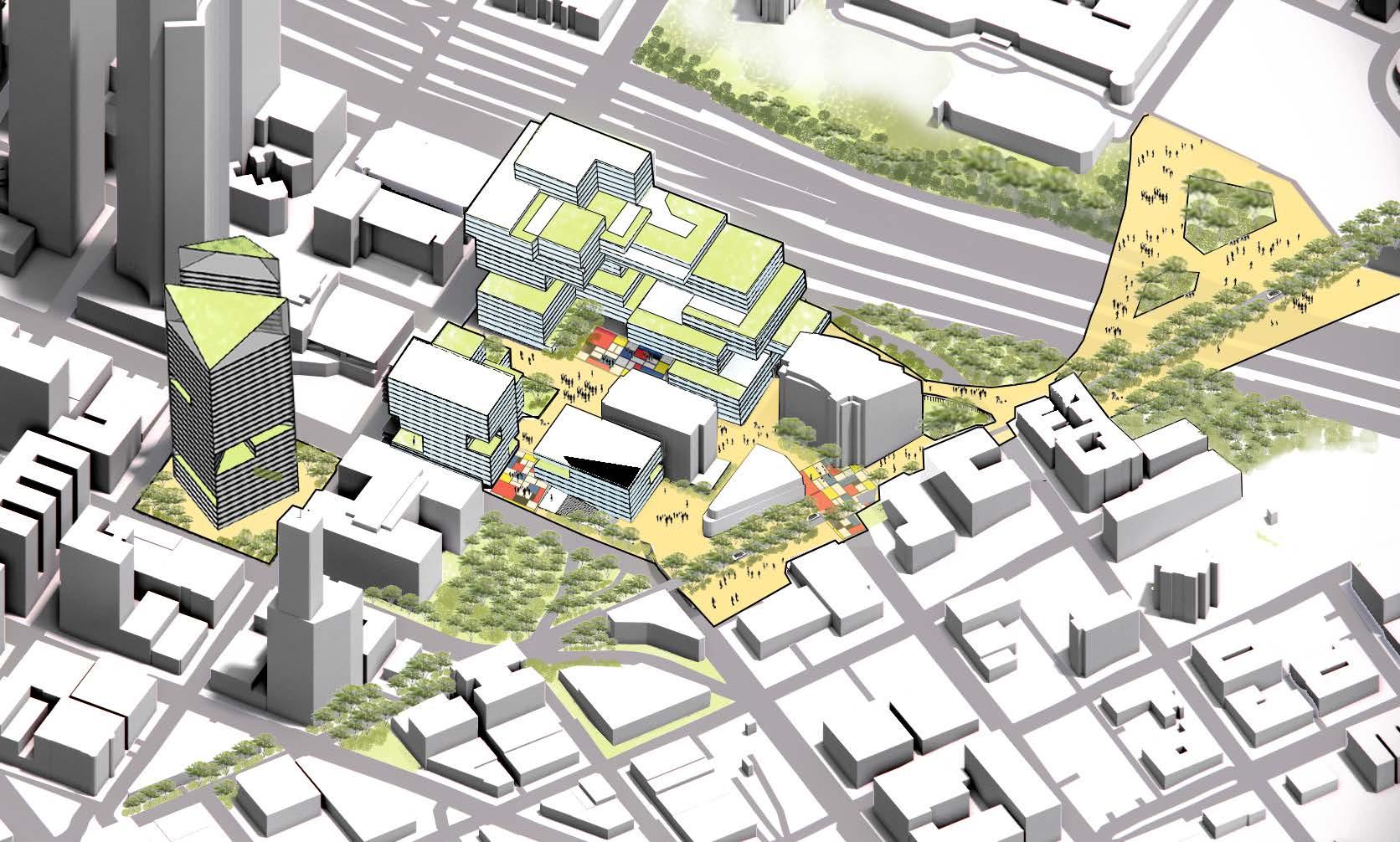
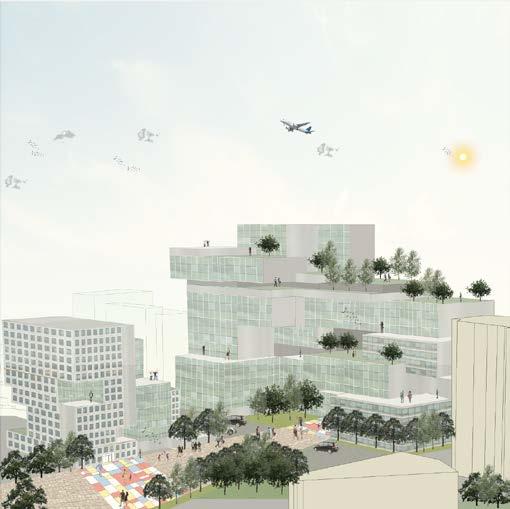
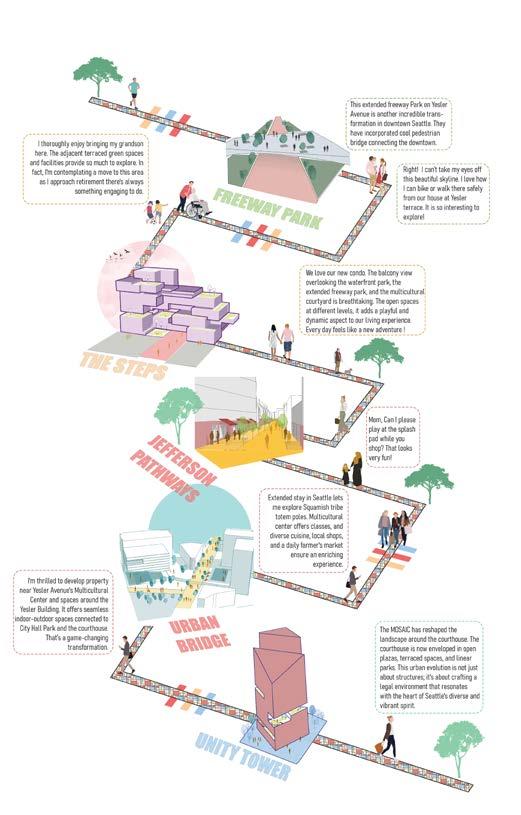
Unified as Mosaics, we blend vibrant colors of diverse cultures to foster opportunities for varied users and a diverse economy, creating distinctive neighborhoods within the city. Mosaics redefines five districts, introducing green corridors, an Urban Transit Station, and interconnected plazas. The Steps: Housing addresses varied demographics, fostering an economically impactful and environmentally just community. Mosaics embodies mixed-use development, supporting local businesses and government services. The green corridor promotes sustainability and resilience, offering replicable elements for revitalizing disinvested neighborhoods. This model transforms areas into vibrant cultural hubs, contributing to positive social shifts and a connected urban landscape.
The Green Corridor transforms Seattle's car-centric roads into a green oasis, connecting neighborhoods to the Alaskan greenbelt. The Urban Plaza engages the public, fostering economic opportunities. A Multicultural Center celebrates diversity, housing local businesses. Repurposing the Chinook building connects it to a mixed-use development. The Steps offer diverse, inclusive housing, promoting a circular economy. Green terraces improve well-being, and a pedestrian corridor activates Jefferson Street. The Unity Tower represents a progressive government, and a street-level transit stop at Yesler and 4th Ave enhances public flow. The Mosaics design is replicable for city revitalization.
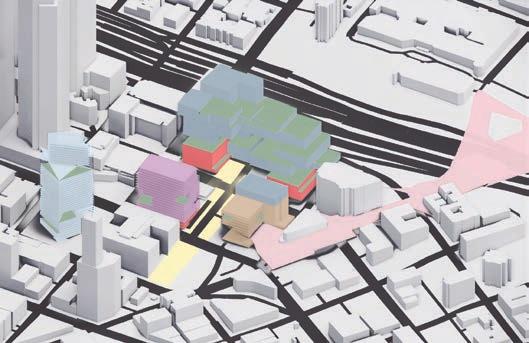
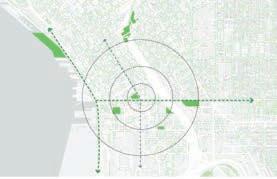
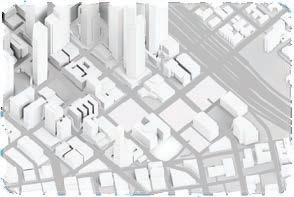
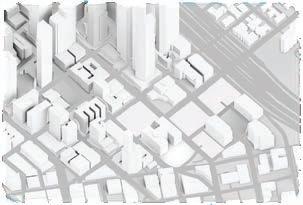
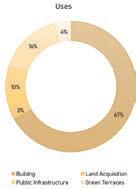
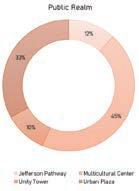
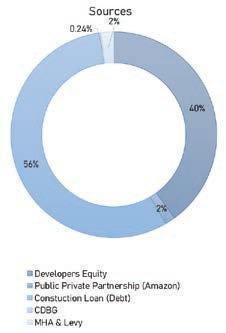
Site: King County, Seattle
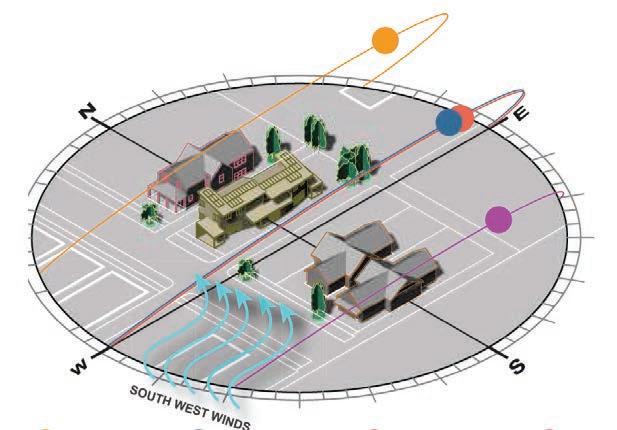
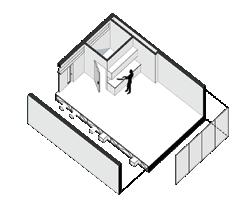
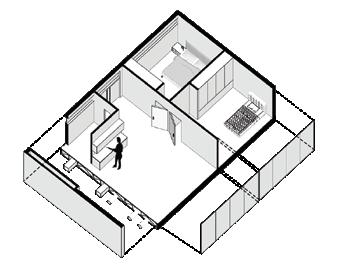
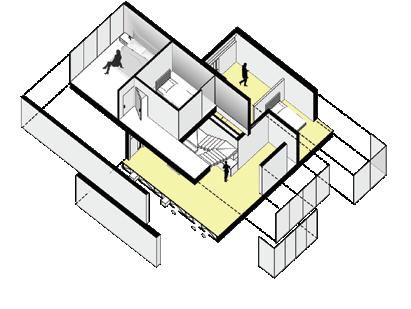
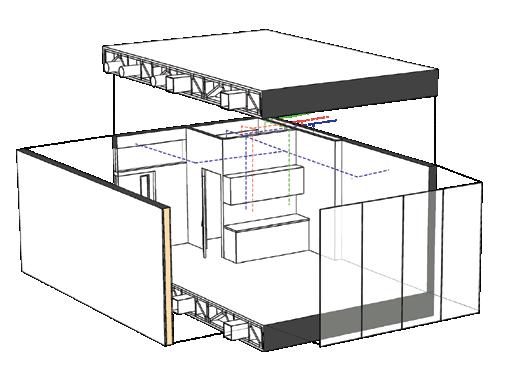
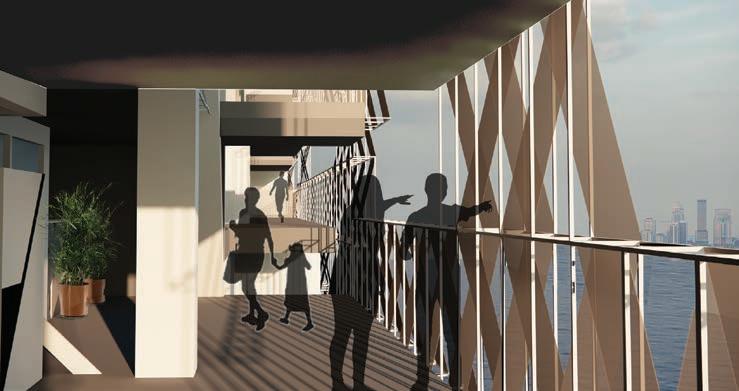
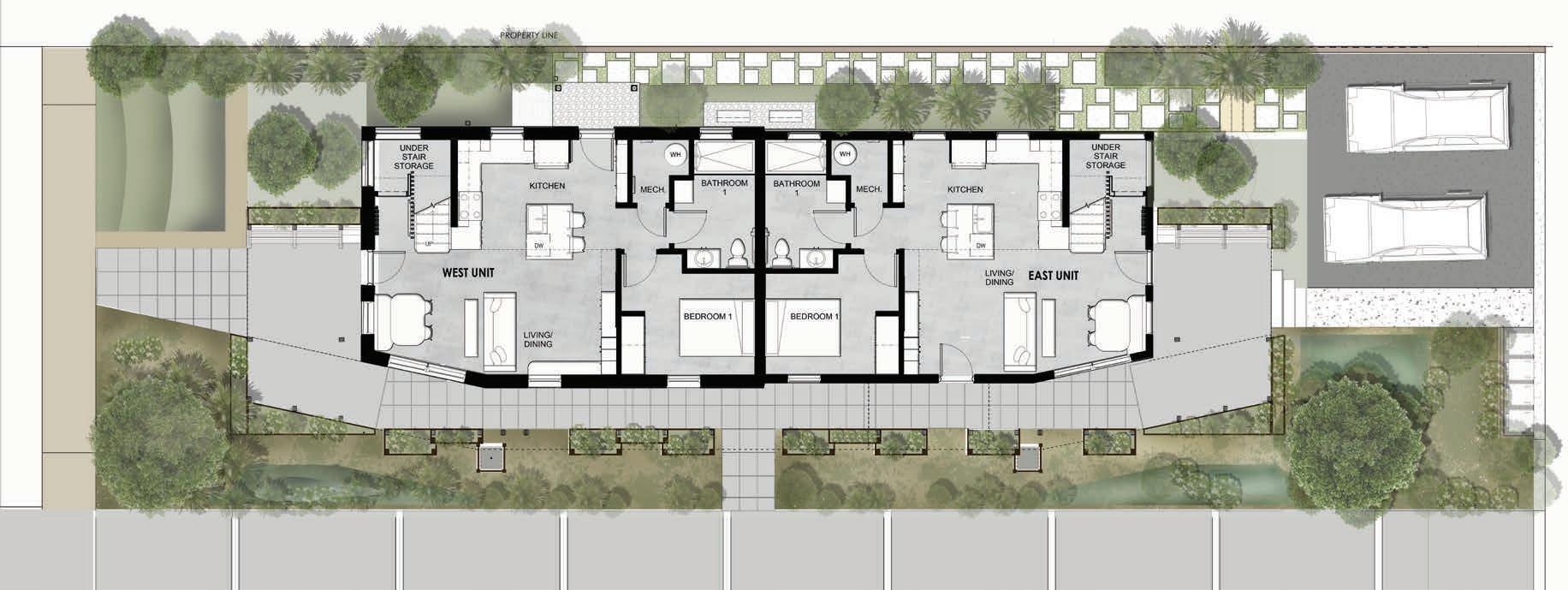
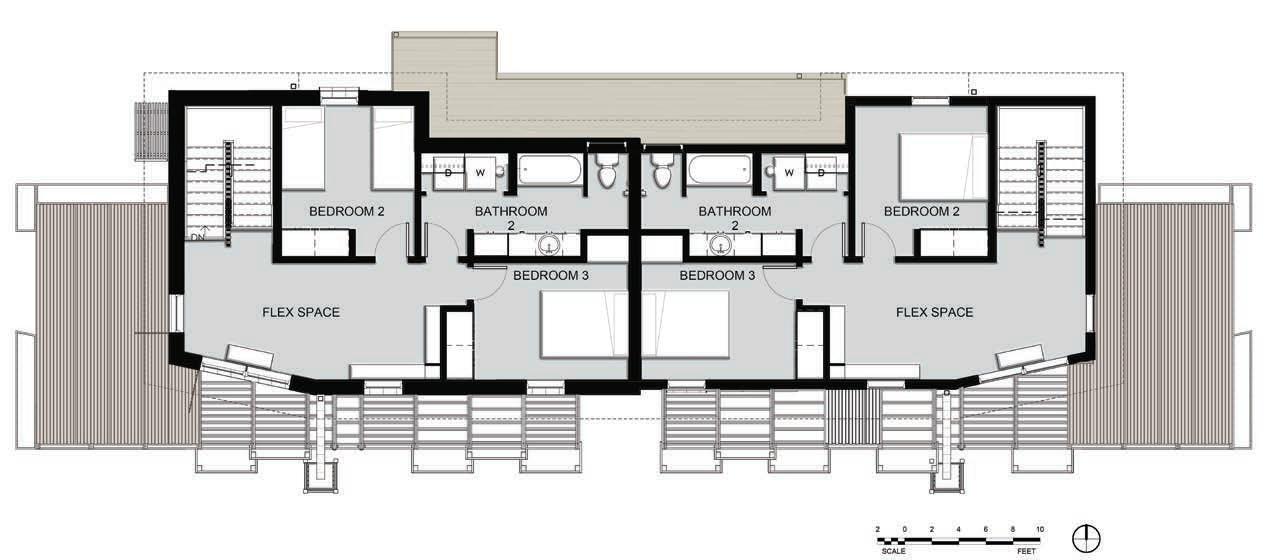
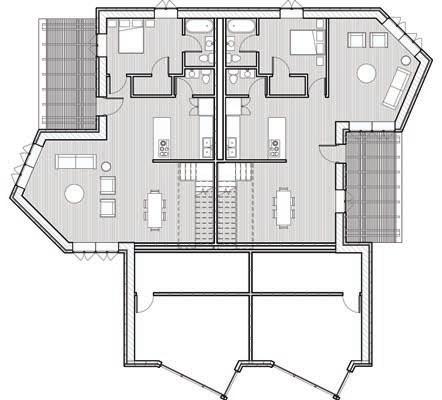
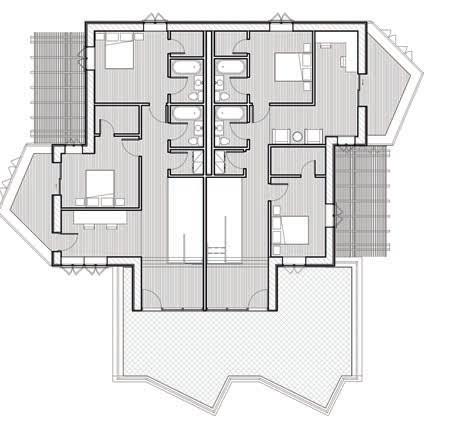
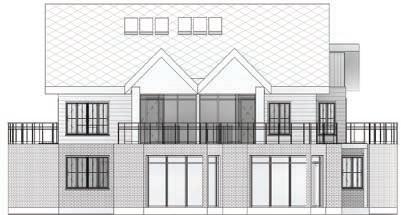
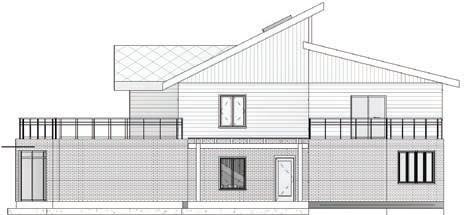
The Alley House is an affordable, two-family home that adapts to each family’s needs throughout their life stages encouraging and enabling residents to age in place. Cardinal Studio is determined to create a design that addresses the occupants’ needs while providing optimal comfort and adaptability. For example, the first floor of the house is equipped with a spacious open kitchen and adjacent living space both of which look directly out to the south community alley. This design approach creates two quality family oriented living spaces with a year-round with south-facing views that also provide connection and interaction. Amenities are placed at the ground level to accommodate aging in place and include a mechanical room, adequate entrance storage, a full bathroom, and an additional flex space. The second floor includes spaces oriented to families – two bedrooms, a full bathroom, and a flex space where a range of uses can be anticipated from office to exercise room, nursery to bedroom adapting to the family’s needs depending on their stage of life. Each unit also includes a third-floor mezzanine dedicated as a study area for adults or children depending on the residents’ needs.
Site: 201 N Temple Street, Indianapolis
ENHANCING SENSE OF PLACE

FACILITATING EDUCATIONAL OPPORTUNITIES


CREATING SUSTAINABLE SITE & HIGH-PERFORMANCE BUILDING DESIGN INTERGENERATIONAL ADAPTABILITY


Heightened Stair Core to Facilitate Stack Ventilation
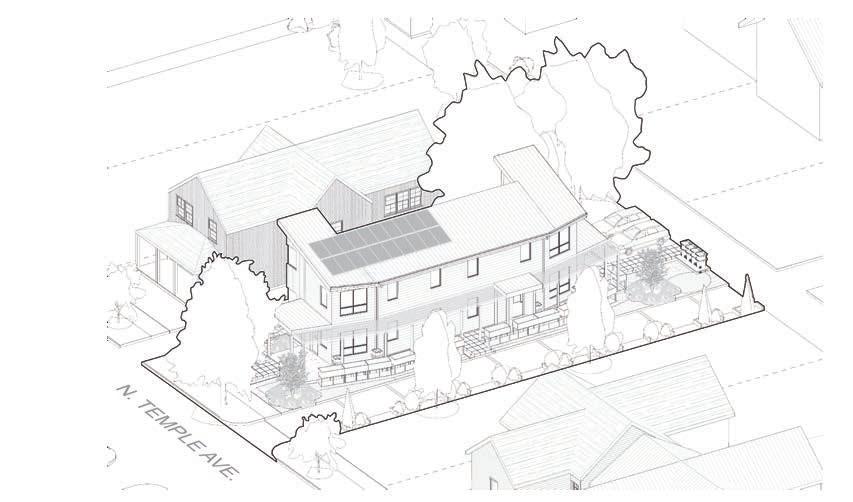
Standing Planters for Edible Garden
EV Charging Station
Energy Production & Storage
Louvers to Mitigate Direct Solar Radiation
Intentional Plantings Near Alley for Shading
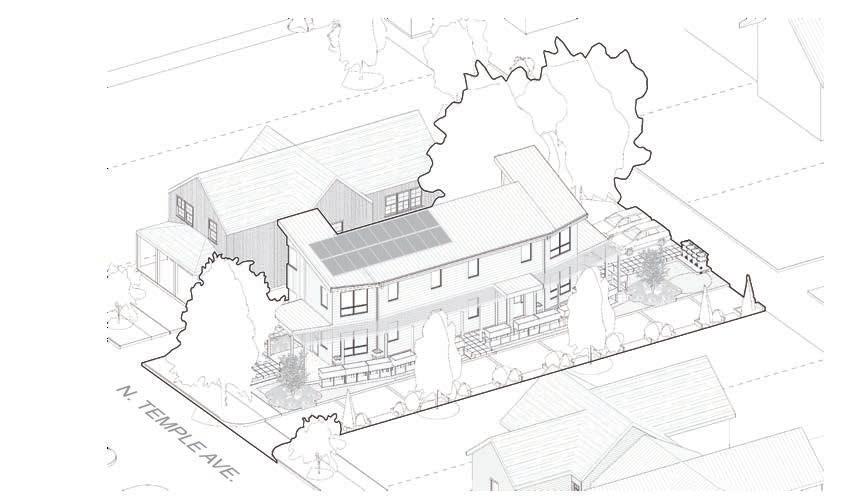
Adequate Space for Recycling Storage
ALLEY HOUSE: Net-zero Multi-Family Residence Design (Group Project)
Site: 201 N Temple Street,, Indianapolis
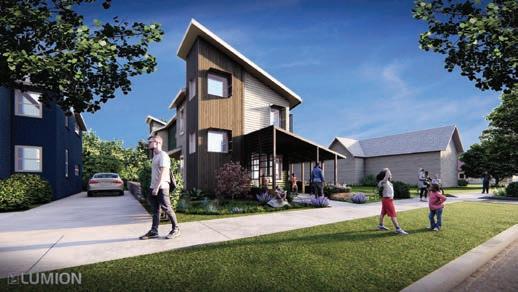
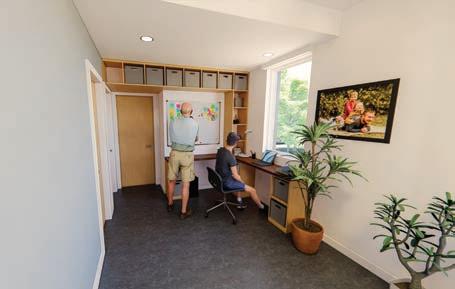
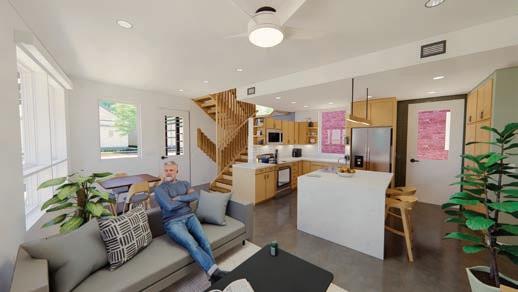
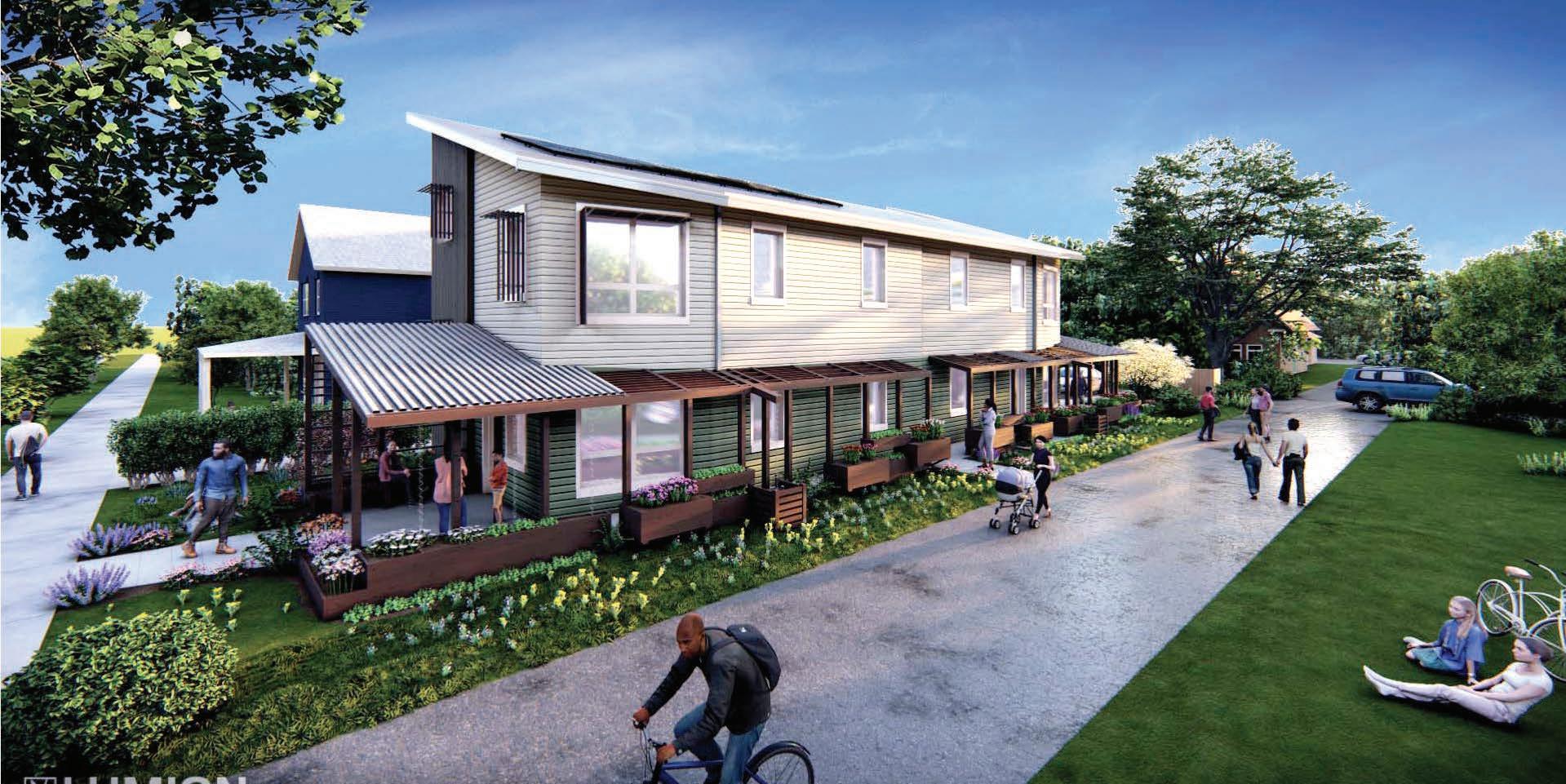
ALLEY HOUSE: Net-zero Multi-Family Residence Design (Group Project)
Site: 201 N Temple Street, Indianapolis
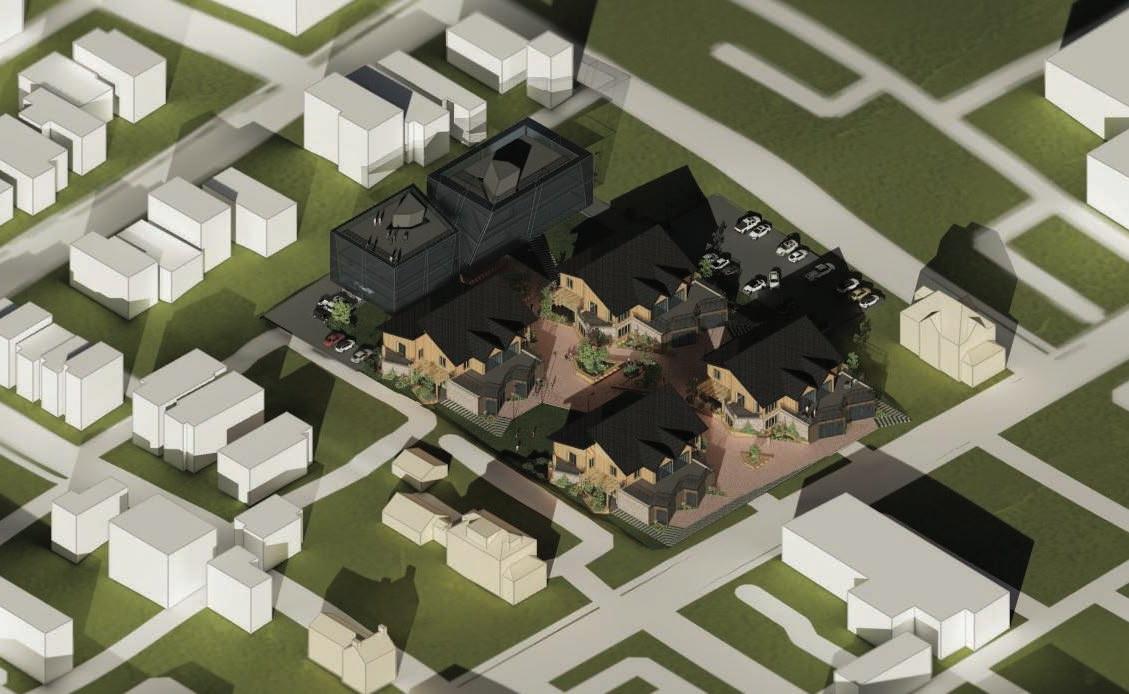
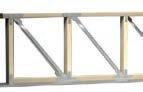
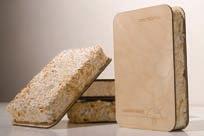
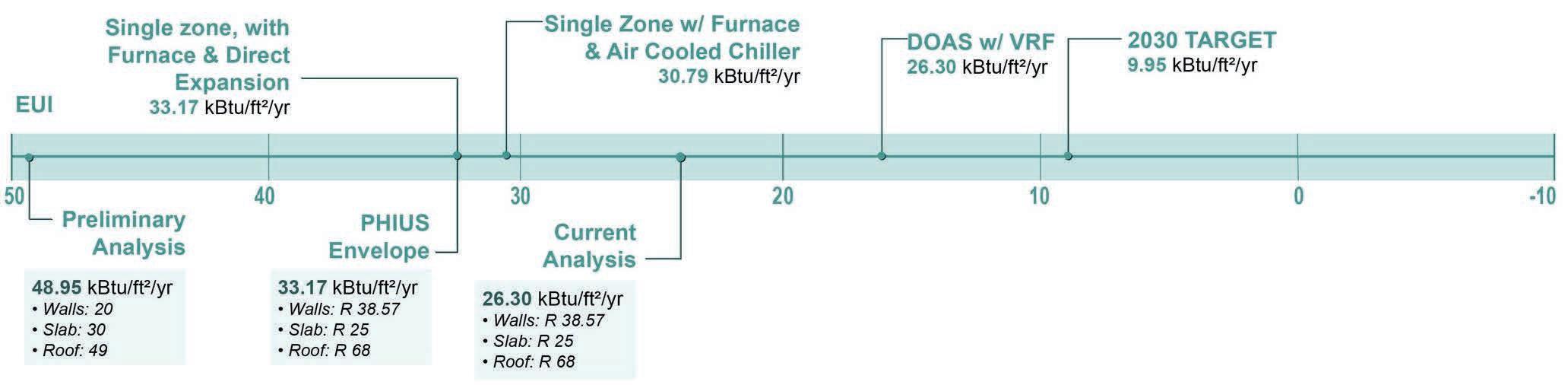
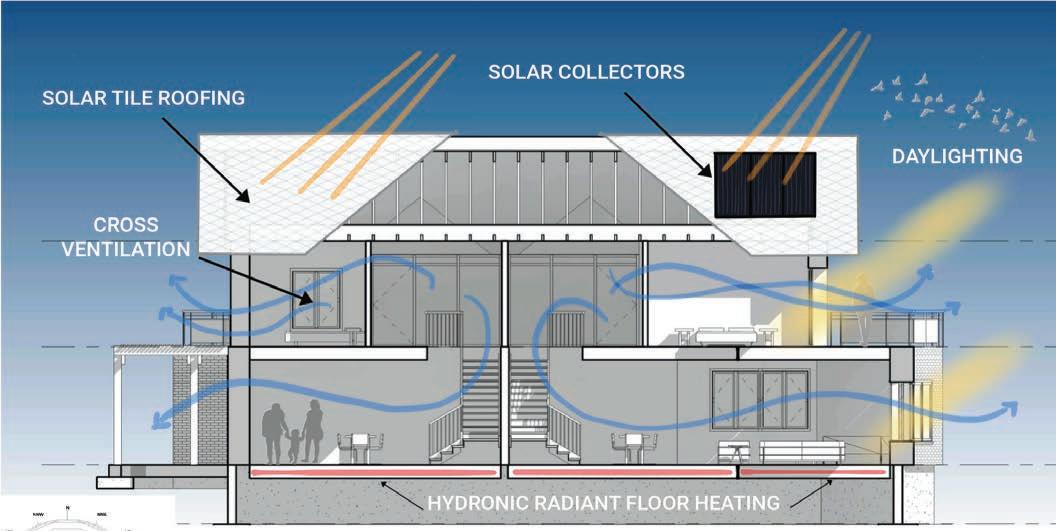
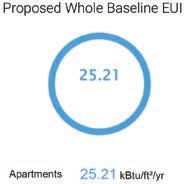
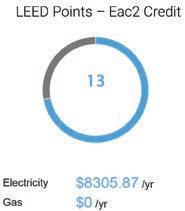
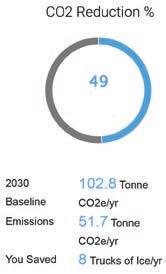
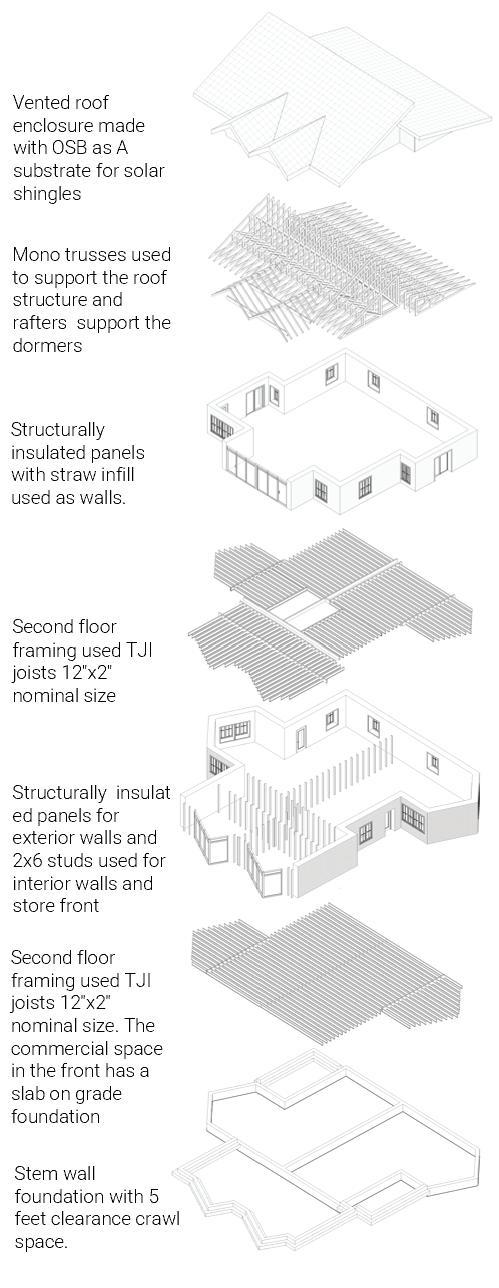
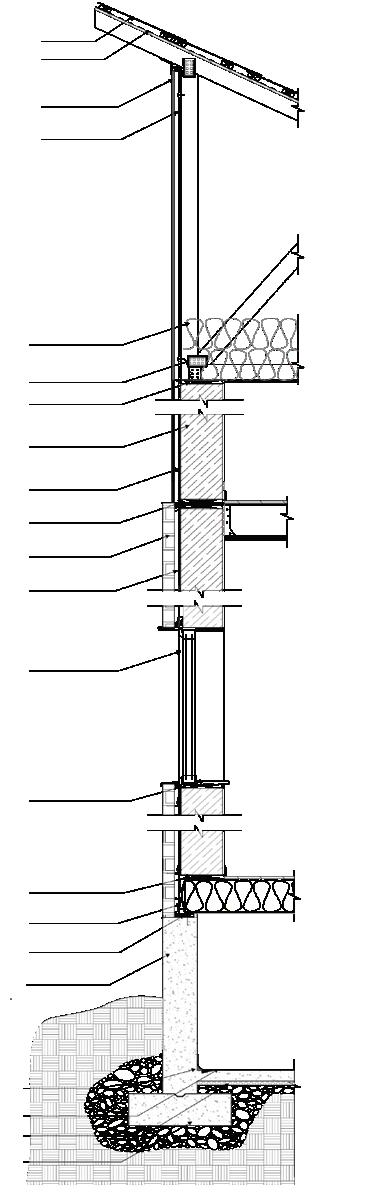
With this project, we aspire to provide a model of net-zero living in the Elevator Hill neighborhood while also providing chances for live-work space and public spaces that will contribute to the burgeoning entertainment, culinary, and artistic scenes. With an EUI of 25.21, this initiative tackled energy, water, and carbon. It demonstrates the inventive blending of solar water heaters, photovoltaic panels integrated into the roof, straw SIPs, and rainwater. It will start with the SIPs, which are made of two structural oriented strand boards and an insulating straw core (OSB). The end result is a building system that is exceptionally durable, economical, and energy-efficient while maximizing all the structural capabilities of engineered timber to provide us a spacious interior to work with. A 16" SIP can reach an R-49 rating, according to the manufacturer's website. Our building envelope will also collect significantly more carbon than it will be necessary to produce because all of its components are derived from natural and renewable resources. We are quite enthusiastic about it! In terms of the roof system, we think a cold roof will be ideal because it lowers the amount of space that needs to be air-conditioned. In order to meet the needs for cooling during the summer and for heating during the winter, an air to water heat pump will be required. We have a radiant hydronic cooling and heating system installed in the ceiling. The heat pump will be assisted by a closed loop solar hot water system with evacuated tubes during the winter to heat the floors and domestic hot water. The evacuated tubes will contain an antifreeze fluid that will flow as heat from the sun is captured. The antifreeze loop's pressure will be maintained by a pressure valve. This antifreeze will move via a heat exchanger, which will transfer heat from the antifreeze into a water loop connected to a hot source. The dierential thermostat will be used to turn on and off the heat pump when required. This will conserve energy and limit heat pump usage to necessary situations.
Site: East Market Street, Indianapolis

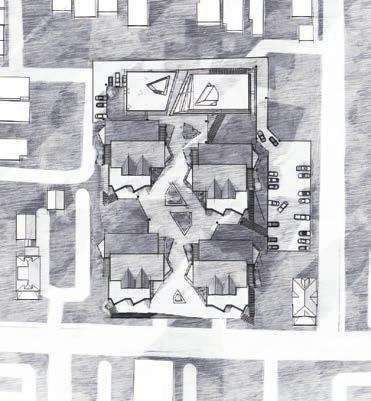

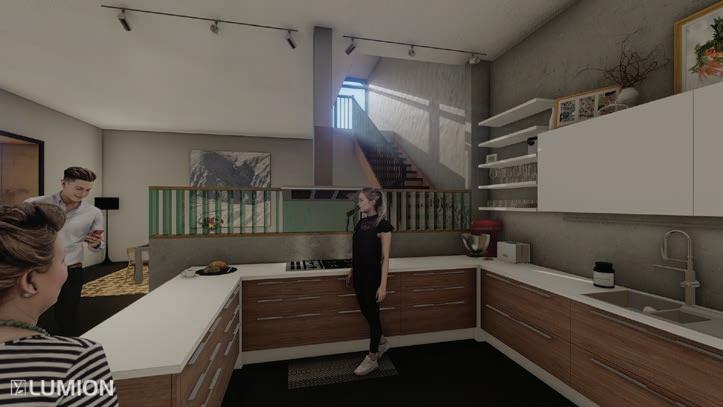
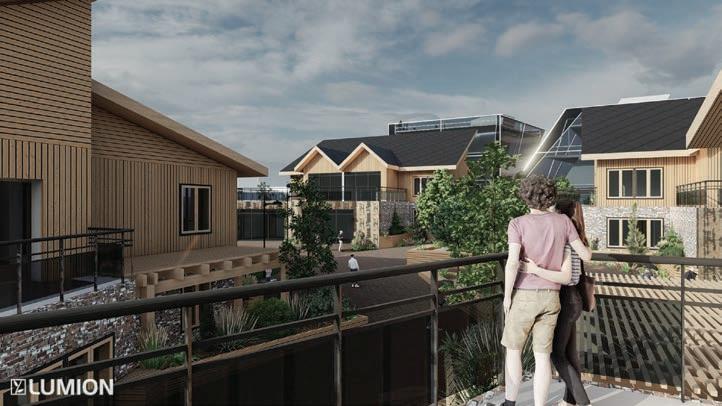
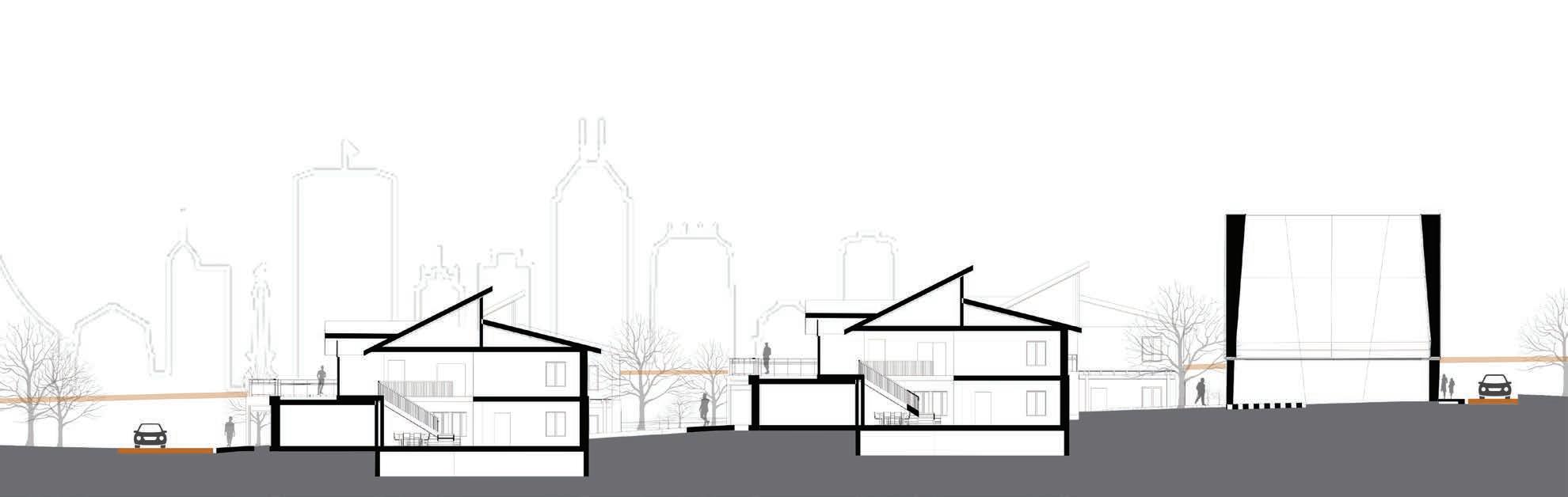
RISE : Net-zero Multi-Family Housing Design (Group Project)
Site: East Market Street, Indianapolis
U N D E R-G R A D L E V E L P R O J E C T S

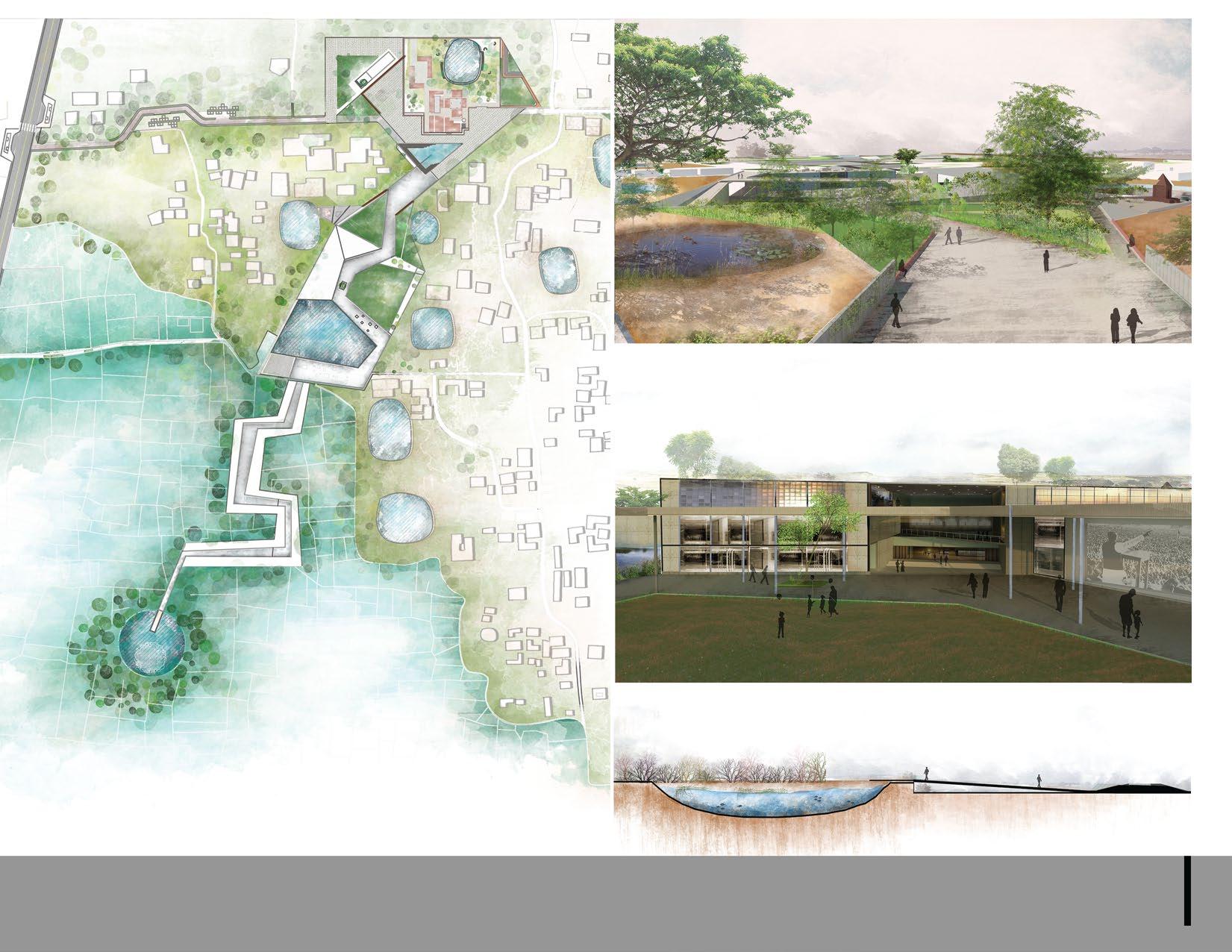
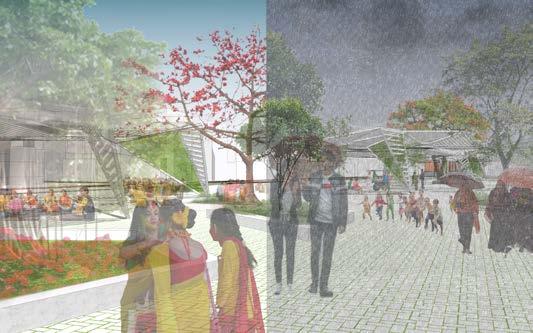
Master plan area in monsoon

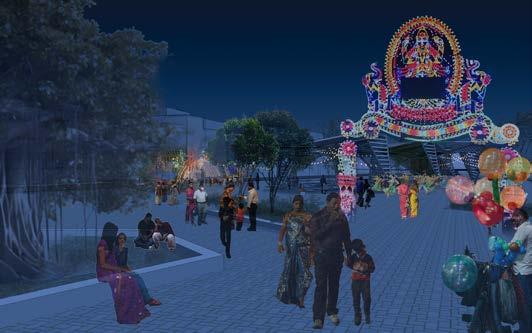
SUSTAINABLE RESTORATION OF URBAN COMMUNITY PARK
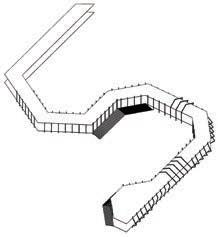
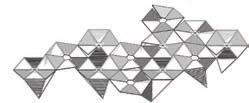
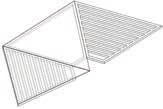
amphitheatre step details

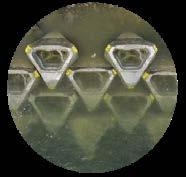
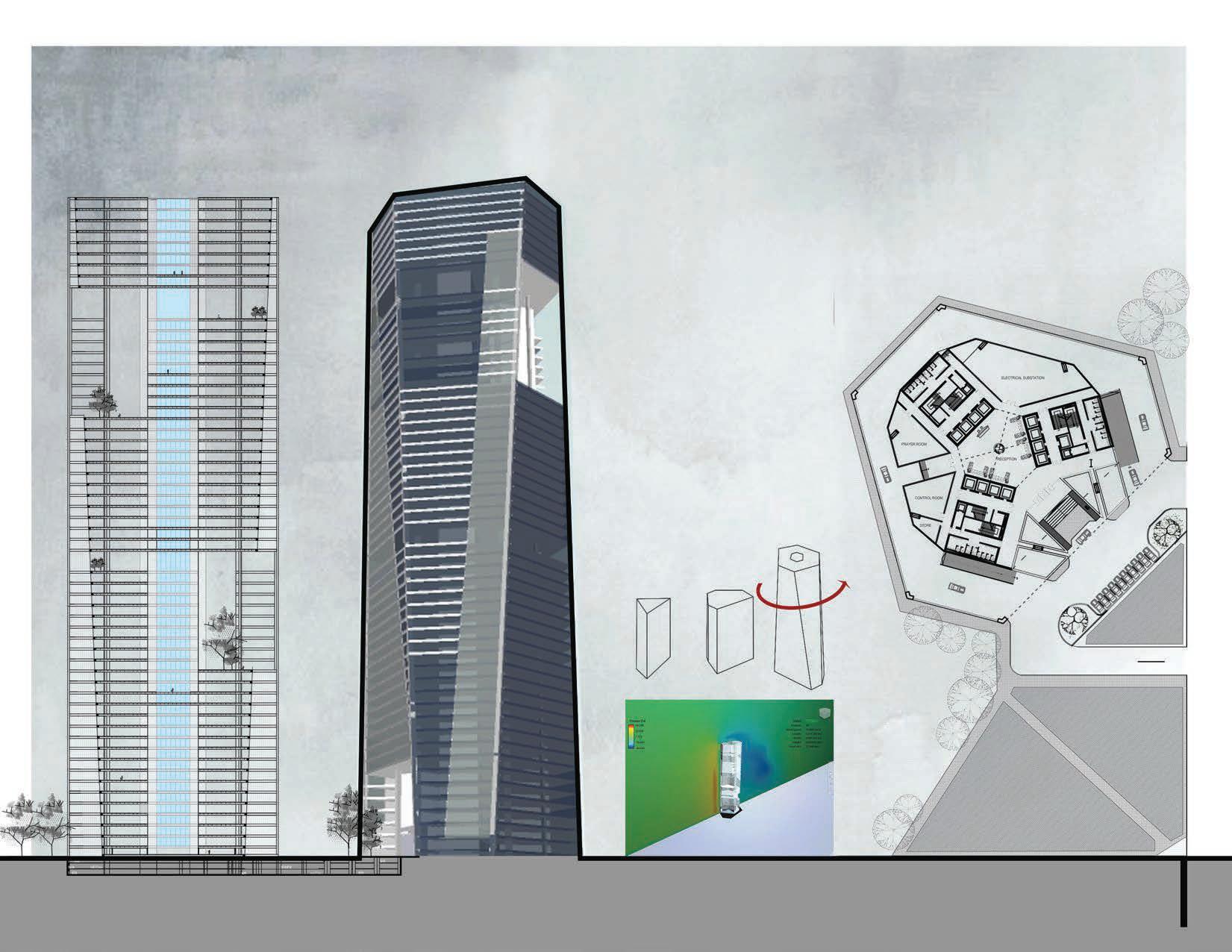
To make a high-rise building stable against the wind pressure and to lower the cooling load, a new type form has been explored. Few inverted trian-
sure on the building as it cut eventually helps to low down the cooling load. A special type of structure which includes s everal tension members has been proposed to build this form.
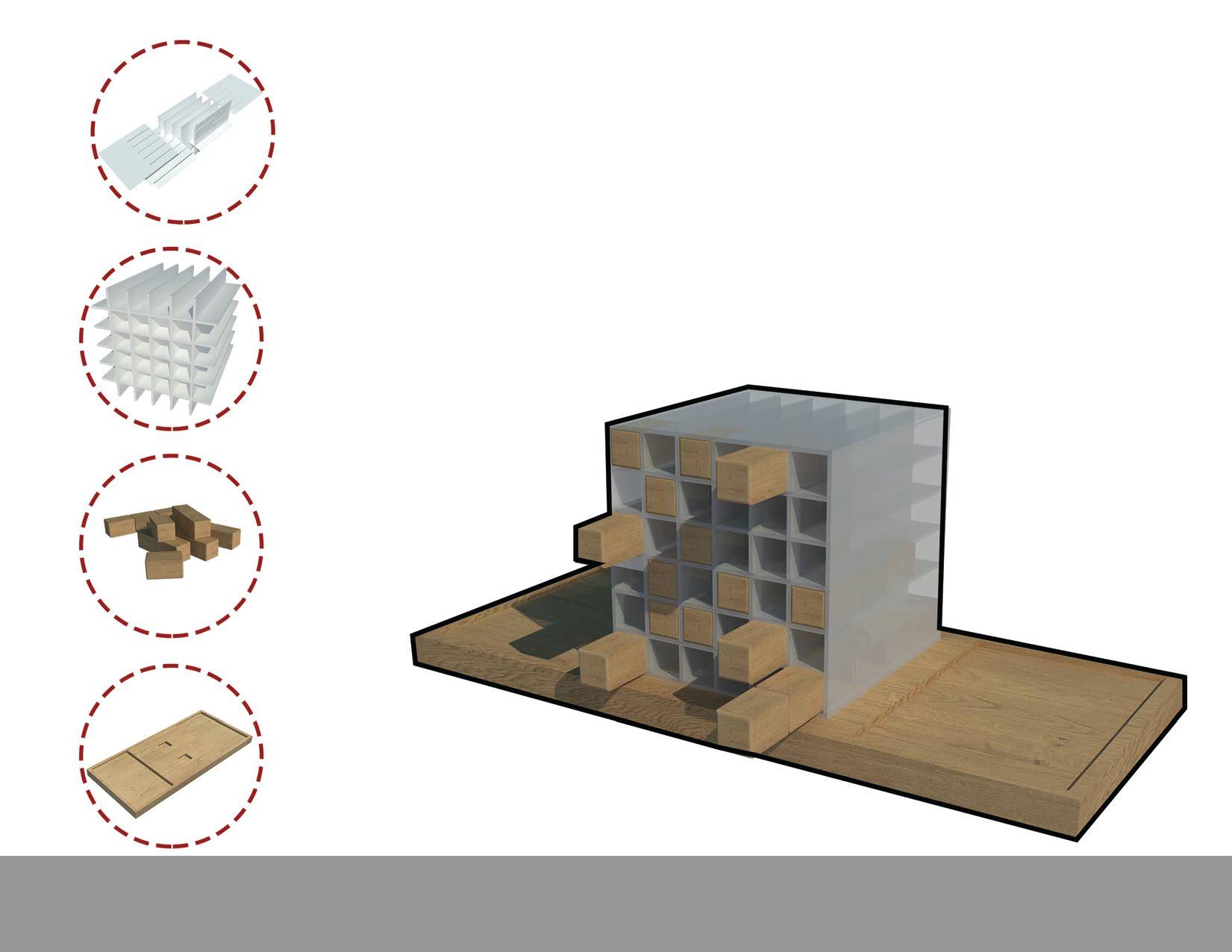
Rules:
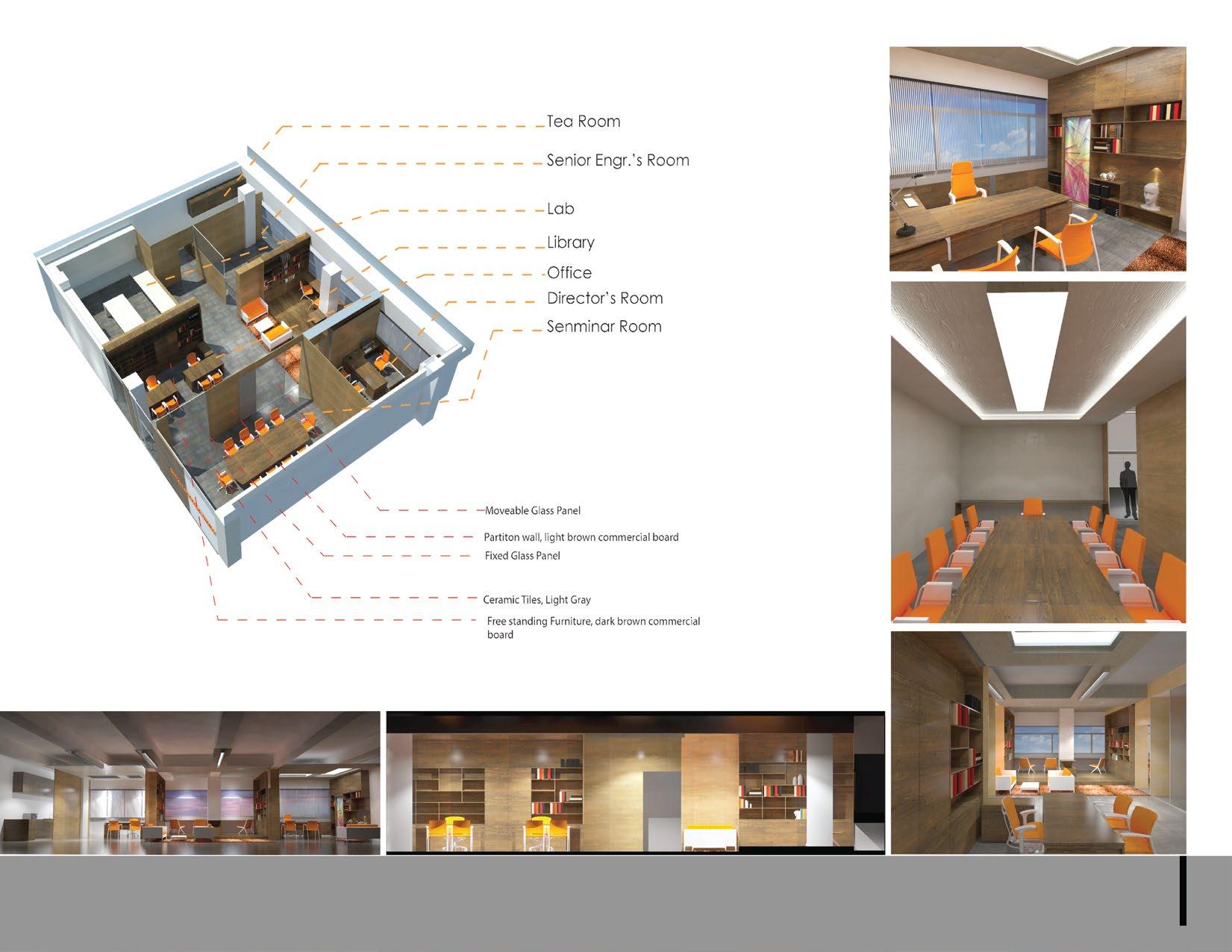
INTERIOR DESIGN for CENTRE FOR ENERGY STUDIES
P R O F E S S I O N A L W O R K


"I don't think that architecture is only about shelter, is only about a very simple enclosure. It should be able to excite you, to calm you, to make you think."
- ZAHA HADID