ANNUAL REPORT

20 22
CONTENT 1 Solid ......................................................................... 4 1.1 Mission .................................................................................. 6 1.2 The organization................................................................. 8 2 Social profit .......................................................... ..10 Customized by Solid................................................................12 Tales by Solid............................................................................13 2.1 Knitting for a better life in Peru ....................................... 14 2.2 A brighter future for artisans in India ........................... 22 2.3 Weaving for hope in Kenya ............................................. 30 2.4 Agriculture as a force of good ....................................... 34 2
3 3 Social projects in Peru ........................................... 40 3.1 We protect ......................................................................... 42 3.2 We educate ....................................................................... 54 4. Partners in crime ................................................... 60 Support us ................................................................ 62 The power of volunteers ........................................... 63
1 Solid
4
5
1.1 Mission
Why?
The main goal of Solid is to fight poverty on a long term. We try to improve the living conditions of disadvantaged people in Peru, India & Kenya. Both by creating employment and fair markets, and social projects that strengthen people’s personal skills, with a strong focus on young people, girls and women.
How?
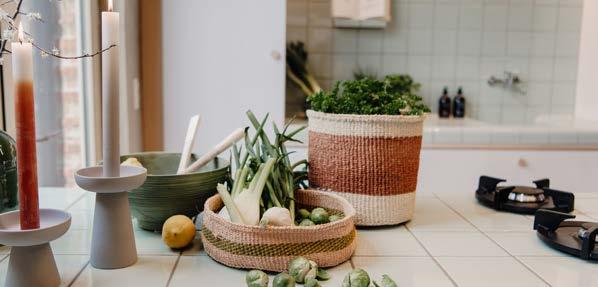
Solid helps young people, women and families to grow a solid foundation for their own future, by providing employment opportunities (Solid Crafts / Agriculture) and tools for empowerment (Solid Social), for people in some of the poorer regions in Peru, India and Kenya. All of this is done with special attention to personal development and awareness of one’s strengths and capabilities.
The interwovenness of enterprises and social projects is Solid’s trademark. It reflects Solid’s entrepreneurial mindset and unique business model. This way every client of Solid contributes to a better world.
7
1.2 The organisation
History
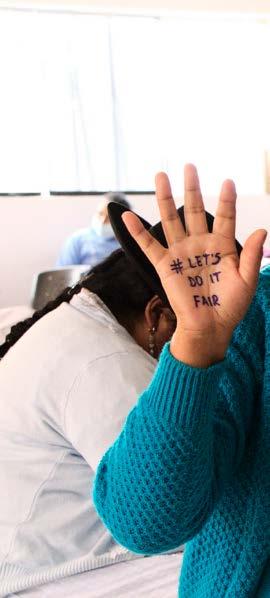
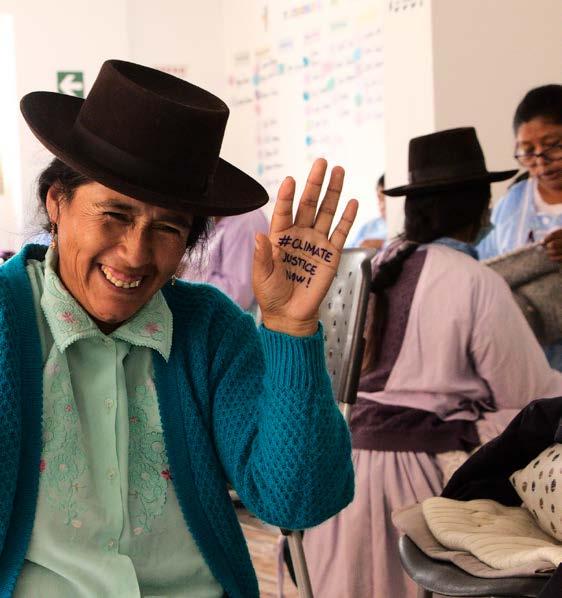
The non-profit organisation Solid was founded in 2000, supporting the projects of other NGO’s, working in various countries on economic development, clean water supply, education, healthcare, early child development and human rights. In 2006 the organisation decided to roll out its own projects, in the region of Ayacucho, Peru. It started working with farmers on technical assistance, but soon saw the social needs of these rural families and of the many teenage mothers in the region. New social projects sprouted and Solid even set up a knitting workshop to provide employment and an empowering workplace for vulnerable women. This model was later copied to Ranchi, India and a partner in Kenya was also welcomed to the Solid family.
8
9 2011 2007 2009 2010 2016 2017 2020 Technical support farmers Solid Food DIA - Desarrollo Integral del Adolescente
- Knitting workshop Hadithi Crafts joins Solid Crafts Paces Crafts JOVEM Healthy families project 2010
MANTA
2 Social Profit
10
11
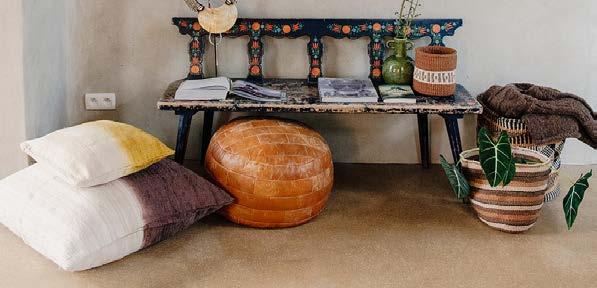
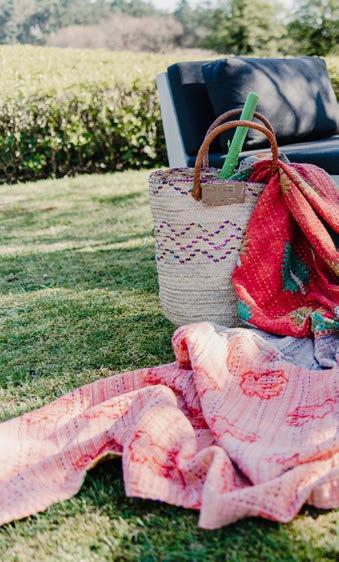
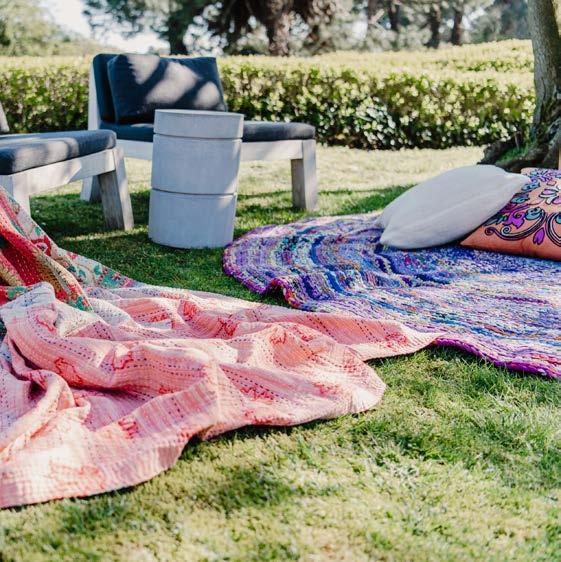
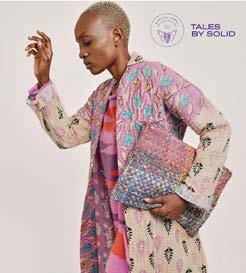
Solid produces ethical and sustainable fashion and homeware items for conscious brands and retailers who require tailor made products (Customized by Solid). In addition Solid also developed its own brand of homeware and apparel, named Tales by Solid.
All products are ethically handcrafted form the finest quality materials or recycled materials, by female artisans in Peru, India and Kenya.
Customized by Solid
In Peru knitwear is our thing! We love to work with customary Peruvian fibres naturally available in the region, like alpaca, soft highland wool or pima cotton, all from the best quality.
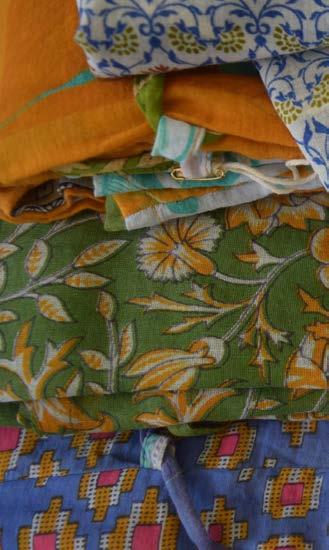
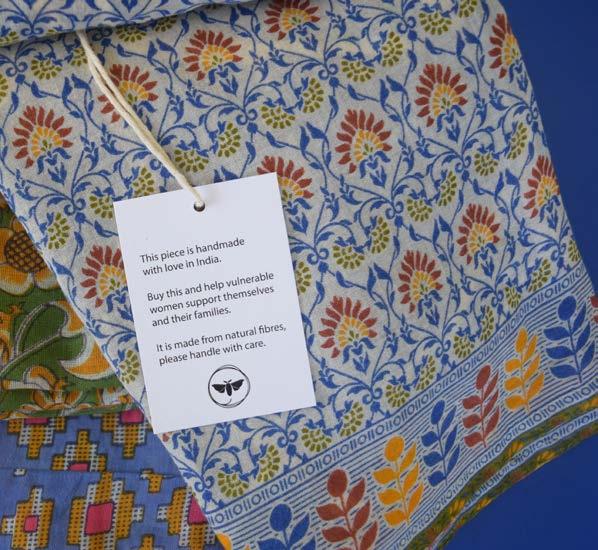
In India, handweaving and crocheting beautiful products from upcycled sari’s is the logical way to go. A local product, with lots of character, easily available and reusable.
The tradition of basket weaving in Kenya uses local sisal and palm leaves.
Some of the clients we can proudly call ours:
• Ayacucho
• Beanie AT
• Bedford Knitwear
• Elefante - Victoria - Wax Lyrical
• Evylnit
• FIBR
• Hug & Hum
• Jaggery
• Jyoti
• LNKnits
• La Ligne
• Maiami
• Mariazinha
• Nosho
• Scapa
• Things that make you happy
• Nuna Trends
• Wolder
12
Tales by Solid
After years of experience in producing tailor-made ethical, high quality knitwear and handwoven apparel and homeware in partnership with various premium labels, we at Solid thought the time was right to launch our very own sustainable label.
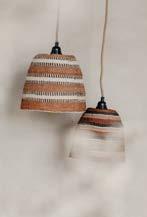
TalesbySolidis a modern and contemporary brand of handmade, sustainable fashion and homeware products designed to last. Tales by Solid is driven by ethics as well as aesthetics. Our goal is to offer transparent and exquisite craftsmanship. Each of our responsibly made products has a story to tell and through all purchase positive connections are made. Fair working conditions and ecological manufacturing processes form the basis of the label.
Fashion and homeware handcrafted with a soul and a story. Because how it is made does matter.
www.talesbysolid.be

@talesbysolid_
hello@talesbysolid.com
Our stockists - https://talesbysolid.com/pages/our-stockists
13
2.1 Knitting for a better life in Peru

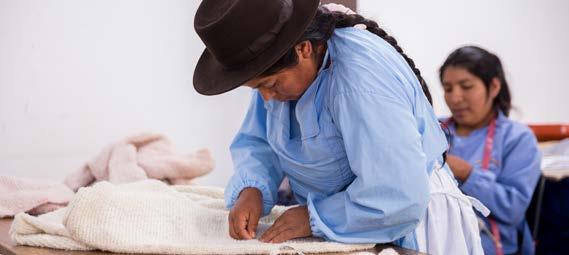
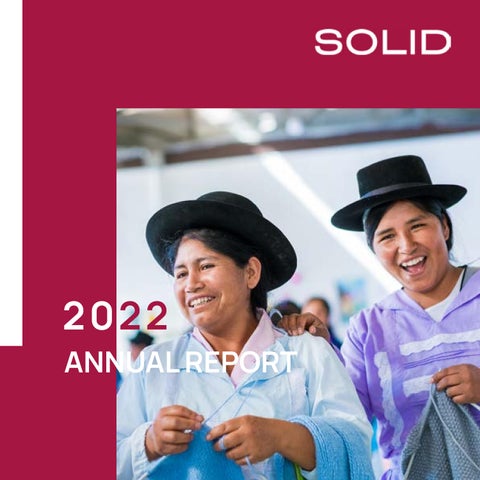
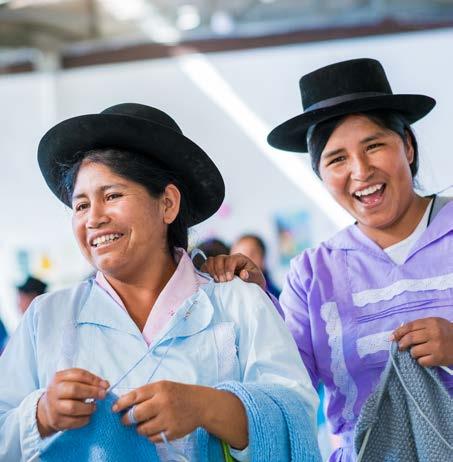
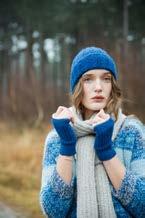
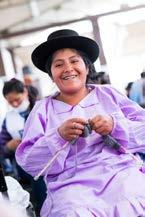
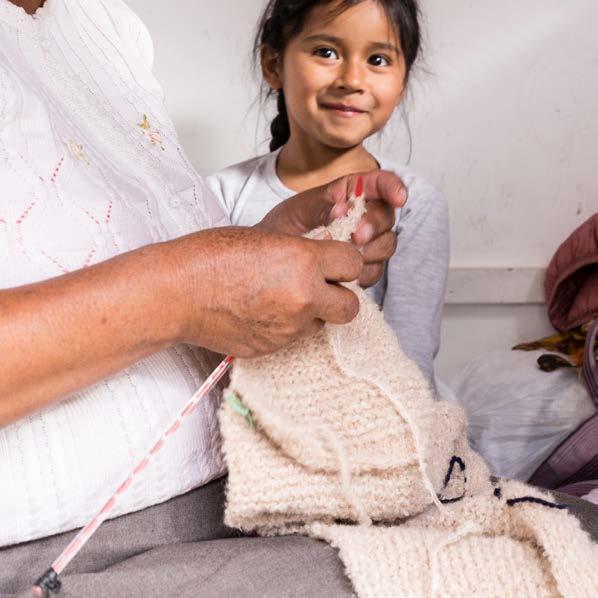
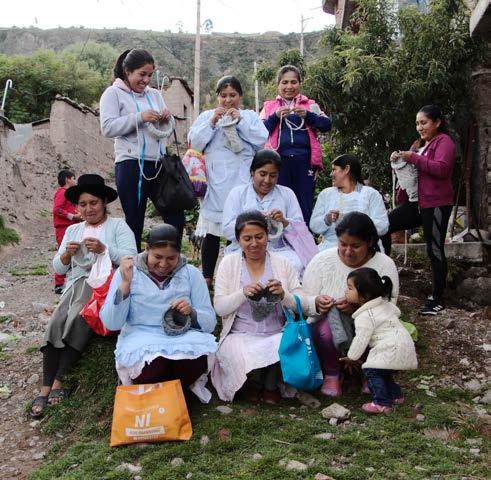
Manta is a sustainable knitting and crocheting workshop in Ayacucho, in the middle of the Peruvian Andes. Our high-quality knits are custom made for global fashion and home deco brands. But most of all this workshop creates employment for over 190 underprivileged women, providing them with training to become world-class knitters. The workshop even has a social team, that focusses on the development of personal skills and difficulties the women might face, as well as childcare services, a necessity for many. Empowerment through employment, and improving the living conditions of these women, that’s the goal! Because we believe that “Ifyouempowerawoman,youempoweracommunity.”

14
Team and knitters knitters generated an income. In high season (6 months)
Materials
Manta has 16 team members, in the production area and management. Manta provides employment to over 200 knitters (in high season production months). 60% of the knitters are working for Manta’s main workshop in the city of Ayacucho. 40% of the knitters are part of one of the community groups Manta works with, allowing more flexibility with working at home. One of the groups are female knitters in the prison of Ayacucho.
The workshop works with the best alpaca yarn providers in Peru who offer a wide variety of qualities and shades, while guaranteeing international standards. In addition to alpaca, one of the most luxurious and finest fibers of Peru, Manta has access to organic cotton yarns, tencel, silk, recycled fibers and Andean highland sheep yarn. Our main yarn suppliers are: Michell, Inca Tops, Itessa & Cortextil.
190
236 people were employed in all areas.
154 509
34 971 products were made of knitting hours
42% hats
22% jumpers
14% headbands

10% Scarves
6% Gloves
15
Production
As things normalized after the pandemic, in 2022, the workshop could knit again at full speed. The total production hours knitted for Diamanta grew with almost 40%. However the total number of knitted products only grew with 11%. This is explained by the fact that a higher number of bigger knits were produced - mainly sweaters and dresses by hand machine - compared to smaller items like beanies and headbands.

In 2022, Diamanta knitted around 21.000 pieces by machine and 15.000 pieces by hand. Compared to 2021, Diamanta knitted 52% more products by hand machine. The new popularity of the hand machine knitted pieces, created new challenges for the production team. New machine knitters were recruited and trained, and also the idea of working with external community groups for machine work has been put into motion. The knitting group in the prison, specialized in handmachine knitting, was a big help.

Sales
Manta had 18 international clients in 2022. 49% of all products are made for the Belgian market, but other products travel all over the world, to Austria (almost 30%), Germany, the USA, the UK and The Netherlands.
Despite the big challenges in 2021, we were able to grow in 2022. Our total turnover grew with 38% compared to 2021, which is not so surprising considering the fact that 2021 was a difficult year due to the pandemic crisis. Sales grew mainly in the German and UK market.
clients, of which 10 new clients
- Belgium (49%) -
(27%) -
18 Sales 645 014 EUR 17
Austria
Main countries of export being: USA - UK - The Netherlands - Germany
Sustainability
Our handknitting workshop is WFTO (since 2017) & Promperu (since 2018) certified which recognises our commitment to the highest standards of social and environmental performance. In 2022, extra attention was given to packaging. Plastic packaging was completely replaced by biodegradable packaging. Cotton labels, slowly replaced nylon labeling. The company is constantly looking for more sustainable alternatives, like buttons made of natural materials and made in Peru.
*PromPeru has been implementing the Fair-Trade Peru Good Practices Standard in exportingorganizationsintheapparelanddecorationarticlescategories.Thesenational standard’srequirementsareorientedtowardtheachievementofaresponsibleworkstyle withinorganizations,aswellastowardtheirsuppliersandcustomers,demonstratingtransparencyandrespectintrade.
Social work at manta
Manta values highly the empowerment of its artisans, focusing on personal development and empowerment by providing social workshops and coaching. The sessions focus on 5 topics:
• Positive Parenting
• Self-esteem and well-being (Emotions,assertivecommunication,backtoschool)
• Health (Healthcampaigns,gymnasticsatwork)
• Generating an income (Timemanagement,delegatinghouseholdchores)
• Childcare (CoordinationwithCunaMasnursery,PRONOEIpre-schoolprogrammeand homeworkclassonthegroundsofManta)
18
I am both a mother and a father to my children.
I am very grateful to work in Diamanta, my income is what feeds my children and pays for their education.
19
A group at risk
Most of the knitters come from a migrant background and come from a background of poverty or extreme poverty. Most of them have only basic education.
• 19% single mothers
• 53% live with violence at home
• Some knitters have up to 6 children
45 of the most vulnerable knitters, were accompanied individually.
Results
Within the focus group of 45 knitters:
• 100% improved their parenting skills
• 98% improved their self-esteem and comunication skills
• 84% improved their income, some with 100 - 200 S./ per month, 25% even with 300 - 400 S/. and 13% with up to 600 S/.
All knitters were invited for the health campaigns (eye check-up) and gymnastics at work.
64 knitters were individually coached on personal topics or got emotional support;
16 knitters got follow up on family violence. 9 knitters learned about communication and group management, to guide their group.
Capacity building
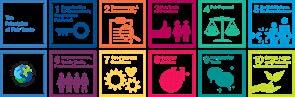
86 knitters learn more about recycling (10th principleFairTrade), participate in company processes (2ndprincipleFairTrade) and are trained in different soft skills (8th principle FairTrade).
8 knitters resumed their studies, with the support of and help of Manta and obtained their primary (3) or secondary school (5) degree
Childcare
The nursery program Cuna Mas, on the grounds of Manta, didn’t reopen in 2022, still due to the pandemic. Nevertheless, Manta provided nannies for the babies of knitters (36) who had no alternative.
9 children participated in the pre-school program PRONOEI. This small group allowed for an individual approach, with an extra focus on values, personal hygiene and recycling.
27 children from 3 to 10 years of age, attended the home school classes, in the morning or afternoon group. 39 children of knitters get a monthly financial support to go to school through the belgian organisation Cunina.
20
21 21
2.2 A brighter future for artisans in India
22
23
Weaving workshop Paces Crafts
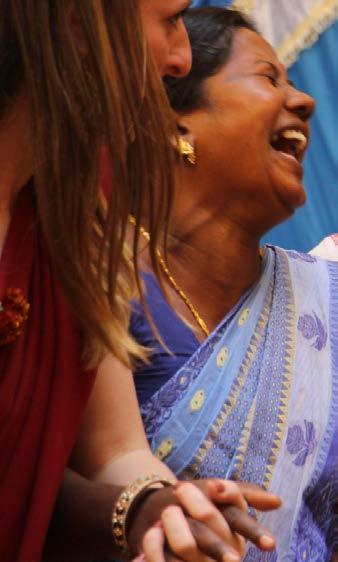
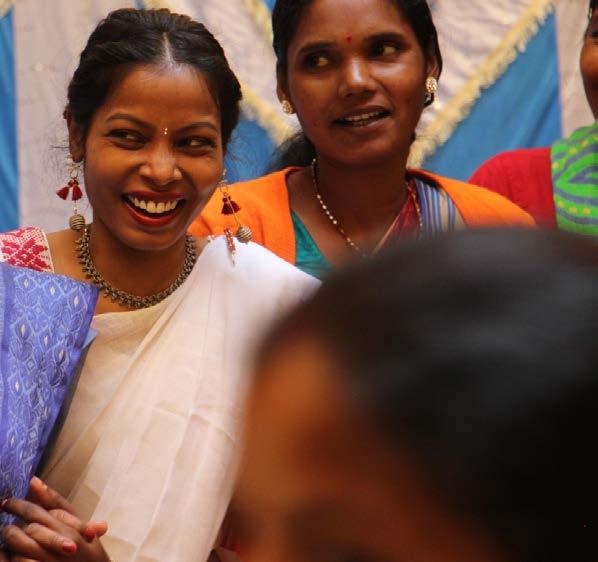
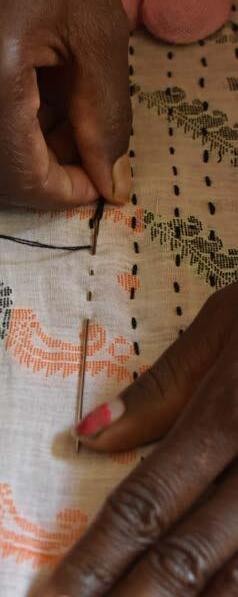
Paces Crafts is a social workshop in the heart of India’s northern region, Jharkhand, the second poorest state in India. With Paces Crafts, Solid aims to provide sustainable employment for tribal women living in rural areas around the city of Ranchi. By offering an honest income to these young women, Solid wants to bring an alternative to human trafficking and the uncertainties and dangers of day laboring.
Paces Crafts produces a wide variety of handembroided, handwoven and crocheted products, all custom-made for conscious brands and retailers. For this project Solid can count on the financial support of the Belgian government (DGD) through its business partnership facility.
Numbers
67

artisans in 2022
€ 36 600
Total amount of salaries paid to the artisans
24
4414 products were made

products sold generated a revenue of € 68.606,
It is important to note that very few artisans work full time and all year round. Flexibility in combination with their children, household, festivals or harvest season, highly influence the number of artisans during the year.
144%
growth in revenue, compared to 2021, with even better prospects for 2023,
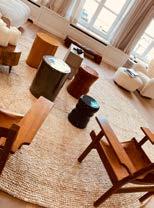
Scapa Home - In 2022 we started working with the lovely team of Scapa Home. For their designer it was love at first sight with our recycled, silk collection. The timeless designs and sophisticated look fit perfectly in the Scapa Home collection. These rugs and cushions are carefully crocheted or handwoven with recycled silk sari ribbons. The products in customized colours and sizes were well received by the Scapa clientele.
Production & Sales
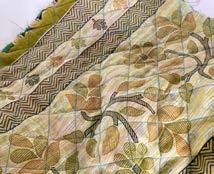
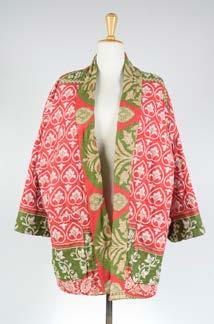
Juttu - We are a happy & proud partner of Retail Concepts, the company behind the outdoor chain A.S.Adventure and lifestyle concept Juttu. They not only fund part of our social programs but they remain an important and continuous client of Solid. Paces is providing the colourful kantha jackets you find in the Juttu shops.
25
Camomilla Italia®- At the end of 2022 we met the well-known Italian fashion Brand I LOVE CAMOMILLA at the fashion fair Premier Vision in Paris. They showed great interest in our sari jackets and didn’t hesitate to order 840 jackets which represents a big work opportunity for our artisans! Time to join the big boys!
Bellerose - After a successful launch of the first 100 Kantha Jackets (sold out in less then 2 weeks!) Bellerose doubled its order in 2022! Let’s hope this is the beginning of a long-lasting business relationship.
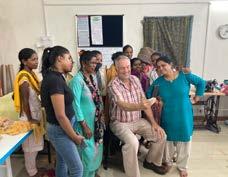
Van der Sar Import - In October the founder of Van der Sar came to visit Paces. Van der Sar is a large Dutch baskets and pots/vases importer and distributor with a high potential to become an important client for Paces. The visit was all about R&D, production efficiency and strategic talks, but mostly it was to have a more profound knowledge of our production. The client left satisfied with a box full of new samples, and more over with a promise to offer work to our artisans.
There is definitely a common ground and mutual respect to start a long term cooperation.

26
When it is going to get tough, the tough get going
Needless to say, that the branch we are in and the disadvantaged location where we are active is challenging. Furthermore, we can honestly say, we are not making it easy on ourselves with our specific principles of working with low skilled women and ful-
ly committed to fair & slow production and sustainable material procurement. We see competitors dropping new products and collections at a speed we cannot match because finding new sustainable or ethically driven suppliers is a lengthy and difficult process. Same goes for the low prices that these competitors are able to offer to consumers. In Paces we recognize and respect every job – as small as it is – and we value labour with a just price. We produce products by hand leading to slower production times. For these reasons we will always be more expensive than our competitors, but we are proud of it. Because that is – to us- the only way forward.
Kantha jackets for the little ones!
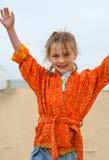
Why keep these beautiful treasures only for adults? In September the owners of AO76 came to visit us and were immediately convinced that their young clients and their mothers would equally be excited to wear our unique kantha jacket. Coming up soon!
27
Team
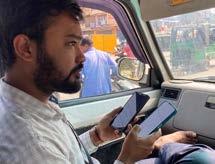
We are so extremely lucky that we can count on two young and dynamic managers for years now. Tausif, our first employee, evolved from Management assistant to General Manager. Truth to be told, due to a lack of staff, he is also Paces’ logistic, finance, HR and supply chain manager. With 2 phones in his hands he chases all involved parties to commit to their promise, a necessity. Young thirty-year-old Ebha is our creative and highly productive jackof-all-trades. She is responsible for production, design and sampling. For someone her age, she has a surprisingly natural leadership and a wide knowledge of crafts and textiles.
Since the start of Paces we have been struggling to find them good colleagues. Skilled young people dream of bigger then Ranchi, and take off to big cities like Mumbai and Delhi, or demand obscene high wages.
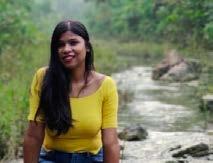
Working for the big fish
What we love about working with these experienced fashion brands is that we learn each day, as they challenge us to continuously improve logistics, quality control, sampling and production.
28
Each new product made in Paces, means investing more time in the beginning, and correcting initial mistakes. This can demotivate the artisans and the team. That is why, as a small social business, we aim to have more large volume orders, so that the time invested, becomes really rewarding.
It is heartwarming to see that the fashion industry is shifting toward a more positive impact and that more brands are open to sustainable production, with our partners as changemakers!
Social & Childcare
Unfortunately, due to the struggle to find a social worker, few social activities were organised in 2022. Still, we did celebrate the amazing artisans we have, on International Women’s day and World Indigenous Peoples day! For 2023, we have better prospects and many great ideas!
The childcare was continued, and 10 children of artisans were welcomed in our daycare on site, playing and learning in a safe environment, close to their mothers. Thanks to a donation of 3 belgian volunteers, that visited us in August, the kids could learn english using a tablet.
With the help of a government program, all artisans were offered an eye-screening, as it is important for Solid that we minimize all risks related to handwork.
29
2.3 Weaving for hope in Kenya
30
31
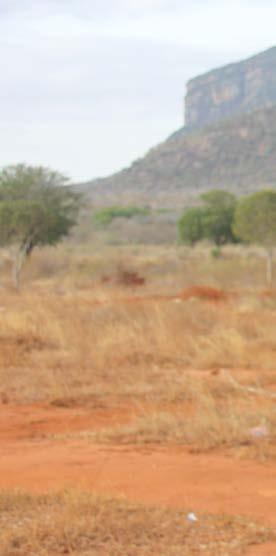
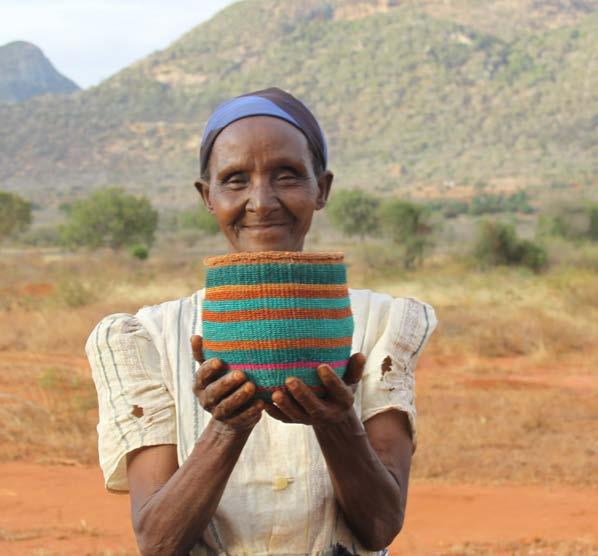
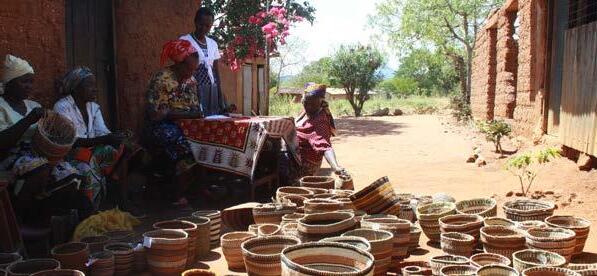
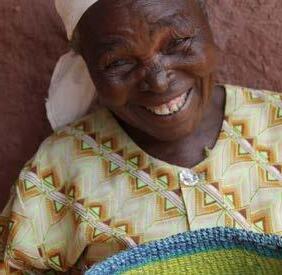
Hadithi Crafts is based in the South-East of Kenya, in the Kasigau region, located between the Tsavo East and West National Park. Hadithi’s handwoven baskets are a collection of traditional and contemporary sisal and palm leave baskets. Hadithi means ‘a story’ in Swahili, because each basket tells the unique story of the powerful woman whose hands braided it, and supports them and their families directly. Ensuring financial independence for Kenyan women in rural areas, where employment is scarce. Selling these baskets also provides a sustainable alternative to environmentally harmful practices like the poaching of wildlife and destruction of forests for charcoal, timber or farmland. All of the profits from Hadithi’s sales are used to offer support these local women groups and the conservation of wildlife and forests in south-eastern Kenya.
artisans in 2022 1850
64 women groups in the Kasigua region

32
Baskets for Hadithi
Social impact
With the help of Solid Crafts, Hadithi has been able to increase it’s wholesale offer by training and equiping a group in Buguta, in leatherwork. This makes it possible for an additional 15 community members to earn an income from their crafts. They use leather that is tanned by another local group, also trained by Hadithi Crafts. Other funds were used to continue the 9 community shops that provide all the necessary materials for the basketweaving, close to where the women live.
The wildlife and people, and especially the poorest in the area, have struggled in 2022 with a severe drought, which increased poverty, hunger and crime. This made the basket income possibly even more important.
$ 107 586
Solid Crafts’ total purchase amount at Hadithi, in 2022, of which 72% of the revenues went directly to the artisans.
This year, all artisans agreed that sales had to grow, and thus provide more work to the current members, before new groups could be added to the Hadithi community. A 30% growth in sales is the desired minimum, to provide enough work.
Future
Hadithi Crafts decided to increase the purchase prices from the artisans by 10%, for 2023, to cover the increasing cost of living. Hadithi is also working hard on its Fair Trade certification, through the NEST seal of ethical handicraft. A timeconsuming but necessary process that includes writing policies, organising trainings, creating systems and a lot of registration and measuring! The aim is to obtain the seal by august 2023.
Through a Cigna grant, a (female) health project will be organised for all artisans. The hope is that the women, through practical workshops, learn to make their own well informed decisions, not lead by misconceptions and that they will be able to inform their daughters, families or wider community.
33
2.4 Agriculture as a force of good

34
35
Solid Food
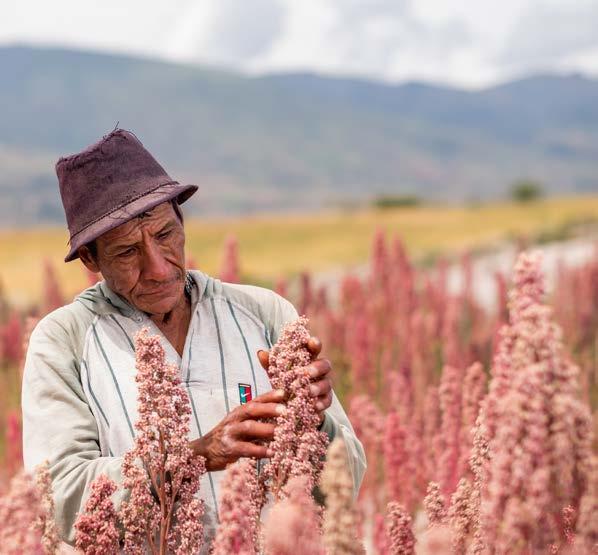
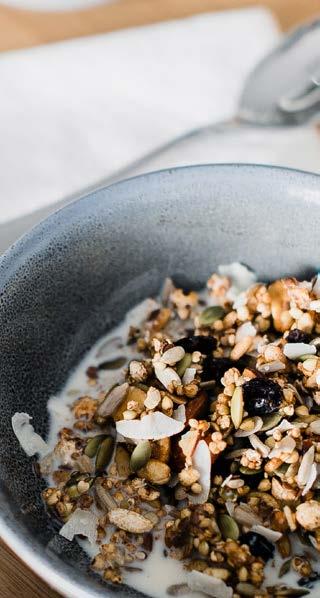
Since 2014 quinoa popularity keeps on increasing. At first it was mostly consumed, as a staple ingredient, to replace rice, pasta or potatoes. We see now that quinoa is also being used as a functional ingredient, in a variety of different ways, such as cereals, baked goods, meat replacers and even juices and smoothies. Over the course of 2022 Solid Food adapted its strategy to correspond better to this trend and now fully focuses on the B2B food industry.
Solid food positions itself as a technical expert in the field, offering quinoa under the slogan of ´the complete seed´, since quinoa offers great taste, texture, good functionalities and is super healthy. Solid Food offers quinoa of the highest quality, fully traceable from Ayacucho to Europe, ensuring an honest supply chain with a clear profit for the local farmer.
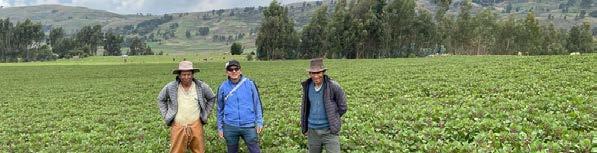
This year we were able to visit our Peruvian colleagues again, and implement our new strategy both in Europe and in Peru. In 2023 we will further conquer Europe with our products, and focus on the development of new quinoa derivates. We will continue to build on the foundations made by Solid rural and assist our quinoa farmers on their fields in Ayacucho and improve their agricultural business. A big project in2023 will also be the start of our cooperation with Wiraccocha, our new processing partner in Peru. This will allow us to guarantee the highest quality standards and a smooth supply chain for our bulk products coming from Ayacucho.
36
Strategies 37 85% ////////////// of quinoa exported 532 T Number of producers. On average each farmer has 2.01 hectares of land. 162 ////////////// 58% ////////////// White quinoa 25% red quinoa 2% black quinoa 15% tricolor quinoa ////////////// Organic quinoa 15% Conventional 01 02 04 05 07 08 09 10 11 12 03 06 Red quinoa Black quinoa White quinoa Harvest calender
Numbers &
Montefino Farm

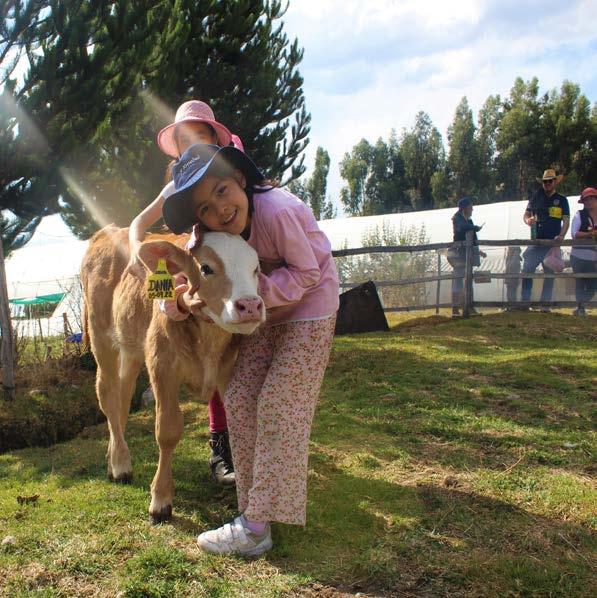
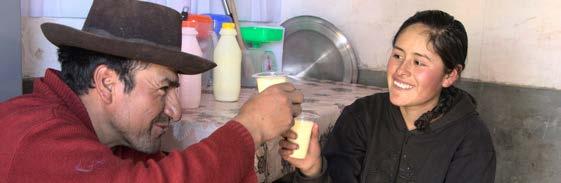
Located in the Andes, at an altitude of 3800 meters, the Montefino farm was originally set up as a training institute for farmers with dairy cattle. In recent years, activity at the farm has expanded rapidly, led by a local collective of 11 shareholders and supported by Solid. Montefino is now a comprehensive farm, with its own cheese, yoghurt and 49 hectares of cultivated fields with tasty organic strawberries, blueberries, cut flowers and Andean crops like native patotoes and tarwi. Montefino also breeds pigs, guinea pigs, chickens and trout. The farm is now well known for its agrotourism activities, welcoming many visitors from the city, to experience the real Ayacuchan farm life. Every weekend Montefino also houses the JOVEM project, offering a variety of practical learning opportunities in many agricultural topics.
38
selling points
with Montefino (30%) and Plaza More (25%) having the biggest sales
+50 K €
sales in 2022
8806
guided visits
990 nights booked
of which 16,075 kilos were sold in 2022. Unlike other local matured cheeses, the quality and vacuum packaging are unique. This was once again recognised in the 6th National Cheese Contest, organised by the Ministry of Agriculture, where Montefino obtained (as in previous years) the first price for best Andean cheese in Peru and the second place in the mature Paria cheese category.
The fastest growing products of Montefino were butter and Andean cheese. But also the bee honey, free-range eggs, strawberries and meat chickes, produced by the young entrepreneurs of JOVEM, were very popular. A new lactic drink and biological
180 000L
37 cows produce of milk
transformed into Montefino’s finest cheese and yogurt
children’s play area, boats in the water reservoir, telescopes for night-time activities & quad bikes!
...
foliar fertiliser, made from whey, were added to the shop, contributing to a more circular economy. Roses that don’t pass quality control are transformed into rose hydrolate, a natural moisturiser. The farm also invested in the installation of 2 solar panels, helping to reduce its carbon footprint.
In 2023 the farm plans to open an online shop, to sell its products even in Lima. They also hope to develop new types of cheese, yogurt and incorporate healthier products, based on the use of (semi-)skimmed milk, mixed with local flavours like chia, maca, tarwi, etc. Finally the farm wants to attract even more visitors, for tourism, educational activities, or teambuilding.
39 4
The ‘Flagship’ product of Montefino is fresh Paria cheese
NEW!
3 Social projects in Peru
40
41
3.1 We protect
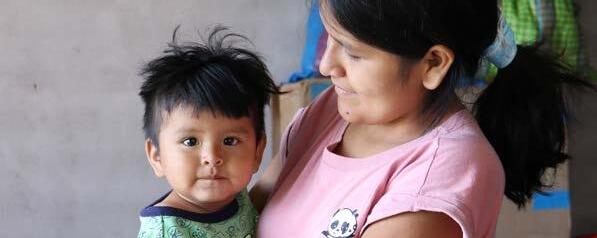
Dia, ‘Desarrollo Integral del Adolescente’ translated as ‘Development of adolescents’, is a social organization in Ayacucho, Peru, which specifically targets the problems surrounding teenage pregnancies and sexual abuse in minors. Through different projects, the organization wants to strengthen the self-reliance and empowerment of these girls, often living in (extreme) poverty. Both in the rural area as in the city, teenage pregnancies still remain a large problem. The risks of young girls, and their children, ending up on the streets with no education, poor parenting skills and no vision on the future is a problem we at Solid are determined to help tackle.
42
Adolescent pregnancy is a very serious social and public health problem in Peru. It has major consequences in the lives of minors and their physical and emotional health, in addition to disrupting their personal development, future projects and conditioning them to remain in poverty.
9 out of every 100 adolescents are mothers.
ENDES 2021
Between 2018 and 2022, cases of sexual violence against adolescents aged 12 to 17 have doubled. Girls and boys aged 6 to 11 are the second age group with the second highest number of cases of sexual aggression registered in the Women’s Emergency Centre (CEM).
Unicef 2022

Minors from 0 to 17 years of age account for more than 70% of sexual assaults in the country.
43
Prevention of teenage pregnancies
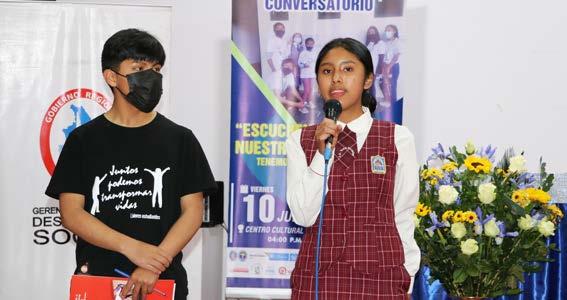
Tutoring is integrated into the Peruvian curriculum to give space to the socio-affective accompaniment of high school students. It should leave room for personal development and sex education. Yet teachers are not trained in this and taboos often take over. Since 2015, the project CDA has focused on training teachers in this topic, providing them with a manual and interactive workshops on sex education, as well as tools for coaching their students. In 2022, schools finally reopened, after 3 years of online teaching. CDA also puts a strong focus on peer-to-peer learning, by a motivated group of student leaders, who want to be the change, in the fight against high numbers of teenage pregnancies and sexual violence.
teenagers get workshops on sex education and personal development, from their teachers or peers.
44
2600
Teacher training
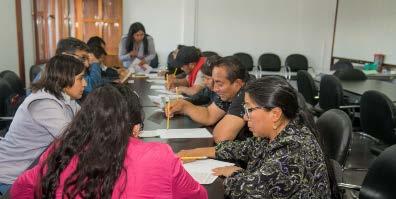
Teachers were trained in three modules: Methodologies, Life Skills and Sexuality, which contain topics to work with adolescents in group or on an individual level, all in a creative and a playful way. In addition to the workshops, individual sessions were held and follow up was given, to guide the teachers in the application of the sesions, with their students.
58
teachers/tutors trained, 45 implement the learned sessions
Student leaders
20
teenagers, 13 to 16 years old participated
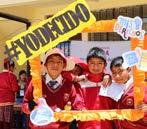
The student leaders gave workshops to their peers, in different schools, with the title ‘Don’t change your books for diapers’ and #YoDecido (I decide). Two teenage mothers accompanied them to share their life story. 3 videos were made, ‘falling in love’, ‘the changes in my body’, and ‘prevention of pregnancy’, reaching 30 000 views on Facebook.
45
Coaching of teenage mothers
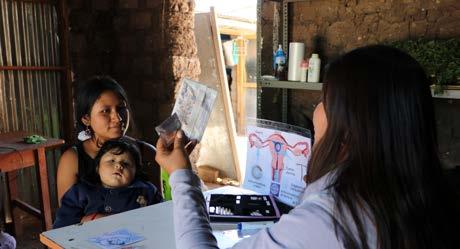
Each year the EMMA project offers counselling and support to 100 adolescent mothers in Ayacucho, Peru. Through weekly home visits and online support, trained nurses and obstetricians accompany these young mothers, ensuring the proper development of mother and child. They pay special attention to the mother’s emotional well-being and her attachment with the child.
56 teenagers are living in a situation of violence.
93% doesn’t know where to find help.
Target group
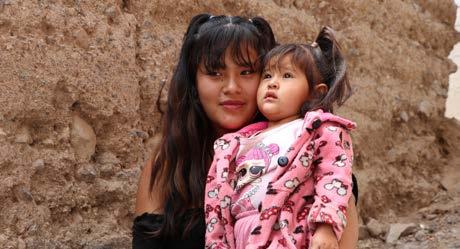
Pregnant teenagers or mothers (<18) with children under 3 years old, are welcomed in the project. In 2021 the country saw an increase of 27% of teenage mothers into the age-group 11 to 14 years old. Worrying numbers, that are felt in Ayacucho too!
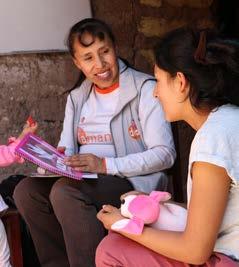
Teenagers that are selected, come from a very poor background, didn’t finish high school, lack emotional and financial support from family or their boyfriend and are often living in a situation of family and/or sexual violence. Most are children from migrants, moving houses all the time. In addition to the complicated situation of being a mother at an early age, school drop-out and social and family stigmatisation are often added.
Activities
Both individual sessions and group workshops are combined, to work on 5 areas:
• Positive Parenting and connecting with the child
• Prevention of school drop-out
• Building knowledge on contraception
• Postponing a second pregnancy
• Building knowledge on rights and where to go in case of violence.
Informative sessions are combined with creative therapy, video-feedback, a methodology that portrays the positive interaction between mother and child, through video images and thus aims to reinforce it. Teenage fathers are invited but often hard to reach.
46
47
Results
• 65 teenagers improved their Positive Parenting skills.
• 100% now has knowledge on contraception, 43 (out of 74) started using a form of protection.
• 99 teenagers postpone a second pregnancy.
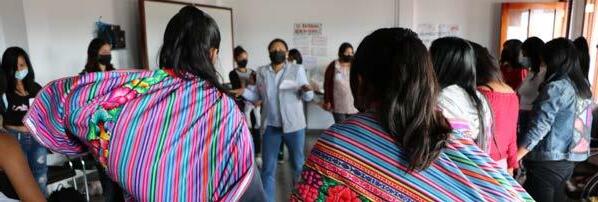
• 99 teenagers know their rights and know where to go in case of violence.
• 23 teenage mothers (out of 56) escaped a violent home situation.
Most of the results exceed the goals set by the project for 2022 and contribute to the change of attitude the teenage mothers show, with respect to their maternal role, making it possible that their 100 children grow up in a more positive, loving and safe environment.
2022 taught us that when we talk about working with teenage mothers, we must strengthen their capacities in a comprehensive manner. The project’s commitment is not only about improving their skills as mothers, but also as people, as women who are entitled to basic rights, such as education, sexual health and the right to live free of violence.This could not be achieved without the help of many local partners, in education, health care and justice.
48
Educational support
34 teenage mothers had dropped out of school at the start of the project. Thanks to intensive follow-up and motivational talks, 32 girls retook their studies, and are building a better future for them and their children.
In Peru, 80% of teenage mothers drop out of the school system
In the EMMA project 93% of the teenage mothers finished their school year with succes.
“I didn’t believe that I could make my son happy, but seeing the videos I realised that he loves me and I love him. It gave me goosebumps , watching how he looks at me, image after image.”
- Mayumi
“I am a teenage mother and didn’t grow up happily. My mother left me at an earlyage.InmyteenageyearsallIdidwaspartyingwithfriends,andthat’show,at14, I got pregnant with one of they boys. I went to live with him and his mother, but both mistreated me. I left the house, but my ex-boyfriend filed a complaint against me and tookmydaughter’scustody.Hethoughtitwasforthebest,asIwasstillgoingoutallthe time.ItisatthatmomentthatDIAcameintomylife.MissMalúspoketomeandconvinced metoworkandbeagoodmothertomydaughter,whomIdidn’tseemuch.Itwaswhen theyfilmedme,playingwithmydaughter,Ifeltjoyandsadatthesametime,watching therecording.WhenIsawmydaughtersfaceIcouldn’tholdbackmytearsandIdecided tochange,tobethebestmotherforher.Istartedtoparticipateinalltheactivities,took upmystudies,andstartedtherapy.ThemostimportantthingisthatnowIamwithmy daughter and I have requested full custody of her. I feel happy, now that I decided to improvemylifeand togivemybabyabetterfuture.Thankyouforcomingintomylife, projectEMMA.”
-Merryann,16yearsold
49
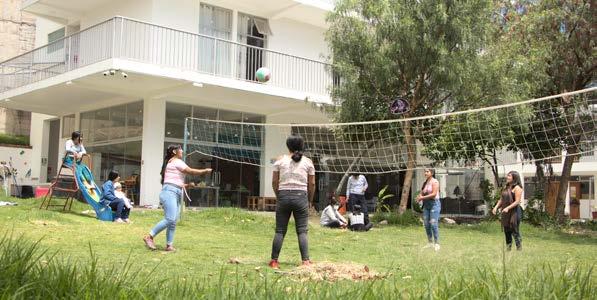
The Residential Care Centre (CAR) is the only one in the region of Ayacucho that cares for teenage girls and teenage mothers and their children, victims of domestic and sexual violence.The adolescents are referred by the Special Child Protection Unit or the court and are accompanied in recovering from the trauma until being reintegrated into their family nucleus or until they start living independently, for those who reach the age of majority. Most girls stay for up to two years, during which their life skills and emotional wellbeing are strengthened.
50
teenagers and 4 teenage mothers with their children were accompanied
50
Shelter
Target group
The number of girls (and children) in the shelter fluctuated between 14 and 20, over the year. The average age of the girls was 14 years old. 7 girls came in with suicidal tendencies.
42%
Results
40% lived in abandonnement
16% lived in physical violence
2% was victim of human trafficking
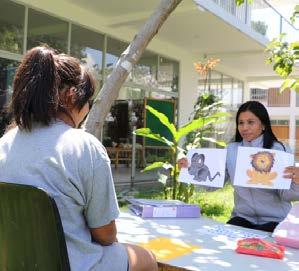
Music therapy, relaxation exercises, dance, sports, yoga, sherborne, creative therapy, visualisation; all activities added to the positive results that were obtained:
• 78% of the girls are emotionally stable, less anxious and reduced their symptoms of post traumatic stress disorder.
• 84% of the girls know their rights and were able to save some money by selling homebaked desserts or knitwork.
• All teenage mothers strenghtened their parenting skills.
• Girls with very complex trauma or psychiatric cases were referred to the psychiatrist for medication, or hospitalised in the mental health department of the regional hospital. 3 teenagers were referred to a specialised CAR, one of them sadly committed suicide in the new CAR.
experienced sexual violence 74%
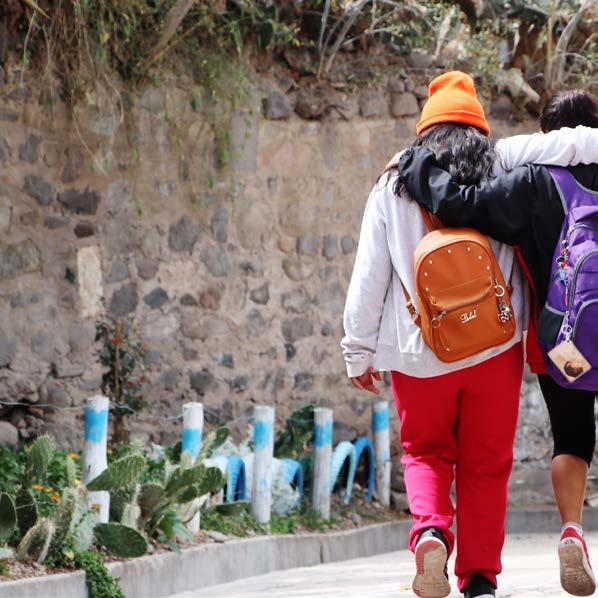
Before returning home, the social worker worked with the family on positive parenting, sexuality and the prevention of violence. Altough the motivation of most family members, to call, visit or accompany the girls is very low, 19% of the girls escaped, back into the arms of the abuser in many cases. returned to their family or a family member
51
52
“When i arrived I was sad and angry. Now, I can say, I have overcome that, I feel good and I can express my emotions. I know how to use my anger for the good and not for the bad... I learned many things, about saving, emotions and the team help me a lot with my studies.“ - Ana (13)
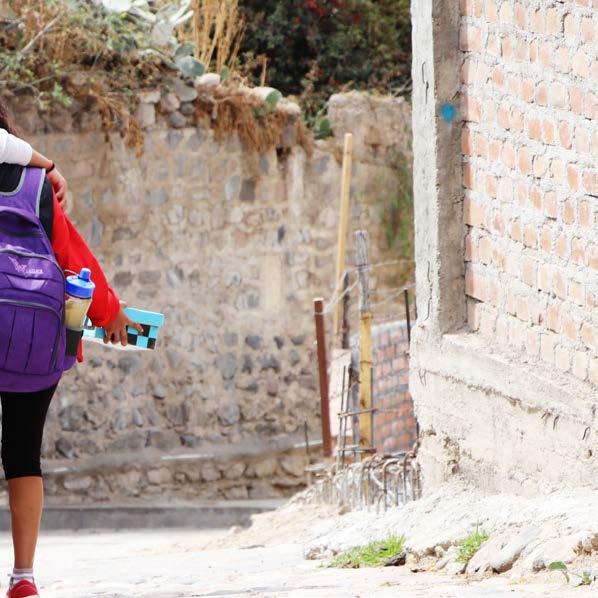
“At first I thought I would no longer study because of my pregnancy, I cried my eyes out to not go to school, out of shame. Now, I finished the year without failing courses, I can’t even believe it myself, I’m happy...”.
- Ruth (14)
53
3.2 We educate
54
55
JOVEM, Jóvenes
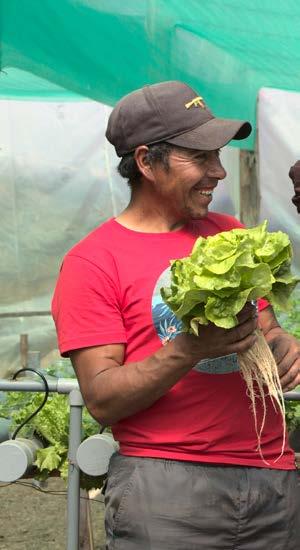
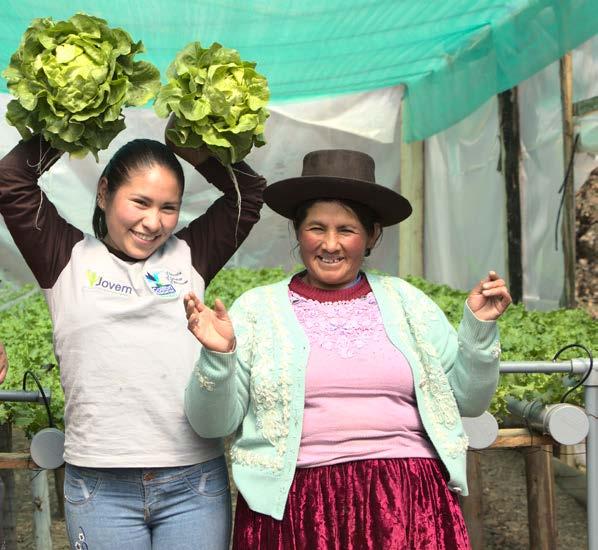
emprendedores, translated as ‘young entrepreneurs’ is a three year training program for rural students, age 15 to 23, to strengthen their entrepreneurial, agricultural skills and personal development. This project aims to fight poverty and responds to the problem of the lack of opportunities for young people coming from rural areas, fleeing to the city. Through agricultural business training JOVEM gives them the possibility to become a successful rural entrepreneur, in order to improve their living conditions on the countryside.
The training takes place during the weekend, alongside their formal education, at the “Montefino farm”, a place that has small and large animals, a variety of crops and flowers, a dairy processing plant, tourist accommodation and a restaurant. Classes combine theory and practice and students are encouraged to learn by doing, applying their knowledge in a group business (first year) or their own individual business (2nd & 3rd year). Classes at the farm are combined with home visits and individual follow-up.
Target group
Each year new students are selected from different rural schools, to begin the training process. Their participation is voluntary, but motivation is important. 54% 46%
50 students - Basic level
All youngsters come from rural families. 45% of the parents live from the production of quinoa, 5% of them work with Solid Food.
Most of the families of the students consist of 4 family members or more. On average, the families earn between 70€ and 95€ per month.
72% 14 - 16 years old
A family would need around €15 a day to cover food, health and other expenses, adequately. Most families earn an average of €2,3 a day, which is largely insufficient and therefore reflected in the health indicators where children under five years suffer from malnutrition and anemia.
56
60% of this group of students migrated to the city, in 2022, in order to take remedial courses, to work or to attend a pre-university academy. The 2 year gap in their education, due to the pandemic, had a big impact on their welbeing and educational level. Moreover, high inflation caused a rise in living costs, forcing young people to help provide income for the family.
The training therefore took place in two groups, one in the city and the other in the countryside. Despite the team’s efforts, this migration to the city and lack of support from certain parents, created higher drop-out levels.
These young entrepreneurs, ex-alumni of the JOVEM project (19 - 25 years old) combine their business very often with higher education (69%). This combination of study and business is often only possible thanks to the transformation of these enterprises into family businesses.
This group of youngsters continue to grow their business, adding value and new markets. They share their knowledge with neighbours, other students, institutions and associations. In time they are able to earn a similar monthly income as their parents, with less efforts, and pay for their higher education.
“Iproduce400to500hydroponiclettuceseverymonth.Mylettucesareof goodqualityandIselltheminmyvillageAllpachaka,inthemarket,andinrestaurantsinthecity.Mygoalistoexpandmyproductionandtofinishmystudiesto becomeanurse.” -Anna
57
64 students - Intermediate level
28 students - Independent level
Results Basic level - 1st year
During the pandemic, many of these students dropped out of the online education, due to not having a laptop, good internet connection or digital skills. Many have difficulties readapting to a structured life, as they have gone through times of isolation at home where problems such as domestic violence and abandonnement were common. But despite these challenges they did well in the JOVEM project!
“Theygetboredquicklyinclass,theydon’tconcentrateandtheyareverydependentontheir mobilephones”.
of the loans are reembursed by the students. some even make a small profit

Results Intermediate level - 2nd year
Despite the increase in prices of materials, products and food, the students managed to set up their individual businesses. The most popular business ideas were guinea pig breeding (9), chicken fattening (8) and strawberry production (7). New innovative ideas where a bakery, grocery shop and the production of fruit nectar.
“Theirbusinessesareveryinspiringtotherestof theruralpopulation,becauseoftheirenergyand motivation to tackle the problems they face, the ease with which they adopt new technologies, the greater acceptance and flexibility to change, and the capacity for innovation that characterisesthisstageoftheirlives.” - Rosalvina
65% of the students complete their training and draw up a business plan
35%
of the ventures generate an income by the fourth month of implementation.
91% of the students share their experiences and technical knowlege with at least 2 other farmers.
58
98% (49) pass to the second year of the training.
3 100%
Professor Rafael Huaytalla - Director of the Inkaraccay School.
Results Independent level - 3rd year
9 youngsters participated in a competition or fair, to proudly share their products, gain experience and obtain funds to improve or expand their business.
15 youngsters help with co-teaching in the basic level.
The aim of education is to prepare young people to educate themselves throughout their lives.
- Robert Maynard Hutchins
This project is made possible thanks to the support of the Collibri Foundation. A scolarship from the Bright fund, allows two young ladies, ex-students of the JOVEM programme, to study at university. They are an example for a lot of rural youth, but especially for girls and women. Thanks to the city of Merksplas, the JOVEM project can focus even more on sustainability, by implementing an agroforestry project. Together with the students, trees are combined with agriculture and native trees are preserved.
59
4 Partners in crime
60
61
Support us
At Solid we dedicate ourselves every day to help others, but that is only possible thanks to your financial support.
Support us with € 40 or more and enjoy a tax benefit! Solid guarantees your gift will be spent 100% on our projects. Solid covers all the overhead costs in Belgium. Professional follow-up of each of our projects is secured. Every donation makes a difference, now more than ever.
More information on our website: https://solidinternational.be/support or mail to Inge Overmeer - inge@solidinternational.be


Koning Boudewijnstichting
Brederodestraat 21B-1000 Brussel
IBAN: BE10 0000 0000 0404 - BIC: BPOTBEB1
Reference to use: ***020/1130/00015***


Our work was made possible thanks to the help of many sponsors, big or small


Stichting Huize Buitenveldert
Individual donors

62
The power of volunteers
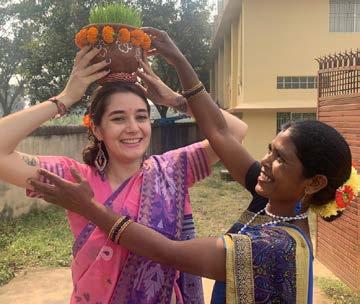
Always dreamed of helping a hand in an international organization, striving to do something about poverty? Do you speak Spanish and/or English and do you have experience in management, agriculture, textile, education or social work? Looking for a volunteering opportunity abroad or at our headoffice in Belgium? Our doors are open!
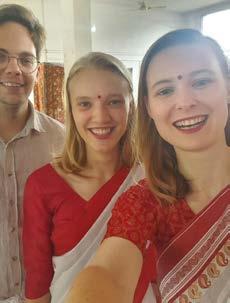
Fill in the form on our website and we will contact you as soon as possible:
https://www.solidinternational.be/volunteers
63
www.solidinternational.be - www.talesbysolid.com
Follow us
on Instagram: @solid.crafts, @solid.international & talesbysolid_ or Facebook: @solidinternational
Responsible publisher: Solid vzw, Kortrijksesteenweg 697, 9000 Ghent (Belgium)
© Pictures by Solid, Isabel Corthier, Dorien Daems, Sacha Kleinblatt, Pexels & Marijke Jans.