AN INNOVATIVE TECHNOLOGY LEADER IN WASTE MANAGEMENT
This is Soiltech
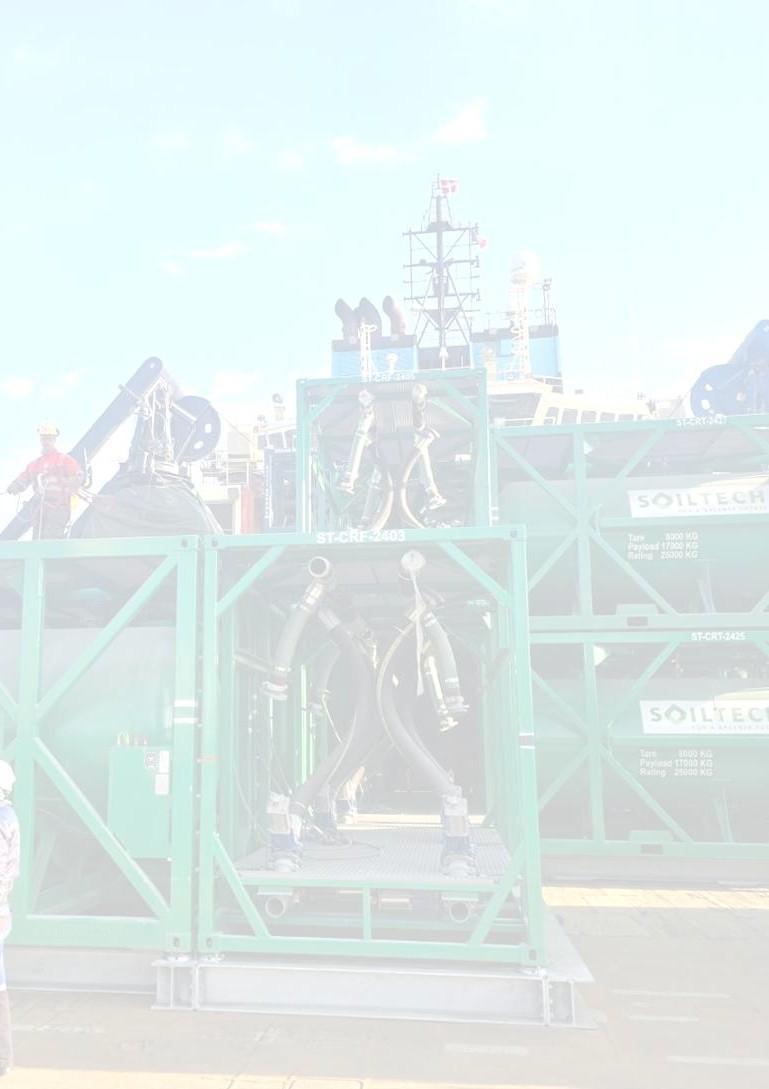
Soiltech is an innovative technology company specializing in the treatment, recycling and sustainable handling of contaminated water and solid industrial waste streams at site. Our technologies enable cost savings and lower CO2 emissions through waste reduction, waste recovery and reuse. Soiltech operates world-wide, with its head office at Forus in Sandnes, Norway.
In 2025, we demonstrated profitable growth through strong operational performance delivered in close collaboration with our clients. With 25 active operations across Norway and international markets, we maintain a well-diversified contract portfolio supported by strong counterparties. Several key contract awards, along with expanded scope in existing operations, contributed to increased market shares. Notably, strong revenue growth was achieved while maintaining key margins and reducing SG&A costs relative to revenue, caused by scale effects in the onshore support organization.
We were pleased to see a year-on-year revenue growth of 46%, due to an increase in the Fluid treatment segment of 11% and the Solid waste management business of 132%. Going forward, we expect both segments to grow further, across GEO markets, in line with our strategy of being a fullservice provider of drilling waste management services.
We receive great feedback from our clients when it comes to our operational performance, thanks to our committed personnel on location and the onshore support team. This positive feedback is important for Soiltech as operational excellence is critical to our success. We continue to prioritize safe operations as a fundamental part of our work culture.
During 2025, the number of employees increased from 126 to 146. In 2026, we expect to continue recruiting, on the back of an expected growth in activity. Our recruitment campaigns continue to attract strong interest. We remain committed to continuous improvement, with training, competence enhancement, and technology innovation as key drivers.
The international operations’ share of our business remained quite stable at 23% of revenues compared to 24% in 2024. Going forward, I expect our international activities to increase, as we see tightening environmental regulations world-wide. Soiltech aims to be a market leader within sustainable and effective technologies. Market visibility in our core markets in Europe and Middle East remains good, supported by clients’ ambition to maintain or increase activity levels.
Financially, we continue to run a solid business. I am grateful for the strong support from our banks and owners, which have provided us with the required capital to finance our growth over the years.
With several large contracts awarded towards the end of 2025 and into 2026, we are in an excellent position to continue growing our business and create value for our customers and shareholders.
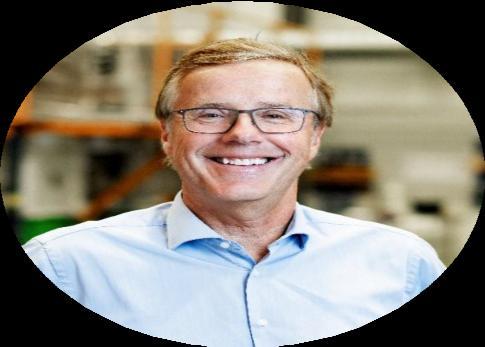
Jan Erik Tveteraas, CEO
Established in 2011, Soiltech is an innovative technology company specializing in the treatment, recycling and sustainable handling of contaminated water and solid waste at site. Our technologies enable cost savings and lower CO2 emissions through waste reduction, waste recovery and reuse. The Group’s head office is at Koppholen 25 in Sandnes, Norway.
Soiltech (the Group) consists of the parent company Soiltech ASA (the Company) and the subsidiaries Soiltech Offshore Services AS, Sorbwater Technology AS and Soiltech Romania SRL.
During 2025, the Group had operations in Norway, UK, the Netherlands, Romania, Denmark and Mexico.
Soiltech’s business model is dependent on several key intangible resources. These include the competence and experience of the company’s employees, market leading technologies and operational know-how, as well as established relationships with customers and partners in the oil and gas industry. These resources enable the Group to deliver efficient waste management solutions and represent an important driver of innovation, competitiveness and long-term value creation.
Highlights in 2025
▪ January. Two-year contract plus five one-year optional periods with Northern Ocean on Deepsea Bollsta
▪ January. Five-year frame contract with OMV Petrom S.A in the Black Sea for Fluid treatment and Solid waste management on Transocean Barents
▪ January. Call-off order under the Frame agreement with Equinor for Solid waste management on the Grane field in Norway
▪ May. Contract with OMV and Northern Ocean for Fluid treatment and Solid waste management on Deepsea Bollsta
▪ May. Three contracts for providing Fluid treatment (STT) services to leading counterparties in the oil & gas industry in Europe
▪ June Contract for fluid treatment on an FPSO
▪ June Call-off order under the frame agreement with Equinor to provide fluid treatment on Njord A in Norway
▪ July. Successful refinancing and increased bank facilities
▪ November. Soiltech and NOV announce global collaboration on drilling waste management
▪ December Contract for Fluid treatment (STT) and Solid waste management with Noble Corporation on Noble Resolute
▪ December. Contract for Fluid treatment (STT) on a floater on the NCS
▪ December Contract for Fluid treatment (STT), onshore waste handling and associated services for Total Energies EP Norge AS on West Elara
Events after year-end 2025
▪ January Multi-year Fluid treatment (Swarf) contract with Wellbore Integrity Solutions in Dubai
▪ January. Contract for Fluid treatment (STT), onshore waste handling and associated services with DNO, Wellesley and Well Expertise on Deepsea Yantai
▪ February. Fluid treatment (STT) contract with Estedama Environmental Solutions in Saudi Arabia
Information on Alternative Performance measures (APM) can be found in the appendix on page 37.
The Group
The activity has been high throughout the year. The high activity can be attributed to an increasing demand for the Group’s innovative and sustainable waste treatment technologies, as clients are looking for solutions to improve operating efficiency, reduce costs and enhance environmental performance. The revenue in 2025 was MNOK 401 with a growth of 46% year on year. The gross margin was 40% (42%) and the adjusted EBITDA was MNOK 96 (MNOK 63).
Profit before tax amounted to MNOK 41 (MNOK 11). Notably, 2024 included merger and IPO cost of MNOK 18. The net profit of MNOK 32 is transferred to other equity. Total assets at year-end amounted to MNOK 591 (MNOK 434).
Cash flow from operating activities reached MNOK 110, while cash flow from investing activities was MNOK -96 due to capacity expansion initiatives. The operating cash flow was sufficient to finance the company’s investments during the year. Following a net contribution of MNOK 9 from financing activities, the net cash flow in 2025 stood at MNOK 23. The cash position as of year-end was MNOK 58 while the equity ratio remained solid at 42% (47%).
Cash flow from operating activities amounted to MNOK 110, while the operating profit was MNOK 60. The difference is mainly explained by non-cash items, particularly depreciation, as well as a positive development in working capital during the year.
In July 2025, Soiltech signed new financing agreements with SpareBank 1 Sør-Norge, replacing existing credit facilities, borrowings and leasing of NOK 229 million. Effective from Q3 2025, the loan agreements include an additional NOK 150 million investment loan facility and a NOK 30 million overdraft facility, increasing the total available financing to NOK 409 million.
The Board considers the company’s liquidity position to be satisfactory. The available credit facilities together with cash on hand provide sufficient liquidity to finance ongoing operations and planned investments. The company’s working capital requirements fluctuate during the year in line with project activity, but available committed credit lines are considered adequate to cover peak funding requirements.
The Parent Company
The Net profit of MNOK 32 (MNOK 8) is transferred to other equity. Total assets at year-end amounted to MNOK 583 (MNOK 439).
Operations
The Group saw an increase in operations in 2025, with higher activity across the technology portfolio. During the year, we had up to 25 fluid treatment operations and 6 solid waste management operations ongoing. During 2025, the Group had operations in six countries with international revenues reaching 23% of total revenues. There was no operational or commercial downtime in 2025.
Risk management and internal control
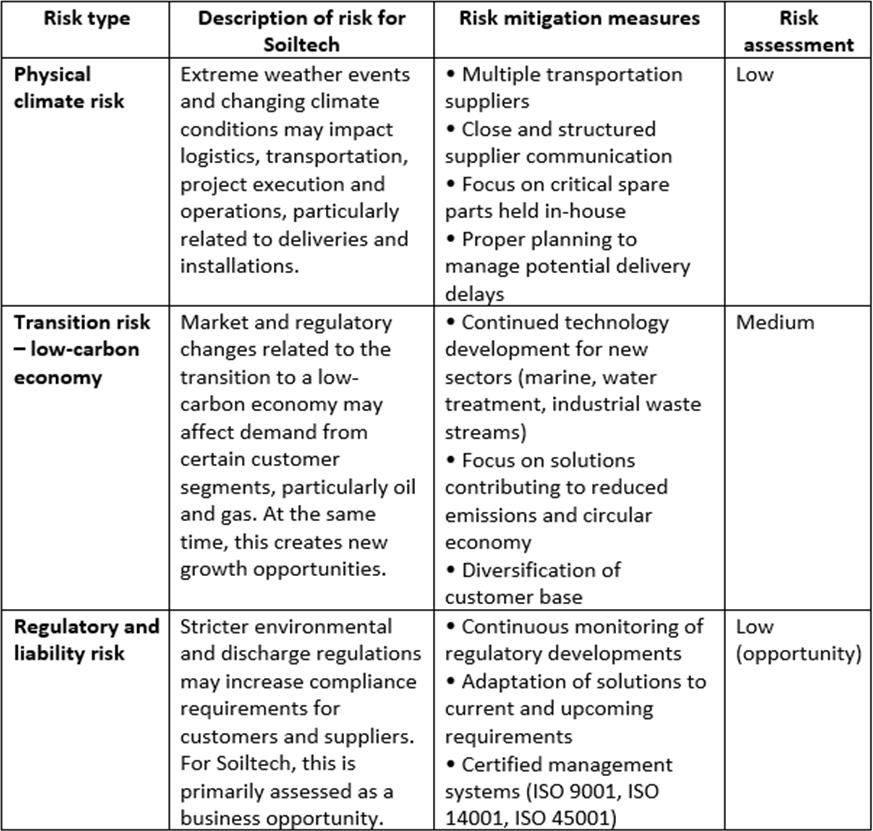
The Group categorizes its primary risks into commercial, operational, compliance and legal, financial and IT- and cyber-related risks. The Group has evaluated the overall climate risk to be low. While climate-related matters are not expected to critically affect assets, provisions, or future cash flows, the Group acknowledges that industrywide climate risks could have an indirect impact on its operations over time. Further details can also be found in notes 18 and 19 to the consolidated financial statements.
Commercial risks include risks related to macro indicators, suppliers, partners, competitors, and technology. Operational risks include risks related to technical and operational status and performance of equipment, as well as HSEQ. Compliance and legal risks include risks related to management system, certifications as well as contractual, legal, regulations and compliance. Financial risk includes risks related to quality in continuous reporting and internal controls, proper financing and financing sources, forecasting and liquidity management as well as interest rates, foreign exchange, credit and tax. IT and cyber risks include risks related to the Group’s IT and communication systems, procedures, ways of working, as well as technical barriers and controls.
The Group’s management and Board of Directors manage these risks on a continuous basis through periodic reviews, reporting, forecasting and other mitigating measures. While the Company operates in a cyclical industry, its client base, however, consists of solid and credit-worthy oil & gas and drilling companies. During the year, the Group has focused on continuous improvement in training and competence requirements, technical and operational safety as well as planning and forecasting.
The Group has a solid balance sheet and had no trade losses in 2025.
Climate risk
The Group’s technologies are energy efficient technologies contributing to waste reduction, waste recovery and reuse. As such the company contributes to responsible resource management and reduced emissions. As emissions and discharge regulations are tightened globally, the Group’s technologies are expected to play an increasingly important role in the oil & gas industry.
Climate risk is defined as the measure of vulnerability to climate-related impacts that may have financial consequences, or that may affect various aspects of financial performance. Those consequences could be anything from minor inconvenience to a complete loss of an asset’s value or operability. With such high stakes, reducing the uncertainty of that outcome is business critical.
While the Group has assessed its direct climate risk exposure to be low, the industry faces increasing regulatory, operational, and market-driven challenges. Stricter environmental regulations, evolving customer preferences, and potential shifts in investment patterns could indirectly impact the company’s operations, market opportunities, and long-term growth prospects.
The Group’s overall focus regarding the external environment is to provide knowledge to the market about the company’s technologies, while helping our customers reduce their emissions.
Liability insurance for directors and officers
The Company has in place a Directors & Officers liability insurance that covers Directors of the Board and executive management. The limit of the coverage is MNOK 50.
Research & development
The Group has a strong focus on innovation but does not undertake specific research & development activities as such. However, the Group is continuously focusing on improving existing technologies and developing new solutions, based on experience from operations and market needs.
Human resources, diversity and governance
The Group had 146 employees at end-2025 compared to 126 in 2024. The board perceives the working environment and the general well-being in the workplace to be good. This was confirmed in the 2025 organizational survey. The Group’s diversity is exemplified by the fact that the employees come from multiple countries. The Group’s onshore personnel consist of both men and women. The management team consist of three women and four men. The board has five members, two women and three men. The Group’s field personnel mainly consist of men. The Group has incorporated guidelines aiming to ensure that there is no discrimination based on gender or nationality. The Group works systematically with recruitment, salary and working conditions, and promotion and development opportunities.
HSEQ
A fit for purpose management system and robust HSEQ performance is fundamental to the Group. The Company is recertified according to ISO 9001 (Quality), ISO 14001 (Environment) and ISO 45001 (Working Environment). The Group requests and receives continuous feedback from its clients to measure quality and continuous improvement. A high degree of repeat clients is an additional quality parameter that is monitored. The Group had a sick leave of 2.6 % in 2025.
Soiltech has a zero-accident philosophy when it comes to incidents and spills and strives on a continuous basis to reduce the impact of its activities on the external environment. In 2025, Soiltech recorded four near-miss incidents and two first aid cases, with no recoverable incidents. This represents an improvement in safety performance compared to the previous year. Reported incidents were followed up with appropriate actions, reinforcing our commitment to continuous improvement and a proactive safety culture.
Sustainability (ESG)
The Group will listen to stakeholders and continue to shape our business in a sustainable direction. We acknowledge UN’s 17 Sustainable development goals, and we will contribute to reach them by fostering innovation within the Group to further develop our technologies. We will conduct our business in a socially responsible manner consistent with the UN Guiding Principles on Business and Human Rights and the Ten Principles of the UN Global Compact.
We respect all internationally recognized human rights, including those embedded in the Universal Declaration of Human Rights, the UN Convention on Economic, Social and Cultural Rights, the UN Convention on Civil and Political Rights and the ILO Declaration on Fundamental Principles and Rights at Work. These rights include, but are not limited to, the freedom of association and the right to bargain, and the right to freedom from forced labor, child labor or discrimination in working life. We also respect current standards in International Humanitarian Law including the Transparency Act which aims to reduce the risk of human rights violations, avoid modern slavery, and ensure decent working conditions. The Group’s Statement of Transparency act can be found at https://soiltech.no/sustainability/.
Outlook
With a solid order backlog and a strong financial position, The Group is well positioned for continued profitable growth. Market visibility in our core markets in Europe and Middle East remains good, supported by clients’ ambition to maintain or increase activity levels. The demand for our services is increasing, driven by ongoing technological improvements that enhance efficiency and environmental performance. We expect activity in Q1 2026 to be in line with Q4 2025, followed by higher activity levels from Q2 and onwards.
The Board emphasizes that any forward-looking statements contained herein could depend on factors beyond its control and are subject to risks and uncertainties. Accordingly, actual results may differ materially.
Listing on Euronext Oslo Børs
The Company is exploring the potential for an uplisting of its shares from Euronext Expand to Euronext Oslo Børs, the main list of the Oslo Stock Exchange. The Company believes that an uplisting would strengthen investor visibility and improve liquidity in the Company’s shares.
Going concern assumption
The Board confirms that the annual accounts and the information presented in the board of directors’ report have been prepared based on going concern assumption ref. IAS 1.
Shareholders and share capital
At year-end 2025 Soiltech had 1 422 shareholders. The 10 largest shareholders owned 67.9% of the company whereas foreign ownership was 37.9%. At year-end 2025, Soiltech had an issued share capital of NOK 1 076 651 and 8 281 927 outstanding shares, each with a nominal value of NOK 0.13, carrying equal voting rights. There are no shareholders and transfer restrictions as described in the Accounting act, §2-2 (13).
Corporate Governance
Soiltech ASA has established a Corporate Governance Policy. This policy outlines the framework of guidelines and principles governing the interactions between the Company's shareholders, Board of Directors, Chief Executive Officer, and executive management team. Our commitment to these principles ensures transparency, accountability, and sustainable value creation for all stakeholders. The report can be found at https://soiltech.no/investor/#corporategovernancepolicy.
Dividend
The Board does not propose paying dividend for 2025. Soiltech is a growth company, and we are aiming at continued growth, based on a solid financial position. Our plan is to take advantage of market opportunities and reinvest generated cash in profitable projects and enhanced service capacity. The board will continuously consider whether payment of dividends will be appropriate.
Events after year-end
As far as the Board is aware, there have been no significant events since year-end which would impact the financial position and profits of the Group, other than those mentioned under Events after year-end above.
Sandnes, April 14, 2026
The board of directors of Soiltech ASA
Dag Schjerven Chairman of the Board
Olaf Skrivervik Member of the Board
Eirik Flatebø Member of the Board
Karin Govaert Member of the Board
Mona Hodne Steensland Freuchen Member of the Board
Jan Erik Tveteraas Chief Executive Officer
Members of the Board - Soiltech ASA
Dag Schjerven Chairman of the board
Karin Govaert Board member
Eirik Flatebø Board member
Olaf Skrivervik Board member
Mona Hodne Steensland Freuchen Board member
CONSOLIDATED STATEMENT OF COMPREHENSIVE INCOME
CONSOLIDATED STATEMENT OF FINANCIAL POSITION
Dag Schjerven Chairman of the Board
Mona Hodne Steensland Freuchen Member of the Board
Sandnes, April 14, 2026
The board of directors of Soiltech ASA
Olaf Skrivervik Member of the Board
Eirik Flatebø Member of the Board
Karin Govaert Member of the Board
Jan Erik Tveteraas Chief Executive Officer
CONSOLIDATED STATEMENT OF CASH FLOWS
Note 1 – General information
Soiltech ASA (the 'Company') is a limited company domiciled in Norway. The Company’s registered office is at Koppholen 25, 4313, Sandnes, Norway.
The Company is an innovative technology company specializing in the treatment, recycling and sustainable handling of contaminated water and solid industrial waste streams on site.
The Company was listed on Euronext Expand on 11 September 2024 with the ticker code 'STECH’ and converted into a public limited company (Nw.: "Allmennaksjeselskap") as part of the listing. The consolidated financial statements comprise the financial statements of the Company and its subsidiaries (together referred to as the 'Group' or 'Soiltech').
The Group presents consolidated financial statements in accordance with the IFRS® Accounting Standard adopted by the EU (“IFRS”).
Note 2 – Summary of general accounting policies
The general accounting policies applied in the preparation of these consolidated financial statements are set out below. Specific accounting policies related to the individual areas in the financial statements are described in the relevant notes.
Basis for preparation
The consolidated financial statements have been prepared in accordance with IFRS and additional disclosure requirements in the Norwegian Accounting Act as effective 31 December 2025. The consolidated financial statements are presented in Norwegian Kroner (NOK) and have been rounded to the nearest thousand unless otherwise stated. As a result of rounding adjustments, amounts and percentages may not add up to the total. The financial statements are prepared on a going concern basis.
Accounting estimates and judgements
Items in the financial statements are to a varying degree affected by estimates and assumptions made by management; reference is made to the relevant notes for the affected items. Estimates with a material impact on the financial statements, combined with a significant estimation uncertainty, comprise the following:
- Recognition of deferred tax assets (note 8).
Segment information
Given the uniform nature of the Group's services and the centralized management from its head office in Norway, the entire Group is considered as a single operating segment for internal reporting purposes.
Foreign currency translation
The companies within the Group primarily use NOK as their functional currency. For consolidation purposes, the results and financial position of the Group’s entities that have a functional currency other than NOK are translated using the closing rate at the balance sheet date. Income and expenses for each income statement are translated using the yearly average exchange rate.
New and amended IFRS standards not yet adopted
The Group has applied all new and amended standards with mandatory application for the current reporting period. This has not, however, had any material impact on the amounts recognized in prior periods and is not expected to significantly affect current or future periods.
Of new standards and interpretations that are not mandatory for the current reporting period, none are expected to have a material impact on the amounts recognized in the financial statements or on foreseeable future transactions. The implementation of IFRS 18 is, however, expected to introduce some changes to the presentation and note disclosures.
Note 3 – Revenues
Overall description of contracts with customers
The Group's revenue mainly derives from the sale of services related to fluid treatment, solid waste handling, cleaning services and associated services, for customers within the oil & gas industry. The key element of the service deliveries is the deployment and operation of waste treatment and handling equipment at the customer's site.
The contract consideration is composed mainly of agreed daily rates for equipment and personnel, respectively, and the reimbursement of costs plus a markup. Rates vary depending on whether the equipment is in active use during operations or on standby, for example in-between operating activities. Typically, the contract deliveries follow the operation on the rig. However, all contracts can be terminated by the customer without cause on a short notice, with only completion of existing work order.
Costs of mobilization and demobilization of equipment and personnel are normally recovered through the agreed daily rates, except for some contracts, where these costs are reimbursed separately. Such reimbursement is, however, generally not material in relation to the total contract consideration. The consideration is normally invoiced monthly, based on actual deliveries.
Accounting policies
The contracts are considered to consist of only one performance obligation, which is satisfied over time. Progress is measured based on the time the equipment and personnel is available to service the customer. In practice, revenue based on daily rates is thus recognized by the amount that the Company has a right to invoice. As a practical simplification based on materiality, any consideration associated with mobilization and demobilization are recognized over the period of the underlying contract.
Mobilization cost is considered to be cost to fulfil a contract and are recognized as an asset when incurred. The assets are subsequently amortized over the contract period, as cost of materials and personnel expenses.
Revenues by
Revenues by geography
Note 4 – Personnel expenses
expensed as the employees earn the right to receive salary for hours
Pensions
The Group has a defined contribution plan for its employees. The Group’s Norwegian entities are obligated to follow the stipulations in the Norwegian Mandatory Occupational Pensions Act. The Group's pension scheme adheres to the requirements, as set in the Act. Payments to the defined contribution pension plan are expended over the period in which the employees earn the right to the contribution.
Specification of personnel expenses
*Other personnel expenses include expenses related to share-based payment transactions. Refer to note 24 for further details.
Note 6 – Other operating expenses
Specification
Accounting policies
The Group consists of companies subject to ordinary corporate taxation in Norway, and within the same tax group with respect to offsetting of deferred tax. Income tax is therefore recognized based on a general application of IAS 12 without the need for further judgments or policies of significance.
Basis for recognition of deferred tax assets
Deferred tax assets are recognized when it is probable that the Group will have sufficient profit for tax purposes in subsequent periods to utilize the tax asset. The Group recognize previously unrecognized deferred tax assets to the extent it has become probable that the Group can utilize the deferred tax asset. Similarly, the Group will reduce a deferred tax asset to the extent that the Group no longer regards it as probable that it can utilize the deferred tax asset. Deferred tax and deferred tax assets are measured based on the expected future tax rates applicable to the companies in the Group where temporary differences have arisen based on tax rates (and tax laws) that have been enacted or substantively enacted by the end of the reporting period. Deferred tax and deferred tax assets are recognized at their nominal value and classified as non-current asset (non-current liabilities) in the consolidated statement of financial position.
Specification of deferred tax liabilities and assets – 2025
Fixed
Tax
Reclass
Net
Out of total tax loss carryforwards of MNOK 1,719, a deferred tax asset has been recognized for MNOK 115.
Tax loss carryforwards and tax audits
The merger between Soiltech ASA and Oceanteam ASA in 2024 was carried out as a tax-free merger in accordance with Chapter 11 of the Norwegian Tax Act. The merger was completed with tax continuity, whereby all tax positions in Oceanteam ASA were transferred to Soiltech ASA pursuant to Section 11-7 of the Norwegian Tax Act. As part of the transferred tax positions, a tax loss carryforward of approximately MNOK 1,604 was transferred to Soiltech ASA.
In February 2026, the Norwegian Tax Administration notified the Group of tax audits related to the tax treatment of the merger between Soiltech ASA and Oceanteam ASA completed in 2024, and the acquisition of Sorbwater Technology AS in 2022.
The audits primarily concern the continued availability of tax loss carryforwards following the transactions. For the parent company Soiltech ASA, the tax audit relates to tax loss carryforwards originating from merger with Oceanteam ASA of approximately MNOK 1,604. For Sorbwater Technology AS, the tax audit relates to tax loss carryforwards of approximately MNOK 115 at the time of the 2022 transaction. At 31 December 2025, tax loss carryforwards of approximately MNOK 109 remain in Sorbwater Technology AS.
The reviews are ongoing and no conclusions have been reached as of the date of approval of these financial statements. Based on its current assessment and advice received from external advisors, the Group believes that the tax treatment applied is consistent with applicable tax legislation.
Based on an assessment of future taxable profits, and that the risk that some of the loss carried forward might be disallowed the Group has recognised deferred tax asset losses carried forward equivalent to the tax losses that arise from the acquisition of Sorbwater. The Group will not recognise additional deferred tax asset before it is confirmed that the tax authorities will accept the continuation of the Oceanteam loss carried forward.
The Group will reassess the accounting treatment of these tax positions if new information becomes available as the reviews progress.
Note 9 – Intangible assets
Accounting policies
Intangible assets mainly comprise goodwill originating from previous acquisitions. Goodwill is not depreciated but is instead subject to annual impairment testing. Other intangible assets include patents and software which are recognised in accordance with the cost method and depreciated over their expected economic lifetime.
Note 10 – Property, plant & equipment
Accounting policies
Property, plant & equipment consists of fluid treatment units, equipment for solid waste handling, cleaning services and swarf removal, solid waste skips and various other equipment. Property, plant & equipment are recognized in accordance with the cost method and depreciated over the equipment’s expected economic lifetime.
Investment grants recognized in the table above are accounted for on an accrual basis and include amounts not yet received at year-end. Grants received during the year amounted to NOK 2.3 million (2024: NOK 1.9 million) and are presented in the statement of cash flows.
Note 11 – Leases
Accounting policies
The Group is primarily involved in lease agreements as a lessee. All lease agreements are recognized in accordance with IFRS 16, except for:
- Lease agreements with a shorter duration than 12 months
- Leases of assets with a cost below NOK 50 000
Payments relating to such leases are recognized as operating expenses when due. The Group does however not have many such agreements, and the annual expense is therefore immaterial. Right-of-use assets are recognized in accordance with the cost method and depreciated over the lease term, or expected economic lifetime, depending on whether a purchase option is expected to be exercised.
Overall description of the leases of the Group
The Group primarily leases premises, fluid treatment units (STT) and boat transfer tanks (CRT). For premises, the lease term is usually between three and ten years, for fluid treatment units and boat transfer tanks between four
and ten years. For the fluid treatment units and boat transfer tanks it is expected that the purchase option is exercised, and as such the assets are depreciated over the expected economic lifetime.
Specification of right-of-use assets
Specification of lease liabilities
Contractual payments on leases
Note 12 – Other assets and liabilities
Note 13 – Trade receivables
Accounting policies
Trade receivables are recognized at an amount equal to the transaction price, less provisions for expected credit losses. The Group applies the simplified approach to measuring expected credit losses which uses a lifetime expected loss allowance for all trade receivables.
Specification of trade receivables
Note 14 – Cash and cash equivalents
Accounting policies
Cash and cash equivalents comprise mostly ordinary bank deposits. The statement of cash flows is prepared using the indirect method. Interest in income and expenses are presented as investing and financing activities, respectively.
Reconciliation of cash flows from financing activities
Note 15 – Borrowings
Accounting policies
Borrowings are initially recognized at fair value, including transaction costs directly attributable to the transaction, and are subsequently measured at amortized cost. Transaction costs are included in the initial measurement of borrowings and amortized over the duration of the loan.
In July 2025, Soiltech signed new financing agreements with SpareBank 1 Sør-Norge, replacing existing credit facilities totaling NOK 229 million (borrowings and leasing). Effective from Q3 2025, the agreements include an additional NOK 150 million investment loan and a NOK 30 million overdraft facility, increasing total available financing to NOK 409 million. In connection with the new financing agreements, the Group incurred transaction costs of approximately NOK 0.7 million. The majority of these costs have been capitalized as part of borrowings, while costs relating to short-term facilities have been expensed.
Covenants
The loan facilities with Sparebank 1 Sør-Norge have the following covenants:
• Net-interest bearing debt (NIBD)/Earnings before interest taxes, depreciation and amortization (EBITDA) 12 month rolling < 3.75
• Book equity > 30%
• Bank approval required for dividends or group contributions
The covenants are tested quarterly, and pr Year-end 2025 the Company is not in breach of with any of the covenants.
Specification of borrowings – 31.12.2025 (amounts
For loans with floating interest rates, the amounts above are calculated using the current interest rate as of the relevant year end.
Carrying amount of assets pledged as security
Note 16 – Financial derivatives
Accounting policies
Financial derivatives consist of foreign exchange forward contracts. Although the contracts are held for hedging purposes, the Group does not apply hedge accounting. The forward contracts are measured at fair value through profit or loss. Gains and losses are presented as financial income or expense, respectively. Foreign exchange forward contracts are measured at level 2 in the fair value hierarchy, as the present value of future cash flows is based on the forward exchange rates at the balance sheet date.
Foreign exchange forward contracts
The Group had no foreign exchange forward contracts outstanding at year-end. (Year-end 2024: none).
Note 17 – Financial instruments
Fair value
For items measured at amortized cost, the carrying amount is considered a reasonable approximation of fair value.
Note 18 – Financial risk and capital management
The Group’s policies for management of capital and financial risk aim to support the current strategy and target of maintaining a high rate of growth and developing prospective business opportunities. The Group’s capital structure shall be robust enough to maintain the desired freedom of action and utilize growth opportunities, based on strict assessments relating to the allocation of capital. The Group debt financing consist of bank and leasing financing. The loan covenants to which the Group is subject play a key role in how capital is managed and allocated, in order to maintain a low financing risk and financial flexibility. See note 15 borrowings for further details on the Group’s financing.
Market risk
The Group's exposure to financial market risk is mainly related to interest rates on external financing and currency risks. The Group has a diversified client list and evaluates changes in pricing structure contract by contract, as part of its mitigation process to cover for any increase in interest cost. The Group has not entered into any interest swap agreements.
Currency risk
The Group’s functional currency and presentational currency are both NOK. However, through its international operations, the Group is exposed to fluctuations in certain exchange rates, mainly EURO (EUR), British Pound (GBP), American dollar (USD) and Romanian leu (RON). The Group has also currency risks linked to both balance sheet monetary items and investments in foreign countries. The tables below show the Group’s most significant currency exposure as of year-end. As the Group does not apply hedge accounting, the impact on profit/loss and equity will be the same regardless of the direction of the exchange rate change.
Interest rate risk
The Company’s loan and leasing agreements carry floating interest rates based on NIBOR, in accordance with the financial strategy described in Note 15 and are therefore impacted by changes in the interest market. A change of one percentage point in NIBOR means a change in yearly net interest expenses of approximately MNOK 2.6.
Credit risk
Assets that may give rise to credit risk comprise mainly of trade receivables and bank deposits. For the latter, the counterparties are mainly banks established in the Nordic countries, which indicates that the credit risk should be regarded as negligible. Trade receivables are characterized by a concentration in the customer base, in terms of country and industry. The customers, however, are primarily large companies with high credit ratings, and the agreed payment terms in the contracts typically ensure that any overdue amounts are kept at low level. Thus, credit losses have historically been insignificant.
Liquidity risk
As at year-end, the Group's portfolio of loans and loan facilities is well diversified both with regards to maturity profile and lenders. Total loan facilities with Sparebank 1 Sør Norge is NOK 258 million. The unused portion of the credit facilities was NOK 112 million as at 31.12.2025. In July 2025, Soiltech signed new financing agreements with SpareBank 1 Sør-Norge, effective from Q3 2025. These agreements further strengthen the Group’s liquidity position by increasing total available financing and extending maturity profiles.
Summary of contractual maturities
Summary of contractual maturities
Note 19 – Climate risk
The Group has evaluated the overall climate risk to the Group to be low. Climate related matters are not expected to critically effect assets, provisions, or future cash flows. The analysis is based on the Task Force on Climate-related Financial Disclosures (TCFD) framework. The Group has evaluated the physical risk, the risk associated with transition into a low carbon community and the liability risk towards the Group. The opportunities are considered to exceed the risks identified for the Group.
Note 20 – Share capital and shareholder information
Share capital and ownership structure
As of 31 December 2025, the share capital of the parent company, Soiltech ASA, amounts to NOK 1,076,650.51 and consists of 8,281,927 ordinary shares, each with a nominal value of NOK 0.13. The increase in share capital during the period results from the exercise of 318,840 share options. Consequently, share capital increased from NOK 1,035,201 on 31 December 2024 to NOK 1,076,150.51 on 31 December 2025.
Included in Other shareholders are 5 000 shares owned by board member Olaf Skrivervik, 18 000 shares owned by CFO Tove Vestlie and 23 940 shares owned by Chairman Dag Schjerven. Foreign
end 2025 (2024: 34,6%)
Note 21 – Earnings per share
* More information on options in note 24
Note
22
–
Group composition and subsidiaries
Accounting policies
The consolidated financial statements comprise of all subsidiaries controlled by the parent entity. Subsidiaries are fully consolidated from the date on which control is transferred to the Group. Likewise, they are deconsolidated from the date that control ceases.
The Group established a subsidiary in Romania during 2025. The Romanian entity holds customer contracts, while the parent company provides operational services, including rental of equipment, provision of personnel and
onshore support, under an intra-group service agreement. All intercompany transactions are eliminated on consolidation.
Subsidiaries as of 31.12.2025
Merger with Oceanteam ASA
Soiltech ASA completed a merger with Oceanteam ASA on September 11, 2024. The merger plan was signed 30 May 2024 and approved by the general meetings of the respective companies on 4 July 2024. The main purpose of the merger was to achieve a listing of Soiltech ASA on the Euronext Expand marketplace.
As part of the merger, Soiltech ASA issued 527 947 new shares as consideration to the shareholders of Oceanteam ASA. This consideration was based on Oceanteam ASA having a market value of NOK 31.67 million at the date of entering into the merger agreement.
At the time of the merger, Oceanteam ASA was essentially an empty shell company without any operational activities. The only significant asset in the company was a cash balance of NOK 19.1 million. Therefore, the merger has been accounted for as a share-based payment transaction in accordance with IFRS 2. The measurement of the transaction is based on the value of the shares in Oceanteam ASA at the transaction date, which was September 11, 2024. At this time, the shares were traded at NOK 0.93, corresponding to a market value for the company of NOK 30.8 million.
The difference between the cash balance in Oceanteam ASA (NOK 19.1 million) and the fair value of the company is considered to reflect the value of the stock exchange listing, including access to new capital and recognized investors. This difference, amounting to NOK 12,8 million, has been recognized as an expense in the financial statements of Soiltech ASA in the line item “Expenses related to Merger & IPO”, as it does not meet the criteria to be recognized as an asset on the balance sheet.
In addition to the expenses above, Soiltech ASA has incurred various transaction costs in connection with the process of completing the merger and subsequent listing on Euronext Expand, amounting to NOK 10.1 million in total. Of these, NOK 5.3 million is considered incremental costs directly attributable to the equity transaction and has therefore been recognized as a deduction of equity, reducing the capital increase from the merger. The remaining NOK 5.0 million has been recognized as an expense and is included in the line item «Expenses related to Merger & IPO» in the income statement.
Note
23 – Remuneration to senior executives and Board of Directors
Pursuant to Section 6-16 (b) of the Public Limited Liability Companies Act and applicable regulations, Soiltech ASA publishes a separate management remuneration report, providing detailed information on remuneration for executive management and the board of directors. This report will be published immediately after the annual general meeting on 20 May 2026. In accordance with the corporate governance code recommended by the Oslo Stock Exchange, the salary and benefits for management are specified in the table below.
In connection with the Company’s long-term share incentive plan, an increase in social security costs resulted in a cost of NOK 2.5 million in 2025 (compared to income of NOK 1.1 million in 2024). As of 31 December 2025, the corresponding liability amounted to NOK 1.9 million (up from NOK 0.1 million the previous year). Details of the long-term incentive plan are outlined in the guidelines for determining salaries and other remuneration for executive management. These guidelines are available on the company’s website: https://soiltech.no/investor/#corporategovernancepolicy
1 Includes fixed salary and accrued holiday pay.
2 Includes car allowance, insurance, free telephone, etc.
3 Variable bonus for 2025 has been accrued for but not paid.
Board of directors
Note 24 – Share-based payment transactions
Accounting policies
The Group has a long-term share-based incentive plan for key personnel and board members. The term of the plan implies that it is recognised as an equity-settled share-based payment transaction in accordance with IFRS 2. Associated obligations to pay social security tax are recognised as cash-settled share-based payment transactions.
Long-term share-based incentive plan
The strike price of the options is set at the market price at grant date. Granted options are distributed over three equal tranches with vesting period of 1-3 years. All outstanding options must be exercised within 5 years from the grant date. Granted options are measured at fair value at the grant date, which is determined using the BlackScholes option pricing model. Company uses a third-party company for this calculation.
Summary of granted options in the period
Movements in outstanding share options
Outstanding share options at year
Note 25 – Events after the reporting period
There are no events other than business activities in the ordinary course of business after the balance sheet date of an adjusting or non-adjusting nature.
The Group presents certain alternative measures of financial performance, financial position and cash flows that are not defined or specified in IFRS Accounting Standards. The Group considers these measures to provide valuable supplementary information for Management, Board of Directors and investors, as they provide additional useful information regarding the Group's financial performance and position. As not all companies define and calculate these measures in the same way, they are not always directly comparable with those used by other companies. These measures should not be regarded as replacing measures that are defined or specified in IFRS Accounting Standards but should be considered as supplemental financial information. In this report, the Alternative Performance Measures used by the Group are defined, explained and reconciled to the most directly reconcilable line item, subtotal or total presented in the financial statements of the corresponding period.
In previous reports, Gross Profit Margin, EBITDA adj. Margin, Operating profit margin and Profit before tax margin were presented as separate text items. From Q2 2025 onwards, we have replaced these textual references with a dedicated “%” column placed directly next to the absolute figures for each metric. The calculation methods for each margin remain unchanged from prior periods.
The APMs used by the Group are set out below:
Operating cost
Operating cost is defined as the total of cost of materials, personnel expenses and other operating expenses less expenses related to onshore personnel and other onshore operating expenses, share incentive program, severance payment, legal cost related to Merger & IPO and other items defined by the Management to not relate to offshore operations. Management defines that Operating cost illustrates the expenses directly related to offshore activities. This measure provides additional information for the Management, Board of Directors and investors in order to evaluate underlying profitability of offshore operating activities and their ability to generate cash.
SG&A
Selling, general and administrative expenses (“SG&A”) is defined as the sum of Cost of materials, Personnel expenses and other operating expenses less operating costs (as defined above), share incentive program, severance payment, legal cost related to Merger & IPO and other items defined by management that impact comparability between periods. Management defines that SG&A illustrates the expenses directly related to onshore support activities. This measure provides additional information for management, the board and investors, in order to evaluate underlying profitability and their ability to generate cash.
Gross Profit and Gross profit margin (%)
Gross Profit is defined as total operating income less Operating cost (as defined above). Gross profit margin is defined as gross profit divided by total operating income. Gross profit and Gross profit margin provide additional information for Management, Board of Directors and investors to evaluate the underlying profitability generated from offshore operating activities.
EBITDA and EBITDA margin
EBITDA is defined as Operating profit before other gains, impairment, depreciation and amortization. EBITDA is defined as EBITDA divided by total operating income. These measures provide additional information for Management, Board of Directors and investors to evaluate the underlying profitability of operating activities and their ability to generate cash before investment in fixed assets and service of debt.
EBITDA adj. and EBITDA adj. margin
EBITDA adj. is defined as EBITDA (as defined above) adjusted for items affecting comparability such as expenses related to share incentive programs, severance payment, legal cost related to Merger & IPO and other items defined by Management that impact comparability. EBITDA adj. margin is defined as EBITDA adj. divided by total operating income. These measures provide additional information for Management, the Board of Directors and investors to evaluate underlying profitability of operating activities and their ability to generate cash before investments in fixed assets and service of debt.
Net interest-bearing debt
Net interest-bearing debt is defined as the total of non-current borrowings, non-current lease liabilities, current borrowings and current lease liabilities less cash and cash equivalents. This measure provides additional information for Management, Board of Directors and investors to assess the Group's financial indebtedness and as an input to assess its capacity to meet its financial commitments.
Equity ratio
Equity ratio is defined as total equity divided by total assets. This measure provides additional information for Management, Board of Directors and investors to assess the Group's financial position and capital structure.
All margins are shown under % column in the table.
Reconciliation of the APMs
cost
report
to Merge & IPO
program (Adjustments)
(a) Total operating income
EBITDA and EBITDA adj.
(Amounts in NOK 1 000)
Operating profit
Depreciation and amortization Expenses related to IPO
(a) EBITDA
Adjusted for:
Share incentive program (Adjustments) Merger and IPO cost (Adjustments)
(b) EBITDA adj.
(c) Total operating income
(a/c) EBITDA margin
(b/c) EBITDA adj. Margin
Net
(a) Total equity (b) Total assets
(a/b) Equity ratio
FINANCIAL STATEMENTS FOR PARENT COMPANY
Dag Schjerven Chairman of the Board
Mona Hodne Steensland Freuchen Member of the Board
Sandnes, April 14, 2026
The board of directors of Soiltech ASA
Olaf Skrivervik Member of the Board
Eirik Flatebø Member of the Board
Karin Govaert Member of the Board
Jan Erik Tveteraas Chief Executive Officer
(amounts inNOK 1000)
Cash flows fromoperating activities
Operating profit before tax
Income taxes paid
Depreciation and amortisation
Interest expense
Non-cash expenses related to merger
Impairment of shares in subsidiaries
Changes in trade receivables, contract assets/liabilities
Changes in trade payables
Changes in other accruals and prepayments
Net cash flow from operating activities
Cash flows from investment activities
Purchase of property, plant & equipment & Intangible assets
Loans to related party
Investment grants received
Net cash flow from investment activities
Cash flows from financing activities
Proceeds from new borrowings
Transaction costs attributable to obtaining financing Proceeds from merger Repayments on borrowings
Payment of principal portion of lease liabilities
Interest paid
Proceeds from capital increase
Net cash flow fromfinancing activities
NET CASH FLOW FOR THE PERIOD
Effect of exchange rate fluctuations on cash held Cash and cash equivalent 01.01
(amounts in NOK 1000)
Note 1 – General information
Soiltech ASA (the 'Company') is a limited company domiciled in Norway. The registered office of the Company is Koppholen 25, 4313, Sandnes, Norway.
The Company is an innovative technology company specializing in the treatment, recycling and sustainable handling of contaminated water and solid industrial waste streams on site.
The Company was listed on Euronext Expand on 11.09.2024 with the ticker code 'STECH’ and as part of the listing converted into a public limited company (Nw.: "Allmennaksjeselskap"). The financial statements for the year ended 31 December 2025 were approved and authorized for issue in accordance with a resolution of the board of directors on 14nd of April 2026.
Note 2 – Summary of general accounting policies
The general accounting policies applied in the preparation of the financial statements are set out below. Specific accounting policies related to the individual areas in the financial statements are described in the relevant notes.
Basis for preparation
The financial statement has been prepared in accordance with Norwegian Accounting Act and associated regulations, as well as Generally Accepted Accounting Principles (GAAP) in Norway. The financial statement is presented in Norwegian Kroner (NOK) and have been rounded to the nearest thousand unless otherwise stated. As a result of rounding adjustments, amounts and percentages may not add up to the total. The financial statements are prepared on a going concern basis.
Currency
Transactions in foreign currencies are translated at the rate applicable on the transaction date. Monetary items in a foreign currency are translated into NOK using the closing rate at the balance sheet date.
The cash flow analysis
The cash flow analysis has been prepared according to the indirect method.
Note 3 –
Revenues
Revenue recognition
Overall description of contracts with customers
The Group's revenue mainly derives from the sale of services related to fluid treatment, solid waste (cuttings) handling, cleaning services and other related services, for customers within the oil & gas industry. The key element of the service deliveries is the deployment and operation of treatment and handling equipment at the customer's site. The contract consideration is composed mainly of agreed daily rates for equipment and personnel, respectively, and reimbursement of costs plus a markup. Rates vary depending on whether the equipment is in active use during ongoing operations or on standby, for example when the equipment is on location but not in operation. Costs of mobilization and demobilization of equipment and personnel are normally recovered through the agreed daily rates, except for some contracts, where these costs are reimbursed separately. Such reimbursements are, however, generally not material in relation to the total contract consideration. Consideration is normally invoiced monthly, based on actual deliveries.
Accounting policies
The contracts are considered to consist of only one performance obligation, which is satisfied over time. Progress is measured based on the time the STT unit is available to service the customer. In practice, revenue based on daily rates is thus recognized with the amount that the Company has a right to invoice. As a practical simplification based on materiality, any fees associated with mobilization and demobilization are recognized linearly over the period of the contract they relate to. Cost of mobilization is considered cost to fulfil a contract and are recognized as an asset when incurred. The assets are subsequently amortized over the contract period, as cost of materials and personnel expenses.
Note 4 – Personnel expense & remuneration to senior executives and board of directors
Accounting policies
Personnel costs are expensed as the employees earn the right to the salary for hours worked.
The company has a defined contribution plan for its employees. The Group’s Norwegian entities are obligated to follow the stipulations in the Norwegian Mandatory Occupational Pensions Act. The Group's pension scheme adheres to the requirements, as set in the Act. Payments to defined contribution pensions are expensed over the period in which the employees earn the right to the deposit.
Specification of personnel expenses
*Other personnel expenses include expenses related to share-based payment transactions. Please refer to notes for Consolidation financial statement for further details.
Pursuant to Section 6-16 (b) of the Public Limited Liability Companies Act and applicable regulations, Soiltech ASA publishes a separate management remuneration report, providing detailed information on remuneration for executive management and the board of directors. This report will be published immediately after the annual general meeting on 20 May 2026 and will complement the figures presented below. In accordance with the corporate governance code recommended by the Oslo Stock Exchange, the salary and benefits for management are specified in the table below.
In connection with the Company’s long-term share incentive plan, an increase in social security costs resulted in a cost of NOK 2.5 million in 2025 (compared to a savings of NOK 1.1 million in 2024). As of 31 December 2025, the corresponding liability amounted to NOK 1.9 million (up from NOK 0.1 million the previous year). Details of the long-term incentive plan are outlined in the guidelines for determining salaries and other remuneration for executive management. These guidelines are available on the company’s website: https://soiltech.no/investor/#corporategovernancepolicy
1Includes fixed salary and accrued holiday pay.
2 Includes car allowance, insurance, free telephone, etc.
3 Variable bonuses for 2025 has been accrued for but not paid.
Specification of depreciation and amortisation
Note 6 – Other operating expenses
Specification of other operating expenses
Specification of auditors’ remuneration
Note 7 - Merger with Oceanteam ASA
Soiltech ASA completed a merger with Oceanteam ASA on September 11, 2024. The merger plan was signed 30 Mai 2024 and approved by the general meetings of the respective companies on 4 July 2024. The main purpose of the merger was to achieve a listing of Soiltech ASA on the Euronext Expand marketplace.
As part of the merger, Soiltech ASA issued 527 947 new shares as consideration to the shareholders of Oceanteam ASA. This consideration was based on Oceanteam ASA having a market value of NOK 31.67 million at the date of entering into the merger agreement.
At the time of the merger, Oceanteam ASA was essentially an empty shell company without any operational activities. The only significant asset in the company was a cash balance of NOK 19.1 million. Therefore, the merger has been accounted for as a share-based payment transaction in accordance with IFRS 2. The measurement of the transaction is based on the value of the shares in Oceanteam ASA at the transaction date, which was September 11, 2024. At this time, the shares were traded at NOK 0.93, corresponding to a market value for the company of NOK 30.8 million.
The difference between the cash balance in Oceanteam ASA (NOK 19.1 million) and the fair value of the company is considered to reflect the value of the stock exchange listing, including access to new capital and recognized
investors. This difference, amounting to NOK 12,8 million, has been recognized as an expense in the financial statements of Soiltech ASA in the line item “Expenses related to Merger & IPO”, as it does not meet the criteria to be recognized as an asset on the balance sheet.
In addition to the expenses above, Soiltech ASA has incurred various transaction costs in connection with the process of completing the merger and subsequent listing on Euronext Expand, amounting to NOK 10.1 million in total. Of these, NOK 5.3 million is considered incremental costs directly attributable to the equity transaction and has therefore been recognized as a deduction of equity, reducing the capital increase from the merger. The remaining NOK 5.0 million has been recognized as an expense and is included in the line item «Expenses related to Merger & IPO» in the income statement.
Note 8 – Related parties
Accounting policies
In the Parent company, the subsidiaries and investments in any associated company are valued at cost. The investment is valued at the cost of the shares, less any impairment losses. An impairment loss is recognized if the impairment is not considered temporary, in accordance with generally accepted accounting principles. Impairment losses are reversed if the reason for the impairment loss is rectified in a later period.
Dividends, Group contributions and other distributions from subsidiaries are recognized in the same year as they are recognized in the financial statement of the provider. If dividends / group contribution exceeds withheld profits after the acquisition date, the excess amount represents repayment of invested capital, and the distribution will be deducted from the recorded value of the acquisition in the balance sheet for the parent company.
An impairment loss on shares in Sorbwater Technology AS was recognized, amounting to NOK 24.2 million (2024: NOK 2.4 million).
Subsidiaries
Outstanding balances with group companies
Note 10 – Income tax
Accounting policies
The tax expense consists of the tax payable and changes to deferred tax. Deferred tax/tax assets are calculated on all differences between the book value and tax value of assets and liabilities, with the exception of: temporary differences linked to goodwill that are not tax deductible. Temporary differences, both positive and negative, which will or are likely to reverse in the same period, are recorded as a net amount.
Deferred tax assets are recognised when it is probable that the company will have a sufficient profit for tax purposes in subsequent periods to utilize the tax asset. The companies recognize previously unrecognized deferred tax assets to the extent it has become probable that the company can utilize the deferred tax asset. Similarly, the company will reduce a deferred tax asset to the extent that the company no longer regards it as probable that it can utilize the deferred tax asset. Deferred tax and deferred tax assets are measured based on the expected future tax rates applicable to the companies in the Group where temporary differences have arisen based on tax rates (and tax laws) that have been enacted or substantively enacted by the end of the reporting period. Deferred tax and deferred tax assets are recognized at their nominal value and classified as non-current asset investments (non-current liabilities) in the balance sheet.
Specification of income tax expense
Tax loss carryforward
The merger between Soiltech ASA and Oceanteam ASA in 2024 was carried out as a tax-free merger in accordance with Chapter 11 of the Norwegian Tax Act. The merger was completed with tax continuity, whereby all tax positions in Oceanteam ASA were transferred to Soiltech ASA pursuant to Section 11-7 of the Norwegian Tax Act.
As part of the transferred tax positions, a tax loss carryforward of approximately MNOK 1,604 were transferred to Soiltech ASA.
Deferred tax assets related to tax loss carry forwards are recognized only to the extent that it is probable that future taxable profits will be available against which the tax losses can be utilized, in accordance with IAS 12. During 2025, the Company reassessed the expected utilization of tax losses within the Norwegian tax group. Under Norwegian tax rules, tax losses in the parent company must be utilized before tax deductions for group contributions are applied.
Based on this reassessment, tax loss carry forward of MNOK 109,6 have been recognized in Soiltech ASA, resulting in recognition of a deferred tax asset of MNOK 24,1.
The recognition reflects a reallocation of deferred tax assets within the Norwegian tax group, where the deferred tax asset previously recognized in Sorbwater Technology AS has been reduced correspondingly.
Based on an assessment of future taxable profits, and that the risk that some of the loss carried forward might be disallowed the Group has recognised deferred tax asset losses carried forward equivalent to the tax losses that arise from the acquisition of Sorbwater. The Group will not recognise additional deferred tax asset before it is confirmed that the tax authorities will accept the continuation of the Oceanteam loss carried forward.
In the event that the tax loss carried forward following the Oceanteam acquisition were to be disallowed, the company will have the possibility to offset any payable taxes through group contributions to Sorbwater.
Reference is made to the Group’s tax note for further information regarding ongoing tax audits related to the merger with Oceanteam ASA and the acquisition of Sorbwater Technology AS
Note
11 – Intangible assets
Accounting policies
Intangible assets mainly comprise goodwill originating from previous acquisitions. Goodwill is not depreciated but is instead subject to annual impairment testing. Other intangible assets include patents and software which are recognised in accordance with the cost method and depreciated over their expected economic lifetime.
Note 12 – Property, plant & equipment
Accounting policies
Property, plant & equipment consists of slop treatment units, equipment for cuttings handling and swarf removal, skips and various other equipment. Property, plant & equipment are recognized in accordance with the cost method and depreciated over their expected economic lifetime.
Investment grants recognized in the table above are accounted for on an accrual basis and include amounts not yet received at year-end. Grants received during the year amounted to NOK 2.3 million (2024: NOK 1.9 million) and is presented in the statement of cash flows.
Note 13 – Leases
Accounting policies
The Company leases certain operating equipment which in turn is leased to our customers. The Company has substantially all the risks and rewards of ownership and the leases are classified as financial leases. Financial leases are capitalized at the inception of the lease at the lower of the fair value of the leased asset or the present value of the future minimum lease payments. Each lease payment is allocated between the corresponding financial lease liability and finance charges to achieve a constant rate on the outstanding liability.
Depreciation of assets held under capital leases is reported within “Depreciation and amortization expense” in the Statement of Profit and Loss. The depreciation policy for assets held under financial leases is consistent with that for owned assets and is depreciated over estimated economic life.
Overall description of the leases of the parent company
The parent company primarily leases fluid treatment units (STT) and boat transfer tanks (CRT). The lease term is usually between 4 and 10 years. It is expected that the purchase option is exercised and as such the asset is depreciated over the expected economic lifetime.
Specification of right-of-use assets
of lease liabilities
Note 14 – Other assets and liabilities
Accounting policies
Non-current assets are assets intended for long-term ownership or use. All other assets are current assets. Receivables that fall due for payment within one year shall not be classified as non-current assets. Similar criteria apply to liabilities.
Other current assets are recorded in the balance sheet at nominal value less provisions for expected credit losses.
Other current assets
Note 15 – Trade receivables
Accounting policies
Trade receivables are recognized at an amount equal to the transaction price, less provisions for expected credit losses. The Group applies the simplified approach to measuring expected credit losses which uses a lifetime expected loss allowance for all trade receivables.
Specification of trade receivables
Note 16 – Cash and cash equivalents
Accounting policies
Cash and cash equivalents comprise mostly ordinary bank deposits. The statement of cash flows is prepared using the indirect method. Interest income and expenses are presented as investing and financing activities, respectively.
Note 17 – Borrowings
Accounting policies
Borrowings are initially recognized at fair value, including transaction costs directly attributable to the transaction, and are subsequently measured at amortized cost. There has not been any material transaction cost during the year.
In July 2025, Soiltech signed new financing agreements with SpareBank 1 Sør-Norge, replacing existing credit facilities totalling NOK 229 million (borrowings and leasing). Effective from Q3 2025, the agreements include an additional NOK 150 million investment loan and a NOK 30 million overdraft facility, increasing total available financing to NOK 409 million.
Covenants
The loan facilities with Sparebank 1 Sør-Norge have the following covenants:
• Net-interest bearing debt (NIBD)/Earnings before interest taxes, depreciation and amortization (EBITDA) 12 month rolling < 3.75
• Book equity > 30%
• Bank approval required for dividends or group contributions
The covenants are tested quarterly, and pr Year-end 2025 the Company is not in breach of with any of the covenants.
Specification of borrowings – 31.12.2025
Specification of borrowings – 31.12.2024
For loans with floating interest rates, the amounts above are calculated using the current interest rate per the relevant year end.
Carrying amount of assets pledged as security
Note 18 – Share capital and shareholder information
Share capital and ownership structure
As of 31 December 2025, the share capital of the parent company, Soiltech ASA, amounts to NOK 1,076,650.51 and consists of 8,281,927 ordinary shares, each with a nominal value of NOK 0.13. The increase in share capital during the period results from the exercise of 318,840 share options. Consequently, share capital increased from NOK 1,035,201 on 31 December 2024 to NOK 1,076,150.51 on 31 December 2025.
Shareholders as of 31.12.2025
Included in Other shareholders are 5 000 shares owned by board member Olaf Skrivervik, 18 000 shares owned by CFO Tove Vestlie and 23 940 shares owned by Chairman Dag Schjerven. Foreign ownership was 37,9% at yearend 2025 (2024: 34,6%)
Note 19 – Financial risk and capital management
See information in consolidated financial statement.
Note 20 – Climate risk
See information in consolidated financial statement.
Note 21 – Remuneration to senior executives and Board of Directors
See information in consolidated financial statement.
Note 22 – Share-based payment transactions
See information in consolidated financial statement.
Note 23 – Events after the reporting period
There are no events other than business activity in the ordinary course of business after the balance sheet date of an adjusting or non-adjusting nature.