PORTFOLIO
01
Research
Rediscovering the White City
Tel- Aviv 2022
The story of the old cities in Israel is a story of a complex encounter between different architectural periods and principles. In the same city you can find ancient neighborhoods with narrow alleys and professional Arab stone buildings, alongside construction from the British Mandate period that brought with it the island urban block alongside oriental nostalgia, in another city we can find a garden neighborhood with eclectic houses of the early twentieth century, alongside pioneering and sharp modernism and experimental Brutalism. What all those residential neighborhoods have in common is that they still manage to maintain an urban life with markets.
Focusing on the concept "Contemporary Residential Heritage", I decided to study and observe the White City in Tel Aviv which I was mostly intrigued by. They are an experiment to distill the architectural qualities that give each neighborhood its unique urban character, such as the balconies, the column floor, the greenery, the entrance and many more components that in my work I tried to discover. Elements that articulate the way of life in the building itself and give the living environment its character.
Project Principles
Observe Analys and disassemble Implement and Design
Street sections emphasize the different atmosphere that each streets offers
Analysing by urban elemnts
Rothschild Shienken Balfour Malchettby deconstructing the physical elemnts of the White city block.
Reconstructing by gathering all the elements and creating a detailed superposition. We Rediscover the characteristics of a rich urban area.
A tool which will help us in planning process.
A pre intervintion plan showing what to keep and what to demolish
An intervintion plan. Implementing the tool
Residental buildings in a small street
Residental buildings in a main street
Residental buildings with commercial
Axonometric views showing a new urban life of the neighborhood
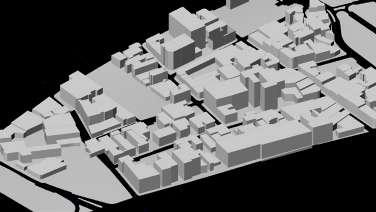
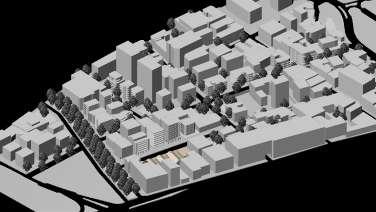
A detailed intervintion plan. Befor intervintion
After intervintion
02


1:1
Therapeutic Greenhouse
Kibbutz Mahanayim 2022
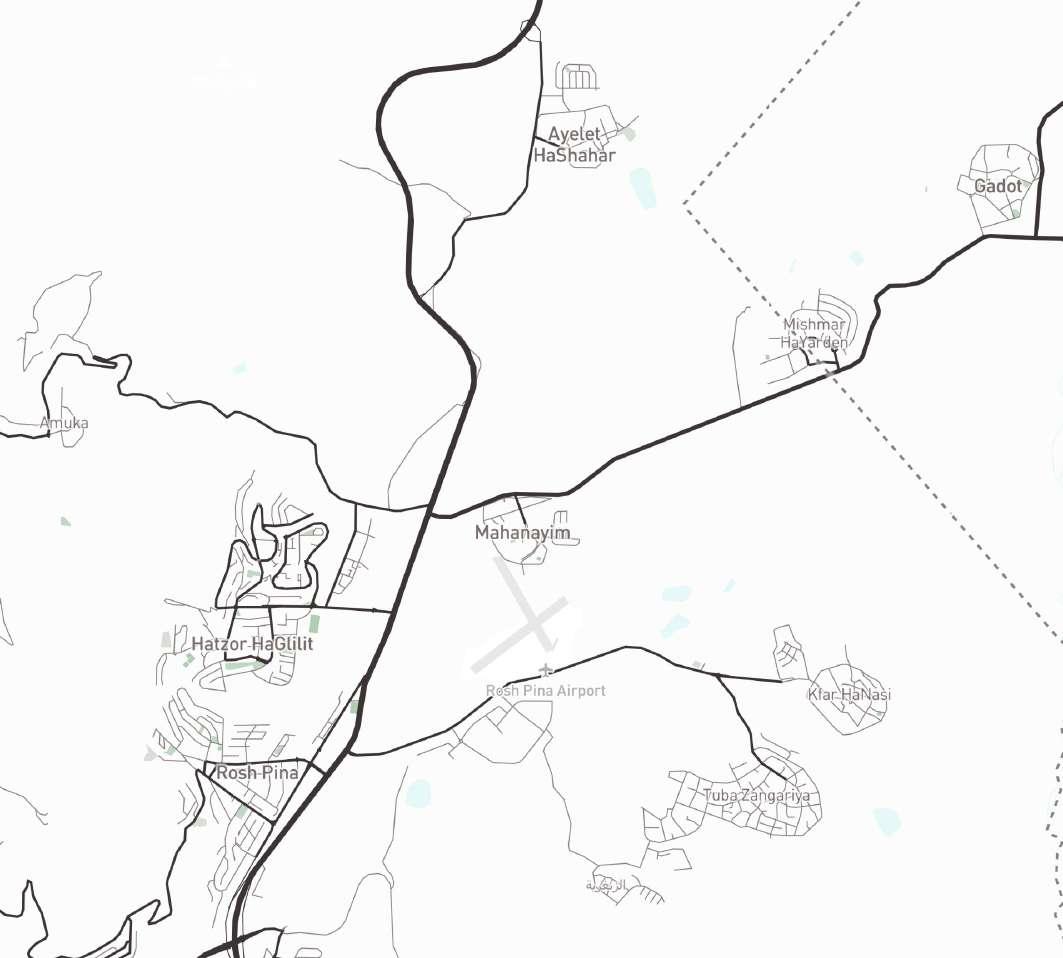
Studio 1:1 is a themed studio for third year architecture students, within the project a group of students plan a joint project and finally build it. Each semester a different site is chosen around the country, and during the studio in which I participated we were chosen to design in Kibbutz Mahaniim. We had to propose a new design for an existing greenhouse that belongs to the association Ha'dan in the Galilee, which is an association from the kibbutz that helps people with physical and mental disabilities.
The users of the project are the families in the Kibbutz, kids, elderly, tourists and mainly the disabled members of the association, which means that every detail in the planning was calculated and adapted to their needs.

The greenhouse which was presented to us, was old, messy and unused for a decade. in was built for the purpose of taking care of people with mental and physical disabilities through therapeutic work in the green house.
We as architecture students were given the opportunity to bring back the greenhouse alive with its basic and main purpose but in a more sustainable way of design which is suitable for the struggles that these people face. to make them feel more engaged with everyday life with motivation and enjoyment, most importantly to make them feel part of their community.
Project Principles
1:50 detailed plan of the new green house, it offer a new functional use to the green house including working spaces and a semi open big gathering space.







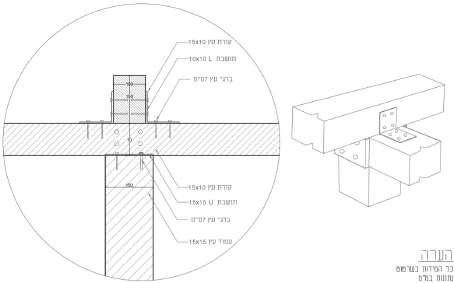
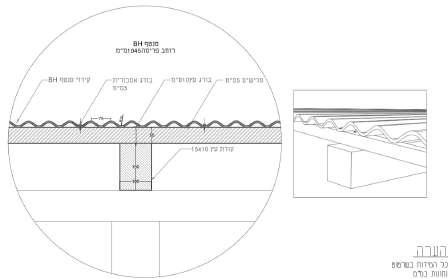
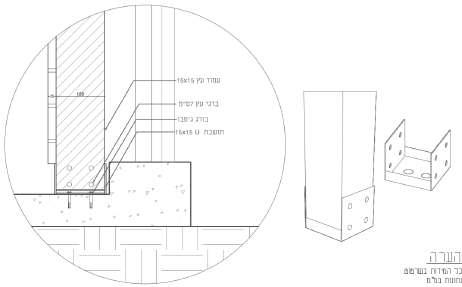
Sections of the new green house showing the way the design of the green house is integrated with the surrounded landscapse. we let the nature in and use it as a ramp for the disabled and as seats for the visitors
The landscape and the green house are inseparable, together creating an inviting spacious open space.



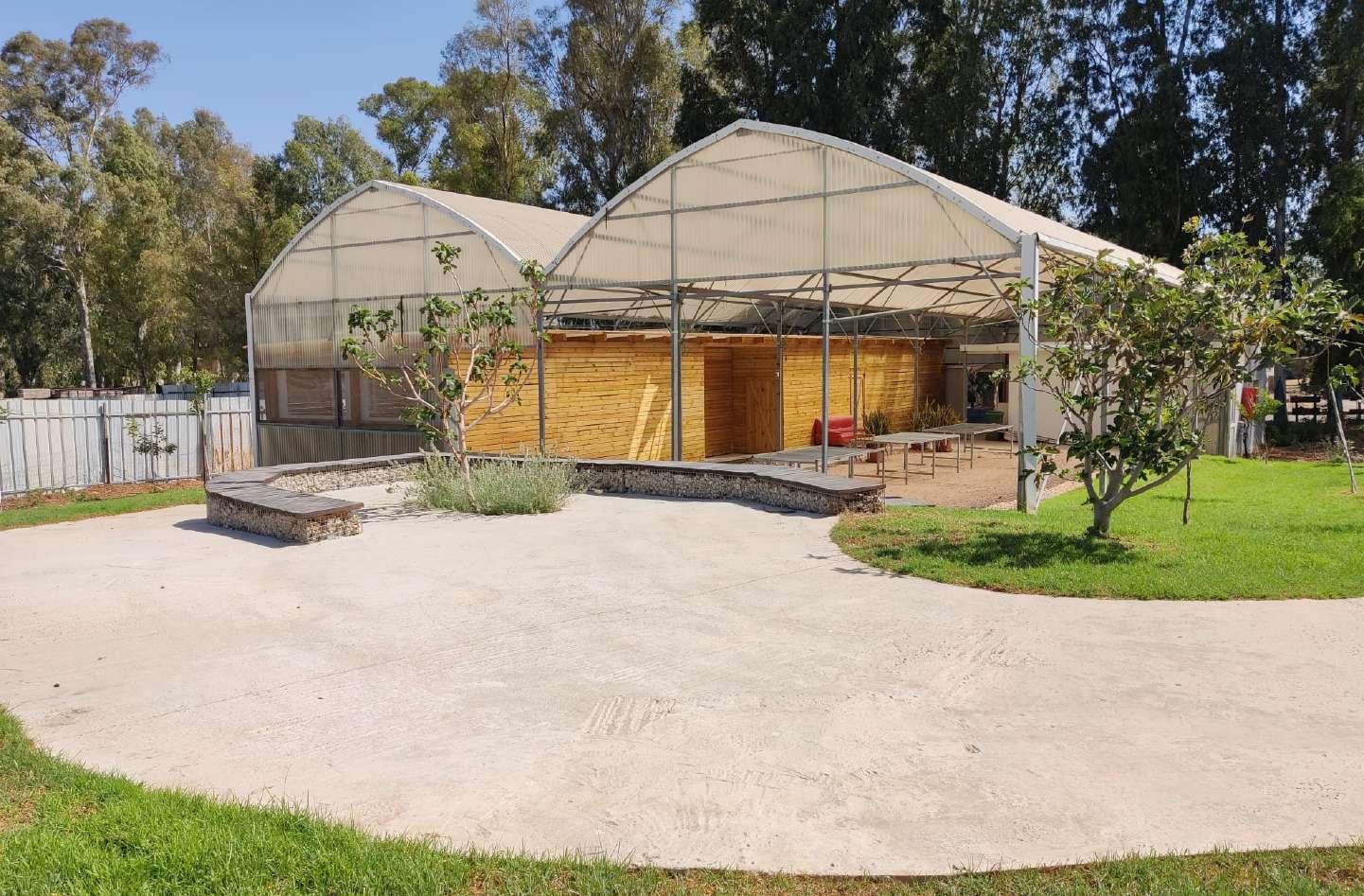 A photograph taken from the outside showing an accessible ramp from concrete leading to the inner part of the green house, with a seating area made from cages filled with rocks with wooden finish surrounding a preserved young fig tree.
Reviving Idroscalo

Ostia, Rome 2023
In this year for the first time, a collaboration was made with the Faculty of Architecture of La Sapienza, for the construction of the 2024 arena. we had to develop, as part of the event, a project totally integrated into the territory and landscape urban pursuing and emphasizing even more the idea of what the Punta Sacra- Idroscalo project symbolically represents: a cultural garrison, a symbol of resistance, a means of enhancing the natural and social context.
"The village of the Idroscalo" is an area of approximately 2000 inhabitants located in the northwest side of Ostia Lido, on the shoreline. Being surrounded by the harbor, natural preserve and the industrial area make it isolated from the city Ostia.
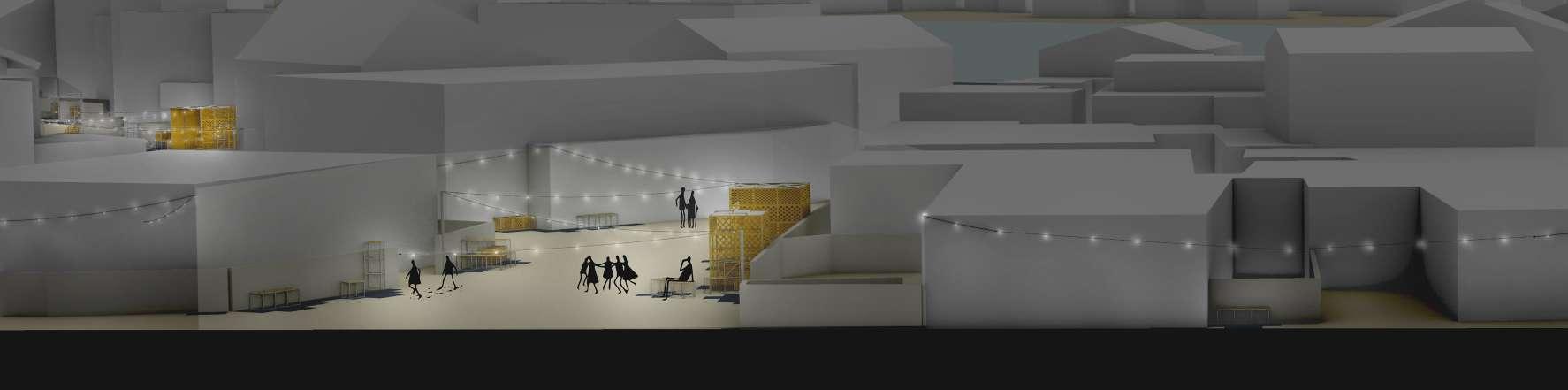
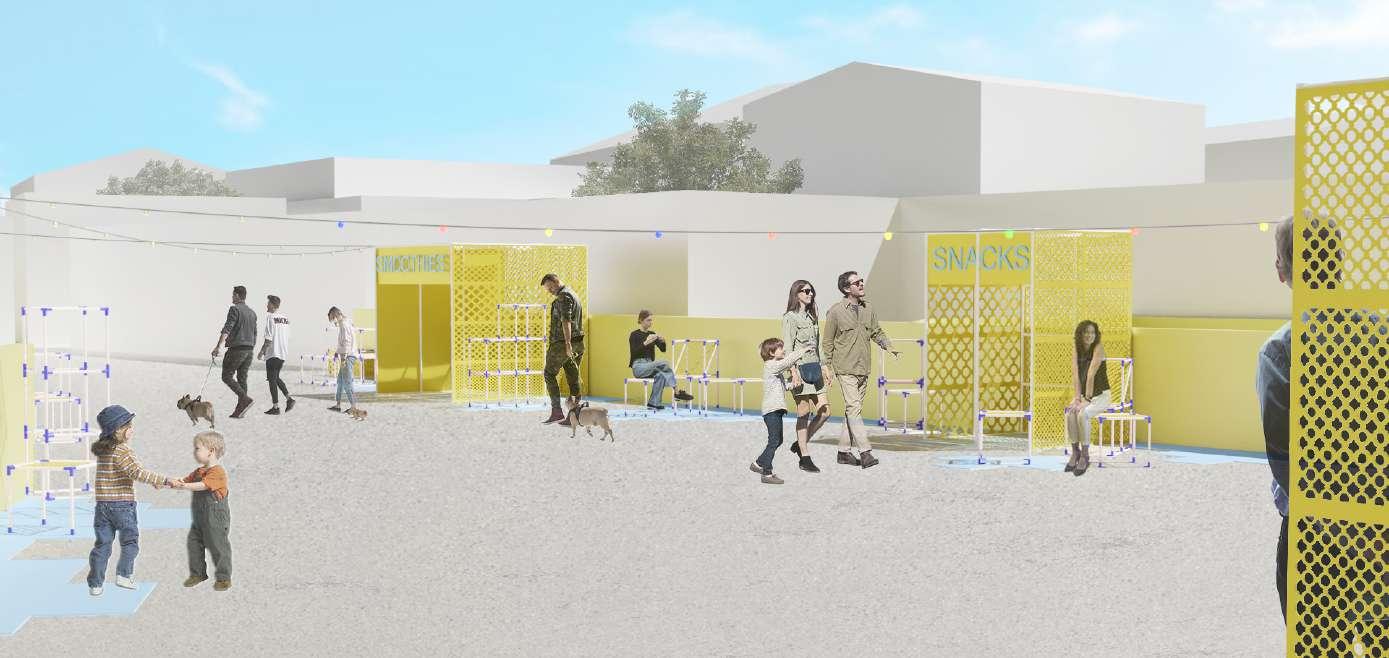
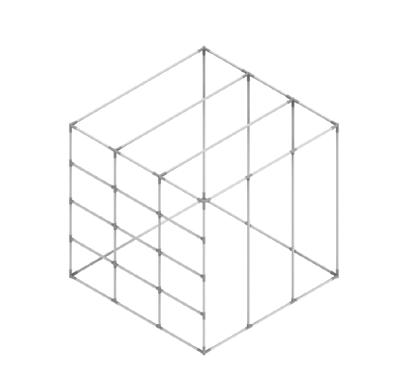
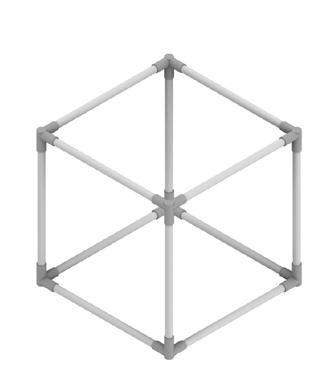
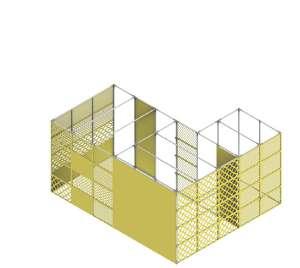
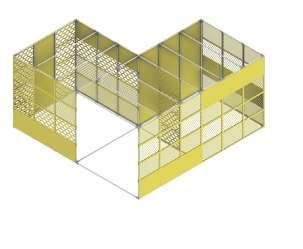
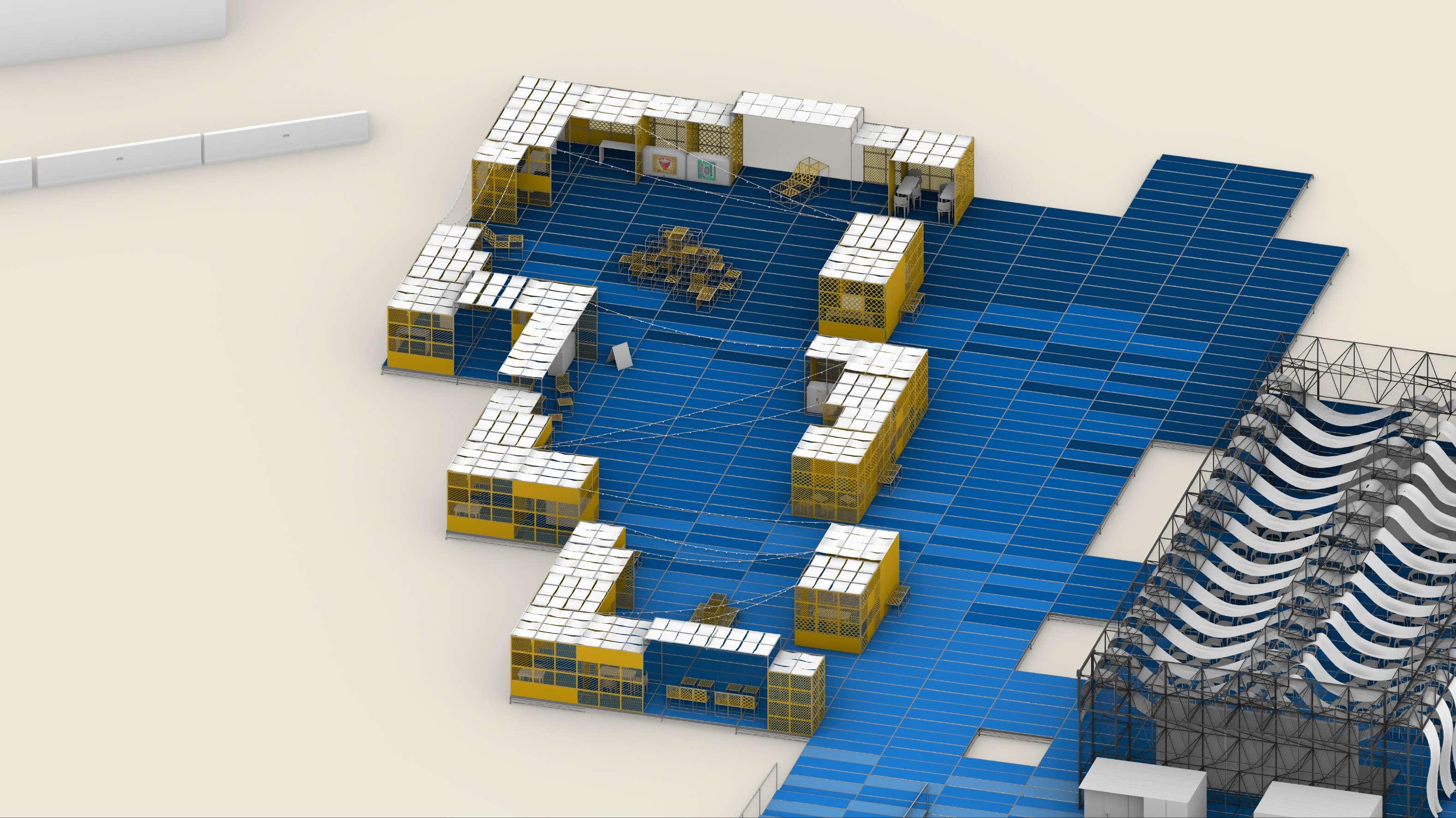
Seizing the movie festival event as an opportunity to attract locals and tourists, simultaneously, empowering the neighborhood economically and as a separate entity by using a temporary simple disassembling and multipurpose system, which will appear in different forms and concentrations during the festival and will even be used by the residents in random events throughout the year.
Project Principles
Reserving the neighborhoods identity as a separate entity
Enriching main axes with communal and public
Hierarchies of interventions
Secondary
Minor
Being surrounded by the harbor, natural preserve and the industrial area make it isolated from the city Ostia.
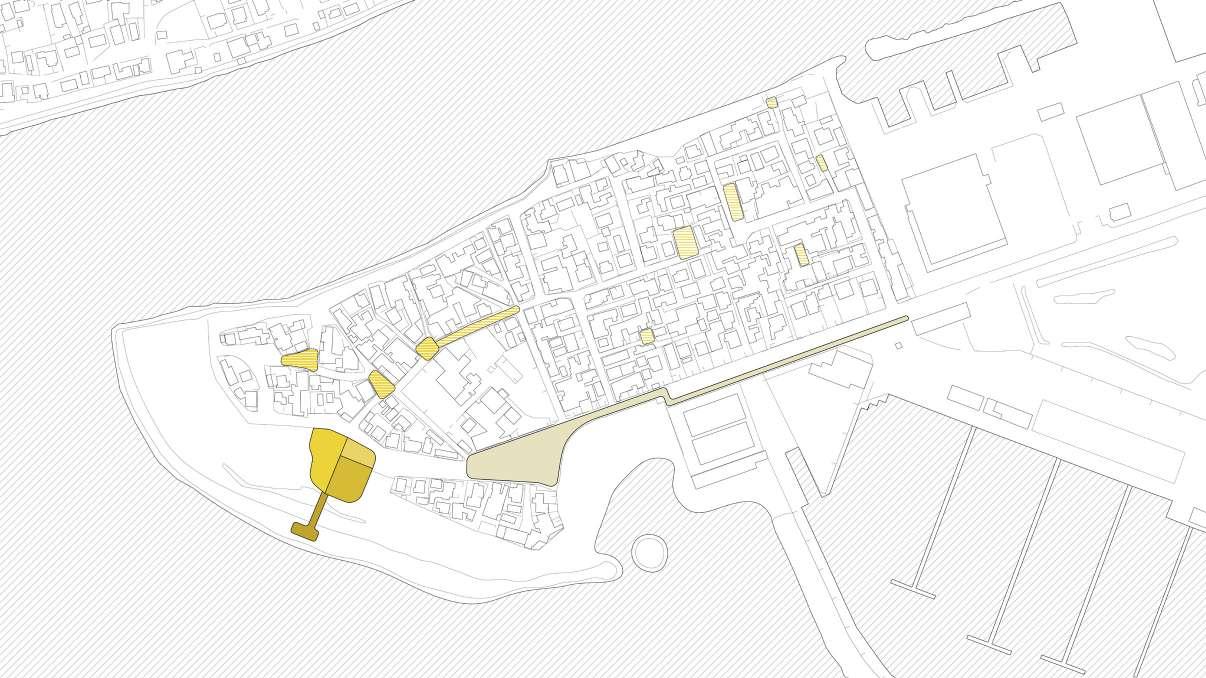 Main Intervention Communal & Festival Area
Intervention Entrance Area
Intervention Inner Piazzas
Main Intervention Communal & Festival Area
Intervention Entrance Area
Intervention Inner Piazzas
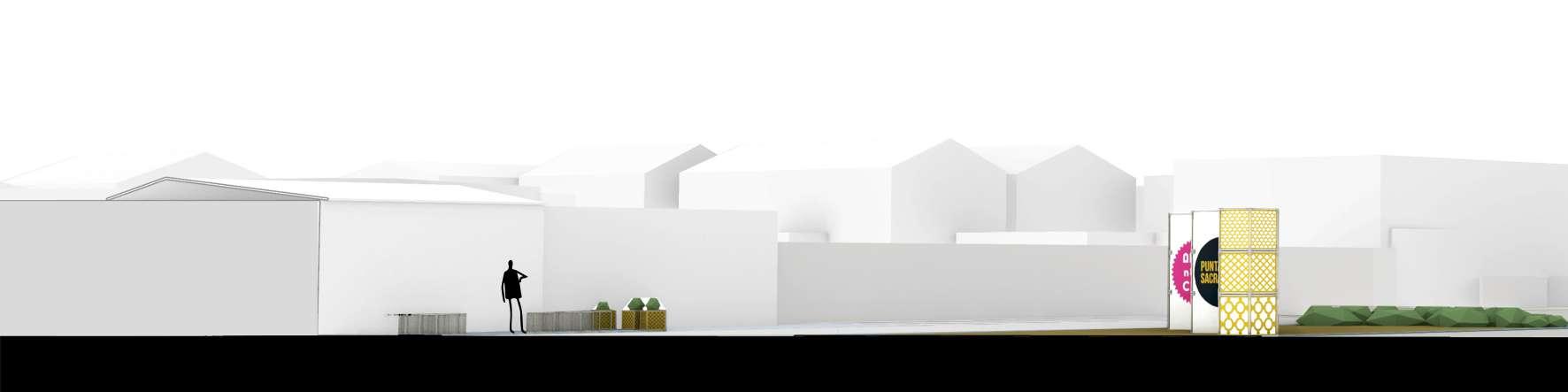
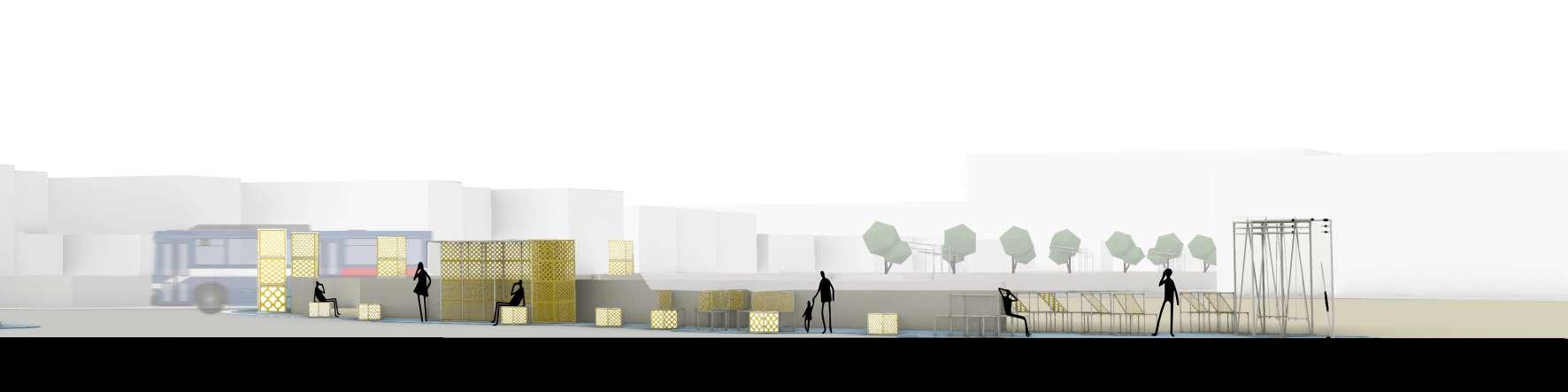
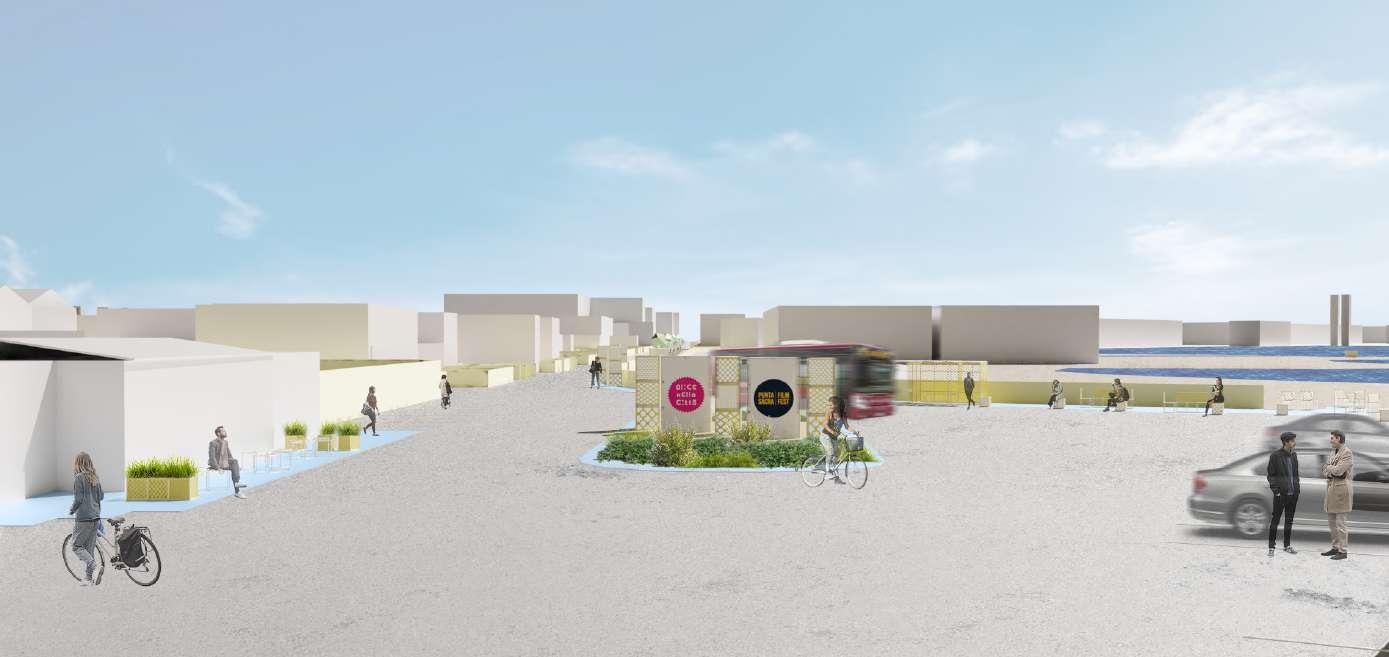
A day view to one of the Piazzas, the different elemnts give it a new funcionality which people can enjoy

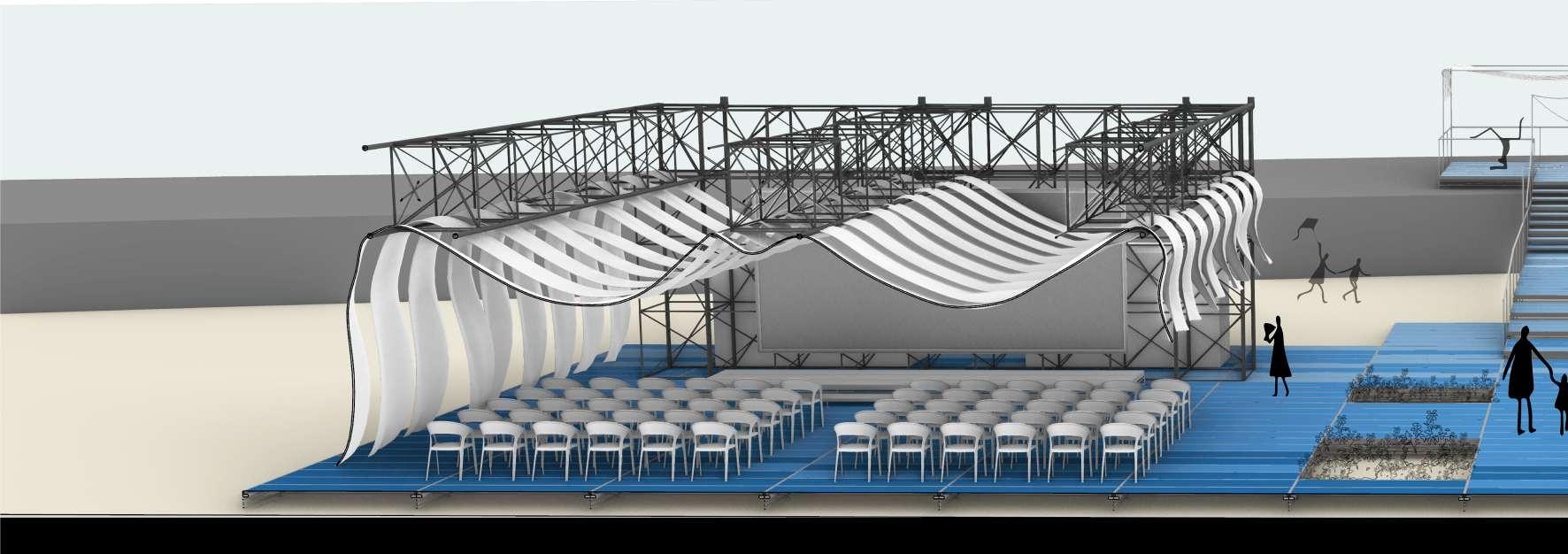
1:50 Plan for the main interventio, designing the base of the plateform on which the main event will occur. It's devided to communal area (right plan) and the screening area (left plan)
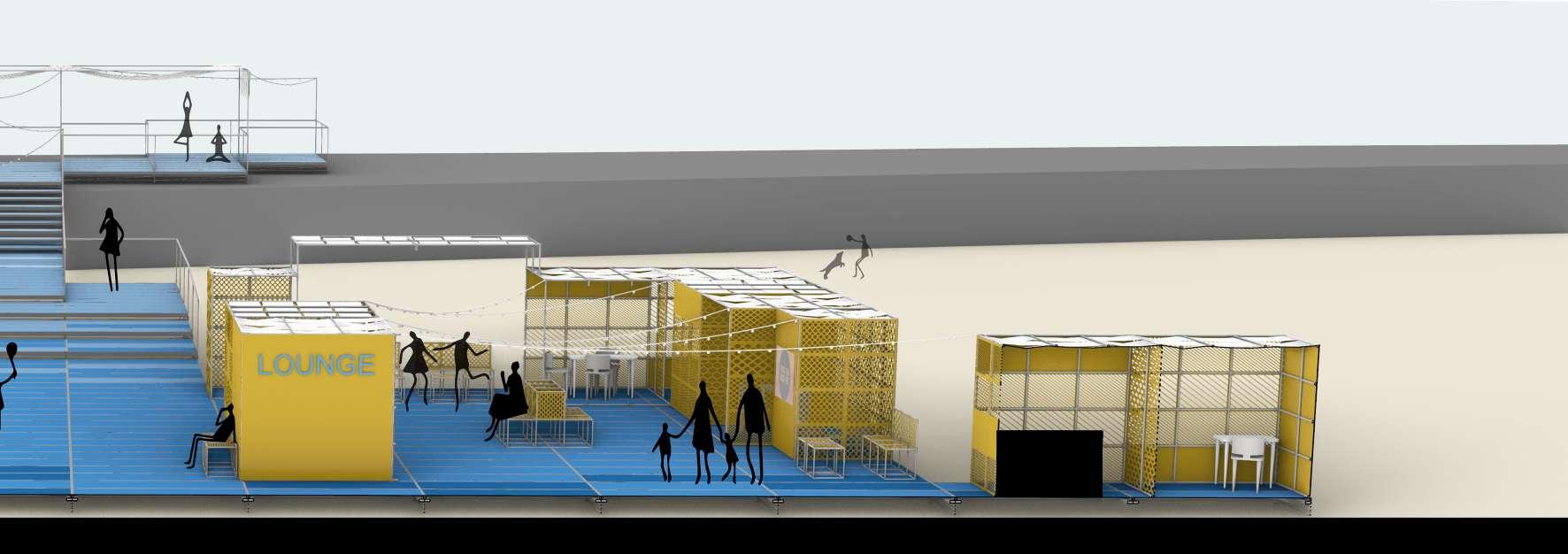
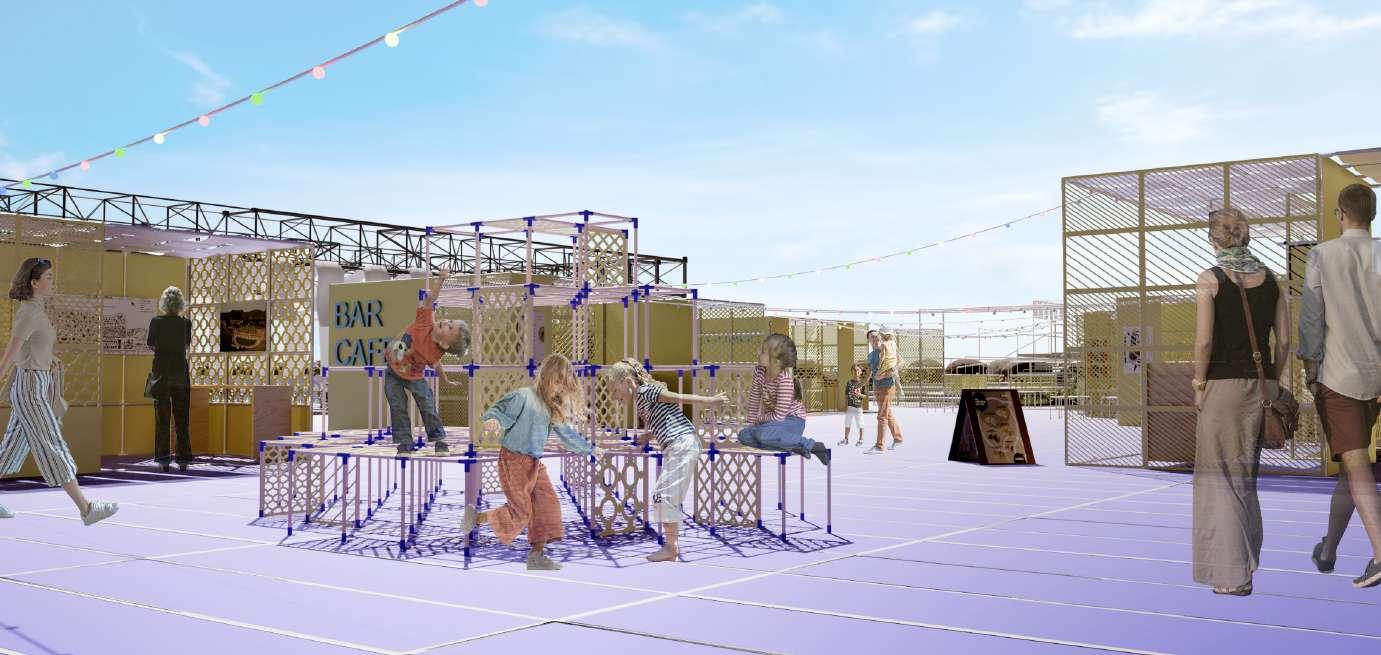 A day view to the communal area of the main intervention

04
Urban Joints Holon 2021
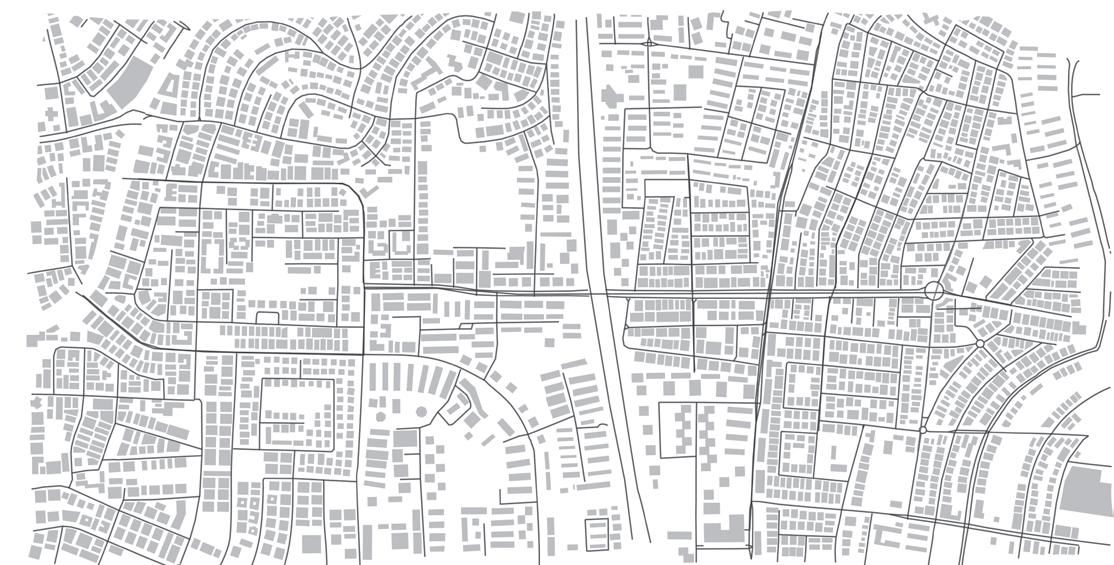
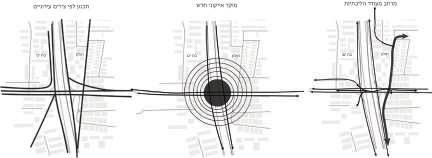
In our project we chose to focus on the Dov Hoz station located in the northwest of Holon. The station is located at the intersection of two metropolitan traffic axes, the horizontal axis runs from east Holon to the west and is considered one of the three axes connecting with Bat Yam. The station area is a junction that connects four old neighborhoods of Holon, each of which has a different neighborhood character.
During the analyzing process, we have found that the site has hidden treasures with potential for urban renewal. First, the proximity to Bat Yam - there is a direct bridge connecting Bat Yam and Holon. second, a character with a presence and a main avenue with local commerce. However, in a place like this we also found many shortcomings and they needed immediate attention. Such as: lack of shading, older population, and lack of public places!
The place has the potential to become a center that serves pedestrians, the future metro station will bring with it a large number of visitors and new residents, and the green network that we propose will soften the enormous burden and make the place environmentally friendly and pleasant for pedestrians. We believe that the network that connects the existing and proposed new urban hubs will improve the existing urban framework, make the place more inviting and vibrant, and above all, reduces the need for traffic.
An
Project Principles
encouraging walkability

connecting green network
Reservation, Intensifying and detecting urban centers
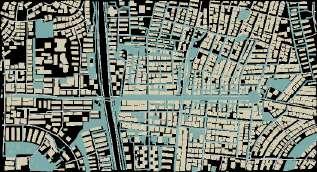
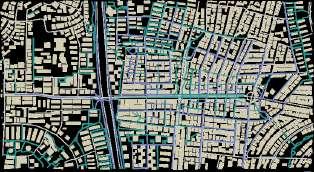
connection with the metropoline axes, and strengthening connection
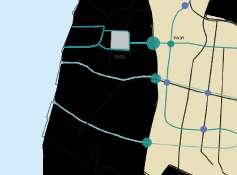

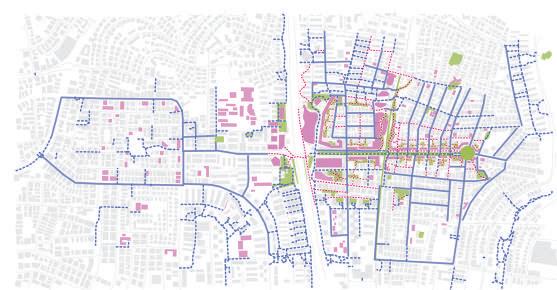
Existing Situation - Four neighnorhoos that were developed around focal points, but due to population growth became unaccessible and eventually neglected, also the lack of shading made it harder
Examining Walkability - In order to regain the accessability an examination was made and changes were implemented
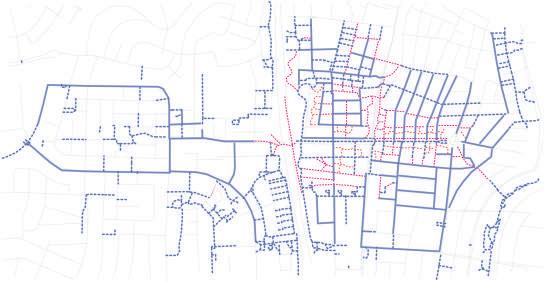
existing paths
proposed paths sidewalks
proposed private paths
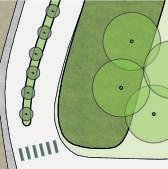
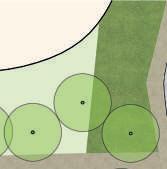
Examining openspaces - this area lacks of space for the public, by adding more greenspaces in the right places we create a green net which connects the public space and the focal points to encourage the walkability
proposed greenspaces
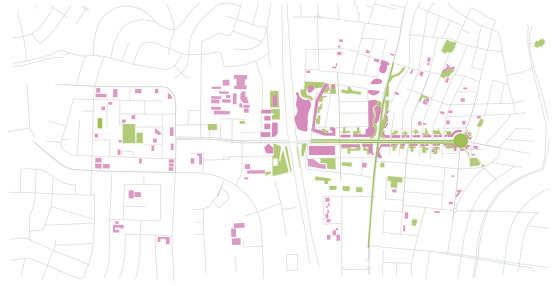
proposed publicspaces
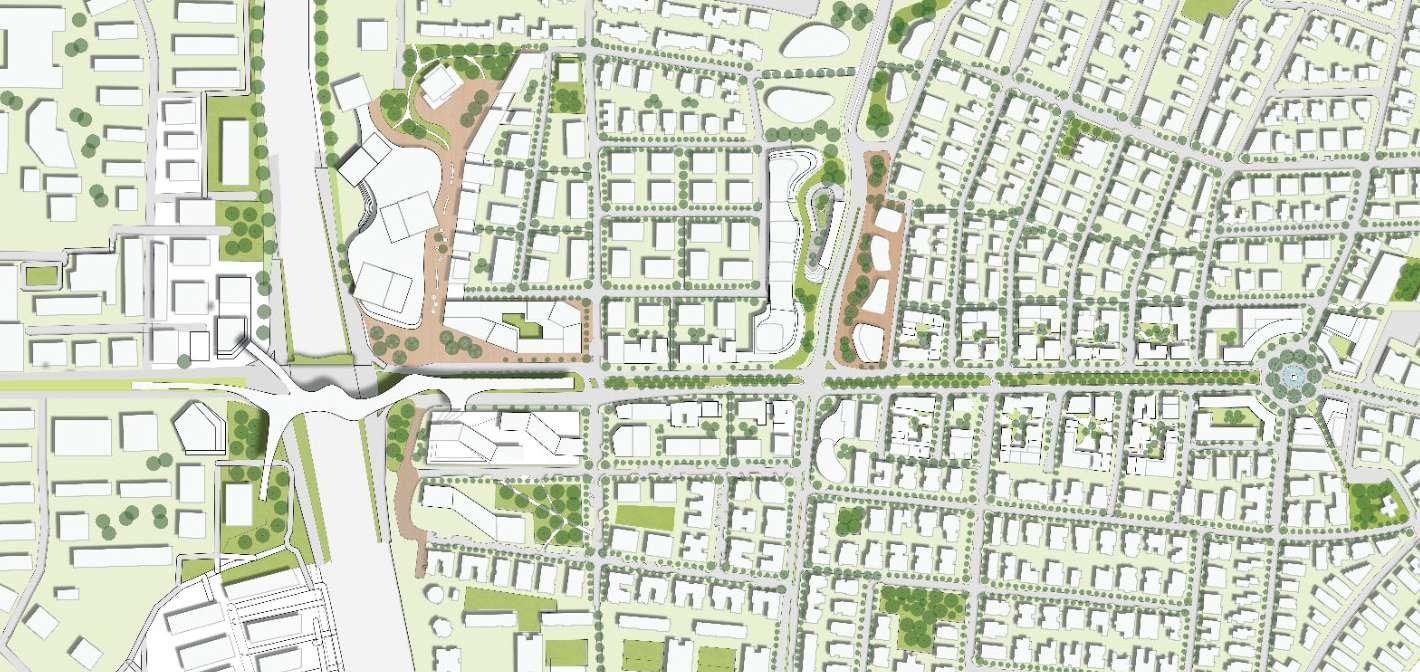
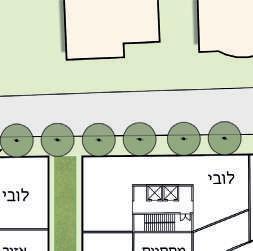
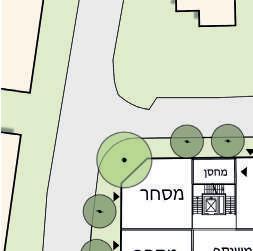
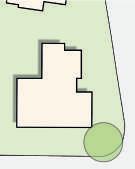
A proposed plan - gives a new opportunity to revive the city with much more convenient and welcoming paths for the user in a new urban atmosphere with stronger structure
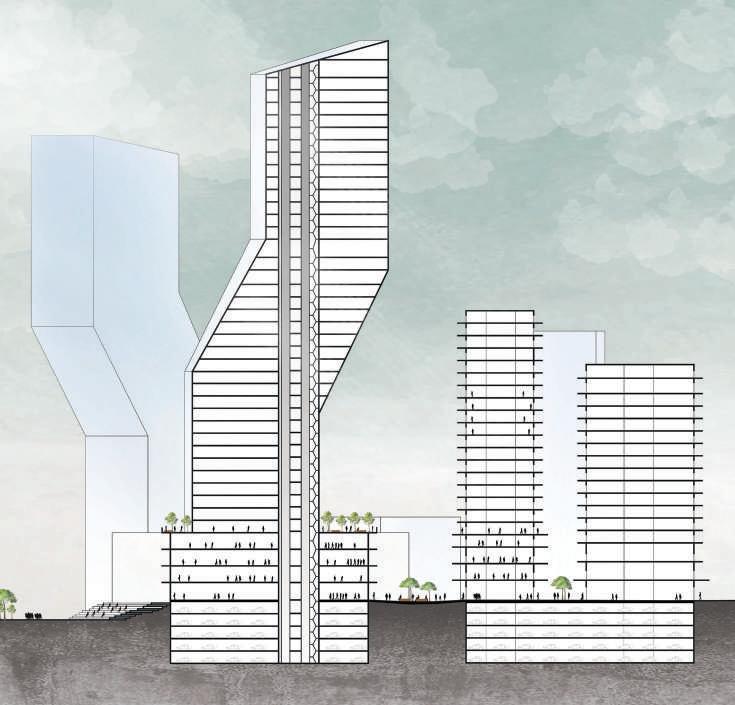
Iconic skyscraper - 60 skyscraper - 50 levels organic shape builings20/30 levels builings along the boulevard- 15 levels
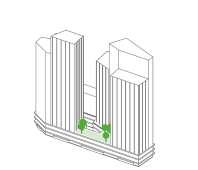
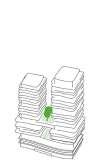
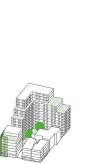

proposed plan 1:1000

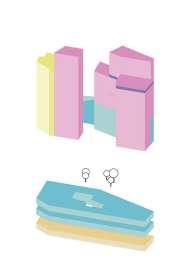
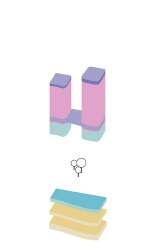
planning according to street axes
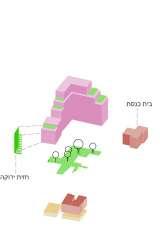
defining the boulevard reserving the existing builings in boulevard
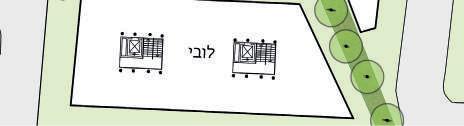
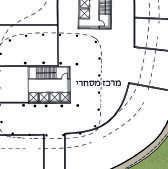
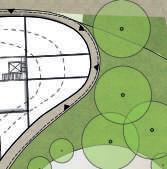
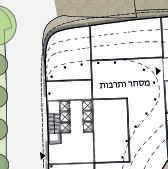
proposed plan 1:250
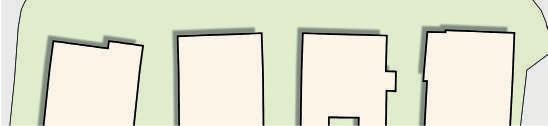

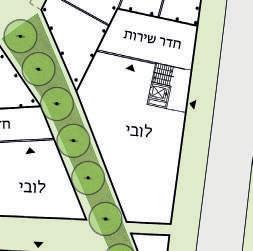
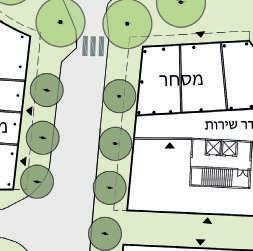


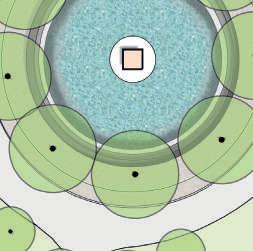
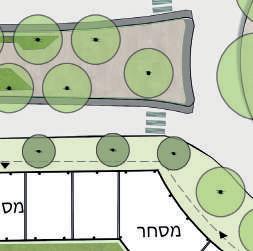
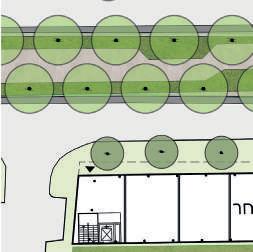

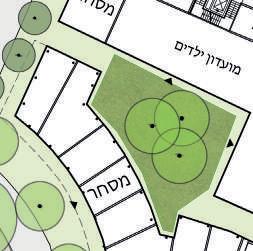
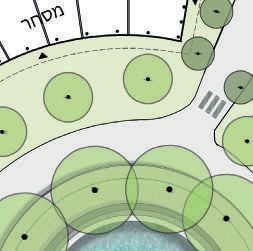
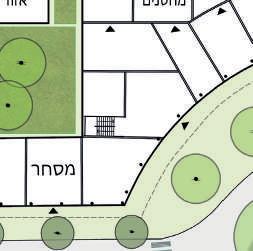
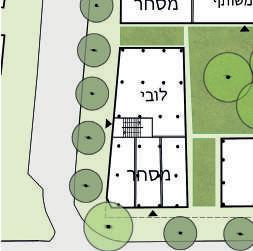
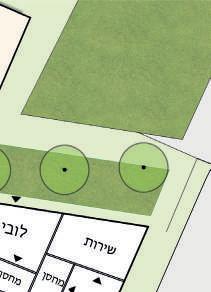
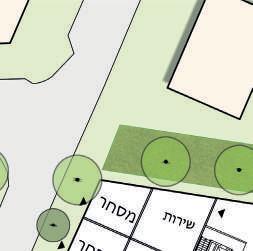
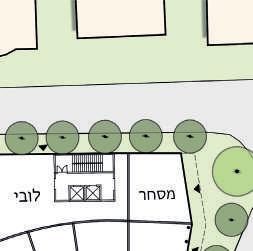
Focal two|New metro area
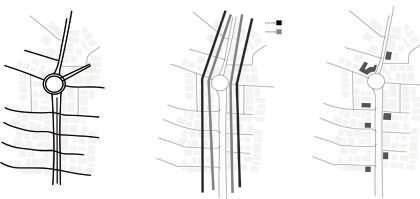
planning according to street axes
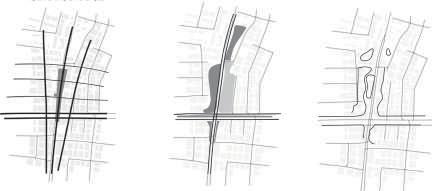
adding greenspaces organic planning
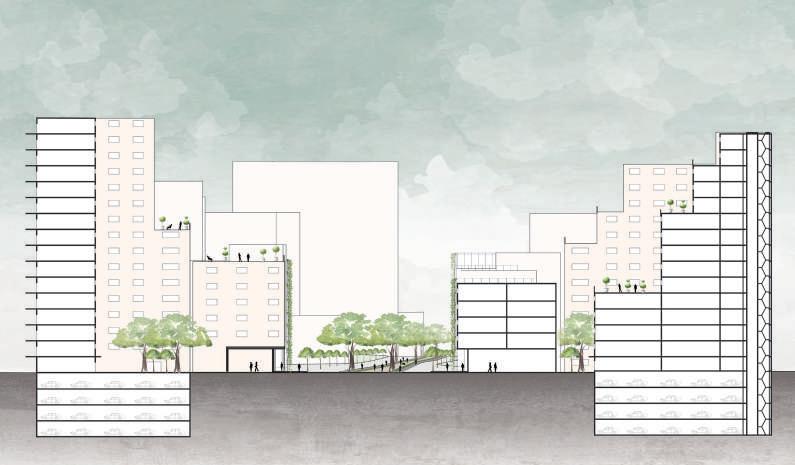
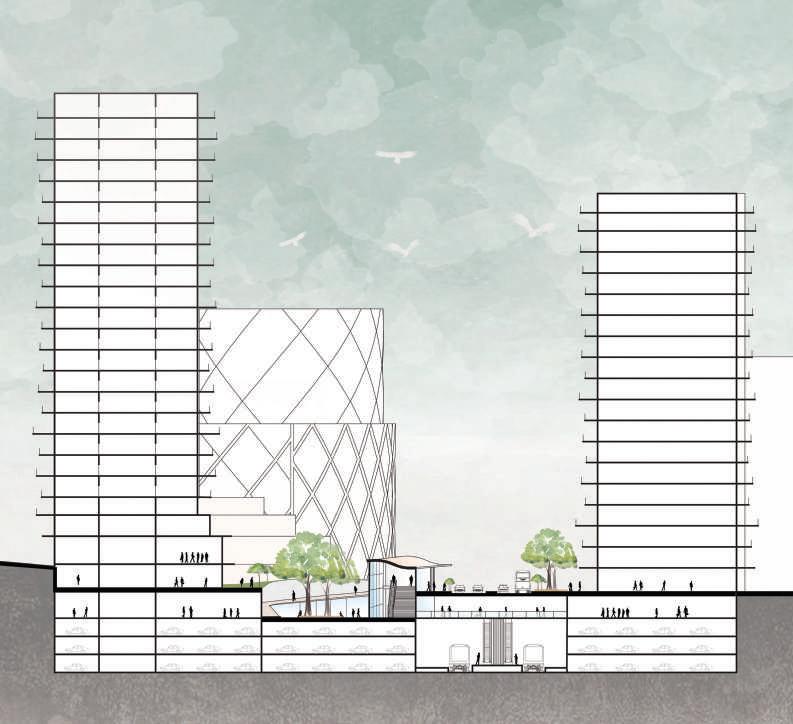
street section 1:250
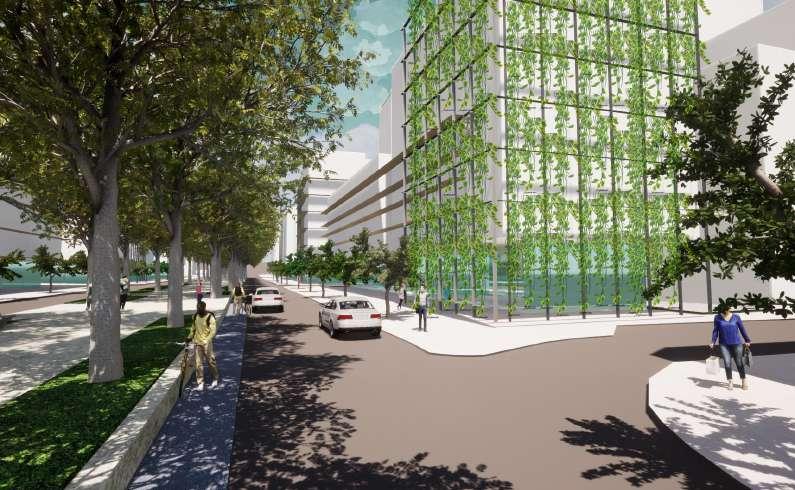
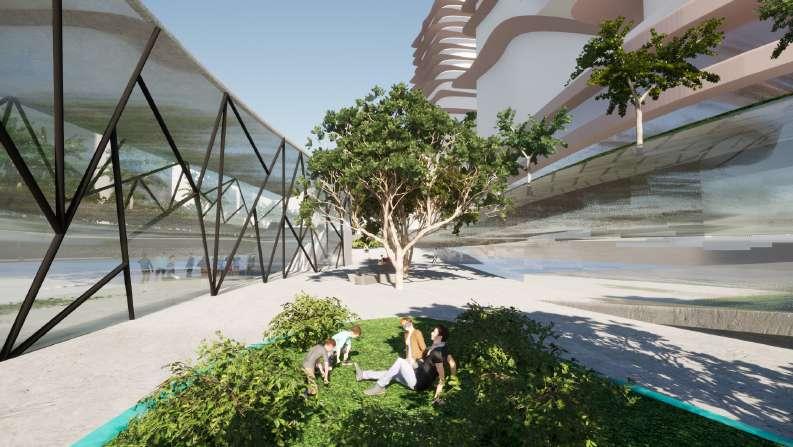 A day view outside of the new metro station
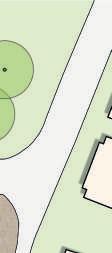
proposed plan 1:250
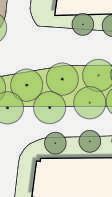
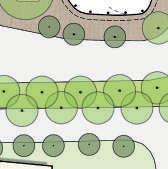
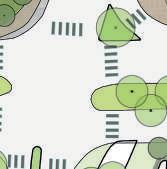
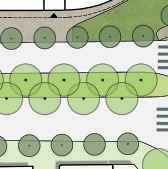
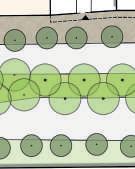

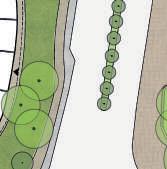
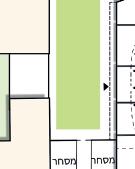
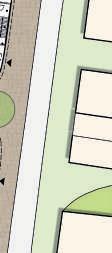
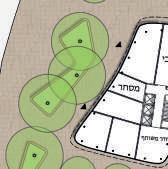
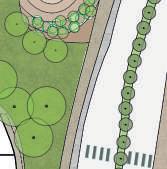
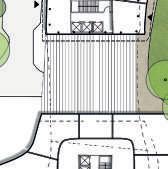

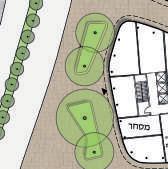
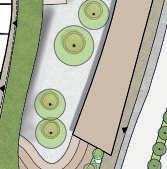
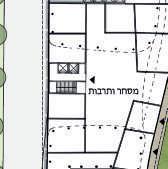
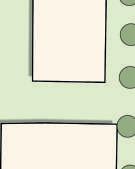
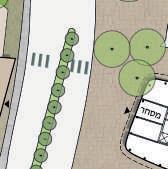
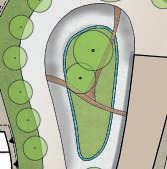
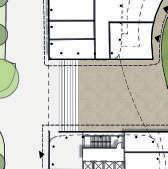
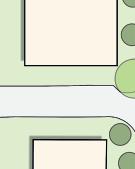
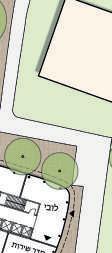
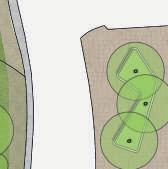

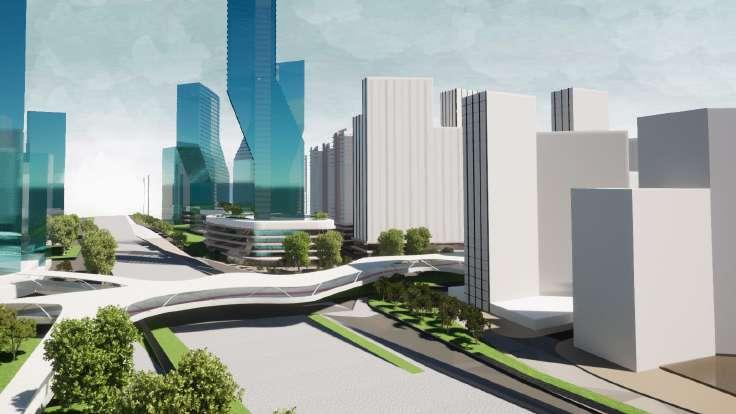
 A day view outside of the bridge connecting between Holon and BatYam
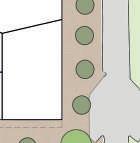
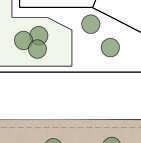
proposed plan 1:250
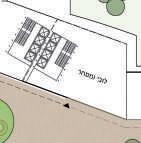
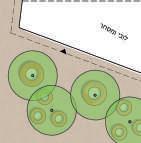

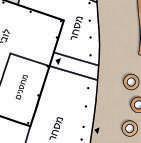
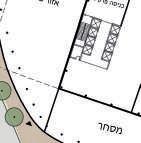
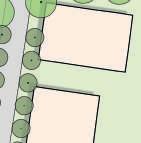
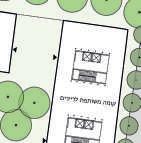
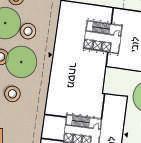
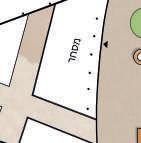








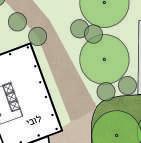

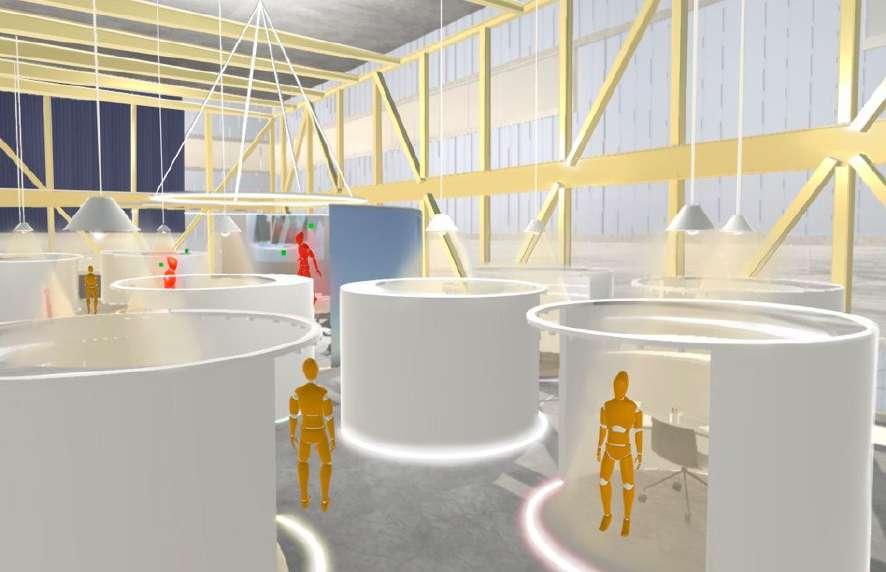
MetaStudio is an architecture education platform where the students are exposed to a new way of presenting their projects. Unlike other studios where the studio space is designed as a working area. The project suggest a new definition for the studio space, while acknowledging the importance of physical presence in the studio, the project divided the studio into two different Places : Workspace and Gallery, Physical And Virtual.
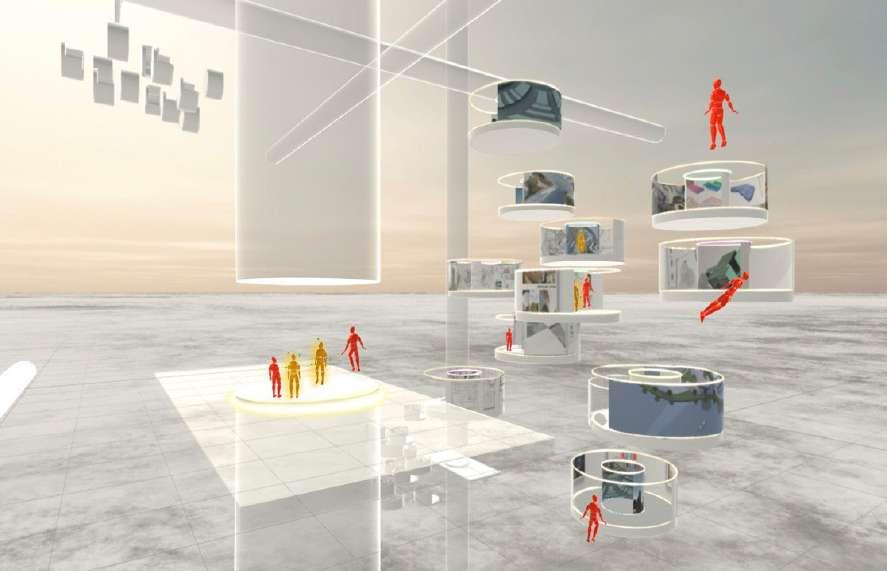
MetaStudio expand its boarders to the Virtual world by creating a Virtual Space designed especially for presenting the works done in the physical work area. the two worlds are linked by the social side of the studio, the discussion room where the virtual and the physical meets.
Project Principles
hybrid virtual
hybrid physical
An axonometric digram showing the diagram showing the connection between the hybrid physical world with the hybrid
physical person in the physical world
virtual person in the virtual world
physical person in the virtual world virtual person in the physical world
A designed working unit for an individual architecture student
Proposed plans- Hybrid physical
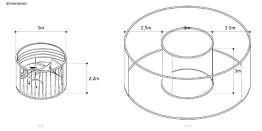
Section- Hybrid physical
A view showing the interactions inside the hybrid physical pavi lion
A view showing the interactions in connects between the two worldvirtual
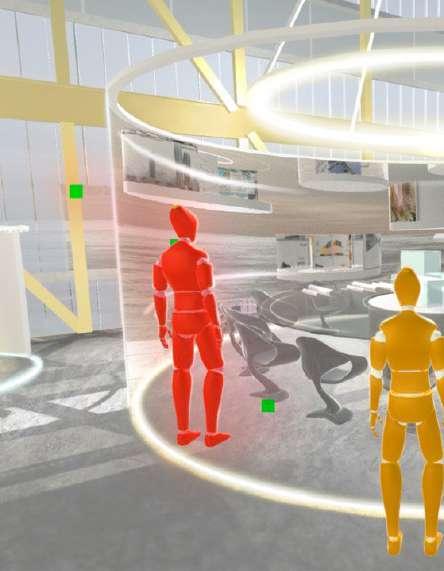
The working unit turns into a presentation unit in which the student shares and presents his/her projects in the virtual gallery
Proposed plans- Hybrid Virtual
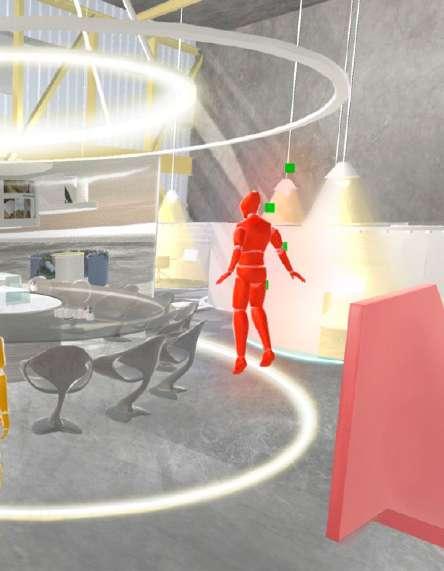
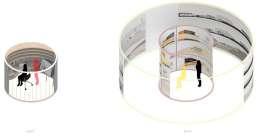 A view showing the interactions inside the hybrid virtual pavil ion the main meeting room which worldvirtual pavilion
Section- Hybrid Virtual
A view showing the interactions inside the hybrid virtual pavil ion the main meeting room which worldvirtual pavilion
Section- Hybrid Virtual
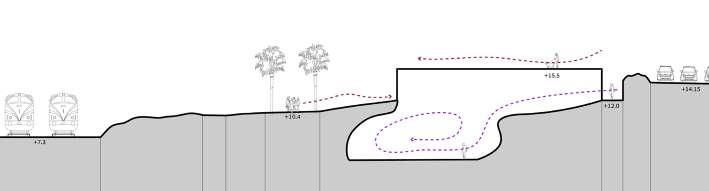
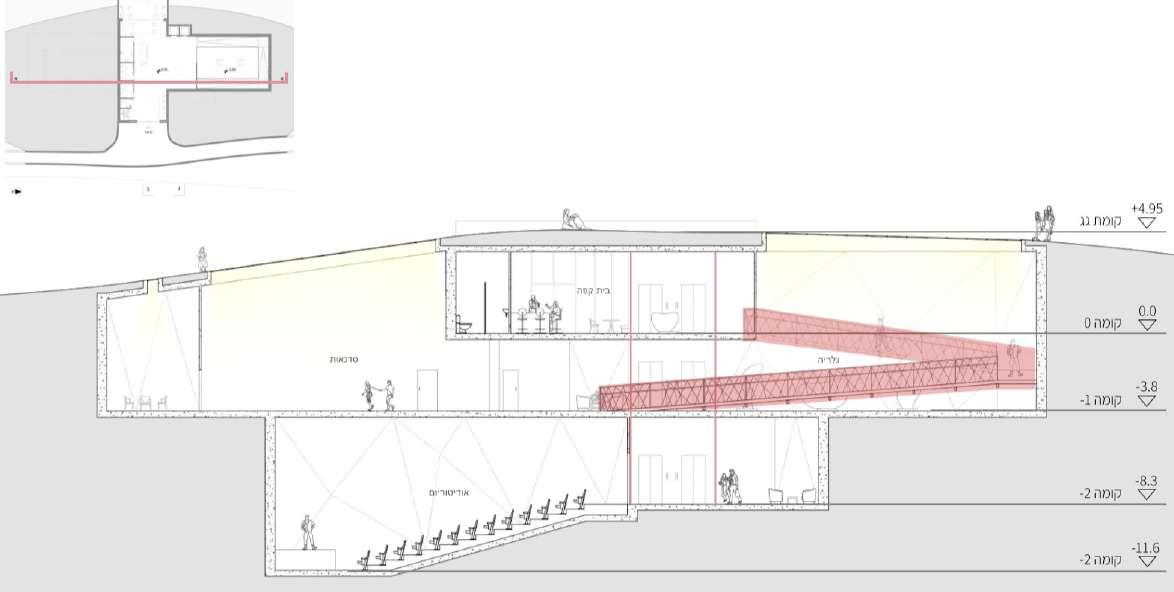
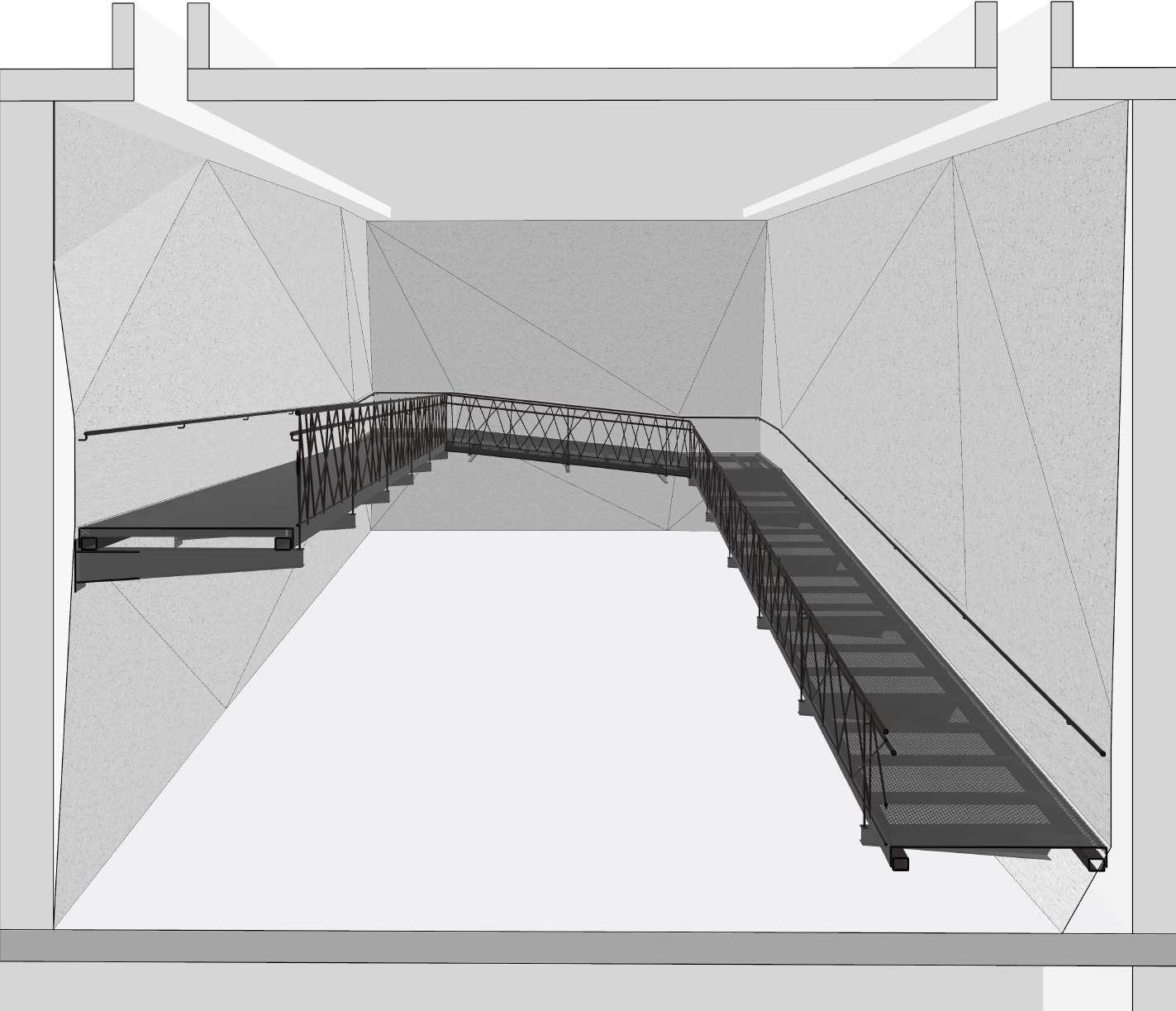 A view inside the museum showing the main movement element: designed ramps with skylight leading the way
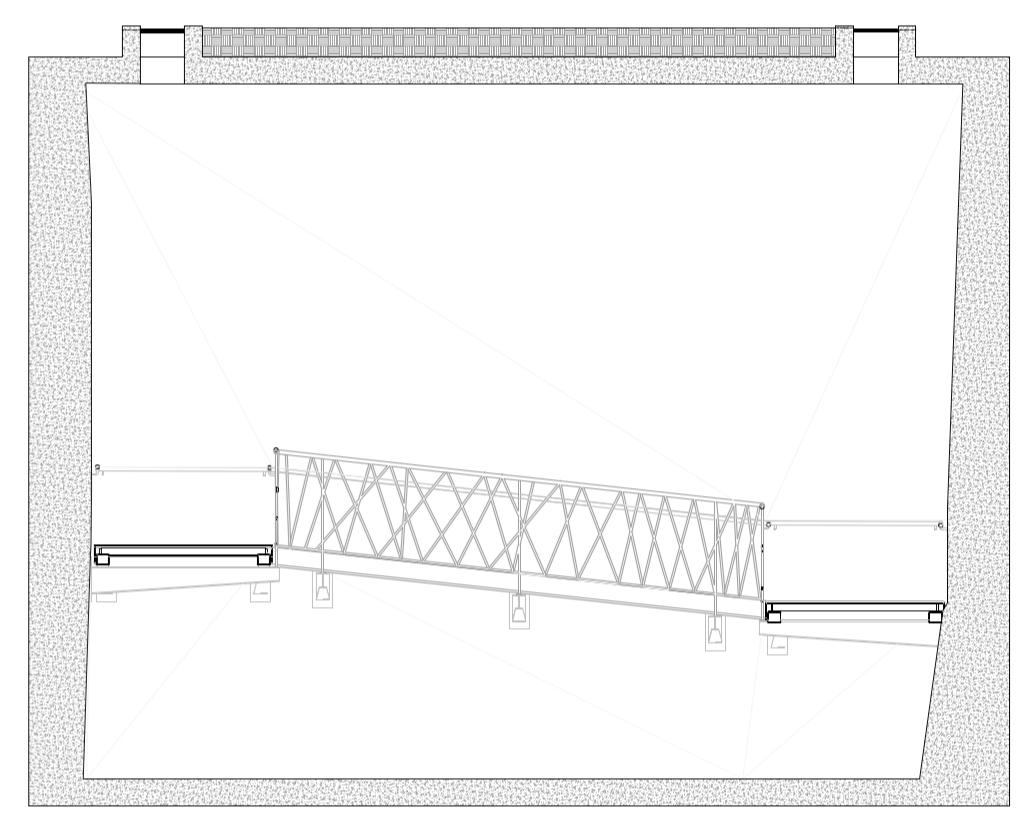
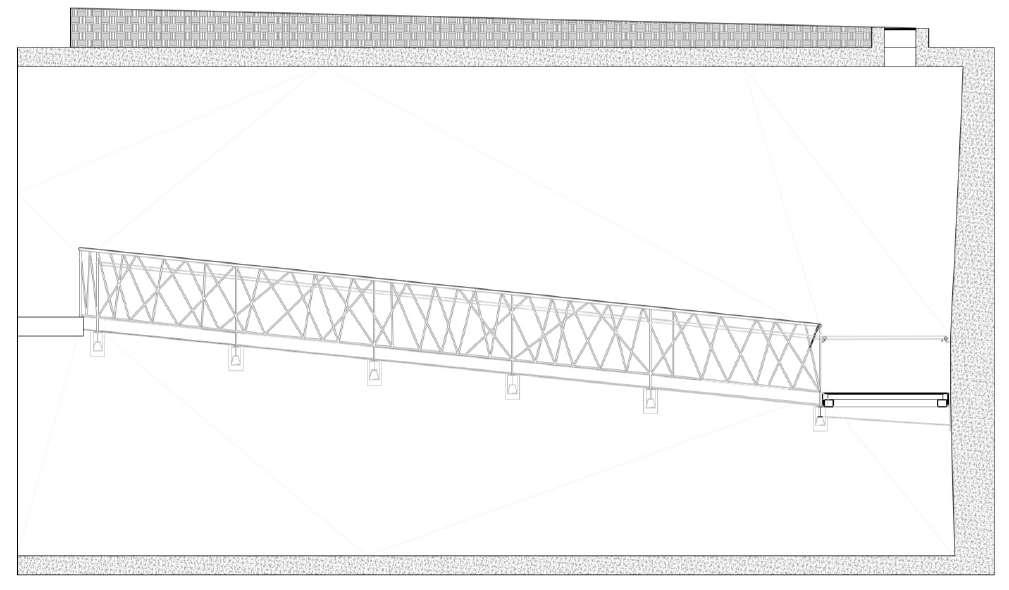
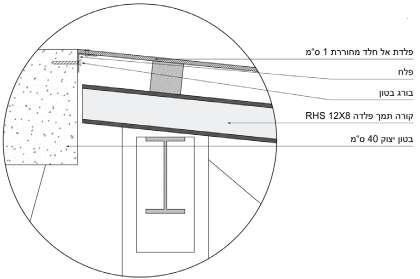



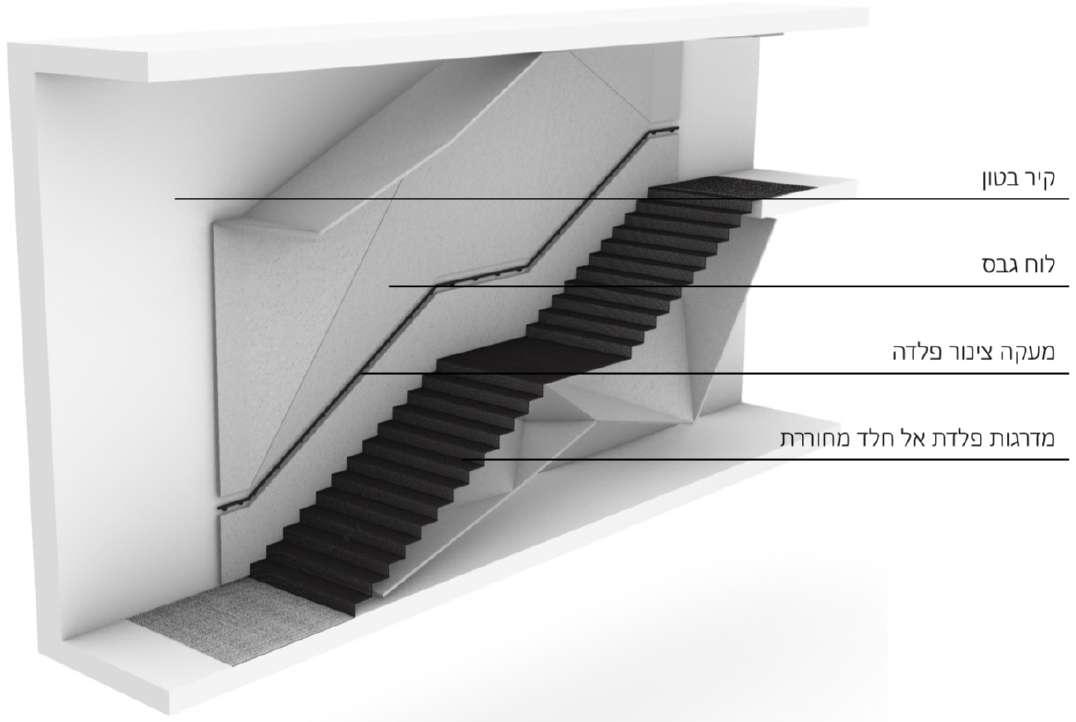
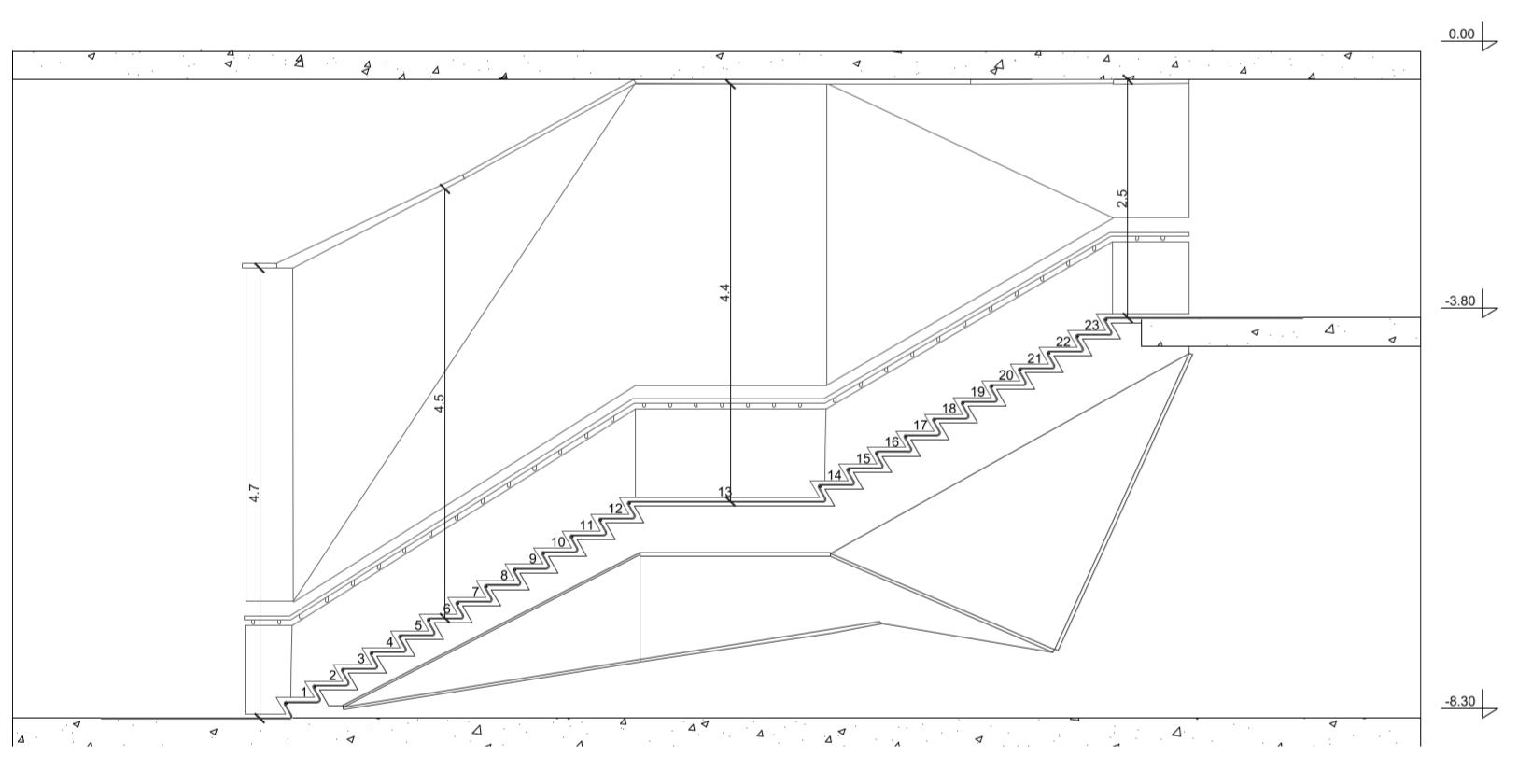
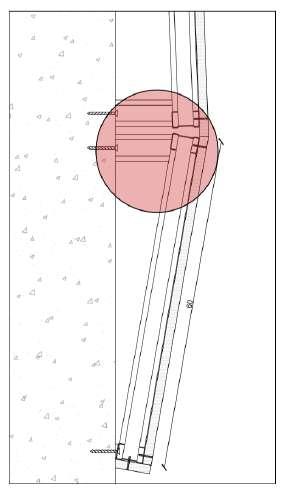
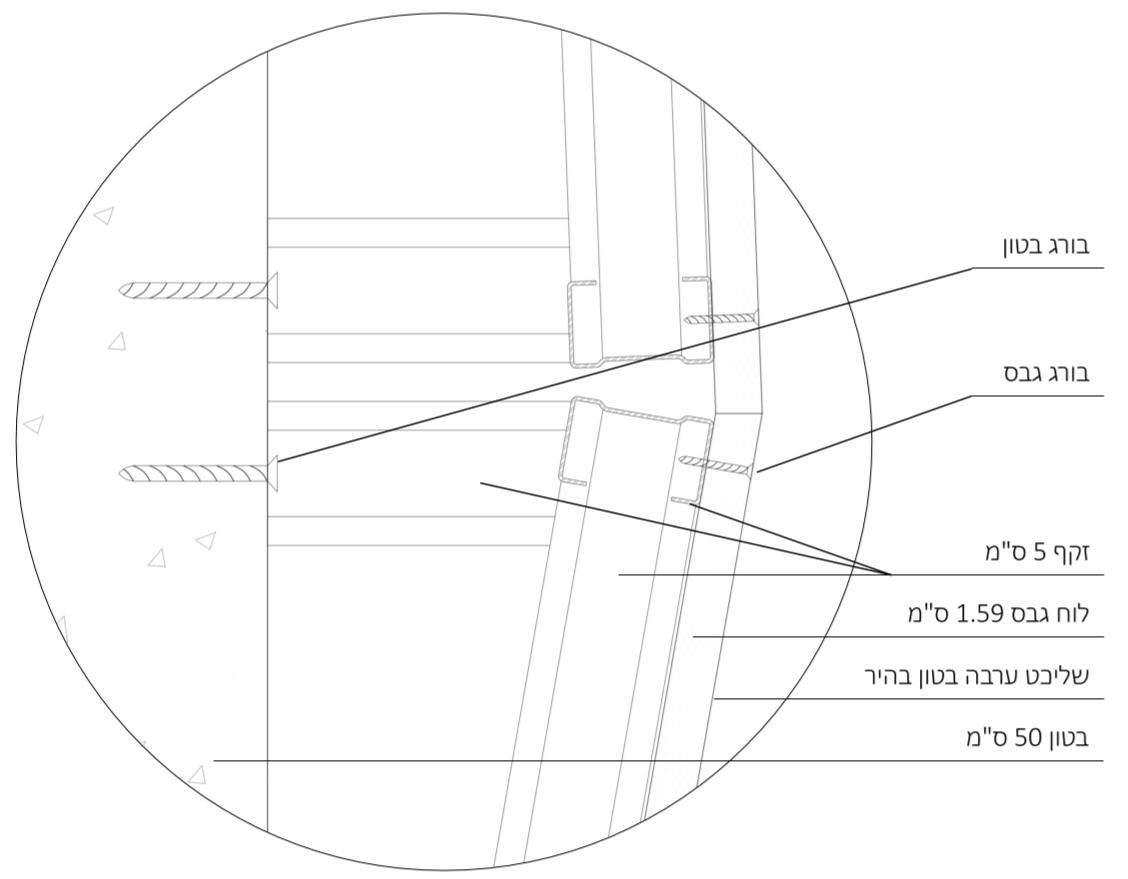
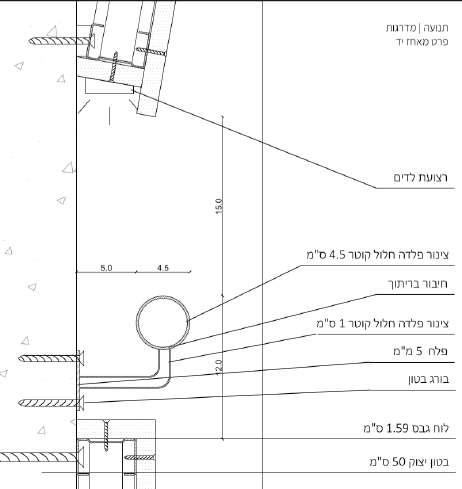
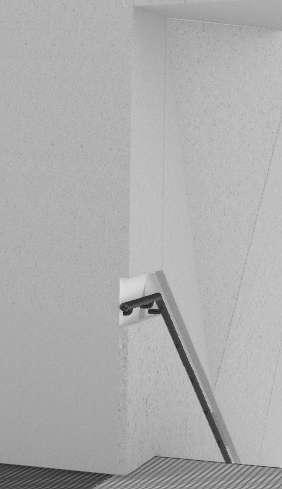
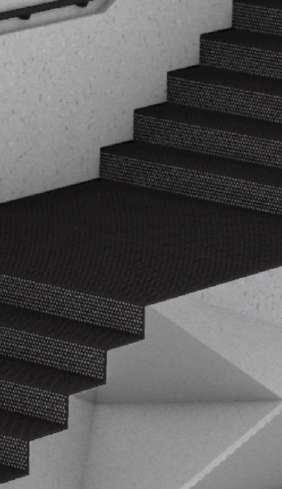 Detail 1: connection between plaster slabs and concrete wall
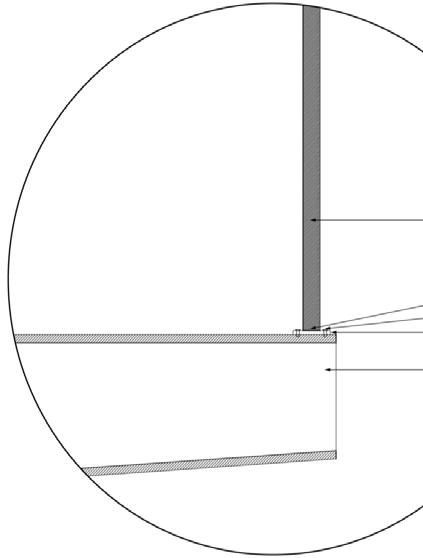
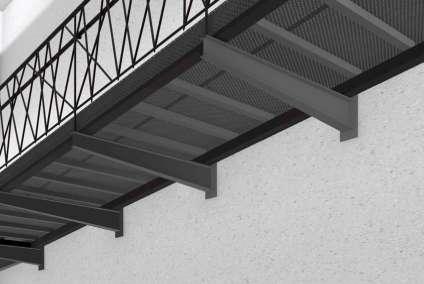
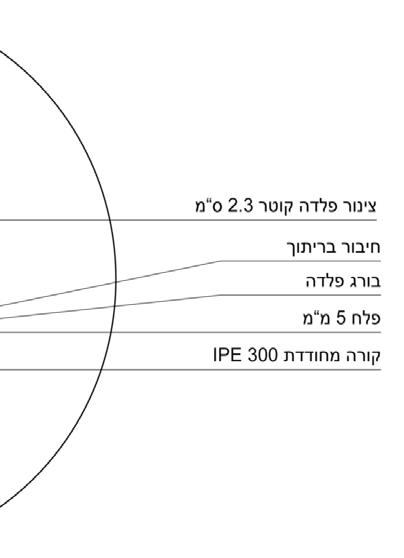
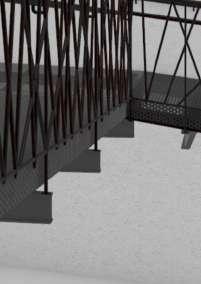
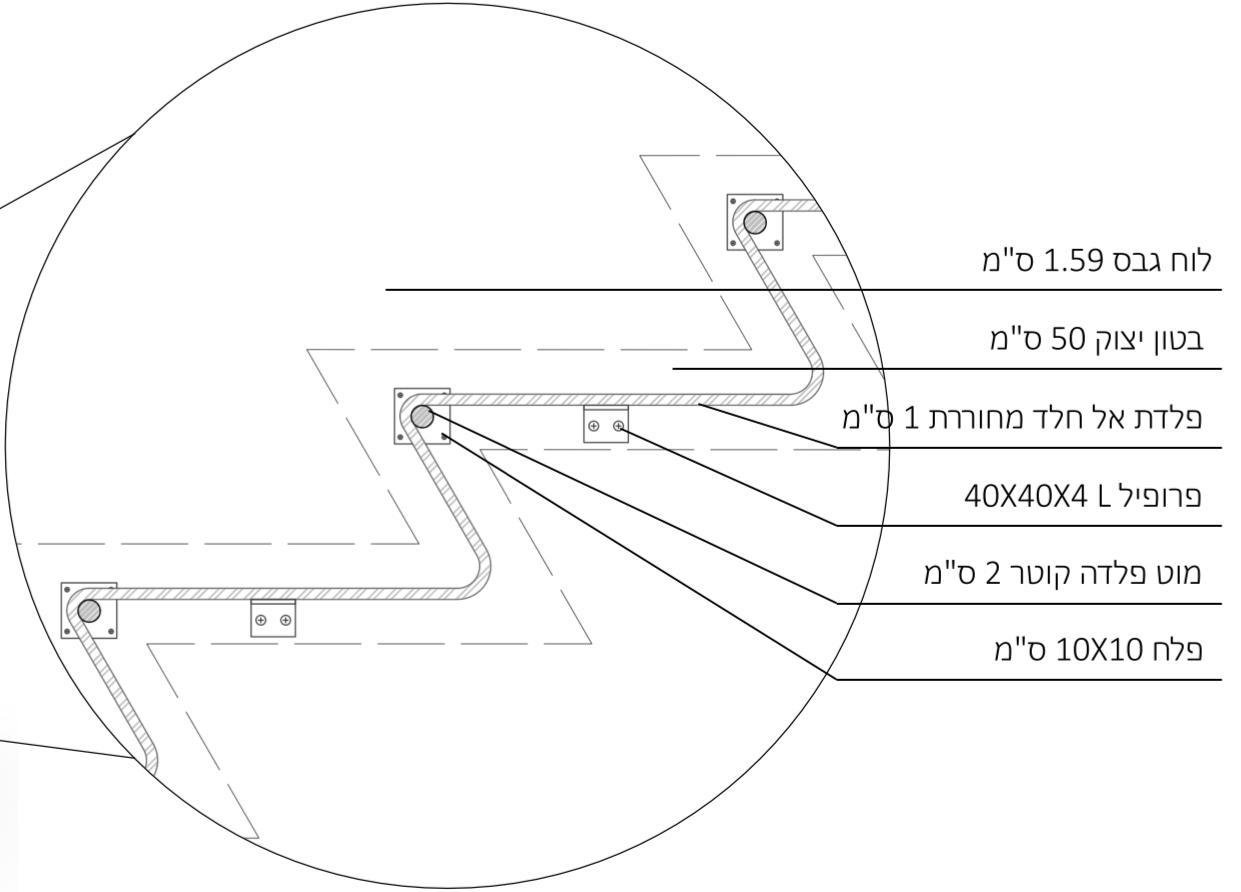
Detail 2: stair reinforcing
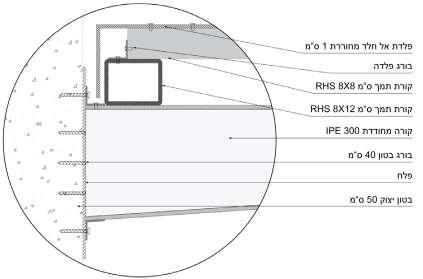
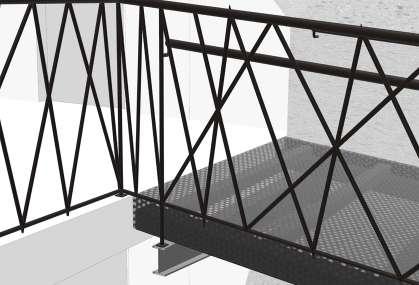
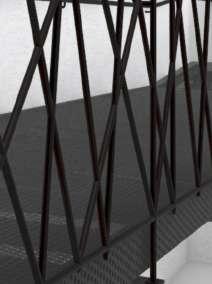
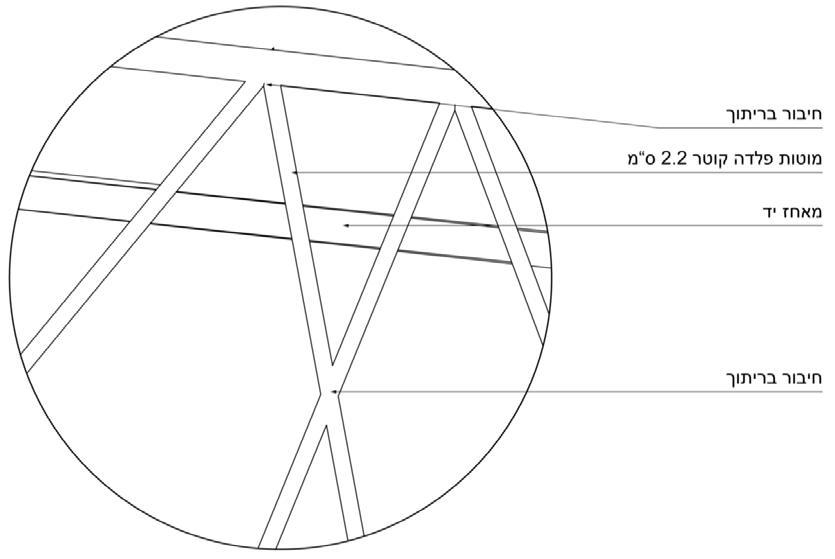
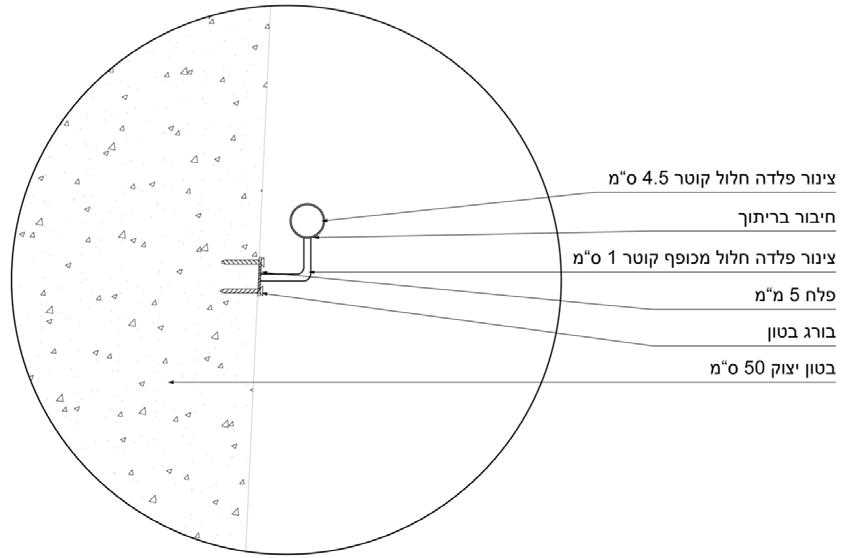
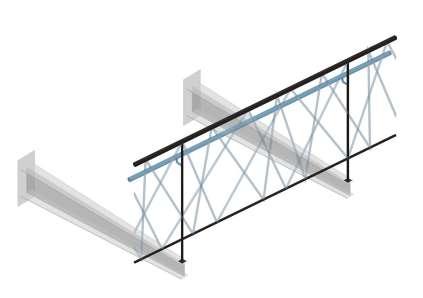
Detail 3: railing and led lightening
Detail 1: connection between plaster slabs and concrete wall
Detail 2: stair reinforcing
Detail 3: railing and led lightening