
SOFIA YU ARCHITECTURE PORTFOLIO

USC Spring 2025
Instructor: Brian DeLuna
Partner: Josh Hunsucker
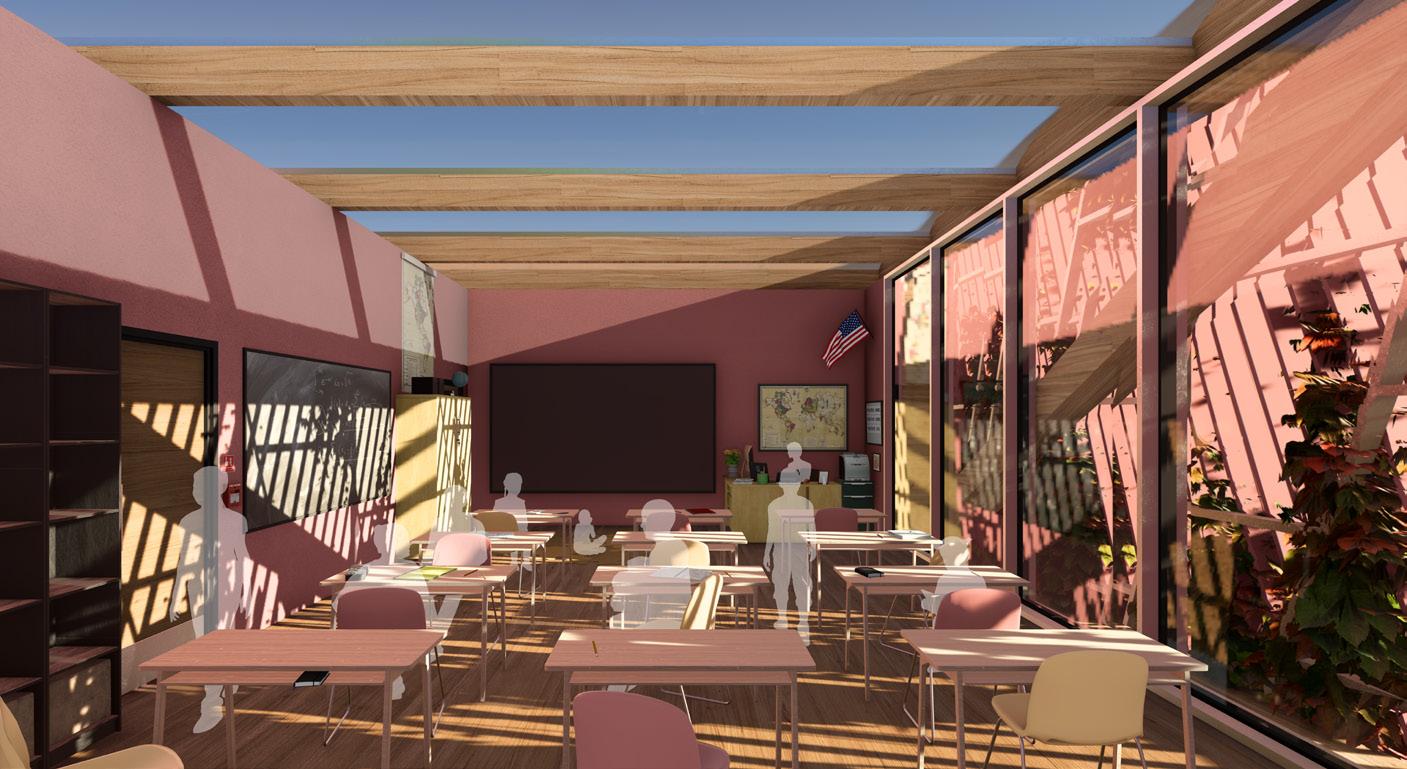
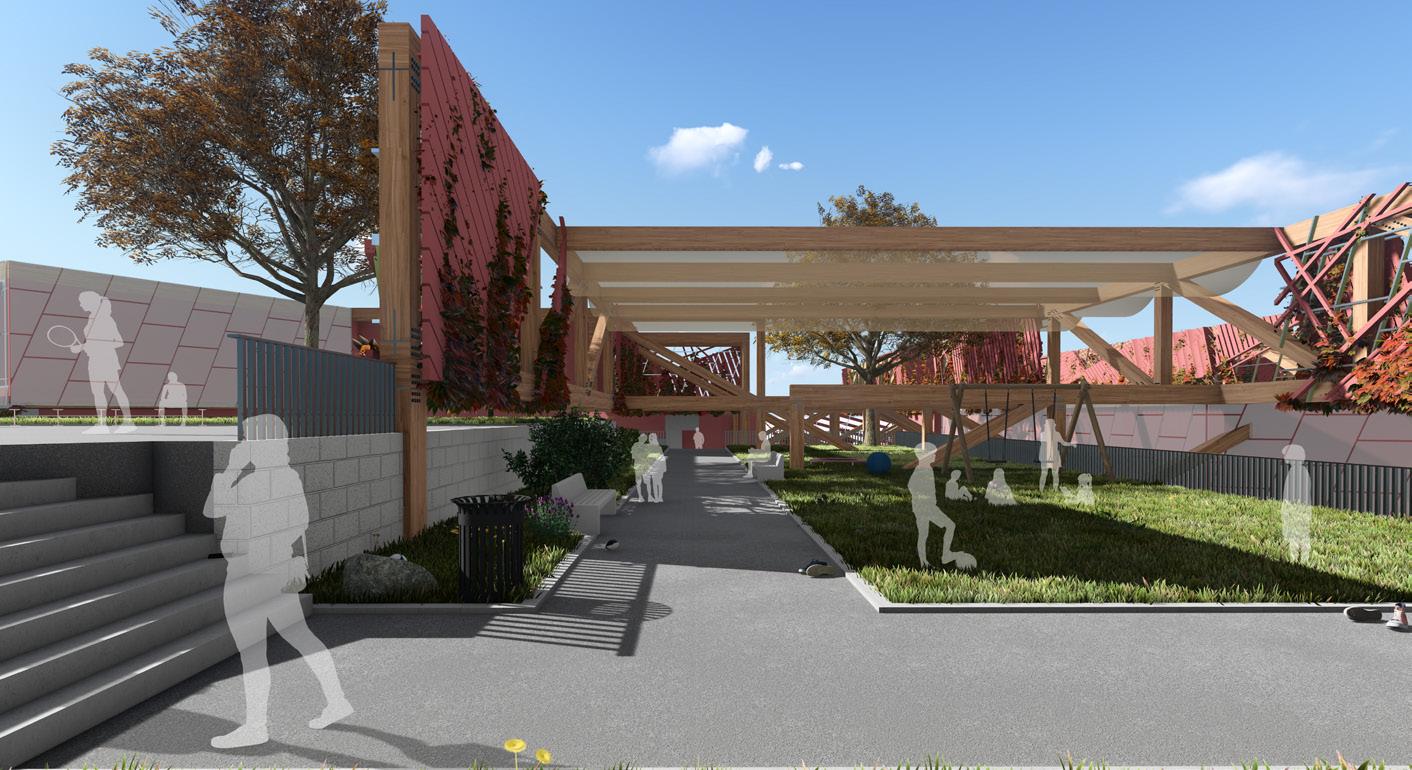
K-8 School
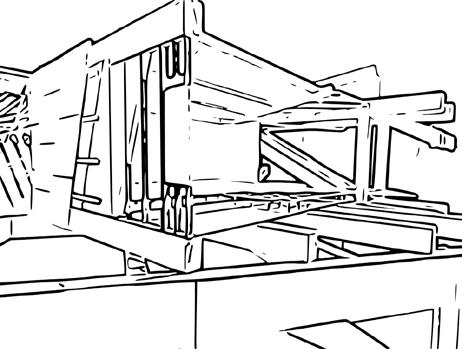
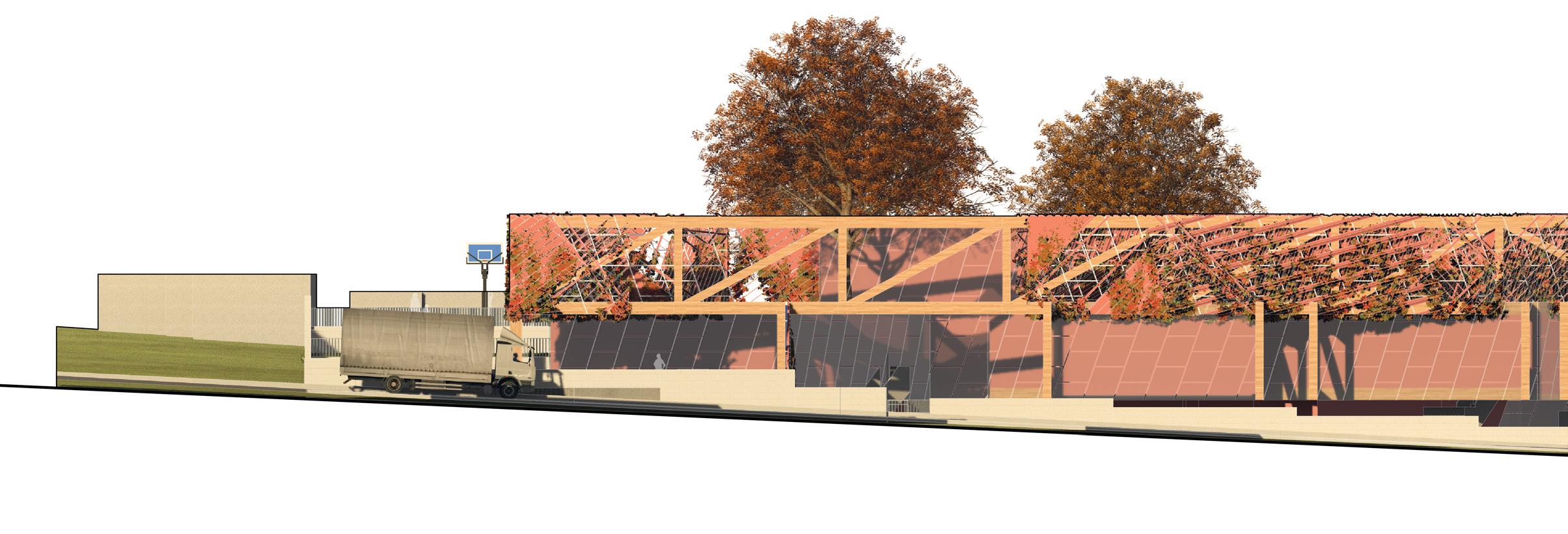
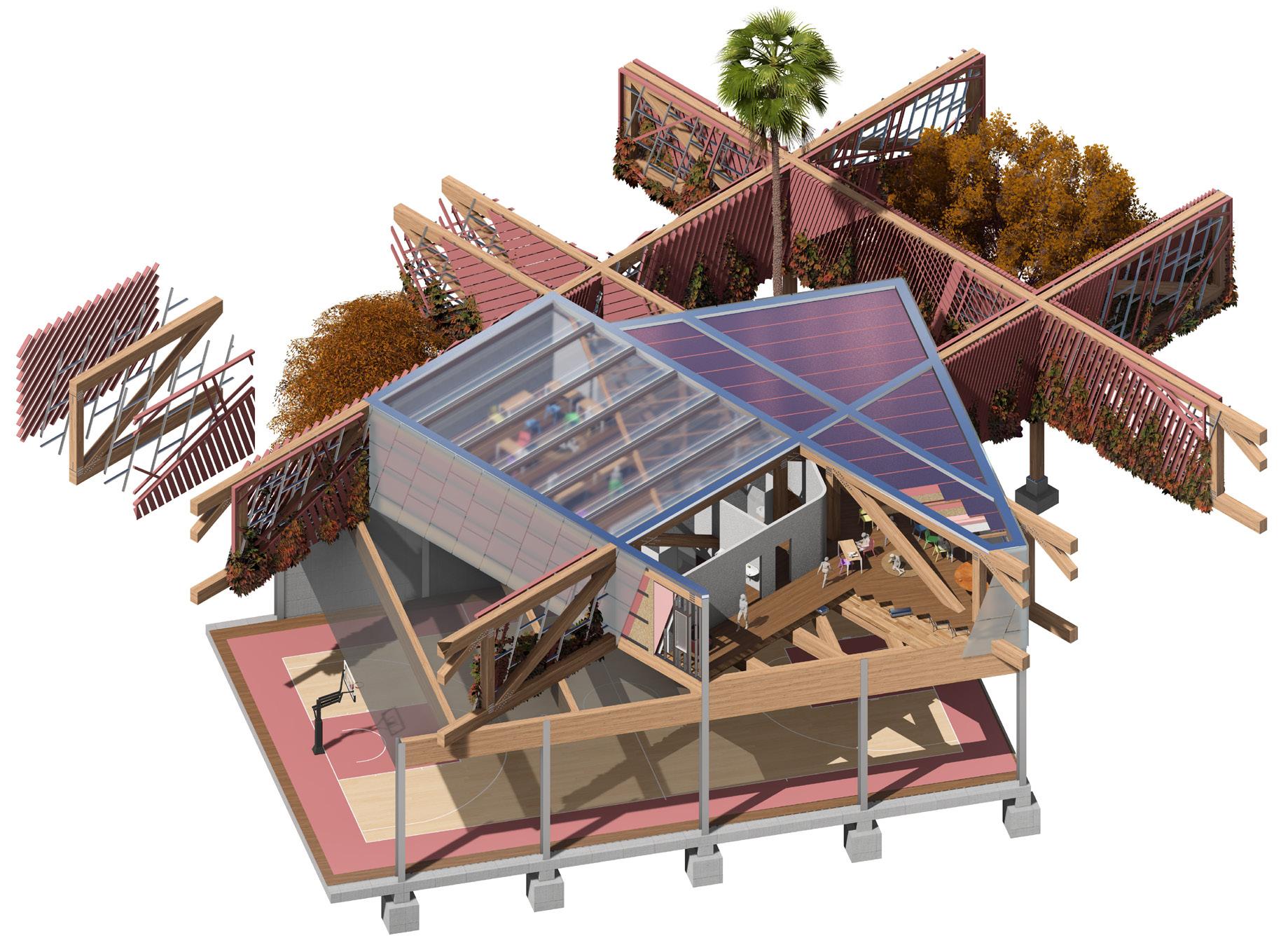
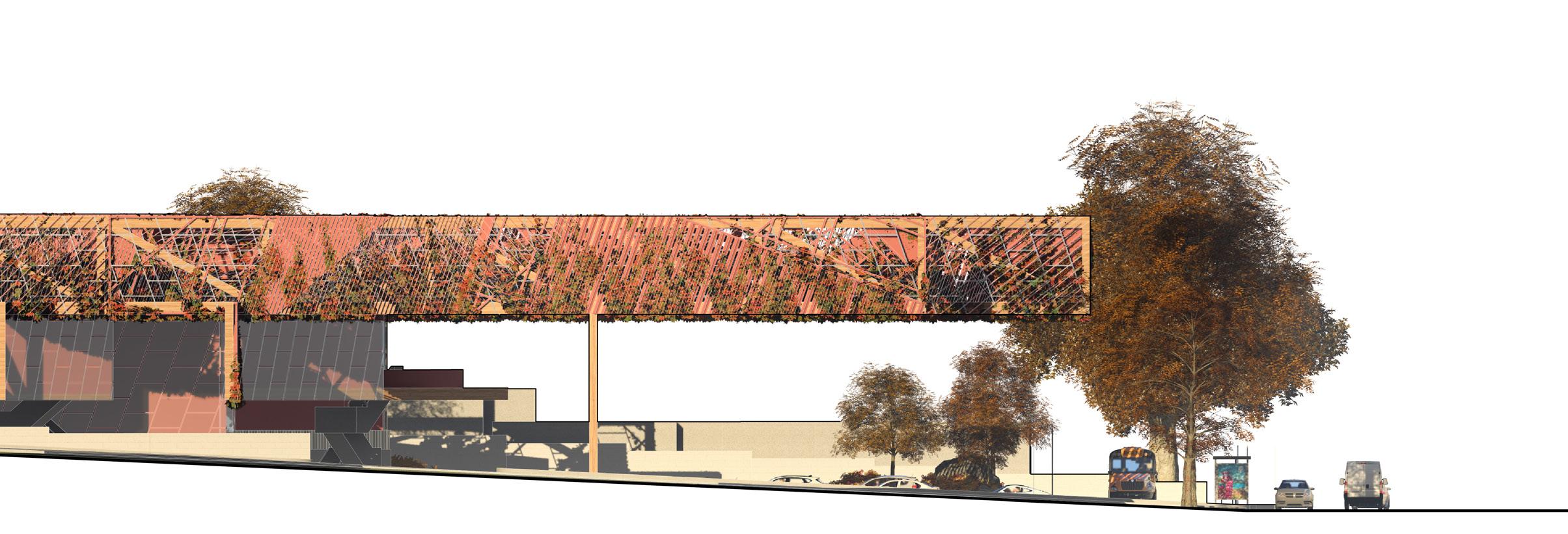
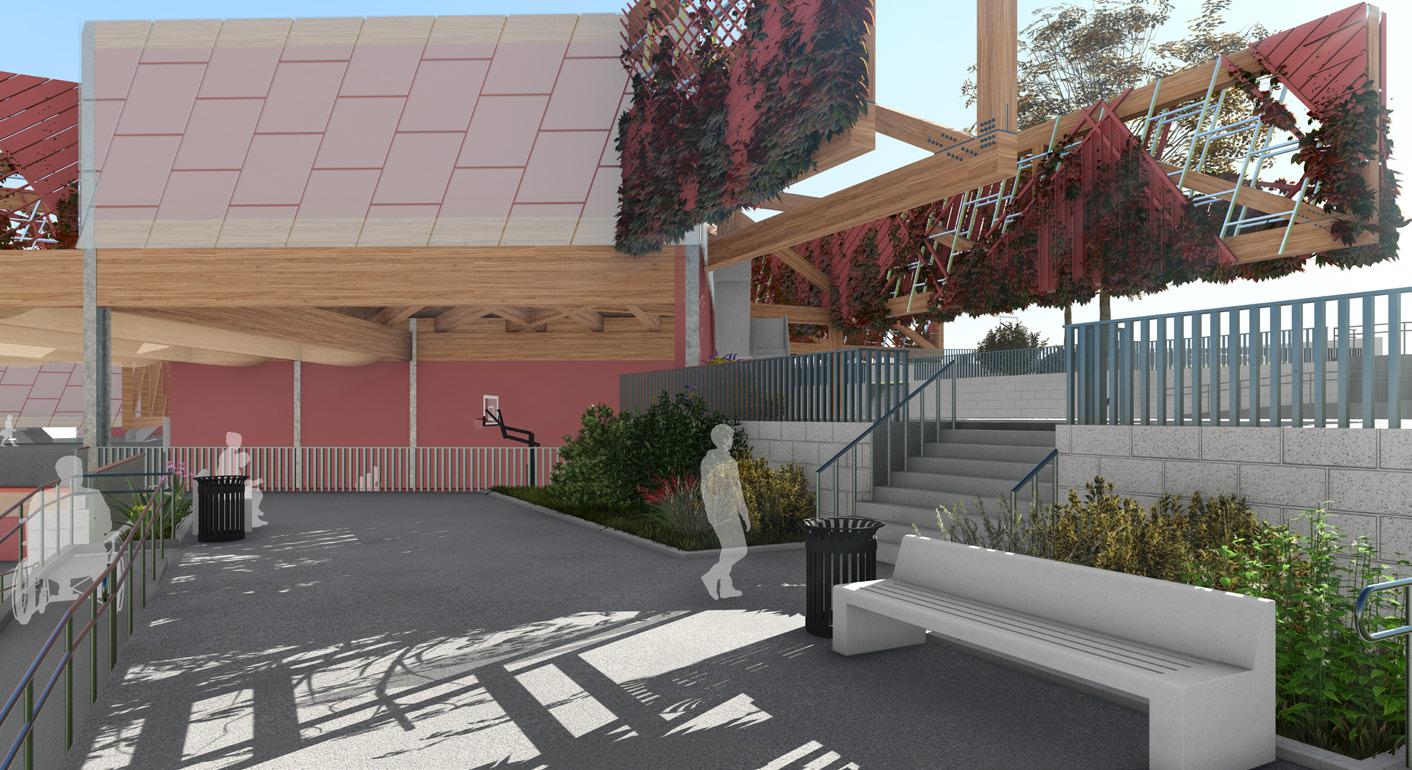
The Altadena Fires devastated not only homes but also vital public infrastructure, including places of learning. In the aftermath, rebuilding a school becomes a symbol of collective recovery and future resilience. Design must address fire resistance through materiality, site planning, and landscape strategies while creating an enviornment that restores a sense of stability and belonging. Memory and progress are not opposing forces here as both can coexist in architecture that is grounded, protective and forward thinking.
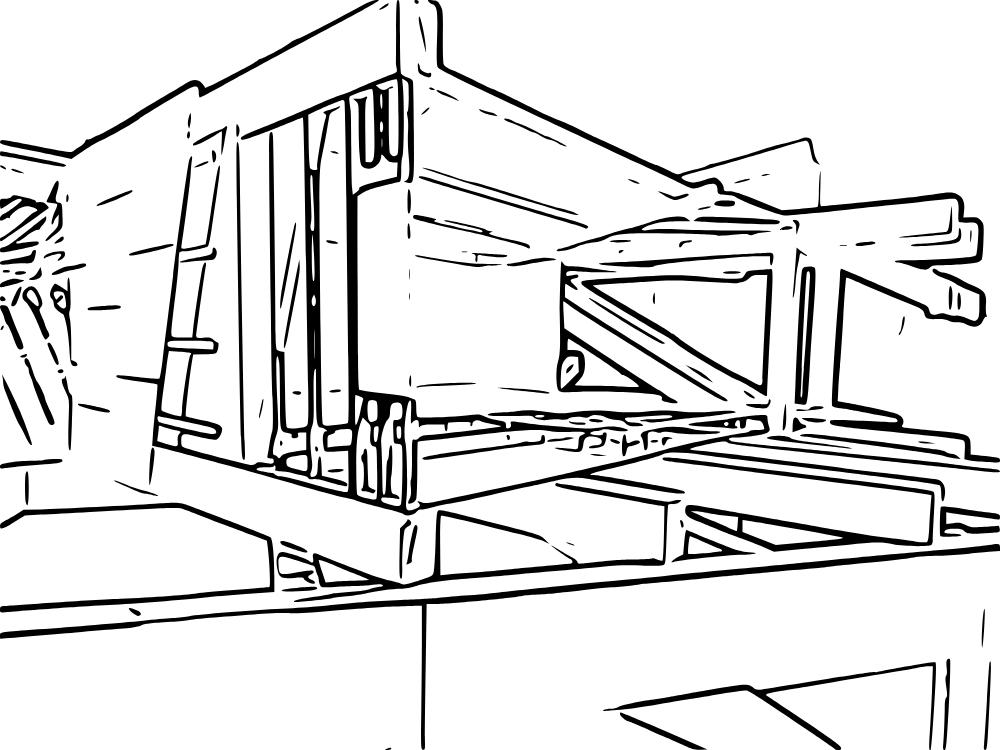
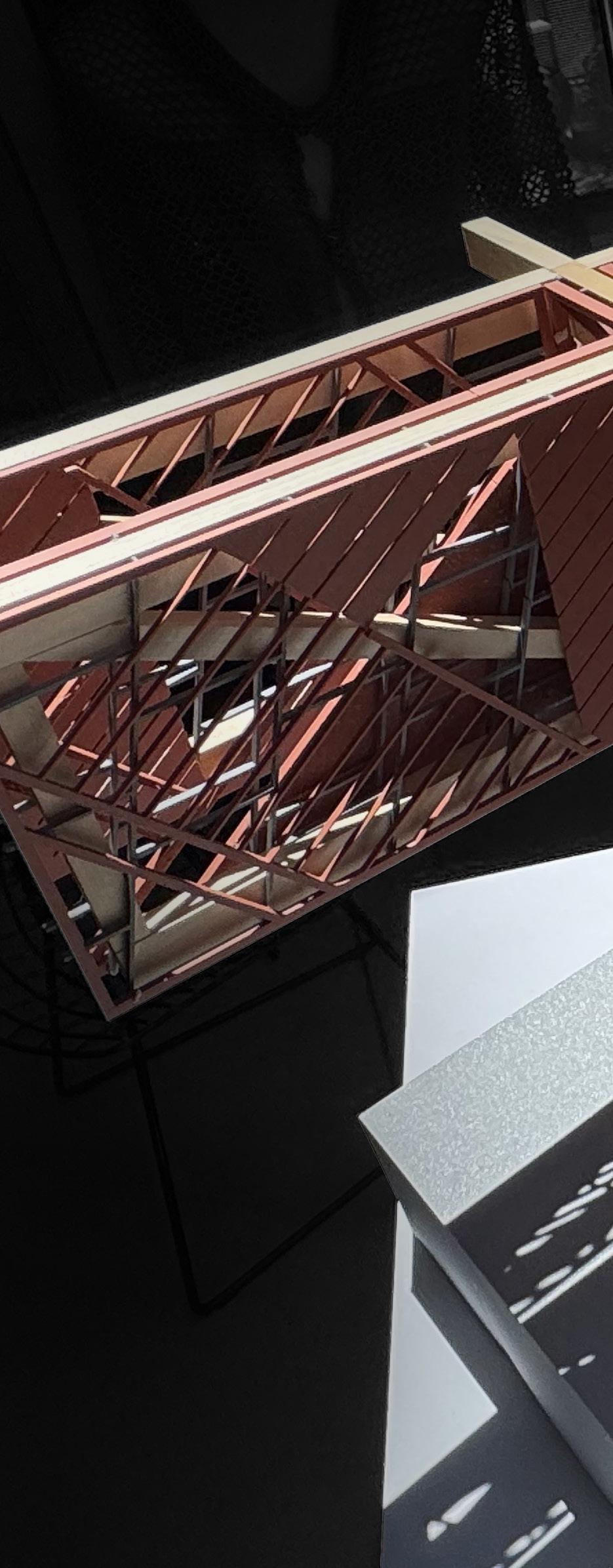
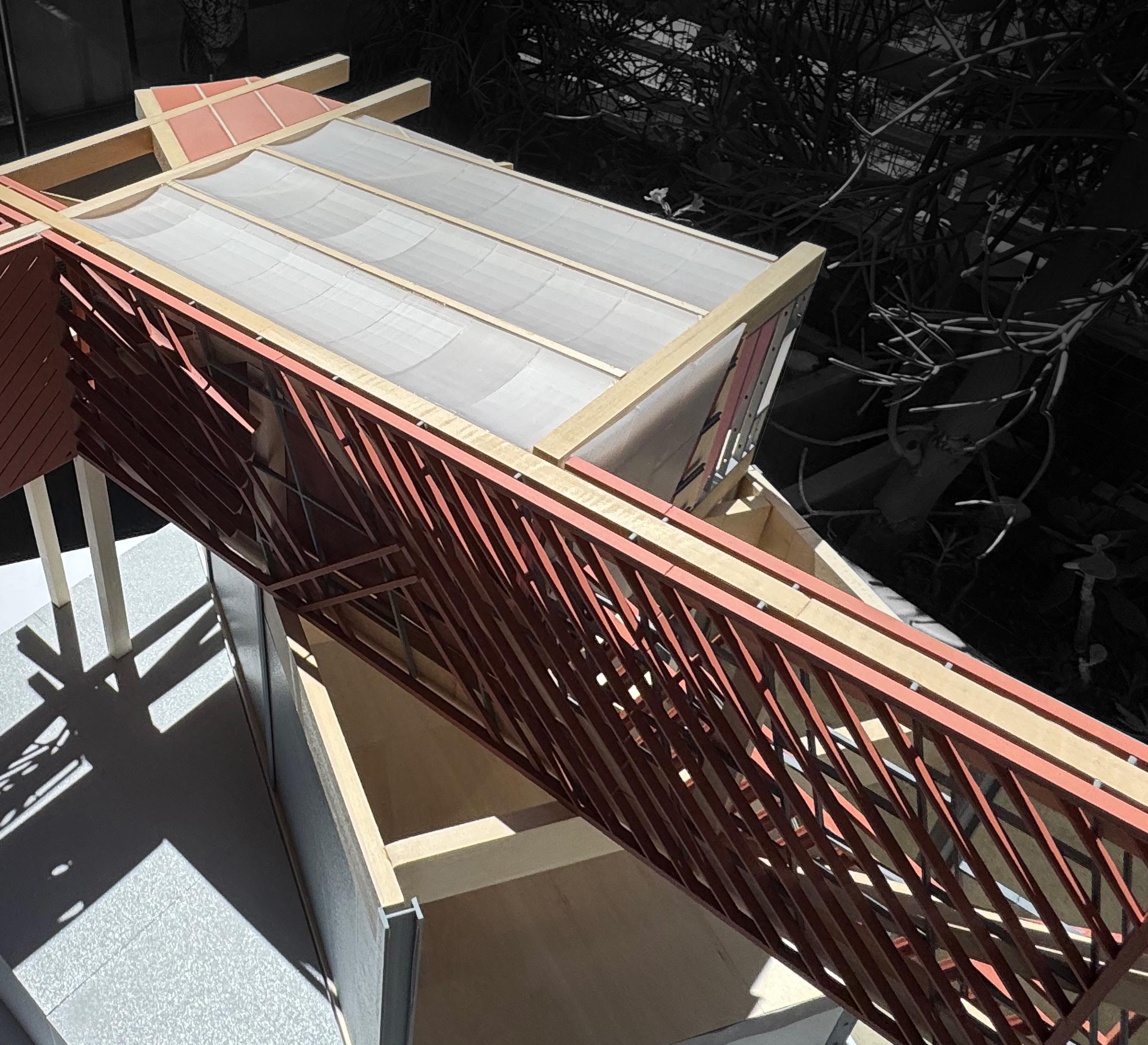
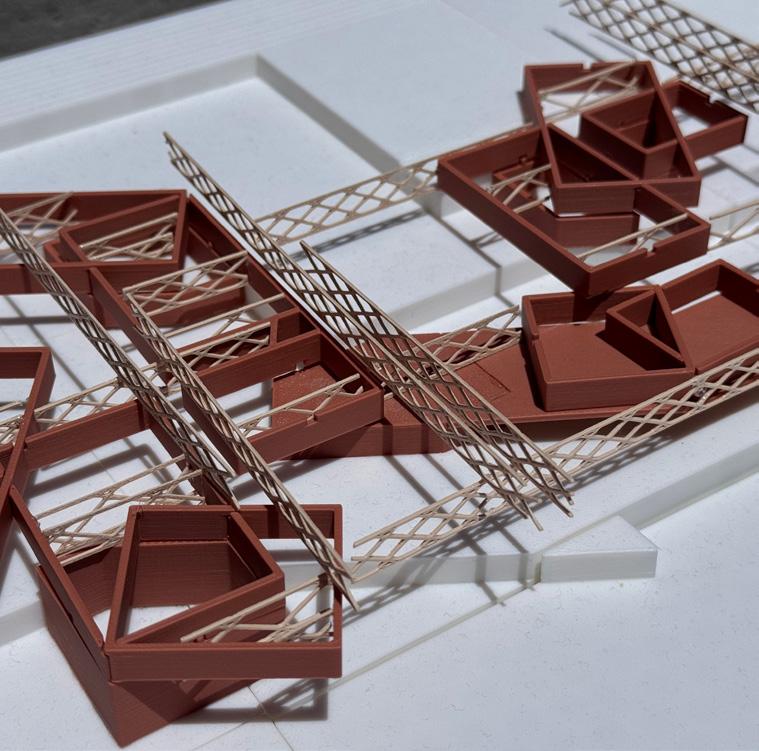
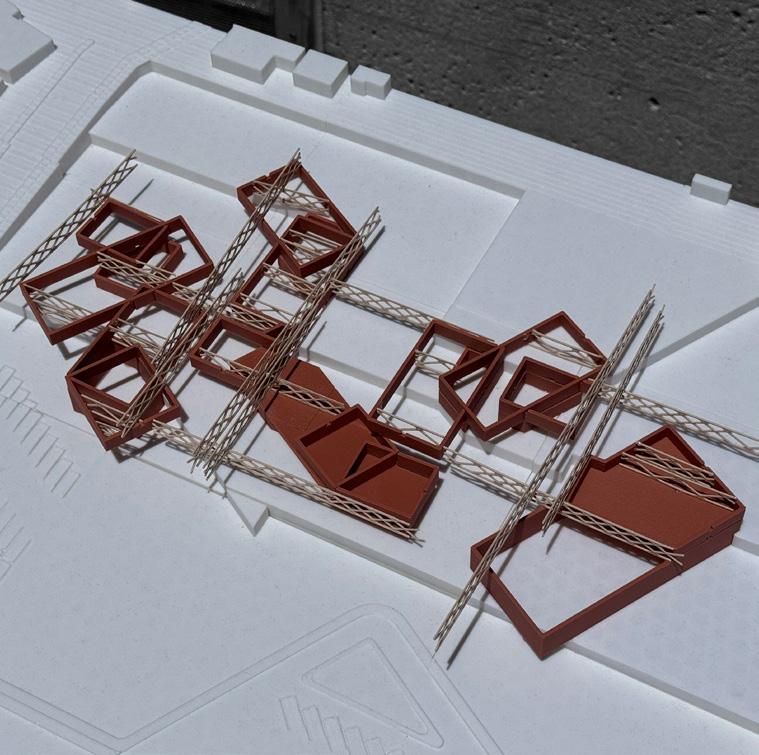
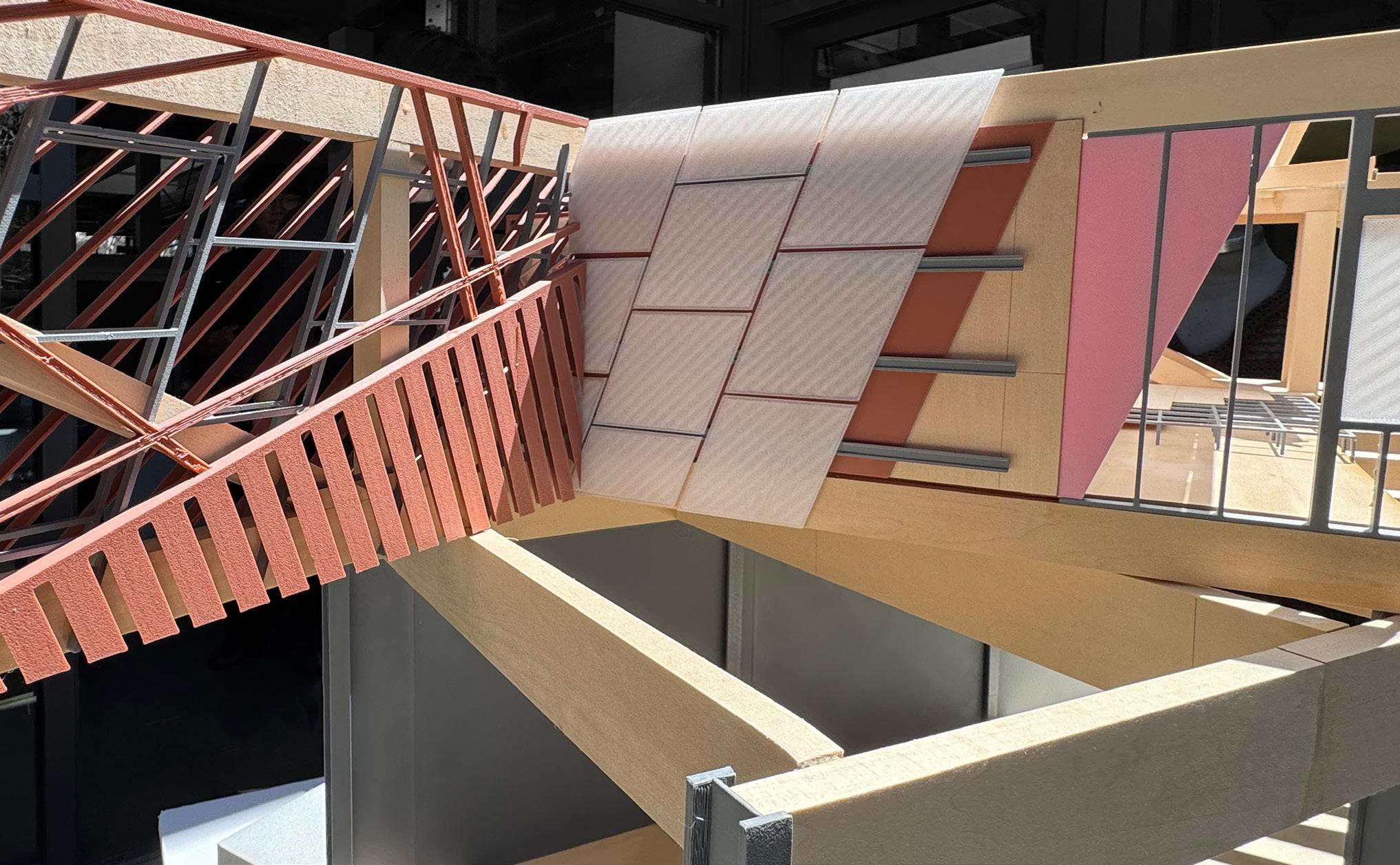
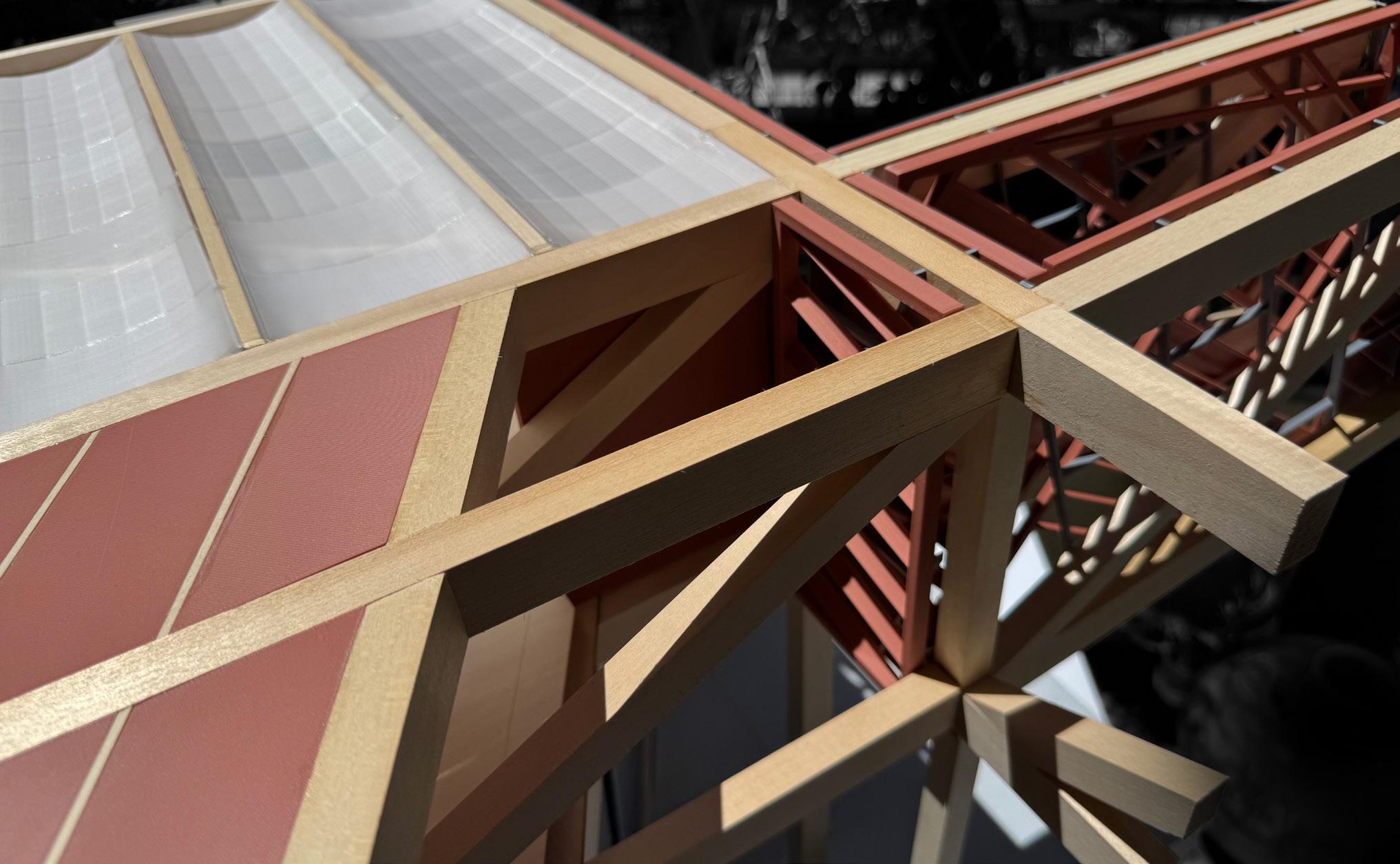
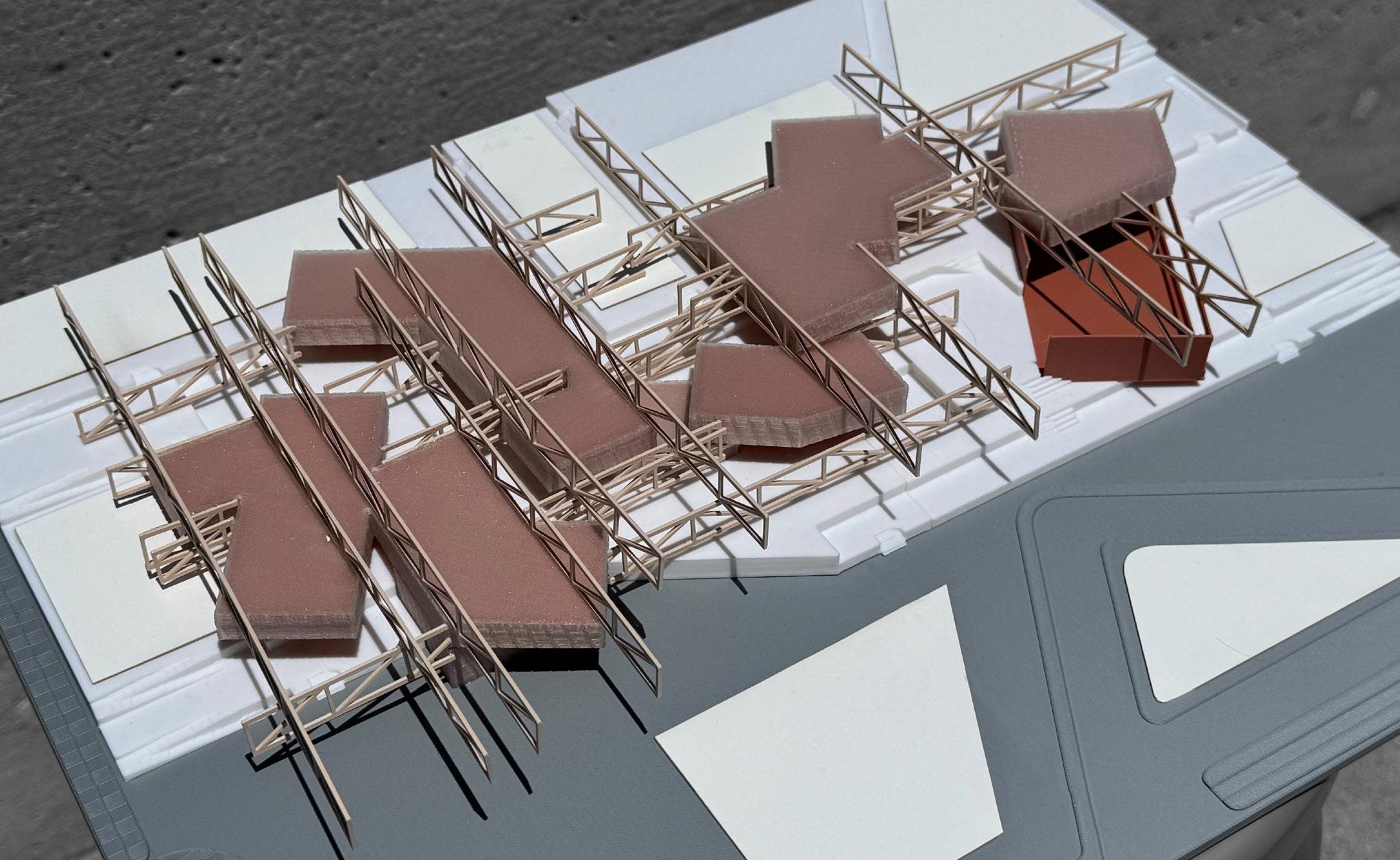
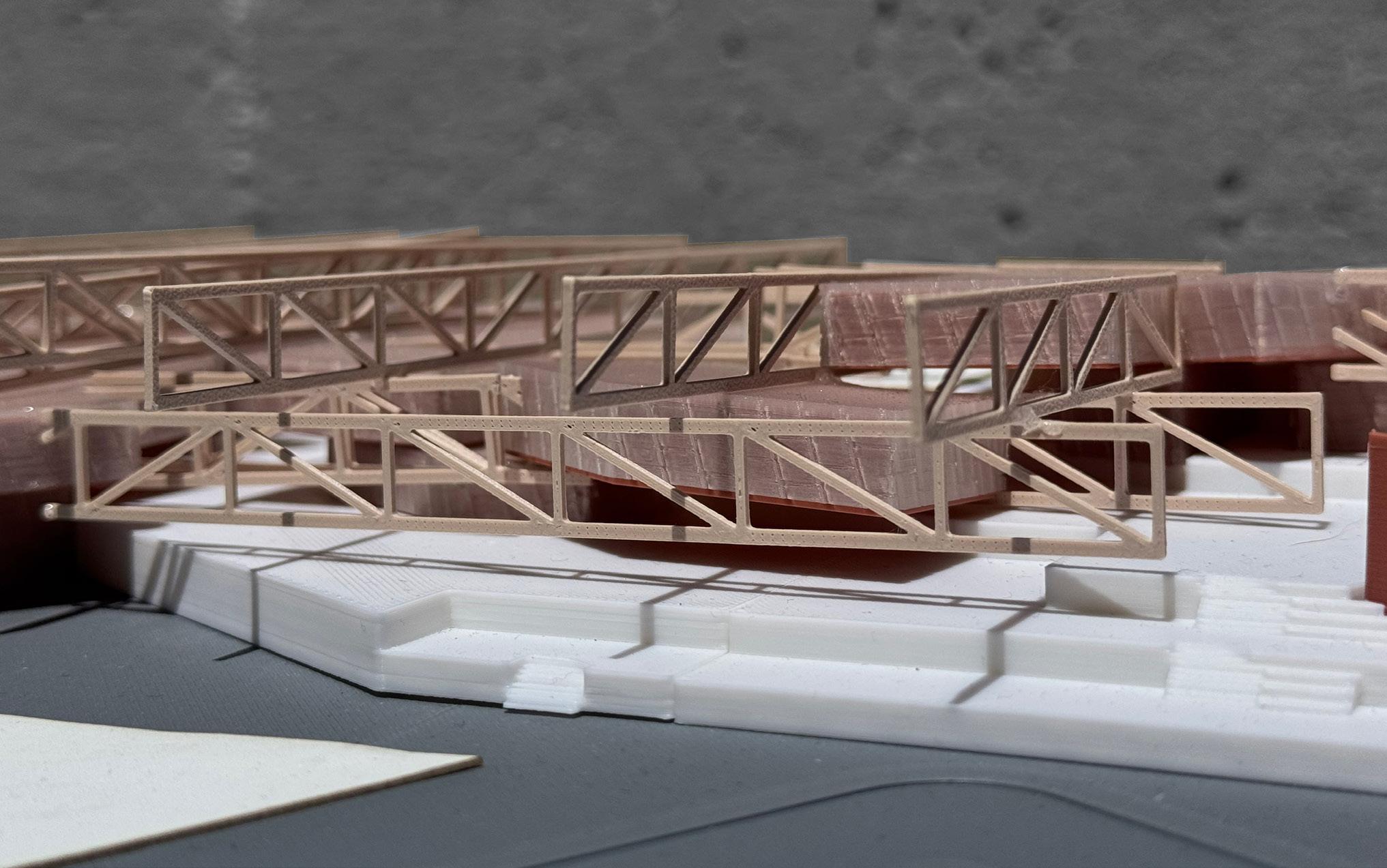
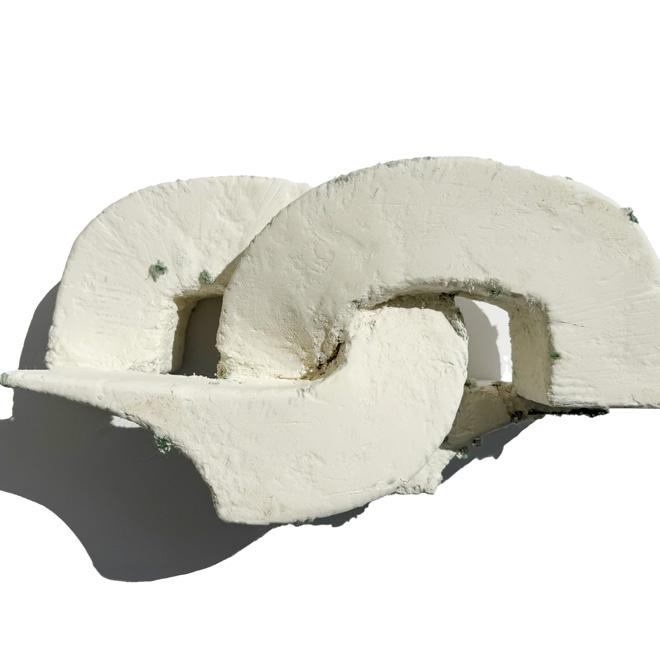
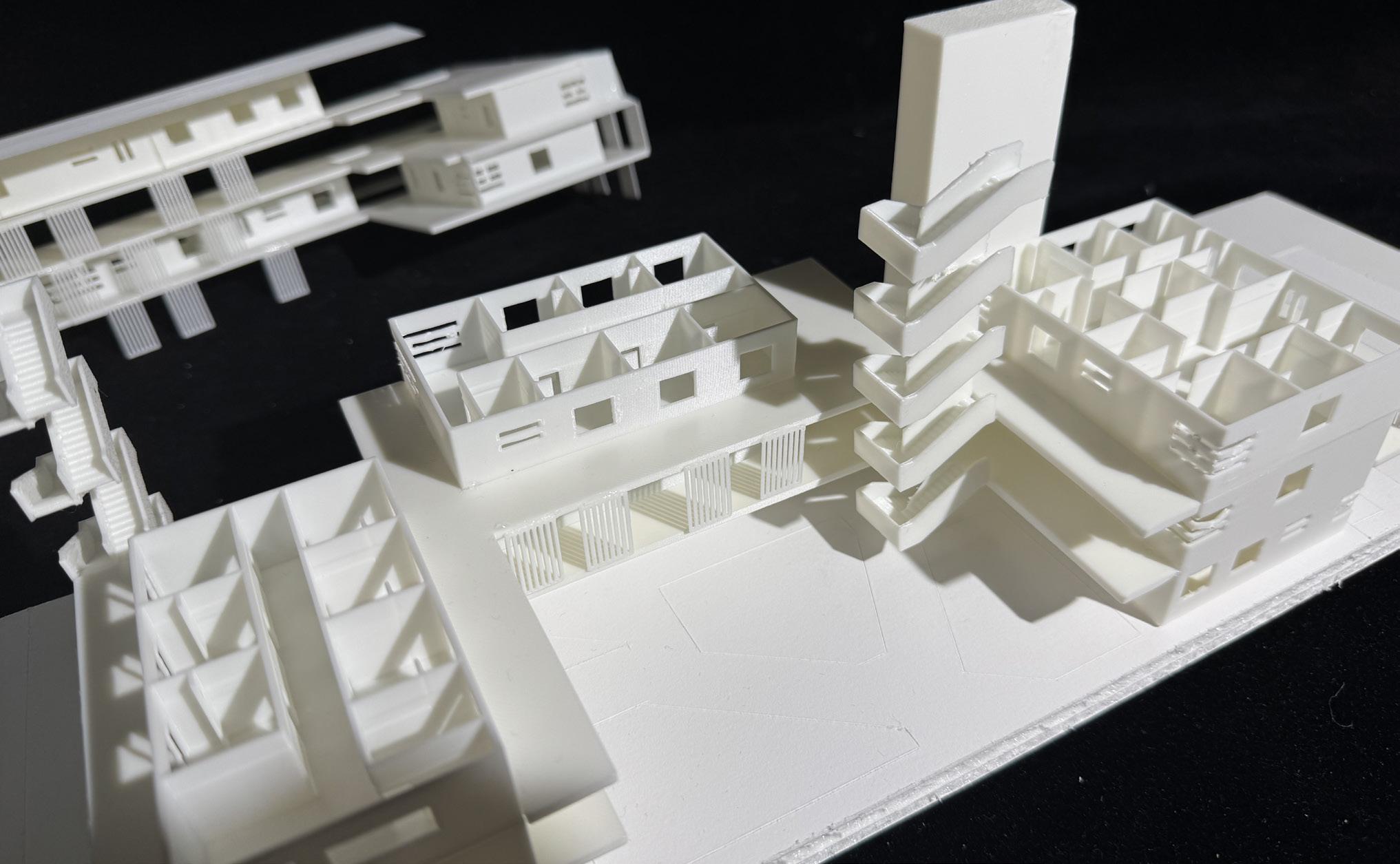
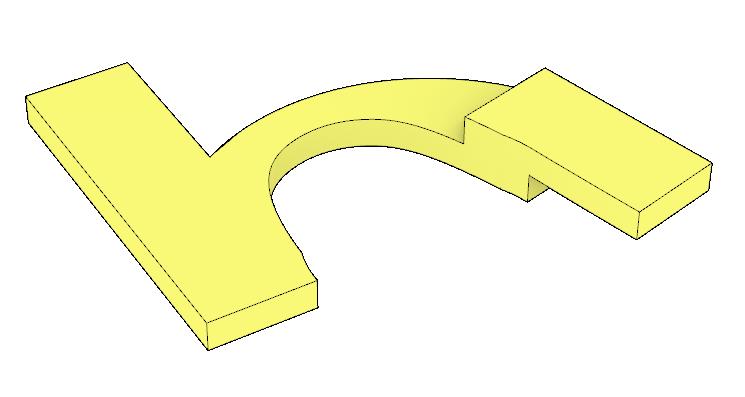
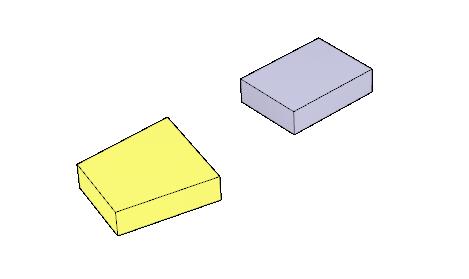
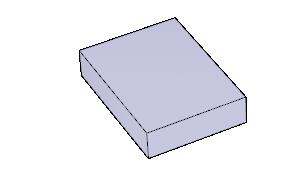
Study model intersecting forms relationships and interior and
model exploring how forms generate spatial and define subsequent exterior spaces.
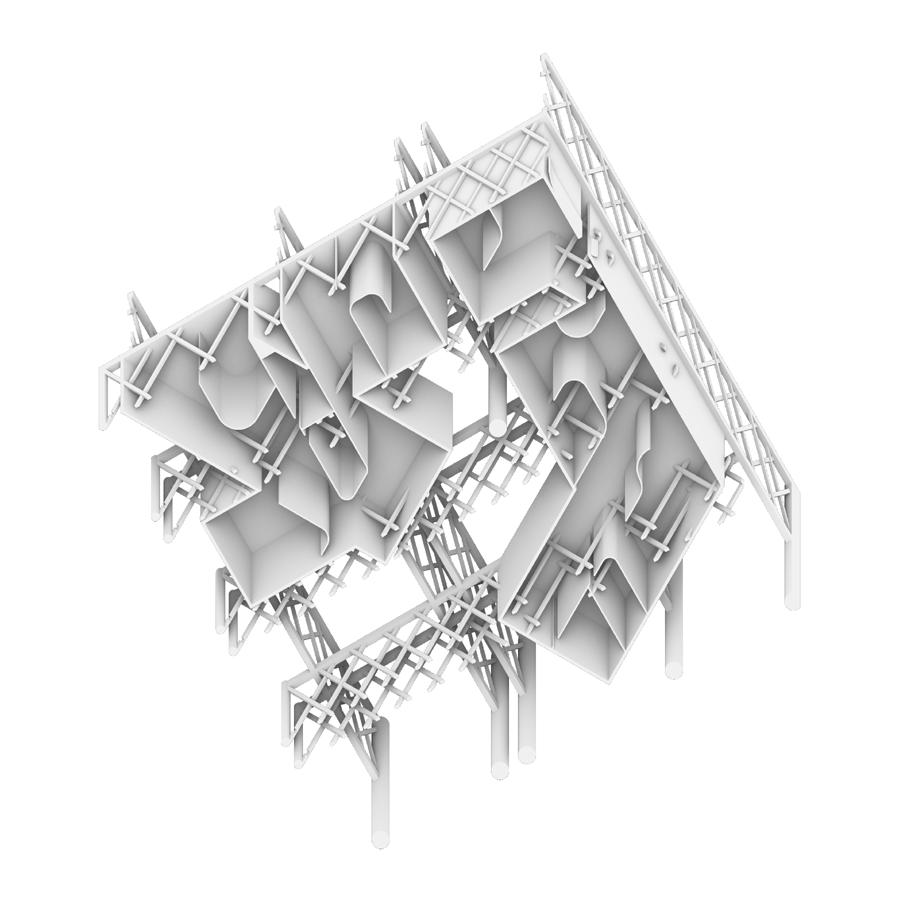
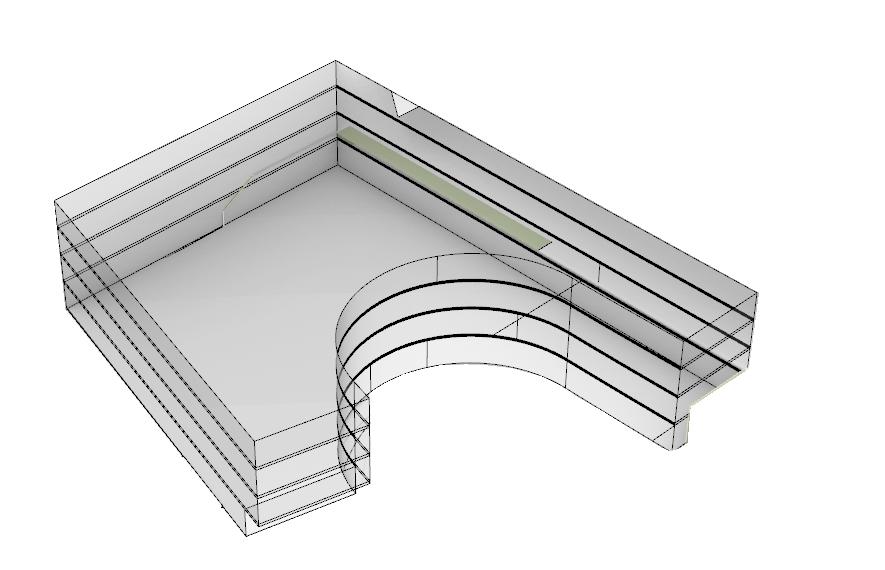
Design testing exploring how structural systems—trusses and CLT—can drive form, span strategies, and spatial organization throughout the design process.
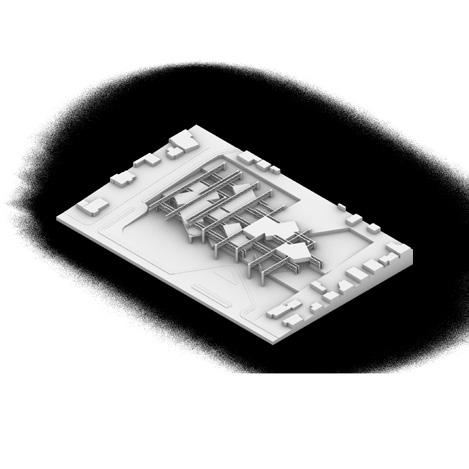
Site analysis documenting the spatial impact of wildfires on the Altadena neighborhood, informing an understanding of existing and altered site conditions.
USC w/ La Salle Barcelona Fall 2025
Instructor: Christof Jantzen & Roger Paez
Rethinking Barcelona
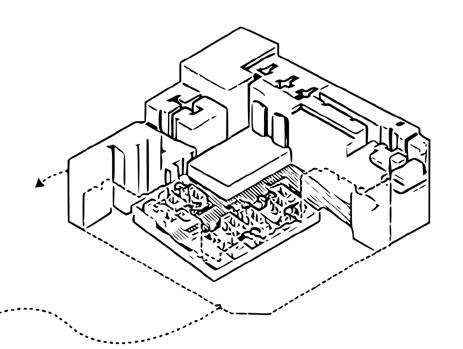
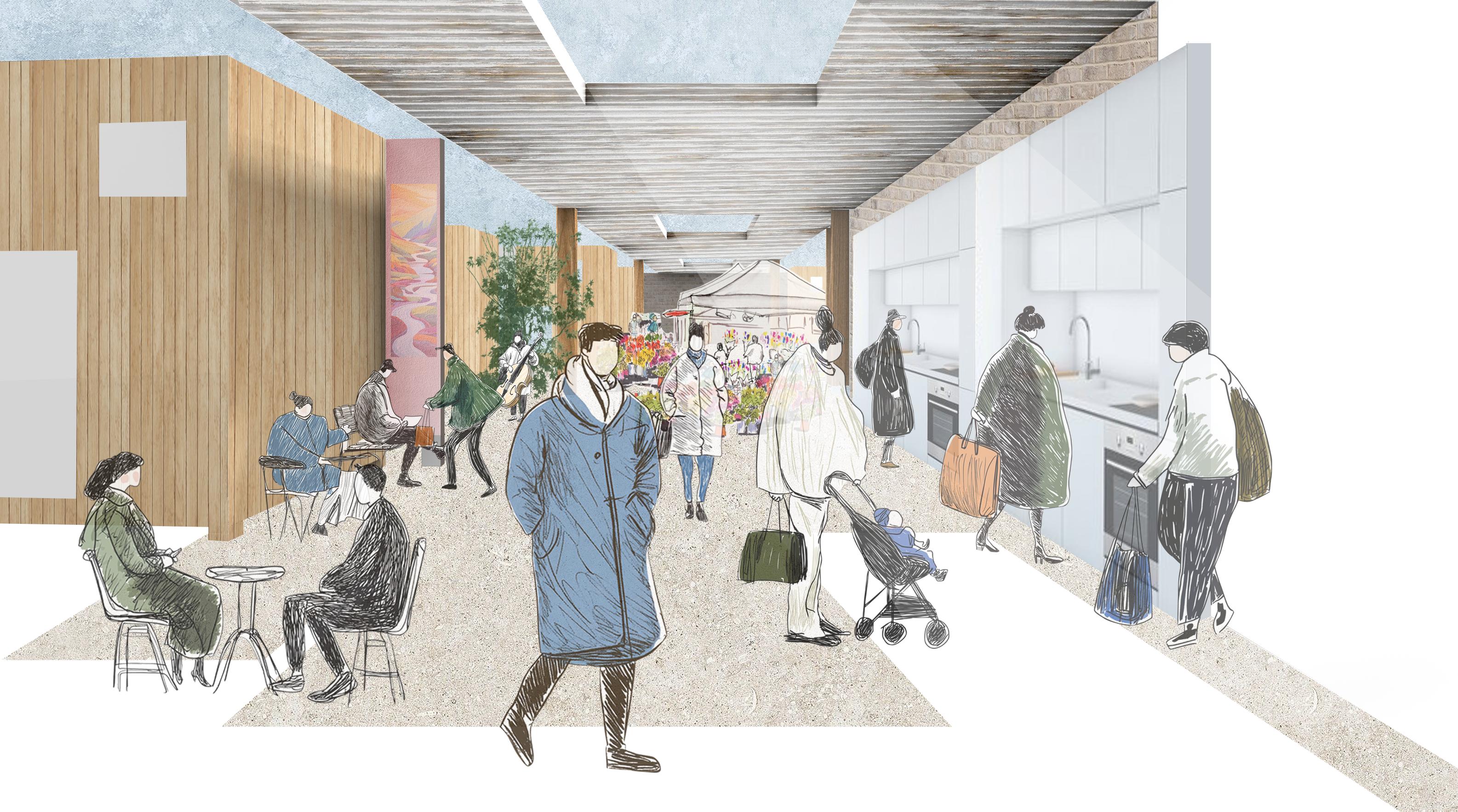
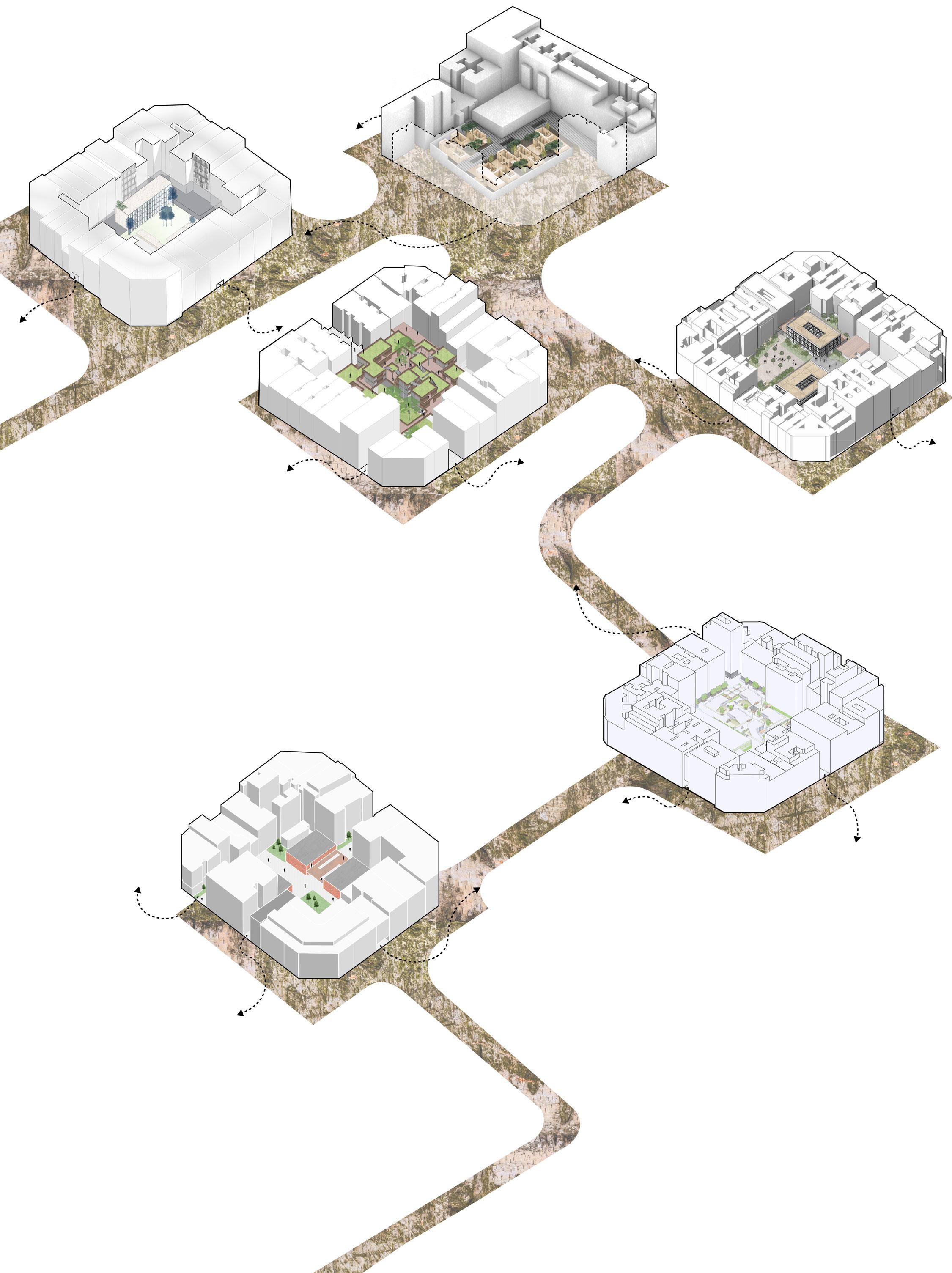
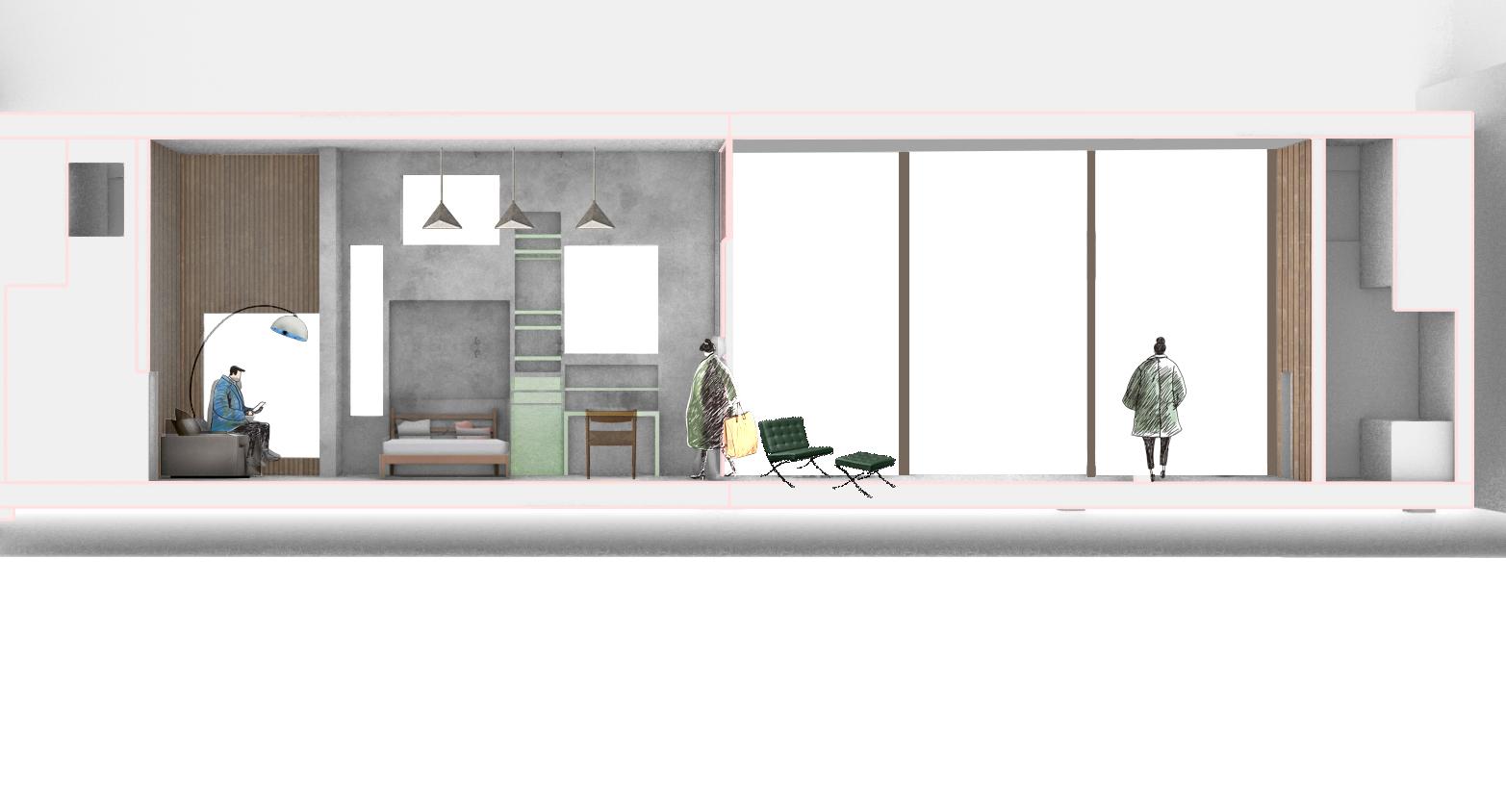
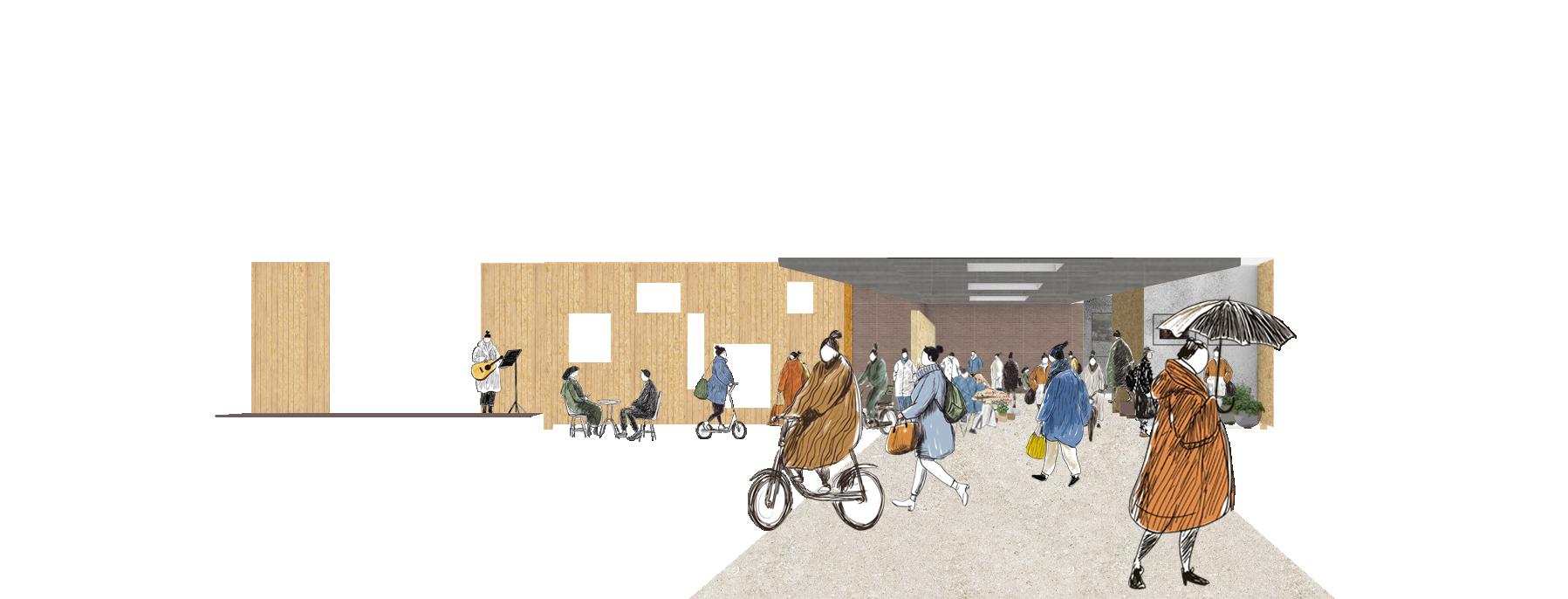
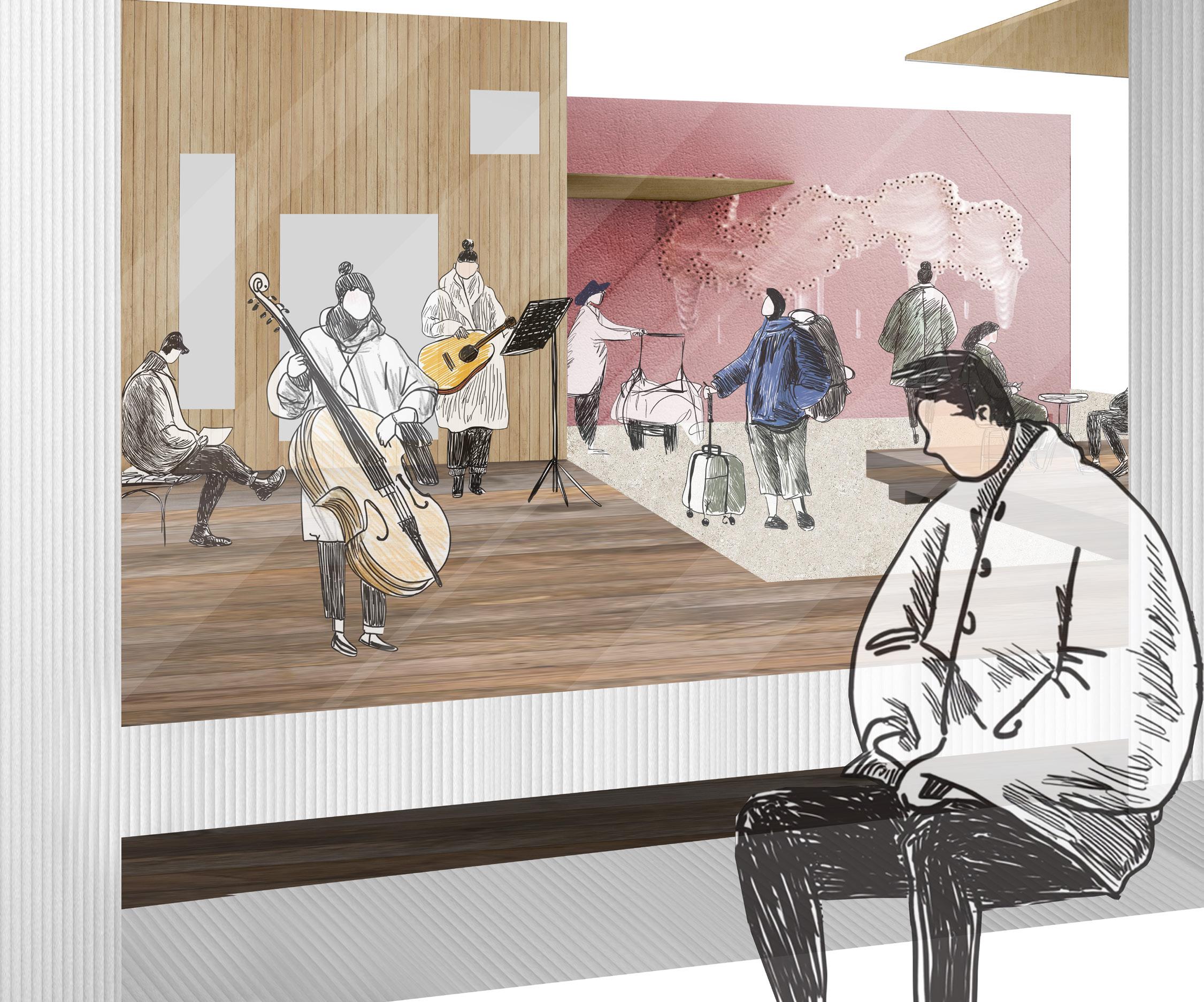
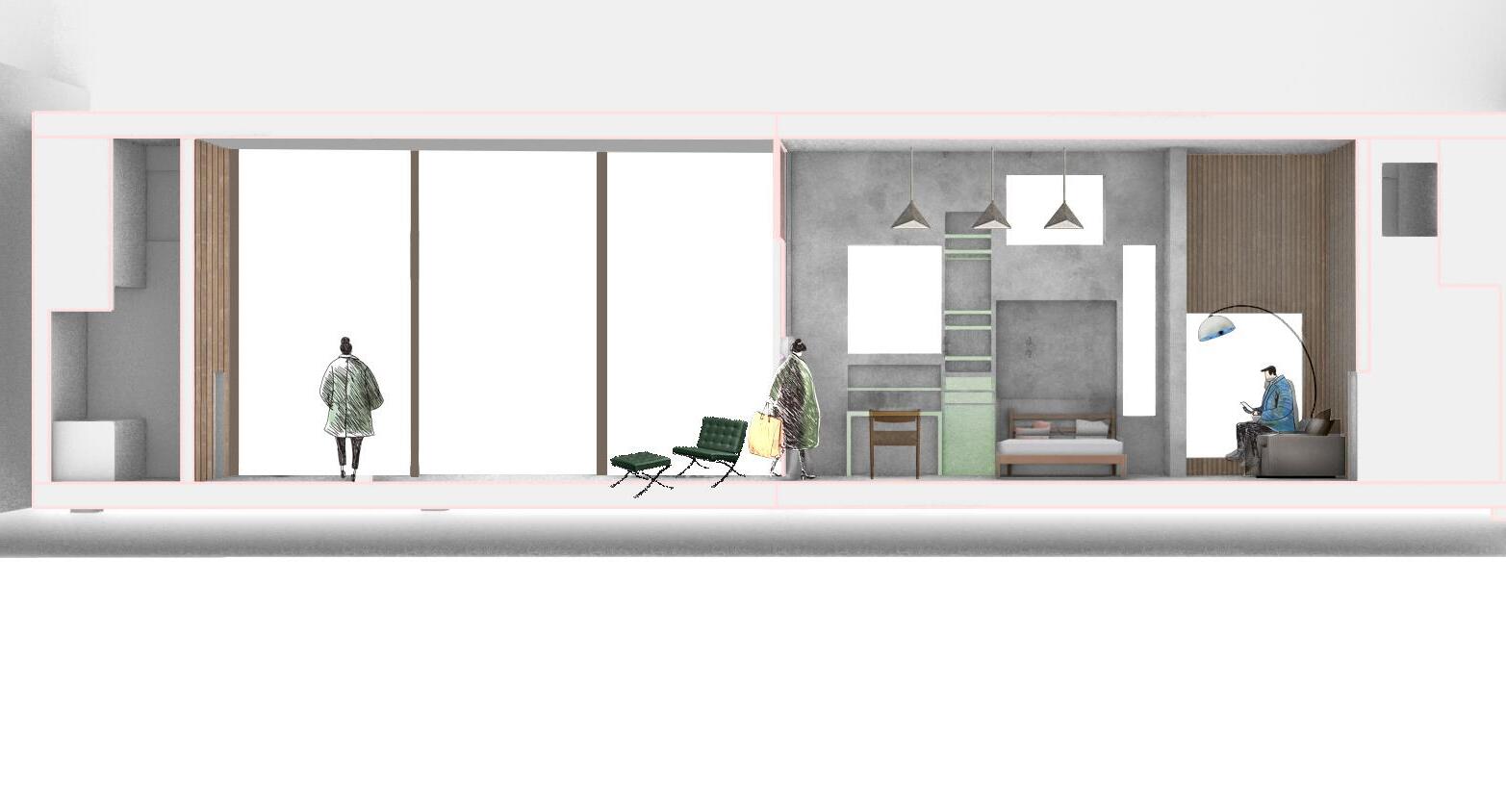
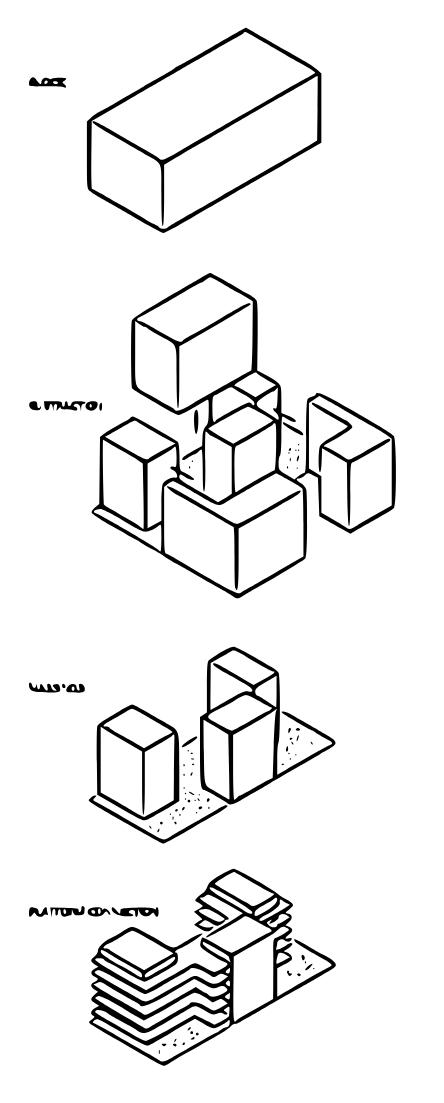
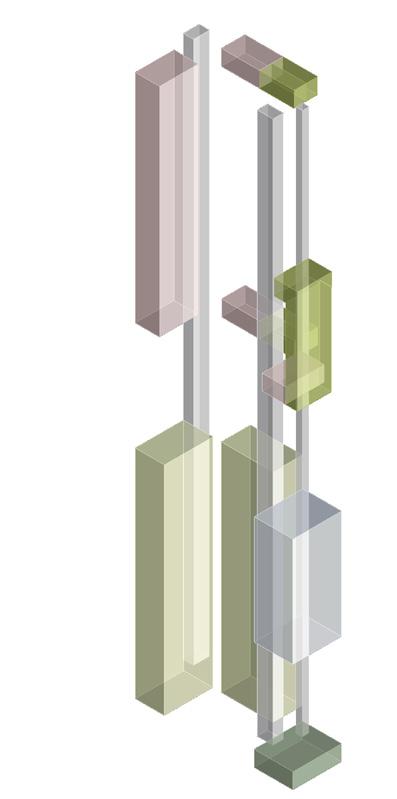
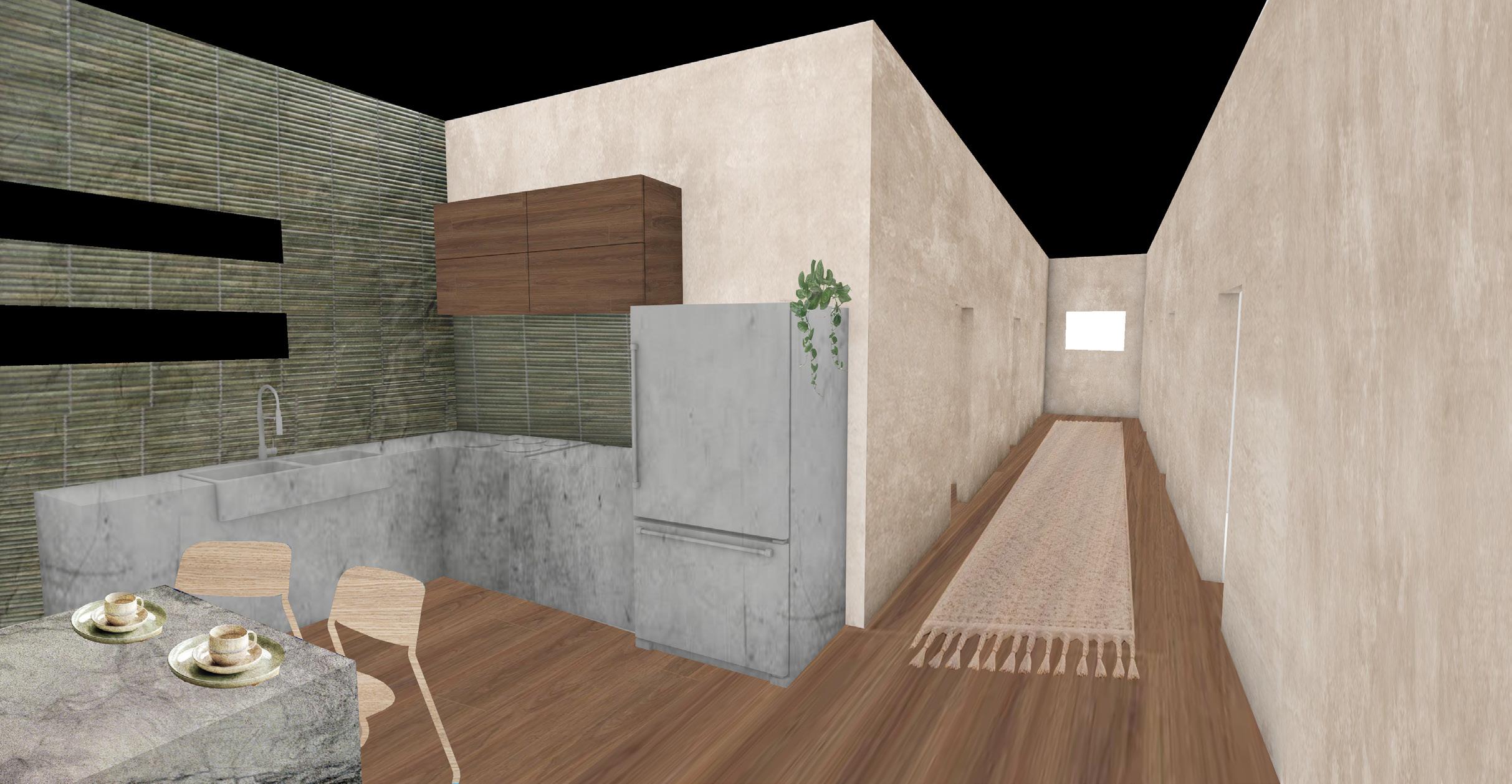
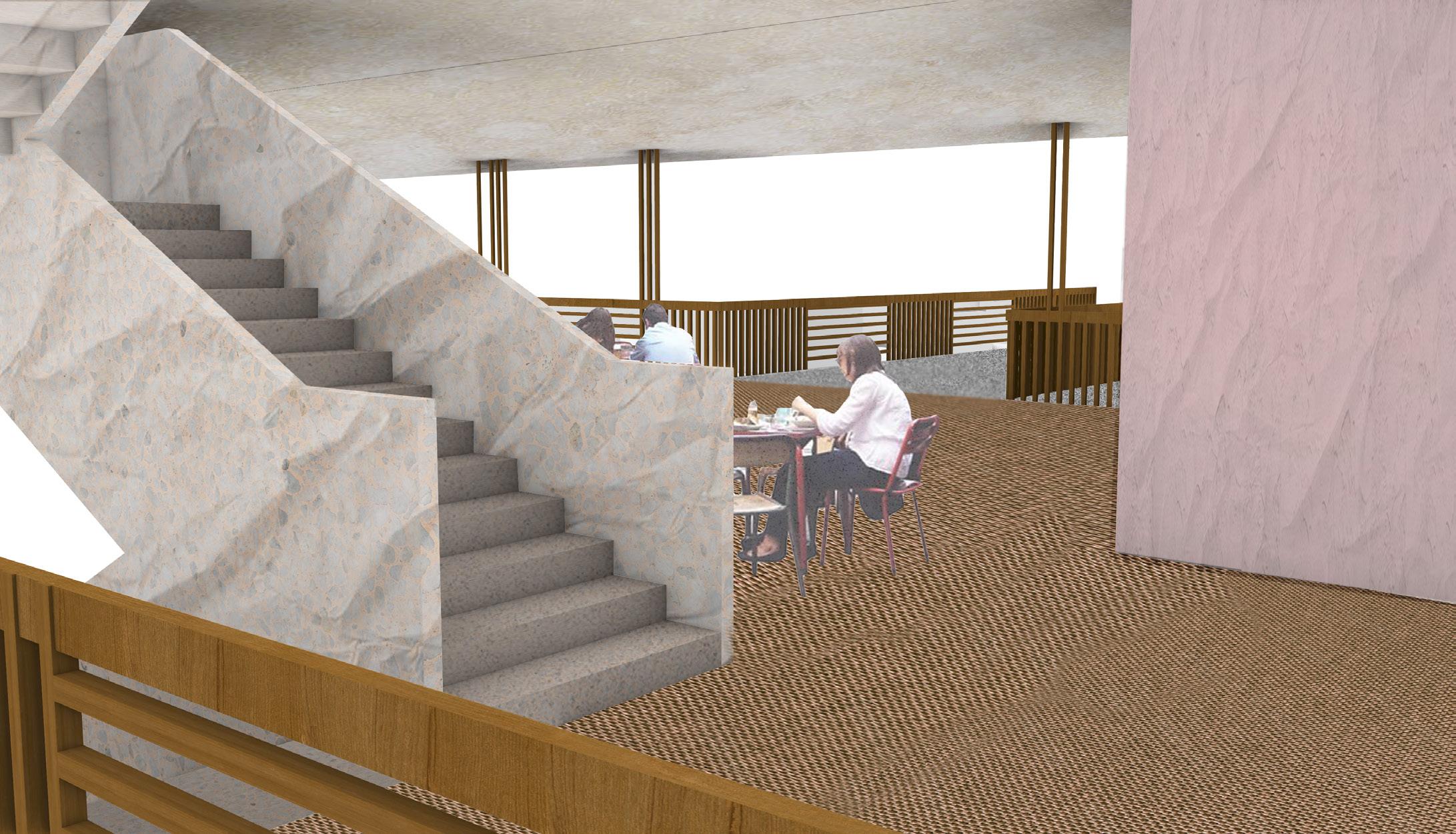
Cámping Urbá reimagines the Cerda block using subtraction as a design strategy to reframe collective life. By removing interior volumes and selective perimeter fragments, the site is opened to form a continuous public passage. What remains is not treated as residual, but as generative: an existing structure is retained and reconfigured as housing for temporary inhabitants. Individual pods are reduced to their essentials that invite spontaneous occupation and redefine belonging through participation rather than permanence, operating as an urban campsite.
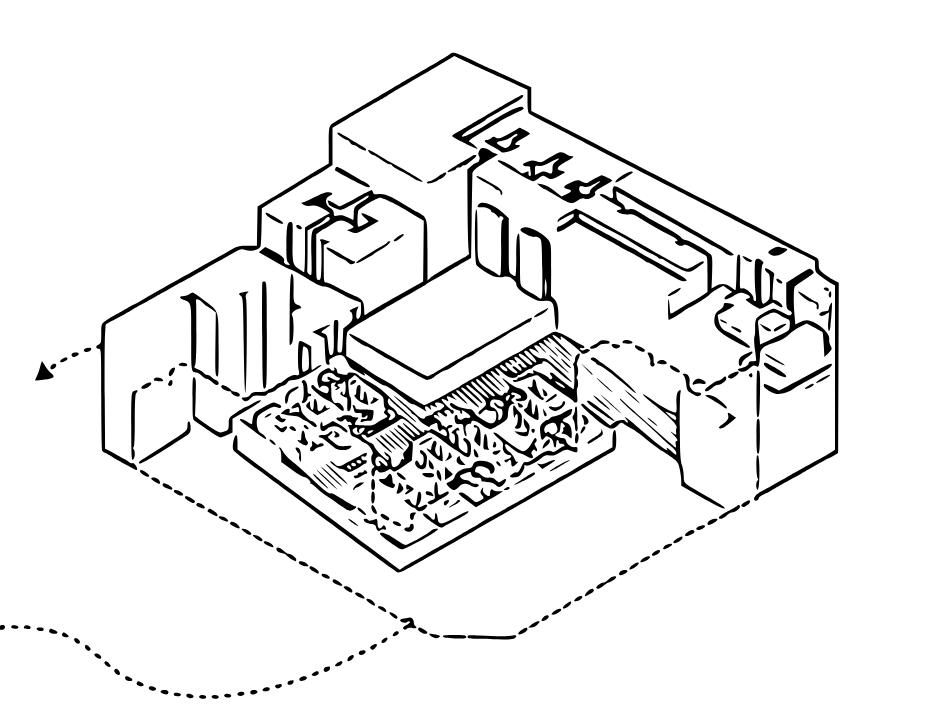
Concept Diagram
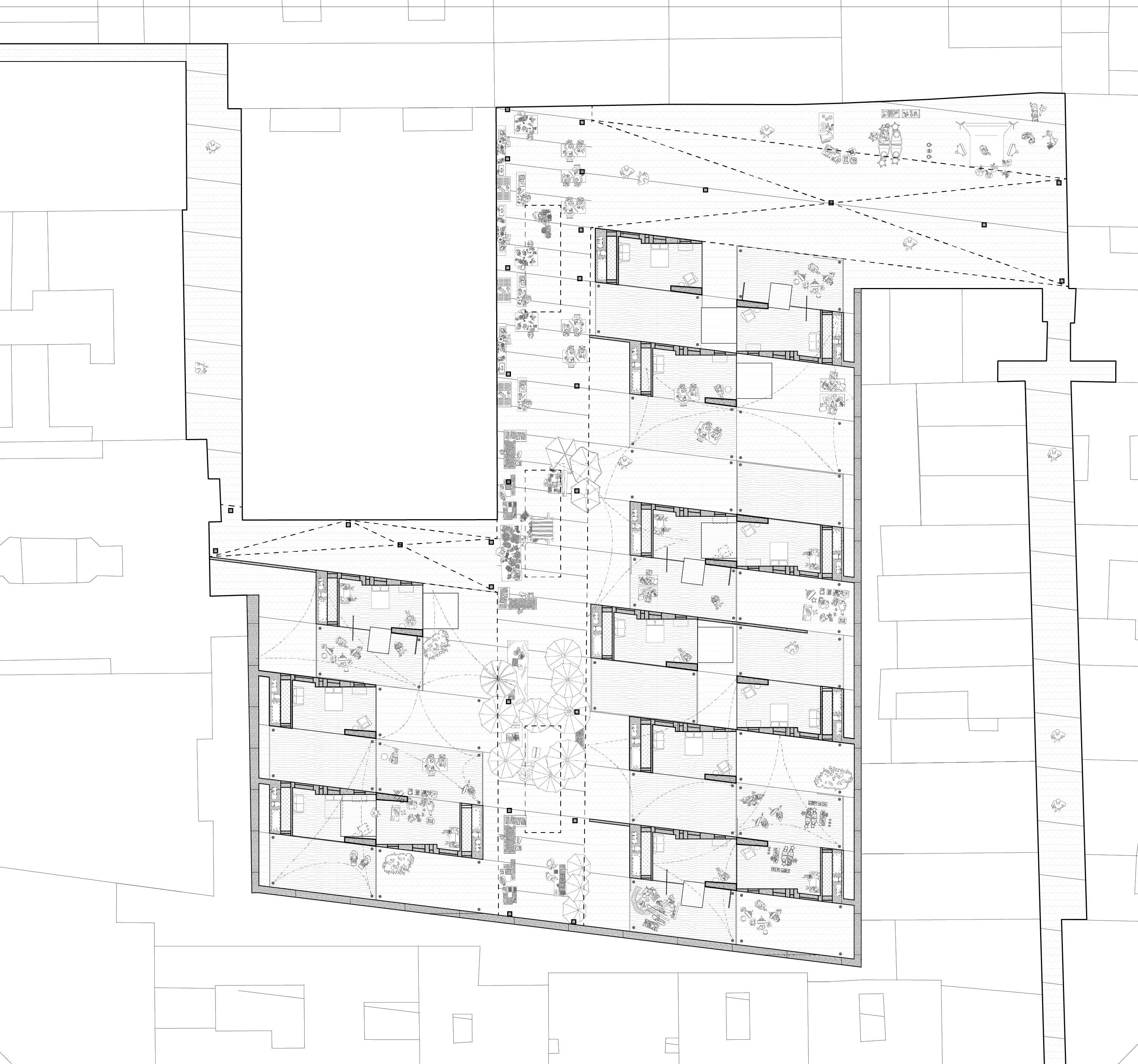














01. BATHROOM CORE
02. TOILETRIES NICHE
03. WINDOW SEAT
04. NIGHT STAND
05. MURPHY BED
06. STORAGE
07. COLLAPSIBLE DESK
08. GARAGE STYLE PULL-OUT
09. DOOR




USC Spring 2024
Instructor: Kevin Sherrod
Artist Residence
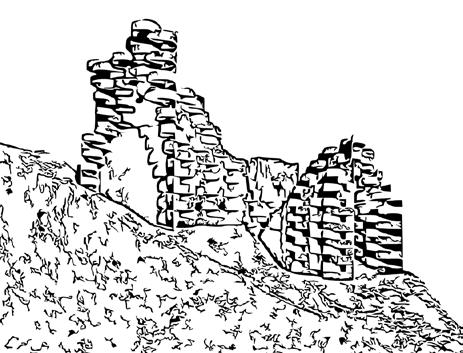
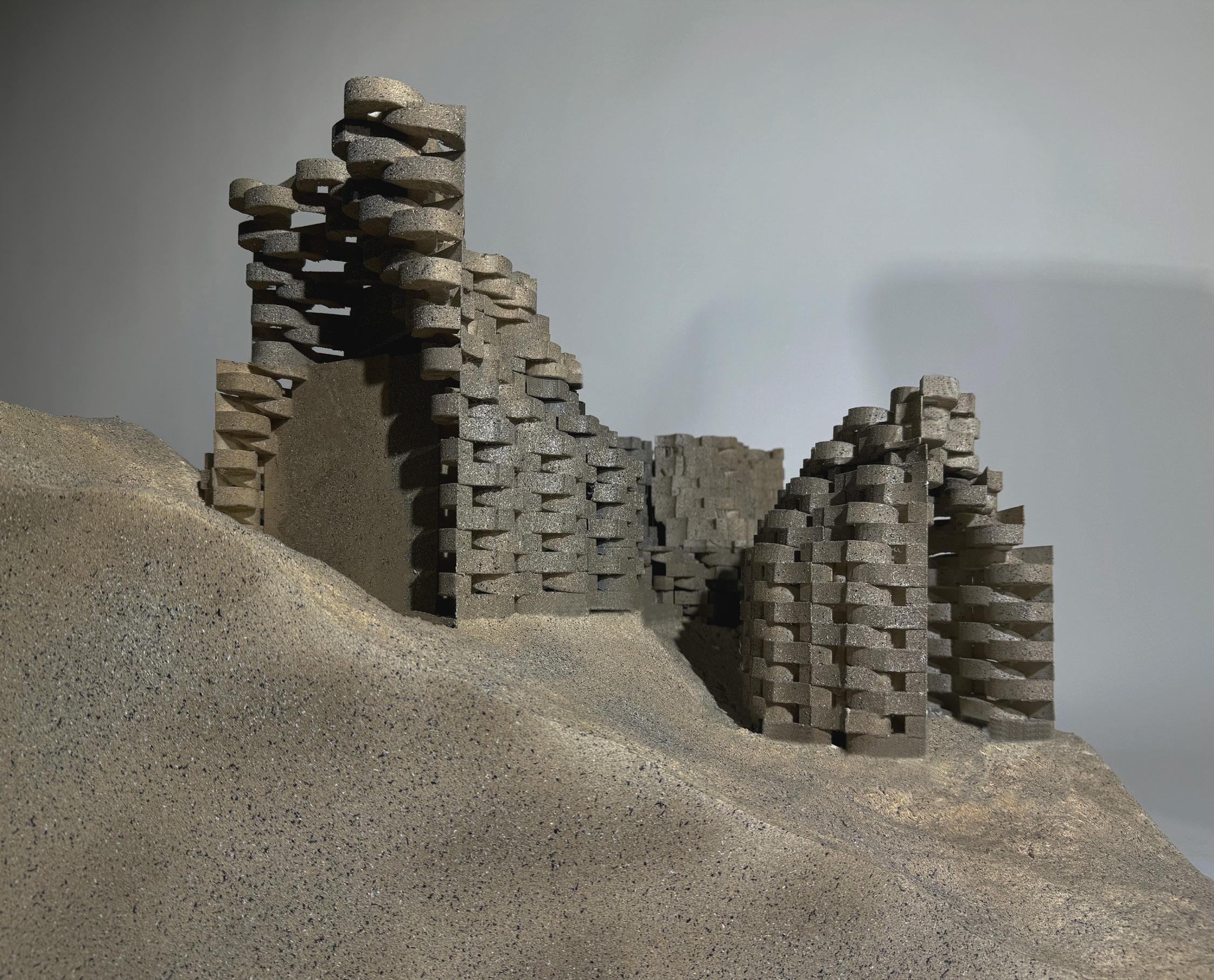
As the boundaries between nature and architecture blur, does the built environment evolve into a living organism, or does it dissolve into the landscape entirely, losing its original identity as nature reclaims it? Blendscape explores a camoflauging space through modular architecture, pushing the boundaries between natural landscapes and human-made structures while highlighting the beauty of creating art within nature.
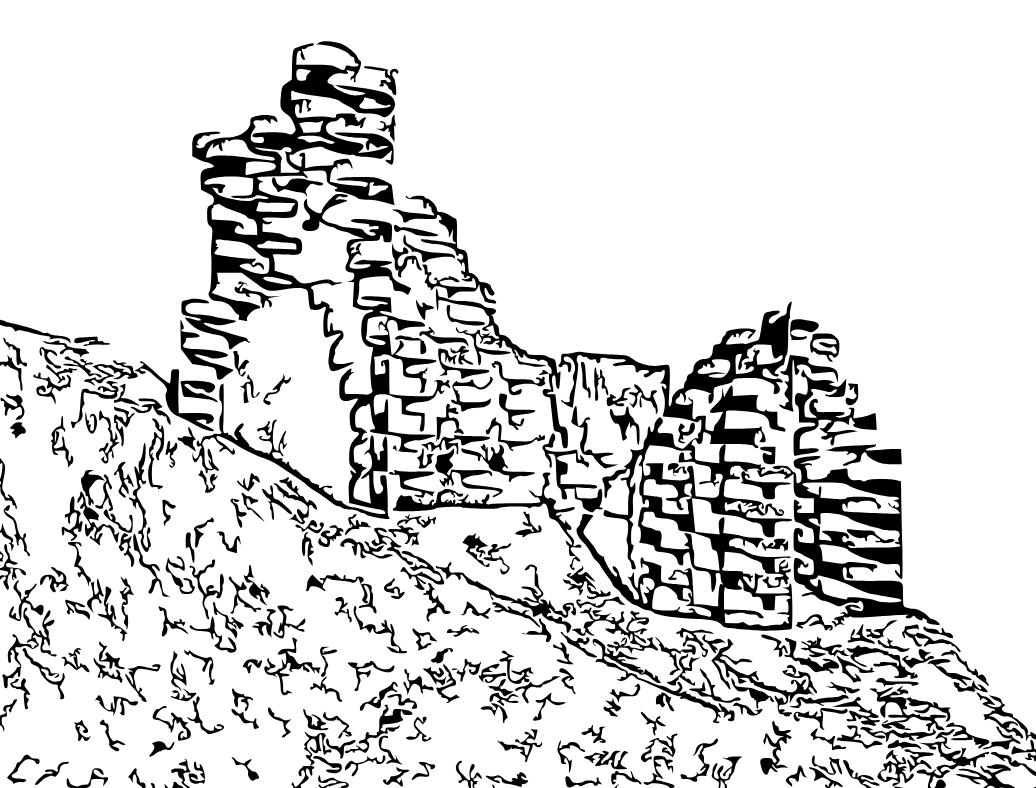
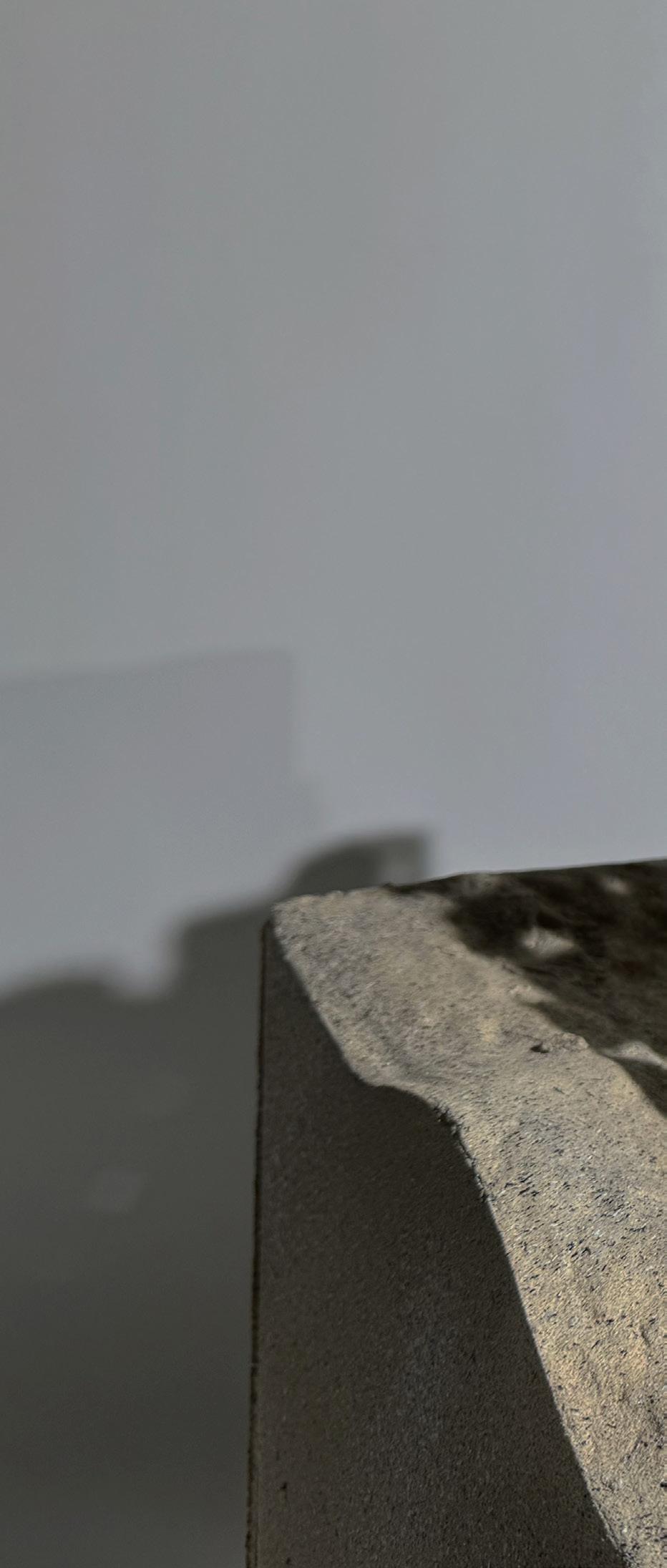
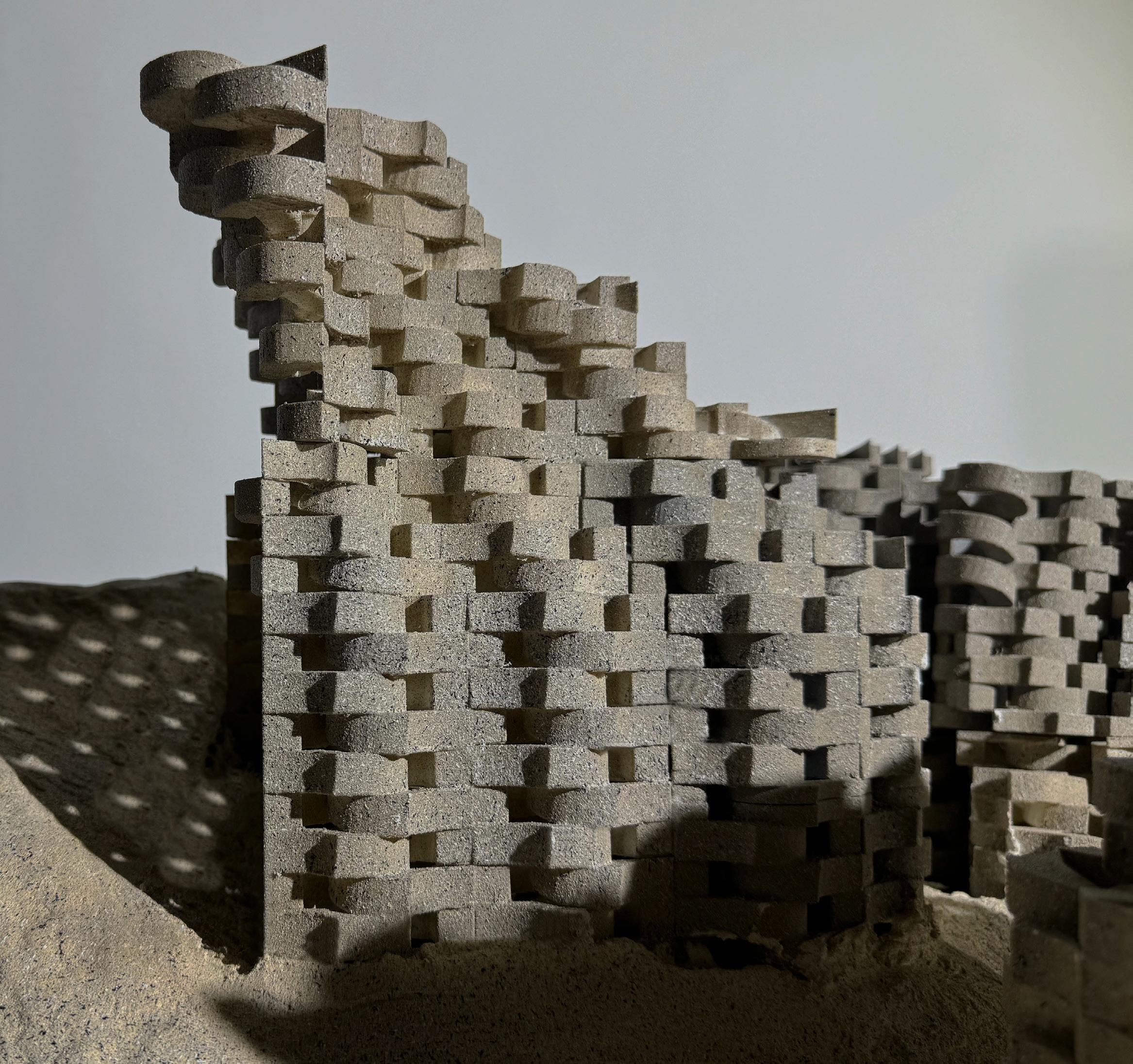
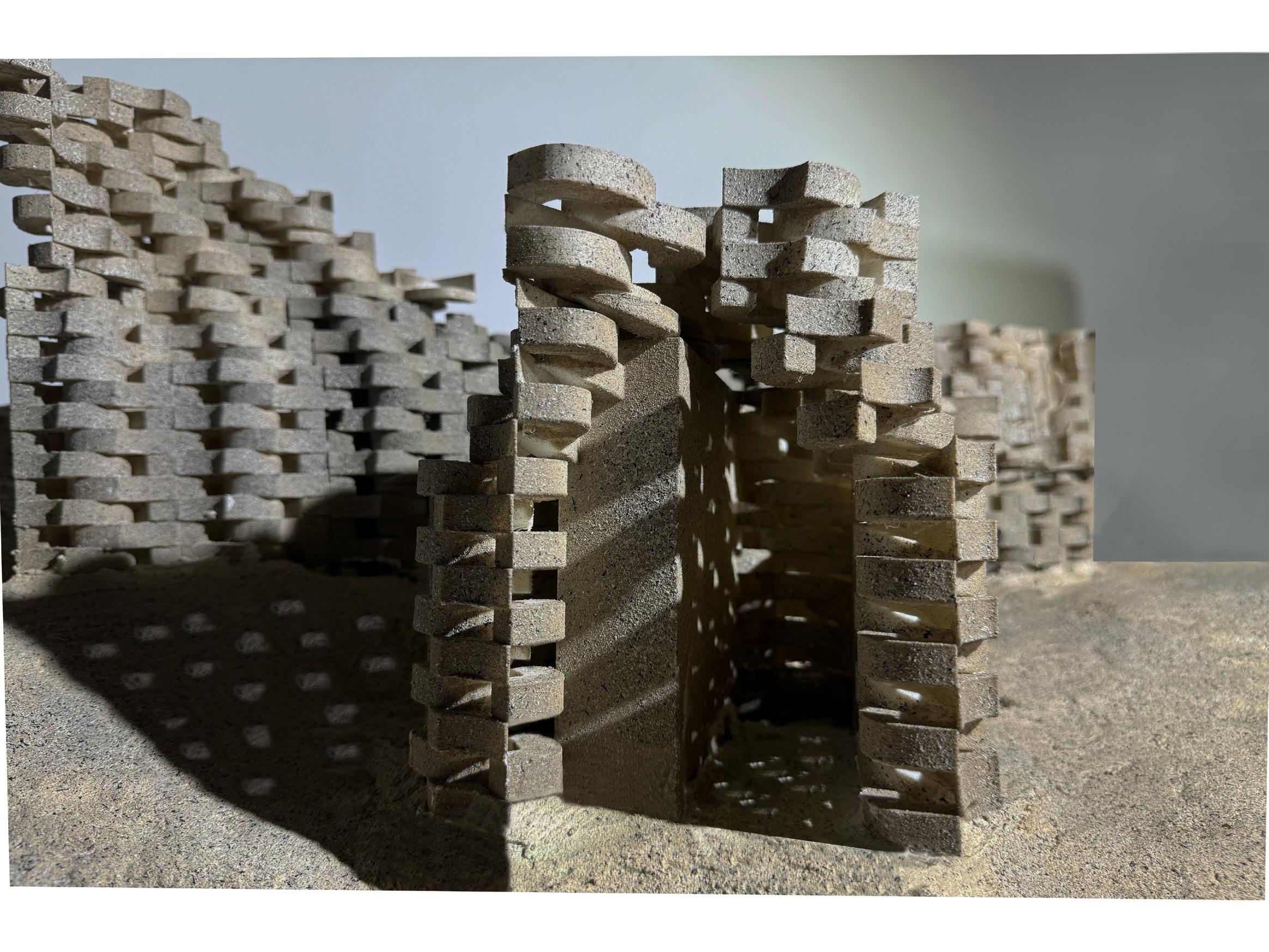
The module concept was originally inspired by a cheetah print, reflecting its integration with the mountainous location. To maintain the fluidity of the module, it was essential to emphasize seamless movement throughout the plan. This led to an exploration of various joinery methods for the module and an analysis of how each component functions structurally.
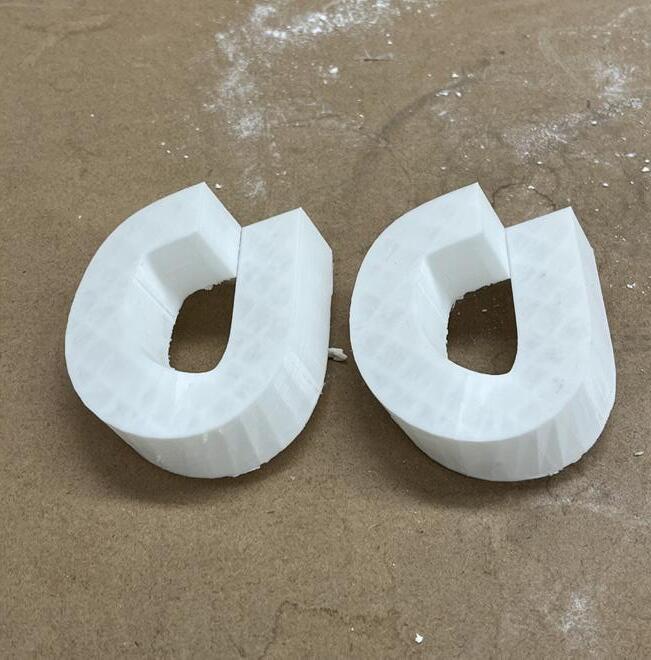
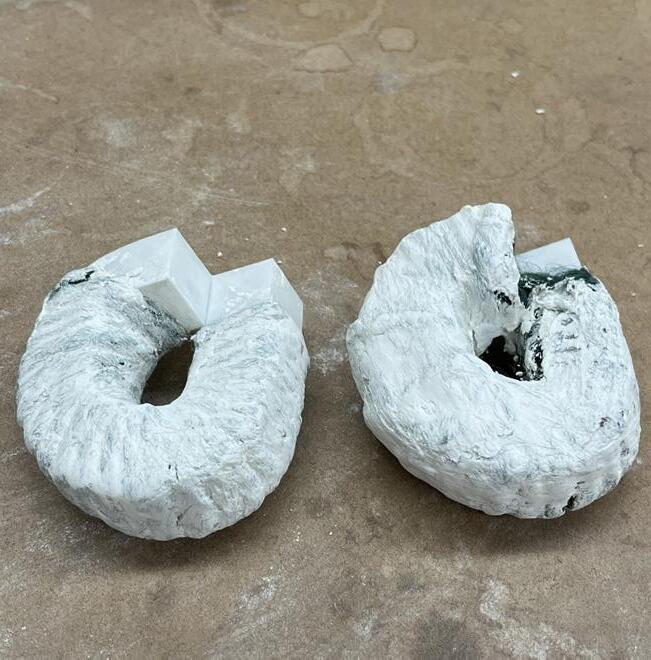




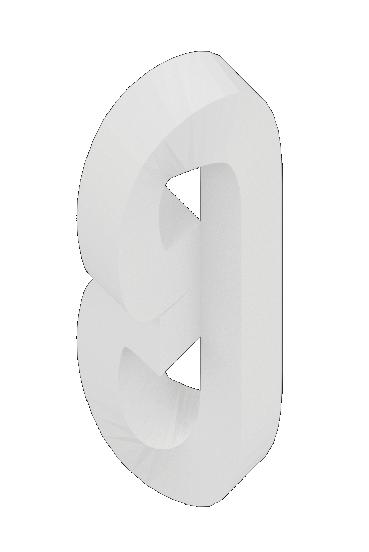
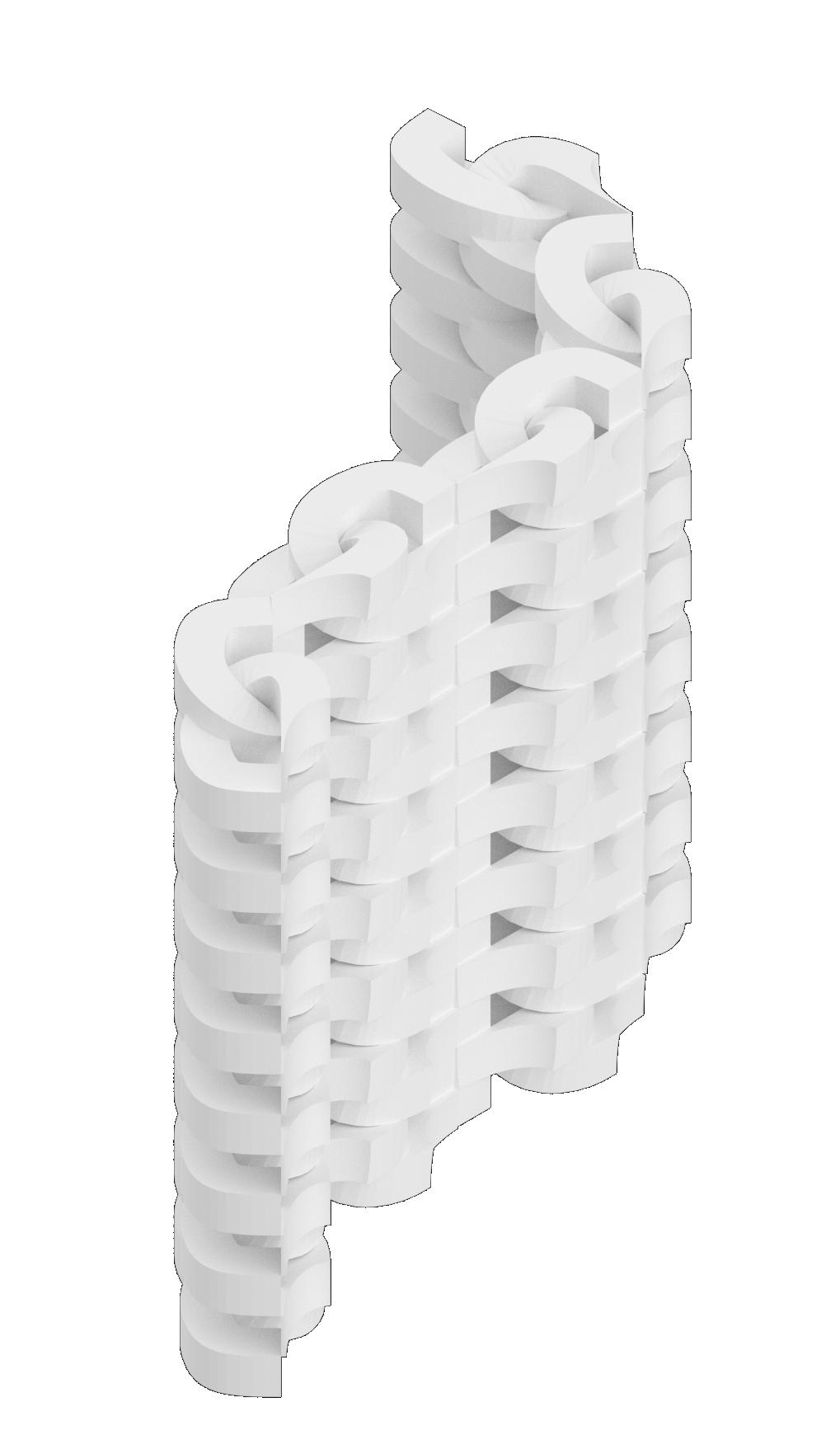




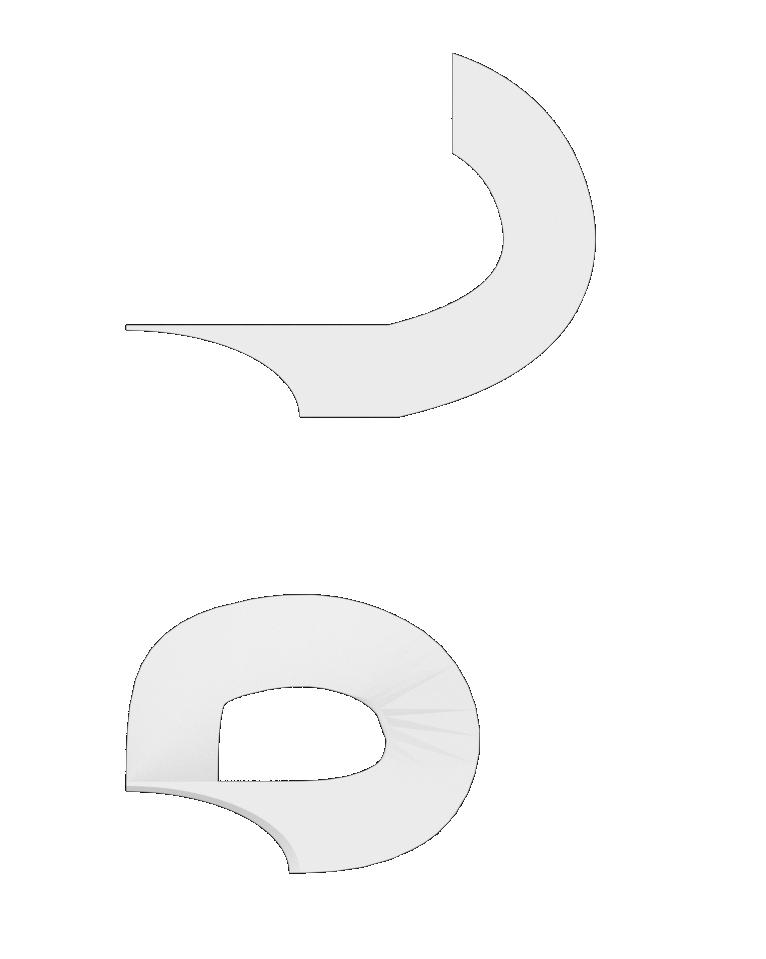
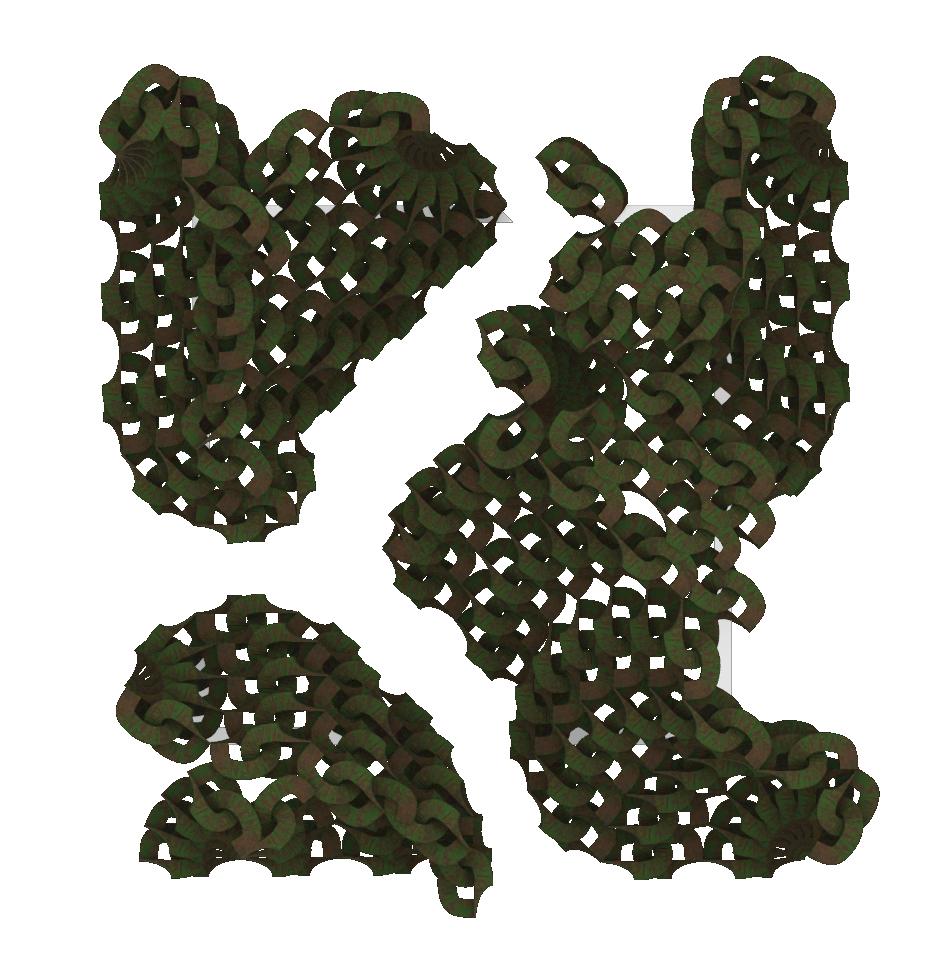
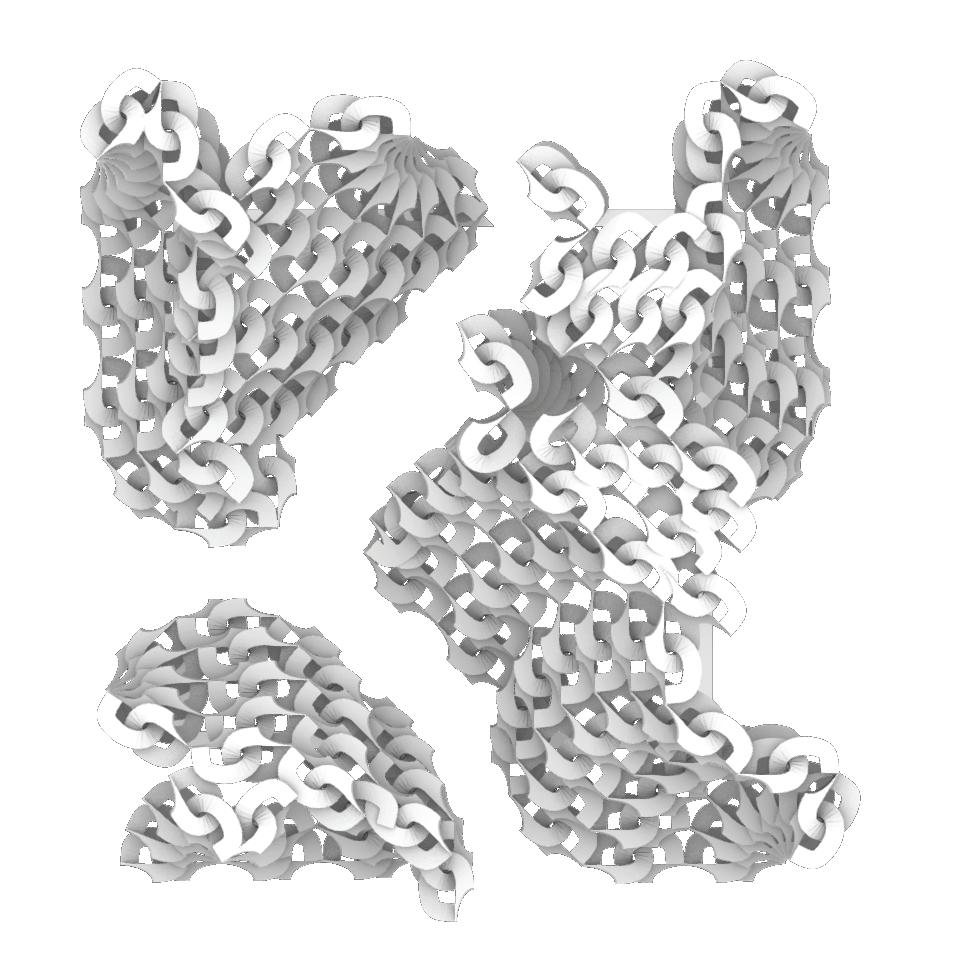
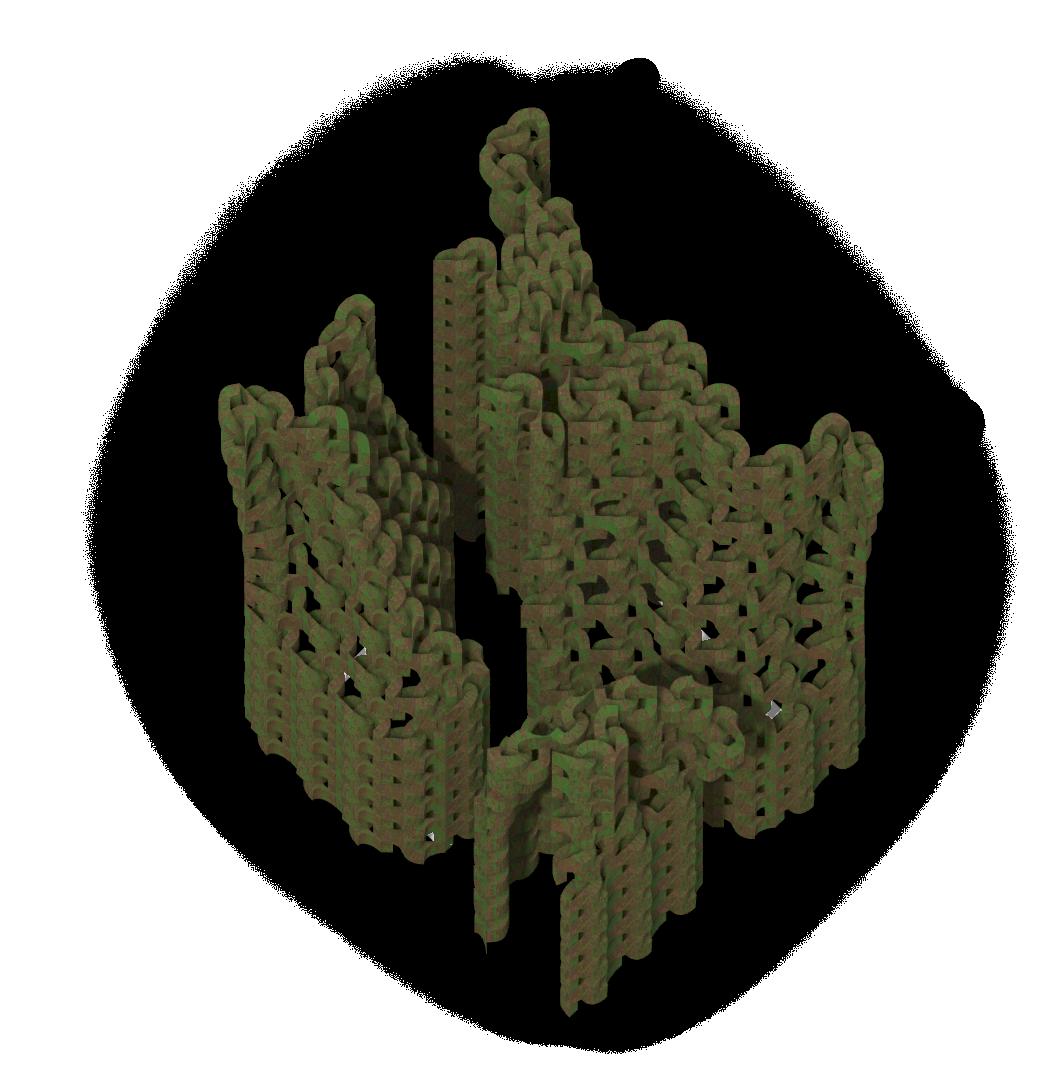
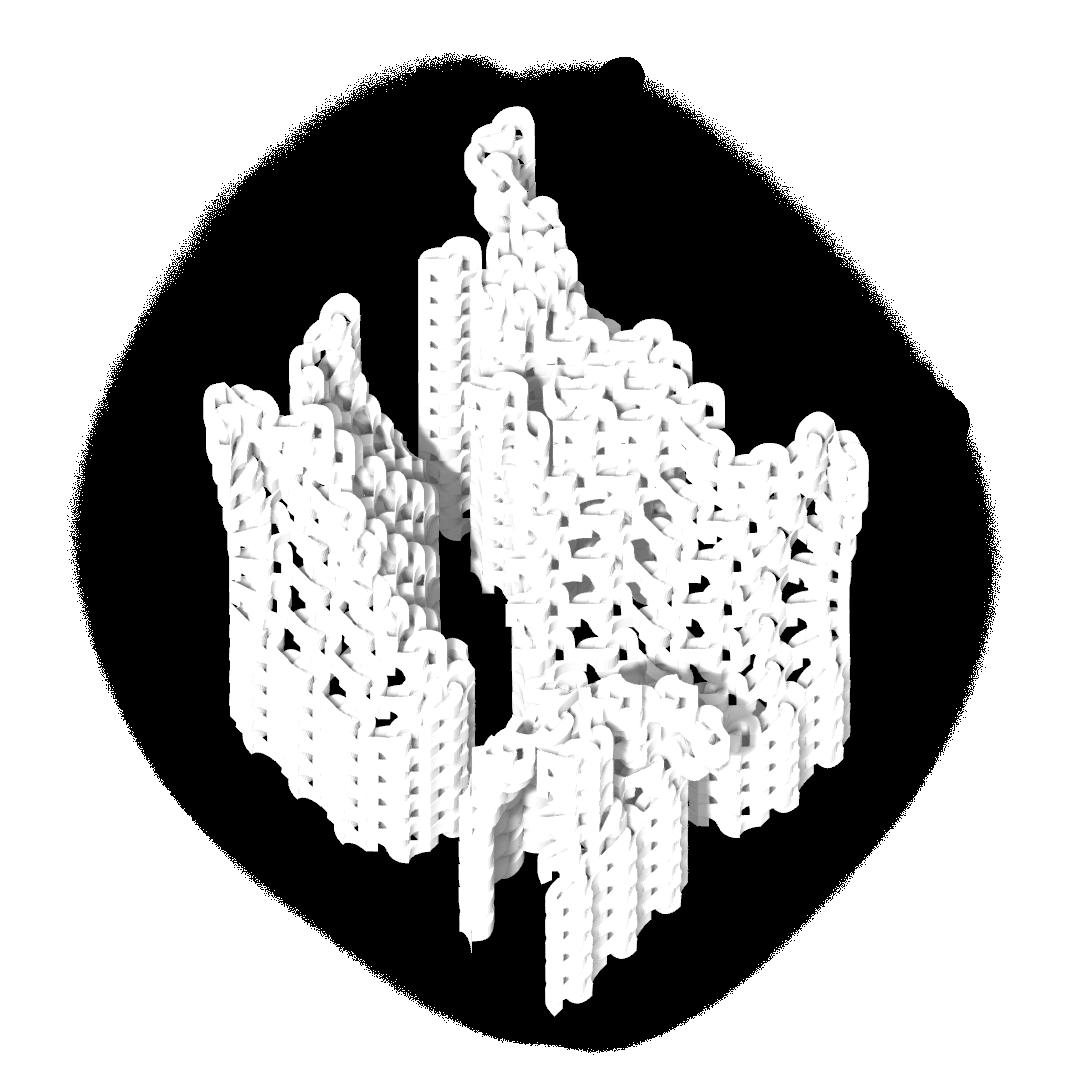
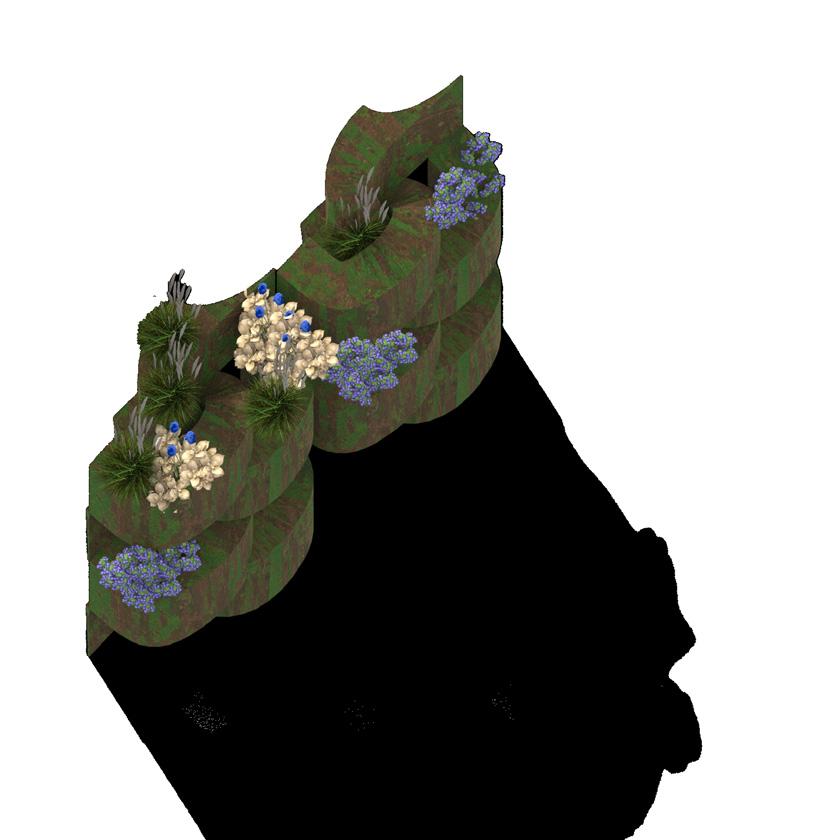
The drawing on the right provides a close-up of a module, highlighting its relationship with environmental elements. The strategically placed holes allow sunlight to filter through, casting dynamic shadows and creating areas of natural light. The bio-based material of the module encourages plant growth, fostering a sustainable, living facade. Additionally, the holes facilitate passive ventilation, promoting airflow and reducing reliance on mechanical systems, contributing to the overall environmental efficiency of the design.

USC Fall 2024
Instructor: Charles Lagreco
Multifamily Housing
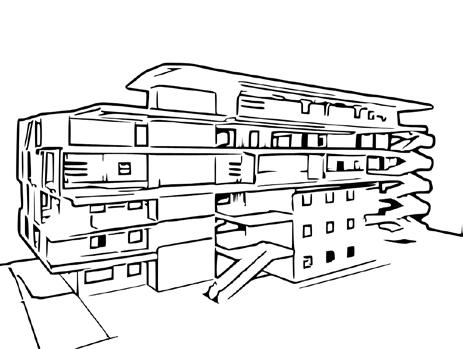
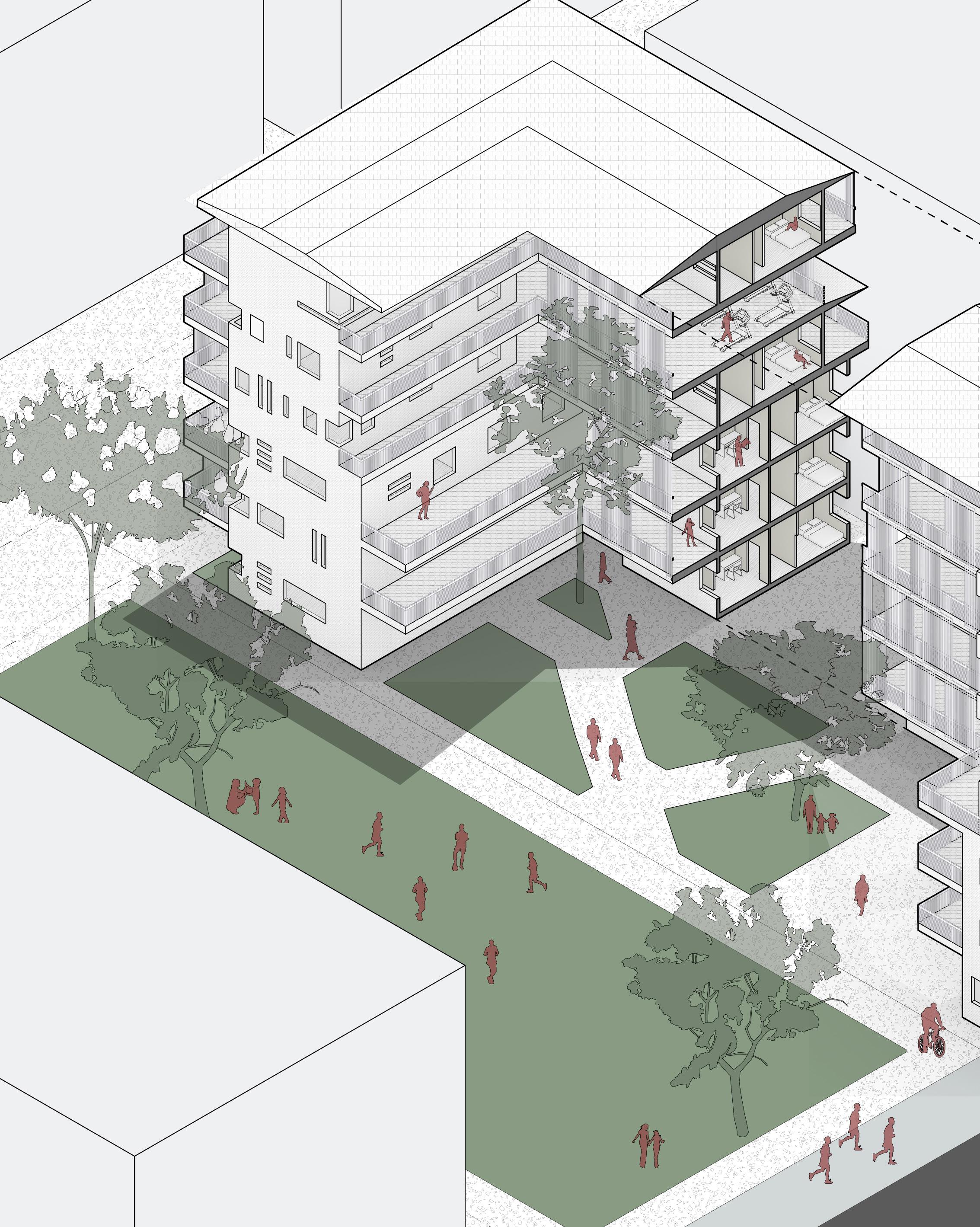
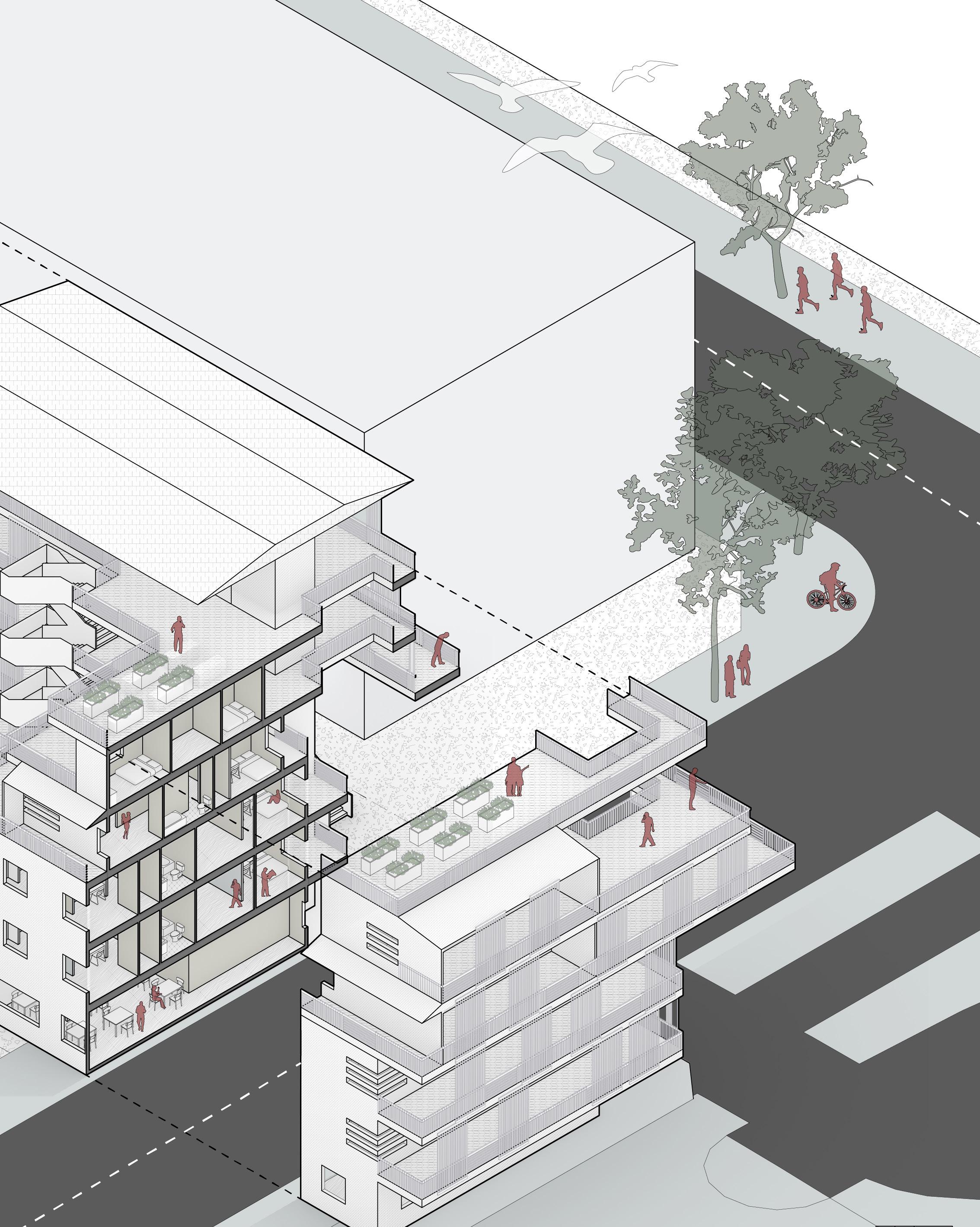
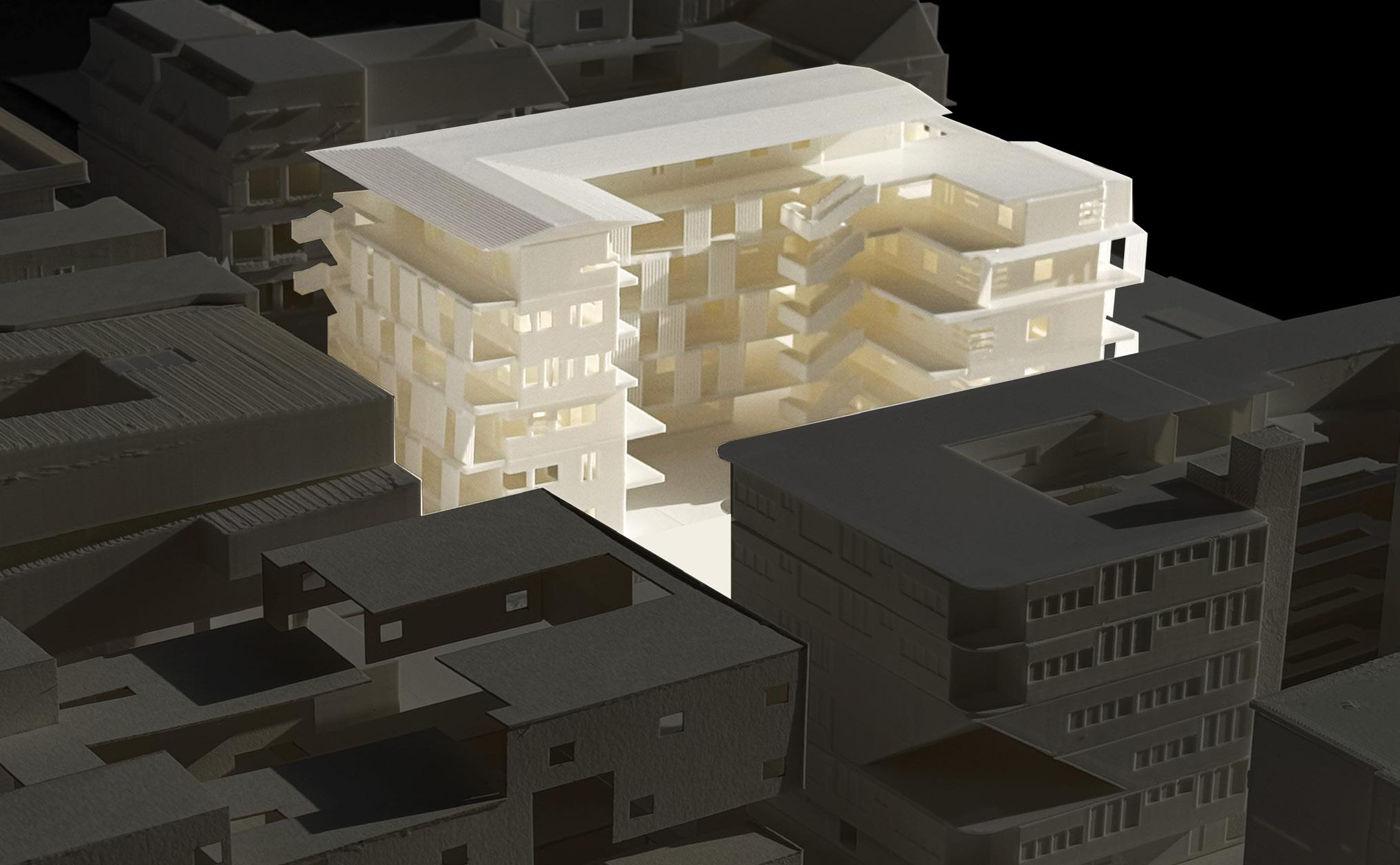
Shifted Views reflects an interest in how architecture shapes both the user experience and how the building’s exterior communicates privacy or openness to those nearby. The moving louvers create an ever-changing facade, serving as shading and privacy screens that shift throughout the day. The unit layouts emphasize a gradient from public to private spaces, with balconies acting as flexible thresholds between them.
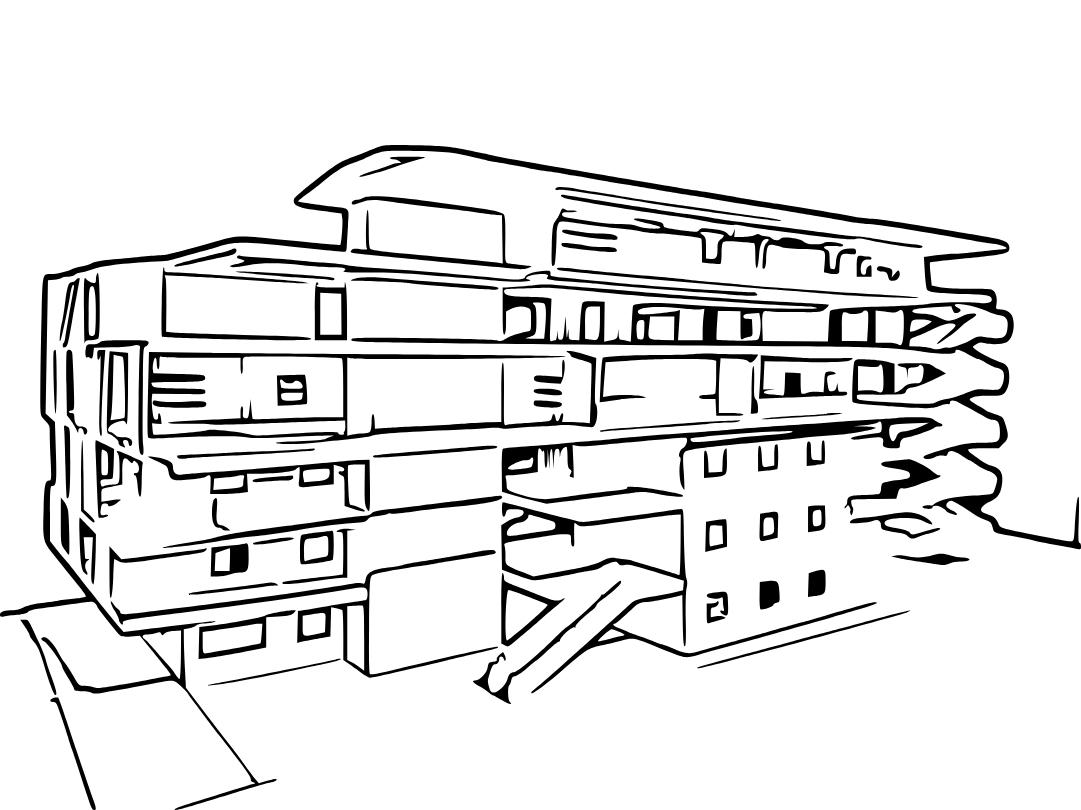
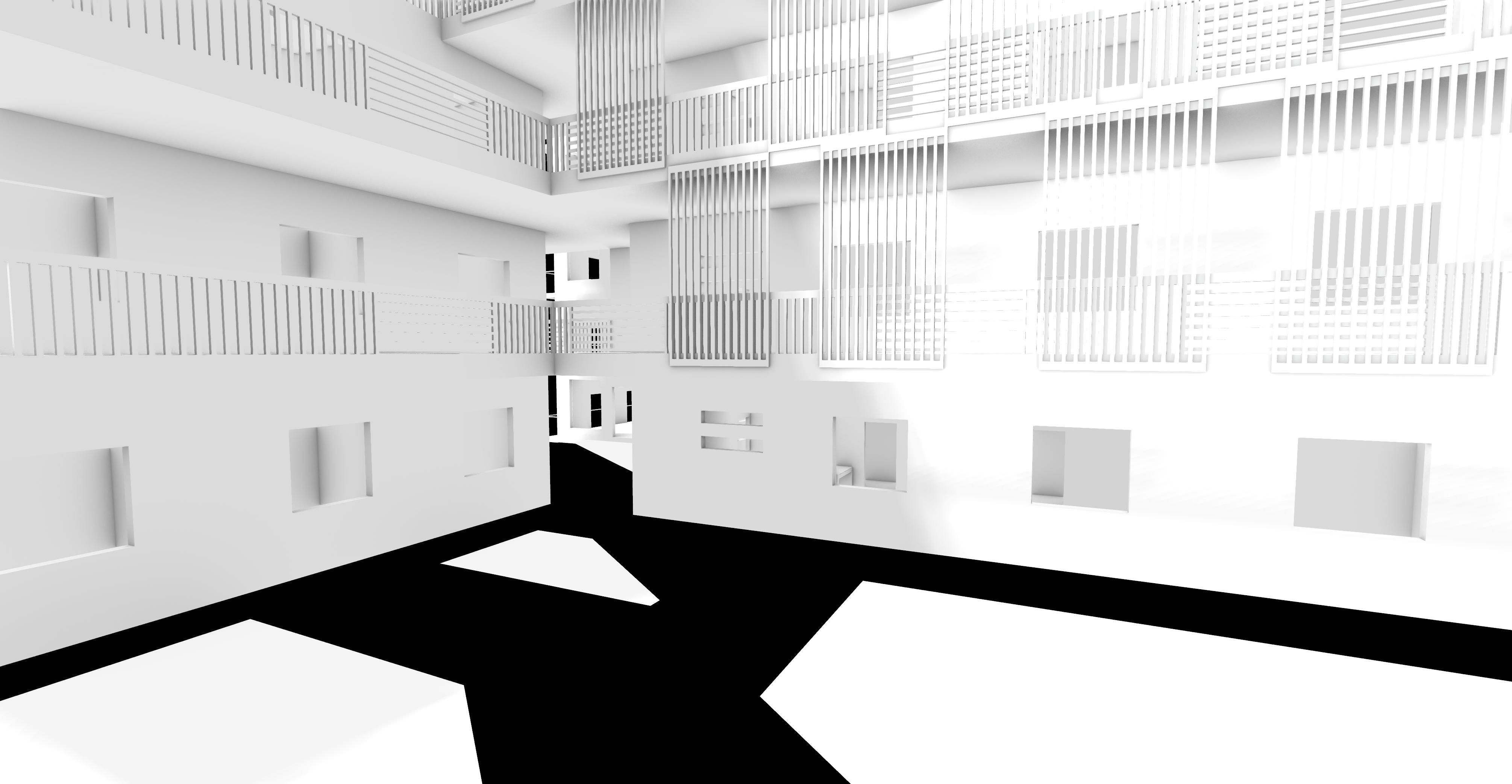

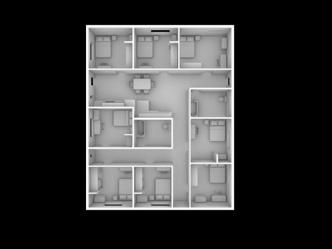
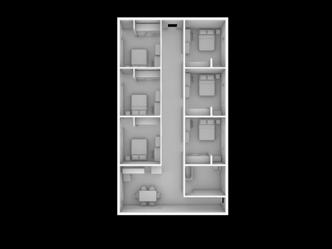

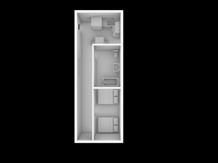
Multiple iterations of massing and unit placement focused on balancing privacy and accessibility. Early design stages also considered facade elevations with movable louvers and analyzed how adjustable walls influence the transition between private and public spaces.

Exploded Section
Model & Perspectives

Role: Designer I
May - August 2025
Higher Education Sector
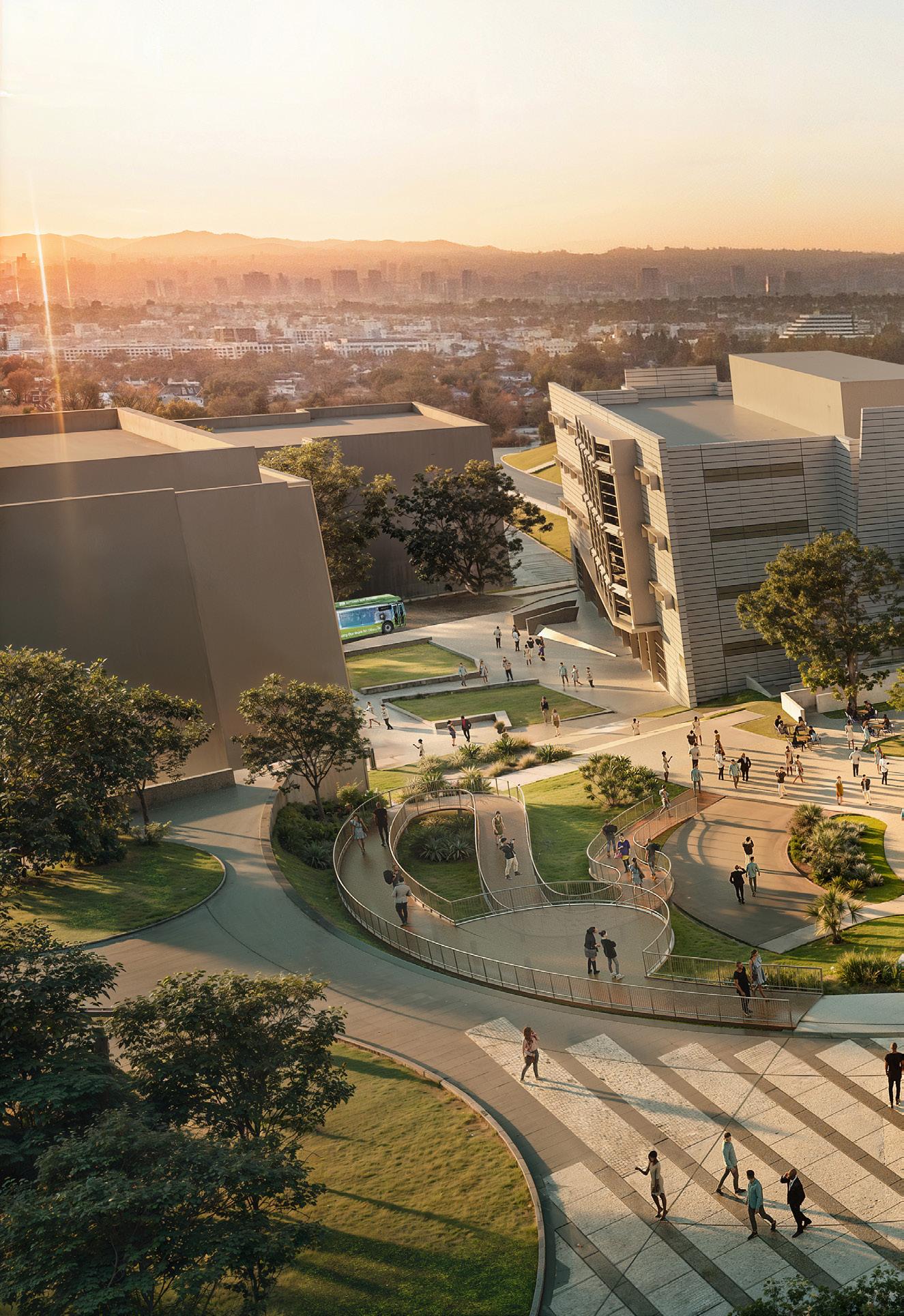
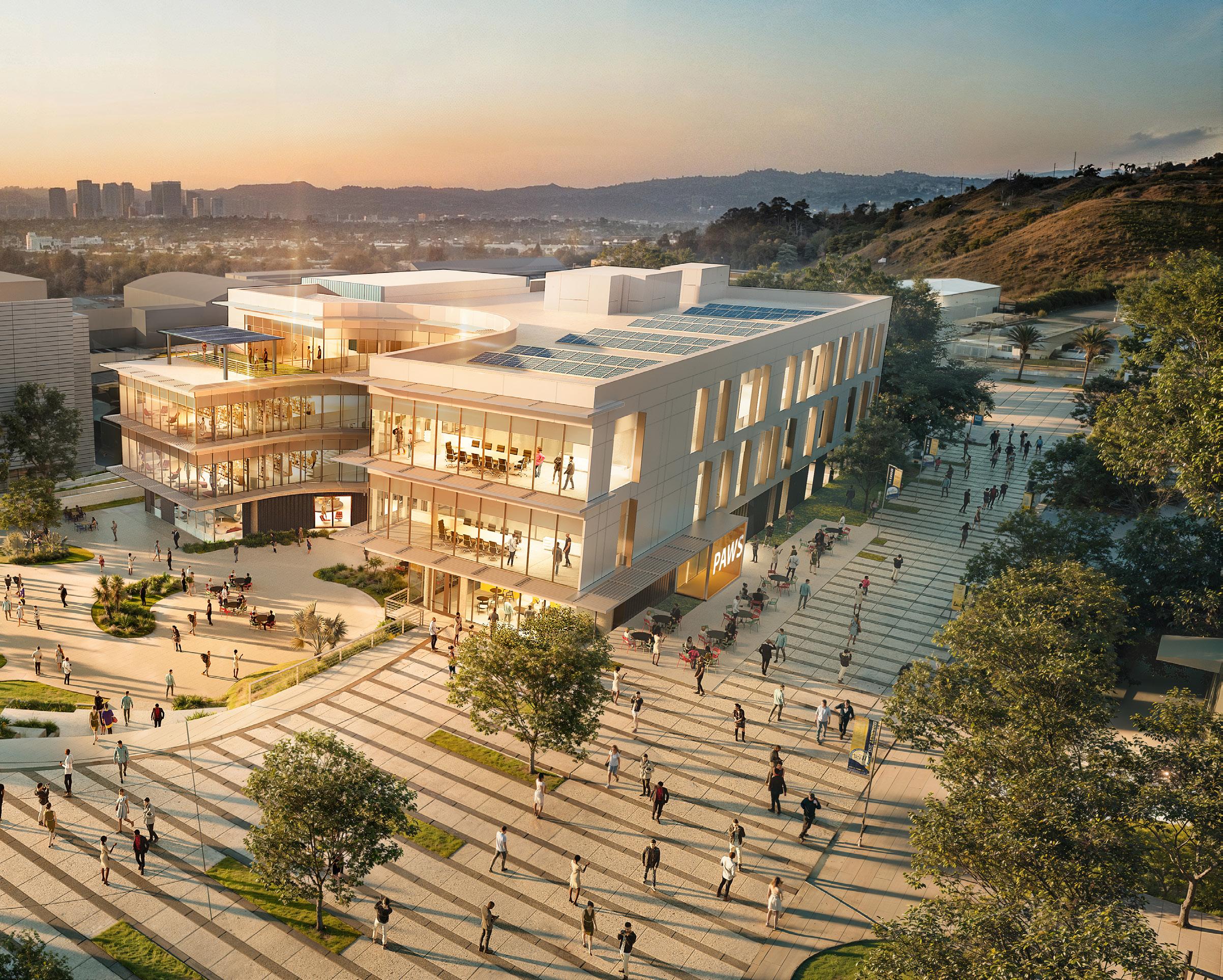
Selected professional work from AC Martin, highlighting graphic and visualization contributions to LACCD Heldman project during the proposal phase. The proposal was successfully awarded, and the work shown reflects my role in producing diagrams, renderings, and presentation materials, while architectural design authorship was led by the firm.
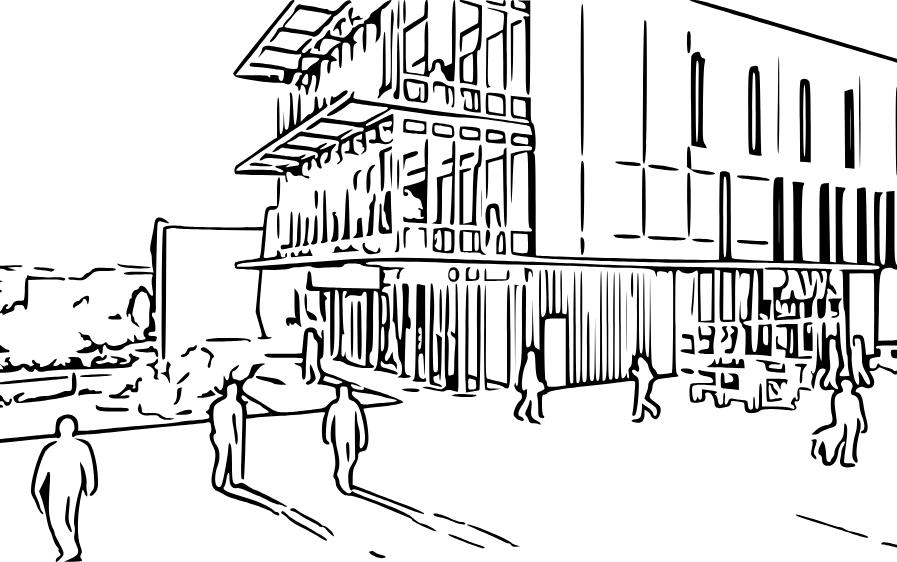
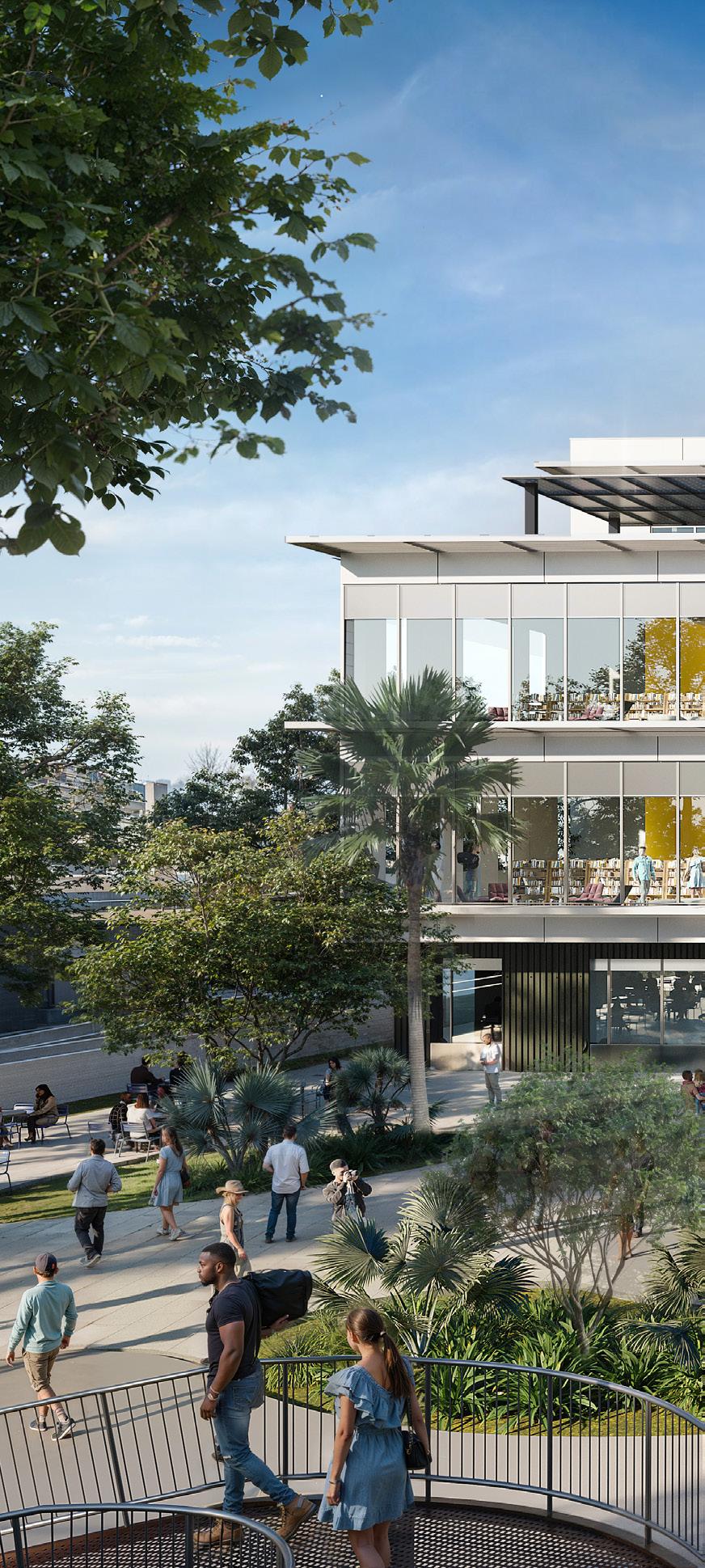
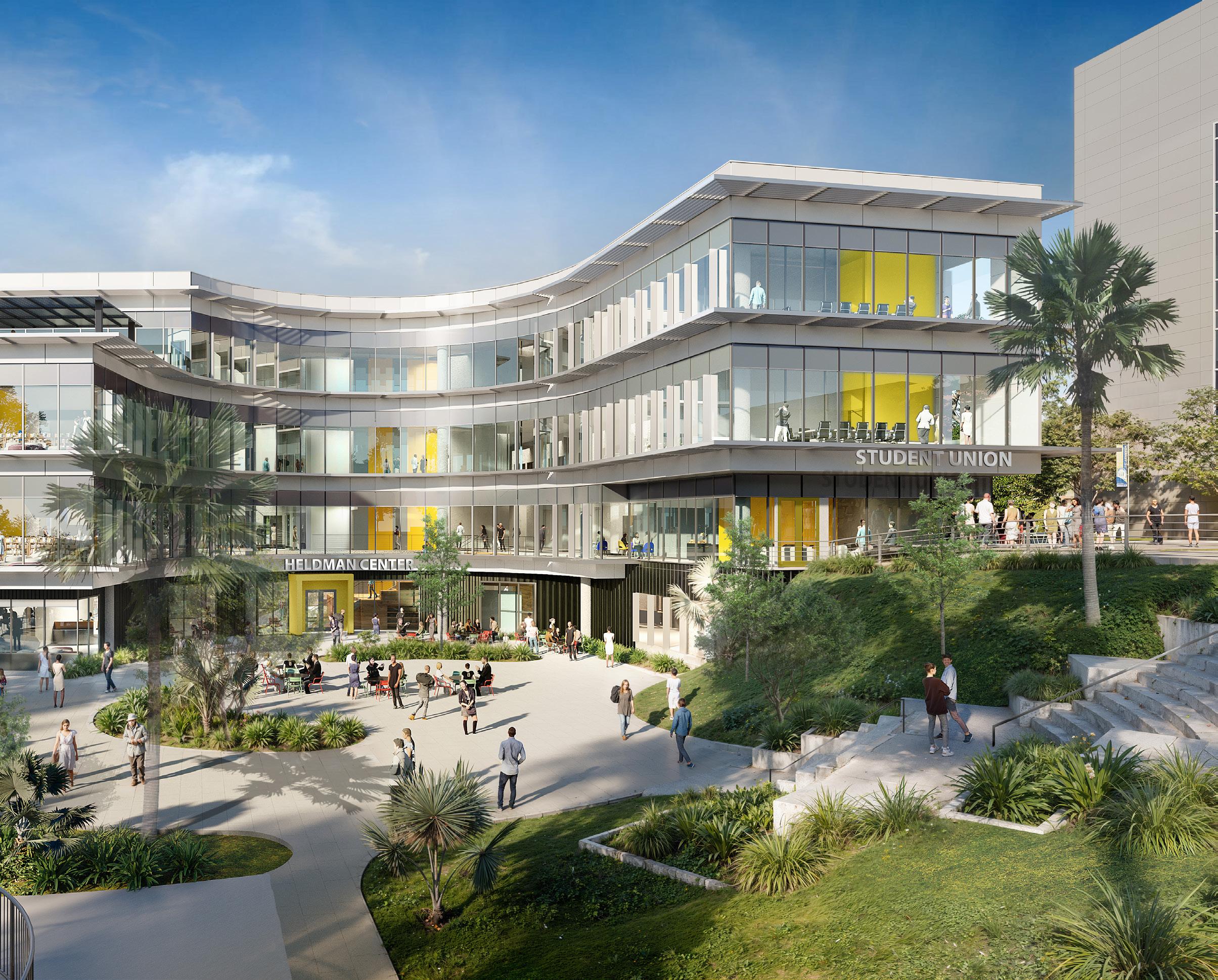
This multistory beacon establishes the importance of the Heldman Center to the campus.
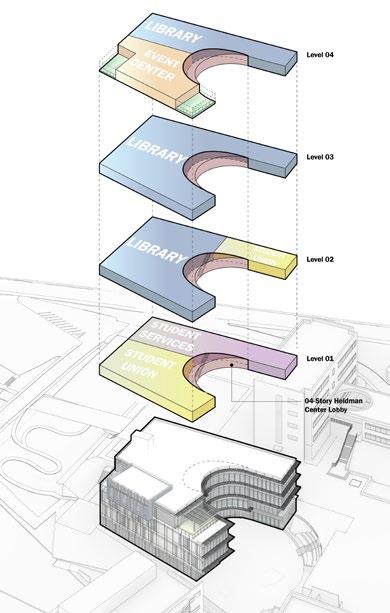
This central organizing element puts everything on display, creating an open and transparent connection with students and ensuring they have intuitive access to all resources within the building. The 4-story space is directly accessible from both Level 1 and Level 2, making all programs immediately visible upon arrival. This transparency creates a strong connection with the exterior on all four sides of the building, enhancing the indoor/outdoor nature of the space and expanding the building’s engagement with the broader campus context.
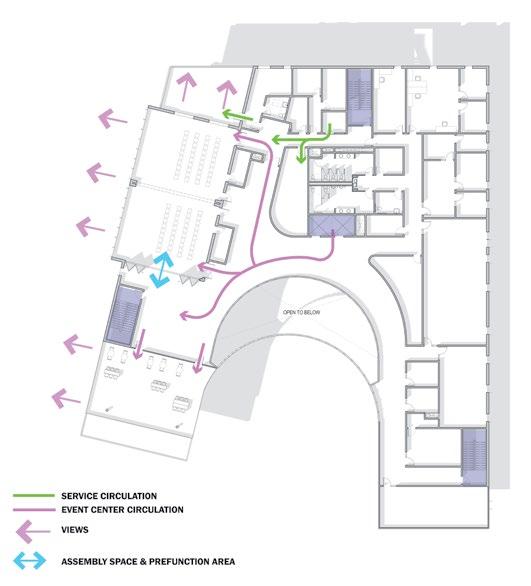
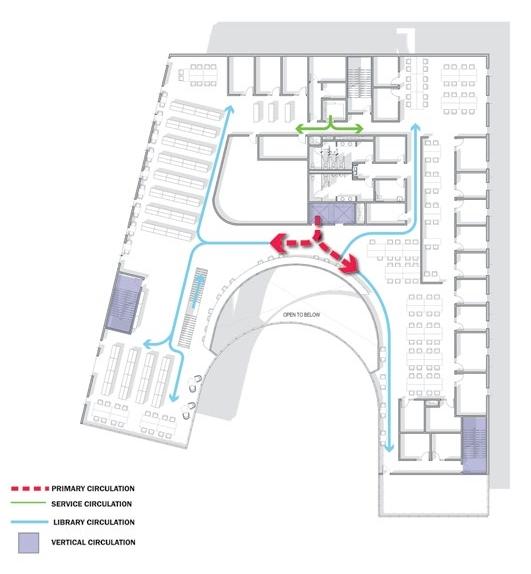
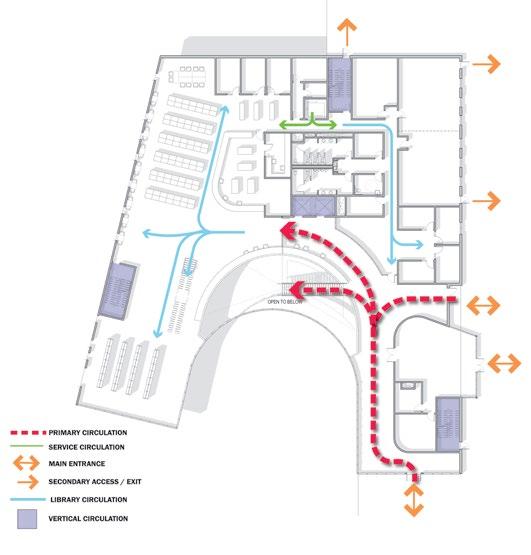

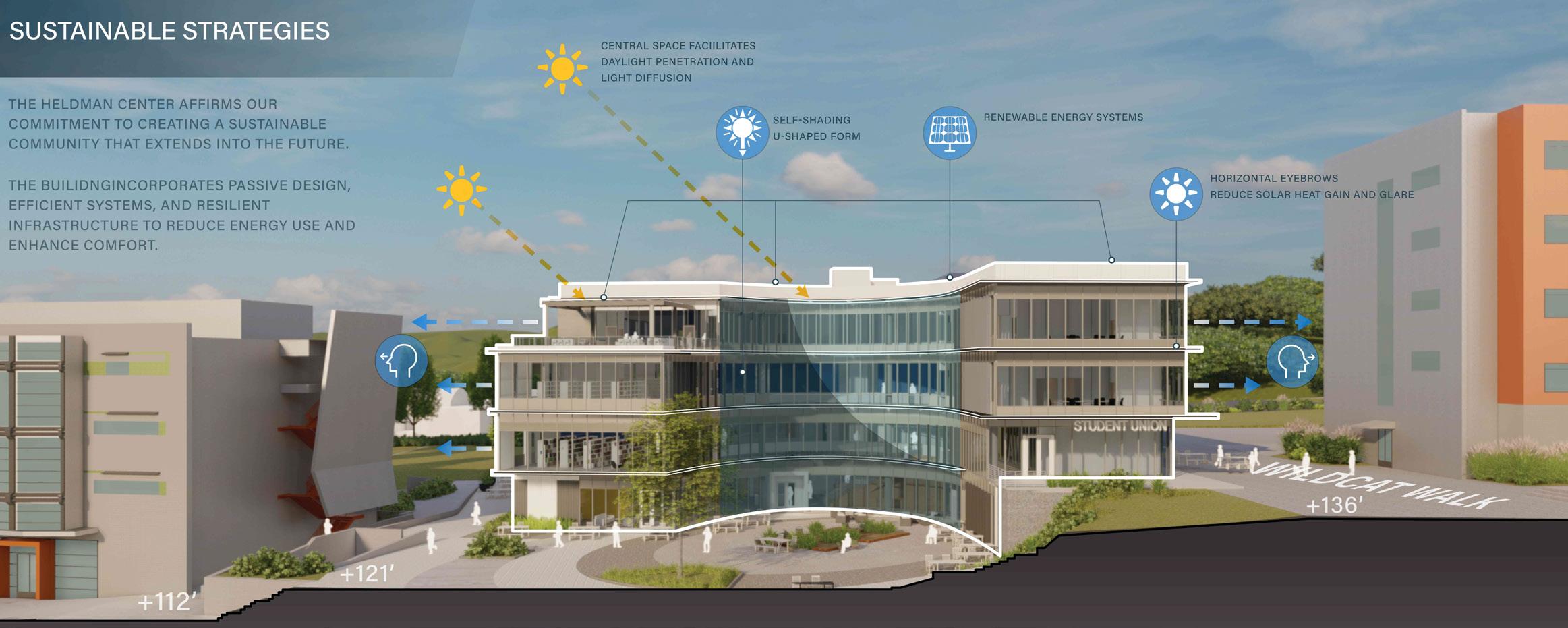
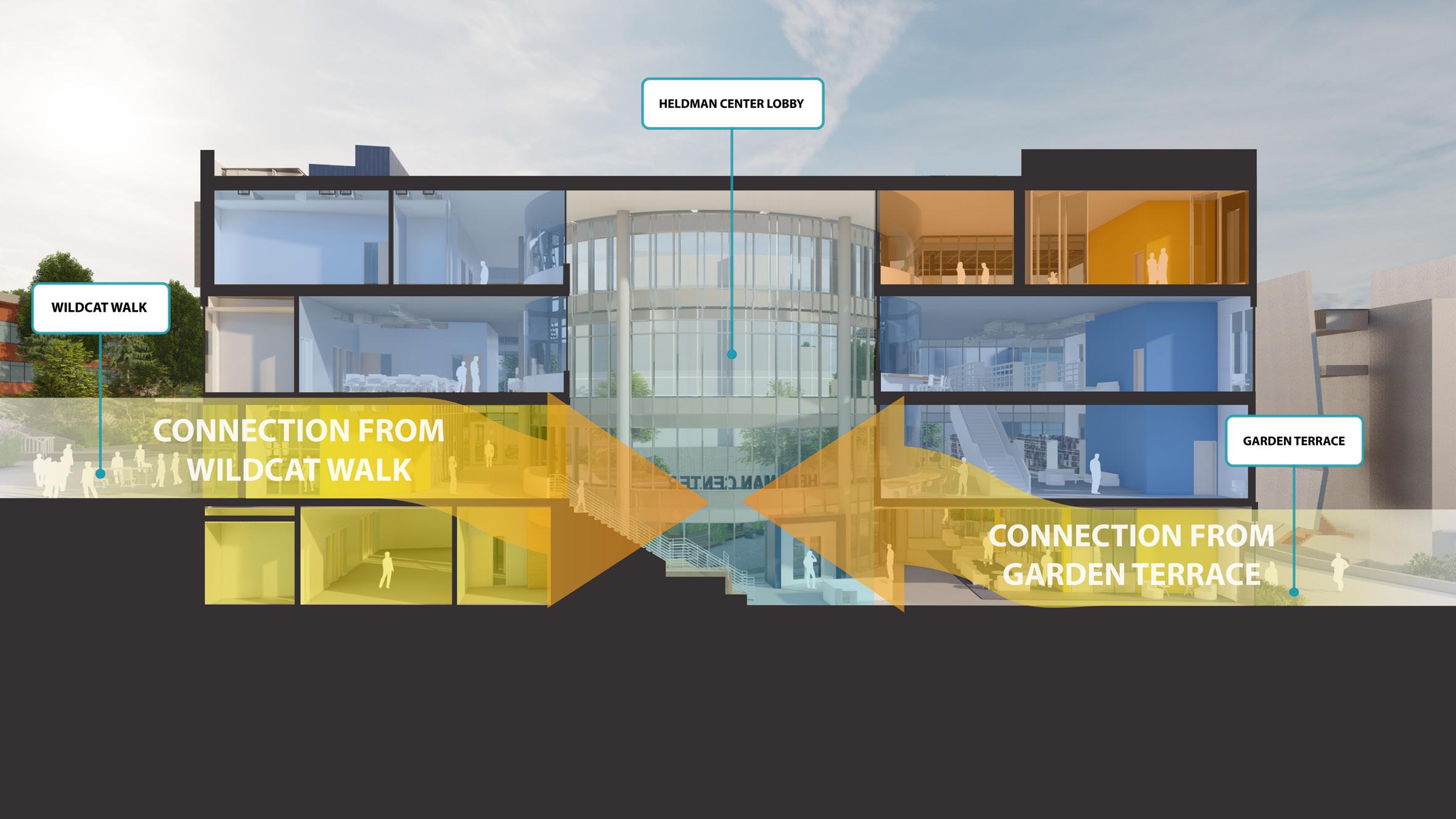
The Swinerton + AC Martin team has identified three critical design issues that will determine the success of the Dr. Morris J. Heldman Center. Our approach to addressing these challenges leverages our deep understanding of LACCD standards, DSA requirements, and campus-specific needs.

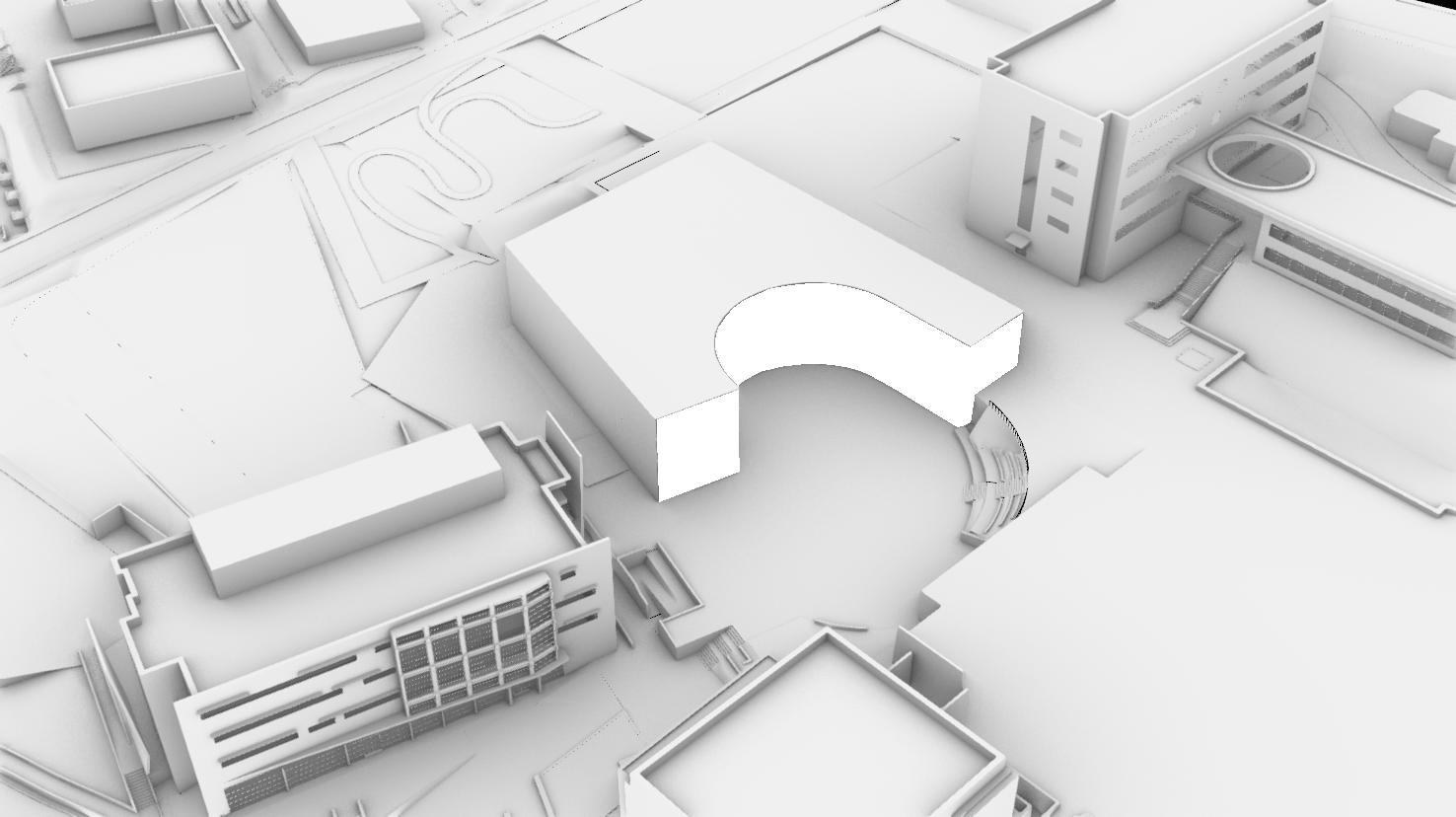
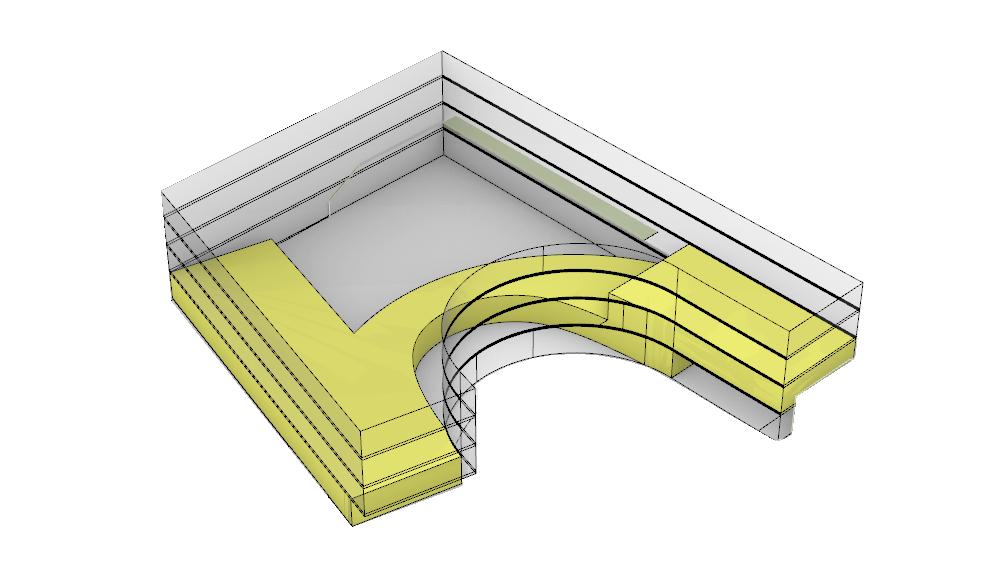
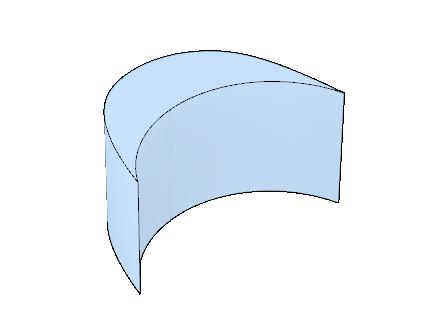

Concept Diagrams

Proposal diagrams produced in response to the RFP and used across presentation boards to communicate core concepts.