Go to the back
For three lessons all info designers need.
Cutting to the core of information design with Karlie Surplus
Go to the back
For three lessons all info designers need.
Cutting to the core of information design with Karlie Surplus
Reductionism became a key part of my process— distilling complexity into simplicity.
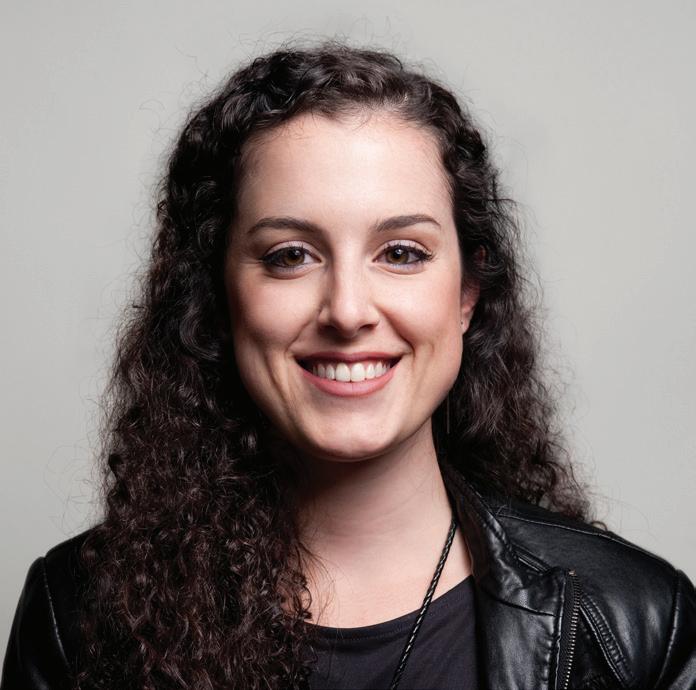
Karlie Surplus
Portland based information designer who's been diving into the nitty gritty of health sciences at Cognition for the past 10 years. Now, moving on from Cognition, she's looking at the next chapter in her design career.

Cognition is an information design studio focused on health and life sciences.
Projects varied between work for small biotech startups to global health giants, the spectrum is wide. One of our well-known clients for example was the Gates foundation.
The work I did was anything from brand identity, to UX work, to information design.
Was it nice to wear lots of hats?
Being in an agency, there’s always new work. You’re always doing different things, constantly, different clients, different types of work. You’re not bored.
I also found it really helpful if I was stuck on something, then I could shift my mind over here, and work on something completely different. Sometimes I just needed to do something that was very manual or more analytical than it is creative.
Do you have a favorite project?
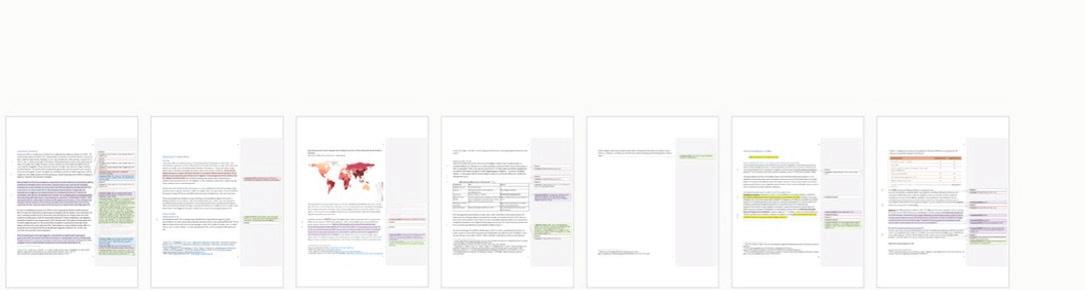
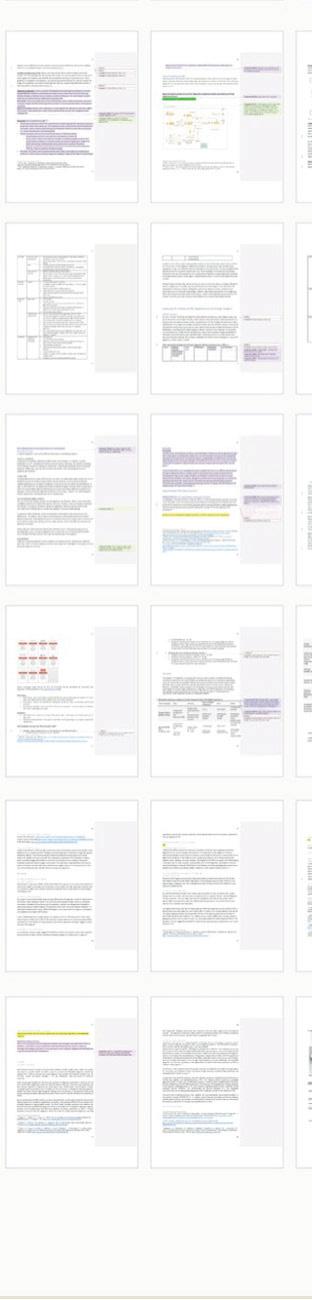
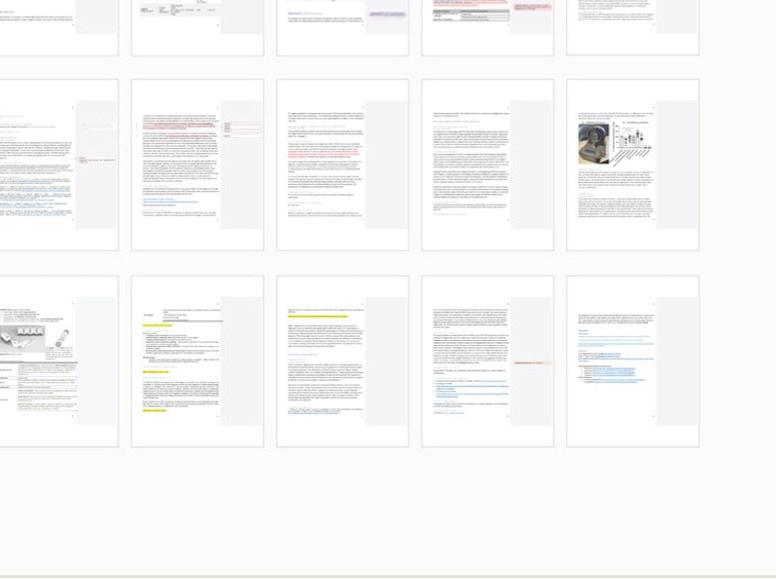
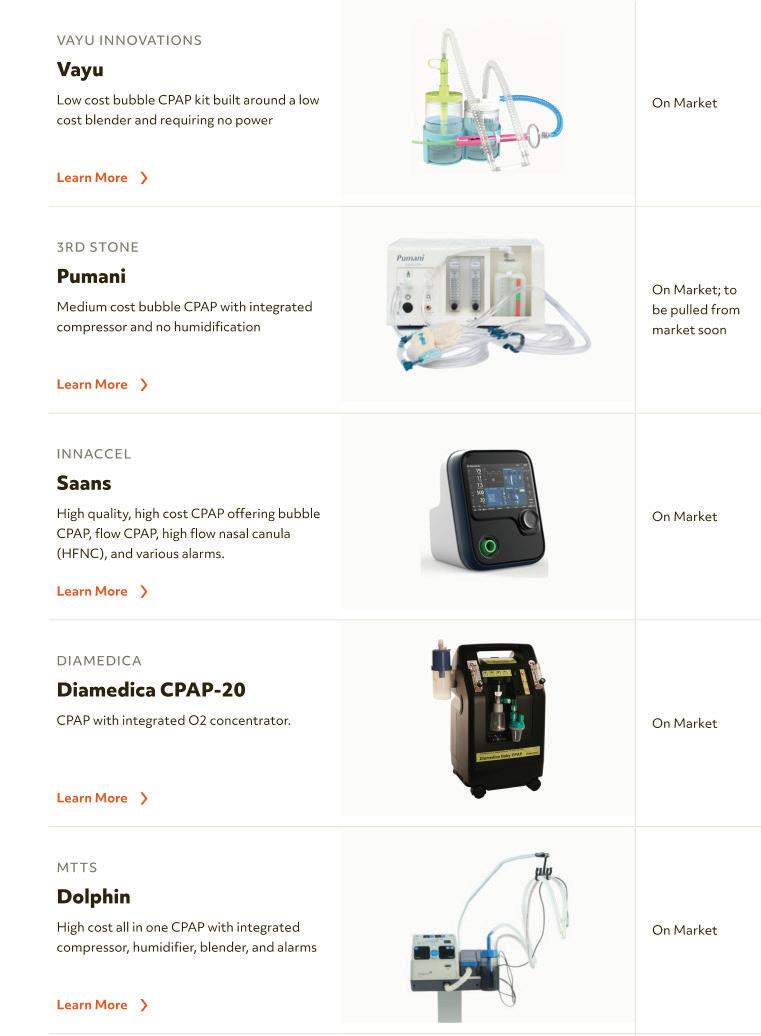
I did some work with one of the Gates ventures subset projects, Global Health Labs. It’s a digital platform organizing medical device research and innovation for low-resource settings.
Our job was to have a central location where you could store all the information on medical devices and do a cross analysis of not only stuff that they have produced, but what else is there in the world and then be able to find gaps.
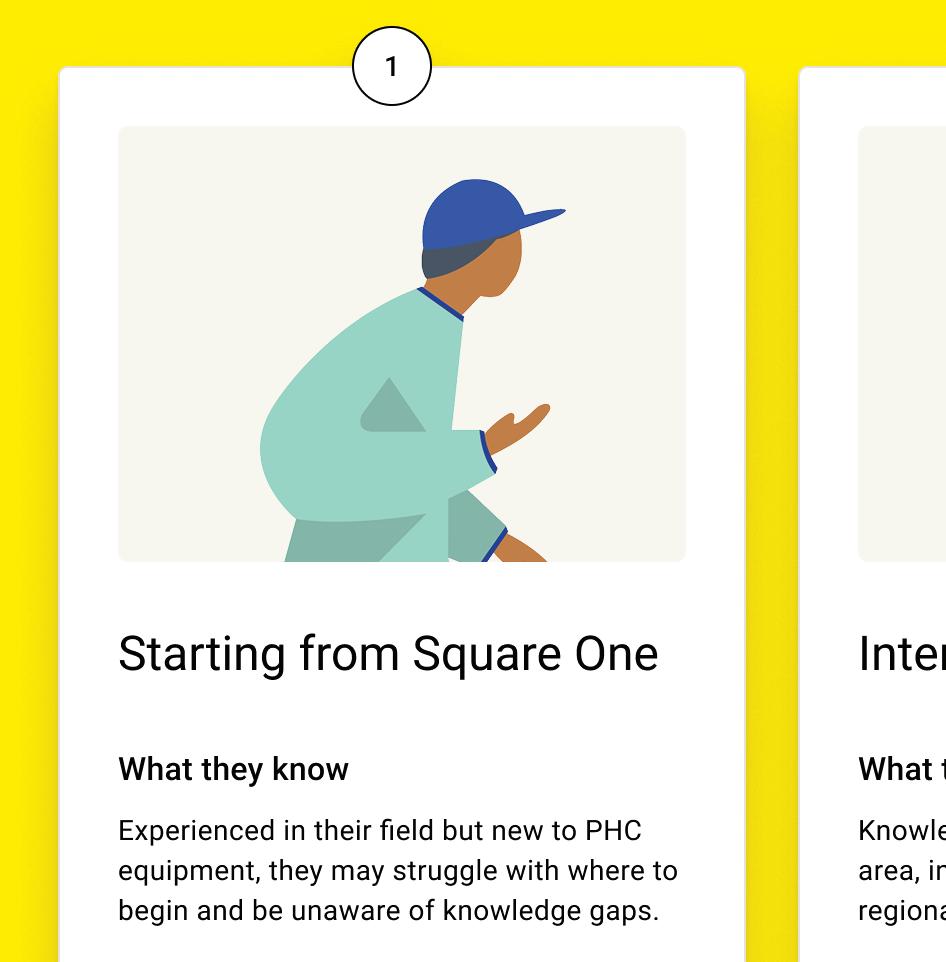
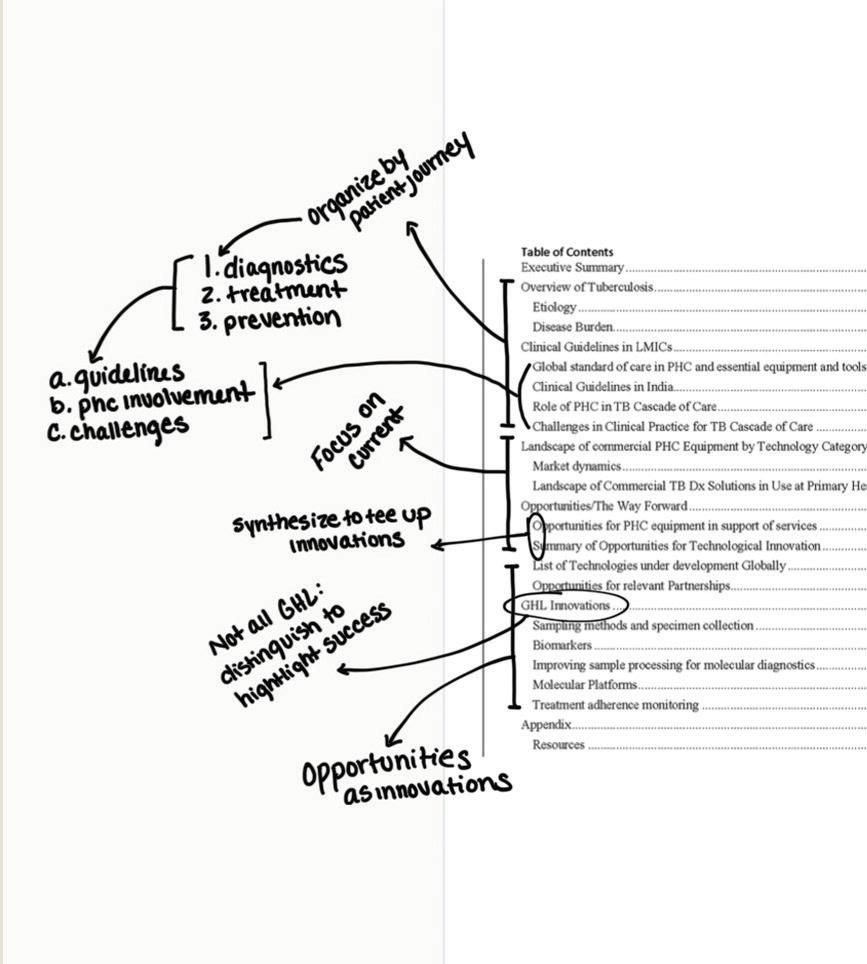
Once we received the initial content (a rough 60page draft for a single disease area), our challenge was to architect a scalable structure for dozens of future areas.
Our organizing principle became the patient journey framed through a “who, what, why, how” narrative: What are we addressing? Who is it for? Why are there challenges? How might we solve them?
What was the best part of working in an Information design agency?
The mission was incredible. The work was impactful. I worked with amazing clients who’s vision to save lives and change the world was more than just hyperbole, and learned from the most intelligent colleagues with the heart of teachers who distilled industry knowledge unbeknownst to me.
I will say that truly, almost every project that I have done felt like it was going to make an impact in some way, shape, or form.
How much technical, scientific knowledge did you have?
Not much, so I definitely had to resource other people. I'm grateful I had support from other people to break complex things down for me.
Sometimes you start to learn it though. We worked with a company forever who worked in T cell therapy. Eventually, I started to learn and actually understand it myself. So, when we got another company that also dabbled in T-cells I was like, I got this.
What did you enjoy about being an information designer?
I found genuine love in problem-solving. The more structure or systems I could build, the more I thrived — which naturally pulled me toward information design and eventually UX (or more).
I love designing from a place of purpose and intentionality, where storytelling and clarity intersect. Reductionism became a key part of my process — distilling complexity into simplicity that feels intuitive, empathetic, and meaningful.
I like how information design can just be very analytical. Yes, there’s a level of creativity to it, but sometimes my brain just wants to be very tactical.
When did your love of information design start?
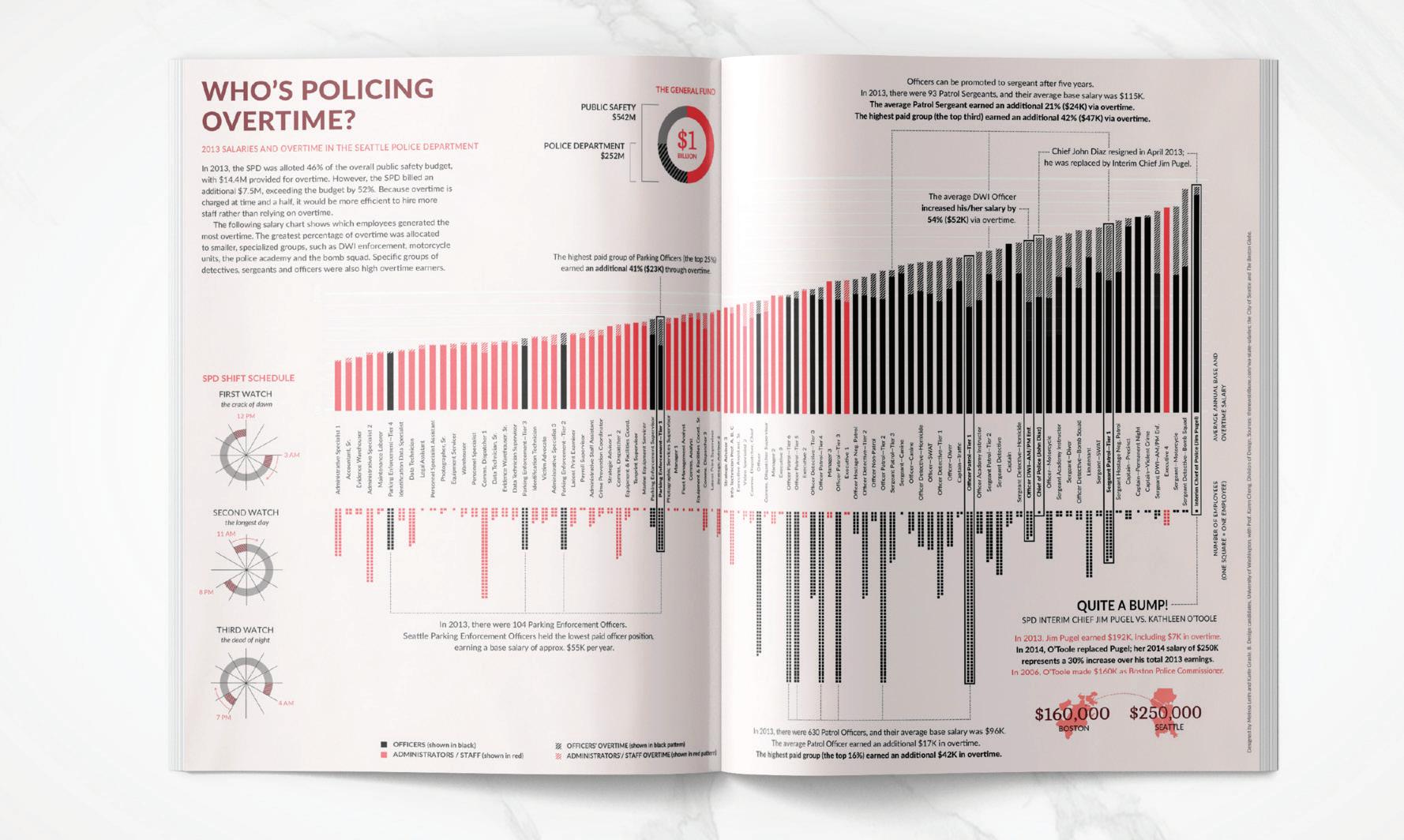
It was in Karen Chengs's data visualization class when I first fell in love with information design. With a partner I created this info graphic on policing overtime, it was basically data to better understand where the money is going within the police force.
The piece was later published in ARCADE magazine, which required a redesign to fit a two-color print format — a new layer of constraint that pushed how I approached data representation and hierarchy.
I’ll say one thing I really loved about the design program is when you really got to sink your teeth into a specific problem. In the agency world, sometimes you feel like you’re moving so fast with so many different things, and you wish you could give that one project you really like all your focus.
What was the transition like from design school to agency?
When I left college, there seemed to be two paths: agency (or even an in house) or product. At the time, agency was definitely promoted for the integrity of your craft, that was definitely the push of if you want to excel as a designer, that’s the route you go. I went straight to Cognition after school and that choice made it hard to retroactively go into product. I rarely see designers cross or shift from one side into one another because you tend to gain a hyperspecific set of skills for your particular Agency.
One thing I loved about the uw design program is when you really got to sink your teeth in to a specific problem. I worked with amazing clients whose vision To save lives and change the world was more than just hyperbole.
WHat comes Next?
What are your priorities for the future?
Empathy is now at the heart of my work —whether for clients, users, or teammates —and I’ve learned that values are the backbone of both good design and sustainable careers.
I really love just being outside There’s so much more beyond just work. There’s so many other creative outlets and other things that are important to making you human.
What does the next step look like for you?
In taking a step back from agency, I'm excited by the idea of being able to do more user testing and even user research and being able to future proof something.
I like the idea of being able to nurture something a little bit more. I think that’s a big piece of what I’m striving for in the next chapter.
10 years of successes and mistakes distilled.
meet the author
Sofia Rossi is a visual designer at the University of Washington who loves making big ideas understandable and beautiful. She has a curiosity that motivates her to constantly learn, be it the hard numbers of science or the intricate details of design.
Don’t let the fear of instability trap you.
While you're young you have less responsibilities, so don’t be afraid to change. Oftentimes growth is limited within a company and you could find a better role by looking outside of one firm.
Check in with yourself.
Are you being supported or uplifted? Do you feel empowered to grow? You should feel safe talking about personal work — it shouldn’t be seen as a threat. Every company has its seasons; be honest with yourself about whether this is a passing challenge or the norm.
Uphold the integrity of your work.
Don’t just become an expert at pleasing leadership. When decisions start being made to appease hierarchy instead of solving real problems, it’s time to reflect on the skills you’re building.
Make things that you're proud of.