I am Sofia Diaz. An innovative and resourceful final year architecture student, with excellent design and analytical skills. Due to my varied background, I possess the ability to work in an international, multidisciplinary team. Skilled in researching, developing, and communicating architectural projects assertively, from their initial stages to their technical completion. Thus, I am incredibly passionate about architecture and sustainability in the face of climate change.
Education
Architecture Exchange Student Masters 1
Brussels, Belgium
2023
Bachelor in Architecture, Minor in Business
Bogotá, Colombia
2019-2024
Roman Architectural Sketchbook
Rome, Italy
2019
Experience
Researcher and Co-Author, Dr. Ingrid Guerrero & Professor Maarten Goossens, Current
Model Maker Josef Hoffmann Exhibition, Jan-Jul 2023
Curator Dr. Adrián Prieto & Profesor David Erkan
Architecture Photography Assistant, , 2022-2024
Teacher Assistant, to Universidad de los Andes, Aug-Dec 2021
HYPERESTHESIA: CONSTRUCTED VOIDS
THESIS | 2024
PROFESSORS DANIELA
ATENCIO, CLAUDIO ROSSI & DANIEL BONILLA
PATHS OF TEMPORALITY
UN-P ROBOT_LAB | 2022
PROFESSORS DANIELA
ATENCIO & CLAUDIO ROSSI
ON THE LINE
ATELIER MML | 2023 PROFESSORS
ALAIN SIMON & JULIE MARTINEAU
CENTRO MÉDICI: IN BETWEEN
INTEGRATING PROJECT | 2022
PROFESSOR JAIME GÓMEZ
4°37’29.0”N 74°04’48.7”W National Museum of Memory, Bogotá, Colombia Individual Project, Thesis
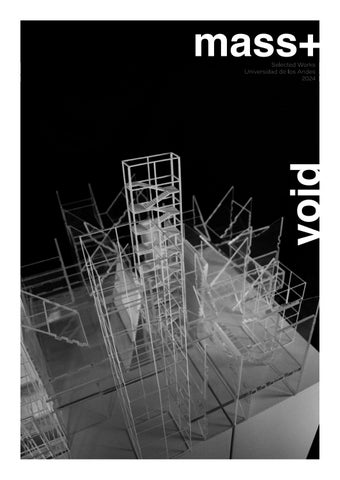
Hyperesthesia: Constructed Voids
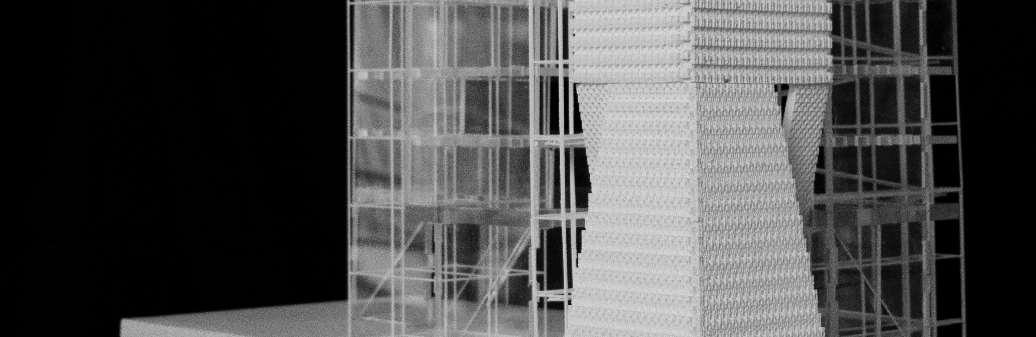
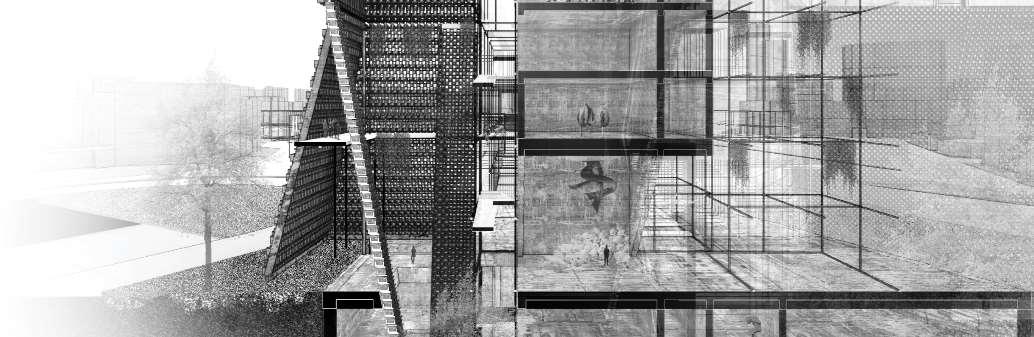
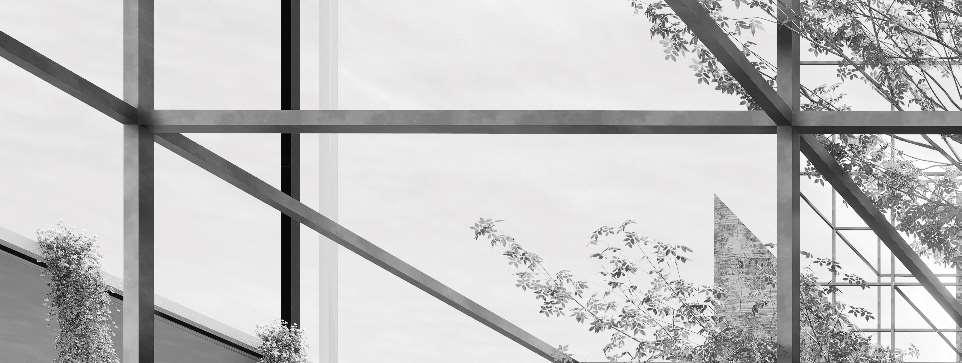
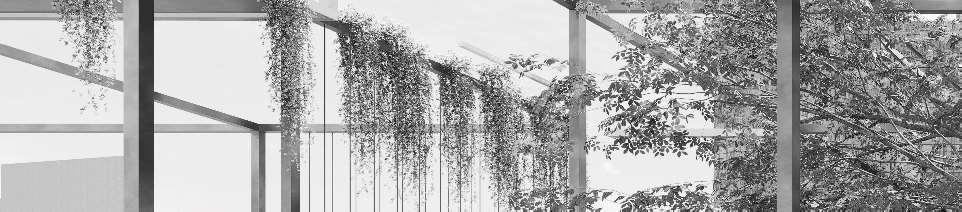
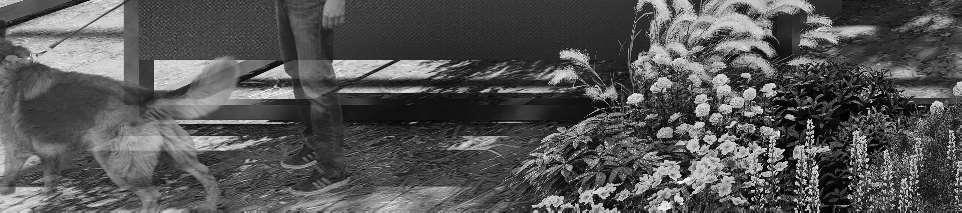
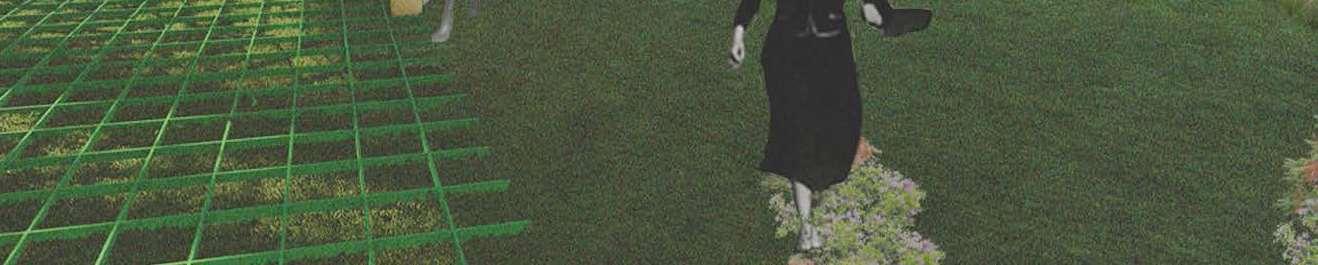
The project resides in the interstice of what, many times, we see as an element on the periphery of architecture. Result of abnormal disruptions in the short term: human error, oblivion, or everything at once, create the phenomena of the unfinished structures that we see today in the city of Bogotá. A condition replicated, in a building whose program would have been dedicated to a concept radically dicotomic to oblivion, memory. A paradox. A strucure dedicated to memory, with no memory of its own but oblivion. Its condition places the concept of ‘memory’ as the basis in which this proposal is developed.
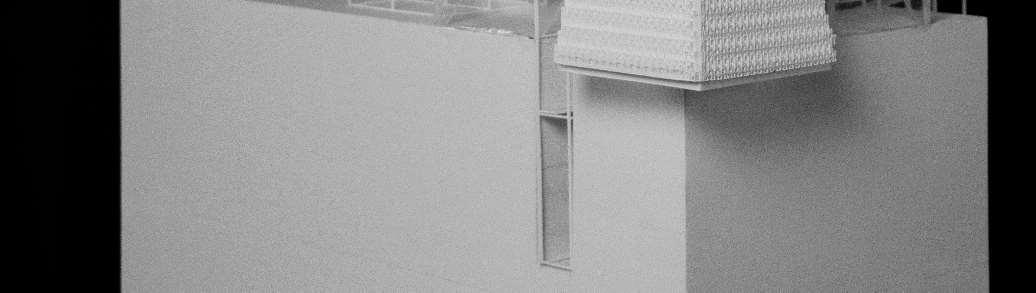
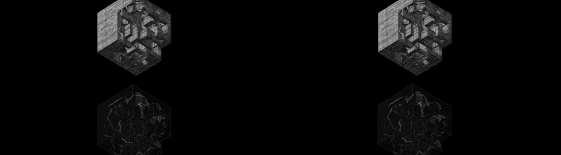
A space of memory of which its design is based on exalting the way in which humans create memory: the senses. By using absent matter as constructive, almost artistic dimension of memory, to produce interventions in the courte durée that encapsule geographical phenomenons in order to give life to the abandoned structure of the National Museum of Memory in the long durrée
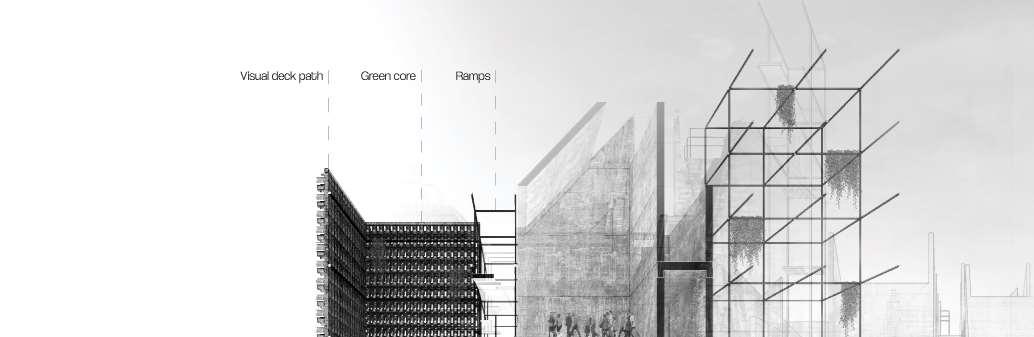
Considering what is permanent as geography and time, and what is impermanent as the use that is given to the building. Space functions as the program. A container of geographical phenomenons, all as a manifestation of time and a means to collect the human senses.
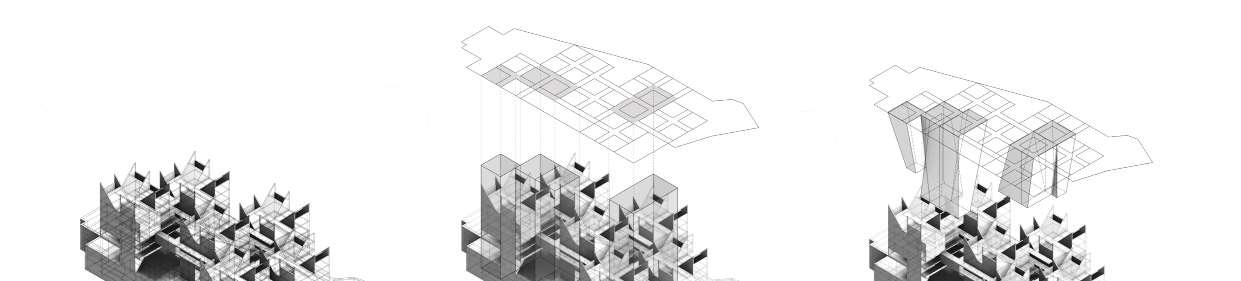
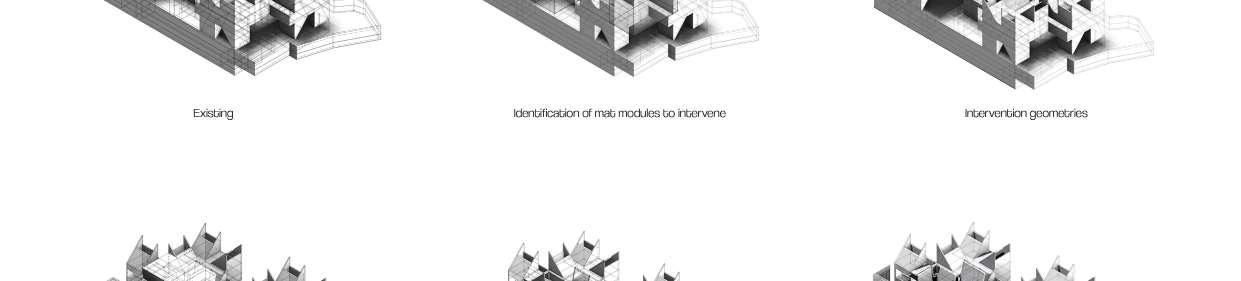
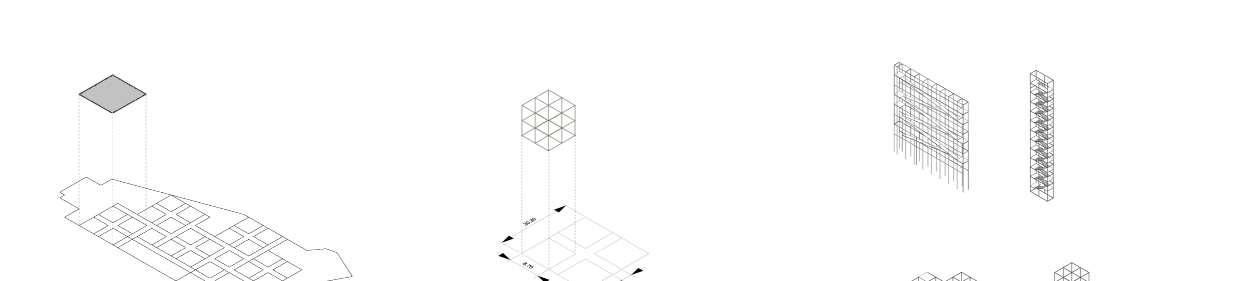
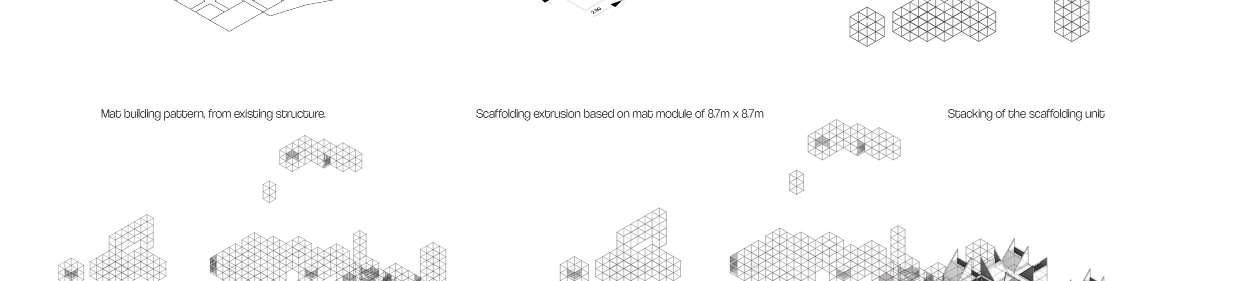
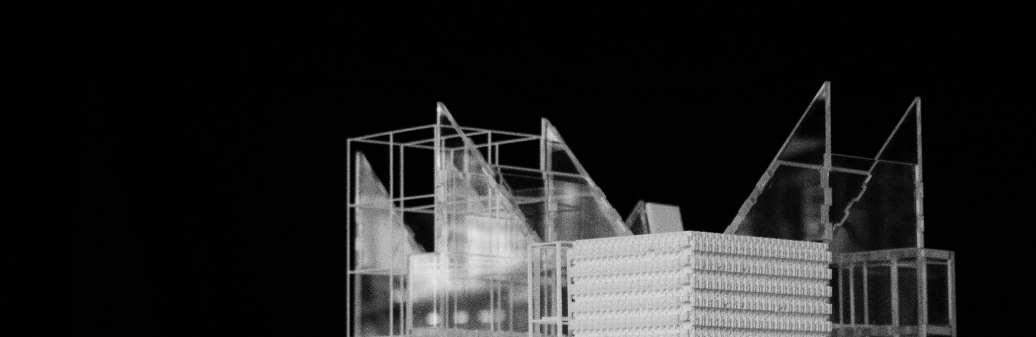
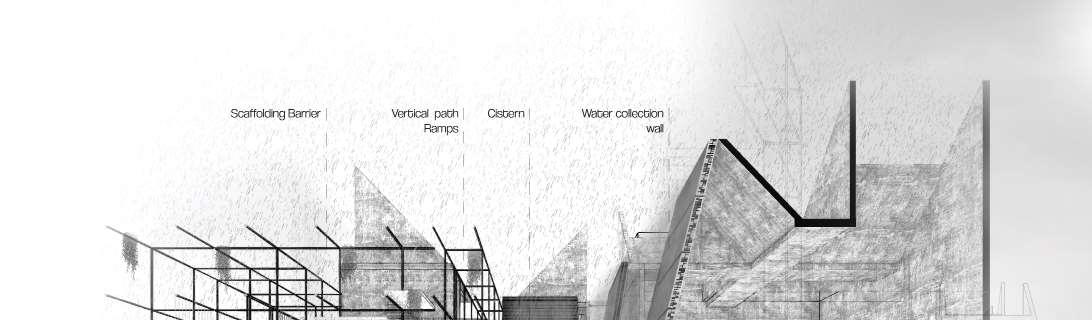
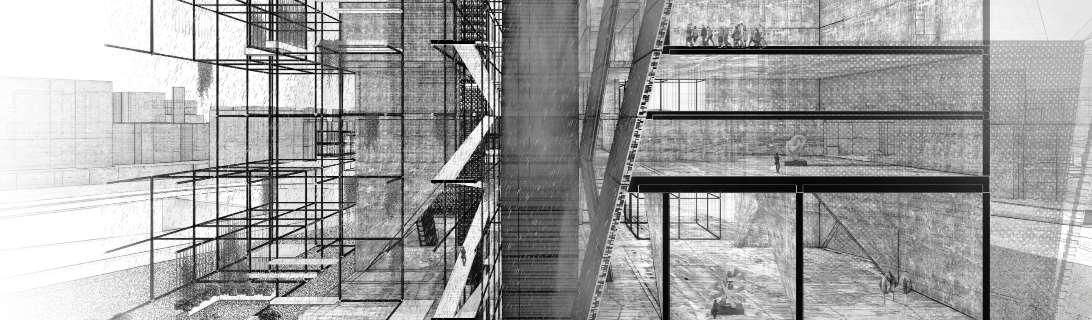
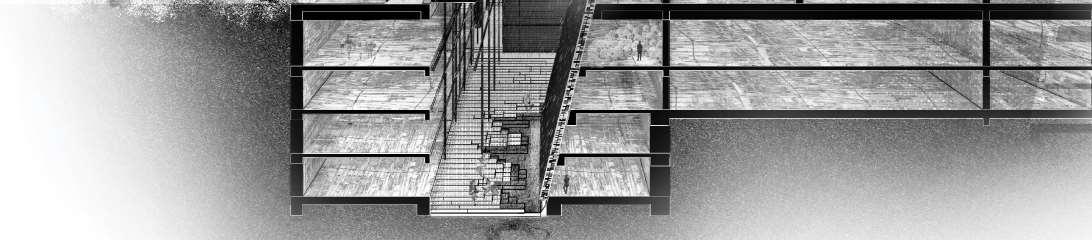
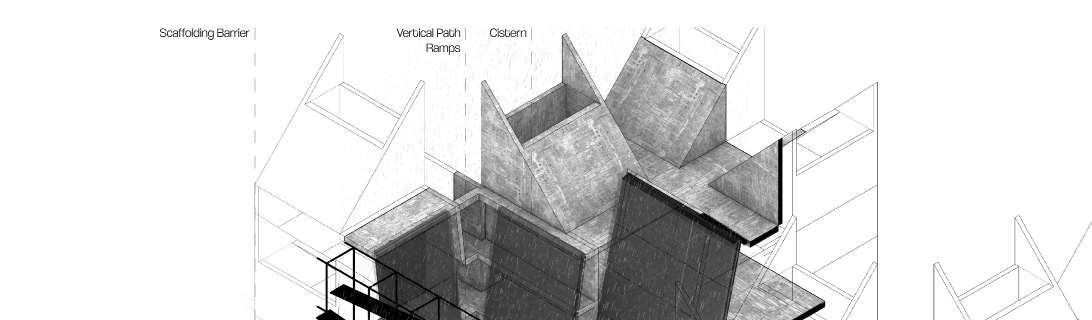
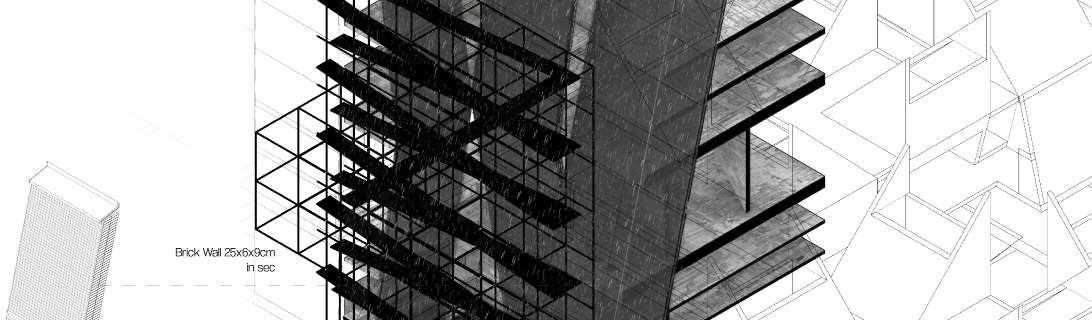
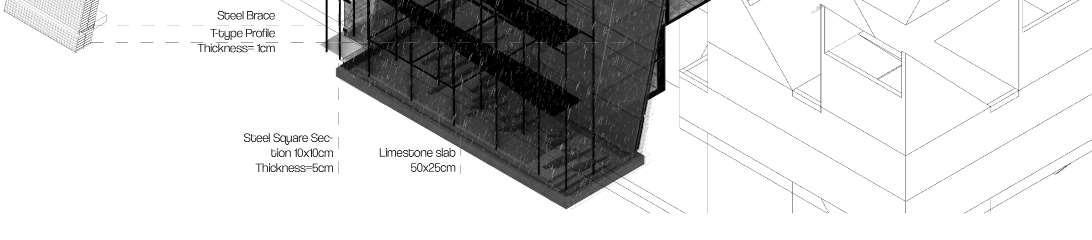
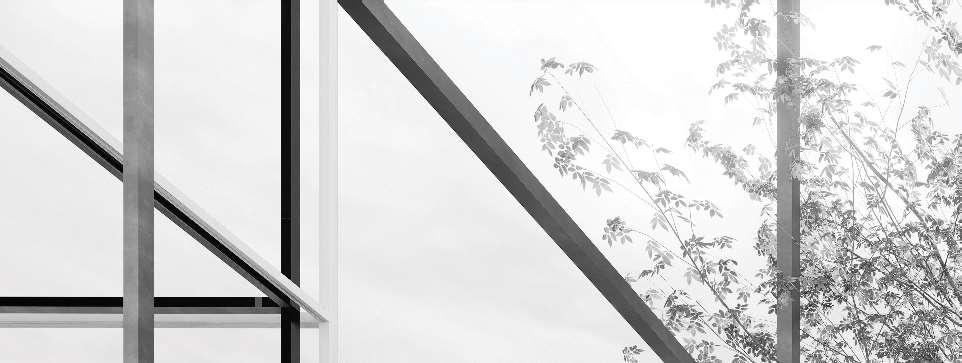
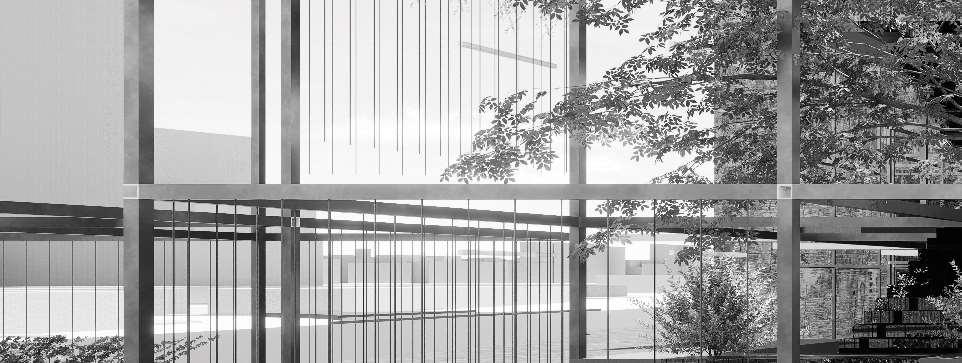
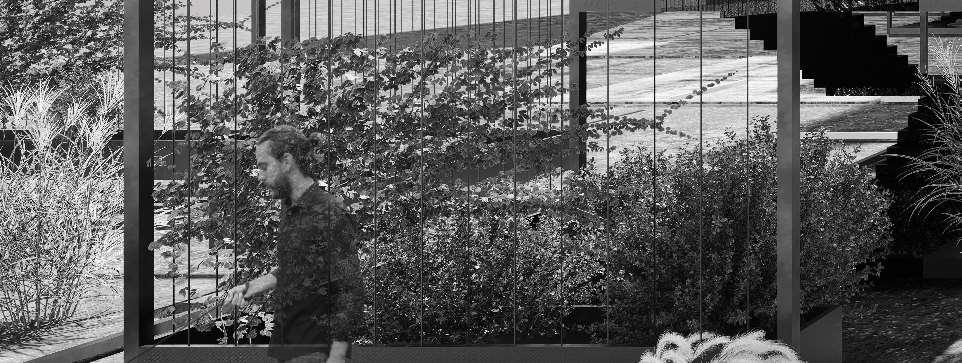
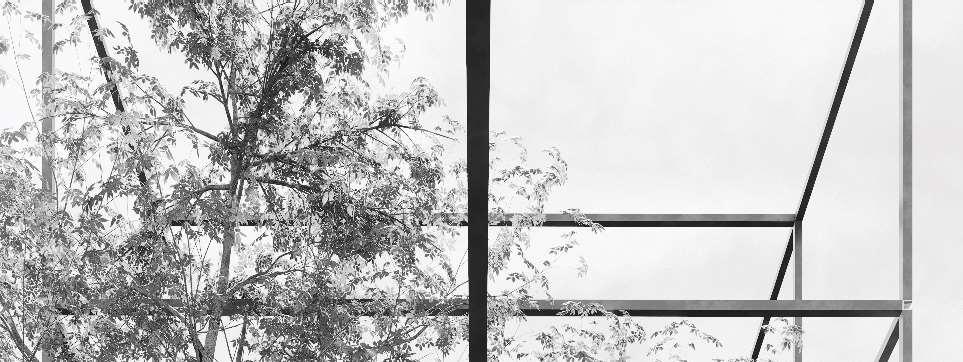
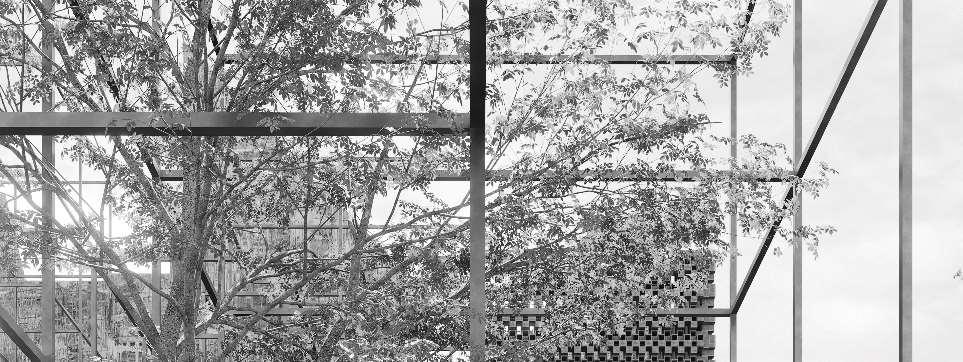
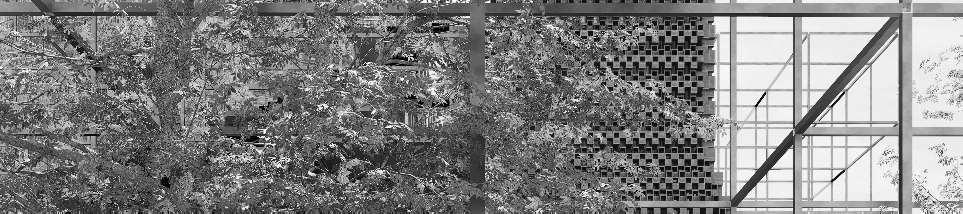
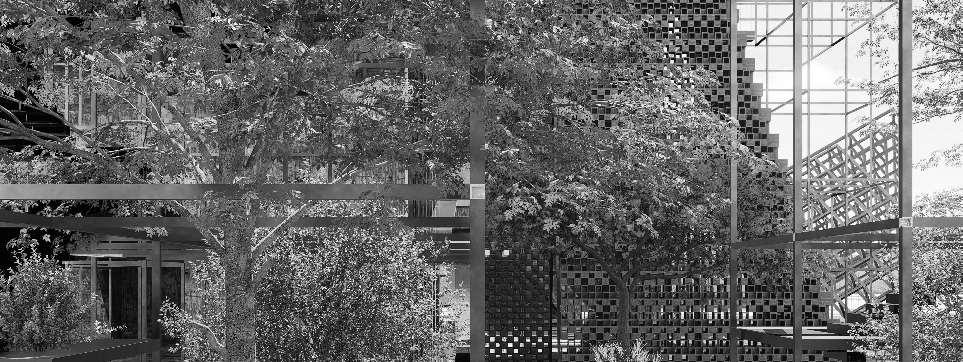
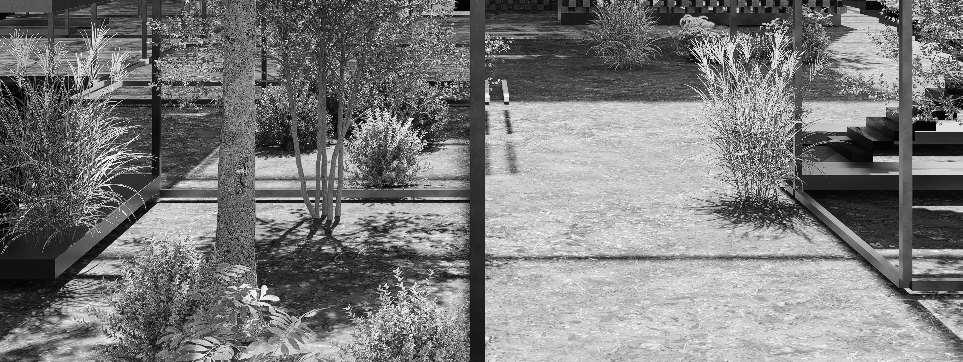
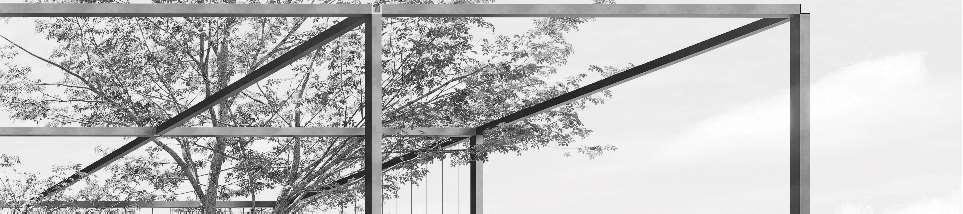
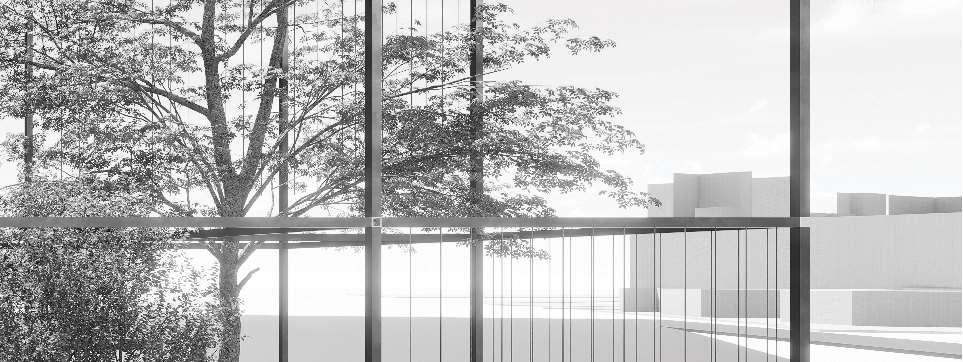
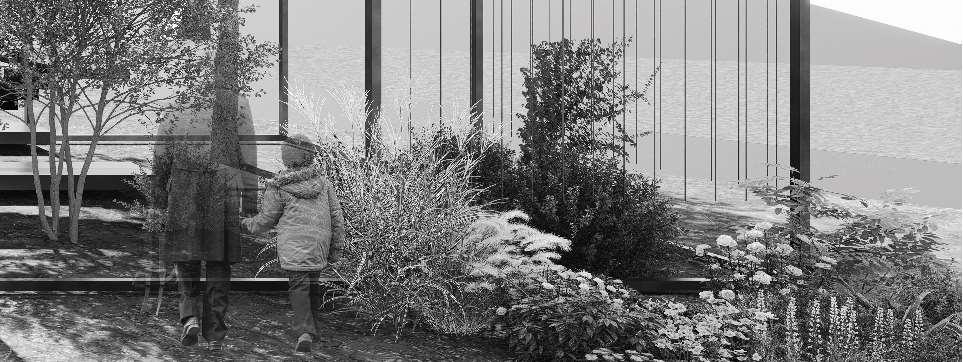
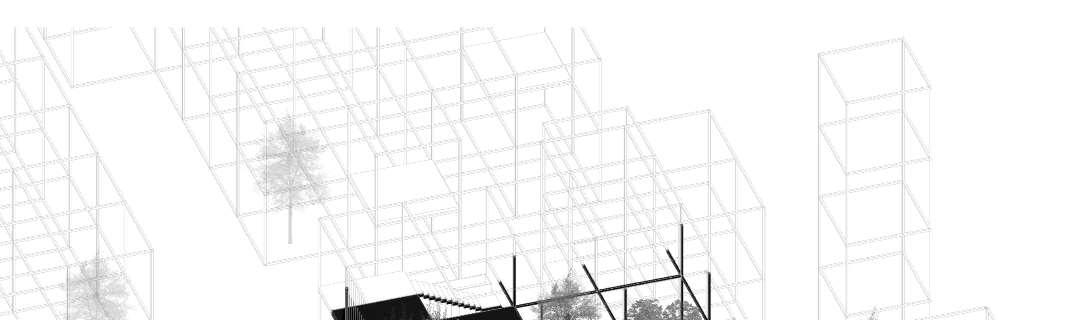
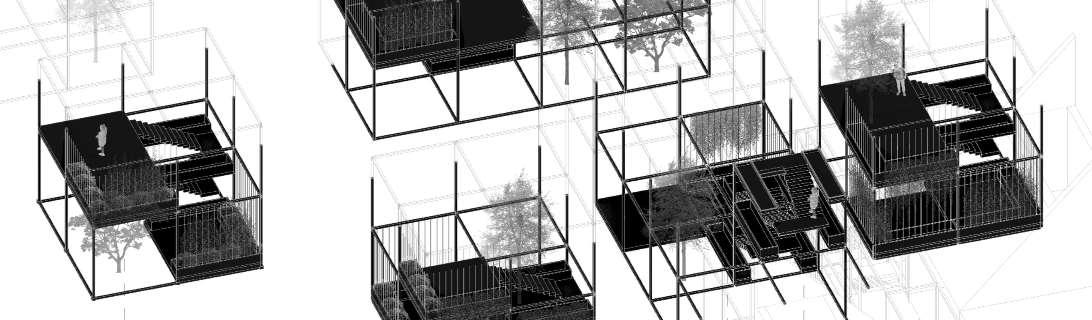
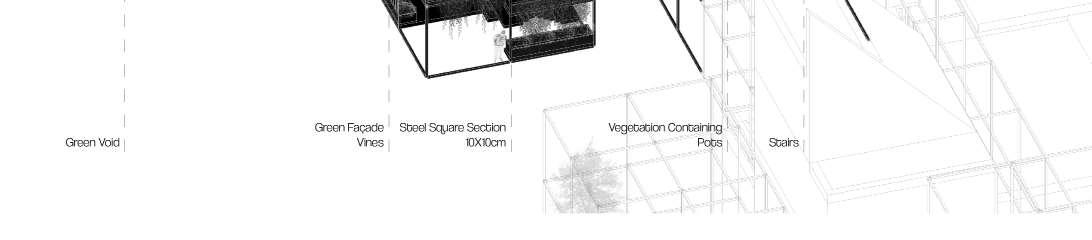
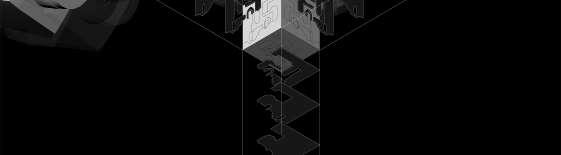
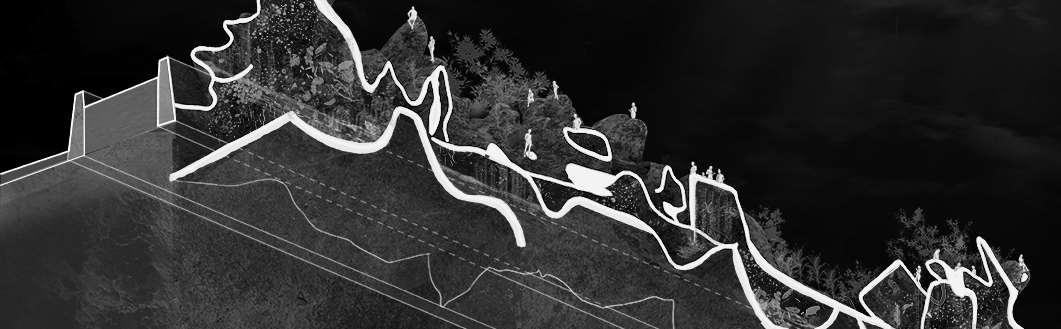
Oblivion and memory join together to create atmospheres that allow an excerbation of the senses, an increase of sensibility of the person inhabiting the space. The ‘void’ is a strategy used in two ways: by carving or adding to the mass. This is translated architecturally as three patios and a series of scaffolding units. Each encapsulating natural phenomenons: rain, sunlight, movement, observation, travel, growth. Offering a connection between the sky and the ground.
Rhinoceros
Adobe Creative Suite
D5 Render
3D Printing
Acrilic Model Making
Dystopia
The problem of abandoned Structures: National Museum of Memory
Site Plan
Carved Voids
Concept Diagram
Added Voids
Concept Diagram
Carved Voids
Hyper-Corner Perspective Section
Carved Voids
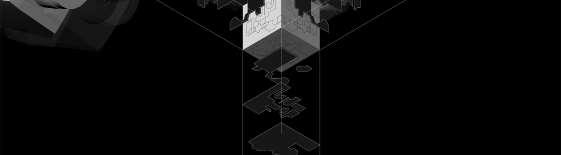
Hyper-Corner Chunk
SOFIA DIAZ
Carved Voids
Cistern Perspective Section
SELECTED WORKS
Cistern Chunk
Carved Voids
Carved Voids
Photosynthetic Basin Perspective Section
SELECTED WORKS
Carved Voids
Photosynthetic Basin
Chunk
Added Voids
Ecosystemic Mat
Exterior View
Paths of Temporality
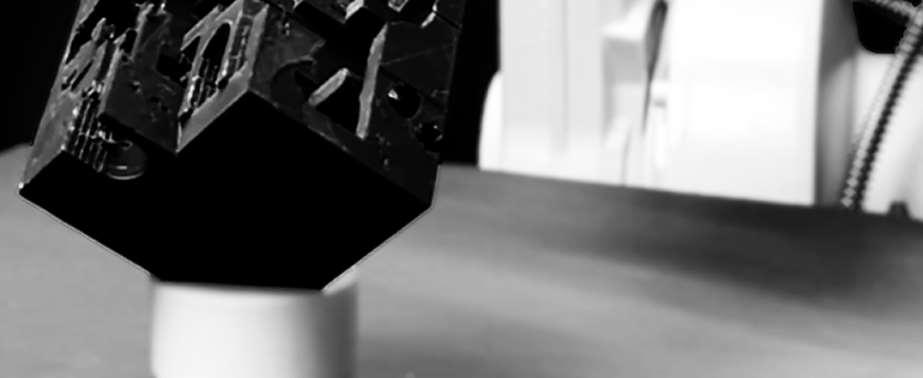
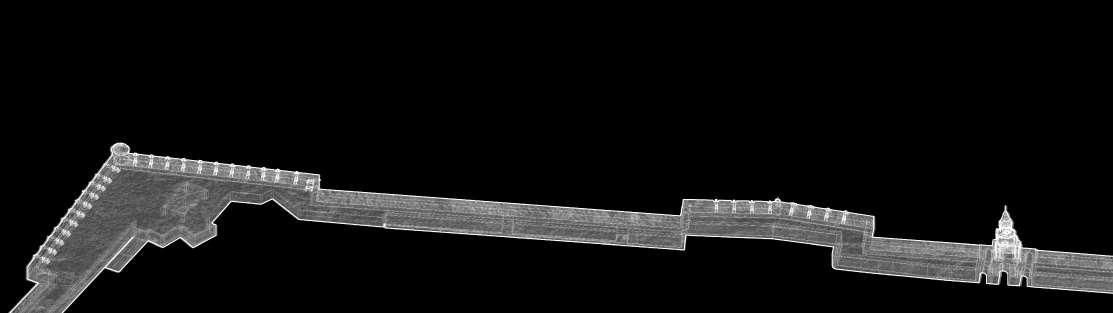
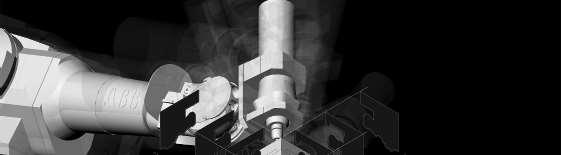
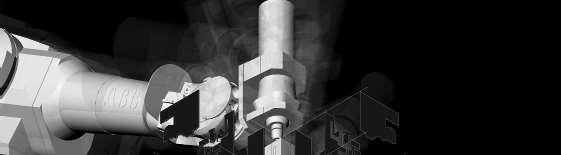
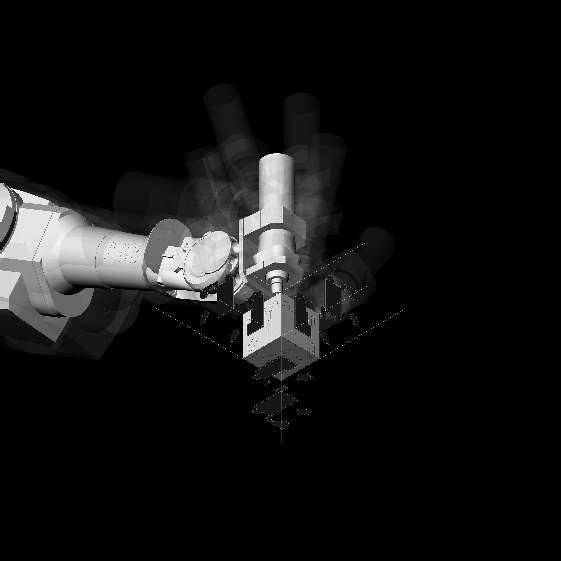
An exploration of the coexistence and clashes between different temporal layers in the Ancient wall of Cartagena, specifically the clock tower. The clock tower is the main entrance to the Old City, making it a landmark of great importance within the Wall of Cartagena and an urban cluster object of the history of the city. The tower is composed of numerous elements, of which their origins can be traced back to different historical periods. Each element a reflection of a moment in time showcasing this space’s unique character. It is unified by additional elements that permeate the entire artifact, such as the permanent presence of water and the ruinous finish it creates, or the voids within the wall that offer transitional spaces between temporal layers. Based on this a natural barrier dedicated to the conservation and recreation of the original coral reef in the port of Cartagena, which engages the community and protects the city from future floods due to climate change is proposed. Designed by iterations of ABB robotic paths and Grasshopper codes, this center represents the clash of the vertical and horizontal passage of time observed through the layers of materiality, uses and objects added by human intervention to the iconic Wall of Cartagena.
Skills
Rhinoceros
Grasshopper
Robot Studio ABB
Adobe Creative Suite
Enscape 3D
3D Printing and Digital Fabrication
10°25’22.5”N 75°32’57.1”W Old City, Cartagena, Colombia Group Project
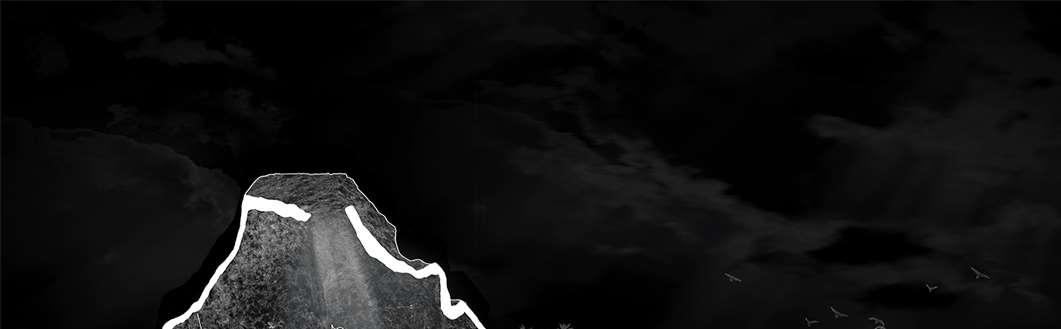
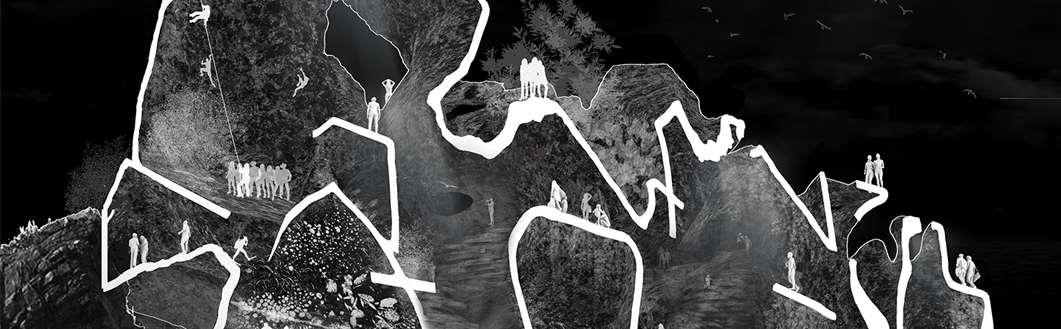
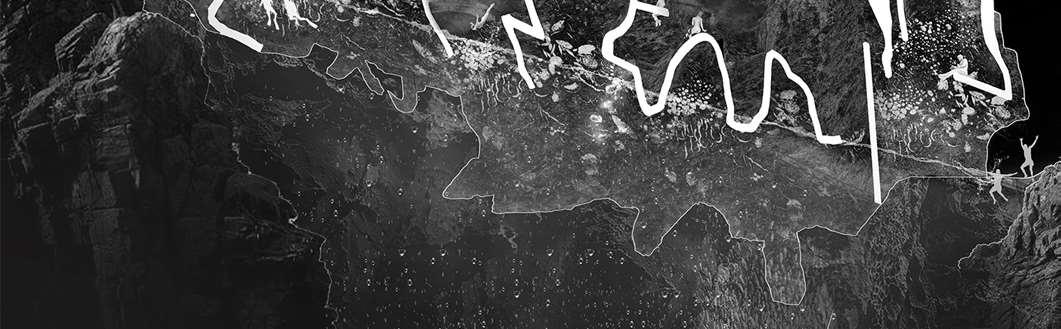
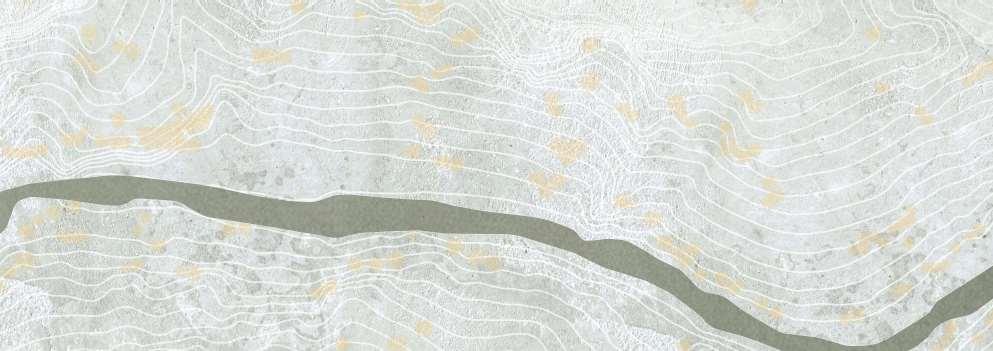
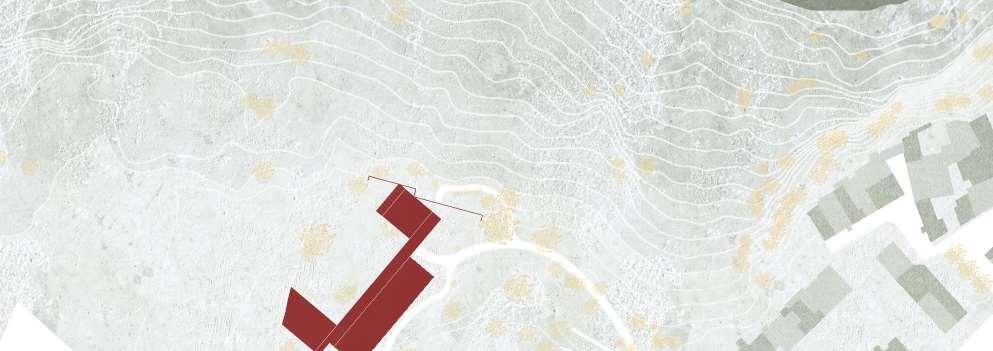
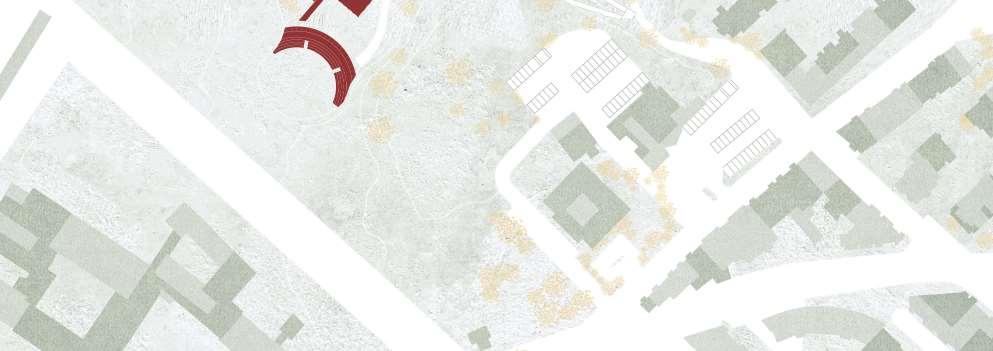
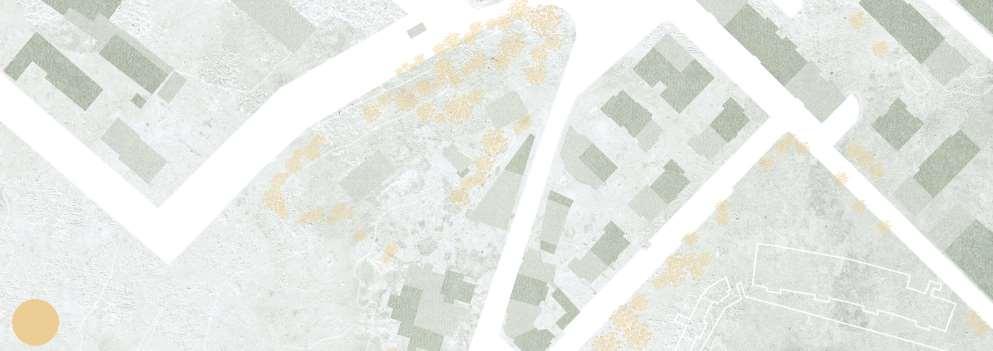
Dedicated to the conservation and creation of audiovisual archives as part of the redefinition and cultural rememberance of Matera, Italy due to the city’s long-standing tradition in film. A constellation of spaces along a line with diverse interactions with the rock and the gravina is proposed. The project that houses archive rooms, a multimedia library, an open air theatre, an atelier for artists and youth, and cafe. All with the sole objective of allowing historical recolection and creation. Due to the nature of the cave-like structures and the dramatic canyon it lies next to, geographical elements heavily influenced the composition and development of spaces within the project. Thus, generating spaces with constant communication with the surrounding mediterranean landscape.
Site Plan
Scale 1:1000
Program
Cross Section
Archive Locations Diagram
Ground Floor Plan
Scale 1:100
Longitudinal Section
Scale 1:100
Basement Floor Plan Scale 1:100
Cross Section Scale 1:100
4°40’45”N 74°03’57”W Rio Negro, Bogotá, Colombia Individual Project
Centro Médici: In Between
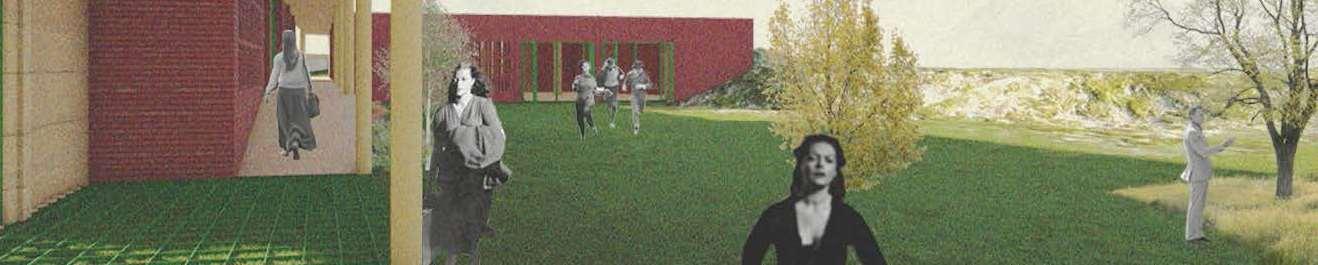
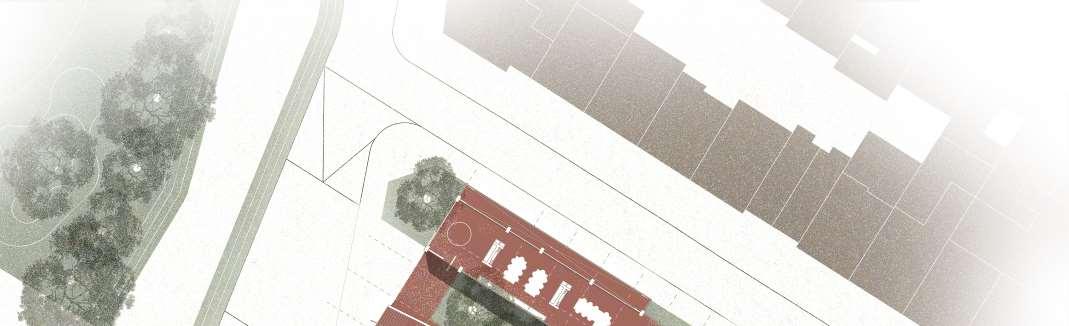
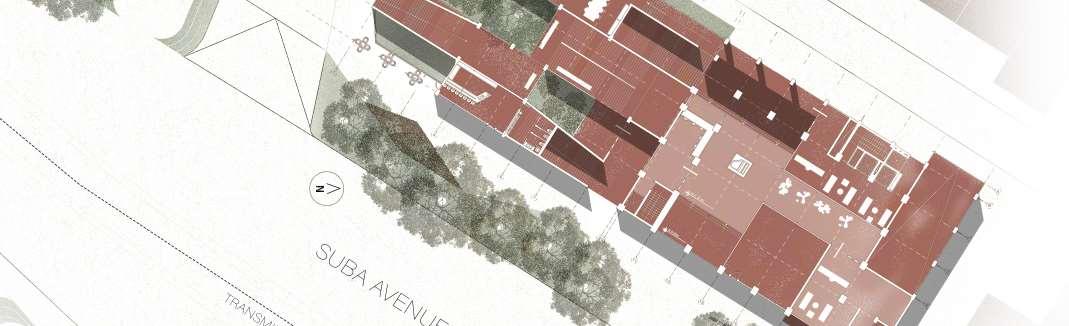
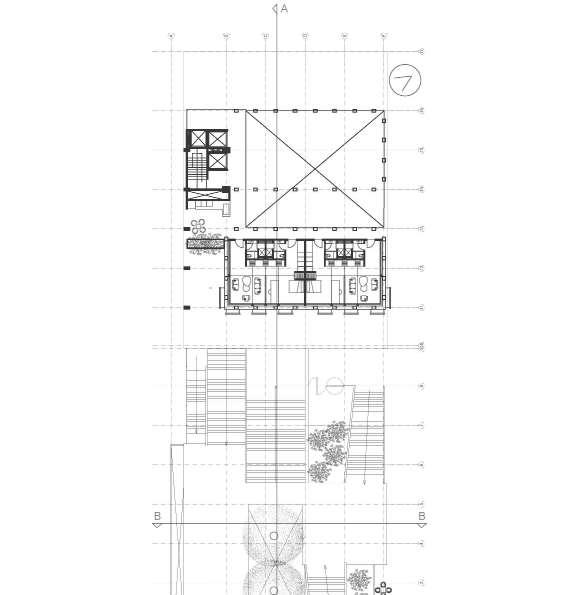
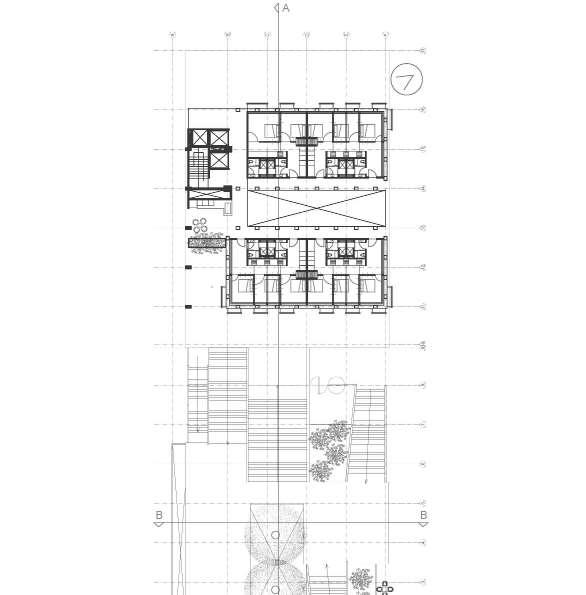
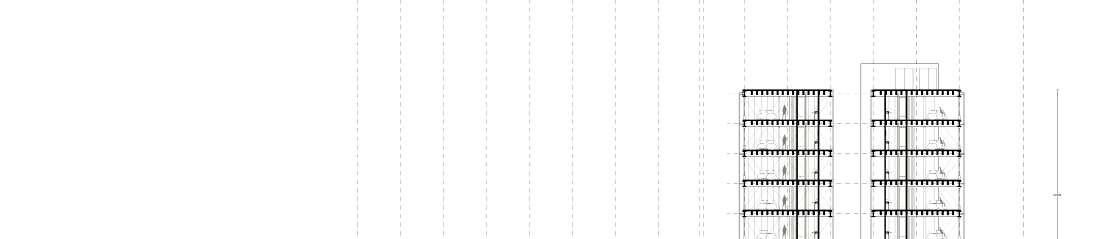
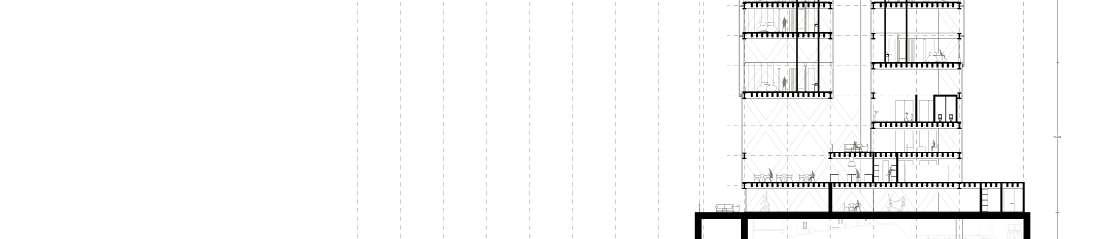
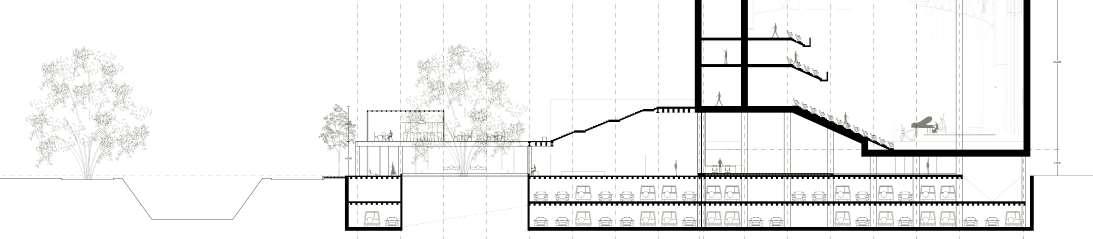
Air as an element of construction and composition. The Médici Center uses the principle of stacking to generate diverse spatial qualities, relationships with views and connectivity between the neighborhood and the avenue. The building revitalizes and highlights the Río Negro River through an artificial topography, home to the fine arts center, which not only emulates, but creates a continuity with the landscape by directing flow and the natural envionment into the building.