Middle and Senior School Onboarding Handbook
Your Journey Begins: A Guide for New Families
MGS
ACADEMIC
ENDEAVOUR 2019
ACADEMIC HONOURS 2019
ACADEMIC
ENDEAVOUR 2020
ACADEMI
MOUNTAIN BIKING
HONOURS 2020BIKING 2
ACADEMIC
ENDEAVOUR 20
ACADEMIC
HONOURS 202A
BAND 2022
SNOWSPORTS 2022
SNONCADEMIC
ENDEAVOL ENDEACA HON
Welcome
Snowy Mountains Grammar School: How We Work Together
Now that you’ve joined the school community, this guide will help you and your family understand how we operate, what to expect, how to prepare and where to go for support during your first term and beyond.
Starting at a new school is an important step for both students and parents. At our school we work in partnership with families to help every student feel a sense of belonging, understand our expectations and make a confident start.
Our community thrives on strong relationships between students, staff and families. This guide outlines the key routines, systems and values that shape daily life at school and will help you settle in quickly.
From the Head of Middle and Senior School
At Snowy Mountains Grammar School, we aspire to develop well-rounded young people through a balance of learning, wellbeing and character growth. The Middle and Senior School years are a time when students begin to define who they are; their values, independence and aspirations.
Our students are encouraged to act with integrity, take responsibility for their actions and approach opportunities with enthusiasm. They are supported by caring staff and a structured wellbeing program that ensures they are known, valued, and guided through these important years.
Joining our school means becoming part of a community that values effort, respect and participation. We expect students to engage fully in the classroom, within their Houses, on the sports field and in all aspects of school life.
We look forward to partnering with you as your child grows, learns and contributes to our community.
Tim Bland Head of Middle and Senior School

School Information
Who Are We?
Our Vision, Mission, Values and Motto
Vision
Mission
Snowy Mountains Grammar School will be recognised as a premier day and boarding school community, offering a diverse range of opportunities, leading to the development of outstanding citizens equipped for an ever-changing world.
Our mission is to work with families to develop well-rounded young people with active and creative minds, who have an understanding of and compassion for others, a passion for lifelong learning and the courage and confidence to act on their beliefs.
Values
Courage is acting with conviction. To face our challenges with determination and to accept responsibility for our actions.
Authenticity is about being a genuine presence. To live in the moment with integrity and represent one’s true nature or beliefs.
Respect is valuing every member of our community. We celebrate diversity and difference, and demonstrate these in our attitude, relationships and environment.
Empathy is the willingness to understand others. Empathetic people are curious and possess a desire to know and understand another person’s perspective or circumstance.
Motto
Challenge
• students and staff to attain the highest level of their own potential
• students to take responsibility for their own actions.
Belong
• to the school and the local community as a valued citizen
• to a community that respects compassion, respect, honesty and integrity.
Explore
• how to be authentic and act with courage and conviction
• how to develop life skills with flexible innovation and measured risk-taking
• how to care for and learn from our natural environment.
Our School Crest
Challenge
The mountain peak represents the School’s commitment to providing a range of educational and personal challenges within a safe and supportive environment.
Environment
The snowgum leaf represents the unique natural environment of the School and its commitment to learning, both within and beyond the classroom.
Community
The figures represent the kinship of the school, its place within the broader Snowy Mountains community and the lasting relationships formed between students and staff, by giving through service and by the sharing of values and ideals.
Flexibility
The flowing river represents adaptability and versatility, key elements the School uses to nurture the individuality of students and the delivery of curriculum in an engaging and relevant manner.
Our Campus
A Main Administration and Reception
B The Snowy Shed
C Sports Administration
D Gymnasium
E Elizabeth Cornish Library and Classrooms (C1-C3)
F Middle and Senior School Administration
G Staff Offices
H Carruthers Classrooms (C5-C10)
I Junior School Oval
J Junior School Paupong Classrooms (P1-P8)
K Junior School Administration
L Eat Street
M Wellbeing Centre
N Boarding Residences
O Boarding Drying Room
P Boarding Storage Shed
Q Agricultural Technology Lab
R Curiosity Centre (Thredbo River Classrooms, Eucumbene River Classrooms, Snowy River Classrooms, Murrumbidgee Classrooms)
S Uniform Shop
T Multipurpose Courts
U Sports Precinct and Oval
V Agriculture Plot
W Gidgillys Early Education and Care Centre
Barry Way
Visitor Car Park
Barry Way
Poley Cow Lane Nettin Circuit
Kosciuszko Road
Junior School and Boarding Entrance
School Information
School Details
Snowy Mountains Grammar School 6339 Kosciuszko Road
Jindabyne NSW 2627, Australia (02) 6457 1022
info@smgs.nsw.edu.au | www.smgs.nsw.edu.au
facebook.com/snowymtnsgrammar
Instagram instagram.com/snowymountainsgrammarschool
YouTube
youtube.com/channel/UCzbXsUAe6Ds3dpcGlN-xYeA
Linked In linkedin.com/school/ snowy-mountains-grammar-school-limited

Sentral Parent Portal smgs.sentral.school/auth/portal
School Office
The school office is open Monday to Friday from 8:30 am to 4:30 pm during term-time and school holidays.
Communications Handbook
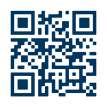
The Communications Handbook, which outlines the various communication platforms used by the school, can be reviewed by scanning the QR code below.
2026 Term Dates
Term 2
Term 3
Term 4
The Sentral Parent Portal is the school’s student management system, providing families with access to essential information.
The Sentral Calendar lists all school and community events, term dates and public holidays
Who to Contact
Use this guide to direct your enquiry to the right contact for common issues and concerns.
Issues and/or concerns Middle and Senior School
Academic Matters
Classroom Teacher
Head of Faculty via subject
Head of Teaching & Learning
Educational Support & Enrichment
Head of Educational Support & Enrichment
Student Wellbeing Tutor
Head of Year
School Counsellor
Head of Middle and Senior School
First Aid Receptionist
Lost Property Receptionist
Student Absences (signing in and out)
Student Administration Officer
Boarding House Matters Residential Supervisor (see first)
Deputy Head of Boarding
Head of Boarding
School Timetable Director of Curriculum & Academic Operations
School Sport Director of Sport
Co-curricular Activities
Teacher in Charge
Head of Strategic Development & Partnership
Information Technology IT Support Officer
IT Manager
Key Contacts
School Administration
info@smgs.nsw.edu.au (02) 6457 1022@s
Accounts
accounts@smgs.nsw.edu.au (02) 6457 1022
Uniform Shop
uniformshop@smgs.nsw.edu.au (02) 6457 1022
Information Technology (IT) techsupport@smgs.nsw.edu.au (02) 6457 1022
Boarding House
boarding@smgs.nsw.edu.au (02) 6457 1022gs.nsw
School Houses
House Structures
The House system is a proud tradition at SMGS. It creates a sense of spirit and enthusiasm and fosters a sense of community and belonging.
Upon enrolment, each student is allocated to a house. Children of alumni and staff join the house of their family members. Each year students compete in house competitions, vying for the House Shield and House Spirit Shield that are presented at the end of the year.
SMGS has four houses; Cascades, Kiandra, Mowamba and Twynam.
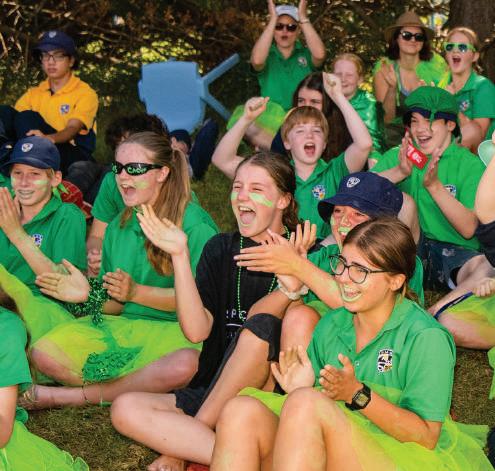
Cascades—the green house. Cascades is represented in the crest by the gum leaf.
A cascade is a river environment where there is a waterfall or a series of small waterfalls over steep rocks. The streams and rivers of the Snowy Mountains have many such cascades. The Cascades region and Cascades Hut are found above Dead Horse Gap near Thredbo.

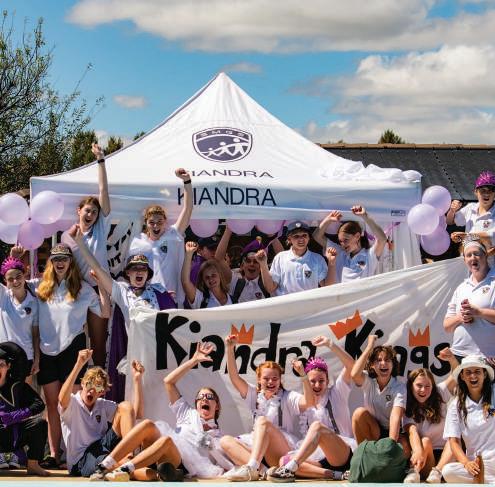
Kiandra—the white house. Kiandra is represented in the crest by the linked figures, depicting ‘Community’.
For thousands of years, Indigenous Australians gathered in the Snowy Monaro, including Kiandra, to share culture and stories, and to learn. Kiandra is also connected through the gold rush, which brought prosperity and development to the region.

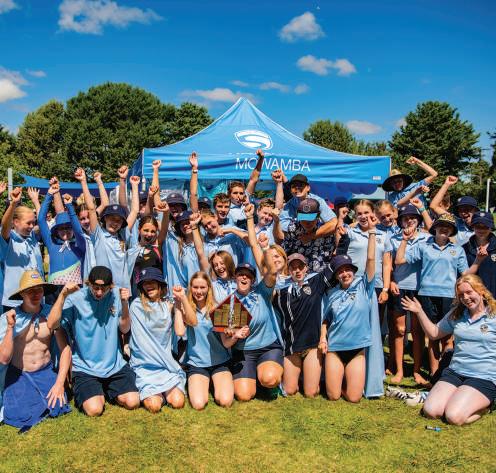
Mowamba—the blue house. Mowamba is represented in the crest by the flowing river.
The Mowamba River is a tributary of the Snowy River, which flows south of Jindabyne. The Mowamba River is an important waterway, which provides habitat to a number of flora and fauna. Waterways bring life to this area.
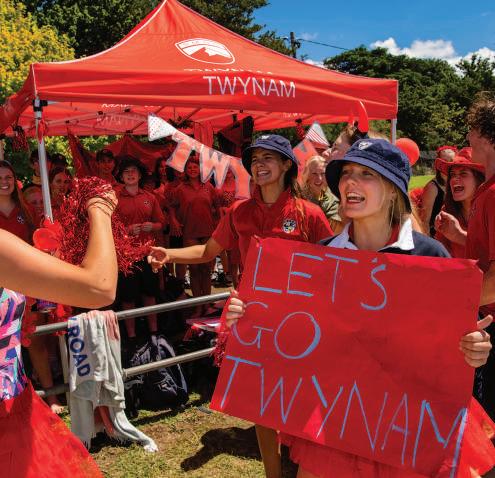
Twynam—the red house. Twynam is represented in the crest by the mountain.
It symbolises the idea of challenge. Mount Twynam is the third-highest mountain on mainland Australia and is located in the Kosciuszko National Park. It is a place that calls for adventure and exploration.
General Information
This section outlines the key day-to-day information new families need to know about life at Snowy Mountains Grammar School — including daily routines, attendance procedures and practical details to help students settle into school life smoothly.
Daily Routine
Arrival: 8:30 am – 8:45 am
Tutor Group: 8:45 am – 9:05 am
Period 1: 9:05 am – 10:00 am
Period 2: 10:00 am – 10:55 am
Recess: 10:55 am – 11:15 am
Period 3: 11:15 am – 12:10 pm
Period 4: 12:10 pm – 1:05 pm
Lunch: 1:05 pm – 1:45 pm
Period 5: 1:45 pm –2:40 pm
Period 6: 2:40 pm – 3:35 pm
Departure: 3:35 pm
Policies and Procedures
Snowy Mountains Grammar School has a number of policies and procedures. These include:
• Parental Code of Conduct
• Student Health and Wellbeing Policy and Procedures
• Illicit Drug, Alcohol, Tobacco & e-Cigarettes Policy
• Enrolment Policy
• Uniform Policy
• Child Protection Policy
• Grievance Policy
• Student Welfare & Discipline Policy
• Anti-Bullying Plan
• Whistleblower Policy
• Acceptable Use of Network, Devices and Mobile Phones Policy
All policies can be viewed at www.smgs.nsw.edu.au/policies
Arrival and Departure Expectations
Students should arrive between 8:30 and 8:45 am and be ready for Tutor Group by 8:45 am. Any student arriving after this time must sign in at the Student Administration Office.
The school day ends at 3:35 pm, and parents are asked to arrange prompt collection. Students needing to leave early or arrive late must notify the school through the Sentral Parent Portal: www.smgs.sentral.school/auth/portal.
Students are required to sign in or out at the Student Administration Office.
Absentees
The school records and monitors all student absences to maintain a safe and supportive environment and to comply with NESA attendance requirements. Attendance is closely tracked to follow up unexplained absences and notify parents or carers if concerns arise.
If your child will be absent, please notify the school through the Sentral Parent Portal: www.smgs.sentral.school/auth/portal
Attendance Expectations
Students are expected to attend school every day unless unwell or granted prior approval for absence. Regular attendance supports learning continuity, wellbeing and engagement.
Students are also expected to arrive on time, remain on campus for the full school day and participate fully in all scheduled lessons, assemblies, and activities.
Missed Assessments Due to Absence
If a student misses an assessment due to illness or another approved absence, they must speak in person with the Head of Teaching and Learning as soon as they return to school.
This allows suitable arrangements to be made for completing or rescheduling the task in line with school policy.
Buses
Transport for NSW provides free bus transport at the Transport for NSW provides free bus transport for eligible students at the start and end of the school day.
Bus Services Cooma Coaches: Cooma, Berridale, Thredbo, Jindabyne, and stops in between. www.coomacoaches.com.au
Alpine Charters: Perisher and Kalkite, with connections to Dalgety via Snowliner Coaches. www.alpinecharters.com.au www.snowliner.com.au
All students must apply for a School Travel Pass or School Opal Card through: www.transportnsw.info/school-travel-apply
Guide to School Drive Subsidy
Families who do not have access to free bus transport may be eligible for a School Drive Subsidy. This subsidy covers kilometres travelled between home and the nearest bus stop or, where no service exists, directly between home and the school.
More information is available at: transportnsw.info/school-travel-apply
Canteen
The canteen operates during recess and lunch each day, except Wednesdays when it is closed. Students can purchase food directly or pre-order online through FlexiSchools for convenience.
To create an account, visit: www.smgs.nsw.edu.au/community/canteen
Lockers
Students in Years 7–12 are provided with a locker at the beginning of the school year. Bags should be stored in lockers during the day, and students should only take the books and materials needed for each double period.
Locks
All students must purchase a combination lock from the Uniform Shop at the start of the school year. If a lock is lost or damaged, it must be replaced. Locks should always remain secured. A master key is held by the school for staff access if required.
Book Lists and Stationery
All Middle and Senior School students receive Box of Books subscriptions to access digital textbooks and learning resources. Families who prefer hard copy materials may purchase them separately at their own expense. The following list outlines the general stationery requirements for students.
• English – A4 exercise book (96 pages)
• Mathematics - A4 exercise book (96 pages) and A4 Grid book (96 pages)
• Science - A4 exercise book (96 pages)
• Geography - A4 exercise book (96 pages)
• History - A4 exercise book (96 pages)
• PDHPE - A4 exercise book (96 pages)
• Mandatory Education - A4 exercise book (96 pages)
• Music – VAPD (VA process diary A4)
• Art – VAPD (VA process diary A3
• Pencil case
• Glue stick
• Highlighters
• Black pen
• Blue pen
• Red pen
• HB Pencil
• Eraser
• Sharpener
• Ruler
• Geometry set (basic)
• Scientific calculator (Casio fx-100 ALI PLUS 2nd Ed) – can be purchased from the school office
Excursions
Excursions are an integral part of the curriculum and are designed to support classroom learning outcomes. Parents and carers will receive excursion details through Sentral, where permission and medical information must also be submitted before attendance.
Diaries
Students in the Middle and Senior School use a school diary as an essential learning and organisational tool. The diary helps students manage their time, plan for assessments and excursions and take responsibility for their learning.
Tutor Group teachers regularly check diaries to ensure they are being used effectively. The diary also serves as a communication tool between students, staff and parents.
Each student is issued a diary at the start of the school year and the cost is charged to their account. Lost diaries must be replaced at the student’s expense.
Bring Your Own Designated Technology (BYODT)
The school operates a Bring Your Own Designated Technology (BYODT) program for students in Years 5–12. Students are required to bring their own laptop to school each day.
The device is a key learning resource used across subjects and supports continuity between classroom and home learning through our online platforms.
The program encourages personalised learning, enabling students to work confidently with their own device while maintaining access to school systems and resources anywhere, anytime.
Chapels, Assemblies and Year Level Meetings
Chapels, Assemblies and Year Level Meetings are important parts of school life, providing opportunities for connection, reflection, and celebration.
These gatherings align with the pastoral care program and the school values of Courage, Authenticity, Respect, and Empathy (C.A.R.E.).
Themes explored include:
• Self-awareness – understanding strengths and emotions
• Social awareness – respecting others’ perspectives
• Relationship skills – managing relationships and conflict positively
During these sessions, we also recognise student achievements, including academic success, sport, music, and service learning.
Technology Requirements
To ensure compatibility and effective classroom use, student devices must meet the following minimum requirements:
SPECIFICATION REQUIREMENT
Screen Size
Minimum 11” (13” or larger recommended)
Operating System Microsoft Windows or Apple macOS. Other systems (Chromebook, Linux, Android, iOS) are not supported.
Battery Life
Minimum 6 hours (8 hours recommended). Limited charging options are available at school.
Processor, Memory & Storage Standard specifications are suitable for most subjects. Students in subjects requiring highperformance software (e.g. Adobe Photoshop, Fusion 360) may need more advanced hardware.
If you are unsure whether a device meets requirements, please contact Information Technology (IT) for assistance: techsupport@smgs.nsw.edu.au | (02) 6457 1022
Events, Celebrations and Special Days
Throughout the year, students participate in a variety of events that build community and celebrate achievement. These include:
• Assemblies and Chapels
• ANZAC Day
• Christmas and Easter Chapels
• Cre8ive Sessions (performing arts showcase)
• Foundation Day
• Year 12 Investiture Ceremony
• Principal’s Merit Assembly
• Remembrance Day
• Speech Day
Parents are warmly encouraged to attend and take part in these community occasions.
Medical Treatment and Medicine Policy
Our school has a duty of care to safeguard the health and wellbeing of all students. The school provides:
• First aid, including emergency treatment if required
• Temporary care for unwell students
• Management and administration of prescribed medications and health procedures
• Individual health care plans where appropriate
• If a student becomes unwell during the day, they should go to the Sick Bay located in the Front Office, where staff will contact parents or carers.
It is the responsibility of parents and carers to ensure their child’s Sentral Medical Profile is completed before commencement and kept up to date at all times.
For more details, please review the Medical Treatment for Students Policy: www.smgs.nsw.edu.au/policies
Mobile Phones and Devices
The school follows the Acceptable Use of Network, Devices and Mobile Phones Policy, which outlines clear expectations for responsible device use.
Students in Years 7–12 should not use mobile phones or personal devices during school hours unless given explicit permission by a teacher. Boarders may choose to leave their phones in their rooms during the day, and all students are expected to keep devices secured in their lockers www.smgs.nsw.edu.au/policies
The Uniform
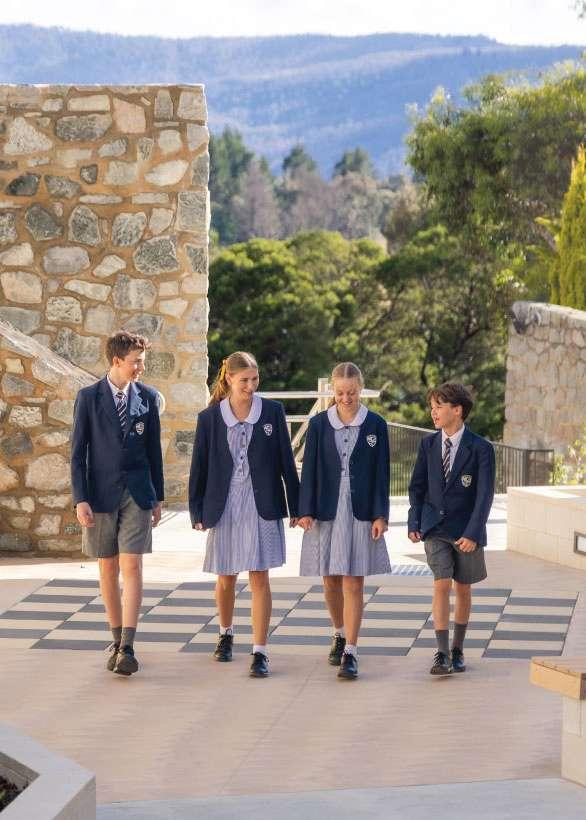
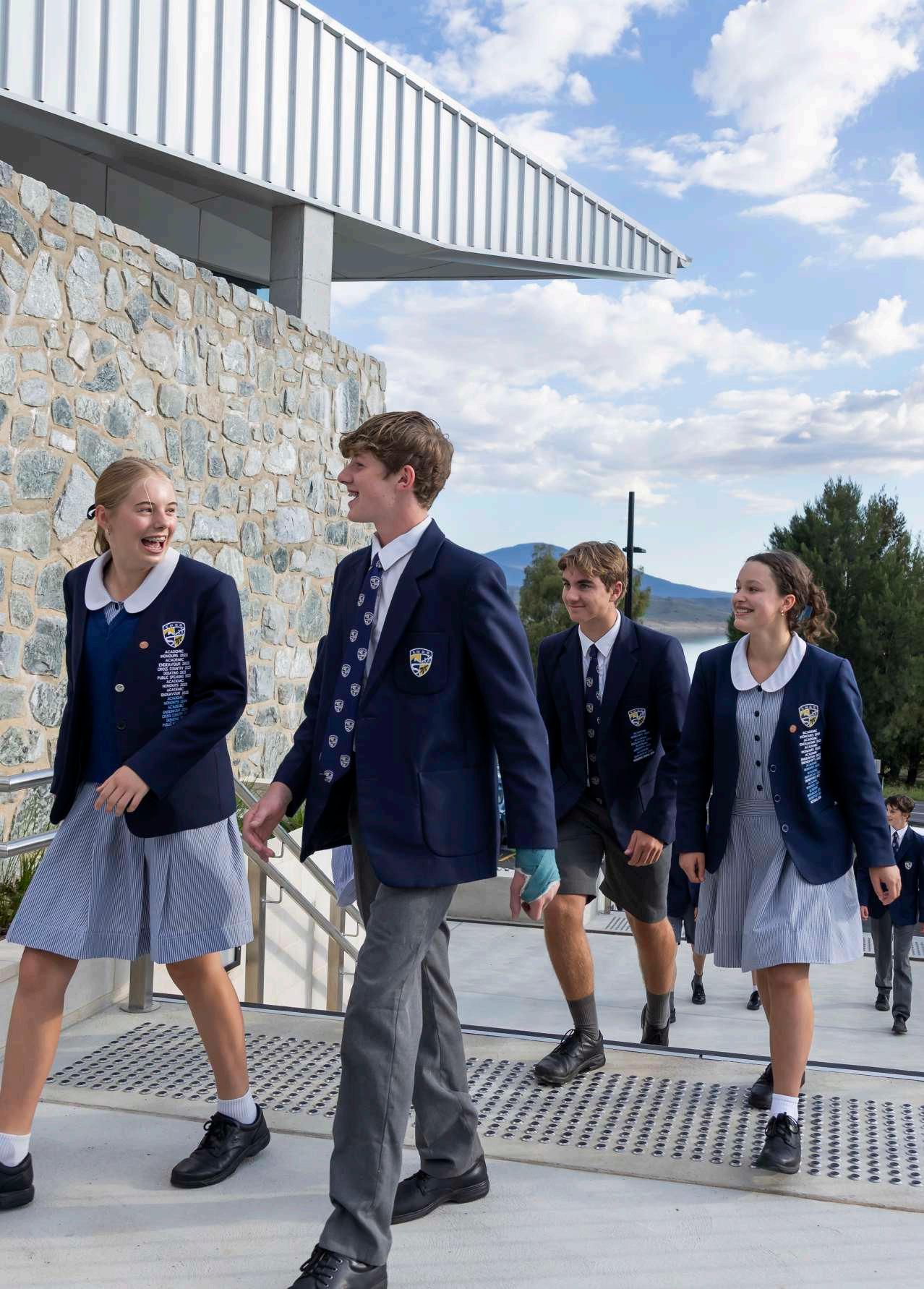
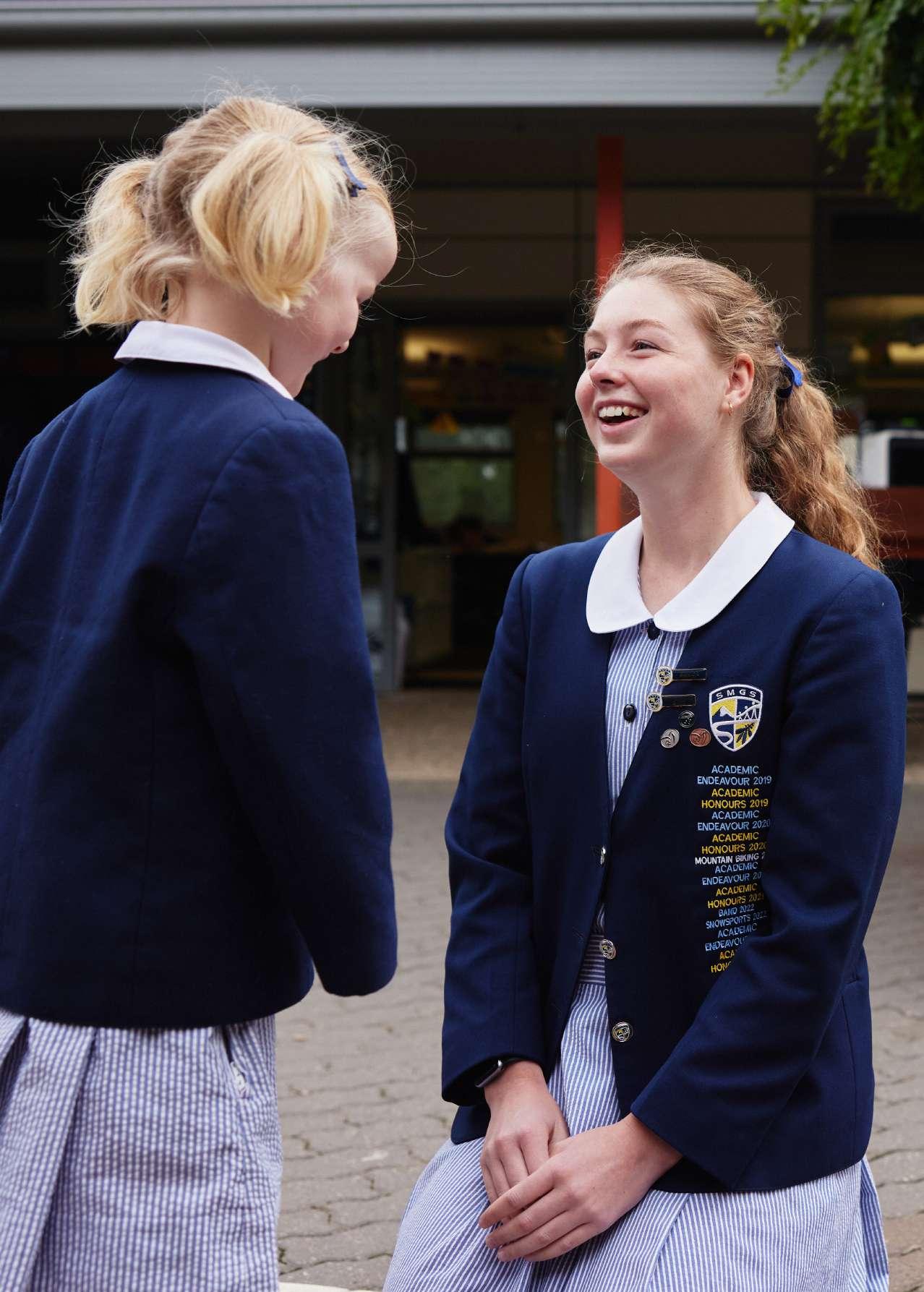
Wearing the uniform with pride is an important part of our culture and students are expected to wear our uniform correctly every day.
Families are encouraged to read the Uniform Policy, which contains the full list of uniform requirements, and hair and appearance expectations. www.smgs.nsw.edu.au/policies
Uniform Shop
The uniform shop is open every week during term-time on the following days:
Mondays: 12:30 pm – 4:30 pm Wednesdays: 8:30 am – 10:00 am Thursdays: 12:30 pm – 4:30 pm
Uniform purchases can also be made via the online store. Click and collect is available: www.shop.smgs.nsw.edu.au
Appointments can be made outside of the opening hours by contacting: uniformshop@smgs.nsw.edu.au (02) 6457 1022.
Used Uniforms
Used uniforms in good condition can be bought and sold on the SMGS Used Uniforms and Equipment Facebook Group. Search: ‘SMGS Used Uniforms & Equipment’ or go to: www.facebook.com/groups/584861585309145
Communications and Connections
Clear, open communication between parents, students and staff is central to the success of every student at Snowy Mountains Grammar School.
As a close-knit community, we value positive, respectful and proactive communication that supports learning, wellbeing and a strong partnership between home and school.
Communications Handbook
The school Communications Handbook outlines how the school operates and the various channels used to keep families informed.
Please review this resource before your child begins at the school to ensure you are familiar with our communication systems.
The handbook can be accessed via the QR code below.
Communications Platforms
Sentral Parent Portal
The Sentral Parent Portal is our main student management system. It allows parents and carers to:
• Access student information and academic reports
• View notices, timetables, and school calendars
• Manage enrolment details and permissions
• Stay up to date with school events and resources
We recommend downloading the Sentral for Parents App to conveniently access this information on mobile devices.
Canvas
Canvas is the school’s online learning management system (LMS). Teachers use it to:
• Deliver and support class programs
• Share learning materials and assignments
• Record assessment information and provide feedback
Parents can also log in to Canvas to view class content and monitor student progress. This helps maintain connection between home and classroom learning and supports ongoing communication between students, teachers, and families.
Staying Connected
Aspects Digital Newsletter
Aspects is our digital newsletter, sharing stories, updates and highlights from across the school. It features student learning experiences, upcoming events, and community celebrations. Families are encouraged to read Aspects regularly to stay informed and connected.
We also encourage families to let us know if your child has achieved something worth sharing with our community. Celebrating student success is an important part of strengthening our school spirit and recognising the diverse talents of our students.
Social Media
The school maintains an active presence on Facebook, Instagram, and YouTube. These platforms showcase daily learning, school events, and student achievements. Follow our official channels to stay connected with the SMGS community. Families are welcome to share photos or news for consideration on our official channels.
School Website
The website provides access to important information, policies, event details, and school news. It also features stories from across our Junior, Middle, and Senior Schools www.smgs.nsw.edu.au
The schools Strategic Intent is captured on the school website. Elevating Education is our Strategic Intent: 2025-2029 that will guide our School through the next era of learning and growth.
View it here: www.smgs.nsw.edu.au/strategic-plan
Parent–Teacher Interviews
Parent–teacher interviews are held each semester, either in person or via Zoom. Appointments typically last ten minutes and can be booked through the Sentral Parent Portal or App.
If further discussion is needed, parents are welcome to contact teachers directly to arrange a longer meeting.

Wellbeing 4 Peaks Program
Wellbeing in the Middle and Senior Schools
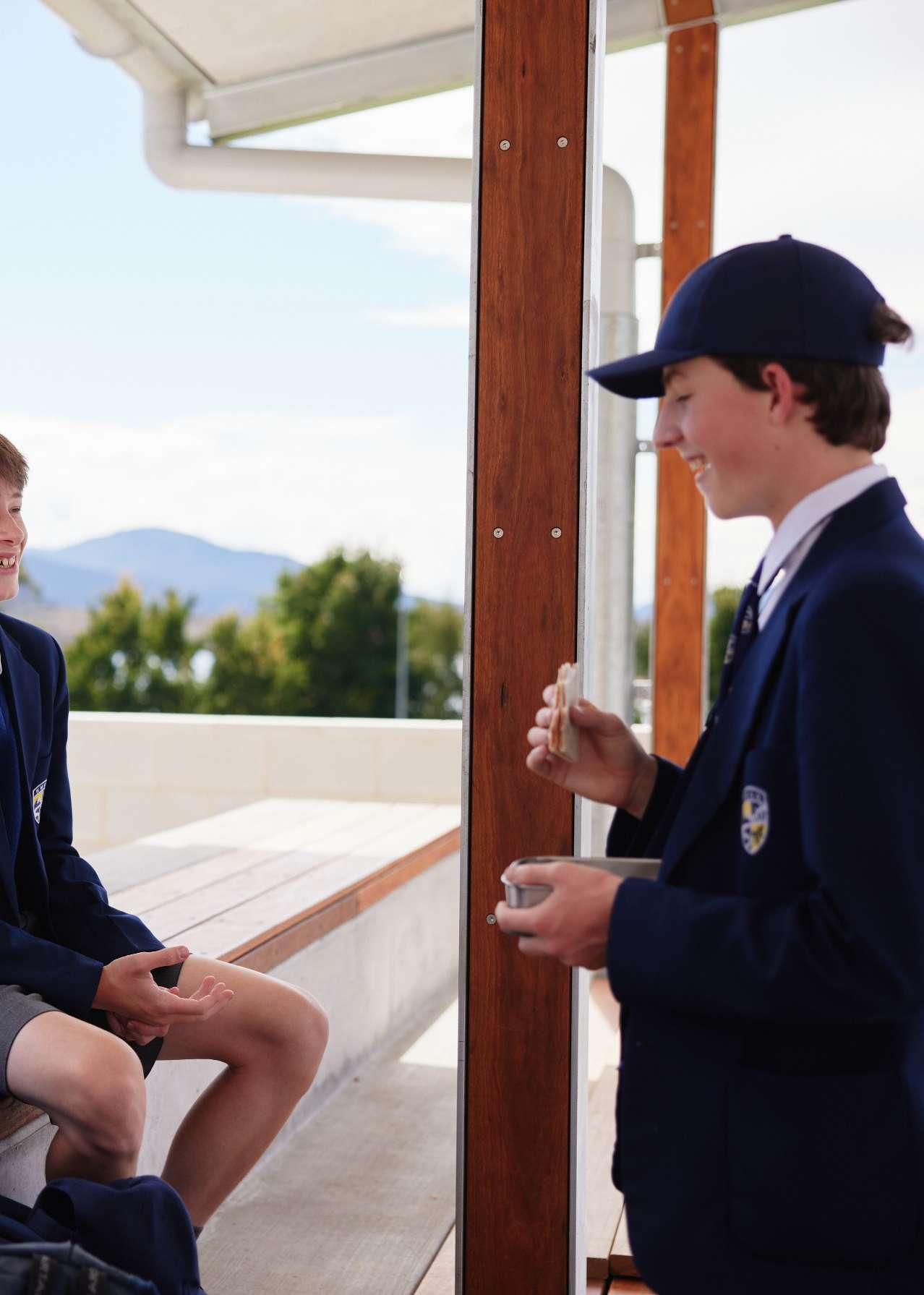
At Snowy Mountains Grammar School, wellbeing is a cornerstone for all of our decision-making. The School aims for all members of our community to be healthy, happy, successful and productive individuals, who are active and positive contributors to our school and the local and wider community in which they live.
Within the Middle and Senior Schools, we have adopted the Australian Student Wellbeing Framework. This provides ‘every student with the strongest foundation possible for them to reach their aspirations in learning and in life’. Snowy Mountains Grammar School has drawn on evidence-based social and emotional learning programs to craft a tailor-made wellbeing framework, finely tuned to meet the unique requirements of our students. Our purpose-built programs encompass an array of initiatives to support holistic and sequential wellbeing across the Middle and Senior Schools.
We employ a structured scope and sequence for students in Years 7–12 which outlines the expected outcomes for each year level. This is based on the five social and emotional learning skills from the Collaborative for Academic, Social and Emotional Learning (CASEL) domains:
• Year 7: Connections
• Year 8: Opportunities
• Year 9: Purpose
• Year 10: Independence
• Year 11: Leadership
• Year 12: Future Ready
Our Wellbeing Framework acknowledges the strong connection between wellbeing and academic achievement. It is our aim to provide our students with transferable skills that will support them in life experiences beyond the school gate. The framework supports our School mission, motto and values.
The Wellbeing Program is supported in a number of ways, including tutor groups, year meetings, and both internal and external development sessions.
4Peaks
Our Wellbeing Framework is underpinned by our 4Peaks program, a Positive Behaviour Interventions and Support initiative. This is an evidence-based, three-tier program that teaches proactive, prosocial behaviours and skills, and acknowledges students who consistently meet behaviour expectations. It has been specifically designed by our staff for the context of our School.
Tiered Support System:
• Tier 1—our school-wide practices and systems establish a foundation of regular and proactive support for all of our students.
• Tier 2—support and interventions help students to develop the skills they need to ensure they are successful in the core programs of our School.
• Tier 3—intensive and individualised support is provided for students to ensure they have the best chance of achieving positive outcomes in their school experience.
The Objectives of our 4Peaks Program are to:
• create a positive school climate in which students learn and grow
• prioritise valued outcomes and promote high expectations for all students
• create leadership opportunities and a student voice for all students, based on our core values (C.A.R.E.)
• develop and nurture personal attributes
• provide a safe and inclusive environment that supports the community to flourish.
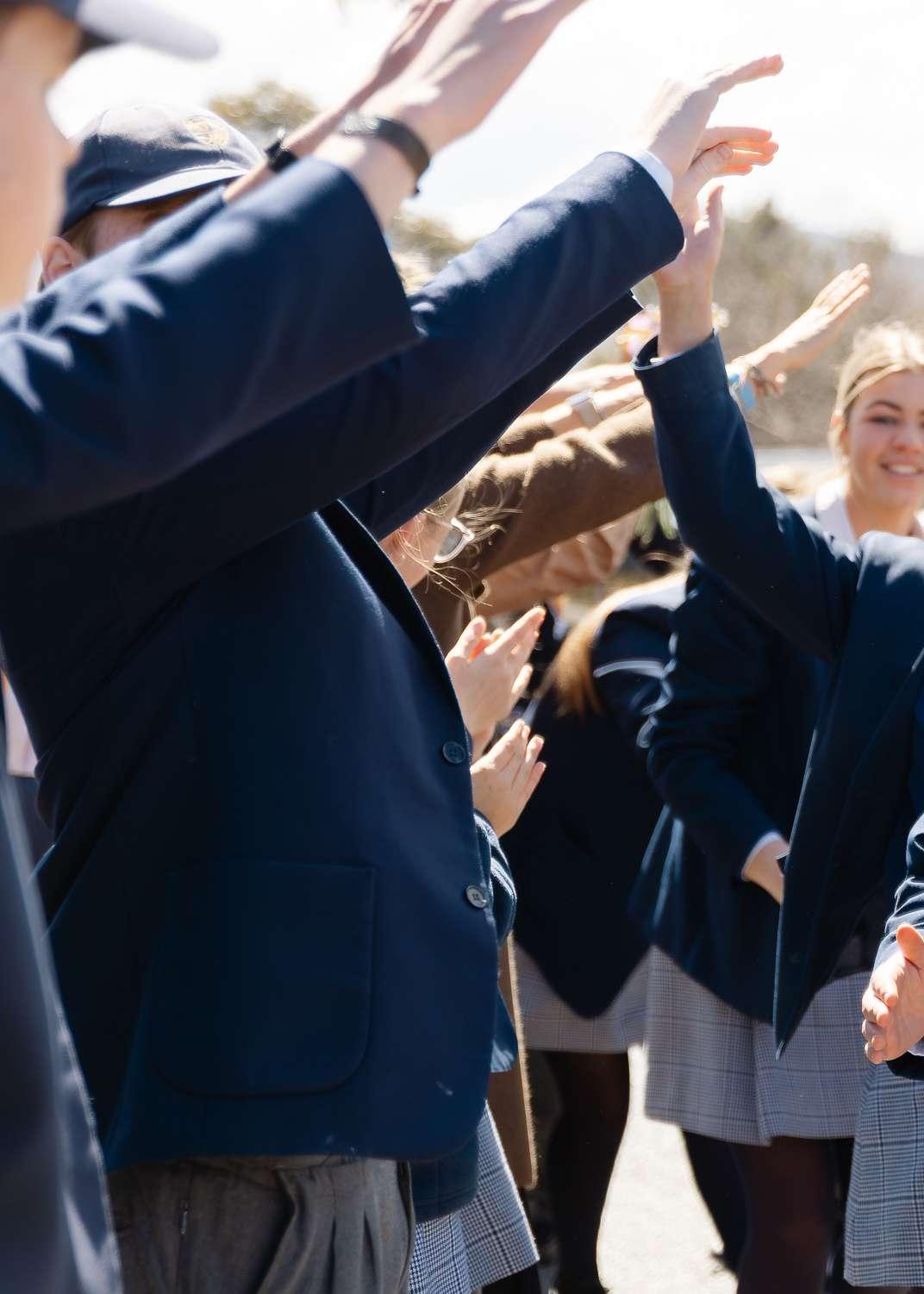
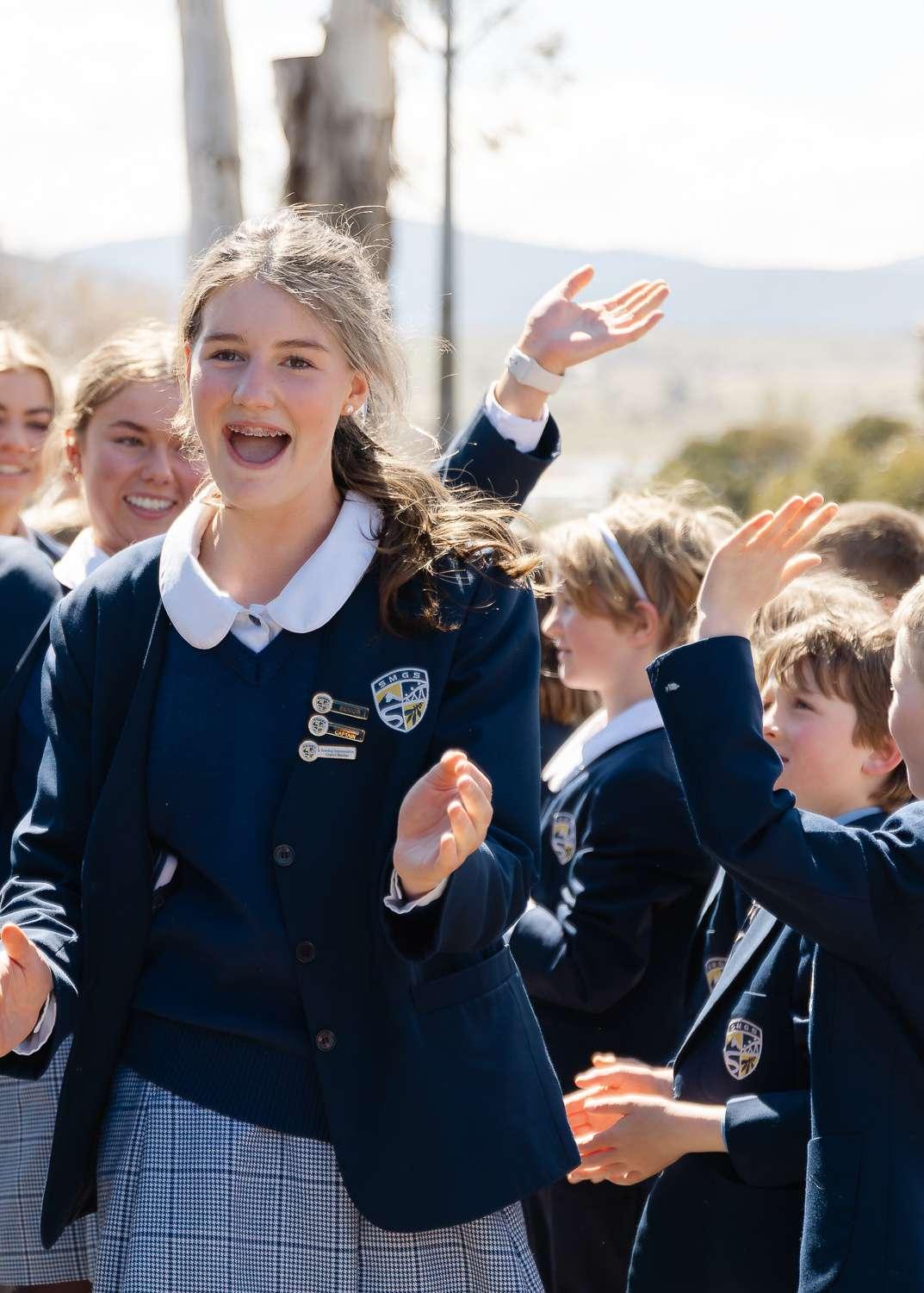
We believe in Courage, acting with conviction and owning responsibility when faced with challenges. Authenticity means living with integrity and staying true to ourselves. We show Respect by valuing every person, embracing diversity, and building positive relationships. With Empathy, we listen with curiosity and compassion to truly understand others.
These values guide how we learn, grow, and belong together.
Academics and Learning
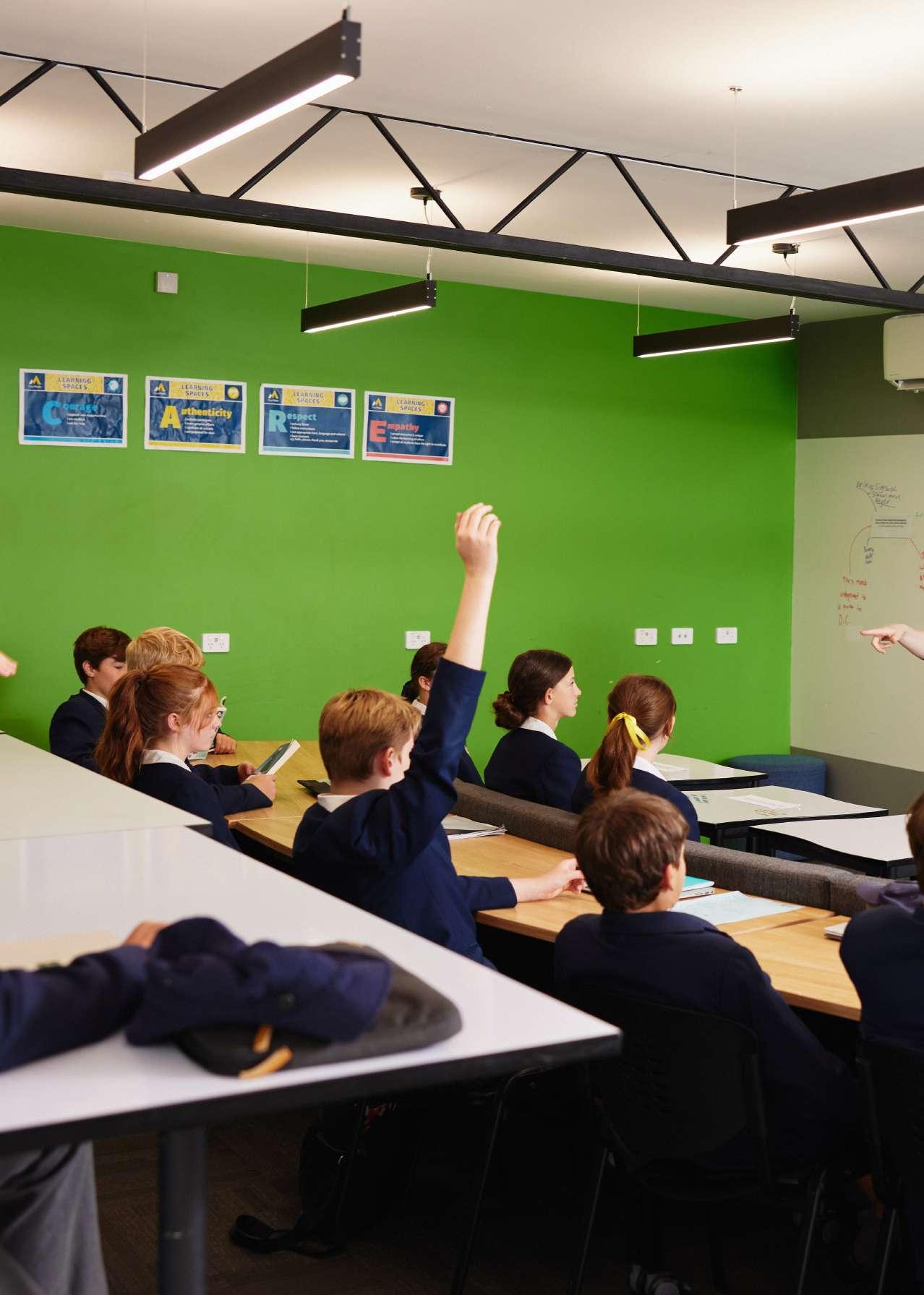
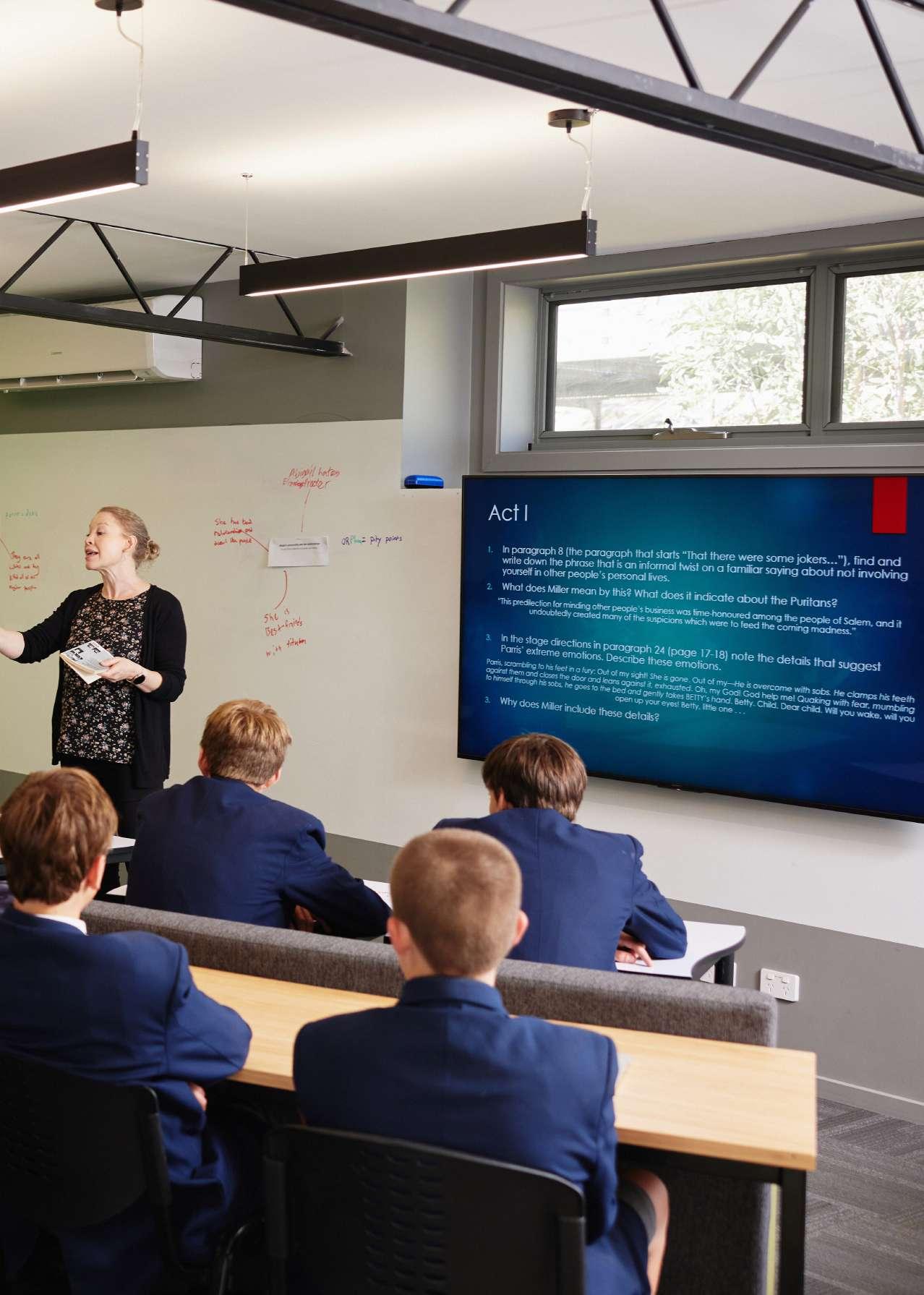
At Snowy Mountains Grammar School, academic culture is a central part of daily life.
Students are encouraged to be aspirational, to take pride in their own efforts, and to value the achievements of others. Our classrooms foster a sense of teamwork, discipline, and resilience, reflecting the school’s core values. Being “academic” at our school means being curious, committed, and appreciative of the learning opportunities available.
Curriculum*
Our teaching and learning programs are based on the NSW Education Standards Authority (NESA) curriculum and are structured across the eight Key Learning Areas:
• English
• Mathematics
• Science
• Technologies
• Human Society and Its Environment (HSIE)
• Personal Development, Health and Physical Education (PDHPE)
• Languages
• Creative Arts
Years 7–8
Students in Years 7 and 8 study a broad curriculum designed to build foundational knowledge and skills across all core learning areas. Subjects include:
• English
• Geography
• German
• History
• Mathematics
• Music
• PDHPE
• Religious Education
• Science
• Technology
• Visual Arts
*Please note that these offerings are subject to change.
Years 9–10
In Years 9 and 10, students begin to explore potential senior subjects to help inform their choices for Year 11 and beyond. This stage supports students to discover their interests and develop confidence in their academic pathways.
Core subjects:
• English
• Mathematics
• Science
• Geography
• History
• PDHPE
• Religious Education
Elective subjects (students choose two):
• Agricultural Technology
• Aviation
• Commerce
• Computing Technology
• Design and Technology
• Digital Content Creator
• Drama
• Electronic and Software Engineering
• German
• Japanese
• Languages via Distance Education
• Music
• Outdoor Education
• PASS (Physical Activity and Sports Studies)
• Visual Arts
Assessment Schedule
At the beginning of each term, students receive their assessment schedule via their school email. This schedule outlines due dates, task types, and weightings for each subject to help students plan their time effectively and stay organised throughout the term. See Fig 1 Science Assessment schedule example below.
Homework
Homework expectations vary depending on year level, subject area, and assessment requirements. As a general guide:
• Years 7–8: approximately 1 hour per night
• Years 9–10: approximately 2 hours per night
• Years 11–12: approximately 3 hours per night
Homework may include revision, practice, research, preparation for upcoming lessons, or assessment completion. Developing good study habits supports long-term academic success and builds independent learning skills.
Bright Sparks Academic Support Program
Bright Sparks Academic Support Program runs on Tuesdays and Thursdays from 4:00 pm in the Curiosity Centre. Teachers are available to assist with classwork, assessment preparation, and study strategies.
During busy assessment periods, the Curiosity Centre may also open on selected weekends to provide extra study opportunities. For boarders, structured evening study sessions (Prep) provide additional academic support during the week.
Timetables
Students receive their timetable through the Sentral Portal, including subject details, classroom locations, and teacher names. Timetables help students manage their learning responsibilities and maintain consistent organisation throughout the school week. See Fig 2 Timetable example below.
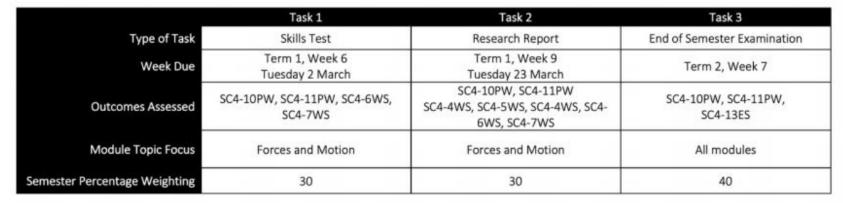
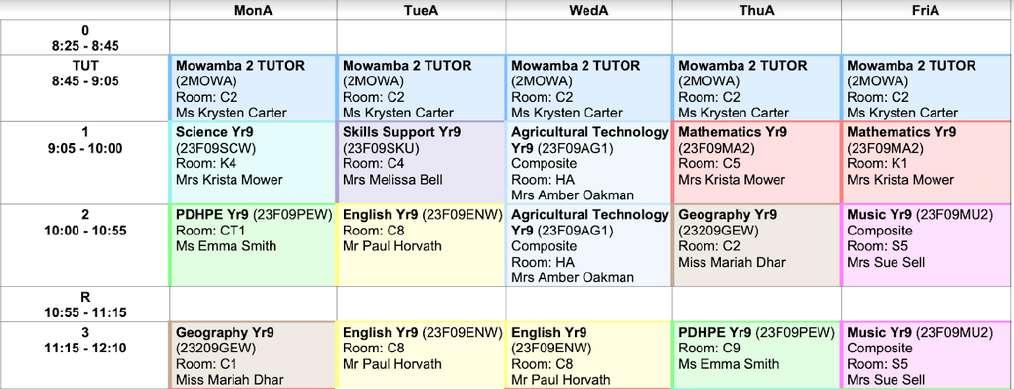
Fig 1. Assessment schedule example
Fig 2. Timetable example
Differentiation and Tailored Learning Support and Extension
Each student who walks into our Middle and Senior Schools brings their unique experiences and has their own learning needs and learning pace. We offer a tailored approach to learning to ensure our students are given the opportunity to reach their highest potential. A rigorous teaching and learning cycle is implemented here at the school to plan, teach and assess, and to meet the students’ learning needs, across the curriculum. The learning support team works closely with the classroom teacher to implement interventions or adjustments that are required to support the needs of individual students.
Differentiated teaching is how we target our explicit instruction to extend the knowledge and skills of every student in every class, regardless of their starting point. To differentiate effectively, we use a range of data sources to pinpoint what students currently know, and what they are ready to learn next. Data enables teachers to plan well-scaffolded learning pathways for each child.
In the Middle and Senior School classroom, differentiation comes in many different forms. When delivering our teaching, it may include:
• explicit teaching through whole-class instruction
• flexible small group work
• one-on-one with the teacher/teacher’s aide to specifically focus on meeting each child’s own personal learning goals.
Careers
Careers education at Snowy Mountains Grammar School is focused on supporting students in their senior years as they begin to think about life after school. We are committed to providing students with opportunities to develop and build on the skills they will need to be successful after they leave the school, whether that be through further education or when entering the workforce.
Throughout their senior years, students and families have access to a Career Advisor, who is passionate about helping students explore the many different options that they have available to them after school.
Our Careers Program may include:
• University open days
• University application support
• TAFE courses
• Scholarship support
• Gap year advice
• Résumé writing
• Work experience preparation
• University visits
• Micro-credential courses
• Guest speakers
Our Approach to the HSC
At Snowy Mountains Grammar School, our approach to the Higher School Certificate (HSC) is characterised by a commitment to learning, academic excellence and teamwork. Our dedicated educators employ innovative teaching methods, integrating technology and realworld applications into the curriculum to make learning dynamic and relevant. Critical thinking is a cornerstone of our HSC approach, with an emphasis on developing analytical skills that extend beyond rote memorisation. We provide comprehensive support systems so that students feel confident and well prepared for their HSC examinations. Recognising the importance of a balanced lifestyle, we foster wellbeing within our school community, helping students to manage stress and build resilience during the HSC period.
Moreover, SMGS is focused on preparing students for future pathways beyond the HSC. Our approach includes comprehensive career guidance, exploration of tertiary education options, and exposure to various industries. By fostering a supportive environment and combining academic rigour with a holistic perspective, we empower our students to excel in the HSC and embark on successful journeys beyond their time at Snowy Mountains Grammar School.


Co-Curricular Activities
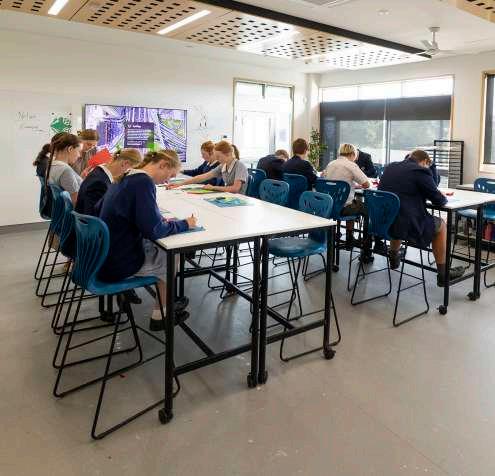
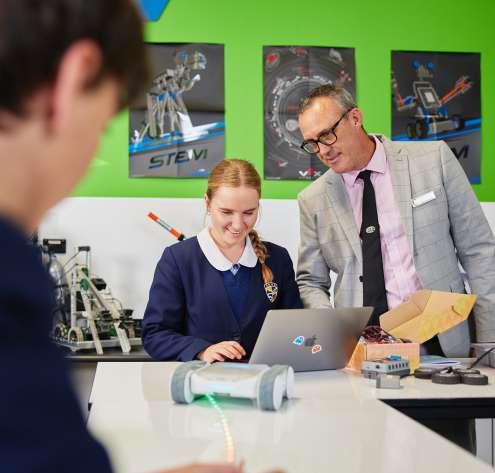
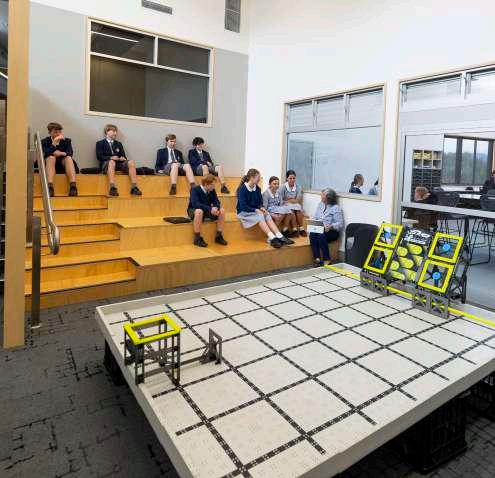
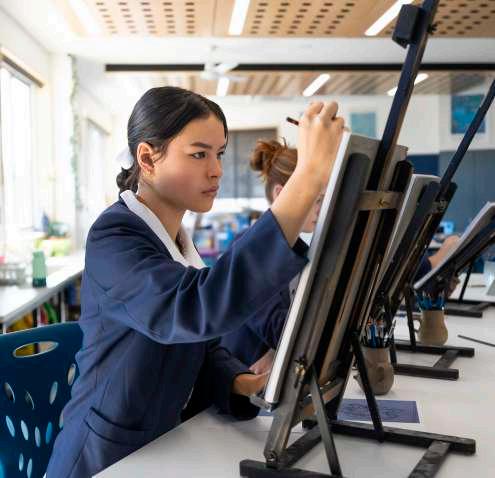
Our school offers a wide range of co-curricular activities that allow students to participate, explore new interests, and build connections across the school community. These activities complement classroom learning, encourage teamwork and foster a sense of belonging.
Activities are grouped into three categories:
• Physical Activities
• Heart and Mind Activities
• Performing and Creative Arts Activities
Programs vary each term and year, and some may incur additional costs.
View the Co-Curricular Handbook: www.smgs.nsw.edu.au/sport
With our unique alpine location and proximity to Kosciuszko National Park, students also have access to a range of outdoor education and specialist programs in areas such as technology, leadership, and adventure learning.
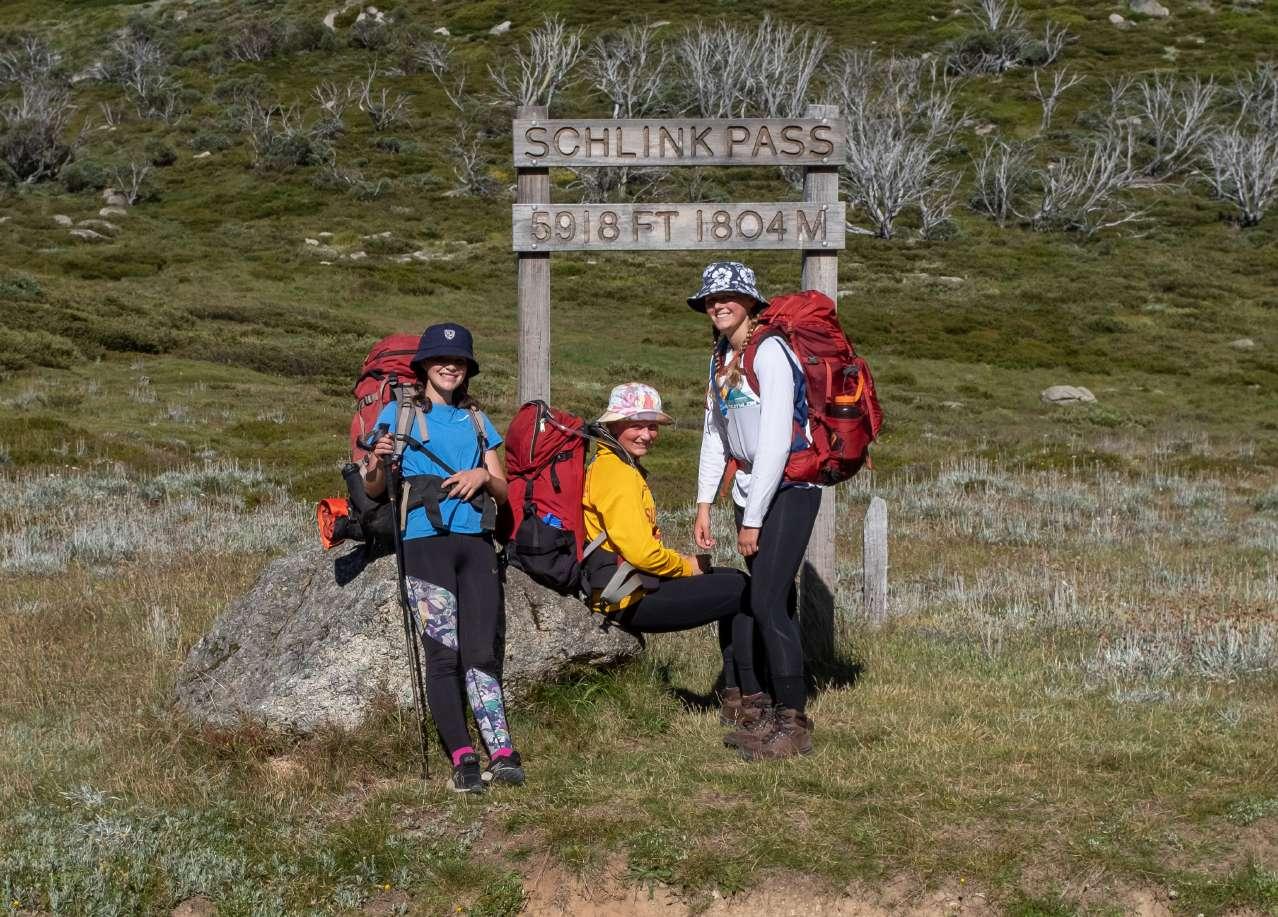
The Duke of Edinburgh’s International Award
The Duke of Edinburgh’s Award is a global youth development program that builds perseverance, resilience, teamwork and optimism through service, skill-building, physical activity and adventurous journeys. Open to students from the end of Year 8 to Year 12, it encourages participants to challenge themselves and grow in confidence.
Aviation Program
The Aviation Program gives students hands-on experience and insight into the aviation industry as a possible career or area of interest. Participants can work towards qualifications as an RA-Aus pilot or commercial drone (RPA) pilot, gaining practical knowledge not readily available elsewhere.
Sports
The school provides a broad range of sporting opportunities that promote teamwork, fitness, confidence and school spirit. Students participate in both individual and team sports, with pathways for elite athletes to pursue higher-level competition.
As a member of the Independent Sporting Association (ISA), the school offers students representative opportunities at regional, state and national levels through school carnivals and events.
Foundation Sport Academy Programs
Our unique alpine environment supports three signature academies: Equestrian (EDA), Mountain Biking (MTBA) and Snowsports (SA). These programs cater for all levels from beginners to international competitors and are available by application through the Director of Sport.
School Sport*
All students in Years 7 to 11 participate in school sport. This usually runs during Period 5 and 6 in Terms 1, 2 and 4. In Term 3, Wednesday Sport runs all day through our Wednesday Snowsports Program. Wednesday Sport
Options include:
• Mountain Biking
• Equestrian
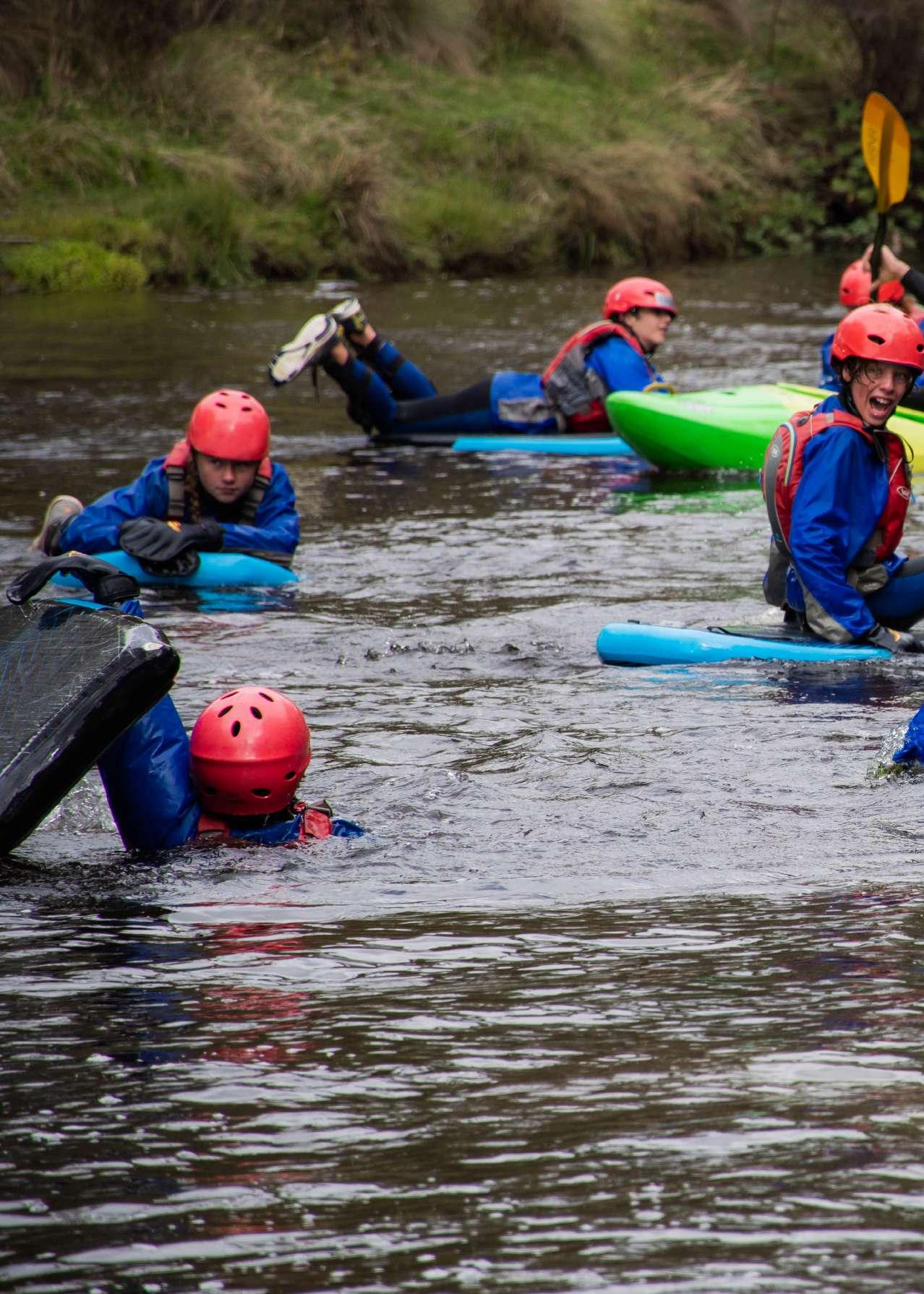
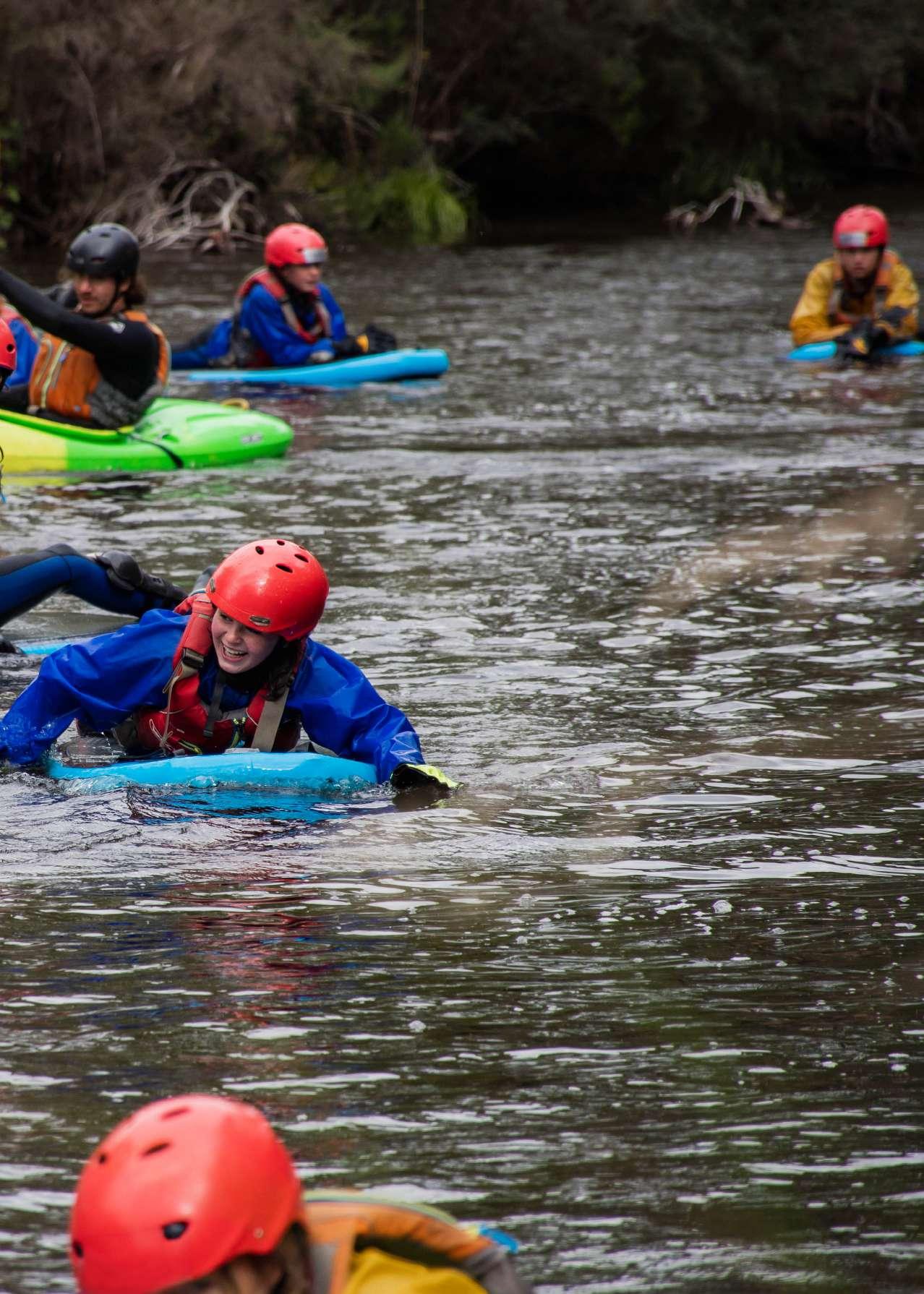
• Canoeing
• Frolf
• Pilates
• Yoga
• Tennis
• Sailing
• Stand Up Paddle-Boarding
• Trampolining
• Air Bag
• Fishing
• Self-Defence
• Fitness
• Squash
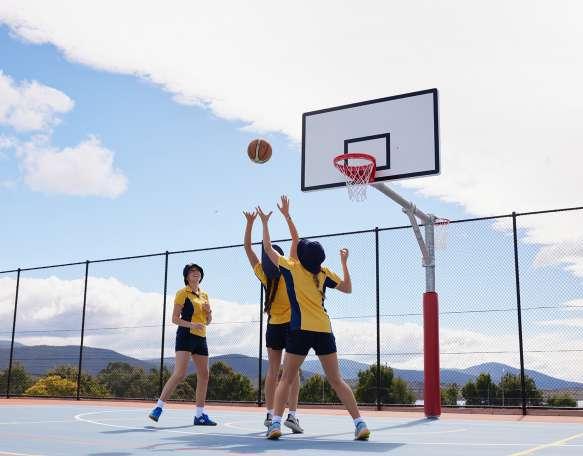
• Basketball
• Netball
*Please note that these offerings are subject to change.





FAQs: What Happens If...
I arrive late to school or need to leave early?
If you arrive after 8:45am or need to leave during the day for an appointment you must sign in and out at the Student Administration Office.
I can’t complete my homework?
Ask for support from your teacher.
I don’t have the correct uniform?
Go to Student Administration.
I feel sad, scared or worried and need to talk to an adult?
Speak to a teacher or any staff member that you trust.
I forgot my lunch?
Let your Tutor Group teacher or the Student Administration Office know. Staff will help make arrangements for you.
I get lost?
Check the campus map at the front of your student diary or ask someone for directions. Staff at the Student Administration Office can also help locate your class.
I get sick at school?
Go to the Sick Bay in Reception. Staff will contact your parents if you need to go home. You must sign out of Sick Bay before leaving.
I forget my locker combination, or cannot open my lock?
Ask your Tutor Group teacher or the Student Administration Office for help. Staff have access to open your locker if needed.
I lose equipment or uniform items?
Check with your teacher first. If the item can’t be found, go to the Reception located in the Main Administration building.
I miss the bus?
Go to Reception location in the Main Administration building. Staff will contact your parents to arrange transport home safely.
I have PE first or last period – can I wear my PE uniform to and from school?
No. All students must arrive and leave school in full uniform. Time is provided to change before and after PE lessons.
I lose my bus pass?
Most drivers will allow you on the bus that day. If not, go to the Student Administration Office for assistance.
I need to leave school for an appointment?
Students needing to leave early must notify the school through the Sentral Parent Portal: www.smgs.sentral.school/auth/portal. Students are required to sign out at the Student Administration Office.
I need extra time to complete an assessment task?
You must apply for an extension before the due date. Complete an Application for Extension Form, have it signed by your parents/carers, and submit it to the Head of Teaching and Learning.
I have a timetable issue or subject changes?
Speak directly with the Director of Curriculum and Academic Operations for assistance.
New Families
New Families Onboarding Checklist
Before the First Day
Review the 2026 Term Dates and familiarise yourself with the Sentral Parent Portal calendar
Complete your child’s Sentral Medical Profile and ensure all details are accurate and up to date
Review the Communications Handbook and download the Sentral for Parents App
Read key school policies, including the Uniform Policy, Attendance Policy, and Acceptable Use of Technology and Mobile Devices
Label all uniform and personal items
Purchase the required combination lock from the Uniform Shop
Review Box of Books and stationery requirements
Prepare your child’s BYODT laptop and confirm it meets SMGS specifications
Set up your FlexiSchools account for canteen pre-orders
Apply for a School Travel Pass or School Opal Card (if applicable)
During the First Term
Ensure your child arrives between 8:30 am and 8:45 am each day
Encourage regular use of the school diary for organisation and communication
Log into Sentral weekly to check notices, the calendar, and student progress
Stay connected via Aspects Newsletter, Canvas, and social media
Ensure absences or early departures are reported via Sentral and that students sign in/out through the Student Administration Office
Encourage participation in at least one co-curricular or sport program
Keep communication open with your child’s Tutor Group teacher and Heads of Year
Ongoing
Keep your child’s medical, contact, and emergency details current in Sentral
Check the Sentral Calendar regularly for updates and changes to key dates
Review school communications and newsletters to stay informed
Continue to model and reinforce the school’s core values — Courage, Authenticity, Respect, and Empathy (C.A.R.E.)