Project Update
August 2020
CONTENTS 3 THE MODERN SNOWY HYDRO 4 ABOUT SNOWY 2.0 5 SNOWY SCHEME MAP 6 WHY WE NEED SNOWY 2.0 7 ENVIRONMENT AND RECREATION 8 CONSTRUCTION 10 TUNNEL BORING MACHINES 12 CONCRETE SEGMENT FACTORY 13 JOBS AND BUSINESS 14 SNOWY 2.0 TIMELINE 15 TRANSMISSION 15 CONTACT AND FEEDBACK
THE MODERN SNOWY HYDRO
Snowy Hydro is a dynamic energy company supplying electricity to more than one million customers. Since the days of our pioneering past, Snowy Hydro has grown into the fourthlargest retailer in the energy market. Snowy Hydro operates the Snowy Mountains Scheme, along with other power assets across New South Wales, Victoria and South Australia.
Snowy Hydro has a current generation capacity of 5,500MW and offers energy insurance and other products that provide supply security and price certainty to customers in the energy market. Snowy Hydro also owns the electricity and gas retail companies Red Energy and Lumo Energy, and the utility connections business, Direct Connect.
A leader and innovator in renewable energy, Snowy Hydro has signed contracts for more than 1,000MW of generation from new wind and solar projects and is well underway with construction of Snowy 2.0. These are exciting additions to our energy portfolio and they will help meet future energy needs in a changing and increasingly lower emissions economy.
THE SNOWY SCHEME
Rated one of the civil engineering wonders of the modern world, the Snowy Scheme was built between 1949-74.
It currently has nine power stations (including pump storage capability at Tumut 3 Power Station and a pumping station at Jindabyne), 16 major dams, 80 kilometres of aqueducts and 145 kilometres of interconnected tunnels.
It produces, on average, one third of the National Electricity Market’s renewable energy.
3
ABOUT SNOWY 2.0
The Snowy 2.0 project currently under construction is a major expansion of the Snowy Scheme, linking Tantangara and Talbingo reservoirs with 27km of tunnels and an underground pumped-hydro power station about 800m below the surface.
The Snowy 2.0 power station will house six reversible Francis pump-turbine and motor-generator units - three will be synchronous (fixed) speed and three will be asynchronous (variable) speed. A single inclined pressure tunnel that is concrete-lined will divert water into six steel-lined penstocks (the tunnels that feed water into the generating units).
Snowy 2.0 will provide on-demand energy generation and large-scale energy storage, increasing the generation capacity of the Snowy Scheme by almost 50%. It will deliver an additional 2,000 megawatts (MW) of energy and make approximately 350,000 megawatt hours (MWh), or 175 hours of energy storage, available to the National Electricity Market (NEM), enough to power three million homes over the course of a week.
Hydro-power will be generated by falling water spinning Snowy 2.0’s giant reversible turbines, which can also pump the water in the opposite direction. Water will be recycled between the
upper dam (Tantangara) and lower dam (Talbingo) so the same water can be used to generate power more than once, making the most of available water. Snowy Hydro already has pumped-hydro capabilities at Tumut 3 Power Station –pumped-hydro is proven technology used across the world. The ability to store water and generate power on-demand means Snowy 2.0 can be ‘switched on’ very quickly. Snowy 2.0 can pump water using the excess electricity in the system at times of low demand. Then, when energy is needed most, the stored water will be used to generate electricity within minutes.
The contracted capital cost of Snowy 2.0 is $5.1 billion, including CPI. The Snowy 2.0 project is largely funded from Snowy Hydro’s balance sheet and the company has secured $3.5 billion in corporate debt facilities from a range of banks. The Australian government, as Shareholder, has provided $1.38 billion in equity.
Work on Snowy 2.0 has been underway since early 2019, with road upgrades, permanent bridges over waterways and earthworks to prepare for tunnelling all completed. Snowy 2.0 is a major regional infrastructure project bringing significant investment and thousands of jobs to the Snowy Mountains.
Snowy 2.0 Pumped Hydro Concept
4
Ta ntangara R eserv oir Ta lbingo R eserv oir
Underground Power Station
Headrace Tunnel
Artwork not to scale and for illustration purposes only.
Tailrace Tunnel
Generating - water flow Pumping - water flow
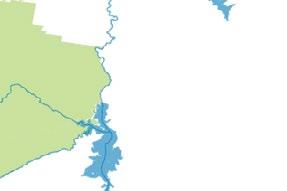
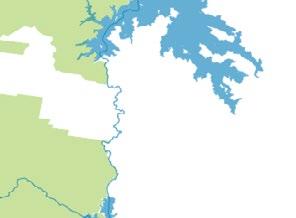
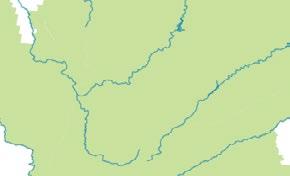
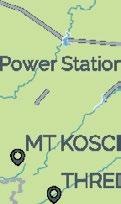
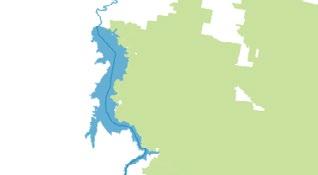
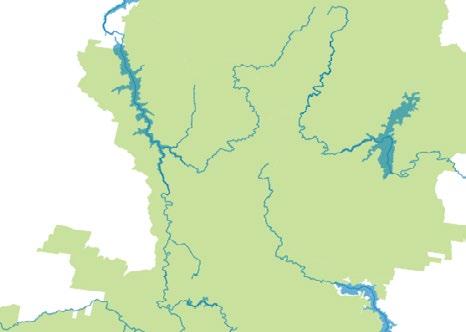
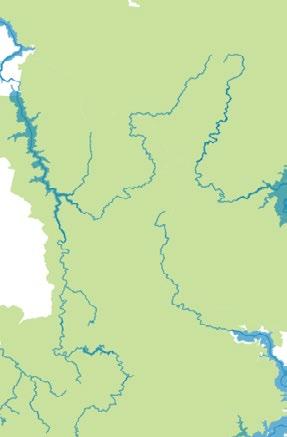
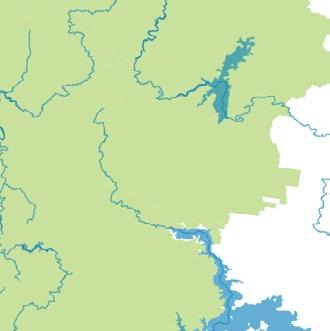
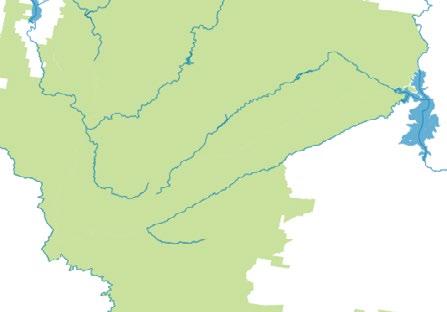
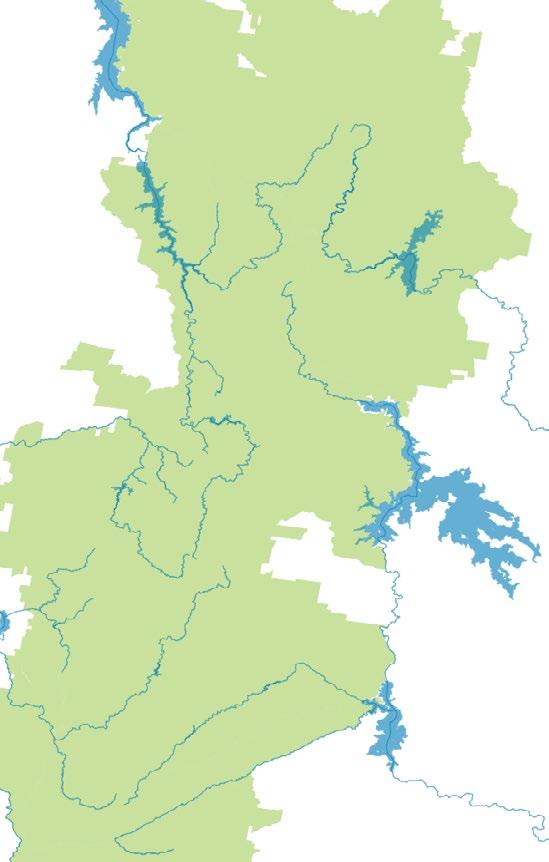
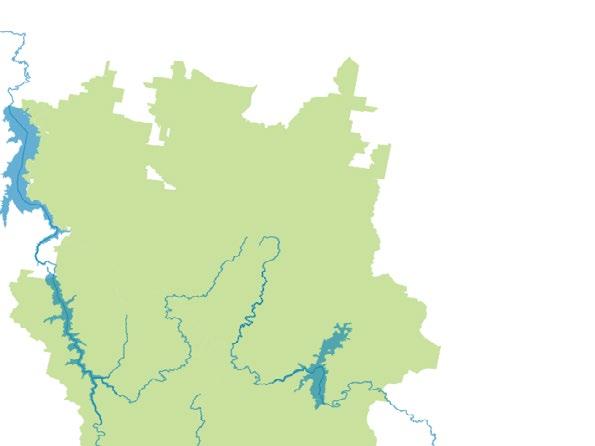
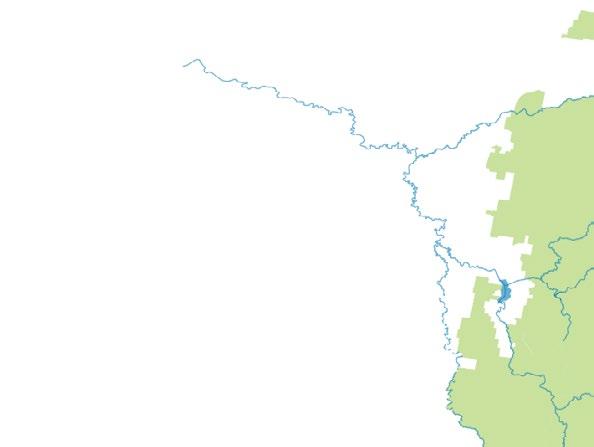
SNOWY SCHEME MAP

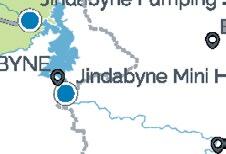

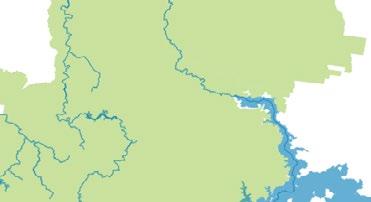
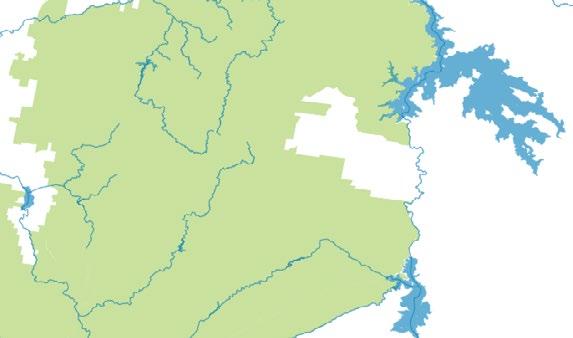






SNOWY-MURRAY DEVELOPMENT
SNOWY-TUMUT DEVELOPMENT
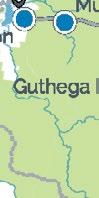
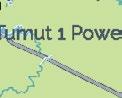
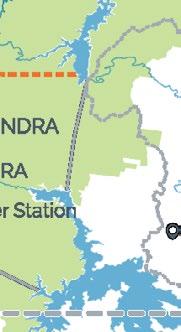
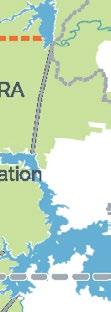
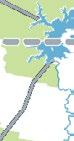





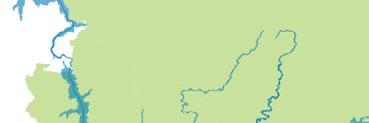
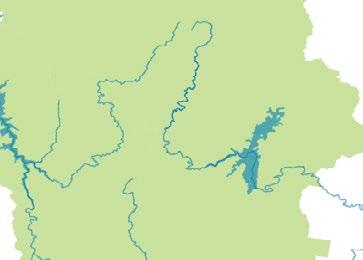



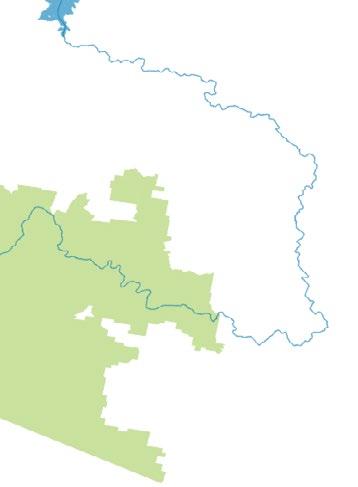



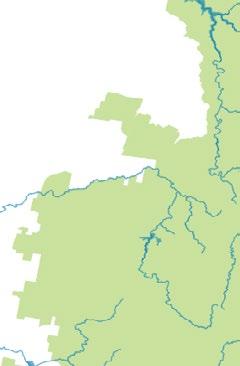
2.0 Underground Power Station wy oject Power or Pumping Station Underground Power Station River Water Storage Kosciuszko National Park dro Limited Water Catchment Boundary

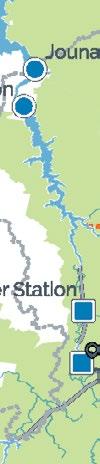
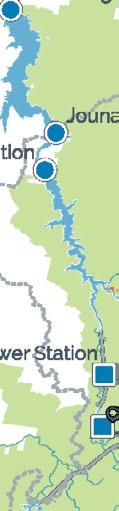
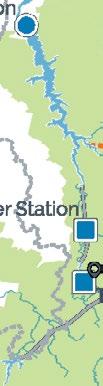


5
WY OPMENT
Under unnel ve Wa osciuszk Sno Wa
WHY WE NEED SNOWY 2.0
Snowy 2.0 is the next chapter in the Snowy Scheme’s history. It is a nation-building renewable energy project that will provide on-demand energy and large-scale storage for many generations to come and will underpin Australia’s secure and stable transition to a low-carbon emissions future at the lowest cost for consumers.
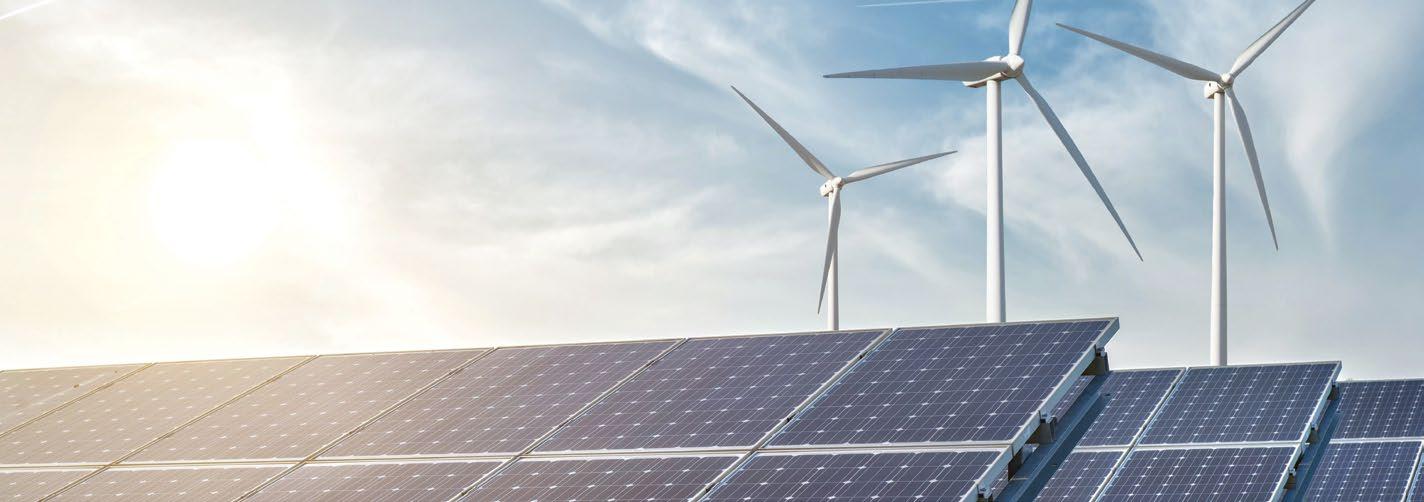
The cost and zero emission advantages of renewable energy such as wind and solar can only be realised if a sufficient amount of energy from these intermittent sources can be stored for later use when required. For example, storing excess wind energy that’s generated overnight when power demand from business and households is low.
Snowy 2.0 and its fast-start, clean hydro-power and large-scale energy storage will work alongside intermittent renewables and help fill the generation gaps, so there is energy available on-demand, when customers need it.
Snowy 2.0 (and the existing Scheme) will manage NEM system instability by combining on-demand hydro energy with wind and solar, creating ‘firm’ reliable and affordable energy for Australian businesses and households. Snowy 2.0’s added supply of generation will also create extra competition in the
NEM (which covers Queensland, NSW, ACT, Victoria, South Australia and Tasmania) to help lower energy prices. It will support renewables and increase the efficiency of the NEM by buying surplus energy from the new renewable plants, storing it as water (potential energy) in the upper reservoir and releasing it when electricity demand is high.
The water storage also ensures the stability and reliability of the NEM, even during prolonged wind or solar ‘droughts’. Snowy 2.0, along with the existing Snowy Scheme, will more efficiently deliver electricity to the major load centres of Sydney and Melbourne at times of high demand.
Snowy 2.0 is the least cost, large-scale energy storage solution for the NEM as the economy decarbonises, according to independent economic analyses prepared by leading financial and economic consultants, Marsden Jacob Associates.
Without Snowy 2.0, the likely alternative to meet the needs of the market is a combination of gas peaking plants paired with commercial-scale batteries. This option would cost at least twice as much as building Snowy 2.0.
6
ENVIRONMENT AND RECREATION
Snowy 2.0 is a renewable energy project with broad-scale environmental benefits - it is a centrepiece in Australia’s transition to a low-carbon economy.
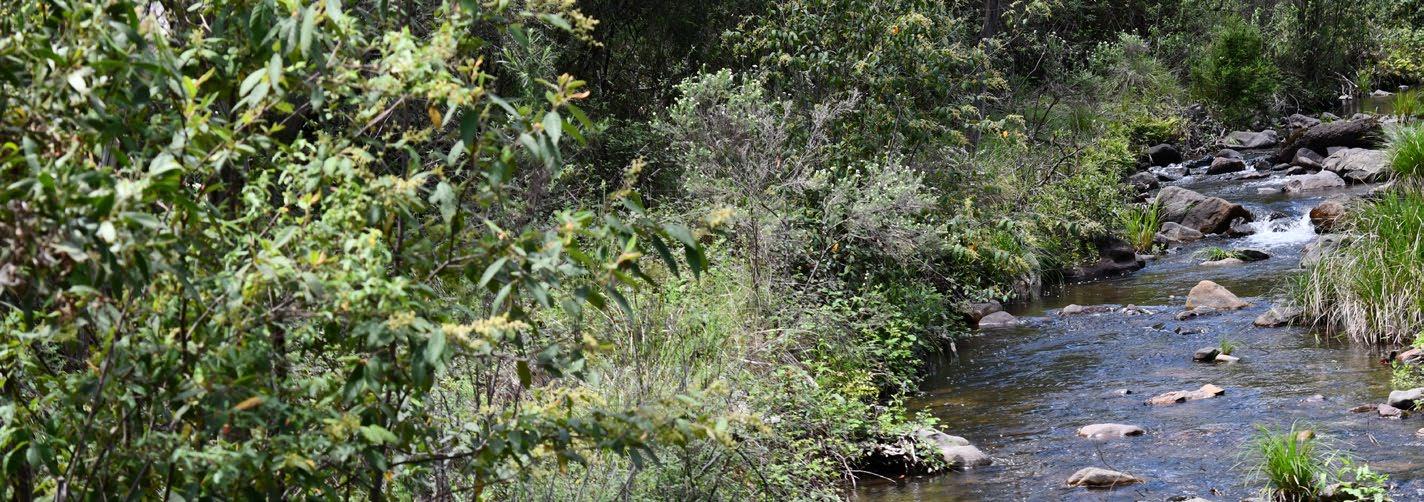
For almost 70 years, Snowy Hydro has responsibly operated the Snowy Scheme in Kosciuszko National Park (KNP). We are committed to minimising potential impacts from Snowy 2.0, as we do for our existing business. The park is our backyard and we want to look after it.
The small, localised area temporarily impacted during construction is less than 0.1% of KNP and once operational, it will be only 0.01%. The unavoidable impacts will be offset and construction areas will be rehabilitated, in accordance with the approvals for the project. Around $100 million will be provided by Snowy Hydro to the offsets program for Kosciuszko National Park.
The majority of these funds will go directly to National Parks and Wildlife Service. These funds are targeted to directly contribute to the ongoing and long-term conservation and recreational use of the park.
WATER
The Snowy Scheme operates under a strict water licence issued by the NSW Government. As a pumped-hydro project, Snowy 2.0 will simply recycle water between two existing reservoirs, so it will not in any way affect Snowy Hydro’s continued compliance with the water licence.
In particular, there will be no change to Snowy Hydro’s water release obligations from both the Murray and Tumut developments, and no change to environmental release obligations, meaning Snowy 2.0 will not have any impact on downstream water users or environmental flows.
7
CONSTRUCTION
Snowy 2.0 is unique in international terms, combining a high head differential, long tunnels and reversible pump-turbines.
About 27km of power waterway tunnels will be constructed to link Tantangara and Talbingo reservoirs, mostly excavated by tunnel boring machines. The concrete segment-lined tunnels will be about 10m in diameter.
The power station complex will be located approximately 800m underground. Two main caverns will be excavated: the machine hall (240m long x 55m high x 30m wide) and transformer hall (200m long x 50m high x 20m wide. To reinforce the structure, rock bolts of 15 to 20m in length will be drilled into the rock at the top and sides of each cavern.
SITE ACTIVITY
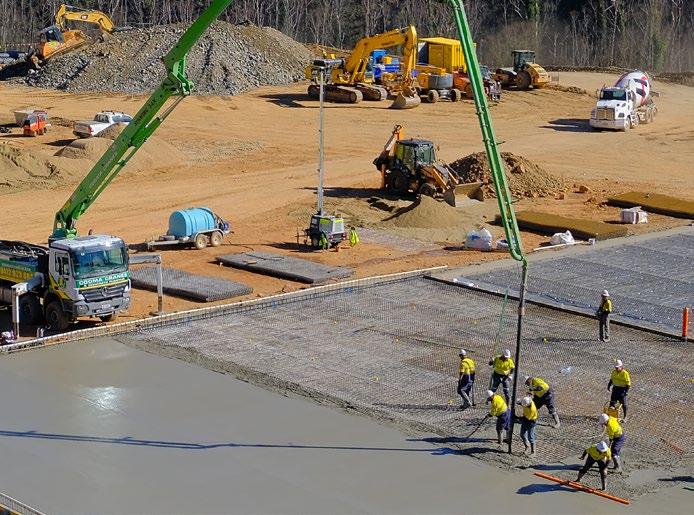
Exploratory Works have been underway at the Lobs Hole construction site since 2019, including access roads upgrades and construction, and establishment of construction pads and supporting services infrastructure such as two permanent bridges over Yarrangobilly River and Wallace Creek. The bridges are important to provide safe, long-term access for Snowy Hydro once the project is complete.
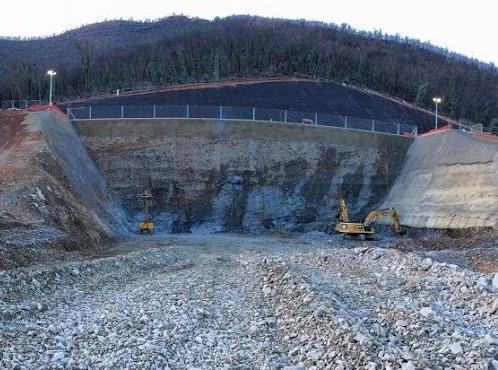
During 2020, a range of major earthworks have been carried out to prepare the main access tunnel (MAT) portal, including explosive blasts to help move large quantities of rock and soil. This is where a tunnel boring machine is being launched to excavate the 2.7km MAT leading to the Snowy 2.0 underground power station.
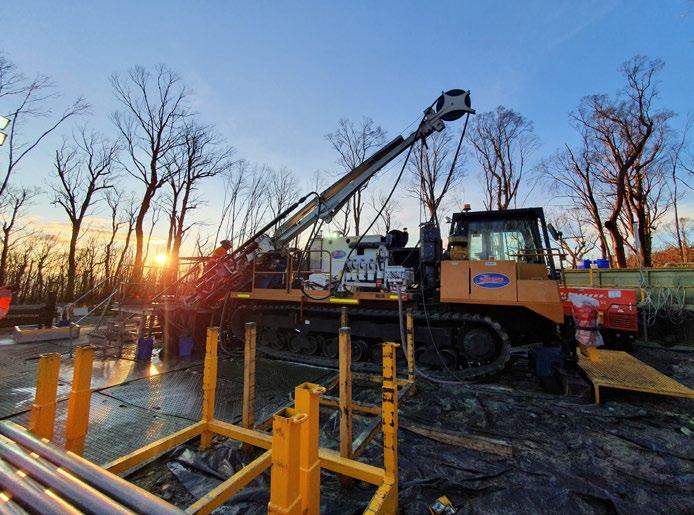
Future Generation subcontractor GHD has been conducting a major drill program in key locations to provide critical information for the underground powerhouse cavern and design of the
Snowy 2.0 power station and inclined pressure shaft (IPS). This follows an extensive, initial geotechnical drilling program along the project alignment that began in 2017 and has collected more than 30,000m of drill core over three years. One of the longest boreholes, at the IPS site, reached a depth of 2,000m!
Future Generation is also constructing temporary worker camps to house the growing project workforce. The current worker accommodation is being expanded to house up to 250 people onsite by the end of 2020.
When the camps are fully operational, more than 1,500 workers will stay onsite for the duration of their swings.
SAFETY
Safety is, and always will be, the number one priority for Snowy Hydro. Our safety vision and high expectations for the management of all safety risks will be adopted by all those working on Snowy 2.0..
We will not compromise safety on any aspect of the project, including schedule. Before appointing principal contractors to Snowy 2.0, exhaustive due diligence was undertaken to ensure their safety systems, performance and processes were of the highest standards.
Snowy Hydro and all contractors on the project are committed to continuously monitoring and improving safety standards. We are also committed to sharing any safety learnings and improvements with the wider industry.
8
PRINCIPAL CONTRACTOR
Snowy Hydro’s principal contractor for the construction of Snowy 2.0 is Future Generation Joint Venture, a partnership with the combined engineering expertise of three companies – Italy’s Webuild (formerly Salini Impregilo), Australian-based Clough and US-based Lane Construction.

9
TUNNEL BORING MACHINES
On the original Scheme, tunnelling was achieved through drill and blast and, in some cases, picks and shovels. During construction of Snowy 2.0 the bulk of the underground excavation will be carried out by large tunnel boring machines, or TBMs. As part of Snowy 2.0, there will be approximately 40km of tunnels dug, with the bulk of the excavation via the use of three TBMs.
Each TBM has been specifically designed to manage the various ground conditions they will encounter throughout construction. Some of the key drivers in the TBM designs have included the geology of the rock, the diameter of the tunnels and the alignment and angle of the tunnel (e.g. the ability to operate at steeper angles for the inclined pressure shaft).
TBM 1
TBM 1 will excavate the emergency, ventilation and cable tunnel from the surface in Lobs Hole down to the power station complex. From there, it will tunnel the inclined pressure shaft, linking the headrace tunnel (the upper waterway tunnel) to the large turbines within the power station.
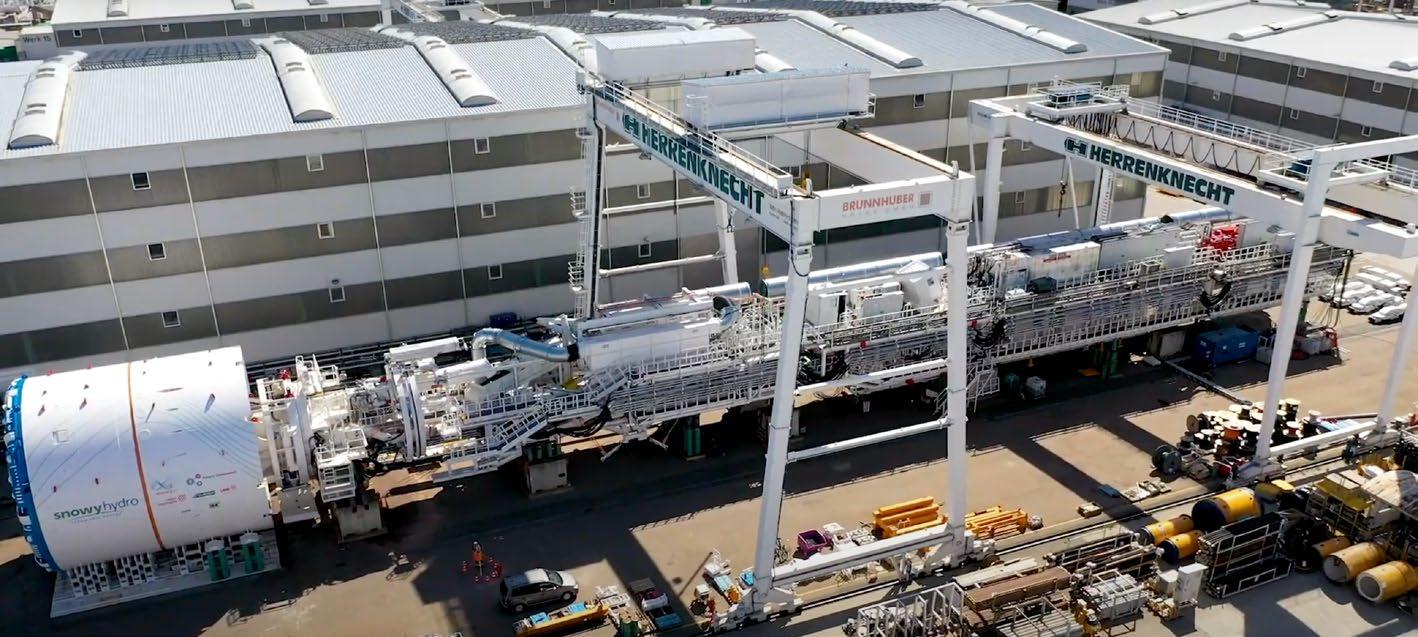
Constructed in Germany by Herrenknecht AG, TBM 1 is a single shield, open mode machine designed to deal with hard rock conditions. It is a very complex machine - it can operate downhill and then be converted to excavate uphill. At 205m in length (that’s the equivalent of two rugby league fields), it will be one of the longest TBMs in operation around the globe. TBM 1 will have a diameter of around 11m (the same as a three-storey building) and will be able to excavate up to 30m of rock per day. TBM 1 is expected to start tunnelling early in 2021.
10
205m
TBM 2
TBM 2 will excavate the main access tunnel from the surface at Lobs Hole down to the power station complex. From there, TBM 2 will be dismantled underground and reassembled at the Talbingo portal. Once assembled, the TBM will be shifted on a concrete cradle along the 700m-long Talbingo construction adit before being relaunched underground to excavate the tailrace tunnel.
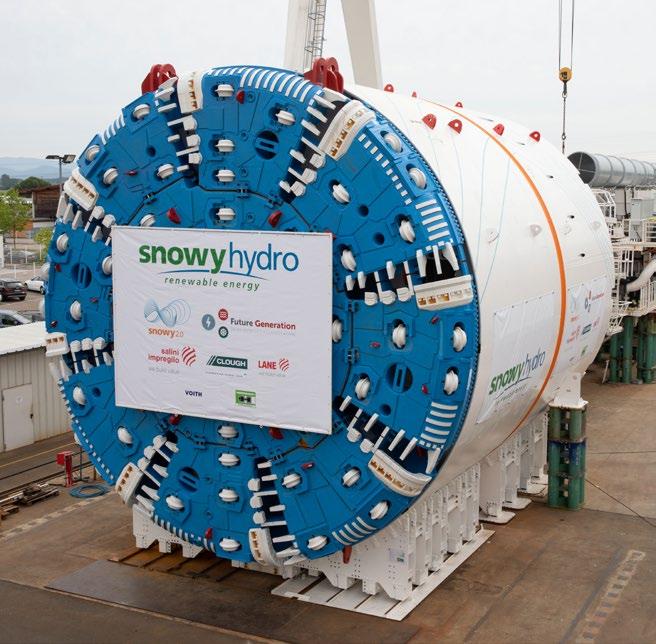
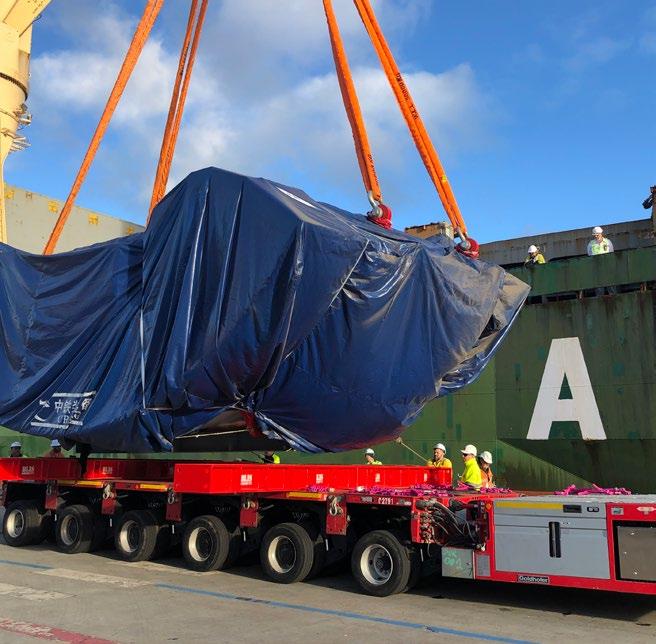
Constructed in China by CREG, TBM 2 is also a single shield, open mode machine designed to deal with hard rock conditions and is 137m long. TBM 2 is the first TBM to be launched on the project and is the only machine that will excavate two separate tunnels. TBM 2 has a diameter of around 11m and will be able to excavate up to 30m of rock per day. TBM 2, pictured below being unloaded at Port Kembla, is expected to start tunnelling in late 2020.
TBM 3
Also constructed in Germany by Herrenknecht AG, TBM 3 is 142m long, with a 11m diameter and will excavate 16km of the headrace tunnel. TBM 3 can operate in ‘slurry mode’ when required, mixing bentonite and water into the fine excavated rock, forming a ‘slurry’ that can be pumped back to the surface for treatment.
This will ensure that rock dust doesn’t become airborne, keeping our workers safe! TBM 3 is expected to tunnel around 30m of rock per day, however, if rock conditions are favourable, we may see this increase to 50m per day. TBM 3 is expected to start tunnelling in the second half of 2021.
11
CONCRETE SEGMENT FACTORY
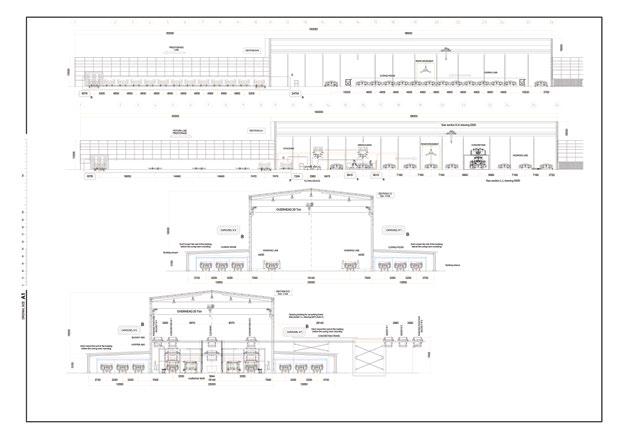
The Snowy 2.0 segment factory at Polo Flat, Cooma, will manufacture the precast concrete segments that are essential to line the Snowy 2.0 tunnels excavated by tunnel boring machines. Around 130,500 segments will be used to line 27km of waterway tunnels.
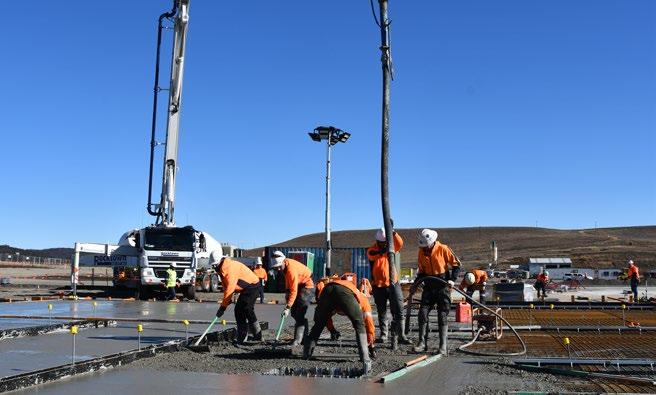
Snowy Hydro fought hard to build the $55 million segment factory locally rather than import segments from overseas or interstate, because it means more local jobs, opportunities and investment. The factory will have an annual turnover of about $115 million.
The factory, operated by Future Generation, will produce the first segments by the end of 2020.
TRANSPORTING SEGMENTS
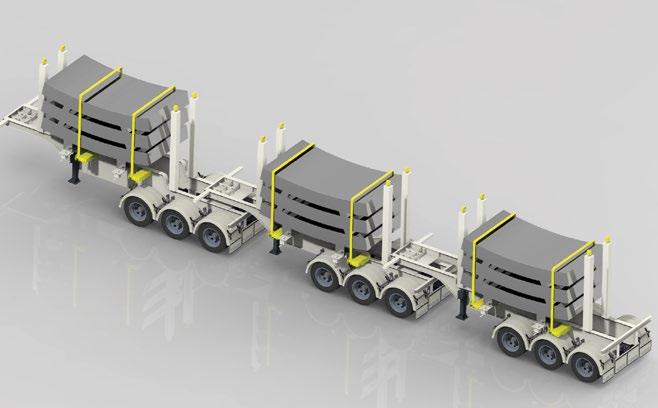
The concrete segments will be transported to site on speciallydesigned trucks. These custom-made vehicles will greatly improve safety and efficiency.
They will be capable of transporting up to nine segments at once - three times the number compared with a regular semitrailer configuration. The innovative trailer design, which includes a greater number of axles than usual, will reduce segment truck movements by up to two-thirds.
SEGMENT RINGS
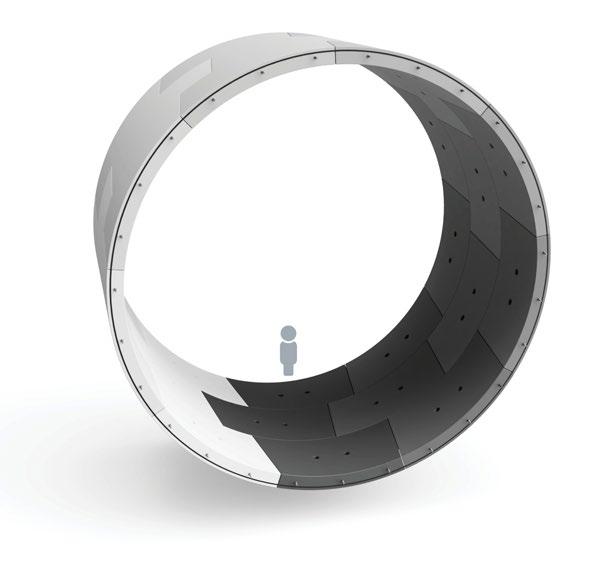
Each segment is 6.5 tonnes - 380mm thick, 2.6 cubic metres of concrete
The 130,500 segments make 14,500 concrete rings
Each ring weighs about 60 tonnes (nine individual segments) with an approximately 10m internal diameter
12
Trailer design
JOBS AND BUSINESS
Snowy 2.0 is not only critical for the energy market and consumers, it is a major regional infrastructure project, creating around 4,000 jobs over the life of the project and many more supply chain and support services roles.
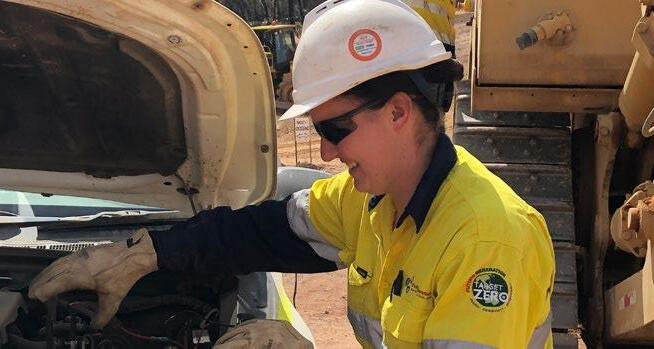
Snowy Hydro and Future Generation are absolutely committed to providing jobs and business opportunities for local people - to date more than $35 million has been spent in the Snowy Mountains region with 100-plus local businesses. There are already hundreds of people working onsite and there will be many more hired in coming months for roles such as: carpenters, fitters, welders, electricians, plant operators, truck drivers, general labourers, trades assistants, tunnel workers etc.
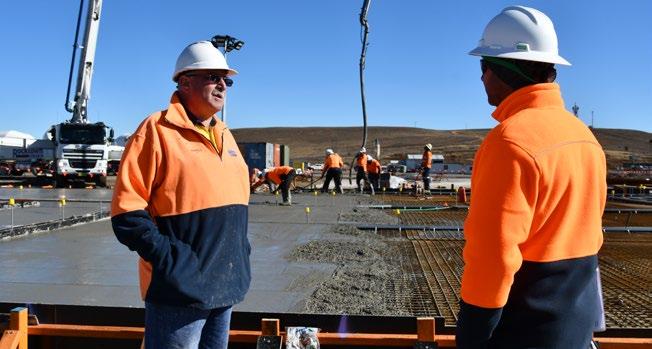
This includes a range of skilled and unskilled jobs for about 125 people which will be available at the Snowy 2.0 segment factory at Polo Flat once operational – we hope many of these roles will be filled by locals.
To help make it easier to find and apply for jobs, Future Generation has an online register so people can submit an expression of interest.
Sub-contractors looking to hire staff may be provided with details of those applicants who have expressed interest through the register and Future Generation will also have your details onfile for upcoming roles.
Businesses interested in tendering for work packages need to register on the ICN Gateway and access available opportunities from this online business network platform.
futuregenerationjv.com.au
2,000 MW 175 350,000 SNOWY MOUNTAINS BUSINESSES
$35 MILLION 100
13
FUTURE GENERATION ONLINE JOBS REGISTER
ICN GATEWAY ONLINE BUSINESS NETWORK
GO TO: Work With Us > Job Opportunities
business
gateway.icn.org.au
AND BUSINESS NETWORK GENERATING CAPACITY HOURS MWh OF ENERGY STORAGE OVER THE CONSTRUCTION PERIOD PLUS JOBS THROUGHOUT THE SUPPLY CHAIN
Register your
to access tender packages for Snowy 2.0 REVERSIBLE FRANCIS PUMP/TURBINES OF JUST THE NATIONAL YEAR MILLION SNOWY 2.0 SNAPSHOT OR SPENT TO DATE WITH MORE THAN APPROXIMATELY OF TUNNELS INCLUDING OF POWER WATERWAYS
JOBS
4,000
JOBS 40KM 27KM
SNOWY 2.0 TIMELINE
2017
Snowy 2.0 announced
Major pumped-hydro expansion of the Snowy Scheme
Feasibility study released
Confirms project is technically and financially feasible
2018
Final Investment Decision
Snowy Hydro board approves the project’s robust business case and makes the final investment decision to proceed with Snowy 2.0
2019
Exploratory Works underway
Access roads upgrades and early works at Lobs Hole
Principal Contractor appointed
Future Generation Joint Venture appointed by Snowy Hydro
2025
First power
Progressive commissioning of Snowy 2.0’s six generating units
2026
Expected Snowy 2.0 project completion
2020 Site works progress
Construction of permanent bridges, main access tunnel portal and temporary accommodation camps at Lobs Hole; 300 people working onsite
Construction of segment factory underway
130,500 concrete tunnel segments will be manufactured at Polo Flat, Cooma
Tunnel boring machines
The TBMs arrive, tunnelling expected to commence, first tunnel segments are produced at Polo Flat factory
14
TRANSMISSION CONTACT AND FEEDBACK
The existing transmission network was built decades ago to carry energy from coal-fired plants to the market. However, our energy system is rapidly changing and new transmission routes are needed to connect new renewable generation projects and geographically-dispersed renewable energy zones to the network.
The Australian Energy Market Operator’s Integrated System Plan proposes future upgrades to the shared transmission network that will facilitate the many renewable energy generation and storage projects that are planned or under construction, including Snowy 2.0.
There is growing recognition of the need to bring forward critical upgrades. New lines will allow the existing Snowy Scheme to deliver 1,200MW more energy capacity to the NEM, mitigating the impacts of the Liddell Power Station closure in 2023.
There is a long-standing regulatory framework in place to determine funding of these upgrades. Snowy Hydro (as a generator) does not own or operate the shared network, and for this reason the cost of upgrading the shared transmission network has not been included in Snowy 2.0 project costs.
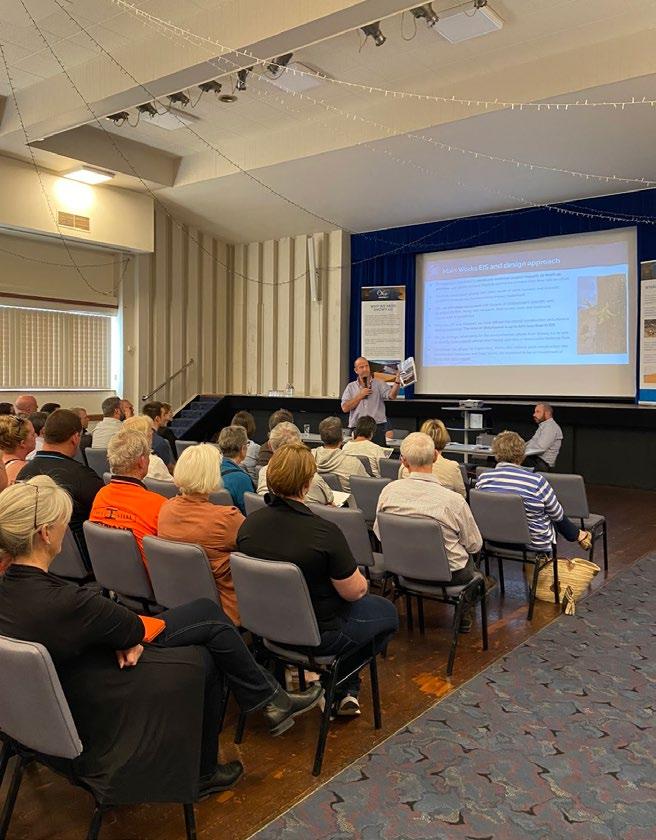
Snowy Hydro will continue to work closely with stakeholders and local communities to provide information about the Snowy 2.0 project and to seek your feedback. Look out for the next series of community information sessions held throughout the Snowy Mountains.
You can contact Snowy Hydro or Future Generation JV:
Phone: 1800 766 992
Email: snowy2.0@snowyhydro.com.au
community@futuregenerationjv.com.au
Mail: Snowy Hydro, PO Box 332, Cooma NSW 2630
15
Disclaimer: This booklet is for general use only and we give no warranty or representation regarding the booklet’s accuracy, completeness, reliability or suitability for any particular purpose. We completely exclude all liability to any person for loss or damage of any kind (however caused, including but not limited to by negligence) arising whether directly or indirectly from or relating in any way to the content in this booklet and use of that content, whether in whole or in part.
Copyright: Unless otherwise indicated, we reserve all copyright in the content and design of this booklet. We own all such copyright or use it under licence or applicable law. No copying, duplication, redistribution, reproducing, dissemination, derivative works or commercialisation of the material in this booklet is permitted without the prior written consent of us, except as permitted by applicable laws.
Copyright © 2020 Snowy Hydro Limited. All rights reserved.
snowyhydro.com.au