Overcoming Math Anxiety: A Pathway to Mathematical Confidence

Mathematics can be a captivating and enlightening realm for some, while for others, it can be a cause of fear and stress. If you belong to the latter group, know that you are not alone. Math anxiety can impact people from various backgrounds and ages, making it difficult for them to perform well in mathematical activities. Nevertheless, overcoming math anxiety is achievable and can lead to a significant transformation, boosting confidence and proficiency in dealing with numbers. This article will delve into the definition of math anxiety, its underlying reasons, and most importantly, effective strategies to overcome it.
Unraveling the Complexity of Math Anxiety
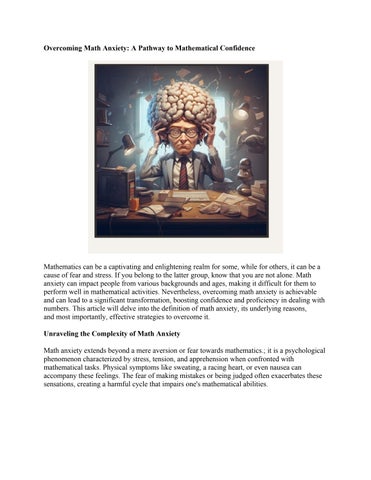
Math anxiety extends beyond a mere aversion or fear towards mathematics.; it is a psychological phenomenon characterized by stress, tension, and apprehension when confronted with mathematical tasks. Physical symptoms like sweating, a racing heart, or even nausea can accompany these feelings. The fear of making mistakes or being judged often exacerbates these sensations, creating a harmful cycle that impairs one's mathematical abilities.
Root Causes of Math Anxiety
Various elements contribute to the emergence of math anxiety. Previous negative encounters, like difficulties in understanding math concepts or facing harsh criticism from teachers or peers, can have long-lasting emotional effects. Furthermore, societal perspectives towards math, which often involve stereotypes about who is considered "good" at math, can intensify feelings of inadequacy and self-doubt. Moreover, the fear of failure and the constant pressure to excel can intensify math anxiety, creating a psychological obstacle that appears overwhelming.
Strategies for Overcoming Math Anxiety
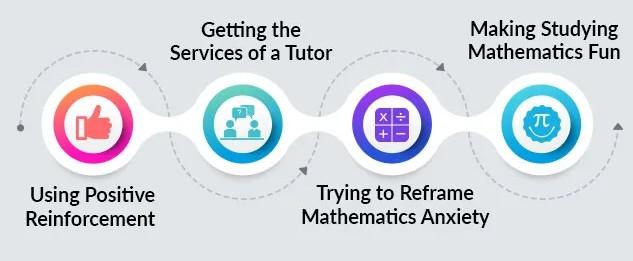
The great news is that math anxiety doesn't have to be a lifelong burden. With patience, perseverance, and effective strategies, it's possible to overcome this psychological obstacle and develop a more positive relationship with mathematics. Consider these helpful techniques:
1. Change Your Perspective: Adopting a growth mindset towards math is essential. Instead of believing that math ability is fixed and innate, understand that it can be improved through practice and effort. Celebrate even the smallest progress and embrace challenges as opportunities for personal growth.
2. Boost Your Confidence: Break down math tasks into manageable steps and set realistic goals for yourself. Practice relaxation techniques like deep breathing or visualization to calm your nerves before tackling math problems. Reflect on your previous accomplishments and concentrate on your areas of expertise instead of fixating on perceived shortcomings.
3. Seek Support: Don't hesitate to seek assistance when needed, whether it be from a teacher, tutor, or supportive friend. Seeking guidance can offer valuable insights and encouragement. Additionally, participating in study groups or online forums can foster a sense of camaraderie and solidarity with others who are also tackling similar challenges.
4. Consistent Practice: Achieving proficiency in math requires consistent practice, just like any other skill. Dedicate a specific time each day to actively engage with mathematical concepts and problem-solving. Begin with topics that you find comfortable and gradually work your way up to more difficult material. Remember, consistency is crucial, so do not get disheartened if progress seems slow initially.
Conclusion
Overcoming math anxiety is a process that demands time and dedication, but it is achievable with persistence. By identifying the root causes of math anxiety and employing effective strategies to combat it, you can enhance your skills and bolster your confidence in mathematics. Remember that you are capable of achieving great things, and each small victory over math anxiety brings you closer to realizing your full potential in the subject. Take a moment to relax, confront the challenge head-on, and embark on your journey toward mastering math.